EP3511407A1 - Christensenella intestinihominis and application thereof - Google Patents
Christensenella intestinihominis and application thereof Download PDFInfo
- Publication number
- EP3511407A1 EP3511407A1 EP16915429.1A EP16915429A EP3511407A1 EP 3511407 A1 EP3511407 A1 EP 3511407A1 EP 16915429 A EP16915429 A EP 16915429A EP 3511407 A1 EP3511407 A1 EP 3511407A1
- Authority
- EP
- European Patent Office
- Prior art keywords
- composition
- christensenella
- christensenella intestinihominis
- intestinihominis
- acid
- Prior art date
- Legal status (The legal status is an assumption and is not a legal conclusion. Google has not performed a legal analysis and makes no representation as to the accuracy of the status listed.)
- Granted
Links
Images

Classifications
-
- C—CHEMISTRY; METALLURGY
- C12—BIOCHEMISTRY; BEER; SPIRITS; WINE; VINEGAR; MICROBIOLOGY; ENZYMOLOGY; MUTATION OR GENETIC ENGINEERING
- C12N—MICROORGANISMS OR ENZYMES; COMPOSITIONS THEREOF; PROPAGATING, PRESERVING, OR MAINTAINING MICROORGANISMS; MUTATION OR GENETIC ENGINEERING; CULTURE MEDIA
- C12N1/00—Microorganisms; Compositions thereof; Processes of propagating, maintaining or preserving microorganisms or compositions thereof; Processes of preparing or isolating a composition containing a microorganism; Culture media therefor
- C12N1/20—Bacteria; Culture media therefor
- C12N1/205—Bacterial isolates
-
- A—HUMAN NECESSITIES
- A23—FOODS OR FOODSTUFFS; TREATMENT THEREOF, NOT COVERED BY OTHER CLASSES
- A23L—FOODS, FOODSTUFFS OR NON-ALCOHOLIC BEVERAGES, NOT OTHERWISE PROVIDED FOR; PREPARATION OR TREATMENT THEREOF
- A23L33/00—Modifying nutritive qualities of foods; Dietetic products; Preparation or treatment thereof
- A23L33/10—Modifying nutritive qualities of foods; Dietetic products; Preparation or treatment thereof using additives
- A23L33/135—Bacteria or derivatives thereof, e.g. probiotics
-
- A—HUMAN NECESSITIES
- A61—MEDICAL OR VETERINARY SCIENCE; HYGIENE
- A61K—PREPARATIONS FOR MEDICAL, DENTAL OR TOILETRY PURPOSES
- A61K35/00—Medicinal preparations containing materials or reaction products thereof with undetermined constitution
- A61K35/66—Microorganisms or materials therefrom
- A61K35/74—Bacteria
-
- A—HUMAN NECESSITIES
- A61—MEDICAL OR VETERINARY SCIENCE; HYGIENE
- A61K—PREPARATIONS FOR MEDICAL, DENTAL OR TOILETRY PURPOSES
- A61K35/00—Medicinal preparations containing materials or reaction products thereof with undetermined constitution
- A61K35/66—Microorganisms or materials therefrom
- A61K35/74—Bacteria
- A61K35/741—Probiotics
-
- A—HUMAN NECESSITIES
- A61—MEDICAL OR VETERINARY SCIENCE; HYGIENE
- A61P—SPECIFIC THERAPEUTIC ACTIVITY OF CHEMICAL COMPOUNDS OR MEDICINAL PREPARATIONS
- A61P3/00—Drugs for disorders of the metabolism
- A61P3/04—Anorexiants; Antiobesity agents
-
- C—CHEMISTRY; METALLURGY
- C12—BIOCHEMISTRY; BEER; SPIRITS; WINE; VINEGAR; MICROBIOLOGY; ENZYMOLOGY; MUTATION OR GENETIC ENGINEERING
- C12N—MICROORGANISMS OR ENZYMES; COMPOSITIONS THEREOF; PROPAGATING, PRESERVING, OR MAINTAINING MICROORGANISMS; MUTATION OR GENETIC ENGINEERING; CULTURE MEDIA
- C12N1/00—Microorganisms; Compositions thereof; Processes of propagating, maintaining or preserving microorganisms or compositions thereof; Processes of preparing or isolating a composition containing a microorganism; Culture media therefor
- C12N1/20—Bacteria; Culture media therefor
-
- A—HUMAN NECESSITIES
- A23—FOODS OR FOODSTUFFS; TREATMENT THEREOF, NOT COVERED BY OTHER CLASSES
- A23C—DAIRY PRODUCTS, e.g. MILK, BUTTER OR CHEESE; MILK OR CHEESE SUBSTITUTES; PREPARATION THEREOF
- A23C9/00—Milk preparations; Milk powder or milk powder preparations
- A23C9/12—Fermented milk preparations; Treatment using microorganisms or enzymes
- A23C9/1203—Addition of, or treatment with, enzymes or microorganisms other than lactobacteriaceae
-
- A—HUMAN NECESSITIES
- A23—FOODS OR FOODSTUFFS; TREATMENT THEREOF, NOT COVERED BY OTHER CLASSES
- A23V—INDEXING SCHEME RELATING TO FOODS, FOODSTUFFS OR NON-ALCOHOLIC BEVERAGES AND LACTIC OR PROPIONIC ACID BACTERIA USED IN FOODSTUFFS OR FOOD PREPARATION
- A23V2002/00—Food compositions, function of food ingredients or processes for food or foodstuffs
-
- A—HUMAN NECESSITIES
- A61—MEDICAL OR VETERINARY SCIENCE; HYGIENE
- A61K—PREPARATIONS FOR MEDICAL, DENTAL OR TOILETRY PURPOSES
- A61K35/00—Medicinal preparations containing materials or reaction products thereof with undetermined constitution
- A61K2035/11—Medicinal preparations comprising living procariotic cells
- A61K2035/115—Probiotics
-
- C—CHEMISTRY; METALLURGY
- C12—BIOCHEMISTRY; BEER; SPIRITS; WINE; VINEGAR; MICROBIOLOGY; ENZYMOLOGY; MUTATION OR GENETIC ENGINEERING
- C12R—INDEXING SCHEME ASSOCIATED WITH SUBCLASSES C12C - C12Q, RELATING TO MICROORGANISMS
- C12R2001/00—Microorganisms ; Processes using microorganisms
- C12R2001/01—Bacteria or Actinomycetales ; using bacteria or Actinomycetales
Definitions
- the present invention relates to the field of microbiology, and in particular to the use of Christensenella intestinihominis for the treatment and prevention of obesity and related diseases, and to a composition comprising Christensenella intestinihominis and the use thereof.
- a large number of symbiotic microorganisms are inhabited in the human intestinal tract, most of which are beneficial to the human body. These microorganisms not only cooperate with the host for the metabolism of matter and energy, but also play an important role in maintaining the health of the host.
- intestinal microorganisms are closely related to inflammatory and metabolic diseases such as irritable bowel syndrome (IBS), ulcerative enteritis (UC), obesity, and type 2 diabetes.
- IBS irritable bowel syndrome
- UC ulcerative enteritis
- obesity type 2 diabetes
- Short-chain fatty acids including acetic acid, propionic acid, butyric acid, pentanoic acid, etc.
- acetic acid propionic acid
- butyric acid butyric acid
- pentanoic acid etc.
- the production of short-chain fatty acids plays an important role in the maintenance of intestinal health.
- Cholesterol is of great significance to the human body as a precursor of vitamin D synthesis. But because of the unreasonable diets for most people, it is easy to cause excessive cholesterol in the body, especially in the blood, thereby causing obesity, diabetes and a series of cardiovascular and cerebrovascular diseases, such as coronary heart disease, atherosclerosis, etc. Therefore, the reduction of cholesterol in the body is an effective way to prevent cardiovascular and cerebrovascular diseases.
- sibutramine 'REDUCTIL from Abbott
- Orlistat Xenical form Roche
- Sibutramine blocks the reabsorption of noradrenaline and serotonin, thereby regulating appetite and reducing dietary intake.
- sibutramine is a substance having a property of acting on the central nervous system, and thus has side effects that affect heartbeat, blood pressure, and the like.
- orlistat acts locally.
- undigested fat moves along the gastrointestinal track and causes side effects such as diarrhea and steatorrhea, which make the body not only uncomfortable, but also difficult to perform in normal social life.
- Another object of the present invention is to provide the use of Christensenella intestinihominis for the treatment and prevention of obesity and related diseases.
- Another object of the present invention is to provide a pharmaceutical, beverage, food composition, or animal feed composition for the treatment and prevention of obesity and related diseases thereof, which is effective and has no toxic side effects.
- Another object of the present invention is to provide a method of reducing body weight and/or blood lipids and uses thereof.
- the Christensenella intestinihominis is a Christensenella intestinihominis.
- the Christensenella intestinihominis is an intestinal Christensenella intestinihominis.
- sequence of the 16s rDNA of the Christensenella intestinihominis is as shown in SEQ ID NO.: 1.
- the Christensenella intestinihominis is Christensenella intestinihominis AF73-05CM02 with a deposit number of CGMCC 1.5207.
- composition which comprises: (a) a safe and effective amount of Christensenella intestinihominis according to the first aspect of the present invention and/or metabolites thereof; and (b) a food acceptable carrier or a pharmaceutically acceptable carrier.
- the composition is selected from the group consisting of: a food composition, a health care composition, a pharmaceutical composition, a beverage composition, a feed composition, and a combination thereof.
- the composition is an oral preparation.
- the composition is a liquid preparation, a solid preparation, or a semi-solid preparation.
- the dosage form of the composition is selected from the group consisting of a powder, pulvis, tablet, sugar coating agent, capsule, granule, suspension, solution, syrup, drop, and sublingual tablet.
- the food composition comprises an emulsion product, a solution product, a powder product, or a suspension product.
- the food composition comprises a dairy product, milk powder, or lotion.
- the liquid preparation is selected from the group consisting of a solution product or a suspension product.
- the composition comprises 1x10-1x10 10 cfu/ml or cfu/g of Christensenella intestinihominis AF73-05CM02, preferably 1x10 4 -1x10 10 cfu/ml or cfu/g of Christensenella intestinihominis AF73-05CM02, based on the total volume or total weight of the composition.
- the composition comprises from 0.0001 to 99 wt%, preferably from 0.1 to 90 wt% of the Christensenella intestinihominis and/or the metabolites thereof, based on the total weight of the composition.
- the composition is in a unit dosage form (one tablet, one capsule or one vial) and the mass of the composition in each unit dosage form is from 0.05 to 5 g, preferably from 0.1 to 1 g.
- composition further comprises other probiotics and/or prebiotics.
- the probiotic is selected from the group consisting of lactic acid bacteria, bifidobacteria, lactobacillus acidophilus, and a combination thereof.
- the prebiotic is selected from the group consisting of fructooligosaccharide (FOS), galactooligosaccharide (GOS), xylooligosaccharide (XOS), lactosucrose (LACT), soybean oligosaccharides (SOS), Inulin, and a combination thereof.
- FOS fructooligosaccharide
- GOS galactooligosaccharide
- XOS xylooligosaccharide
- LACT lactosucrose
- SOS soybean oligosaccharides
- Inulin and a combination thereof.
- the third aspect of the present invention provides a use of the Christensenella intestinihominis according to the first aspect of the present invention, or the composition according to the second aspect of the present invention for the preparation of a medicament or preparation, which is used for one or more of the uses selected from the group consisting of: (a) prevention and/or treatment of obesity; (b) reduction of blood lipids; (c) prevention or treatment of cardiovascular disease; and/or (d) prevention and/or treatment of diabetes.
- the preparation comprises a microecological preparation.
- the fourth aspect of the present invention provides a use of the Christensenella intestinihominis according to the first aspect of the present invention, or the composition according to the second aspect of the present invention for the preparation of a medicament or preparation, which is used for one or more of the uses selected from the group consisting of:
- the mammals comprise humans or non-human mammals.
- the non-human mammals comprise rodents (such as rats, or mice).
- the reduction of blood lipid levels in mammals comprises the reduction of total cholesterol (TC) level and/or triglyceride level.
- the fifth aspect of the present invention provides a method for preparing the composition according to the second aspect of the present invention, comprising a step of: mixing the Christensenella intestinihominis according to the first aspect of the present invention and/or the metabolites thereof with a food acceptable carrier or a pharmaceutically acceptable carrier, thereby forming a composition according to the second aspect of the present invention.
- the composition is an oral preparation.
- the seventh aspect of the present invention provides a method for reducing weight and/or blood lipid levels, comprising administering the Christensenella intestinihominis according to the first aspect of the present invention and/or metabolites thereof or the composition according to the second aspect of the present invention to a subject.
- the administration comprises oral administration.
- dosage for administering is 0.01-5 g / 50 kg body weight / day, preferably is 0.1-2 g / 50 kg body weight / day.
- the subject comprises a mammal, such as a human.
- Christensenella intestinihominis has the function of preventing and treating obesity and related diseases (such as cardiovascular diseases, diabetes).
- the active composition containing Christensenella intestinihominis was fed to the test subject, and the composition was found to inhibit weight gain, reduce blood fat levels, reduce cholesterol levels, reduce body fat ratio, reduce low density lipoprotein levels, increase high density lipoprotein levels, and effectively alleviate conditions of obesity, cardiovascular, diabetes and other diseases.
- the term “comprising” means that various ingredients may be together employed in a mixture or composition of the present invention.
- the term “consisting essentially of' and “consisting of” are encompassed in the term “comprising”.
- the terms "the strain Christensenella intestinihominis”, "Christensenella intestinihominis” can be used interchangeably.
- the strain is Christensenella intestinihominis AF73-05CM02 with a deposit number of CGMCC 1.5207, isolated from human feces.
- Physiological characteristics of Christensenella intestinihominis are shown as follows. The Christensenella intestinihominis cultured in an anaerobic environment at 37 °C for 4-5 days has needle-like, gray-white, transparent small colonies with about 0.2mm in diameter, .
- the bacteria cells are Gram-positive, short rod-shaped, without spores, without flagella , without movement, and with a diameter of about 0.5 um, a length of about 1.0 - 2.0 um, and the bacterium presents a single cell or short chain, and the oxidase and catalase reactions of the Christensenella intestinihominis of the present invention are both negative.
- the temperature growth range is 30 - 42 °C and the optimum growth temperature is 37-42 °C.
- the pH tolerance range is 6.0 - 8.5 and the optimum pH is 6.5-7.0, and it can withstand 2% of NaCl and 3 % of bile salts.
- the present invention provides the use of the Christensenella intestinihominis in the treatment and prevention of obesity and related diseases such as cardiovascular disease, diabetes.
- the strain Christensenella intestinihominis AF73-05CM02 has one or more uses selected from the group consisting of: (i) inhibiting weight gain in the subject; (ii) reducing blood lipid levels; (iii) reducing body lipid ratio; (iv) reducing low density lipoprotein levels; (v) increasing high density lipoprotein levels.
- C57BL/6J male mice were used as test mice, and fed with a high-fat diet to become obese mice.
- obese mice treated with the strain Christensenella intestinihominis AF73-05CM02 had a slower weight gain and decreased blood lipid levels and various indicators related to obesity or cardiovascular disease were also decreased, such as body fat ratio, low density lipoprotein levels, and in addition, high-density lipoprotein levels had also been increased significantly. Therefore, the strain can be used for the prevention and treatment of obesity and related diseases (such as cardiovascular disease, diabetes, etc.).
- the present invention also provides a composition, preferably a pharmaceutical composition.
- the composition comprises an effective amount of Christensenella intestinihominis.
- the composition further comprises the probiotics selected from the group consisting of: lactic acid bacteria, bifidobacteria, lactobacillus acidophilus, and a combination thereof; and/or prebiotics selected from the group consisting of: fructooligosaccharide (FOS), galactooligosaccharide (GOS), xylooligosaccharide (XOS), lactosucrose (LACT), soybean oligosaccharides (SOS), Inulin, and a combination thereof.
- probiotics selected from the group consisting of: lactic acid bacteria, bifidobacteria, lactobacillus acidophilus, and a combination thereof
- prebiotics selected from the group consisting of: fructooligosaccharide (FOS), galactooligosaccharide (GOS), xy
- the composition is a liquid preparation, a solid preparation, or a semi-solid preparation.
- the liquid preparation is selected from the group consisting of a solution product or a suspension product.
- the dosage form of the composition is selected from the group consisting of a powder, pulvis, tablet, sugar coating agent, capsule, granule, suspending agent, solution, syrup, drop, and sublingual tablet.
- the pharmaceutical composition of the present invention may be administered in any form selected from the group consisting of a pharmaceutical tablet, injection and capsule.
- the pharmaceutical preparation comprises an excipient, and a pharmaceutically acceptable vehicle or a carrier, and these substances may be selected according to the administration route.
- the pharmaceutical preparations in the present invention may further contain auxiliary active ingredients.
- PVP polyvinylpyrrolidone
- the pharmaceutical composition of the present invention may further include a lubricant, wetting agent, emulsifying agent, suspension stabilizer, preservative, sweetener and fragrance and the like.
- the pharmaceutical composition of the present invention can be produced as enteric-coated preparations by various well-known methods so that the active ingredient of the pharmaceutical composition, that is, the microorganisms, can smoothly pass through the stomach without being destroyed by gastric acid.
- the microorganism of the present invention can be used in the form of a capsule prepared by a conventional method.
- a standard excipient is mixed with the freezing-dried microorganisms of the present invention to form a pellet pill, and then the pill is filled into a gelatin capsule.
- the microorganisms of the present invention can be mixed with a pharmaceutically acceptable excipient, such as a liquid gum, cellulose, silicate or mineral oil and the like to prepare a suspension or a dispersion liquid, which can be filled into a soft gelatin capsule.
- the pharmaceutical composition of the present invention can be made into enteric-coated tablets for oral use.
- enteric coating in the present invention includes all the conventional and pharmaceutically acceptable coatings. These coatings cannot be degraded by gastric acid but can be sufficiently decomposed in the small intestine and release the microorganisms of the present invention rapidly.
- the enteric coating of the present invention is about 16-30 mg, preferably 16-25 mg, more preferably 16-20 mg, per tablet.
- the thickness of the enteric coating in the present invention is 5-100 ⁇ m, and the ideal thickness is 20-80 ⁇ m.
- the ingredient of the enteric coating is selected from conventional polymers that are well known in the art.
- the preferred enteric coating of the present invention can be prepared from a copolymer of a cellulose acetate phthalate polymer or a trimellitate polymer and a methacrylic acid (for example, a methacrylic acid copolymer containing 40% or more of methacrylic acid and methylcellulose hydroxypropyl phthalate or the ester derivatives thereof).
- the cellulose acetate phthalate used in the enteric coating of the present invention has a viscosity of about 45-90 cp.
- the content of the acetyl is 17-26%, and the content of orthophthalic acid is 30-40%.
- the cellulose acetate diphenyl ester used in the enteric coating has a viscosity of about 5-21 cs.
- the content of acetaphthalein is 17-26%.
- the cellulose acetate trimellitate manufactured by Eastman Keda Company can be used for the enteric coating materials in the present invention.
- the hydroxypropylmethylcellulose phthalate used in the enteric coating of the present invention typically has a molecular weight of 20,000-130,000 Daltons, and the ideal molecular weight is 80,000-100,000 Daltons.
- the content of the hydroxypropyl is 5-10%.
- the methoxy content is 18-24%, and the phthaloyl content is 21-35%.
- the hydroxypropylmethylcellulose phthalate used in the enteric coating of the present invention is HP50, produced by Shin-Etsu Chemical Co., Ltd., Japan. HP50 contains 6-10% of hydroxypropyl, 20-24% of methoxy, and 21-27% of propyl, with a molecular weight of 84,000 Daltons.
- Another enteric coating material is HP55, which contains 5-9% of hydroxypropyl methylcellulose phthalate, 18-22% of methoxy, and 27-35% of phthalic acid, with a molecular weight of 78,000 Daltons.
- the enteric coating of the invention is prepared by spraying the enteric coating solution onto the core using conventional methods. All of the solvents used in the enteric coating process are selected from alcohols (such as ethanol), ketones (such as acetone), halogenated hydrocarbon compounds (such as methylene chloride), and the combinations thereof.
- the softener such as di-n-butyl phthalate and triacetin, is added into the enteric-coated solution at a ratio of about 1 part of the coating to about 0.05 parts or about 0.3 parts of softener.
- the spraying is preferably continuously carried out and the amounts of spraying materials can be controlled according to the conditions used for the coating. Spraying pressure can be adjusted randomly. In general, the desired results can be obtained at an average pressure of 1-1.5 bar.
- a preparation containing 1 x 10 - 1 x10 10 cfu/ml or cfu/g (particularly, 1 x 10 4 - 1 x10 10 cfu/ml or cfu/g; more particularly, 1x10 6 - 1x10 10 cfu/ml or cfu/ g) of Christensenella intestinihominis and/or a metabolite thereof can be prepared.
- the effective dosage of Christensenella intestinihominis or the metabolites thereof may vary depending on the mode of administration and the severity of the disease to be treated.
- Dosage forms suitable for oral administration include about 1x 10 - 1x10 10 cfu/ml or cfu /g (particularly, 1 x10 4 to 1x10 10 cfu/ ml or cfu/g; more particularly 1 x 10 6 to 1 x 10 10 cfu/ml or cfu/g) of the active Christensenella intestinihominis or fermentation-produced active ingredients, in a close mixture with a solid or a liquid pharmaceutically acceptable carrier.
- This dosing regimen can be adjusted to provide the best therapeutic response. For example, depending on the urgency of the treatment condition, several divided doses may be administered daily, or the dose may be proportionally reduced.
- the Christensenella intestinihominis or the metabolites thereof can be administered by oral administration and the like.
- Solid carriers include starch, lactose, dicalcium phosphate, microcrystalline cellulose, sucrose and kaolin, while liquid carriers include: mediums, polyethylene glycol, nonionic surfactants and edible oils (such as corn oil, peanut oil, and sesame oil), as long as it is suitable for the properties of the Christensenella intestinihominis or the metabolites thereof and the desired particular mode of administration.
- Adjuvant commonly used in the preparation of pharmaceutical compositions may also be advantageously included, such as flavors, coloring agents, preservatives and antioxidants such as vitamin E, vitamin C, BHT and BHA.
- the preferable pharmaceutical composition is a solid composition, especially a tablet and a solid-filled or liquid-filled capsule. Oral administration is preferred.
- the composition of the present invention is administered to the individual one or more times per day.
- the dosage unit means that the dose is formally separable and suitable for human or other mammalian individual.
- Each unit contains a pharmaceutical acceptable carrier and a therapeutically effective amount of the microorganism of the present invention.
- the amount to be administered varies with the weight of the patient, the severity of the obesity, the cardiovascular diseases or the diabetes, the included supplementary active components and the employed microorganisms. In addition, if possible, it can be administered separately and, if necessary, it can be administered continuously. Thus, the amounts for administration will not limit the invention.
- the "composition" in the present invention not only means medicine but also means functional food and health supplements.
- the composition comprises: beverages, foods, medicines, animal feeds and the like.
- a food composition comprising an effective amount of Christensenella intestinihominis and/or a metabolite thereof, and the rest food acceptable carrier.
- the dosage form of the food composition is selected from the group consisting of a solid, dairy product, solution product, powder product, and suspension product.
- the formulation of the composition is shown as follows: 1 x 10-1 x 10 10 cfu/ml of Christensenella intestinihominis and/or the metabolites thereof; and a food or pharmaceutically acceptable carrier, and/or an excipient.
- the formulation of the composition is shown as follows: 1 x 10 6 - 1 x 10 10 cfu /ml of Christensenella intestinihominis and/or the metabolites thereof; and a food or pharmaceutically acceptable carrier, and/or an excipient.
- the microecological preparation is a biological preparation containing probiotics and metabolites thereof or a dietary supplement which can increase probiotics. And it can achieve the purpose of improving human health by regulating and maintaining the microecological balance in the intestinal tract. It mainly includes probiotics, prebiotics and synbiotics.
- the microecological preparation comprises (a) a safe and effective amount of the Christensenella intestinihominis and/or the metabolite thereof; and (b) a food acceptable carrier or a pharmaceutically acceptable carrier.
- Christensenella intestinihominis can be prepared by conventional methods.
- a method capable of producing Christensenella intestinihominis on a large scale is provided.
- the following steps are included:
- the method comprises: administering a pharmaceutical composition, a food composition, a beverage composition of the present invention, or a combination thereof.
- the subject is human.
- the method comprises: administering a pharmaceutical composition, a food composition, or an animal feed of the invention, or a combination thereof.
- the subjects are animals, preferably mice and rabbits.
- the strain of Christensenella intestinihominis ( Christensenella intestinihominis AF73-05CM02) (with the same deposit name) of the present invention has been deposited at the China General Microbiological Culture Collection Center (CGMCC, address: No. 3, NO.1 of West Beichen Road, Chaoyang District, Beijing, China) on June 13, 2016.
- the deposit number is CGMCC 1.5207.
- DSM 22607 Christensenella minuta DSM 22607 (C . minuta DSM 22607), hereinafter referred to as DSM 22607, was purchased from the German Collection of Microorganisms and Cultures under the deposit number of DSM 22607.
- AF73-05CM02 Example 1 Screening and Identification of Intestinal Christensenella intestinihominis AF73-05CM02 (hereinafter referred to as AF73-05CM02)
- the intestinal Christensenella intestinihominis AF73-05CM02 of the present invention was isolated from a stool sample of a healthy male volunteer in Shenzhen. Approximately 0.2 g of stool sample was taken in an anaerobic operation box, suspended in sterile PBS, shaken and mixed, and then subjected to gradient dilution coating.
- the separation medium was PYG medium (purchased from Huan Kai Microbiology Technology Co., Ltd.) 1L : peptone 5g, pancreatic casein 5g, yeast powder 10g, beef extract 5g, glucose 5g, K 2 HPO 4 2g, Tween 80 1mL, Cysteine-HCl ⁇ H 2 O 0.5g, heme 5mg, vitamin K 1 1uL, inorganic salt solution (CaCl 2 •2 H 2 O 0.25g, MgSO 4 •7 H 2 O 0.5g, K 2 HPO 4 1g, KH 2 PO 4 1g, NaHCO 3 10g, NaCl 2g was contained in each L of inorganic salt solution) 40mL, resazurin 1mg, distilled water 950mL, pH 6.8 ⁇ 7.0, sterilized at 115°C for 25min.
- PYG medium purchased from Huan Kai Microbiology Technology Co., Ltd.
- the bacteria cells were Gram-positive, short rod-shaped, without spores, without flagella, without movement.
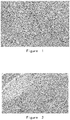
- the diameter of the bacteria cells was about 0.5um, and the length was about 1.0-2.0 um, and the bacterium presents a single bacteria cell or short chain ( Figure 1 ).
- AF73-05CM02 was negative for catalase and negative for oxidase.
- the temperature growth range was 30-42 °C, and optimum growth temperature was 37-42 °C.
- the pH tolerance range was 6.0-8.5, and optimum pH was 6.5- 7.0, and it was able to tolerate 2% NaCl and 3% bile salts.
- DSM 22607 The comparison of biochemical reaction of enzyme reaction (API ZYM) and substrate utilization (API 20A) between AF73-05CM02 and a nearby model strain of Christensenella minuta DSM 22607 (hereinafter referred to as DSM 22607, purchased from the German Collection of Microorganisms and cell cultures, DSMZ) was as follows: (+, indicating a positive reaction; -, indicating a negative reaction; w, indicating a weak positive reaction).
- AF73-05CM02 was cultured to a stationary phase, and 2 mL of the cultured bacterial solution was taken for genomic DNA extraction.
- the 16S rDNA was amplified using the extracted genomic DNA as a template, and the amplification primers were 8F-1492R (5'-AGAGTTTGATCATGGCTCAG-3' (SEQ ID NO.: 2) and 5'-TAGGGTTACCTTGTTACGACTT-3' (SEQ ID NO.:3)).
- the amplification procedure was: 94°C 4min 94°C 30s 65°C-57 40s 20 cycles 72°C 1min and 30s 94°C 30s 57°C 40s 10 cycles 72°C lmin and 30s 72°C 10min 4°C ⁇
- the amplified PCR product was purified, and then subjected to 3730 sequencing to obtain a 1366 bp of 16S rDNA sequence (SEQ ID NO.: 1).
- the sequence was subjected to EzTaxon-e database alignment to preliminary obtain the species classification information of the strain. According to the information of 16S rDNA, it can be preliminarily determined that AF73-05CM02 belongs to the genus Christensenella. SEQ ID No.:1
- AF73-05CM02 and C. minuta DSM 22607 were cultured, and the bacteria cells were collected after about 4-5 days, and the cellular fatty acids were extracted, then subjected to methyl esterification, and the fatty acid methyl ester contents of the two strains were analyzed by gas chromatography.
- the short-chain fatty acid was determined by an external standard method, in which acetic acid, propionic acid, butyric acid, and pentanoic acid were used to prepare a standard curve.
- Agilent Meteorological Chromatograph GC-7890B, Agilent
- HP-INNOWax Cross-Linked PEG
- the detector was a hydrogen flame ion detector, and the GC parameter was set to column temperature: 180 ⁇ 200 °C; gasification chamber temperature: 240°C; detection temperature: 210°C; injection volume: 2 ⁇ L; carrier gas flow rate: N 2 , 50mL/min; hydrogen flow rate: 50 mL/min; air flow rate: 600 ⁇ 700 ml/min.
- the yield of SCFA was determined to be 5.21 mmol/L for formic acid, 16.40 mmol/L for acetic acid and 1.63 mmol/L for butyric acid.
- 3-methylbutyric acid, pentanoic acid, quininic acid, lactic acid, oxalic acid, malonic acid, benzoic acid, maleic acid, succinic acid, fumaric acid, malic acid, adipic acid, tartaric acid, shikimic acid, citric acid, isocitric acid and L-ascorbic acid were selected as the standard samples for determination of organic acids.
- Agilent Meteorological Chromatograph GC-7890B, Agilent was still used.
- the chromatographic column was 122-5532G DB-5ms (40m ⁇ 0.25mm ⁇ 0.25um), wherein the column temperature was 270 ⁇ 290 °C; inlet temperature was 250 °C; gas flow rate was 0.86 ml/min.
- Example 3 In vitro degradation function of cholesterol by Christensenella intestinihominis AF73-05CM02
- the method for determining the content of cholesterol is performed using the o-phthalaldehyde colorimetric method (OPA method).
- OPA method o-phthalaldehyde colorimetric method
- the degradation ability of cholesterol was examined by the change of the cholesterol content of the strain in a medium containing a certain concentration of cholesterol for a period of time.
- the specific method was as follows:
- a certain amount of cholesterol was weighed and dissolved in ethanol at a concentration of 10 mg/l, and sterilized by filtration. 10 mg/ml bile salt (autoclaving), 10% mass concentration of sodium thioglycollate (filtration sterilization) and cholesterol were added into the prepared PYG medium (formulation was the same as in Example 1) and mixed well, and then the test strain was inoculated into the medium according to the inoculation amount of 3%, and cultured under anaerobic conditions at 37°C for 72 h.
- the bacterial solution cultured in PYG medium containing the cholesterol was centrifuged at 10000 r/min, and the supernatant was collected for cholesterol detection, and the uninoculated cholesterol PYG medium was used as a blank control.
- 500 ⁇ l of the sample to be tested was placed in a clean test tube, and 3ml of 95% ethanol and 2ml of 50% KOH were added, shaken and mixed, then subjected to saponification reaction in a 60 °C water bath for 10 min, rapidly cooled. 5ml of n-hexane was added for extraction. 2.5ml of organic phase was placed to another clean test tube, then dried in nitrogen in a 60° C water bath. 4ml of 0.5g/l phthalaldehyde acetic acid solution was added for color development for 10min. 2ml concentrated H 2 SO 4 was added for 10min, and finally the absorbance at 550 nm was measured.
- AF73-05CM02 cholesterol degradation rate was 46.6%.
- the results showed that AF73-05CM02 had a certain ability to degrade cholesterol and can be further used in animals for research.
- the detection of extracellular polysaccharides was carried out by the sulfuric acid-phenol method.
- the sulfuric acid-phenol can react with hexoses in the free monosaccharides, oligosaccharides and polysaccharides for the chromogenic reaction, and the color produced was proportional to the absorbance, whose absorption wavelength was 490 nm.
- the specific experimental process was as follows:
- the experimental strain was cultured in PYG medium (formulation was the same as in Example 1) for 3 days. 10 ml of bacterial solution was treated in boiling water bath for 30 min, then centrifuged at 10000 r/min, and the supernatant was removed and 80% trichloroacetic acid was added to a final concentration of 8%. The protein was precipitated by treatment at 4 °C overnight. It was centrifuged at 10,000 r/min for 30 min, and the pH of supernatant was adjusted to 6.0 with NaOH. Double volume of absolute ethanol was added to precipitate the polysaccharide. It was treated at 4 °C overnight and taken out and centrifuged at 10000r/min for 30min. The supernatant was discarded.
- the precipitate was dissolved with preheated distilled water, and transferred to the ultrafiltration tube (3000Da filter diameter) for the ultrafiltration. It was subjected to centrifugation at 5000r/min for 30min. The polysaccharide intercepted in the inner tube was transferred to a volumetric flask added with distilled water to a volume of 10ml, and for use.
- the content of extracellular polysaccharide in the fermentation solution of AF73-05CM02 cultured for 3 days was 234 mg/L.
- mice C57BL/6J male mice were used and purchased from Guangdong Medical Laboratory Animal Center. Normal feeding, at the age of 6 weeks. A total of 30 mice were randomly divided into 3 groups for 10 animals each. The rat room environment was of SPF (Specific Pathogen Free) level.
- SPF Specific Pathogen Free
- Test strain normal cultured AF73-05CM02.
- the medium was PYG liquid medium (formulation was the same as in Example 1). It was cultured under anaerobic conditions for 3 days at 37 °C, and the concentration of bacteria was about 10 9 CFU/ml, which can be used as an experimental group for gavage. In order to prevent the bacteria from inactivating or even dying, the fresh bacterial liquid was replaced every other day, and The bacterial liquid was stored under anaerobic conditions at 4 °C.
- mice in the first group were fed a normal diet, while mice in the second and third groups were fed a high-fat diet (for obesity model modeling).
- mice in the third group began to undergo an intragastric intervention using AF73-05CM02.
- Mice in the first group and the second group were intragastrically administrated with the same amount of medium for 9 weeks.
- the amount of the gavage bacteria solution was 0.15 mL/10 g body weight. The body weight, status, and food intake of the mice were recorded weekly before and after the intervention and the modeling.
- mice were sacrificed.
- the fat content was recorded, and the serum was collected, and the serum lipid content, including total cholesterol (TC), triglyceride (TG), high-density lipoprotein (HDLC), and low density lipoprotein (LDLC) was measured according to the kit instructions.
- TC total cholesterol
- TG triglyceride
- HDLC high-density lipoprotein
- LDLC low density lipoprotein
- Table 4-1 Group numbering weight gain after 1 week (g) weight gain after 5 weeks (g) weight gain after 9 weeks (g) Group one 1.73 ⁇ 0.58 4.87 ⁇ 0.55 6.05 ⁇ 0.85 Group two 2.40 ⁇ 0.42 7.98 ⁇ 0.72 12.45 ⁇ 0.79 Group three 1.89 ⁇ 0.36 4.87 ⁇ 0.55 8.58 ⁇ 0.98 Table 4-2 Group numbering weight gain after 9 weeks (g) P value-Model group P value-Control group Group one (Control group) 6.05 0.000* 1.000 Group two (Model group) 12.45 1.000 0.000* Group three (Bacterial treatment group) 8.58 0.001* 0.075
- Table 6-1 Group numbering TC (total cholesterol) (mmol/L) TG (triglyceride) (mmol/L) LDLC (low density lipoprotein) (mmol/L) HDLC (high-density lipoprotein) (mmol/L) Group one 3.527 0.852 1.431 3.251 Group two 6.823 1.342 2.561 2.386 Group three 4.621 1.005 1.479 3.326 Table 6-2 P value TC (total cholesterol) TG (triglyceride) LDLC(low density lipoprotein) HDLC(high-density lipoprotein) AF73-05CM02-Model group (group three-group two) 0.000* 0.001* 0.006* 0.039* AF73-05CM02-Control group (group three-group one) 0.094 0.316 0.521 0.699 Model-Control group (group two-group one) 0.005* 0.031* 0.015* 0.042*
- AF73-05CM02 (Group 3) can effectively control the levels of TC, TG, LDLC in the blood and increase HDLC level (*P ⁇ 0.05).
- the main components of blood lipids are cholesterol and triglycerides.
- the increase of cholesterol and triglyceride levels in plasma is closely related to the occurrence of atherosclerosis.
- the main function of high-density lipoprotein was to remove excess cholesterol and low-density lipoprotein from blood and cells and has anti-atherosclerosis effect. Therefore, AF73-05CM02 can lower blood lipid levels, reduce the related indicators of atherosclerosis-related diseases (such as cardiovascular disease), and also significantly increase the level of high-density lipoprotein.
- Example 6 Food composition containing intestinal Christensenella intestinihominis AF73-05CM02
- Example 7 Pharmaceutical composition containing Christensenella intestinihominis
- lactose, yeast powder and peptone were mixed uniformly with purified water, preheated to 60-65 °C, homogenized at 20 Mpa, sterilized at 90 °C for 20-30 minutes, and cooled to 36-38 °C and Christensenella intestinihominis AF73- 05CM02 live bacteria (1-50 ⁇ 10 6 cfu/ml) was inoculated, fermented to pH 6.0 at 36-38 °C, centrifuged, and lyophilized to a moisture content of less than 3% to prepare a lyophilized product of Christensenella intestinihominis AF73-05CM02.
- the strain of Christensenella intestinihominis ( Christensenella intestinihominis AF73-05CM02) (with the same deposit name) of the present invention has been deposited at the China General Microbiological Culture Collection Center (CGMCC, address: No. 3, NO.1 of West Beichen Road, Chaoyang District, Beijing, China) on June 13, 2016.
- the deposit number is CGMCC1.5207.
Landscapes
- Health & Medical Sciences (AREA)
- Life Sciences & Earth Sciences (AREA)
- Chemical & Material Sciences (AREA)
- Engineering & Computer Science (AREA)
- Mycology (AREA)
- General Health & Medical Sciences (AREA)
- Microbiology (AREA)
- Medicinal Chemistry (AREA)
- Bioinformatics & Cheminformatics (AREA)
- Organic Chemistry (AREA)
- Veterinary Medicine (AREA)
- Public Health (AREA)
- Animal Behavior & Ethology (AREA)
- Pharmacology & Pharmacy (AREA)
- Genetics & Genomics (AREA)
- Biotechnology (AREA)
- Wood Science & Technology (AREA)
- Zoology (AREA)
- Molecular Biology (AREA)
- Epidemiology (AREA)
- Biochemistry (AREA)
- Diabetes (AREA)
- Polymers & Plastics (AREA)
- General Engineering & Computer Science (AREA)
- Virology (AREA)
- Biomedical Technology (AREA)
- Tropical Medicine & Parasitology (AREA)
- Nutrition Science (AREA)
- Child & Adolescent Psychology (AREA)
- Food Science & Technology (AREA)
- Hematology (AREA)
- Obesity (AREA)
- Chemical Kinetics & Catalysis (AREA)
- General Chemical & Material Sciences (AREA)
- Nuclear Medicine, Radiotherapy & Molecular Imaging (AREA)
- Medicines Containing Material From Animals Or Micro-Organisms (AREA)
- Coloring Foods And Improving Nutritive Qualities (AREA)
- Micro-Organisms Or Cultivation Processes Thereof (AREA)
- Pharmaceuticals Containing Other Organic And Inorganic Compounds (AREA)
Abstract
Description
- The present invention relates to the field of microbiology, and in particular to the use of Christensenella intestinihominis for the treatment and prevention of obesity and related diseases, and to a composition comprising Christensenella intestinihominis and the use thereof.
- A large number of symbiotic microorganisms are inhabited in the human intestinal tract, most of which are beneficial to the human body. These microorganisms not only cooperate with the host for the metabolism of matter and energy, but also play an important role in maintaining the health of the host. At present, many studies at home and abroad have revealed that intestinal microorganisms are closely related to inflammatory and metabolic diseases such as irritable bowel syndrome (IBS), ulcerative enteritis (UC), obesity, and type 2 diabetes. By the research and development of intestinal probiotics, it is possible to effectively treat and prevent diseases caused by intestinal microbial imbalance, especially intestinal inflammatory and metabolic diseases caused by flora disorder.
- Short-chain fatty acids, including acetic acid, propionic acid, butyric acid, pentanoic acid, etc., are metabolites produced by certain types of bacteria in the intestine. The production of short-chain fatty acids plays an important role in the maintenance of intestinal health. Studies have shown that there is a significant difference in the content of short-chain fatty acid-producing bacteria, such as Roseburia, Faecalibacterium, Eubacterium rectale, etc., between the intestine of healthy people and the intestine of patients with type 2 diabetes.
- Cholesterol is of great significance to the human body as a precursor of vitamin D synthesis. But because of the unreasonable diets for most people, it is easy to cause excessive cholesterol in the body, especially in the blood, thereby causing obesity, diabetes and a series of cardiovascular and cerebrovascular diseases, such as coronary heart disease, atherosclerosis, etc. Therefore, the reduction of cholesterol in the body is an effective way to prevent cardiovascular and cerebrovascular diseases.
- The prescription drugs currently used as therapeutic agents for obesity are sibutramine ('REDUCTIL from Abbott) and Orlistat (Xenical form Roche). Sibutramine blocks the reabsorption of noradrenaline and serotonin, thereby regulating appetite and reducing dietary intake. However, sibutramine is a substance having a property of acting on the central nervous system, and thus has side effects that affect heartbeat, blood pressure, and the like. In contrast to sibutramine, orlistat acts locally. As an inhibitor of lipase of the stomach and the small intestine, orlistat acts to inhibit the hydrolysis of fat. Therefore, about 30% of the fat taken from the food and drink is not absorbed into the body and is discharged, thus achieving a weight adjustment effect. However, undigested fat moves along the gastrointestinal track and causes side effects such as diarrhea and steatorrhea, which make the body not only uncomfortable, but also difficult to perform in normal social life.
- Therefore, there is an urgent need in the art to develop a new, non-toxic side-effect medicament for the treatment and prevention of obesity and related diseases.
- Another object of the present invention is to provide the use of Christensenella intestinihominis for the treatment and prevention of obesity and related diseases.
- Another object of the present invention is to provide a pharmaceutical, beverage, food composition, or animal feed composition for the treatment and prevention of obesity and related diseases thereof, which is effective and has no toxic side effects.
- Another object of the present invention is to provide a method of reducing body weight and/or blood lipids and uses thereof.
- In the first aspect of the present invention, it provides a Christensenella intestinihominis, the Christensenella intestinihominis is a Christensenella intestinihominis.
- In another preferred embodiment, the Christensenella intestinihominis is an intestinal Christensenella intestinihominis.
- In another preferred embodiment, the sequence of the 16s rDNA of the Christensenella intestinihominis is as shown in SEQ ID NO.: 1.
- In another preferred embodiment, the Christensenella intestinihominis is Christensenella intestinihominis AF73-05CM02 with a deposit number of CGMCC 1.5207.
- In the second aspect of the present invention, it provides a composition, which comprises: (a) a safe and effective amount of Christensenella intestinihominis according to the first aspect of the present invention and/or metabolites thereof; and (b) a food acceptable carrier or a pharmaceutically acceptable carrier.
- In another preferred embodiment, the composition is selected from the group consisting of: a food composition, a health care composition, a pharmaceutical composition, a beverage composition, a feed composition, and a combination thereof.
- In another preferred embodiment, the composition is an oral preparation.
- In another preferred embodiment, the composition is a liquid preparation, a solid preparation, or a semi-solid preparation.
- In another preferred embodiment, the dosage form of the composition is selected from the group consisting of a powder, pulvis, tablet, sugar coating agent, capsule, granule, suspension, solution, syrup, drop, and sublingual tablet.
- In another preferred embodiment, the food composition comprises an emulsion product, a solution product, a powder product, or a suspension product.
- In another preferred embodiment, the food composition comprises a dairy product, milk powder, or lotion.
- In another preferred embodiment, the liquid preparation is selected from the group consisting of a solution product or a suspension product.
- In another preferred embodiment, the composition comprises 1x10-1x1010 cfu/ml or cfu/g of Christensenella intestinihominis AF73-05CM02, preferably 1x10⁴-1x10¹⁰ cfu/ml or cfu/g of Christensenella intestinihominis AF73-05CM02, based on the total volume or total weight of the composition.
- In another preferred embodiment, the composition comprises from 0.0001 to 99 wt%, preferably from 0.1 to 90 wt% of the Christensenella intestinihominis and/or the metabolites thereof, based on the total weight of the composition.
- In another preferred embodiment, the composition is in a unit dosage form (one tablet, one capsule or one vial) and the mass of the composition in each unit dosage form is from 0.05 to 5 g, preferably from 0.1 to 1 g.
- In another preferred embodiment, the composition further comprises other probiotics and/or prebiotics.
- In another preferred embodiment, the probiotic is selected from the group consisting of lactic acid bacteria, bifidobacteria, lactobacillus acidophilus, and a combination thereof.
- In another preferred embodiment, the prebiotic is selected from the group consisting of fructooligosaccharide (FOS), galactooligosaccharide (GOS), xylooligosaccharide (XOS), lactosucrose (LACT), soybean oligosaccharides (SOS), Inulin, and a combination thereof.
- In the third aspect of the present invention, it provides a use of the Christensenella intestinihominis according to the first aspect of the present invention, or the composition according to the second aspect of the present invention for the preparation of a medicament or preparation, which is used for one or more of the uses selected from the group consisting of: (a) prevention and/or treatment of obesity; (b) reduction of blood lipids; (c) prevention or treatment of cardiovascular disease; and/or (d) prevention and/or treatment of diabetes.
- In another preferred embodiment, the preparation comprises a microecological preparation.
- In the fourth aspect of the present invention, it provides a use of the Christensenella intestinihominis according to the first aspect of the present invention, or the composition according to the second aspect of the present invention for the preparation of a medicament or preparation, which is used for one or more of the uses selected from the group consisting of:
- (i) reducing cholesterol levels in mammals;
- (ii) inhibiting the weight gain of mammals;
- (iii) reducing the body fat ratio of the mammals;
- (iv) reducing blood lipid levels in mammals;
- (v) increasing the level of high density lipoprotein (HDL-C) in mammals;
- (vi) reducing the level of low density lipoprotein (LDL-C) in mammals.
- In another preferred embodiment, the mammals comprise humans or non-human mammals.
- In another preferred embodiment, the non-human mammals comprise rodents (such as rats, or mice).
- In another preferred embodiment, the reduction of blood lipid levels in mammals comprises the reduction of total cholesterol (TC) level and/or triglyceride level.
- In the fifth aspect of the present invention, it provides a method for preparing the composition according to the second aspect of the present invention, comprising a step of:
mixing the Christensenella intestinihominis according to the first aspect of the present invention and/or the metabolites thereof with a food acceptable carrier or a pharmaceutically acceptable carrier, thereby forming a composition according to the second aspect of the present invention. - In another preferred embodiment, the composition is an oral preparation.
- In the sixth aspect of the present invention, it provides a production method, comprising the following steps:
- (a) cultivating the Christensenella intestinihominis according to the first aspect of the present invention under a condition suitable for culturing, thereby obtaining a culture product;
- (b) optionally, isolating Christensenella intestinihominis bacteria cells and/or metabolites thereof from the culture product; and
- (c) optionally, mixing the obtained Christensenella intestinihominis bacteria cells and/or the metabolites isolated from the previous step with a food acceptable carrier or pharmaceutically acceptable carrier, thereby obtaining a composition.
- In the seventh aspect of the present invention, it provides a method for reducing weight and/or blood lipid levels, comprising administering the Christensenella intestinihominis according to the first aspect of the present invention and/or metabolites thereof or the composition according to the second aspect of the present invention to a subject.
- In another preferred embodiment, the administration comprises oral administration.
- In another preferred embodiment, dosage for administering is 0.01-5 g / 50 kg body weight / day, preferably is 0.1-2 g / 50 kg body weight / day.
- In another preferred embodiment, the subject comprises a mammal, such as a human.
- It should be understood that, within the scope of the present invention, each technical feature of the present invention described above and in the following (as examples) may be combined with each other to form a new or preferred technical solution, which is not listed here due to space limitations.
-
-
Figure 1 is a Gram stained image (1000 times) of the intestinal Christensenella intestinihominis of the present invention under the microscope. -
Figure 2 shows an image of colonies of intestinal Christensenella intestinihominis cultured for 4 days. -
Figure 3 shows a standard curve for cholesterol determination. - Through extensive and intensive research and experiments, the inventors have unexpectedly discovered that Christensenella intestinihominis has the function of preventing and treating obesity and related diseases (such as cardiovascular diseases, diabetes). The active composition containing Christensenella intestinihominis was fed to the test subject, and the composition was found to inhibit weight gain, reduce blood fat levels, reduce cholesterol levels, reduce body fat ratio, reduce low density lipoprotein levels, increase high density lipoprotein levels, and effectively alleviate conditions of obesity, cardiovascular, diabetes and other diseases. On this basis, the inventors completed the present invention.
- As used herein, the term "comprising" means that various ingredients may be together employed in a mixture or composition of the present invention. Thus, the term "consisting essentially of' and "consisting of" are encompassed in the term "comprising".
- As used herein, the terms "the strain Christensenella intestinihominis", "Christensenella intestinihominis" can be used interchangeably. In a preferred embodiment, the strain is Christensenella intestinihominis AF73-05CM02 with a deposit number of CGMCC 1.5207, isolated from human feces. Physiological characteristics of Christensenella intestinihominis are shown as follows. The Christensenella intestinihominis cultured in an anaerobic environment at 37 °C for 4-5 days has needle-like, gray-white, transparent small colonies with about 0.2mm in diameter, . and it was observed under microscope at magnification 1000 after Gram staining and spore staining, the bacteria cells are Gram-positive, short rod-shaped, without spores, without flagella , without movement, and with a diameter of about 0.5 um, a length of about 1.0 - 2.0 um, and the bacterium presents a single cell or short chain, and the oxidase and catalase reactions of the Christensenella intestinihominis of the present invention are both negative. The temperature growth range is 30 - 42 °C and the optimum growth temperature is 37-42 °C. The pH tolerance range is 6.0 - 8.5 and the optimum pH is 6.5-7.0, and it can withstand 2% of NaCl and 3 % of bile salts. It can ferment several carbohydrates, including glucose, mannitol, maltose, salicyl alcohol, xylose, arabinose, mannose, pine syrup, raffinose, sorbitol, rhamnose. In addition, extracellular polysaccharides can be produced by fermentation, formic acid, acetic acid and butyric acid are mainly produced.
- The present invention provides the use of the Christensenella intestinihominis in the treatment and prevention of obesity and related diseases such as cardiovascular disease, diabetes. For the subject ingesting a high-fat diet, the strain Christensenella intestinihominis AF73-05CM02 has one or more uses selected from the group consisting of: (i) inhibiting weight gain in the subject; (ii) reducing blood lipid levels; (iii) reducing body lipid ratio; (iv) reducing low density lipoprotein levels; (v) increasing high density lipoprotein levels. According to a preferred embodiment of the present invention, C57BL/6J male mice were used as test mice, and fed with a high-fat diet to become obese mice. Compared with the untreated control group (model group), obese mice treated with the strain Christensenella intestinihominis AF73-05CM02 had a slower weight gain and decreased blood lipid levels and various indicators related to obesity or cardiovascular disease were also decreased, such as body fat ratio, low density lipoprotein levels, and in addition, high-density lipoprotein levels had also been increased significantly. Therefore, the strain can be used for the prevention and treatment of obesity and related diseases (such as cardiovascular disease, diabetes, etc.).
- The present invention also provides a composition, preferably a pharmaceutical composition. The composition comprises an effective amount of Christensenella intestinihominis. In a preferred embodiment, the composition further comprises the probiotics selected from the group consisting of: lactic acid bacteria, bifidobacteria, lactobacillus acidophilus, and a combination thereof; and/or prebiotics selected from the group consisting of: fructooligosaccharide (FOS), galactooligosaccharide (GOS), xylooligosaccharide (XOS), lactosucrose (LACT), soybean oligosaccharides (SOS), Inulin, and a combination thereof.
- In a preferred embodiment, the composition is a liquid preparation, a solid preparation, or a semi-solid preparation.
- In a preferred embodiment, the liquid preparation is selected from the group consisting of a solution product or a suspension product.
- In a preferred embodiment, the dosage form of the composition is selected from the group consisting of a powder, pulvis, tablet, sugar coating agent, capsule, granule, suspending agent, solution, syrup, drop, and sublingual tablet.
- The pharmaceutical composition of the present invention may be administered in any form selected from the group consisting of a pharmaceutical tablet, injection and capsule. The pharmaceutical preparation comprises an excipient, and a pharmaceutically acceptable vehicle or a carrier, and these substances may be selected according to the administration route. The pharmaceutical preparations in the present invention may further contain auxiliary active ingredients.
- Lactose, glucose, sucrose, sorbitol, mannose, starch, arabic gum, calcium phosphate, alginate, gelatin, calcium silicate, fine crystalline cellulose, polyvinylpyrrolidone (PVP), cellulose, water, syrup, methyl cellulose, methyl hydroxybenzoate, propyl hydroxybenzoate, talc, magnesium stearate, or mineral oil and the like can all be used as a carrier, an excipient or a diluent and the like in the pharmaceutical composition of the present invention.
- In addition, the pharmaceutical composition of the present invention may further include a lubricant, wetting agent, emulsifying agent, suspension stabilizer, preservative, sweetener and fragrance and the like. The pharmaceutical composition of the present invention can be produced as enteric-coated preparations by various well-known methods so that the active ingredient of the pharmaceutical composition, that is, the microorganisms, can smoothly pass through the stomach without being destroyed by gastric acid.
- In addition, the microorganism of the present invention can be used in the form of a capsule prepared by a conventional method. For example, a standard excipient is mixed with the freezing-dried microorganisms of the present invention to form a pellet pill, and then the pill is filled into a gelatin capsule. Further, the microorganisms of the present invention can be mixed with a pharmaceutically acceptable excipient, such as a liquid gum, cellulose, silicate or mineral oil and the like to prepare a suspension or a dispersion liquid, which can be filled into a soft gelatin capsule.
- The pharmaceutical composition of the present invention can be made into enteric-coated tablets for oral use. The term "enteric coating" in the present invention includes all the conventional and pharmaceutically acceptable coatings. These coatings cannot be degraded by gastric acid but can be sufficiently decomposed in the small intestine and release the microorganisms of the present invention rapidly. The enteric coating of the present invention can be maintained in a synthetic gastric acid solution, such as HCl solution (pH=1), for more than 2 hours at 36-38 °C and preferably can be decomposed within 1.0 hour in a synthetic intestinal fluid, such as a buffer with a pH of 7.0.
- The enteric coating of the present invention is about 16-30 mg, preferably 16-25 mg, more preferably 16-20 mg, per tablet. The thickness of the enteric coating in the present invention is 5-100 µm, and the ideal thickness is 20-80 µm. The ingredient of the enteric coating is selected from conventional polymers that are well known in the art.
- The preferred enteric coating of the present invention can be prepared from a copolymer of a cellulose acetate phthalate polymer or a trimellitate polymer and a methacrylic acid (for example, a methacrylic acid copolymer containing 40% or more of methacrylic acid and methylcellulose hydroxypropyl phthalate or the ester derivatives thereof).
- The cellulose acetate phthalate used in the enteric coating of the present invention has a viscosity of about 45-90 cp. The content of the acetyl is 17-26%, and the content of orthophthalic acid is 30-40%. The cellulose acetate diphenyl ester used in the enteric coating has a viscosity of about 5-21 cs. The content of acetaphthalein is 17-26%. The cellulose acetate trimellitate manufactured by Eastman Keda Company can be used for the enteric coating materials in the present invention.
- The hydroxypropylmethylcellulose phthalate used in the enteric coating of the present invention typically has a molecular weight of 20,000-130,000 Daltons, and the ideal molecular weight is 80,000-100,000 Daltons. The content of the hydroxypropyl is 5-10%. The methoxy content is 18-24%, and the phthaloyl content is 21-35%.
- The hydroxypropylmethylcellulose phthalate used in the enteric coating of the present invention is HP50, produced by Shin-Etsu Chemical Co., Ltd., Japan. HP50 contains 6-10% of hydroxypropyl, 20-24% of methoxy, and 21-27% of propyl, with a molecular weight of 84,000 Daltons. Another enteric coating material is HP55, which contains 5-9% of hydroxypropyl methylcellulose phthalate, 18-22% of methoxy, and 27-35% of phthalic acid, with a molecular weight of 78,000 Daltons.
- The enteric coating of the invention is prepared by spraying the enteric coating solution onto the core using conventional methods. All of the solvents used in the enteric coating process are selected from alcohols (such as ethanol), ketones (such as acetone), halogenated hydrocarbon compounds (such as methylene chloride), and the combinations thereof. The softener, such as di-n-butyl phthalate and triacetin, is added into the enteric-coated solution at a ratio of about 1 part of the coating to about 0.05 parts or about 0.3 parts of softener. The spraying is preferably continuously carried out and the amounts of spraying materials can be controlled according to the conditions used for the coating. Spraying pressure can be adjusted randomly. In general, the desired results can be obtained at an average pressure of 1-1.5 bar.
- The term "pharmaceutically effective amount" in the specification refers to an amount that is functional and active to human and / or animals and acceptable to human and / or animals. For example, in the present invention, a preparation containing 1 x 10 - 1 x10¹⁰ cfu/ml or cfu/g (particularly, 1 x 10⁴ - 1 x10¹⁰ cfu/ml or cfu/g; more particularly, 1x10⁶ - 1x10¹⁰ cfu/ml or cfu/ g) of Christensenella intestinihominis and/or a metabolite thereof can be prepared.
- When used for the preparation of pharmaceutical compositions, the effective dosage of Christensenella intestinihominis or the metabolites thereof may vary depending on the mode of administration and the severity of the disease to be treated. Dosage forms suitable for oral administration include about 1x 10 - 1x10¹⁰ cfu/ml or cfu /g (particularly, 1 x10⁴ to 1x10¹⁰ cfu/ ml or cfu/g; more particularly 1 x 10⁶ to 1 x 10¹⁰ cfu/ml or cfu/g) of the active Christensenella intestinihominis or fermentation-produced active ingredients, in a close mixture with a solid or a liquid pharmaceutically acceptable carrier. This dosing regimen can be adjusted to provide the best therapeutic response. For example, depending on the urgency of the treatment condition, several divided doses may be administered daily, or the dose may be proportionally reduced.
- The Christensenella intestinihominis or the metabolites thereof can be administered by oral administration and the like. Solid carriers include starch, lactose, dicalcium phosphate, microcrystalline cellulose, sucrose and kaolin, while liquid carriers include: mediums, polyethylene glycol, nonionic surfactants and edible oils (such as corn oil, peanut oil, and sesame oil), as long as it is suitable for the properties of the Christensenella intestinihominis or the metabolites thereof and the desired particular mode of administration. Adjuvant commonly used in the preparation of pharmaceutical compositions may also be advantageously included, such as flavors, coloring agents, preservatives and antioxidants such as vitamin E, vitamin C, BHT and BHA.
- In order to facilitate preparation and administration, the preferable pharmaceutical composition is a solid composition, especially a tablet and a solid-filled or liquid-filled capsule. Oral administration is preferred.
- The composition of the present invention is administered to the individual one or more times per day. The dosage unit means that the dose is formally separable and suitable for human or other mammalian individual. Each unit contains a pharmaceutical acceptable carrier and a therapeutically effective amount of the microorganism of the present invention. The amount to be administered varies with the weight of the patient, the severity of the obesity, the cardiovascular diseases or the diabetes, the included supplementary active components and the employed microorganisms. In addition, if possible, it can be administered separately and, if necessary, it can be administered continuously. Thus, the amounts for administration will not limit the invention. In addition, the "composition" in the present invention not only means medicine but also means functional food and health supplements. In a preferred embodiment, the composition comprises: beverages, foods, medicines, animal feeds and the like.
- In a preferred embodiment of the present invention, a food composition is further provided, comprising an effective amount of Christensenella intestinihominis and/or a metabolite thereof, and the rest food acceptable carrier. The dosage form of the food composition is selected from the group consisting of a solid, dairy product, solution product, powder product, and suspension product.
- In a preferred embodiment, the formulation of the composition is shown as follows:
1 x 10-1 x 1010 cfu/ml of Christensenella intestinihominis and/or the metabolites thereof; and a food or pharmaceutically acceptable carrier, and/or an excipient. - In another preferred embodiment, the formulation of the composition is shown as follows:
1 x 10⁶ - 1 x 10¹⁰ cfu /ml of Christensenella intestinihominis and/or the metabolites thereof; and a food or pharmaceutically acceptable carrier, and/or an excipient. - The microecological preparation is a biological preparation containing probiotics and metabolites thereof or a dietary supplement which can increase probiotics. And it can achieve the purpose of improving human health by regulating and maintaining the microecological balance in the intestinal tract. It mainly includes probiotics, prebiotics and synbiotics.
- In the present invention, the microecological preparation comprises (a) a safe and effective amount of the Christensenella intestinihominis and/or the metabolite thereof; and (b) a food acceptable carrier or a pharmaceutically acceptable carrier.
- Generally, Christensenella intestinihominis can be prepared by conventional methods.
- In the present invention, a method capable of producing Christensenella intestinihominis on a large scale is provided. In particular, the following steps are included:
- (a) under conditions suitable for culturing, cultivating Christensenella intestinihominis, thereby obtaining a culture product;
- (b) optionally, isolating the Christensenella intestinihominis bacteria cells and/or metabolites thereof from the culture product; and
- (c) optionally, mixing the isolated Christensenella intestinihominis bacteria cells and/or their metabolites obtained in the previous step with a food acceptable carrier or pharmaceutically acceptable carrier, thereby obtaining the composition.
- In another preferred embodiment, the method comprises: administering a pharmaceutical composition, a food composition, a beverage composition of the present invention, or a combination thereof. The subject is human.
- In another preferred embodiment, the method comprises: administering a pharmaceutical composition, a food composition, or an animal feed of the invention, or a combination thereof. The subjects are animals, preferably mice and rabbits.
- The strain of Christensenella intestinihominis (Christensenella intestinihominis AF73-05CM02) (with the same deposit name) of the present invention has been deposited at the China General Microbiological Culture Collection Center (CGMCC, address: No. 3, NO.1 of West Beichen Road, Chaoyang District, Beijing, China) on June 13, 2016. The deposit number is CGMCC 1.5207.
- The main advantages of the present invention include:
- (a) The Christensenella intestinihominis of the present invention can significantly reduce body weight, reduce blood fat levels, and reduce body fat ratio.
- (b) The Christensenella intestinihominis of the present invention can significantly reduce indicators (such as levels of cholesterol and triglycerides) associated with obesity and its related diseases such as cardiovascular diseases.
- (c) The Christensenella intestinihominis of the present invention is capable of significantly lowering the levels of total cholesterol, triglycerides, and low density lipoprotein.
- (d) The Christensenella intestinihominis of the present invention can significantly increase the level of high density lipoprotein.
- The present invention is further described below with reference to specific embodiments. It should be understood that these examples are only for illustrating the present invention and not intended to limit the scope of the present invention. The conditions of the experimental methods not specifically indicated in the following examples are usually in accordance with conventional conditions as described in Sambrook et al., Molecular Cloning: A Laboratory Manual (New York: Cold Spring Harbor Laboratory Press, 1989), or according to the conditions described in the Journal of Microbiology: An Experimental Handbook (edited by James Cappuccino and Natalie Sherman, Pearson Education Press) or the manufacturer's proposed conditions.
- Unless otherwise stated, the materials used in the examples are all commercially available products.
- Christensenella minuta DSM 22607 (C. minuta DSM 22607), hereinafter referred to as DSM 22607, was purchased from the German Collection of Microorganisms and Cultures under the deposit number of DSM 22607.
- The intestinal Christensenella intestinihominis AF73-05CM02 of the present invention was isolated from a stool sample of a healthy male volunteer in Shenzhen. Approximately 0.2 g of stool sample was taken in an anaerobic operation box, suspended in sterile PBS, shaken and mixed, and then subjected to gradient dilution coating. The separation medium was PYG medium (purchased from Huan Kai Microbiology Technology Co., Ltd.) 1L : peptone 5g, pancreatic casein 5g, yeast powder 10g, beef extract 5g, glucose 5g, K2HPO4 2g,
Tween 80 1mL, Cysteine-HCl·H2O 0.5g, heme 5mg, vitamin K1 1uL, inorganic salt solution (CaCl2•2 H2O 0.25g, MgSO4•7 H2O 0.5g, K2HPO4 1g, KH2PO4 1g, NaHCO3 10g, NaCl 2g was contained in each L of inorganic salt solution) 40mL, resazurin 1mg, distilled water 950mL, pH 6.8∼7.0, sterilized at 115°C for 25min. After the plate was cultured at 37°C for 5 days under anaerobic conditions, single colonies were picked for separation, and the gas composition of the anaerobic environment was nitrogen: hydrogen: carbon dioxide = 90 : 5 : 5, v/v. Pure culture strains were obtained through streak cultivation and subjected to glycerol preservation and 16S rDNA identification. - After culturing for 4-5 days at 37 °C in anaerobic conditions, the colonies of AF73-05CM02 on PYG plates were small, about 0.2 mm in diameter, needle-like, grayish-white, and transparent (
Fig. 2 ). - Through Gram staining and spore staining, it was observed under a microscope at 1000 magnification. The bacteria cells were Gram-positive, short rod-shaped, without spores, without flagella, without movement. The diameter of the bacteria cells was about 0.5um, and the length was about 1.0-2.0 um, and the bacterium presents a single bacteria cell or short chain (
Figure 1 ). - AF73-05CM02 was negative for catalase and negative for oxidase. The temperature growth range was 30-42 °C, and optimum growth temperature was 37-42 °C. The pH tolerance range was 6.0-8.5, and optimum pH was 6.5- 7.0, and it was able to tolerate 2% NaCl and 3% bile salts. The comparison of biochemical reaction of enzyme reaction (API ZYM) and substrate utilization (API 20A) between AF73-05CM02 and a nearby model strain of Christensenella minuta DSM 22607 (hereinafter referred to as DSM 22607, purchased from the German Collection of Microorganisms and cell cultures, DSMZ) was as follows: (+, indicating a positive reaction; -, indicating a negative reaction; w, indicating a weak positive reaction).
Table 1 substrate AF73-05CM02 Christensenella minuta DSM 22607 API 20A Tryptophan (production of indole) - - urea (urease) - - glucose + + mannitol w w lactose - - sucrose - - maltose w - salicyl alcohol w + xylose + + arabinose + + Gelatin hydrolysis - - esculin / ferric citrate + - glycerinum - - cellobiose - - mannose + w pine syrup w - raffinose w - sorbitol + + rhamnose + + trehalose - - API ZYM Control - - alkaline phosphatase - - esterase (C4) - - lipid esterase (C8) - - lipid enzyme (C14) - - Leucine arylamine - - Valine arylase - - cystinarylase - - trypsin - - chymotrypsin - - acid phosphatase - - naphthol -AS-BI-phosphohydrolase + + α- galactosidase - - β- galactosidase - - β-uronic acid chymase - - α- glucosidase - - β- glucosidase - + N-acetyl-glucosamine - - α-mannosidase - - β-fucosidase - - - The data in Table 1 showed that there was a partial difference in the API reaction between AF73-05CM02 and the closely related model bacteria, which is reflected in the utilization of maltose, salicyl alcohol, mannose, pine syrup and raffinose, hydrolysis of esculin and β-glucosidase activity.
- AF73-05CM02 was cultured to a stationary phase, and 2 mL of the cultured bacterial solution was taken for genomic DNA extraction. The 16S rDNA was amplified using the extracted genomic DNA as a template, and the amplification primers were 8F-1492R (5'-AGAGTTTGATCATGGCTCAG-3' (SEQ ID NO.: 2) and 5'-TAGGGTTACCTTGTTACGACTT-3' (SEQ ID NO.:3)).
- The amplification procedure was:
94°C 4min 
94°C 30s 65°C-57 40s 20 cycles 72°C 1min and 30s 94°C 30s 
57°C 40s 10 cycles 72°C lmin and 30s 72°C 10min 4°C ∞ - The amplified PCR product was purified, and then subjected to 3730 sequencing to obtain a 1366 bp of 16S rDNA sequence (SEQ ID NO.: 1). The sequence was subjected to EzTaxon-e database alignment to preliminary obtain the species classification information of the strain. According to the information of 16S rDNA, it can be preliminarily determined that AF73-05CM02 belongs to the genus Christensenella.
SEQ ID No.:1
- Multiple sequence alignment was performed for sequences of AF73-05CM02 and model strains in EzTaxon-e databases whose 16S rDNA sequences were close to that of AF73-05CM02. Then the evolutionary tree was made with MEGA 5, and the phylogenetic tree was constructed using the maximum likelihood method.
- AF73-05CM02 and C. minuta DSM 22607 were cultured, and the bacteria cells were collected after about 4-5 days, and the cellular fatty acids were extracted, then subjected to methyl esterification, and the fatty acid methyl ester contents of the two strains were analyzed by gas chromatography.
Table 2 Fatty acids Chinese name AF73-05CM02 DSM 22607 C10:0 deca-saturated fatty acid 7.50 8.57 C11:0 iso hetero-11 carbon saturated fatty acid 5.55 2.89 C11:0 anteiso anti-isolated eleven carbon saturated fatty acid 0 1.31 C12:0 dodecane saturated fatty acid 7.15 1.13 C13:0 anteiso anti-isolated tri-carbon saturated fatty acid 0 2.35 C14:0 fourteen carbon saturated fatty acid 46.57 13.03 C15:0 iso heterogenous fifteen carbon saturated fatty acid 7.40 27.40 C15:0 anteiso anti-isoform fifteen carbon saturated fatty acid 1.29 3.19 C14:0 2OH 2-hydroxytetradecane saturated fatty acid 0 1.25 C16:0 hexadecane saturated fatty acid 9.66 21.14 C17:1 iso I/anteiso B type I-isotype/B type-anti-isotype seventeen carbon unsaturated fatty acid 4.65 1.68 C18:0 antei/C18:2 ω6,9c anti-isomorphic eighteen carbon saturated fatty acid / ω6,9c-eighteen carbon diunsaturated fatty acid 0 1.68 C18:1 ω9c ω9c- 18 carbon monounsaturated fatty acid 6.92 6.76 C18:1 ω7c ω7c- Octadecene monounsaturated fatty acid 0 3.92 C18:0 Octadecyl saturated fatty acid 1.80 3.73 - Based on the above data, the above morphological, microscopic, physiological and biochemical characteristics and 16S rDNA sequence characteristics of AF73-05CM02, it is indicated that the strain is a new species from a taxonomic perspective, and it was named as Christensenella intestinihominis (intestinal Christensenella intestinihominis) in the present invention.
- 1 mL of the fermentation solution of AF73-05CM02 cultured for 72 hours was taken and centrifuged at 12000 r/min for 5 min, and the supernatant was aspirated for use.
- The short-chain fatty acid was determined by an external standard method, in which acetic acid, propionic acid, butyric acid, and pentanoic acid were used to prepare a standard curve. Agilent Meteorological Chromatograph (GC-7890B, Agilent) and HP-INNOWax (Cross-Linked PEG), 30m × 0.25mm × 0.25um capillary column were used for analysis. The detector was a hydrogen flame ion detector, and the GC parameter was set to column temperature: 180∼200 °C; gasification chamber temperature: 240°C; detection temperature: 210°C; injection volume: 2µL; carrier gas flow rate: N2, 50mL/min; hydrogen flow rate: 50 mL/min; air flow rate: 600 ∼700 ml/min.
- The yield of SCFA was determined to be 5.21 mmol/L for formic acid, 16.40 mmol/L for acetic acid and 1.63 mmol/L for butyric acid.
- 3-methylbutyric acid, pentanoic acid, quininic acid, lactic acid, oxalic acid, malonic acid, benzoic acid, maleic acid, succinic acid, fumaric acid, malic acid, adipic acid, tartaric acid, shikimic acid, citric acid, isocitric acid and L-ascorbic acid were selected as the standard samples for determination of organic acids. Agilent Meteorological Chromatograph (GC-7890B, Agilent) was still used. The chromatographic column was 122-5532G DB-5ms (40m × 0.25mm × 0.25um), wherein the column temperature was 270 ∼ 290 °C; inlet temperature was 250 °C; gas flow rate was 0.86 ml/min. The contents of the organic acid of intestinal Christensenella intestinihominis AF73-05CM02 were shown in the following table:
Table 3 organic acid 3-methylbutyric acid pentanoic acid quininic acid lactic acid oxalic acid malonic acid content (mmol/L) 0.37 0.36 0 4.13 0 0 organic acid benzoic acid maleic acid succinic acid fumaric acid malic acid adipic acid content (mmol/L) 0 0 0.37 0 0 0.24 organic acid tartaric acid shikimic acid citric acid isocitric acid L-ascorbic acid content (mmol/L) 0 0 0.18 0 0.11 - The method for determining the content of cholesterol is performed using the o-phthalaldehyde colorimetric method (OPA method). The degradation ability of cholesterol was examined by the change of the cholesterol content of the strain in a medium containing a certain concentration of cholesterol for a period of time. The specific method was as follows:
- 0.5mg/ml cholesterol standard solution for 40µl, 80µl, 120µl, 160µl, 200µl was accurately measured and placed in a clean tube. Absolute ethanol was added to make the volume 1ml. 4 ml of OPA (0.5mg phthalaldehyde was added to 1ml glacial acetic acid) was added to each tube, and it was shaken and mixed, placed for 10 min at room temperature. Then 2 ml of concentrated sulfuric acid was added and reacted for 10 min, and the absorbance was measured at 550 nm. Using the concentration as the abscissa and the absorbance as the ordinate to draw a standard curve (
Fig. 3 ). By calculation, the equation for linear regression is: y = 0.0085x + 0.0072; the correlation coefficient R2 is 0.9992. - A certain amount of cholesterol was weighed and dissolved in ethanol at a concentration of 10 mg/l, and sterilized by filtration. 10 mg/ml bile salt (autoclaving), 10% mass concentration of sodium thioglycollate (filtration sterilization) and cholesterol were added into the prepared PYG medium (formulation was the same as in Example 1) and mixed well, and then the test strain was inoculated into the medium according to the inoculation amount of 3%, and cultured under anaerobic conditions at 37°C for 72 h.
- The bacterial solution cultured in PYG medium containing the cholesterol was centrifuged at 10000 r/min, and the supernatant was collected for cholesterol detection, and the uninoculated cholesterol PYG medium was used as a blank control. 500µl of the sample to be tested was placed in a clean test tube, and 3ml of 95% ethanol and 2ml of 50% KOH were added, shaken and mixed, then subjected to saponification reaction in a 60 °C water bath for 10 min, rapidly cooled. 5ml of n-hexane was added for extraction. 2.5ml of organic phase was placed to another clean test tube, then dried in nitrogen in a 60° C water bath. 4ml of 0.5g/l phthalaldehyde acetic acid solution was added for color development for 10min. 2ml concentrated H2SO4 was added for 10min, and finally the absorbance at 550 nm was measured.
- The degradation of cholesterol was calculated according to the following formula:

- L: cholesterol degradation rate;
- A: cholesterol content in cholesterol medium without inoculation;
- B: cholesterol content after culture of the bacteria.
- By calculation, the cholesterol degradation rate of AF73-05CM02 was 46.6%. The results showed that AF73-05CM02 had a certain ability to degrade cholesterol and can be further used in animals for research.
- The detection of extracellular polysaccharides was carried out by the sulfuric acid-phenol method. The sulfuric acid-phenol can react with hexoses in the free monosaccharides, oligosaccharides and polysaccharides for the chromogenic reaction, and the color produced was proportional to the absorbance, whose absorption wavelength was 490 nm. The specific experimental process was as follows:
- The experimental strain was cultured in PYG medium (formulation was the same as in Example 1) for 3 days. 10 ml of bacterial solution was treated in boiling water bath for 30 min, then centrifuged at 10000 r/min, and the supernatant was removed and 80% trichloroacetic acid was added to a final concentration of 8%. The protein was precipitated by treatment at 4 °C overnight. It was centrifuged at 10,000 r/min for 30 min, and the pH of supernatant was adjusted to 6.0 with NaOH. Double volume of absolute ethanol was added to precipitate the polysaccharide. It was treated at 4 °C overnight and taken out and centrifuged at 10000r/min for 30min. The supernatant was discarded. The precipitate was dissolved with preheated distilled water, and transferred to the ultrafiltration tube (3000Da filter diameter) for the ultrafiltration. It was subjected to centrifugation at 5000r/min for 30min. The polysaccharide intercepted in the inner tube was transferred to a volumetric flask added with distilled water to a volume of 10ml, and for use.
- 20mg of the standard glucose was accurately weighed and placed to 100ml volumetric flask, and water was added to the scale line, and then 20, 40, 60, 80, 100µg/ml glucose standard solution was formulated respectively. 400 µl was taken from each group of standard solution , three in parallel, and then 400 ul of 5% phenol and 1 ml of concentrated sulfuric acid were sequentially added to carry out the reaction, and the mixture was cooled to room temperature in a boiling water bath for 15 minutes, and the absorbance at 490 nm was measured. Then, the absorbance was taken as the ordinate, and the glucose standard solution concentration was taken as the abscissa for the standard curve.
- 400 µl of the polysaccharide solution was taken, and 400 µl of 5% phenol and 1 ml of concentrated sulfuric acid were successively added to carry out the reaction. The mixture was cooled to room temperature after a boiling water bath for 15 minutes, and the absorbance at 490 nm was measured. The concentration of the polysaccharide was calculated according to the glucose standard curve.
- By calculation, the content of extracellular polysaccharide in the fermentation solution of AF73-05CM02 cultured for 3 days was 234 mg/L.
- Experimental animals: C57BL/6J male mice were used and purchased from Guangdong Medical Laboratory Animal Center. Normal feeding, at the age of 6 weeks. A total of 30 mice were randomly divided into 3 groups for 10 animals each. The rat room environment was of SPF (Specific Pathogen Free) level.
- Test strain: normal cultured AF73-05CM02. The medium was PYG liquid medium (formulation was the same as in Example 1). It was cultured under anaerobic conditions for 3 days at 37 °C, and the concentration of bacteria was about 109 CFU/ml, which can be used as an experimental group for gavage. In order to prevent the bacteria from inactivating or even dying, the fresh bacterial liquid was replaced every other day, and The bacterial liquid was stored under anaerobic conditions at 4 °C.
- The experimental procedure: The newly purchased mice were randomly divided into 3 groups. The first group was the control group, the second group was the obesity model group (model group), and the third group was the bacterial treatment group. Mice in the first group were fed a normal diet, while mice in the second and third groups were fed a high-fat diet (for obesity model modeling). After 5 weeks of feeding, mice in the third group began to undergo an intragastric intervention using AF73-05CM02. Mice in the first group and the second group were intragastrically administrated with the same amount of medium for 9 weeks. The amount of the gavage bacteria solution was 0.15 mL/10 g body weight. The body weight, status, and food intake of the mice were recorded weekly before and after the intervention and the modeling. At the end of the experiment, the mice were sacrificed. The fat content was recorded, and the serum was collected, and the serum lipid content, including total cholesterol (TC), triglyceride (TG), high-density lipoprotein (HDLC), and low density lipoprotein (LDLC) was measured according to the kit instructions..
-
Table 4-1 Group numbering weight gain after 1 week (g) weight gain after 5 weeks (g) weight gain after 9 weeks (g) Group one 1.73±0.58 4.87±0.55 6.05±0.85 Group two 2.40±0.42 7.98±0.72 12.45±0.79 Group three 1.89±0.36 4.87±0.55 8.58±0.98 Table 4-2 Group numbering weight gain after 9 weeks (g) P value-Model group P value-Control group Group one (Control group) 6.05 0.000* 1.000 Group two (Model group) 12.45 1.000 0.000* Group three (Bacterial treatment group) 8.58 0.001* 0.075 - By comparing the changes in body weight gain of mice after 9 weeks in the experimental group (Table 4-1 and Table 4-2), it can be found that AF73-05CM02 gavage intervention can effectively slow down the increase of weight gain in mice (*P<0.05).).
-
Table 5 Group numbering Fat weight / body weight × 100% (body fat ratio) P value -Model group P value-Control group Group one 2.625 0.000* 1.000 Group two 7.848 1.000 0.000* Group three 3.768 0.000* 0.054 - The results in Table 5 showed that AF73-05CM02 could significantly reduce the body fat ratio of obese model mice (*P<0.05).
-
Table 6-1 Group numbering TC (total cholesterol) (mmol/L) TG (triglyceride) (mmol/L) LDLC (low density lipoprotein) (mmol/L) HDLC (high-density lipoprotein) (mmol/L) Group one 3.527 0.852 1.431 3.251 Group two 6.823 1.342 2.561 2.386 Group three 4.621 1.005 1.479 3.326 Table 6-2 P value TC (total cholesterol) TG (triglyceride) LDLC(low density lipoprotein) HDLC(high-density lipoprotein) AF73-05CM02-Model group (group three-group two) 0.000* 0.001* 0.006* 0.039* AF73-05CM02-Control group (group three-group one) 0.094 0.316 0.521 0.699 Model-Control group (group two-group one) 0.005* 0.031* 0.015* 0.042* - The results in Table 6-1 and Table 6-2 showed that the intervention of AF73-05CM02 (Group 3) can effectively control the levels of TC, TG, LDLC in the blood and increase HDLC level (*P<0.05).The main components of blood lipids are cholesterol and triglycerides. The increase of cholesterol and triglyceride levels in plasma is closely related to the occurrence of atherosclerosis. The main function of high-density lipoprotein was to remove excess cholesterol and low-density lipoprotein from blood and cells and has anti-atherosclerosis effect. Therefore, AF73-05CM02 can lower blood lipid levels, reduce the related indicators of atherosclerosis-related diseases (such as cardiovascular disease), and also significantly increase the level of high-density lipoprotein.
- The raw materials were shown in Table 7.
Table 7 Raw material mass percent (%) Christensenella intestinihominis AF73-05CM02 0.5 milk 90.0 sugar 9.5 - Milk and sugar were mixed according to the above formula ratio, stirred until completely mixed, preheated, homogenized at 20Mpa, sterilized for 5-10 minutes at 90° C, cooled to 40-43 °C. 1-100 × 106 cfu/g of Christensenella intestinihominis AF73 -05CM02 bacteria was inoculated. Thus a food composition containing Christensenella intestinihominis AF73-05CM02 was obtained.
- The ratio of raw materials was shown in Table 8.
Table 8 Raw material mass percent(%) Christensenella intestinihominis AF73-05CM02 1.0% lactose 2.0% yeast powder 2.0% peptone 1.0% purified water 94.0% - According to the ratio, lactose, yeast powder and peptone were mixed uniformly with purified water, preheated to 60-65 °C, homogenized at 20 Mpa, sterilized at 90 °C for 20-30 minutes, and cooled to 36-38 °C and Christensenella intestinihominis AF73- 05CM02 live bacteria (1-50 × 106 cfu/ml) was inoculated, fermented to pH 6.0 at 36-38 °C, centrifuged, and lyophilized to a moisture content of less than 3% to prepare a lyophilized product of Christensenella intestinihominis AF73-05CM02. 0.5 g of Christensenella intestinihominis AF73-05CM02 lyophilizate was weighed and mixed in equal amounts with maltodextrin and filled into capsules to prepare a pharmaceutical composition containing Christensenella intestinihominis AF73-05CM02.
- The strain of Christensenella intestinihominis (Christensenella intestinihominis AF73-05CM02) (with the same deposit name) of the present invention has been deposited at the China General Microbiological Culture Collection Center (CGMCC, address: No. 3, NO.1 of West Beichen Road, Chaoyang District, Beijing, China) on June 13, 2016. The deposit number is CGMCC1.5207.
- All publications mentioned herein are incorporated by reference as if each individual document was cited as a reference in the present application. It should also be understood that, after reading the above teachings of the present invention, those skilled in the art can make various changes or modifications, equivalents of which falls in the scope of claims as defined in the appended claims.


Claims (10)
- A Christensenella intestinihominis, which is Christensenella intestinihominis (Christensenella intestinihominis).
- The Christensenella intestinihomini of claim 1, wherein the Christensenella intestinihominis is Christensenella intestinihominis AF73-05CM02 with a deposit number of CGMCC 1.5207.
- A composition, which comprises: (a) a safe and effective amount of Christensenella intestinihominis of claim 1 and/or metabolites thereof; and (b) a food acceptable carrier or a pharmaceutically acceptable carrier.
- The composition of claim 3, wherein the composition comprises 1x10-1x1010cfu/ml or cfu/g of Christensenella intestinihominis AF73-05CM02, preferably 1x10⁴-1x10¹⁰ cfu/ml or cfu/g of Christensenella intestinihominis AF73-05CM02, based on the total volume or total weight of the composition.
- The composition of claim 3, wherein the composition further comprises other probiotics and/or prebiotics.
- Use of a Christensenella intestinihominis of claim 1, or a composition of claim 3 for the preparation of a medicament or preparation for one or more of the uses selected from the group consisting of: (a) prevention and/or treatment of obesity; (b) reduction of blood lipid levels; (c) prevention or treatment of cardiovascular disease; and/or (d) prevention and/or treatment of diabetes.
- Use of the Christensenella intestinihominis of claim 1, or the composition of claim 3 for the preparation of a medicament or preparation for one or more of the uses selected from the group consisting of:(ii) reducing cholesterol levels in mammals;(ii) inhibiting the weight gain of mammals;(iii) reducing the body fat ratio of the mammal;(iv) reducing blood lipid levels in mammals;(v) increasing the level of high density lipoprotein (HDL-C) in mammals;(vi) reducing the level of low density lipoprotein (LDL-C) in mammals.
- The use of claim 7, wherein the reducing of blood lipid levels in mammals comprises the reducing of total cholesterol (TC) level and/or triglyceride level.
- A method for preparing the composition of claim 3, comprising a step of:
mixing the Christensenella intestinihominis of claim 1 and/or the metabolites thereof with a food acceptable carrier or a pharmaceutically acceptable carrier, thereby forming the composition of claim 3. - A production method, comprising the following steps:(a) cultivating the Christensenella intestinihominis of claim 1 under a condition suitable for culturing, thereby obtaining a culture product;(b) optionally, isolating Christensenella intestinihominis bacteria cells and/or metabolites thereof from the culture product; and(c) optionally, mixing the obtained Christensenella intestinihominis bacteria cells and/or the metabolites isolated from the previous step with a food acceptable carrier or pharmaceutically acceptable carrier, thereby obtaining a composition.
Applications Claiming Priority (1)
| Application Number | Priority Date | Filing Date | Title |
|---|---|---|---|
| PCT/CN2016/098247 WO2018045493A1 (en) | 2016-09-06 | 2016-09-06 | Christensenella intestinihominis and application thereof |
Publications (3)
| Publication Number | Publication Date |
|---|---|
| EP3511407A1 true EP3511407A1 (en) | 2019-07-17 |
| EP3511407A4 EP3511407A4 (en) | 2020-04-08 |
| EP3511407B1 EP3511407B1 (en) | 2023-05-17 |
Family
ID=61561231
Family Applications (1)
| Application Number | Title | Priority Date | Filing Date |
|---|---|---|---|
| EP16915429.1A Active EP3511407B1 (en) | 2016-09-06 | 2016-09-06 | Christensenella intestinihominis and application thereof |
Country Status (5)
| Country | Link |
|---|---|
| US (1) | US10806759B2 (en) |
| EP (1) | EP3511407B1 (en) |
| JP (1) | JP6782302B2 (en) |
| CN (1) | CN109072173B (en) |
| WO (1) | WO2018045493A1 (en) |
Cited By (3)
| Publication number | Priority date | Publication date | Assignee | Title |
|---|---|---|---|---|
| WO2020216929A1 (en) * | 2019-04-25 | 2020-10-29 | Lnc Therapeutics | Bacterium of the christensenellaceae family in the prevention and/or treatment of hypertriglyceridemia |
| FR3095339A1 (en) * | 2019-04-25 | 2020-10-30 | Lnc Therapeutics | Bacteria of the Christensenellaceae family in the prevention and / or treatment of hypertriglyceridemia |
| EP4349350A4 (en) * | 2021-04-06 | 2025-03-19 | Moon (Guangzhou) Biotech Co., Ltd. | BACTERIAL STRAIN, COMPOSITION, MEDICINAL PRODUCT FOR USE IN COMBINATION AND USE |
Families Citing this family (12)
| Publication number | Priority date | Publication date | Assignee | Title |
|---|---|---|---|---|
| KR101912774B1 (en) * | 2016-11-21 | 2018-10-29 | 한국식품연구원 | Composition comprising a strain having formic acid producing ability for the preventing or treatment of obesity, or obesity-realated metabolic syndrome |
| KR101797926B1 (en) * | 2016-11-21 | 2017-11-15 | 한국식품연구원 | Composition for preventing or treating obesity or obesity-realated metabolic syndrome comprising formic acid or pharmaceutically acceptable salt thereof as an active ingredient |
| US20220339212A1 (en) | 2019-08-28 | 2022-10-27 | Xbiome Inc. | Compositions comprising bacterial species and methods related thereto |
| CN115737672A (en) * | 2020-06-01 | 2023-03-07 | 山东新时代药业有限公司 | Composition of probiotics and prebiotics and application thereof |
| FR3114106B1 (en) * | 2020-09-16 | 2025-03-28 | Lnc Therapeutics | Bacterial strain belonging to the genus Christensenella and compositions |
| CN117065006A (en) * | 2021-04-06 | 2023-11-17 | 慕恩(广州)生物科技有限公司 | Combination drugs containing microorganisms and hypoglycemic and lipid-lowering drugs |
| CN115998772A (en) * | 2021-04-06 | 2023-04-25 | 慕恩(广州)生物科技有限公司 | Bacterial strain, composition and application |
| CN115369050B (en) * | 2021-05-17 | 2024-06-28 | 中国科学院微生物研究所 | A strain of Christensenella japonica SJ-2 and its application |
| CN114259507B (en) * | 2021-12-27 | 2022-09-16 | 暨南大学 | Application of a kind of Christensenella parvum in the preparation of medicine for treating and/or preventing hyperuric acid related diseases |
| CN118252854A (en) | 2022-12-27 | 2024-06-28 | 慕恩(广州)生物科技有限公司 | Use of Christensen bacteria or a composition containing the same in preventing or treating tumors and a medicine containing the same |
| CN118620761A (en) * | 2023-03-10 | 2024-09-10 | 慕恩(广州)生物科技有限公司 | Isolated Christensen bacteria, compositions containing the same and uses thereof |
| CN116919994B (en) * | 2023-09-15 | 2023-12-08 | 中国农业大学 | Application of Christensenella parvum in the preparation of drugs for the treatment of polycystic ovary syndrome |
Family Cites Families (5)
| Publication number | Priority date | Publication date | Assignee | Title |
|---|---|---|---|---|
| ES2389547B1 (en) | 2010-12-07 | 2013-08-08 | Consejo Superior De Investigaciones Científicas (Csic) | BIFIDOBACTERIUM CECT 7765 AND ITS USE IN THE PREVENTION AND / OR TREATMENT OF OVERWEIGHT, OBESITY AND ASSOCIATED PATHOLOGIES. |
| NZ709392A (en) * | 2012-11-23 | 2016-10-28 | Seres Therapeutics Inc | Synergistic bacterial compositions and methods of production and use thereof |
| US10206958B2 (en) | 2014-04-23 | 2019-02-19 | Cornell University | Modulation of fat storage in a subject by altering population levels of christensenellaceae in the GI tract |
| MA41020A (en) * | 2014-11-25 | 2017-10-03 | Evelo Biosciences Inc | PROBIOTIC AND PREBIOTIC COMPOSITIONS, AND THEIR METHODS OF USE FOR MODULATION OF THE MICROBIOME |
| WO2016172658A2 (en) * | 2015-04-23 | 2016-10-27 | Kaleido Biosciences, Inc. | Microbiome regulators and related uses thereof |
-
2016
- 2016-09-06 WO PCT/CN2016/098247 patent/WO2018045493A1/en not_active Ceased
- 2016-09-06 US US16/082,873 patent/US10806759B2/en active Active
- 2016-09-06 JP JP2018546803A patent/JP6782302B2/en active Active
- 2016-09-06 CN CN201680083545.0A patent/CN109072173B/en active Active
- 2016-09-06 EP EP16915429.1A patent/EP3511407B1/en active Active
Cited By (3)
| Publication number | Priority date | Publication date | Assignee | Title |
|---|---|---|---|---|
| WO2020216929A1 (en) * | 2019-04-25 | 2020-10-29 | Lnc Therapeutics | Bacterium of the christensenellaceae family in the prevention and/or treatment of hypertriglyceridemia |
| FR3095339A1 (en) * | 2019-04-25 | 2020-10-30 | Lnc Therapeutics | Bacteria of the Christensenellaceae family in the prevention and / or treatment of hypertriglyceridemia |
| EP4349350A4 (en) * | 2021-04-06 | 2025-03-19 | Moon (Guangzhou) Biotech Co., Ltd. | BACTERIAL STRAIN, COMPOSITION, MEDICINAL PRODUCT FOR USE IN COMBINATION AND USE |
Also Published As
| Publication number | Publication date |
|---|---|
| JP6782302B2 (en) | 2020-11-11 |
| EP3511407A4 (en) | 2020-04-08 |
| WO2018045493A1 (en) | 2018-03-15 |
| US10806759B2 (en) | 2020-10-20 |
| CN109072173A (en) | 2018-12-21 |
| CN109072173B (en) | 2025-12-09 |
| US20190282633A1 (en) | 2019-09-19 |
| EP3511407B1 (en) | 2023-05-17 |
| JP2019517992A (en) | 2019-06-27 |
Similar Documents
| Publication | Publication Date | Title |
|---|---|---|
| EP3511407B1 (en) | Christensenella intestinihominis and application thereof | |
| US11484583B2 (en) | Intestinal bacteria Butyribacter intestini and application thereof | |
| CN111280252B (en) | Bifidobacterium longum subspecies, compositions containing them and uses thereof | |
| JP6990303B2 (en) | MEGAMONAS FUNIFORMIS and its applications | |
| WO2013107913A1 (en) | Gaba-producing culturable bacteria derived from the human gastrointestinal tract | |
| KR20240158973A (en) | Galactooligosaccharide composition | |
| US10799540B2 (en) | Faecalibacterium longum and application thereof | |
| WO2018107365A1 (en) | Anaerostipes caccae and applications thereof | |
| WO2018112741A1 (en) | Lactobacillus acidophilus, culture method therefor and application thereof | |
| WO2018112740A1 (en) | Lactobacillus gasseri, culture method therefor and application thereof | |
| CN118240724B (en) | Bifidobacterium animalis subspecies ProSci-246, products prepared from same and application of products | |
| WO2018107364A1 (en) | Collinsella shenzhenensis and applications thereof | |
| WO2019051789A1 (en) | Anaerofustis stercorihominis and applications thereof | |
| HK1231124A1 (en) | Intestinal bacteria butyribacter intestini and application thereof | |
| HK1231124A (en) | Intestinal bacteria butyribacter intestini and application thereof | |
| HK40000506A (en) | Christensenella intestinihominis and application thereof | |
| HK40000533A (en) | Megamonas funiformis and applications thereof | |
| CN121160580A (en) | Bifidobacterium longum subspecies infantis, application and products | |
| Libudzisz | Probiotics in human nutrition–Plenary lecture | |
| HK1231124B (en) | Intestinal bacteria butyribacter intestini and application thereof | |
| HK40000520A (en) | Faecalibacterium longum and application thereof | |
| HK40010224A (en) | Collinsella shenzhenensis and applications thereof |
Legal Events
| Date | Code | Title | Description |
|---|---|---|---|
| STAA | Information on the status of an ep patent application or granted ep patent |
Free format text: STATUS: THE INTERNATIONAL PUBLICATION HAS BEEN MADE |
|
| PUAI | Public reference made under article 153(3) epc to a published international application that has entered the european phase |
Free format text: ORIGINAL CODE: 0009012 |
|
| STAA | Information on the status of an ep patent application or granted ep patent |
Free format text: STATUS: REQUEST FOR EXAMINATION WAS MADE |
|
| 17P | Request for examination filed |
Effective date: 20190408 |
|
| AK | Designated contracting states |
Kind code of ref document: A1 Designated state(s): AL AT BE BG CH CY CZ DE DK EE ES FI FR GB GR HR HU IE IS IT LI LT LU LV MC MK MT NL NO PL PT RO RS SE SI SK SM TR |
|
| AX | Request for extension of the european patent |
Extension state: BA ME |
|
| DAV | Request for validation of the european patent (deleted) | ||
| DAX | Request for extension of the european patent (deleted) | ||
| A4 | Supplementary search report drawn up and despatched |
Effective date: 20200305 |
|
| RIC1 | Information provided on ipc code assigned before grant |
Ipc: A61P 3/04 20060101ALI20200228BHEP Ipc: A23L 33/135 20160101ALI20200228BHEP Ipc: A61K 35/74 20150101ALI20200228BHEP Ipc: A61K 35/741 20150101ALI20200228BHEP Ipc: C12N 1/20 20060101AFI20200228BHEP |
|
| STAA | Information on the status of an ep patent application or granted ep patent |
Free format text: STATUS: EXAMINATION IS IN PROGRESS |
|
| 17Q | First examination report despatched |
Effective date: 20210701 |
|
| GRAP | Despatch of communication of intention to grant a patent |
Free format text: ORIGINAL CODE: EPIDOSNIGR1 |
|
| STAA | Information on the status of an ep patent application or granted ep patent |
Free format text: STATUS: GRANT OF PATENT IS INTENDED |
|
| INTG | Intention to grant announced |
Effective date: 20230228 |
|
| GRAS | Grant fee paid |
Free format text: ORIGINAL CODE: EPIDOSNIGR3 |
|
| GRAA | (expected) grant |
Free format text: ORIGINAL CODE: 0009210 |
|
| STAA | Information on the status of an ep patent application or granted ep patent |
Free format text: STATUS: THE PATENT HAS BEEN GRANTED |
|
| AK | Designated contracting states |
Kind code of ref document: B1 Designated state(s): AL AT BE BG CH CY CZ DE DK EE ES FI FR GB GR HR HU IE IS IT LI LT LU LV MC MK MT NL NO PL PT RO RS SE SI SK SM TR |
|
| REG | Reference to a national code |
Ref country code: GB Ref legal event code: FG4D |
|
| REG | Reference to a national code |
Ref country code: DE Ref legal event code: R096 Ref document number: 602016079522 Country of ref document: DE |
|
| REG | Reference to a national code |
Ref country code: CH Ref legal event code: EP |
|
| REG | Reference to a national code |
Ref country code: IE Ref legal event code: FG4D |
|
| REG | Reference to a national code |
Ref country code: AT Ref legal event code: REF Ref document number: 1568378 Country of ref document: AT Kind code of ref document: T Effective date: 20230615 |
|
| P01 | Opt-out of the competence of the unified patent court (upc) registered |
Effective date: 20230708 |
|
| REG | Reference to a national code |
Ref country code: LT Ref legal event code: MG9D |
|
| REG | Reference to a national code |
Ref country code: NL Ref legal event code: MP Effective date: 20230517 |
|
| REG | Reference to a national code |
Ref country code: AT Ref legal event code: MK05 Ref document number: 1568378 Country of ref document: AT Kind code of ref document: T Effective date: 20230517 |
|
| PG25 | Lapsed in a contracting state [announced via postgrant information from national office to epo] |
Ref country code: SE Free format text: LAPSE BECAUSE OF FAILURE TO SUBMIT A TRANSLATION OF THE DESCRIPTION OR TO PAY THE FEE WITHIN THE PRESCRIBED TIME-LIMIT Effective date: 20230517 Ref country code: PT Free format text: LAPSE BECAUSE OF FAILURE TO SUBMIT A TRANSLATION OF THE DESCRIPTION OR TO PAY THE FEE WITHIN THE PRESCRIBED TIME-LIMIT Effective date: 20230918 Ref country code: NO Free format text: LAPSE BECAUSE OF FAILURE TO SUBMIT A TRANSLATION OF THE DESCRIPTION OR TO PAY THE FEE WITHIN THE PRESCRIBED TIME-LIMIT Effective date: 20230817 Ref country code: NL Free format text: LAPSE BECAUSE OF FAILURE TO SUBMIT A TRANSLATION OF THE DESCRIPTION OR TO PAY THE FEE WITHIN THE PRESCRIBED TIME-LIMIT Effective date: 20230517 Ref country code: ES Free format text: LAPSE BECAUSE OF FAILURE TO SUBMIT A TRANSLATION OF THE DESCRIPTION OR TO PAY THE FEE WITHIN THE PRESCRIBED TIME-LIMIT Effective date: 20230517 Ref country code: AT Free format text: LAPSE BECAUSE OF FAILURE TO SUBMIT A TRANSLATION OF THE DESCRIPTION OR TO PAY THE FEE WITHIN THE PRESCRIBED TIME-LIMIT Effective date: 20230517 |
|
| PG25 | Lapsed in a contracting state [announced via postgrant information from national office to epo] |
Ref country code: RS Free format text: LAPSE BECAUSE OF FAILURE TO SUBMIT A TRANSLATION OF THE DESCRIPTION OR TO PAY THE FEE WITHIN THE PRESCRIBED TIME-LIMIT Effective date: 20230517 Ref country code: PL Free format text: LAPSE BECAUSE OF FAILURE TO SUBMIT A TRANSLATION OF THE DESCRIPTION OR TO PAY THE FEE WITHIN THE PRESCRIBED TIME-LIMIT Effective date: 20230517 Ref country code: LV Free format text: LAPSE BECAUSE OF FAILURE TO SUBMIT A TRANSLATION OF THE DESCRIPTION OR TO PAY THE FEE WITHIN THE PRESCRIBED TIME-LIMIT Effective date: 20230517 Ref country code: LT Free format text: LAPSE BECAUSE OF FAILURE TO SUBMIT A TRANSLATION OF THE DESCRIPTION OR TO PAY THE FEE WITHIN THE PRESCRIBED TIME-LIMIT Effective date: 20230517 Ref country code: IS Free format text: LAPSE BECAUSE OF FAILURE TO SUBMIT A TRANSLATION OF THE DESCRIPTION OR TO PAY THE FEE WITHIN THE PRESCRIBED TIME-LIMIT Effective date: 20230917 Ref country code: HR Free format text: LAPSE BECAUSE OF FAILURE TO SUBMIT A TRANSLATION OF THE DESCRIPTION OR TO PAY THE FEE WITHIN THE PRESCRIBED TIME-LIMIT Effective date: 20230517 Ref country code: GR Free format text: LAPSE BECAUSE OF FAILURE TO SUBMIT A TRANSLATION OF THE DESCRIPTION OR TO PAY THE FEE WITHIN THE PRESCRIBED TIME-LIMIT Effective date: 20230818 |
|
| PG25 | Lapsed in a contracting state [announced via postgrant information from national office to epo] |
Ref country code: FI Free format text: LAPSE BECAUSE OF FAILURE TO SUBMIT A TRANSLATION OF THE DESCRIPTION OR TO PAY THE FEE WITHIN THE PRESCRIBED TIME-LIMIT Effective date: 20230517 |
|
| PG25 | Lapsed in a contracting state [announced via postgrant information from national office to epo] |
Ref country code: SK Free format text: LAPSE BECAUSE OF FAILURE TO SUBMIT A TRANSLATION OF THE DESCRIPTION OR TO PAY THE FEE WITHIN THE PRESCRIBED TIME-LIMIT Effective date: 20230517 |
|
| PG25 | Lapsed in a contracting state [announced via postgrant information from national office to epo] |
Ref country code: SM Free format text: LAPSE BECAUSE OF FAILURE TO SUBMIT A TRANSLATION OF THE DESCRIPTION OR TO PAY THE FEE WITHIN THE PRESCRIBED TIME-LIMIT Effective date: 20230517 Ref country code: SK Free format text: LAPSE BECAUSE OF FAILURE TO SUBMIT A TRANSLATION OF THE DESCRIPTION OR TO PAY THE FEE WITHIN THE PRESCRIBED TIME-LIMIT Effective date: 20230517 Ref country code: RO Free format text: LAPSE BECAUSE OF FAILURE TO SUBMIT A TRANSLATION OF THE DESCRIPTION OR TO PAY THE FEE WITHIN THE PRESCRIBED TIME-LIMIT Effective date: 20230517 Ref country code: EE Free format text: LAPSE BECAUSE OF FAILURE TO SUBMIT A TRANSLATION OF THE DESCRIPTION OR TO PAY THE FEE WITHIN THE PRESCRIBED TIME-LIMIT Effective date: 20230517 Ref country code: DK Free format text: LAPSE BECAUSE OF FAILURE TO SUBMIT A TRANSLATION OF THE DESCRIPTION OR TO PAY THE FEE WITHIN THE PRESCRIBED TIME-LIMIT Effective date: 20230517 Ref country code: CZ Free format text: LAPSE BECAUSE OF FAILURE TO SUBMIT A TRANSLATION OF THE DESCRIPTION OR TO PAY THE FEE WITHIN THE PRESCRIBED TIME-LIMIT Effective date: 20230517 |
|
| REG | Reference to a national code |
Ref country code: DE Ref legal event code: R097 Ref document number: 602016079522 Country of ref document: DE |
|
| PLBE | No opposition filed within time limit |
Free format text: ORIGINAL CODE: 0009261 |
|
| STAA | Information on the status of an ep patent application or granted ep patent |
Free format text: STATUS: NO OPPOSITION FILED WITHIN TIME LIMIT |
|
| 26N | No opposition filed |
Effective date: 20240220 |
|
| REG | Reference to a national code |
Ref country code: CH Ref legal event code: PL |
|
| PG25 | Lapsed in a contracting state [announced via postgrant information from national office to epo] |
Ref country code: SI Free format text: LAPSE BECAUSE OF FAILURE TO SUBMIT A TRANSLATION OF THE DESCRIPTION OR TO PAY THE FEE WITHIN THE PRESCRIBED TIME-LIMIT Effective date: 20230517 |
|
| PG25 | Lapsed in a contracting state [announced via postgrant information from national office to epo] |
Ref country code: LU Free format text: LAPSE BECAUSE OF NON-PAYMENT OF DUE FEES Effective date: 20230906 |
|
| REG | Reference to a national code |
Ref country code: BE Ref legal event code: MM Effective date: 20230930 |
|
| PG25 | Lapsed in a contracting state [announced via postgrant information from national office to epo] |
Ref country code: SI Free format text: LAPSE BECAUSE OF FAILURE TO SUBMIT A TRANSLATION OF THE DESCRIPTION OR TO PAY THE FEE WITHIN THE PRESCRIBED TIME-LIMIT Effective date: 20230517 Ref country code: LU Free format text: LAPSE BECAUSE OF NON-PAYMENT OF DUE FEES Effective date: 20230906 Ref country code: IT Free format text: LAPSE BECAUSE OF FAILURE TO SUBMIT A TRANSLATION OF THE DESCRIPTION OR TO PAY THE FEE WITHIN THE PRESCRIBED TIME-LIMIT Effective date: 20230517 Ref country code: MC Free format text: LAPSE BECAUSE OF FAILURE TO SUBMIT A TRANSLATION OF THE DESCRIPTION OR TO PAY THE FEE WITHIN THE PRESCRIBED TIME-LIMIT Effective date: 20230517 |
|
| REG | Reference to a national code |
Ref country code: IE Ref legal event code: MM4A |
|
| PG25 | Lapsed in a contracting state [announced via postgrant information from national office to epo] |
Ref country code: IE Free format text: LAPSE BECAUSE OF NON-PAYMENT OF DUE FEES Effective date: 20230906 |
|
| PG25 | Lapsed in a contracting state [announced via postgrant information from national office to epo] |
Ref country code: CH Free format text: LAPSE BECAUSE OF NON-PAYMENT OF DUE FEES Effective date: 20230930 |
|
| PG25 | Lapsed in a contracting state [announced via postgrant information from national office to epo] |
Ref country code: IE Free format text: LAPSE BECAUSE OF NON-PAYMENT OF DUE FEES Effective date: 20230906 Ref country code: CH Free format text: LAPSE BECAUSE OF NON-PAYMENT OF DUE FEES Effective date: 20230930 |
|
| PG25 | Lapsed in a contracting state [announced via postgrant information from national office to epo] |
Ref country code: BE Free format text: LAPSE BECAUSE OF NON-PAYMENT OF DUE FEES Effective date: 20230930 |
|
| PG25 | Lapsed in a contracting state [announced via postgrant information from national office to epo] |
Ref country code: BG Free format text: LAPSE BECAUSE OF FAILURE TO SUBMIT A TRANSLATION OF THE DESCRIPTION OR TO PAY THE FEE WITHIN THE PRESCRIBED TIME-LIMIT Effective date: 20230517 |
|
| PG25 | Lapsed in a contracting state [announced via postgrant information from national office to epo] |
Ref country code: BG Free format text: LAPSE BECAUSE OF FAILURE TO SUBMIT A TRANSLATION OF THE DESCRIPTION OR TO PAY THE FEE WITHIN THE PRESCRIBED TIME-LIMIT Effective date: 20230517 |
|
| PG25 | Lapsed in a contracting state [announced via postgrant information from national office to epo] |
Ref country code: CY Free format text: LAPSE BECAUSE OF FAILURE TO SUBMIT A TRANSLATION OF THE DESCRIPTION OR TO PAY THE FEE WITHIN THE PRESCRIBED TIME-LIMIT; INVALID AB INITIO Effective date: 20160906 |
|
| PG25 | Lapsed in a contracting state [announced via postgrant information from national office to epo] |
Ref country code: HU Free format text: LAPSE BECAUSE OF FAILURE TO SUBMIT A TRANSLATION OF THE DESCRIPTION OR TO PAY THE FEE WITHIN THE PRESCRIBED TIME-LIMIT; INVALID AB INITIO Effective date: 20160906 |
|
| PGFP | Annual fee paid to national office [announced via postgrant information from national office to epo] |
Ref country code: DE Payment date: 20250916 Year of fee payment: 10 |
|
| PGFP | Annual fee paid to national office [announced via postgrant information from national office to epo] |
Ref country code: GB Payment date: 20250919 Year of fee payment: 10 |
|
| PGFP | Annual fee paid to national office [announced via postgrant information from national office to epo] |
Ref country code: FR Payment date: 20250929 Year of fee payment: 10 |
|
| PG25 | Lapsed in a contracting state [announced via postgrant information from national office to epo] |
Ref country code: TR Free format text: LAPSE BECAUSE OF FAILURE TO SUBMIT A TRANSLATION OF THE DESCRIPTION OR TO PAY THE FEE WITHIN THE PRESCRIBED TIME-LIMIT Effective date: 20230517 |