EP3509618B1 - Self-assembling peptide polymer - Google Patents
Self-assembling peptide polymer Download PDFInfo
- Publication number
- EP3509618B1 EP3509618B1 EP17871575.1A EP17871575A EP3509618B1 EP 3509618 B1 EP3509618 B1 EP 3509618B1 EP 17871575 A EP17871575 A EP 17871575A EP 3509618 B1 EP3509618 B1 EP 3509618B1
- Authority
- EP
- European Patent Office
- Prior art keywords
- peptide
- polymeric
- pigment
- recited
- tyrosine
- Prior art date
- Legal status (The legal status is an assumption and is not a legal conclusion. Google has not performed a legal analysis and makes no representation as to the accuracy of the status listed.)
- Not-in-force
Links
Images





Classifications
-
- C—CHEMISTRY; METALLURGY
- C07—ORGANIC CHEMISTRY
- C07K—PEPTIDES
- C07K5/00—Peptides containing up to four amino acids in a fully defined sequence; Derivatives thereof
- C07K5/04—Peptides containing up to four amino acids in a fully defined sequence; Derivatives thereof containing only normal peptide links
- C07K5/08—Tripeptides
- C07K5/0802—Tripeptides with the first amino acid being neutral
- C07K5/0812—Tripeptides with the first amino acid being neutral and aromatic or cycloaliphatic
-
- A—HUMAN NECESSITIES
- A61—MEDICAL OR VETERINARY SCIENCE; HYGIENE
- A61K—PREPARATIONS FOR MEDICAL, DENTAL OR TOILETRY PURPOSES
- A61K38/00—Medicinal preparations containing peptides
-
- B—PERFORMING OPERATIONS; TRANSPORTING
- B82—NANOTECHNOLOGY
- B82Y—SPECIFIC USES OR APPLICATIONS OF NANOSTRUCTURES; MEASUREMENT OR ANALYSIS OF NANOSTRUCTURES; MANUFACTURE OR TREATMENT OF NANOSTRUCTURES
- B82Y40/00—Manufacture or treatment of nanostructures
-
- C—CHEMISTRY; METALLURGY
- C07—ORGANIC CHEMISTRY
- C07K—PEPTIDES
- C07K5/00—Peptides containing up to four amino acids in a fully defined sequence; Derivatives thereof
- C07K5/04—Peptides containing up to four amino acids in a fully defined sequence; Derivatives thereof containing only normal peptide links
- C07K5/08—Tripeptides
- C07K5/0815—Tripeptides with the first amino acid being basic
-
- C—CHEMISTRY; METALLURGY
- C07—ORGANIC CHEMISTRY
- C07K—PEPTIDES
- C07K5/00—Peptides containing up to four amino acids in a fully defined sequence; Derivatives thereof
- C07K5/04—Peptides containing up to four amino acids in a fully defined sequence; Derivatives thereof containing only normal peptide links
- C07K5/08—Tripeptides
- C07K5/0819—Tripeptides with the first amino acid being acidic
-
- C—CHEMISTRY; METALLURGY
- C08—ORGANIC MACROMOLECULAR COMPOUNDS; THEIR PREPARATION OR CHEMICAL WORKING-UP; COMPOSITIONS BASED THEREON
- C08G—MACROMOLECULAR COMPOUNDS OBTAINED OTHERWISE THAN BY REACTIONS ONLY INVOLVING UNSATURATED CARBON-TO-CARBON BONDS
- C08G69/00—Macromolecular compounds obtained by reactions forming a carboxylic amide link in the main chain of the macromolecule
- C08G69/02—Polyamides derived from amino-carboxylic acids or from polyamines and polycarboxylic acids
- C08G69/08—Polyamides derived from amino-carboxylic acids or from polyamines and polycarboxylic acids derived from amino-carboxylic acids
- C08G69/10—Alpha-amino-carboxylic acids
Definitions
- Melanins are a family of heterogeneous polymeric pigments that provide UV protection, structural support, coloration and free radical scavenging. Formed by oxidative oligomerization of catecholic small molecules, the physical properties of these materials are influenced by covalent and non-covalent disorder.
- Melanin pigments are found in most life forms, from plants to bacteria to fungi and animals, where they have cardinal roles in organisms' coloration and protection from various (mainly photo- or free radical induced) cell damage-causing stresses. In addition to their protective roles, melanin pigments exhibit dynamic coloration and optoelectronic properties, inspiring efforts to design energy storage devices, environmental sensors surface-adherent coatings and colored films. The self-assembly and polymerization of natural melanin is regulated through complex pathways that include catalysis, templating, assembly, oxidation under confinement, in a process that is currently not fully understood. Laboratory-based strategies to synthesize melanin-based analogues are challenging to employ and difficult to control. Heterogeneous products typically consist of insoluble polymers with poorly defined chemical and structural composition, thereby limiting the technological utility of this class of materials.
- a self-assembling peptide is provided that is enzymatically oxidized to form a polymeric pigment.
- the monomeric peptide has three amino acids (tyrosine (Y), one phenylalanine (F), and one aspartic acid (D) or one lysine (K)) and, following self-assembly and treatment with a tyrosinase enzyme oxidizes and polymerizes into a material with predetermined properties.
- a polymeric peptide pigment comprises a polymerized peptide that is the reaction product of oxidizing a plurality of peptides, wherein each peptide consists of three amino acids including one tyrosine (Y), one phenylalanine (F), and either one aspartic acid (D) or one lysine (K), wherein the tyrosine and the phenylalanine are adjacent one another.
- a polymeric peptide pigment is provided.
- the polymeric peptide pigment is formed by a method comprising sequential steps of: forming an aqueous solution of a peptide consisting of three amino acids including one tyrosine (Y), one phenylalanine (F), and either one aspartic acid (D) or one lysine (K), wherein the tyrosine and the phenylalanine are adjacent one another; annealing by heating and subsequently cooling the aqueous solution to less than 30°C, the peptides self-assemble to form a supramolecular structure; and oxidizing the peptide to initiate a polymerization reaction, the polymerization reaction forming a polymeric peptide pigment.
- a polymeric peptide pigment is provided.
- the polymeric peptide pigment is formed by a method comprising sequential steps of: forming an aqueous solution of a peptide consisting of three amino acids including one tyrosine (Y), one phenylalanine (F), and either one aspartic acid (D) or one lysine (K), wherein the tyrosine and the phenylalanine are adjacent one another; adjusting the aqueous solution to a pH of about 7.5, the peptides self-assemble to form a supramolecular structure; oxidizing the peptide to initiate a polymerization reaction, the polymerization reaction forming a polymeric peptide pigment.
- a polymeric peptide pigment is provided.
- the polymeric peptide pigment is formed by a method comprising sequential steps of: forming an aqueous solution of a peptide consisting of three amino acids including one tyrosine (Y), one phenylalanine (F), and either one aspartic acid (D) or one lysine (K); annealing by heating and subsequently cooling the aqueous solution to less than 30°C, the peptides self-assemble to form a supramolecular structure; oxidizing the peptide to initiate a polymerization reaction, the polymerization reaction forming a polymeric peptide pigment.
- tyrosine-containing tripeptides as tunable precursors for polymeric pigments.
- phenols are presented in a (supra-) molecular context dictated by the peptide sequence by repositioning amino acids.
- Oxidative polymerization can be tuned in a sequence-dependent manner resulting in peptide sequence-encoded properties such as UV absorbance, morphology, coloration and electrochemical properties over a considerable range.
- Short peptides have low barriers to application and can be easily scaled, suggesting applications in cosmetics and biomedicine including cosmetic, personal care and food applications that provide coloration, pigmentation and/or ultraviolet (UV) protection. These could be formulated as a cream, gel or paste. Additional applications include ion storage for battery applications.
- supramolecular materials formed by peptide building blocks offer promise for the formation of synthetic melanin-like materials (or polymeric pigments) due to the ability to precisely control the presentation of chemical functionality and consequently reactivity, through non-covalent interactions. Even very short peptides, consisting of only two or three amino acids have been shown to self-assemble to form discrete nanoscale materials. Furthermore, combining supramolecular self-assembly with catalytic transformations provides spatiotemporal control over the assembly process, giving rise to materials with kinetically tunable properties. Thus, combining catalysis and self-assembly offers an attractive approach for aqueous materials processing.
- Tripeptides containing tyrosine (Y) combined with the aggregation-prone aromatic amino acid phenylalanine (F) and a charged amino acid, aspartic acid (D) were a focal point ( FIG. 1A ).
- C-terminal amides were used. All six possible tripeptide combinations were studied, with those that contain paired aromatics were found to favor assembly. Following annealing by temporary heating (to 75°C) and subsequent cooling to room temperature (e.g.
- the six peptides exhibited distinctive macroscopic appearances ( FIG. 1B , upper row, 20 mM in phosphate buffer at pH 8).
- the polymeric pigment may be dissolved in water and adjusted to a pH of about 7.5 (i.e. 7.2 to 7.8) instead of utilizing an annealing process.
- Those peptides with paired aromatics give rise to self-assembly, while FDY and YDF remained a clear solution.
- FYD forms a suspension composed of amorphous aggregates
- YFD forms an opaque gel
- DFY forms a translucent gel
- DYF forms macroscopically observed needle-like crystalline fibers, eventually giving rise to a self-supporting gel.
- variable peptide assemblies were leveraged to control formation of polymeric pigments initiated by enzymatic oxidation of tyrosine residues.
- Tyrosinase from Agaricus bisporus was used, which typically oxidizes tyrosine into 3,4-dihydroxyphenylalanine (DOPA) and further oxidation products, including DOPA-quinone, DOPAchrome and dihydroxyindole eventually forming polymers from these reactive species.
- DOPA 3,4-dihydroxyphenylalanine
- Tyrosinase which was previously shown to act upon self-assembled peptides was added directly to the tripeptide assemblies (post annealing).
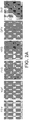
- Nanoscale morphologies were determined by transmission electron microscopy (TEM) ( FIG. 2A , Scale bars are 100 nm) and AFM showing that nanostructures' stiffness depends on peptide sequence.
- TEM transmission electron microscopy
- YFD and DFY assemble into a dense network of nanofibrils, while needle-like crystalline fibers are seen in DYF with amorphous aggregates observed for the others.
- DYF Single crystal X-ray diffraction (XRD) revealed five main interfaces that stabilize the crystal lattice.
- the peptides form parallel ⁇ -sheets that extend laterally by two interfaces along the y direction: hydrogen bonding between the amide groups (upper left corner) and salt bridges of the aspartate carboxylate groups and terminal amines (lower left corner).
- the ⁇ -sheets are packed through hydrogen bonding of the tyrosine hydroxyl groups (upper right corner) and aromatic stacking (lower left corner) into a 3D lattice. Single crystals could also be obtained by slow cooling of YFD solution.
- XRD shows similar interactions to DYF but with different consequences: for YFD a single backbone-backbone hydrogen bond was observed between molecules.
- the columns interact laterally by aromatic stacking (upper left), yielding two-dimensional planes of aromatically stacked groups, and by alternating hydrogen bonding networks coupling the aspartate/amine salt bridges (upper right), C-terminal amides and tyrosine hydroxyl groups through well-ordered water molecules (lower right).
- the consequence of the observed packing is a substantially different orientation of the paired aromatics - in opposite ( anti ) or same ( syn ) orientations for DYF and YFD with respect to the peptide backbone.
- FTIR Fourier transform infrared spectroscopy
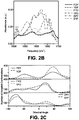
- the YFD spectrum implies a different packing geometry, with additional narrow, redshifted bands in the amide region, but an additional shift of the aspartate carboxylate band from 1,580 cm -1 to 1,560 cm -1 , implying intramolecular salt bridge formation with the amine group of the N-terminus in agreement with the crystal structure, which helps to stabilize paired aromatics in the syn configuration.
- the six peptides show variable crystallinity. FYD, YFD, and DYF form highly crystalline materials and DFY shows lower crystallinity, evidenced by the peak intensity and broadness. In contrast, FDY and YDF are amorphous materials. However, all the peptides share some common features in terms of molecular stacking, reflecting by the peaks at the ranges of 4.4-4.8 ⁇ and 2.9-3.2 ⁇ . In addition, the diffraction patterns of DFY and DYF are similar, indicating the structural resemblance of these two peptides.
- FIG. 2C depicts the distribution of the CZ(Tyr)-CA(Tyr)-CA(Phe)-CZ(Phe) dihedral angle for each peptide over the course of 50 ns indicating the greatest populated angle.
- the results demonstrate that the six peptides have different preferential conformations which is reflected both in the assembled state and in solution, depending on a pair-wise manner on the positions of the aspartic acid.
- the FTIR spectra show narrow, redshifted absorptions of the amide group in FYD, YFD, DFY and DYF that disappear upon oxidation in favour of broad absorptions at 1,650-1,675 cm -1 . Additionally, tyrosine-specific ring modes are lost ( e.g. 1,516 cm -1 ) and a new band absorption assigned to quinone is observed around 1,680 cm -1 , confirming catechol oxidation.
- HPLC analysis showed (near-)complete conversions of peptides to oxidation products for both the disordered (XDX ox ) and highly ordered (DXX ox ) peptides with lower conversions observed for disordered XXD ox (disordered FYD to a lesser extent compared to YFD.
- peptide assembly has a more pronounced effect on oxidation and polymerization compared to the position of the tyrosine within the tripeptides.
- Early stage conversions are higher for XDX ox peptides compared to the assembling counterparts.
- early stage kinetics are similar for the non-assembling FDY ox and YDF ox .
- the overall polymerization process is believed to be dictated by supramolecular order of the precursors and less by enzyme affinity.
- FIG. 3D shows LC-MS chromatograms 280 nm (solid) and 350 nm (dashed) of soluble fraction 24 h oxidized tripeptides.
- FIG. 3E shows the summed m/z intensities of soluble higher molecular weight polymers composed of heterogeneously connected monomers (F4) elute between 8-10 minutes.
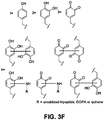
- FIG. 3D depicts chemical structures of the non-oxidized peptides (1) and the oxidation products 3,4-dihydroxyphenylalanine (2) and 3,4-quinone (3) in the context of tripeptides. (4) Connectivity of potential aryl cross-linked and Michael addition products.
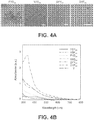
- the polymers have distinct morphologies as seen by optical microscopy ( FIG. 4A ). While oxidized YFD (YFD ox ) maintains a one-dimensional morphology, it forms much larger fibers, suggesting a degree of lateral aggregation which may be facilitated by the positioning of 2D sheets of reactive aromatic species at interfaces, as seen in the crystal structure. DFY ox polymerizes into extended 2D sheets while DYF ox forms spheres. These morphologies, and the amorphous structures of the other oxidized peptides, were also observed by TEM. While the DFY ox sheets and YFD ox fibers are found in the solid phase, the DYF ox spheres remain dispersed in the aqueous buffer.
- DXX ox tripeptides showing high levels of polymerization accompanied with loss of order starting from similar molecular packing of the precursors.
- a subtle difference in sequence dictates the initial (crystalline fibers vs supramolecular fibers) and oxidized (spheres vs sheets) morphology.
- DFY ox it is believed that the anti conformation of aromatic side chains is favorable for polymerization along the length of the ⁇ -sheet, but also laterally between neighboring fibrils, eventually resulting in loss of supramolecular structures (fibrils) and formation of extended, micron-scale 2D sheets.
- FIG. 4A depicts structures formed by the polymeric peptide pigments at the micron scale using optical microscopy.
- Scale bars for FYD ox , YFD ox and DFY ox are 20 ⁇ m and 10 ⁇ m for DYF ox .
- UV-Vis measurements showed different broadband spectra with DFY ox showing absorption throughout the visible region (420-650 nm) and the high absorption observed for FYD ox possibly contributed by highly scattering aggregates ( FIG. 4B ).
- the observed maximum around 340 nm for YFD ox together with the LCMS ( FIG. 3D-E ) and HPLC analyses suggest that the N-terminal positioning of the catechol results in a lower degree of connectivity and cross-linking.
- Oxidized peptides were configured into cathodes in aqueous half-cell configurations.
- the charge storage capacity can provide an estimate of the concentration of redox-active components while the shape of the discharge curve can provide insight into the distribution of morphological phases.
- electrodes were fabricated by compacting peptide melanin powders into a stainless steel support mesh ( FIG. 4C ). For all systems tested, the potentials become monotonically more negative during discharge, which confirms that these materials are largely disordered.
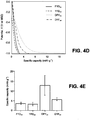
- DFY ox 2D sheets exhibit the highest specific charge storage capacity, followed by DYF ox ( FIG. 4D; FIG.
- Capacitive storage is the likely source of differential capacities in cathodes composed of YFD ox versus FYD ox , which are otherwise largely devoid of redox behavior as assessed by CV.
- the specific capacity of DFY ox is comparable to that measured in natural eumelanin cathodes and less than that of the synthetic melanin-based cathodes.
- the tripeptide KYF was selected, containing the amino acids lysine (K), tyrosine (Y), and phenylalanine (F) and examined the polymeric material formed by oxidizing the preassembled peptide nanostructures.
- the peptide forms a translucent soft gel containing nanofibrils at 20 mM in distilled water at pH 7.5.
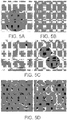
- a color change emerged following 4 h of oxidation with tyrosinase (0.2 ⁇ g/ ⁇ l) with a reddish-brown color intensifying further over 24h ( FIG. 5A ).
- the polymeric material formed by oxidized KYF (KYF ox ) has distinctive spherical morphology as seen by optical microscopy ( FIG. 5B ).
- TEM Transmission electron microscopy
- SEM Scanning electron microscopy
- WAXS Wide angle x-ray scattering
- This disclosure demonstrates the ability to leverage differential assembly and reactivity to achieve tunable polymeric pigments, and find that supramolecular order in precursors is inversely correlated to disorder in resulting polymers. This gives rise to control and tunability over the properties of the materials.
Landscapes
- Chemical & Material Sciences (AREA)
- Organic Chemistry (AREA)
- Health & Medical Sciences (AREA)
- Medicinal Chemistry (AREA)
- Life Sciences & Earth Sciences (AREA)
- Proteomics, Peptides & Aminoacids (AREA)
- General Health & Medical Sciences (AREA)
- Molecular Biology (AREA)
- Biochemistry (AREA)
- Biophysics (AREA)
- Genetics & Genomics (AREA)
- Engineering & Computer Science (AREA)
- Nanotechnology (AREA)
- Polymers & Plastics (AREA)
- Chemical Kinetics & Catalysis (AREA)
- Physics & Mathematics (AREA)
- Condensed Matter Physics & Semiconductors (AREA)
- General Physics & Mathematics (AREA)
- Manufacturing & Machinery (AREA)
- Crystallography & Structural Chemistry (AREA)
- Bioinformatics & Cheminformatics (AREA)
- Immunology (AREA)
- Pharmacology & Pharmacy (AREA)
- Epidemiology (AREA)
- Animal Behavior & Ethology (AREA)
- Public Health (AREA)
- Veterinary Medicine (AREA)
- Peptides Or Proteins (AREA)
Description
- This application claims priority to and is a non-provisional of
U.S. Patent Application 62/385,544 (filed September 9, 2016 - This invention was made with United States Government support under grant number FA9550-15-1-0192 awarded by the U.S. Air Force; grant numbers DMR-0820341 and DMR-1420073 awarded by the National Science Foundation; grant number CHE-1346572 awarded by the National Science Foundation and grant number DE-AC02-06CH11357 awarded by the U.S. Department of Energy. The government has certain rights in the invention.
- Melanins are a family of heterogeneous polymeric pigments that provide UV protection, structural support, coloration and free radical scavenging. Formed by oxidative oligomerization of catecholic small molecules, the physical properties of these materials are influenced by covalent and non-covalent disorder.
- Melanin pigments are found in most life forms, from plants to bacteria to fungi and animals, where they have cardinal roles in organisms' coloration and protection from various (mainly photo- or free radical induced) cell damage-causing stresses. In addition to their protective roles, melanin pigments exhibit dynamic coloration and optoelectronic properties, inspiring efforts to design energy storage devices, environmental sensors surface-adherent coatings and colored films. The self-assembly and polymerization of natural melanin is regulated through complex pathways that include catalysis, templating, assembly, oxidation under confinement, in a process that is currently not fully understood. Laboratory-based strategies to synthesize melanin-based analogues are challenging to employ and difficult to control. Heterogeneous products typically consist of insoluble polymers with poorly defined chemical and structural composition, thereby limiting the technological utility of this class of materials.
- The discussion above is merely provided for general background information and is not intended to be used as an aid in determining the scope of the claimed subject matter.
- A self-assembling peptide is provided that is enzymatically oxidized to form a polymeric pigment. The monomeric peptide has three amino acids (tyrosine (Y), one phenylalanine (F), and one aspartic acid (D) or one lysine (K)) and, following self-assembly and treatment with a tyrosinase enzyme oxidizes and polymerizes into a material with predetermined properties.
- In a first embodiment, a polymeric peptide pigment is provided. The polymeric peptide pigment comprises a polymerized peptide that is the reaction product of oxidizing a plurality of peptides, wherein each peptide consists of three amino acids including one tyrosine (Y), one phenylalanine (F), and either one aspartic acid (D) or one lysine (K), wherein the tyrosine and the phenylalanine are adjacent one another.
- In a second embodiment, a polymeric peptide pigment is provided. The polymeric peptide pigment is formed by a method comprising sequential steps of: forming an aqueous solution of a peptide consisting of three amino acids including one tyrosine (Y), one phenylalanine (F), and either one aspartic acid (D) or one lysine (K), wherein the tyrosine and the phenylalanine are adjacent one another; annealing by heating and subsequently cooling the aqueous solution to less than 30°C, the peptides self-assemble to form a supramolecular structure; and oxidizing the peptide to initiate a polymerization reaction, the polymerization reaction forming a polymeric peptide pigment.
- In a third embodiment, a polymeric peptide pigment is provided. The polymeric peptide pigment is formed by a method comprising sequential steps of: forming an aqueous solution of a peptide consisting of three amino acids including one tyrosine (Y), one phenylalanine (F), and either one aspartic acid (D) or one lysine (K), wherein the tyrosine and the phenylalanine are adjacent one another; adjusting the aqueous solution to a pH of about 7.5, the peptides self-assemble to form a supramolecular structure; oxidizing the peptide to initiate a polymerization reaction, the polymerization reaction forming a polymeric peptide pigment.
- In a fourth embodiment, a polymeric peptide pigment is provided. The polymeric peptide pigment is formed by a method comprising sequential steps of: forming an aqueous solution of a peptide consisting of three amino acids including one tyrosine (Y), one phenylalanine (F), and either one aspartic acid (D) or one lysine (K); annealing by heating and subsequently cooling the aqueous solution to less than 30°C, the peptides self-assemble to form a supramolecular structure; oxidizing the peptide to initiate a polymerization reaction, the polymerization reaction forming a polymeric peptide pigment.
- This brief description of the invention is intended only to provide a brief overview of subject matter disclosed herein according to one or more illustrative embodiments, and does not serve as a guide to interpreting the claims or to define or limit the scope of the invention, which is defined only by the appended claims. This brief description is provided to introduce an illustrative selection of concepts in a simplified form that are further described below in the detailed description.
- So that the manner in which the features of the invention can be understood, a detailed description of the invention may be had by reference to certain embodiments, some of which are illustrated in the accompanying drawings. The drawings are not necessarily to scale, emphasis generally being placed upon illustrating the features of certain embodiments of the invention. In the drawings, like numerals are used to indicate like parts throughout the various views. Thus, for further understanding of the invention, reference can be made to the following detailed description, read in connection with the drawings in which:
-
FIG. 1A is a schematic representation of selected tripeptide sequences and the controlled formation of polymeric peptide pigments; -
FIG. 1B are macroscopic images of the materials formed by the self-assembly of the tripeptides before (upper row) and after (lower row) 24 h of enzymatic oxidation (0.2 µg/µL) including oxidation of a tyrosine as a control; -
FIG. 2A are TEM micrographs of the structures formed by self-assembly of the tripeptides; -
FIG. 2B is an FTIR absorption spectra of the tripeptides; -
FIG. 2C shows the distribution of the CZ(Tyr)-CA(Tyr)-CA(Phe)-CZ(Phe) dihedral angle; -
FIG. 2D depicts the preferred conformations for each peptide; -
FIG. 3A is WAXS analysis in 1D of the tripeptides before (solid lines) or after (dashed lines) enzymatic oxidation; -
FIG. 3B is a WAXS analysis in 2D; -
FIG. 3C is an FTIR absorption spectra of tripeptides before (solid lines) and after (dashed lines) enzymatic oxidation; -
FIG. 3D depicts LC-MS chromatograms at 280 nm (solid lines) and 350 nm (dashed lines) of the soluble fraction of oxidized tripeptides; -
FIG. 3E is a spectra summing m/z intensities of soluble higher molecular weight polymers composed of heterogeneously connected monomers; -
FIG. 3F depicts chemical structures of the non-oxidized peptides and their oxidation products; -
FIG. 4A are optical microscopic images of structures formed by the polymeric peptide pigments at the micron scale; -
FIG. 4B is a UV-Vis absorption spectra of solution fractions of the polymeric peptide pigments or oxidized tyrosine; -
FIG. 4C is a schematic depiction of the electrochemical cell used for discharge measurements; -
FIG. 4D is a graph depicting electrochemical potential profiles; -
FIG. 4E is a graph of average specific capacity of polymeric peptide pigments or oxidized tyrosine; -
FIG. 5A is a macroscopic image of the material formed following 24 h of enzymatic oxidation (0.2 µg/µL) of assembled KYF nanostructures (20 mM in water pH 7.5); -
FIG. 5B depicts spherical structures formed by KYFox polymeric pigment at the micron scale using optical microscopy; -
FIG. 5C shows TEM micrographs of KYFox polymeric pigment structures formed following 4 h and 24 h of oxidation; -
FIG. 5D shows SEM micrographs of KYFox spheres; -
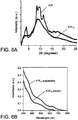
FIG. 6A is a WAXS analysis of KYF before (solid line) or after (dashed line) 24 h of enzymatic oxidation; and -
FIG. 6B is a UV-Vis absorption spectra of solution (solid line) and suspension (dashed line) fractions of KYFox polymeric pigment. - Disclosed here in the use of tyrosine-containing tripeptides as tunable precursors for polymeric pigments. In these structures, phenols are presented in a (supra-) molecular context dictated by the peptide sequence by repositioning amino acids. Oxidative polymerization can be tuned in a sequence-dependent manner resulting in peptide sequence-encoded properties such as UV absorbance, morphology, coloration and electrochemical properties over a considerable range. Short peptides have low barriers to application and can be easily scaled, suggesting applications in cosmetics and biomedicine including cosmetic, personal care and food applications that provide coloration, pigmentation and/or ultraviolet (UV) protection. These could be formulated as a cream, gel or paste. Additional applications include ion storage for battery applications.
- Without wishing to be bound to any particular theory, it is believed that supramolecular materials formed by peptide building blocks offer promise for the formation of synthetic melanin-like materials (or polymeric pigments) due to the ability to precisely control the presentation of chemical functionality and consequently reactivity, through non-covalent interactions. Even very short peptides, consisting of only two or three amino acids have been shown to self-assemble to form discrete nanoscale materials. Furthermore, combining supramolecular self-assembly with catalytic transformations provides spatiotemporal control over the assembly process, giving rise to materials with kinetically tunable properties. Thus, combining catalysis and self-assembly offers an attractive approach for aqueous materials processing.
- A small subset of peptides that self-assemble into supramolecular nanostructures with sequence-dependent properties was identified. Tripeptides containing tyrosine (Y) combined with the aggregation-prone aromatic amino acid phenylalanine (F) and a charged amino acid, aspartic acid (D) were a focal point (
FIG. 1A ). To increase self-assembly propensity at neutral pH conditions, C-terminal amides were used. All six possible tripeptide combinations were studied, with those that contain paired aromatics were found to favor assembly. Following annealing by temporary heating (to 75°C) and subsequent cooling to room temperature (e.g. to about 25°C or less than 30°C), the six peptides exhibited distinctive macroscopic appearances (FIG. 1B , upper row, 20 mM in phosphate buffer at pH 8). For KYF the polymeric pigment may be dissolved in water and adjusted to a pH of about 7.5 (i.e. 7.2 to 7.8) instead of utilizing an annealing process. Those peptides with paired aromatics give rise to self-assembly, while FDY and YDF remained a clear solution. FYD forms a suspension composed of amorphous aggregates, YFD forms an opaque gel, DFY forms a translucent gel, while DYF forms macroscopically observed needle-like crystalline fibers, eventually giving rise to a self-supporting gel. - The variable peptide assemblies were leveraged to control formation of polymeric pigments initiated by enzymatic oxidation of tyrosine residues. Tyrosinase from Agaricus bisporus was used, which typically oxidizes tyrosine into 3,4-dihydroxyphenylalanine (DOPA) and further oxidation products, including DOPA-quinone, DOPAchrome and dihydroxyindole eventually forming polymers from these reactive species. Tyrosinase, which was previously shown to act upon self-assembled peptides was added directly to the tripeptide assemblies (post annealing). A readily observable, variable color change emerged for all tripeptides following 4 h incubation with colors intensifying further over 24 h, resulting in light brown coloration of transparent solutions of FDY and YDF, beige coloration for the milky FYD suspension to brown-black colors for YFD, DFY and DYF, suggesting that the oxidized peptides polymerized to different extents (
FIG. 1B , lower row). As a control, tyrosine was used which rapidly oxidized and polymerized, as observed by the black color of the sample and the polymeric precipitate. - Nanoscale morphologies were determined by transmission electron microscopy (TEM) (
FIG. 2A , Scale bars are 100 nm) and AFM showing that nanostructures' stiffness depends on peptide sequence. YFD and DFY assemble into a dense network of nanofibrils, while needle-like crystalline fibers are seen in DYF with amorphous aggregates observed for the others. In order to assess supramolecular order, the crystallization of DYF provides a convenient starting point. Single crystal X-ray diffraction (XRD) revealed five main interfaces that stabilize the crystal lattice. Along the x-axis, the peptides form parallel β-sheets that extend laterally by two interfaces along the y direction: hydrogen bonding between the amide groups (upper left corner) and salt bridges of the aspartate carboxylate groups and terminal amines (lower left corner). Along the z-axis, the β-sheets are packed through hydrogen bonding of the tyrosine hydroxyl groups (upper right corner) and aromatic stacking (lower left corner) into a 3D lattice. Single crystals could also be obtained by slow cooling of YFD solution. XRD shows similar interactions to DYF but with different consequences: for YFD a single backbone-backbone hydrogen bond was observed between molecules. The columns interact laterally by aromatic stacking (upper left), yielding two-dimensional planes of aromatically stacked groups, and by alternating hydrogen bonding networks coupling the aspartate/amine salt bridges (upper right), C-terminal amides and tyrosine hydroxyl groups through well-ordered water molecules (lower right). The consequence of the observed packing is a substantially different orientation of the paired aromatics - in opposite (anti) or same (syn) orientations for DYF and YFD with respect to the peptide backbone. - To shed more light on the organization of the tripeptides, including those for which crystal structures could not be obtained under the assembly conditions, Fourier transform infrared spectroscopy (FTIR) was used (
FIG. 2B , 20 mM in D2O phosphate buffer at pH 8). FDY, YDF and FYD did not show evidence of periodically organized intermolecular interactions, as indicated by broad bands at 1,652 cm-1 (internal amide) and 1,672 cm-1 (terminal amide) in the FTIR spectrum, which is in agreement with observed disorder by TEM. For the assembled DFY and DYF peptides, these bands redshift to 1,620-1,640 cm-1 and 1,658 cm-1 respectively, which suggests a β-sheet-like organization. The YFD spectrum implies a different packing geometry, with additional narrow, redshifted bands in the amide region, but an additional shift of the aspartate carboxylate band from 1,580 cm-1 to 1,560 cm-1, implying intramolecular salt bridge formation with the amine group of the N-terminus in agreement with the crystal structure, which helps to stabilize paired aromatics in the syn configuration. - The six peptides show variable crystallinity. FYD, YFD, and DYF form highly crystalline materials and DFY shows lower crystallinity, evidenced by the peak intensity and broadness. In contrast, FDY and YDF are amorphous materials. However, all the peptides share some common features in terms of molecular stacking, reflecting by the peaks at the ranges of 4.4-4.8 Å and 2.9-3.2 Å. In addition, the diffraction patterns of DFY and DYF are similar, indicating the structural resemblance of these two peptides.
- In order to examine the relative stability of the different conformations of the monomers, MD simulations were carried out (
FIG. 2C ,FIG. 2D ).FIG. 2C depicts the distribution of the CZ(Tyr)-CA(Tyr)-CA(Phe)-CZ(Phe) dihedral angle for each peptide over the course of 50 ns indicating the greatest populated angle. The results demonstrate that the six peptides have different preferential conformations which is reflected both in the assembled state and in solution, depending on a pair-wise manner on the positions of the aspartic acid. The following relationships exist: tyrosine and phenylalanine residues are presented in anti configuration, (DXX), or syn (XXD) which is in agreement with the crystal structures obtained. When the aspartic acid is in the central position (XDX) the preferred conformations have dihedral angles of about 90°, which limits the potential for extended stacking. - There is the possibility that the pair-wise sequence-dependent supramolecular order of the peptides influences enzymatic oxidation and further polymerization pathways. WAXS and solid phase FTIR data show loss of order with the strongest effect observed for oxidized DXX (DXXox), less in XXDox, while XDXox remain disordered (
FIG. 3A showing ID,FIG. 3B showing 2D,FIG. 3C ).FIG. 3B shows before (left column) and after (right column) 24 h of enzymatic oxidation. The peptides showed loss of supramolecular order (FIG. 3A, FIG. 3B ) while retaining few structural features corresponding to the molecular packing, according to the peaks at about 4.5 and 2.9 Å. The FTIR spectra (FIG. 3C ) show narrow, redshifted absorptions of the amide group in FYD, YFD, DFY and DYF that disappear upon oxidation in favour of broad absorptions at 1,650-1,675 cm-1. Additionally, tyrosine-specific ring modes are lost (e.g. 1,516 cm-1) and a new band absorption assigned to quinone is observed around 1,680 cm-1, confirming catechol oxidation. - HPLC analysis showed (near-)complete conversions of peptides to oxidation products for both the disordered (XDXox) and highly ordered (DXXox) peptides with lower conversions observed for disordered XXDox (disordered FYD to a lesser extent compared to YFD. Under the conditions examined, peptide assembly has a more pronounced effect on oxidation and polymerization compared to the position of the tyrosine within the tripeptides. Early stage conversions are higher for XDXox peptides compared to the assembling counterparts. However, early stage kinetics are similar for the non-assembling FDYox and YDFox. The overall polymerization process is believed to be dictated by supramolecular order of the precursors and less by enzyme affinity.
- LCMS data obtained after 24 h of oxidation reveal the expected catechol and quinone, as well as a wide range of dimeric and trimeric species with different connections (
FIG. 3D ;FIG. 3E ).FIG. 3D shows LC-MS chromatograms 280 nm (solid) and 350 nm (dashed) of soluble fraction 24 h oxidized tripeptides.FIG. 3E shows the summed m/z intensities of soluble higher molecular weight polymers composed of heterogeneously connected monomers (F4) elute between 8-10 minutes. It is clear from these data that there is again a pair-wise relationship, with XDXox peptides giving rise to complete conversion of the precursors to oligomers and polymers, XXDox giving medium conversion with intermediate polymerization and both DXXox peptides giving rise to formation of extensive oligomeric and polymeric species (FIG. 3D ). In each case, the UV absorbance of polymeric species is significantly red-shifted from precursors, as would be expected for an extensive catechol/quinone network.FIG. 3F depicts chemical structures of the non-oxidized peptides (1) and theoxidation products 3,4-dihydroxyphenylalanine (2) and 3,4-quinone (3) in the context of tripeptides. (4) Connectivity of potential aryl cross-linked and Michael addition products. - The polymers have distinct morphologies as seen by optical microscopy (
FIG. 4A ). While oxidized YFD (YFDox) maintains a one-dimensional morphology, it forms much larger fibers, suggesting a degree of lateral aggregation which may be facilitated by the positioning of 2D sheets of reactive aromatic species at interfaces, as seen in the crystal structure. DFYox polymerizes into extended 2D sheets while DYFox forms spheres. These morphologies, and the amorphous structures of the other oxidized peptides, were also observed by TEM. While the DFYox sheets and YFDox fibers are found in the solid phase, the DYFox spheres remain dispersed in the aqueous buffer. - The most contrasting structures formed are evident in DXXox tripeptides showing high levels of polymerization accompanied with loss of order starting from similar molecular packing of the precursors. For these peptides, a subtle difference in sequence dictates the initial (crystalline fibers vs supramolecular fibers) and oxidized (spheres vs sheets) morphology. For DFYox, it is believed that the anti conformation of aromatic side chains is favorable for polymerization along the length of the β-sheet, but also laterally between neighboring fibrils, eventually resulting in loss of supramolecular structures (fibrils) and formation of extended, micron-scale 2D sheets. Time course TEM analysis of DFY supports this mechanism for the fiber-to-sheet transition, revealing the formation of dark layers on the fibrils' surface (4 h); these layers further assemble and polymerize into 2D sheets that extend from the fiber surface (1 week). For DYF, a different orientation of tyrosine gives rise to an additional stabilizing interaction (Tyr-Tyr) within the DYF crystal lattice. Oxidation of tyrosine eliminates H-bonding in these residues thereby disrupting the crystalline fiber and reconfiguring the peptides into spherical assemblies. These data are in agreement with the loss of the original packing and subsequent polymerization observed for both DFYox and DYFox by FTIR, WAXS and LCMS (
FIG. 3A-D ). - The results show that supramolecular order in peptide precursors can be systematically converted into disordered polymeric pigments, resulting in variable characteristics that relate to their functionality (
FIG. 4A). FIG. 4A depicts structures formed by the polymeric peptide pigments at the micron scale using optical microscopy. Scale bars for FYDox, YFDox and DFYox are 20 µm and 10 µm for DYFox. UV-Vis measurements showed different broadband spectra with DFYox showing absorption throughout the visible region (420-650 nm) and the high absorption observed for FYDox possibly contributed by highly scattering aggregates (FIG. 4B ). The observed maximum around 340 nm for YFDox, together with the LCMS (FIG. 3D-E ) and HPLC analyses suggest that the N-terminal positioning of the catechol results in a lower degree of connectivity and cross-linking. - Oxidized peptides were configured into cathodes in aqueous half-cell configurations. The charge storage capacity can provide an estimate of the concentration of redox-active components while the shape of the discharge curve can provide insight into the distribution of morphological phases. For this purpose, electrodes were fabricated by compacting peptide melanin powders into a stainless steel support mesh (
FIG. 4C ). For all systems tested, the potentials become monotonically more negative during discharge, which confirms that these materials are largely disordered. DFYox 2D sheets exhibit the highest specific charge storage capacity, followed by DYFox (FIG. 4D; FIG. 4E ) which is attributed to an increase in the concentration of redox active tyrosine-based derivatives, and is confirmed by cyclic voltammetry CV.FIG. 4E shows average specific capacity of polymeric peptide pigments or oxidized tyrosine (N=3). Capacitive storage is the likely source of differential capacities in cathodes composed of YFDox versus FYDox, which are otherwise largely devoid of redox behavior as assessed by CV. The specific capacity of DFYox is comparable to that measured in natural eumelanin cathodes and less than that of the synthetic melanin-based cathodes. CV of DFYox-based cathodes showed multiple redox peaks that are not commonly observed in other types of natural and synthetic melanin-based pigments, attributed to presence of multiple types of polyphenols, with a variety of redox behavior. Electron paramagnetic resonance (EPR) suggests that DFYox sheets exhibit the highest gravimetric concentration of radical content among the polymeric peptide pigments. It is believed that relatively higher semiquinone concentrations correspond to not only higher overall concentrations of catechols, but also molecular configurations that permit comproportionation reactions. The attenuated EPR signal observed in the polymeric peptide pigments is consistent with this model owing to the smaller overall catechol concentrations and reduced catechol-catechol interactions compared to natural eumelanins. - To expand the sequence variety of polymeric peptide pigments' substrates, the tripeptide KYF was selected, containing the amino acids lysine (K), tyrosine (Y), and phenylalanine (F) and examined the polymeric material formed by oxidizing the preassembled peptide nanostructures.
- The peptide forms a translucent soft gel containing nanofibrils at 20 mM in distilled water at pH 7.5. A color change emerged following 4 h of oxidation with tyrosinase (0.2 µg/µl) with a reddish-brown color intensifying further over 24h (
FIG. 5A ). The polymeric material formed by oxidized KYF (KYFox) has distinctive spherical morphology as seen by optical microscopy (FIG. 5B ). Transmission electron microscopy (TEM) revealed formation of small spherical structures following 4 h of oxidation, alongside pre-oxidized fibrils and larger spheres with a diameter of 700nm-1 µm form following 24 h of oxidation (FIG. 5C ). Scanning electron microscopy (SEM) showed the deposition of KYFox polymeric spheres with a diameter of 200 nm-700 nm (FIG. 5D ). - Wide angle x-ray scattering (WAXS) analysis of KYF showed loss of supramolecular order following oxidation (
FIG. 6A ). UV-Vis measurements of KYFox polymeric pigment following centrifugation (10 min at 15,000 g) showed broadband spectra with maxima at 360 nm, 500 nm, and 630 nm (FIG. 6B ). - This disclosure demonstrates the ability to leverage differential assembly and reactivity to achieve tunable polymeric pigments, and find that supramolecular order in precursors is inversely correlated to disorder in resulting polymers. This gives rise to control and tunability over the properties of the materials.
- This written description uses examples to disclose the invention, including the best mode, and also to enable any person skilled in the art to practice the invention, including making and using any devices or systems and performing any incorporated methods.
Claims (12)
- A polymeric peptide pigment formed by a method comprising sequential steps of:forming an aqueous solution of a peptide consisting of three amino acids including one tyrosine (Y), one phenylalanine (F), and either one aspartic acid (D) or one lysine (K);annealing by heating and subsequently cooling the aqueous solution to less than 30°C, wherein the peptides self-assemble to form a supramolecular structure;oxidizing the peptide to initiate a polymerization reaction, the polymerization reaction forming a polymeric peptide pigment.
- The polymeric peptide pigment as recited in claim 1, wherein the tyrosine and the phenylalanine are adjacent one another.
- The polymeric peptide pigment as recited in claim 2, wherein the peptide has a C terminus that is capped with an amide.
- The polymeric peptide pigment as recited in claim 2, wherein the step of oxidizing uses an enzymatic oxidation.
- The polymeric peptide pigment as recited in claim 4, wherein the enzymatic oxidation is performed using a tyrosinase.
- The polymeric peptide pigment as recited in claim 1 or 2, wherein the peptide is YFD and the supramolecular structure is an opaque gel.
- The polymeric peptide pigment as recited in claim 1 or 2, wherein the peptide is FYD and the supramolecular structure comprises amorphous aggregates.
- The polymeric peptide pigment as recited in claim 2, wherein the peptide is DFY and the supramolecular structure is a translucent gel.
- The polymeric peptide pigment as recited in claim 2, wherein the peptide is DYF and the supramolecular structure comprises crystalline fibers.
- The polymeric peptide pigment as recited in claim 2 or 9, wherein the peptide is DYF and the supramolecular structure is a self-supporting gel.
- The polymeric peptide pigment as recited in claim 2, wherein the step of annealing includes heating to 75°C.
- The polymeric peptide pigment as recited in claim 1, wherein the peptide is KYF.
Applications Claiming Priority (2)
| Application Number | Priority Date | Filing Date | Title |
|---|---|---|---|
| US201662385544P | 2016-09-09 | 2016-09-09 | |
| PCT/US2017/050953 WO2018093449A1 (en) | 2016-09-09 | 2017-09-11 | Self-assembling peptide polymer |
Publications (3)
| Publication Number | Publication Date |
|---|---|
| EP3509618A1 EP3509618A1 (en) | 2019-07-17 |
| EP3509618A4 EP3509618A4 (en) | 2020-05-06 |
| EP3509618B1 true EP3509618B1 (en) | 2021-03-03 |
Family
ID=62146586
Family Applications (1)
| Application Number | Title | Priority Date | Filing Date |
|---|---|---|---|
| EP17871575.1A Not-in-force EP3509618B1 (en) | 2016-09-09 | 2017-09-11 | Self-assembling peptide polymer |
Country Status (8)
| Country | Link |
|---|---|
| US (1) | US11021516B2 (en) |
| EP (1) | EP3509618B1 (en) |
| KR (1) | KR102466079B1 (en) |
| CN (1) | CN110325204B (en) |
| AU (1) | AU2017360269B2 (en) |
| CA (1) | CA3043305A1 (en) |
| IL (1) | IL265250B (en) |
| WO (1) | WO2018093449A1 (en) |
Families Citing this family (2)
| Publication number | Priority date | Publication date | Assignee | Title |
|---|---|---|---|---|
| WO2020092705A1 (en) * | 2018-10-31 | 2020-05-07 | University Of Virginia Patent Foundation | Self-assembling peptides and hydrogels |
| EP3973550B1 (en) | 2019-05-20 | 2024-01-31 | Universidade Nova De Lisboa | Peptide ionogel composition, methods and uses thereof |
Family Cites Families (13)
| Publication number | Priority date | Publication date | Assignee | Title |
|---|---|---|---|---|
| US4908404A (en) * | 1988-08-22 | 1990-03-13 | Biopolymers, Inc. | Synthetic amino acid-and/or peptide-containing graft copolymers |
| US5876625A (en) * | 1996-07-22 | 1999-03-02 | Carnegie Mellon University | Metal ligand containing bleaching compositions |
| US6593299B1 (en) * | 1999-04-21 | 2003-07-15 | University Of Florida Research Foundation, Inc. | Compositions and methods for controlling pests |
| US20050272662A1 (en) * | 2002-09-23 | 2005-12-08 | Stupp Samuel I | Self-assembled peptide-amphiphiles & self-assembled peptide nanofiber networks presenting multiple signals |
| ATE541580T1 (en) * | 2003-12-05 | 2012-02-15 | Univ Northwestern | SELF-ASSEMBLING PEPTIDE AMPHIPHILES AND RELEVANT METHODS FOR GROWTH FACTOR DELIVERY |
| US20110046414A1 (en) | 2009-08-21 | 2011-02-24 | Jian Zhang | Photo-reaction of tyrosine with cetyltrimethylamonium chloride and nitrogen containing functional groups |
| GB0918212D0 (en) * | 2009-10-16 | 2009-12-02 | Univ Strathclyde | Intelligent pigments and plastics |
| JP2013158329A (en) | 2012-02-08 | 2013-08-19 | Ishikawa Prefectural Public Univ Corp | Color reaction using tyrosinase and peptide |
| FR2998570B1 (en) | 2012-11-26 | 2016-12-02 | Sederma Sa | PEPTIDES, COMPOSITIONS COMPRISING THE SAME, AND PARTICULARLY COSMETIC USES THEREOF |
| SG2012096699A (en) * | 2012-12-31 | 2014-07-30 | Agency Science Tech & Res | Amphiphilic linear peptide/peptoid and hydrogel comprising the same |
| EP2958933B1 (en) * | 2013-01-28 | 2018-08-22 | Agency For Science, Technology And Research | Crosslinked peptide hydrogels |
| GB201409145D0 (en) | 2014-05-22 | 2014-07-09 | Univ Strathclyde | Stable emulsions |
| EP3204402B1 (en) * | 2014-10-09 | 2022-02-16 | ENDO Biologics, Inc. | Self-assembling tripeptides |
-
2017
- 2017-09-11 US US16/332,231 patent/US11021516B2/en active Active
- 2017-09-11 CA CA3043305A patent/CA3043305A1/en active Pending
- 2017-09-11 WO PCT/US2017/050953 patent/WO2018093449A1/en not_active Ceased
- 2017-09-11 CN CN201780067862.8A patent/CN110325204B/en active Active
- 2017-09-11 AU AU2017360269A patent/AU2017360269B2/en not_active Ceased
- 2017-09-11 KR KR1020197009974A patent/KR102466079B1/en active Active
- 2017-09-11 EP EP17871575.1A patent/EP3509618B1/en not_active Not-in-force
-
2019
- 2019-03-10 IL IL265250A patent/IL265250B/en unknown
Non-Patent Citations (1)
| Title |
|---|
| None * |
Also Published As
| Publication number | Publication date |
|---|---|
| WO2018093449A9 (en) | 2020-05-14 |
| CA3043305A1 (en) | 2018-05-24 |
| CN110325204B (en) | 2023-11-07 |
| AU2017360269B2 (en) | 2021-04-22 |
| KR102466079B1 (en) | 2022-11-10 |
| AU2017360269A1 (en) | 2019-04-18 |
| US20190233473A1 (en) | 2019-08-01 |
| IL265250B (en) | 2022-02-01 |
| IL265250A (en) | 2019-05-30 |
| EP3509618A4 (en) | 2020-05-06 |
| EP3509618A1 (en) | 2019-07-17 |
| KR20190103139A (en) | 2019-09-04 |
| US11021516B2 (en) | 2021-06-01 |
| CN110325204A (en) | 2019-10-11 |
| WO2018093449A1 (en) | 2018-05-24 |
Similar Documents
| Publication | Publication Date | Title |
|---|---|---|
| Hussain et al. | Photonic cholesteric liquid-crystal elastomers with reprogrammable helical pitch and handedness | |
| Chang et al. | Molecular engineering of polymeric supra-amphiphiles | |
| Fan et al. | Tannic acid-based multifunctional hydrogels with facile adjustable adhesion and cohesion contributed by polyphenol supramolecular chemistry | |
| Correia et al. | Dynamic supramolecular polymers built from cucurbit [n] urils and viologens | |
| Rebelo et al. | Poly (4-vinylaniline)/polyaniline bilayer-functionalized bacterial cellulose for flexible electrochemical biosensors | |
| Wang et al. | Stimulus-responsive polymeric micelles for the light-triggered release of drugs | |
| Isik et al. | Tuning the Selectivity of Biodegradable Antimicrobial Cationic Polycarbonates by Exchanging the Counter‐Anion | |
| Zhou et al. | Dual stimuli-responsive supramolecular pseudo-polyrotaxane hydrogels | |
| Wei et al. | Ion-assisted fabrication of neutral protein crosslinked sodium alginate nanogels | |
| Kim et al. | Polymersome-based modular nanoreactors with size-selective transmembrane permeability | |
| Benyettou et al. | Redox-responsive viologen-mediated self-assembly of CB [7]-modified patchy particles | |
| US11021516B2 (en) | Self-assembling peptide polymer | |
| Zhou et al. | Reversible redox switching of concurrent luminescence and visual color change based on lanthanide metallogel | |
| Umesh et al. | Thermo-Chemical cues-mediated strategy to control peptide self-assembly and charge transfer complexation | |
| Vokatá et al. | Synthesis of Phenyleneethynylene-Doped Poly (p-phenylenebutadiynylene) s for Live Cell Imaging | |
| Wu et al. | Pillararene-containing polymers with tunable conductivity based on host–guest complexations | |
| Ma et al. | Controlled assembly and disassembly of higher-order peptide nanotubes | |
| Okoshi et al. | Control of structural coloration by natural sunlight irradiation on a melanin precursor polymer inspired by skin tanning | |
| CN115287061B (en) | Preparation method of water-soluble ultraviolet absorbent, water-soluble ultraviolet absorbent and application thereof | |
| HK40011673B (en) | Self-assembling peptide polymer | |
| HK40011673A (en) | Self-assembling peptide polymer | |
| Mukherjee et al. | Responsive dynamic covalent Polymers | |
| Araya-Hermosilla et al. | pH-Responsive Polyketone/5, 10, 15, 20-Tetrakis-(Sulfonatophenyl) Porphyrin Supramolecular Submicron Colloidal Structures | |
| Zhou et al. | Aqueous broadband photopolymerization on microreactor arrays: from high throughput polymerization to fabricating artificial cells | |
| Nguyen et al. | Preparation of injectable free‐HRP‐mediated and self‐catalyzed gelatin‐tyramine hydrogel for biomedical applications |
Legal Events
| Date | Code | Title | Description |
|---|---|---|---|
| STAA | Information on the status of an ep patent application or granted ep patent |
Free format text: STATUS: THE INTERNATIONAL PUBLICATION HAS BEEN MADE |
|
| PUAI | Public reference made under article 153(3) epc to a published international application that has entered the european phase |
Free format text: ORIGINAL CODE: 0009012 |
|
| STAA | Information on the status of an ep patent application or granted ep patent |
Free format text: STATUS: REQUEST FOR EXAMINATION WAS MADE |
|
| 17P | Request for examination filed |
Effective date: 20190403 |
|
| AK | Designated contracting states |
Kind code of ref document: A1 Designated state(s): AL AT BE BG CH CY CZ DE DK EE ES FI FR GB GR HR HU IE IS IT LI LT LU LV MC MK MT NL NO PL PT RO RS SE SI SK SM TR |
|
| AX | Request for extension of the european patent |
Extension state: BA ME |
|
| RIN1 | Information on inventor provided before grant (corrected) |
Inventor name: ULIJN, REIN, V. Inventor name: TUTTLE, TELL Inventor name: SCOTT, GARY Inventor name: BETTINGER, CHRISTOPHER Inventor name: MCPHEE, SCOTT Inventor name: LAMPEL, AYALA |
|
| DAV | Request for validation of the european patent (deleted) | ||
| DAX | Request for extension of the european patent (deleted) | ||
| A4 | Supplementary search report drawn up and despatched |
Effective date: 20200408 |
|
| RIC1 | Information provided on ipc code assigned before grant |
Ipc: C07K 5/093 20060101ALI20200402BHEP Ipc: A61L 27/14 20060101ALI20200402BHEP Ipc: C07K 5/09 20060101ALI20200402BHEP Ipc: C07K 5/087 20060101ALI20200402BHEP Ipc: A61K 38/06 20060101AFI20200402BHEP Ipc: C07K 5/08 20060101ALI20200402BHEP Ipc: A61L 27/22 20060101ALI20200402BHEP Ipc: B82Y 40/00 20110101ALI20200402BHEP |
|
| REG | Reference to a national code |
Ref country code: HK Ref legal event code: DE Ref document number: 40011673 Country of ref document: HK |
|
| RIC1 | Information provided on ipc code assigned before grant |
Ipc: C07K 5/087 20060101ALI20200624BHEP Ipc: B82Y 40/00 20110101ALI20200624BHEP Ipc: A61K 38/06 20060101AFI20200624BHEP Ipc: C07K 5/09 20060101ALI20200624BHEP Ipc: A61L 27/22 20060101ALI20200624BHEP Ipc: C07K 5/093 20060101ALI20200624BHEP Ipc: C07K 5/08 20060101ALI20200624BHEP Ipc: A61L 27/14 20060101ALI20200624BHEP |
|
| REG | Reference to a national code |
Ref country code: DE Ref legal event code: R079 Ref document number: 602017034089 Country of ref document: DE Free format text: PREVIOUS MAIN CLASS: A61K0038060000 Ipc: C07K0005080000 |
|
| GRAP | Despatch of communication of intention to grant a patent |
Free format text: ORIGINAL CODE: EPIDOSNIGR1 |
|
| STAA | Information on the status of an ep patent application or granted ep patent |
Free format text: STATUS: GRANT OF PATENT IS INTENDED |
|
| RIC1 | Information provided on ipc code assigned before grant |
Ipc: A61L 27/22 20060101ALI20200908BHEP Ipc: C07K 5/093 20060101ALI20200908BHEP Ipc: B82Y 40/00 20110101ALI20200908BHEP Ipc: C07K 5/08 20060101AFI20200908BHEP Ipc: C07K 5/087 20060101ALI20200908BHEP Ipc: C07K 5/09 20060101ALI20200908BHEP Ipc: A61L 27/14 20060101ALI20200908BHEP Ipc: A61K 38/06 20060101ALI20200908BHEP |
|
| INTG | Intention to grant announced |
Effective date: 20200924 |
|
| GRAS | Grant fee paid |
Free format text: ORIGINAL CODE: EPIDOSNIGR3 |
|
| GRAA | (expected) grant |
Free format text: ORIGINAL CODE: 0009210 |
|
| STAA | Information on the status of an ep patent application or granted ep patent |
Free format text: STATUS: THE PATENT HAS BEEN GRANTED |
|
| AK | Designated contracting states |
Kind code of ref document: B1 Designated state(s): AL AT BE BG CH CY CZ DE DK EE ES FI FR GB GR HR HU IE IS IT LI LT LU LV MC MK MT NL NO PL PT RO RS SE SI SK SM TR |
|
| REG | Reference to a national code |
Ref country code: GB Ref legal event code: FG4D |
|
| REG | Reference to a national code |
Ref country code: AT Ref legal event code: REF Ref document number: 1367099 Country of ref document: AT Kind code of ref document: T Effective date: 20210315 Ref country code: CH Ref legal event code: EP |
|
| REG | Reference to a national code |
Ref country code: DE Ref legal event code: R096 Ref document number: 602017034089 Country of ref document: DE |
|
| REG | Reference to a national code |
Ref country code: IE Ref legal event code: FG4D |
|
| REG | Reference to a national code |
Ref country code: LT Ref legal event code: MG9D |
|
| PG25 | Lapsed in a contracting state [announced via postgrant information from national office to epo] |
Ref country code: LT Free format text: LAPSE BECAUSE OF FAILURE TO SUBMIT A TRANSLATION OF THE DESCRIPTION OR TO PAY THE FEE WITHIN THE PRESCRIBED TIME-LIMIT Effective date: 20210303 Ref country code: BG Free format text: LAPSE BECAUSE OF FAILURE TO SUBMIT A TRANSLATION OF THE DESCRIPTION OR TO PAY THE FEE WITHIN THE PRESCRIBED TIME-LIMIT Effective date: 20210603 Ref country code: HR Free format text: LAPSE BECAUSE OF FAILURE TO SUBMIT A TRANSLATION OF THE DESCRIPTION OR TO PAY THE FEE WITHIN THE PRESCRIBED TIME-LIMIT Effective date: 20210303 Ref country code: GR Free format text: LAPSE BECAUSE OF FAILURE TO SUBMIT A TRANSLATION OF THE DESCRIPTION OR TO PAY THE FEE WITHIN THE PRESCRIBED TIME-LIMIT Effective date: 20210604 Ref country code: FI Free format text: LAPSE BECAUSE OF FAILURE TO SUBMIT A TRANSLATION OF THE DESCRIPTION OR TO PAY THE FEE WITHIN THE PRESCRIBED TIME-LIMIT Effective date: 20210303 Ref country code: NO Free format text: LAPSE BECAUSE OF FAILURE TO SUBMIT A TRANSLATION OF THE DESCRIPTION OR TO PAY THE FEE WITHIN THE PRESCRIBED TIME-LIMIT Effective date: 20210603 |
|
| REG | Reference to a national code |
Ref country code: NL Ref legal event code: MP Effective date: 20210303 |
|
| REG | Reference to a national code |
Ref country code: AT Ref legal event code: MK05 Ref document number: 1367099 Country of ref document: AT Kind code of ref document: T Effective date: 20210303 |
|
| PG25 | Lapsed in a contracting state [announced via postgrant information from national office to epo] |
Ref country code: SE Free format text: LAPSE BECAUSE OF FAILURE TO SUBMIT A TRANSLATION OF THE DESCRIPTION OR TO PAY THE FEE WITHIN THE PRESCRIBED TIME-LIMIT Effective date: 20210303 Ref country code: LV Free format text: LAPSE BECAUSE OF FAILURE TO SUBMIT A TRANSLATION OF THE DESCRIPTION OR TO PAY THE FEE WITHIN THE PRESCRIBED TIME-LIMIT Effective date: 20210303 Ref country code: PL Free format text: LAPSE BECAUSE OF FAILURE TO SUBMIT A TRANSLATION OF THE DESCRIPTION OR TO PAY THE FEE WITHIN THE PRESCRIBED TIME-LIMIT Effective date: 20210303 Ref country code: RS Free format text: LAPSE BECAUSE OF FAILURE TO SUBMIT A TRANSLATION OF THE DESCRIPTION OR TO PAY THE FEE WITHIN THE PRESCRIBED TIME-LIMIT Effective date: 20210303 |
|
| PG25 | Lapsed in a contracting state [announced via postgrant information from national office to epo] |
Ref country code: NL Free format text: LAPSE BECAUSE OF FAILURE TO SUBMIT A TRANSLATION OF THE DESCRIPTION OR TO PAY THE FEE WITHIN THE PRESCRIBED TIME-LIMIT Effective date: 20210303 |
|
| PG25 | Lapsed in a contracting state [announced via postgrant information from national office to epo] |
Ref country code: EE Free format text: LAPSE BECAUSE OF FAILURE TO SUBMIT A TRANSLATION OF THE DESCRIPTION OR TO PAY THE FEE WITHIN THE PRESCRIBED TIME-LIMIT Effective date: 20210303 Ref country code: CZ Free format text: LAPSE BECAUSE OF FAILURE TO SUBMIT A TRANSLATION OF THE DESCRIPTION OR TO PAY THE FEE WITHIN THE PRESCRIBED TIME-LIMIT Effective date: 20210303 Ref country code: AT Free format text: LAPSE BECAUSE OF FAILURE TO SUBMIT A TRANSLATION OF THE DESCRIPTION OR TO PAY THE FEE WITHIN THE PRESCRIBED TIME-LIMIT Effective date: 20210303 Ref country code: SM Free format text: LAPSE BECAUSE OF FAILURE TO SUBMIT A TRANSLATION OF THE DESCRIPTION OR TO PAY THE FEE WITHIN THE PRESCRIBED TIME-LIMIT Effective date: 20210303 |
|
| PG25 | Lapsed in a contracting state [announced via postgrant information from national office to epo] |
Ref country code: IS Free format text: LAPSE BECAUSE OF FAILURE TO SUBMIT A TRANSLATION OF THE DESCRIPTION OR TO PAY THE FEE WITHIN THE PRESCRIBED TIME-LIMIT Effective date: 20210703 Ref country code: RO Free format text: LAPSE BECAUSE OF FAILURE TO SUBMIT A TRANSLATION OF THE DESCRIPTION OR TO PAY THE FEE WITHIN THE PRESCRIBED TIME-LIMIT Effective date: 20210303 Ref country code: SK Free format text: LAPSE BECAUSE OF FAILURE TO SUBMIT A TRANSLATION OF THE DESCRIPTION OR TO PAY THE FEE WITHIN THE PRESCRIBED TIME-LIMIT Effective date: 20210303 Ref country code: PT Free format text: LAPSE BECAUSE OF FAILURE TO SUBMIT A TRANSLATION OF THE DESCRIPTION OR TO PAY THE FEE WITHIN THE PRESCRIBED TIME-LIMIT Effective date: 20210705 |
|
| REG | Reference to a national code |
Ref country code: DE Ref legal event code: R097 Ref document number: 602017034089 Country of ref document: DE |
|
| PLBE | No opposition filed within time limit |
Free format text: ORIGINAL CODE: 0009261 |
|
| STAA | Information on the status of an ep patent application or granted ep patent |
Free format text: STATUS: NO OPPOSITION FILED WITHIN TIME LIMIT |
|
| PG25 | Lapsed in a contracting state [announced via postgrant information from national office to epo] |
Ref country code: DK Free format text: LAPSE BECAUSE OF FAILURE TO SUBMIT A TRANSLATION OF THE DESCRIPTION OR TO PAY THE FEE WITHIN THE PRESCRIBED TIME-LIMIT Effective date: 20210303 Ref country code: AL Free format text: LAPSE BECAUSE OF FAILURE TO SUBMIT A TRANSLATION OF THE DESCRIPTION OR TO PAY THE FEE WITHIN THE PRESCRIBED TIME-LIMIT Effective date: 20210303 Ref country code: ES Free format text: LAPSE BECAUSE OF FAILURE TO SUBMIT A TRANSLATION OF THE DESCRIPTION OR TO PAY THE FEE WITHIN THE PRESCRIBED TIME-LIMIT Effective date: 20210303 |
|
| 26N | No opposition filed |
Effective date: 20211206 |
|
| PG25 | Lapsed in a contracting state [announced via postgrant information from national office to epo] |
Ref country code: SI Free format text: LAPSE BECAUSE OF FAILURE TO SUBMIT A TRANSLATION OF THE DESCRIPTION OR TO PAY THE FEE WITHIN THE PRESCRIBED TIME-LIMIT Effective date: 20210303 |
|
| REG | Reference to a national code |
Ref country code: CH Ref legal event code: PL |
|
| REG | Reference to a national code |
Ref country code: BE Ref legal event code: MM Effective date: 20210930 |
|
| PG25 | Lapsed in a contracting state [announced via postgrant information from national office to epo] |
Ref country code: IS Free format text: LAPSE BECAUSE OF FAILURE TO SUBMIT A TRANSLATION OF THE DESCRIPTION OR TO PAY THE FEE WITHIN THE PRESCRIBED TIME-LIMIT Effective date: 20210703 Ref country code: MC Free format text: LAPSE BECAUSE OF FAILURE TO SUBMIT A TRANSLATION OF THE DESCRIPTION OR TO PAY THE FEE WITHIN THE PRESCRIBED TIME-LIMIT Effective date: 20210303 |
|
| PG25 | Lapsed in a contracting state [announced via postgrant information from national office to epo] |
Ref country code: LU Free format text: LAPSE BECAUSE OF NON-PAYMENT OF DUE FEES Effective date: 20210911 Ref country code: IE Free format text: LAPSE BECAUSE OF NON-PAYMENT OF DUE FEES Effective date: 20210911 Ref country code: BE Free format text: LAPSE BECAUSE OF NON-PAYMENT OF DUE FEES Effective date: 20210930 |
|
| PG25 | Lapsed in a contracting state [announced via postgrant information from national office to epo] |
Ref country code: LI Free format text: LAPSE BECAUSE OF NON-PAYMENT OF DUE FEES Effective date: 20210930 Ref country code: CH Free format text: LAPSE BECAUSE OF NON-PAYMENT OF DUE FEES Effective date: 20210930 |
|
| PG25 | Lapsed in a contracting state [announced via postgrant information from national office to epo] |
Ref country code: CY Free format text: LAPSE BECAUSE OF FAILURE TO SUBMIT A TRANSLATION OF THE DESCRIPTION OR TO PAY THE FEE WITHIN THE PRESCRIBED TIME-LIMIT Effective date: 20210303 |
|
| PG25 | Lapsed in a contracting state [announced via postgrant information from national office to epo] |
Ref country code: HU Free format text: LAPSE BECAUSE OF FAILURE TO SUBMIT A TRANSLATION OF THE DESCRIPTION OR TO PAY THE FEE WITHIN THE PRESCRIBED TIME-LIMIT; INVALID AB INITIO Effective date: 20170911 |
|
| PG25 | Lapsed in a contracting state [announced via postgrant information from national office to epo] |
Ref country code: MK Free format text: LAPSE BECAUSE OF FAILURE TO SUBMIT A TRANSLATION OF THE DESCRIPTION OR TO PAY THE FEE WITHIN THE PRESCRIBED TIME-LIMIT Effective date: 20210303 |
|
| PGFP | Annual fee paid to national office [announced via postgrant information from national office to epo] |
Ref country code: GB Payment date: 20240304 Year of fee payment: 7 |
|
| PGFP | Annual fee paid to national office [announced via postgrant information from national office to epo] |
Ref country code: IT Payment date: 20240305 Year of fee payment: 7 Ref country code: FR Payment date: 20240320 Year of fee payment: 7 |
|
| PGFP | Annual fee paid to national office [announced via postgrant information from national office to epo] |
Ref country code: DE Payment date: 20240331 Year of fee payment: 7 |
|
| PG25 | Lapsed in a contracting state [announced via postgrant information from national office to epo] |
Ref country code: MT Free format text: LAPSE BECAUSE OF FAILURE TO SUBMIT A TRANSLATION OF THE DESCRIPTION OR TO PAY THE FEE WITHIN THE PRESCRIBED TIME-LIMIT Effective date: 20210303 |
|
| REG | Reference to a national code |
Ref country code: DE Ref legal event code: R119 Ref document number: 602017034089 Country of ref document: DE |
|
| GBPC | Gb: european patent ceased through non-payment of renewal fee |
Effective date: 20240911 |
|
| PG25 | Lapsed in a contracting state [announced via postgrant information from national office to epo] |
Ref country code: DE Free format text: LAPSE BECAUSE OF NON-PAYMENT OF DUE FEES Effective date: 20250401 |
|
| PG25 | Lapsed in a contracting state [announced via postgrant information from national office to epo] |
Ref country code: GB Free format text: LAPSE BECAUSE OF NON-PAYMENT OF DUE FEES Effective date: 20240911 |
|
| PG25 | Lapsed in a contracting state [announced via postgrant information from national office to epo] |
Ref country code: IT Free format text: LAPSE BECAUSE OF NON-PAYMENT OF DUE FEES Effective date: 20240911 |
|
| PG25 | Lapsed in a contracting state [announced via postgrant information from national office to epo] |
Ref country code: FR Free format text: LAPSE BECAUSE OF NON-PAYMENT OF DUE FEES Effective date: 20240930 |
|
| PG25 | Lapsed in a contracting state [announced via postgrant information from national office to epo] |
Ref country code: TR Free format text: LAPSE BECAUSE OF FAILURE TO SUBMIT A TRANSLATION OF THE DESCRIPTION OR TO PAY THE FEE WITHIN THE PRESCRIBED TIME-LIMIT Effective date: 20210303 |