EP3508495A1 - Il-21 (heterodimeric fc-fused il-21) fused to immunoglobulin heavy chain constant region heterodimer (heterodimeric fc), and pharmaceutical composition comprising same - Google Patents
Il-21 (heterodimeric fc-fused il-21) fused to immunoglobulin heavy chain constant region heterodimer (heterodimeric fc), and pharmaceutical composition comprising same Download PDFInfo
- Publication number
- EP3508495A1 EP3508495A1 EP17847030.8A EP17847030A EP3508495A1 EP 3508495 A1 EP3508495 A1 EP 3508495A1 EP 17847030 A EP17847030 A EP 17847030A EP 3508495 A1 EP3508495 A1 EP 3508495A1
- Authority
- EP
- European Patent Office
- Prior art keywords
- region
- heterodimeric
- cancer
- domain
- pharmaceutical composition
- Prior art date
- Legal status (The legal status is an assumption and is not a legal conclusion. Google has not performed a legal analysis and makes no representation as to the accuracy of the status listed.)
- Granted
Links
Images



Classifications
-
- C—CHEMISTRY; METALLURGY
- C07—ORGANIC CHEMISTRY
- C07K—PEPTIDES
- C07K14/00—Peptides having more than 20 amino acids; Gastrins; Somatostatins; Melanotropins; Derivatives thereof
- C07K14/435—Peptides having more than 20 amino acids; Gastrins; Somatostatins; Melanotropins; Derivatives thereof from animals; from humans
- C07K14/52—Cytokines; Lymphokines; Interferons
- C07K14/54—Interleukins [IL]
-
- A—HUMAN NECESSITIES
- A61—MEDICAL OR VETERINARY SCIENCE; HYGIENE
- A61K—PREPARATIONS FOR MEDICAL, DENTAL OR TOILETRY PURPOSES
- A61K38/00—Medicinal preparations containing peptides
- A61K38/16—Peptides having more than 20 amino acids; Gastrins; Somatostatins; Melanotropins; Derivatives thereof
- A61K38/17—Peptides having more than 20 amino acids; Gastrins; Somatostatins; Melanotropins; Derivatives thereof from animals; from humans
- A61K38/19—Cytokines; Lymphokines; Interferons
- A61K38/20—Interleukins [IL]
-
- A—HUMAN NECESSITIES
- A61—MEDICAL OR VETERINARY SCIENCE; HYGIENE
- A61K—PREPARATIONS FOR MEDICAL, DENTAL OR TOILETRY PURPOSES
- A61K38/00—Medicinal preparations containing peptides
- A61K38/16—Peptides having more than 20 amino acids; Gastrins; Somatostatins; Melanotropins; Derivatives thereof
- A61K38/17—Peptides having more than 20 amino acids; Gastrins; Somatostatins; Melanotropins; Derivatives thereof from animals; from humans
- A61K38/19—Cytokines; Lymphokines; Interferons
- A61K38/20—Interleukins [IL]
- A61K38/2013—IL-2
-
- A—HUMAN NECESSITIES
- A61—MEDICAL OR VETERINARY SCIENCE; HYGIENE
- A61K—PREPARATIONS FOR MEDICAL, DENTAL OR TOILETRY PURPOSES
- A61K40/00—Cellular immunotherapy
- A61K40/10—Cellular immunotherapy characterised by the cell type used
- A61K40/15—Natural-killer [NK] cells; Natural-killer T [NKT] cells
-
- A—HUMAN NECESSITIES
- A61—MEDICAL OR VETERINARY SCIENCE; HYGIENE
- A61K—PREPARATIONS FOR MEDICAL, DENTAL OR TOILETRY PURPOSES
- A61K40/00—Cellular immunotherapy
- A61K40/40—Cellular immunotherapy characterised by antigens that are targeted or presented by cells of the immune system
- A61K40/41—Vertebrate antigens
- A61K40/42—Cancer antigens
-
- A—HUMAN NECESSITIES
- A61—MEDICAL OR VETERINARY SCIENCE; HYGIENE
- A61K—PREPARATIONS FOR MEDICAL, DENTAL OR TOILETRY PURPOSES
- A61K45/00—Medicinal preparations containing active ingredients not provided for in groups A61K31/00 - A61K41/00
- A61K45/06—Mixtures of active ingredients without chemical characterisation, e.g. antiphlogistics and cardiaca
-
- A—HUMAN NECESSITIES
- A61—MEDICAL OR VETERINARY SCIENCE; HYGIENE
- A61K—PREPARATIONS FOR MEDICAL, DENTAL OR TOILETRY PURPOSES
- A61K47/00—Medicinal preparations characterised by the non-active ingredients used, e.g. carriers or inert additives; Targeting or modifying agents chemically bound to the active ingredient
- A61K47/50—Medicinal preparations characterised by the non-active ingredients used, e.g. carriers or inert additives; Targeting or modifying agents chemically bound to the active ingredient the non-active ingredient being chemically bound to the active ingredient, e.g. polymer-drug conjugates
- A61K47/51—Medicinal preparations characterised by the non-active ingredients used, e.g. carriers or inert additives; Targeting or modifying agents chemically bound to the active ingredient the non-active ingredient being chemically bound to the active ingredient, e.g. polymer-drug conjugates the non-active ingredient being a modifying agent
- A61K47/68—Medicinal preparations characterised by the non-active ingredients used, e.g. carriers or inert additives; Targeting or modifying agents chemically bound to the active ingredient the non-active ingredient being chemically bound to the active ingredient, e.g. polymer-drug conjugates the non-active ingredient being a modifying agent the modifying agent being an antibody, an immunoglobulin or a fragment thereof, e.g. an Fc-fragment
-
- A—HUMAN NECESSITIES
- A61—MEDICAL OR VETERINARY SCIENCE; HYGIENE
- A61K—PREPARATIONS FOR MEDICAL, DENTAL OR TOILETRY PURPOSES
- A61K47/00—Medicinal preparations characterised by the non-active ingredients used, e.g. carriers or inert additives; Targeting or modifying agents chemically bound to the active ingredient
- A61K47/50—Medicinal preparations characterised by the non-active ingredients used, e.g. carriers or inert additives; Targeting or modifying agents chemically bound to the active ingredient the non-active ingredient being chemically bound to the active ingredient, e.g. polymer-drug conjugates
- A61K47/51—Medicinal preparations characterised by the non-active ingredients used, e.g. carriers or inert additives; Targeting or modifying agents chemically bound to the active ingredient the non-active ingredient being chemically bound to the active ingredient, e.g. polymer-drug conjugates the non-active ingredient being a modifying agent
- A61K47/68—Medicinal preparations characterised by the non-active ingredients used, e.g. carriers or inert additives; Targeting or modifying agents chemically bound to the active ingredient the non-active ingredient being chemically bound to the active ingredient, e.g. polymer-drug conjugates the non-active ingredient being a modifying agent the modifying agent being an antibody, an immunoglobulin or a fragment thereof, e.g. an Fc-fragment
- A61K47/6801—Drug-antibody or immunoglobulin conjugates defined by the pharmacologically or therapeutically active agent
- A61K47/6803—Drugs conjugated to an antibody or immunoglobulin, e.g. cisplatin-antibody conjugates
- A61K47/6811—Drugs conjugated to an antibody or immunoglobulin, e.g. cisplatin-antibody conjugates the drug being a protein or peptide, e.g. transferrin or bleomycin
- A61K47/6813—Drugs conjugated to an antibody or immunoglobulin, e.g. cisplatin-antibody conjugates the drug being a protein or peptide, e.g. transferrin or bleomycin the drug being a peptidic cytokine, e.g. an interleukin or interferon
-
- A—HUMAN NECESSITIES
- A61—MEDICAL OR VETERINARY SCIENCE; HYGIENE
- A61P—SPECIFIC THERAPEUTIC ACTIVITY OF CHEMICAL COMPOUNDS OR MEDICINAL PREPARATIONS
- A61P35/00—Antineoplastic agents
-
- A—HUMAN NECESSITIES
- A61—MEDICAL OR VETERINARY SCIENCE; HYGIENE
- A61K—PREPARATIONS FOR MEDICAL, DENTAL OR TOILETRY PURPOSES
- A61K2239/00—Indexing codes associated with cellular immunotherapy of group A61K40/00
- A61K2239/31—Indexing codes associated with cellular immunotherapy of group A61K40/00 characterized by the route of administration
-
- A—HUMAN NECESSITIES
- A61—MEDICAL OR VETERINARY SCIENCE; HYGIENE
- A61K—PREPARATIONS FOR MEDICAL, DENTAL OR TOILETRY PURPOSES
- A61K2239/00—Indexing codes associated with cellular immunotherapy of group A61K40/00
- A61K2239/38—Indexing codes associated with cellular immunotherapy of group A61K40/00 characterised by the dose, timing or administration schedule
-
- A—HUMAN NECESSITIES
- A61—MEDICAL OR VETERINARY SCIENCE; HYGIENE
- A61K—PREPARATIONS FOR MEDICAL, DENTAL OR TOILETRY PURPOSES
- A61K2300/00—Mixtures or combinations of active ingredients, wherein at least one active ingredient is fully defined in groups A61K31/00 - A61K41/00
-
- C—CHEMISTRY; METALLURGY
- C07—ORGANIC CHEMISTRY
- C07K—PEPTIDES
- C07K2317/00—Immunoglobulins specific features
- C07K2317/30—Immunoglobulins specific features characterized by aspects of specificity or valency
- C07K2317/31—Immunoglobulins specific features characterized by aspects of specificity or valency multispecific
-
- C—CHEMISTRY; METALLURGY
- C07—ORGANIC CHEMISTRY
- C07K—PEPTIDES
- C07K2317/00—Immunoglobulins specific features
- C07K2317/50—Immunoglobulins specific features characterized by immunoglobulin fragments
- C07K2317/52—Constant or Fc region; Isotype
- C07K2317/526—CH3 domain
-
- C—CHEMISTRY; METALLURGY
- C07—ORGANIC CHEMISTRY
- C07K—PEPTIDES
- C07K2317/00—Immunoglobulins specific features
- C07K2317/50—Immunoglobulins specific features characterized by immunoglobulin fragments
- C07K2317/52—Constant or Fc region; Isotype
- C07K2317/53—Hinge
-
- C—CHEMISTRY; METALLURGY
- C07—ORGANIC CHEMISTRY
- C07K—PEPTIDES
- C07K2317/00—Immunoglobulins specific features
- C07K2317/70—Immunoglobulins specific features characterized by effect upon binding to a cell or to an antigen
- C07K2317/71—Decreased effector function due to an Fc-modification
-
- C—CHEMISTRY; METALLURGY
- C07—ORGANIC CHEMISTRY
- C07K—PEPTIDES
- C07K2319/00—Fusion polypeptide
-
- C—CHEMISTRY; METALLURGY
- C07—ORGANIC CHEMISTRY
- C07K—PEPTIDES
- C07K2319/00—Fusion polypeptide
- C07K2319/30—Non-immunoglobulin-derived peptide or protein having an immunoglobulin constant or Fc region, or a fragment thereof, attached thereto
-
- C—CHEMISTRY; METALLURGY
- C07—ORGANIC CHEMISTRY
- C07K—PEPTIDES
- C07K2319/00—Fusion polypeptide
- C07K2319/31—Fusion polypeptide fusions, other than Fc, for prolonged plasma life, e.g. albumin
Definitions
- the present invention relates to a heterodimeric Fc-fused protein comprising first and second Fc regions of an immunoglobulin heavy chain constant region (Fc) pair and in which IL-21 is bound to at least one of the N-terminus or the C-terminus of the first Fc region and/or the second Fc region, wherein CH3 domains of the first Fc region and the second Fc region are mutated such that the formation of a heterodimer is promoted, and a pharmaceutical composition comprising the heterodimeric Fc-fused protein.
- Fc immunoglobulin heavy chain constant region
- heterodimeric Fc-fused protein according to the present invention When the heterodimeric Fc-fused protein according to the present invention is used, an in vivo half-life of IL-21 included in the heterodimeric Fc-fused protein may be significantly increased.
- Human antibodies (Immunoglobulin G (IgG), IgM, IgD, IgE, and IgA) present in nature are present in the form of an assembly of two heavy chains having the same amino acid sequence and two light chains having the same amino acid sequence.
- homodimerization between the same two heavy chains is induced by non-covalent interaction between the last domains (CH3 domain for IgG, IgD, and IgA, CH4 domain for IgM, and CH2 and CH4 domains for IgE) of a constant region of an antibody, and a disulfide bond between hinge regions.
- the antibody-derived heterodimeric heavy chain constant region (heterodimeric Fc) technology is a technology for generating a heterodimeric Fc through engineering so as to have a bond where heterodimerization is preferred and homodimerization is not preferred or inhibited, via a specific non-covalent bond between the last domains of a constant region that greatly contribute to homodimerization of the aforementioned naturally occurring antibodies (IgG, IgM, IgA, IgD, and IgE). More specifically, through gene manipulation, mutations are induced in CH3 domains of two different antibody heavy chains so that the two heavy chains are very similar in structure to naturally occurring antibodies, have a minimal deviation in sequence, and form a heterodimer ( US Patent Registration No.
- the heterodimeric Fc technology is a platform technique for producing a bispecific antibody, and most CH3 domain mutants known to induce heterodimer formation have been produced by introducing an asymmetric mutant pair based on structure-based rational design of an antibody into the CH3 domain interacting surface (Spreter Von Kreudenstein et al., 2014).
- an EW/RVT mutant used in the present invention is a mutant in which heterodimer formation is enhanced such that, by sequentially and structurally analyzing interactions of the above-described existing mutants, a selective electrostatic bond of the CH3 domain interaction surface (K360ECH3A-Q347RCH3B), which is a new mutation strategy, is formed, and a mutually complementary hydrophobic bond (K409WCH3A-D399VCH3B/F405TCH3B) is formed instead of existing electrostatic bonding ( Choi et al. 2013; Korean Patent Registration No. 10-1522954 ).
- IgG1 isoform IgG1 (Irani et al., 2015), in the case of immune-modulating antibodies or receptor agonist fusion proteins, which do not require an antibody-specific effector function such as antibody-dependent cellular cytotoxicity (ADCC) or complement-dependent cellular cytotoxicity (CDC), there has recently been a trend to develop an IgG2- or IgG4-based therapeutic protein in which these effector functions are significantly reduced as compared to that of IgG1.
- ADCC antibody-dependent cellular cytotoxicity
- CDC complement-dependent cellular cytotoxicity
- IL-21 which acts as a monomer in the natural world, it is difficult to maintain the monomeric form using existing antibody Fc regions that homodimerize.
- IL-21 has activity by binding to one IL-21 receptor (IL21R) and one ⁇ c-chain.
- the inventors of the present invention constructed a heterodimer variant including an antibody-derived Fc region in order to mimic IL-21, which acts as a monomer, and used the heterodimer variant to develop a new therapeutic fusion protein in the form of a heterodimeric Fc-fused protein in which IL-21 was bound to the terminus of the Fc region.
- NK cells which are innate immune cells, can kill various kinds of cancer cells and recognizes cancer cells regardless of the presence or absence of antigens, and thus have recently drawn attention as an anticancer immunotherapeutic agent.
- NK cells To use NK cells as an anticancer immunotherapeutic agent, it is necessary to produce a great number of natural killer cells with increased anticancer activity and to form an environment in which natural killer cells survive for a long period of time in vivo to exhibit anticancer efficacy.
- cytokines IL-2, IL-12, IL-15, IL-18, IL-21, and IFNs
- IL-2 is the only cytokine commercially available and approved in clinical trials to be administered directly to patients to date.
- IL-2 increases the viability and activity of NK cells and is relatively inexpensive, while activating regulatory T cells, which are immunosuppressive cells, to inhibit anticancer immunity ( Cesana et al., J Clin Oncol. 2006 , Wei et al., Cancer Res. 2007 ). Therefore, there is an urgent need for commercialization of cytokines that activate NK cells without activating regulatory T cells.
- IL-21 has recently drawn attention in anticancer immunotherapy. It is reported that, similar to IL-2, although IL-21 promotes the proliferation and differentiation of CD4+ T cells and CD8+ T cells, it does not affect the proliferation of regulatory T cells, and thus co-administration of IL-21 with an anticancer immunotherapeutic agent is anticipated ( Al-Chami et al., Cytokine, 2016 ).
- IL-21 shows the following results: 1) promotion of the proliferation of NK cells derived from human-derived CD34+ hematopoietic progenitor cells in the presence of Fms-like tyrosine kinase-3 (FLT3-L) together with IL-15 ( Parrish-Novak et al., Nature, 2000 ); 2) promotion of extracellular expansion of NK cells and aging inhibition when the membrane bound form IL-21 is expressed in K562 cells, which are used as a trophoblast cell line ( Lee DA et al., PlosOne, 2012 ); 3) promotion of proliferation due to IL-2 plus IL-15 during culturing of canine NK cells ( Shin et al., Vet Immunol Immunopathol. 2015 ); 4) promotion of the expression of NKG2D receptors by activation of STAT3 in human NK cells ( Zhu et al., Blood, 2014 ); and the like.
- Fc-binding recombinant IL-21 capable of maintaining activity in vivo for a long period of time was prepared using a heterodimer method, and it was found that the prepared Fc-IL21 monomer exhibited excellent NK cell proliferation promotion as compared to water-soluble IL-21 or dimer IL-21, and could induce a superior antitumor effect to water-soluble IL-2 or dimer IL-21 in vivo via less frequent administration.
- a heterodimeric Fc-fused protein including the Fc-IL21 monomer of the present invention complements the disadvantage, i.e., frequent administration required when water-soluble IL-21 or IL-2 is used, and exhibits high biological anticancer activity as compared to dimer IL-21 prepared using an existing method.
- the present invention has been made in view of the above problems, and it is an object of the present invention to provide a novel heterodimeric Fc-fused protein in which the activity of cytokines as monomers exhibiting physiological activity is able to be sufficiently maintained for a long period of time.
- the heterodimeric Fc-fused protein according to the present invention is in a form that mimics a naturally present form of IL-21, which exhibits physiological activity as a monomer, thereby maintaining the activity of IL-21 present in nature.
- An Fc-IL21 monomer of the present invention exhibits excellent activity as compared to water-soluble IL-21 or dimer IL-21.
- the present invention provides a heterodimeric Fc-fused protein comprising first and second Fc regions of an immunoglobulin heavy chain constant region (Fc) pair and in which IL-21 is bound to at least one of the N-terminus or the C-terminus of the first Fc region and/or the second Fc region, wherein CH3 domains of the first Fc region and the second Fc region are mutated such that the formation of heterodimeric Fc is promoted.
- Fc immunoglobulin heavy chain constant region
- the present invention also provides a pharmaceutical composition comprising the heterodimeric Fc-fused protein.
- the present invention also provides a method of treating a disease, particularly cancer, which comprises administering a pharmaceutical composition comprising the heterodimeric Fc-fused protein.
- the present invention also provides a use of a pharmaceutical composition comprising the heterodimeric Fc-fused protein for treating a disease, particularly cancer.
- a heterodimeric Fc-fused protein comprising first and second Fc regions of an immunoglobulin heavy chain constant region (Fc) pair and in which IL-21 is bound to one of the N-terminus and the C-terminus of the first Fc region or the second Fc region, wherein CH3 domains of the first Fc region and the second Fc region are mutated such that the formation of heterodimeric Fc is promoted.
- Fc immunoglobulin heavy chain constant region
- the heterodimeric Fc-fused protein is a heterodimeric Fc-fused protein in which IL-21 is bound to only any one of the N-terminus and the C-terminus of the first Fc region or the second Fc region.
- Fc region or “heavy chain constant region” as used herein refers to a region including a CH2 domain, a CH3 domain, and a hinge domain, which are derived from an antibody.
- CH3 domains of the first Fc region and the second Fc region are mutated such that the formation of a heterodimer is promoted
- a mutation is induced in some of the sequence of two Fc regions of antibodies present in nature in the form of a homodimer having the same sequence to be mutated such that the formation of a heterodimer is promoted via a non-covalent bond between the first Fc region and the second Fc region, and the formation of a homodimer is reduced or preferably barely occurs.
- the mutation of the first Fc region and the second Fc region according to the present invention such that the formation of heterodimeric Fc is promoted may include mutation of respective CH3 domains included in the antibody-derived first and second Fc regions such that the formation of a heterodimer is promoted.
- heterodimeric Fc or “Fc heterodimer” as used herein refers to a heterodimer comprising a first Fc region and a second Fc region, wherein CH3 domains of the first Fc region and the second Fc region are mutated such that the formation of heterodimeric Fc is promoted.
- Each of the first Fc region and the second Fc region of the present invention may be derived from an Fc region selected from the group consisting of human IgG1, IgG2, IgG3, IgG4, IgM, IgA, IgD, and IgE, and preferably, each of the first Fc region and the second Fc region is derived from IgG1, IgG2, IgG3, or IgG4.
- first Fc region and the second Fc region are derived from an isotype antibody.
- the mutation of the CH3 domains may include one or more mutations selected from the following group. All mutation sites of the present invention are in accordance with the EU index.
- the amino acid residue substitution at position K360 of the CH3 domain of the first Fc region may be K360E
- the amino acid residue substitution at position Q347 of the CH3 domain of the second Fc region may be Q347R
- the amino acid residue substitution at position K409 of the CH3 domain of the first Fc region may be K409W
- the amino acid residue substitution at position F405 of the CH3 domain of the second Fc region may be F405T
- the amino acid residue substitution at position D399 of the CH3 domain of the second Fc region may be D399V.
- the mutation of the CH3 domain of the first Fc region or the second Fc region may include one or more mutations selected from the following groups (mutation sites are in accordance with the EU index):
- the CH3 domain included in each of the antibody-derived first and second Fc regions according to the present invention may have a sequence selected from amino acid sequences represented by SEQ ID NOS: 1 and 2.
- the antibody-derived first and second Fc regions according to the present invention may have IgG4-derived CH3 domain sequences shown in Table 1 below.
- Table 1 Configu ration CH3 sequence of first Fc region (EU number 341-447) CH3 sequence of second Fc region (EU number 341-447) IgG4-EW/RVT
- the present invention provides a pharmaceutical composition comprising the heterodimeric Fc-fused protein according to the present invention.
- the pharmaceutical composition according to the present invention is a pharmaceutical composition for treating cancer, which comprises a heterodimeric Fc-fused protein containing IL-21 as a physiologically active protein.
- Caner treatable using the pharmaceutical composition for treating cancer which comprises a heterodimeric Fc-fused protein containing IL-21 may be selected from the group consisting of colon cancer, melanoma, breast cancer, pancreatic cancer, kidney cancer, prostate cancer, ovarian cancer, small intestine cancer, esophageal cancer, cervical cancer, lung cancer, lymphoma, and blood cancer, but the present invention is not limited thereto.
- composition according to the present invention may further include a pharmaceutically acceptable carrier.
- pharmaceutically acceptable carrier refers to a substance that may be added to the active ingredient to aid in formulating or stabilizing a preparation, and the carrier does not cause a toxic effect that is significantly harmful to patients.
- the carrier refers to a carrier or diluent that does not irritate patients and does not hinder the biological activity and characteristics of the heterodimeric Fc-fused protein according to the present invention.
- a pharmaceutically acceptable carrier in a composition formulated into a liquid solution which is suitable for sterilization and a living body, one selected from saline, sterilized water, Ringer's solution, buffered saline, an albumin injection solution, a dextrose solution, a maltodextrin solution, glycerol, and ethanol, or a mixture of two or more of these ingredients may be used.
- other general additives such as an antioxidant, a buffer, a bacteriostatic agent, and the like may be added.
- a diluent, a dispersant, a surfactant, a binder, and a lubricant may be further added to the composition to be formulated into an injectable preparation such as an aqueous solution, a suspension, an emulsion, or the like, pills, capsules, granules, or tablets.
- injectable preparation such as an aqueous solution, a suspension, an emulsion, or the like, pills, capsules, granules, or tablets.
- Other carriers may be described in, for example, Remington's Pharmaceutical Sciences (E. W. Martin).
- the pharmaceutically acceptable carrier includes a sterile aqueous solution or dispersion and sterile powder for extemporaneous administration of a sterile injectable solution or dispersion.
- the use of these media and agents for pharmaceutically active materials is known in the art.
- the composition is preferably formulated for non-oral injection.
- the composition may be formulated as a solution, a microemulsion, a liposome, or other customized structures suitable for high drug concentrations.
- the pharmaceutically acceptable carrier include solvents or dispersion media including water, ethanol, polyols (e.g., glycerol, propylene glycol, liquid polyethylene glycol, and the like), and suitable mixtures thereof.
- the composition may include an isotonic agent such as sugars, or polyalcohols such as mannitol, sorbitol, or sodium chloride.
- the sterile injectable solution may be prepared by incorporating a required amount of the heterodimeric Fc-fused protein in an appropriate solvent, if needed, along with one of the above-listed ingredients or a combination thereof, and then performing sterile microfiltration thereon.
- the dispersion is prepared by incorporating the active compound into a sterile vehicle including a basic dispersion medium and other needed ingredients from those described above.
- sterile powder for the preparation of a sterile injectable solution
- some preparation processes involve vacuum drying and freeze-drying (lyophilization), in which the active ingredient and any additional desired ingredient powder are produced from a pre-sterilized and pre-filtered solution.
- the pharmaceutical composition according to the present invention may be orally or parenterally administered at a dose and frequency that may vary depending on the severity of a suffering patient.
- the composition may be administered to a patient as a bolus or via continuous injection, if needed.
- the pharmaceutical composition according to the present invention may be administered intrarectally, intravenously, subcutaneously, intrauterinely, or intracerebrovascularly.
- the pharmaceutical composition for treating cancer which comprises the heterodimeric Fc-fused protein containing IL-21 may be used for co-treatment together with other anticancer agents, and the other anticancer agents may be cytotoxic T cells and/or natural killer (NK) cells, but the present invention is not limited thereto. That is, all anticancer agents that may be used in other technical fields may be used for co-treatment.
- the pharmaceutical composition for treating cancer which comprises the heterodimeric Fc-fused protein containing IL-21 is used for co-treatment with cytotoxic T cells and/or natural killer (NK) cells
- this case may enable
- the heterodimeric Fc-fused protein containing IL-21 as a monomer exhibits significantly high activity as compared to water-soluble IL-21 or dimer IL-21.
- the present invention provides a method of treating a disease which comprises administering the pharmaceutical composition comprising the heterodimeric Fc-fused protein according to the present invention to a patient in need of treatment.
- the present invention provides a method of treating a patient with cancer, particularly cancer selected from the group consisting of colon cancer, melanoma, breast cancer, pancreatic cancer, kidney cancer, prostate cancer, ovarian cancer, small intestine cancer, esophageal cancer, cervical cancer, lung cancer, lymphoma, and blood cancer.
- cancer particularly cancer selected from the group consisting of colon cancer, melanoma, breast cancer, pancreatic cancer, kidney cancer, prostate cancer, ovarian cancer, small intestine cancer, esophageal cancer, cervical cancer, lung cancer, lymphoma, and blood cancer.
- Example 1 Design of CH3 Domain Variant for Formation of Heterodimer for Each Human Antibody Isoform (Sequencing)
- a variant pair (EW/RVT) induced in heterologous CH3A:CH3B (in the present invention, CH3A and CH3B respectively mean the CH3 region of the first Fc region and the CH3 region of the second Fc region) enables the formation of CH3A:CH3B with a high yield, as a strategy for promoting the formation of an Fc heterodimer, which is disclosed in existing documents or patents ( Choi et al., 2013; KR 10-1522954 ).
- IL-21 human interleukin 21
- IgG4-EW/RVT IgG4-EW/RVT, SEQ ID NOS: 1 and 2
- IL-21 which is present in nature, is a cytokine acting as a monomer, and one IL-21 has activity by binding to one IL-21 receptor (IL21R) and one ⁇ c-chain. Therefore, by using the IgG4-EW/RVT heterodimeric variant, one IL-21 was linked to only one of different heterodimeric Fc variants (CH3A or CH3B) to maintain the monomeric form of IL-21 present in nature.
- IgG4-EW/RVT which was formed as a heterodimer based on IgG4 and into which the EW/RVT mutation was introduced thereinto.
- Previous reports have shown that in the construction of immunocytokines, which are fused forms of antibodies and cytokines, the intrinsic function of IgG1, such as ADCC/CDC, rather promotes clearance in vivo.
- a fusion protein was constructed using the isoform IgG4 in which the function of ADCC/CDC was barely exhibited as compared to IgG1 (Gillies SD et al., 1999).
- FIGS. 1 to 3 illustrate a recombinant protein of IL-21, an IL-21 dimer fusion protein using wild-type Fc, and an IL-21 monomer fusion protein using EW/RVT.
- a fusion protein into which a CH3 variant pair was introduced, which was constructed in the present invention is illustrated in FIG. 3 .
- IL21-Fc (IgG4 EW) and Fc (IgG4 RVT), into which the CH3 variant pair was introduced was in-frame cloned into pcDNA3.1(+) (Invitrogen, USA), which is an animal cell expression vector having a CMV promotor, using NotI / HindIII so as to have signal sequence-IL21 mature form-Hinge-CH2-CH3 or signal sequence-Hinge-CH2-CH3.
- IL-21 used herein was human IL-21 (Uniprot entry name, Q9HBE4; SEQ ID NO: 3), and only a DNA sequence encoding a mature form except for the signal sequence was used.
- human IL-21 was linked to Fc using a hinge region without an additional peptide linker to facilitate interaction with the IL-21 receptor.
- the hinge region used herein was a commonly used IgG1-derived hinge, and cysteine residues in the upper hinge region except for cysteine residues in the core hinge region for dimer formation were substituted with serine residues to prevent unwanted disulfide bonds from being formed during protein fusion.
- a CH2 domain of the Fc used in the present invention is an IgG2/4 hybrid.
- the IgG2/4 hybrid is in a fused form of the lower hinge portion of IgG2 and the CH2 portion of IgG4.
- This is a domain derived from eculizumab antibody (Product Name: Soliris) which targets complement C5 and is a domain designed to inhibit the ability of binding to an Fc receptor according to the purpose of use of the antibody (to completely eliminate a CDC function) (Robert A et al., 2009).
- Fc-IL21 dimer ( FIG. 2 ), in which wild-type Fc was fused, was constructed.
- FIG. 8 a DNA sequence encoding the human IL-21 mature form was in-frame cloned into an animal cell expression vector containing wild-type IgG4 CH3, with restriction enzymes NotI / HindIII by using a method similar to that described above.
- the used hinge region and CH2 domain also have the same sequence as that used in constructing the Fc-IL21 monomer (see FIG. 6 ).
- Table 3 shows an amino acid sequence for the human IL-21 mature form used in construction of the fusion protein.
- Configuration Amino acid sequence (a.a. 25-155) Mature human IL-21
- the Fc-IL21 monomer fusion protein of FIG. 3 was prepared by transiently transfecting HEK293-F (Invitrogen) cells with a mixture of IgG4 CH3A (EW) and IgG4 CH3B (RVT) expression vectors fused with human IL-21 and polyethylenimine (PEI) (Polyscience) in a ratio of 1:1 and culturing the cells in a shake flask containing a serum-free FreeStyle 293 expression medium (Invitrogen). The method will be described in detail as follows.
- HEK293-F cells Upon 200 mL transfection in a shake flask (Corning), HEK293-F cells were seeded in 180 ml of a medium at a density of 1.0 x 10 6 cells/ml and cultured at 130 rpm and 8% CO 2 .
- the corresponding CH3A and CH3B plasmids were diluted in 10 ml of a FreeStyle 293 expression medium (Invitrogen) with a total of 250 ⁇ g (2.5 ⁇ g/ml) of 125 ⁇ g of CH3A and 125 ⁇ g of CH3B, mixed with 10 ml of a medium diluted with 750 ⁇ g of PEI (7.5 ⁇ g/ml), and allowed to react at room temperature for 10 minutes.
- a FreeStyle 293 expression medium Invitrogen
- proteins produced by the cells i.e., fusion proteins including Fc variants were secreted outside of the cells and accumulated in the medium. Therefore, the proteins were purified from a cell culture supernatant collected by centrifugation at 2,500 rpm for 20 minutes after cell culture, using a protein A Sepharose column (GE healthcare).
- the purification method was in accordance with a standard protocol provided by the protein A column manufacturer, absorbance at 562 nm of the purified proteins was measured using a solution in a BCA protein assay kit (Thermo), and the amounts thereof were quantified according to the drawn standard curve.
- Table 4 shows purification yields of the expressed Fc-IL21 monomer and Fc-IL21 dimer fusion proteins. The result values were expressed as the mean standard error (mean ⁇ SD) after three independent experiments. It was confirmed that the Fc-IL21 monomer form exhibited a purification yield about 17 times that of the Fc-IL21 dimer form.
- peripheral blood mononuclear cells, radiation-irradiated Jurkat cells, and EBV-LCL cells were cultured in the presence of the human IL-21 fusion protein of Example 3, induction of improvement in the proliferation and function of NK cells was confirmed.
- each cell line was treated with 1.25 ⁇ M of IL-21 or Fc-IL21 (monomer or dimer) and cultured. Thereafter, culturing was performed while the medium was replaced with an hRPMI medium to which 500 U/ml of IL-2 was added, once every 4 days. When the medium was replaced, the number of cells was calculated using a hematocytometer and cultured for about 3 weeks at a density of 2.5 x 10 5 cells/ml (Korean Patent No. 1643165 ).
- FIG. 12 illustrates results of measuring tumor growth inhibitory activity in mice by using an animal cancer model.
- tumors were induced by subcutaneously injecting 2.5 x 10 6 cells of the melanoma cell line A375 into 6- to 7-week-old immunodeficient mice (Nude).
- the Fc-IL21 monomer or the Fc-IL21 dimer was intravenously injected into the cells at the same molar concentration ( ⁇ 580 ⁇ M) once every three days, 1 x 10 7 NK cells were intravenously injected thereinto once every 6 days, and then the size of tumors was measured once every 3 days (see FIG. 11 ).
- the NK cells were intravenously administered once every 6 days, IL-2 was intraperitoneally injected twice a day, and Fc-IL21 was intravenously administered once every three days.
- IL-2 was administered at 5, 000 IU six times for a total of three days from the administration day of NK cells.
- Fc-IL21 was diluted in phosphate buffered saline (PBS) and administered intravenously at a dose of 10 ⁇ g ( ⁇ 580 ⁇ M) with respect to the Fc-IL21 dimer.
- PBS phosphate buffered saline
- a non-administered group was compared with the NK+IL-2-administered group, an NK cellular therapeutic effect of which had previously been verified, the NK+Fc-IL21 monomer-administered group, and the NK+Fc-IL21-administered group.
- slowed cancer cell growth was exhibited in the NK+IL-2-administered group, the Fc-IL21 monomer-administered group, and the Fc-IL21 dimer-administered group, and most of all, the Fc-IL21 monomer exhibited an excellent antitumor effect, as compared to the Fc-IL21 dimer.
- a heterodimeric Fc-fused protein according to the present invention mimics a naturally present form of IL-21 as a monomer as much as possible, and thus may maintain the activity of IL-21 present in nature.
- IL-21 as a monomer may have excellent activity as compared to water-soluble IL-21 or dimer IL-21 and may exhibit significantly extended half-life in the body.
- a heterodimeric Fc-fused protein form according to the present invention enables the preparation of a monomeric heterodimeric Fc-fused protein without an optimized process such as an additional purification process.
Landscapes
- Health & Medical Sciences (AREA)
- Life Sciences & Earth Sciences (AREA)
- Chemical & Material Sciences (AREA)
- General Health & Medical Sciences (AREA)
- Animal Behavior & Ethology (AREA)
- Public Health (AREA)
- Veterinary Medicine (AREA)
- Epidemiology (AREA)
- Medicinal Chemistry (AREA)
- Pharmacology & Pharmacy (AREA)
- Engineering & Computer Science (AREA)
- Bioinformatics & Cheminformatics (AREA)
- Immunology (AREA)
- Zoology (AREA)
- Gastroenterology & Hepatology (AREA)
- Organic Chemistry (AREA)
- Proteomics, Peptides & Aminoacids (AREA)
- Molecular Biology (AREA)
- Biophysics (AREA)
- Genetics & Genomics (AREA)
- Toxicology (AREA)
- Biochemistry (AREA)
- Chemical Kinetics & Catalysis (AREA)
- General Chemical & Material Sciences (AREA)
- Nuclear Medicine, Radiotherapy & Molecular Imaging (AREA)
- Peptides Or Proteins (AREA)
- Cell Biology (AREA)
- Biotechnology (AREA)
- Biomedical Technology (AREA)
- Hematology (AREA)
- Developmental Biology & Embryology (AREA)
- Virology (AREA)
- Medicines That Contain Protein Lipid Enzymes And Other Medicines (AREA)
- Medicines Containing Antibodies Or Antigens For Use As Internal Diagnostic Agents (AREA)
- Medicines Containing Material From Animals Or Micro-Organisms (AREA)
- Medicinal Preparation (AREA)
Abstract
Description
- The present invention relates to a heterodimeric Fc-fused protein comprising first and second Fc regions of an immunoglobulin heavy chain constant region (Fc) pair and in which IL-21 is bound to at least one of the N-terminus or the C-terminus of the first Fc region and/or the second Fc region, wherein CH3 domains of the first Fc region and the second Fc region are mutated such that the formation of a heterodimer is promoted, and a pharmaceutical composition comprising the heterodimeric Fc-fused protein.
- When the heterodimeric Fc-fused protein according to the present invention is used, an in vivo half-life of IL-21 included in the heterodimeric Fc-fused protein may be significantly increased.
- Human antibodies (Immunoglobulin G (IgG), IgM, IgD, IgE, and IgA) present in nature are present in the form of an assembly of two heavy chains having the same amino acid sequence and two light chains having the same amino acid sequence. In this regard, homodimerization between the same two heavy chains is induced by non-covalent interaction between the last domains (CH3 domain for IgG, IgD, and IgA, CH4 domain for IgM, and CH2 and CH4 domains for IgE) of a constant region of an antibody, and a disulfide bond between hinge regions.
- The antibody-derived heterodimeric heavy chain constant region (heterodimeric Fc) technology is a technology for generating a heterodimeric Fc through engineering so as to have a bond where heterodimerization is preferred and homodimerization is not preferred or inhibited, via a specific non-covalent bond between the last domains of a constant region that greatly contribute to homodimerization of the aforementioned naturally occurring antibodies (IgG, IgM, IgA, IgD, and IgE). More specifically, through gene manipulation, mutations are induced in CH3 domains of two different antibody heavy chains so that the two heavy chains are very similar in structure to naturally occurring antibodies, have a minimal deviation in sequence, and form a heterodimer (
US Patent Registration No. 7,695,936 ; Korean Patent Registration No.1,522,954 Choi et al. 2013; Korean Patent Registration No. 10-1522954 - All heterodimeric Fc variants having been reported to date, including the above EW/RVT variant are based on IgG1, which is the most abundant among human antibody isoforms, and there has been no report of variants for other isoforms except for IgG1 (IgG2, IgG3, IgG4, IgA, IgM, and IgM).
- Since most of the therapeutic antibodies approved by the US Food and Drug Administration (FDA) and commercially available have adopted the isoform IgG1 (Irani et al., 2015), in the case of immune-modulating antibodies or receptor agonist fusion proteins, which do not require an antibody-specific effector function such as antibody-dependent cellular cytotoxicity (ADCC) or complement-dependent cellular cytotoxicity (CDC), there has recently been a trend to develop an IgG2- or IgG4-based therapeutic protein in which these effector functions are significantly reduced as compared to that of IgG1.
- Meanwhile, most physiologically active proteins are often small in size and have a short half-life in the body. To address these drawbacks, attempts have been made to conjugate PEG or fuse an antibody-derived Fc (crystallizable fragment) region, but the development of a form in which the activity of a physiologically active protein is efficiently and sufficiently maintained for a long time has not been implemented. In particular, in the case of IL-21, which acts as a monomer in the natural world, it is difficult to maintain the monomeric form using existing antibody Fc regions that homodimerize. One IL-21 has activity by binding to one IL-21 receptor (IL21R) and one γc-chain.
- Under such technical background, the inventors of the present invention constructed a heterodimer variant including an antibody-derived Fc region in order to mimic IL-21, which acts as a monomer, and used the heterodimer variant to develop a new therapeutic fusion protein in the form of a heterodimeric Fc-fused protein in which IL-21 was bound to the terminus of the Fc region.
- Among cells used as immunotherapeutic agents, NK cells, which are innate immune cells, can kill various kinds of cancer cells and recognizes cancer cells regardless of the presence or absence of antigens, and thus have recently drawn attention as an anticancer immunotherapeutic agent. To use NK cells as an anticancer immunotherapeutic agent, it is necessary to produce a great number of natural killer cells with increased anticancer activity and to form an environment in which natural killer cells survive for a long period of time in vivo to exhibit anticancer efficacy. For this reason, attempts are being made globally to increase the viability of and induce anticancer activity in NK cells by administering cytokines (IL-2, IL-12, IL-15, IL-18, IL-21, and IFNs), which affect the activation regulation of NK cells, along with natural killer cells in vivo. However, IL-2 is the only cytokine commercially available and approved in clinical trials to be administered directly to patients to date. IL-2 increases the viability and activity of NK cells and is relatively inexpensive, while activating regulatory T cells, which are immunosuppressive cells, to inhibit anticancer immunity (Cesana et al., J Clin Oncol. 2006, Wei et al., Cancer Res. 2007). Therefore, there is an urgent need for commercialization of cytokines that activate NK cells without activating regulatory T cells.
- In this regard, IL-21 has recently drawn attention in anticancer immunotherapy. It is reported that, similar to IL-2, although IL-21 promotes the proliferation and differentiation of CD4+ T cells and CD8+ T cells, it does not affect the proliferation of regulatory T cells, and thus co-administration of IL-21 with an anticancer immunotherapeutic agent is anticipated (Al-Chami et al., Cytokine, 2016). It has been reported that, with regards to NK cells, IL-21 shows the following results: 1) promotion of the proliferation of NK cells derived from human-derived CD34+ hematopoietic progenitor cells in the presence of Fms-like tyrosine kinase-3 (FLT3-L) together with IL-15 (Parrish-Novak et al., Nature, 2000); 2) promotion of extracellular expansion of NK cells and aging inhibition when the membrane bound form IL-21 is expressed in K562 cells, which are used as a trophoblast cell line (Lee DA et al., PlosOne, 2012); 3) promotion of proliferation due to IL-2 plus IL-15 during culturing of canine NK cells (Shin et al., Vet Immunol Immunopathol. 2015); 4) promotion of the expression of NKG2D receptors by activation of STAT3 in human NK cells (Zhu et al., Blood, 2014); and the like.
- Accordingly, in the present invention, Fc-binding recombinant IL-21 capable of maintaining activity in vivo for a long period of time was prepared using a heterodimer method, and it was found that the prepared Fc-IL21 monomer exhibited excellent NK cell proliferation promotion as compared to water-soluble IL-21 or dimer IL-21, and could induce a superior antitumor effect to water-soluble IL-2 or dimer IL-21 in vivo via less frequent administration. A heterodimeric Fc-fused protein including the Fc-IL21 monomer of the present invention complements the disadvantage, i.e., frequent administration required when water-soluble IL-21 or IL-2 is used, and exhibits high biological anticancer activity as compared to dimer IL-21 prepared using an existing method.
- Therefore, the present invention has been made in view of the above problems, and it is an object of the present invention to provide a novel heterodimeric Fc-fused protein in which the activity of cytokines as monomers exhibiting physiological activity is able to be sufficiently maintained for a long period of time.
- In particular, the heterodimeric Fc-fused protein according to the present invention is in a form that mimics a naturally present form of IL-21, which exhibits physiological activity as a monomer, thereby maintaining the activity of IL-21 present in nature. An Fc-IL21 monomer of the present invention exhibits excellent activity as compared to water-soluble IL-21 or dimer IL-21.
- In addition, it is another object of the present invention to provide a pharmaceutical composition comprising the heterodimeric Fc-fused protein, a composition and method for treating a disease, particularly cancer by using the same, and a use of the composition therefor.
- To address the above-described problems, the present invention provides a heterodimeric Fc-fused protein comprising first and second Fc regions of an immunoglobulin heavy chain constant region (Fc) pair and in which IL-21 is bound to at least one of the N-terminus or the C-terminus of the first Fc region and/or the second Fc region,
wherein CH3 domains of the first Fc region and the second Fc region are mutated such that the formation of heterodimeric Fc is promoted. - The present invention also provides a pharmaceutical composition comprising the heterodimeric Fc-fused protein.
- The present invention also provides a method of treating a disease, particularly cancer, which comprises administering a pharmaceutical composition comprising the heterodimeric Fc-fused protein.
- The present invention also provides a use of a pharmaceutical composition comprising the heterodimeric Fc-fused protein for treating a disease, particularly cancer.
-
-
FIG. 1 is a view illustrating the form of recombinant human IL-21 to be fused to a heavy chain constant region. -
FIG. 2 is a view illustrating an Fc-IL21 dimer form in which human IL-21 is fused to wild-type IgG4 Fc. -
FIG. 3 is a view illustrating an Fc-IL21 monomer form in which human IL-21 is fused to an EW/RVT variant produced based on IgG4. -
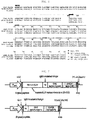
FIG. 4 illustrates results of listing and comparing the sequence (IgG1: SEQ ID NO: 4; IgG2: SEQ ID NO: 5; IgG3: SEQ ID NO: 6; IgG4: SEQ ID NO: 7) of a CH3 domain for each of human antibody immunoglobulin G isoforms and selecting potential mutation sites, in order to construct a CH3 domain variant for the formation of a heterodimer for each human antibody isoform. -
FIG. 5 illustrates sequence information (IgG4 wild type: SEQ ID NO: 7; IgG4 EW: SEQ ID NO: 1; and IgG4 RVT: SEQ ID NO: 2) of a wild type- and variant-introduced heterodimeric Fc pair of an IgG4 CH3 domain. -
FIG. 6 illustrates sequence information of wild-type Fc and a heterodimeric Fc pair that were fused with IL-21 used to construct an Fc-IL21 dimer and an Fc-IL21 monomer. -
FIG. 7 is a view illustrating a vector for expressing and purifying the fusion protein ofFIG. 3 in animal cells. -
FIG. 8 is a view illustrating a vector for expressing and purifying the fusion protein ofFIG. 2 in animal cells. -
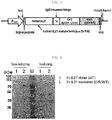
FIG. 9 illustrates results obtained by temporarily expressing and purifying the animal cell expression vectors ofFIGS. 7 and8 in HEK293F cells via co-transfection, separating 3 µg of proteins on SDS-PAGE under non-reducing and reducing conditions, and then analyzing the sizes and combination forms of the proteins through Coomassie Blue staining. -
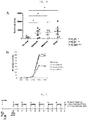
FIG. 10A illustrates growth curves and expandability of natural killer cells as a result of performing an experiment by treating the cells with an Fc-IL21 monomer or an Fc-IL21 dimer and culturing the treated cells at the time of in vitro expansion of the natural killer cells from human blood, andFIG. 10B illustrates results obtained by performing statistical processing on repeatedly performed experimental results from 6 donors. -
FIG. 11 is a diagram illustrating a co-treatment effect between NK cells and IL-2, an Fc-IL21 monomer, or an Fc-IL21 dimer after construction of a xenograft human melanoma cancer model, and administration methods of an NK cell therapeutic agent, IL-2, and Fc-IL21. -
FIG. 12A illustrates results of comparing the sizes of tumors as a co-treatment effect between NK cells and IL-2, an Fc-IL21 monomer, or an Fc-IL21 dimer in a xenograft human melanoma cancer model, andFIG. 12B illustrates results showing the size of tumor upon treatment with NK cells only in the xenograft human melanoma cancer cell. - Unless otherwise defined, all technical and scientific terms used in the present specification have the same meaning as commonly understood by one of ordinary skill in the art to which the present invention pertains. In general, the nomenclature used herein is well known and commonly used in the art.
- According to an embodiment of the present invention, there is provided a heterodimeric Fc-fused protein comprising first and second Fc regions of an immunoglobulin heavy chain constant region (Fc) pair and in which IL-21 is bound to one of the N-terminus and the C-terminus of the first Fc region or the second Fc region,
wherein CH3 domains of the first Fc region and the second Fc region are mutated such that the formation of heterodimeric Fc is promoted. - Preferably, the heterodimeric Fc-fused protein is a heterodimeric Fc-fused protein in which IL-21 is bound to only any one of the N-terminus and the C-terminus of the first Fc region or the second Fc region.
- The term "Fc region" or "heavy chain constant region" as used herein refers to a region including a CH2 domain, a CH3 domain, and a hinge domain, which are derived from an antibody.
- The expression "CH3 domains of the first Fc region and the second Fc region are mutated such that the formation of a heterodimer is promoted" as used herein means that a mutation is induced in some of the sequence of two Fc regions of antibodies present in nature in the form of a homodimer having the same sequence to be mutated such that the formation of a heterodimer is promoted via a non-covalent bond between the first Fc region and the second Fc region, and the formation of a homodimer is reduced or preferably barely occurs.
- Preferably, the mutation of the first Fc region and the second Fc region according to the present invention such that the formation of heterodimeric Fc is promoted may include mutation of respective CH3 domains included in the antibody-derived first and second Fc regions such that the formation of a heterodimer is promoted.
- The term "heterodimeric Fc" or "Fc heterodimer" as used herein refers to a heterodimer comprising a first Fc region and a second Fc region, wherein CH3 domains of the first Fc region and the second Fc region are mutated such that the formation of heterodimeric Fc is promoted.
- Each of the first Fc region and the second Fc region of the present invention may be derived from an Fc region selected from the group consisting of human IgG1, IgG2, IgG3, IgG4, IgM, IgA, IgD, and IgE, and preferably, each of the first Fc region and the second Fc region is derived from IgG1, IgG2, IgG3, or IgG4.
- In addition, the first Fc region and the second Fc region are derived from an isotype antibody.
- In another embodiment, the mutation of the CH3 domains may include one or more mutations selected from the following group. All mutation sites of the present invention are in accordance with the EU index.
- (1) amino acid residue substitution at position K360 of the CH3 domain of the first Fc region; and amino acid residue substitution at position Q347 of the CH3 domain of the second Fc region; and/or
- (2) amino acid residue substitution at position K409 of the CH3 domain of the first Fc region; and amino acid residue substitution at position F405 and/or D399 of the CH3 domain of the second Fc region.
- Preferably, the amino acid residue substitution at position K360 of the CH3 domain of the first Fc region may be K360E, and the amino acid residue substitution at position Q347 of the CH3 domain of the second Fc region may be Q347R, and
the amino acid residue substitution at position K409 of the CH3 domain of the first Fc region may be K409W, the amino acid residue substitution at position F405 of the CH3 domain of the second Fc region may be F405T, and the amino acid residue substitution at position D399 of the CH3 domain of the second Fc region may be D399V. - Most preferably, the mutation of the CH3 domain of the first Fc region or the second Fc region may include one or more mutations selected from the following groups (mutation sites are in accordance with the EU index):
- (1) K360E amino acid residue substitution at position K360 of the CH3 domain of the first Fc region;
- (2) Q347R amino acid residue substitution at position Q347 of the CH3 domain of the second Fc region;
- (3) K409W amino acid residue substitution at position K409 of the CH3 domain of the first Fc region; and
- (4) F405T amino acid residue substitution at position F405 of the CH3 domain of the second Fc region and D399V amino acid residue substitution at position D399 of the CH3 domain of the second Fc region.
- Preferably, the CH3 domain included in each of the antibody-derived first and second Fc regions according to the present invention may have a sequence selected from amino acid sequences represented by SEQ ID NOS: 1 and 2.
- In particular, the antibody-derived first and second Fc regions according to the present invention may have IgG4-derived CH3 domain sequences shown in Table 1 below.
[Table 1] Configu ration CH3 sequence of first Fc region (EU number 341-447) CH3 sequence of second Fc region (EU number 341-447) IgG4-EW/RVT 

- According to another embodiment, the present invention provides a pharmaceutical composition comprising the heterodimeric Fc-fused protein according to the present invention. The pharmaceutical composition according to the present invention is a pharmaceutical composition for treating cancer, which comprises a heterodimeric Fc-fused protein containing IL-21 as a physiologically active protein.
- Caner treatable using the pharmaceutical composition for treating cancer, which comprises a heterodimeric Fc-fused protein containing IL-21 may be selected from the group consisting of colon cancer, melanoma, breast cancer, pancreatic cancer, kidney cancer, prostate cancer, ovarian cancer, small intestine cancer, esophageal cancer, cervical cancer, lung cancer, lymphoma, and blood cancer, but the present invention is not limited thereto.
- The pharmaceutical composition according to the present invention may further include a pharmaceutically acceptable carrier. The term "pharmaceutically acceptable carrier" refers to a substance that may be added to the active ingredient to aid in formulating or stabilizing a preparation, and the carrier does not cause a toxic effect that is significantly harmful to patients.
- The carrier refers to a carrier or diluent that does not irritate patients and does not hinder the biological activity and characteristics of the heterodimeric Fc-fused protein according to the present invention. As a pharmaceutically acceptable carrier in a composition formulated into a liquid solution, which is suitable for sterilization and a living body, one selected from saline, sterilized water, Ringer's solution, buffered saline, an albumin injection solution, a dextrose solution, a maltodextrin solution, glycerol, and ethanol, or a mixture of two or more of these ingredients may be used. If necessary, other general additives such as an antioxidant, a buffer, a bacteriostatic agent, and the like may be added. In addition, a diluent, a dispersant, a surfactant, a binder, and a lubricant may be further added to the composition to be formulated into an injectable preparation such as an aqueous solution, a suspension, an emulsion, or the like, pills, capsules, granules, or tablets. Other carriers may be described in, for example, Remington's Pharmaceutical Sciences (E. W. Martin).
- The pharmaceutically acceptable carrier includes a sterile aqueous solution or dispersion and sterile powder for extemporaneous administration of a sterile injectable solution or dispersion. The use of these media and agents for pharmaceutically active materials is known in the art. The composition is preferably formulated for non-oral injection. The composition may be formulated as a solution, a microemulsion, a liposome, or other customized structures suitable for high drug concentrations. Examples of the pharmaceutically acceptable carrier include solvents or dispersion media including water, ethanol, polyols (e.g., glycerol, propylene glycol, liquid polyethylene glycol, and the like), and suitable mixtures thereof. In some cases, the composition may include an isotonic agent such as sugars, or polyalcohols such as mannitol, sorbitol, or sodium chloride. The sterile injectable solution may be prepared by incorporating a required amount of the heterodimeric Fc-fused protein in an appropriate solvent, if needed, along with one of the above-listed ingredients or a combination thereof, and then performing sterile microfiltration thereon. Generally, the dispersion is prepared by incorporating the active compound into a sterile vehicle including a basic dispersion medium and other needed ingredients from those described above. In the case of sterile powder for the preparation of a sterile injectable solution, some preparation processes involve vacuum drying and freeze-drying (lyophilization), in which the active ingredient and any additional desired ingredient powder are produced from a pre-sterilized and pre-filtered solution.
- In addition, the pharmaceutical composition according to the present invention may be orally or parenterally administered at a dose and frequency that may vary depending on the severity of a suffering patient. The composition may be administered to a patient as a bolus or via continuous injection, if needed. In another embodiment, the pharmaceutical composition according to the present invention may be administered intrarectally, intravenously, subcutaneously, intrauterinely, or intracerebrovascularly.
- In addition, the pharmaceutical composition for treating cancer, which comprises the heterodimeric Fc-fused protein containing IL-21 may be used for co-treatment together with other anticancer agents, and the other anticancer agents may be cytotoxic T cells and/or natural killer (NK) cells, but the present invention is not limited thereto. That is, all anticancer agents that may be used in other technical fields may be used for co-treatment.
- In particular, in a case in which the pharmaceutical composition for treating cancer which comprises the heterodimeric Fc-fused protein containing IL-21 is used for co-treatment with cytotoxic T cells and/or natural killer (NK) cells, this case may enable
- 1) preservation of the proliferative ability of NK cells induced by IL-21 in vitro;
- 2) induction of a significant increase in anticancer activity upon co-administration with NK cells in vivo, as compared to a group treated only with IL-21; or
- 3) replacement of frequent in vivo administration required due to a short half-life of IL-21 and other gamma-chain cytokines (e.g., IL-2, IL-7, IL-15, and the like).
- In a case in which the above-described pharmaceutical composition for treating cancer is co-administered with natural killer (NK) cells, the heterodimeric Fc-fused protein containing IL-21 as a monomer exhibits significantly high activity as compared to water-soluble IL-21 or dimer IL-21.
- According to another embodiment, the present invention provides a method of treating a disease which comprises administering the pharmaceutical composition comprising the heterodimeric Fc-fused protein according to the present invention to a patient in need of treatment.
- Preferably, in a case in which a physiologically active protein included in the heterodimeric Fc-fused protein according to the present invention is IL-21, more preferably monomer IL-21, the present invention provides a method of treating a patient with cancer, particularly cancer selected from the group consisting of colon cancer, melanoma, breast cancer, pancreatic cancer, kidney cancer, prostate cancer, ovarian cancer, small intestine cancer, esophageal cancer, cervical cancer, lung cancer, lymphoma, and blood cancer.
- Hereinafter, the present invention will be described in further detail with reference to the following examples. It will be obvious to those of ordinary skill in the art that these examples are provided for illustrative purposes only and are not intended to limit the scope of the present invention in accordance with the essence of the present invention.
- To prepare a fragment of a human antibody heavy chain constant region (Fc) heterodimer into which CH3 domain mutation, in which heterodimer formation is preferred, is introduced, first, the similarity of amino acid sequences between human antibody isoforms of the CH3 domain, which plays a major role in interactions for heterodimer formation, was analyzed. At this time, a variant pair (EW/RVT) induced in heterologous CH3A:CH3B (in the present invention, CH3A and CH3B respectively mean the CH3 region of the first Fc region and the CH3 region of the second Fc region) enables the formation of CH3A:CH3B with a high yield, as a strategy for promoting the formation of an Fc heterodimer, which is disclosed in existing documents or patents (
Choi et al., 2013; KR 10-1522954 FIG. 4 illustrates results of listing and comparing the sequence of the CH3 domain of each human antibody immunoglobulin G (IgG) isoform (IgG1: SEQ ID NO: 4; IgG2: SEQ ID NO: 5; IgG3: SEQ ID NO: 6; and IgG4: SEQ ID NO: 7).[Table 2] Configurtion CH3A chain CH3 sequence of first Fc region (EU number 341-447) CH3B chain CH3 sequence of second Fc region (EU number 341-447) IgG1 Wild type 
Same as SEQ ID NO: 7 IgG2 Wild type 
Same as SEQ ID NO: 10 IgG3 Wild type 
Same as SEQ ID NO: 13 IgG4 Wild type 
Same as SEQ ID NO: 16 - As a result of sequence comparison, it can be confirmed that Q347, K360, D399, F405, and K409 residues, which are in bold, are mutation-introduced residues, and almost similar residues are conserved regardless of the subtypes of human antibody IgG. Thus, it was found that mutations induced for the formation of a heterodimeric CH3 variant pair are not limited to human antibody IgG1. Each amino acid sequence was confirmed in the International ImMunoGeneTics information system (IMGT; URL: http://www.imgt.org/), and numbering of all amino acid sites in the present invention is in accordance with the EU index (numbering).
- Among the isoform variants of
FIG. 5 , which were expected that heterodimer formability would be maintained at a level similar to that of previously reported IgG1-based EW/RVT Fc heterodimeric variants, a human interleukin 21 (IL-21, SEQ ID NO: 3)-fusion protein was constructed using an IgG4-based variant (IgG4-EW/RVT, SEQ ID NOS: 1 and 2). IL-21, which is present in nature, is a cytokine acting as a monomer, and one IL-21 has activity by binding to one IL-21 receptor (IL21R) and one γc-chain. Therefore, by using the IgG4-EW/RVT heterodimeric variant, one IL-21 was linked to only one of different heterodimeric Fc variants (CH3A or CH3B) to maintain the monomeric form of IL-21 present in nature. - As the Fc heterodimeric variant for the construction of a fusion protein, IgG4-EW/RVT, which was formed as a heterodimer based on IgG4 and into which the EW/RVT mutation was introduced thereinto, was used. Previous reports have shown that in the construction of immunocytokines, which are fused forms of antibodies and cytokines, the intrinsic function of IgG1, such as ADCC/CDC, rather promotes clearance in vivo. Thus, a fusion protein was constructed using the isoform IgG4 in which the function of ADCC/CDC was barely exhibited as compared to IgG1 (Gillies SD et al., 1999).
-
FIGS. 1 to 3 illustrate a recombinant protein of IL-21, an IL-21 dimer fusion protein using wild-type Fc, and an IL-21 monomer fusion protein using EW/RVT. Thereamong, a fusion protein into which a CH3 variant pair was introduced, which was constructed in the present invention, is illustrated inFIG. 3 . - IL21-Fc (IgG4 EW) and Fc (IgG4 RVT), into which the CH3 variant pair was introduced, was in-frame cloned into pcDNA3.1(+) (Invitrogen, USA), which is an animal cell expression vector having a CMV promotor, using NotI/HindIII so as to have signal sequence-IL21 mature form-Hinge-CH2-CH3 or signal sequence-Hinge-CH2-CH3. IL-21 used herein was human IL-21 (Uniprot entry name, Q9HBE4; SEQ ID NO: 3), and only a DNA sequence encoding a mature form except for the signal sequence was used. In particular, human IL-21 was linked to Fc using a hinge region without an additional peptide linker to facilitate interaction with the IL-21 receptor. The hinge region used herein was a commonly used IgG1-derived hinge, and cysteine residues in the upper hinge region except for cysteine residues in the core hinge region for dimer formation were substituted with serine residues to prevent unwanted disulfide bonds from being formed during protein fusion.
- In particular, a CH2 domain of the Fc used in the present invention is an IgG2/4 hybrid. The IgG2/4 hybrid is in a fused form of the lower hinge portion of IgG2 and the CH2 portion of IgG4. This is a domain derived from eculizumab antibody (Product Name: Soliris) which targets complement C5 and is a domain designed to inhibit the ability of binding to an Fc receptor according to the purpose of use of the antibody (to completely eliminate a CDC function) (Robert A et al., 2009).
- As a comparative example for
FIG. 3 , Fc-IL21 dimer (FIG. 2 ), in which wild-type Fc was fused, was constructed. As illustrated inFIG. 8 , a DNA sequence encoding the human IL-21 mature form was in-frame cloned into an animal cell expression vector containing wild-type IgG4 CH3, with restriction enzymes NotI/HindIII by using a method similar to that described above. At this time, the used hinge region and CH2 domain also have the same sequence as that used in constructing the Fc-IL21 monomer (seeFIG. 6 ). - Table 3 shows an amino acid sequence for the human IL-21 mature form used in construction of the fusion protein.
[Table 3] Configuration Amino acid sequence (a.a. 25-155) Mature human IL-21 
- The Fc-IL21 monomer fusion protein of
FIG. 3 was prepared by transiently transfecting HEK293-F (Invitrogen) cells with a mixture of IgG4 CH3A (EW) and IgG4 CH3B (RVT) expression vectors fused with human IL-21 and polyethylenimine (PEI) (Polyscience) in a ratio of 1:1 and culturing the cells in a shake flask containing a serum-free FreeStyle 293 expression medium (Invitrogen). The method will be described in detail as follows. - Upon 200 mL transfection in a shake flask (Corning), HEK293-F cells were seeded in 180 ml of a medium at a density of 1.0 x 10⁶ cells/ml and cultured at 130 rpm and 8% CO2. After 24 hours, to produce a fusion protein including each Fc variant, the corresponding CH3A and CH3B plasmids were diluted in 10 ml of a FreeStyle 293 expression medium (Invitrogen) with a total of 250 µg (2.5 µg/ml) of 125 µg of CH3A and 125 µg of CH3B, mixed with 10 ml of a medium diluted with 750 µg of PEI (7.5 µg/ml), and allowed to react at room temperature for 10 minutes. Subsequently, when the resulting mixed medium was added to the above-described cells seeded in 180 ml of the medium and the cells were cultured for a minimum of 5 days to a maximum of 7 days, proteins produced by the cells, i.e., fusion proteins including Fc variants were secreted outside of the cells and accumulated in the medium. Therefore, the proteins were purified from a cell culture supernatant collected by centrifugation at 2,500 rpm for 20 minutes after cell culture, using a protein A Sepharose column (GE healthcare). At this time, the purification method was in accordance with a standard protocol provided by the protein A column manufacturer, absorbance at 562 nm of the purified proteins was measured using a solution in a BCA protein assay kit (Thermo), and the amounts thereof were quantified according to the drawn standard curve.
- 3 µg of the purified Fc-IL21 monomer and Fc-IL21 dimer fusion proteins were analyzed on SDS-PAGE under 12% non-reducing and reducing conditions (see
FIG. 9 ). Under the non-reducing condition, the Fc-IL21 monomer was observed at 71 kDa and the Fc-IL21 dimer was observed at 86 kDa, and under the reducing condition, in the case of the Fc-IL21 dimer fused with IL-21 and consisting only of wild-type Fc, only a single band was observed at 43 kDa, while two bands were observed at 43 kDa and 28 kDa in the case of the Fc-IL21 monomer consisting of two plasmids of the IL-21-fused Fc variant CH3A (EW) and the Fc variant CH3B (RVT) not fused with IL-21. - Table 4 shows purification yields of the expressed Fc-IL21 monomer and Fc-IL21 dimer fusion proteins. The result values were expressed as the mean standard error (mean ± SD) after three independent experiments. It was confirmed that the Fc-IL21 monomer form exhibited a purification yield about 17 times that of the Fc-IL21 dimer form.
[Table 4] Fusion protein name Purification yield (per liter) Fc-IL21 dimer 3.61 ± 2.0 Fc-IL21 monomer 64.3 ± 6.6 - While peripheral blood mononuclear cells, radiation-irradiated Jurkat cells, and EBV-LCL cells were cultured in the presence of the human IL-21 fusion protein of Example 3, induction of improvement in the proliferation and function of NK cells was confirmed.
- In vitro expansion of natural killer cells was prepared by the following method. Human blood was collected and centrifuged at 2,500 rpm for 30 minutes using Ficoll (Ficoll-paque™ PLUS, GE healthcare), and then peripheral blood mononuclear cells were isolated from the buffy coat. Subsequently, the Jurkat cell line and the EBV-LCL cell line, which had been irradiated with radiation at 100 Gy, were co-cultured in an hRPMI medium in which 10% FBS and 1% penicillin/streptomycin were added to an RPMI1640 medium in a ratio of 1:0.5:0.5, in the presence of 500 U/ml of IL-2. At this time, each cell line was treated with 1.25 µM of IL-21 or Fc-IL21 (monomer or dimer) and cultured. Thereafter, culturing was performed while the medium was replaced with an hRPMI medium to which 500 U/ml of IL-2 was added, once every 4 days. When the medium was replaced, the number of cells was calculated using a hematocytometer and cultured for about 3 weeks at a density of 2.5 x 10⁵ cells/ml (Korean Patent No.
1643165 - As a result, it was confirmed that upon in vitro expansion of natural killer cells from human blood, when the cells were cultured after being treated with the Fc-IL21 monomer or the Fc-IL21 dimer, both the Fc-IL21 monomer and the Fc-IL21 dimer exhibited a 2-fold or more increase in expandability of natural killer cells similar to water-soluble IL-21 (see
FIG. 10A and Table 5). In addition, it was confirmed that even when the process was repeatedly performed on NK killer cells from 6 donors, the cases of culturing the cells after addition of IL-21, the Fc-IL21 monomer, or the Fc-IL21 dimer exhibited significantly enhanced proliferative expansion ability (seeFIG. 10B ).[Table 5] D+18 Fold Change No treatment 1146 IL-21 (cytokine) 2186 Fc-IL21 monomer 2322 Fc-IL21 dimer 2120 - That is, it was confirmed that, when the Fc-IL21 monomer was additionally added upon in vitro expansion and culture of a natural killer cellular therapeutic agent, a large amount of natural killer cells could be induced as compared to existing methods.
- It was examined whether the effect of the human IL-21 fusion protein of Example 3 on NK cell proliferation was exhibited in the same manner in vivo.
-
FIG. 12 illustrates results of measuring tumor growth inhibitory activity in mice by using an animal cancer model. - In particular, tumors were induced by subcutaneously injecting 2.5 x 10⁶ cells of the melanoma cell line A375 into 6- to 7-week-old immunodeficient mice (Nude). When tumors were formed after 11 days, the Fc-IL21 monomer or the Fc-IL21 dimer was intravenously injected into the cells at the same molar concentration (∼580 µM) once every three days, 1 x 10⁷ NK cells were intravenously injected thereinto once every 6 days, and then the size of tumors was measured once every 3 days (see
FIG. 11 ). The NK cells were intravenously administered once every 6 days, IL-2 was intraperitoneally injected twice a day, and Fc-IL21 was intravenously administered once every three days. As a control, IL-2 was administered at 5, 000 IU six times for a total of three days from the administration day of NK cells. Upon administration to the animal cancer model, Fc-IL21 was diluted in phosphate buffered saline (PBS) and administered intravenously at a dose of 10 µg (∼580 µM) with respect to the Fc-IL21 dimer. - A non-administered group was compared with the NK+IL-2-administered group, an NK cellular therapeutic effect of which had previously been verified, the NK+Fc-IL21 monomer-administered group, and the NK+Fc-IL21-administered group. As a result, it was confirmed that, as compared to the control, slowed cancer cell growth was exhibited in the NK+IL-2-administered group, the Fc-IL21 monomer-administered group, and the Fc-IL21 dimer-administered group, and most of all, the Fc-IL21 monomer exhibited an excellent antitumor effect, as compared to the Fc-IL21 dimer. That is, it was confirmed that co-administration of an NK cellular therapeutic agent and the Fc-IL21 monomer to a xenograft skin cancer model (human A375 melanoma) enhanced the in vivo anticancer function of NK cells.
- In addition, when IL-2 was not administered, human NK cells did not exhibit anticancer activity (see
FIG. 12B ). From these results, it was confirmed that it was necessary to co-administer IL-2 to observe an in vivo antitumor effect of NK cells. - A heterodimeric Fc-fused protein according to the present invention mimics a naturally present form of IL-21 as a monomer as much as possible, and thus may maintain the activity of IL-21 present in nature. In addition, IL-21 as a monomer may have excellent activity as compared to water-soluble IL-21 or dimer IL-21 and may exhibit significantly extended half-life in the body.
- In addition, a heterodimeric Fc-fused protein form according to the present invention enables the preparation of a monomeric heterodimeric Fc-fused protein without an optimized process such as an additional purification process.
- While the present invention has been particularly shown and described with reference to specific embodiments thereof, it will be obvious to those skilled in the art that such specific embodiments are merely exemplary embodiments and are not intended to limit the scope of the present invention. Thus, the true scope of the present invention should be defined by the appended claims and equivalents thereto.


Claims (9)
- A heterodimeric Fc-fused protein comprising first and second Fc regions of an immunoglobulin heavy chain constant region (Fc) pair and in which IL-21 is bound to at least one of the N-terminus or the C-terminus of the first Fc region and/or the second Fc region,
wherein CH3 domains of the first Fc region and the second Fc region are mutated such that the formation of heterodimeric Fc is promoted. - The heterodimeric Fc-fused protein according to claim 1, wherein IL-21 is bound to only any one of the N-terminus and the C-terminus of the first Fc region or the second Fc region.
- The heterodimeric Fc-fused protein according to claim 1, wherein each of the first Fc region and the second Fc region is derived from an Fc region selected from the group consisting of human IgG1, IgG2, IgG3, IgG4, IgM, IgA, IgD, and IgE.
- The heterodimeric Fc-fused protein according to claim 1, wherein the first Fc region and the second Fc region are included in a whole antibody form consisting of human IgG1, IgG2, IgG3, IgG4, IgM, IgA, IgD, and IgE.
- The heterodimeric Fc-fused protein according to claim 1, wherein mutation of the CH3 domain of the first Fc region or the second Fc region comprises one or more mutations selected from the following groups (mutation sites are in accordance with an EU index):(1) K360E amino acid residue substitution at position K360 of the CH3 domain of the first Fc region;(2) Q347R amino acid residue substitution at position Q347 of the CH3 domain of the second Fc region;(3) K409W amino acid residue substitution at position K409 of the CH3 domain of the first Fc region; and(4) F405T amino acid residue substitution at position F405 of the CH3 domain of the second Fc region and D399V amino acid residue substitution at position D399 of the CH3 domain of the second Fc region.
- A pharmaceutical composition comprising the heterodimeric Fc-fused protein according to any one of claims 1 to 5.
- The pharmaceutical composition according to claim 6, wherein the pharmaceutical composition is intended for the treatment of cancer.
- The pharmaceutical composition according to claim 7, wherein the cancer is selected from the group consisting of colon cancer, melanoma, breast cancer, pancreatic cancer, kidney cancer, prostate cancer, ovarian cancer, small intestine cancer, esophageal cancer, cervical cancer, lung cancer, lymphoma, and blood cancer.
- The pharmaceutical composition according to claim 7, wherein the pharmaceutical composition is intended for co-treatment with other anticancer agents.
Applications Claiming Priority (2)
| Application Number | Priority Date | Filing Date | Title |
|---|---|---|---|
| KR1020160113452A KR101928981B1 (en) | 2016-09-02 | 2016-09-02 | Heterodimeric Fc-fused IL-21 and Pharmaceutical Composition Comprising the Same |
| PCT/KR2017/009570 WO2018044105A1 (en) | 2016-09-02 | 2017-08-31 | Il-21 (heterodimeric fc-fused il-21) fused to immunoglobulin heavy chain constant region heterodimer (heterodimeric fc), and pharmaceutical composition comprising same |
Publications (3)
| Publication Number | Publication Date |
|---|---|
| EP3508495A1 true EP3508495A1 (en) | 2019-07-10 |
| EP3508495A4 EP3508495A4 (en) | 2020-01-22 |
| EP3508495B1 EP3508495B1 (en) | 2021-11-24 |
Family
ID=61301158
Family Applications (1)
| Application Number | Title | Priority Date | Filing Date |
|---|---|---|---|
| EP17847030.8A Active EP3508495B1 (en) | 2016-09-02 | 2017-08-31 | Il-21 (heterodimeric fc-fused il-21) fused to immunoglobulin heavy chain constant region heterodimer (heterodimeric fc), and pharmaceutical composition comprising same |
Country Status (6)
| Country | Link |
|---|---|
| US (2) | US10800825B2 (en) |
| EP (1) | EP3508495B1 (en) |
| JP (1) | JP6911105B2 (en) |
| KR (1) | KR101928981B1 (en) |
| CN (1) | CN110088124A (en) |
| WO (1) | WO2018044105A1 (en) |
Families Citing this family (14)
| Publication number | Priority date | Publication date | Assignee | Title |
|---|---|---|---|---|
| CN104403004B (en) * | 2014-11-24 | 2017-10-13 | 苏州丁孚靶点生物技术有限公司 | Preparation and use of antibody-interferon heterodimer |
| KR102050463B1 (en) | 2016-08-10 | 2019-11-29 | 아주대학교산학협력단 | Heterodimeric Fc-fused cytokine and pharmaceutical composition comprising the same |
| TWI901940B (en) | 2017-08-03 | 2025-10-21 | 美商安進公司 | Interleukin-21 muteins and methods of treatment |
| JP2019122373A (en) | 2018-01-12 | 2019-07-25 | アムジエン・インコーポレーテツド | Anti-pd-1 antibodies and methods of treatment |
| CN112534052B (en) * | 2018-07-25 | 2024-09-20 | 奥美药业有限公司 | New IL-21 prodrug and method of use |
| CA3117212A1 (en) * | 2018-10-23 | 2020-04-30 | Dragonfly Therapeutics, Inc. | Heterodimeric fc-fused proteins |
| CN111825770B (en) * | 2019-04-16 | 2023-06-09 | 成都医学院 | Long-acting interleukin 21-Fc fusion protein and application thereof |
| WO2020252264A1 (en) | 2019-06-12 | 2020-12-17 | AskGene Pharma, Inc. | Novel il-15 prodrugs and methods of use thereof |
| JP7767290B2 (en) | 2020-01-11 | 2025-11-11 | アスクジーン・ファーマ・インコーポレイテッド | Novel masked cytokines and methods of use thereof |
| WO2023085779A1 (en) * | 2021-11-09 | 2023-05-19 | 한양대학교 산학협력단 | Heterodimer comprising fc mutant and method for preparing same |
| KR102796245B1 (en) * | 2022-05-10 | 2025-04-18 | 아주대학교산학협력단 | Interleukin21 Variant and Fusion Protein Comprising the Same and Uses Thereof |
| KR20250031188A (en) * | 2022-06-29 | 2025-03-06 | 베이징 네옥스 바이오테크 리미티드 | IL-21 Polypeptides and Methods of Use |
| WO2024014808A1 (en) * | 2022-07-11 | 2024-01-18 | 주식회사 지뉴브 | Cytokine fusion protein |
| WO2024062047A1 (en) * | 2022-09-23 | 2024-03-28 | Ecole Polytechnique Federale De Lausanne (Epfl) | Il-21 fusion proteins useful as enhancers of anti-cancer immunotherapies |
Family Cites Families (10)
| Publication number | Priority date | Publication date | Assignee | Title |
|---|---|---|---|---|
| US5731168A (en) | 1995-03-01 | 1998-03-24 | Genentech, Inc. | Method for making heteromultimeric polypeptides |
| WO2003087320A2 (en) * | 2002-04-09 | 2003-10-23 | Beth Israel Deaconess Medical Center, Inc. | Antagonists of il-21 and modulation of il-21-mediated t cell responses |
| CN102558355B (en) * | 2011-12-31 | 2015-02-25 | 苏州康宁杰瑞生物科技有限公司 | Heterodimer FC (fiber channel) modification method based on charge network and preparation method of heterodimer protein |
| CN104321425B (en) | 2012-05-07 | 2018-08-10 | 株式会社Nkmax | Method for inducing and expanding natural killer cells derived from peripheral blood mononuclear cells |
| WO2013169693A1 (en) * | 2012-05-09 | 2013-11-14 | Bristol-Myers Squibb Company | Methods of treating cancer using an il-21 polypeptide and an anti-pd-1 antibody |
| JP6351572B2 (en) | 2012-05-10 | 2018-07-04 | ザイムワークス,インコーポレイテッド | Heteromultimeric constructs of immunoglobulin heavy chains with mutations in the Fc domain |
| EP3878964A1 (en) * | 2012-11-27 | 2021-09-15 | Ajou University Industry-Academic Cooperation Foundation | Ch3 domain variant pair inducing formation of heterodimer of heavy chain constant region of antibody at high efficiency, method for preparing same, and use thereof |
| US9546203B2 (en) * | 2013-03-14 | 2017-01-17 | Amgen Inc. | Aglycosylated Fc-containing polypeptides with cysteine substitutions |
| US11261262B2 (en) | 2013-09-03 | 2022-03-01 | Novimmune Sa | Readily isolated bispecific binding molecules with native format having mutated constant regions |
| WO2018030806A1 (en) * | 2016-08-10 | 2018-02-15 | 아주대학교산학협력단 | Cytokine fused to immunoglobulin fc heterodimer and pharmaceutical composition comprising same |
-
2016
- 2016-09-02 KR KR1020160113452A patent/KR101928981B1/en active Active
-
2017
- 2017-08-31 CN CN201780061293.6A patent/CN110088124A/en active Pending
- 2017-08-31 JP JP2019511858A patent/JP6911105B2/en active Active
- 2017-08-31 US US16/329,817 patent/US10800825B2/en active Active
- 2017-08-31 WO PCT/KR2017/009570 patent/WO2018044105A1/en not_active Ceased
- 2017-08-31 EP EP17847030.8A patent/EP3508495B1/en active Active
-
2020
- 2020-09-09 US US17/015,875 patent/US11459367B2/en active Active
Also Published As
| Publication number | Publication date |
|---|---|
| WO2018044105A1 (en) | 2018-03-08 |
| EP3508495B1 (en) | 2021-11-24 |
| EP3508495A4 (en) | 2020-01-22 |
| US10800825B2 (en) | 2020-10-13 |
| JP6911105B2 (en) | 2021-07-28 |
| KR20180026279A (en) | 2018-03-12 |
| CN110088124A (en) | 2019-08-02 |
| JP2019530657A (en) | 2019-10-24 |
| US20190218267A1 (en) | 2019-07-18 |
| US20200399336A1 (en) | 2020-12-24 |
| KR101928981B1 (en) | 2018-12-13 |
| US11459367B2 (en) | 2022-10-04 |
Similar Documents
| Publication | Publication Date | Title |
|---|---|---|
| US11459367B2 (en) | IL-21 (heterodimeric Fc-fused IL-21) fused to immunoglobulin heavy chain constant region heterodimer (heterodimeric Fc), and pharmaceutical composition comprising same | |
| JP7488854B2 (en) | Heterodimeric Fc fusion cytokine and pharmaceutical composition comprising same | |
| CN111655716B (en) | IL-15-based fusions with IL-7 and IL-21 | |
| CN112771072A (en) | IL2 agonists | |
| JP2022510276A (en) | CD86 variant immunomodulatory protein and its use | |
| CA3193009A1 (en) | Methods and compositions for treating glioblastoma | |
| CN113795272A (en) | Treatments involving CAR-engineered T cells and cytokines | |
| CN113747913A (en) | Treatments involving interleukin-2 (IL2) and Interferon (IFN) | |
| CA3075403A1 (en) | Composition for restraining activity of regulatory t cell, comprising peptide binding specifically to neuropilin 1 (nrp1) | |
| HK40053682A (en) | Il2 agonists |
Legal Events
| Date | Code | Title | Description |
|---|---|---|---|
| STAA | Information on the status of an ep patent application or granted ep patent |
Free format text: STATUS: THE INTERNATIONAL PUBLICATION HAS BEEN MADE |
|
| PUAI | Public reference made under article 153(3) epc to a published international application that has entered the european phase |
Free format text: ORIGINAL CODE: 0009012 |
|
| STAA | Information on the status of an ep patent application or granted ep patent |
Free format text: STATUS: REQUEST FOR EXAMINATION WAS MADE |
|
| 17P | Request for examination filed |
Effective date: 20190306 |
|
| AK | Designated contracting states |
Kind code of ref document: A1 Designated state(s): AL AT BE BG CH CY CZ DE DK EE ES FI FR GB GR HR HU IE IS IT LI LT LU LV MC MK MT NL NO PL PT RO RS SE SI SK SM TR |
|
| AX | Request for extension of the european patent |
Extension state: BA ME |
|
| DAV | Request for validation of the european patent (deleted) | ||
| DAX | Request for extension of the european patent (deleted) | ||
| A4 | Supplementary search report drawn up and despatched |
Effective date: 20191220 |
|
| RIC1 | Information provided on ipc code assigned before grant |
Ipc: A61K 38/20 20060101ALI20191216BHEP Ipc: A61K 45/06 20060101ALI20191216BHEP Ipc: A61P 35/00 20060101ALI20191216BHEP Ipc: A61K 47/68 20170101ALI20191216BHEP Ipc: C07K 14/54 20060101AFI20191216BHEP |
|
| STAA | Information on the status of an ep patent application or granted ep patent |
Free format text: STATUS: EXAMINATION IS IN PROGRESS |
|
| 17Q | First examination report despatched |
Effective date: 20201111 |
|
| TPAC | Observations filed by third parties |
Free format text: ORIGINAL CODE: EPIDOSNTIPA |
|
| GRAP | Despatch of communication of intention to grant a patent |
Free format text: ORIGINAL CODE: EPIDOSNIGR1 |
|
| STAA | Information on the status of an ep patent application or granted ep patent |
Free format text: STATUS: GRANT OF PATENT IS INTENDED |
|
| INTG | Intention to grant announced |
Effective date: 20210914 |
|
| GRAS | Grant fee paid |
Free format text: ORIGINAL CODE: EPIDOSNIGR3 |
|
| GRAA | (expected) grant |
Free format text: ORIGINAL CODE: 0009210 |
|
| STAA | Information on the status of an ep patent application or granted ep patent |
Free format text: STATUS: THE PATENT HAS BEEN GRANTED |
|
| AK | Designated contracting states |
Kind code of ref document: B1 Designated state(s): AL AT BE BG CH CY CZ DE DK EE ES FI FR GB GR HR HU IE IS IT LI LT LU LV MC MK MT NL NO PL PT RO RS SE SI SK SM TR |
|
| REG | Reference to a national code |
Ref country code: GB Ref legal event code: FG4D |
|
| REG | Reference to a national code |
Ref country code: AT Ref legal event code: REF Ref document number: 1449813 Country of ref document: AT Kind code of ref document: T Effective date: 20211215 |
|
| REG | Reference to a national code |
Ref country code: DE Ref legal event code: R096 Ref document number: 602017049945 Country of ref document: DE |
|
| REG | Reference to a national code |
Ref country code: IE Ref legal event code: FG4D |
|
| REG | Reference to a national code |
Ref country code: SE Ref legal event code: TRGR |
|
| REG | Reference to a national code |
Ref country code: LT Ref legal event code: MG9D |
|
| REG | Reference to a national code |
Ref country code: NL Ref legal event code: MP Effective date: 20211124 |
|
| REG | Reference to a national code |
Ref country code: AT Ref legal event code: MK05 Ref document number: 1449813 Country of ref document: AT Kind code of ref document: T Effective date: 20211124 |
|
| PG25 | Lapsed in a contracting state [announced via postgrant information from national office to epo] |
Ref country code: RS Free format text: LAPSE BECAUSE OF FAILURE TO SUBMIT A TRANSLATION OF THE DESCRIPTION OR TO PAY THE FEE WITHIN THE PRESCRIBED TIME-LIMIT Effective date: 20211124 Ref country code: LT Free format text: LAPSE BECAUSE OF FAILURE TO SUBMIT A TRANSLATION OF THE DESCRIPTION OR TO PAY THE FEE WITHIN THE PRESCRIBED TIME-LIMIT Effective date: 20211124 Ref country code: FI Free format text: LAPSE BECAUSE OF FAILURE TO SUBMIT A TRANSLATION OF THE DESCRIPTION OR TO PAY THE FEE WITHIN THE PRESCRIBED TIME-LIMIT Effective date: 20211124 Ref country code: BG Free format text: LAPSE BECAUSE OF FAILURE TO SUBMIT A TRANSLATION OF THE DESCRIPTION OR TO PAY THE FEE WITHIN THE PRESCRIBED TIME-LIMIT Effective date: 20220224 Ref country code: AT Free format text: LAPSE BECAUSE OF FAILURE TO SUBMIT A TRANSLATION OF THE DESCRIPTION OR TO PAY THE FEE WITHIN THE PRESCRIBED TIME-LIMIT Effective date: 20211124 |
|
| PG25 | Lapsed in a contracting state [announced via postgrant information from national office to epo] |
Ref country code: IS Free format text: LAPSE BECAUSE OF FAILURE TO SUBMIT A TRANSLATION OF THE DESCRIPTION OR TO PAY THE FEE WITHIN THE PRESCRIBED TIME-LIMIT Effective date: 20220324 Ref country code: PT Free format text: LAPSE BECAUSE OF FAILURE TO SUBMIT A TRANSLATION OF THE DESCRIPTION OR TO PAY THE FEE WITHIN THE PRESCRIBED TIME-LIMIT Effective date: 20220324 Ref country code: PL Free format text: LAPSE BECAUSE OF FAILURE TO SUBMIT A TRANSLATION OF THE DESCRIPTION OR TO PAY THE FEE WITHIN THE PRESCRIBED TIME-LIMIT Effective date: 20211124 Ref country code: NO Free format text: LAPSE BECAUSE OF FAILURE TO SUBMIT A TRANSLATION OF THE DESCRIPTION OR TO PAY THE FEE WITHIN THE PRESCRIBED TIME-LIMIT Effective date: 20220224 Ref country code: NL Free format text: LAPSE BECAUSE OF FAILURE TO SUBMIT A TRANSLATION OF THE DESCRIPTION OR TO PAY THE FEE WITHIN THE PRESCRIBED TIME-LIMIT Effective date: 20211124 Ref country code: LV Free format text: LAPSE BECAUSE OF FAILURE TO SUBMIT A TRANSLATION OF THE DESCRIPTION OR TO PAY THE FEE WITHIN THE PRESCRIBED TIME-LIMIT Effective date: 20211124 Ref country code: HR Free format text: LAPSE BECAUSE OF FAILURE TO SUBMIT A TRANSLATION OF THE DESCRIPTION OR TO PAY THE FEE WITHIN THE PRESCRIBED TIME-LIMIT Effective date: 20211124 Ref country code: GR Free format text: LAPSE BECAUSE OF FAILURE TO SUBMIT A TRANSLATION OF THE DESCRIPTION OR TO PAY THE FEE WITHIN THE PRESCRIBED TIME-LIMIT Effective date: 20220225 Ref country code: ES Free format text: LAPSE BECAUSE OF FAILURE TO SUBMIT A TRANSLATION OF THE DESCRIPTION OR TO PAY THE FEE WITHIN THE PRESCRIBED TIME-LIMIT Effective date: 20211124 |
|
| PG25 | Lapsed in a contracting state [announced via postgrant information from national office to epo] |
Ref country code: SM Free format text: LAPSE BECAUSE OF FAILURE TO SUBMIT A TRANSLATION OF THE DESCRIPTION OR TO PAY THE FEE WITHIN THE PRESCRIBED TIME-LIMIT Effective date: 20211124 Ref country code: SK Free format text: LAPSE BECAUSE OF FAILURE TO SUBMIT A TRANSLATION OF THE DESCRIPTION OR TO PAY THE FEE WITHIN THE PRESCRIBED TIME-LIMIT Effective date: 20211124 Ref country code: RO Free format text: LAPSE BECAUSE OF FAILURE TO SUBMIT A TRANSLATION OF THE DESCRIPTION OR TO PAY THE FEE WITHIN THE PRESCRIBED TIME-LIMIT Effective date: 20211124 Ref country code: EE Free format text: LAPSE BECAUSE OF FAILURE TO SUBMIT A TRANSLATION OF THE DESCRIPTION OR TO PAY THE FEE WITHIN THE PRESCRIBED TIME-LIMIT Effective date: 20211124 Ref country code: DK Free format text: LAPSE BECAUSE OF FAILURE TO SUBMIT A TRANSLATION OF THE DESCRIPTION OR TO PAY THE FEE WITHIN THE PRESCRIBED TIME-LIMIT Effective date: 20211124 Ref country code: CZ Free format text: LAPSE BECAUSE OF FAILURE TO SUBMIT A TRANSLATION OF THE DESCRIPTION OR TO PAY THE FEE WITHIN THE PRESCRIBED TIME-LIMIT Effective date: 20211124 |
|
| REG | Reference to a national code |
Ref country code: DE Ref legal event code: R097 Ref document number: 602017049945 Country of ref document: DE |
|
| PLBE | No opposition filed within time limit |
Free format text: ORIGINAL CODE: 0009261 |
|
| STAA | Information on the status of an ep patent application or granted ep patent |
Free format text: STATUS: NO OPPOSITION FILED WITHIN TIME LIMIT |
|
| PG25 | Lapsed in a contracting state [announced via postgrant information from national office to epo] |
Ref country code: AL Free format text: LAPSE BECAUSE OF FAILURE TO SUBMIT A TRANSLATION OF THE DESCRIPTION OR TO PAY THE FEE WITHIN THE PRESCRIBED TIME-LIMIT Effective date: 20211124 |
|
| 26N | No opposition filed |
Effective date: 20220825 |
|
| PG25 | Lapsed in a contracting state [announced via postgrant information from national office to epo] |
Ref country code: SI Free format text: LAPSE BECAUSE OF FAILURE TO SUBMIT A TRANSLATION OF THE DESCRIPTION OR TO PAY THE FEE WITHIN THE PRESCRIBED TIME-LIMIT Effective date: 20211124 |
|
| PG25 | Lapsed in a contracting state [announced via postgrant information from national office to epo] |
Ref country code: MC Free format text: LAPSE BECAUSE OF FAILURE TO SUBMIT A TRANSLATION OF THE DESCRIPTION OR TO PAY THE FEE WITHIN THE PRESCRIBED TIME-LIMIT Effective date: 20211124 |
|
| PG25 | Lapsed in a contracting state [announced via postgrant information from national office to epo] |
Ref country code: LU Free format text: LAPSE BECAUSE OF NON-PAYMENT OF DUE FEES Effective date: 20220831 |
|
| REG | Reference to a national code |
Ref country code: BE Ref legal event code: MM Effective date: 20220831 |
|
| PG25 | Lapsed in a contracting state [announced via postgrant information from national office to epo] |
Ref country code: IT Free format text: LAPSE BECAUSE OF FAILURE TO SUBMIT A TRANSLATION OF THE DESCRIPTION OR TO PAY THE FEE WITHIN THE PRESCRIBED TIME-LIMIT Effective date: 20211124 |
|
| PG25 | Lapsed in a contracting state [announced via postgrant information from national office to epo] |
Ref country code: IE Free format text: LAPSE BECAUSE OF NON-PAYMENT OF DUE FEES Effective date: 20220831 |
|
| PG25 | Lapsed in a contracting state [announced via postgrant information from national office to epo] |
Ref country code: BE Free format text: LAPSE BECAUSE OF NON-PAYMENT OF DUE FEES Effective date: 20220831 |
|
| PG25 | Lapsed in a contracting state [announced via postgrant information from national office to epo] |
Ref country code: HU Free format text: LAPSE BECAUSE OF FAILURE TO SUBMIT A TRANSLATION OF THE DESCRIPTION OR TO PAY THE FEE WITHIN THE PRESCRIBED TIME-LIMIT; INVALID AB INITIO Effective date: 20170831 |
|
| PG25 | Lapsed in a contracting state [announced via postgrant information from national office to epo] |
Ref country code: CY Free format text: LAPSE BECAUSE OF FAILURE TO SUBMIT A TRANSLATION OF THE DESCRIPTION OR TO PAY THE FEE WITHIN THE PRESCRIBED TIME-LIMIT Effective date: 20211124 |
|
| PG25 | Lapsed in a contracting state [announced via postgrant information from national office to epo] |
Ref country code: MK Free format text: LAPSE BECAUSE OF FAILURE TO SUBMIT A TRANSLATION OF THE DESCRIPTION OR TO PAY THE FEE WITHIN THE PRESCRIBED TIME-LIMIT Effective date: 20211124 |
|
| PG25 | Lapsed in a contracting state [announced via postgrant information from national office to epo] |
Ref country code: MT Free format text: LAPSE BECAUSE OF FAILURE TO SUBMIT A TRANSLATION OF THE DESCRIPTION OR TO PAY THE FEE WITHIN THE PRESCRIBED TIME-LIMIT Effective date: 20211124 |
|
| PGFP | Annual fee paid to national office [announced via postgrant information from national office to epo] |
Ref country code: DE Payment date: 20250707 Year of fee payment: 9 |
|
| PGFP | Annual fee paid to national office [announced via postgrant information from national office to epo] |
Ref country code: GB Payment date: 20250707 Year of fee payment: 9 |
|
| PGFP | Annual fee paid to national office [announced via postgrant information from national office to epo] |
Ref country code: FR Payment date: 20250715 Year of fee payment: 9 |
|
| PGFP | Annual fee paid to national office [announced via postgrant information from national office to epo] |
Ref country code: CH Payment date: 20250901 Year of fee payment: 9 Ref country code: SE Payment date: 20250708 Year of fee payment: 9 |
|
| PG25 | Lapsed in a contracting state [announced via postgrant information from national office to epo] |
Ref country code: TR Free format text: LAPSE BECAUSE OF FAILURE TO SUBMIT A TRANSLATION OF THE DESCRIPTION OR TO PAY THE FEE WITHIN THE PRESCRIBED TIME-LIMIT Effective date: 20211124 |