EP3508216A1 - Malaria propagation-blocking vaccine - Google Patents
Malaria propagation-blocking vaccine Download PDFInfo
- Publication number
- EP3508216A1 EP3508216A1 EP17846744.5A EP17846744A EP3508216A1 EP 3508216 A1 EP3508216 A1 EP 3508216A1 EP 17846744 A EP17846744 A EP 17846744A EP 3508216 A1 EP3508216 A1 EP 3508216A1
- Authority
- EP
- European Patent Office
- Prior art keywords
- malaria
- seq
- amino acid
- dna
- acid sequence
- Prior art date
- Legal status (The legal status is an assumption and is not a legal conclusion. Google has not performed a legal analysis and makes no representation as to the accuracy of the status listed.)
- Pending
Links
Images


Classifications
-
- A—HUMAN NECESSITIES
- A61—MEDICAL OR VETERINARY SCIENCE; HYGIENE
- A61K—PREPARATIONS FOR MEDICAL, DENTAL OR TOILETRY PURPOSES
- A61K39/00—Medicinal preparations containing antigens or antibodies
- A61K39/002—Protozoa antigens
- A61K39/015—Hemosporidia antigens, e.g. Plasmodium antigens
-
- A—HUMAN NECESSITIES
- A61—MEDICAL OR VETERINARY SCIENCE; HYGIENE
- A61K—PREPARATIONS FOR MEDICAL, DENTAL OR TOILETRY PURPOSES
- A61K9/00—Medicinal preparations characterised by special physical form
- A61K9/0012—Galenical forms characterised by the site of application
- A61K9/0053—Mouth and digestive tract, i.e. intraoral and peroral administration
- A61K9/0056—Mouth soluble or dispersible forms; Suckable, eatable, chewable coherent forms; Forms rapidly disintegrating in the mouth; Lozenges; Lollipops; Bite capsules; Baked products; Baits or other oral forms for animals
-
- A—HUMAN NECESSITIES
- A61—MEDICAL OR VETERINARY SCIENCE; HYGIENE
- A61P—SPECIFIC THERAPEUTIC ACTIVITY OF CHEMICAL COMPOUNDS OR MEDICINAL PREPARATIONS
- A61P33/00—Antiparasitic agents
- A61P33/02—Antiprotozoals, e.g. for leishmaniasis, trichomoniasis, toxoplasmosis
- A61P33/06—Antimalarials
-
- C—CHEMISTRY; METALLURGY
- C07—ORGANIC CHEMISTRY
- C07K—PEPTIDES
- C07K14/00—Peptides having more than 20 amino acids; Gastrins; Somatostatins; Melanotropins; Derivatives thereof
- C07K14/435—Peptides having more than 20 amino acids; Gastrins; Somatostatins; Melanotropins; Derivatives thereof from animals; from humans
- C07K14/44—Peptides having more than 20 amino acids; Gastrins; Somatostatins; Melanotropins; Derivatives thereof from animals; from humans from protozoa
- C07K14/445—Plasmodium
-
- C—CHEMISTRY; METALLURGY
- C12—BIOCHEMISTRY; BEER; SPIRITS; WINE; VINEGAR; MICROBIOLOGY; ENZYMOLOGY; MUTATION OR GENETIC ENGINEERING
- C12N—MICROORGANISMS OR ENZYMES; COMPOSITIONS THEREOF; PROPAGATING, PRESERVING, OR MAINTAINING MICROORGANISMS; MUTATION OR GENETIC ENGINEERING; CULTURE MEDIA
- C12N15/00—Mutation or genetic engineering; DNA or RNA concerning genetic engineering, vectors, e.g. plasmids, or their isolation, preparation or purification; Use of hosts therefor
- C12N15/09—Recombinant DNA-technology
-
- C—CHEMISTRY; METALLURGY
- C12—BIOCHEMISTRY; BEER; SPIRITS; WINE; VINEGAR; MICROBIOLOGY; ENZYMOLOGY; MUTATION OR GENETIC ENGINEERING
- C12N—MICROORGANISMS OR ENZYMES; COMPOSITIONS THEREOF; PROPAGATING, PRESERVING, OR MAINTAINING MICROORGANISMS; MUTATION OR GENETIC ENGINEERING; CULTURE MEDIA
- C12N15/00—Mutation or genetic engineering; DNA or RNA concerning genetic engineering, vectors, e.g. plasmids, or their isolation, preparation or purification; Use of hosts therefor
- C12N15/09—Recombinant DNA-technology
- C12N15/63—Introduction of foreign genetic material using vectors; Vectors; Use of hosts therefor; Regulation of expression
- C12N15/79—Vectors or expression systems specially adapted for eukaryotic hosts
- C12N15/82—Vectors or expression systems specially adapted for eukaryotic hosts for plant cells, e.g. plant artificial chromosomes (PACs)
- C12N15/8241—Phenotypically and genetically modified plants via recombinant DNA technology
- C12N15/8242—Phenotypically and genetically modified plants via recombinant DNA technology with non-agronomic quality (output) traits, e.g. for industrial processing; Value added, non-agronomic traits
- C12N15/8257—Phenotypically and genetically modified plants via recombinant DNA technology with non-agronomic quality (output) traits, e.g. for industrial processing; Value added, non-agronomic traits for the production of primary gene products, e.g. pharmaceutical products, interferon
- C12N15/8258—Phenotypically and genetically modified plants via recombinant DNA technology with non-agronomic quality (output) traits, e.g. for industrial processing; Value added, non-agronomic traits for the production of primary gene products, e.g. pharmaceutical products, interferon for the production of oral vaccines (antigens) or immunoglobulins
-
- C—CHEMISTRY; METALLURGY
- C12—BIOCHEMISTRY; BEER; SPIRITS; WINE; VINEGAR; MICROBIOLOGY; ENZYMOLOGY; MUTATION OR GENETIC ENGINEERING
- C12N—MICROORGANISMS OR ENZYMES; COMPOSITIONS THEREOF; PROPAGATING, PRESERVING, OR MAINTAINING MICROORGANISMS; MUTATION OR GENETIC ENGINEERING; CULTURE MEDIA
- C12N5/00—Undifferentiated human, animal or plant cells, e.g. cell lines; Tissues; Cultivation or maintenance thereof; Culture media therefor
- C12N5/10—Cells modified by introduction of foreign genetic material
-
- A—HUMAN NECESSITIES
- A61—MEDICAL OR VETERINARY SCIENCE; HYGIENE
- A61K—PREPARATIONS FOR MEDICAL, DENTAL OR TOILETRY PURPOSES
- A61K39/00—Medicinal preparations containing antigens or antibodies
- A61K2039/54—Medicinal preparations containing antigens or antibodies characterised by the route of administration
- A61K2039/541—Mucosal route
- A61K2039/542—Mucosal route oral/gastrointestinal
-
- A—HUMAN NECESSITIES
- A61—MEDICAL OR VETERINARY SCIENCE; HYGIENE
- A61K—PREPARATIONS FOR MEDICAL, DENTAL OR TOILETRY PURPOSES
- A61K39/00—Medicinal preparations containing antigens or antibodies
- A61K2039/55—Medicinal preparations containing antigens or antibodies characterised by the host/recipient, e.g. newborn with maternal antibodies
- A61K2039/552—Veterinary vaccine
-
- Y—GENERAL TAGGING OF NEW TECHNOLOGICAL DEVELOPMENTS; GENERAL TAGGING OF CROSS-SECTIONAL TECHNOLOGIES SPANNING OVER SEVERAL SECTIONS OF THE IPC; TECHNICAL SUBJECTS COVERED BY FORMER USPC CROSS-REFERENCE ART COLLECTIONS [XRACs] AND DIGESTS
- Y02—TECHNOLOGIES OR APPLICATIONS FOR MITIGATION OR ADAPTATION AGAINST CLIMATE CHANGE
- Y02A—TECHNOLOGIES FOR ADAPTATION TO CLIMATE CHANGE
- Y02A50/00—TECHNOLOGIES FOR ADAPTATION TO CLIMATE CHANGE in human health protection, e.g. against extreme weather
- Y02A50/30—Against vector-borne diseases, e.g. mosquito-borne, fly-borne, tick-borne or waterborne diseases whose impact is exacerbated by climate change
Definitions
- the present invention relates to a malaria transmission-blocking vaccine for preventing the transmission of malaria, in particular said vaccine for oral use.
- Malaria is an infectious disease that is widely distributed from tropical to subtropical, and is caused primarily by infection with Plasmodium malariae (Plasmodium falciparum), which is mediated by mosquitoes (Anopheles gambiae). Plasmodium malariae have a life cycle in which they sexually reproduce in the digestive tract of Anopheles mosquitoes and develop into the next infectious type (Non-Patent Document 1).
- Patent Document 1 Prevention of the transmission of malaria by inhibiting the development of parasites in Anopheles mosquitoes has been considered as a transmission-blocking vaccine, and antigens expressed in gametes and orchinates in the development stage of malaria parasites have been investigated as an active ingredient of such transmission-blocking vaccines (Patent Document 1), but they have not been sufficient yet .
- Non-Patent Document 1 Crompton P. D. et al. "Advances and challenges in malaria vaccine development” (2010) J Clin Invest. 120(12):4168-78 .
- the oocysts are present for a relatively long period of time in the body of Anopheles mosquitoes, the oocyst stage is presumed to be the weakest stage because the number of protozoa is the least in the early stage of oocyst formation, and unlike the antigenic mutation of the sporozoite protozoa by mitogenesis, the oocysts are unlikely to be mutated. Therefore, the inventors of the present invention considered that a transmission-blocking vaccine targeting such a stage of oocyst development has an extremely high potential and conducted research.
- Patent Document 1 a transmission-blocking vaccine for oral administration has been proposed (Patent Document 1), no transmission blocking activity by oral administration has been confirmed. Since it is necessary to immunize not only humans but also a wide variety of animals involved in the infection cycle of malaria in order to make a transmission-blocking vaccine effective, the realization of an oral vaccine is a very effective form that can be immunized by feeding a wide variety of animals including wild animals.
- the present inventors found that a protein specifically expressed in malaria parasites during the oocyst stage effectively functions as a transmission-blocking vaccine for inhibiting the development of oocysts, and further produced a transformed plant incorporating DNA encoding such a protein or a part thereof so as to be expressible, and confirmed the vaccine effect as a transmission-blocking vaccine for oral administration using the same, and as a result of further advancing research, the present invention was completed.
- the present invention relates to the following.
- a malaria transmission-blocking vaccine As for a malaria transmission-blocking vaccine, it has been utilizing immunogenic proteins specifically expressed in gametes and orchinates. It has been found that an immunogenic protein derived from the malaria parasite specifically expressed in the oocyst stage of the malaria parasite or a part thereof is effective as a transmission-blocking vaccine in the present invention.
- transformed plants that expressably integrate DNA encoding such proteins or portions thereof are capable of immunizing a variety of animals involved in the infectious cycle as an oral vaccine, thus disrupting the infectious cycle of malaria.
- the malaria transmission-blocking vaccine of the present invention comprises an immunogenic protein derived from the malaria parasite or a peptide fragment thereof which is specifically expressed in the oocyst stage of the malaria parasite.
- the peptide fragment has immunogenicity, there is no particular limitation on the type or number of amino acids constituting the peptide fragment, and for example, it includes an oligopeptide consisting of about 10 amino acids and a peptide consisting of 20 or more amino acids.
- a polypeptide a peptide consisting of two or more amino acids is referred to as a polypeptide.
- the immunogenic protein from the malaria parasite is a protein PbCap93 or protein PbCap494 from the malaria parasite (Plasmodium berghei), or an immunogenic protein consisting of various proteins from the malaria parasite corresponding thereto, or an amino acid sequence having 90% or more, preferably 95% or more identity to their amino acid sequence.
- the immunogenic protein includes (1) a protein PbCap93 consisting of the amino acid sequence set forth in SEQ ID NO: 1, (2) a protein consisting of an amino acid sequence having 90% or more, preferably 95% or more identity to the amino acid sequence set forth in SEQ ID NO: 1 and having immunogenicity, (3) a protein PbCap494 consisting of the amino acid sequence set forth in SEQ ID NO: 2, and (4) a protein consisting of an amino acid sequence having 90% or more, preferably 95% or more identity to the amino acid sequence set forth in SEQ ID NO: 2 and having immunogenicity.
- the immunogenic polypeptides may be peptide fragments of protein PbCap93 or peptide fragments of protein PbCap494. Furthermore, peptide fragments of proteins derived from various malaria parasites corresponding to protein PbCap93 or protein PbCap494 may be used.
- An immunogenic polypeptide of the present invention is: (a1) a polypeptide PbCap93-1 consisting of the amino acid sequence set forth in SEQ ID NO: 3; (a2) a polypeptide consisting of an amino acid sequence having 90% or more, preferably 95% or more identity to the amino acid sequence set forth in SEQ ID NO: 3, and having immunogenicity; (b1) a polypeptide PbCap494-1 consisting of the amino acid sequence set forth in SEQ ID NO: 4; (b2) a polypeptide consisting of an amino acid sequence having 90% or more, preferably 95% or more identity to the amino acid sequence set forth in SEQ ID NO: 4, and having immunogenicity; (c1) a polypeptide PbCap494-2 consisting of the amino acid sequence set forth in SEQ ID NO: 5; (c2) a polypeptide consisting of an amino acid sequence having 90% or more, preferably 95% or more identity to the amino acid sequence set forth in SEQ ID NO: 5, and having immunogenicity; (d1) a polypeptide P
- a malaria transmission-blocking vaccine comprising an immunogenic protein comprising at least one of the polypeptides of (a1)-(d2) above.
- An immunogenic protein comprising at least one of the polypeptides (a1) to (d2) includes a protein PbCap93 comprising the amino acid sequence set forth in SEQ ID NO: 1; a protein PbCap494 comprising the amino acid sequence set forth in SEQ ID NO: 2; and a protein comprising an amino acid sequence having 90% or more and preferably 95% or more identity with the amino acid sequence mentioned above, and having immunogenicity.
- the immunogenic polypeptide of the present invention includes a polypeptide consisting of the above (a1) to (d2) as a building block and such building blocks are repeated regularly, for example, (a1)-(a2)-(a1)-(a2)-...-(a1)-(a2), (a1)-(b1)-(c1)-(d1)-...-(c1)-(d1) and so on, or, such building blocks are repeated irregularly, for example, (a1)-(b2)-(b1)-(b2)-...-(a2)-(a2), or (a2)-(b1)-(c1)-(b2)-...-(d2)-(b2) and so on.
- the number of repetitions is not particularly limited.
- the vaccine of the present invention may be for oral administration.
- the present invention may also, in one embodiment, be a malaria transmission-blocking vaccine for oral administration comprising an immunogenic polypeptide derived from malaria parasites specifically expressed in the oocyst stage of the malaria parasite.
- the "malaria transmission-blocking vaccine” may be any vaccine that prevents the transmission of malaria.
- it may be a vaccine containing an antigen which is expressed in the malaria parasite at a stage of development in the body of a mosquito vector of the malaria parasite.
- the malaria to be prevented from transmission by the vaccine of the present invention is not particularly limited as long as it is mediated by the malaria parasite which specifically expresses the immunogenic protein in the oocyst stage.
- malaria parasite which specifically expresses the immunogenic protein in the oocyst stage.
- malaria parasite which specifically expresses the immunogenic protein in the oocyst stage.
- falciparum malaria Plasmodium falciparum
- vivax malaria Plasmodium vivax
- quartan malaria Plasmodium malariae
- simian malaria Plasmodium knowlesi
- rodent malaria Plasmodium berghei
- the malaria parasites have a predetermined stage of development in the body of Anopheles mosquitoes.
- malaria parasites invade Anopheles mosquitoes by blood-sucking action, and are transformed into male and female reproductive bodies in the digestive tract of the mosquitoes, becoming zygotes in both sexes, and differentiating from orchinates into oocysts.
- the polypeptide may be synthesized according to conventional methods, and may be obtained, for example, by culturing transformed host cells, expressing the target DNA incorporated in the expression vector, and purifying the protein.
- host cells are destroyed by ultrasonic treatment, homogenizer treatment, high pressure compaction treatment, and the like to obtain an extract, and the extract can be separated and purified by combining methods such as solvent extraction, salting-out, desalting, organic solvent precipitation, ultrafiltration, ion-exchange, hydrophobic interaction, HPLC, gel filtration and affinity chromatography, electrophoresis, isoelectric focusing, and the like.
- the host cells used for transformation can be, for example, microorganisms of the genera Escherichia and Bacillus as prokaryotes, yeasts of the genera Saccharomyces, Schizosaccharomyces and Pichia as eukaryotes, mammalian cells such as Chinese hamster ovary (CHO) cells of human fetal kidney cells, baculovirus-sensitive insect cells and insect bodies.
- microorganisms of the genera Escherichia and Bacillus as prokaryotes
- yeasts of the genera Saccharomyces, Schizosaccharomyces and Pichia as eukaryotes
- mammalian cells such as Chinese hamster ovary (CHO) cells of human fetal kidney cells, baculovirus-sensitive insect cells and insect bodies.
- the vaccine of the present invention When the vaccine of the present invention is to be used orally, for example, it may be prepared by the usual method of the formulation according to the method described in the "General Rules for Formulations of the Japanese Pharmacopoeia, 15th revision" and suitable for oral use.
- the dosage form can include capsules, granules, pills, powders, tablets, and the like, and various additives, for example, excipients, binders, disintegrants, coating agents, and the like, may be formulated depending on the dosage form for oral use.
- Oral dietary modifiers are also not limited to only artificially formulated compositions, but include, for example, food ingredients such as vegetables and fruits such as leaves, roots and fruits, food ingredients, processed end products such as foods and beverages, as well as various compositions used for foods, and represent concepts that encompass anything that is about to be eaten or fed.
- the vaccines of the present invention may contain transformants that express immunogenic polypeptides derived from the malaria parasite.
- the transformant is not particularly limited as long as it has no problem in feeding and the polypeptide is expressed by transformation and can be orally immunized.
- transformants of microorganisms conventionally used in foods such as natto bacteria, lactic acid bacteria, acetic acid bacteria, yeast and basidiomycetes, and transformed animals highly expressing the aforementioned polypeptides may be used, but transformed plants such as rice, wheat, barley, maize, strawberry, tomato, potato, lettuce, soybean and azuki are preferable because it is to be used especially orally and possible to avoid the risk of contamination of pathogens (viruses, fungi, bacteria, parasites, and the like) infectious to animals.
- pathogens viruses, fungi, bacteria, parasites, and the like
- the transformant has an edible tissue.
- edible tissues include, for example, basidiomycete fruits (mushrooms), plant fruits (e.g., strawberries, tomatoes), roots (radishes, potatoes), leaves (cabbage, lettuce), seeds (rice, barley, wheat, corn, and other cereals, and soybeans, azuki, and the like).
- basidiomycete fruits e.g., strawberries, tomatoes
- roots radishes, potatoes
- leaves cabbage, lettuce
- seeds rice, barley, wheat, corn, and other cereals, and soybeans, azuki, and the like.
- Methods of making transformants are not particularly limited and can be produced by generally well known methods.
- transformation methods suitable for a variety of subjects can be used, such as methods utilizing calcium-based competencies (mainly bacteria), vectors such as phage and plasmids (mainly bacteria), protoplast-PEG methods (mainly filamentous fungi), lithium methods (mainly yeast), electroporation methods, particle gun methods, Agrobacterium methods (plants).
- the transformants which can be used in the present vaccines are introduced so that DNA encoding an immunogenic protein derived from malaria parasites which is specifically expressed in the oocyst stage of malaria parasites or a peptide fragment thereof, in particular, DNA encoding a protein PbCap93 or a peptide fragment thereof, DNA encoding a protein PbCap494 or a peptide fragment thereof, or the like can be expressed.
- the present invention provides that the expressed DNA is,
- the present invention relates, in one aspect, to transformants expressing immunogenic polypeptides derived from malaria parasites.
- the transformant of the present invention is a transformant that can be used in the vaccines of the present invention described above, and, for example, a protein PbCap93 having the amino acid sequence set forth in SEQ ID NO: 1 or a peptide fragment thereof; or a DNA encoding a protein PbCap494 having the amino acid sequence set forth in SEQ ID NO: 2 or a peptide fragment thereof is introduced so as to be expressible.
- the transformants are those that are those that are those that are identical to each other.
- stringent conditions refers to conditions under which specific hybrids are formed and non-specific hybrids are not formed. Such conditions are understood by those skilled in the art and include, for example, conditions in which nucleic acids having a high degree of homology, such as 99.5% or more, hybridize to each other, but DNA having a lower degree of homology does not hybridize to each other.
- the present invention relates, in one aspect, to a method of preventing the transmission of malaria, wherein the method comprises, for example, administering to a domestic or wild animal a malaria transmission inhibiting vaccine of the present invention.
- Administration to domestic or wild animals in the present invention may be parenteral, but oral administration is preferred.
- Parenteral administration includes administration by injection, transdermal, transmucosal, nasal or pulmonary administration.
- Oral administration may be accomplished, for example, by feeding the edible tissue of the transformants to domestic or wild animals. Feeding includes not only feeding the livestock in the breeding environment, but also sprinkling the edible tissue into the wild environment so that the wild animal can feed.
- immunogenicity refers to the property of inducing an immune response. Such properties include, for example, antigenicity that triggers a biological reaction that produces antibodies by immunization, and properties that modulate immune-related substances such as cytokines and inflammatory factors.
- the vaccine of the present invention may contain an adjuvant, for example, an aluminum hydroxide gel, an aluminum phosphate gel, a mixture of a vegetable or mineral fat and a surfactant, or the like.
- an adjuvant for example, an aluminum hydroxide gel, an aluminum phosphate gel, a mixture of a vegetable or mineral fat and a surfactant, or the like.
- the amount of the adjuvant is not particularly limited as long as it can be immunostimulated in accordance with the characteristics of each adjuvant.
- the vaccine of the present invention can be used as a normal vaccine, for example, it can be administered multiple times to obtain a booster effect. It can also be used for boosters after administration of other vaccines. For example, a booster effect can be obtained by orally administering to an individual who has previously been administered a vaccine of the same kind or different kind as the vaccine of the present invention.
- Pre-administered vaccines are not particularly limited in dosage form and may be administered by injection, transdermal, transmucosal, nasal or pulmonary administration, or orally.
- the PCR-amplified fragments obtained using the primers described below were each treated with a plasmid vector digested with restriction enzymes (Nde I/Pst I) and then introduced into a plasmid, and the plasmid was used to obtain an E. coli BL21(Agilent Technoligies Cat. 230245) transformed strain for expression.
- the transformed E. coli strain in which the plasmid was inserted was inoculated into 10 ml of LB medium containing 100 ⁇ g/ml of ampicillin, shaken and cultured at 30°C. overnight.
- E. coli cells containing plasmids were inoculated into LB medium containing 100 ⁇ g/ml of ampicillin (200 ml ⁇ 2), shaken and cultured at 37°C., cooled to 15°C. immediately when the OD 600 of the culture medium reached 0.4 to 0.5, and left for 30 minutes. IPTG was added to a final concentration of 1.0 mM and the mixture was shaken at 15°C. overnight.
- Escherichia coli 400 ml after induction of IPTG expression is harvested, B/W Buffer is added, and crushed by supersonic crushing. After that, the mixture was centrifuged (9800 ⁇ g, 10 min), the supernatant was mixed into 4 ml (Bed Volume) of Ni-NTA Agarose (QIAGEN Cat. 1018240) and adsorbed overnight at 4°C using a shaker. After overnight adsorption, the supernatant was centrifuged (2000 ⁇ g, 2 minutes) and discarded, and the Ni-NTA Agarose was centrifuged and washed with B/W Buffer (2000 ⁇ g, 2 minutes ⁇ 2 times). Poly-Prep® Cromatography Columns (BIO RAD Cat.
- Purified expressed protein dissolved in PBS was added to 96 well plates and immobilized overnight at 4°C. After blocking, 100 ⁇ l of anti-PbCap93-1 antibodies were added and reacted at 4°C. for 2 hours. After washing with PBS, peroxidase conjugated anti-rabbit IgG was added, reacted at 4°C. for 2 hours, and after washing and colorizing, the absorbance was measured to confirm the antibody titer of the antibody produced in (a).
- the midgut of A. gambiae (Keele strain) 15 days after P. berghei infection by blood-sucking was smeared and air-dried on a glass slide and then fixed with methanol. After air-drying, the smeared midgut was surrounded by Liquid Blocker (Daido Sangyo, Japan), and one drop of Image-iT (trademark) FX Signal Enhancer (Invitrogen USA) was dropped, and left to stand at 37°C. for 30 minutes. After washing with PBS, rabbit sera containing anti-PbCap93-1 and anti-PbCap494-1 antibody as the primary antibody were reacted at 4°C.
- Nuclei were stained by adding Hoechest 33258(Polysciences, USA) to secondary antibodies at a final concentration of 5 ⁇ g/ml.
- One drop of Fluoromount/Plus Sample(Diagnostic Bio System, USA) was dropped on a glass slide, covered with a coverslip, and observed under a fluorescent microscope, and the results are shown in FIG. 2 . It was revealed that these antibodies recognize oocysts and that PbCap93 and PbCap494 are located on the outer side of the oocyst walls.
- Plasmodium berghei (1 ⁇ 10 6 ) was administrated intravenously(tail vein) to Balb/c mice.
- the mosquitoes (Anopheles stephensi) used were divided into two boxes before (pre) and after (Post) serum administration, and 100 mosquitoes (including both sexes) were prepared for each box.
- erythrocyte infestation (parasitemia) rate infected erythrocytes/total erythrocytes
- mosquitoes were fed for 10 minutes (pre-infected mosquitoes).
- anti-PbCap494 rabbit antibodies (anti-PbCap494-1 antibody and anti-PbCap494-2,3 antibody) by immunization with the PbCap494-1 peptide and the peptide combining the two regions of PbCap494-2 and p3 were administered in the tail vein to the malaria-infected mice.
- Mosquitoes were fed for 10 minutes (Post infected mosquitoes) 5 minutes after administration in the tail veins.
- Pre-infected mosquitoes and Post infected mosquitoes were dissected (30 or more animals) 15 days after the infection by blood-sucking, and the numbers of oocysts formed in the middle intestine of mosquitoes were counted and compared.
- FIG. 2 Results of administration in the tail vein of 10 ⁇ g/mouse and 200 ⁇ g/mouse of PbCap494-1 antibodies are shown in FIG. 2 .
- the number of oocysts was significantly decreased at both 10 ⁇ g and 200 ⁇ g doses, and the number of oocysts tended to decrease more at higher antibody levels.
- FIG. 3 shows the results of administering 200 mice per 100 ⁇ g each of anti-PbCap494-1 antibody and anti-PbCap494-2,3 antibody. The number of oocysts was significantly decreased in the treated group.
- Plasmodium berghei (1 ⁇ 10 7 ) was administered intraperitoneally(tail vein) to Balb/c mice.
- the mosquitoes (Anopheles stephensi) used were divided into two boxes before (pre) and after (Post) serum administration, and 100 mosquitoes (including both sexes) were prepared for each box.
- the rate of erythrocyte infestation (parasitemia) rate (infected erythrocytes/total erythrocytes) of the above mice was around 10%, mosquitoes were fed for 10 minutes (pre-infected mosquitoes).
- anti-PbCap93-1 rabbit sera were administered in the tail vein to malaria-infected mice (100 ⁇ l).
- Mosquitoes are fed for 10 minutes (Post infected mosquitoes) 5 minutes after administration in the tail veins. Seven days after feeding, preinfected mosquitoes and Post infected mosquitoes were dissected (30 or more) and the numbers of oocysts formed in the middle intestine of mosquitoes were counted and compared. The results are shown in FIG. 4 . The number of oocysts was significantly decreased in the treated group.
- FIG. 6 A construct for plant expression for PbCap93-1 is shown in FIG. 6 .
- the abbreviations in FIG. 6 are: CaMV P35S 836bp: transcription promoting factor, ⁇ :TMV omega sequence, pRI 201 AN DNA(TAKARA) AN sequence substituted with ⁇ sequence, SP of Tobacco PR1: tobacco PR1 signal peptide sequence; Pb ANKA 090520/12rpt:Pbcap93 epitope sequence; Thsp 250bp: Arabidopsis HSP gene-derived terminator sequence; His tag: histidine tag; KDEL: ER retention signal; FW Primer: forward primer; RV Primer: reverse primer.
- the above-mentioned pRI 201 AN DNA was commercialized by TAKARA in response to the provision of technology and samples from the National University Institute of Advanced Science and Technology, Nara University.
- Transformation mediated by Agrobacterium was carried out using the Agrobacterium strain into which above-mentioned plasmid was introduced.
- Genomic PCR was performed using the specific FW Primer (forward primer) and RV Primer (reverse primer) set at both ends of the gene described below.
- the extraction of genomic DNAs was carried out according to a protocol using nucleic acid extraction kits MagExtractor-Plant Genome-(TOYOBO) and nucleic acid purification systems MagExtractorMFX-6100(TOYOBO). PCR products were detected by electrophoresis on a 1.5% TBE agarose gel, FIG. 7 .
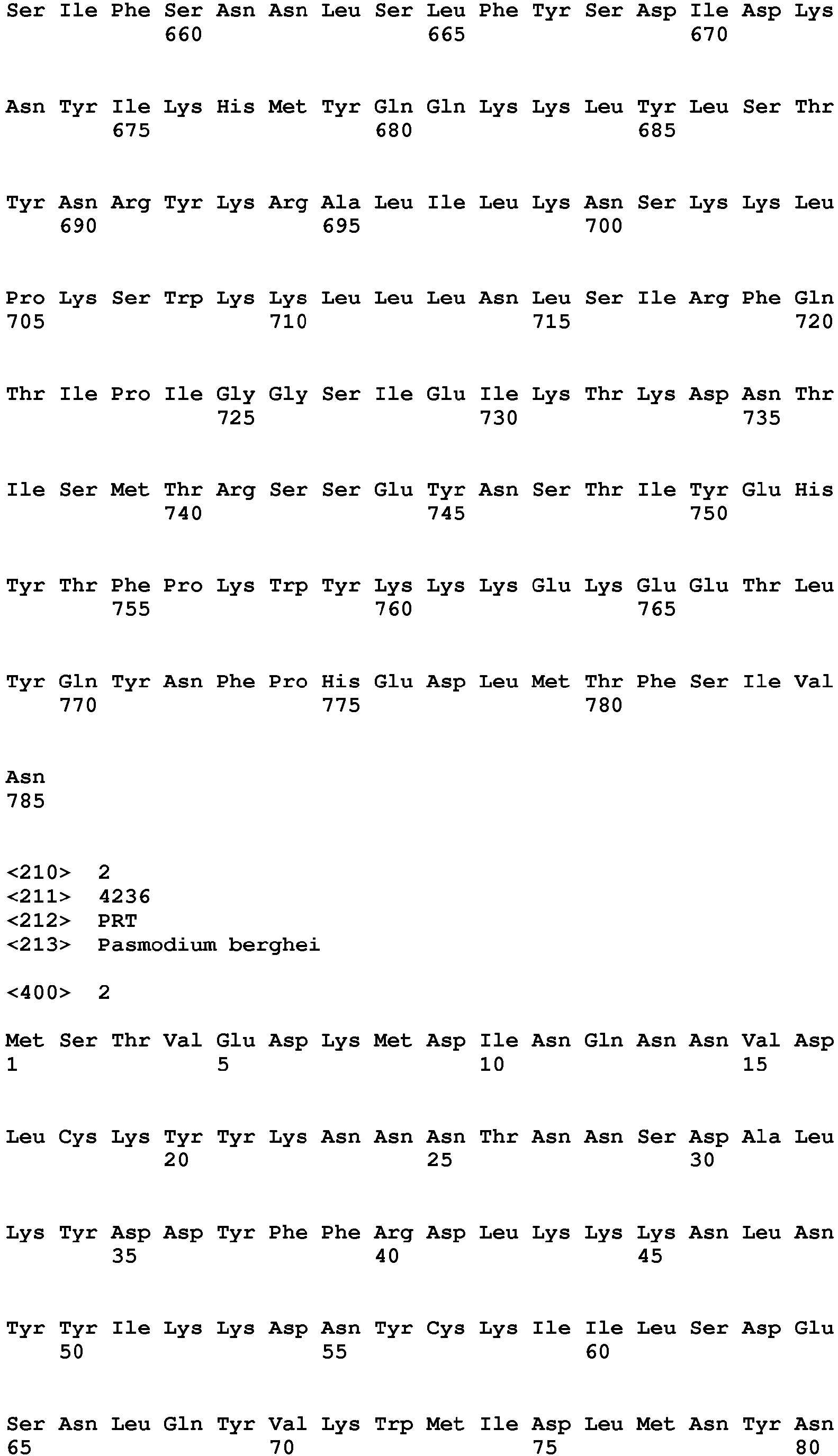
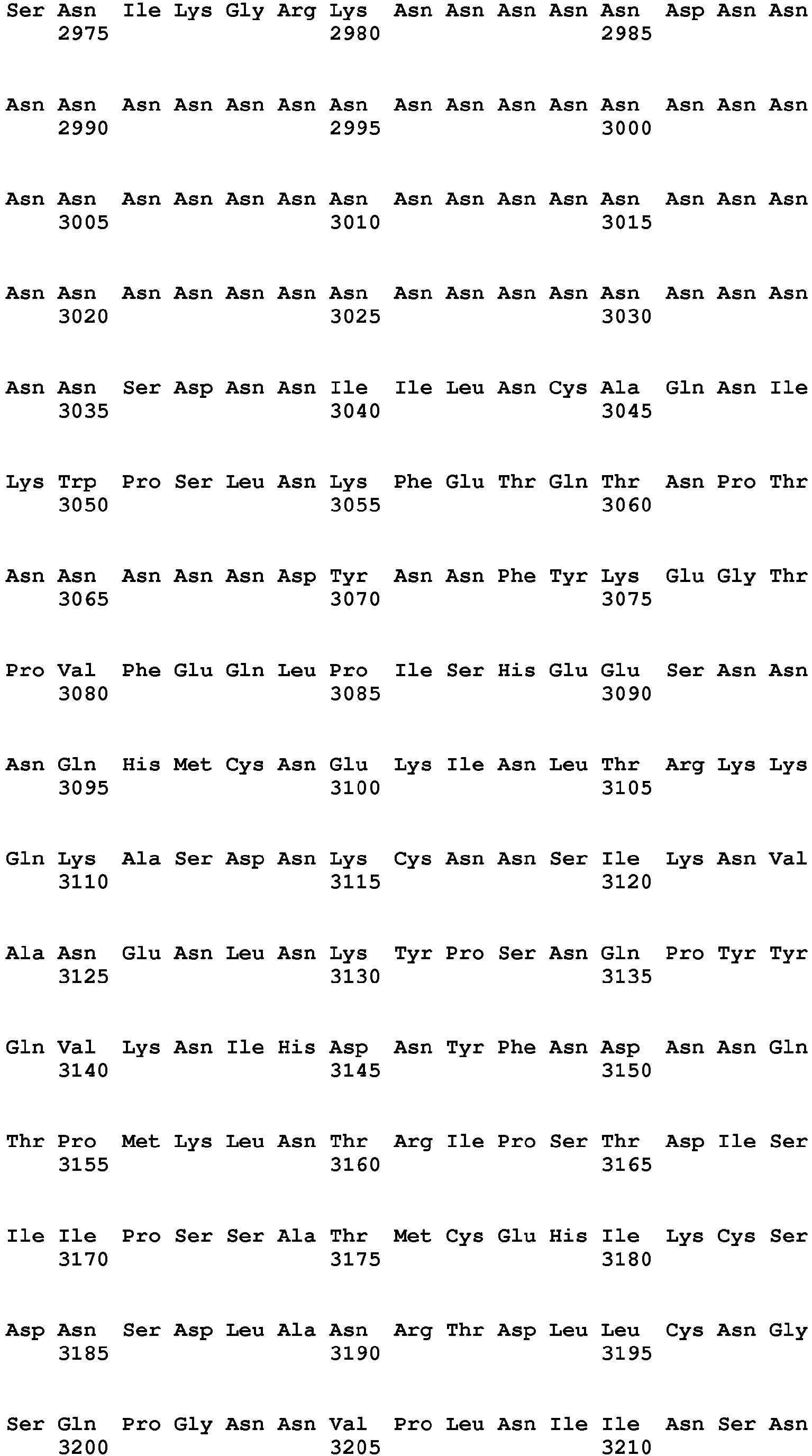
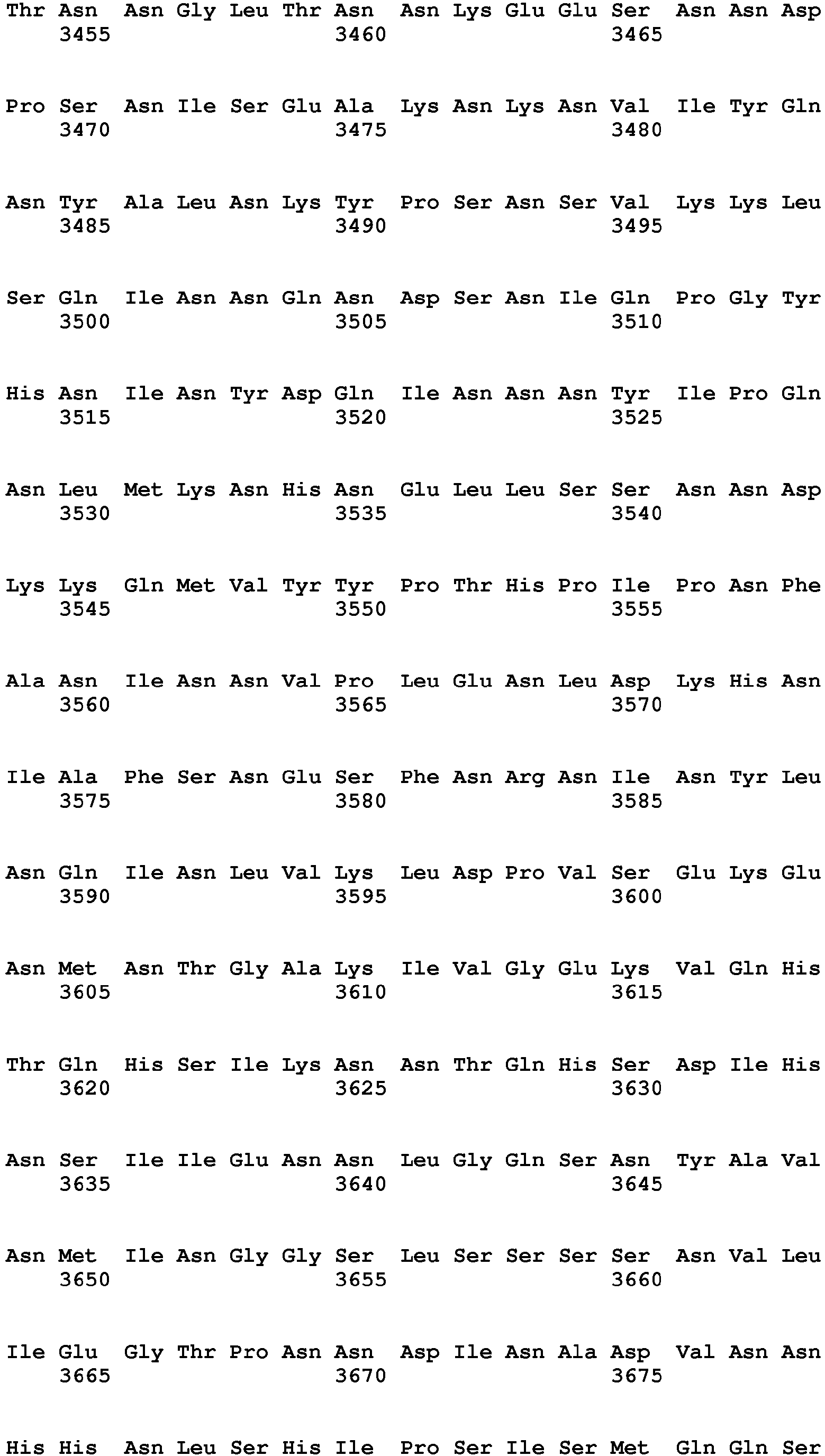
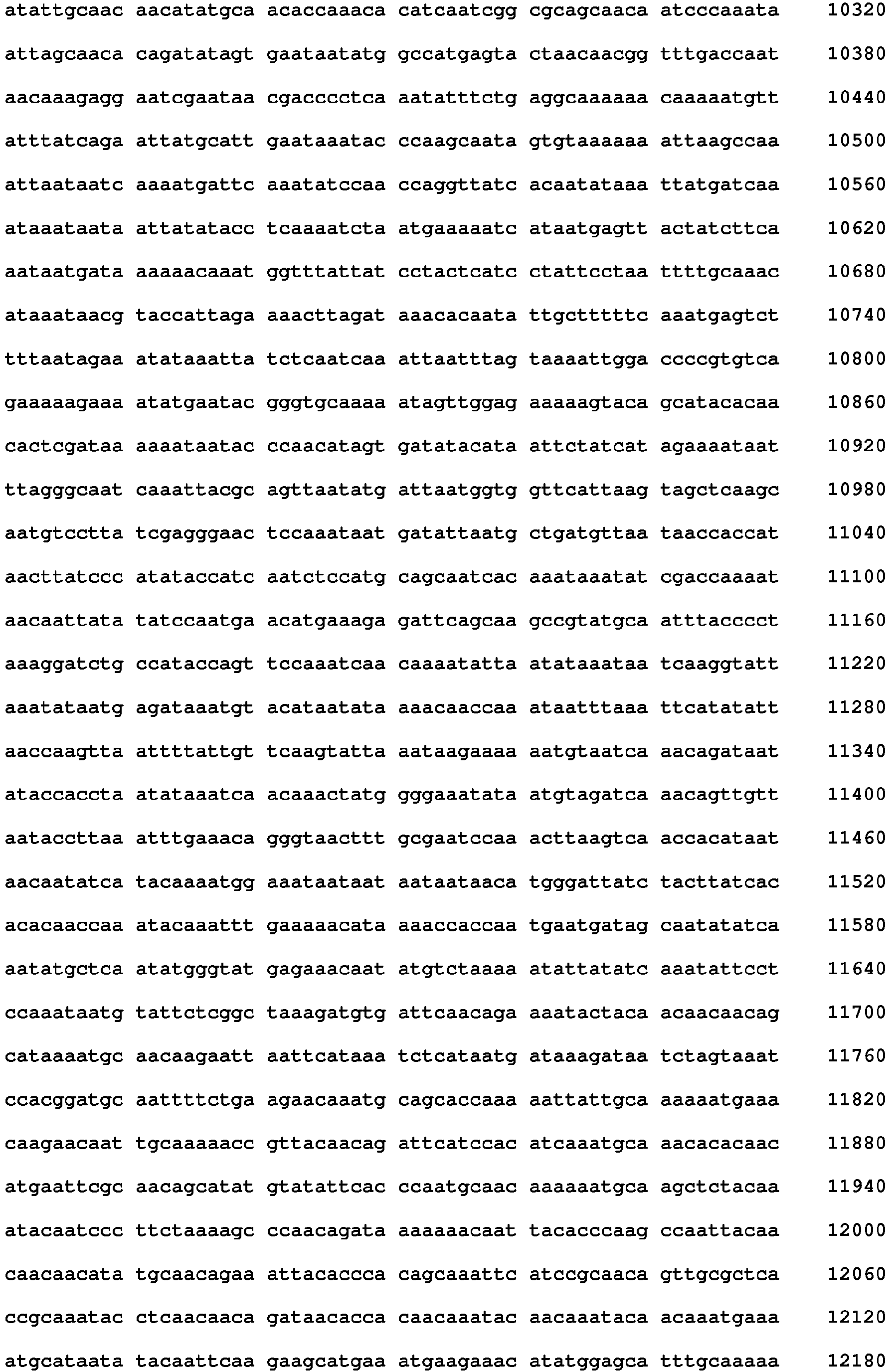
- SEQ ID NO. and Sequences SEQ ID NO. Sequence SEQ ID NO: 1 Full-length amino acid sequence of PbCap93 SEQ ID NO: 2 Full-length amino acid sequence of PbCap494 SEQ ID NO: 3 Amino acid sequence of PbCap93-1 SEQ ID NO: 4 Amino acid sequence of PbCap494-1 SEQ ID NO: 5 Amino acid sequence of PbCap494-2 SEQ ID NO: 6 Amino acid sequence of PbCap494-3 SEQ ID NO: 7 Full-length DNA sequence of PbCap93 SEQ ID NO: 8 Full-length DNA sequence of PbCap494 SEQ ID NO: 9 DNA sequence of PbCap93-1 SEQ ID NO: 10 DNA sequence of PbCap494-1 SEQ ID NO: 11 DNA sequence of PbCap494-2 SEQ ID NO: 12 DNA sequence of PbCap494-3 SEQ ID NO: 13 FW primer for PbCap93-1 transformed E.
Landscapes
- Health & Medical Sciences (AREA)
- Life Sciences & Earth Sciences (AREA)
- Chemical & Material Sciences (AREA)
- Genetics & Genomics (AREA)
- Organic Chemistry (AREA)
- Tropical Medicine & Parasitology (AREA)
- General Health & Medical Sciences (AREA)
- Medicinal Chemistry (AREA)
- Zoology (AREA)
- Engineering & Computer Science (AREA)
- Veterinary Medicine (AREA)
- Molecular Biology (AREA)
- Pharmacology & Pharmacy (AREA)
- Biomedical Technology (AREA)
- Biotechnology (AREA)
- Bioinformatics & Cheminformatics (AREA)
- Wood Science & Technology (AREA)
- Animal Behavior & Ethology (AREA)
- Public Health (AREA)
- Microbiology (AREA)
- General Engineering & Computer Science (AREA)
- Biochemistry (AREA)
- Biophysics (AREA)
- Epidemiology (AREA)
- Immunology (AREA)
- Plant Pathology (AREA)
- Gastroenterology & Hepatology (AREA)
- Proteomics, Peptides & Aminoacids (AREA)
- Nuclear Medicine, Radiotherapy & Molecular Imaging (AREA)
- Chemical Kinetics & Catalysis (AREA)
- General Chemical & Material Sciences (AREA)
- Mycology (AREA)
- Physics & Mathematics (AREA)
- Toxicology (AREA)
- Cell Biology (AREA)
- Physiology (AREA)
- Nutrition Science (AREA)
- Medicines Containing Antibodies Or Antigens For Use As Internal Diagnostic Agents (AREA)
- Peptides Or Proteins (AREA)
- Micro-Organisms Or Cultivation Processes Thereof (AREA)
Abstract
Description
- The present invention relates to a malaria transmission-blocking vaccine for preventing the transmission of malaria, in particular said vaccine for oral use.
- Malaria is an infectious disease that is widely distributed from tropical to subtropical, and is caused primarily by infection with Plasmodium malariae (Plasmodium falciparum), which is mediated by mosquitoes (Anopheles gambiae). Plasmodium malariae have a life cycle in which they sexually reproduce in the digestive tract of Anopheles mosquitoes and develop into the next infectious type (Non-Patent Document 1). Prevention of the transmission of malaria by inhibiting the development of parasites in Anopheles mosquitoes has been considered as a transmission-blocking vaccine, and antigens expressed in gametes and orchinates in the development stage of malaria parasites have been investigated as an active ingredient of such transmission-blocking vaccines (Patent Document 1), but they have not been sufficient yet .
- [Patent Document 1]
JP-A-2003-277292 - [Non-Patent Document 1] Crompton P. D. et al. "Advances and challenges in malaria vaccine development" (2010) J Clin Invest. 120(12):4168-78.
- Although the use of orchinates and gametes in the life cycle of malaria parasites as vaccine targets has been investigated previously, the use of oocysts formed in the midgut of Anopheles mosquitoes as vaccine targets has not been studied. Therefore, the present inventors thought that if this oocyst is used as a vaccine target, a completely new vaccine targeting a new stage of development of malarial parasites could be developed.
- Namely, the oocysts are present for a relatively long period of time in the body of Anopheles mosquitoes, the oocyst stage is presumed to be the weakest stage because the number of protozoa is the least in the early stage of oocyst formation, and unlike the antigenic mutation of the sporozoite protozoa by mitogenesis, the oocysts are unlikely to be mutated. Therefore, the inventors of the present invention considered that a transmission-blocking vaccine targeting such a stage of oocyst development has an extremely high potential and conducted research.
- In addition, although a transmission-blocking vaccine for oral administration has been proposed (Patent Document 1), no transmission blocking activity by oral administration has been confirmed. Since it is necessary to immunize not only humans but also a wide variety of animals involved in the infection cycle of malaria in order to make a transmission-blocking vaccine effective, the realization of an oral vaccine is a very effective form that can be immunized by feeding a wide variety of animals including wild animals.
- It is therefore an object of the present invention to provide an entirely novel transmission-blocking vaccine using an immunogenic protein specifically expressed in the oocyst stage of the malaria parasite, which has not been investigated so far, and a transmission-blocking vaccine for oral administration capable of immunizing various animals involved in the malaria infectious cycle with such a vaccine.
- In order to solve the above-mentioned problems, the present inventors found that a protein specifically expressed in malaria parasites during the oocyst stage effectively functions as a transmission-blocking vaccine for inhibiting the development of oocysts, and further produced a transformed plant incorporating DNA encoding such a protein or a part thereof so as to be expressible, and confirmed the vaccine effect as a transmission-blocking vaccine for oral administration using the same, and as a result of further advancing research, the present invention was completed.
- Namely, the present invention relates to the following.
- [1] A malaria transmission-blocking vaccine, comprising an immunogenic protein derived from malaria parasite specifically expressed in the oocyst stage of the malaria parasite, wherein the immunogenic protein derived from the malaria parasite is
- (a1) a protein consisting of the amino acid sequence set forth in SEQ ID NO: 1;
- (b1) a protein consisting of an amino acid sequence having 90% or more identity to the amino acid sequence set forth in SEQ ID NO: 1, and having immunogenicity;
- (a2) a protein consisting of the amino acid sequence set forth in SEQ ID NO: 2; or
- (b2) a protein consisting of an amino acid sequence having 90% or more identity to the amino acid sequence set forth in SEQ ID NO: 2, and having immunogenicity.
- [2] A malaria transmission-blocking vaccine, comprising a polypeptide that is a peptide fragment of an immunogenic protein derived from malaria parasite that is specifically expressed in the oocyst stage of the malaria parasite, wherein the polypeptide is
- (a1) a polypeptide consisting of the amino acid sequence set forth in SEQ ID NO: 3;
- (b1) a polypeptide consisting of an amino acid sequence having 90% or more identity to the amino acid sequence set forth in SEQ ID NO: 3, and having immunogenicity;
- (a2) a polypeptide consisting of the amino acid sequence set forth in SEQ ID NO: 4, 5 or 6; or
- (b2) a polypeptide consisting of an amino acid sequence having 90% or more identity to the amino acid sequence set forth in SEQ ID NO: 4, 5 or 6 and having immunogenicity.
- [3] The malaria transmission-blocking vaccine according to the above [1] or [2], which is for oral use.
- [4] A malaria transmission-blocking vaccine for oral use, comprising an immunogenic protein derived from malaria parasite specifically expressed in the oocyst stage of the malaria parasite or a peptide fragment thereof.
- [5] The malaria transmission-blocking vaccine according to any one of the above [1] to [4], comprising a transformant expressing an immunogenic protein derived from the malaria parasite or a peptide fragment thereof.
- [6] A malaria transmission-blocking vaccine according to any one of the above [1] to [4], comprising an edible tissue of a transformant expressing an immunogenic protein derived from the malaria parasite or a peptide fragment thereof.
- [7] The malaria transmission-blocking vaccine according to the above [6], wherein the edible tissue can be eaten raw.
- [8] The malaria transmission-blocking vaccine according to any one of the above [5] to [7], wherein the transformant is a transformed plant.
- [9] The malaria transmission-blocking vaccine of the above [8], wherein the transformed plant is strawberry and the edible tissue is strawberry fruit.
- [10] The malaria transmission-blocking vaccine according to any one of the above [5] to [9], wherein the transformant expresses DNA encoding a protein consisting of the amino acid sequence of SEQ ID NO: 1 or a peptide fragment thereof; or a protein consisting of the amino acid sequence of SEQ ID NO: 2 or a peptide fragment thereof.
- [11] The malaria transmission-blocking vaccine according to the above [10], wherein the expressed DNA is
- (a1) DNA consisting of the nucleotide sequence set forth in SEQ ID NO: 7 or 8;
- (b1) DNA that hybridizes under stringent conditions to a DNA consisting of a nucleotide sequence complementary to the DNA consisting of the nucleotide sequence described in (a1), and that encodes a protein having immunogenicity;
- (a2) DNA consisting of the nucleotide sequence set forth in SEQ ID NO: 9, 10, 11 or 12; or
- (b2) DNA that hybridizes under stringent conditions to a DNA consisting of a nucleotide sequence complementary to the DNA consisting of the nucleotide sequence described in (a2), and that encodes an immunogenic peptide fragment.
- [12] A transformant expressing an immunogenic protein derived from malaria parasite or a peptide fragment thereof, wherein DNA encoding a protein consisting of the amino acid sequence set forth in SEQ ID NO: 1 or a peptide fragment thereof; or a protein consisting of the amino acid sequence set forth in SEQ ID NO: 2 or a peptide fragment thereof; is introduced to the transformant so as to be expressible.
- [13] The transformant according to the above [12], wherein the introduced DNA so as to be expressible is
- (a1) DNA consisting of the nucleotide sequence set forth in SEQ ID NO: 7 or 8;
- (b1) DNA that hybridizes under stringent conditions to a DNA consisting of a nucleotide sequence complementary to the DNA consisting of the nucleotide sequence described in (a1), and that encodes a protein having immunogenicity;
- (a2) DNA consisting of the nucleotide sequence set forth in SEQ ID NO: 9, 10, 11 or 12; or
- (b2) DNA that hybridizes under stringent conditions to a DNA consisting of a nucleotide sequence complementary to the DNA consisting of the nucleotide sequence described in (a2), and that encodes an immunogenic peptide fragment.
- [14] A method of blocking the transmission of malaria, comprising administering the malaria transmission-blocking vaccine according to any one of the above [1] to [11] to a domestic or wild animal.
- [15] The method according to the above [14], wherein the administration is oral administration.
- As for a malaria transmission-blocking vaccine, it has been utilizing immunogenic proteins specifically expressed in gametes and orchinates. It has been found that an immunogenic protein derived from the malaria parasite specifically expressed in the oocyst stage of the malaria parasite or a part thereof is effective as a transmission-blocking vaccine in the present invention. In addition, transformed plants that expressably integrate DNA encoding such proteins or portions thereof are capable of immunizing a variety of animals involved in the infectious cycle as an oral vaccine, thus disrupting the infectious cycle of malaria.
-
-
Fig. 1 shows the results of fluorescent antibody staining for anti-PbCap93-1 and anti-PbCap494-1 antibody against oocysts. -
Fig. 2 shows the inhibition of oocyst formation by passive immunization using rabbit antibody (anti-PbCap494-1 antibody) obtained by immunization with polypeptide PbCap494-1. -
Fig. 3 shows the inhibition of oocyst formation by passive immunization using mixed rabbit antibodies with anti-PbCap494-2,3 antibody and anti-PbCap494-1 antibody. Anti-PbCap494-2,3 antibody was obtained by immunization with combined peptide of two regions PbCap494-2 and PbCap494-3. -
Fig. 4 shows inhibition of oocyst formation by passive immunization using rabbit antibodies obtained by immunization with polypeptides PbCap93-1. -
Fig. 5 shows inhibition of oocyst formation by passive immunization using non-immunized rabbit antibodies. -
Fig. 6 shows plant expression constructs incorporating DNAs encoding polypeptides PbCap93-1. -
Fig. 7 is an electrophoretic diagram confirming the introduction of DNAs encoding polypeptides PbCap93-1 in transformed strawberry strains by genomic PCR. -
Fig. 8 shows the increase in antibody titer following administration of an oral vaccine utilizing transformed strawberries. - In one embodiment of the present invention, the malaria transmission-blocking vaccine of the present invention comprises an immunogenic protein derived from the malaria parasite or a peptide fragment thereof which is specifically expressed in the oocyst stage of the malaria parasite. Here, as long as the peptide fragment has immunogenicity, there is no particular limitation on the type or number of amino acids constituting the peptide fragment, and for example, it includes an oligopeptide consisting of about 10 amino acids and a peptide consisting of 20 or more amino acids. In this specification, unless otherwise specified, a peptide consisting of two or more amino acids is referred to as a polypeptide.
- In one embodiment, the immunogenic protein from the malaria parasite is a protein PbCap93 or protein PbCap494 from the malaria parasite (Plasmodium berghei), or an immunogenic protein consisting of various proteins from the malaria parasite corresponding thereto, or an amino acid sequence having 90% or more, preferably 95% or more identity to their amino acid sequence.
- The immunogenic protein includes (1) a protein PbCap93 consisting of the amino acid sequence set forth in SEQ ID NO: 1, (2) a protein consisting of an amino acid sequence having 90% or more, preferably 95% or more identity to the amino acid sequence set forth in SEQ ID NO: 1 and having immunogenicity, (3) a protein PbCap494 consisting of the amino acid sequence set forth in SEQ ID NO: 2, and (4) a protein consisting of an amino acid sequence having 90% or more, preferably 95% or more identity to the amino acid sequence set forth in SEQ ID NO: 2 and having immunogenicity.
- In one embodiment, the immunogenic polypeptides may be peptide fragments of protein PbCap93 or peptide fragments of protein PbCap494. Furthermore, peptide fragments of proteins derived from various malaria parasites corresponding to protein PbCap93 or protein PbCap494 may be used.
- An immunogenic polypeptide of the present invention is: (a1) a polypeptide PbCap93-1 consisting of the amino acid sequence set forth in SEQ ID NO: 3; (a2) a polypeptide consisting of an amino acid sequence having 90% or more, preferably 95% or more identity to the amino acid sequence set forth in SEQ ID NO: 3, and having immunogenicity; (b1) a polypeptide PbCap494-1 consisting of the amino acid sequence set forth in SEQ ID NO: 4; (b2) a polypeptide consisting of an amino acid sequence having 90% or more, preferably 95% or more identity to the amino acid sequence set forth in SEQ ID NO: 4, and having immunogenicity; (c1) a polypeptide PbCap494-2 consisting of the amino acid sequence set forth in SEQ ID NO: 5; (c2) a polypeptide consisting of an amino acid sequence having 90% or more, preferably 95% or more identity to the amino acid sequence set forth in SEQ ID NO: 5, and having immunogenicity; (d1) a polypeptide PbCap494-3 consisting of the amino acid sequence set forth in SEQ ID NO: 6; (d2) a polypeptide consisting of 90 Preferably, a polypeptide comprising an amino acid sequence having 95% or more identity, and having immunogenicity is included.
- In one embodiment of the present invention, there is a malaria transmission-blocking vaccine comprising an immunogenic protein comprising at least one of the polypeptides of (a1)-(d2) above. An immunogenic protein comprising at least one of the polypeptides (a1) to (d2) includes a protein PbCap93 comprising the amino acid sequence set forth in SEQ ID NO: 1; a protein PbCap494 comprising the amino acid sequence set forth in SEQ ID NO: 2; and a protein comprising an amino acid sequence having 90% or more and preferably 95% or more identity with the amino acid sequence mentioned above, and having immunogenicity.
- Further, the immunogenic polypeptide of the present invention includes a polypeptide consisting of the above (a1) to (d2) as a building block and such building blocks are repeated regularly, for example, (a1)-(a2)-(a1)-(a2)-...-(a1)-(a2), (a1)-(b1)-(c1)-(d1)-...-(c1)-(d1) and so on, or, such building blocks are repeated irregularly, for example, (a1)-(b2)-(b1)-(b2)-...-(a2)-(a2), or (a2)-(b1)-(c1)-(b2)-...-(d2)-(b2) and so on.
- When the building block is repeatedly included, the number of repetitions is not particularly limited.
- The vaccine of the present invention may be for oral administration.
- The present invention may also, in one embodiment, be a malaria transmission-blocking vaccine for oral administration comprising an immunogenic polypeptide derived from malaria parasites specifically expressed in the oocyst stage of the malaria parasite.
- In the present invention, the "malaria transmission-blocking vaccine" may be any vaccine that prevents the transmission of malaria. For example, it may be a vaccine containing an antigen which is expressed in the malaria parasite at a stage of development in the body of a mosquito vector of the malaria parasite.
- The malaria to be prevented from transmission by the vaccine of the present invention is not particularly limited as long as it is mediated by the malaria parasite which specifically expresses the immunogenic protein in the oocyst stage. For example, not only falciparum malaria (Plasmodium falciparum), vivax malaria (Plasmodium vivax), quartan malaria (Plasmodium malariae), simian malaria (Plasmodium knowlesi), rodent malaria (Plasmodium berghei), etc. can be prevented from maralia transmission mediated by known maralia parasites In particular, transmission of malaria mediated by malaria parasites expressing a protein corresponding to protein PbCap93 or protein PbCap494 of rodent malaria parasite (Plasmodium berghei) can be suitably prevented.
- The malaria parasites have a predetermined stage of development in the body of Anopheles mosquitoes. In other words, malaria parasites invade Anopheles mosquitoes by blood-sucking action, and are transformed into male and female reproductive bodies in the digestive tract of the mosquitoes, becoming zygotes in both sexes, and differentiating from orchinates into oocysts.
- The polypeptide may be synthesized according to conventional methods, and may be obtained, for example, by culturing transformed host cells, expressing the target DNA incorporated in the expression vector, and purifying the protein. For example, host cells are destroyed by ultrasonic treatment, homogenizer treatment, high pressure compaction treatment, and the like to obtain an extract, and the extract can be separated and purified by combining methods such as solvent extraction, salting-out, desalting, organic solvent precipitation, ultrafiltration, ion-exchange, hydrophobic interaction, HPLC, gel filtration and affinity chromatography, electrophoresis, isoelectric focusing, and the like.
- The host cells used for transformation can be, for example, microorganisms of the genera Escherichia and Bacillus as prokaryotes, yeasts of the genera Saccharomyces, Schizosaccharomyces and Pichia as eukaryotes, mammalian cells such as Chinese hamster ovary (CHO) cells of human fetal kidney cells, baculovirus-sensitive insect cells and insect bodies.
- When the vaccine of the present invention is to be used orally, for example, it may be prepared by the usual method of the formulation according to the method described in the "General Rules for Formulations of the Japanese Pharmacopoeia, 15th revision" and suitable for oral use. The dosage form can include capsules, granules, pills, powders, tablets, and the like, and various additives, for example, excipients, binders, disintegrants, coating agents, and the like, may be formulated depending on the dosage form for oral use. Oral dietary modifiers are also not limited to only artificially formulated compositions, but include, for example, food ingredients such as vegetables and fruits such as leaves, roots and fruits, food ingredients, processed end products such as foods and beverages, as well as various compositions used for foods, and represent concepts that encompass anything that is about to be eaten or fed.
- The vaccines of the present invention may contain transformants that express immunogenic polypeptides derived from the malaria parasite. The transformant is not particularly limited as long as it has no problem in feeding and the polypeptide is expressed by transformation and can be orally immunized. For example, transformants of microorganisms conventionally used in foods such as natto bacteria, lactic acid bacteria, acetic acid bacteria, yeast and basidiomycetes, and transformed animals highly expressing the aforementioned polypeptides may be used, but transformed plants such as rice, wheat, barley, maize, strawberry, tomato, potato, lettuce, soybean and azuki are preferable because it is to be used especially orally and possible to avoid the risk of contamination of pathogens (viruses, fungi, bacteria, parasites, and the like) infectious to animals.
- Preferably, the transformant has an edible tissue. Such edible tissues include, for example, basidiomycete fruits (mushrooms), plant fruits (e.g., strawberries, tomatoes), roots (radishes, potatoes), leaves (cabbage, lettuce), seeds (rice, barley, wheat, corn, and other cereals, and soybeans, azuki, and the like). Among them, an edible tissue to be eaten raw is preferable because immunogenicity is not deactivated by cooking such as heating and such tissu is easy to eat or feed.
- Methods of making transformants are not particularly limited and can be produced by generally well known methods. For example, transformation methods suitable for a variety of subjects can be used, such as methods utilizing calcium-based competencies (mainly bacteria), vectors such as phage and plasmids (mainly bacteria), protoplast-PEG methods (mainly filamentous fungi), lithium methods (mainly yeast), electroporation methods, particle gun methods, Agrobacterium methods (plants).
- The transformants which can be used in the present vaccines are introduced so that DNA encoding an immunogenic protein derived from malaria parasites which is specifically expressed in the oocyst stage of malaria parasites or a peptide fragment thereof, in particular, DNA encoding a protein PbCap93 or a peptide fragment thereof, DNA encoding a protein PbCap494 or a peptide fragment thereof, or the like can be expressed.
- In one embodiment, the present invention provides that the expressed DNA is,
- (a1) DNA consisting of the base sequence set forth in SEQ ID NO: 7 (DNA encoding protein PbCap93); or DNA consisting of the base sequence set forth in SEQ ID NO: 8 (DNA encoding protein PbCap494);
- (b1) DNA that hybridizes under stringent conditions to a DNA consisting of a nucleotide sequence complementary to the DNA consisting of the nucleotide sequence described in (a1), and that encodes a protein having immunogenicity;
- (a2) DNA consisting of the base sequence set forth in SEQ ID NO: 9 (DNA encoding a polypeptide PbCap93-1), DNA consisting of the base sequence set forth in SEQ ID NO: 10 (DNA encoding a polypeptide PbCap494-1), DNA consisting of the base sequence set forth in SEQ ID NO: 11 (DNA encoding a polypeptide PbCap494-2), or DNA consisting of the base sequence set forth in SEQ ID NO: 12 (DNA encoding a polypeptide PbCap494-3); or
- (b2) DNA that hybridizes under stringent conditions to a DNA consisting of a nucleotide sequence complementary to the DNA consisting of the nucleotide sequence described in (a2), and that encodes a peptide having immunogenicity.
- The present invention relates, in one aspect, to transformants expressing immunogenic polypeptides derived from malaria parasites.
- The transformant of the present invention is a transformant that can be used in the vaccines of the present invention described above, and, for example, a protein PbCap93 having the amino acid sequence set forth in SEQ ID NO: 1 or a peptide fragment thereof; or a DNA encoding a protein PbCap494 having the amino acid sequence set forth in SEQ ID NO: 2 or a peptide fragment thereof is introduced so as to be expressible.
- In one embodiment of the invention, the transformants are those that
- (a1) DNA consisting of the nucleotide sequence set forth in SEQ ID NO: 7 or 8;
- (b1) DNA encoding a protein that hybridizes under stringent conditions to a DNA consisting of a nucleotide sequence complementary to the DNA consisting of the nucleotide sequence described in (a1), and has immunogenicity;
- (a2) DNA consisting of the nucleotide sequence set forth in SEQ ID NO: 9, 10, 11 or 12; or
- (b2) DNA that hybridizes under stringent conditions with a DNA consisting of a nucleotide sequence complementary to the DNA consisting of the nucleotide sequence described in (a2), and that encodes an immunogenic peptide fragment;
- The term "stringent conditions" as used herein refers to conditions under which specific hybrids are formed and non-specific hybrids are not formed. Such conditions are understood by those skilled in the art and include, for example, conditions in which nucleic acids having a high degree of homology, such as 99.5% or more, hybridize to each other, but DNA having a lower degree of homology does not hybridize to each other.
- The present invention relates, in one aspect, to a method of preventing the transmission of malaria, wherein the method comprises, for example, administering to a domestic or wild animal a malaria transmission inhibiting vaccine of the present invention.
- Administration to domestic or wild animals in the present invention may be parenteral, but oral administration is preferred. Parenteral administration includes administration by injection, transdermal, transmucosal, nasal or pulmonary administration. Oral administration may be accomplished, for example, by feeding the edible tissue of the transformants to domestic or wild animals. Feeding includes not only feeding the livestock in the breeding environment, but also sprinkling the edible tissue into the wild environment so that the wild animal can feed.
- As used herein, immunogenicity refers to the property of inducing an immune response. Such properties include, for example, antigenicity that triggers a biological reaction that produces antibodies by immunization, and properties that modulate immune-related substances such as cytokines and inflammatory factors.
- The vaccine of the present invention may contain an adjuvant, for example, an aluminum hydroxide gel, an aluminum phosphate gel, a mixture of a vegetable or mineral fat and a surfactant, or the like. The amount of the adjuvant is not particularly limited as long as it can be immunostimulated in accordance with the characteristics of each adjuvant.
- The vaccine of the present invention can be used as a normal vaccine, for example, it can be administered multiple times to obtain a booster effect. It can also be used for boosters after administration of other vaccines. For example, a booster effect can be obtained by orally administering to an individual who has previously been administered a vaccine of the same kind or different kind as the vaccine of the present invention. Pre-administered vaccines are not particularly limited in dosage form and may be administered by injection, transdermal, transmucosal, nasal or pulmonary administration, or orally.
- In the following, the method according to the present invention will be explained in more detail on the basis of examples and test examples, but the present invention is not limited thereto.
- Using 'Identify Genes based on P. b. life cycle MassSpec.Evidence(http://plasmodb.org/a/showQuestion.d o?questionFullName=GeneQuestions.GenesByProteomicsProf ile)' of Plasmo DB (http://plasmodb.org/plasmo/), 14 genes with transmembrane regions were selected out of 65 genes expressed only in the oocyst stage, and 5 genes including PBCAP93 and PBCAP494 which are novel proteins were selected as candidates. The peptides described in Table 1 were conjugated to KLH using the maleimide method and immunized to Japanese white rabbits each. Antibody production was performed using the antibody production services of eurofins operon Corporation.
-
Table. 1 Candidate Genes and Tested Amino Acid Regions Peptide name Gene ID Amino acid region PbCap93-1 PBANKA_090520 379-392aa PbCap494-1 PBANKA_102510 926-939aa PbCap494-2 PBANKA_102510 1789-1802aa PbCap494-3 PBANKA_102510 3103-3116aa - Constructs in which DNAs encoding the respective amino acid regions listed in Table 1 were repeated 12 times were produced and expressed in the pCold III vector system (TAKARA).
- The PCR-amplified fragments obtained using the primers described below were each treated with a plasmid vector digested with restriction enzymes (Nde I/Pst I) and then introduced into a plasmid, and the plasmid was used to obtain an E. coli BL21(Agilent Technoligies Cat. 230245) transformed strain for expression.
- FW Primer:5'-GAATTCCATATGATGATTTCCCATAACCACAACGACCAT-3' (SEQ ID NO: 13)
- RV Primer:5'-GAACTGCAGTCAAAGTTCATCCTTATGATGATGGTGGTG-3' (SEQ ID NO: 14)
- Subsequently, the transformed E. coli strain in which the plasmid was inserted was inoculated into 10 ml of LB medium containing 100 µg/ml of ampicillin, shaken and cultured at 30°C. overnight. E. coli cells containing plasmids were inoculated into LB medium containing 100 µg/ml of ampicillin (200 ml×2), shaken and cultured at 37°C., cooled to 15°C. immediately when the OD600 of the culture medium reached 0.4 to 0.5, and left for 30 minutes. IPTG was added to a final concentration of 1.0 mM and the mixture was shaken at 15°C. overnight.
- Escherichia coli (400 ml) after induction of IPTG expression is harvested, B/W Buffer is added, and crushed by supersonic crushing. After that, the mixture was centrifuged (9800×g, 10 min), the supernatant was mixed into 4 ml (Bed Volume) of Ni-NTA Agarose (QIAGEN Cat. 1018240) and adsorbed overnight at 4°C using a shaker. After overnight adsorption, the supernatant was centrifuged (2000×g, 2 minutes) and discarded, and the Ni-NTA Agarose was centrifuged and washed with B/W Buffer (2000×g, 2 minutes×2 times). Poly-Prep® Cromatography Columns (BIO RAD Cat. 731-1550) was filled with Ni-NTA Agarose and washed with B/W Buffer (4×10 ml). The attached
Elution Bufferl ∼5 was sequentially passed through a Poly-Prep® Chromatography Columns in 5 ml portions, and the fractions were collected. - Purified expressed protein dissolved in PBS was added to 96 well plates and immobilized overnight at 4°C. After blocking, 100 µl of anti-PbCap93-1 antibodies were added and reacted at 4°C. for 2 hours. After washing with PBS, peroxidase conjugated anti-rabbit IgG was added, reacted at 4°C. for 2 hours, and after washing and colorizing, the absorbance was measured to confirm the antibody titer of the antibody produced in (a).
- The midgut of A. gambiae (Keele strain) 15 days after P. berghei infection by blood-sucking was smeared and air-dried on a glass slide and then fixed with methanol. After air-drying, the smeared midgut was surrounded by Liquid Blocker (Daido Sangyo, Japan), and one drop of Image-iT (trademark) FX Signal Enhancer (Invitrogen USA) was dropped, and left to stand at 37°C. for 30 minutes. After washing with PBS, rabbit sera containing anti-PbCap93-1 and anti-PbCap494-1 antibody as the primary antibody were reacted at 4°C. for 2 hours, washed 2 or 3 times with PBS, and Alexa Fluor 488 anti-rabbit IgG (Molecular Probes, USA) (1:800-fold diluted) as the secondary antibody was reacted at 4°C. for 1 hour, and washed 2 or 3 times with PBS. In addition, anti-PbCap380 rabbit sera (1:1000-fold dilution) as a primary antibody was reacted for 1 hour at 4 degrees, washed 2 or 3 times with PBS, and Alexa Fluor 568 anti-rabbit IgG (Molecular Probes, USA) (1:800-fold dilution) as a secondary antibody was reacted for 1 hour at 4°C. and washed 2 or 3 times with PBS. Nuclei were stained by adding Hoechest 33258(Polysciences, USA) to secondary antibodies at a final concentration of 5 µg/ml. One drop of Fluoromount/Plus Sample(Diagnostic Bio System, USA) was dropped on a glass slide, covered with a coverslip, and observed under a fluorescent microscope, and the results are shown in
FIG. 2 . It was revealed that these antibodies recognize oocysts and that PbCap93 and PbCap494 are located on the outer side of the oocyst walls. - Plasmodium berghei (1×10⁶) was administrated intravenously(tail vein) to Balb/c mice. The mosquitoes (Anopheles stephensi) used were divided into two boxes before (pre) and after (Post) serum administration, and 100 mosquitoes (including both sexes) were prepared for each box. When the erythrocyte infestation (parasitemia) rate (infected erythrocytes/total erythrocytes) was around 10%, mosquitoes were fed for 10 minutes (pre-infected mosquitoes). Then, anti-PbCap494 rabbit antibodies (anti-PbCap494-1 antibody and anti-PbCap494-2,3 antibody) by immunization with the PbCap494-1 peptide and the peptide combining the two regions of PbCap494-2 and p3 were administered in the tail vein to the malaria-infected mice. Mosquitoes were fed for 10 minutes (Post infected mosquitoes) 5 minutes after administration in the tail veins. Pre-infected mosquitoes and Post infected mosquitoes were dissected (30 or more animals) 15 days after the infection by blood-sucking, and the numbers of oocysts formed in the middle intestine of mosquitoes were counted and compared. Results of administration in the tail vein of 10 µg/mouse and 200 µg/mouse of PbCap494-1 antibodies are shown in
FIG. 2 . The number of oocysts was significantly decreased at both 10 µg and 200 µg doses, and the number of oocysts tended to decrease more at higher antibody levels.FIG. 3 shows the results of administering 200 mice per 100 µg each of anti-PbCap494-1 antibody and anti-PbCap494-2,3 antibody. The number of oocysts was significantly decreased in the treated group. - Plasmodium berghei (1×10⁷) was administered intraperitoneally(tail vein) to Balb/c mice. The mosquitoes (Anopheles stephensi) used were divided into two boxes before (pre) and after (Post) serum administration, and 100 mosquitoes (including both sexes) were prepared for each box. When the rate of erythrocyte infestation (parasitemia) rate (infected erythrocytes/total erythrocytes) of the above mice was around 10%, mosquitoes were fed for 10 minutes (pre-infected mosquitoes). Subsequently, anti-PbCap93-1 rabbit sera were administered in the tail vein to malaria-infected mice (100 µl). Mosquitoes are fed for 10 minutes (Post infected mosquitoes) 5 minutes after administration in the tail veins. Seven days after feeding, preinfected mosquitoes and Post infected mosquitoes were dissected (30 or more) and the numbers of oocysts formed in the middle intestine of mosquitoes were counted and compared. The results are shown in
FIG. 4 . The number of oocysts was significantly decreased in the treated group. - The results of the same administration of the control rabbit antibody are shown in
FIG. 5 . No treatment-related decrease in the number of oocysts was observed. - A construct for plant expression for PbCap93-1 is shown in
FIG. 6 . The abbreviations inFIG. 6 are: CaMV P35S 836bp: transcription promoting factor, Ω:TMV omega sequence, pRI 201 AN DNA(TAKARA) AN sequence substituted with Ω sequence, SP of Tobacco PR1: tobacco PR1 signal peptide sequence;Pb ANKA 090520/12rpt:Pbcap93 epitope sequence; Thsp 250bp: Arabidopsis HSP gene-derived terminator sequence; His tag: histidine tag; KDEL: ER retention signal; FW Primer: forward primer; RV Primer: reverse primer. The above-mentioned pRI 201 AN DNA was commercialized by TAKARA in response to the provision of technology and samples from the National University Institute of Advanced Science and Technology, Nara University. - Using In Fusion HD PCR Cloning Kit(TAKARA), Genes ware amplified by PCR with the primers described below, introduced into vectors linearized with Nde I and Sac I digestion, and the HB101 was transformed, and plamids were recovered.
- FW Primer:ttctacaactacacatATGGGATTCGTGCTTTTCTCTC (SEQ ID NO: 15)
- RV Primer:cttcatcttcataagagctcTCAAAGTTCATCCTTATG (SEQ ID NO: 16)
- Transformation mediated by Agrobacterium was carried out using the Agrobacterium strain into which above-mentioned plasmid was introduced.
- Genomic PCR was performed using the specific FW Primer (forward primer) and RV Primer (reverse primer) set at both ends of the gene described below. The extraction of genomic DNAs was carried out according to a protocol using nucleic acid extraction kits MagExtractor-Plant Genome-(TOYOBO) and nucleic acid purification systems MagExtractorMFX-6100(TOYOBO). PCR products were detected by electrophoresis on a 1.5% TBE agarose gel,
FIG. 7 . - FW Primer:CTCTCACTCTTGCAGGGCTATTTCCCATAACCAC (SEQ ID NO: 17)
- RV Primer:cttcatcttcataagagctcTCAAAGTTCATCCTTATG (SEQ ID NO: 18)
- 10 µg of PbCap93 were mixed with adjuvant (Titer Max Gold Funakoshi) (antigens:adjuvant=1:1), and Balb/c mice were immunized with 10 µg/100 µl/animal of the mixture by intramuscular injection. These mice were boosted by oral administration (approximately 0.1-0.15 g/dose of lyophilized transformed strawberry powder) on
Days - The sequence numbers and sequences described herein are shown in Table 2.
-
Table 2. SEQ ID NO. and Sequences SEQ ID NO. Sequence SEQ ID NO: 1 Full-length amino acid sequence of PbCap93 SEQ ID NO: 2 Full-length amino acid sequence of PbCap494 SEQ ID NO: 3 Amino acid sequence of PbCap93-1 SEQ ID NO: 4 Amino acid sequence of PbCap494-1 SEQ ID NO: 5 Amino acid sequence of PbCap494-2 SEQ ID NO: 6 Amino acid sequence of PbCap494-3 SEQ ID NO: 7 Full-length DNA sequence of PbCap93 SEQ ID NO: 8 Full-length DNA sequence of PbCap494 SEQ ID NO: 9 DNA sequence of PbCap93-1 SEQ ID NO: 10 DNA sequence of PbCap494-1 SEQ ID NO: 11 DNA sequence of PbCap494-2 SEQ ID NO: 12 DNA sequence of PbCap494-3 SEQ ID NO: 13 FW primer for PbCap93-1 transformed E. coli SEQ ID NO: 14 RV primer for PbCap93-1 transformed E. coli SEQ ID NO: 15 FW primer for PbCap93-1 plasmid SEQ ID NO: 16 RV primer for PbCap93-1 plasmid SEQ ID NO: 17 FW primer for PbCap93-1 transformed strawberry SEQ ID NO: 18 RV primer for PbCap93-1 transformed strawberry 









Claims (15)
- A malaria transmission-blocking vaccine, comprising an immunogenic protein derived from malaria parasite specifically expressed in the oocyst stage of the malaria parasite, wherein the immunogenic protein derived from the malaria parasite is(a1) a protein consisting of the amino acid sequence set forth in SEQ ID NO: 1;(b1) a protein consisting of an amino acid sequence having 90% or more identity to the amino acid sequence set forth in SEQ ID NO: 1, and having immunogenicity;(a2) a protein consisting of the amino acid sequence set forth in SEQ ID NO: 2; or(b2) a protein consisting of an amino acid sequence having 90% or more identity to the amino acid sequence set forth in SEQ ID NO: 2, and having immunogenicity.
- A malaria transmission-blocking vaccine, comprising a polypeptide that is a peptide fragment of an immunogenic protein derived from malaria parasite that is specifically expressed in the oocyst stage of the malaria parasite, wherein the polypeptide is(a1) a polypeptide consisting of the amino acid sequence set forth in SEQ ID NO: 3;(b1) a polypeptide consisting of an amino acid sequence having 90% or more identity to the amino acid sequence set forth in SEQ ID NO: 3, and having immunogenicity;(a2) a polypeptide consisting of the amino acid sequence set forth in SEQ ID NO: 4, 5 or 6; or(b2) a polypeptide consisting of an amino acid sequence having 90% or more identity to the amino acid sequence set forth in SEQ ID NO: 4, 5 or 6 and having immunogenicity.
- The malaria transmission-blocking vaccine according to claim 1 or 2, which is for oral use.
- A malaria transmission-blocking vaccine for oral use, comprising an immunogenic protein derived from malaria parasite specifically expressed in the oocyst stage of the malaria parasite or a peptide fragment thereof.
- The malaria transmission-blocking vaccine according to any one of claims 1 to 4, comprising a transformant expressing an immunogenic protein derived from the malaria parasite or a peptide fragment thereof.
- A malaria transmission-blocking vaccine according to any one of claims 1 to 4, comprising an edible tissue of a transformant expressing an immunogenic protein derived from the malaria parasite or a peptide fragment thereof.
- The malaria transmission-blocking vaccine according to claim 6, wherein the edible tissue can be eaten raw.
- The malaria transmission-blocking vaccine according to any one of claims 5 to 7, wherein the transformant is a transformed plant.
- The malaria transmission-blocking vaccine of claim 8, wherein the transformed plant is strawberry and the edible tissue is strawberry fruit.
- The malaria transmission-blocking vaccine according to any one of claims 5 to 9, wherein the transformant expresses DNA encoding a protein consisting of the amino acid sequence of SEQ ID NO: 1 or a peptide fragment thereof; or a protein consisting of the amino acid sequence of SEQ ID NO: 2 or a peptide fragment thereof.
- The malaria transmission-blocking vaccine according to claim 10, wherein the expressed DNA is(a1) DNA consisting of the nucleotide sequence set forth in SEQ ID NO: 7 or 8;(b1) DNA that hybridizes under stringent conditions to a DNA consisting of a nucleotide sequence complementary to the DNA consisting of the nucleotide sequence described in (a1), and that encodes a protein having immunogenicity;(a2) DNA consisting of the nucleotide sequence set forth in SEQ ID NO: 9, 10, 11 or 12; or(b2) DNA that hybridizes under stringent conditions to a DNA consisting of a nucleotide sequence complementary to the DNA consisting of the nucleotide sequence described in (a2), and that encodes an immunogenic peptide fragment.
- A transformant expressing an immunogenic protein derived from malaria parasite or a peptide fragment thereof, wherein DNA encoding a protein consisting of the amino acid sequence set forth in SEQ ID NO: 1 or a peptide fragment thereof; or a protein consisting of the amino acid sequence set forth in SEQ ID NO: 2 or a peptide fragment thereof; is introduced to the transformant so as to be expressible.
- The transformant according to claim 12, wherein the introduced DNA so as to be expressible is(a1) DNA consisting of the nucleotide sequence set forth in SEQ ID NO: 7 or 8;(b1) DNA that hybridizes under stringent conditions to a DNA consisting of a nucleotide sequence complementary to the DNA consisting of the nucleotide sequence described in (a1), and that encodes a protein having immunogenicity;(a2) DNA consisting of the nucleotide sequence set forth in SEQ ID NO: 9, 10, 11 or 12; or(b2) DNA that hybridizes under stringent conditions to a DNA consisting of a nucleotide sequence complementary to the DNA consisting of the nucleotide sequence described in (a2), and that encodes an immunogenic peptide fragment.
- A method of blocking the transmission of malaria, comprising administering the malaria transmission-blocking vaccine according to any one of claims 1 to 11 to a domestic or wild animal.
- The method according to claim 14, wherein the administration is oral administration.
Applications Claiming Priority (2)
| Application Number | Priority Date | Filing Date | Title |
|---|---|---|---|
| JP2016173018 | 2016-09-05 | ||
| PCT/JP2017/031784 WO2018043741A1 (en) | 2016-09-05 | 2017-09-04 | Malaria propagation-blocking vaccine |
Publications (2)
| Publication Number | Publication Date |
|---|---|
| EP3508216A1 true EP3508216A1 (en) | 2019-07-10 |
| EP3508216A4 EP3508216A4 (en) | 2020-05-13 |
Family
ID=61301231
Family Applications (1)
| Application Number | Title | Priority Date | Filing Date |
|---|---|---|---|
| EP17846744.5A Pending EP3508216A4 (en) | 2016-09-05 | 2017-09-04 | Malaria propagation-blocking vaccine |
Country Status (4)
| Country | Link |
|---|---|
| US (1) | US11427620B2 (en) |
| EP (1) | EP3508216A4 (en) |
| JP (1) | JP6999904B2 (en) |
| WO (1) | WO2018043741A1 (en) |
Family Cites Families (3)
| Publication number | Priority date | Publication date | Assignee | Title |
|---|---|---|---|---|
| JP2003277292A (en) | 2002-03-25 | 2003-10-02 | Univ Of The Ryukyus | Malaria parasite transmission prevention mucosal vaccine |
| JP4898432B2 (en) * | 2004-05-31 | 2012-03-14 | 北里第一三共ワクチン株式会社 | Oral vaccine of antiprotozoal diseases by genetically modified plants |
| WO2012170125A2 (en) * | 2011-06-06 | 2012-12-13 | The Regents Of The University Of California | Algal produced malarial transmission blocking vaccines |
-
2017
- 2017-09-04 JP JP2018537586A patent/JP6999904B2/en active Active
- 2017-09-04 US US16/330,623 patent/US11427620B2/en active Active
- 2017-09-04 WO PCT/JP2017/031784 patent/WO2018043741A1/en not_active Ceased
- 2017-09-04 EP EP17846744.5A patent/EP3508216A4/en active Pending
Also Published As
| Publication number | Publication date |
|---|---|
| JP6999904B2 (en) | 2022-02-04 |
| US11427620B2 (en) | 2022-08-30 |
| EP3508216A4 (en) | 2020-05-13 |
| JPWO2018043741A1 (en) | 2019-06-24 |
| WO2018043741A1 (en) | 2018-03-08 |
| US20210292382A1 (en) | 2021-09-23 |
Similar Documents
| Publication | Publication Date | Title |
|---|---|---|
| Jones et al. | Heterologous expression of the C-terminal antigenic domain of the malaria vaccine candidate Pfs48/45 in the green algae Chlamydomonas reinhardtii | |
| Chamcha et al. | Oral immunization with a recombinant Lactococcus lactis–expressing HIV-1 antigen on group A Streptococcus pilus induces strong mucosal immunity in the gut | |
| Li et al. | Recombinant interleukin 6 with M cell-targeting moiety produced in Lactococcus lactis IL1403 as a potent mucosal adjuvant for peroral immunization | |
| EP2486791A2 (en) | Highly pathogenic avian influenza virus protein vaccine derived from transgenic plants, and method for preparing same | |
| Chen et al. | Coimmunization of Agaricus blazei Murill extract with hepatitis B virus core protein through DNA vaccine enhances cellular and humoral immune responses | |
| KR20240154691A (en) | Biofusion proteins as anti-malaria vaccines | |
| WO2007107488A2 (en) | Vaccine against trypanosoma cruzi infection | |
| WO2020234642A1 (en) | Antibodies against disease causing agents of poultry and uses thereof | |
| Huang et al. | Eimeria maxima microneme protein 2 delivered as DNA vaccine and recombinant protein induces immunity against experimental homogenous challenge | |
| Wang et al. | Immunogenicity of Plasmodium yoelii merozoite surface protein 4/5 produced in transgenic plants | |
| Huang et al. | The molecular characterization and protective efficacy of microneme 3 of Eimeria mitis in chickens | |
| Shamriz et al. | Engineering the chloroplast of Chlamydomonas reinhardtii to express the recombinant PfCelTOS-Il2 antigen-adjuvant fusion protein | |
| Ma et al. | Production, characterisation and immunogenicity of a plant-made Plasmodium antigen—the 19 kDa C-terminal fragment of Plasmodium yoelii merozoite surface protein 1 | |
| US8912145B2 (en) | Vaccine composition for prophylaxis and/or therapy of Alzheimer's disease | |
| US20220088167A1 (en) | Vaccine composition for preventing tuberculosis, comprising glycosylated ag85a protein and method for preparing same | |
| Hisaeda et al. | Antibodies to Plasmodium vivax transmission-blocking vaccine candidate antigens Pvs25 and Pvs28 do not show synergism | |
| CN103276003A (en) | Immunological regulation type chicken E.tenella resistant recombinant lactobacillus and preparation method thereof | |
| US11427620B2 (en) | Malaria transmission blocking vaccine | |
| Wei et al. | Fusion with CTB enhances the immunogenicity and protective efficacy of MIC2 subunit vaccine against Eimeria tenella | |
| WO2011044698A1 (en) | Multi epitope vaccine for poultry | |
| US8617575B2 (en) | Methods for conferring immunity against protozoans in an animal | |
| CN116948933A (en) | Recombinant lactobacillus plantarum expressing anchor Eimeria tenella RON2 antigen and application thereof | |
| Romero et al. | Intranasal administration of the synthetic polypeptide from the C-terminus of the circumsporozoite protein of Plasmodium berghei with the modified heat-labile toxin of Escherichia coli (LTK63) induces a complete protection against malaria challenge | |
| US7981601B2 (en) | Method of preparing polyepitope chimeric gene vaccine | |
| TW200940087A (en) | Vaccines for malaria |
Legal Events
| Date | Code | Title | Description |
|---|---|---|---|
| STAA | Information on the status of an ep patent application or granted ep patent |
Free format text: STATUS: THE INTERNATIONAL PUBLICATION HAS BEEN MADE |
|
| PUAI | Public reference made under article 153(3) epc to a published international application that has entered the european phase |
Free format text: ORIGINAL CODE: 0009012 |
|
| STAA | Information on the status of an ep patent application or granted ep patent |
Free format text: STATUS: REQUEST FOR EXAMINATION WAS MADE |
|
| 17P | Request for examination filed |
Effective date: 20190404 |
|
| AK | Designated contracting states |
Kind code of ref document: A1 Designated state(s): AL AT BE BG CH CY CZ DE DK EE ES FI FR GB GR HR HU IE IS IT LI LT LU LV MC MK MT NL NO PL PT RO RS SE SI SK SM TR |
|
| AX | Request for extension of the european patent |
Extension state: BA ME |
|
| DAV | Request for validation of the european patent (deleted) | ||
| DAX | Request for extension of the european patent (deleted) | ||
| A4 | Supplementary search report drawn up and despatched |
Effective date: 20200417 |
|
| RIC1 | Information provided on ipc code assigned before grant |
Ipc: C12N 1/19 20060101ALI20200409BHEP Ipc: C12N 1/21 20060101ALI20200409BHEP Ipc: C07K 14/445 20060101ALI20200409BHEP Ipc: C12N 1/15 20060101ALI20200409BHEP Ipc: A61K 39/015 20060101AFI20200409BHEP Ipc: A61P 33/06 20060101ALI20200409BHEP Ipc: C12N 5/10 20060101ALI20200409BHEP Ipc: C12N 15/09 20060101ALI20200409BHEP |
|
| STAA | Information on the status of an ep patent application or granted ep patent |
Free format text: STATUS: EXAMINATION IS IN PROGRESS |
|
| 17Q | First examination report despatched |
Effective date: 20230809 |