EP3508073B1 - Fruit jam comprising allulose and method for manufacturing same - Google Patents
Fruit jam comprising allulose and method for manufacturing same Download PDFInfo
- Publication number
- EP3508073B1 EP3508073B1 EP17846860.9A EP17846860A EP3508073B1 EP 3508073 B1 EP3508073 B1 EP 3508073B1 EP 17846860 A EP17846860 A EP 17846860A EP 3508073 B1 EP3508073 B1 EP 3508073B1
- Authority
- EP
- European Patent Office
- Prior art keywords
- fruit
- jam
- allulose
- sucrose
- present
- Prior art date
- Legal status (The legal status is an assumption and is not a legal conclusion. Google has not performed a legal analysis and makes no representation as to the accuracy of the status listed.)
- Active
Links
Images


Classifications
-
- A—HUMAN NECESSITIES
- A23—FOODS OR FOODSTUFFS; TREATMENT THEREOF, NOT COVERED BY OTHER CLASSES
- A23L—FOODS, FOODSTUFFS OR NON-ALCOHOLIC BEVERAGES, NOT OTHERWISE PROVIDED FOR; PREPARATION OR TREATMENT THEREOF
- A23L21/00—Marmalades, jams, jellies or the like; Products from apiculture; Preparation or treatment thereof
- A23L21/10—Marmalades; Jams; Jellies; Other similar fruit or vegetable compositions; Simulated fruit products
- A23L21/12—Marmalades; Jams; Jellies; Other similar fruit or vegetable compositions; Simulated fruit products derived from fruit or vegetable solids
-
- A—HUMAN NECESSITIES
- A23—FOODS OR FOODSTUFFS; TREATMENT THEREOF, NOT COVERED BY OTHER CLASSES
- A23L—FOODS, FOODSTUFFS OR NON-ALCOHOLIC BEVERAGES, NOT OTHERWISE PROVIDED FOR; PREPARATION OR TREATMENT THEREOF
- A23L29/00—Foods or foodstuffs containing additives; Preparation or treatment thereof
- A23L29/30—Foods or foodstuffs containing additives; Preparation or treatment thereof containing carbohydrate syrups; containing sugars; containing sugar alcohols, e.g. xylitol; containing starch hydrolysates, e.g. dextrin
-
- A—HUMAN NECESSITIES
- A23—FOODS OR FOODSTUFFS; TREATMENT THEREOF, NOT COVERED BY OTHER CLASSES
- A23V—INDEXING SCHEME RELATING TO FOODS, FOODSTUFFS OR NON-ALCOHOLIC BEVERAGES AND LACTIC OR PROPIONIC ACID BACTERIA USED IN FOODSTUFFS OR FOOD PREPARATION
- A23V2002/00—Food compositions, function of food ingredients or processes for food or foodstuffs
-
- A—HUMAN NECESSITIES
- A23—FOODS OR FOODSTUFFS; TREATMENT THEREOF, NOT COVERED BY OTHER CLASSES
- A23V—INDEXING SCHEME RELATING TO FOODS, FOODSTUFFS OR NON-ALCOHOLIC BEVERAGES AND LACTIC OR PROPIONIC ACID BACTERIA USED IN FOODSTUFFS OR FOOD PREPARATION
- A23V2200/00—Function of food ingredients
- A23V2200/12—Replacer
- A23V2200/132—Sugar replacer
-
- A—HUMAN NECESSITIES
- A23—FOODS OR FOODSTUFFS; TREATMENT THEREOF, NOT COVERED BY OTHER CLASSES
- A23V—INDEXING SCHEME RELATING TO FOODS, FOODSTUFFS OR NON-ALCOHOLIC BEVERAGES AND LACTIC OR PROPIONIC ACID BACTERIA USED IN FOODSTUFFS OR FOOD PREPARATION
- A23V2250/00—Food ingredients
- A23V2250/60—Sugars, e.g. mono-, di-, tri-, tetra-saccharides
-
- A—HUMAN NECESSITIES
- A23—FOODS OR FOODSTUFFS; TREATMENT THEREOF, NOT COVERED BY OTHER CLASSES
- A23V—INDEXING SCHEME RELATING TO FOODS, FOODSTUFFS OR NON-ALCOHOLIC BEVERAGES AND LACTIC OR PROPIONIC ACID BACTERIA USED IN FOODSTUFFS OR FOOD PREPARATION
- A23V2300/00—Processes
- A23V2300/24—Heat, thermal treatment
Definitions
- the following disclosure relates to a fruit jam comprising allulose and a method for preparing the same.
- Jam is generally prepared by adding a large amount of sucrose to fruit or vegetables, followed by boiling to obtain a highly viscous gel form. Accordingly, since the jam contains a large amount of sucrose, growth of microorganisms is inhibited, and thus, storability is improved, but excessive sucrose intake increases possibilities of cavities, rapid change in blood sucrose, obesity, etc. Further, as a storage period elapses, water which is a dispersion medium contained in the gel is separated from the jam, and thus, microbial stability is reduced. In addition, since sucrose is boiled at a high temperature over a long time according to the conventional methods for preparing the same, a boil-over phenomenon occurs, and bubbles occurring therefrom remain even after cooling, resulting in deterioration of sensory properties. When multiple temperature controls are applied to prevent the boil-over phenomenon, labor and time required for preparing the jam are increased, and nutrients of fruit are destroyed and food texture is lowered.
- Allulose is a C-3 epimer of D-fructose and is a natural saccharide ingredient present in trace amounts in raisins, figs, wheat, etc. It has a 70% sweetness compared to sucrose, but has 0 kcal/g of calorie, which is only 5% of the sucrose (4 kcal/g). Thus, the allulose has received attention as a sweetener substitute for sucrose. However, application of allulose to jams has not been reported.
- the present inventors have made an effort to solve disadvantages of the conventional jams described above. As a result, they found that when the jam was prepared by using the allulose, the boil-over phenomenon, sensory qualities, and storage stability were improved at the time of preparing the jam, and completed the present invention.
- Patent Document 1 Korean Patent No. 10-0735865 B1
- WO2015075473 relates to food and beverage products comprising allulose.
- JP2014113059 relates to a method for imparting a rich taste to food and drink.
- the present invention provides a fruit jam comprising allulose and a method for preparing the same.
- a fruit jam including a fruit and a saccharide containing allulose; wherein the allulose has an amount of 200 to 300 parts by weight based on 100 parts by weight of the fruit.
- Term "fruit” of the present invention means a fruit of a woody plant that is edible, and may include without limitation as long as it is a fruit or vegetable fruit that is usable for preparing a jam.
- the vegetable fruit (such as strawberry, watermelon, melon, etc.) is a herbaceous cultivated plant that is edible, but treated as a fruit in the common term of the consumer. Thus, the vegetable fruit is defined as being included in the fruit of the present invention.
- the fruit of the present invention includes an orange, tangerine, lemon, grapefruit, peach, apricot, grape, pear, apple, pineapple, strawberry, cranberry, blueberry, acai berry, pomegranate, banana, mango, guava, watermelon, melon, plum, kiwi, or a mixture thereof, but is not limited thereto.
- the fruit of the present invention is not limited to raw material from which non-edible portions are removed from a natural fruit, and may include a concentrate or powder thereof.
- the fruit used in the present invention may include both the case where the fruit raw material is physically changed or the case where the ingredients included in the fruit raw material have different ingredients from the fruit raw material due to chemical change in a process (for example, the heating process) for preparing of the fruit jam of the present invention.
- the allulose of the present invention may be directly extracted from natural products, chemically synthesized, or prepared by biological methods, but is not limited thereto.
- the allulose of the present invention may have an amount of 200-250 or 250-300 parts by weight.
- the fruit jam of the present invention may further include at least one sweetener other than sucrose, as a saccharide ingredient.
- the sweetener includes, but is not limited to, known sweeteners (for example, monosaccharides, disaccharides, oligosaccharide, sugar alcohols, and high sweeteners).
- the monosaccharide may be, for example, arabinose, xylose, fructose, tagatose, allose, glucose or galactose
- the disaccharide is a saccharide in which two monosaccharides are combined, such as lactose, maltose, trehalose, turanose, or cellobiose.
- the oligosaccharide is a saccharide in which three monosaccharides or more are combined, and may be, for example, fructooligosaccharide, isomaltooligosaccharide, xylooligosaccharide, gentio oligosaccharide, maltooligosaccharide or galactooligosaccharide.
- the sugar alcohol is a substance formed by reducing a carbonyl group of the saccharide, and may be, for example, erythritol, xylitol, arabitol, mannitol, sorbitol, maltitol or lactitol.
- the high sweetener is a substance having a sweetness ten times or more than that of sucrose, and may be, for example, aspartame, acesulfame K, rebaudioside A or sucralose. However, these substances are not limited thereto.
- the fruit jam may further include pectin, an organic acid or a combination thereof.
- the fruit jam of the present invention may have an acidity of pH 2.0 to 5.0, pH 2.5 to 4.5, or pH 3.0 to 4.0, and may have an acidity of 0.1 to 2.0%, 0.2 to 1.5%, or 0.2 to 1.0%.
- the fruit jam of the present invention may further include an organic acid (for example, citric acid, malic acid, tartaric acid, oxalic acid or acetic acid) for adjusting pH or acidity, if necessary.
- the fruit jam of the present invention may further include a thickening agent (for example, a polysaccharide such as pectin, gelatin, gum, etc.).
- a thickening agent for example, a polysaccharide such as pectin, gelatin, gum, etc.
- the fruit jam of the present invention may contain various other ingredients that are capable of being added to other compositions for eating and drinking in addition to the above-described ingredients.
- the fruit jam of the present invention may not include sucrose.
- This sucrose means sucrose added from the outside except for sucrose included in the fruit or sucrose generated from a fruit during a process for preparing a fruit jam.
- the fruit jam of the present invention may have a hardness of 10 to 80 gf and may have a hardness of 10 to 70 gf, 10 to 50 gf, 15 to 80 gf, 15 to 70 gf or 15 to 50 gf.
- the fruit jam of the present invention may have a spreadability of 0.5 to 3.0 ⁇ g/ ⁇ sec, and specifically, 0.5 to 2.8 ⁇ g/ ⁇ sec, 0.5 to 2.0 ⁇ g/ ⁇ sec or 0.8 to 2.0 ⁇ g/ ⁇ sec.
- a method for preparing a fruit jam including (a) contacting a fruit with saccharide containing allulose in an amount of 200 to 300 parts by weight based on 100 parts by weight of the fruit; and (b) heating the product of step (a).
- the method may not include contacting the fruit with sucrose.
- the fruit jam may be prepared by replacing the sucrose with the allulose by the preparation method of the present invention.
- the fruit jam prepared by the preparation method of the present invention may reduce a boil-over phenomenon and a syneresis, while having similar sensory properties to the conventional jam prepared by using sucrose.
- a specific fruit is selected and washed with water, and non-edible portions (for example, stem end, skin or seed) are removed and then crushed.
- a saccharide containing allulose is added at a specific weight ratio with respect to a weight ratio of the crushed fruit, followed by mixing and heating for a predetermined time, and then cooling at room temperature to prepare the fruit jam.
- the heating of the present invention may be performed by any known heating method.
- the heating may be performed for 1 to 10 minutes using a 500 to 1000 W microwave oven or for 5 to 30 minutes using a gas range.
- a method for reducing bubbles of a fruit jam including: (a) contacting a fruit with saccharide containing allulose; and (b) heating the product of step (a); wherein the allulose has an amount of 200 to 300 parts by weight based on 100 parts by weight of the fruit at step (a).
- the fruit jam of the present invention is not prepared by simply replacing the sucrose or the sugar alcohol with the allulose.
- Those skilled in the art may mix the allulose with natural fruits, but they cannot easily assume how physical properties (pH, acidity, viscosity, flowability and spreadability) of the allulose fruit jam will change due to transformations of the ingredients included in the fruit during the preparation process, and in particular, they cannot easily assume how the degree of the boil-over phenomenon and storage stability will change when preparing the fruit jam using the allulose.
- the allulose fruit jam capable of maintaining a similar level of physical properties to the conventional fruit jams prepared by using the sucrose, preventing nutrient destruction of the fruit and deterioration of food texture while minimizing the boil-over phenomenon and the syneresis.
- the fruit jam prepared by using the allulose of the present invention is convenient to prepare because the boil-over phenomenon and bubble occurrence are minimized during preparation as compared to the conventional fruit jams prepared by using sucrose. Further, the sensory quality may be improved, the change of moisture content may be reduced, and the storage stability may be increased, thereby extending the shelf life. In addition, the calorie may be very low, the spreadability may be good, and soft and moist food texture may be maintained, and thus, the sensory quality may be excellent.
- Strawberries were prepared as fruits and washed with water, and non-edible portions (stem end, etc.) were removed therefrom. Then, the remaining portions were crushed using a household blender (Vitamix corp., VM0127). After sucrose or allulose was added to the crushed strawberries in a mixing ratio as shown in Table 1 below, each mixture was stored and mixed in a 500 ml glass bottle, heated for 5.5 minutes using a 700 W microwave oven (LG, MM-M301), and cooled for 12 hours at room temperature, thereby preparing a strawberry jam.
- a household blender Vitamix corp., VM0127
- sucrose or allulose was added to the crushed strawberries in a mixing ratio as shown in Table 1 below, each mixture was stored and mixed in a 500 ml glass bottle, heated for 5.5 minutes using a 700 W microwave oven (LG, MM-M301), and cooled for 12 hours at room temperature, thereby preparing a strawberry jam.
- the boil-over phenomenon was observed in the process for preparing a jam of Example 1 above, and a height of bubbles (bubble height) and an amount of bubbles (bubble amount) occurring in the process were measured.
- the bubble height means a value obtained by subtracting a jam height contained in the container before heating from the maximum height of the bubbles.
- Example 1 Reference Exper.
- Example 2 Reference Exper.
- Example 3 Exper.
- Example 4 Exper.
- Example 5 pH 3.2 3.2 3.2 3.3 3.4 3.5
- the acidity was measured using an alkali titration method.
- 1 g of each of Comparative Example 1 and Reference Experimental Examples 1 to 3 and Experimental Examples 4 and 5 was taken and put in a beaker, and distilled water was added thereto to prepare a 100-fold diluted aqueous solution (unit: %(w/w)).
- 0.1N NaOH purchased from Daejung Chemicals & Metals Co., Ltd.
- 0.1N NaOH purchased from Daejung Chemicals & Metals Co., Ltd.
- the acidity of each sample was represented by the following Equation (1) based on the amount of citric acid:
- Acidity % V ⁇ F ⁇ A ⁇ D ⁇ 1 / S ⁇ 100
- each sample of Comparative Example 1 and Reference Experimental Examples 1 to 3 and Experimental Examples 4 and 5 were stored in the same volume in the sample holder of the food texture analyzer so that there was no space. Then, a probe (TTC SPREADABILITY RIG) located at the same height (30 mm) from each sample surface of Comparative Example 1 and Reference Experimental Examples 1 to 3 and Experimental Examples 4 and 5 stored in the sample holder was moved at a constant force and speed (Test Speed and Post Test Speed 1.0 mm/sec) to apply pressure up to a depth of 70% from the point of contact with the sample surface.
- TTC SPREADABILITY RIG located at the same height (30 mm) from each sample surface of Comparative Example 1 and Reference Experimental Examples 1 to 3 and Experimental Examples 4 and 5 stored in the sample holder was moved at a constant force and speed (Test Speed and Post Test Speed 1.0 mm/sec) to apply pressure up to a depth of 70% from the point of contact with the sample surface.
- the maximum intensity of the force in which the probe compressed the sample was regarded as a hard
- a ratio of a resistance value occurring when the sample was continuously compressed is defined as a spreadability, which is shown as the slope of the peak ( ⁇ g/ ⁇ sec) in FIG. 1 .
- the hardness value (gf) is higher, the sample becomes hard, and as the value of the spreadability [Gradient (g/sec)] is lower, the spreadability becomes excellent since resistance is low.
- Reference Experiment Example 3 for a jam which was prepared by using the same amount of allulose as the sucrose of Comparative Example 1, showed lower hardness and spreadability values than those of Comparative Example 1. It was confirmed that Reference Examples 3 and 4, and Experimental Examples 4 and 5 showed equal or higher hardness and spreadability even when comparing with commercially available products (Commercial Product 1: strawberry jam from Ottogi Co., Ltd.; Product 2: strawberry jam from Bokumjari Co., Ltd.) (Table 6, FIGS. 2 and 3 ).
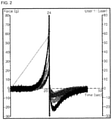
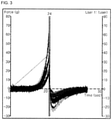
- Comparative Example 1 the maximum value of the peak of FIG. 2 , that is, the hardness was found to be 59.6, whereas in Reference Experimental Example 3, the maximum value of the peak of FIG. 3 was found to be 38.0.
- the fruit jam prepared by using the same amount of allulose as the sucrose of the conventional fruit jam prepared by using the sucrose had a relatively low hardness and a soft food texture.
- the peak slope of FIG. 2 that is, the spreadability was found to be 2.9
- Reference Experimental Example 3 the peak slope of FIG. 3 was found to be 1.8.
- each panelist freely applied each jam to bread (commercially available product), ate, and then expressed given properties (spreadability, stickiness, mouth feeling preference, overall preference) according to a 9-point scale.
- the quantified scores for each property were again converted to a 5-point scale (intensity: 1 point - very weak to 5 points - very strong, preference: 1 point - very poor to 5 points - very good), and the scores for each property were analyzed according to the T-test between the two samples, and statistical significant difference was shown (p ⁇ 0.05).
- Reference Experimental Example 3 had excellent spreadability and low stickiness, and thus, showed the same tendency as the spreadability result analyzed by using the food texture analyzer. Reference Experimental Example 3 also showed a relatively good tendency (p ⁇ 0.1) in the mouth feeling preference, and no significant difference in the overall preference as compared to the Comparative Example (Table 7).
- Table 7 Properties Comparative Example 1 Reference Experimental Example 3 p value Spreadability 2.92 ⁇ 0.58 4.22 ⁇ 0.41 0.00 Stickiness 3.45 ⁇ 0.73 2.34 ⁇ 0.68 0.00 Mouth feeling preference 3.53 ⁇ 0.56 3.81 ⁇ 0.62 0.09 Overall preference 3.67 ⁇ 0.65 3.41 ⁇ 0.71 0.32
- Storage stability of the prepared jams was confirmed by moisture change within the storage period.
- a dispersion medium mainly water contained in the gel is separated from the gel during storage and distribution, and the separated dispersion medium promotes microbial contamination and proliferation, resulting in deterioration of quality or increased risk of human body. Therefore, the storage stability is able to be improved when the moisture change is reduced.
- the moisture change during storage was determined by measuring the moisture content immediately after the preparation of the jam, and by confirming the change in the moisture content generated during the storage under the dehumidification condition. That is, the jam samples of Reference Examples 1 to 3 and Examples 4 and 5 and Comparative Example 1 were stored in an open state at 20% RH (relative humidity) condition, and some of the samples were taken after 3 days, 7 days, 16 days and 30 days.
- the moisture content was measured by an atmospheric pressure thermal drying method. 5 g of each of the collected samples were widely applied to a container of which a content was confirmed, and then an amount of reduced moisture was measured by drying at 100 to 103°C under atmospheric pressure.
- Comparative Example 1 As a result, in Comparative Example 1, it was confirmed that the moisture was continuously lost during storage, and after 30 days, 52.1% of the moisture remained as compared to the initial value. Whereas in Reference Experimental Examples 1 to 3 and Experimental Examples 4 and 5, it was confirmed that 64.5% to 94.5% of the moisture remained, and thus, the moisture residual rate was significantly higher than that of Comparative Example (Table 8, FIG. 4 ).
- Reference Experimental Example 3 prepared by adding the same amount of allulose as the sucrose of Comparative Example 1 showed that the moisture residual rate after 30 days was 76%, and a moisture retention force was about 1.46 times or more excellent as compared to Comparative Example 1.
Landscapes
- Health & Medical Sciences (AREA)
- Life Sciences & Earth Sciences (AREA)
- Nutrition Science (AREA)
- Chemical & Material Sciences (AREA)
- Engineering & Computer Science (AREA)
- Food Science & Technology (AREA)
- Polymers & Plastics (AREA)
- Molecular Biology (AREA)
- Jellies, Jams, And Syrups (AREA)
- Absorbent Articles And Supports Therefor (AREA)
Description
- This application claims priority under 35 U.S.C. §119 to
Korean Patent Application No. 10-2016-0112501, filed on September 1, 2016 - The following disclosure relates to a fruit jam comprising allulose and a method for preparing the same.
- Jam is generally prepared by adding a large amount of sucrose to fruit or vegetables, followed by boiling to obtain a highly viscous gel form. Accordingly, since the jam contains a large amount of sucrose, growth of microorganisms is inhibited, and thus, storability is improved, but excessive sucrose intake increases possibilities of cavities, rapid change in blood sucrose, obesity, etc. Further, as a storage period elapses, water which is a dispersion medium contained in the gel is separated from the jam, and thus, microbial stability is reduced. In addition, since sucrose is boiled at a high temperature over a long time according to the conventional methods for preparing the same, a boil-over phenomenon occurs, and bubbles occurring therefrom remain even after cooling, resulting in deterioration of sensory properties. When multiple temperature controls are applied to prevent the boil-over phenomenon, labor and time required for preparing the jam are increased, and nutrients of fruit are destroyed and food texture is lowered.
- Allulose is a C-3 epimer of D-fructose and is a natural saccharide ingredient present in trace amounts in raisins, figs, wheat, etc. It has a 70% sweetness compared to sucrose, but has 0 kcal/g of calorie, which is only 5% of the sucrose (4 kcal/g). Thus, the allulose has received attention as a sweetener substitute for sucrose. However, application of allulose to jams has not been reported.
- Under these circumstances, the present inventors have made an effort to solve disadvantages of the conventional jams described above. As a result, they found that when the jam was prepared by using the allulose, the boil-over phenomenon, sensory qualities, and storage stability were improved at the time of preparing the jam, and completed the present invention.
- (Patent Document 1)
Korean Patent No. 10-0735865 B1 -
WO2015075473 relates to food and beverage products comprising allulose.JP2014113059 - The present invention provides a fruit jam comprising allulose and a method for preparing the same.
- According to the present invention, there is provided a fruit jam including a fruit and a saccharide containing allulose; wherein the allulose has an amount of 200 to 300 parts by weight based on 100 parts by weight of the fruit.
- Term "fruit" of the present invention means a fruit of a woody plant that is edible, and may include without limitation as long as it is a fruit or vegetable fruit that is usable for preparing a jam. The vegetable fruit (such as strawberry, watermelon, melon, etc.) is a herbaceous cultivated plant that is edible, but treated as a fruit in the common term of the consumer. Thus, the vegetable fruit is defined as being included in the fruit of the present invention. Specifically, the fruit of the present invention includes an orange, tangerine, lemon, grapefruit, peach, apricot, grape, pear, apple, pineapple, strawberry, cranberry, blueberry, acai berry, pomegranate, banana, mango, guava, watermelon, melon, plum, kiwi, or a mixture thereof, but is not limited thereto.
- The fruit of the present invention is not limited to raw material from which non-edible portions are removed from a natural fruit, and may include a concentrate or powder thereof. In addition, the fruit used in the present invention may include both the case where the fruit raw material is physically changed or the case where the ingredients included in the fruit raw material have different ingredients from the fruit raw material due to chemical change in a process (for example, the heating process) for preparing of the fruit jam of the present invention.
- The allulose of the present invention may be directly extracted from natural products, chemically synthesized, or prepared by biological methods, but is not limited thereto.
- The allulose of the present invention may have an amount of 200-250 or 250-300 parts by weight.
- The fruit jam of the present invention may further include at least one sweetener other than sucrose, as a saccharide ingredient. The sweetener includes, but is not limited to, known sweeteners (for example, monosaccharides, disaccharides, oligosaccharide, sugar alcohols, and high sweeteners). Specifically, the monosaccharide may be, for example, arabinose, xylose, fructose, tagatose, allose, glucose or galactose, and the disaccharide is a saccharide in which two monosaccharides are combined, such as lactose, maltose, trehalose, turanose, or cellobiose.
- The oligosaccharide is a saccharide in which three monosaccharides or more are combined, and may be, for example, fructooligosaccharide, isomaltooligosaccharide, xylooligosaccharide, gentio oligosaccharide, maltooligosaccharide or galactooligosaccharide. The sugar alcohol is a substance formed by reducing a carbonyl group of the saccharide, and may be, for example, erythritol, xylitol, arabitol, mannitol, sorbitol, maltitol or lactitol. The high sweetener is a substance having a sweetness ten times or more than that of sucrose, and may be, for example, aspartame, acesulfame K, rebaudioside A or sucralose. However, these substances are not limited thereto.
- The fruit jam may further include pectin, an organic acid or a combination thereof. Specifically, the fruit jam of the present invention may have an acidity of pH 2.0 to 5.0, pH 2.5 to 4.5, or pH 3.0 to 4.0, and may have an acidity of 0.1 to 2.0%, 0.2 to 1.5%, or 0.2 to 1.0%. The fruit jam of the present invention may further include an organic acid (for example, citric acid, malic acid, tartaric acid, oxalic acid or acetic acid) for adjusting pH or acidity, if necessary.
- Further, the fruit jam of the present invention may further include a thickening agent (for example, a polysaccharide such as pectin, gelatin, gum, etc.).
- The fruit jam of the present invention may contain various other ingredients that are capable of being added to other compositions for eating and drinking in addition to the above-described ingredients.
- The fruit jam of the present invention may not include sucrose. This sucrose means sucrose added from the outside except for sucrose included in the fruit or sucrose generated from a fruit during a process for preparing a fruit jam.
- The fruit jam of the present invention may have a hardness of 10 to 80 gf and may have a hardness of 10 to 70 gf, 10 to 50 gf, 15 to 80 gf, 15 to 70 gf or 15 to 50 gf.
- The fruit jam of the present invention may have a spreadability of 0.5 to 3.0 △g/△sec, and specifically, 0.5 to 2.8 △g/△sec, 0.5 to 2.0 △g/△sec or 0.8 to 2.0 △g/△sec.
- According to another exemplary embodiment of the present invention, there is provided a method for preparing a fruit jam including (a) contacting a fruit with saccharide containing allulose in an amount of 200 to 300 parts by weight based on 100 parts by weight of the fruit; and (b) heating the product of step (a).
- The method may not include contacting the fruit with sucrose. As demonstrated in the following Examples, the fruit jam may be prepared by replacing the sucrose with the allulose by the preparation method of the present invention. The fruit jam prepared by the preparation method of the present invention may reduce a boil-over phenomenon and a syneresis, while having similar sensory properties to the conventional jam prepared by using sucrose.
- The method for preparing a fruit jam according to the present invention is described in detail as follows.
- First, a specific fruit is selected and washed with water, and non-edible portions (for example, stem end, skin or seed) are removed and then crushed. A saccharide containing allulose is added at a specific weight ratio with respect to a weight ratio of the crushed fruit, followed by mixing and heating for a predetermined time, and then cooling at room temperature to prepare the fruit jam.
- The heating of the present invention may be performed by any known heating method. As a non-limiting example, the heating may be performed for 1 to 10 minutes using a 500 to 1000 W microwave oven or for 5 to 30 minutes using a gas range.
- According to still another exemplary embodiment of the present invention, there is provided a method for reducing bubbles of a fruit jam including: (a) contacting a fruit with saccharide containing allulose; and (b) heating the product of step (a); wherein the allulose has an amount of 200 to 300 parts by weight based on 100 parts by weight of the fruit at step (a).
- Since the method for preparing a fruit jam of the present invention is able to use the above-described contents described in connection with the fruit jam as they are, the overlapped description between these two matters is omitted in order to avoid excessive complexity of the present specification.
- When comparing the fruit jam of the present invention with the conventional fruit jams prepared by adding sucrose, or sucrose-free fruit jams prepared by using sugar alcohol instead of the sucrose, the fruit jam of the present invention is not prepared by simply replacing the sucrose or the sugar alcohol with the allulose. Those skilled in the art may mix the allulose with natural fruits, but they cannot easily assume how physical properties (pH, acidity, viscosity, flowability and spreadability) of the allulose fruit jam will change due to transformations of the ingredients included in the fruit during the preparation process, and in particular, they cannot easily assume how the degree of the boil-over phenomenon and storage stability will change when preparing the fruit jam using the allulose.
- In the present invention, by mixing the allulose with the natural fruit at various ratios, and through an excessive number of repeated experiments, it was possible to complete the allulose fruit jam capable of maintaining a similar level of physical properties to the conventional fruit jams prepared by using the sucrose, preventing nutrient destruction of the fruit and deterioration of food texture while minimizing the boil-over phenomenon and the syneresis.
- The fruit jam prepared by using the allulose of the present invention is convenient to prepare because the boil-over phenomenon and bubble occurrence are minimized during preparation as compared to the conventional fruit jams prepared by using sucrose. Further, the sensory quality may be improved, the change of moisture content may be reduced, and the storage stability may be increased, thereby extending the shelf life. In addition, the calorie may be very low, the spreadability may be good, and soft and moist food texture may be maintained, and thus, the sensory quality may be excellent.
-
-
FIG. 1 is a graph showing hardness and spreadability as physical properties of a fruit jam of the present invention. -
FIG. 2 is a graph showing the hardness and spreadability of the fruit jam of the present invention when only sucrose is included. -
FIG. 3 is a graph showing the hardness and spreadability of the fruit jam of the present invention when allulose instead of the sucrose is included. -
FIG. 4 is a graph of moisture residual rate according to storage periods (0 Day, 3 Day, 7 Day, 16 Day and 30 Day) to show storage stability of the fruit jam of the present invention. - Hereinafter, Examples, etc., of the present invention will be described in detail to help the understanding of the present invention. However, the following Examples according to the present invention may be modified into various other embodiments, and should not be interpreted as limiting the scope of the present invention. These Examples of the present invention are provided so that those skilled in the art may more thoroughly understand the present invention.
- Strawberries were prepared as fruits and washed with water, and non-edible portions (stem end, etc.) were removed therefrom. Then, the remaining portions were crushed using a household blender (Vitamix corp., VM0127). After sucrose or allulose was added to the crushed strawberries in a mixing ratio as shown in Table 1 below, each mixture was stored and mixed in a 500 ml glass bottle, heated for 5.5 minutes using a 700 W microwave oven (LG, MM-M301), and cooled for 12 hours at room temperature, thereby preparing a strawberry jam.
[Table 1] Classification Strawberry (g) Sucrose (g) Allulose (g) Saccharide content relative to strawberry (wt %) Comparative Example 1 100.0 100.0 100 Reference Experimental Example 1 160.0 40.0 25 Reference Experimental Example 2 133.3 66.7 50 Reference Experimental Example 3 100.0 100.0 100 Experimental Example 4 66.7 133.3 200 Experimental Example 5 50.0 150.0 300 - The boil-over phenomenon was observed in the process for preparing a jam of Example 1 above, and a height of bubbles (bubble height) and an amount of bubbles (bubble amount) occurring in the process were measured. The bubble height means a value obtained by subtracting a jam height contained in the container before heating from the maximum height of the bubbles.
- As a result, it was confirmed that the bubble height and bubble amount were reduced as an amount in which the allulose was added was increased with respect to the weight of strawberries. Further, Reference Experimental Example 3 in which the same amount of allulose as the sucrose of Comparative Example 1 was added, showed a bubble occurrence effect reduced by about 10% as compared to Comparative Example 1. Thus, it was confirmed that when the jam was prepared by adding the allulose, occurrence of the bubbles was reduced as compared to the jam prepared by using sucrose (Table 2). Therefore, it could be appreciated that by using the allulose instead of sucrose at the time of preparation of the jam, it was possible to reduce the occurrence of bubbles, which facilitates the preparation of jam, and to reduce occurrence of voids caused by the bubbles after cooling.
[Table 2] Classification Bubble occurrence amount Base area (cm2) Jam height before heating (mm) Bubble maximum height (mm) Bubble height (mm) Bubble amount (cm3) Comparative Example 1 136.8 18.0 163.0 145.0 1,984.3 Reference Experimental Example 1 136.8 13.0 161.0 148.0 2,025.3 Reference Experimental Example 2 136.8 14.0 153.0 139.0 1,902.2 Reference Experimental Example 3 136.8 18.0 149.0 131.0 1,792.7 Experimental Example 4 136.8 29.0 139.0 110.0 1,505.3 Experimental Example 5 136.8 40.0 138.0 98.0 1,341.1 - 10 g of each of Comparative Example 1 and Reference Experimental Examples 1 to 3 and Experimental examples 4 and 5 was taken and put in a beaker, and distilled water was added thereto to prepare a 10% (w/w) aqueous solution. Each aqueous solution was filtered using a filter paper (Whatman), and pH of the filtered solution was measured using a digital pH meter (Mettler Toledo, Seven Compact with InLab No.1, 150 mm x 10).
- As a result, there was no significant difference in the pH between Comparative Example, Reference Examples and Experimental Examples, and the pH was maintained at 3 to 4, as in commonly distributed jams (Table 3).
[Table 3] Classification Compar. Example 1 Reference Exper. Example 1 Reference Exper. Example 2 Reference Exper. Example 3 Exper. Example 4 Exper. Example 5 pH 3.2 3.2 3.2 3.3 3.4 3.5 - The acidity was measured using an alkali titration method. 1 g of each of Comparative Example 1 and Reference Experimental Examples 1 to 3 and Experimental Examples 4 and 5 was taken and put in a beaker, and distilled water was added thereto to prepare a 100-fold diluted aqueous solution (unit: %(w/w)). To the prepared aqueous solution, 0.1N NaOH (purchased from Daejung Chemicals & Metals Co., Ltd.) was added to measure a consumption amount of 0.1N NaOH by titrating until the pH reached 8.2 to 8.3. From the measured values, the acidity of each sample was represented by the following Equation (1) based on the amount of citric acid:

- In the above Equation, each variable is as follows:
- V: Consumption amount (mL) of 0.1N NaOH,
- F: Titer of 0.1N NaOH
- A: Citric acid coefficient 0.0064
- D: Dilution factor, S: Collection amount of sample (mL)
- As a result, the acidity of the jam prepared by using the allulose was not significantly different from the acidity of the jam prepared by using the sucrose, and maintained to be 2% or less as in the commonly distributed jams (Table 4).
[Table 4] Classification Compar. Example 1 Reference Exper. Example 1 Reference Exper. Example 2 Reference Exper. Example 3 Exper. Example 4 Exper. Example 5 Acidity 0.75% 1.54% 1.21% 0.73% 0.47% 0.28% - The hardness and spreadability of each of Comparative Example 1 and Reference Experimental Examples 1 to 3 and Experimental Examples 4 and 5 were measured using a food texture analyzer (Stable Micro Systems, Taxt Plus). Analysis conditions of the food texture analyzer are shown in Table 5 below.
- Specifically, each sample of Comparative Example 1 and Reference Experimental Examples 1 to 3 and Experimental Examples 4 and 5 were stored in the same volume in the sample holder of the food texture analyzer so that there was no space. Then, a probe (TTC SPREADABILITY RIG) located at the same height (30 mm) from each sample surface of Comparative Example 1 and Reference Experimental Examples 1 to 3 and Experimental Examples 4 and 5 stored in the sample holder was moved at a constant force and speed (Test Speed and Post Test Speed 1.0 mm/sec) to apply pressure up to a depth of 70% from the point of contact with the sample surface. Here, the maximum intensity of the force in which the probe compressed the sample was regarded as a hardness (force), which is shown as the maximum peak height in
FIG. 1 . Further, a ratio of a resistance value occurring when the sample was continuously compressed is defined as a spreadability, which is shown as the slope of the peak (Δg/Δsec) inFIG. 1 . As the hardness value (gf) is higher, the sample becomes hard, and as the value of the spreadability [Gradient (g/sec)] is lower, the spreadability becomes excellent since resistance is low. -
[Table 5] Test mode Compression Probe TTC SPREADABILITY RIG Test speed 1.0 mm/sec Post-test speed 1.0 mm/ sec Strain 70 % Height 30 mm - As a result, Reference Experiment Example 3 for a jam which was prepared by using the same amount of allulose as the sucrose of Comparative Example 1, showed lower hardness and spreadability values than those of Comparative Example 1. It was confirmed that Reference Examples 3 and 4, and Experimental Examples 4 and 5 showed equal or higher hardness and spreadability even when comparing with commercially available products (Commercial Product 1: strawberry jam from Ottogi Co., Ltd.; Product 2: strawberry jam from Bokumjari Co., Ltd.) (Table 6,
FIGS. 2 and3 ). - In detail, in Comparative Example 1, the maximum value of the peak of
FIG. 2 , that is, the hardness was found to be 59.6, whereas in Reference Experimental Example 3, the maximum value of the peak ofFIG. 3 was found to be 38.0. Thus, it was confirmed that the fruit jam prepared by using the same amount of allulose as the sucrose of the conventional fruit jam prepared by using the sucrose, had a relatively low hardness and a soft food texture. In addition, in Comparative Example 1, the peak slope ofFIG. 2 , that is, the spreadability was found to be 2.9, whereas in Reference Experimental Example 3, the peak slope ofFIG. 3 was found to be 1.8. Thus, it was confirmed that the fruit jam prepared by using the same amount of allulose as the sucrose of the conventional fruit jam prepared by using the sucrose, had a low resistance value, resulting in improvement of the spreadability.[Table 6] Classification Compar. Example 1 product 1product 2Ref Exper. Example 1 Ref Exper. Example 2 Ref Exper. Example 3 Exper. Example 4 Exper. Example 5 Hardness (gf) 59.6 23.1 26.3 76.6 67.8 38.0 21.9 16.2 Spreadability (Δg/Δsec) 2.9 1.1 1.9 3.5 2.7 1.8 1.1 0.8 - The jam samples of Reference Experimental Example 3 and Comparative Example 1 in which allulose and sucrose were added in the same amount were evaluated per item after 24 hours from the completion time point of preparation of the jams by 16 trained male and female panelists in their 20s and 50s, and sensory qualities were compared to each other.
- Specifically, each panelist freely applied each jam to bread (commercially available product), ate, and then expressed given properties (spreadability, stickiness, mouth feeling preference, overall preference) according to a 9-point scale. The quantified scores for each property were again converted to a 5-point scale (intensity: 1 point - very weak to 5 points - very strong, preference: 1 point - very poor to 5 points - very good), and the scores for each property were analyzed according to the T-test between the two samples, and statistical significant difference was shown (p <0.05).
- As a result, it was confirmed that Reference Experimental Example 3 had excellent spreadability and low stickiness, and thus, showed the same tendency as the spreadability result analyzed by using the food texture analyzer. Reference Experimental Example 3 also showed a relatively good tendency (p <0.1) in the mouth feeling preference, and no significant difference in the overall preference as compared to the Comparative Example (Table 7).
[Table 7] Properties Comparative Example 1 Reference Experimental Example 3 p value Spreadability 2.92±0.58 4.22±0.41 0.00 Stickiness 3.45±0.73 2.34±0.68 0.00 Mouth feeling preference 3.53±0.56 3.81±0.62 0.09 Overall preference 3.67±0.65 3.41±0.71 0.32 - Storage stability of the prepared jams was confirmed by moisture change within the storage period. In foods having a gel network structure such as a jam, a dispersion medium (mainly water) contained in the gel is separated from the gel during storage and distribution, and the separated dispersion medium promotes microbial contamination and proliferation, resulting in deterioration of quality or increased risk of human body. Therefore, the storage stability is able to be improved when the moisture change is reduced.
- Specifically, the moisture change during storage was determined by measuring the moisture content immediately after the preparation of the jam, and by confirming the change in the moisture content generated during the storage under the dehumidification condition. That is, the jam samples of Reference Examples 1 to 3 and Examples 4 and 5 and Comparative Example 1 were stored in an open state at 20% RH (relative humidity) condition, and some of the samples were taken after 3 days, 7 days, 16 days and 30 days. The moisture content was measured by an atmospheric pressure thermal drying method. 5 g of each of the collected samples were widely applied to a container of which a content was confirmed, and then an amount of reduced moisture was measured by drying at 100 to 103°C under atmospheric pressure.
- As a result, in Comparative Example 1, it was confirmed that the moisture was continuously lost during storage, and after 30 days, 52.1% of the moisture remained as compared to the initial value. Whereas in Reference Experimental Examples 1 to 3 and Experimental Examples 4 and 5, it was confirmed that 64.5% to 94.5% of the moisture remained, and thus, the moisture residual rate was significantly higher than that of Comparative Example (Table 8,
FIG. 4 ). Reference Experimental Example 3 prepared by adding the same amount of allulose as the sucrose of Comparative Example 1 showed that the moisture residual rate after 30 days was 76%, and a moisture retention force was about 1.46 times or more excellent as compared to Comparative Example 1. Even in Experimental Examples 4 to 5 in which the added amount of allulose was increased, about 94% to 97% or more of moisture remained even after 30 days, and thus, it was confirmed that the addition of allulose reduced the moisture change of the jam.[Table 8] Classification Moisture content immediately after preparation Moisture residual rate according to storage period 0 Day 3 Day 7 Day 16 Day 30 Day Comparative Example 1 20.0% 100.0% 94.9% 83.6% 74.6% 52.1% Reference Experimental Example 1 44.9% 100.0% 87.5% 86.3% 74.6% 64.5% Reference Experimental Example 2 34.6% 100.0% 94.3% 91.5% 84.2% 75.5% Reference Experimental Example 3 26.8% 100.0% 92.9% 92.5% 86.2% 76.0% Experimental Example 4 22.2% 100.0% 98.5% 99.0% 98.6% 96.6% Experimental Example 5 19.5% 100.0% 97.4% 97.7% 97.0% 94.5% - The above examples described herein are exemplified from every aspect, and should not be interpreted as limiting the scope of the present invention. Accordingly, the scope of the present invention should be defined by the claims appended hereto.
Claims (8)
- A fruit jam comprising a fruit and a saccharide containing allulose,
wherein the allulose has an amount of 200 to 300 parts by weight based on 100 parts by weight of the fruit. - The fruit jam of claim 1, wherein the allulose has an amount of 50 to 100 parts by weight based on 100 parts by weight of the saccharide.
- The fruit jam of claim 1, wherein the fruit jam does not include sucrose.
- The fruit jam of claim 1, wherein the fruit jam has a hardness of 10 to 80 gf.
- The fruit jam of claim 1, wherein the fruit jam has a spreadability of 0.5 to 3.0 △g/△sec.
- A method for preparing a fruit jam comprising:(a) contacting a fruit with a saccharide containing allulose; and(b) heating the product of step (a),wherein the allulose has an amount of 200 to 300 parts by weight based on 100 parts by weight of the fruit at step (a).
- The method of claim 6, wherein the method does not include contacting the fruit with sucrose.
- A method for reducing bubbles of a fruit jam comprising:(a) contacting a fruit with a saccharide containing allulose; and(b) heating the product of step (a);wherein the allulose has an amount of 200 to 300 parts by weight based on 100 parts by weight of the fruit at step (a).
Applications Claiming Priority (2)
| Application Number | Priority Date | Filing Date | Title |
|---|---|---|---|
| KR20160112501 | 2016-09-01 | ||
| PCT/KR2017/008489 WO2018043935A1 (en) | 2016-09-01 | 2017-08-07 | Fruit jam comprising allulose and method for manufacturing same |
Publications (3)
| Publication Number | Publication Date |
|---|---|
| EP3508073A1 EP3508073A1 (en) | 2019-07-10 |
| EP3508073A4 EP3508073A4 (en) | 2020-04-15 |
| EP3508073B1 true EP3508073B1 (en) | 2022-02-16 |
Family
ID=61301290
Family Applications (1)
| Application Number | Title | Priority Date | Filing Date |
|---|---|---|---|
| EP17846860.9A Active EP3508073B1 (en) | 2016-09-01 | 2017-08-07 | Fruit jam comprising allulose and method for manufacturing same |
Country Status (14)
| Country | Link |
|---|---|
| US (1) | US20210401011A1 (en) |
| EP (1) | EP3508073B1 (en) |
| JP (1) | JP6806313B2 (en) |
| KR (1) | KR101975666B1 (en) |
| CN (1) | CN109661181B (en) |
| AR (1) | AR109504A1 (en) |
| BR (1) | BR112019003698B1 (en) |
| CA (1) | CA3032934C (en) |
| CO (1) | CO2019002024A2 (en) |
| ES (1) | ES2908737T3 (en) |
| MX (1) | MX2019002469A (en) |
| SG (1) | SG11201901507WA (en) |
| TW (1) | TWI656842B (en) |
| WO (1) | WO2018043935A1 (en) |
Families Citing this family (5)
| Publication number | Priority date | Publication date | Assignee | Title |
|---|---|---|---|---|
| KR102004914B1 (en) * | 2016-10-10 | 2019-07-30 | 씨제이제일제당 (주) | Plant-soaked solutions containing allulose and method for preparation thereof |
| AR119241A1 (en) * | 2019-06-28 | 2021-12-01 | Corn Products Dev Inc | FRUIT PREPARATIONS AND OTHER SWEET SAUCES COMPRISING SUGAR AND STARCH REDUCTION SOLUTIONS |
| JP2022100798A (en) * | 2020-12-24 | 2022-07-06 | サントリーホールディングス株式会社 | Method for manufacturing steviol glycoside solution |
| KR102806432B1 (en) * | 2022-07-28 | 2025-05-14 | 황정빈 | Manufacture of Apple Pectin And Manufacture of Strawberry Jam using Apple Pectin |
| CN116138388A (en) * | 2022-09-08 | 2023-05-23 | 山东福洋生物科技股份有限公司 | Application of D-psicose in preparation of glutinous rice products |
Citations (1)
| Publication number | Priority date | Publication date | Assignee | Title |
|---|---|---|---|---|
| EP3266314A1 (en) * | 2015-03-05 | 2018-01-10 | Cj Cheiljedang Corporation | Jam mix composition for microwave cooking, jam using same, and method for preparing same |
Family Cites Families (12)
| Publication number | Priority date | Publication date | Assignee | Title |
|---|---|---|---|---|
| US5260083A (en) * | 1992-03-25 | 1993-11-09 | The J. M. Smucker Company | Fruit spread and method of preparing same |
| US5397588A (en) * | 1992-06-18 | 1995-03-14 | Mcneil-Ppc, Inc. | Reduced calorie fruit spreads |
| KR100735865B1 (en) | 2006-05-01 | 2007-07-04 | 박민경 | Sugar Free Low Calorie Functional Fruit Jam |
| JP5859191B2 (en) * | 2010-09-29 | 2016-02-10 | 松谷化学工業株式会社 | Taste improving composition for high intensity sweetener and its application |
| JP2014113059A (en) * | 2012-11-14 | 2014-06-26 | Matsutani Chem Ind Ltd | Method for imparting rich taste to food and drink |
| JP2014103960A (en) * | 2012-11-30 | 2014-06-09 | Matsutani Chem Ind Ltd | Method for improving quality of stewed dish |
| JP6349262B2 (en) * | 2013-01-31 | 2018-06-27 | 国立大学法人 香川大学 | Konjac processed foods and drinks that have an inhibitory effect on blood sugar level rise |
| GB201309077D0 (en) * | 2013-03-15 | 2013-07-03 | Tate & Lyle Ingredients | Improved sweetener |
| GB201315559D0 (en) * | 2013-08-02 | 2013-10-16 | Tate & Lyle Ingredients | Sweetener compositions |
| KR101514771B1 (en) * | 2013-10-08 | 2015-04-24 | 이연수 | Composition for Grape Jam of Low Calory and Manufacturing Method Thereof |
| MX2016006684A (en) * | 2013-11-22 | 2016-09-08 | Tate & Lyle Ingredients Americas Llc | Food and beverage products comprising allulose (psicose). |
| KR101696833B1 (en) * | 2014-12-31 | 2017-01-17 | 주식회사 삼양사 | Composition for preparing frozen food using the culture product of lactic acid bacteria, and frozen food using the culture product |
-
2017
- 2017-08-03 KR KR1020170098442A patent/KR101975666B1/en active Active
- 2017-08-07 JP JP2019511770A patent/JP6806313B2/en active Active
- 2017-08-07 US US16/328,635 patent/US20210401011A1/en active Pending
- 2017-08-07 WO PCT/KR2017/008489 patent/WO2018043935A1/en not_active Ceased
- 2017-08-07 SG SG11201901507WA patent/SG11201901507WA/en unknown
- 2017-08-07 CN CN201780053825.1A patent/CN109661181B/en active Active
- 2017-08-07 ES ES17846860T patent/ES2908737T3/en active Active
- 2017-08-07 MX MX2019002469A patent/MX2019002469A/en unknown
- 2017-08-07 EP EP17846860.9A patent/EP3508073B1/en active Active
- 2017-08-07 CA CA3032934A patent/CA3032934C/en active Active
- 2017-08-07 BR BR112019003698-9A patent/BR112019003698B1/en active IP Right Grant
- 2017-08-25 TW TW106128917A patent/TWI656842B/en active
- 2017-09-01 AR ARP170102435A patent/AR109504A1/en active IP Right Grant
-
2019
- 2019-03-01 CO CONC2019/0002024A patent/CO2019002024A2/en unknown
Patent Citations (1)
| Publication number | Priority date | Publication date | Assignee | Title |
|---|---|---|---|---|
| EP3266314A1 (en) * | 2015-03-05 | 2018-01-10 | Cj Cheiljedang Corporation | Jam mix composition for microwave cooking, jam using same, and method for preparing same |
Also Published As
| Publication number | Publication date |
|---|---|
| JP2019526259A (en) | 2019-09-19 |
| EP3508073A1 (en) | 2019-07-10 |
| BR112019003698B1 (en) | 2023-04-11 |
| MX2019002469A (en) | 2019-09-11 |
| CO2019002024A2 (en) | 2019-03-08 |
| TW201811198A (en) | 2018-04-01 |
| US20210401011A1 (en) | 2021-12-30 |
| CA3032934C (en) | 2021-05-18 |
| AR109504A1 (en) | 2018-12-19 |
| CN109661181B (en) | 2022-11-25 |
| BR112019003698A2 (en) | 2019-06-04 |
| SG11201901507WA (en) | 2019-03-28 |
| KR20180025807A (en) | 2018-03-09 |
| CN109661181A (en) | 2019-04-19 |
| KR101975666B1 (en) | 2019-05-07 |
| TWI656842B (en) | 2019-04-21 |
| JP6806313B2 (en) | 2021-01-06 |
| ES2908737T3 (en) | 2022-05-03 |
| WO2018043935A1 (en) | 2018-03-08 |
| EP3508073A4 (en) | 2020-04-15 |
| CA3032934A1 (en) | 2018-03-08 |
Similar Documents
| Publication | Publication Date | Title |
|---|---|---|
| CA3032934C (en) | Fruit jam comprising allulose and method for manufacturing same | |
| US12030905B2 (en) | Steviol glycoside compounds, compositions for oral ingestion or use, and method for enhancing steviol glycoside solubility | |
| EP3399873B1 (en) | Highly soluble steviol glycosides | |
| JP7753288B2 (en) | Modulating mouthfeel in low-sugar and no-sugar beverages using blends of pectin and xanthan gum | |
| JP2016518143A (en) | Rebaudioside sweetener composition and food product sweetened using the rebaudioside sweetener composition | |
| EP3769627A1 (en) | Aroma-free fruit juice | |
| CN111093394A (en) | Improving taste of consumable products | |
| KR102004914B1 (en) | Plant-soaked solutions containing allulose and method for preparation thereof | |
| JP7031825B2 (en) | Tomato ketchup with improved storage stability | |
| EP3085236B1 (en) | Breakfast cake with reduced sugar content | |
| US20210120856A1 (en) | Sugar substitute | |
| JP2024510389A (en) | Sensory modifier for effervescent compositions | |
| HK40001703B (en) | Fruit jam comprising allulose and method for manufacturing same | |
| EP2356912B1 (en) | Natural sweetener composition | |
| KR102056334B1 (en) | Gel-phase beverage | |
| HK40001703A (en) | Fruit jam comprising allulose and method for manufacturing same | |
| WO2016116620A1 (en) | Cellobiose-containing drink | |
| EP3769628A1 (en) | Aroma-free grape juice | |
| EP4005403B1 (en) | Sugar syrup composition | |
| EP3533344B1 (en) | Plant-soaked solution comprising tagatose, and method for producing same | |
| AU2017101058A4 (en) | Compositions comprising natural sweetener combinations and food and beverage products comprising same | |
| EP3769629A1 (en) | Aroma-free pear juice |
Legal Events
| Date | Code | Title | Description |
|---|---|---|---|
| STAA | Information on the status of an ep patent application or granted ep patent |
Free format text: STATUS: THE INTERNATIONAL PUBLICATION HAS BEEN MADE |
|
| PUAI | Public reference made under article 153(3) epc to a published international application that has entered the european phase |
Free format text: ORIGINAL CODE: 0009012 |
|
| STAA | Information on the status of an ep patent application or granted ep patent |
Free format text: STATUS: REQUEST FOR EXAMINATION WAS MADE |
|
| 17P | Request for examination filed |
Effective date: 20190208 |
|
| AK | Designated contracting states |
Kind code of ref document: A1 Designated state(s): AL AT BE BG CH CY CZ DE DK EE ES FI FR GB GR HR HU IE IS IT LI LT LU LV MC MK MT NL NO PL PT RO RS SE SI SK SM TR |
|
| AX | Request for extension of the european patent |
Extension state: BA ME |
|
| DAV | Request for validation of the european patent (deleted) | ||
| DAX | Request for extension of the european patent (deleted) | ||
| A4 | Supplementary search report drawn up and despatched |
Effective date: 20200318 |
|
| RIC1 | Information provided on ipc code assigned before grant |
Ipc: A23L 29/30 20160101ALI20200312BHEP Ipc: A23L 21/12 20160101AFI20200312BHEP |
|
| STAA | Information on the status of an ep patent application or granted ep patent |
Free format text: STATUS: EXAMINATION IS IN PROGRESS |
|
| 17Q | First examination report despatched |
Effective date: 20210401 |
|
| GRAP | Despatch of communication of intention to grant a patent |
Free format text: ORIGINAL CODE: EPIDOSNIGR1 |
|
| STAA | Information on the status of an ep patent application or granted ep patent |
Free format text: STATUS: GRANT OF PATENT IS INTENDED |
|
| INTG | Intention to grant announced |
Effective date: 20210913 |
|
| GRAS | Grant fee paid |
Free format text: ORIGINAL CODE: EPIDOSNIGR3 |
|
| GRAA | (expected) grant |
Free format text: ORIGINAL CODE: 0009210 |
|
| STAA | Information on the status of an ep patent application or granted ep patent |
Free format text: STATUS: THE PATENT HAS BEEN GRANTED |
|
| AK | Designated contracting states |
Kind code of ref document: B1 Designated state(s): AL AT BE BG CH CY CZ DE DK EE ES FI FR GB GR HR HU IE IS IT LI LT LU LV MC MK MT NL NO PL PT RO RS SE SI SK SM TR |
|
| REG | Reference to a national code |
Ref country code: GB Ref legal event code: FG4D |
|
| REG | Reference to a national code |
Ref country code: CH Ref legal event code: EP |
|
| REG | Reference to a national code |
Ref country code: DE Ref legal event code: R096 Ref document number: 602017053533 Country of ref document: DE |
|
| REG | Reference to a national code |
Ref country code: AT Ref legal event code: REF Ref document number: 1468332 Country of ref document: AT Kind code of ref document: T Effective date: 20220315 |
|
| REG | Reference to a national code |
Ref country code: IE Ref legal event code: FG4D |
|
| REG | Reference to a national code |
Ref country code: ES Ref legal event code: FG2A Ref document number: 2908737 Country of ref document: ES Kind code of ref document: T3 Effective date: 20220503 |
|
| REG | Reference to a national code |
Ref country code: LT Ref legal event code: MG9D |
|
| REG | Reference to a national code |
Ref country code: NL Ref legal event code: MP Effective date: 20220216 |
|
| REG | Reference to a national code |
Ref country code: AT Ref legal event code: MK05 Ref document number: 1468332 Country of ref document: AT Kind code of ref document: T Effective date: 20220216 |
|
| PG25 | Lapsed in a contracting state [announced via postgrant information from national office to epo] |
Ref country code: SE Free format text: LAPSE BECAUSE OF FAILURE TO SUBMIT A TRANSLATION OF THE DESCRIPTION OR TO PAY THE FEE WITHIN THE PRESCRIBED TIME-LIMIT Effective date: 20220216 Ref country code: RS Free format text: LAPSE BECAUSE OF FAILURE TO SUBMIT A TRANSLATION OF THE DESCRIPTION OR TO PAY THE FEE WITHIN THE PRESCRIBED TIME-LIMIT Effective date: 20220216 Ref country code: PT Free format text: LAPSE BECAUSE OF FAILURE TO SUBMIT A TRANSLATION OF THE DESCRIPTION OR TO PAY THE FEE WITHIN THE PRESCRIBED TIME-LIMIT Effective date: 20220616 Ref country code: NO Free format text: LAPSE BECAUSE OF FAILURE TO SUBMIT A TRANSLATION OF THE DESCRIPTION OR TO PAY THE FEE WITHIN THE PRESCRIBED TIME-LIMIT Effective date: 20220516 Ref country code: NL Free format text: LAPSE BECAUSE OF FAILURE TO SUBMIT A TRANSLATION OF THE DESCRIPTION OR TO PAY THE FEE WITHIN THE PRESCRIBED TIME-LIMIT Effective date: 20220216 Ref country code: LT Free format text: LAPSE BECAUSE OF FAILURE TO SUBMIT A TRANSLATION OF THE DESCRIPTION OR TO PAY THE FEE WITHIN THE PRESCRIBED TIME-LIMIT Effective date: 20220216 Ref country code: HR Free format text: LAPSE BECAUSE OF FAILURE TO SUBMIT A TRANSLATION OF THE DESCRIPTION OR TO PAY THE FEE WITHIN THE PRESCRIBED TIME-LIMIT Effective date: 20220216 Ref country code: BG Free format text: LAPSE BECAUSE OF FAILURE TO SUBMIT A TRANSLATION OF THE DESCRIPTION OR TO PAY THE FEE WITHIN THE PRESCRIBED TIME-LIMIT Effective date: 20220516 |
|
| PG25 | Lapsed in a contracting state [announced via postgrant information from national office to epo] |
Ref country code: PL Free format text: LAPSE BECAUSE OF FAILURE TO SUBMIT A TRANSLATION OF THE DESCRIPTION OR TO PAY THE FEE WITHIN THE PRESCRIBED TIME-LIMIT Effective date: 20220216 Ref country code: LV Free format text: LAPSE BECAUSE OF FAILURE TO SUBMIT A TRANSLATION OF THE DESCRIPTION OR TO PAY THE FEE WITHIN THE PRESCRIBED TIME-LIMIT Effective date: 20220216 Ref country code: GR Free format text: LAPSE BECAUSE OF FAILURE TO SUBMIT A TRANSLATION OF THE DESCRIPTION OR TO PAY THE FEE WITHIN THE PRESCRIBED TIME-LIMIT Effective date: 20220517 Ref country code: FI Free format text: LAPSE BECAUSE OF FAILURE TO SUBMIT A TRANSLATION OF THE DESCRIPTION OR TO PAY THE FEE WITHIN THE PRESCRIBED TIME-LIMIT Effective date: 20220216 Ref country code: AT Free format text: LAPSE BECAUSE OF FAILURE TO SUBMIT A TRANSLATION OF THE DESCRIPTION OR TO PAY THE FEE WITHIN THE PRESCRIBED TIME-LIMIT Effective date: 20220216 |
|
| PG25 | Lapsed in a contracting state [announced via postgrant information from national office to epo] |
Ref country code: IS Free format text: LAPSE BECAUSE OF FAILURE TO SUBMIT A TRANSLATION OF THE DESCRIPTION OR TO PAY THE FEE WITHIN THE PRESCRIBED TIME-LIMIT Effective date: 20220617 |
|
| PG25 | Lapsed in a contracting state [announced via postgrant information from national office to epo] |
Ref country code: SM Free format text: LAPSE BECAUSE OF FAILURE TO SUBMIT A TRANSLATION OF THE DESCRIPTION OR TO PAY THE FEE WITHIN THE PRESCRIBED TIME-LIMIT Effective date: 20220216 Ref country code: SK Free format text: LAPSE BECAUSE OF FAILURE TO SUBMIT A TRANSLATION OF THE DESCRIPTION OR TO PAY THE FEE WITHIN THE PRESCRIBED TIME-LIMIT Effective date: 20220216 Ref country code: RO Free format text: LAPSE BECAUSE OF FAILURE TO SUBMIT A TRANSLATION OF THE DESCRIPTION OR TO PAY THE FEE WITHIN THE PRESCRIBED TIME-LIMIT Effective date: 20220216 Ref country code: EE Free format text: LAPSE BECAUSE OF FAILURE TO SUBMIT A TRANSLATION OF THE DESCRIPTION OR TO PAY THE FEE WITHIN THE PRESCRIBED TIME-LIMIT Effective date: 20220216 Ref country code: DK Free format text: LAPSE BECAUSE OF FAILURE TO SUBMIT A TRANSLATION OF THE DESCRIPTION OR TO PAY THE FEE WITHIN THE PRESCRIBED TIME-LIMIT Effective date: 20220216 Ref country code: CZ Free format text: LAPSE BECAUSE OF FAILURE TO SUBMIT A TRANSLATION OF THE DESCRIPTION OR TO PAY THE FEE WITHIN THE PRESCRIBED TIME-LIMIT Effective date: 20220216 |
|
| REG | Reference to a national code |
Ref country code: DE Ref legal event code: R097 Ref document number: 602017053533 Country of ref document: DE |
|
| PG25 | Lapsed in a contracting state [announced via postgrant information from national office to epo] |
Ref country code: AL Free format text: LAPSE BECAUSE OF FAILURE TO SUBMIT A TRANSLATION OF THE DESCRIPTION OR TO PAY THE FEE WITHIN THE PRESCRIBED TIME-LIMIT Effective date: 20220216 |
|
| PLBE | No opposition filed within time limit |
Free format text: ORIGINAL CODE: 0009261 |
|
| STAA | Information on the status of an ep patent application or granted ep patent |
Free format text: STATUS: NO OPPOSITION FILED WITHIN TIME LIMIT |
|
| 26N | No opposition filed |
Effective date: 20221117 |
|
| PG25 | Lapsed in a contracting state [announced via postgrant information from national office to epo] |
Ref country code: SI Free format text: LAPSE BECAUSE OF FAILURE TO SUBMIT A TRANSLATION OF THE DESCRIPTION OR TO PAY THE FEE WITHIN THE PRESCRIBED TIME-LIMIT Effective date: 20220216 |
|
| PG25 | Lapsed in a contracting state [announced via postgrant information from national office to epo] |
Ref country code: MC Free format text: LAPSE BECAUSE OF FAILURE TO SUBMIT A TRANSLATION OF THE DESCRIPTION OR TO PAY THE FEE WITHIN THE PRESCRIBED TIME-LIMIT Effective date: 20220216 |
|
| REG | Reference to a national code |
Ref country code: CH Ref legal event code: PL |
|
| PG25 | Lapsed in a contracting state [announced via postgrant information from national office to epo] |
Ref country code: LU Free format text: LAPSE BECAUSE OF NON-PAYMENT OF DUE FEES Effective date: 20220807 Ref country code: LI Free format text: LAPSE BECAUSE OF NON-PAYMENT OF DUE FEES Effective date: 20220831 Ref country code: CH Free format text: LAPSE BECAUSE OF NON-PAYMENT OF DUE FEES Effective date: 20220831 |
|
| P01 | Opt-out of the competence of the unified patent court (upc) registered |
Effective date: 20230606 |
|
| PG25 | Lapsed in a contracting state [announced via postgrant information from national office to epo] |
Ref country code: IE Free format text: LAPSE BECAUSE OF NON-PAYMENT OF DUE FEES Effective date: 20220807 |
|
| PG25 | Lapsed in a contracting state [announced via postgrant information from national office to epo] |
Ref country code: HU Free format text: LAPSE BECAUSE OF FAILURE TO SUBMIT A TRANSLATION OF THE DESCRIPTION OR TO PAY THE FEE WITHIN THE PRESCRIBED TIME-LIMIT; INVALID AB INITIO Effective date: 20170807 |
|
| PG25 | Lapsed in a contracting state [announced via postgrant information from national office to epo] |
Ref country code: CY Free format text: LAPSE BECAUSE OF FAILURE TO SUBMIT A TRANSLATION OF THE DESCRIPTION OR TO PAY THE FEE WITHIN THE PRESCRIBED TIME-LIMIT Effective date: 20220216 |
|
| PG25 | Lapsed in a contracting state [announced via postgrant information from national office to epo] |
Ref country code: MK Free format text: LAPSE BECAUSE OF FAILURE TO SUBMIT A TRANSLATION OF THE DESCRIPTION OR TO PAY THE FEE WITHIN THE PRESCRIBED TIME-LIMIT Effective date: 20220216 |
|
| PG25 | Lapsed in a contracting state [announced via postgrant information from national office to epo] |
Ref country code: TR Free format text: LAPSE BECAUSE OF FAILURE TO SUBMIT A TRANSLATION OF THE DESCRIPTION OR TO PAY THE FEE WITHIN THE PRESCRIBED TIME-LIMIT Effective date: 20220216 |
|
| PG25 | Lapsed in a contracting state [announced via postgrant information from national office to epo] |
Ref country code: MT Free format text: LAPSE BECAUSE OF FAILURE TO SUBMIT A TRANSLATION OF THE DESCRIPTION OR TO PAY THE FEE WITHIN THE PRESCRIBED TIME-LIMIT Effective date: 20220216 |
|
| PGFP | Annual fee paid to national office [announced via postgrant information from national office to epo] |
Ref country code: GB Payment date: 20250610 Year of fee payment: 9 |
|
| PGFP | Annual fee paid to national office [announced via postgrant information from national office to epo] |
Ref country code: IT Payment date: 20250523 Year of fee payment: 9 Ref country code: BE Payment date: 20250520 Year of fee payment: 9 |
|
| PGFP | Annual fee paid to national office [announced via postgrant information from national office to epo] |
Ref country code: FR Payment date: 20250521 Year of fee payment: 9 |
|
| PGFP | Annual fee paid to national office [announced via postgrant information from national office to epo] |
Ref country code: ES Payment date: 20250911 Year of fee payment: 9 |
|
| PGFP | Annual fee paid to national office [announced via postgrant information from national office to epo] |
Ref country code: DE Payment date: 20250520 Year of fee payment: 9 |