EP3506130A1 - Data extracting system and method - Google Patents
Data extracting system and method Download PDFInfo
- Publication number
- EP3506130A1 EP3506130A1 EP18153627.7A EP18153627A EP3506130A1 EP 3506130 A1 EP3506130 A1 EP 3506130A1 EP 18153627 A EP18153627 A EP 18153627A EP 3506130 A1 EP3506130 A1 EP 3506130A1
- Authority
- EP
- European Patent Office
- Prior art keywords
- extractor
- data
- manager
- data items
- processes
- Prior art date
- Legal status (The legal status is an assumption and is not a legal conclusion. Google has not performed a legal analysis and makes no representation as to the accuracy of the status listed.)
- Granted
Links
Images



Classifications
-
- G—PHYSICS
- G06—COMPUTING OR CALCULATING; COUNTING
- G06F—ELECTRIC DIGITAL DATA PROCESSING
- G06F16/00—Information retrieval; Database structures therefor; File system structures therefor
- G06F16/30—Information retrieval; Database structures therefor; File system structures therefor of unstructured textual data
-
- G—PHYSICS
- G06—COMPUTING OR CALCULATING; COUNTING
- G06F—ELECTRIC DIGITAL DATA PROCESSING
- G06F12/00—Accessing, addressing or allocating within memory systems or architectures
- G06F12/02—Addressing or allocation; Relocation
- G06F12/08—Addressing or allocation; Relocation in hierarchically structured memory systems, e.g. virtual memory systems
Definitions
- the subject innovations relate to extractor systems for providing modified data items from input data items.
- Computers are very powerful tools for processing information. This information is likely to be of various types and formatted in numerous ways. In some circumstances, the provided information may not be in the desired form to be processed by some particular computerized system.
- a computerized extractor system is a useful mechanism for modifying the provided information so that it can be provided to the particular computerized system in the desired form.
- a typical extractor system is a computer program that receives data in one format and outputs it in another format.
- An extractor system is typically part of a data pipeline system.
- a typical data pipeline system is a collection of computer software scripts and programs for processing data extracted from “data sources” and for providing the processed data to "data sinks".
- a typical data pipeline system will also store the extracted data and/or some transformation of it.
- a first aspect of the specification provides a data extracting system comprising:
- Each extractor may be contained within an extractor process that is distinct from processes in which other ones of the plural extractors are contained.
- the extractor manager may be configured to identify an extractor previously used for extracting a specific data item and to reuse said identified extractor for the same data item.
- One or more annotations may be associated with one or more sections of at least one of the modified data items from a previous extraction.
- the extractor manager may be configured to use an extractor process for multiple extractions.
- the extractor manager may be configured to create a number of processes based on number of processes/simultaneous multithreading capabilities of processor(s) and/or virtual machines.
- the extractor manager may be configured to limit resource e.g. memory, available to an extractor process.
- the processes maybe executed on hardware external to hardware on which the extractor manager is executed.
- the system may have hardware support for virtual addresses and process separation.
- the data extracting system may be configured to provide higher priority to the extractor manager than to extractor processes.
- the one or more computer programs may be configured not to reuse the extractor for the specific data item if an override flag is set.
- the one or more sections may be defined by one or more numerical values each relating to a location within the data item
- the location may be a character offset.
- a second aspect of the specification provides a method performed in a data extracting system having an extractor manager and plural extractors, each extractor is contained within an extractor process that is distinct from one or more processes in which the extractor manager is contained, the method comprising:
- Each extractor may be contained within an extractor process that is distinct from processes in which other ones of the plural extractors are contained.
- the method may comprise the extractor manager identifying an extractor previously used for extracting a specific data item and reusing said identified extractor for the same data item.
- One or more annotations may be associated with one or more sections of at least one of the modified data items from a previous extraction.
- a third aspect provides a computer program comprising instruction that when executed by a data extracting system having an extractor manager and plural extractors cause it to perform any method above.
- extract and its variants refer to outputting a modified data item based on a data item input where the modified data item is suitable for further processing and/or storage by the data pipeline system.
- extract refers to computer software for extraction, as defined above.
- the types of inputted data items may include one or more of documents, in a variety of formats, images and spreadsheets.
- the types of the outputted modified data items may include one or more of text data, numerical data and compressed representations.
- extractors are essential components in many data pipeline systems, they are often unreliable aspects of such systems and are prone to critical malfunctioning.
- One reason for their unreliability is that data items may be corrupted or otherwise may not comply with the relevant specification.
- An extractor engineer can be aware of these potential problems and attempt to handle them in the configuration of the extractor. It is, however, incredibly difficult, if not impossible, for an extractor to handle all such potential problems satisfactorily. It should also be noted that such critical malfunctioning of the extractor has the potential to cause critical malfunctioning of other components of the data pipeline system.
- Extractors are, therefore, commonly built and/or modified in short time frames. This is likely to increase the probability of software bugs. Furthermore, error handling functionality is often viewed as a secondary concern so it is unlikely that satisfactory error handling functionality will have been implemented and tested within these short time frames. As the foregoing illustrates, an approach for satisfactorily handling the critical malfunctioning of extractors may be desirable.
- a server may receive a request to extract data from one or more data items. For example, on receiving a user instruction, a client application may make an application programming interface (API) call to the server requesting that these extractions be performed. The server may then forward this request to a data pipeline system that contains an extracting system.
- the extracting system includes an extractor management program. The extractor management program requests, and subsequently receives, the one or more data items from the file storage system. These data items are then allocated to one or more processes, either spawned at this time or spawned previously, each containing at least one extractor. These extractors then perform the extraction.
- the extraction may involve receiving a scanned document, performing optical character recognition on the document and outputting the generated text.
- the extractor management program then receives one or more modified data items from each of the one or more processes.
- the extractor management program then outputs the one or more modified data items. While reference has been made to an extractor management program', the relevant functionality may alternatively be implemented by multiple computer programs.
- a process includes executable machine code that is associated with a program. Memory is assigned to the process. The assigned memory typically is allocated as virtual memory. Virtual memory is an abstraction that presents a, typically distinct, contiguous address space to each process which is mapped on to a portion of main memory and/or other computer storage. By presenting virtual memory rather than physical memory to a process, a process is prohibited from writing to the portions of main memory assigned to other processes except through prescribed mechanisms.
- a process also includes or is associated with an operating system handle. This handle enables the operating system to monitor and manage the process. It may also enable the operating system to kill the process for any reason.
- the extractor management program may use the process management functionality of the operating system to kill the extractor processes that are critically malfunctioning.
- the extractor management program may also preemptively kill extractor processes that are taking longer than a specified time period to complete an extraction as this may be indicative of a malfunction.
- extractor processes may also self-terminate. In this case, the extractor management program detects the termination of the extractor process.
- the extractor management program may include functionality for reattempting failed extractions. After killing the extractor process and/or detecting that the process has died, the extractor management program may reattempt the extraction by reallocating the data item to another extractor process. These reattempts and reallocations may be performed several times and, in theory, could be repeated ad infinitum. Practically, success with a given extractor on a given data item is highly unlikely after multiple reattempts and reallocations. It may, therefore, be desirable to limit the number of reattempts and reallocations to a given threshold. Alternatively or in addition to reattempting the extraction, the extractor management program may report the failure to the data pipeline system.
- one or more extractor processes may be kept alive and used for multiple extractions. Such an implementation may ameliorate this drawback by reducing the number of processes that need to be created.
- the containment of the extractors within processes may also enable the extractors to have conflicting dependencies, e.g. depend on two different versions of the same software library.
- One instance where such functionality may be advantageous is where there is a requirement to use two versions of the same extractor.
- Another instance is where the extractors depend on different versions of one or more frameworks. This may be because the extractors vary considerably in age with the initial implementation of one extractor beginning or otherwise taking place significantly before one or more other extractors.
- Figure 1 illustrates an example of a computer system 100 configured to perform extraction.
- the computer system 100 includes a client computing device 112 used by a human user 110, a server 130, a data pipeline system 140, a file storage system 150 and a database 160.
- the client computing device 112 and the server 130 may be configured to communicate with one another via a network 120.
- the network 120 may include the Internet, an intranet, a local area network, a wide area network, a wired network, a wireless network, and a virtual private network (VPN).
- VPN virtual private network
- the client computing device 112 may for instance be a laptop computer, a desktop computer, a mobile phone, a personal digital assistant (PDA), a tablet computer, a netbook, a television with one or more processors, embedded therein or coupled thereto, a physical machine or a virtual machine.
- the client computing device 112 may include one or more of a keyboard, a mouse, a display 114, or a touch screen (of which display 114 may be a part of).
- the client computing device 112 may be composed of hardware components like those of basic computing device 500 described below with respect to Figure 4 .
- the client computing device 112 may also include a web browser or a client application configured to display, in a graphical user interface 116 of the client computing device 112 display 114, a computer program for performing extractions.
- a computer program may allow the user to indicate the data items 154 for extractions and where the modified data item 164 should be stored. It may also allow the user to specify other operations that should be performed by the data pipeline system 140.
- the graphical user interface 116 may be a web browser window, a client application window, an operating system window, an integrated development environment window, a virtual terminal window or other computer graphical user interface window. While only one user 110 and one client computing device 112 are illustrated in Figure 1 , the subject innovations may be implemented in conjunction with one or more users 110 and one or more client computing devices 112.
- the server 130 may include a data pipeline system control module which is capable of receiving instructions for extraction from a client device 112 and requesting that the data pipeline system 140 perform the extraction.
- the server 130 may be implemented as a single server computing device or as multiple server computing devices arranged in a distributed or clustered computing arrangement. Each such server computing device may be composed of hardware components like those of basic computing device 500 described below with respect to Figure 4 .
- the server 130 may include one or more processors (e.g., CPUs), a network interface, and memory.
- the processor(s) may be configured to execute computer instructions that are stored in one or more computer-readable media, for example, the memory of the server 130.
- the server 130 may include a network interface that is configured to allow the server 130 to transmit and receive data in a network, e.g., network 120 of Figure 1 .
- the network interface may include one or more network interface cards (NICs).
- the memory of the server 130 may store data or instructions.
- the instructions stored in the memory may include the data pipeline system control module.
- the data pipeline system 140 includes an extractor subsystem 142, which is configured to derive modified data items 164 from input data items 154.
- the input data items are contained and received from the file storage system 150 and the modified data items are stored in the database 160.
- either or both of the input data items 154 and the modified data items 164 may instead be present, retrieved from and/or stored to, any of the computing devices of the computer system 100.
- the input data items 154 may be present on and received from the database 160. They may also be present on, retrieved from and/or stored to any computing device or storage medium accessible, directly or indirectly, by the data pipeline system 140.
- the extractor subsystem 142 contains an extractor manager 144 configured to create and/or manage one or more extractor processes 146. Each of these extractor processes contains one or more extractors 148, which are software components configured to perform extraction. As part of this management functionality, the extractor manager 144 may have functionality, or use relevant operating system functionality, to kill extractor processes and/or determine which extractor processes have died. It may also be capable of detecting one or more other conditions that are indicative of the failure of a extractor process failing such as taking an above threshold time to complete extraction, excessive processor usage and excessive memory usage. The extractor manager 144 may parse extraction instruction then cause extractor processes 146 to extract the data items specified by said extraction instruction. The extractor processes 146 then use the respective extractors 148 to perform the extraction and output its result. This result may be received by the extractor manager 144. It may then be outputted to the remainder of the data pipeline system 140 and/or stored.
- extractor manager 144 may parse extraction instruction then cause extractor processes 146 to extract the data items specified by
- the extractor manager 144 may also limit the system resources, such as memory and/or CPU cycles, available to each of the extractor processes 146. This may prevent the situation where excessive resource usage by a given extractor process causes other processes, such as other extractors and the extractor manager 144, on the system to significantly slow and/or fail.
- the system resources available to each extractor process 146 may be limited using appropriate operating system functionality. Alternatively or in addition, the system resources may be limited by passing parameters to the software platform, e.g. the Java Virtual Machine (JVM), upon which the extractor 148 runs and/or the extractor 148 itself may limit the amount of resources according to a parameter received from the extractor manager 144.
- JVM Java Virtual Machine
- each extractor process 146 contains one extractor 148. This embodiment is illustrated as it prevents the failure of any one extractor causing the critical malfunctioning of any other extractor. It should, however, be recognized that one or more of the extractor processes 146 may contain a plurality of extractors 148. For example, one extractor process 146 may contain several distinct extractors 148 that are less prone to critical malfunctioning such as text extractors for Word and PDF formats. Another extractor process 146 may contain an OCR extractor that is more prone to critical malfunctioning. In this way, the extractor subsystem 142 requires fewer processes while still segregating extractors that are likely to malfunction from the rest of the system.
- the extractor process 146 that a given extractor 148 is contained within may be determined by the software platform, e.g. Java, .NET or Python, upon which it runs. This would provide segregation between the extractors 148 running on these different software platforms while not requiring that multiple instances of these platforms, which consume significant resources, be initialized.
- the software platform e.g. Java, .NET or Python
- each extractor process 146 may also have a plurality of threads.
- the plurality of threads may be used by one extractor 148 or by multiple extractors. These threads may allow multiple operations to be carried out simultaneously by different CPUs and/or simultaneous multithreading capabilities of the CPU without the overhead of process creation.
- Such threads are likely to be implemented as native operating system threads.
- the threads may be implemented as green threads which are scheduled using a software platform such as the JVM.
- the data pipeline system 140 may be implemented as a single server computing device or as multiple server computing devices arranged in a distributed or clustered computing arrangement. Each such server computing device may be composed of hardware components like those of basic computing device 500 described below with respect to Figure 4 .
- the data pipeline system 140 may include one or more processors (e.g., CPUs), a network interface, and memory.
- the processor(s) may be configured to execute computer instructions that are stored in one or more computer-readable media, for example, the memory of the data pipeline system 140.
- the data pipeline system 140 may include a network interface that is configured to allow the data pipeline system 140 to transmit and receive data in a network, e.g., a network connecting the data pipeline system 140 and the file storage system 150 and a network connecting the data pipeline system 150 to the database 160, which maybe the same or different network as the network that connects the data pipeline system 150 and the file storage system 140.
- the network interface may include one or more network interface cards (NICs).
- the file storage system 150 may include a file server module 152 for storing and retrieving data items 154.
- the file storage system 150 may be implemented as a single server computing device or as multiple server computing devices arranged in a distributed or clustered computing arrangement. Each such server computing device may be composed of hardware components like those of basic computing device 500 described below with respect to Figure 4 .
- the file storage system 150 may include one or more processors (e.g., CPUs), a network interface, and memory.
- the processor(s) may be configured to execute computer instructions that are stored in one or more computer-readable media, for example, the memory of the file storage system 150.
- the file storage system 150 may include a network interface that is configured to allow the file storage system 150 to transmit and receive data in one or more networks, e.g., a network connecting the server 130 and the file storage system 150 and a network connecting the data pipeline system 140 to the file storage system 150, which may be the same or different network as the network that connects the server 130 and the file storage system 150.
- the network interface may include one or more network interface cards (NICs).
- the memory of the file storage system 150 may store data or instructions.
- the instructions stored in the memory may include the file server module 152.
- the database 160 may include a database server module i62for storing and retrieving database data including modified data items 164.
- the database 160 may be implemented as a single server computing device or as multiple server computing devices arranged in a distributed or clustered computing arrangement. Each such server computing device may be composed of hardware components like those of basic computing device 500 described below with respect to Figure 4 .
- the database 160 may include one or more processors (e.g., CPUs), a network interface, and memory.
- the processor(s) may be configured to execute computer instructions that are stored in one or more computer-readable media, for example, the memory of the database 160.
- the database 160 may include a network interface that is configured to allow the database 160 to transmit and receive data in one or more networks, e.g., a network connecting the server 130 and the database 160 and a network connecting the data pipeline system 140 to the database 160, which may be the same or different network as the network that connects the server 130 and the database 160.
- the network interface may include one or more network interface cards (NICs).
- the memory of the database 160 may store data or instructions.
- the instructions stored in the memory may include the database server module 162.
- the data items 154 may be computer files of the same or different types. These types of files may include but are not limited to images, word processor documents, document presentation formats, spreadsheets, slideshows, videos, archives, code, text, numerical data formats, markup language and encrypted data files.
- the data items 154 may also be fragments of files.
- the data items 154 could be spreadsheet rows, a slideshow slide or a video frame.
- the data items 154 may also be rows of a database table, or entries contained in a document-oriented or objected-oriented database.
- the data items may also be in-memory objects. It should be recognized that the types of data items 154 are not limited to only one of the preceding categories and could be any number or combination of these categories.
- some portion of the data items could be files and some other portion could be database rows.
- the types of the modified data items 164 could be any number of the types specified above.
- a modified data item could be an encrypted or decrypted rendition of the corresponding input data item or some portion of it.
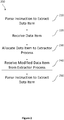
- Figure 2 is a flowchart illustrating an example method 200 by which extraction of data items is provided.
- the method 200 is performed by computer-readable instructions, e.g. software, for execution by one or more processors of one or more computing devices (e.g., the basic computing device 500 of Figure 4 ).
- the one or more computing devices are part of a data pipeline system 140.
- the method 200 begins at step 210, where an extractor manager (e.g., extractor manager 144) parses one or more extraction instructions. By parsing the one or more extraction instructions, the extractor manager 144 obtains information which can used to locate one or more data items (e.g., the location on the file storage system of data item 154-1), one or more data items (e.g., data item 154-1 itself), or both.
- the information used to locate one or more data items can take a variety of forms including, but not limited to, a location on a file storage system, a URI, a REST endpoint address, a SOAP endpoint address, a database access instruction (e.g., a SQL statement) and a memory address.
- the extraction instructions include an indication of the extractor type to be used
- the extractor manager 144 may determine the meaning of this indication from the parsed extraction instruction.
- This indication could come in a variety of formats.
- the indication is an identifier (e.g., a name or numerical key) that is understood by the extractor subsystem 142 to relate to a particular extractor type and/or group of extractor types known to the extractor system.
- the group of extractors could contain multiple versions of extractors for extracting data items in the same or similar formats.
- the group of extractor types is an 'extractor strategy'.
- An extractor strategy is an ordered list of extractor indicators. The extractor strategy indicates that the extractor subsystem 142 should first attempt to extract using the an extractor of the first extractor type (e.g. 148-1) in the list then, if that fails, the second and so on until extraction has been attempted by the last extractor in the list.
- an extractor strategy may specify that extraction should be performed using all of the extractor types indicated and their results compare and/or combined.
- the strategy may indicate that both an OCR extractor and a conventional text extractor should be run on a PDF file. The conventional text extractor result may be compared to the OCR extractor result.
- the likely more accurate conventional text extractor result is used. If they are largely similar then the likely more accurate conventional text extractor result is used. If the conventional text extractor result contains no content then the OCR extractor result is used. While if there is substantially different or more content in the OCR result, the results of both extractors are combined to use the more accurate conventional text extractor content except where content is only available in the OCR extractor.
- a data item 154 is received. If a location indicator was included in the extraction instruction, the data item 154 is retrieved from the relevant location by the extractor manager 144. If the data item 154 itself was included in the instruction, the data item is obtained by the extractor manager 144 from the instruction itself.
- the data item 154 is allocated to an extractor process 146.
- the extractor process 146 to which the item is allocated is determined by parsing the extraction instruction to determine the extractor type indicated and/or by the data item 154.
- the instruction may specify directly or indirectly the extractor process and/or the data item 154 may be of a type appropriate for a given extractor process 146.
- the extractor process 146 to which the data item 154 is allocated is determined according to the location of the data item and/or the contents of the data item.
- An extractor process 146 may be initialized by the extractor manager 144 immediately prior to allocation of the data item 154. In some embodiments, the extractor manager 144 terminates the extractor process 146 immediately on completion of the extraction. The extractor processes 146 may alternatively be kept alive by the extractor manager 144 for use by later extractions.
- the modified data item 164 is received by the extractor manager 144.
- the modified data item may be sent to the extractor manager 144 by the extractor process 146.
- the extractor process 146 may write the modified data item 164 to standard output where it can be read via standard input by the extractor manager 144.
- the contained extractor 148 may also write to a file or to a particular section of shared memory where it can be read by the extractor manager 144. Any other mechanism to transfer data items between processes may also be used here including inter-process communication, API calls, system calls, and network transfer protocols.
- the modified data item 164 is outputted by the extractor manager 144. In the context of a data pipeline system 140, this may involve transferring the modified data item 164 to the next stage in the data pipeline. This transfer may occur by any of the data item transfer mechanisms previously specified. Alternatively, the extraction subsystem 142 may write the modified data item 164 to a data storage medium such as the database 160 or the file storage system 150.
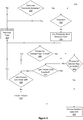
- Figure 3 is a flowchart illustrating an example implementation of step 230 of the preceding figure, as a sub method by which data items are allocated to extractor processes 146. It should be understood that any of the steps indicated by this Figure may be omitted and may be performed in a different order to that indicated. In particular, the selection of extractor type as described in steps 310 to 316, and the allocation of the process as described in steps 320 to 330 should be recognized as distinct aspects. It should also specifically be noted that any number of the checks described in 320 to 326 may be performed.
- the sub method 230 begins at step 310.
- the extractor manager 144 determines whether the data item 154 has been extracted before by checking for a database entry, e.g. the data item ID. Alternatively or additionally, the extractor manager 144 determines whether the data item 154 has been extracted by reading a list of data objects stored in the extractor manager 144 memory, reading the contents of a file, analyzing the metadata of the data item or analyzing the contents of the data item.
- the extractor manager 144 parses the instruction to determine whether an override flag is set. If the override flag has been set, the extractor type indicated by the extraction instruction is selected in step 314. Alternatively or in addition, the extractor type is selected based on any of the other factors previously mentioned such as the file type. The same occurs if the data item 154 has not been previously extracted.
- the extractor type used previously for the data item is selected.
- a record of which extractor type was used for each data item 154 is kept. This record is stored as a set of database entries and/or a file on the disk. Alternatively or in addition, the record may be stored as an in-memory object and/or as file metadata. Using the same extractor type for the same data item 154 may ensure that data associated with a section of the extracted data item remains associated with the same content.
- an annotation may be associated with a set of characters of the extracted data item 154 defined by a start and end position or, where the extracted data item is an image, a pixel location.
- the annotation may be associated with a particular column using its column name. If a different extractor type is used then the extracted data changed, the annotation would then be associated with the wrong content.
- the extractor manager 144 determines whether there is already a process 146 containing an extractor 148 of the selected type present in the extractor pool.
- the extractor pool is a set of previously initialized extractor processes 146. An extractor pool is beneficial as unnecessary initializations may be avoided.
- the extractor processes 146 in the pool may be initialized when extractions are carried out. This enables future extractions to reuse extractor processes initialized for an earlier extraction. Alternatively, they may be initialized preemptively. They may then be used multiple times for multiple extractions.
- the extractor manager 144 may initialize these processes unconditionally shortly after its own initialization. Alternatively or additionally, the extractor manager 144 may intelligently determine when it expects the extractor to be used and initialize the process shortly before it is needed.
- the extractor manager 144 may perform this intelligent determination by training a machine learning model, such as a neural network, on the historical logs of extractor usage. These logs may contain the order in which different extractors 148 have been used; the times at which different extractors have been used; and the individuals who have used these extractors.
- the extractor manager 144 determines whether any of these are currently available i.e. not being used for another extraction. The extractor manager 144 determines whether any such processes 146 are available by keeping a record of all of the processes 146 previously initialized, which of these are still alive, and which are in use. Alternatively or in addition, the extractor manager 144 determines the available processes using the relevant operating system functionality, e.g. the process manager. If an extractor process 146 containing an extractor 148 of the given type is present then execution passes to step 330.
- the extractor manager 144 determines whether the type process limit has been reached.
- the type process limit specifies the number of processes 146 containing an extractor 148 of a given type are allowed to be in the pool simultaneously. In some embodiments, this limit is fixed and is the same for each extractor type. It may alternatively be fixed on a per extractor type basis. Alternatively, the type process limit is set dynamically based on a range of factors. A dynamic process limit may be adjusted based on one, some or many factors. Some of these factors relate to computer system properties, e.g. the total and available number of processors, the total and available memory, the extractor processes running on the system and the network capacity.
- settings include the priority of the given extraction; the global priority of the selected extractor type; the priority of other processes currently running in the pool; and the global priority of the other extractor types currently present in the pool. If the type process limit has been reached, then execution returns to step 320.
- the extractor manager 144 determines whether the total process limit has been reached.
- the total process limit specifies the total number of extractor processes 146 that are allowed to be in the pool simultaneously. In simple embodiments, this limit is fixed. Alternatively, the total process limit is set dynamically based on a range of factors. A dynamic process limit may be adjusted based on a range of factors. Some of these factors relate to computer system properties. These properties include the total and available number of processors; the total and available memory; the other processes running on the system; and the network capacity. Other factors relate to various settings. These settings include the priority of the extraction system; the priority of other processes currently running in the pool; and the priority of the extractor processes currently present in the pool. If the total process limit has been reached, then execution returns to step 320.
- the extractor manager 144 creates a new extractor process containing an extractor of the selected type, and adds it to the pool. On creation of the process, the extractor manager 144 adds it to a process register maintained by the pool. Alternatively, the extractor manager 144 may use operating system functionality to determine what processes 146 are present in the pool.
- step 330 the data item 154 is received by either the available process of step 322 or the created process of step 328.
- the extractor 148 subsequently performs the extraction and the modified data item 164 is outputted by the extractor 148.
- the extractor manager 144 then resumes handling in step 240 of Figure 2 .
- step 320 by steps 324 and 326 may be understood as a simple queuing mechanism. This return ensures that the extractor manager 144 checks the conditions that would allow the data item 154 to be received by an extractor process 146 of the selected type until one of them is met. While, for simplicity of explanation, this is described by way of a simple polling mechanism, it should be noted that this functionality may be provided by any other suitable mechanism, such as an event queue or interrupts.
- the extractor processes 146 in the pool are actively managed by the extractor manager 144. This ensures that one of the conditions is eventually met and/or deadlock is avoided.
- the extractor manager 144 kills those processes that have critically malfunctioned and/or timed out, i.e. reached some time limit after a request has been made to them without outputting a modified data item 164 and/or responding to the extractor manager 144.
- the extractor manager 144 may then remove them from the process register.
- the extractor manager 144 kills extractor processes that have not been used for a given period, in order to free up system resources.
- FIG. 4 it is a block diagram that illustrates a basic computing device 500 in which software-implemented processes of the subject innovations may be embodied.
- Computing device 500 and its components, including their connections, relationships, and functions, is meant to be exemplary only, and not meant to limit implementations of the subject innovations.
- Other computing devices suitable for implementing the subject innovations may have different components, including components with different connections, relationships, and functions.
- Computing device 500 may include a bus 502 or other communication mechanism for addressing main memory 506 and for transferring data between and among the various components of device 500.
- Computing device 500 may also include one or more hardware processors 504 coupled with bus 502 for processing information.
- a hardware processor 504 may be a general purpose microprocessor, a system on a chip (SoC), or other processor suitable for implementing the subject innovations.
- SoC system on a chip
- Main memory 506 such as a random access memory (RAM) or other dynamic storage device, also may be coupled to bus 502 for storing information and instructions to be executed by processor(s) 504. Main memory 506 also may be used for storing temporary variables or other intermediate information during execution of software instructions to be executed by processor(s) 504.
- RAM random access memory
- Main memory 506 also may be used for storing temporary variables or other intermediate information during execution of software instructions to be executed by processor(s) 504.
- Such software instructions when stored in non-transitory storage media accessible to processor(s) 504, render computing device 500 into a special-purpose computing device that is customized to perform the operations specified in the instructions.
- the terms "instructions”, “software”, “software instructions”, “program”, “computer program”, “computer-executable instructions”, and “processor-executable instructions” are to be broadly construed to cover any machine-readable information, whether or not human-readable, for instructing a computing device to perform specific operations, and including, but not limited to, application software, desktop applications, scripts, binaries, operating systems, device drivers, boot loaders, shells, utilities, system software, JAVASCRIPT, web pages, web applications, plugins, embedded software, microcode, compilers, debuggers, interpreters, virtual machines, linkers, and text editors.
- Computing device 500 also may include read only memory (ROM) 508 or other static storage device coupled to bus 502 for storing static information and instructions for processor(s) 504.
- ROM read only memory
- static storage device coupled to bus 502 for storing static information and instructions for processor(s) 504.
- One or more mass storage devices 510 may be coupled to bus 502 for persistently storing information and instructions on fixed or removable media, such as magnetic, optical, solid-state, magnetic-optical, flash memory, or any other available mass storage technology.
- the mass storage may be shared on a network, or it may be dedicated mass storage.
- at least one of the mass storage devices 510 (e.g., the main hard disk for the device) stores a body of program and data for directing operation of the computing device, including an operating system, user application programs, driver and other support files, as well as other data files of all sorts.
- Computing device 500 may be coupled via bus 502 to display 512, such as a liquid crystal display (LCD) or other electronic visual display, for displaying information to a computer user.
- display 512 such as a liquid crystal display (LCD) or other electronic visual display, for displaying information to a computer user.
- a touch sensitive surface incorporating touch detection technology e.g., resistive, capacitive, etc.
- touch detection technology e.g., resistive, capacitive, etc.
- touch gesture e.g., finger or stylus
- An input device 514 may be coupled to bus 502 for communicating information and command selections to processor 504.
- input device 514 may include one or more physical buttons or switches such as, for example, a power (on/off) button, a "home” button, volume control buttons, or the like.
- cursor control 516 such as a mouse, a trackball, or cursor direction keys for communicating direction information and command selections to processor 504 and for controlling cursor movement on display 512.
- This input device typically has two degrees of freedom in two axes, a first axis (e.g., x) and a second axis (e.g., y), that allows the device to specify positions in a plane.
- one or more of display 512, input device 514, and cursor control 516 are external components (i.e., peripheral devices) of computing device 500, some or all of display 512, input device 514, and cursor control 516 are integrated as part of the form factor of computing device 500 in other configurations.
- Functions of the disclosed systems, methods, and modules may be performed by computing device 500 in response to processor(s) 504 executing one or more programs of software instructions contained in main memory 506. Such instructions may be read into main memory 506 from another storage medium, such as storage device(s) 510. Execution of the software program instructions contained in main memory 506 cause processor(s) 504 to perform the functions of the disclosed systems, methods, and modules.
- computing device 500 e.g., an ASIC, a FPGA, or the like
- computing device 500 may be used in place of or in combination with software instructions to perform the functions, according to the requirements of the particular implementation at hand.
- Non-volatile media includes, for example, non-volatile random access memory (NVRAM), flash memory, optical disks, magnetic disks, or solid-state drives, such as storage device 510.
- Volatile media includes dynamic memory, such as main memory 506.
- storage media include, for example, a floppy disk, a flexible disk, hard disk, solid-state drive, magnetic tape, or any other magnetic data storage medium, a CD-ROM, any other optical data storage medium, any physical medium with patterns of holes, a RAM, a PROM, and EPROM, a FLASH-EPROM, NVRAM, flash memory, any other memory chip or cartridge.
- Storage media is distinct from but may be used in conjunction with transmission media.
- Transmission media participates in transferring information between storage media.
- transmission media includes coaxial cables, copper wire and fiber optics, including the wires that comprise bus 502.
- transmission media can also take the form of acoustic or light waves, such as those generated during radio-wave and infra-red data communications.
- Various forms of media may be involved in carrying one or more sequences of one or more instructions to processor(s) 504 for execution.
- the instructions may initially be carried on a magnetic disk or solid-state drive of a remote computer.
- the remote computer can load the instructions into its dynamic memory and send the instructions over a telephone line using a modem.
- a modem local to computing device 500 can receive the data on the telephone line and use an infra-red transmitter to convert the data to an infra-red signal.
- An infra-red detector can receive the data carried in the infra-red signal and appropriate circuitry can place the data on bus 502.
- Bus 502 carries the data to main memory 506, from which processor(s) 504 retrieves and executes the instructions.
- the instructions received by main memory 506 may optionally be stored on storage device(s) 510 either before or after execution by processor(s) 504.
- Computing device 500 also may include one or more communication interface(s) 518 coupled to bus 502.
- a communication interface 518 provides a two-way data communication coupling to a wired or wireless network link 520 that is connected to a local network 522 (e.g., Ethernet network, Wireless Local Area Network, cellular phone network, Bluetooth wireless network, or the like).
- Communication interface 518 sends and receives electrical, electromagnetic, or optical signals that carry digital data streams representing various types of information.
- communication interface 518 may be a wired network interface card, a wireless network interface card with an integrated radio antenna, or a modem (e.g., ISDN, DSL, or cable modem).
- modem e.g., ISDN, DSL, or cable modem
- Network link(s) 520 typically provide data communication through one or more networks to other data devices.
- a network link 520 may provide a connection through a local network 522 to a host computer 524 or to data equipment operated by an Internet Service Provider (ISP) 526.
- ISP 526 in turn provides data communication services through the world wide packet data communication network now commonly referred to as the "Internet" 528.
- Internet 528 uses electrical, electromagnetic or optical signals that carry digital data streams.
- the signals through the various networks and the signals on network link(s) 520 and through communication interface(s) 518, which carry the digital data to and from computing device 500, are example forms of transmission media.
- Computing device 500 can send messages and receive data, including program code, through the network(s), network link(s) 520 and communication interface(s) 518.
- a server 530 might transmit a requested code for an application program through Internet 528, ISP 526, local network(s) 522 and communication interface(s) 518.
- the received code may be executed by processor 504 as it is received, and/or stored in storage device 510, or other non-volatile storage for later execution
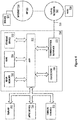
- FIG. 5 it is a block diagram that illustrates an example embodiment of the processor 504 upon which methods performing the subject innovations maybe executed.
- Processor 504 and its components, including their connections, relationships, and functions, is meant to be exemplary only, and not meant to limit implementations of the subject innovations.
- Other processors suitable for performing the relevant methods may have different components, including components with different connections, relationships, and functions.
- the central processing unit (CPU) 610 is the part of the processor that is responsible for the execution of code instructions and controlling the other modules of the processor 504.
- the CPU may also perform a wide array of other functions, such as interacting through the bus 502 with the other components of the computer system 500.
- the memory management unit (MMU) 620 is responsible for managing interactions between the CPU 610 and the main memory 506.
- the instructions of a computer process running on CPU 610 will contain references to virtual memory addresses rather than the physical address in main memory 506 where the process data is stored.
- the MMU 620 translates between these virtual addresses and the physical address in main memory needed to actually access the data.
- Virtual addresses are used for several reasons. First, a computer process is unlikely to know in advance where it will be stored in main memory 506. The use of virtual addresses allows the process to be stored anywhere in main memory 506. The memory assigned to a process is presented to it as a contiguous range known as a virtual address space. However, the physical addresses to which this virtual address space is assigned need not be contiguous. This allows it to use gaps between other processes in main memory. These sections may have previously been assigned to now closed processes.
- virtual addresses also allows the MMU 620 to provide memory protection.
- Memory protection refers to only allowing a process to access the section of physical memory assigned to its virtual address space.
- Using virtual addresses allows the MMU 620 to ensure that all of the virtual addresses are translated in to physical addresses that the process is allowed to access or, if an address outside the virtual address space is attempted to be accessed, return an error. This prevents processes from interfering with one other.
- mapping between virtual addresses and physical memory address is kept.
- This mapping is known as a page table as it is a mapping between small sections, known as pages, of physical and virtual memory.
- the page table could be kept in main memory 506.
- the MMU 620 would need to first access main memory to receive the relevant part of the page table.
- the correct physical address for the requested virtual address is then determined by the MMU 620.
- the memory access is then performed using the physical address. Requiring two main memory 506 accesses has a significant performance impact as accessing main memory is much slower than performing operations on the processor 504.
- the translation lookaside buffer (TLB) 630 is a small, fast cache for storing page table entries.
- the TLB is typically implemented as a content addressable memory but may be implemented using any suitably fast memory.
- the TLB 630 is typically not large enough to store all of the page table, or even the entire page table for a given process, it can store the parts of the page table that the MMU 620 expects to be used imminently.
- Various algorithms, with both hardware and software implementations, are known in the art to optimize which part of the page table is stored in the TLB 630.
- the mappings stored in the TLB 630 are used to translate from physical to virtual addresses without an additional main memory access.
- the MMU 620 attempts to access a virtual address whose mapping is not present in the TLB 630, the MMU 620 loads the relevant mapping from main memory 504.
- the relevant mapping is used by the MMU and/or stored in the TLB 630 for future use.
- FIG. 6 it is a diagram that illustrates an example embodiment of how an extractor subsystem (e.g., 142) is represented in virtual and physical memory. Alternatively or additionally, it could be considered to represent the state of virtual and physical memory while an extraction method (e.g., 200) relating to the subject innovations is being executed by a processor (e.g., 504) of a computing device (e.g., 500).
- a processor e.g., 504 of a computing device (e.g., 500).
- Virtual address spaces 712 and 714 of two extractor processes are shown.
- a virtual address space 716 of the extractor manager (e.g. 144) also is shown.
- These virtual address spaces 712, 714, 716 are mapped to locations in physical memory 728 by respective page tables 722, 724, 726.
- the page tables 722-726 indicate the page of the physical memory to which each page of virtual memory maps.
- the arrows from the virtual address spaces 712-716 to the page tables 722-726 illustrate from which page of the respective virtual address space the respective page table is mapping.
- the arrows from the page tables 722-726 to physical memory 728 illustrate to which pages of physical memory they are being mapped.
- the page tables may be stored in either or both of main memory 504 and the TLB 620.
- the provision of the virtual address spaces 712-716 prevents an extractor process from affecting the memory space of both the extractor manager 144 and another extractor process. This minimizes the probability that the critical malfunctioning of a particular extractor process will affect the extractor manager 144 or the other extractor processes.
- the extractor system is able to benefit from hardware adapted to these purposes, such the MMU 620 and the TLB 630. It is also able to benefit from the process management functionality of the operating system. By using these existing mechanisms, the extractor system is likely to have significantly improved performance and increased reliability compared with other methods of providing the foregoing benefits. It is also likely that the use of such mechanisms will substantially reduce the cost of implementing such an extractor system.
- any specific order or hierarchy of steps in the processes disclosed is an illustration of example approaches. Based upon design preferences, it is understood that the specific order or hierarchy of steps in the processes may be rearranged, or that all illustrated steps be performed. Some of the steps may be performed simultaneously. For example, in certain circumstances, multitasking and parallel processing may be advantageous. Moreover, the separation of various system components illustrated above should not be understood as requiring such separation, and it should be understood that the described program components and systems can generally be integrated together in a single software product or packaged into multiple software products.
- a phrase, for example, an "aspect”, an “embodiment”, a “configuration”, or an “implementation” does not imply that the aspect, the embodiment, the configuration, or the implementation is essential to the subject innovations or that the aspect, the embodiment, the configuration, or the implementation applies to all aspects, embodiments, configurations, or implementations of the subject innovations.
- a disclosure relating to an aspect, an embodiment, a configuration, or an implementation may apply to all aspects, embodiments, configurations, or implementations, or one or more aspects, embodiments, configurations, or implementations.
- a phrase, for example, an aspect, an embodiment, a configuration, or an implementation may refer to one or more aspects, embodiments, configurations, or implementations and vice versa.
Landscapes
- Engineering & Computer Science (AREA)
- Theoretical Computer Science (AREA)
- Physics & Mathematics (AREA)
- General Engineering & Computer Science (AREA)
- General Physics & Mathematics (AREA)
- Data Mining & Analysis (AREA)
- Databases & Information Systems (AREA)
- Information Retrieval, Db Structures And Fs Structures Therefor (AREA)
Abstract
Description
- The subject innovations relate to extractor systems for providing modified data items from input data items.
- Computers are very powerful tools for processing information. This information is likely to be of various types and formatted in numerous ways. In some circumstances, the provided information may not be in the desired form to be processed by some particular computerized system. A computerized extractor system is a useful mechanism for modifying the provided information so that it can be provided to the particular computerized system in the desired form. A typical extractor system is a computer program that receives data in one format and outputs it in another format.
- An extractor system is typically part of a data pipeline system. A typical data pipeline system is a collection of computer software scripts and programs for processing data extracted from "data sources" and for providing the processed data to "data sinks". A typical data pipeline system will also store the extracted data and/or some transformation of it.
- The approaches described in this section are approaches that could be pursued, but not necessarily approaches that have been previously conceived or pursued. Therefore, unless otherwise indicated, it should not be assumed that any of the approaches described in this section qualify as prior art merely by virtue of their inclusion in this section.
- A first aspect of the specification provides a data extracting system comprising:
- an extractor manager; and
- plural extractors, wherein each extractor is configured to modify input data items to provide modified output data items and wherein each extractor is contained within an extractor process that is distinct from one or more processes in which the extractor manager is contained, and
- parsing an instruction to perform extraction, the instruction relating to one or more data items;
- allocating, based on the instruction and/or the one or more data items, the one or more data items to one or more of the plurality of extractors;
- receiving one or more modified data items from the one or more of the plurality of extractors; and
- outputting the one or more modified data items.
- Each extractor may be contained within an extractor process that is distinct from processes in which other ones of the plural extractors are contained.
- The extractor manager may be configured to identify an extractor previously used for extracting a specific data item and to reuse said identified extractor for the same data item.
- One or more annotations may be associated with one or more sections of at least one of the modified data items from a previous extraction.
- The extractor manager may be configured to use an extractor process for multiple extractions.
- The extractor manager may be configured to create a number of processes based on number of processes/simultaneous multithreading capabilities of processor(s) and/or virtual machines.
- The extractor manager may be configured to limit resource e.g. memory, available to an extractor process.
- The processes maybe executed on hardware external to hardware on which the extractor manager is executed.
- The system may have hardware support for virtual addresses and process separation.
- The data extracting system may be configured to provide higher priority to the extractor manager than to extractor processes.
- The one or more computer programs may be configured not to reuse the extractor for the specific data item if an override flag is set.
- The one or more sections may be defined by one or more numerical values each relating to a location within the data item
- The location may be a character offset.
- A second aspect of the specification provides a method performed in a data extracting system having an extractor manager and plural extractors, each extractor is contained within an extractor process that is distinct from one or more processes in which the extractor manager is contained, the method comprising:
- each extractor modifying input data items to provide modified output data items,
- parsing an instruction to perform extraction, the instruction relating to one or more data items;
- allocating, based on the instruction and/or the one or more data items, the one or more data items to one or more of the plurality of extractors;
- receiving one or more modified data items from the one or more of the plurality of extractors; and
- outputting the one or more modified data items.
- Each extractor may be contained within an extractor process that is distinct from processes in which other ones of the plural extractors are contained.
- The method may comprise the extractor manager identifying an extractor previously used for extracting a specific data item and reusing said identified extractor for the same data item.
- One or more annotations may be associated with one or more sections of at least one of the modified data items from a previous extraction.
- A third aspect provides a computer program comprising instruction that when executed by a data extracting system having an extractor manager and plural extractors cause it to perform any method above.
- The features of the subject innovations are set forth in the appended claims. However, for purpose of explanation, several aspects of the disclosed subject matter are set forth in the following figures.
-
Figure 1 is a block diagram illustrating an example of a computer system configured to modify data items using extractors as part of a data processing pipeline, in accordance with example embodiments; -
Figure 2 is a flow diagram illustrating an example method by which extractor processes are used to modify data items, in accordance with example embodiments; -
Figure 3 is a flow diagram illustrating an example sub method by which data items are allocated to extractor processes, in accordance with example embodiments; -
Figure 4 is a schematic diagram of a computing device in which software-implemented processes of the example embodiments may be embodied; -
Figure 5 is a block diagram of components of an example processor suited to implement the methods of the example embodiments; and -
Figure 6 is a schematic diagram demonstrating how certain extractor system processes are represented in both physical and virtual memory. - The detailed description set forth below is intended as a description of various configurations of the subject innovations and is not intended to represent the only configurations in which the subject innovations may be practiced. The appended drawings are incorporated herein and constitute a part of the detailed description. The detailed description includes specific details for the purpose of providing a thorough understanding of the subject innovations. However, the subject innovations are not limited to the specific details set forth herein and may be practiced without these specific details. In some instances, some structures and components are shown in block diagram form in order to avoid obscuring the concepts of the subject innovations.
- For ease of explanation, the subject innovations are largely described in the context of a data pipeline system. It should, however, be recognized that these innovations are applicable in other contexts. Examples of such contexts include, but are not limited to, video processing, network management, and cryptography.
- As noted above, in a typical data pipeline system, data from various types of data items need to be extracted so that the data can be further processed and/or stored by the system. As used herein, the term "extract" and its variants refer to outputting a modified data item based on a data item input where the modified data item is suitable for further processing and/or storage by the data pipeline system. Similarly, an "extractor" refers to computer software for extraction, as defined above. The types of inputted data items may include one or more of documents, in a variety of formats, images and spreadsheets. The types of the outputted modified data items may include one or more of text data, numerical data and compressed representations.
- While extractors are essential components in many data pipeline systems, they are often unreliable aspects of such systems and are prone to critical malfunctioning. One reason for their unreliability is that data items may be corrupted or otherwise may not comply with the relevant specification. An extractor engineer can be aware of these potential problems and attempt to handle them in the configuration of the extractor. It is, however, incredibly difficult, if not impossible, for an extractor to handle all such potential problems satisfactorily. It should also be noted that such critical malfunctioning of the extractor has the potential to cause critical malfunctioning of other components of the data pipeline system.
- These problems may be exacerbated by the need for frequent changes to the extractors due to both changes in the specifications of data item types and the desired output. Such changes are common. There is also a need to rapidly support new data item formats.
- Extractors are, therefore, commonly built and/or modified in short time frames. This is likely to increase the probability of software bugs. Furthermore, error handling functionality is often viewed as a secondary concern so it is unlikely that satisfactory error handling functionality will have been implemented and tested within these short time frames. As the foregoing illustrates, an approach for satisfactorily handling the critical malfunctioning of extractors may be desirable.
- The subject innovations relate to providing an extracting system that is able to satisfactorily handle the critical malfunctioning of one or more extractors within the extracting system. A server may receive a request to extract data from one or more data items. For example, on receiving a user instruction, a client application may make an application programming interface (API) call to the server requesting that these extractions be performed. The server may then forward this request to a data pipeline system that contains an extracting system. The extracting system includes an extractor management program. The extractor management program requests, and subsequently receives, the one or more data items from the file storage system. These data items are then allocated to one or more processes, either spawned at this time or spawned previously, each containing at least one extractor. These extractors then perform the extraction. For example, the extraction may involve receiving a scanned document, performing optical character recognition on the document and outputting the generated text. The extractor management program then receives one or more modified data items from each of the one or more processes. The extractor management program then outputs the one or more modified data items. While reference has been made to an extractor management program', the relevant functionality may alternatively be implemented by multiple computer programs.
- It is important to highlight that the term 'process' refers to a computer process, as is common nomenclature in the art, rather than its plain meaning. A process includes executable machine code that is associated with a program. Memory is assigned to the process. The assigned memory typically is allocated as virtual memory. Virtual memory is an abstraction that presents a, typically distinct, contiguous address space to each process which is mapped on to a portion of main memory and/or other computer storage. By presenting virtual memory rather than physical memory to a process, a process is prohibited from writing to the portions of main memory assigned to other processes except through prescribed mechanisms. A process also includes or is associated with an operating system handle. This handle enables the operating system to monitor and manage the process. It may also enable the operating system to kill the process for any reason. This functionality has particular utility when a process is critically malfunctioning. Many processors and operating systems provide hardware and software support, respectively, for at least several of the above features of a process. Exploiting such functionality, particularly in the context of software components, such as extractors that are prone to critical malfunctioning, can therefore be advantageous.
- In some implementations, the extractor management program may use the process management functionality of the operating system to kill the extractor processes that are critically malfunctioning. The extractor management program may also preemptively kill extractor processes that are taking longer than a specified time period to complete an extraction as this may be indicative of a malfunction. In certain circumstances, extractor processes may also self-terminate. In this case, the extractor management program detects the termination of the extractor process.
- Optionally, the extractor management program may include functionality for reattempting failed extractions. After killing the extractor process and/or detecting that the process has died, the extractor management program may reattempt the extraction by reallocating the data item to another extractor process. These reattempts and reallocations may be performed several times and, in theory, could be repeated ad infinitum. Practically, success with a given extractor on a given data item is highly unlikely after multiple reattempts and reallocations. It may, therefore, be desirable to limit the number of reattempts and reallocations to a given threshold. Alternatively or in addition to reattempting the extraction, the extractor management program may report the failure to the data pipeline system.
- Despite the foregoing benefits, there may be costs associated with the subject innovations. An example of such a cost may be the overheads involved in process creation. In one implementation, one or more extractor processes may be kept alive and used for multiple extractions. Such an implementation may ameliorate this drawback by reducing the number of processes that need to be created.
- The containment of the extractors within processes may also enable the extractors to have conflicting dependencies, e.g. depend on two different versions of the same software library. One instance where such functionality may be advantageous is where there is a requirement to use two versions of the same extractor. Another instance is where the extractors depend on different versions of one or more frameworks. This may be because the extractors vary considerably in age with the initial implementation of one extractor beginning or otherwise taking place significantly before one or more other extractors.
-
Figure 1 illustrates an example of acomputer system 100 configured to perform extraction. As shown, thecomputer system 100 includes aclient computing device 112 used by a human user 110, aserver 130, adata pipeline system 140, afile storage system 150 and adatabase 160. Theclient computing device 112 and theserver 130 may be configured to communicate with one another via anetwork 120. Thenetwork 120 may include the Internet, an intranet, a local area network, a wide area network, a wired network, a wireless network, and a virtual private network (VPN). For ease of understanding, various components of the system have each been described with reference to one or more computing devices. It should be noted that, in same embodiments, any number of these components may be collocated on the same computing device. - The
client computing device 112 may for instance be a laptop computer, a desktop computer, a mobile phone, a personal digital assistant (PDA), a tablet computer, a netbook, a television with one or more processors, embedded therein or coupled thereto, a physical machine or a virtual machine. Theclient computing device 112 may include one or more of a keyboard, a mouse, adisplay 114, or a touch screen (of which display 114 may be a part of). For example, theclient computing device 112 may be composed of hardware components like those of basic computing device 500 described below with respect toFigure 4 . Theclient computing device 112 may also include a web browser or a client application configured to display, in agraphical user interface 116 of theclient computing device 112display 114, a computer program for performing extractions. Such a computer program may allow the user to indicate thedata items 154 for extractions and where the modifieddata item 164 should be stored. It may also allow the user to specify other operations that should be performed by thedata pipeline system 140. Thegraphical user interface 116 may be a web browser window, a client application window, an operating system window, an integrated development environment window, a virtual terminal window or other computer graphical user interface window. While only one user 110 and oneclient computing device 112 are illustrated inFigure 1 , the subject innovations may be implemented in conjunction with one or more users 110 and one or moreclient computing devices 112. - The
server 130 may include a data pipeline system control module which is capable of receiving instructions for extraction from aclient device 112 and requesting that thedata pipeline system 140 perform the extraction. Theserver 130 may be implemented as a single server computing device or as multiple server computing devices arranged in a distributed or clustered computing arrangement. Each such server computing device may be composed of hardware components like those of basic computing device 500 described below with respect toFigure 4 . - The
server 130 may include one or more processors (e.g., CPUs), a network interface, and memory. The processor(s) may be configured to execute computer instructions that are stored in one or more computer-readable media, for example, the memory of theserver 130. Theserver 130 may include a network interface that is configured to allow theserver 130 to transmit and receive data in a network, e.g.,network 120 ofFigure 1 . The network interface may include one or more network interface cards (NICs). The memory of theserver 130 may store data or instructions. The instructions stored in the memory may include the data pipeline system control module. - The
data pipeline system 140 includes anextractor subsystem 142, which is configured to derive modifieddata items 164 frominput data items 154. In this representative embodiment, the input data items are contained and received from thefile storage system 150 and the modified data items are stored in thedatabase 160. However, either or both of theinput data items 154 and the modifieddata items 164 may instead be present, retrieved from and/or stored to, any of the computing devices of thecomputer system 100. For example, theinput data items 154 may be present on and received from thedatabase 160. They may also be present on, retrieved from and/or stored to any computing device or storage medium accessible, directly or indirectly, by thedata pipeline system 140. - The
extractor subsystem 142 contains an extractor manager 144 configured to create and/or manage one or more extractor processes 146. Each of these extractor processes contains one or more extractors 148, which are software components configured to perform extraction. As part of this management functionality, the extractor manager 144 may have functionality, or use relevant operating system functionality, to kill extractor processes and/or determine which extractor processes have died. It may also be capable of detecting one or more other conditions that are indicative of the failure of a extractor process failing such as taking an above threshold time to complete extraction, excessive processor usage and excessive memory usage. The extractor manager 144 may parse extraction instruction then cause extractor processes 146 to extract the data items specified by said extraction instruction. The extractor processes 146 then use the respective extractors 148 to perform the extraction and output its result. This result may be received by the extractor manager 144. It may then be outputted to the remainder of thedata pipeline system 140 and/or stored. - The extractor manager 144 may also limit the system resources, such as memory and/or CPU cycles, available to each of the extractor processes 146. This may prevent the situation where excessive resource usage by a given extractor process causes other processes, such as other extractors and the extractor manager 144, on the system to significantly slow and/or fail. The system resources available to each
extractor process 146 may be limited using appropriate operating system functionality. Alternatively or in addition, the system resources may be limited by passing parameters to the software platform, e.g. the Java Virtual Machine (JVM), upon which the extractor 148 runs and/or the extractor 148 itself may limit the amount of resources according to a parameter received from the extractor manager 144. - In the embodiment illustrated, each
extractor process 146 contains one extractor 148. This embodiment is illustrated as it prevents the failure of any one extractor causing the critical malfunctioning of any other extractor. It should, however, be recognized that one or more of the extractor processes 146 may contain a plurality of extractors 148. For example, oneextractor process 146 may contain several distinct extractors 148 that are less prone to critical malfunctioning such as text extractors for Word and PDF formats. Anotherextractor process 146 may contain an OCR extractor that is more prone to critical malfunctioning. In this way, theextractor subsystem 142 requires fewer processes while still segregating extractors that are likely to malfunction from the rest of the system. In addition or alternatively, theextractor process 146 that a given extractor 148 is contained within may be determined by the software platform, e.g. Java, .NET or Python, upon which it runs. This would provide segregation between the extractors 148 running on these different software platforms while not requiring that multiple instances of these platforms, which consume significant resources, be initialized. - Optionally, each
extractor process 146 may also have a plurality of threads. The plurality of threads may be used by one extractor 148 or by multiple extractors. These threads may allow multiple operations to be carried out simultaneously by different CPUs and/or simultaneous multithreading capabilities of the CPU without the overhead of process creation. Such threads are likely to be implemented as native operating system threads. Alternatively, the threads may be implemented as green threads which are scheduled using a software platform such as the JVM. - The
data pipeline system 140 may be implemented as a single server computing device or as multiple server computing devices arranged in a distributed or clustered computing arrangement. Each such server computing device may be composed of hardware components like those of basic computing device 500 described below with respect toFigure 4 . - The
data pipeline system 140 may include one or more processors (e.g., CPUs), a network interface, and memory. The processor(s) may be configured to execute computer instructions that are stored in one or more computer-readable media, for example, the memory of thedata pipeline system 140. Thedata pipeline system 140 may include a network interface that is configured to allow thedata pipeline system 140 to transmit and receive data in a network, e.g., a network connecting thedata pipeline system 140 and thefile storage system 150 and a network connecting thedata pipeline system 150 to thedatabase 160, which maybe the same or different network as the network that connects thedata pipeline system 150 and thefile storage system 140. The network interface may include one or more network interface cards (NICs). - The
file storage system 150 may include afile server module 152 for storing and retrievingdata items 154. Thefile storage system 150 may be implemented as a single server computing device or as multiple server computing devices arranged in a distributed or clustered computing arrangement. Each such server computing device may be composed of hardware components like those of basic computing device 500 described below with respect toFigure 4 . - The
file storage system 150 may include one or more processors (e.g., CPUs), a network interface, and memory. The processor(s) may be configured to execute computer instructions that are stored in one or more computer-readable media, for example, the memory of thefile storage system 150. Thefile storage system 150 may include a network interface that is configured to allow thefile storage system 150 to transmit and receive data in one or more networks, e.g., a network connecting theserver 130 and thefile storage system 150 and a network connecting thedata pipeline system 140 to thefile storage system 150, which may be the same or different network as the network that connects theserver 130 and thefile storage system 150. The network interface may include one or more network interface cards (NICs). The memory of thefile storage system 150 may store data or instructions. The instructions stored in the memory may include thefile server module 152. - The
database 160 may include a database server module i62for storing and retrieving database data including modifieddata items 164. Thedatabase 160 may be implemented as a single server computing device or as multiple server computing devices arranged in a distributed or clustered computing arrangement. Each such server computing device may be composed of hardware components like those of basic computing device 500 described below with respect toFigure 4 . - The
database 160 may include one or more processors (e.g., CPUs), a network interface, and memory. The processor(s) may be configured to execute computer instructions that are stored in one or more computer-readable media, for example, the memory of thedatabase 160. Thedatabase 160 may include a network interface that is configured to allow thedatabase 160 to transmit and receive data in one or more networks, e.g., a network connecting theserver 130 and thedatabase 160 and a network connecting thedata pipeline system 140 to thedatabase 160, which may be the same or different network as the network that connects theserver 130 and thedatabase 160. The network interface may include one or more network interface cards (NICs). The memory of thedatabase 160 may store data or instructions. The instructions stored in the memory may include thedatabase server module 162. - The
data items 154 may be computer files of the same or different types. These types of files may include but are not limited to images, word processor documents, document presentation formats, spreadsheets, slideshows, videos, archives, code, text, numerical data formats, markup language and encrypted data files. Thedata items 154 may also be fragments of files. For example, thedata items 154 could be spreadsheet rows, a slideshow slide or a video frame. Thedata items 154 may also be rows of a database table, or entries contained in a document-oriented or objected-oriented database. The data items may also be in-memory objects. It should be recognized that the types ofdata items 154 are not limited to only one of the preceding categories and could be any number or combination of these categories. For example, some portion of the data items could be files and some other portion could be database rows. The types of the modifieddata items 164 could be any number of the types specified above. In addition, a modified data item could be an encrypted or decrypted rendition of the corresponding input data item or some portion of it. -
Figure 2 is a flowchart illustrating anexample method 200 by which extraction of data items is provided. Themethod 200 is performed by computer-readable instructions, e.g. software, for execution by one or more processors of one or more computing devices (e.g., the basic computing device 500 ofFigure 4 ). In one embodiment, the one or more computing devices are part of adata pipeline system 140. - The
method 200 begins atstep 210, where an extractor manager (e.g., extractor manager 144) parses one or more extraction instructions. By parsing the one or more extraction instructions, the extractor manager 144 obtains information which can used to locate one or more data items (e.g., the location on the file storage system of data item 154-1), one or more data items (e.g., data item 154-1 itself), or both. The information used to locate one or more data items can take a variety of forms including, but not limited to, a location on a file storage system, a URI, a REST endpoint address, a SOAP endpoint address, a database access instruction (e.g., a SQL statement) and a memory address. - In some embodiments, the extraction instructions include an indication of the extractor type to be used The extractor manager 144 may determine the meaning of this indication from the parsed extraction instruction. This indication could come in a variety of formats. In some embodiments, the indication is an identifier (e.g., a name or numerical key) that is understood by the
extractor subsystem 142 to relate to a particular extractor type and/or group of extractor types known to the extractor system. The group of extractors could contain multiple versions of extractors for extracting data items in the same or similar formats. - In some embodiments, the group of extractor types is an 'extractor strategy'. An extractor strategy is an ordered list of extractor indicators. The extractor strategy indicates that the
extractor subsystem 142 should first attempt to extract using the an extractor of the first extractor type (e.g. 148-1) in the list then, if that fails, the second and so on until extraction has been attempted by the last extractor in the list. Alternatively, an extractor strategy may specify that extraction should be performed using all of the extractor types indicated and their results compare and/or combined. For example, the strategy may indicate that both an OCR extractor and a conventional text extractor should be run on a PDF file. The conventional text extractor result may be compared to the OCR extractor result. If they are largely similar then the likely more accurate conventional text extractor result is used. If the conventional text extractor result contains no content then the OCR extractor result is used. While if there is substantially different or more content in the OCR result, the results of both extractors are combined to use the more accurate conventional text extractor content except where content is only available in the OCR extractor. - In
step 220, adata item 154 is received. If a location indicator was included in the extraction instruction, thedata item 154 is retrieved from the relevant location by the extractor manager 144. If thedata item 154 itself was included in the instruction, the data item is obtained by the extractor manager 144 from the instruction itself. - In
step 230, thedata item 154 is allocated to anextractor process 146. Theextractor process 146 to which the item is allocated is determined by parsing the extraction instruction to determine the extractor type indicated and/or by thedata item 154. For example, the instruction may specify directly or indirectly the extractor process and/or thedata item 154 may be of a type appropriate for a givenextractor process 146. Alternatively or additionally, theextractor process 146 to which thedata item 154 is allocated is determined according to the location of the data item and/or the contents of the data item. - An
extractor process 146 may be initialized by the extractor manager 144 immediately prior to allocation of thedata item 154. In some embodiments, the extractor manager 144 terminates theextractor process 146 immediately on completion of the extraction. The extractor processes 146 may alternatively be kept alive by the extractor manager 144 for use by later extractions. - In
step 240, the modifieddata item 164 is received by the extractor manager 144. The modified data item may be sent to the extractor manager 144 by theextractor process 146. For example, theextractor process 146 may write the modifieddata item 164 to standard output where it can be read via standard input by the extractor manager 144. The contained extractor 148 may also write to a file or to a particular section of shared memory where it can be read by the extractor manager 144. Any other mechanism to transfer data items between processes may also be used here including inter-process communication, API calls, system calls, and network transfer protocols. - In
step 250, the modifieddata item 164 is outputted by the extractor manager 144. In the context of adata pipeline system 140, this may involve transferring the modifieddata item 164 to the next stage in the data pipeline. This transfer may occur by any of the data item transfer mechanisms previously specified. Alternatively, theextraction subsystem 142 may write the modifieddata item 164 to a data storage medium such as thedatabase 160 or thefile storage system 150. -
Figure 3 is a flowchart illustrating an example implementation ofstep 230 of the preceding figure, as a sub method by which data items are allocated to extractor processes 146. It should be understood that any of the steps indicated by this Figure may be omitted and may be performed in a different order to that indicated. In particular, the selection of extractor type as described insteps 310 to 316, and the allocation of the process as described insteps 320 to 330 should be recognized as distinct aspects. It should also specifically be noted that any number of the checks described in 320 to 326 may be performed. - The
sub method 230 begins atstep 310. Instep 310, the extractor manager 144 determines whether thedata item 154 has been extracted before by checking for a database entry, e.g. the data item ID. Alternatively or additionally, the extractor manager 144 determines whether thedata item 154 has been extracted by reading a list of data objects stored in the extractor manager 144 memory, reading the contents of a file, analyzing the metadata of the data item or analyzing the contents of the data item. - If the
data item 154 has been extracted beforehand, instep 312, the extractor manager 144 parses the instruction to determine whether an override flag is set. If the override flag has been set, the extractor type indicated by the extraction instruction is selected in step 314. Alternatively or in addition, the extractor type is selected based on any of the other factors previously mentioned such as the file type. The same occurs if thedata item 154 has not been previously extracted. - If the
data item 154 has been previously extracted and the override flag has not been set then, instep 316, the extractor type used previously for the data item is selected. For the extractor manager 144 to determine which extractor type was used previously, a record of which extractor type was used for eachdata item 154 is kept. This record is stored as a set of database entries and/or a file on the disk. Alternatively or in addition, the record may be stored as an in-memory object and/or as file metadata. Using the same extractor type for thesame data item 154 may ensure that data associated with a section of the extracted data item remains associated with the same content. For example, an annotation may be associated with a set of characters of the extracteddata item 154 defined by a start and end position or, where the extracted data item is an image, a pixel location. Alternatively, where the extracteddata item 154 is a database record, the annotation may be associated with a particular column using its column name. If a different extractor type is used then the extracted data changed, the annotation would then be associated with the wrong content. - In
step 320, the extractor manager 144 determines whether there is already aprocess 146 containing an extractor 148 of the selected type present in the extractor pool. The extractor pool is a set of previously initialized extractor processes 146. An extractor pool is beneficial as unnecessary initializations may be avoided. - The extractor processes 146 in the pool may be initialized when extractions are carried out. This enables future extractions to reuse extractor processes initialized for an earlier extraction. Alternatively, they may be initialized preemptively. They may then be used multiple times for multiple extractions. The extractor manager 144 may initialize these processes unconditionally shortly after its own initialization. Alternatively or additionally, the extractor manager 144 may intelligently determine when it expects the extractor to be used and initialize the process shortly before it is needed. The extractor manager 144 may perform this intelligent determination by training a machine learning model, such as a neural network, on the historical logs of extractor usage. These logs may contain the order in which different extractors 148 have been used; the times at which different extractors have been used; and the individuals who have used these extractors.
- If at least one
extractor process 146 containing an extractor 148 of the selected type is present in the pool then, instep 322, the extractor manager 144 determines whether any of these are currently available i.e. not being used for another extraction. The extractor manager 144 determines whether anysuch processes 146 are available by keeping a record of all of theprocesses 146 previously initialized, which of these are still alive, and which are in use. Alternatively or in addition, the extractor manager 144 determines the available processes using the relevant operating system functionality, e.g. the process manager. If anextractor process 146 containing an extractor 148 of the given type is present then execution passes to step 330. - If there are no
available processes 146 containing an extractor 148 of the selected type then, instep 324, the extractor manager 144 determines whether the type process limit has been reached. The type process limit specifies the number ofprocesses 146 containing an extractor 148 of a given type are allowed to be in the pool simultaneously. In some embodiments, this limit is fixed and is the same for each extractor type. It may alternatively be fixed on a per extractor type basis. Alternatively, the type process limit is set dynamically based on a range of factors. A dynamic process limit may be adjusted based on one, some or many factors. Some of these factors relate to computer system properties, e.g. the total and available number of processors, the total and available memory, the extractor processes running on the system and the network capacity. Other factors relate to various settings. These settings include the priority of the given extraction; the global priority of the selected extractor type; the priority of other processes currently running in the pool; and the global priority of the other extractor types currently present in the pool. If the type process limit has been reached, then execution returns to step 320. - If the type process limit has not been reached then, in
step 326, the extractor manager 144 determines whether the total process limit has been reached. The total process limit specifies the total number of extractor processes 146 that are allowed to be in the pool simultaneously. In simple embodiments, this limit is fixed. Alternatively, the total process limit is set dynamically based on a range of factors. A dynamic process limit may be adjusted based on a range of factors. Some of these factors relate to computer system properties. These properties include the total and available number of processors; the total and available memory; the other processes running on the system; and the network capacity. Other factors relate to various settings. These settings include the priority of the extraction system; the priority of other processes currently running in the pool; and the priority of the extractor processes currently present in the pool. If the total process limit has been reached, then execution returns to step 320. - If the total process has not been reached then, in
step 328, the extractor manager 144 creates a new extractor process containing an extractor of the selected type, and adds it to the pool. On creation of the process, the extractor manager 144 adds it to a process register maintained by the pool. Alternatively, the extractor manager 144 may use operating system functionality to determine what processes 146 are present in the pool. - In
step 330, thedata item 154 is received by either the available process ofstep 322 or the created process ofstep 328. The extractor 148 subsequently performs the extraction and the modifieddata item 164 is outputted by the extractor 148. The extractor manager 144 then resumes handling instep 240 ofFigure 2 . - The return of execution to step 320 by
steps data item 154 to be received by anextractor process 146 of the selected type until one of them is met. While, for simplicity of explanation, this is described by way of a simple polling mechanism, it should be noted that this functionality may be provided by any other suitable mechanism, such as an event queue or interrupts. - The extractor processes 146 in the pool are actively managed by the extractor manager 144. This ensures that one of the conditions is eventually met and/or deadlock is avoided. The extractor manager 144 kills those processes that have critically malfunctioned and/or timed out, i.e. reached some time limit after a request has been made to them without outputting a modified
data item 164 and/or responding to the extractor manager 144. The extractor manager 144 may then remove them from the process register. In addition or alternatively, the extractor manager 144 kills extractor processes that have not been used for a given period, in order to free up system resources. - Referring now to
Figure 4 , it is a block diagram that illustrates a basic computing device 500 in which software-implemented processes of the subject innovations may be embodied. Computing device 500 and its components, including their connections, relationships, and functions, is meant to be exemplary only, and not meant to limit implementations of the subject innovations. Other computing devices suitable for implementing the subject innovations may have different components, including components with different connections, relationships, and functions. - Computing device 500 may include a
bus 502 or other communication mechanism for addressingmain memory 506 and for transferring data between and among the various components of device 500. - Computing device 500 may also include one or
more hardware processors 504 coupled withbus 502 for processing information. Ahardware processor 504 may be a general purpose microprocessor, a system on a chip (SoC), or other processor suitable for implementing the subject innovations. -
Main memory 506, such as a random access memory (RAM) or other dynamic storage device, also may be coupled tobus 502 for storing information and instructions to be executed by processor(s) 504.Main memory 506 also may be used for storing temporary variables or other intermediate information during execution of software instructions to be executed by processor(s) 504. - Such software instructions, when stored in non-transitory storage media accessible to processor(s) 504, render computing device 500 into a special-purpose computing device that is customized to perform the operations specified in the instructions. The terms "instructions", "software", "software instructions", "program", "computer program", "computer-executable instructions", and "processor-executable instructions" are to be broadly construed to cover any machine-readable information, whether or not human-readable, for instructing a computing device to perform specific operations, and including, but not limited to, application software, desktop applications, scripts, binaries, operating systems, device drivers, boot loaders, shells, utilities, system software, JAVASCRIPT, web pages, web applications, plugins, embedded software, microcode, compilers, debuggers, interpreters, virtual machines, linkers, and text editors.
- Computing device 500 also may include read only memory (ROM) 508 or other static storage device coupled to
bus 502 for storing static information and instructions for processor(s) 504. - One or more
mass storage devices 510 may be coupled tobus 502 for persistently storing information and instructions on fixed or removable media, such as magnetic, optical, solid-state, magnetic-optical, flash memory, or any other available mass storage technology. The mass storage may be shared on a network, or it may be dedicated mass storage. Typically, at least one of the mass storage devices 510 (e.g., the main hard disk for the device) stores a body of program and data for directing operation of the computing device, including an operating system, user application programs, driver and other support files, as well as other data files of all sorts. - Computing device 500 may be coupled via
bus 502 to display 512, such as a liquid crystal display (LCD) or other electronic visual display, for displaying information to a computer user. In some configurations, a touch sensitive surface incorporating touch detection technology (e.g., resistive, capacitive, etc.) may be overlaid ondisplay 512 to form a touch sensitive display for communicating touch gesture (e.g., finger or stylus) input to processor(s) 504. - An
input device 514, including alphanumeric and other keys, may be coupled tobus 502 for communicating information and command selections toprocessor 504. In addition to or instead of alphanumeric and other keys,input device 514 may include one or more physical buttons or switches such as, for example, a power (on/off) button, a "home" button, volume control buttons, or the like. - Another type of user input device may be a
cursor control 516, such as a mouse, a trackball, or cursor direction keys for communicating direction information and command selections toprocessor 504 and for controlling cursor movement ondisplay 512. This input device typically has two degrees of freedom in two axes, a first axis (e.g., x) and a second axis (e.g., y), that allows the device to specify positions in a plane. - While in some configurations, such as the configuration depicted in
Figure 5 , one or more ofdisplay 512,input device 514, andcursor control 516 are external components (i.e., peripheral devices) of computing device 500, some or all ofdisplay 512,input device 514, andcursor control 516 are integrated as part of the form factor of computing device 500 in other configurations. - Functions of the disclosed systems, methods, and modules may be performed by computing device 500 in response to processor(s) 504 executing one or more programs of software instructions contained in
main memory 506. Such instructions may be read intomain memory 506 from another storage medium, such as storage device(s) 510. Execution of the software program instructions contained inmain memory 506 cause processor(s) 504 to perform the functions of the disclosed systems, methods, and modules. - While in some implementations, functions of the disclosed systems and methods are implemented entirely with software instructions, hard-wired or programmable circuitry of computing device 500 (e.g., an ASIC, a FPGA, or the like) may be used in place of or in combination with software instructions to perform the functions, according to the requirements of the particular implementation at hand.
- The term "storage media" as used herein refers to any non-transitory media that store data and/or instructions that cause a computing device to operate in a specific fashion. Such storage media may comprise non-volatile media and/or volatile media. Non-volatile media includes, for example, non-volatile random access memory (NVRAM), flash memory, optical disks, magnetic disks, or solid-state drives, such as
storage device 510. Volatile media includes dynamic memory, such asmain memory 506. Common forms of storage media include, for example, a floppy disk, a flexible disk, hard disk, solid-state drive, magnetic tape, or any other magnetic data storage medium, a CD-ROM, any other optical data storage medium, any physical medium with patterns of holes, a RAM, a PROM, and EPROM, a FLASH-EPROM, NVRAM, flash memory, any other memory chip or cartridge. - Storage media is distinct from but may be used in conjunction with transmission media. Transmission media participates in transferring information between storage media. For example, transmission media includes coaxial cables, copper wire and fiber optics, including the wires that comprise
bus 502. Transmission media can also take the form of acoustic or light waves, such as those generated during radio-wave and infra-red data communications. - Various forms of media may be involved in carrying one or more sequences of one or more instructions to processor(s) 504 for execution. For example, the instructions may initially be carried on a magnetic disk or solid-state drive of a remote computer. The remote computer can load the instructions into its dynamic memory and send the instructions over a telephone line using a modem. A modem local to computing device 500 can receive the data on the telephone line and use an infra-red transmitter to convert the data to an infra-red signal. An infra-red detector can receive the data carried in the infra-red signal and appropriate circuitry can place the data on
bus 502.Bus 502 carries the data tomain memory 506, from which processor(s) 504 retrieves and executes the instructions. The instructions received bymain memory 506 may optionally be stored on storage device(s) 510 either before or after execution by processor(s) 504. - Computing device 500 also may include one or more communication interface(s) 518 coupled to
bus 502. Acommunication interface 518 provides a two-way data communication coupling to a wired orwireless network link 520 that is connected to a local network 522 (e.g., Ethernet network, Wireless Local Area Network, cellular phone network, Bluetooth wireless network, or the like).Communication interface 518 sends and receives electrical, electromagnetic, or optical signals that carry digital data streams representing various types of information. For example,communication interface 518 may be a wired network interface card, a wireless network interface card with an integrated radio antenna, or a modem (e.g., ISDN, DSL, or cable modem). - Network link(s) 520 typically provide data communication through one or more networks to other data devices. For example, a
network link 520 may provide a connection through alocal network 522 to ahost computer 524 or to data equipment operated by an Internet Service Provider (ISP) 526.ISP 526 in turn provides data communication services through the world wide packet data communication network now commonly referred to as the "Internet" 528. Local network(s) 522 andInternet 528 use electrical, electromagnetic or optical signals that carry digital data streams. The signals through the various networks and the signals on network link(s) 520 and through communication interface(s) 518, which carry the digital data to and from computing device 500, are example forms of transmission media. - Computing device 500 can send messages and receive data, including program code, through the network(s), network link(s) 520 and communication interface(s) 518. In the Internet example, a
server 530 might transmit a requested code for an application program throughInternet 528,ISP 526, local network(s) 522 and communication interface(s) 518. - The received code may be executed by
processor 504 as it is received, and/or stored instorage device 510, or other non-volatile storage for later execution - The above-described basic computer hardware is presented for purpose of illustrating the basic underlying computer components that may be employed for implementing the subject innovations. The subject innovations, however, are not necessarily limited to any particular computing environment or computing device configuration. Instead, the subject innovations maybe implemented in any type of system architecture or processing environment that one skilled in the art, in light of this disclosure, would understand as capable of supporting the features and functions of the subject innovations as presented herein.
- Referring now to
Figure 5 , it is a block diagram that illustrates an example embodiment of theprocessor 504 upon which methods performing the subject innovations maybe executed.Processor 504 and its components, including their connections, relationships, and functions, is meant to be exemplary only, and not meant to limit implementations of the subject innovations. Other processors suitable for performing the relevant methods may have different components, including components with different connections, relationships, and functions. - The central processing unit (CPU) 610 is the part of the processor that is responsible for the execution of code instructions and controlling the other modules of the
processor 504. The CPU may also perform a wide array of other functions, such as interacting through thebus 502 with the other components of the computer system 500. - The memory management unit (MMU) 620 is responsible for managing interactions between the
CPU 610 and themain memory 506. The instructions of a computer process running onCPU 610 will contain references to virtual memory addresses rather than the physical address inmain memory 506 where the process data is stored. TheMMU 620 translates between these virtual addresses and the physical address in main memory needed to actually access the data. - Virtual addresses are used for several reasons. First, a computer process is unlikely to know in advance where it will be stored in
main memory 506. The use of virtual addresses allows the process to be stored anywhere inmain memory 506. The memory assigned to a process is presented to it as a contiguous range known as a virtual address space. However, the physical addresses to which this virtual address space is assigned need not be contiguous. This allows it to use gaps between other processes in main memory. These sections may have previously been assigned to now closed processes. - The use of virtual addresses also allows the
MMU 620 to provide memory protection. Memory protection refers to only allowing a process to access the section of physical memory assigned to its virtual address space. Using virtual addresses allows theMMU 620 to ensure that all of the virtual addresses are translated in to physical addresses that the process is allowed to access or, if an address outside the virtual address space is attempted to be accessed, return an error. This prevents processes from interfering with one other. - To provide this functionality, a mapping between virtual addresses and physical memory address is kept. This mapping is known as a page table as it is a mapping between small sections, known as pages, of physical and virtual memory. The page table could be kept in
main memory 506. However, this would mean that twomain memory 506 accesses would be needed for every virtual address access performed. TheMMU 620 would need to first access main memory to receive the relevant part of the page table. The correct physical address for the requested virtual address is then determined by theMMU 620. The memory access is then performed using the physical address. Requiring twomain memory 506 accesses has a significant performance impact as accessing main memory is much slower than performing operations on theprocessor 504. - To minimize the number of memory accesses required, a component known as a translation lookaside buffer (TLB) 630 may be provided. The translation lookaside buffer (TLB) 630 is a small, fast cache for storing page table entries. The TLB is typically implemented as a content addressable memory but may be implemented using any suitably fast memory.
- While the
TLB 630 is typically not large enough to store all of the page table, or even the entire page table for a given process, it can store the parts of the page table that theMMU 620 expects to be used imminently. Various algorithms, with both hardware and software implementations, are known in the art to optimize which part of the page table is stored in theTLB 630. - The mappings stored in the
TLB 630 are used to translate from physical to virtual addresses without an additional main memory access. When theMMU 620 attempts to access a virtual address whose mapping is not present in theTLB 630, theMMU 620 loads the relevant mapping frommain memory 504. The relevant mapping is used by the MMU and/or stored in theTLB 630 for future use. - Referring now to
Figure 6 , it is a diagram that illustrates an example embodiment of how an extractor subsystem (e.g., 142) is represented in virtual and physical memory. Alternatively or additionally, it could be considered to represent the state of virtual and physical memory while an extraction method (e.g., 200) relating to the subject innovations is being executed by a processor (e.g., 504) of a computing device (e.g., 500). - Virtual address spaces 712 and 714 of two extractor processes (e.g., 146-1, 146-2) are shown. A virtual address space 716 of the extractor manager (e.g. 144) also is shown.
- These virtual address spaces 712, 714, 716 are mapped to locations in
physical memory 728 by respective page tables 722, 724, 726. The page tables 722-726 indicate the page of the physical memory to which each page of virtual memory maps. The arrows from the virtual address spaces 712-716 to the page tables 722-726 illustrate from which page of the respective virtual address space the respective page table is mapping. Similarly, the arrows from the page tables 722-726 tophysical memory 728 illustrate to which pages of physical memory they are being mapped. It should be noted that the page tables may be stored in either or both ofmain memory 504 and theTLB 620. - The provision of the virtual address spaces 712-716 prevents an extractor process from affecting the memory space of both the extractor manager 144 and another extractor process. This minimizes the probability that the critical malfunctioning of a particular extractor process will affect the extractor manager 144 or the other extractor processes.
- It should be noted that using the virtual memory mechanisms associated with computer processes to provide an extractor has substantial advantages. By using these mechanisms, the extractor system is able to benefit from hardware adapted to these purposes, such the
MMU 620 and theTLB 630. It is also able to benefit from the process management functionality of the operating system. By using these existing mechanisms, the extractor system is likely to have significantly improved performance and increased reliability compared with other methods of providing the foregoing benefits. It is also likely that the use of such mechanisms will substantially reduce the cost of implementing such an extractor system. - It is understood that any specific order or hierarchy of steps in the processes disclosed is an illustration of example approaches. Based upon design preferences, it is understood that the specific order or hierarchy of steps in the processes may be rearranged, or that all illustrated steps be performed. Some of the steps may be performed simultaneously. For example, in certain circumstances, multitasking and parallel processing may be advantageous. Moreover, the separation of various system components illustrated above should not be understood as requiring such separation, and it should be understood that the described program components and systems can generally be integrated together in a single software product or packaged into multiple software products.
- Various modifications to these aspects will be readily apparent, and the generic principles defined herein may be applied to other aspects. Thus, the claims are not intended to be limited to the aspects shown herein, but is to be accorded the full scope consistent with the language claims, where reference to an element in the singular is not intended to mean "one and only one" unless specifically so stated, but rather "one or more." Unless specifically stated otherwise, the term "some" refers to one or more. Unless specifically stated otherwise, the term "may" is used to express one or more nonlimiting possibilities. Headings and subheadings, if any, are used for convenience only and do not limit the subject innovations.
- A phrase, for example, an "aspect", an "embodiment", a "configuration", or an "implementation" does not imply that the aspect, the embodiment, the configuration, or the implementation is essential to the subject innovations or that the aspect, the embodiment, the configuration, or the implementation applies to all aspects, embodiments, configurations, or implementations of the subject innovations. A disclosure relating to an aspect, an embodiment, a configuration, or an implementation may apply to all aspects, embodiments, configurations, or implementations, or one or more aspects, embodiments, configurations, or implementations. A phrase, for example, an aspect, an embodiment, a configuration, or an implementation may refer to one or more aspects, embodiments, configurations, or implementations and vice versa.
Claims (15)
- A data extracting system comprising:an extractor manager; andplural extractors, wherein each extractor is configured to modify input data items to provide modified output data items and wherein each extractor is contained within an extractor process that is distinct from one or more processes in which the extractor manager is contained, andwherein the extractor manager is configured to perform:parsing an instruction to perform extraction, the instruction relating to one or more data items;allocating, based on the instruction and/or the one or more data items, the one or more data items to one or more of the plurality of extractors;receiving one or more modified data items from the one or more of the plurality of extractors; andoutputting the one or more modified data items.
- A data extracting system as claimed in claim 1, wherein each extractor is contained within an extractor process that is distinct from processes in which other ones of the plural extractors are contained.
- A data extracting system as claimed in claim 1 or claim 2, wherein the extractor manager is configured to identify an extractor previously used for extracting a specific data item and to reuse said identified extractor for the same data item.
- A data extracting system as claimed in any preceding claim, wherein one or more annotations are associated with one or more sections of at least one of the modified data items from a previous extraction.
- A data extracting system as claimed in any preceding claim, wherein the extractor manager is configured to use an extractor process for multiple extractions.
- A data extracting system as claimed in any preceding claim, wherein the extractor manager is configured to create a number of processes based on number of processes/simultaneous multithreading capabilities of processor(s) and/or virtual machines.
- A data extracting system as claimed in any preceding claim, wherein the extractor manager is configured to limit resource e.g. memory, available to an extractor process.
- A data extracting system as claimed in any preceding claim, wherein the processes are executed on hardware external to hardware on which the extractor manager is executed.
- A data extracting system as claimed in any preceding claim, wherein the system has hardware support for virtual addresses and process separation.
- A data extracting system as claimed in any preceding claim, configured to provide higher priority to the extractor manager than to extractor processes.
- A method performed in a data extracting system having an extractor manager and plural extractors, each extractor is contained within an extractor process that is distinct from one or more processes in which the extractor manager is contained, the method comprising:each extractor modifying input data items to provide modified output data items,the extractor manager performing:parsing an instruction to perform extraction, the instruction relating to one or more data items;allocating, based on the instruction and/or the one or more data items, the one or more data items to one or more of the plurality of extractors;receiving one or more modified data items from the one or more of the plurality of extractors; andoutputting the one or more modified data items.
- A method as claimed in claim 11, wherein each extractor is contained within an extractor process that is distinct from processes in which other ones of the plural extractors are contained.
- A method as claimed in claim 11 or claim 12, comprising the extractor manager identifying an extractor previously used for extracting a specific data item and reusing said identified extractor for the same data item.
- A method as claimed in any of claims 11 to 13, wherein one or more annotations are associated with one or more sections of at least one of the modified data items from a previous extraction.
- A computer program comprising instruction that when executed by a data extracting system having an extractor manager and plural extractors cause it to perform the method of any of claims 11 to 14.
Applications Claiming Priority (1)
| Application Number | Priority Date | Filing Date | Title |
|---|---|---|---|
| GBGB1721942.9A GB201721942D0 (en) | 2017-12-27 | 2017-12-27 | Data extracting system and method |
Publications (2)
| Publication Number | Publication Date |
|---|---|
| EP3506130A1 true EP3506130A1 (en) | 2019-07-03 |
| EP3506130B1 EP3506130B1 (en) | 2023-10-18 |
Family
ID=61131681
Family Applications (1)
| Application Number | Title | Priority Date | Filing Date |
|---|---|---|---|
| EP18153627.7A Active EP3506130B1 (en) | 2017-12-27 | 2018-01-26 | Data extracting system and method |
Country Status (2)
| Country | Link |
|---|---|
| EP (1) | EP3506130B1 (en) |
| GB (1) | GB201721942D0 (en) |
Cited By (1)
| Publication number | Priority date | Publication date | Assignee | Title |
|---|---|---|---|---|
| CN117131516A (en) * | 2023-10-26 | 2023-11-28 | 中国证券登记结算有限责任公司 | Operation and maintenance method and device |
Citations (1)
| Publication number | Priority date | Publication date | Assignee | Title |
|---|---|---|---|---|
| US20160092407A1 (en) * | 2014-09-30 | 2016-03-31 | Abbyy Development Llc | Document processing using multiple processing threads |
Family Cites Families (1)
| Publication number | Priority date | Publication date | Assignee | Title |
|---|---|---|---|---|
| US10685024B2 (en) * | 2015-10-21 | 2020-06-16 | Oracle International Corporation | Tuple extraction using dynamically generated extractor classes |
-
2017
- 2017-12-27 GB GBGB1721942.9A patent/GB201721942D0/en not_active Ceased
-
2018
- 2018-01-26 EP EP18153627.7A patent/EP3506130B1/en active Active
Patent Citations (1)
| Publication number | Priority date | Publication date | Assignee | Title |
|---|---|---|---|---|
| US20160092407A1 (en) * | 2014-09-30 | 2016-03-31 | Abbyy Development Llc | Document processing using multiple processing threads |
Non-Patent Citations (4)
| Title |
|---|
| AHMED HUSSEIN ET AL: "One Process to Reap Them All", VIRTUAL EXECUTION ENVIRONMENTS, ACM, 2 PENN PLAZA, SUITE 701 NEW YORK NY 10121-0701 USA, 8 April 2017 (2017-04-08), pages 171 - 186, XP058327086, ISBN: 978-1-4503-4948-2, DOI: 10.1145/3050748.3050754 * |
| JIAN WU ET AL: "PDFMEF : A Multi-Entity Knowledge Extraction Framework for Scholarly Documents and Semantic Search", PROCEEDINGS OF THE KNOWLEDGE CAPTURE CONFERENCE ON ZZZ, K-CAP 2015, 10 October 2015 (2015-10-10), New York, New York, USA, pages 1 - 8, XP055458384, ISBN: 978-1-4503-3849-3, DOI: 10.1145/2815833.2815834 * |
| SIMSON L. GARFINKEL: "Digital media triage with bulk data analysis and bulk_extractor", COMPUTERS & SECURITY., vol. 32, 1 February 2013 (2013-02-01), NL, pages 56 - 72, XP055458236, ISSN: 0167-4048, DOI: 10.1016/j.cose.2012.09.011 * |
| STELLY CHRISTOPHER ET AL: "SCARF: A container-based approach to cloud-scale digital forensic processing", DIGITAL INVESTIGATION, ELSEVIER, AMSTERDAM, NL, vol. 22, 5 August 2017 (2017-08-05), XP085155520, ISSN: 1742-2876, DOI: 10.1016/J.DIIN.2017.06.008 * |
Cited By (2)
| Publication number | Priority date | Publication date | Assignee | Title |
|---|---|---|---|---|
| CN117131516A (en) * | 2023-10-26 | 2023-11-28 | 中国证券登记结算有限责任公司 | Operation and maintenance method and device |
| CN117131516B (en) * | 2023-10-26 | 2024-02-09 | 中国证券登记结算有限责任公司 | Operation and maintenance method and device |
Also Published As
| Publication number | Publication date |
|---|---|
| EP3506130B1 (en) | 2023-10-18 |
| GB201721942D0 (en) | 2018-02-07 |
Similar Documents
| Publication | Publication Date | Title |
|---|---|---|
| US12468552B2 (en) | Execution of sub-application processes within application program | |
| US8780130B2 (en) | Methods, systems, and computer program products for binding attributes between visual components | |
| US12321723B2 (en) | Code execution and data processing pipeline | |
| US9727210B2 (en) | User terminal device for supporting data share function and methods thereof | |
| US12561243B2 (en) | Multi-ring shared, traversable, and dynamic advanced database | |
| CN106648569B (en) | Target serialization implementation method and device | |
| CN115033153B (en) | Application recommendation methods and electronic devices | |
| CN112799760A (en) | Form rendering method and device | |
| CN112507259B (en) | Webpage loading method and device, electronic equipment and storage medium | |
| CN107943921A (en) | Page sharing information generation method, device, computer equipment and storage medium | |
| EP3506130B1 (en) | Data extracting system and method | |
| CN109145241B (en) | Browser and content display management method of browser | |
| US10970189B2 (en) | Configuring data processing pipelines | |
| CN119250018B (en) | Document processing method, electronic equipment, storage medium and chip system | |
| CN118427199B (en) | Multi-language document self-adaptive adaptation method and device | |
| US20080184169A1 (en) | System and method for managing toolbars on a web page | |
| CN120469741A (en) | Function execution method, device, equipment and readable storage medium | |
| CN119990153A (en) | Multi-language processing method, device, electronic device and storage medium | |
| CN121705528A (en) | Processing method, browser and electronic equipment |
Legal Events
| Date | Code | Title | Description |
|---|---|---|---|
| PUAI | Public reference made under article 153(3) epc to a published international application that has entered the european phase |
Free format text: ORIGINAL CODE: 0009012 |
|
| STAA | Information on the status of an ep patent application or granted ep patent |
Free format text: STATUS: THE APPLICATION HAS BEEN PUBLISHED |
|
| AK | Designated contracting states |
Kind code of ref document: A1 Designated state(s): AL AT BE BG CH CY CZ DE DK EE ES FI FR GB GR HR HU IE IS IT LI LT LU LV MC MK MT NL NO PL PT RO RS SE SI SK SM TR |
|
| AX | Request for extension of the european patent |
Extension state: BA ME |
|
| STAA | Information on the status of an ep patent application or granted ep patent |
Free format text: STATUS: REQUEST FOR EXAMINATION WAS MADE |
|
| 17P | Request for examination filed |
Effective date: 20191223 |
|
| RBV | Designated contracting states (corrected) |
Designated state(s): AL AT BE BG CH CY CZ DE DK EE ES FI FR GB GR HR HU IE IS IT LI LT LU LV MC MK MT NL NO PL PT RO RS SE SI SK SM TR |
|
| STAA | Information on the status of an ep patent application or granted ep patent |
Free format text: STATUS: EXAMINATION IS IN PROGRESS |
|
| 17Q | First examination report despatched |
Effective date: 20210301 |
|
| RAP3 | Party data changed (applicant data changed or rights of an application transferred) |
Owner name: PALANTIR TECHNOLOGIES INC. |
|
| REG | Reference to a national code |
Ref country code: DE Ref legal event code: R079 Free format text: PREVIOUS MAIN CLASS: G06F0017300000 Ipc: G06F0016300000 Ref document number: 602018059453 Country of ref document: DE |
|
| GRAP | Despatch of communication of intention to grant a patent |
Free format text: ORIGINAL CODE: EPIDOSNIGR1 |
|
| STAA | Information on the status of an ep patent application or granted ep patent |
Free format text: STATUS: GRANT OF PATENT IS INTENDED |
|
| RIC1 | Information provided on ipc code assigned before grant |
Ipc: G06F 12/08 20160101ALI20230417BHEP Ipc: G06F 16/30 20190101AFI20230417BHEP |
|
| INTG | Intention to grant announced |
Effective date: 20230524 |
|
| GRAS | Grant fee paid |
Free format text: ORIGINAL CODE: EPIDOSNIGR3 |
|
| GRAA | (expected) grant |
Free format text: ORIGINAL CODE: 0009210 |
|
| STAA | Information on the status of an ep patent application or granted ep patent |
Free format text: STATUS: THE PATENT HAS BEEN GRANTED |
|
| AK | Designated contracting states |
Kind code of ref document: B1 Designated state(s): AL AT BE BG CH CY CZ DE DK EE ES FI FR GB GR HR HU IE IS IT LI LT LU LV MC MK MT NL NO PL PT RO RS SE SI SK SM TR |
|
| REG | Reference to a national code |
Ref country code: GB Ref legal event code: FG4D |
|
| P01 | Opt-out of the competence of the unified patent court (upc) registered |
Effective date: 20230914 |
|
| REG | Reference to a national code |
Ref country code: CH Ref legal event code: EP |
|
| REG | Reference to a national code |
Ref country code: IE Ref legal event code: FG4D |
|
| REG | Reference to a national code |
Ref country code: DE Ref legal event code: R096 Ref document number: 602018059453 Country of ref document: DE |
|
| REG | Reference to a national code |
Ref country code: LT Ref legal event code: MG9D |
|
| REG | Reference to a national code |
Ref country code: NL Ref legal event code: MP Effective date: 20231018 |
|
| REG | Reference to a national code |
Ref country code: AT Ref legal event code: MK05 Ref document number: 1623070 Country of ref document: AT Kind code of ref document: T Effective date: 20231018 |
|
| PG25 | Lapsed in a contracting state [announced via postgrant information from national office to epo] |
Ref country code: NL Free format text: LAPSE BECAUSE OF FAILURE TO SUBMIT A TRANSLATION OF THE DESCRIPTION OR TO PAY THE FEE WITHIN THE PRESCRIBED TIME-LIMIT Effective date: 20231018 |
|
| PG25 | Lapsed in a contracting state [announced via postgrant information from national office to epo] |
Ref country code: GR Free format text: LAPSE BECAUSE OF FAILURE TO SUBMIT A TRANSLATION OF THE DESCRIPTION OR TO PAY THE FEE WITHIN THE PRESCRIBED TIME-LIMIT Effective date: 20240119 |
|
| PG25 | Lapsed in a contracting state [announced via postgrant information from national office to epo] |
Ref country code: IS Free format text: LAPSE BECAUSE OF FAILURE TO SUBMIT A TRANSLATION OF THE DESCRIPTION OR TO PAY THE FEE WITHIN THE PRESCRIBED TIME-LIMIT Effective date: 20240218 |
|
| PG25 | Lapsed in a contracting state [announced via postgrant information from national office to epo] |
Ref country code: LT Free format text: LAPSE BECAUSE OF FAILURE TO SUBMIT A TRANSLATION OF THE DESCRIPTION OR TO PAY THE FEE WITHIN THE PRESCRIBED TIME-LIMIT Effective date: 20231018 |
|
| PG25 | Lapsed in a contracting state [announced via postgrant information from national office to epo] |
Ref country code: AT Free format text: LAPSE BECAUSE OF FAILURE TO SUBMIT A TRANSLATION OF THE DESCRIPTION OR TO PAY THE FEE WITHIN THE PRESCRIBED TIME-LIMIT Effective date: 20231018 |
|
| PG25 | Lapsed in a contracting state [announced via postgrant information from national office to epo] |
Ref country code: ES Free format text: LAPSE BECAUSE OF FAILURE TO SUBMIT A TRANSLATION OF THE DESCRIPTION OR TO PAY THE FEE WITHIN THE PRESCRIBED TIME-LIMIT Effective date: 20231018 |
|
| PG25 | Lapsed in a contracting state [announced via postgrant information from national office to epo] |
Ref country code: LT Free format text: LAPSE BECAUSE OF FAILURE TO SUBMIT A TRANSLATION OF THE DESCRIPTION OR TO PAY THE FEE WITHIN THE PRESCRIBED TIME-LIMIT Effective date: 20231018 Ref country code: IS Free format text: LAPSE BECAUSE OF FAILURE TO SUBMIT A TRANSLATION OF THE DESCRIPTION OR TO PAY THE FEE WITHIN THE PRESCRIBED TIME-LIMIT Effective date: 20240218 Ref country code: GR Free format text: LAPSE BECAUSE OF FAILURE TO SUBMIT A TRANSLATION OF THE DESCRIPTION OR TO PAY THE FEE WITHIN THE PRESCRIBED TIME-LIMIT Effective date: 20240119 Ref country code: ES Free format text: LAPSE BECAUSE OF FAILURE TO SUBMIT A TRANSLATION OF THE DESCRIPTION OR TO PAY THE FEE WITHIN THE PRESCRIBED TIME-LIMIT Effective date: 20231018 Ref country code: BG Free format text: LAPSE BECAUSE OF FAILURE TO SUBMIT A TRANSLATION OF THE DESCRIPTION OR TO PAY THE FEE WITHIN THE PRESCRIBED TIME-LIMIT Effective date: 20240118 Ref country code: AT Free format text: LAPSE BECAUSE OF FAILURE TO SUBMIT A TRANSLATION OF THE DESCRIPTION OR TO PAY THE FEE WITHIN THE PRESCRIBED TIME-LIMIT Effective date: 20231018 Ref country code: PT Free format text: LAPSE BECAUSE OF FAILURE TO SUBMIT A TRANSLATION OF THE DESCRIPTION OR TO PAY THE FEE WITHIN THE PRESCRIBED TIME-LIMIT Effective date: 20240219 |
|
| PG25 | Lapsed in a contracting state [announced via postgrant information from national office to epo] |
Ref country code: SE Free format text: LAPSE BECAUSE OF FAILURE TO SUBMIT A TRANSLATION OF THE DESCRIPTION OR TO PAY THE FEE WITHIN THE PRESCRIBED TIME-LIMIT Effective date: 20231018 Ref country code: RS Free format text: LAPSE BECAUSE OF FAILURE TO SUBMIT A TRANSLATION OF THE DESCRIPTION OR TO PAY THE FEE WITHIN THE PRESCRIBED TIME-LIMIT Effective date: 20231018 Ref country code: PL Free format text: LAPSE BECAUSE OF FAILURE TO SUBMIT A TRANSLATION OF THE DESCRIPTION OR TO PAY THE FEE WITHIN THE PRESCRIBED TIME-LIMIT Effective date: 20231018 Ref country code: NO Free format text: LAPSE BECAUSE OF FAILURE TO SUBMIT A TRANSLATION OF THE DESCRIPTION OR TO PAY THE FEE WITHIN THE PRESCRIBED TIME-LIMIT Effective date: 20240118 Ref country code: LV Free format text: LAPSE BECAUSE OF FAILURE TO SUBMIT A TRANSLATION OF THE DESCRIPTION OR TO PAY THE FEE WITHIN THE PRESCRIBED TIME-LIMIT Effective date: 20231018 Ref country code: HR Free format text: LAPSE BECAUSE OF FAILURE TO SUBMIT A TRANSLATION OF THE DESCRIPTION OR TO PAY THE FEE WITHIN THE PRESCRIBED TIME-LIMIT Effective date: 20231018 |
|
| PG25 | Lapsed in a contracting state [announced via postgrant information from national office to epo] |
Ref country code: DK Free format text: LAPSE BECAUSE OF FAILURE TO SUBMIT A TRANSLATION OF THE DESCRIPTION OR TO PAY THE FEE WITHIN THE PRESCRIBED TIME-LIMIT Effective date: 20231018 |
|
| REG | Reference to a national code |
Ref country code: DE Ref legal event code: R097 Ref document number: 602018059453 Country of ref document: DE |
|
| PG25 | Lapsed in a contracting state [announced via postgrant information from national office to epo] |
Ref country code: CZ Free format text: LAPSE BECAUSE OF FAILURE TO SUBMIT A TRANSLATION OF THE DESCRIPTION OR TO PAY THE FEE WITHIN THE PRESCRIBED TIME-LIMIT Effective date: 20231018 |
|
| PG25 | Lapsed in a contracting state [announced via postgrant information from national office to epo] |
Ref country code: SK Free format text: LAPSE BECAUSE OF FAILURE TO SUBMIT A TRANSLATION OF THE DESCRIPTION OR TO PAY THE FEE WITHIN THE PRESCRIBED TIME-LIMIT Effective date: 20231018 |
|
| PG25 | Lapsed in a contracting state [announced via postgrant information from national office to epo] |
Ref country code: SM Free format text: LAPSE BECAUSE OF FAILURE TO SUBMIT A TRANSLATION OF THE DESCRIPTION OR TO PAY THE FEE WITHIN THE PRESCRIBED TIME-LIMIT Effective date: 20231018 Ref country code: SK Free format text: LAPSE BECAUSE OF FAILURE TO SUBMIT A TRANSLATION OF THE DESCRIPTION OR TO PAY THE FEE WITHIN THE PRESCRIBED TIME-LIMIT Effective date: 20231018 Ref country code: RO Free format text: LAPSE BECAUSE OF FAILURE TO SUBMIT A TRANSLATION OF THE DESCRIPTION OR TO PAY THE FEE WITHIN THE PRESCRIBED TIME-LIMIT Effective date: 20231018 Ref country code: IT Free format text: LAPSE BECAUSE OF FAILURE TO SUBMIT A TRANSLATION OF THE DESCRIPTION OR TO PAY THE FEE WITHIN THE PRESCRIBED TIME-LIMIT Effective date: 20231018 Ref country code: EE Free format text: LAPSE BECAUSE OF FAILURE TO SUBMIT A TRANSLATION OF THE DESCRIPTION OR TO PAY THE FEE WITHIN THE PRESCRIBED TIME-LIMIT Effective date: 20231018 Ref country code: DK Free format text: LAPSE BECAUSE OF FAILURE TO SUBMIT A TRANSLATION OF THE DESCRIPTION OR TO PAY THE FEE WITHIN THE PRESCRIBED TIME-LIMIT Effective date: 20231018 Ref country code: CZ Free format text: LAPSE BECAUSE OF FAILURE TO SUBMIT A TRANSLATION OF THE DESCRIPTION OR TO PAY THE FEE WITHIN THE PRESCRIBED TIME-LIMIT Effective date: 20231018 |
|
| PLBE | No opposition filed within time limit |
Free format text: ORIGINAL CODE: 0009261 |
|
| STAA | Information on the status of an ep patent application or granted ep patent |
Free format text: STATUS: NO OPPOSITION FILED WITHIN TIME LIMIT |
|
| PG25 | Lapsed in a contracting state [announced via postgrant information from national office to epo] |
Ref country code: MC Free format text: LAPSE BECAUSE OF FAILURE TO SUBMIT A TRANSLATION OF THE DESCRIPTION OR TO PAY THE FEE WITHIN THE PRESCRIBED TIME-LIMIT Effective date: 20231018 |
|
| PG25 | Lapsed in a contracting state [announced via postgrant information from national office to epo] |
Ref country code: MC Free format text: LAPSE BECAUSE OF FAILURE TO SUBMIT A TRANSLATION OF THE DESCRIPTION OR TO PAY THE FEE WITHIN THE PRESCRIBED TIME-LIMIT Effective date: 20231018 |
|
| PG25 | Lapsed in a contracting state [announced via postgrant information from national office to epo] |
Ref country code: LU Free format text: LAPSE BECAUSE OF NON-PAYMENT OF DUE FEES Effective date: 20240126 |
|
| 26N | No opposition filed |
Effective date: 20240719 |
|
| PG25 | Lapsed in a contracting state [announced via postgrant information from national office to epo] |
Ref country code: LU Free format text: LAPSE BECAUSE OF NON-PAYMENT OF DUE FEES Effective date: 20240126 |
|
| PG25 | Lapsed in a contracting state [announced via postgrant information from national office to epo] |
Ref country code: BE Free format text: LAPSE BECAUSE OF NON-PAYMENT OF DUE FEES Effective date: 20240131 |
|
| PG25 | Lapsed in a contracting state [announced via postgrant information from national office to epo] |
Ref country code: SI Free format text: LAPSE BECAUSE OF FAILURE TO SUBMIT A TRANSLATION OF THE DESCRIPTION OR TO PAY THE FEE WITHIN THE PRESCRIBED TIME-LIMIT Effective date: 20231018 |
|
| PG25 | Lapsed in a contracting state [announced via postgrant information from national office to epo] |
Ref country code: SI Free format text: LAPSE BECAUSE OF FAILURE TO SUBMIT A TRANSLATION OF THE DESCRIPTION OR TO PAY THE FEE WITHIN THE PRESCRIBED TIME-LIMIT Effective date: 20231018 Ref country code: BE Free format text: LAPSE BECAUSE OF NON-PAYMENT OF DUE FEES Effective date: 20240131 |
|
| REG | Reference to a national code |
Ref country code: BE Ref legal event code: MM Effective date: 20240131 |
|
| PG25 | Lapsed in a contracting state [announced via postgrant information from national office to epo] |
Ref country code: IE Free format text: LAPSE BECAUSE OF NON-PAYMENT OF DUE FEES Effective date: 20240126 |
|
| PG25 | Lapsed in a contracting state [announced via postgrant information from national office to epo] |
Ref country code: IE Free format text: LAPSE BECAUSE OF NON-PAYMENT OF DUE FEES Effective date: 20240126 |
|
| PG25 | Lapsed in a contracting state [announced via postgrant information from national office to epo] |
Ref country code: CY Free format text: LAPSE BECAUSE OF FAILURE TO SUBMIT A TRANSLATION OF THE DESCRIPTION OR TO PAY THE FEE WITHIN THE PRESCRIBED TIME-LIMIT; INVALID AB INITIO Effective date: 20180126 |
|
| PG25 | Lapsed in a contracting state [announced via postgrant information from national office to epo] |
Ref country code: HU Free format text: LAPSE BECAUSE OF FAILURE TO SUBMIT A TRANSLATION OF THE DESCRIPTION OR TO PAY THE FEE WITHIN THE PRESCRIBED TIME-LIMIT; INVALID AB INITIO Effective date: 20180126 |
|
| PG25 | Lapsed in a contracting state [announced via postgrant information from national office to epo] |
Ref country code: FI Free format text: LAPSE BECAUSE OF FAILURE TO SUBMIT A TRANSLATION OF THE DESCRIPTION OR TO PAY THE FEE WITHIN THE PRESCRIBED TIME-LIMIT Effective date: 20231019 |
|
| PG25 | Lapsed in a contracting state [announced via postgrant information from national office to epo] |
Ref country code: TR Free format text: LAPSE BECAUSE OF FAILURE TO SUBMIT A TRANSLATION OF THE DESCRIPTION OR TO PAY THE FEE WITHIN THE PRESCRIBED TIME-LIMIT Effective date: 20231018 |
|
| PGFP | Annual fee paid to national office [announced via postgrant information from national office to epo] |
Ref country code: GB Payment date: 20251220 Year of fee payment: 9 |
|
| PGFP | Annual fee paid to national office [announced via postgrant information from national office to epo] |
Ref country code: FR Payment date: 20251218 Year of fee payment: 9 |
|
| REG | Reference to a national code |
Ref country code: CH Ref legal event code: U11 Free format text: ST27 STATUS EVENT CODE: U-0-0-U10-U11 (AS PROVIDED BY THE NATIONAL OFFICE) Effective date: 20260201 |
|
| PGFP | Annual fee paid to national office [announced via postgrant information from national office to epo] |
Ref country code: DE Payment date: 20251217 Year of fee payment: 9 |
|
| PGFP | Annual fee paid to national office [announced via postgrant information from national office to epo] |
Ref country code: CH Payment date: 20260201 Year of fee payment: 9 |