EP3505627A1 - Bionanohybrid material, process for preparing same and use thereof - Google Patents
Bionanohybrid material, process for preparing same and use thereof Download PDFInfo
- Publication number
- EP3505627A1 EP3505627A1 EP17382920.1A EP17382920A EP3505627A1 EP 3505627 A1 EP3505627 A1 EP 3505627A1 EP 17382920 A EP17382920 A EP 17382920A EP 3505627 A1 EP3505627 A1 EP 3505627A1
- Authority
- EP
- European Patent Office
- Prior art keywords
- feco
- bionanohybrid
- nanowires
- enzyme
- iron
- Prior art date
- Legal status (The legal status is an assumption and is not a legal conclusion. Google has not performed a legal analysis and makes no representation as to the accuracy of the status listed.)
- Withdrawn
Links
Images


Classifications
-
- C—CHEMISTRY; METALLURGY
- C12—BIOCHEMISTRY; BEER; SPIRITS; WINE; VINEGAR; MICROBIOLOGY; ENZYMOLOGY; MUTATION OR GENETIC ENGINEERING
- C12N—MICROORGANISMS OR ENZYMES; COMPOSITIONS THEREOF; PROPAGATING, PRESERVING, OR MAINTAINING MICROORGANISMS; MUTATION OR GENETIC ENGINEERING; CULTURE MEDIA
- C12N9/00—Enzymes; Proenzymes; Compositions thereof; Processes for preparing, activating, inhibiting, separating or purifying enzymes
- C12N9/96—Stabilising an enzyme by forming an adduct or a composition; Forming enzyme conjugates
-
- B—PERFORMING OPERATIONS; TRANSPORTING
- B01—PHYSICAL OR CHEMICAL PROCESSES OR APPARATUS IN GENERAL
- B01J—CHEMICAL OR PHYSICAL PROCESSES, e.g. CATALYSIS OR COLLOID CHEMISTRY; THEIR RELEVANT APPARATUS
- B01J35/00—Catalysts, in general, characterised by their form or physical properties
- B01J35/50—Catalysts, in general, characterised by their form or physical properties characterised by their shape or configuration
- B01J35/55—Cylinders or rings
-
- B—PERFORMING OPERATIONS; TRANSPORTING
- B01—PHYSICAL OR CHEMICAL PROCESSES OR APPARATUS IN GENERAL
- B01J—CHEMICAL OR PHYSICAL PROCESSES, e.g. CATALYSIS OR COLLOID CHEMISTRY; THEIR RELEVANT APPARATUS
- B01J23/00—Catalysts comprising metals or metal oxides or hydroxides, not provided for in group B01J21/00
- B01J23/70—Catalysts comprising metals or metal oxides or hydroxides, not provided for in group B01J21/00 of the iron group metals or copper
- B01J23/74—Iron group metals
- B01J23/745—Iron
-
- B—PERFORMING OPERATIONS; TRANSPORTING
- B01—PHYSICAL OR CHEMICAL PROCESSES OR APPARATUS IN GENERAL
- B01J—CHEMICAL OR PHYSICAL PROCESSES, e.g. CATALYSIS OR COLLOID CHEMISTRY; THEIR RELEVANT APPARATUS
- B01J27/00—Catalysts comprising the elements or compounds of halogens, sulfur, selenium, tellurium, phosphorus or nitrogen; Catalysts comprising carbon compounds
- B01J27/20—Carbon compounds
- B01J27/232—Carbonates
-
- B—PERFORMING OPERATIONS; TRANSPORTING
- B01—PHYSICAL OR CHEMICAL PROCESSES OR APPARATUS IN GENERAL
- B01J—CHEMICAL OR PHYSICAL PROCESSES, e.g. CATALYSIS OR COLLOID CHEMISTRY; THEIR RELEVANT APPARATUS
- B01J35/00—Catalysts, in general, characterised by their form or physical properties
- B01J35/40—Catalysts, in general, characterised by their form or physical properties characterised by dimensions, e.g. grain size
- B01J35/45—Nanoparticles
-
- C—CHEMISTRY; METALLURGY
- C01—INORGANIC CHEMISTRY
- C01G—COMPOUNDS CONTAINING METALS NOT COVERED BY SUBCLASSES C01D OR C01F
- C01G49/00—Compounds of iron
-
- B—PERFORMING OPERATIONS; TRANSPORTING
- B01—PHYSICAL OR CHEMICAL PROCESSES OR APPARATUS IN GENERAL
- B01J—CHEMICAL OR PHYSICAL PROCESSES, e.g. CATALYSIS OR COLLOID CHEMISTRY; THEIR RELEVANT APPARATUS
- B01J2235/00—Indexing scheme associated with group B01J35/00, related to the analysis techniques used to determine the catalysts form or properties
-
- B—PERFORMING OPERATIONS; TRANSPORTING
- B01—PHYSICAL OR CHEMICAL PROCESSES OR APPARATUS IN GENERAL
- B01J—CHEMICAL OR PHYSICAL PROCESSES, e.g. CATALYSIS OR COLLOID CHEMISTRY; THEIR RELEVANT APPARATUS
- B01J2235/00—Indexing scheme associated with group B01J35/00, related to the analysis techniques used to determine the catalysts form or properties
- B01J2235/15—X-ray diffraction
-
- B—PERFORMING OPERATIONS; TRANSPORTING
- B01—PHYSICAL OR CHEMICAL PROCESSES OR APPARATUS IN GENERAL
- B01J—CHEMICAL OR PHYSICAL PROCESSES, e.g. CATALYSIS OR COLLOID CHEMISTRY; THEIR RELEVANT APPARATUS
- B01J2235/00—Indexing scheme associated with group B01J35/00, related to the analysis techniques used to determine the catalysts form or properties
- B01J2235/30—Scanning electron microscopy; Transmission electron microscopy
-
- B—PERFORMING OPERATIONS; TRANSPORTING
- B82—NANOTECHNOLOGY
- B82Y—SPECIFIC USES OR APPLICATIONS OF NANOSTRUCTURES; MEASUREMENT OR ANALYSIS OF NANOSTRUCTURES; MANUFACTURE OR TREATMENT OF NANOSTRUCTURES
- B82Y30/00—Nanotechnology for materials or surface science, e.g. nanocomposites
-
- C—CHEMISTRY; METALLURGY
- C01—INORGANIC CHEMISTRY
- C01P—INDEXING SCHEME RELATING TO STRUCTURAL AND PHYSICAL ASPECTS OF SOLID INORGANIC COMPOUNDS
- C01P2002/00—Crystal-structural characteristics
- C01P2002/70—Crystal-structural characteristics defined by measured X-ray, neutron or electron diffraction data
- C01P2002/72—Crystal-structural characteristics defined by measured X-ray, neutron or electron diffraction data by d-values or two theta-values, e.g. as X-ray diagram
-
- C—CHEMISTRY; METALLURGY
- C01—INORGANIC CHEMISTRY
- C01P—INDEXING SCHEME RELATING TO STRUCTURAL AND PHYSICAL ASPECTS OF SOLID INORGANIC COMPOUNDS
- C01P2002/00—Crystal-structural characteristics
- C01P2002/80—Crystal-structural characteristics defined by measured data other than those specified in group C01P2002/70
- C01P2002/85—Crystal-structural characteristics defined by measured data other than those specified in group C01P2002/70 by XPS, EDX or EDAX data
-
- C—CHEMISTRY; METALLURGY
- C01—INORGANIC CHEMISTRY
- C01P—INDEXING SCHEME RELATING TO STRUCTURAL AND PHYSICAL ASPECTS OF SOLID INORGANIC COMPOUNDS
- C01P2004/00—Particle morphology
- C01P2004/01—Particle morphology depicted by an image
- C01P2004/04—Particle morphology depicted by an image obtained by TEM, STEM, STM or AFM
-
- C—CHEMISTRY; METALLURGY
- C01—INORGANIC CHEMISTRY
- C01P—INDEXING SCHEME RELATING TO STRUCTURAL AND PHYSICAL ASPECTS OF SOLID INORGANIC COMPOUNDS
- C01P2004/00—Particle morphology
- C01P2004/10—Particle morphology extending in one dimension, e.g. needle-like
- C01P2004/16—Nanowires or nanorods, i.e. solid nanofibres with two nearly equal dimensions between 1-100 nanometer
Definitions
- the invention relates to a high stable heterogeneous bionanohybrid material comprising protein and iron (II) carbonate nanowires (FeCO 3 -NWs), process for the synthesis thereof and its use as a catalyst.
- a high stable heterogeneous bionanohybrid material comprising protein and iron (II) carbonate nanowires (FeCO 3 -NWs), process for the synthesis thereof and its use as a catalyst.
- Iron is the most abundant metal in the planet, so being relative inexpensive, relatively nontoxic (considered by the regulatory authorities a "metal with minimum safety concern)(Medicines Agency, Guideline on the Specification Limits for Residues of Metal Catalysts or Metal Reagents, EMEA/ CHMP/SWP/4446/2000, London, February 21, 2008) in comparison with other precious metals.
- iron (Fe) is one of the mostly used metals for industrial applications. Iron catalysis has gained an extraordinary attention in organic synthesis in the last years ( Bauer, I., Knölker, H.J. Iron Catalysis in Organic Synthesis. Chem. Rev., 2015, 115, 3170 ) and the design and development of new kind of iron catalysts is highly desirable.
- iron nanostructures have been strongly developed in the last years with different interesting properties ( Nor, Y.A., Zhou, L., Meka, A.K., Xu, C., Niu, Y., Zhang, H., Mitter, N., Mahony, D., Yu, C. Engineering Iron Oxide Hollow Nanospheres to Enhance Antimicrobial Property: Understanding the Cytotoxic Origin in Organic Rich Environment. Adv. Func. Mat. 2016, 26, 5408 ; Gao, R., Zhang, H., Yan, D. Iron diselenide nanoplatelets: Stable and efficient water-electrolysis catalysts, Nano Energy, 2017,31, 90 ).
- Magnetite (Fe 3 O 4 ) nanoparticles are by far the most studied phase, and are applied in different areas, mainly with biomedical purpose ( Arami, H., Khandhar, A., Liggitt, D., Krishnan, K. M. In vivo delivery, pharmacokinetics, biodistribution and toxicity of iron oxide nanoparticles. Chem. Soc. Rev. 2015,44, 8576 ).
- iron nanostructures where depending on the metal source and experimental conditions the corresponding iron species and nanostructure is obtained.
- the most typical iron species which can be obtained as nanoparticles are iron oxides hematite ( ⁇ -Fe 2 O 3 ), maghemite ( ⁇ -Fe 2 O 3 ), magnetite (Fe 3 O 4 ), iron hydroxide (FeOOH) and in particular cases, ⁇ -Fe.
- This last iron specie is quite difficult to obtain because of the extremely sensitivity of iron to oxidation under air conditions, exhibiting a core-oxide shell structure inevitably.
- Fe and Fe oxides has been described to be synthesized mainly as nanoparticles with an average size from 10 to 100 mn. Some process about the use of biomolecules (e.g. bacteria or plants) to synthesize of these nanoparticles has been described although in most of cases high size nanoparticles are obtained ( Rufus, A., Sreeju, N., Philip, D. Synthesis of biogenic hematite ( ⁇ -Fe2O3) nanoparticles for antibacterial and nanofluid applications. RSC Advances, 2016, 6, 94206 ).
- magnetic nanowires offer potential advantages over magnetic nanoparticles because of their larger surface area to volume ratio and higher magnetic moments originated from their strong shape anisotropy.
- Fe NWs has been successfully applied for example in comparison with other metal NWs with lower impact on cell viability ( Martinez-Banderas, A.I., Aires, A., Teran, F.J., Perez, J.E., Cadenas, J.F., Alsharif, N., Ravasi, T., Cortajarena, A.L., Kosel, J. Functionalized magnetic nanowires for chemical and magneto-mechanical induction of cancer cell death, Scientific Reports, 2016, vol. 6 ).
- Fe NWs, Fe 2 O 3 or combination Fe/Fe 2 O 3 or Fe/Fe 3 O 4 nanowires were synthesized with an average diameter of 30 to 100 nm and length of 800 nm to 1-2 ⁇ m as the best results in literature( Lupan, O., Postica, V., Wolff, N., Polonskyi, O., Duppel, V., Kaidas, V., Lazari, E., Ababii, N., Faupel, F., Kienle, L., Adelung, R.
- Fe Nanowires has been used in catalytic process, for example in the degradation of organic molecules ( Huang, Q., Cao, M., Ai, Z., Zhang, L. Reactive oxygen species dependent degradation pathway of 4-chlorophenol with Fe@Fe2O3 core-shell nanowires. Applied Catalysis B: Environ, 2015, 162, 319 ) or oxygen evolution reaction (OER) in Li-O 2 batteries (Wang, F., Wu, X., Shen, C., Wen, Z. Facile synthesis of Fe@Fe 2 O 3 core-shell nanowires as O 2 electrode for high-energy Li-O 2 batteries, J. Solid State Electrochem., 2016, 20, 1831).
- the present invention provides a new process to produce of protein-FeCO 3 nanowires bionanohybrid materials showing magnetic properties.
- the bionanohybrids are efficient catalysts in the degradation of organic compounds.
- the present invention discloses a protein-iron carbonate nanowires bionanohybrid material and the process for preparing thereof in aqueous media and in soft conditions.
- the iron carbonate nanowires (FeCO 3 NWs) in the bionanohybrid material have an average diameter between 5 and 7 nm and average length of between 40 and 93 nm, showing magnetic properties and high catalytic capacity in the degradation of organic pollutants.
- a first aspect of the present invention relates to a bionanohybrid material comprising:
- the FeCO 3 nanowires are homogeneously distributed within the matrix.
- the matrix is formed by the enzyme Candida antarctica lipase.
- the FeCO 3 nanowires have an average length between 40 nm and 93 nm, and/or have an average diameter between 5 nm and 7 nm.
- the FeCO 3 nanowires have an average diameter of 5 nm.
- the FeCO 3 nanowires have an average diameter of 5 nm and an average length of 40 nm.
- the FeCO 3 nanowires have an average length of 59 nm and/or an average diameter of 7 nm.
- the bionanohybrid material having an average diameter of 5 nm is paramagnetic.
- the interactions between the matrix and the FeCO 3 nanowires are noncovalent.
- the bionanohybrid material has 47% by weight in Fe, obtained by elemental analysis ICP-OES (inductively coupled plasma optical emission spectrometry).
- a second aspect of the present invention relates to a process for preparing protein-FeCO 3 nanowires bionanohybrid material.
- the process comprises the next steps:
- Incubation means that the mixture is left under stirring for the specified time.
- the bionanohybrid material obtained in step b) (also called in the present invention "non-reduced bionanohybrid material"), which is obtained in solid form in the suspension/mixture, is collected, washed with water and dried.
- This bionanohybrid material comprises a matrix comprising an enzyme or protein and FeCO 3 nanowires embedded in the matrix, wherein the FeCO 3 nanowires have an average length of 59 nm and an average diameter of 7 nm.
- the protein or enzyme induces the formation of nanowires.
- the protein or enzyme allows the homogeneous distribution of the nanowires and avoids the formation of aggregates.
- the process includes a step c) comprising the addition of sodium borohydride (reduction step) to the mixture obtained in step b) to form a bionanohybrid material (also called in the present invention "reduced bionanohybrid material”) in solid form, including smaller nanowires than the bionanohybrid material obtained in b), and collection of the solid formed in step c), washing with water and drying thereof.
- a step c) comprising the addition of sodium borohydride (reduction step) to the mixture obtained in step b) to form a bionanohybrid material (also called in the present invention "reduced bionanohybrid material") in solid form, including smaller nanowires than the bionanohybrid material obtained in b), and collection of the solid formed in step c), washing with water and drying thereof.
- the combination of using a protein or enzyme for inducing the nanostructure formation and the use of sodium bicarbonate allows to synthesize for the first time iron (II) carbonate (siderite) nanowires.
- the reducing step (addition of sodium borohydride) permits to achieve FeCO 3 NWs smaller than those obtained in step b) and showing magnetic properties.
- the bionanohybrid material obtained in step c) comprises a matrix comprising an enzyme or protein and FeCO 3 nanowires embedded in the matrix, wherein the FeCO 3 nanowires have an average length between 40 nm and 93 nm and an average of 5 nm. More preferably, the bionanohybrid material obtained in step c) comprises FeCO 3 nanowires having an average diameter of 5 nm and an average length of 40 nm.
- the bionanohybrid material obtained in step c) presents paramagnetic properties.
- the pH of the aqueous solution of sodium bicarbonate in step a) must be above the isoelectric point of the enzyme and up to 10. Above pH 10, the synthesis of iron oxide nanoparticles is favored. The isoelectric point of the enzyme cannot be above 10.
- the bionanohybrid material obtained in step b) or c) is collected, washed with water and dried.
- the solution in step a) is stirring for avoiding iron oxidation.
- the stirring is carried out at between 340-380 rpm, more preferably at 380 rpm. If the stirring speed is inferior to the above-mentioned range, the bionanohybrid material which is formed in solid form, would be deposited on the bottom so the bionanohybrid material would not be well-synthetized. On the contrary, if the stirring speed is higher than the above-mentioned range, oxidated side product would be formed.
- step a) is added the enzyme Candida antarctica lipase.
- the amount of enzyme or protein added in step a) is between 2.5 mg and 5 mg of enzyme or protein per 10 mL of the aqueous solution.
- step a) in step a) is carried out at room temperature (20-25°C) and under air.
- step a) the addition of enzyme or protein is carried out at pH 10.
- iron salt concentration ranges from 5 to 100 mg/ml in the aqueous solution; more preferably, 10 mg/ml.
- the iron (II) salt is the sulfate of iron (II) and ammonium: (NH 4 ) 2 Fe(SO 4 ) 2 .
- the time of the incubation (step b)) is 16 h.
- step c) sodium borohydride is added to a final concentration of at least 0.12 M in the mixture, more preferably, between 0.12-0.15 M.
- step c) the mixture of reaction is preferably allowed to react between 15 and 360 min, more preferably 30 min and even more preferably 15 min.
- the bionanohybrid material obtained in step b) or c) that has been collected, washed with water and dried is lyophilized.
- it is lyophilized for a time between 16 and 18 h., more preferably 16 h.
- the present invention also relates to a bionanohybrid material obtained by the process (in step b) or in step c)) described in the second aspect of the invention.
- the bionanohybrid material obtained by the process of the invention has the features of the bionanohybrid material described in the first aspect of the present invention.
- Another aspect of the present invention refers to the use of the bionanohybrid materials described in the present invention as catalysts.
- bionanohybrid materials described in the present invention are used as catalysts for degrading organic pollutants, preferably phenolic compounds.
- bionanohybrid materials both the reduced and the non-reduced bionanohybrid material
- pAP 4-aminophenol
- the reduced bionanohybrid material of the present invention is used for the reduction of 4-nitrophenol (pNP) to 4-aminophenol (pAP).
- pNP contamination of surface and ground-water has gradually increased due to the excessive consumption of dyes, pesticides, and pharmaceuticals from industrial and agricultural activities.
- United States Environmental Protection Agency set a guideline restricting the contaminant level of p-NP bellowing 10 ng/L in natural water.
- pAP is the hydrolytic product of acetaminophen (paracetamol) and it has been reported to have significant nephrotoxicity and teratogenic effects.
- nanowire in the present invention refers to an elongated nanostructure formed in a wire shape wherein the average length is between 40 to 93 nm and the average diameter is between 5 to 7 nm.
- an aspect ratio (diameter: length) of the nanowires of the present invention ranges from.5:40 to 7:93.
- bionanohybrid material in the present invention refers to a material comprising a protein or enzyme and wires with nanometric scale ("nanowires" as defined above).
- embedded in the present invention when referring to the FeCO 3 nanowires means that FeCO 3 nanowires are disposed within the matrix, so they are surrounded by the matrix material.
- this invention provides a simple and green technology to produce for the first time highly active, stable and reusable novel nanocatalysts; bionanohybrids constitute of very small iron carbonate nanowires in situ synthesized in a protein or enzyme matrix. These nanohybrids (nanohybrid material) present also magnetic properties, which permit a rapid recovering of the catalyst.
- Candida antartica B lipase (CAL-B) solution was from Novozymes (Denmark) (the concentration of the enzyme in the commercial solution is 5 mg /ml).
- Ammonium iron (II) sulfate hexahydrate [(NH 4 ) 2 Fe(SO 4 ) 2 x 6H 2 O (Mohr's salt)], hydrogen peroxide (33%), sodium bicarbonate and sodium borohydride were purchased by Sigma-Aldrich.
- Acetonitrile HPLC grade was purchased by Scharlab.
- ICP-AES Inductively coupled plasma atomic emission spectrometry
- XRD X-Ray diffraction
- XPS X-ray photoelectron analysis
- TEM transmission electron microscopy
- HRTEM high resolution TEM microscopy
- SEM scanning electron microscopy
- TM-1000 Hexachi
- Biocen 22 R Orto-Alresa, Spain
- spectrophotometric analyses were run on a V-730 spectrophotometer (JASCO, Japan).
- HPLC spectrum P100 Thermo Separation products was used. Analyses were run at 25°C using an L-7300 column oven and a UV6000LP detector.
- Example 1 General synthesis bionanohybrid materials according to the present invention including the reduction step
- the reducing step with sodium borohydride was carried out for 15, 30, 60, 90 and 360 minutes to obtain the bionanohybrid materials: CAL-B-FeCO 3 NWs-15, CAL-B-FeCO 3 NWs-30, CAL-B-FeCO 3 NWs-60, CAL-B-FeCO 3 NWs-90, CAL-B-FeCO 3 NWs-360, respectively.
- the obtained mixture was centrifuged at 8000 rpm for 5 min, (11 mL per falcon type tube). The generated pellet was re-suspended in 15 mL of water. The pH of the supernatant solution was measured to be approximately 9.
- Example 2 Synthesis bionanohybrid material of the present invention without including the reduction step
- Example 3 Catalytic Reduction of 4-nitrophenol (pNP) to 4-aminophenol (pAP) by the bionanohybrid materials of the present invention
- the fig. 3 shows the chemical scheme of the transformation of p-nitrophenol (pNP) into p-aminophenol (pAP).
- This bionanohybrid material (CAL-B-FeCO 3 NWs-15) showed the higher catalytic capacity to complete convert p-NP to p-AP within 20 seconds (3 mg catalyst, 2 ml, 1 mM pNP) ( Figure 7 ).
- the activity of the bionanohybrids was lower as the reduction time increased. No differences in catalytic efficiency were observed between the reduced catalysts for 30 or 45 min, but 33% slower rate was obtained compared with the activity achieved with CAL-B-FeCO 3 NWs-15, full conversion was achieved after 45 seconds.
- the CAL-B-FeCO 3 NWs-60 achieved full reduction after 90 seconds whereas a remaining 5% of pNP was not still converted after 240 seconds for the CAL-B-FeCO 3 NWs-360 (6h reducing incubation) ( Figure 8 ).
- Example 4 Reuse of CAL-B-FeCO 3 NWs-15 bionanohybrid in the reduction of pNP
- the CAL-B-FeCO 3 NWs-15 bionanohybrid was reused six cycles in the reduction of pNP using the conditions described above.
- the catalyst was washed with water once and centrifuged before the next reaction.
- the fresh catalyst was reused at least 6 reaction cycles in the reduction of pNP and more than 95% activity was conserved after that.
- Example 6 Catalytic Degradation of p-aminophenol (pAP) by bionanohybrid materials of the present invention
- the HPLC conditions used were: an isocratic mixture of 30% acetonitrile and 70% bi-distilled water, UV detection at 275 nm and 225 nm using a Diode array detector, and a flow rate of 0.5 mL/min. Under these conditions, the retention times of pAP was 4.65 min, and for H 2 O 2 was 3.3 min. The reaction was quantitatively followed by HPLC.
- the CAL-B-FeCO 3 NWs-15 (obtained in example 1) and CAL-B-FeCO 3 NWs (obtained in example 2) showed similar performance at these conditions and more than 98% degradation of pAP was achieved in 2 min (Table 2). No traces of any compounds were detected by HPLC after 50 min.
- Example 7 Stability of the bionanohybrid materials of the present invention
Landscapes
- Chemical & Material Sciences (AREA)
- Organic Chemistry (AREA)
- Engineering & Computer Science (AREA)
- Materials Engineering (AREA)
- Chemical Kinetics & Catalysis (AREA)
- Health & Medical Sciences (AREA)
- Life Sciences & Earth Sciences (AREA)
- Zoology (AREA)
- Genetics & Genomics (AREA)
- Bioinformatics & Cheminformatics (AREA)
- Wood Science & Technology (AREA)
- Biotechnology (AREA)
- Molecular Biology (AREA)
- Microbiology (AREA)
- Biomedical Technology (AREA)
- Medicinal Chemistry (AREA)
- Biochemistry (AREA)
- General Engineering & Computer Science (AREA)
- General Health & Medical Sciences (AREA)
- Inorganic Chemistry (AREA)
- Catalysts (AREA)
Abstract
The present invention relates to synthesis of high stable heterogeneous protein-iron (II) carbonate nanowires (FeCO-NWs) bionanohybrids. They were prepared by the use of an enzyme in aqueous bicarbonate solution and iron (II) salt at room temperature and under air. The enzyme induced theformation of the FeCONWs on the protein network. The addition of NaBHas reducing agent permitted to achieve FeCONWs with a diameter about 5 nm and length about 40 nm. These new bionanohybrids showed an excellent stability to the oxidation almost conserving the catalytic capacity in the degradation of organic pollutants after 30 days.
Description
- The invention relates to a high stable heterogeneous bionanohybrid material comprising protein and iron (II) carbonate nanowires (FeCO3-NWs), process for the synthesis thereof and its use as a catalyst.
- Iron is the most abundant metal in the planet, so being relative inexpensive, relatively nontoxic (considered by the regulatory authorities a "metal with minimum safety concern)(Medicines Agency, Guideline on the Specification Limits for Residues of Metal Catalysts or Metal Reagents, EMEA/ CHMP/SWP/4446/2000, London, February 21, 2008) in comparison with other precious metals. Thus, iron (Fe) is one of the mostly used metals for industrial applications.
Iron catalysis has gained an extraordinary attention in organic synthesis in the last years (Bauer, I., Knölker, H.J. Iron Catalysis in Organic Synthesis. Chem. Rev., 2015, 115, 3170) and the design and development of new kind of iron catalysts is highly desirable. - In particular, iron nanostructures have been strongly developed in the last years with different interesting properties (Nor, Y.A., Zhou, L., Meka, A.K., Xu, C., Niu, Y., Zhang, H., Mitter, N., Mahony, D., Yu, C. Engineering Iron Oxide Hollow Nanospheres to Enhance Antimicrobial Property: Understanding the Cytotoxic Origin in Organic Rich Environment. Adv. Func. Mat. 2016, 26, 5408; Gao, R., Zhang, H., Yan, D. Iron diselenide nanoplatelets: Stable and efficient water-electrolysis catalysts, Nano Energy, 2017,31, 90).
- Magnetite (Fe3O4) nanoparticles are by far the most studied phase, and are applied in different areas, mainly with biomedical purpose (Arami, H., Khandhar, A., Liggitt, D., Krishnan, K. M. In vivo delivery, pharmacokinetics, biodistribution and toxicity of iron oxide nanoparticles. Chem. Soc. Rev. 2015,44, 8576).
- However, the high surface-to-volume ratio of nanomaterials compared to bulk materials generally makes them attractive candidates for their application as catalysts (Shylesh, S., Schnemann, V., Thiel, W. R. Angew. Chem. Int. Ed. 2010, 49, 342).
- In this way, the particular conditions of synthesizing Fe nanostructures are critical in term of the particle size but also particle morphology and surface area which exerts tremendous impact on their catalytic properties (Polshettiwar, V., Asefa, T. in Nanocatalysis: Synthesis and Applications, eds. Polshettiwar, V., Asefa, T., Ch 1-9, Wiley, 2013).
- Many different strategies have been described in the preparation of iron nanostructures, where depending on the metal source and experimental conditions the corresponding iron species and nanostructure is obtained. In this way the most typical iron species which can be obtained as nanoparticles are iron oxides hematite (α-Fe2O3), maghemite (γ-Fe2O3), magnetite (Fe3O4), iron hydroxide (FeOOH) and in particular cases, α-Fe. This last iron specie is quite difficult to obtain because of the extremely sensitivity of iron to oxidation under air conditions, exhibiting a core-oxide shell structure inevitably.
- Many of these process involved the application of hard conditions (e.g. high temperatures or the presence of organic solvent) or the necessity of using special equipment for the production (
WO 2014132106 A1 ; Reddy, L.H., Arias, J.L., Nicolas, J., Couvreur, P. Magnetic nanoparticles: Design and characterization, toxicity and biocompatibility, pharmaceutical and biomedical applications. Chem. Rev. 2012, 112, 5818). Therefore, the application of new green technologies where the iron nanostructures can be synthesized at mild conditions and simple process where no additional equipment is required for the synthesis of the nanoparticles would represent a tremendous impact. - Also the particle size and morphology have an important influence in the catalytic potential. Fe and Fe oxides has been described to be synthesized mainly as nanoparticles with an average size from 10 to 100 mn. Some process about the use of biomolecules (e.g. bacteria or plants) to synthesize of these nanoparticles has been described although in most of cases high size nanoparticles are obtained (Rufus, A., Sreeju, N., Philip, D. Synthesis of biogenic hematite (α-Fe2O3) nanoparticles for antibacterial and nanofluid applications. RSC Advances, 2016, 6, 94206).
- Furthermore, of nanoparticles, other iron nanostructures have been recently observed such as 1D-nanomaterials. Acicular 1D iron oxide nanostructures such as needles, nanorods, and nanowires are attracted much attention owing to their enhanced optical, magnetic, catalytic and mechanical properties over spherically shaped nanoparticles.
- In particular, magnetic nanowires (NWs) offer potential advantages over magnetic nanoparticles because of their larger surface area to volume ratio and higher magnetic moments originated from their strong shape anisotropy. Indeed, Fe NWs has been successfully applied for example in comparison with other metal NWs with lower impact on cell viability (Martinez-Banderas, A.I., Aires, A., Teran, F.J., Perez, J.E., Cadenas, J.F., Alsharif, N., Ravasi, T., Cortajarena, A.L., Kosel, J. Functionalized magnetic nanowires for chemical and magneto-mechanical induction of cancer cell death, Scientific Reports, 2016, vol. 6).
- Several synthetic protocols have been reported in order to perform. Fe NWs, Fe2O3 or combination Fe/Fe2O3 or Fe/Fe3O4 nanowires were synthesized with an average diameter of 30 to 100 nm and length of 800 nm to 1-2 µm as the best results in literature(Lupan, O., Postica, V., Wolff, N., Polonskyi, O., Duppel, V., Kaidas, V., Lazari, E., Ababii, N., Faupel, F., Kienle, L., Adelung, R. Localized Synthesis of Iron Oxide Nanowires and Fabrication of High Performance Nanosensors Based on a Single Fe203 Nanowire, Small, 2017, 13; Rui, H., Wei, L., Weiwei, P., Minggang, Z., Dong Z., Fa-shen L. 1 D Magnetic Materials of Fe3O4 and Fe with High Performance of Microwave Absorption Fabricated by Electrospinning Process. Sci. Rep. 2014, 4, 7493;
US 8,865,116 B2 ). - These Fe Nanowires has been used in catalytic process, for example in the degradation of organic molecules (Huang, Q., Cao, M., Ai, Z., Zhang, L. Reactive oxygen species dependent degradation pathway of 4-chlorophenol with Fe@Fe2O3 core-shell nanowires. Applied Catalysis B: Environ, 2015, 162, 319) or oxygen evolution reaction (OER) in Li-O2 batteries (Wang, F., Wu, X., Shen, C., Wen, Z. Facile synthesis of Fe@Fe2O3 core-shell nanowires as O2 electrode for high-energy Li-O2 batteries, J. Solid State Electrochem., 2016, 20, 1831).
- However, the synthesis of FeCO3 nanowires has not been reported so far. The present invention provides a new process to produce of protein-FeCO3 nanowires bionanohybrid materials showing magnetic properties. The bionanohybrids are efficient catalysts in the degradation of organic compounds.
- The present invention discloses a protein-iron carbonate nanowires bionanohybrid material and the process for preparing thereof in aqueous media and in soft conditions. The iron carbonate nanowires (FeCO3 NWs) in the bionanohybrid material have an average diameter between 5 and 7 nm and average length of between 40 and 93 nm, showing magnetic properties and high catalytic capacity in the degradation of organic pollutants.
- A first aspect of the present invention relates to a bionanohybrid material comprising:
- a matrix comprising an enzyme or protein and
- FeCO3 nanowires,
- The FeCO3 nanowires are homogeneously distributed within the matrix.
- In a preferred embodiment of the invention, the matrix is formed by the enzyme Candida antarctica lipase.
- In a preferred embodiment, the FeCO3 nanowires have an average length between 40 nm and 93 nm, and/or have an average diameter between 5 nm and 7 nm.
- In a more preferred embodiment, the FeCO3 nanowires have an average diameter of 5 nm.
- In an even more preferred embodiment, the FeCO3 nanowires have an average diameter of 5 nm and an average length of 40 nm.
- In another preferred embodiment, the FeCO3 nanowires have an average length of 59 nm and/or an average diameter of 7 nm.
- In a preferred embodiment, the bionanohybrid material having an average diameter of 5 nm is paramagnetic.
- The interactions between the matrix and the FeCO3 nanowires are noncovalent.
- In a preferred embodiment, the bionanohybrid material has 47% by weight in Fe, obtained by elemental analysis ICP-OES (inductively coupled plasma optical emission spectrometry).
- A second aspect of the present invention relates to a process for preparing protein-FeCO3 nanowires bionanohybrid material. The process comprises the next steps:
- a) addition under stirring of a protein or enzyme and of an iron (II) salt to an aqueous solution of sodium bicarbonate, wherein the pH of the aqueous solution of sodium bicarbonate is between the isoelectric point of the enzyme and 10, not including the isoelectric point of the enzyme, and wherein the isoelectric point of the protein or enzyme is below 10,
- b) incubation of the mixture obtained in step a) for a time between 14-16 h to obtain a bionanohybrid material (non-reduced bionanohybrid material).
- Incubation means that the mixture is left under stirring for the specified time.
- In a preferred embodiment, the bionanohybrid material obtained in step b) (also called in the present invention "non-reduced bionanohybrid material"), which is obtained in solid form in the suspension/mixture, is collected, washed with water and dried. This bionanohybrid material comprises a matrix comprising an enzyme or protein and FeCO3 nanowires embedded in the matrix, wherein the FeCO3 nanowires have an average length of 59 nm and an average diameter of 7 nm.
- The protein or enzyme induces the formation of nanowires. The protein or enzyme allows the homogeneous distribution of the nanowires and avoids the formation of aggregates.
- In a preferred embodiment, the process includes a step c) comprising the addition of sodium borohydride (reduction step) to the mixture obtained in step b) to form a bionanohybrid material (also called in the present invention "reduced bionanohybrid material") in solid form, including smaller nanowires than the bionanohybrid material obtained in b), and collection of the solid formed in step c), washing with water and drying thereof.
- The combination of using a protein or enzyme for inducing the nanostructure formation and the use of sodium bicarbonate allows to synthesize for the first time iron (II) carbonate (siderite) nanowires. The reducing step (addition of sodium borohydride) permits to achieve FeCO3 NWs smaller than those obtained in step b) and showing magnetic properties. The bionanohybrid material obtained in step c) comprises a matrix comprising an enzyme or protein and FeCO3 nanowires embedded in the matrix, wherein the FeCO3 nanowires have an average length between 40 nm and 93 nm and an average of 5 nm. More preferably, the bionanohybrid material obtained in step c) comprises FeCO3 nanowires having an average diameter of 5 nm and an average length of 40 nm.
- The bionanohybrid material obtained in step c) presents paramagnetic properties.
- The pH of the aqueous solution of sodium bicarbonate in step a) must be above the isoelectric point of the enzyme and up to 10. Above
pH 10, the synthesis of iron oxide nanoparticles is favored. The isoelectric point of the enzyme cannot be above 10. - In a preferred embodiment, the bionanohybrid material obtained in step b) or c) is collected, washed with water and dried.
- The solution in step a) is stirring for avoiding iron oxidation. Preferably, the stirring is carried out at between 340-380 rpm, more preferably at 380 rpm.
If the stirring speed is inferior to the above-mentioned range, the bionanohybrid material which is formed in solid form, would be deposited on the bottom so the bionanohybrid material would not be well-synthetized. On the contrary, if the stirring speed is higher than the above-mentioned range, oxidated side product would be formed. - In a preferred embodiment, in step a) is added the enzyme Candida antarctica lipase.
- In a preferred embodiment, the amount of enzyme or protein added in step a) is between 2.5 mg and 5 mg of enzyme or protein per 10 mL of the aqueous solution.
- In a preferred embodiment, in step a) is carried out at room temperature (20-25°C) and under air.
- In a preferred embodiment, in step a) the addition of enzyme or protein is carried out at
pH 10. - In a preferred embodiment, in step a), iron salt concentration ranges from 5 to 100 mg/ml in the aqueous solution; more preferably, 10 mg/ml.
- Preferably, the iron (II) salt is the sulfate of iron (II) and ammonium: (NH4)2Fe(SO4)2.
- In a preferred embodiment, the time of the incubation (step b)) is 16 h.
- In a preferred embodiment, in step c) sodium borohydride is added to a final concentration of at least 0.12 M in the mixture, more preferably, between 0.12-0.15 M.
- In step c), the mixture of reaction is preferably allowed to react between 15 and 360 min, more preferably 30 min and even more preferably 15 min.
- In a preferred embodiment, the bionanohybrid material obtained in step b) or c) that has been collected, washed with water and dried is lyophilized. Preferably, it is lyophilized for a time between 16 and 18 h., more preferably 16 h.
- The present invention also relates to a bionanohybrid material obtained by the process (in step b) or in step c)) described in the second aspect of the invention. The bionanohybrid material obtained by the process of the invention has the features of the bionanohybrid material described in the first aspect of the present invention.
- Another aspect of the present invention refers to the use of the bionanohybrid materials described in the present invention as catalysts.
- In a preferred embodiment, the bionanohybrid materials described in the present invention are used as catalysts for degrading organic pollutants, preferably phenolic compounds.
- More preferably, the bionanohybrid materials (both the reduced and the non-reduced bionanohybrid material) are used for the degradation of 4-aminophenol (pAP). This degradation firstly gives rise to different intermediate compounds, and finally to CO2 and H20.
- More preferably, the reduced bionanohybrid material of the present invention is used for the reduction of 4-nitrophenol (pNP) to 4-aminophenol (pAP).
- pNP contamination of surface and ground-water has gradually increased due to the excessive consumption of dyes, pesticides, and pharmaceuticals from industrial and agricultural activities. United States Environmental Protection Agency set a guideline restricting the contaminant level of p-
NP bellowing 10 ng/L in natural water. - pAP is the hydrolytic product of acetaminophen (paracetamol) and it has been reported to have significant nephrotoxicity and teratogenic effects.
- Testing of the present invention showed that contaminants (150 mg/L) p-nitrophenol and p-aminophenol (100 mg/L) were rapidly degraded with only a very low amount of the reduced bionanohybrid material (1 g/L).
- The term "nanowire" in the present invention refers to an elongated nanostructure formed in a wire shape wherein the average length is between 40 to 93 nm and the average diameter is between 5 to 7 nm. Typically, an aspect ratio (diameter: length) of the nanowires of the present invention ranges from.5:40 to 7:93.
- The term "bionanohybrid material" in the present invention refers to a material comprising a protein or enzyme and wires with nanometric scale ("nanowires" as defined above).
- The term "embedded" in the present invention when referring to the FeCO3 nanowires means that FeCO3 nanowires are disposed within the matrix, so they are surrounded by the matrix material.
- In summary, this invention provides a simple and green technology to produce for the first time highly active, stable and reusable novel nanocatalysts; bionanohybrids constitute of very small iron carbonate nanowires in situ synthesized in a protein or enzyme matrix. These nanohybrids (nanohybrid material) present also magnetic properties, which permit a rapid recovering of the catalyst.
- Unless otherwise defined, all technical and scientific terms used herein have the same meaning as commonly understood by one of ordinary skilled in the art to which this invention belongs. Process and materials similar or equivalent to those described herein can be used in the practice of the present invention. Throughout the description and claims the word "comprise" and its variations are not intended to exclude other technical features, additives, components, or steps. Additional objects, advantages and features of the invention will become apparent to those skilled in the art upon examination of the description or may be learned by practice of the invention. The following examples and drawings are provided by way of illustration and are not intended to be limiting of the present invention.
-
-
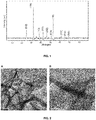
FIG. 1 : X-ray diffraction (XDR) spectrum of the bionanohybrid material obtained in example 2 of the present invention. -
FIG. 2 : Transmission electron microscopy (TEM) images of FeCO3 nanowires of bionanohybrid material obtained in example 2 of the present invention. -
FIG. 3 : Chemical scheme of the transformation of p-nitrophenol (pNP) into p-aminophenol (pAP). -
FIG. 4 : X-ray diffraction (XDR) spectrum of the bionanohybrid material CAL-B-FeCO3NWs-15 obtained in example 2 of the present invention. -
FIG. 5 : TEM picture of the bionanohybrid material CAL-B-FeCO3NWs-15 obtained in example 1 of the present invention. -
FIG. 6 : X-ray photoelectron spectroscopy (XPS) spectra of (a) Fe2p and (b) O1s for iron carbonate in CAL-B-FeCO3NWs-15 bionanohybrid obtained in example 1 of the present invention. These spectra and XDR spectra offig. 4 show that the Fe species in the nanowires is FeCO3. -
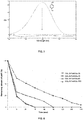
FIG. 7 : Reduction of pNP catalyzed by of the bionanohybrid CAL-B-FeCO3NWs-15 in aqueous media after 20 sg of reaction. -
FIG. 8 : Reduction of pNP catalyzed by others bionanohybrid (CAL-B-FeCO3NWs-30, CAL-B-FeCO3NWs-45, CAL-B-FeCO3NWs-60, CAL-B-FeCO3NWs-360) in aqueous media. -
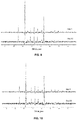
FIG. 9 : Comparison of the XDR spectrum of CAL-B-FeCO3NWs bionanohybrid obtained in example 2 of the present invention from the preparation (day 1) to 30 days after. -
FIG. 10 : Comparison of the XDR spectrum of the bionanohybrid CAL-B-FeCO3NWs-15 from the preparation (day 1) to 30 days after. -
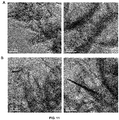
FIG. 11 : TEM analysis of the bionanohybrids after 30 days' store. A) bionanohybrid material not treated with NaBH4 (CAL-B-FeCO3NWs). B) bionanohybrid material treated with NaBH4 for 15 min (CAL-B-FeCO3NWs-15). - Candida antartica B lipase (CAL-B) solution was from Novozymes (Denmark) (the concentration of the enzyme in the commercial solution is 5 mg /ml). Ammonium iron (II) sulfate hexahydrate [(NH4)2Fe(SO4)2 x 6H2O (Mohr's salt)], hydrogen peroxide (33%), sodium bicarbonate and sodium borohydride were purchased by Sigma-Aldrich. Acetonitrile HPLC grade was purchased by Scharlab.
- Inductively coupled plasma atomic emission spectrometry (ICP-AES) was performed on a Perkin Elmer OPTIMA 2100 DV equipment. The X-Ray diffraction (XRD) pattern was obtained using a Texture Analysis Diffractometer D8 Advance (Bruker) with Cu Kα radiation. X-ray photoelectron analysis (XPS) was carried out on SPECS GmbH spectrometer equipped with Phoibos 150 9MCD energy analyzer. A no monochromatic magnesium X-ray source with a power of 200 W and voltage of 12 kV was used. The transmission electron microscopy (TEM), high resolution TEM microscopy (HRTEM) analysis were performed on a JEOL 2100F microscope equipped with an EDX detector INCA x-sight (Oxford Instruments). The scanning electron microscopy (SEM) imaging was performed on a TM-1000 (Hitachi) microscope. To recover the biohybrids, a Biocen 22 R (Orto-Alresa, Spain) refrigerated centrifuge was used. The spectrophotometric analyses were run on a V-730 spectrophotometer (JASCO, Japan). HPLC spectrum P100 (Thermo Separation products) was used. Analyses were run at 25°C using an L-7300 column oven and a UV6000LP detector.
- 3.6 mL of commercial Candida antarctica lipase solution was added to 60 mL sodium bicarbonate buffer 0.1M pH =10 in a 100 mL glass bottle containing a small magnetic bar stirrer (12x4.5 mm). The solution is stirring in a magnetic agitator OVAN Micromix at 380 r.p.m. for 2 min. Then 600 mg of Fe (NH4)2(SO4)2* 6H2O (10 mg/ml) was added to the protein solution and it was maintained for 16 hours. After the first 30 min incubation, the solution turned cloudy (greenish gray) and the pH solution was measured indicating a decrease from 10 to 7.
- After 16 h incubation, the solution turned very dark green. The color is indicative, if turn orange means that oxidation was produced.
- Then, after these 16 h, 6 mL of NaBH4 (300 mg) aqueous solution (1.2 M) was added to the cloudy solution (in two times of 3 mL) obtaining a final concentration of 0.12 M of sodium borohydride in the mixture. The solution turned rapidly black and, the mixture was reduced during different times depending on the bionanohybrid prepared. The reducing step with sodium borohydride was carried out for 15, 30, 60, 90 and 360 minutes to obtain the bionanohybrid materials: CAL-B-FeCO3NWs-15, CAL-B-FeCO3NWs-30, CAL-B-FeCO3NWs-60, CAL-B-FeCO3NWs-90, CAL-B-FeCO3NWs-360, respectively. The obtained mixture was centrifuged at 8000 rpm for 5 min, (11 mL per falcon type tube). The generated pellet was re-suspended in 15 mL of water. The pH of the supernatant solution was measured to be approximately 9. It was centrifuged again at 8000 r.p.m for 5 min and the supernatant removed. The pH of the supernatant solution was measured again, given a pH value of 7. The process was repeated once more. The pH of the final supernatant solution should be 5 to avoid residues of sodium borohydride and its interaction with the freeze-drying. Finally, the supernatant was removed and the pellet of each falcon was re-suspended in 2 mL of water, collected all solutions in a round-bottom flask, frozen with liquid nitrogen and lyophilized for 16 hours. Characterization of the different bionanohybrids was performed by XDR, XPS, TEM analysis. Also these were repeated after 30 days of preparation.
When the reduction was performed at 15 min, small nanowires (approx. 5 nm diameter x 40 nm long) of FeCO3 were formed and determined by TEM, XDR (Figure 4-5 ) and XPS (Figure 6 ). This bionanohybrid material (CAL-B-FeCO3NWs-15) presented excellent magnetism against a magnetic field. - The reduction was also performed at 30, 45, 60 and 360 minutes. The XDR demonstrated that the iron species in the different bionanohybrids did not change, being a stable siderite (FeCO3). However, TEM analysis (and using software INCA x-sight) revealed the generation of longer size nanowires, from around 40 to 102 nm, increasing with the reducing time although conserving the diameter (Table 1).
Table 1. The dependence of FeCO3 nanowire size on different reducing times in the presence of sodium borohydride. Reducing time (min) 0 15 30 45 60 360 a Diameter of nanowires/nm 7±3 5±1 5±1 5±1 5±1 5±1 Length of nanowires/nm 59±9 40±5 55±5 90±7 91±7 93±8 a iron nanoparticles were also observed. - The same procedure as example 1 was followed, except the addition of sodium borohydride. Instead of that, after 16 h incubation, the obtained mixture was centrifuged at 8000 rpm for 5 min, (11 mL per falcon type tube). The generated pellet was re-suspended in 15 mL of water. Finally, the supernatant was removed and the pellet of each falcon was re-suspended in 2 mL of water, collected all solutions in a round-bottom flask, frozen with liquid nitrogen and lyophilized for 16 hours.
- Characterization of the bionanohybrid obtained (CAL-B-FeCO3NWs) was performed by XDR, TEM analysis (see
figures 1 and 2 ). The spectra show the formation of FeCO3 nanowires with a size approx. 7 nm diameter x 59 nm long induced by the protein matrix (Figure 2 ). This hybrid did not give evidence of magnetism in the presence of a magnetic field. - To an aqueous solution of p-nitrophenol (pNP) (1 mM; 2 mL), solid NaBH4 (3 mg) was added to reach a final concentration of 0.04 M (The typical catalytic reaction was performed by adding an excess of NaBH4 (0.04 M) to ensure its constant concentration throughout the reaction and, therefore, to apply a pseudo-first-order kinetic with respect to the pNP to an aqueous solution of the substrate in the presence of catalysts). In these conditions, upon the addiction of NaBH4, the initial absorbance band of the solution of pNP undergoes to an immediate shift from 317 to 400 nm due to the formation of 4-nitrophenolate ions. Immediately after that, 3 mg of the different bionanohybrids were added under gentle stirring at 25 °C in an orbital shaker. The reaction progress was monitored by taking out an aliquot of the solution (0.1 mL) at different times, diluting it with distilled water (2 mL) and measuring the absorption spectrum between 500 and 300 nm in a quartz cuvette.
- The
fig. 3 shows the chemical scheme of the transformation of p-nitrophenol (pNP) into p-aminophenol (pAP). - This bionanohybrid material (CAL-B-FeCO3NWs-15) showed the higher catalytic capacity to complete convert p-NP to p-AP within 20 seconds (3 mg catalyst, 2 ml, 1 mM pNP) (
Figure 7 ). - The activity of the bionanohybrids was lower as the reduction time increased. No differences in catalytic efficiency were observed between the reduced catalysts for 30 or 45 min, but 33% slower rate was obtained compared with the activity achieved with CAL-B-FeCO3NWs-15, full conversion was achieved after 45 seconds. The CAL-B-FeCO3NWs-60 achieved full reduction after 90 seconds whereas a remaining 5% of pNP was not still converted after 240 seconds for the CAL-B-FeCO3NWs-360 (6h reducing incubation) (
Figure 8 ). Therefore, these results demonstrated that a short-time reducing step strongly improved the catalytic efficiency of these CAL-B-FeCO3NWs bionanohybrids for these pNP degradation where the non-reduced biohybrid was not efficient - The catalytic activity of the bionanohybrid material obtained in example 2 (CAL-B-FeCO3NWs) in the degradation of p-NP at 150 mg/L was tested. No conversion was observed.
- The CAL-B-FeCO3NWs-15 bionanohybrid was reused six cycles in the reduction of pNP using the conditions described above. The catalyst was washed with water once and centrifuged before the next reaction. The fresh catalyst was reused at least 6 reaction cycles in the reduction of pNP and more than 95% activity was conserved after that.
- 2 mg of pAP was dissolved in 18.88 mL solution of distilled water and 0.22 mL of hydrogen peroxide was added. To initialize the reaction, 2 mL of this solution was added to a 7 mL glass bottle containing 3 mg of bionanohybrid gentle stirring at 25 °C in an orbital shaker (320 rpm). Samples (50 µl) at different times were taken and the reaction was followed by HPLC. The samples were diluted 40 times in distilled water before injection. The HPLC column was C8 Kromasil 150x4,6 mm AV-2059. The HPLC conditions used were: an isocratic mixture of 30% acetonitrile and 70% bi-distilled water, UV detection at 275 nm and 225 nm using a Diode array detector, and a flow rate of 0.5 mL/min. Under these conditions, the retention times of pAP was 4.65 min, and for H2O2 was 3.3 min.
The reaction was quantitatively followed by HPLC. The CAL-B-FeCO3NWs-15 (obtained in example 1) and CAL-B-FeCO3NWs (obtained in example 2) showed similar performance at these conditions and more than 98% degradation of pAP was achieved in 2 min (Table 2). No traces of any compounds were detected by HPLC after 50 min.
These results show that at these conditions both no reduced and reduced bionanohybrid were efficient catalysts in the degradation of this organic pollutant.Table 2. Degradation of pAP by CAL-B-FeCO3NWs bionanohybrids in the presence of 0.5 mM of hydrogen peroxide. The dependence of FeCO3 nanowire size on different reducing times in the presence of sodium borohydride. Bionanohybrid pAP Degradation yield Time (min) CAL-B-FeCO3NWs 98% 2 CAL-B-FeCO3NWs-15 99% 2 - One important point for a possible industrial application of this protein-FeNWs bionanohybrids is the stability against oxidation.
- In this term, the CAL-B-FeCO3NWs and CAL-B-FeCO3NWs-15 bionanohybrids were stored at air conditions for 30 days. After that time, analysis of XDR showed that no changes in any cases were observed in the iron specie (
Figure 9-10 ). - The catalytic efficiency of the CAL-B-FeCO3NWs-15 in the reduction of pNP still was excellent, with a full conversion of the substrate in 60 seconds. TEM analysis revealed the slight increase of size in the NWs which explained the slight decrease in the efficiency (Table 3,
Figure 11 ).Table 3. FeCO3 nanowire size on the different nanobiohybrids after 30 days. Bionanohybrid CAL-B-FeCO3NWs CAL-B-FeCO3NWs-15 Diameter of nanowires/nm 8±2 6±1 Length of nanowires/nm 88±14 60±6
Claims (20)
- A bionanohybrid material comprising:- a matrix formed by an enzyme or a protein and- FeCO3 nanowires,wherein the FeCO3 nanowires are embedded in the matrix.
- The material according to claim 1, wherein the matrix is formed by the enzyme Candida antarctica lipase.
- The material according to any of claims 1 or 2, wherein the FeCO3 nanowires have an average length between 40 nm and 93 nm and/or have an average diameter between 5 nm and 7 nm.
- The material according to claim 3 wherein the FeCO3 nanowires have an average length of 59 nm and/or an average diameter of 7 nm.
- The material according to claim 3 wherein the FeCO3 nanowires have an average diameter of 5 nm.
- A process for preparing a bionanohybrid material defined in any of claims 1 to 5, wherein the process comprises at least the following steps:a) addition under stirring of a protein or enzyme and of an iron (II) salt to an aqueous solution of sodium bicarbonate, wherein the pH of the aqueous solution of sodium bicarbonate is between the isoelectric point of the enzyme and 10, not including the isoelectric point of the enzyme, and wherein the isoelectric point of the protein or enzyme is below 10,b) incubation of the mixture obtained in step a) for a time between 14-16 h.
- The process according to claim 6, further comprising a step c) wherein the step c) comprises the addition of sodium borohydride to the mixture obtained in step b).
- The process according to any of claims 6 or 7, wherein the bionanohybrid material obtained in step b) or c) is collected, washed with water and dried.
- The process according to any of claims 6 to 8, wherein the enzyme added in the step a) is Candida antarctica lipase.
- The process according to any of claims 6 to 9 wherein the iron (II) salt concentration in step a) ranges from 5 to 100 mg/ml in the aqueous solution.
- The process according to any of claims 6 to 10 wherein the iron (II) salt is the sulfate of iron (II) and ammonium.
- The process according to any of claims 6 to 11 wherein the solution in step a) is stirring at speed between 340-380 rpm.
- The process according to any of claims 6 to 12 wherein the amount of enzyme or protein added in step a) is between 2.5 mg and 5 mg per 10 mL of the aqueous solution.
- The process according to any of claims 6 to 13 wherein the time of the incubation in step b) is 16 h.
- The process according to any of claims 7 to 14 wherein, in step c), sodium borohydride is added to a final concentration between 0.12 to 0.15 M in the mixture of reaction.
- The process according to any of claims 7 to 15 wherein, in step c), the mixture of reaction is allowed to react between 15 and 360 min.
- The process according to any of claims 8 to 16 wherein the bionanohybrid material that has been collected, washed with water and dried is lyophilized.
- Use of the material described in any of claims 1 to 5 as a catalyst.
- Use of the material according to claim 18 for the degradation of 4-aminophenol.
- Use of the material described in claims 5 as a catalyst for the reduction de 4-nitrophenol to 4-aminophenol.
Priority Applications (2)
| Application Number | Priority Date | Filing Date | Title |
|---|---|---|---|
| EP17382920.1A EP3505627A1 (en) | 2017-12-28 | 2017-12-28 | Bionanohybrid material, process for preparing same and use thereof |
| PCT/EP2018/097026 WO2019129809A1 (en) | 2017-12-28 | 2018-12-27 | Bionanohybrid material, process for preparing same and use thereof |
Applications Claiming Priority (1)
| Application Number | Priority Date | Filing Date | Title |
|---|---|---|---|
| EP17382920.1A EP3505627A1 (en) | 2017-12-28 | 2017-12-28 | Bionanohybrid material, process for preparing same and use thereof |
Publications (1)
| Publication Number | Publication Date |
|---|---|
| EP3505627A1 true EP3505627A1 (en) | 2019-07-03 |
Family
ID=61074273
Family Applications (1)
| Application Number | Title | Priority Date | Filing Date |
|---|---|---|---|
| EP17382920.1A Withdrawn EP3505627A1 (en) | 2017-12-28 | 2017-12-28 | Bionanohybrid material, process for preparing same and use thereof |
Country Status (2)
| Country | Link |
|---|---|
| EP (1) | EP3505627A1 (en) |
| WO (1) | WO2019129809A1 (en) |
Citations (3)
| Publication number | Priority date | Publication date | Assignee | Title |
|---|---|---|---|---|
| WO2002093140A1 (en) * | 2001-05-14 | 2002-11-21 | Johns Hopkins University | Multifunctional magnetic nanowires |
| WO2014132106A1 (en) | 2013-02-27 | 2014-09-04 | University Of Calcutta | Preparing and using metal nanoparticles |
| US8865116B2 (en) | 2012-03-20 | 2014-10-21 | Korea University Research And Business Foundation | Method for preparation of hematite iron oxide with different nanostructures and hematite iron oxide prepared thereby |
-
2017
- 2017-12-28 EP EP17382920.1A patent/EP3505627A1/en not_active Withdrawn
-
2018
- 2018-12-27 WO PCT/EP2018/097026 patent/WO2019129809A1/en not_active Ceased
Patent Citations (3)
| Publication number | Priority date | Publication date | Assignee | Title |
|---|---|---|---|---|
| WO2002093140A1 (en) * | 2001-05-14 | 2002-11-21 | Johns Hopkins University | Multifunctional magnetic nanowires |
| US8865116B2 (en) | 2012-03-20 | 2014-10-21 | Korea University Research And Business Foundation | Method for preparation of hematite iron oxide with different nanostructures and hematite iron oxide prepared thereby |
| WO2014132106A1 (en) | 2013-02-27 | 2014-09-04 | University Of Calcutta | Preparing and using metal nanoparticles |
Non-Patent Citations (18)
| Title |
|---|
| ARAMI, H.; KHANDHAR, A.; LIGGITT, D.; KRISHNAN, K. M.: "In vivo delivery, pharmacokinetics, biodistribution and toxicity of iron oxide nanoparticles", CHEM. SOC. REV., vol. 44, 2015, pages 8576 |
| BAUER, I.; KNOLKER, H.J.: "Iron Catalysis in Organic Synthesis", CHEM. REV., vol. 115, 2015, pages 3170 |
| GAO, R.; ZHANG, H.; YAN, D.: "Iron diselenide nanoplatelets: Stable and efficient water-electrolysis catalysts", NANO ENERGY, vol. 31, 2017, pages 90 |
| GEORGE K. LARSEN ET AL: "Multifunctional Fe 2 O 3 -Au Nanoparticles with Different Shapes: Enhanced Catalysis, Photothermal Effects, and Magnetic Recyclability", JOURNAL OF PHYSICAL CHEMISTRY C, vol. 120, no. 28, 21 July 2016 (2016-07-21), pages 15162 - 15172, XP055467305, ISSN: 1932-7447, DOI: 10.1021/acs.jpcc.6b03733 * |
| GUO CHEN ET AL: "Direct binding glucoamylase onto carboxyl-functioned magnetic nanoparticles", BIOCHEMICAL ENGINEERING JOURNAL, ELSEVIER, AMSTERDAM, NL, vol. 67, 3 June 2012 (2012-06-03), pages 120 - 125, XP028408618, ISSN: 1369-703X, [retrieved on 20120609], DOI: 10.1016/J.BEJ.2012.06.002 * |
| HUANG SHIH-HUNG ET AL: "Direct binding and characterization of lipase onto magnetic nanoparticles", BIOTECHNOLOGY PROGR, AMERICAN INSTITUTE OF CHEMICAL ENGINEERS, US, vol. 19, no. 3, 1 May 2003 (2003-05-01), pages 1095 - 1100, XP008096273, ISSN: 8756-7938, DOI: 10.1021/BP025587V * |
| HUANG, Q.; CAO, M.; AI, Z.; ZHANG, L.: "Reactive oxygen species dependent degradation pathway of 4-chlorophenol with Fe@Fe 0 core-shell nanowires", APPLIED CATALYSIS B: ENVIRON, vol. 162, 2015, pages 319 |
| KIRK O ET AL: "Lipases from Candida antarctica: Unique Biocatalysts from a Unique Origin", ORGANIC PROCESS RESEARCH AND DEVELOPMENT, CAMBRIDGE, GB, vol. 6, no. 4, 27 June 2002 (2002-06-27), pages 446 - 451, XP002536951, DOI: 10.1021/OP0200165 * |
| LUPAN, O.; POSTICA, V.; WOLFF, N.; POLONSKYI, O.; DUPPEL, V.; KAIDAS, V.; LAZARI, E.; ABABII, N.; FAUPEL, F.; KIENLE, L.: "Localized Synthesis of Iron Oxide Nanowires and Fabrication of High Performance Nanosensors Based on a Single Fe203 Nanowire", SMALL, 2017, pages 13 |
| M. MISSON ET AL: "Nanobiocatalyst advancements and bioprocessing applications", JOURNAL OF THE ROYAL SOCIETY. INTERFACE, vol. 12, no. 102, 12 November 2014 (2014-11-12), GB, pages 20140891 - 20140891, XP055466734, ISSN: 1742-5689, DOI: 10.1098/rsif.2014.0891 * |
| MARTINEZ-BANDERAS, A.I.; AIRES, A.; TERAN, F.J.; PEREZ, J.E.; CADENAS, J.F.; ALSHARIF, N.; RAVASI, T.; CORTAJARENA, A.L.; KOSEL, J: "Functionalized magnetic nanowires for chemical and magneto-mechanical induction of cancer cell death", SCIENTIFIC REPORTS, vol. 6, 2016 |
| NOR, Y.A.; ZHOU, L.; MEKA, A.K.; XU, C.; NIU, Y.; ZHANG, H.; MITTER, N.; MAHONY, D.; YU, C.: "Engineering Iron Oxide Hollow Nanospheres to Enhance Antimicrobial Property: Understanding the Cytotoxic Origin in Organic Rich Environment", ADV. FUNC. MAT., vol. 26, 2016, pages 5408 |
| POLSHETTIWAR, V.; ASEFA, T.: "Nanocatalysis: Synthesis and Applications", 2013, WILEY |
| REDDY, L.H.; ARIAS, J.L.; NICOLAS, J.; COUVREUR, P.: "Magnetic nanoparticles: Design and characterization, toxicity and biocompatibility, pharmaceutical and biomedical applications", CHEM. REV., vol. 112, 2012, pages 5818 |
| RUFUS, A.; SREEJU, N.; PHILIP, D.: "Synthesis of biogenic hematite (a-Fe203) nanoparticles for antibacterial and nanofluid applications", RSC ADVANCES, vol. 6, 2016, pages 94206 |
| RUI, H.; WEI, L.; WEIWEI, P.; MINGGANG, Z.; DONG Z.; FA-SHEN L.: "1 D Magnetic Materials of Fe 0 and Fe with High Performance of Microwave Absorption Fabricated by Electrospinning Process", SCI. REP., vol. 4, 2014, pages 7493 |
| SHYLESH, S.; SCHNEMANN, V.; THIEL, W. R., ANGEW. CHEM. INT. ED., vol. 49, 2010, pages 342 |
| WANG, F.; WU, X.; SHEN, C.; WEN, Z.: "Facile synthesis of Fe@Fe 0 core-shell nanowires as 0 electrode for high-energy Li-0 batteries", J. SOLID STATE ELECTROCHEM., vol. 20, 2016, pages 1831 |
Also Published As
| Publication number | Publication date |
|---|---|
| WO2019129809A1 (en) | 2019-07-04 |
Similar Documents
| Publication | Publication Date | Title |
|---|---|---|
| Chi et al. | Fabrication of oxidase-like polyaniline-MnO2 hybrid nanowires and their sensitive colorimetric detection of sulfite and ascorbic acid | |
| Amir et al. | Rapid color degradation of organic dyes by Fe3O4@ His@ Ag recyclable magnetic nanocatalyst | |
| Sargazi et al. | Ultrasound assisted reverse micelle efficient synthesis of new Ta-MOF@ Fe3O4 core/shell nanostructures as a novel candidate for lipase immobilization | |
| Mishra et al. | Facile synthesis of nano-structured magnetite in presence of natural surfactant for enhanced photocatalytic activity for water decomposition and Cr (VI) reduction | |
| Tierrablanca et al. | Biomimetic polymerization of aniline using hematin supported on halloysite nanotubes | |
| Zahedifar et al. | Green synthesis of Ag2S nanoparticles on cellulose/Fe3O4 nanocomposite template for catalytic degradation of organic dyes | |
| Das et al. | Effective catalytic degradation of organic dyes by nickel supported on hydroxyapatite-encapsulated cobalt ferrite (Ni/HAP/CoFe2O4) magnetic novel nanocomposite | |
| Yang et al. | Magnetic single-enzyme nanoparticles with high activity and stability | |
| Wang et al. | Extract of Ginkgo biloba leaves mediated biosynthesis of catalytically active and recyclable silver nanoparticles | |
| WO2018166417A1 (en) | Synthesis of a thin insoluble hydroxide shell on the surface of magnetic zero-valent metal nanoparticles for environmental remediation | |
| Mourdikoudis et al. | Hydrophilic Pt nanoflowers: synthesis, crystallographic analysis and catalytic performance | |
| Jain et al. | Counter anion-directed growth of iron oxide nanorods in a polyol medium with efficient peroxidase-mimicking activity for degradation of dyes in contaminated water | |
| Tiquia-Arashiro et al. | Nanoparticles synthesized by microorganisms | |
| Degorska et al. | From core-shell like structured zirconia/magnetite hybrid towards novel biocatalytic systems for tetracycline removal: Synthesis, enzyme immobilization, degradation and toxicity study | |
| Wen et al. | Multifunctional magnetic branched polyethylenimine nanogels with in-situ generated Fe3O4 and their applications as dye adsorbent and catalyst support | |
| CN106268642B (en) | Bobbles shape zinc oxide/graphene composite adsorbent and the preparation method and application thereof | |
| KR102387805B1 (en) | Multi-component mesocrystalline nanoparticles and manufacturing method thereof | |
| Ee Pei et al. | Biosynthesis of gold nanoparticles (AuNPs) by marine baitworm Marphysa moribidii idris, hutchings and arshad 2014 (annelida: polychaeta) and its antibacterial activity | |
| Zhao et al. | Synthesis and characterization of a novel CNT-FeNi 3/DFNS/Cu (ii) magnetic nanocomposite for the photocatalytic degradation of tetracycline in wastewater | |
| Wang et al. | Facile synthesis of carbon dots-coated CuFe2O4 nanocomposites as a reusable catalyst for highly efficient reduction of organic pollutants | |
| Bornas et al. | Fabrication of a magnetic Mn (ii) cross-linked chitosan-amine/glutaraldehyde nanocomposite for the rapid degradation of dyes and aerobic selective oxidation of ethylbenzene | |
| Mou et al. | Fabrication of g-C3N4/N, Fe co-doped CQDs composites: in situ decoration of g-C3N4 with N-CQDs and Fe and efficient visible-light photocatalytic degradation of tetracycline | |
| Yang et al. | Self-assembly of bioinspired catecholic cyclodextrin TiO2 heterosupramolecule with high adsorption capacity and efficient visible-light photoactivity | |
| Chellappan et al. | Investigations on chemically synthesized pure and doped manganese dioxide nanoparticles for dye removal and photocatalytic applications | |
| Li et al. | Comparative studies on Fenton-like reactions catalyzed by Fe3O4 loaded inside and outside halloysite nanotubes for the removal of organic pollutants |
Legal Events
| Date | Code | Title | Description |
|---|---|---|---|
| PUAI | Public reference made under article 153(3) epc to a published international application that has entered the european phase |
Free format text: ORIGINAL CODE: 0009012 |
|
| STAA | Information on the status of an ep patent application or granted ep patent |
Free format text: STATUS: THE APPLICATION HAS BEEN PUBLISHED |
|
| AK | Designated contracting states |
Kind code of ref document: A1 Designated state(s): AL AT BE BG CH CY CZ DE DK EE ES FI FR GB GR HR HU IE IS IT LI LT LU LV MC MK MT NL NO PL PT RO RS SE SI SK SM TR |
|
| AX | Request for extension of the european patent |
Extension state: BA ME |
|
| STAA | Information on the status of an ep patent application or granted ep patent |
Free format text: STATUS: THE APPLICATION IS DEEMED TO BE WITHDRAWN |
|
| 18D | Application deemed to be withdrawn |
Effective date: 20200104 |