EP3505177A1 - Immunogenic sequences from a phage tail length tape measure protein, bacteria expressing the same and their use in treating a cancer - Google Patents
Immunogenic sequences from a phage tail length tape measure protein, bacteria expressing the same and their use in treating a cancer Download PDFInfo
- Publication number
- EP3505177A1 EP3505177A1 EP17306980.8A EP17306980A EP3505177A1 EP 3505177 A1 EP3505177 A1 EP 3505177A1 EP 17306980 A EP17306980 A EP 17306980A EP 3505177 A1 EP3505177 A1 EP 3505177A1
- Authority
- EP
- European Patent Office
- Prior art keywords
- seq
- protein
- hla
- composition
- cancer
- Prior art date
- Legal status (The legal status is an assumption and is not a legal conclusion. Google has not performed a legal analysis and makes no representation as to the accuracy of the status listed.)
- Ceased
Links
- 206010028980 Neoplasm Diseases 0.000 title claims abstract description 113
- 230000002163 immunogen Effects 0.000 title claims abstract description 46
- 201000011510 cancer Diseases 0.000 title claims abstract description 40
- 241000894006 Bacteria Species 0.000 title claims abstract description 39
- 101710204224 Tape measure protein Proteins 0.000 title description 95
- 239000000203 mixture Substances 0.000 claims abstract description 94
- 230000001580 bacterial effect Effects 0.000 claims abstract description 60
- 238000011282 treatment Methods 0.000 claims abstract description 42
- 238000000034 method Methods 0.000 claims abstract description 33
- 239000006041 probiotic Substances 0.000 claims abstract description 20
- 235000018291 probiotics Nutrition 0.000 claims abstract description 20
- 230000000529 probiotic effect Effects 0.000 claims abstract description 13
- 230000001965 increasing effect Effects 0.000 claims abstract description 7
- 241000194029 Enterococcus hirae Species 0.000 claims description 142
- 108090000623 proteins and genes Proteins 0.000 claims description 93
- 108090000765 processed proteins & peptides Proteins 0.000 claims description 88
- 238000002512 chemotherapy Methods 0.000 claims description 79
- 102000004169 proteins and genes Human genes 0.000 claims description 71
- 102000004196 processed proteins & peptides Human genes 0.000 claims description 68
- 210000001744 T-lymphocyte Anatomy 0.000 claims description 54
- 210000004027 cell Anatomy 0.000 claims description 41
- 241001515965 unidentified phage Species 0.000 claims description 27
- 150000001413 amino acids Chemical class 0.000 claims description 23
- 239000003814 drug Substances 0.000 claims description 20
- 230000005847 immunogenicity Effects 0.000 claims description 19
- 229940079593 drug Drugs 0.000 claims description 17
- 229920001184 polypeptide Polymers 0.000 claims description 15
- 230000004044 response Effects 0.000 claims description 15
- 239000012634 fragment Substances 0.000 claims description 12
- 239000002773 nucleotide Substances 0.000 claims description 12
- 125000003729 nucleotide group Chemical group 0.000 claims description 12
- 102100022718 Atypical chemokine receptor 2 Human genes 0.000 claims description 11
- 102100028990 C-X-C chemokine receptor type 3 Human genes 0.000 claims description 11
- 102100036669 Glycerol-3-phosphate dehydrogenase [NAD(+)], cytoplasmic Human genes 0.000 claims description 11
- 101000678892 Homo sapiens Atypical chemokine receptor 2 Proteins 0.000 claims description 11
- 101000716070 Homo sapiens C-C chemokine receptor type 9 Proteins 0.000 claims description 11
- 101000916050 Homo sapiens C-X-C chemokine receptor type 3 Proteins 0.000 claims description 11
- 101001072574 Homo sapiens Glycerol-3-phosphate dehydrogenase [NAD(+)], cytoplasmic Proteins 0.000 claims description 11
- 239000002246 antineoplastic agent Substances 0.000 claims description 11
- 238000000338 in vitro Methods 0.000 claims description 11
- 230000005746 immune checkpoint blockade Effects 0.000 claims description 10
- 102000037982 Immune checkpoint proteins Human genes 0.000 claims description 9
- 108091008036 Immune checkpoint proteins Proteins 0.000 claims description 9
- 210000000612 antigen-presenting cell Anatomy 0.000 claims description 9
- 244000005700 microbiome Species 0.000 claims description 9
- 229940041181 antineoplastic drug Drugs 0.000 claims description 8
- 238000001727 in vivo Methods 0.000 claims description 7
- 229940022399 cancer vaccine Drugs 0.000 claims description 6
- 108091033319 polynucleotide Proteins 0.000 claims description 6
- 102000040430 polynucleotide Human genes 0.000 claims description 6
- 239000002157 polynucleotide Substances 0.000 claims description 6
- 239000000523 sample Substances 0.000 claims description 6
- 230000000903 blocking effect Effects 0.000 claims description 5
- 230000002101 lytic effect Effects 0.000 claims description 5
- 108020004999 messenger RNA Proteins 0.000 claims description 5
- 238000012216 screening Methods 0.000 claims description 5
- 239000012472 biological sample Substances 0.000 claims description 4
- 229940000406 drug candidate Drugs 0.000 claims description 4
- 230000001093 anti-cancer Effects 0.000 abstract description 14
- 239000002671 adjuvant Substances 0.000 abstract description 8
- 238000011394 anticancer treatment Methods 0.000 abstract description 2
- 208000001088 cerebrotendinous xanthomatosis Diseases 0.000 description 62
- 241000699670 Mus sp. Species 0.000 description 57
- 235000018102 proteins Nutrition 0.000 description 57
- VYVRIXWNTVOIRD-LRHBOZQDSA-N ciguatoxin CTX1B Chemical compound C([C@@]12[C@@H](C)[C@@H]([C@@H]3[C@H]([C@H]([C@H](C)[C@H]4O[C@H]5C[C@@H](C)C[C@H]6O[C@@]7(C)[C@H](O)C[C@H]8O[C@H]9C=C[C@H]%10O[C@H]%11C[C@@H]%12[C@H]([C@@H]([C@H]%13O[C@H](C=CC[C@@H]%13O%12)\C=C\[C@H](O)CO)O)O[C@@H]%11C=C[C@@H]%10O[C@@H]9C\C=C/C[C@@H]8O[C@@H]7C[C@@H]6O[C@@H]5C[C@@H]4O3)O)O2)C)[C@H](O)CO1 VYVRIXWNTVOIRD-LRHBOZQDSA-N 0.000 description 49
- 238000003305 oral gavage Methods 0.000 description 36
- 241000282414 Homo sapiens Species 0.000 description 29
- 108010052285 Membrane Proteins Proteins 0.000 description 24
- 210000001266 CD8-positive T-lymphocyte Anatomy 0.000 description 23
- 206010006187 Breast cancer Diseases 0.000 description 21
- 108010088729 HLA-A*02:01 antigen Proteins 0.000 description 21
- 235000001014 amino acid Nutrition 0.000 description 21
- 208000026310 Breast neoplasm Diseases 0.000 description 20
- 206010039491 Sarcoma Diseases 0.000 description 19
- FAPWRFPIFSIZLT-UHFFFAOYSA-M Sodium chloride Chemical compound [Na+].[Cl-] FAPWRFPIFSIZLT-UHFFFAOYSA-M 0.000 description 19
- 101000579490 Solanum lycopersicum Suberization-associated anionic peroxidase 1 Proteins 0.000 description 18
- 244000005709 gut microbiome Species 0.000 description 18
- 210000000952 spleen Anatomy 0.000 description 18
- 230000000259 anti-tumor effect Effects 0.000 description 15
- 239000003242 anti bacterial agent Substances 0.000 description 13
- 210000004443 dendritic cell Anatomy 0.000 description 13
- 238000007619 statistical method Methods 0.000 description 13
- 102000018697 Membrane Proteins Human genes 0.000 description 12
- 108090000131 Metalloendopeptidases Proteins 0.000 description 12
- 102000003843 Metalloendopeptidases Human genes 0.000 description 12
- 241000699666 Mus <mouse, genus> Species 0.000 description 12
- 229940088710 antibiotic agent Drugs 0.000 description 12
- 210000001035 gastrointestinal tract Anatomy 0.000 description 12
- 230000028993 immune response Effects 0.000 description 12
- 238000002474 experimental method Methods 0.000 description 11
- 229940126533 immune checkpoint blocker Drugs 0.000 description 11
- 230000035772 mutation Effects 0.000 description 11
- 230000004614 tumor growth Effects 0.000 description 11
- 102000012286 Chitinases Human genes 0.000 description 10
- 108010022172 Chitinases Proteins 0.000 description 10
- 101001073211 Solanum lycopersicum Suberization-associated anionic peroxidase 2 Proteins 0.000 description 10
- 210000001072 colon Anatomy 0.000 description 10
- 230000001404 mediated effect Effects 0.000 description 10
- 241000894007 species Species 0.000 description 10
- 210000001519 tissue Anatomy 0.000 description 10
- 208000027244 Dysbiosis Diseases 0.000 description 9
- 241000282412 Homo Species 0.000 description 9
- 102000043129 MHC class I family Human genes 0.000 description 9
- 108091054437 MHC class I family Proteins 0.000 description 9
- 239000000427 antigen Substances 0.000 description 9
- 108091007433 antigens Proteins 0.000 description 9
- 102000036639 antigens Human genes 0.000 description 9
- 230000007140 dysbiosis Effects 0.000 description 9
- 230000007613 environmental effect Effects 0.000 description 9
- 102000054766 genetic haplotypes Human genes 0.000 description 9
- 239000011780 sodium chloride Substances 0.000 description 9
- 238000012360 testing method Methods 0.000 description 9
- CMSMOCZEIVJLDB-UHFFFAOYSA-N Cyclophosphamide Chemical compound ClCCN(CCCl)P1(=O)NCCCO1 CMSMOCZEIVJLDB-UHFFFAOYSA-N 0.000 description 8
- 108010002231 IgA-specific serine endopeptidase Proteins 0.000 description 8
- NWIBSHFKIJFRCO-WUDYKRTCSA-N Mytomycin Chemical compound C1N2C(C(C(C)=C(N)C3=O)=O)=C3[C@@H](COC(N)=O)[C@@]2(OC)[C@@H]2[C@H]1N2 NWIBSHFKIJFRCO-WUDYKRTCSA-N 0.000 description 8
- 241000702202 Siphoviridae Species 0.000 description 8
- 239000011324 bead Substances 0.000 description 8
- 229960004397 cyclophosphamide Drugs 0.000 description 8
- 238000002347 injection Methods 0.000 description 8
- 239000007924 injection Substances 0.000 description 8
- 208000020816 lung neoplasm Diseases 0.000 description 8
- 210000003819 peripheral blood mononuclear cell Anatomy 0.000 description 8
- 210000004881 tumor cell Anatomy 0.000 description 8
- 210000003171 tumor-infiltrating lymphocyte Anatomy 0.000 description 8
- 108010074708 B7-H1 Antigen Proteins 0.000 description 7
- 102000008096 B7-H1 Antigen Human genes 0.000 description 7
- 102100022556 Glycerol-3-phosphate dehydrogenase 1-like protein Human genes 0.000 description 7
- 230000002757 inflammatory effect Effects 0.000 description 7
- 210000001165 lymph node Anatomy 0.000 description 7
- 241000260432 Barnesiella intestinihominis Species 0.000 description 6
- 241000588724 Escherichia coli Species 0.000 description 6
- 108010074032 HLA-A2 Antigen Proteins 0.000 description 6
- 102000025850 HLA-A2 Antigen Human genes 0.000 description 6
- WZUVPPKBWHMQCE-UHFFFAOYSA-N Haematoxylin Chemical compound C12=CC(O)=C(O)C=C2CC2(O)C1C1=CC=C(O)C(O)=C1OC2 WZUVPPKBWHMQCE-UHFFFAOYSA-N 0.000 description 6
- 102100022875 Hypoxia-inducible factor 1-alpha Human genes 0.000 description 6
- 206010058467 Lung neoplasm malignant Diseases 0.000 description 6
- 241001465754 Metazoa Species 0.000 description 6
- 230000005867 T cell response Effects 0.000 description 6
- 238000009825 accumulation Methods 0.000 description 6
- 230000003115 biocidal effect Effects 0.000 description 6
- 210000002421 cell wall Anatomy 0.000 description 6
- 239000002299 complementary DNA Substances 0.000 description 6
- 230000000694 effects Effects 0.000 description 6
- 238000003306 harvesting Methods 0.000 description 6
- 238000011534 incubation Methods 0.000 description 6
- 230000000968 intestinal effect Effects 0.000 description 6
- 201000005202 lung cancer Diseases 0.000 description 6
- 239000002243 precursor Substances 0.000 description 6
- 230000009257 reactivity Effects 0.000 description 6
- 230000026683 transduction Effects 0.000 description 6
- 238000010361 transduction Methods 0.000 description 6
- 108700028369 Alleles Proteins 0.000 description 5
- 101000900194 Homo sapiens Glycerol-3-phosphate dehydrogenase 1-like protein Proteins 0.000 description 5
- 241000736262 Microbiota Species 0.000 description 5
- 101100407308 Mus musculus Pdcd1lg2 gene Proteins 0.000 description 5
- 108700030875 Programmed Cell Death 1 Ligand 2 Proteins 0.000 description 5
- 102100024213 Programmed cell death 1 ligand 2 Human genes 0.000 description 5
- 238000004458 analytical method Methods 0.000 description 5
- 230000001419 dependent effect Effects 0.000 description 5
- 208000002154 non-small cell lung carcinoma Diseases 0.000 description 5
- 230000001717 pathogenic effect Effects 0.000 description 5
- 230000000638 stimulation Effects 0.000 description 5
- 230000002476 tumorcidal effect Effects 0.000 description 5
- 229940045513 CTLA4 antagonist Drugs 0.000 description 4
- 108020004414 DNA Proteins 0.000 description 4
- 101000834898 Homo sapiens Alpha-synuclein Proteins 0.000 description 4
- 101001046870 Homo sapiens Hypoxia-inducible factor 1-alpha Proteins 0.000 description 4
- 101000611936 Homo sapiens Programmed cell death protein 1 Proteins 0.000 description 4
- 101000652359 Homo sapiens Spermatogenesis-associated protein 2 Proteins 0.000 description 4
- 206010061218 Inflammation Diseases 0.000 description 4
- 241001468157 Lactobacillus johnsonii Species 0.000 description 4
- 102100040678 Programmed cell death protein 1 Human genes 0.000 description 4
- 102000004079 Prolyl Hydroxylases Human genes 0.000 description 4
- 108010043005 Prolyl Hydroxylases Proteins 0.000 description 4
- 229940100198 alkylating agent Drugs 0.000 description 4
- 239000002168 alkylating agent Substances 0.000 description 4
- 238000003556 assay Methods 0.000 description 4
- 230000009286 beneficial effect Effects 0.000 description 4
- 210000004369 blood Anatomy 0.000 description 4
- 239000008280 blood Substances 0.000 description 4
- 238000011161 development Methods 0.000 description 4
- 230000018109 developmental process Effects 0.000 description 4
- 210000003608 fece Anatomy 0.000 description 4
- 238000000684 flow cytometry Methods 0.000 description 4
- 238000003304 gavage Methods 0.000 description 4
- 210000000987 immune system Anatomy 0.000 description 4
- 230000003053 immunization Effects 0.000 description 4
- 238000002649 immunization Methods 0.000 description 4
- 230000004054 inflammatory process Effects 0.000 description 4
- 210000000936 intestine Anatomy 0.000 description 4
- 230000004807 localization Effects 0.000 description 4
- 229960004857 mitomycin Drugs 0.000 description 4
- 108020004707 nucleic acids Proteins 0.000 description 4
- 102000039446 nucleic acids Human genes 0.000 description 4
- 150000007523 nucleic acids Chemical class 0.000 description 4
- 239000013612 plasmid Substances 0.000 description 4
- 230000002829 reductive effect Effects 0.000 description 4
- 210000005212 secondary lymphoid organ Anatomy 0.000 description 4
- 230000003393 splenic effect Effects 0.000 description 4
- 239000006228 supernatant Substances 0.000 description 4
- 238000007910 systemic administration Methods 0.000 description 4
- 238000012546 transfer Methods 0.000 description 4
- 201000008827 tuberculosis Diseases 0.000 description 4
- XAUDJQYHKZQPEU-KVQBGUIXSA-N 5-aza-2'-deoxycytidine Chemical compound O=C1N=C(N)N=CN1[C@@H]1O[C@H](CO)[C@@H](O)C1 XAUDJQYHKZQPEU-KVQBGUIXSA-N 0.000 description 3
- 102000008203 CTLA-4 Antigen Human genes 0.000 description 3
- 108010021064 CTLA-4 Antigen Proteins 0.000 description 3
- 201000009030 Carcinoma Diseases 0.000 description 3
- 208000005024 Castleman disease Diseases 0.000 description 3
- 206010009944 Colon cancer Diseases 0.000 description 3
- 108050001049 Extracellular proteins Proteins 0.000 description 3
- 101150106931 IFNG gene Proteins 0.000 description 3
- 240000006024 Lactobacillus plantarum Species 0.000 description 3
- 108010062010 N-Acetylmuramoyl-L-alanine Amidase Proteins 0.000 description 3
- 206010033128 Ovarian cancer Diseases 0.000 description 3
- 206010061535 Ovarian neoplasm Diseases 0.000 description 3
- 208000000236 Prostatic Neoplasms Diseases 0.000 description 3
- 206010041067 Small cell lung cancer Diseases 0.000 description 3
- 230000029662 T-helper 1 type immune response Effects 0.000 description 3
- -1 adriamycine Chemical compound 0.000 description 3
- 230000000735 allogeneic effect Effects 0.000 description 3
- 230000000118 anti-neoplastic effect Effects 0.000 description 3
- 210000000481 breast Anatomy 0.000 description 3
- 208000029742 colonic neoplasm Diseases 0.000 description 3
- 238000010835 comparative analysis Methods 0.000 description 3
- 238000004132 cross linking Methods 0.000 description 3
- 230000009260 cross reactivity Effects 0.000 description 3
- 231100000433 cytotoxic Toxicity 0.000 description 3
- 230000001472 cytotoxic effect Effects 0.000 description 3
- 238000003745 diagnosis Methods 0.000 description 3
- YQGOJNYOYNNSMM-UHFFFAOYSA-N eosin Chemical compound [Na+].OC(=O)C1=CC=CC=C1C1=C2C=C(Br)C(=O)C(Br)=C2OC2=C(Br)C(O)=C(Br)C=C21 YQGOJNYOYNNSMM-UHFFFAOYSA-N 0.000 description 3
- 230000001747 exhibiting effect Effects 0.000 description 3
- 230000002550 fecal effect Effects 0.000 description 3
- 230000014509 gene expression Effects 0.000 description 3
- 230000002519 immonomodulatory effect Effects 0.000 description 3
- 208000015181 infectious disease Diseases 0.000 description 3
- 230000002601 intratumoral effect Effects 0.000 description 3
- 230000003902 lesion Effects 0.000 description 3
- 210000004072 lung Anatomy 0.000 description 3
- 238000004519 manufacturing process Methods 0.000 description 3
- 201000001441 melanoma Diseases 0.000 description 3
- 108091048308 miR-210 stem-loop Proteins 0.000 description 3
- 238000011227 neoadjuvant chemotherapy Methods 0.000 description 3
- 210000000056 organ Anatomy 0.000 description 3
- 102000005962 receptors Human genes 0.000 description 3
- 108020003175 receptors Proteins 0.000 description 3
- 230000003248 secreting effect Effects 0.000 description 3
- 208000000587 small cell lung carcinoma Diseases 0.000 description 3
- 238000010186 staining Methods 0.000 description 3
- 238000007920 subcutaneous administration Methods 0.000 description 3
- 230000004083 survival effect Effects 0.000 description 3
- 230000009885 systemic effect Effects 0.000 description 3
- 208000029729 tumor suppressor gene on chromosome 11 Diseases 0.000 description 3
- 229960005486 vaccine Drugs 0.000 description 3
- XLYOFNOQVPJJNP-UHFFFAOYSA-N water Substances O XLYOFNOQVPJJNP-UHFFFAOYSA-N 0.000 description 3
- IAKHMKGGTNLKSZ-INIZCTEOSA-N (S)-colchicine Chemical compound C1([C@@H](NC(C)=O)CC2)=CC(=O)C(OC)=CC=C1C1=C2C=C(OC)C(OC)=C1OC IAKHMKGGTNLKSZ-INIZCTEOSA-N 0.000 description 2
- 108010068646 2',3'-cyclic nucleotide 2'-phosphodiesterase Proteins 0.000 description 2
- TZZNWMJZDWYJAZ-UHFFFAOYSA-N 2-(4-oxo-2-phenylchromen-8-yl)acetic acid Chemical compound OC(=O)CC1=CC=CC(C(C=2)=O)=C1OC=2C1=CC=CC=C1 TZZNWMJZDWYJAZ-UHFFFAOYSA-N 0.000 description 2
- 102100030907 Aryl hydrocarbon receptor nuclear translocator Human genes 0.000 description 2
- 108010062877 Bacteriocins Proteins 0.000 description 2
- 241000692822 Bacteroidales Species 0.000 description 2
- 206010005003 Bladder cancer Diseases 0.000 description 2
- GAGWJHPBXLXJQN-UORFTKCHSA-N Capecitabine Chemical compound C1=C(F)C(NC(=O)OCCCCC)=NC(=O)N1[C@H]1[C@H](O)[C@H](O)[C@@H](C)O1 GAGWJHPBXLXJQN-UORFTKCHSA-N 0.000 description 2
- GAGWJHPBXLXJQN-UHFFFAOYSA-N Capecitabine Natural products C1=C(F)C(NC(=O)OCCCCC)=NC(=O)N1C1C(O)C(O)C(C)O1 GAGWJHPBXLXJQN-UHFFFAOYSA-N 0.000 description 2
- 208000005623 Carcinogenesis Diseases 0.000 description 2
- DLGOEMSEDOSKAD-UHFFFAOYSA-N Carmustine Chemical compound ClCCNC(=O)N(N=O)CCCl DLGOEMSEDOSKAD-UHFFFAOYSA-N 0.000 description 2
- 102100038385 Coiled-coil domain-containing protein R3HCC1L Human genes 0.000 description 2
- 101710196256 Collagen adhesin Proteins 0.000 description 2
- 208000001333 Colorectal Neoplasms Diseases 0.000 description 2
- UHDGCWIWMRVCDJ-CCXZUQQUSA-N Cytarabine Chemical compound O=C1N=C(N)C=CN1[C@H]1[C@@H](O)[C@H](O)[C@@H](CO)O1 UHDGCWIWMRVCDJ-CCXZUQQUSA-N 0.000 description 2
- 102000004127 Cytokines Human genes 0.000 description 2
- 108090000695 Cytokines Proteins 0.000 description 2
- AOJJSUZBOXZQNB-TZSSRYMLSA-N Doxorubicin Chemical compound O([C@H]1C[C@@](O)(CC=2C(O)=C3C(=O)C=4C=CC=C(C=4C(=O)C3=C(O)C=21)OC)C(=O)CO)[C@H]1C[C@H](N)[C@H](O)[C@H](C)O1 AOJJSUZBOXZQNB-TZSSRYMLSA-N 0.000 description 2
- 102100032384 Ecto-ADP-ribosyltransferase 3 Human genes 0.000 description 2
- 241000194033 Enterococcus Species 0.000 description 2
- 241000192125 Firmicutes Species 0.000 description 2
- GHASVSINZRGABV-UHFFFAOYSA-N Fluorouracil Chemical compound FC1=CNC(=O)NC1=O GHASVSINZRGABV-UHFFFAOYSA-N 0.000 description 2
- 101710188408 Glycerol-3-phosphate dehydrogenase 1-like protein Proteins 0.000 description 2
- 208000017604 Hodgkin disease Diseases 0.000 description 2
- 208000010747 Hodgkins lymphoma Diseases 0.000 description 2
- 101000589618 Homo sapiens Ecto-ADP-ribosyltransferase 3 Proteins 0.000 description 2
- 101001012157 Homo sapiens Receptor tyrosine-protein kinase erbB-2 Proteins 0.000 description 2
- 101000694017 Homo sapiens Sodium channel protein type 5 subunit alpha Proteins 0.000 description 2
- 101000669447 Homo sapiens Toll-like receptor 4 Proteins 0.000 description 2
- 206010021143 Hypoxia Diseases 0.000 description 2
- 108050009527 Hypoxia-inducible factor-1 alpha Proteins 0.000 description 2
- 101710116034 Immunity protein Proteins 0.000 description 2
- 102000013691 Interleukin-17 Human genes 0.000 description 2
- 108010002586 Interleukin-7 Proteins 0.000 description 2
- GQYIWUVLTXOXAJ-UHFFFAOYSA-N Lomustine Chemical compound ClCCN(N=O)C(=O)NC1CCCCC1 GQYIWUVLTXOXAJ-UHFFFAOYSA-N 0.000 description 2
- 206010025323 Lymphomas Diseases 0.000 description 2
- 108091054438 MHC class II family Proteins 0.000 description 2
- 102000043131 MHC class II family Human genes 0.000 description 2
- 206010027406 Mesothelioma Diseases 0.000 description 2
- 206010027476 Metastases Diseases 0.000 description 2
- 241001529936 Murinae Species 0.000 description 2
- 241000187479 Mycobacterium tuberculosis Species 0.000 description 2
- 102100023897 NADPH-cytochrome P450 reductase Human genes 0.000 description 2
- 208000034176 Neoplasms, Germ Cell and Embryonal Diseases 0.000 description 2
- 206010061902 Pancreatic neoplasm Diseases 0.000 description 2
- 108030005277 Peptidoglycan-N-acetylglucosamine deacetylases Proteins 0.000 description 2
- 102000006486 Phosphoinositide Phospholipase C Human genes 0.000 description 2
- 108010044302 Phosphoinositide phospholipase C Proteins 0.000 description 2
- 108091036414 Polyinosinic:polycytidylic acid Proteins 0.000 description 2
- 108050005751 Portal proteins Proteins 0.000 description 2
- 206010036790 Productive cough Diseases 0.000 description 2
- 206010060862 Prostate cancer Diseases 0.000 description 2
- 102000004245 Proteasome Endopeptidase Complex Human genes 0.000 description 2
- 108090000708 Proteasome Endopeptidase Complex Proteins 0.000 description 2
- 108010026552 Proteome Proteins 0.000 description 2
- 102100030086 Receptor tyrosine-protein kinase erbB-2 Human genes 0.000 description 2
- 208000006265 Renal cell carcinoma Diseases 0.000 description 2
- 102100027198 Sodium channel protein type 5 subunit alpha Human genes 0.000 description 2
- 208000005718 Stomach Neoplasms Diseases 0.000 description 2
- 108010090804 Streptavidin Proteins 0.000 description 2
- NKANXQFJJICGDU-QPLCGJKRSA-N Tamoxifen Chemical compound C=1C=CC=CC=1C(/CC)=C(C=1C=CC(OCCN(C)C)=CC=1)/C1=CC=CC=C1 NKANXQFJJICGDU-QPLCGJKRSA-N 0.000 description 2
- 102100039360 Toll-like receptor 4 Human genes 0.000 description 2
- 101000709661 Trichoderma harzianum Endochitinase 37 Proteins 0.000 description 2
- 101000883871 Trichoderma harzianum Endochitinase 42 Proteins 0.000 description 2
- 208000007097 Urinary Bladder Neoplasms Diseases 0.000 description 2
- 101710097943 Viral-enhancing factor Proteins 0.000 description 2
- 241000700605 Viruses Species 0.000 description 2
- 230000003213 activating effect Effects 0.000 description 2
- 230000003042 antagnostic effect Effects 0.000 description 2
- 230000008901 benefit Effects 0.000 description 2
- GXJABQQUPOEUTA-RDJZCZTQSA-N bortezomib Chemical compound C([C@@H](C(=O)N[C@@H](CC(C)C)B(O)O)NC(=O)C=1N=CC=NC=1)C1=CC=CC=C1 GXJABQQUPOEUTA-RDJZCZTQSA-N 0.000 description 2
- 230000036952 cancer formation Effects 0.000 description 2
- 238000009566 cancer vaccine Methods 0.000 description 2
- 229960004117 capecitabine Drugs 0.000 description 2
- 231100000504 carcinogenesis Toxicity 0.000 description 2
- 230000010261 cell growth Effects 0.000 description 2
- 208000006990 cholangiocarcinoma Diseases 0.000 description 2
- 150000001875 compounds Chemical class 0.000 description 2
- 229940127089 cytotoxic agent Drugs 0.000 description 2
- 238000001514 detection method Methods 0.000 description 2
- 235000015872 dietary supplement Nutrition 0.000 description 2
- 239000012636 effector Substances 0.000 description 2
- 210000003162 effector t lymphocyte Anatomy 0.000 description 2
- 238000003114 enzyme-linked immunosorbent spot assay Methods 0.000 description 2
- ODKNJVUHOIMIIZ-RRKCRQDMSA-N floxuridine Chemical compound C1[C@H](O)[C@@H](CO)O[C@H]1N1C(=O)NC(=O)C(F)=C1 ODKNJVUHOIMIIZ-RRKCRQDMSA-N 0.000 description 2
- 229960002949 fluorouracil Drugs 0.000 description 2
- OVBPIULPVIDEAO-LBPRGKRZSA-N folic acid Chemical compound C=1N=C2NC(N)=NC(=O)C2=NC=1CNC1=CC=C(C(=O)N[C@@H](CCC(O)=O)C(O)=O)C=C1 OVBPIULPVIDEAO-LBPRGKRZSA-N 0.000 description 2
- 235000013305 food Nutrition 0.000 description 2
- 201000003115 germ cell cancer Diseases 0.000 description 2
- 239000001963 growth medium Substances 0.000 description 2
- 201000011066 hemangioma Diseases 0.000 description 2
- YLMAHDNUQAMNNX-UHFFFAOYSA-N imatinib methanesulfonate Chemical compound CS(O)(=O)=O.C1CN(C)CCN1CC1=CC=C(C(=O)NC=2C=C(NC=3N=C(C=CN=3)C=3C=NC=CC=3)C(C)=CC=2)C=C1 YLMAHDNUQAMNNX-UHFFFAOYSA-N 0.000 description 2
- 239000012642 immune effector Substances 0.000 description 2
- 229940121354 immunomodulator Drugs 0.000 description 2
- 238000000126 in silico method Methods 0.000 description 2
- 230000001939 inductive effect Effects 0.000 description 2
- 239000003112 inhibitor Substances 0.000 description 2
- 230000002147 killing effect Effects 0.000 description 2
- 230000007774 longterm Effects 0.000 description 2
- 210000004698 lymphocyte Anatomy 0.000 description 2
- 208000015486 malignant pancreatic neoplasm Diseases 0.000 description 2
- 239000000463 material Substances 0.000 description 2
- 230000007246 mechanism Effects 0.000 description 2
- 210000003071 memory t lymphocyte Anatomy 0.000 description 2
- 230000000813 microbial effect Effects 0.000 description 2
- 210000001616 monocyte Anatomy 0.000 description 2
- 239000000178 monomer Substances 0.000 description 2
- 210000000214 mouth Anatomy 0.000 description 2
- 210000004400 mucous membrane Anatomy 0.000 description 2
- 230000009826 neoplastic cell growth Effects 0.000 description 2
- 230000003472 neutralizing effect Effects 0.000 description 2
- 229960003301 nivolumab Drugs 0.000 description 2
- 231100000590 oncogenic Toxicity 0.000 description 2
- 230000002246 oncogenic effect Effects 0.000 description 2
- 208000008443 pancreatic carcinoma Diseases 0.000 description 2
- 108700010839 phage proteins Proteins 0.000 description 2
- BASFCYQUMIYNBI-UHFFFAOYSA-N platinum Chemical compound [Pt] BASFCYQUMIYNBI-UHFFFAOYSA-N 0.000 description 2
- 229940115272 polyinosinic:polycytidylic acid Drugs 0.000 description 2
- 238000004393 prognosis Methods 0.000 description 2
- 230000002035 prolonged effect Effects 0.000 description 2
- 230000001737 promoting effect Effects 0.000 description 2
- 230000001681 protective effect Effects 0.000 description 2
- 238000002864 sequence alignment Methods 0.000 description 2
- 210000000813 small intestine Anatomy 0.000 description 2
- 239000007787 solid Substances 0.000 description 2
- 210000003802 sputum Anatomy 0.000 description 2
- 208000024794 sputum Diseases 0.000 description 2
- UCSJYZPVAKXKNQ-HZYVHMACSA-N streptomycin Chemical compound CN[C@H]1[C@H](O)[C@@H](O)[C@H](CO)O[C@H]1O[C@@H]1[C@](C=O)(O)[C@H](C)O[C@H]1O[C@@H]1[C@@H](NC(N)=N)[C@H](O)[C@@H](NC(N)=N)[C@H](O)[C@H]1O UCSJYZPVAKXKNQ-HZYVHMACSA-N 0.000 description 2
- 230000004960 subcellular localization Effects 0.000 description 2
- 230000002459 sustained effect Effects 0.000 description 2
- 238000002560 therapeutic procedure Methods 0.000 description 2
- WYWHKKSPHMUBEB-UHFFFAOYSA-N tioguanine Chemical compound N1C(N)=NC(=S)C2=C1N=CN2 WYWHKKSPHMUBEB-UHFFFAOYSA-N 0.000 description 2
- 230000005945 translocation Effects 0.000 description 2
- 201000005112 urinary bladder cancer Diseases 0.000 description 2
- 238000002255 vaccination Methods 0.000 description 2
- 239000013598 vector Substances 0.000 description 2
- 230000003442 weekly effect Effects 0.000 description 2
- 235000013618 yogurt Nutrition 0.000 description 2
- FPVKHBSQESCIEP-UHFFFAOYSA-N (8S)-3-(2-deoxy-beta-D-erythro-pentofuranosyl)-3,6,7,8-tetrahydroimidazo[4,5-d][1,3]diazepin-8-ol Natural products C1C(O)C(CO)OC1N1C(NC=NCC2O)=C2N=C1 FPVKHBSQESCIEP-UHFFFAOYSA-N 0.000 description 1
- 108091032973 (ribonucleotides)n+m Proteins 0.000 description 1
- PBUUPFTVAPUWDE-UGZDLDLSSA-N 2-[[(2S,4S)-2-[bis(2-chloroethyl)amino]-2-oxo-1,3,2lambda5-oxazaphosphinan-4-yl]sulfanyl]ethanesulfonic acid Chemical compound OS(=O)(=O)CCS[C@H]1CCO[P@](=O)(N(CCCl)CCCl)N1 PBUUPFTVAPUWDE-UGZDLDLSSA-N 0.000 description 1
- NDMPLJNOPCLANR-UHFFFAOYSA-N 3,4-dihydroxy-15-(4-hydroxy-18-methoxycarbonyl-5,18-seco-ibogamin-18-yl)-16-methoxy-1-methyl-6,7-didehydro-aspidospermidine-3-carboxylic acid methyl ester Natural products C1C(CC)(O)CC(CC2(C(=O)OC)C=3C(=CC4=C(C56C(C(C(O)C7(CC)C=CCN(C67)CC5)(O)C(=O)OC)N4C)C=3)OC)CN1CCC1=C2NC2=CC=CC=C12 NDMPLJNOPCLANR-UHFFFAOYSA-N 0.000 description 1
- AOJJSUZBOXZQNB-VTZDEGQISA-N 4'-epidoxorubicin Chemical compound O([C@H]1C[C@@](O)(CC=2C(O)=C3C(=O)C=4C=CC=C(C=4C(=O)C3=C(O)C=21)OC)C(=O)CO)[C@H]1C[C@H](N)[C@@H](O)[C@H](C)O1 AOJJSUZBOXZQNB-VTZDEGQISA-N 0.000 description 1
- TVZGACDUOSZQKY-LBPRGKRZSA-N 4-aminofolic acid Chemical compound C1=NC2=NC(N)=NC(N)=C2N=C1CNC1=CC=C(C(=O)N[C@@H](CCC(O)=O)C(O)=O)C=C1 TVZGACDUOSZQKY-LBPRGKRZSA-N 0.000 description 1
- NMUSYJAQQFHJEW-UHFFFAOYSA-N 5-Azacytidine Natural products O=C1N=C(N)N=CN1C1C(O)C(O)C(CO)O1 NMUSYJAQQFHJEW-UHFFFAOYSA-N 0.000 description 1
- NMUSYJAQQFHJEW-KVTDHHQDSA-N 5-azacytidine Chemical compound O=C1N=C(N)N=CN1[C@H]1[C@H](O)[C@H](O)[C@@H](CO)O1 NMUSYJAQQFHJEW-KVTDHHQDSA-N 0.000 description 1
- LJIRBXZDQGQUOO-KVTDHHQDSA-N 6-amino-3-[(2r,3r,4s,5r)-3,4-dihydroxy-5-(hydroxymethyl)oxolan-2-yl]-1,4-dihydro-1,3,5-triazin-2-one Chemical compound C1NC(N)=NC(=O)N1[C@H]1[C@H](O)[C@H](O)[C@@H](CO)O1 LJIRBXZDQGQUOO-KVTDHHQDSA-N 0.000 description 1
- STQGQHZAVUOBTE-UHFFFAOYSA-N 7-Cyan-hept-2t-en-4,6-diinsaeure Natural products C1=2C(O)=C3C(=O)C=4C(OC)=CC=CC=4C(=O)C3=C(O)C=2CC(O)(C(C)=O)CC1OC1CC(N)C(O)C(C)O1 STQGQHZAVUOBTE-UHFFFAOYSA-N 0.000 description 1
- 241000186361 Actinobacteria <class> Species 0.000 description 1
- 241001156739 Actinobacteria <phylum> Species 0.000 description 1
- 206010001488 Aggression Diseases 0.000 description 1
- 235000009899 Agrostemma githago Nutrition 0.000 description 1
- 241000702460 Akkermansia Species 0.000 description 1
- 241000702462 Akkermansia muciniphila Species 0.000 description 1
- 241000701474 Alistipes Species 0.000 description 1
- 241001580959 Alistipes finegoldii Species 0.000 description 1
- 241000030713 Alistipes onderdonkii Species 0.000 description 1
- 241000030716 Alistipes shahii Species 0.000 description 1
- 206010061424 Anal cancer Diseases 0.000 description 1
- 208000007860 Anus Neoplasms Diseases 0.000 description 1
- 108091023037 Aptamer Proteins 0.000 description 1
- 108010049386 Aryl Hydrocarbon Receptor Nuclear Translocator Proteins 0.000 description 1
- 206010070545 Bacterial translocation Diseases 0.000 description 1
- 241000606124 Bacteroides fragilis Species 0.000 description 1
- 241001122267 Bacteroides salyersiae Species 0.000 description 1
- 241000606123 Bacteroides thetaiotaomicron Species 0.000 description 1
- 241000605059 Bacteroidetes Species 0.000 description 1
- 241000927512 Barnesiella Species 0.000 description 1
- 241001655328 Bifidobacteriales Species 0.000 description 1
- 241000186000 Bifidobacterium Species 0.000 description 1
- 206010004593 Bile duct cancer Diseases 0.000 description 1
- 108010006654 Bleomycin Proteins 0.000 description 1
- 206010005949 Bone cancer Diseases 0.000 description 1
- 208000018084 Bone neoplasm Diseases 0.000 description 1
- 241000371430 Burkholderia cenocepacia Species 0.000 description 1
- 241000589513 Burkholderia cepacia Species 0.000 description 1
- 241001600148 Burkholderiales Species 0.000 description 1
- 102100025074 C-C chemokine receptor-like 2 Human genes 0.000 description 1
- 238000011740 C57BL/6 mouse Methods 0.000 description 1
- 206010007279 Carcinoid tumour of the gastrointestinal tract Diseases 0.000 description 1
- 206010008342 Cervix carcinoma Diseases 0.000 description 1
- 208000010126 Chondromatosis Diseases 0.000 description 1
- 208000019591 Chondromyxoid fibroma Diseases 0.000 description 1
- 208000005243 Chondrosarcoma Diseases 0.000 description 1
- 201000009047 Chordoma Diseases 0.000 description 1
- 208000006332 Choriocarcinoma Diseases 0.000 description 1
- PTOAARAWEBMLNO-KVQBGUIXSA-N Cladribine Chemical compound C1=NC=2C(N)=NC(Cl)=NC=2N1[C@H]1C[C@H](O)[C@@H](CO)O1 PTOAARAWEBMLNO-KVQBGUIXSA-N 0.000 description 1
- 241000193403 Clostridium Species 0.000 description 1
- 108010078777 Colistin Proteins 0.000 description 1
- 241001464956 Collinsella Species 0.000 description 1
- 208000009798 Craniopharyngioma Diseases 0.000 description 1
- 244000124209 Crocus sativus Species 0.000 description 1
- 102000053602 DNA Human genes 0.000 description 1
- 108010092160 Dactinomycin Proteins 0.000 description 1
- 101150029707 ERBB2 gene Proteins 0.000 description 1
- 241001657509 Eggerthella Species 0.000 description 1
- 238000011510 Elispot assay Methods 0.000 description 1
- 206010014759 Endometrial neoplasm Diseases 0.000 description 1
- 241000194032 Enterococcus faecalis Species 0.000 description 1
- 241000194031 Enterococcus faecium Species 0.000 description 1
- 241000557996 Enterococcus phage phiEf11 Species 0.000 description 1
- 241000169378 Enterococcus villorum Species 0.000 description 1
- 102000004190 Enzymes Human genes 0.000 description 1
- 108090000790 Enzymes Proteins 0.000 description 1
- 206010014967 Ependymoma Diseases 0.000 description 1
- HTIJFSOGRVMCQR-UHFFFAOYSA-N Epirubicin Natural products COc1cccc2C(=O)c3c(O)c4CC(O)(CC(OC5CC(N)C(=O)C(C)O5)c4c(O)c3C(=O)c12)C(=O)CO HTIJFSOGRVMCQR-UHFFFAOYSA-N 0.000 description 1
- 241000186588 Erysipelatoclostridium ramosum Species 0.000 description 1
- 241000609971 Erysipelotrichaceae Species 0.000 description 1
- 101001065501 Escherichia phage MS2 Lysis protein Proteins 0.000 description 1
- 208000000461 Esophageal Neoplasms Diseases 0.000 description 1
- 241000186394 Eubacterium Species 0.000 description 1
- 208000014061 Extranodal Extension Diseases 0.000 description 1
- 241001608234 Faecalibacterium Species 0.000 description 1
- 201000008808 Fibrosarcoma Diseases 0.000 description 1
- 208000004057 Focal Nodular Hyperplasia Diseases 0.000 description 1
- 230000005526 G1 to G0 transition Effects 0.000 description 1
- 208000022072 Gallbladder Neoplasms Diseases 0.000 description 1
- 201000004066 Ganglioglioma Diseases 0.000 description 1
- 208000031448 Genomic Instability Diseases 0.000 description 1
- 208000000527 Germinoma Diseases 0.000 description 1
- 206010018338 Glioma Diseases 0.000 description 1
- 108010017213 Granulocyte-Macrophage Colony-Stimulating Factor Proteins 0.000 description 1
- 102100039620 Granulocyte-macrophage colony-stimulating factor Human genes 0.000 description 1
- 206010018691 Granuloma Diseases 0.000 description 1
- 108010075704 HLA-A Antigens Proteins 0.000 description 1
- 102000011786 HLA-A Antigens Human genes 0.000 description 1
- 102210024302 HLA-B*0702 Human genes 0.000 description 1
- 108010078301 HLA-B*07:02 antigen Proteins 0.000 description 1
- 206010019629 Hepatic adenoma Diseases 0.000 description 1
- 241000238631 Hexapoda Species 0.000 description 1
- 208000021519 Hodgkin lymphoma Diseases 0.000 description 1
- 101000793115 Homo sapiens Aryl hydrocarbon receptor nuclear translocator Proteins 0.000 description 1
- 101000716068 Homo sapiens C-C chemokine receptor type 6 Proteins 0.000 description 1
- 101001125026 Homo sapiens Nucleotide-binding oligomerization domain-containing protein 2 Proteins 0.000 description 1
- 101001117317 Homo sapiens Programmed cell death 1 ligand 1 Proteins 0.000 description 1
- 101000738771 Homo sapiens Receptor-type tyrosine-protein phosphatase C Proteins 0.000 description 1
- 101000914514 Homo sapiens T-cell-specific surface glycoprotein CD28 Proteins 0.000 description 1
- 101000801195 Homo sapiens TLE family member 5 Proteins 0.000 description 1
- 101000767631 Human papillomavirus type 16 Protein E7 Proteins 0.000 description 1
- 206010020751 Hypersensitivity Diseases 0.000 description 1
- 206010021042 Hypopharyngeal cancer Diseases 0.000 description 1
- 206010056305 Hypopharyngeal neoplasm Diseases 0.000 description 1
- XDXDZDZNSLXDNA-TZNDIEGXSA-N Idarubicin Chemical compound C1[C@H](N)[C@H](O)[C@H](C)O[C@H]1O[C@@H]1C2=C(O)C(C(=O)C3=CC=CC=C3C3=O)=C3C(O)=C2C[C@@](O)(C(C)=O)C1 XDXDZDZNSLXDNA-TZNDIEGXSA-N 0.000 description 1
- XDXDZDZNSLXDNA-UHFFFAOYSA-N Idarubicin Natural products C1C(N)C(O)C(C)OC1OC1C2=C(O)C(C(=O)C3=CC=CC=C3C3=O)=C3C(O)=C2CC(O)(C(C)=O)C1 XDXDZDZNSLXDNA-UHFFFAOYSA-N 0.000 description 1
- 102000008394 Immunoglobulin Fragments Human genes 0.000 description 1
- 108010021625 Immunoglobulin Fragments Proteins 0.000 description 1
- 208000022559 Inflammatory bowel disease Diseases 0.000 description 1
- 102100037850 Interferon gamma Human genes 0.000 description 1
- 108010074328 Interferon-gamma Proteins 0.000 description 1
- 108090000978 Interleukin-4 Proteins 0.000 description 1
- 108090001005 Interleukin-6 Proteins 0.000 description 1
- 208000037396 Intraductal Noninfiltrating Carcinoma Diseases 0.000 description 1
- 206010073094 Intraductal proliferative breast lesion Diseases 0.000 description 1
- 208000005125 Invasive Hydatidiform Mole Diseases 0.000 description 1
- 208000007766 Kaposi sarcoma Diseases 0.000 description 1
- 208000008839 Kidney Neoplasms Diseases 0.000 description 1
- FBOZXECLQNJBKD-ZDUSSCGKSA-N L-methotrexate Chemical compound C=1N=C2N=C(N)N=C(N)C2=NC=1CN(C)C1=CC=C(C(=O)N[C@@H](CCC(O)=O)C(O)=O)C=C1 FBOZXECLQNJBKD-ZDUSSCGKSA-N 0.000 description 1
- QIVBCDIJIAJPQS-VIFPVBQESA-N L-tryptophane Chemical compound C1=CC=C2C(C[C@H](N)C(O)=O)=CNC2=C1 QIVBCDIJIAJPQS-VIFPVBQESA-N 0.000 description 1
- 239000005517 L01XE01 - Imatinib Substances 0.000 description 1
- 239000005411 L01XE02 - Gefitinib Substances 0.000 description 1
- 239000005551 L01XE03 - Erlotinib Substances 0.000 description 1
- 206010023825 Laryngeal cancer Diseases 0.000 description 1
- 241000713666 Lentivirus Species 0.000 description 1
- 206010024652 Liver abscess Diseases 0.000 description 1
- 206010073099 Lobular breast carcinoma in situ Diseases 0.000 description 1
- 208000006644 Malignant Fibrous Histiocytoma Diseases 0.000 description 1
- 208000032271 Malignant tumor of penis Diseases 0.000 description 1
- 208000037196 Medullary thyroid carcinoma Diseases 0.000 description 1
- 208000000172 Medulloblastoma Diseases 0.000 description 1
- 206010027480 Metastatic malignant melanoma Diseases 0.000 description 1
- 241000202985 Methanobrevibacter smithii Species 0.000 description 1
- 229930192392 Mitomycin Natural products 0.000 description 1
- 208000034578 Multiple myelomas Diseases 0.000 description 1
- 241000018434 Mycobacterium phage TM4 Species 0.000 description 1
- OVBPIULPVIDEAO-UHFFFAOYSA-N N-Pteroyl-L-glutaminsaeure Natural products C=1N=C2NC(N)=NC(=O)C2=NC=1CNC1=CC=C(C(=O)NC(CCC(O)=O)C(O)=O)C=C1 OVBPIULPVIDEAO-UHFFFAOYSA-N 0.000 description 1
- ZDZOTLJHXYCWBA-VCVYQWHSSA-N N-debenzoyl-N-(tert-butoxycarbonyl)-10-deacetyltaxol Chemical compound O([C@H]1[C@H]2[C@@](C([C@H](O)C3=C(C)[C@@H](OC(=O)[C@H](O)[C@@H](NC(=O)OC(C)(C)C)C=4C=CC=CC=4)C[C@]1(O)C3(C)C)=O)(C)[C@@H](O)C[C@H]1OC[C@]12OC(=O)C)C(=O)C1=CC=CC=C1 ZDZOTLJHXYCWBA-VCVYQWHSSA-N 0.000 description 1
- 108091008877 NK cell receptors Proteins 0.000 description 1
- 108091061960 Naked DNA Proteins 0.000 description 1
- 208000001894 Nasopharyngeal Neoplasms Diseases 0.000 description 1
- 206010061306 Nasopharyngeal cancer Diseases 0.000 description 1
- 102000010648 Natural Killer Cell Receptors Human genes 0.000 description 1
- 206010028916 Neologism Diseases 0.000 description 1
- 206010061309 Neoplasm progression Diseases 0.000 description 1
- 206010029260 Neuroblastoma Diseases 0.000 description 1
- 208000015914 Non-Hodgkin lymphomas Diseases 0.000 description 1
- 102100029441 Nucleotide-binding oligomerization domain-containing protein 2 Human genes 0.000 description 1
- 208000008589 Obesity Diseases 0.000 description 1
- 206010030155 Oesophageal carcinoma Diseases 0.000 description 1
- 208000000160 Olfactory Esthesioneuroblastoma Diseases 0.000 description 1
- 201000010133 Oligodendroglioma Diseases 0.000 description 1
- 206010031096 Oropharyngeal cancer Diseases 0.000 description 1
- 206010057444 Oropharyngeal neoplasm Diseases 0.000 description 1
- 208000001715 Osteoblastoma Diseases 0.000 description 1
- 229930012538 Paclitaxel Natural products 0.000 description 1
- 241001494479 Pecora Species 0.000 description 1
- 208000002471 Penile Neoplasms Diseases 0.000 description 1
- 206010034299 Penile cancer Diseases 0.000 description 1
- 102000035195 Peptidases Human genes 0.000 description 1
- 108091005804 Peptidases Proteins 0.000 description 1
- 241000425347 Phyla <beetle> Species 0.000 description 1
- 208000007913 Pituitary Neoplasms Diseases 0.000 description 1
- 206010035226 Plasma cell myeloma Diseases 0.000 description 1
- 208000007452 Plasmacytoma Diseases 0.000 description 1
- 101710112672 Probable tape measure protein Proteins 0.000 description 1
- 102100024216 Programmed cell death 1 ligand 1 Human genes 0.000 description 1
- 241000192142 Proteobacteria Species 0.000 description 1
- 102000052575 Proto-Oncogene Human genes 0.000 description 1
- 108700020978 Proto-Oncogene Proteins 0.000 description 1
- 101710100969 Receptor tyrosine-protein kinase erbB-3 Proteins 0.000 description 1
- 102100029986 Receptor tyrosine-protein kinase erbB-3 Human genes 0.000 description 1
- 102100037422 Receptor-type tyrosine-protein phosphatase C Human genes 0.000 description 1
- 208000015634 Rectal Neoplasms Diseases 0.000 description 1
- 206010038389 Renal cancer Diseases 0.000 description 1
- 201000000582 Retinoblastoma Diseases 0.000 description 1
- 241000283984 Rodentia Species 0.000 description 1
- 229940044665 STING agonist Drugs 0.000 description 1
- 208000004337 Salivary Gland Neoplasms Diseases 0.000 description 1
- 206010061934 Salivary gland cancer Diseases 0.000 description 1
- 201000010208 Seminoma Diseases 0.000 description 1
- 108010079723 Shiga Toxin Proteins 0.000 description 1
- 208000000453 Skin Neoplasms Diseases 0.000 description 1
- 231100000632 Spindle poison Toxicity 0.000 description 1
- 208000000102 Squamous Cell Carcinoma of Head and Neck Diseases 0.000 description 1
- 241001094131 Staphylococcus phage CNPx Species 0.000 description 1
- 241000187747 Streptomyces Species 0.000 description 1
- 102100027213 T-cell-specific surface glycoprotein CD28 Human genes 0.000 description 1
- 108700012920 TNF Proteins 0.000 description 1
- 229940123237 Taxane Drugs 0.000 description 1
- 208000024313 Testicular Neoplasms Diseases 0.000 description 1
- 108010078233 Thymalfasin Proteins 0.000 description 1
- 208000000728 Thymus Neoplasms Diseases 0.000 description 1
- 201000000170 Thyroid lymphoma Diseases 0.000 description 1
- 208000024770 Thyroid neoplasm Diseases 0.000 description 1
- 108020000411 Toll-like receptor Proteins 0.000 description 1
- 102000002689 Toll-like receptor Human genes 0.000 description 1
- IVTVGDXNLFLDRM-HNNXBMFYSA-N Tomudex Chemical compound C=1C=C2NC(C)=NC(=O)C2=CC=1CN(C)C1=CC=C(C(=O)N[C@@H](CCC(O)=O)C(O)=O)S1 IVTVGDXNLFLDRM-HNNXBMFYSA-N 0.000 description 1
- QIVBCDIJIAJPQS-UHFFFAOYSA-N Tryptophan Natural products C1=CC=C2C(CC(N)C(O)=O)=CNC2=C1 QIVBCDIJIAJPQS-UHFFFAOYSA-N 0.000 description 1
- 108060008682 Tumor Necrosis Factor Proteins 0.000 description 1
- 102000000852 Tumor Necrosis Factor-alpha Human genes 0.000 description 1
- 208000015778 Undifferentiated pleomorphic sarcoma Diseases 0.000 description 1
- 208000006105 Uterine Cervical Neoplasms Diseases 0.000 description 1
- 208000002495 Uterine Neoplasms Diseases 0.000 description 1
- 206010046799 Uterine leiomyosarcoma Diseases 0.000 description 1
- 244000178320 Vaccaria pyramidata Species 0.000 description 1
- JXLYSJRDGCGARV-WWYNWVTFSA-N Vinblastine Natural products O=C(O[C@H]1[C@](O)(C(=O)OC)[C@@H]2N(C)c3c(cc(c(OC)c3)[C@]3(C(=O)OC)c4[nH]c5c(c4CCN4C[C@](O)(CC)C[C@H](C3)C4)cccc5)[C@@]32[C@H]2[C@@]1(CC)C=CCN2CC3)C JXLYSJRDGCGARV-WWYNWVTFSA-N 0.000 description 1
- 229940122803 Vinca alkaloid Drugs 0.000 description 1
- 206010047741 Vulval cancer Diseases 0.000 description 1
- 208000004354 Vulvar Neoplasms Diseases 0.000 description 1
- 208000008383 Wilms tumor Diseases 0.000 description 1
- IJHHEHHPHVHXNY-UHFFFAOYSA-N acetic acid;2-phenylchromen-4-one Chemical class CC(O)=O.O1C2=CC=CC=C2C(=O)C=C1C1=CC=CC=C1 IJHHEHHPHVHXNY-UHFFFAOYSA-N 0.000 description 1
- 229930183665 actinomycin Natural products 0.000 description 1
- 230000004913 activation Effects 0.000 description 1
- 239000000654 additive Substances 0.000 description 1
- 230000000996 additive effect Effects 0.000 description 1
- 208000009956 adenocarcinoma Diseases 0.000 description 1
- 238000011226 adjuvant chemotherapy Methods 0.000 description 1
- 230000001919 adrenal effect Effects 0.000 description 1
- 230000016571 aggressive behavior Effects 0.000 description 1
- 230000032683 aging Effects 0.000 description 1
- 239000000556 agonist Substances 0.000 description 1
- 230000007815 allergy Effects 0.000 description 1
- 206010065867 alveolar rhabdomyosarcoma Diseases 0.000 description 1
- 229960003896 aminopterin Drugs 0.000 description 1
- 229960000723 ampicillin Drugs 0.000 description 1
- AVKUERGKIZMTKX-NJBDSQKTSA-N ampicillin Chemical compound C1([C@@H](N)C(=O)N[C@H]2[C@H]3SC([C@@H](N3C2=O)C(O)=O)(C)C)=CC=CC=C1 AVKUERGKIZMTKX-NJBDSQKTSA-N 0.000 description 1
- XCPGHVQEEXUHNC-UHFFFAOYSA-N amsacrine Chemical compound COC1=CC(NS(C)(=O)=O)=CC=C1NC1=C(C=CC=C2)C2=NC2=CC=CC=C12 XCPGHVQEEXUHNC-UHFFFAOYSA-N 0.000 description 1
- 229960001220 amsacrine Drugs 0.000 description 1
- 238000000540 analysis of variance Methods 0.000 description 1
- 229940045799 anthracyclines and related substance Drugs 0.000 description 1
- 230000000340 anti-metabolite Effects 0.000 description 1
- 230000000845 anti-microbial effect Effects 0.000 description 1
- 238000011319 anticancer therapy Methods 0.000 description 1
- 229940100197 antimetabolite Drugs 0.000 description 1
- 239000002256 antimetabolite Substances 0.000 description 1
- 229940045686 antimetabolites antineoplastic purine analogs Drugs 0.000 description 1
- 229940045687 antimetabolites folic acid analogs Drugs 0.000 description 1
- 229940045688 antineoplastic antimetabolites pyrimidine analogues Drugs 0.000 description 1
- 230000005975 antitumor immune response Effects 0.000 description 1
- 201000011165 anus cancer Diseases 0.000 description 1
- ATALOFNDEOCMKK-OITMNORJSA-N aprepitant Chemical compound O([C@@H]([C@@H]1C=2C=CC(F)=CC=2)O[C@H](C)C=2C=C(C=C(C=2)C(F)(F)F)C(F)(F)F)CCN1CC1=NNC(=O)N1 ATALOFNDEOCMKK-OITMNORJSA-N 0.000 description 1
- 229960001372 aprepitant Drugs 0.000 description 1
- 229960003852 atezolizumab Drugs 0.000 description 1
- 230000003190 augmentative effect Effects 0.000 description 1
- 229960002756 azacitidine Drugs 0.000 description 1
- LMEKQMALGUDUQG-UHFFFAOYSA-N azathioprine Chemical compound CN1C=NC([N+]([O-])=O)=C1SC1=NC=NC2=C1NC=N2 LMEKQMALGUDUQG-UHFFFAOYSA-N 0.000 description 1
- 229960002170 azathioprine Drugs 0.000 description 1
- 244000052616 bacterial pathogen Species 0.000 description 1
- 230000007375 bacterial translocation Effects 0.000 description 1
- 208000026900 bile duct neoplasm Diseases 0.000 description 1
- 239000011230 binding agent Substances 0.000 description 1
- 238000004166 bioassay Methods 0.000 description 1
- 230000033228 biological regulation Effects 0.000 description 1
- 239000000090 biomarker Substances 0.000 description 1
- 238000001815 biotherapy Methods 0.000 description 1
- 201000000053 blastoma Diseases 0.000 description 1
- 229960001561 bleomycin Drugs 0.000 description 1
- OYVAGSVQBOHSSS-UAPAGMARSA-O bleomycin A2 Chemical compound N([C@H](C(=O)N[C@H](C)[C@@H](O)[C@H](C)C(=O)N[C@@H]([C@H](O)C)C(=O)NCCC=1SC=C(N=1)C=1SC=C(N=1)C(=O)NCCC[S+](C)C)[C@@H](O[C@H]1[C@H]([C@@H](O)[C@H](O)[C@H](CO)O1)O[C@@H]1[C@H]([C@@H](OC(N)=O)[C@H](O)[C@@H](CO)O1)O)C=1N=CNC=1)C(=O)C1=NC([C@H](CC(N)=O)NC[C@H](N)C(N)=O)=NC(N)=C1C OYVAGSVQBOHSSS-UAPAGMARSA-O 0.000 description 1
- 238000009640 blood culture Methods 0.000 description 1
- 201000011143 bone giant cell tumor Diseases 0.000 description 1
- 210000001185 bone marrow Anatomy 0.000 description 1
- 229960001467 bortezomib Drugs 0.000 description 1
- 210000004556 brain Anatomy 0.000 description 1
- 201000000220 brain stem cancer Diseases 0.000 description 1
- 201000005389 breast carcinoma in situ Diseases 0.000 description 1
- 238000002619 cancer immunotherapy Methods 0.000 description 1
- 210000000234 capsid Anatomy 0.000 description 1
- 229960004562 carboplatin Drugs 0.000 description 1
- 190000008236 carboplatin Chemical compound 0.000 description 1
- WNRZHQBJSXRYJK-UHFFFAOYSA-N carboxyamidotriazole Chemical compound NC1=C(C(=O)N)N=NN1CC(C=C1Cl)=CC(Cl)=C1C(=O)C1=CC=C(Cl)C=C1 WNRZHQBJSXRYJK-UHFFFAOYSA-N 0.000 description 1
- 229960005243 carmustine Drugs 0.000 description 1
- 230000015556 catabolic process Effects 0.000 description 1
- 230000001364 causal effect Effects 0.000 description 1
- 210000004970 cd4 cell Anatomy 0.000 description 1
- 210000000170 cell membrane Anatomy 0.000 description 1
- 238000002659 cell therapy Methods 0.000 description 1
- 201000007455 central nervous system cancer Diseases 0.000 description 1
- 201000010881 cervical cancer Diseases 0.000 description 1
- 230000008859 change Effects 0.000 description 1
- 238000012512 characterization method Methods 0.000 description 1
- 239000013043 chemical agent Substances 0.000 description 1
- 239000003795 chemical substances by application Substances 0.000 description 1
- 229940044683 chemotherapy drug Drugs 0.000 description 1
- 229960003405 ciprofloxacin Drugs 0.000 description 1
- MYSWGUAQZAJSOK-UHFFFAOYSA-N ciprofloxacin Chemical compound C12=CC(N3CCNCC3)=C(F)C=C2C(=O)C(C(=O)O)=CN1C1CC1 MYSWGUAQZAJSOK-UHFFFAOYSA-N 0.000 description 1
- 229960002436 cladribine Drugs 0.000 description 1
- WDDPHFBMKLOVOX-AYQXTPAHSA-N clofarabine Chemical compound C1=NC=2C(N)=NC(Cl)=NC=2N1[C@@H]1O[C@H](CO)[C@@H](O)[C@@H]1F WDDPHFBMKLOVOX-AYQXTPAHSA-N 0.000 description 1
- 229960000928 clofarabine Drugs 0.000 description 1
- 238000003501 co-culture Methods 0.000 description 1
- 229960001338 colchicine Drugs 0.000 description 1
- 229960003346 colistin Drugs 0.000 description 1
- 239000003086 colorant Substances 0.000 description 1
- 230000000052 comparative effect Effects 0.000 description 1
- 230000001010 compromised effect Effects 0.000 description 1
- 230000001054 cortical effect Effects 0.000 description 1
- 229960000684 cytarabine Drugs 0.000 description 1
- 230000009089 cytolysis Effects 0.000 description 1
- 230000001086 cytosolic effect Effects 0.000 description 1
- 229960000975 daunorubicin Drugs 0.000 description 1
- STQGQHZAVUOBTE-VGBVRHCVSA-N daunorubicin Chemical compound O([C@H]1C[C@@](O)(CC=2C(O)=C3C(=O)C=4C=CC=C(C=4C(=O)C3=C(O)C=21)OC)C(C)=O)[C@H]1C[C@H](N)[C@H](O)[C@H](C)O1 STQGQHZAVUOBTE-VGBVRHCVSA-N 0.000 description 1
- 230000007423 decrease Effects 0.000 description 1
- 238000006731 degradation reaction Methods 0.000 description 1
- 230000001627 detrimental effect Effects 0.000 description 1
- 206010012601 diabetes mellitus Diseases 0.000 description 1
- 235000005911 diet Nutrition 0.000 description 1
- 230000037213 diet Effects 0.000 description 1
- 230000004069 differentiation Effects 0.000 description 1
- 230000029087 digestion Effects 0.000 description 1
- 238000006471 dimerization reaction Methods 0.000 description 1
- 208000037265 diseases, disorders, signs and symptoms Diseases 0.000 description 1
- 208000035475 disorder Diseases 0.000 description 1
- 201000009777 distal biliary tract carcinoma Diseases 0.000 description 1
- 239000003968 dna methyltransferase inhibitor Substances 0.000 description 1
- 239000003534 dna topoisomerase inhibitor Substances 0.000 description 1
- 229960003668 docetaxel Drugs 0.000 description 1
- 231100000673 dose–response relationship Toxicity 0.000 description 1
- 230000003828 downregulation Effects 0.000 description 1
- 229960004679 doxorubicin Drugs 0.000 description 1
- 230000009977 dual effect Effects 0.000 description 1
- 208000028715 ductal breast carcinoma in situ Diseases 0.000 description 1
- 201000007273 ductal carcinoma in situ Diseases 0.000 description 1
- 229950009791 durvalumab Drugs 0.000 description 1
- 230000005014 ectopic expression Effects 0.000 description 1
- BNFRJXLZYUTIII-UHFFFAOYSA-N efaproxiral Chemical compound CC1=CC(C)=CC(NC(=O)CC=2C=CC(OC(C)(C)C(O)=O)=CC=2)=C1 BNFRJXLZYUTIII-UHFFFAOYSA-N 0.000 description 1
- 229960000925 efaproxiral Drugs 0.000 description 1
- 230000013020 embryo development Effects 0.000 description 1
- 201000008184 embryoma Diseases 0.000 description 1
- 201000009409 embryonal rhabdomyosarcoma Diseases 0.000 description 1
- 201000003908 endometrial adenocarcinoma Diseases 0.000 description 1
- 208000029382 endometrium adenocarcinoma Diseases 0.000 description 1
- 102000052116 epidermal growth factor receptor activity proteins Human genes 0.000 description 1
- 108700015053 epidermal growth factor receptor activity proteins Proteins 0.000 description 1
- 229960001904 epirubicin Drugs 0.000 description 1
- AAKJLRGGTJKAMG-UHFFFAOYSA-N erlotinib Chemical compound C=12C=C(OCCOC)C(OCCOC)=CC2=NC=NC=1NC1=CC=CC(C#C)=C1 AAKJLRGGTJKAMG-UHFFFAOYSA-N 0.000 description 1
- 229960001433 erlotinib Drugs 0.000 description 1
- 201000004101 esophageal cancer Diseases 0.000 description 1
- 208000032099 esthesioneuroblastoma Diseases 0.000 description 1
- 229960005420 etoposide Drugs 0.000 description 1
- VJJPUSNTGOMMGY-MRVIYFEKSA-N etoposide Chemical compound COC1=C(O)C(OC)=CC([C@@H]2C3=CC=4OCOC=4C=C3[C@@H](O[C@H]3[C@@H]([C@@H](O)[C@@H]4O[C@H](C)OC[C@H]4O3)O)[C@@H]3[C@@H]2C(OC3)=O)=C1 VJJPUSNTGOMMGY-MRVIYFEKSA-N 0.000 description 1
- 229960000752 etoposide phosphate Drugs 0.000 description 1
- LIQODXNTTZAGID-OCBXBXKTSA-N etoposide phosphate Chemical compound COC1=C(OP(O)(O)=O)C(OC)=CC([C@@H]2C3=CC=4OCOC=4C=C3[C@@H](O[C@H]3[C@@H]([C@@H](O)[C@@H]4O[C@H](C)OC[C@H]4O3)O)[C@@H]3[C@@H]2C(OC3)=O)=C1 LIQODXNTTZAGID-OCBXBXKTSA-N 0.000 description 1
- 230000017188 evasion or tolerance of host immune response Effects 0.000 description 1
- 230000002349 favourable effect Effects 0.000 description 1
- 235000021107 fermented food Nutrition 0.000 description 1
- 239000000835 fiber Substances 0.000 description 1
- 229960000961 floxuridine Drugs 0.000 description 1
- 229960000390 fludarabine Drugs 0.000 description 1
- GIUYCYHIANZCFB-FJFJXFQQSA-N fludarabine phosphate Chemical compound C1=NC=2C(N)=NC(F)=NC=2N1[C@@H]1O[C@H](COP(O)(O)=O)[C@@H](O)[C@@H]1O GIUYCYHIANZCFB-FJFJXFQQSA-N 0.000 description 1
- 150000005699 fluoropyrimidines Chemical class 0.000 description 1
- 229960000304 folic acid Drugs 0.000 description 1
- 235000019152 folic acid Nutrition 0.000 description 1
- 239000011724 folic acid Substances 0.000 description 1
- 150000002224 folic acids Chemical class 0.000 description 1
- 235000012041 food component Nutrition 0.000 description 1
- 235000013350 formula milk Nutrition 0.000 description 1
- 230000006870 function Effects 0.000 description 1
- 201000010175 gallbladder cancer Diseases 0.000 description 1
- 206010017758 gastric cancer Diseases 0.000 description 1
- 201000011243 gastrointestinal stromal tumor Diseases 0.000 description 1
- XGALLCVXEZPNRQ-UHFFFAOYSA-N gefitinib Chemical compound C=12C=C(OCCCN3CCOCC3)C(OC)=CC2=NC=NC=1NC1=CC=C(F)C(Cl)=C1 XGALLCVXEZPNRQ-UHFFFAOYSA-N 0.000 description 1
- 229960002584 gefitinib Drugs 0.000 description 1
- 229960005277 gemcitabine Drugs 0.000 description 1
- SDUQYLNIPVEERB-QPPQHZFASA-N gemcitabine Chemical compound O=C1N=C(N)C=CN1[C@H]1C(F)(F)[C@H](O)[C@@H](CO)O1 SDUQYLNIPVEERB-QPPQHZFASA-N 0.000 description 1
- 229940020967 gemzar Drugs 0.000 description 1
- 230000002068 genetic effect Effects 0.000 description 1
- 238000011331 genomic analysis Methods 0.000 description 1
- 229940080856 gleevec Drugs 0.000 description 1
- 239000003102 growth factor Substances 0.000 description 1
- 210000005205 gut mucosa Anatomy 0.000 description 1
- 201000000079 gynecomastia Diseases 0.000 description 1
- 230000003394 haemopoietic effect Effects 0.000 description 1
- 201000010536 head and neck cancer Diseases 0.000 description 1
- 208000014829 head and neck neoplasm Diseases 0.000 description 1
- 201000000459 head and neck squamous cell carcinoma Diseases 0.000 description 1
- 230000036541 health Effects 0.000 description 1
- 230000007407 health benefit Effects 0.000 description 1
- 230000005802 health problem Effects 0.000 description 1
- 206010073071 hepatocellular carcinoma Diseases 0.000 description 1
- 231100000844 hepatocellular carcinoma Toxicity 0.000 description 1
- 239000000833 heterodimer Substances 0.000 description 1
- 230000013632 homeostatic process Effects 0.000 description 1
- 230000003054 hormonal effect Effects 0.000 description 1
- 229940088597 hormone Drugs 0.000 description 1
- 239000005556 hormone Substances 0.000 description 1
- 238000001794 hormone therapy Methods 0.000 description 1
- 102000056245 human TLE5 Human genes 0.000 description 1
- 210000005260 human cell Anatomy 0.000 description 1
- 201000006866 hypopharynx cancer Diseases 0.000 description 1
- 230000007954 hypoxia Effects 0.000 description 1
- 230000001146 hypoxic effect Effects 0.000 description 1
- 229960000908 idarubicin Drugs 0.000 description 1
- 229960003685 imatinib mesylate Drugs 0.000 description 1
- 230000005965 immune activity Effects 0.000 description 1
- 210000002865 immune cell Anatomy 0.000 description 1
- 230000036039 immunity Effects 0.000 description 1
- 230000009851 immunogenic response Effects 0.000 description 1
- 238000003364 immunohistochemistry Methods 0.000 description 1
- 230000003308 immunostimulating effect Effects 0.000 description 1
- 230000001976 improved effect Effects 0.000 description 1
- 230000002779 inactivation Effects 0.000 description 1
- 230000005764 inhibitory process Effects 0.000 description 1
- 230000015788 innate immune response Effects 0.000 description 1
- 238000011081 inoculation Methods 0.000 description 1
- 230000003993 interaction Effects 0.000 description 1
- 230000019189 interleukin-1 beta production Effects 0.000 description 1
- 230000019734 interleukin-12 production Effects 0.000 description 1
- 210000005027 intestinal barrier Anatomy 0.000 description 1
- 230000007358 intestinal barrier function Effects 0.000 description 1
- 230000003871 intestinal function Effects 0.000 description 1
- 210000004347 intestinal mucosa Anatomy 0.000 description 1
- 208000014899 intrahepatic bile duct cancer Diseases 0.000 description 1
- 206010073095 invasive ductal breast carcinoma Diseases 0.000 description 1
- 206010073096 invasive lobular breast carcinoma Diseases 0.000 description 1
- 238000011835 investigation Methods 0.000 description 1
- 229960004768 irinotecan Drugs 0.000 description 1
- UWKQSNNFCGGAFS-XIFFEERXSA-N irinotecan Chemical compound C1=C2C(CC)=C3CN(C(C4=C([C@@](C(=O)OC4)(O)CC)C=4)=O)C=4C3=NC2=CC=C1OC(=O)N(CC1)CCC1N1CCCCC1 UWKQSNNFCGGAFS-XIFFEERXSA-N 0.000 description 1
- 210000003734 kidney Anatomy 0.000 description 1
- 201000010982 kidney cancer Diseases 0.000 description 1
- 206010023841 laryngeal neoplasm Diseases 0.000 description 1
- 231100000518 lethal Toxicity 0.000 description 1
- 230000001665 lethal effect Effects 0.000 description 1
- 208000032839 leukemia Diseases 0.000 description 1
- 230000000670 limiting effect Effects 0.000 description 1
- 239000007788 liquid Substances 0.000 description 1
- 208000014018 liver neoplasm Diseases 0.000 description 1
- 201000011059 lobular neoplasia Diseases 0.000 description 1
- 229960002247 lomustine Drugs 0.000 description 1
- 208000018883 loss of balance Diseases 0.000 description 1
- 229950000547 mafosfamide Drugs 0.000 description 1
- 239000011159 matrix material Substances 0.000 description 1
- BAXLBXFAUKGCDY-UHFFFAOYSA-N mebendazole Chemical compound [CH]1C2=NC(NC(=O)OC)=NC2=CC=C1C(=O)C1=CC=CC=C1 BAXLBXFAUKGCDY-UHFFFAOYSA-N 0.000 description 1
- 229960003439 mebendazole Drugs 0.000 description 1
- 208000023356 medullary thyroid gland carcinoma Diseases 0.000 description 1
- 206010027191 meningioma Diseases 0.000 description 1
- GLVAUDGFNGKCSF-UHFFFAOYSA-N mercaptopurine Chemical compound S=C1NC=NC2=C1NC=N2 GLVAUDGFNGKCSF-UHFFFAOYSA-N 0.000 description 1
- 229960001428 mercaptopurine Drugs 0.000 description 1
- 239000002207 metabolite Substances 0.000 description 1
- 230000009401 metastasis Effects 0.000 description 1
- 208000021039 metastatic melanoma Diseases 0.000 description 1
- 229960000485 methotrexate Drugs 0.000 description 1
- 229960000282 metronidazole Drugs 0.000 description 1
- VAOCPAMSLUNLGC-UHFFFAOYSA-N metronidazole Chemical compound CC1=NC=C([N+]([O-])=O)N1CCO VAOCPAMSLUNLGC-UHFFFAOYSA-N 0.000 description 1
- 244000005706 microflora Species 0.000 description 1
- CFCUWKMKBJTWLW-BKHRDMLASA-N mithramycin Chemical compound O([C@@H]1C[C@@H](O[C@H](C)[C@H]1O)OC=1C=C2C=C3C[C@H]([C@@H](C(=O)C3=C(O)C2=C(O)C=1C)O[C@@H]1O[C@H](C)[C@@H](O)[C@H](O[C@@H]2O[C@H](C)[C@H](O)[C@H](O[C@@H]3O[C@H](C)[C@@H](O)[C@@](C)(O)C3)C2)C1)[C@H](OC)C(=O)[C@@H](O)[C@@H](C)O)[C@H]1C[C@@H](O)[C@H](O)[C@@H](C)O1 CFCUWKMKBJTWLW-BKHRDMLASA-N 0.000 description 1
- 230000000394 mitotic effect Effects 0.000 description 1
- 229960001156 mitoxantrone Drugs 0.000 description 1
- KKZJGLLVHKMTCM-UHFFFAOYSA-N mitoxantrone Chemical compound O=C1C2=C(O)C=CC(O)=C2C(=O)C2=C1C(NCCNCCO)=CC=C2NCCNCCO KKZJGLLVHKMTCM-UHFFFAOYSA-N 0.000 description 1
- 238000012544 monitoring process Methods 0.000 description 1
- AARXZCZYLAFQQU-UHFFFAOYSA-N motexafin gadolinium Chemical compound [Gd].CC(O)=O.CC(O)=O.C1=C([N-]2)C(CC)=C(CC)C2=CC(C(=C2C)CCCO)=NC2=CN=C2C=C(OCCOCCOCCOC)C(OCCOCCOCCOC)=CC2=NC=C2C(C)=C(CCCO)C1=N2 AARXZCZYLAFQQU-UHFFFAOYSA-N 0.000 description 1
- 108700043516 mouse H-2Kb Proteins 0.000 description 1
- 201000010879 mucinous adenocarcinoma Diseases 0.000 description 1
- 210000000066 myeloid cell Anatomy 0.000 description 1
- JORAUNFTUVJTNG-BSTBCYLQSA-N n-[(2s)-4-amino-1-[[(2s,3r)-1-[[(2s)-4-amino-1-oxo-1-[[(3s,6s,9s,12s,15r,18s,21s)-6,9,18-tris(2-aminoethyl)-3-[(1r)-1-hydroxyethyl]-12,15-bis(2-methylpropyl)-2,5,8,11,14,17,20-heptaoxo-1,4,7,10,13,16,19-heptazacyclotricos-21-yl]amino]butan-2-yl]amino]-3-h Chemical compound CC(C)CCCCC(=O)N[C@@H](CCN)C(=O)N[C@H]([C@@H](C)O)CN[C@@H](CCN)C(=O)N[C@H]1CCNC(=O)[C@H]([C@@H](C)O)NC(=O)[C@H](CCN)NC(=O)[C@H](CCN)NC(=O)[C@H](CC(C)C)NC(=O)[C@@H](CC(C)C)NC(=O)[C@H](CCN)NC1=O.CCC(C)CCCCC(=O)N[C@@H](CCN)C(=O)N[C@H]([C@@H](C)O)CN[C@@H](CCN)C(=O)N[C@H]1CCNC(=O)[C@H]([C@@H](C)O)NC(=O)[C@H](CCN)NC(=O)[C@H](CCN)NC(=O)[C@H](CC(C)C)NC(=O)[C@@H](CC(C)C)NC(=O)[C@H](CCN)NC1=O JORAUNFTUVJTNG-BSTBCYLQSA-N 0.000 description 1
- YOHYSYJDKVYCJI-UHFFFAOYSA-N n-[3-[[6-[3-(trifluoromethyl)anilino]pyrimidin-4-yl]amino]phenyl]cyclopropanecarboxamide Chemical compound FC(F)(F)C1=CC=CC(NC=2N=CN=C(NC=3C=C(NC(=O)C4CC4)C=CC=3)C=2)=C1 YOHYSYJDKVYCJI-UHFFFAOYSA-N 0.000 description 1
- 239000002105 nanoparticle Substances 0.000 description 1
- 208000018795 nasal cavity and paranasal sinus carcinoma Diseases 0.000 description 1
- 239000013642 negative control Substances 0.000 description 1
- 208000007538 neurilemmoma Diseases 0.000 description 1
- 235000020824 obesity Nutrition 0.000 description 1
- 230000000174 oncolytic effect Effects 0.000 description 1
- 244000309459 oncolytic virus Species 0.000 description 1
- 201000005443 oral cavity cancer Diseases 0.000 description 1
- 230000008520 organization Effects 0.000 description 1
- 201000006958 oropharynx cancer Diseases 0.000 description 1
- 201000008968 osteosarcoma Diseases 0.000 description 1
- 230000002611 ovarian Effects 0.000 description 1
- 210000001672 ovary Anatomy 0.000 description 1
- 229960001592 paclitaxel Drugs 0.000 description 1
- 210000000496 pancreas Anatomy 0.000 description 1
- 201000002528 pancreatic cancer Diseases 0.000 description 1
- 201000005163 papillary serous adenocarcinoma Diseases 0.000 description 1
- 208000024641 papillary serous cystadenocarcinoma Diseases 0.000 description 1
- 238000009928 pasteurization Methods 0.000 description 1
- 244000052769 pathogen Species 0.000 description 1
- 229960002621 pembrolizumab Drugs 0.000 description 1
- 229960005079 pemetrexed Drugs 0.000 description 1
- QOFFJEBXNKRSPX-ZDUSSCGKSA-N pemetrexed Chemical compound C1=N[C]2NC(N)=NC(=O)C2=C1CCC1=CC=C(C(=O)N[C@@H](CCC(O)=O)C(O)=O)C=C1 QOFFJEBXNKRSPX-ZDUSSCGKSA-N 0.000 description 1
- FPVKHBSQESCIEP-JQCXWYLXSA-N pentostatin Chemical compound C1[C@H](O)[C@@H](CO)O[C@H]1N1C(N=CNC[C@H]2O)=C2N=C1 FPVKHBSQESCIEP-JQCXWYLXSA-N 0.000 description 1
- 229960002340 pentostatin Drugs 0.000 description 1
- COLNVLDHVKWLRT-UHFFFAOYSA-N phenylalanine Natural products OC(=O)C(N)CC1=CC=CC=C1 COLNVLDHVKWLRT-UHFFFAOYSA-N 0.000 description 1
- 230000004962 physiological condition Effects 0.000 description 1
- 230000035790 physiological processes and functions Effects 0.000 description 1
- 201000002511 pituitary cancer Diseases 0.000 description 1
- 229910052697 platinum Inorganic materials 0.000 description 1
- 201000009463 pleomorphic rhabdomyosarcoma Diseases 0.000 description 1
- 229960003171 plicamycin Drugs 0.000 description 1
- XDJYMJULXQKGMM-UHFFFAOYSA-N polymyxin E1 Natural products CCC(C)CCCCC(=O)NC(CCN)C(=O)NC(C(C)O)C(=O)NC(CCN)C(=O)NC1CCNC(=O)C(C(C)O)NC(=O)C(CCN)NC(=O)C(CCN)NC(=O)C(CC(C)C)NC(=O)C(CC(C)C)NC(=O)C(CCN)NC1=O XDJYMJULXQKGMM-UHFFFAOYSA-N 0.000 description 1
- KNIWPHSUTGNZST-UHFFFAOYSA-N polymyxin E2 Natural products CC(C)CCCCC(=O)NC(CCN)C(=O)NC(C(C)O)C(=O)NC(CCN)C(=O)NC1CCNC(=O)C(C(C)O)NC(=O)C(CCN)NC(=O)C(CCN)NC(=O)C(CC(C)C)NC(=O)C(CC(C)C)NC(=O)C(CCN)NC1=O KNIWPHSUTGNZST-UHFFFAOYSA-N 0.000 description 1
- 230000003334 potential effect Effects 0.000 description 1
- 230000008569 process Effects 0.000 description 1
- 239000000047 product Substances 0.000 description 1
- 235000013930 proline Nutrition 0.000 description 1
- 150000003148 prolines Chemical class 0.000 description 1
- 210000002307 prostate Anatomy 0.000 description 1
- 235000019833 protease Nutrition 0.000 description 1
- 230000004063 proteosomal degradation Effects 0.000 description 1
- 150000003212 purines Chemical class 0.000 description 1
- WKSAUQYGYAYLPV-UHFFFAOYSA-N pyrimethamine Chemical compound CCC1=NC(N)=NC(N)=C1C1=CC=C(Cl)C=C1 WKSAUQYGYAYLPV-UHFFFAOYSA-N 0.000 description 1
- 229960000611 pyrimethamine Drugs 0.000 description 1
- 150000003230 pyrimidines Chemical class 0.000 description 1
- 238000001959 radiotherapy Methods 0.000 description 1
- 229960004432 raltitrexed Drugs 0.000 description 1
- 230000007420 reactivation Effects 0.000 description 1
- 210000003289 regulatory T cell Anatomy 0.000 description 1
- 230000001105 regulatory effect Effects 0.000 description 1
- 208000015347 renal cell adenocarcinoma Diseases 0.000 description 1
- 238000011160 research Methods 0.000 description 1
- 230000028617 response to DNA damage stimulus Effects 0.000 description 1
- 230000004043 responsiveness Effects 0.000 description 1
- 230000000717 retained effect Effects 0.000 description 1
- 230000001177 retroviral effect Effects 0.000 description 1
- 201000009410 rhabdomyosarcoma Diseases 0.000 description 1
- 206010039667 schwannoma Diseases 0.000 description 1
- 238000009094 second-line therapy Methods 0.000 description 1
- 230000035945 sensitivity Effects 0.000 description 1
- 238000007493 shaping process Methods 0.000 description 1
- 210000003491 skin Anatomy 0.000 description 1
- 201000000849 skin cancer Diseases 0.000 description 1
- 201000008261 skin carcinoma Diseases 0.000 description 1
- 208000000649 small cell carcinoma Diseases 0.000 description 1
- 150000003384 small molecules Chemical class 0.000 description 1
- 210000004988 splenocyte Anatomy 0.000 description 1
- 230000002269 spontaneous effect Effects 0.000 description 1
- 210000000130 stem cell Anatomy 0.000 description 1
- 210000002784 stomach Anatomy 0.000 description 1
- 201000011549 stomach cancer Diseases 0.000 description 1
- 229960005322 streptomycin Drugs 0.000 description 1
- 230000035882 stress Effects 0.000 description 1
- 238000010254 subcutaneous injection Methods 0.000 description 1
- 239000007929 subcutaneous injection Substances 0.000 description 1
- 239000000126 substance Substances 0.000 description 1
- 230000008093 supporting effect Effects 0.000 description 1
- 230000001629 suppression Effects 0.000 description 1
- 238000001356 surgical procedure Methods 0.000 description 1
- 208000032447 susceptibility to 3 neuroblastoma Diseases 0.000 description 1
- 239000000725 suspension Substances 0.000 description 1
- 229960001603 tamoxifen Drugs 0.000 description 1
- 238000002626 targeted therapy Methods 0.000 description 1
- 230000008685 targeting Effects 0.000 description 1
- RCINICONZNJXQF-MZXODVADSA-N taxol Chemical compound O([C@@H]1[C@@]2(C[C@@H](C(C)=C(C2(C)C)[C@H](C([C@]2(C)[C@@H](O)C[C@H]3OC[C@]3([C@H]21)OC(C)=O)=O)OC(=O)C)OC(=O)[C@H](O)[C@@H](NC(=O)C=1C=CC=CC=1)C=1C=CC=CC=1)O)C(=O)C1=CC=CC=C1 RCINICONZNJXQF-MZXODVADSA-N 0.000 description 1
- RCINICONZNJXQF-XAZOAEDWSA-N taxol® Chemical compound O([C@@H]1[C@@]2(CC(C(C)=C(C2(C)C)[C@H](C([C@]2(C)[C@@H](O)C[C@H]3OC[C@]3(C21)OC(C)=O)=O)OC(=O)C)OC(=O)[C@H](O)[C@@H](NC(=O)C=1C=CC=CC=1)C=1C=CC=CC=1)O)C(=O)C1=CC=CC=C1 RCINICONZNJXQF-XAZOAEDWSA-N 0.000 description 1
- NRUKOCRGYNPUPR-QBPJDGROSA-N teniposide Chemical compound COC1=C(O)C(OC)=CC([C@@H]2C3=CC=4OCOC=4C=C3[C@@H](O[C@H]3[C@@H]([C@@H](O)[C@@H]4O[C@@H](OC[C@H]4O3)C=3SC=CC=3)O)[C@@H]3[C@@H]2C(OC3)=O)=C1 NRUKOCRGYNPUPR-QBPJDGROSA-N 0.000 description 1
- 229960001278 teniposide Drugs 0.000 description 1
- 210000001550 testis Anatomy 0.000 description 1
- 230000001225 therapeutic effect Effects 0.000 description 1
- 230000004797 therapeutic response Effects 0.000 description 1
- 229960004231 thymalfasin Drugs 0.000 description 1
- NZVYCXVTEHPMHE-ZSUJOUNUSA-N thymalfasin Chemical compound CC(=O)N[C@@H](CO)C(=O)N[C@@H](CC(O)=O)C(=O)N[C@@H](C)C(=O)N[C@@H](C)C(=O)N[C@@H](C(C)C)C(=O)N[C@@H](CC(O)=O)C(=O)N[C@@H]([C@@H](C)O)C(=O)N[C@@H](CO)C(=O)N[C@@H](CO)C(=O)N[C@@H](CCC(O)=O)C(=O)N[C@@H]([C@@H](C)CC)C(=O)N[C@@H]([C@@H](C)O)C(=O)N[C@@H]([C@@H](C)O)C(=O)N[C@@H](CCCCN)C(=O)N[C@@H](CC(O)=O)C(=O)N[C@@H](CC(C)C)C(=O)N[C@@H](CCCCN)C(=O)N[C@@H](CCC(O)=O)C(=O)N[C@@H](CCCCN)C(=O)N[C@@H](CCCCN)C(=O)N[C@@H](CCC(O)=O)C(=O)N[C@@H](C(C)C)C(=O)N[C@@H](C(C)C)C(=O)N[C@@H](CCC(O)=O)C(=O)N[C@@H](CCC(O)=O)C(=O)N[C@@H](C)C(=O)N[C@@H](CCC(O)=O)C(=O)N[C@@H](CC(N)=O)C(O)=O NZVYCXVTEHPMHE-ZSUJOUNUSA-N 0.000 description 1
- 201000009377 thymus cancer Diseases 0.000 description 1
- 208000030901 thyroid gland follicular carcinoma Diseases 0.000 description 1
- 208000013818 thyroid gland medullary carcinoma Diseases 0.000 description 1
- 229960003087 tioguanine Drugs 0.000 description 1
- 229950002376 tirapazamine Drugs 0.000 description 1
- QVMPZNRFXAKISM-UHFFFAOYSA-N tirapazamine Chemical compound C1=CC=C2[N+]([O-])=NC(=N)N(O)C2=C1 QVMPZNRFXAKISM-UHFFFAOYSA-N 0.000 description 1
- 229940044693 topoisomerase inhibitor Drugs 0.000 description 1
- 229960000303 topotecan Drugs 0.000 description 1
- UCFGDBYHRUNTLO-QHCPKHFHSA-N topotecan Chemical compound C1=C(O)C(CN(C)C)=C2C=C(CN3C4=CC5=C(C3=O)COC(=O)[C@]5(O)CC)C4=NC2=C1 UCFGDBYHRUNTLO-QHCPKHFHSA-N 0.000 description 1
- 231100000331 toxic Toxicity 0.000 description 1
- 230000002588 toxic effect Effects 0.000 description 1
- 230000002103 transcriptional effect Effects 0.000 description 1
- 230000002463 transducing effect Effects 0.000 description 1
- 230000001131 transforming effect Effects 0.000 description 1
- 238000011830 transgenic mouse model Methods 0.000 description 1
- 238000002054 transplantation Methods 0.000 description 1
- IEDVJHCEMCRBQM-UHFFFAOYSA-N trimethoprim Chemical compound COC1=C(OC)C(OC)=CC(CC=2C(=NC(N)=NC=2)N)=C1 IEDVJHCEMCRBQM-UHFFFAOYSA-N 0.000 description 1
- 229960001082 trimethoprim Drugs 0.000 description 1
- 230000005751 tumor progression Effects 0.000 description 1
- 208000010576 undifferentiated carcinoma Diseases 0.000 description 1
- 241000701161 unidentified adenovirus Species 0.000 description 1
- 210000002700 urine Anatomy 0.000 description 1
- 206010046766 uterine cancer Diseases 0.000 description 1
- 210000004291 uterus Anatomy 0.000 description 1
- XGOYIMQSIKSOBS-UHFFFAOYSA-N vadimezan Chemical compound C1=CC=C2C(=O)C3=CC=C(C)C(C)=C3OC2=C1CC(O)=O XGOYIMQSIKSOBS-UHFFFAOYSA-N 0.000 description 1
- 210000001215 vagina Anatomy 0.000 description 1
- 206010046885 vaginal cancer Diseases 0.000 description 1
- 208000013139 vaginal neoplasm Diseases 0.000 description 1
- 229960000653 valrubicin Drugs 0.000 description 1
- ZOCKGBMQLCSHFP-KQRAQHLDSA-N valrubicin Chemical compound O([C@H]1C[C@](CC2=C(O)C=3C(=O)C4=CC=CC(OC)=C4C(=O)C=3C(O)=C21)(O)C(=O)COC(=O)CCCC)[C@H]1C[C@H](NC(=O)C(F)(F)F)[C@H](O)[C@H](C)O1 ZOCKGBMQLCSHFP-KQRAQHLDSA-N 0.000 description 1
- MYPYJXKWCTUITO-LYRMYLQWSA-N vancomycin Chemical compound O([C@@H]1[C@@H](O)[C@H](O)[C@@H](CO)O[C@H]1OC1=C2C=C3C=C1OC1=CC=C(C=C1Cl)[C@@H](O)[C@H](C(N[C@@H](CC(N)=O)C(=O)N[C@H]3C(=O)N[C@H]1C(=O)N[C@H](C(N[C@@H](C3=CC(O)=CC(O)=C3C=3C(O)=CC=C1C=3)C(O)=O)=O)[C@H](O)C1=CC=C(C(=C1)Cl)O2)=O)NC(=O)[C@@H](CC(C)C)NC)[C@H]1C[C@](C)(N)[C@H](O)[C@H](C)O1 MYPYJXKWCTUITO-LYRMYLQWSA-N 0.000 description 1
- 239000004066 vascular targeting agent Substances 0.000 description 1
- 229940099039 velcade Drugs 0.000 description 1
- 229960003048 vinblastine Drugs 0.000 description 1
- JXLYSJRDGCGARV-XQKSVPLYSA-N vincaleukoblastine Chemical compound C([C@@H](C[C@]1(C(=O)OC)C=2C(=CC3=C([C@]45[C@H]([C@@]([C@H](OC(C)=O)[C@]6(CC)C=CCN([C@H]56)CC4)(O)C(=O)OC)N3C)C=2)OC)C[C@@](C2)(O)CC)N2CCC2=C1NC1=CC=CC=C21 JXLYSJRDGCGARV-XQKSVPLYSA-N 0.000 description 1
- 229960004528 vincristine Drugs 0.000 description 1
- OGWKCGZFUXNPDA-XQKSVPLYSA-N vincristine Chemical compound C([N@]1C[C@@H](C[C@]2(C(=O)OC)C=3C(=CC4=C([C@]56[C@H]([C@@]([C@H](OC(C)=O)[C@]7(CC)C=CCN([C@H]67)CC5)(O)C(=O)OC)N4C=O)C=3)OC)C[C@@](C1)(O)CC)CC1=C2NC2=CC=CC=C12 OGWKCGZFUXNPDA-XQKSVPLYSA-N 0.000 description 1
- OGWKCGZFUXNPDA-UHFFFAOYSA-N vincristine Natural products C1C(CC)(O)CC(CC2(C(=O)OC)C=3C(=CC4=C(C56C(C(C(OC(C)=O)C7(CC)C=CCN(C67)CC5)(O)C(=O)OC)N4C=O)C=3)OC)CN1CCC1=C2NC2=CC=CC=C12 OGWKCGZFUXNPDA-UHFFFAOYSA-N 0.000 description 1
- 229960004355 vindesine Drugs 0.000 description 1
- UGGWPQSBPIFKDZ-KOTLKJBCSA-N vindesine Chemical compound C([C@@H](C[C@]1(C(=O)OC)C=2C(=CC3=C([C@]45[C@H]([C@@]([C@H](O)[C@]6(CC)C=CCN([C@H]56)CC4)(O)C(N)=O)N3C)C=2)OC)C[C@@](C2)(O)CC)N2CCC2=C1N=C1[C]2C=CC=C1 UGGWPQSBPIFKDZ-KOTLKJBCSA-N 0.000 description 1
- 229960000922 vinflunine Drugs 0.000 description 1
- NMDYYWFGPIMTKO-HBVLKOHWSA-N vinflunine Chemical compound C([C@@](C1=C(C2=CC=CC=C2N1)C1)(C2=C(OC)C=C3N(C)[C@@H]4[C@@]5(C3=C2)CCN2CC=C[C@]([C@@H]52)([C@H]([C@]4(O)C(=O)OC)OC(C)=O)CC)C(=O)OC)[C@H]2C[C@@H](C(C)(F)F)CN1C2 NMDYYWFGPIMTKO-HBVLKOHWSA-N 0.000 description 1
- 229960002066 vinorelbine Drugs 0.000 description 1
- GBABOYUKABKIAF-GHYRFKGUSA-N vinorelbine Chemical compound C1N(CC=2C3=CC=CC=C3NC=22)CC(CC)=C[C@H]1C[C@]2(C(=O)OC)C1=CC([C@]23[C@H]([C@]([C@H](OC(C)=O)[C@]4(CC)C=CCN([C@H]34)CC2)(O)C(=O)OC)N2C)=C2C=C1OC GBABOYUKABKIAF-GHYRFKGUSA-N 0.000 description 1
- 230000001018 virulence Effects 0.000 description 1
- 239000011782 vitamin Substances 0.000 description 1
- 235000013343 vitamin Nutrition 0.000 description 1
- 229940088594 vitamin Drugs 0.000 description 1
- 229930003231 vitamin Natural products 0.000 description 1
- 201000005102 vulva cancer Diseases 0.000 description 1
Images
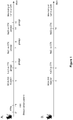
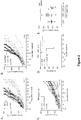
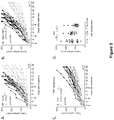
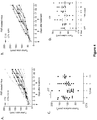
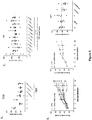


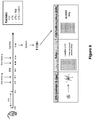

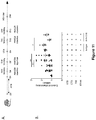


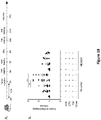
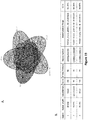


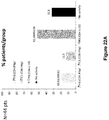
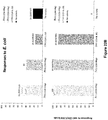


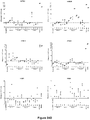


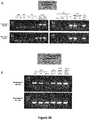

Classifications
-
- A—HUMAN NECESSITIES
- A61—MEDICAL OR VETERINARY SCIENCE; HYGIENE
- A61K—PREPARATIONS FOR MEDICAL, DENTAL OR TOILETRY PURPOSES
- A61K35/00—Medicinal preparations containing materials or reaction products thereof with undetermined constitution
- A61K35/66—Microorganisms or materials therefrom
- A61K35/74—Bacteria
- A61K35/741—Probiotics
- A61K35/744—Lactic acid bacteria, e.g. enterococci, pediococci, lactococci, streptococci or leuconostocs
-
- A—HUMAN NECESSITIES
- A61—MEDICAL OR VETERINARY SCIENCE; HYGIENE
- A61K—PREPARATIONS FOR MEDICAL, DENTAL OR TOILETRY PURPOSES
- A61K39/00—Medicinal preparations containing antigens or antibodies
- A61K39/12—Viral antigens
-
- A—HUMAN NECESSITIES
- A61—MEDICAL OR VETERINARY SCIENCE; HYGIENE
- A61K—PREPARATIONS FOR MEDICAL, DENTAL OR TOILETRY PURPOSES
- A61K35/00—Medicinal preparations containing materials or reaction products thereof with undetermined constitution
- A61K35/66—Microorganisms or materials therefrom
- A61K35/76—Viruses; Subviral particles; Bacteriophages
-
- A—HUMAN NECESSITIES
- A61—MEDICAL OR VETERINARY SCIENCE; HYGIENE
- A61K—PREPARATIONS FOR MEDICAL, DENTAL OR TOILETRY PURPOSES
- A61K38/00—Medicinal preparations containing peptides
- A61K38/03—Peptides having up to 20 amino acids in an undefined or only partially defined sequence; Derivatives thereof
-
- A—HUMAN NECESSITIES
- A61—MEDICAL OR VETERINARY SCIENCE; HYGIENE
- A61K—PREPARATIONS FOR MEDICAL, DENTAL OR TOILETRY PURPOSES
- A61K38/00—Medicinal preparations containing peptides
- A61K38/04—Peptides having up to 20 amino acids in a fully defined sequence; Derivatives thereof
-
- A—HUMAN NECESSITIES
- A61—MEDICAL OR VETERINARY SCIENCE; HYGIENE
- A61K—PREPARATIONS FOR MEDICAL, DENTAL OR TOILETRY PURPOSES
- A61K38/00—Medicinal preparations containing peptides
- A61K38/16—Peptides having more than 20 amino acids; Gastrins; Somatostatins; Melanotropins; Derivatives thereof
- A61K38/164—Peptides having more than 20 amino acids; Gastrins; Somatostatins; Melanotropins; Derivatives thereof from bacteria
-
- A—HUMAN NECESSITIES
- A61—MEDICAL OR VETERINARY SCIENCE; HYGIENE
- A61K—PREPARATIONS FOR MEDICAL, DENTAL OR TOILETRY PURPOSES
- A61K39/00—Medicinal preparations containing antigens or antibodies
- A61K39/02—Bacterial antigens
- A61K39/09—Lactobacillales, e.g. aerococcus, enterococcus, lactobacillus, lactococcus, streptococcus
-
- A—HUMAN NECESSITIES
- A61—MEDICAL OR VETERINARY SCIENCE; HYGIENE
- A61K—PREPARATIONS FOR MEDICAL, DENTAL OR TOILETRY PURPOSES
- A61K40/00—Cellular immunotherapy
- A61K40/10—Cellular immunotherapy characterised by the cell type used
- A61K40/11—T-cells, e.g. tumour infiltrating lymphocytes [TIL] or regulatory T [Treg] cells; Lymphokine-activated killer [LAK] cells
-
- A—HUMAN NECESSITIES
- A61—MEDICAL OR VETERINARY SCIENCE; HYGIENE
- A61K—PREPARATIONS FOR MEDICAL, DENTAL OR TOILETRY PURPOSES
- A61K40/00—Cellular immunotherapy
- A61K40/10—Cellular immunotherapy characterised by the cell type used
- A61K40/19—Dendritic cells
-
- A—HUMAN NECESSITIES
- A61—MEDICAL OR VETERINARY SCIENCE; HYGIENE
- A61K—PREPARATIONS FOR MEDICAL, DENTAL OR TOILETRY PURPOSES
- A61K40/00—Cellular immunotherapy
- A61K40/20—Cellular immunotherapy characterised by the effect or the function of the cells
- A61K40/24—Antigen-presenting cells [APC]
-
- A—HUMAN NECESSITIES
- A61—MEDICAL OR VETERINARY SCIENCE; HYGIENE
- A61K—PREPARATIONS FOR MEDICAL, DENTAL OR TOILETRY PURPOSES
- A61K40/00—Cellular immunotherapy
- A61K40/30—Cellular immunotherapy characterised by the recombinant expression of specific molecules in the cells of the immune system
- A61K40/36—Immune checkpoint inhibitors
-
- A—HUMAN NECESSITIES
- A61—MEDICAL OR VETERINARY SCIENCE; HYGIENE
- A61K—PREPARATIONS FOR MEDICAL, DENTAL OR TOILETRY PURPOSES
- A61K40/00—Cellular immunotherapy
- A61K40/40—Cellular immunotherapy characterised by antigens that are targeted or presented by cells of the immune system
- A61K40/45—Bacterial antigens
-
- A—HUMAN NECESSITIES
- A61—MEDICAL OR VETERINARY SCIENCE; HYGIENE
- A61K—PREPARATIONS FOR MEDICAL, DENTAL OR TOILETRY PURPOSES
- A61K45/00—Medicinal preparations containing active ingredients not provided for in groups A61K31/00 - A61K41/00
-
- A—HUMAN NECESSITIES
- A61—MEDICAL OR VETERINARY SCIENCE; HYGIENE
- A61K—PREPARATIONS FOR MEDICAL, DENTAL OR TOILETRY PURPOSES
- A61K45/00—Medicinal preparations containing active ingredients not provided for in groups A61K31/00 - A61K41/00
- A61K45/06—Mixtures of active ingredients without chemical characterisation, e.g. antiphlogistics and cardiaca
-
- A—HUMAN NECESSITIES
- A61—MEDICAL OR VETERINARY SCIENCE; HYGIENE
- A61P—SPECIFIC THERAPEUTIC ACTIVITY OF CHEMICAL COMPOUNDS OR MEDICINAL PREPARATIONS
- A61P35/00—Antineoplastic agents
-
- C—CHEMISTRY; METALLURGY
- C07—ORGANIC CHEMISTRY
- C07K—PEPTIDES
- C07K14/00—Peptides having more than 20 amino acids; Gastrins; Somatostatins; Melanotropins; Derivatives thereof
- C07K14/005—Peptides having more than 20 amino acids; Gastrins; Somatostatins; Melanotropins; Derivatives thereof from viruses
-
- C—CHEMISTRY; METALLURGY
- C07—ORGANIC CHEMISTRY
- C07K—PEPTIDES
- C07K14/00—Peptides having more than 20 amino acids; Gastrins; Somatostatins; Melanotropins; Derivatives thereof
- C07K14/435—Peptides having more than 20 amino acids; Gastrins; Somatostatins; Melanotropins; Derivatives thereof from animals; from humans
- C07K14/705—Receptors; Cell surface antigens; Cell surface determinants
- C07K14/70503—Immunoglobulin superfamily
- C07K14/70539—MHC-molecules, e.g. HLA-molecules
-
- C—CHEMISTRY; METALLURGY
- C12—BIOCHEMISTRY; BEER; SPIRITS; WINE; VINEGAR; MICROBIOLOGY; ENZYMOLOGY; MUTATION OR GENETIC ENGINEERING
- C12N—MICROORGANISMS OR ENZYMES; COMPOSITIONS THEREOF; PROPAGATING, PRESERVING, OR MAINTAINING MICROORGANISMS; MUTATION OR GENETIC ENGINEERING; CULTURE MEDIA
- C12N15/00—Mutation or genetic engineering; DNA or RNA concerning genetic engineering, vectors, e.g. plasmids, or their isolation, preparation or purification; Use of hosts therefor
- C12N15/09—Recombinant DNA-technology
- C12N15/63—Introduction of foreign genetic material using vectors; Vectors; Use of hosts therefor; Regulation of expression
- C12N15/74—Vectors or expression systems specially adapted for prokaryotic hosts other than E. coli, e.g. Lactobacillus, Micromonospora
- C12N15/746—Vectors or expression systems specially adapted for prokaryotic hosts other than E. coli, e.g. Lactobacillus, Micromonospora for lactic acid bacteria (Streptococcus; Lactococcus; Lactobacillus; Pediococcus; Enterococcus; Leuconostoc; Propionibacterium; Bifidobacterium; Sporolactobacillus)
-
- C—CHEMISTRY; METALLURGY
- C12—BIOCHEMISTRY; BEER; SPIRITS; WINE; VINEGAR; MICROBIOLOGY; ENZYMOLOGY; MUTATION OR GENETIC ENGINEERING
- C12N—MICROORGANISMS OR ENZYMES; COMPOSITIONS THEREOF; PROPAGATING, PRESERVING, OR MAINTAINING MICROORGANISMS; MUTATION OR GENETIC ENGINEERING; CULTURE MEDIA
- C12N5/00—Undifferentiated human, animal or plant cells, e.g. cell lines; Tissues; Cultivation or maintenance thereof; Culture media therefor
- C12N5/06—Animal cells or tissues; Human cells or tissues
- C12N5/0602—Vertebrate cells
- C12N5/0634—Cells from the blood or the immune system
- C12N5/0636—T lymphocytes
-
- C—CHEMISTRY; METALLURGY
- C12—BIOCHEMISTRY; BEER; SPIRITS; WINE; VINEGAR; MICROBIOLOGY; ENZYMOLOGY; MUTATION OR GENETIC ENGINEERING
- C12Q—MEASURING OR TESTING PROCESSES INVOLVING ENZYMES, NUCLEIC ACIDS OR MICROORGANISMS; COMPOSITIONS OR TEST PAPERS THEREFOR; PROCESSES OF PREPARING SUCH COMPOSITIONS; CONDITION-RESPONSIVE CONTROL IN MICROBIOLOGICAL OR ENZYMOLOGICAL PROCESSES
- C12Q1/00—Measuring or testing processes involving enzymes, nucleic acids or microorganisms; Compositions therefor; Processes of preparing such compositions
- C12Q1/02—Measuring or testing processes involving enzymes, nucleic acids or microorganisms; Compositions therefor; Processes of preparing such compositions involving viable microorganisms
- C12Q1/025—Measuring or testing processes involving enzymes, nucleic acids or microorganisms; Compositions therefor; Processes of preparing such compositions involving viable microorganisms for testing or evaluating the effect of chemical or biological compounds, e.g. drugs, cosmetics
-
- C—CHEMISTRY; METALLURGY
- C12—BIOCHEMISTRY; BEER; SPIRITS; WINE; VINEGAR; MICROBIOLOGY; ENZYMOLOGY; MUTATION OR GENETIC ENGINEERING
- C12Q—MEASURING OR TESTING PROCESSES INVOLVING ENZYMES, NUCLEIC ACIDS OR MICROORGANISMS; COMPOSITIONS OR TEST PAPERS THEREFOR; PROCESSES OF PREPARING SUCH COMPOSITIONS; CONDITION-RESPONSIVE CONTROL IN MICROBIOLOGICAL OR ENZYMOLOGICAL PROCESSES
- C12Q1/00—Measuring or testing processes involving enzymes, nucleic acids or microorganisms; Compositions therefor; Processes of preparing such compositions
- C12Q1/68—Measuring or testing processes involving enzymes, nucleic acids or microorganisms; Compositions therefor; Processes of preparing such compositions involving nucleic acids
- C12Q1/6876—Nucleic acid products used in the analysis of nucleic acids, e.g. primers or probes
- C12Q1/6883—Nucleic acid products used in the analysis of nucleic acids, e.g. primers or probes for diseases caused by alterations of genetic material
- C12Q1/6886—Nucleic acid products used in the analysis of nucleic acids, e.g. primers or probes for diseases caused by alterations of genetic material for cancer
-
- C—CHEMISTRY; METALLURGY
- C12—BIOCHEMISTRY; BEER; SPIRITS; WINE; VINEGAR; MICROBIOLOGY; ENZYMOLOGY; MUTATION OR GENETIC ENGINEERING
- C12Q—MEASURING OR TESTING PROCESSES INVOLVING ENZYMES, NUCLEIC ACIDS OR MICROORGANISMS; COMPOSITIONS OR TEST PAPERS THEREFOR; PROCESSES OF PREPARING SUCH COMPOSITIONS; CONDITION-RESPONSIVE CONTROL IN MICROBIOLOGICAL OR ENZYMOLOGICAL PROCESSES
- C12Q1/00—Measuring or testing processes involving enzymes, nucleic acids or microorganisms; Compositions therefor; Processes of preparing such compositions
- C12Q1/68—Measuring or testing processes involving enzymes, nucleic acids or microorganisms; Compositions therefor; Processes of preparing such compositions involving nucleic acids
- C12Q1/6876—Nucleic acid products used in the analysis of nucleic acids, e.g. primers or probes
- C12Q1/6888—Nucleic acid products used in the analysis of nucleic acids, e.g. primers or probes for detection or identification of organisms
- C12Q1/689—Nucleic acid products used in the analysis of nucleic acids, e.g. primers or probes for detection or identification of organisms for bacteria
-
- G—PHYSICS
- G01—MEASURING; TESTING
- G01N—INVESTIGATING OR ANALYSING MATERIALS BY DETERMINING THEIR CHEMICAL OR PHYSICAL PROPERTIES
- G01N33/00—Investigating or analysing materials by specific methods not covered by groups G01N1/00 - G01N31/00
- G01N33/48—Biological material, e.g. blood, urine; Haemocytometers
- G01N33/50—Chemical analysis of biological material, e.g. blood, urine; Testing involving biospecific ligand binding methods; Immunological testing
- G01N33/5005—Chemical analysis of biological material, e.g. blood, urine; Testing involving biospecific ligand binding methods; Immunological testing involving human or animal cells
- G01N33/5091—Chemical analysis of biological material, e.g. blood, urine; Testing involving biospecific ligand binding methods; Immunological testing involving human or animal cells for testing the pathological state of an organism
-
- G—PHYSICS
- G01—MEASURING; TESTING
- G01N—INVESTIGATING OR ANALYSING MATERIALS BY DETERMINING THEIR CHEMICAL OR PHYSICAL PROPERTIES
- G01N33/00—Investigating or analysing materials by specific methods not covered by groups G01N1/00 - G01N31/00
- G01N33/48—Biological material, e.g. blood, urine; Haemocytometers
- G01N33/50—Chemical analysis of biological material, e.g. blood, urine; Testing involving biospecific ligand binding methods; Immunological testing
- G01N33/53—Immunoassay; Biospecific binding assay; Materials therefor
- G01N33/543—Immunoassay; Biospecific binding assay; Materials therefor with an insoluble carrier for immobilising immunochemicals
- G01N33/54306—Solid-phase reaction mechanisms
-
- G—PHYSICS
- G01—MEASURING; TESTING
- G01N—INVESTIGATING OR ANALYSING MATERIALS BY DETERMINING THEIR CHEMICAL OR PHYSICAL PROPERTIES
- G01N33/00—Investigating or analysing materials by specific methods not covered by groups G01N1/00 - G01N31/00
- G01N33/48—Biological material, e.g. blood, urine; Haemocytometers
- G01N33/50—Chemical analysis of biological material, e.g. blood, urine; Testing involving biospecific ligand binding methods; Immunological testing
- G01N33/53—Immunoassay; Biospecific binding assay; Materials therefor
- G01N33/569—Immunoassay; Biospecific binding assay; Materials therefor for microorganisms, e.g. protozoa, bacteria, viruses
- G01N33/56966—Animal cells
-
- G—PHYSICS
- G01—MEASURING; TESTING
- G01N—INVESTIGATING OR ANALYSING MATERIALS BY DETERMINING THEIR CHEMICAL OR PHYSICAL PROPERTIES
- G01N33/00—Investigating or analysing materials by specific methods not covered by groups G01N1/00 - G01N31/00
- G01N33/48—Biological material, e.g. blood, urine; Haemocytometers
- G01N33/50—Chemical analysis of biological material, e.g. blood, urine; Testing involving biospecific ligand binding methods; Immunological testing
- G01N33/68—Chemical analysis of biological material, e.g. blood, urine; Testing involving biospecific ligand binding methods; Immunological testing involving proteins, peptides or amino acids
- G01N33/6893—Chemical analysis of biological material, e.g. blood, urine; Testing involving biospecific ligand binding methods; Immunological testing involving proteins, peptides or amino acids related to diseases not provided for elsewhere
-
- A—HUMAN NECESSITIES
- A61—MEDICAL OR VETERINARY SCIENCE; HYGIENE
- A61K—PREPARATIONS FOR MEDICAL, DENTAL OR TOILETRY PURPOSES
- A61K39/00—Medicinal preparations containing antigens or antibodies
- A61K2039/51—Medicinal preparations containing antigens or antibodies comprising whole cells, viruses or DNA/RNA
- A61K2039/515—Animal cells
- A61K2039/5154—Antigen presenting cells [APCs], e.g. dendritic cells or macrophages
-
- A—HUMAN NECESSITIES
- A61—MEDICAL OR VETERINARY SCIENCE; HYGIENE
- A61K—PREPARATIONS FOR MEDICAL, DENTAL OR TOILETRY PURPOSES
- A61K39/00—Medicinal preparations containing antigens or antibodies
- A61K2039/51—Medicinal preparations containing antigens or antibodies comprising whole cells, viruses or DNA/RNA
- A61K2039/515—Animal cells
- A61K2039/5158—Antigen-pulsed cells, e.g. T-cells
-
- A—HUMAN NECESSITIES
- A61—MEDICAL OR VETERINARY SCIENCE; HYGIENE
- A61K—PREPARATIONS FOR MEDICAL, DENTAL OR TOILETRY PURPOSES
- A61K39/00—Medicinal preparations containing antigens or antibodies
- A61K2039/51—Medicinal preparations containing antigens or antibodies comprising whole cells, viruses or DNA/RNA
- A61K2039/52—Bacterial cells; Fungal cells; Protozoal cells
- A61K2039/523—Bacterial cells; Fungal cells; Protozoal cells expressing foreign proteins
-
- A—HUMAN NECESSITIES
- A61—MEDICAL OR VETERINARY SCIENCE; HYGIENE
- A61K—PREPARATIONS FOR MEDICAL, DENTAL OR TOILETRY PURPOSES
- A61K39/00—Medicinal preparations containing antigens or antibodies
- A61K2039/58—Medicinal preparations containing antigens or antibodies raising an immune response against a target which is not the antigen used for immunisation
- A61K2039/585—Medicinal preparations containing antigens or antibodies raising an immune response against a target which is not the antigen used for immunisation wherein the target is cancer
-
- A—HUMAN NECESSITIES
- A61—MEDICAL OR VETERINARY SCIENCE; HYGIENE
- A61K—PREPARATIONS FOR MEDICAL, DENTAL OR TOILETRY PURPOSES
- A61K2239/00—Indexing codes associated with cellular immunotherapy of group A61K40/00
- A61K2239/31—Indexing codes associated with cellular immunotherapy of group A61K40/00 characterized by the route of administration
-
- A—HUMAN NECESSITIES
- A61—MEDICAL OR VETERINARY SCIENCE; HYGIENE
- A61K—PREPARATIONS FOR MEDICAL, DENTAL OR TOILETRY PURPOSES
- A61K2239/00—Indexing codes associated with cellular immunotherapy of group A61K40/00
- A61K2239/38—Indexing codes associated with cellular immunotherapy of group A61K40/00 characterised by the dose, timing or administration schedule
-
- C—CHEMISTRY; METALLURGY
- C12—BIOCHEMISTRY; BEER; SPIRITS; WINE; VINEGAR; MICROBIOLOGY; ENZYMOLOGY; MUTATION OR GENETIC ENGINEERING
- C12N—MICROORGANISMS OR ENZYMES; COMPOSITIONS THEREOF; PROPAGATING, PRESERVING, OR MAINTAINING MICROORGANISMS; MUTATION OR GENETIC ENGINEERING; CULTURE MEDIA
- C12N2509/00—Methods for the dissociation of cells, e.g. specific use of enzymes
-
- C—CHEMISTRY; METALLURGY
- C12—BIOCHEMISTRY; BEER; SPIRITS; WINE; VINEGAR; MICROBIOLOGY; ENZYMOLOGY; MUTATION OR GENETIC ENGINEERING
- C12N—MICROORGANISMS OR ENZYMES; COMPOSITIONS THEREOF; PROPAGATING, PRESERVING, OR MAINTAINING MICROORGANISMS; MUTATION OR GENETIC ENGINEERING; CULTURE MEDIA
- C12N2795/00—Bacteriophages
- C12N2795/00011—Details
- C12N2795/10011—Details dsDNA Bacteriophages
- C12N2795/10311—Siphoviridae
- C12N2795/10321—Viruses as such, e.g. new isolates, mutants or their genomic sequences
-
- C—CHEMISTRY; METALLURGY
- C12—BIOCHEMISTRY; BEER; SPIRITS; WINE; VINEGAR; MICROBIOLOGY; ENZYMOLOGY; MUTATION OR GENETIC ENGINEERING
- C12N—MICROORGANISMS OR ENZYMES; COMPOSITIONS THEREOF; PROPAGATING, PRESERVING, OR MAINTAINING MICROORGANISMS; MUTATION OR GENETIC ENGINEERING; CULTURE MEDIA
- C12N2795/00—Bacteriophages
- C12N2795/00011—Details
- C12N2795/10011—Details dsDNA Bacteriophages
- C12N2795/10311—Siphoviridae
- C12N2795/10333—Use of viral protein as therapeutic agent other than vaccine, e.g. apoptosis inducing or anti-inflammatory
-
- C—CHEMISTRY; METALLURGY
- C12—BIOCHEMISTRY; BEER; SPIRITS; WINE; VINEGAR; MICROBIOLOGY; ENZYMOLOGY; MUTATION OR GENETIC ENGINEERING
- C12N—MICROORGANISMS OR ENZYMES; COMPOSITIONS THEREOF; PROPAGATING, PRESERVING, OR MAINTAINING MICROORGANISMS; MUTATION OR GENETIC ENGINEERING; CULTURE MEDIA
- C12N2795/00—Bacteriophages
- C12N2795/00011—Details
- C12N2795/10011—Details dsDNA Bacteriophages
- C12N2795/10311—Siphoviridae
- C12N2795/10341—Use of virus, viral particle or viral elements as a vector
- C12N2795/10343—Use of virus, viral particle or viral elements as a vector viral genome or elements thereof as genetic vector
-
- C—CHEMISTRY; METALLURGY
- C12—BIOCHEMISTRY; BEER; SPIRITS; WINE; VINEGAR; MICROBIOLOGY; ENZYMOLOGY; MUTATION OR GENETIC ENGINEERING
- C12Q—MEASURING OR TESTING PROCESSES INVOLVING ENZYMES, NUCLEIC ACIDS OR MICROORGANISMS; COMPOSITIONS OR TEST PAPERS THEREFOR; PROCESSES OF PREPARING SUCH COMPOSITIONS; CONDITION-RESPONSIVE CONTROL IN MICROBIOLOGICAL OR ENZYMOLOGICAL PROCESSES
- C12Q2600/00—Oligonucleotides characterized by their use
- C12Q2600/106—Pharmacogenomics, i.e. genetic variability in individual responses to drugs and drug metabolism
-
- C—CHEMISTRY; METALLURGY
- C12—BIOCHEMISTRY; BEER; SPIRITS; WINE; VINEGAR; MICROBIOLOGY; ENZYMOLOGY; MUTATION OR GENETIC ENGINEERING
- C12Q—MEASURING OR TESTING PROCESSES INVOLVING ENZYMES, NUCLEIC ACIDS OR MICROORGANISMS; COMPOSITIONS OR TEST PAPERS THEREFOR; PROCESSES OF PREPARING SUCH COMPOSITIONS; CONDITION-RESPONSIVE CONTROL IN MICROBIOLOGICAL OR ENZYMOLOGICAL PROCESSES
- C12Q2600/00—Oligonucleotides characterized by their use
- C12Q2600/158—Expression markers
-
- G—PHYSICS
- G01—MEASURING; TESTING
- G01N—INVESTIGATING OR ANALYSING MATERIALS BY DETERMINING THEIR CHEMICAL OR PHYSICAL PROPERTIES
- G01N2333/00—Assays involving biological materials from specific organisms or of a specific nature
- G01N2333/195—Assays involving biological materials from specific organisms or of a specific nature from bacteria
- G01N2333/315—Assays involving biological materials from specific organisms or of a specific nature from bacteria from Streptococcus (G), e.g. Enterococci
-
- G—PHYSICS
- G01—MEASURING; TESTING
- G01N—INVESTIGATING OR ANALYSING MATERIALS BY DETERMINING THEIR CHEMICAL OR PHYSICAL PROPERTIES
- G01N2800/00—Detection or diagnosis of diseases
- G01N2800/52—Predicting or monitoring the response to treatment, e.g. for selection of therapy based on assay results in personalised medicine; Prognosis
-
- Y—GENERAL TAGGING OF NEW TECHNOLOGICAL DEVELOPMENTS; GENERAL TAGGING OF CROSS-SECTIONAL TECHNOLOGIES SPANNING OVER SEVERAL SECTIONS OF THE IPC; TECHNICAL SUBJECTS COVERED BY FORMER USPC CROSS-REFERENCE ART COLLECTIONS [XRACs] AND DIGESTS
- Y02—TECHNOLOGIES OR APPLICATIONS FOR MITIGATION OR ADAPTATION AGAINST CLIMATE CHANGE
- Y02A—TECHNOLOGIES FOR ADAPTATION TO CLIMATE CHANGE
- Y02A50/00—TECHNOLOGIES FOR ADAPTATION TO CLIMATE CHANGE in human health protection, e.g. against extreme weather
- Y02A50/30—Against vector-borne diseases, e.g. mosquito-borne, fly-borne, tick-borne or waterborne diseases whose impact is exacerbated by climate change
Definitions
- the present invention relates to the field of probiotic adjuvantization of anticancer treatments.
- the present invention concerns immunogenic sequences from a prophage present in bacteria identified as efficient adjuvants of cancer treatments.
- the invention provides bacterial compositions expressing immunogenic sequences from this prophage and methods using sequences of this prophage, for increasing the anticancer armamentarium.
- antigenicity the presence of tumor-associated antigens that are derived from mutations yielding mutated proteins, or the ectopic expression of genes/proteins that are normally only present in embryonic development or in testis
- adjuvanticity the presence of co-stimulatory signals that activate innate immune effectors
- microbes can be direct transforming agents (Abreu and Peek, 2014; Sears and Garrett, 2014), by providing a toxic metabolite, an oncogenic product or by inducing an inflammatory milieu which will culminate in genomic instability and/or DNA damage response and/or immune escape (Garrett, 2015; Gur et al., 2015; Louis et al., 2014).
- bacterial-associated TLR4 agonists accounted for the ROS and TNF ⁇ -mediated antitumor effects of tumor infiltrating myeloid cells (lida et al., 2013).
- CTX alkylating agent cyclophosphamide
- intestinihominis boosted systemic polyfunctional Tc1/Th1 responses, reinstated intratumoral IFN ⁇ producing ⁇ T cells, and reduced ⁇ T17 cells in the tumor microenvironment, traits associated with tumor control.
- intestinal NOD2 receptors which limit bacterial accumulation (for B. intestinihominis ) or translocation (for E. hirae) into secondary lymphoid organs.
- CTX plus cancer vaccine B subunit of Shiga toxin fused with HPV-16 E7 antigen
- mice restored the accumulation of E7 tetramer-binding CD8 + CTLs leading to tumor rejection.
- E. hirae mediated anti-tumor effects.
- the immunomodulatory role of these two commensals in mice is relevant to cancer-bearing patients. Memory MHC class II-restricted Th1 immune responses against E. hirae or B. intestinihominis (and not 9 other commensals) were associated with prolonged progression-free survival in end stage lung and ovarian cancer patients who were previously treated with chemotherapy (Daillère et al., 2016).
- EH E. hirae
- EH13144, EH clone IGR7 and, to a lesser extent, clone IGR4 and clone IGR11 exerted a significant capacity to induce pTh17 cells in secondary lymphoid organs of CTX-treated animals, which was associated with cancer antigen-specific CTL responses and oncomicrobiotic properties, whereas the EH 17 strain did not.
- the reasons for these differences were however unknown, and the inventors pursued their research to identify the factor(s) responsible for the immunogenic properties of the murine strain EH13144 and the human clones IGR4, IGR7 and IGR11, in order to derive new molecules or microorganisms useful in the treatment of cancer.
- the inventors screened several human E. hirae isolates cultivated from human patients' feces and compared them with the human EH708 and the mouse EH13144. They cultivated 11 novel isolates of E. hirae from feces of non small cell lung cancer patients who responded to anti-PD1 Ab. Among these 11 novel isolates tested in the MCA205 tumor model together with CTX, clone IGR4, clone IGR11 to some extent and clone IGR7 were effective at synergizing with CTX, alone or best, when combined together.
- mice EH13144 shares a very high sequence homology with the human clone IGR7 (and falls into the same clade in the dendrogramm of >20 EH strains), both being very special isolates with a unique immunogenicity related to the presence of a phage inserted into their genomic sequence. They identified that the immunogenicity relies on the temperate bacteriophage tail tape measure protein (TMP). Additionally, the combination of EH13144 + clone IGR4 + clone IGR7 exhibited additive antitumor effects combined with CTX.
- TMP temperate bacteriophage tail tape measure protein
- the present invention pertains to a bacterial composition
- a bacterial composition comprising bacteria selected from the group consisting of:
- the invention also relates to the use of the above bacterial composition for treating a cancer.
- the composition according to the present invention is used in combination with an antineoplastic drug, for treating a cancer.
- the invention pertains to a method of increasing the immunogenicity of a bacterial strain of anticancer interest, comprising in vitro introducing, into said strain, a nucleotide sequence encoding the protein of SEQ ID No: 1 of a fragment thereof identified as being immunogenic, such as a fragment comprising at least the peptides of SEQ ID Nos: 13 and 14, or a sequence encoding a peptide of at least 9, preferably at least 20 amino acids comprising at least one of the epitopes likely to be presented by a human HLA molecule, such as epitopes selected from the group consisting of SEQ ID No: 53 to 187
- a bacterial strain which has been obtained by the above method is also part of the present invention, as well as its use in treating a cancer.
- the present invention also relates to an immunogenic composition
- an immunogenic composition comprising a polypeptide comprising a sequence of at least 9 consecutive amino acids from the TMP of SEQ ID No: 1 or a polynucleotide encoding the same, for use as an anticancer vaccine.
- the present invention pertains to a cell composition
- a cell composition comprising antigen presenting cells (APC) which have been pulsed ex vivo with a bacterial composition or an immunogenic composition according to the invention.
- APC antigen presenting cells
- the invention pertains to an MHC multimer for isolating T-cells with high affinity for the protein of SEQ ID No: 1, wherein MHC molecules are bound to an epitope selected from the group consisting of SEQ ID No: 53-187.
- the invention also pertains to a bacteriophage composition, wherein said bacteriophage expresses a protein having at least 80, preferably at least 90 and more preferably at least 95% identity with the protein of SEQ ID No: 1, as well as its use for treating a cancer.
- the invention pertains to a screening method for identifying antineoplastic drugs, comprising using bacteria from the strain CNCM I-4815 for assessing the ability of drug candidates to trigger the lytic cycle of the phage comprising the protein of SEQ ID No: 1.
- the present invention also pertains to a method of determining if a patient is likely to be a good responder to a treatment by chemotherapy or immune checkpoint blockade, comprising assessing the presence, in a biological sample from said patient, of a sequence having at least 80% identity with the protein of SEQ ID No: 1, wherein if such a sequence is present in the sample, the patient is likely to respond to the treatment.
- the present invention also pertains to a method of determining if a patient is likely to be a good responder to a treatment by chemotherapy or immune checkpoint blockade, comprising measuring the levels of circulating CCR9+CXCR3+ CD8+ T cells during said treatment, wherein if said level is above a predetermined threshold, the patient is likely to respond to the treatment.
- gut microbiota (formerly called gut flora or microflora) designates the population of microorganisms living in the intestine of any organism belonging to the animal kingdom (human, animal, insect, etc .) . While each individual has a unique microbiota composition (60 to 80 bacterial species are shared by more than 50% of a sampled population on a total of 400-500 different bacterial species/individual), it always fulfils similar main physiological functions and has a direct impact on the individual's health:
- gut microbiota plays in the normal functioning of the body and the different functions it accomplishes, it is nowadays considered as an "organ”.
- organ it is an "acquired” organ, as babies are born sterile; that is, intestine colonisation starts right after birth and evolves afterwards.
- gut microbiota starts at birth. Sterile inside the uterus, the newborn's digestive tract is quickly colonized by microorganisms from the mother (vaginal, skin, breast, etc .), the environment in which the delivery takes place, the air, etc. From the third day, the composition of the intestinal microbiota is directly dependent on how the infant is fed: breastfed babies' gut microbiota, for example, is mainly dominated by Bifidobacteria, compared to babies nourished with infant formulas.
- the composition of the gut microbiota evolves throughout the entire life, from birth to old age, and is the result of different environmental influences. Gut microbiota's balance can be affected during the ageing process and, consequently, the elderly have substantially different microbiota than younger adults.
- composition at a species level is highly personalised and largely determined by the individuals' genetic, environment and diet.
- the composition of gut microbiota may become accustomed to dietary components, either temporarily or permanently.
- Dysbiosis a disequilibrium between potentially “detrimental” and “beneficial” bacteria in the gut or any deviation to what is considered a “healthy” microbiota in terms of main bacterial groups composition and diversity.
- Dysbiosis may be linked to health problems such as functional bowel disorders, inflammatory bowel diseases, allergies, obesity, diabetes and also cancer. It can also be the consequence of a treatment, such as a cytotoxic treatment or an antibiotic treatment.
- Antineoplastic treatments herein designate any treatment for cancer except surgery. They include chemotherapy, hormonal and biological therapies, radiotherapy and targeted therapies (such as c-KIT, EGFR or HER2/HER3 or MET or ALK inhibitors).
- Chemotherapeutic agents are chemical molecules which act by killing cells that divide rapidly, one of the main properties of most cancer cells. Several categories of chemical agents exist:
- a "drug blocking an immune checkpoint”, or “immune checkpoint blocker (ICB)” or “immune checkpoint blockade drug” designates any drug, molecule or composition which blocks an immune checkpoint of T lymphocytes. Such a drug reactivates the host immune system, and kills tumor cells indirectly by effector T lymphocytes.
- these terms encompass anti-CTLA-4 antibodies, anti-PD1 antibodies, anti-PD-L1 antibodies (such as Atezolizumab or Durvalumab) and anti-PD-L2 antibodies.
- an ICB can be an anti-PD1 monoclonal antibody such as Nivolumab or Pembrolizumab. It could also include anti-Tim3, anti-BTLA, anti-VISTA, anti-CD38, anti-TIGIT, anti-GITR, anti-LAG3, anti-KIR antibodies, anti-OX40 antibodies, which also inhibit immune checkpoints.
- the currently used drugs antagonizing CTLA-4, PD1, PD-L1,PD-L2, etc. are monoclonal antibodies, other molecules specifically binding to these could be used for the development of future ICB such as, for example, antibody fragments or specifically designed aptamers.
- ICB immune checkpoint blocker
- the phrases “drug blocking an immune checkpoint”, or “immune checkpoint blocker (ICB)” or “immune checkpoint blockade drug” encompass any therapy with active molecules that antagonize and immune checkpoint such as CTLA-4, PD1, PD-L1, PD-L2, etc., such as oncolytic viruses recombinant for anti-CTLA4, anti-PD1 or PDL1 Abs.
- a "drug activating an immunostimulatory receptor” designates any drug, molecule or composition which activates a T or Nk cell receptor reactivating the host immune system, and killing tumor cells indirectly by effector T lymphocytes.
- it encompasses anti-ICOS antibodies, anti-OX40 antibodies, anti-CD137, anti-CD28 antibodies ...
- Probiotics are micro-organisms that have claimed health benefits when consumed. Probiotics are commonly consumed as part of fermented foods with specially added active live cultures, such as in yogurt, soy yogurt, or as dietary supplements. Generally, probiotics help gut microbiota keep (or re-find) its balance, integrity and diversity. The effects of probiotics can be strain-dependent. Here we will use the phrase “anticancer probiotics” or the neologisms “oncobax” and “oncomicrobiotics” to designate any commensal composition that restores responsiveness to chemotherapy, PD1/PD-L1 blockade or combination of anti-CTLA4+anti-PD1 or PD-L1 Ab. In the context of the present invention, a “probiotic composition” is thus not limited to food or food supplements, but it generally designates any bacterial composition comprising microorganisms which are beneficial to the patients. Such probiotic compositions can hence be medicaments or drugs.
- cancer means all types of cancers.
- the cancers can be solid or non solid cancers.
- Non limitative examples of cancers are carcinomas or adenocarcinomas such as breast, prostate, ovary, lung, pancreas or colon cancer, sarcomas, lymphomas, melanomas, leukemias, germ cell cancers and blastomas.
- the immune system plays a dual role against cancer: it prevents tumor cell outgrowth and also sculpts the immunogenicity of the tumor cells. Drugs blocking an immune checkpoint can hence be used to treat virtually any type of cancer.
- the methods according to the invention are potentially useful for patients having a cancer selected amongst adrenal cortical cancer, anal cancer, bile duct cancer (e.g. periphilar cancer, distal bile duct cancer, intrahepatic bile duct cancer), bladder cancer, bone cancers (e.g.
- osteoblastoma osteochrondroma, hemangioma, chondromyxoid fibroma, osteosarcoma, chondrosarcoma, fibrosarcoma, malignant fibrous histiocytoma, giant cell tumor of the bone, chordoma, lymphoma, multiple myeloma), brain and central nervous system cancers (e.g. meningioma, astocytoma, oligodendrogliomas, ependymoma, gliomas, medulloblastoma, ganglioglioma, Schwannoma, germinoma, craniopharyngioma), breast cancer (e.g.
- ductal carcinoma in situ infiltrating ductal carcinoma, infiltrating lobular carcinoma, lobular carcinoma in situ, gynecomastia
- Castleman disease e.g. giant lymph node hyperplasia, angiofollicular lymph node hyperplasia
- cervical cancer colorectal cancer
- endometrial cancers e.g. endometrial adenocarcinoma, adenocanthoma, papillary serous adenocarcinoma, clear cell
- esophagus cancer gallbladder cancer (mucinous adenocarcinoma, small cell carcinoma), gastrointestinal carcinoid tumors (e.g.
- choriocarcinoma chorioadenoma destruens
- Hodgkin's disease non-Hodgkin's lymphoma, Kaposi's sarcoma
- kidney cancer e.g. renal cell cancer
- laryngeal and hypopharyngeal cancer liver cancers (e.g. hemangioma, hepatic-adenoma, focal nodular hyperplasia, hepatocellular carcinoma)
- lung cancers e.g. small cell lung cancer, non-small cell lung cancer
- mesothelioma plasmacytoma
- nasal cavity and paranasal sinus cancer e.g.
- esthesioneuroblastoma midline granuloma
- nasopharyngeal cancer neuroblastoma
- oral cavity and oropharyngeal cancer ovarian cancer, pancreatic cancer, penile cancer, pituitary cancer, prostate cancer, retinoblastoma, rhabdomyosarcoma (e.g. embryonal rhabdomyosarcoma, alveolar rhabdomyosarcoma, pleomorphic rhabdomyosarcoma), salivary gland cancer, skin cancer (e.g. melanoma, nonmelanoma skin cancer), stomach cancer, testicular cancers (e.g.
- thyroid cancers e.g. follicular carcinoma, anaplastic carcinoma, poorly differentiated carcinoma, medullary thyroid carcinoma, thyroid lymphoma
- vaginal cancer e.g. uterine leiomyosarcoma
- the method according to the invention can be used for predicting and optimizing a patient's response to a medicament targeting an immune checkpoint, wherein the patient has a cancer selected from the group consisting of metastatic melanoma, non-small cell lung carcinoma (NSCLC), small cell lung cancer (SCLC), mesothelioma, bladder cancer, renal cell carcinoma, head and neck cancers, oesophageal and gastric cancers, rectal cancers, hepatocarcinoma, sarcoma, Wilm's tumor, Hodgkin lymphoma, ALK-neuroblastoma, (hormone refractory) prostate cancers and GIST.
- a cancer selected from the group consisting of metastatic melanoma, non-small cell lung carcinoma (NSCLC), small cell lung cancer (SCLC), mesothelioma, bladder cancer, renal cell carcinoma, head and neck cancers, oesophageal and gastric cancers, rectal cancers, hepatocarcinom
- the present invention pertains to a bacterial composition
- a bacterial composition comprising bacteria selected from the group consisting of:
- the bacterial strains present in the composition according to the invention can belong to any bacterial family.
- the bacteria are administered to a patient suffering from cancer, non pathogenic bacteria will be preferentially used.
- bacteria other than Enterococcus hirae strains can also be used according to the present invention.
- the bacterial composition is used for treating a cancer.
- the bacterial composition is administered to a patient in need thereof in combination with an antineoplastic drug.
- drugs which can advantageously administered in combination with the bacterial compositions of the invention include chemotherapy, especially alkylating agents (e.g. cyclophosphamide) and immune checkpoint blockers (e.g., drugs antagonizing CTLA-4, PD1, PD-L1 or PD-L2, used alone or in combination).
- the bacterial composition of the invention further comprises Enterococcus hirae strain IGR4, deposited on November 27, 2017, at the CNCM under the number I-5260.
- the composition comprises Enterococcus hirae strain 13144 (CNCM I-4815), Enterococcus hirae strain IGR7 (CNCM I-5224) and Enterococcus hirae strain IGR4 (CNCM I-5260).
- the bacterial composition is used in combination with an antineoplastic drug capable of triggering the lytic cycle of a phage encoded by the prophage.
- antineoplastic drug capable of triggering the lytic cycle of a phage encoded by the prophage.
- An example of such a drug is mitomycin C, as illustrated in Example 8 below.
- the bacterial composition comprises at least one strain harbouring a prophage genome with at least 80 and preferably at least 95% identity with the prophage of SEQ ID No: 2, so that the phage encoded by this prophage can in vivo infect other strains of the composition and/or, possibly, other bacteria already present in the patient's gut microbiota.
- Another aspect of the present invention is a method of increasing the immunogenicity of a bacterial strain of anticancer probiotic interest, by in vitro introducing into said bacterial strain a nucleotide sequence encoding the TMP of SEQ ID No: 1 of a fragment thereof comprising at least the peptides of SEQ ID Nos: 13 and 14, or a sequence encoding a peptide of at least 9, preferably at least 20 amino acids comprising at least one epitope selected from the group consisting of SEQ ID No: 53 to 187.
- the peptides of SEQ ID Nos: 13 and 14 correspond to immunogenic epitopes binding to mouse H-2Kb, but they might also be immunogenic in humans harbouring appropriate HLA class I haplotypes capable of binding some of these sequences or broader sequences, shared across species.
- the sequences of SEQ ID No: 53 to 187 have been identified in silico as being epitopes from the TMP of SEQ ID No: 1 which are bound by human HLA molecules (see Table 9 below).
- the bacterial strain of anticancer probiotic interest is transduced with a sequence comprising several epitopes, which can be presented by different HLA haplotypes, to that the resulting bacterial strain is immunogenic in patients of different HLA haplotypes.
- the nucleotide sequence encodes at least KMVEILEEI (SEQ ID No: 55), RLLKYDVGV (SEQ ID No: 56), LLGIYQSYV (SEQ ID No: 62), KLAKFASVV (SEQ ID No: 63) or ILVAITTTI (SEQ ID No: 66), which are HLA-A0201-restricted epitopes, the immunogenicity of which has been experimentally confirmed in humans (see Example 7 and Fig. 24B below).
- the bacterial strain is transduced with a nucleic acid (for example, a plasmid) encoding a protein having 95%, preferably 97.5% and more preferably 98,7% identity with the TMP of SEQ ID No : 1, or encoding a fragment of said protein including at least one epitope as above-described.
- a nucleic acid for example, a plasmid
- the resulting bacterial strain expresses the TMP or fragment thereof.
- bacteria of the strain are infected with a bacteriophage encoding a TMP with at least 90 and more preferably at least 95% identity with the TMP of SEQ ID No: 1.
- any bacterial strain of interest can be used in this method, provided it is not highly pathogenic.
- bacterial strains already known for their probiotic interest can be engineered by in vitro infection with a bacteriophage or by transduction with a plasmid encoding the TMP or fragment thereof.
- Non-limitative examples of such bacteria include Akkermansia muciniphila, Ruminococcacae, Faecalibacterium, Clostridium ramosum, Clostridium XVIII, Alistipes species ( A. onderdonkii, A. finegoldii, A.
- shahii Eubacterium species, Bacteroidales species, Methanobrevibacter smithii, Lactobacillus johnsonii, Bacteroides fragilis, Bacteroides thetaiotaomicron, Bacteroides salyersiae, Burkholderia cepacia, Burkholderia cenocepacia, and Barnesiella intestinihominis or Erysipeloclostridia and Erysipelotrichaceae, or Colinsella intestinalis or Collinsella takakaei or Eggerthella lentalCoriobacteriaceae or E. coli.
- the bacteriophage has a genome comprising a nucleotide sequence of the SEQ ID Nos:2 or a sequence having at least 90% identity thereto.
- the bacteriophage has a genome identical to the prophage of 39.2 kb present in Enterococcus hirae 13144 (CNCM I-4815).
- the present invention pertains to a bacterial strain which has been obtained by a method as above-described.
- the invention pertains to a non-naturally occurring bacterial strain, obtained by in vitro infection of a probiotic strain with a phage encoding the TMP protein defined above, wherein the probiotic strain is not known to be infected by this bacteriophage in nature.
- the invention pertains to a non-naturally occurring bacterial strain obtained by transduction with a nucleic acid encoding the TMP protein defined above or a fragment thereof.
- the bacterial strains according to the invention engineered to have increased immunogenicity and improved anticancer properties, are advantageously used in the treatment of cancer.
- the present invention also relates to an immunogenic composition
- a polypeptide comprising a sequence of at least 9 consecutive amino acids from the TMP of SEQ ID No: 1 or a polynucleotide encoding the same.
- Such a composition can advantageously be used as an anticancer vaccine, either as a nucleotide sequence (mRNA or cDNA) or as a peptide stretch of at least 9 amino acids, for example between 9 aa (short peptides directly binding to the proper MHC class I grove) but preferentially 20 to 30 amino acids (long peptides cross presented by DC in their MHC class I and II molecules).
- Dendritic cells or artificial antigen presenting cells presenting this polypeptide or recombinant for this cDNA could serve as a plateform to prime and amplifiy na ⁇ ve or effector memory T lymphocytes from a tumor or blood from a patient or a healthy volunteer.
- the sequence of at least 9 consecutive amino acids from the TMP is a peptide which has been identified as likely to be presented by a MHC I human molecule, such as the peptides of SEQ ID No: 53-187.
- Preferred immunogenic compositions according to the invention comprise the peptidic sequences of SEQ ID Nos: 55, 56, 62, 63 or 66, which have been demonstrated to be immunogenic in HLA-A2 individuals (example 7).
- the polypeptide is a short polypeptide (9-, 10- or 11-mer).
- short peptides When such short peptides are subcutaneously injected, they bind directly to MHC molecules of every cells present at the site of injection.
- a cocktail of peptides comprising several TMP epitopes, can advantageously be used. It is to be noted that when several epitopes specific for the same HLA molecule are used together, the epitopes are in competition for the binding to the corresponding HLA molecule.
- HLA-A*0201, HLA-A*2402, HLA-B*0702 or others there will be no competition for HLA binding.
- Another advantage of such a cocktail of peptides is that it will be efficacious in a broader range of patients i.e., in individuals expressing any of the HLA molecules corresponding to the epitopes present in the cocktail.
- the polypeptide is a long polypeptide of 20 to 50 amino acids, preferably 25 to 40 amino acids encompassing at least one 9-10 TMP immunogenic stretch selected amongst SEQ ID No: 53 to 187, flanked by 10-20 amino acids, which will be in vivo internalized and processed by antigen presenting cells. These cells will then present fragments thereof, thereby triggering an immunogenic response against TMP epitopes.
- Such long polypeptides are advantageously able to be cross-presented by local DC into not only MHC class I but also MHC class II molecules of the host.
- chimeric polyepitope polypeptides i.e., polypeptides comprising a concatenation of epitopes of the TMP, possibly separated by peptidic linkers, can be used.
- a long polypeptide advantageously comprises different HLA-restricted epitopes.
- Such chimeric polyepitope polypeptides can also comprise epitopes from antigens different from the TMP, for example epitopes from tumor antigens.
- the immunogenic compositions according to the invention also advantageously comprise appropriate adjuvants.
- appropriate adjuvants include Montanide, FIt3L, cyclophosphamide, DC and TLR or STING agonists.
- the immunogenic composition comprises a polynucleotide encoding a polypeptide comprising a sequence of at least 9 consecutive amino acids from the TMP of SEQ ID No: 1.
- a composition can advantageously be used as an anticancer vaccine.
- polynucleotide compositions according to the invention include naked DNA, mRNAs encoding TMP, RNA loaded nanoparticles and recombinant viruses (such as lentiviruses, oncolytic virates adenoviruses, poxviruses etc .) .
- epitopes specific for different HLA molecules in polypeptide compositions apply when designing the polynucleotides to be included in the compositions according to the invention.
- the epitopes can be selected and personalized according to the HLA haplotype of the patient (Table 9).
- the present invention pertains to a cell composition
- a cell composition comprising antigen presenting cells (APC) which have been pulsed ex vivo with a bacterial composition as above described or with an immunogenic composition according to the invention.
- APC antigen presenting cells
- Such a cell composition can advantageously be used for cell therapy of cancer patients.
- the present invention relates to a MHC multimer (for example, a tetramer or a dextramer), for isolating T-cells with high affinity for the TMP of SEQ ID No: 1.
- MHC molecules are preferably bound to a peptide selected from the group consisting of SEQ ID No: 53 to 187, for example to at least one peptide selected amongst those of SEQ ID Nos: 55, 56, 62, 63 and 66.
- Another cell composition according to the present invention comprises CD4 + or CD8 + T cells specific for the TMP of SEQ ID No: 1.
- Cells comprised in such a composition can be obtained either by cell sorting (using, for example, a MHC multimer as above-described) followed by ex vivo expansion, or by transduction of T lymphocytes with a cDNA encoding a TCR with a high avidity for TMP. Examples of protocols that can be used to obtain such compositions are disclosed in examples 10 and 11 below.
- the immunogenic compositions and the cell compositions described above can be used for treating a cancer.
- they can be used alone or combined with peptidic or nucleotidic vaccines as described above and/or combined with antineoplastic treatments such as chemotherapy, for example an alkylating agent such as cyclophosphamide, or immune checkpoint blockers, especially anti-PD1/PD-L1/PD-L2 antibodies.
- antineoplastic treatments such as chemotherapy, for example an alkylating agent such as cyclophosphamide, or immune checkpoint blockers, especially anti-PD1/PD-L1/PD-L2 antibodies.
- the present invention also pertains to the use of a bacteriophage expressing a protein having at least 90, preferably at least 95-98.7% identity with the TMP of SEQ ID No: 1 for treating a cancer.
- a bacteriophage is preferably formulated in a pharmaceutically acceptable composition, which can be administered per os or intratumorally.
- the bacteriophage has a genome comprising a nucleotide sequence of SEQ ID NOs: 2 or a sequence having at least 90% identity thereto.
- a bacteriophage composition according to the invention can advantageously be administered in combination with a drug blocking an immune checkpoint, for example in combination with anti-PD1/PD-L1/PD-L2 antibodies.
- the inventors found that the HLA-0201-restricted epitope KLAKFASVV (SEQ ID No: 63), shares a 78% sequence homology with the glycerol-3 phosphate dehydrogenase 1 like protein (GPD1 L, gene encoded on 3p22.3), an it is conceivable that cross-reactivities between TMP phage specific TCR and self tissues or tumor tissues overexpressing GPD1 L account for the anticancer effectiveness of the phage delivered in the context of the invention.
- GPD1 L glycerol-3 phosphate dehydrogenase 1 like protein
- the bacterial compositions, the immunogenic compositions, the cell compositions and the bacteriophage compositions of the invention are thus particularly useful for treating a tumor overexpressing GPD1 L, i.e., having mRNA levels of GPD1 L superior to levels expressed in paired normal tissues (for example lung cancer versus surrounding "healthy" lung parenchyma).
- Tumors overexpressing GPD1 L would indeed be considered as electively eligible for an oral therapy with E.hirae 13144 or EH IGR7 or EH IGR11 or a combination of all the 3 strains, or with any other bacterium recombinant for the TMP of SEQ ID No: 1, with or without intradermal boosts with TMP phage-related HLA restricted-peptides or nucleic acid or other vaccine modality.
- Another aspect of the present invention is a screening method for identifying antineoplastic drugs, comprising assessing the ability of drug candidates to trigger the lytic cycle of the phage comprising the TMP of SEQ ID No: 1 when they are incubated with bacteria from the strain CNCM I-4815.
- the skilled artisan can use different concentrations of the drug candidates and measure the phage excision at several time points of incubation.
- the present invention also pertains to a theranostic method, for determining if a patient is likely to be a good responder to a treatment by chemotherapy or immune checkpoint blockade, comprising assessing the presence, in a biological sample from said patient, of a sequence having at least 95% identity with the TMP of SEQ ID No: 1. According to this method, the patient is considered as likely to respond to the treatment if such a sequence is present in the sample.
- Non-limitative examples of biological samples which can be used for performing this method are the tumor genome, intratumoral bacterial load, fecal phages, fecal bacteria containing the phages, feces samples, bronchoalveolar samples, buccal samples and sputum.
- a probiotic treatment comprising a bacterial strain according to the present invention can advantageously be administered to the patient to increase his/her chances to respond to the treatment by chemotherapy or immune checkpoint blockade.
- the present invention also pertains to a method of determining if a patient is likely to be a good responder to a treatment by chemotherapy or immune checkpoint blockade, comprising measuring, for example by flow cytometry or TMP tetramer-binding T lymphocytes, the levels of circulating CCR9 + CXCR3 + CD8 + T cells during said treatment, wherein if said level is above a predetermined threshold, the patient is likely to respond to the treatment.
- Table 1 Strains used in this study. Strains called "IGR" were isolated by U1015 INSERM at Gustave Roussy, Villejuif, in 2017, anonynously from non small cell lung cancer patients at diagnosis about to be treated with nivolumab as a second line therapy. 708 comes from INRA but was originally sent by a spanish collaborator more than 10 years ago.
- Example Strain Origin Deposit number 1 - 9 13144 Murine - CTX-treated CNCM I-4815 1, 5, 9 IGR 1 stools of lung cancer patients 1, 9 IGR 4 CNCM I-5260 1, 3, 5, 9 IGR 7 CNCM I-5224 1, 9 IGR 10 1, 5, 9 IGR 11 CNCM I-5261 2, 3, 5, 6 708 Human - Unknown 2, 3, 5 EH17 (13344) Human - Blood 1, 3, 5 10815 (ATCC 9790) Type strain CIP 53.48 T ATCC 9790 9 5348 Human - Unknown 7030 Human - Liver abscess 12607 Environmental - RiskManche project 13150 Environmental - Water 13152 Environmental - Water 13153 Environmental - Water 13155 Environmental - RiskManche project 13161 Environmental - Cockle 13343 Conservation liquid of kidney 13346 Human - Urine 13347 Blood culture
- EH10815 did not mediate antitumor effects while E. hirae (IGR4 and IGR7), cultivated from stools of lung cancer patients were also immunogenic, as observed with 13144 ( Figure 4 D) .
- EH13144, IGR4 and IGR7 is superior to EH13144 leading compound ( Figure 5 ).
- pasteurized EH13144 was far less effective than its live counterpart and failed to restore CTX tumoricidal activity in a dysbiotic FMT ( Figure 6 ).
- EH13144 have unique properties to boost CTX immune and tumoricidal activity against MCA205 sarcoma in not only ATB- but also FMT-induced patients' dysbiosis.
- Example 2 E. hirae 13144 amplifies CD8 + Tc1 cells in the mesenteric lymph nodes and spleens cross-reactive with EH708
- EH13144 plays an adjuvant role with cyclophosphamide to boost antitumor immune responses and anticancer effects in a T cell- and IFN ⁇ -dependent manner (Daillère et al., 2016).
- We dissected the mechanisms of the immunogenicity of EH13144 by analyzing the dynamics of the T cell immune responses in secondary lymphoid organs from the mesenteric lymph node (mLN) and the spleen ( Figure 7A and 7D ).
- EH13144 as well as E. hirae 708 were both capable of inducing the accumulation of CD8 + T cells in both, mLN after 1 week and spleen after 2 weeks ( Figures 7B and 7E ).
- EH13144 also amplified the CD4+ T cell pool in the mLN ( Figure 7C ). Moreover, EH13144 induce accumulation of CD8+ CCR9+ CXCR3+ in spleen ( Figure 7F ) and in the tumor beds ( Figure 8 ).
- CD8 + T cell expansion we challenged splenic CD8 + T cells with bone marrow-derived dendritic cells (BM-DC) infected with various EH isolates (13144, EH708 and EH17 or L. plantarum ). A commensal-specific memory CD8+ T cell response was monitored by an ELISPOT assay at 24 hrs by the enumeration of IFN ⁇ positive spots ( Figure 9 ), pathognomonic of a Tc1 immune response.
- BM-DC bone marrow-derived dendritic cells
- Example 3 Screening EH specific H-2K b restricted peptides: E. hirae 13144 genome contains immunogenic peptide sequences in the TMP phage protein
- Table 2 H-2b restricted-EH13144 peptides not present in the other strains Hirae sequence names of the proteins SEQ ID No: 13144 SAFPYEQEL C3 family ADP-ribosyltransferase 3 13144 YNYSKSYPV hypothetical protein 4 13144 VSFSHYRPG hypothetical protein 5 13144 VTFLGYNAF cell surface protein 6 13144 TVYTFHVNI cell surface protein 7 13144 TSYSPLFLL cell surface protein (putative) 8 13144 TNYIYPNIL 2',3'-cyclic-nucleotide 2'-phosphodiesterase 9 13144 VVPILFLGL FmtB protein 10 13144 KNYKAYVEL hypothetical protein 11 13144 SAMKYGIPL hypothetical protein 12 13144 TSLARFANI Phage tail length tape-measure protein 13 13144 AMIEFIQGL Phage tail length tape-measure protein 14 13144 VAITFGGPL Phage tail length tape-measure protein 15 13144 VSTNHYGLL hypothetical protein 16 13144 VMFGLFITI
- CD8 + T cell splenocytes isolated from CTX- treated mice were restimulated with pooled 9-mer peptides (group1-13, Table 6) to identify potentially immunogenic epitopes in vivo.
- group 1-13 Table 6
- the immunogenicity of 13144 relied upon group 7 associated peptides ( Figures 13B ) contrary to other group of peptides (data not shown) such as group 1 ( Figure 13A ).
- group 7 into the four H-2K b peptides (Table 7). Immunogenicity of E. hirae 13144 could reside within the Phage Tail Length Tape Measure Protein (Tmp) (Table 7).
- TMP1 specific tetramers allowed us to monitor TMP1-specific T cells in the mLN ( Figure 14A ) and the spleen ( Figure 14B-C ) in mice without tumor and post-oral gavages with EH13144, EH17, 10815 or IGR7 and CTX treatment.
- TMP-specific tetramer stainings in tumor draining lymph node and tumor show that TMP epitope 1 prophage 2 specific CD8+ T cells accumulate in tumor beds and are contained in the CCR9+CXCR3+ CTLs ( Figure 15 ).
- Temperate bacteriophages are bacterial viruses that transfer virulence, antimicrobial resistance genes, and immunogenic sequences to new bacterial hosts via transduction (Weinbauer, 2004).
- the Phage Tail Length Tape Measure Protein (Tmp) is highly conserved in a large number of phages and prophages, most importantly in Siphoviridae family of phages, containing a variable number of tandem repeats with highly conserved tryptophan and phenylalanine aminoacids at fixed positions.
- Phages belonging to the Siphoviridae family contain several motifs in their Tmp (Belcaid et al., 2011; Piuri and Hatfull, 2006), among which peptidoglycan hydrolases facilitating their infectivity of surrounding bacteria and containing rescuscitation-promoting factors (Rpfs).
- Rpfs have not only been implicated in the reactivation of dormant bacteria but also modulate innate responses to Mycobacterium tuberculosis (Russell-Goldman et al., 2008) as well as cognate long-term immune responses (Commandeur et al., 2011).
- M. tuberculosis Rpfs T cell epitopes were reported to be key immunogens in the human immune responses to M. tuberculosis (Commandeur et al., 2011).
- Example 4 Immunization with E. hirae 13144 Tmp peptides or live bacteria confer protection against tumor challenge
- Example 5 E. hirae 13144 genome encodes two 40.6-kb and 39.2-kb prophage sequences of the Siphoviridae family
- a particularity in the genome of E. hirae 13144 is that it encodes two intact prophages regions (40.6-kb and a 39.2-kb) showing sequence homology to Enterococcus phage phiEf11 and Staphylococcus phage CNPx, respectively ( Figure 19B ).
- the 40.6-kb prophage encoded 57 genes including 12 shared between the five genomes, 16 shared between strains 13144 and 708 and 8 unique to E. hirae 13144 ( Figure 20A ).
- the 39.2 -kb prophage encoded 65 genes including 7 shared between the five genomes, 3 shared between strains 13144 and 708 and 22 unique to E. hirae 13144 ( Figure 20B ).
- Genomic structures of both prophages suggested that they belonged to the Siphoviridae family. Indeed, the two prophages harbor genes encoding capsid, portal and tail structure, a characteristic of Siphoviridae phages.
- the two prophages encoded a tail tape measure protein (TMP) with a 38% amino acid homology.
- TMP tail tape measure protein
- the TMP of the 40.6-kb prophage presented sequence homology with E. hirae, Enterococcus villorum and Enterococcus faecium prophage TMPs with 98.8%, 96.7 %, and 97.7% amino acid identity, respectively.
- TMP of the 39.2-kb prophage showed sequence homology with only EH clone IGR7 (CNCM I-5224) with 100% homology ( Figure 21 , Table 8) and to a lesser extent with E. faecalis prophage TMP with 89.2% amino acid identity.
- sequence homologies with other phage genes the whole two prophages were uniquely encoded in the strain 13144.
- both TMP1 and TMP2 peptides are part of the same phage tail tape measure protein (TMP) gene of the second prophage (SEQ ID No: 2).
- TMP1 of 13144 presented 100% homology with IGR7 and IGR11 but 88.89% homology with 10815 and IGR1 (1 mutation in position 3).
- TMP2 of 13144 presented 100% homology only with IGR7 and 77.78% homology with 10815 and IGR11 (2 mutations in position 2 and 7 or 2 and 4 respectively) ( Figure 21 , Table 8).
- Table 8 summary of the characteristics of the strains Homology with Strains Anti-tumor effect Epitope TMP1 (Prophage n°2) Epitope TMP2 (Prophage n°2) TMP Protein (prophage n°1) TMP Protein (prophage n°2) 13144 Yes - - - - 708 Yes No homology No homology No homology 98,72% No homology EH17 (13344) No No homology No homology No homology 25,52% No homology 10815(ATCC9790) No 88,8889% (1 mutation) 77,778% (2 mutations) 24,03% 66,38% IGR 1 No 88,8889% (1 mutation) No homology 99,04% 74,77% IGR 4 Yes No homology No homology 99,1
- Example 6 E. hirae 13144 bacterial and phage sequences have been occasionally found in the MG reference catalog containing >3,000 metagenomes in humans
- a total of 3027 metagenomes from 17 different datasets were screened ( Figure 27 ). They were - for the large majority - gut microbiomes (stools) but also oral cavity, skin, vagina, and sputum. Most of the datasets are publicly available covering all continents, including several non-westernized populations. We also included some of Nicola Segata's unpublished data (most notably of 25 paired mother/infant subjects followed longitudinally). We assessed the breadth of coverage (BOC) of the E. hirae genome and its phages in each of the sample. The BOC measures the fraction of the genome that is covered by the reads in the metagenomes. A BOC of 1.0 means that the whole genome of the reference strain is found in the metagenome.
- E. hirae is present for sure in two samples.
- One is from a mongolian subject, the other from a Swedish one (BOC of 0.9 and 0.75 respectively).
- BOC Swedish one
- Below a BOC of 0.1 we fail to characterize the presence of a E. hirae strain.
- the phages sequences it seems that the mongolian subject positive for E. hirae also has prophage 2 from 13144 of SEQ ID No: 2, whereas the Swedish one has prophage 2 from 708.
- the phages seem to be present in more samples than the bacterium genome.
- Example 7 E. hirae 13144 is immunogenic not only in mice but also in humans (normal volunteers and breast cancer patients): defining TMP-specific peptides of high immunogenicity in humans
- E. hirae 13144 is a mouse strain but its sequence has been recovered in study alignment with human stool metagenomics, we postulated that humans (normal volunteers or breast cancer patients) could develop immune responses against some of the epitopes presented by this strain, as reported in (Daillère et al., 2016).
- Figure 22A shows that 12 to 19% of CD4 and CD8+ T cells can display memory IFN ⁇ -geared T cell responses to E. hirae 13144, suggesting that indeed, this EH strain can be recognized by human cells.
- Figure 22A also highlights that 32% of BC patients have CD4+ T cells exhibiting no reactivity to monocytes pulsed with EH13144 while 52% developed IL-10 producing memory CD4+ T cell responses.
- Example 9 identification of novel strains harboring the gene encoding the TMP of SEQ ID No: 1
- Example 10 Cell sorting and expansion of TIL or blood T cells specific for the TM P
- Protocol 1 Immunomagnetic cell sorting and expansion of T cell sorted populations
- HLA-A*0201/TMP monomers (20 ⁇ g/ml) are incubated for 1 h at room temperature with 6.7.10 6 streptavidin-coated beads (Dynabeads M-280 streptavidin, DYNAL, Compiegne, France) and washed in PBS/0.1% BSA. 5.10 6 PBMC are rotated for 4 h at 4 °C with monomer-coated beads (Bodinier et al., 2000). After ten washes, bead coated cells are expanded using a polyclonal T cell stimulation protocol (Jotereau et al., 1991).
- cells are incubated with sheep anti-mouse IgG coated Dynabeads (Dynal Biotec, Compiegne, France) at a 1:1 ratio for 4 h at 4 °C with gentle rotation.
- the cell/bead suspension are incubated in culture medium in 6-well plates overnight at 37°C to allow beads to detach. After overnight incubation, beads are extracted by the magnet, and sorted lymphocytes are transferred on feeder cells, as previously described (Jotereau et al., 1991).
- 2000 bead-coated T cells/well are distributed in 96-well plates mixed with irradiated feeder cells [LAZ EBV-B cells (2-10 4 /well) and allogeneic PBMC (10 5 /well)], in 150 ⁇ l of culture medium supplemented with IL-2 (150 U/ml) and PHA (15 ⁇ g/ml).
- TIL-2 Tumor samples from cancer specimens are cultured with cytokines (IL-2, IL-15, and IL-21) to expand TILs. After 10 days of culture, TILs are stimulated with an anti-CD3 antibody (OKT3) and irradiated allogeneic peripheral blood mononuclear cells (as described in Meng et al., 2016).
- cytokines IL-2, IL-15, and IL-21
- TILs are stimulated with an anti-CD3 antibody (OKT3) and irradiated allogeneic peripheral blood mononuclear cells (as described in Meng et al., 2016).
- Autologous or allogeneic T cells are placed in an expanding phase using anti-CD3/CD28 coated beads or low dose IL-2 (and IL-7, IL-15, IL-21) before being exposed to retroviral vectors or lentiviral vectors engineered to express the beta chain of the high avidity TCR encoding cDNA (for the TMP prophage 2 epitope corresponding to HLA-A2 or other haplotypes) and/or the alpha chain of the high avidity TCR encoding cDNA (for the TMP prophage 2 epitope corresponding to HLA-A2 or other haplotypes) and the CDR3 region of this TCR encoding cDNA (for the TMP prophage 2 epitope corresponding to HLA-A2 or other haplotypes).
- T cells Polyclonal T cells are then cloned and tested for their specificity (IFNg or TNFa release upon exposure to TMP epitopes) in 96 well plates. Cytokine-producing T cells are then selected and reexpanded with T cell growth factors (IL-2; IL-7, IL-15, IL-21) on a weekly basis for two to three weeks until expansion to 10 10 to 10 12 cells in GMP cell factories.
- T cell growth factors IL-2; IL-7, IL-15, IL-21
- phages that infect Gram positive bacteria often contain peptidoglycan-hydrolysing motifs corresponding to peptidase and transglycosylase activities localized within tape measure proteins of Siphoviridae phages (Piuri and Hatfull, 2006). We will now attempt to restore immunogenicity of non-immunogenic E.
- hirae strains EH17, 10815 by transducing these strains with bacteriophages belonging to the family of Siphoviridae, or with genetically modified plasmids encoding the whole Phage Tail Length Tape Measure Protein (Tmp) or epitopes selected from TMP prophage 2, and with negative controls (proteins or epitopes mutated in the MHC binding groove).
- Tmp Phage Tail Length Tape Measure Protein
- epitopes selected from TMP prophage 2
- negative controls proteins or epitopes mutated in the MHC binding groove.
- M. tuberculosis Rpfs T cell antigens were reported to be important targets in the human immune responses to M. tuberculosis (Commandeur et al., 2011).
- GPD1L is a hypoxia-associated protein negatively regulated by miR-210, overexpressed in many tissues (brain, during embryo- and foeto-genesis), and contributes to the proteosomal degradation of hypoxia inducible factor 1-alpha (HIF-1 ⁇ ).
- MiR-210 represses levels of the glycerol-3-phosphate dehydrogenase 1-like (GPD1 L) enzyme, contributing to suppression of prolyl hydroxylase (PHD) activity.
- PHD prolines in hypoxia inducible factor 1-alpha (HIF-1 ⁇ ), leading to its degradation by the proteasome.
- HIF-1 ⁇ When PHD activity is suppressed due to downregulation of GPD1L by miR-210, HIF-1 ⁇ is not degraded by the proteasome and translocates to the nucleus where it forms a heterodimer with hypoxia-inducible factor 1-beta (HiF-1 ⁇ ); dimerization of HIF-1 ⁇ and HIF-1 ⁇ activates transcriptional responses that contribute to cancer metastasis (Costales et al., 2017).
- the phage peptide could be viewed as an immunogenic molecular mimick of the normal peptide. It is therefore conceivable that cross-reactivities between TMP phage specific TCR and self tissues or tumor tissues (overexpressing GPD1 L), mainly foetai tissues or stem cells, could account for the anticancer effectiveness of the phage delivered in the context of this EH bacterium.
- tumor cell lines can express variable levels of GPD1 L protein, as appears from gene expression atlas available on the web.
- HLA-A0201 restricted-epitope TMP 2 (KMVEILEEI, SEQ ID No: 55), epitope 3 (RLLKYDVGV, SEQ ID No: 56), epitope 9 (LLGIYQSYV, SEQ ID No: 62), epitope 10 (KLAKFASVV, SEQ ID No: 63, homologous to sequences from GPD1 L) and epitope TMP 13 (ILVAITTTI, SEQ ID No: 66) have been found so far ( Figure 24 ), enabling tetramer manufacturing, T cell capture in tumor bearers (human patients or mice) and structural and functional characterization. Reactivity of E. hirae -specific CTL clones from tumor infiltrating lymphocytes can be tested against a variety of syngeneic tumor cell lines to bring up the proof of principle of molecular mimicry between microbial and tumor antigens.
- This asset accounts for the quasi-unique antigenicity of E. hirae 13144 exploitable for cancer vaccines and T cell transfer and prompts to the use of this phage to infect other bacterial strains for use as anticancer probiotics or OncoBax in combination with any drug identical or different from cyclophosphamide capable of stressing the excision of this phage.
- Microbiota organization is a distinct feature of proximal colorectal cancers. Proc. Natl. Acad. Sci. U. S. A. 111, 18321-18326 .
- lida N., Dzutsev, A., Stewart, C.A., Smith, L., Bouladoux, N., Weingarten, R.A., Molina, D.A., Salcedo, R., Back, T., Cramer, S., et al. (2013).
- Commensal bacteria control cancer response to therapy by modulating the tumor microenvironment. Science 342, 967-970 .
- Tumor-Infiltrating Lymphocytes A Predictive and Prognostic Biomarker in Neoadjuvant-Treated HER2-Positive Breast Cancer. Clin. Cancer Res. Off. J. Am. Assoc. Cancer Res. 22, 5747-5754 .
- Tumor-Infiltrating Lymphocytes A Promising Biomarker in Breast Cancer. Breast Care Basel Switz. 11, 96-100 .
- Microbial translocation augments the function of adoptively transferred self/tumor-specific CD8+ T cells via TLR4 signaling. J. Clin. Invest. 117, 2197-2204 .
- An immunosurveillance mechanism controls cancer cell ploidy. Science 337, 1678-1684 .
Landscapes
- Health & Medical Sciences (AREA)
- Life Sciences & Earth Sciences (AREA)
- Chemical & Material Sciences (AREA)
- Engineering & Computer Science (AREA)
- General Health & Medical Sciences (AREA)
- Immunology (AREA)
- Organic Chemistry (AREA)
- Medicinal Chemistry (AREA)
- Proteomics, Peptides & Aminoacids (AREA)
- Animal Behavior & Ethology (AREA)
- Public Health (AREA)
- Veterinary Medicine (AREA)
- Microbiology (AREA)
- Molecular Biology (AREA)
- Epidemiology (AREA)
- Bioinformatics & Cheminformatics (AREA)
- Zoology (AREA)
- Biomedical Technology (AREA)
- Genetics & Genomics (AREA)
- Pharmacology & Pharmacy (AREA)
- Biotechnology (AREA)
- Wood Science & Technology (AREA)
- Biochemistry (AREA)
- Analytical Chemistry (AREA)
- Hematology (AREA)
- Physics & Mathematics (AREA)
- Urology & Nephrology (AREA)
- Cell Biology (AREA)
- General Engineering & Computer Science (AREA)
- Biophysics (AREA)
- Pathology (AREA)
- Mycology (AREA)
- Gastroenterology & Hepatology (AREA)
- Virology (AREA)
- General Physics & Mathematics (AREA)
- Food Science & Technology (AREA)
- Toxicology (AREA)
- Chemical Kinetics & Catalysis (AREA)
- Tropical Medicine & Parasitology (AREA)
- Nuclear Medicine, Radiotherapy & Molecular Imaging (AREA)
Abstract
The present invention relates to the field of probiotic adjuvantization of anticancer treatments. In particular, the present invention concerns immunogenic sequences from a prophage present in bacteria identified as efficient adjuvants of cancer treatments. The invention provides bacterial compositions expressing immunogenic sequences from this prophage, immunogenic compositions comprising such sequences and methods using sequences from this prophage, for increasing the anticancer armamentarium.
Description
- The present invention relates to the field of probiotic adjuvantization of anticancer treatments. In particular, the present invention concerns immunogenic sequences from a prophage present in bacteria identified as efficient adjuvants of cancer treatments. The invention provides bacterial compositions expressing immunogenic sequences from this prophage and methods using sequences of this prophage, for increasing the anticancer armamentarium.
- Cancer incidence and progression results from a complex interplay between gene regulation and the environment (Hanahan and Weinberg, 2011). Many epithelial and hematopoietic neoplasias are thought to be under strong immunosurveillance, as indicated by numerous studies revealing that the density, composition, and functional state of immune cells that infiltrate tumors dictate patient prognosis, as well as therapeutic response to adjuvant or neoadjuvant chemotherapy (Ingold Heppner et al., 2016; Palucka and Coussens, 2016) and immune checkpoint blockers (Hodi et al., 2010; Ribas, 2015; Robert et al., 2015). The recognition of cancer cells by immune effectors relies on two parameters, namely, antigenicity (the presence of tumor-associated antigens that are derived from mutations yielding mutated proteins, or the ectopic expression of genes/proteins that are normally only present in embryonic development or in testis) and adjuvanticity (the presence of co-stimulatory signals that activate innate immune effectors) (Zitvogel et al., 2016). Commensal microbial communities inhabiting the intestine, as well as other places in the body, appear to play an unappreciated role in intestinal and extraintestinal carcinogenesis by providing yet to be characterized environmental signals (Zitvogel et al., 2015). Pioneering studies performed in germ-free, gnotobiotic, or antibiotic-treated rodents have revealed an unsuspected role for commensals in tumorigenesis, irrespective of the role of inflammation. In the genesis of colon cancer or hepatocarcinoma, microbes can be direct transforming agents (Abreu and Peek, 2014; Sears and Garrett, 2014), by providing a toxic metabolite, an oncogenic product or by inducing an inflammatory milieu which will culminate in genomic instability and/or DNA damage response and/or immune escape (Garrett, 2015; Gur et al., 2015; Louis et al., 2014). Commensals can also form cooperative biofilms that facilitate cross-feeding or cross-metabolism, redefining the cancer landscape (Bongers et al., 2014; Dejea et al., 2014). Recently, the development of extraintestinal (breast and ovarian) neoplasias were linked to TLR5- mediated IL-6 or IL-17 driven systemic inflammation provoked by intestinal microbes (Rutkowski et al., 2015).
- In contrast, other observations support a beneficial role for bacteria in combatting cancer. Prolonged antibiotic treatment with a combination of metronidazole and ciprofloxacine subsequently tripled breast cancer (BC) incidence in protooncogene HER2/neu driven-transgenic mice (Rossini et al., 2006). In humans, epidemiological studies suggest a dose-dependent association between antibiotic use and risk of BC (Blaser, 2011). The beneficial role of intestinal microbiota was first shown via total body irradiation, promoting LPS/TLR4-dependent activation of antigen presenting cells that facilitated the efficacy of adoptive T cell transfer (Paulos et al., 2007). During platinum-based anticancer therapy and immunomodulatory regimens, bacterial-associated TLR4 agonists accounted for the ROS and TNFα-mediated antitumor effects of tumor infiltrating myeloid cells (lida et al., 2013).
- Antitumor efficacy of metronomic dosing of the alkylating agent cyclophosphamide (CTX) was also showed to be compromised in germ-free or specific pathogen free animals treated with broad spectrum antibiotics (ATBs) (Daillère et al., 2016; Viaud et al., 2013). Indeed, CTX altered the integrity of the intestinal barrier, promoting the translocation of distinct Gram+ bacteria. Bacterial translocation occurs when commensal gut microbes invade through the gut mucosa to underlying sterile tissues and organs. This phenomenon allowed Gram+ bacteria to mount effector pathogenic CXCR3+CCR6+ (IL-17+IFNg+) Th17 (abbreviated, pathogenic pTh17) and memory Th1 immune responses associated with tumor control. E. hirae and Barnesiella intestinihominis were identified as the species acting in concert to reshape the tumor microenvironment post-CTX. The small intestine resident Gram+ bacteria E. hirae induced tumor antigen-specific, MHC class I-restricted cytotoxic IFNγ+ CD8+ T cells (CTL), a decrease in intratumoral regulatory T cells (Treg), and led to an increase in the CTL/Treg ratio commonly associated with tumor control. The colon resident Gram- B. intestinihominis boosted systemic polyfunctional Tc1/Th1 responses, reinstated intratumoral IFNγ producing γδT cells, and reduced γδT17 cells in the tumor microenvironment, traits associated with tumor control. These two immunogenic commensals are kept in check by intestinal NOD2 receptors, which limit bacterial accumulation (for B. intestinihominis) or translocation (for E. hirae) into secondary lymphoid organs. In addition, while CTX plus cancer vaccine (B subunit of Shiga toxin fused with HPV-16 E7 antigen) no longer protected the host against the E7-expressing TC-1 tumor in combination with antibiotic treatment, oral gavages with E. hirae (but not L. johnsonii nor E. coli) restored the accumulation of E7 tetramer-binding CD8+ CTLs leading to tumor rejection. In this model, E. hirae mediated anti-tumor effects. Finally, the immunomodulatory role of these two commensals in mice is relevant to cancer-bearing patients. Memory MHC class II-restricted Th1 immune responses against E. hirae or B. intestinihominis (and not 9 other commensals) were associated with prolonged progression-free survival in end stage lung and ovarian cancer patients who were previously treated with chemotherapy (Daillère et al., 2016). Recently, Zitvogel and others extended these findings to immune checkpoint blockers, demonstrating that distinct intestinal bacterial species belonging to Bacteroidales and Burkholderiales or Bifidobacteriales orders influenced the tumor microenvironment, contributing to the efficacy of anti-CTLA4 or anti-PDL-1 Abs respectively (Sivan et al., 2015; Vétizou et al., 2015). Hence, it is postulated that the intestinal microbiota ecosystem controls not only gut immune homeostasis but also the inflammatory/immune tone of secondary lymphoid organs, thereby shaping the tumor microenvironment throughout the body.
- To demonstrate a causal relationship between translocated Gram+ bacteria and CTX-induced tumoricidal activity, Daillère et al. colonized mouse intestines with 109 E. hirae (
clone 13144 and other isolates), L. johnsonii or control bacteria in MCA205 sarcoma-bearing mice rendered dysbiotic by a 14 day-ATBs regimen. ATBs prevented the CTX-mediated control of tumor progression. However, oral gavage with E. hirae strain 13144 (EH13144) selectively restored the CTX-mediated antitumor effects while L. johnsonii, E. coli or L. plantarum isolates failed to do so, despite comparable gut colonization (Daillère et al., 2016). They next selected the best anticancer probiotic capable of boosting the CTX-mediated antitumor effects and tackled the mechanism by which it occurred, and tested various E. hirae strains to analyze their differential immunogenicity in vivo and their "oncomicrobiotic" (anticancer probiotic) properties. An investigation of the clonal relationship between these E. hirae isolates, performed by rep-PCR, revealed significant genomic diversity among the strains derived from human, mouse or environmental ecosystems (Daillère et al., 2016). Half of the isolates induced pTh17 and Th1 immune responses; only one human isolate (clone 708) induced IFNg producing CD8+T (Tc1) cells in naïve mice associated with some oncomicrobiotic properties. The only human isolate of E. hirae (clone EH 17) capable of forming ex vivo biofilms in adherence assays harboured no immunogenic nor oncomicrobiotic properties (Daillère et al., 2016). - Since the publication of Daillère et al. (2016), the inventors isolated 3 novel clones of E. hirae (EH) endowed with high immunogenicity and derived from human stools (clone IGR7, clone IGR4 and clone IGR11) that exhibited antitumor effects.
- In summary, EH13144, EH clone IGR7 and, to a lesser extent, clone IGR4 and clone IGR11, exerted a significant capacity to induce pTh17 cells in secondary lymphoid organs of CTX-treated animals, which was associated with cancer antigen-specific CTL responses and oncomicrobiotic properties, whereas the
EH 17 strain did not. The reasons for these differences were however unknown, and the inventors pursued their research to identify the factor(s) responsible for the immunogenic properties of the murine strain EH13144 and the human clones IGR4, IGR7 and IGR11, in order to derive new molecules or microorganisms useful in the treatment of cancer. - The inventors screened several human E. hirae isolates cultivated from human patients' feces and compared them with the human EH708 and the mouse EH13144. They cultivated 11 novel isolates of E. hirae from feces of non small cell lung cancer patients who responded to anti-PD1 Ab. Among these 11 novel isolates tested in the MCA205 tumor model together with CTX, clone IGR4, clone IGR11 to some extent and clone IGR7 were effective at synergizing with CTX, alone or best, when combined together.
- They found that the mouse EH13144 shares a very high sequence homology with the human clone IGR7 (and falls into the same clade in the dendrogramm of >20 EH strains), both being very special isolates with a unique immunogenicity related to the presence of a phage inserted into their genomic sequence. They identified that the immunogenicity relies on the temperate bacteriophage tail tape measure protein (TMP). Additionally, the combination of EH13144 + clone IGR4 + clone IGR7 exhibited additive antitumor effects combined with CTX.
- According to a first aspect, the present invention pertains to a bacterial composition comprising bacteria selected from the group consisting of:
- (i) Enterococcus hirae strain 13144 (aka EHFS001) deposited on November 7, 2013 at the Collection Nationale de Cultures de Microorganismes (CNCM) under the number I-4815,
- (ii) Enterococcus hirae strain IGR7 deposited on August 31, 2017 at the CNCM under the number I-5224,
- (iii) Enterococcus hirae strain IGR11 deposited on November 27, 2017, at the CNCM under the number I-5261,
- (iv) any other bacterial strain expressing a protein with at least 65, preferably at least 80 and more preferably at least 95% identity with a fragment of at least 20, preferably at least 30 and more preferably at least 40 nucleotides from the protein of SEQ ID No: 1 (i.e., the TMP of the prophage identified as being responsible for the remarkable immunogenic properties of Enterococcus hirae
strain 13144, CNCM I-4815), and - (v) mixtures of at least two of the strains recited in (i) to (iv).
- The invention also relates to the use of the above bacterial composition for treating a cancer.
- According to one embodiment, the composition according to the present invention is used in combination with an antineoplastic drug, for treating a cancer.
- According to another aspect, the invention pertains to a method of increasing the immunogenicity of a bacterial strain of anticancer interest, comprising in vitro introducing, into said strain, a nucleotide sequence encoding the protein of SEQ ID No: 1 of a fragment thereof identified as being immunogenic, such as a fragment comprising at least the peptides of SEQ ID Nos: 13 and 14, or a sequence encoding a peptide of at least 9, preferably at least 20 amino acids comprising at least one of the epitopes likely to be presented by a human HLA molecule, such as epitopes selected from the group consisting of SEQ ID No: 53 to 187
- A bacterial strain which has been obtained by the above method is also part of the present invention, as well as its use in treating a cancer.
- The present invention also relates to an immunogenic composition comprising a polypeptide comprising a sequence of at least 9 consecutive amino acids from the TMP of SEQ ID No: 1 or a polynucleotide encoding the same, for use as an anticancer vaccine.
- According to another aspect, the present invention pertains to a cell composition comprising antigen presenting cells (APC) which have been pulsed ex vivo with a bacterial composition or an immunogenic composition according to the invention.
- According to an embodiment, the invention pertains to an MHC multimer for isolating T-cells with high affinity for the protein of SEQ ID No: 1, wherein MHC molecules are bound to an epitope selected from the group consisting of SEQ ID No: 53-187.
- The invention also pertains to a bacteriophage composition, wherein said bacteriophage expresses a protein having at least 80, preferably at least 90 and more preferably at least 95% identity with the protein of SEQ ID No: 1, as well as its use for treating a cancer.
- According to one embodiment, the invention pertains to a screening method for identifying antineoplastic drugs, comprising using bacteria from the strain CNCM I-4815 for assessing the ability of drug candidates to trigger the lytic cycle of the phage comprising the protein of SEQ ID No: 1.
- The present invention also pertains to a method of determining if a patient is likely to be a good responder to a treatment by chemotherapy or immune checkpoint blockade, comprising assessing the presence, in a biological sample from said patient, of a sequence having at least 80% identity with the protein of SEQ ID No: 1, wherein if such a sequence is present in the sample, the patient is likely to respond to the treatment.
- The present invention also pertains to a method of determining if a patient is likely to be a good responder to a treatment by chemotherapy or immune checkpoint blockade, comprising measuring the levels of circulating CCR9+CXCR3+ CD8+ T cells during said treatment, wherein if said level is above a predetermined threshold, the patient is likely to respond to the treatment.
-
-
Figure 1 . Experimental setting. (A) Mice are treated with broad spectrum antibiotics (streptomycin, colistin, ampicillin and vancomycine) for 3 days before performing Fecal Microbiota Transplantation (FMT). 14 days post-FMT, MCA-205 sarcoma cell lines are inoculated in the right flank of mice (8.105 cells per mice). Chemotherapy (Cyclophosphamide, CTX - 100 mg/kg) or saline solution (NaCl) is injected weekly ip, starting 5 days post tumor inoculation for a total of 3 injections. Oral gavage with E. hirae strain 13144 (1.109 bacteria) is performed the day of CTX injection as well as the day after. (B) Non FMT-treated SPF mice are used as control. -
Figure 2 . Dysbiosis by FMT BC patient 1: Effectiveness of E. hirae 13144 to restore CTX-mediated antitumor effects. Tumor growth curves of MCA-205 sarcoma in SPF mice (A) vs FMT-treated mice (B) injected with 3 cycles of CTX vs NaCl. (C) Tumor growth curves of MCA-205 sarcoma in FMT-treated mice after oral gavage with strain E. hirae 13144 or NaCl as control. 2 independent experiments are depicted. (D) Overall survival of FMT-treated, MCA-205 sarcoma bearing mice treated with CTX or NaCl after oral gavage withstrain E. hirae 13144. A typical survival curve is depicted for six mice per group. (E) Concatenated data of tumor sizes atday 21 post-CTX from 2 independent experiments are shown. Anova & Student t'-test statistical analyses: *p<0.05, **p<0.01, ***p<0.001. -
Figure 3 . No dysbiosis by FMT BC patient 2:E. hirae 13144 ameliorates the CTX-mediated antitumor effects. Tumor growth curves of MCA-205 sarcoma in SPF mice (A) vs FMT-treated mice (B) injected with 3 cycles of CTX vs NaCl. (C) Tumor growth curves of MCA-205 sarcoma in FMT-treated mice after oral gavage with strain E. hirae 13144 or NaCl as control. 2 independent experiments are depicted. (D) Concatenated data of tumor sizes atday 21 post-CTX from 2 independent experiments are shown. Anova & Student t'-test statistical analyses: *p<0.05, **p<0.01, ***p<0.001. -
Figure 4 . E. hirae IGR1, IGR10 and 10815 failed to efficiently boost CTX tumoricidal activity in a dysbiotic FMT setting. Tumor growth curves of MCA-205 sarcoma in FMT-treated mice after oral gavage with strain E. hirae 13144 (A), IGR1 (B) or NaCl as control. A typical curve is depicted for six mice per group. (C) Concatenated data of tumor sizes atday 17 post-CTX from 1-2 independent experiments are shown. (D). Comparaison of various strains of E. hirae for their capacity to control tumor growth. Identification and discovery of two novel strains EH IGR 4 and 7 which display efficacy comparable to EH 13144. EH10815 fails to work and that may be related to a mutation residing in TMP2 (see belowFig. 13B ). Student t'-test statistical analyses: *p<0.05, **p<0.01, ***p<0.001. -
Figure 5 . The combination of EH13144 + IGR4 + IGR7 is superior to EH13144 leading compound. (A) Tumor surface of MCA-205 sarcoma in FMT-treated mice after oral gavage with strain E. hirae 13144, IGR4, IGR7, Actinomycetes spp (Ao) and injected with 3 cycles of CTX (C) vs NaCl (N). Each dot is one mouse/tumor. (B) Tumor growth curves of MCA-205 sarcoma in SPF mice of the best group, means +SEM of tumor sizes at each time point and tumor sizes at sacrifice (C: CTX). Each dot is one mouse/tumor. Anova statistics indicating significant differencees between CTX and the triple combination. (C) Tumor surface of MCA-205 sarcoma in FMT-treated mice after oral gavage with strains EH13144, IGR1, IGR11, Barnesiella or Akkermansia and injected with 3 cycles of CTX. Bacterial strains are used alive (V) or pasteurized (P). For pasteurization, bacteria are incubated 30 min at 70°C and frozen at -80°C at least 6 hours. -
Figure 6 . Mouse E. hirae 13144 mediates its efficacy only when used alive. Tumor growth curves of MCA-205 sarcoma in FMT-treated mice after oral gavage with strain E. hirae 13144 alive (A), pasteurized (B) or NaCl as control. A typical curve is depicted for six mice per group. (C) Concatenated data of tumor sizes atday 17 post-CTX from 3 independent experiments are shown. Student t'-test statistical analyses: *p<0.05, **p<0.01, ***p<0.001. -
Figure 7 . Increased accumulation of CD8+ T cells in mLN and spleen post-oral gavages withE. hirae 13144. (A) Experimental setting. Mice are treated with broad spectrum antibiotics for 3 days before performing oral gavage with E. hirae (708 or 13144) and CTX ip injection. One day post-CTX, a second oral gavage with E. hirae is performed. 72 hours post-CTX, CD4+ and CD8+ T cells are isolated from mesenteric lymph node (mLN). Percentage of CD8+ (B) and CD4+ (C) T cells in mLN after oral gavage with E.hirae 708 or 13144 and CTX treatment. (D) Experimental setting. Mice are treated with broad spectrum antibiotics for 3 days before performing oral gavage with E. hirae (708 or 13144) every three days for a total of 4 gavages. 5 days after the first oral gavage, mice are treated with CTX. One week post-CTX, CD8+ T cells are isolated from spleen. Percentage of CD8+T cells (E) and CCR9+CXCR3+CD8 T cells (F) in spleen after oral gavage with E. hirae 708 or 13144 and CTX treatment. Student t'-test statistical analyses: *p<0.05, **p<0.01, ***p<0.001. -
Figure 8 . Sustained accumulation of CD8+ CCD9+CXCR3+ T cells in tumor beds post oral gavage with EH13144: considering CD8+CXCR3+CCR9+ as a tumor associated-biomarker of sustained anticancer responses with OncoBax. (A) SPF mice were treated with ATB for 3 days and then oral gavages with EH13144 before and after CTX systemic administration, every other week for 3 weeks. Mice were sacrificed 7, 14 and 21 day after the first CTX treatment to harvest spleen, tumor draining lymph node (dLN) and tumor (MCA205 (B) FMT-treated mice were subjected to oral gavages with EH13144 before and after CTX systemic administration, every other week for 3 weeks. Mice were sacrificed the day of CTX treatment and 72 hrs post-CTX 1, 2, 3 (day J0, J3, J7, J10, J14, J17) to harvest dLN and tumor (MCA205). Flow cytometry analyses of CD45+ cells gating on CD8+CD3+ analyzing the percentages of CCR9+CXCR3+ double positive cells are presented. A representative experiment of 3 groups comprising 5 mice/group. Anova statistical analyses: *p<0.05, **p<0.01, ***p<0.001. -
Figure 9 . Experimental immunization protocols to elucidate the immunogenicity of EH peptides. Mice are treated with broad spectrum antibiotics for 3 days before performing oral gavage with E. hirae (708 or 13144) every three days for a total of 4 gavages. 5 days after the first oral gavage, mice are treated with CTX. One week post-CTX, CD8+ T cells are isolated from spleen. These CD8+ T cells are incubated with dendritic cells (DCs) pulsed with 20 µg/ml of peptides (during 1 hour) or with heat-inactivated bacteria (during 6 hours). Inactivation of bacteria consists in incubation at 65°C during 2 hours. After 24 hours of culture, ELIspot of IFNγ is performed. -
Figure 10 . Cross-reactivity between the two E. hirae 708 and 13144 species for CTL splenic reactivity. Number of IFNγ spot representing IFNγ-secreting CD8+T cells after co-culture with DCs pre-incubated with or without heat-inactivated bacteria (708, 13144, EH17 and L. plantarum). The corresponding experimental setting is indicated infigure 9 . Student t'-test statistical analyses: *p<0.05, **p<0.01, ***p<0.001. -
Figure 11 . Effects of EH on gut inflammation and role of CD8+ T cells in this inflammation: EH-specific CTL amplified in the mLN may return into the lamina propria. (A) Experimental setting. Mice are treated with broad spectrum antibiotics for 3 days. Then, we performed oral gavage with E. hirae (708 or 13144) and anti-CD8 injection (200µg per mice) every three days for a total of 4 gavages/injections. 5 days after the first oral gavage, mice are treated with CTX. One week post-CTX, colon is removed for Hematoxylin Eosin Staining (HES). (B) Extent of inflammatory infiltrates in colon of mice colonized with E.hirae and treated with anti-CD8 ablating Abs and CTX. Student t'-test statistical analyses: *p<0.05, **p<0.01. -
Figure 12 . Schematic overview of the filters used to select the MHC class I binding peptides from EH. From whole bacterial sequences of E. hirae (708, 13144 and EH17), we selected proteins with cell wall and extracellular localization with PSORT software. Then, proteins were divided in peptides of nine amino acids. These peptides were tested for their ability to bind MHC class I H-2Kb with NetMHC software and only strong-binders were retained (IC50 < 50nM). -
Figure 13 . Peptides fromgroup 7 containing the TMP1 and TMP2 epitopes activate CD8+ T cells from spleen of mice immunized againstE. hirae 13144. Number of IFNγ spot, representing IFNγ-secreting CD8+T cells, after incubation with DCs pulsed with 13 different group of peptide (Table 6). Just group n°1 (A) and group n°7 (B) are shown. (C, E) Number of IFNγ spot, representing IFNγ-secreting CD8+T cells, after incubation with DCs pulsed with 4 peptides belong to group n°7 (in table 7). The corresponding experimental setting is indicated infigure 9 . (D) Sequence alignment of TMP1 and TMP2 of EH10815 compared to EH13144 at the level of immunogenic peptides. (E) In vitro reactivity of splenic CTL in a recall response to TMP1 and TMP2 as well as Group7 after in vivo immunization with other strains of EH. Anova statistical analyses: *p<0.05, **p<0.01, ***p<0.001. -
Figure 14 .TMP epitope 1prophage 2 specific CD8+ T cells accumulate in dLN and spleen post oral gavage with EH13144 and IGR7. Mice are treated with broad spectrum antibiotics for 3 days before performing oral gavage with E. hirae 13144 (A,B) or 10815 or EH17 or IGR7 (C) and CTX ip injection. The corresponding experimental setting is indicated infigure 7A for mLN andfigure 7D for spleen. TMP1 specific CD8+ T cells are isolated with tetramer from mesenteric lymph node (A) and spleen (B,C). Flow cytometry analysis ofTMP1 prophage 2 specific CD8+T cells and TMP1-specific CD8+T among CCR9+ or CCR9- T cells in mLN and spleen. Each dot represents one mLN or spleen. 5-6 mice/group. Anova statistical analyses: *p<0.05, **p<0.01, ***p<0.001. -
Figure 15 .TMP epitope 1prophage 2 specific CD8+ T cells accumulate in tumor beds. (A) SPF mice were treated with ATB for 3 days and then oral gavages with EH13144 before and after CTX systemic administration, every other week for 3 weeks. Mice were sacrificed 7, 14 and 21 day after the first CTX treatment to harvest tumor draining lymph node (dLN) and tumor (MCA205). (B) FMT-treated mice were treated with ATB for 3 days and then oral gavages with EH13144 before and after CTX systemic administration, every other week for 3 weeks. Mice were sacrificed the day of CTX treatment and 72 hrs post-CTX 1, 2, 3 (day J0, J3, J7, J10, J14, J17) to harvest dLN and tumor (MCA205). Flow cytometry analyses of TMP1-specific CD8 T cells and TMP1-specific CD8 T cells among CCR9+CXCR3+ double positive cells are presented. A representative experiment of 3 groups comprising 5 mice/group. Anova statistical analyses: *p<0.05, **p<0.01, ***p<0.001. -
Figure 16 . Protocol of immunization with DC pulsed with TMP peptides. After DCs differentiation (with GM-CSF and IL-4 during 6 days), we incubated them with poly I:C (10 µg/ml) overnight before the addition of peptide (1 hour) or heat-inactivated bacteria (6 hours). These DCs are injected subcutaneous on right flank atday -
Figure 17 . 13144 and TMP pulsed-DCs vaccination reduced tumor growth of MCA205. Tumor growth of MCA205 in mice vaccinated with DCs pulsed with gr1 peptides, TMP peptides andE. hirae 13144. (A) Mean±SEM of tumor sizes at different kinetics. (B) Tumor growth kinetics for each individual group of 5-10 mice. (C) Tumor sizes and statistical differences at time of sacrifice. Student t'-test or ANOVA statistical analyses: *p<0.05, **p<0.1, ***p<0.001. -
Figure 18 . The presence of a sarcoma at a distant site prevents the gut inflammatory lesions induced by oral gavages withE. hirae 13144. (A) Experimental setting. Mice are treated with broad spectrum antibiotics for 3 days before subcutaneous injection of MCA205 tumor cells in right flank. Then we performed oral gavage with E. hirae (708 or 13144) every three days for a total of 4 gavages. 5 days after the first oral gavage, mice were treated with CTX. One week post-CTX, colons are removed to be embedded in PPFE for Hematoxylin, Eosin and Safran staining (HES). (B) Extent of inflammatory infiltrates in colons of mice bearing MCA205 tumors or not and colonized with E. hirae and treated with CTX. Student t'-test statistical analyses: **p<0.01. -
Figure 19 . Comparative genomic analysis of E. hirae 13144 with four other E. hirae strains. (A) Pangenomic analysis of the five E. hirae genomes. (B) List of prophages regions in 13144 genome and homology to other phage - from the web server PHASTER (PHAge Search Tool Enhanced Release), dedicated to the identification and annotation of prophage sequences within bacterial genomes and plasmids. -
Figure 20 . Enterococcus hirae prophages comparative analysis. (A) Alignment of the sequences of several EH strains and location of the TMP sequences. A comparative analysis through a "heatmap" cluster based on a matrix of presence (black) and absence (white) of the 40.6-kb prophage (A) and 39.2-kb prophage (B) genes sequences and blast alignment parameter = 80% identity and >=70% coverage. -
Figure 21 . Homology between epitopes TMP of EH13144 and other E.hirae strains. (A) TMP fromprophage 2 EH13144 is homologous to TMP from IGR7 (because both EH13144 and EH IGR7 sequences are identical). (B) Epitope TMP1 of EH13144 presents some homology with other E.hirae strains: 100% in IGR11 and 88.89% in IGR1 and 10815 (with 1 mutation indicated in (C). Epitope TMP2 of EH13144 presents 77% homology in IGR11 and 10815 (with 2 mutations indicated in (C). -
Figure 22 . T cell responses against commensals in blood from breast cancer patients at diagnosis priori to chemotherapy. Autologous monocytes harvested from breast cancer patients were stimulated with distinct bacterial spp. and then incubated with autologous CD4+ T cells or CD8+ T cells to monitor IFN-γ and IL-10 release. (A) TH1/Tc1/Tr1 immune responses toE. hirae 13144. Less than 20% breast cancer (BC) patients at diagnosis exhibit a blood TH1/Tc1 immune response to E. hirae 13144 prior to chemotherapy. (B) TH1/Tc1/Tr1 immune responses to E. coli or TCR cross-linking. BC women display memory T cell responses against E. coli and respond to TCR cross-linking. -
Figure 23 . Localization of the predicted peptides of TMP for each HLA haplotype to be tested in humans. Localization of predicted peptides of Tmp with significant binding potential for MHC Class I alleles (threshold of 50nM) that was assessed using NetMHC software. For each peptide and allele, symbols represent the first amino acid of the identified sequence corresponding to 9 amino acid long peptides with their binding affinity to MHC Class I allele. Sequences of predicted peptides were resumed in table 9. -
Figure 24 . Antigenicity of TMP peptides in human PBMCs from healthy volunteers. In vitro stimulation assays of recall responses either indirectly, after 2 rounds of stimulations by DCs pulsed with peptides (groups or individual peptides) to educate central memory CD8+ T cells from PBMCs using ELISPOT to reveal IFNγ release after 24hr restimulation (A). Each peptide is HLA-A2 restricted (B) and 6 healthy volunteers "HV" (individualized with a 6 digit number) were selected on their HLA-A2.1 genotype (C). In (B), we underlined the peptides which are endowed with immunogenicity in the following graphs. We determined the threshold for each HV (D) and calculated the number of "positive" wells (above the threshold) and the pourcentages of responders for each peptide Isited in table B (E). When we represent these results in bar graphs, we observe that 5 peptides may be significantly associated with the immunogenicity of TMP in humans because they have been found to trigger Tc1 immune recall responses in at least 50% of HV (F). Arrows indicate the most significant epitopes (G). The list of peptides for each group and the most significant epitopes (2, 3, 9, 10, 13) are indicated in B. -
Figure 25 . Protocol for phage excision by mitomycin C. Each step of the technical procedure is indicated. -
Figure 26 . PCR detection of phage nucleic acids in the supernatants ofE. hirae 13144. Supernatants of EH13144 cultivated at various temperatures (37 or 42°C), at various concentrations of mitomycine C (0, 0.2 and 1 µM), or active metabolite of CTX (mafosfamide - 25µg/ml) were treated to harvest the phage proteins encoding DNA with (B) or without (A) capside disruption. PCR was run to detect specific sequences of theprophage -
Figure 27 . Breadth of coverage of EH sequences in >3,000 human metagenomes from various publicly available studies (quoted by the name of the first author) as well as distinct EH strains, comprising EH13144 and thedifferent prophages 2. The color code is indicated with highest sequence homologies towards redish/greyish colors and no homologies in black. - In the present text, the following general definitions are used:
- The "gut microbiota" (formerly called gut flora or microflora) designates the population of microorganisms living in the intestine of any organism belonging to the animal kingdom (human, animal, insect, etc.). While each individual has a unique microbiota composition (60 to 80 bacterial species are shared by more than 50% of a sampled population on a total of 400-500 different bacterial species/individual), it always fulfils similar main physiological functions and has a direct impact on the individual's health:
- it contributes to the digestion of certain foods that the stomach and small intestine are not able to digest (mainly non-digestible fibers);
- it contributes to the production of some vitamins (B and K);
- it protects against aggressions from other microorganisms, maintaining the integrity of the intestinal mucosa;
- it plays an important role in the development of a proper immune system;
- a healthy, diverse and balanced gut microbiota is key to ensuring proper intestinal functioning.
- Taking into account the major role gut microbiota plays in the normal functioning of the body and the different functions it accomplishes, it is nowadays considered as an "organ". However, it is an "acquired" organ, as babies are born sterile; that is, intestine colonisation starts right after birth and evolves afterwards.
- The development of gut microbiota starts at birth. Sterile inside the uterus, the newborn's digestive tract is quickly colonized by microorganisms from the mother (vaginal, skin, breast, etc.), the environment in which the delivery takes place, the air, etc. From the third day, the composition of the intestinal microbiota is directly dependent on how the infant is fed: breastfed babies' gut microbiota, for example, is mainly dominated by Bifidobacteria, compared to babies nourished with infant formulas.
- The composition of the gut microbiota evolves throughout the entire life, from birth to old age, and is the result of different environmental influences. Gut microbiota's balance can be affected during the ageing process and, consequently, the elderly have substantially different microbiota than younger adults.
- While the general composition of the dominant intestinal microbiota is similar in most healthy people (4 main phyla, i.e., Firmicutes, Bacteroidetes, Actinobacteria and Proteobacteria), composition at a species level is highly personalised and largely determined by the individuals' genetic, environment and diet. The composition of gut microbiota may become accustomed to dietary components, either temporarily or permanently.
- Although it can adapt to change and has a high resilience capacity, a loss of balance in gut microbiota composition may arise in some specific situations. This is called "dysbiosis", a disequilibrium between potentially "detrimental" and "beneficial" bacteria in the gut or any deviation to what is considered a "healthy" microbiota in terms of main bacterial groups composition and diversity. Dysbiosis may be linked to health problems such as functional bowel disorders, inflammatory bowel diseases, allergies, obesity, diabetes and also cancer. It can also be the consequence of a treatment, such as a cytotoxic treatment or an antibiotic treatment.
- "Antineoplastic treatments" herein designate any treatment for cancer except surgery. They include chemotherapy, hormonal and biological therapies, radiotherapy and targeted therapies (such as c-KIT, EGFR or HER2/HER3 or MET or ALK inhibitors...).
- "Chemotherapy" is defined herein as the treatment of cancer with one or more chemotherapeutic agents. Chemotherapeutic agents are chemical molecules which act by killing cells that divide rapidly, one of the main properties of most cancer cells. Several categories of chemical agents exist:
- alkylating agents;
- spindle poisons such as mebendazole, colchicine;
- mitotic inhibitors (including taxanes (paclitaxel (Taxol ®), docetaxel (Taxotère ®)) and vinca alkaloids (e.g.: vincristine, vinblastine, vinorelbine, vindesine)),
- cytotoxic/antitumor antibiotics: such as anthracyclines (e.g.:
- doxorubicin, daunorubicin, adriamycine, idarubicin, epirubicin and mitoxantrone, valrubicin), streptomyces (e.g.: actinomycin, bleomycin, mitomycin, plicamycin)
- anti-metabolites (such as pyrimidine analogues (e.g.:
- fluoropyrimidines analogs, 5-fluorouracil (5-FU), floxuridine (FUDR), Cytosine arabinoside (Cytarabine), Gemcitabine (Gemzar ®), capecitabine; purine analogues (e.g.: azathioprine, mercaptopurine, thioguanine, fludarabine, pentostatin, cladribine, capecitabine, clofarabine); folic acid analogues (e.g.: methotrexate, folic acid, pemetrexed, aminopterin, raltitrexed, trimethoprim, pyrimethamine),
- topoisomerase inhibitors (e.g.: camptothecins: irinotecan, topotecan, amsacrine, etoposide, etoposide phosphate, teniposide);
- DNA methyltransferase inhibitors: 2'-deoxy-5-azacytidine (DAC), 5-azacytidine, 5-aza-2'- deoxycytidine, 1 -[beta]-D-arabinofuranosyl-5-azacytosine, dihydro-5-azacytidine;
- vascular disrupting agents, such as flavone acetic acid derivatives, 5,6-dimethylxanthenone-4- acetic acid (DMXAA) and flavone acetic acid (FAA);
- also other chemotherapeutic drugs such as aprepitant, bortezomib (Velcade ®, Millenium Pharmaceuticals), imatinib mesylate (Gleevec ®), carmustine (BCNU), lomustine (CCNU), tamoxifen, gefitinib, erlotinib, carboxyamidotriazole, efaproxiral, tirapazamine, xcytrin, thymalfasin, vinflunine.
- In the present text, a "drug blocking an immune checkpoint", or "immune checkpoint blocker (ICB)" or "immune checkpoint blockade drug" designates any drug, molecule or composition which blocks an immune checkpoint of T lymphocytes. Such a drug reactivates the host immune system, and kills tumor cells indirectly by effector T lymphocytes. In particular, these terms encompass anti-CTLA-4 antibodies, anti-PD1 antibodies, anti-PD-L1 antibodies (such as Atezolizumab or Durvalumab) and anti-PD-L2 antibodies. More particularly, an ICB can be an anti-PD1 monoclonal antibody such as Nivolumab or Pembrolizumab. It could also include anti-Tim3, anti-BTLA, anti-VISTA, anti-CD38, anti-TIGIT, anti-GITR, anti-LAG3, anti-KIR antibodies, anti-OX40 antibodies, which also inhibit immune checkpoints.
- Although the currently used drugs antagonizing CTLA-4, PD1, PD-L1,PD-L2, etc. are monoclonal antibodies, other molecules specifically binding to these could be used for the development of future ICB such as, for example, antibody fragments or specifically designed aptamers. Of course, the phrases "drug blocking an immune checkpoint", or "immune checkpoint blocker (ICB)" or "immune checkpoint blockade drug" encompass any therapy with active molecules that antagonize and immune checkpoint such as CTLA-4, PD1, PD-L1, PD-L2, etc., such as oncolytic viruses recombinant for anti-CTLA4, anti-PD1 or PDL1 Abs.
- In the present text, a "drug activating an immunostimulatory receptor", designates any drug, molecule or composition which activates a T or Nk cell receptor reactivating the host immune system, and killing tumor cells indirectly by effector T lymphocytes. In particular, it encompasses anti-ICOS antibodies, anti-OX40 antibodies, anti-CD137, anti-CD28 antibodies ...
- "Probiotics" are micro-organisms that have claimed health benefits when consumed. Probiotics are commonly consumed as part of fermented foods with specially added active live cultures, such as in yogurt, soy yogurt, or as dietary supplements. Generally, probiotics help gut microbiota keep (or re-find) its balance, integrity and diversity. The effects of probiotics can be strain-dependent. Here we will use the phrase "anticancer probiotics" or the neologisms "oncobax" and "oncomicrobiotics" to designate any commensal composition that restores responsiveness to chemotherapy, PD1/PD-L1 blockade or combination of anti-CTLA4+anti-PD1 or PD-L1 Ab. In the context of the present invention, a "probiotic composition" is thus not limited to food or food supplements, but it generally designates any bacterial composition comprising microorganisms which are beneficial to the patients. Such probiotic compositions can hence be medicaments or drugs.
- As used herein, "cancer" means all types of cancers. In particular, the cancers can be solid or non solid cancers. Non limitative examples of cancers are carcinomas or adenocarcinomas such as breast, prostate, ovary, lung, pancreas or colon cancer, sarcomas, lymphomas, melanomas, leukemias, germ cell cancers and blastomas.
- The immune system plays a dual role against cancer: it prevents tumor cell outgrowth and also sculpts the immunogenicity of the tumor cells. Drugs blocking an immune checkpoint can hence be used to treat virtually any type of cancer. Thus, the methods according to the invention are potentially useful for patients having a cancer selected amongst adrenal cortical cancer, anal cancer, bile duct cancer (e.g. periphilar cancer, distal bile duct cancer, intrahepatic bile duct cancer), bladder cancer, bone cancers (e.g. osteoblastoma, osteochrondroma, hemangioma, chondromyxoid fibroma, osteosarcoma, chondrosarcoma, fibrosarcoma, malignant fibrous histiocytoma, giant cell tumor of the bone, chordoma, lymphoma, multiple myeloma), brain and central nervous system cancers (e.g. meningioma, astocytoma, oligodendrogliomas, ependymoma, gliomas, medulloblastoma, ganglioglioma, Schwannoma, germinoma, craniopharyngioma), breast cancer (e.g. ductal carcinoma in situ, infiltrating ductal carcinoma, infiltrating lobular carcinoma, lobular carcinoma in situ, gynecomastia), Castleman disease (e.g. giant lymph node hyperplasia, angiofollicular lymph node hyperplasia), cervical cancer, colorectal cancer, endometrial cancers (e.g. endometrial adenocarcinoma, adenocanthoma, papillary serous adenocarcinoma, clear cell), esophagus cancer, gallbladder cancer (mucinous adenocarcinoma, small cell carcinoma), gastrointestinal carcinoid tumors (e.g. choriocarcinoma, chorioadenoma destruens), Hodgkin's disease, non-Hodgkin's lymphoma, Kaposi's sarcoma, kidney cancer (e.g. renal cell cancer), laryngeal and hypopharyngeal cancer, liver cancers (e.g. hemangioma, hepatic-adenoma, focal nodular hyperplasia, hepatocellular carcinoma), lung cancers (e.g. small cell lung cancer, non-small cell lung cancer), mesothelioma, plasmacytoma, nasal cavity and paranasal sinus cancer (e.g. esthesioneuroblastoma, midline granuloma), nasopharyngeal cancer, neuroblastoma, oral cavity and oropharyngeal cancer, ovarian cancer, pancreatic cancer, penile cancer, pituitary cancer, prostate cancer, retinoblastoma, rhabdomyosarcoma (e.g. embryonal rhabdomyosarcoma, alveolar rhabdomyosarcoma, pleomorphic rhabdomyosarcoma), salivary gland cancer, skin cancer (e.g. melanoma, nonmelanoma skin cancer), stomach cancer, testicular cancers (e.g. seminoma, nonseminoma germ cell cancer), thymus cancer, thyroid cancers (e.g. follicular carcinoma, anaplastic carcinoma, poorly differentiated carcinoma, medullary thyroid carcinoma, thyroid lymphoma), vaginal cancer, vulvar cancer, and uterine cancer (e.g. uterine leiomyosarcoma). More particularly, the method according to the invention can be used for predicting and optimizing a patient's response to a medicament targeting an immune checkpoint, wherein the patient has a cancer selected from the group consisting of metastatic melanoma, non-small cell lung carcinoma (NSCLC), small cell lung cancer (SCLC), mesothelioma, bladder cancer, renal cell carcinoma, head and neck cancers, oesophageal and gastric cancers, rectal cancers, hepatocarcinoma, sarcoma, Wilm's tumor, Hodgkin lymphoma, ALK-neuroblastoma, (hormone refractory) prostate cancers and GIST.
- Other definitions will be specified below, when necessary.
- According to a first aspect, the present invention pertains to a bacterial composition comprising bacteria selected from the group consisting of:
- (i)
Enterococcus hirae strain 13144 deposited on November 7, 2013 at the Collection Nationale de Cultures de Microorganismes (CNCM) under the number I-4815, - (ii) Enterococcus hirae strain IGR7 deposited on August 31, 2017 at the CNCM under the number I-5224,
- (iii) Enterococcus hirae strain IGR11 deposited on November 27, 2017, at the CNCM under the number I-5261,
- (iv) any other bacterial strain expressing a protein with at least 65, preferably at least 80 and more preferably at least 95% identity with a fragment of at least 20, preferably at least 30 and more preferably at least 40 nucleotides from the tail tape measure protein (TMP) of SEQ ID No: 1 (called "the TMP of
prophage 2" in the experimental part below), and - (v) mixtures of at least two of the strains recited in (i) to (iv).
- The bacterial strains present in the composition according to the invention can belong to any bacterial family. Of course, since the bacteria are administered to a patient suffering from cancer, non pathogenic bacteria will be preferentially used. Hence, bacteria other than Enterococcus hirae strains can also be used according to the present invention.
- According to one embodiment, the bacterial composition is used for treating a cancer.
- According to one embodiment, the bacterial composition is administered to a patient in need thereof in combination with an antineoplastic drug. Non-limitating example of drugs which can advantageously administered in combination with the bacterial compositions of the invention include chemotherapy, especially alkylating agents (e.g. cyclophosphamide) and immune checkpoint blockers (e.g., drugs antagonizing CTLA-4, PD1, PD-L1 or PD-L2, used alone or in combination).
- According to one embodiment, the bacterial composition of the invention further comprises Enterococcus hirae strain IGR4, deposited on November 27, 2017, at the CNCM under the number I-5260.
- According to one embodiment, illustrated in the experimental part below, the composition comprises Enterococcus hirae strain 13144 (CNCM I-4815), Enterococcus hirae strain IGR7 (CNCM I-5224) and Enterococcus hirae strain IGR4 (CNCM I-5260).
- According to a particular embodiment of the invention, the bacterial composition is used in combination with an antineoplastic drug capable of triggering the lytic cycle of a phage encoded by the prophage. An example of such a drug is mitomycin C, as illustrated in Example 8 below.
- According to one embodiment, the bacterial composition comprises at least one strain harbouring a prophage genome with at least 80 and preferably at least 95% identity with the prophage of SEQ ID No: 2, so that the phage encoded by this prophage can in vivo infect other strains of the composition and/or, possibly, other bacteria already present in the patient's gut microbiota.
- Another aspect of the present invention is a method of increasing the immunogenicity of a bacterial strain of anticancer probiotic interest, by in vitro introducing into said bacterial strain a nucleotide sequence encoding the TMP of SEQ ID No: 1 of a fragment thereof comprising at least the peptides of SEQ ID Nos: 13 and 14, or a sequence encoding a peptide of at least 9, preferably at least 20 amino acids comprising at least one epitope selected from the group consisting of SEQ ID No: 53 to 187. The peptides of SEQ ID Nos: 13 and 14 correspond to immunogenic epitopes binding to mouse H-2Kb, but they might also be immunogenic in humans harbouring appropriate HLA class I haplotypes capable of binding some of these sequences or broader sequences, shared across species. The sequences of SEQ ID No: 53 to 187 have been identified in silico as being epitopes from the TMP of SEQ ID No: 1 which are bound by human HLA molecules (see Table 9 below). Advantageously, the bacterial strain of anticancer probiotic interest is transduced with a sequence comprising several epitopes, which can be presented by different HLA haplotypes, to that the resulting bacterial strain is immunogenic in patients of different HLA haplotypes.
- According to one embodiment, the nucleotide sequence encodes at least KMVEILEEI (SEQ ID No: 55), RLLKYDVGV (SEQ ID No: 56), LLGIYQSYV (SEQ ID No: 62), KLAKFASVV (SEQ ID No: 63) or ILVAITTTI (SEQ ID No: 66), which are HLA-A0201-restricted epitopes, the immunogenicity of which has been experimentally confirmed in humans (see Example 7 and
Fig. 24B below). - According to one embodiment, the bacterial strain is transduced with a nucleic acid (for example, a plasmid) encoding a protein having 95%, preferably 97.5% and more preferably 98,7% identity with the TMP of SEQ ID No : 1, or encoding a fragment of said protein including at least one epitope as above-described. The skilled artisan will chose appropriate sequences (promoter etc.) so that the resulting bacterial strain expresses the TMP or fragment thereof.
- According to one embodiment, bacteria of the strain are infected with a bacteriophage encoding a TMP with at least 90 and more preferably at least 95% identity with the TMP of SEQ ID No: 1.
- Again, any bacterial strain of interest can be used in this method, provided it is not highly pathogenic. In particular, bacterial strains already known for their probiotic interest can be engineered by in vitro infection with a bacteriophage or by transduction with a plasmid encoding the TMP or fragment thereof. Non-limitative examples of such bacteria include Akkermansia muciniphila, Ruminococcacae, Faecalibacterium, Clostridium ramosum, Clostridium XVIII, Alistipes species (A. onderdonkii, A. finegoldii, A. shahii), Eubacterium species, Bacteroidales species, Methanobrevibacter smithii, Lactobacillus johnsonii, Bacteroides fragilis, Bacteroides thetaiotaomicron, Bacteroides salyersiae, Burkholderia cepacia, Burkholderia cenocepacia, and Barnesiella intestinihominis or Erysipeloclostridia and Erysipelotrichaceae, or Colinsella intestinalis or Collinsella takakaei or Eggerthella lentalCoriobacteriaceae or E. coli.
- According to a particular embodiment of the above method, the bacteriophage has a genome comprising a nucleotide sequence of the SEQ ID Nos:2 or a sequence having at least 90% identity thereto. According to a preferred embodiment, the bacteriophage has a genome identical to the prophage of 39.2 kb present in Enterococcus hirae 13144 (CNCM I-4815).
- According to a particular embodiment, the present invention pertains to a bacterial strain which has been obtained by a method as above-described. In particular, the invention pertains to a non-naturally occurring bacterial strain, obtained by in vitro infection of a probiotic strain with a phage encoding the TMP protein defined above, wherein the probiotic strain is not known to be infected by this bacteriophage in nature. According to another embodiment, the invention pertains to a non-naturally occurring bacterial strain obtained by transduction with a nucleic acid encoding the TMP protein defined above or a fragment thereof.
- The bacterial strains according to the invention, engineered to have increased immunogenicity and improved anticancer properties, are advantageously used in the treatment of cancer.
- The present invention also relates to an immunogenic composition comprising a polypeptide comprising a sequence of at least 9 consecutive amino acids from the TMP of SEQ ID No: 1 or a polynucleotide encoding the same. Such a composition can advantageously be used as an anticancer vaccine, either as a nucleotide sequence (mRNA or cDNA) or as a peptide stretch of at least 9 amino acids, for example between 9 aa (short peptides directly binding to the proper MHC class I grove) but preferentially 20 to 30 amino acids (long peptides cross presented by DC in their MHC class I and II molecules). Dendritic cells or artificial antigen presenting cells presenting this polypeptide or recombinant for this cDNA could serve as a plateform to prime and amplifiy naïve or effector memory T lymphocytes from a tumor or blood from a patient or a healthy volunteer.
- According to a preferred embodiment of the immunogenic composition according to the invention, the sequence of at least 9 consecutive amino acids from the TMP is a peptide which has been identified as likely to be presented by a MHC I human molecule, such as the peptides of SEQ ID No: 53-187. Preferred immunogenic compositions according to the invention comprise the peptidic sequences of SEQ ID Nos: 55, 56, 62, 63 or 66, which have been demonstrated to be immunogenic in HLA-A2 individuals (example 7).
- According to a particular immunogenic composition according to the invention, the polypeptide is a short polypeptide (9-, 10- or 11-mer). When such short peptides are subcutaneously injected, they bind directly to MHC molecules of every cells present at the site of injection. According to this embodiment of the invention, a cocktail of peptides, comprising several TMP epitopes, can advantageously be used. It is to be noted that when several epitopes specific for the same HLA molecule are used together, the epitopes are in competition for the binding to the corresponding HLA molecule. Contrarily, by using a mix of different HLA-restricted epitopes (such as HLA-A*0201, HLA-A*2402, HLA-B*0702 or others), there will be no competition for HLA binding. Another advantage of such a cocktail of peptides is that it will be efficacious in a broader range of patients i.e., in individuals expressing any of the HLA molecules corresponding to the epitopes present in the cocktail.
- According to another particular immunogenic composition according to the invention, the polypeptide is a long polypeptide of 20 to 50 amino acids, preferably 25 to 40 amino acids encompassing at least one 9-10 TMP immunogenic stretch selected amongst SEQ ID No: 53 to 187, flanked by 10-20 amino acids, which will be in vivo internalized and processed by antigen presenting cells. These cells will then present fragments thereof, thereby triggering an immunogenic response against TMP epitopes. Such long polypeptides are advantageously able to be cross-presented by local DC into not only MHC class I but also MHC class II molecules of the host. For example, chimeric polyepitope polypeptides, i.e., polypeptides comprising a concatenation of epitopes of the TMP, possibly separated by peptidic linkers, can be used. Of course, for the same reasons as mentioned in the above paragraph, a long polypeptide advantageously comprises different HLA-restricted epitopes. Such chimeric polyepitope polypeptides can also comprise epitopes from antigens different from the TMP, for example epitopes from tumor antigens.
- The immunogenic compositions according to the invention also advantageously comprise appropriate adjuvants. The skilled artisan will chose, depending on the type of peptide and the type of application, the most appropriate adjuvant. Non-limitative adjuvant which can be used according to the present invention include Montanide, FIt3L, cyclophosphamide, DC and TLR or STING agonists.
- According to one embodiment, the immunogenic composition comprises a polynucleotide encoding a polypeptide comprising a sequence of at least 9 consecutive amino acids from the TMP of SEQ ID No: 1. Such a composition can advantageously be used as an anticancer vaccine. Examples of polynucleotide compositions according to the invention include naked DNA, mRNAs encoding TMP, RNA loaded nanoparticles and recombinant viruses (such as lentiviruses, oncolytic vireuses adenoviruses, poxviruses etc.). Of course, the considerations mentioned above regarding the advantages of mixing epitopes specific for different HLA molecules in polypeptide compositions apply when designing the polynucleotides to be included in the compositions according to the invention. Alternatively, the epitopes can be selected and personalized according to the HLA haplotype of the patient (Table 9).
- According to another aspect, the present invention pertains to a cell composition comprising antigen presenting cells (APC) which have been pulsed ex vivo with a bacterial composition as above described or with an immunogenic composition according to the invention. Such a cell composition can advantageously be used for cell therapy of cancer patients.
- According to another of its aspects, the present invention relates to a MHC multimer (for example, a tetramer or a dextramer), for isolating T-cells with high affinity for the TMP of SEQ ID No: 1. In such a MHC multimer, MHC molecules are preferably bound to a peptide selected from the group consisting of SEQ ID No: 53 to 187, for example to at least one peptide selected amongst those of SEQ ID Nos: 55, 56, 62, 63 and 66.
- Another cell composition according to the present invention comprises CD4+ or CD8+ T cells specific for the TMP of SEQ ID No: 1. Cells comprised in such a composition can be obtained either by cell sorting (using, for example, a MHC multimer as above-described) followed by ex vivo expansion, or by transduction of T lymphocytes with a cDNA encoding a TCR with a high avidity for TMP. Examples of protocols that can be used to obtain such compositions are disclosed in examples 10 and 11 below.
- As already mentioned, the immunogenic compositions and the cell compositions described above can be used for treating a cancer. In such a treatment, they can be used alone or combined with peptidic or nucleotidic vaccines as described above and/or combined with antineoplastic treatments such as chemotherapy, for example an alkylating agent such as cyclophosphamide, or immune checkpoint blockers, especially anti-PD1/PD-L1/PD-L2 antibodies.
- The present invention also pertains to the use of a bacteriophage expressing a protein having at least 90, preferably at least 95-98.7% identity with the TMP of SEQ ID No: 1 for treating a cancer. Such a bacteriophage is preferably formulated in a pharmaceutically acceptable composition, which can be administered per os or intratumorally.
- According to a particular embodiment of the bacteriophage composition of the invention, the bacteriophage has a genome comprising a nucleotide sequence of SEQ ID NOs: 2 or a sequence having at least 90% identity thereto.
- When treating a cancer patient, a bacteriophage composition according to the invention can advantageously be administered in combination with a drug blocking an immune checkpoint, for example in combination with anti-PD1/PD-L1/PD-L2 antibodies.
- As explained in the experimental part below, the inventors found that the HLA-0201-restricted epitope KLAKFASVV (SEQ ID No: 63), shares a 78% sequence homology with the glycerol-3
phosphate dehydrogenase 1 like protein (GPD1 L, gene encoded on 3p22.3), an it is conceivable that cross-reactivities between TMP phage specific TCR and self tissues or tumor tissues overexpressing GPD1 L account for the anticancer effectiveness of the phage delivered in the context of the invention. The bacterial compositions, the immunogenic compositions, the cell compositions and the bacteriophage compositions of the invention are thus particularly useful for treating a tumor overexpressing GPD1 L, i.e., having mRNA levels of GPD1 L superior to levels expressed in paired normal tissues (for example lung cancer versus surrounding "healthy" lung parenchyma). Tumors overexpressing GPD1 L would indeed be considered as electively eligible for an oral therapy with E.hirae 13144 or EH IGR7 or EH IGR11 or a combination of all the 3 strains, or with any other bacterium recombinant for the TMP of SEQ ID No: 1, with or without intradermal boosts with TMP phage-related HLA restricted-peptides or nucleic acid or other vaccine modality. This applies to lung cancers, melanoma, tumors of the digestive tract or any tumor expressing foetal antigens. - Another aspect of the present invention is a screening method for identifying antineoplastic drugs, comprising assessing the ability of drug candidates to trigger the lytic cycle of the phage comprising the TMP of SEQ ID No: 1 when they are incubated with bacteria from the strain CNCM I-4815. When performing this method, the skilled artisan can use different concentrations of the drug candidates and measure the phage excision at several time points of incubation.
- The present invention also pertains to a theranostic method, for determining if a patient is likely to be a good responder to a treatment by chemotherapy or immune checkpoint blockade, comprising assessing the presence, in a biological sample from said patient, of a sequence having at least 95% identity with the TMP of SEQ ID No: 1. According to this method, the patient is considered as likely to respond to the treatment if such a sequence is present in the sample. Non-limitative examples of biological samples which can be used for performing this method are the tumor genome, intratumoral bacterial load, fecal phages, fecal bacteria containing the phages, feces samples, bronchoalveolar samples, buccal samples and sputum.
- If, when performing the above method, no sequence having at least 95% identity with the TMP of SEQ ID No: 1 is identified in the sample, a probiotic treatment comprising a bacterial strain according to the present invention can advantageously be administered to the patient to increase his/her chances to respond to the treatment by chemotherapy or immune checkpoint blockade.
- The present invention also pertains to a method of determining if a patient is likely to be a good responder to a treatment by chemotherapy or immune checkpoint blockade, comprising measuring, for example by flow cytometry or TMP tetramer-binding T lymphocytes, the levels of circulating CCR9+ CXCR3+ CD8+ T cells during said treatment, wherein if said level is above a predetermined threshold, the patient is likely to respond to the treatment.
- Other characteristics of the invention will also become apparent in the course of the description which follows of the biological assays which have been performed in the framework of the invention and which provide it with the required experimental support, without limiting its scope.
- For each experiment illustrated in the Figures, the materials and methods used to perform the experiment are detailed in the figure legend.
- The following table summarizes the E. hirae strains referred to in the examples below.
Table 1: Strains used in this study. Strains called "IGR" were isolated by U1015 INSERM at Gustave Roussy, Villejuif, in 2017, anonynously from non small cell lung cancer patients at diagnosis about to be treated with nivolumab as a second line therapy. 708 comes from INRA but was originally sent by a spanish collaborator more than 10 years ago. All the other strains come from Dr Vincent Cattoir, director of the reference center for commensal and pathogenic enterocci, CHU de Rennes - Hôpital Ponchaillou-Service de Bactériologie-Hygiène hospitalière-2 rue Henri Le Guilloux - 35033 RENNES Cedex. Example Strain Origin Deposit number 1 - 9 13144 Murine - CTX-treated CNCM I-4815 1, 5, 9 IGR 1stools of lung cancer patients 1, 9 IGR 4CNCM I-5260 1, 3, 5, 9 IGR 7CNCM I-5224 1, 9 IGR 101, 5, 9 IGR 11CNCM I-5261 2, 3, 5, 6 708 Human - Unknown 2, 3, 5 EH17 (13344) Human - Blood 1, 3, 5 10815 (ATCC 9790) Type strain CIP 53.48T ATCC 9790 9 5348 Human - Unknown 7030 Human - Liver abscess 12607 Environmental - RiskManche project 13150 Environmental - Water 13152 Environmental - Water 13153 Environmental - Water 13155 Environmental - RiskManche project 13161 Environmental - Cockle 13343 Conservation liquid of kidney 13346 Human - Urine 13347 Blood culture - We first tested our E. hirae isolates in a more physiological setting of dysbiosis than the one caused by the 14 day-administration of a broad spectrum antibiotics. We indeed transferred feces (FMT) from two breast cancer patients exhibiting or not a deviated repertoire of the gut microbiome (and a distinct prognosis) into ATB-treated recipients and compensated their dysbiosis with different strains of adjunctive E. hirae (
Figure 1 ) attempting to restore full blown efficacy of CTX (as shown in eubiotic mice). While the FMT from a dysbiotic BC patient confered resistance to CTX compared with eubiotic littermates (Figures 2A-B ), live EH13144 was very effective at restoring the efficacy (Figures 2C-E ). In a second example of FMT from a different BC patient (exhibiting no overt dysbiosis (Figures 3A-B ), the effects mediated by live EH13144 were also significant (Figure 3C-D ). However, in a similar setting, other strains of E. hirae (IGR1 and IGR11), cultivated from stools of lung cancer patients were not immunogenic (Figure 4 A-C ), although as effective as EH13144 to induce IL-1β and IL-12 production by BM-DC (not shown). - In addition, EH10815 did not mediate antitumor effects while E. hirae (IGR4 and IGR7), cultivated from stools of lung cancer patients were also immunogenic, as observed with 13144 (
Figure 4 D) . Moreover, the combination of EH13144, IGR4 and IGR7 is superior to EH13144 leading compound (Figure 5 ). - Interestingly, pasteurized EH13144 was far less effective than its live counterpart and failed to restore CTX tumoricidal activity in a dysbiotic FMT (
Figure 6 ). - We conclude that EH13144 have unique properties to boost CTX immune and tumoricidal activity against MCA205 sarcoma in not only ATB- but also FMT-induced patients' dysbiosis.
- EH13144 plays an adjuvant role with cyclophosphamide to boost antitumor immune responses and anticancer effects in a T cell- and IFNγ-dependent manner (Daillère et al., 2016). We dissected the mechanisms of the immunogenicity of EH13144 by analyzing the dynamics of the T cell immune responses in secondary lymphoid organs from the mesenteric lymph node (mLN) and the spleen (
Figure 7A and 7D ). EH13144 as well as E. hirae 708 were both capable of inducing the accumulation of CD8+ T cells in both, mLN after 1 week and spleen after 2 weeks (Figures 7B and 7E ). EH13144 also amplified the CD4+ T cell pool in the mLN (Figure 7C ). Moreover, EH13144 induce accumulation of CD8+ CCR9+ CXCR3+ in spleen (Figure 7F ) and in the tumor beds (Figure 8 ). - To analyze the specificity of this CD8+ T cell expansion, we challenged splenic CD8+ T cells with bone marrow-derived dendritic cells (BM-DC) infected with various EH isolates (13144, EH708 and EH17 or L. plantarum). A commensal-specific memory CD8+ T cell response was monitored by an ELISPOT assay at 24 hrs by the enumeration of IFNγ positive spots (
Figure 9 ), pathognomonic of a Tc1 immune response. Interestingly, only EH708 and EH13144 could induce memory Tc1 immune responses with a cross-protection inbetween themselves (Figure 10 ) while EH17 failed to do so, corroborating the poor protective antitumor effects of EH17 reported by Daillère et al. (Daillère et al., 2016). - We scrutinized colon mucosae for CD8+ T cell infiltrates by monitoring intestinal inflammatory lesions in the presence or absence of neutralizing anti-CD8 antibodies in immunohistochemistry (
Figure 11A ). Hematoxylin eosin stained colon mucosae were more infiltrated after oral gavages with EH13144 or EH708 than without commensals post-CTX but these infiltrates were drastically reduced when animals were pretreated by ip administrations of neutralizing anti-CD8 Abs (Figure 11 B) . Of note, these CD8+ T cells primed in mLN or spleen have a tendency to home to the lamina propria in the absence of a distant tumor but not if a sarcoma deposit is introduced subcutaneously (Figure 18 ). - Altogether, these findings suggest that oral gavages with EH13144 or EH708 in the context of cyclophosphamide trigger not only a splenic Th1 (Daillère et al., 2016) but also a systemic Tc1 immune response recognizing both EH708 and EH13144 (but not EH17) sequences with the potential to traffic back to the colon if no tumor deposit exist or to tumor beds when they develop.
- Whole genome differential analyses were performed on three E. hirae strains (13144, 708 and EH17) to identify potential 9-mer MHC class I-binding epitopes. The search focused on subcellular localization (enrichment for cell wall and extracellular proteins, via PSORT software), and on binding affinity to H2-Kb (<50 nM binding affinity, NetMHC software) (
Figure 12 , Tables 2-5).Table 2: H-2b restricted-EH13144 peptides not present in the other strains Hirae sequence names of the proteins SEQ ID No: 13144 SAFPYEQEL C3 family ADP-ribosyltransferase 3 13144 YNYSKSYPV hypothetical protein 4 13144 VSFSHYRPG hypothetical protein 5 13144 VTFLGYNAF cell surface protein 6 13144 TVYTFHVNI cell surface protein 7 13144 TSYSPLFLL cell surface protein (putative) 8 13144 TNYIYPNIL 2',3'-cyclic-nucleotide 2'-phosphodiesterase 9 13144 VVPILFLGL FmtB protein 10 13144 KNYKAYVEL hypothetical protein 11 13144 SAMKYGIPL hypothetical protein 12 13144 TSLARFANI Phage tail length tape-measure protein 13 13144 AMIEFIQGL Phage tail length tape-measure protein 14 13144 VAITFGGPL Phage tail length tape-measure protein 15 13144 VSTNHYGLL hypothetical protein 16 13144 VMFGLFITI cell surface protein precursor 17 13144 TVFSLVSLL Chitinase 18 13144 SIYNLEKPL IgA1 protease 19 13144 YTIIRYGNL IgA1 protease 20 13144 SNGLLYTPM IgA1 protease 21 13144 NNYHYVGGL IgA1 protease 22 13144 SMFLNCNNL hypothetical protein 23 13144 IAFQGYSSL hypothetical protein 24 13144 QVTNFFNMF hypothetical protein 25 13144 IMLGLFMTM cell surface protein precursor 26 Table 3: H-2b restricted-EH708 peptides not present in the other strains Hirae sequence names of the proteins SEQ ID No: 708 INAKFSSQL Membrane proteins related to metalloendopeptidases 27 708 YIYNHYKDM Membrane proteins related to metalloendopeptidases 28 708 YVYGKSRTM Membrane proteins related to metalloendopeptidases 29 708 IAFLSYKLF cell surface protein precursor 30 708 IMYEYMYPV hypothetical protein 31 708 SSMEYFLKV Phage tail length tape-measure protein 32 708 ISFFQENQL Collagen adhesin 33 708 TNLLFMTSL extracellular protein 34 708 KIFSIFMLL Phosphatidylinositol-specific phospholipase C 35 708 LNIFKFNRF Chitinase 36 708 MTYDYRGGF Chitinase 37 708 PSYMFRTSF Chitinase 38 708 QSYTYYMTA cell wall surface anchor family protein 39 708 ITFSHYEPT cell wall surface anchor family protein 40 Table 4: H-2b restricted-EH17 peptides not present in the other strains Hirae sequence names of the proteins SEQ ID No: EH17 MSFTFFSST hypothetical protein 41 EH17 IAFQNFVNL Chitinase 42 EH17 SMFIAFQNF Chitinase 43 EH17 LNYDYGNRI Chitinase 44 EH17 AGICFFTGV Peptidoglycan N-acetylglucosamine deacetylase 45 EH17 VEYTYFPTL Membrane proteins related to metalloendopeptidases 46 EH17 AAYVFEMNF Membrane proteins related to metalloendopeptidases 47 EH17 EMYRKLSTL Membrane proteins related to metalloendopeptidases 48 EH17 YNYGYKSVL enhancin family protein 49 EH17 VIHELYNSL bacteriocin immunity protein 50 Table 5: H-2b restricted-EH13144/EH708 common peptides Hirae sequence names of the proteins SEQ ID No: 708-13144 TNYVKLRPL hypothetical protein 51 708-13144 QAVNHFTGI Portal protein phage associated 52 - CD8+ T cell splenocytes isolated from CTX- treated mice were restimulated with pooled 9-mer peptides (group1-13, Table 6) to identify potentially immunogenic epitopes in vivo. Using the same protocol as the one outlined in
Figure 9 , we found that the immunogenicity of 13144 relied upongroup 7 associated peptides (Figures 13B ) contrary to other group of peptides (data not shown) such as group 1 (Figure 13A ). Next, we split thegroup 7 into the four H-2Kb peptides (Table 7). Immunogenicity of E. hirae 13144 could reside within the Phage Tail Length Tape Measure Protein (Tmp) (Table 7). Indeed, we unveiled that only TMP1 and TMP2 peptides were highly recognized by memory EH13144 (but not 708 and EH17) - induced Tc1 cells (Figure 13C ). Of note, the strain EH10815, which harbored the two same prophages as EH13144 but mutations inposition 3 in TMP1 and inpositions Figure 13D ), does not induce recall responses (Figure 13E ) and might explain why this bacterium failed to mediate significant antitumor effects. In contrast, results obtained with EH clone IGR7 which shares a very high sequence homology with EH13144, induce recall responses (Figure 13E ).Table 6. H-2b restricted E. hirae peptides by groups used in in vivo experiments Group n° Hirae sequence names of the proteins SEQ ID No: 1 1 708 INAKFSSQL Membrane proteins related to metalloendopeptidases 27 2 708 YIYNHYKDM Membrane proteins related to metalloendopeptidases 28 3 708 YVYGKSRTM Membrane proteins related to metalloendopeptidases 29 4 708 IAFLSYKLF cell surface protein precursor 30 2 5 708 IMYEYMYPV hypothetical protein 31 6 708 SSMEYFLKV Phage tail length tape-measure protein 32 7 708 ISFFQENQL Collagen adhesin 33 8 708 TNLLFMTSL extracellular protein 34 3 9 708 KIFSIFMLL Phosphatidylinositol-specific phospholipase C 35 10 708 LNIFKFNRF Chitinase 36 11 708 MTYDYRGGF Chitinase 37 12 708 PSYMFRTSF Chitinase 38 4 13 708 QSYTYYMTA cell wall surface anchor family protein 39 14 708 ITFSHYEPT cell wall surface anchor family protein 40 15 13144 SAFPYEQEL C3 family ADP-ribosyltransferase 3 16 13144 YNYSKSYPV hypothetical protein 4 5 17 13144 VSFSHYRPG hypothetical protein 5 18 13144 VTFLGYNAF cell surface protein 6 19 13144 TVYTFHVNI cell surface protein 7 20 13144 TSYSPLFLL cell surface protein (putative) 8 6 21 13144 TNYIYPNIL 2',3'-cyclic-nucleotide 2'-phosphodiesterase 9 22 13144 VVPILFLGL FmtB protein 10 23 13144 KNYKAYVEL hypothetical protein 11 24 13144 SAMKYGIPL hypothetical protein 12 7 25 13144 TSLARFANI Phage tail length tape-measure protein 13 26 13144 AMIEFIQGL Phage tail length tape-measure protein 14 27 13144 VAITFGGPL Phage tail length tape-measure protein 15 28 13144 VSTNHYGLL hypothetical protein 16 8 29 13144 VMFGLFITI cell surface protein precursor 17 30 13144 TVFSLVSLL Chitinase 18 31 13144 SIYNLEKPL IgA1 protease 19 32 13144 YTIIRYGNL IgA1 protease 20 9 33 13144 SNGLLYTPM IgA1 protease 21 34 13144 NNYHYVGGL IgA1 protease 22 35 13144 SMFLNCNNL hypothetical protein 23 36 13144 IAFQGYSSL hypothetical protein 24 10 37 13144 QVTNFFNMF hypothetical protein 25 38 13144 IMLGLFMTM cell surface protein precursor 26 39 EH17 MSFTFFSST hypothetical protein 41 40 EH17 IAFQNFVNL Chitinase 42 11 41 EH17 SMFIAFQNF Chitinase 43 42 EH17 LNYDYGNRI Chitinase 44 43 EH17 AGICFFTGV Peptidoglycan N-acetylglucosamine deacetylase 45 44 EH17 VEYTYFPTL Membrane proteins related to metalloendopeptidases 46 12 45 EH17 AAYVFEMNF Membrane proteins related to metalloendopeptidases 47 46 EH17 EMYRKLSTL Membrane proteins related to metalloendopeptidases 48 47 EH17 YNYGYKSVL enhancin family protein 49 48 EH17 VIHELYNSL bacteriocin immunity protein 50 13 49 708-13144 TNYVKLRPL hypothetical protein 51 50 708-13144 QAVNHFTGI Portal protein phage associated 52 
- The manufacturing of TMP1 specific tetramers allowed us to monitor TMP1-specific T cells in the mLN (
Figure 14A ) and the spleen (Figure 14B-C ) in mice without tumor and post-oral gavages with EH13144, EH17, 10815 or IGR7 and CTX treatment. We observed that only T cells from the gut (CCR9+ T cells) are TMP1-specific T cells for EH13144 and IGR7 (Figure 14 ). Moreover, in tumor bearing mice, TMP-specific tetramer stainings in tumor draining lymph node and tumor show thatTMP epitope 1prophage 2 specific CD8+ T cells accumulate in tumor beds and are contained in the CCR9+CXCR3+ CTLs (Figure 15 ). - Temperate bacteriophages are bacterial viruses that transfer virulence, antimicrobial resistance genes, and immunogenic sequences to new bacterial hosts via transduction (Weinbauer, 2004). The Phage Tail Length Tape Measure Protein (Tmp) is highly conserved in a large number of phages and prophages, most importantly in Siphoviridae family of phages, containing a variable number of tandem repeats with highly conserved tryptophan and phenylalanine aminoacids at fixed positions. Phages belonging to the Siphoviridae family contain several motifs in their Tmp (Belcaid et al., 2011; Piuri and Hatfull, 2006), among which peptidoglycan hydrolases facilitating their infectivity of surrounding bacteria and containing rescuscitation-promoting factors (Rpfs). Rpfs have not only been implicated in the reactivation of dormant bacteria but also modulate innate responses to Mycobacterium tuberculosis (Russell-Goldman et al., 2008) as well as cognate long-term immune responses (Commandeur et al., 2011). In fact, M. tuberculosis Rpfs T cell epitopes were reported to be key immunogens in the human immune responses to M. tuberculosis (Commandeur et al., 2011).
- We performed a subcutaneous vaccination using 1.5.105 BM-DC activated with poly I:C followed by exposition to TMP peptides or live E. hirae 13144 to immunize twice, 10 days apart, naïve C57BL/6 animals against MCA205 sarcomas or syngeneic MC38 colon cancers (
Figure 16 ). While unpulsed BM-DC or BM-DC exposed toGroup 1 peptides were not efficient at mediating protection against a lethal challenge with MCA205, BM-DC exposed to TMP1-TMP2 markedly conveyed protective effects against MCA205 (Figure 17 ) as efficiently as live bacteria. - We hypothesized that oral gavages with E. hirae 13144 trigger an immune response in the mLN and spleen that can either traffick back to intestinal mucosae or in the tumor microenvironment. To link gut and tumor immunosurveillance, we compared the relative immune infiltrates induced by sequential oral gavages with E. hirae 13144 in naive versus tumor bearing mice. Indeed, we found that E. hirae 13144-induced CD8+ T cell-dependent colon inflammatory lesions (
Figure 11 ) were markedly reduced in tumor bearers, supporting the competition between the gut and tumor microenvironment during oral administration of the bacteria (Figure 18 ). - Strain EH13144 and four other E. hirae genomes (708, 10815, 13152 and EH17) were annotated using Prokka program. The homology relationships between genes of each different strain were assessed using BLASTP program and Roary software with >80% amino acid identity cutoff. Core genome alignment of the five E. hirae genomes was performed using PRANK program. Prophage regions were predicted using PHASTER online program.
- Comparative analysis of E. hirae strains yielded a pangenome of 12,748 genes. The core genome (the set of genes shared by all strains) was composed of 2,036 orthologous genes (59%) and the accessory genome (the set of genes present in some but not all the species) was composed of 570 orthologous genes and 923 unique genes (unique genes to individual species). Strain EH13144 encoded 196 unique genes while
strains Figure 19A ). - A particularity in the genome of E. hirae 13144 is that it encodes two intact prophages regions (40.6-kb and a 39.2-kb) showing sequence homology to Enterococcus phage phiEf11 and Staphylococcus phage CNPx, respectively (
Figure 19B ). The 40.6-kb prophage encoded 57 genes, including 12 shared between the five genomes, 16 shared betweenstrains Figure 20A ). The 39.2 -kb prophage encoded 65 genes, including 7 shared between the five genomes, 3 shared betweenstrains Figure 20B ). Genomic structures of both prophages suggested that they belonged to the Siphoviridae family. Indeed, the two prophages harbor genes encoding capsid, portal and tail structure, a characteristic of Siphoviridae phages. The two prophages encoded a tail tape measure protein (TMP) with a 38% amino acid homology. The TMP of the 40.6-kb prophage presented sequence homology with E. hirae, Enterococcus villorum and Enterococcus faecium prophage TMPs with 98.8%, 96.7 %, and 97.7% amino acid identity, respectively. The TMP of the 39.2-kb prophage showed sequence homology with only EH clone IGR7 (CNCM I-5224) with 100% homology (Figure 21 , Table 8) and to a lesser extent with E. faecalis prophage TMP with 89.2% amino acid identity. Despite sequence homologies with other phage genes, the whole two prophages were uniquely encoded in thestrain 13144. Finally, both TMP1 and TMP2 peptides are part of the same phage tail tape measure protein (TMP) gene of the second prophage (SEQ ID No: 2). TMP1 of 13144 presented 100% homology with IGR7 and IGR11 but 88.89% homology with 10815 and IGR1 (1 mutation in position 3). TMP2 of 13144 presented 100% homology only with IGR7 and 77.78% homology with 10815 and IGR11 (2 mutations inposition Figure 21 , Table 8).Table 8: summary of the characteristics of the strains Homology with Strains Anti-tumor effect Epitope TMP1 (Prophage n°2) Epitope TMP2 (Prophage n°2) TMP Protein (prophage n°1) TMP Protein (prophage n°2) 13144 Yes - - - - 708 Yes No homology No homology 98,72% No homology EH17 (13344) No No homology No homology 25,52% No homology 10815(ATCC9790) No 88,8889% (1 mutation) 77,778% (2 mutations) 24,03% 66,38 % IGR 1 No 88,8889% (1 mutation) No homology 99,04% 74,77 % IGR 4 Yes No homology No homology 99,15% No homology IGR 7 Yes 100% 100% 100% 100 % IGR 10 No No homology No homology No homology No homology IGR 11 No 100% 77,778% (2 mutations) No homology 66,52% - A total of 3027 metagenomes from 17 different datasets were screened (
Figure 27 ). They were - for the large majority - gut microbiomes (stools) but also oral cavity, skin, vagina, and sputum. Most of the datasets are publicly available covering all continents, including several non-westernized populations. We also included some of Nicola Segata's unpublished data (most notably of 25 paired mother/infant subjects followed longitudinally). We assessed the breadth of coverage (BOC) of the E. hirae genome and its phages in each of the sample. The BOC measures the fraction of the genome that is covered by the reads in the metagenomes. A BOC of 1.0 means that the whole genome of the reference strain is found in the metagenome. Based on this score, we could confidently conclude that E. hirae is present for sure in two samples. One is from a mongolian subject, the other from a Swedish one (BOC of 0.9 and 0.75 respectively). There are other 5 samples with a BOC between 0.1 and 0.37 that are probably indicative of E. hirae presence. Below a BOC of 0.1, we fail to characterize the presence of a E. hirae strain. As for the phages sequences, it seems that the mongolian subject positive for E. hirae also hasprophage 2 from 13144 of SEQ ID No: 2, whereas the Swedish one hasprophage 2 from 708. The phages seem to be present in more samples than the bacterium genome. One interesting case is the presence at 0.66 BOC of thePhage 13144 in three samples from an infant at 1, 3, and 7 days of life (samples CA_C10006IS2084FE_t1M15,CA_C10006IS2087FE_t2M15,CA_C100061S2 091FE_t3M15). These three samples do not have E. hirae, but seem to have another strain from another Enterococcus species. This might suggest that this phage is not specific of E. hirae only. - Since E. hirae 13144 is a mouse strain but its sequence has been recovered in study alignment with human stool metagenomics, we postulated that humans (normal volunteers or breast cancer patients) could develop immune responses against some of the epitopes presented by this strain, as reported in (Daillère et al., 2016).
Figure 22A shows that 12 to 19% of CD4 and CD8+ T cells can display memory IFNγ-geared T cell responses toE. hirae 13144, suggesting that indeed, this EH strain can be recognized by human cells.Figure 22A also highlights that 32% of BC patients have CD4+ T cells exhibiting no reactivity to monocytes pulsed with EH13144 while 52% developed IL-10 producing memory CD4+ T cell responses. This is in sharp contrast with the reactivity of the memory CD4+ TH1 cells to E.coli and TCR cross-linking (Figure 22B ). The predicted peptides of Tmp to be tested in human PBMC or TILs are listed in Table 9 below, and their localization has been described inFigure 23 . Are indicated their binding potential for MHC class I alleles (threshold set at <50nM, Y axis) assessed using NetMHC software. For each peptide and allele, symbols represent the first amino acid of the identified sequence corresponding to 9 amino acid long (mer) peptides. Next, we tested all HLA-A2-restricted Tmp epitopes on PBMC by in vitro stimulation assays of recall responses (Figure 24A ) from six HLA-A2+ healthy volunteers (HV) (Figure 24C ) and found that 5 peptides (indicated inFigure 24B ) exhibited significant reactivities at least in 50% of HV (Figure 24 D-E ). Arrows indicate the most significant epitopes (Figure 24F-G ).Table 9: Predicted peptides of Tmp for each HLA haplotype Start Stop HLA Peptide Affinity(nM) SEQ ID No : 968 976 HLA-A0101 YTDYSNQLK 35,98 53 357 365 HLA-A0201 AMIEFIQGL 4,88 54 1462 1470 HLA-A0201 KMVEILEEI 7,8 55 1397 1405 HLA-A0201 RLLKYDVGV 11,55 56 765 773 HLA-A0201 TLVGVTFAI 16,94 57 1374 1382 HLA-A0201 AMQNLVAAV 17,32 58 793 801 HLA-A0201 AIMAIANGV 20,56 59 862 870 HLA-A0201 AMSMNMEEV 24,83 60 504 512 HLA-A0201 KVFGKMTSV 26,84 61 1130 1138 HLA-A0201 LLGIYQSYV 29,4 62 631 639 HLA-A0201 KLAKFASW 29,89 63 1176 1184 HLA-A0201 KLWANMSKA 30,99 64 692 700 HLA-A0201 MLSNPITAI 32,68 65 700 708 HLA-A0201 ILVAITTTI 36,32 66 491 499 HLA-A0201 KMAALAASA 46,27 67 691 699 HLA-A0201 AMLSNPITA 49,58 68 473 481 HLA-A0201 NMAEAFASA 49,85 69 835 843 HLA-A0301 TMFSDSALK 20,82 70 573 581 HLA-A0301 LLTRFTTLK 23,32 71 727 735 HLA-A0301 KTAFSGIVK 32,3 72 515 523 HLA-A0301 KTISTMFEK 47,18 73 505 513 HLA-A2402 VFGKMTSVF 40,33 74 904 912 HLA-A2403 AYFNHTLDL 4,83 75 714 722 HLA-A2403 AWKSNFMNI 5,04 76 427 435 HLA-A2403 RYGTTESQL 5,97 77 1136 1144 HLA-A2403 SYVNNGASI 10,38 78 556 564 HLA-A2403 KYKSNLAGL 13,47 79 505 513 HLA-A2403 VFGKMTSVF 14,88 80 729 737 HLA-A2403 AFSGIVKSF 19,19 81 967 975 HLA-A2403 VYTDYSNQL 23,45 82 1074 1082 HLA-A2403 AFQNQITQL 45,36 83 639 647 HLA-A3101 VINPIGSLR 19,59 84 1389 1397 HLA-A3101 KAKIKSPSR 23,3 85 515 523 HLA-A3101 KTISTMFEK 24,29 86 667 675 HLA-A3101 ASKAGGGFR 27,79 87 675 683 HLA-A3101 RTFAATGIR 28,02 88 611 619 HLA-A3101 GNKVTNFFR 35,72 89 1437 1445 HLA-A3101 ITGSRLIKR 39,31 90 401 409 HLA-A3301 DVFEGAVKR 33,42 91 476 484 HLA-A6801 EAFASADPK 6,97 92 401 409 HLA-A6801 DVFEGAVKR 7,96 93 835 843 HLA-A6801 TMFSDSALK 14,72 94 94 102 HLA-A6801 ESAFTGVKK 15,34 95 1419 1427 HLA-A6801 TSVAVQSAK 15,68 96 175 183 HLA-A6801 DTAATSLAR 15,91 97 358 366 HLA-A6801 MIEFIQGLK 17,45 98 1148 1156 HLA-A6801 MALLAGMLR 20,5 99 675 683 HLA-A6801 RTFAATGIR 28,54 100 730 738 HLA-A6801 FSGIVKSFK 29,62 101 252 260 HLA-A6801 EAGGSAFSR 29,95 102 1350 1358 HLA-A6801 TSVGSNMAK 31,53 103 515 523 HLA-A6801 KTISTMFEK 38,32 104 968 976 HLA-A6801 YTDYSNQLK 42,02 105 1463 1471 HLA-A6801 MVEILEEIR 42,29 106 639 647 HLA-A6801 VINPIGSLR 42,9 107 333 341 HLA-A6801 EDFANVTGR 43,39 108 773 781 HLA-A6801 IAGFVDGLR 47,53 109 1458 1466 HLA-B0702 TPMGKMVEI 24,41 110 572 580 HLA-B0801 NLLTRFTTL 4,7 111 1441 1449 HLA-B0801 RLIKRSNAI 16,31 112 182 190 HLA-B2705 ARFANITQM 30,73 113 674 682 HLA-B2705 FRTFAATGI 30,97 114 780 788 HLA-B2705 LRAIITVGK 47,66 115 182 190 HLA-B2720 ARFANITQM 14,78 116 1146 1154 HLA-B2720 QQMALLAGM 32,65 117 1441 1449 HLA-B2720 RLIKRSNAI 42,54 118 353 361 HLA-B3501 NPSQAMIEF 7,99 119 946 954 HLA-B3501 FANASTEYM 9,08 120 250 258 HLA-B3501 EAEAGGSAF 25,17 121 492 500 HLA-B3501 MAALAASAG 32,95 122 240 248 HLA-B3501 FAAALSSVG 33,38 123 495 503 HLA-B3501 LAASAGPVL 42,72 124 89 97 HLA-B3501 AAVKWESAF 48,3 125 1182 1190 HLA-B3901 SKADIVNTL 26,44 126 539 547 HLA-B3901 IKNGSSSAL 36,65 127 1018 1026 HLA-B3901 NKLNNNQAL 47,23 128 902 910 HLA-B4001 VEAYFNHTL 6,41 129 385 393 HLA-B4001 TEVRLRDSL 30,39 130 1092 1100 HLA-B4001 SELEQGAQL 39,74 131 385 393 HLA-B4002 TEVRLRDSL 42,24 132 143 151 HLA-B4402 AEAAGQLGI 18,68 133 752 760 HLA-B5801 KGLGNIFKW 6,09 134 797 805 HLA-B5801 IANGVKGLW 6,74 135 523 531 HLA-B5801 KAGNIDSKW 9,31 136 351 359 HLA-B5801 KSNPSQAMI 12,06 137 619 627 HLA-B5801 RSFSASLQL 13,45 138 395 403 HLA-B5801 RAANASDVF 37,43 139 898 906 HLA-B5801 STAGVEAYF 41,32 140 693 701 HLA-B5801 LSNPITAIL 42,57 141 627 635 HLA-B5801 LSNSKLAKF 48,23 142 946 954 HLA-C0303 FANASTEYM 3,56 143 350 358 HLA-C0303 FKSNPSQAM 4,75 144 495 503 HLA-C0303 LAASAGPVL 5,93 145 324 332 HLA-C0303 EASKASGSL 6,31 146 445 453 HLA-C0303 VAITFGGPL 9,21 147 459 467 HLA-C0303 SAISAAKPM 9,9 148 412 420 HLA-C0303 EAFNENTAL 10,33 149 1328 1336 HLA-C0303 SANNAGREL 10,61 150 652 660 HLA-C0303 AAGKSGTVL 11,56 151 844 852 HLA-C0303 KAAKSTEEL 12,11 152 635 643 HLA-C0303 FASWINPI 12,38 153 677 685 HLA-C0303 FAATGIRSI 13,26 154 395 403 HLA-C0303 RAANASDVF 15,87 155 1142 1150 HLA-C0303 ASIDQQMAL 19,24 156 463 471 HLA-C0303 AAKPMIEAL 21,86 157 1284 1292 HLA-C0303 NAKQKGAEL 23,31 158 789 797 HLA-C0303 TAVNAIMAI 23,51 159 480 488 HLA-C0303 SADPKTQEF 23,9 160 35 43 HLA-C0303 NASDIPSNL 25,71 161 173 181 HLA-C0303 SADTAATSL 26,05 162 478 486 HLA-C0303 FASADPKTQ 31,85 163 250 258 HLA-C0303 EAEAGGSAF 31,9 164 553 561 HLA-C0303 FVSKYKSNL 33,06 165 89 97 HLA-C0303 AAVKWESAF 36,44 166 685 693 HLA-C0303 IASLTGAML 40,14 167 651 659 HLA-C0303 SAAGKSGTV 41,97 168 449 457 HLA-C0303 FGGPLVAAL 44,33 169 539 547 HLA-C0303 IKNGSSSAL 45,59 170 480 488 HLA-C0501 SADPKTQEF 18,54 171 107 115 HLA-C0501 MVDSNGKVI 25,04 172 173 181 HLA-C0501 SADTAATSL 29,14 173 580 588 HLA-C0501 LKDTIVGLF 33,18 174 182 190 HLA-C0602 ARFANITQM 34,48 175 182 190 HLA-C0701 ARFANITQM 28,58 176 677 685 HLA-C1203 FAATGIRSI 7,86 177 635 643 HLA-C1203 FASWINPI 15,83 178 1012 1020 HLA-C1203 FVEAGVNKL 40,2 179 946 954 HLA-C1203 FANASTEYM 41,29 180 1475 1483 HLA-C1203 VVMDTGQVV 45,03 181 504 512 HLA-C1203 KVFGKMTSV 47,93 182 904 912 HLA-C1402 AYFNHTLDL 7,99 183 1136 1144 HLA-C1402 SYVNNGASI 15,64 184 967 975 HLA-C1402 VYTDYSNQL 25,25 185 617 625 HLA-C1402 FFRSFSASL 31,08 186 619 627 HLA-C1502 RSFSASLQL 14,65 187 - Using a classical procedure to excise a phage and harvest it in the supernatants of the E. hirae (
Figure 25 ) (Duerkop et al., 2014), we could observeprophage Figure 26A ), at different temperatures (37°C and 42°C) regardless of expansion phase of the bacterium. After capside lysis of the supernatants (augmenting the sensitivity of phage DNA detection), prophages DNA were visualized in spontaneous conditions, suggesting that phages can also be released without excision stresses (Figure 26B ). - The genomes of twenty different E. hirae strains (Table 10 below) were sequenced and aligned. Remarkably, 3 prophage regions, of which 2 regions are intact, were identified in the genome of the strain IGR7, which proved immunogenic (see example 1 above), and it was found that this genome encode the same TMP as the TMP of SEQ ID No: 1 encoded by E. hirae 13144 (Table 9). This strain was deposited at the CNCM on 12
Oct 2017, under the number I-5224. Moreover, IGR11 which proved efficient to mediate some tumoricidal activity with CTX have also the same TMP1 epitope encoded by 13144 (Table 9). This strain was deposited at the CNCM on November 27, 2017, at the CNCM under the number I-5261.Table 10 Nom souche N° of scaffolds Length GC% N° of CDS 5348 4 2773687 36.84 2541 7030 2 2839464 36.72 2665 12607 3 2981483 36.62 2662 13150 3 2881518 36.76 2692 13153 1 2732232 36.84 2479 13155 9 2956728 36.56 2688 13161 2 2814115 36.90 2696 13343 2 2748768 37.01 2555 13346 3 2758418 36.98 2511 13347 3 2876247 36.71 2668 IGR1 2 2874823 36.73 2681 IGR4 3 2958768 36.71 2649 IGR7 2 2705237 36.84 2543 IGR10 2 2921736 36.70 2589 IGR11 3 2836600 36.91 2600 13144 1 2735684 36.96 2542 13152 1 2835470 36.92 2486 13344 1 2711996 37.12 2472 ATCC9790 1 2827741 36.94 2670 708 1 2951512 36.89 2613 - Several protocols can be used to obtain TILs or T cells specific for the TMP of SEQ ID No: 1.
- HLA-A*0201/TMP monomers (20µg/ml) are incubated for 1 h at room temperature with 6.7.106 streptavidin-coated beads (Dynabeads M-280 streptavidin, DYNAL, Compiegne, France) and washed in PBS/0.1% BSA. 5.106 PBMC are rotated for 4 h at 4 °C with monomer-coated beads (Bodinier et al., 2000). After ten washes, bead coated cells are expanded using a polyclonal T cell stimulation protocol (Jotereau et al., 1991). Subsequently, cells are incubated with sheep anti-mouse IgG coated Dynabeads (Dynal Biotec, Compiegne, France) at a 1:1 ratio for 4 h at 4 °C with gentle rotation. The cell/bead suspension are incubated in culture medium in 6-well plates overnight at 37°C to allow beads to detach. After overnight incubation, beads are extracted by the magnet, and sorted lymphocytes are transferred on feeder cells, as previously described (Jotereau et al., 1991). Briefly, 2000 bead-coated T cells/well are distributed in 96-well plates mixed with irradiated feeder cells [LAZ EBV-B cells (2-104/well) and allogeneic PBMC (105/well)], in 150 µl of culture medium supplemented with IL-2 (150 U/ml) and PHA (15µg/ml).
- Tumor samples from cancer specimens are cultured with cytokines (IL-2, IL-15, and IL-21) to expand TILs. After 10 days of culture, TILs are stimulated with an anti-CD3 antibody (OKT3) and irradiated allogeneic peripheral blood mononuclear cells (as described in Meng et al., 2016).
- Autologous or allogeneic T cells are placed in an expanding phase using anti-CD3/CD28 coated beads or low dose IL-2 (and IL-7, IL-15, IL-21) before being exposed to retroviral vectors or lentiviral vectors engineered to express the beta chain of the high avidity TCR encoding cDNA (for the
TMP prophage 2 epitope corresponding to HLA-A2 or other haplotypes) and/or the alpha chain of the high avidity TCR encoding cDNA (for theTMP prophage 2 epitope corresponding to HLA-A2 or other haplotypes) and the CDR3 region of this TCR encoding cDNA (for theTMP prophage 2 epitope corresponding to HLA-A2 or other haplotypes). Polyclonal T cells are then cloned and tested for their specificity (IFNg or TNFa release upon exposure to TMP epitopes) in 96 well plates. Cytokine-producing T cells are then selected and reexpanded with T cell growth factors (IL-2; IL-7, IL-15, IL-21) on a weekly basis for two to three weeks until expansion to 1010 to 1012 cells in GMP cell factories. - Our findings revealed that the antigenicity of mouse EH 13144 and the newly cloned human EH IGR7 (CNCM I-5224) or EH IGR11 (both 100% homologous in their sequence) relies on the Phage Tail Length Tape Measure Protein (Tmp) of the Siphoviridae phages (lactococcal bacteriophage tail tape measure protein TP901 family) mainly in the 39.2 -kb prophage encoded 65 genes, including 7 shared between the five genomes, 3 shared between
strains E. hirae 13144. Transfer of genetic materials inbetween enterococci species have been reported (Mazaheri Nezhad Fard et al., 2010, 2011). Of note, phages that infect Gram positive bacteria often contain peptidoglycan-hydrolysing motifs corresponding to peptidase and transglycosylase activities localized within tape measure proteins of Siphoviridae phages (Piuri and Hatfull, 2006). We will now attempt to restore immunogenicity of non-immunogenic E. hirae strains (EH17, 10815) by transducing these strains with bacteriophages belonging to the family of Siphoviridae, or with genetically modified plasmids encoding the whole Phage Tail Length Tape Measure Protein (Tmp) or epitopes selected fromTMP prophage 2, and with negative controls (proteins or epitopes mutated in the MHC binding groove). Of note, M. tuberculosis Rpfs T cell antigens were reported to be important targets in the human immune responses to M. tuberculosis (Commandeur et al., 2011). - These mouse data have a clinical relevance. Based on in silico prediction (sequence alignment of the several strains of E. hirae, protein subcellular localization and algorithms of prediction of MHC binding affinities), a list of candidate epitopes harbouring a putative immunogenicity has been established in the first step of the selection (
Figure 23 ). In a second step, in vitro stimulation assays using peripheral blood mononuclear cells from HLA-A0201+ normal volunteers with 4 groups of 4 nine mer-TMP specific epitopes followed by a recall response using single 9 mer epitopes performed in 6 healthy volunteers revealed that 5 epitopes could be considered immunogenic (Figure 24 ). Third step, a bioinformatic screening of the normal human proteome and gene expression in >350 tumors cell lines investigating sequence homologies between these 5 human immunogenic TMP epitopes and such proteomes concluded that one of this HLA-0201 epitope KLAKFASVV (SEQ ID No: 63), shares a 78% sequence homology with the glycerol-3phosphate dehydrogenase 1 like protein (GPD1L, gene encoded on 3p22.3). GPD1L is a cytosolic protein, associated at the plasma membrane with a sodium channel, voltage-gated, type V alpha subunit (SCN5A). GPD1L is a hypoxia-associated protein negatively regulated by miR-210, overexpressed in many tissues (brain, during embryo- and foeto-genesis), and contributes to the proteosomal degradation of hypoxia inducible factor 1-alpha (HIF-1α). Indeed, MiR-210 represses levels of the glycerol-3-phosphate dehydrogenase 1-like (GPD1 L) enzyme, contributing to suppression of prolyl hydroxylase (PHD) activity. Under normal physiological conditions, PHD hydroxylates prolines in hypoxia inducible factor 1-alpha (HIF-1α), leading to its degradation by the proteasome. When PHD activity is suppressed due to downregulation of GPD1L by miR-210, HIF-1α is not degraded by the proteasome and translocates to the nucleus where it forms a heterodimer with hypoxia-inducible factor 1-beta (HiF-1β); dimerization of HIF-1α and HIF-1β activates transcriptional responses that contribute to cancer metastasis (Costales et al., 2017). Hence, higher mRNA levels and/or protein expressions of GPD1 L in head and neck squamous cell carcinoma compared with healthy surrounding tissues was an independent prognostic parameter and a favorable predictor of longer time to local recurrence and distant metastases in multivariate Cox regression analyses (Feng et al., 2014). - Since the binding affinity for HLA-A0201 of this phage peptide is similar to the one of normal tissue peptide, the phage peptide could be viewed as an immunogenic molecular mimick of the normal peptide. It is therefore conceivable that cross-reactivities between TMP phage specific TCR and self tissues or tumor tissues (overexpressing GPD1 L), mainly foetai tissues or stem cells, could account for the anticancer effectiveness of the phage delivered in the context of this EH bacterium. Of note, tumor cell lines can express variable levels of GPD1 L protein, as appears from gene expression atlas available on the web.
- HLA-A0201 restricted-epitope TMP 2 (KMVEILEEI, SEQ ID No: 55), epitope 3 (RLLKYDVGV, SEQ ID No: 56), epitope 9 (LLGIYQSYV, SEQ ID No: 62), epitope 10 (KLAKFASVV, SEQ ID No: 63, homologous to sequences from GPD1 L) and epitope TMP 13 (ILVAITTTI, SEQ ID No: 66) have been found so far (
Figure 24 ), enabling tetramer manufacturing, T cell capture in tumor bearers (human patients or mice) and structural and functional characterization. Reactivity of E. hirae-specific CTL clones from tumor infiltrating lymphocytes can be tested against a variety of syngeneic tumor cell lines to bring up the proof of principle of molecular mimicry between microbial and tumor antigens. - This asset accounts for the quasi-unique antigenicity of E. hirae 13144 exploitable for cancer vaccines and T cell transfer and prompts to the use of this phage to infect other bacterial strains for use as anticancer probiotics or OncoBax in combination with any drug identical or different from cyclophosphamide capable of stressing the excision of this phage.
- Abreu, M.T., and Peek, R.M. (2014). Gastrointestinal malignancy and the microbiome. Gastroenterology 146, 1534-1546.e3.
- Belcaid, M., Bergeron, A., and Poisson, G. (2011). The evolution of the tape measure protein: units, duplications and losses. .
- Blaser, M. (2011). Antibiotic overuse: Stop the killing of beneficial bacteria. Nature 476, 393-394.
- Bongers, G., Pacer, M.E., Geraldino, T.H., Chen, L., He, Z., Hashimoto, D., Furtado, G.C., Ochando, J., Kelley, K.A., Clemente, J.C., et al. (2014). Interplay of host microbiota, genetic perturbations, and inflammation promotes local development of intestinal neoplasms in mice. J. Exp. Med. 211, 457-472.
- Commandeur, S., van Meijgaarden, K.E., Lin, M.Y., Franken, K.L.M.C., Friggen, A.H., Drijfhout, J.W., Oftung, F., Korsvold, G.E., Geluk, A., and Ottenhoff, T.H.M. (2011). Identification of human T-cell responses to Mycobacterium tuberculosis resuscitation-promoting factors in long-term latently infected individuals. Clin. Vaccine Immunol. .
- Costales, M.G., Haga, C.L., Velagapudi, S.P., Childs-Disney, J.L., Phinney, D.G., and Disney, M.D. (2017). Small Molecule Inhibition of microRNA-210 Reprograms an Oncogenic Hypoxic Circuit. J. Am. Chem. Soc. 139, 3446-3455.
- Daillère, R., Vétizou, M., Waldschmitt, N., Yamazaki, T., Isnard, C., Poirier-Colame, V., Duong, C.P.M., Flament, C., Lepage, P., Roberti, M.P., et al. (2016). Enterococcus hirae and Barnesiella intestinihominis Facilitate Cyclophosphamide-Induced Therapeutic Immunomodulatory Effects. Immunity 45, 931-943.
- Dejea, C.M., Wick, E.C., Hechenbleikner, E.M., White, J.R., Mark Welch, J.L., Rossetti, B.J., Peterson, S.N., Snesrud, E.C., Borisy, G.G., Lazarev, M., et al. (2014). Microbiota organization is a distinct feature of proximal colorectal cancers. Proc. Natl. Acad. Sci. U. S. A. 111, 18321-18326.
- Denkert, C., Loibl, S., Noske, A., Roller, M., Müller, B.M., Komor, M., Budczies, J., Darb-Esfahani, S., Kronenwett, R., Hanusch, C., et al. (2010). Tumor-associated lymphocytes as an independent predictor of response to neoadjuvant chemotherapy in breast cancer. J. Clin. Oncol. Off. J. Am. Soc. Clin. Oncol. 28, 105-113.
- Denkert, C., von Minckwitz, G., Brase, J.C., Sinn, B.V., Gade, S., Kronenwett, R., Pfitzner, B.M., Salat, C., Loi, S., Schmitt, W.D., et al. (2015). Tumor-infiltrating lymphocytes and response to neoadjuvant chemotherapy with or without carboplatin in human epidermal growth factor receptor 2-positive and triple-negative primary breast cancers. J. Clin. Oncol. Off. J. Am. Soc. Clin. Oncol. 33, 983-991.
- Dieci, M.V., Mathieu, M.C., Guarneri, V., Conte, P., Delaloge, S., Andre, F., and Goubar, A. (2015b). Prognostic and predictive value of tumor-infiltrating lymphocytes in two phase III randomized adjuvant breast cancer trials. Ann. Oncol. Off. J. Eur. Soc. Med. Oncol. 26, 1698-1704.
- Dieci, M.V., Criscitiello, C., Goubar, A., Viale, G., Conte, P., Guarneri, V., Ficarra, G., Mathieu, M.C., Delaloge, S., Curigliano, G., et al. (2015a). Prognostic value of tumor-infiltrating lymphocytes on residual disease after primary chemotherapy for triple-negative breast cancer: a retrospective multicenter study. Ann. Oncol. Off. J. Eur. Soc. Med. Oncol. 26, 1518.
- Duerkop, B.A., Palmer, K.L., and Horsburgh, M.J. (2014). Enterococcal Bacteriophages and Genome Defense. In Enterococci: From Commensals to Leading Causes of Drug Resistant Infection, M.S. Gilmore, D.B. Clewell, Y. Ike, and N. Shankar, eds. (Boston: Massachusetts Eye and Ear Infirmary), p.
- Feng, Z., Li, J.N., Wang, L., Pu, Y.F., Wang, Y., and Guo, C.B. (2014). The prognostic value of glycerol-3-phosphate dehydrogenase 1-like expression in head and neck squamous cell carcinoma. Histopathology 64, 348-355.
- Garrett, W.S. (2015). Cancer and the microbiota. Science 348, 80-86.
- Gur, C., Ibrahim, Y., Isaacson, B., Yamin, R., Abed, J., Gamliel, M., Enk, J., Bar-On, Y., Stanietsky-Kaynan, N., Coppenhagen-Glazer, S., et al. (2015). Binding of the Fap2 protein of Fusobacterium nucleatum to human inhibitory receptor TIGIT protects tumors from immune cell attack. Immunity 42, 344-355.
- Hanahan, D., and Weinberg, R.A. (2011). Hallmarks of cancer: the next generation. .
- Hodi, F.S., O'Day, S.J., McDermott, D.F., Weber, R.W., Sosman, J.A., Haanen, J.B., Gonzalez, R., Robert, C., Schadendorf, D., Hassel, J.C., et al. (2010). Improved survival with ipilimumab in patients with metastatic melanoma. N. Engl. J. Med. 363, 711-723.
- lida, N., Dzutsev, A., Stewart, C.A., Smith, L., Bouladoux, N., Weingarten, R.A., Molina, D.A., Salcedo, R., Back, T., Cramer, S., et al. (2013). Commensal bacteria control cancer response to therapy by modulating the tumor microenvironment. Science 342, 967-970.
- Ingold Heppner, B., Untch, M., Denkert, C., Pfitzner, B.M., Lederer, B., Schmitt, W., Eidtmann, H., Fasching, P.A., Tesch, H., Solbach, C., et al. (2016b). Tumor-Infiltrating Lymphocytes: A Predictive and Prognostic Biomarker in Neoadjuvant-Treated HER2-Positive Breast Cancer. Clin. Cancer Res. Off. J. Am. Assoc. Cancer Res. 22, 5747-5754.
- Ingold Heppner, B., Loibl, S., and Denkert, C. (2016a). Tumor-Infiltrating Lymphocytes: A Promising Biomarker in Breast Cancer. Breast Care Basel Switz. 11, 96-100.
- Kroemer, G., Senovilla, L., Galluzzi, L., André, F., and Zitvogel, L. (2015). Natural and therapy-induced immunosurveillance in breast cancer. Nat. Med. 21, 1128-1138.
- Ladoire, S., Enot, D., Senovilla, L., Ghiringhelli, F., Poirier-Colame, V., Chaba, K., Semeraro, M., Chaix, M., Penault-Llorca, F., Arnould, L., et al. (2016). The presence of LC3B puncta and HMGB1 expression in malignant cells correlate with the immune infiltrate in breast cancer. .
- Louis, P., Hold, G.L., and Flint, H.J. (2014). The gut microbiota, bacterial metabolites and colorectal cancer. Nat. Rev. Microbiol. 12, 661-672.
- Mazaheri Nezhad Fard, R., Barton, M.D., and Heuzenroeder, M.W. (2010). Novel Bacteriophages in Enterococcus spp. Curr. Microbiol. 60, 400-406.
- Mazaheri Nezhad Fard, R., Barton, M.D., and Heuzenroeder, M.W. (2011). Bacteriophage-mediated transduction of antibiotic resistance in enterococci. Lett. Appl. Microbiol. 52, 559-564.
- Palucka, A.K., and Coussens, L.M. (2016). The Basis of Oncoimmunology. Cell 164, 1233-1247.
- Paulos, C.M., Wrzesinski, C., Kaiser, A., Hinrichs, C.S., Chieppa, M., Cassard, L., Palmer, D.C., Boni, A., Muranski, P., Yu, Z., et al. (2007). Microbial translocation augments the function of adoptively transferred self/tumor-specific CD8+ T cells via TLR4 signaling. J. Clin. Invest. 117, 2197-2204.
- Piuri, M., and Hatfull, G.F. (2006). A peptidoglycan hydrolase motif within the mycobacteriophage TM4 tape measure protein promotes efficient infection of stationary phase cells. Mol. Microbiol. 62, 1569-1585.
- Ribas, A. (2015). Releasing the Brakes on Cancer Immunotherapy. N. Engl. J. Med. 373, 1490-1492.
- Robert, C., Schachter, J., Long, G.V., Arance, A., Grob, J.J., Mortier, L., Daud, A., Carlino, M.S., McNeil, C., Lotem, M., et al. (2015). Pembrolizumab versus Ipilimumab in Advanced Melanoma. N. Engl. J. Med. 372, 2521-2532.
- Rossini, A., Rumio, C., Sfondrini, L., Tagliabue, E., Morelli, D., Miceli, R., Mariani, L., Palazzo, M., Ménard, S., and Balsari, A. (2006). Influence of antibiotic treatment on breast carcinoma development in proto-neu transgenic mice. Cancer Res. 66, 6219-6224.
- Rusakiewicz, S., Semeraro, M., Sarabi, M., Desbois, M., Locher, C., Mendez, R., Vimond, N., Concha, A., Garrido, F., Isambert, N., et al. (2013). Immune infiltrates are prognostic factors in localized gastrointestinal stromal tumors. Cancer Res. 73, 3499-3510.
- Russell-Goldman, E., Xu, J., Wang, X., Chan, J., and Tufariello, J.M. (2008). A Mycobacterium tuberculosis Rpf double-knockout strain exhibits profound defects in reactivation from chronic tuberculosis and innate immunity phenotypes. Infect. Immun. 76, 4269-4281.
- Rutkowski, M.R., Stephen, T.L., Svoronos, N., Allegrezza, M.J., Tesone, A.J., Perales-Puchalt, A., Brencicova, E., Escovar-Fadul, X., Nguyen, J.M., Cadungog, M.G., et al. (2015). Microbially driven TLR5-dependent signaling governs distal malignant progression through tumor-promoting inflammation. Cancer Cell 27, 27-40.
- Schreiber, R.D., Old, L.J., and Smyth, M.J. (2011). Cancer immunoediting: integrating immunity's roles in cancer suppression and promotion. Science 331, 1565-1570.Sears, C.L., and Garrett, W.S. (2014). Microbes, microbiota, and colon cancer. .
- Senovilla, L., Vitale, I., Martins, I., Tailler, M., Pailleret, C., Michaud, M., Galluzzi, L., Adjemian, S., Kepp, O., Niso-Santano, M., et al. (2012). An immunosurveillance mechanism controls cancer cell ploidy. Science 337, 1678-1684.
- Sivan, A., Corrales, L., Hubert, N., Williams, J.B., Aquino-Michaels, K., Earley, Z.M., Benyamin, F.W., Lei, Y.M., Jabri, B., Alegre, M.-L., et al. (2015). Commensal Bifidobacterium promotes antitumor immunity and facilitates anti-PD-L1 efficacy. Science 350, 1084-1089.
- Stoll, G., Enot, D., Mlecnik, B., Galon, J., Zitvogel, L., and Kroemer, G. (2014). Immune-related gene signatures predict the outcome of neoadjuvant chemotherapy. .
- Vacchelli, E., Semeraro, M., Enot, D.P., Chaba, K., Poirier Colame, V., Dartigues, P., Perier, A., Villa, I., Rusakiewicz, S., Gronnier, C., et al. (2015). Negative prognostic impact of regulatory T cell infiltration in surgically resected esophageal cancer post-radiochemotherapy. .
- Vacchelli, E., Semeraro, M., Adam, J., Dartigues, P., Zitvogel, L., and Kroemer, G. (2016). Immunosurveillance in esophageal carcinoma: The decisive impact of regulatory T cells. .
- Vétizou, M., Pitt, J.M., Daillère, R., Lepage, P., Waldschmitt, N., Flament, C., Rusakiewicz, S., Routy, B., Roberti, M.P., Duong, C.P.M., et al. (2015). Anticancer immunotherapy by CTLA-4 blockade relies on the gut microbiota. Science 350, 1079-1084.
- Viaud, S., Saccheri, F., Mignot, G., Yamazaki, T., Daillère, R., Hannani, D., Enot, D.P., Pfirschke, C., Engblom, C., Pittet, M.J., et al. (2013). The intestinal microbiota modulates the anticancer immune effects of cyclophosphamide. Science 342, 971-976.
- Weinbauer, M.G. (2004). Ecology of prokaryotic viruses. FEMS Microbiol. Rev. 28, 127-181.
- Zitvogel, L., Galluzzi, L., Viaud, S., Vétizou, M., Daillère, R., Merad, M., and Kroemer, G. (2015). Cancer and the gut microbiota: an unexpected link. Sci. Transl. Med. 7, 271ps1.
- Zitvogel, L., Ayyoub, M., Routy, B., and Kroemer, G. (2016). Microbiome and Anticancer Immunosurveillance. Cell 165, 276-287.




Claims (20)
- A bacterial composition comprising bacteria selected from the group consisting of:(i) Enterococcus hirae strain 13144 deposited on November 7, 2013 at the Collection Nationale de Cultures de Microorganismes (CNCM) under the number I-4815,(ii) Enterococcus hirae strain IGR7 deposited on August 31, 2017 at the CNCM under the number I-5224,(iii) Enterococcus hirae strain IGR11 deposited on November 27, 2017, at the CNCM under the number I-5261,(iv) any other bacterial strain expressing a protein with at least 65, preferably at least 80 and more preferably at least 95% identity with a fragment of at least 20, preferably at least 30 and more preferably at least 40 nucleotides from the protein of SEQ ID No: 1, and(v) mixtures of at least two of the strains recited in (i) to (iv), preferably a mixture of the strains recited in (i) and (ii),for use for treating a cancer, in combination with an antineoplastic drug.
- The bacterial composition of claim 1, for the use of claim 1, wherein said composition further comprises Enterococcus hirae strain IGR4 deposited on November 27, 2017, at the CNCM under the number I-5260.
- The bacterial composition of claim 1 or claim 2, for the use of claim 1, wherein said composition comprises at least one strain harbouring a prophage genome with at least 80 and preferably at least 95% identity with the prophage of SEQ ID No: 2, so that the phage encoded by this prophage can in vivo infect the other strains of the composition.
- The bacterial composition of claims 1 to 3, for the use of claim 1, wherein said bacterial composition is used in combination with an antineoplastic drug capable of triggering the lytic cycle of a phage encoded by a prophage present in at least some bacteria of the composition.
- A method of increasing the immunogenicity of a bacterial strain, comprising in vitro introducing, into said strain, a nucleotide sequence encoding the protein of SEQ ID No: 1 of a fragment thereof comprising at least the peptides of SEQ ID Nos: 13 and 14, or a sequence encoding a peptide of at least 9, preferably at least 20 amino acids comprising at least one epitope selected from the group consisting of SEQ ID No: 53 to 187.
- The method of claim 5, comprising in vitro infecting bacteria of said strain with a bacteriophage encoding a protein with at least 80, preferably at least 90 and more preferably at least 95% identity with the protein of SEQ ID No: 1.
- The method of claim 6, wherein said bacteriophage has a genome comprising a nucleotide sequence of SEQ ID NOs: 2 or a sequence having at least 90% identity thereto.
- A bacterial strain which has been obtained by the method according to any of claims 5 to 7, for use in treating a cancer.
- An immunogenic composition comprising a polypeptide comprising a sequence of at least 9 consecutive amino acids from the protein of SEQ ID No: 1 or a polynucleotide encoding the same, for use as an anticancer vaccine.
- The immunogenic composition of claim 9, wherein the sequence of at least 9 consecutive amino acids from the protein of SEQ ID No: 1 is selected from the group consisting of SEQ ID No: 53-187.
- A cell composition comprising antigen presenting cells (APC) which have been pulsed ex vivo with a bacterial composition according to any of claims 1 to 4 or with an immunogenic composition according to claim 9 or claim 10.
- An MHC multimer for isolating T-cells with high affinity for the protein of SEQ ID No: 1, characterized in that MHC molecules are bound to an epitope selected from the group consisting of SEQ ID No: 53-187.
- A bacteriophage composition for use in treating a cancer, wherein said bacteriophage expresses a protein having at least 80, preferably at least 90 and more preferably at least 95% identity with the protein of SEQ ID No: 1.
- The bacteriophage composition of claim 13, for the use of claim 13, wherein said bacteriophage has a genome comprising a nucleotide sequence of SEQ ID NOs: 2 or a sequence having at least 90% identity thereto.
- The immunogenic composition of claim 9 or claim 10, or the cell composition of claim 11, or T cells isolated with the MHC multimer of claim 12, or the bacteriophage composition of claim 13 or claim 14, for use in treating a cancer, wherein said composition is administered in combination with a drug blocking an immune checkpoint.
- The bacterial composition of any of claims 1 to 4, or the immunogenic composition of claim 9 or claim 10, or the cell composition of claim 11, or T cells isolated with the MHC multimer of claim 12, or the bacteriophage composition of claim 13 or claim 14, for use in treating a tumor expressing mRNA levels of GPD1 L superior to levels expressed in paired normal tissues.
- A screening method for identifying antineoplastic drugs, comprising using bacteria from the strain CNCM I-4815 for assessing the ability of drug candidates to trigger the lytic cycle of the phage comprising the protein of SEQ ID No: 1.
- A method of determining if a patient is likely to be a good responder to a treatment by chemotherapy or immune checkpoint blockade, comprising assessing the presence, in a biological sample from said patient, of a sequence having at least 80% identity with the protein of SEQ ID No: 1, wherein if such a sequence is present in the sample, the patient is likely to respond to the treatment.
- The method of claim 18, wherein if no sequence having at least 80% identity with the protein of SEQ ID No: 1 is identified in the sample, a probiotic treatment comprising a bacterial composition according to any of claims 1 to 4 is administered to the patient to increase his/her response to the treatment by chemotherapy or immune checkpoint blockade.
- A method of determining if a patient is likely to be a good responder to a treatment by chemotherapy or immune checkpoint blockade, comprising measuring the levels of circulating CCR9+ CXCR3+ CD8+ T cells during said treatment, wherein if said level is above a predetermined threshold, the patient is likely to respond to the treatment.
Priority Applications (12)
| Application Number | Priority Date | Filing Date | Title |
|---|---|---|---|
| EP17306980.8A EP3505177A1 (en) | 2017-12-29 | 2017-12-29 | Immunogenic sequences from a phage tail length tape measure protein, bacteria expressing the same and their use in treating a cancer |
| EP18833433.8A EP3731855B8 (en) | 2017-12-29 | 2018-12-21 | Immunogenic sequences from a phage tail length tape measure protein, bacteria expressing the same and their use in treating a cancer |
| AU2018394164A AU2018394164B2 (en) | 2017-12-29 | 2018-12-21 | Immunogenic sequences from a phage tail length tape measure protein, bacteria expressing the same and their use in treating a cancer |
| US16/959,042 US12102672B2 (en) | 2017-12-29 | 2018-12-21 | Immunogenic sequences from a phage tail length tape measure protein, bacteria expressing the same and their use in treating a cancer |
| KR1020207021647A KR102906559B1 (en) | 2017-12-29 | 2018-12-21 | Immunogenic sequences from phage tail length tape measure proteins, bacteria expressing them, and their use in cancer therapy |
| CA3086628A CA3086628A1 (en) | 2017-12-29 | 2018-12-21 | Immunogenic sequences from a phage tail length tape measure protein, bacteria expressing the same and their use in treating a cancer |
| CN201880090221.9A CN111954538A (en) | 2017-12-29 | 2018-12-21 | Immunogenic sequences from phage tail length band detection proteins, bacteria expressing the sequences and their use in the treatment of cancer |
| JP2020535625A JP7489567B2 (en) | 2017-12-29 | 2018-12-21 | Immunogenic sequences derived from phage tail length tape measure proteins, bacteria expressing same, and their use in the treatment of cancer |
| PCT/EP2018/086812 WO2019129753A1 (en) | 2017-12-29 | 2018-12-21 | Immunogenic sequences from a phage tail length tape measure protein, bacteria expressing the same and their use in treating a cancer |
| SG11202005987UA SG11202005987UA (en) | 2017-12-29 | 2018-12-21 | Immunogenic sequences from a phage tail length tape measure protein, bacteria expressing the same and their use in treating a cancer |
| IL275746A IL275746B2 (en) | 2017-12-29 | 2018-12-21 | Immunogenic sequences from a TAIL LENGTH TAPE MEASURE phage protein, a bacterium that expresses them and their use for cancer treatment |
| JP2023120848A JP2023133426A (en) | 2017-12-29 | 2023-07-25 | Immunogenic sequence from phage tail length tape measure protein, bacteria expressing the same and their use in treating cancer |
Applications Claiming Priority (1)
| Application Number | Priority Date | Filing Date | Title |
|---|---|---|---|
| EP17306980.8A EP3505177A1 (en) | 2017-12-29 | 2017-12-29 | Immunogenic sequences from a phage tail length tape measure protein, bacteria expressing the same and their use in treating a cancer |
Publications (1)
| Publication Number | Publication Date |
|---|---|
| EP3505177A1 true EP3505177A1 (en) | 2019-07-03 |
Family
ID=61074267
Family Applications (2)
| Application Number | Title | Priority Date | Filing Date |
|---|---|---|---|
| EP17306980.8A Ceased EP3505177A1 (en) | 2017-12-29 | 2017-12-29 | Immunogenic sequences from a phage tail length tape measure protein, bacteria expressing the same and their use in treating a cancer |
| EP18833433.8A Active EP3731855B8 (en) | 2017-12-29 | 2018-12-21 | Immunogenic sequences from a phage tail length tape measure protein, bacteria expressing the same and their use in treating a cancer |
Family Applications After (1)
| Application Number | Title | Priority Date | Filing Date |
|---|---|---|---|
| EP18833433.8A Active EP3731855B8 (en) | 2017-12-29 | 2018-12-21 | Immunogenic sequences from a phage tail length tape measure protein, bacteria expressing the same and their use in treating a cancer |
Country Status (10)
| Country | Link |
|---|---|
| US (1) | US12102672B2 (en) |
| EP (2) | EP3505177A1 (en) |
| JP (2) | JP7489567B2 (en) |
| KR (1) | KR102906559B1 (en) |
| CN (1) | CN111954538A (en) |
| AU (1) | AU2018394164B2 (en) |
| CA (1) | CA3086628A1 (en) |
| IL (1) | IL275746B2 (en) |
| SG (1) | SG11202005987UA (en) |
| WO (1) | WO2019129753A1 (en) |
Families Citing this family (2)
| Publication number | Priority date | Publication date | Assignee | Title |
|---|---|---|---|---|
| JP2025081784A (en) * | 2022-03-01 | 2025-05-28 | bitBiome株式会社 | Method for identifying amino acid residue sequence, program and recording medium |
| CN119040276B (en) * | 2024-09-10 | 2025-07-25 | 西湖大学 | Enterococcus casselifaciens bacteriophage, application thereof and target bacterium insect control method |
Citations (1)
| Publication number | Priority date | Publication date | Assignee | Title |
|---|---|---|---|---|
| WO2015075688A1 (en) * | 2013-11-21 | 2015-05-28 | Institut Gustave Roussy | Microbiota composition, as a marker of responsiveness to chemotherapy, and use of microbial modulators (pre-, pro- or synbiotics) for improving the efficacy of a cancer treatment |
Family Cites Families (1)
| Publication number | Priority date | Publication date | Assignee | Title |
|---|---|---|---|---|
| EP3559257A1 (en) * | 2016-12-22 | 2019-10-30 | Institut Gustave Roussy (IGR) | Microbiota composition, as a marker of responsiveness to anti-pd1/pd-l1/pd-l2 antibodies and use of microbial modulators for improving the efficacy of an anti-pd1/pd-l1/pd-l2 ab-based treatment |
-
2017
- 2017-12-29 EP EP17306980.8A patent/EP3505177A1/en not_active Ceased
-
2018
- 2018-12-21 IL IL275746A patent/IL275746B2/en unknown
- 2018-12-21 JP JP2020535625A patent/JP7489567B2/en active Active
- 2018-12-21 CA CA3086628A patent/CA3086628A1/en active Pending
- 2018-12-21 WO PCT/EP2018/086812 patent/WO2019129753A1/en not_active Ceased
- 2018-12-21 US US16/959,042 patent/US12102672B2/en active Active
- 2018-12-21 KR KR1020207021647A patent/KR102906559B1/en active Active
- 2018-12-21 CN CN201880090221.9A patent/CN111954538A/en active Pending
- 2018-12-21 EP EP18833433.8A patent/EP3731855B8/en active Active
- 2018-12-21 SG SG11202005987UA patent/SG11202005987UA/en unknown
- 2018-12-21 AU AU2018394164A patent/AU2018394164B2/en active Active
-
2023
- 2023-07-25 JP JP2023120848A patent/JP2023133426A/en not_active Withdrawn
Patent Citations (1)
| Publication number | Priority date | Publication date | Assignee | Title |
|---|---|---|---|---|
| WO2015075688A1 (en) * | 2013-11-21 | 2015-05-28 | Institut Gustave Roussy | Microbiota composition, as a marker of responsiveness to chemotherapy, and use of microbial modulators (pre-, pro- or synbiotics) for improving the efficacy of a cancer treatment |
Non-Patent Citations (49)
| Title |
|---|
| ABREU, M.T.; PEEK, R.M.: "Gastrointestinal malignancy and the microbiome", GASTROENTEROLOGY, vol. 146, 2014, pages 1534 - 1546.e3 |
| BELCAID, M.; BERGERON, A.; POISSON, G.: "The evolution of the tape measure protein: units, duplications and losses", BMC BIOINFORMATICS, vol. 12, no. 9, 2011, pages S10, XP021109924, DOI: doi:10.1186/1471-2105-12-S9-S10 |
| BLASER, M.: "Antibiotic overuse: Stop the killing of beneficial bacteria", NATURE, vol. 476, 2011, pages 393 - 394 |
| BONGERS, G.; PACER, M.E.; GERALDINO, T.H.; CHEN, L.; HE, Z.; HASHIMOTO, D.; FURTADO, G.C.; OCHANDO, J.; KELLEY, K.A.; CLEMENTE, J.: "Interplay of host microbiota, genetic perturbations, and inflammation promotes local development of intestinal neoplasms in mice", J. EXP. MED., vol. 211, 2014, pages 457 - 472 |
| COMMANDEUR, S.; VAN MEIJGAARDEN, K.E.; LIN, M.Y.; FRANKEN, K.L.M.C.; FRIGGEN, A.H.; DRIJFHOUT, J.W.; OFTUNG, F.; KORSVOLD, G.E.; G: "Identification of human T-cell responses to Mycobacterium tuberculosis resuscitation-promoting factors in long-term latently infected individuals", CLIN. VACCINE IMMUNOL. CVI, vol. 18, 2011, pages 676 - 683 |
| COSTALES, M.G.; HAGA, C.L.; VELAGAPUDI, S.P.; CHILDS-DISNEY, J.L.; PHINNEY, D.G.; DISNEY, M.D.: "Small Molecule Inhibition of microRNA-210 Reprograms an Oncogenic Hypoxic Circuit", J. AM. CHEM. SOC., vol. 139, 2017, pages 3446 - 3455 |
| DAILLÈRE ROMAIN ET AL: "Enterococcus hiraeandBarnesiella intestinihominisFacilitate Cyclophosphamide-Induced Therapeutic Immunomodulatory Effects", IMMUNITY, CELL PRESS, US, vol. 45, no. 4, 4 October 2016 (2016-10-04), pages 931 - 943, XP029771336, ISSN: 1074-7613, DOI: 10.1016/J.IMMUNI.2016.09.009 * |
| DAILLERE, R.; VETIZOU, M.; WALDSCHMITT, N.; YAMAZAKI, T.; ISNARD, C.; POIRIER-COLAME, V.; DUONG, C.P.M.; FLAMENT, C.; LEPAGE, P.;: "Enterococcus hirae and Barnesiella intestinihominis Facilitate Cyclophosphamide-Induced Therapeutic Immunomodulatory Effects", IMMUNITY, vol. 45, 2016, pages 931 - 943 |
| DEJEA, C.M.; WICK, E.C.; HECHENBLEIKNER, E.M.; WHITE, J.R.; MARK WELCH, J.L.; ROSSETTI, B.J.; PETERSON, S.N.; SNESRUD, E.C.; BORIS: "Microbiota organization is a distinct feature of proximal colorectal cancers", PROC. NATL. ACAD. SCI. U. S. A., vol. 111, 2014, pages 18321 - 18326 |
| DENKERT, C.; LOIBL, S.; NOSKE, A.; ROLLER, M.; MULLER, B.M.; KOMOR, M.; BUDCZIES, J.; DARB-ESFAHANI, S.; KRONENWETT, R.; HANUSCH,: "Tumor-associated lymphocytes as an independent predictor of response to neoadjuvant chemotherapy in breast cancer", J. CLIN. ONCOL. OFF. J. AM. SOC. CLIN. ONCOL., vol. 28, 2010, pages 105 - 113, XP055160521, DOI: doi:10.1200/JCO.2009.23.7370 |
| DENKERT, C.; MINCKWITZ, G.; BRASE, J.C.; SINN, B.V.; GADE, S.; KRONENWETT, R.; PFITZNER, B.M.; SALAT, C.; LOI, S.; SCHMITT, W.D. E: "Tumor-infiltrating lymphocytes and response to neoadjuvant chemotherapy with or without carboplatin in human epidermal growth factor receptor 2-positive and triple-negative primary breast cancers", J. CLIN. ONCOL. OFF. J. AM. SOC. CLIN. ONCOL., vol. 33, 2015, pages 983 - 991 |
| DIECI, M.V.; CRISCITIELLO, C.; GOUBAR, A.; VIALE, G.; CONTE, P.; GUARNERI, V.; FICARRA, G.; MATHIEU, M.C.; DELALOGE, S.; CURIGLIAN: "Prognostic value of tumor-infiltrating lymphocytes on residual disease after primary chemotherapy for triple-negative breast cancer: a retrospective multicenter study", ANN. ONCOL. OFF. J. EUR. SOC. MED. ONCOL., vol. 26, 2015, pages 1518 |
| DIECI, M.V.; MATHIEU, M.C.; GUARNERI, V.; CONTE, P.; DELALOGE, S.; ANDRE, F.; GOUBAR, A.: "Prognostic and predictive value of tumor-infiltrating lymphocytes in two phase III randomized adjuvant breast cancer trials", ANN. ONCOL. OFF. J. EUR. SOC. MED. ONCOL., vol. 26, 2015, pages 1698 - 1704 |
| DUERKOP, B.A.; PALMER, K.L.; HORSBURGH, M.J.: "Enterococci: From Commensals to Leading Causes of Drug Resistant Infection", 2014, article "Enterococcal Bacteriophages and Genome Defense" |
| FENG, Z.; LI, J.N.; WANG, L.; PU, Y.F.; WANG, Y.; GUO, C.B.: "The prognostic value of glycerol-3-phosphate dehydrogenase 1-like expression in head and neck squamous cell carcinoma", HISTOPATHOLOGY, vol. 64, 2014, pages 348 - 355 |
| GARRETT, W.S.: "Cancer and the microbiota", SCIENCE, vol. 348, 2015, pages 80 - 86 |
| GUR, C.; IBRAHIM, Y.; ISAACSON, B.; YAMIN, R.; ABED, J.; GAMLIEL, M.; ENK, J.; BAR-ON, Y.; STANIETSKY-KAYNAN, N.; COPPENHAGEN-GLAZ: "Binding of the Fap2 protein of Fusobacterium nucleatum to human inhibitory receptor TIGIT protects tumors from immune cell attack", IMMUNITY, vol. 42, 2015, pages 344 - 355, XP055259862, DOI: doi:10.1016/j.immuni.2015.01.010 |
| HANAHAN, D.; WEINBERG, R.A.: "Hallmarks of cancer: the next generation", CELL, vol. 144, 2011, pages 646 - 674, XP028185429, DOI: doi:10.1016/j.cell.2011.02.013 |
| HODI, F.S.; O'DAY, S.J.; MCDERMOTT, D.F.; WEBER, R.W.; SOSMAN, J.A.; HAANEN, J.B.; GONZALEZ, R.; ROBERT, C.; SCHADENDORF, D.; HASS: "Improved survival with ipilimumab in patients with metastatic melanoma", N. ENGL. J. MED., vol. 363, 2010, pages 711 - 723, XP055015428, DOI: doi:10.1056/NEJMoa1003466 |
| INGOLD HEPPNER, B.; LOIBL, S.; DENKERT, C.: "Tumor-Infiltrating Lymphocytes: A Promising Biomarker in Breast Cancer", BREAST CARE BASEL SWITZ., vol. 11, 2016, pages 96 - 100 |
| INGOLD HEPPNER, B.; UNTCH, M.; DENKERT, C.; PFITZNER, B.M.; LEDERER, B.; SCHMITT, W.; EIDTMANN, H.; FASCHING, P.A.; TESCH, H.; SOL: "Tumor-Infiltrating Lymphocytes: A Predictive and Prognostic Biomarker in Neoadjuvant-Treated HER2-Positive Breast Cancer", CLIN. CANCER RES. OFF. J. AM. ASSOC. CANCER RES., vol. 22, 2016, pages 5747 - 5754 |
| KROEMER, G.; SENOVILLA, L.; GALLUZZI, L.; ANDRE, F.; ZITVOGEL, L.: "Natural and therapy-induced immunosurveillance in breast cancer", NAT. MED., vol. 21, 2015, pages 1128 - 1138 |
| LADOIRE, S.; ENOT, D.; SENOVILLA, L.; GHIRINGHELLI, F.; POIRIER-COLAME, V.; CHABA, K.; SEMERARO, M.; CHAIX, M.; PENAULT-LLORCA, F.: "The presence of LC3B puncta and HMGB1 expression in malignant cells correlate with the immune infiltrate in breast cancer", AUTOPHAGY, vol. 12, 2016, pages 864 - 875 |
| LIDA, N.; DZUTSEV, A.; STEWART, C.A.; SMITH, L.; BOULADOUX, N.; WEINGARTEN, R.A.; MOLINA, D.A.; SALCEDO, R.; BACK, T.; CRAMER, S.: "Commensal bacteria control cancer response to therapy by modulating the tumor microenvironment", SCIENCE, vol. 342, 2013, pages 967 - 970, XP055110345, DOI: doi:10.1126/science.1240527 |
| LOUIS, P.; HOLD, G.L.; FLINT, H.J.: "The gut microbiota, bacterial metabolites and colorectal cancer", NAT. REV. MICROBIOL., vol. 12, 2014, pages 661 - 672 |
| MAZAHERI NEZHAD FARD, R.; BARTON, M.D.; HEUZENROEDER, M.W.: "Bacteriophage-mediated transduction of antibiotic resistance in enterococci", LETT. APPL. MICROBIOL., vol. 52, 2011, pages 559 - 564 |
| MAZAHERI NEZHAD FARD, R.; BARTON, M.D.; HEUZENROEDER, M.W.: "Novel Bacteriophages in Enterococcus spp", CURR. MICROBIOL., vol. 60, 2010, pages 400 - 406, XP019800855 |
| PALUCKA, A.K.; COUSSENS, L.M.: "The Basis of Oncoimmunology", CELL, vol. 164, 2016, pages 1233 - 1247, XP029460081, DOI: doi:10.1016/j.cell.2016.01.049 |
| PAULOS, C.M.; WRZESINSKI, C.; KAISER, A.; HINRICHS, C.S.; CHIEPPA, M.; CASSARD, L.; PALMER, D.C.; BONI, A.; MURANSKI, P.; YU, Z. E: "Microbial translocation augments the function of adoptively transferred self/tumor-specific CD8+ T cells via TLR4 signaling", J. CLIN. INVEST., vol. 117, 2007, pages 2197 - 2204, XP055402394, DOI: doi:10.1172/JCI32205 |
| PIURI, M.; HATFULL, G.F.: "A peptidoglycan hydrolase motif within the mycobacteriophage TM4 tape measure protein promotes efficient infection of stationary phase cells", MOL. MICROBIOL., vol. 62, 2006, pages 1569 - 1585 |
| QINQIN BAI ET AL: "Characterization and genome sequencing of a novel bacteriophage infecting Streptococcus agalactiae with high similarity to a phage from Streptococcus pyogenes", ARCHIVES OF VIROLOGY, vol. 158, no. 8, 1 August 2013 (2013-08-01), AT, pages 1733 - 1741, XP055471157, ISSN: 0304-8608, DOI: 10.1007/s00705-013-1667-x * |
| RIBAS, A.: "Releasing the Brakes on Cancer Immunotherapy", N. ENGL. J. MED., vol. 373, 2015, pages 1490 - 1492 |
| ROBERT, C.; SCHACHTER, J.; LONG, G.V.; ARANCE, A.; GROB, J.J.; MORTIER, L.; DAUD, A.; CARLINO, M.S.; MCNEIL, C.; LOTEM, M. ET AL.: "Pembrolizumab versus Ipilimumab in Advanced Melanoma", N. ENGL. J. MED., vol. 372, 2015, pages 2521 - 2532 |
| ROSSINI, A.; RUMIO, C.; SFONDRINI, L.; TAGLIABUE, E.; MORELLI, D.; MICELI, R.; MARIANI, L.; PALAZZO, M.; MENARD, S.; BALSARI, A.: "Influence of antibiotic treatment on breast carcinoma development in proto-neu transgenic mice", CANCER RES., vol. 66, 2006, pages 6219 - 6224 |
| RUSAKIEWICZ, S.; SEMERARO, M.; SARABI, M.; DESBOIS, M.; LOCHER, C.; MENDEZ, R.; VIMOND, N.; CONCHA, A.; GARRIDO, F.; ISAMBERT, N.: "Immune infiltrates are prognostic factors in localized gastrointestinal stromal tumors", CANCER RES., vol. 73, 2013, pages 3499 - 3510, XP055219485, DOI: doi:10.1158/0008-5472.CAN-13-0371 |
| RUSSELL-GOLDMAN, E.; XU, J.; WANG, X.; CHAN, J.; TUFARIELLO, J.M.: "A Mycobacterium tuberculosis Rpf double-knockout strain exhibits profound defects in reactivation from chronic tuberculosis and innate immunity phenotypes", INFECT. IMMUN., vol. 76, 2008, pages 4269 - 4281 |
| RUTKOWSKI, M.R.; STEPHEN, T.L.; SVORONOS, N.; ALLEGREZZA, M.J.; TESONE, A.J.; PERALES-PUCHALT, A.; BRENCICOVA, E.; ESCOVAR-FADUL,: "Microbially driven TLR5-dependent signaling governs distal malignant progression through tumor-promoting inflammation", CANCER CELL, vol. 27, 2015, pages 27 - 40, XP029131334, DOI: doi:10.1016/j.ccell.2014.11.009 |
| SCHREIBER, R.D.; OLD, L.J.; SMYTH, M.J.: "Cancer immunoediting: integrating immunity's roles in cancer suppression and promotion", SCIENCE, vol. 331, 2011, pages 1565 - 1570 |
| SEARS, C.L.; GARRETT, W.S.: "Microbes, microbiota, and colon cancer", CELL HOST MICROBE, vol. 15, 2014, pages 317 - 328, XP028629971, DOI: doi:10.1016/j.chom.2014.02.007 |
| SENOVILLA, L.; VITALE, I.; MARTINS, I.; TAILLER, M.; PAILLERET, C.; MICHAUD, M.; GALLUZZI, L.; ADJEMIAN, S.; KEPP, O.; NISO-SANTAN: "An immunosurveillance mechanism controls cancer cell ploidy", SCIENCE, vol. 337, 2012, pages 1678 - 1684 |
| SIVAN, A.; CORRALES, L.; HUBERT, N.; WILLIAMS, J.B.; AQUINO-MICHAELS, K.; EARLEY, Z.M.; BENYAMIN, F.W.; LEI, Y.M.; JABRI, B.; ALEG: "Commensal Bifidobacterium promotes antitumor immunity and facilitates anti-PD-L1 efficacy", SCIENCE, vol. 350, 2015, pages 1084 - 1089, XP055310361, DOI: doi:10.1126/science.aac4255 |
| STOLL, G.; ENOT, D.; MLECNIK, B.; GALON, J.; ZITVOGEL, L.; KROEMER, G.: "Immune-related gene signatures predict the outcome of neoadjuvant chemotherapy", ONCOIMMUNOLOGY, vol. 3, 2014, pages e27884, XP055248286, DOI: doi:10.4161/onci.27884 |
| VACCHELLI, E.; SEMERARO, M.; ADAM, J.; DARTIGUES, P.; ZITVOGEL, L.; KROEMER, G.: "Immunosurveillance in esophageal carcinoma: The decisive impact of regulatory T cells", ONCOIMMUNOLOGY, vol. 5, 2016, pages e1064581 |
| VACCHELLI, E.; SEMERARO, M.; ENOT, D.P.; CHABA, K.; POIRIER COLAME, V.; DARTIGUES, P.; PERIER, A.; VILLA, I.; RUSAKIEWICZ, S.; GRO: "Negative prognostic impact of regulatory T cell infiltration in surgically resected esophageal cancer post-radiochemotherapy", ONCOTARGET, vol. 6, 2015, pages 20840 - 20850 |
| VETIZOU, M.; PITT, J.M.; DAILLERE, R.; LEPAGE, P.; WALDSCHMITT, N.; FLAMENT, C.; RUSAKIEWICZ, S.; ROUTY, B.; ROBERTI, M.P.; DUONG,: "Anticancer immunotherapy by CTLA-4 blockade relies on the gut microbiota", SCIENCE, vol. 350, 2015, pages 1079 - 1084, XP055310374, DOI: doi:10.1126/science.aad1329 |
| VIAUD, S.; SACCHERI, F.; MIGNOT, G.; YAMAZAKI, T.; DAILLERE, R.; HANNANI, D.; ENOT, D.P.; PFIRSCHKE, C.; ENGBLOM, C.; PITTET, M.J.: "The intestinal microbiota modulates the anticancer immune effects of cyclophosphamide", SCIENCE, vol. 342, 2013, pages 971 - 976, XP055108615, DOI: doi:10.1126/science.1240537 |
| WEINBAUER, M.G.: "Ecology of prokaryotic viruses", FEMS MICROBIOL. REV., vol. 28, 2004, pages 127 - 181 |
| ZITVOGEL, L.; AYYOUB, M.; ROUTY, B.; KROEMER, G.: "Microbiome and Anticancer Immunosurveillance", CELL, vol. 165, 2016, pages 276 - 287, XP029496634, DOI: doi:10.1016/j.cell.2016.03.001 |
| ZITVOGEL, L.; GALLUZZI, L.; VIAUD, S.; VETIZOU, M.; DAILLERE, R.; MERAD, M.; KROEMER, G.: "Cancer and the gut microbiota: an unexpected link", SCI. TRANSL. MED., vol. 7, 2015, pages 271 ps1 |
Also Published As
| Publication number | Publication date |
|---|---|
| EP3731855B8 (en) | 2025-11-19 |
| JP7489567B2 (en) | 2024-05-24 |
| EP3731855A1 (en) | 2020-11-04 |
| CA3086628A1 (en) | 2019-07-04 |
| KR102906559B1 (en) | 2026-01-05 |
| CN111954538A (en) | 2020-11-17 |
| US20200338189A1 (en) | 2020-10-29 |
| AU2018394164B2 (en) | 2025-04-17 |
| KR20200105860A (en) | 2020-09-09 |
| IL275746B2 (en) | 2024-09-01 |
| EP3731855C0 (en) | 2025-07-23 |
| AU2018394164A1 (en) | 2020-08-06 |
| US12102672B2 (en) | 2024-10-01 |
| IL275746A (en) | 2020-08-31 |
| IL275746B1 (en) | 2024-05-01 |
| WO2019129753A1 (en) | 2019-07-04 |
| JP2023133426A (en) | 2023-09-22 |
| JP2021508701A (en) | 2021-03-11 |
| SG11202005987UA (en) | 2020-07-29 |
| EP3731855B1 (en) | 2025-07-23 |
Similar Documents
| Publication | Publication Date | Title |
|---|---|---|
| US10426824B1 (en) | Compositions and methods of identifying tumor specific neoantigens | |
| RU2464275C2 (en) | Peptide cancer vaccines expressing tumour-specific antigens | |
| CN110582291A (en) | Reactivity markers and efficacy-improving modulators for anti-PD1/PD-L1/PD-L2 antibodies | |
| KR20230107206A (en) | RAS Neoantigens and Uses Thereof | |
| Tomasi et al. | Outer membrane vesicles from the gut microbiome contribute to tumor immunity by eliciting cross-reactive T cells | |
| JP2023133426A (en) | Immunogenic sequence from phage tail length tape measure protein, bacteria expressing the same and their use in treating cancer | |
| BR112021005221A2 (en) | treatment methods | |
| AU2021205080B2 (en) | Compositions and methods of identifying tumor specific neoantigens | |
| BR112021005596A2 (en) | treatment methods | |
| Noblecourt et al. | Chemotherapy synergizes with cancer vaccines and expands stem-like TCF1+ CD8+ T cells | |
| Aleynick | Pathogen Vaccines as Natural PRR (naPRR) Agonists for Tumor In Situ Vaccination | |
| HK40036803A (en) | Neoantigen specific cytotoxic t cells for use in treating cancer | |
| CA3117670A1 (en) | Cancer specific immunotherapeutic targets generated by chemotherapeutic drug treatment | |
| Perez-Chanona | Carcinogenesis, and Therapy | |
| Bellone et al. | Outer Membrane Vesicles From The Gut Microbiome Contribute to Tumor Immunity by Eliciting Cross-Reactive T Cells |
Legal Events
| Date | Code | Title | Description |
|---|---|---|---|
| PUAI | Public reference made under article 153(3) epc to a published international application that has entered the european phase |
Free format text: ORIGINAL CODE: 0009012 |
|
| STAA | Information on the status of an ep patent application or granted ep patent |
Free format text: STATUS: THE APPLICATION HAS BEEN PUBLISHED |
|
| AK | Designated contracting states |
Kind code of ref document: A1 Designated state(s): AL AT BE BG CH CY CZ DE DK EE ES FI FR GB GR HR HU IE IS IT LI LT LU LV MC MK MT NL NO PL PT RO RS SE SI SK SM TR |
|
| AX | Request for extension of the european patent |
Extension state: BA ME |
|
| STAA | Information on the status of an ep patent application or granted ep patent |
Free format text: STATUS: THE APPLICATION HAS BEEN REFUSED |
|
| 18R | Application refused |
Effective date: 20190721 |