EP3504969A1 - Composition, method and use for controlling fungal infection caused bynosema ceranae - Google Patents
Composition, method and use for controlling fungal infection caused bynosema ceranae Download PDFInfo
- Publication number
- EP3504969A1 EP3504969A1 EP16869458.6A EP16869458A EP3504969A1 EP 3504969 A1 EP3504969 A1 EP 3504969A1 EP 16869458 A EP16869458 A EP 16869458A EP 3504969 A1 EP3504969 A1 EP 3504969A1
- Authority
- EP
- European Patent Office
- Prior art keywords
- formulation
- fungal infection
- control
- ceranae
- bees
- Prior art date
- Legal status (The legal status is an assumption and is not a legal conclusion. Google has not performed a legal analysis and makes no representation as to the accuracy of the status listed.)
- Granted
Links
Images


Classifications
-
- A—HUMAN NECESSITIES
- A01—AGRICULTURE; FORESTRY; ANIMAL HUSBANDRY; HUNTING; TRAPPING; FISHING
- A01N—PRESERVATION OF BODIES OF HUMANS OR ANIMALS OR PLANTS OR PARTS THEREOF; BIOCIDES, e.g. AS DISINFECTANTS, AS PESTICIDES OR AS HERBICIDES; PEST REPELLANTS OR ATTRACTANTS; PLANT GROWTH REGULATORS
- A01N65/00—Biocides, pest repellants or attractants, or plant growth regulators containing material from algae, lichens, bryophyta, multi-cellular fungi or plants, or extracts thereof
- A01N65/08—Magnoliopsida [dicotyledons]
- A01N65/24—Lauraceae [Laurel family], e.g. laurel, avocado, sassafras, cinnamon or camphor
-
- A—HUMAN NECESSITIES
- A01—AGRICULTURE; FORESTRY; ANIMAL HUSBANDRY; HUNTING; TRAPPING; FISHING
- A01N—PRESERVATION OF BODIES OF HUMANS OR ANIMALS OR PLANTS OR PARTS THEREOF; BIOCIDES, e.g. AS DISINFECTANTS, AS PESTICIDES OR AS HERBICIDES; PEST REPELLANTS OR ATTRACTANTS; PLANT GROWTH REGULATORS
- A01N27/00—Biocides, pest repellants or attractants, or plant growth regulators containing hydrocarbons
-
- A—HUMAN NECESSITIES
- A01—AGRICULTURE; FORESTRY; ANIMAL HUSBANDRY; HUNTING; TRAPPING; FISHING
- A01N—PRESERVATION OF BODIES OF HUMANS OR ANIMALS OR PLANTS OR PARTS THEREOF; BIOCIDES, e.g. AS DISINFECTANTS, AS PESTICIDES OR AS HERBICIDES; PEST REPELLANTS OR ATTRACTANTS; PLANT GROWTH REGULATORS
- A01N31/00—Biocides, pest repellants or attractants, or plant growth regulators containing organic oxygen or sulfur compounds
- A01N31/04—Oxygen or sulfur attached to an aliphatic side-chain of a carbocyclic ring system
-
- A—HUMAN NECESSITIES
- A01—AGRICULTURE; FORESTRY; ANIMAL HUSBANDRY; HUNTING; TRAPPING; FISHING
- A01N—PRESERVATION OF BODIES OF HUMANS OR ANIMALS OR PLANTS OR PARTS THEREOF; BIOCIDES, e.g. AS DISINFECTANTS, AS PESTICIDES OR AS HERBICIDES; PEST REPELLANTS OR ATTRACTANTS; PLANT GROWTH REGULATORS
- A01N43/00—Biocides, pest repellants or attractants, or plant growth regulators containing heterocyclic compounds
- A01N43/90—Biocides, pest repellants or attractants, or plant growth regulators containing heterocyclic compounds having two or more relevant hetero rings, condensed among themselves or with a common carbocyclic ring system
Definitions
- the scope of the present invention is a formulation and method to control fungal infections produced by the Nosema ceranae fungus affecting Apis mellifera bees, by applying an effective amount of an essential oil obtained from the leaves of Cryptocaria alba , (n.v. peumo), a Chilean endemic tree of the Lauraceae family.
- Apis mellifera bees are honey-producing bees. They are necessary for the effective pollination of crops and thus essential for world agriculture. They also produce products of economic importance, including honey, propolis, royal jelly and beeswax..
- Nosema Apis etiologic agent of type A nosemas
- Nosema ceranae etiologic agent of type C nosemas
- Both etiological agents produce almost 50% of the pathologies that occur in the hives located in the central-southern and southern areas of Chile, causing a decrease in honey production and reducing the population size of the hives, which can even lead to the death of the entire beehive (Keeling, 2002).
- Nosema spp. has a greater relevance among the fungal diseases, both nationally and abroad. This is because it is an emerging pathogen that is present in every country with a beekeeping industry. It is highly contagious and easily spread, causing major economic damage (Keeling, 2002)..
- nosemosis the fungal disease produced by Nosema spp .
- Bot ⁇ as et al. (2009) report that nosemosis has become a growing problem for beekeepers worldwide.
- the harmful effects on production in the beekeeping sector include the following: (a) loss of adult bees, especially in late winter and early spring, (b) at least a 25% decrease in honey production, (c) up to a 50% increase in honey consumption in winter by bees, and (d) no production of royal jelly, so no good quality queens or healthy larvae can be produced (Peldoza, 2002).
- the productive life of bees is shortened and colony mortality rises in winter (Kleinschmidt and Furgunson 1989; Fries, 1993).
- Nosema Apis was detected for the first time in 1978, through tests conducted in the laboratories of the Agricultural and Livestock Service (SAG).
- SAG Agricultural and Livestock Service
- Hinojosa and Gonzalez (2004) showed that in six districts of the coastal and inland sector of the VI Region, there was a recorded prevalence of Nosema Apis of 60 ⁇ 6.9% in the spring of 1999, 14.3 ⁇ 5% in the summer of 2000, 78.3 ⁇ 5.8% in the spring of 2000 and 23 ⁇ 6% in the summer of 2001.
- a SAG report (2010) confirmed the presence of Nosema Ceranae in Chile in bee samples sent to the reference laboratory of the Marchámalo Beekeeping Research Center in Spain. Once the information from the SAG had been confirmed, Martinez et al. (2012), conducted a study in which the presence of this pathogen in Chile was detected. The study effectively described the presence of Nosema ceranae in the Bio-Bio region, which produces 42% of the country's honey. The study covered 4 of the region's provinces and gathered information from a total of 26 districts. 49% of them reported the presence of Nosema Ceranae.
- viruses and Nosema Ceranae coexisted in apiaries in the Maule Region, affecting the hives.
- the three viruses detected were: (a) a virus causing acute paralysis in bees (ABPV), (b) a virus that attacks queen bees (BQCV) and (c) a virus that causes wing deformity in bees (DWV).
- ABSV a virus causing acute paralysis in bees
- BQCV a virus that attacks queen bees
- DWV wing deformity in bees
- the percentages of beehives affected by these viruses were 2%, 10% and 42% respectively.
- Fumagillin derived from the fungus Aspergillus Fumigates , is the most widely used antibiotic against this fungal infection and considered the only effective one to combat it (Moffet et al., 1969; Mutinelli, 2003; Bessi and Nanetti, 2005; Higes et al. , 2011).
- the products tested were Nosestat® (based on mint, iodine and formic acid tincture), and Vitafeed Gold® (based on Beta vulgaris). None of the products were effective against Nosema spp. in on-site trials made directly on the hives, as they continued to present infection by Nosema spp. after application.
- the present invention features a veterinary product based on an essential oil obtained from the leaves of the peumo tree ( Cryptocarya alba ), used to treat nosemosis caused by Nosema Ceranae.
- This is an innovative product that contributes valuable knowledge of the pharmacotherapeutic properties of this Chilean plant species, which can in turn create a potentially valuable market in the beekeeping production chain.
- the peumo is a perennial and endemic tree of Chile. It belongs to the Lauraceae family and is an important source of essential oil, which has been found to be active against microorganisms.
- the chemical formulation of peumo contains several main components, which are found in its different organs.
- the bark has high tannin concentrations, as well as a unique alkaloid from the bark and its leaves, reticulin, which is present in other species of the same genus. Its leaves have an essential oil composed of p-cimol, ⁇ -pinene, linalol and limonene (Hoffmann et al, 1992).
- the extraction of the essential oil from vegetable samples can be done through a variety of extraction techniques. The most commonly used are distillation through steam and hydro-distillation.
- Steam distillation is a technique used to separate water-insoluble and slightly volatile organic substances from other non-volatile substances. This technique separates substances that are immiscible in water and that decompose at or near boiling temperature, so it is often used to separate natural essential oils found in the leaves, husks or seeds of some plants.
- the plant material usually fresh and cut into small pieces, is placed in a closed container and subjected to streams of water vapor.
- the volatile compounds that are present in the sample are transported by the steam, which is later condensed and collected in a container, obtaining two phases of the liquid. One of them is the essential oil, which can be separated from the other phase.
- Essential oils are generally insoluble in water and less dense than water, which facilitates the separation of the organic phase obtained in the upper part of a U-tube or in a separating funnel. This technique, widely used in perfumery and cosmetics, is used to obtain fresh samples with thermolabile essential oils. It is used industrially because of its high yield, the purity of the resulting oil and because it does not require sophisticated technology.
- patent EP 0869714 B1 describes a method to control various diseases in Apis mellifera beehives (such as beehives, honeycombs or similar containers where bee colonies build their breeding nests and store their food reserves), by applying an effective amount of a slow-release formulation composed of an active substance, which may be an essential oil extracted from plants or an organic acid.
- Apis mellifera beehives such as beehives, honeycombs or similar containers where bee colonies build their breeding nests and store their food reserves
- the essential oil or organic acid is selected from monoterpenes, natural oils or organic acids, such as menthol, geraniol, thymol, myrcene, citral, limonene, carene, camphor, eugenol, cineol, lemon oil, eucalyptus oil, neem oil, formic acid, acetic acid or oxalic acid, preferably thymol.
- the essential oil formulation is used to apply a method to control mites, lepidoptera, fungi, and bacterial infestations of bee colonies.
- this formulation is preferably used to control and attack varroasis, which is an infestation of bee colonies ( Apis mellifera ) with ectoparasitic mites belonging to the acaricides order ( Varroa jacobsoni ) .
- mite infestations such as Acarapis woodii (tracheal mite) and Tropilaelaps clareae ; infestations of lepidoptera, such as those of the major and minor wax moths, Galleria mellonella and Achroia grisella , respectively; infestations of diptera, such as Braula caeca ; fungal infections, such as Chalk Brood , Ascosphaera Apis and bacterial infections, such as American and European foulbrood, Bacillus larvae and Melissococcus pluton , respectively, which can cause significant damage to the health of the bee colony.
- mite infestations such as Acarapis woodii (tracheal mite) and Tropilaelaps clareae ; infestations of lepidoptera, such as those of the major and minor wax moths, Galleria mellonella and Achroia grisella , respectively; infestations of diptera, such as Braula caeca ; fungal infections, such as
- Document WO 2008/132524 describes an apiary formulation that includes as active ingredients: (i) volatile oil and/or a component of a volatile oil selected from the group consisting of cinnamon oil, aniseed oil, hyssop oil, timol monoterpene, (ii) an aqueous-alcoholic extract of selected herbs such as thymus ( Thymus vulgaris ), oregano ( vulgare Organum ), walnut leaf ( Junglandis folium ) and oregano ( Organum majoranna ), with known carriers and auxiliaries, preferably water and ethanol.
- volatile oil selected from the group consisting of cinnamon oil, aniseed oil, hyssop oil, timol monoterpene
- an aqueous-alcoholic extract of selected herbs such as thymus ( Thymus vulgaris ), oregano ( vulgare Organum ), walnut leaf ( Junglandis folium ) and oregano ( Organum majoranna ), with known carriers and auxiliaries,
- Antimicrobial activity was assessed through antifungal assays by way of dilution in agar and vapor diffusion against Penicillium sp and Fusarium oxysporum ; antibacterial assays by way of the well and paper method against Escherichia coli , Bacillus subtillis , Pseudomonas aeruginosa and Staphyloccoccus aureus.
- the results obtained in this study revealed that the essential oils of the 3 species under study had a selective effect against fungi and bacteria, which suggests that their different chemical nature could play a part in their action mechanism.
- the present invention describes a veterinary product of natural origin based on the essential oil obtained from the leaves of the peumo tree ( Cryptocarya alba ), used to treat nosema caused by Nosema ceranae and that affects Apis mellifera bees.
- the first preferred embodiment of the present invention concerns the extraction of the essential oil from the leaves of the peumo tree (Cryptocarya alba), by means of steam distillation, using Clevenger equipment.
- the resulting fractions were later identified through Gas Chromatography-Mass Spectrometry (GC-MS), where the main compounds of the peumo essential oil were found to be: ⁇ -terpineol, eucalyptol and ⁇ -felandrene ( Figure 1 ).
- a second preferred embodiment established the effectiveness of peumo essence by way of an in vivo study.
- toxicity assays were conducted on bees, whose results confirmed that the essential oil was harmless to melliferous bees.
- the effectiveness against Nosema ceranae was subsequently assessed, presenting a dose-dependent effect.
- the first stage was to collect fresh leaves from peumo trees with the botanical characteristics for the species in the study area, which is detailed in Table 1.
- Table 1. Plant species and corresponding locality Native plant species Locality peumo ( Cryptocarya alba Mol., Lauraceae) Altos de Chicauma, Lampa, RM
- the collection and transport procedure involved collecting 7 kg of fresh leaves of Cryptocarya alba Mol.
- the fresh peumo leaves were cleaned and washed to remove impurities and foreign matter. They were then fractured and subjected to a steam distillation process using an extraction unit consisting of an alembic, condenser and essence separator (see Figure 2 ).
- This equipment (with a capacity of 500g of the plant material) generates water vapor in a separate container from the plant material, so the latter is in contact only with the steam, thus avoiding the essence from decomposing (Bandoni, 2000).
- the procedure was repeated as many times as necessary to extract the essence from all the collected plant matter (8 7kg). Once the essential oil was obtained, its performance was calculated and stored protected from light, at a temperature between 4 to -20 oC in an inert nitrogen atmosphere.
- the quality of the raw material (plant material) used to obtain an essential oil for beekeeping use is determined by applying the quality criteria set by the WHO (Solimene, 2007), where the collected plant material was analyzed as follows:
- Table No. 4 shows the results obtained from the analysis of heavy metals in powdered peumo leaves. It can be observed that the presence of heavy metals in plant material is within the limits allowed by Spanish law, according to Rosal et al. , (2007), (see Table No. 5).
- the detection of dioxins, furans and DL-PCBs was done by applying the EROD bioassay through the H4IIE cell culture (rat hepatoma, Whyte et al. , 2004; Valdovinos, 2009).
- the detection of the aforementioned xenobiotics was done at the Ecotoxicological Research Center (CIEMAYOR) of the Universidad Mayor.
- the peumo leaf sample had a value of 0.15 TCDD-EQ/pg of sample (toxic equivalent of 2, 3, 7, 8-tetrachlorodibenzene-p-dioxin), so there was no dioxin contamination in the sample.
- PCDDs polychlorinated dibenzo-p-dioxins
- PCDFs polychlorinated dibenzofurans
- DL-PCBs dioxin-like polychlorinated biphenyls
- the H4IIE cell line bioassay is a useful, alternative and/or complementary tool to determine the presence of the aforementioned dioxins, both in plant material and in other matrices. According to Whyte et al ., (2004) the advantages of bioassays include the following:
- microbiological pollutants was done by determining the presence of Staphylococcus aureus, Pseudomonas aeruginosa, Salmonella sp., Shigella sp., Escherichia coli, fungi and yeasts. These analyses were carried out at the INTA of the Universidad de Chile, obtaining the results presented in Table 6.
- the following equal or higher values of the following pollutants are considered as health risks in food products: E. coli 10 2 UFC/g, filamentous fungi 10 3 UFC/g, yeast fungi 5x10 3 UFC/g, S . aureus 10 2 UFC/g, and for Salmonella sp. the limit is equal to 0 CFU/g. No reference values were found for P. aeruginosa and Shigella sp. For tea and herbal infusions only one limit value was found for Enterobacteriaceae 10 3 UFC/g. According to these values, the samples of peumo and maitén leaves are within the permitted microbiological values, except in the case of maiten leaves, whose yeast fungi exceeded the aforementioned limit with a value of 33 x 10 4 UFC/g.
- the plant material must be free of pollutants such as insects, feces, dust or any other type of agent.
- Quality control seeks to ascertain the identity of the material, i.e. confirm that it is actually made of the part of the plant and the plant species in question. Furthermore, it must ensure that the plant material has the proper conservation and purity conditions to be sold; in other words, that it has not been altered, tampered with or that it does not exceed the limits for foreign substances and other pollutants (Bandoni, 2000).
- Newborn bees were used in this test to avoid sensitivity issues or acquired tolerance in individuals. Ten bees were placed in 16cm-long aluminum mesh cages with a 4.5cm diameter, with a feeder at one end (Donovan and Elliot, 2001). The bees were kept in the dark at 32 ⁇ 2° C with a relative humidity of 50 to 70%; however, the observations of the test results were performed under normal light conditions.
- the tested essence was obtained from peumo leaves ( Cryptocarya alba Mol., Lauraceae ) as described earlier, and was mixed with a 50% p/v sucrose solution in a 1:1 ratio and delivered through a p-1000 micropipette tip (blue tip). The dose was delivered ad libitum. The bees were not fed for 2 hours prior to the start of the trial .
- the test lasted for 48 hours. Deaths were recorded at 4 hours after the start of the test, then at 24 and 48 hours. Finally, all abnormal behaviors observed during the test were recorded.
- sucrose syrup was provided with a feeder mounted in the lid with a small hole in each cage (Huang et al. , 2007).
- the samples obtained from the beehives of the agricultural center were analyzed to identify the agent with which it would later be infected in the laboratory.
- the samples from the V Region of Valparaiso belonging to beehives of the towns of San Antonio, Limache and La Ligua were analyzed, corresponding to beehives that showed depopulation, presence of diseases in breeding, and weakening in general. This information was provided by Alianza Productiva INDAP-Agro Apilcutura Ltda, and had been used in the effectiveness trials mentioned above so as to identify the agent(s) present in samples from our country.
- Samples of these hives made up of 60 foraging bees (those that collect food from the flowers), were collected and processed by macerating the abdomens of 30 bees in 5 mL of distilled water. The obtained suspension was filtered to remove the remains of the exoskeleton of the bee and centrifuged at 1200 rpm for 10-15 min, and subsequently re-suspending the obtained pellet in 1 mL of distilled water.
- the spore cloud is obtained with a Pasteur pipette and taken to a 15 mL tube, subsequently ultrapure double-distilled H 2 O (Milli-q) was added to complete the volume and stirred in vortex. The spores were then washed, centrifuged at 2000 rpm for 10 minutes, part of the H 2 O was removed and 1mL was retained. H 2 O was added again until the volume was complete. The H 2 O is pipetted out and the 1 mL sediment (pellet) is kept and transferred to 2 mL tubes. Ultrapure double-distilled H 2 O (Milli-Q) was added to complete 2 mL. This was centrifuged for 10 min at 8200 rpm.
- Milli-q ultrapure double-distilled H 2 O
- the pellet was analyzed by phase contrast microscopy, 40X, in a Nikon Eclipse 80i DIC (Differential Interference Contrast) optical microscope, to verify the presence of spores (OIE 2008).
- the spore count was performed in a Neubauer chamber (Cantwell et al., 1970). This methodology was used to determine the presence or absence of spores belonging to Nosema spp. and to determine the spore load obtained in the spore purification and concentration stage.
- the diagnosis technique used was a multiple PCR, in which the presence of N. ceranae and N. apis is detected in a single reaction (Mart ⁇ n-Hernandez et al. , 2007) and a fragment of the Cytochrome c Oxidase subunit I gene (COI) from A. mellifera is also amplified, which serves as internal control of the reaction.
- COI Cytochrome c Oxidase subunit I gene
- PCR reactions were carried out in a Mastercycler ep gradient S (Eppendorf®) thermal cycler in a total reaction volume of 25 ⁇ L, containing 2.5 ⁇ L of DNA extract, 2.5 ⁇ L of H 2 O of PCR and 20 ⁇ L of the PCR mix containing the FastStart PCR Master polymerase 12.5 ⁇ L (Roche 04 710 452 001), 0.2mg/mL of bovine serum albumin, 0.1% of Triton X-100, 3 mM MgCl2, 0.4 ⁇ M of 218MITOC and 321APIS primers and 0.03 ⁇ M of COI primers (see Table 1).
- the program at the thermal cycler consisted of 94°C for 2 min, followed by 10 cycles of 15 s at 94°C, 30 s at 61.8°C, and 45 s at 72°C, 20 cycles of 15 s at 94°C, 30 s at 61.8°C, 50 s at 72°C, about 5 s of elongation for each cycle and a final extension step of 72°C for 7 min.
- the negative control distilled H 2 O
- PCR analysis was performed to identify the etiological agent present in the N. apis or N . ceranae samples and purify by type of agent to subsequently infect healthy bees, for which the selected primers are shown in Table 7. Table 7.
- Primers selected to detect the presence of N. ceranae, N. apis and A. mellifera PRIMER SEQUENCE a PCR PRODUCT SIZE (pb) SPECIFICITY 218MITOC-FOR 5'- CGG CGACGATGTGATATGAAAATATTAA-3' 218-219 b N.
- FIG. 4 Effectiveness of CD14 calculated as a percentage of spore reduction on days 4, 8, and 12 of treatment at different doses (1, 2, 3, and 4 ⁇ g/bee).
- the reference drug (fumagillin) was applied at a dose of 240 ⁇ g/bee.
- FIG. 5 Effectiveness of CD14 indicated as a percentage of spore reduction on days 5, 6 and 7 days of treatment at a daily dose of CD14, of 4 ⁇ g/bee and 20 ⁇ g/bee of the majority of the evaluated monoterpenes.
- the reference drug (fumagillin) was applied at a dose of 240 ⁇ g/bee.
- this product based on peumo essential oil can be used to prevent or treat (cure) nosemosis in two forms of presentation, both oral and aerosol.
- One of the oral formulations will be applied using as a vehicle sucrose syrup at 50% and applied in a feeder in the hive.
- the formulation in aerosol form will be applied using suitable excipients, solvents, thickeners, solubilizers, sweeteners, preservatives and propellants; for which the following are preferentially used: a) as a solubilizer : a High HLB surfactant, such as Cremophor RH 40, Tween 20, Cremophor RH 60, Cremophor RH 455; b) as solvents : water, glycerin, ethanol or mixtures thereof; c) as a thickener : cellulose derivatives, such as carboxymethyl cellulose, methyl cellulose, hydroxyethyl cellulose; d) as a sweetener : saccharin and sucrose are used; and d) as a propellant : propane/butane is used, or a container with a spray nozzle may also be used to avoid the use of propellants.
- a solubilizer a High HLB surfactant, such as Cremophor RH 40,
- the results obtained with CD14 allow the development of a veterinary product with CD14-based natural active ingredients with an anti-nosemosis effect and that applied to hives infected with Nosema ceranae exhibits the greatest effectiveness as an antifungal, without leaving residues in the products of the hive.
- the veterinary product is developed through two forms of administration: (a) aerosol (Pa-CD14) and (b) syrup (Pj-CD14). The first is to be applied by spraying and the second by being placed directly in a feeder in the hive to be ingested by the bees.
- the objective of developing two forms of administration is to determine the form of presentation that exhibits the greatest effectiveness as an antifungal, and in future studies it is intended to prove that they are harmless to Apis mellifera and do not leave residues in the products of the hive, namely, honey and propolis obtained from the hives treated.
- Table 8 shows a summary of the components determined by GC-MS of the essential oil of the leaves of the peumo tree and their respective calculated Kovats indexes (I cal) and literature (I lit).
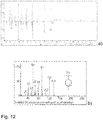
- Figure 9 Mass spectrum corresponding to: a) comparison of the essence spectrum, in red, and the mass spectrum of the NIST 2008 database for ⁇ - phellandrene, in blue, b) mass spectrum of ⁇ -phellandrene according to NIST 2008 database.
- Figure 10 Mass spectrum corresponding to: a) comparison of the essence spectrum, in red, and the mass spectrum of the NIST 2008 database for eucalyptol, in blue, b) mass spectrum of eucalyptol according to NIST 2008 database.
- Figure 11 Mass spectrum corresponding to: a) comparison of the essence spectrum, in red, and the mass spectrum of the NIST 2008 database for ⁇ - terpineol, in blue, b) mass spectrum of ⁇ - terpineol according to NIST 2008 database.
Landscapes
- Life Sciences & Earth Sciences (AREA)
- Health & Medical Sciences (AREA)
- General Health & Medical Sciences (AREA)
- Engineering & Computer Science (AREA)
- Zoology (AREA)
- Agronomy & Crop Science (AREA)
- Plant Pathology (AREA)
- Dentistry (AREA)
- Wood Science & Technology (AREA)
- Environmental Sciences (AREA)
- Pest Control & Pesticides (AREA)
- Natural Medicines & Medicinal Plants (AREA)
- Biotechnology (AREA)
- Microbiology (AREA)
- Mycology (AREA)
- Medicines Containing Material From Animals Or Micro-Organisms (AREA)
Abstract
Description
- The scope of the present invention is a formulation and method to control fungal infections produced by the Nosema ceranae fungus affecting Apis mellifera bees, by applying an effective amount of an essential oil obtained from the leaves of Cryptocaria alba, (n.v. peumo), a Chilean endemic tree of the Lauraceae family.
- Apis mellifera bees are honey-producing bees. They are necessary for the effective pollination of crops and thus essential for world agriculture. They also produce products of economic importance, including honey, propolis, royal jelly and beeswax..
- Bees are pollinating insects of tremendous economic value and ecological importance. Alterations in bee health lead to a reduction in vitality, productivity and pollination capacity, which affects the viability of beekeeping activity and biodiversity (Klein et al., 2007; Bradbear, 2009). Therefore, the treatment of infectious diseases is a key aspect of beekeeping to ensure that bees fulfill their role as food producers (Botiaset al., 2013), and as pollinators of various native crops and plants. Nosemosis (also known as nosema disease) is one of the most prevalent diseases affecting bees and is caused by two different species of microsporidia (pathogenic fungi). These include Nosema Apis (etiologic agent of type A nosemas) and Nosema ceranae (etiologic agent of type C nosemas), which cause the Depopulation Syndrome of Beehives, especially in the case of the latter. Both etiological agents produce almost 50% of the pathologies that occur in the hives located in the central-southern and southern areas of Chile, causing a decrease in honey production and reducing the population size of the hives, which can even lead to the death of the entire beehive (Keeling, 2002).
- Nosema spp. has a greater relevance among the fungal diseases, both nationally and abroad. This is because it is an emerging pathogen that is present in every country with a beekeeping industry. It is highly contagious and easily spread, causing major economic damage (Keeling, 2002)..
- Fries (1993 and 2010) and Fries et al. (1997) point out that nosemosis, the fungal disease produced by Nosema spp., is considered one of the most dire diseases for beekeepers. Botías et al., (2009) report that nosemosis has become a growing problem for beekeepers worldwide. The harmful effects on production in the beekeeping sector include the following: (a) loss of adult bees, especially in late winter and early spring, (b) at least a 25% decrease in honey production, (c) up to a 50% increase in honey consumption in winter by bees, and (d) no production of royal jelly, so no good quality queens or healthy larvae can be produced (Peldoza, 2002). On the other hand, the productive life of bees is shortened and colony mortality rises in winter (Kleinschmidt and Furgunson 1989; Fries, 1993).
- In Chile, Nosema Apis was detected for the first time in 1978, through tests conducted in the laboratories of the Agricultural and Livestock Service (SAG). A study carried out by Hinojosa and Gonzalez (2004) showed that in six districts of the coastal and inland sector of the VI Region, there was a recorded prevalence of Nosema Apis of 60 ± 6.9% in the spring of 1999, 14.3 ± 5% in the summer of 2000, 78.3 ± 5.8% in the spring of 2000 and 23 ± 6% in the summer of 2001.
- A SAG report (2010) confirmed the presence of Nosema Ceranae in Chile in bee samples sent to the reference laboratory of the Marchámalo Beekeeping Research Center in Spain. Once the information from the SAG had been confirmed, Martinez et al. (2012), conducted a study in which the presence of this pathogen in Chile was detected. The study effectively described the presence of Nosema ceranae in the Bio-Bio region, which produces 42% of the country's honey. The study covered 4 of the region's provinces and gathered information from a total of 26 districts. 49% of them reported the presence of Nosema Ceranae.
- In another study by Rodriguez et al. (2012), the authors concluded that viruses and Nosema Ceranae coexisted in apiaries in the Maule Region, affecting the hives. The three viruses detected were: (a) a virus causing acute paralysis in bees (ABPV), (b) a virus that attacks queen bees (BQCV) and (c) a virus that causes wing deformity in bees (DWV). The percentages of beehives affected by these viruses were 2%, 10% and 42% respectively.
- A study carried out by Bravo et al. (2014) in collaboration with the Productive Alliance between the INDAP and Agro-Apicultura Limitada, showed the presence of Nosema Ceranae and the absence of Nosema Apis in the Valparaiso Region, specifically in the towns of Limache, San Antonio and La Ligua. The presence of Nosema ceranae in these localities could partly explain why, out of a total of 6,167 hives, 2,915 hives died, i.e. 47.3% of the hives disappeared. This situation was directly reflected in a drop in honey production per hive of 14.2 kg to 8.2 kg, a reduction of 42.4%. The presence of Nosema Ceranae was attributed to the lack of training in beehive sanitary handling and control.
- Because of the fungal infection affecting the hives of Apis Mellifera bees, a variety of antifungal products have been tested worldwide against nosemosis. Fumagillin, derived from the fungus Aspergillus Fumigates, is the most widely used antibiotic against this fungal infection and considered the only effective one to combat it (Moffet et al., 1969; Mutinelli, 2003; Bessi and Nanetti, 2005; Higes et al., 2011).
- However, prolonged use of fumagiline in beekeeping may contribute to the development of resistance to this drug (Huang et al., 2013). Furthermore, the use of this antibiotic is no longer permitted in most EU Member States, even though there are currently very few other alternatives to control this disease.
- Opinions regarding the use of fumagillin are controversial. On the one hand, according to some authors, even in places where fumagillin has been used there are problems of recurrence of the disease, since it seems to only kill the vegetative form of the parasite (MacDonald, 1978; Szabo and Heikel, 1987; Wyborn and McCutcheon, 1987). On the other hand, Liu (1973) suggests that fumagillin is capable of altering the membrane ultrastructure of young fungal spores. In countries where its use is permitted, concerns among beekeepers about costs and the possible presence of residues in honey have limited its use (Malone and Giacon, 1996).
- It is therefore of great interest for the beekeeping sector to find a substitute for fumagillin, since various studies have shown a genotoxic and mutagenic action of this antibiotic under experimental conditions (Stevanovic et al., 2011), and therefore its negative impact on bee health cannot be ruled out.
- Recent studies have shown possible short-term harmful effects on Apis Mellifera following treatment with fumagillin (Eischen et al., 2012). On the other hand, Koch and Schmid-Hempel (2011) warn about the possibility of this antibiotic having harmful side effects on the bacterial flora of bees -and therefore on their defenses against certain pathogens-, considering that the intestinal microbiota is capable of forming an essential protective barrier against intestinal pathogens. A study by Peng (2001) showed that exposure of human lymphocytes to fumagillin at low concentrations causes a significant reduction in the proliferation of fumagilin, thus ending genotoxic risk to beekeepers and honey consumers. With regard to fumagiline residues in honey, Botías (2012) points to the urgent need to conduct studies on maximum residue limits of fumagiline in honey, within the context of food safety for humans. This research is essential to determine the safety of this product for consumers.
- Because in most European countries the use of fumagillin and other antibiotics to treat sick bees is prohibited, it has been necessary to seek alternative solutions. Breeding bees that are tolerant or resistant to this pathogen has been proposed as an alternative (Malone and Giacon, 1996). Studies regarding variation and heritability of honeybee response to N. Apis have suggested that improvements can be made through breeding selection (Rinderer and Syvester, 1978; Rinderer et al., 1983). To determine whether the introduction of Apis Mellifera subsp. Carnica from Australia has an effect on N. Apis's impact on A. Mellifera subsp. Mellifera and A. mellifera subsp. ligustica of New Zealand, researchers Malone et al., (1996), inoculated these three breeds with N. Apis. Their results showed that N. Apis significantly reduces the lifespan of the bee breeds used in this study, with no significant differences between the three breeds in terms of longevity.
- A series of measures have been suggested to prevent or slow down the development of nosemosis. Maistrello et al. (2008) recommend locating hives in non-humid areas, using non-contaminated equipment and fumigating hive cells with acetic acid to eliminate Nosema Apis spores.
- In view of the harmful consequences affecting bee colonies infected by N. Ceranae and in the light of the high prevalence and severe pathological action of Nosema spp. in Apis Mellifera, it is essential to find new therapeutic agents to combat this dangerous disease and to halt its spread by providing an adequate solution to this problem in the beekeeping sector worldwide.
- A different approach to the treatment of nosema has recently emerged, geared toward the search for solutions between substances of natural origin, such as Nozevit®, Protofil®, Vitafeed Gold® and Api Herb®, all of which consist of plant extracts or essential oils from the native flora of the place of origin. Each product has been tested for effectiveness against the variety of Nosema spp. and other fungal agents affecting bees at their place of origin, with acceptable results for all of them (Chioveanu et al., 2004).
- On the other hand, Maistrello et al., (2008) found significant effects of thymol and resveratrol in reducing the spore load of Nosema ceranae in laboratory studies.
- It is worth noting that the absence of Nozevit®, Protofil®, Vitafeed Gold® and Api Herb® in our national market is mainly due to the high costs associated with importing them.
- Botías (2012) assessed the efficacy of three possible therapeutic agents for the treatment of nosema in melliferous bee colonies, comparing their action with fumagillin, whose efficacy in the control of nosema has been previously demonstrated in laboratory tests. The products tested were Nosestat® (based on mint, iodine and formic acid tincture), and Vitafeed Gold® (based on Beta vulgaris). None of the products were effective against Nosema spp. in on-site trials made directly on the hives, as they continued to present infection by Nosema spp. after application.
- The present invention features a veterinary product based on an essential oil obtained from the leaves of the peumo tree (Cryptocarya alba), used to treat nosemosis caused by Nosema Ceranae. This is an innovative product that contributes valuable knowledge of the pharmacotherapeutic properties of this Chilean plant species, which can in turn create a potentially valuable market in the beekeeping production chain.
- The peumo is a perennial and endemic tree of Chile. It belongs to the Lauraceae family and is an important source of essential oil, which has been found to be active against microorganisms.
- The chemical formulation of peumo contains several main components, which are found in its different organs. The bark has high tannin concentrations, as well as a unique alkaloid from the bark and its leaves, reticulin, which is present in other species of the same genus. Its leaves have an essential oil composed of p-cimol, α-pinene, linalol and limonene (Hoffmann et al, 1992).
- The extraction of the essential oil from vegetable samples can be done through a variety of extraction techniques. The most commonly used are distillation through steam and hydro-distillation.
- Steam distillation is a technique used to separate water-insoluble and slightly volatile organic substances from other non-volatile substances. This technique separates substances that are immiscible in water and that decompose at or near boiling temperature, so it is often used to separate natural essential oils found in the leaves, husks or seeds of some plants. The plant material, usually fresh and cut into small pieces, is placed in a closed container and subjected to streams of water vapor. The volatile compounds that are present in the sample are transported by the steam, which is later condensed and collected in a container, obtaining two phases of the liquid. One of them is the essential oil, which can be separated from the other phase. Essential oils are generally insoluble in water and less dense than water, which facilitates the separation of the organic phase obtained in the upper part of a U-tube or in a separating funnel. This technique, widely used in perfumery and cosmetics, is used to obtain fresh samples with thermolabile essential oils. It is used industrially because of its high yield, the purity of the resulting oil and because it does not require sophisticated technology.
- The prior art suggests several methodologies to prevent or slow down the development of nosema. For example, patent
EP 0869714 B1 describes a method to control various diseases in Apis mellifera beehives (such as beehives, honeycombs or similar containers where bee colonies build their breeding nests and store their food reserves), by applying an effective amount of a slow-release formulation composed of an active substance, which may be an essential oil extracted from plants or an organic acid. The essential oil or organic acid is selected from monoterpenes, natural oils or organic acids, such as menthol, geraniol, thymol, myrcene, citral, limonene, carene, camphor, eugenol, cineol, lemon oil, eucalyptus oil, neem oil, formic acid, acetic acid or oxalic acid, preferably thymol. The essential oil formulation is used to apply a method to control mites, lepidoptera, fungi, and bacterial infestations of bee colonies. However, this formulation is preferably used to control and attack varroasis, which is an infestation of bee colonies (Apis mellifera) with ectoparasitic mites belonging to the acaricides order (Varroa jacobsoni). It also keeps in check other mite infestations, such as Acarapis woodii (tracheal mite) and Tropilaelaps clareae; infestations of lepidoptera, such as those of the major and minor wax moths, Galleria mellonella and Achroia grisella, respectively; infestations of diptera, such as Braula caeca; fungal infections, such as Chalk Brood, Ascosphaera Apis and bacterial infections, such as American and European foulbrood, Bacillus larvae and Melissococcus pluton, respectively, which can cause significant damage to the health of the bee colony. - Document
WO 2008/132524 describes an apiary formulation that includes as active ingredients: (i) volatile oil and/or a component of a volatile oil selected from the group consisting of cinnamon oil, aniseed oil, hyssop oil, timol monoterpene, (ii) an aqueous-alcoholic extract of selected herbs such as thymus (Thymus vulgaris), oregano (vulgare Organum), walnut leaf (Junglandis folium) and oregano (Organum majoranna), with known carriers and auxiliaries, preferably water and ethanol. - Regarding the biological activity of the essential oil extracted from the leaves of the peumo tree (Cryptocarya alba), the scientific publication entitled " antimicrobial effects of extracts from Chilean plants of Lauraceae and Atherospermataceae families", Rev. Cubana Plant. Med. vol.17 no.1, 2012, describes a study on the Lauraceae and Atherospermataceae families, which are important sources of essential oils. This study was carried out on the Chilean species: Cryptocarya alba (Peumo), Persea lingue (Lingue) from the Lauraceae family and Laurelia sempervirens (Chilean laurel) from the Atherospermataceae family, and its objective was to assess the activity of their essential oils against microorganisms and provide information on their chemical formulation. The method used to extract the essential oils was by steam distillation from fresh plant material (plant leaves) and essential oils were obtained using a Clevenger device. Characterization and identification was done via CG-MS. Antimicrobial activity was assessed through antifungal assays by way of dilution in agar and vapor diffusion against Penicillium sp and Fusarium oxysporum; antibacterial assays by way of the well and paper method against Escherichia coli, Bacillus subtillis, Pseudomonas aeruginosa and Staphyloccoccus aureus. The results obtained in this study revealed that the essential oils of the 3 species under study had a selective effect against fungi and bacteria, which suggests that their different chemical nature could play a part in their action mechanism.
- The present invention describes a veterinary product of natural origin based on the essential oil obtained from the leaves of the peumo tree (Cryptocarya alba), used to treat nosema caused by Nosema ceranae and that affects Apis mellifera bees.
- The first preferred embodiment of the present invention concerns the extraction of the essential oil from the leaves of the peumo tree (Cryptocarya alba), by means of steam distillation, using Clevenger equipment. The resulting fractions were later identified through Gas Chromatography-Mass Spectrometry (GC-MS), where the main compounds of the peumo essential oil were found to be: α-terpineol, eucalyptol and β-felandrene (
Figure 1 ). - A second preferred embodiment established the effectiveness of peumo essence by way of an in vivo study. First, toxicity assays were conducted on bees, whose results confirmed that the essential oil was harmless to melliferous bees. The effectiveness against Nosema ceranae was subsequently assessed, presenting a dose-dependent effect.
- The first stage was to collect fresh leaves from peumo trees with the botanical characteristics for the species in the study area, which is detailed in Table 1.
Table 1. Plant species and corresponding locality Native plant species Locality peumo (Cryptocarya alba Mol., Lauraceae) Altos de Chicauma, Lampa, RM - The harvest period for the leaves of the species under study was during anthesis, when most species have a higher content of essential oil. (Naghdi et al., 2004).
Table 2. Plant species and harvest period Native plante species Flowering date (bibliographic) Harvest period peumo November to January September 22, 2011 - The collection and transport procedure involved collecting 7 kg of fresh leaves of Cryptocarya alba Mol.
- The fresh peumo leaves were cleaned and washed to remove impurities and foreign matter. They were then fractured and subjected to a steam distillation process using an extraction unit consisting of an alembic, condenser and essence separator (see
Figure 2 ). This equipment (with a capacity of 500g of the plant material) generates water vapor in a separate container from the plant material, so the latter is in contact only with the steam, thus avoiding the essence from decomposing (Bandoni, 2000). The procedure was repeated as many times as necessary to extract the essence from all the collected plant matter (8 7kg). Once the essential oil was obtained, its performance was calculated and stored protected from light, at a temperature between 4 to -20 ºC in an inert nitrogen atmosphere. - The yield of the resulting AE (essential oil essence) (Table 3) was 0.63%, which is in accordance with the results published by Avello Lorca et al. (2012).

- The quality of the raw material (plant material) used to obtain an essential oil for beekeeping use is determined by applying the quality criteria set by the WHO (Solimene, 2007), where the collected plant material was analyzed as follows:
- Detection of foreign substances in the plant drug;
- Detection of toxic metals;
- Detection of microbiological pollutants.
- The detection of foreign substances consisted in finding insects, animal feces or other plant species in the plant drug (Solimene, 2007). This process was carried out at the Natural Products Laboratory of the Faculty of Chemical and Pharmaceutical Sciences, U. de Chile. The polluted leaves were not used in the essential oil production process (see
Figure 2 ). - The detection of toxic metals (copper, chromium, cadmium, lead and nickel) was performed by means of an atomic emission spectroscopy study (ICP-AES). This service was requested to the Chemical Analysis Center (CEQUC) of the Universidad Católica.
- Table No. 4 shows the results obtained from the analysis of heavy metals in powdered peumo leaves. It can be observed that the presence of heavy metals in plant material is within the limits allowed by Spanish law, according to Rosal et al., (2007), (see Table No. 5).
- On the other hand, according to the Food Safety Regulation DS 977/96 (SAG, 2009), the limits for heavy metals allowed in food are as follows: for cadmium, a limit of 0.5 mg/kg (end product), for copper a limit of 20 mg/kg and for lead, a limit of 2 mg/kg. The samples under study did not exceed the aforementioned limits.
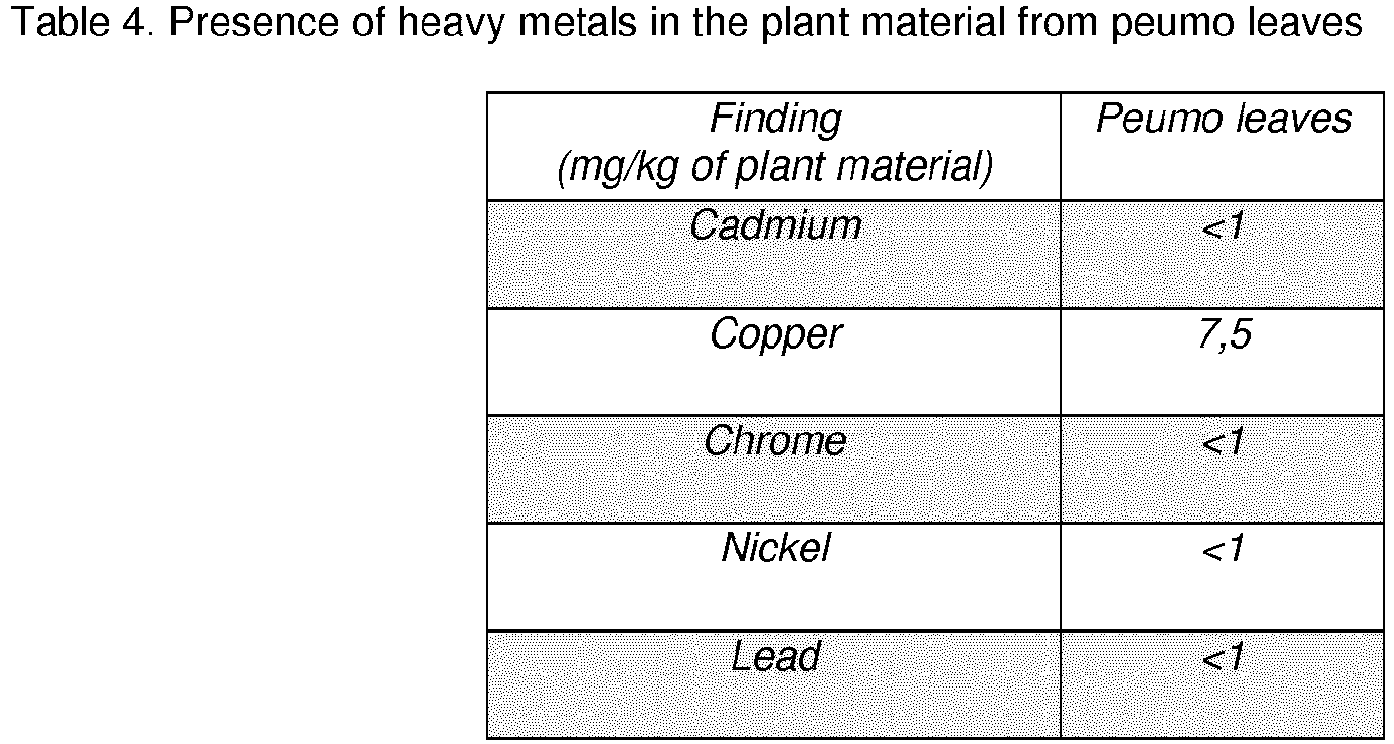
Table 5. Metallic content in RSU and proposed limits in different regulations Cd (mg/Kg) Cu (mg/Kg) Cr (mg/Kg) Ni (mg/Kg) Pb (mg/Kg) Zn (mg/Kg) RSU 4 47 104 98 120 90 Compost 1eraño 3 276 30 50 165 415 Compost 2e año 3 252 57 57 120 579 Compost 3er año2 373 84 64 144 603 Ley Espanola RD 824/2005 - A 0.7 70 70 25 45 200 RD 824/2005 - B 2 300 250 90 150 500 RD 824/2005 - C 3 400 300 100 250 1000 Etiqueta ecológica 1.5 75 140 50 140 300 Decision 2001/688/CE 2 me Draft B.T.B. 0.7 100 100 50 100 200 Compost 1a categoriaCompost 2a categoria 1.5 150 150 75 150 400 Bio-residuo estabilizado 5 600 600 150 500 1500 - The detection of dioxins, furans and DL-PCBs was done by applying the EROD bioassay through the H4IIE cell culture (rat hepatoma, Whyte et al., 2004; Valdovinos, 2009). The detection of the aforementioned xenobiotics was done at the Ecotoxicological Research Center (CIEMAYOR) of the Universidad Mayor.
- The peumo leaf sample had a value of 0.15 TCDD-EQ/pg of sample (toxic equivalent of 2, 3, 7, 8-tetrachlorodibenzene-p-dioxin), so there was no dioxin contamination in the sample. It should be noted that the most frequently found dioxins in contaminated material are: polychlorinated dibenzo-p-dioxins (PCDDs), polychlorinated dibenzofurans (PCDFs) and dioxin-like polychlorinated biphenyls (DL-PCBs).
- The H4IIE cell line bioassay is a useful, alternative and/or complementary tool to determine the presence of the aforementioned dioxins, both in plant material and in other matrices. According to Whyte et al., (2004) the advantages of bioassays include the following:
- (a) Having a common action mechanism is used to detect dioxins;
- (b) The presence of cytochrome P4501A1-inducing compounds in the sample can be measured at the same time;
- (c) The compounds can be assessed even at concentrations below the detection limit for chemical analysis;
- (d) This analysis is cheaper than high-resolution gas chromatography coupled with high-resolution mass spectrophotometry (10-25%) (Schoffer et al., 2011).
- The detection of microbiological pollutants was done by determining the presence of Staphylococcus aureus, Pseudomonas aeruginosa, Salmonella sp., Shigella sp., Escherichia coli, fungi and yeasts. These analyses were carried out at the INTA of the Universidad de Chile, obtaining the results presented in Table 6.

- According to the Sanitary Food Regulation 977 (SAG, 2009) the following equal or higher values of the following pollutants are considered as health risks in food products:
E. coli 102 UFC/g,filamentous fungi 103 UFC/g, yeast fungi 5x10³ UFC/g,S . aureus 102 UFC/g, and for Salmonella sp. the limit is equal to 0 CFU/g. No reference values were found for P. aeruginosa and Shigella sp. For tea and herbal infusions only one limit value was found forEnterobacteriaceae 103 UFC/g. According to these values, the samples of peumo and maitén leaves are within the permitted microbiological values, except in the case of maiten leaves, whose yeast fungi exceeded the aforementioned limit with a value of 33 x 104 UFC/g. - As stated above, the plant material must be free of pollutants such as insects, feces, dust or any other type of agent.
- Quality control seeks to ascertain the identity of the material, i.e. confirm that it is actually made of the part of the plant and the plant species in question. Furthermore, it must ensure that the plant material has the proper conservation and purity conditions to be sold; in other words, that it has not been altered, tampered with or that it does not exceed the limits for foreign substances and other pollutants (Bandoni, 2000).
- In vivo toxicity testing of the essential oils and the majority compounds of these oils and their efficacy against Nosema spp. on bees (Apis mellifera) was conducted under laboratory conditions. Since treatments for bee diseases can often result in bee fatalities due to toxic effects, the amount of essential oil required to kill half of the bee population exposed to the product was evaluated. This procedure is known as "Determination of the Average Lethal Dose" (LD50) (Albo et al., 2010; Gende et al., 2009). The Acute Oral Toxicity Test for Bees, described in OECD Protocol 213, which is part of the OECD Guidelines for the Testing of Chemicals (OECD, 1998), was used for this activity. The test is a laboratory test designed to determine the acute oral toxicity of pesticides and other chemicals on worker bees.
- Newborn bees were used in this test to avoid sensitivity issues or acquired tolerance in individuals. Ten bees were placed in 16cm-long aluminum mesh cages with a 4.5cm diameter, with a feeder at one end (Donovan and Elliot, 2001). The bees were kept in the dark at 32 ± 2° C with a relative humidity of 50 to 70%; however, the observations of the test results were performed under normal light conditions.
- The tested essence was obtained from peumo leaves (Cryptocarya alba Mol., Lauraceae) as described earlier, and was mixed with a 50% p/v sucrose solution in a 1:1 ratio and delivered through a p-1000 micropipette tip (blue tip). The dose was delivered ad libitum. The bees were not fed for 2 hours prior to the start of the trial.
- The number of concentrations and replicates met the statistical requirements for DL50 determination with 95% confidence limits. Five concentrations of a geometric series were used, with a factor below 2.2 and covering the DL50 range required for the test. According to OECD recommendations (1998), at least three replicates were considered for each concentration being tested as well as three controls, whose bees were fed only a 50% p/v sucrose solution. In addition, according to OECD (1998) requirements, a reference toxicant (dimethoate) was used to verify the expected response dose in the range of 0.10 to 0.35 µg/bee (Albo et al., 2003).
- The test lasted for 48 hours. Deaths were recorded at 4 hours after the start of the test, then at 24 and 48 hours. Finally, all abnormal behaviors observed during the test were recorded.
- The in vivo laboratory assessment of the efficacy of essential oils and their majority compounds on Nosema Apis and Nosema Ceranae under laboratory conditions, was performed by orally inoculating healthy bees with spore loads of Nosema spp., to determine the effectiveness of the essential oils (test performed in the Natural Products Laboratory of the Faculty of Chemical and Pharmaceutical Sciences, U. de Chile).
- The steps were as follows:
- A. Sampling of bees without nosemosis from the town of Buin, Metropolitan Region, Santiago, Chile. Newly hatched bees from hives were collected from the project partners' apiaries which confirmed the absence of Nosema spp. spores through field sampling and subsequent laboratory analysis.
- B. Sampling of bees without nosemosis from the Valparaiso Region, Chile, determining the spore load using light microscopy with Neubauer chamber and spore extraction (by macerating the abdomens of 30 bees in 5 mL of distilled water, the obtained suspension was filtered to remove the remains of the exoskeleton of the bee and centrifuged at 1200 rpm for 10 min, and subsequently re-suspending the obtained pellet in 1 mL of distilled water) and later infecting healthy bees in the laboratory with an initial spore load (2.04 x 10⁶ spores/mL in 50% sucrose solution), each cage had 5 bees provided with 25 µL of this solution using a micropipette.
- C. Detection and assessment of the presence of nosemosis in bees infected in the laboratory with the spores obtained in stage B.
- D. The presence of the disease was determined by observing the clinical signs in the bees every 24 hours. These clinical signs include: initial excitability and subsequent lethargy and inactivity, loss of ability to fly and sting, increased food intake, decreased life span, and early mortality. (Bruno, 2003; De la Sota and Bacci, 2004).
- E. Determining the spore load in the intestinal tract of the bees after infestation for use in the effectiveness trial of the AE. One live bee was collected as a sample (in addition to the bees that were dying) from each cage to evaluate the development of the disease and of the spore load in the days following inoculation as recommended by Fries et al., (1988), Higes et al., (2007). This procedure was performed until
day 12. - F. The remaining infected bees were used in the trial to determine the effectiveness of the AE performed in step E.
- G. Determining the efficacy of the peumo AE against Nosema spp. 3 treatment groups consisting of 5 cages (with 5 infected bees per cage except the control group consisting of healthy bees) were worked with. The 3 treatment groups were:
- 1. Nosema spp. group, positive control treated with fumagillin (C1),
- 2. Nosema spp. group, negative control without treatment, to which only 50% w/v (C2) sucrose syrup was given,
- 3. Nosema spp. Group, treated with the selected AE (T1).
- H. The administration of the peumo AE, fumagillin and sucrose syrup (C2) took place on
days day 4 after the treatment,days - Confirming the efficacy of the AEselec at the point prior to the concentration that demonstrated to have a better effect on spore load.
- The AEselec in the previous paragraph (selected for its higher efficacy and higher yield) was assayed to confirm its activity against nosemosis using standardized tests in the Pathology Laboratory of the Centro Agrario de Marchámalo, Spain. Consequently, 3 groups of treatments were used, comprising 3 cages each and 35 bees/cage, born in laboratory, which, after a waiting period of 7 days, were infected with a load of 5 x 10⁴ spores per bee. Later, a waiting period of 5 days passed to begin the application of the treatment in the ad libitum feeding. (Higes, 2007; Higes et al., 2010):
- 1. Group without infection, negative control (NI),
- 2. Group infected with Nosema spp. spores, untreated positive control to which only 50% sucrose syrup with a 2% L-promoter (IST) shall be given,
- 3. Group infected with Nosema spp. spores treated with the peumo AE (ICT).
- To conduct this activity, it was necessary to have bees free of the disease and in a spore-free environment. In addition, hives with the disease were used to obtain positive samples and concentrate the spore load by centrifugation. (OIE, 2004).
- Two frames were collected with late operculated breeding of hives from the Centro Agrario de Marchámalo by field sampling, and subsequent laboratory analysis showed no Nosema spp. Spores. These frames were transported to the laboratory and the hatching bees were placed in cages 16 cm long x 4 cm in diameter to be kept under controlled laboratory conditions considering room temperatures of 34 ± 1 ºC, a relative humidity of 75 ± 5% and in a dimly lit room (Malone and Stefanovic, 1996;). Both environmental variables were monitored through the installation of an environmental thermohygrometer.
- The collection procedure was carried out as recommended by Maistrello et al., (2008); Malone et al., (1995); Malone and Giacon, (1996), consisting of collecting the imagos that were born from the operculated cells and transferring them to the cages until completing a number of 35 individuals per unit, achieving 12 units in total. The collection of newborn bees was done every 24 hours (Fries, 1988).
- Each unit was marked for individualization and fed 50% sucrose syrup plus 2% L-promoter as a source of protein and vitamins. The sucrose syrup was provided with a feeder mounted in the lid with a small hole in each cage (Huang et al., 2007).
- On the one hand, the samples obtained from the beehives of the agricultural center were analyzed to identify the agent with which it would later be infected in the laboratory. On the other hand, the samples from the V Region of Valparaiso belonging to beehives of the towns of San Antonio, Limache and La Ligua were analyzed, corresponding to beehives that showed depopulation, presence of diseases in breeding, and weakening in general. This information was provided by Alianza Productiva INDAP-Agro Apilcutura Ltda, and had been used in the effectiveness trials mentioned above so as to identify the agent(s) present in samples from our country. Samples of these hives, made up of 60 foraging bees (those that collect food from the flowers), were collected and processed by macerating the abdomens of 30 bees in 5 mL of distilled water. The obtained suspension was filtered to remove the remains of the exoskeleton of the bee and centrifuged at 1200 rpm for 10-15 min, and subsequently re-suspending the obtained pellet in 1 mL of distilled water.
- In order to purify and concentrate the samples with Nosema spp. spores, the grinding procedure was repeated in groups of 10 bees until reaching a total of 200 bees. After filtering these tissues by using
Stomacher 80, the samples were centrifuged for 10 minutes at 2500 rpm and 4º C. The supernatant was discarded and 15 mL of PVP (polyvinylpyrrolidone, percoll® Sigma) was added at 95%. A second centrifugation was carried out, but this time for 40 min at 11000 rpm and at a temperature of 10º C. The spore cloud is obtained with a Pasteur pipette and taken to a 15 mL tube, subsequently ultrapure double-distilled H2O (Milli-q) was added to complete the volume and stirred in vortex. The spores were then washed, centrifuged at 2000 rpm for 10 minutes, part of the H2O was removed and 1mL was retained. H2O was added again until the volume was complete. The H2O is pipetted out and the 1 mL sediment (pellet) is kept and transferred to 2 mL tubes. Ultrapure double-distilled H2O (Milli-Q) was added to complete 2 mL. This was centrifuged for 10 min at 8200 rpm. Again, the supernatant was discarded with a micropipette and the sediment was retained, with a pipette, and 1 mL H2O Milli-Q was added to the 2 mL tube and a concentrated and purified sample of Nosema spp. spores was consequently obtained. These samples were kept at room temperature until the moment they were used to prevent loss of virulence (Fries et al., 2010, Stevanovic et al., 2011). - Subsequently, the following two activities were carried out with the spore concentrate:
- 1) Determination of the spore load obtained in the previous step to be inoculated into healthy bees; and
- 2) PCR analysis for the specific identification of the agent(s) obtained from the bee samples.
- Spore detection and DNA extraction.
The pellet was analyzed by phase contrast microscopy, 40X, in a Nikon Eclipse 80i DIC (Differential Interference Contrast) optical microscope, to verify the presence of spores (OIE 2008). The spore count was performed in a Neubauer chamber (Cantwell et al., 1970). This methodology was used to determine the presence or absence of spores belonging to Nosema spp. and to determine the spore load obtained in the spore purification and concentration stage. Part of the pellet (400 µL) was shaken together with 0.1 g of glass beads (2 mm diameter) 30 times per second (s) for 4 min in a TissueLyser (Qiagen) shaker to break the wall of any possible spores present. Subsequently, DNA was extracted (in triplicate) and 150 µL of each sample processed at 56 ºC was previously incubated with 20 µL of proteinase K and 30 µL of buffer ATL (Qiagen) overnight. After incubation the DNA was extracted using theBioSprint™ 96 DNA Blood Kit (384) (Qiagen, Cat. No. 940057) on a Biosprint 96 robot (Qiagen) using the BS96_DNA_Tissue program. Once the extracts were obtained, the presence of N. ceranae and N. apis was analyzed using the polymerase chain reaction (PCR) technique. - The diagnosis technique used was a multiple PCR, in which the presence of N. ceranae and N. apis is detected in a single reaction (Martín-Hernandez et al., 2007) and a fragment of the Cytochrome c Oxidase subunit I gene (COI) from A. mellifera is also amplified, which serves as internal control of the reaction.
- PCR reactions were carried out in a Mastercycler ep gradient S (Eppendorf®) thermal cycler in a total reaction volume of 25 µL, containing 2.5 µL of DNA extract, 2.5 µL of H2O of PCR and 20 µL of the PCR mix containing the FastStart PCR Master polymerase 12.5 µL (Roche 04 710 452 001), 0.2mg/mL of bovine serum albumin, 0.1% of Triton X-100, 3 mM MgCl2, 0.4 µM of 218MITOC and 321APIS primers and 0.03 µM of COI primers (see Table 1). The program at the thermal cycler consisted of 94°C for 2 min, followed by 10 cycles of 15 s at 94°C, 30 s at 61.8°C, and 45 s at 72°C, 20 cycles of 15 s at 94°C, 30 s at 61.8°C, 50 s at 72°C, about 5 s of elongation for each cycle and a final extension step of 72°C for 7 min. Together with the samples, the negative control (distilled H2O) was processed in parallel to detect possible contamination in the PCR phase and positive control corresponding to N. apis and N. ceranae patterns. (Martin-Hernandez et al., 2007).
- PCR analysis was performed to identify the etiological agent present in the N. apis or N. ceranae samples and purify by type of agent to subsequently infect healthy bees, for which the selected primers are shown in Table 7.
Table 7. Primers selected to detect the presence of N. ceranae, N. apis and A. mellifera PRIMER SEQUENCEa PCR PRODUCT SIZE (pb) SPECIFICITY 218MITOC-FOR 5'-CGGCGACGATGTGATATGAAAATATTAA-3' 218-219b N. ceranae 218MITOC-REV 5'-CCCGGTCATTCTCAAACAAAAAACCG-3' 321 APIS-FOR 5'-GGGGGCATGTCTTTGACGTACTATGTA-3' 321 N. apis 321APIS-REV 5-GGGGGGCGTTTAAAATGTGAAACAACTATG-3' COI-FOR 5'-GGGTCCAAGACCAGGAACTGGAT-3' 118 A. mellifera COI-REV 
(a). The CG tails added to the primers are underlined; (b) There is 1 bp (base pair) difference in the size of the amplicons (product of artificial replication) obtained from N. ceranae depending on the different sequences for this species available in GenBank. (http://www.ncbi.nlm.nih.gov) - A study of the innocuousness of the CD14 (peumo AE) was carried out, the results of which are shown in
Figure 3 , where the lethal dose 50 (LD50) that causes death in 50% of the bee population exposed to this product was determined (Albo et al., 2010; Gende et al., 2009). LD50 was calculated using a linear regression model at different time intervals (4, 24 and 48 hours),Figure 3 shows the percentage of bee mortality with the 6 different CD14 doses (0.83; 1.7; 11; 21; 43; 54 µg/bee), the reference toxicant applied in two doses (dimethoate 0.1; 0.35 µg/bee) and a control fed with 50% sucrose syrup.• at 4 hours, LD50 = 7.1 µg/bee • at 24 hours, LD50 = 5.5 µg/bee • at 48 hours, LD50 = 5.7 µg/bee Figure 3 . Percentage of bee mortality with the 6 different doses of CD14 (0.83; 1.7; 11; 21; 43; 54 µg/bee), the reference toxicant applied in two doses (dimethoate 0.1; 0.35 µg/bee) and a control fed with 50% sucrose syrup. - In relation to the effectiveness studies of the essential oil against Nosema ceranae, the following aspects can be concluded from the results obtained:
- i) It was most effective in reducing spore load on
days Figure 4 ); - ii) The effectiveness of the treatment using the doses of 1, 2, 3 and 4 ug/bee was calculated according of the percentage of spore decrease of Nosema ceranae with respect to the control group (bees treated with fumagilin);
- iii) An ANOVA test established that there was a significant difference (p < 0.0001) between the group treated with CD14 and the control group. It was also demonstrated that the effect of CD14 as an antifungal was dose-dependent (see
Figure 4 ); and - iv) CD14 inhibited the growth of N. ceranae spores (p = 0.0001) by about 80% on
day 7 similar to that presented by the reference drug fumagillin. It is important to note that the efficacy of CD14 was significantly higher than that of the majority compounds evaluated; this could be explained by the contribution to the antifungal effect of the different monoterpenes that make up CD14 (seeFigure 9 ). In addition, it should be noted that according to the results of the efficacy studies of the formulation, the treatment should be carried out for 7 days, and may be repeated for the same period of time if the symptoms of the disease remain in the hive, and after the end of the treatment the hives should be observed for 7 days to confirm the eradication of the nosemosis, and the treatment may be repeated for a period of 7 more days. -
Figure 4 . Effectiveness of CD14 calculated as a percentage of spore reduction ondays -
Figure 5 . Effectiveness of CD14 indicated as a percentage of spore reduction ondays - Regarding the data obtained in in vivo laboratory studies, this product based on peumo essential oil can be used to prevent or treat (cure) nosemosis in two forms of presentation, both oral and aerosol. One of the oral formulations will be applied using as a vehicle sucrose syrup at 50% and applied in a feeder in the hive. The formulation in aerosol form will be applied using suitable excipients, solvents, thickeners, solubilizers, sweeteners, preservatives and propellants; for which the following are preferentially used: a) as a solubilizer: a High HLB surfactant, such as
Cremophor RH 40,Tween 20,Cremophor RH 60, Cremophor RH 455; b) as solvents: water, glycerin, ethanol or mixtures thereof; c) as a thickener: cellulose derivatives, such as carboxymethyl cellulose, methyl cellulose, hydroxyethyl cellulose; d) as a sweetener: saccharin and sucrose are used; and d) as a propellant: propane/butane is used, or a container with a spray nozzle may also be used to avoid the use of propellants. - Consequently, the results obtained with CD14 (peumo AE), allow the development of a veterinary product with CD14-based natural active ingredients with an anti-nosemosis effect and that applied to hives infected with Nosema ceranae exhibits the greatest effectiveness as an antifungal, without leaving residues in the products of the hive. The veterinary product is developed through two forms of administration: (a) aerosol (Pa-CD14) and (b) syrup (Pj-CD14). The first is to be applied by spraying and the second by being placed directly in a feeder in the hive to be ingested by the bees. The objective of developing two forms of administration is to determine the form of presentation that exhibits the greatest effectiveness as an antifungal, and in future studies it is intended to prove that they are harmless to Apis mellifera and do not leave residues in the products of the hive, namely, honey and propolis obtained from the hives treated.
- On the other hand, the majority compounds present in the essential oil of peumo were quantified through GC, for this purpose the calibration curve was constructed with each of the standards at different concentrations. The corresponding standards were acquired in SIGMA ALDRICH® (99.9% purity).
- From the calibration curve with the standard of β-phellandrene (see
Figure 6 ) it was possible to determine the concentration of this monoterpene in the essential oil of peumo corresponding to 14262 ppm, for eucalyptol the concentration corresponding to 87799 ppm was determined and for α-terpineol (seeFigure 7 ) the concentration in peumo oil was 13509 ppm (seeFigure 8 ). -
Figure 6 . Calibration curve with the β-phellandrene standard -
Figure 7 . Calibration curve with the eucalyptol standard -
Figure 8 . Calibration curve with the α-terpineol standard - Table 8 shows a summary of the components determined by GC-MS of the essential oil of the leaves of the peumo tree and their respective calculated Kovats indexes (I cal) and literature (I lit).

- The presence of 39 compounds was established via chromatographic analysis by GC-MS, of which 18 are considered important, considering three majority compounds: β-phellandrene (16.28%), eucalyptol (23.27%) and α- terpineol (27.38%) in the essential oil of C. alba.
- The presence of 3 main compounds present in the peumo essential oil was determined by comparing the obtained mass spectra with the spectra of the NIST 2008 database. These are observed in
Figures 9, 10 and11 corresponding to the monoterpenes β- phellandrene (with a peak at its [M]+ 136), eucalyptol (with a peak at its [M]+ 154) and α- terpineol (with a peak at its [M]+ 154). -
Figure 9 : Mass spectrum corresponding to: a) comparison of the essence spectrum, in red, and the mass spectrum of the NIST 2008 database for β- phellandrene, in blue, b) mass spectrum of β-phellandrene according to NIST 2008 database. -
Figure 10 : Mass spectrum corresponding to: a) comparison of the essence spectrum, in red, and the mass spectrum of the NIST 2008 database for eucalyptol, in blue, b) mass spectrum of eucalyptol according to NIST 2008 database. -
Figure 11 : Mass spectrum corresponding to: a) comparison of the essence spectrum, in red, and the mass spectrum of the NIST 2008 database for α- terpineol, in blue, b) mass spectrum of α- terpineol according to NIST 2008 database.
Claims (14)
- Formulation for the control of the fungal infection produced by the fungus Nosema ceranae in colonies of Apis mellifera bees, WHEREIN its main active ingredients are three compounds contained in the pure peumo essential oil (CD14) extracted from leaves selected from the Cryptocaria alba tree, where such compounds correspond to the monoterpenes α-terpineol (27.38%), eucalyptol (23.27%), β-phellandrene (16.28%) and the rest are minor compounds present in this essential oil, and excipients necessary for its administration as syrup and/or aerosol.
- Formulation for the control of the fungal infection produced by the fungus Nosema ceranae according to Claim 1, WHEREIN the peumo essential oil (CD14) obtained was stored in a gaseous N2 environment and at a temperature between 4º C to -20º C.
- Formulation for the control of the fungal infection produced by the fungus Nosema ceranae according to Claim 1, WHEREIN such formulation can be administered either as a syrup (Pj-CD14) or a spray (Pa-Cd14).
- Formulation for the control of the fungal infection produced by the fungus Nosema ceranae according to Claim 3, WHEREIN the administration in syrup form uses sucrose syrup at 50% as a vehicle and is delivered through a feeder in the hive.
- Formulation for the control of the fungal infection produced by the fungus Nosema ceranae according to Claim 3, WHEREIN the administration in spray form uses suitable excipients, solvents, thickeners, solubilizers, sweeteners, preservatives and propellants as a vehicle.
- Formulation for the control of the fungal infection produced by the fungus Nosema ceranae according to Claim 5, WHEREIN a High HLB surfactant, such as Cremophor RH 40, Tween 20, Cremophor RH 60, Cremophor RH 455, is preferentially used as a solubilizer.
- Formulation for the control of the fungal infection produced by the fungus Nosema ceranae according to Claim 5, WHEREIN water, glycerin, ethanol or mixtures thereof are preferentially used as solvents.
- Formulation for the control of the fungal infection produced by the fungus Nosema ceranae according to Claim 5, WHEREIN cellulose derivatives, such as carboxymethyl cellulose, methyl cellulose, hydroxyethyl cellulose are preferentially used as thickeners.
- Formulation for the control of the fungal infection produced by the fungus Nosema ceranae according to Claim 5, WHEREIN saccharin and sucrose are preferentially used as sweeteners.
- Formulation for the control of the fungal infection produced by the fungus Nosema ceranae according to Claim 5, WHEREIN hydrocarbons such as propane/butane are preferentially used as propellants or a container with a spray nozzle may also be used to avoid the use of propellants.
- Formulation for the control of the fungal infection produced by the fungus Nosema ceranae according to Claim 5, WHEREIN the choice of the administration type to be used in the hive, will be crucial to determine the degree of antifungal effectiveness and will not leave residues in the hive products.
- Method for the control of the fungal infection produced by the fungus Nosema ceranae in colonies of Apis mellifera bees, WHEREIN it comprises a daily dose of the essential oil formulation (CD14) from 4 µg/bee and up to 8 µg/bee that is administered to the hive for at least 7 days and at any time of the year.
- Method for the control of fungal infection produced by the fungus Nosema ceranae in colonies of Apis mellifera bees in accordance with Claim 7, WHEREIN the application of this formulation to the hive entails an administration of at least 7 days, which may be extended for another 7 days in order to totally eradicate nosemosis.
- Use of the formulation for the control of the fungal infection according to Claim 1, WHEREIN it is useful in preventing the development of nosemosis disease affecting Apis mellifera bees.
Applications Claiming Priority (2)
| Application Number | Priority Date | Filing Date | Title |
|---|---|---|---|
| CL2015003526A CL2015003526A1 (en) | 2015-12-02 | 2015-12-02 | Composition, method and use for the control of fungal infection of the nosema ceranae fungus in bee colonies apis mellifera comprising the application as syrup (pj-dc14) and aerosol (pa-cd14) of an effective amount of an essential oil ( cd14) obtaining from the leaves of cryptocaria alba, (nvpeumo). |
| PCT/CL2016/000075 WO2017091915A1 (en) | 2015-12-02 | 2016-12-01 | Composition, method and use for controlling fungal infection caused by nosema ceranae fungus in apis mellifera bee colonies, comprising application, as a syrup (pj-cd14) and aerosol (pa-cd14), of an effective quantity of an essential oil (cd14) obtained from cryptocaria alba (peumo) leaves |
Publications (3)
| Publication Number | Publication Date |
|---|---|
| EP3504969A1 true EP3504969A1 (en) | 2019-07-03 |
| EP3504969A4 EP3504969A4 (en) | 2019-08-21 |
| EP3504969B1 EP3504969B1 (en) | 2023-01-25 |
Family
ID=57234019
Family Applications (1)
| Application Number | Title | Priority Date | Filing Date |
|---|---|---|---|
| EP16869458.6A Active EP3504969B1 (en) | 2015-12-02 | 2016-12-01 | Composition for controlling fungal infection caused bynosema ceranae |
Country Status (3)
| Country | Link |
|---|---|
| EP (1) | EP3504969B1 (en) |
| CL (1) | CL2015003526A1 (en) |
| WO (1) | WO2017091915A1 (en) |
Cited By (1)
| Publication number | Priority date | Publication date | Assignee | Title |
|---|---|---|---|---|
| JP2025101188A (en) * | 2023-12-25 | 2025-07-07 | 株式会社秋田屋本店 | Beekeeping nest foundation and method for manufacturing the same |
Families Citing this family (2)
| Publication number | Priority date | Publication date | Assignee | Title |
|---|---|---|---|---|
| CL2021002803A1 (en) * | 2021-10-25 | 2022-05-13 | Extracts of essential oils from native forest plants, peumo, laurel, tepa, canelo, molle, paramela and cypress, antimicrobial and antitumor composition, antimicrobial and antitumor hydrogel formulation for topical application, and use to prevent or control nocosomial diseases | |
| CN118985640A (en) * | 2023-03-13 | 2024-11-22 | 金华市农业科学研究院(浙江省农业机械研究院) | Application of herba schizonepetae essential oil in preservation of honeycomb and preservation method of honeycomb |
Family Cites Families (2)
| Publication number | Priority date | Publication date | Assignee | Title |
|---|---|---|---|---|
| GB9612403D0 (en) | 1996-06-13 | 1996-08-14 | Sandoz Ltd | Organic compounds |
| HUP0700310A2 (en) | 2007-04-27 | 2008-10-28 | Chemor Kutato | New veterinary product for honeybees |
-
2015
- 2015-12-02 CL CL2015003526A patent/CL2015003526A1/en unknown
-
2016
- 2016-12-01 EP EP16869458.6A patent/EP3504969B1/en active Active
- 2016-12-01 WO PCT/CL2016/000075 patent/WO2017091915A1/en not_active Ceased
Cited By (1)
| Publication number | Priority date | Publication date | Assignee | Title |
|---|---|---|---|---|
| JP2025101188A (en) * | 2023-12-25 | 2025-07-07 | 株式会社秋田屋本店 | Beekeeping nest foundation and method for manufacturing the same |
Also Published As
| Publication number | Publication date |
|---|---|
| CL2015003526A1 (en) | 2016-09-09 |
| EP3504969A4 (en) | 2019-08-21 |
| WO2017091915A1 (en) | 2017-06-08 |
| EP3504969B1 (en) | 2023-01-25 |
Similar Documents
| Publication | Publication Date | Title |
|---|---|---|
| Antúnez et al. | Efficacy of natural propolis extract in the control of American Foulbrood | |
| Damiani et al. | Laurel leaf extracts for honeybee pest and disease management: antimicrobial, microsporicidal, and acaricidal activity | |
| Dhakad et al. | Biological, medicinal and toxicological significance of Eucalyptus leaf essential oil: a review | |
| Higes et al. | A preliminary study of the epidemiological factors related to honey bee colony loss in Spain | |
| Foley et al. | The distribution of Aspergillus spp. opportunistic parasites in hives and their pathogenicity to honey bees | |
| Bravo et al. | Antifungal activity of the essential oil obtained from Cryptocarya alba against infection in honey bees by Nosema ceranae | |
| Eguaras et al. | An in vitro evaluation of Tagetes minuta essential oil for the control of the honeybee pathogens Paenibacillus larvae and Ascosphaera apis, and the parasitic mite Varroa destructor | |
| Chaimanee et al. | Antimicrobial activity of plant extracts against the honeybee pathogens, Paenibacillus larvae and Ascosphaera apis and their topical toxicity to Apis mellifera adults | |
| Cox-Foster et al. | Saving the honeybee | |
| Atmani-Merabet et al. | Chemical composition, toxicity, and acaricidal activity of Eucalyptus globulus essential oil from Algeria | |
| Iglesias et al. | Valorization of hop leaves for development of eco-friendly bee pesticides: A. Iglesias et al. | |
| EP3504969B1 (en) | Composition for controlling fungal infection caused bynosema ceranae | |
| Gitahi et al. | Contact toxicity effects of selected organic leaf extracts of Tithonia diversifolia (Hemsl.) A. Gray and Vernonia lasiopus (O. Hoffman) against Sitophilus zeamais Motschulsky (Coleoptera: Curculionidae) | |
| Gende et al. | Antimicrobial and miticide activities of Eucalyptus globulus essential oils obtained from different Argentine regions | |
| Özüiçli et al. | The efficacy of thyme, peppermint, eucalyptus essential oils, and nanoparticle ozone on nosemosis in honey bees | |
| Bragança Castagnino et al. | Propolis and its effects on bee diseases and pests: a systematic review | |
| Rasool et al. | Efficacy of various botanicals and chemicals on ectoparasitic mite, Varroa destructor feeding on European honeybee, Apis mellifera | |
| Maggi et al. | The status of bee health and colony losses in Argentina | |
| Ismail et al. | Combatting honeybee Varroa mites by plant oils alone or in an IPM program | |
| Pimentel-Betancurt et al. | Oral and contact toxicity of the extract obtained with hexane from Achyrocline satureioides on larvae and adult honey bees | |
| Rawani et al. | Mosquito larvicidal and biting deterrency activity of bud of Polianthes tuberosa plants extract against Anopheles stephensi and Culex quinquefasciatus | |
| Giménez Martínez et al. | Antimicrobial activity of phenolic extract of apple pomace against Paenibacillus larvae and its toxicity on Apis mellifera | |
| Dumitru et al. | " In vitro" studies on using natural essential oils in treatment of nosemosis in honey bees: determination of the therapeutic dose. | |
| Lazăr et al. | Use of essential oils in bees | |
| BISHT | Efficacy of animal origin products and ajwain powder against honey bee diseases in Apis mellifera (Linnaeus) colonies in Uttarakhand-A novel eco-friendly approach |
Legal Events
| Date | Code | Title | Description |
|---|---|---|---|
| STAA | Information on the status of an ep patent application or granted ep patent |
Free format text: STATUS: THE INTERNATIONAL PUBLICATION HAS BEEN MADE |
|
| PUAI | Public reference made under article 153(3) epc to a published international application that has entered the european phase |
Free format text: ORIGINAL CODE: 0009012 |
|
| STAA | Information on the status of an ep patent application or granted ep patent |
Free format text: STATUS: REQUEST FOR EXAMINATION WAS MADE |
|
| PUAB | Information related to the publication of an a document modified or deleted |
Free format text: ORIGINAL CODE: 0009199EPPU |
|
| PUAI | Public reference made under article 153(3) epc to a published international application that has entered the european phase |
Free format text: ORIGINAL CODE: 0009012 |
|
| 17P | Request for examination filed |
Effective date: 20180629 |
|
| AK | Designated contracting states |
Kind code of ref document: A1 Designated state(s): AL AT BE BG CH CY CZ DE DK EE ES FI FR GB GR HR HU IE IS IT LI LT LU LV MC MK MT NL NO PL PT RO RS SE SI SK SM TR |
|
| REG | Reference to a national code |
Ref country code: DE Ref legal event code: R079 Ref document number: 602016077654 Country of ref document: DE Free format text: PREVIOUS MAIN CLASS: A01N0063000000 Ipc: A01N0031040000 |
|
| RIC1 | Information provided on ipc code assigned before grant |
Ipc: A01N 31/04 20060101AFI20190711BHEP Ipc: A01N 43/90 20060101ALI20190711BHEP Ipc: A01N 27/00 20060101ALI20190711BHEP Ipc: A01P 3/00 20060101ALI20190711BHEP Ipc: A01N 65/24 20090101ALI20190711BHEP |
|
| A4 | Supplementary search report drawn up and despatched |
Effective date: 20190719 |
|
| RIC1 | Information provided on ipc code assigned before grant |
Ipc: A01P 3/00 20060101ALI20190715BHEP Ipc: A01N 27/00 20060101ALI20190715BHEP Ipc: A01N 65/24 20090101ALI20190715BHEP Ipc: A01N 31/04 20060101AFI20190715BHEP Ipc: A01N 43/90 20060101ALI20190715BHEP |
|
| STAA | Information on the status of an ep patent application or granted ep patent |
Free format text: STATUS: EXAMINATION IS IN PROGRESS |
|
| 17Q | First examination report despatched |
Effective date: 20200511 |
|
| GRAP | Despatch of communication of intention to grant a patent |
Free format text: ORIGINAL CODE: EPIDOSNIGR1 |
|
| STAA | Information on the status of an ep patent application or granted ep patent |
Free format text: STATUS: GRANT OF PATENT IS INTENDED |
|
| INTG | Intention to grant announced |
Effective date: 20220718 |
|
| GRAS | Grant fee paid |
Free format text: ORIGINAL CODE: EPIDOSNIGR3 |
|
| GRAA | (expected) grant |
Free format text: ORIGINAL CODE: 0009210 |
|
| STAA | Information on the status of an ep patent application or granted ep patent |
Free format text: STATUS: THE PATENT HAS BEEN GRANTED |
|
| AK | Designated contracting states |
Kind code of ref document: B1 Designated state(s): AL AT BE BG CH CY CZ DE DK EE ES FI FR GB GR HR HU IE IS IT LI LT LU LV MC MK MT NL NO PL PT RO RS SE SI SK SM TR |
|
| REG | Reference to a national code |
Ref country code: GB Ref legal event code: FG4D |
|
| REG | Reference to a national code |
Ref country code: CH Ref legal event code: EP |
|
| REG | Reference to a national code |
Ref country code: AT Ref legal event code: REF Ref document number: 1545361 Country of ref document: AT Kind code of ref document: T Effective date: 20230215 Ref country code: IE Ref legal event code: FG4D |
|
| REG | Reference to a national code |
Ref country code: DE Ref legal event code: R096 Ref document number: 602016077654 Country of ref document: DE |
|
| REG | Reference to a national code |
Ref country code: NL Ref legal event code: FP |
|
| REG | Reference to a national code |
Ref country code: LT Ref legal event code: MG9D |
|
| REG | Reference to a national code |
Ref country code: AT Ref legal event code: MK05 Ref document number: 1545361 Country of ref document: AT Kind code of ref document: T Effective date: 20230125 |
|
| PG25 | Lapsed in a contracting state [announced via postgrant information from national office to epo] |
Ref country code: RS Free format text: LAPSE BECAUSE OF FAILURE TO SUBMIT A TRANSLATION OF THE DESCRIPTION OR TO PAY THE FEE WITHIN THE PRESCRIBED TIME-LIMIT Effective date: 20230125 Ref country code: PT Free format text: LAPSE BECAUSE OF FAILURE TO SUBMIT A TRANSLATION OF THE DESCRIPTION OR TO PAY THE FEE WITHIN THE PRESCRIBED TIME-LIMIT Effective date: 20230525 Ref country code: NO Free format text: LAPSE BECAUSE OF FAILURE TO SUBMIT A TRANSLATION OF THE DESCRIPTION OR TO PAY THE FEE WITHIN THE PRESCRIBED TIME-LIMIT Effective date: 20230425 Ref country code: LV Free format text: LAPSE BECAUSE OF FAILURE TO SUBMIT A TRANSLATION OF THE DESCRIPTION OR TO PAY THE FEE WITHIN THE PRESCRIBED TIME-LIMIT Effective date: 20230125 Ref country code: LT Free format text: LAPSE BECAUSE OF FAILURE TO SUBMIT A TRANSLATION OF THE DESCRIPTION OR TO PAY THE FEE WITHIN THE PRESCRIBED TIME-LIMIT Effective date: 20230125 Ref country code: HR Free format text: LAPSE BECAUSE OF FAILURE TO SUBMIT A TRANSLATION OF THE DESCRIPTION OR TO PAY THE FEE WITHIN THE PRESCRIBED TIME-LIMIT Effective date: 20230125 Ref country code: ES Free format text: LAPSE BECAUSE OF FAILURE TO SUBMIT A TRANSLATION OF THE DESCRIPTION OR TO PAY THE FEE WITHIN THE PRESCRIBED TIME-LIMIT Effective date: 20230125 Ref country code: AT Free format text: LAPSE BECAUSE OF FAILURE TO SUBMIT A TRANSLATION OF THE DESCRIPTION OR TO PAY THE FEE WITHIN THE PRESCRIBED TIME-LIMIT Effective date: 20230125 |
|
| PG25 | Lapsed in a contracting state [announced via postgrant information from national office to epo] |
Ref country code: SE Free format text: LAPSE BECAUSE OF FAILURE TO SUBMIT A TRANSLATION OF THE DESCRIPTION OR TO PAY THE FEE WITHIN THE PRESCRIBED TIME-LIMIT Effective date: 20230125 Ref country code: PL Free format text: LAPSE BECAUSE OF FAILURE TO SUBMIT A TRANSLATION OF THE DESCRIPTION OR TO PAY THE FEE WITHIN THE PRESCRIBED TIME-LIMIT Effective date: 20230125 Ref country code: IS Free format text: LAPSE BECAUSE OF FAILURE TO SUBMIT A TRANSLATION OF THE DESCRIPTION OR TO PAY THE FEE WITHIN THE PRESCRIBED TIME-LIMIT Effective date: 20230525 Ref country code: GR Free format text: LAPSE BECAUSE OF FAILURE TO SUBMIT A TRANSLATION OF THE DESCRIPTION OR TO PAY THE FEE WITHIN THE PRESCRIBED TIME-LIMIT Effective date: 20230426 Ref country code: FI Free format text: LAPSE BECAUSE OF FAILURE TO SUBMIT A TRANSLATION OF THE DESCRIPTION OR TO PAY THE FEE WITHIN THE PRESCRIBED TIME-LIMIT Effective date: 20230125 |
|
| REG | Reference to a national code |
Ref country code: DE Ref legal event code: R097 Ref document number: 602016077654 Country of ref document: DE |
|
| PG25 | Lapsed in a contracting state [announced via postgrant information from national office to epo] |
Ref country code: SM Free format text: LAPSE BECAUSE OF FAILURE TO SUBMIT A TRANSLATION OF THE DESCRIPTION OR TO PAY THE FEE WITHIN THE PRESCRIBED TIME-LIMIT Effective date: 20230125 Ref country code: RO Free format text: LAPSE BECAUSE OF FAILURE TO SUBMIT A TRANSLATION OF THE DESCRIPTION OR TO PAY THE FEE WITHIN THE PRESCRIBED TIME-LIMIT Effective date: 20230125 Ref country code: EE Free format text: LAPSE BECAUSE OF FAILURE TO SUBMIT A TRANSLATION OF THE DESCRIPTION OR TO PAY THE FEE WITHIN THE PRESCRIBED TIME-LIMIT Effective date: 20230125 Ref country code: DK Free format text: LAPSE BECAUSE OF FAILURE TO SUBMIT A TRANSLATION OF THE DESCRIPTION OR TO PAY THE FEE WITHIN THE PRESCRIBED TIME-LIMIT Effective date: 20230125 Ref country code: CZ Free format text: LAPSE BECAUSE OF FAILURE TO SUBMIT A TRANSLATION OF THE DESCRIPTION OR TO PAY THE FEE WITHIN THE PRESCRIBED TIME-LIMIT Effective date: 20230125 |
|
| PG25 | Lapsed in a contracting state [announced via postgrant information from national office to epo] |
Ref country code: SK Free format text: LAPSE BECAUSE OF FAILURE TO SUBMIT A TRANSLATION OF THE DESCRIPTION OR TO PAY THE FEE WITHIN THE PRESCRIBED TIME-LIMIT Effective date: 20230125 |
|
| PLBE | No opposition filed within time limit |
Free format text: ORIGINAL CODE: 0009261 |
|
| STAA | Information on the status of an ep patent application or granted ep patent |
Free format text: STATUS: NO OPPOSITION FILED WITHIN TIME LIMIT |
|
| 26N | No opposition filed |
Effective date: 20231026 |
|
| PG25 | Lapsed in a contracting state [announced via postgrant information from national office to epo] |
Ref country code: SI Free format text: LAPSE BECAUSE OF FAILURE TO SUBMIT A TRANSLATION OF THE DESCRIPTION OR TO PAY THE FEE WITHIN THE PRESCRIBED TIME-LIMIT Effective date: 20230125 |
|
| PG25 | Lapsed in a contracting state [announced via postgrant information from national office to epo] |
Ref country code: IT Free format text: LAPSE BECAUSE OF FAILURE TO SUBMIT A TRANSLATION OF THE DESCRIPTION OR TO PAY THE FEE WITHIN THE PRESCRIBED TIME-LIMIT Effective date: 20230125 |
|
| REG | Reference to a national code |
Ref country code: DE Ref legal event code: R119 Ref document number: 602016077654 Country of ref document: DE |
|
| REG | Reference to a national code |
Ref country code: CH Ref legal event code: PL |
|
| REG | Reference to a national code |
Ref country code: NL Ref legal event code: MM Effective date: 20240101 |
|
| PG25 | Lapsed in a contracting state [announced via postgrant information from national office to epo] |
Ref country code: LU Free format text: LAPSE BECAUSE OF NON-PAYMENT OF DUE FEES Effective date: 20231201 |
|
| PG25 | Lapsed in a contracting state [announced via postgrant information from national office to epo] |
Ref country code: MC Free format text: LAPSE BECAUSE OF FAILURE TO SUBMIT A TRANSLATION OF THE DESCRIPTION OR TO PAY THE FEE WITHIN THE PRESCRIBED TIME-LIMIT Effective date: 20230125 |
|
| GBPC | Gb: european patent ceased through non-payment of renewal fee |
Effective date: 20231201 |
|
| REG | Reference to a national code |
Ref country code: BE Ref legal event code: MM Effective date: 20231231 |
|
| PG25 | Lapsed in a contracting state [announced via postgrant information from national office to epo] |
Ref country code: MC Free format text: LAPSE BECAUSE OF FAILURE TO SUBMIT A TRANSLATION OF THE DESCRIPTION OR TO PAY THE FEE WITHIN THE PRESCRIBED TIME-LIMIT Effective date: 20230125 Ref country code: LU Free format text: LAPSE BECAUSE OF NON-PAYMENT OF DUE FEES Effective date: 20231201 |
|
| PG25 | Lapsed in a contracting state [announced via postgrant information from national office to epo] |
Ref country code: NL Free format text: LAPSE BECAUSE OF NON-PAYMENT OF DUE FEES Effective date: 20240101 |
|
| PG25 | Lapsed in a contracting state [announced via postgrant information from national office to epo] |
Ref country code: NL Free format text: LAPSE BECAUSE OF NON-PAYMENT OF DUE FEES Effective date: 20240101 |
|
| REG | Reference to a national code |
Ref country code: IE Ref legal event code: MM4A |
|
| PG25 | Lapsed in a contracting state [announced via postgrant information from national office to epo] |
Ref country code: DE Free format text: LAPSE BECAUSE OF NON-PAYMENT OF DUE FEES Effective date: 20240702 Ref country code: IE Free format text: LAPSE BECAUSE OF NON-PAYMENT OF DUE FEES Effective date: 20231201 |
|
| PG25 | Lapsed in a contracting state [announced via postgrant information from national office to epo] |
Ref country code: GB Free format text: LAPSE BECAUSE OF NON-PAYMENT OF DUE FEES Effective date: 20231201 |
|
| PG25 | Lapsed in a contracting state [announced via postgrant information from national office to epo] |
Ref country code: BE Free format text: LAPSE BECAUSE OF NON-PAYMENT OF DUE FEES Effective date: 20231231 |
|
| PG25 | Lapsed in a contracting state [announced via postgrant information from national office to epo] |
Ref country code: FR Free format text: LAPSE BECAUSE OF NON-PAYMENT OF DUE FEES Effective date: 20231231 |
|
| PG25 | Lapsed in a contracting state [announced via postgrant information from national office to epo] |
Ref country code: CH Free format text: LAPSE BECAUSE OF NON-PAYMENT OF DUE FEES Effective date: 20231231 |
|
| PG25 | Lapsed in a contracting state [announced via postgrant information from national office to epo] |
Ref country code: IE Free format text: LAPSE BECAUSE OF NON-PAYMENT OF DUE FEES Effective date: 20231201 Ref country code: GB Free format text: LAPSE BECAUSE OF NON-PAYMENT OF DUE FEES Effective date: 20231201 Ref country code: FR Free format text: LAPSE BECAUSE OF NON-PAYMENT OF DUE FEES Effective date: 20231231 Ref country code: DE Free format text: LAPSE BECAUSE OF NON-PAYMENT OF DUE FEES Effective date: 20240702 Ref country code: CH Free format text: LAPSE BECAUSE OF NON-PAYMENT OF DUE FEES Effective date: 20231231 Ref country code: BE Free format text: LAPSE BECAUSE OF NON-PAYMENT OF DUE FEES Effective date: 20231231 |
|
| PG25 | Lapsed in a contracting state [announced via postgrant information from national office to epo] |
Ref country code: BG Free format text: LAPSE BECAUSE OF FAILURE TO SUBMIT A TRANSLATION OF THE DESCRIPTION OR TO PAY THE FEE WITHIN THE PRESCRIBED TIME-LIMIT Effective date: 20230125 |
|
| PG25 | Lapsed in a contracting state [announced via postgrant information from national office to epo] |
Ref country code: BG Free format text: LAPSE BECAUSE OF FAILURE TO SUBMIT A TRANSLATION OF THE DESCRIPTION OR TO PAY THE FEE WITHIN THE PRESCRIBED TIME-LIMIT Effective date: 20230125 |
|
| PG25 | Lapsed in a contracting state [announced via postgrant information from national office to epo] |
Ref country code: CY Free format text: LAPSE BECAUSE OF FAILURE TO SUBMIT A TRANSLATION OF THE DESCRIPTION OR TO PAY THE FEE WITHIN THE PRESCRIBED TIME-LIMIT; INVALID AB INITIO Effective date: 20161201 |
|
| PG25 | Lapsed in a contracting state [announced via postgrant information from national office to epo] |
Ref country code: HU Free format text: LAPSE BECAUSE OF FAILURE TO SUBMIT A TRANSLATION OF THE DESCRIPTION OR TO PAY THE FEE WITHIN THE PRESCRIBED TIME-LIMIT; INVALID AB INITIO Effective date: 20161201 |
|
| PG25 | Lapsed in a contracting state [announced via postgrant information from national office to epo] |
Ref country code: TR Free format text: LAPSE BECAUSE OF FAILURE TO SUBMIT A TRANSLATION OF THE DESCRIPTION OR TO PAY THE FEE WITHIN THE PRESCRIBED TIME-LIMIT Effective date: 20230125 |