EP3501525A1 - Life extension agent - Google Patents
Life extension agent Download PDFInfo
- Publication number
- EP3501525A1 EP3501525A1 EP17841251.6A EP17841251A EP3501525A1 EP 3501525 A1 EP3501525 A1 EP 3501525A1 EP 17841251 A EP17841251 A EP 17841251A EP 3501525 A1 EP3501525 A1 EP 3501525A1
- Authority
- EP
- European Patent Office
- Prior art keywords
- life extension
- extension agent
- cells
- administration
- mscs
- Prior art date
- Legal status (The legal status is an assumption and is not a legal conclusion. Google has not performed a legal analysis and makes no representation as to the accuracy of the status listed.)
- Withdrawn
Links
- 210000002901 mesenchymal stem cell Anatomy 0.000 claims abstract description 88
- 210000004027 cell Anatomy 0.000 claims description 56
- 239000003795 chemical substances by application Substances 0.000 claims description 50
- 210000001185 bone marrow Anatomy 0.000 claims description 29
- 239000001963 growth medium Substances 0.000 claims description 27
- 238000002360 preparation method Methods 0.000 claims description 20
- 238000001990 intravenous administration Methods 0.000 claims description 16
- 210000004369 blood Anatomy 0.000 claims description 14
- 239000008280 blood Substances 0.000 claims description 14
- 210000002966 serum Anatomy 0.000 claims description 14
- 239000003146 anticoagulant agent Substances 0.000 claims description 11
- 229940127219 anticoagulant drug Drugs 0.000 claims description 11
- HTTJABKRGRZYRN-UHFFFAOYSA-N Heparin Chemical compound OC1C(NC(=O)C)C(O)OC(COS(O)(=O)=O)C1OC1C(OS(O)(=O)=O)C(O)C(OC2C(C(OS(O)(=O)=O)C(OC3C(C(O)C(O)C(O3)C(O)=O)OS(O)(=O)=O)C(CO)O2)NS(O)(=O)=O)C(C(O)=O)O1 HTTJABKRGRZYRN-UHFFFAOYSA-N 0.000 claims description 6
- 102100022464 5'-nucleotidase Human genes 0.000 claims description 5
- 102100024222 B-lymphocyte antigen CD19 Human genes 0.000 claims description 5
- 102100037241 Endoglin Human genes 0.000 claims description 5
- 102100030595 HLA class II histocompatibility antigen gamma chain Human genes 0.000 claims description 5
- 102000006354 HLA-DR Antigens Human genes 0.000 claims description 5
- 108010058597 HLA-DR Antigens Proteins 0.000 claims description 5
- 102100031573 Hematopoietic progenitor cell antigen CD34 Human genes 0.000 claims description 5
- 101000678236 Homo sapiens 5'-nucleotidase Proteins 0.000 claims description 5
- 101000980825 Homo sapiens B-lymphocyte antigen CD19 Proteins 0.000 claims description 5
- 101000881679 Homo sapiens Endoglin Proteins 0.000 claims description 5
- 101001082627 Homo sapiens HLA class II histocompatibility antigen gamma chain Proteins 0.000 claims description 5
- 101000777663 Homo sapiens Hematopoietic progenitor cell antigen CD34 Proteins 0.000 claims description 5
- 101001098352 Homo sapiens OX-2 membrane glycoprotein Proteins 0.000 claims description 5
- 101000738771 Homo sapiens Receptor-type tyrosine-protein phosphatase C Proteins 0.000 claims description 5
- 101000800116 Homo sapiens Thy-1 membrane glycoprotein Proteins 0.000 claims description 5
- 102100037589 OX-2 membrane glycoprotein Human genes 0.000 claims description 5
- 102100037422 Receptor-type tyrosine-protein phosphatase C Human genes 0.000 claims description 5
- 102100033523 Thy-1 membrane glycoprotein Human genes 0.000 claims description 5
- 229960002897 heparin Drugs 0.000 claims description 4
- 229920000669 heparin Polymers 0.000 claims description 4
- 150000003839 salts Chemical class 0.000 claims description 3
- 239000002628 heparin derivative Substances 0.000 claims description 2
- 238000001361 intraarterial administration Methods 0.000 claims description 2
- 238000007914 intraventricular administration Methods 0.000 claims description 2
- 238000009593 lumbar puncture Methods 0.000 claims description 2
- 206010008118 cerebral infarction Diseases 0.000 abstract description 26
- 208000026106 cerebrovascular disease Diseases 0.000 abstract description 25
- 206010012289 Dementia Diseases 0.000 abstract description 14
- 238000011282 treatment Methods 0.000 abstract description 13
- 208000020431 spinal cord injury Diseases 0.000 abstract description 12
- 241000700159 Rattus Species 0.000 description 48
- 210000004271 bone marrow stromal cell Anatomy 0.000 description 39
- 239000006144 Dulbecco’s modified Eagle's medium Substances 0.000 description 28
- 230000000694 effects Effects 0.000 description 28
- 230000007659 motor function Effects 0.000 description 27
- 238000000034 method Methods 0.000 description 17
- 102000046299 Transforming Growth Factor beta1 Human genes 0.000 description 15
- 101800002279 Transforming growth factor beta-1 Proteins 0.000 description 15
- 230000006872 improvement Effects 0.000 description 13
- IAZDPXIOMUYVGZ-UHFFFAOYSA-N Dimethylsulphoxide Chemical compound CS(C)=O IAZDPXIOMUYVGZ-UHFFFAOYSA-N 0.000 description 12
- 239000000243 solution Substances 0.000 description 10
- 210000005013 brain tissue Anatomy 0.000 description 9
- 230000001684 chronic effect Effects 0.000 description 9
- 230000003920 cognitive function Effects 0.000 description 9
- 230000006870 function Effects 0.000 description 9
- 230000004083 survival effect Effects 0.000 description 9
- 208000037265 diseases, disorders, signs and symptoms Diseases 0.000 description 8
- 210000003191 femoral vein Anatomy 0.000 description 8
- 230000014509 gene expression Effects 0.000 description 8
- 108010009306 Forkhead Box Protein O1 Proteins 0.000 description 7
- 210000004556 brain Anatomy 0.000 description 7
- 239000007924 injection Substances 0.000 description 7
- 238000002347 injection Methods 0.000 description 7
- 230000007246 mechanism Effects 0.000 description 7
- 241000282412 Homo Species 0.000 description 6
- 102100025748 Mothers against decapentaplegic homolog 3 Human genes 0.000 description 6
- 101710143111 Mothers against decapentaplegic homolog 3 Proteins 0.000 description 6
- 208000006011 Stroke Diseases 0.000 description 6
- 238000011156 evaluation Methods 0.000 description 6
- 239000000463 material Substances 0.000 description 6
- 210000005036 nerve Anatomy 0.000 description 6
- 108090000623 proteins and genes Proteins 0.000 description 6
- 238000012360 testing method Methods 0.000 description 6
- 230000001225 therapeutic effect Effects 0.000 description 6
- 210000001519 tissue Anatomy 0.000 description 6
- 238000002054 transplantation Methods 0.000 description 6
- 229920002307 Dextran Polymers 0.000 description 5
- 208000001089 Multiple system atrophy Diseases 0.000 description 5
- 239000002504 physiological saline solution Substances 0.000 description 5
- 238000011699 spontaneously hypertensive rat Methods 0.000 description 5
- XLYOFNOQVPJJNP-UHFFFAOYSA-N water Chemical compound O XLYOFNOQVPJJNP-UHFFFAOYSA-N 0.000 description 5
- 206010008111 Cerebral haemorrhage Diseases 0.000 description 4
- 229930105110 Cyclosporin A Natural products 0.000 description 4
- PMATZTZNYRCHOR-CGLBZJNRSA-N Cyclosporin A Chemical compound CC[C@@H]1NC(=O)[C@H]([C@H](O)[C@H](C)C\C=C\C)N(C)C(=O)[C@H](C(C)C)N(C)C(=O)[C@H](CC(C)C)N(C)C(=O)[C@H](CC(C)C)N(C)C(=O)[C@@H](C)NC(=O)[C@H](C)NC(=O)[C@H](CC(C)C)N(C)C(=O)[C@H](C(C)C)NC(=O)[C@H](CC(C)C)N(C)C(=O)CN(C)C1=O PMATZTZNYRCHOR-CGLBZJNRSA-N 0.000 description 4
- 108010036949 Cyclosporine Proteins 0.000 description 4
- LFQSCWFLJHTTHZ-UHFFFAOYSA-N Ethanol Chemical compound CCO LFQSCWFLJHTTHZ-UHFFFAOYSA-N 0.000 description 4
- 210000004204 blood vessel Anatomy 0.000 description 4
- 229960001265 ciclosporin Drugs 0.000 description 4
- 201000010099 disease Diseases 0.000 description 4
- 208000035475 disorder Diseases 0.000 description 4
- 230000003203 everyday effect Effects 0.000 description 4
- 238000012744 immunostaining Methods 0.000 description 4
- 210000003205 muscle Anatomy 0.000 description 4
- 210000000278 spinal cord Anatomy 0.000 description 4
- 210000001835 viscera Anatomy 0.000 description 4
- FWBHETKCLVMNFS-UHFFFAOYSA-N 4',6-Diamino-2-phenylindol Chemical compound C1=CC(C(=N)N)=CC=C1C1=CC2=CC=C(C(N)=N)C=C2N1 FWBHETKCLVMNFS-UHFFFAOYSA-N 0.000 description 3
- 101000884271 Homo sapiens Signal transducer CD24 Proteins 0.000 description 3
- 206010061216 Infarction Diseases 0.000 description 3
- 241001465754 Metazoa Species 0.000 description 3
- DNIAPMSPPWPWGF-UHFFFAOYSA-N Propylene glycol Chemical compound CC(O)CO DNIAPMSPPWPWGF-UHFFFAOYSA-N 0.000 description 3
- 239000012979 RPMI medium Substances 0.000 description 3
- 102100038081 Signal transducer CD24 Human genes 0.000 description 3
- 230000008859 change Effects 0.000 description 3
- 238000005138 cryopreservation Methods 0.000 description 3
- 230000004069 differentiation Effects 0.000 description 3
- 230000007574 infarction Effects 0.000 description 3
- 208000015122 neurodegenerative disease Diseases 0.000 description 3
- 238000007911 parenteral administration Methods 0.000 description 3
- 238000000554 physical therapy Methods 0.000 description 3
- 208000020016 psychiatric disease Diseases 0.000 description 3
- 238000011084 recovery Methods 0.000 description 3
- 208000024827 Alzheimer disease Diseases 0.000 description 2
- XKRFYHLGVUSROY-UHFFFAOYSA-N Argon Chemical compound [Ar] XKRFYHLGVUSROY-UHFFFAOYSA-N 0.000 description 2
- 102000004219 Brain-derived neurotrophic factor Human genes 0.000 description 2
- 108090000715 Brain-derived neurotrophic factor Proteins 0.000 description 2
- 241000283707 Capra Species 0.000 description 2
- 206010008025 Cerebellar ataxia Diseases 0.000 description 2
- 206010008089 Cerebral artery occlusion Diseases 0.000 description 2
- FBPFZTCFMRRESA-KVTDHHQDSA-N D-Mannitol Chemical compound OC[C@@H](O)[C@@H](O)[C@H](O)[C@H](O)CO FBPFZTCFMRRESA-KVTDHHQDSA-N 0.000 description 2
- 208000027534 Emotional disease Diseases 0.000 description 2
- 102000034615 Glial cell line-derived neurotrophic factor Human genes 0.000 description 2
- 108091010837 Glial cell line-derived neurotrophic factor Proteins 0.000 description 2
- 102100031181 Glyceraldehyde-3-phosphate dehydrogenase Human genes 0.000 description 2
- 108060003951 Immunoglobulin Proteins 0.000 description 2
- YQEZLKZALYSWHR-UHFFFAOYSA-N Ketamine Chemical compound C=1C=CC=C(Cl)C=1C1(NC)CCCCC1=O YQEZLKZALYSWHR-UHFFFAOYSA-N 0.000 description 2
- 108010025020 Nerve Growth Factor Proteins 0.000 description 2
- 102000007072 Nerve Growth Factors Human genes 0.000 description 2
- 208000012902 Nervous system disease Diseases 0.000 description 2
- FAPWRFPIFSIZLT-UHFFFAOYSA-M Sodium chloride Chemical compound [Na+].[Cl-] FAPWRFPIFSIZLT-UHFFFAOYSA-M 0.000 description 2
- 208000010112 Spinocerebellar Degenerations Diseases 0.000 description 2
- 201000004810 Vascular dementia Diseases 0.000 description 2
- 230000009471 action Effects 0.000 description 2
- 230000003213 activating effect Effects 0.000 description 2
- 230000001154 acute effect Effects 0.000 description 2
- 230000032683 aging Effects 0.000 description 2
- VREFGVBLTWBCJP-UHFFFAOYSA-N alprazolam Chemical compound C12=CC(Cl)=CC=C2N2C(C)=NN=C2CN=C1C1=CC=CC=C1 VREFGVBLTWBCJP-UHFFFAOYSA-N 0.000 description 2
- 206010002026 amyotrophic lateral sclerosis Diseases 0.000 description 2
- 230000003542 behavioural effect Effects 0.000 description 2
- 229940077737 brain-derived neurotrophic factor Drugs 0.000 description 2
- 239000007853 buffer solution Substances 0.000 description 2
- 210000003169 central nervous system Anatomy 0.000 description 2
- 230000007423 decrease Effects 0.000 description 2
- 239000002552 dosage form Substances 0.000 description 2
- 238000002474 experimental method Methods 0.000 description 2
- 206010016256 fatigue Diseases 0.000 description 2
- 108020004445 glyceraldehyde-3-phosphate dehydrogenase Proteins 0.000 description 2
- 230000036541 health Effects 0.000 description 2
- 102000018358 immunoglobulin Human genes 0.000 description 2
- QWTDNUCVQCZILF-UHFFFAOYSA-N isopentane Chemical compound CCC(C)C QWTDNUCVQCZILF-UHFFFAOYSA-N 0.000 description 2
- 229960003299 ketamine Drugs 0.000 description 2
- 230000003902 lesion Effects 0.000 description 2
- 239000007788 liquid Substances 0.000 description 2
- 230000033001 locomotion Effects 0.000 description 2
- 210000004962 mammalian cell Anatomy 0.000 description 2
- 238000005259 measurement Methods 0.000 description 2
- 201000007309 middle cerebral artery infarction Diseases 0.000 description 2
- 230000001537 neural effect Effects 0.000 description 2
- 230000004770 neurodegeneration Effects 0.000 description 2
- 210000002569 neuron Anatomy 0.000 description 2
- 230000000324 neuroprotective effect Effects 0.000 description 2
- 230000000508 neurotrophic effect Effects 0.000 description 2
- 239000003900 neurotrophic factor Substances 0.000 description 2
- 208000031237 olivopontocerebellar atrophy Diseases 0.000 description 2
- 230000037361 pathway Effects 0.000 description 2
- 210000002826 placenta Anatomy 0.000 description 2
- 201000002212 progressive supranuclear palsy Diseases 0.000 description 2
- 230000001737 promoting effect Effects 0.000 description 2
- 208000018299 prostration Diseases 0.000 description 2
- 230000003716 rejuvenation Effects 0.000 description 2
- 210000000130 stem cell Anatomy 0.000 description 2
- UCSJYZPVAKXKNQ-HZYVHMACSA-N streptomycin Chemical compound CN[C@H]1[C@H](O)[C@@H](O)[C@H](CO)O[C@H]1O[C@@H]1[C@](C=O)(O)[C@H](C)O[C@H]1O[C@@H]1[C@@H](NC(N)=N)[C@H](O)[C@@H](NC(N)=N)[C@H](O)[C@H]1O UCSJYZPVAKXKNQ-HZYVHMACSA-N 0.000 description 2
- 208000003755 striatonigral degeneration Diseases 0.000 description 2
- 239000000725 suspension Substances 0.000 description 2
- 230000001052 transient effect Effects 0.000 description 2
- BPICBUSOMSTKRF-UHFFFAOYSA-N xylazine Chemical compound CC1=CC=CC(C)=C1NC1=NCCCS1 BPICBUSOMSTKRF-UHFFFAOYSA-N 0.000 description 2
- 229960001600 xylazine Drugs 0.000 description 2
- -1 ALK5 Proteins 0.000 description 1
- 206010000117 Abnormal behaviour Diseases 0.000 description 1
- 208000007848 Alcoholism Diseases 0.000 description 1
- 206010003062 Apraxia Diseases 0.000 description 1
- 206010003805 Autism Diseases 0.000 description 1
- 208000020706 Autistic disease Diseases 0.000 description 1
- 201000006474 Brain Ischemia Diseases 0.000 description 1
- 206010008120 Cerebral ischaemia Diseases 0.000 description 1
- 208000034657 Convalescence Diseases 0.000 description 1
- FBPFZTCFMRRESA-FSIIMWSLSA-N D-Glucitol Natural products OC[C@H](O)[C@H](O)[C@@H](O)[C@H](O)CO FBPFZTCFMRRESA-FSIIMWSLSA-N 0.000 description 1
- FBPFZTCFMRRESA-JGWLITMVSA-N D-glucitol Chemical compound OC[C@H](O)[C@@H](O)[C@H](O)[C@H](O)CO FBPFZTCFMRRESA-JGWLITMVSA-N 0.000 description 1
- WQZGKKKJIJFFOK-QTVWNMPRSA-N D-mannopyranose Chemical compound OC[C@H]1OC(O)[C@@H](O)[C@@H](O)[C@@H]1O WQZGKKKJIJFFOK-QTVWNMPRSA-N 0.000 description 1
- 208000012239 Developmental disease Diseases 0.000 description 1
- 208000030814 Eating disease Diseases 0.000 description 1
- 208000005189 Embolism Diseases 0.000 description 1
- 208000019454 Feeding and Eating disease Diseases 0.000 description 1
- 201000011240 Frontotemporal dementia Diseases 0.000 description 1
- 241000287828 Gallus gallus Species 0.000 description 1
- WQZGKKKJIJFFOK-GASJEMHNSA-N Glucose Natural products OC[C@H]1OC(O)[C@H](O)[C@@H](O)[C@@H]1O WQZGKKKJIJFFOK-GASJEMHNSA-N 0.000 description 1
- 208000023105 Huntington disease Diseases 0.000 description 1
- 206010020772 Hypertension Diseases 0.000 description 1
- 102100034343 Integrase Human genes 0.000 description 1
- 208000009829 Lewy Body Disease Diseases 0.000 description 1
- 201000002832 Lewy body dementia Diseases 0.000 description 1
- 208000026139 Memory disease Diseases 0.000 description 1
- 208000036626 Mental retardation Diseases 0.000 description 1
- 208000019022 Mood disease Diseases 0.000 description 1
- 238000012347 Morris Water Maze Methods 0.000 description 1
- 102100030610 Mothers against decapentaplegic homolog 5 Human genes 0.000 description 1
- 101710143113 Mothers against decapentaplegic homolog 5 Proteins 0.000 description 1
- 208000025966 Neurological disease Diseases 0.000 description 1
- 241000283973 Oryctolagus cuniculus Species 0.000 description 1
- 208000018737 Parkinson disease Diseases 0.000 description 1
- 208000031481 Pathologic Constriction Diseases 0.000 description 1
- 229930182555 Penicillin Natural products 0.000 description 1
- JGSARLDLIJGVTE-MBNYWOFBSA-N Penicillin G Chemical compound N([C@H]1[C@H]2SC([C@@H](N2C1=O)C(O)=O)(C)C)C(=O)CC1=CC=CC=C1 JGSARLDLIJGVTE-MBNYWOFBSA-N 0.000 description 1
- 239000002202 Polyethylene glycol Substances 0.000 description 1
- 108010092799 RNA-directed DNA polymerase Proteins 0.000 description 1
- 241000283984 Rodentia Species 0.000 description 1
- 208000009106 Shy-Drager Syndrome Diseases 0.000 description 1
- 102000004887 Transforming Growth Factor beta Human genes 0.000 description 1
- 108090001012 Transforming Growth Factor beta Proteins 0.000 description 1
- 230000001464 adherent effect Effects 0.000 description 1
- 210000001789 adipocyte Anatomy 0.000 description 1
- 239000002671 adjuvant Substances 0.000 description 1
- 201000007930 alcohol dependence Diseases 0.000 description 1
- 230000000735 allogeneic effect Effects 0.000 description 1
- 210000001691 amnion Anatomy 0.000 description 1
- 238000010171 animal model Methods 0.000 description 1
- 230000002421 anti-septic effect Effects 0.000 description 1
- 201000007201 aphasia Diseases 0.000 description 1
- 229910052786 argon Inorganic materials 0.000 description 1
- 210000001367 artery Anatomy 0.000 description 1
- 239000012298 atmosphere Substances 0.000 description 1
- 210000003050 axon Anatomy 0.000 description 1
- 230000006399 behavior Effects 0.000 description 1
- 230000008901 benefit Effects 0.000 description 1
- 208000028683 bipolar I disease Diseases 0.000 description 1
- 230000008499 blood brain barrier function Effects 0.000 description 1
- 230000036772 blood pressure Effects 0.000 description 1
- 210000001218 blood-brain barrier Anatomy 0.000 description 1
- 210000002449 bone cell Anatomy 0.000 description 1
- 238000010322 bone marrow transplantation Methods 0.000 description 1
- 208000029028 brain injury Diseases 0.000 description 1
- 210000004413 cardiac myocyte Anatomy 0.000 description 1
- 210000000269 carotid artery external Anatomy 0.000 description 1
- 239000000969 carrier Substances 0.000 description 1
- 210000003321 cartilage cell Anatomy 0.000 description 1
- 230000015556 catabolic process Effects 0.000 description 1
- 230000003727 cerebral blood flow Effects 0.000 description 1
- 230000002490 cerebral effect Effects 0.000 description 1
- 239000003153 chemical reaction reagent Substances 0.000 description 1
- 208000010877 cognitive disease Diseases 0.000 description 1
- 238000012733 comparative method Methods 0.000 description 1
- 239000002299 complementary DNA Substances 0.000 description 1
- 210000001608 connective tissue cell Anatomy 0.000 description 1
- 238000009402 cross-breeding Methods 0.000 description 1
- 238000012258 culturing Methods 0.000 description 1
- 230000003247 decreasing effect Effects 0.000 description 1
- 235000005911 diet Nutrition 0.000 description 1
- 230000037213 diet Effects 0.000 description 1
- AFABGHUZZDYHJO-UHFFFAOYSA-N dimethyl butane Natural products CCCC(C)C AFABGHUZZDYHJO-UHFFFAOYSA-N 0.000 description 1
- 235000014632 disordered eating Nutrition 0.000 description 1
- 208000018459 dissociative disease Diseases 0.000 description 1
- 239000003814 drug Substances 0.000 description 1
- 239000003995 emulsifying agent Substances 0.000 description 1
- 239000000839 emulsion Substances 0.000 description 1
- 210000003989 endothelium vascular Anatomy 0.000 description 1
- 230000010326 executive functioning Effects 0.000 description 1
- 238000000605 extraction Methods 0.000 description 1
- 210000004700 fetal blood Anatomy 0.000 description 1
- 210000003754 fetus Anatomy 0.000 description 1
- 239000008103 glucose Substances 0.000 description 1
- 238000010438 heat treatment Methods 0.000 description 1
- 230000001900 immune effect Effects 0.000 description 1
- 210000004263 induced pluripotent stem cell Anatomy 0.000 description 1
- 230000006698 induction Effects 0.000 description 1
- 208000015181 infectious disease Diseases 0.000 description 1
- 210000002570 interstitial cell Anatomy 0.000 description 1
- 230000002427 irreversible effect Effects 0.000 description 1
- 239000000644 isotonic solution Substances 0.000 description 1
- 238000002684 laminectomy Methods 0.000 description 1
- 201000003723 learning disability Diseases 0.000 description 1
- 235000010355 mannitol Nutrition 0.000 description 1
- 239000003550 marker Substances 0.000 description 1
- 206010027175 memory impairment Diseases 0.000 description 1
- 230000003340 mental effect Effects 0.000 description 1
- 230000001617 migratory effect Effects 0.000 description 1
- 210000004126 nerve fiber Anatomy 0.000 description 1
- 230000004766 neurogenesis Effects 0.000 description 1
- 210000004498 neuroglial cell Anatomy 0.000 description 1
- 239000002736 nonionic surfactant Substances 0.000 description 1
- 229940049954 penicillin Drugs 0.000 description 1
- 210000005259 peripheral blood Anatomy 0.000 description 1
- 239000011886 peripheral blood Substances 0.000 description 1
- 210000000578 peripheral nerve Anatomy 0.000 description 1
- 208000022821 personality disease Diseases 0.000 description 1
- 239000000546 pharmaceutical excipient Substances 0.000 description 1
- 230000035479 physiological effects, processes and functions Effects 0.000 description 1
- 229920001223 polyethylene glycol Polymers 0.000 description 1
- 239000000244 polyoxyethylene sorbitan monooleate Substances 0.000 description 1
- 235000010482 polyoxyethylene sorbitan monooleate Nutrition 0.000 description 1
- 229920000053 polysorbate 80 Polymers 0.000 description 1
- 229940068968 polysorbate 80 Drugs 0.000 description 1
- 238000003753 real-time PCR Methods 0.000 description 1
- 230000009467 reduction Effects 0.000 description 1
- 230000008929 regeneration Effects 0.000 description 1
- 238000011069 regeneration method Methods 0.000 description 1
- 238000003757 reverse transcription PCR Methods 0.000 description 1
- 239000000523 sample Substances 0.000 description 1
- 230000037390 scarring Effects 0.000 description 1
- 201000000980 schizophrenia Diseases 0.000 description 1
- 230000035939 shock Effects 0.000 description 1
- 208000019116 sleep disease Diseases 0.000 description 1
- 208000020685 sleep-wake disease Diseases 0.000 description 1
- 239000011780 sodium chloride Substances 0.000 description 1
- 239000002904 solvent Substances 0.000 description 1
- 229960002920 sorbitol Drugs 0.000 description 1
- 239000003381 stabilizer Substances 0.000 description 1
- 230000036262 stenosis Effects 0.000 description 1
- 208000037804 stenosis Diseases 0.000 description 1
- 239000008223 sterile water Substances 0.000 description 1
- 229960005322 streptomycin Drugs 0.000 description 1
- 230000035882 stress Effects 0.000 description 1
- 150000005846 sugar alcohols Polymers 0.000 description 1
- 239000004094 surface-active agent Substances 0.000 description 1
- 239000000375 suspending agent Substances 0.000 description 1
- 238000007910 systemic administration Methods 0.000 description 1
- ZRKFYGHZFMAOKI-QMGMOQQFSA-N tgfbeta Chemical compound C([C@H](NC(=O)[C@H](C(C)C)NC(=O)CNC(=O)[C@H](CCC(O)=O)NC(=O)[C@H](CCCNC(N)=N)NC(=O)[C@H](CC(N)=O)NC(=O)[C@H](CC(C)C)NC(=O)[C@H]([C@@H](C)O)NC(=O)[C@H](CCC(O)=O)NC(=O)[C@H]([C@@H](C)O)NC(=O)[C@H](CC(C)C)NC(=O)CNC(=O)[C@H](C)NC(=O)[C@H](CO)NC(=O)[C@H](CCC(N)=O)NC(=O)[C@@H](NC(=O)[C@H](C)NC(=O)[C@H](C)NC(=O)[C@@H](NC(=O)[C@H](CC(C)C)NC(=O)[C@@H](N)CCSC)C(C)C)[C@@H](C)CC)C(=O)N[C@@H]([C@@H](C)O)C(=O)N[C@@H](C(C)C)C(=O)N[C@@H](CC=1C=CC=CC=1)C(=O)N[C@@H](C)C(=O)N1[C@@H](CCC1)C(=O)N[C@@H]([C@@H](C)O)C(=O)N[C@@H](CC(N)=O)C(=O)N[C@@H](CCC(O)=O)C(=O)N[C@@H](C)C(=O)N[C@@H](CC=1C=CC=CC=1)C(=O)N[C@@H](CCCNC(N)=N)C(=O)N[C@@H](C)C(=O)N[C@@H](CC(C)C)C(=O)N1[C@@H](CCC1)C(=O)N1[C@@H](CCC1)C(=O)N[C@@H](CCCNC(N)=N)C(=O)N[C@@H](CCC(O)=O)C(=O)N[C@@H](CCCNC(N)=N)C(=O)N[C@@H](CO)C(=O)N[C@@H](CCCNC(N)=N)C(=O)N[C@@H](CC(C)C)C(=O)N[C@@H](CC(C)C)C(O)=O)C1=CC=C(O)C=C1 ZRKFYGHZFMAOKI-QMGMOQQFSA-N 0.000 description 1
- 210000003954 umbilical cord Anatomy 0.000 description 1
- 210000000689 upper leg Anatomy 0.000 description 1
- 235000015112 vegetable and seed oil Nutrition 0.000 description 1
- 239000008158 vegetable oil Substances 0.000 description 1
Images




Classifications
-
- A—HUMAN NECESSITIES
- A61—MEDICAL OR VETERINARY SCIENCE; HYGIENE
- A61P—SPECIFIC THERAPEUTIC ACTIVITY OF CHEMICAL COMPOUNDS OR MEDICINAL PREPARATIONS
- A61P9/00—Drugs for disorders of the cardiovascular system
- A61P9/10—Drugs for disorders of the cardiovascular system for treating ischaemic or atherosclerotic diseases, e.g. antianginal drugs, coronary vasodilators, drugs for myocardial infarction, retinopathy, cerebrovascula insufficiency, renal arteriosclerosis
-
- A—HUMAN NECESSITIES
- A61—MEDICAL OR VETERINARY SCIENCE; HYGIENE
- A61K—PREPARATIONS FOR MEDICAL, DENTAL OR TOILETRY PURPOSES
- A61K35/00—Medicinal preparations containing materials or reaction products thereof with undetermined constitution
- A61K35/12—Materials from mammals; Compositions comprising non-specified tissues or cells; Compositions comprising non-embryonic stem cells; Genetically modified cells
- A61K35/28—Bone marrow; Haematopoietic stem cells; Mesenchymal stem cells of any origin, e.g. adipose-derived stem cells
-
- A—HUMAN NECESSITIES
- A61—MEDICAL OR VETERINARY SCIENCE; HYGIENE
- A61P—SPECIFIC THERAPEUTIC ACTIVITY OF CHEMICAL COMPOUNDS OR MEDICINAL PREPARATIONS
- A61P25/00—Drugs for disorders of the nervous system
-
- A—HUMAN NECESSITIES
- A61—MEDICAL OR VETERINARY SCIENCE; HYGIENE
- A61P—SPECIFIC THERAPEUTIC ACTIVITY OF CHEMICAL COMPOUNDS OR MEDICINAL PREPARATIONS
- A61P25/00—Drugs for disorders of the nervous system
- A61P25/28—Drugs for disorders of the nervous system for treating neurodegenerative disorders of the central nervous system, e.g. nootropic agents, cognition enhancers, drugs for treating Alzheimer's disease or other forms of dementia
-
- A—HUMAN NECESSITIES
- A61—MEDICAL OR VETERINARY SCIENCE; HYGIENE
- A61P—SPECIFIC THERAPEUTIC ACTIVITY OF CHEMICAL COMPOUNDS OR MEDICINAL PREPARATIONS
- A61P43/00—Drugs for specific purposes, not provided for in groups A61P1/00-A61P41/00
-
- A—HUMAN NECESSITIES
- A61—MEDICAL OR VETERINARY SCIENCE; HYGIENE
- A61K—PREPARATIONS FOR MEDICAL, DENTAL OR TOILETRY PURPOSES
- A61K35/00—Medicinal preparations containing materials or reaction products thereof with undetermined constitution
- A61K35/12—Materials from mammals; Compositions comprising non-specified tissues or cells; Compositions comprising non-embryonic stem cells; Genetically modified cells
- A61K2035/124—Materials from mammals; Compositions comprising non-specified tissues or cells; Compositions comprising non-embryonic stem cells; Genetically modified cells the cells being hematopoietic, bone marrow derived or blood cells
Definitions
- the present invention relates to a life extension agent containing CD24-negative mesenchymal stem cells.
- Non Patent Literatures 1 to 3 and Patent Literature 1 mesenchymal stem cells
- Many treatments of cerebral infarction patients by the intravenous administration of MSCs are also performed, and improvement in motor functions and damaged sites has been reported (Non Patent Literature 4 and Patent Literature 2).
- MSCs There are many putative action mechanisms as to the therapeutic mechanism of MSCs, and these are classified into three, neurotrophic and neuroprotective effects by neurotrophic factors; vascularization effect (recovery of cerebral blood flow); and neurotization. It is predicted that neurotrophic and neuroprotective effects are exhibited through liquid factors such as BDNF (Brain Derived Neurotrophic Factor) and GDNF (Glial Derived Neurotrophic Factor), which are neurotrophic factors.
- BDNF Brain Derived Neurotrophic Factor
- GDNF Glial Derived Neurotrophic Factor
- vascularization effect There are two putative mechanisms of vascularization effect, one is that MSCs accumulating in lesions secrete a vascularization factor or the like and induce vascularization, and the other is that administered MSCs themselves differentiate into vascular endothelium and form new blood vessels.
- neurotization effect one is that MSCs accumulating in lesions promote endogenous neurogenesis, and the other is that administered M
- An object of the present invention is to find new effects of mesenchymal stem cells (MSCs) and establish the therapeutic strategies and a new clinical application of MSC transplantation.
- MSCs mesenchymal stem cells
- the inventors have confirmed that lives are extended by the intravenous administration of MSCs in SHRSPs (stroke-prone spontaneously hypertensive rats). The inventors have confirmed that increase in motor functions by intravenous administration of MSCs also in normal elderly rat is observed. It is presumed from these results that the intravenous administration of MSCs generally has life extension effect regardless of whether subjects have a disease or not.
- the present invention relates to the following (1) to (15).
- MSCs administered intravenously can improve motor functions and extend lives not only in patients having nerve diseases such as cerebral infarction, spinal cord injury and dementia but also in healthy humans by the present invention. Therefore, MSCs can be administered for the rejuvenation, the life extension (especially of the middle aged and the elderly) and the physical strength improvement (especially of the young) of healthy humans. MSCs can be administered in expectation of life extension effect after the treatment in addition to improvement in nerve functions and motor functions in patients having dementia (vascular dementia and Alzheimer dementia) and intractable neurological disorders such as cerebral infarction and spinal cord injury.
- the "mesenchymal stem cells” used in the present invention are stem cells existing in the interstitial cells of mesenchymal tissue in a very small amount and having multipotential and self-replicating ability, and not only differentiate into connective tissue cells such as bone cells, cartilage cells, and fat cells, but also have the ability to differentiate into nerve cells or cardiac muscle cells.
- mesenchymal stem cells exist throughout the body in bone marrow, peripheral blood, umbilical cord blood, the fetus, the placenta, fat, the brain, etc.
- mesenchymal stem cells derived from bone marrow or blood bone marrow mesenchymal stem cells
- mesenchymal stem cells derived from human bone marrow or human blood are preferable in the present invention.
- the bone marrow mesenchymal stem cells can be expected to have a remarkable effect, 2) the bone marrow mesenchymal stem cells have a low risk of side effects, 3) enough donor cells can be expected to be supplied, 4) the bone marrow mesenchymal stem cells allow noninvasive treatments and autotransplantation, 5) the bone marrow mesenchymal stem cells have a low risk of infection, 6) the bone marrow mesenchymal stem cells may not cause immunological rejection, 7) the bone marrow mesenchymal stem cells have no ethical problems, 8) the bone marrow mesenchymal stem cells are easily accepted socially, 9) the bone marrow mesenchymal stem cells are easily established as a general medical service, etc.
- a bone marrow transplantation is a treatment which has already been used at clinical sites, and the safety thereof has been also confirmed.
- the bone marrow-derived stem cells are highly migratory, reach damaged tissue to be targeted, not only by transplantation to a part but also by intravenous administration, and can be expected to have therapeutic effects.
- the cells may be cells differentiation-induced from ES cells or induced pluripotent stem cells (iPS cells or the like), cells from an established cell line, or cells isolated and proliferated from the living body.
- the cells can be collected from any tissue in the living body (such as fat, the umbilical cord, the placenta, the amnion or the like), and are not particularly limited.
- the cells may be allogeneic or autologous, autologous (a patient's own cell-derived) mesenchymal stem cells are preferable.
- the mesenchymal stem cells used in the present invention are negative for CD24, which is a differentiation marker, and are cells remaining undifferentiated. Therefore, the mesenchymal stem cells have the characteristics of a high reproduction rate and a high survival rate after introduction into the living body.
- the inventors have also developed a method for obtaining such undifferentiated mesenchymal stem cells, and the details thereof are described in International Publication No. WO 2009/002503 .
- Mesenchymal stem cells used in the present invention are characterized by being positive for at least one or more selected from CD73, CD90, CD105 and CD200 and/or negative for at least one or more selected from CD19, CD34, CD45, CD74, CD79 ⁇ and HLA-DR besides CD24.
- mesenchymal stem cells used in the present invention are characterized by being positive for two or more of CD73, CD90, CD105 and CD200 and negative for four or more of CD19, CD34, CD45, CD74, CD79 ⁇ and HLA-DR. More preferably, mesenchymal stem cells used in the present invention are characterized by being positive for CD73, CD90, CD105 and CD200 and negative for CD19, CD34, CD45, CD74, CD79 ⁇ and HLA-DR.
- cells separated from bone marrow liquid or the like under the conditions that the cells do not substantially contact with an anticoagulant are proliferated using a culture medium containing human serum (preferably autologous serum) and containing no anticoagulant (heparin or the like) or an anticoagulant at an extremely low concentration.
- the density of cells in the culture medium affects the properties of the cells and the direction of differentiation.
- the cell density in a culture medium exceeds 8,500 cells/cm 2 , the properties of the cells change. Therefore, it is preferable to subculture the cells at 8,500 cells/cm 2 or less at the maximum. It is more preferable to subculture the cells at the time of 5,500 cells/cm 2 or more.
- the culture medium since a culture medium containing human serum is used, it is desirable that the culture medium be exchanged as few times as possible in light of the burden for a serum donor, and the culture medium is replaced, for example, at least once a week, more preferably once or twice a week.
- Subculture is repeated until the total number of the cells reaches 10 8 cells or more.
- the number of the required cells depends on the intended use, the number of the mesenchymal stem cells required for transplantation for the treatment of cerebral infarction is believed to be, for example, 10 7 cells or more. According to the method which the inventors have developed, 10 7 mesenchymal stem cells can be obtained in about 12 days.
- Proliferated MSCs may be stored by a technique such as cryopreservation (for example, in a deep freezer at - 152°C) until use if needed.
- a culture medium containing serum preferably human serum and more preferably autologous serum
- dextran and DMSO culture medium for mammalian cells, such as a RPMI medium
- cryopreservation solution containing 20.5 mL of a usual filtration-sterilized RPMI medium, 20.5 mL of autologous serum collected from a patient, 5 mL of dextran and 5 mL of DMSO and cryopreserved at -150°C.
- Cryoserv produced by NIPRO CORPORATION is available for the DMSO
- a Low Molecular Dextran L produced by Otsuka Pharmaceutical Co., Ltd. is available for the dextran, but the DMSO and the dextran are not limited to these products.
- MSCs of the present invention can secrete TGF- ⁇ 1 after administration. It is presumed that the administration of MSCs increase the motor functions, the cognitive function and the survival time of the subject by activating a TGF- ⁇ 1/Smad3 pathway in target tissue (for example, brain tissue) and increasing the expression of a FoxO1 gene, which is called a longevity gene.
- target tissue for example, brain tissue
- the "life extension agent” of the present invention is a cell preparation containing mesenchymal stem cells (MSCs) negative for CD24, and is a medicine which has the effect of extending the life of the administered subject.
- the "life extension agent” of the present invention has life extension effect through various effects such as improvement in motor functions in healthy humans and has life extension effect after the treatment in addition to improvement in nerve functions and motor functions in patients having dementia and intractable neurological disorder such as cerebral infarction and spinal cord injury.
- the life extension agent of the present invention contains 10 7 cells or more, preferably 5 ⁇ 10 7 cells or more, more preferably 10 8 cells or more, and further preferably 5 ⁇ 10 8 cells or more.
- the life extension agent of the present invention is preferably a preparation for parenteral administration and more preferably a preparation for parenteral systemic administration, especially a preparation for intravenous administration.
- dosage forms suitable for parenteral administration include injections such as a solution injection, a suspension injection, an emulsion injection and an injection prepared before use; and transplants.
- the preparation for parenteral administration is in the form of a aqueous or nonaqueous isotonic aseptic solution or a suspension, and is formulated in a proper unit dosage form appropriately in combination of, for example, pharmacologically acceptable carriers or media, specifically sterile water and physiological saline; a culture medium (culture medium such as especially a RPMI medium used for culturing mammalian cells); physiological buffer solution such as PBS; a vegetable oil; an emulsifier; a suspending agent; a surfactant; a stabilizer; an excipient; a vehicle; an antiseptic; a binding material; and the like.
- pharmacologically acceptable carriers or media specifically sterile water and physiological saline
- a culture medium culture medium such as especially a RPMI medium used for culturing mammalian cells
- physiological buffer solution such as PBS
- a vegetable oil an emulsifier
- a suspending agent such as a suspending agent
- surfactant
- the solution for injection examples include physiological saline; a culture medium; physiology buffer solution such as PBS; isotonic solution containing glucose and other adjuvants, and examples include D-sorbitol, D-mannose, D-mannitol and sodium chloride.
- the solution for injection may be used in combination with a proper solubilizer, for example, alcohol, specifically ethanol, polyalcohol, propylene glycol or polyethylene glycol; and a nonionic surfactant such as polysorbate 80 and HCO-50.
- a proper solubilizer for example, alcohol, specifically ethanol, polyalcohol, propylene glycol or polyethylene glycol
- a nonionic surfactant such as polysorbate 80 and HCO-50.
- the life extension agent of the present invention can improve motor functions and simple cognitive functions, improve higher order function such as disturbance of attention, memory disorder, aphasia, forgetfulness, apraxia, disturbance in executive functioning, and emotional disorder, and extend the lives of subjects after medical treatments in the patients having dementia, cerebral infarction, spinal cord injury, neurodegenerative disease and mental disorder. Further, the life extension agent also has the effect of rejuvenation, physical strength improvement, and life extension in healthy humans.
- Dementia is a disorder wherein normally developed intelligence decreases irreversibly due to acquired brain injury, and the patients exhibit cognitive disorder.
- dementia examples include Alzheimer dementia, vascular dementia, Lewy body dementia, and frontotemporal dementia. Since the life extension agent of the present invention can improve the general quality of life in addition to improvement in a cognitive function (Japanese Patent Application No. 2016-091286 and Japanese Patent Application No. 2016-091300 ) in dementia patients, the remaining lives of the dementia patients can be expended.
- Cerebral infarction means a pathosis wherein the occlusion or the stenosis of a brain artery causes cerebral ischemia, and brain tissue becomes necrosed or almost necrosed.
- MSCs have the effect of protecting the brain (parenchyma and blood vessels), and the intravenous administration of MSC reduces infarct volume and improves a behavioral function in cerebral infarction in an acute stage or a subacute stage. Necrosed cells and injured nerve fibers are irreversible when cerebral infarction reaches a chronic stage.
- the central nervous system including the spinal cord is not restored or regenerated once the central nervous system is injured, which is different from the case of peripheral nerves.
- the treatment of especially spinal cord injury in a chronic stage with advanced scarring is difficult.
- clinical tests using ES cells have also been attempted, the tests have not succeeded yet.
- the intravenous administration of MSCs can extend the remaining lives of subjects in addition to the restoration of motor functions and nerve functions also in spinal cord injury in a chronic stage (Japanese Patent Application No. 2016-091286 and Japanese Patent Application No. 2016-091300 ) by promoting the reconstruction of neural circuits and the compensation by normal tissue.
- MSC treatment enables locomotion, which can in turn recover and maintain the health of the whole body including muscles and internal organs.
- the life extension agent of the present invention is also useful for neurodegenerative disorders such as amyotrophic lateral sclerosis (ALS), Parkinson's disease, progressive supranuclear palsy (PSP), Huntington's disease, multiple system atrophy (MSA), striatonigral degeneration (SND), a Shy-Drager syndrome, olivopontocerebellar atrophy (OPCA) and spinocerebellar degeneration (SCD).
- ALS amyotrophic lateral sclerosis
- PPP progressive supranuclear palsy
- MSA multiple system atrophy
- SND striatonigral degeneration
- OPCA olivopontocerebellar atrophy
- SCD spinocerebellar degeneration
- the life extension agent of the present invention is also useful for mental disorders such as schizophrenia, manic-depressive insanity, personality disorder, mood disorder, mental developmental disorder, stress-related disorder, autism, learning disability, behavior and emotional disorder, mental retardation, sleep disorder, eating disorder, identity disorder, dissociative disorder, maladjustment, alcohol disorder, and alcohol dependence.
- mental disorders such as schizophrenia, manic-depressive insanity, personality disorder, mood disorder, mental developmental disorder, stress-related disorder, autism, learning disability, behavior and emotional disorder, mental retardation, sleep disorder, eating disorder, identity disorder, dissociative disorder, maladjustment, alcohol disorder, and alcohol dependence.
- the experiment was performed according to the animal experiment management rules of Sapporo Medical University. According to the previous report, bone marrow obtained from the femurs of mature SD rats was diluted with Dulbecco's modified Eagle's medium (DMEM) to 25 ml, and 10% heated and inactivated FBS, 2 mM 1-glutamine, 100 U/ml penicillin and 0.1 mg/ml streptomycin were added. The cells were incubated in a 5% CO 2 atmosphere at 37°C for 3 days ( Kim S. et al., Brain Res. 2006; 1123:27-33 . Ukai R. et al., J. Neurotrauma. 2007; 24:508-520 .). The cells were cultured until the cells became confluent, and adherent cells were detached with trypsin-EDTA and subcultured at a density of 1 ⁇ 10 4 cells/ml 3 times to obtain mesenchymal stem cells (MSCs).
- MSCs mesenchymal stem cells
- SHRSPs Stroke-prone spontaneously hypertensive rats
- SHRSPs Stroke-prone spontaneously hypertensive rats
- These rats are stroke-prone spontaneously hypertensive rats established by selecting and crossbreeding mouse pups of parents the ancestors of which died of a stroke from generation to generation, suffer from the breakdown of the blood brain barrier due to hypertension, develop cerebral infarction, cerebral hemorrhage or dementia, and are short-lived.
- Rats which had developed cerebral infarction or cerebral hemorrhage at the time of 16 to 20 weeks were selected as subjects and divided into an MSC group and a DMEM group.
- Cyclosporin A (10 mg/kg) was intraperitoneally administered to all the rats every day.
- the rats were all intravenously administered from the left femoral vein.
- the numbers of days from MSC or DMEM administration dates to death dates were evaluated in the Kaplan-Meier method. Tests were performed by the log-rank method, and p ⁇ 0.05 was defined as a significance level.
- MSCs were prepared according to Example 1. Cerebral infarction was induced in the method described in Example 3 when the rats were 9 weeks old, and the SD rats (17 weeks old) 8 weeks after that were divided into two groups at random as follows.
- the rats were not subjected to a physical therapy, but cyclosporin A (10 mg/kg) was administered every day for one week after transplantation and administered every other day thereafter. Exercise evaluation was performed on a treadmill (angle 20°) every week.
- a rat transient middle cerebral artery occlusion (tMCAO) model was used as a cerebral infarction model.
- tMCAO transient middle cerebral artery occlusion
- ketamine 75 mg/kg
- xylazine 10 mg/kg
- MONOSOF 20.0 to 22.0-mm embolism thread
- a chronic stage spinal cord injury model rat can be generated by anesthetizing a mature male SD rat with ketamine (90 mg/kg) and xylazine (4 mg/kg), exposing the spinal cord at a T9 to T10 level by laminectomy, and pressuring and crushing the spinal cord using a spinal cord impactor (Infinite Horizon Impactor, 60-kilodyne) (Matsushita et al., 2015).
- the life extension effect of MSC administration on dementia can be produced by this rat chronic stage spinal cord injury model according to Example 1.
- MSCs were prepared according to Example 1. SD rats which were not subjected to any operation were divided into two groups at random as follows, and MSCs or the culture medium (DMEM) was administered.
- DMEM culture medium
- cyclosporin A (10 mg/kg) was intraperitoneally administered every day for one week from MSC administration and intraperitoneally administered every other day thereafter.
- MSC cognitive functions of elderly rats
- MMM Water maze Test
- a circular pool having a diameter of 1.3 m was filled with cloudy opaque water at a water temperature of 24°C so that the depth was 30 cm.
- a platform used as a goal was placed directly under the water surface.
- a rat was placed in from the end of the pool, and time until the rat reaches the goal was measured.
- Measurement was performed by video tracking (Anymaze tracking software (Stoelting Co.) for 5 days before the transplantation and continuously for 6 days from the tenth week after the transplantation. Device acclimatization at 4 cycles a minute was performed on the first day, and arrival time was measured continuously for 5 days from the second day. Measurement at 4 cycles a day was performed, and the average value was defined as a measured value. The results are shown in Figure 5 .
- Rats which had developed cerebral infarction or cerebral hemorrhage at the time of 16 to 20 weeks among the dementia model animals (SHRSPs) used in Example 1 were used as subjects and divided into an MSC group and a DMEM group 2 weeks after crises. Then, 1.0 ⁇ 10 6 cells/ml ⁇ DMEM of GFP-labeled MSCs (MSC-GFP) were administered from the left femoral vein. The rats were sacrificed one week after MSC-GFP administration and perfused with 200 ml of PBS, followed by the extraction of brain tissue.
- SHRSPs dementia model animals
- the extracted brain tissue was frozen in isopentane (shock frozen) and preserved at -80°C before use.
- the brain tissue was sliced to 30 ⁇ m, and coronal specimens were prepared and immunostained.
- an anti-GFP antibody (chicken polyclonal antibody (1:1000; Abcam, ab13970)) and an anti-TGF- ⁇ 1 antibody (rabbit polyclonal antibody (1:100; Abcam, ab92486)) were used, and as secondary antibodies, AF488 conjugate goat anti-chicken immunoglobulin (1:1000) and AF594 conjugate goat anti-rabbit immunoglobulin (1:1000) were used for immunostaining.
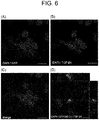
- TGF- ⁇ 1 GFP and TGF- ⁇ 1 were coexpressed in the brain tissue after MSC administration. This result suggests that TGF- ⁇ 1 is secreted from MSCs.
- Rats were divided into two groups at random as follows, and MSCs or a culture medium (DMEM) was administered to the rats.
- MSCs or a culture medium (DMEM) was administered to the rats.
- cyclosporin A (10 mg/kg) was intraperitoneally administered every day for 1 week from MSC administration.
- GAPDH TaqMan rodent GAPDH control reagents
- PCR was performed using an ABI-StepOne Real-Time PCR system (Thermo Fisher Scientific Inc.). A cycle was heating at 95°C for 3 minutes, then at 95°C for 15 seconds, and at 55°C for 60 seconds. This cycle was repeated 40 times. The amounts of genes expressed were evaluated by the Ct comparative method. The results are shown in Figure 8 .
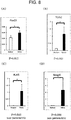
- MSC group expressed all of FoxO1, TGF- ⁇ 1, ALK5 and Smad3 significantly more highly than the DMEM group ( Figure 8 , the following table 1).
- ALK5 1.086 ⁇ 1.269 0.015 ⁇ 0,009 P 0.04
- Smad3 4.682 ⁇ 6.375 0.114 ⁇ 0.0668 P 0.03
- the present invention is useful for the treatment of subjects desired to live longer. Since the lives of subjects can be extend in addition to improvement in nerve functions and motor functions especially in neurodegenerative diseases such as dementia, cerebral infarction, and spinal cord injury; and mental disorders, the present invention enables establishment of new therapeutic strategies using MSCs. Additionally, in healthy subjects, the motor functions of the subjects can be improved, the lives of the subjects can be extended, and therefore, the administration of MSCs is useful to extend the lives of the subjects regardless of whether the subjects have a disease or not.
Landscapes
- Health & Medical Sciences (AREA)
- Life Sciences & Earth Sciences (AREA)
- Engineering & Computer Science (AREA)
- Bioinformatics & Cheminformatics (AREA)
- Pharmacology & Pharmacy (AREA)
- Veterinary Medicine (AREA)
- Public Health (AREA)
- Chemical & Material Sciences (AREA)
- General Health & Medical Sciences (AREA)
- Medicinal Chemistry (AREA)
- Animal Behavior & Ethology (AREA)
- Biomedical Technology (AREA)
- General Chemical & Material Sciences (AREA)
- Nuclear Medicine, Radiotherapy & Molecular Imaging (AREA)
- Chemical Kinetics & Catalysis (AREA)
- Organic Chemistry (AREA)
- Neurosurgery (AREA)
- Neurology (AREA)
- Developmental Biology & Embryology (AREA)
- Immunology (AREA)
- Cell Biology (AREA)
- Epidemiology (AREA)
- Hematology (AREA)
- Zoology (AREA)
- Biotechnology (AREA)
- Virology (AREA)
- Hospice & Palliative Care (AREA)
- Psychiatry (AREA)
- Urology & Nephrology (AREA)
- Vascular Medicine (AREA)
- Cardiology (AREA)
- Heart & Thoracic Surgery (AREA)
- Medicines Containing Material From Animals Or Micro-Organisms (AREA)
- Micro-Organisms Or Cultivation Processes Thereof (AREA)
Abstract
Description
- This specification claims priority to Japanese Patent Application No.
2016-160269 (filed on August 18, 2016 - The present invention relates to a life extension agent containing CD24-negative mesenchymal stem cells.
- It is known that mesenchymal stem cells (MSCs) have the effect of protecting the brain (parenchyma and blood vessels). It has been confirmed using experimental infarct models that MSC administration after cerebral infarction reduces infarct volume and improves behavioral functions (Non Patent Literatures 1 to 3 and Patent Literature 1). Many treatments of cerebral infarction patients by the intravenous administration of MSCs are also performed, and improvement in motor functions and damaged sites has been reported (Non Patent Literature 4 and Patent Literature 2).
- Meanwhile, the promotion of functional recovery and axon regeneration and a reduction in damaged sites by the intravenous administration of MSCs also as to spinal cord-injured patients are observed. Although there have been many reports of effects of MSCs on spinal cord-injured patients in an acute stage until now, patients in a chronic stage have been little investigated, and effects of MSCs on convalescence and lives have not been confirmed sufficiently.
- There are many putative action mechanisms as to the therapeutic mechanism of MSCs, and these are classified into three, neurotrophic and neuroprotective effects by neurotrophic factors; vascularization effect (recovery of cerebral blood flow); and neurotization. It is predicted that neurotrophic and neuroprotective effects are exhibited through liquid factors such as BDNF (Brain Derived Neurotrophic Factor) and GDNF (Glial Derived Neurotrophic Factor), which are neurotrophic factors. There are two putative mechanisms of vascularization effect, one is that MSCs accumulating in lesions secrete a vascularization factor or the like and induce vascularization, and the other is that administered MSCs themselves differentiate into vascular endothelium and form new blood vessels. There are also two putative mechanisms of neurotization effect, one is that MSCs accumulating in lesions promote endogenous neurogenesis, and the other is that administered MSCs themselves differentiate into nerve cells and glia cells.
- However, all the above-mentioned action mechanisms are just presumption from the observed phenomena, and mechanisms in which cerebral infarction and spinal cord injury are cured by the intravenous administration of MSCs are still unknown.
-
- Patent Literature 1:
International Publication No.WO 2002/000849 - Patent Literature 2:
International Publication No.WO 2009/034708 -
- Non Patent Literature 1:
Iihoshi S. et al., Brain Res. 2004; 1007: 1-9. - Non Patent Literature 2:
Nomura T. et al., Neuroscience. 2005; 136: 161-169. - Non Patent Literature 3:
Honma T. et al., Exp. Neurol. 2006; 199: 56-66. - Non Patent Literature 4:
Honmou O. et al., Brain. 2011; 134: 1790-1807. - An object of the present invention is to find new effects of mesenchymal stem cells (MSCs) and establish the therapeutic strategies and a new clinical application of MSC transplantation.
- The inventors have confirmed that lives are extended by the intravenous administration of MSCs in SHRSPs (stroke-prone spontaneously hypertensive rats). The inventors have confirmed that increase in motor functions by intravenous administration of MSCs also in normal elderly rat is observed. It is presumed from these results that the intravenous administration of MSCs generally has life extension effect regardless of whether subjects have a disease or not.
- That is, the present invention relates to the following (1) to (15).
- (1) A life extension agent, comprising CD24-negative mesenchymal stem cells derived from bone marrow or blood.
- (2) The life extension agent according to the above-mentioned (1), wherein the cells are positive for at least one or more selected from CD73, CD90, CD105 and CD200 and/or negative for at least one or more selected from CD19, CD34, CD45, CD74, CD79α and HLA-DR.
- (3) The life extension agent according to the above-mentioned (1) or (2), wherein the cells are derived from bone marrow or blood, preferably human bone marrow or blood.
- (4) The life extension agent according to the above-mentioned (3), wherein the bone marrow or the blood is bone marrow or blood from a subject to which the life extension agent is administered.
- (5) The life extension agent according to any of the above-mentioned (1) to (4), wherein the cells have been proliferated in a culture medium comprising human serum.
- (6) The life extension agent according to the above-mentioned (5), wherein the human serum is autologous serum from the subject to which the life extension agent is administered.
- (7) The life extension agent according to any of the above-mentioned (1) to (6), wherein the life extension agent is a preparation for intravenous administration, a preparation for lumbar puncture administration, a preparation for intracerebral administration, a preparation for intraventricular administration, a preparation for local administration or a preparation for intraarterial administration.
- (8) The life extension agent according to any of the above-mentioned (1) to (6), wherein the life extension agent is a preparation for intravenous administration.
- (9) The life extension agent according to any of the above-mentioned (1) to (8), wherein the cells have been proliferated and enriched in a culture medium containing no anticoagulant or less than 0.02 U/mL of an anticoagulant.
- (10) The life extension agent according to any of the above-mentioned (3) to (9), wherein the bone marrow or the blood has been collected by adding an anticoagulant in an amount of less than 0.2 U/mL of the volume of the bone marrow or the blood.
- (11) The life extension agent according to the above-mentioned (9) or (10), wherein the anticoagulant is heparin, a heparin derivative or a salt thereof.
- (12) The life extension agent according to any of the above-mentioned (1) to (11), wherein the life extension agent improves motor functions and/or cognitive functions of the subject.
- (13) The life extension agent according to any of the above-mentioned (1) to (12), wherein the life extension agent increases expression of a FoxO1 gene in brain tissue of the subject.
- (14) The life extension agent according to the above-mentioned (13), wherein the life extension agent further increases expression of one or more genes selected from the group consisting of TGF-β1, ALK5 and Smad3.
- (15) The life extension agent according to any of the above-mentioned (5), (6) and (9) to (11), wherein the mesenchymal stem cells can secrete TGF-β1 after administration.
- It has been confirmed that MSCs administered intravenously can improve motor functions and extend lives not only in patients having nerve diseases such as cerebral infarction, spinal cord injury and dementia but also in healthy humans by the present invention. Therefore, MSCs can be administered for the rejuvenation, the life extension (especially of the middle aged and the elderly) and the physical strength improvement (especially of the young) of healthy humans. MSCs can be administered in expectation of life extension effect after the treatment in addition to improvement in nerve functions and motor functions in patients having dementia (vascular dementia and Alzheimer dementia) and intractable neurological disorders such as cerebral infarction and spinal cord injury.
-
-
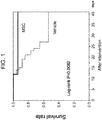
Figure 1 is a Kaplan-Meier curve showing the relationship between the number of days from the administration date when MSCs are administered and the survival rate in SHRSPs. Tests were performed by the log-rank method, and p < 0.05 was defined as a significance level. -
Figure 2 shows improvement in the motor functions in elderly rats (17 weeks old) by administering MSCs (-●-: MSC-treated group, -■-: DMEM-treated group). -
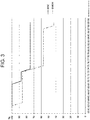
Figure 3 shows improvement in the survival rate in elderly rats (50 weeks old) by administering MSCs (-●-: MSC- treated group, -■-: DMEM- treated group). -
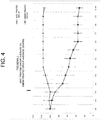
Figure 4 shows improvement in the motor functions in elderly (50 weeks old) rats by administering MSCs (-●-: MSC- treated group, -■-: DMEM- treated group) . -
Figure 5 shows improvement in the cognitive functions in elderly rats (50 weeks old), 10 weeks after administration of MSCs (-●-: MSC- treated group, -■-: DMEM- treated group). -
Figure 6 shows the results of immunostaining of rat brain tissue after administration of MSCs. (A) DAPI/GFP, (B) DAPI/TGF-β1, (C) Merge (GFP/TGF-β), (D) DAPI/GFP (MSC/TGF-β1 -
Figure 7 shows the result of the immunostaining of rat brain tissue after administration of MSCs. GFP (MSC/TGF-β1 -
Figure 8 shows changes in the expression of genes by administration of MSCs in SD rats. (A) FoxO1 (longevity gene), (B) TGF-β1, (C) ALK5, (D) Smad5. -
Figure 9 shows a mechanism in which MSCs improve a life (presumption). - It is known that the "mesenchymal stem cells" used in the present invention are stem cells existing in the interstitial cells of mesenchymal tissue in a very small amount and having multipotential and self-replicating ability, and not only differentiate into connective tissue cells such as bone cells, cartilage cells, and fat cells, but also have the ability to differentiate into nerve cells or cardiac muscle cells.
- Although the mesenchymal stem cells exist throughout the body in bone marrow, peripheral blood, umbilical cord blood, the fetus, the placenta, fat, the brain, etc. mesenchymal stem cells derived from bone marrow or blood (bone marrow mesenchymal stem cells), especially mesenchymal stem cells derived from human bone marrow or human blood (human bone marrow mesenchymal stem cells), are preferable in the present invention. There are advantages 1) the bone marrow mesenchymal stem cells can be expected to have a remarkable effect, 2) the bone marrow mesenchymal stem cells have a low risk of side effects, 3) enough donor cells can be expected to be supplied, 4) the bone marrow mesenchymal stem cells allow noninvasive treatments and autotransplantation, 5) the bone marrow mesenchymal stem cells have a low risk of infection, 6) the bone marrow mesenchymal stem cells may not cause immunological rejection, 7) the bone marrow mesenchymal stem cells have no ethical problems, 8) the bone marrow mesenchymal stem cells are easily accepted socially, 9) the bone marrow mesenchymal stem cells are easily established as a general medical service, etc. Further, a bone marrow transplantation is a treatment which has already been used at clinical sites, and the safety thereof has been also confirmed. The bone marrow-derived stem cells are highly migratory, reach damaged tissue to be targeted, not only by transplantation to a part but also by intravenous administration, and can be expected to have therapeutic effects.
- The cells may be cells differentiation-induced from ES cells or induced pluripotent stem cells (iPS cells or the like), cells from an established cell line, or cells isolated and proliferated from the living body. The cells can be collected from any tissue in the living body (such as fat, the umbilical cord, the placenta, the amnion or the like), and are not particularly limited. Although the cells may be allogeneic or autologous, autologous (a patient's own cell-derived) mesenchymal stem cells are preferable.
- The mesenchymal stem cells used in the present invention are negative for CD24, which is a differentiation marker, and are cells remaining undifferentiated. Therefore, the mesenchymal stem cells have the characteristics of a high reproduction rate and a high survival rate after introduction into the living body. The inventors have also developed a method for obtaining such undifferentiated mesenchymal stem cells, and the details thereof are described in International Publication No.
WO 2009/002503 . - Mesenchymal stem cells used in the present invention are characterized by being positive for at least one or more selected from CD73, CD90, CD105 and CD200 and/or negative for at least one or more selected from CD19, CD34, CD45, CD74, CD79α and HLA-DR besides CD24. Preferably, mesenchymal stem cells used in the present invention are characterized by being positive for two or more of CD73, CD90, CD105 and CD200 and negative for four or more of CD19, CD34, CD45, CD74, CD79α and HLA-DR. More preferably, mesenchymal stem cells used in the present invention are characterized by being positive for CD73, CD90, CD105 and CD200 and negative for CD19, CD34, CD45, CD74, CD79α and HLA-DR.
- In the method which the inventors have developed, cells separated from bone marrow liquid or the like under the conditions that the cells do not substantially contact with an anticoagulant (heparin or the like) are proliferated using a culture medium containing human serum (preferably autologous serum) and containing no anticoagulant (heparin or the like) or an anticoagulant at an extremely low concentration.
- The density of cells in the culture medium affects the properties of the cells and the direction of differentiation. In the case of mesenchymal stem cells, when the cell density in a culture medium exceeds 8,500 cells/cm2, the properties of the cells change. Therefore, it is preferable to subculture the cells at 8,500 cells/cm2 or less at the maximum. It is more preferable to subculture the cells at the time of 5,500 cells/cm2 or more.
- In the method which the inventors have developed, since a culture medium containing human serum is used, it is desirable that the culture medium be exchanged as few times as possible in light of the burden for a serum donor, and the culture medium is replaced, for example, at least once a week, more preferably once or twice a week.
- Subculture is repeated until the total number of the cells reaches 108 cells or more. Although the number of the required cells depends on the intended use, the number of the mesenchymal stem cells required for transplantation for the treatment of cerebral infarction is believed to be, for example, 107 cells or more. According to the method which the inventors have developed, 107 mesenchymal stem cells can be obtained in about 12 days.
- Proliferated MSCs may be stored by a technique such as cryopreservation (for example, in a deep freezer at - 152°C) until use if needed. A culture medium containing serum (preferably human serum and more preferably autologous serum), dextran and DMSO (culture medium for mammalian cells, such as a RPMI medium) is used as cryopreservation solution. For example, the cells can be suspended in a cryopreservation solution containing 20.5 mL of a usual filtration-sterilized RPMI medium, 20.5 mL of autologous serum collected from a patient, 5 mL of dextran and 5 mL of DMSO and cryopreserved at -150°C. For example, Cryoserv produced by NIPRO CORPORATION is available for the DMSO, and a Low Molecular Dextran L produced by Otsuka Pharmaceutical Co., Ltd. is available for the dextran, but the DMSO and the dextran are not limited to these products.
- MSCs of the present invention can secrete TGF-β1 after administration. It is presumed that the administration of MSCs increase the motor functions, the cognitive function and the survival time of the subject by activating a TGF-β1/Smad3 pathway in target tissue (for example, brain tissue) and increasing the expression of a FoxO1 gene, which is called a longevity gene.
- The "life extension agent" of the present invention is a cell preparation containing mesenchymal stem cells (MSCs) negative for CD24, and is a medicine which has the effect of extending the life of the administered subject. As mentioned below, the "life extension agent" of the present invention has life extension effect through various effects such as improvement in motor functions in healthy humans and has life extension effect after the treatment in addition to improvement in nerve functions and motor functions in patients having dementia and intractable neurological disorder such as cerebral infarction and spinal cord injury.
- The higher number of the MSCs contained in the life extension agent of the present invention is preferable. However, the life extension agent containing the minimum number which exhibits intended effect is practical considering time of administration to a subject and time required for culture. Therefore, in a preferred aspect of the life extension agent of the present invention, the number of mesenchymal stem cells is 107 cells or more, preferably 5 × 10⁷ cells or more, more preferably 108 cells or more, and further preferably 5 × 10⁸ cells or more.
- The life extension agent of the present invention is preferably a preparation for parenteral administration and more preferably a preparation for parenteral systemic administration, especially a preparation for intravenous administration. Examples of dosage forms suitable for parenteral administration include injections such as a solution injection, a suspension injection, an emulsion injection and an injection prepared before use; and transplants. The preparation for parenteral administration is in the form of a aqueous or nonaqueous isotonic aseptic solution or a suspension, and is formulated in a proper unit dosage form appropriately in combination of, for example, pharmacologically acceptable carriers or media, specifically sterile water and physiological saline; a culture medium (culture medium such as especially a RPMI medium used for culturing mammalian cells); physiological buffer solution such as PBS; a vegetable oil; an emulsifier; a suspending agent; a surfactant; a stabilizer; an excipient; a vehicle; an antiseptic; a binding material; and the like.
- Examples of the solution for injection include physiological saline; a culture medium; physiology buffer solution such as PBS; isotonic solution containing glucose and other adjuvants, and examples include D-sorbitol, D-mannose, D-mannitol and sodium chloride. The solution for injection may be used in combination with a proper solubilizer, for example, alcohol, specifically ethanol, polyalcohol, propylene glycol or polyethylene glycol; and a nonionic surfactant such as
polysorbate 80 and HCO-50. - The life extension agent of the present invention can improve motor functions and simple cognitive functions, improve higher order function such as disturbance of attention, memory disorder, aphasia, forgetfulness, apraxia, disturbance in executive functioning, and emotional disorder, and extend the lives of subjects after medical treatments in the patients having dementia, cerebral infarction, spinal cord injury, neurodegenerative disease and mental disorder. Further, the life extension agent also has the effect of rejuvenation, physical strength improvement, and life extension in healthy humans.
- Dementia is a disorder wherein normally developed intelligence decreases irreversibly due to acquired brain injury, and the patients exhibit cognitive disorder. Examples of dementia include Alzheimer dementia, vascular dementia, Lewy body dementia, and frontotemporal dementia. Since the life extension agent of the present invention can improve the general quality of life in addition to improvement in a cognitive function (Japanese Patent Application No.
2016-091286 2016-091300 - Cerebral infarction means a pathosis wherein the occlusion or the stenosis of a brain artery causes cerebral ischemia, and brain tissue becomes necrosed or almost necrosed. MSCs have the effect of protecting the brain (parenchyma and blood vessels), and the intravenous administration of MSC reduces infarct volume and improves a behavioral function in cerebral infarction in an acute stage or a subacute stage. Necrosed cells and injured nerve fibers are irreversible when cerebral infarction reaches a chronic stage. Therefore, it has been believed that it is important for medical treatments to prevent the recurrence, restore live cells and cells in abeyance which exist around the necrosed cells, and alleviate the condition of a disease in cerebral infarction in a chronic stage. However, the intravenous administration of MSCs can extend the remaining lives of subjects in addition to the restoration of motor functions and cerebral functions (Japanese Patent Application No.
2016-091286 2016-091300 - The central nervous system including the spinal cord is not restored or regenerated once the central nervous system is injured, which is different from the case of peripheral nerves. The treatment of especially spinal cord injury in a chronic stage with advanced scarring is difficult. Although clinical tests using ES cells have also been attempted, the tests have not succeeded yet. However, the intravenous administration of MSCs can extend the remaining lives of subjects in addition to the restoration of motor functions and nerve functions also in spinal cord injury in a chronic stage (Japanese Patent Application No.
2016-091286 2016-091300 - The life extension agent of the present invention is also useful for neurodegenerative disorders such as amyotrophic lateral sclerosis (ALS), Parkinson's disease, progressive supranuclear palsy (PSP), Huntington's disease, multiple system atrophy (MSA), striatonigral degeneration (SND), a Shy-Drager syndrome, olivopontocerebellar atrophy (OPCA) and spinocerebellar degeneration (SCD).
- The life extension agent of the present invention is also useful for mental disorders such as schizophrenia, manic-depressive insanity, personality disorder, mood disorder, mental developmental disorder, stress-related disorder, autism, learning disability, behavior and emotional disorder, mental retardation, sleep disorder, eating disorder, identity disorder, dissociative disorder, maladjustment, alcohol disorder, and alcohol dependence.
- Although the present invention will be described in detail hereinafter by Examples, the present invention is not limited to these examples.
- The experiment was performed according to the animal experiment management rules of Sapporo Medical University. According to the previous report, bone marrow obtained from the femurs of mature SD rats was diluted with Dulbecco's modified Eagle's medium (DMEM) to 25 ml, and 10% heated and inactivated FBS, 2 mM 1-glutamine, 100 U/ml penicillin and 0.1 mg/ml streptomycin were added. The cells were incubated in a 5% CO2 atmosphere at 37°C for 3 days (Kim S. et al., Brain Res. 2006; 1123:27-33. Ukai R. et al., J. Neurotrauma. 2007; 24:508-520.). The cells were cultured until the cells became confluent, and adherent cells were detached with trypsin-EDTA and subcultured at a density of 1 × 10⁴ cells/
ml 3 times to obtain mesenchymal stem cells (MSCs). - SHRSPs (Stroke-prone spontaneously hypertensive rats) were purchased from Hoshino Laboratory Animals, Inc. These rats are stroke-prone spontaneously hypertensive rats established by selecting and crossbreeding mouse pups of parents the ancestors of which died of a stroke from generation to generation, suffer from the breakdown of the blood brain barrier due to hypertension, develop cerebral infarction, cerebral hemorrhage or dementia, and are short-lived.
- Rats which had developed cerebral infarction or cerebral hemorrhage at the time of 16 to 20 weeks were selected as subjects and divided into an MSC group and a DMEM group.
- MSC group (culture medium + MSC; n = 8):
MSCs (1.0 × 10⁶ cells) diluted with a fresh culture medium (DMEM) to a total volume of 1 ml were administered intravenously. - DMEM group (only culture medium; n = 8):
A fresh culture medium (DMEM; 1 ml) was administered intravenously. - Cyclosporin A (10 mg/kg) was intraperitoneally administered to all the rats every day. The rats were all intravenously administered from the left femoral vein. The numbers of days from MSC or DMEM administration dates to death dates were evaluated in the Kaplan-Meier method. Tests were performed by the log-rank method, and p < 0.05 was defined as a significance level.
- As shown in
Figure 1 , it was confirmed that lives were extended more remarkably in the MSC group than those in the DMEM group (Log-rank method p = 0.0082). From this result, it was confirmed that MSC administration enables not only the recovery of nerve functions and motor functions but also the extension of lives in a cerebral infarction model. - Although the blood vessels of SHRSPs age spontaneously by feeding high salt diet, blood pressure becomes high, and the SHRSPs finally come to develop cerebral infarction, cerebral hemorrhage and dementia, this also resembles the phenomena of aging of humans. Therefore, the life extension of the SHRSPs by the intravenous administration of MSCs suggests that the MSCs have the life extension effect also in the normal elderly. Accordingly, the effect of MSC on motor functions was evaluated using elderly rats (17 weeks old) in this example.
- MSCs were prepared according to Example 1. Cerebral infarction was induced in the method described in Example 3 when the rats were 9 weeks old, and the SD rats (17 weeks old) 8 weeks after that were divided into two groups at random as follows.
- MSC group (physiological saline + MSC; n = 8):
MSCs (1.0 × 10⁶ cells) diluted with the culture medium (DMEM) to a total volume of 1 ml were administered to the 17-week old SD rats from the left femoral vein. - DMEM group (culture-medium; n = 8):
Fresh culture solution (DMEM; 1 ml) was administered to the 17-week old SD rats from the left femoral vein. - The rats were not subjected to a physical therapy, but cyclosporin A (10 mg/kg) was administered every day for one week after transplantation and administered every other day thereafter. Exercise evaluation was performed on a treadmill (
angle 20°) every week. - As shown in
Figure 2 , the motor functions of rats having good motor functions originally were maintained, and the motor functions of rats having low motor functions were improved in the MSC group. Meanwhile, it was observed that the motor functions decreased gradually in the DMEM group. Therefore, it can be expected that MSC administration suppresses decrease in motor functions due to aging, and extends lives also in healthy humans. - A rat transient middle cerebral artery occlusion (tMCAO) model was used as a cerebral infarction model. According to the previous report, a mature female SD rat (200 to 250 g) was anesthetized with ketamine (75 mg/kg) and xylazine (10 mg/kg), and 20.0 to 22.0-mm embolism thread (MONOSOF) was inserted from the external carotid artery, resulting in the induction of transient middle cerebral artery occlusion (Honma T. et al., Exp. Neurol. 2006; 199:56-66. Sasaki M. et al., Methods Mol. Biol. 2009; 549:187-195.). The life extension effect of MSC administration on cerebral infarction can be produced according to Example 1 using this rat as a cerebral infarction model.
- According to the previous report, a chronic stage spinal cord injury model rat can be generated by anesthetizing a mature male SD rat with ketamine (90 mg/kg) and xylazine (4 mg/kg), exposing the spinal cord at a T9 to T10 level by laminectomy, and pressuring and crushing the spinal cord using a spinal cord impactor (Infinite Horizon Impactor, 60-kilodyne) (Matsushita et al., 2015). The life extension effect of MSC administration on dementia can be produced by this rat chronic stage spinal cord injury model according to Example 1.
- The effect of MSC administration on the survival rate, motor functions and cognitive functions was evaluated using 50-week old normal rats.
- MSCs were prepared according to Example 1. SD rats which were not subjected to any operation were divided into two groups at random as follows, and MSCs or the culture medium (DMEM) was administered.
- MSC group (physiological saline + MSC; n = 15):
MSCs (1.0 × 10⁶ cells) diluted with the culture medium (DMEM) to a total volume of 1 ml were administered to the 50-week old SD rats from the left femoral vein. - DMEM group (culture medium; n = 15):
Fresh culture solution (DMEM; 1 ml) was administered to the 50-week old SD rats from the left femoral vein. - All the rats were not subjected to a physical therapy, but cyclosporin A (10 mg/kg) was intraperitoneally administered every day for one week from MSC administration and intraperitoneally administered every other day thereafter.
- The numbers of days from MSC (n = 10) or DMEM (n = 9) administration dates to death dates were evaluated in the Kaplan-Meier method. The results are shown in
Figure 3 . - According to Example 2, the MSC group (n= 10) and the DMEM group (n= 9) were subjected to exercise evaluation on a treadmill (
angle 20°) every week. The results are shown inFigure 4 . - The effect of MSC administration on the cognitive functions of elderly rats was verified by the water maze examination (Morris Water Maze Test (MWM) test). A circular pool having a diameter of 1.3 m was filled with cloudy opaque water at a water temperature of 24°C so that the depth was 30 cm. A platform used as a goal was placed directly under the water surface. A rat was placed in from the end of the pool, and time until the rat reaches the goal was measured.
- Measurement was performed by video tracking (Anymaze tracking software (Stoelting Co.) for 5 days before the transplantation and continuously for 6 days from the tenth week after the transplantation. Device acclimatization at 4 cycles a minute was performed on the first day, and arrival time was measured continuously for 5 days from the second day. Measurement at 4 cycles a day was performed, and the average value was defined as a measured value. The results are shown in
Figure 5 . - As shown in
Figures 3 to 5 , remarkable improvement in survival rates, motor functions, and cognitive functions was confirmed in the MSC group in comparison with those in the DMEM group. It was confirmed from this result that MSC administration has life extension effect also in elderly normal rats. - Rats which had developed cerebral infarction or cerebral hemorrhage at the time of 16 to 20 weeks among the dementia model animals (SHRSPs) used in Example 1 were used as subjects and divided into an MSC group and a
DMEM group 2 weeks after crises. Then, 1.0 × 10⁶ cells/ml·DMEM of GFP-labeled MSCs (MSC-GFP) were administered from the left femoral vein. The rats were sacrificed one week after MSC-GFP administration and perfused with 200 ml of PBS, followed by the extraction of brain tissue. - The extracted brain tissue was frozen in isopentane (shock frozen) and preserved at -80°C before use. The brain tissue was sliced to 30 µm, and coronal specimens were prepared and immunostained. As primary antibodies, an anti-GFP antibody (chicken polyclonal antibody (1:1000; Abcam, ab13970)) and an anti-TGF-β1 antibody (rabbit polyclonal antibody (1:100; Abcam, ab92486)) were used, and as secondary antibodies, AF488 conjugate goat anti-chicken immunoglobulin (1:1000) and AF594 conjugate goat anti-rabbit immunoglobulin (1:1000) were used for immunostaining.
- The specimens after immunostaining were observed through an LSM780 confocal laser scanning microscope (Laser: Argon 488 (GFP), 561 (TGF-β1), Objective: Plan-
Apochromat 10 ×/0.45 M27, Zeiss). The results are shown inFigures 6 and7 . - GFP and TGF-β1 were coexpressed in the brain tissue after MSC administration. This result suggests that TGF-β1 is secreted from MSCs.
- Samples were prepared according to Example 6. Rats were divided into two groups at random as follows, and MSCs or a culture medium (DMEM) was administered to the rats.
- MSC group (physiological saline + MSC; n = 4):
MSCs (1.0 × 10⁶ cells) diluted with the culture medium (DMEM) to a total volume of 1 ml were administered to the rats from the left femoral vein. - DMEM group (culture medium; n = 4):
Fresh culture solution (DMEM; 1 ml) was administered to the rats from the left femoral vein. - All the rats were not subjected to a physical therapy, but cyclosporin A (10 mg/kg) was intraperitoneally administered every day for 1 week from MSC administration.
- The rats were sacrificed one week after administration, and 20 to 30 mg of cortexes were collected rapidly, and RNA was extracted using an RNeasy Plus Mini kit (Qiagen Corporation). Subsequently, cDNA was prepared from 1 µg of RNA using a SuperScript III reverse transcriptase (Qiagen Corporation). A TaqMan probe (Thermo Fisher Scientific Inc.) was purchased for primers, and RT-PCR was performed using a TaqMan Universal Master Mix II with UNG. The expression of FoxO1, TGF-β1, ALK5, and Smad3 was analyzed using GAPDH (TaqMan rodent GAPDH control reagents) as an endogenous control. PCR was performed using an ABI-StepOne Real-Time PCR system (Thermo Fisher Scientific Inc.). A cycle was heating at 95°C for 3 minutes, then at 95°C for 15 seconds, and at 55°C for 60 seconds. This cycle was repeated 40 times. The amounts of genes expressed were evaluated by the Ct comparative method. The results are shown in
Figure 8 . - The MSC group expressed all of FoxO1, TGF-β1, ALK5 and Smad3 significantly more highly than the DMEM group (
Figure 8 , the following table 1).[Table 1] MSC group DMEM group p value Fox01 0.060±0.012 0.043±0,015 P=0.02 TGF-β1 1.141±0.998 0.136±0,056 P=0.03 ALK5 1.086±1.269 0.015±0,009 P=0.04 Smad3 4.682±6.375 0.114±0.0668 P=0.03 - It has been suggested that the TGF-β1/Smad3 pathway may be activated, and the expression of FoxO1 may be increased by the administration of MSCs (
Figure 9 ). This result suggests that MSCs may extend the survival periods of subjects by activating FoxO1, which has gained attention as a longevity gene. - The present invention is useful for the treatment of subjects desired to live longer. Since the lives of subjects can be extend in addition to improvement in nerve functions and motor functions especially in neurodegenerative diseases such as dementia, cerebral infarction, and spinal cord injury; and mental disorders, the present invention enables establishment of new therapeutic strategies using MSCs. Additionally, in healthy subjects, the motor functions of the subjects can be improved, the lives of the subjects can be extended, and therefore, the administration of MSCs is useful to extend the lives of the subjects regardless of whether the subjects have a disease or not.
- All the publication, the patents and the patent applications cited herein are incorporated herein by reference.
Claims (11)
- A life extension agent, comprising CD24-negative mesenchymal stem cells.
- The life extension agent according to claim 1, wherein the cells are positive for at least one or more selected from CD73, CD90, CD105 and CD200 and/or negative for at least one or more selected from CD19, CD34, CD45, CD74, CD79α and HLA-DR.
- The life extension agent according to claim 1 or 2, wherein the cells are derived from bone marrow or blood.
- The life extension agent according to claim 3, wherein the bone marrow or the blood is bone marrow or blood from a subject to which the life extension agent is administered.
- The life extension agent according to any one of claims 1 to 4, wherein the cells have been proliferated in a culture medium comprising human serum.
- The life extension agent according to claim 5, wherein the human serum is autologous serum from the subject to which the life extension agent is administered.
- The life extension agent according to any one of claims 1 to 6, wherein the life extension agent is a preparation for intravenous administration, a preparation for lumbar puncture administration, a preparation for intracerebral administration, a preparation for intraventricular administration, a preparation for local administration or a preparation for intraarterial administration.
- The life extension agent according to any one of claims 1 to 6, wherein the life extension agent is a preparation for intravenous administration.
- The life extension agent according to any one of claims 1 to 8, wherein the cells have been proliferated and enriched in a culture medium containing no anticoagulant or less than 0.02 U/mL of an anticoagulant.
- The life extension agent according to any one of claims 3 to 9, wherein the bone marrow or the blood has been collected by adding an anticoagulant in an amount of less than 0.2 U/mL of the volume of the bone marrow or the blood.
- The life extension agent according to claim 9 or 10, wherein the anticoagulant is heparin, a heparin derivative or a salt thereof.
Applications Claiming Priority (2)
| Application Number | Priority Date | Filing Date | Title |
|---|---|---|---|
| JP2016160269 | 2016-08-18 | ||
| PCT/JP2017/015809 WO2018034023A1 (en) | 2016-08-18 | 2017-04-13 | Life extension agent |
Publications (2)
| Publication Number | Publication Date |
|---|---|
| EP3501525A1 true EP3501525A1 (en) | 2019-06-26 |
| EP3501525A4 EP3501525A4 (en) | 2020-04-08 |
Family
ID=61196601
Family Applications (1)
| Application Number | Title | Priority Date | Filing Date |
|---|---|---|---|
| EP17841251.6A Withdrawn EP3501525A4 (en) | 2016-08-18 | 2017-04-13 | LIFETIME EXTENSION |
Country Status (4)
| Country | Link |
|---|---|
| US (1) | US20190183937A1 (en) |
| EP (1) | EP3501525A4 (en) |
| JP (1) | JP7356097B2 (en) |
| WO (1) | WO2018034023A1 (en) |
Families Citing this family (3)
| Publication number | Priority date | Publication date | Assignee | Title |
|---|---|---|---|---|
| US20220125850A1 (en) | 2019-02-07 | 2022-04-28 | Sapporo Medical University | Pharmaceutical composition for preventing in-stent restenosis |
| JP7541699B2 (en) * | 2019-03-14 | 2024-08-29 | 北海道公立大学法人 札幌医科大学 | Pharmaceutical composition for treating amyotrophic lateral sclerosis |
| CN115243694A (en) * | 2020-01-08 | 2022-10-25 | 公益财团法人神户医疗产业都市推进机构 | body function recovery accelerator |
Family Cites Families (6)
| Publication number | Priority date | Publication date | Assignee | Title |
|---|---|---|---|---|
| WO2006078034A1 (en) * | 2005-01-24 | 2006-07-27 | Japan Health Sciences Foundation | Cells capable of differentiating into cardiac muscle cells |
| US9095562B2 (en) * | 2007-07-05 | 2015-08-04 | Regenerative Sciences, Inc. | Methods and compositions for optimized expansion and implantation of mesenchymal stem cells |
| AU2008298816B2 (en) * | 2007-09-11 | 2013-09-26 | Sapporo Medical University | Cell growth method and pharmaceutical preparation for tissue repair and regeneration |
| WO2009136168A1 (en) * | 2008-05-09 | 2009-11-12 | The University Court Of The University Of Glasgow | Materials and methods relating to cell based therapies |
| JP5598864B2 (en) * | 2011-12-05 | 2014-10-01 | 北海道公立大学法人 札幌医科大学 | Cell proliferation method and medicament for tissue repair and regeneration |
| CN109069542A (en) * | 2016-04-28 | 2018-12-21 | 北海道公立大学法人札幌医科大学 | synaptogenes |
-
2017
- 2017-04-13 US US16/325,889 patent/US20190183937A1/en not_active Abandoned
- 2017-04-13 WO PCT/JP2017/015809 patent/WO2018034023A1/en not_active Ceased
- 2017-04-13 JP JP2018534267A patent/JP7356097B2/en active Active
- 2017-04-13 EP EP17841251.6A patent/EP3501525A4/en not_active Withdrawn
Also Published As
| Publication number | Publication date |
|---|---|
| JP7356097B2 (en) | 2023-10-04 |
| JPWO2018034023A1 (en) | 2019-06-13 |
| EP3501525A4 (en) | 2020-04-08 |
| US20190183937A1 (en) | 2019-06-20 |
| WO2018034023A1 (en) | 2018-02-22 |
Similar Documents
| Publication | Publication Date | Title |
|---|---|---|
| JP7450896B2 (en) | synaptogenic agent | |
| US20160184364A1 (en) | Management of osteoarthritis using pooled allogeneic mesenchymal stem cells | |
| Broeckx et al. | Intravenous application of allogenic peripheral blood-derived mesenchymal stem cells: a safety assessment in 291 equine recipients | |
| JP2015159895A (en) | Pluripotent stem cells for cerebral infarction treatment | |
| US20200030380A1 (en) | Stimulation of therapeutic angiogenesis by t regulatory cells | |
| Lee et al. | Impact of local injection of brain-derived neurotrophic factor–expressing mesenchymal stromal cells (MSCs) combined with intravenous MSC delivery in a canine model of chronic spinal cord injury | |
| KR20180071030A (en) | Composition for preventing or treating ischemic diseases comprising mitochondria | |
| US20190183937A1 (en) | Life extension agent | |
| US8277795B2 (en) | Methods and compositions for treating motor neuron diseases comprising mesenchymal stem cells | |
| William et al. | Functional recovery of spinal cord injury following application of intralesional bone marrow mononuclear cells embedded in polymer scaffold–two year follow-up in a canine | |
| JP7562066B2 (en) | Preventive or therapeutic agent for osteoarthritis, and pharmaceutical composition for preventing or treating osteoarthritis | |
| JP6604492B2 (en) | Pluripotent stem cells for cerebral infarction treatment | |
| JP7076709B2 (en) | Mesenchymal stem cell activator | |
| US8765119B2 (en) | Treating amyotrophic lateral sclerosis (ALS)with isolated aldehyde dehydrogenase-positive umbilical cord blood cells | |
| KR20070113088A (en) | Composition for the treatment of motor neuron disease and its treatment method | |
| Luthra et al. | Therapeutic applications of mesenchymal cells derived from human placenta: A comprehensive meta-review | |
| WO2025254190A1 (en) | Pharmaceutical composition for treating acute cerebral infarction | |
| JP7541699B2 (en) | Pharmaceutical composition for treating amyotrophic lateral sclerosis | |
| KR20080106152A (en) | Composition and method for treating motor neuron disease, including mesenchymal stem cells | |
| JP2025095535A (en) | PTX3 expression regulator; preventive or therapeutic agent for rheumatoid arthritis, vasculitis or skin sclerosis associated with autoimmune disease, or method for improving the same |
Legal Events
| Date | Code | Title | Description |
|---|---|---|---|
| STAA | Information on the status of an ep patent application or granted ep patent |
Free format text: STATUS: THE INTERNATIONAL PUBLICATION HAS BEEN MADE |
|
| PUAI | Public reference made under article 153(3) epc to a published international application that has entered the european phase |
Free format text: ORIGINAL CODE: 0009012 |
|
| STAA | Information on the status of an ep patent application or granted ep patent |
Free format text: STATUS: REQUEST FOR EXAMINATION WAS MADE |
|
| 17P | Request for examination filed |
Effective date: 20190318 |
|
| AK | Designated contracting states |
Kind code of ref document: A1 Designated state(s): AL AT BE BG CH CY CZ DE DK EE ES FI FR GB GR HR HU IE IS IT LI LT LU LV MC MK MT NL NO PL PT RO RS SE SI SK SM TR |
|
| AX | Request for extension of the european patent |
Extension state: BA ME |
|
| DAV | Request for validation of the european patent (deleted) | ||
| DAX | Request for extension of the european patent (deleted) | ||
| A4 | Supplementary search report drawn up and despatched |
Effective date: 20200310 |
|
| RIC1 | Information provided on ipc code assigned before grant |
Ipc: A61P 25/00 20060101ALI20200303BHEP Ipc: A61P 43/00 20060101ALI20200303BHEP Ipc: A61K 35/28 20150101AFI20200303BHEP Ipc: A61P 25/28 20060101ALI20200303BHEP Ipc: A61P 9/10 20060101ALI20200303BHEP |
|
| STAA | Information on the status of an ep patent application or granted ep patent |
Free format text: STATUS: EXAMINATION IS IN PROGRESS |
|
| 17Q | First examination report despatched |
Effective date: 20230316 |
|
| STAA | Information on the status of an ep patent application or granted ep patent |
Free format text: STATUS: THE APPLICATION HAS BEEN WITHDRAWN |
|
| 18W | Application withdrawn |
Effective date: 20241224 |