EP3501517B1 - All-trans retinoic acid injectable formulation - Google Patents
All-trans retinoic acid injectable formulation Download PDFInfo
- Publication number
- EP3501517B1 EP3501517B1 EP17841089.0A EP17841089A EP3501517B1 EP 3501517 B1 EP3501517 B1 EP 3501517B1 EP 17841089 A EP17841089 A EP 17841089A EP 3501517 B1 EP3501517 B1 EP 3501517B1
- Authority
- EP
- European Patent Office
- Prior art keywords
- retinoic acid
- trans retinoic
- cells
- injectable formulation
- cancer
- Prior art date
- Legal status (The legal status is an assumption and is not a legal conclusion. Google has not performed a legal analysis and makes no representation as to the accuracy of the status listed.)
- Active
Links
Images



Classifications
-
- A—HUMAN NECESSITIES
- A61—MEDICAL OR VETERINARY SCIENCE; HYGIENE
- A61K—PREPARATIONS FOR MEDICAL, DENTAL OR TOILETRY PURPOSES
- A61K9/00—Medicinal preparations characterised by special physical form
- A61K9/0012—Galenical forms characterised by the site of application
- A61K9/0019—Injectable compositions; Intramuscular, intravenous, arterial, subcutaneous administration; Compositions to be administered through the skin in an invasive manner
-
- A—HUMAN NECESSITIES
- A61—MEDICAL OR VETERINARY SCIENCE; HYGIENE
- A61K—PREPARATIONS FOR MEDICAL, DENTAL OR TOILETRY PURPOSES
- A61K31/00—Medicinal preparations containing organic active ingredients
- A61K31/185—Acids; Anhydrides, halides or salts thereof, e.g. sulfur acids, imidic, hydrazonic or hydroximic acids
- A61K31/19—Carboxylic acids, e.g. valproic acid
- A61K31/20—Carboxylic acids, e.g. valproic acid having a carboxyl group bound to a chain of seven or more carbon atoms, e.g. stearic, palmitic, arachidic acids
- A61K31/203—Retinoic acids ; Salts thereof
-
- A—HUMAN NECESSITIES
- A61—MEDICAL OR VETERINARY SCIENCE; HYGIENE
- A61K—PREPARATIONS FOR MEDICAL, DENTAL OR TOILETRY PURPOSES
- A61K31/00—Medicinal preparations containing organic active ingredients
- A61K31/185—Acids; Anhydrides, halides or salts thereof, e.g. sulfur acids, imidic, hydrazonic or hydroximic acids
- A61K31/19—Carboxylic acids, e.g. valproic acid
-
- A—HUMAN NECESSITIES
- A61—MEDICAL OR VETERINARY SCIENCE; HYGIENE
- A61K—PREPARATIONS FOR MEDICAL, DENTAL OR TOILETRY PURPOSES
- A61K47/00—Medicinal preparations characterised by the non-active ingredients used, e.g. carriers or inert additives; Targeting or modifying agents chemically bound to the active ingredient
- A61K47/06—Organic compounds, e.g. natural or synthetic hydrocarbons, polyolefins, mineral oil, petrolatum or ozokerite
- A61K47/24—Organic compounds, e.g. natural or synthetic hydrocarbons, polyolefins, mineral oil, petrolatum or ozokerite containing atoms other than carbon, hydrogen, oxygen, halogen, nitrogen or sulfur, e.g. cyclomethicone or phospholipids
-
- A—HUMAN NECESSITIES
- A61—MEDICAL OR VETERINARY SCIENCE; HYGIENE
- A61K—PREPARATIONS FOR MEDICAL, DENTAL OR TOILETRY PURPOSES
- A61K47/00—Medicinal preparations characterised by the non-active ingredients used, e.g. carriers or inert additives; Targeting or modifying agents chemically bound to the active ingredient
- A61K47/06—Organic compounds, e.g. natural or synthetic hydrocarbons, polyolefins, mineral oil, petrolatum or ozokerite
- A61K47/28—Steroids, e.g. cholesterol, bile acids or glycyrrhetinic acid
-
- A—HUMAN NECESSITIES
- A61—MEDICAL OR VETERINARY SCIENCE; HYGIENE
- A61K—PREPARATIONS FOR MEDICAL, DENTAL OR TOILETRY PURPOSES
- A61K47/00—Medicinal preparations characterised by the non-active ingredients used, e.g. carriers or inert additives; Targeting or modifying agents chemically bound to the active ingredient
- A61K47/44—Oils, fats or waxes according to two or more groups of A61K47/02-A61K47/42; Natural or modified natural oils, fats or waxes, e.g. castor oil, polyethoxylated castor oil, montan wax, lignite, shellac, rosin, beeswax or lanolin
-
- A—HUMAN NECESSITIES
- A61—MEDICAL OR VETERINARY SCIENCE; HYGIENE
- A61K—PREPARATIONS FOR MEDICAL, DENTAL OR TOILETRY PURPOSES
- A61K9/00—Medicinal preparations characterised by special physical form
- A61K9/08—Solutions
-
- A—HUMAN NECESSITIES
- A61—MEDICAL OR VETERINARY SCIENCE; HYGIENE
- A61K—PREPARATIONS FOR MEDICAL, DENTAL OR TOILETRY PURPOSES
- A61K9/00—Medicinal preparations characterised by special physical form
- A61K9/10—Dispersions; Emulsions
-
- A—HUMAN NECESSITIES
- A61—MEDICAL OR VETERINARY SCIENCE; HYGIENE
- A61K—PREPARATIONS FOR MEDICAL, DENTAL OR TOILETRY PURPOSES
- A61K9/00—Medicinal preparations characterised by special physical form
- A61K9/10—Dispersions; Emulsions
- A61K9/107—Emulsions ; Emulsion preconcentrates; Micelles
-
- A—HUMAN NECESSITIES
- A61—MEDICAL OR VETERINARY SCIENCE; HYGIENE
- A61K—PREPARATIONS FOR MEDICAL, DENTAL OR TOILETRY PURPOSES
- A61K9/00—Medicinal preparations characterised by special physical form
- A61K9/10—Dispersions; Emulsions
- A61K9/107—Emulsions ; Emulsion preconcentrates; Micelles
- A61K9/1075—Microemulsions or submicron emulsions; Preconcentrates or solids thereof; Micelles, e.g. made of phospholipids or block copolymers
-
- A—HUMAN NECESSITIES
- A61—MEDICAL OR VETERINARY SCIENCE; HYGIENE
- A61K—PREPARATIONS FOR MEDICAL, DENTAL OR TOILETRY PURPOSES
- A61K9/00—Medicinal preparations characterised by special physical form
- A61K9/10—Dispersions; Emulsions
- A61K9/127—Synthetic bilayered vehicles, e.g. liposomes or liposomes with cholesterol as the only non-phosphatidyl surfactant
- A61K9/1271—Non-conventional liposomes, e.g. PEGylated liposomes or liposomes coated or grafted with polymers
-
- A—HUMAN NECESSITIES
- A61—MEDICAL OR VETERINARY SCIENCE; HYGIENE
- A61K—PREPARATIONS FOR MEDICAL, DENTAL OR TOILETRY PURPOSES
- A61K9/00—Medicinal preparations characterised by special physical form
- A61K9/14—Particulate form, e.g. powders, Processes for size reducing of pure drugs or the resulting products, Pure drug nanoparticles
-
- A—HUMAN NECESSITIES
- A61—MEDICAL OR VETERINARY SCIENCE; HYGIENE
- A61P—SPECIFIC THERAPEUTIC ACTIVITY OF CHEMICAL COMPOUNDS OR MEDICINAL PREPARATIONS
- A61P35/00—Antineoplastic agents
Definitions
- the present disclosure relates to the technical field of biopharmaceuticals, and in particular to an all- trans retinoic acid injectable formulation and its application.
- Retinoic acid is a vitamin A metabolite in the body.
- ATRA all- trans retinoic acid
- APL acute promyelocytic leukemia
- all- trans retinoic acid is clinically administered in oral dosage forms.
- All- trans retinoic acid affects gene expression by binding to specific receptors (RARs, RXRs and RORs) in cells.
- RARs specific receptors
- RXRs specific receptors
- RORs specific receptors
- ATRA effectiveness and Pharmacokinetics of Low-Dose All-trans Retinoic Acid (25 mg/m2) in Acute Promyelocytic Leukemia. Blood 82, 12, 1993. P.3560 ).
- MDSCs myeloid-derived suppressor cells
- All-trans-Retinoic Acid Improves Differentiation of Myeloid Cells and Immune Response in Cancer Patients. Cancer Res 2006; 66: (18). September 15, 2006 ).
- MDSCs were first discovered in the 1980s and were found to consist of relatively immature cells at different degrees of differentiation. A large number of myeloid-derived cells labeled positive for CD11b and Gr-1 were found in the bone marrow, blood, lymphoid organs and tumor infiltrating sites of tumor-bearing mice.
- These cells are CD34 + CD33 + CD13 + in human body and can form clones on agar like myeloid-derived precursor cells.
- myeloid-derived suppressor cells down-regulate the killing activity of effector T cells and inhibit the maturation of DC cells by secreting arginase, ROS and IL-6.
- ATRA was reported to have an effect of promoting the differentiation of cancer stem cells ( Targeting cancer stem cells in glioblastoma multiforme using mTOR inhibitors and the differentiating agent all-trans retinoic acid.
- ONCOLOGY REPORTS 30: 1645-1650, 2013 ).
- the clinical application of the all- trans retinoic acid drug is limited due to the following obstacles: 1) the all- trans retinoic acid has very low water solubility (4.77e-03 g/L); and 2) the all- trans retinoic acid has a short plasma half-life, but the drug efficacy requires maintaining a certain blood concentration over a longer period of time and especially in the target organ.
- the drug efficacy requires maintaining a certain blood concentration over a longer period of time and especially in the target organ.
- only oral dosage forms are available and used in clinical studies and the bioavailability is only 30% or lower.
- ATRA has the ability to induce differentiation only at a certain blood concentration or above. Therefore, it is particularly important to find an injectable formulation with higher apparent concentrations of all- trans retinoic acid.
- Ruo-Jing Li et al "All-trans retinoic acid stealth liposomes prevent the relapse of breast cancer arising from the cancer stem cells", Journal of Controlled Release, 149: 281-291 (2011 ), discloses an injectable formulation comprising ATRA, egg phosphatidylcholine (EPC), cholesterol and pegylated phospholipid.
- ATRA egg phosphatidylcholine
- EPC egg phosphatidylcholine
- pegylated phospholipid pegylated phospholipid
- the present disclosure has an objective to provide an all- trans retinoic acid injectable formulation and its application.
- an all- trans retinoic acid injectable formulation comprises all- trans retinoic acid and a solubilizer, wherein the solubilizer is a lipid consisting of hydrogenated soybean phosphatidylcholine (HSPC), cholesterol and pegylated phospholipid.
- HSPC hydrogenated soybean phosphatidylcholine
- the mass ratio of the solubilizer to the all- trans retinoic acid is (10-80): 1 .
- the mass ratio of the lipid to the all- trans retinoic acid is (20-80):1.
- the molecular weight of the pegylated phospholipid is in the range of 50-10000.
- the all- trans retinoic acid injectable formulation is a solution, a suspension, an emulsion, or a sterile powder for injection.
- the all-trans retinoic acid injectable formulation when the all -trans retinoic acid injectable formulation is a solution, a suspension, or an emulsion, the all- trans retinoic acid injectable formulation contains a solvent, and the solvent contains an isosmotic adjusting agent.
- the isosmotic adjusting agent is sodium chloride.
- the mass percent by volume of the sodium chloride in the solvent is 0.5-0.9%.
- the injectable formulation further contains a protective agent.
- the protective agent is sucrose.
- the mass percent by volume of the sucrose in the solvent is 2-5%.
- the mass percent by volume refers to the mass g of solute contained per 100 mL of solvent.
- the concentration of the all- trans retinoic acid is greater than or equal to 0.1 mg/mL. Further preferably, in the all- trans retinoic acid injectable formulation, the concentration of the all- trans retinoic acid is greater than or equal to 1.0 mg/mL. More preferably, in the all- trans retinoic acid injectable formulation, the concentration of the all- trans retinoic acid is in the range of 1-5 mg/mL.
- the administration route of the injectable formulation is selected from intradermal injection, subcutaneous injection, intramuscular injection, and intravenous injection.
- the aforementioned all-trans retinoic acid injectable formulation for use as pharmaceutical product in the treatment of a tumor is provided.
- the pharmaceutical product for use in treating a tumor is a drug for modulating abnormal myeloid-derived suppressor cells, induction of differentiation of myeloid-derived suppressor cells, and inhibition of tumor proliferation and recurrence in cancer patients.
- the myeloid-derived suppressor cells are myeloid-derived suppressor cells of breast cancer, colon cancer, ovarian cancer, lung cancer, kidney cancer, stomach cancer, liver cancer, cervical cancer, endometrial cancer, bladder cancer, prostate cancer, pancreatic cancer, colorectal cancer, basal cell carcinoma, melanoma, follicular lymphoma or small lymphocytoma.
- the aforementioned all- trans retinoic acid injectable formulation for use as a pharmaceutical product is provided, the pharmaceutical product having any one or more of the following effects:
- a method for treating a tumor comprising administering the all- trans retinoic acid injectable formulation as described above to a patient.
- the particular dosage administered is within the purview well known to those skilled in the art.
- the all -trans retinoic acid injectable formulation of the present disclosure comprises all- trans retinoic acid and a solubilizer, wherein the solubilizer is a lipid consisting of hydrogenated soybean phosphatidylcholine (HSPC), cholesterol and pegylated phospholipid.
- HSPC hydrogenated soybean phosphatidylcholine
- the mass ratio of the solubilizer to the all- trans retinoic acid is (10-80):1.
- the mass ratio of the lipid to the all- trans retinoic acid is (20-80):1.
- the mass ratio of the lipid to the all- trans retinoic acid can also be (20-50): 1.
- the molecular weight of the pegylated phospholipid is in the range of 50-10000.
- the molecular weight of the pegylated phospholipid is 2000.
- the all- trans retinoic acid injectable formulation is a solution, a suspension, an emulsion, or a sterile powder for injection.
- the all-trans retinoic acid injectable formulation is a solution, a suspension or an emulsion
- the all- trans retinoic acid injectable formulation contains a solvent, and the solvent contains an isosmotic adjusting agent.
- the isosmotic adjusting agent may be selected from sodium chloride.
- the mass percent by volume of the sodium chloride in the solvent is 0.5-0.9%.
- the solvent may also contain a protective agent.
- the protective agent is sucrose.
- the mass percent by volume of the sucrose in the solvent is 2-5%.
- the mass percent by volume refers to the mass (g) of solute contained per 100 mL of solvent.
- the concentration of the all- trans retinoic acid is greater than or equal to 0.1 mg/mL. Further, in the all- trans retinoic acid injectable formulation, the concentration of the all-trans retinoic acid is greater than or equal to 1.0 mg/mL. Furthermore, in the all- trans retinoic acid injectable formulation, the concentration of the all-trans retinoic acid is in the range of 1-5 mg/mL.
- the administration route of the injectable formulation is selected from intradermal injection, subcutaneous injection, intramuscular injection, and intravenous injection.
- the application may be: the all -trans retinoic acid injectable formulation for use as a pharmaceutical product in the treatment of a tumor.
- the pharmaceutical product for use in treating a tumor is a drug for induction of differentiation of myeloid-derived suppressor cells, and inhibition of tumor proliferation and recurrence in cancer patients.
- the myeloid-derived suppressor cells are myeloid-derived suppressor cells of breast cancer, colon cancer, ovarian cancer, lung cancer, kidney cancer, stomach cancer, liver cancer, cervical cancer, endometrial cancer, bladder cancer, prostate cancer, pancreatic cancer, colorectal cancer, basal cell carcinoma, melanoma, follicular lymphoma or small lymphocytoma.
- the application may also be applied for use as a pharmaceutical product, the pharmaceutical product having any one or more of the following effects:
- the method for treating a tumor comprises the step of administering the aforementioned all -trans retinoic acid injectable formulation to a patient.
- the particular dosage administered is within the purview well known to those skilled in the art.
- the experimental methods, detection methods, and preparation methods disclosed in the present disclosure employ conventional techniques in molecular biology, biochemistry, analytical chemistry, cell culture and recombinant DNA in the technical field, and conventional techniques in related fields. These techniques have been well described in the existing literatures, for details, see Sambrook et al., MOLECULAR CLONING: A LABORATORY MANUAL, Second edition, Cold Spring Harbor Laboratory Press, 1989 and Third edition, 2001 ; Ausubel et al., CURRENT PROTOCOLS IN MOLECULAR BIOLOGY, John Wiley & Sons, New York, 1987 and periodic updates ; the series METHODS INENZYMOLOGY, Academic Press, San Diego; Wolffe, CHROMATIN STRUCTURE AND FUNCTION, Third edition, Academic Press, San Diego, 1998 ; METHODS IN ENZYMOLOGY, Vol.
- the saturated solubility of the all- trans retinoic acid therein is determined to be 0.1 mg/mL.
- the average diameter of particles in the suspension is 274 nm ⁇ 42 nm by a dynamic laser scattering method and can keep stability at room temperature for 10 hours. These results prove the particles have good stability and dispersibility.
- Liposomes comprising EPC and DPPC are not according to the invention. Liposomes comprising HSPC are according to the invention.
- the average particle diameter of the obtained all- trans retinoic acid-loaded liposomes is in a range of 100 nm ⁇ 30 nm, with PDI of about 0.1.
- Free all- trans retinoic acid (ATRA) is removed by a sephadex G-50 microcolumn.
- the encapsulation efficiency of the amount of ATRA incorporated into the liposome is calculated by acquiring the ratio of the drug ultraviolet absorption peak area value between encapsulated ATRA fractions and total ATRA fractions.
- the encapsulation efficiencies of the three liposome formulations show that the EPC liposome is 94%, the HSPC liposome is 91% and the DPPC liposome is 76%.
- the concentrations of ATRA in the three liposome formulations are all 0.3 mg/mL or above.
- the all- trans retinoic acid liposomes prepared above are administered by intravenous injection, and the half-life of the ATRA in mice is between 4-12 hours.
- the plasma-drug concentration curve of the EPC liposome in mice is shown by the red curve in Fig. 1 , and the calculated half-life is 247 minutes.
- HSPC hydrogenated soybean phosphatidylcholine
- DSPE-PEG2000 2-distearoyl-sn-glycero-3-phosphoethanolamine-polyethylene glycol 2000
- 0.031 g of cholesterol are weighed and dissolved with 1.6 mL of ethanol.
- the ethanol mixture is completely dissolved by incubating in a water bath of 70°C.
- the solution is added to 6.4 mL of calcium acetate buffer solution (pH 9.0) and incubated in a water bath of 70°C for 30 minutes.
- the obtained crude liposome sample is extruded by passing through 400 nm, 200 nm, 100 nm and 50 nm polycarbonate membranes sequentially for 8 times to obtain small unilamellar liposomes having an average particle diameter of about 90 nm.
- the liposomes prepared in the previous step are dialyzed through a dialysis membrane with a 10000 MWCO (Molecular Weight Cut off) to replace the aqueous phase with a 10% sucrose solution (pH 6 ⁇ 7). Then 4 mg/mL suspension of all- trans retinoic acid is added and the drug-loading step is incubated for 45 minutes at 60°C. After incubation, the free all- trans retinoic acid not loading into liposomes is removed by the dialysis membrane with a 10000 MWCO and final all- trans retinoic acid liposome injectable formulation is obtained with a concentration of 2.0 mg/mL ATRA.
- a dialysis membrane with a 10000 MWCO Molecular Weight Cut off
- the plasma terminal half-life of the ATRA in mice can be as long as 8 to 12 hours when administered by intravenous injection or intravenous drip.
- All -trans retinoic acid injectable formulation induces differentiation of lymphocytes in peripheral blood and tumor sites
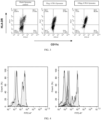
- the results of the the all- trans retinoic acid injectable formulation prepared in embodiment 3 are shown in Fig. 2 .
- the results show that the number of Gr-1 hi cells decrease significantly by administering different doses of the drug.
- the proportion of Gr-1 hi cells decreases from 17.5% to 9.10% compared with the control group.
- the proportion of Gr-1 int cells does not change much, probably because the cells with high expression of Gr-1 is converted to medium-low expression of Gr-1 under the induction of the all- trans retinoic acid.
- the proportion of Gr-1 low cells increases with the increasing dose of administration, which further indicates that the all- trans retinoic acid induces differentiation of MDSCs and decreases the expression of Gr-1. Since most of the infiltrating MDSCs at the tumor sites are characterized by Gr-1 hi or Gr-1 int , we can conclude that the all- trans retinoic acid injectable formulation can induce differentiation of the MDSCs and decrease its numbers in the tumor sites.
- each of the all-trans retinoic acid formulations mentioned in embodiment 1 and embodiment 2 can also induce differentiation of the MDSCs and decrease its numbers in the tumor sites.
- peripheral blood 2 mL of peripheral blood is taken from a patient with HNSCC and diluted twice with 2 mL of PBS.
- the diluted blood is carefully layered on 3 mL of a human lymphocyte separation solution along the inner wall of the test tube.
- the sample is centrifuged at 300 g for 30 minutes at room temperature (acceleration 2, deceleration 1).
- the mononuclear cell layer is carefully transferred to a clean centrifuge tube and washed twice with 10 mL PBS buffer at 300 g for 10 minutes. After the supernatant is discarded, the mononuclear cells are suspended in PBS buffer for further application.
- myeloid-derived cells in the PBMC are separated by CD33 + microbeads.
- myeloid-derived cells are cultured in 12-well plate at 5 ⁇ 10 5 cells/well with RPMI1640 complete medium (10% FBS added) and incubated overnight.
- the all- trans retinoic acid injectable formulation prepared as described in embodiment 1 or embodiment 2 or embodiment 3 is added and the cell plate is cultured for 24 hours. Then the percentage of HLA-DR + CD11c + phenotypic DC cells population in myeloid-derived cells is detected by flow cytometry.
- the clinic tumor sample is obtained from a bladder cancer patient in surgery, then rinsed with sterile saline and placed in a RPMI 1640 medium containing penicillin 100 ⁇ g/mL, streptomycin 100 ⁇ g/mL and 10% fetal bovine serum at 4°C before laboratory treatment.
- the tumor tissue is cross-cut into small pieces on ice, then transferred to a 15 mL centrifuge tube containing 2 mL of enzyme digestive fluid (0.6 to 1 mg/mL collagenase I and IV digestive fluid) and gently swirled.
- the mince tissues mixture is incubated on a shaker (200 rpm/minutes) under 37°C for 1 hour.
- the digested single-cells suspension is screened again with the 40 ⁇ m cell strainer, and the cells are washed with PBS for 2 to 3 times to remove residual tissue digestion medium, cell debris and dead cells. The conditions of centrifugation are set as 300 g for 10 minutes. Finally, the centrifuged cells are resuspended in PBS to obtain tumor single cell suspension. According to the microbeads separation equipment operating manual, myeloid-derived cells in the tumor tissue infiltrating cells are separated by CD33 + microbeads. Collected myeloid-derived cells are cultured in 12-well plate at 5 ⁇ 10 5 cells/well with RPMI1640 complete medium (10% FBS added) and incubated overnight.
- the all -trans retinoic acid injectable formulation prepared as described in embodiment 1 or embodiment 2 or embodiment 3 is added and the cell plate is cultured for 24 hours. Then the percentage of CD33 + HLA-DR - MDSCs population in myeloid-derived cells is detected by flow cytometry.
- the all- trans retinoic acid injectable formulation prepared in embodiment 3 of the present disclosure can significantly reduce the number of CD33 + HLA-DR - MDSCs in tumor infiltrating myeloid-derived cells derived from bladder cancer patient.
- the all- trans retinoic acid injectable formulation prepared in embodiment 3 of the present disclosure can reduce the inhibiting effect of MDSCs on T cells.
- each of the all- trans retinoic acid injectable formulations prepared in embodiments 1 and 2 can significantly reduce the number of CD33 + HLA-DR - MDSCs in tumor infiltrating myeloid-derived cells derived from bladder cancer patient. Moreover, each of all- trans retinoic acid injectable formulation prepared in embodiments 1 and 2 can reduce the inhibiting effect of MDSCs on T cells.
- a 6-well culture plate is inoculated with 5 ⁇ 10 5 MCF-7 cells one day before the experiment, and the cells are cultured overnight at 37°C in a humidified atmosphere containing 5% CO 2 . After the culture supernatant is removed from the cell culture plate on the second day, the fresh culture medium and the all- trans retinoic acid injectable formulation prepared in embodiment 1 or embodiment 2 or embodiment 3 are added. The cells are cultured for 24 hours in the 37°C, 5% CO 2 cell incubator. After digestion with trypsin without EDTA, cells are collected by centrifugation (300 g) for 5 minutes at 4°C.
- the cells are washed twice with pre-cooled PBS by centrifugation (300 g) for 5 minutes at 4°C and the number of collected cell is confirmed.
- About 1 ⁇ 5 ⁇ 10 5 cells are resuspended with 100 ⁇ L of 1 ⁇ Binding Buffer and then 5 ⁇ L of Annexin V-FITC and 10 ⁇ L of PI staining solution are added. After incubation in the dark at room temperature for 10 ⁇ 15 minutes, 400 ⁇ L of 1 ⁇ Binding Buffer is added and gently mixed. The samples are kept on ice and detected by flow cytometry within 1 hour.
- the all- trans retinoic acid injectable formulation prepared in embodiment 3 of the present disclosure can significantly promote the apoptosis of the human breast cancer cells MCF-7.
- each of the all- trans retinoic acid injectable formulations prepared in embodiments 1 and 2 can also significantly promote apoptosis of the human breast cancer cells MCF-7.
- a 6-well culture plate is inoculated with 5 ⁇ 10 5 Jurkat cells one day before the experiment, and the cells are cultured overnight at 37°C in a humidified atmosphere containing 5% CO 2 . After the culture supernatant is removed from the cell culture plate on the second day, the fresh culture medium and the all- trans retinoic acid injectable formulation prepared in embodiment 1 or embodiment 2 or embodiment 3 are added. The cells are cultured in the incubator for 24 hours under the condition of 37°C and 5% CO 2 . The cultured cells are collected by centrifugation (300 g) for 5 minutes at 4°C and washed twice with pre-cooled PBS by centrifugation (300 g) for 5 minutes at 4°C. The number of collected cell is confirmed.
- the all- trans retinoic acid injectable formulation prepared in embodiment 3 of the present disclosure can significantly promote apoptosis of the human peripheral blood leukemia T cells Jurkat.
- each of the all- trans retinoic acid injectable formulation prepared in embodiments 1 and 2 can significantly promote apoptosis of the human peripheral blood leukemia T cells Jurkat.
- the method for establishing a 4T1 subcutaneous xenograft model is described as following: (1) 4T1 cells in logarithmic growth phase are digested with trypsin and collected by centrifuging at 300 g for 5 minutes. After discarding the supernatant, the cells are resuspended in sterile PBS and the concentration is adjusted to 1 ⁇ 10 7 cells/mL. (2) Six-week-old female Balb/c mice are stabilized, and the skin of the injection site is sterilized using the ethanol cotton balls. 1 ⁇ 10 6 4T1 cells suspension is subcutaneously injected into the right underarm region. Animals are housed in a clean environment after inoculation.
- the animal experiment can be performed when the tumor volume reaches to about 100 mm 3 .
- the all- trans retinoic acid injectable formulation prepared in embodiment 1 or embodiment 2 or embodiment 3 is administrated (5 mg/kg) every other day via intravenous injection.
- the control group of mice are injected with the same amount of all- trans retinoic acid-free injectable formulation via intravenous injection and administered (5 mg/kg) every other day.
- the body weight of the mice is recorded.
- the average tumor volume is measured and a growth curve is drawn.
- the all- trans retinoic acid injectable formulation prepared in embodiment 3 of the present disclosure has an effective tumor growth inhibition on the 4T1 tumor-bearing mice and reduces the size of mouse tumor tissue volume.
- each of the all- trans retinoic acid injectable formulation prepared in embodiments 1 and 2 has an effective tumor growth inhibition on the 4T1 tumor-bearing mice and reduces the size of mouse tumor tissue volume.
- Tumor tissues obtained from the 4T1 tumor-bearing mice of embodiment 9 are fixed in the 4% formaldehyde solution for 3 to 5 days at room temperature.
- the fixed tissues are trimmed into appropriate size and shape and placed in embedding cassettes.
- Tissue blocks are dehydrated with 80%, 90%, 95% and 100% ethanol by three changes.
- the tissue blocks are immersed in paraffin I for 1 hour and paraffin II for 6 hours.
- the tissue blocks are embedded with paraffin by placing the material facing down, and the paraffin blocks are stored at -20°C when blocks become cool and solidify.
- the blocks as necessary are cut into at 4 ⁇ m in thickness, and the sections are placed in water bath at 65°C for 6 to 12 hours. Finally the sections are mounted onto slides and kept at room temperature.
- the immunohistochemical steps are described as following: (1) firstly the slides are deparaffinized and rehydrated, then incubated in 3% H 2 O 2 for 5 to 10 minutes at room temperature to eliminate the activity of endogenous peroxidase. (2) The slides are rinsed with distilled water and immersed with PBS for 5 minutes. These steps are repeated twice. After that, the slides are blocked with blocking buffer (5 to 10% normal goat serum diluted in PBS) and incubated at room temperature for 10 minutes. (3) The blocking buffer is removed and the slides are incubated with 100-400 ⁇ L primary antibody diluted in recommended antibody diluent at 4°C overnight. The antibody solution is removed and the slides are rinsed with wash buffer three times for 5 minutes each.
- the slides are incubated with secondary antibody diluted in recommended antibody diluent at 37°C for 10 to 30 minutes. Then the antibody solution is removed and the slides are rinsing with wash buffer three times for 5 minutes each. (5) 100-400 ⁇ L DAB or suitable substrate is added on each section and the staining is monitored closely. About 3 to 15 minutes of color development, the slides are rinsed with double-distilled H 2 O two times for 5 minutes each. Then the counterstaining, dehydrating, transparent treatment, and coverslips mounting steps are carried out.
- the all- trans retinoic acid injectable formulation prepared in embodiment 3 of the present disclosure can effectively increase the number of lymphatic infiltrating cells (CD4 + and CD8 + T cells) in tumor-bearing mouse model.
- each of the all- trans retinoic acid injectable formulation prepared in embodiments 1 and 2 can effectively increase the number of lymphatic infiltrating cells (CD4 + and CD8 + T cells) in tumor-bearing mouse model.
- Liver and kidney tissues obtained from the 4T1 tumor-bearing mice of embodiment 9 are fixed in the 4% formaldehyde solution for 3 to 5 days at room temperature.
- the fixed tissues are trimmed into appropriate size and shape and placed in embedding cassettes.
- Tissue blocks are dehydrated with 80%, 90%, 95% and 100% ethanol by three changes.
- the tissue blocks are immersed in paraffin I for 1 hours and paraffin II for 6 hours.
- the tissue blocks are embedded with paraffin by placing the material facing down, and the paraffin blocks are stored at -20°C when blocks become cool and solidify.
- the blocks as necessary are cut into at 4 ⁇ m in thickness, and the sections are placed in water bath at 65°C for 6 to 12 hours. Finally, the sections are mounted onto slides and kept at room temperature.
- hematoxylin and eosin (H&E) staining of the tissue sections are described as following: (1) firstly, deparaffinating and rehydrating: xylene I for 15 minutes, xylene II for 15 minutes, absolute ethanol I for 5 minutes, absolute ethanol II for 5 minutes, 95% ethanol for 5 minutes, and 80% ethanol for 5 minutes, and immersion cleaning is carried out with tap water for 1 minutes.
- the sections are dehydrated with 80% ethanol for 30 seconds, 95% ethanol I for 30 seconds, 95% ethanol II for 30 seconds, absolute ethanol I for 30 seconds and absolute ethanol II for 30 seconds, transparent treatment is carried out with xylene I for 3 minutes and xylene II for 3 minutes, the sections are taken out, mounted with neutral gum and observed for evaluating staining results.
- the all- trans retinoic acid injectable formulation prepared in embodiment 3 of the present disclosure can effectively inhibit infiltration and metastasis of tumor cells in the liver of the mouse compared with the mouse liver tissues of the control group ( Fig. 11 ). Meanwhile it can effectively inhibit infiltration and metastasis of tumor cells in the kidney compared with the mouse kidney tissues of the control group ( Fig. 12 ).
Landscapes
- Health & Medical Sciences (AREA)
- Chemical & Material Sciences (AREA)
- Life Sciences & Earth Sciences (AREA)
- General Health & Medical Sciences (AREA)
- Pharmacology & Pharmacy (AREA)
- Medicinal Chemistry (AREA)
- Animal Behavior & Ethology (AREA)
- Public Health (AREA)
- Veterinary Medicine (AREA)
- Epidemiology (AREA)
- General Chemical & Material Sciences (AREA)
- Dispersion Chemistry (AREA)
- Chemical Kinetics & Catalysis (AREA)
- Oil, Petroleum & Natural Gas (AREA)
- Dermatology (AREA)
- Engineering & Computer Science (AREA)
- Organic Chemistry (AREA)
- Nuclear Medicine, Radiotherapy & Molecular Imaging (AREA)
- Molecular Biology (AREA)
- Biophysics (AREA)
- Bioinformatics & Cheminformatics (AREA)
- Medicinal Preparation (AREA)
- Pharmaceuticals Containing Other Organic And Inorganic Compounds (AREA)
- Acyclic And Carbocyclic Compounds In Medicinal Compositions (AREA)
Description
- The present disclosure relates to the technical field of biopharmaceuticals, and in particular to an all-trans retinoic acid injectable formulation and its application.
- Retinoic acid is a vitamin A metabolite in the body. As a drug, all-trans retinoic acid (ATRA) is mostly used to treat acne. It is also an important drug for the treatment of acute promyelocytic leukemia (APL). Currently, all-trans retinoic acid is clinically administered in oral dosage forms.
- All-trans retinoic acid (ATRA) affects gene expression by binding to specific receptors (RARs, RXRs and RORs) in cells. In the treatment of acute promyelocytic leukemia, it can promote the differentiation of APL cells and the degradation of PML/RARα gene to achieve therapeutic effects (Effectiveness and Pharmacokinetics of Low-Dose All-trans Retinoic Acid (25 mg/m2) in Acute Promyelocytic Leukemia. Blood 82, 12, 1993. P.3560). There are also literatures suggesting that ATRA can promote the differentiation of myeloid-derived suppressor cells (MDSCs) in cancer patients and modulate myeloid-derived cells in tumor tissues (All-trans-Retinoic Acid Improves Differentiation of Myeloid Cells and Immune Response in Cancer Patients. Cancer Res 2006; 66: (18). September 15, 2006). MDSCs were first discovered in the 1980s and were found to consist of relatively immature cells at different degrees of differentiation. A large number of myeloid-derived cells labeled positive for CD11b and Gr-1 were found in the bone marrow, blood, lymphoid organs and tumor infiltrating sites of tumor-bearing mice. These cells are CD34+CD33+CD13+ in human body and can form clones on agar like myeloid-derived precursor cells. In the tumor microenvironment, myeloid-derived suppressor cells down-regulate the killing activity of effector T cells and inhibit the maturation of DC cells by secreting arginase, ROS and IL-6. In addition, ATRA was reported to have an effect of promoting the differentiation of cancer stem cells (Targeting cancer stem cells in glioblastoma multiforme using mTOR inhibitors and the differentiating agent all-trans retinoic acid. ONCOLOGY REPORTS 30: 1645-1650, 2013).
- However, the clinical application of the all-trans retinoic acid drug is limited due to the following obstacles: 1) the all-trans retinoic acid has very low water solubility (4.77e-03 g/L); and 2) the all-trans retinoic acid has a short plasma half-life, but the drug efficacy requires maintaining a certain blood concentration over a longer period of time and especially in the target organ. At present, only oral dosage forms are available and used in clinical studies and the bioavailability is only 30% or lower. However, many studies showed that ATRA has the ability to induce differentiation only at a certain blood concentration or above. Therefore, it is particularly important to find an injectable formulation with higher apparent concentrations of all-trans retinoic acid. Ruo-Jing Li et al, "All-trans retinoic acid stealth liposomes prevent the relapse of breast cancer arising from the cancer stem cells", Journal of Controlled Release, 149: 281-291 (2011), discloses an injectable formulation comprising ATRA, egg phosphatidylcholine (EPC), cholesterol and pegylated phospholipid.
- In order to overcome the problems in the prior art, the present disclosure has an objective to provide an all-trans retinoic acid injectable formulation and its application.
- In order to achieve the above and other related objectives, the present disclosure adopts the following technical solutions:
In a first aspect of the present disclosure, an all-trans retinoic acid injectable formulation is provided, the all-trans retinoic acid injectable formulation comprises all-trans retinoic acid and a solubilizer, wherein the solubilizer is a lipid consisting of hydrogenated soybean phosphatidylcholine (HSPC), cholesterol and pegylated phospholipid. - Preferably, the mass ratio of the solubilizer to the all-trans retinoic acid is (10-80): 1 .
- Preferably, the mass ratio of the lipid to the all-trans retinoic acid is (20-80):1.
- Preferably, the molecular weight of the pegylated phospholipid is in the range of 50-10000.
- Preferably, the all-trans retinoic acid injectable formulation is a solution, a suspension, an emulsion, or a sterile powder for injection.
- Further preferably, when the all-trans retinoic acid injectable formulation is a solution, a suspension, or an emulsion, the all-trans retinoic acid injectable formulation contains a solvent, and the solvent contains an isosmotic adjusting agent.
- Preferably, the isosmotic adjusting agent is sodium chloride. The mass percent by volume of the sodium chloride in the solvent is 0.5-0.9%.
- Preferably, the injectable formulation further contains a protective agent. The protective agent is sucrose. The mass percent by volume of the sucrose in the solvent is 2-5%.
- The mass percent by volume refers to the mass g of solute contained per 100 mL of solvent.
- Preferably, in the all-trans retinoic acid injectable formulation the concentration of the all-trans retinoic acid is greater than or equal to 0.1 mg/mL. Further preferably, in the all-trans retinoic acid injectable formulation, the concentration of the all-trans retinoic acid is greater than or equal to 1.0 mg/mL. More preferably, in the all-trans retinoic acid injectable formulation, the concentration of the all-trans retinoic acid is in the range of 1-5 mg/mL.
- Further preferably, the administration route of the injectable formulation is selected from intradermal injection, subcutaneous injection, intramuscular injection, and intravenous injection.
- In a second aspect of the present disclosure, the aforementioned all-trans retinoic acid injectable formulation for use as pharmaceutical product in the treatment of a tumor is provided.
- Preferably, the pharmaceutical product for use in treating a tumor is a drug for modulating abnormal myeloid-derived suppressor cells, induction of differentiation of myeloid-derived suppressor cells, and inhibition of tumor proliferation and recurrence in cancer patients.
- Further preferably, the myeloid-derived suppressor cells are myeloid-derived suppressor cells of breast cancer, colon cancer, ovarian cancer, lung cancer, kidney cancer, stomach cancer, liver cancer, cervical cancer, endometrial cancer, bladder cancer, prostate cancer, pancreatic cancer, colorectal cancer, basal cell carcinoma, melanoma, follicular lymphoma or small lymphocytoma.
- In a third aspect of the present disclosure, the aforementioned all-trans retinoic acid injectable formulation for use as a pharmaceutical product is provided, the pharmaceutical product having any one or more of the following effects:
- (1) decreasing the number of myeloid-derived suppressor cells (MDSCs) in tumor infiltrating cells;
- (2) inducing differentiation of tumor infiltrating CD33+HLA-DR- cells;
- (3) promoting phenotypic changes of CD33+ cells in peripheral blood mononuclear cells (PBMCs) of cancer patients;
- (4) decreasing inhibition of T cells by CD33+HLA-DR-cells in peripheral blood mononuclear cells (PBMCs);
- (5) inducing apoptosis of tumor cells;
- (6) increasing the proportion of infiltrating lymphocytes in tumor tissues;
- (7) inhibiting tumor cell metastasis; and
- (8) delaying tumor growth.
- In a fourth aspect (not according to the invention), a method for treating a tumor is provided, comprising administering the all-trans retinoic acid injectable formulation as described above to a patient. The particular dosage administered is within the purview well known to those skilled in the art.
- Compared with the prior art, the present disclosure has the following beneficial effects:
- (1) It has been found and proved through long-term experiments that the all-trans retinoic acid injectable formulation prepared by the present disclosure increases the solubility of the all-trans retinoic acid from 0.01 mg/mL in the prior art to at least 0.1 mg/mL or more, which is at least 10 times higher.
- (2) The application of the injectable formulation can effectively regulate the microenvironment of tumor development and can effectively induce differentiation of tumor-associated macrophages. The plasma terminal half-life of the present disclosure can be as long as 8-12 hours when administered by intravenous injection or intravenous drip. After treatment by the present disclosure, differentiation or apoptosis of 40%-70% of myeloid-derived suppressor cells in tumors can be promoted, and formation of mature dendritic cells (DCs) can be induced. The level of interleukin-6 (IL-6) secreted by myeloid-derived suppressor cells is significantly decreased after treatment by the preparation. The injectable formulation has an immunotherapy effect when applied independently or together with another pharmaceutical product, can be used to inhibit tumor cell proliferation and tumor recurrence, and thus having the great medical utility.
-
-
Fig. 1 : ATRA Blood concentration curves of EPC liposome formulations (not acccording to the invention) in mice. -
Fig. 2 : Inhibition of MDSCs in mouse tumor tissues after treatments using all-trans retinoic acid injectable formulation. -
Fig. 3 : All-trans retinoic acid injectable formulation promotes differentiation of MDSCs obtained from head and neck mucosal squamous carcinoma patient blood samples. -
Fig. 4 : All-trans retinoic acid injectable formulation significantly reduces iNOS expression in MDSCs in cancer patient samples. -
Fig. 5 : All-trans retinoic acid injectable formulation can significantly modulate the MDSCs among tumor infiltrating lymphocytes in bladder cancer tissue samples -
Fig. 6 : All-trans retinoic acid injectable formulation can significantly dampen the inhibition of MDSCs on T cells in cancer patients. -
Fig. 7 : All-trans retinoic acid injectable formulation promotes apoptosis of human breast cancer cells MCF-7. -
Fig. 8 : All-trans retinoic acid injectable formulation promotes apoptosis of human peripheral blood leukemia Jukat cells. -
Fig. 9 : All-trans retinoic acid injectable formulation promotes tumor size reduction in 4T1 tumor-bearing mice. -
Fig. 10 : All-trans retinoic acid injectable formulation increases the number of tumor infiltrating lymphocytes (CD4+ and CD8+ cells). -
Fig. 11 : All-trans retinoic acid injectable formulation reduces metastasis of tumor cells in 4T1 tumor-bearing mice (white arrows indicate tumor cell invaded lesions). -
Fig. 12 : All-trans retinoic acid injectable formulation reduces kidney tissue invasion and metastasis of tumor cells in 4T1 tumor-bearing mice (white arrows indicate tumor cell invaded lesions). - The all-trans retinoic acid injectable formulation of the present disclosure comprises all-trans retinoic acid and a solubilizer, wherein the solubilizer is a lipid consisting of hydrogenated soybean phosphatidylcholine (HSPC), cholesterol and pegylated phospholipid.
- The mass ratio of the solubilizer to the all-trans retinoic acid is (10-80):1.
- The mass ratio of the lipid to the all-trans retinoic acid is (20-80):1. The mass ratio of the lipid to the all-trans retinoic acid can also be (20-50): 1.
- The molecular weight of the pegylated phospholipid is in the range of 50-10000.
- In an embodiment of the present disclosure, the molecular weight of the pegylated phospholipid is 2000.
- The all-trans retinoic acid injectable formulation is a solution, a suspension, an emulsion, or a sterile powder for injection.
- Further, when the all-trans retinoic acid injectable formulation is a solution, a suspension or an emulsion, the all-trans retinoic acid injectable formulation contains a solvent, and the solvent contains an isosmotic adjusting agent.
- The isosmotic adjusting agent may be selected from sodium chloride. The mass percent by volume of the sodium chloride in the solvent is 0.5-0.9%.
- The solvent may also contain a protective agent. The protective agent is sucrose. The mass percent by volume of the sucrose in the solvent is 2-5%.
- The mass percent by volume refers to the mass (g) of solute contained per 100 mL of solvent.
- In the all-trans retinoic acid injectable formulation, the concentration of the all-trans retinoic acid is greater than or equal to 0.1 mg/mL. Further, in the all-trans retinoic acid injectable formulation, the concentration of the all-trans retinoic acid is greater than or equal to 1.0 mg/mL. Furthermore, in the all-trans retinoic acid injectable formulation, the concentration of the all-trans retinoic acid is in the range of 1-5 mg/mL.
- Further, the administration route of the injectable formulation is selected from intradermal injection, subcutaneous injection, intramuscular injection, and intravenous injection.
- In the present disclosure, the application may be: the all-trans retinoic acid injectable formulation for use as a pharmaceutical product in the treatment of a tumor.
- The pharmaceutical product for use in treating a tumor is a drug for induction of differentiation of myeloid-derived suppressor cells, and inhibition of tumor proliferation and recurrence in cancer patients.
- Further preferably, the myeloid-derived suppressor cells are myeloid-derived suppressor cells of breast cancer, colon cancer, ovarian cancer, lung cancer, kidney cancer, stomach cancer, liver cancer, cervical cancer, endometrial cancer, bladder cancer, prostate cancer, pancreatic cancer, colorectal cancer, basal cell carcinoma, melanoma, follicular lymphoma or small lymphocytoma.
- The application may also be applied for use as a pharmaceutical product, the pharmaceutical product having any one or more of the following effects:
- (1) decreasing the number of myeloid-derived suppressor cells (MDSCs) in tumor infiltrating cells;
- (2) inducing differentiation of tumor infiltrating CD33+HLA-DR- cells;
- (3) promoting phenotypic changes of CD33+ cells in peripheral blood mononuclear cells (PBMCs) of cancer patients;
- (4) decreasing the inhibition of T cells by CD33+HLA-DR-cells in peripheral blood mononuclear cells (PBMC);
- (5) inducing apoptosis of tumor cells;
- (6) increasing the proportion of infiltrating lymphocytes in tumor tissues;
- (7) inhibiting tumor cell metastasis; and
- (8) delaying tumor growth.
- The method for treating a tumor comprises the step of administering the aforementioned all-trans retinoic acid injectable formulation to a patient. The particular dosage administered is within the purview well known to those skilled in the art.
- Before further describing the specific embodiments of the present disclosure, it shall be understood that the protection scope of the present disclosure is not limited to the specific embodiments described below; it also shall be understood that the terminology used in the embodiments of the present disclosure is intended to describe the specific embodiments, and not to limit the protection scope of the present disclosure. The test methods which do not specify the specific conditions in the following embodiments are usually carried out according to conventional conditions or according to the conditions recommended by each manufacturer.
- When the embodiments give a numerical range, it shall be understood that, unless otherwise specified in the present disclosure, two endpoints of each numerical range and any one value between the two endpoints may be optional. Unless otherwise defined, all technical and scientific terms used in the present disclosure have the same meaning as commonly understood by those skilled in the art.
- Unless otherwise stated, the experimental methods, detection methods, and preparation methods disclosed in the present disclosure employ conventional techniques in molecular biology, biochemistry, analytical chemistry, cell culture and recombinant DNA in the technical field, and conventional techniques in related fields. These techniques have been well described in the existing literatures, for details, see Sambrook et al., MOLECULAR CLONING: A LABORATORY MANUAL, Second edition, Cold Spring Harbor Laboratory Press, 1989 and Third edition, 2001; Ausubel et al., CURRENT PROTOCOLS IN MOLECULAR BIOLOGY, John Wiley & Sons, New York, 1987 and periodic updates; the series METHODS INENZYMOLOGY, Academic Press, San Diego; Wolffe, CHROMATIN STRUCTURE AND FUNCTION, Third edition, Academic Press, San Diego, 1998; METHODS IN ENZYMOLOGY, Vol. 304, Chromatin (P. M. Wassarman and A. P. Wolffe, eds.), Academic Press, San Diego, 1999; and METHODS IN MOLECULAR BIOLOGY, Vol. 119, Chromatin Protocols (P. B. Becker, ed.) Humana Press, Totowa, 1999 et al.
- In this embodiment, the following three methods are used to investigate the saturated solubility after solubilization of ATRA by different solubilizers.
- (1) Emulsification method: Appropriate amounts of a solubilizer are dissolved in 1 mL of ultrapure water as an aqueous phase; 1 mg of drug is dissolved in 1 mL of organic solvent as an organic phase; the organic phase is added to the aqueous phase during stirring; after stirring overnight the organic solvent is removed by volatilization or rotary evaporation to obtain the drug-containing solution.
- (2) Dialysis method: The drug is dissolved in an organic solvent together with a solubilizer, then the solution is mixed with 1 mL of ultrapure water. And the mixed solution is dialyzed in pure water to obtain the drug-containing solution.
- (3) Freeze-drying method: Appropriate amounts of a solubilizer are dissolved in 1 mL of pure water, then appropriate amounts of a freeze-drying protective agent are added as an aqueous phase. The drug is dissolved in an organic solvent (tert-butanol, TBA) as an organic phase. The organic phase and the aqueous phase are mixed together at a certain ratio, then the solution is freeze-dried in a freeze drier for 24 hours. Redissolving is carried out by adding 1 mL of ultrapure water in lyophilizate to obtain the drug-containing solution.
- Screening is carried out to select the following injectable formulation containing the following solubilizers:
20% Cremophor RH40 and 5% mannitol are dissolved in 1 mL of pure water as an aqueous phase. 3 mg of drug ATRA is dissolved in 1.5 mL of tert-butanol as an organic phase. The organic phase and the aqueous phase are uniformly mixed, then the mixture is loaded into a 5 mL vial and freeze-dried in a freeze drier. The vial is taken out after 24 hours, and a cover is mounted. Before administration, the lyophilizate is redissolved by adding 1 mL of water to obtain the drug suspension. The saturated solubility of the all-trans retinoic acid therein is determined to be 0.1 mg/mL. The average diameter of particles in the suspension is 274 nm±42 nm by a dynamic laser scattering method and can keep stability at room temperature for 10 hours. These results prove the particles have good stability and dispersibility. - Liposomes comprising EPC and DPPC are not according to the invention. Liposomes comprising HSPC are according to the invention.
- EPC, HSPC and DPPC are respectively selected as the main lipid materials and mixed with cholesterol and DSPE-PEG2000 according to the molar ratio of PC:Chol:DSPE-PEG2000=2:1:0.125. Then ATRA is added according to the mass ratio of lipid/ATRA respectively 20:1, 40:1, 50:1. In hydration method 5-7 small glass beads are added and rotating hydration is carried out for 30 minutes. The obtained crude sample is extruded by passing through 400 nm, 200 nm, and 100 nm polycarbonate membranes sequentially for 15 times to obtain small unilamellar liposomes. The average particle diameter of the obtained all-trans retinoic acid-loaded liposomes is in a range of 100 nm±30 nm, with PDI of about 0.1. Free all-trans retinoic acid (ATRA) is removed by a sephadex G-50 microcolumn. In the linear range of a standard curve of the all-trans retinoic acid concentration, the encapsulation efficiency of the amount of ATRA incorporated into the liposome is calculated by acquiring the ratio of the drug ultraviolet absorption peak area value between encapsulated ATRA fractions and total ATRA fractions. The encapsulation efficiencies of the three liposome formulations show that the EPC liposome is 94%, the HSPC liposome is 91% and the DPPC liposome is 76%. The concentrations of ATRA in the three liposome formulations are all 0.3 mg/mL or above.
- The all-trans retinoic acid liposomes prepared above are administered by intravenous injection, and the half-life of the ATRA in mice is between 4-12 hours. The plasma-drug concentration curve of the EPC liposome in mice is shown by the red curve in
Fig. 1 , and the calculated half-life is 247 minutes. - 0.097 g of hydrogenated soybean phosphatidylcholine (HSPC), 0.031 g of
pegylated phospholipid 1, 2-distearoyl-sn-glycero-3-phosphoethanolamine-polyethylene glycol 2000 (DSPE-PEG2000) and 0.031 g of cholesterol are weighed and dissolved with 1.6 mL of ethanol. The ethanol mixture is completely dissolved by incubating in a water bath of 70°C. Then the solution is added to 6.4 mL of calcium acetate buffer solution (pH 9.0) and incubated in a water bath of 70°C for 30 minutes. The obtained crude liposome sample is extruded by passing through 400 nm, 200 nm, 100 nm and 50 nm polycarbonate membranes sequentially for 8 times to obtain small unilamellar liposomes having an average particle diameter of about 90 nm. - The liposomes prepared in the previous step are dialyzed through a dialysis membrane with a 10000 MWCO (Molecular Weight Cut off) to replace the aqueous phase with a 10% sucrose solution (
pH 6∼7). Then 4 mg/mL suspension of all-trans retinoic acid is added and the drug-loading step is incubated for 45 minutes at 60°C. After incubation, the free all-trans retinoic acid not loading into liposomes is removed by the dialysis membrane with a 10000 MWCO and final all-trans retinoic acid liposome injectable formulation is obtained with a concentration of 2.0 mg/mL ATRA. - The plasma terminal half-life of the ATRA in mice can be as long as 8 to 12 hours when administered by intravenous injection or intravenous drip.
-
- (1) CT-26 cells in logarithmic growth phase are digested with trypsin and collected by centrifuging at 300 g for 5 minutes. After discarding the supernatant, the cells are resuspended in sterile PBS and the concentration is adjusted to 1×10⁷ cells/mL.
- (2) Six-week-old Balb/c mice are purchased and hairs around subcutaneous inoculation site are shaved in advanced. Mice are anesthetized by intraperitoneal injection of 200 µL of 4% chloral hydrate and the prepared 5×10⁵ to 1×10⁶ CT-26 cells suspension is subcutaneously injected into the right underarm region. Animals are housed in a clean environment after inoculation.
- (3) After 2 to 3 weeks, the long diameter (L) and short diameter (S) of the inoculated tumor are measured using a vernier caliper, and the tumor volume size (V) is calculated by the formula: V=1/2xLxS2. The animal experiment can be performed when the tumor volume reaches to about 100 mm3.
-
- (1) The mice are sacrificed by cervical dislocation, and the tumor is subcutaneously removed with forceps and scissors. The tumor tissue is cross-cut into small pieces on a 40 µm cell strainer with gentle shearing force which can avoid from damaging the single cell. At the same time the tissues are continuously washed with 5% PBS during the cutting process.
- (2) All the small pieces of tissues and the PBS solution are centrifuged and the supernatant is discarded. Mince tissues are transferred into a 15 mL centrifuge tube containing 1 mL of tissue digestion medium, and the tube is incubated on a shaker (200 rpm/ minute) under 37°C for 1 hour.
- (3) The digested single-cells suspension is screened again with the 40 µm cell strainer, and the cells are washed with PBS for 2 to 3 times to remove residual tissue digestion medium, cell debris and dead cells. The conditions of centrifugation are set as 1000 rpm for 5 minutes. Finally, the centrifuged cells are resuspended in PBS to obtain tumor single cell suspension.
- (4) The sorting buffer is added at a proportion of 107 cells per 90 µL volume, and the CD1 1b microbeads are added at a proportion of 107 cells per 100 µL volume.
- (5) The microbeads and the cells are thoroughly mixed, and incubated at 4°C for 30 minutes in the dark. After incubation, 90 µL of sorting buffer is added per 107 cells to wash cells by centrifugation at 1000 rpm for 5 minutes. This step is repeated for 3 times before proceeding to magnetic separation.
- (6) Finally, 500 µL of sorting buffer is added to resuspend the microbeads-binding cell suspension.
- (7) An MS column is placed in the magnetic field of a suitable MACS Separator and fully saturated by rinsing with appropriate amount of buffer.
- (8) When the MS column is prepared, the cell suspension is applied onto the MS column, and the MS column is washed with 1 mL sorting buffer to remove the unlabeled cells.
- (9) After repeated washing for 3 to 5 times, the MS column is removed from the separator, placed on a 15 mL centrifuge tube and added with 1 mL buffer. By firmly pushing the plunger into the column, CD11b microbeads labeled cells are collected from column.
- (10) Cell counting is carried out and the concentration of flow cytometry samples is adjusted to 107 cells /mL.
- (11) Flow cytometry samples are divided into a negative sample, a Gr-1 positive sample, a CD1 1b positive sample and a test sample. The Gr-1 positive sample and CD1 1b positive sample are set as fluorescence compensation controls. In each sample group, 2 to 3 tubes are set in parallel runs.
- (12) About 106 cells are resuspended using 100 µL of flow cytometry staining buffer. No fluorescent antibody is added in the negative sample, fluorescent anti-Gr-1 antibody is added in the Gr-1 positive sample, fluorescent anti-CD11b antibody is added in the CD11b positive sample, and fluorescent anti-Gr-1 and anti-CD11b antibody are both added in the test sample.
- (13) Flow cytometry samples are incubated at 4°C for 30 minutes in the dark. After incubation, in order to wash away unbound antibodies, cells are resuspended in a larger volume of staining buffer (1 mL) and gently mixed. Then the samples are centrifuged at 300 g for 5 minutes and the supernatant is aspirated. The wash step is repeated twice before the cells are finally resuspended with 500 µL of staining buffer and proceeded to run samples on the flow cytometer.
-
- (1) The all-trans retinoic acid injectable formulation is prepared according to the methods of
embodiments - (2) MDSCs in the tumor tissues are sorted and the cell concentration is adjusted to 107/mL. The collected cells are inoculated into a 24-well plate at a concentration of 106/pore and cultured overnight.
- (3) 20 µL of PBS (control group), 20 µL (low-concentration group) and 50 µL (high-concentration group) of all-trans retinoic acid injectable formulation are separately added in the cell culture medium of 24-well plate containing cells, and the plate is incubated at 37°C for 24 hours.
- (4) After 1 day of incubation, the treated cells are collected by the method mentioned above and the phenotype changes of MDSCs and DCs in the cell are detected with anti-Gr-1, anti-CD11b, anti-CD11c, anti-CD80, anti-CD86 and anti-MHC-II antibodies by flow cytometry. The isotype control and fluorescence compensation are added during the flow cytometry.
- The results of the the all-trans retinoic acid injectable formulation prepared in embodiment 3 are shown in
Fig. 2 . The results show that the number of Gr-1hi cells decrease significantly by administering different doses of the drug. In the high concentration group the proportion of Gr-1hi cells decreases from 17.5% to 9.10% compared with the control group. However, the proportion of Gr-1int cells does not change much, probably because the cells with high expression of Gr-1 is converted to medium-low expression of Gr-1 under the induction of the all-trans retinoic acid. The proportion of Gr-1low cells increases with the increasing dose of administration, which further indicates that the all-trans retinoic acid induces differentiation of MDSCs and decreases the expression of Gr-1. Since most of the infiltrating MDSCs at the tumor sites are characterized by Gr-1hi or Gr-1int, we can conclude that the all-trans retinoic acid injectable formulation can induce differentiation of the MDSCs and decrease its numbers in the tumor sites. - By administration of each of all-trans retinoic acid formulations mentioned in
embodiment 1 andembodiment 2, the same experimental results are also observed. Each of the all-trans retinoic acid formulations inembodiment 1 andembodiment 2 can also induce differentiation of the MDSCs and decrease its numbers in the tumor sites. - 2 mL of peripheral blood is taken from a patient with HNSCC and diluted twice with 2 mL of PBS. The diluted blood is carefully layered on 3 mL of a human lymphocyte separation solution along the inner wall of the test tube. The sample is centrifuged at 300 g for 30 minutes at room temperature (
acceleration 2, deceleration 1). The mononuclear cell layer is carefully transferred to a clean centrifuge tube and washed twice with 10 mL PBS buffer at 300 g for 10 minutes. After the supernatant is discarded, the mononuclear cells are suspended in PBS buffer for further application. According to the microbeads separation equipment operating manual, myeloid-derived cells in the PBMC are separated by CD33+ microbeads. After separation, myeloid-derived cells are cultured in 12-well plate at 5×10⁵ cells/well with RPMI1640 complete medium (10% FBS added) and incubated overnight. The all-trans retinoic acid injectable formulation prepared as described inembodiment 1 orembodiment 2 or embodiment 3 is added and the cell plate is cultured for 24 hours. Then the percentage of HLA-DR+CD11c+ phenotypic DC cells population in myeloid-derived cells is detected by flow cytometry. - As shown in
Fig. 3 , flow cytometry results prove that the percentage of the HLA-DR+CD11c+ phenotypic DC cells population in myeloid-derived cells significantly increases with the all-trans retinoic acid injectable formulation prepared in embodiment 3. Furthermore, as shown inFig. 4 , iNOS expression of the cells also significantly decreases. In addition, the expression levels of Arg-1 and IL-6 also significantly decrease. - The same experimental conclusions are also obtained with each of all-trans retinoic acid injectable formulation prepared in
embodiments embodiments - The clinic tumor sample is obtained from a bladder cancer patient in surgery, then rinsed with sterile saline and placed in a RPMI 1640
medium containing penicillin 100 µg/mL,streptomycin 100 µg/mL and 10% fetal bovine serum at 4°C before laboratory treatment. The tumor tissue is cross-cut into small pieces on ice, then transferred to a 15 mL centrifuge tube containing 2 mL of enzyme digestive fluid (0.6 to 1 mg/mL collagenase I and IV digestive fluid) and gently swirled. The mince tissues mixture is incubated on a shaker (200 rpm/minutes) under 37°C for 1 hour. The digested single-cells suspension is screened again with the 40 µm cell strainer, and the cells are washed with PBS for 2 to 3 times to remove residual tissue digestion medium, cell debris and dead cells. The conditions of centrifugation are set as 300 g for 10 minutes. Finally, the centrifuged cells are resuspended in PBS to obtain tumor single cell suspension. According to the microbeads separation equipment operating manual, myeloid-derived cells in the tumor tissue infiltrating cells are separated by CD33+ microbeads. Collected myeloid-derived cells are cultured in 12-well plate at 5×10⁵ cells/well with RPMI1640 complete medium (10% FBS added) and incubated overnight. The all-trans retinoic acid injectable formulation prepared as described inembodiment 1 orembodiment 2 or embodiment 3 is added and the cell plate is cultured for 24 hours. Then the percentage of CD33+HLA-DR- MDSCs population in myeloid-derived cells is detected by flow cytometry. - As a result, as shown in
Fig. 5 , the all-trans retinoic acid injectable formulation prepared in embodiment 3 of the present disclosure can significantly reduce the number of CD33+HLA-DR- MDSCs in tumor infiltrating myeloid-derived cells derived from bladder cancer patient. As shown inFig. 6 , the all-trans retinoic acid injectable formulation prepared in embodiment 3 of the present disclosure can reduce the inhibiting effect of MDSCs on T cells. - The same experimental conclusions are also obtained with respect to each of the all-trans retinoic acid injectable formulations prepared in
embodiments embodiments embodiments - A 6-well culture plate is inoculated with 5×10⁵ MCF-7 cells one day before the experiment, and the cells are cultured overnight at 37°C in a humidified atmosphere containing 5% CO2. After the culture supernatant is removed from the cell culture plate on the second day, the fresh culture medium and the all-trans retinoic acid injectable formulation prepared in
embodiment 1 orembodiment 2 or embodiment 3 are added. The cells are cultured for 24 hours in the 37°C, 5% CO2 cell incubator. After digestion with trypsin without EDTA, cells are collected by centrifugation (300 g) for 5 minutes at 4°C. Then the cells are washed twice with pre-cooled PBS by centrifugation (300 g) for 5 minutes at 4°C and the number of collected cell is confirmed. About 1~5×10⁵ cells are resuspended with 100 µL of 1 ×Binding Buffer and then 5 µL of Annexin V-FITC and 10 µL of PI staining solution are added. After incubation in the dark at room temperature for 10∼15 minutes, 400 µL of 1 ×Binding Buffer is added and gently mixed. The samples are kept on ice and detected by flow cytometry within 1 hour. - As a result, as shown in
Fig. 7 , the all-trans retinoic acid injectable formulation prepared in embodiment 3 of the present disclosure can significantly promote the apoptosis of the human breast cancer cells MCF-7. - The same experimental conclusions are also obtained with each of the all-trans retinoic acid injectable formulations prepared in
embodiments embodiments - A 6-well culture plate is inoculated with 5×10⁵ Jurkat cells one day before the experiment, and the cells are cultured overnight at 37°C in a humidified atmosphere containing 5% CO2. After the culture supernatant is removed from the cell culture plate on the second day, the fresh culture medium and the all-trans retinoic acid injectable formulation prepared in
embodiment 1 orembodiment 2 or embodiment 3 are added. The cells are cultured in the incubator for 24 hours under the condition of 37°C and 5% CO2. The cultured cells are collected by centrifugation (300 g) for 5 minutes at 4°C and washed twice with pre-cooled PBS by centrifugation (300 g) for 5 minutes at 4°C. The number of collected cell is confirmed. About 1∼5×10⁵ cells are resuspended with 100 µL of 1 ×Binding Buffer and then 5 µL of Annexin V-FITC and 10 µL of PI staining solution are added. After incubation in the dark at room temperature for 10~15 minutes, 400 µL of 1×Binding Buffer is added and gently mixed. The sample is kept on ice and detected by flow cytometry within 1 hour. - As a result, as shown in
Fig. 8 , the all-trans retinoic acid injectable formulation prepared in embodiment 3 of the present disclosure can significantly promote apoptosis of the human peripheral blood leukemia T cells Jurkat. - The same experimental conclusions are also obtained with respect to each of the all-trans retinoic acid injectable formulation prepared in
embodiments embodiments - The method for establishing a 4T1 subcutaneous xenograft model is described as following: (1) 4T1 cells in logarithmic growth phase are digested with trypsin and collected by centrifuging at 300 g for 5 minutes. After discarding the supernatant, the cells are resuspended in sterile PBS and the concentration is adjusted to 1×10⁷ cells/mL. (2) Six-week-old female Balb/c mice are stabilized, and the skin of the injection site is sterilized using the ethanol cotton balls. 1×10⁶ 4T1 cells suspension is subcutaneously injected into the right underarm region. Animals are housed in a clean environment after inoculation.
(3) After 2 to 3 weeks, the long diameter (L) and short diameter (S) of the inoculated tumor are measured using a vernier caliper, and the tumor volume size (V) is calculated by formula: V=1/2xLxS2. The animal experiment can be performed when the tumor volume reaches to about 100 mm3.The all-trans retinoic acid injectable formulation prepared inembodiment 1 orembodiment 2 or embodiment 3 is administrated (5 mg/kg) every other day via intravenous injection. The control group of mice are injected with the same amount of all-trans retinoic acid-free injectable formulation via intravenous injection and administered (5 mg/kg) every other day. The body weight of the mice is recorded. The average tumor volume is measured and a growth curve is drawn. - As a result, as shown in
Fig. 9 , the all-trans retinoic acid injectable formulation prepared in embodiment 3 of the present disclosure has an effective tumor growth inhibition on the 4T1 tumor-bearing mice and reduces the size of mouse tumor tissue volume. - The same experimental conclusions are also obtained with respect to each of the all-trans retinoic acid injectable formulation prepared in
embodiments embodiments - Tumor tissues obtained from the 4T1 tumor-bearing mice of embodiment 9 are fixed in the 4% formaldehyde solution for 3 to 5 days at room temperature. The fixed tissues are trimmed into appropriate size and shape and placed in embedding cassettes. Tissue blocks are dehydrated with 80%, 90%, 95% and 100% ethanol by three changes. Then after transparent treatment with xylene by three changes for 30 minutes each, the tissue blocks are immersed in paraffin I for 1 hour and paraffin II for 6 hours. The tissue blocks are embedded with paraffin by placing the material facing down, and the paraffin blocks are stored at -20°C when blocks become cool and solidify. The blocks as necessary are cut into at 4 µm in thickness, and the sections are placed in water bath at 65°C for 6 to 12 hours. Finally the sections are mounted onto slides and kept at room temperature.
- The immunohistochemical steps are described as following: (1) firstly the slides are deparaffinized and rehydrated, then incubated in 3% H2O2 for 5 to 10 minutes at room temperature to eliminate the activity of endogenous peroxidase. (2) The slides are rinsed with distilled water and immersed with PBS for 5 minutes. These steps are repeated twice. After that, the slides are blocked with blocking buffer (5 to 10% normal goat serum diluted in PBS) and incubated at room temperature for 10 minutes. (3) The blocking buffer is removed and the slides are incubated with 100-400 µL primary antibody diluted in recommended antibody diluent at 4°C overnight. The antibody solution is removed and the slides are rinsed with wash buffer three times for 5 minutes each. (4) The slides are incubated with secondary antibody diluted in recommended antibody diluent at 37°C for 10 to 30 minutes. Then the antibody solution is removed and the slides are rinsing with wash buffer three times for 5 minutes each. (5) 100-400 µL DAB or suitable substrate is added on each section and the staining is monitored closely. About 3 to 15 minutes of color development, the slides are rinsed with double-distilled H2O two times for 5 minutes each. Then the counterstaining, dehydrating, transparent treatment, and coverslips mounting steps are carried out.
- As a result, as shown in
Fig. 10 , the all-trans retinoic acid injectable formulation prepared in embodiment 3 of the present disclosure can effectively increase the number of lymphatic infiltrating cells (CD4+ and CD8+ T cells) in tumor-bearing mouse model. - The same experimental conclusions are also obtained with respect to each of the all-trans retinoic acid injectable formulation prepared in
embodiments embodiments - Liver and kidney tissues obtained from the 4T1 tumor-bearing mice of embodiment 9 are fixed in the 4% formaldehyde solution for 3 to 5 days at room temperature. The fixed tissues are trimmed into appropriate size and shape and placed in embedding cassettes. Tissue blocks are dehydrated with 80%, 90%, 95% and 100% ethanol by three changes. Then after transparent treatment with xylene by three changes for 30 minutes each, the tissue blocks are immersed in paraffin I for 1 hours and paraffin II for 6 hours. The tissue blocks are embedded with paraffin by placing the material facing down, and the paraffin blocks are stored at -20°C when blocks become cool and solidify. The blocks as necessary are cut into at 4 µm in thickness, and the sections are placed in water bath at 65°C for 6 to 12 hours. Finally, the sections are mounted onto slides and kept at room temperature.
- The steps for hematoxylin and eosin (H&E) staining of the tissue sections are described as following: (1) firstly, deparaffinating and rehydrating: xylene I for 15 minutes, xylene II for 15 minutes, absolute ethanol I for 5 minutes, absolute ethanol II for 5 minutes, 95% ethanol for 5 minutes, and 80% ethanol for 5 minutes, and immersion cleaning is carried out with tap water for 1 minutes. (2) Staining: the sections are immersed in a hematoxylin staining solution for 5 minutes at room temperature, and the sections are washed with tap water for 1 minute; the sections are immersed in a 1% hydrochloric acid alcohol solution for several seconds, and the sections are washed with tap water until the tissues return to blue; the sections are immersed in eosin stain for 3 to 5 minutes, the sections are washed with tap water to remove the floating color from the sections. (3) Dehydration, transparent treatment, and mounting: the sections are dehydrated with 80% ethanol for 30 seconds, 95% ethanol I for 30 seconds, 95% ethanol II for 30 seconds, absolute ethanol I for 30 seconds and absolute ethanol II for 30 seconds, transparent treatment is carried out with xylene I for 3 minutes and xylene II for 3 minutes, the sections are taken out, mounted with neutral gum and observed for evaluating staining results.
- As a result, as shown in
Fig. 11 andFig. 12 , the all-trans retinoic acid injectable formulation prepared in embodiment 3 of the present disclosure can effectively inhibit infiltration and metastasis of tumor cells in the liver of the mouse compared with the mouse liver tissues of the control group (Fig. 11 ). Meanwhile it can effectively inhibit infiltration and metastasis of tumor cells in the kidney compared with the mouse kidney tissues of the control group (Fig. 12 ). - The same experimental conclusions are also obtained with respect to each of the all-trans retinoic acid injectable formulation prepared in
embodiments embodiments
Claims (10)
- An all-trans retinoic acid injectable formulation, comprising all-trans retinoic acid and a solubilizer, wherein the solubilizer is a lipid consisting of hydrogenated soybean phosphatidylcholine (HSPC), cholesterol and pegylated phospholipid.
- The all-trans retinoic acid injectable formulation as in claim 1, wherein the pegylated phospholipid is pegylated phospholipid 1, 2-distearoyl-sn-glycero-3-phosphoethanolamine-polyethylene glycol 2000 (DSPE-PEG2000).
- The all-trans retinoic acid injectable formulation as in claim 1, wherein a mass ratio of the lipid to the all-trans retinoic acid is (20-80): 1.
- The all-trans retinoic acid injectable formulation as in claim 1, wherein the all-trans retinoic acid injectable formulation is a solution, a suspension, an emulsion, or a sterile powder for injection.
- The all-trans retinoic acid injectable formulation as in any one of claims 1 to 4, wherein a concentration of the all-trans retinoic acid is greater than or equal to 0.1 mg/mL.
- The all-trans retinoic acid injectable formulation as in any one of claims 1 to 4, wherein an administration route of the all-trans retinoic acid injectable formulation is selected from intradermal injection, subcutaneous injection, intramuscular injection, and intravenous injection.
- The all-trans retinoic acid injectable formulation as in any one of claims 1 to 4 for use as a pharmaceutical product in the treatment of a tumor.
- The all-trans retinoic acid injectable formulation for use according to claim 7, wherein the all-trans retinoic acid injectable formulation can reduce activity of abnormal myeloid-derived suppressor cells, induce differentiation of myeloid-derived suppressor cells, inhibit tumor proliferation and recurrence in cancer patients.
- The all-trans retinoic acid injectable formulation for use according to claim 8, wherein the myeloid-derived suppressor cells are myeloid-derived suppressor cells in patients with breast cancer, colon cancer, ovarian cancer, lung cancer, kidney cancer, stomach cancer, liver cancer, cervical cancer, endometrial cancer, bladder cancer, prostate cancer, pancreatic cancer, colorectal cancer, basal cell carcinoma, melanoma, follicular lymphoma or small lymphocytoma.
- The all-trans retinoic acid injectable formulation as in any one of claims 1 to 4 for use as a pharmaceutical product, wherein the pharmaceutical product has any one or more of the following effects:(1) decreasing a number of myeloid-derived suppressor cells (MDSCs) in tumor infiltrating cells;(2) inducing differentiation of tumor infiltrating CD33+HLA-DR- cells;(3) promoting phenotypic changes of CD33+ cells in peripheral blood mononuclear cells (PBMCs) of cancer patients;(4) decreasing inhibition of T cells by CD33+HLA-DR- cells in peripheral blood mononuclear cells (PBMCs);(5) inducing apoptosis of tumor cells;(6) increasing a proportion of infiltrating lymphocytes in tumor tissue;(7) inhibiting tumor cell metastasis; and(8) delaying tumor growth.
Applications Claiming Priority (2)
| Application Number | Priority Date | Filing Date | Title |
|---|---|---|---|
| CN201610681196.4A CN107753473A (en) | 2016-08-18 | 2016-08-18 | A kind of ATRA injection and application |
| PCT/CN2017/097868 WO2018033117A1 (en) | 2016-08-18 | 2017-08-17 | All-trans retinoic acid injectant and application |
Publications (4)
| Publication Number | Publication Date |
|---|---|
| EP3501517A1 EP3501517A1 (en) | 2019-06-26 |
| EP3501517A4 EP3501517A4 (en) | 2020-06-03 |
| EP3501517B1 true EP3501517B1 (en) | 2023-10-04 |
| EP3501517C0 EP3501517C0 (en) | 2023-10-04 |
Family
ID=61197288
Family Applications (1)
| Application Number | Title | Priority Date | Filing Date |
|---|---|---|---|
| EP17841089.0A Active EP3501517B1 (en) | 2016-08-18 | 2017-08-17 | All-trans retinoic acid injectable formulation |
Country Status (6)
| Country | Link |
|---|---|
| US (1) | US10952984B2 (en) |
| EP (1) | EP3501517B1 (en) |
| JP (1) | JP6942183B2 (en) |
| CN (1) | CN107753473A (en) |
| ES (1) | ES2966738T3 (en) |
| WO (1) | WO2018033117A1 (en) |
Families Citing this family (11)
| Publication number | Priority date | Publication date | Assignee | Title |
|---|---|---|---|---|
| CN110452878A (en) * | 2018-05-07 | 2019-11-15 | 北京吉尚立德生物科技有限公司 | A kind of lung cancer solid tumor mass sample dissociation solution |
| CN110452877A (en) * | 2018-05-07 | 2019-11-15 | 北京吉尚立德生物科技有限公司 | A kind of cultural method of lung cancer solid tumor primary cell |
| CN110447633A (en) * | 2018-05-07 | 2019-11-15 | 北京吉尚立德生物科技有限公司 | A kind of lung cancer solid tumor mass Sample preservation liquid |
| CN109364027B (en) * | 2018-12-12 | 2021-04-02 | 上海交通大学 | All-trans retinoic acid quasicrystal and its liposome preparation and preparation method |
| CN111808815A (en) * | 2019-04-11 | 2020-10-23 | 北京基石生命科技有限公司 | Method for culturing primary cells of gastric cancer solid tumor |
| CN111197029B (en) * | 2020-01-09 | 2020-11-10 | 广东省第二人民医院(广东省卫生应急医院) | Method for producing myeloid-lineage inhibitory cells by sodium urate induction |
| CN111671902B (en) * | 2020-03-19 | 2022-08-16 | 中山大学孙逸仙纪念医院 | Sensitizer drug, drug composition and application |
| CN114617960A (en) * | 2022-03-17 | 2022-06-14 | 北京大学 | Application of agent for regulating expression of PTIR1 in preparation of drugs for tumor immunotherapy |
| CN115414360A (en) * | 2022-08-30 | 2022-12-02 | 上海交通大学医学院附属仁济医院 | Application of all-trans retinoic acid combined with antibiotics in the treatment of periprosthetic infection |
| CN118873499B (en) * | 2024-07-19 | 2026-05-26 | 中国药科大学 | Preparation and application of multifunctional nano preparation for activating tumor in-situ vaccine to generate immune response |
| WO2026133149A1 (en) * | 2024-12-16 | 2026-06-25 | Universita' Degli Studi Di Roma "Tor Vergata" | Pharmaceutical composition containing atra for use in the treatment of fungal infections caused by c. auris, c. glabrata, c. tropicalis and c. krusei |
Family Cites Families (7)
| Publication number | Priority date | Publication date | Assignee | Title |
|---|---|---|---|---|
| AU543727B2 (en) * | 1980-06-02 | 1985-05-02 | Ayerst Mckenna & Harrison Inc. | Injectable composition of rapamycin |
| US5811119A (en) * | 1987-05-19 | 1998-09-22 | Board Of Regents, The University Of Texas | Formulation and use of carotenoids in treatment of cancer |
| CA2128103C (en) * | 1992-01-16 | 2004-12-28 | Kapil Mehta | Formulation and use of carotenoids in treatment of cancer |
| JP2002356420A (en) * | 2001-03-27 | 2002-12-13 | Santen Pharmaceut Co Ltd | Stable aqueous solution |
| CN101244039B (en) * | 2008-03-20 | 2012-09-12 | 江苏先声药物研究有限公司 | Novel method for preparing indissoluble medicaments liposome preparations |
| CN101843584B (en) * | 2010-06-02 | 2012-05-30 | 北京大学 | A kind of complex of all-trans retinoic acid and liposome and its application |
| AU2014359194B2 (en) * | 2013-12-04 | 2020-02-06 | Galderma Research & Development | Lipid microcapsules preferably comprising a retinoid, and composition containing same, method for the production thereof, and use thereof in dermatology |
-
2016
- 2016-08-18 CN CN201610681196.4A patent/CN107753473A/en active Pending
-
2017
- 2017-08-17 EP EP17841089.0A patent/EP3501517B1/en active Active
- 2017-08-17 ES ES17841089T patent/ES2966738T3/en active Active
- 2017-08-17 US US16/326,216 patent/US10952984B2/en active Active
- 2017-08-17 JP JP2019530536A patent/JP6942183B2/en active Active
- 2017-08-17 WO PCT/CN2017/097868 patent/WO2018033117A1/en not_active Ceased
Also Published As
| Publication number | Publication date |
|---|---|
| US20190282530A1 (en) | 2019-09-19 |
| ES2966738T3 (en) | 2024-04-24 |
| JP2019528315A (en) | 2019-10-10 |
| US10952984B2 (en) | 2021-03-23 |
| EP3501517A4 (en) | 2020-06-03 |
| CN107753473A (en) | 2018-03-06 |
| EP3501517C0 (en) | 2023-10-04 |
| WO2018033117A1 (en) | 2018-02-22 |
| JP6942183B2 (en) | 2021-09-29 |
| EP3501517A1 (en) | 2019-06-26 |
Similar Documents
| Publication | Publication Date | Title |
|---|---|---|
| US10952984B2 (en) | All-trans retinoic acid injectant and application | |
| Bosiljcic et al. | Targeting myeloid-derived suppressor cells in combination with primary mammary tumor resection reduces metastatic growth in the lungs | |
| Lin et al. | In situ immunomodulation of tumors with biosynthetic bacteria promote anti-tumor immunity | |
| Luo et al. | Nanovaccine loaded with poly I: C and STAT3 siRNA robustly elicits anti-tumor immune responses through modulating tumor-associated dendritic cells in vivo | |
| Gao et al. | Boosting the synergism between cancer ferroptosis and immunotherapy via targeted stimuli-responsive liposomes | |
| He et al. | Anti-PD-L1 mediating tumor-targeted codelivery of liposomal irinotecan/JQ1 for chemo-immunotherapy | |
| Longo et al. | Prevention of distant lung metastasis after photodynamic therapy application in a breast cancer tumor model | |
| Cao et al. | Enzyme-induced morphological transformation of self-assembled peptide nanovehicles potentiates intratumoral aggregation and inhibits tumour immunosuppression | |
| Tian et al. | Co-delivery of bioactive peptides by nanoliposomes for promotion of hair growth | |
| Yang et al. | A nanoformulation for immunosuppression reversal and broad-spectrum self-amplifying antitumor ferroptosis-immunotherapy | |
| Zhang et al. | A “bulldozer” driven by anoxic bacteria for pancreatic cancer chemo-immunotherapy | |
| CN117379557A (en) | Extracellular vesicle drug delivery system and preparation method and application thereof | |
| Yang et al. | Engineered antler stem cells derived exosomes potentiate anti-tumor efficacy of immune checkpoint inhibitor by reprogramming immunosuppressive tumor microenvironment | |
| Qian et al. | Cryo‐shocked tumor‐reprogrammed sonosensitive antigen‐presenting cells improving sonoimmunotherapy via T cells and NK cells immunity | |
| Chettab et al. | A systemically administered detoxified TLR4 agonist displays potent antitumor activity and an acceptable tolerance profile in preclinical models | |
| Bai et al. | Methionine enkephalin activates autophagy and stimulates tumour cell immunogenicity in human cutaneous squamous cell carcinoma | |
| Lu et al. | Ganoderic acid A regulates CSF1R to reprogram tumor-associated macrophages for immune therapy of hepatocellular carcinoma | |
| Qian et al. | Cell membrane hybrid lipid nanovesicles enhance innate immunity for synergistic immunotherapy by promoting immunogenic cell death and cGAS activation | |
| CN109745326B (en) | Pharmaceutical composition containing gefitinib and histone deacetylase inhibitor, liposome preparation of pharmaceutical composition and pharmaceutical application of liposome preparation | |
| Wang et al. | TMTP1-modified polymeric micelles for the inhibition of ovarian cancer metastasis and recurrence through enhanced photothermal-immunotherapy | |
| Qin et al. | A novel biosynthesized vaccine based on tumor cells for peritoneal metastasis treatment in colon cancer | |
| Li et al. | Modulating autophagy in the tumor microenvironment with a salinomycin-loaded liposome hybrid nanovesicle system for tumor immunotherapy | |
| Tian et al. | Extracellular vesicles delivered rapamycin to improve the tumor microenvironment and enhance hepatocellular carcinoma immunotherapy | |
| Piao et al. | Application of immunotherapy based on dendritic cells stimulated by tumor cell-derived exosomes in a syngeneic breast tumor mouse model | |
| Li et al. | Stattic engineering M2 macrophage-derived exosomes mediate autophagy and immune reprogramming for secondary hyperparathyroidism |
Legal Events
| Date | Code | Title | Description |
|---|---|---|---|
| STAA | Information on the status of an ep patent application or granted ep patent |
Free format text: STATUS: THE INTERNATIONAL PUBLICATION HAS BEEN MADE |
|
| PUAI | Public reference made under article 153(3) epc to a published international application that has entered the european phase |
Free format text: ORIGINAL CODE: 0009012 |
|
| STAA | Information on the status of an ep patent application or granted ep patent |
Free format text: STATUS: REQUEST FOR EXAMINATION WAS MADE |
|
| 17P | Request for examination filed |
Effective date: 20190314 |
|
| AK | Designated contracting states |
Kind code of ref document: A1 Designated state(s): AL AT BE BG CH CY CZ DE DK EE ES FI FR GB GR HR HU IE IS IT LI LT LU LV MC MK MT NL NO PL PT RO RS SE SI SK SM TR |
|
| AX | Request for extension of the european patent |
Extension state: BA ME |
|
| DAV | Request for validation of the european patent (deleted) | ||
| DAX | Request for extension of the european patent (deleted) | ||
| A4 | Supplementary search report drawn up and despatched |
Effective date: 20200508 |
|
| RIC1 | Information provided on ipc code assigned before grant |
Ipc: A61K 9/127 20060101ALI20200501BHEP Ipc: A61K 47/44 20170101ALI20200501BHEP Ipc: A61K 9/00 20060101AFI20200501BHEP Ipc: A61P 35/00 20060101ALI20200501BHEP Ipc: A61K 47/28 20060101ALN20200501BHEP Ipc: A61K 9/107 20060101ALI20200501BHEP Ipc: A61K 31/203 20060101ALI20200501BHEP Ipc: A61K 47/24 20060101ALN20200501BHEP |
|
| STAA | Information on the status of an ep patent application or granted ep patent |
Free format text: STATUS: EXAMINATION IS IN PROGRESS |
|
| 17Q | First examination report despatched |
Effective date: 20210520 |
|
| REG | Reference to a national code |
Ref country code: DE Ref legal event code: R079 Free format text: PREVIOUS MAIN CLASS: A61K0031190000 Ipc: A61K0009000000 Ref country code: DE Ref legal event code: R079 Ref document number: 602017074996 Country of ref document: DE Free format text: PREVIOUS MAIN CLASS: A61K0031190000 Ipc: A61K0009000000 |
|
| GRAP | Despatch of communication of intention to grant a patent |
Free format text: ORIGINAL CODE: EPIDOSNIGR1 |
|
| STAA | Information on the status of an ep patent application or granted ep patent |
Free format text: STATUS: GRANT OF PATENT IS INTENDED |
|
| RIC1 | Information provided on ipc code assigned before grant |
Ipc: A61K 47/28 20060101ALN20230404BHEP Ipc: A61K 47/24 20060101ALN20230404BHEP Ipc: A61K 47/44 20170101ALI20230404BHEP Ipc: A61K 31/203 20060101ALI20230404BHEP Ipc: A61P 35/00 20060101ALI20230404BHEP Ipc: A61K 9/127 20060101ALI20230404BHEP Ipc: A61K 9/107 20060101ALI20230404BHEP Ipc: A61K 9/00 20060101AFI20230404BHEP |
|
| INTG | Intention to grant announced |
Effective date: 20230426 |
|
| GRAS | Grant fee paid |
Free format text: ORIGINAL CODE: EPIDOSNIGR3 |
|
| GRAA | (expected) grant |
Free format text: ORIGINAL CODE: 0009210 |
|
| STAA | Information on the status of an ep patent application or granted ep patent |
Free format text: STATUS: THE PATENT HAS BEEN GRANTED |
|
| AK | Designated contracting states |
Kind code of ref document: B1 Designated state(s): AL AT BE BG CH CY CZ DE DK EE ES FI FR GB GR HR HU IE IS IT LI LT LU LV MC MK MT NL NO PL PT RO RS SE SI SK SM TR |
|
| REG | Reference to a national code |
Ref country code: GB Ref legal event code: FG4D |
|
| REG | Reference to a national code |
Ref country code: CH Ref legal event code: EP |
|
| REG | Reference to a national code |
Ref country code: IE Ref legal event code: FG4D |
|
| REG | Reference to a national code |
Ref country code: DE Ref legal event code: R096 Ref document number: 602017074996 Country of ref document: DE |
|
| U01 | Request for unitary effect filed |
Effective date: 20231030 |
|
| U07 | Unitary effect registered |
Designated state(s): AT BE BG DE DK EE FI FR IT LT LU LV MT NL PT SE SI Effective date: 20231103 |
|
| PG25 | Lapsed in a contracting state [announced via postgrant information from national office to epo] |
Ref country code: GR Free format text: LAPSE BECAUSE OF FAILURE TO SUBMIT A TRANSLATION OF THE DESCRIPTION OR TO PAY THE FEE WITHIN THE PRESCRIBED TIME-LIMIT Effective date: 20240105 |
|
| PG25 | Lapsed in a contracting state [announced via postgrant information from national office to epo] |
Ref country code: IS Free format text: LAPSE BECAUSE OF FAILURE TO SUBMIT A TRANSLATION OF THE DESCRIPTION OR TO PAY THE FEE WITHIN THE PRESCRIBED TIME-LIMIT Effective date: 20240204 |
|
| REG | Reference to a national code |
Ref country code: ES Ref legal event code: FG2A Ref document number: 2966738 Country of ref document: ES Kind code of ref document: T3 Effective date: 20240424 |
|
| PG25 | Lapsed in a contracting state [announced via postgrant information from national office to epo] |
Ref country code: IS Free format text: LAPSE BECAUSE OF FAILURE TO SUBMIT A TRANSLATION OF THE DESCRIPTION OR TO PAY THE FEE WITHIN THE PRESCRIBED TIME-LIMIT Effective date: 20240204 Ref country code: GR Free format text: LAPSE BECAUSE OF FAILURE TO SUBMIT A TRANSLATION OF THE DESCRIPTION OR TO PAY THE FEE WITHIN THE PRESCRIBED TIME-LIMIT Effective date: 20240105 |
|
| PG25 | Lapsed in a contracting state [announced via postgrant information from national office to epo] |
Ref country code: RS Free format text: LAPSE BECAUSE OF FAILURE TO SUBMIT A TRANSLATION OF THE DESCRIPTION OR TO PAY THE FEE WITHIN THE PRESCRIBED TIME-LIMIT Effective date: 20231004 Ref country code: PL Free format text: LAPSE BECAUSE OF FAILURE TO SUBMIT A TRANSLATION OF THE DESCRIPTION OR TO PAY THE FEE WITHIN THE PRESCRIBED TIME-LIMIT Effective date: 20231004 Ref country code: NO Free format text: LAPSE BECAUSE OF FAILURE TO SUBMIT A TRANSLATION OF THE DESCRIPTION OR TO PAY THE FEE WITHIN THE PRESCRIBED TIME-LIMIT Effective date: 20240104 Ref country code: HR Free format text: LAPSE BECAUSE OF FAILURE TO SUBMIT A TRANSLATION OF THE DESCRIPTION OR TO PAY THE FEE WITHIN THE PRESCRIBED TIME-LIMIT Effective date: 20231004 |
|
| REG | Reference to a national code |
Ref country code: DE Ref legal event code: R097 Ref document number: 602017074996 Country of ref document: DE |
|
| PG25 | Lapsed in a contracting state [announced via postgrant information from national office to epo] |
Ref country code: CZ Free format text: LAPSE BECAUSE OF FAILURE TO SUBMIT A TRANSLATION OF THE DESCRIPTION OR TO PAY THE FEE WITHIN THE PRESCRIBED TIME-LIMIT Effective date: 20231004 |
|
| PG25 | Lapsed in a contracting state [announced via postgrant information from national office to epo] |
Ref country code: SK Free format text: LAPSE BECAUSE OF FAILURE TO SUBMIT A TRANSLATION OF THE DESCRIPTION OR TO PAY THE FEE WITHIN THE PRESCRIBED TIME-LIMIT Effective date: 20231004 |
|
| PG25 | Lapsed in a contracting state [announced via postgrant information from national office to epo] |
Ref country code: SM Free format text: LAPSE BECAUSE OF FAILURE TO SUBMIT A TRANSLATION OF THE DESCRIPTION OR TO PAY THE FEE WITHIN THE PRESCRIBED TIME-LIMIT Effective date: 20231004 Ref country code: SK Free format text: LAPSE BECAUSE OF FAILURE TO SUBMIT A TRANSLATION OF THE DESCRIPTION OR TO PAY THE FEE WITHIN THE PRESCRIBED TIME-LIMIT Effective date: 20231004 Ref country code: RO Free format text: LAPSE BECAUSE OF FAILURE TO SUBMIT A TRANSLATION OF THE DESCRIPTION OR TO PAY THE FEE WITHIN THE PRESCRIBED TIME-LIMIT Effective date: 20231004 Ref country code: CZ Free format text: LAPSE BECAUSE OF FAILURE TO SUBMIT A TRANSLATION OF THE DESCRIPTION OR TO PAY THE FEE WITHIN THE PRESCRIBED TIME-LIMIT Effective date: 20231004 |
|
| PLBE | No opposition filed within time limit |
Free format text: ORIGINAL CODE: 0009261 |
|
| STAA | Information on the status of an ep patent application or granted ep patent |
Free format text: STATUS: NO OPPOSITION FILED WITHIN TIME LIMIT |
|
| 26N | No opposition filed |
Effective date: 20240705 |
|
| U20 | Renewal fee for the european patent with unitary effect paid |
Year of fee payment: 8 Effective date: 20240827 |
|
| REG | Reference to a national code |
Ref country code: CH Ref legal event code: PL |
|
| PG25 | Lapsed in a contracting state [announced via postgrant information from national office to epo] |
Ref country code: MC Free format text: LAPSE BECAUSE OF FAILURE TO SUBMIT A TRANSLATION OF THE DESCRIPTION OR TO PAY THE FEE WITHIN THE PRESCRIBED TIME-LIMIT Effective date: 20231004 Ref country code: CH Free format text: LAPSE BECAUSE OF NON-PAYMENT OF DUE FEES Effective date: 20240831 |
|
| PG25 | Lapsed in a contracting state [announced via postgrant information from national office to epo] |
Ref country code: IE Free format text: LAPSE BECAUSE OF NON-PAYMENT OF DUE FEES Effective date: 20240817 |
|
| U20 | Renewal fee for the european patent with unitary effect paid |
Year of fee payment: 9 Effective date: 20250826 |
|
| PGFP | Annual fee paid to national office [announced via postgrant information from national office to epo] |
Ref country code: ES Payment date: 20250917 Year of fee payment: 9 |
|
| PGFP | Annual fee paid to national office [announced via postgrant information from national office to epo] |
Ref country code: GB Payment date: 20250908 Year of fee payment: 9 |
|
| PG25 | Lapsed in a contracting state [announced via postgrant information from national office to epo] |
Ref country code: CY Free format text: LAPSE BECAUSE OF FAILURE TO SUBMIT A TRANSLATION OF THE DESCRIPTION OR TO PAY THE FEE WITHIN THE PRESCRIBED TIME-LIMIT; INVALID AB INITIO Effective date: 20170817 |
|
| PG25 | Lapsed in a contracting state [announced via postgrant information from national office to epo] |
Ref country code: HU Free format text: LAPSE BECAUSE OF FAILURE TO SUBMIT A TRANSLATION OF THE DESCRIPTION OR TO PAY THE FEE WITHIN THE PRESCRIBED TIME-LIMIT; INVALID AB INITIO Effective date: 20170817 |
|
| PG25 | Lapsed in a contracting state [announced via postgrant information from national office to epo] |
Ref country code: TR Free format text: LAPSE BECAUSE OF FAILURE TO SUBMIT A TRANSLATION OF THE DESCRIPTION OR TO PAY THE FEE WITHIN THE PRESCRIBED TIME-LIMIT Effective date: 20231004 |