EP3501508A1 - Therapeutic nanoparticles - Google Patents
Therapeutic nanoparticles Download PDFInfo
- Publication number
- EP3501508A1 EP3501508A1 EP17382901.1A EP17382901A EP3501508A1 EP 3501508 A1 EP3501508 A1 EP 3501508A1 EP 17382901 A EP17382901 A EP 17382901A EP 3501508 A1 EP3501508 A1 EP 3501508A1
- Authority
- EP
- European Patent Office
- Prior art keywords
- nanoparticle
- cell
- damaged
- senescent cells
- cavity
- Prior art date
- Legal status (The legal status is an assumption and is not a legal conclusion. Google has not performed a legal analysis and makes no representation as to the accuracy of the status listed.)
- Withdrawn
Links
- 239000002105 nanoparticle Substances 0.000 title claims abstract description 154
- 230000001225 therapeutic effect Effects 0.000 title abstract description 12
- 238000011282 treatment Methods 0.000 claims abstract description 31
- 208000037265 diseases, disorders, signs and symptoms Diseases 0.000 claims abstract description 26
- 201000010099 disease Diseases 0.000 claims abstract description 22
- 235000021255 galacto-oligosaccharides Nutrition 0.000 claims abstract description 22
- 150000003271 galactooligosaccharides Chemical class 0.000 claims abstract description 22
- 238000000576 coating method Methods 0.000 claims abstract description 9
- 239000011248 coating agent Substances 0.000 claims abstract description 8
- 239000002537 cosmetic Substances 0.000 claims abstract description 8
- 230000002265 prevention Effects 0.000 claims abstract description 4
- 210000004027 cell Anatomy 0.000 claims description 147
- 239000000203 mixture Substances 0.000 claims description 36
- 238000000034 method Methods 0.000 claims description 33
- 239000003814 drug Substances 0.000 claims description 30
- 229920001542 oligosaccharide Polymers 0.000 claims description 25
- 150000002482 oligosaccharides Chemical class 0.000 claims description 25
- 229940079593 drug Drugs 0.000 claims description 21
- 150000001875 compounds Chemical class 0.000 claims description 14
- 150000002772 monosaccharides Chemical class 0.000 claims description 14
- 229930182830 galactose Natural products 0.000 claims description 13
- SHZGCJCMOBCMKK-UHFFFAOYSA-N D-mannomethylose Natural products CC1OC(O)C(O)C(O)C1O SHZGCJCMOBCMKK-UHFFFAOYSA-N 0.000 claims description 12
- PNNNRSAQSRJVSB-SLPGGIOYSA-N Fucose Natural products C[C@H](O)[C@@H](O)[C@H](O)[C@H](O)C=O PNNNRSAQSRJVSB-SLPGGIOYSA-N 0.000 claims description 12
- SHZGCJCMOBCMKK-DHVFOXMCSA-N L-fucopyranose Chemical compound C[C@@H]1OC(O)[C@@H](O)[C@H](O)[C@@H]1O SHZGCJCMOBCMKK-DHVFOXMCSA-N 0.000 claims description 11
- 231100000433 cytotoxic Toxicity 0.000 claims description 9
- 230000001472 cytotoxic effect Effects 0.000 claims description 9
- 238000011068 loading method Methods 0.000 claims description 5
- 229940125381 senolytic agent Drugs 0.000 claims description 4
- 230000001580 bacterial effect Effects 0.000 claims description 3
- 210000005253 yeast cell Anatomy 0.000 claims description 2
- 240000004808 Saccharomyces cerevisiae Species 0.000 claims 1
- 210000004102 animal cell Anatomy 0.000 claims 1
- 238000003384 imaging method Methods 0.000 abstract description 10
- 102100027609 Rho-related GTP-binding protein RhoD Human genes 0.000 description 55
- 241000699670 Mus sp. Species 0.000 description 54
- 210000004072 lung Anatomy 0.000 description 51
- AOJJSUZBOXZQNB-TZSSRYMLSA-N Doxorubicin Chemical compound O([C@H]1C[C@@](O)(CC=2C(O)=C3C(=O)C=4C=CC=C(C=4C(=O)C3=C(O)C=21)OC)C(=O)CO)[C@H]1C[C@H](N)[C@H](O)[C@H](C)O1 AOJJSUZBOXZQNB-TZSSRYMLSA-N 0.000 description 42
- 229960001561 bleomycin Drugs 0.000 description 38
- 108010006654 Bleomycin Proteins 0.000 description 31
- OYVAGSVQBOHSSS-UAPAGMARSA-O bleomycin A2 Chemical compound N([C@H](C(=O)N[C@H](C)[C@@H](O)[C@H](C)C(=O)N[C@@H]([C@H](O)C)C(=O)NCCC=1SC=C(N=1)C=1SC=C(N=1)C(=O)NCCC[S+](C)C)[C@@H](O[C@H]1[C@H]([C@@H](O)[C@H](O)[C@H](CO)O1)O[C@@H]1[C@H]([C@@H](OC(N)=O)[C@H](O)[C@@H](CO)O1)O)C=1N=CNC=1)C(=O)C1=NC([C@H](CC(N)=O)NC[C@H](N)C(N)=O)=NC(N)=C1C OYVAGSVQBOHSSS-UAPAGMARSA-O 0.000 description 31
- 239000000243 solution Substances 0.000 description 28
- 239000007787 solid Substances 0.000 description 24
- XLYOFNOQVPJJNP-UHFFFAOYSA-N water Substances O XLYOFNOQVPJJNP-UHFFFAOYSA-N 0.000 description 22
- 150000001413 amino acids Chemical class 0.000 description 21
- 229960004679 doxorubicin Drugs 0.000 description 21
- 239000011148 porous material Substances 0.000 description 18
- VYPSYNLAJGMNEJ-UHFFFAOYSA-N Silicium dioxide Chemical compound O=[Si]=O VYPSYNLAJGMNEJ-UHFFFAOYSA-N 0.000 description 17
- 230000000694 effects Effects 0.000 description 17
- 239000007924 injection Substances 0.000 description 17
- 238000002347 injection Methods 0.000 description 17
- 239000003981 vehicle Substances 0.000 description 17
- 229910001868 water Inorganic materials 0.000 description 17
- 235000001014 amino acid Nutrition 0.000 description 15
- 229940024606 amino acid Drugs 0.000 description 15
- 239000011324 bead Substances 0.000 description 15
- 239000007788 liquid Substances 0.000 description 15
- 239000000463 material Substances 0.000 description 15
- 150000001720 carbohydrates Chemical class 0.000 description 14
- 239000002872 contrast media Substances 0.000 description 14
- 208000005069 pulmonary fibrosis Diseases 0.000 description 14
- 230000009758 senescence Effects 0.000 description 14
- 241001465754 Metazoa Species 0.000 description 13
- 102000005936 beta-Galactosidase Human genes 0.000 description 13
- 108010005774 beta-Galactosidase Proteins 0.000 description 13
- 238000002591 computed tomography Methods 0.000 description 13
- LFQSCWFLJHTTHZ-UHFFFAOYSA-N Ethanol Chemical compound CCO LFQSCWFLJHTTHZ-UHFFFAOYSA-N 0.000 description 12
- 108090000623 proteins and genes Proteins 0.000 description 12
- 238000004458 analytical method Methods 0.000 description 11
- 230000003176 fibrotic effect Effects 0.000 description 11
- -1 pentostatin Chemical compound 0.000 description 11
- 210000001519 tissue Anatomy 0.000 description 11
- PYWVYCXTNDRMGF-UHFFFAOYSA-N rhodamine B Chemical compound [Cl-].C=12C=CC(=[N+](CC)CC)C=C2OC2=CC(N(CC)CC)=CC=C2C=1C1=CC=CC=C1C(O)=O PYWVYCXTNDRMGF-UHFFFAOYSA-N 0.000 description 10
- 239000000725 suspension Substances 0.000 description 10
- 238000002560 therapeutic procedure Methods 0.000 description 10
- 102000008186 Collagen Human genes 0.000 description 9
- 108010035532 Collagen Proteins 0.000 description 9
- 229920001436 collagen Polymers 0.000 description 9
- 230000008569 process Effects 0.000 description 9
- 230000005855 radiation Effects 0.000 description 9
- WSFSSNUMVMOOMR-UHFFFAOYSA-N Formaldehyde Chemical compound O=C WSFSSNUMVMOOMR-UHFFFAOYSA-N 0.000 description 8
- XLYOFNOQVPJJNP-ZSJDYOACSA-N Heavy water Chemical compound [2H]O[2H] XLYOFNOQVPJJNP-ZSJDYOACSA-N 0.000 description 8
- 230000037396 body weight Effects 0.000 description 8
- 239000003795 chemical substances by application Substances 0.000 description 8
- 238000010186 staining Methods 0.000 description 8
- 210000003462 vein Anatomy 0.000 description 8
- 108091032973 (ribonucleotides)n+m Proteins 0.000 description 7
- 238000011740 C57BL/6 mouse Methods 0.000 description 7
- 206010028980 Neoplasm Diseases 0.000 description 7
- 238000000692 Student's t-test Methods 0.000 description 7
- 238000006243 chemical reaction Methods 0.000 description 7
- 238000001727 in vivo Methods 0.000 description 7
- 108090000765 processed proteins & peptides Proteins 0.000 description 7
- 238000001228 spectrum Methods 0.000 description 7
- 108020004414 DNA Proteins 0.000 description 6
- HEMHJVSKTPXQMS-UHFFFAOYSA-M Sodium hydroxide Chemical compound [OH-].[Na+] HEMHJVSKTPXQMS-UHFFFAOYSA-M 0.000 description 6
- 238000002441 X-ray diffraction Methods 0.000 description 6
- 230000010094 cellular senescence Effects 0.000 description 6
- 239000002299 complementary DNA Substances 0.000 description 6
- 239000006071 cream Substances 0.000 description 6
- 239000003112 inhibitor Substances 0.000 description 6
- 239000003921 oil Substances 0.000 description 6
- 210000000056 organ Anatomy 0.000 description 6
- 239000008194 pharmaceutical composition Substances 0.000 description 6
- 239000000843 powder Substances 0.000 description 6
- 102000004169 proteins and genes Human genes 0.000 description 6
- 230000002441 reversible effect Effects 0.000 description 6
- 229940043267 rhodamine b Drugs 0.000 description 6
- 239000002904 solvent Substances 0.000 description 6
- 239000003826 tablet Substances 0.000 description 6
- 206010016654 Fibrosis Diseases 0.000 description 5
- 101000738771 Homo sapiens Receptor-type tyrosine-protein phosphatase C Proteins 0.000 description 5
- 102100024616 Platelet endothelial cell adhesion molecule Human genes 0.000 description 5
- 102100037422 Receptor-type tyrosine-protein phosphatase C Human genes 0.000 description 5
- FAPWRFPIFSIZLT-UHFFFAOYSA-M Sodium chloride Chemical compound [Na+].[Cl-] FAPWRFPIFSIZLT-UHFFFAOYSA-M 0.000 description 5
- 230000032683 aging Effects 0.000 description 5
- 230000015572 biosynthetic process Effects 0.000 description 5
- 210000004369 blood Anatomy 0.000 description 5
- 239000008280 blood Substances 0.000 description 5
- 239000000975 dye Substances 0.000 description 5
- 230000005284 excitation Effects 0.000 description 5
- 230000004761 fibrosis Effects 0.000 description 5
- 238000009472 formulation Methods 0.000 description 5
- 150000002256 galaktoses Chemical class 0.000 description 5
- 238000000338 in vitro Methods 0.000 description 5
- 238000001095 inductively coupled plasma mass spectrometry Methods 0.000 description 5
- 230000003902 lesion Effects 0.000 description 5
- 210000004185 liver Anatomy 0.000 description 5
- 210000005265 lung cell Anatomy 0.000 description 5
- 230000002132 lysosomal effect Effects 0.000 description 5
- 238000002595 magnetic resonance imaging Methods 0.000 description 5
- 108700025647 major vault Proteins 0.000 description 5
- 238000000696 nitrogen adsorption--desorption isotherm Methods 0.000 description 5
- 239000002773 nucleotide Substances 0.000 description 5
- 125000003729 nucleotide group Chemical group 0.000 description 5
- 235000019198 oils Nutrition 0.000 description 5
- 238000012634 optical imaging Methods 0.000 description 5
- 235000018102 proteins Nutrition 0.000 description 5
- 239000000377 silicon dioxide Substances 0.000 description 5
- 238000001179 sorption measurement Methods 0.000 description 5
- 238000003786 synthesis reaction Methods 0.000 description 5
- 238000002411 thermogravimetry Methods 0.000 description 5
- IJGRMHOSHXDMSA-UHFFFAOYSA-N Atomic nitrogen Chemical compound N#N IJGRMHOSHXDMSA-UHFFFAOYSA-N 0.000 description 4
- LZZYPRNAOMGNLH-UHFFFAOYSA-M Cetrimonium bromide Chemical compound [Br-].CCCCCCCCCCCCCCCC[N+](C)(C)C LZZYPRNAOMGNLH-UHFFFAOYSA-M 0.000 description 4
- 101100447432 Danio rerio gapdh-2 gene Proteins 0.000 description 4
- 239000006144 Dulbecco’s modified Eagle's medium Substances 0.000 description 4
- 101150112014 Gapdh gene Proteins 0.000 description 4
- WZUVPPKBWHMQCE-UHFFFAOYSA-N Haematoxylin Natural products C12=CC(O)=C(O)C=C2CC2(O)C1C1=CC=C(O)C(O)=C1OC2 WZUVPPKBWHMQCE-UHFFFAOYSA-N 0.000 description 4
- XEEYBQQBJWHFJM-UHFFFAOYSA-N Iron Chemical compound [Fe] XEEYBQQBJWHFJM-UHFFFAOYSA-N 0.000 description 4
- 241000699666 Mus <mouse, genus> Species 0.000 description 4
- REFJWTPEDVJJIY-UHFFFAOYSA-N Quercetin Chemical compound C=1C(O)=CC(O)=C(C(C=2O)=O)C=1OC=2C1=CC=C(O)C(O)=C1 REFJWTPEDVJJIY-UHFFFAOYSA-N 0.000 description 4
- 238000009825 accumulation Methods 0.000 description 4
- 239000013543 active substance Substances 0.000 description 4
- 102000012086 alpha-L-Fucosidase Human genes 0.000 description 4
- 108010061314 alpha-L-Fucosidase Proteins 0.000 description 4
- 239000005557 antagonist Substances 0.000 description 4
- 238000005119 centrifugation Methods 0.000 description 4
- HVYWMOMLDIMFJA-DPAQBDIFSA-N cholesterol Chemical compound C1C=C2C[C@@H](O)CC[C@]2(C)[C@@H]2[C@@H]1[C@@H]1CC[C@H]([C@H](C)CCCC(C)C)[C@@]1(C)CC2 HVYWMOMLDIMFJA-DPAQBDIFSA-N 0.000 description 4
- 238000001514 detection method Methods 0.000 description 4
- 230000029087 digestion Effects 0.000 description 4
- 208000035475 disorder Diseases 0.000 description 4
- 239000000839 emulsion Substances 0.000 description 4
- 239000012634 fragment Substances 0.000 description 4
- 239000011159 matrix material Substances 0.000 description 4
- 108020004999 messenger RNA Proteins 0.000 description 4
- 150000007523 nucleic acids Chemical class 0.000 description 4
- 238000007911 parenteral administration Methods 0.000 description 4
- 239000002245 particle Substances 0.000 description 4
- 239000000047 product Substances 0.000 description 4
- 238000011160 research Methods 0.000 description 4
- 230000004044 response Effects 0.000 description 4
- 239000000523 sample Substances 0.000 description 4
- 239000011780 sodium chloride Substances 0.000 description 4
- 239000006188 syrup Substances 0.000 description 4
- 235000020357 syrup Nutrition 0.000 description 4
- WYTZZXDRDKSJID-UHFFFAOYSA-N (3-aminopropyl)triethoxysilane Chemical compound CCO[Si](OCC)(OCC)CCCN WYTZZXDRDKSJID-UHFFFAOYSA-N 0.000 description 3
- GVJHHUAWPYXKBD-UHFFFAOYSA-N (±)-α-Tocopherol Chemical compound OC1=C(C)C(C)=C2OC(CCCC(C)CCCC(C)CCCC(C)C)(C)CCC2=C1C GVJHHUAWPYXKBD-UHFFFAOYSA-N 0.000 description 3
- FWBHETKCLVMNFS-UHFFFAOYSA-N 4',6-Diamino-2-phenylindol Chemical compound C1=CC(C(=N)N)=CC=C1C1=CC2=CC=C(C(N)=N)C=C2N1 FWBHETKCLVMNFS-UHFFFAOYSA-N 0.000 description 3
- 102000004127 Cytokines Human genes 0.000 description 3
- 108090000695 Cytokines Proteins 0.000 description 3
- YMWUJEATGCHHMB-UHFFFAOYSA-N Dichloromethane Chemical compound ClCCl YMWUJEATGCHHMB-UHFFFAOYSA-N 0.000 description 3
- 241000275449 Diplectrum formosum Species 0.000 description 3
- 102000018651 Epithelial Cell Adhesion Molecule Human genes 0.000 description 3
- 108010066687 Epithelial Cell Adhesion Molecule Proteins 0.000 description 3
- YQEZLKZALYSWHR-UHFFFAOYSA-N Ketamine Chemical compound C=1C=CC=C(Cl)C=1C1(NC)CCCCC1=O YQEZLKZALYSWHR-UHFFFAOYSA-N 0.000 description 3
- 108091028043 Nucleic acid sequence Proteins 0.000 description 3
- 238000003559 RNA-seq method Methods 0.000 description 3
- 238000011529 RT qPCR Methods 0.000 description 3
- 229940127395 Ribonucleotide Reductase Inhibitors Drugs 0.000 description 3
- 241000283984 Rodentia Species 0.000 description 3
- 238000003917 TEM image Methods 0.000 description 3
- BOTDANWDWHJENH-UHFFFAOYSA-N Tetraethyl orthosilicate Chemical compound CCO[Si](OCC)(OCC)OCC BOTDANWDWHJENH-UHFFFAOYSA-N 0.000 description 3
- 150000001298 alcohols Chemical class 0.000 description 3
- 238000010171 animal model Methods 0.000 description 3
- 230000008901 benefit Effects 0.000 description 3
- 239000002775 capsule Substances 0.000 description 3
- 230000008859 change Effects 0.000 description 3
- 230000008021 deposition Effects 0.000 description 3
- 238000010790 dilution Methods 0.000 description 3
- 239000012895 dilution Substances 0.000 description 3
- 230000003511 endothelial effect Effects 0.000 description 3
- 238000005516 engineering process Methods 0.000 description 3
- 210000002950 fibroblast Anatomy 0.000 description 3
- 238000001506 fluorescence spectroscopy Methods 0.000 description 3
- 239000000499 gel Substances 0.000 description 3
- 210000002216 heart Anatomy 0.000 description 3
- 239000008241 heterogeneous mixture Substances 0.000 description 3
- 238000010191 image analysis Methods 0.000 description 3
- 238000003364 immunohistochemistry Methods 0.000 description 3
- 230000006698 induction Effects 0.000 description 3
- 238000001802 infusion Methods 0.000 description 3
- 239000007928 intraperitoneal injection Substances 0.000 description 3
- SZVJSHCCFOBDDC-UHFFFAOYSA-N iron(II,III) oxide Inorganic materials O=[Fe]O[Fe]O[Fe]=O SZVJSHCCFOBDDC-UHFFFAOYSA-N 0.000 description 3
- 229960003299 ketamine Drugs 0.000 description 3
- 230000005291 magnetic effect Effects 0.000 description 3
- 239000003550 marker Substances 0.000 description 3
- HRLIOXLXPOHXTA-UHFFFAOYSA-N medetomidine Chemical compound C=1C=CC(C)=C(C)C=1C(C)C1=CN=C[N]1 HRLIOXLXPOHXTA-UHFFFAOYSA-N 0.000 description 3
- 229960002140 medetomidine Drugs 0.000 description 3
- 230000007935 neutral effect Effects 0.000 description 3
- 239000002674 ointment Substances 0.000 description 3
- 238000011002 quantification Methods 0.000 description 3
- 230000009467 reduction Effects 0.000 description 3
- 210000002966 serum Anatomy 0.000 description 3
- 210000000952 spleen Anatomy 0.000 description 3
- 239000008174 sterile solution Substances 0.000 description 3
- 235000000346 sugar Nutrition 0.000 description 3
- 239000004094 surface-active agent Substances 0.000 description 3
- 239000000375 suspending agent Substances 0.000 description 3
- 239000013638 trimer Substances 0.000 description 3
- WZUVPPKBWHMQCE-XJKSGUPXSA-N (+)-haematoxylin Chemical compound C12=CC(O)=C(O)C=C2C[C@]2(O)[C@H]1C1=CC=C(O)C(O)=C1OC2 WZUVPPKBWHMQCE-XJKSGUPXSA-N 0.000 description 2
- NMUSYJAQQFHJEW-KVTDHHQDSA-N 5-azacytidine Chemical compound O=C1N=C(N)N=CN1[C@H]1[C@H](O)[C@H](O)[C@@H](CO)O1 NMUSYJAQQFHJEW-KVTDHHQDSA-N 0.000 description 2
- STQGQHZAVUOBTE-UHFFFAOYSA-N 7-Cyan-hept-2t-en-4,6-diinsaeure Natural products C1=2C(O)=C3C(=O)C=4C(OC)=CC=CC=4C(=O)C3=C(O)C=2CC(O)(C(C)=O)CC1OC1CC(N)C(O)C(C)O1 STQGQHZAVUOBTE-UHFFFAOYSA-N 0.000 description 2
- HPLNQCPCUACXLM-PGUFJCEWSA-N ABT-737 Chemical compound C([C@@H](CCN(C)C)NC=1C(=CC(=CC=1)S(=O)(=O)NC(=O)C=1C=CC(=CC=1)N1CCN(CC=2C(=CC=CC=2)C=2C=CC(Cl)=CC=2)CC1)[N+]([O-])=O)SC1=CC=CC=C1 HPLNQCPCUACXLM-PGUFJCEWSA-N 0.000 description 2
- 102100036475 Alanine aminotransferase 1 Human genes 0.000 description 2
- 108010082126 Alanine transaminase Proteins 0.000 description 2
- 108010088751 Albumins Proteins 0.000 description 2
- 102000009027 Albumins Human genes 0.000 description 2
- 102000002260 Alkaline Phosphatase Human genes 0.000 description 2
- 108020004774 Alkaline Phosphatase Proteins 0.000 description 2
- XKRFYHLGVUSROY-UHFFFAOYSA-N Argon Chemical compound [Ar] XKRFYHLGVUSROY-UHFFFAOYSA-N 0.000 description 2
- DCXYFEDJOCDNAF-UHFFFAOYSA-N Asparagine Natural products OC(=O)C(N)CC(N)=O DCXYFEDJOCDNAF-UHFFFAOYSA-N 0.000 description 2
- 240000006439 Aspergillus oryzae Species 0.000 description 2
- 235000002247 Aspergillus oryzae Nutrition 0.000 description 2
- CURLTUGMZLYLDI-UHFFFAOYSA-N Carbon dioxide Chemical compound O=C=O CURLTUGMZLYLDI-UHFFFAOYSA-N 0.000 description 2
- 206010007572 Cardiac hypertrophy Diseases 0.000 description 2
- 208000006029 Cardiomegaly Diseases 0.000 description 2
- 108020004705 Codon Proteins 0.000 description 2
- ZBNZXTGUTAYRHI-UHFFFAOYSA-N Dasatinib Chemical compound C=1C(N2CCN(CCO)CC2)=NC(C)=NC=1NC(S1)=NC=C1C(=O)NC1=C(C)C=CC=C1Cl ZBNZXTGUTAYRHI-UHFFFAOYSA-N 0.000 description 2
- 102000004190 Enzymes Human genes 0.000 description 2
- 108090000790 Enzymes Proteins 0.000 description 2
- 229910052688 Gadolinium Inorganic materials 0.000 description 2
- 108010010803 Gelatin Proteins 0.000 description 2
- DHMQDGOQFOQNFH-UHFFFAOYSA-N Glycine Chemical compound NCC(O)=O DHMQDGOQFOQNFH-UHFFFAOYSA-N 0.000 description 2
- AEMRFAOFKBGASW-UHFFFAOYSA-N Glycolic acid Chemical compound OCC(O)=O AEMRFAOFKBGASW-UHFFFAOYSA-N 0.000 description 2
- 239000012981 Hank's balanced salt solution Substances 0.000 description 2
- 241000282412 Homo Species 0.000 description 2
- 208000025500 Hutchinson-Gilford progeria syndrome Diseases 0.000 description 2
- VEXZGXHMUGYJMC-UHFFFAOYSA-N Hydrochloric acid Chemical compound Cl VEXZGXHMUGYJMC-UHFFFAOYSA-N 0.000 description 2
- 206010020880 Hypertrophy Diseases 0.000 description 2
- 206010061218 Inflammation Diseases 0.000 description 2
- 206010061246 Intervertebral disc degeneration Diseases 0.000 description 2
- PIWKPBJCKXDKJR-UHFFFAOYSA-N Isoflurane Chemical compound FC(F)OC(Cl)C(F)(F)F PIWKPBJCKXDKJR-UHFFFAOYSA-N 0.000 description 2
- KFZMGEQAYNKOFK-UHFFFAOYSA-N Isopropanol Chemical compound CC(C)O KFZMGEQAYNKOFK-UHFFFAOYSA-N 0.000 description 2
- DCXYFEDJOCDNAF-REOHCLBHSA-N L-asparagine Chemical compound OC(=O)[C@@H](N)CC(N)=O DCXYFEDJOCDNAF-REOHCLBHSA-N 0.000 description 2
- 239000002067 L01XE06 - Dasatinib Substances 0.000 description 2
- 101150043413 MYH7 gene Proteins 0.000 description 2
- 241000124008 Mammalia Species 0.000 description 2
- 238000005481 NMR spectroscopy Methods 0.000 description 2
- 101150050438 NPPA gene Proteins 0.000 description 2
- PXHVJJICTQNCMI-UHFFFAOYSA-N Nickel Chemical compound [Ni] PXHVJJICTQNCMI-UHFFFAOYSA-N 0.000 description 2
- 208000008589 Obesity Diseases 0.000 description 2
- 239000005642 Oleic acid Substances 0.000 description 2
- 108091034117 Oligonucleotide Proteins 0.000 description 2
- 229940121906 Poly ADP ribose polymerase inhibitor Drugs 0.000 description 2
- 208000007932 Progeria Diseases 0.000 description 2
- ZVOLCUVKHLEPEV-UHFFFAOYSA-N Quercetagetin Natural products C1=C(O)C(O)=CC=C1C1=C(O)C(=O)C2=C(O)C(O)=C(O)C=C2O1 ZVOLCUVKHLEPEV-UHFFFAOYSA-N 0.000 description 2
- HWTZYBCRDDUBJY-UHFFFAOYSA-N Rhynchosin Natural products C1=C(O)C(O)=CC=C1C1=C(O)C(=O)C2=CC(O)=C(O)C=C2O1 HWTZYBCRDDUBJY-UHFFFAOYSA-N 0.000 description 2
- YASAKCUCGLMORW-UHFFFAOYSA-N Rosiglitazone Chemical compound C=1C=CC=NC=1N(C)CCOC(C=C1)=CC=C1CC1SC(=O)NC1=O YASAKCUCGLMORW-UHFFFAOYSA-N 0.000 description 2
- 102100023085 Serine/threonine-protein kinase mTOR Human genes 0.000 description 2
- XUIMIQQOPSSXEZ-UHFFFAOYSA-N Silicon Chemical compound [Si] XUIMIQQOPSSXEZ-UHFFFAOYSA-N 0.000 description 2
- UIIMBOGNXHQVGW-UHFFFAOYSA-M Sodium bicarbonate Chemical compound [Na+].OC([O-])=O UIIMBOGNXHQVGW-UHFFFAOYSA-M 0.000 description 2
- 108010065917 TOR Serine-Threonine Kinases Proteins 0.000 description 2
- NKANXQFJJICGDU-QPLCGJKRSA-N Tamoxifen Chemical compound C=1C=CC=CC=1C(/CC)=C(C=1C=CC(OCCN(C)C)=CC=1)/C1=CC=CC=C1 NKANXQFJJICGDU-QPLCGJKRSA-N 0.000 description 2
- FOCVUCIESVLUNU-UHFFFAOYSA-N Thiotepa Chemical compound C1CN1P(N1CC1)(=S)N1CC1 FOCVUCIESVLUNU-UHFFFAOYSA-N 0.000 description 2
- GWEVSGVZZGPLCZ-UHFFFAOYSA-N Titan oxide Chemical compound O=[Ti]=O GWEVSGVZZGPLCZ-UHFFFAOYSA-N 0.000 description 2
- 238000008050 Total Bilirubin Reagent Methods 0.000 description 2
- 241000251539 Vertebrata <Metazoa> Species 0.000 description 2
- 201000011032 Werner Syndrome Diseases 0.000 description 2
- XLOMVQKBTHCTTD-UHFFFAOYSA-N Zinc monoxide Chemical compound [Zn]=O XLOMVQKBTHCTTD-UHFFFAOYSA-N 0.000 description 2
- 230000004913 activation Effects 0.000 description 2
- 229960001220 amsacrine Drugs 0.000 description 2
- XCPGHVQEEXUHNC-UHFFFAOYSA-N amsacrine Chemical compound COC1=CC(NS(C)(=O)=O)=CC=C1NC1=C(C=CC=C2)C2=NC2=CC=CC=C12 XCPGHVQEEXUHNC-UHFFFAOYSA-N 0.000 description 2
- 229940124650 anti-cancer therapies Drugs 0.000 description 2
- 230000000798 anti-retroviral effect Effects 0.000 description 2
- 238000011319 anticancer therapy Methods 0.000 description 2
- 239000002246 antineoplastic agent Substances 0.000 description 2
- 230000005735 apoptotic response Effects 0.000 description 2
- 235000009582 asparagine Nutrition 0.000 description 2
- 229960001230 asparagine Drugs 0.000 description 2
- 238000003556 assay Methods 0.000 description 2
- 239000012298 atmosphere Substances 0.000 description 2
- 229960002756 azacitidine Drugs 0.000 description 2
- 230000000975 bioactive effect Effects 0.000 description 2
- 238000001354 calcination Methods 0.000 description 2
- 238000004364 calculation method Methods 0.000 description 2
- 201000011510 cancer Diseases 0.000 description 2
- 235000011089 carbon dioxide Nutrition 0.000 description 2
- 230000005754 cellular signaling Effects 0.000 description 2
- 239000001913 cellulose Substances 0.000 description 2
- 229920002678 cellulose Polymers 0.000 description 2
- 235000010980 cellulose Nutrition 0.000 description 2
- 150000001793 charged compounds Chemical class 0.000 description 2
- 239000002738 chelating agent Substances 0.000 description 2
- 235000012000 cholesterol Nutrition 0.000 description 2
- 238000007906 compression Methods 0.000 description 2
- 230000006835 compression Effects 0.000 description 2
- 238000009833 condensation Methods 0.000 description 2
- 230000005494 condensation Effects 0.000 description 2
- 238000004624 confocal microscopy Methods 0.000 description 2
- 238000013270 controlled release Methods 0.000 description 2
- 230000006378 damage Effects 0.000 description 2
- 229960002448 dasatinib Drugs 0.000 description 2
- STQGQHZAVUOBTE-VGBVRHCVSA-N daunorubicin Chemical compound O([C@H]1C[C@@](O)(CC=2C(O)=C3C(=O)C=4C=CC=C(C=4C(=O)C3=C(O)C=21)OC)C(C)=O)[C@H]1C[C@H](N)[C@H](O)[C@H](C)O1 STQGQHZAVUOBTE-VGBVRHCVSA-N 0.000 description 2
- 230000007850 degeneration Effects 0.000 description 2
- 239000008367 deionised water Substances 0.000 description 2
- 229910021641 deionized water Inorganic materials 0.000 description 2
- 230000003111 delayed effect Effects 0.000 description 2
- 229960003957 dexamethasone Drugs 0.000 description 2
- UREBDLICKHMUKA-CXSFZGCWSA-N dexamethasone Chemical compound C1CC2=CC(=O)C=C[C@]2(C)[C@]2(F)[C@@H]1[C@@H]1C[C@@H](C)[C@@](C(=O)CO)(O)[C@@]1(C)C[C@@H]2O UREBDLICKHMUKA-CXSFZGCWSA-N 0.000 description 2
- 238000002405 diagnostic procedure Methods 0.000 description 2
- 239000000539 dimer Substances 0.000 description 2
- 150000002016 disaccharides Chemical class 0.000 description 2
- 239000003937 drug carrier Substances 0.000 description 2
- 238000000921 elemental analysis Methods 0.000 description 2
- 210000002257 embryonic structure Anatomy 0.000 description 2
- 229940088598 enzyme Drugs 0.000 description 2
- YQGOJNYOYNNSMM-UHFFFAOYSA-N eosin Chemical compound [Na+].OC(=O)C1=CC=CC=C1C1=C2C=C(Br)C(=O)C(Br)=C2OC2=C(Br)C(O)=C(Br)C=C21 YQGOJNYOYNNSMM-UHFFFAOYSA-N 0.000 description 2
- 230000007717 exclusion Effects 0.000 description 2
- 239000000796 flavoring agent Substances 0.000 description 2
- 238000000684 flow cytometry Methods 0.000 description 2
- 238000000799 fluorescence microscopy Methods 0.000 description 2
- 238000001943 fluorescence-activated cell sorting Methods 0.000 description 2
- 239000007850 fluorescent dye Substances 0.000 description 2
- 238000001215 fluorescent labelling Methods 0.000 description 2
- 235000013355 food flavoring agent Nutrition 0.000 description 2
- 235000003599 food sweetener Nutrition 0.000 description 2
- UIWYJDYFSGRHKR-UHFFFAOYSA-N gadolinium atom Chemical compound [Gd] UIWYJDYFSGRHKR-UHFFFAOYSA-N 0.000 description 2
- 210000001035 gastrointestinal tract Anatomy 0.000 description 2
- 239000008273 gelatin Substances 0.000 description 2
- 229920000159 gelatin Polymers 0.000 description 2
- 235000019322 gelatine Nutrition 0.000 description 2
- 235000011852 gelatine desserts Nutrition 0.000 description 2
- 230000014509 gene expression Effects 0.000 description 2
- 230000002068 genetic effect Effects 0.000 description 2
- 210000004524 haematopoietic cell Anatomy 0.000 description 2
- 238000010438 heat treatment Methods 0.000 description 2
- 230000002440 hepatic effect Effects 0.000 description 2
- IPCSVZSSVZVIGE-UHFFFAOYSA-N hexadecanoic acid Chemical compound CCCCCCCCCCCCCCCC(O)=O IPCSVZSSVZVIGE-UHFFFAOYSA-N 0.000 description 2
- JYGXADMDTFJGBT-VWUMJDOOSA-N hydrocortisone Chemical compound O=C1CC[C@]2(C)[C@H]3[C@@H](O)C[C@](C)([C@@](CC4)(O)C(=O)CO)[C@@H]4[C@@H]3CCC2=C1 JYGXADMDTFJGBT-VWUMJDOOSA-N 0.000 description 2
- 230000002209 hydrophobic effect Effects 0.000 description 2
- 238000011503 in vivo imaging Methods 0.000 description 2
- 238000011534 incubation Methods 0.000 description 2
- 108700016226 indium-bleomycin Proteins 0.000 description 2
- 229960004657 indocyanine green Drugs 0.000 description 2
- MOFVSTNWEDAEEK-UHFFFAOYSA-M indocyanine green Chemical compound [Na+].[O-]S(=O)(=O)CCCCN1C2=CC=C3C=CC=CC3=C2C(C)(C)C1=CC=CC=CC=CC1=[N+](CCCCS([O-])(=O)=O)C2=CC=C(C=CC=C3)C3=C2C1(C)C MOFVSTNWEDAEEK-UHFFFAOYSA-M 0.000 description 2
- 230000004054 inflammatory process Effects 0.000 description 2
- 230000005764 inhibitory process Effects 0.000 description 2
- 238000001990 intravenous administration Methods 0.000 description 2
- 229910052742 iron Inorganic materials 0.000 description 2
- 229960002725 isoflurane Drugs 0.000 description 2
- 229960002014 ixabepilone Drugs 0.000 description 2
- FABUFPQFXZVHFB-CFWQTKTJSA-N ixabepilone Chemical compound C/C([C@@H]1C[C@@H]2O[C@]2(C)CCC[C@@H]([C@@H]([C@H](C)C(=O)C(C)(C)[C@H](O)CC(=O)N1)O)C)=C\C1=CSC(C)=N1 FABUFPQFXZVHFB-CFWQTKTJSA-N 0.000 description 2
- MWDZOUNAPSSOEL-UHFFFAOYSA-N kaempferol Natural products OC1=C(C(=O)c2cc(O)cc(O)c2O1)c3ccc(O)cc3 MWDZOUNAPSSOEL-UHFFFAOYSA-N 0.000 description 2
- 210000003734 kidney Anatomy 0.000 description 2
- 230000003907 kidney function Effects 0.000 description 2
- 230000003908 liver function Effects 0.000 description 2
- 230000007774 longterm Effects 0.000 description 2
- HQKMJHAJHXVSDF-UHFFFAOYSA-L magnesium stearate Chemical compound [Mg+2].CCCCCCCCCCCCCCCCCC([O-])=O.CCCCCCCCCCCCCCCCCC([O-])=O HQKMJHAJHXVSDF-UHFFFAOYSA-L 0.000 description 2
- 238000012423 maintenance Methods 0.000 description 2
- 238000004949 mass spectrometry Methods 0.000 description 2
- 238000001819 mass spectrum Methods 0.000 description 2
- 230000003818 metabolic dysfunction Effects 0.000 description 2
- 239000012120 mounting media Substances 0.000 description 2
- JLYAXFNOILIKPP-KXQOOQHDSA-N navitoclax Chemical compound C([C@@H](NC1=CC=C(C=C1S(=O)(=O)C(F)(F)F)S(=O)(=O)NC(=O)C1=CC=C(C=C1)N1CCN(CC1)CC1=C(CCC(C1)(C)C)C=1C=CC(Cl)=CC=1)CSC=1C=CC=CC=1)CN1CCOCC1 JLYAXFNOILIKPP-KXQOOQHDSA-N 0.000 description 2
- NQDJXKOVJZTUJA-UHFFFAOYSA-N nevirapine Chemical compound C12=NC=CC=C2C(=O)NC=2C(C)=CC=NC=2N1C1CC1 NQDJXKOVJZTUJA-UHFFFAOYSA-N 0.000 description 2
- 229910052757 nitrogen Inorganic materials 0.000 description 2
- 238000010606 normalization Methods 0.000 description 2
- 235000020824 obesity Nutrition 0.000 description 2
- ZQPPMHVWECSIRJ-KTKRTIGZSA-N oleic acid Chemical compound CCCCCCCC\C=C/CCCCCCCC(O)=O ZQPPMHVWECSIRJ-KTKRTIGZSA-N 0.000 description 2
- 230000002018 overexpression Effects 0.000 description 2
- 239000007800 oxidant agent Substances 0.000 description 2
- 230000001590 oxidative effect Effects 0.000 description 2
- 239000012188 paraffin wax Substances 0.000 description 2
- 229960005079 pemetrexed Drugs 0.000 description 2
- QOFFJEBXNKRSPX-ZDUSSCGKSA-N pemetrexed Chemical compound C1=N[C]2NC(N)=NC(=O)C2=C1CCC1=CC=C(C(=O)N[C@@H](CCC(O)=O)C(O)=O)C=C1 QOFFJEBXNKRSPX-ZDUSSCGKSA-N 0.000 description 2
- NTGBUUXKGAZMSE-UHFFFAOYSA-N phenyl n-[4-[4-(4-methoxyphenyl)piperazin-1-yl]phenyl]carbamate Chemical compound C1=CC(OC)=CC=C1N1CCN(C=2C=CC(NC(=O)OC=3C=CC=CC=3)=CC=2)CC1 NTGBUUXKGAZMSE-UHFFFAOYSA-N 0.000 description 2
- HYAFETHFCAUJAY-UHFFFAOYSA-N pioglitazone Chemical compound N1=CC(CC)=CC=C1CCOC(C=C1)=CC=C1CC1C(=O)NC(=O)S1 HYAFETHFCAUJAY-UHFFFAOYSA-N 0.000 description 2
- BASFCYQUMIYNBI-UHFFFAOYSA-N platinum Chemical compound [Pt] BASFCYQUMIYNBI-UHFFFAOYSA-N 0.000 description 2
- 229920001296 polysiloxane Polymers 0.000 description 2
- 229920001343 polytetrafluoroethylene Polymers 0.000 description 2
- 239000004810 polytetrafluoroethylene Substances 0.000 description 2
- 238000000634 powder X-ray diffraction Methods 0.000 description 2
- 239000003755 preservative agent Substances 0.000 description 2
- 238000012545 processing Methods 0.000 description 2
- 238000000425 proton nuclear magnetic resonance spectrum Methods 0.000 description 2
- 230000009325 pulmonary function Effects 0.000 description 2
- 229960001285 quercetin Drugs 0.000 description 2
- 235000005875 quercetin Nutrition 0.000 description 2
- 239000011541 reaction mixture Substances 0.000 description 2
- 238000003753 real-time PCR Methods 0.000 description 2
- 229940044551 receptor antagonist Drugs 0.000 description 2
- 239000002464 receptor antagonist Substances 0.000 description 2
- 230000002829 reductive effect Effects 0.000 description 2
- YGSDEFSMJLZEOE-UHFFFAOYSA-N salicylic acid Chemical compound OC(=O)C1=CC=CC=C1O YGSDEFSMJLZEOE-UHFFFAOYSA-N 0.000 description 2
- 230000003248 secreting effect Effects 0.000 description 2
- 239000002094 self assembled monolayer Substances 0.000 description 2
- 239000013545 self-assembled monolayer Substances 0.000 description 2
- 230000009327 senolytic effect Effects 0.000 description 2
- 238000002864 sequence alignment Methods 0.000 description 2
- 229910052710 silicon Inorganic materials 0.000 description 2
- 239000010703 silicon Substances 0.000 description 2
- 238000009097 single-agent therapy Methods 0.000 description 2
- 238000013424 sirius red staining Methods 0.000 description 2
- 150000003384 small molecules Chemical class 0.000 description 2
- 239000011734 sodium Substances 0.000 description 2
- 239000008247 solid mixture Substances 0.000 description 2
- 239000012265 solid product Substances 0.000 description 2
- 238000004611 spectroscopical analysis Methods 0.000 description 2
- 239000012086 standard solution Substances 0.000 description 2
- 238000003756 stirring Methods 0.000 description 2
- 238000007920 subcutaneous administration Methods 0.000 description 2
- 239000000126 substance Substances 0.000 description 2
- 238000006467 substitution reaction Methods 0.000 description 2
- 150000008163 sugars Chemical class 0.000 description 2
- 239000003765 sweetening agent Substances 0.000 description 2
- 208000024891 symptom Diseases 0.000 description 2
- 208000011580 syndromic disease Diseases 0.000 description 2
- 230000008685 targeting Effects 0.000 description 2
- 238000012360 testing method Methods 0.000 description 2
- WGTYBPLFGIVFAS-UHFFFAOYSA-M tetramethylammonium hydroxide Chemical compound [OH-].C[N+](C)(C)C WGTYBPLFGIVFAS-UHFFFAOYSA-M 0.000 description 2
- 150000004044 tetrasaccharides Chemical class 0.000 description 2
- 229960001196 thiotepa Drugs 0.000 description 2
- 239000003734 thymidylate synthase inhibitor Substances 0.000 description 2
- 230000017423 tissue regeneration Effects 0.000 description 2
- 230000000699 topical effect Effects 0.000 description 2
- 150000004043 trisaccharides Chemical class 0.000 description 2
- 208000001072 type 2 diabetes mellitus Diseases 0.000 description 2
- 230000003827 upregulation Effects 0.000 description 2
- 210000003932 urinary bladder Anatomy 0.000 description 2
- NNJPGOLRFBJNIW-HNNXBMFYSA-N (-)-demecolcine Chemical compound C1=C(OC)C(=O)C=C2[C@@H](NC)CCC3=CC(OC)=C(OC)C(OC)=C3C2=C1 NNJPGOLRFBJNIW-HNNXBMFYSA-N 0.000 description 1
- NTWSIWWJPQHFTO-AATRIKPKSA-N (2E)-3-methylhex-2-enoic acid Chemical compound CCC\C(C)=C\C(O)=O NTWSIWWJPQHFTO-AATRIKPKSA-N 0.000 description 1
- MTCFGRXMJLQNBG-REOHCLBHSA-N (2S)-2-Amino-3-hydroxypropansäure Chemical compound OC[C@H](N)C(O)=O MTCFGRXMJLQNBG-REOHCLBHSA-N 0.000 description 1
- JNYAEWCLZODPBN-JGWLITMVSA-N (2r,3r,4s)-2-[(1r)-1,2-dihydroxyethyl]oxolane-3,4-diol Chemical compound OC[C@@H](O)[C@H]1OC[C@H](O)[C@H]1O JNYAEWCLZODPBN-JGWLITMVSA-N 0.000 description 1
- CVCLJVVBHYOXDC-IAZSKANUSA-N (2z)-2-[(5z)-5-[(3,5-dimethyl-1h-pyrrol-2-yl)methylidene]-4-methoxypyrrol-2-ylidene]indole Chemical compound COC1=C\C(=C/2N=C3C=CC=CC3=C\2)N\C1=C/C=1NC(C)=CC=1C CVCLJVVBHYOXDC-IAZSKANUSA-N 0.000 description 1
- FPVKHBSQESCIEP-UHFFFAOYSA-N (8S)-3-(2-deoxy-beta-D-erythro-pentofuranosyl)-3,6,7,8-tetrahydroimidazo[4,5-d][1,3]diazepin-8-ol Natural products C1C(O)C(CO)OC1N1C(NC=NCC2O)=C2N=C1 FPVKHBSQESCIEP-UHFFFAOYSA-N 0.000 description 1
- WRIDQFICGBMAFQ-UHFFFAOYSA-N (E)-8-Octadecenoic acid Natural products CCCCCCCCCC=CCCCCCCC(O)=O WRIDQFICGBMAFQ-UHFFFAOYSA-N 0.000 description 1
- FDKXTQMXEQVLRF-ZHACJKMWSA-N (E)-dacarbazine Chemical compound CN(C)\N=N\c1[nH]cnc1C(N)=O FDKXTQMXEQVLRF-ZHACJKMWSA-N 0.000 description 1
- HJTAZXHBEBIQQX-UHFFFAOYSA-N 1,5-bis(chloromethyl)naphthalene Chemical compound C1=CC=C2C(CCl)=CC=CC2=C1CCl HJTAZXHBEBIQQX-UHFFFAOYSA-N 0.000 description 1
- ZESRJSPZRDMNHY-YFWFAHHUSA-N 11-deoxycorticosterone Chemical compound O=C1CC[C@]2(C)[C@H]3CC[C@](C)([C@H](CC4)C(=O)CO)[C@@H]4[C@@H]3CCC2=C1 ZESRJSPZRDMNHY-YFWFAHHUSA-N 0.000 description 1
- QXLQZLBNPTZMRK-UHFFFAOYSA-N 2-[(dimethylamino)methyl]-1-(2,4-dimethylphenyl)prop-2-en-1-one Chemical compound CN(C)CC(=C)C(=O)C1=CC=C(C)C=C1C QXLQZLBNPTZMRK-UHFFFAOYSA-N 0.000 description 1
- JKMHFZQWWAIEOD-UHFFFAOYSA-N 2-[4-(2-hydroxyethyl)piperazin-1-yl]ethanesulfonic acid Chemical compound OCC[NH+]1CCN(CCS([O-])(=O)=O)CC1 JKMHFZQWWAIEOD-UHFFFAOYSA-N 0.000 description 1
- LQJBNNIYVWPHFW-UHFFFAOYSA-N 20:1omega9c fatty acid Natural products CCCCCCCCCCC=CCCCCCCCC(O)=O LQJBNNIYVWPHFW-UHFFFAOYSA-N 0.000 description 1
- NDMPLJNOPCLANR-UHFFFAOYSA-N 3,4-dihydroxy-15-(4-hydroxy-18-methoxycarbonyl-5,18-seco-ibogamin-18-yl)-16-methoxy-1-methyl-6,7-didehydro-aspidospermidine-3-carboxylic acid methyl ester Natural products C1C(CC)(O)CC(CC2(C(=O)OC)C=3C(=CC4=C(C56C(C(C(O)C7(CC)C=CCN(C67)CC5)(O)C(=O)OC)N4C)C=3)OC)CN1CCC1=C2NC2=CC=CC=C12 NDMPLJNOPCLANR-UHFFFAOYSA-N 0.000 description 1
- AOJJSUZBOXZQNB-VTZDEGQISA-N 4'-epidoxorubicin Chemical compound O([C@H]1C[C@@](O)(CC=2C(O)=C3C(=O)C=4C=CC=C(C=4C(=O)C3=C(O)C=21)OC)C(=O)CO)[C@H]1C[C@H](N)[C@@H](O)[C@H](C)O1 AOJJSUZBOXZQNB-VTZDEGQISA-N 0.000 description 1
- TVZGACDUOSZQKY-LBPRGKRZSA-N 4-aminofolic acid Chemical compound C1=NC2=NC(N)=NC(N)=C2N=C1CNC1=CC=C(C(=O)N[C@@H](CCC(O)=O)C(O)=O)C=C1 TVZGACDUOSZQKY-LBPRGKRZSA-N 0.000 description 1
- HIQIXEFWDLTDED-UHFFFAOYSA-N 4-hydroxy-1-piperidin-4-ylpyrrolidin-2-one Chemical compound O=C1CC(O)CN1C1CCNCC1 HIQIXEFWDLTDED-UHFFFAOYSA-N 0.000 description 1
- IDPUKCWIGUEADI-UHFFFAOYSA-N 5-[bis(2-chloroethyl)amino]uracil Chemical compound ClCCN(CCCl)C1=CNC(=O)NC1=O IDPUKCWIGUEADI-UHFFFAOYSA-N 0.000 description 1
- XAUDJQYHKZQPEU-KVQBGUIXSA-N 5-aza-2'-deoxycytidine Chemical compound O=C1N=C(N)N=CN1[C@@H]1O[C@H](CO)[C@@H](O)C1 XAUDJQYHKZQPEU-KVQBGUIXSA-N 0.000 description 1
- OPIFSICVWOWJMJ-AEOCFKNESA-N 5-bromo-4-chloro-3-indolyl beta-D-galactoside Chemical compound O[C@@H]1[C@@H](O)[C@@H](O)[C@@H](CO)O[C@H]1OC1=CNC2=CC=C(Br)C(Cl)=C12 OPIFSICVWOWJMJ-AEOCFKNESA-N 0.000 description 1
- WYWHKKSPHMUBEB-UHFFFAOYSA-N 6-Mercaptoguanine Natural products N1C(N)=NC(=S)C2=C1N=CN2 WYWHKKSPHMUBEB-UHFFFAOYSA-N 0.000 description 1
- ZCYVEMRRCGMTRW-UHFFFAOYSA-N 7553-56-2 Chemical compound [I] ZCYVEMRRCGMTRW-UHFFFAOYSA-N 0.000 description 1
- ZGXJTSGNIOSYLO-UHFFFAOYSA-N 88755TAZ87 Chemical compound NCC(=O)CCC(O)=O ZGXJTSGNIOSYLO-UHFFFAOYSA-N 0.000 description 1
- QSBYPNXLFMSGKH-UHFFFAOYSA-N 9-Heptadecensaeure Natural products CCCCCCCC=CCCCCCCCC(O)=O QSBYPNXLFMSGKH-UHFFFAOYSA-N 0.000 description 1
- SHGAZHPCJJPHSC-ZVCIMWCZSA-N 9-cis-retinoic acid Chemical compound OC(=O)/C=C(\C)/C=C/C=C(/C)\C=C\C1=C(C)CCCC1(C)C SHGAZHPCJJPHSC-ZVCIMWCZSA-N 0.000 description 1
- 238000012232 AGPC extraction Methods 0.000 description 1
- PQSUYGKTWSAVDQ-ZVIOFETBSA-N Aldosterone Chemical compound C([C@@]1([C@@H](C(=O)CO)CC[C@H]1[C@@H]1CC2)C=O)[C@H](O)[C@@H]1[C@]1(C)C2=CC(=O)CC1 PQSUYGKTWSAVDQ-ZVIOFETBSA-N 0.000 description 1
- PQSUYGKTWSAVDQ-UHFFFAOYSA-N Aldosterone Natural products C1CC2C3CCC(C(=O)CO)C3(C=O)CC(O)C2C2(C)C1=CC(=O)CC2 PQSUYGKTWSAVDQ-UHFFFAOYSA-N 0.000 description 1
- GUBGYTABKSRVRQ-XLOQQCSPSA-N Alpha-Lactose Chemical compound O[C@@H]1[C@@H](O)[C@@H](O)[C@@H](CO)O[C@H]1O[C@@H]1[C@@H](CO)O[C@H](O)[C@H](O)[C@H]1O GUBGYTABKSRVRQ-XLOQQCSPSA-N 0.000 description 1
- 208000024827 Alzheimer disease Diseases 0.000 description 1
- 208000032467 Aplastic anaemia Diseases 0.000 description 1
- 102100021569 Apoptosis regulator Bcl-2 Human genes 0.000 description 1
- 235000003911 Arachis Nutrition 0.000 description 1
- 244000105624 Arachis hypogaea Species 0.000 description 1
- 239000004475 Arginine Substances 0.000 description 1
- FOXXZZGDIAQPQI-XKNYDFJKSA-N Asp-Pro-Ser-Ser Chemical compound OC(=O)C[C@H](N)C(=O)N1CCC[C@H]1C(=O)N[C@@H](CO)C(=O)N[C@@H](CO)C(O)=O FOXXZZGDIAQPQI-XKNYDFJKSA-N 0.000 description 1
- 108010024976 Asparaginase Proteins 0.000 description 1
- 102000015790 Asparaginase Human genes 0.000 description 1
- 201000001320 Atherosclerosis Diseases 0.000 description 1
- MLDQJTXFUGDVEO-UHFFFAOYSA-N BAY-43-9006 Chemical compound C1=NC(C(=O)NC)=CC(OC=2C=CC(NC(=O)NC=3C=C(C(Cl)=CC=3)C(F)(F)F)=CC=2)=C1 MLDQJTXFUGDVEO-UHFFFAOYSA-N 0.000 description 1
- 102000051485 Bcl-2 family Human genes 0.000 description 1
- 108700038897 Bcl-2 family Proteins 0.000 description 1
- 229940122035 Bcl-XL inhibitor Drugs 0.000 description 1
- 229940123606 Bcl-w inhibitor Drugs 0.000 description 1
- 229940123711 Bcl2 inhibitor Drugs 0.000 description 1
- 241000283690 Bos taurus Species 0.000 description 1
- COVZYZSDYWQREU-UHFFFAOYSA-N Busulfan Chemical compound CS(=O)(=O)OCCCCOS(C)(=O)=O COVZYZSDYWQREU-UHFFFAOYSA-N 0.000 description 1
- 229910014033 C-OH Inorganic materials 0.000 description 1
- VSEIDZLLWQQJGK-CHOZPQDDSA-N CCC1=C(C)C2=N\C\1=C/C1=C(C)C(C(O)=O)=C(N1)\C(CC(=O)N[C@@H](CC(O)=O)C(O)=O)=C1/N=C(/C=C3\N/C(=C\2)C(C=C)=C3C)[C@@H](C)[C@@H]1CCC(O)=O Chemical compound CCC1=C(C)C2=N\C\1=C/C1=C(C)C(C(O)=O)=C(N1)\C(CC(=O)N[C@@H](CC(O)=O)C(O)=O)=C1/N=C(/C=C3\N/C(=C\2)C(C=C)=C3C)[C@@H](C)[C@@H]1CCC(O)=O VSEIDZLLWQQJGK-CHOZPQDDSA-N 0.000 description 1
- FVLVBPDQNARYJU-XAHDHGMMSA-N C[C@H]1CCC(CC1)NC(=O)N(CCCl)N=O Chemical compound C[C@H]1CCC(CC1)NC(=O)N(CCCl)N=O FVLVBPDQNARYJU-XAHDHGMMSA-N 0.000 description 1
- KLWPJMFMVPTNCC-UHFFFAOYSA-N Camptothecin Natural products CCC1(O)C(=O)OCC2=C1C=C3C4Nc5ccccc5C=C4CN3C2=O KLWPJMFMVPTNCC-UHFFFAOYSA-N 0.000 description 1
- GAGWJHPBXLXJQN-UORFTKCHSA-N Capecitabine Chemical compound C1=C(F)C(NC(=O)OCCCCC)=NC(=O)N1[C@H]1[C@H](O)[C@H](O)[C@@H](C)O1 GAGWJHPBXLXJQN-UORFTKCHSA-N 0.000 description 1
- GAGWJHPBXLXJQN-UHFFFAOYSA-N Capecitabine Natural products C1=C(F)C(NC(=O)OCCCCC)=NC(=O)N1C1C(O)C(O)C(C)O1 GAGWJHPBXLXJQN-UHFFFAOYSA-N 0.000 description 1
- OKTJSMMVPCPJKN-UHFFFAOYSA-N Carbon Chemical compound [C] OKTJSMMVPCPJKN-UHFFFAOYSA-N 0.000 description 1
- SHHKQEUPHAENFK-UHFFFAOYSA-N Carboquone Chemical compound O=C1C(C)=C(N2CC2)C(=O)C(C(COC(N)=O)OC)=C1N1CC1 SHHKQEUPHAENFK-UHFFFAOYSA-N 0.000 description 1
- AOCCBINRVIKJHY-UHFFFAOYSA-N Carmofur Chemical compound CCCCCCNC(=O)N1C=C(F)C(=O)NC1=O AOCCBINRVIKJHY-UHFFFAOYSA-N 0.000 description 1
- DLGOEMSEDOSKAD-UHFFFAOYSA-N Carmustine Chemical compound ClCCNC(=O)N(N=O)CCCl DLGOEMSEDOSKAD-UHFFFAOYSA-N 0.000 description 1
- 208000002177 Cataract Diseases 0.000 description 1
- 208000017667 Chronic Disease Diseases 0.000 description 1
- 208000006545 Chronic Obstructive Pulmonary Disease Diseases 0.000 description 1
- PTOAARAWEBMLNO-KVQBGUIXSA-N Cladribine Chemical compound C1=NC=2C(N)=NC(Cl)=NC=2N1[C@H]1C[C@H](O)[C@@H](CO)O1 PTOAARAWEBMLNO-KVQBGUIXSA-N 0.000 description 1
- 208000010200 Cockayne syndrome Diseases 0.000 description 1
- 206010062759 Congenital dyskeratosis Diseases 0.000 description 1
- CMSMOCZEIVJLDB-UHFFFAOYSA-N Cyclophosphamide Chemical compound ClCCN(CCCl)P1(=O)NCCCO1 CMSMOCZEIVJLDB-UHFFFAOYSA-N 0.000 description 1
- UHDGCWIWMRVCDJ-CCXZUQQUSA-N Cytarabine Chemical compound O=C1N=C(N)C=CN1[C@H]1[C@@H](O)[C@H](O)[C@@H](CO)O1 UHDGCWIWMRVCDJ-CCXZUQQUSA-N 0.000 description 1
- 229910014570 C—OH Inorganic materials 0.000 description 1
- FBPFZTCFMRRESA-FSIIMWSLSA-N D-Glucitol Natural products OC[C@H](O)[C@H](O)[C@@H](O)[C@H](O)CO FBPFZTCFMRRESA-FSIIMWSLSA-N 0.000 description 1
- 229940127399 DNA Polymerase Inhibitors Drugs 0.000 description 1
- 230000005778 DNA damage Effects 0.000 description 1
- 231100000277 DNA damage Toxicity 0.000 description 1
- 229940123780 DNA topoisomerase I inhibitor Drugs 0.000 description 1
- 108010092160 Dactinomycin Proteins 0.000 description 1
- WEAHRLBPCANXCN-UHFFFAOYSA-N Daunomycin Natural products CCC1(O)CC(OC2CC(N)C(O)C(C)O2)c3cc4C(=O)c5c(OC)cccc5C(=O)c4c(O)c3C1 WEAHRLBPCANXCN-UHFFFAOYSA-N 0.000 description 1
- XMSXQFUHVRWGNA-UHFFFAOYSA-N Decamethylcyclopentasiloxane Chemical compound C[Si]1(C)O[Si](C)(C)O[Si](C)(C)O[Si](C)(C)O[Si](C)(C)O1 XMSXQFUHVRWGNA-UHFFFAOYSA-N 0.000 description 1
- NNJPGOLRFBJNIW-UHFFFAOYSA-N Demecolcine Natural products C1=C(OC)C(=O)C=C2C(NC)CCC3=CC(OC)=C(OC)C(OC)=C3C2=C1 NNJPGOLRFBJNIW-UHFFFAOYSA-N 0.000 description 1
- 102000007260 Deoxyribonuclease I Human genes 0.000 description 1
- 108010008532 Deoxyribonuclease I Proteins 0.000 description 1
- 239000004375 Dextrin Substances 0.000 description 1
- 229920001353 Dextrin Polymers 0.000 description 1
- 229910052692 Dysprosium Inorganic materials 0.000 description 1
- KCXVZYZYPLLWCC-UHFFFAOYSA-N EDTA Chemical compound OC(=O)CN(CC(O)=O)CCN(CC(O)=O)CC(O)=O KCXVZYZYPLLWCC-UHFFFAOYSA-N 0.000 description 1
- XXPXYPLPSDPERN-UHFFFAOYSA-N Ecteinascidin 743 Natural products COc1cc2C(NCCc2cc1O)C(=O)OCC3N4C(O)C5Cc6cc(C)c(OC)c(O)c6C(C4C(S)c7c(OC(=O)C)c(C)c8OCOc8c37)N5C XXPXYPLPSDPERN-UHFFFAOYSA-N 0.000 description 1
- XPOQHMRABVBWPR-UHFFFAOYSA-N Efavirenz Natural products O1C(=O)NC2=CC=C(Cl)C=C2C1(C(F)(F)F)C#CC1CC1 XPOQHMRABVBWPR-UHFFFAOYSA-N 0.000 description 1
- LVGKNOAMLMIIKO-UHFFFAOYSA-N Elaidinsaeure-aethylester Natural products CCCCCCCCC=CCCCCCCCC(=O)OCC LVGKNOAMLMIIKO-UHFFFAOYSA-N 0.000 description 1
- 206010014561 Emphysema Diseases 0.000 description 1
- 229940118365 Endothelin receptor antagonist Drugs 0.000 description 1
- HTIJFSOGRVMCQR-UHFFFAOYSA-N Epirubicin Natural products COc1cccc2C(=O)c3c(O)c4CC(O)(CC(OC5CC(N)C(=O)C(C)O5)c4c(O)c3C(=O)c12)C(=O)CO HTIJFSOGRVMCQR-UHFFFAOYSA-N 0.000 description 1
- 108700039887 Essential Genes Proteins 0.000 description 1
- 229940102550 Estrogen receptor antagonist Drugs 0.000 description 1
- IAYPIBMASNFSPL-UHFFFAOYSA-N Ethylene oxide Chemical compound C1CO1 IAYPIBMASNFSPL-UHFFFAOYSA-N 0.000 description 1
- 206010015548 Euthanasia Diseases 0.000 description 1
- 206010073306 Exposure to radiation Diseases 0.000 description 1
- 240000008168 Ficus benjamina Species 0.000 description 1
- GHASVSINZRGABV-UHFFFAOYSA-N Fluorouracil Chemical compound FC1=CNC(=O)NC1=O GHASVSINZRGABV-UHFFFAOYSA-N 0.000 description 1
- 208000010412 Glaucoma Diseases 0.000 description 1
- WQZGKKKJIJFFOK-GASJEMHNSA-N Glucose Natural products OC[C@H]1OC(O)[C@H](O)[C@@H](O)[C@@H]1O WQZGKKKJIJFFOK-GASJEMHNSA-N 0.000 description 1
- WHUUTDBJXJRKMK-UHFFFAOYSA-N Glutamic acid Natural products OC(=O)C(N)CCC(O)=O WHUUTDBJXJRKMK-UHFFFAOYSA-N 0.000 description 1
- SXRSQZLOMIGNAQ-UHFFFAOYSA-N Glutaraldehyde Chemical compound O=CCCCC=O SXRSQZLOMIGNAQ-UHFFFAOYSA-N 0.000 description 1
- 239000004471 Glycine Substances 0.000 description 1
- 244000060234 Gmelina philippensis Species 0.000 description 1
- 239000007995 HEPES buffer Substances 0.000 description 1
- 108010033040 Histones Proteins 0.000 description 1
- 101000971171 Homo sapiens Apoptosis regulator Bcl-2 Proteins 0.000 description 1
- 101000904691 Homo sapiens Bcl-2-like protein 2 Proteins 0.000 description 1
- 108010001336 Horseradish Peroxidase Proteins 0.000 description 1
- VSNHCAURESNICA-UHFFFAOYSA-N Hydroxyurea Chemical compound NC(=O)NO VSNHCAURESNICA-UHFFFAOYSA-N 0.000 description 1
- XDXDZDZNSLXDNA-TZNDIEGXSA-N Idarubicin Chemical compound C1[C@H](N)[C@H](O)[C@H](C)O[C@H]1O[C@@H]1C2=C(O)C(C(=O)C3=CC=CC=C3C3=O)=C3C(O)=C2C[C@@](O)(C(C)=O)C1 XDXDZDZNSLXDNA-TZNDIEGXSA-N 0.000 description 1
- XDXDZDZNSLXDNA-UHFFFAOYSA-N Idarubicin Natural products C1C(N)C(O)C(C)OC1OC1C2=C(O)C(C(=O)C3=CC=CC=C3C3=O)=C3C(O)=C2CC(O)(C(C)=O)C1 XDXDZDZNSLXDNA-UHFFFAOYSA-N 0.000 description 1
- DGAQECJNVWCQMB-PUAWFVPOSA-M Ilexoside XXIX Chemical compound C[C@@H]1CC[C@@]2(CC[C@@]3(C(=CC[C@H]4[C@]3(CC[C@@H]5[C@@]4(CC[C@@H](C5(C)C)OS(=O)(=O)[O-])C)C)[C@@H]2[C@]1(C)O)C)C(=O)O[C@H]6[C@@H]([C@H]([C@@H]([C@H](O6)CO)O)O)O.[Na+] DGAQECJNVWCQMB-PUAWFVPOSA-M 0.000 description 1
- 206010022489 Insulin Resistance Diseases 0.000 description 1
- KJHKTHWMRKYKJE-SUGCFTRWSA-N Kaletra Chemical compound N1([C@@H](C(C)C)C(=O)N[C@H](C[C@H](O)[C@H](CC=2C=CC=CC=2)NC(=O)COC=2C(=CC=CC=2C)C)CC=2C=CC=CC=2)CCCNC1=O KJHKTHWMRKYKJE-SUGCFTRWSA-N 0.000 description 1
- XUJNEKJLAYXESH-REOHCLBHSA-N L-Cysteine Chemical compound SC[C@H](N)C(O)=O XUJNEKJLAYXESH-REOHCLBHSA-N 0.000 description 1
- ONIBWKKTOPOVIA-BYPYZUCNSA-N L-Proline Chemical compound OC(=O)[C@@H]1CCCN1 ONIBWKKTOPOVIA-BYPYZUCNSA-N 0.000 description 1
- QNAYBMKLOCPYGJ-REOHCLBHSA-N L-alanine Chemical compound C[C@H](N)C(O)=O QNAYBMKLOCPYGJ-REOHCLBHSA-N 0.000 description 1
- ODKSFYDXXFIFQN-BYPYZUCNSA-P L-argininium(2+) Chemical compound NC(=[NH2+])NCCC[C@H]([NH3+])C(O)=O ODKSFYDXXFIFQN-BYPYZUCNSA-P 0.000 description 1
- CKLJMWTZIZZHCS-REOHCLBHSA-N L-aspartic acid Chemical compound OC(=O)[C@@H](N)CC(O)=O CKLJMWTZIZZHCS-REOHCLBHSA-N 0.000 description 1
- WHUUTDBJXJRKMK-VKHMYHEASA-N L-glutamic acid Chemical compound OC(=O)[C@@H](N)CCC(O)=O WHUUTDBJXJRKMK-VKHMYHEASA-N 0.000 description 1
- ZDXPYRJPNDTMRX-VKHMYHEASA-N L-glutamine Chemical compound OC(=O)[C@@H](N)CCC(N)=O ZDXPYRJPNDTMRX-VKHMYHEASA-N 0.000 description 1
- HNDVDQJCIGZPNO-YFKPBYRVSA-N L-histidine Chemical compound OC(=O)[C@@H](N)CC1=CN=CN1 HNDVDQJCIGZPNO-YFKPBYRVSA-N 0.000 description 1
- AGPKZVBTJJNPAG-WHFBIAKZSA-N L-isoleucine Chemical compound CC[C@H](C)[C@H](N)C(O)=O AGPKZVBTJJNPAG-WHFBIAKZSA-N 0.000 description 1
- ROHFNLRQFUQHCH-YFKPBYRVSA-N L-leucine Chemical compound CC(C)C[C@H](N)C(O)=O ROHFNLRQFUQHCH-YFKPBYRVSA-N 0.000 description 1
- KDXKERNSBIXSRK-YFKPBYRVSA-N L-lysine Chemical compound NCCCC[C@H](N)C(O)=O KDXKERNSBIXSRK-YFKPBYRVSA-N 0.000 description 1
- FFEARJCKVFRZRR-BYPYZUCNSA-N L-methionine Chemical compound CSCC[C@H](N)C(O)=O FFEARJCKVFRZRR-BYPYZUCNSA-N 0.000 description 1
- FBOZXECLQNJBKD-ZDUSSCGKSA-N L-methotrexate Chemical compound C=1N=C2N=C(N)N=C(N)C2=NC=1CN(C)C1=CC=C(C(=O)N[C@@H](CCC(O)=O)C(O)=O)C=C1 FBOZXECLQNJBKD-ZDUSSCGKSA-N 0.000 description 1
- COLNVLDHVKWLRT-QMMMGPOBSA-N L-phenylalanine Chemical compound OC(=O)[C@@H](N)CC1=CC=CC=C1 COLNVLDHVKWLRT-QMMMGPOBSA-N 0.000 description 1
- AYFVYJQAPQTCCC-GBXIJSLDSA-N L-threonine Chemical compound C[C@@H](O)[C@H](N)C(O)=O AYFVYJQAPQTCCC-GBXIJSLDSA-N 0.000 description 1
- QIVBCDIJIAJPQS-VIFPVBQESA-N L-tryptophane Chemical compound C1=CC=C2C(C[C@H](N)C(O)=O)=CNC2=C1 QIVBCDIJIAJPQS-VIFPVBQESA-N 0.000 description 1
- OUYCCCASQSFEME-QMMMGPOBSA-N L-tyrosine Chemical compound OC(=O)[C@@H](N)CC1=CC=C(O)C=C1 OUYCCCASQSFEME-QMMMGPOBSA-N 0.000 description 1
- KZSNJWFQEVHDMF-BYPYZUCNSA-N L-valine Chemical compound CC(C)[C@H](N)C(O)=O KZSNJWFQEVHDMF-BYPYZUCNSA-N 0.000 description 1
- 239000005517 L01XE01 - Imatinib Substances 0.000 description 1
- 239000005411 L01XE02 - Gefitinib Substances 0.000 description 1
- 239000005551 L01XE03 - Erlotinib Substances 0.000 description 1
- 239000002147 L01XE04 - Sunitinib Substances 0.000 description 1
- 239000005511 L01XE05 - Sorafenib Substances 0.000 description 1
- 239000002136 L01XE07 - Lapatinib Substances 0.000 description 1
- 239000005536 L01XE08 - Nilotinib Substances 0.000 description 1
- 239000002145 L01XE14 - Bosutinib Substances 0.000 description 1
- GUBGYTABKSRVRQ-QKKXKWKRSA-N Lactose Natural products OC[C@H]1O[C@@H](O[C@H]2[C@H](O)[C@@H](O)C(O)O[C@@H]2CO)[C@H](O)[C@@H](O)[C@H]1O GUBGYTABKSRVRQ-QKKXKWKRSA-N 0.000 description 1
- 240000007472 Leucaena leucocephala Species 0.000 description 1
- 235000010643 Leucaena leucocephala Nutrition 0.000 description 1
- ROHFNLRQFUQHCH-UHFFFAOYSA-N Leucine Natural products CC(C)CC(N)C(O)=O ROHFNLRQFUQHCH-UHFFFAOYSA-N 0.000 description 1
- 239000000867 Lipoxygenase Inhibitor Substances 0.000 description 1
- 206010067125 Liver injury Diseases 0.000 description 1
- GQYIWUVLTXOXAJ-UHFFFAOYSA-N Lomustine Chemical compound ClCCN(N=O)C(=O)NC1CCCCC1 GQYIWUVLTXOXAJ-UHFFFAOYSA-N 0.000 description 1
- KDXKERNSBIXSRK-UHFFFAOYSA-N Lysine Natural products NCCCCC(N)C(O)=O KDXKERNSBIXSRK-UHFFFAOYSA-N 0.000 description 1
- 239000004472 Lysine Substances 0.000 description 1
- 101150079856 MSN gene Proteins 0.000 description 1
- 241000500121 Mirax Species 0.000 description 1
- VFKZTMPDYBFSTM-KVTDHHQDSA-N Mitobronitol Chemical compound BrC[C@@H](O)[C@@H](O)[C@H](O)[C@H](O)CBr VFKZTMPDYBFSTM-KVTDHHQDSA-N 0.000 description 1
- 229930192392 Mitomycin Natural products 0.000 description 1
- 229940121849 Mitotic inhibitor Drugs 0.000 description 1
- NWIBSHFKIJFRCO-WUDYKRTCSA-N Mytomycin Chemical compound C1N2C(C(C(C)=C(N)C3=O)=O)=C3[C@@H](COC(N)=O)[C@@]2(OC)[C@@H]2[C@H]1N2 NWIBSHFKIJFRCO-WUDYKRTCSA-N 0.000 description 1
- ZDZOTLJHXYCWBA-VCVYQWHSSA-N N-debenzoyl-N-(tert-butoxycarbonyl)-10-deacetyltaxol Chemical compound O([C@H]1[C@H]2[C@@](C([C@H](O)C3=C(C)[C@@H](OC(=O)[C@H](O)[C@@H](NC(=O)OC(C)(C)C)C=4C=CC=CC=4)C[C@]1(O)C3(C)C)=O)(C)[C@@H](O)C[C@H]1OC[C@]12OC(=O)C)C(=O)C1=CC=CC=C1 ZDZOTLJHXYCWBA-VCVYQWHSSA-N 0.000 description 1
- LYPFDBRUNKHDGX-SOGSVHMOSA-N N1C2=CC=C1\C(=C1\C=CC(=N1)\C(=C1\C=C/C(/N1)=C(/C1=N/C(/CC1)=C2/C1=CC(O)=CC=C1)C1=CC(O)=CC=C1)\C1=CC(O)=CC=C1)C1=CC(O)=CC=C1 Chemical compound N1C2=CC=C1\C(=C1\C=CC(=N1)\C(=C1\C=C/C(/N1)=C(/C1=N/C(/CC1)=C2/C1=CC(O)=CC=C1)C1=CC(O)=CC=C1)\C1=CC(O)=CC=C1)C1=CC(O)=CC=C1 LYPFDBRUNKHDGX-SOGSVHMOSA-N 0.000 description 1
- 206010028851 Necrosis Diseases 0.000 description 1
- 206010029260 Neuroblastoma Diseases 0.000 description 1
- PVNIIMVLHYAWGP-UHFFFAOYSA-N Niacin Chemical compound OC(=O)C1=CC=CN=C1 PVNIIMVLHYAWGP-UHFFFAOYSA-N 0.000 description 1
- GRYLNZFGIOXLOG-UHFFFAOYSA-N Nitric acid Chemical compound O[N+]([O-])=O GRYLNZFGIOXLOG-UHFFFAOYSA-N 0.000 description 1
- CTQNGGLPUBDAKN-UHFFFAOYSA-N O-Xylene Chemical compound CC1=CC=CC=C1C CTQNGGLPUBDAKN-UHFFFAOYSA-N 0.000 description 1
- YBGZDTIWKVFICR-JLHYYAGUSA-N Octyl 4-methoxycinnamic acid Chemical compound CCCCC(CC)COC(=O)\C=C\C1=CC=C(OC)C=C1 YBGZDTIWKVFICR-JLHYYAGUSA-N 0.000 description 1
- ZQPPMHVWECSIRJ-UHFFFAOYSA-N Oleic acid Natural products CCCCCCCCC=CCCCCCCCC(O)=O ZQPPMHVWECSIRJ-UHFFFAOYSA-N 0.000 description 1
- 239000012661 PARP inhibitor Substances 0.000 description 1
- 108091007960 PI3Ks Proteins 0.000 description 1
- 102000000536 PPAR gamma Human genes 0.000 description 1
- 108010016731 PPAR gamma Proteins 0.000 description 1
- 229930012538 Paclitaxel Natural products 0.000 description 1
- 235000021314 Palmitic acid Nutrition 0.000 description 1
- 229930040373 Paraformaldehyde Natural products 0.000 description 1
- 208000018737 Parkinson disease Diseases 0.000 description 1
- 102000003992 Peroxidases Human genes 0.000 description 1
- 108090000430 Phosphatidylinositol 3-kinases Proteins 0.000 description 1
- 102000003993 Phosphatidylinositol 3-kinases Human genes 0.000 description 1
- 208000009077 Pigmented Nevus Diseases 0.000 description 1
- KMSKQZKKOZQFFG-HSUXVGOQSA-N Pirarubicin Chemical compound O([C@H]1[C@@H](N)C[C@@H](O[C@H]1C)O[C@H]1C[C@@](O)(CC=2C(O)=C3C(=O)C=4C=CC=C(C=4C(=O)C3=C(O)C=21)OC)C(=O)CO)[C@H]1CCCCO1 KMSKQZKKOZQFFG-HSUXVGOQSA-N 0.000 description 1
- 101710179684 Poly [ADP-ribose] polymerase Proteins 0.000 description 1
- 102100023712 Poly [ADP-ribose] polymerase 1 Human genes 0.000 description 1
- 229920000776 Poly(Adenosine diphosphate-ribose) polymerase Polymers 0.000 description 1
- 239000004743 Polypropylene Substances 0.000 description 1
- 239000004793 Polystyrene Substances 0.000 description 1
- HFVNWDWLWUCIHC-GUPDPFMOSA-N Prednimustine Chemical compound O=C([C@@]1(O)CC[C@H]2[C@H]3[C@@H]([C@]4(C=CC(=O)C=C4CC3)C)[C@@H](O)C[C@@]21C)COC(=O)CCCC1=CC=C(N(CCCl)CCCl)C=C1 HFVNWDWLWUCIHC-GUPDPFMOSA-N 0.000 description 1
- ONIBWKKTOPOVIA-UHFFFAOYSA-N Proline Natural products OC(=O)C1CCCN1 ONIBWKKTOPOVIA-UHFFFAOYSA-N 0.000 description 1
- 229940079156 Proteasome inhibitor Drugs 0.000 description 1
- 102000018471 Proto-Oncogene Proteins B-raf Human genes 0.000 description 1
- 108010091528 Proto-Oncogene Proteins B-raf Proteins 0.000 description 1
- 239000013614 RNA sample Substances 0.000 description 1
- 108091030071 RNAI Proteins 0.000 description 1
- AHHFEZNOXOZZQA-ZEBDFXRSSA-N Ranimustine Chemical compound CO[C@H]1O[C@H](CNC(=O)N(CCCl)N=O)[C@@H](O)[C@H](O)[C@H]1O AHHFEZNOXOZZQA-ZEBDFXRSSA-N 0.000 description 1
- 102000034527 Retinoid X Receptors Human genes 0.000 description 1
- 108010038912 Retinoid X Receptors Proteins 0.000 description 1
- NCDNCNXCDXHOMX-UHFFFAOYSA-N Ritonavir Natural products C=1C=CC=CC=1CC(NC(=O)OCC=1SC=NC=1)C(O)CC(CC=1C=CC=CC=1)NC(=O)C(C(C)C)NC(=O)N(C)CC1=CSC(C(C)C)=N1 NCDNCNXCDXHOMX-UHFFFAOYSA-N 0.000 description 1
- MTCFGRXMJLQNBG-UHFFFAOYSA-N Serine Natural products OCC(N)C(O)=O MTCFGRXMJLQNBG-UHFFFAOYSA-N 0.000 description 1
- 229920002472 Starch Polymers 0.000 description 1
- XNKLLVCARDGLGL-JGVFFNPUSA-N Stavudine Chemical compound O=C1NC(=O)C(C)=CN1[C@H]1C=C[C@@H](CO)O1 XNKLLVCARDGLGL-JGVFFNPUSA-N 0.000 description 1
- 235000021355 Stearic acid Nutrition 0.000 description 1
- NAVMQTYZDKMPEU-UHFFFAOYSA-N Targretin Chemical compound CC1=CC(C(CCC2(C)C)(C)C)=C2C=C1C(=C)C1=CC=C(C(O)=O)C=C1 NAVMQTYZDKMPEU-UHFFFAOYSA-N 0.000 description 1
- 229940123237 Taxane Drugs 0.000 description 1
- BPEGJWRSRHCHSN-UHFFFAOYSA-N Temozolomide Chemical compound O=C1N(C)N=NC2=C(C(N)=O)N=CN21 BPEGJWRSRHCHSN-UHFFFAOYSA-N 0.000 description 1
- 229940123464 Thiazolidinedione Drugs 0.000 description 1
- AYFVYJQAPQTCCC-UHFFFAOYSA-N Threonine Natural products CC(O)C(N)C(O)=O AYFVYJQAPQTCCC-UHFFFAOYSA-N 0.000 description 1
- 239000004473 Threonine Substances 0.000 description 1
- SUJUHGSWHZTSEU-UHFFFAOYSA-N Tipranavir Natural products C1C(O)=C(C(CC)C=2C=C(NS(=O)(=O)C=3N=CC(=CC=3)C(F)(F)F)C=CC=2)C(=O)OC1(CCC)CCC1=CC=CC=C1 SUJUHGSWHZTSEU-UHFFFAOYSA-N 0.000 description 1
- IVTVGDXNLFLDRM-HNNXBMFYSA-N Tomudex Chemical compound C=1C=C2NC(C)=NC(=O)C2=CC=1CN(C)C1=CC=C(C(=O)N[C@@H](CCC(O)=O)C(O)=O)S1 IVTVGDXNLFLDRM-HNNXBMFYSA-N 0.000 description 1
- 101710183280 Topoisomerase Proteins 0.000 description 1
- 239000000365 Topoisomerase I Inhibitor Substances 0.000 description 1
- YCPOZVAOBBQLRI-WDSKDSINSA-N Treosulfan Chemical compound CS(=O)(=O)OC[C@H](O)[C@@H](O)COS(C)(=O)=O YCPOZVAOBBQLRI-WDSKDSINSA-N 0.000 description 1
- UMILHIMHKXVDGH-UHFFFAOYSA-N Triethylene glycol diglycidyl ether Chemical compound C1OC1COCCOCCOCCOCC1CO1 UMILHIMHKXVDGH-UHFFFAOYSA-N 0.000 description 1
- GLNADSQYFUSGOU-GPTZEZBUSA-J Trypan blue Chemical compound [Na+].[Na+].[Na+].[Na+].C1=C(S([O-])(=O)=O)C=C2C=C(S([O-])(=O)=O)C(/N=N/C3=CC=C(C=C3C)C=3C=C(C(=CC=3)\N=N\C=3C(=CC4=CC(=CC(N)=C4C=3O)S([O-])(=O)=O)S([O-])(=O)=O)C)=C(O)C2=C1N GLNADSQYFUSGOU-GPTZEZBUSA-J 0.000 description 1
- QIVBCDIJIAJPQS-UHFFFAOYSA-N Tryptophan Natural products C1=CC=C2C(CC(N)C(O)=O)=CNC2=C1 QIVBCDIJIAJPQS-UHFFFAOYSA-N 0.000 description 1
- KZSNJWFQEVHDMF-UHFFFAOYSA-N Valine Natural products CC(C)C(N)C(O)=O KZSNJWFQEVHDMF-UHFFFAOYSA-N 0.000 description 1
- JXLYSJRDGCGARV-WWYNWVTFSA-N Vinblastine Natural products O=C(O[C@H]1[C@](O)(C(=O)OC)[C@@H]2N(C)c3c(cc(c(OC)c3)[C@]3(C(=O)OC)c4[nH]c5c(c4CCN4C[C@](O)(CC)C[C@H](C3)C4)cccc5)[C@@]32[C@H]2[C@@]1(CC)C=CCN2CC3)C JXLYSJRDGCGARV-WWYNWVTFSA-N 0.000 description 1
- 229940122803 Vinca alkaloid Drugs 0.000 description 1
- 229930003537 Vitamin B3 Natural products 0.000 description 1
- 229930003427 Vitamin E Natural products 0.000 description 1
- 208000031037 Wiedemann-Rautenstrauch syndrome Diseases 0.000 description 1
- 208000027418 Wounds and injury Diseases 0.000 description 1
- WREGKURFCTUGRC-POYBYMJQSA-N Zalcitabine Chemical compound O=C1N=C(N)C=CN1[C@@H]1O[C@H](CO)CC1 WREGKURFCTUGRC-POYBYMJQSA-N 0.000 description 1
- PNNCWTXUWKENPE-UHFFFAOYSA-N [N].NC(N)=O Chemical compound [N].NC(N)=O PNNCWTXUWKENPE-UHFFFAOYSA-N 0.000 description 1
- 229960004748 abacavir Drugs 0.000 description 1
- MCGSCOLBFJQGHM-SCZZXKLOSA-N abacavir Chemical compound C=12N=CN([C@H]3C=C[C@@H](CO)C3)C2=NC(N)=NC=1NC1CC1 MCGSCOLBFJQGHM-SCZZXKLOSA-N 0.000 description 1
- 230000001594 aberrant effect Effects 0.000 description 1
- 238000002679 ablation Methods 0.000 description 1
- 230000002159 abnormal effect Effects 0.000 description 1
- DPXJVFZANSGRMM-UHFFFAOYSA-N acetic acid;2,3,4,5,6-pentahydroxyhexanal;sodium Chemical compound [Na].CC(O)=O.OCC(O)C(O)C(O)C(O)C=O DPXJVFZANSGRMM-UHFFFAOYSA-N 0.000 description 1
- 239000002253 acid Substances 0.000 description 1
- 230000002378 acidificating effect Effects 0.000 description 1
- USZYSDMBJDPRIF-SVEJIMAYSA-N aclacinomycin A Chemical compound O([C@H]1[C@@H](O)C[C@@H](O[C@H]1C)O[C@H]1[C@H](C[C@@H](O[C@H]1C)O[C@H]1C[C@]([C@@H](C2=CC=3C(=O)C4=CC=CC(O)=C4C(=O)C=3C(O)=C21)C(=O)OC)(O)CC)N(C)C)[C@H]1CCC(=O)[C@H](C)O1 USZYSDMBJDPRIF-SVEJIMAYSA-N 0.000 description 1
- 229960004176 aclarubicin Drugs 0.000 description 1
- 229930183665 actinomycin Natural products 0.000 description 1
- 239000000654 additive Substances 0.000 description 1
- 239000002487 adenosine deaminase inhibitor Substances 0.000 description 1
- 230000002411 adverse Effects 0.000 description 1
- 239000000443 aerosol Substances 0.000 description 1
- 239000000556 agonist Substances 0.000 description 1
- 235000004279 alanine Nutrition 0.000 description 1
- 229960002478 aldosterone Drugs 0.000 description 1
- 229960001445 alitretinoin Drugs 0.000 description 1
- 229940045714 alkyl sulfonate alkylating agent Drugs 0.000 description 1
- 150000008052 alkyl sulfonates Chemical class 0.000 description 1
- 229940100198 alkylating agent Drugs 0.000 description 1
- 239000002168 alkylating agent Substances 0.000 description 1
- SHGAZHPCJJPHSC-YCNIQYBTSA-N all-trans-retinoic acid Chemical compound OC(=O)\C=C(/C)\C=C\C=C(/C)\C=C\C1=C(C)CCCC1(C)C SHGAZHPCJJPHSC-YCNIQYBTSA-N 0.000 description 1
- 239000000956 alloy Substances 0.000 description 1
- 229910045601 alloy Inorganic materials 0.000 description 1
- WQZGKKKJIJFFOK-PHYPRBDBSA-N alpha-D-galactose Chemical compound OC[C@H]1O[C@H](O)[C@H](O)[C@@H](O)[C@H]1O WQZGKKKJIJFFOK-PHYPRBDBSA-N 0.000 description 1
- 229960000473 altretamine Drugs 0.000 description 1
- 229950010817 alvocidib Drugs 0.000 description 1
- BIIVYFLTOXDAOV-YVEFUNNKSA-N alvocidib Chemical compound O[C@@H]1CN(C)CC[C@@H]1C1=C(O)C=C(O)C2=C1OC(C=1C(=CC=CC=1)Cl)=CC2=O BIIVYFLTOXDAOV-YVEFUNNKSA-N 0.000 description 1
- 229960002749 aminolevulinic acid Drugs 0.000 description 1
- 229960003896 aminopterin Drugs 0.000 description 1
- 229960002550 amrubicin Drugs 0.000 description 1
- VJZITPJGSQKZMX-XDPRQOKASA-N amrubicin Chemical compound O([C@H]1C[C@](CC2=C(O)C=3C(=O)C4=CC=CC=C4C(=O)C=3C(O)=C21)(N)C(=O)C)[C@H]1C[C@H](O)[C@H](O)CO1 VJZITPJGSQKZMX-XDPRQOKASA-N 0.000 description 1
- 229960001694 anagrelide Drugs 0.000 description 1
- OTBXOEAOVRKTNQ-UHFFFAOYSA-N anagrelide Chemical compound N1=C2NC(=O)CN2CC2=C(Cl)C(Cl)=CC=C21 OTBXOEAOVRKTNQ-UHFFFAOYSA-N 0.000 description 1
- 150000008064 anhydrides Chemical class 0.000 description 1
- RGHILYZRVFRRNK-UHFFFAOYSA-N anthracene-1,2-dione Chemical class C1=CC=C2C=C(C(C(=O)C=C3)=O)C3=CC2=C1 RGHILYZRVFRRNK-UHFFFAOYSA-N 0.000 description 1
- 229940045799 anthracyclines and related substance Drugs 0.000 description 1
- 229940121363 anti-inflammatory agent Drugs 0.000 description 1
- 239000002260 anti-inflammatory agent Substances 0.000 description 1
- 230000000340 anti-metabolite Effects 0.000 description 1
- 239000000427 antigen Substances 0.000 description 1
- 108091007433 antigens Proteins 0.000 description 1
- 102000036639 antigens Human genes 0.000 description 1
- 229940100197 antimetabolite Drugs 0.000 description 1
- 239000002256 antimetabolite Substances 0.000 description 1
- 239000004599 antimicrobial Substances 0.000 description 1
- 229940034982 antineoplastic agent Drugs 0.000 description 1
- 229940045719 antineoplastic alkylating agent nitrosoureas Drugs 0.000 description 1
- 229940041181 antineoplastic drug Drugs 0.000 description 1
- 239000003963 antioxidant agent Substances 0.000 description 1
- 235000006708 antioxidants Nutrition 0.000 description 1
- 230000006907 apoptotic process Effects 0.000 description 1
- 238000013459 approach Methods 0.000 description 1
- 239000007864 aqueous solution Substances 0.000 description 1
- ODKSFYDXXFIFQN-UHFFFAOYSA-N arginine Natural products OC(=O)C(N)CCCNC(N)=N ODKSFYDXXFIFQN-UHFFFAOYSA-N 0.000 description 1
- 229910052786 argon Inorganic materials 0.000 description 1
- GOLCXWYRSKYTSP-UHFFFAOYSA-N arsenic trioxide Inorganic materials O1[As]2O[As]1O2 GOLCXWYRSKYTSP-UHFFFAOYSA-N 0.000 description 1
- 229960002594 arsenic trioxide Drugs 0.000 description 1
- 229960003272 asparaginase Drugs 0.000 description 1
- DCXYFEDJOCDNAF-UHFFFAOYSA-M asparaginate Chemical compound [O-]C(=O)C(N)CC(N)=O DCXYFEDJOCDNAF-UHFFFAOYSA-M 0.000 description 1
- 235000003704 aspartic acid Nutrition 0.000 description 1
- 238000011717 athymic nude mouse Methods 0.000 description 1
- 229950010993 atrasentan Drugs 0.000 description 1
- MOTJMGVDPWRKOC-QPVYNBJUSA-N atrasentan Chemical compound C1([C@H]2[C@@H]([C@H](CN2CC(=O)N(CCCC)CCCC)C=2C=C3OCOC3=CC=2)C(O)=O)=CC=C(OC)C=C1 MOTJMGVDPWRKOC-QPVYNBJUSA-N 0.000 description 1
- 230000004900 autophagic degradation Effects 0.000 description 1
- KLNFSAOEKUDMFA-UHFFFAOYSA-N azanide;2-hydroxyacetic acid;platinum(2+) Chemical compound [NH2-].[NH2-].[Pt+2].OCC(O)=O KLNFSAOEKUDMFA-UHFFFAOYSA-N 0.000 description 1
- VSRXQHXAPYXROS-UHFFFAOYSA-N azanide;cyclobutane-1,1-dicarboxylic acid;platinum(2+) Chemical compound [NH2-].[NH2-].[Pt+2].OC(=O)C1(C(O)=O)CCC1 VSRXQHXAPYXROS-UHFFFAOYSA-N 0.000 description 1
- 150000001541 aziridines Chemical class 0.000 description 1
- 108700000711 bcl-X Proteins 0.000 description 1
- 102000055104 bcl-X Human genes 0.000 description 1
- 229960004495 beclometasone Drugs 0.000 description 1
- NBMKJKDGKREAPL-DVTGEIKXSA-N beclomethasone Chemical compound C1CC2=CC(=O)C=C[C@]2(C)[C@]2(Cl)[C@@H]1[C@@H]1C[C@H](C)[C@@](C(=O)CO)(O)[C@@]1(C)C[C@@H]2O NBMKJKDGKREAPL-DVTGEIKXSA-N 0.000 description 1
- 229950011276 belotecan Drugs 0.000 description 1
- LNHWXBUNXOXMRL-VWLOTQADSA-N belotecan Chemical compound C1=CC=C2C(CCNC(C)C)=C(CN3C4=CC5=C(C3=O)COC(=O)[C@]5(O)CC)C4=NC2=C1 LNHWXBUNXOXMRL-VWLOTQADSA-N 0.000 description 1
- 229960002707 bendamustine Drugs 0.000 description 1
- YTKUWDBFDASYHO-UHFFFAOYSA-N bendamustine Chemical compound ClCCN(CCCl)C1=CC=C2N(C)C(CCCC(O)=O)=NC2=C1 YTKUWDBFDASYHO-UHFFFAOYSA-N 0.000 description 1
- WQZGKKKJIJFFOK-VFUOTHLCSA-N beta-D-glucose Chemical compound OC[C@H]1O[C@@H](O)[C@H](O)[C@@H](O)[C@@H]1O WQZGKKKJIJFFOK-VFUOTHLCSA-N 0.000 description 1
- OQFSQFPPLPISGP-UHFFFAOYSA-N beta-carboxyaspartic acid Natural products OC(=O)C(N)C(C(O)=O)C(O)=O OQFSQFPPLPISGP-UHFFFAOYSA-N 0.000 description 1
- 229960002938 bexarotene Drugs 0.000 description 1
- 239000003833 bile salt Substances 0.000 description 1
- 229940093761 bile salts Drugs 0.000 description 1
- 239000011230 binding agent Substances 0.000 description 1
- 230000004071 biological effect Effects 0.000 description 1
- 230000000903 blocking effect Effects 0.000 description 1
- 238000004159 blood analysis Methods 0.000 description 1
- 229960001467 bortezomib Drugs 0.000 description 1
- GXJABQQUPOEUTA-RDJZCZTQSA-N bortezomib Chemical compound C([C@@H](C(=O)N[C@@H](CC(C)C)B(O)O)NC(=O)C=1N=CC=NC=1)C1=CC=CC=C1 GXJABQQUPOEUTA-RDJZCZTQSA-N 0.000 description 1
- 229960003736 bosutinib Drugs 0.000 description 1
- UBPYILGKFZZVDX-UHFFFAOYSA-N bosutinib Chemical compound C1=C(Cl)C(OC)=CC(NC=2C3=CC(OC)=C(OCCCN4CCN(C)CC4)C=C3N=CC=2C#N)=C1Cl UBPYILGKFZZVDX-UHFFFAOYSA-N 0.000 description 1
- 239000000872 buffer Substances 0.000 description 1
- 229960002092 busulfan Drugs 0.000 description 1
- 238000010805 cDNA synthesis kit Methods 0.000 description 1
- 239000001506 calcium phosphate Substances 0.000 description 1
- 229910000389 calcium phosphate Inorganic materials 0.000 description 1
- 235000011010 calcium phosphates Nutrition 0.000 description 1
- 229940127093 camptothecin Drugs 0.000 description 1
- VSJKWCGYPAHWDS-FQEVSTJZSA-N camptothecin Chemical compound C1=CC=C2C=C(CN3C4=CC5=C(C3=O)COC(=O)[C@]5(O)CC)C4=NC2=C1 VSJKWCGYPAHWDS-FQEVSTJZSA-N 0.000 description 1
- 229960004117 capecitabine Drugs 0.000 description 1
- 229910052799 carbon Inorganic materials 0.000 description 1
- 238000001460 carbon-13 nuclear magnetic resonance spectrum Methods 0.000 description 1
- JJWKPURADFRFRB-UHFFFAOYSA-N carbonyl sulfide Chemical compound O=C=S JJWKPURADFRFRB-UHFFFAOYSA-N 0.000 description 1
- 229960004562 carboplatin Drugs 0.000 description 1
- 229960002115 carboquone Drugs 0.000 description 1
- 239000001768 carboxy methyl cellulose Substances 0.000 description 1
- 230000000747 cardiac effect Effects 0.000 description 1
- 230000009787 cardiac fibrosis Effects 0.000 description 1
- 229940082638 cardiac stimulant phosphodiesterase inhibitors Drugs 0.000 description 1
- 229960003261 carmofur Drugs 0.000 description 1
- 229960005243 carmustine Drugs 0.000 description 1
- 239000000969 carrier Substances 0.000 description 1
- 210000000845 cartilage Anatomy 0.000 description 1
- 229960000590 celecoxib Drugs 0.000 description 1
- RZEKVGVHFLEQIL-UHFFFAOYSA-N celecoxib Chemical compound C1=CC(C)=CC=C1C1=CC(C(F)(F)F)=NN1C1=CC=C(S(N)(=O)=O)C=C1 RZEKVGVHFLEQIL-UHFFFAOYSA-N 0.000 description 1
- 239000006143 cell culture medium Substances 0.000 description 1
- 230000022131 cell cycle Effects 0.000 description 1
- 230000005779 cell damage Effects 0.000 description 1
- 230000006037 cell lysis Effects 0.000 description 1
- 230000004663 cell proliferation Effects 0.000 description 1
- 239000006285 cell suspension Substances 0.000 description 1
- 230000003833 cell viability Effects 0.000 description 1
- 230000001413 cellular effect Effects 0.000 description 1
- 230000036755 cellular response Effects 0.000 description 1
- 230000004700 cellular uptake Effects 0.000 description 1
- 238000012512 characterization method Methods 0.000 description 1
- YRQNKMKHABXEJZ-UVQQGXFZSA-N chembl176323 Chemical compound C1C[C@]2(C)[C@@]3(C)CC(N=C4C[C@]5(C)CCC6[C@]7(C)CC[C@@H]([C@]7(CC[C@]6(C)[C@@]5(C)CC4=N4)C)CCCCCCCC)=C4C[C@]3(C)CCC2[C@]2(C)CC[C@H](CCCCCCCC)[C@]21C YRQNKMKHABXEJZ-UVQQGXFZSA-N 0.000 description 1
- 239000003153 chemical reaction reagent Substances 0.000 description 1
- 238000002512 chemotherapy Methods 0.000 description 1
- 229960004630 chlorambucil Drugs 0.000 description 1
- JCKYGMPEJWAADB-UHFFFAOYSA-N chlorambucil Chemical compound OC(=O)CCCC1=CC=C(N(CCCl)CCCl)C=C1 JCKYGMPEJWAADB-UHFFFAOYSA-N 0.000 description 1
- 230000001684 chronic effect Effects 0.000 description 1
- 208000037976 chronic inflammation Diseases 0.000 description 1
- 230000006020 chronic inflammation Effects 0.000 description 1
- 208000024207 chronic leukemia Diseases 0.000 description 1
- 208000019425 cirrhosis of liver Diseases 0.000 description 1
- DQLATGHUWYMOKM-UHFFFAOYSA-L cisplatin Chemical compound N[Pt](N)(Cl)Cl DQLATGHUWYMOKM-UHFFFAOYSA-L 0.000 description 1
- 229960004316 cisplatin Drugs 0.000 description 1
- 229960002436 cladribine Drugs 0.000 description 1
- 229960000928 clofarabine Drugs 0.000 description 1
- WDDPHFBMKLOVOX-AYQXTPAHSA-N clofarabine Chemical compound C1=NC=2C(N)=NC(Cl)=NC=2N1[C@@H]1O[C@H](CO)[C@@H](O)[C@@H]1F WDDPHFBMKLOVOX-AYQXTPAHSA-N 0.000 description 1
- 229910017052 cobalt Inorganic materials 0.000 description 1
- 239000010941 cobalt Substances 0.000 description 1
- GUTLYIVDDKVIGB-UHFFFAOYSA-N cobalt atom Chemical compound [Co] GUTLYIVDDKVIGB-UHFFFAOYSA-N 0.000 description 1
- 235000019864 coconut oil Nutrition 0.000 description 1
- 239000003240 coconut oil Substances 0.000 description 1
- 239000003086 colorant Substances 0.000 description 1
- 238000002648 combination therapy Methods 0.000 description 1
- 238000004891 communication Methods 0.000 description 1
- 238000011109 contamination Methods 0.000 description 1
- 230000008602 contraction Effects 0.000 description 1
- 238000001816 cooling Methods 0.000 description 1
- 239000003246 corticosteroid Substances 0.000 description 1
- 229960001334 corticosteroids Drugs 0.000 description 1
- 239000002875 cyclin dependent kinase inhibitor Substances 0.000 description 1
- 229940043378 cyclin-dependent kinase inhibitor Drugs 0.000 description 1
- 229940086555 cyclomethicone Drugs 0.000 description 1
- 229960004397 cyclophosphamide Drugs 0.000 description 1
- 235000018417 cysteine Nutrition 0.000 description 1
- XUJNEKJLAYXESH-UHFFFAOYSA-N cysteine Natural products SCC(N)C(O)=O XUJNEKJLAYXESH-UHFFFAOYSA-N 0.000 description 1
- 229960000684 cytarabine Drugs 0.000 description 1
- 229940127089 cytotoxic agent Drugs 0.000 description 1
- 239000002254 cytotoxic agent Substances 0.000 description 1
- 229960003901 dacarbazine Drugs 0.000 description 1
- 229960000975 daunorubicin Drugs 0.000 description 1
- ZESRJSPZRDMNHY-UHFFFAOYSA-N de-oxy corticosterone Natural products O=C1CCC2(C)C3CCC(C)(C(CC4)C(=O)CO)C4C3CCC2=C1 ZESRJSPZRDMNHY-UHFFFAOYSA-N 0.000 description 1
- 230000034994 death Effects 0.000 description 1
- 229960003603 decitabine Drugs 0.000 description 1
- 208000018180 degenerative disc disease Diseases 0.000 description 1
- 230000003412 degenerative effect Effects 0.000 description 1
- 229960005052 demecolcine Drugs 0.000 description 1
- 210000004443 dendritic cell Anatomy 0.000 description 1
- 229940119740 deoxycorticosterone Drugs 0.000 description 1
- 230000001419 dependent effect Effects 0.000 description 1
- 239000007854 depigmenting agent Substances 0.000 description 1
- 230000002951 depilatory effect Effects 0.000 description 1
- 235000019425 dextrin Nutrition 0.000 description 1
- 238000003745 diagnosis Methods 0.000 description 1
- 239000000032 diagnostic agent Substances 0.000 description 1
- 229940039227 diagnostic agent Drugs 0.000 description 1
- 238000002059 diagnostic imaging Methods 0.000 description 1
- 235000005911 diet Nutrition 0.000 description 1
- 230000037213 diet Effects 0.000 description 1
- 239000003166 dihydrofolate reductase inhibitor Substances 0.000 description 1
- 229940008099 dimethicone Drugs 0.000 description 1
- 239000004205 dimethyl polysiloxane Substances 0.000 description 1
- 235000013870 dimethyl polysiloxane Nutrition 0.000 description 1
- 108010007093 dispase Proteins 0.000 description 1
- 238000006073 displacement reaction Methods 0.000 description 1
- 239000012153 distilled water Substances 0.000 description 1
- VSJKWCGYPAHWDS-UHFFFAOYSA-N dl-camptothecin Natural products C1=CC=C2C=C(CN3C4=CC5=C(C3=O)COC(=O)C5(O)CC)C4=NC2=C1 VSJKWCGYPAHWDS-UHFFFAOYSA-N 0.000 description 1
- 229960003668 docetaxel Drugs 0.000 description 1
- 238000001035 drying Methods 0.000 description 1
- 208000009356 dyskeratosis congenita Diseases 0.000 description 1
- KBQHZAAAGSGFKK-UHFFFAOYSA-N dysprosium atom Chemical compound [Dy] KBQHZAAAGSGFKK-UHFFFAOYSA-N 0.000 description 1
- BNFRJXLZYUTIII-UHFFFAOYSA-N efaproxiral Chemical compound CC1=CC(C)=CC(NC(=O)CC=2C=CC(OC(C)(C)C(O)=O)=CC=2)=C1 BNFRJXLZYUTIII-UHFFFAOYSA-N 0.000 description 1
- 229960000925 efaproxiral Drugs 0.000 description 1
- XPOQHMRABVBWPR-ZDUSSCGKSA-N efavirenz Chemical compound C([C@]1(C2=CC(Cl)=CC=C2NC(=O)O1)C(F)(F)F)#CC1CC1 XPOQHMRABVBWPR-ZDUSSCGKSA-N 0.000 description 1
- 229960003804 efavirenz Drugs 0.000 description 1
- 229950003247 elesclomol Drugs 0.000 description 1
- BKJIXTWSNXCKJH-UHFFFAOYSA-N elesclomol Chemical compound C=1C=CC=CC=1C(=S)N(C)NC(=O)CC(=O)NN(C)C(=S)C1=CC=CC=C1 BKJIXTWSNXCKJH-UHFFFAOYSA-N 0.000 description 1
- 230000008030 elimination Effects 0.000 description 1
- 238000003379 elimination reaction Methods 0.000 description 1
- 229950002339 elsamitrucin Drugs 0.000 description 1
- MGQRRMONVLMKJL-KWJIQSIXSA-N elsamitrucin Chemical compound O1[C@H](C)[C@H](O)[C@H](OC)[C@@H](N)[C@H]1O[C@@H]1[C@](O)(C)[C@@H](O)[C@@H](C)O[C@H]1OC1=CC=CC2=C(O)C(C(O3)=O)=C4C5=C3C=CC(C)=C5C(=O)OC4=C12 MGQRRMONVLMKJL-KWJIQSIXSA-N 0.000 description 1
- 230000013020 embryo development Effects 0.000 description 1
- 239000003995 emulsifying agent Substances 0.000 description 1
- 238000005538 encapsulation Methods 0.000 description 1
- 230000012202 endocytosis Effects 0.000 description 1
- 210000002889 endothelial cell Anatomy 0.000 description 1
- 239000002308 endothelin receptor antagonist Substances 0.000 description 1
- 238000010201 enrichment analysis Methods 0.000 description 1
- 230000006862 enzymatic digestion Effects 0.000 description 1
- 230000002255 enzymatic effect Effects 0.000 description 1
- 239000002532 enzyme inhibitor Substances 0.000 description 1
- YJGVMLPVUAXIQN-UHFFFAOYSA-N epipodophyllotoxin Natural products COC1=C(OC)C(OC)=CC(C2C3=CC=4OCOC=4C=C3C(O)C3C2C(OC3)=O)=C1 YJGVMLPVUAXIQN-UHFFFAOYSA-N 0.000 description 1
- 229960001904 epirubicin Drugs 0.000 description 1
- 210000002919 epithelial cell Anatomy 0.000 description 1
- 229930013356 epothilone Natural products 0.000 description 1
- HESCAJZNRMSMJG-KKQRBIROSA-N epothilone A Chemical class C/C([C@@H]1C[C@@H]2O[C@@H]2CCC[C@@H]([C@@H]([C@@H](C)C(=O)C(C)(C)[C@@H](O)CC(=O)O1)O)C)=C\C1=CSC(C)=N1 HESCAJZNRMSMJG-KKQRBIROSA-N 0.000 description 1
- 229960001433 erlotinib Drugs 0.000 description 1
- AAKJLRGGTJKAMG-UHFFFAOYSA-N erlotinib Chemical compound C=12C=C(OCCOC)C(OCCOC)=CC2=NC=NC=1NC1=CC=CC(C#C)=C1 AAKJLRGGTJKAMG-UHFFFAOYSA-N 0.000 description 1
- HCZKYJDFEPMADG-UHFFFAOYSA-N erythro-nordihydroguaiaretic acid Natural products C=1C=C(O)C(O)=CC=1CC(C)C(C)CC1=CC=C(O)C(O)=C1 HCZKYJDFEPMADG-UHFFFAOYSA-N 0.000 description 1
- 210000003743 erythrocyte Anatomy 0.000 description 1
- 150000002148 esters Chemical class 0.000 description 1
- 229960001842 estramustine Drugs 0.000 description 1
- FRPJXPJMRWBBIH-RBRWEJTLSA-N estramustine Chemical compound ClCCN(CCCl)C(=O)OC1=CC=C2[C@H]3CC[C@](C)([C@H](CC4)O)[C@@H]4[C@@H]3CCC2=C1 FRPJXPJMRWBBIH-RBRWEJTLSA-N 0.000 description 1
- 239000002834 estrogen receptor modulator Substances 0.000 description 1
- LVGKNOAMLMIIKO-QXMHVHEDSA-N ethyl oleate Chemical compound CCCCCCCC\C=C/CCCCCCCC(=O)OCC LVGKNOAMLMIIKO-QXMHVHEDSA-N 0.000 description 1
- 229940093471 ethyl oleate Drugs 0.000 description 1
- 229960005237 etoglucid Drugs 0.000 description 1
- VJJPUSNTGOMMGY-MRVIYFEKSA-N etoposide Chemical compound COC1=C(O)C(OC)=CC([C@@H]2C3=CC=4OCOC=4C=C3[C@@H](O[C@H]3[C@@H]([C@@H](O)[C@@H]4O[C@H](C)OC[C@H]4O3)O)[C@@H]3[C@@H]2C(OC3)=O)=C1 VJJPUSNTGOMMGY-MRVIYFEKSA-N 0.000 description 1
- 229960005420 etoposide Drugs 0.000 description 1
- 229960000752 etoposide phosphate Drugs 0.000 description 1
- LIQODXNTTZAGID-OCBXBXKTSA-N etoposide phosphate Chemical compound COC1=C(OP(O)(O)=O)C(OC)=CC([C@@H]2C3=CC=4OCOC=4C=C3[C@@H](O[C@H]3[C@@H]([C@@H](O)[C@@H]4O[C@H](C)OC[C@H]4O3)O)[C@@H]3[C@@H]2C(OC3)=O)=C1 LIQODXNTTZAGID-OCBXBXKTSA-N 0.000 description 1
- 238000004299 exfoliation Methods 0.000 description 1
- 230000028023 exocytosis Effects 0.000 description 1
- 238000002474 experimental method Methods 0.000 description 1
- 238000010195 expression analysis Methods 0.000 description 1
- 238000000605 extraction Methods 0.000 description 1
- 239000003925 fat Substances 0.000 description 1
- 235000019197 fats Nutrition 0.000 description 1
- 239000000835 fiber Substances 0.000 description 1
- 239000000945 filler Substances 0.000 description 1
- 239000012467 final product Substances 0.000 description 1
- 239000010419 fine particle Substances 0.000 description 1
- HVQAJTFOCKOKIN-UHFFFAOYSA-N flavonol Natural products O1C2=CC=CC=C2C(=O)C(O)=C1C1=CC=CC=C1 HVQAJTFOCKOKIN-UHFFFAOYSA-N 0.000 description 1
- 150000007946 flavonol Chemical class 0.000 description 1
- 235000011957 flavonols Nutrition 0.000 description 1
- 229960000961 floxuridine Drugs 0.000 description 1
- ODKNJVUHOIMIIZ-RRKCRQDMSA-N floxuridine Chemical compound C1[C@H](O)[C@@H](CO)O[C@H]1N1C(=O)NC(=O)C(F)=C1 ODKNJVUHOIMIIZ-RRKCRQDMSA-N 0.000 description 1
- 229960000390 fludarabine Drugs 0.000 description 1
- GIUYCYHIANZCFB-FJFJXFQQSA-N fludarabine phosphate Chemical compound C1=NC=2C(N)=NC(F)=NC=2N1[C@@H]1O[C@H](COP(O)(O)=O)[C@@H](O)[C@@H]1O GIUYCYHIANZCFB-FJFJXFQQSA-N 0.000 description 1
- 229960002011 fludrocortisone Drugs 0.000 description 1
- AAXVEMMRQDVLJB-BULBTXNYSA-N fludrocortisone Chemical compound O=C1CC[C@]2(C)[C@@]3(F)[C@@H](O)C[C@](C)([C@@](CC4)(O)C(=O)CO)[C@@H]4[C@@H]3CCC2=C1 AAXVEMMRQDVLJB-BULBTXNYSA-N 0.000 description 1
- 239000012530 fluid Substances 0.000 description 1
- 229960002949 fluorouracil Drugs 0.000 description 1
- 229960004783 fotemustine Drugs 0.000 description 1
- YAKWPXVTIGTRJH-UHFFFAOYSA-N fotemustine Chemical compound CCOP(=O)(OCC)C(C)NC(=O)N(CCCl)N=O YAKWPXVTIGTRJH-UHFFFAOYSA-N 0.000 description 1
- 238000006062 fragmentation reaction Methods 0.000 description 1
- 230000006870 function Effects 0.000 description 1
- 238000007306 functionalization reaction Methods 0.000 description 1
- 230000004927 fusion Effects 0.000 description 1
- WIGCFUFOHFEKBI-UHFFFAOYSA-N gamma-tocopherol Natural products CC(C)CCCC(C)CCCC(C)CCCC1CCC2C(C)C(O)C(C)C(C)C2O1 WIGCFUFOHFEKBI-UHFFFAOYSA-N 0.000 description 1
- 229960002584 gefitinib Drugs 0.000 description 1
- XGALLCVXEZPNRQ-UHFFFAOYSA-N gefitinib Chemical compound C=12C=C(OCCCN3CCOCC3)C(OC)=CC2=NC=NC=1NC1=CC=C(F)C(Cl)=C1 XGALLCVXEZPNRQ-UHFFFAOYSA-N 0.000 description 1
- 229960005277 gemcitabine Drugs 0.000 description 1
- SDUQYLNIPVEERB-QPPQHZFASA-N gemcitabine Chemical compound O=C1N=C(N)C=CN1[C@H]1C(F)(F)[C@H](O)[C@@H](CO)O1 SDUQYLNIPVEERB-QPPQHZFASA-N 0.000 description 1
- 230000009368 gene silencing by RNA Effects 0.000 description 1
- 239000011521 glass Substances 0.000 description 1
- 239000008103 glucose Substances 0.000 description 1
- 235000013922 glutamic acid Nutrition 0.000 description 1
- 239000004220 glutamic acid Substances 0.000 description 1
- ZDXPYRJPNDTMRX-UHFFFAOYSA-N glutamine Natural products OC(=O)C(N)CCC(N)=O ZDXPYRJPNDTMRX-UHFFFAOYSA-N 0.000 description 1
- 235000004554 glutamine Nutrition 0.000 description 1
- 150000004676 glycans Chemical class 0.000 description 1
- 150000002334 glycols Chemical class 0.000 description 1
- PCHJSUWPFVWCPO-UHFFFAOYSA-N gold Chemical compound [Au] PCHJSUWPFVWCPO-UHFFFAOYSA-N 0.000 description 1
- 229910052737 gold Inorganic materials 0.000 description 1
- 239000010931 gold Substances 0.000 description 1
- 239000008187 granular material Substances 0.000 description 1
- 239000003102 growth factor Substances 0.000 description 1
- 230000003394 haemopoietic effect Effects 0.000 description 1
- 150000008282 halocarbons Chemical class 0.000 description 1
- 238000003306 harvesting Methods 0.000 description 1
- 230000004217 heart function Effects 0.000 description 1
- 210000003958 hematopoietic stem cell Anatomy 0.000 description 1
- 231100000234 hepatic damage Toxicity 0.000 description 1
- UUVWYPNAQBNQJQ-UHFFFAOYSA-N hexamethylmelamine Chemical compound CN(C)C1=NC(N(C)C)=NC(N(C)C)=N1 UUVWYPNAQBNQJQ-UHFFFAOYSA-N 0.000 description 1
- HNDVDQJCIGZPNO-UHFFFAOYSA-N histidine Natural products OC(=O)C(N)CC1=CN=CN1 HNDVDQJCIGZPNO-UHFFFAOYSA-N 0.000 description 1
- 150000002429 hydrazines Chemical class 0.000 description 1
- 229960000890 hydrocortisone Drugs 0.000 description 1
- 239000000017 hydrogel Substances 0.000 description 1
- 230000007062 hydrolysis Effects 0.000 description 1
- 238000006460 hydrolysis reaction Methods 0.000 description 1
- 230000003301 hydrolyzing effect Effects 0.000 description 1
- 150000001261 hydroxy acids Chemical class 0.000 description 1
- 125000002887 hydroxy group Chemical group [H]O* 0.000 description 1
- 229960001330 hydroxycarbamide Drugs 0.000 description 1
- 229940075628 hypomethylating agent Drugs 0.000 description 1
- 229960000908 idarubicin Drugs 0.000 description 1
- 229960001101 ifosfamide Drugs 0.000 description 1
- HOMGKSMUEGBAAB-UHFFFAOYSA-N ifosfamide Chemical compound ClCCNP1(=O)OCCCN1CCCl HOMGKSMUEGBAAB-UHFFFAOYSA-N 0.000 description 1
- 239000012216 imaging agent Substances 0.000 description 1
- 229960002411 imatinib Drugs 0.000 description 1
- KTUFNOKKBVMGRW-UHFFFAOYSA-N imatinib Chemical compound C1CN(C)CCN1CC1=CC=C(C(=O)NC=2C=C(NC=3N=C(C=CN=3)C=3C=NC=CC=3)C(C)=CC=2)C=C1 KTUFNOKKBVMGRW-UHFFFAOYSA-N 0.000 description 1
- 238000007654 immersion Methods 0.000 description 1
- 210000002865 immune cell Anatomy 0.000 description 1
- 230000002055 immunohistochemical effect Effects 0.000 description 1
- 238000012744 immunostaining Methods 0.000 description 1
- 230000006872 improvement Effects 0.000 description 1
- 210000004969 inflammatory cell Anatomy 0.000 description 1
- 230000004941 influx Effects 0.000 description 1
- 230000002401 inhibitory effect Effects 0.000 description 1
- 208000014674 injury Diseases 0.000 description 1
- 239000002348 inosinate dehydrogenase inhibitor Substances 0.000 description 1
- 208000021600 intervertebral disc degenerative disease Diseases 0.000 description 1
- 230000000968 intestinal effect Effects 0.000 description 1
- 238000007918 intramuscular administration Methods 0.000 description 1
- 238000007912 intraperitoneal administration Methods 0.000 description 1
- 238000007913 intrathecal administration Methods 0.000 description 1
- 238000010253 intravenous injection Methods 0.000 description 1
- 229940088976 invirase Drugs 0.000 description 1
- 229910052740 iodine Inorganic materials 0.000 description 1
- 239000011630 iodine Substances 0.000 description 1
- 239000003456 ion exchange resin Substances 0.000 description 1
- 229920003303 ion-exchange polymer Polymers 0.000 description 1
- 229960004768 irinotecan Drugs 0.000 description 1
- UWKQSNNFCGGAFS-XIFFEERXSA-N irinotecan Chemical compound C1=C2C(CC)=C3CN(C(C4=C([C@@](C(=O)OC4)(O)CC)C=4)=O)C=4C3=NC2=CC=C1OC(=O)N(CC1)CCC1N1CCCCC1 UWKQSNNFCGGAFS-XIFFEERXSA-N 0.000 description 1
- AGPKZVBTJJNPAG-UHFFFAOYSA-N isoleucine Natural products CCC(C)C(N)C(O)=O AGPKZVBTJJNPAG-UHFFFAOYSA-N 0.000 description 1
- 229960000310 isoleucine Drugs 0.000 description 1
- QXJSBBXBKPUZAA-UHFFFAOYSA-N isooleic acid Natural products CCCCCCCC=CCCCCCCCCC(O)=O QXJSBBXBKPUZAA-UHFFFAOYSA-N 0.000 description 1
- 229940043355 kinase inhibitor Drugs 0.000 description 1
- 239000008101 lactose Substances 0.000 description 1
- 229960001627 lamivudine Drugs 0.000 description 1
- JTEGQNOMFQHVDC-NKWVEPMBSA-N lamivudine Chemical compound O=C1N=C(N)C=CN1[C@H]1O[C@@H](CO)SC1 JTEGQNOMFQHVDC-NKWVEPMBSA-N 0.000 description 1
- 229960004891 lapatinib Drugs 0.000 description 1
- BCFGMOOMADDAQU-UHFFFAOYSA-N lapatinib Chemical compound O1C(CNCCS(=O)(=O)C)=CC=C1C1=CC=C(N=CN=C2NC=3C=C(Cl)C(OCC=4C=C(F)C=CC=4)=CC=3)C2=C1 BCFGMOOMADDAQU-UHFFFAOYSA-N 0.000 description 1
- 229950005692 larotaxel Drugs 0.000 description 1
- SEFGUGYLLVNFIJ-QDRLFVHASA-N larotaxel dihydrate Chemical compound O.O.O([C@@H]1[C@@]2(C[C@@H](C(C)=C(C2(C)C)[C@H](C([C@@]23[C@H]1[C@@]1(CO[C@@H]1C[C@@H]2C3)OC(C)=O)=O)OC(=O)C)OC(=O)[C@H](O)[C@@H](NC(=O)OC(C)(C)C)C=1C=CC=CC=1)O)C(=O)C1=CC=CC=C1 SEFGUGYLLVNFIJ-QDRLFVHASA-N 0.000 description 1
- 230000004130 lipolysis Effects 0.000 description 1
- 239000002502 liposome Substances 0.000 description 1
- 230000008818 liver damage Effects 0.000 description 1
- 244000144972 livestock Species 0.000 description 1
- 229960002247 lomustine Drugs 0.000 description 1
- 238000011866 long-term treatment Methods 0.000 description 1
- 229960003538 lonidamine Drugs 0.000 description 1
- WDRYRZXSPDWGEB-UHFFFAOYSA-N lonidamine Chemical compound C12=CC=CC=C2C(C(=O)O)=NN1CC1=CC=C(Cl)C=C1Cl WDRYRZXSPDWGEB-UHFFFAOYSA-N 0.000 description 1
- 229960004525 lopinavir Drugs 0.000 description 1
- 239000006210 lotion Substances 0.000 description 1
- 239000000314 lubricant Substances 0.000 description 1
- 230000004199 lung function Effects 0.000 description 1
- 239000012139 lysis buffer Substances 0.000 description 1
- 210000003712 lysosome Anatomy 0.000 description 1
- 230000001868 lysosomic effect Effects 0.000 description 1
- 210000002540 macrophage Anatomy 0.000 description 1
- 208000002780 macular degeneration Diseases 0.000 description 1
- 235000019359 magnesium stearate Nutrition 0.000 description 1
- 239000000696 magnetic material Substances 0.000 description 1
- 229960000733 mannosulfan Drugs 0.000 description 1
- UUVIQYKKKBJYJT-ZYUZMQFOSA-N mannosulfan Chemical compound CS(=O)(=O)OC[C@@H](OS(C)(=O)=O)[C@@H](O)[C@H](O)[C@H](OS(C)(=O)=O)COS(C)(=O)=O UUVIQYKKKBJYJT-ZYUZMQFOSA-N 0.000 description 1
- 229960003951 masoprocol Drugs 0.000 description 1
- HCZKYJDFEPMADG-TXEJJXNPSA-N masoprocol Chemical compound C([C@H](C)[C@H](C)CC=1C=C(O)C(O)=CC=1)C1=CC=C(O)C(O)=C1 HCZKYJDFEPMADG-TXEJJXNPSA-N 0.000 description 1
- 238000005259 measurement Methods 0.000 description 1
- 229960004961 mechlorethamine Drugs 0.000 description 1
- HAWPXGHAZFHHAD-UHFFFAOYSA-N mechlorethamine Chemical compound ClCCN(C)CCCl HAWPXGHAZFHHAD-UHFFFAOYSA-N 0.000 description 1
- 230000001404 mediated effect Effects 0.000 description 1
- 239000002609 medium Substances 0.000 description 1
- 201000002699 melanoma in congenital melanocytic nevus Diseases 0.000 description 1
- 229960001924 melphalan Drugs 0.000 description 1
- SGDBTWWWUNNDEQ-LBPRGKRZSA-N melphalan Chemical compound OC(=O)[C@@H](N)CC1=CC=C(N(CCCl)CCCl)C=C1 SGDBTWWWUNNDEQ-LBPRGKRZSA-N 0.000 description 1
- 238000002844 melting Methods 0.000 description 1
- 230000008018 melting Effects 0.000 description 1
- 239000012528 membrane Substances 0.000 description 1
- GLVAUDGFNGKCSF-UHFFFAOYSA-N mercaptopurine Chemical compound S=C1NC=NC2=C1NC=N2 GLVAUDGFNGKCSF-UHFFFAOYSA-N 0.000 description 1
- 229960001428 mercaptopurine Drugs 0.000 description 1
- 239000013335 mesoporous material Substances 0.000 description 1
- 229910052751 metal Inorganic materials 0.000 description 1
- 239000002184 metal Substances 0.000 description 1
- 239000007769 metal material Substances 0.000 description 1
- 229930182817 methionine Natural products 0.000 description 1
- 229960000485 methotrexate Drugs 0.000 description 1
- YUUAYBAIHCDHHD-UHFFFAOYSA-N methyl 5-aminolevulinate Chemical compound COC(=O)CCC(=O)CN YUUAYBAIHCDHHD-UHFFFAOYSA-N 0.000 description 1
- 229960005033 methyl aminolevulinate Drugs 0.000 description 1
- 238000010603 microCT Methods 0.000 description 1
- 238000007431 microscopic evaluation Methods 0.000 description 1
- 239000002480 mineral oil Substances 0.000 description 1
- 235000010446 mineral oil Nutrition 0.000 description 1
- CFCUWKMKBJTWLW-BKHRDMLASA-N mithramycin Chemical compound O([C@@H]1C[C@@H](O[C@H](C)[C@H]1O)OC=1C=C2C=C3C[C@H]([C@@H](C(=O)C3=C(O)C2=C(O)C=1C)O[C@@H]1O[C@H](C)[C@@H](O)[C@H](O[C@@H]2O[C@H](C)[C@H](O)[C@H](O[C@@H]3O[C@H](C)[C@@H](O)[C@@](C)(O)C3)C2)C1)[C@H](OC)C(=O)[C@@H](O)[C@@H](C)O)[C@H]1C[C@@H](O)[C@H](O)[C@@H](C)O1 CFCUWKMKBJTWLW-BKHRDMLASA-N 0.000 description 1
- 229960005485 mitobronitol Drugs 0.000 description 1
- 229960004857 mitomycin Drugs 0.000 description 1
- 229960001156 mitoxantrone Drugs 0.000 description 1
- KKZJGLLVHKMTCM-UHFFFAOYSA-N mitoxantrone Chemical compound O=C1C2=C(O)C=CC(O)=C2C(=O)C2=C1C(NCCNCCO)=CC=C2NCCNCCO KKZJGLLVHKMTCM-UHFFFAOYSA-N 0.000 description 1
- 239000003068 molecular probe Substances 0.000 description 1
- 238000012544 monitoring process Methods 0.000 description 1
- 238000010172 mouse model Methods 0.000 description 1
- WQEPLUUGTLDZJY-UHFFFAOYSA-N n-Pentadecanoic acid Natural products CCCCCCCCCCCCCCC(O)=O WQEPLUUGTLDZJY-UHFFFAOYSA-N 0.000 description 1
- 239000002086 nanomaterial Substances 0.000 description 1
- 229950004847 navitoclax Drugs 0.000 description 1
- 230000017074 necrotic cell death Effects 0.000 description 1
- 229950007221 nedaplatin Drugs 0.000 description 1
- 229950008835 neratinib Drugs 0.000 description 1
- ZNHPZUKZSNBOSQ-BQYQJAHWSA-N neratinib Chemical compound C=12C=C(NC\C=C\CN(C)C)C(OCC)=CC2=NC=C(C#N)C=1NC(C=C1Cl)=CC=C1OCC1=CC=CC=N1 ZNHPZUKZSNBOSQ-BQYQJAHWSA-N 0.000 description 1
- 229960000689 nevirapine Drugs 0.000 description 1
- 229910052759 nickel Inorganic materials 0.000 description 1
- 229960003512 nicotinic acid Drugs 0.000 description 1
- DFPAKSUCGFBDDF-UHFFFAOYSA-N nicotinic acid amide Natural products NC(=O)C1=CC=CN=C1 DFPAKSUCGFBDDF-UHFFFAOYSA-N 0.000 description 1
- 229960001346 nilotinib Drugs 0.000 description 1
- HHZIURLSWUIHRB-UHFFFAOYSA-N nilotinib Chemical compound C1=NC(C)=CN1C1=CC(NC(=O)C=2C=C(NC=3N=C(C=CN=3)C=3C=NC=CC=3)C(C)=CC=2)=CC(C(F)(F)F)=C1 HHZIURLSWUIHRB-UHFFFAOYSA-N 0.000 description 1
- 229960001420 nimustine Drugs 0.000 description 1
- VFEDRRNHLBGPNN-UHFFFAOYSA-N nimustine Chemical compound CC1=NC=C(CNC(=O)N(CCCl)N=O)C(N)=N1 VFEDRRNHLBGPNN-UHFFFAOYSA-N 0.000 description 1
- 229910017604 nitric acid Inorganic materials 0.000 description 1
- 239000002736 nonionic surfactant Substances 0.000 description 1
- 108020004707 nucleic acids Proteins 0.000 description 1
- 102000039446 nucleic acids Human genes 0.000 description 1
- 210000004940 nucleus Anatomy 0.000 description 1
- 229950006584 obatoclax Drugs 0.000 description 1
- QIQXTHQIDYTFRH-UHFFFAOYSA-N octadecanoic acid Chemical compound CCCCCCCCCCCCCCCCCC(O)=O QIQXTHQIDYTFRH-UHFFFAOYSA-N 0.000 description 1
- OQCDKBAXFALNLD-UHFFFAOYSA-N octadecanoic acid Natural products CCCCCCCC(C)CCCCCCCCC(O)=O OQCDKBAXFALNLD-UHFFFAOYSA-N 0.000 description 1
- FMJSMJQBSVNSBF-UHFFFAOYSA-N octocrylene Chemical group C=1C=CC=CC=1C(=C(C#N)C(=O)OCC(CC)CCCC)C1=CC=CC=C1 FMJSMJQBSVNSBF-UHFFFAOYSA-N 0.000 description 1
- 229960000601 octocrylene Drugs 0.000 description 1
- 229960000572 olaparib Drugs 0.000 description 1
- FAQDUNYVKQKNLD-UHFFFAOYSA-N olaparib Chemical compound FC1=CC=C(CC2=C3[CH]C=CC=C3C(=O)N=N2)C=C1C(=O)N(CC1)CCN1C(=O)C1CC1 FAQDUNYVKQKNLD-UHFFFAOYSA-N 0.000 description 1
- 239000003960 organic solvent Substances 0.000 description 1
- 230000000888 organogenic effect Effects 0.000 description 1
- BWKDAMBGCPRVPI-ZQRPHVBESA-N ortataxel Chemical compound O([C@@H]1[C@]23OC(=O)O[C@H]2[C@@H](C(=C([C@@H](OC(C)=O)C(=O)[C@]2(C)[C@@H](O)C[C@H]4OC[C@]4([C@H]21)OC(C)=O)C3(C)C)C)OC(=O)[C@H](O)[C@@H](NC(=O)OC(C)(C)C)CC(C)C)C(=O)C1=CC=CC=C1 BWKDAMBGCPRVPI-ZQRPHVBESA-N 0.000 description 1
- 229950001094 ortataxel Drugs 0.000 description 1
- 201000008482 osteoarthritis Diseases 0.000 description 1
- 229940026778 other chemotherapeutics in atc Drugs 0.000 description 1
- 229960001756 oxaliplatin Drugs 0.000 description 1
- DWAFYCQODLXJNR-BNTLRKBRSA-L oxaliplatin Chemical compound O1C(=O)C(=O)O[Pt]11N[C@@H]2CCCC[C@H]2N1 DWAFYCQODLXJNR-BNTLRKBRSA-L 0.000 description 1
- 239000006174 pH buffer Substances 0.000 description 1
- 229960001592 paclitaxel Drugs 0.000 description 1
- 230000000242 pagocytic effect Effects 0.000 description 1
- FJKROLUGYXJWQN-UHFFFAOYSA-N papa-hydroxy-benzoic acid Natural products OC(=O)C1=CC=C(O)C=C1 FJKROLUGYXJWQN-UHFFFAOYSA-N 0.000 description 1
- 229920002866 paraformaldehyde Polymers 0.000 description 1
- 230000005298 paramagnetic effect Effects 0.000 description 1
- 239000006072 paste Substances 0.000 description 1
- 230000001575 pathological effect Effects 0.000 description 1
- 230000007119 pathological manifestation Effects 0.000 description 1
- 230000037361 pathway Effects 0.000 description 1
- 229960001744 pegaspargase Drugs 0.000 description 1
- 108010001564 pegaspargase Proteins 0.000 description 1
- 239000008188 pellet Substances 0.000 description 1
- 229960002340 pentostatin Drugs 0.000 description 1
- FPVKHBSQESCIEP-JQCXWYLXSA-N pentostatin Chemical compound C1[C@H](O)[C@@H](CO)O[C@H]1N1C(N=CNC[C@H]2O)=C2N=C1 FPVKHBSQESCIEP-JQCXWYLXSA-N 0.000 description 1
- 108040007629 peroxidase activity proteins Proteins 0.000 description 1
- 210000001539 phagocyte Anatomy 0.000 description 1
- 239000000546 pharmaceutical excipient Substances 0.000 description 1
- 230000000144 pharmacologic effect Effects 0.000 description 1
- COLNVLDHVKWLRT-UHFFFAOYSA-N phenylalanine Natural products OC(=O)C(N)CC1=CC=CC=C1 COLNVLDHVKWLRT-UHFFFAOYSA-N 0.000 description 1
- 239000002571 phosphodiesterase inhibitor Substances 0.000 description 1
- 239000003757 phosphotransferase inhibitor Substances 0.000 description 1
- 239000003504 photosensitizing agent Substances 0.000 description 1
- 239000006187 pill Substances 0.000 description 1
- 229960005095 pioglitazone Drugs 0.000 description 1
- 229960001221 pirarubicin Drugs 0.000 description 1
- 229960004403 pixantrone Drugs 0.000 description 1
- PEZPMAYDXJQYRV-UHFFFAOYSA-N pixantrone Chemical compound O=C1C2=CN=CC=C2C(=O)C2=C1C(NCCN)=CC=C2NCCN PEZPMAYDXJQYRV-UHFFFAOYSA-N 0.000 description 1
- 229910052697 platinum Inorganic materials 0.000 description 1
- 229960003171 plicamycin Drugs 0.000 description 1
- 229960001237 podophyllotoxin Drugs 0.000 description 1
- YJGVMLPVUAXIQN-XVVDYKMHSA-N podophyllotoxin Chemical compound COC1=C(OC)C(OC)=CC([C@@H]2C3=CC=4OCOC=4C=C3[C@H](O)[C@@H]3[C@@H]2C(OC3)=O)=C1 YJGVMLPVUAXIQN-XVVDYKMHSA-N 0.000 description 1
- YVCVYCSAAZQOJI-UHFFFAOYSA-N podophyllotoxin Natural products COC1=C(O)C(OC)=CC(C2C3=CC=4OCOC=4C=C3C(O)C3C2C(OC3)=O)=C1 YVCVYCSAAZQOJI-UHFFFAOYSA-N 0.000 description 1
- 229920000435 poly(dimethylsiloxane) Polymers 0.000 description 1
- 239000012704 polymeric precursor Substances 0.000 description 1
- 239000000244 polyoxyethylene sorbitan monooleate Substances 0.000 description 1
- 235000010482 polyoxyethylene sorbitan monooleate Nutrition 0.000 description 1
- 229920001184 polypeptide Polymers 0.000 description 1
- 229920001155 polypropylene Polymers 0.000 description 1
- 229920001282 polysaccharide Polymers 0.000 description 1
- 239000005017 polysaccharide Substances 0.000 description 1
- 229920000053 polysorbate 80 Polymers 0.000 description 1
- 229940068968 polysorbate 80 Drugs 0.000 description 1
- 229920002223 polystyrene Polymers 0.000 description 1
- 229920006316 polyvinylpyrrolidine Polymers 0.000 description 1
- 150000004033 porphyrin derivatives Chemical class 0.000 description 1
- 238000012809 post-inoculation Methods 0.000 description 1
- 239000002244 precipitate Substances 0.000 description 1
- 239000002243 precursor Substances 0.000 description 1
- 229960004694 prednimustine Drugs 0.000 description 1
- 229960005205 prednisolone Drugs 0.000 description 1
- OIGNJSKKLXVSLS-VWUMJDOOSA-N prednisolone Chemical compound O=C1C=C[C@]2(C)[C@H]3[C@@H](O)C[C@](C)([C@@](CC4)(O)C(=O)CO)[C@@H]4[C@@H]3CCC2=C1 OIGNJSKKLXVSLS-VWUMJDOOSA-N 0.000 description 1
- 229960004618 prednisone Drugs 0.000 description 1
- XOFYZVNMUHMLCC-ZPOLXVRWSA-N prednisone Chemical compound O=C1C=C[C@]2(C)[C@H]3C(=O)C[C@](C)([C@@](CC4)(O)C(=O)CO)[C@@H]4[C@@H]3CCC2=C1 XOFYZVNMUHMLCC-ZPOLXVRWSA-N 0.000 description 1
- CPTBDICYNRMXFX-UHFFFAOYSA-N procarbazine Chemical compound CNNCC1=CC=C(C(=O)NC(C)C)C=C1 CPTBDICYNRMXFX-UHFFFAOYSA-N 0.000 description 1
- 229960000624 procarbazine Drugs 0.000 description 1
- 102000004196 processed proteins & peptides Human genes 0.000 description 1
- 230000000750 progressive effect Effects 0.000 description 1
- 230000035755 proliferation Effects 0.000 description 1
- 239000003380 propellant Substances 0.000 description 1
- 239000003207 proteasome inhibitor Substances 0.000 description 1
- 239000003528 protein farnesyltransferase inhibitor Substances 0.000 description 1
- 208000002815 pulmonary hypertension Diseases 0.000 description 1
- 239000003247 radioactive fallout Substances 0.000 description 1
- 238000001959 radiotherapy Methods 0.000 description 1
- GZUITABIAKMVPG-UHFFFAOYSA-N raloxifene Chemical compound C1=CC(O)=CC=C1C1=C(C(=O)C=2C=CC(OCCN3CCCCC3)=CC=2)C2=CC=C(O)C=C2S1 GZUITABIAKMVPG-UHFFFAOYSA-N 0.000 description 1
- 229960004622 raloxifene Drugs 0.000 description 1
- 229960004432 raltitrexed Drugs 0.000 description 1
- 229960002185 ranimustine Drugs 0.000 description 1
- 230000007115 recruitment Effects 0.000 description 1
- 230000001105 regulatory effect Effects 0.000 description 1
- 201000002793 renal fibrosis Diseases 0.000 description 1
- 238000010839 reverse transcription Methods 0.000 description 1
- 229960000311 ritonavir Drugs 0.000 description 1
- NCDNCNXCDXHOMX-XGKFQTDJSA-N ritonavir Chemical compound N([C@@H](C(C)C)C(=O)N[C@H](C[C@H](O)[C@H](CC=1C=CC=CC=1)NC(=O)OCC=1SC=NC=1)CC=1C=CC=CC=1)C(=O)N(C)CC1=CSC(C(C)C)=N1 NCDNCNXCDXHOMX-XGKFQTDJSA-N 0.000 description 1
- 229960003452 romidepsin Drugs 0.000 description 1
- OHRURASPPZQGQM-GCCNXGTGSA-N romidepsin Chemical compound O1C(=O)[C@H](C(C)C)NC(=O)C(=C/C)/NC(=O)[C@H]2CSSCC\C=C\[C@@H]1CC(=O)N[C@H](C(C)C)C(=O)N2 OHRURASPPZQGQM-GCCNXGTGSA-N 0.000 description 1
- OHRURASPPZQGQM-UHFFFAOYSA-N romidepsin Natural products O1C(=O)C(C(C)C)NC(=O)C(=CC)NC(=O)C2CSSCCC=CC1CC(=O)NC(C(C)C)C(=O)N2 OHRURASPPZQGQM-UHFFFAOYSA-N 0.000 description 1
- 108010091666 romidepsin Proteins 0.000 description 1
- 229960004586 rosiglitazone Drugs 0.000 description 1
- 229950009213 rubitecan Drugs 0.000 description 1
- VHXNKPBCCMUMSW-FQEVSTJZSA-N rubitecan Chemical compound C1=CC([N+]([O-])=O)=C2C=C(CN3C4=CC5=C(C3=O)COC(=O)[C@]5(O)CC)C4=NC2=C1 VHXNKPBCCMUMSW-FQEVSTJZSA-N 0.000 description 1
- 229960004889 salicylic acid Drugs 0.000 description 1
- QWAXKHKRTORLEM-UGJKXSETSA-N saquinavir Chemical compound C([C@@H]([C@H](O)CN1C[C@H]2CCCC[C@H]2C[C@H]1C(=O)NC(C)(C)C)NC(=O)[C@H](CC(N)=O)NC(=O)C=1N=C2C=CC=CC2=CC=1)C1=CC=CC=C1 QWAXKHKRTORLEM-UGJKXSETSA-N 0.000 description 1
- 208000001076 sarcopenia Diseases 0.000 description 1
- 229960005399 satraplatin Drugs 0.000 description 1
- 190014017285 satraplatin Chemical compound 0.000 description 1
- 229920006395 saturated elastomer Polymers 0.000 description 1
- 235000003441 saturated fatty acids Nutrition 0.000 description 1
- 150000004671 saturated fatty acids Chemical class 0.000 description 1
- 230000028327 secretion Effects 0.000 description 1
- 229950000055 seliciclib Drugs 0.000 description 1
- BTIHMVBBUGXLCJ-OAHLLOKOSA-N seliciclib Chemical compound C=12N=CN(C(C)C)C2=NC(N[C@@H](CO)CC)=NC=1NCC1=CC=CC=C1 BTIHMVBBUGXLCJ-OAHLLOKOSA-N 0.000 description 1
- 229960003440 semustine Drugs 0.000 description 1
- 238000012163 sequencing technique Methods 0.000 description 1
- 235000004400 serine Nutrition 0.000 description 1
- 238000010008 shearing Methods 0.000 description 1
- 230000011664 signaling Effects 0.000 description 1
- 150000004819 silanols Chemical class 0.000 description 1
- 229940083542 sodium Drugs 0.000 description 1
- 229910052708 sodium Inorganic materials 0.000 description 1
- 229910000030 sodium bicarbonate Inorganic materials 0.000 description 1
- 235000019812 sodium carboxymethyl cellulose Nutrition 0.000 description 1
- 229920001027 sodium carboxymethylcellulose Polymers 0.000 description 1
- 239000001509 sodium citrate Substances 0.000 description 1
- NLJMYIDDQXHKNR-UHFFFAOYSA-K sodium citrate Chemical compound O.O.[Na+].[Na+].[Na+].[O-]C(=O)CC(O)(CC([O-])=O)C([O-])=O NLJMYIDDQXHKNR-UHFFFAOYSA-K 0.000 description 1
- 229960003787 sorafenib Drugs 0.000 description 1
- 239000000600 sorbitol Substances 0.000 description 1
- 238000002336 sorption--desorption measurement Methods 0.000 description 1
- 241000894007 species Species 0.000 description 1
- 230000003595 spectral effect Effects 0.000 description 1
- 239000012798 spherical particle Substances 0.000 description 1
- 239000007921 spray Substances 0.000 description 1
- 239000003381 stabilizer Substances 0.000 description 1
- 238000007447 staining method Methods 0.000 description 1
- 239000012192 staining solution Substances 0.000 description 1
- 238000011255 standard chemotherapy Methods 0.000 description 1
- 239000008107 starch Substances 0.000 description 1
- 235000019698 starch Nutrition 0.000 description 1
- 238000007619 statistical method Methods 0.000 description 1
- 229960001203 stavudine Drugs 0.000 description 1
- 239000008117 stearic acid Substances 0.000 description 1
- 210000000130 stem cell Anatomy 0.000 description 1
- 239000008223 sterile water Substances 0.000 description 1
- 208000003265 stomatitis Diseases 0.000 description 1
- 229940041022 streptomycins Drugs 0.000 description 1
- 229960001052 streptozocin Drugs 0.000 description 1
- ZSJLQEPLLKMAKR-GKHCUFPYSA-N streptozocin Chemical compound O=NN(C)C(=O)N[C@H]1[C@@H](O)O[C@H](CO)[C@@H](O)[C@@H]1O ZSJLQEPLLKMAKR-GKHCUFPYSA-N 0.000 description 1
- 238000010254 subcutaneous injection Methods 0.000 description 1
- 239000007929 subcutaneous injection Substances 0.000 description 1
- 150000005846 sugar alcohols Polymers 0.000 description 1
- 238000009495 sugar coating Methods 0.000 description 1
- 229910021653 sulphate ion Inorganic materials 0.000 description 1
- 230000036561 sun exposure Effects 0.000 description 1
- 229960001796 sunitinib Drugs 0.000 description 1
- WINHZLLDWRZWRT-ATVHPVEESA-N sunitinib Chemical compound CCN(CC)CCNC(=O)C1=C(C)NC(\C=C/2C3=CC(F)=CC=C3NC\2=O)=C1C WINHZLLDWRZWRT-ATVHPVEESA-N 0.000 description 1
- 230000000475 sunscreen effect Effects 0.000 description 1
- 239000000516 sunscreening agent Substances 0.000 description 1
- 239000006228 supernatant Substances 0.000 description 1
- 238000007910 systemic administration Methods 0.000 description 1
- 229950010924 talaporfin Drugs 0.000 description 1
- 239000000454 talc Substances 0.000 description 1
- 229910052623 talc Inorganic materials 0.000 description 1
- 235000012222 talc Nutrition 0.000 description 1
- 229960001603 tamoxifen Drugs 0.000 description 1
- RCINICONZNJXQF-MZXODVADSA-N taxol Chemical compound O([C@@H]1[C@@]2(C[C@@H](C(C)=C(C2(C)C)[C@H](C([C@]2(C)[C@@H](O)C[C@H]3OC[C@]3([C@H]21)OC(C)=O)=O)OC(=O)C)OC(=O)[C@H](O)[C@@H](NC(=O)C=1C=CC=CC=1)C=1C=CC=CC=1)O)C(=O)C1=CC=CC=C1 RCINICONZNJXQF-MZXODVADSA-N 0.000 description 1
- 229960001674 tegafur Drugs 0.000 description 1
- WFWLQNSHRPWKFK-ZCFIWIBFSA-N tegafur Chemical compound O=C1NC(=O)C(F)=CN1[C@@H]1OCCC1 WFWLQNSHRPWKFK-ZCFIWIBFSA-N 0.000 description 1
- 229960002197 temoporfin Drugs 0.000 description 1
- 229960004964 temozolomide Drugs 0.000 description 1
- 210000002435 tendon Anatomy 0.000 description 1
- 229960001278 teniposide Drugs 0.000 description 1
- NRUKOCRGYNPUPR-QBPJDGROSA-N teniposide Chemical compound COC1=C(O)C(OC)=CC([C@@H]2C3=CC=4OCOC=4C=C3[C@@H](O[C@H]3[C@@H]([C@@H](O)[C@@H]4O[C@@H](OC[C@H]4O3)C=3SC=CC=3)O)[C@@H]3[C@@H]2C(OC3)=O)=C1 NRUKOCRGYNPUPR-QBPJDGROSA-N 0.000 description 1
- 229960004556 tenofovir Drugs 0.000 description 1
- VCMJCVGFSROFHV-WZGZYPNHSA-N tenofovir disoproxil fumarate Chemical compound OC(=O)\C=C\C(O)=O.N1=CN=C2N(C[C@@H](C)OCP(=O)(OCOC(=O)OC(C)C)OCOC(=O)OC(C)C)C=NC2=C1N VCMJCVGFSROFHV-WZGZYPNHSA-N 0.000 description 1
- MODVSQKJJIBWPZ-VLLPJHQWSA-N tesetaxel Chemical compound O([C@H]1[C@@H]2[C@]3(OC(C)=O)CO[C@@H]3CC[C@@]2(C)[C@H]2[C@@H](C3=C(C)[C@@H](OC(=O)[C@H](O)[C@@H](NC(=O)OC(C)(C)C)C=4C(=CC=CN=4)F)C[C@]1(O)C3(C)C)O[C@H](O2)CN(C)C)C(=O)C1=CC=CC=C1 MODVSQKJJIBWPZ-VLLPJHQWSA-N 0.000 description 1
- 229950009016 tesetaxel Drugs 0.000 description 1
- 229960005353 testolactone Drugs 0.000 description 1
- BPEWUONYVDABNZ-DZBHQSCQSA-N testolactone Chemical compound O=C1C=C[C@]2(C)[C@H]3CC[C@](C)(OC(=O)CC4)[C@@H]4[C@@H]3CCC2=C1 BPEWUONYVDABNZ-DZBHQSCQSA-N 0.000 description 1
- CZDYPVPMEAXLPK-UHFFFAOYSA-N tetramethylsilane Chemical compound C[Si](C)(C)C CZDYPVPMEAXLPK-UHFFFAOYSA-N 0.000 description 1
- 229940124597 therapeutic agent Drugs 0.000 description 1
- 150000001467 thiazolidinediones Chemical class 0.000 description 1
- 239000002562 thickening agent Substances 0.000 description 1
- 235000008521 threonine Nutrition 0.000 description 1
- 229960003723 tiazofurine Drugs 0.000 description 1
- FVRDYQYEVDDKCR-DBRKOABJSA-N tiazofurine Chemical compound NC(=O)C1=CSC([C@H]2[C@@H]([C@H](O)[C@@H](CO)O2)O)=N1 FVRDYQYEVDDKCR-DBRKOABJSA-N 0.000 description 1
- 229960003087 tioguanine Drugs 0.000 description 1
- MNRILEROXIRVNJ-UHFFFAOYSA-N tioguanine Chemical compound N1C(N)=NC(=S)C2=NC=N[C]21 MNRILEROXIRVNJ-UHFFFAOYSA-N 0.000 description 1
- PLHJCIYEEKOWNM-HHHXNRCGSA-N tipifarnib Chemical compound CN1C=NC=C1[C@](N)(C=1C=C2C(C=3C=C(Cl)C=CC=3)=CC(=O)N(C)C2=CC=1)C1=CC=C(Cl)C=C1 PLHJCIYEEKOWNM-HHHXNRCGSA-N 0.000 description 1
- 229950009158 tipifarnib Drugs 0.000 description 1
- 229960000838 tipranavir Drugs 0.000 description 1
- SUJUHGSWHZTSEU-FYBSXPHGSA-N tipranavir Chemical compound C([C@@]1(CCC)OC(=O)C([C@H](CC)C=2C=C(NS(=O)(=O)C=3N=CC(=CC=3)C(F)(F)F)C=CC=2)=C(O)C1)CC1=CC=CC=C1 SUJUHGSWHZTSEU-FYBSXPHGSA-N 0.000 description 1
- 239000004408 titanium dioxide Substances 0.000 description 1
- 229930003799 tocopherol Natural products 0.000 description 1
- 229960001295 tocopherol Drugs 0.000 description 1
- 239000011732 tocopherol Substances 0.000 description 1
- 235000010384 tocopherol Nutrition 0.000 description 1
- 238000003325 tomography Methods 0.000 description 1
- 229960000303 topotecan Drugs 0.000 description 1
- UCFGDBYHRUNTLO-QHCPKHFHSA-N topotecan Chemical compound C1=C(O)C(CN(C)C)=C2C=C(CN3C4=CC5=C(C3=O)COC(=O)[C@]5(O)CC)C4=NC2=C1 UCFGDBYHRUNTLO-QHCPKHFHSA-N 0.000 description 1
- 231100000331 toxic Toxicity 0.000 description 1
- 230000002588 toxic effect Effects 0.000 description 1
- PKVRCIRHQMSYJX-AIFWHQITSA-N trabectedin Chemical compound C([C@@]1(C(OC2)=O)NCCC3=C1C=C(C(=C3)O)OC)S[C@@H]1C3=C(OC(C)=O)C(C)=C4OCOC4=C3[C@H]2N2[C@@H](O)[C@H](CC=3C4=C(O)C(OC)=C(C)C=3)N(C)[C@H]4[C@@H]21 PKVRCIRHQMSYJX-AIFWHQITSA-N 0.000 description 1
- 229960000977 trabectedin Drugs 0.000 description 1
- 230000001052 transient effect Effects 0.000 description 1
- 238000004627 transmission electron microscopy Methods 0.000 description 1
- 238000002054 transplantation Methods 0.000 description 1
- 229960003181 treosulfan Drugs 0.000 description 1
- IUCJMVBFZDHPDX-UHFFFAOYSA-N tretamine Chemical compound C1CN1C1=NC(N2CC2)=NC(N2CC2)=N1 IUCJMVBFZDHPDX-UHFFFAOYSA-N 0.000 description 1
- 229950001353 tretamine Drugs 0.000 description 1
- 229960001727 tretinoin Drugs 0.000 description 1
- 229960005294 triamcinolone Drugs 0.000 description 1
- GFNANZIMVAIWHM-OBYCQNJPSA-N triamcinolone Chemical compound O=C1C=C[C@]2(C)[C@@]3(F)[C@@H](O)C[C@](C)([C@@]([C@H](O)C4)(O)C(=O)CO)[C@@H]4[C@@H]3CCC2=C1 GFNANZIMVAIWHM-OBYCQNJPSA-N 0.000 description 1
- 150000004654 triazenes Chemical class 0.000 description 1
- 229960004560 triaziquone Drugs 0.000 description 1
- PXSOHRWMIRDKMP-UHFFFAOYSA-N triaziquone Chemical compound O=C1C(N2CC2)=C(N2CC2)C(=O)C=C1N1CC1 PXSOHRWMIRDKMP-UHFFFAOYSA-N 0.000 description 1
- QORWJWZARLRLPR-UHFFFAOYSA-H tricalcium bis(phosphate) Chemical compound [Ca+2].[Ca+2].[Ca+2].[O-]P([O-])([O-])=O.[O-]P([O-])([O-])=O QORWJWZARLRLPR-UHFFFAOYSA-H 0.000 description 1
- 190014017283 triplatin tetranitrate Chemical compound 0.000 description 1
- 229950002860 triplatin tetranitrate Drugs 0.000 description 1
- 229960000875 trofosfamide Drugs 0.000 description 1
- UMKFEPPTGMDVMI-UHFFFAOYSA-N trofosfamide Chemical compound ClCCN(CCCl)P1(=O)OCCCN1CCCl UMKFEPPTGMDVMI-UHFFFAOYSA-N 0.000 description 1
- 229960001641 troglitazone Drugs 0.000 description 1
- GXPHKUHSUJUWKP-UHFFFAOYSA-N troglitazone Chemical compound C1CC=2C(C)=C(O)C(C)=C(C)C=2OC1(C)COC(C=C1)=CC=C1CC1SC(=O)NC1=O GXPHKUHSUJUWKP-UHFFFAOYSA-N 0.000 description 1
- GXPHKUHSUJUWKP-NTKDMRAZSA-N troglitazone Natural products C([C@@]1(OC=2C(C)=C(C(=C(C)C=2CC1)O)C)C)OC(C=C1)=CC=C1C[C@H]1SC(=O)NC1=O GXPHKUHSUJUWKP-NTKDMRAZSA-N 0.000 description 1
- OUYCCCASQSFEME-UHFFFAOYSA-N tyrosine Natural products OC(=O)C(N)CC1=CC=C(O)C=C1 OUYCCCASQSFEME-UHFFFAOYSA-N 0.000 description 1
- 229940121358 tyrosine kinase inhibitor Drugs 0.000 description 1
- 239000005483 tyrosine kinase inhibitor Substances 0.000 description 1
- 150000004917 tyrosine kinase inhibitor derivatives Chemical class 0.000 description 1
- 239000011882 ultra-fine particle Substances 0.000 description 1
- 235000021122 unsaturated fatty acids Nutrition 0.000 description 1
- 150000004670 unsaturated fatty acids Chemical class 0.000 description 1
- 229960001055 uracil mustard Drugs 0.000 description 1
- 239000004474 valine Substances 0.000 description 1
- 229960000653 valrubicin Drugs 0.000 description 1
- ZOCKGBMQLCSHFP-KQRAQHLDSA-N valrubicin Chemical compound O([C@H]1C[C@](CC2=C(O)C=3C(=O)C4=CC=CC(OC)=C4C(=O)C=3C(O)=C21)(O)C(=O)COC(=O)CCCC)[C@H]1C[C@H](NC(=O)C(F)(F)F)[C@H](O)[C@H](C)O1 ZOCKGBMQLCSHFP-KQRAQHLDSA-N 0.000 description 1
- 230000004218 vascular function Effects 0.000 description 1
- JNAHVYVRKWKWKQ-CYBMUJFWSA-N veliparib Chemical compound N=1C2=CC=CC(C(N)=O)=C2NC=1[C@@]1(C)CCCN1 JNAHVYVRKWKWKQ-CYBMUJFWSA-N 0.000 description 1
- 229950011257 veliparib Drugs 0.000 description 1
- 229960003862 vemurafenib Drugs 0.000 description 1
- GPXBXXGIAQBQNI-UHFFFAOYSA-N vemurafenib Chemical compound CCCS(=O)(=O)NC1=CC=C(F)C(C(=O)C=2C3=CC(=CN=C3NC=2)C=2C=CC(Cl)=CC=2)=C1F GPXBXXGIAQBQNI-UHFFFAOYSA-N 0.000 description 1
- LQBVNQSMGBZMKD-UHFFFAOYSA-N venetoclax Chemical compound C=1C=C(Cl)C=CC=1C=1CC(C)(C)CCC=1CN(CC1)CCN1C(C=C1OC=2C=C3C=CNC3=NC=2)=CC=C1C(=O)NS(=O)(=O)C(C=C1[N+]([O-])=O)=CC=C1NCC1CCOCC1 LQBVNQSMGBZMKD-UHFFFAOYSA-N 0.000 description 1
- 229960001183 venetoclax Drugs 0.000 description 1
- ZQFGRJWRSLZCSQ-ZSFNYQMMSA-N verteporfin Chemical compound C=1C([C@@]2([C@H](C(=O)OC)C(=CC=C22)C(=O)OC)C)=NC2=CC(C(=C2C=C)C)=NC2=CC(C(=C2CCC(O)=O)C)=NC2=CC2=NC=1C(C)=C2CCC(=O)OC ZQFGRJWRSLZCSQ-ZSFNYQMMSA-N 0.000 description 1
- 229960003895 verteporfin Drugs 0.000 description 1
- 230000035899 viability Effects 0.000 description 1
- 229960003048 vinblastine Drugs 0.000 description 1
- JXLYSJRDGCGARV-XQKSVPLYSA-N vincaleukoblastine Chemical compound C([C@@H](C[C@]1(C(=O)OC)C=2C(=CC3=C([C@]45[C@H]([C@@]([C@H](OC(C)=O)[C@]6(CC)C=CCN([C@H]56)CC4)(O)C(=O)OC)N3C)C=2)OC)C[C@@](C2)(O)CC)N2CCC2=C1NC1=CC=CC=C21 JXLYSJRDGCGARV-XQKSVPLYSA-N 0.000 description 1
- 229960004528 vincristine Drugs 0.000 description 1
- OGWKCGZFUXNPDA-XQKSVPLYSA-N vincristine Chemical compound C([N@]1C[C@@H](C[C@]2(C(=O)OC)C=3C(=CC4=C([C@]56[C@H]([C@@]([C@H](OC(C)=O)[C@]7(CC)C=CCN([C@H]67)CC5)(O)C(=O)OC)N4C=O)C=3)OC)C[C@@](C1)(O)CC)CC1=C2NC2=CC=CC=C12 OGWKCGZFUXNPDA-XQKSVPLYSA-N 0.000 description 1
- OGWKCGZFUXNPDA-UHFFFAOYSA-N vincristine Natural products C1C(CC)(O)CC(CC2(C(=O)OC)C=3C(=CC4=C(C56C(C(C(OC(C)=O)C7(CC)C=CCN(C67)CC5)(O)C(=O)OC)N4C=O)C=3)OC)CN1CCC1=C2NC2=CC=CC=C12 OGWKCGZFUXNPDA-UHFFFAOYSA-N 0.000 description 1
- 229960004355 vindesine Drugs 0.000 description 1
- UGGWPQSBPIFKDZ-KOTLKJBCSA-N vindesine Chemical compound C([C@@H](C[C@]1(C(=O)OC)C=2C(=CC3=C([C@]45[C@H]([C@@]([C@H](O)[C@]6(CC)C=CCN([C@H]56)CC4)(O)C(N)=O)N3C)C=2)OC)C[C@@](C2)(O)CC)N2CCC2=C1N=C1[C]2C=CC=C1 UGGWPQSBPIFKDZ-KOTLKJBCSA-N 0.000 description 1
- 229960000922 vinflunine Drugs 0.000 description 1
- NMDYYWFGPIMTKO-HBVLKOHWSA-N vinflunine Chemical compound C([C@@](C1=C(C2=CC=CC=C2N1)C1)(C2=C(OC)C=C3N(C)[C@@H]4[C@@]5(C3=C2)CCN2CC=C[C@]([C@@H]52)([C@H]([C@]4(O)C(=O)OC)OC(C)=O)CC)C(=O)OC)[C@H]2C[C@@H](C(C)(F)F)CN1C2 NMDYYWFGPIMTKO-HBVLKOHWSA-N 0.000 description 1
- 229960002066 vinorelbine Drugs 0.000 description 1
- GBABOYUKABKIAF-GHYRFKGUSA-N vinorelbine Chemical compound C1N(CC=2C3=CC=CC=C3NC=22)CC(CC)=C[C@H]1C[C@]2(C(=O)OC)C1=CC([C@]23[C@H]([C@]([C@H](OC(C)=O)[C@]4(CC)C=CCN([C@H]34)CC2)(O)C(=O)OC)N2C)=C2C=C1OC GBABOYUKABKIAF-GHYRFKGUSA-N 0.000 description 1
- 229960004449 vismodegib Drugs 0.000 description 1
- BPQMGSKTAYIVFO-UHFFFAOYSA-N vismodegib Chemical compound ClC1=CC(S(=O)(=O)C)=CC=C1C(=O)NC1=CC=C(Cl)C(C=2N=CC=CC=2)=C1 BPQMGSKTAYIVFO-UHFFFAOYSA-N 0.000 description 1
- 238000012800 visualization Methods 0.000 description 1
- 229940088594 vitamin Drugs 0.000 description 1
- 229930003231 vitamin Natural products 0.000 description 1
- 239000011782 vitamin Substances 0.000 description 1
- 235000013343 vitamin Nutrition 0.000 description 1
- 235000019160 vitamin B3 Nutrition 0.000 description 1
- 239000011708 vitamin B3 Substances 0.000 description 1
- 235000019165 vitamin E Nutrition 0.000 description 1
- 229940046009 vitamin E Drugs 0.000 description 1
- 239000011709 vitamin E Substances 0.000 description 1
- WAEXFXRVDQXREF-UHFFFAOYSA-N vorinostat Chemical compound ONC(=O)CCCCCCC(=O)NC1=CC=CC=C1 WAEXFXRVDQXREF-UHFFFAOYSA-N 0.000 description 1
- 229960000237 vorinostat Drugs 0.000 description 1
- 230000002618 waking effect Effects 0.000 description 1
- 239000001993 wax Substances 0.000 description 1
- 239000008096 xylene Substances 0.000 description 1
- 229960000523 zalcitabine Drugs 0.000 description 1
- HBOMLICNUCNMMY-XLPZGREQSA-N zidovudine Chemical compound O=C1NC(=O)C(C)=CN1[C@@H]1O[C@H](CO)[C@@H](N=[N+]=[N-])C1 HBOMLICNUCNMMY-XLPZGREQSA-N 0.000 description 1
- 239000011787 zinc oxide Substances 0.000 description 1
- 229960000641 zorubicin Drugs 0.000 description 1
- FBTUMDXHSRTGRV-ALTNURHMSA-N zorubicin Chemical compound O([C@H]1C[C@@](O)(CC=2C(O)=C3C(=O)C=4C=CC=C(C=4C(=O)C3=C(O)C=21)OC)C(\C)=N\NC(=O)C=1C=CC=CC=1)[C@H]1C[C@H](N)[C@H](O)[C@H](C)O1 FBTUMDXHSRTGRV-ALTNURHMSA-N 0.000 description 1
- 239000002888 zwitterionic surfactant Substances 0.000 description 1
- GVJHHUAWPYXKBD-IEOSBIPESA-N α-tocopherol Chemical compound OC1=C(C)C(C)=C2O[C@@](CCC[C@H](C)CCC[C@H](C)CCCC(C)C)(C)CCC2=C1C GVJHHUAWPYXKBD-IEOSBIPESA-N 0.000 description 1
Images
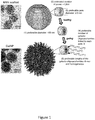
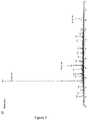

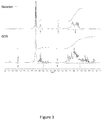


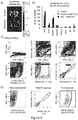


Classifications
-
- A—HUMAN NECESSITIES
- A61—MEDICAL OR VETERINARY SCIENCE; HYGIENE
- A61K—PREPARATIONS FOR MEDICAL, DENTAL OR TOILETRY PURPOSES
- A61K9/00—Medicinal preparations characterised by special physical form
- A61K9/48—Preparations in capsules, e.g. of gelatin, of chocolate
- A61K9/50—Microcapsules having a gas, liquid or semi-solid filling; Solid microparticles or pellets surrounded by a distinct coating layer, e.g. coated microspheres, coated drug crystals
- A61K9/51—Nanocapsules; Nanoparticles
- A61K9/5107—Excipients; Inactive ingredients
- A61K9/5115—Inorganic compounds
-
- A—HUMAN NECESSITIES
- A61—MEDICAL OR VETERINARY SCIENCE; HYGIENE
- A61K—PREPARATIONS FOR MEDICAL, DENTAL OR TOILETRY PURPOSES
- A61K47/00—Medicinal preparations characterised by the non-active ingredients used, e.g. carriers or inert additives; Targeting or modifying agents chemically bound to the active ingredient
- A61K47/50—Medicinal preparations characterised by the non-active ingredients used, e.g. carriers or inert additives; Targeting or modifying agents chemically bound to the active ingredient the non-active ingredient being chemically bound to the active ingredient, e.g. polymer-drug conjugates
- A61K47/51—Medicinal preparations characterised by the non-active ingredients used, e.g. carriers or inert additives; Targeting or modifying agents chemically bound to the active ingredient the non-active ingredient being chemically bound to the active ingredient, e.g. polymer-drug conjugates the non-active ingredient being a modifying agent
- A61K47/54—Medicinal preparations characterised by the non-active ingredients used, e.g. carriers or inert additives; Targeting or modifying agents chemically bound to the active ingredient the non-active ingredient being chemically bound to the active ingredient, e.g. polymer-drug conjugates the non-active ingredient being a modifying agent the modifying agent being an organic compound
- A61K47/549—Sugars, nucleosides, nucleotides or nucleic acids
-
- A—HUMAN NECESSITIES
- A61—MEDICAL OR VETERINARY SCIENCE; HYGIENE
- A61K—PREPARATIONS FOR MEDICAL, DENTAL OR TOILETRY PURPOSES
- A61K47/00—Medicinal preparations characterised by the non-active ingredients used, e.g. carriers or inert additives; Targeting or modifying agents chemically bound to the active ingredient
- A61K47/50—Medicinal preparations characterised by the non-active ingredients used, e.g. carriers or inert additives; Targeting or modifying agents chemically bound to the active ingredient the non-active ingredient being chemically bound to the active ingredient, e.g. polymer-drug conjugates
- A61K47/69—Medicinal preparations characterised by the non-active ingredients used, e.g. carriers or inert additives; Targeting or modifying agents chemically bound to the active ingredient the non-active ingredient being chemically bound to the active ingredient, e.g. polymer-drug conjugates the conjugate being characterised by physical or galenical forms, e.g. emulsion, particle, inclusion complex, stent or kit
- A61K47/6921—Medicinal preparations characterised by the non-active ingredients used, e.g. carriers or inert additives; Targeting or modifying agents chemically bound to the active ingredient the non-active ingredient being chemically bound to the active ingredient, e.g. polymer-drug conjugates the conjugate being characterised by physical or galenical forms, e.g. emulsion, particle, inclusion complex, stent or kit the form being a particulate, a powder, an adsorbate, a bead or a sphere
- A61K47/6923—Medicinal preparations characterised by the non-active ingredients used, e.g. carriers or inert additives; Targeting or modifying agents chemically bound to the active ingredient the non-active ingredient being chemically bound to the active ingredient, e.g. polymer-drug conjugates the conjugate being characterised by physical or galenical forms, e.g. emulsion, particle, inclusion complex, stent or kit the form being a particulate, a powder, an adsorbate, a bead or a sphere the form being an inorganic particle, e.g. ceramic particles, silica particles, ferrite or synsorb
-
- A—HUMAN NECESSITIES
- A61—MEDICAL OR VETERINARY SCIENCE; HYGIENE
- A61K—PREPARATIONS FOR MEDICAL, DENTAL OR TOILETRY PURPOSES
- A61K47/00—Medicinal preparations characterised by the non-active ingredients used, e.g. carriers or inert additives; Targeting or modifying agents chemically bound to the active ingredient
- A61K47/50—Medicinal preparations characterised by the non-active ingredients used, e.g. carriers or inert additives; Targeting or modifying agents chemically bound to the active ingredient the non-active ingredient being chemically bound to the active ingredient, e.g. polymer-drug conjugates
- A61K47/69—Medicinal preparations characterised by the non-active ingredients used, e.g. carriers or inert additives; Targeting or modifying agents chemically bound to the active ingredient the non-active ingredient being chemically bound to the active ingredient, e.g. polymer-drug conjugates the conjugate being characterised by physical or galenical forms, e.g. emulsion, particle, inclusion complex, stent or kit
- A61K47/6921—Medicinal preparations characterised by the non-active ingredients used, e.g. carriers or inert additives; Targeting or modifying agents chemically bound to the active ingredient the non-active ingredient being chemically bound to the active ingredient, e.g. polymer-drug conjugates the conjugate being characterised by physical or galenical forms, e.g. emulsion, particle, inclusion complex, stent or kit the form being a particulate, a powder, an adsorbate, a bead or a sphere
- A61K47/6925—Medicinal preparations characterised by the non-active ingredients used, e.g. carriers or inert additives; Targeting or modifying agents chemically bound to the active ingredient the non-active ingredient being chemically bound to the active ingredient, e.g. polymer-drug conjugates the conjugate being characterised by physical or galenical forms, e.g. emulsion, particle, inclusion complex, stent or kit the form being a particulate, a powder, an adsorbate, a bead or a sphere the form being a microcapsule, nanocapsule, microbubble or nanobubble
-
- A—HUMAN NECESSITIES
- A61—MEDICAL OR VETERINARY SCIENCE; HYGIENE
- A61K—PREPARATIONS FOR MEDICAL, DENTAL OR TOILETRY PURPOSES
- A61K9/00—Medicinal preparations characterised by special physical form
- A61K9/48—Preparations in capsules, e.g. of gelatin, of chocolate
- A61K9/50—Microcapsules having a gas, liquid or semi-solid filling; Solid microparticles or pellets surrounded by a distinct coating layer, e.g. coated microspheres, coated drug crystals
- A61K9/51—Nanocapsules; Nanoparticles
- A61K9/5107—Excipients; Inactive ingredients
- A61K9/5123—Organic compounds, e.g. fats, sugars
-
- A—HUMAN NECESSITIES
- A61—MEDICAL OR VETERINARY SCIENCE; HYGIENE
- A61K—PREPARATIONS FOR MEDICAL, DENTAL OR TOILETRY PURPOSES
- A61K9/00—Medicinal preparations characterised by special physical form
- A61K9/48—Preparations in capsules, e.g. of gelatin, of chocolate
- A61K9/50—Microcapsules having a gas, liquid or semi-solid filling; Solid microparticles or pellets surrounded by a distinct coating layer, e.g. coated microspheres, coated drug crystals
- A61K9/51—Nanocapsules; Nanoparticles
- A61K9/5107—Excipients; Inactive ingredients
- A61K9/513—Organic macromolecular compounds; Dendrimers
- A61K9/5161—Polysaccharides, e.g. alginate, chitosan, cellulose derivatives; Cyclodextrin
Definitions
- the invention relates to a nanoparticle conjugate arranged, in use, to encapsulate and deliver a payload molecule to a damaged and/or senescent cell.
- Pharmaceutical compositions, medicaments and therapeutic uses thereof are also provided.
- the invention also extends to a variety of cosmetic and imaging applications.
- cellular senescence is associated with a variety of diseases, including cancer and fibrotic disorders.
- Severe or un-repairable cellular damage often triggers a stereotypic cellular response known as senescence, controlled by relatively well-understood pathways that stably block cell proliferation and are conserved across vertebrates (Mu ⁇ oz-Esp ⁇ n and Serrano, 2014).
- tissue repair occurs as a consequence of the intense secretion of a complex and heterogeneous mixture of extracellular factors known as Senescence Associated Secretory Phenotype (SASP).
- SASP Senescence Associated Secretory Phenotype
- senescence-initiated tissue repair involves the recruitment of inflammatory cells, the activation of proliferation in non-damaged surrounding cells, and eventually the dismissal of senescent cells by phagocytic and immune cells (Lujambio, 2016).
- embryos use senescence in a programmed manner in response to developmental cues to initiate specific organogenic remodelling processes (Mu ⁇ oz-Esp ⁇ n et al., 2013; Storer et al., 2013).
- these senolytic drugs include dasatinib, a tyrosine kinase inhibitor developed by Bristol-Myers Squibb for the treatment of chronic leukemia, and quercetin, a flavonol that has phosphatidyl inositol 3 kinase (PI 3 K) inhibitory activity. Used in combination, these drugs reduced the number of damaged and/or senescent cells in chronologically aged mice, in progeroid mice, and in irradiation-exposed mice, thereby resulting in improved cardiac and vascular function, delayed aged-related symptoms and extended lifespan (Zhu et al., 2015; Roos et al., 2016).
- dasatinib a tyrosine kinase inhibitor developed by Bristol-Myers Squibb for the treatment of chronic leukemia
- quercetin a flavonol that has phosphatidyl inositol 3 kinase (PI 3 K) inhibitory activity. Used in
- ABT-737 an inhibitor of the anti-apoptotic proteins BCL-W and BCL-XL, both of which are up-regulated by senescent cells, has been shown to selectively eliminate senescent cells and, as a result, rejuvenate hematopoietic stem cells in irradiated or naturally-aged mice (Yosef et al., 2016).
- Another inhibitor of the Bcl-2 family, navitoclax (ABT-263) has also been shown to efficiently eliminate senescent cells in vitro and in vivo (Chang et al., 2016; Zhu et al., 2016).
- Senescent cells are characterized by high levels of lysosomal-associated ⁇ -galactosidase activity (SA- ⁇ gal) and lysosomal-associated ⁇ -fucosidase activity (SA- ⁇ fuc) (Dimri et al., 1995; Knas et al., 2012; Mu ⁇ oz-Esp ⁇ n and Serrano, 2014).
- SA- ⁇ gal is the first and most widely used marker of senescence, the biological basis of SA- ⁇ gal still remain largely speculative.
- the present inventors have surprisingly found that it is possible to eliminate damaged and/or senescent cells using therapies of the type referred to above, but without incurring the cytotoxic side-effects routinely associated with these therapies. They have achieved this by using SA- ⁇ gal and SA- ⁇ fuc as a marker of vulnerability of senescent cells that can be exploited to deliver cargos, payloads, tracers/markers or drugs preferentially to damaged and/or senescent cells.
- the inventors' approach consists of encapsulating diagnostic and/or therapeutic agents within a nanoparticle and ensuring that the agent is only released upon contact with a damaged and/or senescent cell. They have shown that this delivery strategy is effective in vivo and has the unexpected benefit of reducing known side-effects.
- a nanoparticle arranged, in use, to encapsulate and deliver a payload molecule to a damaged and/or senescent cell, the nanoparticle comprising at least one external cavity in which a payload molecule is contained, the at least one cavity being gated by one or more oligosaccharides, wherein each cavity on said nanoparticle is gated by the same one or more oligosaccharides.
- an "external cavity” is a cavity or reservoir which is externally accessible prior to the gate being applied.
- the inventors report pre-clinical therapeutic activity of nanoparticles that preferentially release their payloads upon contact with damaged and/or senescent cells.
- both the nanoparticle and payload are internalized by said cell, whereupon the nanoparticles release their payload.
- Systemic administration of nanoparticles carrying a fluorophore has been found by the inventors to result in the fluorescent labelling of senescent lesions in mice.
- the nanoparticles have been shown by the inventors to target senescent cells in bleomycin-induced pulmonary fibrosis, reduce collagen deposition, and ameliorate pulmonary function. Accordingly, the present invention opens up new diagnostic and therapeutic methods that can be used to diagnose and treat the multiple disorders known to be associated with damaged and/or senescent cells.
- nanoparticle can mean a particle having one or more dimensions at the nanometer scale, i.e. particles having one or more dimensions of between about 0.1 nm and about 1000 nm.
- the term “nanoparticle” can encompass both ultrafine particles (from about 1 nm to about 100 nm) and fine particles (from about 100 nm to about 500 nm).
- the average diameter of the nanoparticle may, therefore, be between 1 nm and about 1000 nm, between mm and 750 nm, between 1 nm and 500 nm, between 1 nm and 250 nm or between 1 nm and 100 nm.
- the average diameter of the nanoparticle is between 1 nm and about 500 nm, between 10 nm and 250 nm, between 25 nm and 50 nm, between 25 nm and 100 nm.
- the nanoparticles of the present invention are mesoporous silica nanoparticles.
- External cavity means a cavity or reservoir that is in communication with or connected with the outside of the nanoparticle, such that the cavity is externally accessible or can be seen from the outside of, and on the surface of, the nanoparticle using appropriate magnification means.
- the cavity is a pore with a diameter of between 1 and 10 nm.
- a single nanoparticle may comprise 1, 10, 20, 30, 40, 50, 60, 70, 80, 90, 100, 250, 500, 750, 1000, 1200, 1300, 1400, 1500, 1600, 1700, 2000, 2200, 2400 or more external cavity/cavities.
- the nanoparticle comprises around 1500 external cavities.
- the cavity/cavities of the nanoparticle comprises/comprise a payload molecule as its/their cargo.
- the payload molecule may be a bioactive compound, which preferably remains in an active state while it is encapsulated within the cavity.
- the cavity may be substantially aqueous.
- the payload molecule may be selected from a group of molecules consisting of an imaging agent, dye, electrochemical mediator, protein, peptide, chemical compound (such as a drug, which may be cytotoxic compound and/or senolytic compound), genetic material (such as an oligonucleotide, DNA, RNA, mRNA, RNAi), small molecule, antibody, enzyme and other bioactive molecule.
- the cargo may comprise more than one of the aforementioned molecules.
- cytotoxic compound means a compound which is toxic for cells. In contact with cytotoxic compounds, the cells may suffer necrosis, apoptosis or may cease to grow and divide.
- cytotoxic compounds valid in the context of the invention would be wherein the core of the cytotoxic is a mitotic inhibitor, such as vinca alkaloids, including vincristine, vinblastine, vinorelbine, vindesine, vinflunine; podophyllotoxin; taxanes, including docetaxel, larotaxel, ortataxel, paclitaxel, and tesetaxel; epothilones, such as ixabepilone; topoisomerase I inhibitors, such as topotecan, irinotecan, camptothecin, rubitecan, and belotecan; topoisomerase type II inhibitors, including amsacrine, etoposide, etoposide phosphate, and teniposide; anthra mitotic
- Senolytic compound refers to a small molecule that can selectively induce death of senescent cells. Senolytic compounds comprise at least one of the listed compounds: quercetin, dasatinib, navitoclax, obatoclax, veliparib, ABT-737, ABT-199 and all the anti-cancer drugs acting as a PARP, Bcl-2, Bcl-XL and Bcl-w inhibitors.
- "Gated” is a term of art routinely used in biology and is often used in relation to, for example, gated channels, where access through a membrane is only possible in response to the binding of a chemical messenger.
- the nanoparticles of the present invention can selectively deliver their payload to damaged and/or senescent cells, to alter their activity, and/or cause their removal, and may also detect and/or mark damaged and/or senescent cells.
- Damaged and/or senescent cells present in a specific manner an overexpression of endogenous liposomal ⁇ -galactosidase and/or ⁇ -fucosidase.
- This ⁇ -galactosidase and/or ⁇ -fucosidase is capable of hydrolyzing the saccharides, galactose and fucose respectively, which are present on the nanoparticle, thus releasing the payload.
- a homogeneous distribution is one that is uniform in composition or character.
- the concept is the same with respect to every level of complexity, from atoms to populations of animals or people, or galaxies.
- an element may be homogeneous on a larger scale, compared to being heterogeneous on a smaller scale.
- this means that the more than one oligosaccharides may be homogeneous on a larger scale, compared with being heterogeneous on a smaller scale.
- they may also be homogeneous on a smaller scale as well.
- the homogeneous distribution of oligosaccharide(s) present on the surface of the nanoparticle of the present invention advantageously ensures a more controlled release of the payload/cargo from the cavity.
- the oligosaccharide(s) comprise at least one unit of monosaccharide each, with the general formula C n H 2n O n .
- the oligosaccharide(s) comprises between 1 and 20 units, or between 1 and 50 units, or between 1 and 100 units, or between 1 and 15 units, or between 5 and 10 units, of monosaccharide each.
- the oligosaccharide comprises 6 monosaccharides.
- the monosaccharide is galactose and/or fucose.
- at least 30%, 40%, 50%, 60%, 70%, 80%, 90%, 95% or 100% of the unit/s of monosaccharide may be galactose and/or fucose.
- At least 30% of the monosaccharides being galactose and/or fucose means that if there are 2 monosaccharides, 1 or 2 of them will be galactose and/or fucose; if there are 3 monosaccharides, 2 or 3 of them will be galactose and/or fucose; if there are 4 monosaccharides, 2, 3 or 4 of them will be galactose and/or fucose; if there are 5 monosaccharides, 3, 4 or 5 will be galactose and/or fucose and if there are 6 monosaccharides, 3, 4, 5 or 6 of them will be galactose and/or fucose, and so on. Preferably all the monosaccharides will be galactose and/or fucose.
- the nanoparticle comprises galactose and/or fucose oligosaccharides.
- the nanoparticle comprises between 1 and 10000, or between 2000 and 8000, or between 2000 and 6000, or between 3000 and 5000, or between 3500 and 5500, or between 4000 and 5000, preferably 4500 oligosaccharides.
- the monosaccharides/oligosaccharide(s) can be the same or different with respect to length and composition, as long as the nanoparticle comprises a homogeneous distribution of them on its surface.
- the at least one cavity is gated by at least 1, 2, 3, 4, 6, 8, 10 or more saccharides.
- the cavity is gated by between 1 and 4 saccharides, preferably 3 saccharides.
- the nanoparticle surface is substantially coated with oligosaccharides.
- At least 55%, 65%, 75%, 85%, 95% or 100% of the nanoparticle surface is coated with oligosaccharides.
- a homogeneous coating of 6-mer galacto-oligosaccharides is present on the surface of the nanoparticles of the present invention at the location of the cavity.
- the oligosaccharides form a self-assembled monolayer (SAM) on the surface of the nanoparticle.
- SAM self-assembled monolayer
- nanoparticle according to the first aspect of the present invention, wherein the nanoparticle is produced by:-
- the invention provides a method of preparing a nanoparticle according to the first aspect, the method comprising:-
- a cell comprising a nanoparticle arranged, in use, to carry a payload molecule to a damaged and/or senescent cell, the nanoparticle comprising at least one external cavity or reservoir, in which a payload molecule is contained, wherein the nanoparticle is one according to the invention described herein.
- the cell may be bacterial or animal or a yeast cell.
- the cell may be mammalian, for example, human.
- the cell is derived from the same species as a subject to which the cell is to be ultimately administered, and may be autologous. Any cell which will be of therapeutic benefit to a subject is contemplated.
- the cell may be a neuroblastoma cell, a dendritic cell, a macrophage cell or a fibroblast cell.
- the cell may be a stem cell.
- the nanoparticle may be introduced into the cell by adding it unchanged and unmodified directly to cell culture medium. As a result of the nanoparticle being present in the cell media, internalization by the cell of the nanoparticle is observed. Thus, the nanoparticle may be internalized into the cell.
- the nanoparticle may not be internalized in the cell, and the nanoparticle may, instead, adhere to the cell's surface.
- the nanoparticle may comprise a payload molecule (e.g. a drug molecule).
- a payload molecule e.g. a drug molecule
- the payload molecule may be loaded inside the nanoparticle's at least one external cavity and be transported together with the cell to target damaged and/or senescent cells. Release of the nanoparticle from the cell may be initiated externally, which would result in release of the nanoparticle into the surrounding target site. Cell debris, being from the same organism, would then be digested.
- the nanoparticle may not comprise a payload molecule, and it is the cell itself which provides the therapeutic effect. Rather, the nanoparticle directs the cell to the damaged and/or senescent cells.
- a nanoparticle according to the first aspect or a cell according to the fourth aspect, for use in eliminating damaged and/or senescent cells.
- a nanoparticle according to the first aspect, or a cell according to the fourth aspect for use in the treatment, amelioration, or prevention of a disease or condition characterized by the presence of damaged and/or senescent cells.
- a seventh aspect of the invention there is provided a method of eliminating damaged and/or senescent cells, the method comprising administering to a subject in need of such a treatment, a therapeutically effective amount of a nanoparticle according to the first aspect or a cell according to the fourth aspect.
- a method of treating, ameliorating or preventing a disease or condition characterized by the presence of damaged and/or senescent cells comprising administering to a subject in need of such treatment, a therapeutically effective amount of a nanoparticle according to the first aspect or a cell according to the fourth aspect.
- the present invention can, therefore, be used to treat, ameliorate or preventing a disease or condition that results from overexpression of ⁇ -galactosidase and/or ⁇ -fucosidase, and which preferably takes place in senescent cells.
- the disease or condition is Wiedemann-Rautenstrauch syndrome of neonatal progeria, the Werner syndrome of adult progeria, Hutchinson-Gilford syndrome, Rothmund Thompson syndrome, Mulvill-Smith syndrome, Cockayne syndrome, Dyskeratosis Congenita, pulmonary fibrosis (idiopathic or not), liver fibrosis, renal fibrosis, oral mucous fibrosis, cardiac fibrosis, pancreatic fibrosis, aplastic anaemia, emphysema, type 2 diabetes, degeneration of cartilage, obesity, Alzheimer's disease, Parkinson's disease, sarcopenia, osteoarthritis, intervertebral disc degeneration, macular degeneration, glaucoma, cataracts, pulmonary hypertension, chronic obstructive pulmonary disease, renal transplantation, oral mucositis, or intestinal bowel disease.
- Dyskeratosis Congenita pulmonary fibrosis (idiopathic or not),
- the nanoparticles described herein can also be used for the removal of senescent cells following treatment with anti-retroviral drugs, which can cause subcutaneous lipolysis, metabolic dysfunction, and accelerated ageing.
- antiretroviral drugs may include abacavir, azacytidine, azidothymidine (AZT), dideoxycytidine, efavirenz, invirase, ixabepilone, lamivudine (3TC), lopinavir, nevirapine, ritonavir, stavudine, tenofovir, tipranavir, or thiotepa.
- the present invention also relates to the use of the nanoparticles as described above, for the removal of senescent cells following treatment with corticoids including cortisol, prednisone, prednisolone, dexamethasone, triamcinolone, beclometasone, fludrocortisone, deoxycorticosterone, and aldosterone.
- corticoids including cortisol, prednisone, prednisolone, dexamethasone, triamcinolone, beclometasone, fludrocortisone, deoxycorticosterone, and aldosterone.
- Chronic treatment with these corticoids can lead to cellular senescence and tissue degeneration, for example in tendons following dexamethasone administration, metabolic dysfunction such as obesity and insulin resistance.
- the present invention also relates to the use of the nanoparticles as described above, for the removal of senescent cells following long term use of PPAR gamma agonists, including thiazolidinediones such as rosiglitazone, pioglitazone, and troglitazone.
- PPAR gamma agonists including thiazolidinediones such as rosiglitazone, pioglitazone, and troglitazone.
- the present invention also relates to the use of the nanoparticles as described above for the treatment of cellular hypertrophy, including cardiac hypertrophy.
- Senescent cells retain growth factor signaling, but being unable to undergo division, continue to enlarge and undergo hypertrophy.
- Senescent cells frequently experience constitutive mammalian target of rapamycin (mTOR) complex activation. Removal of senescent cells with the present therapy will treat diseases caused by cellular senescence, for example, cardiac hypertrophy.
- mTOR mammalian target of rapamycin
- the present invention relates to the use of the nanoparticles as described above, for the treatment of chronic inflammation, caused by cytokines released as part of the SASP from senescent cells.
- the nanoparticles can also be used to reduce the side effects of, and accelerated ageing caused by, exposure to radiation, which causes DNA damage and cellular senescence, with subsequent release of SASP cytokines.
- Senescence may be caused by various forms of radiation including alpha radiation, beta radiation, gamma radiation. Examples include exposure to medical x-rays, PET scans, CT scans; nuclear radiation such as from nuclear fallout or nuclear accidents, UV radiation from sun exposure or other UV sources, cosmic radiation from extended time at high altitudes (e.g. pilots and aeroplane attendants, frequent aeroplane travelers, astronauts), and medical radiotherapy.
- the nanoparticles can be used to treat radiation-induced lung fibrosis.
- nanoparticles according to the invention may be used in a medicament, which may be a monotherapy (i.e. the sole use of that antagonist or medicament), for eliminating damaged and/or senescent cells or for treating, ameliorating or preventing a disease characterized by the presence of damaged and/or senescent cells.
- nanoparticles according to the invention may be used as an adjunct to, or in combination with, known therapies for eliminating damaged and/or senescent cells or for treating, ameliorating or preventing a disease characterized by the presence of damaged and/or senescent cells.
- the nanoparticles may be used in combination with known agents for treating pulmonary fibrosis, such as corticosteroids.
- nanoparticle As described herein should be administered to which patient. Rather, it is intended that any of the nanoparticles described herein can be administered to any patient as described herein. It is expressly intended by the inventors, in fact, that each and every combination of nanoparticle, and indicated patient group, is encompassed by this invention. The invention thus includes each and every possible combination of nanoparticle and indicated patient group.
- compositions having a number of different forms depending, in particular, on the manner in which the composition is to be used.
- the composition may be in the form of a powder, tablet, capsule, liquid, ointment, cream, gel, hydrogel, aerosol, spray, micellar solution, transdermal patch, liposome suspension or any other suitable form that may be administered to a person or animal in need of treatment.
- vehicle of medicaments according to the invention should be one which is well-tolerated by the subject to whom it is given.
- Medicaments comprising nanoparticles according to the invention may be used in a number of ways.
- oral administration may be required, in which case the nanoparticles may be contained within a composition that may, for example, be ingested orally in the form of a tablet, capsule or liquid.
- Compositions comprising nanoparticles of the invention may be administered by inhalation (for example, intranasally).
- Compositions may also be formulated for topical use. For instance, creams or ointments may be applied to the skin, for example, adjacent the treatment site.
- Nanoparticles according to the invention may also be incorporated within a slow- or delayed-release device.
- Such devices may, for example, be inserted on or under the skin, and the medicament may be released over weeks or even months.
- the device may be located at least adjacent the treatment site.
- Such devices may be particularly advantageous when long-term treatment with nanoparticles used according to the invention is required and which would normally require frequent administration (for example, at least daily injection).
- nanoparticles and compositions according to the invention may be administered to a subject by injection into the blood stream or directly into a site requiring treatment.
- Injections may be intravenous (bolus or infusion) or subcutaneous (bolus or infusion), or intradermal (bolus or infusion).
- the amount of nanoparticle that is required is determined by its biological activity and bioavailability, which in turn depends on the mode of administration, the physiochemical properties of antagonist, and whether it is being used as a monotherapy or in a combined therapy.
- the frequency of administration will also be influenced by the half-life of the nanoparticle within the subject being treated.
- Optimal dosages to be administered may be determined by those skilled in the art, and will vary with the particular nanoparticle in use, the strength of the pharmaceutical composition, the mode of administration, and the advancement of the disease or condition being treated. Additional factors depending on the particular subject being treated will result in a need to adjust dosages, including subject age, weight, gender, diet and time of administration.
- a daily dose of between 10 mg/kg of body weight and 100 mg/kg of body weight of the nanoparticle according to the invention may be used for eliminating damaged and/or senescent cells or for treating, ameliorating or preventing a disease characterized by the presence of damaged and/or senescent cells, depending upon which antagonist is used.
- the daily dose is between 20mg/kg of body weight and 70mg/kg of body weight, more preferably between 30mg/kg and 50mg/kg body weight, and most preferably between approximately 30mg/kg and 40mg/kg body weight.
- 100 mg of drug are encapsulated per 1g of nanoparticles and, upon digestion in vitro, approximately 30mg of drug are released per g of nanoparticles.
- a dose of 1mg/kg of deliverable drug is used, which means administering approximately 33mg/kg of nanoparticles.
- the nanoparticles may be administered before, during or after onset of the condition or disease characterized by the presence of damaged and/or senescent cells.
- Daily doses may be given as a single administration (for example, a single daily injection).
- the nanoparticles may require administration twice or more times during a day.
- nanoparticles may be administered as two (or more, depending upon the severity of the condition being treated) daily doses of between 2000mg and 3000mg (i.e. assuming a body weight of 70 kg).
- a patient receiving treatment may take a first dose upon waking and then a second dose in the evening (if on a two-dose regime) or at 3- or 4-hourly intervals thereafter.
- a slow release device may be used to provide optimal doses of nanoparticles according to the invention to a patient without the need to administer repeated doses.
- the nanoparticle according to the first aspect or the cell according to the fourth aspect for use in cosmetics.
- the nanoparticles can be applied topically to cosmetically improve the skin, for example, the removal of moles, which contain melanocytic nevi that have undergone senescence.
- the products of the present invention will be provided, preferably, in a cosmetic formulation with a dermatologically acceptable carrier.
- a “dermatologically acceptable carrier” is a carrier which is suitable for topical application to the skin.
- suitable dermatologically acceptable carriers include: emulsions such as oil-in-water, water-in-oil, oil- in-water-in silicone and water-in-oil-in water emulsions; anhydrous liquid solvents such as oils (e.g. mineral oil), alcohols (e.g. ethanol, isopropanol), silicones (e.g. dimethicone, cyclomethicone); aqueous-based single phase liquid solvents.
- the cosmetic formulation may comprise skin actives such as vitamins (e.g. vitamin B3, vitamin E, etc), hydroxy acids (e.g. salicylic acid, glycolic acid); exfoliation agents such as zwitterionic surfactants; sunscreen (e.g. 2-ethylhexyl-p- methoxycinnamate, 4,4'-t-butyl methoxydibenzoyl-methane, octocrylene, , zinc oxide, titanium dioxide); antiinflammatory agents; anti-oxidants (e.g. tocopherol); metal chelators (e.g. iron chelators); retinoids; depilatory agents; skin lightening agents; anti-microbial agents.
- the cosmetic formulations may be in the form of ointments, pastes, creams, lotions, gels, powders, solutions or patches.
- the formulations and compositions are creams, which may further contain saturated or unsaturated fatty acids such as steaeric acid, palmitic acid, oleic acid, palmato-oleic acid, acetyle, or aryl oleyl alcohols, stearic acid. Creams may also contain a non-ionic surfactant, for example, polyoxy-40-stearate.
- a damaged and/or senescent cells-treatment composition comprising a nanoparticle according to the first aspect or a cell according to the fourth aspect, and a pharmaceutically acceptable vehicle.
- damaged and/or senescent cells-treatment composition can mean a pharmaceutical formulation used in the therapeutic amelioration, prevention or treatment of any disease or condition characterized by the presence of damaged and/or senescent cells in a subject.
- an eleventh aspect of the invention there is provide a process for making the a damaged and/or senescent cells-treatment composition according to the tenth aspect, the process comprising contacting a therapeutically acceptable amount of a nanoparticle according to the first aspect or a cell according to the fourth aspect, and a pharmaceutically acceptable vehicle.
- a “therapeutically effective amount” of a nanoparticle of the invention is any amount which, when administered to a subject, is the amount of nanoparticle that is needed to eliminate damaged and/or senescent cells, or produce the desired effect.
- the therapeutically effective amount of nanoparticle used may be from about 0.001 mg to about 1000 mg, and preferably from about 0.01 mg to about 500 mg. It is preferred that the amount of agent is an amount from about 0.1 mg to about 100 mg, and most preferably from about 0.5 mg to about 50 mg.
- a "pharmaceutically acceptable vehicle” as referred to herein, is any known compound or combination of known compounds that are known to those skilled in the art to be useful in formulating pharmaceutical compositions.
- a "subject”, as used herein, may be a vertebrate, mammal or domestic animal.
- compositions and medicaments according to the invention may be used to treat any mammal, for example livestock (for example, cattle), pets, or may be used in other veterinary applications.
- livestock for example, cattle
- pets or may be used in other veterinary applications.
- the subject is a human being.
- the pharmaceutically acceptable vehicle may be a solid, and the composition may be in the form of a powder or tablet.
- a solid pharmaceutically acceptable vehicle may include one or more substances which may also act as flavoring agents, lubricants, solubilisers, suspending agents, dyes, fillers, glidants, compression aids, inert binders, sweeteners, preservatives, dyes, coatings or tablet-disintegrating agents.
- the vehicle may also be an encapsulating material.
- the vehicle is a finely divided solid that is in admixture with the finely divided active agents according to the invention.
- the active agent may be mixed with a vehicle having the necessary compression properties in suitable proportions and compacted in the shape and size desired.
- the powders and tablets preferably contain up to 99% of the active agents.
- suitable solid vehicles include, for example calcium phosphate, magnesium stearate, talc, sugars, lactose, dextrin, starch, gelatin, cellulose, polyvinylpyrrolidine, low melting waxes and ion exchange resins.
- the pharmaceutical vehicle may be a gel and the composition may be in the form of a cream or the like.
- the pharmaceutical vehicle may be a liquid, and the pharmaceutical composition is in the form of a solution.
- Liquid vehicles are used in preparing solutions, suspensions, emulsions, syrups, elixirs and pressurized compositions.
- the active agent according to the invention may be dissolved or suspended in a pharmaceutically acceptable liquid vehicle such as water, an organic solvent, a mixture of both or pharmaceutically acceptable oils or fats.
- the liquid vehicle can contain other suitable pharmaceutical additives such as solubilisers, emulsifiers, buffers, preservatives, sweeteners, flavoring agents, suspending agents, thickening agents, colours, viscosity regulators, stabilisers or osmoregulators.
- liquid vehicles for oral and parenteral administration include water (partially containing additives as above, for example, cellulose derivatives, preferably sodium carboxymethyl cellulose solution), alcohols (including monohydric alcohols and polyhydric alcohols, for example, glycols) and their derivatives, and oils (for example, fractionated coconut oil and arachis oil).
- the vehicle can also be an oily ester such as ethyl oleate and isopropyl myristate.
- Sterile liquid vehicles are useful in sterile liquid form compositions for parenteral administration.
- the liquid vehicle for pressurised compositions can be a halogenated hydrocarbon or other pharmaceutically acceptable propellant.
- Liquid pharmaceutical compositions which are sterile solutions or suspensions, can be utilized by, for example, intramuscular, intrathecal, epidural, intraperitoneal, intravenous and particularly subcutaneous injection.
- the nanoparticle may be prepared as a sterile solid composition that may be dissolved or suspended at the time of administration using sterile water, saline or other appropriate sterile injectable medium.
- the nanoparticles and compositions of the invention may be administered orally in the form of a sterile solution or suspension containing other solutes or suspending agents (for example, enough saline or glucose to make the solution isotonic), bile salts, acacia, gelatin, sorbitan monoleate, polysorbate 80 (oleate esters of sorbitol and its anhydrides copolymerized with ethylene oxide) and the like.
- the nanoparticles used according to the invention can also be administered orally either in liquid or solid composition form.
- Compositions suitable for oral administration include solid forms, such as pills, capsules, granules, tablets and powders, and liquid forms, such as solutions, syrups, elixirs and suspensions.
- Forms useful for parenteral administration include sterile solutions, emulsions and suspensions.
- nucleic acid or peptide or variant, derivative or analogue thereof which comprises substantially the amino acid or nucleic acid sequences of any of the sequences referred to herein, including functional variants or functional fragments thereof.
- substantially the amino acid/nucleotide/peptide sequence can be a sequence that has at least 40% sequence identity with the amino acid/nucleotide/peptide sequences of any one of the sequences referred to herein, for example 40% identity with the sequences referred to herein.
- Amino acid/nucleotide/peptide sequences with a sequence identity which is greater than 50%, more preferably greater than 65%, 70%, 75%, and still more preferably greater than 80% sequence identity to any of the sequences referred to herein are also envisaged.
- the amino acid/nucleotide/peptide sequence has at least 85% identity with any of the sequences referred to, more preferably at least 90%, 92%, 95%, 97%, 98%, and most preferably at least 99% identity with any of the sequences referred to herein.
- the percentage identity for two sequences may take different values depending on: (i) the method used to align the sequences, for example, ClustalW, BLAST , FASTA, Smith-Waterman (implemented in different programs), or structural alignment from 3D comparison; and (ii) the parameters used by the alignment method, for example, local versus global alignment, the pair-score matrix used (for example, BLOSUM62, PAM250, Gonnet etc.) and gap-penalty, for example, functional form and constants.
- the method used to align the sequences for example, ClustalW, BLAST , FASTA, Smith-Waterman (implemented in different programs), or structural alignment from 3D comparison
- the parameters used by the alignment method for example, local versus global alignment, the pair-score matrix used (for example, BLOSUM62, PAM250, Gonnet etc.) and gap-penalty, for example, functional form and constants.
- percentage identity between the two sequences. For example, one may divide the number of identities by: (i) the length of shortest sequence; (ii) the length of alignment; (iii) the mean length of sequence; (iv) the number of non-gap positions; or (iv) the number of equivalenced positions excluding overhangs. Furthermore, it will be appreciated that percentage identity is also strongly length-dependent. Therefore, the shorter a pair of sequences is, the higher the sequence identity one may expect to occur by chance.
- calculation of percentage identities between two amino acid/nucleotide/peptide sequences may then be calculated from such an alignment as (N/T)*100, where N is the number of positions at which the sequences share an identical residue, and T is the total number of positions compared including gaps but excluding overhangs.
- a substantially similar nucleotide sequence will be a sequence which hybridises to a nucleotide sequence encoding a peptide according to the first aspect, or a functional fragment or functional variant thereof, or their complements, under stringent conditions.
- stringent conditions is meant that the nucleotide hybridises to filter-bound DNA or RNA in 3x sodium chloride/sodium citrate (SSC) at approximately 45 °C followed by at least one wash in 0.2x SSC/0.1% SDS at approximately 20-65 °C.
- a substantially similar peptide may differ by at least 1, but less than 3, 4, 5, 6, 7, 8, 9 or 10 amino acids from the sequences shown.
- nucleic acid sequence described herein could be varied or changed without substantially affecting the sequence of the peptide, polypeptide or protein encoded thereby, to provide a functional variant thereof.
- Suitable nucleotide variants are those having a sequence altered by the substitution of different codons that encode the same amino acid within the sequence, thus producing a silent change.
- Other suitable variants are those having homologous nucleotide sequences but comprising all, or portions of, sequence, which are altered by the substitution of different codons that encode an amino acid with a side chain of similar biophysical properties to the amino acid it substitutes, to produce a conservative change.
- small non-polar, hydrophobic amino acids include glycine, alanine, leucine, isoleucine, valine, proline, and methionine.
- Large non-polar, hydrophobic amino acids include phenylalanine, tryptophan and tyrosine.
- the polar neutral amino acids include serine, threonine, cysteine, asparagine and glutamine.
- the positively charged (basic) amino acids include lysine, arginine and histidine.
- the negatively charged (acidic) amino acids include aspartic acid and glutamic acid. It will therefore be appreciated which amino acids may be replaced with an amino acid having similar biophysical properties, and the skilled technician will know the nucleotide sequences encoding these amino acids.
- a method of identifying damaged and/or senescent cells comprising administering a nanoparticle according to the first aspect or a cell according to the fourth aspect and detecting the presence of damaged and/or senescent cells by detecting the presence of the payload.
- the nanoparticle's payload may comprise a conventional contrast material that can be used to enhance the contrast of structures or fluids within the body during medical imaging.
- a conventional contrast material may be visible using Magnetic Resonance Imaging (MRI), Computed Tomography (CT) and/or Optical Imaging (OI).
- the contrast material Careful selection of the material used for the contrast material enables the nanoparticles to be used in either diagnosis and/or therapy of various diseases and conditions associated with the presence of damaged and/or senescent cells.
- the contrast material which is visible using MRI, CT or OI, may comprise a metallic or non-metallic material.
- the contrast material may comprise a magnetic or non-magnetic material.
- the contrast material may comprise an MRI contrast material.
- the contrast material may comprise a paramagnetic or superparamagnetic material.
- the contrast material may comprise iron, nickel, cobalt or dysprosium or a compound, such as oxide or alloy, which contain one or more of these elements.
- the contrast material comprise magnetite (Fe 3 O 4 ).
- the contrast material may comprise a MRI, CT or OI contrast material.
- the contrast material may comprise gadolinium, gold, iodine or boro-sulphate. Each of these materials may be used as either MRI, CT or OI contrast materials.
- the contrast material comprises gadolinium.
- N-cetyltrimethylammonium bromide (CTAB, Sigma, #H6269) was first dissolved in 480 ml of deionized water at 2.74 mM. Then, 3.5 mL of NaOH 2 M (Sigma, #1310732) were added to the CTAB solution, and the temperature adjusted to 80°C. Next, 5 ml of the polymeric precursor tetraethylorthosilicate (TEOS, Sigma, #131903) was added dropwise to the surfactant solution. The mixture was stirred for 2 h at 80°C, until a white precipitate, referred to as "solid product", was obtained.
- CTAB N-cetyltrimethylammonium bromide
- Loading of the MSN scaffolds with the different compounds was as follows: for NP(rho), 200 mg of MSN scaffolds were suspended in a solution of 16 ml of EtOH together with 76.65 mg of Rhodamine B (Sigma, #R6226); for NP(ICG), 200 mg of MSN scaffolds were suspended in a solution of 5 ml of water together with 5 mg of indocyanine green (ICG, Sigma); for NP(dox), 200 mg of MSN scaffolds were suspended in a solution of 12.5 ml of water together with 110 mg of doxorubicin (Carbosynth, #AD15377). These solutions were stirred in roundbottom flasks for 24 h at room temperature, and solids were isolated by centrifugation at 10,000 rpm for 15 min, and dried at 37°C. This product was referred to as "loaded MSNs".
- the loaded MSNs were suspended in 7.5 ml of dichloromethane, and 280 ⁇ l of 3-aminopropyltriethoxysilane (APTES, Sigma, #440140) was added to the reaction mixture. After stirring for 5.5 h, solids were isolated by centrifugation at 10,000 rpm for 15 min and dried at 37°C. The obtained solids were suspended in 24 ml of water and 383 mg of Galactan (Carbosynth, #OG71532), mostly ( ⁇ 80%) consisting of six repeating galactose monosaccharides linked through b-1,4 glycosidic bonds. Stirring was continued at room temperature for 21 h.
- Galactan Carbosynth, #OG71532
- GalNP(cargo) The final product, referred to as "GalNP(cargo)", was obtained after several washes with water (cycles of centrifugation at 10,000 rpm for 15 min and suspension in water), followed by drying at 37°C. The GalNP(cargo) were then stored in a desiccator at room temperature", see Figure 7a .
- the galacto-oligosaccharide consists in a heterogeneous mixture of at least 60% of galacto-oligosaccharides; 33% disaccharides, 39% trisaccharides, 18% tetrasaccharides, 7% pentasaccharides and 3% of higher saccharides.
- the galacto-oligosaccharide was provided was provided by Zeus Quimica (Spain) as a syrup with a pH 3.8.
- This syrup was diluted in water and the pH was increased with NaHCO 3 up to 7. Then, the solution was lyophilized giving a white solid. Afterwards, 5 g of this solid were dissolved in anhydrous ethanol (total volume 100 mL) and a solution of 3-aminopropyltriethoxysilane (2, 5.85 mL, 25 mmol) was added. The reaction mixture was stirred for 24 h at room temperature to generate the galacto-oligosaccharide derivative (GOS-d). The solvent was evaporated under reduced pressure to give a white solid.
- GOS-d galacto-oligosaccharide derivative
- XRD powder X-ray diffraction
- TEM transmission electron microscopy
- TGA thermogravimetric analysis
- EA elemental analysis
- fluorescence spectroscopy UV-visible spectroscopy techniques
- Thermogravimetric analysis was carried out on TGA/SDTA 851e Mettler Toledo equipment, using an oxidant atmosphere (air, 80 mL/min) with a heating program consisting of a heating rate of 10°C per minute from 393 K to 1273 K and an isothermal heating step at this temperature for 30 min, values obtained with TGA are shown in Table 2.
- UV-visible spectroscopy was carried out with a Lambda 35 UV/vis spectrometer (Perkin-Elmer Instruments), and fluorescence spectroscopy was performed with a JASCO spectrofluorometer FP-8300.
- GosNP(rho), GosNP(ICG), GalNP(rho), and GalNP(dox) nanoparticles were suspended in 5mL of water at pH 4.5, and ⁇ -galactosidase from Aspergillus oryzae (Sigma) was added at 1,000 ppm. Suspensions were stirred and different aliquots were taken and centrifuged at different time points.
- the amount (in mg ( ⁇ ) or as percentage (%)) of maximum drug release for solid GalNP(dox) is reported in Table 3. The same procedure was performed without adding the enzyme to the nanoparticle suspension, as a "blank" control.
- mice For cargo release imaging in lung cells, control and bleomycin-treated mice were tail vein injected with 200 ⁇ l of a solution containing GalNP(rho) at 4 mg/ml in DMEM. Mice were sacrificed 6 h post-injection, and lungs were placed in a cryomold containing OCT (Leica Biosystems) and frozen in dry ice for 30 min. Frozen OCT sections were washed in PBS and fixed in fresh 4% paraformaldehyde for 5 min at room temperature. Coverslips were mounted by using Vectashield Mounting Medium supplemented with 1.5 mg/ml DAPI prior to imaging.
- OCT Leica Biosystems
- Rhodamine B and doxorubicin were detected by using excitation wavelength of 561 nm (DPSS laser) and with a detection window between 570 and 590 nm.
- Auto-fluorescence was detected by using an excitation wavelength of 488 nm (Argon laser) and with a detection window between 495 and 535 nm.
- Images were analysed with LAS AF v2.6 acquisition software equipped with HCS-A module (Leica Microsystems).
- Rhodamine B intensity relative to cell surface was quantified with Definiens XD Developer v2.5 software (Definiens).
- Tissue samples were fixed in 10% neutral buffered formalin (4% formaldehyde in solution), paraffin-embedded and cut in 3 mm sections, which were mounted and dried.
- slides were deparaffinised in xylene and re-hydrated through a series of graded EtOH until water.
- Masson's trichrome and Sirius red stainings were used to assess the presence of fibrotic areas in the lungs, as indicated.
- Haematoxylin and eosin (HE) staining was used to analyse liver damage, as indicated.
- an automated immunostaining platform was used (Ventana discoveryXT, Roche).
- Antigen retrieval was first performed with high pH buffer (CC1m, Roche), endogenous peroxidase was blocked and slides were then incubated with the appropriate primary antibodies as detailed: Ki67 (Master Diagnostica, #0003110QD), phosphorylated Rb (Ser807/811) (Cell Signalling Technology, #9308). After incubations with the primary antibody, slides were incubated with the corresponding secondary antibodies and visualization systems (OmniRabbit, Ventana, Roche) conjugated with horseradish peroxidase (Chromomap, Ventana, Roche).
- mice were maintained at the Spanish National Cancer Research Centre (CNIO) under specific pathogen-free conditions in accordance with the recommendations of the Federation of European Laboratory Animal Science Associations (FELASA). All animal experiments were approved by the Ethical Committee for Research and Animal Welfare (CEIyBA) and performed in accordance with the guidelines stated in the International Guiding Principles for Biomedical Research Involving Animals, developed by the Council for International Organizations of Medical Sciences (CIOMS). C57BL/6 mice were bred in the CNIO Animal Facility. Athymic nude mice (Hsd:Athymic Nude-Foxn1nu) were purchased from Envigo.
- mice 8- to 10-week-old C57BL/6 wild-type mice were anesthetised by intraperitoneal injection with a mixture containing Ketamine (75mg/kg) and Medetomidine (1mg/kg). The animals were placed on a Tilting WorkStand for rodents (EMC Hallowell) and intubated intratracheally with a 24GA catheter (BD Biosciences). Then, bleomycin (Sigma, #15361) was intratracheally inoculated in at 1.5 U/kg of body weight. Serial sections of the lung were stained with Sirius red to assess the presence of collagen.
- Nanoparticles were weighted in 5ml glass vials and stirred in DMEM supplemented with 10% FBS for 1h at 4 mg/ml. Mice were intravenously (i.v.) injected as indicated, with 200 ⁇ l of nanoparticle solution (equivalent to 1 mg/kg of releasable drug). Doxorubicin (Sigma, #D1515) dissolved in 7% saline/DMEM solution and administered by daily i.v. injection as indicated.
- mice were anesthetised by intraperitoneal injection with a mix containing Ketamine (75mg/kg) and Medetomidine (1mg/kg).
- Mouse lungs were intracardially perfused with 20 ml ice cold PBS, then lungs were removed and intratracheally inoculated with 2 ml of 5 U/ml dispase (Corning). After 10 min incubation at 37°C, lungs were cut into small pieces with surgical blades (Braun) and transferred to GentleMacs M Tubes (Miltenyi) containing 7 ml HBSS, 1% FBS, 20 U/ml DNase I (Promega) and 70 U/ml collagenase I (Gibco).
- Samples were homogenised in a GentleMacs Dissociator (Miltenyi) using the "mouse lung 01" program, incubated for 30 min at 37 °C under shaking and homogenised again with the "mouse lung 02" GentleMacs Dissociator program.
- the homogenised mixture was subsequently filtered through 70 nm and 40mm cell strainers (BD) and centrifuged at 300 x g for 5 min.
- the cell pellet was resuspended in 2 ml Quiagen lysis buffer for 4 min at RT for red blood cell lysis. Cells were then resuspended in 13 ml DMEM + 10%FBS.
- RNA from flow-sorted lung cells was extracted with an RNAeasy mini kit (Quiagen). Approximately 2 ng of total RNA samples (range 0.4-5 ng) were processed with the SMART-Seq v4 Ultra Low Input RNA Kit (Clontech) by following manufacturer instructions. Resulting cDNA was sheared on a S220 Focused-ultrasonicator (Covaris) and subsequently processed with the "NEBNext Ultra II DNA Library Prep Kit for Illumina" (NEB #E7645).
- oligo(dT)-primed reverse transcription was performed in the presence of a template switching oligonucleotide, double stranded cDNA was produced by 14 cycles of PCR and submitted to acoustic shearing. Fragments were processed through subsequent enzymatic treatments of end-repair, dA-tailing, and ligation to Illumina adapters. Adapter-ligated libraries were completed by limited-cycle PCR (8 cycles). The resulting purified cDNA libraries were applied to an Illumina flow cell for cluster generation and sequenced on an Illumina HiSeq2500 by following manufacturer's protocols. Image analysis, per-cycle base calling, and quality score assignment was performed with Illumina Real Time Analysis software.
- Illumina2bam tool Wellcome Trust Sanger Institute - New Pipeline Group. Sequencing quality was analyzed with FastQC; reads were aligned to the mouse genome (GRCm38/mm10) using TopHat-2.0.10 (Trapnell et al., 2012), Bowtie 1.0.0 (Langmead et al., 2009) and Samtools 0.1.19.0 (Li et al., 2009); and transcripts assembly, abundances estimation and differential expression were calculated with DESeq2 (Love, Huber and Anders, 2014). The estimated significance level (P value) was corrected to account for multiple hypotheses testing using Benjamini and Hochberg False Discovery Rate (FDR) adjustment.
- FDR Benjamini and Hochberg False Discovery Rate
- GSEA differentially expressed genes was performed using the GSEA software v2.0.6, obtained from the Broad Institute and following the developer's protocol. The previously obtained differentially expressed genes were ranked according to their t-statistic. This ranked file was used as input for the enrichment analysis. All basic and advanced fields were set to default and only gene sets significantly enriched at a FDR q-values ⁇ 0.25 were considered. The primary RNA-seq data has been deposited in the GEO repository under accession number GSE97685.
- RNA from flow-sorted lung cells was extracted with an RNAeasy mini kit (Qiagen, #74106).
- total RNA was isolated by acid guanidinium thiocyanate-phenol-chloroform extraction. Up to 4 ⁇ g of total RNA was reverse transcribed into cDNA using iScriptTM Advanced cDNA Synthesis Kit for RT- qPCR (BioRad #172-5038). For qRT-PCR, each cDNA sample was assayed in triplicate reactions in opticalgrade, 386-well plates (Applied Biosystems).
- Each reaction contained 6 ⁇ l of SybrGreen (2x) (Applied Biosystems), 2 ⁇ l of cDNA template, 3.4 ⁇ l of DNAse-free water and 0.6 ⁇ l of primers (10 ⁇ M f.c.). All PCR runs were performed on a QuantStudioTM 6 Flex Real-Time PCR System using QuantStudioTM 6 and 7 Flex Real-Time PCR software v1.0 (Applied Biosystems). Reaction conditions were as follows: 10 min at 95°C followed by 40 cycles of 15 sec at 95°C, 1 min at 60°C and 1 min at 62°C. The housekeeping genes Actb and/or Gapdh were used for input normalization, as indicated.
- SA- ⁇ gal staining was performed in whole-mount tissues (either lungs or tumour xenografts) or in tissue cryosections (either lungs or tumour xenografts) preserved in OCT using the Senescence ⁇ -Galactosidase Staining Kit (Cell Signalling). In cells, SA ⁇ G staining was performed following the manufacturer's instructions.
- the acquisition was made on a CT Locus high-resolution computed tomography system (GE Healthcare) specifically designed for small laboratory animals and with an isotropic resolution of 45 ⁇ m. Mice were anesthetised with a 4% rate of isoflurane (IsoVet Braun) during the induction and 2% during the maintenance period (scanning time).
- Micro-CT image acquisition consisted of 400 projections collected in one full rotation of the gantry during approximately 10 min in a single bed focused on the legs, with a 450-mA/80-kV X-ray tube. The resulting raw data were reconstructed to a final image volume of 875 ⁇ 875 ⁇ 465 slices at (93 ⁇ m) 3 voxel dimensions.
- Rhodamine B was detected using excitation wavelength of 535 nm and emission wavelength of 580 nm.
- Indocyanine green was detected using excitation passband of 710-760 nm and emission passband of 810-875 nm.
- Doxorubicin was detected using excitation wavelength of 430 nm and emission wavelength of 600 nm.
- Fluorescence imaging quantification was performed by Living Image 3.2 software (Perkin Elmer Inc). A region of interest area (ROI) was drawn over the fluorescent signal either in lung or xenograft tumour samples in order to quantify the release of the fluorophores. Fluorescence activity is measured in photons per second per square centimetre per steradian (p/s -1 cm -2 sr -1 ).
- Blood samples were obtained by sub-mandibular blood extraction and collected in EDTA-coated tubes (Aquisel). For hepatic and renal function assessment, blood samples were centrifuged at 2,000x g for 10 min, and the serum (supernatant) was removed. Serum samples were added at a volume of 50ul into VetScan Mammalian Liver Profile reagent rotors PN:500-1040 (Abaxis). Hepatic and renal profiles were assessed by analysis of the rotors with a VetScan Chemistry Analyzer (Abaxis).
- mice were anesthetised by intraperitoneal injection with a mix containing Ketamine (75mg/kg) and Medetomidine (1mg/kg). Animals were placed on a Tilting WorkStand for rodents (EMC Hallowell) and intubated intratracheally with a 24GA catheter (BD Biosciences). Then animals were placed in a plethysmograph adapted for anesthetized rodents (emka TECHNOLOGIES). A MiniVent Model 845 (Harvard Apparatus) connected to the plethysmograph was used to ventilate the mice at a frequency of 150 beats/min and 10 mL/kg of tidal volume.
- EMC Hallowell Tilting WorkStand for rodents
- 24GA catheter BD Biosciences
- Transpulmonary pressure was measured with a pressure transducer connected to the cannula. Airflow and tidal volume were determined using a flow transducer fixed to the plethysmograph chamber. Lung resistance (LR) and compliance dynamics (Cdyn) were calculated and analysed with iox2 software (emka TECHNOLOGIES).
- mice were sacrificed 6h post GalNP(rho) injection and several selected organs were extracted (lungs, liver, spleen, bladder, kidneys, heart, gut and tail) for signal intensity (Si) detection.
- the extracted organs were first weighed and then digested with 1 mL of tetramethylammonium hydroxide solution 25% in H 2 O (TMHA, Sigma). Digestion was carried out in closed polytetrafluoroethylene (PTFE) vessels for 2 h at 80°C, using a digestion unit Bloc digest 20 (Selecta). After cooling, digested samples were diluted to 10 ml in polypropylene Erlenmeyer flasks (in order to avoid Si contamination) and kept in polystyrene tubes. For the analysis, 0.5 ml of the digested samples were diluted to 10 mL with a solution of nitric acid 2% and hydrochloric acid 1%.
- Standard solutions were prepared from silicon standard for Inductively Coupled Plasma Mass Spectroscopy (ICP-MS) (1000 mg/L Si in NaOH, Sigma) and were digested and treated exactly the same way as the samples. Samples were analysed with an ICP-MS System Agilent 7900. Results were calculated using calibration with digested standard solutions. Data are expressed as ⁇ g Si/g sample.
- ICP-MS Inductively Coupled Plasma Mass Spectroscopy
- Example 1 GalNP are preferentially activated in senescent cells
- the inventors previously reported nanoparticles that release their cargoes preferentially within in vitro cultured senescent cells (Agostini et al., 2012). Their strategy was based upon the high lysosomal ⁇ -galactosidase activity generally associated with senescent cells, also known as SA- ⁇ gal (senescence-associated ⁇ -galactosidase) (Dimri et al., 1995).
- the inventors previously reported GOS-coated nanoparticles or GosNP ( Figure 7b ), where the coating of the nanoparticles consists in a heterogeneous mixture containing at least 60% of galacto-oligosaccharides; 33% disaccharides, 39% trisaccharides, 18% tetrasaccharides, 7% pentasaccharides and 3% of higher saccharides, provided by Zeus Qu ⁇ mica (Spain) ( Figures 2 , 3 ).
- One technical novelty of the current invention was to encapsulate the internal cargo of the nanoparticles with a homogeneous coating of 6-mer galacto-oligosaccharides (see the specific length of the homogenous 6-mer galacto-oligosaccharides in Figures 2 , 3 ).
- the improvement release profile was shown.
- inventors used purified galacto-oligosaccharides composed by 6-mers ( Figures 2 , 3 , 6 ) provided by Carbosynth (UK), and known as GALACTAN, and the resulting nanoparticules are referred to as GalNP ( Figure 7b ).
- Another technical novelty is that the inventors modified the method of linking the sugar coating to the silica scaffold.
- the GosNP synthesis involved the following sequence of reactions: first, linking the sugars to an adaptor; and, second, linking the adaptor-sugar to the silica scaffold (Agostini et al., 2012).
- GalNP synthesis involved a different sequence of reactions: first, linking the adaptor to the silica scaffold; and, second, linking the sugar to the adaptor-scaffold, see Figure 7a .
- the two above-mentioned technical novelties provided a more controlled release of the cargo concerned.
- Inventors generated nanoparticles loaded with rhodamine B [GalNP(rho)] and doxorubicin [GalNP(dox)], and enzymatic digestion of these three types of nanoparticles with a bacterial ⁇ -galactosidase resulted in efficient release of their respective cargos ( Figure 7b ).
- the fluorescence of cargos like rhodamine B and doxorubicin is mostly quenched when these fluorophores are encapsulated within the nanoparticles; and fluorescence is maximal when the fluorescent cargos are released. It is important to note that in the absence of ⁇ -galactosidase, the amount of cargo spontaneously released is lower in the case of GalNP(rho) compared to GosNP(rho) ( Figure 7b ).
- nanoparticle strategy may be used as a versatile and efficient platform to deliver small compounds into damaged and/or senescent cells.
- the inventors set to characterize in further detail the cells targeted by GalNP(rho) in fibrotic lungs using flow cytometry. After excluding endothelial (CD31+) and hematopoietic (CD45+) cells ( Fig. 9c, d ), the inventors quantified the relative number of Rho+ cells in double negative CD45-CD31-cells, which are mostly comprised by lung epithelial cells and fibroblasts. Importantly, bleomycin-treated lungs showed higher levels of Rho+CD45- CD31- cells than control lungs ( Fig. 10b ).
- Rho+CD45-CD31- cells corresponded to fibroblasts (EpCAM-) ( Fig. 10b ).
- EpCAM- epithelial marker
- IL6 is a relevant cytokine produced by senescent cells (Kuilman et al., 2008; Mosteiro et al., 2016), and the inventors confirmed by qRT-PCR the upregulation of Il6 in Rho+CD45-CD31- cells from bleomycin-treated lungs ( Fig. 10d ).
- mice treated with bleomycin presented a significant increase in the L R /C dyn ratio (L R : lung resistance; C dyn : compliance dynamics), which is indicative of pulmonary fibrosis.
- Bleomycin-treated mice were subsequently treated with daily doses of free or gal-encapsulated doxorubicin (1 mg/kg) for ⁇ 2 weeks.
- mice treated with GalNP(dox), but not with free doxorubicin presented L R/ C dyn values similar to those of healthy controls ( Fig. 11b ).
- CT computerised tomography
- mice that had been subsequently treated with free doxorubicin Similar lesions were observed in mice that had been subsequently treated with free doxorubicin ( Fig. 11d ). In contrast, mice that had been subsequently treated with gal-encapsulated doxorubicin for ⁇ 2 weeks presented a significant collagen reduction in the damaged areas of bleomycin-treated lungs ( Fig. 11d ). No evidence of hepatic or renal damage was observed in any of the groups, as evaluated by serum markers and histology ( Fig. 12b, c ). Collectively, these results indicate that the encapsulation of a cytotoxic drug, such as doxorubicin, into GalNP generates a new therapeutic entity that targets senescent lesions and has therapeutic activity against pulmonary fibrosis.
- a cytotoxic drug such as doxorubicin
- the inventors have shown that their nanoparticles are surprisingly able to release their payloads within damaged and/or senescent cells in a controlled manner.
- Administration of nanoparticles carrying a fluorophore has been found by the inventors to result in the fluorescent labelling of senescent lesions in mice.
- the nanoparticles have been shown by the inventors to target senescent cells in bleomycin-induced pulmonary fibrosis, reduce collagen deposition, and ameliorate pulmonary function. Accordingly, the present invention opens up a raft of new diagnostic and therapeutic methods that can be used to diagnose and treat the multiple disorders known to be associated with damaged and/or senescent cells
Landscapes
- Health & Medical Sciences (AREA)
- Chemical & Material Sciences (AREA)
- Engineering & Computer Science (AREA)
- Bioinformatics & Cheminformatics (AREA)
- Life Sciences & Earth Sciences (AREA)
- General Health & Medical Sciences (AREA)
- Veterinary Medicine (AREA)
- Epidemiology (AREA)
- Medicinal Chemistry (AREA)
- Animal Behavior & Ethology (AREA)
- Pharmacology & Pharmacy (AREA)
- Public Health (AREA)
- Nanotechnology (AREA)
- Physics & Mathematics (AREA)
- Biomedical Technology (AREA)
- Optics & Photonics (AREA)
- Inorganic Chemistry (AREA)
- Ceramic Engineering (AREA)
- Biochemistry (AREA)
- Molecular Biology (AREA)
- Pharmaceuticals Containing Other Organic And Inorganic Compounds (AREA)
Abstract
Description
- The invention relates to a nanoparticle conjugate arranged, in use, to encapsulate and deliver a payload molecule to a damaged and/or senescent cell. Pharmaceutical compositions, medicaments and therapeutic uses thereof are also provided. The invention also extends to a variety of cosmetic and imaging applications.
- Targeting cellular senescence remains a challenge in medicine. Besides being relevant for ageing, cellular senescence is associated with a variety of diseases, including cancer and fibrotic disorders.
- Severe or un-repairable cellular damage often triggers a stereotypic cellular response known as senescence, controlled by relatively well-understood pathways that stably block cell proliferation and are conserved across vertebrates (Muñoz-Espín and Serrano, 2014).
- Evidences suggest that the biological purpose of this response is the orchestration of tissue repair, which occurs as a consequence of the intense secretion of a complex and heterogeneous mixture of extracellular factors known as Senescence Associated Secretory Phenotype (SASP). Specifically, senescence-initiated tissue repair involves the recruitment of inflammatory cells, the activation of proliferation in non-damaged surrounding cells, and eventually the dismissal of senescent cells by phagocytic and immune cells (Lujambio, 2016). Even during embryonic development, embryos use senescence in a programmed manner in response to developmental cues to initiate specific organogenic remodelling processes (Muñoz-Espín et al., 2013; Storer et al., 2013). However, this dynamic and transient process may go awry and senescent cells may reside in tissues for extended periods of time, resulting in the progressive accumulation of senescent cells and the associated processes of inflammation and fibrosis, as happens in many human diseases and also in aged tissues (Muñoz-Espín and Serrano, 2014). Indeed, recent evidence in mice indicates that the accumulation of senescent cells is an active pathological component of multiple diseases and aging. Consequently, genetic ablation of senescent cells has been demonstrated to ameliorate some aging-associated diseases, revert long-term degenerative processes associated with chemotherapy, and extend longevity (Baker et al., 2016; Childs et al., 2016; Demaria et al., 2016).
- Several drugs with senolytic (senescence destroying) activity have been identified and investigated with respect to their efficacy in extending lifespan and alleviating age-associated disorders in mouse models.
- Examples of these senolytic drugs include dasatinib, a tyrosine kinase inhibitor developed by Bristol-Myers Squibb for the treatment of chronic leukemia, and quercetin, a flavonol that has
phosphatidyl inositol 3 kinase (PI3K) inhibitory activity. Used in combination, these drugs reduced the number of damaged and/or senescent cells in chronologically aged mice, in progeroid mice, and in irradiation-exposed mice, thereby resulting in improved cardiac and vascular function, delayed aged-related symptoms and extended lifespan (Zhu et al., 2015; Roos et al., 2016). In addition, ABT-737, an inhibitor of the anti-apoptotic proteins BCL-W and BCL-XL, both of which are up-regulated by senescent cells, has been shown to selectively eliminate senescent cells and, as a result, rejuvenate hematopoietic stem cells in irradiated or naturally-aged mice (Yosef et al., 2016). Another inhibitor of the Bcl-2 family, navitoclax (ABT-263), has also been shown to efficiently eliminate senescent cells in vitro and in vivo (Chang et al., 2016; Zhu et al., 2016). Pharmacological elimination of senescent cells has also been shown to alleviate atherosclerosis symptoms (Childs et al., 2016; Roos et al., 2016) and disc degeneration (Feng et al., 2016) in mice. - Although the above-mentioned therapies have been demonstrated to be effective in animal models with respect to damaged and/or senescent cells, they have never been tested to evaluate whether they have the same effectiveness in humans. Rather, they are currently only being evaluated in human clinical trials as anti-cancer therapies. The reason for this is that all of the above treatments also induce an apoptotic response in healthy cells, as well as tumor and/or damaged and/or senescent cells. This apoptotic response in healthy cells is commonly associated with most anti-cancer therapies and is responsible for the often debilitating side effects routinely associated with standard chemotherapy. Consequently, the overall benefit gained in using these therapies to treat chronic diseases, or as preventative interventions, should be carefully assessed.
- There is, therefore, a need in the art for a method capable of eliminating damaged and/or senescent cells, but without the cytotoxic side-effects associated with the therapies referred to above.
- Senescent cells are characterized by high levels of lysosomal-associated β-galactosidase activity (SA-βgal) and lysosomal-associated α-fucosidase activity (SA-αfuc) (Dimri et al., 1995; Knas et al., 2012; Muñoz-Espín and Serrano, 2014). Although SA-βgal is the first and most widely used marker of senescence, the biological basis of SA-βgal still remain largely speculative. A number of reports have described abnormal endosomal traffic in senescent cells, including aberrant autophagy and accumulation of lysosomes (Cho et al., 2011; Narita et al., 2011; Ivanov et al., 2013; Udono et al., 2015; Tai et al., 2017), which may be related to the high secretory activity of senescent cells. Indeed, recent data has shown that inhibition of SASP also results in inhibition of SA-βgal (Herranz et al., 2015; Laberge et al., 2015).
- The present inventors have surprisingly found that it is possible to eliminate damaged and/or senescent cells using therapies of the type referred to above, but without incurring the cytotoxic side-effects routinely associated with these therapies. They have achieved this by using SA-βgal and SA-αfuc as a marker of vulnerability of senescent cells that can be exploited to deliver cargos, payloads, tracers/markers or drugs preferentially to damaged and/or senescent cells. The inventors' approach consists of encapsulating diagnostic and/or therapeutic agents within a nanoparticle and ensuring that the agent is only released upon contact with a damaged and/or senescent cell. They have shown that this delivery strategy is effective in vivo and has the unexpected benefit of reducing known side-effects.
- According to a first aspect of the invention, there is provided a nanoparticle arranged, in use, to encapsulate and deliver a payload molecule to a damaged and/or senescent cell, the nanoparticle comprising at least one external cavity in which a payload molecule is contained, the at least one cavity being gated by one or more oligosaccharides, wherein each cavity on said nanoparticle is gated by the same one or more oligosaccharides. In the context of the present invention an "external cavity" is a cavity or reservoir which is externally accessible prior to the gate being applied.
- Here, the inventors report pre-clinical therapeutic activity of nanoparticles that preferentially release their payloads upon contact with damaged and/or senescent cells. In particular, both the nanoparticle and payload are internalized by said cell, whereupon the nanoparticles release their payload. Systemic administration of nanoparticles carrying a fluorophore has been found by the inventors to result in the fluorescent labelling of senescent lesions in mice. Moreover, the nanoparticles have been shown by the inventors to target senescent cells in bleomycin-induced pulmonary fibrosis, reduce collagen deposition, and ameliorate pulmonary function. Accordingly, the present invention opens up new diagnostic and therapeutic methods that can be used to diagnose and treat the multiple disorders known to be associated with damaged and/or senescent cells.
- The term "nanoparticle" can mean a particle having one or more dimensions at the nanometer scale, i.e. particles having one or more dimensions of between about 0.1 nm and about 1000 nm. The term "nanoparticle" can encompass both ultrafine particles (from about 1 nm to about 100 nm) and fine particles (from about 100 nm to about 500 nm). The average diameter of the nanoparticle may, therefore, be between 1 nm and about 1000 nm, between mm and 750 nm, between 1 nm and 500 nm, between 1 nm and 250 nm or between 1 nm and 100 nm. Preferably, the average diameter of the nanoparticle is between 1 nm and about 500 nm, between 10 nm and 250 nm, between 25 nm and 50 nm, between 25 nm and 100 nm.
- Preferably the nanoparticles of the present invention are mesoporous silica nanoparticles.
- However, nanoparticles made from many other materials can be used. External cavity means a cavity or reservoir that is in communication with or connected with the outside of the nanoparticle, such that the cavity is externally accessible or can be seen from the outside of, and on the surface of, the nanoparticle using appropriate magnification means.
- Preferably, the cavity is a pore with a diameter of between 1 and 10 nm.
- A single nanoparticle may comprise 1, 10, 20, 30, 40, 50, 60, 70, 80, 90, 100, 250, 500, 750, 1000, 1200, 1300, 1400, 1500, 1600, 1700, 2000, 2200, 2400 or more external cavity/cavities. Preferably, the nanoparticle comprises around 1500 external cavities.
- The cavity/cavities of the nanoparticle comprises/comprise a payload molecule as its/their cargo. The payload molecule may be a bioactive compound, which preferably remains in an active state while it is encapsulated within the cavity. The cavity may be substantially aqueous. For example, the payload molecule may be selected from a group of molecules consisting of an imaging agent, dye, electrochemical mediator, protein, peptide, chemical compound (such as a drug, which may be cytotoxic compound and/or senolytic compound), genetic material (such as an oligonucleotide, DNA, RNA, mRNA, RNAi), small molecule, antibody, enzyme and other bioactive molecule. The cargo may comprise more than one of the aforementioned molecules.
- The term "cytotoxic compound" means a compound which is toxic for cells. In contact with cytotoxic compounds, the cells may suffer necrosis, apoptosis or may cease to grow and divide. Examples of cytotoxic compounds valid in the context of the invention would be wherein the core of the cytotoxic is a mitotic inhibitor, such as vinca alkaloids, including vincristine, vinblastine, vinorelbine, vindesine, vinflunine; podophyllotoxin; taxanes, including docetaxel, larotaxel, ortataxel, paclitaxel, and tesetaxel; epothilones, such as ixabepilone; topoisomerase I inhibitors, such as topotecan, irinotecan, camptothecin, rubitecan, and belotecan; topoisomerase type II inhibitors, including amsacrine, etoposide, etoposide phosphate, and teniposide; anthracyclines, such as aclarubicin, daunorubicin, doxorubicin, epirubicin, idarubicin, amrubicin, pirarubicin, valrubicin, and zorubicin; anthracenediones, such as mitoxantrone and pixantrone; antimetabolites, including dihydrofolate reductase inhibitors, such as aminopterin, methotrexate, pemetrexed; thymidylate synthase inhibitors, such as raltitrexed and pemetrexed; adenosine deaminase inhibitors, including pentostatin, halogenated; or ribonucleotide reductase inhibitors, such as cladribine, clofarabine, and fludarabine; thiopurines, including thioguanine and mercaptopurine; thymidylate synthase inhibitors, including fluorouracil, capecitabine, tegafur, carmofur, and floxuridine; DNA polymerase inhibitors, such as cytarabine; ribonucleotide reductase inhibitors, such as gemcitabine; hypomethylating agents, including azacitidine, and decitabine; and ribonucleotide reductase inhibitors, such as hydroxyurea; cell-cycle nonspecific antineoplastic agents, including alkylating agents such as nitrogen mustards, including mechlorethamine, cyclophosphamide, ifosfamide, trofosfamide, chlorambucil, melphalan, prednimustine, bendamustine, uramustine, estramustine; nitrosoureas, including carmustine, lomustine, semustine, fotemustine; nimustine, ranimustine, and streptozocin; alkyl sulfonates, including busulfan, mannosulfan, and treosulfan; aziridines, including carboquone, thioTEPA, triaziquone, and triethylenemelamine; alkylating-like agents, including platinum agents such as cisplatin, carboplatin, oxaliplatin, nedaplatin, triplatin tetranitrate, satraplatin, hydrazines, such as procarbazine, triazenes, such as dacarbazine, temozolomide, altretamine, and mitobronitol, and streptomycins, such as actinomycin, bleomycin, daunomycin, mitomycin, and plicamycin; photosensitizers, including aminolevulinic acid, methyl aminolevulinate, efaproxiral, and porphyrin derivatives, such as porfiiner sodium, talaporfin, temoporfin, and verteporfin; kinase inhibitors such as sorafenib, bosutinib, neratinib, lapatinib, nilotinib, erlotinib, gefitinib, sunitinib, and imatinib; enzyme inhibitors, including farnesyltransferase inhibitors such as tipifarnib, cyclin-dependent kinase inhibitors, such as alvocidib and seliciclib, proteasome inhibitors, such as bortezomib, phosphodiesterase inhibitors, such as anagrelide, IMP dehydrogenase inhibitors, such as tiazofurine, lipoxygenase inhibitors, such as masoprocol, and PARP inhibitors, such as olaparib; receptor antagonists, such as endothelin receptor antagonists including atrasentan, retinoid X receptor antagonists, such as bexarotene, and testolactone; estrogen receptor antagonists, such as tamoxifen; hedgehog inhibitors such as vismodegib; histone deactylase inhibitors such as vorinostat, romidepsin; B-RAF inhibitors such as vemurafenib; estrogen receptor modulators such as raloxifene; and other chemotherapeutics, including mitatane, amsacrine, trabectedin, retinoids such as alitretinoin and tretinoin, arsenic trioxide, asparagine depleters such as asparaginase or pegaspargase, celecoxib, demecolcine, elesclomol, elsamitrucin, etoglucid, and lonidamine.
- The term "senolytic compound" refers to a small molecule that can selectively induce death of senescent cells. Senolytic compounds comprise at least one of the listed compounds: quercetin, dasatinib, navitoclax, obatoclax, veliparib, ABT-737, ABT-199 and all the anti-cancer drugs acting as a PARP, Bcl-2, Bcl-XL and Bcl-w inhibitors.
- The fact that, in accordance with the present invention, the at least one external cavity is "gated" by at least two saccharides means that access to the cavity is strictly controlled by the saccharides, such that a payload molecule contained within the cavity is not made available until the saccharides are removed, hydrolyzed or degraded in some way. "Gated" is a term of art routinely used in biology and is often used in relation to, for example, gated channels, where access through a membrane is only possible in response to the binding of a chemical messenger.
- The nanoparticles of the present invention can selectively deliver their payload to damaged and/or senescent cells, to alter their activity, and/or cause their removal, and may also detect and/or mark damaged and/or senescent cells. Damaged and/or senescent cells present in a specific manner an overexpression of endogenous liposomal β-galactosidase and/or α-fucosidase. This β-galactosidase and/or α-fucosidase is capable of hydrolyzing the saccharides, galactose and fucose respectively, which are present on the nanoparticle, thus releasing the payload.
- A homogeneous distribution is one that is uniform in composition or character. The concept is the same with respect to every level of complexity, from atoms to populations of animals or people, or galaxies. Hence, an element may be homogeneous on a larger scale, compared to being heterogeneous on a smaller scale. Accordingly, when applied to the present invention, this means that the more than one oligosaccharides may be homogeneous on a larger scale, compared with being heterogeneous on a smaller scale. However, it is important to note that they may also be homogeneous on a smaller scale as well.
- The homogeneous distribution of oligosaccharide(s) present on the surface of the nanoparticle of the present invention advantageously ensures a more controlled release of the payload/cargo from the cavity.
- In one embodiment, the oligosaccharide(s) comprise at least one unit of monosaccharide each, with the general formula CnH2nOn.
- In another embodiment, the oligosaccharide(s) comprises between 1 and 20 units, or between 1 and 50 units, or between 1 and 100 units, or between 1 and 15 units, or between 5 and 10 units, of monosaccharide each. Preferably, the oligosaccharide comprises 6 monosaccharides. Preferably, the monosaccharide is galactose and/or fucose. Preferably, at least 30%, 40%, 50%, 60%, 70%, 80%, 90%, 95% or 100% of the unit/s of monosaccharide may be galactose and/or fucose.
- At least 30% of the monosaccharides being galactose and/or fucose means that if there are 2 monosaccharides, 1 or 2 of them will be galactose and/or fucose; if there are 3 monosaccharides, 2 or 3 of them will be galactose and/or fucose; if there are 4 monosaccharides, 2, 3 or 4 of them will be galactose and/or fucose; if there are 5 monosaccharides, 3, 4 or 5 will be galactose and/or fucose and if there are 6 monosaccharides, 3, 4, 5 or 6 of them will be galactose and/or fucose, and so on. Preferably all the monosaccharides will be galactose and/or fucose.
- In one embodiment, the nanoparticle comprises galactose and/or fucose oligosaccharides.
- In an embodiment the nanoparticle comprises between 1 and 10000, or between 2000 and 8000, or between 2000 and 6000, or between 3000 and 5000, or between 3500 and 5500, or between 4000 and 5000, preferably 4500 oligosaccharides.
- The monosaccharides/oligosaccharide(s) can be the same or different with respect to length and composition, as long as the nanoparticle comprises a homogeneous distribution of them on its surface.
- Preferably, the at least one cavity is gated by at least 1, 2, 3, 4, 6, 8, 10 or more saccharides.
- Preferably, the cavity is gated by between 1 and 4 saccharides, preferably 3 saccharides.
- In an embodiment, the nanoparticle surface is substantially coated with oligosaccharides.
- Preferably, at least 55%, 65%, 75%, 85%, 95% or 100% of the nanoparticle surface is coated with oligosaccharides.
- Most preferably, a homogeneous coating of 6-mer galacto-oligosaccharides is present on the surface of the nanoparticles of the present invention at the location of the cavity.
- Preferably, the oligosaccharides form a self-assembled monolayer (SAM) on the surface of the nanoparticle.
- According to a second aspect, there is provided a nanoparticle according to the first aspect of the present invention, wherein the nanoparticle is produced by:-
- (i) creating a nanoparticle with at least one cavity;
- (ii) loading the at least one cavity with a payload; and
- (iii) coating the loaded nanoparticle with oligosaccharide(s), so that the cavity is gated with one or more oligosaccharide.
- Thus, according to a third aspect, the invention provides a method of preparing a nanoparticle according to the first aspect, the method comprising:-
- (i) creating a nanoparticle with at least one cavity;
- (ii) loading the at least one cavity with a payload; and
- (iii) coating the loaded nanoparticle with oligosaccharide, so that the cavity is gated with one or more oligosaccharide.
- According to a fourth aspect of the invention, there is provided a cell comprising a nanoparticle arranged, in use, to carry a payload molecule to a damaged and/or senescent cell, the nanoparticle comprising at least one external cavity or reservoir, in which a payload molecule is contained, wherein the nanoparticle is one according to the invention described herein.
- The cell may be bacterial or animal or a yeast cell. The cell may be mammalian, for example, human. Preferably, the cell is derived from the same species as a subject to which the cell is to be ultimately administered, and may be autologous. Any cell which will be of therapeutic benefit to a subject is contemplated. For example, the cell may be a neuroblastoma cell, a dendritic cell, a macrophage cell or a fibroblast cell. In a particularly preferred embodiment, the cell may be a stem cell.
- In one embodiment, the nanoparticle may be introduced into the cell by adding it unchanged and unmodified directly to cell culture medium. As a result of the nanoparticle being present in the cell media, internalization by the cell of the nanoparticle is observed. Thus, the nanoparticle may be internalized into the cell.
- However, in another embodiment, the nanoparticle may not be internalized in the cell, and the nanoparticle may, instead, adhere to the cell's surface.
- In one embodiment, the nanoparticle may comprise a payload molecule (e.g. a drug molecule). Thus, the nanoparticle may be as described in relation to the first aspect. The payload molecule may be loaded inside the nanoparticle's at least one external cavity and be transported together with the cell to target damaged and/or senescent cells. Release of the nanoparticle from the cell may be initiated externally, which would result in release of the nanoparticle into the surrounding target site. Cell debris, being from the same organism, would then be digested.
- However, in another embodiment, the nanoparticle may not comprise a payload molecule, and it is the cell itself which provides the therapeutic effect. Rather, the nanoparticle directs the cell to the damaged and/or senescent cells.
- In a fifth aspect of the invention, there is provided a nanoparticle according to the first aspect, or a cell according to the fourth aspect, for use in eliminating damaged and/or senescent cells.
- In a sixth aspect of the invention, there is provided a nanoparticle according to the first aspect, or a cell according to the fourth aspect, for use in the treatment, amelioration, or prevention of a disease or condition characterized by the presence of damaged and/or senescent cells.
- In a seventh aspect of the invention, there is provided a method of eliminating damaged and/or senescent cells, the method comprising administering to a subject in need of such a treatment, a therapeutically effective amount of a nanoparticle according to the first aspect or a cell according to the fourth aspect.
- In an eighth aspect of the present invention, there is provided a method of treating, ameliorating or preventing a disease or condition characterized by the presence of damaged and/or senescent cells, the method comprising administering to a subject in need of such treatment, a therapeutically effective amount of a nanoparticle according to the first aspect or a cell according to the fourth aspect.
- The present invention can, therefore, be used to treat, ameliorate or preventing a disease or condition that results from overexpression of β-galactosidase and/or α-fucosidase, and which preferably takes place in senescent cells. Preferably, the disease or condition is Wiedemann-Rautenstrauch syndrome of neonatal progeria, the Werner syndrome of adult progeria, Hutchinson-Gilford syndrome, Rothmund Thompson syndrome, Mulvill-Smith syndrome, Cockayne syndrome, Dyskeratosis Congenita, pulmonary fibrosis (idiopathic or not), liver fibrosis, renal fibrosis, oral mucous fibrosis, cardiac fibrosis, pancreatic fibrosis, aplastic anaemia, emphysema,
type 2 diabetes, degeneration of cartilage, obesity, Alzheimer's disease, Parkinson's disease, sarcopenia, osteoarthritis, intervertebral disc degeneration, macular degeneration, glaucoma, cataracts, pulmonary hypertension, chronic obstructive pulmonary disease, renal transplantation, oral mucositis, or intestinal bowel disease. - The nanoparticles described herein can also be used for the removal of senescent cells following treatment with anti-retroviral drugs, which can cause subcutaneous lipolysis, metabolic dysfunction, and accelerated ageing. Examples of these antiretroviral drugs may include abacavir, azacytidine, azidothymidine (AZT), dideoxycytidine, efavirenz, invirase, ixabepilone, lamivudine (3TC), lopinavir, nevirapine, ritonavir, stavudine, tenofovir, tipranavir, or thiotepa.
- The present invention also relates to the use of the nanoparticles as described above, for the removal of senescent cells following treatment with corticoids including cortisol, prednisone, prednisolone, dexamethasone, triamcinolone, beclometasone, fludrocortisone, deoxycorticosterone, and aldosterone. Chronic treatment with these corticoids can lead to cellular senescence and tissue degeneration, for example in tendons following dexamethasone administration, metabolic dysfunction such as obesity and insulin resistance.
- The present invention also relates to the use of the nanoparticles as described above, for the removal of senescent cells following long term use of PPAR gamma agonists, including thiazolidinediones such as rosiglitazone, pioglitazone, and troglitazone. The removal of senescent cells will prevent the induction of the SASP, which may be associated with increased adverse cardiac events, and increased risk of cancer.
- The present invention also relates to the use of the nanoparticles as described above for the treatment of cellular hypertrophy, including cardiac hypertrophy. Senescent cells retain growth factor signaling, but being unable to undergo division, continue to enlarge and undergo hypertrophy. Senescent cells frequently experience constitutive mammalian target of rapamycin (mTOR) complex activation. Removal of senescent cells with the present therapy will treat diseases caused by cellular senescence, for example, cardiac hypertrophy.
- The present invention relates to the use of the nanoparticles as described above, for the treatment of chronic inflammation, caused by cytokines released as part of the SASP from senescent cells.
- The nanoparticles can also be used to reduce the side effects of, and accelerated ageing caused by, exposure to radiation, which causes DNA damage and cellular senescence, with subsequent release of SASP cytokines. Senescence may be caused by various forms of radiation including alpha radiation, beta radiation, gamma radiation. Examples include exposure to medical x-rays, PET scans, CT scans; nuclear radiation such as from nuclear fallout or nuclear accidents, UV radiation from sun exposure or other UV sources, cosmic radiation from extended time at high altitudes (e.g. pilots and aeroplane attendants, frequent aeroplane travelers, astronauts), and medical radiotherapy. For example, the nanoparticles can be used to treat radiation-induced lung fibrosis.
- It will be appreciated that nanoparticles according to the invention may be used in a medicament, which may be a monotherapy (i.e. the sole use of that antagonist or medicament), for eliminating damaged and/or senescent cells or for treating, ameliorating or preventing a disease characterized by the presence of damaged and/or senescent cells.
- Alternatively, nanoparticles according to the invention may be used as an adjunct to, or in combination with, known therapies for eliminating damaged and/or senescent cells or for treating, ameliorating or preventing a disease characterized by the presence of damaged and/or senescent cells. For example, the nanoparticles may be used in combination with known agents for treating pulmonary fibrosis, such as corticosteroids.
- There is no restriction on which nanoparticle as described herein should be administered to which patient. Rather, it is intended that any of the nanoparticles described herein can be administered to any patient as described herein. It is expressly intended by the inventors, in fact, that each and every combination of nanoparticle, and indicated patient group, is encompassed by this invention. The invention thus includes each and every possible combination of nanoparticle and indicated patient group.
- The nanoparticles according to the invention may be combined in compositions having a number of different forms depending, in particular, on the manner in which the composition is to be used. Thus, for example, the composition may be in the form of a powder, tablet, capsule, liquid, ointment, cream, gel, hydrogel, aerosol, spray, micellar solution, transdermal patch, liposome suspension or any other suitable form that may be administered to a person or animal in need of treatment. It will be appreciated that the vehicle of medicaments according to the invention should be one which is well-tolerated by the subject to whom it is given.
- Medicaments comprising nanoparticles according to the invention may be used in a number of ways. For instance, oral administration may be required, in which case the nanoparticles may be contained within a composition that may, for example, be ingested orally in the form of a tablet, capsule or liquid. Compositions comprising nanoparticles of the invention may be administered by inhalation (for example, intranasally). Compositions may also be formulated for topical use. For instance, creams or ointments may be applied to the skin, for example, adjacent the treatment site.
- Nanoparticles according to the invention may also be incorporated within a slow- or delayed-release device. Such devices may, for example, be inserted on or under the skin, and the medicament may be released over weeks or even months. The device may be located at least adjacent the treatment site. Such devices may be particularly advantageous when long-term treatment with nanoparticles used according to the invention is required and which would normally require frequent administration (for example, at least daily injection).
- In a preferred embodiment, nanoparticles and compositions according to the invention may be administered to a subject by injection into the blood stream or directly into a site requiring treatment. Injections may be intravenous (bolus or infusion) or subcutaneous (bolus or infusion), or intradermal (bolus or infusion).
- It will be appreciated that the amount of nanoparticle that is required is determined by its biological activity and bioavailability, which in turn depends on the mode of administration, the physiochemical properties of antagonist, and whether it is being used as a monotherapy or in a combined therapy. The frequency of administration will also be influenced by the half-life of the nanoparticle within the subject being treated. Optimal dosages to be administered may be determined by those skilled in the art, and will vary with the particular nanoparticle in use, the strength of the pharmaceutical composition, the mode of administration, and the advancement of the disease or condition being treated. Additional factors depending on the particular subject being treated will result in a need to adjust dosages, including subject age, weight, gender, diet and time of administration.
- Generally, a daily dose of between 10 mg/kg of body weight and 100 mg/kg of body weight of the nanoparticle according to the invention may be used for eliminating damaged and/or senescent cells or for treating, ameliorating or preventing a disease characterized by the presence of damaged and/or senescent cells, depending upon which antagonist is used.
- More preferably, the daily dose is between 20mg/kg of body weight and 70mg/kg of body weight, more preferably between 30mg/kg and 50mg/kg body weight, and most preferably between approximately 30mg/kg and 40mg/kg body weight.
- Generally, 100 mg of drug are encapsulated per 1g of nanoparticles and, upon digestion in vitro, approximately 30mg of drug are released per g of nanoparticles. Normally a dose of 1mg/kg of deliverable drug is used, which means administering approximately 33mg/kg of nanoparticles.
- The nanoparticles may be administered before, during or after onset of the condition or disease characterized by the presence of damaged and/or senescent cells. Daily doses may be given as a single administration (for example, a single daily injection). Alternatively, the nanoparticles may require administration twice or more times during a day. As an example, nanoparticles may be administered as two (or more, depending upon the severity of the condition being treated) daily doses of between 2000mg and 3000mg (i.e. assuming a body weight of 70 kg). A patient receiving treatment may take a first dose upon waking and then a second dose in the evening (if on a two-dose regime) or at 3- or 4-hourly intervals thereafter.
- Alternatively, a slow release device may be used to provide optimal doses of nanoparticles according to the invention to a patient without the need to administer repeated doses.
- Known procedures, such as those conventionally employed by the pharmaceutical industry (for example, in vivo experimentation, clinical trials, etc.), may be used to form specific formulations comprising the nanoparticles according to the invention and precise therapeutic regimes (such as daily doses of the antagonists and the frequency of administration). The inventors believe that they are the first to describe a composition for treating disease characterized by the presence of damaged and/or senescent cells based on the use of the nanoparticles of the invention.
- Thus, in a ninth aspect of the present invention, there is provided the nanoparticle according to the first aspect or the cell according to the fourth aspect, for use in cosmetics.
- Accordingly, the nanoparticles can be applied topically to cosmetically improve the skin, for example, the removal of moles, which contain melanocytic nevi that have undergone senescence. For its application in altering cosmetic appearance, the products of the present invention will be provided, preferably, in a cosmetic formulation with a dermatologically acceptable carrier.
- A "dermatologically acceptable carrier" is a carrier which is suitable for topical application to the skin. Suitable dermatologically acceptable carriers include: emulsions such as oil-in-water, water-in-oil, oil- in-water-in silicone and water-in-oil-in water emulsions; anhydrous liquid solvents such as oils (e.g. mineral oil), alcohols (e.g. ethanol, isopropanol), silicones (e.g. dimethicone, cyclomethicone); aqueous-based single phase liquid solvents.
- In addition, the cosmetic formulation may comprise skin actives such as vitamins (e.g. vitamin B3, vitamin E, etc), hydroxy acids (e.g. salicylic acid, glycolic acid); exfoliation agents such as zwitterionic surfactants; sunscreen (e.g. 2-ethylhexyl-p- methoxycinnamate, 4,4'-t-butyl methoxydibenzoyl-methane, octocrylene, , zinc oxide, titanium dioxide); antiinflammatory agents; anti-oxidants (e.g. tocopherol); metal chelators (e.g. iron chelators); retinoids; depilatory agents; skin lightening agents; anti-microbial agents. In some embodiments, the cosmetic formulations may be in the form of ointments, pastes, creams, lotions, gels, powders, solutions or patches.
- In certain embodiments, the formulations and compositions are creams, which may further contain saturated or unsaturated fatty acids such as steaeric acid, palmitic acid, oleic acid, palmato-oleic acid, acetyle, or aryl oleyl alcohols, stearic acid. Creams may also contain a non-ionic surfactant, for example, polyoxy-40-stearate.
- In a tenth aspect of the invention, there is provided a damaged and/or senescent cells-treatment composition comprising a nanoparticle according to the first aspect or a cell according to the fourth aspect, and a pharmaceutically acceptable vehicle.
- The phrase "damaged and/or senescent cells-treatment composition" can mean a pharmaceutical formulation used in the therapeutic amelioration, prevention or treatment of any disease or condition characterized by the presence of damaged and/or senescent cells in a subject.
- In an eleventh aspect of the invention, there is provide a process for making the a damaged and/or senescent cells-treatment composition according to the tenth aspect, the process comprising contacting a therapeutically acceptable amount of a nanoparticle according to the first aspect or a cell according to the fourth aspect, and a pharmaceutically acceptable vehicle.
- A "therapeutically effective amount" of a nanoparticle of the invention is any amount which, when administered to a subject, is the amount of nanoparticle that is needed to eliminate damaged and/or senescent cells, or produce the desired effect.
- For example, the therapeutically effective amount of nanoparticle used may be from about 0.001 mg to about 1000 mg, and preferably from about 0.01 mg to about 500 mg. It is preferred that the amount of agent is an amount from about 0.1 mg to about 100 mg, and most preferably from about 0.5 mg to about 50 mg.
- A "pharmaceutically acceptable vehicle" as referred to herein, is any known compound or combination of known compounds that are known to those skilled in the art to be useful in formulating pharmaceutical compositions.
- A "subject", as used herein, may be a vertebrate, mammal or domestic animal. Hence, compositions and medicaments according to the invention may be used to treat any mammal, for example livestock (for example, cattle), pets, or may be used in other veterinary applications. Most preferably, though, the subject is a human being.
- In one embodiment, the pharmaceutically acceptable vehicle may be a solid, and the composition may be in the form of a powder or tablet. A solid pharmaceutically acceptable vehicle may include one or more substances which may also act as flavoring agents, lubricants, solubilisers, suspending agents, dyes, fillers, glidants, compression aids, inert binders, sweeteners, preservatives, dyes, coatings or tablet-disintegrating agents. The vehicle may also be an encapsulating material. In powders, the vehicle is a finely divided solid that is in admixture with the finely divided active agents according to the invention. In tablets, the active agent may be mixed with a vehicle having the necessary compression properties in suitable proportions and compacted in the shape and size desired. The powders and tablets preferably contain up to 99% of the active agents. Suitable solid vehicles include, for example calcium phosphate, magnesium stearate, talc, sugars, lactose, dextrin, starch, gelatin, cellulose, polyvinylpyrrolidine, low melting waxes and ion exchange resins. In another embodiment, the pharmaceutical vehicle may be a gel and the composition may be in the form of a cream or the like.
- However, the pharmaceutical vehicle may be a liquid, and the pharmaceutical composition is in the form of a solution. Liquid vehicles are used in preparing solutions, suspensions, emulsions, syrups, elixirs and pressurized compositions. The active agent according to the invention may be dissolved or suspended in a pharmaceutically acceptable liquid vehicle such as water, an organic solvent, a mixture of both or pharmaceutically acceptable oils or fats. The liquid vehicle can contain other suitable pharmaceutical additives such as solubilisers, emulsifiers, buffers, preservatives, sweeteners, flavoring agents, suspending agents, thickening agents, colours, viscosity regulators, stabilisers or osmoregulators. Suitable examples of liquid vehicles for oral and parenteral administration include water (partially containing additives as above, for example, cellulose derivatives, preferably sodium carboxymethyl cellulose solution), alcohols (including monohydric alcohols and polyhydric alcohols, for example, glycols) and their derivatives, and oils (for example, fractionated coconut oil and arachis oil). For parenteral administration, the vehicle can also be an oily ester such as ethyl oleate and isopropyl myristate. Sterile liquid vehicles are useful in sterile liquid form compositions for parenteral administration. The liquid vehicle for pressurised compositions can be a halogenated hydrocarbon or other pharmaceutically acceptable propellant.
- Liquid pharmaceutical compositions, which are sterile solutions or suspensions, can be utilized by, for example, intramuscular, intrathecal, epidural, intraperitoneal, intravenous and particularly subcutaneous injection. The nanoparticle may be prepared as a sterile solid composition that may be dissolved or suspended at the time of administration using sterile water, saline or other appropriate sterile injectable medium.
- The nanoparticles and compositions of the invention may be administered orally in the form of a sterile solution or suspension containing other solutes or suspending agents (for example, enough saline or glucose to make the solution isotonic), bile salts, acacia, gelatin, sorbitan monoleate, polysorbate 80 (oleate esters of sorbitol and its anhydrides copolymerized with ethylene oxide) and the like. The nanoparticles used according to the invention can also be administered orally either in liquid or solid composition form. Compositions suitable for oral administration include solid forms, such as pills, capsules, granules, tablets and powders, and liquid forms, such as solutions, syrups, elixirs and suspensions. Forms useful for parenteral administration include sterile solutions, emulsions and suspensions.
- It will be appreciated that the invention extends to any nucleic acid or peptide or variant, derivative or analogue thereof, which comprises substantially the amino acid or nucleic acid sequences of any of the sequences referred to herein, including functional variants or functional fragments thereof. The terms "substantially the amino acid/nucleotide/peptide sequence", "functional variant" and "functional fragment", can be a sequence that has at least 40% sequence identity with the amino acid/nucleotide/peptide sequences of any one of the sequences referred to herein, for example 40% identity with the sequences referred to herein.
- Amino acid/nucleotide/peptide sequences with a sequence identity which is greater than 50%, more preferably greater than 65%, 70%, 75%, and still more preferably greater than 80% sequence identity to any of the sequences referred to herein are also envisaged.
- Preferably, the amino acid/nucleotide/peptide sequence has at least 85% identity with any of the sequences referred to, more preferably at least 90%, 92%, 95%, 97%, 98%, and most preferably at least 99% identity with any of the sequences referred to herein.
- The skilled technician will appreciate how to calculate the percentage identity between two amino acid/nucleotide/peptide sequences. In order to calculate the percentage identity between two amino acid/nucleotide/peptide sequences, an alignment of the two sequences must first be prepared, followed by calculation of the sequence identity value. The percentage identity for two sequences may take different values depending on: (i) the method used to align the sequences, for example, ClustalW, BLAST, FASTA, Smith-Waterman (implemented in different programs), or structural alignment from 3D comparison; and (ii) the parameters used by the alignment method, for example, local versus global alignment, the pair-score matrix used (for example, BLOSUM62, PAM250, Gonnet etc.) and gap-penalty, for example, functional form and constants.
- Having made the alignment, there are many different ways of calculating percentage identity between the two sequences. For example, one may divide the number of identities by: (i) the length of shortest sequence; (ii) the length of alignment; (iii) the mean length of sequence; (iv) the number of non-gap positions; or (iv) the number of equivalenced positions excluding overhangs. Furthermore, it will be appreciated that percentage identity is also strongly length-dependent. Therefore, the shorter a pair of sequences is, the higher the sequence identity one may expect to occur by chance.
- Hence, it will be appreciated that the accurate alignment of amino acid or nucleic acid sequences is a complex process. The popular multiple alignment program ClustalW [48,49] is a preferred way for generating multiple alignments of proteins or DNA in accordance with the invention. Suitable parameters for ClustalW may be as follows: For DNA alignments: Gap Open Penalty = 15.0, Gap Extension Penalty = 6.66, and Matrix = Identity. For protein alignments: Gap Open Penalty = 10.0, Gap Extension Penalty = 0.2, and Matrix = Gonnet. For DNA and Protein alignments: ENDGAP = -1, and GAPDIST = 4. Those skilled in the art will be aware that it may be necessary to vary these and other parameters for optimal sequence alignment.
- Preferably, calculation of percentage identities between two amino acid/nucleotide/peptide sequences may then be calculated from such an alignment as (N/T)*100, where N is the number of positions at which the sequences share an identical residue, and T is the total number of positions compared including gaps but excluding overhangs. Hence, a most preferred method for calculating percentage identity between two sequences comprises (i) preparing a sequence alignment using the ClustalW program using a suitable set of parameters, for example, as set out above; and (ii) inserting the values of N and T into the following formula: Sequence Identity = (N/T)*100.
- Alternative methods for identifying similar sequences will be known to those skilled in the art. For example, a substantially similar nucleotide sequence will be a sequence which hybridises to a nucleotide sequence encoding a peptide according to the first aspect, or a functional fragment or functional variant thereof, or their complements, under stringent conditions. By stringent conditions is meant that the nucleotide hybridises to filter-bound DNA or RNA in 3x sodium chloride/sodium citrate (SSC) at approximately 45 °C followed by at least one wash in 0.2x SSC/0.1% SDS at approximately 20-65 °C. Alternatively, a substantially similar peptide may differ by at least 1, but less than 3, 4, 5, 6, 7, 8, 9 or 10 amino acids from the sequences shown.
- Due to the degeneracy of the genetic code, it is clear that any nucleic acid sequence described herein could be varied or changed without substantially affecting the sequence of the peptide, polypeptide or protein encoded thereby, to provide a functional variant thereof.
- Suitable nucleotide variants are those having a sequence altered by the substitution of different codons that encode the same amino acid within the sequence, thus producing a silent change. Other suitable variants are those having homologous nucleotide sequences but comprising all, or portions of, sequence, which are altered by the substitution of different codons that encode an amino acid with a side chain of similar biophysical properties to the amino acid it substitutes, to produce a conservative change. For example, small non-polar, hydrophobic amino acids include glycine, alanine, leucine, isoleucine, valine, proline, and methionine. Large non-polar, hydrophobic amino acids include phenylalanine, tryptophan and tyrosine. The polar neutral amino acids include serine, threonine, cysteine, asparagine and glutamine. The positively charged (basic) amino acids include lysine, arginine and histidine. The negatively charged (acidic) amino acids include aspartic acid and glutamic acid. It will therefore be appreciated which amino acids may be replaced with an amino acid having similar biophysical properties, and the skilled technician will know the nucleotide sequences encoding these amino acids.
- According to a twelfth aspect of the invention there is provided a method of identifying damaged and/or senescent cells, the method comprising administering a nanoparticle according to the first aspect or a cell according to the fourth aspect and detecting the presence of damaged and/or senescent cells by detecting the presence of the payload.
- In order to be able to identify damaged and/or senescent cells, the nanoparticle's payload may comprise a conventional contrast material that can be used to enhance the contrast of structures or fluids within the body during medical imaging. Such a material may be visible using Magnetic Resonance Imaging (MRI), Computed Tomography (CT) and/or Optical Imaging (OI).
- Careful selection of the material used for the contrast material enables the nanoparticles to be used in either diagnosis and/or therapy of various diseases and conditions associated with the presence of damaged and/or senescent cells.
- The contrast material, which is visible using MRI, CT or OI, may comprise a metallic or non-metallic material. The contrast material may comprise a magnetic or non-magnetic material.
- In embodiments where the contrast material is magnetic, it may comprise an MRI contrast material. The contrast material may comprise a paramagnetic or superparamagnetic material. For example, the contrast material may comprise iron, nickel, cobalt or dysprosium or a compound, such as oxide or alloy, which contain one or more of these elements. Preferably, the contrast material comprise magnetite (Fe3O4).
- In embodiments where the contrast material is non-magnetic, it may comprise a MRI, CT or OI contrast material. For example, the contrast material may comprise gadolinium, gold, iodine or boro-sulphate. Each of these materials may be used as either MRI, CT or OI contrast materials. Preferably, the contrast material comprises gadolinium.
- All of the features described herein (including any accompanying claims, abstract and drawings), and/or all of the steps of any method or process so disclosed, may be combined with any of the above aspects in any combination, except combinations where at least some of such features and/or steps are mutually exclusive.
- For a better understanding of the invention, and to show how embodiments of the same may be carried into effect, reference will now be made, by way of example, to the accompanying diagrammatic drawings, in which:
-
Figure 1 shows Transmission Electron Microscopy (TEM) images of calcined MSNs (MSN scaffold) and GalNP(rho), showing the typical porosity of the MSNs matrix visualized as alternate black and white stripes. The prepared NPs-based materials are obtained as spherical particles with diameter ca. 100 nm. GosNP(rho), GosNP(icg), and GalNP(dox) show TEM images similar to this for GalNP(rho). The panel also shows a schematic drawing of the MSN scaffold and the GalNPs specifying: (1) the preferred diameter of the particle, (2) the estimated number of pores per particle, (3) the preferred diameter of the pores (cavities), (4) the preferred number of saccharides linked to each cavity to gate the pores, (5) the preferred length of the saccharides. -
Figure 2 shows in Panel a) Mass spectra of Galactan showing a molecular ion peak corresponding to six linked galactoses (1013 m/z = 990 gGALACTAN/mol + 23 gNa/mol), and fragmentations of trimer and dimer oligosaccharides (base peak). Panel b) shows Mass spectra of GOS, which is much more complex and shows several peaks. The molecular ion peak corresponds to eleven linked galactoses (1837 m/z = 1798 gGOS/mol + 39 gK/mol). Besides, peaks corresponding from 10 to 2 linked galactoses can be observed (base peak corresponds to trimer). Inset shows magnification of the graph from 1000 to 2000 m/z. -
Figure 3 presents 1H-NMR spectra of Galactan and GOS. Both spectra present the same signal centered at 4.24 ppm. Considering that this signal corresponds to 4 protons for the Galactan spectra, the signal of the proton linked to anomeric carbon (centered at 4.68 ppm) correlates to 6 protons (5.53), indicating the presence of six anomeric carbons in the molecule of Galactan, supporting the presence of six galactoses in the molecule. Signals from 4 to 3.6 ppm interval, integrate approximately 30 protons (30.89) that correspond to protons in the Galactan molecule linked directly to C-OH. Protons of hydroxyl groups are labile and do not appear when D2O is used as solvent. In the case of the GOS spectra, anomeric proton signals are highly complex and integrate more than 15 protons (15.72). The rest of signals integrate more than 100 protons (128.24), demonstrating that GOS is a complex mixture of polysaccharides, whereas Galactan is exclusively a hexamer of galactoses. -
Figure 4 presents powder X-ray diffraction patterns for a) MSNs as-synthesized, b) calcined MsNs, c) GosNP(rho), and d) GalNP(rho); the XRD of NPs as-synthesized (curve a) shows the typical four low angle reflections of a hexagonal ordered array indexed as (100), (110), (200), and (210) Bragg peaks. In curve b, corresponding to the NPs calcined sample, a significant shift of the (100) reflection in the XRD is clearly observed. This displacement, together with the broadening of the (110) and (200) reflections, is consistent with an approximate cell contraction of ca. 6-8 Å and attributed to the condensation of silanols during the calcination step. XRD patterns for solids GosNP(rho) and GalNP(rho) (curves c and d, respectively). For these materials, the reflections (110) and (200) are lost, most likely due to a reduction of contrast. Nevertheless, the presence of the d100 peak in the XRD patterns in all cases indicated that the process of pore loading and the additional functionalization with the corresponding saccharides, did not to a large extent modify the mesoporous scaffolding. GosNP(icg), and GalNP(dox) show XRD profiles similar to those from GosNP(rho) and GalNP(rho). -
Figure 5 shows nitrogen adsorption-desorption isotherms for a) MSN mesoporous material, b) GosNP(rho)n material, and c) GalNP(rho) material. Insets show pore size distribution of each material. A typical curve for these mesoporous solids consisting of an adsorption step at intermediate P/Po value (0.1-0.3) can be observed in panel a. This curve corresponds to a type IV isotherm, in which the observed step deals with nitrogen condensation inside the mesopores. The absence of a hysteresis loop in this interval and the narrow BJH pore distribution suggest the existence of uniform cylindrical mesopores (pore diameter of 2.51 nm and pore volume of 0.72 cm3 g-1 calculated by using the BJH model on the adsorption branch of the isotherm). The application of the BET model resulted in a value of 996 m2/g for the total specific surface. Panels b and c show nitrogen adsorption-desorption isotherm of GosNP(rho) and GalNP(rho), respectively. The isotherms are typical of mesoporous systems with practically filled mesopores. Consequently, relatively low N2 adsorbed volume (BJH mesopore volume = 0.436 cm3 g-1 and 0.418 cm3 g-1 respectively) and surface area (197 m2/g and 373 m2/g) values were calculated. These solids show flat curves when compared (at the same scale) to those of the NPs parent material, which indicates significant pore blocking and the subsequent absence of significant mesoporosity. GosNP(icg), and GalNP(dox) show similar N2 adsorption-desorption isotherms to that shown by GosNP(rho) and GalNP(rho). -
Figure 6 shows a schematic representation of the GalNP beads, which are based on a mesoporous silica scaffold (MCM-41) that can be loaded with different cargoes encapsulated by a coat of 6-mer β (1,4)-galacto-oligosaccharides. Cellular uptake of the GalNP beads occurs via endocytosis and, after fusion with lysosomal vesicles, the beads are released by exocytosis. The high lysosomal β galactosidase activity of senescent cells allows a preferential release of the cargo by a β galactosidase-mediated hydrolysis of the cap.. -
Figure 7 shows in Panel a) a representation of the synthesis of the GalNP beads. First, a super-micellar template is formed in basic water solution. Next, the inorganic siliceous precursor tetraethylorthosilicate hydrolyses and condensates of around the template. The final mesoporous inorganic MCM-41 scaffold, which presents cylindrical unidirectional empty channels arranged in a hexagonal distribution, is obtained by the removal of the surfactant template by calcination. Next, the cargo is loaded in the mesopores and, finally, the beads are encapsulated with 6-mer galacto-oligosaccharides that will act as molecular gate to obtain the final GalNP system. Panel b) shows cargo release studies of the GosNP(rho), GosNP(icg), GalNP(rho), and GalNP(dox) beads by spectrofluorometry. The graphs represent the release profiles of the cargoes in the absence (a) or the presence (b) of β-galactosidase from Aspergillus oryzae in water at pH 4.5 at room temperature at the indicated time points.. -
Figure 8 shows in Panel a) C57BL/6 mice subjected to a single intratracheal administration bleomycin (1.5 U/kg) and analyzed 2 weeks later. Lungs were collected and stained (whole organ staining) for SAβGal. Pictures at the left correspond to representative lungs. The right panel shows sections of control and bleomycin-treated lungs processed for SAβGal and Masson's trichrome staining (collagen fibers appear in blue in lower panels), as indicated. In Panel b) control and bleomycin-treated mice, as in panel a), were tail vein injected with 200 µl of a solution containing GalNP(rho) (4 mg/ml). At 6 h post-injection, mice were sacrificed and the lungs were analyzed by an IVIS spectrum imaging system. The graph indicates the average difference in lung radiance between GalNP-injected and non-injected (autofluorescence) mice, for both control and bleomycin-treated groups. Values are expressed as mean ± SD, and statistical significance was assessed by the two-tailed Student's t test: *p < 0.05. The inset shows the absolute values of radiance (p/s/cm2/sr x 106) for each group. The corresponding differences are highlighted. -
Figure 9 shows in Panel a) C57BL/6 mice subjected to a single intratracheal administration of bleomycin (1.5 U/kg). 2 weeks later, mice were intratracheally injected with 30 µl of a solution containing GalNP(rho) (4 mg/ml). At 6 h post-inoculation, mice were sacrificed and the lungs were analyzed by an IVIS spectrum imaging system. In Panel b), biodistribution studies of the GalNP silica scaffold in lung, liver, spleen, bladder, kidney, heart, gut and tail. Control and bleomycin-treated C57BL/6 mice were tail vein injected with 200 µl of a solution containing GalNP(rho) (4 mg/ml). At 6 h post- GalNP(rho) injection the indicated organs were extracted for Si detection. The graph shows the µg Si per g of sample detected by Inductively Coupled Plasma Mass Spectroscopy (ICP-MS) in the indicated organs. In Panel c) gating strategy was used to exclude endothelial and haematopoietic cells. Cells were sorted using pulse processing to exclude cell aggregates; DAPI was used as dead discriminator; and CD45 and CD31 were used to exclude endothelial (CD31+) and haematopoietic cells (CD45+). Aggregates of GalNP beads were excluded from the analysis as indicated. In Panel d) fluorescence minus-one (FMO) controls of the indicated fluorophores. -
Figure 10 shows in Panel a) control and bleomycin-treated mice (2 weeks post-bleomycin), were injected with GalNP(rho) (50 µg/ml) and lung sections were analyzed 6 h post-injection by confocal microscopy to detect rhodamine. Pictures correspond to representative sections of control and bleomycin-treated lungs. The graph shows % of rhodamine+ cells in fibrotic areas from bleomycin-treated mice compared to normal lung tissue from control mice. Values are expressed as mean ± SD, and statistical significance was assessed by the two-tailed Student's t test: ***p < 0.001. Panel b) shows lung cell suspensions from control and bleomycin-treated mice (2 weeks post-bleomycin)were analyzed by fluorescence-activated cell sorting (FACS) to isolate Rho+ cells (after exclusion of CD45+ and CD31+ cells). The two dot plots to the left are representative examples. Values in boxes correspond to the mean ± SEM, and statistical significance was assessed by the two-tailed Student's t test: *p < 0.05. The panel to the right shows a representative dot plot of rhodamine+ cells (after exclusion of CD45+ and CD31+ cells) separated in EpCAM- and EpCAM+ subpopulations, from bleomycin-treated lungs. Values in boxes correspond to the mean ± SEM of these two populations. Panel c) shows GSEA plots of published signatures of SASP and SIR (senescence-inflammatory response) (Lasry and Ben-Neriah, 2015) against the ranked list of differential expression between Rho+ and Rho- cells (all CD45-CD31-) from bleomycin-treated mice (n=3), at 2 weeks post-bleomycin. Panel d) shows levels of Il6 mRNA measured by quantitative PCR in the indicated lung cell populations (Rho+ or Rho-, all CD45-CD31-) from mice treated with bleomycin as in the above panels. Gapdh was used for input normalization. Values are expressed as mean ± SD, and statistical significance was assessed by the two-tailed Student's t test: **p < 0.01. -
Figure 11 shows in Panel a) C57BL/6 male mice were subjected to a single intratracheal administration of bleomycin at 1.5 U/kg BW. Beginning atday 10, mice were treated daily with free doxorubicin (tail vein injection, 1 mg/kg) or with GalNP(dox) (tail vein injection, 200 µl of a solution with 4 mg/ml of GalNP containing a total of 1 mg/kg of deliverable doxorubicin), for 18 days, that is, untilday 28 post-bleomycin. Plethysmography and CT were performed at the indicated days. Panel b) shows plethysmography was used to determine the ratio between lung resistance (LR) and compliance dynamics (Cdyn) in the indicated groups before and after the indicated treatments. Values are expressed as mean ± SEM. Panel c) shows representative CT images of the indicated treatments atdays -
Figure 12 shows in Panel a) C57BL/6 male mice were subjected to a single intratracheal administration of bleomycin at 1.5 U/kg BW. Beginning at day 14, mice were treated every four days with free doxorubicin (tail vein injection, 4 mg/kg) or every two days with GalNP(dox) (tail vein injection, 200 µl of a solution with 4 mg/ml of GalNP containing a total of 1 mg/kg of deliverable doxorubicin) for 14 days, that is, untilday 28 post-bleomycin. At the end of the treatment mice were sacrificed, lungs were collected, and doxorubicin fluorescence was analyzed by an IVIS spectrum imaging system. Panel b) shows analysis of renal and hepatic function of mice as inFig. 11 at the end of the treatment. ALB, albumin; BUN, blood urea nitrogen; CHOL, cholesterol; ALP, alkaline phosphatase; ALT, alanine transaminase; TBIL, total bilirubin. Panel c) shows haematoxylin and eosin (HE) staining of the livers of mice as in Fig. 14 at the end of the treatment. - The invention will now be described by way of illustration only in the following examples.
- The materials and methods employed in the studies described in the Examples were as follows, unless where otherwise indicated:
- For the synthesis of the mesoporous silica nanoparticles (MSNs) scaffolds, N-cetyltrimethylammonium bromide (CTAB, Sigma, #H6269) was first dissolved in 480 ml of deionized water at 2.74 mM. Then, 3.5 mL of NaOH 2 M (Sigma, #1310732) were added to the CTAB solution, and the temperature adjusted to 80°C. Next, 5 ml of the polymeric precursor tetraethylorthosilicate (TEOS, Sigma, #131903) was added dropwise to the surfactant solution. The mixture was stirred for 2 h at 80°C, until a white precipitate, referred to as "solid product", was obtained. This solid product was centrifuged at 10,000 rpm for 20 min and was washed with deionized water until a neutral pH was reached. It was then dried at 60°C, after which it was referred to as "MSNs as synthesized". To obtain the final template-free MSN scaffolds, the "MSNs as synthesized" were calcined at 550°C using an oxidant atmosphere for 5 h to remove the CTAB template, thus eliminating any residual surfactant that might affect cell viability, and thereby obtaining the "MSN scaffolds", see
Figure 7a . - Loading of the MSN scaffolds with the different compounds was as follows: for NP(rho), 200 mg of MSN scaffolds were suspended in a solution of 16 ml of EtOH together with 76.65 mg of Rhodamine B (Sigma, #R6226); for NP(ICG), 200 mg of MSN scaffolds were suspended in a solution of 5 ml of water together with 5 mg of indocyanine green (ICG, Sigma); for NP(dox), 200 mg of MSN scaffolds were suspended in a solution of 12.5 ml of water together with 110 mg of doxorubicin (Carbosynth, #AD15377). These solutions were stirred in roundbottom flasks for 24 h at room temperature, and solids were isolated by centrifugation at 10,000 rpm for 15 min, and dried at 37°C. This product was referred to as "loaded MSNs".
- To coat them with galacto-hexasaccharides, the loaded MSNs were suspended in 7.5 ml of dichloromethane, and 280 µl of 3-aminopropyltriethoxysilane (APTES, Sigma, #440140) was added to the reaction mixture. After stirring for 5.5 h, solids were isolated by centrifugation at 10,000 rpm for 15 min and dried at 37°C. The obtained solids were suspended in 24 ml of water and 383 mg of Galactan (Carbosynth, #OG71532), mostly (≥80%) consisting of six repeating galactose monosaccharides linked through b-1,4 glycosidic bonds. Stirring was continued at room temperature for 21 h. The final product, referred to as "GalNP(cargo)", was obtained after several washes with water (cycles of centrifugation at 10,000 rpm for 15 min and suspension in water), followed by drying at 37°C. The GalNP(cargo) were then stored in a desiccator at room temperature", see
Figure 7a . - In a few cases, a mixture of galacto-oligosaccharides (GOS) of different lengths (mostly dimers and trimers) was used to coat the "loaded MSNs", as previously reported (Agostini et al., 2012). The galacto-oligosaccharide consists in a heterogeneous mixture of at least 60% of galacto-oligosaccharides; 33% disaccharides, 39% trisaccharides, 18% tetrasaccharides, 7% pentasaccharides and 3% of higher saccharides. The galacto-oligosaccharide was provided was provided by Zeus Quimica (Spain) as a syrup with a pH 3.8. This syrup was diluted in water and the pH was increased with NaHCO3 up to 7. Then, the solution was lyophilized giving a white solid. Afterwards, 5 g of this solid were dissolved in anhydrous ethanol (
total volume 100 mL) and a solution of 3-aminopropyltriethoxysilane (2, 5.85 mL, 25 mmol) was added. The reaction mixture was stirred for 24 h at room temperature to generate the galacto-oligosaccharide derivative (GOS-d). The solvent was evaporated under reduced pressure to give a white solid. Subsequently, 600 mg of galacto-oligosaccharide derivative (GOS-d) were dissolved in 20 ml of EtOH and added to the "loaded MSNs". The suspension was stirred for 5.5 h at room temperature. The final solids were obtained by centrifugation at 10,000 rpm, for 15 min, and were washed several times with water to eliminate non-anchored molecules and non-loaded dye. Finally, solids were dried at 37°C to obtain the final GOS-coated loaded MSNs (abbreviated as "GosNP(cargo)") ", seeFigure 7a . - To characterize the nanomaterials, powder X-ray diffraction (XRD), transmission electron microscopy (TEM), N2 adsorption-desorption, thermogravimetric analysis (TGA), elemental analysis (EA), fluorescence spectroscopy and UV-visible spectroscopy techniques were used.
- The following equipment was used: X-ray measurements were performed on a Bruker AXS D8 Advance diffractometer using Cu-Kα radiation,
Figure 4 . TEM images were taken with a Philips CM10 microscope working at 100 kV, seeFigure 1 . N2 adsorption-desorption isotherms were recorded on a Micromeritics ASAP2010 automated sorption analyser. The samples were degassed at 120°C under vacuum overnight, seeFigure 5 . The specific surface areas were calculated from the adsorption data in the low-pressure range using the Brunauer-Emmett-Teller (BET) model. Pore size was determined by following the Barrett-Joyner-Halenda (BJH) method. The values obtained for these three features are shown in Table 1. Thermogravimetric analysis was carried out on TGA/SDTA 851e Mettler Toledo equipment, using an oxidant atmosphere (air, 80 mL/min) with a heating program consisting of a heating rate of 10°C per minute from 393 K to 1273 K and an isothermal heating step at this temperature for 30 min, values obtained with TGA are shown in Table 2. UV-visible spectroscopy was carried out with aLambda 35 UV/vis spectrometer (Perkin-Elmer Instruments), and fluorescence spectroscopy was performed with a JASCO spectrofluorometer FP-8300. - 1H and 13C NMR spectra were recorded on a Bruker FT-NMR Avance 400 (Ettlingen, Germany) spectrometer at 300K, using tetramethylsilane (TMS) as an internal standard,
Figure 3 . Deuterium oxide (D2O) was purchased from Sigma-Aldrich. GOS was purchased from NFBC King-Prebiotics (GOS-570-S) and lyophilized. Samples for NMR studies were prepared by dissolving 10 mg of product in 700µl of D2O. Mass spectrometry (MS) data were obtained with a TRIPLETOF T5600 (ABSciex, USA) spectrometer. Samples for MS studies were prepared by dissolving 0.5 mg of product in 1ml of distilled water,Figure 2 . - 2 mg of GosNP(rho), GosNP(ICG), GalNP(rho), and GalNP(dox) nanoparticles were suspended in 5mL of water at pH 4.5, and β-galactosidase from Aspergillus oryzae (Sigma) was added at 1,000 ppm. Suspensions were stirred and different aliquots were taken and centrifuged at different time points. The amount of cargo released was determined in a JASCO spectrofluorometer FP-8300 by monitoring the emission (for rho, ICG, dox) or the absorptionof the dye or drug in the aqueous solution, as a function of time (rho λex = 550 nm, rho λem = 580 nm; ICG λex = 775 nm, ICG λem = 799 nm; dox λex = 495 nm, dox λem = 556 nm),
Figure 7b . The amount (in mg (α) or as percentage (%)) of maximum drug release for solid GalNP(dox) is reported in Table 3. The same procedure was performed without adding the enzyme to the nanoparticle suspension, as a "blank" control. - For cargo release imaging in lung cells, control and bleomycin-treated mice were tail vein injected with 200 µl of a solution containing GalNP(rho) at 4 mg/ml in DMEM. Mice were sacrificed 6 h post-injection, and lungs were placed in a cryomold containing OCT (Leica Biosystems) and frozen in dry ice for 30 min. Frozen OCT sections were washed in PBS and fixed in fresh 4% paraformaldehyde for 5 min at room temperature. Coverslips were mounted by using Vectashield Mounting Medium supplemented with 1.5 mg/ml DAPI prior to imaging.
- Images were acquired on a TCS-SP5 (AOBS) laser scanning confocal microscope (Leica Microsystems) using a 20X HCX PL APO 0.7 NA dry objective or a 40X HCX PL APO 1.2 NA oil immersion objective. Rhodamine B and doxorubicin were detected by using excitation wavelength of 561 nm (DPSS laser) and with a detection window between 570 and 590 nm. Auto-fluorescence was detected by using an excitation wavelength of 488 nm (Argon laser) and with a detection window between 495 and 535 nm. Images were analysed with LAS AF v2.6 acquisition software equipped with HCS-A module (Leica Microsystems). Rhodamine B intensity relative to cell surface was quantified with Definiens XD Developer v2.5 software (Definiens).
- Tissue samples were fixed in 10% neutral buffered formalin (4% formaldehyde in solution), paraffin-embedded and cut in 3 mm sections, which were mounted and dried. For different staining methods slides were deparaffinised in xylene and re-hydrated through a series of graded EtOH until water. Masson's trichrome and Sirius red stainings were used to assess the presence of fibrotic areas in the lungs, as indicated. Haematoxylin and eosin (HE) staining was used to analyse liver damage, as indicated. For immunohistochemistry, an automated immunostaining platform was used (Ventana discoveryXT, Roche). Antigen retrieval was first performed with high pH buffer (CC1m, Roche), endogenous peroxidase was blocked and slides were then incubated with the appropriate primary antibodies as detailed: Ki67 (Master Diagnostica, #0003110QD), phosphorylated Rb (Ser807/811) (Cell Signalling Technology, #9308). After incubations with the primary antibody, slides were incubated with the corresponding secondary antibodies and visualization systems (OmniRabbit, Ventana, Roche) conjugated with horseradish peroxidase (Chromomap, Ventana, Roche). Immunohistochemical reactions were developed by using 3,30-diaminobenzidine tetrahydrochloride (DAB) as a chromogen, and nuclei were counterstained with hematoxylin. Finally, the slides were dehydrated, cleared and mounted with a permanent mounting medium for microscopic evaluation.
- All mice were maintained at the Spanish National Cancer Research Centre (CNIO) under specific pathogen-free conditions in accordance with the recommendations of the Federation of European Laboratory Animal Science Associations (FELASA). All animal experiments were approved by the Ethical Committee for Research and Animal Welfare (CEIyBA) and performed in accordance with the guidelines stated in the International Guiding Principles for Biomedical Research Involving Animals, developed by the Council for International Organizations of Medical Sciences (CIOMS). C57BL/6 mice were bred in the CNIO Animal Facility. Athymic nude mice (Hsd:Athymic Nude-Foxn1nu) were purchased from Envigo.
- To induce pulmonary fibrosis, 8- to 10-week-old C57BL/6 wild-type mice were anesthetised by intraperitoneal injection with a mixture containing Ketamine (75mg/kg) and Medetomidine (1mg/kg). The animals were placed on a Tilting WorkStand for rodents (EMC Hallowell) and intubated intratracheally with a 24GA catheter (BD Biosciences). Then, bleomycin (Sigma, #15361) was intratracheally inoculated in at 1.5 U/kg of body weight. Serial sections of the lung were stained with Sirius red to assess the presence of collagen. Whole slides were digitalized with a slide scanner (Mirax Scan, Zeiss) using polarized light and images were acquired with the Pannoramic Viewer Software (3DHISTECH). Image analysis and quantification of coloured signals (red, yellow and green) within damaged areas was performed in a completely automated manner using the AxioVision software package (Zeiss). At least 7 mice per group were quantified.
- In vitro experimental determinations indicated that approximately ∼30 mg of drug, doxorubicin is deliverable per g of nanoparticle (see Table 3). Nanoparticles were weighted in 5ml glass vials and stirred in DMEM supplemented with 10% FBS for 1h at 4 mg/ml. Mice were intravenously (i.v.) injected as indicated, with 200 µl of nanoparticle solution (equivalent to 1 mg/kg of releasable drug). Doxorubicin (Sigma, #D1515) dissolved in 7% saline/DMEM solution and administered by daily i.v. injection as indicated.
- Mice were anesthetised by intraperitoneal injection with a mix containing Ketamine (75mg/kg) and Medetomidine (1mg/kg). Mouse lungs were intracardially perfused with 20 ml ice cold PBS, then lungs were removed and intratracheally inoculated with 2 ml of 5 U/ml dispase (Corning). After 10 min incubation at 37°C, lungs were cut into small pieces with surgical blades (Braun) and transferred to GentleMacs M Tubes (Miltenyi) containing 7 ml HBSS, 1% FBS, 20 U/ml DNase I (Promega) and 70 U/ml collagenase I (Gibco). Samples were homogenised in a GentleMacs Dissociator (Miltenyi) using the "mouse lung 01" program, incubated for 30 min at 37 °C under shaking and homogenised again with the "mouse lung 02" GentleMacs Dissociator program. The homogenised mixture was subsequently filtered through 70 nm and 40mm cell strainers (BD) and centrifuged at 300 x g for 5 min. The cell pellet was resuspended in 2 ml Quiagen lysis buffer for 4 min at RT for red blood cell lysis. Cells were then resuspended in 13 ml DMEM + 10%FBS. Cell were counted and viability was assessed using trypan blue (Sigma) in an automated cell counter Countess (Molecular Probes), and resuspended at 107 cells/ml in HBSS + 2% FBS containing 10 mM HEPES buffer (Gibco). Lung samples were stained with antiCD31 APC (
dilution 1/400, BD, #551260) and antiCD45 APC (dilution 1/200, BD, #559864), and antiCD326 (EpCAM) AF488 (dilution 1/200, BD, #118210) rat monoclonal conjugated antibodies. DAPI (Sigma) was added for live/dead discrimination to a final concentration of 20 ng/ml. All samples were acquired and sorted using an InFlux (BD) equipped with 640nm, 561nm, 488nm and 355nm lines. OneComp Beads (eBioscience) were used as compensation controls to assess and correct spectral overlapping. Population gating was performed using fluorescence minus one (FMO) controls (Fig. 7f, g). Pulse processing was used to exclude cell aggregates, and at least 50,000 events were collected from the live CD45-CD31- gate for analysis. - Total RNA from flow-sorted lung cells was extracted with an RNAeasy mini kit (Quiagen). Approximately 2 ng of total RNA samples (range 0.4-5 ng) were processed with the SMART-Seq v4 Ultra Low Input RNA Kit (Clontech) by following manufacturer instructions. Resulting cDNA was sheared on a S220 Focused-ultrasonicator (Covaris) and subsequently processed with the "NEBNext Ultra II DNA Library Prep Kit for Illumina" (NEB #E7645). Briefly, oligo(dT)-primed reverse transcription was performed in the presence of a template switching oligonucleotide, double stranded cDNA was produced by 14 cycles of PCR and submitted to acoustic shearing. Fragments were processed through subsequent enzymatic treatments of end-repair, dA-tailing, and ligation to Illumina adapters. Adapter-ligated libraries were completed by limited-cycle PCR (8 cycles). The resulting purified cDNA libraries were applied to an Illumina flow cell for cluster generation and sequenced on an Illumina HiSeq2500 by following manufacturer's protocols. Image analysis, per-cycle base calling, and quality score assignment was performed with Illumina Real Time Analysis software. Conversion of Illumina BCL files to bam format was performed with the Illumina2bam tool (Wellcome Trust Sanger Institute - New Pipeline Group). Sequencing quality was analyzed with FastQC; reads were aligned to the mouse genome (GRCm38/mm10) using TopHat-2.0.10 (Trapnell et al., 2012), Bowtie 1.0.0 (Langmead et al., 2009) and Samtools 0.1.19.0 (Li et al., 2009); and transcripts assembly, abundances estimation and differential expression were calculated with DESeq2 (Love, Huber and Anders, 2014). The estimated significance level (P value) was corrected to account for multiple hypotheses testing using Benjamini and Hochberg False Discovery Rate (FDR) adjustment. Genes with FDR less than or equal to 0.05 were considered differentially expressed genes. GSEA of differentially expressed genes was performed using the GSEA software v2.0.6, obtained from the Broad Institute and following the developer's protocol. The previously obtained differentially expressed genes were ranked according to their t-statistic. This ranked file was used as input for the enrichment analysis. All basic and advanced fields were set to default and only gene sets significantly enriched at a FDR q-values < 0.25 were considered. The primary RNA-seq data has been deposited in the GEO repository under accession number GSE97685.
- For lung samples, total RNA from flow-sorted lung cells was extracted with an RNAeasy mini kit (Qiagen, #74106). For heart samples, total RNA was isolated by acid guanidinium thiocyanate-phenol-chloroform extraction. Up to 4 µg of total RNA was reverse transcribed into cDNA using iScriptTM Advanced cDNA Synthesis Kit for RT- qPCR (BioRad #172-5038). For qRT-PCR, each cDNA sample was assayed in triplicate reactions in opticalgrade, 386-well plates (Applied Biosystems). Each reaction contained 6 µl of SybrGreen (2x) (Applied Biosystems), 2 µl of cDNA template, 3.4 µl of DNAse-free water and 0.6 µl of primers (10 µM f.c.). All PCR runs were performed on a
QuantStudioTM 6 Flex Real-Time PCRSystem using QuantStudioTM - List of primers used for mRNA expression analyses:
- Actb Forward: 5'-GGCACCACACCTTCTACAATG-3' (SEQ ID NO:i)
- Actb Reverse: 5'-GTGGTGGTGAAGCTGTAGCC-3' (SEQ ID NO:2)
- Gapdh Forward: 5'-TTCACCACCATGGAGAAGGC-3' (SEQ ID NO:3)
- Gapdh Reverse: 5'-CCCTTTTGGCTCCACCCT-3' (SEQ ID NO:4)
- Il6 Forward: 5'-GTTCTCTGGGAAATCGTGGA-3' (SEQ ID NO:5)
- Il6 Reverse: 5'-GGTACTCCAGAAGACCAGAGGA-3' (SEQ ID NO:6)
- Myh7 Forward: 5'-TGCAGCAGTTCTTCAACCAC-3' (SEQ ID NO:7)
- Myh7 Reverse: 5'-TCGAGGCTTCTGGAAGTTGT-3' (SEQ ID NO:8)
- Nppa Forward: 5'-ATCTGCCCTCTTGAAAAGCA-3' (SEQ ID NO:9)
- Nppa Reverse: 5'-ACACACCACAAGGGCTTAGG-3' (SEQ ID NO:10)
- SA-βgal staining was performed in whole-mount tissues (either lungs or tumour xenografts) or in tissue cryosections (either lungs or tumour xenografts) preserved in OCT using the Senescence β-Galactosidase Staining Kit (Cell Signalling). In cells, SAβG staining was performed following the manufacturer's instructions. Briefly, whole-mount tissues or tissue cryosections were fixed at room temperature, for 45 min or 2 min, respectively, with a solution containing 2% formaldehyde and 0.2% glutaraldehyde in PBS, washed three times with PBS, and incubated overnight at 37°C with the Staining Solution containing X-gal in N-N-dimethylformamide (pH 6.0). In the case of whole-mount staining, embryos were subsequently dehydrated with two consecutive steps in 50% and 70% EtOH and embedded in paraffin for serial sectioning. Sections were counterstained with nuclear fast red (NFR) or were processed for immunohistochemistry.
- The acquisition was made on a CT Locus high-resolution computed tomography system (GE Healthcare) specifically designed for small laboratory animals and with an isotropic resolution of 45 µm. Mice were anesthetised with a 4% rate of isoflurane (IsoVet Braun) during the induction and 2% during the maintenance period (scanning time). Micro-CT image acquisition consisted of 400 projections collected in one full rotation of the gantry during approximately 10 min in a single bed focused on the legs, with a 450-mA/80-kV X-ray tube. The resulting raw data were reconstructed to a final image volume of 875 × 875 × 465 slices at (93 µm) 3 voxel dimensions. 2D and 3D images were obtained and analysed by using the software program Micro View 2.2 (GE Healthcare) to calculate the total volume area of the lungs and the fibrotic volume. Image analysis quantification was performed by an independent and well-trained researcher in a blind manner. All procedures were carried out according to the European Normative of Welfare and Good Practice (2010/63/UE).
- An IVIS Spectrum Imaging System (Perkin Elmer Inc) was used for in vivo and ex vivo fluorescence imaging. For in vivo imaging, mice were anesthetized with a 4% rate of isoflurane (IsoVet Braun) during the induction, and 2% during the maintenance period (scanning time). For ex vivo imaging, mice were sacrificed by CO2 exposure in a euthanasia chamber, and organs and tumor xenografts were analyzed immediately after harvesting.
- Rhodamine B was detected using excitation wavelength of 535 nm and emission wavelength of 580 nm. Indocyanine green was detected using excitation passband of 710-760 nm and emission passband of 810-875 nm. Doxorubicin was detected using excitation wavelength of 430 nm and emission wavelength of 600 nm. Fluorescence imaging quantification was performed by Living Image 3.2 software (Perkin Elmer Inc). A region of interest area (ROI) was drawn over the fluorescent signal either in lung or xenograft tumour samples in order to quantify the release of the fluorophores. Fluorescence activity is measured in photons per second per square centimetre per steradian (p/s-1 cm-2 sr-1).
- Blood samples were obtained by sub-mandibular blood extraction and collected in EDTA-coated tubes (Aquisel). For hepatic and renal function assessment, blood samples were centrifuged at 2,000x g for 10 min, and the serum (supernatant) was removed. Serum samples were added at a volume of 50ul into VetScan Mammalian Liver Profile reagent rotors PN:500-1040 (Abaxis). Hepatic and renal profiles were assessed by analysis of the rotors with a VetScan Chemistry Analyzer (Abaxis).
- Mice were anesthetised by intraperitoneal injection with a mix containing Ketamine (75mg/kg) and Medetomidine (1mg/kg). Animals were placed on a Tilting WorkStand for rodents (EMC Hallowell) and intubated intratracheally with a 24GA catheter (BD Biosciences). Then animals were placed in a plethysmograph adapted for anesthetized rodents (emka TECHNOLOGIES). A MiniVent Model 845 (Harvard Apparatus) connected to the plethysmograph was used to ventilate the mice at a frequency of 150 beats/min and 10 mL/kg of tidal volume. Transpulmonary pressure was measured with a pressure transducer connected to the cannula. Airflow and tidal volume were determined using a flow transducer fixed to the plethysmograph chamber. Lung resistance (LR) and compliance dynamics (Cdyn) were calculated and analysed with iox2 software (emka TECHNOLOGIES).
- Mice were sacrificed 6h post GalNP(rho) injection and several selected organs were extracted (lungs, liver, spleen, bladder, kidneys, heart, gut and tail) for signal intensity (Si) detection.
- The extracted organs were first weighed and then digested with 1 mL of
tetramethylammonium hydroxide solution 25% in H2O (TMHA, Sigma). Digestion was carried out in closed polytetrafluoroethylene (PTFE) vessels for 2 h at 80°C, using a digestion unit Bloc digest 20 (Selecta). After cooling, digested samples were diluted to 10 ml in polypropylene Erlenmeyer flasks (in order to avoid Si contamination) and kept in polystyrene tubes. For the analysis, 0.5 ml of the digested samples were diluted to 10 mL with a solution ofnitric acid 2% andhydrochloric acid 1%. Standard solutions were prepared from silicon standard for Inductively Coupled Plasma Mass Spectroscopy (ICP-MS) (1000 mg/L Si in NaOH, Sigma) and were digested and treated exactly the same way as the samples. Samples were analysed with an ICP-MS System Agilent 7900. Results were calculated using calibration with digested standard solutions. Data are expressed as µg Si/g sample. - Statistical significance was assessed using Student's t-test (two-tailed, unpaired). Data were represented as the mean of the indicated experimental replicates. Error bars represent the standard deviation (SD) or the standard error of the mean (SEM), as indicated in the figure legends. *p < 0.05; **p < 0.01; ***p < 0.001.
- The inventors previously reported nanoparticles that release their cargoes preferentially within in vitro cultured senescent cells (Agostini et al., 2012). Their strategy was based upon the high lysosomal β-galactosidase activity generally associated with senescent cells, also known as SA-βgal (senescence-associated β-galactosidase) (Dimri et al., 1995). In particular, the inventors previously reported GOS-coated nanoparticles or GosNP (
Figure 7b ), where the coating of the nanoparticles consists in a heterogeneous mixture containing at least 60% of galacto-oligosaccharides; 33% disaccharides, 39% trisaccharides, 18% tetrasaccharides, 7% pentasaccharides and 3% of higher saccharides, provided by Zeus Química (Spain) (Figures 2 ,3 ). One technical novelty of the current invention was to encapsulate the internal cargo of the nanoparticles with a homogeneous coating of 6-mer galacto-oligosaccharides (see the specific length of the homogenous 6-mer galacto-oligosaccharides inFigures 2 ,3 ). In particular, in theFigure 7b the improvement release profile was shown. For this, inventors used purified galacto-oligosaccharides composed by 6-mers (Figures 2 ,3 ,6 ) provided by Carbosynth (UK), and known as GALACTAN, and the resulting nanoparticules are referred to as GalNP (Figure 7b ). Another technical novelty is that the inventors modified the method of linking the sugar coating to the silica scaffold. In particular, the GosNP synthesis involved the following sequence of reactions: first, linking the sugars to an adaptor; and, second, linking the adaptor-sugar to the silica scaffold (Agostini et al., 2012). In the current invention, GalNP synthesis involved a different sequence of reactions: first, linking the adaptor to the silica scaffold; and, second, linking the sugar to the adaptor-scaffold, seeFigure 7a . - Surprising and advantageously, the two above-mentioned technical novelties provided a more controlled release of the cargo concerned. Inventors generated nanoparticles loaded with rhodamine B [GalNP(rho)] and doxorubicin [GalNP(dox)], and enzymatic digestion of these three types of nanoparticles with a bacterial β-galactosidase resulted in efficient release of their respective cargos (
Figure 7b ). The fluorescence of cargos like rhodamine B and doxorubicin is mostly quenched when these fluorophores are encapsulated within the nanoparticles; and fluorescence is maximal when the fluorescent cargos are released. It is important to note that in the absence of β-galactosidase, the amount of cargo spontaneously released is lower in the case of GalNP(rho) compared to GosNP(rho) (Figure 7b ). - In general, 100 mg of drug are encapsulated per 1 g of beads and, upon digestion in vitro, ∼30 mg of drug are released per g of beads (Tables 2, 3).
- In light of the above, the inventors were able to conclude that their nanoparticle strategy may be used as a versatile and efficient platform to deliver small compounds into damaged and/or senescent cells.
- Cellular senescence is abundant in pulmonary fibrosis, both in humans and in mice, and actively contributes to the pathological manifestations of this disease (Aoshiba, Tsuji and Nagai, 2003; Aoshiba et al., 2013; Hecker et al., 2014; Pan et al., 2017; Schafer et al., 2017).
- The inventors wondered whether this senescence delivery system would also work in this model of in vivo senescence. Intratracheal instillation of bleomycin in mice produced full-blown lung fibrosis in a period of two weeks, accompanied by focal areas of SAbGal activity and strong collagen deposition (
Fig. 8a ). After 2 weeks of post-bleomycin administration, mice were intravenously injected with GalNP(rho) and 6 hours later fluorescence was measured in the lungs. Importantly, rhodamine release occurred preferentially in fibrotic lungs compared to healthy lungs (Fig. 8b ). The inventors wondered if the GalNP beads would retain their activity when administered intratracheally rather than intravenously. Indeed, intratracheal administration of the beads was also efficient in targeting fibrotic lungs (Fig. 9a ). Upon tail vein injection, silica beads accumulate initially in the lungs (during the first hours post-injection) and then in the spleen and liver (24h post-injection) (Yu et al., 2012). - The inventors confirmed that this was the case for the GalNP(rho) beads, as deduced by the levels of silicon in the lungs of control and bleomycin-treated mice at 6h post-injection (
Fig. 9b ). Also, confocal microscopy indicated that Rho+ cells were more abundant in fibrotic lung lesions compared to non-fibrotic lungs (Fig. 10a ). Therefore, the silica beads reach equally well both healthy and fibrotic lungs (Fig. 9b ), however, the release of the fluorophore preferentially occurs within fibrotic lungs (Fig. 8b andFig. 10a ). Next, the inventors set to characterize in further detail the cells targeted by GalNP(rho) in fibrotic lungs using flow cytometry. After excluding endothelial (CD31+) and hematopoietic (CD45+) cells (Fig. 9c, d ), the inventors quantified the relative number of Rho+ cells in double negative CD45-CD31-cells, which are mostly comprised by lung epithelial cells and fibroblasts. Importantly, bleomycin-treated lungs showed higher levels of Rho+CD45- CD31- cells than control lungs (Fig. 10b ). Further analysis using the epithelial marker EpCAM suggested that the large majority of Rho+CD45-CD31- cells corresponded to fibroblasts (EpCAM-) (Fig. 10b ). To directly test whether Rho+CD45-CD31- cells are indeed senescent, CD45-CD31- cells from bleomycin-treated lungs were sorted into Rho+ and Rho subpopulations and subjected to RNAseq. Gene set enrichment analyses (GSEA) using published signatures of senescence (Lasry and Ben-Neriah, 2015) indicated that Rho+CD45-CD31- cells present a significant upregulation of senescence signatures (Fig. 10c ). IL6 is a relevant cytokine produced by senescent cells (Kuilman et al., 2008; Mosteiro et al., 2016), and the inventors confirmed by qRT-PCR the upregulation of Il6 in Rho+CD45-CD31- cells from bleomycin-treated lungs (Fig. 10d ). - These results demonstrate that GalNP nanoparticles release their cargoes preferentially within senescent cells present in a damaged tissue. In addition, they also show that GalNP can be used as an in vivo tool to detect and isolate senescent cells from tissues.
- Based on the above data, the inventors wondered whether gal-encapsulated doxorubicin could be therapeutic on bleomycin-induced pulmonary fibrosis, a disease that is caused, at least in part, by the accumulation of senescent cells (Pan et al., 2017; Schafer et al., 2017). Bleomycin was administered intratracheally and, 10 days later, mice were treated with free doxorubicin or with GalNP(dox) (
Fig. 11a ). The inventors confirmed that GalNP(dox) efficiently released doxorubicin in lungs from bleomycin treated mice, but not in healthy lungs, as determined by total fluorescence (Fig. 12a ). At 10 days post-bleomycin, lung function was assessed by pletysmography (Milton et al., 2012). As expected, all the mice treated with bleomycin presented a significant increase in the LR/Cdyn ratio (LR: lung resistance; Cdyn: compliance dynamics), which is indicative of pulmonary fibrosis. Bleomycin-treated mice were subsequently treated with daily doses of free or gal-encapsulated doxorubicin (1 mg/kg) for ∼2 weeks. Importantly, at the end of the treatment, mice treated with GalNP(dox), but not with free doxorubicin, presented LR/Cdyn values similar to those of healthy controls (Fig. 11b ). These data were confirmed by computerised tomography (CT), which indicated a significant reduction in the lung volume affected by inflammation and fibrosis in GalNP(dox)-treated mice (Fig. 11c ). Histological analysis of the bleomycin-treated lungs showed characteristic features of lung fibrosis, namely, focal areas of high cellularity with interstitial thick collagen deposits (stained with sirius red) (Fig. 11d ). - Similar lesions were observed in mice that had been subsequently treated with free doxorubicin (
Fig. 11d ). In contrast, mice that had been subsequently treated with gal-encapsulated doxorubicin for ∼2 weeks presented a significant collagen reduction in the damaged areas of bleomycin-treated lungs (Fig. 11d ). No evidence of hepatic or renal damage was observed in any of the groups, as evaluated by serum markers and histology (Fig. 12b, c ). Collectively, these results indicate that the encapsulation of a cytotoxic drug, such as doxorubicin, into GalNP generates a new therapeutic entity that targets senescent lesions and has therapeutic activity against pulmonary fibrosis. - As a result of the present research, the inventors have shown that their nanoparticles are surprisingly able to release their payloads within damaged and/or senescent cells in a controlled manner. Administration of nanoparticles carrying a fluorophore has been found by the inventors to result in the fluorescent labelling of senescent lesions in mice. In addition, the nanoparticles have been shown by the inventors to target senescent cells in bleomycin-induced pulmonary fibrosis, reduce collagen deposition, and ameliorate pulmonary function. Accordingly, the present invention opens up a raft of new diagnostic and therapeutic methods that can be used to diagnose and treat the multiple disorders known to be associated with damaged and/or senescent cells
-
- Agostini, A., Mondragõn, L., Bernardos, A., Martínez-Máñez, R., Dolores Marcos, M., Sancenõn, F., Soto, J., Costero, A., Manguan-García, C., Perona, R., Moreno-Torres, M., Aparicio-Sanchis, R. and Murguía, J. R. (2012) 'Targeted cargo delivery in senescent cells using capped mesoporous silica nanoparticles', Angewandte Chemie - International Edition, 51(42), pp. 10556-10560. doi: 10.1002/anie.201204663.
- Aoshiba, K., Tsuji, T., Kameyama, S., Itoh, M., Semba, S., Yamaguchi, K. and Nakamura, H. (2013) 'Senescence-associated secretory phenotype in a mouse model of bleomycin-induced lung injury', Experimental and Toxicologic Pathology, 65(7-8), pp. 1053-1062. doi: 10.1016/j.etp.2013.04.001.
- Aoshiba, K., Tsuji, T. and Nagai, A. (2003) 'Bleomycin induces cellular senescence in alveolar epithelial cells', European Respiratory Journal, 22(3), pp. 436-443. doi: 10.1183/09031936.03.00011903.
- Baker, D. J., Childs, B. G., Durik, M., Wijers, M. E., Sieben, C. J., Zhong, J., Saltness, R. A., Jeganathan, K. B., Verzosa, G. C., Pezeshki, A., Khazaie, K., Miller, J. D. and van Deursen, J. M. (2016) 'Naturally occurring p16(Ink4a)-positive cells shorten healthy lifespan.', Nature, 530(7589), pp. 184-9. doi: 10.1038/nature16932.
- Chang, J., Wang, Y., Shao, L., Laberge, R. M., Demaria, M., Campisi, J., Janakiraman, K., Sharpless, N. E., Ding, S., Feng, W., Luo, Y., Wang, X., Aykin-Burns, N., Krager, K., Ponnappan, U., Hauer-Jensen, M., Meng, A. and Zhou, D. (2016) 'Clearance of senescent cells by ABT263 rejuvenates aged hematopoietic stem cells in mice', Nat Med, 22(1), pp. 78-83. doi: 10.1038/nm.4010.
- Childs, B. G., Baker, D. J., Wijshake, T., Conover, C. A., Campisi, J. and van Deursen, J. M. (2016) 'Senescent intimal foam cells are deleterious at all stages of atherosclerosis.', Science (New York, N.Y.), 354(6311), pp. 472-477. doi: 10.1126/science.aaf6659.
- Cho, J.-H., Saini, D. K., Karunarathne, W. K. A., Kalyanaraman, V. and Gautam, N. (2011) 'Alteration of Golgi structure in senescent cells and its regulation by a G protein γ subunit.', Cellular signalling, 23(5), pp. 785-93. doi: 10.1016/j.cellsig.2011.01.001.
- Demaria, M., O'Leary, M. N., Chang, J., Shao, L., Liu, S., Alimirah, F., Koenig, K., Le, C., Mitin, N., Deal, A. M., Alston, S., Academia, E. C., Kilmarx, S., Valdovinos, A., Wang, B., de Bruin, A., Kennedy, B. K., Melov, S., Zhou, D., Sharpless, N. E., Muss, H. and Campisi, J. (2016) 'Cellular Senescence Promotes Adverse Effects of Chemotherapy and Cancer Relapse', Cancer Discovery .
- Dimri, G. P., Lee, X., Basile, G., Acosta, M., Scott, G., Roskelley, C., Medrano, E. E., Linskens, M., Rubelj, I. and Pereira-Smith, O. (1995) 'A biomarker that identifies senescent human cells in culture and in aging skin in vivo.', Proceedings of the National Academy of Sciences of the United States of America, 92(20), pp. 9363-7. doi: 10.1073/pnas.92.20.9363.
- Feng, C., Liu, H., Yang, M., Zhang, Y., Huang, B. and Zhou, Y. (2016) 'Disc cell senescence in intervertebral disc degeneration: Causes and molecular pathways', Cell Cycle, pp. 1674-1684. doi: 10.1080/15384101.2016.1152433.
- Hecker, L., Logsdon, N. J., Kurundkar, D., Kurundkar, A., Bernard, K., Hock, T., Meldrum, E., Sanders, Y. Y. and Thannickal, V. J. (2014) 'Reversal of Persistent Fibrosis in Aging by Targeting Nox4-Nrf2 Redox Imbalance', Science Translational Medicine, 6(231), p. 231ra47-231ra47. doi: 10.1126/scitranslmed.3008182.
- Herranz, N., Gallage, S., Mellone, M., Wuestefeld, T., Klotz, S., Hanley, C. J., Raguz, S., Acosta, J. C., Innes, A. J., Banito, A., Georgilis, A., Montoya, A., Wolter, K., Dharmalingam, G., Faull, P., Carroll, T., Martinez-Barbera, J. P., Cutillas, P., Reisinger, F., Heikenwalder, M., Miller, R. A., Withers, D., Zender, L., Thomas, G. J. and Gil, J. (2015) 'mTOR regulates MAPKAPK2 translation to control the senescence-associated secretory phenotype', Nature Cell Biology, 17(9), pp. 1205-1217. doi: 10.1038/ncb3225.
- Ivanov, A., Pawlikowski, J., Manoharan, I., van Tuyn, J., Nelson, D. M., Rai, T. S., Shah, P. P., Hewitt, G., Korolchuk, V. I., Passos, J. F., Wu, H., Berger, S. L. and Adams, P. D. (2013) 'Lysosome-mediated processing of chromatin in senescence.', The Journal of cell biology. Rockefeller University Press, 202(1), pp. 129-43. doi: 10.1083/jcb.201212110.
- Knas, M., Zalewska, A., Krtowski, R., Niczyporuk, M., Waszkiewicz, N., Cechowska-Pasko, M., Waszkiel, D. and Zwierz, K. (2012) 'The profile of lysosomal exoglycosidases in replicative and stress-induced senescence in early passage human fibroblasts', Folia Histochemica et Cytobiologica, 50(2), pp. 220-227. doi: 10.5603/FHC.2012.0031.

- Kuilman, T., Michaloglou, C., Vredeveld, L. C. W., Douma, S., van Doom, R., Desmet, C. J., Aarden, L. A., Mooi, W. J. and Peeper, D. S. (2008) 'Oncogene-induced senescence relayed by an interleukin-dependent inflammatory network.', Cell, 133(6), pp. 1019-31. doi: 10.1016/j.cell.2008.03.039.
- Laberge, R.-M., Sun, Y., Orjalo, A. V, Patil, C. K., Freund, A., Zhou, L., Curran, S. C., Davalos, A. R., Wilson-Edell, K. A., Liu, S., Limbad, C., Demaria, M., Li, P., Hubbard, G. B., Ikeno, Y., Javors, M., Desprez, P.-Y., Benz, C. C., Kapahi, P., Nelson, P. S. and Campisi, J. (2015) 'MTOR regulates the pro-tumorigenic senescence-associated secretory phenotype by promoting ILiA translation.', Nature cell biology, 17(8), pp. 1049-61. doi: 10.1038/ncb3195.
- Langmead, B., Trapnell, C., Pop, M. and Salzberg, S. L. (2009) 'Ultrafast and memory-efficient alignment of short DNA sequences to the human genome', Genome Biology. BioMed Central, 10(3), p. R25. doi: 10.1186/gb-2009-10-3-r25.
- Lasry, A. and Ben-Neriah, Y. (2015) 'Senescence-associated inflammatory responses: Aging and cancer perspectives', Trends in Immunology, pp. 217-228. doi: 10.1016/j.it.2015.02.009.
- Li, H., Handsaker, B., Wysoker, A., Fennell, T., Ruan, J., Homer, N., Marth, G., Abecasis, G., Durbin, R. and 1000 Genome Project Data Processing Subgroup (2009) 'The Sequence Alignment/Map format and SAMtools', Bioinformatics, 25(16), pp. 2078-2079. doi: 10.1093/bioinformatics/btp352.
- Love, M. I., Huber, W. and Anders, S. (2014) 'Moderated estimation of fold change and dispersion for RNA-seq data with DESeq2', Genome Biology. BioMed Central, 15(12), p. 550. doi: 10.1186/s13059-014-0550-8.
- Lujambio, A. (2016) 'To clear, or not to clear (senescent cells)? That is the question', BioEssays, 38, pp. S56-S64. doi: 10.1002/bies.201670910.
- Milton, P. L., Dickinson, H., Jenkin, G. and Lim, R. (2012) 'Assessment of Respiratory Physiology of C57BL/6 Mice following Bleomycin Administration Using Barometric Plethysmography', Respiration, 83(3), pp. 253-266. doi: 10.1159/000330586.
- Mosteiro, L., Pantoja, C., Alcazar, N., Marión, R. M., Chondronasiou, D., Rovira, M., Fernandez-Marcos, P. J., Muñoz-Martin, M., Blanco-Aparicio, C., Pastor, J., Gómez-Lopez, G., De Martino, A., Blasco, M. A., Abad, M. and Serrano, M. (2016) 'Tissue damage and senescence provide critical signals for cellular reprogramming in vivo.', Science (New York, N.Y.), 354(6315). doi: 10.1126/science.aaf4445.
- Muñoz-Espín, D., Cañamero, M., Maraver, A., Gómez-López, G., Contreras, J., Murillo-Cuesta, S., Rodriguez-Baeza, A., Varela-Nieto, I., Ruberte, J., Collado, M. and Serrano, M. (2013) 'Programmed cell senescence during mammalian embryonic development.', Cell, 155(5), pp. 1104-18. doi: 10.1016/j.cell.2013.10.019.
- Muñoz-Espín, D. and Serrano, M. (2014) 'Cellular senescence: From physiology to pathology', Nature Reviews Molecular Cell Biology, pp. 482-496. doi: 10.1038/nrm3823.
- Narita, M., Young, A. R. J., Arakawa, S., Samarajiwa, S. A., Nakashima, T., Yoshida, S., Hong, S., Berry, L. S., Reichelt, S., Ferreira, M., Tavare, S., Inoki, K., Shimizu, S. and Narita, M. (2011) 'Spatial Coupling of mTOR and Autophagy Augments Secretory Phenotypes', Science, 332(6032), pp. 966-970. doi: 10.1126/science.1205407.
- Pan, J., Li, D., Xu, Y., Zhang, J., Wang, Y., Chen, M., Lin, S., Huang, L., Chung, E. J., Citrin, D. E., Wang, Y., Hauer-Jensen, M., Zhou, D. and Meng, A. (2017) 'Inhibition of Bcl-2/xl With ABT-263 Selectively Kills Senescent Type II Pneumocytes and Reverses Persistent Pulmonary Fibrosis Induced by Ionizing Radiation in Mice', International Journal of Radiation Oncology Biology Physics, 99(2), pp. 353-361. doi: 10.1016/j.ijrobp.2017.02.216.
- Roos, C. M., Zhang, B., Palmer, A. K., Ogrodnik, M. B., Pirtskhalava, T., Thalji, N. M., Hagler, M., Jurk, D., Smith, L. A., Casaclang-Verzosa, G., Zhu, Y., Schafer, M. J., Tchkonia, T., Kirkland, J. L. and Miller, J. D. (2016) 'Chronic senolytic treatment alleviates established vasomotor dysfunction in aged or atherosclerotic mice.', Aging cell, 15(5), pp. 973-7. doi: 10.nn/ acel.12458.
- Schafer, M. J., White, T. A., Iijima, K., Haak, A. J., Ligresti, G., Atkinson, E. J., Oberg, A. L., Birch, J., Salmonowicz, H., Zhu, Y., Mazula, D. L., Brooks, R. W., Fuhrmann-Stroissnigg, H., Pirtskhalava, T., Prakash, Y. S., Tchkonia, T., Robbins, P. D., Aubry, M. C., Passos, J. F., Kirkland, J. L., Tschumperlin, D. J., Kita, H. and LeBrasseur, N. K. (2017) 'Cellular senescence mediates fibrotic pulmonary disease', Nature Communications, 8, p. 14532. doi: 10.1038/ncomms14532.
- Storer, M., Mas, A., Robert-Moreno, A., Pecoraro, M., Ortells, M. C., Di Giacomo, V., Yosef, R., Pilpel, N., Krizhanovsky, V., Sharpe, J. and Keyes, W. M. (2013) 'Senescence is a developmental mechanism that contributes to embryonic growth and patterning.', Cell, 155(5), pp. 1119-30. doi: 10.1016/j.cell.2013.10.041.
- Tai, H., Wang, Z., Gong, H., Han, X., Zhou, J., Wang, X., Wei, X., Ding, Y., Huang, N., Qin, J., Zhang, J., Wang, S., Gao, F., Chrzanowska-Lightowlers, Z. M., Xiang, R. and Xiao, H. (2017) 'Autophagy impairment with lysosomal and mitochondrial dysfunction is an important characteristic of oxidative stress-induced senescence', Autophagy, 13(1), pp. 99-113. doi: 10.1080/15548627.2016.1247143.
- Trapnell, C., Roberts, A., Goff, L., Pertea, G., Kim, D., Kelley, D. R., Pimentel, H., Salzberg, S. L., Rinn, J. L. and Pachter, L. (2012) 'Differential gene and transcript expression analysis of RNA-seq experiments with TopHat and Cufflinks', Nature Protocols, 7(3), pp. 562-578. doi: 10.1038/nprot.2012.016.
- Udono, M., Fujii, K., Harada, G., Tsuzuki, Y., Kadooka, K., Zhang, P., Fujii, H., Amano, M., Nishimura, S. I., Tashiro, K., Kuhara, S. and Katakura, Y. (2015) 'Impaired ATP6VoA2 expression contributes to Golgi dispersion and glycosylation changes in senescent cells', Scientific Reports, 5. doi: 10.1038/srep17342.
- Yosef, R., Pilpel, N., Tokarsky-Amiel, R., Biran, A., Ovadya, Y., Cohen, S., Vadai, E., Dassa, L., Shahar, E., Condiotti, R., Ben-Porath, I. and Krizhanovsky, V. (2016) Directed elimination of senescent cells by inhibition of BCL-W and BCL-XL.', Nature communications, 7, p. 11190. doi: 10.1038/ncomms11190.
- Yu, T., Hubbard, D., Ray, A. and Ghandehari, H. (2012) 'In vivo biodistribution and pharmacokinetics of silica nanoparticles as a function of geometry, porosity and surface characteristics', in Journal of Controlled Release, pp. 46-54. doi: 10.1016/j.jconrel.2012.05.046.
- Zhu, Y., Tchkonia, T., Fuhrmann-Stroissnigg, H., Dai, H. M., Ling, Y. Y., Stout, M. B., Pirtskhalava, T., Giorgadze, N., Johnson, K. O., Giles, C. B., Wren, J. D., Niedernhofer, L. J., Robbins, P. D. and Kirkland, J. L. (2016) 'Identification of a novel senolytic agent, navitoclax, targeting the Bcl-2 family of anti-apoptotic factors.', Aging cell, 15(3), pp. 428-35. doi: 10.1111/acel.12445.
- Zhu, Y., Tchkonia, T., Pirtskhalava, T., Gower, A. C., Ding, H., Giorgadze, N., Palmer, A. K., Ikeno, Y., Hubbard, G. B., Lenburg, M., O'Hara, S. P., LaRusso, N. F., Miller, J. D., Roos, C. M., Verzosa, G. C., LeBrasseur, N. K., Wren, J. D., Farr, J. N., Khosla, S., Stout, M. B., McGowan, S. J., Fuhrmann-Stroissnigg, H., Gurkar, A. U., Zhao, J., Colangelo, D., Dorronsoro, A., Ling, Y. Y., Barghouthy, A. S., Navarro, D. C., Sano, T., Robbins, P. D., Niedernhofer, L. J. and Kirkland, J. L. (2015) 'The Achilles' heel of senescent cells: from transcriptome to senolytic drugs.', Aging cell, 14(4), pp. 644-58. doi: 10.1111/acel.12344.
| SBET (m2 g-1) | Pore Volume a (m2 g-1) | Pore size a,b (nm) | |
| NPs | 996 | 0.720 | 2.51 |
| GosNP(rho) | 197 | 0.436 | --- |
| GalNP(rho) | 372 | 0.418 | --- |
| a) Pore volumes and pore sizes are only associated with intraparticle mesopores. b) Pore size estimated by using the BJH model applied on the adsorption branch of the isotherm. |
| Solid | α saccharide (mg/g solid) | α cargo (mg/g solid) |
| GosNP(rho) | 141.7 | 97.80 |
| GosNP(icg) | 151.4 | 43.30 |
| GalNP(rho) | 137.8 | 147.9 |
| GalNP(dox) | 192.1 | 101.3 |
| Solid | α drug (mg/g solid) | % of loaded drug that is released□ |
| GalNP(dox) | 31.05 | 30.65 |
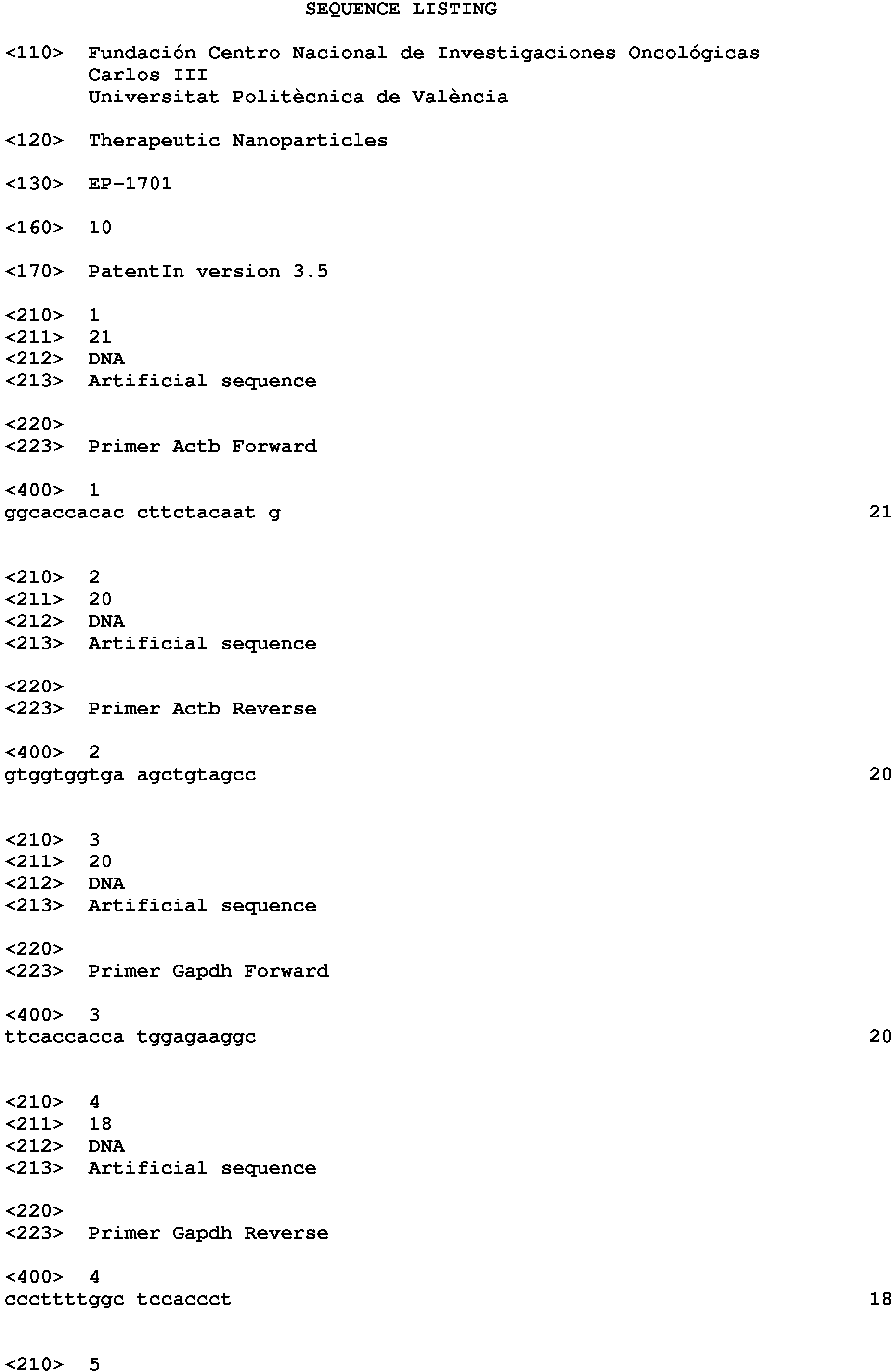


Claims (15)
- A nanoparticle arranged, in use, to encapsulate and deliver a payload molecule to a damaged and/or senescent cell, the nanoparticle comprising at least one cavity or reservoir in which a payload is contained, the at least one cavity being gated by one or more oligosaccharides, wherein each cavity of said nanoparticle is gated by the same at least one or more oligosaccharides.
- A nanoparticle according to claim 1, wherein the nanoparticle comprises 1, 10, 20, 30, 40, 50, 60, 70, 80, 90, 100, 250, 500, 750, 1000, 1200, 1300, 1400, 1500, 1600, 1700, 2000, 2200, 2400 or more external cavity/cavities.
- A nanoparticle according to claim 2, wherein the payload molecule is a drug, cytotoxic compound or senolytic compound.
- A nanoparticle according to any of the preceding claims, wherein at least 30%, 40%, 50%, 60%, 70%, 80%, 90%, 95% or 100% of the unit/s of monosaccharide may be galactose and/or fucose.
- A nanoparticle according to any of the preceding claims, comprising between 1 and 10000, or between 2000 and 8000, or between 2000 and 6000, or between 3000 and 5000, or between 3500 and 5500, or between 4000 and 5000 oligosaccharides.
- A nanoparticle according to any of the preceding claims, wherein the one or more oligosaccharide(s) are the same or different with respect to length and composition, provided the nanoparticle comprises a homogeneous distribution of them on its surface.
- A nanoparticle according to any of the preceding claims, wherein the at least one cavity is gated by at least 1, 2, 3, 4, 6, 8, 10 or more oligosaccharides.
- A nanoparticle according to any of the preceding claims, wherein at least 55%, 65%, 75%, 85%, 95% or 100% of the nanoparticle surface is coated with said oligosaccharides.
- A nanoparticle according to any of the preceding claims, wherein a homogeneous coating of 6-mer galacto-oligosaccharides is present at each cavity on the surface of the nanoparticles.
- A nanoparticle according to any of the preceding claims, wherein the nanoparticle is produced by:-(i) creating a nanoparticle with at least one cavity;(ii) loading the at least one cavity with a payload; and(iii) coating the loaded nanoparticle with oligosaccharide, so that the cavity is gated with one or more oligosaccharide(s).
- A cell comprising a nanoparticle according to any one of claims 1 to 10, which is a bacterial, yeast or animal cell.
- A nanoparticle according to any one of claims 1 to 10, or a cell according to claim 11, for use in eliminating damaged and/or senescent cells.
- A nanoparticle according to any one of claims 1 to 10, or a cell according to any one of claim 11, for use in the treatment, amelioration, or prevention of a disease or condition characterised by the presence of damaged and/or senescent cells.
- A nanoparticle according to any one of claims 1 to 10, or a cell according to claim 11, for use in cosmetics.
- A method of identifying damaged and/or senescent cells, the method comprising administering a nanoparticle according to any one of claims 1 to 10, or a cell according to claim 11, and detecting the presence of damaged and/or senescent cells by detecting the presence of the payload.
Priority Applications (2)
| Application Number | Priority Date | Filing Date | Title |
|---|---|---|---|
| EP17382901.1A EP3501508A1 (en) | 2017-12-22 | 2017-12-22 | Therapeutic nanoparticles |
| PCT/EP2018/086825 WO2019122448A1 (en) | 2017-12-22 | 2018-12-21 | Therapeutic nanoparticles |
Applications Claiming Priority (1)
| Application Number | Priority Date | Filing Date | Title |
|---|---|---|---|
| EP17382901.1A EP3501508A1 (en) | 2017-12-22 | 2017-12-22 | Therapeutic nanoparticles |
Publications (1)
| Publication Number | Publication Date |
|---|---|
| EP3501508A1 true EP3501508A1 (en) | 2019-06-26 |
Family
ID=61017745
Family Applications (1)
| Application Number | Title | Priority Date | Filing Date |
|---|---|---|---|
| EP17382901.1A Withdrawn EP3501508A1 (en) | 2017-12-22 | 2017-12-22 | Therapeutic nanoparticles |
Country Status (2)
| Country | Link |
|---|---|
| EP (1) | EP3501508A1 (en) |
| WO (1) | WO2019122448A1 (en) |
Cited By (1)
| Publication number | Priority date | Publication date | Assignee | Title |
|---|---|---|---|---|
| US20220273583A1 (en) * | 2021-02-26 | 2022-09-01 | Nano Targeting & Therapy Biopharma Inc. | Method for delivering an agent to posterior segment of an eye and uses thereof |
Families Citing this family (2)
| Publication number | Priority date | Publication date | Assignee | Title |
|---|---|---|---|---|
| CN110179973B (en) * | 2019-06-11 | 2023-06-23 | 扬州大学 | A photothermoresponsive hybrid nano vaccine and its preparation method |
| GB202202336D0 (en) * | 2022-02-21 | 2022-04-06 | Cambridge Entpr Ltd | Cyanine dye nanoparticles for senescience imaging |
Citations (2)
| Publication number | Priority date | Publication date | Assignee | Title |
|---|---|---|---|---|
| US20120207795A1 (en) * | 2010-07-13 | 2012-08-16 | The Regents Of The University Of California | Cationic polymer coated mesoporous silica nanoparticles and uses thereof |
| EP2893923A1 (en) * | 2012-09-04 | 2015-07-15 | Universidad Politécnica De Valencia (UPV) | Release of substances into senescent cells |
-
2017
- 2017-12-22 EP EP17382901.1A patent/EP3501508A1/en not_active Withdrawn
-
2018
- 2018-12-21 WO PCT/EP2018/086825 patent/WO2019122448A1/en not_active Ceased
Patent Citations (2)
| Publication number | Priority date | Publication date | Assignee | Title |
|---|---|---|---|---|
| US20120207795A1 (en) * | 2010-07-13 | 2012-08-16 | The Regents Of The University Of California | Cationic polymer coated mesoporous silica nanoparticles and uses thereof |
| EP2893923A1 (en) * | 2012-09-04 | 2015-07-15 | Universidad Politécnica De Valencia (UPV) | Release of substances into senescent cells |
Non-Patent Citations (40)
| Title |
|---|
| AGOSTINI, A.; MONDRAGON, L.; BERNARDOS, A.; MARTINEZ-MANEZ, R.; DOLORES MARCOS, M.; SANCENON, F.; SOTO, J.; COSTERO, A.; MANGUAN-G: "Targeted cargo delivery in senescent cells using capped mesoporous silica nanoparticles", ANGEWANDTE CHEMIE - INTERNATIONAL EDITION, vol. 51, no. 42, 2012, pages 10556 - 10560, XP055233895, DOI: doi:10.1002/anie.201204663 |
| ALESSANDRO AGOSTINI ET AL: "Targeted Cargo Delivery in Senescent Cells Using Capped Mesoporous Silica Nanoparticles", ANGEWANDTE CHEMIE INTERNATIONAL EDITION, vol. 51, no. 42, 20 September 2012 (2012-09-20), pages 10556 - 10560, XP055233895, ISSN: 1433-7851, DOI: 10.1002/anie.201204663 * |
| ANDREA BERNARDOS ET AL: "Enzyme-Responsive Intracellular Controlled Release Using Nanometric Silica Mesoporous Supports Capped with "Saccharides"", ACS NANO, vol. 4, no. 11, 23 November 2010 (2010-11-23), US, pages 6353 - 6368, XP055233896, ISSN: 1936-0851, DOI: 10.1021/nn101499d * |
| AOSHIBA, K.; TSUJI, T.; KAMEYAMA, S.; ITOH, M.; SEMBA, S.; YAMAGUCHI, K.; NAKAMURA, H.: "Senescence-associated secretory phenotype in a mouse model of bleomycin-induced lung injury", EXPERIMENTAL AND TOXICOLOGIC PATHOLOGY, vol. 65, no. 7-8, 2013, pages 1053 - 1062 |
| AOSHIBA, K.; TSUJI, T.; NAGAI, A.: "Bleomycin induces cellular senescence in alveolar epithelial cells", EUROPEAN RESPIRATORY JOURNAL, vol. 22, no. 3, 2003, pages 436 - 443 |
| BAKER, D. J.; CHILDS, B. G.; DURIK, M.; WIJERS, M. E.; SIEBEN, C. J.; ZHONG, J.; SALTNESS, R. A.; JEGANATHAN, K. B.; VERZOSA, G. C: "Naturally occurring pi6(Ink a)-positive cells shorten healthy lifespan", NATURE, vol. 530, no. 7589, 2016, pages 184 - 9 |
| CHANG, J.; WANG, Y.; SHAO, L.; LABERGE, R. M.; DEMARIA, M.; CAMPISI, J.; JANAKIRAMAN, K.; SHARPLESS, N. E.; DING, S.; FENG, W.: "Clearance of senescent cells by ABT 6 rejuvenates aged hematopoietic stem cells in mice", NAT MED, vol. 22, no. 1, 2016, pages 78 - 83 |
| CHILDS, B. G.; BAKER, D. J.; WIJSHAKE, T.; CONOVER, C. A.; CAMPISI, J.; VAN DEURSEN, J. M.: "Senescent intimal foam cells are deleterious at all stages of atherosclerosis", SCIENCE, vol. 354, no. 6311, 2016, pages 472 - 477 |
| CHO, J.-H.; SAINI, D. K.; KARUNARATHNE, W. K. A.; KALYANARAMAN, V.; GAUTAM, N.: "Alteration of Golgi structure in senescent cells and its regulation by a G protein γ subunit", CELLULAR SIGNALLING, vol. 23, no. 5, 2011, pages 785 - 93, XP028152964, DOI: doi:10.1016/j.cellsig.2011.01.001 |
| DEMARIA, M.; O'LEARY, M. N.; CHANG, J.; SHAO, L.; LIU, S.; ALIMIRAH, F.; KOENIG, K.; LE, C.; MITIN, N.; DEAL, A. M.: "Cellular Senescence Promotes Adverse Effects of Chemotherapy and Cancer Relapse", CANCER DISCOVERY, 2016 |
| DIMRI, G. P.; LEE, X.; BASILE, G.; ACOSTA, M.; SCOTT, G.; ROSKELLEY, C.; MEDRANO, E. E.; LINSKENS, M.; RUBELJ, I.; PEREIRA-SMITH,: "A biomarker that identifies senescent human cells in culture and in aging skin in vivo", PROCEEDINGS OF THE NATIONAL ACADEMY OF SCIENCES OF THE UNITED STATES OF AMERICA, vol. 92, no. 20, 1995, pages 9363 - 7, XP009065201, DOI: doi:10.1073/pnas.92.20.9363 |
| FENG, C.; LIU, H.; YANG, M.; ZHANG, Y.; HUANG, B.; ZHOU, Y.: "Disc cell senescence in intervertebral disc degeneration: Causes and molecular pathways", CELL CYCLE, 2016, pages 1674 - 1684 |
| HECKER, L.; LOGSDON, N. J.; KURUNDKAR, D.; KURUNDKAR, A.; BERNARD, K.; HOCK, T.; MELDRUM, E.; SANDERS, Y. Y.; THANNICKAL, V. J.: "Reversal of Persistent Fibrosis in Aging by Targeting Nox -Nrf2 Redox Imbalance", SCIENCE TRANSLATIONAL MEDICINE, vol. 6, no. 231, 2014, pages 231ra47 - 231ra47 |
| HERRANZ, N.; GALLAGE, S.; MELLONE, M.; WUESTEFELD, T.; KLOTZ, S.; HANLEY, C. J.; RAGUZ, S.; ACOSTA, J. C.; INNES, A. J.; BANITO, A: "mTOR regulates MAPKAPK translation to control the senescence-associated secretory phenotype", NATURE CELL BIOLOGY, vol. 17, no. 9, 2015, pages 1205 - 1217 |
| IVANOV, A.; PAWLIKOWSKI, J.; MANOHARAN, I.; VAN TUYN, J.; NELSON, D. M.; RAI, T. S.; SHAH, P. P.; HEWITT, G.; KOROLCHUK, V. I.; PA: "The Journal of cell biology", vol. 202, 2013, ROCKEFELLER UNIVERSITY PRESS, article "Lysosome-mediated processing of chromatin in senescence", pages: 129 - 43 |
| KNAS, M.; ZALEWSKA, A.; KRETOWSKI, R.; NICZYPORUK, M.; WASZKIEWICZ, N.; CECHOWSKA-PASKO, M.; WASZKIEL, D.; ZWIERZ, K.: "The profile of lysosomal exoglycosidases in replicative and stress-induced senescence in early passage human fibroblasts", FOLIA HISTOCHEMICA ET CYTOBIOLOGICA, vol. 50, no. 2, 2012, pages 220 - 227 |
| KUILMAN, T.; MICHALOGLOU, C.; VREDEVELD, L. C. W.; DOUMA, S.; VAN DOOM, R.; DESMET, C. J.; AARDEN, L. A.; MOOI, W. J.; PEEPER, D.: "Oncogene-induced senescence relayed by an interleukin-dependent inflammatory network", CELL, vol. 133, no. 6, 2008, pages 1019 - 31 |
| LABERGE, R.-M.; SUN, Y.; ORJALO, A. V; PATIL, C. K.; FREUND, A.; ZHOU, L.; CURRAN, S. C.; DAVALOS, A. R.; WILSON-EDELL, K. A.; LIU: "MTOR regulates the pro-tumorigenic senescence-associated secretory phenotype by promoting ILiA translation", NATURE CELL BIOLOGY, vol. 17, no. 8, 2015, pages 1049 - 61 |
| LANGMEAD, B.; TRAPNELL, C.; POP, M.; SALZBERG, S. L.: "Ultrafast and memory-efficient alignment of short DNA sequences to the human genome", GENOME BIOLOGY. BIOMED CENTRAL, vol. 10, no. 3, 2009, pages R25, XP021053573, DOI: doi:10.1186/gb-2009-10-3-r25 |
| LASRY, A.; BEN-NERIAH, Y.: "Senescence-associated inflammatory responses: Aging and cancer perspectives", TRENDS IN IMMUNOLOGY, 2015, pages 217 - 228 |
| LI, H.; HANDSAKER, B.; WYSOKER, A.; FENNELL, T.; RUAN, J.; HOMER, N.; MARTH, G.; ABECASIS, G.; DURBIN, R.: "Genome Project Data Processing Subgroup ( ) 'The Sequence Alignment/Map format and SAMtools", BIOINFORMATICS, vol. 25, no. 16, pages 2078 - 2079 |
| LOVE, M. I.; HUBER, W.; ANDERS, S.: "Moderated estimation of fold change and dispersion for RNA-seq data with DESeq2", GENOME BIOLOGY. BIOMED CENTRAL, vol. 15, no. 12, 2014, pages 550, XP021210395, DOI: doi:10.1186/s13059-014-0550-8 |
| LUJAMBIO, A.: "To clear, or not to clear (senescent cells)? That is the question", BIOESSAYS, vol. 38, 2016, pages S56 - S64 |
| MILTON, P. L.; DICKINSON, H.; JENKIN, G.; LIM, R.: "Assessment of Respiratory Physiology of C BL/6 Mice following Bleomycin Administration Using Barometric Plethysmography", RESPIRATION, vol. 83, no. 3, 2012, pages 253 - 266 |
| MOSTEIRO, L.; PANTOJA, C.; ALCAZAR, N.; MARION, R. M.; CHONDRONASIOU, D.; ROVIRA, M.; FERNANDEZ-MARCOS, P. J.; MUFIOZ-MARTIN, M.;: "Tissue damage and senescence provide critical signals for cellular reprogramming in vivo", SCIENCE (NEW YORK, N.Y.), vol. 354, no. 6315, 2016 |
| MUNOZ-ESPIN, D.; CAÑAMERO, M.; MARAVER, A.; GΌMEZ-LΌPEZ, G.; CONTRERAS, J.; MURILLO-CUESTA, S.; RODRIGUEZ-BAEZA, A.; VARELA-NIE: "Programmed cell senescence during mammalian embryonic development", CELL, vol. 155, no. 5, 2013, pages 1104 - 18, XP028782891, DOI: doi:10.1016/j.cell.2013.10.019 |
| MUNOZ-ESPIN, D.; SERRANO, M.: "Cellular senescence: From physiology to pathology", NATURE REVIEWS MOLECULAR CELL BIOLOGY, 2014, pages 482 - 496 |
| NARITA, M.; YOUNG, A. R. J.; ARAKAWA, S.; SAMARAJIWA, S. A.; NAKASHIMA, T.; YOSHIDA, S.; HONG, S.; BERRY, L. S.; REICHELT, S.; FER: "Spatial Coupling of mTOR and Autophagy Augments Secretory Phenotypes", SCIENCE, vol. 332, no. 6032, 2011, pages 966 - 970 |
| NÚRIA MAS ET AL: "Enhanced Efficacy and Broadening of Antibacterial Action of Drugs via the Use of Capped Mesoporous Nanoparticles", CHEMISTRY - A EUROPEAN JOURNAL, vol. 19, no. 34, 19 August 2013 (2013-08-19), DE, pages 11167 - 11171, XP055487508, ISSN: 0947-6539, DOI: 10.1002/chem.201302170 * |
| PAN, J.; LI, D.; XU, Y.; ZHANG, J.; WANG, Y.; CHEN, M.; LIN, S.; HUANG, L.; CHUNG, E. J.; CITRIN, D. E.: "Inhibition of Bcl-2/xl With ABT- 6 Selectively Kills Senescent Type II Pneumocytes and Reverses Persistent Pulmonary Fibrosis Induced by Ionizing Radiation in Mice", INTERNATIONAL JOURNAL OF RADIATION ONCOLOGY BIOLOGY PHYSICS, vol. 99, no. 2, 2017, pages 353 - 361 |
| ROOS, C. M.; ZHANG, B.; PALMER, A. K.; OGRODNIK, M. B.; PIRTSKHALAVA, T.; THALJI, N. M.; HAGLER, M.; JURK, D.; SMITH, L. A.; CASAC: "Chronic senolytic treatment alleviates established vasomotor dysfunction in aged or atherosclerotic mice", AGING CELL, vol. 15, no. 5, 2016, pages 973 - 7 |
| SCHAFER, M. J.; WHITE, T. A.; IIJIMA, K.; HAAK, A. J.; LIGRESTI, G.; ATKINSON, E. J.; OBERG, A. L.; BIRCH, J.; SALMONOWICZ, H.; ZH: "Cellular senescence mediates fibrotic pulmonary disease", NATURE COMMUNICATIONS, vol. 8, 2017, pages 14532 |
| STORER, M.; MAS, A.; ROBERT-MORENO, A.; PECORARO, M.; ORTELLS, M. C.; DI GIACOMO, V.; YOSEF, R.; PILPEL, N.; KRIZHANOVSKY, V.; SHA: "Senescence is a developmental mechanism that contributes to embryonic growth and patterning", CELL, vol. 155, no. 5, 2013, pages 1119 - 30, XP028782899, DOI: doi:10.1016/j.cell.2013.10.041 |
| TAI, H.; WANG, Z.; GONG, H.; HAN, X.; ZHOU, J.; WANG, X.; WEI, X.; DING, Y.; HUANG, N.; QIN, J.: "Autophagy impairment with lysosomal and mitochondrial dysfunction is an important characteristic of oxidative stress-induced senescence", AUTOPHAGY, vol. 13, no. 1, 2017, pages 99 - 113 |
| TRAPNELL, C.; ROBERTS, A.; GOFF, L.; PERTEA, G.; KIM, D.; KELLEY, D. R.; PIMENTEL, H.; SALZBERG, S. L.; RINN, J. L.; PACHTER, L.: "Differential gene and transcript expression analysis of RNA-seq experiments with TopHat and Cufflinks", NATURE PROTOCOLS, vol. 7, no. 3, 2012, pages 562 - 578, XP055175849, DOI: doi:10.1038/nprot.2012.016 |
| UDONO, M.; FUJII, K.; HARADA, G.; TSUZUKI, Y.; KADOOKA, K.; ZHANG, P.; FUJII, H.; AMANO, M.; NISHIMURA, S. I.; TASHIRO, K.: "Impaired ATP6VoA2 expression contributes to Golgi dispersion and glycosylation changes in senescent cells", SCIENTIFIC REPORTS, vol. 5, 2015 |
| YOSEF, R.; PILPEL, N.; TOKARSKY-AMIEL, R.; BIRAN, A.; OVADYA, Y.; COHEN, S.; VADAI, E.; DASSA, L.; SHAHAR, E.; CONDIOTTI, R.: "Directed elimination of senescent cells by inhibition of BCL-W and BCL-XL", NATURE COMMUNICATIONS, vol. 7, 2016, pages 11190 |
| YU, T.; HUBBARD, D.; RAY, A.; GHANDEHARI, H.: "In vivo biodistribution and pharmacokinetics of silica nanoparticles as a function of geometry, porosity and surface characteristics", JOURNAL OF CONTROLLED RELEASE, 2012, pages 46 - 54 |
| ZHU, Y.; TCHKONIA, T.; FUHRMANN-STROISSNIGG, H.; DAI, H. M.; LING, Y. Y.; STOUT, M. B.; PIRTSKHALAVA, T.; GIORGADZE, N.; JOHNSON,: "Identification of a novel senolytic agent, navitoclax, targeting the Bcl-2 family of anti-apoptotic factors", AGING CELL, vol. 15, no. 3, 2016, pages 428 - 35 |
| ZHU, Y.; TCHKONIA, T.; PIRTSKHALAVA, T.; GOWER, A. C.; DING, H.; GIORGADZE, N.; PALMER, A. K.; IKENO, Y.; HUBBARD, G. B.; LENBURG,: "The Achilles' heel of senescent cells: from transcriptome to senolytic drugs", AGING CELL, vol. 14, no. 4, 2015, pages 644 - 58, XP055342891, DOI: doi:10.1111/acel.12344 |
Cited By (2)
| Publication number | Priority date | Publication date | Assignee | Title |
|---|---|---|---|---|
| US20220273583A1 (en) * | 2021-02-26 | 2022-09-01 | Nano Targeting & Therapy Biopharma Inc. | Method for delivering an agent to posterior segment of an eye and uses thereof |
| US12016958B2 (en) * | 2021-02-26 | 2024-06-25 | Nano Targeting & Therapy Biopharma Inc. | Method for delivering an agent to posterior segment of an eye and uses thereof |
Also Published As
| Publication number | Publication date |
|---|---|
| WO2019122448A1 (en) | 2019-06-27 |
Similar Documents
| Publication | Publication Date | Title |
|---|---|---|
| Muñoz‐Espín et al. | A versatile drug delivery system targeting senescent cells | |
| US20260041645A1 (en) | Nanoparticle for protein delivery | |
| Cordonnier et al. | Exosomes in cancer theranostic: Diamonds in the rough | |
| Mourtas et al. | Multifunctional nanoliposomes with curcumin–lipid derivative and brain targeting functionality with potential applications for Alzheimer disease | |
| EP3139942B1 (en) | COMPOSITIONS AND METHODS FOR INHIBITING ANTIAPOPTOTIC Bcl-2 PROTEINS AS ANTI-AGING AGENTS | |
| AU2022201963A1 (en) | Fusogenic liposome-coated porous silicon nanoparticles | |
| US9791456B2 (en) | Method for measuring ATR inhibition mediated increases in DNA damage | |
| CN120423969A (en) | Branched-tail lipid compounds and compositions for intracellular delivery of therapeutic agents | |
| KR20090102744A (en) | Targeting nbs1―atm interaction to sensitize cancer cells to radiotherapy and chemotherapy | |
| De Santo et al. | Engineered mesoporous silica-based nanoparticles as smart chemotherapy nanodevice for bortezomib administration | |
| WO2019122448A1 (en) | Therapeutic nanoparticles | |
| EP2906564B1 (en) | Treating brain cancer using agelastatin a (aa) and analogues thereof | |
| JP2022545636A (en) | High performance peptides and tunable nanoparticles for cancer immunotherapy | |
| EP3448364A1 (en) | Targeting the innate immune system to induce long-term tolerance and to resolve macrophage accumulation in atherosclerosis | |
| US20150087598A1 (en) | Treating muc1-expressing cancers with helicase inhibitors | |
| ES3055382T3 (en) | Cornea epithelium cell derived vesicles containing p53 for cancer therapy | |
| Mao et al. | In situ editing of tumour cell membranes induces aggregation and capture of PD-L1 membrane proteins for enhanced cancer immunotherapy | |
| WO2021087645A1 (en) | Use of carbon quantum dots for detecting or treating cns cancer or tumor | |
| WO2018146506A1 (en) | Therapeutic derivatives | |
| WO2021036793A1 (en) | Pyroptosis-induced immunotherapy | |
| JP2018523657A (en) | Nitroxide-containing amyloid binders and their therapeutic use for imaging | |
| He et al. | Polymer micro/nanocarrier-assisted synergistic chemohormonal therapy for prostate cancer | |
| NL2027653B1 (en) | Targeting system with improved uptake | |
| Zhao et al. | Reprogramming tumor immune microenvironment by ultrasound‐responsive nanoplatforms for enhanced cancer immunotherapy | |
| US20230218781A1 (en) | Methods for triggering m1 macrophage polarization |
Legal Events
| Date | Code | Title | Description |
|---|---|---|---|
| PUAI | Public reference made under article 153(3) epc to a published international application that has entered the european phase |
Free format text: ORIGINAL CODE: 0009012 |
|
| STAA | Information on the status of an ep patent application or granted ep patent |
Free format text: STATUS: THE APPLICATION HAS BEEN PUBLISHED |
|
| AK | Designated contracting states |
Kind code of ref document: A1 Designated state(s): AL AT BE BG CH CY CZ DE DK EE ES FI FR GB GR HR HU IE IS IT LI LT LU LV MC MK MT NL NO PL PT RO RS SE SI SK SM TR |
|
| AX | Request for extension of the european patent |
Extension state: BA ME |
|
| RAP1 | Party data changed (applicant data changed or rights of an application transferred) |
Owner name: FUNDACION DEL SECTOR PUBLICO ESTATAL CENTRO NACION Owner name: UNIVERSITAT POLITECNICA DE VALENCIA |
|
| STAA | Information on the status of an ep patent application or granted ep patent |
Free format text: STATUS: THE APPLICATION IS DEEMED TO BE WITHDRAWN |
|
| 18D | Application deemed to be withdrawn |
Effective date: 20200103 |