EP3500006A1 - Method for transmitting and receiving downlink control signalling, apparatus, base station and terminal - Google Patents
Method for transmitting and receiving downlink control signalling, apparatus, base station and terminal Download PDFInfo
- Publication number
- EP3500006A1 EP3500006A1 EP17838557.1A EP17838557A EP3500006A1 EP 3500006 A1 EP3500006 A1 EP 3500006A1 EP 17838557 A EP17838557 A EP 17838557A EP 3500006 A1 EP3500006 A1 EP 3500006A1
- Authority
- EP
- European Patent Office
- Prior art keywords
- information
- control signaling
- downlink control
- reference signal
- terminal
- Prior art date
- Legal status (The legal status is an assumption and is not a legal conclusion. Google has not performed a legal analysis and makes no representation as to the accuracy of the status listed.)
- Granted
Links
Images
Classifications
-
- H—ELECTRICITY
- H04—ELECTRIC COMMUNICATION TECHNIQUE
- H04L—TRANSMISSION OF DIGITAL INFORMATION, e.g. TELEGRAPHIC COMMUNICATION
- H04L5/00—Arrangements affording multiple use of the transmission path
- H04L5/003—Arrangements for allocating sub-channels of the transmission path
- H04L5/0053—Allocation of signalling, i.e. of overhead other than pilot signals
-
- H—ELECTRICITY
- H04—ELECTRIC COMMUNICATION TECHNIQUE
- H04W—WIRELESS COMMUNICATION NETWORKS
- H04W72/00—Local resource management
- H04W72/20—Control channels or signalling for resource management
- H04W72/23—Control channels or signalling for resource management in the downlink direction of a wireless link, i.e. towards a terminal
-
- H—ELECTRICITY
- H04—ELECTRIC COMMUNICATION TECHNIQUE
- H04B—TRANSMISSION
- H04B7/00—Radio transmission systems, i.e. using radiation field
- H04B7/02—Diversity systems; Multi-antenna system, i.e. transmission or reception using multiple antennas
- H04B7/04—Diversity systems; Multi-antenna system, i.e. transmission or reception using multiple antennas using two or more spaced independent antennas
- H04B7/06—Diversity systems; Multi-antenna system, i.e. transmission or reception using multiple antennas using two or more spaced independent antennas at the transmitting station
- H04B7/0686—Hybrid systems, i.e. switching and simultaneous transmission
- H04B7/0695—Hybrid systems, i.e. switching and simultaneous transmission using beam selection
- H04B7/06952—Selecting one or more beams from a plurality of beams, e.g. beam training, management or sweeping
-
- H—ELECTRICITY
- H04—ELECTRIC COMMUNICATION TECHNIQUE
- H04L—TRANSMISSION OF DIGITAL INFORMATION, e.g. TELEGRAPHIC COMMUNICATION
- H04L5/00—Arrangements affording multiple use of the transmission path
- H04L5/003—Arrangements for allocating sub-channels of the transmission path
- H04L5/0048—Allocation of pilot signals, i.e. of signals known to the receiver
-
- H—ELECTRICITY
- H04—ELECTRIC COMMUNICATION TECHNIQUE
- H04W—WIRELESS COMMUNICATION NETWORKS
- H04W72/00—Local resource management
- H04W72/04—Wireless resource allocation
-
- H—ELECTRICITY
- H04—ELECTRIC COMMUNICATION TECHNIQUE
- H04W—WIRELESS COMMUNICATION NETWORKS
- H04W72/00—Local resource management
- H04W72/12—Wireless traffic scheduling
-
- H—ELECTRICITY
- H04—ELECTRIC COMMUNICATION TECHNIQUE
- H04W—WIRELESS COMMUNICATION NETWORKS
- H04W72/00—Local resource management
- H04W72/04—Wireless resource allocation
- H04W72/044—Wireless resource allocation based on the type of the allocated resource
- H04W72/046—Wireless resource allocation based on the type of the allocated resource the resource being in the space domain, e.g. beams
-
- H—ELECTRICITY
- H04—ELECTRIC COMMUNICATION TECHNIQUE
- H04W—WIRELESS COMMUNICATION NETWORKS
- H04W72/00—Local resource management
- H04W72/50—Allocation or scheduling criteria for wireless resources
- H04W72/54—Allocation or scheduling criteria for wireless resources based on quality criteria
- H04W72/542—Allocation or scheduling criteria for wireless resources based on quality criteria using measured or perceived quality
Definitions
- the present application relates to, but is not limited to, mobile communication technologies and, in particular, relates to a method and apparatus for sending and receiving downlink control signaling, a base station and a terminal.
- a physical downlink control channel (PDCCH) is used for bearing uplink and downlink scheduling information and uplink power control information.
- the downlink control information (DCI) formats include DCI formats 0, 1, 1A, 1B, 1C, 1D, 2, 2A, 3, 3A; and DCI formats 2B, 2C, and 2D are later added to an evolved LTE-A Release 12 to support a variety of different applications and transmission modes.
- a base station evolved-Node-B, eNB
- a sounding reference signal is a signal used between the terminal and the base station for measuring radio channel state information (CSI).
- the UE periodically sends an uplink SRS on the last data symbol of a send subframe according to parameters, indicated by the eNB, such as a frequency band, a frequency domain position, a sequence cyclic shift, a period, and a subframe offset.
- the eNB determines the uplink CSI of the UE according to the received SRS, and performs operations such as frequency domain selection scheduling and closed loop power control according to the obtained CSI.
- LTE-A Release 10 LTE-A Release 10
- a non-precoded SRS that is, an antenna-specific SRS should be used, while a demodulation reference signal (DMRS) used for demodulation in a physical uplink shared channel (PUSCH) is precoded.
- DMRS demodulation reference signal
- PUSCH physical uplink shared channel
- the base station can estimate original uplink CSI by receiving the non-precoded SRS, while cannot estimate the original uplink CSI through the precoded DMRS.
- the UE sends the non-precoded SRS by using multiple antennas more SRS resources are required by each UE, which results in a decrease in the number of UEs that can be simultaneously reused in the system.
- the UE can send the SRS in two triggering manners, that is, through the high-layer signaling (also referred to as the trigger type 0) or the downlink control information (also referred to as the trigger type 1).
- Aperiodic SRS is triggered based on the high-layer signaling, and a non-periodic SRS is triggered based on the downlink control information.
- LTE-A Release 10 a manner of non-periodic sending of SRS is added, which improves the utilization rate of SRS resources to some extent and improves the flexibility of resource scheduling.
- high-frequency (30 to 300 GHz) carrier communication which has not been fully utilized has become an important communication way of achieving high-speed data communication in the future.
- the high-frequency carrier communication has a large available bandwidth and can provide effective high-speed data communication.
- a big technical challenge for the high-frequency carrier communication is that high-frequency signals fade significantly in space compared with low-frequency signals. Although this will cause spatial fading losses when the high-frequency signals are used for outdoor communication, the shorter wavelength of the high-frequency signals usually allows using more antennas. Therefore, the communication is implemented based on beams to compensate the spatial fading losses.
- the base station is provided with a large number of antennas to form downlink transmission beams for compensating the spatial fading of the high-frequency communication
- the terminal is also provided with a large number of antennas to form uplink transmission beams.
- the SRS is also sent in the form of a beam.
- time division duplex (TDD) systems often use channel reciprocity to calculate downlink scheduling information by measuring the SRS.
- the downlink scheduling information includes modulation and coding schemes, precoding weights, and the like.
- Embodiments of the present invention provide a method and apparatus for sending and receiving downlink control signaling, a base station and a terminal.
- An embodiment of the present invention provides a method for sending downlink control signaling, including: sending, by a base station, downlink control signaling carrying indication information to a terminal, where the indication information in the downlink control signaling at least includes one of: information for indicating a receiving manner to the terminal, reference signal resource information referenced for calculating downlink scheduling information, reference signal resource information referenced for calculating uplink scheduling information, and allocation information of a resource block.
- Another embodiment of the present invention provides a method for receiving downlink control signaling, including: receiving, by a terminal, downlink control signaling carrying indication information sent by a base station, where the indication information in the downlink control signaling at least includes one of: information for indicating a receiving manner to the terminal, reference signal resource information referenced for calculating downlink scheduling information, reference signal resource information referenced for calculating uplink scheduling information, and allocation information of a resource block.
- An embodiment of the present invention provides an apparatus for sending downlink control signaling, applied to a base station and including a first sending unit.
- the first sending unit is configured to send downlink control signaling carrying indication information to a terminal, where the indication information in the downlink control signaling at least includes one of: information for indicating a receiving manner to the terminal, reference signal resource information referenced for calculating downlink scheduling information, reference signal resource information referenced for calculating uplink scheduling information, and allocation information of a resource block.
- Another embodiment of the present invention provides an apparatus for receiving downlink control signaling, applied to a terminal and including a second receiving unit.
- the second receiving unit is configured to receive downlink control signaling carrying indication information sent by a base station, where the indication information in the downlink control signaling at least includes one of: information for indicating a receiving manner to the terminal, reference signal resource information referenced for calculating downlink scheduling information, reference signal resource information referenced for calculating uplink scheduling information, and allocation information of a resource block.
- An embodiment of the present invention provides a base station including a processor and a memory storing processor-executable instructions.
- the processor When the instructions are executed by the processor, the processor is configured to send downlink control signaling carrying indication information to a terminal.
- the indication information in the downlink control signaling at least includes one of: information for indicating a receiving manner to the terminal, reference signal resource information referenced for calculating downlink scheduling information, reference signal resource information referenced for calculating uplink scheduling information, and allocation information of a resource block.
- An embodiment of the present invention provides a terminal including a processor and a memory storing processor-executable instructions.
- the processor is configured to receive downlink control signaling carrying indication information sent by a base station.
- the indication information in the downlink control signaling at least includes one of: information for indicating a receiving manner to the terminal, reference signal resource information referenced for calculating downlink scheduling information, reference signal resource information referenced for calculating uplink scheduling information, and allocation information of a resource block.
- the present invention further provides a computer-readable storage medium configured to store computer-executable instructions which, when executed by a processor, implement the above-mentioned method for sending downlink control signaling.
- the present invention further provides a computer-readable storage medium configured to store computer-executable instructions which, when executed by a processor, implement the above-mentioned method for receiving downlink control signaling.
- a base station sends downlink control signaling carrying indication information to a terminal.
- the indication information in the downlink control signaling at least includes one of: information for indicating a receiving manner to the terminal, reference signal resource information referenced for calculating downlink scheduling information, reference signal resource information referenced for calculating uplink scheduling information, and allocation information of a resource block.
- the terminal can determine the optimal receiving beam to receive data in the downlink transmission according to the downlink control signaling carrying the indication information.
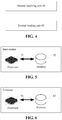
- FIG. 1 is a flowchart of a method for sending downlink control signaling according to an embodiment of the present invention. As shown in FIG. 1 , the method for sending downlink control signaling includes the step described below.
- a base station sends downlink control signaling carrying indication information to a terminal.
- the indication information in the downlink control signaling at least includes one of: information for indicating a receiving manner to the terminal, reference signal resource information referenced for calculating downlink scheduling information, reference signal resource information referenced for calculating uplink scheduling information, and allocation information of a resource block.
- the receiving manner at least includes one of: a receiving beam, a receiving antenna, a receiving sector, and a receiver.
- the reference signal resource information includes one of: beam information, antenna port information, and time-frequency resource information.
- the information for indicating the receiving manner to the terminal includes indication of a receiving manner of the terminal in receiving a physical downlink shared channel or downlink data.
- a sending manner of the base station in sending the physical downlink shared channel or the downlink data is determined based on a sounding reference signal received by the base station.
- the sending manner includes one of: a sending beam, a sending antenna, and a sending sector.
- the method further includes the steps described below.
- the base station receives a sounding reference signal sent on a reference signal resource by the terminal.
- the base station determines the downlink scheduling information or the uplink scheduling information based on the received sounding reference signal on the reference signal resource, and sends the downlink scheduling information or the uplink scheduling information to the terminal through the downlink control signaling.
- the information for indicating the receiving manner to the terminal is determined based on a sounding reference signal received by the base station.
- the method further includes the step described below.
- the base station sends the downlink control signaling to the terminal for multiple times in different subframes or on different time domain symbols.
- FIG. 2 is a flowchart of a method for receiving downlink control signaling according to an embodiment of the present invention. As shown in FIG. 2 , the method for receiving downlink control signaling includes the step described below.
- a terminal receives downlink control signaling carrying indication information sent by a base station.
- the indication information in the downlink control signaling at least includes one of: information for indicating a receiving manner to the terminal, reference signal resource information referenced for calculating downlink scheduling information, reference signal resource information referenced for calculating uplink scheduling information, and allocation information of a resource block.
- the receiving manner at least includes one of: a receiving beam, a receiving antenna, a receiving sector, and a receiver.
- the reference signal resource information includes one of: beam information, antenna port information, and time-frequency resource information.
- the information for indicating the receiving manner to the terminal includes indication of a receiving manner of the terminal in receiving a physical downlink shared channel or downlink data.
- the method further includes the steps described below.
- the terminal sends a sounding reference signal to the base station through a reference signal resource.
- the terminal receives the downlink scheduling information or the uplink scheduling information determined by the base station based on the sounding reference signal.
- the downlink scheduling information or the uplink scheduling information is carried in the downlink control signaling.
- the information for indicating the receiving manner to the terminal is determined based on a sounding reference signal received by the base station.
- the method further includes the step described below.
- the terminal receives the downlink control signaling in different receiving manners in different subframes or on different time domain symbols.
- a base station and a terminal perform beam training or beam scanning. It is assumed that a beam 1 and a beam 2 are found to be uplink sending beams with good link quality. Since channel reciprocity exists, the beam 1 and the beam 2 are also the optimal receiving beams.
- the terminal sends a sounding reference signal in the uplink through the beam 1.
- the base station calculates and determines downlink scheduling information based on the received sounding reference signal on the beam 1, and sends the downlink scheduling information to the terminal through downlink control signaling.
- the downlink control signaling includes information for indicating a receiving beam (i.e., information of the beam 1) to the terminal.
- the information indicates a receiving beam or a receiving beam index, which is used for receiving a physical downlink shared channel or downlink data, to the terminal.
- a base station and a terminal perform beam training or beam scanning. It is assumed that a beam 1 and a beam 2 are found to be uplink sending beams with good link quality. Since channel reciprocity exists, the beam 1 and the beam 2 are also the optimal receiving beams.
- the terminal sends a sounding reference signal in the uplink through the beam 1.
- the base station calculates and determines downlink scheduling information based on the received sounding reference signal on the beam 1, and sends the downlink scheduling information to the terminal through downlink control signaling.
- the downlink control signaling includes beam information referenced for calculating the downlink scheduling information, i.e., information of the beam 1.
- the terminal receives the downlink control signaling to obtain the information of the beam 1 and determines the optimal beam for receiving downlink data based on the information of the beam 1.
- a base station and a terminal perform beam training or beam scanning. It is assumed that a beam 1 and a beam 2 are found to be uplink sending beams with good link quality. Since channel reciprocity exists, the beam 1 and the beam 2 are also the optimal receiving beams.
- the terminal sends an uplink sounding reference signal through the beam 1.
- the base station calculates and determines downlink scheduling information based on the received sounding reference signal on the beam 1, and sends the downlink scheduling information to the terminal through downlink control signaling.
- the base station sends the downlink control signaling to the terminal for multiple times in different subframes or on different time domain symbols.
- the terminal receives the downlink control signaling in different receiving manners in different subframes or on different time domain symbols. Thus, the terminal can find the optimal receiving beam.
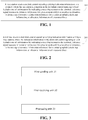
- FIG. 3 is a structural diagram of an apparatus for sending downlink control signaling according to an embodiment of the present invention.
- the apparatus for sending downlink control signaling in this example is applied to a base station.
- the apparatus includes a first sending unit 31.
- the first sending unit 31 is configured to send downlink control signaling carrying indication information to a terminal.
- the indication information in the downlink control signaling at least includes one of: information for indicating a receiving manner to the terminal, reference signal resource information referenced for calculating downlink scheduling information, reference signal resource information referenced for calculating uplink scheduling information, and allocation information of a resource block.
- the receiving manner at least includes one of: a receiving beam, a receiving antenna, a receiving sector, and a receiver.
- the reference signal resource information includes one of: beam information, antenna port information, and time-frequency resource information.
- the information for indicating the receiving manner to the terminal includes indication of a receiving manner of the terminal in receiving a physical downlink shared channel or downlink data.
- a sending manner of the base station in sending the physical downlink shared channel or the downlink data is determined based on a sounding reference signal received by the base station.
- the sending manner includes one of: a sending beam, a sending antenna, and a sending sector.
- the apparatus further includes a first receiving unit 32 and a processing unit 33.
- the first receiving unit 32 is configured to receive a sounding reference signal sent on a reference signal resource by the terminal.
- the processing unit 33 is configured to determine the downlink scheduling information or the uplink scheduling information based on the received sounding reference signal on the reference signal resource.
- the first sending unit 31 is further configured to send the downlink scheduling information or the uplink scheduling information to the terminal through the downlink control signaling.
- the information for indicating the receiving manner to the terminal is determined based on a sounding reference signal received by the base station.
- the first sending unit 31 is further configured to send the downlink control signaling to the terminal for multiple times in different subframes or on different time domain symbols.
- FIG. 4 is a structural diagram of an apparatus for receiving downlink control signaling according to an embodiment of the present invention.
- the apparatus for receiving downlink control signaling in this example is applied to a terminal.
- the apparatus includes a second receiving unit 41.
- the second receiving unit 41 is configured to receive downlink control signaling carrying indication information sent by a base station.
- the indication information in the downlink control signaling at least includes one of: information for indicating a receiving manner to the terminal, reference signal resource information referenced for calculating downlink scheduling information, reference signal resource information referenced for calculating uplink scheduling information, and allocation information of a resource block.
- the receiving manner at least includes one of: a receiving beam, a receiving antenna, a receiving sector, and a receiver.
- the reference signal resource information includes one of: beam information, antenna port information, and time-frequency resource information.
- the information for indicating the receiving manner to the terminal includes indication of a receiving manner of the terminal in receiving a physical downlink shared channel or downlink data.
- the apparatus further includes a second sending unit 42.
- the second sending unit 42 is configured to send a sounding reference signal to the base station through a reference signal resource.
- the second receiving unit 41 is further configured to receive the downlink scheduling information or the uplink scheduling information determined by the base station based on the sounding reference signal.
- the downlink scheduling information or the uplink scheduling information is carried in the downlink control signaling.
- the information for indicating the receiving manner to the terminal is determined based on a sounding reference signal received by the base station.
- the second receiving unit 41 is further configured to receive the downlink control signaling in different receiving manners in different subframes or on different time domain symbols.
- FIG. 5 is a structural diagram of a base station according to an embodiment of the present invention.
- the base station includes a processor 51 and a memory 52 storing instructions, which are executable to the processor 51.
- the processor 51 is configured to send downlink control signaling carrying indication information to a terminal.
- the indication information in the downlink control signaling at least includes one of: information for indicating a receiving manner to the terminal, reference signal resource information referenced for calculating downlink scheduling information, reference signal resource information referenced for calculating uplink scheduling information, and allocation information of a resource block.
- the receiving manner at least includes one of: a receiving beam, a receiving antenna, a receiving sector, and a receiver.
- the reference signal resource information includes one of: beam information, antenna port information, and time-frequency resource information.
- the information for indicating the receiving manner to the terminal includes indication of a receiving manner of the terminal in receiving a physical downlink shared channel or downlink data.
- the processor 51 is further configured to receive a sounding reference signal sent on a reference signal resource by the terminal; and determine the downlink scheduling information or the uplink scheduling information based on the received sounding reference signal on the reference signal resource, and send the downlink scheduling information or the uplink scheduling information to the terminal through the downlink control signaling.
- the first sending unit 31, the first receiving unit 32, and the processing unit 33 in the apparatus for sending downlink control signaling shown in FIG. 3 may all be implemented by the processor 51 in the base station.
- FIG. 6 is a structural diagram of a terminal according to an embodiment of the present invention.
- the terminal includes a processor 61 and a memory 62 storing instructions which are executable to the processor 61.
- the processor 61 is configured to receive downlink control signaling carrying indication information sent by a base station.
- the indication information in the downlink control signaling at least includes one of: information for indicating a receiving manner to the terminal, reference signal resource information referenced for calculating downlink scheduling information, reference signal resource information referenced for calculating uplink scheduling information, and allocation information of a resource block.
- the receiving manner at least includes one of: a receiving beam, a receiving antenna, a receiving sector, and a receiver.
- the reference signal resource information includes one of: beam information, antenna port information, and time-frequency resource information.
- the information for indicating the receiving manner to the terminal includes indication of a receiving manner of the terminal in receiving a physical downlink shared channel or downlink data.
- the processor 61 is further configured to send a sounding reference signal to the base station through a reference signal resource; and receive the downlink scheduling information or the uplink scheduling information determined by the base station based on the sounding reference signal.
- the downlink scheduling information or the uplink scheduling information is carried in the downlink control signaling.
- the second receiving unit 41 and the second sending unit 42 in the apparatus for receiving downlink control signaling shown in FIG. 4 may both be implemented by the processor 61 in the terminal.
- the present invention further provides a computer-readable storage medium configured to store computer-executable instructions which, when executed by a processor, implement the above-mentioned method for sending downlink control signaling.
- the present invention further provides a computer-readable storage medium configured to store computer-executable instructions which, when executed by a processor, implement the above-mentioned method for receiving downlink control signaling.
- the embodiments of the present invention may be provided as methods, systems or computer program products. Therefore, the embodiments of the present invention may take the form of a hardware embodiment, a software embodiment, or an embodiment with a combination of software and hardware.
- the embodiments of the present invention may take the form of a computer program product implemented in one or more computer-usable storage media (including, but not limited to, a disk memory and an optical memory) that includes computer-usable program codes.
- These computer program instructions can also be stored in a computer-readable memory which can direct a computer or other programmable data processing devices to operate in a particular manner so that the instructions stored in the computer-readable memory produce a manufactured product including an instruction apparatus.
- the instruction apparatus implements the functions specified in one or more flows in the flowcharts and/or one or more blocks in the block diagrams.
- the terminal can determine the optimal receiving beam to receive data in the downlink transmission according to the downlink control signaling carrying the indication information.
Landscapes
- Engineering & Computer Science (AREA)
- Signal Processing (AREA)
- Computer Networks & Wireless Communication (AREA)
- Mobile Radio Communication Systems (AREA)
Abstract
Description
- The present application relates to, but is not limited to, mobile communication technologies and, in particular, relates to a method and apparatus for sending and receiving downlink control signaling, a base station and a terminal.
- In Long Term Evolution (LTE), a physical downlink control channel (PDCCH) is used for bearing uplink and downlink scheduling information and uplink power control information. The downlink control information (DCI) formats include DCI formats 0, 1, 1A, 1B, 1C, 1D, 2, 2A, 3, 3A; and DCI formats 2B, 2C, and 2D are later added to an evolved LTE-A Release 12 to support a variety of different applications and transmission modes. A base station (evolved-Node-B, eNB) may configure a terminal (user equipment, UE) through the downlink control information, or the UE is configured by high layers, which is also referred to as being configured with the high-layer signaling.
- A sounding reference signal (SRS) is a signal used between the terminal and the base station for measuring radio channel state information (CSI). In the LTE system, the UE periodically sends an uplink SRS on the last data symbol of a send subframe according to parameters, indicated by the eNB, such as a frequency band, a frequency domain position, a sequence cyclic shift, a period, and a subframe offset. The eNB determines the uplink CSI of the UE according to the received SRS, and performs operations such as frequency domain selection scheduling and closed loop power control according to the obtained CSI.
- In a study of LTE-A Release 10 (LTE-A Release 10), it is proposed that in uplink communication, a non-precoded SRS, that is, an antenna-specific SRS should be used, while a demodulation reference signal (DMRS) used for demodulation in a physical uplink shared channel (PUSCH) is precoded. The base station can estimate original uplink CSI by receiving the non-precoded SRS, while cannot estimate the original uplink CSI through the precoded DMRS. At this time, when the UE sends the non-precoded SRS by using multiple antennas, more SRS resources are required by each UE, which results in a decrease in the number of UEs that can be simultaneously reused in the system. The UE can send the SRS in two triggering manners, that is, through the high-layer signaling (also referred to as the trigger type 0) or the downlink control information (also referred to as the trigger type 1). Aperiodic SRS is triggered based on the high-layer signaling, and a non-periodic SRS is triggered based on the downlink control information. In LTE-A Release 10, a manner of non-periodic sending of SRS is added, which improves the utilization rate of SRS resources to some extent and improves the flexibility of resource scheduling.
- With the development of communication technologies, the demand for data services is increasing and available low-frequency carriers are in short supply. Therefore, high-frequency (30 to 300 GHz) carrier communication which has not been fully utilized has become an important communication way of achieving high-speed data communication in the future. The high-frequency carrier communication has a large available bandwidth and can provide effective high-speed data communication. However, a big technical challenge for the high-frequency carrier communication is that high-frequency signals fade significantly in space compared with low-frequency signals. Although this will cause spatial fading losses when the high-frequency signals are used for outdoor communication, the shorter wavelength of the high-frequency signals usually allows using more antennas. Therefore, the communication is implemented based on beams to compensate the spatial fading losses.
- However, when the number of antennas increases, each antenna needs a set of radio frequency links, and digital beamforming thus brings about an increase in costs and a loss in power. Therefore, current studies tend to hybrid beamforming, that is, a final beam formed by radio frequency beams together with digital beams.
- The following is a summary of the subject matter described herein in detail. This summary is not intended to limit the scope of the claims.
- In a study of the new radio access technology, for the high-frequency communication system, the base station is provided with a large number of antennas to form downlink transmission beams for compensating the spatial fading of the high-frequency communication, and the terminal is also provided with a large number of antennas to form uplink transmission beams. At this time, the SRS is also sent in the form of a beam. In order to reduce resource overhead of downlink pilots and reduce the feedback of UEs in the downlink transmission, time division duplex (TDD) systems often use channel reciprocity to calculate downlink scheduling information by measuring the SRS. The downlink scheduling information includes modulation and coding schemes, precoding weights, and the like. Since the downlink scheduling information may be calculated based on SRSs of different beams, the terminal cannot know which optimal receiving beam is used to receive data in the downlink transmission. Embodiments of the present invention provide a method and apparatus for sending and receiving downlink control signaling, a base station and a terminal.
- An embodiment of the present invention provides a method for sending downlink control signaling, including:
sending, by a base station, downlink control signaling carrying indication information to a terminal, where the indication information in the downlink control signaling at least includes one of: information for indicating a receiving manner to the terminal, reference signal resource information referenced for calculating downlink scheduling information, reference signal resource information referenced for calculating uplink scheduling information, and allocation information of a resource block. - Another embodiment of the present invention provides a method for receiving downlink control signaling, including:
receiving, by a terminal, downlink control signaling carrying indication information sent by a base station, where the indication information in the downlink control signaling at least includes one of: information for indicating a receiving manner to the terminal, reference signal resource information referenced for calculating downlink scheduling information, reference signal resource information referenced for calculating uplink scheduling information, and allocation information of a resource block. - An embodiment of the present invention provides an apparatus for sending downlink control signaling, applied to a base station and including a first sending unit.
- The first sending unit is configured to send downlink control signaling carrying indication information to a terminal, where the indication information in the downlink control signaling at least includes one of: information for indicating a receiving manner to the terminal, reference signal resource information referenced for calculating downlink scheduling information, reference signal resource information referenced for calculating uplink scheduling information, and allocation information of a resource block.
- Another embodiment of the present invention provides an apparatus for receiving downlink control signaling, applied to a terminal and including a second receiving unit.
- The second receiving unit is configured to receive downlink control signaling carrying indication information sent by a base station, where the indication information in the downlink control signaling at least includes one of: information for indicating a receiving manner to the terminal, reference signal resource information referenced for calculating downlink scheduling information, reference signal resource information referenced for calculating uplink scheduling information, and allocation information of a resource block.
- An embodiment of the present invention provides a base station including a processor and a memory storing processor-executable instructions. When the instructions are executed by the processor, the processor is configured to send downlink control signaling carrying indication information to a terminal. The indication information in the downlink control signaling at least includes one of: information for indicating a receiving manner to the terminal, reference signal resource information referenced for calculating downlink scheduling information, reference signal resource information referenced for calculating uplink scheduling information, and allocation information of a resource block.
- An embodiment of the present invention provides a terminal including a processor and a memory storing processor-executable instructions. When the instructions are executed by the processor, the processor is configured to receive downlink control signaling carrying indication information sent by a base station. The indication information in the downlink control signaling at least includes one of: information for indicating a receiving manner to the terminal, reference signal resource information referenced for calculating downlink scheduling information, reference signal resource information referenced for calculating uplink scheduling information, and allocation information of a resource block.
- The present invention further provides a computer-readable storage medium configured to store computer-executable instructions which, when executed by a processor, implement the above-mentioned method for sending downlink control signaling.
- The present invention further provides a computer-readable storage medium configured to store computer-executable instructions which, when executed by a processor, implement the above-mentioned method for receiving downlink control signaling.
- In the embodiments of the present invention, a base station sends downlink control signaling carrying indication information to a terminal. The indication information in the downlink control signaling at least includes one of: information for indicating a receiving manner to the terminal, reference signal resource information referenced for calculating downlink scheduling information, reference signal resource information referenced for calculating uplink scheduling information, and allocation information of a resource block. In this way, the terminal can determine the optimal receiving beam to receive data in the downlink transmission according to the downlink control signaling carrying the indication information.
- Other aspects can be understood after the drawings and detailed description are read and understood.
-
-
FIG. 1 is a flowchart 1 of a method for sending downlink control signaling according to an embodiment of the present invention; -
FIG. 2 is a flowchart 2 of a method for sending downlink control signaling according to an embodiment of the present invention; -
FIG. 3 is a structural diagram 1 of an apparatus for sending downlink control signaling according to an embodiment of the present invention; -
FIG. 4 is a structural diagram 2 of an apparatus for sending downlink control signaling according to an embodiment of the present invention; -
FIG. 5 is a structural diagram of a base station according to an embodiment of the present invention; and -
FIG. 6 is a structural diagram of a terminal according to an embodiment of the present invention. - Implementation of the embodiments of the present invention is described below in detail with reference to the drawings. The drawings are provided for reference only and are not intended to limit the embodiments of the present invention.
-
FIG. 1 is a flowchart of a method for sending downlink control signaling according to an embodiment of the present invention. As shown inFIG. 1 , the method for sending downlink control signaling includes the step described below. - In
step 101, a base station sends downlink control signaling carrying indication information to a terminal. The indication information in the downlink control signaling at least includes one of: information for indicating a receiving manner to the terminal, reference signal resource information referenced for calculating downlink scheduling information, reference signal resource information referenced for calculating uplink scheduling information, and allocation information of a resource block. - In an embodiment of the present invention, the receiving manner at least includes one of: a receiving beam, a receiving antenna, a receiving sector, and a receiver.
- In an embodiment of the present invention, the reference signal resource information includes one of: beam information, antenna port information, and time-frequency resource information. In an embodiment of the present invention, the information for indicating the receiving manner to the terminal includes indication of a receiving manner of the terminal in receiving a physical downlink shared channel or downlink data.
- In an embodiment of the present invention, a sending manner of the base station in sending the physical downlink shared channel or the downlink data is determined based on a sounding reference signal received by the base station. The sending manner includes one of: a sending beam, a sending antenna, and a sending sector.
- In an embodiment of the present invention, the method further includes the steps described below.
- The base station receives a sounding reference signal sent on a reference signal resource by the terminal.
- The base station determines the downlink scheduling information or the uplink scheduling information based on the received sounding reference signal on the reference signal resource, and sends the downlink scheduling information or the uplink scheduling information to the terminal through the downlink control signaling.
- In the embodiment of the present invention, the information for indicating the receiving manner to the terminal is determined based on a sounding reference signal received by the base station. In an embodiment of the present invention, the method further includes the step described below.
- The base station sends the downlink control signaling to the terminal for multiple times in different subframes or on different time domain symbols.
-
FIG. 2 is a flowchart of a method for receiving downlink control signaling according to an embodiment of the present invention. As shown inFIG. 2 , the method for receiving downlink control signaling includes the step described below. - In
step 201, a terminal receives downlink control signaling carrying indication information sent by a base station. The indication information in the downlink control signaling at least includes one of: information for indicating a receiving manner to the terminal, reference signal resource information referenced for calculating downlink scheduling information, reference signal resource information referenced for calculating uplink scheduling information, and allocation information of a resource block. - In an embodiment of the present invention, the receiving manner at least includes one of: a receiving beam, a receiving antenna, a receiving sector, and a receiver.
- In an embodiment of the present invention, the reference signal resource information includes one of: beam information, antenna port information, and time-frequency resource information. In an embodiment of the present invention, the information for indicating the receiving manner to the terminal includes indication of a receiving manner of the terminal in receiving a physical downlink shared channel or downlink data.
- In an embodiment of the present invention, the method further includes the steps described below.
- The terminal sends a sounding reference signal to the base station through a reference signal resource.
- The terminal receives the downlink scheduling information or the uplink scheduling information determined by the base station based on the sounding reference signal. The downlink scheduling information or the uplink scheduling information is carried in the downlink control signaling.
- In an embodiment of the present invention, the information for indicating the receiving manner to the terminal is determined based on a sounding reference signal received by the base station. In an embodiment of the present invention, the method further includes the step described below.
- The terminal receives the downlink control signaling in different receiving manners in different subframes or on different time domain symbols.
- The methods for sending and receiving downlink control signaling in the embodiments of the present invention are described below in conjunction with application scenarios.
- A base station and a terminal perform beam training or beam scanning. It is assumed that a beam 1 and a beam 2 are found to be uplink sending beams with good link quality. Since channel reciprocity exists, the beam 1 and the beam 2 are also the optimal receiving beams.
- It is assumed that the terminal sends a sounding reference signal in the uplink through the beam 1. The base station calculates and determines downlink scheduling information based on the received sounding reference signal on the beam 1, and sends the downlink scheduling information to the terminal through downlink control signaling. The downlink control signaling includes information for indicating a receiving beam (i.e., information of the beam 1) to the terminal. The information indicates a receiving beam or a receiving beam index, which is used for receiving a physical downlink shared channel or downlink data, to the terminal.
- A base station and a terminal perform beam training or beam scanning. It is assumed that a beam 1 and a beam 2 are found to be uplink sending beams with good link quality. Since channel reciprocity exists, the beam 1 and the beam 2 are also the optimal receiving beams.
- It is assumed that the terminal sends a sounding reference signal in the uplink through the beam 1. The base station calculates and determines downlink scheduling information based on the received sounding reference signal on the beam 1, and sends the downlink scheduling information to the terminal through downlink control signaling. The downlink control signaling includes beam information referenced for calculating the downlink scheduling information, i.e., information of the beam 1. The terminal receives the downlink control signaling to obtain the information of the beam 1 and determines the optimal beam for receiving downlink data based on the information of the beam 1.
- A base station and a terminal perform beam training or beam scanning. It is assumed that a beam 1 and a beam 2 are found to be uplink sending beams with good link quality. Since channel reciprocity exists, the beam 1 and the beam 2 are also the optimal receiving beams.
- It is assumed that the terminal sends an uplink sounding reference signal through the beam 1. The base station calculates and determines downlink scheduling information based on the received sounding reference signal on the beam 1, and sends the downlink scheduling information to the terminal through downlink control signaling. The base station sends the downlink control signaling to the terminal for multiple times in different subframes or on different time domain symbols. The terminal receives the downlink control signaling in different receiving manners in different subframes or on different time domain symbols. Thus, the terminal can find the optimal receiving beam.
-
FIG. 3 is a structural diagram of an apparatus for sending downlink control signaling according to an embodiment of the present invention. The apparatus for sending downlink control signaling in this example is applied to a base station. As shown inFIG. 3 , the apparatus includes a first sendingunit 31. - The first sending
unit 31 is configured to send downlink control signaling carrying indication information to a terminal. The indication information in the downlink control signaling at least includes one of: information for indicating a receiving manner to the terminal, reference signal resource information referenced for calculating downlink scheduling information, reference signal resource information referenced for calculating uplink scheduling information, and allocation information of a resource block. - In an embodiment of the present invention, the receiving manner at least includes one of: a receiving beam, a receiving antenna, a receiving sector, and a receiver.
- In an embodiment of the present invention, the reference signal resource information includes one of: beam information, antenna port information, and time-frequency resource information. In an embodiment of the present invention, the information for indicating the receiving manner to the terminal includes indication of a receiving manner of the terminal in receiving a physical downlink shared channel or downlink data.
- In an embodiment of the present invention, a sending manner of the base station in sending the physical downlink shared channel or the downlink data is determined based on a sounding reference signal received by the base station. The sending manner includes one of: a sending beam, a sending antenna, and a sending sector.
- In an embodiment of the present invention, the apparatus further includes a
first receiving unit 32 and aprocessing unit 33. - The
first receiving unit 32 is configured to receive a sounding reference signal sent on a reference signal resource by the terminal. - The
processing unit 33 is configured to determine the downlink scheduling information or the uplink scheduling information based on the received sounding reference signal on the reference signal resource. - The first sending
unit 31 is further configured to send the downlink scheduling information or the uplink scheduling information to the terminal through the downlink control signaling. - In an embodiment of the present invention, the information for indicating the receiving manner to the terminal is determined based on a sounding reference signal received by the base station. In an embodiment of the present invention, the first sending
unit 31 is further configured to send the downlink control signaling to the terminal for multiple times in different subframes or on different time domain symbols. - It should be understood by those skilled in the art that the implementation functions of various units in the apparatus for receiving downlink control signaling shown in
FIG. 3 can be understood by referring to the relevant description of the foregoing method for sending downlink control signaling. The functions of the various units of the apparatus for receiving downlink control signaling shown inFIG. 3 may be implemented by one or more programs running on a processor or by one or more logic circuits. -
FIG. 4 is a structural diagram of an apparatus for receiving downlink control signaling according to an embodiment of the present invention. The apparatus for receiving downlink control signaling in this example is applied to a terminal. As shown inFIG. 4 , the apparatus includes asecond receiving unit 41. - The
second receiving unit 41 is configured to receive downlink control signaling carrying indication information sent by a base station. The indication information in the downlink control signaling at least includes one of: information for indicating a receiving manner to the terminal, reference signal resource information referenced for calculating downlink scheduling information, reference signal resource information referenced for calculating uplink scheduling information, and allocation information of a resource block. - In an embodiment of the present invention, the receiving manner at least includes one of: a receiving beam, a receiving antenna, a receiving sector, and a receiver.
- In an embodiment of the present invention, the reference signal resource information includes one of: beam information, antenna port information, and time-frequency resource information. In an embodiment of the present invention, the information for indicating the receiving manner to the terminal includes indication of a receiving manner of the terminal in receiving a physical downlink shared channel or downlink data.
- In an embodiment of the present invention, the apparatus further includes a
second sending unit 42. - The
second sending unit 42 is configured to send a sounding reference signal to the base station through a reference signal resource. - The
second receiving unit 41 is further configured to receive the downlink scheduling information or the uplink scheduling information determined by the base station based on the sounding reference signal. The downlink scheduling information or the uplink scheduling information is carried in the downlink control signaling. - In an embodiment of the present invention, the information for indicating the receiving manner to the terminal is determined based on a sounding reference signal received by the base station. In an embodiment of the present invention, the
second receiving unit 41 is further configured to receive the downlink control signaling in different receiving manners in different subframes or on different time domain symbols. - It should be understood by those skilled in the art that the implementation functions of various units in the apparatus for receiving downlink control signaling shown in
FIG. 4 can be understood by referring to the relevant description of the foregoing method for receiving downlink control signaling. The functions of the various units of the apparatus for receiving downlink control signaling shown inFIG. 4 may be implemented by one or more programs running on a processor or by one or more logic circuits. -
FIG. 5 is a structural diagram of a base station according to an embodiment of the present invention. As shown inFIG. 5 , the base station includes aprocessor 51 and amemory 52 storing instructions, which are executable to theprocessor 51. When the instructions are executed by theprocessor 51, theprocessor 51 is configured to send downlink control signaling carrying indication information to a terminal. The indication information in the downlink control signaling at least includes one of: information for indicating a receiving manner to the terminal, reference signal resource information referenced for calculating downlink scheduling information, reference signal resource information referenced for calculating uplink scheduling information, and allocation information of a resource block. - In an embodiment of the present invention, the receiving manner at least includes one of: a receiving beam, a receiving antenna, a receiving sector, and a receiver.
- In an embodiment of the present invention, the reference signal resource information includes one of: beam information, antenna port information, and time-frequency resource information. In an embodiment of the present invention, the information for indicating the receiving manner to the terminal includes indication of a receiving manner of the terminal in receiving a physical downlink shared channel or downlink data.
- In an embodiment of the present invention, the
processor 51 is further configured to receive a sounding reference signal sent on a reference signal resource by the terminal; and determine the downlink scheduling information or the uplink scheduling information based on the received sounding reference signal on the reference signal resource, and send the downlink scheduling information or the uplink scheduling information to the terminal through the downlink control signaling. - In the above solution, the first sending
unit 31, thefirst receiving unit 32, and theprocessing unit 33 in the apparatus for sending downlink control signaling shown inFIG. 3 may all be implemented by theprocessor 51 in the base station. -
FIG. 6 is a structural diagram of a terminal according to an embodiment of the present invention. As shown inFIG. 6 , the terminal includes aprocessor 61 and amemory 62 storing instructions which are executable to theprocessor 61. When the instructions are executed by theprocessor 61, theprocessor 61 is configured to receive downlink control signaling carrying indication information sent by a base station. The indication information in the downlink control signaling at least includes one of: information for indicating a receiving manner to the terminal, reference signal resource information referenced for calculating downlink scheduling information, reference signal resource information referenced for calculating uplink scheduling information, and allocation information of a resource block. - In an embodiment of the present invention, the receiving manner at least includes one of: a receiving beam, a receiving antenna, a receiving sector, and a receiver.
- In an embodiment of the present invention, the reference signal resource information includes one of: beam information, antenna port information, and time-frequency resource information. In an embodiment of the present invention, the information for indicating the receiving manner to the terminal includes indication of a receiving manner of the terminal in receiving a physical downlink shared channel or downlink data.
- In an embodiment of the present invention, the
processor 61 is further configured to send a sounding reference signal to the base station through a reference signal resource; and receive the downlink scheduling information or the uplink scheduling information determined by the base station based on the sounding reference signal. The downlink scheduling information or the uplink scheduling information is carried in the downlink control signaling. - In the above solution, the
second receiving unit 41 and the second sendingunit 42 in the apparatus for receiving downlink control signaling shown inFIG. 4 may both be implemented by theprocessor 61 in the terminal. - The present invention further provides a computer-readable storage medium configured to store computer-executable instructions which, when executed by a processor, implement the above-mentioned method for sending downlink control signaling.
- The present invention further provides a computer-readable storage medium configured to store computer-executable instructions which, when executed by a processor, implement the above-mentioned method for receiving downlink control signaling.
- It should be understood by those skilled in the art that the embodiments of the present invention may be provided as methods, systems or computer program products. Therefore, the embodiments of the present invention may take the form of a hardware embodiment, a software embodiment, or an embodiment with a combination of software and hardware. The embodiments of the present invention may take the form of a computer program product implemented in one or more computer-usable storage media (including, but not limited to, a disk memory and an optical memory) that includes computer-usable program codes.
- The present application is described with reference to flowcharts and/or block diagrams of methods, devices (systems) and computer program products according to the embodiments of the present invention. It should be understood that each flow and/or block in the flowcharts and/or block diagrams and a combination of flows and/or blocks in the flowcharts and/or block diagrams are implemented by computer program instructions. These computer program instructions can be provided to a general-purpose computer, a special-purpose computer, an embedded processor or a processor of another programmable data processing device to produce a machine so that instructions executed by a computer or a processor of another programmable data processing device produce an apparatus for implementing the functions specified in one or more flows in the flowcharts and/or one or more blocks in the block diagrams.
- These computer program instructions can also be stored in a computer-readable memory which can direct a computer or other programmable data processing devices to operate in a particular manner so that the instructions stored in the computer-readable memory produce a manufactured product including an instruction apparatus. The instruction apparatus implements the functions specified in one or more flows in the flowcharts and/or one or more blocks in the block diagrams.
- These computer program instructions can also be loaded onto a computer or other programmable data processing devices so that a series of operation steps are performed on the computer or other programmable devices to produce processing implemented by a computer. Therefore, instructions executed on a computer or other programmable devices provide steps for implementing the functions specified in one or more flows in the flowcharts and/or one or more blocks in the block diagrams.
- The above are merely embodiments of the present invention and are not intended to limit the protection scope of the present invention.
- With the embodiments of the present invention, the terminal can determine the optimal receiving beam to receive data in the downlink transmission according to the downlink control signaling carrying the indication information.
Claims (24)
- A method for sending downlink control signaling, comprising:
sending, by a base station, downlink control signaling carrying indication information to a terminal, wherein the indication information in the downlink control signaling at least comprises one of: information for indicating a receiving manner to the terminal, reference signal resource information referenced for calculating downlink scheduling information, reference signal resource information referenced for calculating uplink scheduling information, and allocation information of a resource block. - The method for sending downlink control signaling of claim 1, wherein the receiving manner at least comprises one of: a receiving beam, a receiving antenna, a receiving sector, and a receiver.
- The method for sending downlink control signaling of claim 1, wherein the reference signal resource information comprises one of: beam information, antenna port information, and time-frequency resource information.
- The method for sending downlink control signaling of claim 1, wherein the information for indicating the receiving manner to the terminal comprises indication of a receiving manner of the terminal in receiving a physical downlink shared channel or downlink data.
- The method for sending downlink control signaling of claim 4, wherein a sending manner of the base station in sending the physical downlink shared channel or the downlink data is determined based on a sounding reference signal received by the base station, wherein the sending manner comprises one of: a sending beam, a sending antenna, and a sending sector.
- The method for sending downlink control signaling of claim 1, further comprising:receiving, by the base station, a sounding reference signal sent on a reference signal resource by the terminal; anddetermining, by the base station, the downlink scheduling information or the uplink scheduling information based on the received sounding reference signal on the reference signal resource, and sending the downlink scheduling information or the uplink scheduling information to the terminal through the downlink control signaling.
- The method for sending downlink control signaling of claim 1, wherein the information for indicating the receiving manner to the terminal is determined based on a sounding reference signal received by the base station.
- The method for sending downlink control signaling of any one of claims 1 to 7, further comprising:
sending, by the base station, the downlink control signaling to the terminal for multiple times in different subframes or on different time domain symbols. - A method for receiving downlink control signaling, comprising:
receiving, by a terminal, downlink control signaling carrying indication information sent by a base station, wherein the indication information in the downlink control signaling at least comprises one of: information for indicating a receiving manner to the terminal, reference signal resource information referenced for calculating downlink scheduling information, reference signal resource information referenced for calculating uplink scheduling information, and allocation information of a resource block. - The method for receiving downlink control signaling of claim 9, further comprising:sending, by the terminal, a sounding reference signal to the base station through a reference signal resource; andreceiving, by the terminal, the downlink scheduling information or the uplink scheduling information determined by the base station based on the sounding reference signal, wherein the downlink scheduling information or the uplink scheduling information is carried in the downlink control signaling.
- The method for receiving downlink control signaling of claim 9 or 10, further comprising:
receiving, by the terminal, the downlink control signaling in different receiving manners in different subframes or on different time domain symbols. - An apparatus for sending downlink control signaling, applied to a base station, comprising:
a first sending unit, which is configured to send downlink control signaling carrying indication information to a terminal, wherein the indication information in the downlink control signaling at least comprises one of: information for indicating a receiving manner to the terminal, reference signal resource information referenced for calculating downlink scheduling information, reference signal resource information referenced for calculating uplink scheduling information, and allocation information of a resource block. - The apparatus for sending downlink control signaling of claim 12, wherein the information for indicating the receiving manner to the terminal comprises indication of a receiving manner of the terminal in receiving a physical downlink shared channel or downlink data.
- The apparatus for sending downlink control signaling of claim 13, wherein a sending manner of the base station in sending the physical downlink shared channel or the downlink data is determined based on a sounding reference signal received by the base station, wherein the sending manner comprises one of: a sending beam, a sending antenna, and a sending sector.
- The apparatus for sending downlink control signaling of claim 12, further comprising:a first receiving unit, which is configured to receive a sounding reference signal sent on a reference signal resource by the terminal; anda processing unit, which is configured to determine the downlink scheduling information or the uplink scheduling information based on the received sounding reference signal on the reference signal resource;wherein the first sending unit is further configured to send the downlink scheduling information or the uplink scheduling information to the terminal through the downlink control signaling.
- The apparatus for sending downlink control signaling of claim 12, wherein the information for indicating the receiving manner to the terminal is determined based on a sounding reference signal received by the base station.
- The apparatus for sending downlink control signaling of any one of claims 12 to 16, wherein the first sending unit is further configured to send the downlink control signaling to the terminal for multiple times in different subframes or on different time domain symbols.
- An apparatus for receiving downlink control signaling, applied to a terminal, comprising:
a second receiving unit, which is configured to receive downlink control signaling carrying indication information sent by a base station, wherein the indication information in the downlink control signaling at least comprises one of: information for indicating a receiving manner to the terminal, reference signal resource information referenced for calculating downlink scheduling information, reference signal resource information referenced for calculating uplink scheduling information, and allocation information of a resource block. - The apparatus for receiving downlink control signaling of claim 18, further comprising:
a second sending unit, which is configured to send a sounding reference signal to the base station through a reference signal resource;
wherein the second receiving unit is further configured to receive the downlink scheduling information or the uplink scheduling information determined by the base station based on the sounding reference signal, wherein the downlink scheduling information or the uplink scheduling information is carried in the downlink control signaling. - The apparatus for receiving downlink control signaling of claim 18 or 19, wherein the second receiving unit is further configured to receive the downlink control signaling in different receiving manners in different subframes or on different time domain symbols.
- A base station, comprising a processor and a memory storing processor-executable instructions, wherein when the instructions are executed by the processor, the processor is configured to:
send downlink control signaling carrying indication information to a terminal, wherein the indication information in the downlink control signaling at least comprises one of: information for indicating a receiving manner to the terminal, reference signal resource information referenced for calculating downlink scheduling information, reference signal resource information referenced for calculating uplink scheduling information, and allocation information of a resource block. - The base station of claim 21, wherein the processor is further configured to:receive a sounding reference signal sent on a reference signal resource by the terminal; anddetermine the downlink scheduling information or the uplink scheduling information based on the received sounding reference signal on the reference signal resource, and send the downlink scheduling information or the uplink scheduling information to the terminal through the downlink control signaling.
- A terminal, comprising a processor and a memory storing processor-executable instructions, wherein when the instructions are executed by the processor, the processor is configured to:
receive downlink control signaling carrying indication information sent by a base station, wherein the indication information in the downlink control signaling at least comprises one of: information for indicating a receiving manner to the terminal, reference signal resource information referenced for calculating downlink scheduling information, reference signal resource information referenced for calculating uplink scheduling information, and allocation information of a resource block. - The terminal of claim 23, wherein the processor is further configured to:send a sounding reference signal to the base station through a reference signal resource; andreceive the downlink scheduling information or the uplink scheduling information determined by the base station based on the sounding reference signal, wherein the downlink scheduling information or the uplink scheduling information is carried in the downlink control signaling.
Applications Claiming Priority (2)
| Application Number | Priority Date | Filing Date | Title |
|---|---|---|---|
| CN201610670187.5A CN107734686B (en) | 2016-08-12 | 2016-08-12 | Method, device, base station and terminal for sending and receiving downlink control signaling |
| PCT/CN2017/094325 WO2018028427A1 (en) | 2016-08-12 | 2017-07-25 | Method for transmitting and receiving downlink control signalling, apparatus, base station and terminal |
Publications (3)
| Publication Number | Publication Date |
|---|---|
| EP3500006A1 true EP3500006A1 (en) | 2019-06-19 |
| EP3500006A4 EP3500006A4 (en) | 2020-03-25 |
| EP3500006B1 EP3500006B1 (en) | 2026-02-18 |
Family
ID=61162719
Family Applications (1)
| Application Number | Title | Priority Date | Filing Date |
|---|---|---|---|
| EP17838557.1A Active EP3500006B1 (en) | 2016-08-12 | 2017-07-25 | Method for transmitting and receiving downlink control signalling, base station and terminal |
Country Status (4)
| Country | Link |
|---|---|
| US (1) | US11044744B2 (en) |
| EP (1) | EP3500006B1 (en) |
| CN (1) | CN107734686B (en) |
| WO (1) | WO2018028427A1 (en) |
Families Citing this family (10)
| Publication number | Priority date | Publication date | Assignee | Title |
|---|---|---|---|---|
| CN108259071B (en) | 2016-12-28 | 2019-02-26 | 上海朗帛通信技术有限公司 | A method and apparatus in UE and base station used for multi-antenna transmission |
| CN108923896B (en) | 2017-04-19 | 2021-03-26 | 上海朗帛通信技术有限公司 | Method and device used in paging user equipment and base station |
| WO2019074289A1 (en) * | 2017-10-14 | 2019-04-18 | 엘지전자 주식회사 | Method for transmitting srs and terminal therefor |
| KR102053934B1 (en) * | 2017-11-17 | 2020-01-22 | 엘지전자 주식회사 | Method for transmitting a sounding reference signal in a wireless communication system and apparatus therefore |
| CN108260217B (en) * | 2018-03-05 | 2024-06-04 | 中兴通讯股份有限公司 | Information transmission method, device and communication node |
| CN108768599B (en) * | 2018-04-02 | 2022-08-19 | 中兴通讯股份有限公司 | Method and device for sending and receiving uplink signal, storage medium and electronic equipment |
| WO2019192711A1 (en) * | 2018-04-05 | 2019-10-10 | Huawei Technologies Co., Ltd. | Communication devices for efficient beam management |
| CN111147203B (en) | 2018-11-02 | 2021-08-27 | 上海朗帛通信技术有限公司 | Method and device used in user equipment and base station for wireless communication |
| CN111565458B (en) * | 2019-02-14 | 2022-11-08 | 大唐移动通信设备有限公司 | Downlink transmission method and device thereof |
| CN118524407A (en) * | 2023-02-17 | 2024-08-20 | 中兴通讯股份有限公司 | Data transmission method, access node, terminal and storage medium |
Family Cites Families (18)
| Publication number | Priority date | Publication date | Assignee | Title |
|---|---|---|---|---|
| CN101605356B (en) * | 2008-06-12 | 2011-11-02 | 电信科学技术研究院 | Method, device and system for indicating resources |
| KR101678435B1 (en) * | 2009-07-17 | 2016-12-06 | 엘지전자 주식회사 | Method for receiving downlink signal in mimo communication system and apparatus therefor |
| CN102577522B (en) * | 2009-09-21 | 2015-12-09 | Lg电子株式会社 | Send the method and apparatus of detection reference signal in a wireless communication system |
| CN101795145B (en) * | 2010-02-08 | 2014-11-05 | 中兴通讯股份有限公司 | Sending method and system for measuring reference signals |
| KR101849107B1 (en) * | 2011-02-17 | 2018-04-16 | 삼성전자주식회사 | Method and apparatus of allocating uplink feedback channel for feeding back ack/nack of data packets corresponding to e-pdcch |
| KR101517424B1 (en) | 2011-07-25 | 2015-05-04 | 후아웨이 테크놀러지 컴퍼니 리미티드 | Transmit diversity method, and related device and system |
| US9094977B2 (en) * | 2011-11-11 | 2015-07-28 | Samsung Electronics Co., Ltd. | Apparatus and method for supporting mobility management in communication systems with large number of antennas |
| KR101944796B1 (en) * | 2012-01-17 | 2019-04-17 | 삼성전자주식회사 | Method and apparatus for tracking uplink beams in beam-formed wireless communications system |
| EP2830372A4 (en) * | 2012-03-21 | 2015-07-01 | Fujitsu Ltd | WIRELESS TELECOMMUNICATION SYSTEM, WIRELESS STATION, AND WIRELESS TELECOMMUNICATION METHOD |
| CN103686858B (en) * | 2012-08-31 | 2018-02-06 | 华为技术有限公司 | Feedback method, base station and the user equipment of ascending control information |
| CN104038312B (en) * | 2013-03-08 | 2019-12-31 | 中兴通讯股份有限公司 | Determination of channel measurement pilot indication signaling, CSI feedback method and device |
| EP3000265A1 (en) * | 2013-05-21 | 2016-03-30 | Telefonaktiebolaget LM Ericsson (publ) | A method and device for handling different dci messages in a wireless network node of a cellular communication system providing multiple bandwidths |
| CN104349458B (en) * | 2013-08-08 | 2019-05-17 | 中兴通讯股份有限公司 | Control channel transmission method, transmission processing method, communication node and terminal |
| CN103716823B (en) * | 2013-12-23 | 2017-06-27 | 上海无线通信研究中心 | Downlink Control Information blind check indicates to send and Downlink Control Information blind detection method in LTE/LTE A systems |
| JP2018505614A (en) * | 2015-01-30 | 2018-02-22 | 華為技術有限公司Huawei Technologies Co.,Ltd. | Non-orthogonal multiple access transmission method, base station, and UE |
| CN105490791B (en) * | 2015-11-19 | 2020-02-04 | 武汉虹信通信技术有限责任公司 | SRS signal sending and triggering method, device, user equipment and base station |
| CN105578608B (en) * | 2015-12-23 | 2019-03-08 | 工业和信息化部电信研究院 | A method and device for sending and receiving downlink control information |
| EP3282594A1 (en) | 2016-08-10 | 2018-02-14 | ASUSTek Computer Inc. | Method and appratus for ue beamforming operation in a wireless communication system |
-
2016
- 2016-08-12 CN CN201610670187.5A patent/CN107734686B/en active Active
-
2017
- 2017-07-25 WO PCT/CN2017/094325 patent/WO2018028427A1/en not_active Ceased
- 2017-07-25 EP EP17838557.1A patent/EP3500006B1/en active Active
- 2017-07-25 US US16/323,597 patent/US11044744B2/en active Active
Also Published As
| Publication number | Publication date |
|---|---|
| US20190297639A1 (en) | 2019-09-26 |
| US11044744B2 (en) | 2021-06-22 |
| EP3500006A4 (en) | 2020-03-25 |
| EP3500006B1 (en) | 2026-02-18 |
| CN107734686A (en) | 2018-02-23 |
| WO2018028427A1 (en) | 2018-02-15 |
| CN107734686B (en) | 2023-04-18 |
Similar Documents
| Publication | Publication Date | Title |
|---|---|---|
| US11044744B2 (en) | Method for transmitting and receiving downlink control signalling, apparatus, base station and terminal | |
| CN108260217B (en) | Information transmission method, device and communication node | |
| JP7215564B2 (en) | Method performed on terminal device, terminal device, method performed on network device and network device | |
| US11637667B2 (en) | Method and apparatus for transmitting and receiving uplink signal, storage medium, and electronic device | |
| JP6798006B2 (en) | How to send an uplink | |
| US10420090B2 (en) | Communication technique using CSI-RS in mobile communication system | |
| EP2995113B1 (en) | Measurements in a wireless system | |
| KR20240137590A (en) | Method and device for reporting time domain channel characteristics | |
| US20200044801A1 (en) | Method and device for indicating uplink reference signal information, and storage medium | |
| KR20250009994A (en) | Method and device for CSI reference resource and reporting window | |
| CN117882307A (en) | Method, device, and computer storage medium for communication | |
| US20150055576A1 (en) | Signaling for Uplink Sounding | |
| EP3051741A1 (en) | Enhanced link adaptation | |
| CN110268637B (en) | User equipment and method for SRS transmission | |
| US11991103B2 (en) | Method and apparatus for phase tracking | |
| WO2018033148A1 (en) | A method to transmit channel state information reference signals in large mimo systems | |
| US12395227B2 (en) | Devices, methods, and apparatuses of coherent joint transmission | |
| CN110086511B (en) | Beam forming method and device | |
| JP2021506176A (en) | Communication method and system | |
| WO2021090239A1 (en) | Triggering of sounding reference signal transmission | |
| WO2026199543A1 (en) | Channel state information configuration | |
| WO2025039114A1 (en) | Methods and systems for port determination for uplink transmission | |
| WO2026076616A1 (en) | Enhanced reporting for channel state information measurements | |
| WO2026170509A1 (en) | Downlink measurement and reporting | |
| WO2025097272A1 (en) | User-equipment-initiated beam switching with low latency |
Legal Events
| Date | Code | Title | Description |
|---|---|---|---|
| STAA | Information on the status of an ep patent application or granted ep patent |
Free format text: STATUS: THE INTERNATIONAL PUBLICATION HAS BEEN MADE |
|
| PUAI | Public reference made under article 153(3) epc to a published international application that has entered the european phase |
Free format text: ORIGINAL CODE: 0009012 |
|
| STAA | Information on the status of an ep patent application or granted ep patent |
Free format text: STATUS: REQUEST FOR EXAMINATION WAS MADE |
|
| 17P | Request for examination filed |
Effective date: 20190312 |
|
| AK | Designated contracting states |
Kind code of ref document: A1 Designated state(s): AL AT BE BG CH CY CZ DE DK EE ES FI FR GB GR HR HU IE IS IT LI LT LU LV MC MK MT NL NO PL PT RO RS SE SI SK SM TR |
|
| AX | Request for extension of the european patent |
Extension state: BA ME |
|
| DAV | Request for validation of the european patent (deleted) | ||
| DAX | Request for extension of the european patent (deleted) | ||
| A4 | Supplementary search report drawn up and despatched |
Effective date: 20200225 |
|
| RIC1 | Information provided on ipc code assigned before grant |
Ipc: H04W 72/04 20090101AFI20200219BHEP |
|
| STAA | Information on the status of an ep patent application or granted ep patent |
Free format text: STATUS: EXAMINATION IS IN PROGRESS |
|
| 17Q | First examination report despatched |
Effective date: 20210309 |
|
| REG | Reference to a national code |
Ref country code: DE Ref legal event code: R079 Free format text: PREVIOUS MAIN CLASS: H04W0072040000 Ipc: H04W0072230000 Ref country code: DE Ref legal event code: R079 Ref document number: 602017093936 Country of ref document: DE Free format text: PREVIOUS MAIN CLASS: H04W0072040000 Ipc: H04W0072230000 |
|
| GRAP | Despatch of communication of intention to grant a patent |
Free format text: ORIGINAL CODE: EPIDOSNIGR1 |
|
| STAA | Information on the status of an ep patent application or granted ep patent |
Free format text: STATUS: GRANT OF PATENT IS INTENDED |
|
| RIC1 | Information provided on ipc code assigned before grant |
Ipc: H04W 72/23 20230101AFI20250815BHEP Ipc: H04L 5/00 20060101ALI20250815BHEP Ipc: H04B 7/06 20060101ALI20250815BHEP Ipc: H04W 72/044 20230101ALN20250815BHEP |
|
| RIC1 | Information provided on ipc code assigned before grant |
Ipc: H04W 72/23 20230101AFI20250902BHEP Ipc: H04L 5/00 20060101ALI20250902BHEP Ipc: H04B 7/06 20060101ALI20250902BHEP Ipc: H04W 72/044 20230101ALN20250902BHEP |
|
| INTG | Intention to grant announced |
Effective date: 20250919 |
|
| GRAS | Grant fee paid |
Free format text: ORIGINAL CODE: EPIDOSNIGR3 |
|
| GRAA | (expected) grant |
Free format text: ORIGINAL CODE: 0009210 |
|
| STAA | Information on the status of an ep patent application or granted ep patent |
Free format text: STATUS: THE PATENT HAS BEEN GRANTED |
|
| AK | Designated contracting states |
Kind code of ref document: B1 Designated state(s): AL AT BE BG CH CY CZ DE DK EE ES FI FR GB GR HR HU IE IS IT LI LT LU LV MC MK MT NL NO PL PT RO RS SE SI SK SM TR |
|
| REG | Reference to a national code |
Ref country code: CH Ref legal event code: F10 Free format text: ST27 STATUS EVENT CODE: U-0-0-F10-F00 (AS PROVIDED BY THE NATIONAL OFFICE) Effective date: 20260218 Ref country code: GB Ref legal event code: FG4D |
|
| REG | Reference to a national code |
Ref country code: IE Ref legal event code: FG4D |
|
| REG | Reference to a national code |
Ref country code: DE Ref legal event code: R096 Ref document number: 602017093936 Country of ref document: DE |
|
| REG | Reference to a national code |
Ref country code: NL Ref legal event code: MP Effective date: 20260218 |
|
| PG25 | Lapsed in a contracting state [announced via postgrant information from national office to epo] |
Ref country code: RS Free format text: LAPSE BECAUSE OF FAILURE TO SUBMIT A TRANSLATION OF THE DESCRIPTION OR TO PAY THE FEE WITHIN THE PRESCRIBED TIME-LIMIT Effective date: 20260518 |
|
| PG25 | Lapsed in a contracting state [announced via postgrant information from national office to epo] |
Ref country code: ES Free format text: LAPSE BECAUSE OF FAILURE TO SUBMIT A TRANSLATION OF THE DESCRIPTION OR TO PAY THE FEE WITHIN THE PRESCRIBED TIME-LIMIT Effective date: 20260218 |
|
| PG25 | Lapsed in a contracting state [announced via postgrant information from national office to epo] |
Ref country code: PL Free format text: LAPSE BECAUSE OF FAILURE TO SUBMIT A TRANSLATION OF THE DESCRIPTION OR TO PAY THE FEE WITHIN THE PRESCRIBED TIME-LIMIT Effective date: 20260218 |
|
| PGFP | Annual fee paid to national office [announced via postgrant information from national office to epo] |
Ref country code: GB Payment date: 20260608 Year of fee payment: 10 |
|
| PG25 | Lapsed in a contracting state [announced via postgrant information from national office to epo] |
Ref country code: GR Free format text: LAPSE BECAUSE OF FAILURE TO SUBMIT A TRANSLATION OF THE DESCRIPTION OR TO PAY THE FEE WITHIN THE PRESCRIBED TIME-LIMIT Effective date: 20260519 |
|
| REG | Reference to a national code |
Ref country code: LT Ref legal event code: MG9D |
|
| PG25 | Lapsed in a contracting state [announced via postgrant information from national office to epo] |
Ref country code: LT Free format text: LAPSE BECAUSE OF FAILURE TO SUBMIT A TRANSLATION OF THE DESCRIPTION OR TO PAY THE FEE WITHIN THE PRESCRIBED TIME-LIMIT Effective date: 20260218 |
|
| PG25 | Lapsed in a contracting state [announced via postgrant information from national office to epo] |
Ref country code: NO Free format text: LAPSE BECAUSE OF FAILURE TO SUBMIT A TRANSLATION OF THE DESCRIPTION OR TO PAY THE FEE WITHIN THE PRESCRIBED TIME-LIMIT Effective date: 20260518 |
|
| PG25 | Lapsed in a contracting state [announced via postgrant information from national office to epo] |
Ref country code: AT Free format text: LAPSE BECAUSE OF FAILURE TO SUBMIT A TRANSLATION OF THE DESCRIPTION OR TO PAY THE FEE WITHIN THE PRESCRIBED TIME-LIMIT Effective date: 20260218 Ref country code: SE Free format text: LAPSE BECAUSE OF FAILURE TO SUBMIT A TRANSLATION OF THE DESCRIPTION OR TO PAY THE FEE WITHIN THE PRESCRIBED TIME-LIMIT Effective date: 20260218 Ref country code: FI Free format text: LAPSE BECAUSE OF FAILURE TO SUBMIT A TRANSLATION OF THE DESCRIPTION OR TO PAY THE FEE WITHIN THE PRESCRIBED TIME-LIMIT Effective date: 20260218 |
|
| REG | Reference to a national code |
Ref country code: AT Ref legal event code: MK05 Ref document number: 1889627 Country of ref document: AT Kind code of ref document: T Effective date: 20260218 |
|
| PG25 | Lapsed in a contracting state [announced via postgrant information from national office to epo] |
Ref country code: HR Free format text: LAPSE BECAUSE OF FAILURE TO SUBMIT A TRANSLATION OF THE DESCRIPTION OR TO PAY THE FEE WITHIN THE PRESCRIBED TIME-LIMIT Effective date: 20260218 |
|
| PG25 | Lapsed in a contracting state [announced via postgrant information from national office to epo] |
Ref country code: IS Free format text: LAPSE BECAUSE OF FAILURE TO SUBMIT A TRANSLATION OF THE DESCRIPTION OR TO PAY THE FEE WITHIN THE PRESCRIBED TIME-LIMIT Effective date: 20260618 Ref country code: PT Free format text: LAPSE BECAUSE OF FAILURE TO SUBMIT A TRANSLATION OF THE DESCRIPTION OR TO PAY THE FEE WITHIN THE PRESCRIBED TIME-LIMIT Effective date: 20260618 |
|
| PG25 | Lapsed in a contracting state [announced via postgrant information from national office to epo] |
Ref country code: NL Free format text: LAPSE BECAUSE OF FAILURE TO SUBMIT A TRANSLATION OF THE DESCRIPTION OR TO PAY THE FEE WITHIN THE PRESCRIBED TIME-LIMIT Effective date: 20260218 |
|
| PG25 | Lapsed in a contracting state [announced via postgrant information from national office to epo] |
Ref country code: LV Free format text: LAPSE BECAUSE OF FAILURE TO SUBMIT A TRANSLATION OF THE DESCRIPTION OR TO PAY THE FEE WITHIN THE PRESCRIBED TIME-LIMIT Effective date: 20260218 |
|
| PG25 | Lapsed in a contracting state [announced via postgrant information from national office to epo] |
Ref country code: BG Free format text: LAPSE BECAUSE OF FAILURE TO SUBMIT A TRANSLATION OF THE DESCRIPTION OR TO PAY THE FEE WITHIN THE PRESCRIBED TIME-LIMIT Effective date: 20260218 |