EP3498714B1 - Novel sorangicin antibiotic - Google Patents
Novel sorangicin antibiotic Download PDFInfo
- Publication number
- EP3498714B1 EP3498714B1 EP17207395.9A EP17207395A EP3498714B1 EP 3498714 B1 EP3498714 B1 EP 3498714B1 EP 17207395 A EP17207395 A EP 17207395A EP 3498714 B1 EP3498714 B1 EP 3498714B1
- Authority
- EP
- European Patent Office
- Prior art keywords
- compound
- gram
- sorangicin
- neosorangicin
- compound according
- Prior art date
- Legal status (The legal status is an assumption and is not a legal conclusion. Google has not performed a legal analysis and makes no representation as to the accuracy of the status listed.)
- Active
Links
Images


Classifications
-
- C—CHEMISTRY; METALLURGY
- C07—ORGANIC CHEMISTRY
- C07D—HETEROCYCLIC COMPOUNDS
- C07D493/00—Heterocyclic compounds containing oxygen atoms as the only ring hetero atoms in the condensed system
- C07D493/22—Heterocyclic compounds containing oxygen atoms as the only ring hetero atoms in the condensed system in which the condensed system contains four or more hetero rings
-
- C—CHEMISTRY; METALLURGY
- C12—BIOCHEMISTRY; BEER; SPIRITS; WINE; VINEGAR; MICROBIOLOGY; ENZYMOLOGY; MUTATION OR GENETIC ENGINEERING
- C12P—FERMENTATION OR ENZYME-USING PROCESSES TO SYNTHESISE A DESIRED CHEMICAL COMPOUND OR COMPOSITION OR TO SEPARATE OPTICAL ISOMERS FROM A RACEMIC MIXTURE
- C12P19/00—Preparation of compounds containing saccharide radicals
- C12P19/44—Preparation of O-glycosides, e.g. glucosides
- C12P19/60—Preparation of O-glycosides, e.g. glucosides having an oxygen of the saccharide radical directly bound to a non-saccharide heterocyclic ring or a condensed ring system containing a non-saccharide heterocyclic ring, e.g. coumermycin, novobiocin
- C12P19/62—Preparation of O-glycosides, e.g. glucosides having an oxygen of the saccharide radical directly bound to a non-saccharide heterocyclic ring or a condensed ring system containing a non-saccharide heterocyclic ring, e.g. coumermycin, novobiocin the hetero ring having eight or more ring members and only oxygen as ring hetero atoms, e.g. erythromycin, spiramycin, nystatin
- C12P19/623—Avermectin; Milbemycin; Ivermectin; C-076
Definitions
- the present invention relates to a compound; to a method for the production of the compound; to a pharmaceutical composition comprising the compound; and to the use of the compound as a medicament, e.g. as an antibiotic.
- Myxobacteria are a prolific source of highly pharmacologically active secondary metabolites, e. g. the anticancer drug epothilone, the antifungal soraphen and the antibacterial sorangicin A (1), which was characterized as a potent eubacterial RNA polymerase inhibitor mainly active against Gram-positive bacteria ( EP 0 216 731 A1 ).
- the so called ESKAPE pathogens i.e. Enterococcus faecium , Staphylococcus aureus, Klebsiella pneumoniae, Acinetobacter baumannii, Pseudomonas aeruginosa and Enterobacter spp.
- ESKAPE pathogens i.e. Enterococcus faecium , Staphylococcus aureus, Klebsiella pneumoniae, Acinetobacter baumannii, Pseudomonas aeruginosa and Enterobacter spp.
- the problem underlying the present invention is to provide a novel compound having antibacterial activity, especially a compound according to the formula shown in claim 1 which is highly active against various Gram-positive bacteria and Gram-negative pathogens.
- the present invention was made in view of the prior art and the needs described above, and, therefore, the object of the present invention is to provide a novel antibiotic compound; a method for the production of the compound; a pharmaceutical composition comprising the compound of the invention; and uses of the compound of the invention.
- the compound according to the invention is highly active against Gram-negative and Gram-positive pathogens, including multiresistant strains; e.g. Enterococcus spp., Staphylococcus aureus (MRSA/VISA), Streptococcus pneumoniae, Acinetobacter sp., Pseudomonas aeruginosa and Escherichia coli.
- multiresistant strains e.g. Enterococcus spp., Staphylococcus aureus (MRSA/VISA), Streptococcus pneumoniae, Acinetobacter sp., Pseudomonas aeruginosa and Escherichia coli.
- the inventors further showed that the compound according to the invention has a 10-fold better activity on Staphylococcus aureus Newman in vitro compared to sorangicin A (1).
- the inventors further demonstrated that the compound according to the invention efficiently kills intracellular bacteria.
- the compound according to the invention has no or only weak cross-resistance to rifampicin, especially in Gram-negative pathogens.
- sorangicin A (1) in particular a higher and broader spectrum of activity against Gram-negative and Gram-positive pathogens.
- the present invention is directed to a compound of the formula: or a pharmacologically acceptable salt thereof.
- the compound has asymmetric centers, and accordingly it should be understood that (unless otherwise specified) all of the optical isomers and mixtures thereof are encompassed. Compounds with two or more asymmetric elements can also be present as mixtures of diastereomers. In addition, compounds with carbon-carbon double bonds may occur in Z- and E- forms, with all isomeric forms of the compounds being included in the present invention unless otherwise specified. Where a compound exists in various tautomeric forms, a recited compound is not limited to any one specific tautomer, but rather is intended to encompass all tautomeric forms. It will be apparent that the compound of the invention may, but need not, be present as a hydrate, solvate or non-covalent complex.
- isotopes of hydrogen include tritium and deuterium and isotopes of carbon include "C, 13 C, and 14 C.
- the compound according to the invention which has several stereogenic centers, has an enantiomeric excess of at least 50%.
- the compound may have an enantiomeric excess of at least 60%, 70%, 80%, 85%, 90%, 95%, or 98%.
- Some embodiments of the compound have an enantiomeric excess of at least 99%.
- single enantiomers can be obtained by asymmetric synthesis, synthesis from optically pure precursors or by resolution of the racemates. Resolution of the racemates can be accomplished, for example, by conventional methods such as crystallization in the presence of a resolving agent, or chromatography, using, for example a chiral HPLC column.
- a "pharmacologically acceptable salt” of the compound disclosed herein is an acid or base salt that is generally considered in the art to be suitable for use in contact with the tissues of human beings or animals without excessive toxicity or carcinogenicity, and preferably without irritation, allergic response, or other problem or complication.
- Such pharmaceutical salts include mineral and organic acid salts of basic residues such as amines, as well as alkali or organic salts of acidic residues such as carboxylic acids.
- Suitable pharmaceutical salts include, but are not limited to, salts of acids such as hydrochloric, phosphoric, hydrobromic, malic, glycolic, fumaric, sulfuric, sulfamic, sulfanilic, formic, toluenesulfonic, methanesulfonic, benzene sulfonic, ethane disulfonic, 2-hydroxyethylsulfonic, nitric, benzoic, 2-acetoxybenzoic, citric, tartaric, lactic, stearic, salicylic, glutamic, ascorbic, pamoic, succinic, fumaric, maleic, propionic, hydroxymaleic, hydroiodic, phenylacetic, alkanoic such as acetic, HOOC-(CH 2 ) n -COOH where n is any integer from 0 to 4 ( i .
- pharmacologically acceptable salts include, but are not limited to sodium, potassium, calcium, aluminum, lithium and ammonium.
- a pharmacologically acceptable acid or base salt can be synthesized from a parent compound that contains a basic or acidic moiety by any conventional chemical method. Briefly, such salts can be prepared by reacting the free acid or base forms of these compounds with a stoichiometric amount of the appropriate base or acid in water or in an organic solvent, or in a mixture of the two.
- nonaqueous media such as ether, ethyl acetate, ethanol, isopropanol or acetonitrile, is preferred.
- trade names are used herein, it is intended to independently include the trade name product formulation, the generic drug, and the active pharmaceutical ingredient(s) of the trade name product.
- the activity and more specifically the bioactivity of the compound according to the present invention can be assessed using appropriate assays known to those skilled in the art, e.g. in vitro or in vivo assays.
- the antimicrobial activity against Gram-positive and/or Gram-negative bacteria may be determined via a growth inhibition assay, such as the assays provided in Examples 2 and 3 below, which are thus embodiments of standard in vitro assays.
- the compound of formula (2) may also be referred to herein as neosorangicin A (2).
- the therapeutic use of a compound of the invention, of a pharmacologically acceptable salt, solvate or hydrate thereof, and also of a formulation and/or pharmaceutical composition containing the same is within the scope of the present invention.
- the present invention also relates to the use of a compound of the invention as active ingredient in the preparation or manufacture of a medicament.
- a pharmaceutical composition according to the present invention comprises at least one compound of the invention (i.e. one or more) and, optionally, one or more carrier substance(s), excipient(s) and/or adjuvant(s).
- Pharmaceutical compositions may additionally comprise, for example, one or more of water, buffers (e . g ., neutral buffered saline or phosphate buffered saline), ethanol, mineral oil, vegetable oil, dimethylsulfoxide, carbohydrates ( e . g ., glucose, mannose, sucrose or dextrans), mannitol, proteins, adjuvants, polypeptides or amino acids such as glycine, antioxidants, chelating agents such as EDTA or glutathione and/or preservatives.
- buffers e . g ., neutral buffered saline or phosphate buffered saline
- ethanol e. g ., mineral oil, vegetable oil, dimethylsulfoxide
- carbohydrates e
- one or more other active ingredients may (but need not) be included in the pharmaceutical compositions provided herein.
- the compounds of the invention may advantageously be employed in combination with another different antibiotic, an antifungal agent, an anti-viral agent, an anti histamine, a non-steroidal anti-inflammatory drug, a disease modifying anti-rheumatic drug, a cytostatic drug, a drug with smooth muscle activity modulatory activity; or mixtures of the aforementioned.
- a pharmaceutical composition may be formulated for any appropriate route of administration, including, for example, parenteral administration.
- parenteral as used herein includes subcutaneous, intradermal, intravascular such as, e.g., intravenous, intramuscular, spinal, intracranial, intrathecal, intraocular, periocular, intraorbital, intrasynovial and intraperitoneal injection, as well as any similar injection or infusion technique.
- Carrier substances are, for example, cyclodextrins such as hydroxypropyl ⁇ -cyclodextrin, micelles or liposomes, excipients and/or adjuvants.
- Customary excipients include, for example, inert diluents such as, e . g ., calcium carbonate, sodium carbonate, lactose, calcium phosphate or sodium phosphate, granulating and disintegrating agents such as, e . g ., corn starch or alginic acid, binding agents such as, e . g ., starch, gelatin or acacia, and lubricating agents such as, e .
- adjuvants are aluminum hydroxide, aluminum phosphate, calcium phosphate hydroxide, paraffin oil, squalene, thimerosal, detergents, Freund's complete adjuvant, or Freund's incomplete adjuvant.
- the dose of the biologically active compound according to the invention may vary within wide limits and may be adjusted to individual requirements.
- Active compounds according to the present invention are generally administered in a therapeutically effective amount.
- the expression "therapeutically effective amount” denotes a quantity of the compound that produces a result that in and of itself helps to ameliorate, heal, or cure the respective condition or disease.
- Preferred doses range from about 0.1 mg to about 140 mg per kilogram of body weight per day (about 0.5 mg to about 7 g per patient per day).
- the daily dose may be administered as a single dose or in a plurality of doses.
- the amount of active ingredient that may be combined with the carrier materials to produce a single dosage form will vary depending upon the host treated and the particular mode of administration. Dosage unit forms will generally contain between from about 1 mg to about 500 mg of an active ingredient.
- the specific dose level for any particular patient will depend upon a variety of factors including the activity of the specific compound employed, the age, body weight, general health, sex, diet, time of administration, route of administration, and rate of excretion, drug combination ( i . e . other drugs being used to treat the patient) and the severity of the particular disease undergoing therapy.
- the invention further relates to a combination preparation containing at least one compound according to the invention and at least one further active pharmaceutical ingredient.
- the combination preparation of the invention can be used as a medicament, in particular in the treatment or prophylaxis of conditions or disorders associated with Gram-negative and Gram-positive pathogens, especially bacterial infections with Gram-positive bacteria and or Gram negative bacteria/pathogens, such as an infection with Bacillus subtilis , Mycobacterium vaccae, Paenibacillus polymyxa, or staphylococci, e.g.
- Staphylococcus aureus Staphylococcus aureus Newman, Staphylococcus aureus (MRSA), Staphylococcus aureus N315 (MRSA), Staphylococcus aureus Mu50 (MRSA/VRSA), Staphylococcus auricularis, and Staphylococcus carnosus.
- the further active pharmaceutical ingredient is another antibiotic.
- the other antibiotic can be selected from the group consisting of ⁇ -lactam antibiotics, including penams, carbapenams, oxapenams, penems, carbapenems, monobactams, cephems, carbacephems, oxacephems, and monobactams; aminoglycoside antibiotics, including amikacin, arbekacin, astromicin, bekanamycin, dibekacin, framycetin, gentamicin, hygromycin B, isepamicin, kanamycin, neomycin, netilmicin, paromomycin, paromomycin sulfate, ribostamycin, sisomicin, spectinomycin, streptomycin, tobramycin, and verdamicin; quinolone antibiotics, including ciprofloxacin, enoxacin, gatiflox
- the compound of the invention can preferably have certain pharmacological properties. Such properties include, but are not limited to, bioavailability (especially with regard to oral administration), metabolic stability and sufficient solubility, such that the dosage forms can provide therapeutically effective levels of the compound in vivo.
- the compound according to the invention as well as the pharmaceutical composition or combination preparation according to the invention can be used as a medicament, which can be administered to a patient, e.g. parenterally to a human or an other mammal, with dosages as described herein, and will be present within at least one body fluid or tissue of the patient.
- treatment encompasses both disease-modifying treatment and symptomatic treatment, either of which may be prophylactic, i.e., before the onset of symptoms, in order to prevent, delay or reduce the severity of symptoms, or therapeutic, i.e., after the onset of symptoms, in order to reduce the severity and/or duration of symptoms.
- the conditions or diseases that can be ameliorated, prevented or treated using a compound of the invention, a pharmaceutical composition or a combination preparation according to the invention include conditions or disorders associated with Gram-negative and Gram-positive pathogens, e.g. infections.
- the compound of the invention can be used in methods for treating patients suffering from said diseases.
- a method for the treatment of a subject which is in need of such treatment comprises the administration of a compound, a pharmaceutical composition, or a combination preparation according to the invention.
- subject refers to patients, including, but not limited to primates (especially humans), domesticated companion animals (such as dogs, cats, horses) and livestock (such as cattle, pigs, sheep).
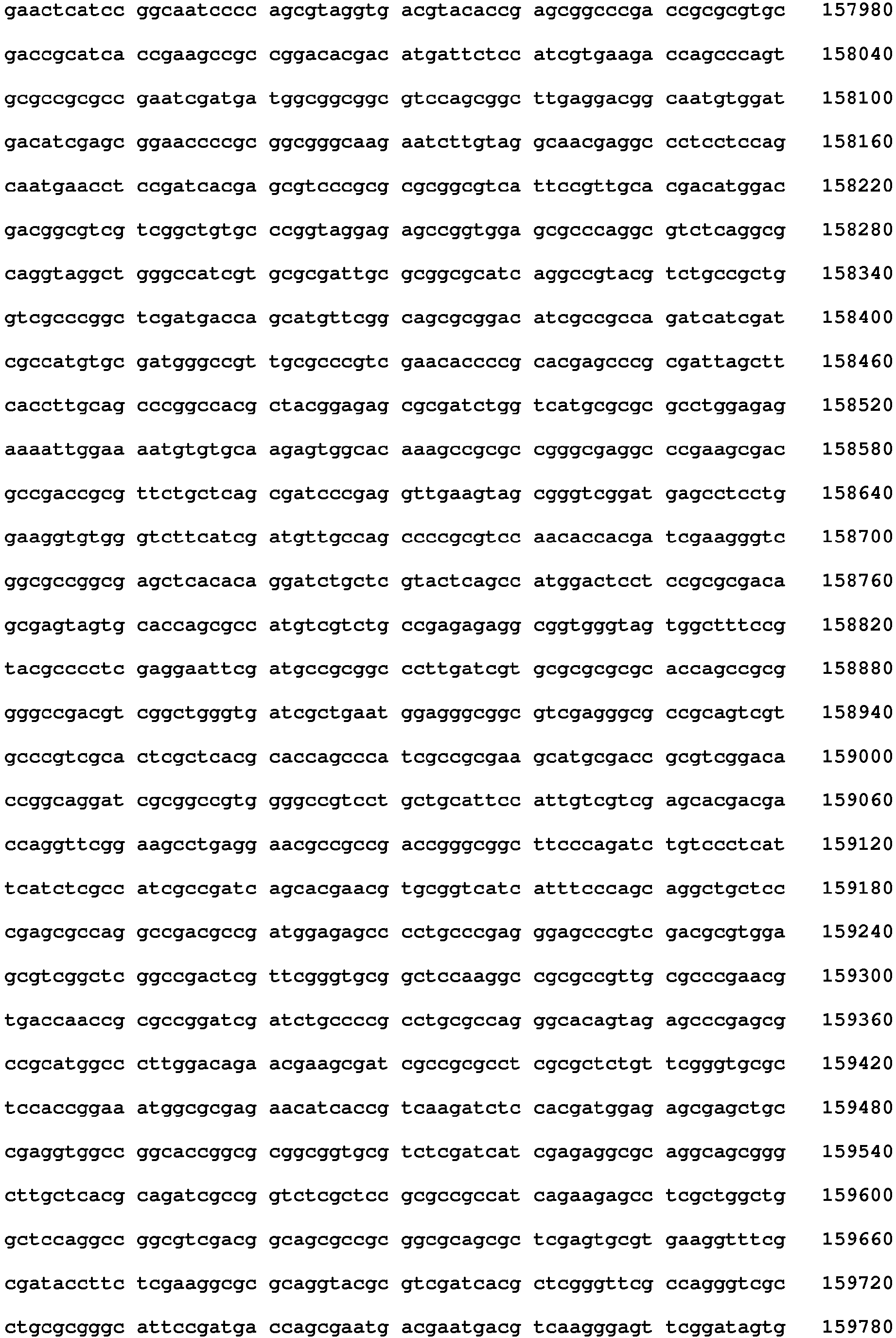
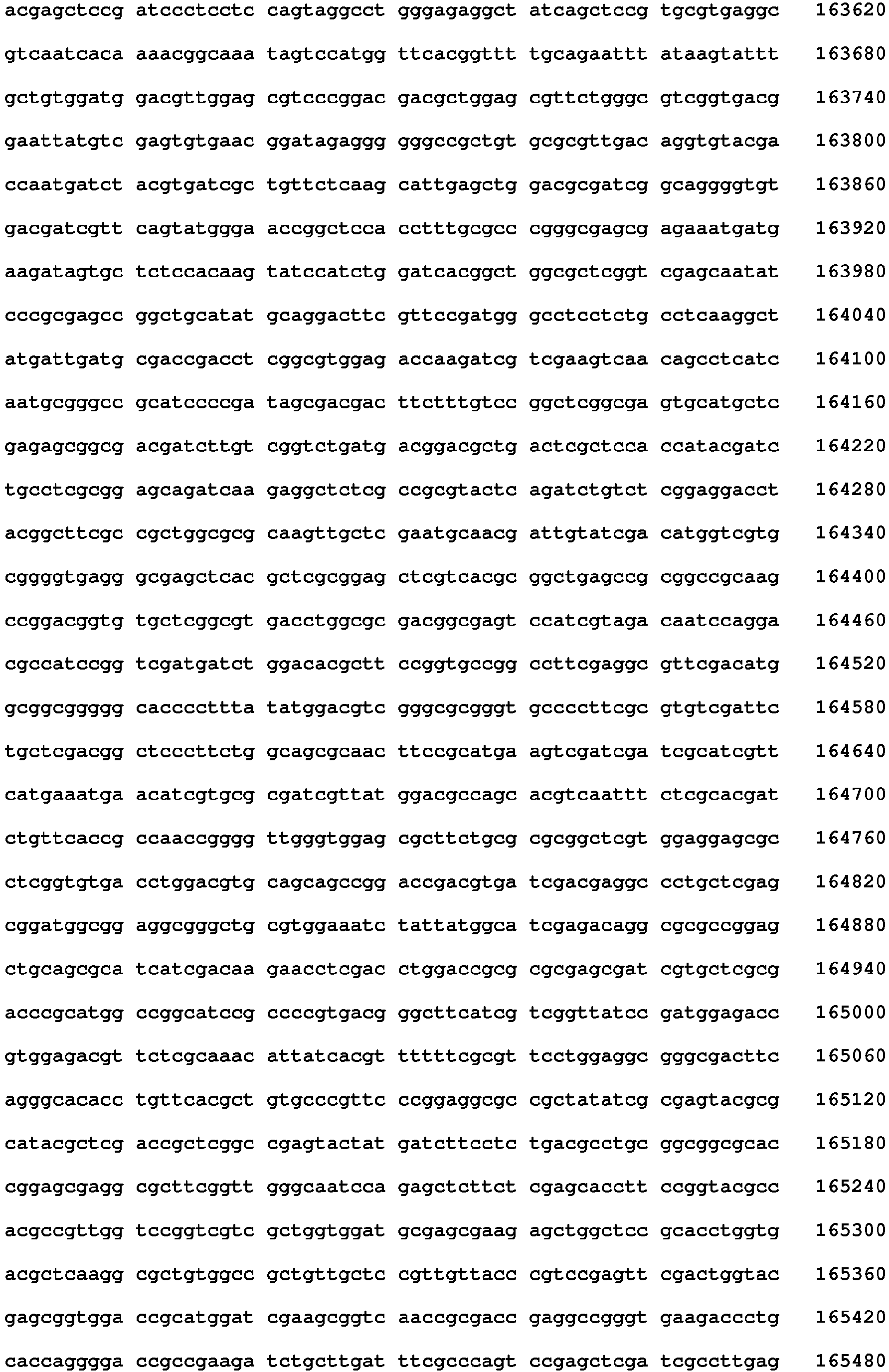
- the present invention also provides an isolated nucleic acid sequence encoding a polyketide synthase (PKS) that produces the compound of the invention, wherein the sequence has a sequence identity to the full-length sequence of SEQ ID NO. 1 from at least 90%, 95%, 96%, 97%, 98%, 98.5%, 99%, or 99.5% to 100%. Also provided is a modified, synthetic or recombinant nucleic acid sequence encoding a PKS variant capable of synthesizing a compound according to the invention, wherein said PKS variant differs in at least one amino acid from the corresponding native Sorangium cellulosum PKS encoded by SEQ ID NO. 1 and/or comprises at least one non-natural amino acid.
- PKS polyketide synthase
- Said isolated, modified synthetic or recombinant nucleic acid sequences may further comprise regulatory sequences, such as promoter and translation initiation and termination sequences, and can further include sequences that facilitate stable maintenance in a host cell, i.e., sequences that provide the function of an origin of replication or facilitate integration into host cell chromosomal or other DNA by homologous recombination.
- regulatory sequences such as promoter and translation initiation and termination sequences
- variant denotes a polypeptide having a sequence that is at least 85%, 90%, 95% or 99% identical to the native PKS encoded by SEQ ID NO: 1.
- a “variant” of the native PKS may retain amino acids residues recognized as conserved for the polypeptide in nature, and/or may have non-conserved or non-natural amino acid residues. Amino acids can be, relative to the native PKS, substituted (different), inserted, or deleted, but the variant has generally similar (enzymatic) activity or function as compared to the native PKS.
- identity refers to a property of sequences that measures their similarity or relationship. Identity is measured by dividing the number of identical residues by the total number of residues and multiplying the product by 100.
- the PKS is a non-naturally occurring PKS variant.
- the PKS variant may also be a hybrid PKS comprising modules, domains, and/or portions thereof, or functional variants thereof, from two or more PKSs or from one or more nonribosomal peptide-synthetase(s) (NRPSs).
- NRPSs nonribosomal peptide-synthetase
- isolated means that the material, e.g., a nucleic acid, is removed from its original environment, e.g., the natural environment if it is naturally occurring.
- a naturally-occurring polynucleotide or polypeptide present in a living animal is not isolated, but the same polynucleotide or polypeptide, separated from some or all of the coexisting materials in the natural system, is isolated.
- Such polynucleotides could be part of a vector and/or such polynucleotides or polypeptides could be part of a composition and still be isolated in that such vector or composition is not part of its natural environment.
- nucleic acid e.g. a nucleic acid
- synthetic means that the material, e.g. a nucleic acid, has been synthesized in vitro by well-known chemical synthesis techniques, as described in, e.g., Adams (1983) J. Am. Chem. Soc. 105:661 ; Belousov (1997) Nucleic Acids Res. 25:3440-3444 ; Frenkel (1995) Free Radic. Biol. Med. 19:373-380 ; Blommers (1994) Biochemistry 33:7886-7896 ; Narang (1979) Meth. Enzymol. 68:90 ; Brown (1979) Meth. Enzymol. 68:109 ; Beaucage (1981) Tetra. Lett. 22: 1859 .
- nucleic acid is adjacent to a "backbone” nucleic acid to which it is not adjacent in its natural environment.
- Backbone molecules according to the invention include nucleic acids such as cloning and expression vectors, self-replicating nucleic acids, viruses, integrating nucleic acids and other vectors or nucleic acids used to maintain or manipulate a nucleic acid insert of interest.
- Recombinant polypeptides of the invention, generated from these nucleic acids can be individually isolated or cloned and tested for a desired activity. Any recombinant expression system can be used, including bacterial, mammalian, yeast, insect or plant cell expression systems.
- the compound of the invention can be produced by a method comprising the steps:
- a compound according to the invention is not limited to the use of the particular organism described herein, which is given for illustrative purpose only.
- the invention also includes the use of any mutants which are capable of producing a compound of formula (II) including natural mutants as well as artificial mutants, e.g. genetically manipulated mutants and the expression of the gene cluster responsible for biosynthesis in a producer strain or by heterologous expression in host strains.
- the culturing step can be performed in liquid culture, by growing the respective host cell in media containing one or several different carbon sources, and one or different nitrogen sources. Also salts are essential for growth and production. Suitable carbon sources are different mono-, di-, and polysaccharides like maltose, glucose or carbon from amino acids like peptones. Nitrogen sources are ammonium, nitrate, urea, chitin or nitrogen from amino acids.
- the following inorganic ions support the growth or are essential in synthetic media: Mg-ions, Ca-ions, Fe-ions, Mn-ions, Zn-ions, K-ions, sulfate-ions, Cl-ions, phosphate-ions.
- the host cell may be a microorganism, e.g.
- Sorangium cellulosum strain Soce439 (DSM 11529). Temperatures for growth and production are between 15°C to 40 °C, preferred temperatures are between 25 °C and 35 °C, especially at 30 °C.
- the pH of the culture solution is from 5 to 8, preferably a pH of 7.2 to 7.4.
- a compound of the invention can also be obtained by chemical synthesis in a number of ways well known to one skilled in the art of organic synthesis using usual chemical reaction and synthesis methods, e.g. by applying a synthesis strategy analogous to that developed by Smith III et al. (J. Am. Chem. Soc. 2009, 131, 12109-12111; DOI: 10.1021/ja906115a ; Tetrahedron 2011, 67, 9809-9828; DOI: 10.1016/j.tet.2011.09.035 ) for the synthesis of sorangicin A (1).
- the synthetic routes developed by Crimmins et al. Org.
- sorangicin A (1) can be modified.
- the compound according to the invention represents a sorangicin A variant having a shortened side chain at the dihydropyran moiety.
- the compounds of the present invention can be prepared in a number of ways well known to those skilled in the art.
- the compounds of the present invention can be synthesized using methods known in the art of synthetic organic chemistry, e.g. by applying the synthetic strategies disclosed in Smith III et al., J. Am. Chem. Soc. 2009, 131, 12109-12111; DOI: 10.1021/ja906115a and Tetrahedron 2011, 67,9809-9828; DOI: 10.1016/j.tet.2011.09.035 ); or Crimmins et al. (Org.
- HRESIMS data were recorded on a MaXis ESI TOF mass spectrometer (Bruker Daltonics), and molecular formulas were calculated including the isotopic pattern (Smart Formula algorithm).
- Analytical RP HPLC was carried out with an Agilent 1260 HPLC system equipped with a diode-array UV detector (DAD) and a Corona Ultra detector (Dionex) or a MaXis ESI TOF mass spectrometer (Bruker Daltonics).
- HPLC conditions XBridge C 18 column 100x2.1 mm (Waters), 3.5 ⁇ m, solvent A: H 2 O/acetonitrile (95/5), 5 mmol NH 4 Ac, 0.04 mL/L CH 3 COOH; solvent B: H 2 O/acetonitrile (5/95), 5 mmol NH 4 Ac, 0.04 mL/L CH 3 COOH; gradient system: 10% B increasing to 100% B in 30 min; flow rate 0.3 mL/min; 40 °C.
- Sorangium cellulosum strain Soce439 (DSM 11529). The strain was stored at -80 °C. It was reactivated in 20 mL of liquid medium consisting of 0.5% soy peptone, 0.2% yeast extract, 0.1% MgSO 4 ⁇ 7H 2 O, 0.1% CaCl 2 ⁇ 2H 2 O, 8 mg/L Na-Fe-EDTA and 10% Glucose ⁇ 7H 2 O. The culture was scaled up to 1 L and used as inoculum for a fermentation of strain Soce439 that was performed in the same medium as above but supplemented with 2% Amberlite XAD-16 resin in a 70 L bioreactor.
- the bioreactor was kept at 30 °C, aerated at 0.05 vvm per minute and agitated with a flat blade turbine stirrer at 100 rpm for 384 h while the pH was regulated at 7.2-7.4.
- the XAD resin (1.71 kg) was recovered from the culture broth by sieving.
- the XAD adsorber resin was extracted in a glass column with 2 L of methanol/H 2 O (3/7) and 3 L of methanol.
- the methanol extract was evaporated to an aqueous mixture, diluted with water, and extracted with ethyl acetate (three times with 350 mL).
- the combined ethyl acetate was dried with Na 2 SO 4 . It was evaporated to give 5.3 g of crude extract.
- the crude extract was resolved in 250 mL methanol with 1% H 2 O and extracted three times with heptane (three times 250 mL). The methanol was evaporated to give 3.91 g of an enriched crude extract.
- the crude extract was dissolved in methanol and filtered two times by a Strata-column (10 g, 55 ⁇ m, 70 ⁇ ). The methanol was evaporated to give 3.45 g of crude extract.
- the crude extract was separated by RP-MPLC [column 480 ⁇ 30 mm (Kronlab), ODS-AQ C 18 , 15 ⁇ m; solvent A: methanol/H 2 O (1/1); solvent B methanol; gradient system: 30% B holding at 30% B for 5 min, increasing to 50% B in 135 min, increasing to 100% B in 20 min and holding at 100% B for 60 min; flow rate: 30 mL/min; UV detection at 300 nm] and a fraction with pure neosorangicin A (2) (247 mg) was obtained.
- This new chiral center was characterized using the chiral bidentate NMR-solvents R,R- and S,S -bis-1,3-methylbenzylamine-2-methylpropane (BMBA) revealing the R -configuration of the secondary alcohol by comparison of the 13 C-chemical shift differences in R,R- and S,S -BMBA for C-4 and C-6.
- the 13 C NMR signal of the new methyl group C-4 can easily be identified and ⁇ ⁇ was unambiguously determined as positive (+0.1 ppm).
- the 13 C NMR signal of C-6 could be one of three signals between 38 and 41 ppm the sign of the shift difference was negative for either of the three signal pairs since ⁇ ⁇ was -0.01, -0.04 and -0.08 ppm.
- Table 1 NMR data of neosorangicin A ( 2 ) in methanol- d 4 .
- Sorangicin A (1) and Neosorangicin A (2) were tested in microbroth dilution assays on a panel of Gram-positive and Gram-negative bacteria. Overnight cultures were prepared from cryopreserved cultures and were diluted to achieve a final inoculum of 10 4 -10 5 cfu/mL. Serial dilutions of compounds in DMSO were prepared in sterile 96-well plates in the test medium (cation-adjusted Müller-Hinton broth; supplemented with 2% ( w / v ) NaCl for S.
- Antimicrobial activity Minimum inhibitory concentrations (MIC, ⁇ g/mL) of neosorangicin A ( 2 ), sorangicin A ( 1 ), and a reference antibiotic (RIF; Rifampicin) on selected Gram-positive (I) and Gram-negative (II) species.
- MIC Minimum inhibitory concentrations
- RIF reference antibiotic
- neosorangicin A (2) has excellent inhibitory activity against Gram-positive and Gram-negative pathogens, such as Enteroccocus spp., S. aureus, S. pneumoniae, A. baumannii, E. coli and P. aeruginosa - MIC values in the mid ng/ml and low ⁇ g/ml range, respectively.
- neosorangicin A (2) was on average by factor 2-10 more active than sorangicin A (1).
- neosorangicin A (2) was not active on a rifampicin-resistant (Rif R ) derivative of S. aureus Newman, which confirms overlapping binding sites on RNA polymerase.
- the antimicrobial activity on E. coli could be significantly increased when sub-inhibitory concentrations of polymyxin B nonapeptide (PMBN) where added, which leads to a permeabilization of the outer membrane.
- PMBN polymyxin B nonapeptide
- the MIC values of 2 on efflux-deficient E. coli mutants were decreased.
- THP-1 cells Human acute monocytic leukemia THP-1 cells (ACC-16) were obtained from the German Collection of Microorganisms and Cell Cultures (DSMZ) and were maintained under conditions recommended by the depositor.
- the inoculum was checked by serial dilution and plating on CASO agar (1.5% peptone casein, 0.5% peptone soymeal, 0.5% NaCl, 1.5% agar, pH 7.3).
- the infected cells were washed three times with PBS (phosphate-buffered saline; pH 7.4) and incubated with fresh growth medium containing 10 ⁇ g/mL lysostaphin ( ⁇ 500 U/mg) for 30 min in order to kill remaining extracellular bacteria.
- the initial load (Control t 0 ) was checked by recovery of intracellular bacteria and plating on CASO agar. After three times washing with PBS the test compounds were added in RPMI-1640/0.5% FBS at the given concentrations for 18 h.
- the intracellular bacteria were recovered by adding ice-cooled water for 10 min and the bacterial suspensions were further diluted in 0.9% ( w / v ) NaCl prior to plating on CASO agar. The plates were incubated overnight at 37 °C and colonies were counted.
- the MIC values on S. aureus Newman in RPMI-1640 macrophage growth medium supplemented with 0.5% ( v / v ) fetal bovine serum (FBS) for neosorangicin A ( 2 ), sorangicin A ( 1 ) and the reference antibiotic rifampicin (RIF) were 0.01, 0.13 and 0.01 ⁇ g/mL, respectively.
- sorangicin derivatives efficiently killed intracellular Staphylococci and reduced the bacterial load by approximately 3-Log without displaying any apparent toxicity towards the human macrophages.
- the applied concentrations of neosorangicin A ( 2 ) were 0.01 and 0.08 ⁇ g/mL and were as effective as 10-fold higher concentrations of sorangicin A ( 1 ). This significantly higher activity of the compound according to the invention is in accordance to observed MIC values in vitro.
- aureus in assay buffer (42.5 mM HEPES, 42.5 mM NH 4 Cl, 2 mM DTT, 4 mM MgCl 2 , 0.005 % (v/v) Tween-20; pH 7.5) containing 0.5 mM NTPs and 1x DNA template.
- the reaction was monitored by incubation with a fluorescent probe for 5 min and measurement of the fluorescence intensity at 535 nm after excitation at 485 nm (Tecan Infinite M200PRO).
- Half-inhibitory concentrations (IC 50 ) were determined in two independent experiments by sigmoidal curve fitting and given values are IC 50 ⁇ SD.
- neosorangicin A ( 2 ) with purified S. aureus RNA polymerase was 0.06 ⁇ 0.01 ⁇ M, while that of sorangicin A ( 1 ) was 0.21 ⁇ 0.12 ⁇ M; in the same assay, rifampicin had and IC 50 value of 0.03 ⁇ 0.02 ⁇ M. This again confirms the increased activity of neosorangicin A ( 2 ) in comparison to sorangicin A ( 1 ).
- neosorangicin A ( 2 ) The structural similarity of neosorangicin A ( 2 ) to sorangicin A ( 1 ) is also reflected in the composition of their biosynthetic gene clusters.
- the biosynthetic gene cluster of sorangicin (GenBank accession code HM584908) and that of neosorangicin (SEQ ID NO. 1) show perfect co-linearity and high degree of DNA sequence conservation of 87%.
- the molecule of neosorangicin has however two distinctive features from that of sorangicin. These two structural differences probably arise within the first two biosynthetic modules of two pathways.
- the first module is expected to produce an acetyl-S-ACP intermediate, unlike longer glutaryl-S-ACP of sorangicins.
- the shorter intermediate of neosorangicin could be explained by an impaired function of domains in module 1, for example and inactive KS 1 , which would have lost its condensation activity becoming condensation-inactive KSQ domain.
- the alignment of domains collected from both pathways suggests that the amino acid residues required for KS activity are however conserved.
- the alignment of 54 acyl carrier protein (ACP) domains from both pathways confirmed the presence of 4'-phosphopantheteinyl attachment site in all, thereby also not explaining the shorter starter unit by the inactivation of one of the ACPs.
- the structural differences are conferred by the function of the first two modules; the remaining parts of the structures of major products of the two biosynthetic pathways are "identical".
- the underlying biosynthetic pathways differ in several other locations.
- the neosorangicin pathway contains additional tandem acyl carrier protein (ACP) domains in modules 3, 5, 13 and 14 ( Fig. 3 ).
- ACP tandem acyl carrier protein
- Module 18 of the neosorangicin biosynthetic pathway further features an O-Methyltransferase domain, which apparently has no effect on the final structure as methylation of C30 hydroxyl group would then preclude the formation of the C30-C33 ether in neosorangicins.
- the specificity of a downstream KS 19 from sorangicin pathway was shown to expect an O-methylated C30 incoming carbon functionality.
- the inactivation of MT 18 in neosorangicin pathway and deletion of MT 18 may reflect relatively recent structure modifications, while the remnant specificity of the downstream KS 19 domain sequence remains to be ameliorated.
- ketoreductase function of module 11 which is hypothesized to act in trans during sorangicin biosynthesis, while this function is encoded into an in cis KS 11 of neosorangicin ( Fig. 3 ).
- KS 11 of neosorangicin
- sorangicin A ( 1 ) the position of the inside-folded side chain is stabilized by an intramolecular hydrogen bond between the carboxylic acid and the 21-0 and thus allows 1 entering the same RNA polymerase binding pocket as rifampicin while neosorangicin A ( 2 ) features a shorter sidechain without a carboxyl group.
Landscapes
- Organic Chemistry (AREA)
- Chemical & Material Sciences (AREA)
- Engineering & Computer Science (AREA)
- Zoology (AREA)
- Life Sciences & Earth Sciences (AREA)
- Wood Science & Technology (AREA)
- Chemical Kinetics & Catalysis (AREA)
- Microbiology (AREA)
- General Chemical & Material Sciences (AREA)
- Biotechnology (AREA)
- Health & Medical Sciences (AREA)
- Biochemistry (AREA)
- Bioinformatics & Cheminformatics (AREA)
- General Engineering & Computer Science (AREA)
- General Health & Medical Sciences (AREA)
- Genetics & Genomics (AREA)
- Pharmaceuticals Containing Other Organic And Inorganic Compounds (AREA)
Description
- The present invention relates to a compound; to a method for the production of the compound; to a pharmaceutical composition comprising the compound; and to the use of the compound as a medicament, e.g. as an antibiotic.
- Myxobacteria are a prolific source of highly pharmacologically active secondary metabolites, e. g. the anticancer drug epothilone, the antifungal soraphen and the antibacterial sorangicin A (1), which was characterized as a potent eubacterial RNA polymerase inhibitor mainly active against Gram-positive bacteria (
EP 0 216 731 A1 ).
- Bacteria acquire resistances against antibiotics faster than new antibiotics can be brought to the market. For instance, the so called ESKAPE pathogens, i.e. Enterococcus faecium, Staphylococcus aureus, Klebsiella pneumoniae, Acinetobacter baumannii, Pseudomonas aeruginosa and Enterobacter spp., literally escape more than three or even all classes of antibiotics currently in clinical use and cause 30-35% of nosocomial infections. In view of this rapid decline in the effectiveness of available antibiotics, there is an immense need for new antibiotics that allow for effective treatment of bacterial infections.
- Therefore, the problem underlying the present invention is to provide a novel compound having antibacterial activity, especially a compound according to the formula shown in
claim 1 which is highly active against various Gram-positive bacteria and Gram-negative pathogens. - The present invention was made in view of the prior art and the needs described above, and, therefore, the object of the present invention is to provide a novel antibiotic compound; a method for the production of the compound; a pharmaceutical composition comprising the compound of the invention; and uses of the compound of the invention.
- These objects are solved by the subject matter of the attached claims as will become apparent upon reference to the following description and definitions. In particular, the inventors established that the compound according to the invention is highly active against Gram-negative and Gram-positive pathogens, including multiresistant strains; e.g. Enterococcus spp., Staphylococcus aureus (MRSA/VISA), Streptococcus pneumoniae, Acinetobacter sp., Pseudomonas aeruginosa and Escherichia coli.
- The inventors further showed that the compound according to the invention has a 10-fold better activity on Staphylococcus aureus Newman in vitro compared to sorangicin A (1).
- The inventors further demonstrated that the compound according to the invention efficiently kills intracellular bacteria. In particular, they demonstrated an intracellular activity of the compound according to the invention against S. aureus Newman in human macrophages and that the total bacterial load in human macrophages could be reduced by 3-Log without displaying any apparent toxicity towards the human macrophages.
- The inventors also found that the compound according to the invention has no or only weak cross-resistance to rifampicin, especially in Gram-negative pathogens.
- Taken together, the inventors demonstrate that the compound according to the invention exhibits new and advantageous properties over sorangicin A (1), in particular a higher and broader spectrum of activity against Gram-negative and Gram-positive pathogens.
- These surprising and unexpected results allow an alternative therapeutic, preventive and/or curative role to be conceived for the compound according to the invention in the prevention and/or treatment of various conditions or disorders associated with Gram-negative and Gram-positive pathogens.
- Accordingly, the present invention is directed to a compound of the formula:

- The compound has asymmetric centers, and accordingly it should be understood that (unless otherwise specified) all of the optical isomers and mixtures thereof are encompassed. Compounds with two or more asymmetric elements can also be present as mixtures of diastereomers. In addition, compounds with carbon-carbon double bonds may occur in Z- and E- forms, with all isomeric forms of the compounds being included in the present invention unless otherwise specified. Where a compound exists in various tautomeric forms, a recited compound is not limited to any one specific tautomer, but rather is intended to encompass all tautomeric forms. It will be apparent that the compound of the invention may, but need not, be present as a hydrate, solvate or non-covalent complex. In addition, the various crystal forms and polymorphs are within the scope of the present invention, as are prodrugs of the compound of the invention. The recited compound is further intended to encompass compounds in which one or more atoms are replaced with an isotope, i.e., an atom having the same atomic number but a different mass number. By way of general example, and without limitation, isotopes of hydrogen include tritium and deuterium and isotopes of carbon include "C, 13C, and 14C.
- The compound according to the invention, which has several stereogenic centers, has an enantiomeric excess of at least 50%. For example, the compound may have an enantiomeric excess of at least 60%, 70%, 80%, 85%, 90%, 95%, or 98%. Some embodiments of the compound have an enantiomeric excess of at least 99%. It will be apparent that single enantiomers (optically active forms) can be obtained by asymmetric synthesis, synthesis from optically pure precursors or by resolution of the racemates. Resolution of the racemates can be accomplished, for example, by conventional methods such as crystallization in the presence of a resolving agent, or chromatography, using, for example a chiral HPLC column.
- A "pharmacologically acceptable salt" of the compound disclosed herein is an acid or base salt that is generally considered in the art to be suitable for use in contact with the tissues of human beings or animals without excessive toxicity or carcinogenicity, and preferably without irritation, allergic response, or other problem or complication. Such pharmaceutical salts include mineral and organic acid salts of basic residues such as amines, as well as alkali or organic salts of acidic residues such as carboxylic acids.
- Suitable pharmaceutical salts include, but are not limited to, salts of acids such as hydrochloric, phosphoric, hydrobromic, malic, glycolic, fumaric, sulfuric, sulfamic, sulfanilic, formic, toluenesulfonic, methanesulfonic, benzene sulfonic, ethane disulfonic, 2-hydroxyethylsulfonic, nitric, benzoic, 2-acetoxybenzoic, citric, tartaric, lactic, stearic, salicylic, glutamic, ascorbic, pamoic, succinic, fumaric, maleic, propionic, hydroxymaleic, hydroiodic, phenylacetic, alkanoic such as acetic, HOOC-(CH2)n-COOH where n is any integer from 0 to 4 (i.e., 0, 1, 2, 3, or 4) and the like. Similarly, pharmaceutically acceptable cations include, but are not limited to sodium, potassium, calcium, aluminum, lithium and ammonium. Those of ordinary skill in the art will recognize further pharmacologically acceptable salts for the compounds provided herein. In general, a pharmacologically acceptable acid or base salt can be synthesized from a parent compound that contains a basic or acidic moiety by any conventional chemical method. Briefly, such salts can be prepared by reacting the free acid or base forms of these compounds with a stoichiometric amount of the appropriate base or acid in water or in an organic solvent, or in a mixture of the two. Generally, the use of nonaqueous media, such as ether, ethyl acetate, ethanol, isopropanol or acetonitrile, is preferred.
- As used herein, "comprising", "including", "containing", "characterized by", and grammatical equivalents thereof are inclusive or open-ended terms that do not exclude additional, unrecited elements or method steps. Yet, "comprising", etc. is also to be interpreted as including the more restrictive terms "consisting essentially of" and "consisting of", respectively.
- As used herein, "consisting of" excludes any element, step, or ingredient not specified in the claim.
- When trade names are used herein, it is intended to independently include the trade name product formulation, the generic drug, and the active pharmaceutical ingredient(s) of the trade name product.
- In general, unless defined otherwise, technical and scientific terms used herein have the same meaning as commonly understood by one of ordinary skill in the art to which this invention belongs, and are consistent with general textbooks and dictionaries.
- The activity and more specifically the bioactivity of the compound according to the present invention can be assessed using appropriate assays known to those skilled in the art, e.g. in vitro or in vivo assays. For instance, the antimicrobial activity against Gram-positive and/or Gram-negative bacteria may be determined via a growth inhibition assay, such as the assays provided in Examples 2 and 3 below, which are thus embodiments of standard in vitro assays.
- Preferred is a compound of formula (2) depicted below:

- The therapeutic use of a compound of the invention, of a pharmacologically acceptable salt, solvate or hydrate thereof, and also of a formulation and/or pharmaceutical composition containing the same is within the scope of the present invention. The present invention also relates to the use of a compound of the invention as active ingredient in the preparation or manufacture of a medicament.
- A pharmaceutical composition according to the present invention comprises at least one compound of the invention (i.e. one or more) and, optionally, one or more carrier substance(s), excipient(s) and/or adjuvant(s). Pharmaceutical compositions may additionally comprise, for example, one or more of water, buffers (e.g., neutral buffered saline or phosphate buffered saline), ethanol, mineral oil, vegetable oil, dimethylsulfoxide, carbohydrates (e.g., glucose, mannose, sucrose or dextrans), mannitol, proteins, adjuvants, polypeptides or amino acids such as glycine, antioxidants, chelating agents such as EDTA or glutathione and/or preservatives. Furthermore, one or more other active ingredients may (but need not) be included in the pharmaceutical compositions provided herein. For instance, the compounds of the invention may advantageously be employed in combination with another different antibiotic, an antifungal agent, an anti-viral agent, an anti histamine, a non-steroidal anti-inflammatory drug, a disease modifying anti-rheumatic drug, a cytostatic drug, a drug with smooth muscle activity modulatory activity; or mixtures of the aforementioned.
- A pharmaceutical composition may be formulated for any appropriate route of administration, including, for example, parenteral administration. The term parenteral as used herein includes subcutaneous, intradermal, intravascular such as, e.g., intravenous, intramuscular, spinal, intracranial, intrathecal, intraocular, periocular, intraorbital, intrasynovial and intraperitoneal injection, as well as any similar injection or infusion technique.
- Carrier substances are, for example, cyclodextrins such as hydroxypropyl β-cyclodextrin, micelles or liposomes, excipients and/or adjuvants. Customary excipients include, for example, inert diluents such as, e.g., calcium carbonate, sodium carbonate, lactose, calcium phosphate or sodium phosphate, granulating and disintegrating agents such as, e.g., corn starch or alginic acid, binding agents such as, e.g., starch, gelatin or acacia, and lubricating agents such as, e.g., magnesium stearate or stearic acid. Examples of adjuvants are aluminum hydroxide, aluminum phosphate, calcium phosphate hydroxide, paraffin oil, squalene, thimerosal, detergents, Freund's complete adjuvant, or Freund's incomplete adjuvant.
- For the prevention and/or treatment of conditions or disorders associated with Gram-negative and Gram-positive pathogens, especially infections with Gram-positive and/or Gram-negative pathogens, the dose of the biologically active compound according to the invention may vary within wide limits and may be adjusted to individual requirements. Active compounds according to the present invention are generally administered in a therapeutically effective amount. The expression "therapeutically effective amount" denotes a quantity of the compound that produces a result that in and of itself helps to ameliorate, heal, or cure the respective condition or disease. Preferred doses range from about 0.1 mg to about 140 mg per kilogram of body weight per day (about 0.5 mg to about 7 g per patient per day). The daily dose may be administered as a single dose or in a plurality of doses. The amount of active ingredient that may be combined with the carrier materials to produce a single dosage form will vary depending upon the host treated and the particular mode of administration. Dosage unit forms will generally contain between from about 1 mg to about 500 mg of an active ingredient.
- It will be understood, however, that the specific dose level for any particular patient will depend upon a variety of factors including the activity of the specific compound employed, the age, body weight, general health, sex, diet, time of administration, route of administration, and rate of excretion, drug combination (i.e. other drugs being used to treat the patient) and the severity of the particular disease undergoing therapy.
- The invention further relates to a combination preparation containing at least one compound according to the invention and at least one further active pharmaceutical ingredient. The combination preparation of the invention can be used as a medicament, in particular in the treatment or prophylaxis of conditions or disorders associated with Gram-negative and Gram-positive pathogens, especially bacterial infections with Gram-positive bacteria and or Gram negative bacteria/pathogens, such as an infection with Bacillus subtilis, Mycobacterium vaccae, Paenibacillus polymyxa, or staphylococci, e.g. Staphylococcus aureus, Staphylococcus aureus Newman, Staphylococcus aureus (MRSA), Staphylococcus aureus N315 (MRSA), Staphylococcus aureus Mu50 (MRSA/VRSA), Staphylococcus auricularis, and Staphylococcus carnosus.
- Preferably, in the combination preparation of the invention the further active pharmaceutical ingredient is another antibiotic. The other antibiotic can be selected from the group consisting of β-lactam antibiotics, including penams, carbapenams, oxapenams, penems, carbapenems, monobactams, cephems, carbacephems, oxacephems, and monobactams; aminoglycoside antibiotics, including amikacin, arbekacin, astromicin, bekanamycin, dibekacin, framycetin, gentamicin, hygromycin B, isepamicin, kanamycin, neomycin, netilmicin, paromomycin, paromomycin sulfate, ribostamycin, sisomicin, spectinomycin, streptomycin, tobramycin, and verdamicin; quinolone antibiotics, including ciprofloxacin, enoxacin, gatifloxacin, grepafloxacin, levofloxacin, lomefloxacin, moxifloxacin, nalidixic acid, norfloxacin, ofloxacin, sparfloxacin, temafloxacin, and trovafloxacin; or glycopeptide antibiotics, e.g. vancomycin, telavancin, bleomycin, ramoplanin, and decaplanin; linezolid; or daptomycin.
- The compound of the invention can preferably have certain pharmacological properties. Such properties include, but are not limited to, bioavailability (especially with regard to oral administration), metabolic stability and sufficient solubility, such that the dosage forms can provide therapeutically effective levels of the compound in vivo.
- The compound according to the invention as well as the pharmaceutical composition or combination preparation according to the invention can be used as a medicament, which can be administered to a patient, e.g. parenterally to a human or an other mammal, with dosages as described herein, and will be present within at least one body fluid or tissue of the patient. As used herein, the term "treatment" encompasses both disease-modifying treatment and symptomatic treatment, either of which may be prophylactic, i.e., before the onset of symptoms, in order to prevent, delay or reduce the severity of symptoms, or therapeutic, i.e., after the onset of symptoms, in order to reduce the severity and/or duration of symptoms. In particular, the conditions or diseases that can be ameliorated, prevented or treated using a compound of the invention, a pharmaceutical composition or a combination preparation according to the invention, include conditions or disorders associated with Gram-negative and Gram-positive pathogens, e.g. infections. Thus, the compound of the invention can be used in methods for treating patients suffering from said diseases. A method for the treatment of a subject which is in need of such treatment, comprises the administration of a compound, a pharmaceutical composition, or a combination preparation according to the invention. The term "subject" refers to patients, including, but not limited to primates (especially humans), domesticated companion animals (such as dogs, cats, horses) and livestock (such as cattle, pigs, sheep).
- The present invention also provides an isolated nucleic acid sequence encoding a polyketide synthase (PKS) that produces the compound of the invention, wherein the sequence has a sequence identity to the full-length sequence of SEQ ID NO. 1 from at least 90%, 95%, 96%, 97%, 98%, 98.5%, 99%, or 99.5% to 100%. Also provided is a modified, synthetic or recombinant nucleic acid sequence encoding a PKS variant capable of synthesizing a compound according to the invention, wherein said PKS variant differs in at least one amino acid from the corresponding native Sorangium cellulosum PKS encoded by SEQ ID NO. 1 and/or comprises at least one non-natural amino acid. Said isolated, modified synthetic or recombinant nucleic acid sequences may further comprise regulatory sequences, such as promoter and translation initiation and termination sequences, and can further include sequences that facilitate stable maintenance in a host cell, i.e., sequences that provide the function of an origin of replication or facilitate integration into host cell chromosomal or other DNA by homologous recombination.
- The term "variant" as used herein denotes a polypeptide having a sequence that is at least 85%, 90%, 95% or 99% identical to the native PKS encoded by SEQ ID NO: 1. A "variant" of the native PKS may retain amino acids residues recognized as conserved for the polypeptide in nature, and/or may have non-conserved or non-natural amino acid residues. Amino acids can be, relative to the native PKS, substituted (different), inserted, or deleted, but the variant has generally similar (enzymatic) activity or function as compared to the native PKS.
- The term "identity" refers to a property of sequences that measures their similarity or relationship. Identity is measured by dividing the number of identical residues by the total number of residues and multiplying the product by 100.
- Preferably, the PKS is a non-naturally occurring PKS variant. The PKS variant may also be a hybrid PKS comprising modules, domains, and/or portions thereof, or functional variants thereof, from two or more PKSs or from one or more nonribosomal peptide-synthetase(s) (NRPSs).
- The term "isolated" as used herein means that the material, e.g., a nucleic acid, is removed from its original environment, e.g., the natural environment if it is naturally occurring. For example, a naturally-occurring polynucleotide or polypeptide present in a living animal is not isolated, but the same polynucleotide or polypeptide, separated from some or all of the coexisting materials in the natural system, is isolated. Such polynucleotides could be part of a vector and/or such polynucleotides or polypeptides could be part of a composition and still be isolated in that such vector or composition is not part of its natural environment.
- The term "synthetic" as used herein means that the material, e.g. a nucleic acid, has been synthesized in vitro by well-known chemical synthesis techniques, as described in, e.g., Adams (1983) J. Am. Chem. Soc. 105:661; Belousov (1997) Nucleic Acids Res. 25:3440-3444; Frenkel (1995) Free Radic. Biol. Med. 19:373-380; Blommers (1994) Biochemistry 33:7886-7896; Narang (1979) Meth. Enzymol. 68:90; Brown (1979) Meth. Enzymol. 68:109; Beaucage (1981) Tetra. Lett. 22: 1859.
- The term "recombinant" means that the nucleic acid is adjacent to a "backbone" nucleic acid to which it is not adjacent in its natural environment. Backbone molecules according to the invention include nucleic acids such as cloning and expression vectors, self-replicating nucleic acids, viruses, integrating nucleic acids and other vectors or nucleic acids used to maintain or manipulate a nucleic acid insert of interest. Recombinant polypeptides of the invention, generated from these nucleic acids can be individually isolated or cloned and tested for a desired activity. Any recombinant expression system can be used, including bacterial, mammalian, yeast, insect or plant cell expression systems.
- Also the following methods for producing a compound of the invention lie within the scope of the present invention: chemical synthesis, semisynthesis, and biosynthesis including recombinant techniques. Since the structural complexity of the compound precludes facile total synthetic access, semisynthetic as well as biotechnological approaches, which are commonly pursued in pharmaceutical research and development, will be preferred.
- For instance, the compound of the invention can be produced by a method comprising the steps:
- (a) fermenting Sorangium cellulosum (DSM 11529); and
- (b) separating and retaining the compound according to general formula (II) from the culture broth.
- It is understood that the production of a compound according to the invention is not limited to the use of the particular organism described herein, which is given for illustrative purpose only. The invention also includes the use of any mutants which are capable of producing a compound of formula (II) including natural mutants as well as artificial mutants, e.g. genetically manipulated mutants and the expression of the gene cluster responsible for biosynthesis in a producer strain or by heterologous expression in host strains.
- The culturing step can be performed in liquid culture, by growing the respective host cell in media containing one or several different carbon sources, and one or different nitrogen sources. Also salts are essential for growth and production. Suitable carbon sources are different mono-, di-, and polysaccharides like maltose, glucose or carbon from amino acids like peptones. Nitrogen sources are ammonium, nitrate, urea, chitin or nitrogen from amino acids. The following inorganic ions support the growth or are essential in synthetic media: Mg-ions, Ca-ions, Fe-ions, Mn-ions, Zn-ions, K-ions, sulfate-ions, Cl-ions, phosphate-ions. The host cell may be a microorganism, e.g. Sorangium cellulosum strain Soce439 (DSM 11529). Temperatures for growth and production are between 15°C to 40 °C, preferred temperatures are between 25 °C and 35 °C, especially at 30 °C. The pH of the culture solution is from 5 to 8, preferably a pH of 7.2 to 7.4.
- A compound of the invention can also be obtained by chemical synthesis in a number of ways well known to one skilled in the art of organic synthesis using usual chemical reaction and synthesis methods, e.g. by applying a synthesis strategy analogous to that developed by Smith III et al. (J. Am. Chem. Soc. 2009, 131, 12109-12111; DOI: 10.1021/ja906115a; Tetrahedron 2011, 67, 9809-9828; DOI: 10.1016/j.tet.2011.09.035) for the synthesis of sorangicin A (1). Alternatively, the synthetic routes developed by Crimmins et al. (Org. Lett., 2011, 13(17), pp 4712-4715; DOI: 10.1021/ol201920j) for the synthesis of sorangicin A (1) can be modified. In this regard, it will be appreciated that the compound according to the invention represents a sorangicin A variant having a shortened side chain at the dihydropyran moiety.
-
-
Figure 1 . Chemical structures of sorangicin A (1) and of a compound according to the present invention - neosorangicin A - (2). -
Figure 2 . A) Reduction of intracellular S. aureus Newman (CFU: colony-forming unit) in PMA-differentiated THP-1 cells after 18 h treatment with rifampicin (RIF), neosorangicin A (2) and sorangicin A (1) at their respective 1x and 8x MIC. B) Microscopic control of THP-1 cells that were either treated with neosorangicn A (2) or 0.5% (v/v) DMSO as solvent control. -
Figure 3 . Comparison of sorangicin and neosorangicin biosynthetic pathways. Wavy bond symbolize phosphopantheteinyl arms. ACP domains are shown as small, unlabeled circles. Domains that are missing from one of the two pathways are shown as asterisks. - The present invention is now further illustrated by the following examples from which further features, embodiments and advantages of the present invention may be taken.
- As explained above, the compounds of the present invention can be prepared in a number of ways well known to those skilled in the art. For instance, the compounds of the present invention can be synthesized using methods known in the art of synthetic organic chemistry, e.g. by applying the synthetic strategies disclosed in Smith III et al., J. Am. Chem. Soc. 2009, 131, 12109-12111; DOI: 10.1021/ja906115a and Tetrahedron 2011, 67,9809-9828; DOI: 10.1016/j.tet.2011.09.035); or Crimmins et al. (Org. Lett., 2011, 13(17), pp 4712-4715; DOI: 10.1021/01201920j) for the synthesis of sorangicin A (1) in an analgous way, or by biotechnological approaches such as fermentation as appreciated by those skilled in the art.
- General Experimental Procedures: Optical rotations were determined with a Perkin-Elmer 241 instrument, UV data were recorded on a Shimadzu UV/vis-2450 spectrophotometer in methanol (UVASOL, Merck. 1H NMR and 13C NMR spectra were recorded on Bruker Ascend 700 NMR spectrometers, locked to the deuterium signal of the solvent. Data acquisition, processing, and spectral analysis were performed with standard Bruker software and ACD/NMRSpectrus. Chemical shifts are given in parts per million (ppm), and coupling constants in hertz (Hz). HRESIMS data were recorded on a MaXis ESI TOF mass spectrometer (Bruker Daltonics), and molecular formulas were calculated including the isotopic pattern (Smart Formula algorithm). Analytical RP HPLC was carried out with an Agilent 1260 HPLC system equipped with a diode-array UV detector (DAD) and a Corona Ultra detector (Dionex) or a MaXis ESI TOF mass spectrometer (Bruker Daltonics). HPLC conditions: XBridge C18 column 100x2.1 mm (Waters), 3.5 µm, solvent A: H2O/acetonitrile (95/5), 5 mmol NH4Ac, 0.04 mL/L CH3COOH; solvent B: H2O/acetonitrile (5/95), 5 mmol NH4Ac, 0.04 mL/L CH3COOH; gradient system: 10% B increasing to 100% B in 30 min; flow rate 0.3 mL/min; 40 °C.
- Cultivation of Sorangium cellulosum strain Soce439 (DSM 11529). The strain was stored at -80 °C. It was reactivated in 20 mL of liquid medium consisting of 0.5% soy peptone, 0.2% yeast extract, 0.1% MgSO4×7H2O, 0.1% CaCl2×2H2O, 8 mg/L Na-Fe-EDTA and 10% Glucose×7H2O. The culture was scaled up to 1 L and used as inoculum for a fermentation of strain Soce439 that was performed in the same medium as above but supplemented with 2% Amberlite XAD-16 resin in a 70 L bioreactor. The bioreactor was kept at 30 °C, aerated at 0.05 vvm per minute and agitated with a flat blade turbine stirrer at 100 rpm for 384 h while the pH was regulated at 7.2-7.4. At the end of fermentation the XAD resin (1.71 kg) was recovered from the culture broth by sieving.
- Isolation and Purification. The XAD adsorber resin was extracted in a glass column with 2 L of methanol/H2O (3/7) and 3 L of methanol. The methanol extract was evaporated to an aqueous mixture, diluted with water, and extracted with ethyl acetate (three times with 350 mL). The combined ethyl acetate was dried with Na2SO4. It was evaporated to give 5.3 g of crude extract. The crude extract was resolved in 250 mL methanol with 1% H2O and extracted three times with heptane (three times 250 mL). The methanol was evaporated to give 3.91 g of an enriched crude extract. The crude extract was dissolved in methanol and filtered two times by a Strata-column (10 g, 55 µm, 70 Å). The methanol was evaporated to give 3.45 g of crude extract. The crude extract was separated by RP-MPLC [column 480×30 mm (Kronlab), ODS-AQ C18, 15 µm; solvent A: methanol/H2O (1/1); solvent B methanol; gradient system: 30% B holding at 30% B for 5 min, increasing to 50% B in 135 min, increasing to 100% B in 20 min and holding at 100% B for 60 min; flow rate: 30 mL/min; UV detection at 300 nm] and a fraction with pure neosorangicin A (2) (247 mg) was obtained.
- Neosorangicin A (2): C44H62O10, M = 750.96; [α]D 20 = + 137.8 (c = 0.4, MeOH); TLC: R f = 0.34 (DCM/MeOH 9/1); UV (MeOH) λmax (log ε): 302 (4.366) nm; NMR see Table 1; HRESIMS: m/z 795.4335 [M+HCOOH-H]- (calcd for C45H63012 -, 795.4325); m/z 751.4612 [M+H]+ (calcd for C44H63O10 +, 751.4416), m/z 773.4498 [M+Na]+ (calcd for C44H62NaO10+. 773.42385); m/z 733.4508 [M-H2O+H]+ (calcd for C44H61O9 +, 733.4310); m/z 715.4399 [M-2H2O+H]+ (calcd for C44H59O8 +, 715.4204).
- Structure elucidation. The structure of 2 was elucidated rootedly from 1D and 2D NMR data in CD3OD (Table 1). Comparison of the NMR data with those of sorangicin A (1) revealed, that not only the triene part expected from the UV spectrum but also the complete lactone and the basis of the side chain was retained in 2. In neosorangicin A (2) the structural part of C-1 to C-3 of sorangicin A (1) was absent. Carbon-4 constitutes the new chain end as a methyl group while carbon-5 was assigned as a new secondary alcohol. This new chiral center was characterized using the chiral bidentate NMR-solvents R,R- and S,S-bis-1,3-methylbenzylamine-2-methylpropane (BMBA) revealing the R-configuration of the secondary alcohol by comparison of the 13C-chemical shift differences in R,R- and S,S-BMBA for C-4 and C-6. The 13C NMR signal of the new methyl group C-4 can easily be identified and Δδ was unambiguously determined as positive (+0.1 ppm). Although the 13C NMR signal of C-6 could be one of three signals between 38 and 41 ppm the sign of the shift difference was negative for either of the three signal pairs since Δδ was -0.01, -0.04 and -0.08 ppm. Furthermore, H-5 displayed a small vicinal coupling with H-6 (J 5,6 = 4.4 Hz) indicating a gauche conformation of these protons. This was supported by correlations in the 1H,1H ROESY spectrum between the two protons.
Table 1: NMR data of neosorangicin A (2) in methanol-d 4. 2a position δc, mult δ H, mult (J in Hz) 4 19.3, CH3 1.01, d (6.5) 5 71.8, CH 3.56, qd (6.3, 4.5) 6 40.3, CH 2.53, ddq (4.4, 9.8, 6.8) 7 130.1, CH 5.39, dquin (9.8, 1.3) 8 133.4, C 9 74.3, CH 4.25, br s 10 66.9, CH 5.32, dd (5.8, 1.7) 11 123.9, CH 6.03, ddd (9.9, 5.8, 2.2) 12 137.1, CH 6.14, dd (10.0, 3.1) 13 75.3, CH 4.41, m 14a 35.5, CH2 2.39, ddd (14.0, 10.7, 6.8) 14b 2.15, m 15 134.0, CH 5.53, m 16 128.5, CH 5.53, m 17a 33.9, CH2 2.15, m 17b 2.08, m 18a 34.7, CH2 2.16, m 18b 2.08, m 19 134.7, CH 5.72, ddd (15.0, 8.0, 5.6) 20 129.9, CH 5.58, dd (15.5, 8.00) 21 74.5, CH 4.16, dd (7.5, 4.3) 22 77.7, CH 3.47, dd (7.7, 4.3) 23 75.1, CH 3.64, ddd (11.6, 7.7, 2.4) 24a 31.1, CH2 1.73, m 24b 1.64, ddd (14.6, 11.6, 3.0) 25 71.2, CH 3.85, m 26 38.3, CH 1.55, m 27 74.8, CH 3.83, m 28a 37.2, CH2 2.25, dddd (13.9, 5.6, 4.3, 1.7) 28b 2.16, m 29 133.0, CH 5.44, ddd (15.0, 10.1, 4.1) 30 133.0, CH 5.37, ddd (15.2, 8.5, 1.8) 31 81.3, CH 3.85, m 32 42.2, CH 1.43, dq (9.4, 6.8) 33 81.3, CH 4.30, d (6.5) 34a 39.9, CH2 2.05, ddd (11.6, 6.6, 2.7) 34b 1.92, dd (11.6, 1.3) 35 77.7, CH 4.40, m 36 82.2, CH 4.59, br m 37 135.6, CH 6.24, dd (15.3, 3.9) 38 127.5, CH 7.03, ddd (15.2, 11.5, 1.5) 39 138.1, CH 6.46, br dd (10.8, 9.7) 40 126.6, CH 7.17, m 41 139.2, CH 7.16, m 42 119.7, CH 5.61, br d (9.7) 43 167.8, C 44 15.7, CH3 0.91, d (6.8) 45 14.4, CH3 1.67, d (0.9) 46 10.9, CH3 0.87, d (7.1) 47 15.6, CH3 0.83, d (6.9) a1H/13C 700.4/176.1 MHz - Bacterial strains. All microorganisms were obtained from the German Collection of Microorganisms and Cell Cultures (Deutsche Sammlung für Mikroorganismen und Zellkulturen, DSMZ) and the American Type Culture Collection (ATCC) or were part of our internal strain collection.
- Antimicrobial Testing. Sorangicin A (1) and Neosorangicin A (2) were tested in microbroth dilution assays on a panel of Gram-positive and Gram-negative bacteria. Overnight cultures were prepared from cryopreserved cultures and were diluted to achieve a final inoculum of 104-105 cfu/mL. Serial dilutions of compounds in DMSO were prepared in sterile 96-well plates in the test medium (cation-adjusted Müller-Hinton broth; supplemented with 2% (w/v) NaCl for S. aureus and 2.5% (v/v) lysed horse blood for Enterococcus and Streptococcus spp.) The cell suspension was added and microorganisms were grown for 18-24 h at either 30°C or 37°C. Streptococci and enterococci were grown under microaerophilic conditions. Growth inhibition was assessed by visual inspection and given MIC values are the lowest concentration of antibiotic at which there was no visible growth. The results are summarized in Table 2 below.
Table 2. Antimicrobial activity; Minimum inhibitory concentrations (MIC, µg/mL) of neosorangicin A (2), sorangicin A (1), and a reference antibiotic (RIF; Rifampicin) on selected Gram-positive (I) and Gram-negative (II) species. Species 2 1 RIF (I) Enterococcus faecalis DSM-20478 0.5 2 6.4 Enterococcus faecium DSM-20477 8 16 > 6.4 Staphylococcus aureus ATCC29213 0.01 0.03 0.01 Staphylococcus aureus DSM-346 0.25 1 0.006 Staphylococcus aureus Newman 0.01 0.1 0.01 Staphylococcus aureus Newman (RifR) > 64 > 64 > 6.4 Streptococcus pneumoniae DSM-11865 0.5 32 0.1 (II) Acinetobacter baumannii DSM-30008 8 8 1.6 Escherichia coli DSM-1116 8 16 6.4 Escherichia coli DSM-1116 + 3 µg/ml PMBN 0.25 0.25 0.4 Escherichia coli DSM-26863 (tolC3) 2 8 6.4 Escherichia coli (TolC-deficient) 1 8 6.4 Klebsiella pneumoniae DSM-30104 8 16 6.4 Pseudomonas aeruginosa DSM-1128 8 32 > 6.4 - As demonstrated above, neosorangicin A (2) has excellent inhibitory activity against Gram-positive and Gram-negative pathogens, such as Enteroccocus spp., S. aureus, S. pneumoniae, A. baumannii, E. coli and P. aeruginosa - MIC values in the mid ng/ml and low µg/ml range, respectively. Notably, neosorangicin A (2) was on average by factor 2-10 more active than sorangicin A (1). However, similar to 1, neosorangicin A (2) was not active on a rifampicin-resistant (RifR) derivative of S. aureus Newman, which confirms overlapping binding sites on RNA polymerase. Interestingly, the antimicrobial activity on E. coli could be significantly increased when sub-inhibitory concentrations of polymyxin B nonapeptide (PMBN) where added, which leads to a permeabilization of the outer membrane. In addition, the MIC values of 2 on efflux-deficient E. coli mutants (TolC as part of the AcrAB multidrug efflux system) were decreased.
- Cells. Human acute monocytic leukemia THP-1 cells (ACC-16) were obtained from the German Collection of Microorganisms and Cell Cultures (DSMZ) and were maintained under conditions recommended by the depositor.
- Determination of intracellular efficiency. For infection experiments, cells were seeded in 24-well plates in RPMI-1640 supplemented with 10% FBS and 150 nM phorbol 12-myristate 13-acetate (PMA) at a concentration of 105 cells/well. After 2 d, the cells were differentiated into macrophages and reached a cell density of ca. 2 x 10⁵ cells/well. The medium was then removed and the cells were washed twice with PBS. An inoculum of ca. 2×10⁶ CFU (colony-forming units) of S. aureus Newman in log phase (multiplicity of infection, MOI=10) was added to each well in RPMI/10% FBS and the plates were incubated at 37 °C and 5% CO2 in a water vapor-saturated atmosphere. The inoculum was checked by serial dilution and plating on CASO agar (1.5% peptone casein, 0.5% peptone soymeal, 0.5% NaCl, 1.5% agar, pH 7.3). After 2 h, the infected cells were washed three times with PBS (phosphate-buffered saline; pH 7.4) and incubated with fresh growth medium containing 10 µg/mL lysostaphin (≥500 U/mg) for 30 min in order to kill remaining extracellular bacteria. The initial load (Control t0) was checked by recovery of intracellular bacteria and plating on CASO agar. After three times washing with PBS the test compounds were added in RPMI-1640/0.5% FBS at the given concentrations for 18 h. After repeated washing with PBS the intracellular bacteria were recovered by adding ice-cooled water for 10 min and the bacterial suspensions were further diluted in 0.9% (w/v) NaCl prior to plating on CASO agar. The plates were incubated overnight at 37 °C and colonies were counted. The MIC values on S. aureus Newman in RPMI-1640 macrophage growth medium supplemented with 0.5% (v/v) fetal bovine serum (FBS) for neosorangicin A (2), sorangicin A (1) and the reference antibiotic rifampicin (RIF) were 0.01, 0.13 and 0.01 µg/mL, respectively. Human THP-1 macrophages were infected with S. aureus at an MOI (multiplicity of infection) of 10. After killing of extracellular bacteria, the cells were treated for 18 h with the antibiotics at their respective 1x and 8x MIC. Each sample was prepared in triplicate and given values are the mean CFU counts ± standard deviation (SD). The results are shown in
Fig. 2 . - Intriguingly, both sorangicin derivatives efficiently killed intracellular Staphylococci and reduced the bacterial load by approximately 3-Log without displaying any apparent toxicity towards the human macrophages. However, the applied concentrations of neosorangicin A (2) were 0.01 and 0.08 µg/mL and were as effective as 10-fold higher concentrations of sorangicin A (1). This significantly higher activity of the compound according to the invention is in accordance to observed MIC values in vitro.
- The inhibition of S. aureus RNA polymerase by
Sorangicin derivatives - The IC50 value of neosorangicin A (2) with purified S. aureus RNA polymerase was 0.06 ± 0.01 µM, while that of sorangicin A (1) was 0.21 ± 0.12 µM; in the same assay, rifampicin had and IC50 value of 0.03 ± 0.02 µM. This again confirms the increased activity of neosorangicin A (2) in comparison to sorangicin A (1).
- Characterizaition of biosynthetic pathway. Draft genome sequence of the strain producing neosorangicin A and neosorangioside A was determined by sequencing its total DNA extract by Illumina sequencing technology at the Helmholtz Center for Infection Research (Braunschweig, Germany). The sequencing was done in 2 x 300 bp paired-end mode and yielded 10,606,954 reads and a mean paired-end fragment length of 393 bp. The raw read data was then assembled into 580 scaffolds with Abyss-pe assembler, version 1.3.6 with a cutoff value of a 1 kbp minimal scaffold length. The assembled DNA sequences of a total length of 12,065,700 bp were analyzed with antiSMASH tool, version 2.1.1. The complete neosorangicin A biosynthetic gene cluster was found in scaffold #60.
- Biosynthesis comparison. Protein alignments were done in Geneious, version 9.0.3 by Geneious Alignment tool (default values). Phylogenetic trees were produced in Geneious, version 9.0.3 by Geneious Tree Builder tool ("Outgroup" specified, "Resample tree" checkbox selected, "Sort Topologies" radio button selected, otherwise default values).
- The structural similarity of neosorangicin A (2) to sorangicin A (1) is also reflected in the composition of their biosynthetic gene clusters. The biosynthetic gene cluster of sorangicin (GenBank accession code HM584908) and that of neosorangicin (SEQ ID NO. 1) show perfect co-linearity and high degree of DNA sequence conservation of 87%. The molecule of neosorangicin has however two distinctive features from that of sorangicin. These two structural differences probably arise within the first two biosynthetic modules of two pathways. For example, in neosorangicin biosynthesis, the first module is expected to produce an acetyl-S-ACP intermediate, unlike longer glutaryl-S-ACP of sorangicins. The shorter intermediate of neosorangicin could be explained by an impaired function of domains in
module 1, for example and inactive KS1, which would have lost its condensation activity becoming condensation-inactive KSQ domain. The alignment of domains collected from both pathways suggests that the amino acid residues required for KS activity are however conserved. The alignment of 54 acyl carrier protein (ACP) domains from both pathways confirmed the presence of 4'-phosphopantheteinyl attachment site in all, thereby also not explaining the shorter starter unit by the inactivation of one of the ACPs. The structural differences are conferred by the function of the first two modules; the remaining parts of the structures of major products of the two biosynthetic pathways are "identical". However, the underlying biosynthetic pathways differ in several other locations. For instance, the neosorangicin pathway contains additional tandem acyl carrier protein (ACP) domains in modules 3, 5, 13 and 14 (Fig. 3 ). Such tandem ACP domains are thought to increase the efficiency of rate-limiting biosynthetic steps. Module 18 of the neosorangicin biosynthetic pathway further features an O-Methyltransferase domain, which apparently has no effect on the final structure as methylation of C30 hydroxyl group would then preclude the formation of the C30-C33 ether in neosorangicins. Interestingly, based on phylogenetic analysis the specificity of a downstream KS19 from sorangicin pathway was shown to expect an O-methylated C30 incoming carbon functionality. We presume that the inactivation of MT18 in neosorangicin pathway and deletion of MT18 may reflect relatively recent structure modifications, while the remnant specificity of the downstream KS19 domain sequence remains to be ameliorated. Another example of active pathway evolution is a ketoreductase function of module 11, which is hypothesized to act in trans during sorangicin biosynthesis, while this function is encoded into an in cis KS11 of neosorangicin (Fig. 3 ). Providing the trans-methylation event occurs inmodule 2, there are at least two possibilities to explain different stereochemistry of the methyl group at C3 of neosorangicin. One would be a different stereospecificity of the first reduction reaction catalyzed by ketoreductase domain of module 3. Another would be a different stereospecificity of enoyl reductase (ER) domain. Since the known trans-AT pathways commonly employ ER-domain functionality. However, in sorangicin A (1) the position of the inside-folded side chain is stabilized by an intramolecular hydrogen bond between the carboxylic acid and the 21-0 and thus allows 1 entering the same RNA polymerase binding pocket as rifampicin while neosorangicin A (2) features a shorter sidechain without a carboxyl group. -
- <110> Helmholtz Zentrum fuer Infektionsforschung GmbH
- <120> Novel Sorangicin Antibiotic
- <130> 22440-EP
- <160> 1
- <170> PatentIn version 3.5
- <210> 1
<211> 172653
<212> DNA
<213> Sorangium cellulosum (strain Soce439/DSM 11529) - <220>
<221> misc_feature
<222> (1)..(172653)
<223> Neosorangicin biosynthetic gene cluster - <220>
<221> misc_feature
<222> (1)..(172653)
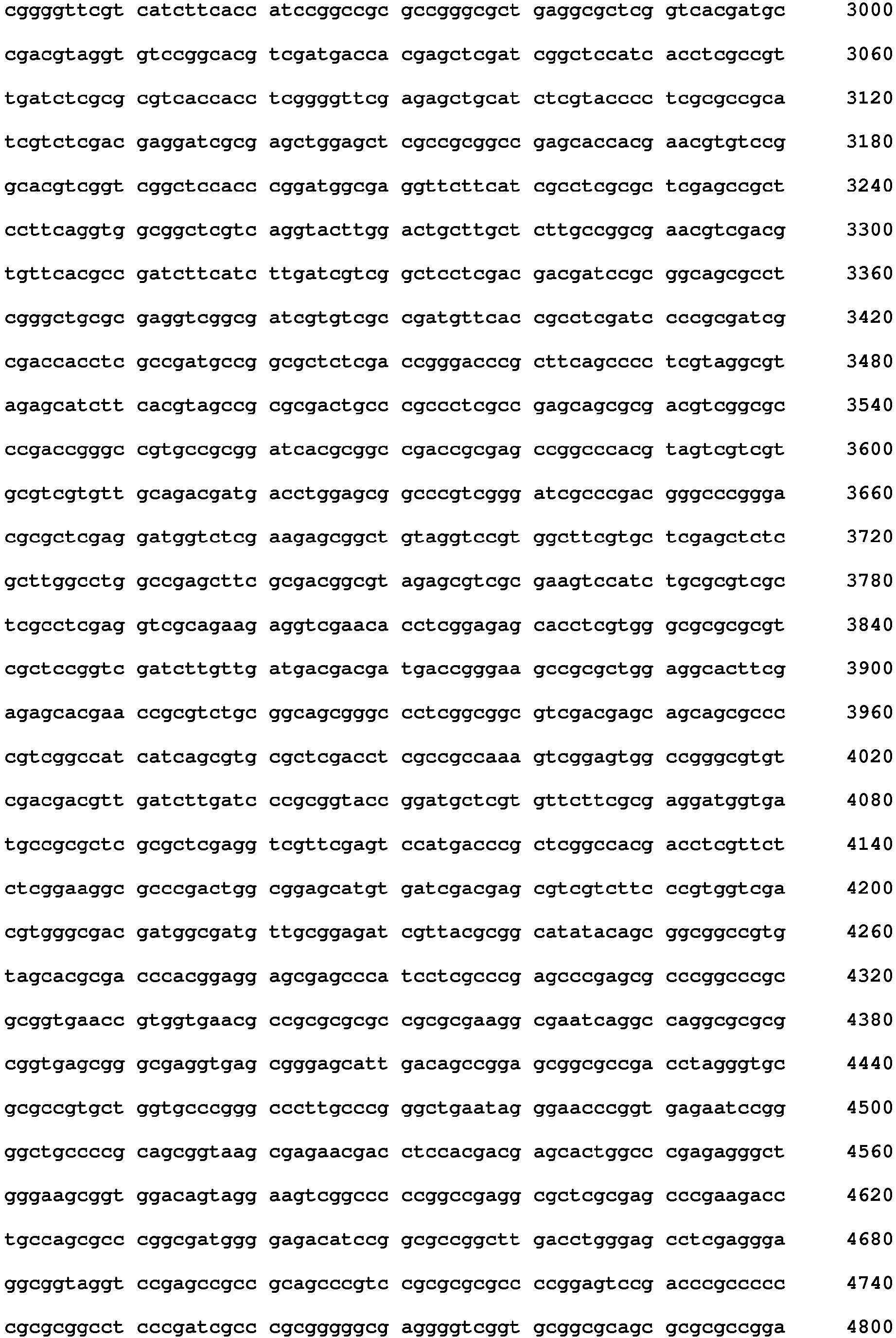
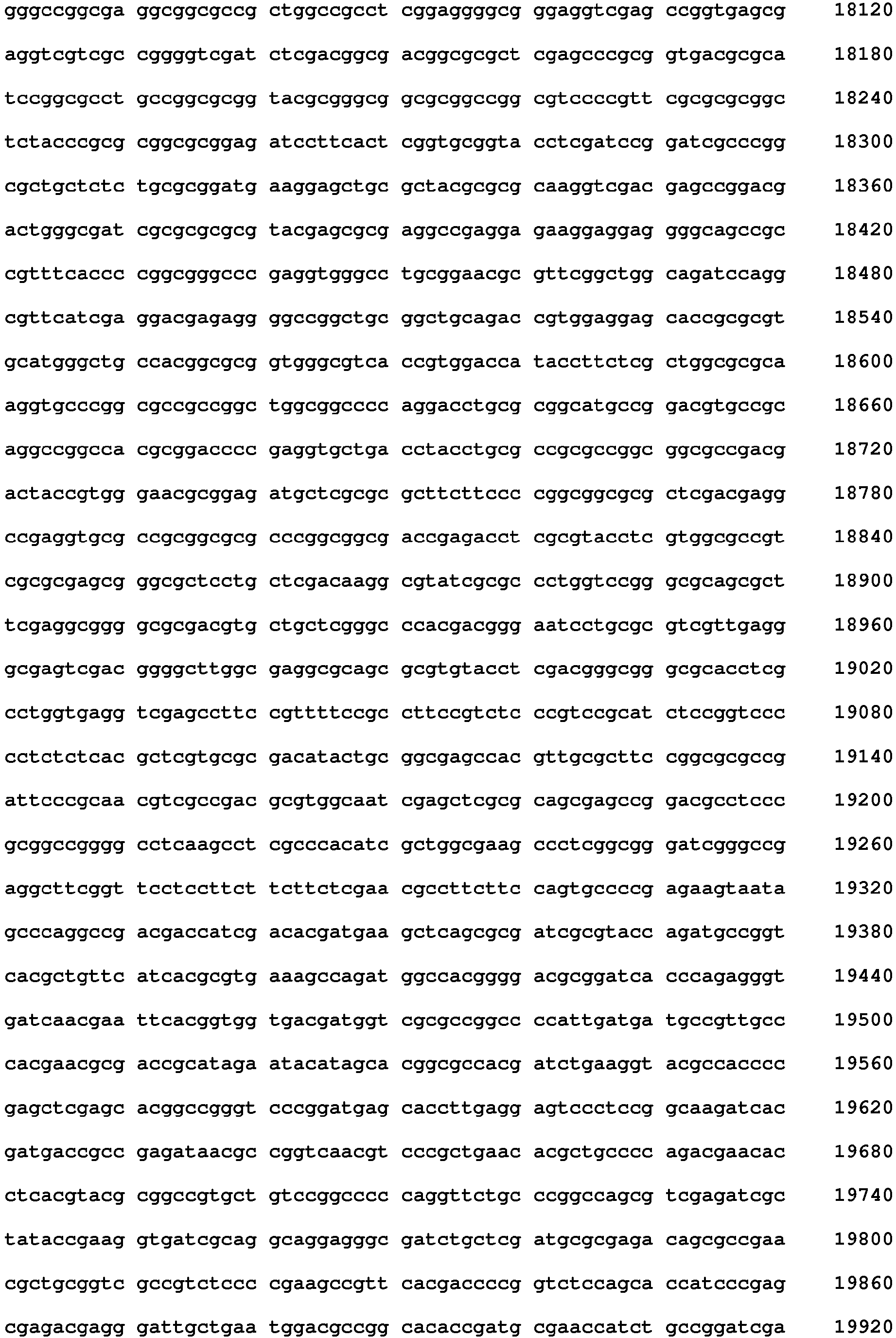
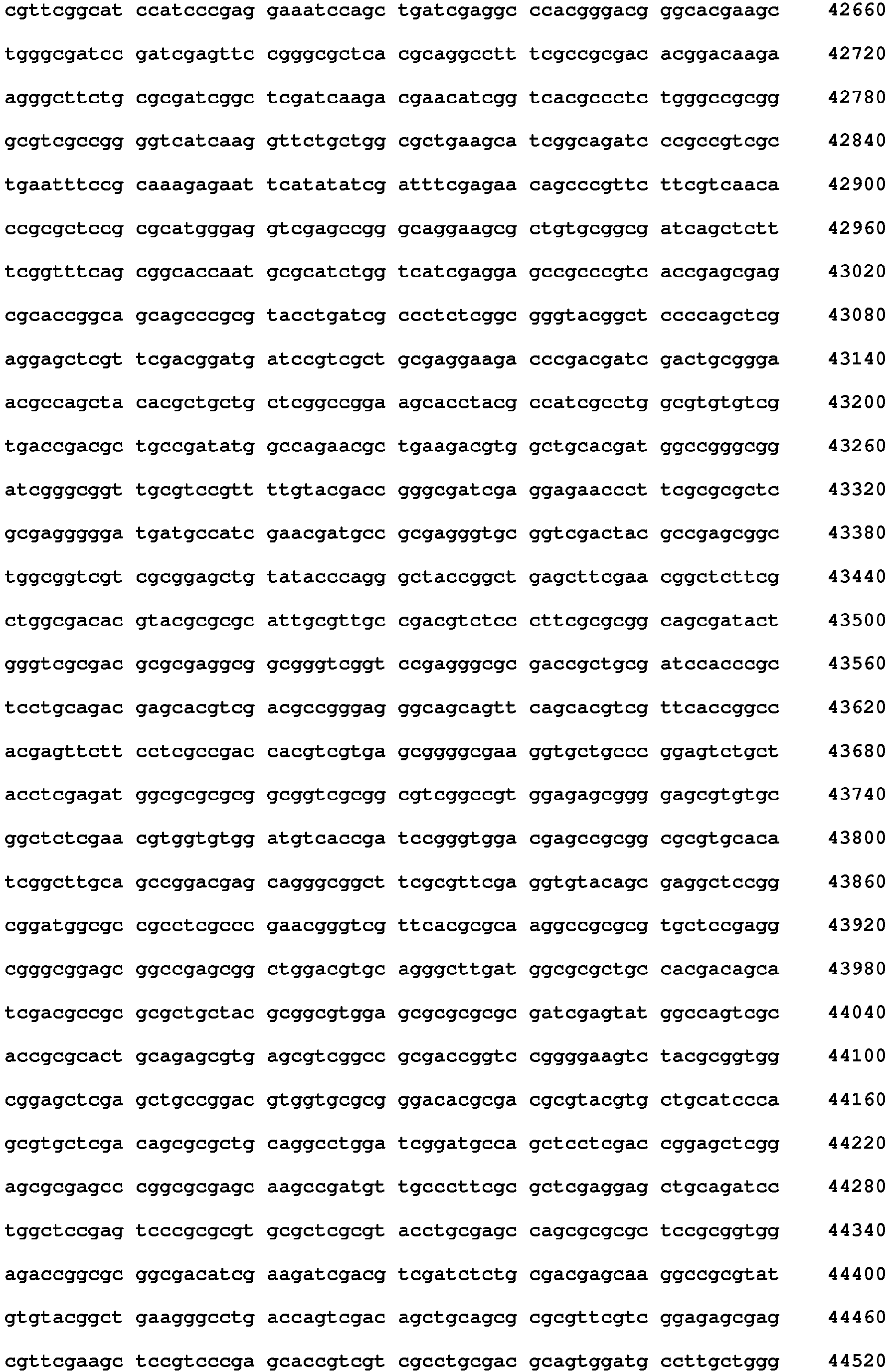
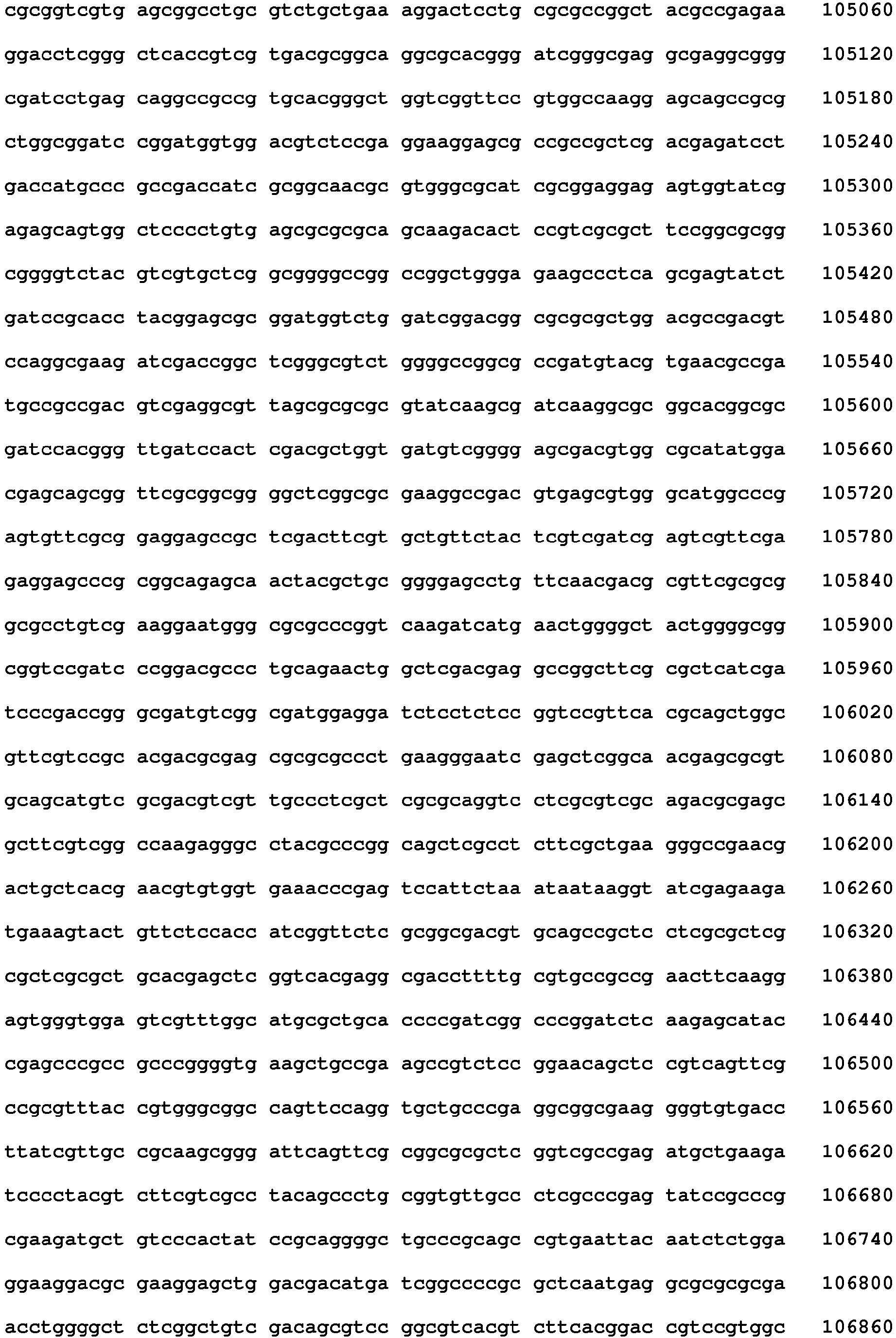
<223> Neosorangicin biosynthetic gene cluster with flanking regions - <400> 1














Claims (8)
- A compound of the formula:

- The compound of claim 1, wherein the compound is:

- A pharmaceutical composition comprising at least one compound according to claim 1 or 2 and, optionally, one or more carrier substance(s), excipient(s) and/or adjuvant(s).
- A combination preparation containing at least one compound according to claim 1 or 2 and at least one further active pharmaceutical ingredient.
- The compound according to claim 1 or 2, the pharmaceutical composition of claim 3, or the combination preparation of claim 4 for use as a medicament.
- The compound according to claim 1 or 2, the pharmaceutical composition of claim 3, or the combination preparation of claim 4 for use in the prevention and/or treatment of a condition or disorder associated with a Gram-negative and/or Gram-positive pathogen.
- The compound, the pharmaceutical composition or the combination preparation for use according to claim 6, wherein the condition or disorder associated with a Gram-negative and/or Gram-positive pathogen is a bacterial infection.
- A method for the preparation of a compound according to claim 1, the method comprising the steps of:(a) fermenting Sorangium cellulosum (DSM 11529); and(b) separating and retaining the compound according to claim 1 from the culture broth.
Priority Applications (1)
| Application Number | Priority Date | Filing Date | Title |
|---|---|---|---|
| EP17207395.9A EP3498714B1 (en) | 2017-12-14 | 2017-12-14 | Novel sorangicin antibiotic |
Applications Claiming Priority (1)
| Application Number | Priority Date | Filing Date | Title |
|---|---|---|---|
| EP17207395.9A EP3498714B1 (en) | 2017-12-14 | 2017-12-14 | Novel sorangicin antibiotic |
Publications (2)
| Publication Number | Publication Date |
|---|---|
| EP3498714A1 EP3498714A1 (en) | 2019-06-19 |
| EP3498714B1 true EP3498714B1 (en) | 2020-07-22 |
Family
ID=60781550
Family Applications (1)
| Application Number | Title | Priority Date | Filing Date |
|---|---|---|---|
| EP17207395.9A Active EP3498714B1 (en) | 2017-12-14 | 2017-12-14 | Novel sorangicin antibiotic |
Country Status (1)
| Country | Link |
|---|---|
| EP (1) | EP3498714B1 (en) |
Families Citing this family (1)
| Publication number | Priority date | Publication date | Assignee | Title |
|---|---|---|---|---|
| WO2023057645A1 (en) | 2021-10-07 | 2023-04-13 | Otto-Von-Guericke-Universität Magdeburg | Methods for the production of sorangicins and their analogues |
Family Cites Families (1)
| Publication number | Priority date | Publication date | Assignee | Title |
|---|---|---|---|---|
| DE3669515D1 (en) | 1985-09-13 | 1990-04-19 | Biotechnolog Forschung Gmbh | MACROCYCLIC ANTIBIOTICS. |
-
2017
- 2017-12-14 EP EP17207395.9A patent/EP3498714B1/en active Active
Non-Patent Citations (1)
| Title |
|---|
| None * |
Also Published As
| Publication number | Publication date |
|---|---|
| EP3498714A1 (en) | 2019-06-19 |
Similar Documents
| Publication | Publication Date | Title |
|---|---|---|
| US6951840B2 (en) | Lipoglycopeptide antibiotics | |
| JP6411482B2 (en) | Nitrogen-containing compounds and uses thereof | |
| EP3498714A1 (en) | Novel sorangicin antibiotic | |
| KR101764349B1 (en) | A novel flavimycin compound having peptide deformylayse inhibition and antibacterial activity | |
| KR20200067368A (en) | Novel cyclic lipo-peptide-based compound having anitmicrobial activity and uses thereof | |
| US9854804B2 (en) | Antifungal composition comprising polycyclic peptide compound and method for preparing the same | |
| AU2007237861B2 (en) | Novel antibacterial compounds | |
| US20190127313A1 (en) | Antimicrobial agents | |
| CN118834249A (en) | Resin glycoside compound, preparation method and application thereof | |
| JPWO2002072617A1 (en) | Thiopeptide compounds | |
| JP2013542173A (en) | Novel antibacterial compounds, methods for their preparation, and their use | |
| CN102453077B (en) | Fluoronosiheptide and preparation method and application thereof | |
| HU224610B1 (en) | Vancoresmycin, a process for its production and its use as a pharmaceutical | |
| KR20120072931A (en) | A novel hispidin-type compound having enoyl-acp reductase inhibition and antibacterial activity | |
| KR101987854B1 (en) | Cyclic hexapeptide-based compounds and uses thereof | |
| CZ20032427A3 (en) | Medicament containing thiolutin-dioxide and derivatives thereof, process for preparing such compounds using a microorganism and the microorganism per se | |
| US20220009967A1 (en) | Isolation and Semi-Synthesis of Rufomycin Analogs | |
| EP3898610B1 (en) | Novel aza-hexaphene antibiotic compounds | |
| WO2015145152A1 (en) | Antimicrobial agents | |
| EP2199280B1 (en) | Novel K04-0144 substances and process for production thereof | |
| RU2394105C2 (en) | Group of compounds k04-0144 having antimicrobial activity and enhancing action, and method of their obtaining | |
| EP2885274B1 (en) | Bixiamycins and sulfonylbixiamycins | |
| JP5244947B2 (en) | Novel K04-0144D substance and process for producing the same | |
| SK7872002A3 (en) | Amycomycin, a process for its production and its use as a pharmaceutical | |
| JPWO2019189331A1 (en) | New K95-5901-1 substance and its manufacturing method |
Legal Events
| Date | Code | Title | Description |
|---|---|---|---|
| STAA | Information on the status of an ep patent application or granted ep patent |
Free format text: STATUS: UNKNOWN |
|
| PUAI | Public reference made under article 153(3) epc to a published international application that has entered the european phase |
Free format text: ORIGINAL CODE: 0009012 |
|
| STAA | Information on the status of an ep patent application or granted ep patent |
Free format text: STATUS: THE APPLICATION HAS BEEN PUBLISHED |
|
| AK | Designated contracting states |
Kind code of ref document: A1 Designated state(s): AL AT BE BG CH CY CZ DE DK EE ES FI FR GB GR HR HU IE IS IT LI LT LU LV MC MK MT NL NO PL PT RO RS SE SI SK SM TR |
|
| AX | Request for extension of the european patent |
Extension state: BA ME |
|
| STAA | Information on the status of an ep patent application or granted ep patent |
Free format text: STATUS: REQUEST FOR EXAMINATION WAS MADE |
|
| 17P | Request for examination filed |
Effective date: 20190715 |
|
| RBV | Designated contracting states (corrected) |
Designated state(s): AL AT BE BG CH CY CZ DE DK EE ES FI FR GB GR HR HU IE IS IT LI LT LU LV MC MK MT NL NO PL PT RO RS SE SI SK SM TR |
|
| RIC1 | Information provided on ipc code assigned before grant |
Ipc: C07D 493/22 20060101AFI20200128BHEP Ipc: A61K 31/70 20060101ALI20200128BHEP Ipc: C12P 19/62 20060101ALI20200128BHEP |
|
| GRAP | Despatch of communication of intention to grant a patent |
Free format text: ORIGINAL CODE: EPIDOSNIGR1 |
|
| STAA | Information on the status of an ep patent application or granted ep patent |
Free format text: STATUS: GRANT OF PATENT IS INTENDED |
|
| INTG | Intention to grant announced |
Effective date: 20200306 |
|
| GRAS | Grant fee paid |
Free format text: ORIGINAL CODE: EPIDOSNIGR3 |
|
| GRAA | (expected) grant |
Free format text: ORIGINAL CODE: 0009210 |
|
| STAA | Information on the status of an ep patent application or granted ep patent |
Free format text: STATUS: THE PATENT HAS BEEN GRANTED |
|
| AK | Designated contracting states |
Kind code of ref document: B1 Designated state(s): AL AT BE BG CH CY CZ DE DK EE ES FI FR GB GR HR HU IE IS IT LI LT LU LV MC MK MT NL NO PL PT RO RS SE SI SK SM TR |
|
| REG | Reference to a national code |
Ref country code: GB Ref legal event code: FG4D |
|
| REG | Reference to a national code |
Ref country code: CH Ref legal event code: EP |
|
| REG | Reference to a national code |
Ref country code: DE Ref legal event code: R096 Ref document number: 602017020118 Country of ref document: DE |
|
| REG | Reference to a national code |
Ref country code: AT Ref legal event code: REF Ref document number: 1293285 Country of ref document: AT Kind code of ref document: T Effective date: 20200815 |
|
| REG | Reference to a national code |
Ref country code: IE Ref legal event code: FG4D |
|
| REG | Reference to a national code |
Ref country code: LT Ref legal event code: MG4D |
|
| REG | Reference to a national code |
Ref country code: AT Ref legal event code: MK05 Ref document number: 1293285 Country of ref document: AT Kind code of ref document: T Effective date: 20200722 |
|
| PG25 | Lapsed in a contracting state [announced via postgrant information from national office to epo] |
Ref country code: SE Free format text: LAPSE BECAUSE OF FAILURE TO SUBMIT A TRANSLATION OF THE DESCRIPTION OR TO PAY THE FEE WITHIN THE PRESCRIBED TIME-LIMIT Effective date: 20200722 Ref country code: HR Free format text: LAPSE BECAUSE OF FAILURE TO SUBMIT A TRANSLATION OF THE DESCRIPTION OR TO PAY THE FEE WITHIN THE PRESCRIBED TIME-LIMIT Effective date: 20200722 Ref country code: NO Free format text: LAPSE BECAUSE OF FAILURE TO SUBMIT A TRANSLATION OF THE DESCRIPTION OR TO PAY THE FEE WITHIN THE PRESCRIBED TIME-LIMIT Effective date: 20201022 Ref country code: GR Free format text: LAPSE BECAUSE OF FAILURE TO SUBMIT A TRANSLATION OF THE DESCRIPTION OR TO PAY THE FEE WITHIN THE PRESCRIBED TIME-LIMIT Effective date: 20201023 Ref country code: ES Free format text: LAPSE BECAUSE OF FAILURE TO SUBMIT A TRANSLATION OF THE DESCRIPTION OR TO PAY THE FEE WITHIN THE PRESCRIBED TIME-LIMIT Effective date: 20200722 Ref country code: BG Free format text: LAPSE BECAUSE OF FAILURE TO SUBMIT A TRANSLATION OF THE DESCRIPTION OR TO PAY THE FEE WITHIN THE PRESCRIBED TIME-LIMIT Effective date: 20201022 Ref country code: PT Free format text: LAPSE BECAUSE OF FAILURE TO SUBMIT A TRANSLATION OF THE DESCRIPTION OR TO PAY THE FEE WITHIN THE PRESCRIBED TIME-LIMIT Effective date: 20201123 Ref country code: LT Free format text: LAPSE BECAUSE OF FAILURE TO SUBMIT A TRANSLATION OF THE DESCRIPTION OR TO PAY THE FEE WITHIN THE PRESCRIBED TIME-LIMIT Effective date: 20200722 Ref country code: AT Free format text: LAPSE BECAUSE OF FAILURE TO SUBMIT A TRANSLATION OF THE DESCRIPTION OR TO PAY THE FEE WITHIN THE PRESCRIBED TIME-LIMIT Effective date: 20200722 Ref country code: FI Free format text: LAPSE BECAUSE OF FAILURE TO SUBMIT A TRANSLATION OF THE DESCRIPTION OR TO PAY THE FEE WITHIN THE PRESCRIBED TIME-LIMIT Effective date: 20200722 |
|
| PG25 | Lapsed in a contracting state [announced via postgrant information from national office to epo] |
Ref country code: IS Free format text: LAPSE BECAUSE OF FAILURE TO SUBMIT A TRANSLATION OF THE DESCRIPTION OR TO PAY THE FEE WITHIN THE PRESCRIBED TIME-LIMIT Effective date: 20201122 Ref country code: RS Free format text: LAPSE BECAUSE OF FAILURE TO SUBMIT A TRANSLATION OF THE DESCRIPTION OR TO PAY THE FEE WITHIN THE PRESCRIBED TIME-LIMIT Effective date: 20200722 Ref country code: LV Free format text: LAPSE BECAUSE OF FAILURE TO SUBMIT A TRANSLATION OF THE DESCRIPTION OR TO PAY THE FEE WITHIN THE PRESCRIBED TIME-LIMIT Effective date: 20200722 Ref country code: PL Free format text: LAPSE BECAUSE OF FAILURE TO SUBMIT A TRANSLATION OF THE DESCRIPTION OR TO PAY THE FEE WITHIN THE PRESCRIBED TIME-LIMIT Effective date: 20200722 |
|
| PG25 | Lapsed in a contracting state [announced via postgrant information from national office to epo] |
Ref country code: NL Free format text: LAPSE BECAUSE OF FAILURE TO SUBMIT A TRANSLATION OF THE DESCRIPTION OR TO PAY THE FEE WITHIN THE PRESCRIBED TIME-LIMIT Effective date: 20200722 |
|
| REG | Reference to a national code |
Ref country code: DE Ref legal event code: R097 Ref document number: 602017020118 Country of ref document: DE |
|
| PG25 | Lapsed in a contracting state [announced via postgrant information from national office to epo] |
Ref country code: RO Free format text: LAPSE BECAUSE OF FAILURE TO SUBMIT A TRANSLATION OF THE DESCRIPTION OR TO PAY THE FEE WITHIN THE PRESCRIBED TIME-LIMIT Effective date: 20200722 Ref country code: CZ Free format text: LAPSE BECAUSE OF FAILURE TO SUBMIT A TRANSLATION OF THE DESCRIPTION OR TO PAY THE FEE WITHIN THE PRESCRIBED TIME-LIMIT Effective date: 20200722 Ref country code: DK Free format text: LAPSE BECAUSE OF FAILURE TO SUBMIT A TRANSLATION OF THE DESCRIPTION OR TO PAY THE FEE WITHIN THE PRESCRIBED TIME-LIMIT Effective date: 20200722 Ref country code: IT Free format text: LAPSE BECAUSE OF FAILURE TO SUBMIT A TRANSLATION OF THE DESCRIPTION OR TO PAY THE FEE WITHIN THE PRESCRIBED TIME-LIMIT Effective date: 20200722 Ref country code: EE Free format text: LAPSE BECAUSE OF FAILURE TO SUBMIT A TRANSLATION OF THE DESCRIPTION OR TO PAY THE FEE WITHIN THE PRESCRIBED TIME-LIMIT Effective date: 20200722 Ref country code: SM Free format text: LAPSE BECAUSE OF FAILURE TO SUBMIT A TRANSLATION OF THE DESCRIPTION OR TO PAY THE FEE WITHIN THE PRESCRIBED TIME-LIMIT Effective date: 20200722 |
|
| PLBE | No opposition filed within time limit |
Free format text: ORIGINAL CODE: 0009261 |
|
| STAA | Information on the status of an ep patent application or granted ep patent |
Free format text: STATUS: NO OPPOSITION FILED WITHIN TIME LIMIT |
|
| PG25 | Lapsed in a contracting state [announced via postgrant information from national office to epo] |
Ref country code: AL Free format text: LAPSE BECAUSE OF FAILURE TO SUBMIT A TRANSLATION OF THE DESCRIPTION OR TO PAY THE FEE WITHIN THE PRESCRIBED TIME-LIMIT Effective date: 20200722 |
|
| 26N | No opposition filed |
Effective date: 20210423 |
|
| PG25 | Lapsed in a contracting state [announced via postgrant information from national office to epo] |
Ref country code: SK Free format text: LAPSE BECAUSE OF FAILURE TO SUBMIT A TRANSLATION OF THE DESCRIPTION OR TO PAY THE FEE WITHIN THE PRESCRIBED TIME-LIMIT Effective date: 20200722 |
|
| REG | Reference to a national code |
Ref country code: CH Ref legal event code: PL |
|
| PG25 | Lapsed in a contracting state [announced via postgrant information from national office to epo] |
Ref country code: MC Free format text: LAPSE BECAUSE OF FAILURE TO SUBMIT A TRANSLATION OF THE DESCRIPTION OR TO PAY THE FEE WITHIN THE PRESCRIBED TIME-LIMIT Effective date: 20200722 Ref country code: SI Free format text: LAPSE BECAUSE OF FAILURE TO SUBMIT A TRANSLATION OF THE DESCRIPTION OR TO PAY THE FEE WITHIN THE PRESCRIBED TIME-LIMIT Effective date: 20200722 |
|
| REG | Reference to a national code |
Ref country code: BE Ref legal event code: MM Effective date: 20201231 |
|
| REG | Reference to a national code |
Ref country code: NL Ref legal event code: MP Effective date: 20200722 |
|
| PG25 | Lapsed in a contracting state [announced via postgrant information from national office to epo] |
Ref country code: LU Free format text: LAPSE BECAUSE OF NON-PAYMENT OF DUE FEES Effective date: 20201214 Ref country code: FR Free format text: LAPSE BECAUSE OF NON-PAYMENT OF DUE FEES Effective date: 20201231 Ref country code: IE Free format text: LAPSE BECAUSE OF NON-PAYMENT OF DUE FEES Effective date: 20201214 |
|
| PG25 | Lapsed in a contracting state [announced via postgrant information from national office to epo] |
Ref country code: LI Free format text: LAPSE BECAUSE OF NON-PAYMENT OF DUE FEES Effective date: 20201231 Ref country code: CH Free format text: LAPSE BECAUSE OF NON-PAYMENT OF DUE FEES Effective date: 20201231 |
|
| PG25 | Lapsed in a contracting state [announced via postgrant information from national office to epo] |
Ref country code: TR Free format text: LAPSE BECAUSE OF FAILURE TO SUBMIT A TRANSLATION OF THE DESCRIPTION OR TO PAY THE FEE WITHIN THE PRESCRIBED TIME-LIMIT Effective date: 20200722 Ref country code: MT Free format text: LAPSE BECAUSE OF FAILURE TO SUBMIT A TRANSLATION OF THE DESCRIPTION OR TO PAY THE FEE WITHIN THE PRESCRIBED TIME-LIMIT Effective date: 20200722 Ref country code: CY Free format text: LAPSE BECAUSE OF FAILURE TO SUBMIT A TRANSLATION OF THE DESCRIPTION OR TO PAY THE FEE WITHIN THE PRESCRIBED TIME-LIMIT Effective date: 20200722 |
|
| PG25 | Lapsed in a contracting state [announced via postgrant information from national office to epo] |
Ref country code: MK Free format text: LAPSE BECAUSE OF FAILURE TO SUBMIT A TRANSLATION OF THE DESCRIPTION OR TO PAY THE FEE WITHIN THE PRESCRIBED TIME-LIMIT Effective date: 20200722 |
|
| PG25 | Lapsed in a contracting state [announced via postgrant information from national office to epo] |
Ref country code: BE Free format text: LAPSE BECAUSE OF NON-PAYMENT OF DUE FEES Effective date: 20201231 |
|
| GBPC | Gb: european patent ceased through non-payment of renewal fee |
Effective date: 20211214 |
|
| PG25 | Lapsed in a contracting state [announced via postgrant information from national office to epo] |
Ref country code: GB Free format text: LAPSE BECAUSE OF NON-PAYMENT OF DUE FEES Effective date: 20211214 |
|
| PGFP | Annual fee paid to national office [announced via postgrant information from national office to epo] |
Ref country code: DE Payment date: 20241217 Year of fee payment: 8 |