EP3496725B1 - Remyelination therapies - Google Patents
Remyelination therapies Download PDFInfo
- Publication number
- EP3496725B1 EP3496725B1 EP17840377.0A EP17840377A EP3496725B1 EP 3496725 B1 EP3496725 B1 EP 3496725B1 EP 17840377 A EP17840377 A EP 17840377A EP 3496725 B1 EP3496725 B1 EP 3496725B1
- Authority
- EP
- European Patent Office
- Prior art keywords
- remyelinating
- pharmaceutical composition
- use according
- estrogen
- demyelinating
- Prior art date
- Legal status (The legal status is an assumption and is not a legal conclusion. Google has not performed a legal analysis and makes no representation as to the accuracy of the status listed.)
- Active
Links
Images


Classifications
-
- A—HUMAN NECESSITIES
- A61—MEDICAL OR VETERINARY SCIENCE; HYGIENE
- A61K—PREPARATIONS FOR MEDICAL, DENTAL OR TOILETRY PURPOSES
- A61K31/00—Medicinal preparations containing organic active ingredients
- A61K31/33—Heterocyclic compounds
- A61K31/395—Heterocyclic compounds having nitrogen as a ring hetero atom, e.g. guanethidine or rifamycins
- A61K31/55—Heterocyclic compounds having nitrogen as a ring hetero atom, e.g. guanethidine or rifamycins having seven-membered rings, e.g. azelastine, pentylenetetrazole
-
- A—HUMAN NECESSITIES
- A61—MEDICAL OR VETERINARY SCIENCE; HYGIENE
- A61K—PREPARATIONS FOR MEDICAL, DENTAL OR TOILETRY PURPOSES
- A61K31/00—Medicinal preparations containing organic active ingredients
- A61K31/075—Ethers or acetals
-
- A—HUMAN NECESSITIES
- A61—MEDICAL OR VETERINARY SCIENCE; HYGIENE
- A61K—PREPARATIONS FOR MEDICAL, DENTAL OR TOILETRY PURPOSES
- A61K31/00—Medicinal preparations containing organic active ingredients
- A61K31/075—Ethers or acetals
- A61K31/085—Ethers or acetals having an ether linkage to aromatic ring nuclear carbon
-
- A—HUMAN NECESSITIES
- A61—MEDICAL OR VETERINARY SCIENCE; HYGIENE
- A61K—PREPARATIONS FOR MEDICAL, DENTAL OR TOILETRY PURPOSES
- A61K31/00—Medicinal preparations containing organic active ingredients
- A61K31/13—Amines
- A61K31/135—Amines having aromatic rings, e.g. ketamine, nortriptyline
- A61K31/138—Aryloxyalkylamines, e.g. propranolol, tamoxifen, phenoxybenzamine
-
- A—HUMAN NECESSITIES
- A61—MEDICAL OR VETERINARY SCIENCE; HYGIENE
- A61K—PREPARATIONS FOR MEDICAL, DENTAL OR TOILETRY PURPOSES
- A61K31/00—Medicinal preparations containing organic active ingredients
- A61K31/275—Nitriles; Isonitriles
- A61K31/277—Nitriles; Isonitriles having a ring, e.g. verapamil
-
- A—HUMAN NECESSITIES
- A61—MEDICAL OR VETERINARY SCIENCE; HYGIENE
- A61K—PREPARATIONS FOR MEDICAL, DENTAL OR TOILETRY PURPOSES
- A61K31/00—Medicinal preparations containing organic active ingredients
- A61K31/33—Heterocyclic compounds
- A61K31/395—Heterocyclic compounds having nitrogen as a ring hetero atom, e.g. guanethidine or rifamycins
- A61K31/40—Heterocyclic compounds having nitrogen as a ring hetero atom, e.g. guanethidine or rifamycins having five-membered rings with one nitrogen as the only ring hetero atom, e.g. sulpiride, succinimide, tolmetin, buflomedil
-
- A—HUMAN NECESSITIES
- A61—MEDICAL OR VETERINARY SCIENCE; HYGIENE
- A61K—PREPARATIONS FOR MEDICAL, DENTAL OR TOILETRY PURPOSES
- A61K31/00—Medicinal preparations containing organic active ingredients
- A61K31/33—Heterocyclic compounds
- A61K31/395—Heterocyclic compounds having nitrogen as a ring hetero atom, e.g. guanethidine or rifamycins
- A61K31/435—Heterocyclic compounds having nitrogen as a ring hetero atom, e.g. guanethidine or rifamycins having six-membered rings with one nitrogen as the only ring hetero atom
- A61K31/44—Non condensed pyridines; Hydrogenated derivatives thereof
- A61K31/445—Non condensed piperidines, e.g. piperocaine
- A61K31/4523—Non condensed piperidines, e.g. piperocaine containing further heterocyclic ring systems
- A61K31/4535—Non condensed piperidines, e.g. piperocaine containing further heterocyclic ring systems containing a heterocyclic ring having sulfur as a ring hetero atom, e.g. pizotifen
-
- A—HUMAN NECESSITIES
- A61—MEDICAL OR VETERINARY SCIENCE; HYGIENE
- A61K—PREPARATIONS FOR MEDICAL, DENTAL OR TOILETRY PURPOSES
- A61K31/00—Medicinal preparations containing organic active ingredients
- A61K31/56—Compounds containing cyclopenta[a]hydrophenanthrene ring systems; Derivatives thereof, e.g. steroids
- A61K31/565—Compounds containing cyclopenta[a]hydrophenanthrene ring systems; Derivatives thereof, e.g. steroids not substituted in position 17 beta by a carbon atom, e.g. estrane, estradiol
-
- A—HUMAN NECESSITIES
- A61—MEDICAL OR VETERINARY SCIENCE; HYGIENE
- A61K—PREPARATIONS FOR MEDICAL, DENTAL OR TOILETRY PURPOSES
- A61K31/00—Medicinal preparations containing organic active ingredients
- A61K31/56—Compounds containing cyclopenta[a]hydrophenanthrene ring systems; Derivatives thereof, e.g. steroids
- A61K31/565—Compounds containing cyclopenta[a]hydrophenanthrene ring systems; Derivatives thereof, e.g. steroids not substituted in position 17 beta by a carbon atom, e.g. estrane, estradiol
- A61K31/566—Compounds containing cyclopenta[a]hydrophenanthrene ring systems; Derivatives thereof, e.g. steroids not substituted in position 17 beta by a carbon atom, e.g. estrane, estradiol having an oxo group in position 17, e.g. estrone
-
- A—HUMAN NECESSITIES
- A61—MEDICAL OR VETERINARY SCIENCE; HYGIENE
- A61K—PREPARATIONS FOR MEDICAL, DENTAL OR TOILETRY PURPOSES
- A61K45/00—Medicinal preparations containing active ingredients not provided for in groups A61K31/00 - A61K41/00
- A61K45/06—Mixtures of active ingredients without chemical characterisation, e.g. antiphlogistics and cardiaca
-
- A—HUMAN NECESSITIES
- A61—MEDICAL OR VETERINARY SCIENCE; HYGIENE
- A61P—SPECIFIC THERAPEUTIC ACTIVITY OF CHEMICAL COMPOUNDS OR MEDICINAL PREPARATIONS
- A61P25/00—Drugs for disorders of the nervous system
-
- A—HUMAN NECESSITIES
- A61—MEDICAL OR VETERINARY SCIENCE; HYGIENE
- A61P—SPECIFIC THERAPEUTIC ACTIVITY OF CHEMICAL COMPOUNDS OR MEDICINAL PREPARATIONS
- A61P43/00—Drugs for specific purposes, not provided for in groups A61P1/00-A61P41/00
-
- A—HUMAN NECESSITIES
- A61—MEDICAL OR VETERINARY SCIENCE; HYGIENE
- A61P—SPECIFIC THERAPEUTIC ACTIVITY OF CHEMICAL COMPOUNDS OR MEDICINAL PREPARATIONS
- A61P5/00—Drugs for disorders of the endocrine system
- A61P5/24—Drugs for disorders of the endocrine system of the sex hormones
- A61P5/30—Oestrogens
Definitions
- oligodendrocyte progenitor cells are activated and mature into myelin-producing oligodendrocytes, which wrap the axons and reapply myelin to damaged areas.
- WO 2010/008588 discloses that tamoxifen is able to promote OPC differentiation and CNS remyelination in demyelination condition, such as MS.
- the inventors of the present disclosure have advantageously developed novel therapies that promote remyelination.
- the inventors of the present disclosure have identified certain selective estrogen receptor modulators (SERMs) that promote remyelination.
- SERMs selective estrogen receptor modulators
- the inventors of the present disclosure have determined that GPR56, a G-coupled protein receptor active in certain cells, is a mediator of the remyelination process and that agonists of this receptor can promote remyelination and associated processes in demyelinated tissues.
- the inventors of the present disclosure have determined that administration of remyelinating SERMs or GPR56 agonists in combination with estrogenic substances further promotes remyelination.
- the scope of the invention encompasses novel therapeutic compositions comprising remyelinating SERMs. In one aspect, the scope of the invention encompasses novel therapeutic compositions comprising remyelinating SERMs which also act as GPR56 agonists
- the scope of the invention encompasses remyelinating SERMs for the treatment of demyelinating conditions, promoting remyelination, and promoting the differentiation of oligodendrocyte precursors.
- the remyelinating SERM is apeledoxifene or clomifene.
- a demyelinating condition refers to any disease state, autoimmune disorder, or process wherein demyelination, i.e. damage to the protective myelin sheath that surrounds nerve fibers, is occurring. Typically, such damage is caused by autoimmune processes of unknown origin.
- the demyelinating condition is a condition of the central nervous system.
- the demyelinating disease is a myelinoclastic disorder.
- the demyelinating condition is MS.
- the demyelinating disease may be Devic's disease, an inflammatory demyelinating disease, or an acute disseminated encephalomyelitis.
- the demyelinating condition may comprise a leukodystrophic disorder.
- the demyelinating condition may comprise a central nervous system neuropathy, central pontine myelinolysis, or progressive multifocal leukoencephalopathy.
- the compositions and methods of the invention may also be applied to promote remyelination in demyelinating conditions of the peripheral nervous system.
- Remyelinating Compositions The inventors of the present disclosure have identified certain compositions of matter that can act as remyelinating agents. The scope of the invention encompasses the administration of a what will be referred to herein as a "remyelinating composition.”
- a remyelinating composition comprises one or more remyelinating agents.
- the remyelinating composition comprises a SERM with remyelinating activity.
- SERMs are compositions known to act on estrogen receptors, with tissuespecific effects, for example, acting as estrogenic agents in some tissues while being anti-estrogenic in other tissues.
- the remyelinating SERM is apeledoxifene or clomifene.
- the remyelinating composition comprises a GPR56 agonist.
- GPR56 as known in the art, is G-coupled protein receptor active in various tissues.
- the GPR56 protein sequence has accession number Q9Y653, and a GeneCard ID of GC16P057610 and an NCBI Reference Sequence of NG_011643.1.
- GPR56 is also known as Adhesion G Protein-Coupled Receptor G1, and as TM7XN1.
- GPR56 has previously been implicated in brain cortical patterning during development, ovarian development, cell adhesion, cell-cell interactions, and the maintenance of hematopoietic stem cells and/or leukemia stem cells in bone marrow niche. No role for GPR56 in myelination has previously been reported.
- GPR56 is implicated in remyelination.
- certain remyelinating compositions have been identified which comprise SERMs and which also act as GPR56 agonists. This discovery provides the art with various methods of treatment, secondary uses of known compounds, and other valuable inventions which may be applied to promote remyelination.
- GPR56 agonist refers to any composition of matter which binds to GPR56 and induces one or more GPR56-associated myelination processes in oligdendroglia or other cells.
- the GPR56 Agonist may be a small molecule, growth factor, polypeptide, nucleic acid, or any other chemical or biological composition of matter.
- GPR56 agonists will further refer to agonists, activators, and enhancers of GPR56's downstream effectors, i.e., activators of species which are regulated by GPR56 activation and which contribute to the remyelination response induced by GPR56 activation.
- the inventors of the present disclosure have advantageously identified several remyelinating compositions.
- the remyelinating composition comprise remyelinating SERMs and also comprise putative GPR56 agonists.
- a first remyelinating composition of the invention is a first remyelinating composition of the invention.
- Bazedoxifene (BZA) is a selective estrogen receptor modulator (SERM) which, in combination with conjugated estrogens, has been approved for the treatment of postmenopausal osteoporosis and of menopausal hot flashes.
- SERM selective estrogen receptor modulator
- BZA in combination with conjugated estrogens is well tolerated, for example, having lesser side effects than tamoxifen.
- a second non-claimed remyelinating composition is raloxifene.
- Raloxifene is an FDA-approved drug, used in the prevention of osteoporosis and as a breast cancer preventative in postmenopausal women.
- a third remyelinating composition (according to the invention) is clomifene.
- Clomifene is an FDA-approved drug, used in fertility treatment in women.
- a fourth non-claimed remyelinating composition is toremifene.
- Toremifene is an-FDA approved drug, used in the treatment of breast cancer.
- a fifth non-claimed remyelinating composition is lasofoxifene.
- Lasofoxifene an EU-approved drug, and has shown efficacy in treating osteoporosis, breast cancer prevention, and vaginal atrophy.
- a sixth non-claimed remyelinating composition is ospemifene.
- Ospemifene is FDA-approved for the treatment of dyspareunia.
- a seventh non-claimed remyelinating composition is diarylpropionitrile.
- Diarylpropionitrile is an estrogen receptor agonist and is an activator of the endogenous oxytocin system.
- An eighth non-claimed remyelinating composition agonist is tamoxifen. Tamoxifen is widely used in the treatment of certain breast cancers.
- each of the afore-listed compounds is a SERM.
- the inventors of the present disclosure have determined that the remyelination effects of these SERMs is mediated independently of either the Alpha or Beta estrogen receptors. As described in the Examples, below, remyelination is induced by these compounds in oligodendroglia even in cells wherein both forms of the ER have been knocked out. Accordingly, the remyelination effects induced by these compounds are largely independent of ER activity and are believed to be largely or wholly by action of GPR56 activation.
- the scope of the invention encompasses various remyelinating compositions compositions.
- the scope of the invention encompasses a pharmaceutical composition comprising remyelinating composition for the treatment of a demyelinating condition.
- the remyelinating composition is a remyelinating SERM.
- the remyelinating composition is selected from the group consisting of apeledoxifene, clomifene, which are remyelinating SERMs and act as GPR56 agonists.
- the inventors of the present disclosure have determined that the remyelinating effects of the remyelinating compositions are enhanced when co-administered with estrogenic substances.
- MS has an estrogenic component, based on various associations such as an increased incidence of MS in women vs. males and decreased incidence of MS onset in postmenopausal women.
- the role of estrogenic hormones in MS is not clear, and administration of estrogenic hormones alone has not been shown to effectively treat demyelinating conditions. Accordingly, the surprising enhancement of remyelination by estrogenic hormones in combination with remyelinating compositions provides the art with a remyelination therapy of increased potency.
- the co-administered estrogenic agent may comprise any estrogen hormone or estrogenic substance, for example, such as estrogen, estradiol, conjugated estrogens, estriol, estrogen mimics, estrone, ethynil estrogen, and estrogen agonists.
- the scope of the invention encompasses various uses of utilizing remyelinating compositions to promote remyelination processes.
- the uses disclosed herein encompass the administration of a remyelinating composition to a subject.
- Such administration may encompass the administration of a pharmaceutically effective amount of the remyelinating composition, i.e. an amount sufficient to have a measurable effect on one or more remyelinating processes.
- remyelinating composition dosages which result in physiological concentrations of 1 nM to 1 mM may be used, for example in the range of 5 nM to 500 nM.
- exemplary dosages include those which result in a physiological concentration in the range of 1 to 100 micromolar.
- the subject of the administration may be any animal, for example, a human, a veterinary subject, or a test animal.
- the subject is a human that is afflicted with a demyelinating condition or is at risk of having a demyelinating condition and is in need of treatment therefor.
- the scope of the disclosure also extends to the administration of remyelinating compositions to cells, cell cultures, and explanted tissues.
- the scope of the disclosure encompasses the administration of a remyelinating composition to oligodendroglia in a micropillar assay, as known in the art.
- the administration of a remyelinating composition will be referred to as increasing, enhancing, or otherwise changing the magnitude of a myelination-associated process.
- Such change may be defined with respect to the magnitude of the myelination-associated process observed in untreated controls or in subjects prior to treatment.
- the scope of the invention encompasses a remyelinating composition for use in the treatment of a demyelinating condition in a subject, wherein the remyelinating composition is a remyelinating SERM, as defined in claim 1.
- Treatment may include, for example; curing a demyelinating condition; ameliorating symptoms associated with demyelination (e.g. nerve signal disruption, axonal damage, and neurodegeneration); slowing the progression of a demyelinating condition; preventing or delaying the onset of a demyelinating condition in an at-risk subject; preventing further loss of myelin; or restoring myelin lost prior to treatment.
- Such treatment or use may be in combination with the administration one or more estrogenic agents.
- the scope of the invention encompasses a a remyelinating SERM such as defined in claim 1 for use in a method of enhancing remyelination of axons in a subject suffering from a demyelinating condition.
- Enhancement refers to increasing the degree of remyelination, for example, increasing the thickness of the myelin sheath on axons, increasing the rate or prevalence of axon wrapping, increasing the rate of remyelination, or increasing the number of remyelinated axons in a treated area.
- Such administration may be in combination with one or more estrogenic agents.
- the scope of the invention encompasses a a remyelinating SERM such as defined in claim 1 for use in a method of enhancing the differentiation of OPCs into myelinating oligodendrocytes in a subject.
- Enhanced differentiation may refer to in increase in any measure of OPC differentiation into myelin-producing oligodendrocyte cells, including, for example, increasing the proportion of differentiated oligodendrocytes to OPC's, for example, an increase in MBP expressing cells or a decrease in the proportion of PDGFR ⁇ expressing cells.
- Such administration may be in combination with one or more estrogenic agents.
- a pharmaceutical composition for the treatment of a demyelinating condition may comprise one or more remyelinating compositions formulated or mixed in combination with one or more additional pharmaceutically acceptable elements.
- remyelinating compositions may be combined with compositions such as carriers, excipients, diluents, buffers, salts, or release-modulating agents, as well as estrogenic compositions.
- Example 1 Identification of Remyelinating SERMs.
- Various SERMs and other compounds were tested for their remyelination effects using the BIMA (Binary Indicant for myelination using Micropillar Arrays) assay, a functional high-throughput screen utilizing freestanding micropillar arrays of compressed silica around which myelin "rings" of membrane wrapping by oligodendroglia can be visualized in crosssection.
- BIMA Binary Indicant for myelination using Micropillar Arrays
- a functional high-throughput screen utilizing freestanding micropillar arrays of compressed silica around which myelin "rings" of membrane wrapping by oligodendroglia can be visualized in crosssection.
- BIMA allows testing of compounds' direct influences on oligodendroglia without indirect effects from neurons and other factors.
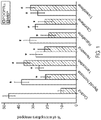
- Micropillars were cultured with OPCs and the number of MBP-positive or PDGFR ⁇ -positive rings in each field of 100 micropillars was determined. Results are depicted in Fig. 1 . Error bars represent mean ⁇ s.e.m. *P ⁇ 0.05, significance based on Student's t-test with the respective controls. Seven additional SERMs or estrogen derivatives were screened at concentrations between 500nM-1 ⁇ M without any significant effects on oligodendrocyte differentiation or membrane wrapping.
- Example 2 BZA promotes oligodendrocyte differentiation
- Purified OPCs were cultured and treated with different concentrations of BZA alone or with estradiol for 48 hours and immunostained for MBP, PDGFR ⁇ and DAPI. Quantification of the percentage of MBP-positive cells after treatment is depicted in Fig. 2 . Error bars represent mean ⁇ s.e.m., *P ⁇ 0.05, **P ⁇ 0.01, significance based on Student's t-test with the respective controls.
- OPCs were derived from WT P7 rat pups using previously validated methodology, cultured in isolation, and treated with a select group of SERMs at a preliminary concentration of 500nM for 48 hours. Cells were then permeabilized and immunostained for MBP (oligodendrocytes), PDGFR ⁇ (OPCs), and DAPI (cell bodies). Each SERM tested ((2,3-bis(4-hydroxyphenyl)-propionitrile, BZA and tamoxifen) significantly enhanced OPC differentiation (*p ⁇ 0.05; **p ⁇ 0.01; ***p ⁇ 0.001) at this concentration.
- MBP oligodendrocytes
- PDGFR ⁇ PDGFR ⁇
- DAPI cell bodies
- OPCs were co- cultured with dorsal root ganglion neurons (DRGs) and subsequently treated with 500nM BZA every 3 days. Co-cultures were fixed, permeabilized and stained. BZA significantly (p ⁇ 0.001) enhanced OPC differentiation and subsequent myelination in the co-culture system, showing strong effects on OPC differentiation and myelination.
- DRGs dorsal root ganglion neurons
- Example 4 BZA treatment on human ESC-derived OPCs.
- Human OPCs were generated from human ESCs and cultured for 10 days in the presence or absence of BZA (500 nM). The cells were then stained for O4 and MBP. There was a significant increase in the number of MBP-positive oligodendrocytes upon treatment with BZA.
- Example 5 Effects of BZA on OPC Differentiation. Lysolecithin was injected in the corpus callosum of mice and analyzed at 6 days after injection, showing a demyelinated lesion area. Mice were treated with either BZA (10mg/kg) or vehicle control for 7 days after injection of lysolecithin. Mice were euthanized at 10 days post injection and brains were sectioned and immunostained for myelin oligodendrocyte glycoprotein peptide (MOG) , Adenomatous polyposis coli (APC-a maker of mature oligodendrocytes) and Olig2. Quantification of APC-positive cells indicated a 2-fold increase in remyelination in the corpus callosum after treatment with BZA, as depicted in Fig. 3 .
- MOG myelin oligodendrocyte glycoprotein peptide
- APC-a maker of mature oligodendrocytes Adenomatous polyposis coli
- Example 6 BZA effects on remyelination kinetics. Toxic, focal demyelinating injury was induced in the corpus callosum of 8-week old adult mice the rate and extent of remyelination was assessed, using previously described methodology. Demyelination was induced by injecting 1 ⁇ l of 1% solution of lysolecithin. Essential to this demyelinating model is the timeline for repair, comprising active demyelination [1-3 days post lesion (dpl)], OPC recruitment (3-7 dpl, peaking at 5 dpl), oligodendrocyte differentiation (7-10 dpl) and active remyelination (14-21 dpl).
- Oligodendrocyte differentiation and remyelination at 10 dpl was analyzed, allowing assessment of BZA effects on the kinetics of myelin repair.
- BZA was administered via oral gavage to adult mice at a concentration of 10 mg/kg/day for 7 days following lysolecithin injections. Animals were sacrificed and perfused at 10 dpl.
- MOG and CC1/APC immunostaining demonstrated enhanced differentiation and significantly more oligodendrocytes in the lesion of BZA-treated mice at 10 dpl when compared to littermate vehicle-treated controls.
- OPCs were isolated from estrogen receptor alpha (ER ⁇ ) or beta (EH ⁇ ) null P7 mice, as well as from double knockout animals. Knockout animals were confirmed via genotyping for the inserted cassette into either the Esr1 or Esr2 gene (genes that encode for ERa and ER ⁇ , respectively). OPCs were cultured in isolation, and treated with 500nM BZA for 48 hours. Cells were then permeabilized and stained for MBP (oligodendrocytes), PGFR ⁇ (OPCs), and DAPI (cell bodies) MBP/DAPI+ cells/total cells were quantified under 20x magnification.
- MBP oligodendrocytes
- PGFR ⁇ PGFR ⁇
- DAPI cell bodies
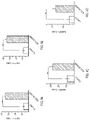
- BZA significantly enhanced OPC differentiation in wild type ( Fig. 4A ), ERa null ( Fig. 4B ) , ER ⁇ null ( Fig. 4C ), and ER ⁇ /ER ⁇ null mice ( Fig. 4D ), when compared with control.
- Example 8 Remyelinating SERMs activate GPR56.
- a bioinformatics screen was conducted to identify the molecular target of the remyelinating SERMs which promotes remyelination, employing a bioinformatics approach which integrates chemical and molecular profiling.
- the analysis was designed to identify non-overlapping targets between estrogen derivatives (which alone have no effects on myelination) and the remyelinating SERMs.
- the top candidate identified was GPR56, an adhesion GPCR which has previously been implicated as playing a role in oligodendrocyte development.
- Preliminary data suggests that GPR56 is the molecular target of the remyelinating SERMs for promotion of remyelinating effects.
Landscapes
- Health & Medical Sciences (AREA)
- General Health & Medical Sciences (AREA)
- Life Sciences & Earth Sciences (AREA)
- Chemical & Material Sciences (AREA)
- Public Health (AREA)
- Medicinal Chemistry (AREA)
- Animal Behavior & Ethology (AREA)
- Veterinary Medicine (AREA)
- Pharmacology & Pharmacy (AREA)
- Epidemiology (AREA)
- Engineering & Computer Science (AREA)
- General Chemical & Material Sciences (AREA)
- Nuclear Medicine, Radiotherapy & Molecular Imaging (AREA)
- Chemical Kinetics & Catalysis (AREA)
- Organic Chemistry (AREA)
- Bioinformatics & Cheminformatics (AREA)
- Endocrinology (AREA)
- Diabetes (AREA)
- Neurology (AREA)
- Neurosurgery (AREA)
- Biomedical Technology (AREA)
- Pharmaceuticals Containing Other Organic And Inorganic Compounds (AREA)
- Medicines That Contain Protein Lipid Enzymes And Other Medicines (AREA)
- Peptides Or Proteins (AREA)
- Acyclic And Carbocyclic Compounds In Medicinal Compositions (AREA)
Description
- CROSS-REFERENCE TO RELATED APPLICATIONS: This application claims the benefit of priority to
United States Provisional Application Serial Number 62/374,270 entitled "Remyelination Therapy," filed August 12, 2016 United States Provisional Application Serial Number 62/430,357 entitled "Remyelination Therapy," filed December 6, 2016 - In various demyelinating diseases, such as Multiple sclerosis (MS) the myelin coating that surrounds nerve fibers is attacked and damaged by the immune system or other factors. Myelin repair, or remyelination, is carried out by myelin-producing oligodendrocytes. In healthy animals, following demyelination processes, oligodendrocyte progenitor cells (OPCs) are activated and mature into myelin-producing oligodendrocytes, which wrap the axons and reapply myelin to damaged areas.
- However, in various demyelinating diseases such as MS, the remyelination process is deficient and myelin damage accumulates over time, leading to severe degeneration. It is generally accepted that remyelination failure is not a result of impaired OPC recruitment and/or migration to demyelinated tissues. Instead, it is believed that a failure of OPC differentiation and membrane wrapping is the critical barrier impeding myelin repair in demyelinating conditions.
- Current MS treatments address the underlying inflammatory component of the disease, but to date, there are no approved therapies for axon repair or remyelination. Accordingly, there is an ongoing and significant need in the art for effective remyelination therapies.
- Gonzalez G. et al.; Glia; 2013 (Suppl.1); pages S200-S201 discloses that tamoxifen promotes CNS remyelination by modulation of the PKC signalling pathway in oligodendrocyte precursor cells (OPCs).
-
WO 2010/008588 discloses that tamoxifen is able to promote OPC differentiation and CNS remyelination in demyelination condition, such as MS. - The inventors of the present disclosure have advantageously developed novel therapies that promote remyelination. In a first aspect, the inventors of the present disclosure have identified certain selective estrogen receptor modulators (SERMs) that promote remyelination. In another aspect, the inventors of the present disclosure have determined that GPR56, a G-coupled protein receptor active in certain cells, is a mediator of the remyelination process and that agonists of this receptor can promote remyelination and associated processes in demyelinated tissues.
- Additionally, the inventors of the present disclosure have determined that administration of remyelinating SERMs or GPR56 agonists in combination with estrogenic substances further promotes remyelination.
- In one aspect, the scope of the invention encompasses novel therapeutic compositions comprising remyelinating SERMs. In one aspect, the scope of the invention encompasses novel therapeutic compositions comprising remyelinating SERMs which also act as GPR56 agonists
- In another aspect, the scope of the invention encompasses remyelinating SERMs for the treatment of demyelinating conditions, promoting remyelination, and promoting the differentiation of oligodendrocyte precursors.
- According to the present invention, the remyelinating SERM is bazedoxifene or clomifene.
-
-
Fig. 1 . BIMA micropillar assay results showing the percentage of rings stained positive for PDGFRα (indicative of OPCs) or myelin basic protein (MBP) (indicative of myelinating oligodendrocytes) in response to treatment with various agents. -
Fig. 2 . BIMA micropillar assay results showing the percentage of rings stained positive for MBP for BZA-treated cells at different dosages, with and without estradiol. -
Fig. 3 . Adenomatous polyposis coli (APC-a maker of mature oligodendrocytes) positive cell density and Olig2 (a marker of oligodendroglial lineage) cell density in rat corpus callosum following lysolecithin-induced demyelination and subsequent treatment with BZA. -
Fig. 4A, 4B, 4C, and 4D. Fig 4A, 4B, 4C, and 4D depict the percentage of MBP-positive cells following BZA treatment of isolated OPCs grown in culture.Fig 4A depicts the BZA response in wild-type cells,Fig 4B depicts the BZA response in ERa knockout cells,Fig. 4C depicts the BZA response in ERβ knockout cells, andFig. 4D depicts the BZA response in ERa /ERβ double knockout cells. - Demyelinating Diseases. In one aspect, the various embodiments of the invention are directed to the treatment of a demyelinating condition. A demyelinating condition, as used herein, refers to any disease state, autoimmune disorder, or process wherein demyelination, i.e. damage to the protective myelin sheath that surrounds nerve fibers, is occurring. Typically, such damage is caused by autoimmune processes of unknown origin.
- In one embodiment, the demyelinating condition is a condition of the central nervous system. In one embodiment, the demyelinating disease is a myelinoclastic disorder. In one embodiment, the demyelinating condition is MS. In other embodiments, the demyelinating disease may be Devic's disease, an inflammatory demyelinating disease, or an acute disseminated encephalomyelitis. The demyelinating condition may comprise a leukodystrophic disorder. The demyelinating condition may comprise a central nervous system neuropathy, central pontine myelinolysis, or progressive multifocal leukoencephalopathy. The compositions and methods of the invention may also be applied to promote remyelination in demyelinating conditions of the peripheral nervous system.
- Remyelinating Compositions. The inventors of the present disclosure have identified certain compositions of matter that can act as remyelinating agents. The scope of the invention encompasses the administration of a what will be referred to herein as a "remyelinating composition." A remyelinating composition comprises one or more remyelinating agents.
- In a first aspect, the remyelinating composition comprises a SERM with remyelinating activity. Such compositions will be referred to herein as "remyelinating SERMs." SERMs are compositions known to act on estrogen receptors, with tissuespecific effects, for example, acting as estrogenic agents in some tissues while being anti-estrogenic in other tissues.
- According to the present invention, the remyelinating SERM is bazedoxifene or clomifene.
- In a second non-claimed aspect, the remyelinating composition comprises a GPR56 agonist. GPR56, as known in the art, is G-coupled protein receptor active in various tissues. The GPR56 protein sequence has accession number Q9Y653, and a GeneCard ID of GC16P057610 and an NCBI Reference Sequence of NG_011643.1. GPR56 is also known as Adhesion G Protein-Coupled Receptor G1, and as TM7XN1.
- GPR56 has previously been implicated in brain cortical patterning during development, ovarian development, cell adhesion, cell-cell interactions, and the maintenance of hematopoietic stem cells and/or leukemia stem cells in bone marrow niche. No role for GPR56 in myelination has previously been reported.
- The inventors of the present disclosure have advantageously determined that GPR56 is implicated in remyelination. Specifically, certain remyelinating compositions have been identified which comprise SERMs and which also act as GPR56 agonists. This discovery provides the art with various methods of treatment, secondary uses of known compounds, and other valuable inventions which may be applied to promote remyelination.
- Various non-claimed aspects of the present disclosure are directed to activation of GPR56 by a GPR56 agonist. An agonist, as used herein, refers to any composition of matter which binds to GPR56 and induces one or more GPR56-associated myelination processes in oligdendroglia or other cells. The GPR56 Agonist may be a small molecule, growth factor, polypeptide, nucleic acid, or any other chemical or biological composition of matter.
- GPR56 agonists, as used herein, will further refer to agonists, activators, and enhancers of GPR56's downstream effectors, i.e., activators of species which are regulated by GPR56 activation and which contribute to the remyelination response induced by GPR56 activation.
- The inventors of the present disclosure have advantageously identified several remyelinating compositions. The remyelinating composition comprise remyelinating SERMs and also comprise putative GPR56 agonists.
- A first remyelinating composition of the invention is bazedoxifene. Bazedoxifene (BZA) is a selective estrogen receptor modulator (SERM) which, in combination with conjugated estrogens, has been approved for the treatment of postmenopausal osteoporosis and of menopausal hot flashes. BZA in combination with conjugated estrogens is well tolerated, for example, having lesser side effects than tamoxifen.
- A second non-claimed remyelinating composition is raloxifene. Raloxifene is an FDA-approved drug, used in the prevention of osteoporosis and as a breast cancer preventative in postmenopausal women.
- A third remyelinating composition (according to the invention) is clomifene. Clomifene is an FDA-approved drug, used in fertility treatment in women.
- A fourth non-claimed remyelinating composition is toremifene. Toremifene is an-FDA approved drug, used in the treatment of breast cancer.
- A fifth non-claimed remyelinating composition is lasofoxifene. Lasofoxifene an EU-approved drug, and has shown efficacy in treating osteoporosis, breast cancer prevention, and vaginal atrophy.
- A sixth non-claimed remyelinating composition is ospemifene. Ospemifene is FDA-approved for the treatment of dyspareunia.
- A seventh non-claimed remyelinating composition is diarylpropionitrile. Diarylpropionitrile is an estrogen receptor agonist and is an activator of the endogenous oxytocin system.
- An eighth non-claimed remyelinating composition agonist is tamoxifen. Tamoxifen is widely used in the treatment of certain breast cancers.
- Interestingly, each of the afore-listed compounds is a SERM. However, the inventors of the present disclosure have determined that the remyelination effects of these SERMs is mediated independently of either the Alpha or Beta estrogen receptors. As described in the Examples, below, remyelination is induced by these compounds in oligodendroglia even in cells wherein both forms of the ER have been knocked out. Accordingly, the remyelination effects induced by these compounds are largely independent of ER activity and are believed to be largely or wholly by action of GPR56 activation.
- The scope of the invention encompasses various remyelinating compositions compositions. In one embodiment, the scope of the invention encompasses a pharmaceutical composition comprising remyelinating composition for the treatment of a demyelinating condition. In one embodiment, the remyelinating composition is a remyelinating SERM. According to the present invention, the remyelinating composition is selected from the group consisting of bazedoxifene, clomifene, which are remyelinating SERMs and act as GPR56 agonists.
- Co-Administration with Estrogens. The inventors of the present disclosure have determined that the remyelinating effects of the remyelinating compositions are enhanced when co-administered with estrogenic substances. It is known in the art that MS has an estrogenic component, based on various associations such as an increased incidence of MS in women vs. males and decreased incidence of MS onset in postmenopausal women. However, the role of estrogenic hormones in MS is not clear, and administration of estrogenic hormones alone has not been shown to effectively treat demyelinating conditions. Accordingly, the surprising enhancement of remyelination by estrogenic hormones in combination with remyelinating compositions provides the art with a remyelination therapy of increased potency.
- The co-administered estrogenic agent may comprise any estrogen hormone or estrogenic substance, for example, such as estrogen, estradiol, conjugated estrogens, estriol, estrogen mimics, estrone, ethynil estrogen, and estrogen agonists.
- Methods of the Invention. The scope of the invention encompasses various uses of utilizing remyelinating compositions to promote remyelination processes. The uses disclosed herein encompass the administration of a remyelinating composition to a subject.
- Such administration may encompass the administration of a pharmaceutically effective amount of the remyelinating composition, i.e. an amount sufficient to have a measurable effect on one or more remyelinating processes. For example, remyelinating composition dosages which result in physiological concentrations of 1 nM to 1 mM may be used, for example in the range of 5 nM to 500 nM. For estrogenic agents combined with remyelinating compositions, exemplary dosages include those which result in a physiological concentration in the range of 1 to 100 micromolar.
- The subject of the administration may be any animal, for example, a human, a veterinary subject, or a test animal. In one embodiment, the subject is a human that is afflicted with a demyelinating condition or is at risk of having a demyelinating condition and is in need of treatment therefor. In a non-claimed aspect, the scope of the disclosure also extends to the administration of remyelinating compositions to cells, cell cultures, and explanted tissues. In one aspect, the scope of the disclosure encompasses the administration of a remyelinating composition to oligodendroglia in a micropillar assay, as known in the art.
- In some embodiments, the administration of a remyelinating composition will be referred to as increasing, enhancing, or otherwise changing the magnitude of a myelination-associated process. Such change may be defined with respect to the magnitude of the myelination-associated process observed in untreated controls or in subjects prior to treatment.
- In one aspect, the scope of the invention encompasses a remyelinating composition for use in the treatment of a demyelinating condition in a subject, wherein the remyelinating composition is a remyelinating SERM, as defined in claim 1. Treatment, as used herein, may include, for example; curing a demyelinating condition; ameliorating symptoms associated with demyelination (e.g. nerve signal disruption, axonal damage, and neurodegeneration); slowing the progression of a demyelinating condition; preventing or delaying the onset of a demyelinating condition in an at-risk subject; preventing further loss of myelin; or restoring myelin lost prior to treatment. Such treatment or use may be in combination with the administration one or more estrogenic agents.
- In one aspect, the scope of the invention encompasses a a remyelinating SERM such as defined in claim 1 for use in a method of enhancing remyelination of axons in a subject suffering from a demyelinating condition. Enhancement, as used herein, refers to increasing the degree of remyelination, for example, increasing the thickness of the myelin sheath on axons, increasing the rate or prevalence of axon wrapping, increasing the rate of remyelination, or increasing the number of remyelinated axons in a treated area. Such administration may be in combination with one or more estrogenic agents.
- In one aspect, the scope of the invention encompasses a a remyelinating SERM such as defined in claim 1 for use in a method of enhancing the differentiation of OPCs into myelinating oligodendrocytes in a subject. Enhanced differentiation, as used herein, may refer to in increase in any measure of OPC differentiation into myelin-producing oligodendrocyte cells, including, for example, increasing the proportion of differentiated oligodendrocytes to OPC's, for example, an increase in MBP expressing cells or a decrease in the proportion of PDGFRα expressing cells. Such administration may be in combination with one or more estrogenic agents.
- In another aspect, the scope of the invention encompasses a method of using a remyelinating composition of claim 1 for the manufacture of a medicament for use in the treatment of a demyelinating condition. For example, a pharmaceutical composition for the treatment of a demyelinating condition may comprise one or more remyelinating compositions formulated or mixed in combination with one or more additional pharmaceutically acceptable elements. For example, remyelinating compositions may be combined with compositions such as carriers, excipients, diluents, buffers, salts, or release-modulating agents, as well as estrogenic compositions.
- Example 1. Identification of Remyelinating SERMs. Various SERMs and other compounds were tested for their remyelination effects using the BIMA (Binary Indicant for myelination using Micropillar Arrays) assay, a functional high-throughput screen utilizing freestanding micropillar arrays of compressed silica around which myelin "rings" of membrane wrapping by oligodendroglia can be visualized in crosssection. BIMA allows testing of compounds' direct influences on oligodendroglia without indirect effects from neurons and other factors.
- Micropillars were cultured with OPCs and the number of MBP-positive or PDGFRα-positive rings in each field of 100 micropillars was determined. Results are depicted in
Fig. 1 . Error bars represent mean ± s.e.m. *P < 0.05, significance based on Student's t-test with the respective controls. Seven additional SERMs or estrogen derivatives were screened at concentrations between 500nM-1µM without any significant effects on oligodendrocyte differentiation or membrane wrapping. - Example 2. BZA promotes oligodendrocyte differentiation Purified OPCs were cultured and treated with different concentrations of BZA alone or with estradiol for 48 hours and immunostained for MBP, PDGFRα and DAPI. Quantification of the percentage of MBP-positive cells after treatment is depicted in
Fig. 2 . Error bars represent mean ± s.e.m., *P < 0.05, **P < 0.01, significance based on Student's t-test with the respective controls. - Example 3. OPC Differentiation. To assess the effect of selected SERMs on myelination, OPCs were derived from WT P7 rat pups using previously validated methodology, cultured in isolation, and treated with a select group of SERMs at a preliminary concentration of 500nM for 48 hours. Cells were then permeabilized and immunostained for MBP (oligodendrocytes), PDGFRα (OPCs), and DAPI (cell bodies). Each SERM tested ((2,3-bis(4-hydroxyphenyl)-propionitrile, BZA and tamoxifen) significantly enhanced OPC differentiation (*p<0.05; **p<0.01; ***p<0.001) at this concentration. Additionally, OPCs were co- cultured with dorsal root ganglion neurons (DRGs) and subsequently treated with 500nM BZA every 3 days. Co-cultures were fixed, permeabilized and stained. BZA significantly (p<0.001) enhanced OPC differentiation and subsequent myelination in the co-culture system, showing strong effects on OPC differentiation and myelination.
- Example 4. BZA treatment on human ESC-derived OPCs. Human OPCs were generated from human ESCs and cultured for 10 days in the presence or absence of BZA (500 nM). The cells were then stained for O4 and MBP. There was a significant increase in the number of MBP-positive oligodendrocytes upon treatment with BZA.
- Example 5. Effects of BZA on OPC Differentiation. Lysolecithin was injected in the corpus callosum of mice and analyzed at 6 days after injection, showing a demyelinated lesion area. Mice were treated with either BZA (10mg/kg) or vehicle control for 7 days after injection of lysolecithin. Mice were euthanized at 10 days post injection and brains were sectioned and immunostained for myelin oligodendrocyte glycoprotein peptide (MOG) , Adenomatous polyposis coli (APC-a maker of mature oligodendrocytes) and Olig2. Quantification of APC-positive cells indicated a 2-fold increase in remyelination in the corpus callosum after treatment with BZA, as depicted in
Fig. 3 . - Example 6. BZA effects on remyelination kinetics. Toxic, focal demyelinating injury was induced in the corpus callosum of 8-week old adult mice the rate and extent of remyelination was assessed, using previously described methodology. Demyelination was induced by injecting 1 µl of 1% solution of lysolecithin. Essential to this demyelinating model is the timeline for repair, comprising active demyelination [1-3 days post lesion (dpl)], OPC recruitment (3-7 dpl, peaking at 5 dpl), oligodendrocyte differentiation (7-10 dpl) and active remyelination (14-21 dpl). Oligodendrocyte differentiation and remyelination at 10 dpl was analyzed, allowing assessment of BZA effects on the kinetics of myelin repair. BZA was administered via oral gavage to adult mice at a concentration of 10 mg/kg/day for 7 days following lysolecithin injections. Animals were sacrificed and perfused at 10 dpl. MOG and CC1/APC immunostaining demonstrated enhanced differentiation and significantly more oligodendrocytes in the lesion of BZA-treated mice at 10 dpl when compared to littermate vehicle-treated controls. These findings further demonstrate that BZA greatly promotes differentiation and accelerates the kinetics of remyelination after a demyelinating insult.
- Example 7. Remyelination effects are independent of estrogen receptor activity.
- OPCs were isolated from estrogen receptor alpha (ERα) or beta (EHβ) null P7 mice, as well as from double knockout animals. Knockout animals were confirmed via genotyping for the inserted cassette into either the Esr1 or Esr2 gene (genes that encode for ERa and ERβ, respectively). OPCs were cultured in isolation, and treated with 500nM BZA for 48 hours. Cells were then permeabilized and stained for MBP (oligodendrocytes), PGFRα (OPCs), and DAPI (cell bodies) MBP/DAPI+ cells/total cells were quantified under 20x magnification. Significance was determined used two-tailed Student's t-test (*p<0.05; **p<0.01; ***p<0.001). BZA significantly enhanced OPC differentiation in wild type (
Fig. 4A ), ERa null (Fig. 4B ) , ERβ null (Fig. 4C ), and ERα/ERβ null mice (Fig. 4D ), when compared with control. These results demonstrate that ERs are not necessary for SERM remyelinating agents to elicit remyelination effects. - Example 8. Remyelinating SERMs activate GPR56. As previous findings demonstrated that SERMs do not act through the estrogen receptors, a bioinformatics screen was conducted to identify the molecular target of the remyelinating SERMs which promotes remyelination, employing a bioinformatics approach which integrates chemical and molecular profiling. Specifically, the analysis was designed to identify non-overlapping targets between estrogen derivatives (which alone have no effects on myelination) and the remyelinating SERMs. The top candidate identified was GPR56, an adhesion GPCR which has previously been implicated as playing a role in oligodendrocyte development. Preliminary data suggests that GPR56 is the molecular target of the remyelinating SERMs for promotion of remyelinating effects.
Claims (13)
- A pharmaceutical composition comprising a remyelinating SERM for use in the treatment of a demyelinating condition in a subject, wherein the remyelinating SERM is selected from the group consisting of bazedoxifene, and clomifene.
- The pharmaceutical composition for use according to Claim 1 , wherein the remyelinating SERM is bazedoxifene.
- The pharmaceutical composition for use according to Claim 1, further comprising an estrogenic agent.
- The pharmaceutical composition for use according to Claim 3, wherein
the estrogenic agent is selected from the group consisting of estrogen, estradiol, conjugated estrogens, estriol, estrogen mimic, estrone, ethynil estrogen, and estrogen agonist. - The pharmaceutical composition for use according to Claim 1, wherein the demyelinating condition is a condition of the central nervous system.
- The pharmaceutical composition for use according to Claim 5, wherein
the demyelinating condition of the central nervous system is selected from the group consisting of a myelinoclastic disorder, multiple sclerosis (MS), Devic's disease, an inflammatory demyelinating disease, an acute disseminated encephalomyelitis, a leukodystrophic disorder, central nervous system neuropathy, central pontine myelinolysis, and progressive multifocal leukoencephalopathy. - The pharmaceutical composition for use according to Claim 6, wherein the demyelinating condition is MS.
- The pharmaceutical composition for use according to Claim 1, wherein the demyelinating condition is a condition of the peripheral nervous system.
- A pharmaceutical composition comprising a remyelinating SERM for use in promoting oligodendrocyte precursor cells in a subject to differentiate into myelin-producing oligodendrocytes, wherein the remyelinating SERM is selected from the group consisting of bazedoxifene, and clomifene.
- The pharmaceutical composition for use according to Claim 9, wherein
the remyelinating SERM is bazedoxifene. - The pharmaceutical composition for use according to Claim 9, further comprising
an estrogenic agent. - The pharmaceutical composition for use according to Claim 11, wherein
the estrogenic agent is selected from the group consisting of estrogen, estradiol, conjugated estrogens, estriol, estrogen mimic, estrone, ethynil estrogen, and estrogen agonist. - The pharmaceutical composition for use according to Claim 9, wherein
the demyelinating condition is selected from the group consisting of a myelinoclastic disorder, MS, Devic's disease, an inflammatory demyelinating disease, an acute disseminated encephalomyelitis, a leukodystrophic disorder, central nervous system neuropathy, central pontine myelinolysis, progressive multifocal leukoencephalopathy, and a condition of the peripheral nervous system.
Applications Claiming Priority (3)
| Application Number | Priority Date | Filing Date | Title |
|---|---|---|---|
| US201662374270P | 2016-08-12 | 2016-08-12 | |
| US201662430357P | 2016-12-06 | 2016-12-06 | |
| PCT/US2017/046624 WO2018031945A1 (en) | 2016-08-12 | 2017-08-11 | Remyelination therapies |
Publications (3)
| Publication Number | Publication Date |
|---|---|
| EP3496725A1 EP3496725A1 (en) | 2019-06-19 |
| EP3496725A4 EP3496725A4 (en) | 2020-04-15 |
| EP3496725B1 true EP3496725B1 (en) | 2022-10-05 |
Family
ID=61163187
Family Applications (1)
| Application Number | Title | Priority Date | Filing Date |
|---|---|---|---|
| EP17840377.0A Active EP3496725B1 (en) | 2016-08-12 | 2017-08-11 | Remyelination therapies |
Country Status (9)
| Country | Link |
|---|---|
| US (2) | US20190175611A1 (en) |
| EP (1) | EP3496725B1 (en) |
| JP (1) | JP2019524805A (en) |
| KR (1) | KR20190042028A (en) |
| CN (1) | CN109803662A (en) |
| AU (1) | AU2017308131A1 (en) |
| CA (1) | CA3033746A1 (en) |
| MX (1) | MX2019001757A (en) |
| WO (1) | WO2018031945A1 (en) |
Families Citing this family (3)
| Publication number | Priority date | Publication date | Assignee | Title |
|---|---|---|---|---|
| CN115501235B (en) * | 2021-08-02 | 2023-11-07 | 中山大学·深圳 | Application of compound in preparation of medicine for preventing and treating demyelinating diseases |
| CN114431193B (en) * | 2021-12-14 | 2022-10-25 | 中国人民解放军军事科学院军事医学研究院 | Application of Prrc2b in the preparation of drugs for the treatment of demyelinating diseases |
| CN114651787A (en) * | 2022-04-21 | 2022-06-24 | 贵州医科大学附属医院 | Construction method and application of mouse for constructing mouse optic nerve-specific demyelination model |
Family Cites Families (7)
| Publication number | Priority date | Publication date | Assignee | Title |
|---|---|---|---|---|
| US5434166A (en) * | 1994-08-22 | 1995-07-18 | Eli Lilly And Company | Methods of inhibiting demyelinating and desmyelinating diseases |
| US20040167112A1 (en) * | 2003-01-06 | 2004-08-26 | Wyeth | Use of estrogen receptor alpha modulators for the treatment of multiple sclerosis |
| US20060105992A1 (en) * | 2004-11-08 | 2006-05-18 | Buchanan Charles M | Pharmaceutical formulations of cyclodextrins and selective estrogen receptor modulator compounds |
| AU2009271524A1 (en) * | 2008-07-16 | 2010-01-21 | The Board Of Trustees Of The Leland Stanford Junior University | Modulation of GM98 (MRF) in remyelination |
| WO2012154944A2 (en) * | 2011-05-10 | 2012-11-15 | Stc.Unm | Methods of treating autophagy-associated disorders and related pharmaceutical compositions, diagnostics, screening techniques and kits |
| ES2864079T3 (en) * | 2014-05-30 | 2021-10-13 | Pfizer | Carbonitrile derivatives as selective androgen receptor modulators |
| EP3490556A4 (en) * | 2016-07-27 | 2020-04-15 | Case Western Reserve University | COMPOUNDS AND METHODS FOR STIMULATING MYELINATION |
-
2017
- 2017-08-11 AU AU2017308131A patent/AU2017308131A1/en not_active Abandoned
- 2017-08-11 WO PCT/US2017/046624 patent/WO2018031945A1/en not_active Ceased
- 2017-08-11 KR KR1020197007140A patent/KR20190042028A/en not_active Ceased
- 2017-08-11 US US16/324,662 patent/US20190175611A1/en not_active Abandoned
- 2017-08-11 MX MX2019001757A patent/MX2019001757A/en unknown
- 2017-08-11 CN CN201780062393.0A patent/CN109803662A/en active Pending
- 2017-08-11 JP JP2019507129A patent/JP2019524805A/en active Pending
- 2017-08-11 EP EP17840377.0A patent/EP3496725B1/en active Active
- 2017-08-11 CA CA3033746A patent/CA3033746A1/en active Pending
-
2021
- 2021-07-27 US US17/386,275 patent/US20210346394A1/en not_active Abandoned
Also Published As
| Publication number | Publication date |
|---|---|
| EP3496725A4 (en) | 2020-04-15 |
| JP2019524805A (en) | 2019-09-05 |
| US20190175611A1 (en) | 2019-06-13 |
| US20210346394A1 (en) | 2021-11-11 |
| EP3496725A1 (en) | 2019-06-19 |
| KR20190042028A (en) | 2019-04-23 |
| MX2019001757A (en) | 2019-08-16 |
| WO2018031945A1 (en) | 2018-02-15 |
| CA3033746A1 (en) | 2018-02-15 |
| CN109803662A (en) | 2019-05-24 |
| AU2017308131A1 (en) | 2019-03-07 |
Similar Documents
| Publication | Publication Date | Title |
|---|---|---|
| Lu et al. | Neuron-derived estrogen is critical for astrocyte activation and neuroprotection of the ischemic brain | |
| Singh et al. | Estrogens and progesterone as neuroprotectants: what animal models teach us | |
| Atwood | The role of hypothalamic-pituitary-gonadal hormones in the normal structure and functioning of the brain. | |
| Hojo et al. | Estrogen synthesis in the brain—role in synaptic plasticity and memory | |
| Serafini et al. | Hippocampal neurogenesis, neurotrophic factors and depression: possible therapeutic targets? | |
| Hussain et al. | Progesterone and Nestorone facilitate axon remyelination: a role for progesterone receptors | |
| Jung-Testas et al. | Steroid hormone receptors and steroid action in rat glial cells of the central and peripheral nervous system | |
| Xiao et al. | Diosgenin promotes oligodendrocyte progenitor cell differentiation through estrogen receptor‐mediated ERK1/2 activation to accelerate remyelination | |
| Jung-Testas et al. | Progesterone as a neurosteroid: synthesis and actions in rat glial cellsProceedings of Xth International Congress on Hormonal Steroids, Quebec, Canada, 17–21 June 1998. | |
| Patel et al. | Attenuation of corpus callosum axon myelination and remyelination in the absence of circulating sex hormones | |
| Brooks et al. | A cell culture model for androgen effects in motor neurons | |
| US20210346394A1 (en) | Remyelination Therapy | |
| Fowler et al. | Newly proliferated cells in the adult male amygdala are affected by gonadal steroid hormones | |
| EP2806948B1 (en) | Method for enhancing remyelination using gli1 inhibitors | |
| Magalon et al. | Olesoxime accelerates myelination and promotes repair in models of demyelination | |
| Saravia et al. | Neuroprotective effects of estradiol in hippocampal neurons and glia of middle age mice | |
| Ye et al. | Remyelination is enhanced by Astragalus polysaccharides through inducing the differentiation of oligodendrocytes from neural stem cells in cuprizone model of demyelination | |
| Xing et al. | Dopamine D1 receptor activation regulates the expression of the estrogen synthesis gene aromatase B in radial glial cells | |
| Suzuki et al. | Suppression of copulatory behavior by intracerebroventricular infusion of antisense oligodeoxynucleotide of granulin in neonatal male rats | |
| Barratt et al. | Tamoxifen promotes differentiation of oligodendrocyte progenitors in vitro | |
| Langeveld et al. | Implication of glucocorticoid receptors in the stimulation of human glioma cell proliferation by dexamethasone | |
| Suo et al. | The orphan G protein‐coupled receptor GPR149 is a negative regulator of myelination and remyelination | |
| Zhao et al. | Progesterone influences postischemic synaptogenesis in the CA1 region of the hippocampus in rats | |
| Yang et al. | Effects of electroacupuncture and the retinoid X receptor (RXR) signalling pathway on oligodendrocyte differentiation in the demyelinated spinal cord of rats | |
| Meyer et al. | Stage dependent effects of progesterone on motoneurons and glial cells of wobbler mouse spinal cord degeneration |
Legal Events
| Date | Code | Title | Description |
|---|---|---|---|
| STAA | Information on the status of an ep patent application or granted ep patent |
Free format text: STATUS: THE INTERNATIONAL PUBLICATION HAS BEEN MADE |
|
| PUAI | Public reference made under article 153(3) epc to a published international application that has entered the european phase |
Free format text: ORIGINAL CODE: 0009012 |
|
| STAA | Information on the status of an ep patent application or granted ep patent |
Free format text: STATUS: REQUEST FOR EXAMINATION WAS MADE |
|
| 17P | Request for examination filed |
Effective date: 20190211 |
|
| AK | Designated contracting states |
Kind code of ref document: A1 Designated state(s): AL AT BE BG CH CY CZ DE DK EE ES FI FR GB GR HR HU IE IS IT LI LT LU LV MC MK MT NL NO PL PT RO RS SE SI SK SM TR |
|
| AX | Request for extension of the european patent |
Extension state: BA ME |
|
| RIN1 | Information on inventor provided before grant (corrected) |
Inventor name: SHEN, YUN-AN Inventor name: CHAN, JONAH Inventor name: GREEN, ARI Inventor name: RANKIN, KELSEY Inventor name: BOVE, RILEY |
|
| DAV | Request for validation of the european patent (deleted) | ||
| DAX | Request for extension of the european patent (deleted) | ||
| RIC1 | Information provided on ipc code assigned before grant |
Ipc: A61K 31/138 20060101ALI20200305BHEP Ipc: A61K 31/075 20060101ALI20200305BHEP Ipc: A61K 31/085 20060101ALI20200305BHEP Ipc: A61K 31/4535 20060101ALI20200305BHEP Ipc: A61K 31/565 20060101ALI20200305BHEP Ipc: A61K 31/55 20060101AFI20200305BHEP Ipc: A61K 31/40 20060101ALI20200305BHEP Ipc: A61K 31/277 20060101ALI20200305BHEP Ipc: A61K 45/06 20060101ALI20200305BHEP Ipc: A61P 25/28 20060101ALI20200305BHEP Ipc: A61P 25/00 20060101ALI20200305BHEP Ipc: A61K 31/566 20060101ALI20200305BHEP |
|
| A4 | Supplementary search report drawn up and despatched |
Effective date: 20200313 |
|
| GRAP | Despatch of communication of intention to grant a patent |
Free format text: ORIGINAL CODE: EPIDOSNIGR1 |
|
| STAA | Information on the status of an ep patent application or granted ep patent |
Free format text: STATUS: GRANT OF PATENT IS INTENDED |
|
| INTG | Intention to grant announced |
Effective date: 20220221 |
|
| GRAS | Grant fee paid |
Free format text: ORIGINAL CODE: EPIDOSNIGR3 |
|
| GRAA | (expected) grant |
Free format text: ORIGINAL CODE: 0009210 |
|
| STAA | Information on the status of an ep patent application or granted ep patent |
Free format text: STATUS: THE PATENT HAS BEEN GRANTED |
|
| AK | Designated contracting states |
Kind code of ref document: B1 Designated state(s): AL AT BE BG CH CY CZ DE DK EE ES FI FR GB GR HR HU IE IS IT LI LT LU LV MC MK MT NL NO PL PT RO RS SE SI SK SM TR |
|
| REG | Reference to a national code |
Ref country code: GB Ref legal event code: FG4D |
|
| REG | Reference to a national code |
Ref country code: CH Ref legal event code: EP |
|
| REG | Reference to a national code |
Ref country code: AT Ref legal event code: REF Ref document number: 1522319 Country of ref document: AT Kind code of ref document: T Effective date: 20221015 |
|
| REG | Reference to a national code |
Ref country code: IE Ref legal event code: FG4D |
|
| REG | Reference to a national code |
Ref country code: DE Ref legal event code: R096 Ref document number: 602017062458 Country of ref document: DE |
|
| REG | Reference to a national code |
Ref country code: LT Ref legal event code: MG9D |
|
| REG | Reference to a national code |
Ref country code: NL Ref legal event code: MP Effective date: 20221005 |
|
| REG | Reference to a national code |
Ref country code: AT Ref legal event code: MK05 Ref document number: 1522319 Country of ref document: AT Kind code of ref document: T Effective date: 20221005 |
|
| PG25 | Lapsed in a contracting state [announced via postgrant information from national office to epo] |
Ref country code: NL Free format text: LAPSE BECAUSE OF FAILURE TO SUBMIT A TRANSLATION OF THE DESCRIPTION OR TO PAY THE FEE WITHIN THE PRESCRIBED TIME-LIMIT Effective date: 20221005 |
|
| PG25 | Lapsed in a contracting state [announced via postgrant information from national office to epo] |
Ref country code: SE Free format text: LAPSE BECAUSE OF FAILURE TO SUBMIT A TRANSLATION OF THE DESCRIPTION OR TO PAY THE FEE WITHIN THE PRESCRIBED TIME-LIMIT Effective date: 20221005 Ref country code: PT Free format text: LAPSE BECAUSE OF FAILURE TO SUBMIT A TRANSLATION OF THE DESCRIPTION OR TO PAY THE FEE WITHIN THE PRESCRIBED TIME-LIMIT Effective date: 20230206 Ref country code: NO Free format text: LAPSE BECAUSE OF FAILURE TO SUBMIT A TRANSLATION OF THE DESCRIPTION OR TO PAY THE FEE WITHIN THE PRESCRIBED TIME-LIMIT Effective date: 20230105 Ref country code: LT Free format text: LAPSE BECAUSE OF FAILURE TO SUBMIT A TRANSLATION OF THE DESCRIPTION OR TO PAY THE FEE WITHIN THE PRESCRIBED TIME-LIMIT Effective date: 20221005 Ref country code: FI Free format text: LAPSE BECAUSE OF FAILURE TO SUBMIT A TRANSLATION OF THE DESCRIPTION OR TO PAY THE FEE WITHIN THE PRESCRIBED TIME-LIMIT Effective date: 20221005 Ref country code: ES Free format text: LAPSE BECAUSE OF FAILURE TO SUBMIT A TRANSLATION OF THE DESCRIPTION OR TO PAY THE FEE WITHIN THE PRESCRIBED TIME-LIMIT Effective date: 20221005 Ref country code: AT Free format text: LAPSE BECAUSE OF FAILURE TO SUBMIT A TRANSLATION OF THE DESCRIPTION OR TO PAY THE FEE WITHIN THE PRESCRIBED TIME-LIMIT Effective date: 20221005 |
|
| PG25 | Lapsed in a contracting state [announced via postgrant information from national office to epo] |
Ref country code: RS Free format text: LAPSE BECAUSE OF FAILURE TO SUBMIT A TRANSLATION OF THE DESCRIPTION OR TO PAY THE FEE WITHIN THE PRESCRIBED TIME-LIMIT Effective date: 20221005 Ref country code: PL Free format text: LAPSE BECAUSE OF FAILURE TO SUBMIT A TRANSLATION OF THE DESCRIPTION OR TO PAY THE FEE WITHIN THE PRESCRIBED TIME-LIMIT Effective date: 20221005 Ref country code: LV Free format text: LAPSE BECAUSE OF FAILURE TO SUBMIT A TRANSLATION OF THE DESCRIPTION OR TO PAY THE FEE WITHIN THE PRESCRIBED TIME-LIMIT Effective date: 20221005 Ref country code: IS Free format text: LAPSE BECAUSE OF FAILURE TO SUBMIT A TRANSLATION OF THE DESCRIPTION OR TO PAY THE FEE WITHIN THE PRESCRIBED TIME-LIMIT Effective date: 20230205 Ref country code: HR Free format text: LAPSE BECAUSE OF FAILURE TO SUBMIT A TRANSLATION OF THE DESCRIPTION OR TO PAY THE FEE WITHIN THE PRESCRIBED TIME-LIMIT Effective date: 20221005 Ref country code: GR Free format text: LAPSE BECAUSE OF FAILURE TO SUBMIT A TRANSLATION OF THE DESCRIPTION OR TO PAY THE FEE WITHIN THE PRESCRIBED TIME-LIMIT Effective date: 20230106 |
|
| REG | Reference to a national code |
Ref country code: DE Ref legal event code: R097 Ref document number: 602017062458 Country of ref document: DE |
|
| PG25 | Lapsed in a contracting state [announced via postgrant information from national office to epo] |
Ref country code: SM Free format text: LAPSE BECAUSE OF FAILURE TO SUBMIT A TRANSLATION OF THE DESCRIPTION OR TO PAY THE FEE WITHIN THE PRESCRIBED TIME-LIMIT Effective date: 20221005 Ref country code: RO Free format text: LAPSE BECAUSE OF FAILURE TO SUBMIT A TRANSLATION OF THE DESCRIPTION OR TO PAY THE FEE WITHIN THE PRESCRIBED TIME-LIMIT Effective date: 20221005 Ref country code: EE Free format text: LAPSE BECAUSE OF FAILURE TO SUBMIT A TRANSLATION OF THE DESCRIPTION OR TO PAY THE FEE WITHIN THE PRESCRIBED TIME-LIMIT Effective date: 20221005 Ref country code: DK Free format text: LAPSE BECAUSE OF FAILURE TO SUBMIT A TRANSLATION OF THE DESCRIPTION OR TO PAY THE FEE WITHIN THE PRESCRIBED TIME-LIMIT Effective date: 20221005 Ref country code: CZ Free format text: LAPSE BECAUSE OF FAILURE TO SUBMIT A TRANSLATION OF THE DESCRIPTION OR TO PAY THE FEE WITHIN THE PRESCRIBED TIME-LIMIT Effective date: 20221005 |
|
| PLBE | No opposition filed within time limit |
Free format text: ORIGINAL CODE: 0009261 |
|
| STAA | Information on the status of an ep patent application or granted ep patent |
Free format text: STATUS: NO OPPOSITION FILED WITHIN TIME LIMIT |
|
| PG25 | Lapsed in a contracting state [announced via postgrant information from national office to epo] |
Ref country code: SK Free format text: LAPSE BECAUSE OF FAILURE TO SUBMIT A TRANSLATION OF THE DESCRIPTION OR TO PAY THE FEE WITHIN THE PRESCRIBED TIME-LIMIT Effective date: 20221005 Ref country code: AL Free format text: LAPSE BECAUSE OF FAILURE TO SUBMIT A TRANSLATION OF THE DESCRIPTION OR TO PAY THE FEE WITHIN THE PRESCRIBED TIME-LIMIT Effective date: 20221005 |
|
| 26N | No opposition filed |
Effective date: 20230706 |
|
| PG25 | Lapsed in a contracting state [announced via postgrant information from national office to epo] |
Ref country code: SI Free format text: LAPSE BECAUSE OF FAILURE TO SUBMIT A TRANSLATION OF THE DESCRIPTION OR TO PAY THE FEE WITHIN THE PRESCRIBED TIME-LIMIT Effective date: 20221005 |
|
| REG | Reference to a national code |
Ref country code: DE Ref legal event code: R119 Ref document number: 602017062458 Country of ref document: DE |
|
| PG25 | Lapsed in a contracting state [announced via postgrant information from national office to epo] |
Ref country code: MC Free format text: LAPSE BECAUSE OF FAILURE TO SUBMIT A TRANSLATION OF THE DESCRIPTION OR TO PAY THE FEE WITHIN THE PRESCRIBED TIME-LIMIT Effective date: 20221005 |
|
| REG | Reference to a national code |
Ref country code: CH Ref legal event code: PL |
|
| PG25 | Lapsed in a contracting state [announced via postgrant information from national office to epo] |
Ref country code: MC Free format text: LAPSE BECAUSE OF FAILURE TO SUBMIT A TRANSLATION OF THE DESCRIPTION OR TO PAY THE FEE WITHIN THE PRESCRIBED TIME-LIMIT Effective date: 20221005 |
|
| PG25 | Lapsed in a contracting state [announced via postgrant information from national office to epo] |
Ref country code: LU Free format text: LAPSE BECAUSE OF NON-PAYMENT OF DUE FEES Effective date: 20230811 |
|
| GBPC | Gb: european patent ceased through non-payment of renewal fee |
Effective date: 20230811 |
|
| PG25 | Lapsed in a contracting state [announced via postgrant information from national office to epo] |
Ref country code: LU Free format text: LAPSE BECAUSE OF NON-PAYMENT OF DUE FEES Effective date: 20230811 Ref country code: CH Free format text: LAPSE BECAUSE OF NON-PAYMENT OF DUE FEES Effective date: 20230831 |
|
| REG | Reference to a national code |
Ref country code: BE Ref legal event code: MM Effective date: 20230831 |
|
| REG | Reference to a national code |
Ref country code: IE Ref legal event code: MM4A |
|
| PG25 | Lapsed in a contracting state [announced via postgrant information from national office to epo] |
Ref country code: IT Free format text: LAPSE BECAUSE OF FAILURE TO SUBMIT A TRANSLATION OF THE DESCRIPTION OR TO PAY THE FEE WITHIN THE PRESCRIBED TIME-LIMIT Effective date: 20221005 |
|
| PG25 | Lapsed in a contracting state [announced via postgrant information from national office to epo] |
Ref country code: IE Free format text: LAPSE BECAUSE OF NON-PAYMENT OF DUE FEES Effective date: 20230811 |
|
| PG25 | Lapsed in a contracting state [announced via postgrant information from national office to epo] |
Ref country code: GB Free format text: LAPSE BECAUSE OF NON-PAYMENT OF DUE FEES Effective date: 20230811 |
|
| PG25 | Lapsed in a contracting state [announced via postgrant information from national office to epo] |
Ref country code: IE Free format text: LAPSE BECAUSE OF NON-PAYMENT OF DUE FEES Effective date: 20230811 Ref country code: GB Free format text: LAPSE BECAUSE OF NON-PAYMENT OF DUE FEES Effective date: 20230811 Ref country code: FR Free format text: LAPSE BECAUSE OF NON-PAYMENT OF DUE FEES Effective date: 20230831 Ref country code: DE Free format text: LAPSE BECAUSE OF NON-PAYMENT OF DUE FEES Effective date: 20240301 |
|
| PG25 | Lapsed in a contracting state [announced via postgrant information from national office to epo] |
Ref country code: BE Free format text: LAPSE BECAUSE OF NON-PAYMENT OF DUE FEES Effective date: 20230831 |
|
| PG25 | Lapsed in a contracting state [announced via postgrant information from national office to epo] |
Ref country code: BG Free format text: LAPSE BECAUSE OF FAILURE TO SUBMIT A TRANSLATION OF THE DESCRIPTION OR TO PAY THE FEE WITHIN THE PRESCRIBED TIME-LIMIT Effective date: 20221005 |
|
| PG25 | Lapsed in a contracting state [announced via postgrant information from national office to epo] |
Ref country code: BG Free format text: LAPSE BECAUSE OF FAILURE TO SUBMIT A TRANSLATION OF THE DESCRIPTION OR TO PAY THE FEE WITHIN THE PRESCRIBED TIME-LIMIT Effective date: 20221005 |
|
| PG25 | Lapsed in a contracting state [announced via postgrant information from national office to epo] |
Ref country code: CY Free format text: LAPSE BECAUSE OF FAILURE TO SUBMIT A TRANSLATION OF THE DESCRIPTION OR TO PAY THE FEE WITHIN THE PRESCRIBED TIME-LIMIT; INVALID AB INITIO Effective date: 20170811 |
|
| PG25 | Lapsed in a contracting state [announced via postgrant information from national office to epo] |
Ref country code: HU Free format text: LAPSE BECAUSE OF FAILURE TO SUBMIT A TRANSLATION OF THE DESCRIPTION OR TO PAY THE FEE WITHIN THE PRESCRIBED TIME-LIMIT; INVALID AB INITIO Effective date: 20170811 |
|
| PG25 | Lapsed in a contracting state [announced via postgrant information from national office to epo] |
Ref country code: TR Free format text: LAPSE BECAUSE OF FAILURE TO SUBMIT A TRANSLATION OF THE DESCRIPTION OR TO PAY THE FEE WITHIN THE PRESCRIBED TIME-LIMIT Effective date: 20221005 |