EP3491092B1 - Biopolymers for fugitive dust control - Google Patents
Biopolymers for fugitive dust control Download PDFInfo
- Publication number
- EP3491092B1 EP3491092B1 EP17837513.5A EP17837513A EP3491092B1 EP 3491092 B1 EP3491092 B1 EP 3491092B1 EP 17837513 A EP17837513 A EP 17837513A EP 3491092 B1 EP3491092 B1 EP 3491092B1
- Authority
- EP
- European Patent Office
- Prior art keywords
- polymer
- moieties
- dust
- partially oxidized
- amine
- Prior art date
- Legal status (The legal status is an assumption and is not a legal conclusion. Google has not performed a legal analysis and makes no representation as to the accuracy of the status listed.)
- Active
Links
Images



Classifications
-
- C—CHEMISTRY; METALLURGY
- C09—DYES; PAINTS; POLISHES; NATURAL RESINS; ADHESIVES; COMPOSITIONS NOT OTHERWISE PROVIDED FOR; APPLICATIONS OF MATERIALS NOT OTHERWISE PROVIDED FOR
- C09K—MATERIALS FOR MISCELLANEOUS APPLICATIONS, NOT PROVIDED FOR ELSEWHERE
- C09K3/00—Materials not provided for elsewhere
- C09K3/22—Materials not provided for elsewhere for dust-laying or dust-absorbing
-
- C—CHEMISTRY; METALLURGY
- C08—ORGANIC MACROMOLECULAR COMPOUNDS; THEIR PREPARATION OR CHEMICAL WORKING-UP; COMPOSITIONS BASED THEREON
- C08B—POLYSACCHARIDES; DERIVATIVES THEREOF
- C08B37/00—Preparation of polysaccharides not provided for in groups C08B1/00 - C08B35/00; Derivatives thereof
- C08B37/0006—Homoglycans, i.e. polysaccharides having a main chain consisting of one single sugar, e.g. colominic acid
- C08B37/0009—Homoglycans, i.e. polysaccharides having a main chain consisting of one single sugar, e.g. colominic acid alpha-D-Glucans, e.g. polydextrose, alternan, glycogen; (alpha-1,4)(alpha-1,6)-D-Glucans; (alpha-1,3)(alpha-1,4)-D-Glucans, e.g. isolichenan or nigeran; (alpha-1,4)-D-Glucans; (alpha-1,3)-D-Glucans, e.g. pseudonigeran; Derivatives thereof
- C08B37/0021—Dextran, i.e. (alpha-1,4)-D-glucan; Derivatives thereof, e.g. Sephadex, i.e. crosslinked dextran
-
- C—CHEMISTRY; METALLURGY
- C08—ORGANIC MACROMOLECULAR COMPOUNDS; THEIR PREPARATION OR CHEMICAL WORKING-UP; COMPOSITIONS BASED THEREON
- C08B—POLYSACCHARIDES; DERIVATIVES THEREOF
- C08B37/00—Preparation of polysaccharides not provided for in groups C08B1/00 - C08B35/00; Derivatives thereof
- C08B37/0006—Homoglycans, i.e. polysaccharides having a main chain consisting of one single sugar, e.g. colominic acid
- C08B37/0051—Homoglycans, i.e. polysaccharides having a main chain consisting of one single sugar, e.g. colominic acid beta-D-Fructofuranans, e.g. beta-2,6-D-fructofuranan, i.e. levan; Derivatives thereof
-
- C—CHEMISTRY; METALLURGY
- C08—ORGANIC MACROMOLECULAR COMPOUNDS; THEIR PREPARATION OR CHEMICAL WORKING-UP; COMPOSITIONS BASED THEREON
- C08B—POLYSACCHARIDES; DERIVATIVES THEREOF
- C08B37/00—Preparation of polysaccharides not provided for in groups C08B1/00 - C08B35/00; Derivatives thereof
- C08B37/006—Heteroglycans, i.e. polysaccharides having more than one sugar residue in the main chain in either alternating or less regular sequence; Gellans; Succinoglycans; Arabinogalactans; Tragacanth or gum tragacanth or traganth from Astragalus; Gum Karaya from Sterculia urens; Gum Ghatti from Anogeissus latifolia; Derivatives thereof
- C08B37/0087—Glucomannans or galactomannans; Tara or tara gum, i.e. D-mannose and D-galactose units, e.g. from Cesalpinia spinosa; Tamarind gum, i.e. D-galactose, D-glucose and D-xylose units, e.g. from Tamarindus indica; Gum Arabic, i.e. L-arabinose, L-rhamnose, D-galactose and D-glucuronic acid units, e.g. from Acacia Senegal or Acacia Seyal; Derivatives thereof
- C08B37/0096—Guar, guar gum, guar flour, guaran, i.e. (beta-1,4) linked D-mannose units in the main chain branched with D-galactose units in (alpha-1,6), e.g. from Cyamopsis Tetragonolobus; Derivatives thereof
-
- C—CHEMISTRY; METALLURGY
- C08—ORGANIC MACROMOLECULAR COMPOUNDS; THEIR PREPARATION OR CHEMICAL WORKING-UP; COMPOSITIONS BASED THEREON
- C08L—COMPOSITIONS OF MACROMOLECULAR COMPOUNDS
- C08L5/00—Compositions of polysaccharides or of their derivatives not provided for in groups C08L1/00 or C08L3/00
-
- C—CHEMISTRY; METALLURGY
- C08—ORGANIC MACROMOLECULAR COMPOUNDS; THEIR PREPARATION OR CHEMICAL WORKING-UP; COMPOSITIONS BASED THEREON
- C08L—COMPOSITIONS OF MACROMOLECULAR COMPOUNDS
- C08L5/00—Compositions of polysaccharides or of their derivatives not provided for in groups C08L1/00 or C08L3/00
- C08L5/02—Dextran; Derivatives thereof
Definitions
- the present invention is directed to the production of polysaccharide derivatives and, in particular, compositions, tools, systems and methods for the dust control in mining, hauling, stock-piling, conveying, sizing, loading and packaging of industrial minerals.
- the invention also directed to dust and odor control of animal fitter materials.
- Another application of this invention is to provide bio compatible dust and odor control for animal litter materials.
- Absorbents, odor regulatory agents, and clumping agents and more chemical additives are used in common animal fitters materials.
- Commonly used clay based absorbent animal litter materials have issues of dust and odor during its use and controlling it with single bio based product is valuable for animal fitter industry.
- the present invention overcomes the problems and disadvantages associated with current strategies and designs and provide new tools, compositions and methods for dust control.
- One embodiment not covered by the claims of the invention comprises dust control processes, such as for example, the dust control process is performed in association with a mining operation, hauling, stock-piling, conveying, sizing, loading and packaging of industrial minerals, dust and/or odor control of animal litter materials or a combination thereof, comprising: providing a composition comprised of a polymer containing one or more amine and/or alkyl moieties; mixing the composition with an aqueous liquid to form a mixture; and applying the mixture to an area that generates dust.
- the polymer comprises a saccharide, a polysaccharide, a derivative of the saccharide or the polysaccharide, or a combination thereof.
- the derivative comprises an oxidized saccharide or an oxidized polysaccharide.
- the saccharide, the polysaccharide, the derivative of the saccharide or the polysaccharide, or a combination thereof contains one or more amine, diamine and/or tetra-amine moieties and/or is coupled to one or more alkane, alkene, alkyne, aryl or hydrocarbon moieties.
- Preferred polymers comprise dextran, levan, guar gum, starch, scleroglucan, welan, xanthan gum, schizophyllan, chitosan, cellulose or a combination thereof.
- a preferred molecular weight is from about 3 kD to about 50,000 kD and/or is coupled to from 0-3 alkylamine moieties per monosaccharide unit wherein 10 percent or more of the monosaccharide units are coupled to alkylamine moieties.
- the polymer contains one or more primary amine moieties and/or is coupled to one or more primary alkyl moieties.
- Preferred alkyl moieties include, for example, aldehyde, alkane, alkene, alkyne, aryl moieties, and combinations thereof
- the amine moieties are selected from the group consisting of amine, diamine, tetra-amine moieties, and combinations thereof
- preferred alkylamine moieties include, for example, combinations of hydrocarbon/amine moieties.
- the compounds and compositions of the invention are not harmful to the environment, do not pollute the environment, are safe for handling by persons, and/or are non-toxic.
- compositions of the disclosure comprising applying a composition of the disclosure to toxic or otherwise contaminated areas that generate dust.
- the composition collects the dust from the air or as is otherwise present from the industrial application.
- the dust now contained within the composition can be collected and safely and properly disposed according to federal, state and/or local regulations.
- polymers that contain one or more amine and/or alkyl moieties.
- the polymers comprise natural or oxidized levan, chitosan, guar gum, scleroglucan, welan, xanthan gum, dextran, schizophyllan, cellulose or a combination thereof.
- the polymers comprise amino dextran, amino levan, amino guar or a combination thereof.
- the amino dextran comprises partially oxidized sugar dextran diethyl amine
- the amino levan comprises partially oxidized sugar levan diethyl amine
- the amino guar comprises partially oxidized sugar guar diethyl amine.
- polymers which comprises the chemical structure of Figure 4, Figure 5 or Figure 6 , and/or derivatives, salts and functional equivalents thereof.
- compositions that contain the polymer not covered by the claims of the invention plus an aqueous liquid.
- aqueous liquid is water.
- Drilling, mining and other excavating processes generate a great deal of particles suspended in the air, conventionally referred to as dust.
- dust eventually settles, it is usually necessary to continue work in the dust environment which can be hazardous to both equipment and people.
- Conventional dust control measures involve spraying the work area with water. Water droplets merge with the dust particles causing the combined form to fall out of the atmosphere more quickly. Although somewhat effective, water evaporates quickly allowing dust to form once again, is simply unavailable in certain areas, or is impractical in cold climates due, for example, to freezing. Also, the amount of water that is typically necessary to control dust can ruin a work area or damage the environment, such as by destroying plant life in the treated areas and/or contaminate the aquifer with run-off.
- polymers such as dextran and other polysaccharides are highly water-soluble molecules with structures that do not change under extremes of temperature and pH. Unlike other dust control substances (e.g., water), there are typically no or minimal issues associated with crystallization of the polymer when used at the low temperatures that exist when working in cold climates.
- Polymers such as polysaccharides and functionalized polysaccharides and derivatives thereof referred to in the claims of the invention are environmentally safe, nonhazardous to work with and generally biocompatible.
- Dextran and other polysaccharide molecules are also biodegradable and pose little to no negative impact to plants, animals and other organisms or populations, or on the environment in general, even when used in high concentrations.
- Polysaccharides and polysaccharide derivatives referred to in the claims of the invention that are useful as functionalized polymers in the claimed method of the invention simply and rapidly degrade in the environment into harmless components.
- functionalized polysaccharide and functional polysaccharide derivatives e.g., functionalized polymers containing conservative modifications, deletions and/or substitutions that remain functional
- not covered by the claims of the invention are preferably used as non-toxic, low viscosity liquids. As such, they are easily transportable, requiring no special handling as would hazardous materials, and thus readily available directly at the site of use. This ready-to-use availability eliminates time otherwise required for pre-mixing as well as disposal costs such as those associated with saltwater disposal.
- polysaccharides substituted with amines, alkyls, and/or alkyl amines are especially effective agents at reducing or preventing the creation and accumulation of dust commonly found with mining and drilling operations.
- Preferred functionalized polymers not covered by the claims of the invention include polymers such as, for example but not limited to polysaccharide, dextran, guar gum, chitosan, scleroglucan, welan, xanthan gum, schizophyllan, levan, starches and cellulose.
- Preferred functionalized polysaccharide include, for example, polysaccharides substituted or modified with alkyl groups or moieties such as, for example, aldehyde, alkane, alkene, alkyne, aryl, and other hydrocarbons.
- substituted polysaccharides not covered by the claims of the invention include, polysaccharides substituted with amine (e.g., primary amine), diamine and tetra-amine groups, polysaccharides substituted with alkyl groups or moieties, and/or polysaccharides substituted with alkylamine moieties.
- Preferred examples include methyl, ethyl, propyl and isopropyl substituted polysaccharides and/or oxidized polysaccharides, monoaldehyde, dialdehyde, and/or polyaldehyde substituted polysaccharides and/or oxidized polysaccharides, and monamine, diamine, triamine, and polyamine substituted polysaccharides and/or oxidized polysaccharides.
- Especially preferred examples include dextran (e.g., a branched polyglucan composed of many glucose molecules) in chains of varying lengths.
- the polymers are from about 2 kD to about 100,000 kD, more preferably from about 5kD to about 50,00,000 kD, more preferably from about 100 kD to about 10,000 kD, and combinations thereof.
- polymers comprise from 1-3 alkyl/amine substitutions per polymer unit, preferably a monosaccharide or glucose unit. Substitutions can range from 1to100 percent of the monosaccharide units of the polysaccharide containing substitutions. The degree and amount of substitution and coupled moieties may depend on the particular moiety or moieties substituted, and may be determined empirically by those skilled in the art.
- units that contain moieties may comprise from 5 to 80 percent, preferably from 10 to 50 percent, preferably from 30 to 70 percent, or preferably from 10 to 50 percent. Also preferred are polysaccharides containing multiple different substitutions including but not limited to alkyl and amine moiety substitutions.
- compositions comprised of a polymer oxidized, partially oxidized, and/or functionalized to contain one or more amine and/or alkyl moieties in water.
- the amount of water or another aqueous component in the composition can vary from, for example, 5% to 95% polymer with the remainder comprising water or another available aqueous component.
- compositions not covered by the claims of the invention may contain polymers plus non-aqueous liquids, such as oils, alcohols, and the like.
- the amount of polymer is from 5-75%, more preferably from 7.5-50% polymer, and more preferably from 10-25% polymer.
- the amount of polymer in the composition can vary depending on the amount of dust control needed, with more polymer providing increased control.
- the process involves applying the composition on dust causing areas such as roads, walls and cliffs, mining operations and any operation or industrial areas that generate airborne particles.
- Application of the compositions referred to in the claims of the invention may be by spraying from a hose or other similar device, or simply flooding the composition in the air or over a surface that generates dust during the operation performed.
- the functionalized polymer comprises a saccharide, a polysaccharide or a derivative thereof.
- Preferred polymers comprise, for example, dextran, levan, guar gum, welan, xanthan gum, or a combination thereof, which has a molecular weight of from about 3 kD to about 50,000 kD preferably coupled to from 0-3 alkylamine moieties per monosaccharide unit and 10 to 20 percent, or more than 20 percent of the monosaccharide units contain amine, alkyl and/or alkylamine moieties.
- the polymer contains one or more amine moieties such as, for example, one or more amine, diamine and/or tetra-amine moieties, or one or more alkyl moieties such as, for example, aldehyde, alkane, alkene, alkyne, aryl or other hydrocarbon, or one or more alkyl/amine moieties.
- the composition contains no detectable sodium and also that the composition is not harmful to the environment, does not contribute to pollution of the environment, is safe for handling by persons, and is non-toxic.
- compositions comprising a functionalized polymer, preferably of a polysaccharide, containing primary amine and/or alkyl group substitutions or moieties along the repeating units of the polymer chain.
- a functionalized polymer preferably of a polysaccharide, containing primary amine and/or alkyl group substitutions or moieties along the repeating units of the polymer chain.
- the polymer comprises one or more of dextran, levan, starch, guar gum, scleroglucan, welan, xanthan gum, chitosan, schizophyllan, cellulose or combinations thereof.
- the polymer contains substitutions along 1-100 percent of its repeating units.
- the primary amine substitutions are monoamines, diamines, tri-amines, tetra-amines moieties or combinations thereof, preferably the alkyl group substitutions are methyl, ethyl, propyl, isopropyl, alkane, alkene, alkyne, aryl or hydrocarbon moieties, or combinations thereof, and also preferably the alkyl moiety substitution comprise from 1 to 3 carbons.
- Polymers compositions referred to in the claims of the invention are preferably mixed with, for example, fluids associated with activities at the work site or simply water.
- the preferred amount of the functionalized polymer of the composition is from about one percent to about 75 percent, or from about 10 percent to about 50 percent, or from about 10 percent to about ninety percent, or from about 25 percent to about 75 percent, or any combination thereof.
- Preferred concentrations of the polymers referred to in the claims of the invention in an associated fluid at a work site is generally within the preferred ranges and can be tailored to more exact amounts depending on the particular compound utilized. When desired, concentrations can be calculated based on molecular function and/or determined empirically.
- a composition comprising 10% functionalized or partially oxidized dextran, guar or levan in water provides dust control over a dirt road for a period of at least two days.
- a composition comprising 40% functionalized or partially oxidized dextran, guar or levan in water provides dust control over a dirt road for a period of at least two weeks.
- the amount of polymer of composition for a desired period of time for dust control can be determined empirically and easily by one skilled in the art for most any desired time frame.
- Dust control compositions referred to in the claims of the invention are preferably utilized at works site regarding mining, excavations, demolition or razing of structures, building, walls and other structures (e.g., using explosives), and similar processes. Dust control compositions referred to in the claims of the invention are especially useful when the dust that might be otherwise generated from, for example, an excavation or a demolition is potentially hazardous to persons and/or equipment. Thus, clean-up of the hazardous substance is made possible and at least made more efficient than conventional processes would otherwise allow.
- the composition may be applied continuously during a dust generating process, at regular intervals during a dust generating process, and/or as needed during a dust generating process.
- compositions may be applied to a surface once or periodically as needed such as, for example, on roads or paths that may be dirt, gravel or another dust generating surface.
- the composition may be applied directly to the source of the dust and/or may be atomized, sprayed, or otherwise emitted into the air to capture dust particles.
- Polymer compositions referred to in the claims of the invention preferably function in aqueous (e.g. water-based formulations) (WBF) and hydrocarbon- or oil-based formulations (OBF) as fluids for example, in dispersed, non-dispersed and polymer based fluids.
- Fluid compositions may include, for example, surfactants, anti-corrosion additives, friction reducers, anti-freeze agents (e.g., CaCl 2 , KCl) viscosity enhancers (such as cross-linkers), viscosity reducers (such as breakers), carrier oils (diesel, synthetic olefin oils, and the like), and buffers (acids and bases).
- Polymer compositions referred to in the claims of the invention are preferably provided as a liquid, for example, in one cubic meter vessels (referred to as "totes") or in bulk form (e.g., 1,000-5,000 gallon tanks). Hydraulic or electrical pumps transport the liquid to a centralized mixing tank or a fluid stock tank (e.g., as immediate or long-term storage). Tanks are used for mixing and blending of the full range of drilling fluids into a composition described herein.
- the mixing protocol can vary from one operation to the next with respect to the order of addition of the various agent, compounds and additives as may be required or desired for the particular dust control operation.
- the polymer compositions referred to in the claims of the invention are mixed centrally or in partial batches for final blending in tanks (e.g., from 500 to 20,000 gallons) either in compartments or in whole fluid chambers. Tanks may be fabricated to minimize corrosion (e.g., stainless steel, aluminum, PVC) or lined for additional strength and fluid management.
- Functionalized polymers referred to in the claims of the invention are preferably mixed with a range of make-up waters such as, for example, 100 percent fresh water (potable or non-potable) from local water wells and resources, to blends of produced water from the well ranging from 1-50 percent produced water with fresh water, to a range of treated produced water as make-up water.
- Mixing tanks typically feed high pressure pumps designed to deliver a range of fluid viscosities and densities to an area as desired for the particular operation. Fluids are preferably transported with standard pressurized suction lines and pumping units utilized in the industry. Polymer compositions referred to in the claims of the invention as liquids can be utilized with reciprocating pumps, the full range of positive displacement hydraulic pumps, high pressure non-cavitating pumps, and cavitating jet pumps, to name a few. Typical pumping pressures utilized for the particular operation which can be 1,000 psi or much more, such as for example, 1,000 to as much as 10,000 psi or even more, so are not limited to this range. These pumping units can be truck-mounted, skid mounted or fixed land-based units at the work site.
- Polymer compositions referred to in the claims of the invention containing fluids are then discharged through typical monitoring and control units (which are sometimes referred to as Christmas Trees) through pressurized discharge pipes and hoses used in the industry routinely.
- Fluids containing polymer compositions referred to in the claims of the invention are preferably pumped and/or sprayed directly to an area surface or can be applied to particular areas as desired.
- Processes for manufacture include combining, for example, dextran at an acid or alkaline pH, which may include an amine chloride, for a period of time sufficient to allow for completion of the chemical conversion (e.g., generally minutes to hours) at an elevated temperature (e.g., generally above ambient temperature and less than about 200°C, preferably from about 50-150°C, more preferably about 60°C) and precipitating the substituted polymer with an alcohol.
- an elevated temperature e.g., generally above ambient temperature and less than about 200°C, preferably from about 50-150°C, more preferably about 60°C
- Obtaining a degree or percent of substitutions along the polymer is known or determined empirically by those skilled in the art.
- Figures 4-6 disclose preferred polymers referred to in the claims of the invention and provides both chemical structures and common chemical names.
- Figures 7-12 disclose preferred polymers not covered by the claims of the invention and provides both chemical structures and common chemical names.
- Polymer compositions not covered by the claims of the invention include functional modifications and derivatives of the listed chemical structures including salts thereof. Modifications and/or derivatives include compounds with more or less chemical moieties, substitution and/or side chains, but are otherwise functional according to that not covered by the claims of the invention.
- Preferred functionalization includes, but is not limited to modification of a polysaccharide and/or a modified polysaccharide molecule (e.g., oxidized, acid or alkaline pH treated) with one or more diethylaminoethyl (DEAE), diethylethanolamine, diethylamine, ethylamine, ethanol amine, and amine moieties.
- a polysaccharide and/or a modified polysaccharide molecule e.g., oxidized, acid or alkaline pH treated
- DEAE diethylaminoethyl
- Polymer compositions not covered by the claims of the invention are preferably liquids, but may be manufactured as semi-solids such as gels and pastes, or solids such as, for example, powders or blocks, which are preferably solubilized in a liquid before use.
- the preferred solvent is water and other water-based or polar substances, but can be non-polar or hydrophobic depending on the particular compound and/or the presence of additional substances within the stabilization composition.
- the polymer compositions referred to in the claims of the invention contain no or only small amounts of sodium and/or other single molecule cations (e.g.
- the polymer compositions referred to in the claims of the invention contain no ingredients, components or additional chemicals at concentrations that are or that could be harmful to the user, to the environment and/or to any associated materials or equipment of the operation or even nearby equipment that is otherwise unrelated to the specific operation.
- compositions referred to in the claims of the invention are manufactured and distributed in a concentrated form and diluted before use. Concentrations vary depending upon the particular use to which the composition is applied and also the particular the conditions (e.g., percent hydrated or dry). Preferred concentrations of the polymers in a composition include, for example, from 5-100 percent, from 10-90 percent, from 20-80 percent, and from 30-70 percent. Although not typically necessary, compositions not covered by the claims of the invention may include a solvent. Certain preferred concentrations for dust control procedures include, for example, from 0.01-10 percent polymer, from 1-9 percent polymer, from 2-8 percent polymer, and from 3-7 percent polymer.
- Additional substances that can be included in the composition with the polymers referred to in the claims of the invention include, for example, surfactants/defoaming agents, detergents, pH control agents, stabilizers, chelators, and/or buffers.
- Preferred surfactants/defoaming agents include silicone polymer, polysorbate, antifoam A, Tween, or any combination thereof.
- Preferred detergents include sodium dodecyl sulfate, lithium dodecyl sulfate, sodium taurodeoxycholate, sodium taurocholate, sodium glycocholate, sodium deoxycholate, sodium cholate, sodium alkylbenzene sulfonate, N -lauroyl sarcosine, or any combination thereof.
- Preferred chelators include ethylene glycol tetra acetic acid, hydroxyethylethylenediaminetriacetic acid, diethylene triamine penta acetic acid, N,N -bis(carboxymethyl)glycine, ethylenediaminetetraacetic, citrate anhydrous, sodium citrate, calcium citrate, ammonium citrate, ammonium bicitrate, citric acid, diammonium citrate, ferric ammonium citrate, lithium citrate, or any combination thereof.
- Preferred buffers include tris(hydroxymethyl) aminomethane, citrate, 2-( N -morpholino)ethanesulfonic acid, N,N -Bis(2-hydroxyethyl)-2 -aminoethanesulfonic acid, 1,3-bis(tris(hydroxymethyl)methyl amino)propane, 4-(2-hydroxyethyl)-1-piperazine ethanesulfonic acid, 3-( N -morpholino) propanesulfonic acid, bicarbonate, phosphate, or any combination thereof.
- the pH of the compositions referred to in the claims of the invention may be any pH at or between pH 1 and pH 14, and is preferably between about pH 4-9, more preferably about pH 5-8 and more preferably about pH 7.
- Concentrations of preferred additives included in the compositions referred to in the claims of the invention are detergents at from about 0.001 percent to about 0.1 percent (wt./vol.); chelators at from about 0.01 ⁇ M to about 1 mM; and buffers at from about 10 ⁇ M to about 10 mM.
- the polymer compositions referred to in the claims of the invention are effective over a wide temperature range and do not solidify at low temperatures, as compared to ambient temperatures.
- Preferable polymer compositions referred to in the claims of the invention remain liquid at temperatures at and below 10°C, at and below 5°C, at and below 0°C, at and below minus 5°C, and at and below minus 10°C. More preferably, the polymer compositions referred to in the claims of the invention are useful over a temperature range of minus 10°C and greater.
- Embodiments not covered by the claims of the invention may comprise polymers plus stabilizers and other compositions that include, for example, unique nucleic acid and/or amino acid sequences, unique chemical codes, unique particles, unique nanoparticles (e.g., single-walled, double-walled and multi-walled carbon nanotubes), or other identifiable tags can be detected and identified after use such as, for example, in products produced and/or the environment. Detection of unique and identifiable tags allow for tracking and monitoring of present and prior use of the functionalized polymers and compositions not covered by the claims of the invention. Monitoring and tracking can be used for environmental purposes, agricultural purposes, assessing disbursement including patters of disbursement and timing of degradation, and other purposes.
- Another embodiment not covered by the claims of the invention is directed to methods of controlling the suspension of particles before, during or after mining, drilling or another excavation procedure.
- inventive functionalized polymers and/or compositions before or during excavation, excavation can proceed smoothly and quickly without the need to periodically stop excavation to allow dust to settle, such as to protect equipment or for personal safety.
- a fluid composition is sprayed over a working area.
- dust control can be achieved periodically or continuously, thus allowing work to proceed smoothly and without interruption.
- Contact may comprise spraying a polymer composition over dry soil of a mining area forming a thixotropic paste that does not aerosofize.
- a preferred method comprises applying the compounds and/or compositions referred to in the claims of the invention over a work area.
- the exact proportions of polymer portion and the aqueous portion may vary depending on the polymers chosen and can be empirically determined by one skilled in the art. Ratios of polymer to aqueous component include the proportions (aqueous to polymer) 100:1, 50:1, 20:1, 10:1, 5:1, 2:1, 1:2, 1:5, 1:10, 1:20, 1:50, and 1:100, including those ratios in between these ranges.
- the resulting fluid can have a consistency from molasses to a paste such as, for example, a viscosity of from about 50-10,000 cP, preferably from about 100-500 cP, and more preferable from about 200-300 cP.
- functionalized polymers and/or compositions referred to in the claims of the invention can be deposited directly onto soils such as excavation site, in concentrated or diluted forms.
- the dust control achieved lasts for the entirety of the work period, more preferable for multiple periods, and more preferable for many days.
- Amino dextran was obtained by reacting dextran with sodium periodate in water at room temperature (preferable from about 20-22°C).
- Periodate treatment is referred to herein as partial oxidation because periodate does not cleave glycosidic bonds between monomers leaving the polymer length intact, but instead opens ring structures along the polymer (e.g., see Figures 4-6 ). As shown in these Figures, periodate opens saccharide rings between vicinal diols leaving two aldehyde groups. This reaction was followed by ethylene diamine addition in water at room temperature and final step followed by reduction of formed imine with sodium borohydride in water at room temperature (see Figure 4 ).
- the max value with no treatment was 12.441 mg/m 3
- for water treatment was 13.785 mg/m 3
- for ClearPath treatment was 1.978 mg/m 3 .
- the lower the number indicates the lesser the dust produced when the vehicle running on the haul road.
- Amino levan was obtained by reacting levan with sodium periodate in water at room temperature followed by ethylene diamine addition in water at room temperature and final step followed by reduction of formed imine with sodium borohydride in water at room temperature (see Figure 5 ).
- Amino guar was obtained by reacting guar with sodium periodate in water at room temperature followed by ethylene diamine addition in water at room temperature and final step followed by reduction of formed imine with sodium borohydride in water at room temperature (see Figure 6 ).
Landscapes
- Chemical & Material Sciences (AREA)
- Health & Medical Sciences (AREA)
- Life Sciences & Earth Sciences (AREA)
- Organic Chemistry (AREA)
- Chemical Kinetics & Catalysis (AREA)
- Medicinal Chemistry (AREA)
- Polymers & Plastics (AREA)
- Engineering & Computer Science (AREA)
- Materials Engineering (AREA)
- Biochemistry (AREA)
- Molecular Biology (AREA)
- General Health & Medical Sciences (AREA)
- Emergency Medicine (AREA)
- Compositions Of Macromolecular Compounds (AREA)
- Detergent Compositions (AREA)
- Polysaccharides And Polysaccharide Derivatives (AREA)
Description
- This application claims priority to
U.S. Provisional Application No. 62/369,500 filed August 1, 2016 - The present invention is directed to the production of polysaccharide derivatives and, in particular, compositions, tools, systems and methods for the dust control in mining, hauling, stock-piling, conveying, sizing, loading and packaging of industrial minerals. The invention also directed to dust and odor control of animal fitter materials.
- Management of fugitive dust emissions in mining operations has regained importance in light of the recent Occupational Safety and Health Administration (OSHA) rule reducing the permissible exposure limit (PEL) by half. While it is unclear when a similar rule would be introduced by Mine Safety and Health Administration (MSHA), there are new biochemical technologies available to the industry to effectively address the issue. A new functionalized polysaccharide biopolymer is introduced as an alternative to common chloride and sulfate-based chemistries for dust suppression. Dust emissions are found in mining, hauling, stock-piling, conveying, sizing, loading and packaging of Industrial Minerals. Dust control on mine haul roads is one of the most challenging opportunities for the industry to improve driver safety and reduce its water footprint.
- Similarly, another application of this invention is to provide bio compatible dust and odor control for animal litter materials. Absorbents, odor regulatory agents, and clumping agents and more chemical additives are used in common animal fitters materials. Commonly used clay based absorbent animal litter materials have issues of dust and odor during its use and controlling it with single bio based product is valuable for animal fitter industry.
- The present invention is set out in the appended set of claims.
- The present invention overcomes the problems and disadvantages associated with current strategies and designs and provide new tools, compositions and methods for dust control.
- One embodiment not covered by the claims of the invention comprises dust control processes, such as for example, the dust control process is performed in association with a mining operation, hauling, stock-piling, conveying, sizing, loading and packaging of industrial minerals, dust and/or odor control of animal litter materials or a combination thereof, comprising: providing a composition comprised of a polymer containing one or more amine and/or alkyl moieties; mixing the composition with an aqueous liquid to form a mixture; and applying the mixture to an area that generates dust. Preferably, the polymer comprises a saccharide, a polysaccharide, a derivative of the saccharide or the polysaccharide, or a combination thereof. Preferably the derivative comprises an oxidized saccharide or an oxidized polysaccharide. Also preferably the saccharide, the polysaccharide, the derivative of the saccharide or the polysaccharide, or a combination thereof contains one or more amine, diamine and/or tetra-amine moieties and/or is coupled to one or more alkane, alkene, alkyne, aryl or hydrocarbon moieties. Preferred polymers comprise dextran, levan, guar gum, starch, scleroglucan, welan, xanthan gum, schizophyllan, chitosan, cellulose or a combination thereof. For dextran polymers, a preferred molecular weight is from about 3 kD to about 50,000 kD and/or is coupled to from 0-3 alkylamine moieties per monosaccharide unit wherein 10 percent or more of the monosaccharide units are coupled to alkylamine moieties. Also preferably, the polymer contains one or more primary amine moieties and/or is coupled to one or more primary alkyl moieties. Preferred alkyl moieties include, for example, aldehyde, alkane, alkene, alkyne, aryl moieties, and combinations thereof, the amine moieties are selected from the group consisting of amine, diamine, tetra-amine moieties, and combinations thereof, and preferred alkylamine moieties include, for example, combinations of hydrocarbon/amine moieties. Preferably the compounds and compositions of the invention are not harmful to the environment, do not pollute the environment, are safe for handling by persons, and/or are non-toxic.
- Another embodiment not covered by the claims of the invention comprising applying a composition of the disclosure to toxic or otherwise contaminated areas that generate dust. The composition collects the dust from the air or as is otherwise present from the industrial application. The dust now contained within the composition can be collected and safely and properly disposed according to federal, state and/or local regulations.
- Another embodiment not covered by the claims of the invention comprises polymers that contain one or more amine and/or alkyl moieties. Preferably the polymers comprise natural or oxidized levan, chitosan, guar gum, scleroglucan, welan, xanthan gum, dextran, schizophyllan, cellulose or a combination thereof. Also, preferably the polymers comprise amino dextran, amino levan, amino guar or a combination thereof. Preferably the amino dextran comprises partially oxidized sugar dextran diethyl amine, the amino levan comprises partially oxidized sugar levan diethyl amine, or the amino guar comprises partially oxidized sugar guar diethyl amine. Also preferred are polymers which comprises the chemical structure of
Figure 4, Figure 5 or Figure 6 , and/or derivatives, salts and functional equivalents thereof. - Another embodiment not covered by the claims of the invention comprises composition that contain the polymer not covered by the claims of the invention plus an aqueous liquid. Preferably the aqueous liquid is water.
- Other embodiments and advantages not covered by the claims of the invention are set forth in part in the description, which follows, and in part, may be obvious from this description, or may be learned from the practice of the invention.
-
-
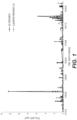
Figure 1 Comparison of the polymer of the disclosure treatment and no treatment with traffic passing. -
Figure 2 Comparison of the polymer of the disclosure treatment, water treatment and no treatment with traffic passing. -
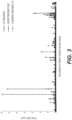
Figure 3 Comparison of the polymer of the disclosure treatment, water treatment and no treatment with traffic passing. -
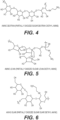
Figure 4 The chemical structure of partially oxidized sugar dextran diethyl amine with intact glycosidic bonds. -
Figure 5 The chemical structure of partially oxidized sugar levan diethyl amine with intact glycosidic bonds. -
Figure 6 The chemical structure of partially oxidized sugar guar diethyl amine with intact glycosidic bonds. -
Figure 7 The chemical structure of ethylamine dextran. -
Figure 8 The chemical structure of diethylethanolamine dextran. -
Figure 9 The chemical structure of ethylamine levan. -
Figure 10 The chemical structure of diethylethanolamine levan. -
Figure 11 The chemical structure of ethylamine guar. -
Figure 12 The chemical structure of diethylethanolamine guar. - Drilling, mining and other excavating processes generate a great deal of particles suspended in the air, conventionally referred to as dust. Although dust eventually settles, it is usually necessary to continue work in the dust environment which can be hazardous to both equipment and people. Conventional dust control measures involve spraying the work area with water. Water droplets merge with the dust particles causing the combined form to fall out of the atmosphere more quickly. Although somewhat effective, water evaporates quickly allowing dust to form once again, is simply unavailable in certain areas, or is impractical in cold climates due, for example, to freezing. Also, the amount of water that is typically necessary to control dust can ruin a work area or damage the environment, such as by destroying plant life in the treated areas and/or contaminate the aquifer with run-off.
- It was surprisingly discovered that certain polymers could be used to control dust and for long periods of time, especially in work areas such as mining and drilling operations. Polymers such as dextran and other polysaccharides are highly water-soluble molecules with structures that do not change under extremes of temperature and pH. Unlike other dust control substances (e.g., water), there are typically no or minimal issues associated with crystallization of the polymer when used at the low temperatures that exist when working in cold climates. Polymers such as polysaccharides and functionalized polysaccharides and derivatives thereof referred to in the claims of the invention are environmentally safe, nonhazardous to work with and generally biocompatible. Dextran and other polysaccharide molecules are also biodegradable and pose little to no negative impact to plants, animals and other organisms or populations, or on the environment in general, even when used in high concentrations. Polysaccharides and polysaccharide derivatives referred to in the claims of the invention that are useful as functionalized polymers in the claimed method of the invention simply and rapidly degrade in the environment into harmless components. Also, functionalized polysaccharide and functional polysaccharide derivatives (e.g., functionalized polymers containing conservative modifications, deletions and/or substitutions that remain functional) not covered by the claims of the invention are preferably used as non-toxic, low viscosity liquids. As such, they are easily transportable, requiring no special handling as would hazardous materials, and thus readily available directly at the site of use. This ready-to-use availability eliminates time otherwise required for pre-mixing as well as disposal costs such as those associated with saltwater disposal.
- Applicant has also surprisingly discovered that functionalized forms of polymers, such as, for example, polysaccharides substituted with amines, alkyls, and/or alkyl amines are especially effective agents at reducing or preventing the creation and accumulation of dust commonly found with mining and drilling operations. Preferred functionalized polymers not covered by the claims of the invention include polymers such as, for example but not limited to polysaccharide, dextran, guar gum, chitosan, scleroglucan, welan, xanthan gum, schizophyllan, levan, starches and cellulose. Preferred functionalized polysaccharide include, for example, polysaccharides substituted or modified with alkyl groups or moieties such as, for example, aldehyde, alkane, alkene, alkyne, aryl, and other hydrocarbons. Examples of substituted polysaccharides not covered by the claims of the invention include, polysaccharides substituted with amine (e.g., primary amine), diamine and tetra-amine groups, polysaccharides substituted with alkyl groups or moieties, and/or polysaccharides substituted with alkylamine moieties. Preferred examples include methyl, ethyl, propyl and isopropyl substituted polysaccharides and/or oxidized polysaccharides, monoaldehyde, dialdehyde, and/or polyaldehyde substituted polysaccharides and/or oxidized polysaccharides, and monamine, diamine, triamine, and polyamine substituted polysaccharides and/or oxidized polysaccharides. Especially preferred examples include dextran (e.g., a branched polyglucan composed of many glucose molecules) in chains of varying lengths. Preferably the polymers are from about 2 kD to about 100,000 kD, more preferably from about 5kD to about 50,00,000 kD, more preferably from about 100 kD to about 10,000 kD, and combinations thereof. Preferably polymers comprise from 1-3 alkyl/amine substitutions per polymer unit, preferably a monosaccharide or glucose unit. Substitutions can range from 1to100 percent of the monosaccharide units of the polysaccharide containing substitutions. The degree and amount of substitution and coupled moieties may depend on the particular moiety or moieties substituted, and may be determined empirically by those skilled in the art. Preferably units that contain moieties may comprise from 5 to 80 percent, preferably from 10 to 50 percent, preferably from 30 to 70 percent, or preferably from 10 to 50 percent. Also preferred are polysaccharides containing multiple different substitutions including but not limited to alkyl and amine moiety substitutions.
- One embodiment different from that covered by the claims of the invention is directed to dust control processes comprising: providing a composition comprised of a polymer oxidized, partially oxidized, and/or functionalized to contain one or more amine and/or alkyl moieties in water. The amount of water or another aqueous component in the composition can vary from, for example, 5% to 95% polymer with the remainder comprising water or another available aqueous component. Alternatively, compositions not covered by the claims of the invention may contain polymers plus non-aqueous liquids, such as oils, alcohols, and the like. Preferably the amount of polymer is from 5-75%, more preferably from 7.5-50% polymer, and more preferably from 10-25% polymer. Basically the amount of polymer in the composition can vary depending on the amount of dust control needed, with more polymer providing increased control. Preferably the process involves applying the composition on dust causing areas such as roads, walls and cliffs, mining operations and any operation or industrial areas that generate airborne particles. Application of the compositions referred to in the claims of the invention may be by spraying from a hose or other similar device, or simply flooding the composition in the air or over a surface that generates dust during the operation performed. Also preferably the functionalized polymer comprises a saccharide, a polysaccharide or a derivative thereof.
- Preferred polymers comprise, for example, dextran, levan, guar gum, welan, xanthan gum, or a combination thereof, which has a molecular weight of from about 3 kD to about 50,000 kD preferably coupled to from 0-3 alkylamine moieties per monosaccharide unit and 10 to 20 percent, or more than 20 percent of the monosaccharide units contain amine, alkyl and/or alkylamine moieties. Also preferably the polymer contains one or more amine moieties such as, for example, one or more amine, diamine and/or tetra-amine moieties, or one or more alkyl moieties such as, for example, aldehyde, alkane, alkene, alkyne, aryl or other hydrocarbon, or one or more alkyl/amine moieties. Preferably the composition contains no detectable sodium and also that the composition is not harmful to the environment, does not contribute to pollution of the environment, is safe for handling by persons, and is non-toxic.
- Another embodiment not covered by the claims of the invention is directed a composition comprising a functionalized polymer, preferably of a polysaccharide, containing primary amine and/or alkyl group substitutions or moieties along the repeating units of the polymer chain. Preferably the polymer comprises one or more of dextran, levan, starch, guar gum, scleroglucan, welan, xanthan gum, chitosan, schizophyllan, cellulose or combinations thereof. Also preferably, the polymer contains substitutions along 1-100 percent of its repeating units. Preferably the primary amine substitutions are monoamines, diamines, tri-amines, tetra-amines moieties or combinations thereof, preferably the alkyl group substitutions are methyl, ethyl, propyl, isopropyl, alkane, alkene, alkyne, aryl or hydrocarbon moieties, or combinations thereof, and also preferably the alkyl moiety substitution comprise from 1 to 3 carbons.
- Polymers compositions referred to in the claims of the invention are preferably mixed with, for example, fluids associated with activities at the work site or simply water. The preferred amount of the functionalized polymer of the composition is from about one percent to about 75 percent, or from about 10 percent to about 50 percent, or from about 10 percent to about ninety percent, or from about 25 percent to about 75 percent, or any combination thereof. Preferred concentrations of the polymers referred to in the claims of the invention in an associated fluid at a work site is generally within the preferred ranges and can be tailored to more exact amounts depending on the particular compound utilized. When desired, concentrations can be calculated based on molecular function and/or determined empirically.
- Generally, the higher the amount of the polymer in the composition, the longer the period of time in which dust control is achieved. By way of non-limiting examples, a composition comprising 10% functionalized or partially oxidized dextran, guar or levan in water provides dust control over a dirt road for a period of at least two days. A composition comprising 40% functionalized or partially oxidized dextran, guar or levan in water provides dust control over a dirt road for a period of at least two weeks. The amount of polymer of composition for a desired period of time for dust control can be determined empirically and easily by one skilled in the art for most any desired time frame. Dust control compositions referred to in the claims of the invention are preferably utilized at works site regarding mining, excavations, demolition or razing of structures, building, walls and other structures (e.g., using explosives), and similar processes. Dust control compositions referred to in the claims of the invention are especially useful when the dust that might be otherwise generated from, for example, an excavation or a demolition is potentially hazardous to persons and/or equipment. Thus, clean-up of the hazardous substance is made possible and at least made more efficient than conventional processes would otherwise allow. The composition may be applied continuously during a dust generating process, at regular intervals during a dust generating process, and/or as needed during a dust generating process. Alternatively, compositions may be applied to a surface once or periodically as needed such as, for example, on roads or paths that may be dirt, gravel or another dust generating surface. The composition may be applied directly to the source of the dust and/or may be atomized, sprayed, or otherwise emitted into the air to capture dust particles.
- Polymer compositions referred to in the claims of the invention preferably function in aqueous (e.g. water-based formulations) (WBF) and hydrocarbon- or oil-based formulations (OBF) as fluids for example, in dispersed, non-dispersed and polymer based fluids. Fluid compositions may include, for example, surfactants, anti-corrosion additives, friction reducers, anti-freeze agents (e.g., CaCl2, KCl) viscosity enhancers (such as cross-linkers), viscosity reducers (such as breakers), carrier oils (diesel, synthetic olefin oils, and the like), and buffers (acids and bases).
- Polymer compositions referred to in the claims of the invention are preferably provided as a liquid, for example, in one cubic meter vessels (referred to as "totes") or in bulk form (e.g., 1,000-5,000 gallon tanks). Hydraulic or electrical pumps transport the liquid to a centralized mixing tank or a fluid stock tank (e.g., as immediate or long-term storage). Tanks are used for mixing and blending of the full range of drilling fluids into a composition described herein. The mixing protocol can vary from one operation to the next with respect to the order of addition of the various agent, compounds and additives as may be required or desired for the particular dust control operation. Preferably the polymer compositions referred to in the claims of the invention are mixed centrally or in partial batches for final blending in tanks (e.g., from 500 to 20,000 gallons) either in compartments or in whole fluid chambers. Tanks may be fabricated to minimize corrosion (e.g., stainless steel, aluminum, PVC) or lined for additional strength and fluid management. Functionalized polymers referred to in the claims of the invention are preferably mixed with a range of make-up waters such as, for example, 100 percent fresh water (potable or non-potable) from local water wells and resources, to blends of produced water from the well ranging from 1-50 percent produced water with fresh water, to a range of treated produced water as make-up water.
- Mixing tanks typically feed high pressure pumps designed to deliver a range of fluid viscosities and densities to an area as desired for the particular operation. Fluids are preferably transported with standard pressurized suction lines and pumping units utilized in the industry. Polymer compositions referred to in the claims of the invention as liquids can be utilized with reciprocating pumps, the full range of positive displacement hydraulic pumps, high pressure non-cavitating pumps, and cavitating jet pumps, to name a few. Typical pumping pressures utilized for the particular operation which can be 1,000 psi or much more, such as for example, 1,000 to as much as 10,000 psi or even more, so are not limited to this range. These pumping units can be truck-mounted, skid mounted or fixed land-based units at the work site. Polymer compositions referred to in the claims of the invention containing fluids are then discharged through typical monitoring and control units (which are sometimes referred to as Christmas Trees) through pressurized discharge pipes and hoses used in the industry routinely. Fluids containing polymer compositions referred to in the claims of the invention are preferably pumped and/or sprayed directly to an area surface or can be applied to particular areas as desired.
- Polymer compositions whether as dry compositions not covered by the claims of the invention or as fluid compositions referred to in the claims are straightforward to create and inexpensively manufactured in large quantities. Processes for manufacture include combining, for example, dextran at an acid or alkaline pH, which may include an amine chloride, for a period of time sufficient to allow for completion of the chemical conversion (e.g., generally minutes to hours) at an elevated temperature (e.g., generally above ambient temperature and less than about 200°C, preferably from about 50-150°C, more preferably about 60°C) and precipitating the substituted polymer with an alcohol. Obtaining a degree or percent of substitutions along the polymer is known or determined empirically by those skilled in the art.
Figures 4-6 disclose preferred polymers referred to in the claims of the invention and provides both chemical structures and common chemical names.Figures 7-12 disclose preferred polymers not covered by the claims of the invention and provides both chemical structures and common chemical names. Polymer compositions not covered by the claims of the invention include functional modifications and derivatives of the listed chemical structures including salts thereof. Modifications and/or derivatives include compounds with more or less chemical moieties, substitution and/or side chains, but are otherwise functional according to that not covered by the claims of the invention. Preferred functionalization includes, but is not limited to modification of a polysaccharide and/or a modified polysaccharide molecule (e.g., oxidized, acid or alkaline pH treated) with one or more diethylaminoethyl (DEAE), diethylethanolamine, diethylamine, ethylamine, ethanol amine, and amine moieties. - Polymer compositions not covered by the claims of the invention are preferably liquids, but may be manufactured as semi-solids such as gels and pastes, or solids such as, for example, powders or blocks, which are preferably solubilized in a liquid before use. As these polymers are preferably water soluble, the preferred solvent is water and other water-based or polar substances, but can be non-polar or hydrophobic depending on the particular compound and/or the presence of additional substances within the stabilization composition. Preferable the polymer compositions referred to in the claims of the invention contain no or only small amounts of sodium and/or other single molecule cations (e.g. less than 1,000 ppm, preferably less than 100 ppm, more preferably less than 10 ppm or more preferably less than 1 ppm calcium, potassium and/or sodium). Also preferably the polymer compositions referred to in the claims of the invention contain no ingredients, components or additional chemicals at concentrations that are or that could be harmful to the user, to the environment and/or to any associated materials or equipment of the operation or even nearby equipment that is otherwise unrelated to the specific operation.
- Preferably polymer compositions referred to in the claims of the invention are manufactured and distributed in a concentrated form and diluted before use. Concentrations vary depending upon the particular use to which the composition is applied and also the particular the conditions (e.g., percent hydrated or dry). Preferred concentrations of the polymers in a composition include, for example, from 5-100 percent, from 10-90 percent, from 20-80 percent, and from 30-70 percent. Although not typically necessary, compositions not covered by the claims of the invention may include a solvent. Certain preferred concentrations for dust control procedures include, for example, from 0.01-10 percent polymer, from 1-9 percent polymer, from 2-8 percent polymer, and from 3-7 percent polymer.
- Additional substances that can be included in the composition with the polymers referred to in the claims of the invention include, for example, surfactants/defoaming agents, detergents, pH control agents, stabilizers, chelators, and/or buffers. Preferred surfactants/defoaming agents include silicone polymer, polysorbate, antifoam A, Tween, or any combination thereof. Preferred detergents include sodium dodecyl sulfate, lithium dodecyl sulfate, sodium taurodeoxycholate, sodium taurocholate, sodium glycocholate, sodium deoxycholate, sodium cholate, sodium alkylbenzene sulfonate, N-lauroyl sarcosine, or any combination thereof. Preferred chelators include ethylene glycol tetra acetic acid, hydroxyethylethylenediaminetriacetic acid, diethylene triamine penta acetic acid, N,N-bis(carboxymethyl)glycine, ethylenediaminetetraacetic, citrate anhydrous, sodium citrate, calcium citrate, ammonium citrate, ammonium bicitrate, citric acid, diammonium citrate, ferric ammonium citrate, lithium citrate, or any combination thereof. Preferred buffers include tris(hydroxymethyl) aminomethane, citrate, 2-(N-morpholino)ethanesulfonic acid, N,N-Bis(2-hydroxyethyl)-2 -aminoethanesulfonic acid, 1,3-bis(tris(hydroxymethyl)methyl amino)propane, 4-(2-hydroxyethyl)-1-piperazine ethanesulfonic acid, 3-(N-morpholino) propanesulfonic acid, bicarbonate, phosphate, or any combination thereof. The pH of the compositions referred to in the claims of the invention may be any pH at or between pH 1 and
pH 14, and is preferably between about pH 4-9, more preferably about pH 5-8 and more preferably about pH 7. Concentrations of preferred additives included in the compositions referred to in the claims of the invention are detergents at from about 0.001 percent to about 0.1 percent (wt./vol.); chelators at from about 0.01 µM to about 1 mM; and buffers at from about 10 µM to about 10 mM. - Also preferably, the polymer compositions referred to in the claims of the invention are effective over a wide temperature range and do not solidify at low temperatures, as compared to ambient temperatures. Preferable polymer compositions referred to in the claims of the invention remain liquid at temperatures at and below 10°C, at and below 5°C, at and below 0°C, at and below minus 5°C, and at and below minus 10°C. More preferably, the polymer compositions referred to in the claims of the invention are useful over a temperature range of minus 10°C and greater. Higher temperatures are not necessarily an issue with dust control, although polymers and compositions referred to in the claims of the invention can be used at ambient temperatures, and temperatures at or greater than 25°C, 30°C, 35°C, 40°C, 45°C, 50°C and even higher.
- Embodiments not covered by the claims of the invention may comprise polymers plus stabilizers and other compositions that include, for example, unique nucleic acid and/or amino acid sequences, unique chemical codes, unique particles, unique nanoparticles (e.g., single-walled, double-walled and multi-walled carbon nanotubes), or other identifiable tags can be detected and identified after use such as, for example, in products produced and/or the environment. Detection of unique and identifiable tags allow for tracking and monitoring of present and prior use of the functionalized polymers and compositions not covered by the claims of the invention. Monitoring and tracking can be used for environmental purposes, agricultural purposes, assessing disbursement including patters of disbursement and timing of degradation, and other purposes.
- Another embodiment not covered by the claims of the invention is directed to methods of controlling the suspension of particles before, during or after mining, drilling or another excavation procedure. By contacting inventive functionalized polymers and/or compositions before or during excavation, excavation can proceed smoothly and quickly without the need to periodically stop excavation to allow dust to settle, such as to protect equipment or for personal safety. Alternatively, and for example in mining a fluid composition is sprayed over a working area. Alternatively, dust control can be achieved periodically or continuously, thus allowing work to proceed smoothly and without interruption. Contact may comprise spraying a polymer composition over dry soil of a mining area forming a thixotropic paste that does not aerosofize. A preferred method comprises applying the compounds and/or compositions referred to in the claims of the invention over a work area. The exact proportions of polymer portion and the aqueous portion may vary depending on the polymers chosen and can be empirically determined by one skilled in the art. Ratios of polymer to aqueous component include the proportions (aqueous to polymer) 100:1, 50:1, 20:1, 10:1, 5:1, 2:1, 1:2, 1:5, 1:10, 1:20, 1:50, and 1:100, including those ratios in between these ranges. The resulting fluid can have a consistency from molasses to a paste such as, for example, a viscosity of from about 50-10,000 cP, preferably from about 100-500 cP, and more preferable from about 200-300 cP. Alternatively, functionalized polymers and/or compositions referred to in the claims of the invention can be deposited directly onto soils such as excavation site, in concentrated or diluted forms. Preferably the dust control achieved lasts for the entirety of the work period, more preferable for multiple periods, and more preferable for many days.
- The following examples illustrate embodiments of the invention, but should not be viewed as limiting the scope of the invention.
- In this study, dust (<74um) was measured from haul roads semi-arid Wyoming from stationary collectors portioned in half mile segments of no-treatment, water-only treatment and treatments with low concentrations of engineered biopolymer. The results show not only visible reductions in dust generation (see
Figures 1 ,2 and3 ), but quantified dust reductions of at least 50%, greater than 50% reductions in daily watering, the ability to reduce watering to a four-day program, and to reduce the treatment rate after the initial seeding of the roads. These results also show that the biopolymer develops efficacy within days of application. The water-based biopolymer adheres and continues to immobilize potential air-borne material. Various forms of selected functionalized polymers were prepared. - Amino dextran was obtained by reacting dextran with sodium periodate in water at room temperature (preferable from about 20-22°C). Periodate treatment is referred to herein as partial oxidation because periodate does not cleave glycosidic bonds between monomers leaving the polymer length intact, but instead opens ring structures along the polymer (e.g., see
Figures 4-6 ). As shown in these Figures, periodate opens saccharide rings between vicinal diols leaving two aldehyde groups. This reaction was followed by ethylene diamine addition in water at room temperature and final step followed by reduction of formed imine with sodium borohydride in water at room temperature (seeFigure 4 ). The max value with no treatment was 12.441 mg/m3, for water treatment was 13.785 mg/m3, and for ClearPath treatment was 1.978 mg/m3. The lower the number indicates the lesser the dust produced when the vehicle running on the haul road. - Amino levan was obtained by reacting levan with sodium periodate in water at room temperature followed by ethylene diamine addition in water at room temperature and final step followed by reduction of formed imine with sodium borohydride in water at room temperature (see
Figure 5 ). - Amino guar was obtained by reacting guar with sodium periodate in water at room temperature followed by ethylene diamine addition in water at room temperature and final step followed by reduction of formed imine with sodium borohydride in water at room temperature (see
Figure 6 ). - Other embodiments and uses of the invention will be apparent to those skilled in the art from consideration of the specification and practice of the invention disclosed herein. All references cited herein, including all publications, and all U.S. and foreign patents and patent applications are specifically and entirely referred to. The term comprising, where ever used, is intended to include the terms consisting and consisting essentially of. Furthermore, the terms comprising, including, and containing are not intended to be limiting. It is intended that the specification and examples be considered exemplary only with the true scope of the invention indicated by the following claims.
Claims (8)
- A method of dust control in an environment, comprising:providing a polymer and an aqueous liquid to form a mixture, wherein the polymer comprises partially oxidized dextran, levan, and/or guar gum containing intact glycosidic bonds and functionalized with one or more amino moieties; andapplying the mixture to an area that generates dust.
- The method of claim 1, wherein the partially oxidized dextran is coupled to from 0-3 alkylamine moieties per monosaccharide unit and 10 percent or more of the monosaccharide units are coupled to alkylamine moieties.
- The method of claim 1 or claim 2, wherein the composition comprises from about 5-25% polymer and from about 75-95% aqueous liquid.
- The method of any one of claims 1 to 3, wherein the composition further contains one or more surfactants, defoaming agents, detergents, pH control agents, stabilizers, chelators, buffers. anti-corrosion additives, friction reducers, anti-freeze agents, viscosity enhancers, viscosity reducers, carrier oils, or combinations thereof.
- The method of any one of the preceding claims, wherein the one or more amino moieties comprises one or more primary, diamine and/or tetra-amine moieties.
- The method of any one of the preceding claims, wherein the polymer comprises partially oxidized dextran diethyl amine, partially oxidized levan diethyl amine, partially oxidized sugar guar diethyl amine, or a combination thereof.
- The method of any one of the preceding claims, wherein the environment has a temperature below 0°C or above 30°C.
- The method of any one of the preceding claims, wherein the area comprises a mining operation, a hauling operation, a stock-piling operation, a conveying operation, a sizing operation, a loading and/or packaging operation for industrial minerals, an animal fitter materials operation, a road, a path, a demolition site, a wall, or a combination thereof.
Applications Claiming Priority (2)
| Application Number | Priority Date | Filing Date | Title |
|---|---|---|---|
| US201662369500P | 2016-08-01 | 2016-08-01 | |
| PCT/US2017/044836 WO2018026777A1 (en) | 2016-08-01 | 2017-08-01 | Biopolymers for fugitive dust control |
Publications (3)
| Publication Number | Publication Date |
|---|---|
| EP3491092A1 EP3491092A1 (en) | 2019-06-05 |
| EP3491092A4 EP3491092A4 (en) | 2020-04-01 |
| EP3491092B1 true EP3491092B1 (en) | 2023-10-04 |
Family
ID=61073919
Family Applications (1)
| Application Number | Title | Priority Date | Filing Date |
|---|---|---|---|
| EP17837513.5A Active EP3491092B1 (en) | 2016-08-01 | 2017-08-01 | Biopolymers for fugitive dust control |
Country Status (8)
| Country | Link |
|---|---|
| US (1) | US20190264085A1 (en) |
| EP (1) | EP3491092B1 (en) |
| CA (1) | CA3032635A1 (en) |
| DK (1) | DK3491092T3 (en) |
| ES (1) | ES2961949T3 (en) |
| MX (1) | MX2019001316A (en) |
| PL (1) | PL3491092T3 (en) |
| WO (1) | WO2018026777A1 (en) |
Families Citing this family (2)
| Publication number | Priority date | Publication date | Assignee | Title |
|---|---|---|---|---|
| CN111349421B (en) * | 2020-04-24 | 2023-04-07 | 青岛科技大学 | Environment-friendly dust suppressant and preparation method thereof |
| US20230085997A1 (en) * | 2021-09-23 | 2023-03-23 | Intel Corporation | Methods and apparatus to improve adhesion between metals and dielectrics in circuit devices |
Family Cites Families (10)
| Publication number | Priority date | Publication date | Assignee | Title |
|---|---|---|---|---|
| GB1391115A (en) * | 1972-05-31 | 1975-04-16 | Ici Ltd | Method of dust supression in rock breaking operations |
| US5359961A (en) * | 1993-02-05 | 1994-11-01 | Oil-Dri Corporation Of America | Animal litter with galactomannan gum clumping agent and carrageenan gum extender |
| US5449720A (en) * | 1993-05-24 | 1995-09-12 | Biotech Australia Pty Limited | Amplification of the VB12 uptake system using polymers |
| EP0971024A1 (en) * | 1998-07-10 | 2000-01-12 | The Procter & Gamble Company | Laundry and cleaning compositions |
| US20020182184A1 (en) * | 1999-07-09 | 2002-12-05 | Pentagonal Holdings, Inc. | Composition for the safe removal of indoor allergens |
| US20030224030A1 (en) * | 2002-05-23 | 2003-12-04 | Hirotaka Uchiyama | Methods and articles for reducing airborne particulates |
| US8945667B2 (en) * | 2009-05-22 | 2015-02-03 | Envirotech Services, Inc. | Alkylcellulose and salt compositions for dust control applications |
| PL221351B1 (en) * | 2012-03-14 | 2016-03-31 | Politechnika Warszawska | Method for obtaining polysaccharide nanoparticles |
| EP3068844B1 (en) * | 2013-11-15 | 2018-06-06 | Dow Global Technologies LLC | Proppants with improved dust control |
| EP3277769A4 (en) * | 2015-04-03 | 2018-12-19 | Hppe LLC | Compositions and methods for the stabilization of clay-containing soils |
-
2017
- 2017-08-01 PL PL17837513.5T patent/PL3491092T3/en unknown
- 2017-08-01 DK DK17837513.5T patent/DK3491092T3/en active
- 2017-08-01 ES ES17837513T patent/ES2961949T3/en active Active
- 2017-08-01 EP EP17837513.5A patent/EP3491092B1/en active Active
- 2017-08-01 CA CA3032635A patent/CA3032635A1/en active Pending
- 2017-08-01 US US16/320,303 patent/US20190264085A1/en not_active Abandoned
- 2017-08-01 MX MX2019001316A patent/MX2019001316A/en unknown
- 2017-08-01 WO PCT/US2017/044836 patent/WO2018026777A1/en not_active Ceased
Also Published As
| Publication number | Publication date |
|---|---|
| EP3491092A1 (en) | 2019-06-05 |
| CA3032635A1 (en) | 2018-02-08 |
| PL3491092T3 (en) | 2024-01-29 |
| MX2019001316A (en) | 2019-12-02 |
| US20190264085A1 (en) | 2019-08-29 |
| WO2018026777A1 (en) | 2018-02-08 |
| DK3491092T3 (en) | 2023-11-13 |
| EP3491092A4 (en) | 2020-04-01 |
| ES2961949T3 (en) | 2024-03-14 |
Similar Documents
| Publication | Publication Date | Title |
|---|---|---|
| US10351770B2 (en) | Compositions and methods for the stabilization of clay containing soils | |
| CN1239670C (en) | Method for fracturing rock-layer underground | |
| CN100584917C (en) | Compositions and methods for dust suppression | |
| RU2404223C2 (en) | Bored well processing compositions containing foam filler and methods of using said compositions | |
| US5951910A (en) | Reticulated bacterial cellulose as a rheological modifier for polyol fluid compositions | |
| US20100112224A1 (en) | Methods and formulations for protection ans dust control involving bulk material | |
| CA2302395C (en) | Liquid for the prevention of freezing of aircrafts and runways | |
| US20190264085A1 (en) | Biopolymers for fugitive dust control | |
| BR112014020146B1 (en) | use of a carboxylic diamine-diacid salt, drilling process and hydraulic fracture process | |
| CA2704868A1 (en) | Alkylcellulose and salt compositions for dust control applications | |
| CA1145902A (en) | Gelled pigs for cleaning and sanitizing pipelines | |
| RU2141500C1 (en) | Composition for prevention of ice coating on roads | |
| CA2925634A1 (en) | Using synthetic acid compositions as alternatives to conventional acids in the oil and gas industry | |
| JP2021529878A (en) | New corrosion inhibitors for various acids | |
| JP2008144026A (en) | Additive for shield method | |
| RU2561634C2 (en) | Biopolymer drilling mud sbk-uni (plus) | |
| RU2564706C1 (en) | Composition of extra heavy polysaccharidic liquid for well killing | |
| EP3727663B1 (en) | Use of aqueous solution of organic ammonium carboxylate in preventing dusting of fine material and combination of an aqueous solution of organic ammonium carboxylate and fine material | |
| KR101381389B1 (en) | Eco-friendly snow removal agent using anionic surfactant for railway track | |
| CA3122908C (en) | Use of aqueous solution of organic ammonium carboxylate in preventing dusting of fine material and combination of an aqueous solution of organic ammonium carboxylate and fine material | |
| JP2007084651A (en) | Additive for anti-septic mud pressure shield method | |
| RU2540607C2 (en) | Method of purifying solid surface and detergent intended for application in method | |
| WO2013136345A2 (en) | A biodegradable and eco - friendly formulation useful as a dust suppressant and a process for the preparation thereof | |
| WO2026000091A1 (en) | Formulations and method for controlling and mitigating dust in at least one industrial activity | |
| US20190194513A1 (en) | Use of aqueous solution of organic ammonium carboxylate in preventing dusting of fine material and combination of an aqueous solution of organic ammonium carboxylate and fine material |
Legal Events
| Date | Code | Title | Description |
|---|---|---|---|
| STAA | Information on the status of an ep patent application or granted ep patent |
Free format text: STATUS: THE INTERNATIONAL PUBLICATION HAS BEEN MADE |
|
| PUAI | Public reference made under article 153(3) epc to a published international application that has entered the european phase |
Free format text: ORIGINAL CODE: 0009012 |
|
| STAA | Information on the status of an ep patent application or granted ep patent |
Free format text: STATUS: REQUEST FOR EXAMINATION WAS MADE |
|
| 17P | Request for examination filed |
Effective date: 20190215 |
|
| AK | Designated contracting states |
Kind code of ref document: A1 Designated state(s): AL AT BE BG CH CY CZ DE DK EE ES FI FR GB GR HR HU IE IS IT LI LT LU LV MC MK MT NL NO PL PT RO RS SE SI SK SM TR |
|
| AX | Request for extension of the european patent |
Extension state: BA ME |
|
| RIN1 | Information on inventor provided before grant (corrected) |
Inventor name: BLACKMON, MATTHEW B. Inventor name: GANDHI, SANKET Inventor name: MADDURI, ASHOKA V.R. Inventor name: LANDIS, CHARLES R. |
|
| RAP1 | Party data changed (applicant data changed or rights of an application transferred) |
Owner name: INTEGRITY BIO-CHEMICALS, LLC |
|
| DAV | Request for validation of the european patent (deleted) | ||
| DAX | Request for extension of the european patent (deleted) | ||
| A4 | Supplementary search report drawn up and despatched |
Effective date: 20200303 |
|
| RIC1 | Information provided on ipc code assigned before grant |
Ipc: C08K 9/04 20060101ALI20200226BHEP Ipc: C09K 3/22 20060101AFI20200226BHEP |
|
| STAA | Information on the status of an ep patent application or granted ep patent |
Free format text: STATUS: EXAMINATION IS IN PROGRESS |
|
| 17Q | First examination report despatched |
Effective date: 20221122 |
|
| REG | Reference to a national code |
Ref country code: DE Ref legal event code: R079 Ipc: C08B0037000000 Ref country code: DE Ref legal event code: R079 Ref document number: 602017074987 Country of ref document: DE Free format text: PREVIOUS MAIN CLASS: C09K0003220000 Ipc: C08B0037000000 |
|
| GRAP | Despatch of communication of intention to grant a patent |
Free format text: ORIGINAL CODE: EPIDOSNIGR1 |
|
| STAA | Information on the status of an ep patent application or granted ep patent |
Free format text: STATUS: GRANT OF PATENT IS INTENDED |
|
| RIC1 | Information provided on ipc code assigned before grant |
Ipc: C08B 37/02 20060101ALI20230303BHEP Ipc: C08L 5/02 20060101ALI20230303BHEP Ipc: C08L 5/00 20060101ALI20230303BHEP Ipc: C08B 37/00 20060101AFI20230303BHEP |
|
| INTG | Intention to grant announced |
Effective date: 20230322 |
|
| GRAS | Grant fee paid |
Free format text: ORIGINAL CODE: EPIDOSNIGR3 |
|
| GRAA | (expected) grant |
Free format text: ORIGINAL CODE: 0009210 |
|
| STAA | Information on the status of an ep patent application or granted ep patent |
Free format text: STATUS: THE PATENT HAS BEEN GRANTED |
|
| AK | Designated contracting states |
Kind code of ref document: B1 Designated state(s): AL AT BE BG CH CY CZ DE DK EE ES FI FR GB GR HR HU IE IS IT LI LT LU LV MC MK MT NL NO PL PT RO RS SE SI SK SM TR |
|
| REG | Reference to a national code |
Ref country code: GB Ref legal event code: FG4D |
|
| REG | Reference to a national code |
Ref country code: CH Ref legal event code: EP |
|
| REG | Reference to a national code |
Ref country code: IE Ref legal event code: FG4D |
|
| REG | Reference to a national code |
Ref country code: DE Ref legal event code: R096 Ref document number: 602017074987 Country of ref document: DE |
|
| REG | Reference to a national code |
Ref country code: RO Ref legal event code: EPE |
|
| REG | Reference to a national code |
Ref country code: DK Ref legal event code: T3 Effective date: 20231107 |
|
| REG | Reference to a national code |
Ref country code: NL Ref legal event code: FP |
|
| P01 | Opt-out of the competence of the unified patent court (upc) registered |
Effective date: 20231031 |
|
| REG | Reference to a national code |
Ref country code: NO Ref legal event code: T2 Effective date: 20231004 |
|
| REG | Reference to a national code |
Ref country code: LT Ref legal event code: MG9D |
|
| REG | Reference to a national code |
Ref country code: ES Ref legal event code: FG2A Ref document number: 2961949 Country of ref document: ES Kind code of ref document: T3 Effective date: 20240314 |
|
| REG | Reference to a national code |
Ref country code: AT Ref legal event code: MK05 Ref document number: 1617707 Country of ref document: AT Kind code of ref document: T Effective date: 20231004 |
|
| PG25 | Lapsed in a contracting state [announced via postgrant information from national office to epo] |
Ref country code: GR Free format text: LAPSE BECAUSE OF FAILURE TO SUBMIT A TRANSLATION OF THE DESCRIPTION OR TO PAY THE FEE WITHIN THE PRESCRIBED TIME-LIMIT Effective date: 20240105 |
|
| PG25 | Lapsed in a contracting state [announced via postgrant information from national office to epo] |
Ref country code: IS Free format text: LAPSE BECAUSE OF FAILURE TO SUBMIT A TRANSLATION OF THE DESCRIPTION OR TO PAY THE FEE WITHIN THE PRESCRIBED TIME-LIMIT Effective date: 20240204 |
|
| PG25 | Lapsed in a contracting state [announced via postgrant information from national office to epo] |
Ref country code: LT Free format text: LAPSE BECAUSE OF FAILURE TO SUBMIT A TRANSLATION OF THE DESCRIPTION OR TO PAY THE FEE WITHIN THE PRESCRIBED TIME-LIMIT Effective date: 20231004 |
|
| PG25 | Lapsed in a contracting state [announced via postgrant information from national office to epo] |
Ref country code: AT Free format text: LAPSE BECAUSE OF FAILURE TO SUBMIT A TRANSLATION OF THE DESCRIPTION OR TO PAY THE FEE WITHIN THE PRESCRIBED TIME-LIMIT Effective date: 20231004 |
|
| PG25 | Lapsed in a contracting state [announced via postgrant information from national office to epo] |
Ref country code: LT Free format text: LAPSE BECAUSE OF FAILURE TO SUBMIT A TRANSLATION OF THE DESCRIPTION OR TO PAY THE FEE WITHIN THE PRESCRIBED TIME-LIMIT Effective date: 20231004 Ref country code: IS Free format text: LAPSE BECAUSE OF FAILURE TO SUBMIT A TRANSLATION OF THE DESCRIPTION OR TO PAY THE FEE WITHIN THE PRESCRIBED TIME-LIMIT Effective date: 20240204 Ref country code: GR Free format text: LAPSE BECAUSE OF FAILURE TO SUBMIT A TRANSLATION OF THE DESCRIPTION OR TO PAY THE FEE WITHIN THE PRESCRIBED TIME-LIMIT Effective date: 20240105 Ref country code: BG Free format text: LAPSE BECAUSE OF FAILURE TO SUBMIT A TRANSLATION OF THE DESCRIPTION OR TO PAY THE FEE WITHIN THE PRESCRIBED TIME-LIMIT Effective date: 20240104 Ref country code: AT Free format text: LAPSE BECAUSE OF FAILURE TO SUBMIT A TRANSLATION OF THE DESCRIPTION OR TO PAY THE FEE WITHIN THE PRESCRIBED TIME-LIMIT Effective date: 20231004 Ref country code: PT Free format text: LAPSE BECAUSE OF FAILURE TO SUBMIT A TRANSLATION OF THE DESCRIPTION OR TO PAY THE FEE WITHIN THE PRESCRIBED TIME-LIMIT Effective date: 20240205 |
|
| PG25 | Lapsed in a contracting state [announced via postgrant information from national office to epo] |
Ref country code: SE Free format text: LAPSE BECAUSE OF FAILURE TO SUBMIT A TRANSLATION OF THE DESCRIPTION OR TO PAY THE FEE WITHIN THE PRESCRIBED TIME-LIMIT Effective date: 20231004 Ref country code: RS Free format text: LAPSE BECAUSE OF FAILURE TO SUBMIT A TRANSLATION OF THE DESCRIPTION OR TO PAY THE FEE WITHIN THE PRESCRIBED TIME-LIMIT Effective date: 20231004 Ref country code: LV Free format text: LAPSE BECAUSE OF FAILURE TO SUBMIT A TRANSLATION OF THE DESCRIPTION OR TO PAY THE FEE WITHIN THE PRESCRIBED TIME-LIMIT Effective date: 20231004 Ref country code: HR Free format text: LAPSE BECAUSE OF FAILURE TO SUBMIT A TRANSLATION OF THE DESCRIPTION OR TO PAY THE FEE WITHIN THE PRESCRIBED TIME-LIMIT Effective date: 20231004 |
|
| REG | Reference to a national code |
Ref country code: DE Ref legal event code: R097 Ref document number: 602017074987 Country of ref document: DE |
|
| PG25 | Lapsed in a contracting state [announced via postgrant information from national office to epo] |
Ref country code: CZ Free format text: LAPSE BECAUSE OF FAILURE TO SUBMIT A TRANSLATION OF THE DESCRIPTION OR TO PAY THE FEE WITHIN THE PRESCRIBED TIME-LIMIT Effective date: 20231004 |
|
| PG25 | Lapsed in a contracting state [announced via postgrant information from national office to epo] |
Ref country code: SK Free format text: LAPSE BECAUSE OF FAILURE TO SUBMIT A TRANSLATION OF THE DESCRIPTION OR TO PAY THE FEE WITHIN THE PRESCRIBED TIME-LIMIT Effective date: 20231004 |
|
| PG25 | Lapsed in a contracting state [announced via postgrant information from national office to epo] |
Ref country code: SM Free format text: LAPSE BECAUSE OF FAILURE TO SUBMIT A TRANSLATION OF THE DESCRIPTION OR TO PAY THE FEE WITHIN THE PRESCRIBED TIME-LIMIT Effective date: 20231004 Ref country code: SK Free format text: LAPSE BECAUSE OF FAILURE TO SUBMIT A TRANSLATION OF THE DESCRIPTION OR TO PAY THE FEE WITHIN THE PRESCRIBED TIME-LIMIT Effective date: 20231004 Ref country code: EE Free format text: LAPSE BECAUSE OF FAILURE TO SUBMIT A TRANSLATION OF THE DESCRIPTION OR TO PAY THE FEE WITHIN THE PRESCRIBED TIME-LIMIT Effective date: 20231004 Ref country code: CZ Free format text: LAPSE BECAUSE OF FAILURE TO SUBMIT A TRANSLATION OF THE DESCRIPTION OR TO PAY THE FEE WITHIN THE PRESCRIBED TIME-LIMIT Effective date: 20231004 |
|
| PLBE | No opposition filed within time limit |
Free format text: ORIGINAL CODE: 0009261 |
|
| STAA | Information on the status of an ep patent application or granted ep patent |
Free format text: STATUS: NO OPPOSITION FILED WITHIN TIME LIMIT |
|
| 26N | No opposition filed |
Effective date: 20240705 |
|
| PG25 | Lapsed in a contracting state [announced via postgrant information from national office to epo] |
Ref country code: SI Free format text: LAPSE BECAUSE OF FAILURE TO SUBMIT A TRANSLATION OF THE DESCRIPTION OR TO PAY THE FEE WITHIN THE PRESCRIBED TIME-LIMIT Effective date: 20231004 |
|
| PG25 | Lapsed in a contracting state [announced via postgrant information from national office to epo] |
Ref country code: SI Free format text: LAPSE BECAUSE OF FAILURE TO SUBMIT A TRANSLATION OF THE DESCRIPTION OR TO PAY THE FEE WITHIN THE PRESCRIBED TIME-LIMIT Effective date: 20231004 |
|
| REG | Reference to a national code |
Ref country code: CH Ref legal event code: PL |
|
| PG25 | Lapsed in a contracting state [announced via postgrant information from national office to epo] |
Ref country code: LU Free format text: LAPSE BECAUSE OF NON-PAYMENT OF DUE FEES Effective date: 20240801 |
|
| PG25 | Lapsed in a contracting state [announced via postgrant information from national office to epo] |
Ref country code: CH Free format text: LAPSE BECAUSE OF NON-PAYMENT OF DUE FEES Effective date: 20240831 Ref country code: MC Free format text: LAPSE BECAUSE OF FAILURE TO SUBMIT A TRANSLATION OF THE DESCRIPTION OR TO PAY THE FEE WITHIN THE PRESCRIBED TIME-LIMIT Effective date: 20231004 |
|
| REG | Reference to a national code |
Ref country code: BE Ref legal event code: MM Effective date: 20240831 |
|
| PG25 | Lapsed in a contracting state [announced via postgrant information from national office to epo] |
Ref country code: BE Free format text: LAPSE BECAUSE OF NON-PAYMENT OF DUE FEES Effective date: 20240831 |
|
| PGFP | Annual fee paid to national office [announced via postgrant information from national office to epo] |
Ref country code: NL Payment date: 20250825 Year of fee payment: 9 |
|
| PG25 | Lapsed in a contracting state [announced via postgrant information from national office to epo] |
Ref country code: FI Free format text: LAPSE BECAUSE OF FAILURE TO SUBMIT A TRANSLATION OF THE DESCRIPTION OR TO PAY THE FEE WITHIN THE PRESCRIBED TIME-LIMIT Effective date: 20231004 |
|
| PGFP | Annual fee paid to national office [announced via postgrant information from national office to epo] |
Ref country code: ES Payment date: 20250903 Year of fee payment: 9 |
|
| PGFP | Annual fee paid to national office [announced via postgrant information from national office to epo] |
Ref country code: DK Payment date: 20250822 Year of fee payment: 9 Ref country code: DE Payment date: 20250904 Year of fee payment: 9 |
|
| PGFP | Annual fee paid to national office [announced via postgrant information from national office to epo] |
Ref country code: NO Payment date: 20250826 Year of fee payment: 9 |
|
| PGFP | Annual fee paid to national office [announced via postgrant information from national office to epo] |
Ref country code: PL Payment date: 20250723 Year of fee payment: 9 Ref country code: IT Payment date: 20250822 Year of fee payment: 9 |
|
| PGFP | Annual fee paid to national office [announced via postgrant information from national office to epo] |
Ref country code: GB Payment date: 20250822 Year of fee payment: 9 |
|
| PGFP | Annual fee paid to national office [announced via postgrant information from national office to epo] |
Ref country code: FR Payment date: 20250822 Year of fee payment: 9 |
|
| PGFP | Annual fee paid to national office [announced via postgrant information from national office to epo] |
Ref country code: IE Payment date: 20250822 Year of fee payment: 9 |
|
| PGFP | Annual fee paid to national office [announced via postgrant information from national office to epo] |
Ref country code: RO Payment date: 20250728 Year of fee payment: 9 |
|
| PG25 | Lapsed in a contracting state [announced via postgrant information from national office to epo] |
Ref country code: CY Free format text: LAPSE BECAUSE OF FAILURE TO SUBMIT A TRANSLATION OF THE DESCRIPTION OR TO PAY THE FEE WITHIN THE PRESCRIBED TIME-LIMIT; INVALID AB INITIO Effective date: 20170801 |
|
| PG25 | Lapsed in a contracting state [announced via postgrant information from national office to epo] |
Ref country code: HU Free format text: LAPSE BECAUSE OF FAILURE TO SUBMIT A TRANSLATION OF THE DESCRIPTION OR TO PAY THE FEE WITHIN THE PRESCRIBED TIME-LIMIT; INVALID AB INITIO Effective date: 20170801 |