EP3489358A1 - Method for introducing substance into plant cell using plasma - Google Patents
Method for introducing substance into plant cell using plasma Download PDFInfo
- Publication number
- EP3489358A1 EP3489358A1 EP17830737.7A EP17830737A EP3489358A1 EP 3489358 A1 EP3489358 A1 EP 3489358A1 EP 17830737 A EP17830737 A EP 17830737A EP 3489358 A1 EP3489358 A1 EP 3489358A1
- Authority
- EP
- European Patent Office
- Prior art keywords
- plasma
- substance
- protein
- plant cell
- cell
- Prior art date
- Legal status (The legal status is an assumption and is not a legal conclusion. Google has not performed a legal analysis and makes no representation as to the accuracy of the status listed.)
- Withdrawn
Links
- 239000000126 substance Substances 0.000 title claims abstract description 71
- 238000000034 method Methods 0.000 title claims description 51
- 108090000623 proteins and genes Proteins 0.000 claims description 62
- 102000004169 proteins and genes Human genes 0.000 claims description 59
- CURLTUGMZLYLDI-UHFFFAOYSA-N Carbon dioxide Chemical compound O=C=O CURLTUGMZLYLDI-UHFFFAOYSA-N 0.000 claims description 46
- IJGRMHOSHXDMSA-UHFFFAOYSA-N Atomic nitrogen Chemical compound N#N IJGRMHOSHXDMSA-UHFFFAOYSA-N 0.000 claims description 40
- 229910002092 carbon dioxide Inorganic materials 0.000 claims description 30
- 229910052757 nitrogen Inorganic materials 0.000 claims description 20
- XKRFYHLGVUSROY-UHFFFAOYSA-N Argon Chemical compound [Ar] XKRFYHLGVUSROY-UHFFFAOYSA-N 0.000 claims description 16
- 239000001569 carbon dioxide Substances 0.000 claims description 16
- 239000000203 mixture Substances 0.000 claims description 11
- 229910052786 argon Inorganic materials 0.000 claims description 9
- QVGXLLKOCUKJST-UHFFFAOYSA-N atomic oxygen Chemical compound [O] QVGXLLKOCUKJST-UHFFFAOYSA-N 0.000 claims description 8
- 239000001257 hydrogen Substances 0.000 claims description 8
- 229910052739 hydrogen Inorganic materials 0.000 claims description 8
- 239000001301 oxygen Substances 0.000 claims description 8
- 229910052760 oxygen Inorganic materials 0.000 claims description 8
- 108020004707 nucleic acids Proteins 0.000 claims description 7
- 102000039446 nucleic acids Human genes 0.000 claims description 7
- 150000007523 nucleic acids Chemical class 0.000 claims description 7
- UFHFLCQGNIYNRP-UHFFFAOYSA-N Hydrogen Chemical compound [H][H] UFHFLCQGNIYNRP-UHFFFAOYSA-N 0.000 claims description 6
- 210000002381 plasma Anatomy 0.000 description 128
- 241000196324 Embryophyta Species 0.000 description 100
- 210000004027 cell Anatomy 0.000 description 98
- 239000007789 gas Substances 0.000 description 50
- 238000009832 plasma treatment Methods 0.000 description 44
- 235000002637 Nicotiana tabacum Nutrition 0.000 description 25
- 241000208125 Nicotiana Species 0.000 description 24
- 210000001519 tissue Anatomy 0.000 description 22
- 239000000243 solution Substances 0.000 description 19
- 108020004414 DNA Proteins 0.000 description 18
- 102000020313 Cell-Penetrating Peptides Human genes 0.000 description 17
- 108010051109 Cell-Penetrating Peptides Proteins 0.000 description 17
- IVOMOUWHDPKRLL-KQYNXXCUSA-N Cyclic adenosine monophosphate Chemical compound C([C@H]1O2)OP(O)(=O)O[C@H]1[C@@H](O)[C@@H]2N1C(N=CN=C2N)=C2N=C1 IVOMOUWHDPKRLL-KQYNXXCUSA-N 0.000 description 17
- IVOMOUWHDPKRLL-UHFFFAOYSA-N UNPD107823 Natural products O1C2COP(O)(=O)OC2C(O)C1N1C(N=CN=C2N)=C2N=C1 IVOMOUWHDPKRLL-UHFFFAOYSA-N 0.000 description 17
- 229940095074 cyclic amp Drugs 0.000 description 17
- 239000013612 plasmid Substances 0.000 description 14
- 108091005946 superfolder green fluorescent proteins Proteins 0.000 description 11
- 239000012634 fragment Substances 0.000 description 10
- 239000005090 green fluorescent protein Substances 0.000 description 10
- LOKCTEFSRHRXRJ-UHFFFAOYSA-I dipotassium trisodium dihydrogen phosphate hydrogen phosphate dichloride Chemical compound P(=O)(O)(O)[O-].[K+].P(=O)(O)([O-])[O-].[Na+].[Na+].[Cl-].[K+].[Cl-].[Na+] LOKCTEFSRHRXRJ-UHFFFAOYSA-I 0.000 description 9
- 108020001507 fusion proteins Proteins 0.000 description 9
- 239000002953 phosphate buffered saline Substances 0.000 description 9
- 102000037865 fusion proteins Human genes 0.000 description 8
- 210000004962 mammalian cell Anatomy 0.000 description 8
- 241000219195 Arabidopsis thaliana Species 0.000 description 6
- 108090000790 Enzymes Proteins 0.000 description 5
- 102000004190 Enzymes Human genes 0.000 description 5
- 241000209094 Oryza Species 0.000 description 5
- 235000007164 Oryza sativa Nutrition 0.000 description 5
- 150000001413 amino acids Chemical class 0.000 description 5
- 210000002421 cell wall Anatomy 0.000 description 5
- 229940088598 enzyme Drugs 0.000 description 5
- 238000003119 immunoblot Methods 0.000 description 5
- 235000009566 rice Nutrition 0.000 description 5
- 238000010186 staining Methods 0.000 description 5
- 108060001084 Luciferase Proteins 0.000 description 4
- 108700008625 Reporter Genes Proteins 0.000 description 4
- 239000002609 medium Substances 0.000 description 4
- RTZKZFJDLAIYFH-UHFFFAOYSA-N Diethyl ether Chemical compound CCOCC RTZKZFJDLAIYFH-UHFFFAOYSA-N 0.000 description 3
- 102000053187 Glucuronidase Human genes 0.000 description 3
- 108010060309 Glucuronidase Proteins 0.000 description 3
- 239000005089 Luciferase Substances 0.000 description 3
- PXHVJJICTQNCMI-UHFFFAOYSA-N Nickel Chemical compound [Ni] PXHVJJICTQNCMI-UHFFFAOYSA-N 0.000 description 3
- 230000000694 effects Effects 0.000 description 3
- 238000003018 immunoassay Methods 0.000 description 3
- 238000011534 incubation Methods 0.000 description 3
- 239000007788 liquid Substances 0.000 description 3
- 238000004519 manufacturing process Methods 0.000 description 3
- 239000000463 material Substances 0.000 description 3
- 239000002773 nucleotide Substances 0.000 description 3
- 125000003729 nucleotide group Chemical group 0.000 description 3
- 239000002245 particle Substances 0.000 description 3
- 102000004196 processed proteins & peptides Human genes 0.000 description 3
- 108090000765 processed proteins & peptides Proteins 0.000 description 3
- 210000001938 protoplast Anatomy 0.000 description 3
- 238000009331 sowing Methods 0.000 description 3
- 235000000346 sugar Nutrition 0.000 description 3
- FWMNVWWHGCHHJJ-SKKKGAJSSA-N 4-amino-1-[(2r)-6-amino-2-[[(2r)-2-[[(2r)-2-[[(2r)-2-amino-3-phenylpropanoyl]amino]-3-phenylpropanoyl]amino]-4-methylpentanoyl]amino]hexanoyl]piperidine-4-carboxylic acid Chemical compound C([C@H](C(=O)N[C@H](CC(C)C)C(=O)N[C@H](CCCCN)C(=O)N1CCC(N)(CC1)C(O)=O)NC(=O)[C@H](N)CC=1C=CC=CC=1)C1=CC=CC=C1 FWMNVWWHGCHHJJ-SKKKGAJSSA-N 0.000 description 2
- 229920001817 Agar Polymers 0.000 description 2
- 239000004475 Arginine Substances 0.000 description 2
- DHMQDGOQFOQNFH-UHFFFAOYSA-N Glycine Chemical compound NCC(O)=O DHMQDGOQFOQNFH-UHFFFAOYSA-N 0.000 description 2
- 206010020649 Hyperkeratosis Diseases 0.000 description 2
- PVNIIMVLHYAWGP-UHFFFAOYSA-N Niacin Chemical compound OC(=O)C1=CC=CN=C1 PVNIIMVLHYAWGP-UHFFFAOYSA-N 0.000 description 2
- 102000030621 adenylate cyclase Human genes 0.000 description 2
- 108060000200 adenylate cyclase Proteins 0.000 description 2
- 239000008272 agar Substances 0.000 description 2
- ODKSFYDXXFIFQN-UHFFFAOYSA-N arginine Natural products OC(=O)C(N)CCCNC(N)=N ODKSFYDXXFIFQN-UHFFFAOYSA-N 0.000 description 2
- 229920001222 biopolymer Polymers 0.000 description 2
- 238000001816 cooling Methods 0.000 description 2
- 238000010586 diagram Methods 0.000 description 2
- 230000002708 enhancing effect Effects 0.000 description 2
- 150000002431 hydrogen Chemical class 0.000 description 2
- 238000009616 inductively coupled plasma Methods 0.000 description 2
- 238000011835 investigation Methods 0.000 description 2
- 230000001678 irradiating effect Effects 0.000 description 2
- 239000002184 metal Substances 0.000 description 2
- 229910052751 metal Inorganic materials 0.000 description 2
- 244000005700 microbiome Species 0.000 description 2
- 229920001721 polyimide Polymers 0.000 description 2
- 238000000746 purification Methods 0.000 description 2
- 238000011160 research Methods 0.000 description 2
- 239000002689 soil Substances 0.000 description 2
- 241000894007 species Species 0.000 description 2
- 150000008163 sugars Chemical class 0.000 description 2
- 239000000725 suspension Substances 0.000 description 2
- XLYOFNOQVPJJNP-UHFFFAOYSA-N water Substances O XLYOFNOQVPJJNP-UHFFFAOYSA-N 0.000 description 2
- PRPINYUDVPFIRX-UHFFFAOYSA-N 1-naphthaleneacetic acid Chemical compound C1=CC=C2C(CC(=O)O)=CC=CC2=C1 PRPINYUDVPFIRX-UHFFFAOYSA-N 0.000 description 1
- JKMHFZQWWAIEOD-UHFFFAOYSA-N 2-[4-(2-hydroxyethyl)piperazin-1-yl]ethanesulfonic acid Chemical compound OCC[NH+]1CCN(CCS([O-])(=O)=O)CC1 JKMHFZQWWAIEOD-UHFFFAOYSA-N 0.000 description 1
- FHVDTGUDJYJELY-UHFFFAOYSA-N 6-{[2-carboxy-4,5-dihydroxy-6-(phosphanyloxy)oxan-3-yl]oxy}-4,5-dihydroxy-3-phosphanyloxane-2-carboxylic acid Chemical compound O1C(C(O)=O)C(P)C(O)C(O)C1OC1C(C(O)=O)OC(OP)C(O)C1O FHVDTGUDJYJELY-UHFFFAOYSA-N 0.000 description 1
- 241000589158 Agrobacterium Species 0.000 description 1
- 241000894006 Bacteria Species 0.000 description 1
- 239000002028 Biomass Substances 0.000 description 1
- 241000195940 Bryophyta Species 0.000 description 1
- 102000000584 Calmodulin Human genes 0.000 description 1
- 108010041952 Calmodulin Proteins 0.000 description 1
- 101710132601 Capsid protein Proteins 0.000 description 1
- 241000701489 Cauliflower mosaic virus Species 0.000 description 1
- 108010059892 Cellulase Proteins 0.000 description 1
- 101710094648 Coat protein Proteins 0.000 description 1
- 241000218631 Coniferophyta Species 0.000 description 1
- IGXWBGJHJZYPQS-SSDOTTSWSA-N D-Luciferin Chemical compound OC(=O)[C@H]1CSC(C=2SC3=CC=C(O)C=C3N=2)=N1 IGXWBGJHJZYPQS-SSDOTTSWSA-N 0.000 description 1
- 102000053602 DNA Human genes 0.000 description 1
- CYCGRDQQIOGCKX-UHFFFAOYSA-N Dehydro-luciferin Natural products OC(=O)C1=CSC(C=2SC3=CC(O)=CC=C3N=2)=N1 CYCGRDQQIOGCKX-UHFFFAOYSA-N 0.000 description 1
- 241000588724 Escherichia coli Species 0.000 description 1
- 241001198387 Escherichia coli BL21(DE3) Species 0.000 description 1
- BJGNCJDXODQBOB-UHFFFAOYSA-N Fivefly Luciferin Natural products OC(=O)C1CSC(C=2SC3=CC(O)=CC=C3N=2)=N1 BJGNCJDXODQBOB-UHFFFAOYSA-N 0.000 description 1
- 108010023832 Florigen Proteins 0.000 description 1
- 108700007698 Genetic Terminator Regions Proteins 0.000 description 1
- 239000004471 Glycine Substances 0.000 description 1
- 229930186217 Glycolipid Natural products 0.000 description 1
- 102000003886 Glycoproteins Human genes 0.000 description 1
- 108090000288 Glycoproteins Proteins 0.000 description 1
- 102100021181 Golgi phosphoprotein 3 Human genes 0.000 description 1
- 108010043121 Green Fluorescent Proteins Proteins 0.000 description 1
- 102000004144 Green Fluorescent Proteins Human genes 0.000 description 1
- 239000007995 HEPES buffer Substances 0.000 description 1
- DDWFXDSYGUXRAY-UHFFFAOYSA-N Luciferin Natural products CCc1c(C)c(CC2NC(=O)C(=C2C=C)C)[nH]c1Cc3[nH]c4C(=C5/NC(CC(=O)O)C(C)C5CC(=O)O)CC(=O)c4c3C DDWFXDSYGUXRAY-UHFFFAOYSA-N 0.000 description 1
- 239000007987 MES buffer Substances 0.000 description 1
- 241000218922 Magnoliophyta Species 0.000 description 1
- 101710125418 Major capsid protein Proteins 0.000 description 1
- NWBJYWHLCVSVIJ-UHFFFAOYSA-N N-benzyladenine Chemical compound N=1C=NC=2NC=NC=2C=1NCC1=CC=CC=C1 NWBJYWHLCVSVIJ-UHFFFAOYSA-N 0.000 description 1
- 244000061176 Nicotiana tabacum Species 0.000 description 1
- 101710141454 Nucleoprotein Proteins 0.000 description 1
- 108091034117 Oligonucleotide Proteins 0.000 description 1
- 102000015636 Oligopeptides Human genes 0.000 description 1
- 108010038807 Oligopeptides Proteins 0.000 description 1
- 108700026244 Open Reading Frames Proteins 0.000 description 1
- 101710083689 Probable capsid protein Proteins 0.000 description 1
- 229920002684 Sepharose Polymers 0.000 description 1
- 108020004682 Single-Stranded DNA Proteins 0.000 description 1
- 229930006000 Sucrose Natural products 0.000 description 1
- CZMRCDWAGMRECN-UGDNZRGBSA-N Sucrose Chemical compound O[C@H]1[C@H](O)[C@@H](CO)O[C@@]1(CO)O[C@@H]1[C@H](O)[C@@H](O)[C@H](O)[C@@H](CO)O1 CZMRCDWAGMRECN-UGDNZRGBSA-N 0.000 description 1
- 239000007983 Tris buffer Substances 0.000 description 1
- JLCPHMBAVCMARE-UHFFFAOYSA-N [3-[[3-[[3-[[3-[[3-[[3-[[3-[[3-[[3-[[3-[[3-[[5-(2-amino-6-oxo-1H-purin-9-yl)-3-[[3-[[3-[[3-[[3-[[3-[[5-(2-amino-6-oxo-1H-purin-9-yl)-3-[[5-(2-amino-6-oxo-1H-purin-9-yl)-3-hydroxyoxolan-2-yl]methoxy-hydroxyphosphoryl]oxyoxolan-2-yl]methoxy-hydroxyphosphoryl]oxy-5-(5-methyl-2,4-dioxopyrimidin-1-yl)oxolan-2-yl]methoxy-hydroxyphosphoryl]oxy-5-(6-aminopurin-9-yl)oxolan-2-yl]methoxy-hydroxyphosphoryl]oxy-5-(6-aminopurin-9-yl)oxolan-2-yl]methoxy-hydroxyphosphoryl]oxy-5-(6-aminopurin-9-yl)oxolan-2-yl]methoxy-hydroxyphosphoryl]oxy-5-(6-aminopurin-9-yl)oxolan-2-yl]methoxy-hydroxyphosphoryl]oxyoxolan-2-yl]methoxy-hydroxyphosphoryl]oxy-5-(5-methyl-2,4-dioxopyrimidin-1-yl)oxolan-2-yl]methoxy-hydroxyphosphoryl]oxy-5-(4-amino-2-oxopyrimidin-1-yl)oxolan-2-yl]methoxy-hydroxyphosphoryl]oxy-5-(5-methyl-2,4-dioxopyrimidin-1-yl)oxolan-2-yl]methoxy-hydroxyphosphoryl]oxy-5-(5-methyl-2,4-dioxopyrimidin-1-yl)oxolan-2-yl]methoxy-hydroxyphosphoryl]oxy-5-(6-aminopurin-9-yl)oxolan-2-yl]methoxy-hydroxyphosphoryl]oxy-5-(6-aminopurin-9-yl)oxolan-2-yl]methoxy-hydroxyphosphoryl]oxy-5-(4-amino-2-oxopyrimidin-1-yl)oxolan-2-yl]methoxy-hydroxyphosphoryl]oxy-5-(4-amino-2-oxopyrimidin-1-yl)oxolan-2-yl]methoxy-hydroxyphosphoryl]oxy-5-(4-amino-2-oxopyrimidin-1-yl)oxolan-2-yl]methoxy-hydroxyphosphoryl]oxy-5-(6-aminopurin-9-yl)oxolan-2-yl]methoxy-hydroxyphosphoryl]oxy-5-(4-amino-2-oxopyrimidin-1-yl)oxolan-2-yl]methyl [5-(6-aminopurin-9-yl)-2-(hydroxymethyl)oxolan-3-yl] hydrogen phosphate Polymers Cc1cn(C2CC(OP(O)(=O)OCC3OC(CC3OP(O)(=O)OCC3OC(CC3O)n3cnc4c3nc(N)[nH]c4=O)n3cnc4c3nc(N)[nH]c4=O)C(COP(O)(=O)OC3CC(OC3COP(O)(=O)OC3CC(OC3COP(O)(=O)OC3CC(OC3COP(O)(=O)OC3CC(OC3COP(O)(=O)OC3CC(OC3COP(O)(=O)OC3CC(OC3COP(O)(=O)OC3CC(OC3COP(O)(=O)OC3CC(OC3COP(O)(=O)OC3CC(OC3COP(O)(=O)OC3CC(OC3COP(O)(=O)OC3CC(OC3COP(O)(=O)OC3CC(OC3COP(O)(=O)OC3CC(OC3COP(O)(=O)OC3CC(OC3COP(O)(=O)OC3CC(OC3COP(O)(=O)OC3CC(OC3COP(O)(=O)OC3CC(OC3CO)n3cnc4c(N)ncnc34)n3ccc(N)nc3=O)n3cnc4c(N)ncnc34)n3ccc(N)nc3=O)n3ccc(N)nc3=O)n3ccc(N)nc3=O)n3cnc4c(N)ncnc34)n3cnc4c(N)ncnc34)n3cc(C)c(=O)[nH]c3=O)n3cc(C)c(=O)[nH]c3=O)n3ccc(N)nc3=O)n3cc(C)c(=O)[nH]c3=O)n3cnc4c3nc(N)[nH]c4=O)n3cnc4c(N)ncnc34)n3cnc4c(N)ncnc34)n3cnc4c(N)ncnc34)n3cnc4c(N)ncnc34)O2)c(=O)[nH]c1=O JLCPHMBAVCMARE-UHFFFAOYSA-N 0.000 description 1
- 238000001042 affinity chromatography Methods 0.000 description 1
- 239000003570 air Substances 0.000 description 1
- 229940072056 alginate Drugs 0.000 description 1
- 235000010443 alginic acid Nutrition 0.000 description 1
- 229920000615 alginic acid Polymers 0.000 description 1
- 230000003321 amplification Effects 0.000 description 1
- 238000004458 analytical method Methods 0.000 description 1
- -1 and the like) Substances 0.000 description 1
- 239000003994 anesthetic gas Substances 0.000 description 1
- 238000000137 annealing Methods 0.000 description 1
- 239000012131 assay buffer Substances 0.000 description 1
- 230000004888 barrier function Effects 0.000 description 1
- 239000011324 bead Substances 0.000 description 1
- 239000007853 buffer solution Substances 0.000 description 1
- AZZMGZXNTDTSME-JUZDKLSSSA-M cefotaxime sodium Chemical compound [Na+].N([C@@H]1C(N2C(=C(COC(C)=O)CS[C@@H]21)C([O-])=O)=O)C(=O)\C(=N/OC)C1=CSC(N)=N1 AZZMGZXNTDTSME-JUZDKLSSSA-M 0.000 description 1
- 210000000170 cell membrane Anatomy 0.000 description 1
- 229940106157 cellulase Drugs 0.000 description 1
- 239000001913 cellulose Substances 0.000 description 1
- 229920002678 cellulose Polymers 0.000 description 1
- 230000008859 change Effects 0.000 description 1
- 239000003795 chemical substances by application Substances 0.000 description 1
- 231100000481 chemical toxicant Toxicity 0.000 description 1
- 239000003593 chromogenic compound Substances 0.000 description 1
- 239000007979 citrate buffer Substances 0.000 description 1
- 238000004040 coloring Methods 0.000 description 1
- 210000004748 cultured cell Anatomy 0.000 description 1
- 210000000805 cytoplasm Anatomy 0.000 description 1
- 230000009849 deactivation Effects 0.000 description 1
- 230000001419 dependent effect Effects 0.000 description 1
- 238000001514 detection method Methods 0.000 description 1
- 238000011161 development Methods 0.000 description 1
- 238000010891 electric arc Methods 0.000 description 1
- 238000004520 electroporation Methods 0.000 description 1
- 210000002257 embryonic structure Anatomy 0.000 description 1
- 230000012202 endocytosis Effects 0.000 description 1
- 230000007613 environmental effect Effects 0.000 description 1
- 238000002474 experimental method Methods 0.000 description 1
- 239000010419 fine particle Substances 0.000 description 1
- 235000013376 functional food Nutrition 0.000 description 1
- PCHJSUWPFVWCPO-UHFFFAOYSA-N gold Chemical compound [Au] PCHJSUWPFVWCPO-UHFFFAOYSA-N 0.000 description 1
- 229910052737 gold Inorganic materials 0.000 description 1
- 239000010931 gold Substances 0.000 description 1
- 239000001963 growth medium Substances 0.000 description 1
- 238000010438 heat treatment Methods 0.000 description 1
- HNDVDQJCIGZPNO-UHFFFAOYSA-N histidine Natural products OC(=O)C(N)CC1=CN=CN1 HNDVDQJCIGZPNO-UHFFFAOYSA-N 0.000 description 1
- 238000007654 immersion Methods 0.000 description 1
- 230000000415 inactivating effect Effects 0.000 description 1
- 230000002779 inactivation Effects 0.000 description 1
- 230000008595 infiltration Effects 0.000 description 1
- 238000001764 infiltration Methods 0.000 description 1
- 230000000977 initiatory effect Effects 0.000 description 1
- CDAISMWEOUEBRE-GPIVLXJGSA-N inositol Chemical compound O[C@H]1[C@H](O)[C@@H](O)[C@H](O)[C@H](O)[C@@H]1O CDAISMWEOUEBRE-GPIVLXJGSA-N 0.000 description 1
- 229960000367 inositol Drugs 0.000 description 1
- 239000011810 insulating material Substances 0.000 description 1
- 230000003834 intracellular effect Effects 0.000 description 1
- 230000009545 invasion Effects 0.000 description 1
- 150000002500 ions Chemical class 0.000 description 1
- 238000002955 isolation Methods 0.000 description 1
- 150000002632 lipids Chemical class 0.000 description 1
- 239000002502 liposome Substances 0.000 description 1
- 239000007791 liquid phase Substances 0.000 description 1
- 238000012423 maintenance Methods 0.000 description 1
- 238000005259 measurement Methods 0.000 description 1
- 150000002739 metals Chemical class 0.000 description 1
- 230000000813 microbial effect Effects 0.000 description 1
- 238000000520 microinjection Methods 0.000 description 1
- 239000004570 mortar (masonry) Substances 0.000 description 1
- 230000007935 neutral effect Effects 0.000 description 1
- 229910052759 nickel Inorganic materials 0.000 description 1
- 229960003512 nicotinic acid Drugs 0.000 description 1
- 235000001968 nicotinic acid Nutrition 0.000 description 1
- 239000011664 nicotinic acid Substances 0.000 description 1
- 108010058731 nopaline synthase Proteins 0.000 description 1
- 238000003199 nucleic acid amplification method Methods 0.000 description 1
- 229920001542 oligosaccharide Polymers 0.000 description 1
- 150000002482 oligosaccharides Chemical class 0.000 description 1
- 230000035699 permeability Effects 0.000 description 1
- 239000008363 phosphate buffer Substances 0.000 description 1
- 150000003904 phospholipids Chemical class 0.000 description 1
- 108091033319 polynucleotide Proteins 0.000 description 1
- 102000040430 polynucleotide Human genes 0.000 description 1
- 239000002157 polynucleotide Substances 0.000 description 1
- 229920001184 polypeptide Polymers 0.000 description 1
- 239000000843 powder Substances 0.000 description 1
- 238000002360 preparation method Methods 0.000 description 1
- 239000000047 product Substances 0.000 description 1
- 230000001737 promoting effect Effects 0.000 description 1
- 239000012460 protein solution Substances 0.000 description 1
- 238000004080 punching Methods 0.000 description 1
- ZUFQODAHGAHPFQ-UHFFFAOYSA-N pyridoxine hydrochloride Chemical compound Cl.CC1=NC=C(CO)C(CO)=C1O ZUFQODAHGAHPFQ-UHFFFAOYSA-N 0.000 description 1
- 229960004172 pyridoxine hydrochloride Drugs 0.000 description 1
- 235000019171 pyridoxine hydrochloride Nutrition 0.000 description 1
- 239000011764 pyridoxine hydrochloride Substances 0.000 description 1
- 239000011347 resin Substances 0.000 description 1
- 229920005989 resin Polymers 0.000 description 1
- 150000003839 salts Chemical class 0.000 description 1
- 229920006395 saturated elastomer Polymers 0.000 description 1
- CDAISMWEOUEBRE-UHFFFAOYSA-N scyllo-inosotol Natural products OC1C(O)C(O)C(O)C(O)C1O CDAISMWEOUEBRE-UHFFFAOYSA-N 0.000 description 1
- 230000035945 sensitivity Effects 0.000 description 1
- 150000003377 silicon compounds Chemical class 0.000 description 1
- 230000006641 stabilisation Effects 0.000 description 1
- 238000011105 stabilization Methods 0.000 description 1
- 239000000758 substrate Substances 0.000 description 1
- 239000005720 sucrose Substances 0.000 description 1
- 239000006228 supernatant Substances 0.000 description 1
- 230000004083 survival effect Effects 0.000 description 1
- 239000008399 tap water Substances 0.000 description 1
- 235000020679 tap water Nutrition 0.000 description 1
- DPJRMOMPQZCRJU-UHFFFAOYSA-M thiamine hydrochloride Chemical compound Cl.[Cl-].CC1=C(CCO)SC=[N+]1CC1=CN=C(C)N=C1N DPJRMOMPQZCRJU-UHFFFAOYSA-M 0.000 description 1
- 229960000344 thiamine hydrochloride Drugs 0.000 description 1
- 235000019190 thiamine hydrochloride Nutrition 0.000 description 1
- 239000011747 thiamine hydrochloride Substances 0.000 description 1
- 239000003440 toxic substance Substances 0.000 description 1
- 238000003151 transfection method Methods 0.000 description 1
- 239000012096 transfection reagent Substances 0.000 description 1
- YNJBWRMUSHSURL-UHFFFAOYSA-N trichloroacetic acid Chemical compound OC(=O)C(Cl)(Cl)Cl YNJBWRMUSHSURL-UHFFFAOYSA-N 0.000 description 1
- LENZDBCJOHFCAS-UHFFFAOYSA-N tris Chemical compound OCC(N)(CO)CO LENZDBCJOHFCAS-UHFFFAOYSA-N 0.000 description 1
- WFKWXMTUELFFGS-UHFFFAOYSA-N tungsten Chemical compound [W] WFKWXMTUELFFGS-UHFFFAOYSA-N 0.000 description 1
- 229910052721 tungsten Inorganic materials 0.000 description 1
- 239000010937 tungsten Substances 0.000 description 1
- 238000012795 verification Methods 0.000 description 1
- 230000003612 virological effect Effects 0.000 description 1
- 239000011782 vitamin Substances 0.000 description 1
- 229940088594 vitamin Drugs 0.000 description 1
- 235000013343 vitamin Nutrition 0.000 description 1
- 229930003231 vitamin Natural products 0.000 description 1
- 150000003722 vitamin derivatives Chemical class 0.000 description 1
Images



Classifications
-
- C—CHEMISTRY; METALLURGY
- C12—BIOCHEMISTRY; BEER; SPIRITS; WINE; VINEGAR; MICROBIOLOGY; ENZYMOLOGY; MUTATION OR GENETIC ENGINEERING
- C12N—MICROORGANISMS OR ENZYMES; COMPOSITIONS THEREOF; PROPAGATING, PRESERVING, OR MAINTAINING MICROORGANISMS; MUTATION OR GENETIC ENGINEERING; CULTURE MEDIA
- C12N15/00—Mutation or genetic engineering; DNA or RNA concerning genetic engineering, vectors, e.g. plasmids, or their isolation, preparation or purification; Use of hosts therefor
- C12N15/09—Recombinant DNA-technology
- C12N15/87—Introduction of foreign genetic material using processes not otherwise provided for, e.g. co-transformation
-
- C—CHEMISTRY; METALLURGY
- C12—BIOCHEMISTRY; BEER; SPIRITS; WINE; VINEGAR; MICROBIOLOGY; ENZYMOLOGY; MUTATION OR GENETIC ENGINEERING
- C12N—MICROORGANISMS OR ENZYMES; COMPOSITIONS THEREOF; PROPAGATING, PRESERVING, OR MAINTAINING MICROORGANISMS; MUTATION OR GENETIC ENGINEERING; CULTURE MEDIA
- C12N15/00—Mutation or genetic engineering; DNA or RNA concerning genetic engineering, vectors, e.g. plasmids, or their isolation, preparation or purification; Use of hosts therefor
- C12N15/09—Recombinant DNA-technology
- C12N15/63—Introduction of foreign genetic material using vectors; Vectors; Use of hosts therefor; Regulation of expression
- C12N15/79—Vectors or expression systems specially adapted for eukaryotic hosts
- C12N15/82—Vectors or expression systems specially adapted for eukaryotic hosts for plant cells, e.g. plant artificial chromosomes (PACs)
- C12N15/8201—Methods for introducing genetic material into plant cells, e.g. DNA, RNA, stable or transient incorporation, tissue culture methods adapted for transformation
- C12N15/8206—Methods for introducing genetic material into plant cells, e.g. DNA, RNA, stable or transient incorporation, tissue culture methods adapted for transformation by physical or chemical, i.e. non-biological, means, e.g. electroporation, PEG mediated
-
- C—CHEMISTRY; METALLURGY
- C12—BIOCHEMISTRY; BEER; SPIRITS; WINE; VINEGAR; MICROBIOLOGY; ENZYMOLOGY; MUTATION OR GENETIC ENGINEERING
- C12M—APPARATUS FOR ENZYMOLOGY OR MICROBIOLOGY; APPARATUS FOR CULTURING MICROORGANISMS FOR PRODUCING BIOMASS, FOR GROWING CELLS OR FOR OBTAINING FERMENTATION OR METABOLIC PRODUCTS, i.e. BIOREACTORS OR FERMENTERS
- C12M35/00—Means for application of stress for stimulating the growth of microorganisms or the generation of fermentation or metabolic products; Means for electroporation or cell fusion
- C12M35/02—Electrical or electromagnetic means, e.g. for electroporation or for cell fusion
-
- C—CHEMISTRY; METALLURGY
- C12—BIOCHEMISTRY; BEER; SPIRITS; WINE; VINEGAR; MICROBIOLOGY; ENZYMOLOGY; MUTATION OR GENETIC ENGINEERING
- C12N—MICROORGANISMS OR ENZYMES; COMPOSITIONS THEREOF; PROPAGATING, PRESERVING, OR MAINTAINING MICROORGANISMS; MUTATION OR GENETIC ENGINEERING; CULTURE MEDIA
- C12N13/00—Treatment of microorganisms or enzymes with electrical or wave energy, e.g. magnetism, sonic waves
-
- C—CHEMISTRY; METALLURGY
- C12—BIOCHEMISTRY; BEER; SPIRITS; WINE; VINEGAR; MICROBIOLOGY; ENZYMOLOGY; MUTATION OR GENETIC ENGINEERING
- C12N—MICROORGANISMS OR ENZYMES; COMPOSITIONS THEREOF; PROPAGATING, PRESERVING, OR MAINTAINING MICROORGANISMS; MUTATION OR GENETIC ENGINEERING; CULTURE MEDIA
- C12N15/00—Mutation or genetic engineering; DNA or RNA concerning genetic engineering, vectors, e.g. plasmids, or their isolation, preparation or purification; Use of hosts therefor
- C12N15/09—Recombinant DNA-technology
-
- A—HUMAN NECESSITIES
- A01—AGRICULTURE; FORESTRY; ANIMAL HUSBANDRY; HUNTING; TRAPPING; FISHING
- A01H—NEW PLANTS OR NON-TRANSGENIC PROCESSES FOR OBTAINING THEM; PLANT REPRODUCTION BY TISSUE CULTURE TECHNIQUES
- A01H3/00—Processes for modifying phenotypes, e.g. symbiosis with bacteria
Definitions
- the present invention relates to a method for introducing a substance such as a protein or a nucleic acid into a plant cell using plasma.
- introduction by these methods requires appropriate conditions to be considered for each plant species, and there are many plant species for which introduction conditions have not been established yet.
- introduction by these methods involves a cumbersome and laborious operation and requires time.
- the above methods are poor in terms of introduction efficiency, and further cause damage (damae) to the plant cell of introduction target.
- the protoplast method isolation of protoplasts is difficult, and there are many cases where it is difficult to cultivate them and redifferentiate them to whole plant. Therefore, in view of such problems, there is a demand for a method which makes it possible to easily and highly efficiently introduce a substance into a plant cell without causing a damae regardless of the types of the plant and tissue from which the plant cell is derived.
- no such method has been established yet.
- plasma treatment particularly atmospheric pressure nonthermal plasma treatment
- various fields for example the manufacturing industry, the pharmaceutical industry, and environmental control.
- the present inventors have revealed that such a plasma treatment is effective for the hydrophilic treatment of polyimide film surfaces.
- the present inventors have also reported that it is possible to decompose anesthetic gases and toxic chemicals with atmospheric pressure plasma.
- the present inventors have also clarified that bacteria and biomolecules are inactivated by atmospheric pressure nonthermal plasma.
- Patent Literatures 1 and 2 states that such plasma treatment usually causes a damae to cells, and the same literature also shows that, for example the number of survived cells after irradiation was reduced to half or less (see the description of the paragraph [0076] of Patent Literature 2).
- the same literature also shows that, in the introduction of a protein into a mammalian cell by plasma treatment, introduction efficiency thereof is improved in the presence of a CPP (see the description of the paragraph [0082] of Patent Literature 2).
- the present invention has been made in view of the problems of the related art, and aims to provide a method for easily and highly efficiently introducing a substance into a plant cell without causing a damae regardless of the types of the plant and tissue from which the plant cell is derived.
- the present inventors have made earnest studies and revealed as a result that when a substance such as a protein or a nucleic acid is brought into contact with a plasma-treated plant tissue, the substance is introduced into the cells of the plant.
- Cells are treated with plasma in the presence of a substance in Patent Literatures 1 and 2.
- the substance was successfully introduced into the cell.
- the above method made it possible to introduce a substance into a plant cell without using a cell penetrating peptide (CPP) or the like.
- CPP cell penetrating peptide
- the present inventors have also found that there are no restrictions on the types of plants and tissues capable of substance introduction, and moreover that plasma treatment does not cause a damae to plant cells.
- the present invention relates to a method for introducing a substance such as a protein or a nucleic acid into a plant cell using plasma, and more specifically provides the following.
- carbon dioxide plasma “nitrogen plasma,” and the like are names based on the type of gas used for generating each plasma (carbon dioxide, nitrogen, and the like).
- the present invention makes it possible to easily and highly efficiently introduce a substance into a plant cell without causing a damae regardless of the types of the plant and tissue from which the plant cell is derived.
- a method for introducing a substance into a plant cell of the present invention is a method comprising: treating the cell with plasma; and then bringing the substance into contact with the cell.
- the "plant” is not particularly limited, and examples thereof include angiosperms encompassing dicotyledonous plants (tobacco, Arabidopsis thaliana, and the like) and monocotyledonous plants (rice and the like), gymnosperms, bryophytes, fern plants, herbaceous plants, and woody plants.
- plant cells present in any tissue or plant cells derived from any tissue can be used in the present invention and are not particularly limited. Examples of such tissue include leaves, roots, root ends, anthers, flowers, seeds, pods, stems, shoot apexes, embryos, and pollens. Also, the method of the present invention can include artificially treated plant cells (for example, calluses and suspension cultured cells) can also be targeted.
- tissue include leaves, roots, root ends, anthers, flowers, seeds, pods, stems, shoot apexes, embryos, and pollens.
- the method of the present invention can include artificially treated plant cells (for example, calluses and suspension cultured cells) can also be targeted.
- Examples of the "substance" to be introduced to the plant cell described above include, but not particularly limited to, biopolymers such as nucleotides (DNA and RNA), peptides, sugars, and lipids.
- examples of the nucleotides include oligonucleotides, polynucleotides, and nucleic acids
- examples of the peptides include oligopeptides, polypeptides, and proteins
- examples of the sugars include oligosaccharides and sugar chains.
- examples of the "substance” according to the present invention include not only naturally occurring biopolymers but also derivatives thereof (for example, crosslinked nucleotides and unnatural amino acids) as well as complexes thereof (for example, glycoproteins, glycolipids, and RNA-protein complexes).
- plasma includes a charged particle group in which molecules constituting a gas are divided into positive (positive ions) and negative (electrons) by ionization, and means a group of particles (ionized gas) which is electrically almost neutral as a whole.
- the "plasma” for treating plant cells are not particularly limited, and may be generated under atmospheric pressure (atmospheric pressure plasma) and may be generated under a pressure lower than the atmospheric pressure (low pressure plasma) .
- the atmospheric pressure plasma is preferable from the viewpoints that a vacuum system is not required for its generation and that it is close to the living environment of plants.
- the atmospheric pressure does not necessarily have to be strictly 1013 hPa, but may be in the vicinity of the pressure (700 to 1300 hPa).
- the current for causing the discharge may be a direct current or an alternating current.
- the temperature of the "plasma” for treating the above plant cells is not particularly limited, and is usually -90 to 200°C, preferably 0 to 50°C, and more preferably 20 to 30°C (room temperature).
- Such temperature control can be achieved by the method described in, for example, Oshita T, Kawano H, Takamatsu T, Miyahara H, Okino A (2015) "Temperature Controllable Atmospheric Plasma Source” IEEE Trans Sci43: 1987-1992 and Japanese Unexamined Patent Application Publication No. 2010-061938 .
- the method makes it possible to control temperature of plasma toward the desired value by a step of 1°C as follows: the gas used for generating plasma to be described later is cooled to a low temperature (for example, -195°C) by a gas cooler using liquid nitrogen or the like. Thereafter, the gas is heated to a desired temperature with a heater to form plasma, and further the gas temperature of the generated plasma is fed back to the heater.
- a low temperature for example, -195°C
- a mixture gas composed of hydrogen and argon preferably having a volume percentage of 0.01 to 50% hydrogen and 99.99 to 50% argon
- a mixture gas composed of nitrogen and oxygen preferably having a volume percentage of 90 to 70% nitrogen and 30 to 10% oxygen
- the rate of flow of the gas supplied to the plasma generator can be appropriately adjusted by those skilled in the art to, for example, 3 to 5 L/min in consideration of the size, shape, and the like of the apparatus and moreover the stabilization of plasma generation while avoiding the situation where the sample (plant cell) is blown away by the current of the plasma.
- the apparatus for introducing a substance into a plant cell of the present invention preferably includes at least a plasma generator 1 capable of generating plasma as well as an apparatus (gas supplier 2) for supplying the generator with the gas used to generate plasma and an apparatus (power supplier 3) for supplying power to ionize the gas. It is more preferable to further include a gas cooler 4 for controlling the temperature of plasma and/or a table (mount table) for mounting a sample 6 (plant cell) .
- a plasma generator 1 capable of generating plasma
- gas supplier 2 for supplying the generator with the gas used to generate plasma
- power supplier 3 for supplying power to ionize the gas.
- gas cooler 4 for controlling the temperature of plasma
- a table mount table
- a gas cooling and gas heating system gas temperature adjustment system
- a heat insulating material may be provided instead of the gas cooler 4 in order to avoid the inflow of heat from the outside.
- the plasma generator is not particularly limited, and a known apparatus may be appropriately used.
- preferably used in the present invention are the apparatuses disclosed in Japanese Unexamined Patent Application Publication No. 2015-072913 , Japanese Unexamined Patent Application Publication No. 2014-212839 , Japanese Unexamined Patent Application Publication No. 2013-225421 , Japanese Unexamined Patent Application Publication No.
- the treatment of a plant cell with plasma generated as described above is usually accomplished by placing the cell below the plasma irradiation port followed by irradiation with plasma.
- the irradiation time is not particularly limited and can be appropriately adjusted depending on the types of plasma and plant cell used.
- the irradiation time is preferably 0.01 to 3 minutes, more preferably 1 to 30 seconds, further preferably 1 to 10 seconds, and particularly preferably 2 to 5 seconds from the viewpoint of further enhancing the introduction efficiency of the substance while suppressing the damae in the plant cell.
- the distance from the plasma irradiation port to the plant cell is not particularly limited either, it is desirable to keep the distance from the plasma irradiation port as short as possible because the plasma starts deactivation immediately after leaving the plasma generation section.
- plasma is required to be exhausted as a gas flow, and it is also desirable to uniformly irradiate the plant cell while suppressing the plant cell from being blown away.
- those skilled in the art can appropriately adjust the distance so as to comply with the above-mentioned viewpoints, taking into consideration the plasma apparatus to be used and the gas flow thereof as well as the type and size of the plant cell, and the like.
- the distance from the plasma irradiation port to the plant cell is about 5 to 7 mm.
- the contact initiation time between the plant cell treated with plasma in this way and the substance to be introduced into the cell is not particularly limited, but is preferably between 0.01 to 30 minutes and more preferably 0.01 to 5 minutes after the treatment with plasma from the viewpoint of further enhancing the substance introduction efficiency by plasma treatment. Furthermore, the contact time between the plant cell and the substance is not particularly limited either, but is preferably 1 minute to 30 hours from the viewpoint of the introduction efficiency of the substance and the subsequent normal growth of the plant cell.
- the substance may be supported, added, mixed, or contained in a support for promoting the introduction whereby to add the substance.
- phospholipid compositions such as liposomes, metals (gold, tungsten, and the like), particles made of inorganic matters (silicon compounds and the like), whiskers, alginate beads, viral agents (for example, coat proteins), and cell penetrating peptides (CPP).
- the plant cell and the substance can be brought into contact together by addition to a solution containing the substance (or e.g. a mixture of the substance and a support) or immersion of the plant cell in the solution.
- a solution is not particularly limited as long as it can keep the plant cell alive, and examples thereof include buffer solutions (for example, phosphate buffered saline (PBS), phosphate buffer solutions (NaPO 4 and KPO 4 ), HEPES buffer solutions, tris buffer solutions, MES buffer solutions, and citrate buffer solutions) and culture media (for example, Murashige & Skoog (MS) medium).
- buffer solutions for example, phosphate buffered saline (PBS), phosphate buffer solutions (NaPO 4 and KPO 4 ), HEPES buffer solutions, tris buffer solutions, MES buffer solutions, and citrate buffer solutions
- culture media for example, Murashige & Skoog (MS) medium.
- the concentration of the substance in the solution can be appropriately adjusted depending on the type of each substance, the types of the plant to be introduced and the tissue thereof, and the like.
- the concentration is usually 1 to 100 ⁇ g/ml when the substance is a protein, and the concentration is usually 1 to 100 ⁇ g/ml when the substance is a DNA.
- Plant tissues to be subjected to e.g. plasma treatment of present invention were prepared as follows.
- Rice underwent hydroponic cultivation using tap water at 27°C under a cycle of light 16 hours/dark 8 hours. Roots 2 to 3 weeks after sowing were cut on a slide to have a length of about 0.5 to 3 cm, and were subjected to the plasma treatment to be described later.
- the proteins introduced into the plant tissue by the plasma treatment of the present invention were prepared as follows.
- a protein (His-tag fused sGFP-CyaA protein) prepared by fusing adenylate cyclase (CyaA), a superfolder green fluorescent protein (sGFP), and a His tag was prepared.
- a DNA fragment encoding sGFP (SEQ ID NO: 1) was amplified by PCR using the BamHI-sGFP-F primer (5'-TAGGATTCACCATGGTGAGCAAGGGCGAGG-3', SEQ ID NO: 2) and the EcoRI-sGFP-R primer (5'-TAGAATTCCTTGTACAGCTCGTCCATGCCG-3', SEQ ID NO: 3) with pGWB5 (see Nakagawa T et al., (2007), Journal of Bioscience and Bioengineering 104, 34-41 ) as a template.
- the fragment obtained by the above amplification was treated with BamHI and EcoRI and then inserted into the pENTR3C vector (manufactured by Invitrogen).
- the portion encoding the N-terminal 400 amino acids was amplified by PCR using the EcoRI-Cya-F primer (5'-TAGAATTCATGCAGCAATCGCATCAGGC-3', SEQ ID NO: 5) and the XhoI-stop-Cya1200R primer (5'-TCACTCGAGCTACTGGCGTTCCACTGCGCCC-3', SEQ ID NO: 6) with pHMCyA (see Furutani A et al., Mol Plant Microbe Interact.
- the fragment amplified in this way was treated with EcoRI and XhoI and inserted into pENTR3C-sGFP to prepare pENTR3C-sGFP-CyaA.
- the plasmid was treated with BamHI and XhoI.
- the treated fragment in order to fuse 6 ⁇ histidine (His tag) to the N-terminal of sGFP-CyaA, the treated fragment (sGFP-CyaA fragment) was inserted into the pET28a vector (manufactured by Novagen) to prepare the pET28a-sGFP-CyaA plasmid.
- a DNA fragment encoding R8 was prepared by annealing the single-stranded DNAs EcoRI-R8-stop-XhoI-F and XhoI-stop-R8-EcoRI-R, and inserted into pENTR3C-sGFP treated with EcoRI and XhoI.
- the ORF encoding the N-terminal 400 amino acids of CyaA was amplified by PCR using EcoRI-Cya-F primer and EcoRI-Cya1200R primer (5'-TCGAATTCCTGGCGTTCCACTGCGCCC-3', SEQ ID NO: 8) with pHMCyA as a template.
- the fragment amplified in this way was treated with EcoRI and inserted into pENTR3C-sGFP-R8 treated with EcoRI.
- the plasmid obtained in this way was further treated with BamHI and XhoI. Thereby, the sGFP-CyaA-R8 fragment was excised and replaced with the pET28a vector to prepare the pET28s-sGFP-CyaA-R8 plasmid.
- the plasmids pET28a-sGFP-CyaA and pET28a-sGFP-CyaA-R8 prepared as described above were introduced into E. coli BL21 (DE3). Then, these E coli were cultured to express the fusion proteins His-tag fused sGFP-CyaA and His-tag fused sGFP-CyaA-R8 encoded by these plasmids. Thereafter, a chromatographic resin for purification of His-tag proteins (manufactured by GE Healthcare, trade name: Ni Sepharose High Performance) was used for purification by the method described in the manual.
- the plasma treatment was conducted in accordance with the methods described in Takamatsu T, Hirai H, Sasaki R, Miyahara H, Okino A (2013) "Surface Hydrophilization of Polyimide Films Using Atmospheric Damage-Free Multigas Plasma Jet Source” IEEE Trans. Plasma Sci 41: 119-125 and Oshita T, Kawano H, Takamatsu T, Miyahara H, Okino A (2015) “Temperature Controllable Atmospheric Plasma Source” IEEE Trans Sci43: 1987-1992 .
- the apparatus main body of the plasma generator (Damage-Free Multigas Plasma Jet manufactured by Plasma Concept Tokyo Inc. (damage-free plasma (Japanese registered trademark No. 5409073 )) and Multigas Plasma ((Japanese registered trademark No. 5432585 ), product number: PCT-DFMJ02)) was grounded, and a certain high voltage was supplied via an internal high-voltage electrode of the plasma generation section from the apparatus main body.
- the certain high voltage is a modulated alternating voltage of 10 to 30 kHz with a maximum of 9 kV.
- Such electric power is supplied to the plasma generation section to generate glow discharge.
- argon, hydrogen, carbon dioxide, nitrogen, oxygen, air, and a mixture gas thereof as gas species passed through a 1-mm hole at a rate of flow of 5 L/min to generate stable atmospheric pressure plasma.
- the temperature of the plasma generated in this way was 50°C or less as a result of thermocouple measurement.
- the gas was cooled by a gas cooling apparatus using liquid nitrogen.
- the irradiation port was set at a position 5 mm vertically above the plant tissue prepared as described above, followed by plasma treatment. Thereafter, a PBS solution containing or not containing the purified fusion protein was brought into contact with the plant tissue.
- the CyaA protein is an enzyme which catalyzes the production of the cyclic AMP (cAMP) in a manner dependent on ATP and calmodulin protein present in the cytoplasm. For this reason, when a fusion protein containing CyaA is introduced into a cell, the amount of the protein introduced can be evaluated by measuring the amount of cAMP in the cell.
- cAMP cyclic AMP
- the amount of cAMP was measured using cAMP Biotrack Enzyme Immunoassay (EIA) System (produced by Amersham) in accordance with the attached manual.
- leaves of tobacco were treated in accordance with the method of the present invention, and then leaf disks having a diameter of 13 mm were prepared from the leaves.
- the leaf disks were ground with liquid nitrogen in a pestle and mortar, and further, the resulting powder was treated with 320 ⁇ L of 6% (w/v) trichloroacetic acid.
- 200 ⁇ L of the homogenate was centrifuged at 4°C and 2000 g for 15 minutes. The resultant supernatant was washed 4 times with 5 volumes of diethyl ether saturated with water.
- the remaining water extract was dried with a vacuum dryer at 55°C. Then, the dried extract was dissolved in 200 ⁇ L of assay buffer attached to the kit, and 40 ⁇ L of each dissolved extract was subjected to cAMP enzyme immunoassay.
- GFP images, intrinsic fluorescence, and bright-field images were acquired using a confocal laser scanning microscope FV-300 and Fluoroview software (both manufactured by Olympus Corporation).
- Tobacco leaves were treated with plasma (irradiation time: 2 to 30 seconds) using a low temperature (20 to 30°C) multigas plasma jet.
- irradiation time 2 to 30 seconds
- the tobacco leaves were floated on a PBS solution containing a His-tag fused sGFP-CyaA-R8 protein, and incubated (incubation time: 12 to 24 hours, concentration of protein solution: 50 ⁇ g/ml, and volume of solution: 400 ⁇ l). Then, 12 to 24 minutes after the incubation, a fluorescence signal derived from GFP protein was detected with a confocal microscope.
- the gas source of the multigas plasma jet used was CO 2 , O 2 , a mixture gas of H 2 and Ar (volume percentage: 5% H 2 and 95% Ar), and N 2 .
- the tobacco leaves were treated with the plasma generated using CO 2 , O 2 , a mixture gas of H 2 and Ar, and N 2 as a gas source as described above, and the amount of cAMP in the leaves was quantitatively analyzed.
- Protein introduction was attempted by plasma treatment (treatment time: 2 to 5 seconds) of rice roots and Arabidopsis thaliana leaves for the purpose of confirming that a protein can be introduced by plasma treatment into other plants and other tissues as in the case of the tobacco leaves described above. Note that the protein that was attempted to be introduced was a His-tag fused sGFP-CyaA protein.
- DNA is also introduced into a plant cell by the method of the present invention as described below.
- plasmid DNA encoding a reporter gene is used as DNA to be introduced into a plant cell.
- the reporter gene used include P 35S -sGFP-T NOS encoding green fluorescent protein (sGFP), P 35S -GUS-T NOS encoding ⁇ -glucuronidase (GUS), and P 35S -LUC-T NOS plasmid DNA encoding luciferase (LUC).
- sGFP green fluorescent protein
- GUS ⁇ -glucuronidase
- LOC P 35S -LUC-T NOS plasmid DNA encoding luciferase
- P 35S means a 35S promoter sequence of cauliflower mosaic virus
- T NOS means a terminator sequence of Agrobacterium nopaline synthase gene.
- a explant was prepared for tobacco leaf, rice root, and Arabidopsis thaliana leaf, and each of the explants was irradiated with N 2 plasma or CO 2 plasma for 2 to 5 seconds .
- the explants were immersed in a PBS solution containing the plasmid DNA at a concentration of 1 to 100 ⁇ g/ml. Thereafter, the explants were placed on an agar medium and maintained at 27°C for 1 to 5 days.
- the reporter gene introduced into the cell migrated into the nucleus, and was transcribed and translated to express the protein encoded by the reporter gene in the cell.
- Expression of sGFP protein was detected by observing a explant maintained at 27°C with a confocal microscope.
- GUS protein a explant maintained at 27°C was treated with X-GLUC, a chromogenic substrate, and observed with a stereoscopic microscope as a blue coloring.
- LUC protein a explant maintained at 27°C was treated with luciferin, a substrate of LUC, and chemiluminescence was detected with a high sensitivity CCD camera (LAS-3000) or the like.
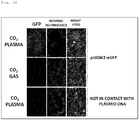
- a explant was prepared for tobacco leaf and the explant was irradiated with CO 2 plasma for 5 seconds. Subsequently, the explant was immersed in a 1/4 ⁇ PBS solution containing 20 ⁇ g/ml of plasmid DNA (pUGW2-sGFP) to be described later.
- pUGW2-sGFP plasmid DNA
- the explant was placed on callus-forming medium [1 x Murashige & Skoog (MS), 1 ⁇ MS vitamin (0.1 ⁇ g/ml of thiamine hydrochloride, 0.5 ⁇ g/ml of pyridoxine hydrochloride, 0.5 ⁇ g/ml of nicotinic acid, 2 ⁇ g/ml of glycine, and 100 ⁇ g/ml of myoinositol), 0.1 ⁇ g/ml of ⁇ -naphthaleneacetic acid, 1 ⁇ g/ml of 6-benzylaminopurine, 30 g/L of sucrose, 200 ⁇ g/ml of cefotax, 8.5 g/L of agar, and pH 5.8] and allowed to stand overnight at room temperature.
- MS vitamin 0.1 ⁇ g/ml of thiamine hydrochloride, 0.5 ⁇ g/ml of pyridoxine hydrochloride, 0.5 ⁇ g/ml of nicotin
- the explant was transferred under a cycle of light 16 hours/dark 8 hours at 28°C, and further grown for 1 day, and the expression of sGFP protein in the explant was observed with a confocal microscope. In this way, detection was attempted. Also, as a control group, a explant subjected to CO 2 gas treatment instead of the CO 2 plasma treatment and a explant not brought into contact with the following plasmid DNA (pUGW2-sGFP) after CO 2 plasma treatment were also prepared. Attempts were also made in these explants to detect the expression of sGFP protein. The obtained results are shown in Fig. 10 .
- pUGW2-sGFP was prepared as follows.
- a DNA fragment encoding sGFP (SEQ ID NO: 1) was amplified by PCR using the EcoRI-sGFP-F primer (5'-TAGGAATTCATGGTGAGCAAGGGCGAGG-3', SEQ ID NO: 9) and the XhoI-sGFP-R primer (5'-AGTCTCGAGTTACTTGTACAGCTCGTCCATGC-3', SEQ ID NO: 10) with pGWB5 described above as a template.
- the amplified fragment was treated with EcoRI and XhoI and inserted into the EcoRI and XhoI sites of pENTR3C (produced by Invitorogen-Thermo Fisher Scientific) to prepare a pENTR-sGFP entry clone.
- pUGW2-sGFP was prepared by inserting sGFP into the pUGW2 destination vector (see Nakagawa et al (2007) Journal of Bioscience and Bioengineering 104, 34-41 ) .
- the present invention makes it possible to easily and highly efficiently introduce a substance into a plant cell without causing a damae regardless of the types of the plant and tissue from which the plant cell is derived.
- the method of the present invention is extremely useful in basic research because the functions of the introduced substance (gene, protein, and the like) can be analyzed by a phenotypic change of a plant cell and the like.
- a plant cell to which new functions are added by such introduction of a substance is very useful as the fields of production and development of biomass, functional food materials, pharmaceutical materials, and the like. Accordingly, the present invention also makes a great contribution in various industrial applications.
Landscapes
- Health & Medical Sciences (AREA)
- Life Sciences & Earth Sciences (AREA)
- Engineering & Computer Science (AREA)
- Genetics & Genomics (AREA)
- Biomedical Technology (AREA)
- Biotechnology (AREA)
- Organic Chemistry (AREA)
- Wood Science & Technology (AREA)
- Bioinformatics & Cheminformatics (AREA)
- Chemical & Material Sciences (AREA)
- Zoology (AREA)
- General Engineering & Computer Science (AREA)
- Molecular Biology (AREA)
- Microbiology (AREA)
- Biochemistry (AREA)
- General Health & Medical Sciences (AREA)
- Physics & Mathematics (AREA)
- Biophysics (AREA)
- Plant Pathology (AREA)
- Cell Biology (AREA)
- Electromagnetism (AREA)
- Sustainable Development (AREA)
- Breeding Of Plants And Reproduction By Means Of Culturing (AREA)
- Micro-Organisms Or Cultivation Processes Thereof (AREA)
- Peptides Or Proteins (AREA)
- Immobilizing And Processing Of Enzymes And Microorganisms (AREA)
Abstract
Description
- The present invention relates to a method for introducing a substance such as a protein or a nucleic acid into a plant cell using plasma.
- Introduction of a substance such as a protein or a nucleic acid into a cell is of great significance not only in basic research but also in various industrial applications.
- For the introduction of a substance into a mammalian cell, a method utilizing cell permeability factors and the like involved in cell endocytosis and intracellular invasion of microorganisms has already been established and widely used. In addition, various transfection reagents are commercially available, and appropriate selection and use of them make it possible to introduce the above substances into mammalian cells.
- On the other hand, such transfection method is not very effective on plant cells, and it is difficult to introduce the above substances to the plant cells. This is presumably because the plant cell is wrapped in a strong cell wall containing cellulose, and this cell wall blocks the introduction of the substance.
- For such substance introduction into plant cells, there have been tried methods including a method for treating the cell wall with an enzyme such as cellulase (protoplast method), a method for introducing a substance into a cell using a fine syringe (microinjection method), a method for covering metal fine particles with a substance and shooting them into cells (gene gun method), and a method for electrically punching holes in a cell membrane and allowing a substance to flow into the cell (electroporation method).
- However, the introduction by these methods requires appropriate conditions to be considered for each plant species, and there are many plant species for which introduction conditions have not been established yet. In addition, introduction by these methods involves a cumbersome and laborious operation and requires time. Moreover, the above methods are poor in terms of introduction efficiency, and further cause damage (damae) to the plant cell of introduction target. As for the protoplast method, isolation of protoplasts is difficult, and there are many cases where it is difficult to cultivate them and redifferentiate them to whole plant. Therefore, in view of such problems, there is a demand for a method which makes it possible to easily and highly efficiently introduce a substance into a plant cell without causing a damae regardless of the types of the plant and tissue from which the plant cell is derived. However, no such method has been established yet.
- Meanwhile, plasma treatment, particularly atmospheric pressure nonthermal plasma treatment, is drawing attention in various fields, for example the manufacturing industry, the pharmaceutical industry, and environmental control. Indeed, the present inventors have revealed that such a plasma treatment is effective for the hydrophilic treatment of polyimide film surfaces. The present inventors have also reported that it is possible to decompose anesthetic gases and toxic chemicals with atmospheric pressure plasma. Moreover, regarding the effects on living organisms, the present inventors have also clarified that bacteria and biomolecules are inactivated by atmospheric pressure nonthermal plasma.
- In addition, regarding the introduction of a substance into a cell using plasma treatment, it has been reported that a substance was introduced into a mammalian cell by irradiating the cell with plasma in the presence of the substance (
Patent Literatures 1 and 2). Here,Patent Literature 2 states that such plasma treatment usually causes a damae to cells, and the same literature also shows that, for example the number of survived cells after irradiation was reduced to half or less (see the description of the paragraph [0076] of Patent Literature 2). In addition, the same literature also shows that, in the introduction of a protein into a mammalian cell by plasma treatment, introduction efficiency thereof is improved in the presence of a CPP (see the description of the paragraph [0082] of Patent Literature 2). - However, regarding plant cells, no method has been established yet which easily and highly efficiently introduces a substance into a plant cell without causing a damae regardless of the types of the plant and tissue from which the plant cell is derived, as described above.
-
- [PTL 1] International Publication No.
WO 2002/064767 - [PTL 1] International Publication No.
WO 2011/148996 - The present invention has been made in view of the problems of the related art, and aims to provide a method for easily and highly efficiently introducing a substance into a plant cell without causing a damae regardless of the types of the plant and tissue from which the plant cell is derived.
- The present inventors have made earnest studies and revealed as a result that when a substance such as a protein or a nucleic acid is brought into contact with a plasma-treated plant tissue, the substance is introduced into the cells of the plant. Cells are treated with plasma in the presence of a substance in
Patent Literatures - Specifically, the present invention relates to a method for introducing a substance such as a protein or a nucleic acid into a plant cell using plasma, and more specifically provides the following.
- <1> A method for introducing a substance into a plant cell, comprising: treating the cell with plasma; and then bringing the substance into contact with the cell.
- <2> The method according to <1>, wherein the substance is a protein or a nucleic acid.
- <3> The method according to <1> or <2>, wherein the plasma is normal-temperature atmospheric pressure plasma.
- <4> The method according to any one of <1> to <3>, wherein the plasma is at least one plasma selected from the group consisting of carbon dioxide plasma, nitrogen plasma, oxygen plasma, hydrogen and argon mixture plasma, and air plasma.
- <5> The method according to any one of <1> to <3>, wherein the plasma is at least one plasma selected from the group consisting of carbon dioxide plasma and nitrogen plasma.
- Note that in the present invention, "carbon dioxide plasma," "nitrogen plasma," and the like are names based on the type of gas used for generating each plasma (carbon dioxide, nitrogen, and the like).
- The present invention makes it possible to easily and highly efficiently introduce a substance into a plant cell without causing a damae regardless of the types of the plant and tissue from which the plant cell is derived.
-
-
Fig. 1 is a schematic diagram showing an embodiment of plasma treatment according to the present invention, used in Examples. Specifically,Fig. 1 is a diagram which shows that a plasma generation gas is allowed to flow into aplasma generator 1 from agas supplier 2 and simultaneously the gas is cooled by agas cooler 4, and thereafter apower supplier 3 applies a voltage on an internal electrode in the plasma generator to irradiate a sample 6 (a plant cell, for example a tobacco leaf explant) withplasma 5. -
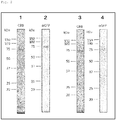
Fig. 2 provides photos showing the results in which a His-tag fusion protein expressed in E. coli and purified using a nickel affinity chromatography support was developed by SDS-PAGE and analyzed by CBB staining and immunoblot. In thefigure, "1 " indicates the result of analyzing a His-tag fused sGFP-CyaA protein by CBB staining, "2" indicates the result of analyzing a His-tag fused sGFP-CyaA protein by immunoblot using an anti-GFP antibody, "3" indicates the result of analyzing a His-tag fused sGFP-CyaA-R8 protein by CBB staining, and "4" indicates the result of analyzing a His-tag fused sGFP-CyaA-R8 protein by immunoblot using an anti-GFP antibody. Note that the amount of protein used for these analyses was 1 µg in CBB staining and 50 ng in immunoblot. -
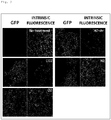
Fig. 3 provides photos showing the results of confocal microscope observation of a tobacco leaf explant subjected to irradiation with carbon dioxide plasma, oxygen plasma, hydrogen and argon mixed gas plasma, or nitrogen plasma followed by contact with a His-tag fused sGFP-CyaA-R8 protein. -
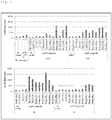
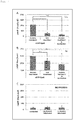
Fig. 4 provides graphs showing the results of measuring the amount of cAMP produced in a tobacco leaf explant subjected to irradiation with hydrogen and argon mixture gas plasma, carbon dioxide plasma, nitrogen plasma, or oxygen plasma followed by contact with a His-tag fused sGFP-CyaA-R8 protein. Note that the figure provides results of two leaf explants tested independently under each set of conditions. In addition, in the figure, "No protein" simply indicates the result of contact with a PBS solution (containing no protein), and "No treatment" indicates the result of explant without plasma treatment. -
Fig. 5 provides photos showing the appearance of atobacco leaf explant 6 days after irradiation with carbon dioxide plasma or nitrogen plasma. In thefigure, "2 sec" and "5 sec" indicate plasma irradiation period. The scale bar in the figure indicates 1 cm. -
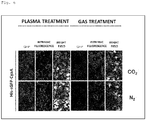
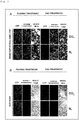
Fig. 6 provides photos showing the results of confocal microscope observation of a tobacco leaf explant subjected to irradiation with carbon dioxide plasma or nitrogen plasma followed by contact with a His-tag fused sGFP-CyaA protein. -
Fig. 7 provides graphs showing the results of measuring the amount of cAMP produced in a tobacco leaf explant subjected to irradiation with carbon dioxide plasma or nitrogen plasma followed by contact with a His-tag fused sGFP-CyaA protein. -
Fig. 8 provides photos showing the results of confocal microscope observation of a tobacco leaf explant subjected to irradiation with air plasma followed by contact with a His-tag fused sGFP-CyaA protein. -
Fig. 9 provides photos showing the results of confocal microscope observation of a leaf of Arabidopsis thaliana or a root of rice subjected to irradiation with carbon dioxide plasma or nitrogen plasma followed by contact with a His-tag fused sGFP-CyaA protein. -
Fig. 10 provides photos showing the results of confocal microscope observation of a tobacco leaf explant subjected to irradiation with carbon dioxide plasma followed by contact with a solution of plasmid DNA encoding an sGFP protein. The scale bar in the figure indicates 50 µm. - A method for introducing a substance into a plant cell of the present invention is a method comprising: treating the cell with plasma; and then bringing the substance into contact with the cell.
- In the present invention, the "plant" is not particularly limited, and examples thereof include angiosperms encompassing dicotyledonous plants (tobacco, Arabidopsis thaliana, and the like) and monocotyledonous plants (rice and the like), gymnosperms, bryophytes, fern plants, herbaceous plants, and woody plants.
- As the "plant cell," plant cells present in any tissue or plant cells derived from any tissue can be used in the present invention and are not particularly limited. Examples of such tissue include leaves, roots, root ends, anthers, flowers, seeds, pods, stems, shoot apexes, embryos, and pollens. Also, the method of the present invention can include artificially treated plant cells (for example, calluses and suspension cultured cells) can also be targeted.
- Examples of the "substance" to be introduced to the plant cell described above include, but not particularly limited to, biopolymers such as nucleotides (DNA and RNA), peptides, sugars, and lipids. Here, examples of the nucleotides include oligonucleotides, polynucleotides, and nucleic acids, examples of the peptides include oligopeptides, polypeptides, and proteins, and examples of the sugars include oligosaccharides and sugar chains. In addition, examples of the "substance" according to the present invention include not only naturally occurring biopolymers but also derivatives thereof (for example, crosslinked nucleotides and unnatural amino acids) as well as complexes thereof (for example, glycoproteins, glycolipids, and RNA-protein complexes).
- In the present invention, "plasma" includes a charged particle group in which molecules constituting a gas are divided into positive (positive ions) and negative (electrons) by ionization, and means a group of particles (ionized gas) which is electrically almost neutral as a whole. The "plasma" for treating plant cells are not particularly limited, and may be generated under atmospheric pressure (atmospheric pressure plasma) and may be generated under a pressure lower than the atmospheric pressure (low pressure plasma) . However, the atmospheric pressure plasma is preferable from the viewpoints that a vacuum system is not required for its generation and that it is close to the living environment of plants. Note that in the present invention, the atmospheric pressure does not necessarily have to be strictly 1013 hPa, but may be in the vicinity of the pressure (700 to 1300 hPa).
- No particular limitation is imposed on the method for generating atmospheric pressure plasma, and those skilled in the art can appropriately perform the generation using a known method. Examples of the known method include dielectric barrier discharge, inductively coupled plasma discharge (ICP), capacitively coupled plasma discharge (CCP), hollow cathode discharge, corona discharge, streamer discharge, glow discharge, and arc discharge. Preferable among these are glow discharge and hollow cathode discharge from the viewpoints that relatively high plasma, electron, and radical densities can be obtained and the temperature of the plasma gas can be kept low.
- In addition, although it cannot be said that current for causing the discharge is unique because it depends e.g. on the type of the discharge, the size and shape of the apparatus for generating the discharge (and hence plasma), and the size and shape of the electrodes for applying a voltage in order to generate the discharge, the current for causing the discharge may be a direct current or an alternating current.
- The temperature of the "plasma" for treating the above plant cells is not particularly limited, and is usually -90 to 200°C, preferably 0 to 50°C, and more preferably 20 to 30°C (room temperature). Such temperature control can be achieved by the method described in, for example, Oshita T, Kawano H, Takamatsu T, Miyahara H, Okino A (2015) "Temperature Controllable Atmospheric Plasma Source" IEEE Trans Sci43: 1987-1992 and Japanese Unexamined Patent Application Publication No.
2010-061938 - No particular limitation is imposed on the type of gas to which a voltage is applied in order to generate plasma, but it is preferably at least one gas selected from carbon dioxide, nitrogen, oxygen, hydrogen, and argon, and more preferably carbon dioxide and nitrogen from the viewpoint of introduction efficiency of the substance. In addition, as shown in Examples to be described later, a mixture gas composed of hydrogen and argon (preferably having a volume percentage of 0.01 to 50% hydrogen and 99.99 to 50% argon) and a mixture gas composed of nitrogen and oxygen (what is called air, preferably having a volume percentage of 90 to 70% nitrogen and 30 to 10% oxygen) are also preferably used.
- Additionally, the rate of flow of the gas supplied to the plasma generator can be appropriately adjusted by those skilled in the art to, for example, 3 to 5 L/min in consideration of the size, shape, and the like of the apparatus and moreover the stabilization of plasma generation while avoiding the situation where the sample (plant cell) is blown away by the current of the plasma.
- Such apparatus for generating plasma is not particularly limited, but a configuration as shown in
Fig. 1 is presented, for example. More specifically, the apparatus for introducing a substance into a plant cell of the present invention preferably includes at least aplasma generator 1 capable of generating plasma as well as an apparatus (gas supplier 2) for supplying the generator with the gas used to generate plasma and an apparatus (power supplier 3) for supplying power to ionize the gas. It is more preferable to further include agas cooler 4 for controlling the temperature of plasma and/or a table (mount table) for mounting a sample 6 (plant cell) . Moreover, although not shown inFig. 1 , it is further preferable to provide a gas cooling and gas heating system (gas temperature adjustment system) instead of thegas cooler 4 between thegas supplier 2 and theplasma generator 1. Furthermore, although not shown inFig. 1 , a heat insulating material may be provided instead of thegas cooler 4 in order to avoid the inflow of heat from the outside. Note that the plasma generator is not particularly limited, and a known apparatus may be appropriately used. For example, preferably used in the present invention are the apparatuses disclosed in Japanese Unexamined Patent Application Publication No.2015-072913 2014-212839 2013-225421 2013-094468 2012-256501 2008-041429 2009-082796 JP 2010-061938 A - The treatment of a plant cell with plasma generated as described above is usually accomplished by placing the cell below the plasma irradiation port followed by irradiation with plasma. In that case, the irradiation time is not particularly limited and can be appropriately adjusted depending on the types of plasma and plant cell used. However, the irradiation time is preferably 0.01 to 3 minutes, more preferably 1 to 30 seconds, further preferably 1 to 10 seconds, and particularly preferably 2 to 5 seconds from the viewpoint of further enhancing the introduction efficiency of the substance while suppressing the damae in the plant cell.
- Furthermore, although the distance from the plasma irradiation port to the plant cell is not particularly limited either, it is desirable to keep the distance from the plasma irradiation port as short as possible because the plasma starts deactivation immediately after leaving the plasma generation section. On the other hand, plasma is required to be exhausted as a gas flow, and it is also desirable to uniformly irradiate the plant cell while suppressing the plant cell from being blown away. In addition, those skilled in the art can appropriately adjust the distance so as to comply with the above-mentioned viewpoints, taking into consideration the plasma apparatus to be used and the gas flow thereof as well as the type and size of the plant cell, and the like. For example, the distance from the plasma irradiation port to the plant cell is about 5 to 7 mm.
- The contact initiation time between the plant cell treated with plasma in this way and the substance to be introduced into the cell is not particularly limited, but is preferably between 0.01 to 30 minutes and more preferably 0.01 to 5 minutes after the treatment with plasma from the viewpoint of further enhancing the substance introduction efficiency by plasma treatment. Furthermore, the contact time between the plant cell and the substance is not particularly limited either, but is preferably 1 minute to 30 hours from the viewpoint of the introduction efficiency of the substance and the subsequent normal growth of the plant cell.
- No particular limitation is imposed on the method for bringing the substance into contact with the plasma-treated plant cell, and the substance itself may be directly added to the plasma contact portion of the plant cell. However, depending on the properties of the substance, the substance may be supported, added, mixed, or contained in a support for promoting the introduction whereby to add the substance. Examples of such support include phospholipid compositions such as liposomes, metals (gold, tungsten, and the like), particles made of inorganic matters (silicon compounds and the like), whiskers, alginate beads, viral agents (for example, coat proteins), and cell penetrating peptides (CPP).
- Moreover, the plant cell and the substance can be brought into contact together by addition to a solution containing the substance (or e.g. a mixture of the substance and a support) or immersion of the plant cell in the solution. Such a solution is not particularly limited as long as it can keep the plant cell alive, and examples thereof include buffer solutions (for example, phosphate buffered saline (PBS), phosphate buffer solutions (NaPO4 and KPO4), HEPES buffer solutions, tris buffer solutions, MES buffer solutions, and citrate buffer solutions) and culture media (for example, Murashige & Skoog (MS) medium). Additionally, the concentration of the substance in the solution can be appropriately adjusted depending on the type of each substance, the types of the plant to be introduced and the tissue thereof, and the like. The concentration is usually 1 to 100 µg/ml when the substance is a protein, and the concentration is usually 1 to 100 µg/ml when the substance is a DNA.
- Hereinafter, the present invention will be described in more detail based on Examples, but the present invention is not limited to Examples below. In addition, the experiments to be described later were conducted using the materials and methods described below.
- Plant tissues to be subjected to e.g. plasma treatment of present invention were prepared as follows.
- For tobacco (Nicotiana tabacum cv.Samsun NN), the seeds were sowed on soil and cultivated at 25°C under a cycle of light 16 hours/dark 8 hours. Leaves (mature leaves) 4 to 8 weeks after sowing were cut on a paper towel into square pieces of about 1.5 to 2 cm, and were subjected to the plasma treatment to be described later. In addition, for the maintenance culture of the leaf explants, a plate medium with a 1/2 salt concentration of Murashige & Skoog (MS) was used.
- Rice (Nipponbare) underwent hydroponic cultivation using tap water at 27°C under a cycle of light 16 hours/dark 8 hours.
Roots 2 to 3 weeks after sowing were cut on a slide to have a length of about 0.5 to 3 cm, and were subjected to the plasma treatment to be described later. - For Arabidopsis thaliana (Col-0), the seeds were sowed on soil and cultivated at 22°C under a cycle of light 12 hours/dark 12 hours. Leaves (mature leaves) 4 to 8 weeks after sowing were cut off and subjected to the plasma treatment to be described later as they were.
- The proteins introduced into the plant tissue by the plasma treatment of the present invention were prepared as follows.
- Specifically, first, a protein (His-tag fused sGFP-CyaA protein) prepared by fusing adenylate cyclase (CyaA), a superfolder green fluorescent protein (sGFP), and a His tag was prepared. More specifically, a DNA fragment encoding sGFP (SEQ ID NO: 1) was amplified by PCR using the BamHI-sGFP-F primer (5'-TAGGATTCACCATGGTGAGCAAGGGCGAGG-3', SEQ ID NO: 2) and the EcoRI-sGFP-R primer (5'-TAGAATTCCTTGTACAGCTCGTCCATGCCG-3', SEQ ID NO: 3) with pGWB5 (see Nakagawa T et al., (2007), Journal of Bioscience and Bioengineering 104, 34-41) as a template. In addition, in order to prepare the pENTR3C-sGFP vector, the fragment obtained by the above amplification was treated with BamHI and EcoRI and then inserted into the pENTR3C vector (manufactured by Invitrogen). Next, in the open reading frame of CyaA (ORF, SEQ ID NO: 4), the portion encoding the N-terminal 400 amino acids was amplified by PCR using the EcoRI-Cya-F primer (5'-TAGAATTCATGCAGCAATCGCATCAGGC-3', SEQ ID NO: 5) and the XhoI-stop-Cya1200R primer (5'-TCACTCGAGCTACTGGCGTTCCACTGCGCCC-3', SEQ ID NO: 6) with pHMCyA (see Furutani A et al., Mol Plant Microbe Interact. (2009) Jan; 22(1): 96-106) as a template. The fragment amplified in this way was treated with EcoRI and XhoI and inserted into pENTR3C-sGFP to prepare pENTR3C-sGFP-CyaA. Subsequently, the plasmid was treated with BamHI and XhoI. After that, in order to fuse 6 × histidine (His tag) to the N-terminal of sGFP-CyaA, the treated fragment (sGFP-CyaA fragment) was inserted into the pET28a vector (manufactured by Novagen) to prepare the pET28a-sGFP-CyaA plasmid.
- In addition, in order to further prepare a His-tag fused sGFP-CyaA-R8 protein obtained by fusing a cell penetrating peptide, namely arginine 8 amino acid (R8, SEQ ID NO: 7), a DNA fragment encoding R8 was prepared by annealing the single-stranded DNAs EcoRI-R8-stop-XhoI-F and XhoI-stop-R8-EcoRI-R, and inserted into pENTR3C-sGFP treated with EcoRI and XhoI. The ORF encoding the N-terminal 400 amino acids of CyaA was amplified by PCR using EcoRI-Cya-F primer and EcoRI-Cya1200R primer (5'-TCGAATTCCTGGCGTTCCACTGCGCCC-3', SEQ ID NO: 8) with pHMCyA as a template. The fragment amplified in this way was treated with EcoRI and inserted into pENTR3C-sGFP-R8 treated with EcoRI. Next, the plasmid obtained in this way was further treated with BamHI and XhoI. Thereby, the sGFP-CyaA-R8 fragment was excised and replaced with the pET28a vector to prepare the pET28s-sGFP-CyaA-R8 plasmid.
- The plasmids pET28a-sGFP-CyaA and pET28a-sGFP-CyaA-R8 prepared as described above were introduced into E. coli BL21 (DE3). Then, these E coli were cultured to express the fusion proteins His-tag fused sGFP-CyaA and His-tag fused sGFP-CyaA-R8 encoded by these plasmids. Thereafter, a chromatographic resin for purification of His-tag proteins (manufactured by GE Healthcare, trade name: Ni Sepharose High Performance) was used for purification by the method described in the manual.
- Note that it has been confirmed by CBB staining and immunoblot using anti-GFP antibody (produced by Abcam) that these purified proteins are the desired fusion proteins (see
Fig. 2 ). - The plasma treatment was conducted in accordance with the methods described in Takamatsu T, Hirai H, Sasaki R, Miyahara H, Okino A (2013) "Surface Hydrophilization of Polyimide Films Using Atmospheric Damage-Free Multigas Plasma Jet Source" IEEE Trans. Plasma Sci 41: 119-125 and Oshita T, Kawano H, Takamatsu T, Miyahara H, Okino A (2015) "Temperature Controllable Atmospheric Plasma Source" IEEE Trans Sci43: 1987-1992.
- More specifically, as shown in
Fig. 1 , the apparatus main body of the plasma generator (Damage-Free Multigas Plasma Jet manufactured by Plasma Concept Tokyo Inc. (damage-free plasma (Japanese registered trademark No.5409073 5432585 - Note that the temperature of the plasma generated in this way (the temperature at 5 mm away from the plasma irradiation port) was 50°C or less as a result of thermocouple measurement. In order to generate plasma having a lower temperature (about 20 to 30°C), the gas was cooled by a gas cooling apparatus using liquid nitrogen.
- Then, the irradiation port was set at a
position 5 mm vertically above the plant tissue prepared as described above, followed by plasma treatment. Thereafter, a PBS solution containing or not containing the purified fusion protein was brought into contact with the plant tissue. - The CyaA protein is an enzyme which catalyzes the production of the cyclic AMP (cAMP) in a manner dependent on ATP and calmodulin protein present in the cytoplasm. For this reason, when a fusion protein containing CyaA is introduced into a cell, the amount of the protein introduced can be evaluated by measuring the amount of cAMP in the cell.
- Therefore, in order to quantitatively analyze the fusion protein introduced into the plant tissue by the above plasma treatment, the amount of cAMP was measured using cAMP Biotrack Enzyme Immunoassay (EIA) System (produced by Amersham) in accordance with the attached manual.
- More specifically, leaves of tobacco were treated in accordance with the method of the present invention, and then leaf disks having a diameter of 13 mm were prepared from the leaves. The leaf disks were ground with liquid nitrogen in a pestle and mortar, and further, the resulting powder was treated with 320 µL of 6% (w/v) trichloroacetic acid. Next, 200 µL of the homogenate was centrifuged at 4°C and 2000 g for 15 minutes. The resultant supernatant was washed 4 times with 5 volumes of diethyl ether saturated with water. Next, the remaining water extract was dried with a vacuum dryer at 55°C. Then, the dried extract was dissolved in 200 µL of assay buffer attached to the kit, and 40 µL of each dissolved extract was subjected to cAMP enzyme immunoassay.
- In order to analyze the fusion protein introduced into the plant tissue, fluorescence emitted by GFP contained in the protein was detected. Specifically, GFP images, intrinsic fluorescence, and bright-field images were acquired using a confocal laser scanning microscope FV-300 and Fluoroview software (both manufactured by Olympus Corporation).
- Tobacco leaves were treated with plasma (irradiation time: 2 to 30 seconds) using a low temperature (20 to 30°C) multigas plasma jet. One to five seconds after the irradiation, the tobacco leaves were floated on a PBS solution containing a His-tag fused sGFP-CyaA-R8 protein, and incubated (incubation time: 12 to 24 hours, concentration of protein solution: 50 µg/ml, and volume of solution: 400 µl). Then, 12 to 24 minutes after the incubation, a fluorescence signal derived from GFP protein was detected with a confocal microscope. Note that the gas source of the multigas plasma jet used was CO2, O2, a mixture gas of H2 and Ar (volume percentage: 5% H2 and 95% Ar), and N2.
- As a result, as shown in
Fig. 3 , it was revealed that use of any gas source makes it possible to introduce a protein into tobacco leaves by plasma treatment. Particularly surprisingly, it was revealed that the substance is introduced into the plant cell even though the substance is brought into contact with the cell some time after the plasma treatment instead of treating the cell with plasma in the presence of the substance as disclosed inPatent Literatures - Next, in order to further select a gas source with high introduction efficiency, the tobacco leaves were treated with the plasma generated using CO2, O2, a mixture gas of H2 and Ar, and N2 as a gas source as described above, and the amount of cAMP in the leaves was quantitatively analyzed.
- As a result, similarly to
Fig. 3 , it was confirmed as shown inFig. 4 that the protein had been introduced into tobacco leaves by performing plasma treatment using any gas source. In particular, treatment with plasma generated from CO2 or N2 significantly increased the amount of cAMP regardless of the treatment time compared with the amount of cAMP in the case of treatment with those gases (control). Regarding O2 and a mixture gas of H2 and Ar, it was observed that treatment with the generated plasma for 20 seconds or 30 seconds increased the amount of cAMP, but for the treatment time of 5 seconds or 10 seconds, there was a tendency that a difference from the control was not easily recognized. - It has been revealed that plasma generated from CO2 or N2 is capable of inactivating microorganisms (see Takamatsu T, Uehara K, Sasaki Y, Hidekazu M, Matsumura Y, Iwasawa A, Ito N, Kohno M, Azuma T, Okino A (2015) "Microbial Inactivation in the Liquid Phase Induced by Multigas Plasma Jet" PLoS One 10: e0135546).
- In addition, it has been reported that a substance was introduced into a mammalian cell by irradiating the cell with plasma in the presence of the substance. However, plasma treatment usually causes a damae to cells: for example, it has been shown that the survival rate of cells after irradiation is less than half (see the description of the paragraph [0076] of Patent Literature 2). Therefore, investigation was conducted on whether or not these plasmas would cause damage to the plant tissue. Specifically, tobacco leaves were treated with CO2 plasma or N2 plasma for 2 seconds or 5 seconds, and thereafter the morphology in the leaves was observed for 6 days.
- As a result, as shown in
Fig. 5 , no significant damage was observed in the tobacco leaves even after 6 days following the plasma treatment. Therefore, it was revealed that such plasma treatment does not cause a damae to plant tissues. - Regarding the introduction of a substance into a plant cell, protein introduction was particularly difficult prior to the filing of the present application. It has been reported that a protein was successfully introduced into, for example, cells of the shoot apical meristems of a plant by exposing the cells to a suspension of a cell penetrating peptide (CPP) and e.g. florigen protein (see International Publication No.
WO 2013/118863 ). Moreover, it has been reported that infiltration using a syringe made it possible to introduce a complex of a protein, a CPP containing a polycation sequence, and the like into a plant cell (see Ng KK et al., (2016), PLoS One 11: e0154081 and International Publication No.WO 2013/129698 ). It has also been shown that a CPP promotes the efficiency of introducing a substance into a mammalian cell by plasma treatment (see the description of the paragraph [0082] of Patent Literature 2). - In light of the above, investigation was conducted on whether or not a CPP is necessary when a protein is introduced into a plant cell by plasma treatment as follows. Specifically, tobacco leaf explants were treated with CO2 plasma or N2 plasma and then floated on a PBS solution containing a His-tag fused sGFP-CyaA protein instead of a PBS solution containing the His-tag fused sGFP-CyaA-R8 protein described above for incubation. In this way, the presence or absence of the introduction of the fusion protein was detected.
- As is apparent from the results shown in
Fig. 6 , fluorescence derived from GFP was detected in any of the cells treated with CO2 plasma and N2 plasma. Moreover, as shown inFig. 7 , CO2 plasma treatment significantly increased the amount of cAMP by about 4.0 times as compared with the treatment with the gas. In addition, N2 plasma treatment increased the amount of cAMP by about 1.3 times as compared with the treatment with the gas. - Note that the amount of cAMP was measured in the leaf explants to which no protein was added after plasma treatment in order to confirm that the amount of cAMP actually increased due to the introduction of His-sGFP-CyaA by plasma treatment. As a result, as expected, there was no significant difference between plasma-treated and untreated results (see
Fig. 7C ). - From the above results, it was revealed that a CPP is not necessary for introduction of a protein into a plant cell by plasma treatment. Particularly surprisingly, it was revealed that such method makes it possible to introduce a substance into a plant cell without using a CPP, although substance introduction is difficult as compared with a mammalian cell because plant cells have cell walls.
- In addition, the gas species was changed from CO2 and N2 to air (volume percentage: 80% N2 and 20% O2), and the presence or absence of introduction of a His-tag fused sGFP-CyaA protein into the plasma-treated tobacco leaves was similarly analyzed. As a result, as shown in
Fig. 8 , it was revealed that it is possible to introduce a protein into a plant cell without requiring a CPP by air plasma treatment (2 seconds). - Protein introduction was attempted by plasma treatment (treatment time: 2 to 5 seconds) of rice roots and Arabidopsis thaliana leaves for the purpose of confirming that a protein can be introduced by plasma treatment into other plants and other tissues as in the case of the tobacco leaves described above. Note that the protein that was attempted to be introduced was a His-tag fused sGFP-CyaA protein.
- As a result, as is clear from the results shown in
Fig. 9 , GFP-derived fluorescence was detected in any of the plants and tissues. Therefore, it was confirmed that the method of the present invention makes it possible to introduce a protein regardless of the types of plants and their tissues. - Introduction of DNA into Plant cell by Plasma Treatment
- As in the case of the above-mentioned protein, it is confirmed that DNA is also introduced into a plant cell by the method of the present invention as described below.
- Specifically, plasmid DNA encoding a reporter gene is used as DNA to be introduced into a plant cell. More specifically, examples of the reporter gene used include P35S-sGFP-TNOS encoding green fluorescent protein (sGFP), P35S-GUS-TNOS encoding β-glucuronidase (GUS), and P35S-LUC-TNOS plasmid DNA encoding luciferase (LUC). In addition, here, P35S means a 35S promoter sequence of cauliflower mosaic virus, and TNOS means a terminator sequence of Agrobacterium nopaline synthase gene.
- Then, in the same way as in the above-mentioned proteins, a explant was prepared for tobacco leaf, rice root, and Arabidopsis thaliana leaf, and each of the explants was irradiated with N2 plasma or CO2 plasma for 2 to 5 seconds . Next, the explants were immersed in a PBS solution containing the plasmid DNA at a concentration of 1 to 100 µg/ml. Thereafter, the explants were placed on an agar medium and maintained at 27°C for 1 to 5 days.
- Introduction of plasmid DNA was confirmed as the following indicator. The reporter gene introduced into the cell migrated into the nucleus, and was transcribed and translated to express the protein encoded by the reporter gene in the cell. Expression of sGFP protein was detected by observing a explant maintained at 27°C with a confocal microscope. For expression of GUS protein, a explant maintained at 27°C was treated with X-GLUC, a chromogenic substrate, and observed with a stereoscopic microscope as a blue coloring. For expression of LUC protein, a explant maintained at 27°C was treated with luciferin, a substrate of LUC, and chemiluminescence was detected with a high sensitivity CCD camera (LAS-3000) or the like.
- Indeed, in the same way as in the above-mentioned proteins, a explant was prepared for tobacco leaf and the explant was irradiated with CO2 plasma for 5 seconds. Subsequently, the explant was immersed in a 1/4 × PBS solution containing 20 µg/ml of plasmid DNA (pUGW2-sGFP) to be described later. Three to eight hours later, the explant was placed on callus-forming medium [1 x Murashige & Skoog (MS), 1 × MS vitamin (0.1 µg/ml of thiamine hydrochloride, 0.5 µg/ml of pyridoxine hydrochloride, 0.5 µg/ml of nicotinic acid, 2 µg/ml of glycine, and 100 µg/ml of myoinositol), 0.1 µg/ml of α-naphthaleneacetic acid, 1 µg/ml of 6-benzylaminopurine, 30 g/L of sucrose, 200 µg/ml of cefotax, 8.5 g/L of agar, and pH 5.8] and allowed to stand overnight at room temperature. Thereafter, the explant was transferred under a cycle of light 16 hours/dark 8 hours at 28°C, and further grown for 1 day, and the expression of sGFP protein in the explant was observed with a confocal microscope. In this way, detection was attempted. Also, as a control group, a explant subjected to CO2 gas treatment instead of the CO2 plasma treatment and a explant not brought into contact with the following plasmid DNA (pUGW2-sGFP) after CO2 plasma treatment were also prepared. Attempts were also made in these explants to detect the expression of sGFP protein. The obtained results are shown in
Fig. 10 . - Note that the introduced plasmid DNA (pUGW2-sGFP) was prepared as follows. A DNA fragment encoding sGFP (SEQ ID NO: 1) was amplified by PCR using the EcoRI-sGFP-F primer (5'-TAGGAATTCATGGTGAGCAAGGGCGAGG-3', SEQ ID NO: 9) and the XhoI-sGFP-R primer (5'-AGTCTCGAGTTACTTGTACAGCTCGTCCATGC-3', SEQ ID NO: 10) with pGWB5 described above as a template. Next, the amplified fragment was treated with EcoRI and XhoI and inserted into the EcoRI and XhoI sites of pENTR3C (produced by Invitorogen-Thermo Fisher Scientific) to prepare a pENTR-sGFP entry clone. Furthermore, in the Gateway LR Clonase reaction, pUGW2-sGFP was prepared by inserting sGFP into the pUGW2 destination vector (see Nakagawa et al (2007) Journal of Bioscience and Bioengineering 104, 34-41) .
- As is clear from the results shown in
Fig. 10 , GFP-derived fluorescence was detected in the tobacco leaf subjected to plasma treatment. Therefore, it was confirmed that the method of the present invention makes it possible to introduce not only a protein but also DNA into a plant cell without special use of CPP or the like. - As described above, the present invention makes it possible to easily and highly efficiently introduce a substance into a plant cell without causing a damae regardless of the types of the plant and tissue from which the plant cell is derived.
- Therefore, the method of the present invention is extremely useful in basic research because the functions of the introduced substance (gene, protein, and the like) can be analyzed by a phenotypic change of a plant cell and the like. In addition, a plant cell to which new functions are added by such introduction of a substance is very useful as the fields of production and development of biomass, functional food materials, pharmaceutical materials, and the like. Accordingly, the present invention also makes a great contribution in various industrial applications.
-
- 1: plasma generator
- 2: gas supplier
- 3: power supplier
- 4: gas cooler
- 5: plasma
- 6: sample
-
- SEQ ID NO: 1
<223> gene sequence of superfolder green fluorescent protein - SEQ ID NO: 2
<223> sequence of artificially synthesized primer (BamH1-sGFP-F) - SEQ ID NO: 3
<223> sequence of artificially synthesized primer (EcoR1-sGFP-R) - SEQ ID NO: 4
<223> adenylate cyclase - SEQ ID NO: 5
<223> sequence of artificially synthesized primer (EcoR1-Cya-F) - SEQ ID NO: 6
<223> sequence of artificially synthesized primer (Xho1-Stop-Cya1200R) - SEQ ID NO: 7
<223> sequence of cell penetrating peptide arginine 8 amino acid - SEQ ID NO: 8
<223> sequence of artificially synthesized primer (EcoR1-Cya1200R) - SEQ ID NO: 9
<223> sequence of artificially synthesized primer (EcoRI-sGFP-F) - SEQ ID NO: 10
<223> sequence of artificially synthesized primer (XhoI-sGFP-R) -


Claims (5)
- A method for introducing a substance into a plant cell, comprising:treating the cell with plasma; andthen bringing the substance into contact with the cell.
- The method according to claim 1, wherein
the substance is a protein or a nucleic acid. - The method according to claim 1 or 2, wherein
the plasma is normal-temperature atmospheric pressure plasma. - The method according to any one of claims 1 to 3, wherein
the plasma is at least one plasma selected from the group consisting of carbon dioxide plasma, nitrogen plasma, oxygen plasma, hydrogen and argon mixture plasma, and air plasma. - The method according to any one of claims 1 to 3, wherein the plasma is at least one plasma selected from the group consisting of carbon dioxide plasma and nitrogen plasma.
Applications Claiming Priority (2)
| Application Number | Priority Date | Filing Date | Title |
|---|---|---|---|
| JP2016141638 | 2016-07-19 | ||
| PCT/JP2017/021361 WO2018016217A1 (en) | 2016-07-19 | 2017-06-08 | Method for introducing substance into plant cell using plasma |
Publications (2)
| Publication Number | Publication Date |
|---|---|
| EP3489358A1 true EP3489358A1 (en) | 2019-05-29 |
| EP3489358A4 EP3489358A4 (en) | 2019-12-25 |
Family
ID=60992097
Family Applications (1)
| Application Number | Title | Priority Date | Filing Date |
|---|---|---|---|
| EP17830737.7A Withdrawn EP3489358A4 (en) | 2016-07-19 | 2017-06-08 | METHOD FOR INTRODUCING A SUBSTANCE INTO A PLANT CELL USING PLASMA |
Country Status (7)
| Country | Link |
|---|---|
| US (1) | US20190233832A1 (en) |
| EP (1) | EP3489358A4 (en) |
| JP (1) | JP6875686B2 (en) |
| CN (1) | CN109477084A (en) |
| AU (1) | AU2017298742A1 (en) |
| CA (1) | CA3030938C (en) |
| WO (1) | WO2018016217A1 (en) |
Cited By (1)
| Publication number | Priority date | Publication date | Assignee | Title |
|---|---|---|---|---|
| EP4059341A4 (en) * | 2019-11-14 | 2024-01-24 | National Agriculture And Food Research Organization | Method for introducing genome editing enzyme into plant cell using plasma |
Family Cites Families (19)
| Publication number | Priority date | Publication date | Assignee | Title |
|---|---|---|---|---|
| US5281315A (en) * | 1992-10-13 | 1994-01-25 | Plasma Plus | Gas plasma treatment of plant seeds |
| DE10043375A1 (en) * | 2000-09-02 | 2002-03-14 | Bosch Gmbh Robert | Process for heating a catalytic converter in internal combustion engines with gasoline direct injection |
| CA2440892A1 (en) * | 2001-02-09 | 2002-08-22 | Sousuke Miyoshi | Method of transferring selected molecules |
| CA2559803A1 (en) * | 2004-03-03 | 2005-10-13 | Bayer Technology Services Gmbh | Analytical platform and method for generating protein expression profiles of cell populations |
| CN1685807A (en) * | 2005-06-09 | 2005-10-26 | 中国科学院物理研究所 | Plant modification method |
| CN102199600A (en) * | 2010-03-26 | 2011-09-28 | 中国科学院上海生命科学研究院 | Gene for regulating plant vein color and application thereof |
| WO2011148996A1 (en) * | 2010-05-25 | 2011-12-01 | 国立大学法人熊本大学 | Liquid culture medium for substance introduction and method for introducing substance into cell |
| JP6432945B2 (en) * | 2013-06-26 | 2018-12-05 | 国立大学法人東北大学 | GENE TRANSFER DEVICE AND GENE TRANSFER METHOD |
| CN105792885A (en) * | 2013-12-04 | 2016-07-20 | Ep科技有限公司 | Transdermal delivery of DNA vaccines using non-thermal plasma |
| CN104975157A (en) * | 2014-04-07 | 2015-10-14 | 纳米及先进材料研发院有限公司 | Newly developed technical applications of stainless steel for biomedical implants |
| CN104372028B (en) * | 2014-11-10 | 2017-04-26 | 西安交通大学 | Method for transfecting exogenous nucleic acid by use of atmospheric pressure cold plasma jet |
| CN105741996B (en) * | 2016-01-22 | 2018-02-13 | 北京大学 | A kind of preparation method of the superparamagnetic nano particle based on low temperature plasma |
| CN107432134A (en) * | 2016-05-25 | 2017-12-05 | 洛阳华清天木生物科技有限公司 | A kind of method using corona treatment vegetable material |
| CN106754862B (en) * | 2016-12-22 | 2021-06-15 | 昆明藻能生物科技有限公司 | A kind of breeding method of high growth ability of Crypnodinia mutant algae strain |
| CA3075367A1 (en) * | 2017-09-27 | 2019-04-04 | Elasmogen Ltd | Specific binding molecules |
| CN108586611B (en) * | 2018-04-28 | 2021-01-26 | 暨南大学 | Recombinant full-human anti-tetanus toxin monoclonal antibody |
| CN109337894B (en) * | 2018-09-06 | 2022-03-29 | 华中农业大学 | Preparation method of yeast functional microspheres and application of yeast functional microspheres in immunoassay |
| CN209996466U (en) * | 2018-10-10 | 2020-01-31 | 山东师范大学 | high OH and H for non-body surface cancer treatment2O2Density argon oxygen plasma needle |
| CN112931763B (en) * | 2021-01-29 | 2022-03-18 | 浙江工业大学 | A method and device for myoglobin color aid coupled with plasma-activated water, physical field and electrochemical multi-source |
-
2017
- 2017-06-08 EP EP17830737.7A patent/EP3489358A4/en not_active Withdrawn
- 2017-06-08 JP JP2018528443A patent/JP6875686B2/en active Active
- 2017-06-08 WO PCT/JP2017/021361 patent/WO2018016217A1/en not_active Ceased
- 2017-06-08 CA CA3030938A patent/CA3030938C/en active Active
- 2017-06-08 CN CN201780044597.1A patent/CN109477084A/en active Pending
- 2017-06-08 US US16/318,069 patent/US20190233832A1/en not_active Abandoned
- 2017-06-08 AU AU2017298742A patent/AU2017298742A1/en not_active Abandoned
Cited By (1)
| Publication number | Priority date | Publication date | Assignee | Title |
|---|---|---|---|---|
| EP4059341A4 (en) * | 2019-11-14 | 2024-01-24 | National Agriculture And Food Research Organization | Method for introducing genome editing enzyme into plant cell using plasma |
Also Published As
| Publication number | Publication date |
|---|---|
| AU2017298742A1 (en) | 2019-01-31 |
| CN109477084A (en) | 2019-03-15 |
| EP3489358A4 (en) | 2019-12-25 |
| JPWO2018016217A1 (en) | 2019-06-13 |
| CA3030938A1 (en) | 2018-01-25 |
| WO2018016217A1 (en) | 2018-01-25 |
| JP6875686B2 (en) | 2021-05-26 |
| CA3030938C (en) | 2022-03-22 |
| US20190233832A1 (en) | 2019-08-01 |
Similar Documents
| Publication | Publication Date | Title |
|---|---|---|
| JP7321477B2 (en) | Plant genome editing method | |
| Wang et al. | An efficient PEG-mediated transient gene expression system in grape protoplasts and its application in subcellular localization studies of flavonoids biosynthesis enzymes | |
| US5141131A (en) | Method and apparatus for the acceleration of a propellable matter | |
| Shi et al. | Is VIP1 important for A grobacterium‐mediated transformation? | |
| CA3030938C (en) | Method for introducing substance into plant cell using plasma | |
| Bi et al. | Potato DMP2 positively regulates plant immunity by modulating endoplasmic reticulum homeostasis | |
| Carrillo‐Carrasco et al. | Electroporation‐based delivery of proteins in Penium margaritaceum and other zygnematophycean algae | |
| Mohajer et al. | Transient gene expression in molecular farming and functional genomics of tea (Camellia sinensis): A Review | |
| WO2020075399A1 (en) | Method for introducing protein in nuclei of plant cells | |
| HK40003917A (en) | Method for introducing substance into plant cell using plasma | |
| WO2021137299A1 (en) | Plant modification method | |
| US10407684B2 (en) | Method for direct transformation of exogenous DNA into resting spores of Aspergillus niger independent of mediators | |
| Zhang et al. | Multi‐Omics Analyses Reveal the Red and Far‐Red Light Combination Enhancing Heterologous Protein and Metabolite Production in Nicotiana benthamiana | |
| EP4059341A1 (en) | Method for introducing genome editing enzyme into plant cell using plasma | |
| WO2021138423A1 (en) | Methods for genetically modifying cannabis plants, modified cannabis plants, and products therefrom | |
| Mad’Atari et al. | Transformation improvement with the Standardized Pressure A grobacterium Infiltration Device (SPAID) | |
| CN106244616A (en) | A kind of method making foreign DNA penetration cell barrier inlet point penicillium sp resting spore | |
| US20230151376A1 (en) | Organelle transformant screening method | |
| Chen | Toward optimized genetic transformation techniques for soybean [Glycine max (L.) Merr.] | |
| HK40086552A (en) | Organelle transformant screening method | |
| Cocking | Applications of protoplast technology | |
| LURQUIN | III Uptake and Integration of Exogenous DNA | |
| Boyett | Silencing of the OsHP gene for increasing abiotic stress tolerance in rice | |
| Ambroz | Constitutive promoter expression in transgenic wheat (Triticum aestivum L.) and sorghum (Sorghum bicolor L.) | |
| Zhou | Genetic transformation of wheat by protoplast-mediated direct gene transfer |
Legal Events
| Date | Code | Title | Description |
|---|---|---|---|
| STAA | Information on the status of an ep patent application or granted ep patent |
Free format text: STATUS: THE INTERNATIONAL PUBLICATION HAS BEEN MADE |
|
| PUAI | Public reference made under article 153(3) epc to a published international application that has entered the european phase |
Free format text: ORIGINAL CODE: 0009012 |
|
| STAA | Information on the status of an ep patent application or granted ep patent |
Free format text: STATUS: REQUEST FOR EXAMINATION WAS MADE |
|
| 17P | Request for examination filed |
Effective date: 20190128 |
|
| AK | Designated contracting states |
Kind code of ref document: A1 Designated state(s): AL AT BE BG CH CY CZ DE DK EE ES FI FR GB GR HR HU IE IS IT LI LT LU LV MC MK MT NL NO PL PT RO RS SE SI SK SM TR |
|
| AX | Request for extension of the european patent |
Extension state: BA ME |
|
| DAV | Request for validation of the european patent (deleted) | ||
| DAX | Request for extension of the european patent (deleted) | ||
| A4 | Supplementary search report drawn up and despatched |
Effective date: 20191127 |
|
| RIC1 | Information provided on ipc code assigned before grant |
Ipc: C12N 15/09 20060101ALI20191121BHEP Ipc: C12N 13/00 20060101AFI20191121BHEP Ipc: A01H 1/00 20060101ALI20191121BHEP |
|
| GRAP | Despatch of communication of intention to grant a patent |
Free format text: ORIGINAL CODE: EPIDOSNIGR1 |
|
| STAA | Information on the status of an ep patent application or granted ep patent |
Free format text: STATUS: GRANT OF PATENT IS INTENDED |
|
| INTG | Intention to grant announced |
Effective date: 20201022 |
|
| STAA | Information on the status of an ep patent application or granted ep patent |
Free format text: STATUS: THE APPLICATION IS DEEMED TO BE WITHDRAWN |
|
| 18D | Application deemed to be withdrawn |
Effective date: 20210302 |