EP3488849A1 - Epigallocathechin gallate solution - Google Patents
Epigallocathechin gallate solution Download PDFInfo
- Publication number
- EP3488849A1 EP3488849A1 EP17306623.4A EP17306623A EP3488849A1 EP 3488849 A1 EP3488849 A1 EP 3488849A1 EP 17306623 A EP17306623 A EP 17306623A EP 3488849 A1 EP3488849 A1 EP 3488849A1
- Authority
- EP
- European Patent Office
- Prior art keywords
- acid
- egcg
- aqueous solution
- sodium
- solution
- Prior art date
- Legal status (The legal status is an assumption and is not a legal conclusion. Google has not performed a legal analysis and makes no representation as to the accuracy of the status listed.)
- Withdrawn
Links
Images


Classifications
-
- A—HUMAN NECESSITIES
- A61—MEDICAL OR VETERINARY SCIENCE; HYGIENE
- A61K—PREPARATIONS FOR MEDICAL, DENTAL OR TOILETRY PURPOSES
- A61K31/00—Medicinal preparations containing organic active ingredients
- A61K31/33—Heterocyclic compounds
- A61K31/335—Heterocyclic compounds having oxygen as the only ring hetero atom, e.g. fungichromin
- A61K31/35—Heterocyclic compounds having oxygen as the only ring hetero atom, e.g. fungichromin having six-membered rings with one oxygen as the only ring hetero atom
- A61K31/352—Heterocyclic compounds having oxygen as the only ring hetero atom, e.g. fungichromin having six-membered rings with one oxygen as the only ring hetero atom condensed with carbocyclic rings, e.g. methantheline
- A61K31/353—3,4-Dihydrobenzopyrans, e.g. chroman, catechin
-
- A—HUMAN NECESSITIES
- A23—FOODS OR FOODSTUFFS; TREATMENT THEREOF, NOT COVERED BY OTHER CLASSES
- A23L—FOODS, FOODSTUFFS OR NON-ALCOHOLIC BEVERAGES, NOT OTHERWISE PROVIDED FOR; PREPARATION OR TREATMENT THEREOF
- A23L33/00—Modifying nutritive qualities of foods; Dietetic products; Preparation or treatment thereof
- A23L33/10—Modifying nutritive qualities of foods; Dietetic products; Preparation or treatment thereof using additives
- A23L33/105—Plant extracts, their artificial duplicates or their derivatives
-
- A—HUMAN NECESSITIES
- A61—MEDICAL OR VETERINARY SCIENCE; HYGIENE
- A61K—PREPARATIONS FOR MEDICAL, DENTAL OR TOILETRY PURPOSES
- A61K47/00—Medicinal preparations characterised by the non-active ingredients used, e.g. carriers or inert additives; Targeting or modifying agents chemically bound to the active ingredient
- A61K47/06—Organic compounds, e.g. natural or synthetic hydrocarbons, polyolefins, mineral oil, petrolatum or ozokerite
- A61K47/08—Organic compounds, e.g. natural or synthetic hydrocarbons, polyolefins, mineral oil, petrolatum or ozokerite containing oxygen, e.g. ethers, acetals, ketones, quinones, aldehydes, peroxides
- A61K47/12—Carboxylic acids; Salts or anhydrides thereof
-
- A—HUMAN NECESSITIES
- A61—MEDICAL OR VETERINARY SCIENCE; HYGIENE
- A61K—PREPARATIONS FOR MEDICAL, DENTAL OR TOILETRY PURPOSES
- A61K47/00—Medicinal preparations characterised by the non-active ingredients used, e.g. carriers or inert additives; Targeting or modifying agents chemically bound to the active ingredient
- A61K47/06—Organic compounds, e.g. natural or synthetic hydrocarbons, polyolefins, mineral oil, petrolatum or ozokerite
- A61K47/26—Carbohydrates, e.g. sugar alcohols, amino sugars, nucleic acids, mono-, di- or oligo-saccharides; Derivatives thereof, e.g. polysorbates, sorbitan fatty acid esters or glycyrrhizin
-
- A—HUMAN NECESSITIES
- A61—MEDICAL OR VETERINARY SCIENCE; HYGIENE
- A61K—PREPARATIONS FOR MEDICAL, DENTAL OR TOILETRY PURPOSES
- A61K8/00—Cosmetics or similar toiletry preparations
- A61K8/18—Cosmetics or similar toiletry preparations characterised by the composition
- A61K8/30—Cosmetics or similar toiletry preparations characterised by the composition containing organic compounds
- A61K8/33—Cosmetics or similar toiletry preparations characterised by the composition containing organic compounds containing oxygen
- A61K8/36—Carboxylic acids; Salts or anhydrides thereof
- A61K8/362—Polycarboxylic acids
-
- A—HUMAN NECESSITIES
- A61—MEDICAL OR VETERINARY SCIENCE; HYGIENE
- A61K—PREPARATIONS FOR MEDICAL, DENTAL OR TOILETRY PURPOSES
- A61K8/00—Cosmetics or similar toiletry preparations
- A61K8/18—Cosmetics or similar toiletry preparations characterised by the composition
- A61K8/30—Cosmetics or similar toiletry preparations characterised by the composition containing organic compounds
- A61K8/49—Cosmetics or similar toiletry preparations characterised by the composition containing organic compounds containing heterocyclic compounds
- A61K8/4973—Cosmetics or similar toiletry preparations characterised by the composition containing organic compounds containing heterocyclic compounds with oxygen as the only hetero atom
- A61K8/498—Cosmetics or similar toiletry preparations characterised by the composition containing organic compounds containing heterocyclic compounds with oxygen as the only hetero atom having 6-membered rings or their condensed derivatives, e.g. coumarin
-
- A—HUMAN NECESSITIES
- A61—MEDICAL OR VETERINARY SCIENCE; HYGIENE
- A61K—PREPARATIONS FOR MEDICAL, DENTAL OR TOILETRY PURPOSES
- A61K8/00—Cosmetics or similar toiletry preparations
- A61K8/18—Cosmetics or similar toiletry preparations characterised by the composition
- A61K8/30—Cosmetics or similar toiletry preparations characterised by the composition containing organic compounds
- A61K8/60—Sugars; Derivatives thereof
-
- A—HUMAN NECESSITIES
- A61—MEDICAL OR VETERINARY SCIENCE; HYGIENE
- A61K—PREPARATIONS FOR MEDICAL, DENTAL OR TOILETRY PURPOSES
- A61K9/00—Medicinal preparations characterised by special physical form
- A61K9/0087—Galenical forms not covered by A61K9/02 - A61K9/7023
- A61K9/0095—Drinks; Beverages; Syrups; Compositions for reconstitution thereof, e.g. powders or tablets to be dispersed in a glass of water; Veterinary drenches
-
- A—HUMAN NECESSITIES
- A61—MEDICAL OR VETERINARY SCIENCE; HYGIENE
- A61K—PREPARATIONS FOR MEDICAL, DENTAL OR TOILETRY PURPOSES
- A61K9/00—Medicinal preparations characterised by special physical form
- A61K9/08—Solutions
-
- A—HUMAN NECESSITIES
- A61—MEDICAL OR VETERINARY SCIENCE; HYGIENE
- A61K—PREPARATIONS FOR MEDICAL, DENTAL OR TOILETRY PURPOSES
- A61K9/00—Medicinal preparations characterised by special physical form
- A61K9/14—Particulate form, e.g. powders, Processes for size reducing of pure drugs or the resulting products, Pure drug nanoparticles
- A61K9/19—Particulate form, e.g. powders, Processes for size reducing of pure drugs or the resulting products, Pure drug nanoparticles lyophilised, i.e. freeze-dried, solutions or dispersions
-
- A—HUMAN NECESSITIES
- A61—MEDICAL OR VETERINARY SCIENCE; HYGIENE
- A61Q—SPECIFIC USE OF COSMETICS OR SIMILAR TOILETRY PREPARATIONS
- A61Q19/00—Preparations for care of the skin
Definitions
- the present invention concerns a stable pharmaceutical aqueous solution comprising epigallocathechin gallate.
- Green tea ( Camellia sinensis ) has been widely consumed in China and other Asian countries for several millennia. It is considered as one of the most promising nutrients for the prevention and/or treatment of many diseases ( Cabrera, Artacho et al., Journal of the American College of Nutrition, Vol. 25, No. 2, 79-99 (2006 )). Green tea contains a high amount of polyphenols. Polyphenolic catechins are well known for their potent antioxidant properties, which make them candidates for development of drugs covering large therapeutic domains. Most polyphenols present in green tea are flavanols, commonly called catechins ( Afzal, Safer et al., Inflammopharmacology. 2015 Aug; 23(4):151-61 ).
- EGCG Epigallocatechin gallate
- EGCG is of natural origin and is contained in green tea extract. Its content varies according to the season, the type of leaves and the part of the plant used.
- the dry extracts of green tea contain about 35 % of polyphenols, 30 % of which are due to catechins, which themselves contain 55-80 % of EGCG.
- EGCG is currently available as herbal drugs or green tea extracts ( monograph 1433, current European Pharmacopoeia; monograph 2668, Pharmeuropa June 2017 ), isolated or not. Tea brewages and the capsules or tablets co-formulated with vitamins account for the main paths for EGCG intake.
- EGCG is soluble only at a rate of 4.6 g / L (10 mM).
- the quantity of soluble EGCG is far from sufficient for developing a pharmaceutical product, which needs a high concentration of active ingredient in a small volume.
- EGCG is prompt to react by auto-oxidation and thus exhibits very low chemical stability.
- Auto-oxidation of EGCG yields reactive oxygen species capable of inducing polymerization and decomposition of EGCG.
- the resulting quinone derivatives, dimers or oligomers have much lower intestinal absorption rates.
- the low bioavailability is also due in part to its interactions with nutrients present, including co-formulated excipients. Indeed, studies have shown that commonly sparingly soluble components of the capsule and those of the gelatin shell itself can combine with EGCG after disintegration and form even less soluble complexes which impede absorption.
- US20140088030 described a method for producing O- ⁇ -glucoside derivatives of phenolic compounds (such as EGCG), by incubating sucrose and a glucansucrase from Leuconostoc species with the phenolic compounds.
- phenolic compounds such as EGCG
- this method involves structural changes of EGCG. These changes may impair other properties of EGCG.
- Nanoparticles encapsuling EGCG have also been developed to promote the sustained release of green tea polyphenol concentrates in the gastrointestinal tract ( Krupkova et al., Journal of Nutritional Biochemistry 37 (2016) 1-12 ). However, changes in release rates and kinetics could make the EGCG biopharmaceutical phase even more complex and far less predictable. By the way, for equivalent doses administered, it is possible that the use of a form gradually releasing EGCG, which is therefore present at smaller doses in the gastrointestinal tract, would expose it more to enzymatic degradations and bacterial metabolisms than an immediate release form.
- GTC green tee catechins
- the objective of the invention has been to develop a new galenic formulation of epigallocatechin gallate (EGCG) wherein ECGC has a better water solubility and stability.
- EGCG epigallocatechin gallate
- the first aspect of the present invention concerns a stable pharmaceutical aqueous solution of epigallocatechin gallate, said solution comprising:
- the Inventors of the present invention have successfully increased nearly 20 times EGCG concentration in aqueous solution in the presence of a disaccharide.
- this aqueous solution can be stable at 2-8°C and at ambient temperature during 18-24 months and 9-12 months, respectively.
- said pharmaceutical solution can display an improved bioavailability of EGCG compared to EGCG formulations known up to date, since the high concentration of EGCG can avoid progressive dissolution of EGCG linked to low substrate / reagent ratio, favourite the passage of the intestinal barrier and limit hepatic clearance of EGCG which is known to be important.
- a stable pharmaceutical aqueous solution of epigallocatechin gallate is herein meant to a pharmaceutical solution which conserves at least 95 % (w/w) of EGCG and its trans-epimer, gallocatechin gallate (GCG), compared to initial EGCG quantity in said solution after at least 9 months of storage at room temperature from 20 to 25 °C or at least 18 months of storage from 2 to 8 °C.
- GCG gallocatechin gallate
- the pharmaceutical solution of the invention is pharmaceutically acceptable, i.e. do not produce an adverse, allergic or other untoward reaction when administered to a patient.
- the term "epigallocatechin gallate” in the present invention means natural EGCG purified from any part of leaves of Camellia sinensis picked at any seasons.
- any extract of EGCG having a content of at least 90%, particularly at least 95%, more particularly at least 97%, by weight of EGCG is suitable for preparing a solution of the present invention.
- the extract of EGCG used for preparing a solution of the present invention satisfies the requirements specified in concerned current European pharmacopoeia ( monographs 1433 and 2668, current European Pharmacopoeia ).
- disaccharide means sugars formed from condensation of two monosaccharides which are joined by glycosidic linkage.
- said disaccharide is a disaccharide easily soluble in water which has a solubility higher than 100 mg/ml in 25°C.
- said disaccharide is sucrose or trehalose.
- chelating agent refers to a chemical compound that reacts with metal ions to form stable, water-soluble metal complexes.
- the presence of chelating agents is aimed at capturing any trace metal ions potentially present in the solution and preventing EGCG deprotonation which can be catalysed in the presence of metal ions even at trace concentration.
- Suitable chelating agent for a solution of the present invention are citric acid, calcium disodium edetate, disodium edetate, fumaric acid, malic acid, maltol and pentetic acid.
- the pH of a solution of the present invention is maintained in a range of pH 3.0 to 4.0 to avoid risk of degradation of the EGCG linked to loss of a proton at higher pH (>5.0).
- the pharmaceutical solution of the present invention has a pH in a range of 3.0 to 3.5.
- the pH of the pharmaceutical solution may be adjusted by the incorporation of a suitable pharmaceutically acceptable pH-modifying agent.
- pharmaceutically acceptable pH-modifying agent refers to any chemical agents which are, within the scope of sound medical judgment, suitable for use in contact with the tissues of humans without undue toxicity, irritation, allergic response and the like.
- the pH-modifying agent can be an acidifying agent, especially an acid. Any suitable pharmaceutically acceptable acid may be used.
- a buffering agent may be used to increase the pH of the solution to reach desired pH range. Any suitable pharmaceutically acceptable buffering agent may be used.
- the pH-modifying agent is chosen from acetic acid, adipic acid, ammonium carbonate, ammonium hydroxide, ammonium phosphate, citric acid, diethanolamine, fumaric acid, hydrochloric acid, malic acid, nitric acid, proprionic acid, potassium acetate, potassium bicarbonate, potassium chloride, potassium citrate, potassium metaphosphate, potassium phosphate, sodium acetate, sodium bicarbonate, sodium carbonate, sodium citrate, sodium glycolate, sodium hydroxide, sodium lactate, sodium phosphate, sodium proprionate, succinic acid, sulfuric acid, tartaric acid, triethanolamine, or mixtures thereof.
- the quantity of pH-modifying agent required is that which can confer to the solution the desired pH.
- a chelating agent and a pH-modifying agent can be a same compound.
- citric acid is on the same time a chelating agent and a pH-modifying agent.
- the pharmaceutical solution of the present invention further comprises at least one antioxidant agent suitable for the aqueous systems and compatible with acidic pH.
- antioxidant agent examples include ascorbic acid, erythorbic acid, monothioglycerol, sodium metabisulfite, sodium bisulfite, or reducing sugar.
- reducing sugar is defined herein to include any saccharide that includes an aldehyde functional group or can isomerize to form an aldehyde functional group in basic solution, for example glucose, fructose, maltose, galactose, lactose and pentose sugars such as xylose.
- the antioxidant agent in a pharmaceutical solution of the present invention is glucose or fructose.
- the pharmaceutical solution of the present invention comprises an antioxidant chosen from ascorbic acid, erythorbic acid, monothioglycerol, sodium metabisulfite, or sodium bisulfite
- concentration of said antioxidant is in the range of from 0.01 mg/ml to 0.5 mg/ml.
- the concentration of said reducing sugar is at least 10 mg/ml, preferably no more than 500 mg/ml, more preferably at 100 mg/ml.
- said pharmaceutical solution is exempt of organic solvent.
- organic solvents examples include acetone, acetonitrile, chloroform, dimethyl sulfoxide, ethanol, propylene, glycol, glycerol, PEG400.
- said pharmaceutical solution comprises an organic solvent chosen from ethanol, propylene glycol, glycerol, PEG 400.
- the present invention provides a pharmaceutical aqueous solution comprising or consisting of:
- the present invention provides a pharmaceutical aqueous solution comprising or consisting of:
- the pharmaceutical solution is formulated as oral pharmaceutical composition, especially as drinking pharmaceutical composition.
- Said solution can include one or more pharmaceutically acceptable sweetener, and/or aromatic agent.
- a sweetener or an aromatic agent is particularly useful when said pharmaceutical solution does not contain a glucose or a fructose as antioxidant agent.
- Sweeteners may be included but not limited to aspartame, acesulfame-K, mannitol, sorbitol, lactitol, xylitol, erythritol or their mixtures thereof.
- Aromatic agent can be any fruit aromas, or other aromas such as cola flavour aromas, or their mixtures thereof.
- the quantity of said sweetener or aromatic agent can be determined according to common knowledge in the field of drug formulation.
- the pharmaceutical solution of the invention is an injectable formulation, which can be administrated by parenteral routes, such as intravenous or subcutaneous administration.
- a pharmaceutical solution of the present invention can be prepared according to any conventional methods for solution preparation.
- the ingredients should be added one after another after complete dissolution of each previously added ingredient.
- the dissolution of ingredients can be achieved under agitation at room temperature.
- the solution can be subjected to one or several sterile filtrations and then filled into pharmaceutical containers, such as a multiple dose vial, at suitable volume.
- Another aspect of the present invention provides a unit dose of epigallocatechin gallate comprising a pharmaceutical aqueous solution described before.
- a pharmaceutical solution in unit dose offers more advantages for patients, in particular in the maintain of chemical stability of the solution.
- Said unit dose of the present invention has a volume in the range of 5-30 ml, particularly 10-15 ml, more particularly 15 ml.
- a unit dose of the solution comprises epigallocatechin gallate in a weight in the range of 200-1600 mg, particularly 400-1200 mg, more particularly 400 mg.
- the unit dose of the present invention is in a volume of 5-30 ml, particularly 10-15 ml, more particularly 15 ml, which contains EGCG in a weight in the range of 200-1600 mg, particularly 400-1200 mg, more particularly 400 mg.
- the unit dose of the present invention is in a volume of 15 ml and contains 400 mg of EGCG and 1.5 g of sucrose.
- Another aspect of the present invention concerns a solid composition resulting from any water removal process, especially lyophilisation or spray drying, of a pharmaceutical aqueous solution described before, or of a unit dose described before.
- Said solid composition can be of crystalline, hydrate or anhydrous polymorph forms.
- a pharmaceutical solution described before can be re-established from said solid composition by adding suitable volume of water.
- the present invention provides a pharmaceutical aqueous solution, a pharmaceutical aqueous solution in a unit dose, or a solid composition resulting from any water removal process of said pharmaceutical solution, or of said unit dose, for its use as a medicament in the treatment of cancers, cardiovascular disorder, diabetes or neurodegenerative diseases, such as Parkinson's disease and Alzheimer's disease.
- the present invention provides also a mixture formed by epigallocatechin gallate and a disaccharide, in particular sucrose, wherein the molar ratio of epigallocatechin gallate/disaccharide is from 0.1 to 0.8, in particular 0.25.
- Said mixture ensures a best EGCG water dissolution rate at ambient temperature from 20°C to 25°C.
- the present invention concerns also an eutectic complex formed by EGCG and disaccharides, wherein EGCG and disaccharides are in a molar ratio of 0.7-0.85.
- eutectic complex refers to a complex obtained after the melting at a specific temperature of two or more components in a specific range of molar ratio. In an eutectic complex, the components melt and solidify at a same temperature which is lower than melting temperature of each component.
- EGCG and disaccharides are bounded by hydrogen bonding.
- the eutectic complex is a complex formed by EGCG and sucrose wherein EGCG and sucrose are in a molar ratio of 0.7-0.85.
- the eutectic complex EGCG/sucrose of the present invention has an eutectic temperature in the range of 80-90°C.
- the present invention concerns a method for improving EGCG water solubility.
- Said method comprises following steps :
- the present invention concerns also a method for improving EGCG bioavailability.
- Said method comprises following steps :
- the concentration of said antioxidant in aforementioned solution is in the range of from 0.01 mg/ml to 0.5 mg/ml.
- the concentration of said reducing sugar is at least 10 mg/ml, preferably no more than 500 mg/ml, more preferably at 100 mg/ml.
- Administration can be carried out by oral administration or by parenteral routes.
- An EGCG oral solutions is prepared according to the formulation given in table 1 below.
- Table 1 example EGCG 400mg/15mL solution formula Quantities 26.67 mg/mL EGCG oral solution Unit formula Formula for 20 L of solution EGCG 6.7 g 0.536 kg Citric acid 0.125 g 0.010 kg Glucose 58.5 g 4.68 kg Sucrose 25 g 2 kg Cola flavor 1.5 g 0.12 kg Water for injection Qs 250 mL Qs 20 L
- EGCG used for preparing said solution is an isolated EGCG extract (> 97 % w/w of the extract dry). Prior to its use, the active substance was thoroughly controlled to ensure its quality comply with Monograph 2668 (Pharmeuropa June 2017).
- Reference standard suspension of EGCG used for the stress stability testing is a water suspension containing uniquely EGCG at a concentration of 26.6 mg/mL.
- the standard suspension is extemporaneously prepared by dispersing an appropriate amount of an isolated EGCG extract (> 97 % w/w of the extract dry) in distilled water to afford the said concentration.
- Reference standard solution of EGCG used for the long-term and accelerated stability studies is a water solution containing uniquely EGCG at a concentration of 0.26 mg/mL.
- the standard solution is extemporaneously prepared by dissolving an appropriate amount of an isolated EGCG extract (> 97 % w/w of the extract dry) in distilled water to afford the said concentration.
- Filtration is carried out by a 1 ⁇ Millipore® filtration cartridge.
- the filtered solution is stocked in a 20 liter-stainless steel tank with nitrogen inlet for inerting the solution and the headspace of the container.
- the solution is filled into 250 mL multiple-dose amber glass bottle. Filled bottle is closed with cap with a polyethylene seal.
- the tested batch is prepared according to the formulation of unit dose of 250 ml aforementioned in Table 1.
- Reference standard solution of EGCG is a water solution containing uniquely EGCG at a concentration of 0.26 mg/mL.
- the tested batch has been stored in accordance with ICH guideline Q1A. Details of the sampling time points for each condition are presented in Table 2. It is diluted 1/100 in distilled water prior to HPLC analysis. Table 2 - Sampling and storage protocol for primary batch studies Storage conditions / container Time (months) 2-8°C Pack 25°C/60% RH Pack 40°C/75% RH Pack 1 + + + 2 + + + 3 + + + + 4 + + + + 5 + + + + 6 + + + + 9 + + + - 12 + + + - 18 + + + - Pack: 250 mL-multiple-dose amber glass bottle (Type III) with a polyethylene cap with polyethylene seal.
- the chemical stability of EGCG was evaluated by HPLC, validated assay method as a stability indicating method. Said procedure is suitable for the EGCG investigational product assay using an external standard.
- the assay of EGCG is achieved by comparing the response of a sample solution with the response of EGCG reference standard solution prepared at a similar nominal concentration and analysed in the same way.
- the sample and reference standard solutions are analysed by gradient reversed phase HPLC and UV detection using a suitable column and chromatography conditions.
- HPLC assay uses a liquid chromatograph fitted with a UV detector (variable wavelength or diode array detector) and equipped with column of Interchim® VKR5 C18 (250 x 4.6.0 mm, 5 ⁇ m particle size), or equivalent.
- Acetonitrile, acetic acid and pure water are used for prepare mobile phase A (5/95/0.07 v/v/v Acetonitrile/Water/Acetic acid) and mobile phase B (50/50/0.05 v/v/v Acetonitrile/Water/Acetic acid).
- ATR-IR spectres image of complex sucrose/EGCG is obtained by FTIR-spectroscopy.
- the experiments were performed on a Perkin-Elmer Spectrum BX FT-IR system based on diffuse reflectance sampling accessories with FT-IR Spectrum v2.00 software.
- the spectra of the stressed samples were recorded at room temperature in the wavenumber range of 400-4000 cm -1 using ATR cell.
- the solubility of EGCG in a solution containing 10% by weight of sucrose is compared to that of EGCG alone in water.
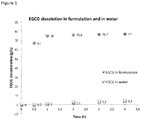
- the concentration of EGCG in test solution reaches nearly 80g/L after only 1 hour of dissolution, while the solubility of EGCG in control solution cannot pass 5g/L after 4 hours of dissolution ( figure 1 ).
- Stability test as described in section 1.3 is carried out for a EGCG solution with formulation given in Table 1 and a EGCG-based solution alone.
- the two solutions were initially clear and transparent.
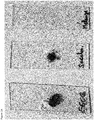
- the residue of the EGCG-based solution alone is black, while a transparent glassy film has been observed in place of the EGCG formulation herein claimed ( figure 2A ).
- the black residue contains practically no more EGCG, whereas the chromatographic profile of the product resulting from the heat treatment of the tested formulation is identical to that of the starting solution, namely that it represents the same as the peak due to EGCG and that of another polyphenol of the green tea initially present ( figures 2B and 2C ).
- Table 5 long-term stability test Relative content of EGCG with respect to the initial time (%) for each storage conditions Time (months) 2-8°C 25°C/60% RH 40°C/75% RH 1 99.8 98.4 95.8 2 98.9 97.9 94.2 3 98.9 96.5 91.2 4 99.3 96.6 91.5 5 99.4 96.5 89.4 6 98.8 96.7 88.3 9 98.9 96.3 88.9
- the observed storage loss at 25°C/60% RH over 2-8°C is mainly due to the epimerization of EGCG with the appearance of gallocatechin gallate (GCG), while the difference between 25°C /60%RH and 40°C /75%RH is mainly due to the hydrolysis of the ester function resulting in the appearance of epicatechin and gallic acid.
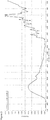
- ATR-IR spectres image shows the presence of broad absorption in the O-H stretch IR regions and the absence of O-H free stretch peaks ( figure 3 ), that suggests that with OH functions of sucrose as acceptors, EGCG would form complexes with sucrose by strong hydrogen bonds OH-O.
- H-bonding may have caused vibrational modes to vibrated at lower frequencies and/or relative intensities than before, as long as the atoms involved in the vibrational modes are actively participating in H-bonding.
Landscapes
- Health & Medical Sciences (AREA)
- Life Sciences & Earth Sciences (AREA)
- Chemical & Material Sciences (AREA)
- Animal Behavior & Ethology (AREA)
- General Health & Medical Sciences (AREA)
- Public Health (AREA)
- Veterinary Medicine (AREA)
- Epidemiology (AREA)
- Medicinal Chemistry (AREA)
- Pharmacology & Pharmacy (AREA)
- Engineering & Computer Science (AREA)
- General Chemical & Material Sciences (AREA)
- Chemical Kinetics & Catalysis (AREA)
- Oil, Petroleum & Natural Gas (AREA)
- Birds (AREA)
- Biochemistry (AREA)
- Molecular Biology (AREA)
- Emergency Medicine (AREA)
- Dermatology (AREA)
- Botany (AREA)
- Bioinformatics & Cheminformatics (AREA)
- Mycology (AREA)
- Nutrition Science (AREA)
- Food Science & Technology (AREA)
- Polymers & Plastics (AREA)
- Pharmaceuticals Containing Other Organic And Inorganic Compounds (AREA)
- Medicinal Preparation (AREA)
- Cosmetics (AREA)
Abstract
The present invention concerns a stable pharmaceutical aqueous solution of epigallocatechin gallate. Said solution has improved EGCG solubility, stability and bioavailability.
Description
- The present invention concerns a stable pharmaceutical aqueous solution comprising epigallocathechin gallate.
- Green tea (Camellia sinensis) has been widely consumed in China and other Asian countries for several millennia. It is considered as one of the most promising nutrients for the prevention and/or treatment of many diseases ( Cabrera, Artacho et al., Journal of the American College of Nutrition, Vol. 25, No. 2, 79-99 (2006 )). Green tea contains a high amount of polyphenols. Polyphenolic catechins are well known for their potent antioxidant properties, which make them candidates for development of drugs covering large therapeutic domains. Most polyphenols present in green tea are flavanols, commonly called catechins (Afzal, Safer et al., Inflammopharmacology. 2015 Aug; 23(4):151-61 ).
- The antioxidant properties of green tea catechins were examined in a number of in vitro and in vivo models. Experimental results and clinical studies provided convincing data on the beneficial effect of tea extracts and tea polyphenols (Yang, Wang et al. Nat Rev Cancer. 2009 Jun; 9(6): 429-439). Catechins are particularly described as having anticancer effects and protective properties against neurodegenerative diseases such as Parkinson's disease and Alzheimer's disease.
- Epigallocatechin gallate (EGCG), by far the most abundant of green tea catechin polyphenols, has been recognized for its tremendous potential in preventing or slowing aging-related diseases such as cancer, diabetes and tissue degeneration (Krupkova et al. Journal of Nutritional Biochemistry 37 (2016) 1-12).
- EGCG is of natural origin and is contained in green tea extract. Its content varies according to the season, the type of leaves and the part of the plant used. The dry extracts of green tea contain about 35 % of polyphenols, 30 % of which are due to catechins, which themselves contain 55-80 % of EGCG.
- EGCG is currently available as herbal drugs or green tea extracts (monograph 1433, current European Pharmacopoeia; monograph 2668, Pharmeuropa June 2017), isolated or not. Tea brewages and the capsules or tablets co-formulated with vitamins account for the main paths for EGCG intake.
- Despite the fact that EGCG exhibits remarkable antioxidant properties, only limited effects have been observed in animals and human epidemiological studies. After oral administration, the bioavailability of EGCG was found to be very low in humans, resulting in plasma concentrations 5 to 50 times less than concentration shown to exert biological activities in in vitro systems (Chow et al., Clin Cancer Res 11 (2005) 4627-4633 ).
- Poor biopharmaceutical properties of EGCG are mainly due to its relative low solubility in water, low chemical stability, low intestinal permeability and a short plasma half-life.
- Indeed, at normal condition EGCG is soluble only at a rate of 4.6 g / L (10 mM). The quantity of soluble EGCG is far from sufficient for developing a pharmaceutical product, which needs a high concentration of active ingredient in a small volume.
- EGCG is prompt to react by auto-oxidation and thus exhibits very low chemical stability. Auto-oxidation of EGCG yields reactive oxygen species capable of inducing polymerization and decomposition of EGCG. The resulting quinone derivatives, dimers or oligomers have much lower intestinal absorption rates.
- In general, its immediate environment, such as the presence of water, pH, temperature, oxygen content, antioxidant levels and metal ions, even in trace amounts (iron, zinc, copper, aluminium) directly affects its stability (Krupkova et al., Journal of Nutritional Biochemistry 37 (2016) 1-12).
- By the way, the low bioavailability is also due in part to its interactions with nutrients present, including co-formulated excipients. Indeed, studies have shown that commonly sparingly soluble components of the capsule and those of the gelatin shell itself can combine with EGCG after disintegration and form even less soluble complexes which impede absorption.
- In order to improve the solubility and stability of EGCG in the context of topical administration, several technologies have been proposed in the past. However, EGCG formulations described to this day still cannot completely meet the requirements for clinical development of EGCG.
-
US20140088030 described a method for producing O-α-glucoside derivatives of phenolic compounds (such as EGCG), by incubating sucrose and a glucansucrase from Leuconostoc species with the phenolic compounds. However, this method involves structural changes of EGCG. These changes may impair other properties of EGCG. - Nanoparticles encapsuling EGCG have also been developed to promote the sustained release of green tea polyphenol concentrates in the gastrointestinal tract ( Krupkova et al., Journal of Nutritional Biochemistry 37 (2016) 1-12). However, changes in release rates and kinetics could make the EGCG biopharmaceutical phase even more complex and far less predictable. By the way, for equivalent doses administered, it is possible that the use of a form gradually releasing EGCG, which is therefore present at smaller doses in the gastrointestinal tract, would expose it more to enzymatic degradations and bacterial metabolisms than an immediate release form.
- Krupkova et al. (Journal of Nutritional Biochemistry 37 (2016) 1-12) described a solution formulation of green tee catechins (GTC) comprising 1.09 mM of a GTC mixture, 0.15 g/mL of sucrose and 2 mg/mL of citric acid. However, a 6-month assessment revealed that addition of sucrose had little effect on the stability of GTC, whereas addition of citric acid destabilized GTC.
- There is a serious need to develop an EGCG-containing pharmaceutical product having improved solubility and stability, easy to be formulated, and exempt of excipient or ingredient which can form insoluble complex with EGCG.
- The objective of the invention has been to develop a new galenic formulation of epigallocatechin gallate (EGCG) wherein ECGC has a better water solubility and stability.
- The first aspect of the present invention concerns a stable pharmaceutical aqueous solution of epigallocatechin gallate, said solution comprising:
- 13- 107 mg/ml of epigallocatechin gallate,
- At least one disaccharide,
- 0.1-1.0 mmol/l of at least one chelating agent,
- A pharmaceutically acceptable pH-modifying agent,
- Against all odds, without resorting to temperature and organic solvents such as DMSO, the Inventors of the present invention have successfully increased nearly 20 times EGCG concentration in aqueous solution in the presence of a disaccharide.
- Moreover, it is observed that this aqueous solution can be stable at 2-8°C and at ambient temperature during 18-24 months and 9-12 months, respectively.
- It has been observed by the Inventors for the first time that EGCG and disaccharide, when they are present in certain range of molar ratio and in aqueous solution, can form a complex wherein hydrogen bonds are formed between hydroxyl groups of EGCG and those of disaccharide as acceptor.
- Without being bounded by any theory, it is supposed that the forming of EGCG/disaccharide complex and hydrogen bond make it possible to substantially increase EGCG solubility in aqueous solution, which in turn result in an increase of solution stability by:
- decreasing the dissolved oxygen content,
- increasing the ratio substrate / reagent making the reactions less quantitative,
- better auto-protection of EGCG by auto-quenching and quenching of singlet oxygen.
- By the way, hydrogen bond formed between EGCG and disaccharide would prevent the ester function from being exposed to hydrolysis reagents.
- Thanks to high concentration of soluble EGCG and high stability, said pharmaceutical solution can display an improved bioavailability of EGCG compared to EGCG formulations known up to date, since the high concentration of EGCG can avoid progressive dissolution of EGCG linked to low substrate / reagent ratio, favourite the passage of the intestinal barrier and limit hepatic clearance of EGCG which is known to be important.
- By the term "a stable pharmaceutical aqueous solution of epigallocatechin gallate" is herein meant to a pharmaceutical solution which conserves at least 95 % (w/w) of EGCG and its trans-epimer, gallocatechin gallate (GCG), compared to initial EGCG quantity in said solution after at least 9 months of storage at room temperature from 20 to 25 °C or at least 18 months of storage from 2 to 8 °C.
- The pharmaceutical solution of the invention is pharmaceutically acceptable, i.e. do not produce an adverse, allergic or other untoward reaction when administered to a patient.
- As used herein, the term "epigallocatechin gallate" in the present invention means natural EGCG purified from any part of leaves of Camellia sinensis picked at any seasons.
- Preferably, any extract of EGCG having a content of at least 90%, particularly at least 95%, more particularly at least 97%, by weight of EGCG is suitable for preparing a solution of the present invention.
- Preferably, the extract of EGCG used for preparing a solution of the present invention satisfies the requirements specified in concerned current European pharmacopoeia (monographs 1433 and 2668, current European Pharmacopoeia).
- The term "disaccharide" means sugars formed from condensation of two monosaccharides which are joined by glycosidic linkage.
- In a preferred embodiment, said disaccharide is a disaccharide easily soluble in water which has a solubility higher than 100 mg/ml in 25°C.
- In a more preferred embodiment, said disaccharide is sucrose or trehalose.
- As used herein, the term "chelating agent" refers to a chemical compound that reacts with metal ions to form stable, water-soluble metal complexes. In a pharmaceutical solution of the present invention, the presence of chelating agents is aimed at capturing any trace metal ions potentially present in the solution and preventing EGCG deprotonation which can be catalysed in the presence of metal ions even at trace concentration.
- Examples of suitable chelating agent for a solution of the present invention are citric acid, calcium disodium edetate, disodium edetate, fumaric acid, malic acid, maltol and pentetic acid.
- The pH of a solution of the present invention is maintained in a range of pH 3.0 to 4.0 to avoid risk of degradation of the EGCG linked to loss of a proton at higher pH (>5.0).
- In a preferred embodiment of the present invention, the pharmaceutical solution of the present invention has a pH in a range of 3.0 to 3.5.
- The pH of the pharmaceutical solution may be adjusted by the incorporation of a suitable pharmaceutically acceptable pH-modifying agent.
- The term "pharmaceutically acceptable pH-modifying agent" refers to any chemical agents which are, within the scope of sound medical judgment, suitable for use in contact with the tissues of humans without undue toxicity, irritation, allergic response and the like.
- Generally, the pH-modifying agent can be an acidifying agent, especially an acid. Any suitable pharmaceutically acceptable acid may be used.
- Sometimes, it may be necessary to incorporate a buffering agent to increase the pH of the solution to reach desired pH range. Any suitable pharmaceutically acceptable buffering agent may be used.
- In an embodiment of the present invention, the pH-modifying agent is chosen from acetic acid, adipic acid, ammonium carbonate, ammonium hydroxide, ammonium phosphate, citric acid, diethanolamine, fumaric acid, hydrochloric acid, malic acid, nitric acid, proprionic acid, potassium acetate, potassium bicarbonate, potassium chloride, potassium citrate, potassium metaphosphate, potassium phosphate, sodium acetate, sodium bicarbonate, sodium carbonate, sodium citrate, sodium glycolate, sodium hydroxide, sodium lactate, sodium phosphate, sodium proprionate, succinic acid, sulfuric acid, tartaric acid, triethanolamine, or mixtures thereof.
- The quantity of pH-modifying agent required is that which can confer to the solution the desired pH.
- According to an embodiment of the present invention, a chelating agent and a pH-modifying agent can be a same compound. For example, citric acid is on the same time a chelating agent and a pH-modifying agent.
- According to an embodiment of the present invention, the pharmaceutical solution of the present invention further comprises at least one antioxidant agent suitable for the aqueous systems and compatible with acidic pH.
- Examples of suitable antioxidant agent are ascorbic acid, erythorbic acid, monothioglycerol, sodium metabisulfite, sodium bisulfite, or reducing sugar.
- The term "reducing sugar" is defined herein to include any saccharide that includes an aldehyde functional group or can isomerize to form an aldehyde functional group in basic solution, for example glucose, fructose, maltose, galactose, lactose and pentose sugars such as xylose.
- In a preferred embodiment of the present invention, the antioxidant agent in a pharmaceutical solution of the present invention is glucose or fructose.
- In a preferred embodiment, when the pharmaceutical solution of the present invention comprises an antioxidant chosen from ascorbic acid, erythorbic acid, monothioglycerol, sodium metabisulfite, or sodium bisulfite, the concentration of said antioxidant is in the range of from 0.01 mg/ml to 0.5 mg/ml.
- In another preferred embodiment, when the pharmaceutical solution of the present invention comprises a reducing sugar, the concentration of said reducing sugar is at least 10 mg/ml, preferably no more than 500 mg/ml, more preferably at 100 mg/ml.
- In a pharmaceutical solution of the present invention, the presence of an organic solvent is not necessary.
- In a particular embodiment of the invention, said pharmaceutical solution is exempt of organic solvent.
- Examples of organic solvents are acetone, acetonitrile, chloroform, dimethyl sulfoxide, ethanol, propylene, glycol, glycerol, PEG400.
- In another particular embodiment of the invention, said pharmaceutical solution comprises an organic solvent chosen from ethanol, propylene glycol, glycerol,
PEG 400. - In a particular embodiment, the present invention provides a pharmaceutical aqueous solution comprising or consisting of:
- 13-107 mg/ml, particularly 27-67 mg/ml, more particularly 27-53 mg/ml, of epigallocatechin gallate,
- 0.05-3.0 mg/ml, particularly 0.08-0.25 mg/ml, more particularly 0.10-0.20 mg/ml of citric acid,
- 25-140 mg/ml, particularly 50-125 mg/ml, more particularly 100-125, mg/ml of sucrose,
- Optionally, 25-250 mg/ml, in particular 100 mg/ml, of glucose and/or fructose
- In a still more particular embodiment, the present invention provides a pharmaceutical aqueous solution comprising or consisting of:
- 27 mg/ml of epigallocatechin gallate
- 0.1 mg/ml of citric acid
- 100 mg/ml of sucrose,
- 100 mg/ml of glucose.
- In one embodiment of the present invention, the pharmaceutical solution is formulated as oral pharmaceutical composition, especially as drinking pharmaceutical composition.
- Said solution can include one or more pharmaceutically acceptable sweetener, and/or aromatic agent. A sweetener or an aromatic agent is particularly useful when said pharmaceutical solution does not contain a glucose or a fructose as antioxidant agent.
- Sweeteners may be included but not limited to aspartame, acesulfame-K, mannitol, sorbitol, lactitol, xylitol, erythritol or their mixtures thereof. Aromatic agent can be any fruit aromas, or other aromas such as cola flavour aromas, or their mixtures thereof.
- The quantity of said sweetener or aromatic agent can be determined according to common knowledge in the field of drug formulation.
- In another embodiment, the pharmaceutical solution of the invention is an injectable formulation, which can be administrated by parenteral routes, such as intravenous or subcutaneous administration.
- A pharmaceutical solution of the present invention can be prepared according to any conventional methods for solution preparation. The ingredients should be added one after another after complete dissolution of each previously added ingredient. The dissolution of ingredients can be achieved under agitation at room temperature.
- After complete dissolution of all ingredients, the solution can be subjected to one or several sterile filtrations and then filled into pharmaceutical containers, such as a multiple dose vial, at suitable volume.
- Another aspect of the present invention provides a unit dose of epigallocatechin gallate comprising a pharmaceutical aqueous solution described before.
- Compared to a pharmaceutical solution conditioned in bigger volume, such as in multiple dose vial, a pharmaceutical solution in unit dose offers more advantages for patients, in particular in the maintain of chemical stability of the solution.
- Said unit dose of the present invention has a volume in the range of 5-30 ml, particularly 10-15 ml, more particularly 15 ml.
- According to the invention, a unit dose of the solution comprises epigallocatechin gallate in a weight in the range of 200-1600 mg, particularly 400-1200 mg, more particularly 400 mg.
- In a preferable embodiment, the unit dose of the present invention is in a volume of 5-30 ml, particularly 10-15 ml, more particularly 15 ml, which contains EGCG in a weight in the range of 200-1600 mg, particularly 400-1200 mg, more particularly 400 mg.
- In a more preferable embodiment, the unit dose of the present invention is in a volume of 15 ml and contains 400 mg of EGCG and 1.5 g of sucrose.
- Another aspect of the present invention concerns a solid composition resulting from any water removal process, especially lyophilisation or spray drying, of a pharmaceutical aqueous solution described before, or of a unit dose described before.
- Said solid composition can be of crystalline, hydrate or anhydrous polymorph forms.
- A pharmaceutical solution described before can be re-established from said solid composition by adding suitable volume of water.
- The present invention provides a pharmaceutical aqueous solution, a pharmaceutical aqueous solution in a unit dose, or a solid composition resulting from any water removal process of said pharmaceutical solution, or of said unit dose, for its use as a medicament in the treatment of cancers, cardiovascular disorder, diabetes or neurodegenerative diseases, such as Parkinson's disease and Alzheimer's disease.
- The present invention provides also a mixture formed by epigallocatechin gallate and a disaccharide, in particular sucrose, wherein the molar ratio of epigallocatechin gallate/disaccharide is from 0.1 to 0.8, in particular 0.25.
- Said mixture ensures a best EGCG water dissolution rate at ambient temperature from 20°C to 25°C.
- The present invention concerns also an eutectic complex formed by EGCG and disaccharides, wherein EGCG and disaccharides are in a molar ratio of 0.7-0.85.
- The term "eutectic complex" refers to a complex obtained after the melting at a specific temperature of two or more components in a specific range of molar ratio. In an eutectic complex, the components melt and solidify at a same temperature which is lower than melting temperature of each component.
- In said complex, EGCG and disaccharides are bounded by hydrogen bonding.
- According to a particular embodiment of the present invention, the eutectic complex is a complex formed by EGCG and sucrose wherein EGCG and sucrose are in a molar ratio of 0.7-0.85.
- In a preferred embodiment, the eutectic complex EGCG/sucrose of the present invention has an eutectic temperature in the range of 80-90°C.
- In another aspect, the present invention concerns a method for improving EGCG water solubility.
- Said method comprises following steps :
- (i) preparing a solution containing:
- at least one disaccharide, in particular sucrose and trehalose, wherein the molar ratio of epigallocatechin gallate/disaccharide is from 0.1 to 0.8, particularly 0.25
- 0.1-1.0 mmol/l of at least one chelating agent,
- a pharmaceutically acceptable pH-modifying agent to adjust the pH of solution in a range of 3.0 to 4.0,
- optionally, at least one antioxidant agent suitable for the aqueous systems and compatible with acidic pH,
- (ii) dissolving 13- 107 mg/ml, particularly 27-67 mg/ml, more particularly 27-53 mg/ml, of EGCG in the solution prepared in preceding step.
- The present invention concerns also a method for improving EGCG bioavailability.
- Said method comprises following steps :
- (i) dissolving 13- 107 mg/ml, particularly 27-67 mg/ml, more particularly 27-53 mg/ml, of EGCG in a solution containing:
- at least one disaccharide, in particular sucrose and trehalose, wherein the molar ratio of epigallocatechin gallate/disaccharide is from 0.1 to 0.8, particularly 0.25
- 0.1-1.0 mmol/l of at least one chelating agent,
- a pharmaceutically acceptable pH-modifying agent to adjust the pH of solution in a range of 3.0 to 4.0,
- optionally, at least one antioxidant agent suitable for the aqueous systems and compatible with acidic pH,
- (ii) administrating said solution to a patient in need of treatment by EGCG.
- In a preferred embodiment, when the antioxidant is chosen from ascorbic acid, erythorbic acid, monothioglycerol, sodium metabisulfite, or sodium bisulfite, the concentration of said antioxidant in aforementioned solution is in the range of from 0.01 mg/ml to 0.5 mg/ml.
- In another preferred embodiment, when the pharmaceutical solution of the present invention comprises a reducing sugar, the concentration of said reducing sugar is at least 10 mg/ml, preferably no more than 500 mg/ml, more preferably at 100 mg/ml.
- Administration can be carried out by oral administration or by parenteral routes.
- The present invention is illustrated in more detail by the following figures and examples.
-
-
Figure 1 shows solubility of EGCG in a solution containing 100 mg/mL of sucrose according to the invention (represented by diamond symbols) compared to that of EGCG alone in water (represented by square symbols). X-axe represents dissolution time (hours). Y-axe represents EGCG content in solution (g/L). -
Figures 2A ,2B and2C show stability of a EGCG formulation given in Table 1 below (figure 2A ) versus that of the EGCG-based solution alone (figure 2B ). Both solutions were subjected to progressive heating ranging from 25 to 135°C at a rate of 5° C per minute. At end of heating, the residues formed from each solution are illustrated infigure 2A and are analyzed by high performance liquid chromatography.Figure 2B is the chromatogram of EGCG formulation given in Table 1.Figure 2C is the chromatogram of the EGCG-based aqueous suspension free of the other excipients. -
Figure 3 shows ATR-IR spectra of complex formed by EGCG and sucrose. - An EGCG oral solutions is prepared according to the formulation given in table 1 below.
Table 1: example EGCG 400mg/15mL solution formula Quantities 26.67 mg/mL EGCG oral solution Unit formula Formula for 20 L of solution EGCG 6.7 g 0.536 kg Citric acid 0.125 g 0.010 kg Glucose 58.5 g 4.68 kg Sucrose 25 g 2 kg Cola flavor 1.5 g 0.12 kg Water for injection Qs 250 mL Qs 20 L - EGCG used for preparing said solution is an isolated EGCG extract (> 97 % w/w of the extract dry). Prior to its use, the active substance was thoroughly controlled to ensure its quality comply with Monograph 2668 (Pharmeuropa June 2017).
- Reference standard suspension of EGCG used for the stress stability testing is a water suspension containing uniquely EGCG at a concentration of 26.6 mg/mL. The standard suspension is extemporaneously prepared by dispersing an appropriate amount of an isolated EGCG extract (> 97 % w/w of the extract dry) in distilled water to afford the said concentration.
- Reference standard solution of EGCG used for the long-term and accelerated stability studies is a water solution containing uniquely EGCG at a concentration of 0.26 mg/mL. The standard solution is extemporaneously prepared by dissolving an appropriate amount of an isolated EGCG extract (> 97 % w/w of the extract dry) in distilled water to afford the said concentration.
- An example of manufacturing process is given below.
-
- Step1: A 20 liter-Pyrex glass vessel is filled to a volume corresponding to 1/3 the final volume of the solution by water for injection.
- Step2: suitable quantities of EGCG, Citric acid, Glucose, Sucrose, Cola flavor according to table 1 are added into water to reach complete dissolution by mixing.
- Step 3: water for injection is added to reach final volume.
- Filtration is carried out by a 1µ Millipore® filtration cartridge. The filtered solution is stocked in a 20 liter-stainless steel tank with nitrogen inlet for inerting the solution and the headspace of the container.
- The solution is filled into 250 mL multiple-dose amber glass bottle. Filled bottle is closed with cap with a polyethylene seal.
- 1 mL of the reference standard suspension and a formulation of the invention disclosed Table 1 before were subjected to a thermal gradient program ranging from 25 to 135°C at a rate of 5°C per min. At the end of this exposure, part of each of the residues formed was deposited on a glass slide and the remaining part analyzed by high performance liquid chromatography. The results are displayed in
Figure 2 . - The tested batch is prepared according to the formulation of unit dose of 250 ml aforementioned in Table 1.
- Reference standard solution of EGCG is a water solution containing uniquely EGCG at a concentration of 0.26 mg/mL.
- The tested batch has been stored in accordance with ICH guideline Q1A. Details of the sampling time points for each condition are presented in Table 2. It is diluted 1/100 in distilled water prior to HPLC analysis.
Table 2 - Sampling and storage protocol for primary batch studies Storage conditions / container Time (months) 2-8°C Pack 25°C/60 % RH Pack 40°C/75 % RH Pack 1 + + + 2 + + + 3 + + + 4 + + + 5 + + + 6 + + + 9 + + - 12 + + - 18 + + - Pack: 250 mL-multiple-dose amber glass bottle (Type III) with a polyethylene cap with polyethylene seal. - Monitoring appropriate chemical, physical and microbial characteristics during the stability studies and at each time point has allowed assessing the stability of EGCG oral solution.
- The chemical stability of EGCG was evaluated by HPLC, validated assay method as a stability indicating method. Said procedure is suitable for the EGCG investigational product assay using an external standard. The assay of EGCG is achieved by comparing the response of a sample solution with the response of EGCG reference standard solution prepared at a similar nominal concentration and analysed in the same way. The sample and reference standard solutions are analysed by gradient reversed phase HPLC and UV detection using a suitable column and chromatography conditions.
- HPLC assay uses a liquid chromatograph fitted with a UV detector (variable wavelength or diode array detector) and equipped with column of Interchim® VKR5 C18 (250 x 4.6.0 mm, 5 µm particle size), or equivalent.
- Acetonitrile, acetic acid and pure water are used for prepare mobile phase A (5/95/0.07 v/v/v Acetonitrile/Water/Acetic acid) and mobile phase B (50/50/0.05 v/v/v Acetonitrile/Water/Acetic acid).
- Analyse using suitable chromatographic conditions, for example, those given in Table 3.

- All system suitability criteria are calculated according to the European Pharmacopoeia "Chapter 2.2.46". Specific parameters of the procedure may be modified within pharmacopoeial and validated limits, if necessary, to achieve system suitability.
- System suitability criteria should be met are displayed in Table 4.
Table 4 - System suitability criteria System suitability test Acceptance criteria Tailing factor Confirm that the tailing factor of the EGCG peak from a reference standard solution injection is not greater than 1.5. System repeatability Confirm that the relative standard deviation for 3 injections from a reference standard solution is not greater than 2.0% - The percentage of quantity of remained EGCG in diluted sample solution compared to original quantity in that sample is calculated according to following formula

- Astd = Peak area due to EGCG in reference standard solution
- Asam = Peak area due to EGCG in diluted sample solution
- D = Dilution factor
- Wstd = Weight of EGCG taken for the reference standard solution(mg)
- Pstd = Purity of reference standard solution (% w/w)
- Vstd = Volume of reference standard solution (mL)
- ATR-IR spectres image of complex sucrose/EGCG is obtained by FTIR-spectroscopy. The experiments were performed on a Perkin-Elmer Spectrum BX FT-IR system based on diffuse reflectance sampling accessories with FT-IR Spectrum v2.00 software. The spectra of the stressed samples were recorded at room temperature in the wavenumber range of 400-4000 cm-1 using ATR cell.
- The solubility of EGCG in a solution containing 10% by weight of sucrose is compared to that of EGCG alone in water. The concentration of EGCG in test solution reaches nearly 80g/L after only 1 hour of dissolution, while the solubility of EGCG in control solution cannot pass 5g/L after 4 hours of dissolution (
figure 1 ). - Stability test as described in section 1.3 is carried out for a EGCG solution with formulation given in Table 1 and a EGCG-based solution alone. The two solutions were initially clear and transparent. At the end of the applied heating, the residue of the EGCG-based solution alone is black, while a transparent glassy film has been observed in place of the EGCG formulation herein claimed (
figure 2A ). When subjected to analysis by chromatography, the black residue contains practically no more EGCG, whereas the chromatographic profile of the product resulting from the heat treatment of the tested formulation is identical to that of the starting solution, namely that it represents the same as the peak due to EGCG and that of another polyphenol of the green tea initially present (figures 2B and2C ). - The results of long-term stability test are given in table 5 below.
Table 5: long-term stability test Relative content of EGCG with respect to the initial time (%) for each storage conditions Time (months) 2-8°C 25°C/60 % RH 40°C/75 % RH 1 99.8 98.4 95.8 2 98.9 97.9 94.2 3 98.9 96.5 91.2 4 99.3 96.6 91.5 5 99.4 96.5 89.4 6 98.8 96.7 88.3 9 98.9 96.3 88.9 - The observed storage loss at 25°C/60% RH over 2-8°C is mainly due to the epimerization of EGCG with the appearance of gallocatechin gallate (GCG), while the difference between 25°C /60%RH and 40°C /75%RH is mainly due to the hydrolysis of the ester function resulting in the appearance of epicatechin and gallic acid.
- Long-term stability test shows that the EGCG levels present in the 400 mg/15 mL solution remained unchanged at 2-8°C and only 5 % loss was recorded for the storage at 25°C. By the way, it has been shown that that this loss was largely ascribed to the epimerization of EGCG. Catechin epimerization can be reversible. By the way, catechin trans-epimers do not have toxic effects but rather similar biological activities to their cis-counterparts.
- These results suggest that the formulations developed were able to protect EGCG from auto-oxidation and hydrolysis.
- ATR-IR spectres image shows the presence of broad absorption in the O-H stretch IR regions and the absence of O-H free stretch peaks (
figure 3 ), that suggests that with OH functions of sucrose as acceptors, EGCG would form complexes with sucrose by strong hydrogen bonds OH-O. - H-bonding may have caused vibrational modes to vibrated at lower frequencies and/or relative intensities than before, as long as the atoms involved in the vibrational modes are actively participating in H-bonding.
Claims (15)
- A stable pharmaceutical aqueous solution comprising:- 13- 107 mg/ml of epigallocatechin gallate,- At least one disaccharide,- 0.1-1.0 mmol/l of at least one chelating agent,- A pharmaceutically acceptable pH-modifying agent,wherein said solution is at a pH in a range of 3.0 to 4.0 and the molar ratio of epigallocatechin gallate/disaccharide is from 0.1 to 0.8, particularly 0.25.
- The pharmaceutical aqueous solution according to claim 1, wherein the disaccharide is chosen from sucrose and trehalose.
- The pharmaceutical aqueous solution according to claim 1 or 2, further comprising at least one antioxidant agent suitable for the aqueous systems and compatible with acidic pH, in particular chosen from ascorbic acid, erythorbic acid, monothioglycerol, sodium metabisulfite and sodium bisulfite, reducing sugar.
- The pharmaceutical aqueous solution according to any one of claims 1 to 3, wherein said solution is exempt of organic solvent.
- The pharmaceutical aqueous solution according to any one of claims 1 to 3, wherein said solution further comprises an organic solvent chosen from ethanol, propylene glycol, glycerol, PEG 400.
- The pharmaceutical aqueous solution according to any one of claims 1 to 5, wherein the chelating agent is chosen from citric acid, calcium disodium edetate, disodium edetate, fumaric acid, malic acid, maltol and pentetic acid.
- The pharmaceutical aqueous solution according to any one of claims 1 to 6, wherein the pharmaceutically acceptable pH-modifying agent is chosen from acetic acid, adipic acid, ammonium carbonate, ammonium hydroxide, ammonium phosphate, citric acid, diethanolamine, fumaric acid, hydrochloric acid, malic acid, nitric acid, proprionic acid, potassium acetate, potassium bicarbonate, potassium chloride, potassium citrate, potassium metaphosphate, potassium phosphate, sodium acetate, sodium bicarbonate, sodium carbonate, sodium citrate, sodium glycolate, sodium hydroxide, sodium lactate, sodium phosphate, sodium proprionate, succinic acid, sulfuric acid, tartaric acid, triethanolamine.
- The pharmaceutical aqueous solution according to any one of claims 1 to 7, comprising or consisting of:- 13- 107 mg/ml, particularly 27-67 mg/ml, more particularly 27-53 mg/ml, of epigallocatechin gallate- 0.05-3.0 mg/ml, particularly 0.08-0.25 mg/ml, more particularly 0.10-0.20 mg/ml of citric acid,- 25-140 mg/ml, particularly 50-125 mg/ml, more particularly 100-125, mg/ml of sucrose,- Optionally, 25-250 mg/ml, in particular 100 mg/ml, of glucose and/or fructose.
- The pharmaceutical aqueous solution according to claim 8, comprising or consisting of :- 27 mg/ml of epigallocatechin gallate- 0.1 mg/ml of citric acid- 100 mg/ml of sucrose,- 100 mg/ml of glucose
- A unit dose of epigallocatechin gallate comprising a pharmaceutical aqueous solution according to any one of claims 1 to 9.
- The unit dose according to claim 10, wherein said unit dose has a volume in the range of 5-30 ml, particularly 10-15 ml, more particularly 15 ml.
- The unit dose according to claim 10 or 11, wherein epigallocatechin gallate has a weight in the range of 200-1600 mg, particularly 400-1200 mg, more particularly 400 mg.
- A solid composition resulting from any water removal process, especially lyophilisation, of a pharmaceutical aqueous solution according to any one of claims 1 to 9, or of a unit dose according to any one of claims 10 to 12.
- The pharmaceutical aqueous solution according to any one of claims 1 to 9, or a unit dose according to any one of claims 10 to 12, or the solid composition according to claim 13, for its use as a medicament in the treatment of cancers, cardiovascular disorder, diabetes, or neurodegenerative diseases.
- Mixture formed by epigallocatechin gallate and a disaccharide wherein the molar ratio of epigallocatechin gallate/disaccharide is from 0.1 to 0.8, in particular 0.25.
Priority Applications (8)
| Application Number | Priority Date | Filing Date | Title |
|---|---|---|---|
| EP17306623.4A EP3488849A1 (en) | 2017-11-23 | 2017-11-23 | Epigallocathechin gallate solution |
| CN201880075797.8A CN111372581A (en) | 2017-11-23 | 2018-11-21 | Epigallocatechin Gallate Solution |
| EP18814497.6A EP3713562B1 (en) | 2017-11-23 | 2018-11-21 | Epigallocathechin gallate solution |
| US16/766,175 US11938113B2 (en) | 2017-11-23 | 2018-11-21 | Epigallocathechin gallate solution |
| JP2020545864A JP2021504460A (en) | 2017-11-23 | 2018-11-21 | Epigallocatechin gallate solution |
| CA3091094A CA3091094A1 (en) | 2017-11-23 | 2018-11-21 | Epigallocathechin gallate solution |
| ES18814497T ES2905729T3 (en) | 2017-11-23 | 2018-11-21 | Epigallocatechin Gallate Solution |
| PCT/EP2018/082029 WO2019101777A1 (en) | 2017-11-23 | 2018-11-21 | Epigallocathechin gallate solution |
Applications Claiming Priority (1)
| Application Number | Priority Date | Filing Date | Title |
|---|---|---|---|
| EP17306623.4A EP3488849A1 (en) | 2017-11-23 | 2017-11-23 | Epigallocathechin gallate solution |
Publications (1)
| Publication Number | Publication Date |
|---|---|
| EP3488849A1 true EP3488849A1 (en) | 2019-05-29 |
Family
ID=60629617
Family Applications (2)
| Application Number | Title | Priority Date | Filing Date |
|---|---|---|---|
| EP17306623.4A Withdrawn EP3488849A1 (en) | 2017-11-23 | 2017-11-23 | Epigallocathechin gallate solution |
| EP18814497.6A Not-in-force EP3713562B1 (en) | 2017-11-23 | 2018-11-21 | Epigallocathechin gallate solution |
Family Applications After (1)
| Application Number | Title | Priority Date | Filing Date |
|---|---|---|---|
| EP18814497.6A Not-in-force EP3713562B1 (en) | 2017-11-23 | 2018-11-21 | Epigallocathechin gallate solution |
Country Status (7)
| Country | Link |
|---|---|
| US (1) | US11938113B2 (en) |
| EP (2) | EP3488849A1 (en) |
| JP (1) | JP2021504460A (en) |
| CN (1) | CN111372581A (en) |
| CA (1) | CA3091094A1 (en) |
| ES (1) | ES2905729T3 (en) |
| WO (1) | WO2019101777A1 (en) |
Cited By (3)
| Publication number | Priority date | Publication date | Assignee | Title |
|---|---|---|---|---|
| FR3110052A1 (en) * | 2020-05-18 | 2021-11-19 | Black Idol | Enrichment composition for cosmetic and / or dermatological food products |
| RU2771898C1 (en) * | 2021-07-26 | 2022-05-13 | Федеральное государственное бюджетное учреждение "Федеральный научно-клинический центр физико-химической медицины Федерального медико-биологического агентства" | Method for producing prophylactic antiviral composition based on epigallocatechin-3-gallate (egcg) |
| WO2025227040A1 (en) * | 2024-04-26 | 2025-10-30 | Amplexd Therapeutics, Inc. | Pharmaceutical compositions and methods for treatment of intraepithelial dysplasia and neoplasia |
Families Citing this family (4)
| Publication number | Priority date | Publication date | Assignee | Title |
|---|---|---|---|---|
| JP2023140745A (en) * | 2022-03-23 | 2023-10-05 | 株式会社 伊藤園 | Composition and composition for improving bioavailability of catechins |
| CN116492239A (en) * | 2023-04-28 | 2023-07-28 | 暨南大学 | Epigallocatechin gallate water-soluble disinfectant and preparation method thereof |
| CN117337901B (en) * | 2023-09-28 | 2026-04-24 | 广西农垦西江乳业有限公司 | A method for preparing a low-allergenic milk protein base |
| CN118077793A (en) * | 2024-04-03 | 2024-05-28 | 广州市东源药业科技有限公司 | Hydrogel EGCG and preparation method thereof |
Citations (3)
| Publication number | Priority date | Publication date | Assignee | Title |
|---|---|---|---|---|
| US20140088030A1 (en) | 2006-06-14 | 2014-03-27 | Libragen | Water soluble and activable phenolics derivatives with dermocosmetic and therapeutic applications and process for preparing said derivatives |
| WO2014055830A1 (en) * | 2012-10-04 | 2014-04-10 | Abbott Laboratories | Shelf-stable, clear liquid nutritional compositions comprising epigallocatechin gallate (egcg) and methods for preparing the same |
| WO2015136551A2 (en) * | 2014-03-12 | 2015-09-17 | Tata Chemicals Limited | A molecular complex of epigallocatechin-3-gallate and a process for production thereof |
Family Cites Families (4)
| Publication number | Priority date | Publication date | Assignee | Title |
|---|---|---|---|---|
| DE102005056652A1 (en) * | 2005-11-25 | 2007-05-31 | Südzucker AG Mannheim/Ochsenfurt | Preparation, useful for increasing fat combustion, supporting fat metabolism, reducing fat content in mammals, preferably humans, comprises a polyphenol composition and isomaltulose |
| CN101744807A (en) * | 2009-12-22 | 2010-06-23 | 江苏天晟药业有限公司 | Epigallocatechin-3-gallate pharmaceutical composition and freeze-dried powder injection thereof |
| CN104800850A (en) | 2014-11-19 | 2015-07-29 | 北京康育博尔生物科技有限公司 | EGCG-containing oral pharmaceutical composition and preparation method thereof |
| CN104719910B (en) * | 2015-04-19 | 2017-07-28 | 福州乾正药业有限公司 | EGCG solid dispersion compositions with heat endurance and its preparation method and application |
-
2017
- 2017-11-23 EP EP17306623.4A patent/EP3488849A1/en not_active Withdrawn
-
2018
- 2018-11-21 CA CA3091094A patent/CA3091094A1/en active Pending
- 2018-11-21 CN CN201880075797.8A patent/CN111372581A/en active Pending
- 2018-11-21 JP JP2020545864A patent/JP2021504460A/en active Pending
- 2018-11-21 EP EP18814497.6A patent/EP3713562B1/en not_active Not-in-force
- 2018-11-21 US US16/766,175 patent/US11938113B2/en active Active
- 2018-11-21 WO PCT/EP2018/082029 patent/WO2019101777A1/en not_active Ceased
- 2018-11-21 ES ES18814497T patent/ES2905729T3/en active Active
Patent Citations (3)
| Publication number | Priority date | Publication date | Assignee | Title |
|---|---|---|---|---|
| US20140088030A1 (en) | 2006-06-14 | 2014-03-27 | Libragen | Water soluble and activable phenolics derivatives with dermocosmetic and therapeutic applications and process for preparing said derivatives |
| WO2014055830A1 (en) * | 2012-10-04 | 2014-04-10 | Abbott Laboratories | Shelf-stable, clear liquid nutritional compositions comprising epigallocatechin gallate (egcg) and methods for preparing the same |
| WO2015136551A2 (en) * | 2014-03-12 | 2015-09-17 | Tata Chemicals Limited | A molecular complex of epigallocatechin-3-gallate and a process for production thereof |
Non-Patent Citations (7)
| Title |
|---|
| AFZAL, SAFER ET AL., INFLAMMOPHARMACOLOGY, vol. 23, no. 4, August 2015 (2015-08-01), pages 151 - 61 |
| CABRERA, ARTACHO ET AL., JOURNAL OF THE AMERICAN COLLEGE OF NUTRITION, vol. 25, no. 2, 2006, pages 79 - 99 |
| CHOW ET AL., CLIN CANCER RES, vol. 11, 2005, pages 4627 - 4633 |
| KRUPKOVA ET AL., JOURNAL OF NUTRITIONAL BIOCHEMISTRY, vol. 37, 2016, pages 1 - 12 |
| KRUPKOVA O. ET AL.: "Stability of (-)-epigallocatechin gallate and its activity in liquid formulations and delivery systems", THE JOURNAL OF NUTRITIONAL BIOCHEMISTRY, vol. 37, 2016, pages 1 - 12, XP029778198, ISSN: 0955-2863, DOI: 10.1016/J.JNUTBIO.2016.01.002 * |
| PHARMEUROPA, June 2017 (2017-06-01) |
| YANG, WANG ET AL., NAT REV CANCER., vol. 9, no. 6, June 2009 (2009-06-01), pages 429 - 439 |
Cited By (4)
| Publication number | Priority date | Publication date | Assignee | Title |
|---|---|---|---|---|
| FR3110052A1 (en) * | 2020-05-18 | 2021-11-19 | Black Idol | Enrichment composition for cosmetic and / or dermatological food products |
| WO2021234281A1 (en) * | 2020-05-18 | 2021-11-25 | Black Idol | Composition for enriching cosmetic and/or dermatological food products |
| RU2771898C1 (en) * | 2021-07-26 | 2022-05-13 | Федеральное государственное бюджетное учреждение "Федеральный научно-клинический центр физико-химической медицины Федерального медико-биологического агентства" | Method for producing prophylactic antiviral composition based on epigallocatechin-3-gallate (egcg) |
| WO2025227040A1 (en) * | 2024-04-26 | 2025-10-30 | Amplexd Therapeutics, Inc. | Pharmaceutical compositions and methods for treatment of intraepithelial dysplasia and neoplasia |
Also Published As
| Publication number | Publication date |
|---|---|
| EP3713562A1 (en) | 2020-09-30 |
| CN111372581A (en) | 2020-07-03 |
| WO2019101777A1 (en) | 2019-05-31 |
| JP2021504460A (en) | 2021-02-15 |
| US11938113B2 (en) | 2024-03-26 |
| ES2905729T3 (en) | 2022-04-11 |
| EP3713562B1 (en) | 2022-01-05 |
| CA3091094A1 (en) | 2019-05-31 |
| US20200375939A1 (en) | 2020-12-03 |
Similar Documents
| Publication | Publication Date | Title |
|---|---|---|
| EP3713562B1 (en) | Epigallocathechin gallate solution | |
| EP3148589B1 (en) | Stable cannabinoid formulations | |
| EP2402012B1 (en) | Liquid formulations of rupatadine fumarate | |
| EP3886837B1 (en) | Cannabinoid compositions with high solubility and bioavailabilty | |
| KR102684694B1 (en) | Liquid preparation of L-serine or pharmaceutically acceptable salt thereof and method for preparing thereof | |
| EP2620153B1 (en) | 5 alpha-androstane (alkyl)-3 beta,5,6 beta-triol injection and preparation method therefor | |
| EP2156832B1 (en) | Pharmaceutical composition | |
| EP3975992B1 (en) | Green tea catechins eutectic system | |
| EP3806821B1 (en) | Oral compositions comprising methylprednisolone sodium succinate | |
| US10085971B2 (en) | Pharmaceutical solution of asenapine for sublingual or buccal use | |
| EP1621202B1 (en) | Freeze-dried preparation containing methylcobalamin and process for producing the same | |
| EP2292241A1 (en) | A scutellarin derivative, the preparing process, the pharmaceutical composition and the use thereof | |
| US20230240985A1 (en) | Stable pharmaceutical composition of topiramate | |
| KR101297354B1 (en) | Stable and taste masking syrup composition of transparent solution comprising Dexibuprofen | |
| WO2018002888A1 (en) | Methods of making low odor choline salts of an organic compound | |
| CN108467420B (en) | Nomegestrol acetate crystal form II and preparation method thereof | |
| KR20190093999A (en) | Dexibupropen syrup formulation with improved solubility and stability | |
| WO2024213638A1 (en) | Aqueous formulations of topiramate | |
| HK40109861B (en) | Liquid preparation of l-serine or pharmaceutically acceptable salt thereof and method for preparing same | |
| HK40109861A (en) | Liquid preparation of l-serine or pharmaceutically acceptable salt thereof and method for preparing same | |
| HK40097273A (en) | Liquid preparation of l-serine or pharmaceutically acceptable salt thereof and method for preparing same | |
| HK1165720A (en) | Liquid formulations of rupatadine fumarate |
Legal Events
| Date | Code | Title | Description |
|---|---|---|---|
| PUAI | Public reference made under article 153(3) epc to a published international application that has entered the european phase |
Free format text: ORIGINAL CODE: 0009012 |
|
| STAA | Information on the status of an ep patent application or granted ep patent |
Free format text: STATUS: THE APPLICATION HAS BEEN PUBLISHED |
|
| AK | Designated contracting states |
Kind code of ref document: A1 Designated state(s): AL AT BE BG CH CY CZ DE DK EE ES FI FR GB GR HR HU IE IS IT LI LT LU LV MC MK MT NL NO PL PT RO RS SE SI SK SM TR |
|
| AX | Request for extension of the european patent |
Extension state: BA ME |
|
| STAA | Information on the status of an ep patent application or granted ep patent |
Free format text: STATUS: THE APPLICATION IS DEEMED TO BE WITHDRAWN |
|
| 18D | Application deemed to be withdrawn |
Effective date: 20191130 |