EP3486252B1 - Composition for kidney cell protection containing cyclo histidine-proline as active ingredient - Google Patents
Composition for kidney cell protection containing cyclo histidine-proline as active ingredient Download PDFInfo
- Publication number
- EP3486252B1 EP3486252B1 EP17827971.7A EP17827971A EP3486252B1 EP 3486252 B1 EP3486252 B1 EP 3486252B1 EP 17827971 A EP17827971 A EP 17827971A EP 3486252 B1 EP3486252 B1 EP 3486252B1
- Authority
- EP
- European Patent Office
- Prior art keywords
- chp
- proline
- cyclo
- cell
- food
- Prior art date
- Legal status (The legal status is an assumption and is not a legal conclusion. Google has not performed a legal analysis and makes no representation as to the accuracy of the status listed.)
- Active
Links
Images

Classifications
-
- C—CHEMISTRY; METALLURGY
- C07—ORGANIC CHEMISTRY
- C07K—PEPTIDES
- C07K5/00—Peptides containing up to four amino acids in a fully defined sequence; Derivatives thereof
- C07K5/04—Peptides containing up to four amino acids in a fully defined sequence; Derivatives thereof containing only normal peptide links
- C07K5/12—Cyclic peptides with only normal peptide bonds in the ring
-
- A—HUMAN NECESSITIES
- A61—MEDICAL OR VETERINARY SCIENCE; HYGIENE
- A61K—PREPARATIONS FOR MEDICAL, DENTAL OR TOILETRY PURPOSES
- A61K38/00—Medicinal preparations containing peptides
- A61K38/04—Peptides having up to 20 amino acids in a fully defined sequence; Derivatives thereof
- A61K38/12—Cyclic peptides, e.g. bacitracins; Polymyxins; Gramicidins S, C; Tyrocidins A, B or C
-
- A—HUMAN NECESSITIES
- A61—MEDICAL OR VETERINARY SCIENCE; HYGIENE
- A61K—PREPARATIONS FOR MEDICAL, DENTAL OR TOILETRY PURPOSES
- A61K45/00—Medicinal preparations containing active ingredients not provided for in groups A61K31/00 - A61K41/00
- A61K45/06—Mixtures of active ingredients without chemical characterisation, e.g. antiphlogistics and cardiaca
-
- A—HUMAN NECESSITIES
- A23—FOODS OR FOODSTUFFS; TREATMENT THEREOF, NOT COVERED BY OTHER CLASSES
- A23L—FOODS, FOODSTUFFS OR NON-ALCOHOLIC BEVERAGES, NOT OTHERWISE PROVIDED FOR; PREPARATION OR TREATMENT THEREOF
- A23L33/00—Modifying nutritive qualities of foods; Dietetic products; Preparation or treatment thereof
-
- A—HUMAN NECESSITIES
- A23—FOODS OR FOODSTUFFS; TREATMENT THEREOF, NOT COVERED BY OTHER CLASSES
- A23L—FOODS, FOODSTUFFS OR NON-ALCOHOLIC BEVERAGES, NOT OTHERWISE PROVIDED FOR; PREPARATION OR TREATMENT THEREOF
- A23L33/00—Modifying nutritive qualities of foods; Dietetic products; Preparation or treatment thereof
- A23L33/10—Modifying nutritive qualities of foods; Dietetic products; Preparation or treatment thereof using additives
- A23L33/17—Amino acids, peptides or proteins
- A23L33/18—Peptides; Protein hydrolysates
-
- A—HUMAN NECESSITIES
- A61—MEDICAL OR VETERINARY SCIENCE; HYGIENE
- A61K—PREPARATIONS FOR MEDICAL, DENTAL OR TOILETRY PURPOSES
- A61K31/00—Medicinal preparations containing organic active ingredients
- A61K31/33—Heterocyclic compounds
- A61K31/395—Heterocyclic compounds having nitrogen as a ring hetero atom, e.g. guanethidine or rifamycins
- A61K31/495—Heterocyclic compounds having nitrogen as a ring hetero atom, e.g. guanethidine or rifamycins having six-membered rings with two or more nitrogen atoms as the only ring heteroatoms, e.g. piperazine or tetrazines
- A61K31/4985—Pyrazines or piperazines ortho- or peri-condensed with heterocyclic ring systems
-
- A—HUMAN NECESSITIES
- A61—MEDICAL OR VETERINARY SCIENCE; HYGIENE
- A61K—PREPARATIONS FOR MEDICAL, DENTAL OR TOILETRY PURPOSES
- A61K31/00—Medicinal preparations containing organic active ingredients
- A61K31/33—Heterocyclic compounds
- A61K31/555—Heterocyclic compounds containing heavy metals, e.g. hemin, hematin, melarsoprol
-
- A—HUMAN NECESSITIES
- A61—MEDICAL OR VETERINARY SCIENCE; HYGIENE
- A61K—PREPARATIONS FOR MEDICAL, DENTAL OR TOILETRY PURPOSES
- A61K33/00—Medicinal preparations containing inorganic active ingredients
- A61K33/24—Heavy metals; Compounds thereof
- A61K33/243—Platinum; Compounds thereof
-
- A—HUMAN NECESSITIES
- A61—MEDICAL OR VETERINARY SCIENCE; HYGIENE
- A61K—PREPARATIONS FOR MEDICAL, DENTAL OR TOILETRY PURPOSES
- A61K38/00—Medicinal preparations containing peptides
- A61K38/04—Peptides having up to 20 amino acids in a fully defined sequence; Derivatives thereof
- A61K38/05—Dipeptides
-
- A—HUMAN NECESSITIES
- A61—MEDICAL OR VETERINARY SCIENCE; HYGIENE
- A61P—SPECIFIC THERAPEUTIC ACTIVITY OF CHEMICAL COMPOUNDS OR MEDICINAL PREPARATIONS
- A61P1/00—Drugs for disorders of the alimentary tract or the digestive system
- A61P1/16—Drugs for disorders of the alimentary tract or the digestive system for liver or gallbladder disorders, e.g. hepatoprotective agents, cholagogues, litholytics
-
- A—HUMAN NECESSITIES
- A61—MEDICAL OR VETERINARY SCIENCE; HYGIENE
- A61P—SPECIFIC THERAPEUTIC ACTIVITY OF CHEMICAL COMPOUNDS OR MEDICINAL PREPARATIONS
- A61P31/00—Antiinfectives, i.e. antibiotics, antiseptics, chemotherapeutics
-
- A—HUMAN NECESSITIES
- A61—MEDICAL OR VETERINARY SCIENCE; HYGIENE
- A61P—SPECIFIC THERAPEUTIC ACTIVITY OF CHEMICAL COMPOUNDS OR MEDICINAL PREPARATIONS
- A61P35/00—Antineoplastic agents
-
- A—HUMAN NECESSITIES
- A61—MEDICAL OR VETERINARY SCIENCE; HYGIENE
- A61P—SPECIFIC THERAPEUTIC ACTIVITY OF CHEMICAL COMPOUNDS OR MEDICINAL PREPARATIONS
- A61P43/00—Drugs for specific purposes, not provided for in groups A61P1/00-A61P41/00
-
- C—CHEMISTRY; METALLURGY
- C12—BIOCHEMISTRY; BEER; SPIRITS; WINE; VINEGAR; MICROBIOLOGY; ENZYMOLOGY; MUTATION OR GENETIC ENGINEERING
- C12N—MICROORGANISMS OR ENZYMES; COMPOSITIONS THEREOF; PROPAGATING, PRESERVING, OR MAINTAINING MICROORGANISMS; MUTATION OR GENETIC ENGINEERING; CULTURE MEDIA
- C12N5/00—Undifferentiated human, animal or plant cells, e.g. cell lines; Tissues; Cultivation or maintenance thereof; Culture media therefor
- C12N5/06—Animal cells or tissues; Human cells or tissues
- C12N5/0602—Vertebrate cells
- C12N5/067—Hepatocytes
-
- C—CHEMISTRY; METALLURGY
- C12—BIOCHEMISTRY; BEER; SPIRITS; WINE; VINEGAR; MICROBIOLOGY; ENZYMOLOGY; MUTATION OR GENETIC ENGINEERING
- C12N—MICROORGANISMS OR ENZYMES; COMPOSITIONS THEREOF; PROPAGATING, PRESERVING, OR MAINTAINING MICROORGANISMS; MUTATION OR GENETIC ENGINEERING; CULTURE MEDIA
- C12N5/00—Undifferentiated human, animal or plant cells, e.g. cell lines; Tissues; Cultivation or maintenance thereof; Culture media therefor
- C12N5/06—Animal cells or tissues; Human cells or tissues
- C12N5/0602—Vertebrate cells
- C12N5/0684—Cells of the urinary tract or kidneys
- C12N5/0686—Kidney cells
-
- A—HUMAN NECESSITIES
- A23—FOODS OR FOODSTUFFS; TREATMENT THEREOF, NOT COVERED BY OTHER CLASSES
- A23V—INDEXING SCHEME RELATING TO FOODS, FOODSTUFFS OR NON-ALCOHOLIC BEVERAGES AND LACTIC OR PROPIONIC ACID BACTERIA USED IN FOODSTUFFS OR FOOD PREPARATION
- A23V2002/00—Food compositions, function of food ingredients or processes for food or foodstuffs
-
- A—HUMAN NECESSITIES
- A23—FOODS OR FOODSTUFFS; TREATMENT THEREOF, NOT COVERED BY OTHER CLASSES
- A23V—INDEXING SCHEME RELATING TO FOODS, FOODSTUFFS OR NON-ALCOHOLIC BEVERAGES AND LACTIC OR PROPIONIC ACID BACTERIA USED IN FOODSTUFFS OR FOOD PREPARATION
- A23V2200/00—Function of food ingredients
- A23V2200/30—Foods, ingredients or supplements having a functional effect on health
- A23V2200/308—Foods, ingredients or supplements having a functional effect on health having an effect on cancer prevention
-
- A—HUMAN NECESSITIES
- A23—FOODS OR FOODSTUFFS; TREATMENT THEREOF, NOT COVERED BY OTHER CLASSES
- A23V—INDEXING SCHEME RELATING TO FOODS, FOODSTUFFS OR NON-ALCOHOLIC BEVERAGES AND LACTIC OR PROPIONIC ACID BACTERIA USED IN FOODSTUFFS OR FOOD PREPARATION
- A23V2250/00—Food ingredients
- A23V2250/54—Proteins
- A23V2250/55—Peptide, protein hydrolysate
Definitions
- the present disclosure relates to a composition for cell protection that includes cyclo histidine-proline (Cyclo His-Pro, CHP) as an active ingredient.
- cyclo histidine-proline Cyclo His-Pro, CHP
- Cyclo histidine-proline (Cyclo His-Pro, CHP) is a naturally-generating cyclic dipeptide that is structurally related to thyrotropin-releasing hormone (TRH).
- the cyclo histidine-proline (CHP) is a peptide inherent in animal and human tissues and body fluids. The CHP is found in blood, semen, gastrointestinal tract, urine, etc., and in particular is a metabolite rich in prostate.
- the cyclo histidine-proline (CHP) has been known to have a variety of physiological functions such as anti-diabetes, anti-obesity, anti-inflammatory and antioxidant effects.
- Apoptosis is an important process in the normal development and function of multicellular organisms. Physiological apoptosis plays an important role in normal processes, but abnormal apoptosis causes various diseases. For example, inhibition of apoptosis may lead to cancer, autoimmune diseases, inflammatory diseases, and viral infections.
- the apoptosis is known to be associated with degenerative neurological diseases such as Alzheimer's disease, Parkinson's disease, amyotrophic lateral sclerosis, and Lou Gehrig's disease, and acute diseases such as cerebral ischemia, traumatic brain injury, spinal cord injury, and stroke.
- degenerative neurological diseases such as Alzheimer's disease, Parkinson's disease, amyotrophic lateral sclerosis, and Lou Gehrig's disease
- acute diseases such as cerebral ischemia, traumatic brain injury, spinal cord injury, and stroke.
- US 6 060 446 A discloses a nutritional composition and methods of using same for treating and preventing renal failure.
- the nutritional composition includes a therapeutically effective amount of a source protein including meat proteins.
- the nutritional composition includes a therapeutically effective amount of specific amino acids, peptides, and/or polypeptides.
- Minelli A. et al., Amino Acids, 35, 2008, pp. 283-289 gives a historical background as well as a perspective outlook of CHP as antioxidant peptide.
- the present inventors have experimentally confirmed that the cyclohistidine-proline (CHP) inhibits apoptosis of kidney cells and liver cells induced by high-level drug treatment and protects cells, thereby to complete the present disclosure.
- CHP cyclohistidine-proline
- a cell-protecting pharmaceutical composition including the cyclo histidine-proline (CHP) or a pharmaceutically acceptable salt thereof as an active ingredient.
- CHP cyclo histidine-proline
- a health functional food for preventing or ameliorating liver or kidney damage, the food including the cyclo histidine-proline (CHP) or a food acceptable salt thereof as an active ingredient.
- CHP cyclo histidine-proline
- the present disclosure provides a cell-protecting pharmaceutical composition for use in inhibiting apoptosis of kidney cells comprising a cyclo histidine-proline (CHP) or a pharmaceutically acceptable salt thereof as the sole active ingredient, wherein the cell protecting pharmaceutical composition is used in the prevention or treatment of diseases selected from the group consisting of nephritis, acute pyelonephritis, chronic pyelonephritis, acute renal failure, renal tubulo-interstitial fibrosis disorder, nephrotic syndrome, nephrogenic diabetes insipidus, electrolyte metabolism abnormality, hyperuricemia, and hyponatremia.
- diseases selected from the group consisting of nephritis, acute pyelonephritis, chronic pyelonephritis, acute renal failure, renal tubulo-interstitial fibrosis disorder, nephrotic syndrome, nephrogenic diabetes insipidus, electrolyte metabolism abnormal
- a cell-protecting pharmaceutical composition for use in inhibiting a drug-induced kidney cell damage, comprising a cyclo histidine-proline (Cyclo His-Pro, CHP) or a pharmaceutically acceptable salt thereof as an active ingredient, wherein the composition inhibits apoptosis of kidney cells.
- a cyclo histidine-proline Cyclo His-Pro, CHP
- a pharmaceutically acceptable salt thereof as an active ingredient, wherein the composition inhibits apoptosis of kidney cells.
- the drug may be an anticancer agent or an antibiotic agent, in which the anticancer agent may be one or more platinum-based anticancer agents selected from a group consisting of cisplatin, carboplatin, oxaliplatin and nedaplatin.
- the present disclosure provides a health functional food for use in inhibiting apoptosis of kidney cells, the food comprising a cyclo histidine-proline (CHP) or a food acceptable salt thereof as the sole active ingredient, wherein the health functional food is used in the prevention or treatment of diseases selected from the group consisting of nephritis, acute pyelonephritis, chronic pyelonephritis, acute renal failure, renal tubulo-interstitial fibrosis disorder, nephrotic syndrome, nephrogenic diabetes insipidus, electrolyte metabolism abnormality, hyperuricemia, and hyponatremia.
- diseases selected from the group consisting of nephritis, acute pyelonephritis, chronic pyelonephritis, acute renal failure, renal tubulo-interstitial fibrosis disorder, nephrotic syndrome, nephrogenic diabetes insipidus, electrolyte metabolism abnormality,
- a drug inducing the kidney toxicity or damage may be one or more anticancer agents or antibiotic agents selected from a group consisting of cisplatin, gentamycin (GM) and acetaminophen (APAP).
- a health functional food for use in inhibiting kidney cell damage induced by an anticancer drug or an antibiotic drug, the food comprising a cyclo histidine-proline (CHP) or a food acceptable salt thereof as an active ingredient, wherein apoptosis of kidney cells is inhibited.
- CHP cyclo histidine-proline
- a cell-protecting pharmaceutical composition for use in inhibiting apoptosis of kidney cells, comprising a cyclo histidine-proline (Cyclo His-Pro, CHP) or a pharmaceutically acceptable salt thereof as the active ingredient, wherein the cell protecting pharmaceutical composition is used in the prevention or treatment of diseases selected from the group consisting of nephritis, acute pyelonephritis, chronic pyelonephritis, renal tubulo-interstitial fibrosis disorder, nephrotic syndrome, nephrogenic diabetes insipidus, electrolyte metabolism abnormality, hyperuricemia, and hyponatremia.
- diseases selected from the group consisting of nephritis, acute pyelonephritis, chronic pyelonephritis, renal tubulo-interstitial fibrosis disorder, nephrotic syndrome, nephrogenic diabetes insipidus, electrolyte metabolism abnormality, hyperuric
- a health functional food for use in inhibiting apoptosis of kidney cells, the food comprising a cyclo histidine-proline (CHP) or a food acceptable salt thereof as the active ingredient, wherein the health functional food is used in the prevention or treatment of diseases selected from the group consisting of nephritis, acute pyelonephritis, chronic pyelonephritis, renal tubulo-interstitial fibrosis disorder, nephrotic syndrome, nephrogenic diabetes insipidus, electrolyte metabolism abnormality, hyperuricemia, and hyponatremia.
- diseases selected from the group consisting of nephritis, acute pyelonephritis, chronic pyelonephritis, renal tubulo-interstitial fibrosis disorder, nephrotic syndrome, nephrogenic diabetes insipidus, electrolyte metabolism abnormality, hyperuricemia, and hyponatremia.
- the cell-protecting pharmaceutical composition including the cyclo histidine-proline (Cyclo His-Pro, CHP) as an active ingredient may inhibit the apoptosis of kidney cells caused by toxicity.
- the composition may be useful as a composition for preventing and treating kidney toxicity.
- the cell-protecting composition including the cyclo histidine-proline (Cyclo His-Pro, CHP) as active ingredient has been confirmed to inhibit the apoptosis of kidney or liver cells.
- the cyclo histidine-proline (CHP) may be isolated from prostate extract.
- the cell-protecting composition including the cyclo histidine-proline (CHP) or a pharmaceutically acceptable salt thereof as active ingredient may protect kidney cells or liver cells.
- CHP cyclo histidine-proline
- composition including the cyclo-histidine-proline (CHP) as an active ingredient according to the present disclosure inhibits apoptosis.
- the composition according to the present disclosure may inhibit drug-induced cell damage.
- the drug may be an anticancer agent or an antibiotic agent.
- the drug may be one or more platinum-based anticancer agents selected from a group consisting of cisplatin, carboplatin, oxaliplatin and nedaplatin; or an antibiotic agent such as gentamycin or acetaminophen.
- the pharmaceutical composition according to the present disclosure may further include suitable carriers, excipients or diluents conventionally used in the manufacture of pharmaceutical compositions.
- a content of the cyclo histidine-proline (CHP), salt, extract or fraction thereof included in the composition may be preferably 0.0001 to 10% by weight, preferably 0.001 to 1% by weight.
- CHP cyclo histidine-proline
- the present disclosure is not particularly limited thereto.
- the term "pharmaceutically acceptable salt” refers to a salt that can be pharmaceutically used, among the substances having cations and anions coupled by electrostatic attraction. Typically, it may include metal salts, salts with organic bases, salts with inorganic acids, salts with organic acids, salts with basic or acidic amino acids or the like.
- Examples of the metal salts may include alkali metal salts (sodium salts, potassium salts, etc.), alkaline earth metal salts (calcium salts, magnesium salts, barium salts, etc.), aluminum salts or the like;
- examples of the salts with organic bases may include salts with triethylamine, pyridine, picoline, 2,6-lutidine, ethanolamine, diethanolamine, triethanolamine, cyclohexylamine, dicyclohexylamine, N,N'-dibenzylethylenediamine or the like;
- examples of the salts with inorganic acids may include salts with hydrochloric acid, hydrobromic acid, nitric acid, sulfuric acid, phosphoric acid, or the like;
- examples of the salts with organic acids may include salts with formic acid, acetic acid, trifluoroacetic acid, phthalic acid, fumaric acid, oxalic acid, tartaric acid, maleic acid, citric acid,
- composition according to the present disclosure is a pharmaceutical composition.
- the pharmaceutical composition may be administered orally or parenterally.
- Extracorporeal or intraperitoneal injection, intrarectal injection, subcutaneous injection, intravenous injection, intramuscular injection or intrathoracic injection may be preferably selected for parenteral administration.
- the pharmaceutical composition according to the present disclosure may further include commonly used excipients, disintegrants, sweeteners, lubricants, flavors, and the like.
- the disintegrant may be selected from the group consisting of sodium starch glycolate, crospovidone, croscarmellose sodium, alginic acid, carboxymethylcellulose calcium, carboxymethylcellulose sodium, chitosan, guar gum, low-substituted hydroxypropylcellulose, magnesium aluminum silicate, and polacrilin potassium.
- the pharmaceutical composition according to the present disclosure may further include a pharmaceutically acceptable additive.
- the pharmaceutically acceptable additives may include starch, gelatinized starch, microcrystalline cellulose, lactose, povidone, colloidal silicon dioxide, calcium hydrogen phosphate, lactose, mannitol, sugar, arabic gum, pregelatinized starch, corn starch, powdered cellulose, hydroxypropylcellulose, opadry, sodium starch glycolate, carnauba lead, synthetic aluminum silicate, stearic acid, magnesium stearate, aluminum stearate, calcium stearate, white sugar, dextrose, sorbitol, talc, etc.
- the content of the pharmaceutically acceptable additive according to the present disclosure may be in a range of 0.1 to 90 parts by weight based on the total weight of the pharmaceutical composition.
- Solid form preparations for oral administration include powders, granules, tablets, capsules, soft capsules, pills and the like.
- Liquid preparations for oral administration include suspensions, solutions, emulsions, syrups, aerosols and the like.
- the liquid preparation may include various excipients such as a wetting agent, a sweetening agent, a fragrance, and a preservative in addition to water and liquid paraffin which are commonly used simple diluents.
- Formulations for parenteral administration may be formulated in the form of external preparations such as powders, granules, tablets, capsules, sterilized aqueous solutions, liquid preparations, non-aqueous solvents, suspensions, emulsions, syrups, suppositories, and aerosols and sterile injectable preparation, respectively, according to conventional methods.
- externally-applied skin pharmaceutical preparations such as creams, gels, patches, sprays, ointments, alerts, lotions, liniments, pastes or cataplasms may be prepared, but are not limited thereto.
- propylene glycol polyethylene glycol
- vegetable oil such as olive oil
- injectable ester such as ethyl oleate, or the like
- epsol macrogol, tween 61, cocoa butter, laurin butter, glycerogelatin or the like may be used as a base of the suppository.
- the preferred dosage of the pharmaceutical composition according to the present disclosure varies depending on the degree of absorption of the active substance in the body, inactivation and excretion rate, age, sex and condition of the patient, and severity of the disease to be treated.
- the dosage may be suitably selected by those skilled in the art.
- the pharmaceutical composition according to the present disclosure may be administrated to one adult at a dosage of 0.0001 to 100 mg/kg, preferably 0.001 to 100 mg/kg per a day.
- the administration may be carried out once a day or divided into several times for one day.
- the dosage does not in any respect limit the scope of the present disclosure.
- the pharmaceutical composition according to the present disclosure has little toxicity and side effects, and may be used safely even when taken for a long time.
- the composition may prevent or treat diseases selected from the group consisting of nephritis, acute pyelonephritis, chronic pyelonephritis, acute renal failure, renal tubulo-interstitial fibrosis disorder, nephrotic syndrome, nephrogenic diabetes insipidus, electrolyte metabolism abnormality, hyperuricemia, hyponatremia, etc.
- diseases selected from the group consisting of nephritis, acute pyelonephritis, chronic pyelonephritis, acute renal failure, renal tubulo-interstitial fibrosis disorder, nephrotic syndrome, nephrogenic diabetes insipidus, electrolyte metabolism abnormality, hyperuricemia, hyponatremia, etc.
- composition according to the present disclosure including the cyclo histidine-proline (Cyclo His-Pro, CHP) or its pharmaceutically acceptable salt as an active ingredient may be used as an anticancer adjuvant for the prevention or treatment of kidney toxicity as induced by an anticancer drug.
- the anticancer adjuvant may be administered in combination with an existing anticancer drug such as cisplatin, carboplatin, oxaliplatin, nedaplatin, doxorubicin, taxol, tamoxifen, camptobel, adlucil, gleevec, etoposide, zometa, and oncovin to reduce kidney toxicity to improve anticancer efficacy.
- an existing anticancer drug such as cisplatin, carboplatin, oxaliplatin, nedaplatin, doxorubicin, taxol, tamoxifen, camptobel, adlucil, gleevec, etoposide, zometa, and oncovin to reduce kidney toxicity to improve anticancer efficacy.
- the present disclosure provides a health functional food for use in inhibiting apoptosis of kidney cells, the food including as the active ingredient the cyclo histidine-proline (Cyclo His-Pro, CHP) or a food acceptable salt thereof as the sole active ingredient, wherein the health functional food is used in the prevention or treatment of diseases selected from the group consisting of nephritis, acute pyelonephritis, chronic pyelonephritis, acute renal failure, renal tubulo-interstitial fibrosis disorder, nephrotic syndrome, nephrogenic diabetes insipidus, electrolyte metabolism abnormality, hyperuricemia, and hyponatremia, or wherein kidney cell damage is induced by an anticancer drug or an antibiotic drug, or a health functional food for use in inhibiting apoptosis of kidney cells, the food comprising a cyclo histidine-proline (CHP) or a food acceptable salt thereof as the active ingredient, wherein the health
- the drug that induces kidney damage may be one or more anticancer agents or antibiotic agents selected from a group consisting of cisplatin, gentamycin (GM), and acetaminophen (APAP).
- the term "food acceptable salt” refers to a salt that can be used as food, among the substances having cations and anions coupled by electrostatic attraction. Specific examples of the food acceptable salt include examples of the above-mentioned pharmaceutically acceptable salts.
- the term “health food” refers to foods that have an active health maintaining or promoting effect compared to general foods.
- the term “health supplement food” means foods for health supplementing.
- the functional foods, health foods, and health supplements may be used in an interchangeable manner.
- the food may be prepared in various forms such as tablets, capsules, powders, granules, liquids, and pills in order to obtain useful effects.
- the term "functional food” is the same term as "food for special health use (FoSHU)". This food means foods with high medical effects that have been processed so that the biocontrol function can be efficiently enabled in addition to nutrition.
- a processed food may be produced having good storage properties while converting the above-mentioned composition into foods having characteristics of agricultural products, livestock products or aquatic products.
- the food may prevent or treat diseases selected from the group consisting of nephritis, acute pyelonephritis, chronic pyelonephritis, acute renal failure, renal tubulo-interstitial fibrosis disorder, nephrotic syndrome, nephrogenic diabetes insipidus, electrolyte metabolism abnormality, hyperuricemia, hyponatremia, etc.
- diseases selected from the group consisting of nephritis, acute pyelonephritis, chronic pyelonephritis, acute renal failure, renal tubulo-interstitial fibrosis disorder, nephrotic syndrome, nephrogenic diabetes insipidus, electrolyte metabolism abnormality, hyperuricemia, hyponatremia, etc.
- CHP cyclo histidine-proline
- the cyclo histidine-proline was produced by requesting only a target spec (99% purity) from a peptide manufacturer (Bachem; Bubendorf, Switzerland).
- the gentamycin was purchased from Sigma Chemical Co. (St. Louis, Mo., USA).
- the kidney cells (LLC-PK1 cells) were purchased from the American Type Culture Collection (ATCC; Manassas, VA, USA).
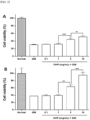
- the present inventors simultaneously treated and cultured the kidney cell (LLC-PK1 cell) with CHP 0.1, 1, 5 or 10 mg/mL respectively together with GM 5 mg/mL for 6 hours ( FIG. 1A ).
- the present inventors pre-treated and pre-cultured the kidney cell (LLC-PK1 cell) with CHP 0.1, 1, 5 or 10 mg/mL for 2 hours and subsequently post-treated and post-cultured the kidney cell (LLC-PK1 cell) with GM 5 mg/mL for 4 hours ( FIG. 1B ).
- the cell viability was analyzed using cell counting kit-8 (Dojindo Laboratories; Kumamoto, Japan). Subsequently, the cell viability was measured with a microplate reader (Molecular Devices, LLC; Sunnyvale, CA, USA).
- the gentamycin (GM) induced apoptosis of kidney cells.
- the cyclo histidine-proline (CHP) inhibited the apoptosis of kidney cells induced by the gentamicin (GM) in a concentration-dependent manner.
- the kidney cells were pre-treated with the above cyclo histidine-proline (CHP)
- the gentamicin (GM)-induced apoptosis was greatly inhibited.
- Example 2 (comparative example) Analysis of liver apoptosis inhibition by cyclo histidine-proline (CHP)
- CHP cyclo histidine-proline
- the acetaminophen was purchased from Sigma Chemical Co. (St. Louis, Mo., USA).
- the liver cells were purchased from the American Type Culture Collection (ATCC; Manassas, VA, USA).
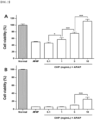
- the present inventors simultaneously treated and cultured the liver cell (Chang liver cell) with CHP 0.1, 1, 5 or 10 mg/mL respectively together with APAP 15 mM for 24 hours ( FIG. 2A ).
- the present inventors pre-treated and pre-cultured the liver cell (Chang liver cell) with CHP 0.1, 1, 5 or 10 mg/mL for 24 hours and subsequently post-treated and post-cultured the liver cell (Chang liver cell) with APAP 15 mM for 24 hours ( FIG. 2B ).
- the cell viability was analyzed using cell counting kit-8 (Dojindo Laboratories; Kumamoto, Japan). Subsequently, the cell viability was measured with a microplate reader (Molecular Devices, LLC; Sunnyvale, CA, USA).
- acetaminophen induced apoptosis of liver cells.
- CHP cyclo histidine-proline
- acetaminophen (APAP)-induced apoptosis was significantly inhibited when the liver cells were co-treated with the acetaminophen (APAP) and the cyclo histidine-proline (CHP).
- Example 3 (comparative example) Analysis of inhibition of liver damage by cisplatin in an animal model by ingestion of cyclo histidine-proline (CHP)
- mice To determine the protective effect of CHP on liver toxicity in mice, the present inventors purchased SD mice from Koatech, and the mice were raised under constant conditions (temperature: 23 ⁇ 3°C, relative humidity: 55 ⁇ 10%, daily cycle: 12 hours). Five mice were grouped into one group. We fed water and food to mice in the cage. We adapted the mice for experiments for one week prior to the experiment. After the adaption period, the mice were grouped into five groups. We conducted the experiment as shown in Table 1 below. [Table 1] GROUP CHP (mg/L) Cisplatin (mg/kg) Period 1.
- mice ingested CHP in drinking water at each concentration and we administered the mice with cisplatin 7.5 mg/kg by intraperitoneal injection. 2.
- Cisplatin control - 7.5 3.
- CHP ingestion group 1 4.
- CHP ingestion group 5 5.
- CHP ingestion group 10 is the mice ingested CHP in drinking water at each concentration and we administered the mice with cisplatin 7.5 mg/kg by intraperitoneal injection.
- ALT and AST we collected blood from the abdominal aorta from a mouse. We separated only serum from the blood using a centrifugal separator and analyzed the serum using an automatic analyzer (Hitachi 7180; Tokyo, Japan).
- mice could also lead to liver damage and increased ALT and AST. Further, it was confirmed that in mice injected with CHP, cisplatin-induced ALT and AST were significantly reduced.
- CHP exhibits excellent effects of reducing ALT and AST concentrations that enable blood liver function values to be confirmed.
- the pharmaceutical composition including the CHP as an active ingredient is excellent in protecting liver cells.
- the CHP may be useful for preventing or treating diseases caused by liver disease.
- mice To determine the protective effect of CHP on kidney toxicity in mice, the present inventors purchased ICR mice from Koatech, and the mice were raised under constant conditions (temperature: 23 ⁇ 3°C, relative humidity: 55 ⁇ 10%, daily cycle: 12 hours). Five mice were grouped into one group. We fed water and food to mice in the cage. We adapted the mice for experiments for one week prior to the experiment. After the adaption period, the mice were grouped into 3 groups. We conducted the experiment as shown in Table 2 below. [Table 2] Group CHP (mg/kg) Cisplatin (mg/kg) Period 1. Normal control - - For 1 week, the mice ingested CHP orally daily and we administered the mice with cisplatin 10 mg/kg by intraperitoneal injection. 2.
- Cisplatin control - 10 Cisplatin control - 10 3.
- CHP ingestion group 1 1 group ingested water orally and was set as a negative control.
- 2 group ingested orally water, and was subjected to cisplatin treatment, and was set as a kidney damage control.
- 3 group ingested CHP orally daily for one week at a 1 mg/kg concentration, and then was subjected to cisplatin treatment.
- the 3 group was set as a kidney damage prevention effect group.
- the administration of cisplatin to mice could also lead to kidney damage and increase in creatinine. Further, it was confirmed that the cisplatin-induced creatinine was significantly reduced in mice that ingested the cyclo histidine-proline (CHP).
- CHP cyclo histidine-proline
- the cyclo histidine-proline (CHP) has the effect of reducing the concentration of creatinine, which allows the kidney function value in blood to be measured. Therefore, the pharmaceutical composition including the cyclo histidine-proline (CHP) as the active ingredient is excellent in protecting the kidney cell. Thus, it is also known that such a composition may be usefully used for the prevention or treatment of diseases including the kidney disease.
- mice To determine the protective effect of CHP on kidney toxicity in mice, the present inventors purchased ICR mice from Koatech, and the mice were raised under constant conditions (temperature: 23 ⁇ 3°C, relative humidity: 55 ⁇ 10%, daily cycle: 12 hours). Five mice were grouped into one group. We fed water and food to mice in the cage. We adapted the mice for experiments for one week prior to the experiment. After the adaption period, the mice were grouped into 3 groups. We conducted the experiment as shown in Table 3 below. [Table 3] Group CHP (mg/kg) Cisplatin (mg/kg) Period 1. Normal control - - For 1 week, the mice ingested CHP orally daily and we administered the mice with creatinine 30 mg/kg by intraperitoneal injection. 2. Cisplatin control - 30 3. CHP ingestion group 1
- CHP cyclo histidine-proline
- FIG. 6 The results of the analysis are illustrated in FIG. 6 .
- mice could also lead to kidney damage and increase in BUN. Further, it was confirmed that the cisplatin-induced BUN was significantly reduced in mice that ingested the cyclo histidine-proline (CHP) ( FIG. 6 ).
- CHP cyclo histidine-proline
- the cyclo histidine-proline (CHP) has the effect of reducing the concentration of BUN (blood urea nitrogen), which allows the kidney function value in blood to be measured. Therefore, the pharmaceutical composition including the cyclo histidine-proline (CHP) as the active ingredient is excellent in protecting the kidney cell. Thus, it is also known that such a composition may be usefully used for the prevention or treatment of diseases including the kidney disease.
- the CHP according to the present disclosure was found to have an excellent effect of inhibiting and reducing the liver and kidney damage induced by the anticancer drug cisplatin. Accordingly, the CHP-including composition may be usefully used as a pharmaceutical composition or health functional food for preventing and treating the kidney toxicity-related diseases induced by the anticancer agent.
Landscapes
- Health & Medical Sciences (AREA)
- Life Sciences & Earth Sciences (AREA)
- Chemical & Material Sciences (AREA)
- General Health & Medical Sciences (AREA)
- Engineering & Computer Science (AREA)
- Medicinal Chemistry (AREA)
- Organic Chemistry (AREA)
- Animal Behavior & Ethology (AREA)
- Public Health (AREA)
- Veterinary Medicine (AREA)
- Pharmacology & Pharmacy (AREA)
- Bioinformatics & Cheminformatics (AREA)
- Epidemiology (AREA)
- Proteomics, Peptides & Aminoacids (AREA)
- Gastroenterology & Hepatology (AREA)
- Nuclear Medicine, Radiotherapy & Molecular Imaging (AREA)
- General Chemical & Material Sciences (AREA)
- Chemical Kinetics & Catalysis (AREA)
- Genetics & Genomics (AREA)
- Biomedical Technology (AREA)
- Biochemistry (AREA)
- Immunology (AREA)
- Biotechnology (AREA)
- Wood Science & Technology (AREA)
- Zoology (AREA)
- Molecular Biology (AREA)
- Nutrition Science (AREA)
- Mycology (AREA)
- Food Science & Technology (AREA)
- Polymers & Plastics (AREA)
- Biophysics (AREA)
- General Engineering & Computer Science (AREA)
- Microbiology (AREA)
- Cell Biology (AREA)
- Urology & Nephrology (AREA)
- Communicable Diseases (AREA)
- Oncology (AREA)
- Inorganic Chemistry (AREA)
- Pharmaceuticals Containing Other Organic And Inorganic Compounds (AREA)
- Coloring Foods And Improving Nutritive Qualities (AREA)
Description
- The present disclosure relates to a composition for cell protection that includes cyclo histidine-proline (Cyclo His-Pro, CHP) as an active ingredient.
- Cyclo histidine-proline (Cyclo His-Pro, CHP) is a naturally-generating cyclic dipeptide that is structurally related to thyrotropin-releasing hormone (TRH). The cyclo histidine-proline (CHP) is a peptide inherent in animal and human tissues and body fluids. The CHP is found in blood, semen, gastrointestinal tract, urine, etc., and in particular is a metabolite rich in prostate. The cyclo histidine-proline (CHP) has been known to have a variety of physiological functions such as anti-diabetes, anti-obesity, anti-inflammatory and antioxidant effects.
- Apoptosis is an important process in the normal development and function of multicellular organisms. Physiological apoptosis plays an important role in normal processes, but abnormal apoptosis causes various diseases. For example, inhibition of apoptosis may lead to cancer, autoimmune diseases, inflammatory diseases, and viral infections.
- Further, the apoptosis is known to be associated with degenerative neurological diseases such as Alzheimer's disease, Parkinson's disease, amyotrophic lateral sclerosis, and Lou Gehrig's disease, and acute diseases such as cerebral ischemia, traumatic brain injury, spinal cord injury, and stroke.
- However, there has been no report on the cytoprotective effect of the cyclo histidine-proline (CHP) and its mechanism.
-
US 6 060 446 A discloses a nutritional composition and methods of using same for treating and preventing renal failure. The nutritional composition includes a therapeutically effective amount of a source protein including meat proteins. Furthermore, the nutritional composition includes a therapeutically effective amount of specific amino acids, peptides, and/or polypeptides. - Bellezza Ilaria et al., International Journal of Biochemistry and Cell Biology, 51, 2014, pp. 159-169 reports the investigation of whether CHP inhibits glial inflammation, thus reducing the detrimental effect of inflammatory neurotoxins on neurons.
- Alba Minelli et al., Journal of Cellular and Molecular Medicine, 13(6), 2009, pp. 1149-1161 found that cyclo(His-Pro) triggered nuclear accumulation of NF-E2-related factor-2 (Nrf2), a transcription factor that up-regulates antioxidant-/electrophile-responsive element (ARE-EpRE)-related genes, in PC 12 cells.
- Koo, K.B. et al., Journal of Microbiology and Biotechnology, 21(2), 2011, pp. 218-227 studied the effects of CHP on streptozotocin (STZ)-induced beta-cell dysfunction and apoptosis in rat insulinoma cells (RINmSF) secreting insulin.
- Minelli A. et al., Amino Acids, 35, 2008, pp. 283-289 gives a historical background as well as a perspective outlook of CHP as antioxidant peptide.
- The present inventors have experimentally confirmed that the cyclohistidine-proline (CHP) inhibits apoptosis of kidney cells and liver cells induced by high-level drug treatment and protects cells, thereby to complete the present disclosure.
- Described is the provision of a cell-protecting pharmaceutical composition including the cyclo histidine-proline (CHP) or a pharmaceutically acceptable salt thereof as an active ingredient.
- Further described is the provision of a health functional food for preventing or ameliorating liver or kidney damage, the food including the cyclo histidine-proline (CHP) or a food acceptable salt thereof as an active ingredient.
- To this end, the present disclosure provides a cell-protecting pharmaceutical composition for use in inhibiting apoptosis of kidney cells comprising a cyclo histidine-proline (CHP) or a pharmaceutically acceptable salt thereof as the sole active ingredient, wherein the cell protecting pharmaceutical composition is used in the prevention or treatment of diseases selected from the group consisting of nephritis, acute pyelonephritis, chronic pyelonephritis, acute renal failure, renal tubulo-interstitial fibrosis disorder, nephrotic syndrome, nephrogenic diabetes insipidus, electrolyte metabolism abnormality, hyperuricemia, and hyponatremia.
- Further disclosed is a cell-protecting pharmaceutical composition for use in inhibiting a drug-induced kidney cell damage, comprising a cyclo histidine-proline (Cyclo His-Pro, CHP) or a pharmaceutically acceptable salt thereof as an active ingredient, wherein the composition inhibits apoptosis of kidney cells.
- According to an embodiment of the present disclosure, the drug may be an anticancer agent or an antibiotic agent, in which the anticancer agent may be one or more platinum-based anticancer agents selected from a group consisting of cisplatin, carboplatin, oxaliplatin and nedaplatin.
- Further, the present disclosure provides a health functional food for use in inhibiting apoptosis of kidney cells, the food comprising a cyclo histidine-proline (CHP) or a food acceptable salt thereof as the sole active ingredient, wherein the health functional food is used in the prevention or treatment of diseases selected from the group consisting of nephritis, acute pyelonephritis, chronic pyelonephritis, acute renal failure, renal tubulo-interstitial fibrosis disorder, nephrotic syndrome, nephrogenic diabetes insipidus, electrolyte metabolism abnormality, hyperuricemia, and hyponatremia.
- According to an embodiment of the present disclosure, a drug inducing the kidney toxicity or damage may be one or more anticancer agents or antibiotic agents selected from a group consisting of cisplatin, gentamycin (GM) and acetaminophen (APAP).
- Also disclosed is a health functional food for use in inhibiting kidney cell damage induced by an anticancer drug or an antibiotic drug, the food comprising a cyclo histidine-proline (CHP) or a food acceptable salt thereof as an active ingredient, wherein apoptosis of kidney cells is inhibited.
- Further disclosed is a cell-protecting pharmaceutical composition for use in inhibiting apoptosis of kidney cells, comprising a cyclo histidine-proline (Cyclo His-Pro, CHP) or a pharmaceutically acceptable salt thereof as the active ingredient, wherein the cell protecting pharmaceutical composition is used in the prevention or treatment of diseases selected from the group consisting of nephritis, acute pyelonephritis, chronic pyelonephritis, renal tubulo-interstitial fibrosis disorder, nephrotic syndrome, nephrogenic diabetes insipidus, electrolyte metabolism abnormality, hyperuricemia, and hyponatremia.
- Additionally disclosed is a health functional food for use in inhibiting apoptosis of kidney cells, the food comprising a cyclo histidine-proline (CHP) or a food acceptable salt thereof as the active ingredient, wherein the health functional food is used in the prevention or treatment of diseases selected from the group consisting of nephritis, acute pyelonephritis, chronic pyelonephritis, renal tubulo-interstitial fibrosis disorder, nephrotic syndrome, nephrogenic diabetes insipidus, electrolyte metabolism abnormality, hyperuricemia, and hyponatremia.
- According to the present disclosure, the cell-protecting pharmaceutical composition including the cyclo histidine-proline (Cyclo His-Pro, CHP) as an active ingredient may inhibit the apoptosis of kidney cells caused by toxicity. Thus, the composition may be useful as a composition for preventing and treating kidney toxicity.
-
-
FIG. 1 illustrates an apoptosis inhibition effect for GM inducing kidney cells (LLC-PK1 cells) by CHP: ** P < 0.01, *** P < 0.001. CHP; Cyclo His-Pro, GM; gentamicin. -
FIG. 2 illustrates an apoptosis inhibition effect for APAP inducing liver cell (Chang liver cell) by CHP: * P < 0.05, *** P < 0.001. CHP; Cyclo His-Pro, APAP; acetaminophen. -
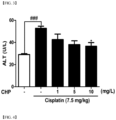
FIG. 3 is a graph of an ALT measurement to confirm that CHP ingestion protects a mouse against liver toxicity by cisplatin. -
FIG. 4 is a graph of an AST measurement to confirm that CHP ingestion protects a mouse against liver toxicity by cisplatin. -
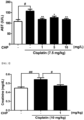
FIG. 5 is a graph of a creatinine measurement to confirm that CHP ingestion protects a mouse against kidney toxicity by cisplatin. -
FIG. 6 is a graph of a BUN measurement to confirm that CHP ingestion protects a mouse against kidney toxicity by cisplatin. - The present disclosure is described in detail below.
- The cell-protecting composition including the cyclo histidine-proline (Cyclo His-Pro, CHP) as active ingredient has been confirmed to inhibit the apoptosis of kidney or liver cells.
- According to an embodiment of the present disclosure, the cyclo histidine-proline (CHP) may be isolated from prostate extract.

- The cell-protecting composition including the cyclo histidine-proline (CHP) or a pharmaceutically acceptable salt thereof as active ingredient may protect kidney cells or liver cells.
- The composition including the cyclo-histidine-proline (CHP) as an active ingredient according to the present disclosure inhibits apoptosis.
- The composition according to the present disclosure may inhibit drug-induced cell damage. The drug may be an anticancer agent or an antibiotic agent. Specifically, the drug may be one or more platinum-based anticancer agents selected from a group consisting of cisplatin, carboplatin, oxaliplatin and nedaplatin; or an antibiotic agent such as gentamycin or acetaminophen.
- The pharmaceutical composition according to the present disclosure may further include suitable carriers, excipients or diluents conventionally used in the manufacture of pharmaceutical compositions. In this connection, a content of the cyclo histidine-proline (CHP), salt, extract or fraction thereof included in the composition may be preferably 0.0001 to 10% by weight, preferably 0.001 to 1% by weight. However, the present disclosure is not particularly limited thereto.
- As used herein, the term "pharmaceutically acceptable salt" refers to a salt that can be pharmaceutically used, among the substances having cations and anions coupled by electrostatic attraction. Typically, it may include metal salts, salts with organic bases, salts with inorganic acids, salts with organic acids, salts with basic or acidic amino acids or the like. Examples of the metal salts may include alkali metal salts (sodium salts, potassium salts, etc.), alkaline earth metal salts (calcium salts, magnesium salts, barium salts, etc.), aluminum salts or the like; examples of the salts with organic bases may include salts with triethylamine, pyridine, picoline, 2,6-lutidine, ethanolamine, diethanolamine, triethanolamine, cyclohexylamine, dicyclohexylamine, N,N'-dibenzylethylenediamine or the like; examples of the salts with inorganic acids may include salts with hydrochloric acid, hydrobromic acid, nitric acid, sulfuric acid, phosphoric acid, or the like; examples of the salts with organic acids may include salts with formic acid, acetic acid, trifluoroacetic acid, phthalic acid, fumaric acid, oxalic acid, tartaric acid, maleic acid, citric acid, succinic acid, methanesulfonic acid, benzenesulfonic acid, p-toluenesulfonic acid or the like; examples of the salts with basic amino acids may include salts with arginine, lysine, ornithine or the like; and examples of the salt with acidic amino acids include salts with aspartic acid, glutamic acid or the like.
- The composition according to the present disclosure is a pharmaceutical composition. The pharmaceutical composition may be administered orally or parenterally. Extracorporeal or intraperitoneal injection, intrarectal injection, subcutaneous injection, intravenous injection, intramuscular injection or intrathoracic injection may be preferably selected for parenteral administration.
- The pharmaceutical composition according to the present disclosure may further include commonly used excipients, disintegrants, sweeteners, lubricants, flavors, and the like. The disintegrant may be selected from the group consisting of sodium starch glycolate, crospovidone, croscarmellose sodium, alginic acid, carboxymethylcellulose calcium, carboxymethylcellulose sodium, chitosan, guar gum, low-substituted hydroxypropylcellulose, magnesium aluminum silicate, and polacrilin potassium. Further, the pharmaceutical composition according to the present disclosure may further include a pharmaceutically acceptable additive. In this connection, the pharmaceutically acceptable additives may include starch, gelatinized starch, microcrystalline cellulose, lactose, povidone, colloidal silicon dioxide, calcium hydrogen phosphate, lactose, mannitol, sugar, arabic gum, pregelatinized starch, corn starch, powdered cellulose, hydroxypropylcellulose, opadry, sodium starch glycolate, carnauba lead, synthetic aluminum silicate, stearic acid, magnesium stearate, aluminum stearate, calcium stearate, white sugar, dextrose, sorbitol, talc, etc. The content of the pharmaceutically acceptable additive according to the present disclosure may be in a range of 0.1 to 90 parts by weight based on the total weight of the pharmaceutical composition.
- Solid form preparations for oral administration include powders, granules, tablets, capsules, soft capsules, pills and the like. Liquid preparations for oral administration include suspensions, solutions, emulsions, syrups, aerosols and the like. The liquid preparation may include various excipients such as a wetting agent, a sweetening agent, a fragrance, and a preservative in addition to water and liquid paraffin which are commonly used simple diluents. Formulations for parenteral administration may be formulated in the form of external preparations such as powders, granules, tablets, capsules, sterilized aqueous solutions, liquid preparations, non-aqueous solvents, suspensions, emulsions, syrups, suppositories, and aerosols and sterile injectable preparation, respectively, according to conventional methods. Preferably, externally-applied skin pharmaceutical preparations such as creams, gels, patches, sprays, ointments, alerts, lotions, liniments, pastes or cataplasms may be prepared, but are not limited thereto. As the non-aqueous formulation or suspension, propylene glycol, polyethylene glycol, vegetable oil such as olive oil, injectable ester such as ethyl oleate, or the like may be used. witepsol, macrogol, tween 61, cocoa butter, laurin butter, glycerogelatin or the like may be used as a base of the suppository.
- The preferred dosage of the pharmaceutical composition according to the present disclosure varies depending on the degree of absorption of the active substance in the body, inactivation and excretion rate, age, sex and condition of the patient, and severity of the disease to be treated. The dosage may be suitably selected by those skilled in the art. However, for the desired effect, in the case of oral administration, generally, the pharmaceutical composition according to the present disclosure may be administrated to one adult at a dosage of 0.0001 to 100 mg/kg, preferably 0.001 to 100 mg/kg per a day. The administration may be carried out once a day or divided into several times for one day. The dosage does not in any respect limit the scope of the present disclosure. The pharmaceutical composition according to the present disclosure has little toxicity and side effects, and may be used safely even when taken for a long time.
- Because the pharmaceutical composition according to the present disclosure has an excellent effect of protecting kidney cells, the composition may prevent or treat diseases selected from the group consisting of nephritis, acute pyelonephritis, chronic pyelonephritis, acute renal failure, renal tubulo-interstitial fibrosis disorder, nephrotic syndrome, nephrogenic diabetes insipidus, electrolyte metabolism abnormality, hyperuricemia, hyponatremia, etc.
- The composition according to the present disclosure including the cyclo histidine-proline (Cyclo His-Pro, CHP) or its pharmaceutically acceptable salt as an active ingredient may be used as an anticancer adjuvant for the prevention or treatment of kidney toxicity as induced by an anticancer drug.
- The anticancer adjuvant may be administered in combination with an existing anticancer drug such as cisplatin, carboplatin, oxaliplatin, nedaplatin, doxorubicin, taxol, tamoxifen, camptobel, adlucil, gleevec, etoposide, zometa, and oncovin to reduce kidney toxicity to improve anticancer efficacy.
- Further, the present disclosure provides a health functional food for use in inhibiting apoptosis of kidney cells,, the food including as the active ingredient the cyclo histidine-proline (Cyclo His-Pro, CHP) or a food acceptable salt thereof as the sole active ingredient, wherein the health functional food is used in the prevention or treatment of diseases selected from the group consisting of nephritis, acute pyelonephritis, chronic pyelonephritis, acute renal failure, renal tubulo-interstitial fibrosis disorder, nephrotic syndrome, nephrogenic diabetes insipidus, electrolyte metabolism abnormality, hyperuricemia, and hyponatremia, or wherein kidney cell damage is induced by an anticancer drug or an antibiotic drug, or a health functional food for use in inhibiting apoptosis of kidney cells, the food comprising a cyclo histidine-proline (CHP) or a food acceptable salt thereof as the active ingredient, wherein the health functional food is used in the prevention or treatment of diseases selected from the group consisting of nephritis, acute pyelonephritis, chronic pyelonephritis, renal tubulo-interstitial fibrosis disorder, nephrotic syndrome, nephrogenic diabetes insipidus, electrolyte metabolism abnormality, hyperuricemia, and hyponatremia.
- The drug that induces kidney damage may be one or more anticancer agents or antibiotic agents selected from a group consisting of cisplatin, gentamycin (GM), and acetaminophen (APAP).
- As used herein, the term "food acceptable salt" refers to a salt that can be used as food, among the substances having cations and anions coupled by electrostatic attraction. Specific examples of the food acceptable salt include examples of the above-mentioned pharmaceutically acceptable salts.
- As used herein, the term "health food" refers to foods that have an active health maintaining or promoting effect compared to general foods. The term "health supplement food" means foods for health supplementing. In some cases, the functional foods, health foods, and health supplements may be used in an interchangeable manner. The food may be prepared in various forms such as tablets, capsules, powders, granules, liquids, and pills in order to obtain useful effects.
- As used herein, the term "functional food" is the same term as "food for special health use (FoSHU)". This food means foods with high medical effects that have been processed so that the biocontrol function can be efficiently enabled in addition to nutrition.
- As a specific example of such a health functional food, a processed food may be produced having good storage properties while converting the above-mentioned composition into foods having characteristics of agricultural products, livestock products or aquatic products.
- Because the health functional food according to the present disclosure has an excellent effect of protecting kidney cells, the food may prevent or treat diseases selected from the group consisting of nephritis, acute pyelonephritis, chronic pyelonephritis, acute renal failure, renal tubulo-interstitial fibrosis disorder, nephrotic syndrome, nephrogenic diabetes insipidus, electrolyte metabolism abnormality, hyperuricemia, hyponatremia, etc.
- We confirmed that the cyclo histidine-proline (CHP) inhibited the apoptosis of kidney cells as induced by gentamicin (GM).
- Specifically, the cyclo histidine-proline (CHP) was produced by requesting only a target spec (99% purity) from a peptide manufacturer (Bachem; Bubendorf, Switzerland). The gentamycin was purchased from Sigma Chemical Co. (St. Louis, Mo., USA). The kidney cells (LLC-PK1 cells) were purchased from the American Type Culture Collection (ATCC; Manassas, VA, USA). The present inventors simultaneously treated and cultured the kidney cell (LLC-PK1 cell) with CHP 0.1, 1, 5 or 10 mg/mL respectively together with
GM 5 mg/mL for 6 hours (FIG. 1A ). - Further, the present inventors pre-treated and pre-cultured the kidney cell (LLC-PK1 cell) with CHP 0.1, 1, 5 or 10 mg/mL for 2 hours and subsequently post-treated and post-cultured the kidney cell (LLC-PK1 cell) with
GM 5 mg/mL for 4 hours (FIG. 1B ). The cell viability was analyzed using cell counting kit-8 (Dojindo Laboratories; Kumamoto, Japan). Subsequently, the cell viability was measured with a microplate reader (Molecular Devices, LLC; Sunnyvale, CA, USA). - As a result, the gentamycin (GM) induced apoptosis of kidney cells. The cyclo histidine-proline (CHP) inhibited the apoptosis of kidney cells induced by the gentamicin (GM) in a concentration-dependent manner. In particular, when the kidney cells were pre-treated with the above cyclo histidine-proline (CHP), the gentamicin (GM)-induced apoptosis was greatly inhibited.
- We confirmed that the cyclo histidine-proline (CHP) inhibited the apoptosis of liver cells as induced by acetaminophen (APAP).
- Specifically, the acetaminophen was purchased from Sigma Chemical Co. (St. Louis, Mo., USA). The liver cells (Chang liver cells) were purchased from the American Type Culture Collection (ATCC; Manassas, VA, USA). The present inventors simultaneously treated and cultured the liver cell (Chang liver cell) with CHP 0.1, 1, 5 or 10 mg/mL respectively together with APAP 15 mM for 24 hours (
FIG. 2A ). - Further, the present inventors pre-treated and pre-cultured the liver cell (Chang liver cell) with CHP 0.1, 1, 5 or 10 mg/mL for 24 hours and subsequently post-treated and post-cultured the liver cell (Chang liver cell) with APAP 15 mM for 24 hours (
FIG. 2B ). The cell viability was analyzed using cell counting kit-8 (Dojindo Laboratories; Kumamoto, Japan). Subsequently, the cell viability was measured with a microplate reader (Molecular Devices, LLC; Sunnyvale, CA, USA). - As a result, the acetaminophen (APAP) induced apoptosis of liver cells. The cyclo histidine-proline (CHP) inhibited the apoptosis of liver cells induced by the acetaminophen (APAP) in a concentration-dependent manner.
- In particular, the acetaminophen (APAP)-induced apoptosis was significantly inhibited when the liver cells were co-treated with the acetaminophen (APAP) and the cyclo histidine-proline (CHP).
- To determine the protective effect of CHP on liver toxicity in mice, the present inventors purchased SD mice from Koatech, and the mice were raised under constant conditions (temperature: 23 ± 3°C, relative humidity: 55 ± 10%, daily cycle: 12 hours). Five mice were grouped into one group. We fed water and food to mice in the cage. We adapted the mice for experiments for one week prior to the experiment. After the adaption period, the mice were grouped into five groups. We conducted the experiment as shown in Table 1 below.
[Table 1] GROUP CHP (mg/L) Cisplatin (mg/kg) Period 1. Normal control - - For 1 week, the mice ingested CHP in drinking water at each concentration and we administered the mice with cisplatin 7.5 mg/kg by intraperitoneal injection. 2. Cisplatin control - 7.5 3. CHP ingestion group 1 4. CHP ingestion group 5 5. CHP ingestion group 10 - 1 group ingested water and was set as a negative control. 2 group ingested water, and was subjected to cisplatin treatment, and was set as a liver damage control. 3 group ingested 1 mg/L of CHP in drinking water and, after one week, was subjected to cisplatin treatment. 4 group ingested 5 mg/L of CHP in drinking water and, after one week, was subjected to cisplatin treatment. 5 group ingested 10 mg/L of CHP in drinking water and, after one week, was subjected to cisplatin treatment. These 3, 4 and 5 groups were set as liver damage prevention effect groups. The CHP ingestion using drinking water was performed once every two days.
- To confirm the liver function protection effect by CHP, we firstly administered CHP to mice for one week at each concentration, followed by cisplatin treatment, and, then, after 24 hours, mouse liver function was confirmed. To measure ALT and AST, we collected blood from the abdominal aorta from a mouse. We separated only serum from the blood using a centrifugal separator and analyzed the serum using an automatic analyzer (Hitachi 7180; Tokyo, Japan).
- As a result, as illustrated in
FIGS. 3 and 4 , we conducted a t-verification on the negative control and the liver damage group induced by cisplatin and verified significance thereof. The two group showed statistically significant differences (* p < 0.05, *** p < 0.0005). - Further, multiple comparisons were made between the cisplatin-induced liver damage group and CHP ingestion groups with significant differences ANOVA. We conducted individual comparisons using the Turkish post-test thereon. Those groups showed statistically significant differences (* p < 0.05, ** p < 0.005).
- The administration of cisplatin in mice could also lead to liver damage and increased ALT and AST. Further, it was confirmed that in mice injected with CHP, cisplatin-induced ALT and AST were significantly reduced.
- Therefore, CHP exhibits excellent effects of reducing ALT and AST concentrations that enable blood liver function values to be confirmed. Thus, the pharmaceutical composition including the CHP as an active ingredient is excellent in protecting liver cells. Thus, it may be known that the CHP may be useful for preventing or treating diseases caused by liver disease.
- To determine the protective effect of CHP on kidney toxicity in mice, the present inventors purchased ICR mice from Koatech, and the mice were raised under constant conditions (temperature: 23 ± 3°C, relative humidity: 55 ± 10%, daily cycle: 12 hours). Five mice were grouped into one group. We fed water and food to mice in the cage. We adapted the mice for experiments for one week prior to the experiment. After the adaption period, the mice were grouped into 3 groups. We conducted the experiment as shown in Table 2 below.
[Table 2] Group CHP (mg/kg) Cisplatin (mg/kg) Period 1. Normal control - - For 1 week, the mice ingested CHP orally daily and we administered the mice with cisplatin 10 mg/kg by intraperitoneal injection.2. Cisplatin control - 10 3. CHP ingestion group 1 - To confirm the kidney function protection effect by CHP, first, we orally administered the cyclo histidine-proline (CHP) via syringe at a dose of 1 ml per day to the mice at a concentration of 1 mg/kg for one week, followed by the cisplatin treatment. Then, after 72 hours, the kidney function of the mice was checked. To measure creatinine, we collected a blood from the mouse heart and we separated serum only from the blood using a centrifugal separator. We analyzed the serum using a biochemical analysis equipment (BS-390, Mindray Bio-Medical Electronics Co., Ltd., China). The results of the analysis are illustrated in
FIG. 5 . We performed a t-verification between the liver damage group treated with cisplatin and other experimental groups and verified the significance thereof. These groups showed a statistically significant difference (*p <0.05, ** p < 0.005). - As illustrated in
FIG. 5 , the administration of cisplatin to mice could also lead to kidney damage and increase in creatinine. Further, it was confirmed that the cisplatin-induced creatinine was significantly reduced in mice that ingested the cyclo histidine-proline (CHP). - Thus, the cyclo histidine-proline (CHP) has the effect of reducing the concentration of creatinine, which allows the kidney function value in blood to be measured. Therefore, the pharmaceutical composition including the cyclo histidine-proline (CHP) as the active ingredient is excellent in protecting the kidney cell. Thus, it is also known that such a composition may be usefully used for the prevention or treatment of diseases including the kidney disease.
- To determine the protective effect of CHP on kidney toxicity in mice, the present inventors purchased ICR mice from Koatech, and the mice were raised under constant conditions (temperature: 23 ± 3°C, relative humidity: 55 ± 10%, daily cycle: 12 hours). Five mice were grouped into one group. We fed water and food to mice in the cage. We adapted the mice for experiments for one week prior to the experiment. After the adaption period, the mice were grouped into 3 groups. We conducted the experiment as shown in Table 3 below.
[Table 3] Group CHP (mg/kg) Cisplatin (mg/kg) Period 1. Normal control - - For 1 week, the mice ingested CHP orally daily and we administered the mice with creatinine 30 mg/kg by intraperitoneal injection.2. Cisplatin control - 30 3. CHP ingestion group 1 - 1 group ingested water orally and was set as a negative control. 2 group ingested orally water, and was subjected to cisplatin treatment, and was set as a kidney damage control. 3 group ingested CHP orally daily for one week at a
concentration 1 mg/kg, and, was subjected to cisplatin treatment. The 3 group was set as a kidney damage prevention effect group. - To confirm the kidney function protection effect by CHP, first, we orally administered the cyclo histidine-proline (CHP) to the mice at a concentration of 1 mg/kg daily for one week, followed by the cisplatin treatment. Then, after 24 hours, the kidney function of the mice was checked. To measure BUN, we collected a blood from the mouse heart and we separated serum only from the blood using a centrifugal separator. We analyzed the serum using a biochemical analysis equipment (BS-390, Mindray Bio-Medical Electronics Co., Ltd., China).
- The results of the analysis are illustrated in
FIG. 6 . We performed a t-verification between the liver damage group treated with cisplatin and other experimental groups and verified the significance thereof. These groups showed a statistically significant difference (*p < 0.05). - The administration of cisplatin to mice could also lead to kidney damage and increase in BUN. Further, it was confirmed that the cisplatin-induced BUN was significantly reduced in mice that ingested the cyclo histidine-proline (CHP) (
FIG. 6 ). - Thus, the cyclo histidine-proline (CHP) has the effect of reducing the concentration of BUN (blood urea nitrogen), which allows the kidney function value in blood to be measured. Therefore, the pharmaceutical composition including the cyclo histidine-proline (CHP) as the active ingredient is excellent in protecting the kidney cell. Thus, it is also known that such a composition may be usefully used for the prevention or treatment of diseases including the kidney disease. The CHP according to the present disclosure was found to have an excellent effect of inhibiting and reducing the liver and kidney damage induced by the anticancer drug cisplatin. Accordingly, the CHP-including composition may be usefully used as a pharmaceutical composition or health functional food for preventing and treating the kidney toxicity-related diseases induced by the anticancer agent.
- The present disclosure has focused on the preferred embodiments. However, those of ordinary skill in the art to which the present disclosure belongs may understand that the present disclosure may be embodied in a modified form without departing from the essential characteristics of the present disclosure. Therefore, the disclosed embodiments should be considered in an illustrative rather than a restrictive sense. The scope of the present disclosure is set forth in the appended claims rather than the foregoing description. All differences within the scope of the claims should be construed as being included in the present disclosure.
Claims (8)
- A cell-protecting pharmaceutical composition for use in inhibiting apoptosis of kidney cells, comprising a cyclo histidine-proline (Cyclo His-Pro, CHP) or a pharmaceutically acceptable salt thereof as the sole active ingredient, wherein the cell protecting pharmaceutical composition is used in the prevention or treatment of diseases selected from the group consisting of nephritis, acute pyelonephritis, chronic pyelonephritis, acute renal failure, renal tubulo-interstitial fibrosis disorder, nephrotic syndrome, nephrogenic diabetes insipidus, electrolyte metabolism abnormality, hyperuricemia, and hyponatremia.
- A health functional food for use in inhibiting apoptosis of kidney cells, the food comprising a cyclo histidine-proline (CHP) or a food acceptable salt thereof as the sole active ingredient, wherein the health functional food is used in the prevention or treatment of diseases selected from the group consisting of nephritis, acute pyelonephritis, chronic pyelonephritis, acute renal failure, renal tubulo-interstitial fibrosis disorder, nephrotic syndrome, nephrogenic diabetes insipidus, electrolyte metabolism abnormality, hyperuricemia, and hyponatremia.
- A cell-protecting pharmaceutical composition for use in inhibiting a drug-induced kidney cell damage, comprising a cyclo histidine-proline (Cyclo His-Pro, CHP) or a pharmaceutically acceptable salt thereof as an active ingredient, wherein the composition inhibits apoptosis of kidney cells.
- The cell-protecting pharmaceutical composition for use of claim 3, wherein the drug is an anticancer agent or an antibiotic agent.
- The cell-protecting pharmaceutical composition for use of claim 4, wherein the anticancer agent includes one or more platinum-based anticancer agents selected from a group consisting of cisplatin, carboplatin, oxaliplatin and nedaplatin.
- A health functional food for use in inhibiting kidney cell damage induced by an anticancer drug or an antibiotic drug, the food comprising a cyclo histidine-proline (CHP) or a food acceptable salt thereof as an active ingredient, wherein apoptosis of kidney cells is inhibited.
- A cell-protecting pharmaceutical composition for use in inhibiting apoptosis of kidney cells, comprising a cyclo histidine-proline (Cyclo His-Pro, CHP) or a pharmaceutically acceptable salt thereof as the active ingredient, wherein the cell protecting pharmaceutical composition is used in the prevention or treatment of diseases selected from the group consisting of nephritis, acute pyelonephritis, chronic pyelonephritis, renal tubulo-interstitial fibrosis disorder, nephrotic syndrome, nephrogenic diabetes insipidus, electrolyte metabolism abnormality, hyperuricemia, and hyponatremia.
- A health functional food for use in inhibiting apoptosis of kidney cells, the food comprising a cyclo histidine-proline (CHP) or a food acceptable salt thereof as the active ingredient, wherein the health functional food is used in the prevention or treatment of diseases selected from the group consisting of nephritis, acute pyelonephritis, chronic pyelonephritis, renal tubulo-interstitial fibrosis disorder, nephrotic syndrome, nephrogenic diabetes insipidus, electrolyte metabolism abnormality, hyperuricemia, and hyponatremia.
Priority Applications (1)
| Application Number | Priority Date | Filing Date | Title |
|---|---|---|---|
| EP20206943.1A EP3797788B1 (en) | 2016-07-13 | 2017-07-13 | Liver cell-protecting composition containing cyclo histidine-proline as active ingredient |
Applications Claiming Priority (3)
| Application Number | Priority Date | Filing Date | Title |
|---|---|---|---|
| KR20160088751 | 2016-07-13 | ||
| KR1020170088341A KR102012554B1 (en) | 2016-07-13 | 2017-07-12 | Cytoprotective composition for protection of cell containing Cyclo His-Pro as Active Ingredient |
| PCT/KR2017/007518 WO2018012901A1 (en) | 2016-07-13 | 2017-07-13 | Composition for cell protection containing cyclo histidine-proline as active ingredient |
Related Child Applications (2)
| Application Number | Title | Priority Date | Filing Date |
|---|---|---|---|
| EP20206943.1A Division EP3797788B1 (en) | 2016-07-13 | 2017-07-13 | Liver cell-protecting composition containing cyclo histidine-proline as active ingredient |
| EP20206943.1A Division-Into EP3797788B1 (en) | 2016-07-13 | 2017-07-13 | Liver cell-protecting composition containing cyclo histidine-proline as active ingredient |
Publications (3)
| Publication Number | Publication Date |
|---|---|
| EP3486252A1 EP3486252A1 (en) | 2019-05-22 |
| EP3486252A4 EP3486252A4 (en) | 2020-05-27 |
| EP3486252B1 true EP3486252B1 (en) | 2023-06-07 |
Family
ID=61029076
Family Applications (2)
| Application Number | Title | Priority Date | Filing Date |
|---|---|---|---|
| EP20206943.1A Active EP3797788B1 (en) | 2016-07-13 | 2017-07-13 | Liver cell-protecting composition containing cyclo histidine-proline as active ingredient |
| EP17827971.7A Active EP3486252B1 (en) | 2016-07-13 | 2017-07-13 | Composition for kidney cell protection containing cyclo histidine-proline as active ingredient |
Family Applications Before (1)
| Application Number | Title | Priority Date | Filing Date |
|---|---|---|---|
| EP20206943.1A Active EP3797788B1 (en) | 2016-07-13 | 2017-07-13 | Liver cell-protecting composition containing cyclo histidine-proline as active ingredient |
Country Status (5)
| Country | Link |
|---|---|
| US (3) | US10918693B2 (en) |
| EP (2) | EP3797788B1 (en) |
| JP (3) | JP6750087B2 (en) |
| KR (2) | KR102012554B1 (en) |
| CN (2) | CN109476701B (en) |
Families Citing this family (14)
| Publication number | Priority date | Publication date | Assignee | Title |
|---|---|---|---|---|
| KR102012554B1 (en) | 2016-07-13 | 2019-08-23 | 주식회사 노브메타파마 | Cytoprotective composition for protection of cell containing Cyclo His-Pro as Active Ingredient |
| KR102163445B1 (en) | 2017-11-20 | 2020-10-07 | 주식회사 노브메타파마 | Composition comprising chp (cyclo-his pro) for preventing, improving or treating of bone loss related disease |
| US11820834B2 (en) | 2018-07-10 | 2023-11-21 | Novmetapharma Co., Ltd. | Polymorphic forms of Cyclo (-His-Pro) and methods of use to treat kidney disease |
| KR102133151B1 (en) * | 2019-03-28 | 2020-07-13 | 주식회사 노브메타파마 | Composition comprising chp (cyclo-his pro) for preventing, improving or treating of peritoneal fibrosis |
| KR102115353B1 (en) * | 2019-05-17 | 2020-05-26 | 주식회사 노브메타파마 | Composition comprising chp (cyclo-his pro) and pth for preventing, improving or treating of bone loss related disease |
| US20230165855A1 (en) * | 2020-03-20 | 2023-06-01 | Novmetapharma Co., Ltd. | Use of cyclo-hispro (chp) for lowering blood pressure |
| US11547737B2 (en) * | 2020-06-17 | 2023-01-10 | Novmetapharma Co., Ltd. | Compositions and methods for treating virus infection |
| WO2022038560A1 (en) * | 2020-08-20 | 2022-02-24 | Novmetapharma Co., Ltd. | Method for treating inflammatory bowel diseases |
| US12053467B2 (en) * | 2020-12-18 | 2024-08-06 | NovMeta Pharma Co., Ltd. | Method of treating fibrosis |
| EP4594325A1 (en) * | 2022-09-29 | 2025-08-06 | Novmetapharma Co., Ltd. | Peg-modified cyclic dipeptides |
| EP4619020A1 (en) * | 2022-12-08 | 2025-09-24 | NovMetaPharma Co., Ltd. | Composition and method for prolong survival of transplant and recipient |
| CN121099990A (en) * | 2023-05-26 | 2025-12-09 | 国立大学法人东北大学 | Functional protective agent for organ or tissue |
| KR20250093685A (en) * | 2023-12-15 | 2025-06-25 | 주식회사 노브메타파마 | Composition for improving exercise performance or muscular function, or preventing, ameliorating or treating muscle disease comprising cyclo-his pro(chp) |
| KR20250162690A (en) | 2024-05-10 | 2025-11-19 | 경북대학교 산학협력단 | Pharmaceutical composition for preventing or treating oral disease or bone disease comprising proline as an active ingredient |
Family Cites Families (15)
| Publication number | Priority date | Publication date | Assignee | Title |
|---|---|---|---|---|
| US5576287A (en) * | 1994-04-29 | 1996-11-19 | Wake Forest University | Method for treating acute renal disease and failure |
| AU2001279313B2 (en) * | 2000-08-04 | 2007-03-01 | Ampio Pharmaceuticals, Inc. | Method of using diketopiperazines and composition containing them |
| KR100562385B1 (en) * | 2004-06-10 | 2006-03-20 | 서형주 | Method for preparing yeast hydrolyzate containing Cyclo-His-Pro, a neurotransmitter by flavozyme |
| RU2007101074A (en) * | 2004-06-14 | 2008-07-20 | Зозер Б. САЛАМА (DE) | PHARMACEUTICAL ANTICANCER COMPOSITION PROLINE OR ITS DERIVATIVES AND ANTITUM ANTIBODY |
| WO2008109445A1 (en) * | 2007-03-02 | 2008-09-12 | Preventive Nutrient Company, Inc. | Compositions and methods for treating alzheimer's disease and dementia |
| MX339476B (en) * | 2008-04-18 | 2016-05-27 | Reata Pharmaceuticals Inc | Compounds including an anti-inflammatory pharmacore and methods of use. |
| US8052960B2 (en) * | 2009-01-20 | 2011-11-08 | The Penn State Research Foundation | Netrin-1 as a biomarker of injury and disease |
| US8507496B2 (en) * | 2010-09-07 | 2013-08-13 | Dmi Acquisition Corp. | Treatment of diseases |
| GEP20166444B (en) * | 2011-04-06 | 2016-03-10 | Medical College Of Wisconsin | Epoxyeicosatrienoic acid analogs and methods of making and using the same |
| KR101418968B1 (en) * | 2011-07-08 | 2014-07-14 | 대구대학교 산학협력단 | Composition for blood sugar regulation comprising soybean hydrololysate with high chp(cyclo(his-pro)) |
| US10556964B2 (en) * | 2014-07-21 | 2020-02-11 | Wuhan Yzy Biopharma Co., Ltd. | Bispecific antibody-mediated cancer therapy with cytokine-induced killer cell |
| WO2016207408A1 (en) * | 2015-06-26 | 2016-12-29 | Institute For Research In Biomedicine | Novel vaccines in prevention and treatment of malaria |
| JP6713991B2 (en) * | 2015-07-02 | 2020-06-24 | サントリーホールディングス株式会社 | Composition for suppressing alcohol absorption |
| KR102012554B1 (en) * | 2016-07-13 | 2019-08-23 | 주식회사 노브메타파마 | Cytoprotective composition for protection of cell containing Cyclo His-Pro as Active Ingredient |
| JP6861795B2 (en) * | 2016-08-12 | 2021-04-21 | ノブメタファーマ カンパニー リミテッド | A pharmaceutical composition for the prevention or treatment of diabetes containing amodiaquine and an anti-diabetic drug as active ingredients. |
-
2017
- 2017-07-12 KR KR1020170088341A patent/KR102012554B1/en active Active
- 2017-07-13 EP EP20206943.1A patent/EP3797788B1/en active Active
- 2017-07-13 EP EP17827971.7A patent/EP3486252B1/en active Active
- 2017-07-13 US US16/316,595 patent/US10918693B2/en active Active
- 2017-07-13 CN CN201780042925.4A patent/CN109476701B/en active Active
- 2017-07-13 CN CN202110619829.XA patent/CN113368248B/en active Active
- 2017-07-13 JP JP2019501912A patent/JP6750087B2/en active Active
-
2019
- 2019-08-13 KR KR1020190098520A patent/KR102179736B1/en active Active
-
2020
- 2020-05-13 JP JP2020084215A patent/JP6929413B2/en active Active
- 2020-12-07 JP JP2020202646A patent/JP7128880B2/en active Active
-
2021
- 2021-02-10 US US17/172,879 patent/US11433114B2/en active Active
-
2022
- 2022-07-01 US US17/856,729 patent/US11890317B2/en active Active
Non-Patent Citations (1)
| Title |
|---|
| HAMDAM JUNNAT ET AL: "Safety pharmacology - Current and emerging concepts", TOXICOLOGY AND APPLIED PHARMACOLOGY, vol. 273, no. 2, 1 June 2013 (2013-06-01), pages 229 - 241, XP028784923, ISSN: 0041-008X, DOI: 10.1016/J.TAAP.2013.04.039 * |
Also Published As
| Publication number | Publication date |
|---|---|
| JP2021046435A (en) | 2021-03-25 |
| US20210161998A1 (en) | 2021-06-03 |
| KR20180008305A (en) | 2018-01-24 |
| CN109476701A (en) | 2019-03-15 |
| EP3486252A4 (en) | 2020-05-27 |
| KR20190104921A (en) | 2019-09-11 |
| CN113368248B (en) | 2022-09-16 |
| JP6929413B2 (en) | 2021-09-01 |
| EP3797788B1 (en) | 2025-01-22 |
| KR102012554B1 (en) | 2019-08-23 |
| JP2019530638A (en) | 2019-10-24 |
| US20190290720A1 (en) | 2019-09-26 |
| KR102179736B1 (en) | 2020-11-18 |
| US11433114B2 (en) | 2022-09-06 |
| CN109476701B (en) | 2022-02-25 |
| EP3797788A1 (en) | 2021-03-31 |
| CN113368248A (en) | 2021-09-10 |
| JP7128880B2 (en) | 2022-08-31 |
| US10918693B2 (en) | 2021-02-16 |
| JP6750087B2 (en) | 2020-09-02 |
| US20220331396A1 (en) | 2022-10-20 |
| JP2020128411A (en) | 2020-08-27 |
| EP3486252A1 (en) | 2019-05-22 |
| US11890317B2 (en) | 2024-02-06 |
Similar Documents
| Publication | Publication Date | Title |
|---|---|---|
| US11890317B2 (en) | Cell-protecting composition containing cyclo histidine-proline as active ingredient | |
| EP3124023B1 (en) | Durable preparation of an injectable of melatonin exhibiting long-term stability | |
| US20240228538A1 (en) | Novel Peptide Compound Or Pharmaceutically Acceptable Salt Thereof | |
| US20200223824A1 (en) | Pharmaceutical composition containing indirubin derivative as active ingredient | |
| KR102663146B1 (en) | Composition for preventing, improving or treating sarcopenia comprising a mealworm larvae protein or its hydrolysate | |
| WO2018012901A1 (en) | Composition for cell protection containing cyclo histidine-proline as active ingredient | |
| HK40039514B (en) | Liver cell-protecting composition containing cyclo histidine-proline as active ingredient | |
| HK40039514A (en) | Liver cell-protecting composition containing cyclo histidine-proline as active ingredient | |
| EP4484417A1 (en) | Novel pomalidomide derivative, preparation method therefor, and use thereof | |
| KR101830395B1 (en) | Composition comprising squalene for enhancement of muscle function and prevention of muscle damage | |
| US20160287547A1 (en) | Pharmaceutical composition for preventing or treating pulmonary fibrosis | |
| EP3127539A1 (en) | Use of 2-(5s-methyl-2-oxo-4r-phenyl-pyrrolidin-1-yl)-acetamide in the treatment of seizures | |
| KR102364723B1 (en) | Composition for modulating immunity comprising myeloid-derived suppressor cells and regulatory T cell | |
| KR102792896B1 (en) | Composition for anti-obesity comprising HDAC inhibitor | |
| NL2039994B1 (en) | An application of iturin family lipopeptides in the preparation of drugs for the prevention and/or treatment of non-alcoholic fatty liver disease (nafld) | |
| KR102294523B1 (en) | Composition for protecting neuronal cells comprising ginsenoside Rb2 | |
| CA2838832C (en) | Pharmaceutical composition for preventing or treating pulmonary fibrosis | |
| RU2379046C1 (en) | Composition for therapy of hepatic pathologies and oncological diseases | |
| EP2900252A1 (en) | Agent for enhancing immunity containing glutathione | |
| KR20120061700A (en) | Composition for preventing or treating human breast cancer, comprising talosin A | |
| KR20140086684A (en) | Pharmaceutical composition for treating or preventing batten disease comprising N-acetylcysteine | |
| KR20180029317A (en) | Composition for preventing, improving or treating liver damage |
Legal Events
| Date | Code | Title | Description |
|---|---|---|---|
| STAA | Information on the status of an ep patent application or granted ep patent |
Free format text: STATUS: THE INTERNATIONAL PUBLICATION HAS BEEN MADE |
|
| PUAI | Public reference made under article 153(3) epc to a published international application that has entered the european phase |
Free format text: ORIGINAL CODE: 0009012 |
|
| STAA | Information on the status of an ep patent application or granted ep patent |
Free format text: STATUS: REQUEST FOR EXAMINATION WAS MADE |
|
| 17P | Request for examination filed |
Effective date: 20190110 |
|
| AK | Designated contracting states |
Kind code of ref document: A1 Designated state(s): AL AT BE BG CH CY CZ DE DK EE ES FI FR GB GR HR HU IE IS IT LI LT LU LV MC MK MT NL NO PL PT RO RS SE SI SK SM TR |
|
| AX | Request for extension of the european patent |
Extension state: BA ME |
|
| RIN1 | Information on inventor provided before grant (corrected) |
Inventor name: KIM, YONG-CHUL Inventor name: LEE, HEON-JONG Inventor name: CHOI, KYEONG-MI Inventor name: YOO, HWAN-SOO Inventor name: KIM, YON-SU Inventor name: JEON, JONG-SU Inventor name: JUNG, HOE-YUNE Inventor name: YANG, SEUNG-HEE Inventor name: MOON, JONG-JOO |
|
| DAV | Request for validation of the european patent (deleted) | ||
| DAX | Request for extension of the european patent (deleted) | ||
| REG | Reference to a national code |
Ref country code: DE Ref legal event code: R079 Free format text: PREVIOUS MAIN CLASS: C07K0005120000 Ipc: A61K0038120000 Ref country code: DE Ref legal event code: R079 Ref document number: 602017069856 Country of ref document: DE Free format text: PREVIOUS MAIN CLASS: C07K0005120000 Ipc: A61K0038120000 |
|
| A4 | Supplementary search report drawn up and despatched |
Effective date: 20200429 |
|
| RIC1 | Information provided on ipc code assigned before grant |
Ipc: A61K 38/12 20060101AFI20200422BHEP Ipc: A23L 33/00 20160101ALI20200422BHEP Ipc: A61P 13/12 20060101ALI20200422BHEP Ipc: A61P 1/16 20060101ALI20200422BHEP Ipc: A61P 35/00 20060101ALI20200422BHEP Ipc: A61P 43/00 20060101ALI20200422BHEP |
|
| STAA | Information on the status of an ep patent application or granted ep patent |
Free format text: STATUS: EXAMINATION IS IN PROGRESS |
|
| 17Q | First examination report despatched |
Effective date: 20210217 |
|
| GRAP | Despatch of communication of intention to grant a patent |
Free format text: ORIGINAL CODE: EPIDOSNIGR1 |
|
| STAA | Information on the status of an ep patent application or granted ep patent |
Free format text: STATUS: GRANT OF PATENT IS INTENDED |
|
| INTG | Intention to grant announced |
Effective date: 20230214 |
|
| GRAS | Grant fee paid |
Free format text: ORIGINAL CODE: EPIDOSNIGR3 |
|
| GRAA | (expected) grant |
Free format text: ORIGINAL CODE: 0009210 |
|
| STAA | Information on the status of an ep patent application or granted ep patent |
Free format text: STATUS: THE PATENT HAS BEEN GRANTED |
|
| AK | Designated contracting states |
Kind code of ref document: B1 Designated state(s): AL AT BE BG CH CY CZ DE DK EE ES FI FR GB GR HR HU IE IS IT LI LT LU LV MC MK MT NL NO PL PT RO RS SE SI SK SM TR |
|
| REG | Reference to a national code |
Ref country code: GB Ref legal event code: FG4D |
|
| REG | Reference to a national code |
Ref country code: CH Ref legal event code: EP Ref country code: AT Ref legal event code: REF Ref document number: 1572891 Country of ref document: AT Kind code of ref document: T Effective date: 20230615 |
|
| REG | Reference to a national code |
Ref country code: DE Ref legal event code: R096 Ref document number: 602017069856 Country of ref document: DE |
|
| P01 | Opt-out of the competence of the unified patent court (upc) registered |
Effective date: 20230601 |
|
| REG | Reference to a national code |
Ref country code: LT Ref legal event code: MG9D |
|
| REG | Reference to a national code |
Ref country code: NL Ref legal event code: MP Effective date: 20230607 |
|
| PG25 | Lapsed in a contracting state [announced via postgrant information from national office to epo] |
Ref country code: SE Free format text: LAPSE BECAUSE OF FAILURE TO SUBMIT A TRANSLATION OF THE DESCRIPTION OR TO PAY THE FEE WITHIN THE PRESCRIBED TIME-LIMIT Effective date: 20230607 Ref country code: NO Free format text: LAPSE BECAUSE OF FAILURE TO SUBMIT A TRANSLATION OF THE DESCRIPTION OR TO PAY THE FEE WITHIN THE PRESCRIBED TIME-LIMIT Effective date: 20230907 Ref country code: ES Free format text: LAPSE BECAUSE OF FAILURE TO SUBMIT A TRANSLATION OF THE DESCRIPTION OR TO PAY THE FEE WITHIN THE PRESCRIBED TIME-LIMIT Effective date: 20230607 |
|
| REG | Reference to a national code |
Ref country code: AT Ref legal event code: MK05 Ref document number: 1572891 Country of ref document: AT Kind code of ref document: T Effective date: 20230607 |
|
| PG25 | Lapsed in a contracting state [announced via postgrant information from national office to epo] |
Ref country code: RS Free format text: LAPSE BECAUSE OF FAILURE TO SUBMIT A TRANSLATION OF THE DESCRIPTION OR TO PAY THE FEE WITHIN THE PRESCRIBED TIME-LIMIT Effective date: 20230607 Ref country code: NL Free format text: LAPSE BECAUSE OF FAILURE TO SUBMIT A TRANSLATION OF THE DESCRIPTION OR TO PAY THE FEE WITHIN THE PRESCRIBED TIME-LIMIT Effective date: 20230607 Ref country code: LV Free format text: LAPSE BECAUSE OF FAILURE TO SUBMIT A TRANSLATION OF THE DESCRIPTION OR TO PAY THE FEE WITHIN THE PRESCRIBED TIME-LIMIT Effective date: 20230607 Ref country code: LT Free format text: LAPSE BECAUSE OF FAILURE TO SUBMIT A TRANSLATION OF THE DESCRIPTION OR TO PAY THE FEE WITHIN THE PRESCRIBED TIME-LIMIT Effective date: 20230607 Ref country code: HR Free format text: LAPSE BECAUSE OF FAILURE TO SUBMIT A TRANSLATION OF THE DESCRIPTION OR TO PAY THE FEE WITHIN THE PRESCRIBED TIME-LIMIT Effective date: 20230607 Ref country code: GR Free format text: LAPSE BECAUSE OF FAILURE TO SUBMIT A TRANSLATION OF THE DESCRIPTION OR TO PAY THE FEE WITHIN THE PRESCRIBED TIME-LIMIT Effective date: 20230908 |
|
| PG25 | Lapsed in a contracting state [announced via postgrant information from national office to epo] |
Ref country code: FI Free format text: LAPSE BECAUSE OF FAILURE TO SUBMIT A TRANSLATION OF THE DESCRIPTION OR TO PAY THE FEE WITHIN THE PRESCRIBED TIME-LIMIT Effective date: 20230607 |
|
| PG25 | Lapsed in a contracting state [announced via postgrant information from national office to epo] |
Ref country code: SK Free format text: LAPSE BECAUSE OF FAILURE TO SUBMIT A TRANSLATION OF THE DESCRIPTION OR TO PAY THE FEE WITHIN THE PRESCRIBED TIME-LIMIT Effective date: 20230607 |
|
| PG25 | Lapsed in a contracting state [announced via postgrant information from national office to epo] |
Ref country code: IS Free format text: LAPSE BECAUSE OF FAILURE TO SUBMIT A TRANSLATION OF THE DESCRIPTION OR TO PAY THE FEE WITHIN THE PRESCRIBED TIME-LIMIT Effective date: 20231007 |
|
| PG25 | Lapsed in a contracting state [announced via postgrant information from national office to epo] |
Ref country code: SM Free format text: LAPSE BECAUSE OF FAILURE TO SUBMIT A TRANSLATION OF THE DESCRIPTION OR TO PAY THE FEE WITHIN THE PRESCRIBED TIME-LIMIT Effective date: 20230607 Ref country code: SK Free format text: LAPSE BECAUSE OF FAILURE TO SUBMIT A TRANSLATION OF THE DESCRIPTION OR TO PAY THE FEE WITHIN THE PRESCRIBED TIME-LIMIT Effective date: 20230607 Ref country code: RO Free format text: LAPSE BECAUSE OF FAILURE TO SUBMIT A TRANSLATION OF THE DESCRIPTION OR TO PAY THE FEE WITHIN THE PRESCRIBED TIME-LIMIT Effective date: 20230607 Ref country code: PT Free format text: LAPSE BECAUSE OF FAILURE TO SUBMIT A TRANSLATION OF THE DESCRIPTION OR TO PAY THE FEE WITHIN THE PRESCRIBED TIME-LIMIT Effective date: 20231009 Ref country code: IS Free format text: LAPSE BECAUSE OF FAILURE TO SUBMIT A TRANSLATION OF THE DESCRIPTION OR TO PAY THE FEE WITHIN THE PRESCRIBED TIME-LIMIT Effective date: 20231007 Ref country code: EE Free format text: LAPSE BECAUSE OF FAILURE TO SUBMIT A TRANSLATION OF THE DESCRIPTION OR TO PAY THE FEE WITHIN THE PRESCRIBED TIME-LIMIT Effective date: 20230607 Ref country code: CZ Free format text: LAPSE BECAUSE OF FAILURE TO SUBMIT A TRANSLATION OF THE DESCRIPTION OR TO PAY THE FEE WITHIN THE PRESCRIBED TIME-LIMIT Effective date: 20230607 Ref country code: AT Free format text: LAPSE BECAUSE OF FAILURE TO SUBMIT A TRANSLATION OF THE DESCRIPTION OR TO PAY THE FEE WITHIN THE PRESCRIBED TIME-LIMIT Effective date: 20230607 |
|
| PG25 | Lapsed in a contracting state [announced via postgrant information from national office to epo] |
Ref country code: PL Free format text: LAPSE BECAUSE OF FAILURE TO SUBMIT A TRANSLATION OF THE DESCRIPTION OR TO PAY THE FEE WITHIN THE PRESCRIBED TIME-LIMIT Effective date: 20230607 |
|
| REG | Reference to a national code |
Ref country code: CH Ref legal event code: PL |
|
| REG | Reference to a national code |
Ref country code: DE Ref legal event code: R097 Ref document number: 602017069856 Country of ref document: DE |
|
| PG25 | Lapsed in a contracting state [announced via postgrant information from national office to epo] |
Ref country code: MC Free format text: LAPSE BECAUSE OF FAILURE TO SUBMIT A TRANSLATION OF THE DESCRIPTION OR TO PAY THE FEE WITHIN THE PRESCRIBED TIME-LIMIT Effective date: 20230607 |
|
| REG | Reference to a national code |
Ref country code: BE Ref legal event code: MM Effective date: 20230731 |
|
| PG25 | Lapsed in a contracting state [announced via postgrant information from national office to epo] |
Ref country code: LU Free format text: LAPSE BECAUSE OF NON-PAYMENT OF DUE FEES Effective date: 20230713 |
|
| PG25 | Lapsed in a contracting state [announced via postgrant information from national office to epo] |
Ref country code: MC Free format text: LAPSE BECAUSE OF FAILURE TO SUBMIT A TRANSLATION OF THE DESCRIPTION OR TO PAY THE FEE WITHIN THE PRESCRIBED TIME-LIMIT Effective date: 20230607 Ref country code: LU Free format text: LAPSE BECAUSE OF NON-PAYMENT OF DUE FEES Effective date: 20230713 |
|
| PLBE | No opposition filed within time limit |
Free format text: ORIGINAL CODE: 0009261 |
|
| STAA | Information on the status of an ep patent application or granted ep patent |
Free format text: STATUS: NO OPPOSITION FILED WITHIN TIME LIMIT |
|
| REG | Reference to a national code |
Ref country code: IE Ref legal event code: MM4A |
|
| PG25 | Lapsed in a contracting state [announced via postgrant information from national office to epo] |
Ref country code: DK Free format text: LAPSE BECAUSE OF FAILURE TO SUBMIT A TRANSLATION OF THE DESCRIPTION OR TO PAY THE FEE WITHIN THE PRESCRIBED TIME-LIMIT Effective date: 20230607 Ref country code: CH Free format text: LAPSE BECAUSE OF NON-PAYMENT OF DUE FEES Effective date: 20230731 |
|
| PG25 | Lapsed in a contracting state [announced via postgrant information from national office to epo] |
Ref country code: SI Free format text: LAPSE BECAUSE OF FAILURE TO SUBMIT A TRANSLATION OF THE DESCRIPTION OR TO PAY THE FEE WITHIN THE PRESCRIBED TIME-LIMIT Effective date: 20230607 |
|
| 26N | No opposition filed |
Effective date: 20240308 |
|
| PG25 | Lapsed in a contracting state [announced via postgrant information from national office to epo] |
Ref country code: SI Free format text: LAPSE BECAUSE OF FAILURE TO SUBMIT A TRANSLATION OF THE DESCRIPTION OR TO PAY THE FEE WITHIN THE PRESCRIBED TIME-LIMIT Effective date: 20230607 Ref country code: IT Free format text: LAPSE BECAUSE OF FAILURE TO SUBMIT A TRANSLATION OF THE DESCRIPTION OR TO PAY THE FEE WITHIN THE PRESCRIBED TIME-LIMIT Effective date: 20230607 Ref country code: BE Free format text: LAPSE BECAUSE OF NON-PAYMENT OF DUE FEES Effective date: 20230731 |
|
| PG25 | Lapsed in a contracting state [announced via postgrant information from national office to epo] |
Ref country code: IE Free format text: LAPSE BECAUSE OF NON-PAYMENT OF DUE FEES Effective date: 20230713 |
|
| PG25 | Lapsed in a contracting state [announced via postgrant information from national office to epo] |
Ref country code: IE Free format text: LAPSE BECAUSE OF NON-PAYMENT OF DUE FEES Effective date: 20230713 |
|
| PG25 | Lapsed in a contracting state [announced via postgrant information from national office to epo] |
Ref country code: BG Free format text: LAPSE BECAUSE OF FAILURE TO SUBMIT A TRANSLATION OF THE DESCRIPTION OR TO PAY THE FEE WITHIN THE PRESCRIBED TIME-LIMIT Effective date: 20230607 |
|
| PG25 | Lapsed in a contracting state [announced via postgrant information from national office to epo] |
Ref country code: BG Free format text: LAPSE BECAUSE OF FAILURE TO SUBMIT A TRANSLATION OF THE DESCRIPTION OR TO PAY THE FEE WITHIN THE PRESCRIBED TIME-LIMIT Effective date: 20230607 |
|
| PG25 | Lapsed in a contracting state [announced via postgrant information from national office to epo] |
Ref country code: CY Free format text: LAPSE BECAUSE OF FAILURE TO SUBMIT A TRANSLATION OF THE DESCRIPTION OR TO PAY THE FEE WITHIN THE PRESCRIBED TIME-LIMIT; INVALID AB INITIO Effective date: 20170713 |
|
| PG25 | Lapsed in a contracting state [announced via postgrant information from national office to epo] |
Ref country code: HU Free format text: LAPSE BECAUSE OF FAILURE TO SUBMIT A TRANSLATION OF THE DESCRIPTION OR TO PAY THE FEE WITHIN THE PRESCRIBED TIME-LIMIT; INVALID AB INITIO Effective date: 20170713 |
|
| PGFP | Annual fee paid to national office [announced via postgrant information from national office to epo] |
Ref country code: DE Payment date: 20250731 Year of fee payment: 9 |
|
| PGFP | Annual fee paid to national office [announced via postgrant information from national office to epo] |
Ref country code: GB Payment date: 20250722 Year of fee payment: 9 |
|
| PGFP | Annual fee paid to national office [announced via postgrant information from national office to epo] |
Ref country code: FR Payment date: 20250725 Year of fee payment: 9 |
|
| PG25 | Lapsed in a contracting state [announced via postgrant information from national office to epo] |
Ref country code: TR Free format text: LAPSE BECAUSE OF FAILURE TO SUBMIT A TRANSLATION OF THE DESCRIPTION OR TO PAY THE FEE WITHIN THE PRESCRIBED TIME-LIMIT Effective date: 20230607 |