EP3480329A1 - Ferritic stainless steel sheet and manufacturing method therefor - Google Patents
Ferritic stainless steel sheet and manufacturing method therefor Download PDFInfo
- Publication number
- EP3480329A1 EP3480329A1 EP16907375.6A EP16907375A EP3480329A1 EP 3480329 A1 EP3480329 A1 EP 3480329A1 EP 16907375 A EP16907375 A EP 16907375A EP 3480329 A1 EP3480329 A1 EP 3480329A1
- Authority
- EP
- European Patent Office
- Prior art keywords
- steel sheet
- less
- stainless steel
- ferritic stainless
- mass
- Prior art date
- Legal status (The legal status is an assumption and is not a legal conclusion. Google has not performed a legal analysis and makes no representation as to the accuracy of the status listed.)
- Granted
Links
Images

Classifications
-
- C—CHEMISTRY; METALLURGY
- C21—METALLURGY OF IRON
- C21D—MODIFYING THE PHYSICAL STRUCTURE OF FERROUS METALS; GENERAL DEVICES FOR HEAT TREATMENT OF FERROUS OR NON-FERROUS METALS OR ALLOYS; MAKING METAL MALLEABLE, e.g. BY DECARBURISATION OR TEMPERING
- C21D9/00—Heat treatment, e.g. annealing, hardening, quenching or tempering, adapted for particular articles; Furnaces therefor
- C21D9/46—Heat treatment, e.g. annealing, hardening, quenching or tempering, adapted for particular articles; Furnaces therefor for sheet metals
-
- C—CHEMISTRY; METALLURGY
- C21—METALLURGY OF IRON
- C21D—MODIFYING THE PHYSICAL STRUCTURE OF FERROUS METALS; GENERAL DEVICES FOR HEAT TREATMENT OF FERROUS OR NON-FERROUS METALS OR ALLOYS; MAKING METAL MALLEABLE, e.g. BY DECARBURISATION OR TEMPERING
- C21D1/00—General methods or devices for heat treatment, e.g. annealing, hardening, quenching or tempering
- C21D1/74—Methods of treatment in inert gas, controlled atmosphere, vacuum or pulverulent material
-
- C—CHEMISTRY; METALLURGY
- C21—METALLURGY OF IRON
- C21D—MODIFYING THE PHYSICAL STRUCTURE OF FERROUS METALS; GENERAL DEVICES FOR HEAT TREATMENT OF FERROUS OR NON-FERROUS METALS OR ALLOYS; MAKING METAL MALLEABLE, e.g. BY DECARBURISATION OR TEMPERING
- C21D1/00—General methods or devices for heat treatment, e.g. annealing, hardening, quenching or tempering
- C21D1/74—Methods of treatment in inert gas, controlled atmosphere, vacuum or pulverulent material
- C21D1/76—Adjusting the composition of the atmosphere
-
- C—CHEMISTRY; METALLURGY
- C21—METALLURGY OF IRON
- C21D—MODIFYING THE PHYSICAL STRUCTURE OF FERROUS METALS; GENERAL DEVICES FOR HEAT TREATMENT OF FERROUS OR NON-FERROUS METALS OR ALLOYS; MAKING METAL MALLEABLE, e.g. BY DECARBURISATION OR TEMPERING
- C21D6/00—Heat treatment of ferrous alloys
- C21D6/002—Heat treatment of ferrous alloys containing Cr
-
- C—CHEMISTRY; METALLURGY
- C21—METALLURGY OF IRON
- C21D—MODIFYING THE PHYSICAL STRUCTURE OF FERROUS METALS; GENERAL DEVICES FOR HEAT TREATMENT OF FERROUS OR NON-FERROUS METALS OR ALLOYS; MAKING METAL MALLEABLE, e.g. BY DECARBURISATION OR TEMPERING
- C21D6/00—Heat treatment of ferrous alloys
- C21D6/005—Heat treatment of ferrous alloys containing Mn
-
- C—CHEMISTRY; METALLURGY
- C21—METALLURGY OF IRON
- C21D—MODIFYING THE PHYSICAL STRUCTURE OF FERROUS METALS; GENERAL DEVICES FOR HEAT TREATMENT OF FERROUS OR NON-FERROUS METALS OR ALLOYS; MAKING METAL MALLEABLE, e.g. BY DECARBURISATION OR TEMPERING
- C21D6/00—Heat treatment of ferrous alloys
- C21D6/008—Heat treatment of ferrous alloys containing Si
-
- C—CHEMISTRY; METALLURGY
- C21—METALLURGY OF IRON
- C21D—MODIFYING THE PHYSICAL STRUCTURE OF FERROUS METALS; GENERAL DEVICES FOR HEAT TREATMENT OF FERROUS OR NON-FERROUS METALS OR ALLOYS; MAKING METAL MALLEABLE, e.g. BY DECARBURISATION OR TEMPERING
- C21D7/00—Modifying the physical properties of iron or steel by deformation
- C21D7/02—Modifying the physical properties of iron or steel by deformation by cold working
- C21D7/04—Modifying the physical properties of iron or steel by deformation by cold working of the surface
-
- C—CHEMISTRY; METALLURGY
- C21—METALLURGY OF IRON
- C21D—MODIFYING THE PHYSICAL STRUCTURE OF FERROUS METALS; GENERAL DEVICES FOR HEAT TREATMENT OF FERROUS OR NON-FERROUS METALS OR ALLOYS; MAKING METAL MALLEABLE, e.g. BY DECARBURISATION OR TEMPERING
- C21D8/00—Modifying the physical properties of ferrous metals or ferrous alloys by deformation combined with, or followed by, heat treatment
- C21D8/02—Modifying the physical properties of ferrous metals or ferrous alloys by deformation combined with, or followed by, heat treatment during manufacturing of plates or strips
-
- C—CHEMISTRY; METALLURGY
- C21—METALLURGY OF IRON
- C21D—MODIFYING THE PHYSICAL STRUCTURE OF FERROUS METALS; GENERAL DEVICES FOR HEAT TREATMENT OF FERROUS OR NON-FERROUS METALS OR ALLOYS; MAKING METAL MALLEABLE, e.g. BY DECARBURISATION OR TEMPERING
- C21D8/00—Modifying the physical properties of ferrous metals or ferrous alloys by deformation combined with, or followed by, heat treatment
- C21D8/02—Modifying the physical properties of ferrous metals or ferrous alloys by deformation combined with, or followed by, heat treatment during manufacturing of plates or strips
- C21D8/0221—Modifying the physical properties of ferrous metals or ferrous alloys by deformation combined with, or followed by, heat treatment during manufacturing of plates or strips characterised by the working steps
- C21D8/0236—Cold rolling
-
- C—CHEMISTRY; METALLURGY
- C21—METALLURGY OF IRON
- C21D—MODIFYING THE PHYSICAL STRUCTURE OF FERROUS METALS; GENERAL DEVICES FOR HEAT TREATMENT OF FERROUS OR NON-FERROUS METALS OR ALLOYS; MAKING METAL MALLEABLE, e.g. BY DECARBURISATION OR TEMPERING
- C21D8/00—Modifying the physical properties of ferrous metals or ferrous alloys by deformation combined with, or followed by, heat treatment
- C21D8/02—Modifying the physical properties of ferrous metals or ferrous alloys by deformation combined with, or followed by, heat treatment during manufacturing of plates or strips
- C21D8/0247—Modifying the physical properties of ferrous metals or ferrous alloys by deformation combined with, or followed by, heat treatment during manufacturing of plates or strips characterised by the heat treatment
-
- C—CHEMISTRY; METALLURGY
- C21—METALLURGY OF IRON
- C21D—MODIFYING THE PHYSICAL STRUCTURE OF FERROUS METALS; GENERAL DEVICES FOR HEAT TREATMENT OF FERROUS OR NON-FERROUS METALS OR ALLOYS; MAKING METAL MALLEABLE, e.g. BY DECARBURISATION OR TEMPERING
- C21D8/00—Modifying the physical properties of ferrous metals or ferrous alloys by deformation combined with, or followed by, heat treatment
- C21D8/02—Modifying the physical properties of ferrous metals or ferrous alloys by deformation combined with, or followed by, heat treatment during manufacturing of plates or strips
- C21D8/0278—Modifying the physical properties of ferrous metals or ferrous alloys by deformation combined with, or followed by, heat treatment during manufacturing of plates or strips involving a particular surface treatment
-
- C—CHEMISTRY; METALLURGY
- C22—METALLURGY; FERROUS OR NON-FERROUS ALLOYS; TREATMENT OF ALLOYS OR NON-FERROUS METALS
- C22C—ALLOYS
- C22C38/00—Ferrous alloys, e.g. steel alloys
-
- C—CHEMISTRY; METALLURGY
- C22—METALLURGY; FERROUS OR NON-FERROUS ALLOYS; TREATMENT OF ALLOYS OR NON-FERROUS METALS
- C22C—ALLOYS
- C22C38/00—Ferrous alloys, e.g. steel alloys
- C22C38/001—Ferrous alloys, e.g. steel alloys containing N
-
- C—CHEMISTRY; METALLURGY
- C22—METALLURGY; FERROUS OR NON-FERROUS ALLOYS; TREATMENT OF ALLOYS OR NON-FERROUS METALS
- C22C—ALLOYS
- C22C38/00—Ferrous alloys, e.g. steel alloys
- C22C38/02—Ferrous alloys, e.g. steel alloys containing silicon
-
- C—CHEMISTRY; METALLURGY
- C22—METALLURGY; FERROUS OR NON-FERROUS ALLOYS; TREATMENT OF ALLOYS OR NON-FERROUS METALS
- C22C—ALLOYS
- C22C38/00—Ferrous alloys, e.g. steel alloys
- C22C38/06—Ferrous alloys, e.g. steel alloys containing aluminium
-
- C—CHEMISTRY; METALLURGY
- C22—METALLURGY; FERROUS OR NON-FERROUS ALLOYS; TREATMENT OF ALLOYS OR NON-FERROUS METALS
- C22C—ALLOYS
- C22C38/00—Ferrous alloys, e.g. steel alloys
- C22C38/18—Ferrous alloys, e.g. steel alloys containing chromium
-
- C—CHEMISTRY; METALLURGY
- C22—METALLURGY; FERROUS OR NON-FERROUS ALLOYS; TREATMENT OF ALLOYS OR NON-FERROUS METALS
- C22C—ALLOYS
- C22C38/00—Ferrous alloys, e.g. steel alloys
- C22C38/18—Ferrous alloys, e.g. steel alloys containing chromium
- C22C38/20—Ferrous alloys, e.g. steel alloys containing chromium with copper
-
- C—CHEMISTRY; METALLURGY
- C22—METALLURGY; FERROUS OR NON-FERROUS ALLOYS; TREATMENT OF ALLOYS OR NON-FERROUS METALS
- C22C—ALLOYS
- C22C38/00—Ferrous alloys, e.g. steel alloys
- C22C38/18—Ferrous alloys, e.g. steel alloys containing chromium
- C22C38/22—Ferrous alloys, e.g. steel alloys containing chromium with molybdenum or tungsten
-
- C—CHEMISTRY; METALLURGY
- C22—METALLURGY; FERROUS OR NON-FERROUS ALLOYS; TREATMENT OF ALLOYS OR NON-FERROUS METALS
- C22C—ALLOYS
- C22C38/00—Ferrous alloys, e.g. steel alloys
- C22C38/18—Ferrous alloys, e.g. steel alloys containing chromium
- C22C38/26—Ferrous alloys, e.g. steel alloys containing chromium with niobium or tantalum
-
- C—CHEMISTRY; METALLURGY
- C21—METALLURGY OF IRON
- C21D—MODIFYING THE PHYSICAL STRUCTURE OF FERROUS METALS; GENERAL DEVICES FOR HEAT TREATMENT OF FERROUS OR NON-FERROUS METALS OR ALLOYS; MAKING METAL MALLEABLE, e.g. BY DECARBURISATION OR TEMPERING
- C21D2211/00—Microstructure comprising significant phases
- C21D2211/005—Ferrite
Definitions
- the present invention relates to a ferritic stainless steel sheet used for trim, or the like, for example, and a method for producing the same.
- a high-Cr ferritic stainless steel sheet used for trim such as a car molding material, or the like
- a highly smooth BA (bright annealing) material is used. Therefore, the requirements towards surface quality, such as minute defects on the surface, the appearance, or the like, are strict, and the surface of a cold rolled sheet is subjected to mechanical polishing during the production process to remove surface scratches.
- Such yellow coloration on the surface is thought to be the so-called temper color, and as a method for preventing it, a method in which the composition of a passivation film is controlled by specifying the components and the bright annealing condition, as described in PTLs 3 and 4, for example, is known.
- the present invention was made in view of such points, and an object thereof is to provide a ferritic stainless steel sheet which has good surface quality and can prevent coloration due to heating, and a method for producing the same .
- the ferritic stainless steel sheet described in claim 1 is a ferritic stainless steel sheet which is temper rolled after bright annealing and has a passivation film, wherein the area ratio of minute defects having an area of 10 ⁇ m 2 or more on the surface of the steel sheet is 0.2% or more and 1.5% or less, the thickness of the passivation film is 1 nm or more and 10 nm or less, the average concentration of Si in the passivation film is 10 at% or more and 20 at% or less, and the average concentration ratio of Si, Al, Cr and Fe in the passivation film component is (Si + Al + Cr)/Fe > 1.0.
- the ferritic stainless steel sheet described in claim 2 is the ferritic stainless steel sheet described in claim 1, which contains Cr: 17.0 mass% or more and 21.0 mass% or less, Si: 0.2 mass% or more and 1.0 mass% or less, Al: 0.03 mass% or less, C: 0.03 mass% or less, and N: 0.03 mass% or less.
- the ferritic stainless steel sheet described in claim 3 is the ferritic stainless steel sheet described in claim 1 or 2, which contains at least one of Nb: 0.1 mass% or more and 1.0 mass% or less, and Cu: 1.0 mass% or less.
- the ferritic stainless steel sheet described in claim 4 is the ferritic stainless steel sheet described in any one of claims 1 to 3, which contains Mo: 3.0 mass% or less.
- the ferritic stainless steel sheet described in claim 5 is the ferritic stainless steel sheet described in any one of claims 1 to 4, which is for trim and for a car molding material.
- the method for producing a ferritic stainless steel sheet described in claim 6 is a method for producing a ferritic stainless steel sheet in which a hot rolled pickled material is used as a starting material and at least finishing cold rolling, bright annealing and temper rolling are carried out in said order, wherein the surface of the steel sheet is mechanical polished at least once in a step preceding finishing cold rolling, followed by annealing.
- the method for producing a ferritic stainless steel sheet described in claim 7 is the method for producing a ferritic stainless steel sheet described in claim 6, wherein a total cold rolling reduction until bright annealing is 70% or more, and a cold rolling reduction in finishing cold rolling is 30% or more.
- the method for producing a ferritic stainless steel sheet described in claim 8 is the method for producing a ferritic stainless steel sheet described in claim 6 or 7, wherein in the final pass of finishing cold rolling, rolling is carried out using a work roll with an arithmetic average roughness Ra of 0.1 ⁇ m or less at a rolling reduction of 12% or more and a rolling speed of 150 m/min or less.
- the method for producing a ferritic stainless steel sheet described in claim 9 is the method for producing a ferritic stainless steel sheet described in any one of claims 6 to 8, wherein bright annealing is carried out in a hydrogen and nitrogen mixed gas with a hydrogen concentration of 75% or more at a dew point of -45°C or lower and an annealing temperature of 800°C or higher and 990°C or lower.
- the method for producing a ferritic stainless steel sheet described in claim 10 is the method for producing a ferritic stainless steel sheet described in any one of claims 6 to 9, wherein temper rolling is carried out using a work roll with an arithmetic average roughness Ra of 0.1 ⁇ m or less under the condition that the elongation rate be 0.1% or more and 1.0% or less without lubrication.
- the area ratio of minute defects having an area of 10 ⁇ m 2 or more on the surface of a steel sheet is 0.2% or more and 1.5% or less, surface quality is good, and since the thickness of a passivation film and the passivation film component are within a predetermined range, coloration due to heating can be prevented.
- a ferritic stainless steel sheet according to this embodiment is used as a material for trim such as a car molding material, or the like, for example, and is temper-rolled after finishing cold rolling and bright annealing and has a passivation film on a surface layer.
- the area ratio of minute defects having an area of 10 ⁇ m 2 or more is 0.2% or more and 1.5% or less.
- the thickness of the passivation film is 1 nm or more and 10 nm or less
- the average concentration of Si in the passivation film is 10 at% or more and 20 at% or less
- the average concentration ratio of Si, Al, Cr and Fe in the passivation film component is (Si + Al + Cr)/Fe > 1.0.
- the appearance of a steel sheet is affected by minute defects on the surface of the steel sheet, and particularly, as the number of minute defects having an area of 10 ⁇ m 2 or more, which is generally considered as a visually detectable size, increases, the appearance becomes deteriorated.
- the area ratio of minute defects is calculated by the sum total area of minute defects having 10 ⁇ m 2 or more in a predetermined field of view by an optical microscope.
- the area ratio of minute defects having an area of 10 ⁇ m 2 or more is above 1.5%, minute defects which can be visually detected increase and thus the appearance is deteriorated, and there is a possibility that is not suitable as a surface state of an end product.
- the area ratio of minute defects having 10 ⁇ m 2 or more is about 0.2%, it becomes difficult to visually detect changes in appearances due to minute defects, and therefore, there are no significant changes in appearance of the end product even if the area ratio of minute defects is reduced to lower than 0.2%.
- the area ratio of minute defects having an area of 10 ⁇ m 2 or more on the surface of a steel sheet is 0.2% or more and 1.5% or less.
- the passivation film prevents coloration produced by, for example, applying an adhesive and heating by high-frequency heating, or the like, when producing an end product.
- the thickness of the passivation film is required to be 1 nm or more.
- the thickness of the passivation film increases, the prevention of coloration due to heating becomes effective.
- it is required to delay the sheet passing speed in bright annealing to increase its thickness.
- the thickness of the passivation film is 1 nm or more and 10 nm or less.
- the thickness of a passivation film is, based on XPS (X-ray Photoelectron Spectroscopy) analysis, the thickness of the portion wherein the concentration of O is reduced to half the maximum concentration of O with regards to the concentration ratio (at%) of O, Fe, Cr, Si, Al, Nb, Mn, N, Cu, or the like, except for the concentration of C, in the passivation film.
- XPS X-ray Photoelectron Spectroscopy
- the concentrations of Si, Al, Cr and Fe in a passivation film are important in order to prevent coloration due to warming.
- Si, Al and Cr are useful to prevent coloration due to warming with a passivation film
- Fe inhibits the action of preventing coloration due to warming with a passivation film.
- the concentration of Si in a passivation film is 10 at% or more and 20 at% or less.
- the average concentrations of Si, Al, Cr and Fe in a film are calculated by the average concentrations, except for the concentration of C, from the surface layer to the thickness of a passivation film.
- the above ferritic stainless steel sheet have a constitution containing 17.0 mass% or more and 21.0 mass% or less of Cr (chromium), 0.2 mass% or more and 1.0 mass% or less of Si (silicon), 0.03 mass% or less of Al (aluminum), 0.03 mass% or less of C (carbon) and 0.03 mass% or less of N (nitrogen), and comprising Fe (iron) and inevitable impurities as the balance.
- the ferritic stainless steel sheet can also contain 0.1 mass% or more and 1.0 mass% or less of Nb (niobium), and 1.0 mass% or less of Cu (copper) and contain 3.0 mass% or less of Mo (molybdenum) as needed.
- Cr is important to obtain good corrosion resistance, and it is required that 17.0 mass% or more of Cr is contained to display corrosion resistance suitable for trim, a car molding material, or the like.
- the Cr content is 17.0 mass% or more and 21.0 mass% or less.
- Si is an element which stabilizes the amount of Si in a passivation film to obtain the action of preventing coloration by the passivation film, and it is required to contain 0.2 mass% or more of Si to display such action.
- the Si content is above 1.0 mass%, there is a possibility that the steel sheet becomes hard, thereby deteriorating workability. Therefore, the Si content is 0.2 mass% or more and 1.0 mass% or less.
- Al has a large effect on non-metal inclusions which cause minute defects (surface scratches) on the surface of a steel sheet, and when the Al content is above 0.03 mass%, there is a possibility that non-metal inclusions are easily formed. Therefore, the Al content is 0.03 mass% or less.
- C and N are elements which improve strength; however, when each content is above 0.03 mass%, there is a possibility that workability is reduced. Therefore, the C content and the N content are 0.03 mass% or less each.
- Nb has the action of fixing C and N, and is contained as needed to improve corrosion resistance. In addition, it is required to contain 0.1 mass% or more of Nb to display such action; however, when Nb is excessively contained to surpass 1.0 mass%, there is a possibility that workability is reduced. Therefore, the Nb content is 0.1 mass% or more and 1.0 mass% or less.
- Cu is contained as needed to improve corrosion resistance, and the content thereof is 1.0 mass% or less.
- Mo is contained as needed to improve corrosion resistance, and the content thereof is 3.0 mass% or less.
- the surface of the steel sheet is mechanical polished at least once or more in a step preceding finishing cold rolling, followed by annealing.
- production procedures As specific examples of production procedures, the following production procedures are provided, for example.
- the cold rolling step constitutes solely of finishing cold rolling
- mechanical polishing and intermediate annealing are carried out before finishing cold rolling, such as in the order of steps wherein a hot rolled pickled material is subjected to polishing treatment such as mechanical polishing, followed by intermediate annealing, then finishing cold rolling, then bright annealing, and then temper rolling.
- intermediate cold rolling and finishing cold rolling there are a process in which mechanical polishing is carried out after intermediate rolling, followed by intermediate annealing, and then finishing cold rolling as described in the above production procedures (2) and (3), a process in which intermediate annealing and intermediate rolling are carried out after mechanical polishing, followed by finishing cold rolling, as described in the above production procedure (4), or the like.
- a shot mark 1 by shot blasting and burrs 2 are generated on the surface of a steel sheet as shown in Figs. 1(a) and (b) .
- minute cracking 4 occurs on the surface of the steel sheet as shown in Fig. 5 , and the cracking opens as the cold rolling progresses.
- the frequency of mechanical polishing can be appropriately decided depending on the states of the shot mark 1, burrs 2 and scab-shaped defect 3 remaining in a hot rolled pickled material and its cold rolled material as well as desired performance and states.
- the annealing after mechanical polishing can be carried out either by a method of annealing and pickling in an atmosphere which is not adjusted, or a method of bright annealing in a hydrogen atmosphere; however, it is important not to newly generate minute surface defects by, for example, excessive heating, pickling, descaling, or the like.
- cold rolling be carried out under a predetermined condition so that oil pits and other minute defects can be reduced by drawing out minute defects on the surface of the steel sheet.
- the total cold rolling reduction from the hot rolled pickled material until bright annealing be 70% or more, and the cold rolling reduction in finishing cold rolling be 30% or more.
- rolling be carried out using a work roll with an arithmetic average roughness Ra of 0.1 ⁇ m or less at rolling reduction of 12% or more and a rolling speed of 150 m/min or less.
- bright annealing be carried out under a predetermined condition to form a passivation film which effectively prevents coloration due to heating.
- bright annealing be carried out in a hydrogen and nitrogen mixed gas with a hydrogen concentration of 75% or more at a dew point of -45 °C or lower and an annealing temperature of 800°C or higher and 990°C or lower.
- the temperature of bright annealing described in the present invention points to the highest temperature to which a stainless steel sheet reaches and is controlled by, for example, the temperature of the bright annealing furnace, the sheet passing speed of a stainless steel sheet, or the like.
- temper rolling be carried out under a condition that a passivation film is not broken, since, when a passivation film is broken by temper rolling after bright annealing, coloration due to heating cannot be effectively prevented by the passivation film.
- temper rolling be carried out using a work roll with an arithmetic average roughness Ra of 0.1 ⁇ m or less under the condition that the elongation rate be 0.1% or more and 1.0% or less without lubrication.
- minute defects having an area of 10 ⁇ m 2 or more on the surface of a steel sheet is 0.2% or more and 1.5% or less according to an embodiment described above, minute defects such as minute marks, minute cracking and minute pits are limited, and the surface appearance is beautiful as a material for trim such as a car molding material, or the like, and the surface quality is good.
- the thickness of a passivation film is 1 nm or more and 10 nm or less
- the average concentration of Si in the passivation film is 10 at% or more and 20 at% or less
- the average concentration ratio of Si, Al, Cr and Fe in the passivation film component is (Si + Al + Cr)/Fe > 1.0
- the above ferritic stainless steel sheet has good surface quality and can prevent coloration due to heating as described above, it is suitable for trim such as a car molding material, or the like.
- the amount of Si in a passivation film (the average concentration of Si) is easily adjusted to a range of 10 at% or more and 20 at% or less
- the average concentration ratio of Si, Al, Cr and Fe in the passivation film component is easily adjusted to a range of (Si + Al + Cr) /Fe > 1.0
- the thickness of the passivation film is easily adjusted to a range of 1 nm or more and 10 nm or less, and thus, a passivation film which can effectively prevent coloration due to heating can be formed.
- temper rolling by carrying out rolling using a work roll with an arithmetic average roughness Ra of 0.1 ⁇ m or less under the condition that the elongation rate be 0.1% or more and 1.0% or less without lubrication, the passivation film formed by bright annealing is not easily broken, and thus, a passivation film which can effectively prevent coloration due to heating can be retained.
- a 19 Cr-0.5 Si-0.5 Nb-0.5 Cu stainless steel was smelted in an actual device to obtain a hot rolled pickled material.
- This hot rolled pickled material was subjected to mechanical polishing in accordance with the above-described production procedures (2) and (4), and stainless steel sheets were produced while changing cold rolling conditions, bright annealing (BA) conditions and temper rolling (SKP, skin pass) conditions.
- the passivation film was investigated and surface quality was evaluated, and thereafter, heating treatment was carried out, and the degree of coloration on the surface was investigated.
- the surface of an end product was observed with an optical microscope, and the area ratio of minute defects having an area of 10 ⁇ m 2 or more was calculated, and an area ratio of 1.5% or less was evaluated as good surface quality.
- heating treatment annealing and pickling
- ⁇ L* brightness difference
- ⁇ a* red chromaticity difference
- ⁇ b* yellow chromaticity difference
- CM-2500 d manufactured by KONICA MINOLTA by a method in accordance with JIS Z 8722. Changes in color were evaluated by a color difference ( ⁇ E*ab) of the formula shown below, and those with a value of 2 or less was determined as good.
- ⁇ ⁇ E * ab ⁇ L * 2 + ⁇ a * 2 + ⁇ b * 2 1 / 2 Test conditions and test results for Examples and Comparative Examples are shown in Table 1.
- Sample Nos. 1 and 2 which are Examples in which annealing was carried out after mechanical polishing, and cold rolling, bright annealing and temper rolling were carried out under the conditions within the above predetermined ranges, the area ratio of minute defects was lower than 1.5%, and surface quality was good.
- the thickness of a passivation film was within the above range, and as for the passivation film component, the amount of Si was within the above range while the value of (Si + Al + Cr) /Fe was also within the above range, and the value of color difference ( ⁇ E*ab) before and after heating treatment was lower than 2, changes in color on the surface of a steel sheet being limited.
- Sample No. 6 which is a Comparative Example, since the hydrogen concentration in the mixed gas in bright annealing was lower than 75%, the thickness of the passivation film was thicker than 10 nm, and in addition, the amount of Si in the passivation film was lower than 10 at%, and changes in color on the surface of the steel sheet after heating treatment was significantly greater in comparison to the Examples.
- the present invention can be used in a steel sheet required to have a beautiful surface appearance such as those for trim such as a car molding material, or the like.
Landscapes
- Chemical & Material Sciences (AREA)
- Engineering & Computer Science (AREA)
- Mechanical Engineering (AREA)
- Materials Engineering (AREA)
- Metallurgy (AREA)
- Organic Chemistry (AREA)
- Crystallography & Structural Chemistry (AREA)
- Physics & Mathematics (AREA)
- Thermal Sciences (AREA)
- Heat Treatment Of Sheet Steel (AREA)
- Metal Rolling (AREA)
Abstract
Description
- The present invention relates to a ferritic stainless steel sheet used for trim, or the like, for example, and a method for producing the same.
- Since a high-Cr ferritic stainless steel sheet used for trim, such as a car molding material, or the like, is required to have a beautiful surface appearance, a highly smooth BA (bright annealing) material is used. Therefore, the requirements towards surface quality, such as minute defects on the surface, the appearance, or the like, are strict, and the surface of a cold rolled sheet is subjected to mechanical polishing during the production process to remove surface scratches.
- However, since a hard layer is generated in polishing marks by the mechanical polishing, when rolling such as finishing cold rolling and temper rolling is carried out after mechanical polishing, for example, it is thought that there is a possibility that minute surface cracking is generated and the cracking becomes a scratch-shaped minute defect, thereby deteriorating the surface quality of end products.
- Therefore, as described in
PTLs - In addition, in trim such as a molding material, there also are cases where high-frequency heating is carried out at a low temperature to bond a metal part and a non-metal part such as rubber or resin in the production process of its end product, and during this, there also develops a problem that yellow coloration is produced on the surface of the metal part.
- Such yellow coloration on the surface is thought to be the so-called temper color, and as a method for preventing it, a method in which the composition of a passivation film is controlled by specifying the components and the bright annealing condition, as described in
PTLs 3 and 4, for example, is known. -
- PTL 1: Japanese Examined Patent Publication No.
2-22128 - PTL 2: Japanese Laid-open Patent Publication No.
9-125150 - PTL 3: Japanese Laid-open Patent Publication No.
8-295999 - PTL 4: Japanese Patent No.
3939557 - By the method in
PTLs - In addition, by the method in
PTLs 3 and 4, coloration due to heating can be prevented, but it is thought that it is difficult to reduce other surface defects. - Therefore, a ferritic stainless steel sheet which has good surface quality and can prevent coloration due to heating, and its method have been required.
- The present invention was made in view of such points, and an object thereof is to provide a ferritic stainless steel sheet which has good surface quality and can prevent coloration due to heating, and a method for producing the same .
- The ferritic stainless steel sheet described in
claim 1 is a ferritic stainless steel sheet which is temper rolled after bright annealing and has a passivation film, wherein the area ratio of minute defects having an area of 10 µm2 or more on the surface of the steel sheet is 0.2% or more and 1.5% or less, the thickness of the passivation film is 1 nm or more and 10 nm or less, the average concentration of Si in the passivation film is 10 at% or more and 20 at% or less, and the average concentration ratio of Si, Al, Cr and Fe in the passivation film component is (Si + Al + Cr)/Fe > 1.0. - The ferritic stainless steel sheet described in
claim 2 is the ferritic stainless steel sheet described inclaim 1, which contains Cr: 17.0 mass% or more and 21.0 mass% or less, Si: 0.2 mass% or more and 1.0 mass% or less, Al: 0.03 mass% or less, C: 0.03 mass% or less, and N: 0.03 mass% or less. - The ferritic stainless steel sheet described in
claim 3 is the ferritic stainless steel sheet described inclaim - The ferritic stainless steel sheet described in claim 4 is the ferritic stainless steel sheet described in any one of
claims 1 to 3, which contains Mo: 3.0 mass% or less. - The ferritic stainless steel sheet described in
claim 5 is the ferritic stainless steel sheet described in any one ofclaims 1 to 4, which is for trim and for a car molding material. - The method for producing a ferritic stainless steel sheet described in claim 6 is a method for producing a ferritic stainless steel sheet in which a hot rolled pickled material is used as a starting material and at least finishing cold rolling, bright annealing and temper rolling are carried out in said order, wherein the surface of the steel sheet is mechanical polished at least once in a step preceding finishing cold rolling, followed by annealing.
- The method for producing a ferritic stainless steel sheet described in claim 7 is the method for producing a ferritic stainless steel sheet described in claim 6, wherein a total cold rolling reduction until bright annealing is 70% or more, and a cold rolling reduction in finishing cold rolling is 30% or more.
- The method for producing a ferritic stainless steel sheet described in claim 8 is the method for producing a ferritic stainless steel sheet described in claim 6 or 7, wherein in the final pass of finishing cold rolling, rolling is carried out using a work roll with an arithmetic average roughness Ra of 0.1 µm or less at a rolling reduction of 12% or more and a rolling speed of 150 m/min or less.
- The method for producing a ferritic stainless steel sheet described in claim 9 is the method for producing a ferritic stainless steel sheet described in any one of claims 6 to 8, wherein bright annealing is carried out in a hydrogen and nitrogen mixed gas with a hydrogen concentration of 75% or more at a dew point of -45°C or lower and an annealing temperature of 800°C or higher and 990°C or lower.
- The method for producing a ferritic stainless steel sheet described in claim 10 is the method for producing a ferritic stainless steel sheet described in any one of claims 6 to 9, wherein temper rolling is carried out using a work roll with an arithmetic average roughness Ra of 0.1 µm or less under the condition that the elongation rate be 0.1% or more and 1.0% or less without lubrication.
- According to the present invention, since the area ratio of minute defects having an area of 10 µm2 or more on the surface of a steel sheet is 0.2% or more and 1.5% or less, surface quality is good, and since the thickness of a passivation film and the passivation film component are within a predetermined range, coloration due to heating can be prevented.
-
-
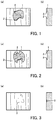
Figs. 1(a) and (b) are schematic diagrams which show a surface shape and cross-sectional shape of a hot rolled pickled material. -
Figs. 2(a) and (b) are schematic diagrams which show a surface shape and a cross-sectional shape when a hot rolled pickled material is cold-rolled. -
Figs. 3(a) and (b) are schematic diagrams which show a surface shape and a cross-sectional shape when intermediate annealing, finishing rolling and bright annealing are carried out followingFigs. 2 . -
Fig. 4 is a schematic diagram which shows a surface shape after mechanical polishing of the surface of a steel sheet having minute defects such as those inFigs. 1, Figs. 2 and Figs. 3 . -
Fig. 5 is a schematic diagram which shows a surface shape when cold rolling is carried out followingFig. 4 . -
Fig. 6 is a schematic diagram which shows a surface shape when intermediate annealing, finishing rolling and bright annealing are carried out followingFig. 5 . - The constitution of an embodiment of the present invention will now be described in detail.
- A ferritic stainless steel sheet according to this embodiment is used as a material for trim such as a car molding material, or the like, for example, and is temper-rolled after finishing cold rolling and bright annealing and has a passivation film on a surface layer.
- In addition, on the surface of a ferritic stainless steel sheet, the area ratio of minute defects having an area of 10 µm2 or more is 0.2% or more and 1.5% or less.
- Furthermore, the thickness of the passivation film is 1 nm or more and 10 nm or less, the average concentration of Si in the passivation film is 10 at% or more and 20 at% or less, and the average concentration ratio of Si, Al, Cr and Fe in the passivation film component is (Si + Al + Cr)/Fe > 1.0.
- The appearance of a steel sheet is affected by minute defects on the surface of the steel sheet, and particularly, as the number of minute defects having an area of 10 µm2 or more, which is generally considered as a visually detectable size, increases, the appearance becomes deteriorated.
- The area ratio of minute defects is calculated by the sum total area of minute defects having 10 µm2 or more in a predetermined field of view by an optical microscope.
- When the area ratio of minute defects having an area of 10 µm2 or more is above 1.5%, minute defects which can be visually detected increase and thus the appearance is deteriorated, and there is a possibility that is not suitable as a surface state of an end product. On the other hand, when the area ratio of minute defects having 10 µm2 or more is about 0.2%, it becomes difficult to visually detect changes in appearances due to minute defects, and therefore, there are no significant changes in appearance of the end product even if the area ratio of minute defects is reduced to lower than 0.2%. In addition, as cold rolling is carried out at a lower speed to reduce minute defects, production costs increase. Therefore, the area ratio of minute defects having an area of 10 µm2 or more on the surface of a steel sheet is 0.2% or more and 1.5% or less.
- It should be noted that, as methods for measuring the area ratio of minute defects, methods in which, for example, photographs of the surface of a steel sheet are taken for 10 or more fields of view by a 50-fold optical microscope, followed by binarization, and the area ratio is measured by the total sum of minute pit portions which became black while having an area of 10 µm2 or more, or the like, are adopted.
- The passivation film prevents coloration produced by, for example, applying an adhesive and heating by high-frequency heating, or the like, when producing an end product.
- In order to prevent such coloration, the thickness of the passivation film is required to be 1 nm or more. In addition, as the thickness of the passivation film increases, the prevention of coloration due to heating becomes effective. However, it is required to delay the sheet passing speed in bright annealing to increase its thickness. In order to obtain a passivation film with a thickness of above 10 nm, production costs increase, and there is a possibility that production cannot be efficiently carried out. Therefore, the thickness of the passivation film is 1 nm or more and 10 nm or less.
- It should be noted that the thickness of a passivation film is, based on XPS (X-ray Photoelectron Spectroscopy) analysis, the thickness of the portion wherein the concentration of O is reduced to half the maximum concentration of O with regards to the concentration ratio (at%) of O, Fe, Cr, Si, Al, Nb, Mn, N, Cu, or the like, except for the concentration of C, in the passivation film.
- In addition, the concentrations of Si, Al, Cr and Fe in a passivation film are important in order to prevent coloration due to warming.
- Specifically, Si, Al and Cr are useful to prevent coloration due to warming with a passivation film, and Fe inhibits the action of preventing coloration due to warming with a passivation film.
- When the average concentration of Si in a passivation film is 10 at% or more, the action of preventing coloration by the passivation film is good, and when the average concentration of Si in a passivation film is above 20 at%, there is a possibility that production cannot be efficiently carried out because of an increase in production costs. Therefore, the concentration of Si in a passivation film is 10 at% or more and 20 at% or less.
- In addition, when the value of (Si + Al + Cr) /Fe is less than 1.0, since the action of preventing coloration by Si, Al and Cr in a passivation film is weaker than the action of inhibiting the prevention of coloration by Fe in the passivation film, there is a possibility that coloration due to warming cannot be effectively prevented by the passivation film. Therefore, the relationship of the average concentration ratio of Si, Al, Cr and Fe in the passivation film component is (Si + Al + Cr)/Fe > 1.0.
- It should be noted that the average concentrations of Si, Al, Cr and Fe in a film are calculated by the average concentrations, except for the concentration of C, from the surface layer to the thickness of a passivation film.
- The components of the above ferritic stainless steel sheet will now be described.
- It is preferred that the above ferritic stainless steel sheet have a constitution containing 17.0 mass% or more and 21.0 mass% or less of Cr (chromium), 0.2 mass% or more and 1.0 mass% or less of Si (silicon), 0.03 mass% or less of Al (aluminum), 0.03 mass% or less of C (carbon) and 0.03 mass% or less of N (nitrogen), and comprising Fe (iron) and inevitable impurities as the balance.
- In addition, the ferritic stainless steel sheet can also contain 0.1 mass% or more and 1.0 mass% or less of Nb (niobium), and 1.0 mass% or less of Cu (copper) and contain 3.0 mass% or less of Mo (molybdenum) as needed.
- Cr is important to obtain good corrosion resistance, and it is required that 17.0 mass% or more of Cr is contained to display corrosion resistance suitable for trim, a car molding material, or the like. However, when Cr is excessively added to surpass 21.0 mass%, there is a possibility that the steel sheet becomes hard, thereby deteriorating workability. Therefore, the Cr content is 17.0 mass% or more and 21.0 mass% or less.
- Si is an element which stabilizes the amount of Si in a passivation film to obtain the action of preventing coloration by the passivation film, and it is required to contain 0.2 mass% or more of Si to display such action. However, when the Si content is above 1.0 mass%, there is a possibility that the steel sheet becomes hard, thereby deteriorating workability. Therefore, the Si content is 0.2 mass% or more and 1.0 mass% or less.
- Al has a large effect on non-metal inclusions which cause minute defects (surface scratches) on the surface of a steel sheet, and when the Al content is above 0.03 mass%, there is a possibility that non-metal inclusions are easily formed. Therefore, the Al content is 0.03 mass% or less.
- C and N are elements which improve strength; however, when each content is above 0.03 mass%, there is a possibility that workability is reduced. Therefore, the C content and the N content are 0.03 mass% or less each.
- Nb has the action of fixing C and N, and is contained as needed to improve corrosion resistance. In addition, it is required to contain 0.1 mass% or more of Nb to display such action; however, when Nb is excessively contained to surpass 1.0 mass%, there is a possibility that workability is reduced. Therefore, the Nb content is 0.1 mass% or more and 1.0 mass% or less.
- Cu is contained as needed to improve corrosion resistance, and the content thereof is 1.0 mass% or less.
- Mo is contained as needed to improve corrosion resistance, and the content thereof is 3.0 mass% or less.
- The method for producing the above ferritic stainless steel sheet will now be described.
- When producing the above ferritic stainless steel sheet, in a production method in which a hot rolled pickled material produced by a conventional method is used as a starting material and finishing cold rolling, bright annealing and temper rolling are ultimately carried out in said order, the surface of the steel sheet is mechanical polished at least once or more in a step preceding finishing cold rolling, followed by annealing.
- As specific examples of production procedures, the following production procedures are provided, for example.
-
- (1) [Hot rolled pickled material] -> mechanical polishing -> intermediate annealing -> finishing cold rolling -> bright annealing -> temper rolling,
- (2) [hot rolled pickled material] -> intermediate rolling -> mechanical polishing -> intermediate annealing -> finishing cold rolling -> bright annealing -> temper rolling,
- (3) [hot rolled pickled material] -> intermediate rolling 1 -> intermediate annealing 1 -> intermediate rolling 2 -> mechanical polishing -> intermediate annealing 2 -> finishing cold rolling -> bright annealing -> temper rolling, and
- (4) [hot rolled pickled material] -> mechanical polishing -> intermediate annealing 1 -> intermediate rolling 1 -> intermediate annealing 2 -> finishing cold rolling -> bright annealing -> temper rolling.
- That is, for example, as described in the above production procedure (1), when the cold rolling step constitutes solely of finishing cold rolling, mechanical polishing and intermediate annealing are carried out before finishing cold rolling, such as in the order of steps wherein a hot rolled pickled material is subjected to polishing treatment such as mechanical polishing, followed by intermediate annealing, then finishing cold rolling, then bright annealing, and then temper rolling.
- In addition, for example, when the cold rolling step is carried out several times such as intermediate cold rolling and finishing cold rolling, there are a process in which mechanical polishing is carried out after intermediate rolling, followed by intermediate annealing, and then finishing cold rolling as described in the above production procedures (2) and (3), a process in which intermediate annealing and intermediate rolling are carried out after mechanical polishing, followed by finishing cold rolling, as described in the above production procedure (4), or the like.
- As described in the above production procedures, it is important that, after surface scratches are removed by mechanical polishing, intermediate annealing is carried out before cold rolling.
- Here, in a hot rolled pickled material, a
shot mark 1 by shot blasting andburrs 2 are generated on the surface of a steel sheet as shown inFigs. 1(a) and (b) . - When cold rolling is carried out with such a
shot mark 1 andburrs 2 generated, theshot mark 1 andburrs 2 remain in a crushed form as shown inFigs. 2(a) and (b) , and these surface defects are drawn out by the cold rolling that follows, generating a scab-shapeddefect 3 as shown inFigs. 3(a) and (b) . - In addition, when mechanical polishing is carried out on the surface on which the
shot mark 1,burrs 2 and scab-shapeddefect 3 are generated as shown inFigs. 1 to 3 , although theseshot mark 1,burrs 2 and scab-shapeddefect 3 are removed as shown inFig. 4 , a hard layer is generated in the polishing marks. - When cold rolling is carried out in a state where a hard layer is generated as described above, minute cracking 4 occurs on the surface of the steel sheet as shown in
Fig. 5 , and the cracking opens as the cold rolling progresses. - Then, when cold rolling is further carried out is a state where minute cracking 4 has occurred, the minute cracking 4 is drawn out to become a scratch-shaped
defect 5 as shown inFig. 6 . - Therefore, by annealing after removing the
shot mark 1,burrs 2 and scab-shapeddefect 3 remaining in the hot rolled pickled material and its cold rolled material by mechanical polishing, the hard layer in polishing marks is recrystallized, and the occurrence of minute cracking 4 and the scratch-shapeddefect 5 in the cold rolling that follows can be prevented, thereby obtaining beautiful surface quality. - It should be noted that the frequency of mechanical polishing can be appropriately decided depending on the states of the
shot mark 1,burrs 2 and scab-shapeddefect 3 remaining in a hot rolled pickled material and its cold rolled material as well as desired performance and states. - In addition, the annealing after mechanical polishing can be carried out either by a method of annealing and pickling in an atmosphere which is not adjusted, or a method of bright annealing in a hydrogen atmosphere; however, it is important not to newly generate minute surface defects by, for example, excessive heating, pickling, descaling, or the like.
- Furthermore, in order to obtain beautiful surface quality of a ferritic stainless steel sheet, it is preferred that cold rolling be carried out under a predetermined condition so that oil pits and other minute defects can be reduced by drawing out minute defects on the surface of the steel sheet.
- Specifically, it is preferred that the total cold rolling reduction from the hot rolled pickled material until bright annealing be 70% or more, and the cold rolling reduction in finishing cold rolling be 30% or more.
- Furthermore, it is preferred that, in the final pass of finishing cold rolling, rolling be carried out using a work roll with an arithmetic average roughness Ra of 0.1 µm or less at rolling reduction of 12% or more and a rolling speed of 150 m/min or less.
- In addition, it is preferred that bright annealing be carried out under a predetermined condition to form a passivation film which effectively prevents coloration due to heating.
- Specifically, it is preferred that bright annealing be carried out in a hydrogen and nitrogen mixed gas with a hydrogen concentration of 75% or more at a dew point of -45 °C or lower and an annealing temperature of 800°C or higher and 990°C or lower. It should be noted that the temperature of bright annealing described in the present invention points to the highest temperature to which a stainless steel sheet reaches and is controlled by, for example, the temperature of the bright annealing furnace, the sheet passing speed of a stainless steel sheet, or the like.
- In addition, it is preferred that temper rolling be carried out under a condition that a passivation film is not broken, since, when a passivation film is broken by temper rolling after bright annealing, coloration due to heating cannot be effectively prevented by the passivation film.
- Specifically, it is preferred that temper rolling be carried out using a work roll with an arithmetic average roughness Ra of 0.1 µm or less under the condition that the elongation rate be 0.1% or more and 1.0% or less without lubrication.
- Since the area ratio of minute defects having an area of 10 µm2 or more on the surface of a steel sheet is 0.2% or more and 1.5% or less according to an embodiment described above, minute defects such as minute marks, minute cracking and minute pits are limited, and the surface appearance is beautiful as a material for trim such as a car molding material, or the like, and the surface quality is good.
- In addition, the thickness of a passivation film is 1 nm or more and 10 nm or less, the average concentration of Si in the passivation film is 10 at% or more and 20 at% or less, and the average concentration ratio of Si, Al, Cr and Fe in the passivation film component is (Si + Al + Cr)/Fe > 1.0, and thus, the passivation film can prevent the development of coloration due to heating during, for example, heating treatment after applying an adhesive when installing a ferritic stainless steel sheet as a product, or the like.
- Furthermore, since the above ferritic stainless steel sheet has good surface quality and can prevent coloration due to heating as described above, it is suitable for trim such as a car molding material, or the like.
- When producing a ferritic stainless steel sheet, since, with regards to a hot rolled pickled material, the surface of the steel sheet is mechanical polished in a step preceding finishing cold rolling and is followed by annealing, a hard layer in the polishing marks becomes soft by annealing, and the generation of minute defects by the cold rolling that follows can be prevented. Therefore, beautiful surface quality wherein the area ratio of minute defects having an area of 10 µm2 or more on the surface of the steel sheet is 0.2% or more and 1.5% or less can be obtained.
- In cold rolling, by setting the total cold rolling reduction until bright annealing as 70% or more and the cold rolling reduction in finishing cold rolling as 30% or more, minute defects on the surface of a steel sheet can be reduced.
- In addition, in the final pass of finishing cold rolling, by carrying out rolling using a work roll with an arithmetic average roughness Ra of 0.1 µm or less at rolling reduction of 12% or more and a rolling speed of 150 m/min or less, minute defects on the surface of a steel sheet can be reduced.
- As for bright annealing, by using a hydrogen and nitrogen mixed gas with a hydrogen concentration of 75% or more at a dew point of -45°C or lower and an annealing temperature of 800°C or higher and 990°C or lower, the amount of Si in a passivation film (the average concentration of Si) is easily adjusted to a range of 10 at% or more and 20 at% or less, the average concentration ratio of Si, Al, Cr and Fe in the passivation film component is easily adjusted to a range of (Si + Al + Cr) /Fe > 1.0, and the thickness of the passivation film is easily adjusted to a range of 1 nm or more and 10 nm or less, and thus, a passivation film which can effectively prevent coloration due to heating can be formed.
- As for temper rolling, by carrying out rolling using a work roll with an arithmetic average roughness Ra of 0.1 µm or less under the condition that the elongation rate be 0.1% or more and 1.0% or less without lubrication, the passivation film formed by bright annealing is not easily broken, and thus, a passivation film which can effectively prevent coloration due to heating can be retained.
- Examples and Comparative Examples thereof will now be described.
- A 19 Cr-0.5 Si-0.5 Nb-0.5 Cu stainless steel was smelted in an actual device to obtain a hot rolled pickled material. This hot rolled pickled material was subjected to mechanical polishing in accordance with the above-described production procedures (2) and (4), and stainless steel sheets were produced while changing cold rolling conditions, bright annealing (BA) conditions and temper rolling (SKP, skin pass) conditions.
- For each of these stainless steel sheets, the passivation film was investigated and surface quality was evaluated, and thereafter, heating treatment was carried out, and the degree of coloration on the surface was investigated.
- As for the evaluation of surface quality, the surface of an end product was observed with an optical microscope, and the area ratio of minute defects having an area of 10 µm2 or more was calculated, and an area ratio of 1.5% or less was evaluated as good surface quality.
- As for the evaluation of passivation films, measurement was made by XPS analysis, and evaluation was made based on the thickness of the passivation film, the amount of Si in the passivation film, and the proportion of Si, Al and Cr to Fe in the passivation film (the value of (Si + Al + Cr) /Fe) .
- As for the evaluation of the degree of coloration, heating treatment (annealing and pickling) was carried out at 300°C*0 sec in a laboratory, and a brightness difference (ΔL*), a red chromaticity difference (Δa*) and a yellow chromaticity difference (Δb*) before and after the heating treatment were measured to evaluate changes in color on the surface of a steel sheet.
- It should be noted that a color difference was measured using a spectrophotometer: CM-2500 d manufactured by KONICA MINOLTA by a method in accordance with JIS Z 8722. Changes in color were evaluated by a color difference (ΔE*ab) of the formula shown below, and those with a value of 2 or less was determined as good.


- In Sample Nos. 1 and 2, which are Examples in which annealing was carried out after mechanical polishing, and cold rolling, bright annealing and temper rolling were carried out under the conditions within the above predetermined ranges, the area ratio of minute defects was lower than 1.5%, and surface quality was good. In addition, the thickness of a passivation film was within the above range, and as for the passivation film component, the amount of Si was within the above range while the value of (Si + Al + Cr) /Fe was also within the above range, and the value of color difference (ΔE*ab) before and after heating treatment was lower than 2, changes in color on the surface of a steel sheet being limited.
- In Sample No. 3, which is a Comparative Example, since the elongation rate of temper rolling was higher than 1.0%, changes in color on the surface of the steel sheet after heating treatment was significantly greater in comparison to the Examples.
- In Sample No. 4, which is a Comparative Example, since the dew point during bright annealing was higher than -45°C, the amount of Si in the passivation film was lower than 10 at%, and in addition, the value of (Si + Al + Cr)/Fe was 1.0 or less, and changes in color on the surface of the steel sheet after heating treatment was significantly greater in comparison to the Examples.
- In Sample No. 5, which is a Comparative Example, since the annealing temperature during bright annealing was higher than 990°C, the amount of Si in the passivation film was lower than 10 at%, and changes in color on the surface of the steel sheet after heating treatment was significantly greater in comparison to the Examples.
- In Sample No. 6, which is a Comparative Example, since the hydrogen concentration in the mixed gas in bright annealing was lower than 75%, the thickness of the passivation film was thicker than 10 nm, and in addition, the amount of Si in the passivation film was lower than 10 at%, and changes in color on the surface of the steel sheet after heating treatment was significantly greater in comparison to the Examples.
- In Sample No. 7, which is a Comparative Example, since the rolling speed of finishing cold rolling was faster than 150 m/min and the rolling reduction of finishing cold rolling was less than 12%, the area ratio of minute defects was higher than 1.5% and surface quality was bad.
- In Sample No. 8, which is a Comparative Example, since cold rolling was carried out without annealing after mechanical polishing, the area ratio of minute defects was higher than 1.5%, and surface quality was bad.
- The present invention can be used in a steel sheet required to have a beautiful surface appearance such as those for trim such as a car molding material, or the like.
Claims (10)
- A ferritic stainless steel sheet which is temper rolled after bright annealing and has a passivation film, wherein
the area ratio of minute defects having an area of 10 µm2 or more on the surface of the steel sheet is 0.2% or more and 1.5% or less,
the thickness of the passivation film is 1 nm or more and 10 nm or less,
the average concentration of Si in the passivation film is 10 at% or more and 20 at% or less, and
the average concentration ratio of Si, Al, Cr and Fe in the passivation film component is (Si + Al + Cr)/Fe > 1.0. - The ferritic stainless steel sheet according to claim 1, which contains
Cr: 17.0 mass% or more and 21.0 mass% or less, Si: 0.2 mass% or more and 1.0 mass% or less, Al: 0.03 mass% or less, C: 0.03 mass% or less, and N: 0.03 mass% or less. - The ferritic stainless steel sheet according to claim 1 or 2, which contains
at least one of Nb: 0.1 mass% or more and 1.0 mass% or less, and Cu: 1.0 mass% or less. - The ferritic stainless steel sheet according to any one of claims 1 to 3, which contains
Mo: 3.0 mass% or less. - The ferritic stainless steel sheet according to any one of claims 1 to 4, which is
for trim and for a car molding material. - A method for producing a ferritic stainless steel sheet, in which a hot rolled pickled material is used as a starting material and at least finishing cold rolling, bright annealing and temper rolling are carried out in said order, wherein
the surface of the steel sheet is mechanical polished at least once in a step preceding the finishing cold rolling, followed by annealing. - The method for producing a ferritic stainless steel sheet according to claim 6, wherein
a total cold rolling reduction until the bright annealing is 70% or more, and
a cold rolling reduction in the finishing cold rolling is 30% or more. - The method for producing a ferritic stainless steel sheet according to claim 6 or 7, wherein
in a final pass of the finishing cold rolling, rolling is carried out using a work roll with an arithmetic average roughness Ra of 0.1 µm or less at a rolling reduction of 12% or more and a rolling speed of 150 m/min or less. - The method for producing a ferritic stainless steel sheet according to any one of claims 6 to 8, wherein
the bright annealing is carried out in a hydrogen and nitrogen mixed gas with a hydrogen concentration of 75% or more at a dew point of -45°C or lower and an annealing temperature of 800°C or higher and 990°C or lower. - The method for producing a ferritic stainless steel sheet according to any one of claims 6 to 9, wherein
the temper rolling is carried out using a work roll with an arithmetic average roughness Ra of 0.1 µm or less under the condition that an elongation rate be 0.1% or more and 1.0% or less without lubrication.
Applications Claiming Priority (2)
| Application Number | Priority Date | Filing Date | Title |
|---|---|---|---|
| JP2016131837A JP6301402B2 (en) | 2016-07-01 | 2016-07-01 | Ferritic stainless steel sheet and manufacturing method thereof |
| PCT/JP2016/087051 WO2018003143A1 (en) | 2016-07-01 | 2016-12-13 | Ferritic stainless steel sheet and manufacturing method therefor |
Publications (3)
| Publication Number | Publication Date |
|---|---|
| EP3480329A1 true EP3480329A1 (en) | 2019-05-08 |
| EP3480329A4 EP3480329A4 (en) | 2019-12-04 |
| EP3480329B1 EP3480329B1 (en) | 2020-11-04 |
Family
ID=60785321
Family Applications (1)
| Application Number | Title | Priority Date | Filing Date |
|---|---|---|---|
| EP16907375.6A Active EP3480329B1 (en) | 2016-07-01 | 2016-12-13 | Ferritic stainless steel sheet and manufacturing method therefor |
Country Status (8)
| Country | Link |
|---|---|
| US (1) | US20190226044A1 (en) |
| EP (1) | EP3480329B1 (en) |
| JP (1) | JP6301402B2 (en) |
| KR (1) | KR20190007059A (en) |
| CN (1) | CN109312432A (en) |
| MY (1) | MY196820A (en) |
| TW (1) | TWI703222B (en) |
| WO (1) | WO2018003143A1 (en) |
Cited By (1)
| Publication number | Priority date | Publication date | Assignee | Title |
|---|---|---|---|---|
| EP4269632A4 (en) * | 2021-01-29 | 2024-06-05 | JFE Steel Corporation | Stainless steel sheet and method for producing same |
Families Citing this family (36)
| Publication number | Priority date | Publication date | Assignee | Title |
|---|---|---|---|---|
| GB2569210B (en) * | 2017-12-05 | 2019-12-11 | British Steel Ltd | Steel profile |
| GB2561419B (en) * | 2017-12-05 | 2019-06-19 | British Steel Ltd | Steel profile and method of processing steel |
| KR102526964B1 (en) | 2018-02-26 | 2023-04-28 | 길리애드 사이언시즈, 인코포레이티드 | Substituted pyrrolizine compounds as HBV replication inhibitors |
| WO2019167885A1 (en) * | 2018-03-02 | 2019-09-06 | 株式会社トクヤマ | Stainless steel member and production method thereof |
| US10870691B2 (en) | 2018-04-05 | 2020-12-22 | Gilead Sciences, Inc. | Antibodies and fragments thereof that bind hepatitis B virus protein X |
| TWI833744B (en) | 2018-04-06 | 2024-03-01 | 捷克科學院有機化學與生物化學研究所 | 3'3'-cyclic dinucleotides |
| TW202005654A (en) | 2018-04-06 | 2020-02-01 | 捷克科學院有機化學與生物化學研究所 | 2'2'-cyclic dinucleotides |
| TWI818007B (en) | 2018-04-06 | 2023-10-11 | 捷克科學院有機化學與生物化學研究所 | 2'3'-cyclic dinucleotides |
| TW201945388A (en) | 2018-04-12 | 2019-12-01 | 美商精密生物科學公司 | Optimized engineered meganucleases having specificity for a recognition sequence in the hepatitis B virus genome |
| US20190359645A1 (en) | 2018-05-03 | 2019-11-28 | Institute Of Organic Chemistry And Biochemistry Ascr, V.V.I. | 2'3'-cyclic dinucleotides comprising carbocyclic nucleotide |
| WO2020028097A1 (en) | 2018-08-01 | 2020-02-06 | Gilead Sciences, Inc. | Solid forms of (r)-11-(methoxymethyl)-12-(3-methoxypropoxy)-3,3-dimethyl-8-0x0-2,3,8,13b-tetrahydro-1h-pyrido[2,1-a]pyrrolo[1,2-c] phthalazine-7-c arboxylic acid |
| WO2020092528A1 (en) | 2018-10-31 | 2020-05-07 | Gilead Sciences, Inc. | Substituted 6-azabenzimidazole compounds having hpk1 inhibitory activity |
| PE20211655A1 (en) | 2018-10-31 | 2021-08-24 | Gilead Sciences Inc | 6-AZABENZIMIDAZOLE COMPOUNDS SUBSTITUTED AS HPK1 INHIBITORS |
| KR102146317B1 (en) * | 2018-11-29 | 2020-08-20 | 주식회사 포스코 | Ferritic stainless steel improved in corrosion resistance and manufacturing method thereof |
| CN113543851B (en) | 2019-03-07 | 2025-03-18 | 捷克共和国有机化学与生物化学研究所 | 2'3'-Cyclic dinucleotides and prodrugs thereof |
| WO2020178768A1 (en) | 2019-03-07 | 2020-09-10 | Institute Of Organic Chemistry And Biochemistry Ascr, V.V.I. | 3'3'-cyclic dinucleotide analogue comprising a cyclopentanyl modified nucleotide as sting modulator |
| WO2020178770A1 (en) | 2019-03-07 | 2020-09-10 | Institute Of Organic Chemistry And Biochemistry Ascr, V.V.I. | 3'3'-cyclic dinucleotides and prodrugs thereof |
| TW202212339A (en) | 2019-04-17 | 2022-04-01 | 美商基利科學股份有限公司 | Solid forms of a toll-like receptor modulator |
| TW202210480A (en) | 2019-04-17 | 2022-03-16 | 美商基利科學股份有限公司 | Solid forms of a toll-like receptor modulator |
| TWI826690B (en) | 2019-05-23 | 2023-12-21 | 美商基利科學股份有限公司 | Substituted eneoxindoles and uses thereof |
| WO2021034804A1 (en) | 2019-08-19 | 2021-02-25 | Gilead Sciences, Inc. | Pharmaceutical formulations of tenofovir alafenamide |
| EP4458975A3 (en) | 2019-09-30 | 2025-02-12 | Gilead Sciences, Inc. | Hbv vaccines and methods treating hbv |
| ES3022990T3 (en) | 2019-12-06 | 2025-05-29 | Prec Biosciences Inc | Optimized engineered meganucleases having specificity for a recognition sequence in the hepatitis b virus genome |
| CA3169348A1 (en) | 2020-03-20 | 2021-09-23 | Gilead Sciences, Inc. | Prodrugs of 4'-c-substituted-2-halo-2'-deoxyadenosine nucleosides and methods of making and using the same |
| KR102370505B1 (en) * | 2020-04-28 | 2022-03-04 | 주식회사 포스코 | Ferritic stainless steel with improved corrosion resistance and method for manufacturing the same |
| KR102370500B1 (en) * | 2020-04-28 | 2022-03-04 | 주식회사 포스코 | Ferritic stainless steel with improved surface properties and manufacturing method thereof |
| AU2022274607A1 (en) | 2021-05-13 | 2023-11-16 | Gilead Sciences, Inc. | COMBINATION OF A TLR8 MODULATING COMPOUND AND ANTI-HBV siRNA THERAPEUTICS |
| WO2022271659A1 (en) | 2021-06-23 | 2022-12-29 | Gilead Sciences, Inc. | Diacylglyercol kinase modulating compounds |
| EP4359415A1 (en) | 2021-06-23 | 2024-05-01 | Gilead Sciences, Inc. | Diacylglyercol kinase modulating compounds |
| WO2022271650A1 (en) | 2021-06-23 | 2022-12-29 | Gilead Sciences, Inc. | Diacylglyercol kinase modulating compounds |
| US11932634B2 (en) | 2021-06-23 | 2024-03-19 | Gilead Sciences, Inc. | Diacylglycerol kinase modulating compounds |
| CN115747814A (en) * | 2022-11-03 | 2023-03-07 | 安徽力翔电池科技有限公司 | Process for cleaning top cover by using high-density acid solution |
| WO2025240244A1 (en) | 2024-05-13 | 2025-11-20 | Gilead Sciences, Inc. | Combination therapies comprising bulevirtide and lonafarnib for use in the treatment of hepatitis d virus infection |
| WO2025240246A1 (en) | 2024-05-13 | 2025-11-20 | Gilead Sciences, Inc. | Combination therapies with ribavirin |
| WO2025240242A1 (en) | 2024-05-13 | 2025-11-20 | Gilead Sciences, Inc. | Combination therapies with ribavirin |
| WO2025240243A1 (en) | 2024-05-13 | 2025-11-20 | Gilead Sciences, Inc. | Combination therapies with bulevirtide and an inhibitory nucleic acid targeting hepatitis b virus |
Family Cites Families (13)
| Publication number | Priority date | Publication date | Assignee | Title |
|---|---|---|---|---|
| JPH0222128A (en) | 1988-07-12 | 1990-01-25 | Ube Ind Ltd | Method for producing raw material powder for high-temperature superconductors |
| JPH08295999A (en) | 1995-04-21 | 1996-11-12 | Nippon Steel Corp | Polished finish stainless steel sheet excellent in temper color resistance and method for producing the same |
| JPH09125150A (en) | 1995-11-08 | 1997-05-13 | Nkk Corp | Method and apparatus for producing stainless cold-rolled steel sheet with excellent surface gloss |
| JP3739887B2 (en) * | 1997-03-21 | 2006-01-25 | 新日鐵住金ステンレス株式会社 | Polished stainless steel sheet excellent in dirt removal and method for producing the same |
| JPH1150202A (en) * | 1997-07-29 | 1999-02-23 | Sumitomo Metal Ind Ltd | Ferritic stainless steel bright annealing material excellent in rust resistance and method for producing the same |
| JP3939557B2 (en) | 2002-01-21 | 2007-07-04 | 日新製鋼株式会社 | Stainless steel and annealed finish with excellent temper color resistance |
| JP2005240062A (en) * | 2004-02-24 | 2005-09-08 | Nisshin Steel Co Ltd | Hydrophilic stainless steel plate, and method for manufacturing the same |
| JP4606929B2 (en) * | 2005-04-15 | 2011-01-05 | 新日鐵住金ステンレス株式会社 | Clear coated stainless steel sheet with excellent design and method for producing the material |
| JP5164120B2 (en) * | 2008-03-25 | 2013-03-13 | 日新製鋼株式会社 | Painted BA stainless steel sheet with excellent coating adhesion |
| JP5606126B2 (en) * | 2010-03-31 | 2014-10-15 | 日新製鋼株式会社 | Ferritic stainless steel sheet with excellent detergency and method for producing the same |
| PH12013502019A1 (en) * | 2011-03-31 | 2017-04-19 | Nippon Steel Stainless Steel Corp | Stainless steel plate |
| JP2013208638A (en) * | 2012-03-30 | 2013-10-10 | Nisshin Steel Co Ltd | Ferritic stainless steel having excellent washability and method for producing the same |
| JP2013208639A (en) * | 2012-03-30 | 2013-10-10 | Nisshin Steel Co Ltd | Stainless steel having excellent washability and method for producing the same |
-
2016
- 2016-07-01 JP JP2016131837A patent/JP6301402B2/en active Active
- 2016-12-13 US US16/311,791 patent/US20190226044A1/en not_active Abandoned
- 2016-12-13 MY MYPI2018002696A patent/MY196820A/en unknown
- 2016-12-13 WO PCT/JP2016/087051 patent/WO2018003143A1/en not_active Ceased
- 2016-12-13 CN CN201680086880.6A patent/CN109312432A/en active Pending
- 2016-12-13 EP EP16907375.6A patent/EP3480329B1/en active Active
- 2016-12-13 KR KR1020187036848A patent/KR20190007059A/en not_active Ceased
-
2017
- 2017-01-06 TW TW106100421A patent/TWI703222B/en active
Cited By (2)
| Publication number | Priority date | Publication date | Assignee | Title |
|---|---|---|---|---|
| EP4269632A4 (en) * | 2021-01-29 | 2024-06-05 | JFE Steel Corporation | Stainless steel sheet and method for producing same |
| US12305247B2 (en) | 2021-01-29 | 2025-05-20 | Jfe Steel Corporation | Stainless steel sheet and methods for manufacturing the same |
Also Published As
| Publication number | Publication date |
|---|---|
| JP6301402B2 (en) | 2018-03-28 |
| US20190226044A1 (en) | 2019-07-25 |
| KR20190007059A (en) | 2019-01-21 |
| EP3480329A4 (en) | 2019-12-04 |
| MY196820A (en) | 2023-05-03 |
| TW201805443A (en) | 2018-02-16 |
| WO2018003143A1 (en) | 2018-01-04 |
| TWI703222B (en) | 2020-09-01 |
| CN109312432A (en) | 2019-02-05 |
| JP2018003098A (en) | 2018-01-11 |
| EP3480329B1 (en) | 2020-11-04 |
Similar Documents
| Publication | Publication Date | Title |
|---|---|---|
| EP3480329B1 (en) | Ferritic stainless steel sheet and manufacturing method therefor | |
| CN101415851B (en) | Very thin hard steel sheet and method for producing the same | |
| KR102884990B1 (en) | Martensitic stainless steel sheet with excellent corrosion resistance and its manufacturing method, and martensitic stainless steel blade product | |
| CN110325656B (en) | steel plate | |
| US11332804B2 (en) | High-strength cold-rolled steel sheet, high-strength coated steel sheet, and method for producing the same | |
| KR102485637B1 (en) | Steel plate and its manufacturing method | |
| US10371261B2 (en) | Martensitic stainless-steel sheet and metal gasket | |
| EP3187608B1 (en) | High-strength hot dip galvanized steel sheet and method for manufacturing the same | |
| EP3282031A1 (en) | Heat-treated steel sheet member, and production method therefor | |
| EP3181714B1 (en) | Material for cold-rolled stainless steel sheets | |
| TW201704502A (en) | Austenite stainless plate, cover member and method for producing austenite stainless plate | |
| EP2412838B1 (en) | Steel sheet for cans which exhibits excellent surface properties after drawing and ironing, and process for production thereof | |
| US20160362761A1 (en) | Steel sheet for crown cap, method for manufacturing same, and crown cap | |
| JP6853887B2 (en) | Austenitic stainless steel with excellent workability and surface properties and its manufacturing method | |
| CN116024505A (en) | Steel, product made of said steel and method for its manufacture | |
| EP0130220A1 (en) | Corrosion-resistant alloy | |
| CA2916040A1 (en) | Steel sheet for can and method for manufacturing the same | |
| KR101696733B1 (en) | Cold-rolled ferritic stainless steel sheet having excellent surface quality and method of manufacturing the same | |
| CN105051228B (en) | Hard cold-rolled steel sheet and manufacturing method thereof | |
| KR102370505B1 (en) | Ferritic stainless steel with improved corrosion resistance and method for manufacturing the same | |
| EP3715491A1 (en) | Hot-rolled steel sheet and manufacturing method therefor | |
| KR101828282B1 (en) | Cold-rolled ferritic stainless steel sheet having excellent surface quality and method of manufacturing the same | |
| RU2525013C1 (en) | High-strength cold-rolled steel sheet suitable for chemical conversion and method of its production | |
| JPWO2020145259A1 (en) | Steel plate and its manufacturing method | |
| HK40002153A (en) | Ferritic stainless steel sheet and manufacturing method therefor |
Legal Events
| Date | Code | Title | Description |
|---|---|---|---|
| STAA | Information on the status of an ep patent application or granted ep patent |
Free format text: STATUS: THE INTERNATIONAL PUBLICATION HAS BEEN MADE |
|
| PUAI | Public reference made under article 153(3) epc to a published international application that has entered the european phase |
Free format text: ORIGINAL CODE: 0009012 |
|
| STAA | Information on the status of an ep patent application or granted ep patent |
Free format text: STATUS: REQUEST FOR EXAMINATION WAS MADE |
|
| 17P | Request for examination filed |
Effective date: 20190130 |
|
| AK | Designated contracting states |
Kind code of ref document: A1 Designated state(s): AL AT BE BG CH CY CZ DE DK EE ES FI FR GB GR HR HU IE IS IT LI LT LU LV MC MK MT NL NO PL PT RO RS SE SI SK SM TR |
|
| AX | Request for extension of the european patent |
Extension state: BA ME |
|
| DAV | Request for validation of the european patent (deleted) | ||
| DAX | Request for extension of the european patent (deleted) | ||
| RAP1 | Party data changed (applicant data changed or rights of an application transferred) |
Owner name: NIPPON STEEL NISSHIN CO., LTD. |
|
| A4 | Supplementary search report drawn up and despatched |
Effective date: 20191104 |
|
| RIC1 | Information provided on ipc code assigned before grant |
Ipc: C22C 38/20 20060101ALI20191028BHEP Ipc: C21D 9/46 20060101ALI20191028BHEP Ipc: C22C 38/22 20060101ALI20191028BHEP Ipc: C21D 1/76 20060101ALI20191028BHEP Ipc: C21D 6/00 20060101ALI20191028BHEP Ipc: C22C 38/26 20060101ALI20191028BHEP Ipc: C21D 8/02 20060101ALI20191028BHEP Ipc: C21D 7/04 20060101ALI20191028BHEP Ipc: C22C 38/02 20060101ALI20191028BHEP Ipc: C22C 38/18 20060101ALI20191028BHEP Ipc: C22C 38/00 20060101AFI20191028BHEP Ipc: C21D 1/74 20060101ALI20191028BHEP |
|
| REG | Reference to a national code |
Ref country code: HK Ref legal event code: DE Ref document number: 40002153 Country of ref document: HK |
|
| REG | Reference to a national code |
Ref country code: DE Ref legal event code: R079 Ref document number: 602016047504 Country of ref document: DE Free format text: PREVIOUS MAIN CLASS: C22C0038000000 Ipc: C21D0001740000 |
|
| GRAP | Despatch of communication of intention to grant a patent |
Free format text: ORIGINAL CODE: EPIDOSNIGR1 |
|
| STAA | Information on the status of an ep patent application or granted ep patent |
Free format text: STATUS: GRANT OF PATENT IS INTENDED |
|
| RIC1 | Information provided on ipc code assigned before grant |
Ipc: C21D 1/76 20060101ALI20200716BHEP Ipc: C21D 9/46 20060101ALI20200716BHEP Ipc: C22C 38/26 20060101ALI20200716BHEP Ipc: C22C 38/22 20060101ALI20200716BHEP Ipc: C22C 38/18 20060101ALI20200716BHEP Ipc: C22C 38/02 20060101ALI20200716BHEP Ipc: C21D 1/74 20060101AFI20200716BHEP Ipc: C21D 8/02 20060101ALI20200716BHEP Ipc: C21D 6/00 20060101ALI20200716BHEP Ipc: C21D 7/04 20060101ALI20200716BHEP Ipc: C22C 38/20 20060101ALI20200716BHEP |
|
| INTG | Intention to grant announced |
Effective date: 20200730 |
|
| GRAS | Grant fee paid |
Free format text: ORIGINAL CODE: EPIDOSNIGR3 |
|
| GRAA | (expected) grant |
Free format text: ORIGINAL CODE: 0009210 |
|
| STAA | Information on the status of an ep patent application or granted ep patent |
Free format text: STATUS: THE PATENT HAS BEEN GRANTED |
|
| AK | Designated contracting states |
Kind code of ref document: B1 Designated state(s): AL AT BE BG CH CY CZ DE DK EE ES FI FR GB GR HR HU IE IS IT LI LT LU LV MC MK MT NL NO PL PT RO RS SE SI SK SM TR |
|
| REG | Reference to a national code |
Ref country code: GB Ref legal event code: FG4D |
|
| REG | Reference to a national code |
Ref country code: CH Ref legal event code: EP |
|
| REG | Reference to a national code |
Ref country code: AT Ref legal event code: REF Ref document number: 1330912 Country of ref document: AT Kind code of ref document: T Effective date: 20201115 |
|
| REG | Reference to a national code |
Ref country code: DE Ref legal event code: R096 Ref document number: 602016047504 Country of ref document: DE |
|
| REG | Reference to a national code |
Ref country code: IE Ref legal event code: FG4D |
|
| RAP2 | Party data changed (patent owner data changed or rights of a patent transferred) |
Owner name: NIPPON STEEL CORPORATION |
|
| REG | Reference to a national code |
Ref country code: NL Ref legal event code: MP Effective date: 20201104 |
|
| REG | Reference to a national code |
Ref country code: AT Ref legal event code: MK05 Ref document number: 1330912 Country of ref document: AT Kind code of ref document: T Effective date: 20201104 |
|
| PG25 | Lapsed in a contracting state [announced via postgrant information from national office to epo] |
Ref country code: RS Free format text: LAPSE BECAUSE OF FAILURE TO SUBMIT A TRANSLATION OF THE DESCRIPTION OR TO PAY THE FEE WITHIN THE PRESCRIBED TIME-LIMIT Effective date: 20201104 Ref country code: PT Free format text: LAPSE BECAUSE OF FAILURE TO SUBMIT A TRANSLATION OF THE DESCRIPTION OR TO PAY THE FEE WITHIN THE PRESCRIBED TIME-LIMIT Effective date: 20210304 Ref country code: NO Free format text: LAPSE BECAUSE OF FAILURE TO SUBMIT A TRANSLATION OF THE DESCRIPTION OR TO PAY THE FEE WITHIN THE PRESCRIBED TIME-LIMIT Effective date: 20210204 Ref country code: FI Free format text: LAPSE BECAUSE OF FAILURE TO SUBMIT A TRANSLATION OF THE DESCRIPTION OR TO PAY THE FEE WITHIN THE PRESCRIBED TIME-LIMIT Effective date: 20201104 Ref country code: GR Free format text: LAPSE BECAUSE OF FAILURE TO SUBMIT A TRANSLATION OF THE DESCRIPTION OR TO PAY THE FEE WITHIN THE PRESCRIBED TIME-LIMIT Effective date: 20210205 |
|
| PG25 | Lapsed in a contracting state [announced via postgrant information from national office to epo] |
Ref country code: AT Free format text: LAPSE BECAUSE OF FAILURE TO SUBMIT A TRANSLATION OF THE DESCRIPTION OR TO PAY THE FEE WITHIN THE PRESCRIBED TIME-LIMIT Effective date: 20201104 Ref country code: ES Free format text: LAPSE BECAUSE OF FAILURE TO SUBMIT A TRANSLATION OF THE DESCRIPTION OR TO PAY THE FEE WITHIN THE PRESCRIBED TIME-LIMIT Effective date: 20201104 Ref country code: PL Free format text: LAPSE BECAUSE OF FAILURE TO SUBMIT A TRANSLATION OF THE DESCRIPTION OR TO PAY THE FEE WITHIN THE PRESCRIBED TIME-LIMIT Effective date: 20201104 Ref country code: IS Free format text: LAPSE BECAUSE OF FAILURE TO SUBMIT A TRANSLATION OF THE DESCRIPTION OR TO PAY THE FEE WITHIN THE PRESCRIBED TIME-LIMIT Effective date: 20210304 Ref country code: LV Free format text: LAPSE BECAUSE OF FAILURE TO SUBMIT A TRANSLATION OF THE DESCRIPTION OR TO PAY THE FEE WITHIN THE PRESCRIBED TIME-LIMIT Effective date: 20201104 Ref country code: BG Free format text: LAPSE BECAUSE OF FAILURE TO SUBMIT A TRANSLATION OF THE DESCRIPTION OR TO PAY THE FEE WITHIN THE PRESCRIBED TIME-LIMIT Effective date: 20210204 Ref country code: SE Free format text: LAPSE BECAUSE OF FAILURE TO SUBMIT A TRANSLATION OF THE DESCRIPTION OR TO PAY THE FEE WITHIN THE PRESCRIBED TIME-LIMIT Effective date: 20201104 |
|
| REG | Reference to a national code |
Ref country code: LT Ref legal event code: MG9D |
|
| PG25 | Lapsed in a contracting state [announced via postgrant information from national office to epo] |
Ref country code: HR Free format text: LAPSE BECAUSE OF FAILURE TO SUBMIT A TRANSLATION OF THE DESCRIPTION OR TO PAY THE FEE WITHIN THE PRESCRIBED TIME-LIMIT Effective date: 20201104 |
|
| REG | Reference to a national code |
Ref country code: DE Ref legal event code: R119 Ref document number: 602016047504 Country of ref document: DE |
|
| PG25 | Lapsed in a contracting state [announced via postgrant information from national office to epo] |
Ref country code: RO Free format text: LAPSE BECAUSE OF FAILURE TO SUBMIT A TRANSLATION OF THE DESCRIPTION OR TO PAY THE FEE WITHIN THE PRESCRIBED TIME-LIMIT Effective date: 20201104 Ref country code: SK Free format text: LAPSE BECAUSE OF FAILURE TO SUBMIT A TRANSLATION OF THE DESCRIPTION OR TO PAY THE FEE WITHIN THE PRESCRIBED TIME-LIMIT Effective date: 20201104 Ref country code: EE Free format text: LAPSE BECAUSE OF FAILURE TO SUBMIT A TRANSLATION OF THE DESCRIPTION OR TO PAY THE FEE WITHIN THE PRESCRIBED TIME-LIMIT Effective date: 20201104 Ref country code: CZ Free format text: LAPSE BECAUSE OF FAILURE TO SUBMIT A TRANSLATION OF THE DESCRIPTION OR TO PAY THE FEE WITHIN THE PRESCRIBED TIME-LIMIT Effective date: 20201104 Ref country code: SM Free format text: LAPSE BECAUSE OF FAILURE TO SUBMIT A TRANSLATION OF THE DESCRIPTION OR TO PAY THE FEE WITHIN THE PRESCRIBED TIME-LIMIT Effective date: 20201104 Ref country code: LT Free format text: LAPSE BECAUSE OF FAILURE TO SUBMIT A TRANSLATION OF THE DESCRIPTION OR TO PAY THE FEE WITHIN THE PRESCRIBED TIME-LIMIT Effective date: 20201104 |
|
| REG | Reference to a national code |
Ref country code: CH Ref legal event code: PL |
|
| PG25 | Lapsed in a contracting state [announced via postgrant information from national office to epo] |
Ref country code: MC Free format text: LAPSE BECAUSE OF FAILURE TO SUBMIT A TRANSLATION OF THE DESCRIPTION OR TO PAY THE FEE WITHIN THE PRESCRIBED TIME-LIMIT Effective date: 20201104 Ref country code: DK Free format text: LAPSE BECAUSE OF FAILURE TO SUBMIT A TRANSLATION OF THE DESCRIPTION OR TO PAY THE FEE WITHIN THE PRESCRIBED TIME-LIMIT Effective date: 20201104 |
|
| PLBE | No opposition filed within time limit |
Free format text: ORIGINAL CODE: 0009261 |
|
| STAA | Information on the status of an ep patent application or granted ep patent |
Free format text: STATUS: NO OPPOSITION FILED WITHIN TIME LIMIT |
|
| 26N | No opposition filed |
Effective date: 20210805 |
|
| GBPC | Gb: european patent ceased through non-payment of renewal fee |
Effective date: 20210204 |
|
| PG25 | Lapsed in a contracting state [announced via postgrant information from national office to epo] |
Ref country code: IT Free format text: LAPSE BECAUSE OF FAILURE TO SUBMIT A TRANSLATION OF THE DESCRIPTION OR TO PAY THE FEE WITHIN THE PRESCRIBED TIME-LIMIT Effective date: 20201104 Ref country code: LU Free format text: LAPSE BECAUSE OF NON-PAYMENT OF DUE FEES Effective date: 20201213 Ref country code: NL Free format text: LAPSE BECAUSE OF FAILURE TO SUBMIT A TRANSLATION OF THE DESCRIPTION OR TO PAY THE FEE WITHIN THE PRESCRIBED TIME-LIMIT Effective date: 20201104 Ref country code: AL Free format text: LAPSE BECAUSE OF FAILURE TO SUBMIT A TRANSLATION OF THE DESCRIPTION OR TO PAY THE FEE WITHIN THE PRESCRIBED TIME-LIMIT Effective date: 20201104 Ref country code: IE Free format text: LAPSE BECAUSE OF NON-PAYMENT OF DUE FEES Effective date: 20201213 |
|
| PG25 | Lapsed in a contracting state [announced via postgrant information from national office to epo] |
Ref country code: SI Free format text: LAPSE BECAUSE OF FAILURE TO SUBMIT A TRANSLATION OF THE DESCRIPTION OR TO PAY THE FEE WITHIN THE PRESCRIBED TIME-LIMIT Effective date: 20201104 Ref country code: CH Free format text: LAPSE BECAUSE OF NON-PAYMENT OF DUE FEES Effective date: 20201231 Ref country code: DE Free format text: LAPSE BECAUSE OF NON-PAYMENT OF DUE FEES Effective date: 20210701 Ref country code: LI Free format text: LAPSE BECAUSE OF NON-PAYMENT OF DUE FEES Effective date: 20201231 |
|
| PG25 | Lapsed in a contracting state [announced via postgrant information from national office to epo] |
Ref country code: GB Free format text: LAPSE BECAUSE OF NON-PAYMENT OF DUE FEES Effective date: 20210204 |
|
| REG | Reference to a national code |
Ref country code: BE Ref legal event code: PD Owner name: NIPPON STEEL STAINLESS STEEL CORPORATION; JP Free format text: DETAILS ASSIGNMENT: CHANGE OF OWNER(S), ASSIGNMENT; FORMER OWNER NAME: NIPPON STEEL CORPORATION Effective date: 20220303 |
|
| PG25 | Lapsed in a contracting state [announced via postgrant information from national office to epo] |
Ref country code: IS Free format text: LAPSE BECAUSE OF FAILURE TO SUBMIT A TRANSLATION OF THE DESCRIPTION OR TO PAY THE FEE WITHIN THE PRESCRIBED TIME-LIMIT Effective date: 20210304 Ref country code: TR Free format text: LAPSE BECAUSE OF FAILURE TO SUBMIT A TRANSLATION OF THE DESCRIPTION OR TO PAY THE FEE WITHIN THE PRESCRIBED TIME-LIMIT Effective date: 20201104 Ref country code: MT Free format text: LAPSE BECAUSE OF FAILURE TO SUBMIT A TRANSLATION OF THE DESCRIPTION OR TO PAY THE FEE WITHIN THE PRESCRIBED TIME-LIMIT Effective date: 20201104 Ref country code: CY Free format text: LAPSE BECAUSE OF FAILURE TO SUBMIT A TRANSLATION OF THE DESCRIPTION OR TO PAY THE FEE WITHIN THE PRESCRIBED TIME-LIMIT Effective date: 20201104 |
|
| PG25 | Lapsed in a contracting state [announced via postgrant information from national office to epo] |
Ref country code: MK Free format text: LAPSE BECAUSE OF FAILURE TO SUBMIT A TRANSLATION OF THE DESCRIPTION OR TO PAY THE FEE WITHIN THE PRESCRIBED TIME-LIMIT Effective date: 20201104 |
|
| PGFP | Annual fee paid to national office [announced via postgrant information from national office to epo] |
Ref country code: FR Payment date: 20251223 Year of fee payment: 10 |
|
| PGFP | Annual fee paid to national office [announced via postgrant information from national office to epo] |
Ref country code: BE Payment date: 20260109 Year of fee payment: 10 |