EP3480303A1 - Cyclic gmp-chelating peptides for subcellular targeting - Google Patents
Cyclic gmp-chelating peptides for subcellular targeting Download PDFInfo
- Publication number
- EP3480303A1 EP3480303A1 EP17306511.1A EP17306511A EP3480303A1 EP 3480303 A1 EP3480303 A1 EP 3480303A1 EP 17306511 A EP17306511 A EP 17306511A EP 3480303 A1 EP3480303 A1 EP 3480303A1
- Authority
- EP
- European Patent Office
- Prior art keywords
- cgmp
- polypeptide
- sequence seq
- sequence
- polynucleotide
- Prior art date
- Legal status (The legal status is an assumption and is not a legal conclusion. Google has not performed a legal analysis and makes no representation as to the accuracy of the status listed.)
- Withdrawn
Links
- 108090000765 processed proteins & peptides Proteins 0.000 title claims abstract description 129
- 102000004196 processed proteins & peptides Human genes 0.000 title claims abstract description 94
- 230000008685 targeting Effects 0.000 title abstract description 11
- 125000004122 cyclic group Chemical group 0.000 title description 4
- ZOOGRGPOEVQQDX-UUOKFMHZSA-N 3',5'-cyclic GMP Chemical compound C([C@H]1O2)OP(O)(=O)O[C@H]1[C@@H](O)[C@@H]2N1C(N=C(NC2=O)N)=C2N=C1 ZOOGRGPOEVQQDX-UUOKFMHZSA-N 0.000 claims abstract description 97
- 229920001184 polypeptide Polymers 0.000 claims abstract description 80
- 238000001727 in vivo Methods 0.000 claims abstract description 12
- 238000000338 in vitro Methods 0.000 claims abstract description 10
- 210000004027 cell Anatomy 0.000 claims description 41
- 102000040430 polynucleotide Human genes 0.000 claims description 33
- 108091033319 polynucleotide Proteins 0.000 claims description 33
- 239000002157 polynucleotide Substances 0.000 claims description 33
- 239000013598 vector Substances 0.000 claims description 32
- 108010082025 cyan fluorescent protein Proteins 0.000 claims description 19
- 239000000203 mixture Substances 0.000 claims description 19
- 230000003834 intracellular effect Effects 0.000 claims description 14
- 230000007170 pathology Effects 0.000 claims description 12
- 230000011664 signaling Effects 0.000 claims description 12
- FWMNVWWHGCHHJJ-SKKKGAJSSA-N 4-amino-1-[(2r)-6-amino-2-[[(2r)-2-[[(2r)-2-[[(2r)-2-amino-3-phenylpropanoyl]amino]-3-phenylpropanoyl]amino]-4-methylpentanoyl]amino]hexanoyl]piperidine-4-carboxylic acid Chemical compound C([C@H](C(=O)N[C@H](CC(C)C)C(=O)N[C@H](CCCCN)C(=O)N1CCC(N)(CC1)C(O)=O)NC(=O)[C@H](N)CC=1C=CC=CC=1)C1=CC=CC=C1 FWMNVWWHGCHHJJ-SKKKGAJSSA-N 0.000 claims description 11
- 230000003197 catalytic effect Effects 0.000 claims description 11
- 239000005090 green fluorescent protein Substances 0.000 claims description 11
- 108091005957 yellow fluorescent proteins Proteins 0.000 claims description 11
- 108010043121 Green Fluorescent Proteins Proteins 0.000 claims description 10
- 102000004144 Green Fluorescent Proteins Human genes 0.000 claims description 10
- 241000282414 Homo sapiens Species 0.000 claims description 10
- 108091006116 chimeric peptides Proteins 0.000 claims description 10
- 230000004064 dysfunction Effects 0.000 claims description 7
- 230000002265 prevention Effects 0.000 claims description 6
- 108010054624 red fluorescent protein Proteins 0.000 claims description 6
- 230000001225 therapeutic effect Effects 0.000 claims description 6
- 230000002401 inhibitory effect Effects 0.000 claims description 4
- 206010003178 Arterial thrombosis Diseases 0.000 claims description 3
- 208000024172 Cardiovascular disease Diseases 0.000 claims description 3
- 206010009944 Colon cancer Diseases 0.000 claims description 3
- 208000001333 Colorectal Neoplasms Diseases 0.000 claims description 3
- 206010013654 Drug abuse Diseases 0.000 claims description 3
- 208000010228 Erectile Dysfunction Diseases 0.000 claims description 3
- 208000023105 Huntington disease Diseases 0.000 claims description 3
- 208000019693 Lung disease Diseases 0.000 claims description 3
- 206010058467 Lung neoplasm malignant Diseases 0.000 claims description 3
- 206010028980 Neoplasm Diseases 0.000 claims description 3
- 208000007014 Retinitis pigmentosa Diseases 0.000 claims description 3
- 208000006011 Stroke Diseases 0.000 claims description 3
- 206010047249 Venous thrombosis Diseases 0.000 claims description 3
- 210000004899 c-terminal region Anatomy 0.000 claims description 3
- 201000011510 cancer Diseases 0.000 claims description 3
- 239000002738 chelating agent Substances 0.000 claims description 3
- 239000003814 drug Substances 0.000 claims description 3
- 201000001881 impotence Diseases 0.000 claims description 3
- 201000005202 lung cancer Diseases 0.000 claims description 3
- 208000020816 lung neoplasm Diseases 0.000 claims description 3
- 239000008194 pharmaceutical composition Substances 0.000 claims description 3
- 201000000980 schizophrenia Diseases 0.000 claims description 3
- 230000000087 stabilizing effect Effects 0.000 claims description 3
- 208000011117 substance-related disease Diseases 0.000 claims description 3
- 239000003937 drug carrier Substances 0.000 claims description 2
- 230000001413 cellular effect Effects 0.000 abstract description 7
- 238000010276 construction Methods 0.000 abstract description 2
- 150000001413 amino acids Chemical group 0.000 description 25
- 229940024606 amino acid Drugs 0.000 description 22
- 235000001014 amino acid Nutrition 0.000 description 22
- 238000006467 substitution reaction Methods 0.000 description 19
- 150000002632 lipids Chemical class 0.000 description 15
- 108090000623 proteins and genes Proteins 0.000 description 15
- 102000004169 proteins and genes Human genes 0.000 description 14
- 239000012528 membrane Substances 0.000 description 13
- 238000000034 method Methods 0.000 description 13
- 239000013604 expression vector Substances 0.000 description 12
- 238000002866 fluorescence resonance energy transfer Methods 0.000 description 12
- 235000018102 proteins Nutrition 0.000 description 12
- 125000000539 amino acid group Chemical group 0.000 description 11
- 210000000170 cell membrane Anatomy 0.000 description 10
- 238000012217 deletion Methods 0.000 description 9
- 230000037430 deletion Effects 0.000 description 9
- 230000004807 localization Effects 0.000 description 8
- 102100022422 cGMP-dependent protein kinase 1 Human genes 0.000 description 7
- KYVQCVBMLZMRKL-UHFFFAOYSA-N 2-ethoxy-5-(pyrrolidine-1-carbonylamino)benzenesulfonyl chloride Chemical compound C1=C(S(Cl)(=O)=O)C(OCC)=CC=C1NC(=O)N1CCCC1 KYVQCVBMLZMRKL-UHFFFAOYSA-N 0.000 description 6
- 108020004414 DNA Proteins 0.000 description 6
- 108091000080 Phosphotransferase Proteins 0.000 description 6
- 102000020233 phosphotransferase Human genes 0.000 description 6
- 239000013612 plasmid Substances 0.000 description 6
- MTCFGRXMJLQNBG-REOHCLBHSA-N (2S)-2-Amino-3-hydroxypropansäure Chemical compound OC[C@H](N)C(O)=O MTCFGRXMJLQNBG-REOHCLBHSA-N 0.000 description 5
- MTCFGRXMJLQNBG-UHFFFAOYSA-N Serine Natural products OCC(N)C(O)=O MTCFGRXMJLQNBG-UHFFFAOYSA-N 0.000 description 5
- 241000700605 Viruses Species 0.000 description 5
- 230000008859 change Effects 0.000 description 5
- ZDXPYRJPNDTMRX-UHFFFAOYSA-N glutamine Natural products OC(=O)C(N)CCC(N)=O ZDXPYRJPNDTMRX-UHFFFAOYSA-N 0.000 description 5
- 238000003780 insertion Methods 0.000 description 5
- 230000037431 insertion Effects 0.000 description 5
- 102000039446 nucleic acids Human genes 0.000 description 5
- 108020004707 nucleic acids Proteins 0.000 description 5
- 150000007523 nucleic acids Chemical class 0.000 description 5
- 230000000717 retained effect Effects 0.000 description 5
- 239000000126 substance Substances 0.000 description 5
- 239000000758 substrate Substances 0.000 description 5
- 239000004475 Arginine Substances 0.000 description 4
- DCXYFEDJOCDNAF-UHFFFAOYSA-N Asparagine Natural products OC(=O)C(N)CC(N)=O DCXYFEDJOCDNAF-UHFFFAOYSA-N 0.000 description 4
- 241000283690 Bos taurus Species 0.000 description 4
- ODKSFYDXXFIFQN-BYPYZUCNSA-P L-argininium(2+) Chemical compound NC(=[NH2+])NCCC[C@H]([NH3+])C(O)=O ODKSFYDXXFIFQN-BYPYZUCNSA-P 0.000 description 4
- DCXYFEDJOCDNAF-REOHCLBHSA-N L-asparagine Chemical compound OC(=O)[C@@H](N)CC(N)=O DCXYFEDJOCDNAF-REOHCLBHSA-N 0.000 description 4
- ZDXPYRJPNDTMRX-VKHMYHEASA-N L-glutamine Chemical compound OC(=O)[C@@H](N)CCC(N)=O ZDXPYRJPNDTMRX-VKHMYHEASA-N 0.000 description 4
- HNDVDQJCIGZPNO-YFKPBYRVSA-N L-histidine Chemical compound OC(=O)[C@@H](N)CC1=CN=CN1 HNDVDQJCIGZPNO-YFKPBYRVSA-N 0.000 description 4
- AGPKZVBTJJNPAG-WHFBIAKZSA-N L-isoleucine Chemical compound CC[C@H](C)[C@H](N)C(O)=O AGPKZVBTJJNPAG-WHFBIAKZSA-N 0.000 description 4
- KDXKERNSBIXSRK-YFKPBYRVSA-N L-lysine Chemical compound NCCCC[C@H](N)C(O)=O KDXKERNSBIXSRK-YFKPBYRVSA-N 0.000 description 4
- FFEARJCKVFRZRR-BYPYZUCNSA-N L-methionine Chemical group CSCC[C@H](N)C(O)=O FFEARJCKVFRZRR-BYPYZUCNSA-N 0.000 description 4
- AYFVYJQAPQTCCC-GBXIJSLDSA-N L-threonine Chemical compound C[C@@H](O)[C@H](N)C(O)=O AYFVYJQAPQTCCC-GBXIJSLDSA-N 0.000 description 4
- KZSNJWFQEVHDMF-BYPYZUCNSA-N L-valine Chemical group CC(C)[C@H](N)C(O)=O KZSNJWFQEVHDMF-BYPYZUCNSA-N 0.000 description 4
- ROHFNLRQFUQHCH-UHFFFAOYSA-N Leucine Natural products CC(C)CC(N)C(O)=O ROHFNLRQFUQHCH-UHFFFAOYSA-N 0.000 description 4
- KDXKERNSBIXSRK-UHFFFAOYSA-N Lysine Natural products NCCCCC(N)C(O)=O KDXKERNSBIXSRK-UHFFFAOYSA-N 0.000 description 4
- 239000004472 Lysine Substances 0.000 description 4
- 241000283973 Oryctolagus cuniculus Species 0.000 description 4
- 108010029485 Protein Isoforms Proteins 0.000 description 4
- 102000001708 Protein Isoforms Human genes 0.000 description 4
- CDBYLPFSWZWCQE-UHFFFAOYSA-L Sodium Carbonate Chemical compound [Na+].[Na+].[O-]C([O-])=O CDBYLPFSWZWCQE-UHFFFAOYSA-L 0.000 description 4
- 229930006000 Sucrose Natural products 0.000 description 4
- CZMRCDWAGMRECN-UGDNZRGBSA-N Sucrose Chemical compound O[C@H]1[C@H](O)[C@@H](CO)O[C@@]1(CO)O[C@@H]1[C@H](O)[C@@H](O)[C@H](O)[C@@H](CO)O1 CZMRCDWAGMRECN-UGDNZRGBSA-N 0.000 description 4
- AYFVYJQAPQTCCC-UHFFFAOYSA-N Threonine Natural products CC(O)C(N)C(O)=O AYFVYJQAPQTCCC-UHFFFAOYSA-N 0.000 description 4
- 239000004473 Threonine Substances 0.000 description 4
- KZSNJWFQEVHDMF-UHFFFAOYSA-N Valine Chemical group CC(C)C(N)C(O)=O KZSNJWFQEVHDMF-UHFFFAOYSA-N 0.000 description 4
- 238000007792 addition Methods 0.000 description 4
- ODKSFYDXXFIFQN-UHFFFAOYSA-N arginine Natural products OC(=O)C(N)CCCNC(N)=N ODKSFYDXXFIFQN-UHFFFAOYSA-N 0.000 description 4
- 210000001106 artificial yeast chromosome Anatomy 0.000 description 4
- 229960001230 asparagine Drugs 0.000 description 4
- 235000009582 asparagine Nutrition 0.000 description 4
- 230000001580 bacterial effect Effects 0.000 description 4
- 230000015572 biosynthetic process Effects 0.000 description 4
- 230000002759 chromosomal effect Effects 0.000 description 4
- 238000001514 detection method Methods 0.000 description 4
- 238000009472 formulation Methods 0.000 description 4
- HNDVDQJCIGZPNO-UHFFFAOYSA-N histidine Natural products OC(=O)C(N)CC1=CN=CN1 HNDVDQJCIGZPNO-UHFFFAOYSA-N 0.000 description 4
- 230000002209 hydrophobic effect Effects 0.000 description 4
- 229960000310 isoleucine Drugs 0.000 description 4
- AGPKZVBTJJNPAG-UHFFFAOYSA-N isoleucine Natural products CCC(C)C(N)C(O)=O AGPKZVBTJJNPAG-UHFFFAOYSA-N 0.000 description 4
- 125000001909 leucine group Chemical group [H]N(*)C(C(*)=O)C([H])([H])C(C([H])([H])[H])C([H])([H])[H] 0.000 description 4
- 229930182817 methionine Chemical group 0.000 description 4
- 210000002569 neuron Anatomy 0.000 description 4
- 230000007935 neutral effect Effects 0.000 description 4
- 230000001105 regulatory effect Effects 0.000 description 4
- 230000010076 replication Effects 0.000 description 4
- 230000004044 response Effects 0.000 description 4
- 125000003607 serino group Chemical group [H]N([H])[C@]([H])(C(=O)[*])C(O[H])([H])[H] 0.000 description 4
- 230000004960 subcellular localization Effects 0.000 description 4
- 239000005720 sucrose Substances 0.000 description 4
- 230000009261 transgenic effect Effects 0.000 description 4
- 239000004474 valine Chemical group 0.000 description 4
- 108091032973 (ribonucleotides)n+m Proteins 0.000 description 3
- YMHOBZXQZVXHBM-UHFFFAOYSA-N 2,5-dimethoxy-4-bromophenethylamine Chemical compound COC1=CC(CCN)=C(OC)C=C1Br YMHOBZXQZVXHBM-UHFFFAOYSA-N 0.000 description 3
- 108091006146 Channels Proteins 0.000 description 3
- 229910019142 PO4 Inorganic materials 0.000 description 3
- 102100025490 Slit homolog 1 protein Human genes 0.000 description 3
- 101710123186 Slit homolog 1 protein Proteins 0.000 description 3
- 241000545067 Venus Species 0.000 description 3
- 230000004913 activation Effects 0.000 description 3
- 210000003050 axon Anatomy 0.000 description 3
- 210000003618 cortical neuron Anatomy 0.000 description 3
- 210000003527 eukaryotic cell Anatomy 0.000 description 3
- 238000005194 fractionation Methods 0.000 description 3
- 239000012634 fragment Substances 0.000 description 3
- 230000004927 fusion Effects 0.000 description 3
- 210000000020 growth cone Anatomy 0.000 description 3
- 230000006698 induction Effects 0.000 description 3
- 239000003550 marker Substances 0.000 description 3
- 230000005012 migration Effects 0.000 description 3
- 238000013508 migration Methods 0.000 description 3
- 238000012544 monitoring process Methods 0.000 description 3
- NBIIXXVUZAFLBC-UHFFFAOYSA-K phosphate Chemical compound [O-]P([O-])([O-])=O NBIIXXVUZAFLBC-UHFFFAOYSA-K 0.000 description 3
- 239000010452 phosphate Substances 0.000 description 3
- 229920000656 polylysine Polymers 0.000 description 3
- 230000008569 process Effects 0.000 description 3
- 239000002516 radical scavenger Substances 0.000 description 3
- 210000001525 retina Anatomy 0.000 description 3
- 230000019491 signal transduction Effects 0.000 description 3
- 238000003786 synthesis reaction Methods 0.000 description 3
- 238000012546 transfer Methods 0.000 description 3
- 239000010981 turquoise Substances 0.000 description 3
- 239000013603 viral vector Substances 0.000 description 3
- XKRFYHLGVUSROY-UHFFFAOYSA-N Argon Chemical compound [Ar] XKRFYHLGVUSROY-UHFFFAOYSA-N 0.000 description 2
- 102000009193 Caveolin Human genes 0.000 description 2
- 108050000084 Caveolin Proteins 0.000 description 2
- 108020004638 Circular DNA Proteins 0.000 description 2
- 108091028075 Circular RNA Proteins 0.000 description 2
- 108010003591 Cyclic GMP-Dependent Protein Kinases Proteins 0.000 description 2
- 102000004654 Cyclic GMP-Dependent Protein Kinases Human genes 0.000 description 2
- 101710113436 GTPase KRas Proteins 0.000 description 2
- 241000282412 Homo Species 0.000 description 2
- 101001059454 Homo sapiens Serine/threonine-protein kinase MARK2 Proteins 0.000 description 2
- 102000008100 Human Serum Albumin Human genes 0.000 description 2
- 108091006905 Human Serum Albumin Proteins 0.000 description 2
- 241000713666 Lentivirus Species 0.000 description 2
- 241000699670 Mus sp. Species 0.000 description 2
- MWUXSHHQAYIFBG-UHFFFAOYSA-N Nitric oxide Chemical compound O=[N] MWUXSHHQAYIFBG-UHFFFAOYSA-N 0.000 description 2
- 108091028043 Nucleic acid sequence Proteins 0.000 description 2
- 102100028904 Serine/threonine-protein kinase MARK2 Human genes 0.000 description 2
- VYPSYNLAJGMNEJ-UHFFFAOYSA-N Silicium dioxide Chemical compound O=[Si]=O VYPSYNLAJGMNEJ-UHFFFAOYSA-N 0.000 description 2
- 241000700584 Simplexvirus Species 0.000 description 2
- 230000009471 action Effects 0.000 description 2
- 239000000872 buffer Substances 0.000 description 2
- 239000006172 buffering agent Substances 0.000 description 2
- 230000003139 buffering effect Effects 0.000 description 2
- 239000000969 carrier Substances 0.000 description 2
- 238000004113 cell culture Methods 0.000 description 2
- 230000033077 cellular process Effects 0.000 description 2
- HVYWMOMLDIMFJA-DPAQBDIFSA-N cholesterol Chemical compound C1C=C2C[C@@H](O)CC[C@]2(C)[C@@H]2[C@@H]1[C@@H]1CC[C@H]([C@H](C)CCCC(C)C)[C@@]1(C)CC2 HVYWMOMLDIMFJA-DPAQBDIFSA-N 0.000 description 2
- 230000001054 cortical effect Effects 0.000 description 2
- 230000001419 dependent effect Effects 0.000 description 2
- 239000003085 diluting agent Substances 0.000 description 2
- 230000007783 downstream signaling Effects 0.000 description 2
- 241001493065 dsRNA viruses Species 0.000 description 2
- 239000012636 effector Substances 0.000 description 2
- 230000000694 effects Effects 0.000 description 2
- 238000001378 electrochemiluminescence detection Methods 0.000 description 2
- 238000005516 engineering process Methods 0.000 description 2
- 230000007717 exclusion Effects 0.000 description 2
- 238000002474 experimental method Methods 0.000 description 2
- 230000006870 function Effects 0.000 description 2
- 230000002538 fungal effect Effects 0.000 description 2
- 239000011521 glass Substances 0.000 description 2
- 239000001963 growth medium Substances 0.000 description 2
- 238000007654 immersion Methods 0.000 description 2
- 238000011534 incubation Methods 0.000 description 2
- 230000005764 inhibitory process Effects 0.000 description 2
- 230000010354 integration Effects 0.000 description 2
- HQKMJHAJHXVSDF-UHFFFAOYSA-L magnesium stearate Chemical compound [Mg+2].CCCCCCCCCCCCCCCCCC([O-])=O.CCCCCCCCCCCCCCCCCC([O-])=O HQKMJHAJHXVSDF-UHFFFAOYSA-L 0.000 description 2
- 108020004999 messenger RNA Proteins 0.000 description 2
- 230000007498 myristoylation Effects 0.000 description 2
- 230000017511 neuron migration Effects 0.000 description 2
- 239000002773 nucleotide Substances 0.000 description 2
- 125000003729 nucleotide group Chemical group 0.000 description 2
- 230000037361 pathway Effects 0.000 description 2
- 230000016732 phototransduction Effects 0.000 description 2
- 230000035790 physiological processes and functions Effects 0.000 description 2
- 239000000843 powder Substances 0.000 description 2
- 230000009467 reduction Effects 0.000 description 2
- 210000004358 rod cell outer segment Anatomy 0.000 description 2
- 229910000029 sodium carbonate Inorganic materials 0.000 description 2
- 239000000243 solution Substances 0.000 description 2
- 239000003381 stabilizer Substances 0.000 description 2
- 238000010561 standard procedure Methods 0.000 description 2
- 230000000638 stimulation Effects 0.000 description 2
- 238000001890 transfection Methods 0.000 description 2
- 241000701161 unidentified adenovirus Species 0.000 description 2
- 241000701447 unidentified baculovirus Species 0.000 description 2
- 241001430294 unidentified retrovirus Species 0.000 description 2
- 239000003981 vehicle Substances 0.000 description 2
- 238000001262 western blot Methods 0.000 description 2
- KIUKXJAPPMFGSW-DNGZLQJQSA-N (2S,3S,4S,5R,6R)-6-[(2S,3R,4R,5S,6R)-3-Acetamido-2-[(2S,3S,4R,5R,6R)-6-[(2R,3R,4R,5S,6R)-3-acetamido-2,5-dihydroxy-6-(hydroxymethyl)oxan-4-yl]oxy-2-carboxy-4,5-dihydroxyoxan-3-yl]oxy-5-hydroxy-6-(hydroxymethyl)oxan-4-yl]oxy-3,4,5-trihydroxyoxane-2-carboxylic acid Chemical compound CC(=O)N[C@H]1[C@H](O)O[C@H](CO)[C@@H](O)[C@@H]1O[C@H]1[C@H](O)[C@@H](O)[C@H](O[C@H]2[C@@H]([C@@H](O[C@H]3[C@@H]([C@@H](O)[C@H](O)[C@H](O3)C(O)=O)O)[C@H](O)[C@@H](CO)O2)NC(C)=O)[C@@H](C(O)=O)O1 KIUKXJAPPMFGSW-DNGZLQJQSA-N 0.000 description 1
- DGZSVBBLLGZHSF-UHFFFAOYSA-N 4,4-diethylpiperidine Chemical compound CCC1(CC)CCNCC1 DGZSVBBLLGZHSF-UHFFFAOYSA-N 0.000 description 1
- 101710169336 5'-deoxyadenosine deaminase Proteins 0.000 description 1
- 102000006462 Adaptor Protein Complex beta Subunits Human genes 0.000 description 1
- 108010083807 Adaptor Protein Complex beta Subunits Proteins 0.000 description 1
- 102000055025 Adenosine deaminases Human genes 0.000 description 1
- 239000012103 Alexa Fluor 488 Substances 0.000 description 1
- 239000012110 Alexa Fluor 594 Substances 0.000 description 1
- GUBGYTABKSRVRQ-XLOQQCSPSA-N Alpha-Lactose Chemical compound O[C@@H]1[C@@H](O)[C@@H](O)[C@@H](CO)O[C@H]1O[C@@H]1[C@@H](CO)O[C@H](O)[C@H](O)[C@H]1O GUBGYTABKSRVRQ-XLOQQCSPSA-N 0.000 description 1
- 241000710929 Alphavirus Species 0.000 description 1
- 241000714230 Avian leukemia virus Species 0.000 description 1
- 241001485018 Baboon endogenous virus Species 0.000 description 1
- 238000010152 Bonferroni least significant difference Methods 0.000 description 1
- 241000714266 Bovine leukemia virus Species 0.000 description 1
- -1 Ca2+ ions Chemical class 0.000 description 1
- 108090000312 Calcium Channels Proteins 0.000 description 1
- 102000003922 Calcium Channels Human genes 0.000 description 1
- 241000283707 Capra Species 0.000 description 1
- VEXZGXHMUGYJMC-UHFFFAOYSA-M Chloride anion Chemical compound [Cl-] VEXZGXHMUGYJMC-UHFFFAOYSA-M 0.000 description 1
- 102000035183 Clathrin adaptor proteins Human genes 0.000 description 1
- 108091005769 Clathrin adaptor proteins Proteins 0.000 description 1
- 108091035707 Consensus sequence Proteins 0.000 description 1
- 241000711573 Coronaviridae Species 0.000 description 1
- 241000195493 Cryptophyta Species 0.000 description 1
- 241000701022 Cytomegalovirus Species 0.000 description 1
- 102000053602 DNA Human genes 0.000 description 1
- 241000450599 DNA viruses Species 0.000 description 1
- 102000004163 DNA-directed RNA polymerases Human genes 0.000 description 1
- 108090000626 DNA-directed RNA polymerases Proteins 0.000 description 1
- 241000252212 Danio rerio Species 0.000 description 1
- 241000702421 Dependoparvovirus Species 0.000 description 1
- 101100189582 Dictyostelium discoideum pdeD gene Proteins 0.000 description 1
- 101000771077 Drosophila melanogaster Cyclic nucleotide-gated cation channel subunit A Proteins 0.000 description 1
- 241000196324 Embryophyta Species 0.000 description 1
- 102000004190 Enzymes Human genes 0.000 description 1
- 108090000790 Enzymes Proteins 0.000 description 1
- 102100033941 Ephrin-A5 Human genes 0.000 description 1
- 108010043939 Ephrin-A5 Proteins 0.000 description 1
- 241000206602 Eukaryota Species 0.000 description 1
- 108700024394 Exon Proteins 0.000 description 1
- 241000714165 Feline leukemia virus Species 0.000 description 1
- 241000714174 Feline sarcoma virus Species 0.000 description 1
- 241000710831 Flavivirus Species 0.000 description 1
- 208000000666 Fowlpox Diseases 0.000 description 1
- 239000001828 Gelatine Substances 0.000 description 1
- 241000713813 Gibbon ape leukemia virus Species 0.000 description 1
- WQZGKKKJIJFFOK-GASJEMHNSA-N Glucose Natural products OC[C@H]1OC(O)[C@H](O)[C@@H](O)[C@@H]1O WQZGKKKJIJFFOK-GASJEMHNSA-N 0.000 description 1
- 241000941423 Grom virus Species 0.000 description 1
- 108010078321 Guanylate Cyclase Proteins 0.000 description 1
- 102000014469 Guanylate cyclase Human genes 0.000 description 1
- 241000238631 Hexapoda Species 0.000 description 1
- 101710103773 Histone H2B Proteins 0.000 description 1
- 102100021639 Histone H2B type 1-K Human genes 0.000 description 1
- 241000701044 Human gammaherpesvirus 4 Species 0.000 description 1
- 108010091358 Hypoxanthine Phosphoribosyltransferase Proteins 0.000 description 1
- 102100029098 Hypoxanthine-guanine phosphoribosyltransferase Human genes 0.000 description 1
- 108010025815 Kanamycin Kinase Proteins 0.000 description 1
- GUBGYTABKSRVRQ-QKKXKWKRSA-N Lactose Natural products OC[C@H]1O[C@@H](O[C@H]2[C@H](O)[C@@H](O)C(O)O[C@@H]2CO)[C@H](O)[C@@H](O)[C@H]1O GUBGYTABKSRVRQ-QKKXKWKRSA-N 0.000 description 1
- 239000012097 Lipofectamine 2000 Substances 0.000 description 1
- 241000124008 Mammalia Species 0.000 description 1
- 241000713821 Mason-Pfizer monkey virus Species 0.000 description 1
- 201000005505 Measles Diseases 0.000 description 1
- 241001465754 Metazoa Species 0.000 description 1
- 241000713862 Moloney murine sarcoma virus Species 0.000 description 1
- 241000713333 Mouse mammary tumor virus Species 0.000 description 1
- 241000714177 Murine leukemia virus Species 0.000 description 1
- 241000244206 Nematoda Species 0.000 description 1
- 239000000020 Nitrocellulose Substances 0.000 description 1
- 241000714209 Norwalk virus Species 0.000 description 1
- 108091034117 Oligonucleotide Proteins 0.000 description 1
- 241000702244 Orthoreovirus Species 0.000 description 1
- 101150098694 PDE5A gene Proteins 0.000 description 1
- 241000223785 Paramecium Species 0.000 description 1
- 229930182555 Penicillin Natural products 0.000 description 1
- JGSARLDLIJGVTE-MBNYWOFBSA-N Penicillin G Chemical compound N([C@H]1[C@H]2SC([C@@H](N2C1=O)C(O)=O)(C)C)C(=O)CC1=CC=CC=C1 JGSARLDLIJGVTE-MBNYWOFBSA-N 0.000 description 1
- 229940122907 Phosphatase inhibitor Drugs 0.000 description 1
- 241000235648 Pichia Species 0.000 description 1
- 241000709664 Picornaviridae Species 0.000 description 1
- 229920001213 Polysorbate 20 Polymers 0.000 description 1
- 229940124158 Protease/peptidase inhibitor Drugs 0.000 description 1
- 102000001253 Protein Kinase Human genes 0.000 description 1
- 241000125945 Protoparvovirus Species 0.000 description 1
- 230000006819 RNA synthesis Effects 0.000 description 1
- 206010037742 Rabies Diseases 0.000 description 1
- 241000711798 Rabies lyssavirus Species 0.000 description 1
- 108020004511 Recombinant DNA Proteins 0.000 description 1
- 241000714474 Rous sarcoma virus Species 0.000 description 1
- 206010039491 Sarcoma Diseases 0.000 description 1
- 241000713311 Simian immunodeficiency virus Species 0.000 description 1
- 102000007637 Soluble Guanylyl Cyclase Human genes 0.000 description 1
- 108010007205 Soluble Guanylyl Cyclase Proteins 0.000 description 1
- 241000713675 Spumavirus Species 0.000 description 1
- 229920002472 Starch Polymers 0.000 description 1
- 208000000389 T-cell leukemia Diseases 0.000 description 1
- 208000028530 T-cell lymphoblastic leukemia/lymphoma Diseases 0.000 description 1
- HATRDXDCPOXQJX-UHFFFAOYSA-N Thapsigargin Natural products CCCCCCCC(=O)OC1C(OC(O)C(=C/C)C)C(=C2C3OC(=O)C(C)(O)C3(O)C(CC(C)(OC(=O)C)C12)OC(=O)CCC)C HATRDXDCPOXQJX-UHFFFAOYSA-N 0.000 description 1
- 108010022394 Threonine synthase Proteins 0.000 description 1
- 102000006601 Thymidine Kinase Human genes 0.000 description 1
- 108020004440 Thymidine kinase Proteins 0.000 description 1
- 102000004243 Tubulin Human genes 0.000 description 1
- 108090000704 Tubulin Proteins 0.000 description 1
- 206010046865 Vaccinia virus infection Diseases 0.000 description 1
- 241000711975 Vesicular stomatitis virus Species 0.000 description 1
- 241000714205 Woolly monkey sarcoma virus Species 0.000 description 1
- IZOBIZVXEKNCNN-ZNQIEUMMSA-N [(1r,2r,3's,4e,5s)-4-hexa-2,4-diynylidenespiro[3,6-dioxabicyclo[3.1.0]hexane-2,6'-oxane]-3'-yl] 3-methylbutanoate Chemical compound CC#CC#C\C=C([C@H]1O[C@H]11)\O[C@@]21CC[C@H](OC(=O)CC(C)C)CO2 IZOBIZVXEKNCNN-ZNQIEUMMSA-N 0.000 description 1
- 239000000370 acceptor Substances 0.000 description 1
- 230000001154 acute effect Effects 0.000 description 1
- 238000013459 approach Methods 0.000 description 1
- 239000007864 aqueous solution Substances 0.000 description 1
- 229910052786 argon Inorganic materials 0.000 description 1
- 238000003556 assay Methods 0.000 description 1
- 208000004668 avian leukosis Diseases 0.000 description 1
- 230000004009 axon guidance Effects 0.000 description 1
- 210000004556 brain Anatomy 0.000 description 1
- 239000008366 buffered solution Substances 0.000 description 1
- 102100029175 cGMP-specific 3',5'-cyclic phosphodiesterase Human genes 0.000 description 1
- 230000004094 calcium homeostasis Effects 0.000 description 1
- 239000002775 capsule Substances 0.000 description 1
- 150000001720 carbohydrates Chemical class 0.000 description 1
- 235000014633 carbohydrates Nutrition 0.000 description 1
- 230000015556 catabolic process Effects 0.000 description 1
- 108020001778 catalytic domains Proteins 0.000 description 1
- 102000040944 cation channel activity Human genes 0.000 description 1
- 108091023041 cation channel activity Proteins 0.000 description 1
- 230000003915 cell function Effects 0.000 description 1
- 230000010261 cell growth Effects 0.000 description 1
- 230000036755 cellular response Effects 0.000 description 1
- 239000001913 cellulose Substances 0.000 description 1
- 229920002678 cellulose Polymers 0.000 description 1
- 238000007385 chemical modification Methods 0.000 description 1
- 239000003153 chemical reaction reagent Substances 0.000 description 1
- 235000012000 cholesterol Nutrition 0.000 description 1
- 230000001684 chronic effect Effects 0.000 description 1
- 238000010367 cloning Methods 0.000 description 1
- 239000011248 coating agent Substances 0.000 description 1
- 238000000576 coating method Methods 0.000 description 1
- 239000003086 colorant Substances 0.000 description 1
- 239000002299 complementary DNA Substances 0.000 description 1
- 150000001875 compounds Chemical class 0.000 description 1
- 230000001276 controlling effect Effects 0.000 description 1
- 210000000805 cytoplasm Anatomy 0.000 description 1
- 210000000172 cytosol Anatomy 0.000 description 1
- 230000001086 cytosolic effect Effects 0.000 description 1
- 230000002950 deficient Effects 0.000 description 1
- 238000006731 degradation reaction Methods 0.000 description 1
- 230000003111 delayed effect Effects 0.000 description 1
- 230000002939 deleterious effect Effects 0.000 description 1
- 238000011161 development Methods 0.000 description 1
- 102000004419 dihydrofolate reductase Human genes 0.000 description 1
- 229940079593 drug Drugs 0.000 description 1
- 238000004520 electroporation Methods 0.000 description 1
- 210000002257 embryonic structure Anatomy 0.000 description 1
- 239000003995 emulsifying agent Substances 0.000 description 1
- 239000000839 emulsion Substances 0.000 description 1
- 239000012530 fluid Substances 0.000 description 1
- 238000000799 fluorescence microscopy Methods 0.000 description 1
- 108010021843 fluorescent protein 583 Proteins 0.000 description 1
- 108091006047 fluorescent proteins Proteins 0.000 description 1
- 102000034287 fluorescent proteins Human genes 0.000 description 1
- 108020001507 fusion proteins Proteins 0.000 description 1
- 102000037865 fusion proteins Human genes 0.000 description 1
- 210000002592 gangliocyte Anatomy 0.000 description 1
- 229920000159 gelatin Polymers 0.000 description 1
- 235000019322 gelatine Nutrition 0.000 description 1
- 239000008103 glucose Substances 0.000 description 1
- 102000005396 glutamine synthetase Human genes 0.000 description 1
- 108020002326 glutamine synthetase Proteins 0.000 description 1
- 239000008187 granular material Substances 0.000 description 1
- 230000012010 growth Effects 0.000 description 1
- 230000036541 health Effects 0.000 description 1
- 208000006454 hepatitis Diseases 0.000 description 1
- 231100000283 hepatitis Toxicity 0.000 description 1
- 210000005260 human cell Anatomy 0.000 description 1
- 229920002674 hyaluronan Polymers 0.000 description 1
- 229960003160 hyaluronic acid Drugs 0.000 description 1
- 125000002887 hydroxy group Chemical group [H]O* 0.000 description 1
- 108010002685 hygromycin-B kinase Proteins 0.000 description 1
- 238000003384 imaging method Methods 0.000 description 1
- 238000003119 immunoblot Methods 0.000 description 1
- 239000003701 inert diluent Substances 0.000 description 1
- 208000015181 infectious disease Diseases 0.000 description 1
- 230000004941 influx Effects 0.000 description 1
- 238000002347 injection Methods 0.000 description 1
- 239000007924 injection Substances 0.000 description 1
- 230000003993 interaction Effects 0.000 description 1
- 238000007918 intramuscular administration Methods 0.000 description 1
- 238000007912 intraperitoneal administration Methods 0.000 description 1
- 239000008101 lactose Substances 0.000 description 1
- 230000037356 lipid metabolism Effects 0.000 description 1
- 238000001638 lipofection Methods 0.000 description 1
- 239000007788 liquid Substances 0.000 description 1
- 238000010859 live-cell imaging Methods 0.000 description 1
- 239000000314 lubricant Substances 0.000 description 1
- 235000019359 magnesium stearate Nutrition 0.000 description 1
- 238000012423 maintenance Methods 0.000 description 1
- 230000014759 maintenance of location Effects 0.000 description 1
- 238000004519 manufacturing process Methods 0.000 description 1
- 239000000463 material Substances 0.000 description 1
- 210000002284 membrane microdomain Anatomy 0.000 description 1
- 229920000609 methyl cellulose Polymers 0.000 description 1
- 239000001923 methylcellulose Substances 0.000 description 1
- 235000010981 methylcellulose Nutrition 0.000 description 1
- 244000005700 microbiome Species 0.000 description 1
- 210000000478 neocortex Anatomy 0.000 description 1
- 229920001220 nitrocellulos Polymers 0.000 description 1
- 239000012457 nonaqueous media Substances 0.000 description 1
- 231100000252 nontoxic Toxicity 0.000 description 1
- 230000003000 nontoxic effect Effects 0.000 description 1
- 210000003463 organelle Anatomy 0.000 description 1
- 230000026792 palmitoylation Effects 0.000 description 1
- 238000007911 parenteral administration Methods 0.000 description 1
- 239000008188 pellet Substances 0.000 description 1
- 229940049954 penicillin Drugs 0.000 description 1
- 239000000137 peptide hydrolase inhibitor Substances 0.000 description 1
- 230000010412 perfusion Effects 0.000 description 1
- 230000000737 periodic effect Effects 0.000 description 1
- 230000000144 pharmacologic effect Effects 0.000 description 1
- 108010085336 phosphoribosyl-AMP cyclohydrolase Proteins 0.000 description 1
- 230000026731 phosphorylation Effects 0.000 description 1
- 238000006366 phosphorylation reaction Methods 0.000 description 1
- 108091008695 photoreceptors Proteins 0.000 description 1
- 239000006187 pill Substances 0.000 description 1
- 229920000729 poly(L-lysine) polymer Polymers 0.000 description 1
- 239000000256 polyoxyethylene sorbitan monolaurate Substances 0.000 description 1
- 235000010486 polyoxyethylene sorbitan monolaurate Nutrition 0.000 description 1
- 239000001267 polyvinylpyrrolidone Substances 0.000 description 1
- 229920000036 polyvinylpyrrolidone Polymers 0.000 description 1
- 235000013855 polyvinylpyrrolidone Nutrition 0.000 description 1
- 238000002360 preparation method Methods 0.000 description 1
- 239000003755 preservative agent Substances 0.000 description 1
- 210000001236 prokaryotic cell Anatomy 0.000 description 1
- 230000002035 prolonged effect Effects 0.000 description 1
- 230000000644 propagated effect Effects 0.000 description 1
- 108060006633 protein kinase Proteins 0.000 description 1
- 210000001938 protoplast Anatomy 0.000 description 1
- 108020003175 receptors Proteins 0.000 description 1
- 108091008146 restriction endonucleases Proteins 0.000 description 1
- 230000002207 retinal effect Effects 0.000 description 1
- 210000003994 retinal ganglion cell Anatomy 0.000 description 1
- 210000000880 retinal rod photoreceptor cell Anatomy 0.000 description 1
- 230000000630 rising effect Effects 0.000 description 1
- 150000003839 salts Chemical class 0.000 description 1
- 239000000377 silicon dioxide Substances 0.000 description 1
- 235000020183 skimmed milk Nutrition 0.000 description 1
- 238000002415 sodium dodecyl sulfate polyacrylamide gel electrophoresis Methods 0.000 description 1
- 239000007787 solid Substances 0.000 description 1
- 239000008107 starch Substances 0.000 description 1
- 235000019698 starch Nutrition 0.000 description 1
- 239000006228 supernatant Substances 0.000 description 1
- 230000001629 suppression Effects 0.000 description 1
- 239000000725 suspension Substances 0.000 description 1
- 230000002459 sustained effect Effects 0.000 description 1
- 208000024891 symptom Diseases 0.000 description 1
- 230000005062 synaptic transmission Effects 0.000 description 1
- 239000003826 tablet Substances 0.000 description 1
- 239000000454 talc Substances 0.000 description 1
- 229910052623 talc Inorganic materials 0.000 description 1
- IXFPJGBNCFXKPI-FSIHEZPISA-N thapsigargin Chemical compound CCCC(=O)O[C@H]1C[C@](C)(OC(C)=O)[C@H]2[C@H](OC(=O)CCCCCCC)[C@@H](OC(=O)C(\C)=C/C)C(C)=C2[C@@H]2OC(=O)[C@@](C)(O)[C@]21O IXFPJGBNCFXKPI-FSIHEZPISA-N 0.000 description 1
- 125000000341 threoninyl group Chemical group [H]OC([H])(C([H])([H])[H])C([H])(N([H])[H])C(*)=O 0.000 description 1
- 238000013518 transcription Methods 0.000 description 1
- 230000035897 transcription Effects 0.000 description 1
- 230000002103 transcriptional effect Effects 0.000 description 1
- 238000010361 transduction Methods 0.000 description 1
- 230000026683 transduction Effects 0.000 description 1
- 230000009466 transformation Effects 0.000 description 1
- 238000013519 translation Methods 0.000 description 1
- GPRLSGONYQIRFK-MNYXATJNSA-N triton Chemical compound [3H+] GPRLSGONYQIRFK-MNYXATJNSA-N 0.000 description 1
- 238000007492 two-way ANOVA Methods 0.000 description 1
- 241001529453 unidentified herpesvirus Species 0.000 description 1
- 241000712461 unidentified influenza virus Species 0.000 description 1
- 210000004291 uterus Anatomy 0.000 description 1
- 208000007089 vaccinia Diseases 0.000 description 1
- 239000002966 varnish Substances 0.000 description 1
- 230000035899 viability Effects 0.000 description 1
Images

Classifications
-
- C—CHEMISTRY; METALLURGY
- C12—BIOCHEMISTRY; BEER; SPIRITS; WINE; VINEGAR; MICROBIOLOGY; ENZYMOLOGY; MUTATION OR GENETIC ENGINEERING
- C12N—MICROORGANISMS OR ENZYMES; COMPOSITIONS THEREOF; PROPAGATING, PRESERVING, OR MAINTAINING MICROORGANISMS; MUTATION OR GENETIC ENGINEERING; CULTURE MEDIA
- C12N9/00—Enzymes; Proenzymes; Compositions thereof; Processes for preparing, activating, inhibiting, separating or purifying enzymes
- C12N9/10—Transferases (2.)
- C12N9/12—Transferases (2.) transferring phosphorus containing groups, e.g. kinases (2.7)
-
- A—HUMAN NECESSITIES
- A61—MEDICAL OR VETERINARY SCIENCE; HYGIENE
- A61K—PREPARATIONS FOR MEDICAL, DENTAL OR TOILETRY PURPOSES
- A61K48/00—Medicinal preparations containing genetic material which is inserted into cells of the living body to treat genetic diseases; Gene therapy
- A61K48/0075—Medicinal preparations containing genetic material which is inserted into cells of the living body to treat genetic diseases; Gene therapy characterised by an aspect of the delivery route, e.g. oral, subcutaneous
-
- C—CHEMISTRY; METALLURGY
- C07—ORGANIC CHEMISTRY
- C07K—PEPTIDES
- C07K14/00—Peptides having more than 20 amino acids; Gastrins; Somatostatins; Melanotropins; Derivatives thereof
-
- C—CHEMISTRY; METALLURGY
- C12—BIOCHEMISTRY; BEER; SPIRITS; WINE; VINEGAR; MICROBIOLOGY; ENZYMOLOGY; MUTATION OR GENETIC ENGINEERING
- C12N—MICROORGANISMS OR ENZYMES; COMPOSITIONS THEREOF; PROPAGATING, PRESERVING, OR MAINTAINING MICROORGANISMS; MUTATION OR GENETIC ENGINEERING; CULTURE MEDIA
- C12N15/00—Mutation or genetic engineering; DNA or RNA concerning genetic engineering, vectors, e.g. plasmids, or their isolation, preparation or purification; Use of hosts therefor
- C12N15/09—Recombinant DNA-technology
- C12N15/63—Introduction of foreign genetic material using vectors; Vectors; Use of hosts therefor; Regulation of expression
- C12N15/79—Vectors or expression systems specially adapted for eukaryotic hosts
- C12N15/85—Vectors or expression systems specially adapted for eukaryotic hosts for animal cells
-
- C—CHEMISTRY; METALLURGY
- C12—BIOCHEMISTRY; BEER; SPIRITS; WINE; VINEGAR; MICROBIOLOGY; ENZYMOLOGY; MUTATION OR GENETIC ENGINEERING
- C12N—MICROORGANISMS OR ENZYMES; COMPOSITIONS THEREOF; PROPAGATING, PRESERVING, OR MAINTAINING MICROORGANISMS; MUTATION OR GENETIC ENGINEERING; CULTURE MEDIA
- C12N15/00—Mutation or genetic engineering; DNA or RNA concerning genetic engineering, vectors, e.g. plasmids, or their isolation, preparation or purification; Use of hosts therefor
- C12N15/09—Recombinant DNA-technology
- C12N15/87—Introduction of foreign genetic material using processes not otherwise provided for, e.g. co-transformation
-
- C—CHEMISTRY; METALLURGY
- C12—BIOCHEMISTRY; BEER; SPIRITS; WINE; VINEGAR; MICROBIOLOGY; ENZYMOLOGY; MUTATION OR GENETIC ENGINEERING
- C12Y—ENZYMES
- C12Y207/00—Transferases transferring phosphorus-containing groups (2.7)
- C12Y207/01—Phosphotransferases with an alcohol group as acceptor (2.7.1)
- C12Y207/01037—Protein kinase (2.7.1.37)
-
- C—CHEMISTRY; METALLURGY
- C12—BIOCHEMISTRY; BEER; SPIRITS; WINE; VINEGAR; MICROBIOLOGY; ENZYMOLOGY; MUTATION OR GENETIC ENGINEERING
- C12Y—ENZYMES
- C12Y207/00—Transferases transferring phosphorus-containing groups (2.7)
- C12Y207/11—Protein-serine/threonine kinases (2.7.11)
- C12Y207/11012—Protein-serine/threonine kinases (2.7.11) cGMP-dependent protein kinase (2.7.11.12)
-
- A—HUMAN NECESSITIES
- A61—MEDICAL OR VETERINARY SCIENCE; HYGIENE
- A61K—PREPARATIONS FOR MEDICAL, DENTAL OR TOILETRY PURPOSES
- A61K38/00—Medicinal preparations containing peptides
-
- C—CHEMISTRY; METALLURGY
- C07—ORGANIC CHEMISTRY
- C07K—PEPTIDES
- C07K2319/00—Fusion polypeptide
- C07K2319/60—Fusion polypeptide containing spectroscopic/fluorescent detection, e.g. green fluorescent protein [GFP]
Definitions
- the invention pertains to the field of molecular means capable of binding to, and preferably of chelating, cGMP, appropriate for use in vitro or in vivo and preferably capable of targeting specific cellular compartments.
- cGMP is a second messenger involved in a wide range of signaling pathways and cellular processes including neurotransmission, calcium homeostasis, phototransduction, lipid metabolism and cation channel activity.
- the diversity of these processes suggest that cGMP signals are tightly controlled in space and time to achieve specific modulation of its downstream pathways.
- manipulating cGMP is mostly achieved using pharmacological approaches either altering the synthesis or degradation of this cyclic nucleotide, or manipulating downstream signaling pathways. This techniques lacks both cellular and subcellular specificity. There is currently no tools capable of binding specifically cGMP and which may be used to altering physiological variations of this second messenger with cellular and subcellular specificity in vitro and in vivo.
- the proteins from the cGMP-dependent Protein Kinase (PKG) family are able to bind cGMP, and their cGMP binding sites have been identified.
- the proteins of the PKG family are serine/threonine kinases present in a variety of eukaryotes ranging from the unicellular organism Paramecium to humans.
- Two PKG genes, coding for PKG type I (PKG-I) and type II (PKG-II), have been identified in mammals.
- the N-terminus of PKG-I is encoded by two alternatively spliced exons that specify for the PKG-I ⁇ and PKG-I ⁇ isoforms.
- PKG-I ⁇ is activated at about 10-fold higher cGMP concentrations than PKG-I ⁇ .
- the PKG-I and PKG-II are homodimers of two identical subunits (about 75 kDa and about 85 kDa, respectively) and share common structural features.
- Each subunit is composed of three functional domains:
- PKG-I ⁇ and PKG-I ⁇ are identical in all PKG-I isoforms, but their N-terminal domains differ.
- the inventors have designed chimeric polypeptides derived from the isoforms PKG-I ⁇ and PKG-I ⁇ , devoid of any catalytic domain.
- the polypeptides of the invention comprise a chimeric construction derived from the N terminus part of PKG-I ⁇ and PKG-I ⁇ , and the two cGMP binding sites of the wild type PKG.
- the PKG-I ⁇ /PKG-I ⁇ -based chimeric polypeptide of the invention is able to efficiently bind and sequester cGMP.
- the polypeptides of the invention are capable of sequestering cGMP after nitric oxide induction, in presence of the FRET sensor tHPDE5vv, thus suggesting its high affinity for cGMP.
- the polypeptide of the invention can easily be further functionalized using simple molecular tools, for instance by addition of fluorescent peptides.
- polypeptide of the invention can therefore be utilized in a wide variety of applications, either in vitro and in vivo, for instance to prevent the activation of cGMP-dependent cellular processes. These properties render the polypeptide of the invention particularly useful for the prevention or treatment of pathologies associated with intracellular cGMP signaling dysfunction.
- the invention pertains to a polypeptide comprising:
- polypeptide of the invention is preferably an isolated, recombinant or synthetic polypeptide.
- sequence SEQ ID NO: 1 corresponds to residues 1 to 89 of bovine PKG-I ⁇ , which is identical to residues 1 to 89 of human PKG-I ⁇ .
- sequence SEQ ID NO: 2 corresponds to residues 1 to 104 of bovine PKG-I ⁇ , which is identical to residues 1 to 104 of bovine PKG-I ⁇ .
- chimeric peptide derived from the sequence SEQ ID NO: 1 and from the sequence SEQ ID NO: 2 refer to a peptide comprising or consisting of at least a sequence corresponding to SEQ ID NO: 1 or a fragment thereof, and of at least a sequence corresponding to SEQ ID NO: 2 or a fragment thereof.
- the inventors have in particular identified that the following chimeric peptides derived from the sequence SEQ ID NO: 1 and from the sequence SEQ ID NO: 2 are of particular interest when used in the polypeptide :
- the chimeric peptide consists of or comprises the sequence SEQ ID NO: 3, 4 or 5, preferably the sequence SEQ ID NO: 3
- the chimeric peptide and the cGMP binding domain form a contiguous sequence, yet preferably the C-terminal end of the chimeric peptide is fused to the N-terminal end of the cGMP binding domain.
- the cGMP binding domain comprises or consists of the sequence SEQ ID NO: 6.
- sequence SEQ ID NO: 6 corresponds to the consensus sequence for the minimal binding sequence of PKG-I and PKG-II, both of which are known to have the capacity for binding specifically cGMP.
- the cGMP binding domain comprises or consists of the sequence SEQ ID NO: 7 or the sequence SEQ ID NO: 8.
- sequence SEQ ID NO: 7 and sequence SEQ ID NO: 8 correspond respectively to the minimal binding sequence of PKG-I and the minimal binding sequence of PKG-II.
- the cGMP binding domain comprises or consists of the sequence SEQ ID NO: 9 or the sequence SEQ ID NO: 10.
- sequence SEQ ID NO: 9 and sequence SEQ ID NO: 10 correspond respectively to the cGMP binding sequence of human PKG-I and the cGMP binding sequence of bovine PKG-I.
- the terms "devoid of any catalytic domain” should be construed as indicating that the polypeptide of the invention does not contain any of the catalytic domains of either PKG-I ⁇ or PKG-I ⁇ , nor any other catalytic domain derived therefrom.
- catalytic domain of PKG-I ⁇ refers to the sequence SEQ ID NO: 11 and functional variants therefrom.
- catalytic domain of PKG-I ⁇ refer to the sequence SEQ ID NO: 12 and functional variants therefrom.
- PKG-I ⁇ and PKG-I ⁇ catalyze the transfer of phosphate from ATP, that is to say catalyze the phosphorylation, on serine or threonine residues in a large number of substrates, among which histone H2B.
- the functional variants of SEQ ID NO: 11 encompass peptides which sequence derives from the sequence SEQ ID NO: 11 by insertions, substitutions, and/or deletion, of amino-acid residues at one or more positions of the sequence of reference, and which have retained the ability to catalyze phosphorylate serine/threonine residues of PKG-I ⁇ substrates, preferably of H2B.
- the functional variants which sequence contains conservative substitutions, that is to say wherein amino acids residues of the sequence SEQ ID NO: 11 are substituted for other amino acid residues with similar chemical properties (e.g., charge or hydrophobicity) and therefore do not change the functional properties of the molecule.
- Amino acids with similar properties are well known in the art.
- arginine, histidine and lysine are hydrophilic-basic amino acids and may be interchangeable.
- isoleucine a hydrophobic amino acid, may be replaced with leucine, methionine or valine.
- Neutral hydrophilic amino acids, which can be substituted for one another, include asparagine, glutamine, serine and threonine.
- a functional variant of SEQ ID NO: 11 is a peptide which sequence derives from the sequence SEQ ID NO: 11 by one or more conservative substitutions.
- a functional variant of SEQ ID NO: 11 has a sequence which has at least 80, 85, 90 or 95% identity with the sequence SEQ ID NO: 11.
- a functional variant of SEQ ID NO: 11 has a sequence which has at least 80, 85, 90 or 95% identity with the sequence SEQ ID NO: 11 and is a peptide which sequence derives from the sequence SEQ ID NO: 11 by conservative substitutions.
- the functional variants of SEQ ID NO: 12 encompass peptides which sequence derives from the sequence SEQ ID NO: 12 by insertions, substitutions, and/or deletion, of amino-acid residues at one or more positions of the sequence of reference, and which have retained the ability to catalyze phosphorylate serine/threonine residues of PKG-I ⁇ substrates, preferably of H2B.
- the functional variants which sequence contains conservative substitutions, that is to say wherein amino acids residues of the sequence SEQ ID NO: 12 are substituted for other amino acid residues with similar chemical properties (e.g., charge or hydrophobicity) and therefore do not change the functional properties of the molecule.
- Amino acids with similar properties are well known in the art.
- arginine, histidine and lysine are hydrophilic-basic amino acids and may be interchangeable.
- isoleucine a hydrophobic amino acid, may be replaced with leucine, methionine or valine.
- Neutral hydrophilic amino acids, which can be substituted for one another, include asparagine, glutamine, serine and threonine.
- a functional variant of SEQ ID NO: 12 is a peptide which sequence derives from the sequence SEQ ID NO: 12 by one or more conservative substitutions.
- a functional variant of SEQ ID NO: 12 has a sequence which has at least 80, 85, 90 or 95% identity with the sequence SEQ ID NO: 12.
- a functional variant of SEQ ID NO: 12 has a sequence which has at least 80, 85, 90 or 95% identity with the sequence SEQ ID NO: 12 and is a peptide which sequence derives from the sequence SEQ ID NO: 12 by conservative substitutions.
- the capacity to catalyze phosphorylate serine/threonine residues of PKG-I substrates, in particular of H2B, may easily be determined using standard methods known in the part, such as those disclosed by Glass and Krebs (J Biol Chem; 254:9728-9738, 1979 ).
- the terms "functional variants" when referring to the polypeptide of the invention encompass polypeptides which sequence derives from the sequence of the polypeptide of the invention by insertions, substitutions, and/or deletion, of amino-acid residues at one or more positions of the sequence of reference, and which have retained the ability to bind cGMP.
- the binding of cGMP to a given polypeptide may easily be determined by methods known in the art, such as detailed in Dotsmann et al.
- a functional variant of the polypeptide of the invention is a peptide which sequence derives from the sequence of the polypeptide of the invention by one or more conservative substitutions.
- a functional variant of the polypeptide of the invention has a sequence which has at least 80, 85, 90 or 95% identity with the sequence of said polypeptide.
- a functional variant of the polypeptide of the invention has a sequence which has at least 80, 85, 90 or 95% identity with the sequence of said polypeptide and is a peptide which sequence derives from the sequence of the polypeptide of the invention by conservative substitutions.
- the "percentage identity” or “% identity” between two sequences of nucleic acids or amino acids means the percentage of identical nucleotides or amino acid residues between the two sequences to be compared, obtained after optimal alignment, this percentage being purely statistical and the differences between the two sequences being distributed randomly along their length.
- the comparison of two nucleic acid or amino acid sequences is traditionally carried out by comparing the sequences after having optimally aligned them, said comparison being able to be conducted by segment or by using an "alignment window".
- Optimal alignment of the sequences for comparison can be carried out, in addition to comparison by hand, by means of the local homology algorithm of Smith and Waterman, by means of the similarity search method of Pearson and Lipman (1988) or by means of computer software using these algorithms (GAP, BESTFIT, FASTA and TFASTA in the Wisconsin Genetics Software Package, Genetics Computer Group, 575 Science Dr., Madison, WI, or by the comparison software BLAST NR or BLAST P).
- the percentage identity between two nucleic acid or amino acid sequences is determined by comparing the two optimally-aligned sequences in which the nucleic acid or amino acid sequence to compare can have additions or deletions compared to the reference sequence for optimal alignment between the two sequences.
- Percentage identity is calculated by determining the number of positions at which the amino acid, nucleotide or residue is identical between the two sequences, preferably between the two complete sequences, dividing the number of identical positions by the total number of positions in the alignment window and multiplying the result by 100 to obtain the percentage identity between the two sequences.
- the invention also pertains to modified polypeptides, which are derived from the polypeptide of the invention or its functional variants by introduction of chemical modification into one or more amino acid residues, peptide bonds, N-and/or C-terminal ends of the protein, aimed at increasing the stability, bioavailability or bioactivity of the protein, as long as the modified polypeptide remains functional.
- modified polypeptides which are derived from the polypeptide of the invention or its functional variants by introduction of chemical modification into one or more amino acid residues, peptide bonds, N-and/or C-terminal ends of the protein, aimed at increasing the stability, bioavailability or bioactivity of the protein, as long as the modified polypeptide remains functional.
- polypeptide of the invention may further be functionalized with peptide sequences having properties of interest, such as peptide signals, which are localization sequences that will enable targeting the polypeptide of the invention to specific subcellular compartment, or fluorescent peptides, that will be useful for in vitro detection of the polypeptide.
- peptide signals which are localization sequences that will enable targeting the polypeptide of the invention to specific subcellular compartment, or fluorescent peptides, that will be useful for in vitro detection of the polypeptide.
- Peptides signals are peptides capable of targeting a polypeptide to a specific subcellular compartment, and are well known in the art. Of particular interest are the sequences capable of targeting peptides to the plasma membrane, and more particularly to lipid rafts. Lipid rafts are sphingolipid- and cholesterol-rich plasma membrane microdomains, which have been identified and proposed to function as platforms where signal transduction molecules may interact with receptors.
- the polypeptide of the invention comprises a peptide signal.
- the peptide signal is capable of targeting the polypeptide of the invention to specific subcellular compartments, more preferably to the plasma membrane, yet preferably to lipid rafts.
- Peptide signals capable of targeting a peptide to the plasma membrane are well known in the art.
- the N terminus domains of proteins from the Src family and in particular the peptide of sequence SEQ ID NO: 13, which corresponds to the palmitoylation and myristoylation motifs of the N terminus part of the Lyn Kinase, have been shown to enable the localization of said proteins to lipid rafts.
- the peptide of sequence SEQ ID NO: 14 which corresponds to the CaaX-polylysine motif derived from the protein K-Ras, is known to target proteins to the plasma membrane while restricting the localization to lipid rafts.
- These sequences may be used as peptide signal either alone or in tandem repeat.
- the peptide signal comprises or consists of the sequence SEQ ID NO: 13 or 14, more preferably the sequence SEQ ID NO: 13, or functional variants therefrom.
- the peptide signal comprises or consists of tandem repeats of the sequence SEQ ID NO: 13, or functional variants therefrom.
- the functional variants of SEQ ID NO: 13 encompass peptides which sequence derives from the sequence SEQ ID NO: 13 by insertions, substitutions, and/or deletions of amino-acid residues at one or more positions of the sequence of reference, and which have retained the ability to allow the localization of a peptide bound thereto or comprising thereof to lipid rafts.
- the functional variants which sequence contains conservative substitutions, that is to say wherein amino acids residues of the sequence SEQ ID NO: 13 are substituted for other amino acid residues with similar chemical properties (e.g., charge or hydrophobicity) and therefore do not change the functional properties of the molecule.
- Amino acids with similar properties are well known in the art.
- arginine, histidine and lysine are hydrophilic-basic amino acids and may be interchangeable.
- isoleucine, a hydrophobic amino acid may be replaced with leucine, methionine or valine.
- Neutral hydrophilic amino acids, which can be substituted for one another, include asparagine, glutamine, serine and threonine.
- a functional variant of SEQ ID NO: 13 is a peptide which sequence derives from the sequence SEQ ID NO: 13 by one or more conservative substitutions.
- a functional variant of SEQ ID NO: 13 has a sequence which has at least 80, 85, 90 or 95% identity with the sequence SEQ ID NO: 13.
- a functional variant of SEQ ID NO: 13 has a sequence which has at least 80, 85, 90 or 95% identity with the sequence SEQ ID NO: 13 and is a peptide which sequence derives from the sequence SEQ ID NO: 13 by conservative substitutions.
- the functional variants of SEQ ID NO: 14 encompass peptides which sequence derives from the sequence SEQ ID NO: 14 by insertions, substitutions, and/or deletion, of amino-acid residues at one or more positions of the sequence of reference, and which have retained the ability to allow the localization of a peptide bound thereto or comprising thereof to the cellular membrane, at the exclusion of lipid rafts.
- the functional variants which sequence contains conservative substitutions, that is to say wherein amino acids residues of the sequence SEQ ID NO: 14 are substituted for other amino acid residues with similar chemical properties. (e.g., charge or hydrophobicity) and therefore do not change the functional properties of the molecule).
- Amino acids with similar properties are well known in the art.
- arginine, histidine and lysine are hydrophilic-basic amino acids and may be interchangeable.
- isoleucine, a hydrophobic amino acid may be replaced with leucine, methionine or valine.
- Neutral hydrophilic amino acids, which can be substituted for one another, include asparagine, glutamine, serine and threonine.
- a functional variant of SEQ ID NO: 14 is a peptide which sequence derives from the sequence SEQ ID NO: 14 by one or more conservative substitutions.
- a functional variant of SEQ ID NO: 14 has a sequence which has at least 80, 85, 90 or 95% identity with the sequence SEQ ID NO: 14.
- a functional variant of SEQ ID NO: 14 has a sequence which has at least 80, 85, 90 or 95% identity with the sequence SEQ ID NO: 14 and is a peptide which sequence derives from the sequence SEQ ID NO: 14 by conservative substitutions.
- the capacity of a peptide signal to allow the localization of a peptide bound thereto or comprising thereof to the cellular membrane, and in particular to lipid rafts or at the exclusion of lipid rafts may easily be determined using standard methods, in particular based on fluorescence microscopy and/or density gradients, such as detailed in the experimental part of the present application.
- the peptide signal may be in C terminus or in N terminus of the polypeptide of the invention.
- the peptide signal is in N terminus of the polypeptide of the invention.
- polypeptide of the invention may further be functionalized with fluorescent peptides, that will be useful for in vitro detection of the polypeptide.
- Fluorescent peptides are well known in the art.
- fluorescent peptides are the green fluorescent protein (GFP), or GFP variants such as cyan fluorescent protein (CFP), yellow fluorescent protein (YFP) and red fluorescent protein (RFP) and their variants such as the optimized CFP Turquoise or the YFP variant Venus.
- the polypeptide of the invention further comprises a fluorescent peptide, preferably chosen in the list consisting of green fluorescent protein (GFP), cyan fluorescent protein (CFP), yellow fluorescent protein (YFP) and red fluorescent protein (RFP), and their variants such as the optimized CFP Turquoise or the YFP variant Venus.
- Another aspect of the invention relates to a polynucleotide encoding the polypeptide of the invention, and a recombinant vector comprising said polynucleotide.
- polynucleotide refers to a polydeoxyribonucleotides or polyribonucleotides, in the form of a separate fragment or a larger construct, and includes DNA, cDNA and RNA sequences which encode the polypeptide of the invention.
- the polynucleotide of the invention is an isolated polynucleotide.
- isolated includes polynucleotides substantially free of other nucleic acids, proteins, lipids, carbohydrates or other materials with which it is naturally associated.
- said recombinant vector is an expression vector capable of expressing said polynucleotide when transfected or transformed into a host cell such as a eukaryotic or prokaryotic cell like a mammalian, bacterial or fungal cell.
- "Expression vectors” are DNA sequences that are required for the transcription of cloned DNA and the translation of their mRNAs in an appropriate host.
- An appropriately constructed expression vector may contain: an origin of replication for autonomous replication in host cells, selectable markers, a limited number of useful restriction enzyme sites, a potential for high copy number, and active promoters.
- Suitable selectable markers may for instance be chosen among the genes encoding neomycin phosphotransferase, histidinol dehydrogenase, dihydrofolate reductase, hygromycin phosphotransferase, herpes simplex virus thymidine kinase, adenosine deaminase, glutamine synthetase, and hypoxanthine-guanine phosphoribosyl transferase for eukaryotic cell culture; TRP1 for S. cerevisiae.
- Some expression vectors do not contain an origin of replication for autonomous replication in host cells but rather depend on the ability of the vector to stably integrate (either randomly or by a homologous integration event) using a marker to select for integration/maintenance.
- a promoter is defined as a DNA sequence that directs RNA polymerase to bind to DNA and initiate RNA synthesis.
- a strong promoter is one which causes mRNAs to be initiated at high frequency.
- the polynucleotide is inserted into the expression vector in proper orientation and correct reading frame for expression.
- the polynucleotide is operably linked to at least one transcriptional regulatory sequence and, optionally to at least one translational regulatory sequence.
- Such vectors comprise YAC (yeast artificial chromosome), BAC (bacterial artificial), baculovirus vectors, phage, phagemid, cosmid, viral vector, plasmid, RNA vector or a linear or circular DNA or RNA molecule which may consist of chromosomal, non-chromosomal, semi-synthetic or synthetic DNA.
- Suitable vectors according to the present invention comprise, but are not limited to, YAC (yeast artificial chromosome), BAC (bacterial artificial), baculovirus vectors, phage, phagemid, cosmid, viral vector, plasmid, RNA vector or a linear or circular DNA or RNA molecule which may consist of chromosomal, non-chromosomal, semi-synthetic or synthetic DNA.
- Suitable plasmids to be used as mammalian expression vectors include but are not limited to, pcDNA3, pcDNA3.1, pcDNAI, pcDNAIamp (Invitrogen), pMClneo (Stratagene), pXT1 (Stratagene), pSG5 (Stratagene), EBO-pSV2-neo (ATCC 37593) pBPV-1(8-2) (ATCC 37110), pdBPV-MMTneo (342-12) (ATCC 37224), pRSVgpt (ATCC 37199), pRSVneo (ATCC 37198), pSV2-dhfr (ATCC 37146), pUCTag (ATCC 37460), and ⁇ ZD35 (ATCC 37565).
- Suitable plasmids to be used as bacterial expression vectors include but are not limited to pCR2.1 (Invitrogen), pET11a (Novagen), lambda gt11 (Invitrogen), pcDNAII (Invitrogen), pKK223-3 (Pharmacia), and pQE vectors (Qiagen) including pQE7O, pQE6O, pQE-9.
- Suitable plasmids to be used as expression vectors in fungal cells include but are not limited to pYES2 (Invitrogen), Pichia expression vector (Invitrogen).
- Suitable plasmids to be used as expression vectors in insect cell include but are not limited to pBlueBacIII, pBlueBacHis2 (Invitrogen) and pFastBac1, pFastBacHT (Life Technologies).
- Viral vectors include retrovirus, adenovirus, parvovirus (e. g., adenoassociated viruses), coronavirus, negative strand RNA viruses such as ortho-myxovirus (e. g., influenza virus), rhabdovirus (e. g., rabies and vesicular stomatitis virus), paramyxovirus (e. g.
- RNA viruses such as picornavirus and alphavirus
- double stranded DNA viruses including adenovirus, herpesvirus (e. g., Herpes Simplex virus types 1 and 2, Epstein-Barr virus, cytomegalovirus), and poxvirus (e. g., vaccinia, fowlpox and canarypox).
- herpesvirus e. g., Herpes Simplex virus types 1 and 2, Epstein-Barr virus, cytomegalovirus
- poxvirus e. g., vaccinia, fowlpox and canarypox
- Other viruses include Norwalk virus, togavirus, flavivirus, reoviruses, papovavirus, hepadnavirus, and hepatitis virus, for example.
- retroviruses include: avian leukosis-sarcoma, mammalian C-type, B-type viruses, Dtype viruses, HTLV-BLV group, lentivirus, spumavirus.
- Other examples include murine leukemia viruses, murine sarcoma viruses, mouse mammary tumor virus, bovine leukemia virus, feline leukemia virus, feline sarcoma virus, avian leukemia virus, human T-cell leukemia virus, baboon endogenous virus, Gibbon ape leukemia virus, Mason Pfizer monkey virus, simian immunodeficiency virus, simian sarcoma virus, Rous sarcoma virus and lentiviruses.
- Another aspect of the invention provides a host cell or a non-human organism transformed with said polynucleotide or recombinant vector.
- the non-human transgenic organism is obtained from a unicellular or pluricellular microorganism or a higher eukaryotic organism.
- the expression vector may be introduced into host cells via any one of a number of techniques including but not limited to infection, transformation, transfection, lipofection, protoplast fusion, and electroporation. Modified host cells containing the expression vector may be clonally propagated and individually analyzed to determine whether they produce the polypeptide of the invention.
- said modified host cell is a eukaryotic cell such as a human cell.
- said non-human transgenic organism is a transgenic plant, nematode, zebrafish or algae.
- polynucleotide, vector, host cell, and non-human transgenic organism of the invention are useful for the production of the polypeptide/chimeric protein of the invention using well-known recombinant DNA techniques.
- Another aspect of the invention relates to the non-therapeutic use of the polypeptide, polynucleotide, vector of the invention, in vitro or in vivo, as cGMP chelating agent.
- the invention relates to the non-therapeutic use of the polypeptide, polynucleotide, vector of the invention, for stabilizing cGMP concentration, and/or for inhibiting cGMP signalization in vivo and/or in vitro.
- the non-therapeutic use, when performed in vivo is performed in a healthy subject.
- stabilizing cGMP concentration should be construed as generally understood in the art, that is to say as the action of minimizing the variations of the concentration of free cGMP in a composition upon addition or induction of cGMP in said composition.
- concentration of free cGMP refer to the concentration of unbound cGMP.
- the variation, and in particular the increase, of cGMP concentration may easily be measured using for instance the biosensor tHPDE5vv, by monitoring the FRET/CFP ratio, as disclosed in the experimental part.
- cGMP concentration can be considered as stabilized in a composition when the FRET/CFP ratio of the biosensor tHPDE5vv varies, preferably increases, of less than 10%, preferably less than 5% of the variation detected in the absence of the polypeptide, polynucleotide, vector of the invention,, upon addition or induction of cGMP in said composition.
- cGMP signal inhibition should be construed as generally understood in the art, that is to say as the action of inhibiting the downstream effectors known to be activated by cGMP as a second messenger, for instance cyclic nucleotide gated calcium channels (CNGs).
- CNG cyclic nucleotide gated calcium channels
- the cyclic nucleotide-gated (CNG) channel of the rod photoreceptor cell plays a key role in phototransduction by controlling the flow of Na + and Ca2 + into the rod outer segment (ROS) in response to light-induced changes in intracellular cGMP concentration.
- cGMP activates the opening of CNGs, leading to the influx of Na + and Ca2 + ions through CNG channels in the cell.
- polypeptide, polynucleotide, vector, and host cell of the invention may thus be particularly useful in preventing or treating such pathologies.
- the polypeptide, polynucleotide, vector, or host cell of the invention may be formulated into a composition suitable for pharmaceutical use.
- a pharmaceutical composition comprising at least one polypeptide, polynucleotide, vector, and/or host cell of the invention, and, preferably, a pharmaceutically acceptable carrier.
- pharmaceutically acceptable refer to carriers which can be used in the preparation of a pharmaceutical composition which is generally safe, non-toxic and neither biologically nor otherwise undesirable, and which is acceptable for veterinary use as well as for human pharmaceutical use.
- Suitable vehicles or carriers include any pharmaceutically acceptable vehicle such as buffering agents, stabilizing agents, diluents, salts, preservatives, and emulsifying agents.
- buffering agents examples include buffered solutes, such as phosphate buffered solution, chloride solutions or Ringer's solution.
- suitable stabilizing agents include human serum albumin (HSA), polyvinylpyrrolidone or hyaluronic acid.
- compositions suitable for oral administration include liquid or solid formulations such as tablets, pills, powders (hard or soft gelatine capsules) or granules.
- the polypeptide, polynucleotide, vector, and/or host cell of the invention is mixed with one or more inert diluents such as starch, cellulose, sucrose, lactose or silica, in a stream of argon.
- inert diluents such as starch, cellulose, sucrose, lactose or silica
- These compositions may also comprise substances other than diluents, for example lubricants such as magnesium stearate or talc, coloring agent, coating (coated tablets) or varnish.
- Formulations suitable for injection such as used in parenteral administration, are preferably sterile and fluid, and may preferably be aqueous or nonaqueous solutions, suspensions or emulsions.
- Another aspect of the invention relates to the polypeptide, polynucleotide, vector, host cell of the invention, or composition comprising thereof, for use as a medicine, preferably for use in the prevention and/or treatment of pathologies associated with intracellular cGMP signaling dysfunction.
- pathologies associated with intracellular cGMP signaling dysfunction should be construed according to their general meaning in the art.
- said pathologies are associated with intracellular cGMP signaling dysfunction due to an abnormally high intracellular concentration of cGMP.
- an abnormally high intracellular concentration of cGMP refer to an intracellular concentration of cGMP which is significantly higher than in cells from a healthy donor.
- said pathologies are chosen in the list consisting of retinitis pigmentosa; cardiovascular diseases, preferably chosen in the list consisting of stroke, venous thrombosis or arterial thrombosis; schizophrenia; Huntington disease; achromatopia; cancer, preferably chosen in the list consisting of colorectal cancer, lung cancer, lung disease; erectile dysfunction and drug abuse.
- the invention pertains to a method for the prevention and/or treatment of pathologies associated with intracellular cGMP signaling dysfunction, wherein said pathologies are chosen in the list consisting of retinitis pigmentosa; cardiovascular diseases, preferably chosen in the list consisting of stroke, venous thrombosis or arterial thrombosis; schizophrenia; Huntington disease; achromatopia; cancer, preferably chosen in the list consisting of colorectal cancer, lung cancer, lung disease; erectile dysfunction and drug abuse, comprising the step of administering the polypeptide, polynucleotide, vector, host cell of the invention, or a composition comprising thereof to a subject in need thereof, preferably in an effective amount.
- the terms "effective amount” means that the amount of polypeptide, polynucleotide, vector, host cell of the invention, or of a composition comprising thereof is of sufficient quantity to obtain appropriate prevention and or regression of the symptoms of the above-recited pathologies.
- the effective amount and dosage regimen may be determined by the attending physician based on usual clinical factors. As is well known in the medical arts, dosages for any one patient depends upon many factors, including the patient's size, body surface area, age, the particular compound to be administered, sex, time and route of administration, general health, and other drugs being administered concurrently.
- polypeptide, polynucleotide, vector, host cell of the invention, or composition comprising thereof referred to herein can administered once or more than one time, in order to prevent or to treat a pathology as recited herein. Efficacy of the prevention and/or treatment can be monitored by periodic assessment.
- polypeptide, polynucleotide, vector, host cell of the invention, or composition comprising thereof referred to herein can be administered topically or systemically, through the known routes of administration.
- the polypeptide, polynucleotide, vector, host cell of the invention, or composition comprising thereof referred to herein is administered through the enteric route, in particular by oral, sublingual, or rectal administration, or through the parenteral route, in particular by intracerebral, intramuscular, intradermal, transdermal, intraperitoneal or nasal administration.
- the invention further comprises other features which will emerge from the following description, which refers to examples illustrating the present invention, as well as to the appended figures.
- cGMP Sp A polynucleotide encoding an example of a polypeptide according to the invention, hereafter designated cGMP Sp was prepared using
- the oligos were annealed and cloned into pcDNA3-mRFP in frame with the reporter sequence. Lipid-raft-excluded and cytosolic forms of the cGMPSp variants were obtained by subcloning into pcDNA3 with or without the CaaX-polylysine motif of Kras encoded by the sequence SEQ ID NO: 17:
- tHPDE5vv was targeted to the membrane microdomains using the In-Fusion HD cloning kit (Clontech) and subcloned into pcDNA3 or pcX.
- Hek293t cells were kept in a 37°C, 5% CO2 incubator and transfected using Lipofectamine 2000 (Invitrogen) according to the manufacturer's protocol and imaged the day following transfection or fixed and processed for immunocytofluorescence.
- Lipofectamine 2000 Invitrogen
- Membrane fractionation by detergent-free method Electroporated retinas were pelleted (195 g for 5 min at 4°C) and resuspended in 1.34 mL of 0.5 M sodium carbonate, pH 11.5, with protease inhibitor cocktail and phosphatase inhibitor cocktail 1, 2 and 3 (Sigma-Aldrich). The homogenate was sheared through a 26-gauge needle and sonicated three times for 20 s bursts.
- the homogenate was adjusted to 40% sucrose by adding 2.06 mL of 60% sucrose in MBS (25 mM MES, pH 6.4, 150 mMNaCl, and 250 mM sodium carbonate), placed under a 5-30% discontinuous sucrose gradient, and centrifuged at 34,000 rpm for 15-18 h at 4°C in a Beckman SW 41Ti rotor.
- MBS 25 mM MES, pH 6.4, 150 mMNaCl, and 250 mM sodium carbonate
- Collapse assay Retinas of E14 mice were electroporated with mRFP, Lyn-cGMPSp, cGMPSp or cGMPSp-Kras using two poring pulses (square wave, 175V, 5ms duration, with 50ms interval) followed by four transfer pulses (40V, 50ms and 950ms interpulse). Retinas were dissected and kept 24 hours in culture medium (DMEM-F12 supplemented with glutamine (Sigma Aldrich), penicillin/streptomicin (Sigma Aldrich), BSA (Sigma Aldrich) and glucose), in a humidified incubator at 37°C and 5% CO2.
- DMEM-F12 supplemented with glutamine (Sigma Aldrich), penicillin/streptomicin (Sigma Aldrich), BSA (Sigma Aldrich) and glucose
- Immunodetection Retinal explants, or Hek cells coexpressing the targeted versions of cGMPSp and GFP or the targeted versions of tHPDE5vv and mRFP, were fixed with 4% PFA in PB for 30 minutes, permeabilyzed blocked and with 1% Triton and 3% BSA in PBS, then immunized against DsRed (Clontech) followed by a secondary antibody coupled to AlexaFluor 594 (Invitrogen) and GFP (invitrogen) or ,Tubulin (Sigma) followed by a secondary antibody coupled to AlexaFluor 488 (Invitrogen).
- Imaging Images were acquired with an inverted DMI6000B epifluorescence microscope (Leica) coupled to a 40x oil-immersion objective (N.A.1.3) and the software Metamorph (Molecular Devices). For live imaging experiments, cells were perfused with HBS buffer with 0.2 or 2 mM CaCl. Thapsigargin was used at 1mM). Images were acquired simultaneously for the CFP (483/32 nm) and YFP (542/27) channels every 20 seconds. Images were processed in ImageJ, corrected for background and bleedthrough and then the ratio CFP/YFP was calculated. Confocal images were acquired with a 63x oil immersion objective (N.A.1.45) and a Z-stack containing the whole specimen was sampled at nyquist frequency. Images were rendered in ImageJ and Photoshop.
- cGMP Sp polypeptide according to the invention
- PKG cGMP-dependent Protein Kinase
- cGMP Sp contains the binding sites and the chimeric affinity domain and excludes the kinase domain to prevent the activation of downstream effectors ( Fig. 1 ).
- This construct was further fused to the fluorescent protein mRFP for easy identification of cGMP Sp -expressing cells.
- cGMP Sp The buffering properties of cGMP Sp were tested with tHPDE5vv, a FRET sensor for cGMP based on the human version of PDE5 fused to an optimized CFP (Turquoise) and a tandem of a YFP variant (Venus) as the FRET donor and acceptors, respectively.
- H293 cells exhibit an increase in the FRET over CFP ratio when exposed to a short pulse of Spermine-NONOate, a donor of NO, which in turn activates cGMP synthesis by soluble guanylyl cyclases, revealing an increase in intracellular cGMP concentration.
- Cells were exposed to a sustained Spermine-NONOate stimulation at the end of the experiment to induce a massive cGMP synthesis and control their viability.
- a 1 minute pulse of Spermine-NONOate induced a 20% increase in the FRET/CFP ratio with a 1 minute delay since the start of the stimulation.
- cGMP Sp was electroporated in utero in the lateral brain ventricle of E14.5 mice embryos. The migration of electroporated cortical neurons was analyzed at gestational day 18. In E18 eGFP and mRFP co-electroporated animals, neurons display an archetypical migration with the majority of transfected cells accumulated at the cortical plate near the marginal zone ( Fig. 1 ).
- cGMP Sp-mRFP and GFP exhibit a delayed migration, with numerous neurons lost throughout the neocortex, including the subventricular zone. Furthermore, several electroporated cells failed to stall at the cortical plate, overshooting towards the marginal zone. This demonstrates that cGMP buffering by cGMP Sp is sufficient to alter the physiological cGMP modulation required for the sound neuronal migration in vivo.
- cGMP-synthesizing enzymes are restricted in subcellular compartments leading to compartmentalization of cGMP signals whithin cells. Since genetic-encoding confers the ability to restrict the expression of the constructs to a specific organelle using targeting sequences, the functionality of cGMP Sp was assessed in this scenario.
- the cGMP buffer was targeted to the membrane, its expression being further restricted to the lipid raft microdomain by the N-Terminus fusion of a tandem of palmitoylation- myristoylation targeting peptides from Lyn Kinase (Lyn- cGMP Sp), or being further ex cluded from the lipid raft domain by the C-Terminus fusion of the CaaX-polylysine motif derived from K-Ras ( cGMP Sp -Kras). Lyn- cGMP Sp and cGMP Sp-Kras expression was restricted to the membrane, in contrast to cGMP Sp( Fig. 2 ).
- Lyn- cGMP Sp and cGMP Sp-Kras were analyzed using membrane fractionation in a density gradient. Lyn- cGMP Sp expression was restricted to the low density fractions 3-4, concomitant with the lipid raft marker Caveolin. In contrast, cGMP Sp -Kras was enriched in the high density fractions 7 to 9 together with ⁇ -Adaptin, a marker of the non-raft component of the membrane.
- cGMP Sp affect differentially cGMP-dependent cellular responses
- slit-1 and ephrin-A5 induced the collapse of the growth cone.
- the expression of cGMP Sp in the cytosol abolished the collapse response induced by both cues, confirming the requirement of cGMP signaling in this process.
- slit1 and ephrinA5 failed to induce growth collapse in Lyn- cGMP Sp-expressing axons.
- cGMP Sp -Kras-expressing axons were indistinguishable from controls, demonstrating that the blockade of cGMP signaling by cGMP Sp in but not outside lipid rafts is sufficient to prevent slit1- and ephrinA5-induced growth cone collapse.
- targeting cGMP Sp to distinct compartments enables the control of cGMP and its downstream signaling with subcellular resolution.
- the polypeptide of the invention functions as a cGMP scavenger able to interfere with physiological functions that rely on this second messenger.
- the polypeptide of the invention can therefore alter cGMP responses in a cell-specific manner and with subcellular resolution, opening new fields for the precise study of signaling cascades and paving the way for therapeutic implementation.
Landscapes
- Health & Medical Sciences (AREA)
- Life Sciences & Earth Sciences (AREA)
- Chemical & Material Sciences (AREA)
- Genetics & Genomics (AREA)
- Organic Chemistry (AREA)
- Engineering & Computer Science (AREA)
- Wood Science & Technology (AREA)
- Bioinformatics & Cheminformatics (AREA)
- Zoology (AREA)
- General Health & Medical Sciences (AREA)
- General Engineering & Computer Science (AREA)
- Biotechnology (AREA)
- Molecular Biology (AREA)
- Biochemistry (AREA)
- Biomedical Technology (AREA)
- Medicinal Chemistry (AREA)
- Microbiology (AREA)
- Biophysics (AREA)
- Physics & Mathematics (AREA)
- Plant Pathology (AREA)
- Pharmacology & Pharmacy (AREA)
- Proteomics, Peptides & Aminoacids (AREA)
- Gastroenterology & Hepatology (AREA)
- Epidemiology (AREA)
- Animal Behavior & Ethology (AREA)
- Public Health (AREA)
- Veterinary Medicine (AREA)
- Peptides Or Proteins (AREA)
- Medicines That Contain Protein Lipid Enzymes And Other Medicines (AREA)
- Micro-Organisms Or Cultivation Processes Thereof (AREA)
- Enzymes And Modification Thereof (AREA)
- Pharmaceuticals Containing Other Organic And Inorganic Compounds (AREA)
- Medicines Containing Material From Animals Or Micro-Organisms (AREA)
Abstract
The invention pertains to the field of molecular means capable of binding to, and preferably of chelating, cGMP, appropriate for use in vitro or in vivo and preferably capable of targeting specific cellular compartments. The polypeptides of the invention comprise a chimeric construction derived from the N terminus part of PKG-Iα and PKG-Iβ, and the two cGMP binding sites of the wild type PKG.
Description
- The invention pertains to the field of molecular means capable of binding to, and preferably of chelating, cGMP, appropriate for use in vitro or in vivo and preferably capable of targeting specific cellular compartments.
- cGMP is a second messenger involved in a wide range of signaling pathways and cellular processes including neurotransmission, calcium homeostasis, phototransduction, lipid metabolism and cation channel activity. The diversity of these processes suggest that cGMP signals are tightly controlled in space and time to achieve specific modulation of its downstream pathways. However, manipulating cGMP is mostly achieved using pharmacological approaches either altering the synthesis or degradation of this cyclic nucleotide, or manipulating downstream signaling pathways. This techniques lacks both cellular and subcellular specificity. There is currently no tools capable of binding specifically cGMP and which may be used to altering physiological variations of this second messenger with cellular and subcellular specificity in vitro and in vivo. Recently, optogenetic strategies have emerged to impose acute and extrinsic modulation of cGMP and investigate the dynamics of cGMP signaling. However, they are difficult to use in vivo or for chronic manipulations and are not able to modify endogenous cGMP signals.
- The proteins from the cGMP-dependent Protein Kinase (PKG) family are able to bind cGMP, and their cGMP binding sites have been identified.
- The proteins of the PKG family are serine/threonine kinases present in a variety of eukaryotes ranging from the unicellular organism Paramecium to humans. Two PKG genes, coding for PKG type I (PKG-I) and type II (PKG-II), have been identified in mammals. The N-terminus of PKG-I is encoded by two alternatively spliced exons that specify for the PKG-Iα and PKG-Iβ isoforms. PKG-Iβ is activated at about 10-fold higher cGMP concentrations than PKG-Iα. The PKG-I and PKG-II are homodimers of two identical subunits (about 75 kDa and about 85 kDa, respectively) and share common structural features.
- Each subunit is composed of three functional domains:
- an N-terminal domain that mediates homodimerization, suppression of the kinase activity in the absence of cGMP, and interactions with other proteins including protein substrates;
- a regulatory domain that contains two non-identical cGMP-binding sites;
- a kinase domain that catalyzes the phosphate transfer from ATP to the hydroxyl group of a serine/threonine side chain of the target protein
- In humans, two isoforms of PKG-I have been described: PKG-Iα and PKG-Iβ. The regulatory domain and kinase domain are identical in all PKG-I isoforms, but their N-terminal domains differ.
- It is difficult to envision how cGMP chelators could be derived from these proteins. On the one hand, PKG catalytic activity is likely to induce unwanted side effects both when used in vitro as biological tools or when used in a therapeutic treatment, thereby preventing the use of the whole protein. On the other hand, Dotsmann et al. (FEBS Lett.; 2;398(2-3):206-10, 1996) have shown, using deletion mutants of PKG-Iα, that the deletion of the catalytic domain has a deleterious effect on their affinity constant to cGMP, thus precluding the use of catalytic-deficient proteins derived from the PKG family.
- There is thus a need for improved means to manipulate cGMP signaling, and in particular intracellular cGMP concentration.
- The inventors have designed chimeric polypeptides derived from the isoforms PKG-Iα and PKG-Iβ, devoid of any catalytic domain. The polypeptides of the invention comprise a chimeric construction derived from the N terminus part of PKG-Iα and PKG-Iβ, and the two cGMP binding sites of the wild type PKG.
- Surprisingly, despite the deletion of the catalytic domain, which had been shown to affect PKG-I affinity constant, the PKG-Iα/PKG-Iβ-based chimeric polypeptide of the invention is able to efficiently bind and sequester cGMP. As shown in the experimental part, the polypeptides of the invention are capable of sequestering cGMP after nitric oxide induction, in presence of the FRET sensor tHPDE5vv, thus suggesting its high affinity for cGMP. The polypeptide of the invention can easily be further functionalized using simple molecular tools, for instance by addition of fluorescent peptides. The polypeptide of the invention can therefore be utilized in a wide variety of applications, either in vitro and in vivo, for instance to prevent the activation of cGMP-dependent cellular processes. These properties render the polypeptide of the invention particularly useful for the prevention or treatment of pathologies associated with intracellular cGMP signaling dysfunction.
- The invention pertains to a polypeptide comprising:
- a chimeric peptide derived from the sequence SEQ ID NO: 1 and from the sequence SEQ ID NO: 2;
- a cGMP binding domain comprising or consisting of the sequence SEQ ID NO: 6 ;and,
- wherein said polypeptide is devoid of any catalytic domain,
- The polypeptide of the invention is preferably an isolated, recombinant or synthetic polypeptide.
- The sequence SEQ ID NO: 1 corresponds to residues 1 to 89 of bovine PKG-Iα, which is identical to residues 1 to 89 of human PKG-Iα. The sequence SEQ ID NO: 2 corresponds to residues 1 to 104 of bovine PKG-Iβ, which is identical to residues 1 to 104 of bovine PKG-Iβ.
- In the context of the invention, the terms "chimeric peptide derived from the sequence SEQ ID NO: 1 and from the sequence SEQ ID NO: 2" refer to a peptide comprising or consisting of at least a sequence corresponding to SEQ ID NO: 1 or a fragment thereof, and of at least a sequence corresponding to SEQ ID NO: 2 or a fragment thereof.
- The inventors have in particular identified that the following chimeric peptides derived from the sequence SEQ ID NO: 1 and from the sequence SEQ ID NO: 2 are of particular interest when used in the polypeptide :
- the peptide of sequence SEQ ID NO: 3, which corresponds to residues 1-78 of SEQ ID NO: 1, fused to residues 94 to 104 of SEQ ID NO: 2;
- the peptide of sequence SEQ ID NO: 4, which corresponds to residues 1-65 of SEQ ID NO: 2, fused to residues 51-78 of SEQ ID NO: 1, fused to residues 94 to 104 of SEQ ID NO: 2; and,
- the peptide of sequence SEQ ID NO: 5 which corresponds to residues 1-50 of SEQ ID NO: 1, fused to residues 66-83 of SEQ ID NO: 2, fused to residues 69-78 of SEQ ID NO: 1, fused to residues 94 to 104 of SEQ ID NO: 2.
- Advantageously, in the polypeptide of the invention, the chimeric peptide consists of or comprises the sequence SEQ ID NO: 3, 4 or 5, preferably the sequence SEQ ID NO: 3
- Preferably, the chimeric peptide and the cGMP binding domain form a contiguous sequence, yet preferably the C-terminal end of the chimeric peptide is fused to the N-terminal end of the cGMP binding domain.
- According to the invention, the cGMP binding domain comprises or consists of the sequence SEQ ID NO: 6. For the sake of clarity, the sequence SEQ ID NO: 6 corresponds to the consensus sequence for the minimal binding sequence of PKG-I and PKG-II, both of which are known to have the capacity for binding specifically cGMP.
- Preferably, the cGMP binding domain comprises or consists of the sequence SEQ ID NO: 7 or the sequence SEQ ID NO: 8. For the sake of clarity, sequence SEQ ID NO: 7 and sequence SEQ ID NO: 8 correspond respectively to the minimal binding sequence of PKG-I and the minimal binding sequence of PKG-II.
- Yet preferably, the cGMP binding domain comprises or consists of the sequence SEQ ID NO: 9 or the sequence SEQ ID NO: 10. For the sake of clarity, sequence SEQ ID NO: 9 and sequence SEQ ID NO: 10 correspond respectively to the cGMP binding sequence of human PKG-I and the cGMP binding sequence of bovine PKG-I.
- In the context of the invention, the terms "devoid of any catalytic domain" should be construed as indicating that the polypeptide of the invention does not contain any of the catalytic domains of either PKG-Iα or PKG-Iβ, nor any other catalytic domain derived therefrom.
- In the context of the invention, the terms "catalytic domain of PKG-Iα" refer to the sequence SEQ ID NO: 11 and functional variants therefrom. The terms "catalytic domain of PKG-Iβ" refer to the sequence SEQ ID NO: 12 and functional variants therefrom.
- As serine/threonine kinases, PKG-Iα and PKG-Iβ catalyze the transfer of phosphate from ATP, that is to say catalyze the phosphorylation, on serine or threonine residues in a large number of substrates, among which histone H2B.
- In the context of the invention, the functional variants of SEQ ID NO: 11 encompass peptides which sequence derives from the sequence SEQ ID NO: 11 by insertions, substitutions, and/or deletion, of amino-acid residues at one or more positions of the sequence of reference, and which have retained the ability to catalyze phosphorylate serine/threonine residues of PKG-Iα substrates, preferably of H2B. Of particular interest are the functional variants which sequence contains conservative substitutions, that is to say wherein amino acids residues of the sequence SEQ ID NO: 11 are substituted for other amino acid residues with similar chemical properties (e.g., charge or hydrophobicity) and therefore do not change the functional properties of the molecule. Amino acids with similar properties are well known in the art. For example, arginine, histidine and lysine are hydrophilic-basic amino acids and may be interchangeable. Similarly, isoleucine, a hydrophobic amino acid, may be replaced with leucine, methionine or valine. Neutral hydrophilic amino acids, which can be substituted for one another, include asparagine, glutamine, serine and threonine. Preferably, a functional variant of SEQ ID NO: 11 is a peptide which sequence derives from the sequence SEQ ID NO: 11 by one or more conservative substitutions. Yet preferably, a functional variant of SEQ ID NO: 11 has a sequence which has at least 80, 85, 90 or 95% identity with the sequence SEQ ID NO: 11. In a preferred embodiment, a functional variant of SEQ ID NO: 11 has a sequence which has at least 80, 85, 90 or 95% identity with the sequence SEQ ID NO: 11 and is a peptide which sequence derives from the sequence SEQ ID NO: 11 by conservative substitutions.
- In the context of the invention, the functional variants of SEQ ID NO: 12 encompass peptides which sequence derives from the sequence SEQ ID NO: 12 by insertions, substitutions, and/or deletion, of amino-acid residues at one or more positions of the sequence of reference, and which have retained the ability to catalyze phosphorylate serine/threonine residues of PKG-Iβ substrates, preferably of H2B. Of particular interest are the functional variants which sequence contains conservative substitutions, that is to say wherein amino acids residues of the sequence SEQ ID NO: 12 are substituted for other amino acid residues with similar chemical properties (e.g., charge or hydrophobicity) and therefore do not change the functional properties of the molecule. Amino acids with similar properties are well known in the art. For example, arginine, histidine and lysine are hydrophilic-basic amino acids and may be interchangeable. Similarly, isoleucine, a hydrophobic amino acid, may be replaced with leucine, methionine or valine. Neutral hydrophilic amino acids, which can be substituted for one another, include asparagine, glutamine, serine and threonine. Preferably, a functional variant of SEQ ID NO: 12 is a peptide which sequence derives from the sequence SEQ ID NO: 12 by one or more conservative substitutions. Yet preferably, a functional variant of SEQ ID NO: 12 has a sequence which has at least 80, 85, 90 or 95% identity with the sequence SEQ ID NO: 12. In a preferred embodiment, a functional variant of SEQ ID NO: 12 has a sequence which has at least 80, 85, 90 or 95% identity with the sequence SEQ ID NO: 12 and is a peptide which sequence derives from the sequence SEQ ID NO: 12 by conservative substitutions.
- The capacity to catalyze phosphorylate serine/threonine residues of PKG-I substrates, in particular of H2B, may easily be determined using standard methods known in the part, such as those disclosed by Glass and Krebs (J Biol Chem; 254:9728-9738, 1979).
- In the context of the invention, the terms "functional variants" when referring to the polypeptide of the invention encompass polypeptides which sequence derives from the sequence of the polypeptide of the invention by insertions, substitutions, and/or deletion, of amino-acid residues at one or more positions of the sequence of reference, and which have retained the ability to bind cGMP. The binding of cGMP to a given polypeptide may easily be determined by methods known in the art, such as detailed in Dotsmann et al.
- Preferably, a functional variant of the polypeptide of the invention is a peptide which sequence derives from the sequence of the polypeptide of the invention by one or more conservative substitutions. Yet preferably, a functional variant of the polypeptide of the invention has a sequence which has at least 80, 85, 90 or 95% identity with the sequence of said polypeptide. In a preferred embodiment, a functional variant of the polypeptide of the invention has a sequence which has at least 80, 85, 90 or 95% identity with the sequence of said polypeptide and is a peptide which sequence derives from the sequence of the polypeptide of the invention by conservative substitutions.
- In the sense of the present invention, the "percentage identity" or "% identity" between two sequences of nucleic acids or amino acids means the percentage of identical nucleotides or amino acid residues between the two sequences to be compared, obtained after optimal alignment, this percentage being purely statistical and the differences between the two sequences being distributed randomly along their length. The comparison of two nucleic acid or amino acid sequences is traditionally carried out by comparing the sequences after having optimally aligned them, said comparison being able to be conducted by segment or by using an "alignment window". Optimal alignment of the sequences for comparison can be carried out, in addition to comparison by hand, by means of the local homology algorithm of Smith and Waterman, by means of the similarity search method of Pearson and Lipman (1988) or by means of computer software using these algorithms (GAP, BESTFIT, FASTA and TFASTA in the Wisconsin Genetics Software Package, Genetics Computer Group, 575 Science Dr., Madison, WI, or by the comparison software BLAST NR or BLAST P). The percentage identity between two nucleic acid or amino acid sequences is determined by comparing the two optimally-aligned sequences in which the nucleic acid or amino acid sequence to compare can have additions or deletions compared to the reference sequence for optimal alignment between the two sequences. Percentage identity is calculated by determining the number of positions at which the amino acid, nucleotide or residue is identical between the two sequences, preferably between the two complete sequences, dividing the number of identical positions by the total number of positions in the alignment window and multiplying the result by 100 to obtain the percentage identity between the two sequences.
- Preferably, the invention also pertains to modified polypeptides, which are derived from the polypeptide of the invention or its functional variants by introduction of chemical modification into one or more amino acid residues, peptide bonds, N-and/or C-terminal ends of the protein, aimed at increasing the stability, bioavailability or bioactivity of the protein, as long as the modified polypeptide remains functional.
- The polypeptide of the invention may further be functionalized with peptide sequences having properties of interest, such as peptide signals, which are localization sequences that will enable targeting the polypeptide of the invention to specific subcellular compartment, or fluorescent peptides, that will be useful for in vitro detection of the polypeptide.
- Peptides signals are peptides capable of targeting a polypeptide to a specific subcellular compartment, and are well known in the art. Of particular interest are the sequences capable of targeting peptides to the plasma membrane, and more particularly to lipid rafts. Lipid rafts are sphingolipid- and cholesterol-rich plasma membrane microdomains, which have been identified and proposed to function as platforms where signal transduction molecules may interact with receptors.
- Advantageously, the polypeptide of the invention comprises a peptide signal. Preferably the peptide signal is capable of targeting the polypeptide of the invention to specific subcellular compartments, more preferably to the plasma membrane, yet preferably to lipid rafts.
- Peptide signals capable of targeting a peptide to the plasma membrane are well known in the art. For instance, the N terminus domains of proteins from the Src family, and in particular the peptide of sequence SEQ ID NO: 13, which corresponds to the palmitoylation and myristoylation motifs of the N terminus part of the Lyn Kinase, have been shown to enable the localization of said proteins to lipid rafts. In contrast, the peptide of sequence SEQ ID NO: 14, which corresponds to the CaaX-polylysine motif derived from the protein K-Ras, is known to target proteins to the plasma membrane while restricting the localization to lipid rafts. These sequences may be used as peptide signal either alone or in tandem repeat.
- Preferably, in the polypeptide of the invention, the peptide signal comprises or consists of the sequence SEQ ID NO: 13 or 14, more preferably the sequence SEQ ID NO: 13, or functional variants therefrom. Advantageously, in the polypeptide of the invention, the peptide signal comprises or consists of tandem repeats of the sequence SEQ ID NO: 13, or functional variants therefrom.
- In the context of the invention, the functional variants of SEQ ID NO: 13 encompass peptides which sequence derives from the sequence SEQ ID NO: 13 by insertions, substitutions, and/or deletions of amino-acid residues at one or more positions of the sequence of reference, and which have retained the ability to allow the localization of a peptide bound thereto or comprising thereof to lipid rafts. Of particular interest are the functional variants which sequence contains conservative substitutions, that is to say wherein amino acids residues of the sequence SEQ ID NO: 13 are substituted for other amino acid residues with similar chemical properties (e.g., charge or hydrophobicity) and therefore do not change the functional properties of the molecule. Amino acids with similar properties are well known in the art. For example, arginine, histidine and lysine are hydrophilic-basic amino acids and may be interchangeable. Similarly, isoleucine, a hydrophobic amino acid, may be replaced with leucine, methionine or valine. Neutral hydrophilic amino acids, which can be substituted for one another, include asparagine, glutamine, serine and threonine. Preferably, a functional variant of SEQ ID NO: 13 is a peptide which sequence derives from the sequence SEQ ID NO: 13 by one or more conservative substitutions. Yet preferably, a functional variant of SEQ ID NO: 13 has a sequence which has at least 80, 85, 90 or 95% identity with the sequence SEQ ID NO: 13. In a preferred embodiment, a functional variant of SEQ ID NO: 13 has a sequence which has at least 80, 85, 90 or 95% identity with the sequence SEQ ID NO: 13 and is a peptide which sequence derives from the sequence SEQ ID NO: 13 by conservative substitutions.
- In the context of the invention, the functional variants of SEQ ID NO: 14 encompass peptides which sequence derives from the sequence SEQ ID NO: 14 by insertions, substitutions, and/or deletion, of amino-acid residues at one or more positions of the sequence of reference, and which have retained the ability to allow the localization of a peptide bound thereto or comprising thereof to the cellular membrane, at the exclusion of lipid rafts. Of particular interest are the functional variants which sequence contains conservative substitutions, that is to say wherein amino acids residues of the sequence SEQ ID NO: 14 are substituted for other amino acid residues with similar chemical properties. (e.g., charge or hydrophobicity) and therefore do not change the functional properties of the molecule). Amino acids with similar properties are well known in the art. For example, arginine, histidine and lysine are hydrophilic-basic amino acids and may be interchangeable. Similarly, isoleucine, a hydrophobic amino acid, may be replaced with leucine, methionine or valine. Neutral hydrophilic amino acids, which can be substituted for one another, include asparagine, glutamine, serine and threonine. Preferably, a functional variant of SEQ ID NO: 14 is a peptide which sequence derives from the sequence SEQ ID NO: 14 by one or more conservative substitutions. Yet preferably, a functional variant of SEQ ID NO: 14 has a sequence which has at least 80, 85, 90 or 95% identity with the sequence SEQ ID NO: 14. In a preferred embodiment, a functional variant of SEQ ID NO: 14 has a sequence which has at least 80, 85, 90 or 95% identity with the sequence SEQ ID NO: 14 and is a peptide which sequence derives from the sequence SEQ ID NO: 14 by conservative substitutions.
- The capacity of a peptide signal to allow the localization of a peptide bound thereto or comprising thereof to the cellular membrane, and in particular to lipid rafts or at the exclusion of lipid rafts may easily be determined using standard methods, in particular based on fluorescence microscopy and/or density gradients, such as detailed in the experimental part of the present application.
- The peptide signal may be in C terminus or in N terminus of the polypeptide of the invention. Preferably, the peptide signal is in N terminus of the polypeptide of the invention.
- The polypeptide of the invention may further be functionalized with fluorescent peptides, that will be useful for in vitro detection of the polypeptide.
- Fluorescent peptides are well known in the art. Examples of fluorescent peptides are the green fluorescent protein (GFP), or GFP variants such as cyan fluorescent protein (CFP), yellow fluorescent protein (YFP) and red fluorescent protein (RFP) and their variants such as the optimized CFP Turquoise or the YFP variant Venus. Advantageously, the polypeptide of the invention further comprises a fluorescent peptide, preferably chosen in the list consisting of green fluorescent protein (GFP), cyan fluorescent protein (CFP), yellow fluorescent protein (YFP) and red fluorescent protein (RFP), and their variants such as the optimized CFP Turquoise or the YFP variant Venus.
- Another aspect of the invention relates to a polynucleotide encoding the polypeptide of the invention, and a recombinant vector comprising said polynucleotide.
- In the context of the invention, the term "polynucleotide" refers to a polydeoxyribonucleotides or polyribonucleotides, in the form of a separate fragment or a larger construct, and includes DNA, cDNA and RNA sequences which encode the polypeptide of the invention. Preferably, the polynucleotide of the invention is an isolated polynucleotide. The term "isolated" as used herein includes polynucleotides substantially free of other nucleic acids, proteins, lipids, carbohydrates or other materials with which it is naturally associated.
- Preferably, said recombinant vector is an expression vector capable of expressing said polynucleotide when transfected or transformed into a host cell such as a eukaryotic or prokaryotic cell like a mammalian, bacterial or fungal cell. "Expression vectors" are DNA sequences that are required for the transcription of cloned DNA and the translation of their mRNAs in an appropriate host. An appropriately constructed expression vector may contain: an origin of replication for autonomous replication in host cells, selectable markers, a limited number of useful restriction enzyme sites, a potential for high copy number, and active promoters. Suitable selectable markers may for instance be chosen among the genes encoding neomycin phosphotransferase, histidinol dehydrogenase, dihydrofolate reductase, hygromycin phosphotransferase, herpes simplex virus thymidine kinase, adenosine deaminase, glutamine synthetase, and hypoxanthine-guanine phosphoribosyl transferase for eukaryotic cell culture; TRP1 for S. cerevisiae. Some expression vectors do not contain an origin of replication for autonomous replication in host cells but rather depend on the ability of the vector to stably integrate (either randomly or by a homologous integration event) using a marker to select for integration/maintenance. A promoter is defined as a DNA sequence that directs RNA polymerase to bind to DNA and initiate RNA synthesis. A strong promoter is one which causes mRNAs to be initiated at high frequency. The polynucleotide is inserted into the expression vector in proper orientation and correct reading frame for expression. Preferably, the polynucleotide is operably linked to at least one transcriptional regulatory sequence and, optionally to at least one translational regulatory sequence. Such vectors comprise YAC (yeast artificial chromosome), BAC (bacterial artificial), baculovirus vectors, phage, phagemid, cosmid, viral vector, plasmid, RNA vector or a linear or circular DNA or RNA molecule which may consist of chromosomal, non-chromosomal, semi-synthetic or synthetic DNA. Suitable vectors according to the present invention comprise, but are not limited to, YAC (yeast artificial chromosome), BAC (bacterial artificial), baculovirus vectors, phage, phagemid, cosmid, viral vector, plasmid, RNA vector or a linear or circular DNA or RNA molecule which may consist of chromosomal, non-chromosomal, semi-synthetic or synthetic DNA. Suitable plasmids to be used as mammalian expression vectors include but are not limited to, pcDNA3, pcDNA3.1, pcDNAI, pcDNAIamp (Invitrogen), pMClneo (Stratagene), pXT1 (Stratagene), pSG5 (Stratagene), EBO-pSV2-neo (ATCC 37593) pBPV-1(8-2) (ATCC 37110), pdBPV-MMTneo (342-12) (ATCC 37224), pRSVgpt (ATCC 37199), pRSVneo (ATCC 37198), pSV2-dhfr (ATCC 37146), pUCTag (ATCC 37460), and λZD35 (ATCC 37565). Suitable plasmids to be used as bacterial expression vectors include but are not limited to pCR2.1 (Invitrogen), pET11a (Novagen), lambda gt11 (Invitrogen), pcDNAII (Invitrogen), pKK223-3 (Pharmacia), and pQE vectors (Qiagen) including pQE7O, pQE6O, pQE-9. Suitable plasmids to be used as expression vectors in fungal cells include but are not limited to pYES2 (Invitrogen), Pichia expression vector (Invitrogen). Suitable plasmids to be used as expression vectors in insect cell include but are not limited to pBlueBacIII, pBlueBacHis2 (Invitrogen) and pFastBac1, pFastBacHT (Life Technologies). Viral vectors include retrovirus, adenovirus, parvovirus (e. g., adenoassociated viruses), coronavirus, negative strand RNA viruses such as ortho-myxovirus (e. g., influenza virus), rhabdovirus (e. g., rabies and vesicular stomatitis virus), paramyxovirus (e. g. measles and Sendai), positive strand RNA viruses such as picornavirus and alphavirus, and double stranded DNA viruses including adenovirus, herpesvirus (e. g., Herpes Simplex virus types 1 and 2, Epstein-Barr virus, cytomegalovirus), and poxvirus (e. g., vaccinia, fowlpox and canarypox). Other viruses include Norwalk virus, togavirus, flavivirus, reoviruses, papovavirus, hepadnavirus, and hepatitis virus, for example. Examples of retroviruses include: avian leukosis-sarcoma, mammalian C-type, B-type viruses, Dtype viruses, HTLV-BLV group, lentivirus, spumavirus. Other examples include murine leukemia viruses, murine sarcoma viruses, mouse mammary tumor virus, bovine leukemia virus, feline leukemia virus, feline sarcoma virus, avian leukemia virus, human T-cell leukemia virus, baboon endogenous virus, Gibbon ape leukemia virus, Mason Pfizer monkey virus, simian immunodeficiency virus, simian sarcoma virus, Rous sarcoma virus and lentiviruses.
- Another aspect of the invention provides a host cell or a non-human organism transformed with said polynucleotide or recombinant vector. The non-human transgenic organism is obtained from a unicellular or pluricellular microorganism or a higher eukaryotic organism. The expression vector may be introduced into host cells via any one of a number of techniques including but not limited to infection, transformation, transfection, lipofection, protoplast fusion, and electroporation. Modified host cells containing the expression vector may be clonally propagated and individually analyzed to determine whether they produce the polypeptide of the invention.
- In a preferred embodiment said modified host cell is a eukaryotic cell such as a human cell. In another embodiment, said non-human transgenic organism is a transgenic plant, nematode, zebrafish or algae.
- The polynucleotide, vector, host cell, and non-human transgenic organism of the invention are useful for the production of the polypeptide/chimeric protein of the invention using well-known recombinant DNA techniques.
- Another aspect of the invention relates to the non-therapeutic use of the polypeptide, polynucleotide, vector of the invention, in vitro or in vivo, as cGMP chelating agent. Preferably the invention relates to the non-therapeutic use of the polypeptide, polynucleotide, vector of the invention, for stabilizing cGMP concentration, and/or for inhibiting cGMP signalization in vivo and/or in vitro. Yet preferably, the non-therapeutic use, when performed in vivo, is performed in a healthy subject.
- The terms "stabilizing cGMP concentration" should be construed as generally understood in the art, that is to say as the action of minimizing the variations of the concentration of free cGMP in a composition upon addition or induction of cGMP in said composition. In the context of the invention, the terms "concentration of free cGMP" refer to the concentration of unbound cGMP. The variation, and in particular the increase, of cGMP concentration may easily be measured using for instance the biosensor tHPDE5vv, by monitoring the FRET/CFP ratio, as disclosed in the experimental part. In the context of the invention, cGMP concentration can be considered as stabilized in a composition when the FRET/CFP ratio of the biosensor tHPDE5vv varies, preferably increases, of less than 10%, preferably less than 5% of the variation detected in the absence of the polypeptide, polynucleotide, vector of the invention,, upon addition or induction of cGMP in said composition.
- The terms "inhibiting cGMP signal", "cGMP signal inhibition" should be construed as generally understood in the art, that is to say as the action of inhibiting the downstream effectors known to be activated by cGMP as a second messenger, for instance cyclic nucleotide gated calcium channels (CNGs). The cyclic nucleotide-gated (CNG) channel of the rod photoreceptor cell plays a key role in phototransduction by controlling the flow of Na+ and Ca2+ into the rod outer segment (ROS) in response to light-induced changes in intracellular cGMP concentration. cGMP activates the opening of CNGs, leading to the influx of Na+ and Ca2+ ions through CNG channels in the cell. Methods for assessing the activation of photoreceptor channels by measuring the cGMP-activated currents at the cytoplasmic membrane using outer segment membrane patches have been thoroughly disclosed in Tanaka et al. (Biochemistry, 28(7): 2776-84, 1989). The inhibition of the cGMP signal may thus easily be assessed by monitoring intracellular cGMP-activated currents at the cytoplasmic membrane, in the presence of the polypeptide, polynucleotide, vector of the invention, based on such methods.
- It is well documented that a number of pathologies are associated with cGMP signaling dysfunction. The polypeptide, polynucleotide, vector, and host cell of the invention, may thus be particularly useful in preventing or treating such pathologies. In this context, the polypeptide, polynucleotide, vector, or host cell of the invention, may be formulated into a composition suitable for pharmaceutical use.
- Another aspect of the invention relates to a pharmaceutical composition, comprising at least one polypeptide, polynucleotide, vector, and/or host cell of the invention, and, preferably, a pharmaceutically acceptable carrier. In the context of the invention, the terms "pharmaceutically acceptable" refer to carriers which can be used in the preparation of a pharmaceutical composition which is generally safe, non-toxic and neither biologically nor otherwise undesirable, and which is acceptable for veterinary use as well as for human pharmaceutical use. Suitable vehicles or carriers include any pharmaceutically acceptable vehicle such as buffering agents, stabilizing agents, diluents, salts, preservatives, and emulsifying agents. Examples of suitable buffering agents include buffered solutes, such as phosphate buffered solution, chloride solutions or Ringer's solution. Examples of suitable stabilizing agents include human serum albumin (HSA), polyvinylpyrrolidone or hyaluronic acid.
- The composition of the invention may be formulated according to the intended administration route. For instance, formulations suitable for oral administration include liquid or solid formulations such as tablets, pills, powders (hard or soft gelatine capsules) or granules. Typically, in such formulations, the polypeptide, polynucleotide, vector, and/or host cell of the invention is mixed with one or more inert diluents such as starch, cellulose, sucrose, lactose or silica, in a stream of argon. These compositions may also comprise substances other than diluents, for example lubricants such as magnesium stearate or talc, coloring agent, coating (coated tablets) or varnish. Formulations suitable for injection, such as used in parenteral administration, are preferably sterile and fluid, and may preferably be aqueous or nonaqueous solutions, suspensions or emulsions.
- Another aspect of the invention relates to the polypeptide, polynucleotide, vector, host cell of the invention, or composition comprising thereof, for use as a medicine, preferably for use in the prevention and/or treatment of pathologies associated with intracellular cGMP signaling dysfunction.
- In the context of the invention, the terms "pathologies associated with intracellular cGMP signaling dysfunction" should be construed according to their general meaning in the art. Preferably, said pathologies are associated with intracellular cGMP signaling dysfunction due to an abnormally high intracellular concentration of cGMP. In the context of the invention, "an abnormally high intracellular concentration of cGMP" refer to an intracellular concentration of cGMP which is significantly higher than in cells from a healthy donor. Yet preferably, said pathologies are chosen in the list consisting of retinitis pigmentosa; cardiovascular diseases, preferably chosen in the list consisting of stroke, venous thrombosis or arterial thrombosis; schizophrenia; Huntington disease; achromatopia; cancer, preferably chosen in the list consisting of colorectal cancer, lung cancer, lung disease; erectile dysfunction and drug abuse.
- In other terms, the invention pertains to a method for the prevention and/or treatment of pathologies associated with intracellular cGMP signaling dysfunction, wherein said pathologies are chosen in the list consisting of retinitis pigmentosa; cardiovascular diseases, preferably chosen in the list consisting of stroke, venous thrombosis or arterial thrombosis; schizophrenia; Huntington disease; achromatopia; cancer, preferably chosen in the list consisting of colorectal cancer, lung cancer, lung disease; erectile dysfunction and drug abuse, comprising the step of administering the polypeptide, polynucleotide, vector, host cell of the invention, or a composition comprising thereof to a subject in need thereof, preferably in an effective amount. In the context of the invention, the terms "effective amount" means that the amount of polypeptide, polynucleotide, vector, host cell of the invention, or of a composition comprising thereof is of sufficient quantity to obtain appropriate prevention and or regression of the symptoms of the above-recited pathologies. The effective amount and dosage regimen may be determined by the attending physician based on usual clinical factors. As is well known in the medical arts, dosages for any one patient depends upon many factors, including the patient's size, body surface area, age, the particular compound to be administered, sex, time and route of administration, general health, and other drugs being administered concurrently.
- The polypeptide, polynucleotide, vector, host cell of the invention, or composition comprising thereof referred to herein can administered once or more than one time, in order to prevent or to treat a pathology as recited herein. Efficacy of the prevention and/or treatment can be monitored by periodic assessment.
- The polypeptide, polynucleotide, vector, host cell of the invention, or composition comprising thereof referred to herein can be administered topically or systemically, through the known routes of administration. Preferably, the polypeptide, polynucleotide, vector, host cell of the invention, or composition comprising thereof referred to herein is administered through the enteric route, in particular by oral, sublingual, or rectal administration, or through the parenteral route, in particular by intracerebral, intramuscular, intradermal, transdermal, intraperitoneal or nasal administration.
- In addition to the preceding features, the invention further comprises other features which will emerge from the following description, which refers to examples illustrating the present invention, as well as to the appended figures.
-
Figure 1 . The polypeptide of the invention is a cGMP scavenger and alters cortical neuron migration in vivo. (A) 1min Spermine-NONOate (NO) exposure induces an increase in the cGMP concentration of control H293 cells, monitored by the FRET/CFP ratio from the FRET biosensor tHPDE5vv. In contrast, this elevation is drastically reduced when cells express cGMPSp. (B) Both the amplitude and rising speed of cGMP elevation are reduced by cGMPSp expression. (C) E14.5 eGFP and mRFP co- electroporated cortical neurons are packed into a dense layer close to the marginal zone at E18.5 (top row). In contrast cGMPSp -expression prevents the development of this layer, with neurons scattered throughout the depth of the developing cortex, and the formation of heterotopia at the surface of the cortex (bottom row). -
Figure 2 . Subcellular restriction of cGMP manipulation using the polypeptide of the invention cGMPSp. A: subcellular localization of cGMPSp, B: subcellular localization of Lyn- cGMPSp, C: subcellular localization of cGMPSp-Kras. cGMPSp was either used to globally alter cGMP signaling when not targeted to any cellular compartment or to target specific compartments. Lyn-cGMPSp aims to target to lipid rafts whether cGMPSp-Kras is intended to be restricted to the non-raft fraction of the plasma membrane. (A) cGMPSp was detected in the cytoplasm (top row) whether both Lyn- cGMPSp and cGMPSp p-Kras were found at the plasma membrane (middle and bottom row). -
Figure 3 . Plasma membrane fractionation highlighted distinct subcellular localization of Lyn- cGMPSp and cGMPSp-Kras. A: Caveolin, B: Lyn-TtHPDE5vv, C: Lyn- cGMPSp, D: Adaptin, E: TtHPDE5vv-Kras, F: cGMPSp-Kras. Lyn- cGMPSp was highly enriched in fraction 3 whether the localization of cGMPSp -Kras was shifted towards higher density fractions (4 to 9). - A polynucleotide encoding an example of a polypeptide according to the invention, hereafter designated cGMPSp was prepared using
- the sequence SEQ ID NO: 15:

- The oligos were annealed and cloned into pcDNA3-mRFP in frame with the reporter sequence. Lipid-raft-excluded and cytosolic forms of the cGMPSp variants were obtained by subcloning into pcDNA3 with or without the CaaX-polylysine motif of Kras encoded by the sequence SEQ ID NO: 17:
- CAAGAAGAAGAAGAAGAAGAAGAGCAAGACCAAGTGCGTGATCATG
- For expression on RGCs, the constructs were subcloned into pcX. tHPDE5vv was targeted to the membrane microdomains using the In-Fusion HD cloning kit (Clontech) and subcloned into pcDNA3 or pcX.
- Cell culture: Hek293t cells were kept in a 37°C, 5% CO2 incubator and transfected using Lipofectamine 2000 (Invitrogen) according to the manufacturer's protocol and imaged the day following transfection or fixed and processed for immunocytofluorescence.
- Membrane fractionation by detergent-free method: Electroporated retinas were pelleted (195 g for 5 min at 4°C) and resuspended in 1.34 mL of 0.5 M sodium carbonate, pH 11.5, with protease inhibitor cocktail and phosphatase inhibitor cocktail 1, 2 and 3 (Sigma-Aldrich). The homogenate was sheared through a 26-gauge needle and sonicated three times for 20 s bursts. The homogenate was adjusted to 40% sucrose by adding 2.06 mL of 60% sucrose in MBS (25 mM MES, pH 6.4, 150 mMNaCl, and 250 mM sodium carbonate), placed under a 5-30% discontinuous sucrose gradient, and centrifuged at 34,000 rpm for 15-18 h at 4°C in a Beckman SW 41Ti rotor. Nine fractions (1.24 mL each) were harvested from the top of the tube mixed with 9 volumes of MBS, and centrifuged at 40,000 rpm for 1 h at 4°C (Beckman SW- 41Ti rotor). Supernatants were discarded, and membrane pellets were resuspended in 100 µl of 1% SDS.
- For immunoblotting, samples were separated on 4-15% Mini- Protean TGX Tris-Glycine-buffer SDS PAGE (Biorad) and transferred onto 0.2 µm Trans-Blot Turbo nitrocellulose membranes (Biorad). Membranes were blocked for one hour at room temperature in 1xTBS (10 mMTris pH 8.0, 150 mMNaCl,) supplemented with 5% (w/v) dried skim milk powder. Primary antibody incubation was carried out overnight at 4°C, with the following antibodies: rabbit anti-GFP (1/200; A11122; Life Technologies), rabbit anti-DsRed (1/200; 632476; Clontech), rabbit anti-β-Adaptin (1/200; sc-10762; Santa Cruz) and rabbit anti-Caveolin (1/500; 610060; BD Transduction Laboratories). A goat anti-rabbit-HRP coupled secondary antibody was used for detection (Jackson ImmunoResearch, West Grove, PA). After antibody incubations, membranes were extensively washed in TBS T (TBS containing 2.5% Tween-20). Western blots were visualized using the enhanced chemiluminescence method (ECL prime Western Blotting detection reagent, Amersham).
- Collapse assay: Retinas of E14 mice were electroporated with mRFP, Lyn-cGMPSp, cGMPSp or cGMPSp-Kras using two poring pulses (square wave, 175V, 5ms duration, with 50ms interval) followed by four transfer pulses (40V, 50ms and 950ms interpulse). Retinas were dissected and kept 24 hours in culture medium (DMEM-F12 supplemented with glutamine (Sigma Aldrich), penicillin/streptomicin (Sigma Aldrich), BSA (Sigma Aldrich) and glucose), in a humidified incubator at 37°C and 5% CO2. The day after, they were cut into 200 µm squares with a Tissue-Chopper (McIlwan) and explants were plated on glass coverslips coated with poly-L-lysine and Laminin (Sigma Aldrich). Cells were cultured for 24 hours in culture medium supplemented with 0.4% methyl cellulose and treated with rmSlit-1 (R&D Systems) for 1 hour.
- Immunodetection: Retinal explants, or Hek cells coexpressing the targeted versions of cGMPSp and GFP or the targeted versions of tHPDE5vv and mRFP, were fixed with 4% PFA in PB for 30 minutes, permeabilyzed blocked and with 1% Triton and 3% BSA in PBS, then immunized against DsRed (Clontech) followed by a secondary antibody coupled to AlexaFluor 594 (Invitrogen) and GFP (invitrogen) or ,Tubulin (Sigma) followed by a secondary antibody coupled to AlexaFluor 488 (Invitrogen).
- Imaging: Images were acquired with an inverted DMI6000B epifluorescence microscope (Leica) coupled to a 40x oil-immersion objective (N.A.1.3) and the software Metamorph (Molecular Devices). For live imaging experiments, cells were perfused with HBS buffer with 0.2 or 2 mM CaCl. Thapsigargin was used at 1mM). Images were acquired simultaneously for the CFP (483/32 nm) and YFP (542/27) channels every 20 seconds. Images were processed in ImageJ, corrected for background and bleedthrough and then the ratio CFP/YFP was calculated. Confocal images were acquired with a 63x oil immersion objective (N.A.1.45) and a Z-stack containing the whole specimen was sampled at nyquist frequency. Images were rendered in ImageJ and Photoshop.
- Statistics: Two-Way ANOVA and Bonferroni post-hoc tests were calculated with GraphPad Prism (GraphPad Software Inc.). ** = p <0.001.
- An example of a polypeptide according to the invention (herein designed cGMPSp) was designed based on a high affinity chimeric variant of cGMP-dependent Protein Kinase (PKG) containing portions of PKG-I α and PKG-I β. cGMPSp contains the binding sites and the chimeric affinity domain and excludes the kinase domain to prevent the activation of downstream effectors (
Fig. 1 ). This construct was further fused to the fluorescent protein mRFP for easy identification of cGMPSp -expressing cells. - The buffering properties of cGMPSp were tested with tHPDE5vv, a FRET sensor for cGMP based on the human version of PDE5 fused to an optimized CFP (Turquoise) and a tandem of a YFP variant (Venus) as the FRET donor and acceptors, respectively.
- Monitoring the FRET over CFP ratio in tHPDE5vv-expressing cells reflects the intracellular variation in cGMP concentration. H293 cells exhibit an increase in the FRET over CFP ratio when exposed to a short pulse of Spermine-NONOate, a donor of NO, which in turn activates cGMP synthesis by soluble guanylyl cyclases, revealing an increase in intracellular cGMP concentration. Cells were exposed to a sustained Spermine-NONOate stimulation at the end of the experiment to induce a massive cGMP synthesis and control their viability. A 1 minute pulse of Spermine-NONOate induced a 20% increase in the FRET/CFP ratio with a 1 minute delay since the start of the stimulation. This delay is partially explained by the dead volume in the perfusion line. Expressing cGMPSp largely reduced the Spermine-NONOate- induced FRET/CFP change, reflecting a reduction of cGMP molecules available to the bind the biosensors. This observation demonstrate that cGMPSp is a cGMP scavenger and reduces the availability of this second messenger for its downstream pathways. The cGMPSp - induced reduction in the FRET/CFP elevation was less marked with longer (2 minutes) Spermine-NONOate exposure, suggesting that prolonged increase in cGMP concentration leads to the saturation of the cGMP binding sites.
- To evaluate cGMPSp capability to interfere with a physiological process in vivo and thus its potential to be used as a tool to investigate cellular function in an intact organism, cGMPSp was electroporated in utero in the lateral brain ventricle of E14.5 mice embryos. The migration of electroporated cortical neurons was analyzed at gestational day 18. In E18 eGFP and mRFP co-electroporated animals, neurons display an archetypical migration with the majority of transfected cells accumulated at the cortical plate near the marginal zone (
Fig. 1 ). In contrast, neurons co-electroporated with cGMPSp-mRFP and GFP exhibit a delayed migration, with numerous neurons lost throughout the neocortex, including the subventricular zone. Furthermore, several electroporated cells failed to stall at the cortical plate, overshooting towards the marginal zone. This demonstrates that cGMP buffering by cGMPSp is sufficient to alter the physiological cGMP modulation required for the sound neuronal migration in vivo. - Guanylyl cyclases, the cGMP-synthesizing enzymes, are restricted in subcellular compartments leading to compartmentalization of cGMP signals whithin cells. Since genetic-encoding confers the ability to restrict the expression of the constructs to a specific organelle using targeting sequences, the functionality of cGMPSp was assessed in this scenario. The cGMP buffer was targeted to the membrane, its expression being further restricted to the lipid raft microdomain by the N-Terminus fusion of a tandem of palmitoylation- myristoylation targeting peptides from Lyn Kinase (Lyn- cGMPSp), or being further ex cluded from the lipid raft domain by the C-Terminus fusion of the CaaX-polylysine motif derived from K-Ras (cGMPSp -Kras). Lyn- cGMPSp and cGMPSp-Kras expression was restricted to the membrane, in contrast to cGMPSp(
Fig. 2 ). The localization of Lyn- cGMPSp and cGMPSp-Kras in distinct membrane compartments was analyzed using membrane fractionation in a density gradient. Lyn- cGMPSp expression was restricted to the low density fractions 3-4, concomitant with the lipid raft marker Caveolin. In contrast, cGMPSp -Kras was enriched in the high density fractions 7 to 9 together with β-Adaptin, a marker of the non-raft component of the membrane. To assess whether the compartmentalized variants of cGMPSp affect differentially cGMP-dependent cellular responses, the response of retinal ganglion cell growth cones expressing either Lyn-cGMPSp or cGMPSp-Kras to the axon guidance molecules slit-1 and ephrinA5, a process requiring cGMP, was analyzed. In untransfected axons, slit-1 and ephrin-A5 induced the collapse of the growth cone. The expression of cGMPSp in the cytosol abolished the collapse response induced by both cues, confirming the requirement of cGMP signaling in this process. Similarly, slit1 and ephrinA5 failed to induce growth collapse in Lyn-cGMPSp-expressing axons. In contrast, cGMPSp -Kras-expressing axons were indistinguishable from controls, demonstrating that the blockade of cGMP signaling by cGMPSp in but not outside lipid rafts is sufficient to prevent slit1- and ephrinA5-induced growth cone collapse. Thus, targeting cGMPSp to distinct compartments enables the control of cGMP and its downstream signaling with subcellular resolution. - In conclusion, the polypeptide of the invention functions as a cGMP scavenger able to interfere with physiological functions that rely on this second messenger. The polypeptide of the invention, can therefore alter cGMP responses in a cell-specific manner and with subcellular resolution, opening new fields for the precise study of signaling cascades and paving the way for therapeutic implementation.


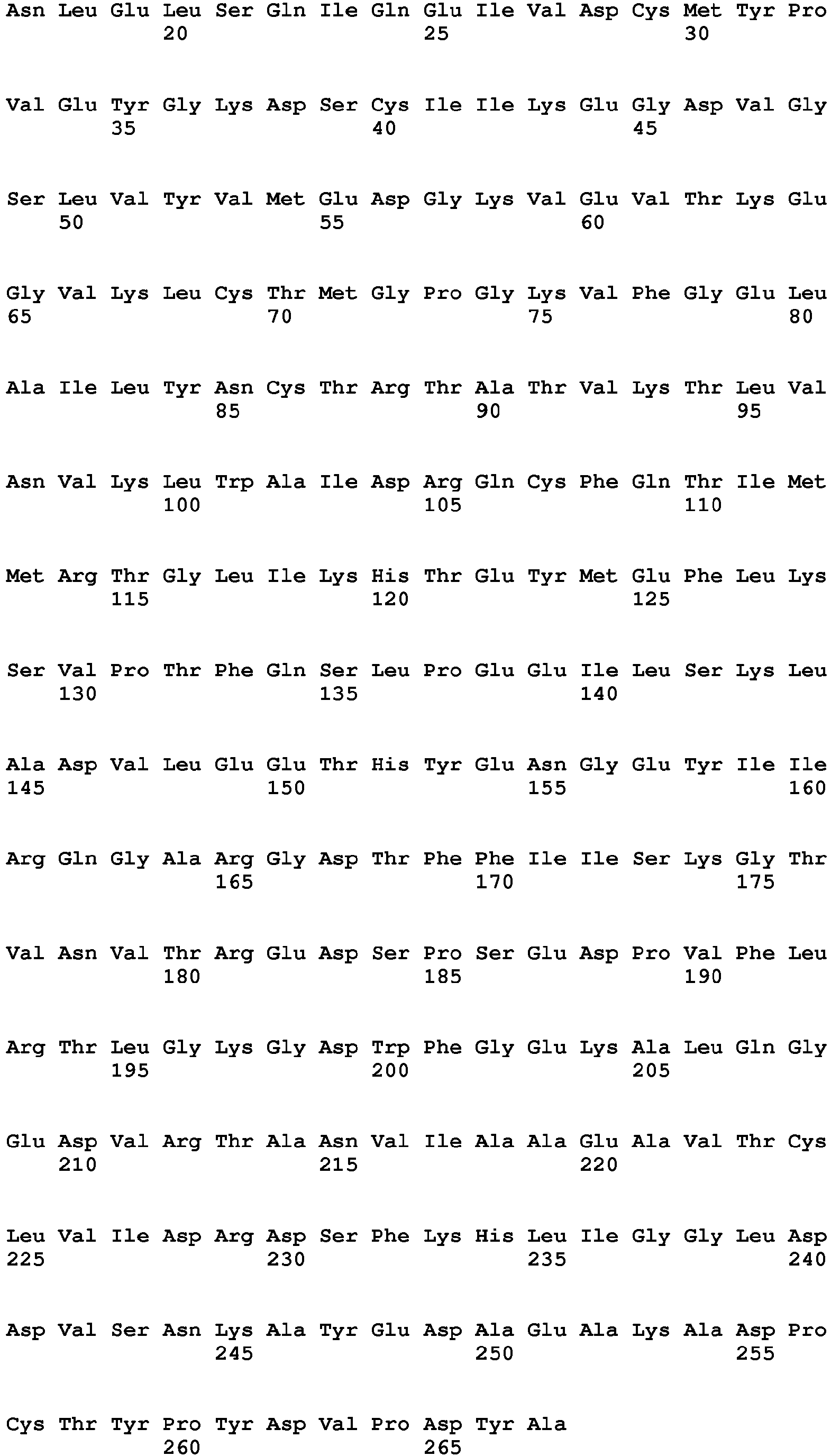


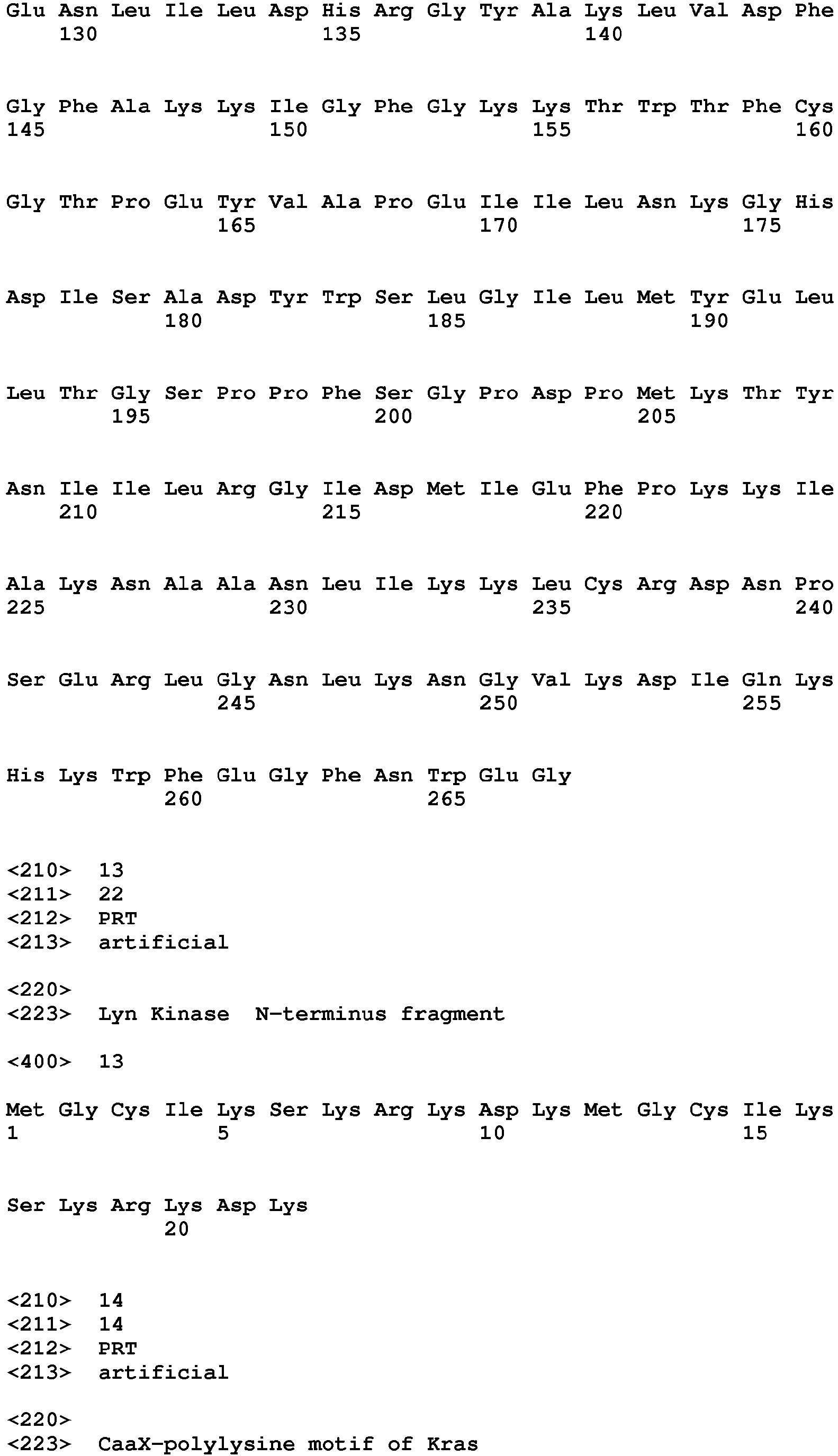


Claims (15)
- polypeptide comprising:- a chimeric peptide derived from the sequence SEQ ID NO: 1 and from the sequence SEQ ID NO: 2;- a cGMP binding domain comprising or consisting of the sequence SEQ ID NO: 6; and,- wherein said polypeptide is devoid of any catalytic domain,and its functional variants.
- The polypeptide of claim 1, wherein the chimeric peptide consists of or comprises the sequence SEQ ID NO: 3, 4 or 5, preferably SEQ ID NO: 3, and its functional variants.
- The polypeptide of claim 1 or 2, wherein the cGMP binding domain comprises or consists of the sequence SEQ ID NO: 7 or the sequence SEQ ID NO: 8, and its functional variants.
- The polypeptide of claim 1 or 2, wherein the cGMP binding domain comprises or consists of the sequence SEQ ID NO: 9 or the sequence SEQ ID NO: 10, and its functional variants.
- The polypeptide of any of claims 1 to 4, wherein the chimeric peptide and the cGMP binding domain form a contiguous sequence, yet preferably the C-terminal end of the chimeric peptide is fused to the N-terminal end of the cGMP binding domain.
- The polypeptide of any of claims 1 to 5, wherein it comprises a peptide signal.
- The polypeptide of any of claims 1 to 6, wherein it comprises a peptide signal which comprises tandem repeats of the sequence SEQ ID NO: 7 or of its functional variants.
- The polypeptide of any of claims 1 to 6, wherein it comprises a fluorescent peptide, preferably chosen in the list consisting of green fluorescent protein (GFP), cyan fluorescent protein (CFP), yellow fluorescent protein (YFP), red fluorescent protein (RFP), and their variants.
- A polynucleotide encoding the polypeptide of any of claims 1 to 8.
- A recombinant vector comprising the polynucleotide of claim 9.
- A host cell or a non-human organism transformed with the polynucleotide of claim 9 or the recombinant vector of claim 11.
- A pharmaceutical composition comprising at least one polypeptide according to any of claims 1 to 8, a polynucleotide according to claim 9, a vector according to claim 10, and/or host cell according to claim 11, and a pharmaceutically acceptable carrier
- A non-therapeutic use of the polypeptide of any of claims 1 to 8, the polynucleotide of claim 9, or the vector of claim 10, as cGMP chelating agent, preferably for stabilizing cGMP concentration, and/or for inhibiting cGMP signalization in vivo and/or in vitro.
- The polypeptide of any of claims 1 to 8, the polynucleotide of claim 9, the vector of claim 10, the host cell of claim 11 or the composition of claim 12, for use as a medicine.
- The polypeptide of any of claims 1 to 8, the polynucleotide of claim 9, the vector of claim 10, the host cell of claim 11 or the composition of claim 12, for use in the prevention and/or treatment of pathologies associated with intracellular cGMP signaling dysfunction, preferably retinitis pigmentosa; cardiovascular diseases, preferably chosen in the list consisting of stroke, venous thrombosis or arterial thrombosis; schizophrenia; Huntington disease; achromatopia; cancer, preferably chosen in the list consisting of colorectal cancer, lung cancer, lung disease; erectile dysfunction and drug abuse.
Priority Applications (5)
| Application Number | Priority Date | Filing Date | Title |
|---|---|---|---|
| EP17306511.1A EP3480303A1 (en) | 2017-11-02 | 2017-11-02 | Cyclic gmp-chelating peptides for subcellular targeting |
| US16/759,703 US11512294B2 (en) | 2017-11-02 | 2018-11-02 | Cyclic GMP-chelating peptides for subcellular targeting |
| EP18796057.0A EP3704234A1 (en) | 2017-11-02 | 2018-11-02 | Cyclic gmp-chelating peptides for subcellular targetting |
| PCT/EP2018/080043 WO2019086622A1 (en) | 2017-11-02 | 2018-11-02 | Cyclic gmp-chelating peptides for subcellular targetting |
| JP2020523989A JP2021507679A (en) | 2017-11-02 | 2018-11-02 | Cyclic GMP chelated peptide for intracellular targeting |
Applications Claiming Priority (1)
| Application Number | Priority Date | Filing Date | Title |
|---|---|---|---|
| EP17306511.1A EP3480303A1 (en) | 2017-11-02 | 2017-11-02 | Cyclic gmp-chelating peptides for subcellular targeting |
Publications (1)
| Publication Number | Publication Date |
|---|---|
| EP3480303A1 true EP3480303A1 (en) | 2019-05-08 |
Family
ID=60413119
Family Applications (2)
| Application Number | Title | Priority Date | Filing Date |
|---|---|---|---|
| EP17306511.1A Withdrawn EP3480303A1 (en) | 2017-11-02 | 2017-11-02 | Cyclic gmp-chelating peptides for subcellular targeting |
| EP18796057.0A Withdrawn EP3704234A1 (en) | 2017-11-02 | 2018-11-02 | Cyclic gmp-chelating peptides for subcellular targetting |
Family Applications After (1)
| Application Number | Title | Priority Date | Filing Date |
|---|---|---|---|
| EP18796057.0A Withdrawn EP3704234A1 (en) | 2017-11-02 | 2018-11-02 | Cyclic gmp-chelating peptides for subcellular targetting |
Country Status (4)
| Country | Link |
|---|---|
| US (1) | US11512294B2 (en) |
| EP (2) | EP3480303A1 (en) |
| JP (1) | JP2021507679A (en) |
| WO (1) | WO2019086622A1 (en) |
-
2017
- 2017-11-02 EP EP17306511.1A patent/EP3480303A1/en not_active Withdrawn
-
2018
- 2018-11-02 EP EP18796057.0A patent/EP3704234A1/en not_active Withdrawn
- 2018-11-02 WO PCT/EP2018/080043 patent/WO2019086622A1/en not_active Ceased
- 2018-11-02 US US16/759,703 patent/US11512294B2/en active Active
- 2018-11-02 JP JP2020523989A patent/JP2021507679A/en not_active Ceased
Non-Patent Citations (5)
| Title |
|---|
| DATABASE BIOSIS [online] BIOSCIENCES INFORMATION SERVICE, PHILADELPHIA, PA, US; 2003, VISWANATHAN V ET AL: "Regulation of spine morphology by cyclic GMP-dependent protein kinase type II.", XP009502356, Database accession no. PREV200400195091 * |
| DOTSMANN ET AL., FEBS LETT., vol. 398, no. 2-3, 1996, pages 206 - 10 |
| GLASS; KREBS, J BIOL CHEM, vol. 254, 1979, pages 9728 - 9738 |
| TANAKA ET AL., BIOCHEMISTRY, vol. 28, no. 7, 1989, pages 2776 - 84 |
| WOLFGANG R.G. DOSTMANN ET AL: "The catalytic domain of the cGMP-dependent protein kinase I[alpha] modulates the cGMP-binding characteristics of its regulatory domain", FEBS LETTERS., vol. 398, no. 2-3, 2 December 1996 (1996-12-02), NL, pages 206 - 210, XP055434548, ISSN: 0014-5793, DOI: 10.1016/S0014-5793(96)01242-2 * |
Also Published As
| Publication number | Publication date |
|---|---|
| US11512294B2 (en) | 2022-11-29 |
| EP3704234A1 (en) | 2020-09-09 |
| WO2019086622A1 (en) | 2019-05-09 |
| JP2021507679A (en) | 2021-02-25 |
| US20200299653A1 (en) | 2020-09-24 |
Similar Documents
| Publication | Publication Date | Title |
|---|---|---|
| US9746475B2 (en) | Antibody and antibody mimetic for visualization and ablation of endogenous proteins | |
| Sossey-Alaoui et al. | WAVE3-mediated cell migration and lamellipodia formation are regulated downstream of phosphatidylinositol 3-kinase | |
| Kueck et al. | Serine phosphorylation of HIV-1 Vpu and its binding to tetherin regulates interaction with clathrin adaptors | |
| Kobayashi et al. | MAPKAPK‐2‐mediated LIM‐kinase activation is critical for VEGF‐induced actin remodeling and cell migration | |
| Hsu et al. | Identification of MYO18A as a novel interacting partner of the PAK2/βPIX/GIT1 complex and its potential function in modulating epithelial cell migration | |
| Hernandez et al. | Palmitoylation-dependent control of JAK1 kinase signaling governs responses to neuropoietic cytokines and survival in DRG neurons | |
| US7052870B2 (en) | mTOR kinase-associated proteins | |
| US11643449B2 (en) | Calcium-chelating peptides derived from EF-hand calcium-binding motif | |
| EP3480303A1 (en) | Cyclic gmp-chelating peptides for subcellular targeting | |
| US20110086089A1 (en) | Use of p27kip1 for the prevention and treatment of heart failure | |
| Washburn | Molecular Mechanisms of the EphB-NMD Receptor Extracellular Interaction | |
| Schmidt | Mechanistic Insights into the intrinsic Kinase Regulation of LRRK2 | |
| WO2018073409A1 (en) | Specific ac5 inhibitor | |
| JPWO2003044196A1 (en) | Post-synaptic protein | |
| US20110045568A1 (en) | Method for restoring bmp-receptor signaling in a cell | |
| Cai | Role of the helix-bundle crossing of the type 1 inositol 1, 4, 5-trisphosphate receptor in quantal calcium release | |
| Ling | Regulation of large conductance calcium-activated potassium channel by protein tyrosine phosphorylation and SNARE protein syntaxin 1A | |
| Antonelli | The role of prolyl-isomerase PIN1 in GABAergic and glutamatergic synaptic transmission | |
| US20050260657A1 (en) | Molecular entity for controlling a calcium | |
| Park | The Development of an Inducible Akt as a Potential Gene Therapy for Parkinson's Disease | |
| Cai | Coronin 1B Coordinates Actin Dynamics in Lamellipodia | |
| Kovalenko | The role of signaling adaptor GIT1 in the regulation of cell migration | |
| CA2648558A1 (en) | Molecular dissection of the role of the pi3-kinase/akt pathway; redirection from pro-survival signaling to a death pathway through nuclear relocation of akt | |
| Satoda et al. | BROMI/TBC1D32 together with CCRK/CDK20 and FAM149B1/JBTS36 contributes | |
| Serulle | A novel cGKII-GluR1 interaction and the regulation of AMPA receptor trafficking |
Legal Events
| Date | Code | Title | Description |
|---|---|---|---|
| PUAI | Public reference made under article 153(3) epc to a published international application that has entered the european phase |
Free format text: ORIGINAL CODE: 0009012 |
|
| STAA | Information on the status of an ep patent application or granted ep patent |
Free format text: STATUS: THE APPLICATION HAS BEEN PUBLISHED |
|
| AK | Designated contracting states |
Kind code of ref document: A1 Designated state(s): AL AT BE BG CH CY CZ DE DK EE ES FI FR GB GR HR HU IE IS IT LI LT LU LV MC MK MT NL NO PL PT RO RS SE SI SK SM TR |
|
| AX | Request for extension of the european patent |
Extension state: BA ME |
|
| STAA | Information on the status of an ep patent application or granted ep patent |
Free format text: STATUS: THE APPLICATION IS DEEMED TO BE WITHDRAWN |
|
| 18D | Application deemed to be withdrawn |
Effective date: 20191109 |