EP3473645A1 - Gene for yield increase - Google Patents
Gene for yield increase Download PDFInfo
- Publication number
- EP3473645A1 EP3473645A1 EP17197076.7A EP17197076A EP3473645A1 EP 3473645 A1 EP3473645 A1 EP 3473645A1 EP 17197076 A EP17197076 A EP 17197076A EP 3473645 A1 EP3473645 A1 EP 3473645A1
- Authority
- EP
- European Patent Office
- Prior art keywords
- seq
- plant
- nitrogen
- protein
- plants
- Prior art date
- Legal status (The legal status is an assumption and is not a legal conclusion. Google has not performed a legal analysis and makes no representation as to the accuracy of the status listed.)
- Withdrawn
Links
Images
Classifications
-
- C—CHEMISTRY; METALLURGY
- C12—BIOCHEMISTRY; BEER; SPIRITS; WINE; VINEGAR; MICROBIOLOGY; ENZYMOLOGY; MUTATION OR GENETIC ENGINEERING
- C12N—MICROORGANISMS OR ENZYMES; COMPOSITIONS THEREOF; PROPAGATING, PRESERVING, OR MAINTAINING MICROORGANISMS; MUTATION OR GENETIC ENGINEERING; CULTURE MEDIA
- C12N15/00—Mutation or genetic engineering; DNA or RNA concerning genetic engineering, vectors, e.g. plasmids, or their isolation, preparation or purification; Use of hosts therefor
- C12N15/09—Recombinant DNA-technology
- C12N15/63—Introduction of foreign genetic material using vectors; Vectors; Use of hosts therefor; Regulation of expression
- C12N15/79—Vectors or expression systems specially adapted for eukaryotic hosts
- C12N15/82—Vectors or expression systems specially adapted for eukaryotic hosts for plant cells, e.g. plant artificial chromosomes (PACs)
- C12N15/8241—Phenotypically and genetically modified plants via recombinant DNA technology
- C12N15/8242—Phenotypically and genetically modified plants via recombinant DNA technology with non-agronomic quality (output) traits, e.g. for industrial processing; Value added, non-agronomic traits
- C12N15/8243—Phenotypically and genetically modified plants via recombinant DNA technology with non-agronomic quality (output) traits, e.g. for industrial processing; Value added, non-agronomic traits involving biosynthetic or metabolic pathways, i.e. metabolic engineering, e.g. nicotine, caffeine
-
- C—CHEMISTRY; METALLURGY
- C07—ORGANIC CHEMISTRY
- C07K—PEPTIDES
- C07K14/00—Peptides having more than 20 amino acids; Gastrins; Somatostatins; Melanotropins; Derivatives thereof
- C07K14/415—Peptides having more than 20 amino acids; Gastrins; Somatostatins; Melanotropins; Derivatives thereof from plants
-
- C—CHEMISTRY; METALLURGY
- C12—BIOCHEMISTRY; BEER; SPIRITS; WINE; VINEGAR; MICROBIOLOGY; ENZYMOLOGY; MUTATION OR GENETIC ENGINEERING
- C12N—MICROORGANISMS OR ENZYMES; COMPOSITIONS THEREOF; PROPAGATING, PRESERVING, OR MAINTAINING MICROORGANISMS; MUTATION OR GENETIC ENGINEERING; CULTURE MEDIA
- C12N15/00—Mutation or genetic engineering; DNA or RNA concerning genetic engineering, vectors, e.g. plasmids, or their isolation, preparation or purification; Use of hosts therefor
- C12N15/09—Recombinant DNA-technology
- C12N15/63—Introduction of foreign genetic material using vectors; Vectors; Use of hosts therefor; Regulation of expression
- C12N15/79—Vectors or expression systems specially adapted for eukaryotic hosts
- C12N15/82—Vectors or expression systems specially adapted for eukaryotic hosts for plant cells, e.g. plant artificial chromosomes (PACs)
- C12N15/8241—Phenotypically and genetically modified plants via recombinant DNA technology
- C12N15/8261—Phenotypically and genetically modified plants via recombinant DNA technology with agronomic (input) traits, e.g. crop yield
-
- Y—GENERAL TAGGING OF NEW TECHNOLOGICAL DEVELOPMENTS; GENERAL TAGGING OF CROSS-SECTIONAL TECHNOLOGIES SPANNING OVER SEVERAL SECTIONS OF THE IPC; TECHNICAL SUBJECTS COVERED BY FORMER USPC CROSS-REFERENCE ART COLLECTIONS [XRACs] AND DIGESTS
- Y02—TECHNOLOGIES OR APPLICATIONS FOR MITIGATION OR ADAPTATION AGAINST CLIMATE CHANGE
- Y02A—TECHNOLOGIES FOR ADAPTATION TO CLIMATE CHANGE
- Y02A40/00—Adaptation technologies in agriculture, forestry, livestock or agroalimentary production
- Y02A40/10—Adaptation technologies in agriculture, forestry, livestock or agroalimentary production in agriculture
- Y02A40/146—Genetically Modified [GMO] plants, e.g. transgenic plants
Definitions
- the present invention is in the field of agronomy and of genetics where the overexpression of a specific NAC gene allows increased nitrogen use efficiency and/or increased biomass and/or increased root development.
- Nitrogen (N) fertilization is a leading factor that contributes to environmental degradation. Approximately 30-80% of N applied escapes to contaminate water and increase incidence of toxic algal blooms, contribute to greenhouse gas emissions, and increase incidence of disease vectors. As a result, there has been an increased interest in more sustainable agricultural systems.
- One major and indispensable approach is to develop crop varieties that can more efficiently utilize nitrogen.
- response to nitrogen is complex and involves multiple organs and processes. Because of the highly complex nature of nitrogen responses, breeding for increased nitrogen use efficiency as well as identification of factors that may regulate a suite of these processes have been difficult.
- NAC transcription factors are one of the largest families of transcriptional regulators in plants. Genes in the NAC family have been shown to regulate a wide range of developmental processes. Members of the NAC gene family have also been shown to play important roles in the regulation of the transcriptional reprogramming associated with plant stress, biotic stress and abiotic stress, responses. However, the signaling mechanism is complex and a single NAC gene may respond to several stress factors. NAC1 has been suggested to control lateral root development in Arabidopsis.
- WO 2017/0134439 discloses the effect of reduced expression of a NAC gene in maize so as to increase the drought resistance.
- a first aspect of the present invention is a DNA vector comprising a genetic cassette suitable for the expression in a host cell of a protein selected from the group consisting of SEQ.ID.NO:2, SEQ.ID.NO:4, SEQ.ID.NO:5, SEQ.ID.NO:6, SEQ.ID.NO:7, SEQ.ID.NO:8 and SEQ.ID.NO:13 or of a protein sharing at least 95% of identity with the proteins encoded by the said SEQ.ID.NO:2, SEQ.ID.NO:4, SEQ.ID.NO:5, SEQ.ID.NO:6, SEQ.ID.NO:7, SEQ.ID.NO:8 and SEQ.ID.NO:13.
- a related aspect is a host cell, preferably a plant cell, and/or a transgenic plant comprising this DNA vector.
- the transgenic plant is preferably selected from the group consisting of poplar ( Populus sp ), sugar beet ( Beta vulgaris ), soya ( Glycine max ), cotton, cucumber, sunflower and rapeseed ( Brassica napus ), more preferably being poplar ( Populus sp ) or sugar beet ( Beta vulgaris ).
- Another aspect of the present invention is a method for increasing nitrogen use efficiency of a plant comprising to transform a plant cell with the vector as above and to regenerate a plant from this transformed cell.
- Another aspect of the present invention is a method for identifying and/or obtaining (selecting) plants with increased nitrogen use efficiency, comprising the steps of:
- this method further comprises the step of selecting the plants with higher expression of the protein selected from the group consisting of SEQ.ID.NO:2, SEQ.ID.NO:4, SEQ.ID.NO:5, SEQ.ID.NO:6, SEQ.ID.NO:7, SEQ.ID.NO:8 and SEQ.ID.NO:13, or of the protein sharing at least 95% of identity with the protein encoded by the said SEQ.ID.NO:2, SEQ.ID.NO:4, SEQ.ID.NO:5, SEQ.ID.NO:6, SEQ.ID.NO:7, SEQ.ID.NO:8 and SEQ.ID.NO:13 or with higher amount of a messenger RNA encoding this protein.
- This method preferably further comprises the step of measuring the anthocyanin content in the leaves or in the roots of the plants.
- the plants are selected from the group consisting of poplar ( Populus sp ), sugar beet ( Beta vulgaris ), soybean ( Glycine max ), rapeseed (Brassica napus), cotton, cucumber and sunflower more preferably being poplar ( Populus sp ) or sugar beet ( Beta vulgaris ).
- Another aspect of the present invention is a plant or a plant part (e.g. a tissue, an explant or an isolated cell) or a seed obtainable by this method.
- a plant or a plant part e.g. a tissue, an explant or an isolated cell
- a seed obtainable by this method.
- Still another aspect of the present invention is the use of this (transgenic) plant for a culture in soils with low nitrogen contents.
- Another aspect of the present invention is a method for identifying and/or obtaining (selecting) a plant selected from the group consisting of poplar ( Populus sp ), sugar beet ( Beta vulgaris ), soybean ( Glycine max ), rapeseed ( Brassica napus ), cotton, cucumber and sunflower with increased root growth, comprising the steps of
- the plants are grown in both a low-nitrogen soil and in a soil with no nitrogen limitation and wherein the selection step is based on both (i) the absolute expression level of the protein or of the messenger RNA when the plant is grown in low-nitrogen soil, and (ii) on the relative expression level of the protein or of the messenger RNA in a plant from one given genetic origin when grown in low-nitrogen soil by comparison with the culture of the plant from the same given genetic origin in a soil with no nitrogen limitation.
- kits comprising an oligonucleotide sequence having between 20 and 100 contiguous nucleotides of a nucleotide sequence encoding SEQ.ID.NO:2, SEQ.ID.NO:4, SEQ.ID.NO:5, SEQ.ID.NO:6, SEQ.ID.NO:7, SEQ.ID.NO:8 and SEQ.ID.NO:13 or of a nucleotide sequence encoding a protein sharing at least 95% of identity with the proteins encoded by the said SEQ.ID.NO:2, SEQ.ID.NO:4, SEQ.ID.NO:5, SEQ.ID.NO:6, SEQ.ID.NO:7, SEQ.ID.NO:8 and SEQ.ID.NO:13, and instructions and/or reagents for use in marker-assisted selection of a plant selected from the group consisting of poplar ( Populus sp ), sugar beet ( Beta vulgaris ), soybean ( Glycine max ),
- the inventors have found plants having increased root growth under low nitrogen (LN) conditions.
- the inventors have identified the gene responsible of this advantageous feature (SEQ.ID.NOs 1-2), a member of the NAC transcription factor family (NAC 25).
- SEQ.ID.NOs 1-2 a member of the NAC transcription factor family (NAC 25).
- the over-activity of this NAC transcription factor yields plants with yellow/red color, which usually reflects stress.
- plants are not selected for breeding purposes and breeders would rather select plants with a reduced expression of this NAC transcription factor.
- the present invention is nevertheless based on the opposite: plants with overexpression of this NAC transcription factor, despite having a more pronounced yellow/red color, have robust agronomic performances and allow improved yield.
- this NAC transcription factor shows highest expression in leaves and roots.
- this NAC transcription factor (SEQ.ID.NOs 1-2) was significantly and rapidly (within hours) upregulated in the shoots but downregulated in the roots by LN.
- a first aspect of the present invention is therefore a vector, preferably a DNA vector, comprising a genetic cassette suitable for the expression, or the over-expression, in an host cell of the NAC gene of the present invention, thus an overexpression of proteins such as of SEQ.ID.NO:2, or of SEQ.ID.NO:4 , or of a protein sharing at least 50%, preferably at least 75%, more preferably at least 80%, at least 90%, at least 95%, at least 99% of identity with SEQ.ID.NO:2 or SEQ.ID.NO:4, or being fully identical to SEQ.ID.NO:2 or SEQ.ID.NO:4.
- the DNA vector comprises a genetic cassette suitable for the expression, or overexpression, in a host cell of a protein selected from the group consisting of SEQ.ID.NO:2, SEQ.ID.NO:4, SEQ.ID.NO:5, SEQ.ID.NO:6, SEQ.ID.NO:7, SEQ.ID.NO:8 and SEQ.ID.NO:13 or of a protein sharing at least 95% of identity with the proteins encoded by the said SEQ.ID.NO:2, SEQ.ID.NO:4, SEQ.ID.NO:5, SEQ.ID.NO:6, SEQ.ID.NO:7, SEQ.ID.NO:8 and SEQ.ID.NO:13.
- a protein selected from the group consisting of SEQ.ID.NO:2, SEQ.ID.NO:4, SEQ.ID.NO:5, SEQ.ID.NO:6, SEQ.ID.NO:7, SEQ.ID.NO:8 and SEQ.ID.NO:13.
- the "percentage of identity” is advantageously measured using BLASTp algorithm and, unless otherwise specified, is preferably measured over the full-length proteins (both the Query and the Subject proteins).
- these vectors comprise a promoter that is not the endogenous promoter, advantageously a promoter allowing over-expression of the encoded gene.
- these encoded proteins sharing at least 50% of identity with SEQ.ID.NO:2 or SEQ.ID.NO:4, is a functionally active (No Apical Meristem; NAM) transcription factor, more preferably sharing at least 50% of sequence identity with the N-terminal part (e.g. amino acids 5 to 150) of SEQ.ID.NO:14 (for instance aligning by BLASTp the target protein with amino acids 5-150 of SEQ.ID.NO:14).
- NAM No Apical Meristem
- These vectors are for use in increasing nitrogen use efficiency and/or for increasing root length of a plant.
- a corresponding object is a host cell (prokaryotic, such as E. coli or eukaryotic, such as yeast or plant cell) comprising this DNA vector.
- transgenic plant comprising this DNA vector.
- the transgenic plant has been regenerated from a transgenic cell, meaning that all the cells are transgenic (comprise the transgenic trait of the present invention).
- chimeras i.e. tissues with the transgenic cells of the present invention, and tissue without
- Such transgenic plant is for use in increasing nitrogen use efficiency and/or for increasing root length of a plant.
- the plant or the transgenic plant cell of the present invention for instance this host cell or transgenic plant, but also (non-transgenic) plants to be determined or obtained (or selected) for nitrogen use efficiency or for root length (see below) is belonging to the group of families consisting of Amaranthaceae, Asteraceae, Betulaceae, Brassicaceae, Fabaceae, Fagaceae, Gossypieae, Juglandaceae, Oleaceae, Pinaceae, Poaceae, Rosaceae, and Salicaceae and, more preferably, species selected from the group consisting of poplar ( Populus sp ), sugar beet ( Beta vulgaris ), soya ( Glycine max ), rapeseed ( Brassica napus ), cotton ( Gossypium hirsutum ), cucumber ( Cucumis sativum ), sunflower ( Helianthus annuus ), Maize ( Zea Mays ), birch ( Betula
- the host cell can also be a prokaryotic cell, for instance to amplify the vector of the present invention.
- Another related aspect of the present invention is a method for predicting nitrogen use efficiency of plants or for identifying and/or obtaining (selecting) plants with increased nitrogen use efficiency, comprising the steps of: obtaining different genetic origins of a plant species, of growing these genetic origins of a plant species under low nitrogen conditions, and measuring the expression level (e.g.
- SEQ.ID.NO:2 poplar
- SEQ.ID.NO:4 sucrose beet
- SEQ.ID.NO:5 sucrose beet
- SEQ.ID.NO:6 rapeseed
- SEQ.ID.NO:7 cotton
- SEQ.ID.NO:8 cucumber
- SEQ.ID.NO:13 unsunflower
- the step of obtaining different genetic origins of a plant species can be performed by relying on a collection of plants, or by generating a collection of mutants, either using nonspecific mutagens, or by gene editing (e.g. CRISPR, TALEN,).
- gene editing e.g. CRISPR, TALEN,
- the anthocyanin content can advantageously be further measured in the same plants, and higher anthocyanin content (or ratio) is a secondary indication of the overexpression of the NAC (NAC 25) genes described here above.
- Anthocyanin content can be displayed (measured) as the (molar) ratio anthocyanin/dihydroguercetin.
- the step of measuring the expression of the above-mentioned proteins or mRNA (or anthocyanin) involves the comparison under normal nitrogen and low nitrogen conditions.
- this method further comprises the step of selecting the plants with higher (root) expression of the protein selected from the group consisting of SEQ.ID.NO:2, SEQ.ID.NO:4, SEQ.ID.NO:5, SEQ.ID.NO:6, SEQ.ID.NO:7, SEQ.ID.NO:8 and SEQ.ID.NO:13, or of the protein sharing at least 95% of identity with the protein encoded by the said SEQ.ID.NO:2, SEQ.ID.NO:4, SEQ.ID.NO:5, SEQ.ID.NO:6, SEQ.ID.NO:7, SEQ.ID.NO:8 and SEQ.ID.NO:13 or with higher amount (in roots) of a messenger RNA encoding the said protein and/or, optionally, with higher anthocyanin content.
- Another related aspect of the present invention is a plant obtainable by the above methods.
- the plant obtained or found by the above methods are advantageously used for a culture in soils with low nitrogen contents or in soils with low nitrogen supplementation.
- Another related aspect of the present invention is a method for identifying and/or obtaining (selecting) a plant selected from the group consisting of poplar ( Populus sp ), sugar beet ( Beta vulgaris ), soya ( Glycine max ), rapeseed ( Brassica napus ), cotton ( Gossypium hirsutum ) and sunflower ( Helianthus annuus ) with increased root growth, comprising the steps of obtaining different genetic origins of this plant; growing different genetic origins of this plant in a low-nitrogen soil, or in a soil with no nitrogen limitation, or both in a low-nitrogen soil and in a soil with no nitrogen limitation; measuring in the roots the expression level of a protein selected from the group consisting of SEQ.ID.NO:2, SEQ.ID.NO:4, SEQ.ID.NO:5, SEQ.ID.NO:6, SEQ.ID.NO:7, SEQ.ID.NO:8 and SEQ.ID.NO:13, or of
- the plants from different genetic origins are grown in both a low-nitrogen soil and in a soil with no nitrogen limitation and the selection step is based on both (i) the absolute expression level of the protein or of the messenger RNA or of the anthocyanin content when the plant is grown in low-nitrogen soil, and (ii) on the relative root expression level of the protein or of the messenger RNA and/or, optionally, of the anthocyanin content in a plant from one given genetic origin when grown in a low-nitrogen soil by comparison with the culture of the plant from the same given genetic origin in a soil with no nitrogen limitation.
- kits comprising an oligonucleotide sequence having between 20 and 100 contiguous nucleotides from a nucleotide sequence encoding SEQ.ID.NO:2, SEQ.ID.NO:4, SEQ.ID.NO:5, SEQ.ID.NO:6, SEQ.ID.NO:7, SEQ.ID.NO:8 and SEQ.ID.NO:13 or from a nucleotide sequence encoding a protein sharing at least 95% of identity with the proteins encoded by the said SEQ.ID.NO:2, SEQ.ID.NO:4, SEQ.ID.NO:5, SEQ.ID.NO:6, SEQ.ID.NO:7, SEQ.ID.NO:8 and SEQ.ID.NO:13, and instructions and/or reagents for use in marker-assisted selection of a plant selected from the group consisting of poplar ( Populus sp ), sugar beet ( Beta vulgaris ), soya ( Glycine max
- This kit is especially useful for the detection of transgenic plants or of mutant plants (naturally-occurring mutation, mutation driven by mutagen agents, mutation due to edition of the gene) of the invention.
- the nucleotide sequence present in the kit spans over a genetic event not naturally found in the wild-type plant (e.g. mutational event, exogenous DNA) .
- the inventors have firstly screened a population of poplar activation tagged lines for changes in root growth and morphology in relation to low nitrogen (LN).
- LN low nitrogen
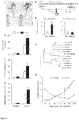
- line 636L-1 showed significantly increased root growth under LN conditions compared to WT plants, including root length of both primary and lateral roots as well as lateral root density ( Fig. 1A-C ).
- this line also displayed increased anthocyanin accumulation under LN compared to WT plants. Consistent with the increased anthocyanin accumulation, dihydroquercetin, the immediate precursor in the anthocyanin biosynthesis, was the most significantly changed among the metabolites with most dramatic changes in the mutant line (>2X vs. WT, P ⁇ 0.05).
- Table 1 Metabolites with significant change in the leaves of the mutant 636L-1 line.
- Fold change values are relative to WT. P values are associated with statistical significance determined by Student t-test.
- the tag in 636L-1 was positioned in the poplar genome ( Fig. 1E ).
- the expression of the closer gene (Potri.004G038000) flanking the tag insertion was highly elevated while the other (Potri.004G038100) was unaffected ( Fig. 1F ).
- the activation tagged Potri.004G038000 gene encodes a protein of unknown function showing homology to NAC transcription factors ( Fig. 1G ).
- Two, but not AtNAC1 Arabidopsis orthologs also of unknown function clustered in the same lineage ( Fig. 1 ).
- SEQ.ID.NO:4-8 and 13 represent homologs or orthologs in sugar beet (Beta vulgaris), soya ( Glycine max ), rapeseed ( Brassica napus ), cotton ( Gossypium hirsutum ), cucumber ( Cucumis sativus ) and sunflower ( Helianthus annuus ).
- RED NAC RED NAC
- mutant rootstock with WT top scion was able to develop the typical high anthocyanin content but unable to increase the anthocyanin content of the WT top scion. This suggests that RN activation generates a mobile signal that can travel through the graft but only in a basipetal fashion.
- the inventors then performed comparative transcriptomic analyses of the mutant vs WT plants in both leaves and roots under LN condition. Consistent with the phenotypic observations, the differentially-regulated genes in the 636L-1 leaves were mostly enriched in GO (Gene Ontology) categories associated with secondary metabolism, particularly from the phenylpropanoid/anthocyanin biosynthetic pathways. In roots, the differentially expressed genes in the mutant line were mostly enriched in GO processes linked to response to stimulus (GO:0050896), particularly ones associated with response to auxin (see also below for auxin measurements). Auxin-associated genes dominated the response to hormone stimulus (GO:0009725) with highest number of differentially regulated genes in the 636L-1 plants.
- GO Gene Ontology
- the inventors then transgenically overexpressed (RN-OE) and downregulated (RN-RNAi) the RN gene.
- the effect of the manipulations was validated using real time qRT-PCR.
- the inventors selected 3 lines in which RN was significantly up-(lines 35, 39 and 46) and down-regulated (15, 29 and 30) and subjected the transgenic plants to the same in vitro treatments as described above for the isolation of the mutant line.
- the RN-OE plants exhibited increased root growth and anthocyanin accumulation under LN.
- the strong overexpression under the 35S promoter produced much more pronounced phenotypes compared to the original mutant line.
- RN downregulation led to decrease in both root growth and anthocyanin content under LN but only the most severely downregulated line (30-i) was significantly different in both traits.
- the lines with the largest RN downregulation (30-i) and upregulation (46-OE) and most significant phenotypic changes in both traits were selected for further analyses.
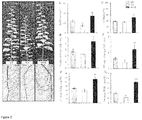
- Fig. 2 The inventors next grew the selected transgenic lines in greenhouse conditions and studied various aspects of their morphology and physiology under normal and LN fertilization regimes. Consistent with the in vitro observations, under LN in greenhouse conditions, the RN-modified transgenics showed highly significant changes in root architecture ( Fig. 2 , especially 2.A) and anthocyanin accumulation.
- Fig. 2 B-G
- WT grey
- RN-RNAi white
- RN-OE black
- RN overexpression produced a highly branched root system with longer fine roots while RN-RNAi roots were less branched and shorter. These trends were most pronounced in the second order branching (e.g., the finest and most metabolically active roots).
- Auxin is a major hormone that regulates root development. The inventors therefore measured free auxin in the three genotypes.
- the RN-OE plants displayed a significant increase in the free bioactive indole acetic acid (IAA) concentration in the roots and this was observed only under LN treatment.
- IAA free bioactive indole acetic acid
- the aboveground growth and development was also significantly affected.
- WT plants ceased shoot and leaf expansion and formed dormant bud ( Fig. 2 ).
- the RN downregulation had the opposite effect which was most significant and pronounced with respect to leaf area ( Fig. 2 ).
- the inventors calculated the nitrogen use efficiency (NUE) with respect to dry lignocellulosic biomass production based on normal and LN supply.
- NUE nitrogen use efficiency
- RN-OE plants displayed more than 3 fold higher NUE than WT.
- NUE of RN-RNAi plants was lower but not significantly different from WT.
- N levels in the RN-RNAi plants were the same as WT across all tissues and treatments.
- the RN-OE plants displayed a highly significantly higher N foliar and bark content compared to WT plants. This response was much more pronounced under LN. Bark N content was also significantly higher but only under LN and at a much lower level than leaf content. Root N levels were unchanged in the three genotypes.
- RN-OE plants When grown under normal nitrogen fertilization regime, RN overexpression had a strong positive effect on a number of leaf and stem growth characteristics. Most importantly, RN-OE plants accumulated significantly more total dry leave and stem biomass. The latter constitutes the bulk of the lignocellulosic feedstock. Changes in growth often result in significant shifts in the cell wall content. The inventors therefore studied if the RN manipulations affected the cell wall composition. None of the three major cell wall components (e.g., cellulose, hemicellulose and lignin) was affected in either normal or LN conditions. Thus, the increased biomass growth of the RN-OE transgenics did not adversely impact the feedstock quality.
- the three major cell wall components e.g., cellulose, hemicellulose and lignin
- a hybrid Populus tremula x Populus alba clone INRA 717-IB4 was used in all experiments and transgenic manipulations.
- Generation of the activation tagging population was performed using a binary vector pSKI074 and an Agrobacterium-mediated transformation. All putative transformants were PCR-verified for the presence of the neomycin phosphotransferase (NPT) selectable marker gene using the following primers: FwdP 5'-ATCAGGATGATCTGGACGAAGAG-3', (SEQ.ID.NO:9) and RevP 5'-GATACCGTAAAGCACGAGGAAG-3' (SEQ.ID.NO:10). Only NPT-positive lines were used in further experiments.
- NPT neomycin phosphotransferase
- Plants were in vitro propagated and maintained as known in the art. Plants for greenhouse experiments were first in vitro propagated and then acclimated to greenhouse conditions. All experiments were performed in 2L Belden square pots using 'Sunshine Growing Mix 3' soil. For control and LN treatments plants were supplied weekly with 50 ml of the same solutions used in the in vitro screening treatments (see below). Duration of experiments was as indicated in the figures' legends. Two-month-old plants of the WT and 636L-1 line were reciprocally grafted at approximately 50 cm height using the cleft method. The graft sites were allowed to heal for at least 1 month before treatments applied.
- the explants were allowed to grow in the control and LN solutions for 40 days at 22°C and 16 h/8 h light/dark photoperiod. Post treatments, shoots and roots of each plant were scanned for measurements of different growth characteristics. For each treatment 4 clonal replicates per genotype were used.
- Leaf area, root length and number were determined from digital pictures or scans using the ImageJ software. To determine dry weight, leaves, stems and roots were air-dried until their weight remained constant.
- the open reading frame of RED NAC was amplified using the following primers:
- Sequences of poplar and Arabidopsis NAC proteins were downloaded from the Phythozome v9.1 database. Sequence alignments were performed using the ClustalW method and phylogenetic analyses using MEGA4. The phylogenetic tree was constructed by the neighbor-joining method. The branch confidence was tested by bootstrap analyses of 1000 iterations.
- RNA quality was assessed using the Agilent Bioanalyzer (Agilent Technologies) and 0.5 ⁇ g of total RNA was used to prepare biotinylated complementary RNA (cRNA).
- cRNA biotinylated complementary RNA
- the poplar Affymetrix Poplar GeneChip was used (Affymetrix). The labeling, hybridization and imaging procedures were performed according to Affymetrix protocols.
- Raw microarray data was normalized using the robust multichip average with RMAExpress.
- M-MuLV Moloney Murine Leukemia Virus reverse transcriptase
- the final volume of each PCR reaction was 20 ⁇ l.
- the qRT-PCR cycling stages consisted of initial denaturation at 95°C for 10 min, followed by 40 cycles of 95°C for 15 s and 60°C for 1 min, and a final melting curve stage of 95°C for 15 s, 60°C for 1 min and 95°C for 15 s.
- Samples for qRT-PCR were run in three biological and two technical replicates. Relative gene expression was calculated. Ubiquitin (Ubq) gene expression was used as a loading control. All primers used in the gene expression analyses were designed from the Populus refseq mRNA sequences using the Primer-BLAST web resource at NCBI (National Center for Biotechnology Information).
- Wood samples were milled to 20-mesh using a Wiley mill. Approximately 4 mg of milled wood sample was measured, loaded into metal cups and arranged into an auto-sampler tray. Cell wall composition was studied by analyzing pyrolysis vapors produced using a commercially available molecular beam mass spectrometer (PyMBMS) designed specifically for biomass analysis as known in the art.
- PyMBMS molecular beam mass spectrometer
- the extracted peaks of known metabolites were scaled back up to the total ion current using predetermined scaling factors. Peaks were quantified by area integration and the concentrations were normalized to the quantity of the internal standard (sorbitol) recovered, amount of sample extracted, derivatized, and injected.
- a large user-created database >2100 spectra) of mass spectral electron impact ionization (EI) fragmentation patterns of TMS-derivatized compounds, as well as the Wiley Registry 8 th Edition combined with NIST 05 mass spectral database, were used to identify the metabolites of interest to be quantified. Unidentified metabolites were denoted by their retention time as well as key mass-to-charge (m/z) ratios.
- Anthocyanin content of leaves was determined as known in the art. All measurements were performed using Lambda 2 UV/VIS Spectrometer (Perkin Elmer).
- Root and root samples were harvested, frozen in liquid nitrogen. Root samples were then triple-ground in liquid nitrogen, and 20 mg was subjected to a secondary grinding, also in liquid nitrogen. Ground root samples were extracted with sodium phosphate buffer, as described previously, with the following modifications: all procedures were performed at 4°C under a yellow safe light, and 25ng [ 2 H 5 ] IAA (OlChemIm, Ltd., Olomouc, Czech Rebuplic) was added as an internal standard. Extracted auxin was then concentrated via solid-phase extraction (SPE), using 30 mg Waters HLB Columns (Waters, Corp., Milford, MA).
- SPE solid-phase extraction
- LC-MS/MS analyses were performed on an Agilent 6460 QQQ Triple-quadrupole mass spectrometer in multiple reaction monitoring (MRM) mode, linked to an Agilent 1260 Infinity HPLC (Agilent Technologies, Santa Clara, CA). Auxin and auxin metabolites were separated using an Agilent Poroshell 120 EC-C18 column (3.5 x 50 mm, 2.7 micron, Agilent Technologies, Santa Clara, CA).
- Separations used a two-buffer system (A: 0.1% acetic acid, 5% methanol, 94.9% 18.3 megaOhm water; B: 0.1% acetic acid in methanol) and the following gradient conditions: 2min 0 to 10% B, 4min 10 to 60% B, 5min 60 to 100% B, and 3 minute hold at 100% B.
- Mass spectrometry analyses were performed using electrospray ionization (ESI), with the following settings: gas temperature, 250 °C; gas flow, 10L/min; nebulizer pressure, 60psi; sheath gas flow, 12 L/min; sheath gas temperature, 400°C; capillary voltage, 2250V; Nozzle voltage, 500V.
- ESI electrospray ionization
Landscapes
- Health & Medical Sciences (AREA)
- Genetics & Genomics (AREA)
- Life Sciences & Earth Sciences (AREA)
- Engineering & Computer Science (AREA)
- Chemical & Material Sciences (AREA)
- Organic Chemistry (AREA)
- Molecular Biology (AREA)
- Biotechnology (AREA)
- Biomedical Technology (AREA)
- General Engineering & Computer Science (AREA)
- Zoology (AREA)
- Bioinformatics & Cheminformatics (AREA)
- Wood Science & Technology (AREA)
- General Health & Medical Sciences (AREA)
- Biochemistry (AREA)
- Biophysics (AREA)
- Microbiology (AREA)
- Plant Pathology (AREA)
- Physics & Mathematics (AREA)
- Cell Biology (AREA)
- Nutrition Science (AREA)
- Botany (AREA)
- Gastroenterology & Hepatology (AREA)
- Medicinal Chemistry (AREA)
- Proteomics, Peptides & Aminoacids (AREA)
- Breeding Of Plants And Reproduction By Means Of Culturing (AREA)
- Peptides Or Proteins (AREA)
- Measuring Or Testing Involving Enzymes Or Micro-Organisms (AREA)
Abstract
A DNA vector suitable for the expression in an host cell of SEQ.ID.NO:2, the corresponding host cell and transgenic plant, and a method for the identification or the generation of plants having increased nitrogen use efficiency.
Description
- The present invention is in the field of agronomy and of genetics where the overexpression of a specific NAC gene allows increased nitrogen use efficiency and/or increased biomass and/or increased root development.
- High-input crop practices have increased crop productivity over the last decades but inefficient use of these inputs has led to considerable environmental harm. Nitrogen (N) fertilization is a leading factor that contributes to environmental degradation. Approximately 30-80% of N applied escapes to contaminate water and increase incidence of toxic algal blooms, contribute to greenhouse gas emissions, and increase incidence of disease vectors. As a result, there has been an increased interest in more sustainable agricultural systems. One major and indispensable approach is to develop crop varieties that can more efficiently utilize nitrogen. However, response to nitrogen is complex and involves multiple organs and processes. Because of the highly complex nature of nitrogen responses, breeding for increased nitrogen use efficiency as well as identification of factors that may regulate a suite of these processes have been difficult.
- NAC transcription factors are one of the largest families of transcriptional regulators in plants. Genes in the NAC family have been shown to regulate a wide range of developmental processes. Members of the NAC gene family have also been shown to play important roles in the regulation of the transcriptional reprogramming associated with plant stress, biotic stress and abiotic stress, responses. However, the signaling mechanism is complex and a single NAC gene may respond to several stress factors. NAC1 has been suggested to control lateral root development in Arabidopsis.
-
WO 2017/0134439 - A first aspect of the present invention is a DNA vector comprising a genetic cassette suitable for the expression in a host cell of a protein selected from the group consisting of SEQ.ID.NO:2, SEQ.ID.NO:4, SEQ.ID.NO:5, SEQ.ID.NO:6, SEQ.ID.NO:7, SEQ.ID.NO:8 and SEQ.ID.NO:13 or of a protein sharing at least 95% of identity with the proteins encoded by the said SEQ.ID.NO:2, SEQ.ID.NO:4, SEQ.ID.NO:5, SEQ.ID.NO:6, SEQ.ID.NO:7, SEQ.ID.NO:8 and SEQ.ID.NO:13.
- A related aspect is a host cell, preferably a plant cell, and/or a transgenic plant comprising this DNA vector.
- The transgenic plant is preferably selected from the group consisting of poplar (Populus sp), sugar beet (Beta vulgaris), soya (Glycine max), cotton, cucumber, sunflower and rapeseed (Brassica napus), more preferably being poplar (Populus sp) or sugar beet (Beta vulgaris).
- Another aspect of the present invention is a method for increasing nitrogen use efficiency of a plant comprising to transform a plant cell with the vector as above and to regenerate a plant from this transformed cell.
- Another aspect of the present invention is a method for identifying and/or obtaining (selecting) plants with increased nitrogen use efficiency, comprising the steps of:
- obtaining different genetic origins of a plant species,
- growing the said different genetic origins of the said plant species under low nitrogen conditions, and
- measuring in the leaves and/or in the roots of the plants the expression level of a protein selected from the group consisting of SEQ.ID.NO:2, SEQ.ID.NO:4, SEQ.ID.NO:5, SEQ.ID.NO:6, SEQ.ID.NO:7, SEQ.ID.NO:8 and SEQ.ID.NO:13, or of a protein sharing at least 95% of identity with the proteins encoded by the said SEQ.ID.NO:2, SEQ.ID.NO:4, SEQ.ID.NO:5, SEQ.ID.NO:6, SEQ.ID.NO:7, SEQ.ID.NO:8 and SEQ.ID.NO:13 or
- Preferably, this method further comprises the step of selecting the plants
with higher expression of the protein selected from the group consisting of SEQ.ID.NO:2, SEQ.ID.NO:4, SEQ.ID.NO:5, SEQ.ID.NO:6, SEQ.ID.NO:7, SEQ.ID.NO:8 and SEQ.ID.NO:13, or of the protein sharing at least 95% of identity with the protein encoded by the said SEQ.ID.NO:2, SEQ.ID.NO:4, SEQ.ID.NO:5, SEQ.ID.NO:6, SEQ.ID.NO:7, SEQ.ID.NO:8 and SEQ.ID.NO:13 or
with higher amount of a messenger RNA encoding this protein. - This method preferably further comprises the step of measuring the anthocyanin content in the leaves or in the roots of the plants.
- In this method, preferably, the plants are selected from the group consisting of poplar (Populus sp), sugar beet (Beta vulgaris), soybean (Glycine max), rapeseed (Brassica napus), cotton, cucumber and sunflower more preferably being poplar (Populus sp) or sugar beet (Beta vulgaris).
- Another aspect of the present invention is a plant or a plant part (e.g. a tissue, an explant or an isolated cell) or a seed obtainable by this method.
- Still another aspect of the present invention is the use of this (transgenic) plant for a culture in soils with low nitrogen contents.
- Another aspect of the present invention is a method for identifying and/or obtaining (selecting) a plant selected from the group consisting of poplar (Populus sp), sugar beet (Beta vulgaris), soybean (Glycine max), rapeseed (Brassica napus), cotton, cucumber and sunflower with increased root growth, comprising the steps of
- obtaining different genetic origins of a plant species,
- growing the said different genetic origins of the said plant species in a low-nitrogen soil, or in a soil with no nitrogen limitation, or both in a low-nitrogen soil and in a soil with no nitrogen limitation;
- measuring in the leaves and/or in the roots the expression level of
- selecting the plants with higher expression level of the said protein or of the said messenger RNA.
- Preferably, in these methods for identifying and/or obtaining (selecting) plants with increased nitrogen use efficiency or with increased root growth, the plants are grown in both a low-nitrogen soil and in a soil with no nitrogen limitation and wherein the selection step is based on both (i) the absolute expression level of the protein or of the messenger RNA when the plant is grown in low-nitrogen soil, and (ii) on the relative expression level of the protein or of the messenger RNA in a plant from one given genetic origin when grown in low-nitrogen soil by comparison with the culture of the plant from the same given genetic origin in a soil with no nitrogen limitation.
- Another aspect of the present invention is a kit comprising an oligonucleotide sequence having between 20 and 100 contiguous nucleotides of a nucleotide sequence encoding SEQ.ID.NO:2, SEQ.ID.NO:4, SEQ.ID.NO:5, SEQ.ID.NO:6, SEQ.ID.NO:7, SEQ.ID.NO:8 and SEQ.ID.NO:13 or of a nucleotide sequence encoding a protein sharing at least 95% of identity with the proteins encoded by the said SEQ.ID.NO:2, SEQ.ID.NO:4, SEQ.ID.NO:5, SEQ.ID.NO:6, SEQ.ID.NO:7, SEQ.ID.NO:8 and SEQ.ID.NO:13, and instructions and/or reagents for use in marker-assisted selection of a plant selected from the group consisting of poplar (Populus sp), sugar beet (Beta vulgaris), soybean (Glycine max), rapeseed (Brassica napus), cotton, cucumber and sunflower.
- The inventors have found plants having increased root growth under low nitrogen (LN) conditions. The inventors have identified the gene responsible of this advantageous feature (SEQ.ID.NOs 1-2), a member of the NAC transcription factor family (NAC 25). The over-activity of this NAC transcription factor (transgenic plants, but also a mutant, including a mutation in the promoter region) yields plants with yellow/red color, which usually reflects stress. Thus, generally, such plants are not selected for breeding purposes and breeders would rather select plants with a reduced expression of this NAC transcription factor. The present invention is nevertheless based on the opposite: plants with overexpression of this NAC transcription factor, despite having a more pronounced yellow/red color, have robust agronomic performances and allow improved yield.
- In the WT (poplar) plants and under normal N conditions, this NAC transcription factor shows highest expression in leaves and roots. In WT plants, this NAC transcription factor (SEQ.ID.NOs 1-2) was significantly and rapidly (within hours) upregulated in the shoots but downregulated in the roots by LN.
- Artificial down-regulation (i.e. by siRNA) of the gene led to reduced root growth, whereas its overexpression led to bigger roots compared to the original mutant.
- Despite the multifaceted nature of the identified gene, a member of the NAC transcription factor, and also of the induced yellowing, its overexpression does not lead to negative pleiotropic changes that are often observed during overexpression of other transcription factors. Such pleiotropic phenotypes compromise performance under field conditions. In contrast, unexpectedly, this NAC transcription factor has been demonstrated by the inventors as able to orchestrate highly coordinated and balanced growth, developmental and physiological changes. Overexpression of this gene thus allows robust field performances.
- A first aspect of the present invention is therefore a vector, preferably a DNA vector, comprising a genetic cassette suitable for the expression, or the over-expression, in an host cell of the NAC gene of the present invention, thus an overexpression of proteins such as of SEQ.ID.NO:2, or of SEQ.ID.NO:4 , or of a protein sharing at least 50%, preferably at least 75%, more preferably at least 80%, at least 90%, at least 95%, at least 99% of identity with SEQ.ID.NO:2 or SEQ.ID.NO:4, or being fully identical to SEQ.ID.NO:2 or SEQ.ID.NO:4.
- Alternatively, the DNA vector comprises a genetic cassette suitable for the expression, or overexpression, in a host cell of a protein selected from the group consisting of SEQ.ID.NO:2, SEQ.ID.NO:4, SEQ.ID.NO:5, SEQ.ID.NO:6, SEQ.ID.NO:7, SEQ.ID.NO:8 and SEQ.ID.NO:13 or of a protein sharing at least 95% of identity with the proteins encoded by the said SEQ.ID.NO:2, SEQ.ID.NO:4, SEQ.ID.NO:5, SEQ.ID.NO:6, SEQ.ID.NO:7, SEQ.ID.NO:8 and SEQ.ID.NO:13.
- In the present invention, the "percentage of identity" is advantageously measured using BLASTp algorithm and, unless otherwise specified, is preferably measured over the full-length proteins (both the Query and the Subject proteins).
- Preferably, these vectors comprise a promoter that is not the endogenous promoter, advantageously a promoter allowing over-expression of the encoded gene.
- Preferably, these encoded proteins sharing identity with SEQ.ID.NO:2, SEQ.ID.NO:4, SEQ.ID.NO:5, SEQ.ID.NO:6, SEQ SEQ.ID.NO:7, SEQ.ID.NO:8 and SEQ.ID.NO:13, but not sharing 100% of identity with these SEQ.ID.NO:2, SEQ.ID.NO:4, SEQ.ID.NO:5, SEQ.ID.NO:6, SEQ.ID.NO:7, SEQ.ID.NO:8 and SEQ.ID.NO:13, substantially share the activity of the proteins consisting of the said SEQ.ID.NO:2, SEQ.ID.NO:4, SEQ.ID.NO:5, SEQ.ID.NO:6, SEQ.ID.NO:7, SEQ.ID.NO:8 and SEQ.ID.NO:13; i.e. the activity is almost the same or even increased as compared with the activity of the wild-type protein, preferably, the activity is (substantially) not decreased.
- Preferably, these encoded proteins, sharing at least 50% of identity with SEQ.ID.NO:2 or SEQ.ID.NO:4, is a functionally active (No Apical Meristem; NAM) transcription factor, more preferably sharing at least 50% of sequence identity with the N-terminal part (e.g. amino acids 5 to 150) of SEQ.ID.NO:14 (for instance aligning by BLASTp the target protein with amino acids 5-150 of SEQ.ID.NO:14).
- These vectors are for use in increasing nitrogen use efficiency and/or for increasing root length of a plant.
- A corresponding object is a host cell (prokaryotic, such as E. coli or eukaryotic, such as yeast or plant cell) comprising this DNA vector.
- Another corresponding object is a transgenic plant comprising this DNA vector. Preferably the transgenic plant has been regenerated from a transgenic cell, meaning that all the cells are transgenic (comprise the transgenic trait of the present invention). However, chimeras (i.e. tissues with the transgenic cells of the present invention, and tissue without) are also encompassed if they share the phenotype of increased root length and/or increased nitrogen use efficiency.
- Such transgenic plant is for use in increasing nitrogen use efficiency and/or for increasing root length of a plant.
- Preferably, the plant or the transgenic plant cell of the present invention, for instance this host cell or transgenic plant, but also (non-transgenic) plants to be determined or obtained (or selected) for nitrogen use efficiency or for root length (see below) is belonging to the group of families consisting of Amaranthaceae, Asteraceae, Betulaceae, Brassicaceae, Fabaceae, Fagaceae, Gossypieae, Juglandaceae, Oleaceae, Pinaceae, Poaceae, Rosaceae, and Salicaceae and, more preferably, species selected from the group consisting of poplar (Populus sp), sugar beet (Beta vulgaris), soya (Glycine max), rapeseed (Brassica napus), cotton (Gossypium hirsutum), cucumber (Cucumis sativum), sunflower (Helianthus annuus), Maize (Zea Mays), birch (Betula sp.), oak (Quecrus sp.), beech (Fagus sylvatica), walnut (Juglans sp.), ash (Fraxinus excelsior), olive tree (Olea europaea), spruce (Piceae abies), larch (Larix sp.), pine (pinus sp.), fir (Abies sp.), Douglas fir (Pseudotsuga menziesii) still more preferably being poplar (Populus sp) or sugar beet (Beta vulgaris). The host cell can also be a prokaryotic cell, for instance to amplify the vector of the present invention.
- Another related aspect of the present invention is a method for predicting nitrogen use efficiency of plants or for identifying and/or obtaining (selecting) plants with increased nitrogen use efficiency, comprising the steps of: obtaining different genetic origins of a plant species, of growing these genetic origins of a plant species under low nitrogen conditions, and measuring the expression level (e.g. in the roots) of a protein selected from the group consisting of SEQ.ID.NO:2 (poplar), SEQ.ID.NO:4 (sugar beet), SEQ.ID.NO:5 (soya), SEQ.ID.NO:6 (rapeseed), SEQ.ID.NO:7 (cotton), SEQ.ID.NO:8 (cucumber) and SEQ.ID.NO:13 (sunflower), or of a protein sharing at least 95% of identity with the proteins encoded by the said SEQ.ID.NO:2, SEQ.ID.NO:4, SEQ.ID.NO:5, SEQ.ID.NO:6, SEQ.ID.NO:7, SEQ.ID.NO:8 and SEQ.ID.NO:13 or the expression level of the messenger RNA encoding the said proteins, wherein higher expression of the said proteins or of the said messenger RNA in the roots and/or in the leaves is associated to higher nitrogen use efficiency.
- The step of obtaining different genetic origins of a plant species can be performed by relying on a collection of plants, or by generating a collection of mutants, either using nonspecific mutagens, or by gene editing (e.g. CRISPR, TALEN,...).
- The anthocyanin content can advantageously be further measured in the same plants, and higher anthocyanin content (or ratio) is a secondary indication of the overexpression of the NAC (NAC 25) genes described here above. Anthocyanin content can be displayed (measured) as the (molar) ratio anthocyanin/dihydroguercetin. Preferably, the step of measuring the expression of the above-mentioned proteins or mRNA (or anthocyanin) involves the comparison under normal nitrogen and low nitrogen conditions.
- Preferably, this method further comprises the step of selecting the plants with higher (root) expression of the protein selected from the group consisting of SEQ.ID.NO:2, SEQ.ID.NO:4, SEQ.ID.NO:5, SEQ.ID.NO:6, SEQ.ID.NO:7, SEQ.ID.NO:8 and SEQ.ID.NO:13, or of the protein sharing at least 95% of identity with the protein encoded by the said SEQ.ID.NO:2, SEQ.ID.NO:4, SEQ.ID.NO:5, SEQ.ID.NO:6, SEQ.ID.NO:7, SEQ.ID.NO:8 and SEQ.ID.NO:13 or with higher amount (in roots) of a messenger RNA encoding the said protein and/or, optionally, with higher anthocyanin content.
- Another related aspect of the present invention is a plant obtainable by the above methods.
- The plant obtained or found by the above methods are advantageously used for a culture in soils with low nitrogen contents or in soils with low nitrogen supplementation.
- Another related aspect of the present invention is a method for identifying and/or obtaining (selecting) a plant selected from the group consisting of poplar (Populus sp), sugar beet (Beta vulgaris), soya (Glycine max), rapeseed (Brassica napus), cotton (Gossypium hirsutum) and sunflower (Helianthus annuus) with increased root growth, comprising the steps of obtaining different genetic origins of this plant; growing different genetic origins of this plant in a low-nitrogen soil, or in a soil with no nitrogen limitation, or both in a low-nitrogen soil and in a soil with no nitrogen limitation; measuring in the roots the expression level of a protein selected from the group consisting of SEQ.ID.NO:2, SEQ.ID.NO:4, SEQ.ID.NO:5, SEQ.ID.NO:6, SEQ.ID.NO:7, SEQ.ID.NO:8 and SEQ.ID.NO:13, or of a protein sharing at least 95% of identity with the proteins encoded by the said SEQ.ID.NO:2, SEQ.ID.NO:4, SEQ.ID.NO:5, SEQ.ID.NO:6, SEQ.ID.NO:7, SEQ.ID.NO:8 and SEQ.ID.NO:13 or of measuring the amount of a messenger RNA encoding these proteins, and/or, optionally, of measuring the anthocyanin content; and of selecting the plants with higher expression level of this protein or of this messenger RNA and, optionally with higher anthocyanin content.
- In the above methods for predicting nitrogen use efficiency or root growth of plants, advantageously, the plants from different genetic origins are grown in both a low-nitrogen soil and in a soil with no nitrogen limitation and the selection step is based on both (i) the absolute expression level of the protein or of the messenger RNA or of the anthocyanin content when the plant is grown in low-nitrogen soil, and (ii) on the relative root expression level of the protein or of the messenger RNA and/or, optionally, of the anthocyanin content in a plant from one given genetic origin when grown in a low-nitrogen soil by comparison with the culture of the plant from the same given genetic origin in a soil with no nitrogen limitation.
- Still another aspect of the present invention is a kit comprising an oligonucleotide sequence having between 20 and 100 contiguous nucleotides from a nucleotide sequence encoding SEQ.ID.NO:2, SEQ.ID.NO:4, SEQ.ID.NO:5, SEQ.ID.NO:6, SEQ.ID.NO:7, SEQ.ID.NO:8 and SEQ.ID.NO:13 or from a nucleotide sequence encoding a protein sharing at least 95% of identity with the proteins encoded by the said SEQ.ID.NO:2, SEQ.ID.NO:4, SEQ.ID.NO:5, SEQ.ID.NO:6, SEQ.ID.NO:7, SEQ.ID.NO:8 and SEQ.ID.NO:13, and instructions and/or reagents for use in marker-assisted selection of a plant selected from the group consisting of poplar (Populus sp), sugar beet (Beta vulgaris), soya (Glycine max), rapeseed (Brassica napus), cotton (Gossypium hirsutum), cucumber (Cucumis sativus) and sunflower (Helianthus annuus).
- This kit is especially useful for the detection of transgenic plants or of mutant plants (naturally-occurring mutation, mutation driven by mutagen agents, mutation due to edition of the gene) of the invention. Preferably, the nucleotide sequence present in the kit spans over a genetic event not naturally found in the wild-type plant (e.g. mutational event, exogenous DNA) .
-
-
Figure 1 . Identification and characterization of poplar NAC (25) gene (Red NAC; RN) via activation tagging. -
Figure 2 . RN promotes lateral root branching and delays shoot growth cessation under LN. - The inventors have firstly screened a population of poplar activation tagged lines for changes in root growth and morphology in relation to low nitrogen (LN). Under the in vitro conditions of the screen,
line 636L-1 showed significantly increased root growth under LN conditions compared to WT plants, including root length of both primary and lateral roots as well as lateral root density (Fig. 1A-C ). Interestingly, this line also displayed increased anthocyanin accumulation under LN compared to WT plants. Consistent with the increased anthocyanin accumulation, dihydroquercetin, the immediate precursor in the anthocyanin biosynthesis, was the most significantly changed among the metabolites with most dramatic changes in the mutant line (>2X vs. WT, P<0.05).Table 1 Metabolites with significant change in the leaves of the mutant 636L-1 line. Metabolite Control LN Fold change P-value Fold change P-value dihydroquercetin 2.67 0.022 0.41 0.366 17.16 179 salicyloyl conjugate 2.65 0.046 0.15 0.002 18.52 488 171 219 coumaroyl conjugate 2.61 0.003 0.23 0.017 17.48 488 236 219 171 coumaroyl conjugate 2.58 0.007 0.23 0.017 16.7 456 441 complex phenolic 2.44 0.034 0.58 0.158 - Fold change values are relative to WT. P values are associated with statistical significance determined by Student t-test.
- Interestingly, the LN treatment led to depletion of dihydroquercetin in the mutant line, suggesting an active processing of the precursor to anthocyanin under these conditions.
- The tag in 636L-1 was positioned in the poplar genome (
Fig. 1E ). The expression of the closer gene (Potri.004G038000) flanking the tag insertion was highly elevated while the other (Potri.004G038100) was unaffected (Fig. 1F ). The activation tagged Potri.004G038000 gene encodes a protein of unknown function showing homology to NAC transcription factors (Fig. 1G ). Two, but not AtNAC1, Arabidopsis orthologs also of unknown function clustered in the same lineage (Fig. 1 ). SEQ.ID.NO:4-8 and 13 represent homologs or orthologs in sugar beet (Beta vulgaris), soya (Glycine max), rapeseed (Brassica napus), cotton (Gossypium hirsutum), cucumber (Cucumis sativus) and sunflower (Helianthus annuus). - Because of the distinct red phenotype under LN, the gene has been named RED NAC (RN) by the inventors. RN's highest expression in the WT plants and normal N conditions was in leaves and roots. RN was significantly and rapidly (within hours) upregulated in the shoots but downregulated in the roots by LN (
Fig. 1H ). To test if the RN mutation acts autonomously or involves generation of mobile signal the inventors performed reciprocal grafting and studied the distinct anthocyanin phenotype. The mutant scion on WT rootstock developed the typical high anthocyanin phenotype without the involvement of the mutant rootstock. Furthermore, the mutant top scion was able to increase the anthocyanin content in the WT rootstock. In contrast, the mutant rootstock with WT top scion was able to develop the typical high anthocyanin content but unable to increase the anthocyanin content of the WT top scion. This suggests that RN activation generates a mobile signal that can travel through the graft but only in a basipetal fashion. - The inventors then performed comparative transcriptomic analyses of the mutant vs WT plants in both leaves and roots under LN condition. Consistent with the phenotypic observations, the differentially-regulated genes in the 636L-1 leaves were mostly enriched in GO (Gene Ontology) categories associated with secondary metabolism, particularly from the phenylpropanoid/anthocyanin biosynthetic pathways. In roots, the differentially expressed genes in the mutant line were mostly enriched in GO processes linked to response to stimulus (GO:0050896), particularly ones associated with response to auxin (see also below for auxin measurements). Auxin-associated genes dominated the response to hormone stimulus (GO:0009725) with highest number of differentially regulated genes in the 636L-1 plants.
- The inventors then transgenically overexpressed (RN-OE) and downregulated (RN-RNAi) the RN gene. The effect of the manipulations was validated using real time qRT-PCR. The inventors selected 3 lines in which RN was significantly up-(lines 35, 39 and 46) and down-regulated (15, 29 and 30) and subjected the transgenic plants to the same in vitro treatments as described above for the isolation of the mutant line. The RN-OE plants exhibited increased root growth and anthocyanin accumulation under LN. Generally, the strong overexpression under the 35S promoter produced much more pronounced phenotypes compared to the original mutant line. Conversely, RN downregulation led to decrease in both root growth and anthocyanin content under LN but only the most severely downregulated line (30-i) was significantly different in both traits. The lines with the largest RN downregulation (30-i) and upregulation (46-OE) and most significant phenotypic changes in both traits were selected for further analyses.
- The inventors next grew the selected transgenic lines in greenhouse conditions and studied various aspects of their morphology and physiology under normal and LN fertilization regimes. Consistent with the in vitro observations, under LN in greenhouse conditions, the RN-modified transgenics showed highly significant changes in root architecture (
Fig. 2 , especially 2.A) and anthocyanin accumulation.Fig. 2 (B-G) Shoot and root characteristics of WT (grey), RN-RNAi (white) and RN-OE (black) plants grown under LN. '*" and '**" indicate significance at P<0.05 and P<0.01 as determined by Student t-test comparison to WT. Whole plant Scale = 2 cm, Root Scale = 1 cm. Most importantly RN overexpression produced a highly branched root system with longer fine roots while RN-RNAi roots were less branched and shorter. These trends were most pronounced in the second order branching (e.g., the finest and most metabolically active roots). Auxin is a major hormone that regulates root development. The inventors therefore measured free auxin in the three genotypes. - Indeed, the RN-OE plants displayed a significant increase in the free bioactive indole acetic acid (IAA) concentration in the roots and this was observed only under LN treatment. The aboveground growth and development was also significantly affected. Under the severe N deprivation regime, WT plants ceased shoot and leaf expansion and formed dormant bud (
Fig. 2 ). In contrast, the growth cessation in response to N deprivation was significantly delayed in RN-OE transgenics (Fig. 2 ) . This resulted in a larger number of internodes and greater leaf area, particularly in the young expanding leaves (Leaf Plastochron Index=LPI 1-5). In contrast, the RN downregulation had the opposite effect which was most significant and pronounced with respect to leaf area (Fig. 2 ). - The inventors calculated the nitrogen use efficiency (NUE) with respect to dry lignocellulosic biomass production based on normal and LN supply. RN-OE plants displayed more than 3 fold higher NUE than WT. NUE of RN-RNAi plants was lower but not significantly different from WT.
- To better understand the observed responses, the inventors measured the N content in the different genotypes, treatments and tissues. N levels in the RN-RNAi plants were the same as WT across all tissues and treatments. In a sharp contrast, the RN-OE plants displayed a highly significantly higher N foliar and bark content compared to WT plants. This response was much more pronounced under LN. Bark N content was also significantly higher but only under LN and at a much lower level than leaf content. Root N levels were unchanged in the three genotypes.
- When grown under normal nitrogen fertilization regime, RN overexpression had a strong positive effect on a number of leaf and stem growth characteristics. Most importantly, RN-OE plants accumulated significantly more total dry leave and stem biomass. The latter constitutes the bulk of the lignocellulosic feedstock. Changes in growth often result in significant shifts in the cell wall content. The inventors therefore studied if the RN manipulations affected the cell wall composition. None of the three major cell wall components (e.g., cellulose, hemicellulose and lignin) was affected in either normal or LN conditions. Thus, the increased biomass growth of the RN-OE transgenics did not adversely impact the feedstock quality.
- A hybrid Populus tremula x Populus alba clone INRA 717-IB4 was used in all experiments and transgenic manipulations. Generation of the activation tagging population was performed using a binary vector pSKI074 and an Agrobacterium-mediated transformation. All putative transformants were PCR-verified for the presence of the neomycin phosphotransferase (NPT) selectable marker gene using the following primers: FwdP 5'-ATCAGGATGATCTGGACGAAGAG-3', (SEQ.ID.NO:9) and RevP 5'-GATACCGTAAAGCACGAGGAAG-3' (SEQ.ID.NO:10). Only NPT-positive lines were used in further experiments. Plants were in vitro propagated and maintained as known in the art. Plants for greenhouse experiments were first in vitro propagated and then acclimated to greenhouse conditions. All experiments were performed in 2L Belden square pots using 'Sunshine Growing Mix 3' soil. For control and LN treatments plants were supplied weekly with 50 ml of the same solutions used in the in vitro screening treatments (see below). Duration of experiments was as indicated in the figures' legends. Two-month-old plants of the WT and 636L-1 line were reciprocally grafted at approximately 50 cm height using the cleft method. The graft sites were allowed to heal for at least 1 month before treatments applied.
- Stem cuttings of WT and transgenic lines were first synchronized for root development by cultivation for one week on 1/2 MS solid media containing 2 mg/l Indole Butyric Acid (IBA) in the dark. The cuttings were then directly transferred on filter paper bridges in glass tubes (2cm width, 25cm height, VWR) filled with 15 ml control (1/2 MS with 20mM KNO3) or low N (LN) (1/2 MS with 0.05mM KNO3) liquid solutions. The concentration of the K+ in the LN treatment was accordingly adjusted with K2SO4. In both control and LN solutions, KNO3 was the only N source. The explants were allowed to grow in the control and LN solutions for 40 days at 22°C and 16 h/8 h light/dark photoperiod. Post treatments, shoots and roots of each plant were scanned for measurements of different growth characteristics. For each treatment 4 clonal replicates per genotype were used.
- Height, diameter and internode number were measured at the same time for the specific sets of experiments. Leaf area, root length and number were determined from digital pictures or scans using the ImageJ software. To determine dry weight, leaves, stems and roots were air-dried until their weight remained constant.
- Recovery of sequence flanking the insertion site of the activation tag was performed as known in the art. The isolated DNA fragment (Gene bank # KP176639) was positioned in the poplar genome using BLAST searches in the Phythozome v9.1 database and proximal genes to the insertion site identified. Expression of the flanking genes was studied using RT-PCR with gene specific primers and Ubiquitin gene as a loading control.
- The open reading frame of RED NAC was amplified using the following primers:
- B1-GGGGACAAGTTTGTACAAAAAAGCAGGCTATGGAGGGCACCAATTCGTC (SEQ.ID.NO:11) and
- B2-GGGGACCACTTTGTACAAGAAAGCTGGGTCTATGAGTTCCAATTCAAGCT (SEQ.ID.NO:12). The amplified product was then cloned into pDONR221 vector using the BP Gateway system (Invitrogen), sequence validated (Gene bank # KP176640) and transferred into the overexpression pK7WG2 and RNAi pK7GWIWG2(II) vectors using the LB Gateway system (Invitrogen).
- Sequences of poplar and Arabidopsis NAC proteins were downloaded from the Phythozome v9.1 database. Sequence alignments were performed using the ClustalW method and phylogenetic analyses using MEGA4. The phylogenetic tree was constructed by the neighbor-joining method. The branch confidence was tested by bootstrap analyses of 1000 iterations.
- Collection and analysis of microarray data were performed according to MIAME (Minimum Information About a Microarray Experiment) standards. Two independent biological replicates were used. Total RNA from roots and leaves was extracted and on-column DNase I-treated (Qiagen). Before labeling, RNA quality was assessed using the Agilent Bioanalyzer (Agilent Technologies) and 0.5 µg of total RNA was used to prepare biotinylated complementary RNA (cRNA). The poplar Affymetrix Poplar GeneChip was used (Affymetrix). The labeling, hybridization and imaging procedures were performed according to Affymetrix protocols. Raw microarray data was normalized using the robust multichip average with RMAExpress. Normalized expression data was analyzed using TM4:MeV software. Differentially expressed genes probe sets were identified using ANOVA (FDR q < 0.05, using Bioconductor QVALUE package), followed by post-hoc contrast analyses using LIMMA with an FDR=0.01.
- Total RNA was extracted as known in the art. Reverse transcription was performed on 1 µg of DNAase I-treated total RNA in a final reaction mixture of 20 µl using an M-MuLV (Moloney Murine Leukemia Virus) reverse transcriptase (Fermentas) following the manufacturer's protocol. Quantitative RT-PCR (qRT-PCR) was performed using the StepOnePlus Real Time System (Applied Biosystems) and the SYBR Green detection system. Each PCR reaction contained 1× Maxima SYBR Green qPCR master mix (Fermentas), 0.1 µM of each forward and reverse primer (Eurofins MWG Operon), 1 µl of 10× diluted cDNA solution and nuclease-free water. The final volume of each PCR reaction was 20 µl. The qRT-PCR cycling stages consisted of initial denaturation at 95°C for 10 min, followed by 40 cycles of 95°C for 15 s and 60°C for 1 min, and a final melting curve stage of 95°C for 15 s, 60°C for 1 min and 95°C for 15 s. Samples for qRT-PCR were run in three biological and two technical replicates. Relative gene expression was calculated. Ubiquitin (Ubq) gene expression was used as a loading control. All primers used in the gene expression analyses were designed from the Populus refseq mRNA sequences using the Primer-BLAST web resource at NCBI (National Center for Biotechnology Information).
- Wood samples were milled to 20-mesh using a Wiley mill. Approximately 4 mg of milled wood sample was measured, loaded into metal cups and arranged into an auto-sampler tray. Cell wall composition was studied by analyzing pyrolysis vapors produced using a commercially available molecular beam mass spectrometer (PyMBMS) designed specifically for biomass analysis as known in the art.
- Fast-frozen tissues were ground with liquid nitrogen in a chilled mortar (∼25 mg fresh weight (FW) leaf and ∼50 mg FW root) subsequently twice extracted with 2.5 mL 80% ethanol overnight and then combined prior to drying a 1.5 ml aliquot in a nitrogen stream. Sorbitol was added (to achieve ∼22 ng/µL injected) before extraction as an internal standard to correct for differences in extraction efficiency, subsequent differences in derivatization efficiency and changes in sample volume during heating. Dried extracts were dissolved in 500 µL of silylation-grade acetonitrile followed by the addition of 500 µL N-methyl-N-trimethylsilyltrifluoroacetamide (MSTFA) with 1% trimethylchlorosilane (TMCS) (Thermo Scientific, Bellefonte, PA), and samples then heated for 1 h at 70 °C to generate trimethylsilyl (TMS) derivatives. After 2 days, 1-µL aliquots were injected into an Agilent Technologies Inc. (Santa Clara, CA) 5975C inert XL gas chromatograph-mass spectrometer, fitted with an Rtx-5MS with Integra-guard (5% diphenyl/95% dimethyl polysiloxane) 30 m x 250 µm x 0.25 µm film thickness capillary column. The standard quadrupole GC-MS was operated in the electron impact (70 eV) ionization mode, targeting 2.5 full-spectrum (50-650 Da) scans per second. Metabolite peaks were extracted using a key selected ion, characteristic m/z fragment, rather than the total ion chromatogram, to minimize integrating co-eluting metabolites. The extracted peaks of known metabolites were scaled back up to the total ion current using predetermined scaling factors. Peaks were quantified by area integration and the concentrations were normalized to the quantity of the internal standard (sorbitol) recovered, amount of sample extracted, derivatized, and injected. A large user-created database (>2100 spectra) of mass spectral electron impact ionization (EI) fragmentation patterns of TMS-derivatized compounds, as well as the Wiley Registry 8th Edition combined with NIST 05 mass spectral database, were used to identify the metabolites of interest to be quantified. Unidentified metabolites were denoted by their retention time as well as key mass-to-charge (m/z) ratios. Two biological replicate samples were analyzed per transgenic or control line and the metabolite data were presented as fold changed of the transgenic line versus the average of all of the control lines. The statistical significance of fold changes of the metabolite concentrations of transgenic lines versus control plants were determined by Student's t-tests.
- Anthocyanin content of leaves was determined as known in the art. All measurements were performed using Lambda 2 UV/VIS Spectrometer (Perkin Elmer).
- For auxin analyses, leaf and root samples were harvested, frozen in liquid nitrogen. Root samples were then triple-ground in liquid nitrogen, and 20 mg was subjected to a secondary grinding, also in liquid nitrogen. Ground root samples were extracted with sodium phosphate buffer, as described previously, with the following modifications: all procedures were performed at 4°C under a yellow safe light, and 25ng [2H5] IAA (OlChemIm, Ltd., Olomouc, Czech Rebuplic) was added as an internal standard. Extracted auxin was then concentrated via solid-phase extraction (SPE), using 30 mg Waters HLB Columns (Waters, Corp., Milford, MA). Finally, SPE-purified samples were dried under nitrogen gas, re-dissolved in 1.00 mL LC-MS/MS grade methanol, passed through a 0.2 micron nylon filter (Fisherbrand, Fisher Scientific International, Hampton, NH), and subjected to LC-MS/MS analysis.
- LC-MS/MS analyses were performed on an Agilent 6460 QQQ Triple-quadrupole mass spectrometer in multiple reaction monitoring (MRM) mode, linked to an Agilent 1260 Infinity HPLC (Agilent Technologies, Santa Clara, CA). Auxin and auxin metabolites were separated using an
Agilent Poroshell 120 EC-C18 column (3.5 x 50 mm, 2.7 micron, Agilent Technologies, Santa Clara, CA). Separations used a two-buffer system (A: 0.1% acetic acid, 5% methanol, 94.9% 18.3 megaOhm water; B: 0.1% acetic acid in methanol) and the following gradient conditions: 2min 0 to 10% B, 4min 10 to 60% B, 5min 60 to 100% B, and 3 minute hold at 100% B. Mass spectrometry analyses were performed using electrospray ionization (ESI), with the following settings: gas temperature, 250 °C; gas flow, 10L/min; nebulizer pressure, 60psi; sheath gas flow, 12 L/min; sheath gas temperature, 400°C; capillary voltage, 2250V; Nozzle voltage, 500V. Mass peak for auxin was confirmed and quantified via comparison to standard curves generated using authentic standard, Sigma-Aldrich, St. Louis, MO [indole-3-acetic acid]. Specific mass transition monitored for indole-3-acetic acid (IAA) was: RT=9.6 min., 176→130 and 176→77. - To quantify N, wood, bark, and leaves tissues were dried, milled to fine powder, 5mg was weighed into tin capsules and analyzed by an element analyzer (Fisons NA1500 Elemental Analyzer). The instrument was calibrated with atropine, and NIST 1547 (peach leaves) were run every 12 samples to check for instrument stability. The average of NIST 1547 was 2.93 %N with a standard deviation of 0.05 (n=14). Nitrogen use efficiency (NUE) was calculated using the following formula:




a protein sharing at least 95% of identity with the proteins encoded by the said SEQ.ID.NO:2, SEQ.ID.NO:4, SEQ.ID.NO:5, SEQ.ID.NO:6, SEQ.ID.NO:7, SEQ.ID.NO:8 and SEQ.ID.NO:13
or of measuring the amount of a messenger RNA encoding the said proteins, and
Claims (14)
- A DNA vector comprising a genetic cassette suitable for the expression in a host cell of a protein selected from the group consisting of SEQ.ID.NO:2, SEQ.ID.NO:4, SEQ.ID.NO:5, SEQ.ID.NO:6, SEQ.ID.NO:7, SEQ.ID.NO:8 and SEQ.ID.NO:13 or of a protein sharing at least 95% of identity with the proteins encoded by the said SEQ.ID.NO:2, SEQ.ID.NO:4, SEQ.ID.NO:5, SEQ.ID.NO:6, SEQ.ID.NO:7, SEQ.ID.NO:8 and SEQ.ID.NO:13.
- A host cell, preferably a plant cell, comprising the DNA vector of claim 1.
- A transgenic plant comprising the DNA vector of claim 1.
- The transgenic plant of claim 3 being selected from the group consisting of poplar (Populus sp), sugar beet (Beta vulgaris), soya (Glycine max), cotton, cucumber, sunflower and rapeseed (Brassica napus), more preferably being poplar (Populus sp) or sugar beet (Beta vulgaris).
- A method for increasing nitrogen use efficiency of a plant comprising to transform a plant cell with the vector of claim 1 and to regenerate a plant from the said transformed cell.
- A method for identifying plants with increased nitrogen use efficiency, comprising the steps of:- obtaining different genetic origins of a plant species,- growing the said different genetic origins of the said plant species under low nitrogen conditions, and- measuring in the leaves and/or in the roots of the plants the expression level of a protein selected from the group consisting of SEQ.ID.NO:2, SEQ.ID.NO:4, SEQ.ID.NO:5, SEQ.ID.NO:6, SEQ.ID.NO:7, SEQ.ID.NO:8 and SEQ.ID.NO:13, or of a protein sharing at least 95% of identity with the proteins encoded by the said SEQ.ID.NO:2, SEQ.ID.NO:4, SEQ.ID.NO:5, SEQ.ID.NO:6, SEQ.ID.NO:7, SEQ.ID.NO:8 and SEQ.ID.NO:13 orthe expression level of the messenger RNA encoding the said proteins, wherein higher expression of the said proteins or of the said messenger RNA is associated to higher nitrogen use efficiency.
- The method of claim 6 further comprising the step of selecting the plants
with higher expression of the protein selected from the group consisting of SEQ.ID.NO:2, SEQ.ID.NO:4, SEQ.ID.NO:5, SEQ.ID.NO:6, SEQ.ID.NO:7, SEQ.ID.NO:8 and SEQ.ID.NO:13, or of the protein sharing at least 95% of identity with the protein encoded by the said SEQ.ID.NO:2, SEQ.ID.NO:4, SEQ.ID.NO:5, SEQ.ID.NO:6, SEQ.ID.NO:7, SEQ.ID.NO:8 and SEQ.ID.NO:13 or
with higher amount of a messenger RNA encoding the said protein. - The method of claims 6 or 7 further comprising the step of measuring the anthocyanin content in the leaves or in the roots of the plants.
- The method according to any of the preceding claims 6 to 8, wherein the plants are selected from the group consisting of poplar (Populus sp), sugar beet (Beta vulgaris), soybean (Glycine max), rapeseed (Brassica napus), cotton, cucumber and sunflower preferably being poplar (Populus sp) or sugar beet (Beta vulgaris).
- A plant, a plant part or a seed obtainable by the method of claims 6 to 9.
- Use of the plant according to any one of the preceding claims 3 to 4 or of the plant or the seed of claim 10 for a culture in soils with low nitrogen contents.
- A method for identifying a plant selected from the group consisting of poplar (Populus sp), sugar beet (Beta vulgaris), soybean (Glycine max), rapeseed (Brassica napus), cotton, cucumber and sunflower with increased root growth, comprising the steps of- obtaining different genetic origins of a plant species,- growing the said different genetic origins of the said plant species in a low-nitrogen soil, or in a soil with no nitrogen limitation, or both in a low-nitrogen soil and in a soil with no nitrogen limitation;- measuring in the leaves and/or in the roots the expression level ofa protein selected from the group consisting of SEQ.ID.NO:2, SEQ.ID.NO:4, SEQ.ID.NO:5, SEQ.ID.NO:6, SEQ.ID.NO:7, SEQ.ID.NO:8 and SEQ.ID.NO:13, or of a protein sharing at least 95% of identity with the proteins encoded by the said SEQ.ID.NO:2, SEQ.ID.NO:4, SEQ.ID.NO:5, SEQ.ID.NO:6, SEQ.ID.NO:7, SEQ.ID.NO:8 and SEQ.ID.NO:13
or of measuring the amount of a messenger RNA encoding the said proteins, and- selecting the plants with higher expression level of the said protein or of the said messenger RNA. - The method according to any one of the preceding claims 6 to 9 or 12, wherein the plants are grown in both a low-nitrogen soil and in a soil with no nitrogen limitation and wherein the selection step is based on both (i) the absolute expression level of the protein or of the messenger RNA when the plant is grown in low-nitrogen soil, and (ii) on the relative expression level of the protein or of the messenger RNA in a plant from one given genetic origin when grown in low-nitrogen soil by comparison with the culture of the plant from the same given genetic origin in a soil with no nitrogen limitation.
- A kit comprising
an oligonucleotide sequence having between 20 and 100 contiguous nucleotides of a nucleotide sequence encoding SEQ.ID.NO:2, SEQ.ID.NO:4, SEQ.ID.NO:5, SEQ.ID.NO:6, SEQ.ID.NO:7, SEQ.ID.NO:8 and SEQ.ID.NO:13 or of a nucleotide sequence encoding a protein sharing at least 95% of identity with the proteins encoded by the said SEQ.ID.NO:2, SEQ.ID.NO:4, SEQ.ID.NO:5, SEQ.ID.NO:6, SEQ.ID.NO:7, SEQ.ID.NO:8 and SEQ.ID.NO:13, and instructions and/or reagents for use in marker-assisted selection of a plant selected from the group consisting of poplar (Populus sp), sugar beet (Beta vulgaris), soybean (Glycine max), rapeseed (Brassica napus), cotton, cucumber and sunflower.
Priority Applications (2)
| Application Number | Priority Date | Filing Date | Title |
|---|---|---|---|
| EP17197076.7A EP3473645A1 (en) | 2017-10-18 | 2017-10-18 | Gene for yield increase |
| PCT/EP2018/077844 WO2019076743A1 (en) | 2017-10-18 | 2018-10-12 | Gene for yield increase |
Applications Claiming Priority (1)
| Application Number | Priority Date | Filing Date | Title |
|---|---|---|---|
| EP17197076.7A EP3473645A1 (en) | 2017-10-18 | 2017-10-18 | Gene for yield increase |
Publications (1)
| Publication Number | Publication Date |
|---|---|
| EP3473645A1 true EP3473645A1 (en) | 2019-04-24 |
Family
ID=60191112
Family Applications (1)
| Application Number | Title | Priority Date | Filing Date |
|---|---|---|---|
| EP17197076.7A Withdrawn EP3473645A1 (en) | 2017-10-18 | 2017-10-18 | Gene for yield increase |
Country Status (2)
| Country | Link |
|---|---|
| EP (1) | EP3473645A1 (en) |
| WO (1) | WO2019076743A1 (en) |
Cited By (1)
| Publication number | Priority date | Publication date | Assignee | Title |
|---|---|---|---|---|
| CN119391892A (en) * | 2024-10-29 | 2025-02-07 | 湖南省作物研究所 | A screening method for rapeseed germplasm with high nitrogen utilization efficiency and its application |
Citations (3)
| Publication number | Priority date | Publication date | Assignee | Title |
|---|---|---|---|---|
| WO2006004955A2 (en) * | 2004-06-30 | 2006-01-12 | Ceres, Inc. | Nucleotide sequences and polypeptides encoded thereby useful for modifying plant characteristics and phenotypes |
| WO2008034648A1 (en) * | 2006-04-05 | 2008-03-27 | Metanomics Gmbh | Process for the production of a fine chemical |
| WO2017134439A1 (en) | 2016-02-03 | 2017-08-10 | Colour Tone Masterbatch Limited | Masterbatch for pvc |
-
2017
- 2017-10-18 EP EP17197076.7A patent/EP3473645A1/en not_active Withdrawn
-
2018
- 2018-10-12 WO PCT/EP2018/077844 patent/WO2019076743A1/en not_active Ceased
Patent Citations (3)
| Publication number | Priority date | Publication date | Assignee | Title |
|---|---|---|---|---|
| WO2006004955A2 (en) * | 2004-06-30 | 2006-01-12 | Ceres, Inc. | Nucleotide sequences and polypeptides encoded thereby useful for modifying plant characteristics and phenotypes |
| WO2008034648A1 (en) * | 2006-04-05 | 2008-03-27 | Metanomics Gmbh | Process for the production of a fine chemical |
| WO2017134439A1 (en) | 2016-02-03 | 2017-08-10 | Colour Tone Masterbatch Limited | Masterbatch for pvc |
Non-Patent Citations (10)
| Title |
|---|
| CHALHOUB BOULOS ET AL: "Early allopolyploid evolution in the post-Neolithic Brassica napus oilseed genome", SCIENCE (WASHINGTON D C), vol. 345, no. 6199, August 2014 (2014-08-01), pages 950 - 953, ISSN: 0036-8075(print) * |
| DATABASE Protein [online] 29 November 2016 (2016-11-29), "PREDICTED: NAC transcription factor 25 [Beta vulgaris subsp. vulgaris]", XP002778353, retrieved from NCBI Database accession no. XP_010686575 * |
| DATABASE UniProt [online] 10 May 2017 (2017-05-10), "SubName: Full=NAC transcription factor 25-like {ECO:0000313|RefSeq:XP_016755539.1};", XP002778389, retrieved from EBI accession no. UNIPROT:A0A1U8PZ36 Database accession no. A0A1U8PZ36 * |
| DATABASE UniProt [online] 24 March 2009 (2009-03-24), "SubName: Full=No apical meristem family protein {ECO:0000313|EMBL:EEE86188.1};", XP002778352, retrieved from EBI accession no. UNIPROT:B9H255 Database accession no. B9H255 * |
| DATABASE UniProt [online] 29 October 2014 (2014-10-29), "SubName: Full=BnaA09g13880D protein {ECO:0000313|EMBL:CDY12886.1};", XP002778354, retrieved from EBI accession no. UNIPROT:A0A078FI47 Database accession no. A0A078FI47 * |
| DATABASE UniProt [online] 7 January 2015 (2015-01-07), "SubName: Full=Uncharacterized protein {ECO:0000313|EMBL:KGN56220.1};", XP002778390, retrieved from EBI accession no. UNIPROT:A0A0A0L2L3 Database accession no. A0A0A0L2L3 * |
| GUOHUA XU ET AL: "Plant Nitrogen Assimilation and Use Efficiency", ANNUAL REVIEW OF PLANT BIOLOGY, vol. 63, no. 1, 2 June 2012 (2012-06-02), pages 153 - 182, XP055114006, ISSN: 1543-5008, DOI: 10.1146/annurev-arplant-042811-105532 * |
| HUANG SANWEN ET AL: "The genome of the cucumber, Cucumis sativus L.", NATURE GENETICS, vol. 41, no. 12, December 2009 (2009-12-01), pages 1275, ISSN: 1061-4036 * |
| LI FUGUANG ET AL: "Genome sequence of cultivated Upland cotton (Gossypium hirsutum TM-1) provides insights into genome evolution", NATURE BIOTECHNOLOGY, vol. 33, no. 5, May 2015 (2015-05-01), pages 524, ISSN: 1087-0156(print) * |
| TUSKAN G A ET AL: "The genome of black cottonwood, Populus trichocarpa (Torr. & Gray)", SCIENCE, AMERICAN ASSOCIATION FOR THE ADVANCEMENT OF SCIENCE, vol. 313, no. 5793, 1 September 2006 (2006-09-01), pages 1596 - 1604, XP002591579, ISSN: 0036-8075, DOI: 10.1126/SCIENCE.1128691 * |
Cited By (1)
| Publication number | Priority date | Publication date | Assignee | Title |
|---|---|---|---|---|
| CN119391892A (en) * | 2024-10-29 | 2025-02-07 | 湖南省作物研究所 | A screening method for rapeseed germplasm with high nitrogen utilization efficiency and its application |
Also Published As
| Publication number | Publication date |
|---|---|
| WO2019076743A1 (en) | 2019-04-25 |
Similar Documents
| Publication | Publication Date | Title |
|---|---|---|
| Placido et al. | The LATERAL ROOT DENSITY gene regulates root growth during water stress in wheat | |
| Koprivova et al. | Identification of a pentatricopeptide repeat protein implicated in splicing of intron 1 of mitochondrial nad7 transcripts | |
| DK2201121T3 (en) | METHODS OF MANAGING PLANT SEED AND ORGANIZATION | |
| Li et al. | Transcriptomic analysis reveals the gene expression profile that specifically responds to IBA during adventitious rooting in mung bean seedlings | |
| Lei et al. | Nitrogen use efficiency is regulated by interacting proteins relevant to development in wheat | |
| Shanmugaraj et al. | Multilayered regulation of developmentally programmed pre-anthesis tip degeneration of the barley inflorescence | |
| Huang et al. | Comprehensive dissection of variation and accumulation of free amino acids in tea accessions | |
| Islam et al. | Overexpression of the AtSHI gene in poinsettia, Euphorbia pulcherrima, results in compact plants | |
| EP3812464A1 (en) | Elevated resistance to insects and plant pathogens without compromising seed production | |
| Zheng et al. | Seed dormancy 4 like1 of Arabidopsis is a key regulator of phase transition from embryo to vegetative development | |
| Chaturvedi et al. | Differential carbohydrate gene expression during preplanting temperature treatments controls meristem termination and bulbing in garlic | |
| Masoabi et al. | Response of sugarcane plants with modified cytokinin homeostasis under water deficit conditions | |
| Zhao et al. | MutS HOMOLOG1 mediates fertility reversion from cytoplasmic male sterile Brassica juncea in response to environment | |
| Li et al. | Auxin regulation on crop: from mechanisms to opportunities in soybean breeding | |
| Faes et al. | Transcriptional profiling of genes encoding GABA-transaminases in Brassica napus reveals their regulation by water deficit | |
| CN109748960B (en) | Gene for regulating and controlling anti-aluminum virus transcription factor STOP1 protein and application thereof | |
| KR20180039212A (en) | Method for improving the resistance to the drought stress using pepper E3 ligase CaREL1 in plants | |
| EP3473645A1 (en) | Gene for yield increase | |
| KR102744700B1 (en) | OsPUB7 gene from Oryza sativa for controlling drought stress tolerance of plant and uses thereof | |
| Xu et al. | The PIN1 family gene PvPIN1 is involved in auxin-dependent root emergence and tillering in switchgrass | |
| Du et al. | A LTR retrotransposon insertion leads to leafy phenotype in maize by elevating ZmOM66 expression | |
| CN119193612A (en) | Tea tree CsGRF7 gene and its application | |
| Liu et al. | Multi-omics analysis reveals the pivotal role of phytohormone homeostasis in regulating maize grain water content | |
| US20200123560A1 (en) | Transcriptional stimulation of autophagy improves plant fitness | |
| Deng et al. | OEE1 affects the tobacco photosynthesis through the hormone regulation |
Legal Events
| Date | Code | Title | Description |
|---|---|---|---|
| PUAI | Public reference made under article 153(3) epc to a published international application that has entered the european phase |
Free format text: ORIGINAL CODE: 0009012 |
|
| AK | Designated contracting states |
Kind code of ref document: A1 Designated state(s): AL AT BE BG CH CY CZ DE DK EE ES FI FR GB GR HR HU IE IS IT LI LT LU LV MC MK MT NL NO PL PT RO RS SE SI SK SM TR |
|
| AX | Request for extension of the european patent |
Extension state: BA ME |
|
| STAA | Information on the status of an ep patent application or granted ep patent |
Free format text: STATUS: THE APPLICATION IS DEEMED TO BE WITHDRAWN |
|
| 18D | Application deemed to be withdrawn |
Effective date: 20191025 |