EP3469354B1 - System and method for detecting enteric diseases, in particular in animals, based on odour emissions - Google Patents
System and method for detecting enteric diseases, in particular in animals, based on odour emissions Download PDFInfo
- Publication number
- EP3469354B1 EP3469354B1 EP17748565.3A EP17748565A EP3469354B1 EP 3469354 B1 EP3469354 B1 EP 3469354B1 EP 17748565 A EP17748565 A EP 17748565A EP 3469354 B1 EP3469354 B1 EP 3469354B1
- Authority
- EP
- European Patent Office
- Prior art keywords
- livestock
- concentration
- enteric diseases
- type
- information
- Prior art date
- Legal status (The legal status is an assumption and is not a legal conclusion. Google has not performed a legal analysis and makes no representation as to the accuracy of the status listed.)
- Active
Links
Images

Classifications
-
- G—PHYSICS
- G01—MEASURING; TESTING
- G01N—INVESTIGATING OR ANALYSING MATERIALS BY DETERMINING THEIR CHEMICAL OR PHYSICAL PROPERTIES
- G01N33/00—Investigating or analysing materials by specific methods not covered by groups G01N1/00 - G01N31/00
- G01N33/0004—Gaseous mixtures, e.g. polluted air
- G01N33/0009—General constructional details of gas analysers, e.g. portable test equipment
- G01N33/0027—General constructional details of gas analysers, e.g. portable test equipment concerning the detector
- G01N33/0031—General constructional details of gas analysers, e.g. portable test equipment concerning the detector comprising two or more sensors, e.g. a sensor array
-
- A—HUMAN NECESSITIES
- A01—AGRICULTURE; FORESTRY; ANIMAL HUSBANDRY; HUNTING; TRAPPING; FISHING
- A01K—ANIMAL HUSBANDRY; AVICULTURE; APICULTURE; PISCICULTURE; FISHING; REARING OR BREEDING ANIMALS, NOT OTHERWISE PROVIDED FOR; NEW BREEDS OF ANIMALS
- A01K29/00—Other apparatus for animal husbandry
- A01K29/005—Monitoring or measuring activity
-
- A—HUMAN NECESSITIES
- A61—MEDICAL OR VETERINARY SCIENCE; HYGIENE
- A61B—DIAGNOSIS; SURGERY; IDENTIFICATION
- A61B10/00—Instruments for taking body samples for diagnostic purposes; Other methods or instruments for diagnosis, e.g. for vaccination diagnosis, sex determination or ovulation-period determination; Throat striking implements
-
- A—HUMAN NECESSITIES
- A61—MEDICAL OR VETERINARY SCIENCE; HYGIENE
- A61B—DIAGNOSIS; SURGERY; IDENTIFICATION
- A61B5/00—Measuring for diagnostic purposes; Identification of persons
- A61B5/42—Detecting, measuring or recording for evaluating the gastrointestinal, the endocrine or the exocrine systems
- A61B5/4222—Evaluating particular parts, e.g. particular organs
- A61B5/4255—Intestines, colon or appendix
-
- A—HUMAN NECESSITIES
- A61—MEDICAL OR VETERINARY SCIENCE; HYGIENE
- A61B—DIAGNOSIS; SURGERY; IDENTIFICATION
- A61B5/00—Measuring for diagnostic purposes; Identification of persons
- A61B5/72—Signal processing specially adapted for physiological signals or for diagnostic purposes
- A61B5/7271—Specific aspects of physiological measurement analysis
- A61B5/7275—Determining trends in physiological measurement data; Predicting development of a medical condition based on physiological measurements, e.g. determining a risk factor
-
- A—HUMAN NECESSITIES
- A61—MEDICAL OR VETERINARY SCIENCE; HYGIENE
- A61B—DIAGNOSIS; SURGERY; IDENTIFICATION
- A61B5/00—Measuring for diagnostic purposes; Identification of persons
- A61B5/74—Details of notification to user or communication with user or patient; User input means
- A61B5/746—Alarms related to a physiological condition, e.g. details of setting alarm thresholds or avoiding false alarms
-
- G—PHYSICS
- G01—MEASURING; TESTING
- G01N—INVESTIGATING OR ANALYSING MATERIALS BY DETERMINING THEIR CHEMICAL OR PHYSICAL PROPERTIES
- G01N27/00—Investigating or analysing materials by the use of electric, electrochemical, or magnetic means
- G01N27/02—Investigating or analysing materials by the use of electric, electrochemical, or magnetic means by investigating impedance
- G01N27/04—Investigating or analysing materials by the use of electric, electrochemical, or magnetic means by investigating impedance by investigating resistance
- G01N27/12—Investigating or analysing materials by the use of electric, electrochemical, or magnetic means by investigating impedance by investigating resistance of a solid body in dependence upon absorption of a fluid; of a solid body in dependence upon reaction with a fluid, for detecting components in the fluid
-
- G—PHYSICS
- G01—MEASURING; TESTING
- G01N—INVESTIGATING OR ANALYSING MATERIALS BY DETERMINING THEIR CHEMICAL OR PHYSICAL PROPERTIES
- G01N27/00—Investigating or analysing materials by the use of electric, electrochemical, or magnetic means
- G01N27/02—Investigating or analysing materials by the use of electric, electrochemical, or magnetic means by investigating impedance
- G01N27/04—Investigating or analysing materials by the use of electric, electrochemical, or magnetic means by investigating impedance by investigating resistance
- G01N27/12—Investigating or analysing materials by the use of electric, electrochemical, or magnetic means by investigating impedance by investigating resistance of a solid body in dependence upon absorption of a fluid; of a solid body in dependence upon reaction with a fluid, for detecting components in the fluid
- G01N27/122—Circuits particularly adapted therefor, e.g. linearising circuits
-
- G—PHYSICS
- G01—MEASURING; TESTING
- G01N—INVESTIGATING OR ANALYSING MATERIALS BY DETERMINING THEIR CHEMICAL OR PHYSICAL PROPERTIES
- G01N27/00—Investigating or analysing materials by the use of electric, electrochemical, or magnetic means
- G01N27/26—Investigating or analysing materials by the use of electric, electrochemical, or magnetic means by investigating electrochemical variables; by using electrolysis or electrophoresis
- G01N27/403—Cells and electrode assemblies
- G01N27/414—Ion-sensitive or chemical field-effect transistors, i.e. ISFETS or CHEMFETS
-
- G—PHYSICS
- G01—MEASURING; TESTING
- G01N—INVESTIGATING OR ANALYSING MATERIALS BY DETERMINING THEIR CHEMICAL OR PHYSICAL PROPERTIES
- G01N33/00—Investigating or analysing materials by specific methods not covered by groups G01N1/00 - G01N31/00
- G01N33/0004—Gaseous mixtures, e.g. polluted air
- G01N33/0009—General constructional details of gas analysers, e.g. portable test equipment
- G01N33/0027—General constructional details of gas analysers, e.g. portable test equipment concerning the detector
- G01N33/0036—General constructional details of gas analysers, e.g. portable test equipment concerning the detector specially adapted to detect a particular component
- G01N33/004—CO or CO2
-
- G—PHYSICS
- G01—MEASURING; TESTING
- G01N—INVESTIGATING OR ANALYSING MATERIALS BY DETERMINING THEIR CHEMICAL OR PHYSICAL PROPERTIES
- G01N33/00—Investigating or analysing materials by specific methods not covered by groups G01N1/00 - G01N31/00
- G01N33/0004—Gaseous mixtures, e.g. polluted air
- G01N33/0009—General constructional details of gas analysers, e.g. portable test equipment
- G01N33/0027—General constructional details of gas analysers, e.g. portable test equipment concerning the detector
- G01N33/0036—General constructional details of gas analysers, e.g. portable test equipment concerning the detector specially adapted to detect a particular component
- G01N33/005—H2
-
- A—HUMAN NECESSITIES
- A61—MEDICAL OR VETERINARY SCIENCE; HYGIENE
- A61B—DIAGNOSIS; SURGERY; IDENTIFICATION
- A61B10/00—Instruments for taking body samples for diagnostic purposes; Other methods or instruments for diagnosis, e.g. for vaccination diagnosis, sex determination or ovulation-period determination; Throat striking implements
- A61B2010/0083—Instruments for taking body samples for diagnostic purposes; Other methods or instruments for diagnosis, e.g. for vaccination diagnosis, sex determination or ovulation-period determination; Throat striking implements for taking gas samples
- A61B2010/0087—Breath samples
-
- A—HUMAN NECESSITIES
- A61—MEDICAL OR VETERINARY SCIENCE; HYGIENE
- A61B—DIAGNOSIS; SURGERY; IDENTIFICATION
- A61B2503/00—Evaluating a particular growth phase or type of persons or animals
- A61B2503/40—Animals
-
- G—PHYSICS
- G01—MEASURING; TESTING
- G01N—INVESTIGATING OR ANALYSING MATERIALS BY DETERMINING THEIR CHEMICAL OR PHYSICAL PROPERTIES
- G01N2800/00—Detection or diagnosis of diseases
- G01N2800/06—Gastro-intestinal diseases
-
- G—PHYSICS
- G01—MEASURING; TESTING
- G01N—INVESTIGATING OR ANALYSING MATERIALS BY DETERMINING THEIR CHEMICAL OR PHYSICAL PROPERTIES
- G01N33/00—Investigating or analysing materials by specific methods not covered by groups G01N1/00 - G01N31/00
- G01N33/0004—Gaseous mixtures, e.g. polluted air
- G01N33/0009—General constructional details of gas analysers, e.g. portable test equipment
- G01N33/0027—General constructional details of gas analysers, e.g. portable test equipment concerning the detector
- G01N33/0036—General constructional details of gas analysers, e.g. portable test equipment concerning the detector specially adapted to detect a particular component
- G01N33/0047—Organic compounds
Definitions
- the present invention relates to detection system of enteric diseases, in particular in animals, and to a relating detection method of enteric diseases, in particular in animals.
- the present invention relates to detection systems of diseases in animals, in particular in farm animals, aimed at monitoring the health of the population.
- Enteric diseases are present in all species of zootechnical interest (e.g. poultry, rabbits, pigs, cattle and sheeps and goats); at present, if there are no specific vaccines, they are only diagnosed at the onset of clinical symptoms (usually diarrhea) and then treated with antibiotics or pesticides.
- zootechnical interest e.g. poultry, rabbits, pigs, cattle and sheeps and goats.
- enteric disease is coccidiosis, which is a parasitic disease caused by the development and multiplication of protozoa called coccidia, obligate parasites that colonize the intestine epithelial cells.
- Coccidiosis in sub clinical form, can cause the reduction of the production performance without obvious symptoms, while in the cases of full-blown pathology it can cause hemorrhagic diarrhea, up to the death of a large number of subjects if nothing is done in a timely manner.
- the methods of detection of intestinal infections are varied and not always effective, especially for an early diagnosis of intestinal diseases.
- the object of the present invention is to provide a system for the early diagnosis of enteric diseases and a relating detection method of enteric diseases that solve some drawbacks of the prior art.
- the object of the present invention is to propose a system and method of detection of enteric diseases in animals that will effectively control the onset of diseases, in particular for optimizing the profitability of livestock farms.
- Another object of the present invention is to propose a system and method of detection of enteric diseases in livestock that allow early detection of the onset of enteric diseases.
- a general idea underlying the present invention is to provide a detection system of enteric diseases in animals, comprising: a sensor device comprising suction means for suctioning air from an environment where the animals are and sensor means configured to determine information about the type and concentration of a plurality of smelling molecules in the air and further configured to emit a signal representative of the information of smelling molecules; a transmission device configured to convey the signal representative of the smelling molecules; a processing device configured to receive and process the signal representative of smelling molecules, detecting a risk of enteric diseases in the animals associated with the information about the type and concentration of smelling molecules; a signaling device configured to report to a user the risk of enteric diseases in the animals.
- a further general idea underlying the present invention is to provide a detection method of enteric diseases in animals, comprising: suctioning air from an environment with animals therein; determining by means of sensor means information about the type and concentration of a plurality of smelling molecules in the air; detecting a risk of enteric diseases in the animals associated with the information about the type and concentration of smelling molecules; reporting to a user the risk of enteric diseases in the animals.
- a system according to the present invention is adapted to implement the detection method of enteric diseases in animals.
- the system and method according to the present invention allow detecting the onset of enteric diseases, particularly in livestock, reducing economic losses for breeders.
- the device detects a unique mark of the smell corresponding to the onset of an enteric disease (for example, coccidia and other intestinal tropism pathogens, particularly in breeding bird species and other livestock, such as mammals).
- the system and method according to the present invention allow an early detection of the onset of enteric diseases, especially in livestock, constituting therefore an "early warning" for the breeder.
- system and method according to the present invention are practical and fast for the breeder, both from an operating and a practical point of view.
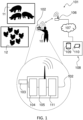
- FIG. 1 shows a first embodiment of a detection system 101 of enteric diseases in animals according to the present invention.
- the detection system 101 comprises a sensor device 102, operable by a user 10 who goes to inspect an environment with animals, namely an environment 11 (a stable for pigs) or environment 12 (a chicken coop).
- the sensor device 102 comprises suction means 103, such as a plunger, a spout, a fan etc., which are adapted to suction air from environment 11 or 12 for subsequent analysis.
- suction means 103 such as a plunger, a spout, a fan etc.
- the sensor device 102 further comprises sensor means 104, which are configured to determine information about the type and concentration of a plurality of smelling molecules in the suctioned air and emit a signal representative of the information about the smelling molecules present in such air.
- the sensor means 104 comprise a plurality of sensors (not shown), each being adapted to analyze at least a respective type of smelling molecule.
- the sensors are MOS sensors for gases comprising at least three sensors, and preferably comprising five or more sensors.
- the senor device 102 corresponds to a device called "electronic nose”.
- the sensors of the electronic nose can be classified into hot sensors (Metal Oxide Semiconductors - MOS - and Metal Oxide Semiconductor Field Effect Transitor -MOSFET) and cold sensors (Conductive polymers - CP - and Quartz Crystal Microbalance - QCM).
- the electronic nose can emulate the human olfactory system, providing a unique mark of a particular smell, allowing the subsequent recognition thereof.
- MOS Metal Oxide Semiconductor
- sensors consist of three layers: ceramic substrate, heating wire, metal oxide semiconductor film.
- MOS sensor The principle of operation of MOS sensor is based on conductivity changes induced by superficial reactions due to the adsorption of the gas analyzed. Due to the different temperatures (150 to 500 °C) at which the sensors work, they are sensitive to various gases. The change in resistance recorded and correlated to the adsorbed compounds is caused by the exchange of oxygen between the volatile molecules and the metal oxide film.
- the sensor device 102 comprises at least three sensors, and more in particular five or more sensors, selected from any of the following adapted to identify: Toluene, NO 2 , Benzene, H 2 , Propane, CH 4 , CO, H 2 S and aromatic, CH 4 at a high concentration.
- the sensors that are more sensitive to the molecules present in the ambient air of livestock farms are those for nitrogen oxides, CH 4 and light hydrocarbons, sulfur compounds, CO and aromatic.
- the sensor device 102 is adapted to emit a signal representative of information about the smelling molecules present in the air analyzed.
- the detection system 101 further comprises a transmission device 105 configured to convey the signal representative of smelling molecules and transmit it.
- the transmission device 105 is configured to provide a bi-directional data exchange connection.
- the transmission device 105 is a WiFi module configured to connect to the Internet network 107 through the Access Point 106.
- the detection system 101 comprises a processing device 108 configured to receive and process the signal representative of the smelling molecules, detecting a risk of enteric diseases in the animals.
- the risk of enteric disease is in fact associated with the information detected about the type and concentration of the smelling molecules, as will be explained in more detail hereinafter.
- the processing device 108 further comprises a memory 109, in which reference data relating to the type and concentration of smelling molecules, in enteric disease cases in animals are stored.
- Memory 109 is operatively associated with a processor 110 of the processing device 108, so as to compare the information gathered by the sensor device 102 about the type and concentration of said smelling molecules with the reference data stored.
- processor 110 is adapted to differentiate the risk of enteric diseases in animals by comparing a concentration of at least one or preferably several types of smelling molecules with respect to the reference values in the reference data stored.
- the detection system 110 preferably using hot MOS sensors of the sensor device 102, is therefore able to provide a unique mark of the enteric disease that occurs in the animal population monitored. Due to the high sensitivity of the sensor device 102, the onset of the enteric disease can be identified before it becomes apparent within a larger breeding group. Hence the value of the detection system 101 as an early warning able to intervene early to contain the spread of the disease. In this way, it is thought to significantly reduce the use of antibiotics in livestock, thus improving the healthiness of meat for consumers, reducing the environmental impact, costs and reducing the phenomenon of antibiotic resistance.
- the processing device 108 is further adapted to store information transmitted thereto about the type and concentration of said smelling molecules by associating them with the reference data for subsequent analysis. In this way, a statistical basis for enteric disease risk data can be populated, thus improving the reliability of the detection method.
- the detection system 101 can record values previously read and store them, so as to build a set of increasingly precise reference data to correctly classify the subsequent detections. Then, the detection system 101 is able to implement a form of self-learning (capacity of an electronic device to change its behavior according to the impulses it receives from the outside) and improve itself, as will be explained in more detail hereinafter.
- self-learning capacity of an electronic device to change its behavior according to the impulses it receives from the outside
- the detection system 101 further comprises a signaling device 111, configured to alert the user 10 of the risk of enteric diseases in animals 11 or 12.
- this signaling device comprises a display positioned on the sensor device 102.
- a display positioned on the sensor device 102.
- such display provides a synthetic indication, such as a "traffic light" with three levels depending on the risk of existence of enteric disease in the population, or other display modes.
- the sensor device 102 can be updated with new data and functions through the Internet connection 106 and 107.
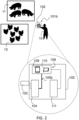
- FIG. 2 shows a second embodiment of a detection system 101b of enteric diseases in animals according to the present invention.
- the detection system 101b comprises all the elements of the system described above, replacing the wireless connection of the transmission device with a wired connection 105b.
- the detection system 101b consists of an all in one independent embodiment adaped to operate also without Internet connections.
- the embodiment of the detection system 101b, while being more practical, is more expensive as it requires a dedicated processing device 108.
- the detection method of enteric diseases in animals provides for suctioning air from an environment with said animals; determining by means of sensor means information about the type and concentration of a plurality of smelling molecules in the air; detecting a risk of enteric diseases associated with the information about the type and concentration of smelling molecules; reporting to a user a risk of enteric diseases in the animals.
- the information about the type and concentration of the smelling molecules are compared with reference data stored and referred to enteric disease cases in animals, preferably by differentiating enteric diseases in animals by comparing a concentration of at least one or preferably several types of smelling molecules with respect to reference values of the reference data.
- the dataset becomes increasingly reliable in properly classifying the samples in the infected and uninfected category.
- the detecting system transmits to the processing device, at predefined times, the detections of the sensors in the form of electrical signal (resistance) in ohms.
- These measures are analyzed through a PCA model that, explaining the variance thereof, places them in two different areas of the multivariate space created.
- Such positions represent the uninfected and the infected animals according to a conventional diagnostic reference system (gold standard).
- the multivariate space in both situations is compacted, becoming increasingly defined as data arrives to the server, thus making the analysis increasingly targeted and accurate for the pathology and breeding (self-learning).
- the system allows an early warning on enteric diseases; in fact, the system is able to detect changes in smell as soon as they occur and long before the possibility of a clinical diagnosis, and thus before the enteric diseases arise.
- enteric diseases associated with coccidiosis are detected, particularly in livestock.
- the experimental test of the method according to the present invention lasted a total of 45 days.
- the sample animals were bred in two identical separate rooms, both equipped with automatic control of ventilation.
- the chicks in one of the room called “C3” were fed with a commercial feed for broilers with the addition of coccidiostat, as happens in the intensive farming of broiler chicken.
- the chicks in the second room called “C4" were fed with feed free of coccidiostat as provided by the organic method of production of broiler chicken.
- the detection method of the present invention provides for the use of a sensor device of the "electronic nose" type according to the EN 13725 (UNI-CEN, 2003) standard, i.e. the collection of the samples was done using a "lung pump".
- This type of pump consists of a rigid frame provided with a waterproof cover and connected to a vacuum pump.
- the Nalophan bag is placed inside, a material expressly designated for measuring smell in the air (UNI-CEN, 2003), which fills with the sample air due to the vacuum created by the operation of the vacuum pump. Sampling was performed, in both rooms, throughout the lifecycle (45 days) with a weekly frequency in synchronization with the removal of the litter for the oocyst count.
- the air samples were then analyzed in the laboratory by using an electronic nose made of a sampling unit, 10 hot metal oxide MOS sensors and data management and storage software.
- the graphs represent the signal detected by each of the hot MOS sensors described with reference to the sensor device 102.
- the analysis of the main graph components shows that in the presence of coccidiosis (room C4), the air sampled in the environment is different from that collected from room C3. This is confirmed by the weekly count of oocysts contained in the animals' feces: room C4 day +14, number of oocysts/gram 37,300 vs total absence of oocysts/gram in group C3.
- the two air samples ( fig. 4 , represented with x) collected in the factory farming in the first week were classified as not infected, while the other four ( fig. 4 represented with o for week 4 and with ⁇ for week 5) as being infected.
- the classification was confirmed by the subsequent oocyst counts, equal to 0 for the litter sample of the first week, fifty thousand for the sample of the fourth week and ten thousand for the sample of the fifth week.
- the method is meant to be validated for all enteric diseases of bird species and other livestock (including mammals).
- the detection system has been described in two exemplary embodiments, a distributed one where a remote processing server is used, and an "all in one" where the method is executed by a single device.
- a remote processing server is used
- an "all in one" where the method is executed by a single device.
- the method of the present invention may be advantageously implemented in part by a computer program which comprises encoding means for executing one or more steps of the method, when this program is run on a computer. Therefore, it is understood that the scope of protection extends to said computer program and moreover to computer-readable means which comprise a recorded message, said computer-readable means comprising program encoding means for executing one or more steps of the method when said program is run on a computer.
Landscapes
- Health & Medical Sciences (AREA)
- Life Sciences & Earth Sciences (AREA)
- Chemical & Material Sciences (AREA)
- Engineering & Computer Science (AREA)
- Pathology (AREA)
- General Health & Medical Sciences (AREA)
- Physics & Mathematics (AREA)
- General Physics & Mathematics (AREA)
- Biochemistry (AREA)
- Analytical Chemistry (AREA)
- Immunology (AREA)
- Molecular Biology (AREA)
- Heart & Thoracic Surgery (AREA)
- Medical Informatics (AREA)
- Veterinary Medicine (AREA)
- Surgery (AREA)
- Animal Behavior & Ethology (AREA)
- Biomedical Technology (AREA)
- Public Health (AREA)
- Combustion & Propulsion (AREA)
- Food Science & Technology (AREA)
- Medicinal Chemistry (AREA)
- Biophysics (AREA)
- Physiology (AREA)
- Chemical Kinetics & Catalysis (AREA)
- Electrochemistry (AREA)
- Environmental Sciences (AREA)
- Psychiatry (AREA)
- Endocrinology (AREA)
- Gastroenterology & Hepatology (AREA)
- Artificial Intelligence (AREA)
- Computer Vision & Pattern Recognition (AREA)
- Signal Processing (AREA)
- Microelectronics & Electronic Packaging (AREA)
- Animal Husbandry (AREA)
- Biodiversity & Conservation Biology (AREA)
- Investigating Or Analysing Biological Materials (AREA)
- Radiation-Therapy Devices (AREA)
- Catching Or Destruction (AREA)
- Peptides Or Proteins (AREA)
Description
- The present invention relates to detection system of enteric diseases, in particular in animals, and to a relating detection method of enteric diseases, in particular in animals. In general, the present invention relates to detection systems of diseases in animals, in particular in farm animals, aimed at monitoring the health of the population.
- Enteric diseases are present in all species of zootechnical interest (e.g. poultry, rabbits, pigs, cattle and sheeps and goats); at present, if there are no specific vaccines, they are only diagnosed at the onset of clinical symptoms (usually diarrhea) and then treated with antibiotics or pesticides.
- An example of enteric disease is coccidiosis, which is a parasitic disease caused by the development and multiplication of protozoa called coccidia, obligate parasites that colonize the intestine epithelial cells. Coccidiosis, in sub clinical form, can cause the reduction of the production performance without obvious symptoms, while in the cases of full-blown pathology it can cause hemorrhagic diarrhea, up to the death of a large number of subjects if nothing is done in a timely manner.
- From an economic point of view, the damage caused by coccidiosis cause heavy losses both in breeding of commercial birds (broilers, turkeys, hens) and in all other species of zootechnical interest where coccidiosis has a relevant health impact.
- Currently, the prophylaxis and treatment of coccidiosis are implemented with:
- 1) vaccines: expensive, not readily applicable and not always available for all animal species.
- 2) molecules with coccidiostatic and anti-coccidiosis action: administered in food throughout the cycle as it normally occurs in broilers and rabbits, with the exception of the pre-slaughter withdrawal period of 7 days. This usage involves the continuous administration of molecules that, if not properly alternated, can induce resistance in coccidia, in addition to having high costs and the need for dedicated silos.
- 3) Short term therapies may be needed in cases of sub-clinical/clinical coccidiosis in farms where prophylaxis has not been effective. In these cases, the withdrawal period from the drug can delay the slaughter of the animal, with additional cost and production inconvenience. In laying hen breeding, however, anti-coccidiosis drugs cannot be administered; for this reason, the prevention and control of coccidiosis must be applied in the pullet chain.
- The only currently possible early diagnosis of coccidiosis involves a periodic count of oocysts in faeces and/or the euthanization of some subjects to assess the presence of coccidia in several sections of the intestine, removed from the animal. This method exhibits problems both from a practical point of view, because the method is within the reach of only a few laboratories, and as regards ethics.
- The methods of detection of intestinal infections are varied and not always effective, especially for an early diagnosis of intestinal diseases.
- The object of the present invention is to provide a system for the early diagnosis of enteric diseases and a relating detection method of enteric diseases that solve some drawbacks of the prior art.
- In particular, the object of the present invention is to propose a system and method of detection of enteric diseases in animals that will effectively control the onset of diseases, in particular for optimizing the profitability of livestock farms.
- Another object of the present invention is to propose a system and method of detection of enteric diseases in livestock that allow early detection of the onset of enteric diseases.
- It is therefore an object of the present invention to propose a system and method of detection of enteric diseases in animals, which are practical and fast for the user who carries out detection, being desirable from an operational point of view.
- These and other objects of the present invention are achieved by a detection system of enteric diseases in animals, and a relating method, incorporating the features of the appended claims which form an integral part of the present description.
- A general idea underlying the present invention is to provide a detection system of enteric diseases in animals, comprising: a sensor device comprising suction means for suctioning air from an environment where the animals are and sensor means configured to determine information about the type and concentration of a plurality of smelling molecules in the air and further configured to emit a signal representative of the information of smelling molecules; a transmission device configured to convey the signal representative of the smelling molecules; a processing device configured to receive and process the signal representative of smelling molecules, detecting a risk of enteric diseases in the animals associated with the information about the type and concentration of smelling molecules; a signaling device configured to report to a user the risk of enteric diseases in the animals.
- A further general idea underlying the present invention is to provide a detection method of enteric diseases in animals, comprising: suctioning air from an environment with animals therein; determining by means of sensor means information about the type and concentration of a plurality of smelling molecules in the air; detecting a risk of enteric diseases in the animals associated with the information about the type and concentration of smelling molecules; reporting to a user the risk of enteric diseases in the animals.
- In general, a system according to the present invention is adapted to implement the detection method of enteric diseases in animals.
- In general, the system and method according to the present invention allow detecting the onset of enteric diseases, particularly in livestock, reducing economic losses for breeders. In fact, the device detects a unique mark of the smell corresponding to the onset of an enteric disease (for example, coccidia and other intestinal tropism pathogens, particularly in breeding bird species and other livestock, such as mammals). In addition, the system and method according to the present invention allow an early detection of the onset of enteric diseases, especially in livestock, constituting therefore an "early warning" for the breeder.
- In addition, the system and method according to the present invention are practical and fast for the breeder, both from an operating and a practical point of view.
- This system is particularly advantageous in farms with a large number of heads. Further objects and advantages of the present invention will appear clearly from the following detailed description of some embodiment examples, made by way of non-limiting explanation.
- These embodiments are described with reference to the accompanying drawings, also provided purely by way of non-limiting example, in which:
-
Figure 1 shows a first embodiment of a detection system of enteric diseases in animals according to the present invention. -
Figure 2 shows a second embodiment of a detection system of enteric diseases in animals according to the present invention. -
Figure 3 shows an exemplification graph of experimental data in relation to the detection method of enteric diseases in animals according to the present invention. -
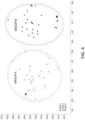
Figure 4 shows a second exemplification graph of experimental data in relation to the detection method of enteric diseases in animals according to the present invention, obtained with linear discriminant analysis (LDA). - Where appropriate, similar or identical elements in different figures are indicated by the same or similar reference numerals.
- The example in
Figure 1 shows a first embodiment of adetection system 101 of enteric diseases in animals according to the present invention. - The
detection system 101 comprises asensor device 102, operable by auser 10 who goes to inspect an environment with animals, namely an environment 11 (a stable for pigs) or environment 12 (a chicken coop). - The
sensor device 102 comprises suction means 103, such as a plunger, a spout, a fan etc., which are adapted to suction air fromenvironment - The
sensor device 102 further comprises sensor means 104, which are configured to determine information about the type and concentration of a plurality of smelling molecules in the suctioned air and emit a signal representative of the information about the smelling molecules present in such air. - The sensor means 104 comprise a plurality of sensors (not shown), each being adapted to analyze at least a respective type of smelling molecule. The sensors are MOS sensors for gases comprising at least three sensors, and preferably comprising five or more sensors.
- In general, the
sensor device 102 corresponds to a device called "electronic nose". - In fact, in response to the growing demand for objective sensory analysis, instruments have been developed which are capable of measuring, characterizing and transforming subjective information into objective and measurable data, starting from the volatile aromas. The "electronic nose" is a device which, using different non-specific chemical sensors, does not recognize the different substances individually, but identifies and creates an olfactory mark (using a pattern recognition system) of the mixture analyzed. These sensors are able to alter their electrical characteristics in the presence of the different volatile compounds, thereby providing a diversified electrical signal in response to the concentration of the different classes of volatile compounds present in the mixture. The sensors of the electronic nose can be classified into hot sensors (Metal Oxide Semiconductors - MOS - and Metal Oxide Semiconductor Field Effect Transitor -MOSFET) and cold sensors (Conductive polymers - CP - and Quartz Crystal Microbalance - QCM). The electronic nose can emulate the human olfactory system, providing a unique mark of a particular smell, allowing the subsequent recognition thereof.
- In particular, MOS (Metal Oxide Semiconductor) sensors consist of three layers: ceramic substrate, heating wire, metal oxide semiconductor film.
- The principle of operation of MOS sensor is based on conductivity changes induced by superficial reactions due to the adsorption of the gas analyzed. Due to the different temperatures (150 to 500 °C) at which the sensors work, they are sensitive to various gases. The change in resistance recorded and correlated to the adsorbed compounds is caused by the exchange of oxygen between the volatile molecules and the metal oxide film.
- The
sensor device 102 comprises at least three sensors, and more in particular five or more sensors, selected from any of the following adapted to identify: Toluene, NO2, Benzene, H2, Propane, CH4, CO, H2S and aromatic, CH4 at a high concentration. In particular, the sensors that are more sensitive to the molecules present in the ambient air of livestock farms are those for nitrogen oxides, CH4 and light hydrocarbons, sulfur compounds, CO and aromatic. - As mentioned, the
sensor device 102 is adapted to emit a signal representative of information about the smelling molecules present in the air analyzed. - The
detection system 101 further comprises atransmission device 105 configured to convey the signal representative of smelling molecules and transmit it. - Preferably, the
transmission device 105 is configured to provide a bi-directional data exchange connection. In the example inFigure 1 , thetransmission device 105 is a WiFi module configured to connect to theInternet network 107 through the AccessPoint 106. - In addition, the
detection system 101 comprises aprocessing device 108 configured to receive and process the signal representative of the smelling molecules, detecting a risk of enteric diseases in the animals. The risk of enteric disease is in fact associated with the information detected about the type and concentration of the smelling molecules, as will be explained in more detail hereinafter. - The
processing device 108 further comprises amemory 109, in which reference data relating to the type and concentration of smelling molecules, in enteric disease cases in animals are stored.Memory 109 is operatively associated with aprocessor 110 of theprocessing device 108, so as to compare the information gathered by thesensor device 102 about the type and concentration of said smelling molecules with the reference data stored. - In particular,
processor 110 is adapted to differentiate the risk of enteric diseases in animals by comparing a concentration of at least one or preferably several types of smelling molecules with respect to the reference values in the reference data stored. - In a preferred embodiment, the
detection system 110, preferably using hot MOS sensors of thesensor device 102, is therefore able to provide a unique mark of the enteric disease that occurs in the animal population monitored. Due to the high sensitivity of thesensor device 102, the onset of the enteric disease can be identified before it becomes apparent within a larger breeding group. Hence the value of thedetection system 101 as an early warning able to intervene early to contain the spread of the disease. In this way, it is thought to significantly reduce the use of antibiotics in livestock, thus improving the healthiness of meat for consumers, reducing the environmental impact, costs and reducing the phenomenon of antibiotic resistance. Preferably, theprocessing device 108 is further adapted to store information transmitted thereto about the type and concentration of said smelling molecules by associating them with the reference data for subsequent analysis. In this way, a statistical basis for enteric disease risk data can be populated, thus improving the reliability of the detection method. - In other words, the
detection system 101 can record values previously read and store them, so as to build a set of increasingly precise reference data to correctly classify the subsequent detections. Then, thedetection system 101 is able to implement a form of self-learning (capacity of an electronic device to change its behavior according to the impulses it receives from the outside) and improve itself, as will be explained in more detail hereinafter. - Finally, the
detection system 101 further comprises asignaling device 111, configured to alert theuser 10 of the risk of enteric diseases inanimals sensor device 102. Preferably, such display provides a synthetic indication, such as a "traffic light" with three levels depending on the risk of existence of enteric disease in the population, or other display modes. - Preferably, the
sensor device 102 can be updated with new data and functions through theInternet connection - The example in
Figure 2 shows a second embodiment of adetection system 101b of enteric diseases in animals according to the present invention. - The
detection system 101b comprises all the elements of the system described above, replacing the wireless connection of the transmission device with awired connection 105b. In this sense, thedetection system 101b consists of an all in one independent embodiment adaped to operate also without Internet connections. The embodiment of thedetection system 101b, while being more practical, is more expensive as it requires adedicated processing device 108. - In relation inter alia to
Figure 3 andFigure 4 , experimental data obtained by a detection method of enteric diseases in animals according to the present invention are now exemplified. - The detection method of enteric diseases in animals provides for suctioning air from an environment with said animals; determining by means of sensor means information about the type and concentration of a plurality of smelling molecules in the air; detecting a risk of enteric diseases associated with the information about the type and concentration of smelling molecules; reporting to a user a risk of enteric diseases in the animals.
- In particular, the information about the type and concentration of the smelling molecules are compared with reference data stored and referred to enteric disease cases in animals, preferably by differentiating enteric diseases in animals by comparing a concentration of at least one or preferably several types of smelling molecules with respect to reference values of the reference data. Following the aforementioned ability of self-learning of the system, the dataset becomes increasingly reliable in properly classifying the samples in the infected and uninfected category.
- The detecting system transmits to the processing device, at predefined times, the detections of the sensors in the form of electrical signal (resistance) in ohms. These measures are analyzed through a PCA model that, explaining the variance thereof, places them in two different areas of the multivariate space created. Such positions (see
figure 4 ) represent the uninfected and the infected animals according to a conventional diagnostic reference system (gold standard). The multivariate space in both situations is compacted, becoming increasingly defined as data arrives to the server, thus making the analysis increasingly targeted and accurate for the pathology and breeding (self-learning). - The system allows an early warning on enteric diseases; in fact, the system is able to detect changes in smell as soon as they occur and long before the possibility of a clinical diagnosis, and thus before the enteric diseases arise.
- In the embodiment of the detection method exemplified herein, enteric diseases associated with coccidiosis are detected, particularly in livestock.
- The experimental test of the method according to the present invention lasted a total of 45 days. The sample animals were bred in two identical separate rooms, both equipped with automatic control of ventilation.
- A number of 120 commercial hybrid males of broiler chickens of 1 day of age were set up, divided into 2 boxes of size 3 x 2 m; so the animals were bred at a density of 30 kg/m2 according to the management, regulated inter alia by the Council Directive "2007/43/EC minimum standards for the protection of chickens kept for meat production". As farming practices, for the first 8 days the chicks were bred under artificial mother at a T to 32 °C.
- The chicks in one of the room called "C3" were fed with a commercial feed for broilers with the addition of coccidiostat, as happens in the intensive farming of broiler chicken. The chicks in the second room called "C4" were fed with feed free of coccidiostat as provided by the organic method of production of broiler chicken.
- During the period of growth, the following parameters were detected: weekly individual weight of the animals; weight of the feed given daily; weekly feed residue to assess the food conversion index of the group (ICA); weekly count of oocysts present in the litter (5 points of pickup in the boxes) with Mc Master method.
- The detection method of the present invention provides for the use of a sensor device of the "electronic nose" type according to the EN 13725 (UNI-CEN, 2003) standard, i.e. the collection of the samples was done using a "lung pump". This type of pump consists of a rigid frame provided with a waterproof cover and connected to a vacuum pump. The Nalophan bag is placed inside, a material expressly designated for measuring smell in the air (UNI-CEN, 2003), which fills with the sample air due to the vacuum created by the operation of the vacuum pump. Sampling was performed, in both rooms, throughout the lifecycle (45 days) with a weekly frequency in synchronization with the removal of the litter for the oocyst count.
- The air samples were then analyzed in the laboratory by using an electronic nose made of a sampling unit, 10 hot metal oxide MOS sensors and data management and storage software.
- The analysis carried out on samples of air collected inside the poultry shelter, identified as C3 where coccidiosis did not develop and C4 where coccidiosis occurred, provided an interesting differentiation between the two groups, in the evolution of the smelling track in 14 days represented in the Figure.
- The graphs represent the signal detected by each of the hot MOS sensors described with reference to the
sensor device 102. - The analysis of the main graph components shows that in the presence of coccidiosis (room C4), the air sampled in the environment is different from that collected from room C3. This is confirmed by the weekly count of oocysts contained in the animals' feces: room C4 day +14, number of oocysts/gram 37,300 vs total absence of oocysts/gram in group C3.
- This analysis shows that the combination of the sensors selected can explain the variance between the two groups by 99.1% with a discriminating power (whose range is from 0 to 1) equal to a value of 0.9, indicating that the two samples belong to two different and separate classes. The sensitivity of the method was able to identify the "infected" group already with low oocyst charges (250 oocysts per gram, room C4 day D), two weeks in advance with respect to the emission peak of oocysts already commented.
- In order to verify the correct operation of the detection system also in real cases, that is, commercial factory farms, air samples were taken in a factory farm of broiler chickens, using the same sampling system above. The air samples were collected in the center of the structure, of size 50x12 m, equipped with a cross ventilation system and hosting about 10,000 commercial hybrids of broiler chicken. Sampling was performed during the first, fourth and fifth week of the production cycle, since the outbreak of a sudden flu restricted access to breeding. Concurrently, litter samples were collected for the oocyst counts with the Mc Master method.
- The data collected during the previous experimental test were used as reference values, dividing them into two clouds corresponding to infected animals (Group B) and uninfected animals (Group A) from coccidiosis, regardless of the number of oocysts. The division was done by linear discriminant analysis (LDA analysis), which was effective in distinguishing the two groups, as shown in
Figure 4 . - an LDA normalization
- there is a 6.18& variance in the ordinate and a 50.56% variance in the abscissa, for total variance of 56.738%.
- The two air samples (
fig. 4 , represented with x) collected in the factory farming in the first week were classified as not infected, while the other four (fig. 4 represented with o forweek 4 and with Δ for week 5) as being infected. The classification was confirmed by the subsequent oocyst counts, equal to 0 for the litter sample of the first week, fifty thousand for the sample of the fourth week and ten thousand for the sample of the fifth week. - These new data are stored by the system that will build increasingly dense and precise "clouds". In other words, the detection system is able to self-learn.
- In perspective, the method is meant to be validated for all enteric diseases of bird species and other livestock (including mammals).
- It is clear that many variations to the system exemplified are possible to the man skilled in the art.
- For example, the detection system has been described in two exemplary embodiments, a distributed one where a remote processing server is used, and an "all in one" where the method is executed by a single device. The man skilled in the art can appreciate that what has been described only corresponds to illustrative, non-limiting possibilities, and that other variants of the detection system are easily conceivable considering the present description.
- The method of the present invention may be advantageously implemented in part by a computer program which comprises encoding means for executing one or more steps of the method, when this program is run on a computer. Therefore, it is understood that the scope of protection extends to said computer program and moreover to computer-readable means which comprise a recorded message, said computer-readable means comprising program encoding means for executing one or more steps of the method when said program is run on a computer.
- From the above description, the man skilled in the art is able to implement the object of the invention without introducing any further construction details.
Claims (10)
- Detection system (101, 101b) for detecting the onset of enteric diseases in livestock, comprising:- a sensor device (102) comprising suction means (103) configured for suctioning air from an environment (11, 12) with said livestock, wherein said environment (11, 12) is a stable for pigs or a chicken coop, sensor means (104) configured to determine information about the type and concentration of a plurality of smelling molecules in said air and further configured to emit a signal representative of said information of smelling molecules;- a transmission device (105) configured to convey said signal representative of smelling molecules;- a processing device (108) of the self-learning type configured to receive and process said signal representative of smelling molecules, detecting a risk of enteric diseases in said livestock associated with said information about the type and concentration of said smelling molecules before said enteric diseases arise;- a signaling device (111) configured to report to a user (10) said risk of enteric diseases in said livestock,wherein said processing device (108) further comprises a memory (109) adapted to contain reference data by type and concentration of smelling molecules for enteric disease cases in said livestock, and a processor (110) adapted to compare said information about the type and concentration of said smelling molecules with said reference data, wherein said sensor means (104) comprise at least three MOS sensors for gases adapted to identify nitrogen oxides, CH4 and light hydrocarbons, sulfur compounds, CO and aromatics.
- System according to claim 1, wherein said processing device (108) is further adapted to store said information about the type and concentration of said smelling molecules by associating them with said reference data for subsequent analysis.
- System according to claim 1 or 2, comprising five or more sensors.
- System according to any one of claims 1 to 3, wherein said transmission device (105) comprises a bi-directional data exchange connection, preferably an Internet connection (107), more preferably a wireless Internet connection (106, 107).
- Detection method of enteric diseases in livestock for monitoring the health of the population in order to provide an early detection of the onset of enteric diseases, comprising providing a detection system (101, 101b) according to any one of claims 1 to 4, wherein said system is used for:- suctioning (103) air from an environment (11, 12) with said livestock, wherein said environment (11, 12) is a stable for pigs or a chicken coop;- determining by means of sensor means (104) information about the type and concentration of a plurality of smelling molecules in said air;- detecting (108) a risk of enteric diseases in said livestock associated with said information about the type and concentration of said smelling molecules before said enteric diseases arise;- reporting (111) to a user said risk of enteric diseases in said livestock, further comprising- comparing (110) said information about the type and concentration of said smelling molecules with reference data stored (109) and concerning enteric disease cases in livestock.
- Method according to claim 5, wherein said information about the type and concentration of said smelling molecules are stored (109) by associating them with said reference data for subsequent analysis.
- Method according to any one of claims 5 to 6, comprising exchanging data (105, 106, 107) representative of smelling molecules between multiple electronic devices, preferably using an Internet connection (107), more preferably using a wireless Internet connection (106, 107).
- Detection method according to any one of claims 5 to 7, wherein enteric diseases associated with coccidiosis are detected in livestock.
- Computer program comprising program coding means adapted to execute the steps of the method of claims 5 to 8 when said program is run on a system according to any one of claims 1-4.
- Computer-readable means comprising a recorded program, said computer- readable means comprising program coding means adapted to execute the steps of the method of claims 5 to 8, when said program is run on a system according to any one of claims 1-4.
Applications Claiming Priority (2)
| Application Number | Priority Date | Filing Date | Title |
|---|---|---|---|
| ITUA2016A004230A ITUA20164230A1 (en) | 2016-06-09 | 2016-06-09 | ENTERICAL PATHOLOGIES DETECTION SYSTEM, IN PARTICULAR IN ANIMALS, AND RELATIVE DETECTION METHOD |
| PCT/IB2017/053397 WO2017212437A1 (en) | 2016-06-09 | 2017-06-08 | System and method for detecting enteric diseases, in particular in animals, based on odour emissions |
Publications (3)
| Publication Number | Publication Date |
|---|---|
| EP3469354A1 EP3469354A1 (en) | 2019-04-17 |
| EP3469354C0 EP3469354C0 (en) | 2024-02-14 |
| EP3469354B1 true EP3469354B1 (en) | 2024-02-14 |
Family
ID=57133311
Family Applications (1)
| Application Number | Title | Priority Date | Filing Date |
|---|---|---|---|
| EP17748565.3A Active EP3469354B1 (en) | 2016-06-09 | 2017-06-08 | System and method for detecting enteric diseases, in particular in animals, based on odour emissions |
Country Status (6)
| Country | Link |
|---|---|
| US (1) | US11067555B2 (en) |
| EP (1) | EP3469354B1 (en) |
| CN (1) | CN109416351B (en) |
| BR (1) | BR112018075576A2 (en) |
| IT (1) | ITUA20164230A1 (en) |
| WO (1) | WO2017212437A1 (en) |
Families Citing this family (5)
| Publication number | Priority date | Publication date | Assignee | Title |
|---|---|---|---|---|
| ITUA20164230A1 (en) * | 2016-06-09 | 2017-12-09 | Univ Degli Studi Milano | ENTERICAL PATHOLOGIES DETECTION SYSTEM, IN PARTICULAR IN ANIMALS, AND RELATIVE DETECTION METHOD |
| CN109957599A (en) * | 2019-03-01 | 2019-07-02 | 浙江工商大学 | A method for detecting the growth state of artificial intestinal microorganisms |
| JP6828928B1 (en) * | 2020-02-28 | 2021-02-10 | 株式会社Eco‐Pork | Livestock disease management system, livestock disease management server, livestock disease management method, and livestock disease management program |
| CN112229668B (en) * | 2020-09-10 | 2024-07-26 | 宠米(北京)科技有限公司 | Portable pet excrement monitoring equipment |
| CN118585945B (en) * | 2024-08-07 | 2024-10-22 | 广东省农业科学院植物保护研究所 | Management method, system and storage medium of natural enemy insect production equipment |
Family Cites Families (24)
| Publication number | Priority date | Publication date | Assignee | Title |
|---|---|---|---|---|
| GB9411515D0 (en) * | 1994-06-09 | 1994-08-03 | Aromascan Plc | Detecting bacteria |
| GB9417913D0 (en) * | 1994-09-06 | 1994-10-26 | Univ Leeds | Odour sensor |
| US5788833A (en) * | 1995-03-27 | 1998-08-04 | California Institute Of Technology | Sensors for detecting analytes in fluids |
| US5571401A (en) * | 1995-03-27 | 1996-11-05 | California Institute Of Technology | Sensor arrays for detecting analytes in fluids |
| WO1997008337A1 (en) * | 1995-08-25 | 1997-03-06 | Unipath Limited | Methods and apparatus for detecting microorganisms |
| US6495892B2 (en) * | 1997-08-08 | 2002-12-17 | California Institute Of Technology | Techniques and systems for analyte detection |
| JP4482228B2 (en) * | 1998-04-09 | 2010-06-16 | カリフォルニア・インスティテュート・オブ・テクノロジー | Electronic technology for analyte detection |
| US6844197B1 (en) * | 1998-04-17 | 2005-01-18 | California Institute Of Technology | Method for validating that the detection ability of a sensor array mimics a human nose detection ability |
| US6571603B1 (en) * | 1998-05-27 | 2003-06-03 | California Institute Of Technology | Method of resolving analytes in a fluid |
| US6461306B1 (en) * | 1998-06-15 | 2002-10-08 | The Trustees Of The University Of Pennsylvania | Diagnosing intrapulmonary infection and analyzing nasal sample |
| JP2002518668A (en) * | 1998-06-19 | 2002-06-25 | カリフォルニア インスティチュート オブ テクノロジー | Detection of trace amounts of analytes using artificial olfactometry |
| ATE444481T1 (en) * | 1998-11-16 | 2009-10-15 | California Inst Of Techn | SIMULTANEOUS DETERMINATION OF EQUILIBRIUM AND KINETIC PROPERTIES |
| US6631333B1 (en) * | 1999-05-10 | 2003-10-07 | California Institute Of Technology | Methods for remote characterization of an odor |
| US6408250B1 (en) * | 1999-08-10 | 2002-06-18 | Battelle Memorial Institute | Methods for characterizing, classifying, and identifying unknowns in samples |
| US6305214B1 (en) * | 1999-08-26 | 2001-10-23 | Sensor Tek, Llc | Gas sensor and methods of forming a gas sensor assembly |
| US6895338B2 (en) * | 2000-03-10 | 2005-05-17 | Smiths Detection - Pasadena, Inc. | Measuring and analyzing multi-dimensional sensory information for identification purposes |
| GB0109572D0 (en) * | 2001-04-19 | 2001-06-06 | Univ Cranfield | Detector assembly for monitoring disease odours |
| AU2003220065A1 (en) * | 2002-03-04 | 2003-09-22 | Cyrano Sciences, Inc. | Detection, diagnosis, and monitoring of a medical condition or disease with artificial olfactometry |
| WO2011112222A2 (en) * | 2009-12-15 | 2011-09-15 | Nomadics, Inc. | Multi-analyte detection system and method |
| US8453601B2 (en) * | 2011-05-19 | 2013-06-04 | C-Lock Inc. | Vaccine and health-related applications for ruminant breath monitoring system |
| AU2013204332B2 (en) * | 2012-04-16 | 2015-07-16 | Commonwealth Scientific And Industrial Research Organisation | Methods and systems for detecting an analyte or classifying a sample |
| EP2873971A1 (en) * | 2013-07-01 | 2015-05-20 | Universiti Putra Malaysia | An artificial olfactory system and an application thereof |
| CN103983783B (en) * | 2014-06-10 | 2016-03-23 | 江苏出入境检验检疫局动植物与食品检测中心 | A kind of kit and application thereof detecting pathogenic bacteria |
| ITUA20164230A1 (en) * | 2016-06-09 | 2017-12-09 | Univ Degli Studi Milano | ENTERICAL PATHOLOGIES DETECTION SYSTEM, IN PARTICULAR IN ANIMALS, AND RELATIVE DETECTION METHOD |
-
2016
- 2016-06-09 IT ITUA2016A004230A patent/ITUA20164230A1/en unknown
-
2017
- 2017-06-08 US US16/308,195 patent/US11067555B2/en active Active
- 2017-06-08 BR BR112018075576-1A patent/BR112018075576A2/en active Search and Examination
- 2017-06-08 CN CN201780042089.XA patent/CN109416351B/en active Active
- 2017-06-08 EP EP17748565.3A patent/EP3469354B1/en active Active
- 2017-06-08 WO PCT/IB2017/053397 patent/WO2017212437A1/en not_active Ceased
Also Published As
| Publication number | Publication date |
|---|---|
| EP3469354C0 (en) | 2024-02-14 |
| US11067555B2 (en) | 2021-07-20 |
| WO2017212437A1 (en) | 2017-12-14 |
| EP3469354A1 (en) | 2019-04-17 |
| CN109416351A (en) | 2019-03-01 |
| ITUA20164230A1 (en) | 2017-12-09 |
| CN109416351B (en) | 2022-03-08 |
| BR112018075576A2 (en) | 2019-03-19 |
| US20190302074A1 (en) | 2019-10-03 |
Similar Documents
| Publication | Publication Date | Title |
|---|---|---|
| Wagner et al. | Machine learning to detect behavioural anomalies in dairy cows under subacute ruminal acidosis | |
| US11067555B2 (en) | System and method for detecting enteric diseases, in particular in animals, based on odour emissions | |
| KR102035672B1 (en) | Apparatus for monitoring location and behavior of cattle and method thereof | |
| CN104077550B (en) | The method and system that a kind of health index for realizing animal behavior monitoring is evaluated | |
| Murillo et al. | Parasitic mites alter chicken behaviour and negatively impact animal welfare | |
| Sun et al. | A systematic review of automatic health monitoring in calves: Glimpsing the future from current practice | |
| KR102165891B1 (en) | Livestock data analysis-based farm health state diagnosis system | |
| US20100198024A1 (en) | Vitality meter for health monitoring of anonymous animals in livestock groups | |
| US20140155756A1 (en) | System and methods for health monitoring of anonymous animals in livestock groups | |
| Marchewka et al. | The transect method: a novel approach to on-farm welfare assessment of commercial turkeys | |
| Wallgren et al. | Rearing pigs with intact tails—Experiences and practical solutions in Sweden | |
| Grilli et al. | A pilot study to detect coccidiosis in poultry farms at early stage from air analysis | |
| JP7525767B2 (en) | Livestock disease management system, livestock disease management server, livestock disease management method, and livestock disease management program | |
| Goharshahi et al. | Monitoring selected behaviors of calves by use of an ear-attached accelerometer for detecting early indicators of diarrhea | |
| TWI776299B (en) | Artificial intelligence system for use in a poultry house | |
| US20150359200A1 (en) | Infrared thermography and behaviour information for identification of biologically important states in animals | |
| Bus et al. | Circadian rhythms and diurnal patterns in the feed intake behaviour of growing-finishing pigs | |
| Krug et al. | Creating a model to detect dairy cattle farms with poor welfare using a national database | |
| Fielding et al. | Spatial and temporal variation in proximity networks of commercial dairy cattle in Great Britain | |
| Bushby et al. | Early detection of bovine respiratory disease in pre-weaned dairy calves using sensor based feeding, movement, and social behavioural data | |
| Gao et al. | Impact of meteorological factors on the prevalence of porcine pasteurellosis in the southcentral of Mainland China | |
| Foldager et al. | Random forests prediction of daily eating time of dairy cows from 3-dimensional accelerometer and radiofrequency identification | |
| Oh et al. | A sampling and estimation method for monitoring poultry red mite (Dermanyssus gallinae) infestation on caged-layer poultry farms | |
| Mahfuz et al. | Applications of smart technology as a sustainable strategy in modern swine farming. Sustainability. 2022; 14: 2607 | |
| Labrecque et al. | Real-time individual pig tracking and behavioural metrics collection with affordable security cameras |
Legal Events
| Date | Code | Title | Description |
|---|---|---|---|
| STAA | Information on the status of an ep patent application or granted ep patent |
Free format text: STATUS: UNKNOWN |
|
| STAA | Information on the status of an ep patent application or granted ep patent |
Free format text: STATUS: THE INTERNATIONAL PUBLICATION HAS BEEN MADE |
|
| PUAI | Public reference made under article 153(3) epc to a published international application that has entered the european phase |
Free format text: ORIGINAL CODE: 0009012 |
|
| STAA | Information on the status of an ep patent application or granted ep patent |
Free format text: STATUS: REQUEST FOR EXAMINATION WAS MADE |
|
| 17P | Request for examination filed |
Effective date: 20181218 |
|
| AK | Designated contracting states |
Kind code of ref document: A1 Designated state(s): AL AT BE BG CH CY CZ DE DK EE ES FI FR GB GR HR HU IE IS IT LI LT LU LV MC MK MT NL NO PL PT RO RS SE SI SK SM TR |
|
| AX | Request for extension of the european patent |
Extension state: BA ME |
|
| RIN1 | Information on inventor provided before grant (corrected) |
Inventor name: FERRANTE, VALENTINA Inventor name: GUARINO, MARCELLA Inventor name: PASTORI, ANDREA GIOVANNI Inventor name: GRILLI, GUIDO Inventor name: FONTANA, ILARIA Inventor name: GUFFANTI, PAOLO Inventor name: BORGONOVO, FEDERICA Inventor name: TULLO, EMANUELA Inventor name: FERRARI, LORENZO |
|
| DAV | Request for validation of the european patent (deleted) | ||
| DAX | Request for extension of the european patent (deleted) | ||
| STAA | Information on the status of an ep patent application or granted ep patent |
Free format text: STATUS: EXAMINATION IS IN PROGRESS |
|
| 17Q | First examination report despatched |
Effective date: 20211208 |
|
| GRAP | Despatch of communication of intention to grant a patent |
Free format text: ORIGINAL CODE: EPIDOSNIGR1 |
|
| STAA | Information on the status of an ep patent application or granted ep patent |
Free format text: STATUS: GRANT OF PATENT IS INTENDED |
|
| RIC1 | Information provided on ipc code assigned before grant |
Ipc: A01K 29/00 20060101ALI20230830BHEP Ipc: A61B 10/00 20060101ALI20230830BHEP Ipc: G01N 33/00 20060101AFI20230830BHEP |
|
| INTG | Intention to grant announced |
Effective date: 20230926 |
|
| GRAS | Grant fee paid |
Free format text: ORIGINAL CODE: EPIDOSNIGR3 |
|
| GRAA | (expected) grant |
Free format text: ORIGINAL CODE: 0009210 |
|
| STAA | Information on the status of an ep patent application or granted ep patent |
Free format text: STATUS: THE PATENT HAS BEEN GRANTED |
|
| AK | Designated contracting states |
Kind code of ref document: B1 Designated state(s): AL AT BE BG CH CY CZ DE DK EE ES FI FR GB GR HR HU IE IS IT LI LT LU LV MC MK MT NL NO PL PT RO RS SE SI SK SM TR |
|
| REG | Reference to a national code |
Ref country code: GB Ref legal event code: FG4D |
|
| REG | Reference to a national code |
Ref country code: CH Ref legal event code: EP |
|
| REG | Reference to a national code |
Ref country code: DE Ref legal event code: R096 Ref document number: 602017079141 Country of ref document: DE |
|
| REG | Reference to a national code |
Ref country code: IE Ref legal event code: FG4D |
|
| U01 | Request for unitary effect filed |
Effective date: 20240305 |
|
| U07 | Unitary effect registered |
Designated state(s): AT BE BG DE DK EE FI FR IT LT LU LV MT NL PT SE SI Effective date: 20240312 |
|
| U20 | Renewal fee for the european patent with unitary effect paid |
Year of fee payment: 8 Effective date: 20240423 |
|
| PG25 | Lapsed in a contracting state [announced via postgrant information from national office to epo] |
Ref country code: IS Free format text: LAPSE BECAUSE OF FAILURE TO SUBMIT A TRANSLATION OF THE DESCRIPTION OR TO PAY THE FEE WITHIN THE PRESCRIBED TIME-LIMIT Effective date: 20240614 |
|
| PG25 | Lapsed in a contracting state [announced via postgrant information from national office to epo] |
Ref country code: GR Free format text: LAPSE BECAUSE OF FAILURE TO SUBMIT A TRANSLATION OF THE DESCRIPTION OR TO PAY THE FEE WITHIN THE PRESCRIBED TIME-LIMIT Effective date: 20240515 |
|
| PG25 | Lapsed in a contracting state [announced via postgrant information from national office to epo] |
Ref country code: RS Free format text: LAPSE BECAUSE OF FAILURE TO SUBMIT A TRANSLATION OF THE DESCRIPTION OR TO PAY THE FEE WITHIN THE PRESCRIBED TIME-LIMIT Effective date: 20240514 Ref country code: HR Free format text: LAPSE BECAUSE OF FAILURE TO SUBMIT A TRANSLATION OF THE DESCRIPTION OR TO PAY THE FEE WITHIN THE PRESCRIBED TIME-LIMIT Effective date: 20240214 |
|
| PG25 | Lapsed in a contracting state [announced via postgrant information from national office to epo] |
Ref country code: ES Free format text: LAPSE BECAUSE OF FAILURE TO SUBMIT A TRANSLATION OF THE DESCRIPTION OR TO PAY THE FEE WITHIN THE PRESCRIBED TIME-LIMIT Effective date: 20240214 |
|
| PG25 | Lapsed in a contracting state [announced via postgrant information from national office to epo] |
Ref country code: RS Free format text: LAPSE BECAUSE OF FAILURE TO SUBMIT A TRANSLATION OF THE DESCRIPTION OR TO PAY THE FEE WITHIN THE PRESCRIBED TIME-LIMIT Effective date: 20240514 Ref country code: NO Free format text: LAPSE BECAUSE OF FAILURE TO SUBMIT A TRANSLATION OF THE DESCRIPTION OR TO PAY THE FEE WITHIN THE PRESCRIBED TIME-LIMIT Effective date: 20240514 Ref country code: IS Free format text: LAPSE BECAUSE OF FAILURE TO SUBMIT A TRANSLATION OF THE DESCRIPTION OR TO PAY THE FEE WITHIN THE PRESCRIBED TIME-LIMIT Effective date: 20240614 Ref country code: HR Free format text: LAPSE BECAUSE OF FAILURE TO SUBMIT A TRANSLATION OF THE DESCRIPTION OR TO PAY THE FEE WITHIN THE PRESCRIBED TIME-LIMIT Effective date: 20240214 Ref country code: GR Free format text: LAPSE BECAUSE OF FAILURE TO SUBMIT A TRANSLATION OF THE DESCRIPTION OR TO PAY THE FEE WITHIN THE PRESCRIBED TIME-LIMIT Effective date: 20240515 Ref country code: ES Free format text: LAPSE BECAUSE OF FAILURE TO SUBMIT A TRANSLATION OF THE DESCRIPTION OR TO PAY THE FEE WITHIN THE PRESCRIBED TIME-LIMIT Effective date: 20240214 |
|
| PG25 | Lapsed in a contracting state [announced via postgrant information from national office to epo] |
Ref country code: PL Free format text: LAPSE BECAUSE OF FAILURE TO SUBMIT A TRANSLATION OF THE DESCRIPTION OR TO PAY THE FEE WITHIN THE PRESCRIBED TIME-LIMIT Effective date: 20240214 |
|
| PG25 | Lapsed in a contracting state [announced via postgrant information from national office to epo] |
Ref country code: PL Free format text: LAPSE BECAUSE OF FAILURE TO SUBMIT A TRANSLATION OF THE DESCRIPTION OR TO PAY THE FEE WITHIN THE PRESCRIBED TIME-LIMIT Effective date: 20240214 |
|
| PG25 | Lapsed in a contracting state [announced via postgrant information from national office to epo] |
Ref country code: SM Free format text: LAPSE BECAUSE OF FAILURE TO SUBMIT A TRANSLATION OF THE DESCRIPTION OR TO PAY THE FEE WITHIN THE PRESCRIBED TIME-LIMIT Effective date: 20240214 |
|
| PG25 | Lapsed in a contracting state [announced via postgrant information from national office to epo] |
Ref country code: CZ Free format text: LAPSE BECAUSE OF FAILURE TO SUBMIT A TRANSLATION OF THE DESCRIPTION OR TO PAY THE FEE WITHIN THE PRESCRIBED TIME-LIMIT Effective date: 20240214 |
|
| PG25 | Lapsed in a contracting state [announced via postgrant information from national office to epo] |
Ref country code: SK Free format text: LAPSE BECAUSE OF FAILURE TO SUBMIT A TRANSLATION OF THE DESCRIPTION OR TO PAY THE FEE WITHIN THE PRESCRIBED TIME-LIMIT Effective date: 20240214 |
|
| PG25 | Lapsed in a contracting state [announced via postgrant information from national office to epo] |
Ref country code: SM Free format text: LAPSE BECAUSE OF FAILURE TO SUBMIT A TRANSLATION OF THE DESCRIPTION OR TO PAY THE FEE WITHIN THE PRESCRIBED TIME-LIMIT Effective date: 20240214 Ref country code: SK Free format text: LAPSE BECAUSE OF FAILURE TO SUBMIT A TRANSLATION OF THE DESCRIPTION OR TO PAY THE FEE WITHIN THE PRESCRIBED TIME-LIMIT Effective date: 20240214 Ref country code: RO Free format text: LAPSE BECAUSE OF FAILURE TO SUBMIT A TRANSLATION OF THE DESCRIPTION OR TO PAY THE FEE WITHIN THE PRESCRIBED TIME-LIMIT Effective date: 20240214 Ref country code: CZ Free format text: LAPSE BECAUSE OF FAILURE TO SUBMIT A TRANSLATION OF THE DESCRIPTION OR TO PAY THE FEE WITHIN THE PRESCRIBED TIME-LIMIT Effective date: 20240214 |
|
| REG | Reference to a national code |
Ref country code: DE Ref legal event code: R097 Ref document number: 602017079141 Country of ref document: DE |
|
| PLBE | No opposition filed within time limit |
Free format text: ORIGINAL CODE: 0009261 |
|
| STAA | Information on the status of an ep patent application or granted ep patent |
Free format text: STATUS: NO OPPOSITION FILED WITHIN TIME LIMIT |
|
| 26N | No opposition filed |
Effective date: 20241115 |
|
| PG25 | Lapsed in a contracting state [announced via postgrant information from national office to epo] |
Ref country code: MC Free format text: LAPSE BECAUSE OF FAILURE TO SUBMIT A TRANSLATION OF THE DESCRIPTION OR TO PAY THE FEE WITHIN THE PRESCRIBED TIME-LIMIT Effective date: 20240214 |
|
| REG | Reference to a national code |
Ref country code: CH Ref legal event code: PL |
|
| GBPC | Gb: european patent ceased through non-payment of renewal fee |
Effective date: 20240608 |
|
| PG25 | Lapsed in a contracting state [announced via postgrant information from national office to epo] |
Ref country code: IE Free format text: LAPSE BECAUSE OF NON-PAYMENT OF DUE FEES Effective date: 20240608 |
|
| PG25 | Lapsed in a contracting state [announced via postgrant information from national office to epo] |
Ref country code: CH Free format text: LAPSE BECAUSE OF NON-PAYMENT OF DUE FEES Effective date: 20240630 |
|
| PG25 | Lapsed in a contracting state [announced via postgrant information from national office to epo] |
Ref country code: GB Free format text: LAPSE BECAUSE OF NON-PAYMENT OF DUE FEES Effective date: 20240608 |
|
| U20 | Renewal fee for the european patent with unitary effect paid |
Year of fee payment: 9 Effective date: 20250523 |
|
| PG25 | Lapsed in a contracting state [announced via postgrant information from national office to epo] |
Ref country code: CY Free format text: LAPSE BECAUSE OF FAILURE TO SUBMIT A TRANSLATION OF THE DESCRIPTION OR TO PAY THE FEE WITHIN THE PRESCRIBED TIME-LIMIT; INVALID AB INITIO Effective date: 20170608 |
|
| PG25 | Lapsed in a contracting state [announced via postgrant information from national office to epo] |
Ref country code: HU Free format text: LAPSE BECAUSE OF FAILURE TO SUBMIT A TRANSLATION OF THE DESCRIPTION OR TO PAY THE FEE WITHIN THE PRESCRIBED TIME-LIMIT; INVALID AB INITIO Effective date: 20170608 |