EP3468543B1 - Method for controlling neuroinflammation - Google Patents
Method for controlling neuroinflammation Download PDFInfo
- Publication number
- EP3468543B1 EP3468543B1 EP17732600.6A EP17732600A EP3468543B1 EP 3468543 B1 EP3468543 B1 EP 3468543B1 EP 17732600 A EP17732600 A EP 17732600A EP 3468543 B1 EP3468543 B1 EP 3468543B1
- Authority
- EP
- European Patent Office
- Prior art keywords
- vitamin
- composition
- neuroinflammation
- combination
- use according
- Prior art date
- Legal status (The legal status is an assumption and is not a legal conclusion. Google has not performed a legal analysis and makes no representation as to the accuracy of the status listed.)
- Active
Links
Images

Classifications
-
- A—HUMAN NECESSITIES
- A61—MEDICAL OR VETERINARY SCIENCE; HYGIENE
- A61K—PREPARATIONS FOR MEDICAL, DENTAL OR TOILETRY PURPOSES
- A61K31/00—Medicinal preparations containing organic active ingredients
- A61K31/59—Compounds containing 9, 10- seco- cyclopenta[a]hydrophenanthrene ring systems
- A61K31/593—9,10-Secocholestane derivatives, e.g. cholecalciferol, i.e. vitamin D3
-
- A—HUMAN NECESSITIES
- A61—MEDICAL OR VETERINARY SCIENCE; HYGIENE
- A61K—PREPARATIONS FOR MEDICAL, DENTAL OR TOILETRY PURPOSES
- A61K31/00—Medicinal preparations containing organic active ingredients
- A61K31/045—Hydroxy compounds, e.g. alcohols; Salts thereof, e.g. alcoholates
- A61K31/07—Retinol compounds, e.g. vitamin A
-
- A—HUMAN NECESSITIES
- A61—MEDICAL OR VETERINARY SCIENCE; HYGIENE
- A61K—PREPARATIONS FOR MEDICAL, DENTAL OR TOILETRY PURPOSES
- A61K31/00—Medicinal preparations containing organic active ingredients
- A61K31/185—Acids; Anhydrides, halides or salts thereof, e.g. sulfur acids, imidic, hydrazonic or hydroximic acids
- A61K31/19—Carboxylic acids, e.g. valproic acid
- A61K31/20—Carboxylic acids, e.g. valproic acid having a carboxyl group bound to a chain of seven or more carbon atoms, e.g. stearic, palmitic, arachidic acids
- A61K31/202—Carboxylic acids, e.g. valproic acid having a carboxyl group bound to a chain of seven or more carbon atoms, e.g. stearic, palmitic, arachidic acids having three or more double bonds, e.g. linolenic
-
- A—HUMAN NECESSITIES
- A61—MEDICAL OR VETERINARY SCIENCE; HYGIENE
- A61K—PREPARATIONS FOR MEDICAL, DENTAL OR TOILETRY PURPOSES
- A61K31/00—Medicinal preparations containing organic active ingredients
- A61K31/33—Heterocyclic compounds
- A61K31/395—Heterocyclic compounds having nitrogen as a ring hetero atom, e.g. guanethidine or rifamycins
- A61K31/435—Heterocyclic compounds having nitrogen as a ring hetero atom, e.g. guanethidine or rifamycins having six-membered rings with one nitrogen as the only ring hetero atom
- A61K31/44—Non condensed pyridines; Hydrogenated derivatives thereof
- A61K31/4415—Pyridoxine, i.e. Vitamin B6
-
- A—HUMAN NECESSITIES
- A61—MEDICAL OR VETERINARY SCIENCE; HYGIENE
- A61K—PREPARATIONS FOR MEDICAL, DENTAL OR TOILETRY PURPOSES
- A61K31/00—Medicinal preparations containing organic active ingredients
- A61K31/33—Heterocyclic compounds
- A61K31/395—Heterocyclic compounds having nitrogen as a ring hetero atom, e.g. guanethidine or rifamycins
- A61K31/495—Heterocyclic compounds having nitrogen as a ring hetero atom, e.g. guanethidine or rifamycins having six-membered rings with two or more nitrogen atoms as the only ring heteroatoms, e.g. piperazine or tetrazines
- A61K31/505—Pyrimidines; Hydrogenated pyrimidines, e.g. trimethoprim
- A61K31/519—Pyrimidines; Hydrogenated pyrimidines, e.g. trimethoprim ortho- or peri-condensed with heterocyclic rings
-
- A—HUMAN NECESSITIES
- A61—MEDICAL OR VETERINARY SCIENCE; HYGIENE
- A61K—PREPARATIONS FOR MEDICAL, DENTAL OR TOILETRY PURPOSES
- A61K31/00—Medicinal preparations containing organic active ingredients
- A61K31/70—Carbohydrates; Sugars; Derivatives thereof
- A61K31/7135—Compounds containing heavy metals
- A61K31/714—Cobalamins, e.g. cyanocobalamin, i.e. vitamin B12
-
- A—HUMAN NECESSITIES
- A61—MEDICAL OR VETERINARY SCIENCE; HYGIENE
- A61P—SPECIFIC THERAPEUTIC ACTIVITY OF CHEMICAL COMPOUNDS OR MEDICINAL PREPARATIONS
- A61P29/00—Non-central analgesic, antipyretic or antiinflammatory agents, e.g. antirheumatic agents; Non-steroidal antiinflammatory drugs [NSAID]
-
- A—HUMAN NECESSITIES
- A61—MEDICAL OR VETERINARY SCIENCE; HYGIENE
- A61K—PREPARATIONS FOR MEDICAL, DENTAL OR TOILETRY PURPOSES
- A61K31/00—Medicinal preparations containing organic active ingredients
- A61K31/13—Amines
- A61K31/14—Quaternary ammonium compounds, e.g. edrophonium, choline
-
- A—HUMAN NECESSITIES
- A61—MEDICAL OR VETERINARY SCIENCE; HYGIENE
- A61K—PREPARATIONS FOR MEDICAL, DENTAL OR TOILETRY PURPOSES
- A61K31/00—Medicinal preparations containing organic active ingredients
- A61K31/33—Heterocyclic compounds
- A61K31/335—Heterocyclic compounds having oxygen as the only ring hetero atom, e.g. fungichromin
- A61K31/35—Heterocyclic compounds having oxygen as the only ring hetero atom, e.g. fungichromin having six-membered rings with one oxygen as the only ring hetero atom
- A61K31/352—Heterocyclic compounds having oxygen as the only ring hetero atom, e.g. fungichromin having six-membered rings with one oxygen as the only ring hetero atom condensed with carbocyclic rings, e.g. methantheline
- A61K31/353—3,4-Dihydrobenzopyrans, e.g. chroman, catechin
- A61K31/355—Tocopherols, e.g. vitamin E
-
- A—HUMAN NECESSITIES
- A61—MEDICAL OR VETERINARY SCIENCE; HYGIENE
- A61K—PREPARATIONS FOR MEDICAL, DENTAL OR TOILETRY PURPOSES
- A61K31/00—Medicinal preparations containing organic active ingredients
- A61K31/33—Heterocyclic compounds
- A61K31/335—Heterocyclic compounds having oxygen as the only ring hetero atom, e.g. fungichromin
- A61K31/365—Lactones
- A61K31/375—Ascorbic acid, i.e. vitamin C; Salts thereof
Definitions
- the invention is in the field of medical nutrition and more particularly relates to compositions for use in treating or controlling and/or preventing and/or reducing the risk of (chronic or excessive) inflammation of the central nervous system (CNS).
- CNS central nervous system
- Neuroinflammation is a response of the innate immune system of the CNS that is associated with many disorders, including depression, schizophrenia, Alzheimer's disease (AD), Parkinson's disease and Multiple Sclerosis (MS), postoperative cognitive dysfunction (POCD), spinal cord injury (SCI), AIDS dementia complex (ADC), ischemia, stroke, traumatic brain injury (TBI), infection of the brain or central nervous system, brain tumours.
- Microglia cells are thought to be the main important cell type involved in neuroinflammation. Microglia are the innate immune cells of the central nervous system, which act quickly on neuroinflammation. However, prolonged activation of microglia, as in chronic or acute neuroinflammation, causes damage to brain tissue and to the blood-brain-barrier, causing neurodegenerative disorders.
- Vitamin A has been suggested to increase the content of receptor for advanced glycation end products (RAGE) in rats cerebral cortices ( Roberto de Oliviera, An. Acad. Bras. Cienc. 2015, 87(2 Suppl.), 1361-1373 ). Reference is also made to WO 2007/104030 .
- uridine and cytidine can prevent or reduce the occurrence of behavioral frontotemporal dementia ( WO 2016/072842 ).
- the combination reduces microglia activation and treats, reduced or prevents symptoms associated with excessive activation of microglia, and reduces the secretion of inflammatory cytokines.
- dosages e.g. daily dose
- dosages e.g. daily dose
- the effects achieved by the inventors are considered advantageous to therapeutically treat or prevent neuroinflammation which is considered detriment to the subject's health, thus generally referred to as 'detriment neuroinflammation'.
- Neuroinflammation is thus therapeutically controlled such that it does not cause harm to the subject's health.
- vitamins A and D including their equivalents, and DHA and EPA, are made part of a composition. These components (i), (ii) and (iii) are present in therapeutically effective amounts.
- the combination or composition for use according to the invention for use as defined in claim 1 or 2 has been found surprisingly effective in reducing NO and IL-6 release from activated microglia, which is a direct indication of reduced neuroinflammation.
- the therapeutic combination of (i) vitamin A, (ii) vitamin D and (iii) DHA and EPA was found to act synergistically, providing a marked reduction in NO and IL-6 release where the individual components in the same concentration did not show such a reduction. A clear reducing trend was observed when assessing IL-6 release, and a significant reduction in NO release was found.
- the invention concerns a composition for therapeutic use in treating, reducing and/or preventing neuroinflammation in a subject in need thereof, said composition comprising therapeutically effective amounts of (i) vitamin A, (ii) vitamin D and (iii) DHA and EPA.
- the invention also concerns a combination of (i) vitamin A and/or functional equivalents, (ii) vitamin D and/or functional equivalents, and (iii) DHA and EPA, (i), (ii) and (iii) being in therapeutically effective amounts, for therapeutic use in treating, reducing and/or preventing neuroinflammation in a subject in need thereof.
- the combination is preferably comprised in a composition and/or administered in the form of a composition.
- the (prophylactic) treatment preferably involves reducing microglia activation and/or reducing the secretion of inflammatory cytokines, preferably IL-6.
- the present combination or composition for use involves treating, reducing and/or preventing neuroinflammation in a subject in need thereof, preferably treating neuroinflammation in a subject in need thereof, particularly neuroinflammation in a subject suffering from stroke or being at increased risk of stroke, including subjects at increased risk of recurring stroke.
- NO is produced from L-arginine by a reaction catalysed by iNOS.
- the expression of iNOS is mainly activated by the transcription factor NF-kappaB.
- Excessive NO production has been shown to cause a neurotoxic effect.
- NO mediates glutamate neurotoxicity and has been shown to be present in several brain pathologies, including neurodegenerative diseases.
- the ability to suppress excessive NO release by activated immune cells is widely used as an indicator of anti-inflammatory efficacy.
- the inventors also found that the combination of vitamin A, vitamin D, EPA and DHA is effective in attenuating IL-6 release from LPS-stimulated BV-2 cells. Increased levels of IL-6 have been correlated with disease severity, and new treatment strategies for inflammatory diseases focusing on blocking IL-6 signalling are being developed.
- composition according to the invention involves administration of the composition according to the invention.
- the composition according to the invention may be used as a pharmaceutical product or a nutritional product, preferably the composition is a nutritional product or supplement.
- the composition according to the invention may be used as a pharmaceutical product comprising one or more pharmaceutically acceptable carrier materials.
- Such product may contain the daily dosages as defined below in one or more dosage units.
- the dosage unit may be in a liquid form or in a solid form, wherein in the latter case the daily dosage may be provided by one or more solid dosage units, e.g. in one or more capsules or tablets.
- the pharmaceutical product preferably for enteral application, may be a solid or liquid galenical formulation. Examples of solid galenical formulations are tablets, capsules (e.g. hard or soft shell gelatine capsules), pills, sachets, powders, granules and the like which contain the active ingredients together with conventional galenical carriers. Any conventional carrier material can be utilized.
- the carrier material can be organic or inorganic inert carrier material suitable for oral administration.
- Suitable carriers include water, gelatine, gum Arabic, lactose, starch, magnesium stearate, talc, vegetable oils, and the like. Additionally, additives such as flavouring agents, preservatives, stabilizers, emulsifying agents, buffers and the like may be added in accordance with accepted practices of pharmaceutical compounding. While the individual active ingredients are suitably administered in a single composition, they may also be administered in individual dosage units.
- the composition according to the invention may be (used as) a nutritional product, for example a nutritional supplement, which can be (used as) e.g. an additive to a normal diet, a fortifier, or a complete nutrition.
- the nutritional product preferably comprises at least one component, preferably all components, selected from the group consisting of fats, proteins, and carbohydrates. It is understood that a nutritional product differs from a pharmaceutical product by the presence of nutrients which provide nutrition to the subject to which the composition is administered, in particular the presence of protein, fat, digestible carbohydrate and/or dietary fibre.
- the product further comprises carbohydrates and/or proteins, wherein the lipid fraction provides between 10 and 95 energy % of the food product, preferably between 20 and 50 energy%, more preferably between 20 and 45 en%, even more preferably between 25 - 45 en%, most preferably 30 - 40 en%.
- the food product is a liquid composition containing more than 0.5 kcal per ml, preferably more than 0.8 kcal per ml, preferably 1.0 kcal per ml or more, or 1.5 kcal per ml or more, or even 2 kcal per ml or more.
- the food product is a liquid composition containing between 0.5 kcal per ml and 2.5 kcal, preferably between 0.5 kcal per ml and 2.5 kcal.
- composition of the invention is typically an enteral composition, i.e. intended for oral administration. It is preferably administered in liquid form.
- the composition comprises water in which the components are dissolved and/or suspended.
- the composition is preferably a liquid.
- the composition is a solid (typically a powder or a tablet, preferably a powder) which is possibly reconstitutable with a liquid, preferably with water, to obtain a liquid composition.
- Dosages of components defined therein may for example be in daily dose or in a concentration per 100 ml.
- the latter definition also applies to reconstitution powders in which case these amounts are to be determined after reconstitution with the liquid.
- the present composition or combination for use as defined in claim 1 or 2 involves (i) vitamin A, including functional equivalents thereof.
- vitamin A including functional equivalents thereof.
- Any functional form of vitamin A known in the art is suitable to be used, including retinol (in particular retinol esters), retinal, retinoic acid, beta-carotene, provitamin A, or any combination thereof.
- the composition comprises retinol, in particular retinyl acetate and/or retinyl palmitate.
- Vitamin A is advantageously administered in a daily dose of 0.05 - 3 mg/day, preferably 0.1 - 2.5 mg/day, more preferably 0.1 - 2 mg/day, even more preferably 0.5 - 1.5 mg/day, or 0.1 - 1 mg/day, even more preferably 0.2 - 0.8 mg/day, most preferably 0.2 - 0.5 mg/day.
- Doses are given based on retinol activity equivalents (RAE), for adults in particular, and the skilled person is capable to determine the dose for children. Moreover the skilled person is capable to determine the dose of a retinol equivalent.
- Retinol activity equivalent is typically defined as 1 microgram RAE being equivalent to 1 microgram retinol or 12 microgram beta-carotene.
- the amount of vitamin A in the composition or combination according to the invention is preferably such that the aforementioned daily doses are obtained.
- Such a content of vitamin A is especially suited in order to achieve the effects according to the invention, while ingesting relatively low amounts of the composition.
- Vitamin A is typically used in a therapeutically effective amount.
- the present composition or combination for use as defined in claim 1 or 2 involves (ii) vitamin D, including functional equivalents thereof.
- Vitamin D is a group of fat-soluble secosteroids responsible for enhancing intestinal absorption of calcium, iron, magnesium, phosphate and zinc.
- Vitamin D 3 also known as cholecalciferol
- vitamin D 2 ergocalciferol
- Cholecalciferol and ergocalciferol - known collectively as "calciferol” - can be ingested from the diet and from supplements.
- the body can also synthesize vitamin D (specifically cholecalciferol) in the skin, from cholesterol, when sun exposure is adequate.
- Any functional form of vitamin D known in the art is suitable to be used, including vitamin D1, vitamin D2, vitamin D3, vitamin D4, vitamin D5, or any combination thereof.
- the composition comprises vitamin D2 and/or vitamin D3, more preferably vitamin D3.
- Vitamin D also known as calciferol, comprises a group of fat-soluble secosteroids responsible for enhancing intestinal absorption of calcium, iron, magnesium, phosphate and zinc.
- Vitamin D 3 also known as cholecalciferol
- vitamin D 2 ergocalciferol
- Cholecalciferol and ergocalciferol can be ingested from the diet and from supplements.
- the body can also synthesize vitamin D (specifically cholecalciferol) in the skin, from cholesterol, when sun exposure is adequate.
- Any functional form of vitamin D known in the art is suitable to be used, including vitamin D1, vitamin D2, vitamin D3, vitamin D4, vitamin D5, or any combination thereof.
- the composition comprises vitamin D2 and/or vitamin D3, more preferably vitamin D2.
- Vitamin D is advantageously administered in a daily dose of 0.1 - 100 ⁇ g/day, preferably 1 - 50 ⁇ g/day, more preferably 1 - 25 ⁇ g/day, more preferably 1 - 20 ⁇ g/day, more preferably 5 - 15 ⁇ g/day.
- the amount of vitamin D in the composition according to the invention is preferably such that the aforementioned daily doses are obtained.
- the amount of vitamin D in the use, composition according to the invention is preferably 1.3 to 40, more preferably 1.8 to 34, most preferably 2.0 to 28 microgram per 100 g of the composition.
- Such a content of vitamin D are especially suited in order to achieve the effects according to the invention, while ingesting relatively low amounts of the composition. Vitamin D is typically used in therapeutically effective amounts.
- the present composition or combination comprises (iii) at least the omega-3 long-chain polyunsaturated fatty acids (PUFAs) docosahexaenoic acid (22:6; DHA) and eicosapentaenoic acid (20:5; EPA).
- PUFAs omega-3 long-chain polyunsaturated fatty acids
- LC-PUFAs long-chain PUFAs
- the present composition or combination contains at least therapeutically effective amounts of DHA and of EPA. DHA was found to have a significant effect on reducing NO release, but this effect was further enhanced when DHA was combined with EPA.
- the PUFA are used in combination with vitamins A and vitamin D, including their functional equivalents.
- the PUFAs are preferably provided as triglycerides, diglycerides, monoglycerides, free fatty acids or their salts or esters, phospholipids, lysophospholipids, glycerol ethers, lipoproteins, ceramides, glycolipids or combinations thereof.
- the present composition comprises at least DHA in triglyceride form.
- Suitable (n-3) PUFA sources include marine oil (e.g. fish oil, , algae oil, or krill oil), DHA-rich alkyl esters, egg yolk, or phospholipids enriched with (n-3) LC-PUFA e.g. phosphatidylserine-DHA.
- a (n-3) PUFA source is fish oil or algae oil.
- the proportion of DHA+EPA, of the total fatty acids is preferably 5 to 95 wt%, more preferably 10 to 80 wt%, most preferably 15 to 70 wt%.
- the present composition preferably comprises 5 to 95 wt% DHA based on total fatty acids, preferably 10 to 75 wt% DHA based on total fatty acids, more preferably 10 to 60 wt% DHA based on total fatty acids.
- the present composition preferably comprises 5 to 95 wt% EPA based on total fatty acids, preferably 10 to 75 wt% EPA, most preferably 15 to 60 wt%, based on total fatty acids.
- DHA and EPA are the sole fatty acid present and thus form 100 wt% of total fatty acids.
- DHA is advantageously administered in a daily dose of 0.05 - 5 g/day, preferably 0.1 - 4 g/day, more preferably 0.5 - 2 g/day, most preferably 0.5 - 1.5 g/day.
- the amount of DHA in the composition or combination according to the invention is preferably such that the aforementioned daily doses are obtained.
- EPA is advantageously administered in a daily dose of 0.1 - 5 g/day, preferably 0.5 - 4 g/day, more preferably 1 - 3 g/day, most preferably 1.3 - 1.8 g/day.
- the amount of EPA in the composition or combination according to the invention is preferably such that the aforementioned daily doses are obtained.
- the composition preferably provides for the administration of 500 to 5000 mg DHA+EPA per day, more preferably 750 to 4000 mg per day, most preferably 1000 to 3000 mg per day.
- the weight ratio of DHA to EPA is preferably between about 1:4 and about 10:1, preferably larger than 1, more preferably between about 2:1 and about 10:1, more preferably between about 3:1 and about 8:1.
- the composition may comprises n-6 PUFAs or n-6 LC-PUFAs (such as alpha-linolenic acid (ALA), linoleic acid (LA)).
- ALA alpha-linolenic acid
- LA linoleic acid
- the ALA concentration is preferably maintained at levels less than 2.0 wt%, more preferably below 1.5 wt%, particularly below 1.0 wt%, based on the weight of all fatty acids.
- LA concentrations can be maintained at 20 to 30 wt%, based on the weight of all fatty acids, although in one embodiment the LA concentration is significantly reduced to an amount of below 15 wt% and even less than 10 wt%, based on total fatty acids.
- the LA concentrations are preferably at least 1 wt% of the fatty acids.
- the weight ratio n-3 PUFAs : n-6 PUFAs in the composition according to the invention is preferably in the range of 0.3 to 7, preferably in the range of 1.4:1 to 5.9:1, more preferably in the range of 3:1 to 5.5:1, most preferably in the range of 3:1 to 5:1, in particular less than 5:1.
- the amount of n-6 LC-PUFAs is preferably less than 50 wt%, preferably in the range of 5 to 40 wt%, more preferably 8 to 30 wt%, based on total weight of the fatty acids in the composition.
- the composition according to the invention may comprise further components, for example one or more selected from phospholipids, choline and B vitamin(s), preferably all three, and more preferably also antioxidants.
- the presence of (therapeutically effective amounts of) one or more of, preferably all of, choline, B vitamin(s), especially folic acid and vitamin B6, and antioxidants, especially vitamin C and/or E, is preferred, since brain damage has been suggested to lead to nutritional deficiencies in these components.
- the presence of choline, B vitamin(s), especially vitamin B12, and antioxidants, especially vitamin C and/or E may contribute to the general health of patients suffering from neuroinflammation.
- These components are typically present in therapeutically effective amounts.
- no further active components are present and the composition or combination consists of (i) vitamin A, (ii) vitamin D and (iii) DHA and EPA.
- the present composition may comprise therapeutic amounts of phospholipids.
- one or more phospholipid(s) is/are present in the composition according to the invention, preferably one or more phospholipid(s) selected from the group consisting of phosphatidic acid (PA), phosphatidylethanolamine (PE), phosphatidylcholine (PC), phosphatidylserine (PS) and phosphoinositide (PI).
- the present composition preferably comprises at least one phospholipid in an amount of 0.01 to 1 gram per 100 ml, more preferably between 0.05 and 0.5 gram per 100 ml, most preferably 80 to 600 mg per 100 ml.
- the at least one phospholipid is preferably provided by lecithin.
- the present composition may comprise therapeutic amounts of choline.
- Choline may be present as such, or as choline equivalent in the form of e.g. salt or ester form, or any combination thereof.
- the choline salt is preferably selected from choline chloride, choline bitartrate, or choline stearate.
- the choline ester is preferably selected from a phosphatidylcholine and lyso-phosphatidyl choline.
- the present composition preferably provides for the administration of more than 50 mg choline per day, preferably 80 to 3000 mg choline per day, more preferably 100 to 2000 mg choline per day, most preferably 150 to 1000 mg choline per day.
- the present composition preferably comprises 80 mg to 3000 gram choline per 100 ml of the liquid composition, preferably 100 mg to 2000 mg choline per 100 ml, preferably 200 to 1000 mg choline per 100 ml composition, most preferably 200 mg to 600 mg choline per 100 ml.
- the above numbers are based on choline, the amounts of choline equivalents or sources can be calculated taking the molar equivalent to choline into account.
- the present composition may comprise one or more B vitamin(s), preferably at least one, more preferably at least two, selected from the group of vitamin B6, vitamin B12 and vitamin B9. More preferably the composition comprises at least vitamin B6 and/or B9, most preferably vitamin B6, B9 and B 12 Functional equivalents are encompassed within these terms.
- vitamin B 12 incorporates all cobalamin equivalents known in the art. The vitamin B is to be administered in a therapeutically effective dose.
- Vitamin B6 is preferably present in an amount to provide a daily dosage in the range of 0.1 to 100 mg, in particular in the range of 0.5 to 25 mg, more in particular in the range of 0.5 to 5 mg.
- the present composition preferably comprises 0.1 to 100 mg vitamin B6 per 100 g (liquid) product, more preferably 0.5 to 5 mg vitamin B6 per 100 g (liquid) product, more preferably 0.5 to 5 mg vitamin B6 per 100 g (liquid) product.
- Vitamin B9 is preferably present in an amount to provide a daily dosage in the range of 50 to 5000 ⁇ g, in particular in the range of 100 to 1000 ⁇ g, more in particular in the range of 200 to 800 ⁇ g.
- the present composition preferably comprises 50 to 5000 ⁇ g vitamin B9 per 100 g (liquid) product, more preferably 100 to 1000 ⁇ g vitamin B9 per 100 g (liquid) product, more preferably 200 to 800 ⁇ g folic acid per 100 g (liquid) product.
- Vitamin B9 may be present as folate, which includes folic acid, folinic acid, methylated, methenylated and formylated forms of folates, their salts or esters (e.g. C1-6 alkyl ester), as well as their derivatives with one or more glutamic acid, and all in either reduced or oxidized form.
- vitamin B9 is provided as folic acid.
- Vitamin B12 is preferably present in an amount to provide a daily dosage in the range of 0.5 to 100 ⁇ g, in particular in the range of 1 to 10 ⁇ g, more in particular in the range of 1.5 to 5 ⁇ g.
- the present composition preferably comprises 0.5 to 100 ⁇ g vitamin B12 per 100 g (liquid) product, more preferably 1 to 10 ⁇ g vitamin B12 per 100 g (liquid) product, more preferably 1.5 to 5 ⁇ g vitamin B12 per 100 g (liquid) product.
- the present composition may further comprise antioxidants, preferably selected from vitamin C, vitamin E and selenium, preferably at least vitamin E. It is especially preferred that the composition comprises both vitamin C and vitamin E, most preferably the composition according to the invention comprises vitamin C, vitamin E and selenium. Antioxidants are preferably included in the composition according to the invention, as they may prevent oxidative damage resulting from dietary PUFAs.
- Vitamin C includes functional equivalents thereof, and may be present in an amount to provide a daily dosage in the range of 20 to 2000 mg, in particular in the range of 30 to 500 mg, more in particular in the range of 75 to150 mg. In one embodiment, vitamin C is present in an amount in the range of 20 to 2000 mg, in particular in the range of 30 to 500 mg, more in particular in the range of 75 to150 mg per 100 ml of the composition.
- Vitamin E refers to compounds having vitamin E activity as known in the art, typically tocopherol and/or an equivalent thereof. Vitamin E may be present in an amount to provide a daily dosage in the range of 10 to 300 mg, in particular in the range of 30 to 200 mg, more in particular in the range of 35 to100 mg. Such amounts of vitamin E prevent oxidative damage to the injury site resulting from dietary PUFA present in the composition according to the invention. In one embodiment, tocopherol and/or equivalent is present in an amount in the range of 10 to 300 mg, in particular in the range of 30 to 200 mg, more in particular in the range of 35 to100 mg per 100 ml of the composition.
- tocopherol and/or an equivalent thereof comprises tocopherols (e.g. alpha- and gamma-), tocotrienols, pharmaceutical and/or nutritional acceptable derivatives thereof and any combination thereof.
- tocopherols e.g. alpha- and gamma-
- tocotrienols e.g. tocotrienols
- pharmaceutical and/or nutritional acceptable derivatives thereof e.g. tocotrienols
- nutritional acceptable derivatives thereof e.g. alpha- and gamma-
- alpha-TE alpha-tocopherol equivalents
- the present composition preferably contains selenium.
- the antioxidant activity of selenium advantageously prevents and/or inhibits damages to the brain areas.
- the composition comprises 0.01 and 5 mg selenium per 100 ml liquid product, preferably 0.02 and 0.1 mg selenium per 100 ml liquid product.
- the amount of selenium administered per day is preferably more than 0.01 mg, more preferably 0.01 to 0.5 mg.
- the combination or composition for use according to the invention is for treating, reducing and/or preventing neuroinflammation in a subject in need thereof.
- the prophylactic treatment includes reducing the risk or occurrence of neuroinflammation.
- neuroinflammation may also be referred to as inflammation of the central nervous system (CNS).
- CNS refers to the brain and the spinal cord, preferably the present invention is directed to inflammation of the brain.
- secretion as in “secretion of inflammatory cytokines”
- release as in “release of inflammatory cytokines
- Symptoms associated with neuroinflammation may be referred to as symptoms of neuroinflammation, and it is well within the skilled person's ambit to appreciate which are symptoms of neuroinflammation.
- treatment of neuroinflammation includes prophylaxis and typically involves controlling neuroinflammation, preferably to the extent that (pathological or detriment) neuroinflammation is contained, confined or reduced.
- (Detriment or pathological) neuroinflammation may be acute or chronic neuroinflammation.
- treating and/or reducing neuroinflammation includes reducing the intensity of (detriment) neuroinflammation and/or reducing the duration of (detriment) neuroinflammation.
- the reduction in duration of neuroinflammation corresponds to a reduction in duration compared to administration with individual components vitamin A, vitamin D or PUFAs, such as at least a 10 % reduction, preferably at least a 25 % reduction in duration.
- the reduction in intensity of neuroinflammation corresponds to a reduction in secretion of inflammatory cytokines, preferably of IL-6, such as at least a 10 % reduction, preferably at least a 20 %, reduction in secretion compared to administration with vitamin A only, and/or at least a 10 % reduction, preferably at least a 20 %, reduction in secretion compared to administration with vitamin D only, and/or at least a 10 % reduction, preferably at least a 20 %, reduction in secretion compared to administration with PUFAs only.
- the reduction in intensity of neuroinflammation corresponds to a reduction in release of NO, such as at least a 10 % reduction, preferably at least a 30 %, reduction in expression compared to administration with vitamin A only, and/or at least a 10 % reduction, preferably at least a 30 %, reduction in expression compared to administration with vitamin D only, and/or at least a 10 % reduction, preferably at least a 30 %, reduction in expression compared to administration with PUFAs only.
- Increased levels of IL-6 and NO in the brain tissue or cerebrospinal fluid have been associated with neuroinflammatory disorders such as depression, schizophrenia, Alzheimer's disease (AD), Parkinson's disease, Multiple Sclerosis (MS), postoperative cognitive dysfunction (POCD), spinal cord injury (SCI), AIDS dementia complex (ADC), ischemia, stroke, traumatic brain injury (TBI), infection of the brain or central nervous system and brain tumours.
- neuroinflammatory disorders such as depression, schizophrenia, Alzheimer's disease (AD), Parkinson's disease, Multiple Sclerosis (MS), postoperative cognitive dysfunction (POCD), spinal cord injury (SCI), AIDS dementia complex (ADC), ischemia, stroke, traumatic brain injury (TBI), infection of the brain or central nervous system and brain tumours.
- the neuroinflammation is associated with a disorders selected from depression, schizophrenia, Alzheimer's disease (AD), Parkinson's disease, Multiple Sclerosis (MS), postoperative cognitive dysfunction (POCD), spinal cord injury (SCI), AIDS dementia complex (ADC), ischemia, stroke, traumatic brain injury (TBI), infection of the brain or central nervous system and brain tumours.
- the subject is suffering from one or more disorders selected from depression, schizophrenia, Alzheimer's disease (AD), Parkinson's disease, Multiple Sclerosis (MS), postoperative cognitive dysfunction (POCD), spinal cord injury (SCI), AIDS dementia complex (ADC), ischemia, stroke, traumatic brain injury (TBI), infection of the brain or central nervous system and brain tumours.
- the present use, combination or composition for use is for treating and/or preventing a disorder selected from depression, schizophrenia, Alzheimer's disease (AD), Parkinson's disease, Multiple Sclerosis (MS), postoperative cognitive dysfunction (POCD), spinal cord injury (SCI), AIDS dementia complex (ADC), ischemia, stroke, traumatic brain injury (TBI), infection of the brain or central nervous system and brain tumours.
- a disorder selected from depression, schizophrenia, Alzheimer's disease (AD), Parkinson's disease, Multiple Sclerosis (MS), postoperative cognitive dysfunction (POCD), spinal cord injury (SCI), AIDS dementia complex (ADC), ischemia, stroke, traumatic brain injury (TBI), infection of the brain or central nervous system and brain tumours.
- AD
- the neuroinflammation is chronic neuroinflammation or prolonged neuroinflammation, neuroinflammation regarded detrimental to the subject's health condition.
- the subject suffering from detrimental neuroinflammation or microglia activation is preferably suffering from a neurodegenerative disorder such as depression, schizophrenia, Alzheimer's disease (AD), Parkinson's disease and Multiple Sclerosis (MS), postoperative cognitive dysfunction (POCD), spinal cord injury (SCI), AIDS dementia complex (ADC), ischemia, stroke, traumatic brain injury (TBI), infection of the brain or central nervous system, brain tumours.
- the composition according to the invention is for treating and/or preventing neuroinflammation, preferably for treating neuroinflammation, particularly reducing the duration and/or extent of neuroinflammation.
- the neuroinflammation is neuroinflammation of the central nervous system.
- microglia activation and/or inflammatory cytokine secretion is typically reduced in the central nervous system. Excessive activation of microglia causes damage to brain tissue and to the blood-brain-barrier, causing neurodegenerative disorders.
- the invention particularly concerns neuroinflammation caused by toxins or toxic metabolites, autoimmunity, aging, infection (e.g. bacterial or viral), traumatic brain injury, stroke, most preferably stroke-associated or stroke-induced neuroinflammation.
- the targeted subject suffers from stroke, has suffered from stroke, is at increased risk of stroke or is at increased risk of recurrent stroke.
- the present use combination or composition for use is for preventing and/or reducing the risk of recurrent stroke or a second or further occurrence of stroke.
- the targeted subject has suffered from stroke.
- the combination or composition for use according to the invention as defined in claim 1 or 2 is for therapeutically reducing the secretion of inflammatory cytokines and/or for treating, reducing and/or preventing symptoms associated therewith.
- the reduction or decrease in inflammatory cytokine secretion may take the form of a reduced amount (extent) of (excessive) expressed inflammatory cytokine and/or a reduced duration of (excessive) inflammatory cytokine secretion.
- Such reduction in inflammatory cytokine secretion typically occurs in the central nervous system.
- the inflammatory cytokine is at least one of IL-4, IL-6, IL-10 and TNF ⁇ , preferably at least one of IL-6 and TNF ⁇ , most preferably at least IL-6.
- Inflammatory cytokines such as IL-6 are typically expressed by activated microglia during neuroinflammation, and lead to a prolonged state of increased oxidative stress.
- the combination or composition for use according to the invention as defined in claim 1 or 2 is for therapeutically reducing the release of NO and/or for treating, reducing and/or preventing symptoms associated therewith.
- the reduction or decrease in NO release may take the form of a reduced amount (extent) of (excessive) released NO and/or a reduced duration of (excessive) NO release.
- Such reduction in NO release typically occurs in the central nervous system. Excessive NO release has been shown to cause a neurotoxic effect.
- NO release may also be referred to as "NO production”.
- compositions for use as described above can be used as part of a nutritional therapy, nutritional support, as a medical food, as a food for special medical purposes or as a nutritional supplement.
- Administration of the composition according to the invention typically occurs during recovery and/or rehabilitation after the occurrence of neuroinflammation, and may be continued as long as negative effects thereof prolong. Although positive effects are already observed during the first week of administration, administration is preferably continued for at least 2 weeks, more preferably at least 4 weeks. Administration preferably starts at the first day after occurrence of neuroinflammation.
- composition according to the invention can be consumed several times a day, preferably at one, two or three servings of 50 - 250 mL per day, typically of 125 mL or 200 mL per day during recovery and/or rehabilitation after the occurrence of a stroke.
- Preferred daily dosages are in the range of 100 to 500 mL, more preferably 125 to 375 mL, most preferably 125 to 300 mL.
- the composition is enterally administered.
- Administration occurs preferably at least one time per day, although alternative dosage regimes can be determined from these numbers.
- LPS lipopolysaccharide
- folic acid vitamin B12
- vitamin A vitamin D3 in a form of 7-dehydrocholesterol/25-OH vitamin D3 (100 ⁇ g/ml in ethanol)
- DHA cis-4,7,10,13,16,19-docosahexaenoic acid
- EPA eicosapentaenoic acid
- BV-2 cell cultures were obtained from IRCCS (Azienda Ospedaliera Universitaria San Martino - IST Istituto Nazionale per la Ricerca sul Cancro, Genova, Italy).
- BV-2 cell lines are immortalized cell lines derived from C57bl/6 mouse. These are considered to closely resemble the physiology of primary microglia cells and form a well-established model for investigation in vitro ( Henn et al., ALTEX, 2009, 26, 83-94 ).
- LPS Lipopolysaccharide
- DMEM Dulbecco's Modified Eagle Medium
- cells were plated on 96 well plates (Corning) at a cell density of approximately 20,000 cells/well and maintained in DMEM supplemented with 2% fetal bovine serum, 10,000 units/ml penicillin, 10,000 ⁇ g/ml streptomycin and 200 mM L-glutamine, for the duration of the experiment.
- Cell viability Cell proliferation and viability were assessed with 2,3-bis(2-methoxy-4-nitro-5-sulfophenyl)-2H-tetrazolium-5-carboxanilide inner salt (XTT, Sigma) at a concentration of 1 mg/ml. Phenazine methosulfate (PMS, Sigma) at a concentration of 200 mg/ml was added as an electron coupling reagent. The XTT/PMS solution in sterile water (100 ⁇ l) was added to each well. After 2h, the absorbance was measured at 450 nm (and 690 nm as a reference). The absorbance was corrected for the number of cells. The viability test was repeated for each experiment as a within plate control. The results of experiments, in which the cell viability was below 85% of that of the untreated control cells, were excluded from the data analysis.
- XTT 2,3-bis(2-methoxy-4-nitro-5-sulfophenyl)-2H-tetrazolium-5-carbox
- ELISA IL-6: Cells were treated for 24 h with different combinations of nutrients. Subsequently, the medium was removed and cells were incubated for 24 h in fresh medium with LPS (50 ng/ml) combined with the same nutrients. Media were collected for measurement of IL-6 release. Collected samples were stored at -80 °C until further analysis. The cytokine levels were assessed using ELISA MAX TM Deluxe from Biolegend according to the manufacturer's protocol. Data were corrected for cell viability. Data are represented as percentage of the IL-6 released by cells stimulated only with LPS. To assess variability between the tests, data from the treatment with LPS alone were pooled and an average release between experiments was calculated for IL-6. For LPS alone treatment the IL-6 release is represented as the percentage of the average release between experiments.
- BV-2 cells were pretreated for 24 h with different nutrients: (I) vitamin A (1.75 ⁇ M); (II) vitamin D (1 ⁇ g/ml); (III) DHA (20 ⁇ M); (IV) EPA (20 ⁇ M); (V) vitamin B6 (29 ⁇ M, including 19 ⁇ M already present in the culture medium); (VI) folic acid (24 ⁇ M, including 9 ⁇ M already present in the culture medium); (VII) vitamin B12 (0.2 ⁇ M).
- the nutrients were used in high non-toxic concentrations, obtained from dose-effect curves of single substances and their mixture, when a concentration in which cell viability did not decrease below 90% as compared to untreated controls.
- a dose-effect curve for LPS was obtained from NO release measurements in order to select a half maximal effective concentration (EC50).
- the release of the proinflammatory mediator nitric oxide (NO) by activated BV-2 cells was measured with the Griess assay. Cells only exposed to the culture medium or to the medium supplemented with nutrients did not show any detectable release of NO (data not shown).
- a 24 h treatment of BV-2 cells with LPS (50 ng/ml) caused a robust release of NO.
- BV-2 cells were pre-treated for 24 h with nutrients and subsequently co-treated with LPS and the same nutrients for another 24 h.
- Vitamins B6, B9 and B12 as well as the amino acids L-tryptophan and L-cysteine did not cause any significant effect on LPS-induced NO release in these experiments (data not shown).
- the fatty acid EPA caused a decrease in NO release to 80 % (IQR, 75-91%, p 0.115), which was not statistically significant, while mixing DHA and EPA caused decrease in NO release to 61 % (IQR 43-66 %, data not shown).
- the anti-inflammatory effect of the nutrients on LPS-induced IL-6 production by BV-2 cells was investigated with ELISA.
- LPS treatment caused a high increase in IL-6 release from BV-2 cells in a concentration-dependent manner.
- the optimal LPS concentration (inducing approximately 50% of the maximal release) for our experiments was selected based on the concentration-dependent curve of IL-6 release (data not shown).
- vitamins B6, B9 and B12, as well as the amino acids L-tryptophan and L-cysteine did not cause any significant effects on LPS-induced IL-6 release in these experiments (data not shown).
- the inhibition of IL-6 release was more responsive ( fig. 1B ).
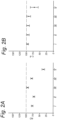
- BV-2 cells were pretreated for 24 h with different combinations of nutrients: (I) vitamin A (0.583 ⁇ M); (II) vitamin D (0.1 ⁇ g/ml); (III) DHA (6.67 ⁇ M); (IV) EPA (20 ⁇ M); (V) vitamin A (0.583 ⁇ M) + vitamin D (0.1 ⁇ g/ml) + DHA (6.67 ⁇ M) + EPA (20 ⁇ M). This was followed by 24 h incubation with LPS (50 ng/ml) combined with the same nutrients. Media were collected for measurement of NO release with the Griess assay and IL-6 release with ELISA.
- NO ( figure 2A ) and IL-6 ( figure 2B ) levels are presented as the percentage of the concentration produced by cells treated with LPS alone (LPS control). The level of NO and IL-6 for LPS control (100%) is indicated on each graph with the dashed line. All graphs represent the results from five independent experiments (mean ⁇ SEM). Data were statistically analysed with Kruskal-Wallis H test. A difference was considered statistically significant when p ⁇ 0.05. To test for differences between the single nutrients and the mixture containing vitamin A, D and fatty acids DHA and EPA, a post hoc test with Bonferroni-Holm correction was performed. A difference was considered statistically significant when p ⁇ 0.05.
Landscapes
- Health & Medical Sciences (AREA)
- Life Sciences & Earth Sciences (AREA)
- Animal Behavior & Ethology (AREA)
- General Health & Medical Sciences (AREA)
- Public Health (AREA)
- Veterinary Medicine (AREA)
- Chemical & Material Sciences (AREA)
- Medicinal Chemistry (AREA)
- Pharmacology & Pharmacy (AREA)
- Epidemiology (AREA)
- Nuclear Medicine, Radiotherapy & Molecular Imaging (AREA)
- Pain & Pain Management (AREA)
- Rheumatology (AREA)
- Chemical Kinetics & Catalysis (AREA)
- General Chemical & Material Sciences (AREA)
- Organic Chemistry (AREA)
- Molecular Biology (AREA)
- Acyclic And Carbocyclic Compounds In Medicinal Compositions (AREA)
- Pharmaceuticals Containing Other Organic And Inorganic Compounds (AREA)
- Lubrication Of Internal Combustion Engines (AREA)
Description
- The invention is in the field of medical nutrition and more particularly relates to compositions for use in treating or controlling and/or preventing and/or reducing the risk of (chronic or excessive) inflammation of the central nervous system (CNS).
- Neuroinflammation is a response of the innate immune system of the CNS that is associated with many disorders, including depression, schizophrenia, Alzheimer's disease (AD), Parkinson's disease and Multiple Sclerosis (MS), postoperative cognitive dysfunction (POCD), spinal cord injury (SCI), AIDS dementia complex (ADC), ischemia, stroke, traumatic brain injury (TBI), infection of the brain or central nervous system, brain tumours. Microglia cells are thought to be the main important cell type involved in neuroinflammation. Microglia are the innate immune cells of the central nervous system, which act quickly on neuroinflammation. However, prolonged activation of microglia, as in chronic or acute neuroinflammation, causes damage to brain tissue and to the blood-brain-barrier, causing neurodegenerative disorders.
- The possible effect of diet on the incidence of brain diseases in which neuroinflammation plays a role is put forward by Lourida et al. (Epidemiology, 2013, 24, 479-489), Skarupski et al. (J. Nutr. Health Aging, 2013, 17, 441-445) and Jacka et al. (Am. J. Psychiatry, 2010, 167, 305-311). Possible protective effects of specific nutrients have also been investigated, e.g. for n-3 LC-PUFAs (
US 2003/0050341 ; Labrousse et al., PLoS One, 2012, 7, e36861; Laye et al., OCL, 2011, 18, 301-306; Lalancette-Hébert, Stroke, 2011, 42, 2903-2909) or for vitamin D (US 2012/0128711 ; Adzemovic et al., Exp. Neurol. 2013, 249, 39-48; Amor, CNS and Neurological Disorders, 2010, 9, 524). For example, DHA has been suggested to provide a prophylactic effect to reduce the consequences of ischemic stroke (Lalancette-Hébert Stroke, 2011, 42, 2903-2909). Efficacy of vitamin D in treating multiple sclerosis-induced neuroinflammation was studied in juvenile/adolescent rats (Adzemovic et al., Exp. Neurol. 2013, 249, 39-48). - Vitamin A, on the other hand, has been suggested to increase the content of receptor for advanced glycation end products (RAGE) in rats cerebral cortices (Roberto de Oliviera, An. Acad. Bras. Cienc. 2015, 87(2 Suppl.), 1361-1373). Reference is also made to
WO 2007/104030 . - Lastly, uridine and cytidine, with the optional addition of DHA, EPA, or DPA, can prevent or reduce the occurrence of behavioral frontotemporal dementia (
WO 2016/072842 ). - In the art there is a continuous need for improving treatment and control of neuroinflammation.
- The inventors surprisingly found that a combination of (i) vitamin A, (ii) vitamin D and (iii) DHA and EPA is effective in treating (controlling), reducing and/or preventing detriment neuroinflammation. Compared to the individual ingredients, the combination reduces microglia activation and treats, reduced or prevents symptoms associated with excessive activation of microglia, and reduces the secretion of inflammatory cytokines. Surprising reductions have been observed using the combination even at dosages at which the individual components do not show any effect. One of the benefits is thus that dosages (e.g. daily dose) of the individual components can be reduced without compromising the therapeutical effectivity of the combination according to the invention.
- In the context of the invention, the effects achieved by the inventors are considered advantageous to therapeutically treat or prevent neuroinflammation which is considered detriment to the subject's health, thus generally referred to as 'detriment neuroinflammation'. Neuroinflammation is thus therapeutically controlled such that it does not cause harm to the subject's health.
- These findings are particularly relevant to stroke-induced or stroke-associated neuroinflammation. In a preferred embodiment, vitamins A and D, including their equivalents, and DHA and EPA, are made part of a composition. These components (i), (ii) and (iii) are present in therapeutically effective amounts.
- More in particular, the combination or composition for use according to the invention for use as defined in claim 1 or 2 has been found surprisingly effective in reducing NO and IL-6 release from activated microglia, which is a direct indication of reduced neuroinflammation. The therapeutic combination of (i) vitamin A, (ii) vitamin D and (iii) DHA and EPA was found to act synergistically, providing a marked reduction in NO and IL-6 release where the individual components in the same concentration did not show such a reduction. A clear reducing trend was observed when assessing IL-6 release, and a significant reduction in NO release was found. Without wishing to being bound to any theory, the inventors believe that each of the individual nutrients (i) vitamin A, (ii) vitamin D and (iii) DHA and EPA, act on convergent pathways involved in neuroinflammation, and the combination yields a synergistic effect.
- The invention concerns a composition for therapeutic use in treating, reducing and/or preventing neuroinflammation in a subject in need thereof, said composition comprising therapeutically effective amounts of (i) vitamin A, (ii) vitamin D and (iii) DHA and EPA. The invention also concerns a combination of (i) vitamin A and/or functional equivalents, (ii) vitamin D and/or functional equivalents, and (iii) DHA and EPA, (i), (ii) and (iii) being in therapeutically effective amounts, for therapeutic use in treating, reducing and/or preventing neuroinflammation in a subject in need thereof. The combination is preferably comprised in a composition and/or administered in the form of a composition. The (prophylactic) treatment preferably involves reducing microglia activation and/or reducing the secretion of inflammatory cytokines, preferably IL-6.
- In a preferred embodiment, the present combination or composition for use involves treating, reducing and/or preventing neuroinflammation in a subject in need thereof, preferably treating neuroinflammation in a subject in need thereof, particularly neuroinflammation in a subject suffering from stroke or being at increased risk of stroke, including subjects at increased risk of recurring stroke.
- The inventors surprisingly found that the combination of vitamin A, vitamin D, EPA and DHA is effective in attenuating NO release from LPS-stimulated BV-2 cells. In activated immune cells, NO is produced from L-arginine by a reaction catalysed by iNOS. The expression of iNOS is mainly activated by the transcription factor NF-kappaB. Excessive NO production has been shown to cause a neurotoxic effect. NO mediates glutamate neurotoxicity and has been shown to be present in several brain pathologies, including neurodegenerative diseases. The ability to suppress excessive NO release by activated immune cells is widely used as an indicator of anti-inflammatory efficacy. The inventors also found that the combination of vitamin A, vitamin D, EPA and DHA is effective in attenuating IL-6 release from LPS-stimulated BV-2 cells. Increased levels of IL-6 have been correlated with disease severity, and new treatment strategies for inflammatory diseases focusing on blocking IL-6 signalling are being developed.
- The combination or composition for use according to the invention involves administration of the composition according to the invention. The composition according to the invention may be used as a pharmaceutical product or a nutritional product, preferably the composition is a nutritional product or supplement.
- In one aspect, the composition according to the invention may be used as a pharmaceutical product comprising one or more pharmaceutically acceptable carrier materials. Such product may contain the daily dosages as defined below in one or more dosage units. The dosage unit may be in a liquid form or in a solid form, wherein in the latter case the daily dosage may be provided by one or more solid dosage units, e.g. in one or more capsules or tablets. The pharmaceutical product, preferably for enteral application, may be a solid or liquid galenical formulation. Examples of solid galenical formulations are tablets, capsules (e.g. hard or soft shell gelatine capsules), pills, sachets, powders, granules and the like which contain the active ingredients together with conventional galenical carriers. Any conventional carrier material can be utilized. The carrier material can be organic or inorganic inert carrier material suitable for oral administration. Suitable carriers include water, gelatine, gum Arabic, lactose, starch, magnesium stearate, talc, vegetable oils, and the like. Additionally, additives such as flavouring agents, preservatives, stabilizers, emulsifying agents, buffers and the like may be added in accordance with accepted practices of pharmaceutical compounding. While the individual active ingredients are suitably administered in a single composition, they may also be administered in individual dosage units.
- In a preferred aspect, the composition according to the invention may be (used as) a nutritional product, for example a nutritional supplement, which can be (used as) e.g. an additive to a normal diet, a fortifier, or a complete nutrition. The nutritional product preferably comprises at least one component, preferably all components, selected from the group consisting of fats, proteins, and carbohydrates. It is understood that a nutritional product differs from a pharmaceutical product by the presence of nutrients which provide nutrition to the subject to which the composition is administered, in particular the presence of protein, fat, digestible carbohydrate and/or dietary fibre.
- In one embodiment, the product further comprises carbohydrates and/or proteins, wherein the lipid fraction provides between 10 and 95 energy % of the food product, preferably between 20 and 50 energy%, more preferably between 20 and 45 en%, even more preferably between 25 - 45 en%, most preferably 30 - 40 en%. In one embodiment, the food product is a liquid composition containing more than 0.5 kcal per ml, preferably more than 0.8 kcal per ml, preferably 1.0 kcal per ml or more, or 1.5 kcal per ml or more, or even 2 kcal per ml or more. In one embodiment, the food product is a liquid composition containing between 0.5 kcal per ml and 2.5 kcal, preferably between 0.5 kcal per ml and 2.5 kcal.
- The composition of the invention is typically an enteral composition, i.e. intended for oral administration. It is preferably administered in liquid form. Preferably, the composition comprises water in which the components are dissolved and/or suspended.
- The composition is preferably a liquid. Alternatively, the composition is a solid (typically a powder or a tablet, preferably a powder) which is possibly reconstitutable with a liquid, preferably with water, to obtain a liquid composition.
- Dosages of components defined therein may for example be in daily dose or in a concentration per 100 ml. The latter definition also applies to reconstitution powders in which case these amounts are to be determined after reconstitution with the liquid.
- The present composition or combination for use as defined in claim 1 or 2 involves (i) vitamin A, including functional equivalents thereof. Any functional form of vitamin A known in the art is suitable to be used, including retinol (in particular retinol esters), retinal, retinoic acid, beta-carotene, provitamin A, or any combination thereof. Preferably, the composition comprises retinol, in particular retinyl acetate and/or retinyl palmitate.
- Vitamin A is advantageously administered in a daily dose of 0.05 - 3 mg/day, preferably 0.1 - 2.5 mg/day, more preferably 0.1 - 2 mg/day, even more preferably 0.5 - 1.5 mg/day, or 0.1 - 1 mg/day, even more preferably 0.2 - 0.8 mg/day, most preferably 0.2 - 0.5 mg/day. Doses are given based on retinol activity equivalents (RAE), for adults in particular, and the skilled person is capable to determine the dose for children. Moreover the skilled person is capable to determine the dose of a retinol equivalent. Retinol activity equivalent is typically defined as 1 microgram RAE being equivalent to 1 microgram retinol or 12 microgram beta-carotene. The amount of vitamin A in the composition or combination according to the invention is preferably such that the aforementioned daily doses are obtained. Such a content of vitamin A is especially suited in order to achieve the effects according to the invention, while ingesting relatively low amounts of the composition. Vitamin A is typically used in a therapeutically effective amount.
- The present composition or combination for use as defined in claim 1 or 2 involves (ii) vitamin D, including functional equivalents thereof. Vitamin D is a group of fat-soluble secosteroids responsible for enhancing intestinal absorption of calcium, iron, magnesium, phosphate and zinc. In humans, the most important compounds in this group are vitamin D3 (also known as cholecalciferol) and vitamin D2 (ergocalciferol). Cholecalciferol and ergocalciferol - known collectively as "calciferol" - can be ingested from the diet and from supplements. The body can also synthesize vitamin D (specifically cholecalciferol) in the skin, from cholesterol, when sun exposure is adequate. Any functional form of vitamin D known in the art is suitable to be used, including vitamin D1, vitamin D2, vitamin D3, vitamin D4, vitamin D5, or any combination thereof.
- Preferably, the composition comprises vitamin D2 and/or vitamin D3, more preferably vitamin D3.
- Vitamin D, also known as calciferol, comprises a group of fat-soluble secosteroids responsible for enhancing intestinal absorption of calcium, iron, magnesium, phosphate and zinc. In humans, the most important compounds in this group are vitamin D3 (also known as cholecalciferol) and vitamin D2 (ergocalciferol). Cholecalciferol and ergocalciferol can be ingested from the diet and from supplements. The body can also synthesize vitamin D (specifically cholecalciferol) in the skin, from cholesterol, when sun exposure is adequate. Any functional form of vitamin D known in the art is suitable to be used, including vitamin D1, vitamin D2, vitamin D3, vitamin D4, vitamin D5, or any combination thereof. Preferably, the composition comprises vitamin D2 and/or vitamin D3, more preferably vitamin D2. Vitamin D is advantageously administered in a daily dose of 0.1 - 100 µg/day, preferably 1 - 50 µg/day, more preferably 1 - 25 µg/day, more preferably 1 - 20 µg/day, more preferably 5 - 15 µg/day. The amount of vitamin D in the composition according to the invention is preferably such that the aforementioned daily doses are obtained. The amount of vitamin D in the use, composition according to the invention is preferably 1.3 to 40, more preferably 1.8 to 34, most preferably 2.0 to 28 microgram per 100 g of the composition. Such a content of vitamin D are especially suited in order to achieve the effects according to the invention, while ingesting relatively low amounts of the composition. Vitamin D is typically used in therapeutically effective amounts.
- The present composition or combination comprises (iii) at least the omega-3 long-chain polyunsaturated fatty acids (PUFAs) docosahexaenoic acid (22:6; DHA) and eicosapentaenoic acid (20:5; EPA). In the context of the present invention, LC-PUFAs (long-chain PUFAs) have a chain length of 18 or more carbon atoms.. The present composition or combination contains at least therapeutically effective amounts of DHA and of EPA. DHA was found to have a significant effect on reducing NO release, but this effect was further enhanced when DHA was combined with EPA. The PUFA are used in combination with vitamins A and vitamin D, including their functional equivalents.
- The PUFAs are preferably provided as triglycerides, diglycerides, monoglycerides, free fatty acids or their salts or esters, phospholipids, lysophospholipids, glycerol ethers, lipoproteins, ceramides, glycolipids or combinations thereof. Preferably, the present composition comprises at least DHA in triglyceride form. Suitable (n-3) PUFA sources include marine oil (e.g. fish oil, , algae oil, or krill oil), DHA-rich alkyl esters, egg yolk, or phospholipids enriched with (n-3) LC-PUFA e.g. phosphatidylserine-DHA. Preferably, a (n-3) PUFA source is fish oil or algae oil.
- The proportion of DHA+EPA, of the total fatty acids is preferably 5 to 95 wt%, more preferably 10 to 80 wt%, most preferably 15 to 70 wt%. The present composition preferably comprises 5 to 95 wt% DHA based on total fatty acids, preferably 10 to 75 wt% DHA based on total fatty acids, more preferably 10 to 60 wt% DHA based on total fatty acids. The present composition preferably comprises 5 to 95 wt% EPA based on total fatty acids, preferably 10 to 75 wt% EPA, most preferably 15 to 60 wt%, based on total fatty acids. In one embodiment, DHA and EPA, are the sole fatty acid present and thus form 100 wt% of total fatty acids.
- In terms of daily dosage, DHA is advantageously administered in a daily dose of 0.05 - 5 g/day, preferably 0.1 - 4 g/day, more preferably 0.5 - 2 g/day, most preferably 0.5 - 1.5 g/day. The amount of DHA in the composition or combination according to the invention is preferably such that the aforementioned daily doses are obtained. EPA is advantageously administered in a daily dose of 0.1 - 5 g/day, preferably 0.5 - 4 g/day, more preferably 1 - 3 g/day, most preferably 1.3 - 1.8 g/day. The amount of EPA in the composition or combination according to the invention is preferably such that the aforementioned daily doses are obtained.
- The composition preferably provides for the administration of 500 to 5000 mg DHA+EPA per day, more preferably 750 to 4000 mg per day, most preferably 1000 to 3000 mg per day. The weight ratio of DHA to EPA is preferably between about 1:4 and about 10:1, preferably larger than 1, more preferably between about 2:1 and about 10:1, more preferably between about 3:1 and about 8:1.
- In addition to the n-3 PUFAs, the composition may comprises n-6 PUFAs or n-6 LC-PUFAs (such as alpha-linolenic acid (ALA), linoleic acid (LA)). The ALA concentration is preferably maintained at levels less than 2.0 wt%, more preferably below 1.5 wt%, particularly below 1.0 wt%, based on the weight of all fatty acids. LA concentrations can be maintained at 20 to 30 wt%, based on the weight of all fatty acids, although in one embodiment the LA concentration is significantly reduced to an amount of below 15 wt% and even less than 10 wt%, based on total fatty acids. The LA concentrations are preferably at least 1 wt% of the fatty acids.
- In one embodiment, the weight ratio n-3 PUFAs : n-6 PUFAs in the composition according to the invention is preferably in the range of 0.3 to 7, preferably in the range of 1.4:1 to 5.9:1, more preferably in the range of 3:1 to 5.5:1, most preferably in the range of 3:1 to 5:1, in particular less than 5:1. The amount of n-6 LC-PUFAs is preferably less than 50 wt%, preferably in the range of 5 to 40 wt%, more preferably 8 to 30 wt%, based on total weight of the fatty acids in the composition.
- The composition according to the invention may comprise further components, for example one or more selected from phospholipids, choline and B vitamin(s), preferably all three, and more preferably also antioxidants. The presence of (therapeutically effective amounts of) one or more of, preferably all of, choline, B vitamin(s), especially folic acid and vitamin B6, and antioxidants, especially vitamin C and/or E, is preferred, since brain damage has been suggested to lead to nutritional deficiencies in these components. As such, the presence of choline, B vitamin(s), especially vitamin B12, and antioxidants, especially vitamin C and/or E, may contribute to the general health of patients suffering from neuroinflammation. These components are typically present in therapeutically effective amounts. In one embodiment, no further active components are present and the composition or combination consists of (i) vitamin A, (ii) vitamin D and (iii) DHA and EPA.
- The present composition may comprise therapeutic amounts of phospholipids. Preferably, one or more phospholipid(s) is/are present in the composition according to the invention, preferably one or more phospholipid(s) selected from the group consisting of phosphatidic acid (PA), phosphatidylethanolamine (PE), phosphatidylcholine (PC), phosphatidylserine (PS) and phosphoinositide (PI). The present composition preferably comprises at least one phospholipid in an amount of 0.01 to 1 gram per 100 ml, more preferably between 0.05 and 0.5 gram per 100 ml, most preferably 80 to 600 mg per 100 ml. The at least one phospholipid is preferably provided by lecithin.
- The present composition may comprise therapeutic amounts of choline. Choline may be present as such, or as choline equivalent in the form of e.g. salt or ester form, or any combination thereof. The choline salt is preferably selected from choline chloride, choline bitartrate, or choline stearate. The choline ester is preferably selected from a phosphatidylcholine and lyso-phosphatidyl choline. The present composition preferably provides for the administration of more than 50 mg choline per day, preferably 80 to 3000 mg choline per day, more preferably 100 to 2000 mg choline per day, most preferably 150 to 1000 mg choline per day. The present composition preferably comprises 80 mg to 3000 gram choline per 100 ml of the liquid composition, preferably 100 mg to 2000 mg choline per 100 ml, preferably 200 to 1000 mg choline per 100 ml composition, most preferably 200 mg to 600 mg choline per 100 ml. The above numbers are based on choline, the amounts of choline equivalents or sources can be calculated taking the molar equivalent to choline into account.
- The present composition may comprise one or more B vitamin(s), preferably at least one, more preferably at least two, selected from the group of vitamin B6, vitamin B12 and vitamin B9. More preferably the composition comprises at least vitamin B6 and/or B9, most preferably vitamin B6, B9 and B 12 Functional equivalents are encompassed within these terms. For instance, the term "vitamin B 12" incorporates all cobalamin equivalents known in the art. The vitamin B is to be administered in a therapeutically effective dose.
- Vitamin B6 is preferably present in an amount to provide a daily dosage in the range of 0.1 to 100 mg, in particular in the range of 0.5 to 25 mg, more in particular in the range of 0.5 to 5 mg. The present composition preferably comprises 0.1 to 100 mg vitamin B6 per 100 g (liquid) product, more preferably 0.5 to 5 mg vitamin B6 per 100 g (liquid) product, more preferably 0.5 to 5 mg vitamin B6 per 100 g (liquid) product. Vitamin B9 is preferably present in an amount to provide a daily dosage in the range of 50 to 5000 µg, in particular in the range of 100 to 1000 µg, more in particular in the range of 200 to 800 µg. The present composition preferably comprises 50 to 5000 µg vitamin B9 per 100 g (liquid) product, more preferably 100 to 1000 µg vitamin B9 per 100 g (liquid) product, more preferably 200 to 800 µg folic acid per 100 g (liquid) product. Vitamin B9 may be present as folate, which includes folic acid, folinic acid, methylated, methenylated and formylated forms of folates, their salts or esters (e.g. C1-6 alkyl ester), as well as their derivatives with one or more glutamic acid, and all in either reduced or oxidized form. Preferably, vitamin B9 is provided as folic acid. Vitamin B12 is preferably present in an amount to provide a daily dosage in the range of 0.5 to 100 µg, in particular in the range of 1 to 10 µg, more in particular in the range of 1.5 to 5 µg. The present composition preferably comprises 0.5 to 100 µg vitamin B12 per 100 g (liquid) product, more preferably 1 to 10 µg vitamin B12 per 100 g (liquid) product, more preferably 1.5 to 5 µg vitamin B12 per 100 g (liquid) product.
- The present composition may further comprise antioxidants, preferably selected from vitamin C, vitamin E and selenium, preferably at least vitamin E. It is especially preferred that the composition comprises both vitamin C and vitamin E, most preferably the composition according to the invention comprises vitamin C, vitamin E and selenium. Antioxidants are preferably included in the composition according to the invention, as they may prevent oxidative damage resulting from dietary PUFAs.
- Vitamin C includes functional equivalents thereof, and may be present in an amount to provide a daily dosage in the range of 20 to 2000 mg, in particular in the range of 30 to 500 mg, more in particular in the range of 75 to150 mg. In one embodiment, vitamin C is present in an amount in the range of 20 to 2000 mg, in particular in the range of 30 to 500 mg, more in particular in the range of 75 to150 mg per 100 ml of the composition.
- Vitamin E refers to compounds having vitamin E activity as known in the art, typically tocopherol and/or an equivalent thereof. Vitamin E may be present in an amount to provide a daily dosage in the range of 10 to 300 mg, in particular in the range of 30 to 200 mg, more in particular in the range of 35 to100 mg. Such amounts of vitamin E prevent oxidative damage to the injury site resulting from dietary PUFA present in the composition according to the invention. In one embodiment, tocopherol and/or equivalent is present in an amount in the range of 10 to 300 mg, in particular in the range of 30 to 200 mg, more in particular in the range of 35 to100 mg per 100 ml of the composition. The term "tocopherol and/or an equivalent thereof, as used in this description, comprises tocopherols (e.g. alpha- and gamma-), tocotrienols, pharmaceutical and/or nutritional acceptable derivatives thereof and any combination thereof. The above numbers are based on alpha-tocopherol equivalents (alpha-TE), as recognized in the art.
- The present composition preferably contains selenium. The antioxidant activity of selenium advantageously prevents and/or inhibits damages to the brain areas. Preferably the composition comprises 0.01 and 5 mg selenium per 100 ml liquid product, preferably 0.02 and 0.1 mg selenium per 100 ml liquid product. The amount of selenium administered per day is preferably more than 0.01 mg, more preferably 0.01 to 0.5 mg.
- The combination or composition for use according to the invention is for treating, reducing and/or preventing neuroinflammation in a subject in need thereof. In the context of the invention, the prophylactic treatment includes reducing the risk or occurrence of neuroinflammation. In the context of the present invention, "neuroinflammation" may also be referred to as inflammation of the central nervous system (CNS). Herein, CNS refers to the brain and the spinal cord, preferably the present invention is directed to inflammation of the brain. In the context of the present invention, "secretion" (as in "secretion of inflammatory cytokines") and "release" (as in "release of inflammatory cytokines") are synonymous and used interchangeably.
- "Symptoms associated with neuroinflammation" may be referred to as symptoms of neuroinflammation, and it is well within the skilled person's ambit to appreciate which are symptoms of neuroinflammation.
- Throughout specification and claims, the term "treatment of neuroinflammation" includes prophylaxis and typically involves controlling neuroinflammation, preferably to the extent that (pathological or detriment) neuroinflammation is contained, confined or reduced. (Detriment or pathological) neuroinflammation may be acute or chronic neuroinflammation. In the context of the invention, treating and/or reducing neuroinflammation includes reducing the intensity of (detriment) neuroinflammation and/or reducing the duration of (detriment) neuroinflammation. In one embodiment, the reduction in duration of neuroinflammation corresponds to a reduction in duration compared to administration with individual components vitamin A, vitamin D or PUFAs, such as at least a 10 % reduction, preferably at least a 25 % reduction in duration. In one embodiment, the reduction in intensity of neuroinflammation corresponds to a reduction in secretion of inflammatory cytokines, preferably of IL-6, such as at least a 10 % reduction, preferably at least a 20 %, reduction in secretion compared to administration with vitamin A only, and/or at least a 10 % reduction, preferably at least a 20 %, reduction in secretion compared to administration with vitamin D only, and/or at least a 10 % reduction, preferably at least a 20 %, reduction in secretion compared to administration with PUFAs only. In one embodiment, the reduction in intensity of neuroinflammation corresponds to a reduction in release of NO, such as at least a 10 % reduction, preferably at least a 30 %, reduction in expression compared to administration with vitamin A only, and/or at least a 10 % reduction, preferably at least a 30 %, reduction in expression compared to administration with vitamin D only, and/or at least a 10 % reduction, preferably at least a 30 %, reduction in expression compared to administration with PUFAs only.
- Increased levels of IL-6 and NO in the brain tissue or cerebrospinal fluid have been associated with neuroinflammatory disorders such as depression, schizophrenia, Alzheimer's disease (AD), Parkinson's disease, Multiple Sclerosis (MS), postoperative cognitive dysfunction (POCD), spinal cord injury (SCI), AIDS dementia complex (ADC), ischemia, stroke, traumatic brain injury (TBI), infection of the brain or central nervous system and brain tumours. Hence, in one embodiment, the neuroinflammation is associated with a disorders selected from depression, schizophrenia, Alzheimer's disease (AD), Parkinson's disease, Multiple Sclerosis (MS), postoperative cognitive dysfunction (POCD), spinal cord injury (SCI), AIDS dementia complex (ADC), ischemia, stroke, traumatic brain injury (TBI), infection of the brain or central nervous system and brain tumours. Likewise, in one embodiment, the subject is suffering from one or more disorders selected from depression, schizophrenia, Alzheimer's disease (AD), Parkinson's disease, Multiple Sclerosis (MS), postoperative cognitive dysfunction (POCD), spinal cord injury (SCI), AIDS dementia complex (ADC), ischemia, stroke, traumatic brain injury (TBI), infection of the brain or central nervous system and brain tumours. In one embodiment, the present use, combination or composition for use is for treating and/or preventing a disorder selected from depression, schizophrenia, Alzheimer's disease (AD), Parkinson's disease, Multiple Sclerosis (MS), postoperative cognitive dysfunction (POCD), spinal cord injury (SCI), AIDS dementia complex (ADC), ischemia, stroke, traumatic brain injury (TBI), infection of the brain or central nervous system and brain tumours. Preferred disorders in the context of the present invention are Alzheimer's disease (AD), postoperative cognitive dysfunction (POCD) and stroke.
- In one embodiment, the neuroinflammation is chronic neuroinflammation or prolonged neuroinflammation, neuroinflammation regarded detrimental to the subject's health condition. The subject suffering from detrimental neuroinflammation or microglia activation is preferably suffering from a neurodegenerative disorder such as depression, schizophrenia, Alzheimer's disease (AD), Parkinson's disease and Multiple Sclerosis (MS), postoperative cognitive dysfunction (POCD), spinal cord injury (SCI), AIDS dementia complex (ADC), ischemia, stroke, traumatic brain injury (TBI), infection of the brain or central nervous system, brain tumours. In one embodiment, the composition according to the invention is for treating and/or preventing neuroinflammation, preferably for treating neuroinflammation, particularly reducing the duration and/or extent of neuroinflammation.
- In one embodiment, the neuroinflammation is neuroinflammation of the central nervous system. Also, in the context of the invention, microglia activation and/or inflammatory cytokine secretion is typically reduced in the central nervous system. Excessive activation of microglia causes damage to brain tissue and to the blood-brain-barrier, causing neurodegenerative disorders.
- The invention particularly concerns neuroinflammation caused by toxins or toxic metabolites, autoimmunity, aging, infection (e.g. bacterial or viral), traumatic brain injury, stroke, most preferably stroke-associated or stroke-induced neuroinflammation. In a preferred embodiment, the targeted subject suffers from stroke, has suffered from stroke, is at increased risk of stroke or is at increased risk of recurrent stroke. In one embodiment, the present use combination or composition for use is for preventing and/or reducing the risk of recurrent stroke or a second or further occurrence of stroke. Likewise, in a preferred embodiment, the targeted subject has suffered from stroke.
- In one embodiment, the combination or composition for use according to the invention as defined in claim 1 or 2 is for therapeutically reducing the secretion of inflammatory cytokines and/or for treating, reducing and/or preventing symptoms associated therewith. The reduction or decrease in inflammatory cytokine secretion may take the form of a reduced amount (extent) of (excessive) expressed inflammatory cytokine and/or a reduced duration of (excessive) inflammatory cytokine secretion. Such reduction in inflammatory cytokine secretion typically occurs in the central nervous system. In a preferred embodiment of this use, the inflammatory cytokine is at least one of IL-4, IL-6, IL-10 and TNFα, preferably at least one of IL-6 and TNFα, most preferably at least IL-6. Inflammatory cytokines such as IL-6 are typically expressed by activated microglia during neuroinflammation, and lead to a prolonged state of increased oxidative stress.
- In one embodiment, the combination or composition for use according to the invention as defined in claim 1 or 2 is for therapeutically reducing the release of NO and/or for treating, reducing and/or preventing symptoms associated therewith. The reduction or decrease in NO release may take the form of a reduced amount (extent) of (excessive) released NO and/or a reduced duration of (excessive) NO release. Such reduction in NO release typically occurs in the central nervous system. Excessive NO release has been shown to cause a neurotoxic effect. In the context of the present invention, "NO release" may also be referred to as "NO production".
- The combinations or compositions for use as described above can be used as part of a nutritional therapy, nutritional support, as a medical food, as a food for special medical purposes or as a nutritional supplement. Administration of the composition according to the invention typically occurs during recovery and/or rehabilitation after the occurrence of neuroinflammation, and may be continued as long as negative effects thereof prolong. Although positive effects are already observed during the first week of administration, administration is preferably continued for at least 2 weeks, more preferably at least 4 weeks. Administration preferably starts at the first day after occurrence of neuroinflammation. The composition according to the invention can be consumed several times a day, preferably at one, two or three servings of 50 - 250 mL per day, typically of 125 mL or 200 mL per day during recovery and/or rehabilitation after the occurrence of a stroke. Preferred daily dosages are in the range of 100 to 500 mL, more preferably 125 to 375 mL, most preferably 125 to 300 mL.
- Preferably, the composition is enterally administered. Administration occurs preferably at least one time per day, although alternative dosage regimes can be determined from these numbers.
-
-
Figure 1 depicts the effect of individual nutrients on LPS-induced NO and IL-6 release as demonstrated in Example 1. NO (figure 1A ) and IL-6 (figure 1B ) release from LPS-activated microglia upon incubation with different nutrients (I = vitamin A; II = vitamin D; III = DHA; IV = EPA) is given as percentage of NO release from LPS-activated microglia not incubated with a nutrient (control), which is set at 100 %. Compared to the control, nutrients I - III exhibited significantly reduced NO and IL-6 release (p<0.001). -
Figure 2 depicts the effect of individual nutrients and of the combination of nutrients on LPS-induced NO and IL-6 release as demonstrated in Example 2. NO (figure 2A ) and IL-6 (figure 2B ) release from LPS-activated microglia upon incubation with different nutrients (I = vitamin A; II = vitamin D; III = DHA; IV = EPA; V = vitamin A + vitamin D + DHA + EPA) is given as percentage of NO release from LPS-activated microglia not incubated with a nutrient (control), which is set at 100 %. Combination of nutrients V exhibited significantly reduced NO release compared to the individual ingredients I - IV (p<0.001). - Reagents: The following substances were purchased from Sigma Aldrich and used without further purification: lipopolysaccharide (LPS, from Escherichia coli 055 :B5), vitamin B6, B9 (folic acid), vitamin B12, vitamin A, vitamin D3 in a form of 7-dehydrocholesterol/25-OH vitamin D3 (100 µg/ml in ethanol), cis-4,7,10,13,16,19-docosahexaenoic acid (DHA), cis-5,8,11,14,17- eicosapentaenoic acid (EPA).
- BV-2 cell cultures: BV-2 cells were obtained from IRCCS (Azienda Ospedaliera Universitaria San Martino - IST Istituto Nazionale per la Ricerca sul Cancro, Genova, Italy). BV-2 cell lines are immortalized cell lines derived from C57bl/6 mouse. These are considered to closely resemble the physiology of primary microglia cells and form a well-established model for investigation in vitro (Henn et al., ALTEX, 2009, 26, 83-94). Lipopolysaccharide (LPS), an endotoxin derived from the cell wall of gram negative bacteria, is the most widely used agent to activate immune cells. Cells were cultured in Dulbecco's Modified Eagle Medium (DMEM, Gibco) supplemented with 10% of heat-inactivated fetal bovine serum (Invitrogen), 10,000 units/ml penicillin (Gibco), 10,000 µg/ml streptomycin (Gibco) and 200 mM L-glutamine (Gibco) and maintained at 37°C and 5% CO2. Twenty-four hours before the experiment, cells were plated on 96 well plates (Corning) at a cell density of approximately 20,000 cells/well and maintained in DMEM supplemented with 2% fetal bovine serum, 10,000 units/ml penicillin, 10,000 µg/ml streptomycin and 200 mM L-glutamine, for the duration of the experiment.
- Cell viability: Cell proliferation and viability were assessed with 2,3-bis(2-methoxy-4-nitro-5-sulfophenyl)-2H-tetrazolium-5-carboxanilide inner salt (XTT, Sigma) at a concentration of 1 mg/ml. Phenazine methosulfate (PMS, Sigma) at a concentration of 200 mg/ml was added as an electron coupling reagent. The XTT/PMS solution in sterile water (100 µl) was added to each well. After 2h, the absorbance was measured at 450 nm (and 690 nm as a reference). The absorbance was corrected for the number of cells. The viability test was repeated for each experiment as a within plate control. The results of experiments, in which the cell viability was below 85% of that of the untreated control cells, were excluded from the data analysis.
- Griess assay nitric oxide release): Cells were treated for 24 h with different combinations of nutrients. This treatment was followed by exchanging the medium for fresh medium with LPS (50 ng/ml) combined with the same nutrients. After incubation for 24 h, media were collected for measurement of NO release. The stable product of NO released by the BV-2 cells is NO2 -. The concentration of NO2 - was measured with a Griess assay Kit (Promega) according to the manufacturer's instructions. Data were corrected for cell viability (the viability of untreated control cells represented 100% of viability). Data are represented as percentage of the NO released by cells stimulated only with LPS. To assess variability between the tests, data from the treatment with LPS alone were pooled and an average release between experiments was calculated for NO. For treatment with LPS alone, the NO release is represented as the percentage of the average release between experiments.
- ELISA (IL-6): Cells were treated for 24 h with different combinations of nutrients. Subsequently, the medium was removed and cells were incubated for 24 h in fresh medium with LPS (50 ng/ml) combined with the same nutrients. Media were collected for measurement of IL-6 release. Collected samples were stored at -80 °C until further analysis. The cytokine levels were assessed using ELISA MAX™ Deluxe from Biolegend according to the manufacturer's protocol. Data were corrected for cell viability. Data are represented as percentage of the IL-6 released by cells stimulated only with LPS. To assess variability between the tests, data from the treatment with LPS alone were pooled and an average release between experiments was calculated for IL-6. For LPS alone treatment the IL-6 release is represented as the percentage of the average release between experiments.
- Statistical analysis: All experiments were performed at least in triplicate. The data are presented as dots representing means and bars representing standard error mean (SEM). Due to the small sample size, non-parametric statistical tests were used. Data were analyzed with the Kruskal-Wallis H test and if the statistical significance was reached, Mann Whithey U test with Bonferroni-Holm post-hoc correction to allow multiple comparisons was performed. A difference was considered statistically significant when the probability (p) was <0.05.
- BV-2 cells were pretreated for 24 h with different nutrients: (I) vitamin A (1.75 µM); (II) vitamin D (1 µg/ml); (III) DHA (20 µM); (IV) EPA (20 µM); (V) vitamin B6 (29 µM, including 19 µM already present in the culture medium); (VI) folic acid (24 µM, including 9 µM already present in the culture medium); (VII) vitamin B12 (0.2 µM).
- This was followed by 24 h incubation with LPS (50 ng/ml) combined with the same nutrients. Media were collected for measurement of NO release with the Griess assay (
Figure 1A ) and IL-6 release with ELISA (Figure 1B ). NO and IL-6 levels are presented as the percentage of the concentration produced by cells treated with LPS alone (LPS control, dashed line). All graphs represent the results from 4 independent experiments (mean ± SEM). Data were statistically analyzed with Kruskal-Wallis H test, followed by a Bonferroni-Holm post-hoc test. A difference was considered statistically significant when p < 0.05. - The nutrients were used in high non-toxic concentrations, obtained from dose-effect curves of single substances and their mixture, when a concentration in which cell viability did not decrease below 90% as compared to untreated controls. In a similar way, a dose-effect curve for LPS was obtained from NO release measurements in order to select a half maximal effective concentration (EC50). The release of the proinflammatory mediator nitric oxide (NO) by activated BV-2 cells was measured with the Griess assay. Cells only exposed to the culture medium or to the medium supplemented with nutrients did not show any detectable release of NO (data not shown). A 24 h treatment of BV-2 cells with LPS (50 ng/ml) caused a robust release of NO. In order to investigate the potency of nutrients to inhibit the LPS-induced NO release, BV-2 cells were pre-treated for 24 h with nutrients and subsequently co-treated with LPS and the same nutrients for another 24 h. Vitamins B6, B9 and B12 as well as the amino acids L-tryptophan and L-cysteine did not cause any significant effect on LPS-induced NO release in these experiments (data not shown). The fatty acid DHA caused a significant decrease in the NO release, 68 % (IQR, 49-77%, p = 0.036), as compared to LPS treated-controls (
fig. 1A ). The fatty acid EPA caused a decrease in NO release to 80 % (IQR, 75-91%, p = 0.115), which was not statistically significant, while mixing DHA and EPA caused decrease in NO release to 61 % (IQR 43-66 %, data not shown). The most potent anti-inflammatory nutrients in this assay were vitamins A and D (fig. 1A ). Vitamin D significantly decreases NO release to 43% (IQR 36-55%; p = 0.032) relative to LPS-treated control cells. A significant anti-inflammatory effect was also observed by the treatment with vitamin A. Vitamin A significantly decreased NO release to 39% of LPS-treated controls (IQR 20-52.4%; p = 0.024). Therefore it was concluded that from all nutrients tested, vitamins A and D and DHA are the most potent to decrease LPS-induced NO release. - The anti-inflammatory effect of the nutrients on LPS-induced IL-6 production by BV-2 cells was investigated with ELISA. LPS treatment caused a high increase in IL-6 release from BV-2 cells in a concentration-dependent manner. The optimal LPS concentration (inducing approximately 50% of the maximal release) for our experiments was selected based on the concentration-dependent curve of IL-6 release (data not shown). Similarly to the effects observed on NO release, vitamins B6, B9 and B12, as well as the amino acids L-tryptophan and L-cysteine did not cause any significant effects on LPS-induced IL-6 release in these experiments (data not shown). The inhibition of IL-6 release was more responsive (
fig. 1B ). DHA significantly decreased the release of IL-6 by LPS-stimulated BV-2 cells to 68 % (IQR 49-77 %, p = 0.032, n=4). The fatty acid EPA caused a decrease in IL-6 release to 70 % (IQR, 67-96%, p= 0.7, n=4) (fig. 1B ), but this was not statistically significant. While mixing DHA and EPA caused a decrease in IL-6 release to 51 % (IQR 38-54 %, data not shown). Vitamins A and D decreased IL-6 release to 42% (IQR 39-58%, p = 0.024, n=4) and 43% (IQR 21-57%, p = 0.024, n=4), respectively (fig. 1B ). - Taken together, these data show that vitamins A and D - and to a lesser extent DHA and EPA - exhibited an anti-inflammatory effect on LPS-stimulated BV-2 cells. Vitamins B and amino acids L-cysteine and L-tryptophan did not have an anti-inflammatory effect on LPS-activated BV-2 cells.
- BV-2 cells were pretreated for 24 h with different combinations of nutrients: (I) vitamin A (0.583 µM); (II) vitamin D (0.1 µg/ml); (III) DHA (6.67 µM); (IV) EPA (20 µM); (V) vitamin A (0.583 µM) + vitamin D (0.1 µg/ml) + DHA (6.67 µM) + EPA (20 µM). This was followed by 24 h incubation with LPS (50 ng/ml) combined with the same nutrients. Media were collected for measurement of NO release with the Griess assay and IL-6 release with ELISA. NO (
figure 2A ) and IL-6 (figure 2B ) levels are presented as the percentage of the concentration produced by cells treated with LPS alone (LPS control). The level of NO and IL-6 for LPS control (100%) is indicated on each graph with the dashed line. All graphs represent the results from five independent experiments (mean ± SEM). Data were statistically analysed with Kruskal-Wallis H test. A difference was considered statistically significant when p < 0.05. To test for differences between the single nutrients and the mixture containing vitamin A, D and fatty acids DHA and EPA, a post hoc test with Bonferroni-Holm correction was performed. A difference was considered statistically significant when p < 0.05. - As shown in
fig. 2A , single nutrients used in lower concentrations hardly caused any effect on NO release, while the combination of these substances in the same concentrations caused a reduction in the NO release to 37% (IQR 28.0 - 45.7%) of the release by untreated LPS-stimulated control cells. The decrease in NO release observed for the combination of nutrients was significantly different from the effects observed for each nutrient used separately (after the Bonferroni-Holm correction p=0.032). In a similar way, single nutrients in lower concentrations caused no significant decrease in IL-6 release. Combining the substances resulted in decrease of IL-6 to 84 % (IQR, 54.1-88.9) as compared to LPS-stimulated controls.
Claims (14)
- A composition for therapeutic use in treating, reducing and/or preventing neuroinflammation in a subject in need thereof, said composition comprising therapeutically effective amounts of (i) vitamin A and/or functional equivalents, (ii) vitamin D and/or functional equivalents, and (iii) DHA and EPA.
- A combination of (i) vitamin A and/or functional equivalents, (ii) vitamin D and/or functional equivalents, and (iii) DHA and EPA, (i), (ii) and (iii) being in therapeutically effective amounts, for therapeutic use in treating, reducing and/or preventing neuroinflammation in a subject in need thereof.
- The composition or combination for use according to claim 1 or 2, said neuroinflammation being associated with a disorder selected from depression, schizophrenia, Alzheimer's disease (AD), Parkinson's disease, Multiple Sclerosis (MS), postoperative cognitive dysfunction (POCD), spinal cord injury (SCI), AIDS dementia complex (ADC), ischemia, stroke, traumatic brain injury (TBI), infection of the brain or central nervous system and brain tumours and/or said subject suffering from one or more disorders selected from depression, schizophrenia, Alzheimer's disease (AD), Parkinson's disease, Multiple Sclerosis (MS), postoperative cognitive dysfunction (POCD), spinal cord injury (SCI), AIDS dementia complex (ADC), ischemia, stroke, traumatic brain injury (TBI), infection of the brain or central nervous system and brain tumours.
- The composition or combination for use according to claim 3, said disorder being selected from Alzheimer's disease (AD), postoperative cognitive dysfunction (POCD) and stroke.
- The composition or combination for use according to claim 4, said neuroinflammation being stroke-associated neuroinflammation and/or said subject suffering from stroke or being at increased risk of stroke, preferably at increased risk of recurrent stroke.
- The composition or combination for use according to any one of the preceding claims, said neuroinflammation being chronic neuroinflammation.
- The composition or combination for use according to any one of the preceding claims, said treating, reducing and/or treating and/or preventing involving reduction of the intensity of neuroinflammation and/or reduction of the duration of neuroinflammation.
- The composition or combination for use according to any one of the preceding claims, said treating, reducing and/or preventing involving reduction of microglia activation and/or reduction of the secretion of inflammatory cytokines, preferably of TNF-α and/or IL-6.
- The composition or combination for use according to any one of the preceding claims, wherein vitamin A and/or functional equivalents is administered in a daily dose of 0.05 - 3 mg/day, preferably 0.5 - 1.5 mg/day.
- The composition or combination for use according to any one of the preceding claims, wherein vitamin D and/or functional equivalents is administered in a daily dose of 0.1 - 100 µg/day, preferably 5 - 15 µg/day.
- The composition or combination for use according to any one of the preceding claims, wherein omega-3 PUFA is administered in a daily dose of 500 to 5000 mg.
- The composition or combination for use according to any one of the preceding claims, wherein DHA is administered in a daily dose of 0.05 - 5 g/day, preferably 0.5 - 1.5 g/day.
- The composition or combination for use according to any one of the preceding claims, wherein the composition further comprises choline, and preferably further comprises B vitamin(s).
- The composition or combination for use according to any one of the preceding claims, wherein the composition further comprises phospholipids, choline, B vitamin(s) and antioxidants.
Applications Claiming Priority (2)
| Application Number | Priority Date | Filing Date | Title |
|---|---|---|---|
| PCT/NL2016/050419 WO2017213490A1 (en) | 2016-06-10 | 2016-06-10 | Method for controlling neuroinflammation |
| PCT/NL2017/050380 WO2017213504A1 (en) | 2016-06-10 | 2017-06-09 | Method for controlling neuroinflammation |
Publications (2)
| Publication Number | Publication Date |
|---|---|
| EP3468543A1 EP3468543A1 (en) | 2019-04-17 |
| EP3468543B1 true EP3468543B1 (en) | 2023-10-04 |
Family
ID=56550947
Family Applications (1)
| Application Number | Title | Priority Date | Filing Date |
|---|---|---|---|
| EP17732600.6A Active EP3468543B1 (en) | 2016-06-10 | 2017-06-09 | Method for controlling neuroinflammation |
Country Status (9)
| Country | Link |
|---|---|
| US (1) | US10821120B2 (en) |
| EP (1) | EP3468543B1 (en) |
| CN (1) | CN109562081B (en) |
| BR (1) | BR112018075475A2 (en) |
| ES (1) | ES2966773T3 (en) |
| FI (1) | FI3468543T3 (en) |
| PL (1) | PL3468543T3 (en) |
| PT (1) | PT3468543T (en) |
| WO (2) | WO2017213490A1 (en) |
Families Citing this family (4)
| Publication number | Priority date | Publication date | Assignee | Title |
|---|---|---|---|---|
| WO2012118796A1 (en) | 2011-02-28 | 2012-09-07 | The Schepens Eye Research Institute, Inc. | Compositions for controlling neuronal outgrowth |
| US20230338305A1 (en) * | 2020-05-06 | 2023-10-26 | Regenall Limited | Vitamin a for use in the treatment of traumatic brain injury |
| CN116139171B (en) * | 2021-11-22 | 2025-07-29 | 深圳奥萨制药有限公司 | Composition for improving mild brain cognitive impairment |
| EP4514348A4 (en) * | 2022-04-29 | 2025-12-31 | Noetix Pharma Llc | PREVENTION AND TREATMENT OF POSTOPERATIVE COGNITIVE DYSFUNCTION (POCD) |
Citations (8)
| Publication number | Priority date | Publication date | Assignee | Title |
|---|---|---|---|---|
| WO2007073178A2 (en) | 2005-12-23 | 2007-06-28 | N.V. Nutricia | Composition comprising polyunsaturated fatty acids, proteins and manganese and/or molybden for improving membrane composition |
| WO2007104030A1 (en) | 2006-03-08 | 2007-09-13 | Kinemed, Inc. | Retinoids and related compounds for the treatment of neuroinflammatory conditions, diseases and disorders |
| US20100323982A1 (en) | 2007-06-27 | 2010-12-23 | N.V. Nutricia | Food composition for prodromal dementia patients |
| WO2012125020A1 (en) | 2011-03-14 | 2012-09-20 | N.V. Nutricia | Method for treating neurotrauma |
| WO2012131493A1 (en) | 2011-03-29 | 2012-10-04 | Palupa Medical Ltd. | Compositions for the treatment of neurologic disorders |
| WO2013066152A1 (en) | 2011-10-31 | 2013-05-10 | N.V. Nutricia | Method for improving executive function |
| WO2013066151A1 (en) | 2011-10-31 | 2013-05-10 | N.V. Nutricia | Improving recognition |
| WO2016016790A1 (en) | 2014-07-31 | 2016-02-04 | Universita' Degli Studi Di Cagliari | Ester of a phospholipid with conjugated linoleic acid for the treatment of psychiatric disorders with neuroinflammatory and neurodegenerative basis |
Family Cites Families (6)
| Publication number | Priority date | Publication date | Assignee | Title |
|---|---|---|---|---|
| US7704542B2 (en) | 2001-09-12 | 2010-04-27 | Xanodyne Pharmaceuticals, Inc. | Vitamin/mineral compositions with DHA |
| CN101433240B (en) * | 2007-11-16 | 2013-01-16 | 光明乳业股份有限公司 | Edible milk suitable for pregnant woman and nursing mother and preparation method thereof |
| US20120128711A1 (en) | 2009-09-21 | 2012-05-24 | Total Nutraceutical Solutions, Inc. | Anti-inflammatory approach to prevention and suppression of post-traumatic stress disorder, traumatic brain injury, depression and associated disease states |
| CN102843920A (en) * | 2010-01-29 | 2012-12-26 | N·V·努特里奇亚 | Liquid enteral nutritional composition suitable for tube feeding for minimizing upper and lower gastrointestinal disorders |
| EP2568826A4 (en) * | 2010-05-13 | 2014-03-26 | Nitromega Corp | Nitro fatty acids - neuroprotection and/or inhibition of cognitive decline |
| WO2016072842A1 (en) * | 2014-11-05 | 2016-05-12 | N.V. Nutricia | Method for preventing, reducing the risk of, or treating behavioral frontotemporal dementia |
-
2016
- 2016-06-10 WO PCT/NL2016/050419 patent/WO2017213490A1/en not_active Ceased
-
2017
- 2017-06-09 PL PL17732600.6T patent/PL3468543T3/en unknown
- 2017-06-09 ES ES17732600T patent/ES2966773T3/en active Active
- 2017-06-09 BR BR112018075475A patent/BR112018075475A2/en not_active Application Discontinuation
- 2017-06-09 WO PCT/NL2017/050380 patent/WO2017213504A1/en not_active Ceased
- 2017-06-09 PT PT177326006T patent/PT3468543T/en unknown
- 2017-06-09 US US16/308,370 patent/US10821120B2/en active Active
- 2017-06-09 FI FIEP17732600.6T patent/FI3468543T3/en active
- 2017-06-09 EP EP17732600.6A patent/EP3468543B1/en active Active
- 2017-06-09 CN CN201780047597.7A patent/CN109562081B/en active Active
Patent Citations (8)
| Publication number | Priority date | Publication date | Assignee | Title |
|---|---|---|---|---|
| WO2007073178A2 (en) | 2005-12-23 | 2007-06-28 | N.V. Nutricia | Composition comprising polyunsaturated fatty acids, proteins and manganese and/or molybden for improving membrane composition |
| WO2007104030A1 (en) | 2006-03-08 | 2007-09-13 | Kinemed, Inc. | Retinoids and related compounds for the treatment of neuroinflammatory conditions, diseases and disorders |
| US20100323982A1 (en) | 2007-06-27 | 2010-12-23 | N.V. Nutricia | Food composition for prodromal dementia patients |
| WO2012125020A1 (en) | 2011-03-14 | 2012-09-20 | N.V. Nutricia | Method for treating neurotrauma |
| WO2012131493A1 (en) | 2011-03-29 | 2012-10-04 | Palupa Medical Ltd. | Compositions for the treatment of neurologic disorders |
| WO2013066152A1 (en) | 2011-10-31 | 2013-05-10 | N.V. Nutricia | Method for improving executive function |
| WO2013066151A1 (en) | 2011-10-31 | 2013-05-10 | N.V. Nutricia | Improving recognition |
| WO2016016790A1 (en) | 2014-07-31 | 2016-02-04 | Universita' Degli Studi Di Cagliari | Ester of a phospholipid with conjugated linoleic acid for the treatment of psychiatric disorders with neuroinflammatory and neurodegenerative basis |
Non-Patent Citations (18)
| Title |
|---|
| "DRI DIETARY REFERENCE INTAKES. Calcium. Vitamin D", 1 January 2011, THE NATIONAL ACADEMIES PRESS, article ROSS A. CATHARINE, CHRISTINE L. TAYLOR, ANN L. YAKTINE, HEATHER B. DEL VALLE: "Summary Tables Dietary Reference Intakes", pages: 1103 - 1115, XP093195041 |
| CHI NAI-FANG, LI-NIEN CHIE, HSIAO-LUN KU, CHAUR-JONG HU, HUNG-YI CHIOU: "Alzheimer's Disease and Risk of Stroke: A Population-Based Cohort Study", NEUROLOGY, vol. 80, 19 February 2013 (2013-02-19), pages 705 - 711, XP093195029 |
| CORTESE MARIANNA, RIISE TROND, BJØRNEVIK KJETIL, HOLMØY TRYGVE, KAMPMAN MARGITTA T, MAGALHAES SANDRA, PUGLIATTI MAURA, WOLFSON CHR: "Timing of use of cod liver oil, a vitamin D source, and multiple sclerosis risk: The EnvIMS study", MULTIPLE SCLEROSIS JOURNAL, SAGE, US, vol. 21, no. 14, 1 December 2015 (2015-12-01), US , pages 1856 - 1864, XP093195024, ISSN: 1352-4585, DOI: 10.1177/1352458515578770 |
| DAS AMITABH, KIM SUN HWA, ARIFUZZAMAN SARDER, YOON TAEHO, CHAI JIN CHOUL, LEE YOUNG SEEK, PARK KYOUNG SUN, JUNG KYOUNG HWA, CHAI Y: "Transcriptome sequencing reveals that LPS-triggered transcriptional responses in established microglia BV2 cell lines are poorly representative of primary microglia", JOURNAL OF NEUROINFLAMMATION, BIOMED CENTRAL LTD., LONDON, GB, vol. 13, no. 1, 1 December 2016 (2016-12-01), GB , pages 182, XP093195021, ISSN: 1742-2094, DOI: 10.1186/s12974-016-0644-1 |
| FEHÉR JÁNOS, KOVÁCS ILLÉS, CORRADO BALACCO-GABRIELI: "Cod liver oil. A natural Vitamin D for preserving health", ORVOSI HETILAP - HUNGARIAN MEDICAL JOURNAL, BUDAPEST, HU, vol. 152, no. 9, 1 February 2011 (2011-02-01), HU , pages 323 - 330, XP093195025, ISSN: 0030-6002, DOI: 10.1556/OH.2011.29047 |
| JING ZHANG: "Mapping neuroinflammation in frontotemporal dementia with molecular PET imaging", JOURNAL OF NEUROINFLAMMATION, BIOMED CENTRAL LTD., LONDON, GB, vol. 12, no. 1, 29 May 2015 (2015-05-29), pages 108, XP021224151, ISSN: 1742-2094, DOI: 10.1186/S12974-015-0236-5 * |
| KIM YOON SEONG, JOH TONG H: "Microglia, major player in the brain inflammation: their roles in the pathogenesis of Parkinson’s disease", EXPERIMENTAL AND MOLECULAR MEDICINE, vol. 38, no. 4, 1 August 2006 (2006-08-01), pages 333 - 347, XP093195018 |
| KURTYS ET AL: "The combination of vitamins and omega-3 fatty acids has an enhanced anti-inflammatory effect on microglia", NEUROCHEMISTRY INTERNATIONAL, vol. 99, 25 July 2016 (2016-07-25), XP029733891, DOI: 10.1016/j.neuint.2016.07.008 |
| LABROUSSE VIRGINIE F., NADJAR AGNÈS, JOFFRE CORINNE, COSTES LAURENCE, AUBERT AGNÈS, GRÉGOIRE STÉPHANE, BRETILLON LIONEL, LAYÉ SOPH: "Short-Term Long Chain Omega3 Diet Protects from Neuroinflammatory Processes and Memory Impairment in Aged Mice", PLOS ONE, PUBLIC LIBRARY OF SCIENCE, US, vol. 7, no. 5, 25 May 2012 (2012-05-25), US , pages e36861, XP093195023, ISSN: 1932-6203, DOI: 10.1371/journal.pone.0036861 |
| LALANCETTE-HÉBERT MÉLANIE, JULIEN CARL, CORDEAU PIERRE, BOHACEK IVAN, WENG YUAN-CHENG, CALON FRÉDÉRIC, KRIZ JASNA: "Accumulation of Dietary Docosahexaenoic Acid in the Brain Attenuates Acute Immune Response and Development of Postischemic Neuronal Damage", STROKE, LIPPINCOTT WILLIAMS & WILKINS, US, vol. 42, no. 10, 1 October 2011 (2011-10-01), US , pages 2903 - 2909, XP093195033, ISSN: 0039-2499, DOI: 10.1161/STROKEAHA.111.620856 |
| MILENA Z. ADZEMOVIC, MANUEL ZEITELHOFER, SONJA HOCHMEISTER, SVEN A. GUSTAFSSON, MAJA JAGODIC: "Efficacy of vitamin D in treating multiple sclerosis-like neuroinflammation depends on developmental stage", EXPERIMENTAL NEUROLOGY, ELSEVIER, AMSTERDAM, NL, vol. 249, 1 November 2013 (2013-11-01), AMSTERDAM, NL , pages 39 - 48, XP055339565, ISSN: 0014-4886, DOI: 10.1016/j.expneurol.2013.08.002 |
| PAN XIANG-QING, USHIO HIDEKI, OHSHIMA TOSHIAKI: "Comparison of volatile compounds formed by autoxidation and photosensitized oxidation of cod liver oil in emulsion systems", FISHERIES SCIENCE, JAPANESE SOCIETY OF SCIENTIFIC FISHERIES, JP, vol. 71, no. 3, 1 June 2005 (2005-06-01), JP , pages 639 - 647, XP093195026, ISSN: 0919-9268, DOI: 10.1111/j.1444-2906.2005.01010.x |
| SCHELTENS, P. ; KAMPHUIS, P.J.G.H. ; VERHEY, F.R.J. ; OLDE RIKKERT, M.G.M. ; WURTMAN, R.J. ; WILKINSON, D. ; TWISK, J.W.R. ; KURZ,: "Efficacy of a medical food in mild Alzheimer's disease: A randomized, controlled trial", ALZHEIMER'S & DEMENTIA, ELSEVIER, NEW YORK, NY, US, vol. 6, no. 1, 1 January 2010 (2010-01-01), US , pages 1 - 10.e1, XP026834726, ISSN: 1552-5260 |
| TOBIN MATTHEW K, BONDS JACQUELINE A, MINSHALL RICHARD D, PELLIGRINO DALE A, TESTAI FERNANDO D, LAZAROV ORLY: "Neurogenesis and Inflammation after Ischemic Stroke: What is Known and Where We Go from Here", JOURNAL OF CEREBRAL BLOOD FLOW & METABOLISM, NATURE PUBLISHING GROUP, US, vol. 34, no. 10, 1 October 2014 (2014-10-01), US , pages 1573 - 1584, XP093195035, ISSN: 0271-678X, DOI: 10.1038/jcbfm.2014.130 |
| VAN NEERVEN S.G.A.: "Modulation of the neuroinflammatory response after spinal cord injury", DOCTORAL THESIS, MAASTRICHT UNIVERSITY, 1 January 2011 (2011-01-01), Maastricht university, XP093195037, Retrieved from the Internet <URL:https://cris.maastrichtuniversity.nl/ws/portalfiles/portal/575475/guid-ece23e9d-f26f-4aab-b5f1-d225a54ab513-ASSET2.0.pdf> |
| WANG RUISHAN, CHEN SHAOYA, LIU YINGCHUN, DIAO SHIYONG, XUE YUEQIANG, YOU XIAOQING, PARK EDWARDS A., LIAO FRANCESCA-FANG: "All-trans-retinoic Acid Reduces BACE1 Expression under Inflammatory Conditions via Modulation of Nuclear Factor κB (NFκB) Signaling", JOURNAL OF BIOLOGICAL CHEMISTRY, AMERICAN SOCIETY FOR BIOCHEMISTRY AND MOLECULAR BIOLOGY, US, vol. 290, no. 37, 1 September 2015 (2015-09-01), US , pages 22532 - 22542, XP093195034, ISSN: 0021-9258, DOI: 10.1074/jbc.M115.662908 |
| WU ZHOU, YU JANCHUN, ZHU AIQIN, NAKANISHI HIROSHI: "Nutrients, Microglia Aging, and Brain Aging", OXIDATIVE MEDICINE AND CELLULAR LONGEVITY, HINDAWI PUBLISHING CORPORATION, US, vol. 2016, no. 1, 1 January 2016 (2016-01-01), US , XP093195030, ISSN: 1942-0900, DOI: 10.1155/2016/7498528 |
| YUSTE JOSE ENRIQUE, TARRAGON ERNESTO, CAMPUZANO CARMEN MARÍA, ROS-BERNAL FRANCISCO: "Implications of glial nitric oxide in neurodegenerative diseases", FRONTIERS IN CELLULAR NEUROSCIENCE, FRONTIERS RESEARCH FOUNDATION, CH, vol. 9, 17 August 2015 (2015-08-17), CH , pages 322, XP093195019, ISSN: 1662-5102, DOI: 10.3389/fncel.2015.00322 |
Also Published As
| Publication number | Publication date |
|---|---|
| PT3468543T (en) | 2023-12-14 |
| US10821120B2 (en) | 2020-11-03 |
| ES2966773T3 (en) | 2024-04-24 |
| WO2017213504A1 (en) | 2017-12-14 |
| US20190175622A1 (en) | 2019-06-13 |
| EP3468543A1 (en) | 2019-04-17 |
| FI3468543T3 (en) | 2023-10-31 |
| WO2017213490A1 (en) | 2017-12-14 |
| BR112018075475A2 (en) | 2019-03-19 |
| CN109562081A (en) | 2019-04-02 |
| CN109562081B (en) | 2022-03-18 |
| PL3468543T3 (en) | 2024-03-18 |
Similar Documents
| Publication | Publication Date | Title |
|---|---|---|
| EP3873442B1 (en) | A composition for weigth loss or weight management comprising beta-hydroxybutyrate and cannabidiol | |
| EP3251666B1 (en) | Method for treating neurotrauma | |
| EP3468543B1 (en) | Method for controlling neuroinflammation | |
| US11141397B2 (en) | Composition for improving efficacy of L-DOPA treatment | |
| EP4547231B1 (en) | Nutritional composition for stroke | |
| EP2611313A1 (en) | Method and preparation for the treatment or prevention of anxiety or neurogenesis | |
| US9968629B2 (en) | Product and method for supporting uridine homeostasis | |
| CN121729149A (en) | Nutritional compositions for neurodegenerative diseases and nerve trauma | |
| US12171735B2 (en) | Administration of butyrate, beta-hydroxybutyrate, cannabidiol, and related compounds in humans | |
| CA2979979A1 (en) | Method for improving bladder function | |
| HK1240494B (en) | Method for treating neurotrauma | |
| HK1240494A1 (en) | Method for treating neurotrauma |
Legal Events
| Date | Code | Title | Description |
|---|---|---|---|
| STAA | Information on the status of an ep patent application or granted ep patent |
Free format text: STATUS: UNKNOWN |
|
| STAA | Information on the status of an ep patent application or granted ep patent |
Free format text: STATUS: THE INTERNATIONAL PUBLICATION HAS BEEN MADE |
|
| PUAI | Public reference made under article 153(3) epc to a published international application that has entered the european phase |
Free format text: ORIGINAL CODE: 0009012 |
|
| STAA | Information on the status of an ep patent application or granted ep patent |
Free format text: STATUS: REQUEST FOR EXAMINATION WAS MADE |
|
| 17P | Request for examination filed |
Effective date: 20181227 |
|
| AK | Designated contracting states |
Kind code of ref document: A1 Designated state(s): AL AT BE BG CH CY CZ DE DK EE ES FI FR GB GR HR HU IE IS IT LI LT LU LV MC MK MT NL NO PL PT RO RS SE SI SK SM TR |
|
| AX | Request for extension of the european patent |
Extension state: BA ME |
|
| DAV | Request for validation of the european patent (deleted) | ||
| DAX | Request for extension of the european patent (deleted) | ||
| STAA | Information on the status of an ep patent application or granted ep patent |
Free format text: STATUS: EXAMINATION IS IN PROGRESS |
|
| 17Q | First examination report despatched |
Effective date: 20201013 |
|
| GRAP | Despatch of communication of intention to grant a patent |
Free format text: ORIGINAL CODE: EPIDOSNIGR1 |
|
| STAA | Information on the status of an ep patent application or granted ep patent |
Free format text: STATUS: GRANT OF PATENT IS INTENDED |
|
| INTG | Intention to grant announced |
Effective date: 20230509 |
|
| GRAS | Grant fee paid |
Free format text: ORIGINAL CODE: EPIDOSNIGR3 |
|
| GRAA | (expected) grant |
Free format text: ORIGINAL CODE: 0009210 |
|
| STAA | Information on the status of an ep patent application or granted ep patent |
Free format text: STATUS: THE PATENT HAS BEEN GRANTED |
|
| P01 | Opt-out of the competence of the unified patent court (upc) registered |
Effective date: 20230729 |
|
| AK | Designated contracting states |
Kind code of ref document: B1 Designated state(s): AL AT BE BG CH CY CZ DE DK EE ES FI FR GB GR HR HU IE IS IT LI LT LU LV MC MK MT NL NO PL PT RO RS SE SI SK SM TR |
|
| REG | Reference to a national code |
Ref country code: GB Ref legal event code: FG4D |
|
| REG | Reference to a national code |
Ref country code: CH Ref legal event code: EP |
|
| REG | Reference to a national code |
Ref country code: DE Ref legal event code: R096 Ref document number: 602017074884 Country of ref document: DE |
|
| REG | Reference to a national code |
Ref country code: IE Ref legal event code: FG4D |
|
| REG | Reference to a national code |
Ref country code: FI Ref legal event code: FGE |
|
| REG | Reference to a national code |
Ref country code: NL Ref legal event code: FP |
|
| REG | Reference to a national code |
Ref country code: PT Ref legal event code: SC4A Ref document number: 3468543 Country of ref document: PT Date of ref document: 20231214 Kind code of ref document: T Free format text: AVAILABILITY OF NATIONAL TRANSLATION Effective date: 20231205 |
|
| REG | Reference to a national code |
Ref country code: LT Ref legal event code: MG9D |
|
| REG | Reference to a national code |
Ref country code: GR Ref legal event code: EP Ref document number: 20230402599 Country of ref document: GR Effective date: 20240209 |
|
| PG25 | Lapsed in a contracting state [announced via postgrant information from national office to epo] |
Ref country code: IS Free format text: LAPSE BECAUSE OF FAILURE TO SUBMIT A TRANSLATION OF THE DESCRIPTION OR TO PAY THE FEE WITHIN THE PRESCRIBED TIME-LIMIT Effective date: 20240204 |
|
| PG25 | Lapsed in a contracting state [announced via postgrant information from national office to epo] |
Ref country code: LT Free format text: LAPSE BECAUSE OF FAILURE TO SUBMIT A TRANSLATION OF THE DESCRIPTION OR TO PAY THE FEE WITHIN THE PRESCRIBED TIME-LIMIT Effective date: 20231004 |
|
| REG | Reference to a national code |
Ref country code: ES Ref legal event code: FG2A Ref document number: 2966773 Country of ref document: ES Kind code of ref document: T3 Effective date: 20240424 |
|
| PG25 | Lapsed in a contracting state [announced via postgrant information from national office to epo] |
Ref country code: LT Free format text: LAPSE BECAUSE OF FAILURE TO SUBMIT A TRANSLATION OF THE DESCRIPTION OR TO PAY THE FEE WITHIN THE PRESCRIBED TIME-LIMIT Effective date: 20231004 Ref country code: IS Free format text: LAPSE BECAUSE OF FAILURE TO SUBMIT A TRANSLATION OF THE DESCRIPTION OR TO PAY THE FEE WITHIN THE PRESCRIBED TIME-LIMIT Effective date: 20240204 Ref country code: BG Free format text: LAPSE BECAUSE OF FAILURE TO SUBMIT A TRANSLATION OF THE DESCRIPTION OR TO PAY THE FEE WITHIN THE PRESCRIBED TIME-LIMIT Effective date: 20240104 |
|
| PG25 | Lapsed in a contracting state [announced via postgrant information from national office to epo] |
Ref country code: SE Free format text: LAPSE BECAUSE OF FAILURE TO SUBMIT A TRANSLATION OF THE DESCRIPTION OR TO PAY THE FEE WITHIN THE PRESCRIBED TIME-LIMIT Effective date: 20231004 Ref country code: RS Free format text: LAPSE BECAUSE OF FAILURE TO SUBMIT A TRANSLATION OF THE DESCRIPTION OR TO PAY THE FEE WITHIN THE PRESCRIBED TIME-LIMIT Effective date: 20231004 Ref country code: NO Free format text: LAPSE BECAUSE OF FAILURE TO SUBMIT A TRANSLATION OF THE DESCRIPTION OR TO PAY THE FEE WITHIN THE PRESCRIBED TIME-LIMIT Effective date: 20240104 Ref country code: LV Free format text: LAPSE BECAUSE OF FAILURE TO SUBMIT A TRANSLATION OF THE DESCRIPTION OR TO PAY THE FEE WITHIN THE PRESCRIBED TIME-LIMIT Effective date: 20231004 Ref country code: HR Free format text: LAPSE BECAUSE OF FAILURE TO SUBMIT A TRANSLATION OF THE DESCRIPTION OR TO PAY THE FEE WITHIN THE PRESCRIBED TIME-LIMIT Effective date: 20231004 |
|
| REG | Reference to a national code |
Ref country code: DE Ref legal event code: R026 Ref document number: 602017074884 Country of ref document: DE |
|
| PLBI | Opposition filed |
Free format text: ORIGINAL CODE: 0009260 |
|
| PG25 | Lapsed in a contracting state [announced via postgrant information from national office to epo] |
Ref country code: DK Free format text: LAPSE BECAUSE OF FAILURE TO SUBMIT A TRANSLATION OF THE DESCRIPTION OR TO PAY THE FEE WITHIN THE PRESCRIBED TIME-LIMIT Effective date: 20231004 |
|
| PLAX | Notice of opposition and request to file observation + time limit sent |
Free format text: ORIGINAL CODE: EPIDOSNOBS2 |
|
| PG25 | Lapsed in a contracting state [announced via postgrant information from national office to epo] |
Ref country code: CZ Free format text: LAPSE BECAUSE OF FAILURE TO SUBMIT A TRANSLATION OF THE DESCRIPTION OR TO PAY THE FEE WITHIN THE PRESCRIBED TIME-LIMIT Effective date: 20231004 |
|
| PG25 | Lapsed in a contracting state [announced via postgrant information from national office to epo] |
Ref country code: SK Free format text: LAPSE BECAUSE OF FAILURE TO SUBMIT A TRANSLATION OF THE DESCRIPTION OR TO PAY THE FEE WITHIN THE PRESCRIBED TIME-LIMIT Effective date: 20231004 |
|
| 26 | Opposition filed |
Opponent name: FRESENIUS KABI DEUTSCHLAND GMBH Effective date: 20240626 |
|
| PG25 | Lapsed in a contracting state [announced via postgrant information from national office to epo] |
Ref country code: SM Free format text: LAPSE BECAUSE OF FAILURE TO SUBMIT A TRANSLATION OF THE DESCRIPTION OR TO PAY THE FEE WITHIN THE PRESCRIBED TIME-LIMIT Effective date: 20231004 Ref country code: SK Free format text: LAPSE BECAUSE OF FAILURE TO SUBMIT A TRANSLATION OF THE DESCRIPTION OR TO PAY THE FEE WITHIN THE PRESCRIBED TIME-LIMIT Effective date: 20231004 Ref country code: RO Free format text: LAPSE BECAUSE OF FAILURE TO SUBMIT A TRANSLATION OF THE DESCRIPTION OR TO PAY THE FEE WITHIN THE PRESCRIBED TIME-LIMIT Effective date: 20231004 Ref country code: EE Free format text: LAPSE BECAUSE OF FAILURE TO SUBMIT A TRANSLATION OF THE DESCRIPTION OR TO PAY THE FEE WITHIN THE PRESCRIBED TIME-LIMIT Effective date: 20231004 Ref country code: DK Free format text: LAPSE BECAUSE OF FAILURE TO SUBMIT A TRANSLATION OF THE DESCRIPTION OR TO PAY THE FEE WITHIN THE PRESCRIBED TIME-LIMIT Effective date: 20231004 Ref country code: CZ Free format text: LAPSE BECAUSE OF FAILURE TO SUBMIT A TRANSLATION OF THE DESCRIPTION OR TO PAY THE FEE WITHIN THE PRESCRIBED TIME-LIMIT Effective date: 20231004 |
|
| PG25 | Lapsed in a contracting state [announced via postgrant information from national office to epo] |
Ref country code: SI Free format text: LAPSE BECAUSE OF FAILURE TO SUBMIT A TRANSLATION OF THE DESCRIPTION OR TO PAY THE FEE WITHIN THE PRESCRIBED TIME-LIMIT Effective date: 20231004 |
|
| PG25 | Lapsed in a contracting state [announced via postgrant information from national office to epo] |
Ref country code: SI Free format text: LAPSE BECAUSE OF FAILURE TO SUBMIT A TRANSLATION OF THE DESCRIPTION OR TO PAY THE FEE WITHIN THE PRESCRIBED TIME-LIMIT Effective date: 20231004 |
|
| PLBB | Reply of patent proprietor to notice(s) of opposition received |
Free format text: ORIGINAL CODE: EPIDOSNOBS3 |
|
| PG25 | Lapsed in a contracting state [announced via postgrant information from national office to epo] |
Ref country code: MC Free format text: LAPSE BECAUSE OF FAILURE TO SUBMIT A TRANSLATION OF THE DESCRIPTION OR TO PAY THE FEE WITHIN THE PRESCRIBED TIME-LIMIT Effective date: 20231004 |
|
| PG25 | Lapsed in a contracting state [announced via postgrant information from national office to epo] |
Ref country code: LU Free format text: LAPSE BECAUSE OF NON-PAYMENT OF DUE FEES Effective date: 20240609 |
|
| PG25 | Lapsed in a contracting state [announced via postgrant information from national office to epo] |
Ref country code: BE Free format text: LAPSE BECAUSE OF NON-PAYMENT OF DUE FEES Effective date: 20240630 |
|
| REG | Reference to a national code |
Ref country code: BE Ref legal event code: MM Effective date: 20240630 |
|
| PGFP | Annual fee paid to national office [announced via postgrant information from national office to epo] |
Ref country code: FI Payment date: 20250624 Year of fee payment: 9 |
|
| PGFP | Annual fee paid to national office [announced via postgrant information from national office to epo] |
Ref country code: PL Payment date: 20250603 Year of fee payment: 9 Ref country code: DE Payment date: 20250626 Year of fee payment: 9 |
|
| PGFP | Annual fee paid to national office [announced via postgrant information from national office to epo] |
Ref country code: GB Payment date: 20250617 Year of fee payment: 9 |
|
| PGFP | Annual fee paid to national office [announced via postgrant information from national office to epo] |
Ref country code: NL Payment date: 20250610 Year of fee payment: 9 |
|
| PGFP | Annual fee paid to national office [announced via postgrant information from national office to epo] |
Ref country code: PT Payment date: 20250522 Year of fee payment: 9 |
|
| PGFP | Annual fee paid to national office [announced via postgrant information from national office to epo] |
Ref country code: FR Payment date: 20250624 Year of fee payment: 9 |
|
| PGFP | Annual fee paid to national office [announced via postgrant information from national office to epo] |
Ref country code: GR Payment date: 20250619 Year of fee payment: 9 |
|
| PGFP | Annual fee paid to national office [announced via postgrant information from national office to epo] |
Ref country code: AT Payment date: 20250617 Year of fee payment: 9 |
|
| PGFP | Annual fee paid to national office [announced via postgrant information from national office to epo] |
Ref country code: TR Payment date: 20250523 Year of fee payment: 9 |
|
| PGFP | Annual fee paid to national office [announced via postgrant information from national office to epo] |
Ref country code: IE Payment date: 20250617 Year of fee payment: 9 |
|
| PGFP | Annual fee paid to national office [announced via postgrant information from national office to epo] |
Ref country code: ES Payment date: 20250710 Year of fee payment: 9 |
|
| PGFP | Annual fee paid to national office [announced via postgrant information from national office to epo] |
Ref country code: IT Payment date: 20250623 Year of fee payment: 9 |
|
| PGFP | Annual fee paid to national office [announced via postgrant information from national office to epo] |
Ref country code: CH Payment date: 20250701 Year of fee payment: 9 |
|
| PG25 | Lapsed in a contracting state [announced via postgrant information from national office to epo] |
Ref country code: CY Free format text: LAPSE BECAUSE OF FAILURE TO SUBMIT A TRANSLATION OF THE DESCRIPTION OR TO PAY THE FEE WITHIN THE PRESCRIBED TIME-LIMIT; INVALID AB INITIO Effective date: 20170609 |
|
| RDAF | Communication despatched that patent is revoked |
Free format text: ORIGINAL CODE: EPIDOSNREV1 |
|
| PG25 | Lapsed in a contracting state [announced via postgrant information from national office to epo] |
Ref country code: HU Free format text: LAPSE BECAUSE OF FAILURE TO SUBMIT A TRANSLATION OF THE DESCRIPTION OR TO PAY THE FEE WITHIN THE PRESCRIBED TIME-LIMIT; INVALID AB INITIO Effective date: 20170609 |
|
| REG | Reference to a national code |
Ref country code: AT Ref legal event code: UEP Ref document number: 1617002 Country of ref document: AT Kind code of ref document: T Effective date: 20231004 |
|
| APAH | Appeal reference modified |
Free format text: ORIGINAL CODE: EPIDOSCREFNO |
|
| APBP | Date of receipt of notice of appeal recorded |
Free format text: ORIGINAL CODE: EPIDOSNNOA2O |