EP3467506A1 - Method for evaluating and method for monitoring therapeutic effect in critical limb ischemia patient after angiogenic therapy, reagent for evaluating therapeutic effect, and device and computer program for evaluating therapeutic effect - Google Patents
Method for evaluating and method for monitoring therapeutic effect in critical limb ischemia patient after angiogenic therapy, reagent for evaluating therapeutic effect, and device and computer program for evaluating therapeutic effect Download PDFInfo
- Publication number
- EP3467506A1 EP3467506A1 EP17802830.4A EP17802830A EP3467506A1 EP 3467506 A1 EP3467506 A1 EP 3467506A1 EP 17802830 A EP17802830 A EP 17802830A EP 3467506 A1 EP3467506 A1 EP 3467506A1
- Authority
- EP
- European Patent Office
- Prior art keywords
- vegf
- concentration
- angiogenic therapy
- therapeutic effect
- total
- Prior art date
- Legal status (The legal status is an assumption and is not a legal conclusion. Google has not performed a legal analysis and makes no representation as to the accuracy of the status listed.)
- Withdrawn
Links
Images



Classifications
-
- G—PHYSICS
- G01—MEASURING; TESTING
- G01N—INVESTIGATING OR ANALYSING MATERIALS BY DETERMINING THEIR CHEMICAL OR PHYSICAL PROPERTIES
- G01N33/00—Investigating or analysing materials by specific methods not covered by groups G01N1/00 - G01N31/00
- G01N33/48—Biological material, e.g. blood, urine; Haemocytometers
- G01N33/50—Chemical analysis of biological material, e.g. blood, urine; Testing involving biospecific ligand binding methods; Immunological testing
- G01N33/74—Chemical analysis of biological material, e.g. blood, urine; Testing involving biospecific ligand binding methods; Immunological testing involving hormones or other non-cytokine intercellular protein regulatory factors such as growth factors, including receptors to hormones and growth factors
-
- G—PHYSICS
- G01—MEASURING; TESTING
- G01N—INVESTIGATING OR ANALYSING MATERIALS BY DETERMINING THEIR CHEMICAL OR PHYSICAL PROPERTIES
- G01N33/00—Investigating or analysing materials by specific methods not covered by groups G01N1/00 - G01N31/00
- G01N33/48—Biological material, e.g. blood, urine; Haemocytometers
- G01N33/50—Chemical analysis of biological material, e.g. blood, urine; Testing involving biospecific ligand binding methods; Immunological testing
- G01N33/5005—Chemical analysis of biological material, e.g. blood, urine; Testing involving biospecific ligand binding methods; Immunological testing involving human or animal cells
- G01N33/5008—Chemical analysis of biological material, e.g. blood, urine; Testing involving biospecific ligand binding methods; Immunological testing involving human or animal cells for testing or evaluating the effect of chemical or biological compounds, e.g. drugs, cosmetics
-
- G—PHYSICS
- G01—MEASURING; TESTING
- G01N—INVESTIGATING OR ANALYSING MATERIALS BY DETERMINING THEIR CHEMICAL OR PHYSICAL PROPERTIES
- G01N33/00—Investigating or analysing materials by specific methods not covered by groups G01N1/00 - G01N31/00
- G01N33/48—Biological material, e.g. blood, urine; Haemocytometers
- G01N33/50—Chemical analysis of biological material, e.g. blood, urine; Testing involving biospecific ligand binding methods; Immunological testing
- G01N33/68—Chemical analysis of biological material, e.g. blood, urine; Testing involving biospecific ligand binding methods; Immunological testing involving proteins, peptides or amino acids
-
- G—PHYSICS
- G01—MEASURING; TESTING
- G01N—INVESTIGATING OR ANALYSING MATERIALS BY DETERMINING THEIR CHEMICAL OR PHYSICAL PROPERTIES
- G01N2333/00—Assays involving biological materials from specific organisms or of a specific nature
- G01N2333/435—Assays involving biological materials from specific organisms or of a specific nature from animals; from humans
- G01N2333/475—Assays involving growth factors
- G01N2333/515—Angiogenesic factors; Angiogenin
-
- G—PHYSICS
- G01—MEASURING; TESTING
- G01N—INVESTIGATING OR ANALYSING MATERIALS BY DETERMINING THEIR CHEMICAL OR PHYSICAL PROPERTIES
- G01N2800/00—Detection or diagnosis of diseases
- G01N2800/32—Cardiovascular disorders
-
- G—PHYSICS
- G01—MEASURING; TESTING
- G01N—INVESTIGATING OR ANALYSING MATERIALS BY DETERMINING THEIR CHEMICAL OR PHYSICAL PROPERTIES
- G01N2800/00—Detection or diagnosis of diseases
- G01N2800/52—Predicting or monitoring the response to treatment, e.g. for selection of therapy based on assay results in personalised medicine; Prognosis
Definitions
- the present invention relates to a method for evaluating and a method for monitoring the therapeutic effect in a critical limb ischemia patient who has undergone angiogenic therapy, a reagent for evaluating therapeutic effect, and a device and computer program for evaluating therapeutic effect, in particular to an evaluation method and monitoring method, a reagent for evaluating therapeutic effect, and a device and computer program for evaluating therapeutic effect that measure the concentration of VEGF-A 165 b, an isoform of vascular endothelial growth factor-A (VEGF-A) expressed in the blood of critical limb ischemia patients, and take changes over time in the VEGF-A 165 b concentration measured as an indicator.
- VEGF-A vascular endothelial growth factor-A
- Ischemic limb is a disease in which the arteries in the arms or legs become clogged and narrow, causing blood circulation to deteriorate. Oral medication or injections and the like are commonly used in relatively mild cases such as coldness of the leg and calf pain when walking.
- limb ischemia is referred to as critical limb ischemia (CLI) when the symptoms progress to the point that the hands or feet hurt even at rest and develop sores (ulcers) at the ends.
- CLI critical limb ischemia
- PAD peripheral artery disease
- ASO arteriosclerosis obliterans
- TAO thromboangiitis obliterans
- collagen disease-related angiitis such as scleroderma and systemic lupus erythematosus
- PAD is a disease in which arteriosclerosis occurs and narrowing or clogging of an artery (peripheral artery) of a hand or foot causes blood flow to deteriorate, triggering various symptoms.
- the number of patients with PAD based on arteriosclerosis has tended to increase in Japan in recent years with westernization of the diet and aging of the population.
- some six million people are estimated to be affected based on epidemiological surveys and demographics in various parts of the country.
- Symptoms of PAD can include numbness and pain, skin ulcers as the condition worsens, and even necrosis of part of a limb.
- amputation of the affected limb (hand or foot) is necessary when the symptoms are severe, and the prognosis is poor.
- Angiogenic therapy is expected to find further clinical application in the future as a method for treating critical limb ischemia patients. Nonetheless, only methods 1-7 listed above are known as indicators for evaluating the therapeutic effect in critical limb ischemia patients after they have undergone conventional angiogenic therapy. Pain and other such symptoms involve the subjectivity of the critical ischemic limb patient. Also, evaluation using equipment such as a laser doppler or diagnostic imaging requires the critical limb ischemia patient to go to where the equipment is located, and the patient burden is a significant problem.
- the present invention is an invention intended to solve the above problem of the prior art. It was newly discovered upon in-depth investigation that the therapeutic effect of angiogenic therapy can be evaluated by measuring the VEGF-A 165 b concentration in the blood of a critical limb ischemia patient who has undergone angiogenic therapy and using the changes over time in the VEGF-A 165 b concentration measured as an indicator, and the present invention was perfected.
- the present invention relates to a method for evaluating and method for monitoring the therapeutic effect in a critical limb ischemia patient who has undergone angiogenic therapy, a reagent for evaluating the therapeutic effect, and a device and computer program for evaluating the therapeutic effect.
- the therapeutic effect of angiogenic therapy can be evaluated objectively with little patient burden by taking as an indicator the changes over time in the VEGF-A 165 b concentration expressed in the blood of a critical limb ischemia patient after undergoing angiogenic therapy.
- Embodiments of the method for evaluating the therapeutic effect in critical limb ischemia patients who have undergone angiogenic therapy (sometimes simply referred to hereinafter as the "evaluation method"), monitoring method, reagent for evaluating the therapeutic effect, and device and computer program for evaluating the therapeutic effect are explained in detail below.
- VEGF-A was identified in the 1980s and is known as a group of glycoproteins involved in blood vessel formation and angiogenesis.
- VEGF-A binds as a ligand to vascular endothelial growth factor receptors (VEGFR) on the surface of vascular endothelial cells where it acts to stimulate cell division, migration, and differentiation and to enhance the vascular permeability of the microvessels.
- VAGFR vascular endothelial growth factor receptors
- monocytes and macrophages In addition to being involved in angiogenesis of the normal body, it is also known to be involved in the course of malignant transformation such as tumor blood vessel formation and metastasis.
- VEGF-A 165 b which is in the VEGF-A family, was identified in 2002 as an isoform in which a portion of the sequences generated by specific splicing at the terminus of the 8th exon, which is a constituent element of the VEGF-A gene, are different ( David O.B. et.al., "VEGF165b, an Inhibitory Splice Variant of Vascular Endothelial Growth Factor, Is Down-Regulated in Renal Cell Carcinoma.”, Cancer Res. 2002 Jul 15; 62 (14) :4123-31 ) .
- VEGF-A 165 b is known to have the effect of inhibiting VEGF-A-induced vascular endothelial proliferation, epithelial migration, vasodilation, in vivo angiogenesis, and tumor growth.
- Non-patent Document 3 As regards the problem that ischemia of the lower limb tissue is not improving even though the blood concentration of VEGF-A which creates new blood vessels in PAD patients is rising dominantly in comparison to healthy persons ( Clarence M. Findley et al., "Plasma Levels of Soluble Tie2 and Vascular Endothelial Growth Factor Distinguish Critical Limb Ischemia From Intermittent Claudication in Patients With Peripheral Arterial Disease", Journal of the American College of Cardiology, 2008, Vol.52, Issue5, p387-393 , sometimes referred to hereinafter as "Non-patent Document 3”), the present inventors clarified by separately measuring the angiogenesis-promoting form VEGF-A 165 a and the suppressing form VEGF-A 165 b that VEGF-A 165 b rises in PAD patients and that rise is a cause of angiogenesis insufficiency ( R.
- Non-patent Document 4 “An antiangiogenic isoform of VEGF-A contributes to impaired vascularization in peripheral artery disease” , Nature Medicine 20, P.1464-1471, (2014 ), sometimes referred to hereinafter as "Non-patent Document 4").
- Non-patent Document 4 is a study conducted to elucidate the contradiction between the test results and the advance of the disease in PAD patients described in Non-patent Document 3.
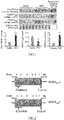
- the experimental method described in Non-patent Document 4 only analyzed total VEGF-A, VEGF-A 165 a, and VEGF-A 165 b in the blood of healthy subjects and PAD patients by Western blotting and confirmed the magnitude of the expression levels as shown in FIG.1 .
- Non-patent Document 4 is a study focused on elucidating the contradiction between test results and advance of the disease in PAD patients and neither suggests nor describes accurately measuring the VEGF-A 165 b concentration in the blood of critical limb ischemia patients after surgery and evaluating the therapeutic results in the critical limb ischemia patient after surgery by using the changes over time in the concentration measured as an indicator.
- angiogenic therapy in the present specification means a therapeutic method for promoting the regeneration of blood vessels.
- examples include, in addition to the transplantation of bone marrow mononuclear cells or adipose-derived regenerative cells to a patient mentioned above, methods that transplant vascular endothelial cells that produce VEGF-A, macrophages, smooth muscle, vascular endothelial progenitor cells, iPS cells, and the like to a patient.
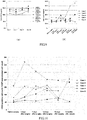
- FIG. 2 is a drawing outlining the structures of VEGF-A 165 a and VEGF-A 165 b (see Non-patent Document 4).
- the serum is separated from the blood by a conventional method, and the VEGF-A 165 b concentration in the blood may be measured (measurement step) by enzyme immunoassay (ELISA) using a commercial anti-VEGF-A 165 b antibody that specifically recognizes exon 8b.
- ELISA enzyme immunoassay
- a step that measures the VEGF-A 165 b concentration in the blood of the patient before performing angiogenic therapy may be defined as a first measurement step and a step that measures the VEGF-A 165 b concentration in the blood after performing angiogenic therapy may be defined as a second measurement step.
- the serum When measuring the total VEGF-A concentration in the blood, the serum is separated from the blood by a conventional method and the total VEGF-A concentration may be measured by ELISA using a commercial anti-VEGF-A antibody that specifically recognizes the N-terminal shown in FIG. 2 .
- the VEGF-A 165 a concentration in the blood When measuring the VEGF-A 165 a concentration in the blood, the serum is separated from the blood by a conventional method, and the VEGF-A 165 a concentration may be measured by ELISA using an anti-VEGF-A 165 a antibody that specifically recognizes exon 8a.
- An anti-VEGF-A 165 a antibody may be produced by a known method.
- the VEGF-A, VEGF-A 165 a, and VEGF-A 165 b concentrations in the blood can be measured accurately by ELISA.
- the VEGF-A 165 b concentration in the blood (serum) is measured periodically at predetermined times, for example, after surgery, after 2 weeks, after 3 weeks, after 4 weeks, after 2 months, after 3 months, after 6 months, etc., even though the changes over time vary depending on the symptoms.
- a therapeutic effect can be evaluated to be present when the VEGF-A 165 b concentration in the blood (serum) decreases significantly after a predetermined time in comparison to that before performing angiogenic therapy (sometimes referred to hereinafter as "before surgery").
- a temporary rise in the VEGF-A 165 b concentration was seen in the blood of critical limb ischemia patients after surgery.
- a therapeutic effect may be evaluated to be present when the VEGF-A 165 b concentration rises temporarily after surgery and the VEGF-A 165 b concentration subsequently decreases from that before surgery. Also, as will be demonstrated in the examples described below, the greater the percentage decrease in the VEGF-A 165 b concentration, the greater the therapeutic effect can also be evaluated to be.
- taking the ratio as an indicator allows one to predict the therapeutic effect accurately.
- the therapeutic effect in a critical limb ischemia patient after surgery may be evaluated taking the VEGF-A 165 b concentration or the VEGF-A 165 b concentration/total VEGF-A concentration ratio as an indicator, or by taking both the VEGF-A 165 b concentration and the VEGF-A 165 b concentration/total VEGF-A concentration ratio as indicators.
- methods for evaluating the therapeutic effect in a critical limb ischemia patient who has undergone angiogenic therapy are described above, but one can also use a monitoring method that observes the therapeutic effect in the patient while evaluating the therapeutic effect by using the above measurement step and evaluation step.
- VEGF-A is composed mainly of VEGF-A 165 a and VEGF-A 165 b. Therefore, the therapeutic effect in a critical limb ischemia patient after surgery can be evaluated even by using the VEGF-A 165 a or the VEGF-A 165 a concentration/total VEGF-A concentration ratio as an indicator.
- the VEGF-A 165 a concentration may be measured by producing an antibody that specifically recognizes only VEGF-A 165 a (e.g., that recognizes only exon 8a of FIG. 2 ) by a known method and measuring the VEGF-A 165 a concentration by ELISA.
- the VEGF-A 165 b concentration may be subtracted from the total VEGF-A concentration.
- the VEGF-A 165 b concentration/total of the VEGF-A 165 b concentration and VEGF-A 165 a concentration ratio may be used instead of the VEGF-A 165 b concentration/total VEGF-A concentration ratio.
- labeled anti-VEGF-A 165 b antibody, anti-VEGF-A 165 a antibody, and anti-VEGF-A antibody may be used.
- a labeled secondary antibody that recognizes and binds with an anti-VEGF-A 165 b antibody, anti-VEGF-A 165 a antibody, or anti-VEGF-A antibody may also be used. Measurement devices of this type are not particularly restricted as long as they can detect signals based on the labels used and can be selected as is appropriate in accordance with the type of label.
- the computer system 3 may include a computer 4, an input unit 5 for inputting data, etc., and a display unit 6 for displaying information on the critical limb ischemia patient, evaluation results, etc.
- the computer system 3 acquires the VEGF-A 165 b concentration measured value and/or the VEGF-A 165 b concentration/total VEGF-A concentration ratio in a blood sample collected from a critical limb ischemia patient based on optical information received from measurement device 2.
- the computer 4 as shown in FIG. 4 , is equipped with a processor (CPU) 40, ROM 41, RAM 42, hard disk drive (HDD) 43, input/output interface 44, reading device 45, communication interface 46, and image output interface 47. These are connected so as to be able to communicate data by bus 48. Also, the measurement device 2 is connected so as to be able to communicate with computer 4 by communication interface 46.
- CPU central processing unit
- ROM 41 read-only memory
- RAM 42 random access memory
- HDD hard disk drive
- input/output interface 44 input/output interface 44
- reading device 45 communication interface 46
- image output interface 47 image output interface 47.
- Computer programs for execution by the CPU 40 such as the operating system, application programs (therapeutic effect evaluation program), etc. and data used in the execution of these computer programs are stored on the hard disk drive 43.
- the hard disk drive 43 may record, in addition to the predetermined standard value (cutoff value), changes over time in the VEGF-A 165 b concentration measured value of a critical limb ischemia patient and/or the VEGF-A 165 b concentration/total VEGF-A concentration ratio, etc.
- the reading device 45 is composed of a flexible disk drive, CD-ROM drive, DVD ROM drive, etc.
- the reading device 45 can read computer programs or data recorded by portable recording media 7.
- the input/output interface 44 is composed, for example, of a USB, IEEE 1394, RS-232C, or other such serial interfaces and SCSI, IDE, IEEE 1284, or other such parallel interfaces, and an analog interface comprising a D/A converter, A/D converter, and the like.
- Input units 5 such as a keyboard, mouse, and the like are connected to the input/output interface 44. The operator can input various commands to the computer 3 by the input unit 5.
- the communication interface 46 is, for example, an ethernet (registered trademark) interface or the like.
- the computer 3 can send printing data to a printer or the like by the communication interface 46.
- the image output interface 47 is connected to the display unit 6 composed of an LCD, CRT, or the like.
- the display unit 6 can output a video signal corresponding to the image data given from the CPU 40.
- the display unit 6 displays an image according to the video signal input.
- step ST1 when optical information (signal) is received from the measurement device 2, the CPU 40 calculates the measured value of the VEGF-A 165 b concentration and/or the VEGF-A 165 b concentration/total VEGF-A concentration ratio in a blood sample based on the optical information acquired and stores it in ROM 41 or on the hard disk drive 43.
- the CPU 40 evaluates that a therapeutic effect is present in the critical limb ischemia patient who has undergone angiogenic therapy and, in step ST6, the CPU 40 outputs the evaluation results, displays them on the display unit 5, and prints them by a printer.
- the evaluation result that there is a therapeutic effect may also be stored in ROM 41 or on the hard disk drive 43.
- step ST3 becomes "NO" and the program advances to step ST5.
- the CPU 40 evaluates that a therapeutic effect is not present in the critical limb ischemia patent who has undergone angiogenic therapy.
- the CPU 40 outputs the evaluation results, displays them on the display unit 5, and prints them by a printer.
- the evaluation result that there is no therapeutic effect may also be stored in ROM 41 or on the hard disk drive 43.
- the VEGF-A 165 b concentration/total VEGF-A concentration ratio may be substituted by the ratio of the VEGF-A 165 b concentration/total value of the VEGF-A 165 a concentration and VEGF-A 165 b concentration in the therapeutic effect evaluation device and computer program.
- the clinical specimens, angiogenic therapy procedure, and method for measuring the VEGF-A 165 b and total VEGF-A concentrations in the blood used in the examples and comparative examples are as follows.
- Angiogenic therapy was performed on critical limb ischemia patients of the following cases.
- FIG. 6 is photographs of the critical limb ischemia patients of cases 1-5 before and after (after 28 days and 6 months in cases 1-3, after 28 days in cases 4 and 5) surgery. As is evident from the photographs, angiogenic therapy improved the symptoms in all cases, although to different degrees.
- Serum was first separated from the blood by a conventional method. Next, DTT was added to make a final concentration of 5 mM to the isolated serum, and pretreatment was carried out for 60 minutes at 37°C. Next, the VEGF-A 165 b concentration in the pretreated blood was measured using a Human Vascular Endothelial Growth Factor-165b ELISA Kit (MyBioSource Inc., MBS720132) according to the manufacturer's instructions.
- Serum was first separated from the blood by a conventional method. Next, the total VEGF-A concentration in the serum was measured using a Human VEGF Quantikine ELISA Kit, DVE00 (R&D Inc) according to the manufacturer's instructions.
- the CD34-positive cell count in the blood was measured using a Beckman Coulter A07776 according to the attached manual.
- the rise in the VEGF-A 165 b concentration in the blood on days 3 and 7 after surgery is thought to be because of inflammatory cells surrounding the transplantation site due to angiogenic therapy and VEGF-A 165 b being released into the blood as a secretion of inflammatory cells.
- the VEGF-A 165 b concentration in the blood was decreased from that before surgery on day 14 after surgery in cases 1 and 2.
- the therapeutic effect of angiogenic therapy can be evaluated using the changes over time in the VEGF-A 165 b concentration in the blood of a critical limb ischemia patient after surgery as an indicator. Also, despite differences depending on the case, the changes over time in the VEGF-A 165 b concentration are monitored for at least 14 days after surgery, and a therapeutic effect can be evaluated to be present when the VEGF-A 165 b concentration in the blood is decreased from before surgery.
- FIG. 8(A) is a graph showing the changes over time in the VEGF-A 165 b concentration/total VEGF-A concentration ratio in the blood of healthy subjects.
- FIG. 8(B) is a graph showing the changes over time in the VEGF-A 165 b concentration/total VEGF-A concentration ratio in the blood of the critical limb ischemia patients of cases 1-5 before and after surgery.
- FIG. 8(A) is a graph showing the changes over time in the VEGF-A 165 b concentration/total VEGF-A concentration ratio in the blood of healthy subjects.
- Angiogenic therapy was performed by the same procedure as above on a critical limb ischemia patient of the following case, and the changes over time in the VEGF-A 165 b concentration (Example 3), changes over time in the VEGF-A 165 b concentration/total VEGF-A concentration ratio (Example 4), and the changes over time in the total VEGF-A concentration (Comparative Example 6) were measured before and 28 days after surgery.
- FIG. 11 is photographs of the critical limb ischemia patient of case 6 before and 28 days after surgery. Furthermore, case 6 had ulcers on the toe and calf. As is evident from the photographs, the therapeutic effect was slight even though the ulcer on the calf became smaller and the symptoms improved due to angiogenic therapy.
- FIG. 12 is a graph showing the changes over time before and 28 days after surgery.
- FIG. 12(A) shows the changes over time in the total VEGF-A concentration
- FIG. 12(B) shows the changes over time in the VEGF-A 165 b concentration
- FIG. 12(C) shows the changes over time in the VEGF-A 165 b concentration/total VEGF-A concentration ratio.
- the VEGF-A 165 b concentration and the VEGF-A 165 b concentration/total VEGF-A concentration ratio were decreased significantly 28 days after surgery in comparison to before surgery.
- the VEGF-A 165 b concentration and the VEGF-A 165 b concentration/total VEGF-A concentration ratio decreased after a predetermined time (28 days after surgery) in comparison to before surgery in all cases. Therefore, for example, setting the standard value (cutoff value) of the percentage decrease at 0, a therapeutic effect can be evaluated to be present when the percentage decrease is greater than 0. Also, the trend obtained was that the greater the percentage decrease, the greater the therapeutic effect was. Therefore, a therapeutic effect is evaluated to be present when the percentage decrease after a predetermined time (for example, approximately one month after surgery or the like) is greater than 30%, and the need for retreatment can be evaluated clearly by setting the standard value in advance. It was also clarified that the standard value may be different for the arms and legs.
- the present invention makes it possible to evaluate the therapeutic effect in critical limb ischemia patients who have undergone angiogenic therapy objectively with little patient burden.
- the present invention is therefore useful in the medical industry.
Landscapes
- Health & Medical Sciences (AREA)
- Life Sciences & Earth Sciences (AREA)
- Engineering & Computer Science (AREA)
- Molecular Biology (AREA)
- Biomedical Technology (AREA)
- Immunology (AREA)
- Chemical & Material Sciences (AREA)
- Urology & Nephrology (AREA)
- Hematology (AREA)
- Cell Biology (AREA)
- General Health & Medical Sciences (AREA)
- Biotechnology (AREA)
- Pathology (AREA)
- Food Science & Technology (AREA)
- Medicinal Chemistry (AREA)
- Physics & Mathematics (AREA)
- Analytical Chemistry (AREA)
- Biochemistry (AREA)
- Microbiology (AREA)
- General Physics & Mathematics (AREA)
- Endocrinology (AREA)
- Proteomics, Peptides & Aminoacids (AREA)
- Bioinformatics & Cheminformatics (AREA)
- Toxicology (AREA)
- Tropical Medicine & Parasitology (AREA)
- Investigating Or Analysing Biological Materials (AREA)
Abstract
Description
- The present invention relates to a method for evaluating and a method for monitoring the therapeutic effect in a critical limb ischemia patient who has undergone angiogenic therapy, a reagent for evaluating therapeutic effect, and a device and computer program for evaluating therapeutic effect, in particular to an evaluation method and monitoring method, a reagent for evaluating therapeutic effect, and a device and computer program for evaluating therapeutic effect that measure the concentration of VEGF-A165b, an isoform of vascular endothelial growth factor-A (VEGF-A) expressed in the blood of critical limb ischemia patients, and take changes over time in the VEGF-A165b concentration measured as an indicator.
- "Ischemic limb" is a disease in which the arteries in the arms or legs become clogged and narrow, causing blood circulation to deteriorate. Oral medication or injections and the like are commonly used in relatively mild cases such as coldness of the leg and calf pain when walking. On the other hand, limb ischemia is referred to as critical limb ischemia (CLI) when the symptoms progress to the point that the hands or feet hurt even at rest and develop sores (ulcers) at the ends. There are even cases in which the limb must be amputated if treatment is not performed to increase the blood circulation as much as possible.
- Examples of major factors in the development of critical limb ischemia include peripheral artery disease (PAD) or arteriosclerosis obliterans (ASO), Buerger's disease or thromboangiitis obliterans (TAO), collagen disease-related angiitis (such as scleroderma and systemic lupus erythematosus), and the like.
- PAD is a disease in which arteriosclerosis occurs and narrowing or clogging of an artery (peripheral artery) of a hand or foot causes blood flow to deteriorate, triggering various symptoms. The number of patients with PAD based on arteriosclerosis has tended to increase in Japan in recent years with westernization of the diet and aging of the population. Although the exact number of PAD patients is not currently known, some six million people are estimated to be affected based on epidemiological surveys and demographics in various parts of the country. Symptoms of PAD can include numbness and pain, skin ulcers as the condition worsens, and even necrosis of part of a limb. In addition, amputation of the affected limb (hand or foot) is necessary when the symptoms are severe, and the prognosis is poor.
- Physical therapy, drug therapy, and revascularization are known as methods of treating critical limb ischemia. In particular, from the 1990s, attempts have been made to promote angiogenesis and collateral circulation from healthy tissues around the ischemic region using various growth factors, VEGF-A (vascular endothelial growth factor), and other such genes and human recombinant proteins. These treatments to promote angiogenesis and collateral circulation are called "therapeutic angiogenesis" or "angiogenic therapy."
- As specific examples of angiogenic therapy, angiogenic therapy that transplants bone marrow mononuclear cells collected from bone marrow is known for critical limb ischemia in which limb amputation is unavoidable by conventional therapies (see Non-patent Document 1). Transplantation of adipose-derived regenerative cells (ADRCs) to the affected site is also known to enhance angiogenesis in the ischemic tissue (see Non-patent Document 2).
- The following seven points are known as indicators for evaluating the therapeutic effect in critical limb ischemia (PAD, etc.) patients who have undergone angiogenic therapy.
- 1. Visual inspection: Photographically record ischemic ulcers that can be visually inspected.
- 2. Numerical rating scale (NRS): Evaluation of pain on 11 tiers of a scale from 0 to 10.
- 3. Measure the ankle-brachial index (ABI).
- 4. Measure the subcutaneous blood flow or skin tissue perfusion pressure (SPP) or percutaneous tissue oxygen partial pressure (TcO2) by laser doppler.
- 5. Evaluate angiogenesis by diagnostic imaging.
- 6. Measure the CD34-positive cell count in the peripheral blood.
- 7. Measure the six-minute walking distance (additional item used only when a lower leg lesion permits walking).
-
- [Non-patent Document 1] Eriko Tateishi-Yuyama et al., "Therapeutic Angiogenesis for Patients with Limb Ischemia by Autologous Transplantation of Bone Marrow Cells: Randomized Controlled Trial", The LANCET, Vol.360, August10, 2002, p427-435
- [Non-patent Document 2] Kazuhisa Kando et al., "Implantation of Adipose-Derived Regenerative Cells Enhances Ischemia-Induced Angiogenesis.", Arterioscler Thromb Vasc Vasc Biol, January 2009, p61-66
- Angiogenic therapy is expected to find further clinical application in the future as a method for treating critical limb ischemia patients. Nonetheless, only methods 1-7 listed above are known as indicators for evaluating the therapeutic effect in critical limb ischemia patients after they have undergone conventional angiogenic therapy. Pain and other such symptoms involve the subjectivity of the critical ischemic limb patient. Also, evaluation using equipment such as a laser doppler or diagnostic imaging requires the critical limb ischemia patient to go to where the equipment is located, and the patient burden is a significant problem. Even though the method of measuring the CD34-positive cell count in the peripheral blood does not involve the subjectivity of the critical limb ischemia patient and imposes little patient burden, the problem is that it mainly reflects how many of the transplanted cells have appeared in the blood and cannot evaluate the actual therapeutic effect. The development of a method that imposes little patient burden and permits objective evaluation of the therapeutic effect is therefore desired.
- The present invention is an invention intended to solve the above problem of the prior art. It was newly discovered upon in-depth investigation that the therapeutic effect of angiogenic therapy can be evaluated by measuring the VEGF-A165b concentration in the blood of a critical limb ischemia patient who has undergone angiogenic therapy and using the changes over time in the VEGF-A165b concentration measured as an indicator, and the present invention was perfected.
- Specifically, the purpose of the present invention is to provide an evaluation method and a monitoring method that permit evaluating the therapeutic effect in a critical limb ischemia patient who has undergone angiogenic therapy objectively and with little patient burden, a reagent for evaluating the therapeutic effect, and a device and computer program for evaluating the therapeutic effect.
- The present invention, shown below, relates to a method for evaluating and method for monitoring the therapeutic effect in a critical limb ischemia patient who has undergone angiogenic therapy, a reagent for evaluating the therapeutic effect, and a device and computer program for evaluating the therapeutic effect.
-
- (1) A method for evaluating a therapeutic effect in a critical limb ischemia patient who has undergone angiogenic therapy wherein the evaluation method includes:
- a measurement step for measuring a VEGF-A165b concentration in a blood of the critical limb ischemia patient, and
- an evaluation step for evaluating the therapeutic effect taking changes over time in the measured VEGF-A165b concentration as an indicator.
- (2) The evaluation method according to (1) above, wherein:
the evaluation step evaluates the therapeutic effect to be present when the VEGF-A165b concentration rises temporarily after angiogenic therapy above that before angiogenic therapy, then decreases below that before angiogenic therapy. - (3) The evaluation method according to (1) above, wherein:
- the measurement step measures the VEGF-A165b concentration and the total VEGF-A concentration in the blood of the critical limb ischemia patient, and
- the evaluation step uses the changes over time in the VEGF-A165b concentration/total VEGF-A concentration ratio measured as the indicator.
- (4) The evaluation method according to (1) or (2) above, wherein:
the greater the percentage decrease in the VEGF-A165b concentration a predetermined time after angiogenic therapy in comparison to the VEGF-A165b concentration before angiogenic therapy, the higher the evaluation step evaluates the therapeutic effect to be. - (5) The evaluation method according to (3) above, wherein:
the greater the percentage decrease in the VEGF-A165b concentration/total VEGF-A concentration ratio a predetermined time after angiogenic therapy in comparison to the VEGF-A165b concentration/total VEGF-A concentration before angiogenic therapy, the higher the evaluation step evaluates the therapeutic effect to be. - (6) The evaluation method according to (4) or (5) above, wherein:
the evaluation step evaluates a therapeutic effect to be present when the percentage decrease is greater than a predetermined standard value. - (7) A method for monitoring a therapeutic effect in a critical limb ischemia patient who has undergone angiogenic therapy wherein the monitoring method includes:
- a first measurement step to measure a VEGF-A165b concentration in a blood of the patient before angiogenic therapy,
- a second measurement step to measure the VEGF-A165b concentration in the blood of the patient after angiogenic therapy, and
- a step to evaluate the therapeutic effect of angiogenic therapy in the patient based on the results of the first measurement step and the second measurement step.
- (8) The monitoring method according to (7) above, wherein:
a therapeutic effect of angiogenic therapy is evaluated to be present in the patient when the VEGF-A165b concentration measured in the second measurement step is lower than the VEGF-A165b concentration measured in the first measurement step. - (9) The monitoring method according to (7) above, wherein:
- VEGF-A165a is also measured in the first measurement step,
- VEGF-A165a is also measured in the second measurement step,
- a first ratio = (VEGF-A165b concentration measured in first measurement step)/(total of VEGF-A165a concentration and VEGF-A165b concentration measured in first measurement step) is calculated prior to the evaluation step,
- a second ratio = (VEGF-A165b concentration measured in second measurement step)/(total of VEGF-A165a concentration and VEGF-A165b concentration measured in second measurement step) is calculated prior to the evaluation step, and
- a therapeutic effect of angiogenic therapy is evaluated to be present in the patient when a value of the second ratio is lower than the value of the first ratio in the evaluation step.
- (10) The monitoring method according to (7) above, wherein:
- total VEGF-A concentration is also measured in the first measurement step,
- total VEGF-A concentration is also measured in the second measurement step,
- a first ratio = (VEGF-A165b concentration measured in first measurement step)/(total VEGF-A concentration measured in first measurement step) is calculated prior to the evaluation step,
- a second ratio = (VEGF-A165b concentration measured in second measurement step)/(total VEGF-A concentration measured in second measurement step) is calculated prior to the evaluation step, and
- a therapeutic effect of angiogenic therapy is evaluated to be present in the patient when the value of the second ratio is lower than the value of the first ratio.
- (11) The monitoring method according to any of (7)-(10) above, wherein:
the second measurement step is performed approximately one month after angiogenic therapy. - (12) A reagent for evaluating a therapeutic effect in a critical limb ischemia patient that includes:
- a denaturing agent that breaks down the three-dimensional structure of at least the
exon 8b portion of VEGF-A165b, and - an anti-VEGF-A165b antibody.
- a denaturing agent that breaks down the three-dimensional structure of at least the
- (13) The reagent for evaluating the therapeutic effect in the critical limb ischemia patient according to (12) above, wherein:
the denaturing agent is at least one selected from dithiothreitol, urea, and acid and alkali. - (14) A device for evaluating a therapeutic effect in a critical limb ischemia patient who has undergone angiogenic therapy equipped with a computer including a processor and memory under control of the processor in which
the memory stores a computer program for the computer to execute:- (1) a step that acquires a VEGF-A165b concentration measured value and/or a VEGF-A165b concentration/total VEGF-A concentration ratio in a blood of a critical limb ischemia patient,
- (2) a step that calculates a percentage decrease in the VEGF-A165b concentration a predetermined time after angiogenic therapy to the VEGF-A165b concentration prior to angiogenic therapy and/or the percentage decrease in the VEGF-A165b concentration/total VEGF-A concentration ratio a predetermined time after angiogenic therapy to the VEGF-A165b concentration/total VEGF-A concentration ratio prior to angiogenic therapy and compares the percentage decrease(s) calculated with predetermined standard value(s), and
- (3) a step that evaluates a therapeutic effect to be present in the critical limb ischemia patient who has undergone angiogenic therapy when the percentage decrease is greater than the predetermined standard value.
- (15) A computer program that executes the following in a computer that includes a processor and memory under control of the processor:
- (1) a step that acquires a VEGF-A165b concentration measured value and/or a VEGF-A165b concentration/total VEGF-A concentration ratio in a blood of a critical limb ischemia patient,
- (2) a step that calculates the percentage decrease in the VEGF-A165b concentration a predetermined time after angiogenic therapy to the VEGF-A165b concentration prior to angiogenic therapy and/or the percentage decrease in the VEGF-A165b concentration/total VEGF-A concentration ratio a predetermined time after angiogenic therapy to the VEGF-A165b concentration/total VEGF-A concentration ratio prior to angiogenic therapy and compares the percentage decrease(s) calculated with predetermined standard value(s), and
- (3) a step that evaluates a therapeutic effect to be present in the critical limb ischemia patient who has undergone angiogenic therapy when the percentage decrease is greater than the predetermined standard value.
- The therapeutic effect of angiogenic therapy can be evaluated objectively with little patient burden by taking as an indicator the changes over time in the VEGF-A165b concentration expressed in the blood of a critical limb ischemia patient after undergoing angiogenic therapy.
-
-
FIG. 1 shows the results of Western blotting analysis described inNon-patent Document 4. -
FIG. 2 is a drawing outlining the structures of VEGF-A165a and VEGF-A165b. -
FIG. 3 is a schematic drawing showing an example of a device for evaluating the therapeutic effect in a critical limb ischemia patient. -
FIG. 4 is a block diagram showing a hardware configuration of an evaluation device. -
FIG. 5 is a flow chart of an example of an embodiment of an evaluation method using an evaluation device. -
FIG. 6 is photographs substituted for a drawing and is photographs taken before and after angiogenic therapy in the critical limb ischemia patients of cases 1-5. -
FIG. 7(A) is a graph showing the changes over time in the VEGF-A165b concentration in the blood of healthy subjects.FIG. 7(B) is a graph showing the changes over time in the VEGF-A165b concentration in the blood of the critical limb ischemia patients of cases 1-5 before and after angiogenic therapy. -
FIG. 8(A) is a graph showing the changes over time in the VEGF-A165b concentration/total VEGF-A concentration ratio in the blood of healthy subjects.FIG. 8(B) is a graph showing the changes over time in the VEGF-A165b concentration/total VEGF-A concentration ratio in the blood of the critical limb ischemia patients of cases 1-5 before and after angiogenic therapy. -
FIG. 9(A) is a graph showing the changes over time in the total VEGF-A concentration in the blood of healthy subjects.FIG. 9(B) is a graph showing the changes over time in the total VEGF-A concentration in the blood of the critical limb ischemia patients of cases 1-5 before and after angiogenic therapy. -
FIG. 10 is a graph showing the changes over time in the CD34-positive cell count in the blood of the critical limb ischemia patients of cases 1-5 before and after angiogenic therapy. -
FIG. 11 is photographs substituted for a drawing and is a photograph of the critical limb ischemia patient ofcase 6 taken before angiogenic therapy and a photograph taken 28 days after therapy. -
FIG. 12 is graphs showing the changes over time before and 28 days after angiogenic therapy of critical limb ischemia patients.FIG. 12(A) shows the changes over time in the total VEGF-A concentration;FIG. 12(B) shows the changes over time in the VEGF-A165b concentration;FIG. 12(C) shows the changes over time in the VEGF-A165b concentration/total VEGF-A concentration ratio. - Embodiments of the method for evaluating the therapeutic effect in critical limb ischemia patients who have undergone angiogenic therapy (sometimes simply referred to hereinafter as the "evaluation method"), monitoring method, reagent for evaluating the therapeutic effect, and device and computer program for evaluating the therapeutic effect are explained in detail below.
- The evaluation method shown in the embodiment takes as the indicator the changes over time in the VEGF-A165b concentration expressed in the blood of a critical limb ischemia patient after undergoing angiogenic therapy (sometimes referred to hereinafter as "after surgery"). VEGF-A was identified in the 1980s and is known as a group of glycoproteins involved in blood vessel formation and angiogenesis. VEGF-A binds as a ligand to vascular endothelial growth factor receptors (VEGFR) on the surface of vascular endothelial cells where it acts to stimulate cell division, migration, and differentiation and to enhance the vascular permeability of the microvessels. It is also known to be involved in the activation of monocytes and macrophages. In addition to being involved in angiogenesis of the normal body, it is also known to be involved in the course of malignant transformation such as tumor blood vessel formation and metastasis.
- On the other hand, VEGF-A165b, which is in the VEGF-A family, was identified in 2002 as an isoform in which a portion of the sequences generated by specific splicing at the terminus of the 8th exon, which is a constituent element of the VEGF-A gene, are different (David O.B. et.al., "VEGF165b, an Inhibitory Splice Variant of Vascular Endothelial Growth Factor, Is Down-Regulated in Renal Cell Carcinoma.", Cancer Res. 2002 Jul 15; 62 (14) :4123-31) . VEGF-A165b is known to have the effect of inhibiting VEGF-A-induced vascular endothelial proliferation, epithelial migration, vasodilation, in vivo angiogenesis, and tumor growth.
- As regards the problem that ischemia of the lower limb tissue is not improving even though the blood concentration of VEGF-A which creates new blood vessels in PAD patients is rising dominantly in comparison to healthy persons (Clarence M. Findley et al., "Plasma Levels of Soluble Tie2 and Vascular Endothelial Growth Factor Distinguish Critical Limb Ischemia From Intermittent Claudication in Patients With Peripheral Arterial Disease", Journal of the American College of Cardiology, 2008, Vol.52, Issue5, p387-393, sometimes referred to hereinafter as "
Non-patent Document 3"), the present inventors clarified by separately measuring the angiogenesis-promoting form VEGF-A165a and the suppressing form VEGF-A165b that VEGF-A165b rises in PAD patients and that rise is a cause of angiogenesis insufficiency (R. Kikuchi et. Al., "An antiangiogenic isoform of VEGF-A contributes to impaired vascularization in peripheral artery disease" , ), sometimes referred to hereinafter as "Non-patent Document 4"). - Furthermore, the above
Non-patent Document 4 is a study conducted to elucidate the contradiction between the test results and the advance of the disease in PAD patients described inNon-patent Document 3. In addition, as shown inFIG.1 , the experimental method described inNon-patent Document 4 only analyzed total VEGF-A, VEGF-A165a, and VEGF-A165b in the blood of healthy subjects and PAD patients by Western blotting and confirmed the magnitude of the expression levels as shown inFIG.1 . As mentioned above,Non-patent Document 4 is a study focused on elucidating the contradiction between test results and advance of the disease in PAD patients and neither suggests nor describes accurately measuring the VEGF-A165b concentration in the blood of critical limb ischemia patients after surgery and evaluating the therapeutic results in the critical limb ischemia patient after surgery by using the changes over time in the concentration measured as an indicator. - The term "angiogenic therapy" in the present specification means a therapeutic method for promoting the regeneration of blood vessels. Examples include, in addition to the transplantation of bone marrow mononuclear cells or adipose-derived regenerative cells to a patient mentioned above, methods that transplant vascular endothelial cells that produce VEGF-A, macrophages, smooth muscle, vascular endothelial progenitor cells, iPS cells, and the like to a patient.
-
FIG. 2 is a drawing outlining the structures of VEGF-A165a and VEGF-A165b (see Non-patent Document 4). The serum is separated from the blood by a conventional method, and the VEGF-A165b concentration in the blood may be measured (measurement step) by enzyme immunoassay (ELISA) using a commercial anti-VEGF-A165b antibody that specifically recognizesexon 8b. Furthermore, in the measurement step, a step that measures the VEGF-A165b concentration in the blood of the patient before performing angiogenic therapy may be defined as a first measurement step and a step that measures the VEGF-A165b concentration in the blood after performing angiogenic therapy may be defined as a second measurement step. When measuring the total VEGF-A concentration in the blood, the serum is separated from the blood by a conventional method and the total VEGF-A concentration may be measured by ELISA using a commercial anti-VEGF-A antibody that specifically recognizes the N-terminal shown inFIG. 2 . When measuring the VEGF-A165a concentration in the blood, the serum is separated from the blood by a conventional method, and the VEGF-A165a concentration may be measured by ELISA using an anti-VEGF-A165a antibody that specifically recognizesexon 8a. An anti-VEGF-A165a antibody may be produced by a known method. The VEGF-A, VEGF-A165a, and VEGF-A165b concentrations in the blood can be measured accurately by ELISA. - Furthermore, VEGF-A165b cannot be detected even if the VEGF-A165b concentration in the blood (serum) is measured by ELISA using a commercial anti- VEGF-A165b antibody. This is presumably because the three-dimensional structure of
exon 8b to which the anti- VEGF-A165b antibody binds differs depending on the sample (such as serum, plasma, urine, cell culture supernatant, etc.). Therefore, the present inventors newly discovered that the VEGF-A165b concentration in the serum can be measured by ELISA using an anti-VEGF-A165b antibody by conducting measurement after pretreating the serum separated from the blood. The pretreatment should be capable of breaking down the three-dimensional structure of at least the exon 8B portion of VEGF-A165b. Examples include treating the serum by dithiothreitol (DTT) or urea or treating the serum by an acid such as hydrochloric acid and neutralizing by an alkali such as sodium hydroxide. Therefore, a reagent for evaluating the therapeutic effect in critical limb ischemia patients can be produced by combining (1) a denaturing agent that breaks down the three-dimensional structure of at least theexon 8b portion of VEGF-A165b, selected from dithiothreitol, urea, and acid and alkali, etc., and (2) an anti-VEGF-A165b antibody. - In the evaluation step, the VEGF-A165b concentration in the blood (serum) is measured periodically at predetermined times, for example, after surgery, after 2 weeks, after 3 weeks, after 4 weeks, after 2 months, after 3 months, after 6 months, etc., even though the changes over time vary depending on the symptoms. A therapeutic effect can be evaluated to be present when the VEGF-A165b concentration in the blood (serum) decreases significantly after a predetermined time in comparison to that before performing angiogenic therapy (sometimes referred to hereinafter as "before surgery"). Furthermore, as will be demonstrated in the examples described below, a temporary rise in the VEGF-A165b concentration was seen in the blood of critical limb ischemia patients after surgery. Therefore, a therapeutic effect may be evaluated to be present when the VEGF-A165b concentration rises temporarily after surgery and the VEGF-A165b concentration subsequently decreases from that before surgery. Also, as will be demonstrated in the examples described below, the greater the percentage decrease in the VEGF-A165b concentration, the greater the therapeutic effect can also be evaluated to be.
- In the evaluation step, the changes over time in the VEGF-A165b concentration in the blood (serum) may be taken as an indicator, but the VEGF-A165b concentration and the total VEGF-A concentration in the blood of the critical limb ischemia patient may be measured after surgery and the changes over time in the VEGF-A165b concentration/total VEGF-A concentration ratio measured may be taken as an indicator. Using the VEGF-A165b concentration/total VEGF-A concentration ratio as an indicator allows one to understand the percentage of VEGF-A165b in total VEGF-A and to understand whether the critical limb ischemia patient is in a state in which the blood vessels regenerate easily or a state that suppresses regeneration of the blood vessels. Furthermore, with regard to the above ratio, the VEGF-A165b concentration/total VEGF-A concentration ratio in the blood of the patient before angiogenic therapy may be defined as the first ratio and the VEGF-A165b concentration/total VEGF-A concentration ratio in the blood after angiogenic therapy may be defined as the second ratio. Also, as demonstrated in the examples described below, taking the ratio as an indicator allows one to predict the therapeutic effect accurately. The therapeutic effect in a critical limb ischemia patient after surgery may be evaluated taking the VEGF-A165b concentration or the VEGF-A165b concentration/total VEGF-A concentration ratio as an indicator, or by taking both the VEGF-A165b concentration and the VEGF-A165b concentration/total VEGF-A concentration ratio as indicators. Furthermore, methods for evaluating the therapeutic effect in a critical limb ischemia patient who has undergone angiogenic therapy are described above, but one can also use a monitoring method that observes the therapeutic effect in the patient while evaluating the therapeutic effect by using the above measurement step and evaluation step.
- As described above, the therapeutic effect in a critical limb ischemia patient after surgery is evaluated using the VEGF-A165b concentration or the VEGF-A165b concentration/total VEGF-A concentration ratio as an indicator. However, VEGF-A is composed mainly of VEGF-A165a and VEGF-A165b. Therefore, the therapeutic effect in a critical limb ischemia patient after surgery can be evaluated even by using the VEGF-A165a or the VEGF-A165a concentration/total VEGF-A concentration ratio as an indicator. The VEGF-A165a concentration may be measured by producing an antibody that specifically recognizes only VEGF-A165a (e.g., that recognizes only
exon 8a ofFIG. 2 ) by a known method and measuring the VEGF-A165a concentration by ELISA. Alternatively, the VEGF-A165b concentration may be subtracted from the total VEGF-A concentration. Also, the VEGF-A165b concentration/total of the VEGF-A165b concentration and VEGF-A165a concentration ratio may be used instead of the VEGF-A165b concentration/total VEGF-A concentration ratio. - An embodiment of an evaluation device and evaluation program for implementing the evaluation method of the above embodiment is described below with reference to the drawings.
FIG. 3 is a schematic diagram of anevaluation device 1. Theevaluation device 1 includes ameasurement device 2 and acomputer system 3 connected to themeasurement device 2. - The
measurement device 2 measures the VEGF-A165b concentration in the blood of a critical limb ischemia patient and, if necessary, the VEGF-A165a concentration and total VEGF-A concentration. There are no particular limitations as to themeasurement device 2, which can be selected as is appropriate in accordance with the method of measuring VEGF-A165b, VEGF-A165a, and VEGF-A. Themeasurement device 2 of this embodiment, for example, is a measurement device capable of detecting the signals produced by ELISA using an antibody that specifically recognizes only VEGF-A165b, an antibody that specifically recognizes only VEGF-A165a, and an antibody that specifically recognizes VEGF-A. Furthermore, labeled anti-VEGF-A165b antibody, anti-VEGF-A165a antibody, and anti-VEGF-A antibody may be used. Alternatively, a labeled secondary antibody that recognizes and binds with an anti-VEGF-A165b antibody, anti-VEGF-A165a antibody, or anti-VEGF-A antibody may also be used. Measurement devices of this type are not particularly restricted as long as they can detect signals based on the labels used and can be selected as is appropriate in accordance with the type of label. - When a reagent including at least the above antibody and a blood sample collected from a critical limb ischemia patient are set in the
measurement device 2, themeasurement device 2 carries out an antigen-antibody reaction using each reagent, acquires signals as optical information based on the antibodies bonded specifically to VEGF-A165b, VEGF-A165a, and VEGF-A, and sends the optical information obtained to acomputer system 3. Furthermore, the blood sample may be a sample that has been denatured in advance by a denaturing agent that breaks down the three-dimensional structure of at least theexon 8b portion of VEGF-A165b, or may be denatured using a denaturing agent inside themeasurement device 2. - The
computer system 3 may include acomputer 4, aninput unit 5 for inputting data, etc., and adisplay unit 6 for displaying information on the critical limb ischemia patient, evaluation results, etc. Thecomputer system 3 acquires the VEGF-A165b concentration measured value and/or the VEGF-A165b concentration/total VEGF-A concentration ratio in a blood sample collected from a critical limb ischemia patient based on optical information received frommeasurement device 2. Next, (i) the percentage decrease in the VEGF-A165b concentration (second measurement step) a predetermined time after angiogenic therapy to the VEGF-A165b concentration (first measurement step) before angiogenic therapy and/or (ii) the percentage decrease in the ratio (second ratio) of the VEGF-A165b concentration/total VEGF-A concentration ratio a predetermined time after angiogenic therapy to the ratio (first ratio) of the VEGF-A165b concentration/total VEGF-A concentration ratio before angiogenic therapy is calculated. Next, the existence of a therapeutic effect in the critical limb ischemia patient who has undergone angiogenic therapy is evaluated by comparing the percentage decrease calculated to a predetermined standard value. Furthermore, thecomputer system 3, as shown inFIG. 3 , may be a separate instrument from themeasurement device 2 or may be incorporated into themeasurement device 2. - The
computer 4, as shown inFIG. 4 , is equipped with a processor (CPU) 40,ROM 41,RAM 42, hard disk drive (HDD) 43, input/output interface 44,reading device 45,communication interface 46, andimage output interface 47. These are connected so as to be able to communicate data by bus 48. Also, themeasurement device 2 is connected so as to be able to communicate withcomputer 4 bycommunication interface 46. - The
CPU 40 controls the operation of each input/output unit and executes computer programs stored inROM 41 or onhard disk drive 43. In other words, theCPU 40 processes the optical information received from themeasurement device 2 in accordance with a computer program, calculates the measured value of the VEGF-A165b concentration in the blood sample and/or the VEGF-A165b concentration/total VEGF-A concentration ratio, reads out the predetermined standard value (cutoff value) stored inROM 41 or onhard disk drive 43, and evaluates that a therapeutic effect is present in the critical limb ischemia patient who has undergone angiogenic therapy when (i) the percentage decrease in the VEGF-A165b concentration a predetermined time after angiogenic therapy to the VEGF-A165b concentration before angiogenic therapy and/or (ii) the percentage decrease in the VEGF-A165b concentration/total VEGF-A concentration ratio a predetermined time after angiogenic therapy to the VEGF-A165b concentration/total VEGF-A concentration ratio before angiogenic therapy is greater than the standard value. TheCPU 40 also outputs the determination results and displays them on thedisplay unit 5. -
ROM 41 is composed of a mask ROM, PROM, EPROM, EEPROM, etc. As described above, a computer program (evaluation program) for evaluating the therapeutic effect in a critical limb ischemia patient who has undergone angiogenic therapy executed by theCPU 40 and data used in executing this therapeutic effect evaluation program are recorded inROM 41. Also, in addition to the predetermined standard value, the changes over time in the VEGF-A165b concentration measured value of a critical limb ischemia patient and/or the VEGF-A165b concentration/total VEGF-A concentration ratio, etc. may be recorded inROM 41. -
RAM 42 is composed of SRAM, DRAM, etc.RAM 42 is used in readout of the computer programs stored inROM 41 and on thehard disk drive 43.RAM 42 is also utilized as a work area for theCPU 40 when theCPU 40 is executing these computer programs. - Computer programs for execution by the
CPU 40 such as the operating system, application programs (therapeutic effect evaluation program), etc. and data used in the execution of these computer programs are stored on thehard disk drive 43. Thehard disk drive 43 may record, in addition to the predetermined standard value (cutoff value), changes over time in the VEGF-A165b concentration measured value of a critical limb ischemia patient and/or the VEGF-A165b concentration/total VEGF-A concentration ratio, etc. - The
reading device 45 is composed of a flexible disk drive, CD-ROM drive, DVD ROM drive, etc. Thereading device 45 can read computer programs or data recorded byportable recording media 7. - The input/
output interface 44 is composed, for example, of a USB, IEEE 1394, RS-232C, or other such serial interfaces and SCSI, IDE, IEEE 1284, or other such parallel interfaces, and an analog interface comprising a D/A converter, A/D converter, and the like.Input units 5 such as a keyboard, mouse, and the like are connected to the input/output interface 44. The operator can input various commands to thecomputer 3 by theinput unit 5. - The
communication interface 46 is, for example, an ethernet (registered trademark) interface or the like. Thecomputer 3 can send printing data to a printer or the like by thecommunication interface 46. - The
image output interface 47 is connected to thedisplay unit 6 composed of an LCD, CRT, or the like. Thedisplay unit 6 can output a video signal corresponding to the image data given from theCPU 40. Thedisplay unit 6 displays an image according to the video signal input. - Next, an example of an embodiment of the method for evaluating the therapeutic effect in a critical limb ischemia patient who has undergone angiogenic therapy executed by the
evaluation device 1 based on the evaluation program will be explained usingFIG. 5 . First, in step ST1, when optical information (signal) is received from themeasurement device 2, theCPU 40 calculates the measured value of the VEGF-A165b concentration and/or the VEGF-A165b concentration/total VEGF-A concentration ratio in a blood sample based on the optical information acquired and stores it inROM 41 or on thehard disk drive 43. In step ST2, theCPU 40 compares (i) the percentage decrease in the VEGF-A165b concentration a predetermined time after angiogenic therapy to the VEGF-A165b concentration before angiogenic therapy and/or (ii) the parentage decrease in the VEGF-A165b concentration/total VEGF-A concentration ratio a predetermined time after angiogenic therapy to the VEGF-A165b concentration/total VEGF-A concentration ratio before angiogenic therapy with a predetermined standard value (cutoff value) stored inROM 41 or on thehard disk drive 43. When the percentage decrease is greater than the standard value (cutoff value), step ST3 becomes "YES" and the program advances to ST4. TheCPU 40 evaluates that a therapeutic effect is present in the critical limb ischemia patient who has undergone angiogenic therapy and, in step ST6, theCPU 40 outputs the evaluation results, displays them on thedisplay unit 5, and prints them by a printer. The evaluation result that there is a therapeutic effect may also be stored inROM 41 or on thehard disk drive 43. On the other hand, when the percentage decrease is the same as or lower than the predetermined standard value (cutoff value), step ST3 becomes "NO" and the program advances to step ST5. TheCPU 40 evaluates that a therapeutic effect is not present in the critical limb ischemia patent who has undergone angiogenic therapy. In step ST6, theCPU 40 outputs the evaluation results, displays them on thedisplay unit 5, and prints them by a printer. The evaluation result that there is no therapeutic effect may also be stored inROM 41 or on thehard disk drive 43. The VEGF-A165b concentration/total VEGF-A concentration ratio may be substituted by the ratio of the VEGF-A165b concentration/total value of the VEGF-A165a concentration and VEGF-A165b concentration in the therapeutic effect evaluation device and computer program. - An embodiment of the therapeutic effect evaluation device and computer program was explained above, but the present invention is not limited to the above embodiment and can be modified in various ways as long as one does not deviate from the spirit of the present invention.
- The present invention is described more specifically below by using examples. The examples, however, are merely provided as a reference to specific embodiments to explain the present invention. These examples are to explain specific, concrete embodiments of the present invention, but in no way limit or restrict the scope of the invention disclosed herein.
- The clinical specimens, angiogenic therapy procedure, and method for measuring the VEGF-A165b and total VEGF-A concentrations in the blood used in the examples and comparative examples are as follows.
- Angiogenic therapy was performed on critical limb ischemia patients of the following cases.
- Case 1: 64-year-old female, scleroderma, intractable toe ulcer
- Case 2: 65-year-old female, scleroderma + arteriosclerosis obliterans (ASO), intractable toe ulcer
- Case 3: 49-year-old male, Buerger's disease, intractable to necrosis and ulcer
- Case 4: 28-year-old female, scleroderma + systemic lupus erythematosus (SLE), intractable finger ulcer
- Case 5: 37-year-old female, systemic lupus erythematosus (SLE), intractable toe ulcer
- Five healthy subjects were also selected for comparison. The selection criteria for the healthy subjects were that they not satisfy the following four points.
- 1. Dyslipidemia
- 2. Impaired glucose tolerance
- 3. Smoking history
- 4. Abnormal blood pressure
- The critical limb ischemia patent was given local or general anesthesia, and approximately 300 mL of adipose tissue was collected from the patient's own subcutaneous fat by liposuction. Next, the liposuction suspension was placed in a special sterilized disposable kit connected to a Celution centrifugal separator (Cytori Therapeutics, Inc.), and ADRCs were isolated. The isolated ADRCs were transplanted to the affected site (ischemic limb) by intramuscular injection.
FIG. 6 is photographs of the critical limb ischemia patients of cases 1-5 before and after (after 28 days and 6 months in cases 1-3, after 28 days incases 4 and 5) surgery. As is evident from the photographs, angiogenic therapy improved the symptoms in all cases, although to different degrees. - Serum was first separated from the blood by a conventional method. Next, DTT was added to make a final concentration of 5 mM to the isolated serum, and pretreatment was carried out for 60 minutes at 37°C. Next, the VEGF-A165b concentration in the pretreated blood was measured using a Human Vascular Endothelial Growth Factor-165b ELISA Kit (MyBioSource Inc., MBS720132) according to the manufacturer's instructions.
- Serum was first separated from the blood by a conventional method. Next, the total VEGF-A concentration in the serum was measured using a Human VEGF Quantikine ELISA Kit, DVE00 (R&D Inc) according to the manufacturer's instructions.
- The CD34-positive cell count in the blood was measured using a Beckman Coulter A07776 according to the attached manual.
-
FIG. 7(A) is a graph showing the changes over time in the VEGF-A165b concentration in the blood of healthy subjects, andFIG. 7(B) is a graph showing the changes over time in the VEGF-A165b concentration in the blood before and after surgery in the critical limb ischemia patients of cases 1-5. As shown inFIG. 7(A) , no significant trend could be seen in healthy subjects with a mean change in the VEGF-A165b concentration of -2.9%±12.2% (p = 0.8125) fromday 1 today 28. On the other hand, as shown inFIG. 7(B) , the VEGF-A165b concentration in the blood onday 28 after surgery decreased in all cases in comparison to before surgery in the critical limb ischemia patients of cases 1-5, and a significant trend was seen with a mean concentration change -35.0±12.4% (p = 0.0114). Also, as shown by cases 1-3 inFIG. 7(B) , the VEGF-A165b concentration in theblood 6 months after surgery was the same or very slightly increased in comparison to 28 days after surgery, but still sufficiently lower than the VEGF-A165b concentration before surgery. Furthermore, the rise in the VEGF-A165b concentration in the blood ondays FIG. 7(B) , the VEGF-A165b concentration in the blood was decreased from that before surgery onday 14 after surgery incases - The above results clarified that the therapeutic effect of angiogenic therapy can be evaluated using the changes over time in the VEGF-A165b concentration in the blood of a critical limb ischemia patient after surgery as an indicator. Also, despite differences depending on the case, the changes over time in the VEGF-A165b concentration are monitored for at least 14 days after surgery, and a therapeutic effect can be evaluated to be present when the VEGF-A165b concentration in the blood is decreased from before surgery.
- In addition, there is little change in the VEGF-A165b concentration in the blood even though differences are seen in the visual
therapeutic effect 28 days and 6 months after surgery, as shown by the photographs of cases 1-3 inFIG. 6 . Therefore, since using the evaluation method of the present invention permits a treatment prediction at a relatively early stage after surgery, the treatment motivation of the critical limb ischemia patient can be raised and treatment plans such as additional angiogenic therapy can be reexamined at an early stage. -
FIG. 8(A) is a graph showing the changes over time in the VEGF-A165b concentration/total VEGF-A concentration ratio in the blood of healthy subjects.FIG. 8(B) is a graph showing the changes over time in the VEGF-A165b concentration/total VEGF-A concentration ratio in the blood of the critical limb ischemia patients of cases 1-5 before and after surgery. As shown inFIG. 8(A) , no significant trend was seen in the VEGF-A165b concentration/total VEGF-A concentration ratio in the blood fromday 1 today 28 in healthy subjects with a mean change of -9.9%±2.9% (p = 0.063). On the other hand, as shown inFIG. 8(B) , the VEGF-A165b concentration/total VEGF-A concentration ratio in the blood onday 28 after surgery decreased in all cases in comparison to before surgery in the critical limb ischemia patients of cases 1-5, and a significant trend was seen with a mean change in the ratio of -46.2±23.7% (p = 0.0172). - Also, as shown by the photographs taken after 6 months in cases 1-3 in
FIG. 6 , an ulcerated part still remained even though a therapeutic effect was seen incase 1, but the ulcerated part virtually disappeared incases FIG. 7(B) , the VEGF-A165b concentration is slightly higher 6 months after surgery in all cases. On the other hand, if we examine the changes over time in the VEGF-A165b concentration/total VEGF-A concentration ratio 28 days and 6 months after surgery in cases 1-3 inFIG. 8(B) , the ratio was higher 6 months after surgery incase 1, but the ratio was lower 6 months after surgery incases cases case 1. - The above results suggested that the therapeutic effect can be evaluated (predicted) more accurately using the changes over time in the VEGF-A165b concentration/total VEGF-A concentration ratio as an indicator.
-
FIG. 9(A) is a graph showing the changes over time in the total VEGF-A concentration on the blood of healthy subjects.FIG. 9(B) is a graph showing the changes over time in the total VEGF-A concentration in the blood of the critical limb ischemia patents of cases 1-5 before and after surgery. No significant trend was seen in the total VEGF-A concentration in the blood fromday 1 today 28 in healthy subjects shown inFIG. 9(A) with a mean change of 7.6%±10.9% (p = 0.4127). Also, variations were found in the total VEGF-A concentration in the blood fromday 1 today 28 in the critical limb ischemia patients of cases 1-5 shown inFIG. 9(B) with a mean change of 56.8±115.6% (p = 3558), and no significant trend could be seen. -
FIG. 10 is a graph showing the changes over time in the CD34-positive cell count in the critical limb ischemia patients of cases 1-5 before and after surgery. No significant trend was seen in the CD34-positive cell count fromday 1 today 28 in the critical limb ischemia patients of cases 1-5 with a mean change of 38.4±41.4% (p = 0.2857). - As described above, it became clear that the therapeutic effect of angiogenic therapy could be evaluated using the changes over time in the VEGF-A165b concentration and the changes over time in the VEGF-A165b concentration/total VEGF-A concentration ratio in specimens from
cases 1 to 5 as an indicator. Furthermore, based on the photographs before and after treatment inFIG. 6 and onFIG. 7(B) and FIG. 8(B) , the trend was seen that the greater the percentage decrease in the VEGF-A165b concentration and the VEGF-A165b concentration/total VEGF-A concentration ratio onday 28 after surgery in comparison to before surgery, the higher the therapeutic effect. This was therefore studied further. - Angiogenic therapy was performed by the same procedure as above on a critical limb ischemia patient of the following case, and the changes over time in the VEGF-A165b concentration (Example 3), changes over time in the VEGF-A165b concentration/total VEGF-A concentration ratio (Example 4), and the changes over time in the total VEGF-A concentration (Comparative Example 6) were measured before and 28 days after surgery.
- Case 6: 43-year-old male, Buerger's disease, intractable toe necrosis and ulcer
-
FIG. 11 is photographs of the critical limb ischemia patient ofcase 6 before and 28 days after surgery. Furthermore,case 6 had ulcers on the toe and calf. As is evident from the photographs, the therapeutic effect was slight even though the ulcer on the calf became smaller and the symptoms improved due to angiogenic therapy. -
FIG. 12 is a graph showing the changes over time before and 28 days after surgery.FIG. 12(A) shows the changes over time in the total VEGF-A concentration;FIG. 12(B) shows the changes over time in the VEGF-A165b concentration; andFIG. 12(C) shows the changes over time in the VEGF-A165b concentration/total VEGF-A concentration ratio. Although virtually no changes over time were seen in the total VEGF-A concentration, the VEGF-A165b concentration and the VEGF-A165b concentration/total VEGF-A concentration ratio were decreased significantly 28 days after surgery in comparison to before surgery. - Next, the numerical values and percentage changes before and 28 days after surgery from each graph of
FIG. 7(B), FIG. 8(B) ,FIG. 9(B) , andFIG. 12(A)-(C) were summarized in tables. Also, the therapeutic effect was classified as marked improvement, moderate improvement, or slight improvement based on the photographs ofFIG. 6 andFIG. 11 .[Table 1] <Total VEGF-A (pg/mL)> Before surgery 28 days after surgery Percentage change Affected limb Therapeutic effect Case 1 155.2 179.3 15.5 right leg moderate Case 2 138.6 500.6 261.3 right leg marked Case 3177.8 218.0 22.6 left leg marked Case 4144.4 155.2 7.5 right leg marked Case 5242.4 187.2 -22.8 left leg marked Case 6246.5 240.6 -2.4 left leg slight [Table 2] <VEGF-A165b (pg/mL)> Before surgery 28 days after surgery Percentage change Affected limb Therapeutic effect Case 1 110.3 63.1 -42.7 right leg moderate Case 2 70.0 44.5 -36.5 right leg marked Case 372.4 46.9 -35.3 left leg marked Case 478.9 67.6 -14.3 right leg marked Case 5104.8 56.2 -46.4 left leg marked Case 6208.0 152.6 -26.6 left leg slight [Table 3] <VEGF-A165b/Pan VEGF-A ratio (%)> Before surgery 28 days after surgery Percentage change Affected limb Therapeutic effect Case 1 71.0 35.2 -50.4 right leg moderate Case 2 50.5 8.9 -82.4 right leg marked Case 340.7 21.5 -47.2 left leg marked Case 454.6 43.6 -20.3 right leg marked Case 543.2 30.0 -30.6 left leg marked Case 684.4 63.4 -24.8 left leg slight - As is evident from Table 1, no correlation was seen between the percentage change in the changes over time in the total VEGF-A concentration and the therapeutic effect. On the other hand, as is evident from Tables 2 and 3, the percentage change (percentage decrease) in the changes over time in the VEGF-A165b concentration and the percentage change (percentage decrease) in the changes over time in the VEGF-A165b concentration/total VEGF-A concentration ratio of
case 6 were smaller than in cases 1-3 and 5, and the therapeutic effect was also slight. Furthermore,case 4 had a marked therapeutic effect despite the small percentage changes (percentage decreases) shown in Table 2 and 3. This is thought to be because the affected site was an arm (hand) only incase 4, different from the affected site (leg) of the other cases. - Based on the above results, the VEGF-A165b concentration and the VEGF-A165b concentration/total VEGF-A concentration ratio decreased after a predetermined time (28 days after surgery) in comparison to before surgery in all cases. Therefore, for example, setting the standard value (cutoff value) of the percentage decrease at 0, a therapeutic effect can be evaluated to be present when the percentage decrease is greater than 0. Also, the trend obtained was that the greater the percentage decrease, the greater the therapeutic effect was. Therefore, a therapeutic effect is evaluated to be present when the percentage decrease after a predetermined time (for example, approximately one month after surgery or the like) is greater than 30%, and the need for retreatment can be evaluated clearly by setting the standard value in advance. It was also clarified that the standard value may be different for the arms and legs.
- Based on the above results, it was clarified that the therapeutic effect can be evaluated in critical limb ischemia patients who have undergone angiogenic therapy using the changes over time in the VEGF-A165b concentration in the blood of critical limb ischemia patients after surgery as an indicator.
- The present invention makes it possible to evaluate the therapeutic effect in critical limb ischemia patients who have undergone angiogenic therapy objectively with little patient burden. The present invention is therefore useful in the medical industry.
Claims (15)
- A method for evaluating a therapeutic effect in a critical limb ischemia patient who has undergone angiogenic therapy wherein the evaluation method includes:a measurement step for measuring a VEGF-A165b concentration in a blood of the critical limb ischemia patient, andan evaluation step for evaluating the therapeutic effect taking changes over time in the measured VEGF-A165b concentration as an indicator.
- The evaluation method according to claim 1, wherein:
the evaluation step evaluates the therapeutic effect to be present when the VEGF-A165b concentration rises temporarily after angiogenic therapy above that before angiogenic therapy, then decreases below that before angiogenic therapy. - The evaluation method according to claim 1, wherein:the measurement step measures the VEGF-A165b concentration and the total VEGF-A concentration in the blood of the critical limb ischemia patient, andthe evaluation step uses the changes over time in the VEGF-A165b concentration/total VEGF-A concentration ratio measured as the indicator.
- The evaluation method according to claims 1 or 2, wherein:
the greater the percentage decrease in the VEGF-A165b concentration a predetermined time after angiogenic therapy in comparison to the VEGF-A165b concentration before angiogenic therapy, the higher the evaluation step evaluates the therapeutic effect to be. - The evaluation method according to claim 3, wherein:
the greater the percentage decrease in the VEGF-A165b concentration/total VEGF-A concentration ratio a predetermined time after angiogenic therapy in comparison to the VEGF-A165b concentration/total VEGF-A concentration before angiogenic therapy, the higher the evaluation step evaluates the therapeutic effect to be. - The evaluation method according to claims 4 or 5, wherein:
the evaluation step evaluates a therapeutic effect to be present when the percentage decrease is greater than a predetermined standard value. - A method for monitoring a therapeutic effect in a critical limb ischemia patient who has undergone angiogenic therapy wherein the monitoring method includes:a first measurement step to measure a VEGF-A165b concentration in a blood of the patient before angiogenic therapy,a second measurement step to measure the VEGF-A165b concentration in the blood of the patient after angiogenic therapy, anda step to evaluate the therapeutic effect of angiogenic therapy in the patient based on the results of the first measurement step and the second measurement step.
- The monitoring method according to claim 7, wherein:
a therapeutic effect of angiogenic therapy is evaluated to be present in the patient when the VEGF-A165b concentration measured in the second measurement step is lower than the VEGF-A165b concentration measured in the first measurement step. - The monitoring method according to claim 7, wherein: VEGF-A165a is also measured in the first measurement step, VEGF-A165a is also measured in the second measurement step,a first ratio = (VEGF-A165b concentration measured in first measurement step)/(total of VEGF-A165a concentration and VEGF-A165b concentration measured in first measurement step) is calculated prior to the evaluation step,a second ratio = (VEGF-A165b concentration measured in second measurement step)/(total of VEGF-A165a concentration and VEGF-A165b concentration measured in second measurement step) is calculated prior to the evaluation step, anda therapeutic effect of angiogenic therapy is evaluated to be present in the patient when a value of the second ratio is lower than the value of the first ratio in the evaluation step.
- The monitoring method according to claim 7, wherein:total VEGF-A concentration is also measured in the first measurement step,total VEGF-A concentration is also measured in the second measurement step,a first ratio = (VEGF-A165b concentration measured in first measurement step)/(total VEGF-A concentration measured in first measurement step) is calculated prior to the evaluation step,a second ratio = (VEGF-A165b concentration measured in second measurement step)/(total VEGF-A concentration measured in second measurement step) is calculated prior to the evaluation step, anda therapeutic effect of angiogenic therapy is evaluated to be present in the patient when the value of the second ratio is lower than the value of the first ratio.
- The monitoring method according to any of claims 7-10, wherein:
the second measurement step is performed approximately one month after angiogenic therapy. - A reagent for evaluating a therapeutic effect in a critical limb ischemia patient that includes:a denaturing agent that breaks down the three-dimensional structure of at least the exon 8b portion of VEGF-A165b, andan anti-VEGF-A165b antibody.
- The reagent for evaluating the therapeutic effect in the critical limb ischemia patient according to claim 12, wherein:
the denaturing agent is at least one selected from dithiothreitol, urea, and acid and alkali. - A device for evaluating a therapeutic effect in a critical limb ischemia patient who has undergone angiogenic therapy equipped with a computer including a processor and memory under control of the processor in which
the memory stores a computer program for the computer to execute:(1) a step that acquires a VEGF-A165b concentration measured value and/or a VEGF-A165b concentration/total VEGF-A concentration ratio in a blood of a critical limb ischemia patient,(2) a step that calculates a percentage decrease in the VEGF-A165b concentration a predetermined time after angiogenic therapy to the VEGF-A165b concentration prior to angiogenic therapy and/or the percentage decrease in the VEGF-A165b concentration/total VEGF-A concentration ratio a predetermined time after angiogenic therapy to the VEGF-A165b concentration/total VEGF-A concentration ratio prior to angiogenic therapy and compares the percentage decrease(s) calculated with predetermined standard value(s), and(3) a step that evaluates a therapeutic effect to be present in the critical limb ischemia patient who has undergone angiogenic therapy when the percentage decrease is greater than the predetermined standard value. - A computer program that executes the following in a computer that includes a processor and memory under control of the processor:(1) a step that acquires a VEGF-A165b concentration measured value and/or a VEGF-A165b concentration/total VEGF-A concentration ratio in a blood of a critical limb ischemia patient,(2) a step that calculates the percentage decrease in the VEGF-A165b concentration a predetermined time after angiogenic therapy to the VEGF-A165b concentration prior to angiogenic therapy and/or the percentage decrease in the VEGF-A165b concentration/total VEGF-A concentration ratio a predetermined time after angiogenic therapy to the VEGF-A165b concentration/total VEGF-A concentration ratio prior to angiogenic therapy and compares the percentage decrease(s) calculated with predetermined standard value(s), and(3) a step that evaluates a therapeutic effect to be present in the critical limb ischemia patient who has undergone angiogenic therapy when the percentage decrease is greater than the predetermined standard value.
Applications Claiming Priority (2)
| Application Number | Priority Date | Filing Date | Title |
|---|---|---|---|
| JP2016105047 | 2016-05-26 | ||
| PCT/JP2017/019338 WO2017204244A1 (en) | 2016-05-26 | 2017-05-24 | Method for evaluating and method for monitoring therapeutic effect in critical limb ischemia patient after angiogenic therapy, reagent for evaluating therapeutic effect, and device and computer program for evaluating therapeutic effect |
Publications (2)
| Publication Number | Publication Date |
|---|---|
| EP3467506A1 true EP3467506A1 (en) | 2019-04-10 |
| EP3467506A4 EP3467506A4 (en) | 2020-01-22 |
Family
ID=60412716
Family Applications (1)
| Application Number | Title | Priority Date | Filing Date |
|---|---|---|---|
| EP17802830.4A Withdrawn EP3467506A4 (en) | 2016-05-26 | 2017-05-24 | EVALUATION METHOD AND METHOD FOR MONITORING A THERAPEUTIC EFFECT IN A PATIENT WITH CRITICAL MEMBERS 'ISCHEMIA AFTER ANGIOGENIC THERAPY, REACTIVE TO EVALUATE A THERAPEUTIC EFFECT, AND COMPUTER DEVICE AND PROGRAM FOR EVALUATING A THERAPY EFFECT |
Country Status (5)
| Country | Link |
|---|---|
| US (1) | US20200326351A1 (en) |
| EP (1) | EP3467506A4 (en) |
| JP (1) | JP6685563B2 (en) |
| CN (1) | CN109154622A (en) |
| WO (1) | WO2017204244A1 (en) |
Families Citing this family (1)
| Publication number | Priority date | Publication date | Assignee | Title |
|---|---|---|---|---|
| CN113222974B (en) * | 2021-05-31 | 2023-12-29 | 沈阳先进医疗设备技术孵化中心有限公司 | Automatic evaluation method and device for side branch circulation |
Family Cites Families (2)
| Publication number | Priority date | Publication date | Assignee | Title |
|---|---|---|---|---|
| GB0704678D0 (en) * | 2007-03-09 | 2007-04-18 | Univ Bristol | Pro- and anti-angiogenic treatments |
| EP2358382A2 (en) * | 2008-11-22 | 2011-08-24 | The University of Bristol | NOVEL USES OF VEGFxxxB |
-
2017
- 2017-05-24 US US16/304,681 patent/US20200326351A1/en not_active Abandoned
- 2017-05-24 JP JP2018519579A patent/JP6685563B2/en active Active
- 2017-05-24 EP EP17802830.4A patent/EP3467506A4/en not_active Withdrawn
- 2017-05-24 WO PCT/JP2017/019338 patent/WO2017204244A1/en not_active Ceased
- 2017-05-24 CN CN201780032093.8A patent/CN109154622A/en active Pending
Also Published As
| Publication number | Publication date |
|---|---|
| US20200326351A1 (en) | 2020-10-15 |
| WO2017204244A1 (en) | 2017-11-30 |
| CN109154622A (en) | 2019-01-04 |
| JPWO2017204244A1 (en) | 2019-03-07 |
| EP3467506A4 (en) | 2020-01-22 |
| JP6685563B2 (en) | 2020-04-22 |
Similar Documents
| Publication | Publication Date | Title |
|---|---|---|
| Zheng et al. | NLRP3 inflammasomes show high expression in aorta of patients with atherosclerosis | |
| Rojas-Rodriguez et al. | PAPPA-mediated adipose tissue remodeling mitigates insulin resistance and protects against gestational diabetes in mice and humans | |
| Novack et al. | Natriuretic peptide B type test | |
| US20180098728A1 (en) | Non-invasive method for assessing the presence or severity of liver fibrosis based on a new detailed classification | |
| Woo et al. | TcPO2 value can predict wound healing time in clinical practice of CLTI patients | |
| Berg et al. | Association of S100A8/A9 with lipid-rich necrotic core and treatment with biologic therapy in patients with psoriasis: results from an observational cohort study | |
| Pu et al. | Predictors and outcome of malignant cerebral edema after successful reperfusion in anterior circulation stroke | |
| Zheng et al. | Overexpression of caspase-1 in aorta of patients with coronary atherosclerosis | |
| Bansal | Hepatic fibrogenesis | |
| Bender et al. | Early serum biomarkers for intensive care unit treatment within the first 24 hours in patients with intracerebral hemorrhage | |
| Zhao et al. | The association of the perioperative neutrophil-to-lymphocyte ratio with wound healing in patients with Wagner grade 3 and 4 diabetic foot ulcers after tibial cortex transverse transport surgery: a prospective observational cohort study | |
| Numaguchi et al. | Ablation of angiotensin IV receptor attenuates hypofibrinolysis via PAI-1 downregulation and reduces occlusive arterial thrombosis | |
| Kamat et al. | Assessment of endothelium and inflammatory response at the onset of reperfusion injury in hand surgery | |
| Mazzoccoli et al. | Epicardial adipose tissue and idiopathic deep venous thrombosis: an association study | |
| US20200326351A1 (en) | Method for evaluating and method for monitoring therapeutic effect in critical limb ischemia patient who has undergone angiogenic therapy, reagent for evaluating therapeutic effect, and device and computer program for evaluating therapeutic effect | |
| Beuthner et al. | Interdisciplinary research on aortic valve stenosis: a longitudinal collection of biospecimens and clinical data of patients undergoing transcatheter aortic valve replacement | |
| Dong et al. | High concentrations of resistin in the peripheral blood of patients with acute basal ganglia hemorrhage are associated with poor outcome | |
| Yuan et al. | Combination of ultra-early hematoma growth and blend sign for predicting hematoma expansion and functional outcome | |
| Gao et al. | Prognostic value of neuropeptide proenkephalin A in patients with severe traumatic brain injury | |
| Chen et al. | Glucagon responses of isolated a cells to glucose, insulin, somatostatin, and leptin | |
| Feldman‐Idov et al. | Prognostic factors predicting ischemic wound healing following hyperbaric oxygenation therapy | |
| Palmiere et al. | Biochemical investigations performed in pericardial fluid in forensic cases that underwent postmortem angiography | |
| Qiu et al. | The prognostic value of serum signal peptide-Cub-Egf domain-containing protein-1 concentrations in acute intracerebral hemorrhage | |
| JP6316200B2 (en) | Test method for cardiovascular disease with cyclophilin A | |
| Nakai et al. | Expression of cyclophilin a in coronary artery plaque with intraplaque hemorrhage is more frequent in deceased patients who had impaired kidney function |
Legal Events
| Date | Code | Title | Description |
|---|---|---|---|
| STAA | Information on the status of an ep patent application or granted ep patent |
Free format text: STATUS: THE INTERNATIONAL PUBLICATION HAS BEEN MADE |
|
| PUAI | Public reference made under article 153(3) epc to a published international application that has entered the european phase |
Free format text: ORIGINAL CODE: 0009012 |
|
| STAA | Information on the status of an ep patent application or granted ep patent |
Free format text: STATUS: REQUEST FOR EXAMINATION WAS MADE |
|
| 17P | Request for examination filed |
Effective date: 20181126 |
|
| AK | Designated contracting states |
Kind code of ref document: A1 Designated state(s): AL AT BE BG CH CY CZ DE DK EE ES FI FR GB GR HR HU IE IS IT LI LT LU LV MC MK MT NL NO PL PT RO RS SE SI SK SM TR |
|
| AX | Request for extension of the european patent |
Extension state: BA ME |
|
| DAV | Request for validation of the european patent (deleted) | ||
| DAX | Request for extension of the european patent (deleted) | ||
| A4 | Supplementary search report drawn up and despatched |
Effective date: 20191220 |
|
| RIC1 | Information provided on ipc code assigned before grant |
Ipc: G01N 33/50 20060101ALI20191216BHEP Ipc: G01N 33/68 20060101AFI20191216BHEP |
|
| STAA | Information on the status of an ep patent application or granted ep patent |
Free format text: STATUS: THE APPLICATION HAS BEEN WITHDRAWN |
|
| 18W | Application withdrawn |
Effective date: 20220407 |