EP3458594B1 - Vsv/ndv hybrid viruses for oncolytic therapy of cancer - Google Patents
Vsv/ndv hybrid viruses for oncolytic therapy of cancer Download PDFInfo
- Publication number
- EP3458594B1 EP3458594B1 EP17726873.7A EP17726873A EP3458594B1 EP 3458594 B1 EP3458594 B1 EP 3458594B1 EP 17726873 A EP17726873 A EP 17726873A EP 3458594 B1 EP3458594 B1 EP 3458594B1
- Authority
- EP
- European Patent Office
- Prior art keywords
- protein
- vsv
- ndv
- virus
- seq
- Prior art date
- Legal status (The legal status is an assumption and is not a legal conclusion. Google has not performed a legal analysis and makes no representation as to the accuracy of the status listed.)
- Active
Links
Images


Classifications
-
- A—HUMAN NECESSITIES
- A61—MEDICAL OR VETERINARY SCIENCE; HYGIENE
- A61K—PREPARATIONS FOR MEDICAL, DENTAL OR TOILETRY PURPOSES
- A61K35/00—Medicinal preparations containing materials or reaction products thereof with undetermined constitution
- A61K35/66—Microorganisms or materials therefrom
- A61K35/76—Viruses; Subviral particles; Bacteriophages
- A61K35/766—Rhabdovirus, e.g. vesicular stomatitis virus
-
- C—CHEMISTRY; METALLURGY
- C07—ORGANIC CHEMISTRY
- C07K—PEPTIDES
- C07K14/00—Peptides having more than 20 amino acids; Gastrins; Somatostatins; Melanotropins; Derivatives thereof
- C07K14/005—Peptides having more than 20 amino acids; Gastrins; Somatostatins; Melanotropins; Derivatives thereof from viruses
-
- A—HUMAN NECESSITIES
- A61—MEDICAL OR VETERINARY SCIENCE; HYGIENE
- A61K—PREPARATIONS FOR MEDICAL, DENTAL OR TOILETRY PURPOSES
- A61K38/00—Medicinal preparations containing peptides
- A61K38/16—Peptides having more than 20 amino acids; Gastrins; Somatostatins; Melanotropins; Derivatives thereof
- A61K38/162—Peptides having more than 20 amino acids; Gastrins; Somatostatins; Melanotropins; Derivatives thereof from virus
-
- A—HUMAN NECESSITIES
- A61—MEDICAL OR VETERINARY SCIENCE; HYGIENE
- A61K—PREPARATIONS FOR MEDICAL, DENTAL OR TOILETRY PURPOSES
- A61K38/00—Medicinal preparations containing peptides
- A61K38/16—Peptides having more than 20 amino acids; Gastrins; Somatostatins; Melanotropins; Derivatives thereof
- A61K38/43—Enzymes; Proenzymes; Derivatives thereof
- A61K38/46—Hydrolases (3)
- A61K38/47—Hydrolases (3) acting on glycosyl compounds (3.2), e.g. cellulases, lactases
-
- A—HUMAN NECESSITIES
- A61—MEDICAL OR VETERINARY SCIENCE; HYGIENE
- A61K—PREPARATIONS FOR MEDICAL, DENTAL OR TOILETRY PURPOSES
- A61K45/00—Medicinal preparations containing active ingredients not provided for in groups A61K31/00 - A61K41/00
- A61K45/06—Mixtures of active ingredients without chemical characterisation, e.g. antiphlogistics and cardiaca
-
- A—HUMAN NECESSITIES
- A61—MEDICAL OR VETERINARY SCIENCE; HYGIENE
- A61K—PREPARATIONS FOR MEDICAL, DENTAL OR TOILETRY PURPOSES
- A61K49/00—Preparations for testing in vivo
-
- A—HUMAN NECESSITIES
- A61—MEDICAL OR VETERINARY SCIENCE; HYGIENE
- A61K—PREPARATIONS FOR MEDICAL, DENTAL OR TOILETRY PURPOSES
- A61K9/00—Medicinal preparations characterised by special physical form
- A61K9/0012—Galenical forms characterised by the site of application
- A61K9/0019—Injectable compositions; Intramuscular, intravenous, arterial, subcutaneous administration; Compositions to be administered through the skin in an invasive manner
-
- A—HUMAN NECESSITIES
- A61—MEDICAL OR VETERINARY SCIENCE; HYGIENE
- A61K—PREPARATIONS FOR MEDICAL, DENTAL OR TOILETRY PURPOSES
- A61K9/00—Medicinal preparations characterised by special physical form
- A61K9/0012—Galenical forms characterised by the site of application
- A61K9/0019—Injectable compositions; Intramuscular, intravenous, arterial, subcutaneous administration; Compositions to be administered through the skin in an invasive manner
- A61K9/0021—Intradermal administration, e.g. through microneedle arrays or needleless injectors
-
- A—HUMAN NECESSITIES
- A61—MEDICAL OR VETERINARY SCIENCE; HYGIENE
- A61K—PREPARATIONS FOR MEDICAL, DENTAL OR TOILETRY PURPOSES
- A61K9/00—Medicinal preparations characterised by special physical form
- A61K9/0012—Galenical forms characterised by the site of application
- A61K9/0085—Brain, e.g. brain implants; Spinal cord
-
- A—HUMAN NECESSITIES
- A61—MEDICAL OR VETERINARY SCIENCE; HYGIENE
- A61P—SPECIFIC THERAPEUTIC ACTIVITY OF CHEMICAL COMPOUNDS OR MEDICINAL PREPARATIONS
- A61P35/00—Antineoplastic agents
-
- C—CHEMISTRY; METALLURGY
- C12—BIOCHEMISTRY; BEER; SPIRITS; WINE; VINEGAR; MICROBIOLOGY; ENZYMOLOGY; MUTATION OR GENETIC ENGINEERING
- C12N—MICROORGANISMS OR ENZYMES; COMPOSITIONS THEREOF; PROPAGATING, PRESERVING, OR MAINTAINING MICROORGANISMS; MUTATION OR GENETIC ENGINEERING; CULTURE MEDIA
- C12N15/00—Mutation or genetic engineering; DNA or RNA concerning genetic engineering, vectors, e.g. plasmids, or their isolation, preparation or purification; Use of hosts therefor
- C12N15/09—Recombinant DNA-technology
- C12N15/63—Introduction of foreign genetic material using vectors; Vectors; Use of hosts therefor; Regulation of expression
- C12N15/79—Vectors or expression systems specially adapted for eukaryotic hosts
- C12N15/85—Vectors or expression systems specially adapted for eukaryotic hosts for animal cells
- C12N15/86—Viral vectors
-
- C—CHEMISTRY; METALLURGY
- C12—BIOCHEMISTRY; BEER; SPIRITS; WINE; VINEGAR; MICROBIOLOGY; ENZYMOLOGY; MUTATION OR GENETIC ENGINEERING
- C12N—MICROORGANISMS OR ENZYMES; COMPOSITIONS THEREOF; PROPAGATING, PRESERVING, OR MAINTAINING MICROORGANISMS; MUTATION OR GENETIC ENGINEERING; CULTURE MEDIA
- C12N9/00—Enzymes; Proenzymes; Compositions thereof; Processes for preparing, activating, inhibiting, separating or purifying enzymes
- C12N9/14—Hydrolases (3)
- C12N9/24—Hydrolases (3) acting on glycosyl compounds (3.2)
- C12N9/2402—Hydrolases (3) acting on glycosyl compounds (3.2) hydrolysing O- and S- glycosyl compounds (3.2.1)
-
- C—CHEMISTRY; METALLURGY
- C12—BIOCHEMISTRY; BEER; SPIRITS; WINE; VINEGAR; MICROBIOLOGY; ENZYMOLOGY; MUTATION OR GENETIC ENGINEERING
- C12Y—ENZYMES
- C12Y302/00—Hydrolases acting on glycosyl compounds, i.e. glycosylases (3.2)
- C12Y302/01—Glycosidases, i.e. enzymes hydrolysing O- and S-glycosyl compounds (3.2.1)
- C12Y302/01018—Exo-alpha-sialidase (3.2.1.18), i.e. trans-sialidase
-
- A—HUMAN NECESSITIES
- A61—MEDICAL OR VETERINARY SCIENCE; HYGIENE
- A61K—PREPARATIONS FOR MEDICAL, DENTAL OR TOILETRY PURPOSES
- A61K38/00—Medicinal preparations containing peptides
-
- C—CHEMISTRY; METALLURGY
- C07—ORGANIC CHEMISTRY
- C07K—PEPTIDES
- C07K2319/00—Fusion polypeptide
- C07K2319/50—Fusion polypeptide containing protease site
-
- C—CHEMISTRY; METALLURGY
- C07—ORGANIC CHEMISTRY
- C07K—PEPTIDES
- C07K2319/00—Fusion polypeptide
- C07K2319/60—Fusion polypeptide containing spectroscopic/fluorescent detection, e.g. green fluorescent protein [GFP]
-
- C—CHEMISTRY; METALLURGY
- C12—BIOCHEMISTRY; BEER; SPIRITS; WINE; VINEGAR; MICROBIOLOGY; ENZYMOLOGY; MUTATION OR GENETIC ENGINEERING
- C12N—MICROORGANISMS OR ENZYMES; COMPOSITIONS THEREOF; PROPAGATING, PRESERVING, OR MAINTAINING MICROORGANISMS; MUTATION OR GENETIC ENGINEERING; CULTURE MEDIA
- C12N2760/00—MICROORGANISMS OR ENZYMES; COMPOSITIONS THEREOF; PROPAGATING, PRESERVING, OR MAINTAINING MICROORGANISMS; MUTATION OR GENETIC ENGINEERING; CULTURE MEDIA ssRNA viruses negative-sense
- C12N2760/00011—Details
- C12N2760/18011—Paramyxoviridae
- C12N2760/18111—Avulavirus, e.g. Newcastle disease virus
- C12N2760/18122—New viral proteins or individual genes, new structural or functional aspects of known viral proteins or genes
-
- C—CHEMISTRY; METALLURGY
- C12—BIOCHEMISTRY; BEER; SPIRITS; WINE; VINEGAR; MICROBIOLOGY; ENZYMOLOGY; MUTATION OR GENETIC ENGINEERING
- C12N—MICROORGANISMS OR ENZYMES; COMPOSITIONS THEREOF; PROPAGATING, PRESERVING, OR MAINTAINING MICROORGANISMS; MUTATION OR GENETIC ENGINEERING; CULTURE MEDIA
- C12N2760/00—MICROORGANISMS OR ENZYMES; COMPOSITIONS THEREOF; PROPAGATING, PRESERVING, OR MAINTAINING MICROORGANISMS; MUTATION OR GENETIC ENGINEERING; CULTURE MEDIA ssRNA viruses negative-sense
- C12N2760/00011—Details
- C12N2760/20011—Rhabdoviridae
- C12N2760/20211—Vesiculovirus, e.g. vesicular stomatitis Indiana virus
- C12N2760/20232—Use of virus as therapeutic agent, other than vaccine, e.g. as cytolytic agent
-
- C—CHEMISTRY; METALLURGY
- C12—BIOCHEMISTRY; BEER; SPIRITS; WINE; VINEGAR; MICROBIOLOGY; ENZYMOLOGY; MUTATION OR GENETIC ENGINEERING
- C12N—MICROORGANISMS OR ENZYMES; COMPOSITIONS THEREOF; PROPAGATING, PRESERVING, OR MAINTAINING MICROORGANISMS; MUTATION OR GENETIC ENGINEERING; CULTURE MEDIA
- C12N2760/00—MICROORGANISMS OR ENZYMES; COMPOSITIONS THEREOF; PROPAGATING, PRESERVING, OR MAINTAINING MICROORGANISMS; MUTATION OR GENETIC ENGINEERING; CULTURE MEDIA ssRNA viruses negative-sense
- C12N2760/00011—Details
- C12N2760/20011—Rhabdoviridae
- C12N2760/20211—Vesiculovirus, e.g. vesicular stomatitis Indiana virus
- C12N2760/20241—Use of virus, viral particle or viral elements as a vector
- C12N2760/20243—Use of virus, viral particle or viral elements as a vector viral genome or elements thereof as genetic vector
-
- C—CHEMISTRY; METALLURGY
- C12—BIOCHEMISTRY; BEER; SPIRITS; WINE; VINEGAR; MICROBIOLOGY; ENZYMOLOGY; MUTATION OR GENETIC ENGINEERING
- C12N—MICROORGANISMS OR ENZYMES; COMPOSITIONS THEREOF; PROPAGATING, PRESERVING, OR MAINTAINING MICROORGANISMS; MUTATION OR GENETIC ENGINEERING; CULTURE MEDIA
- C12N2810/00—Vectors comprising a targeting moiety
- C12N2810/50—Vectors comprising as targeting moiety peptide derived from defined protein
- C12N2810/60—Vectors comprising as targeting moiety peptide derived from defined protein from viruses
- C12N2810/6072—Vectors comprising as targeting moiety peptide derived from defined protein from viruses negative strand RNA viruses
Definitions
- the present invention relates to recombinant oncolytic viruses comprising a vesicular stomatitis virus (VSV), wherein the glycoprotein (G protein) of VSV is deleted; and which comprises a modified fusion protein (F protein) of Newcastle disease virus (NDV); and the hemagglutinin neuraminidase (HN) protein of NDV.
- VSV vesicular stomatitis virus
- F protein modified fusion protein
- NDV Newcastle disease virus
- HN hemagglutinin neuraminidase
- the present invention further relates to nucleic acids encoding for the recombinant oncolytic virus and vectors comprising the nucleic acids.
- the present invention further relates to pharmaceutical compositions comprising the rVSV of the invention, the nucleic acid or the vector, further to uses as gene delivery tool and/or for tumor detection.
- the present invention further relates to the recombinant oncolytic vesicular s
- Oncolytic viruses represent a novel class of therapeutic agents for cancer treatment, due to their intrinsic ability to selectively replicate and kill tumor cells, while sparing the surrounding normal tissue (Lorence et al. , 1994; Coffey et al. , 1998; Kirn et al. , 2001; Peng et al. , 2001).
- OV therapies involve the use of replication-competent viruses that are either inherently tumor selective or have been engineered to preferentially grow in tumor cells. During the process of malignant transformation, genetic abnormalities accumulate to provide cancer cells with growth and survival advantages. Many OVs exploit such defects in cellular signaling pathways to support their own replication in these cells.
- IFN interferon
- Oncolytic viruses exert their effects both by direct killing of infected tumor cells, as well as indirect effects, such as destruction of tumor vasculature and induction of adaptive immune responses, which can be directed against the tumor and lead to destruction of neighboring uninfected tumor cells.
- genetics systems are available, which allow us to engineer and rescue recombinant viral vectors from plasmid DNA. In this way, viruses can be modified to increase tumor specificity or to express therapeutic genes and/or reporter genes.
- VSV vesicular stomatitis virus
- Newcastle disease virus has been shown to be a potent oncolytic agent with an attractive safety profile in humans; however, the use of NDV poses an environmental risk to birds and the poultry industry, as avian species are the natural hosts of the virus. Although mesogenic and velogenic strains of NDV have been shown to be the most effective as oncolytic viruses, they have been classified by the USDA as select agents since 2008, prohibiting their use and thereby severely impeding the development of NDV into a clinical agent (www.selectagents.gov).
- VSVs harboring nucleotide substitutions or deletions to alter the amino acid composition of the matrix (M) protein at position 51 interfere with the ability of the endogenous M protein to inhibit cellular transcription and nucleocytoplasmic RNA transfer, allowing for antiviral cellular responses to be launched.
- M matrix
- intratumoral replication is also attenuated (Stojdl et al. , 2003; Ebert et al. , 2005), limiting the therapeutic value of this approach.
- VSV VSV genome-infected virus genome-infected virus genome-infected vectors
- miRNA target sequences are also less effective (Edge et al. , 2008; Kelly et al. , 2010).
- VSV oncolytic vesicular stomatitis virus
- this object is solved by a nucleic acid in accordance with the appended claims, encoding the recombinant oncolytic virus of the invention.
- VSV oncolytic vesicular stomatitis virus
- nucleic acid or the vector of the present invention or the pharmaceutical composition of the present invention as gene delivery tool, and/or (noninvasive) imaging of virus biodistribution, and/or for tumor detection.
- VSV oncolytic vesicular stomatitis virus
- VSV oncolytic vesicular stomatitis virus
- Also disclosed is a method of diagnosis, prevention and/or treatment of cancer comprising the step of administering to a subject in need thereof a therapeutically effective amount of the recombinant oncolytic virus, the nucleic acid or the vector of the present invention or the pharmaceutical composition of the present invention.
- the present invention provides recombinant oncolytic viruses.
- the present invention provides recombinant oncolytic VSV viruses in accordance with the appended claims, wherein the glycoprotein protein of VSV is pseudotyped.
- VSV vesicular stomatitis virus
- NDV Newcastle disease virus
- VSV Vesicular stomatitis virus
- Rhabdovirus a negative-strand RNA virus of the Rhabdovirus family.
- VSV vectors are very attractive oncolytic agents due to their inherent tumor specificity and rapid replication cycle, which results in high intratumoral titers and subsequent tumor cell lysis.
- VSV The genome of VSV is a single molecule of negative-sense RNA that encodes five major proteins: glycoprotein (G), large polymerase protein (L), phosphoprotein (P), matrix protein (M) and nucleoprotein (N).
- G glycoprotein
- L large polymerase protein
- P phosphoprotein
- M matrix protein
- N nucleoprotein
- the total genome is about 11,000 nucleotides.
- VSV G protein enables viral entry. It mediates viral attachment to an LDL receptor (LDLR) or an LDLR family member present on the host cell. Following binding the VSV-LDLR complex is rapidly endocytosed. It then mediates fusion of the viral envelope with the endosomal membrane.
- LDLR LDL receptor
- the VSV L protein is encoded by half the genome, and combines with the phosphoprotein to catalyze replication of the mRNA.
- the VSV M protein is encoded by an mRNA that is 831 nucleotides long and translates to a 229 amino acid-protein.
- the predicted M protein sequence does not contain any long hydrophobic or nonpolar domains that might promote membrane association.
- the protein is rich in basic amino acids and contains a highly basic amino terminal domain.
- Newcastle disease virus is an avian virus of the Paramyxovirus family. Members of this family have a single stranded linear RNA. The total genome is about 16,000 nucleotides. Replication of the virus takes place in the cytoplasm of the host cell.
- VSV virus
- RNA virus a negative-stand RNA virus and has been developed as an oncolytic virus, due to its innate ability to replicate and cause lysis in tumor cells, while leaving healthy cells unharmed (Altomonte et al. , 2010; Vigil et al. , 2007).
- Phase I-II clinical trials have shown promise for NDV and suggest that there is minimal toxicity related to the therapy.
- NDV hemagglutinin-neuraminidase
- F fusion protein
- HN haemagglutinin/neuraminidase protein
- F fusion protein
- the haemagglutinin/neuraminidase protein has two sections that are of interest: (1) The haemagglutinin section, which is an attachment protein and binds to receptors on the outside of the membrane of host cells including red blood cells. (2) The neuraminidase section is the active site of an enzyme that aids in the release of the virus from the membrane of host cells. The activity of this enzyme affects the time taken for the virus to elute from red blood cells.
- the fusion protein F fuses the virus envelope to the membrane of the host cell. This allows penetration of the host cell by the viral genome. In order for fusion to occur, the shape of the native fusion protein must be changed. This change happens when a host cell protease cleaves the protein at a specific cleavage site. After this has happened, the fusion protein is activated and can now fuse to the membrane of the cell.
- the sequence of the amino acids around the cleavage site determines the range of proteases that can activate cleavage of the protein. This sequence therefore determines the virulence.
- NDV F protein is responsible for viral fusion with the cell membrane and for viral spread from cell to cell via formation of syncytia.
- the presence of a multibasic cleavage site within the F protein allows for protein cleavage and activation by a broad range of proteases and is a determinant of virulence in velogenic viral strains.
- the inventors have further demonstrated that a single amino acid substitution from leucine to alanine at amino acid 289 (L289A) in the F3aa-modified fusion protein results in substantially greater syncytial formation and tumor necrosis than the virus bearing only the F3aa mutation, without any additional toxicity (Altomonte et al. , 2010).
- the fusogenic and oncolytic activity of the rNDV/F3aa strain can be further enhanced by a point mutation in the F protein at residue 289 from leucine to alanine, generating rNDV/F3aa (L289A).
- rNDV/F3aa L289A
- administration of the mutant virus via hepatic arterial infusion resulted in significant syncytia formation and necrosis, which translated to a significant 20% prolongation of survival over treatment with the original rNDV/F3aa virus (Altomonte et al. , 2010).
- NDV Hitchner B1 complete genome SEQ ID NO. 4 GenBank accession No. AF375823 NDV HN protein SEQ ID NOs.
- NDV F3aa-modified fusion protein SEQ ID NOs. 9 and 10
- the present invention provides recombinant oncolytic VSV viruses in accordance with the appended claims, wherein the glycoprotein protein of VSV is pseudotyped.
- VSV glycoprotein has been exchanged with that of measles virus and modified with single-chain variable antibody fragments to retarget VSV to cancer cells expressing discrete surface receptors (Ayala-Breton et al., 2012).
- VSV oncolytic vesicular stomatitis virus
- the modified fusion protein (F protein) of NDV is the F3aa-modified F protein, or is the F3aa-modified F protein and comprises at least one amino acid substitution in the protease cleavage site, preferably in position L289, e.g. L289A.
- the G protein of VSV is replaced by the modified fusion protein and HN protein of NDV.
- the recombinant oncolytic virus furthermore comprises the remaining proteins of VSV, namely the large polymerase protein (L), phosphoprotein (P), matrix protein (M) and nucleoprotein (N).
- L large polymerase protein
- P phosphoprotein
- M matrix protein
- N nucleoprotein
- the endogenous glycoprotein of VSV can be deleted from a plasmid encoding the full-length VSV genome.
- the NDV glycoprotein comprising a modified fusion protein (NDV/F(L289A)) and hemagglutinin-neuraminidase (NDV/HN), can be inserted as discrete transcription units between the VSV matrix (M) and large polymerase (L) genes. See e.g. Figure 1 .
- nucleotide sequence of F3aa protein / L289A or a nucleotide sequence having at least 60%, or preferably at least 70% or 80% or 90% or 95% sequence identity to the nucleotide sequence of SEQ ID NOs. 9 or 11.
- the HN protein of NDV comprises or consists of the amino acid sequence of SEQ ID NO. 6, or an amino acid sequence having at least 60%, or preferably at least 70% or 80% or 90% or 95% sequence identity to the amino acid sequence of SEQ ID NO. 6, and/or wherein the HN protein of NDV is encoded by a nucleotide sequence of SEQ ID NO. 5 or a nucleotide sequence having at least 60%, or preferably at least 70% or 80% or 90% or 95% sequence identity to the nucleotide sequence of SEQ ID NO. 5.
- the present invention comprises nucleic acids encoding the oncolytic vesicular stomatitis viruses (VSV) of the present invention.
- VSV oncolytic vesicular stomatitis viruses
- the present invention comprises vectors comprising the nucleic acids of the present invention.
- the vector of the present invention further comprises:
- SEQ ID NO. 13 shows the nucleotide sequence of complete virus/vector construct.
- SEQ ID Nos. 14-17 and 12 and 6 show the amino acid sequences of the proteins encoded by SEQ ID NO. 13, namely:
- the present invention provides a pharmaceutical composition, comprising
- the pharmaceutical composition comprises further drug(s), such as
- the pharmaceutical composition is formulated for systemic delivery, tumor injection, intravenous administration, intra-arterial administration, and/or for intradermal, subcutaneous, intramuscular, intravenous, intraosseous, intraperitoneal, intrathecal, epidural, intracardiac, intraarticular, intracavernous, intracerebral, intracerebroventricular and intravitreal injection(s).
- the present invention provides the use of the recombinant oncolytic vesicular stomatitis virus (VSV), the nucleic acid or the vector of the present invention or the pharmaceutical composition of the present invention:
- VSV oncolytic vesicular stomatitis virus
- the vectors of the present invention comprise gene(s) to be delivered to target cell(s) or tissue, such as gene(s) to be delivered to tumor cell(s) or tumor(s), e.g.
- the vectors of the present invention comprise reporter gene(s), such as HSV1-sr39TK, the sodium iodide symporter (NIS), somatostatin receptor 2 (SSTR2), luciferase (Firefly or Renilla), green fluorescence protein (GFP), lacZ, tyrosinase and are then suitable for e.g. noninvasive imaging of virus biodistribution or tumor detection.
- reporter gene(s) such as HSV1-sr39TK, the sodium iodide symporter (NIS), somatostatin receptor 2 (SSTR2), luciferase (Firefly or Renilla), green fluorescence protein (GFP), lacZ, tyrosinase and are then suitable for e.g. noninvasive imaging of virus biodistribution or tumor detection.
- the present invention provides the recombinant oncolytic vesicular stomatitis viruses (VSV), the nucleic acids or the vectors of the present invention or the pharmaceutical composition of the present invention for use in medicine.
- VSV oncolytic vesicular stomatitis viruses
- the present invention provides the recombinant oncolytic vesicular stomatitis viruses (VSV), the nucleic acids or the vectors of the present invention or the pharmaceutical composition of the present invention for use in the diagnosis, prevention and/or treatment of cancer.
- VSV oncolytic vesicular stomatitis viruses
- the present invention provides the recombinant oncolytic vesicular stomatitis viruses (VSV), the nucleic acids or the vectors of the present invention or the pharmaceutical composition of the present invention for use in oncolytic therapy.
- VSV oncolytic vesicular stomatitis viruses
- oncolytic virotherapy refers to therapy of cancer by administration of oncolytic viruses, nucleic acids encoding them or respective vectors to induce tumor regression.
- VSV oncolytic vesicular stomatitis viruses
- nucleic acids or the vectors of the present invention or the pharmaceutical composition of the present invention are provided for use in combination with other therapies.
- Said other therapies can be:
- the administration is systemic, intravenous, intra-arterial, via injection into tumor, and/or via intradermal, subcutaneous, intramuscular, intravenous, intraosseous, intraperitoneal, intrathecal, epidural, intracardiac, intraarticular, intracavernous, intracerebral, intracerebroventricular and intravitreal injection(s).
- a method of diagnosis, prevention and/or treatment of cancer comprising the step of administering to a subject in need thereof a therapeutically effective amount of the recombinant oncolytic virus, the nucleic acid or the vector of the present invention or the pharmaceutical composition of the present invention.
- a therapeutically effective amount of a recombinant oncolytic vesicular stomatitis virus (VSV), nucleic acid or vector of the present invention is the amount which results in the desired therapeutic result, in particular tumor regression.
- VSV oncolytic vesicular stomatitis virus
- the recombinant viruses, nucleic acids, vectors or their pharmaceutical composition(s) are preferably administered in multiple cycles over a period of time, such as for several days up to several weeks.
- the administration is systemic, intravenous, intra-arterial, via injection into tumor, and/or via intradermal, subcutaneous, intramuscular, intravenous, intraosseous, intraperitoneal, intrathecal, epidural, intracardiac, intraarticular, intracavernous, intracerebral, intracerebroventricular and intravitreal injection(s).
- VSV oncolytic vesicular stomatitis virus
- nucleic acid or vector of the present invention or the pharmaceutical composition of the present invention are provided for use in combination with other therapies.
- Said other therapies can be:
- the invention discloses a pseudotyped VSV vector, in which the endogenous glycoprotein has been deleted and exchanged with modified envelope proteins of Newcastle disease virus (NDV).
- NDV Newcastle disease virus
- the resulting vector has the VSV backbone and, therefore, maintains the rapid replication cycle of wildtype VSV. Furthermore, due to the incorporation of the HN and hyperfusogenic F proteins of NDV, the recombinant virus induces enhanced syncytia formation, allowing for efficient intratumoral spread of the virus and a potent mechanism of tumor cell death and induction of antitumor immune responses. Using this strategy, the benefit of a fusogenic virus can be achieved without the environmental threat associated with NDV.
- VSV vectors Although numerous pseudotyped VSV vectors have already been reported as safer vectors than wildtype VSV, our specific virus modification differs in that the substitution of the VSV envelope protein with that of NDV results in a more potent virus, in addition to being safer.
- the pseudotyped virus of the present invention offers improved safety and enhanced efficacy as obvious advantages over wildtype vectors.
- VSV-GP vector pseudotyped with LCMV-GP
- LCMV glycoprotein in comparison with that of NDV (Muik et al. , 2011).
- measles virus (MV) is similar to NDV in that it is a member of the paramyxovirus family, and its envelope also consists of a hemagglutinin and fusion protein
- the rVSV-MV vector (Ayala-Breton et al.
- our rVSV-NDV vector is superior to the previously reported pseudotyped vectors, due to its hyperfusogenic feature, lack of pre-existing immunity in the general population, and no expected attenuation compared to VSV or NDV.
- Recombinant VSV expressing the GFP reporter (referred to herein as “rVSV”) was engineered and rescued as previously described (Huang et al. , 2003).
- Recombinant NDV harboring the F3aa(L289A) mutations and expressing the GFP reporter gene (referred to herein as " rNDV”) was engineered and rescued as previously described (Altomonte et al. , 2010).
- Recombinant rVSV-NDV was produced by first modifying a plasmid encoding for the full-length VSV genome (pVSV-XN2) and expressing the F3aa(L289A)-modified fusion protein of NDV (Ebert et al. , 2004) as an additional transcription unit between the G and L genes.
- the endogenous VSV glycoprotein (G) was deleted by digestion with MluI and XhoI restriction enzymes, which recognize the unique restriction sites in the 5' and 3' noncoding regions of the G, respectively.
- a short oligonucleotide linker was inserted at the unique NheI restriction site following the NDV F gene, to create a multiple cloning site for insertion of the HN gene.
- the HN gene was amplified by PCR from a plasmid encoding the full-length NDV genome, utilizing primers to introduce PacI and PmeI restriction sites at the 5' and 3' ends of the PCR product, respectively, for insertion into the newly incorporated restriction sites in the G-deleted VSV-NDV/F3aa(L289A) plasmid.
- rVSV-NDV infectious virus
- HCC cell lines Two human HCC cell lines (HepG2 and Huh-7) were obtained from Dr. Ulrich Lauer (University Hospital Tübingen, Germany) and maintained in Dulbecco's modified Eagle's medium (DMEM) supplemented with 10% fetal bovine serum (FBS), 1% L-glutamine (200 mM), 1% Penicillin/streptomycin, 1% non-essential amino acids and 1% sodium pyruvate.
- A549 cells were obtained from the ATCC (Rockville, MD) and cultured in the same medium as the HCC cell lines.
- hepatocytes Primary human hepatocytes were derived from patients (negative for hepatitis B and C virus and human immunodeficiency virus) who had undergone surgical resection of liver tumors, in accordance with the guidelines of the charitable state-controlled Human Tissue and Cell Research (HTCR) foundation (Regensburg, Germany). The hepatocytes were maintained in HepatoZYME-SFM medium (Gibco-Invitrogen, Düsseldorf, Germany). Primary embryonic primary cortical neurons were dissociated from E16.5 mouse cortex and provided by the laboratory of Stefan Lichtenthaler (DZNE, Kunststoff, Germany).
- Neuronal cultures were maintained in Neurobasal medium (Gibco) supplemented with B27 (2%), 0.5mM glutamine, and 1% penicillin/streptomycin. All cell lines and primary cells were maintained in the 37°C humidified incubator with 5% CO 2
- the human HCC cell lines Huh7 and HepG2 were plated at approximately 90% confluency in 6-well dishes and infected with either rVSV, rNDV, or rVSV-NDV at an MOI of 0.01 or mock-infected. Cells were visualized at 200x magnification on an Axiovert 40CFL microscope (Zeiss) at 16-, 24- and 48-hours post-infection, and representative images were captured with a Canon Powershot A620 camera attached to the microscope.
- Interferon-sensitive A549 cells were plated in 24-well dishes at a density of 10 5 cells per well and cultured overnight. The following evening they were pre-treated with different concentrations (0, 100, 500, and 1000 IU/ml) of Universal type I Interferon added directly to the culture medium. After overnight incubation, the cells were infected with either rVSV, rNDV or rVSV-NDV at a multiplicity of infection (MOI) of 0.01. 48 hours post-infection, cells were collected in 100 ⁇ l of PBS and lysed by three freeze-thaw cycles. The intratumoral virus titer was determined by TCID 50 analysis of the cell lysates.
- MOI multiplicity of infection
- Viral growth curves were performed in HCC cell lines (Huh7 and HepG2), as well as in primary human hepatocytes and primary mouse neurons.
- HCC cell lines were plated in 6-well dishes at a density of 3.5x10 5 cells per well, while PHH and neurons were seeded in collagen-coated 24-well dishes at a density of 10 5 cells per well.
- Each cell line was infected with rVSV, rNDV and rVSV-NDV at a multiplicity of infection (MOI) of 0.01. The infections were performed in 1ml of PBS (6-well dishes) or 250 ⁇ l of PBS (24-well dishes) at 37°C for 1 hour. After incubation, cells were washed three times with PBS and fresh medium was added. Cell lysate was collected at 0, 16, 24, 48 and 72 hours post-infection for TCID 50 analysis of intracellular virus titers.
- MOI multiplicity of infection
- LDH Lactate Dehyrogenase
- MTS 3-(4,5-dimethylthiazol-2-yl)-5-(3-carbooxymethoxyphenyl)-2-(4-sulfophenyl)-2H-tetrazolium) assay using the CellTiter96 AQueous One Solution Cell Proliferation Assay (Promega, Madison, WI). Neurons were seeded in collagen coated 96-well dishes at a density of 5x10 4 cells/ well and mock-treated or infected with rVSV, rNDV or rVSV-NDV at an MOI of 0.01. At 24, 48 and 72 hours post-infection, cell viability was measured according to the manufacturer's protocol. Cytotoxicity was calculated as difference in cell viability of the experimental samples compared to the uninfected controls.
- Huh7 cells were plated in 6-well plates at approximately 90% confluence and infected with rVSV, rNDV, or rVSV-NDV at an MOI of 0.01 or mock-infected for 48 hours.
- the conditioned media were collected and concentrated to about 200 ⁇ l using Amicon Ultra Centrifugal filters with a 10kD cutoff (Merck Millipore, Billerica, MA). Protein concentrations were quantified using the Pierce BCA Protein Assay (Thermo Fisher Scientific, Waltham, MA), and 10 ⁇ g of each sample was loaded onto a 7.5% denaturing SDS-PAGE gel, followed by transfer onto a nitrocellulose membrane.
- Protein bands were detected using specific antibodies against HMGB1 and Hsp90 (Cell Signaling Technology, Danvers, MA) and Hsp70 (Santa Cruz Biotechnology, Dallas, TX) and the appropriate secondary antibody conjugated with horseradish peroxidase. Bands were visualized using Amersham ECL Prime Western Blot Detection Reagent (GE Healthcare Life Sciences, Pittsburgh, PA).
- the recombinant VSV-NDV vector ( Figure 1 ) has been characterized in vitro for replication and cytotoxicity in tumor cells, as well as in healthy hepatocytes and neurons.
- HCC human hepatocellular carcinoma
- rVSV-NDV replication was a bit delayed compared to the wildtype vectors, it was able to reach similar titers at about 72 hours post-infection, which resulted in complete cell killing in vitro ( Figure 2 ).
- titers of rVSV-NDV were significantly lower than the control VSV vector in primary mouse neurons at all time-points investigated, which corresponded to similar levels of cell viability as those observed in PBS-treat neurons ( Figure 6 ).
- rVSV-NDV showed little evidence of replication in primary healthy cells and resulted in little to no cytotoxicity in vitro, indicating that it is a substantially safer virus than both rVSV and rNDV.
- mice receiving rVSV-GFP rapidly began losing weight during the first week after treatment, and all six died acutely or were euthanized due to extreme body weight loss, dehydration, signs of distress (changes in posture, impaired movement, isolation, etc.), and/or signs of neurotoxicity (limb paralysis and circling) between 11 and 17 days post-treatment ( Figure 8 ). Additionally, infectious virus titers could be recovered from the blood on day 1 and 7 post-treatment ( Figure 8 , center). In contrast, the mice who received rVSV-NDV lost only negligible amounts of weight, appeared healthy and exhibited normal behavior throughout the study.
- mice Three of these mice were euthanized at 21 days post-treatment for histological analysis of major organs, while the remaining animals were monitored for 60 days post-treatment, at which time they were euthanized for pathological analysis. No infectious virus titers could be detected in the blood of mice treated with rVSV-NDV at any time-point analyzed. Plasma measurements of liver function (GPT) and kidney function (BUN and Creatinine) revealed no abnormal values for either treatment group (data not shown).
- GPT liver function
- BUN and Creatinine kidney function
- mice were examined by a pathologist who was blinded to the treatment groups of the specimens. Histological analysis revealed no major pathological findings in tissue excised from mice treated with rVSV-NDV, either euthanized on day 21 or day 60. Furthermore, no detectable titers within the brain or liver tissue could be observed in mice treated with rVSV-NDV (data not shown). In stark contrast, mice that received rVSV-GFP at the same dose exhibited heavy intrasinusoidal edema, moderate acute hepatitis with single cell and small group necrosis, and apoptosis of hepatic tissue ( Figure 9 ).
Landscapes
- Health & Medical Sciences (AREA)
- Life Sciences & Earth Sciences (AREA)
- Chemical & Material Sciences (AREA)
- General Health & Medical Sciences (AREA)
- Engineering & Computer Science (AREA)
- Medicinal Chemistry (AREA)
- Organic Chemistry (AREA)
- Genetics & Genomics (AREA)
- Bioinformatics & Cheminformatics (AREA)
- Veterinary Medicine (AREA)
- Animal Behavior & Ethology (AREA)
- Public Health (AREA)
- Epidemiology (AREA)
- Pharmacology & Pharmacy (AREA)
- Zoology (AREA)
- Wood Science & Technology (AREA)
- Virology (AREA)
- General Engineering & Computer Science (AREA)
- Biochemistry (AREA)
- Biomedical Technology (AREA)
- Biotechnology (AREA)
- Microbiology (AREA)
- Proteomics, Peptides & Aminoacids (AREA)
- Gastroenterology & Hepatology (AREA)
- Molecular Biology (AREA)
- Immunology (AREA)
- Dermatology (AREA)
- Biophysics (AREA)
- Plant Pathology (AREA)
- Physics & Mathematics (AREA)
- Mycology (AREA)
- Psychology (AREA)
- Neurology (AREA)
- Neurosurgery (AREA)
- Orthopedic Medicine & Surgery (AREA)
- General Chemical & Material Sciences (AREA)
- Nuclear Medicine, Radiotherapy & Molecular Imaging (AREA)
- Chemical Kinetics & Catalysis (AREA)
- Medicines Containing Material From Animals Or Micro-Organisms (AREA)
- Micro-Organisms Or Cultivation Processes Thereof (AREA)
Description
- The present invention relates to recombinant oncolytic viruses comprising a vesicular stomatitis virus (VSV), wherein the glycoprotein (G protein) of VSV is deleted; and which comprises a modified fusion protein (F protein) of Newcastle disease virus (NDV); and the hemagglutinin neuraminidase (HN) protein of NDV. The present invention further relates to nucleic acids encoding for the recombinant oncolytic virus and vectors comprising the nucleic acids. The present invention further relates to pharmaceutical compositions comprising the rVSV of the invention, the nucleic acid or the vector, further to uses as gene delivery tool and/or for tumor detection. The present invention further relates to the recombinant oncolytic vesicular stomatitis virus (VSV) for use in medicine, in particular for the diagnosis, prevention and/or treatment of cancer.
- Oncolytic viruses (OVs) represent a novel class of therapeutic agents for cancer treatment, due to their intrinsic ability to selectively replicate and kill tumor cells, while sparing the surrounding normal tissue (Lorence et al., 1994; Coffey et al., 1998; Kirn et al., 2001; Peng et al., 2001). OV therapies involve the use of replication-competent viruses that are either inherently tumor selective or have been engineered to preferentially grow in tumor cells. During the process of malignant transformation, genetic abnormalities accumulate to provide cancer cells with growth and survival advantages. Many OVs exploit such defects in cellular signaling pathways to support their own replication in these cells. In particular, many cancer cells are impaired in their ability to secrete or respond to interferon (IFN), which is a key mechanism in the innate immune response against invading viruses in normal cells. These defects prevent tumor cells from mounting a productive antiviral defense, and, thus, replication of the OV is supported specifically in these cells.
- Oncolytic viruses exert their effects both by direct killing of infected tumor cells, as well as indirect effects, such as destruction of tumor vasculature and induction of adaptive immune responses, which can be directed against the tumor and lead to destruction of neighboring uninfected tumor cells. Furthermore, genetics systems are available, which allow us to engineer and rescue recombinant viral vectors from plasmid DNA. In this way, viruses can be modified to increase tumor specificity or to express therapeutic genes and/or reporter genes.
- Over the last decade, significant progress has been made in the development of enhanced OV therapies, and a variety of vectors have entered clinical trials (Kirn et al., 2001; Everts and van der Poel, 2005; Patel and Kratzke, 2013). Recently, a recombinant herpes simplex virus I vector was the first oncolytic virus to be approved by the FDA for use as a clinical agent (press release October 27, 2015, Amgen), and approval in Europe is expected to follow. However, in general, clinical trial results are often disappointing due to a lack of reliable and predictive preclinical models and due to inadequate tumor responses to most OV therapies in immune competent hosts.
- Therapeutic efficacy of oncolytic viral therapy often comes as a trade-off with safety, such that potent vectors are often associated with toxicity, while safer viruses provide attenuated therapeutic effects. Despite promising preclinical data, the development of vesicular stomatitis virus (VSV) as a clinical agent has been substantially hampered by the fact that severe neurotoxicity has been observed in rodents and nonhuman primates in response to treatment with wild-type VSV (van den Pool et al., 2002; Johnson et al., 2007). In addition to the safety aspect, the rapid accumulation of high intratumoral titers of VSV, as a consequence of its short life cycle, results in an early and potent innate immune response, which severely limits the ability of the virus to efficiently spread and destroy the entire tumor mass before being cleared from the host (Altomonte et al., 2008).
- Newcastle disease virus (NDV) has been shown to be a potent oncolytic agent with an attractive safety profile in humans; however, the use of NDV poses an environmental risk to birds and the poultry industry, as avian species are the natural hosts of the virus. Although mesogenic and velogenic strains of NDV have been shown to be the most effective as oncolytic viruses, they have been classified by the USDA as select agents since 2008, prohibiting their use and thereby severely impeding the development of NDV into a clinical agent (www.selectagents.gov).
- To improve the safety of oncolytic VSV vectors, researchers have investigated a variety of approaches. First, recombinant VSVs harboring nucleotide substitutions or deletions to alter the amino acid composition of the matrix (M) protein at position 51 interfere with the ability of the endogenous M protein to inhibit cellular transcription and nucleocytoplasmic RNA transfer, allowing for antiviral cellular responses to be launched. Although these vectors have been shown to be safer than wildtype, intratumoral replication is also attenuated (Stojdl et al., 2003; Ebert et al., 2005), limiting the therapeutic value of this approach. Another strategy to improve the safety of VSV involves the incorporation of miRNA target sequences into the virus genome in order to modify the tropism of the virus, however these vectors are also less effective (Edge et al., 2008; Kelly et al., 2010).
- Various attempts are being explored to engineer the NDV genome to limit the pathogenicity in avian species, see e.g. patent application
WO 2015/032755 A1 . Whether or not these modifications will truly improve safety and the effect of these modifications on the oncolytic capacity of the vectors remain to be seen. - Thus, there is a need in the art for improved means and methods for oncolytic virotherapy as well as for improved oncolytic viruses.
- According to the present invention this object is solved by a recombinant oncolytic vesicular stomatitis virus (VSV), in accordance with the appended claims,
wherein the glycoprotein (G protein) of VSV is deleted, and which comprises - a modified fusion protein (F protein) of Newcastle disease virus (NDV); and
- the hemagglutinin neuraminidase (HN) protein of NDV..
- According to the present invention this object is solved by a nucleic acid in accordance with the appended claims, encoding the recombinant oncolytic virus of the invention.
- According to the present invention this object is solved by a vector in accordance with the appended claims, comprising the nucleic acid of the invention.
- According to the present invention this object is solved by a pharmaceutical composition in accordance with the appended claims, comprising
- (i) the recombinant oncolytic vesicular stomatitis virus (VSV), the nucleic acid or the vector of the present invention; and
- (ii) optionally, pharmaceutically acceptable carrier(s) and/or excipient(s).
- According to the present invention this object is solved by the use of the recombinant oncolytic vesicular stomatitis virus (VSV), the nucleic acid or the vector of the present invention or the pharmaceutical composition of the present invention, as gene delivery tool, and/or (noninvasive) imaging of virus biodistribution, and/or for tumor detection.
- According to the present invention this object is solved by providing the recombinant oncolytic vesicular stomatitis virus (VSV), the nucleic acid or the vector of the present invention or the pharmaceutical composition of the present invention for use in medicine.
- According to the present invention this object is solved by providing the recombinant oncolytic vesicular stomatitis virus (VSV), the nucleic acid or the vector of the present invention or the pharmaceutical composition of the present invention for use in the diagnosis, prevention and/or treatment of cancer.
- Also disclosed is a method of diagnosis, prevention and/or treatment of cancer comprising the step of
administering to a subject in need thereof a therapeutically effective amount of the recombinant oncolytic virus, the nucleic acid or the vector of the present invention or the pharmaceutical composition of the present invention. - Before the present invention is described in more detail below, it is to be understood that this invention is not limited to the particular methodology, protocols and reagents described herein as these may vary. It is also to be understood that the terminology used herein is for the purpose of describing particular embodiments only, and is not intended to limit the scope of the present invention which will be limited only by the appended claims. Unless defined otherwise, all technical and scientific terms used herein have the same meanings as commonly understood by one of ordinary skill in the art.
- Concentrations, amounts, and other numerical data may be expressed or presented herein in a range format. It is to be understood that such a range format is used merely for convenience and brevity and thus should be interpreted flexibly to include not only the numerical values explicitly recited as the limits of the range, but also to include all the individual numerical values or sub-ranges encompassed within that range as if each numerical value and sub-range is explicitly recited. As an illustration, a numerical range of "20 to 100 nucleotides" should be interpreted to include not only the explicitly recited values of 20 to 100, but also include individual values and sub-ranges within the indicated range. Thus, included in this numerical range are individual values such as 20, 21, 22, 23, 24, 25, 26, 27, 28, 29 ,... 97, 98, 100 and sub-ranges such as from 25 to 35, from 20 to 40, from 25 to 50, etc. This same principle applies to ranges reciting only one numerical value, such as "at least 25 nucleotides". Furthermore, such an interpretation should apply regardless of the breadth of the range or the characteristics being described.
- As discussed above, the present invention provides recombinant oncolytic viruses.
- In particular, the present invention provides recombinant oncolytic VSV viruses in accordance with the appended claims, wherein the glycoprotein protein of VSV is pseudotyped.
- Among the most promising OV vector platforms under development are vesicular stomatitis virus (VSV) and Newcastle disease virus (NDV).
- Vesicular stomatitis virus (VSV) is a negative-strand RNA virus of the Rhabdovirus family. VSV vectors are very attractive oncolytic agents due to their inherent tumor specificity and rapid replication cycle, which results in high intratumoral titers and subsequent tumor cell lysis.
- The genome of VSV is a single molecule of negative-sense RNA that encodes five major proteins: glycoprotein (G), large polymerase protein (L), phosphoprotein (P), matrix protein (M) and nucleoprotein (N). The total genome is about 11,000 nucleotides.
- The VSV G protein enables viral entry. It mediates viral attachment to an LDL receptor (LDLR) or an LDLR family member present on the host cell. Following binding the VSV-LDLR complex is rapidly endocytosed. It then mediates fusion of the viral envelope with the endosomal membrane. VSV enters the cell through partially clathrin-coated vesicles; virus-containing vesicles contain more clathrin and clathrin adaptor than conventional vesicles. Virus-containing vesicles recruit components of the actin machinery for their interaction, thus inducing its own uptake. Replication occurs in the cytoplasm.
- The VSV L protein is encoded by half the genome, and combines with the phosphoprotein to catalyze replication of the mRNA.
- The VSV M protein is encoded by an mRNA that is 831 nucleotides long and translates to a 229 amino acid-protein. The predicted M protein sequence does not contain any long hydrophobic or nonpolar domains that might promote membrane association. The protein is rich in basic amino acids and contains a highly basic amino terminal domain.
- VSV Indiana complete genome SEQ ID NO. 1
NCBI GenBank accession No. J02428.1 - VSV Indiana G protein SEQ ID NOs. 2 and 3
See GenBank accession No. X03633.1 for nucleotide and amino acid sequence. - Newcastle disease virus (NDV) is an avian virus of the Paramyxovirus family. Members of this family have a single stranded linear RNA. The total genome is about 16,000 nucleotides. Replication of the virus takes place in the cytoplasm of the host cell.
- It is similar to VSV in that it is a negative-stand RNA virus and has been developed as an oncolytic virus, due to its innate ability to replicate and cause lysis in tumor cells, while leaving healthy cells unharmed (Altomonte et al., 2010; Vigil et al., 2007). Phase I-II clinical trials have shown promise for NDV and suggest that there is minimal toxicity related to the therapy. A major benefit of NDV as an oncolytic agent is that the viral envelope, which is comprised of a hemagglutinin-neuraminidase (HN) and fusion (F) protein, mediates not only virus attachment and fusion to the target cell, but it causes fusion of infected cells to their neighboring uninfected cells, providing a potent mechanism for viral spread and tumor cell killing. Furthermore, new evidence indicates that the syncytia formation caused by cell-cell fusion results in a multimodal cell death response, which can synergize with the direct oncolytic effect of the virus for a potent mechanism of tumor destruction (Cuadrado-Castano et al., 2015).
- Two proteins of Newcastle disease virus are inserted in the envelope. They are the haemagglutinin/neuraminidase protein (HN) and the fusion protein (F). These two proteins are important in determining the virulence of the virus and how the virus infects host cells.
- The haemagglutinin/neuraminidase protein has two sections that are of interest: (1) The haemagglutinin section, which is an attachment protein and binds to receptors on the outside of the membrane of host cells including red blood cells. (2) The neuraminidase section is the active site of an enzyme that aids in the release of the virus from the membrane of host cells. The activity of this enzyme affects the time taken for the virus to elute from red blood cells.
- The fusion protein F fuses the virus envelope to the membrane of the host cell. This allows penetration of the host cell by the viral genome. In order for fusion to occur, the shape of the native fusion protein must be changed. This change happens when a host cell protease cleaves the protein at a specific cleavage site. After this has happened, the fusion protein is activated and can now fuse to the membrane of the cell. The sequence of the amino acids around the cleavage site determines the range of proteases that can activate cleavage of the protein. This sequence therefore determines the virulence.
- NDV F protein is responsible for viral fusion with the cell membrane and for viral spread from cell to cell via formation of syncytia. The presence of a multibasic cleavage site within the F protein allows for protein cleavage and activation by a broad range of proteases and is a determinant of virulence in velogenic viral strains.
- To increase oncolytic potency of a highly attenuated lentogenic Hitchner B1 NDV strain, a polybasic cleavage site was introduced into the F protein to generate rNDV/F3aa (Vigil et al., 2007). While the resultant virus exhibited only an intermediate virulence phenotype based on a mean death time in embryonated eggs, the virus formed large syncytia and was enhanced in its replication in cancer cells, leading to enhanced oncolytic effects in various animal tumor models. Similar findings were shown when the F protein of the lentogenic NDV La Sota strain was modified in an analogous fashion (Peeters et al., 1999). The inventors have further demonstrated that a single amino acid substitution from leucine to alanine at amino acid 289 (L289A) in the F3aa-modified fusion protein results in substantially greater syncytial formation and tumor necrosis than the virus bearing only the F3aa mutation, without any additional toxicity (Altomonte et al., 2010).
- The fusogenic and oncolytic activity of the rNDV/F3aa strain can be further enhanced by a point mutation in the F protein at residue 289 from leucine to alanine, generating rNDV/F3aa (L289A). In an orthotopic immunocompetent liver tumor rat model, administration of the mutant virus via hepatic arterial infusion resulted in significant syncytia formation and necrosis, which translated to a significant 20% prolongation of survival over treatment with the original rNDV/F3aa virus (Altomonte et al., 2010).
NDV Hitchner B1 complete genome SEQ ID NO. 4 GenBank accession No. AF375823 NDV HN protein SEQ ID NOs. 5 and 6 See GenBank accession No. AF375823 and NCBI Gene ID 912270 for nucleic acid and amino acid sequence. NDV F protein SEQ ID NOs. 7 and 8 See GenBank accession No. AF375823 and NCBI Gene ID 912271 for nucleic acid and amino acid sequence. 
- NDV F3aa-modified fusion protein SEQ ID NOs. 9 and 10


- NDV F3aa-modified fusion protein with L289A SEQ ID NOs. 11 and 12


- As discussed above, the present invention provides recombinant oncolytic VSV viruses in accordance with the appended claims, wherein the glycoprotein protein of VSV is pseudotyped.
- Recently, the concept of exchanging the glycoprotein ("pseudotyping") of a virus with that of a heterologous virus has been demonstrated as an effective means of altering virus tropism. Using this approach, the viral backbone is kept intact, and therefore, it is hypothesized that virus replication in susceptible cells should be minimally effected. One group has described a VSV vector that has been pseudotyped with the envelope protein of the lymphocytic choriomemingitis virus (LCMV-GP), which has been shown to be significantly less neurotropic than the wildtype vector (Muik et al., 2011). Similarly, the VSV glycoprotein has been exchanged with that of measles virus and modified with single-chain variable antibody fragments to retarget VSV to cancer cells expressing discrete surface receptors (Ayala-Breton et al., 2012).
- In the present invention a recombinant oncolytic vesicular stomatitis virus (VSV) in accordance with the appended claims,
wherein the glycoprotein (G protein) of VSV is deleted, and which comprises - a modified fusion protein (F protein) of Newcastle disease virus (NDV); and
- the hemagglutinin neuraminidase (HN) protein of NDV.
- The modified fusion protein (F protein) of NDV is the F3aa-modified F protein,
or is the F3aa-modified F protein and comprises at least one amino acid substitution in the protease cleavage site,
preferably in position L289, e.g. L289A. - In a preferred embodiment, the G protein of VSV is replaced by the modified fusion protein and HN protein of NDV.
- The recombinant oncolytic virus furthermore comprises the remaining proteins of VSV, namely the large polymerase protein (L), phosphoprotein (P), matrix protein (M) and nucleoprotein (N).
- For example, the endogenous glycoprotein of VSV can be deleted from a plasmid encoding the full-length VSV genome. The NDV glycoprotein, comprising a modified fusion protein (NDV/F(L289A)) and hemagglutinin-neuraminidase (NDV/HN), can be inserted as discrete transcription units between the VSV matrix (M) and large polymerase (L) genes. See e.g.
Figure 1 . - In an embodiment of the rVSV (vector) of the present invention, the modified fusion protein (F protein) of NDV comprises or consists of the amino acid sequence of SEQ ID NO. 10 [= aa sequence of F3aa protein] or SEQ ID NO. 12 [= aa sequence of F3aa protein/L289A], or an amino acid sequence having at least 60%, or preferably at least 70% or 80% or 90% or 95% sequence identity to the amino acid sequence of SEQ ID NOs. 10 or 12, and/or wherein the modified fusion protein (F protein) of NDV is encoded by a nucleotide sequence of SEQ ID NO. 9 [=nucleotide sequence of F3aa protein] or SEQ ID NO. 11[= nucleotide sequence of F3aa protein/L289A],
or a nucleotide sequence having at least 60%, or preferably at least 70% or 80% or 90% or 95% sequence identity to the nucleotide sequence of SEQ ID NOs. 9 or 11. - In an embodiment of the rVSV (vector) of the present invention, wherein the HN protein of NDV comprises or consists of the amino acid sequence of SEQ ID NO. 6,
or an amino acid sequence having at least 60%, or preferably at least 70% or 80% or 90% or 95% sequence identity to the amino acid sequence of SEQ ID NO. 6,
and/or wherein the HN protein of NDV is encoded by a nucleotide sequence of SEQ ID NO. 5 or a nucleotide sequence having at least 60%, or preferably at least 70% or 80% or 90% or 95% sequence identity to the nucleotide sequence of SEQ ID NO. 5. - As discussed above, the present invention comprises nucleic acids encoding the oncolytic vesicular stomatitis viruses (VSV) of the present invention.
- As discussed above, the present invention comprises vectors comprising the nucleic acids of the present invention.
- In preferred embodiments, the vector of the present invention further comprises:
- reporter gene(s),
such as HSV1-sr39TK, the sodium iodide symporter (NIS), somatostatin receptor 2 (SSTR2), luciferase (Firefly or Renilla), green fluorescence protein (GFP), lacZ; tyrosinase - gene(s) to be delivered to target cell(s) or tissue,
such as gene(s) to be delivered to tumor cell(s) or tumor(s),
e.g.- immune stimulating genes, such as IFN-α, IFN-β, or granulocyte macrophage colony-stimulating factor (GM-CSF);
- immune checkpoint inhibitory antibodies, such as PD-1, PD1-L, CTLA-4, LAG-3, or B7-H3; and/or
- tumor associated antigens (TAA) for vaccination (specific for the tumor being targeted);
- or combinations thereof.
- In an embodiment, the nucleic acid or the vector of the present invention comprises or consists of the nucleotide sequence of SEQ ID NO. 13 [= nucleotide sequence of complete virus/vector construct],
or a nucleotide sequence having at least 60%, or preferably at least 70% or 80% or 90% or 95% sequence identity to the nucleotide sequence of SEQ ID NO. 13,
and/or comprises or consists of the nucleotide sequence coding for an amino acid sequence with SEQ ID NOs. 6, 12, 14 to 17 [= aa sequence of the proteins encoded by the virus/vector construct],
or a nucleotide sequence having at least 60%, or preferably at least 70% or 80% or 90% or 95% sequence identity to the nucleotide sequence coding for an amino acid sequence with SEQ ID NOs. 6, 12, 14 to 17. - SEQ ID NO. 13 shows the nucleotide sequence of complete virus/vector construct.
- SEQ ID Nos. 14-17 and 12 and 6 show the amino acid sequences of the proteins encoded by SEQ ID NO. 13, namely:
- SEQ ID NO. 14 amino acid sequence of the protein VSV-N;
- SEQ ID NO. 15 amino acid sequence of the protein VSV-P;
- SEQ ID NO. 16 amino acid sequence of the protein VSV-M;
- SEQ ID NO. 12 amino acid sequence of the protein NDV-F3aa(L289A);
- SEQ ID NO. 6 amino acid sequence of the protein NDV-HN;
- SEQ ID NO. 17 amino acid sequence of the protein VSV-L.
- As discussed above, the present invention provides a pharmaceutical composition, comprising
- (i) the recombinant oncolytic virus of the present invention or a nucleic acid of the present invention or a vector of the present invention; and
- (ii) optionally, pharmaceutically acceptable carrier(s) and/or excipient(s).
- In one embodiment, the pharmaceutical composition comprises further drug(s),
such as - chemotherapeutic agent(s),
- radiotherapeutic agent(s),
- tumor vaccine(s),
- immune checkpoint inhibitor(s),
- cell carrier system(s),
- small molecule inhibitor(s),
- embolization agent(s),
- shielding polymer(s).
- In one embodiment, the pharmaceutical composition is formulated for systemic delivery, tumor injection, intravenous administration, intra-arterial administration,
and/or for intradermal, subcutaneous, intramuscular, intravenous, intraosseous, intraperitoneal, intrathecal, epidural, intracardiac, intraarticular, intracavernous, intracerebral, intracerebroventricular and intravitreal injection(s). - As discussed above, the present invention provides the use of the recombinant oncolytic vesicular stomatitis virus (VSV), the nucleic acid or the vector of the present invention or the pharmaceutical composition of the present invention:
- as gene delivery tool
and/or - (noninvasive) imaging of virus biodistribution
and/or - for tumor detection.
- In an embodiment, the vectors of the present invention comprise gene(s) to be delivered to target cell(s) or tissue,
such as gene(s) to be delivered to tumor cell(s) or tumor(s),
e.g. - immune stimulating genes, such as IFN-α, IFN-β, or granulocyte macrophage colony-stimulating factor (GM-CSF);
- immune checkpoint inhibitory antibodies, such as PD-1, PD1-L, CTLA-4, LAG-3, or B7-H3; and/or
- tumor associated antigens (TAA) for vaccination (specific for the tumor being targeted).
- In an embodiment, the vectors of the present invention comprise reporter gene(s),
such as HSV1-sr39TK, the sodium iodide symporter (NIS), somatostatin receptor 2 (SSTR2), luciferase (Firefly or Renilla), green fluorescence protein (GFP), lacZ, tyrosinase and are then suitable for e.g. noninvasive imaging of virus biodistribution or tumor detection. - As discussed above, the present invention provides the recombinant oncolytic vesicular stomatitis viruses (VSV), the nucleic acids or the vectors of the present invention or the pharmaceutical composition of the present invention for use in medicine.
- As discussed above, the present invention provides the recombinant oncolytic vesicular stomatitis viruses (VSV), the nucleic acids or the vectors of the present invention or the pharmaceutical composition of the present invention for use in the diagnosis, prevention and/or treatment of cancer.
- In one embodiment, the present invention provides the recombinant oncolytic vesicular stomatitis viruses (VSV), the nucleic acids or the vectors of the present invention or the pharmaceutical composition of the present invention for use in oncolytic therapy.
- The term "oncolytic virotherapy" as used herein refers to therapy of cancer by administration of oncolytic viruses, nucleic acids encoding them or respective vectors to induce tumor regression.
- In one embodiment, the recombinant oncolytic vesicular stomatitis viruses (VSV), the nucleic acids or the vectors of the present invention or the pharmaceutical composition of the present invention are provided for use in combination with other therapies.
- Said other therapies can be:
- cell carrier systems,
- e.g. T cells, dendritic cells, NK cells, mesenchymal stem cells, immunotherapies,
- e.g. tumor vaccines or immune checkpoint inhibitors, and/or
- standard tumor therapies,
e.g. radiofrequency ablation, chemotherapy, embolization, small molecule inhibitors. - In one embodiment, the administration is systemic, intravenous, intra-arterial, via injection into tumor,
and/or via intradermal, subcutaneous, intramuscular, intravenous, intraosseous, intraperitoneal, intrathecal, epidural, intracardiac, intraarticular, intracavernous, intracerebral, intracerebroventricular and intravitreal injection(s). - As discussed above, also disclosed is a method of diagnosis, prevention and/or treatment of cancer comprising the step of
administering to a subject in need thereof a therapeutically effective amount of the recombinant oncolytic virus, the nucleic acid or the vector of the present invention or the pharmaceutical composition of the present invention. - A therapeutically effective amount of a recombinant oncolytic vesicular stomatitis virus (VSV), nucleic acid or vector of the present invention is the amount which results in the desired therapeutic result, in particular tumor regression.
- The recombinant viruses, nucleic acids, vectors or their pharmaceutical composition(s) are preferably administered in multiple cycles over a period of time, such as for several days up to several weeks.
- In one embodiment, the administration is systemic, intravenous, intra-arterial, via injection into tumor,
and/or via intradermal, subcutaneous, intramuscular, intravenous, intraosseous, intraperitoneal, intrathecal, epidural, intracardiac, intraarticular, intracavernous, intracerebral, intracerebroventricular and intravitreal injection(s). - In one embodiment, the recombinant oncolytic vesicular stomatitis virus (VSV), nucleic acid or vector of the present invention or the pharmaceutical composition of the present invention are provided for use in combination with other therapies.
- Said other therapies can be:
- cell carrier systems,
- e.g. T cells, dendritic cells, NK cells, mesenchymal stem cells, immunotherapies,
- e.g. tumor vaccines or immune checkpoint inhibitors,
- standard tumor therapies,
e.g. radiofrequency ablation, chemotherapy, embolization, small molecule inhibitors, - The invention discloses a pseudotyped VSV vector, in which the endogenous glycoprotein has been deleted and exchanged with modified envelope proteins of Newcastle disease virus (NDV).
- It has previously been demonstrated that a modification of the fusion protein of the Hitchner B1 strain of NDV by introduction of a polybasic protease cleavage site (rNDV/F3aa), allows for efficient syncytia formation in a wide range of cells in the absence of exogenous proteases (Vigil et al., 2007). We have further demonstrated that a single amino acid substitution from leucine to alanine at amino acid 289 (L289A) in the F3aa-modified fusion protein results in substantially greater syncytial formation and tumor necrosis than the virus bearing only the F3aa mutation, without any additional toxicity (Altomonte et al., 2010).
According to the present invention, said modified hyperfusogenic F protein has been inserted, together with the NDV HN attachment protein, into the VSV G-deleted vector. - By creating a hybrid of these two potent oncolytic vectors, we merge the positive features of each virus, while simultaneously eliminating the safety concerns of each.
- The resulting vector has the VSV backbone and, therefore, maintains the rapid replication cycle of wildtype VSV. Furthermore, due to the incorporation of the HN and hyperfusogenic F proteins of NDV, the recombinant virus induces enhanced syncytia formation, allowing for efficient intratumoral spread of the virus and a potent mechanism of tumor cell death and induction of antitumor immune responses. Using this strategy, the benefit of a fusogenic virus can be achieved without the environmental threat associated with NDV.
- Additionally, since the endogenous VSV glycoprotein has been deleted, there should be no neurotoxicity associated with the vector. Finally, since NDV attaches to target cells via sialic acid residues, which are upregulated on tumor cells (Bull et al., 2014), we can achieve additional transductional tumor targeting with the pseudotyped vector.
- Although numerous pseudotyped VSV vectors have already been reported as safer vectors than wildtype VSV, our specific virus modification differs in that the substitution of the VSV envelope protein with that of NDV results in a more potent virus, in addition to being safer.
- Furthermore, we introduce a mutated version of the NDV F protein for further improving the efficacy of the resulting recombinant virus, without negatively impacting safety.
- The benefit of this glycoprotein exchange is three-fold:
- 1. The neurotropism associated with the endogenous VSV glycoprotein can be averted by the deletion of the VSV envelope and the introduction of the non-neurotropic NDV envelope proteins;
- 2. Tumor cells can be targeted via upregulation of sialic acid residues, which are the natural receptor for NDV; and
- 3. Viral spread and tumor cell killing can be significantly enhanced via introduction of the highly fusogenic mutant version of the NDV F protein.
- Our construct simultaneously provides both improved safety and efficacy.
- The pseudotyped virus of the present invention offers improved safety and enhanced efficacy as obvious advantages over wildtype vectors.
- Furthermore, there are also advantages of this particular vector over the previously reported pseudotyped VSV vectors. Although the VSV-GP vector (pseudotyped with LCMV-GP) demonstrates an enhanced safety profile, there is no additional therapeutic mechanism afforded by the LCMV glycoprotein in comparison with that of NDV (Muik et al., 2011). Although measles virus (MV) is similar to NDV in that it is a member of the paramyxovirus family, and its envelope also consists of a hemagglutinin and fusion protein, the rVSV-MV vector (Ayala-Breton et al., 2012) does not contain any modification to increase fusigenicity, and it likely is less efficient than our hyperfusogenic VSV-NDV in syncytial formation. Furthermore, MV attaches to target cells via three discrete receptors: CD46, signal lymphocyte activation molecule (SLAM), and nectin4. However, infection of SLAM-positive immune cells leads to immunosuppression, and infection of nectin4-positive airway epithelial cells results in respiratory shedding and virus transmission, both of which would be undesirable side effects of oncolytic virus therapy. Therefore, modifications to ablate the interaction of MV H with SLAM and nectin4 (Liu et al., 2014) or to retarget the attachment protein to tumor specific receptors (Ayala-Breton et al., 2012) has been performed in the context of the rVSV-MV vectors as strategies to retarget the pseudotyped virus to the tumor. However, these restrictions to the natural attachment mechanism of the MV envelope will surely result in an attenuation of the recombinant virus. Indeed, nectin4 and CD46 have substantially overlapping receptor binding surfaces on MV H, and it was shown that disruption of nectin4 binding compromised attachment to CD46, resulting in a greatly diminished oncolytic effect (Liu et al., 2014). Finally, since the majority of the human population is vaccinated against measles virus, the high levels of circulating antibodies directed at the viral envelope will likely play a role in neutralizing the rVSV-MV vectors.
- Therefore, our rVSV-NDV vector is superior to the previously reported pseudotyped vectors, due to its hyperfusogenic feature, lack of pre-existing immunity in the general population, and no expected attenuation compared to VSV or NDV.
- The following examples and drawings illustrate the present invention without, however, limiting the same thereto.
-
-
Figure 1 . Recombinant pseudotyped VSV construct expressing the glycoprotein of NDV. The endogenous glycoprotein of VSV was deleted from a plasmid encoding the full-length VSV genome. The NDV glycoprotein, comprising a modified fusion protein (NDV/F(L289A)) and hemagglutinin-neuraminidase (NDV/HN), was inserted as discrete transcription units between the VSV matrix (M) and large polymerase (L) genes. The respective pseudotyped VSV vector was rescued using an established reverse-genetics system. -
Figure 2 . rVSV-NDV can replicate in HCC cell lines and cause complete cytotoxicity. Human HCC cell lines Huh7 (A, B) and HepG2 (C, D) were infected with a multiplicity of infection (MOI) of 0.01 of rVSV, rNDV, or rVSV-NDV. After a 1 hour infection, the cells were washed and fresh medium was added to the cells. At various time-points post-infection aliquots of the supernatant were collected for cytotoxicity measurements by LDH assay (B, D) and cell monolayers were lysed for measurements of intracellular titers by TCID50 assay (A, C). Experiments were performed in triplicate, and data are presented as mean +/- standard deviation. -
Figure 3 . rVSV-NDV infection leads to rapid syncytia formation in HCC cells. In order to assess the ability of the pseudotyped rVSV-NDV vector to induce syncytia formation in tumor cells, various HCC cell lines were infected with rVSV-NDV, rNDV, or rVSV at an MOI of 0.01, and observed microscopically at various time-points post-infection. Additional cells were treated with PBS as a control. Huh7 cells are shown as a representative human HCC cell line, and representative images were captured under 200x magnification. -
Figure 4 . Pseudotyping VSV with NDV envelope proteins does not alter the sensitivity of the vector to the antiviral actions of IFN.
To assess the sensitivity of rVSV-NDV to type I IFN, an IFN-sensitive cell line (A549) was infected with rVSV-NDV, rVSV, and rNDV at an MOI of 0.01. Cells were lysed at 48 hours post-infection, and intracellular viral titers were measured by TCID50 assay. Experiments were performed in triplicate, and mean values +/- standard deviation are shown. -
Figure 5 . Replication and cytotoxicity of rVSV-NDV is substantially diminished in primary human hepatocytes.
Primary human hepatocytes were infected at an MOI of 0.01 with rVSV, rNDV, or rVSV-NDV. Cell lysates were subjected to TCID50 analysis of intracellular virus titers at various timepoints. Additionally, aliquots of supernatant were collected at various timepoints for cytotoxicity measurements by LDH assay. Experiments were performed in duplicate, and means +/- standard deviation are shown. -
Figure 6 . Replication and cytotoxicity of rVSV-NDV is substantially diminished in primary mouse neurons.
Primary mouse neurons were infected at an MOI of 0.01 with rVSV, rNDV, or rVSV-NDV. Cell lysates were subjected to TCID50 analysis of intracellular virus titers at various timepoints. Additional wells were assayed for cell viability using a standard MTS assay. Experiments were performed in duplicate, and means +/- standard deviation are shown. -
Figure 7 . The pseudotyped rVSV-NDV vector causes immunogenic cell death. Huh7 cells were infected with rVSV, rNDV, or rVSV-NDV at an MOI of 0.01 or mock-infected for 48 hours. The conditioned media were concentrated, and 10µg of protein were subjected to Western blot analysis for detection of released HMGB1, Hsp70, and Hsp90. -
Figure 8 . Pseudotyped rVSV-NDV vector demonstrates enhanced safety compared to rVSV in immune-deficient mice.
Immune-deficient male NOD-SCID mice were treated by tail vein injection with rVSV-NDV or rVSV-GFP (referred to as rVSV in the figure for simplicity) at a dose of 106 TCID50. Mice were monitored daily and euthanized at humane endpoints. Body weight changes were plotted over time with respect to the injection (left); Viral titers in blood were measured onday -
Figure 9 . Mice treated with 106 TCID50 rVSV revealed pathological changes in the liver and brain.
H/E staining of liver revealed small group necrosis of hepatocytes after rVSV treatment, marked by hepatocellular degeneration with karyolysis (top left panel). Acute necrosis in the brain stem after rVSV application was observed with degenerating glial cells exhibiting pyknosis and karyorrhexis (top right panel). Degeneration of glial cells could be further confirmed by immunohistochemical staining for caspase-3 (bottom right). Representative images are shown; scale bars equal 50µm. Viral titers were quantified from brain and liver tissue lysate from mice receiving rVSV after demonstrating signs of toxicity. Means + SEM are shown. - Recombinant VSV expressing the GFP reporter (referred to herein as "rVSV") was engineered and rescued as previously described (Huang et al., 2003). Recombinant NDV harboring the F3aa(L289A) mutations and expressing the GFP reporter gene (referred to herein as " rNDV") was engineered and rescued as previously described (Altomonte et al., 2010).
- Recombinant rVSV-NDV was produced by first modifying a plasmid encoding for the full-length VSV genome (pVSV-XN2) and expressing the F3aa(L289A)-modified fusion protein of NDV (Ebert et al., 2004) as an additional transcription unit between the G and L genes. The endogenous VSV glycoprotein (G) was deleted by digestion with MluI and XhoI restriction enzymes, which recognize the unique restriction sites in the 5' and 3' noncoding regions of the G, respectively. Following self-ligation of the G-deleted plasmid, a short oligonucleotide linker was inserted at the unique NheI restriction site following the NDV F gene, to create a multiple cloning site for insertion of the HN gene. The HN gene was amplified by PCR from a plasmid encoding the full-length NDV genome, utilizing primers to introduce PacI and PmeI restriction sites at the 5' and 3' ends of the PCR product, respectively, for insertion into the newly incorporated restriction sites in the G-deleted VSV-NDV/F3aa(L289A) plasmid. The resulting plasmid was subjected to sequence analysis to confirm the fidelity of the PCR insert, as well as the intergenic transcription start and stop sequences and the gene order. Finally, the infectious virus, referred to here as "rVSV-NDV", was rescued using the established reverse genetics system for rescuing negative-strand RNA viruses (Lawson et al., 1995).
- See also
Figure 1 . - Two human HCC cell lines (HepG2 and Huh-7) were obtained from Dr. Ulrich Lauer (University Hospital Tübingen, Germany) and maintained in Dulbecco's modified Eagle's medium (DMEM) supplemented with 10% fetal bovine serum (FBS), 1% L-glutamine (200 mM), 1% Penicillin/streptomycin, 1% non-essential amino acids and 1% sodium pyruvate. A549 cells were obtained from the ATCC (Rockville, MD) and cultured in the same medium as the HCC cell lines. Primary human hepatocytes were derived from patients (negative for hepatitis B and C virus and human immunodeficiency virus) who had undergone surgical resection of liver tumors, in accordance with the guidelines of the charitable state-controlled Human Tissue and Cell Research (HTCR) foundation (Regensburg, Germany). The hepatocytes were maintained in HepatoZYME-SFM medium (Gibco-Invitrogen, Karlsruhe, Germany). Primary embryonic primary cortical neurons were dissociated from E16.5 mouse cortex and provided by the laboratory of Stefan Lichtenthaler (DZNE, Munich, Germany). Neuronal cultures were maintained in Neurobasal medium (Gibco) supplemented with B27 (2%), 0.5mM glutamine, and 1% penicillin/streptomycin. All cell lines and primary cells were maintained in the 37°C humidified incubator with 5% CO2
- The human HCC cell lines, Huh7 and HepG2, were plated at approximately 90% confluency in 6-well dishes and infected with either rVSV, rNDV, or rVSV-NDV at an MOI of 0.01 or mock-infected. Cells were visualized at 200x magnification on an Axiovert 40CFL microscope (Zeiss) at 16-, 24- and 48-hours post-infection, and representative images were captured with a Canon Powershot A620 camera attached to the microscope.
- Interferon-sensitive A549 cells were plated in 24-well dishes at a density of 105 cells per well and cultured overnight. The following evening they were pre-treated with different concentrations (0, 100, 500, and 1000 IU/ml) of Universal type I Interferon added directly to the culture medium. After overnight incubation, the cells were infected with either rVSV, rNDV or rVSV-NDV at a multiplicity of infection (MOI) of 0.01. 48 hours post-infection, cells were collected in 100µl of PBS and lysed by three freeze-thaw cycles. The intratumoral virus titer was determined by TCID50 analysis of the cell lysates.
- Viral growth curves were performed in HCC cell lines (Huh7 and HepG2), as well as in primary human hepatocytes and primary mouse neurons.
- HCC cell lines were plated in 6-well dishes at a density of 3.5x10⁵ cells per well, while PHH and neurons were seeded in collagen-coated 24-well dishes at a density of 105 cells per well. Each cell line was infected with rVSV, rNDV and rVSV-NDV at a multiplicity of infection (MOI) of 0.01. The infections were performed in 1ml of PBS (6-well dishes) or 250µl of PBS (24-well dishes) at 37°C for 1 hour. After incubation, cells were washed three times with PBS and fresh medium was added. Cell lysate was collected at 0, 16, 24, 48 and 72 hours post-infection for TCID50 analysis of intracellular virus titers.
- Cell viability of infected HCC cell lines (Huh7 and HepG2) and primary human hepatocytes was analyzed by measuring released Lactate Dehyrogenase (LDH) from cell culture supernatant. The cells were plated, infected and washed as in the growth curve experiments. At 24, 48 and 72 hours post-infection, aliquots of supernatant were collected, and LDH-release was quantified using the CytoTox 96 Non-Radioactive Cytotoxicity Assay protocol (Promega). For each time point, LDH-release following virus infection was calculated as a percentage of the maximum LDH-release control. Baseline LDH levels detected in the supernatant of mock-treated cells were subtracted from the values obtained from the experimental wells.
- Cell viability of neurons was analyzed by MTS (3-(4,5-dimethylthiazol-2-yl)-5-(3-carbooxymethoxyphenyl)-2-(4-sulfophenyl)-2H-tetrazolium) assay using the CellTiter96 AQueous One Solution Cell Proliferation Assay (Promega, Madison, WI). Neurons were seeded in collagen coated 96-well dishes at a density of 5x10⁴ cells/ well and mock-treated or infected with rVSV, rNDV or rVSV-NDV at an MOI of 0.01. At 24, 48 and 72 hours post-infection, cell viability was measured according to the manufacturer's protocol. Cytotoxicity was calculated as difference in cell viability of the experimental samples compared to the uninfected controls.
- Huh7 cells were plated in 6-well plates at approximately 90% confluence and infected with rVSV, rNDV, or rVSV-NDV at an MOI of 0.01 or mock-infected for 48 hours. The conditioned media were collected and concentrated to about 200µl using Amicon Ultra Centrifugal filters with a 10kD cutoff (Merck Millipore, Billerica, MA). Protein concentrations were quantified using the Pierce BCA Protein Assay (Thermo Fisher Scientific, Waltham, MA), and 10µg of each sample was loaded onto a 7.5% denaturing SDS-PAGE gel, followed by transfer onto a nitrocellulose membrane. Protein bands were detected using specific antibodies against HMGB1 and Hsp90 (Cell Signaling Technology, Danvers, MA) and Hsp70 (Santa Cruz Biotechnology, Dallas, TX) and the appropriate secondary antibody conjugated with horseradish peroxidase. Bands were visualized using Amersham ECL Prime Western Blot Detection Reagent (GE Healthcare Life Sciences, Pittsburgh, PA).
- The recombinant VSV-NDV vector (
Figure 1 ) has been characterized in vitro for replication and cytotoxicity in tumor cells, as well as in healthy hepatocytes and neurons. We used two human hepatocellular carcinoma (HCC) cell lines as representative tumor cells, and compared the rVSV-NDV with rVSV and rNDV in terms of its relative ability to replicate and kill the cells. Although rVSV-NDV replication was a bit delayed compared to the wildtype vectors, it was able to reach similar titers at about 72 hours post-infection, which resulted in complete cell killing in vitro (Figure 2 ). - In order to observe virus-induced syncytial formation, additional cells were infected with rVSV-NDV, as well as the parental rVSV and rNDV, for photomicroscopy. Microscopic analysis of the tumor cells revealed multiple foci of syncytia in the wells infected with rVSV-NDV by 16 hours post-infection, while it was significantly delayed in those infected with rNDV. As expected, cells that were treated with rVSV did not form syncytia; however, they were highly susceptible to the cytopathic effect (CPE), which is classic of VSV infection and occurred earlier than 16 hours post-infection (
Figure 3 ). - In order to rule out that the glycoprotein exchange inadvertently resulted in a loss of sensitivity of the vector to the antiviral actions of type I interferon (IFN), an IFN dose response was performed. The exquisite sensitivity of VSV to type I IFN is a key mechanism of tumor specificity, as tumor cells are often defective in their IFN signaling pathways, while healthy cells can efficiently clear the virus via IFN responsive genes. Although this assay revealed a relative insensitivity of rNDV to type I IFN, the rVSV-NDV vector was rapidly attenuated by the addition of IFN and reduced to levels similar to those observed for rVSV (
Figure 4 ). - We next performed growth curves and cytotoxicity assays in normal primary human hepatocytes and mouse neurons in order to assess the safety of rVSV-NDV. Very little replication of the pseudotyped vector could be observed over time, and titers were approximately 5 logs lower than the control VSV vector at 48 hours post-infection and 3 logs lower than rNDV at the same time-point in primary hepatocytes (
Figure 5 ). Although nearly all hepatocytes were dead by 72 hours post-infection with rVSV, no cytotoxicity could be observed by LDH assay in cells infected with rVSV-NDV (Figure 5 ). Similarly, titers of rVSV-NDV were significantly lower than the control VSV vector in primary mouse neurons at all time-points investigated, which corresponded to similar levels of cell viability as those observed in PBS-treat neurons (Figure 6 ). Taken together, rVSV-NDV showed little evidence of replication in primary healthy cells and resulted in little to no cytotoxicity in vitro, indicating that it is a substantially safer virus than both rVSV and rNDV. - To determine whether the pseudotyped rVSV vector would induce an immunogenic cell death, as has been shown for rNDV through syncytia formation, we investigated the release of high mobility group box 1 (HMGB1) and heat-shock proteins 70 and 90 from infected Huh7 cells. After a 48 hour infection, we observed relatively low levels of HMGB1, Hsp70, and Hsp90 released into the supernatant of rVSV-infected cells. However, infection with both rNDV and rVSV-NDV resulted in high levels of all three secreted markers for immunogenic cell death (
Figure 7 ). These results indicate that, in addition to the potent direct cytotoxicity caused by infection with the pseudotyped rVSV-NDV vector, in vivo treatment with this virus could result in substantial immune responses directed against the tumor. - In order to assess the safety of the pseudotyped rVSV-NDV vector in vivo, immune-deficient male NOD-SCID mice approximately 8 weeks of age were treated by tail vein injection with either rVSV-NDV or the control rVSV-GFP virus (N = 6) at a dose of TCID50 per mouse. Mice were monitored daily for body weight and overall physical appearance, and they were euthanized at humane endpoints. Blood was sampled on
day Figure 8 ). Additionally, infectious virus titers could be recovered from the blood onday Figure 8 , center). In contrast, the mice who received rVSV-NDV lost only negligible amounts of weight, appeared healthy and exhibited normal behavior throughout the study. Three of these mice were euthanized at 21 days post-treatment for histological analysis of major organs, while the remaining animals were monitored for 60 days post-treatment, at which time they were euthanized for pathological analysis. No infectious virus titers could be detected in the blood of mice treated with rVSV-NDV at any time-point analyzed. Plasma measurements of liver function (GPT) and kidney function (BUN and Creatinine) revealed no abnormal values for either treatment group (data not shown). - Tissue sections were examined by a pathologist who was blinded to the treatment groups of the specimens. Histological analysis revealed no major pathological findings in tissue excised from mice treated with rVSV-NDV, either euthanized on day 21 or
day 60. Furthermore, no detectable titers within the brain or liver tissue could be observed in mice treated with rVSV-NDV (data not shown). In stark contrast, mice that received rVSV-GFP at the same dose exhibited heavy intrasinusoidal edema, moderate acute hepatitis with single cell and small group necrosis, and apoptosis of hepatic tissue (Figure 9 ). Furthermore, acute necrosis in the brain stem, with degenerating glial cells exhibiting pyknosis and karyorhexis could be observed. Degeneration of glial cells was further confirmed by immunohistochemical staining for caspase-3. TCID50 analysis of tissue lysates revealed quantifiable levels of infectious VSV in the liver and brain at the time of necropsy. -
- Altomonte, J., L. Wu, et al. (2008). "Exponential enhancement of oncolytic vesicular stomatitis virus potency by vector-mediated suppression of inflammatory responses in vivo." Mol Ther 16(1): 146-153.
- Altomonte, J., S. Marozin, et al. (2010). "Engineered newcastle disease virus as an improved oncolytic agent against hepatocellular carcinoma." Mol Ther 18(2): 275-284.
- Ayala-Breton, C., G. N. Barber, et al. (2012). "Retargeting vesicular stomatitis virus using measles virus envelope glycoproteins." Hum Gene Ther 23(5): 484-491.
- Bull, C., M. A. Stoel, et al. (2014). "Sialic acids sweeten a tumor's life." Cancer Res 74(12): 3199-3204.
- Coffey, M. C., Strong, J.E., Forsyth, P.A., Lee, P.W. (1998). "Reovirus therapy of tumors with activated Ras pathway." Science 282: 1332-1334.
- Cuadrado-Castano, S., M. T. Sanchez-Aparicio, et al. (2015). "The therapeutic effect of death: Newcastle disease virus and its antitumor potential." Virus Res 209: 56-66.
- Ebert, O., K. Shinozaki, et al. (2004). "Syncytia induction enhances the oncolytic potential of vesicular stomatitis virus in virotherapy for cancer." Cancer Res 64(9): 3265-70.
- Ebert, O., S. Harbaran, et al. (2005). "Systemic therapy of experimental breast cancer metastases by mutant vesicular stomatitis virus in immune-competent mice." Cancer Gene Ther 12(4): 350-358.
- Edge, R. E., T. J. Falls, et al. (2008). "A let-7 MicroRNA-sensitive vesicular stomatitis virus demonstrates tumor-specific replication." Mol Ther 16(8): 1437-1443.
- Everts, B. and H. G. van der Poel (2005). "Replication-selective oncolytic viruses in the treatment of cancer." Cancer Gene Ther 12(2): 141-161.
- Huang H.G., O. Ebert, et al. (2003). "Oncolysis of hepatic metastasis of colorectal cancer by recombinant vesicular stomatitis virus in immune competent mice." Mol Ther 8(3): 434-40.
- Johnson, J. E., F. Nasar, et al. (2007). "Neurovirulence properties of recombinant vesicular stomatitis virus vectors in non-human primates." Virology 360(1): 36-49.
- Kelly, E. J., R. Nace, et al. (2010). "Attenuation of vesicular stomatitis virus encephalitis through microRNA targeting." J Virol 84(3): 1550-1562.
- Kirn, D., Martuza, R.L., and Zwiebel, J. (2001). "Replication-selective virotherapy for cancer: biological principles, risk management, and future directions." Nat Med 7: 781-787.
- Lawson, N.D., E.A. Stillman, et al. (1995). "Recombinant vesicular stomatitis viruses from DNA." Proc Natl Acad Sci 92: 4477-81.
- Liu, Y. P., S. P. Russell, et al. (2014). "Ablation of nectin4 binding compromises CD46 usage by a hybrid vesicular stomatitis virus/measles virus." J Virol 88(4): 2195-2204.
- Lorence, R. M., Katubig, B.B., Reichard, K.W., et al (1994). "Complete regression of human fibrosarcoma xenografts after local Newcastle disease virus therapy." Cancer Research 54: 6017-6021.
- Muik, A., I. Kneiske, et al. (2011). "Pseudotyping vesicular stomatitis virus with lymphocytic choriomeningitis virus glycoproteins enhances infectivity for glioma cells and minimizes neurotropism." J Virol 85(11): 5679-5684.
- Patel, M. R. and R. A. Kratzke (2013). "Oncolytic virus therapy for cancer: the first wave of translational clinical trials." Transl Res 161(4): 355-364.
- Park, M.S., Steel, J., Garcia-Sastre, A., et al (2006). "Engineered viral vaccine constructs with dual specificity: Avian influenza and Newcastle disease." PNAS 103(21): 8203-8.
- Peeters, B.P., O.S. de Leeuw, et al. (1999). "Rescue of Newcastle disease virus from cloned cDNA: evidence that cleavability of the fusion protein is a major determinent of virulence." J Virol 73(6):5001-9.
- Peng, K. W., Ahmann, G.J., Pham, L, et al (2001). "Systemic therapy of myeloma xenografts by an attenuated measles virus." Blood 98: 2002-2007.
- Quiroz, E., N. Moreno, et al. (1988). "A human case of encephalitis associated with vesicular stomatitis virus (Indiana serotype) infection." Am J Trop Med Hyg 39(3): 312-314.
- Stojdl, D. F., Lichty, B.D., tenOever, B.R., et al (2003). "VSV strains with defects in their ability to shutdown innate immunity are potent systemic anti-cancer agents." Cancer Cell 4(4): 263-275.
- van den Pol, A., Dalton, K., and Rose, J. (2002). "Relative neurotropism of a recombinant rhabdovirus expressing a green fluorescent envelope glycoprotein." Journal of Virology 76(3): 1309-1327.
- Vigil, A., M. S. Park, et al. (2007). "Use of reverse genetics to enhance the oncolytic properties of Newcastle disease virus." Cancer Res 67(17): 8285-8292.
-
- <110> Klinikum rechts der Isar der Technischen Universität München
- <120> VSV/NDV hybrid viruses for oncolytic therapy of cancer
- <130> U30713WO
- <150>
EP 16 170 445.7
<151> 2016-05-19 - <160> 17
- <170> PatentIn version 3.5
- <210> 1
<211> 11161
<212> DNA
<213> Vesicular stomatitis virus - <400> 1


- <210> 2
<211> 1665
<212> DNA
<213> Vesicular stomatitis virus - <400> 2


- <210> 3
<211> 511
<212> PRT
<213> Vesicular stomatitis virus - <400> 3


- <210> 4
<211> 15186
<212> DNA
<213> Newcastle disease virus - <400> 4
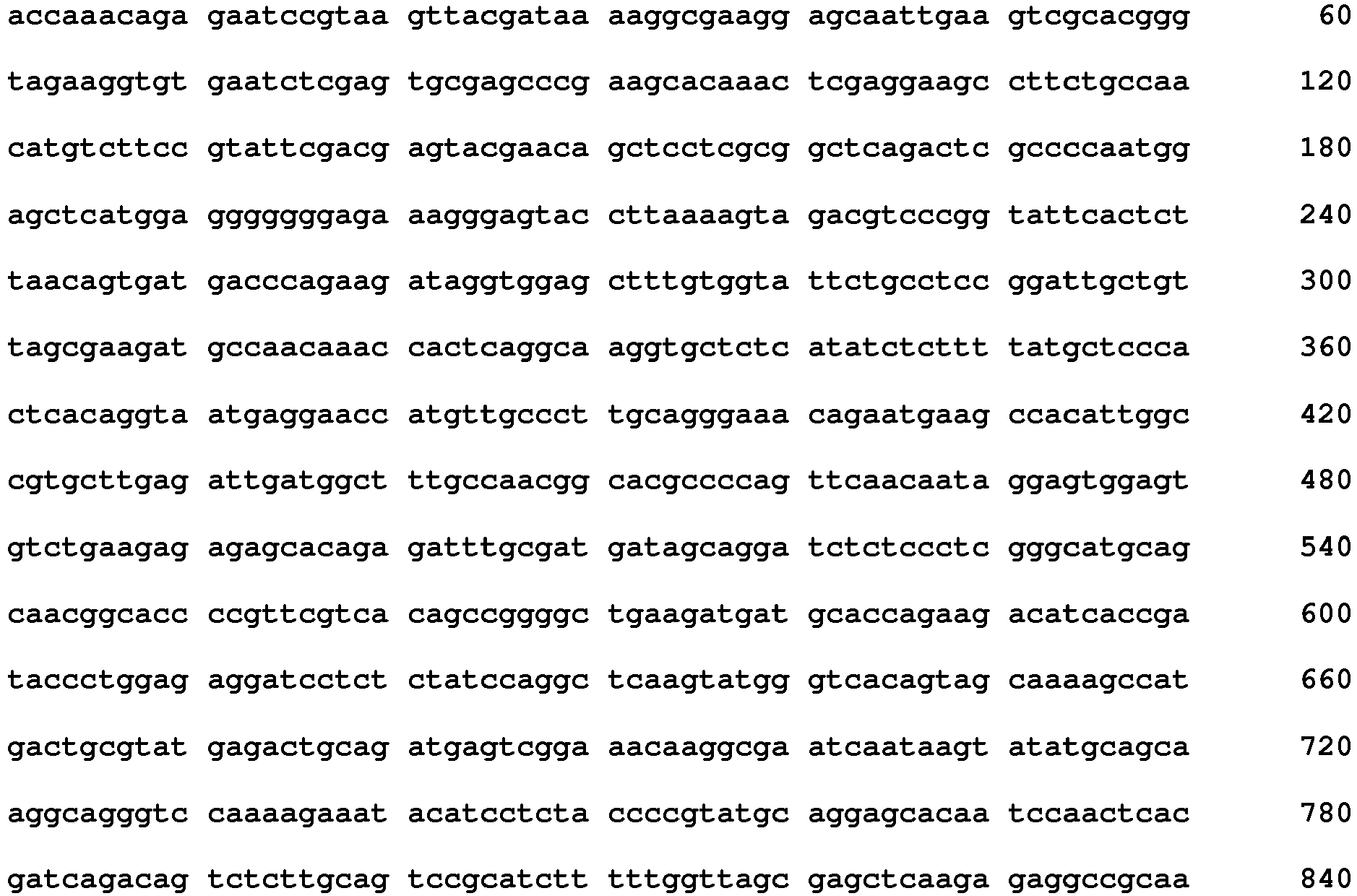


- <210> 5
<211> 1992
<212> DNA
<213> Newcastle disease virus - <400> 5


- <210> 6
<211> 577
<212> PRT
<213> Newcastle disease virus - <400> 6


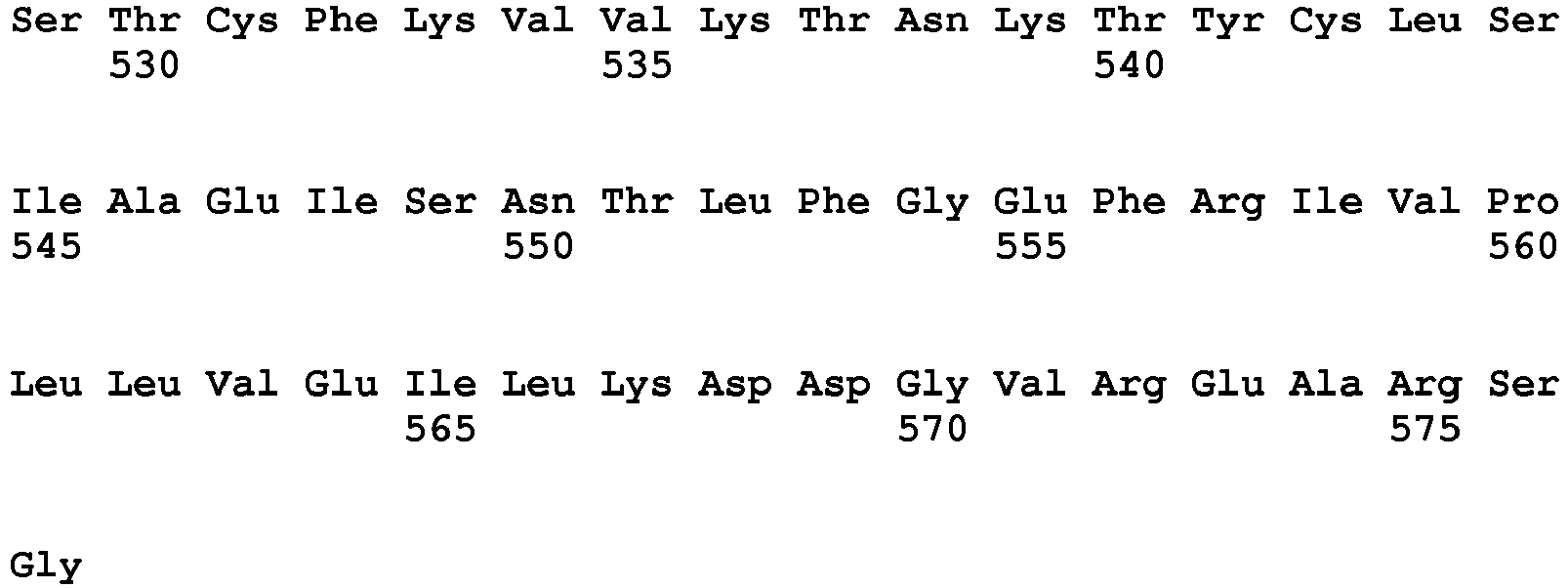
- <210> 7
<211> 1782
<212> DNA
<213> Newcastle disease virus - <400> 7


- <210> 8
<211> 553
<212> PRT
<213> Newcastle disease virus - <400> 8


- <210> 9
<211> 1662
<212> DNA
<213> Artificial Sequence - <220>
<223> NDV F3aa-modified fusion protein - <400> 9


- <210> 10
<211> 553
<212> PRT
<213> Artificial Sequence - <220>
<223> NDV F3aa-modified fusion protein - <400> 10


- <210> 11
<211> 1662
<212> DNA
<213> Artificial Sequence - <220>
<223> NDV F3aa-modified fusion protein with L289A - <400> 11


- <210> 12
<211> 553
<212> PRT
<213> Artificial Sequence - <220>
<223> NDV F3aa-modified fusion protein with L289A - <400> 12


- <210> 13
<211> 13006
<212> DNA
<213> Artificial Sequence - <220>
<223> Virus/vector construct - <400> 13


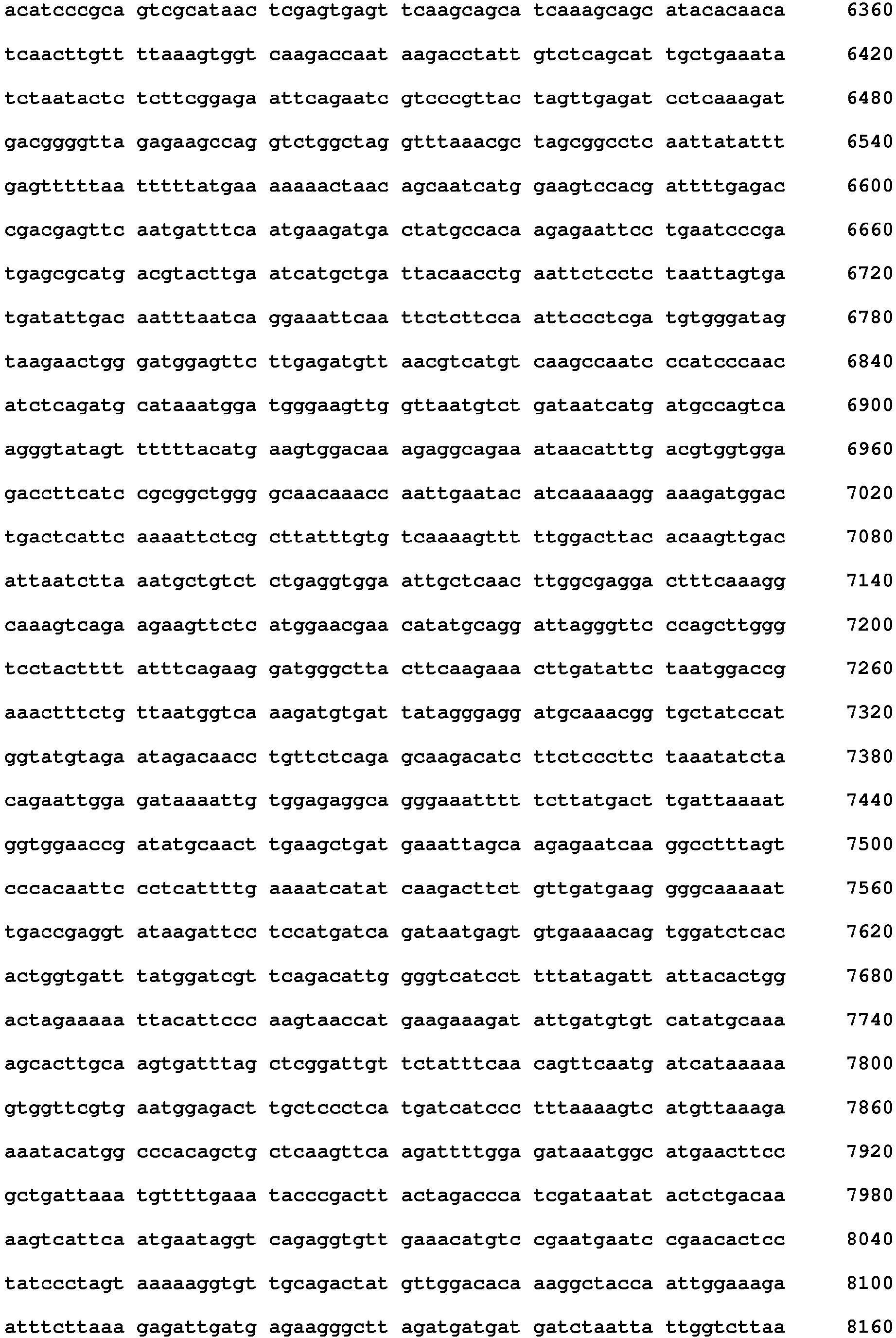


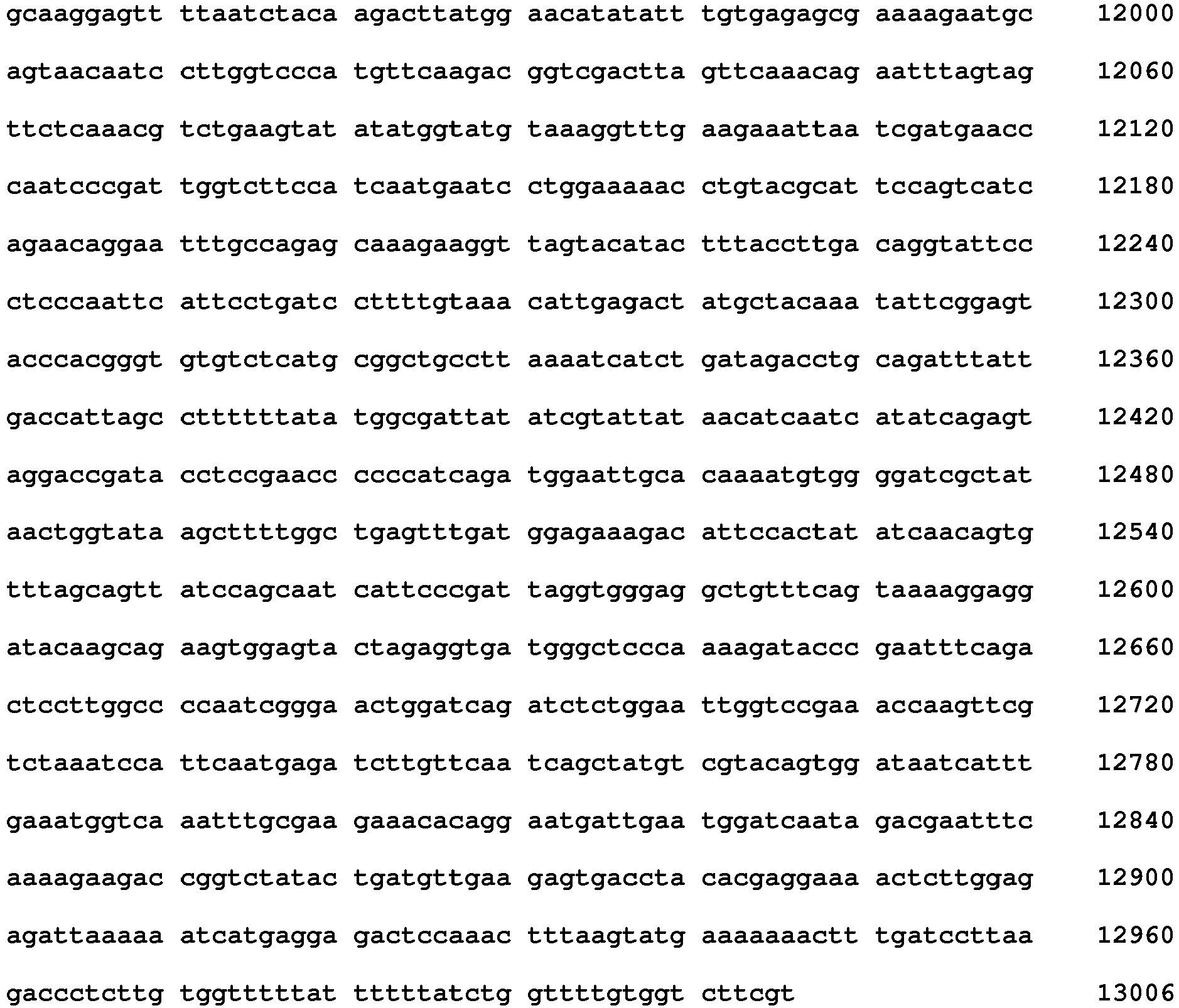
- <210> 14
<211> 422
<212> PRT
<213> Vesicular stomatitis virus - <400> 14


- <210> 15
<211> 265
<212> PRT
<213> Vesicular stomatitis virus - <400> 15


- <210> 16
<211> 229
<212> PRT
<213> Vesicular stomatitis virus - <400> 16
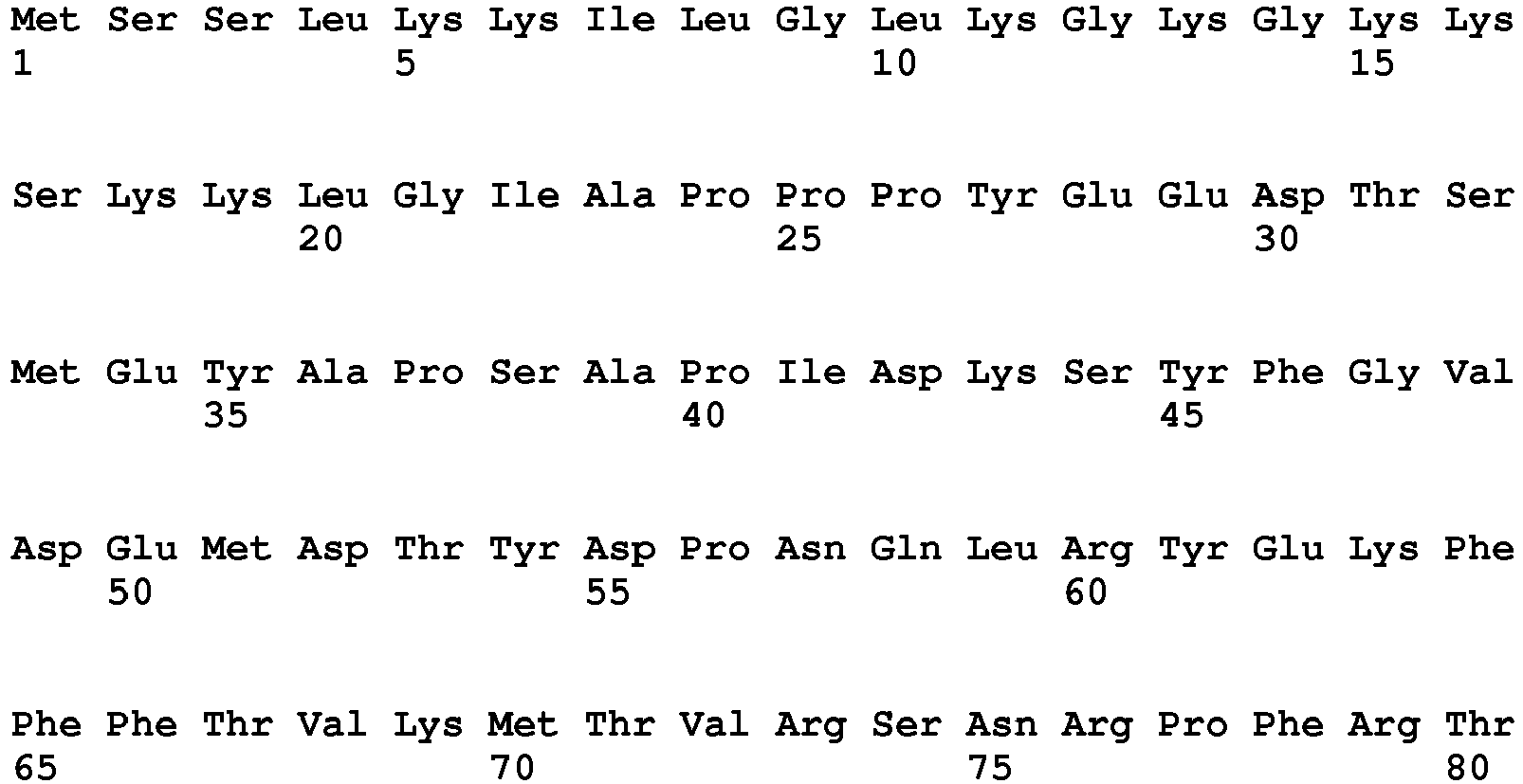

- <210> 17
<211> 2109
<212> PRT
<213> Vesicular stomatitis virus - <400> 17


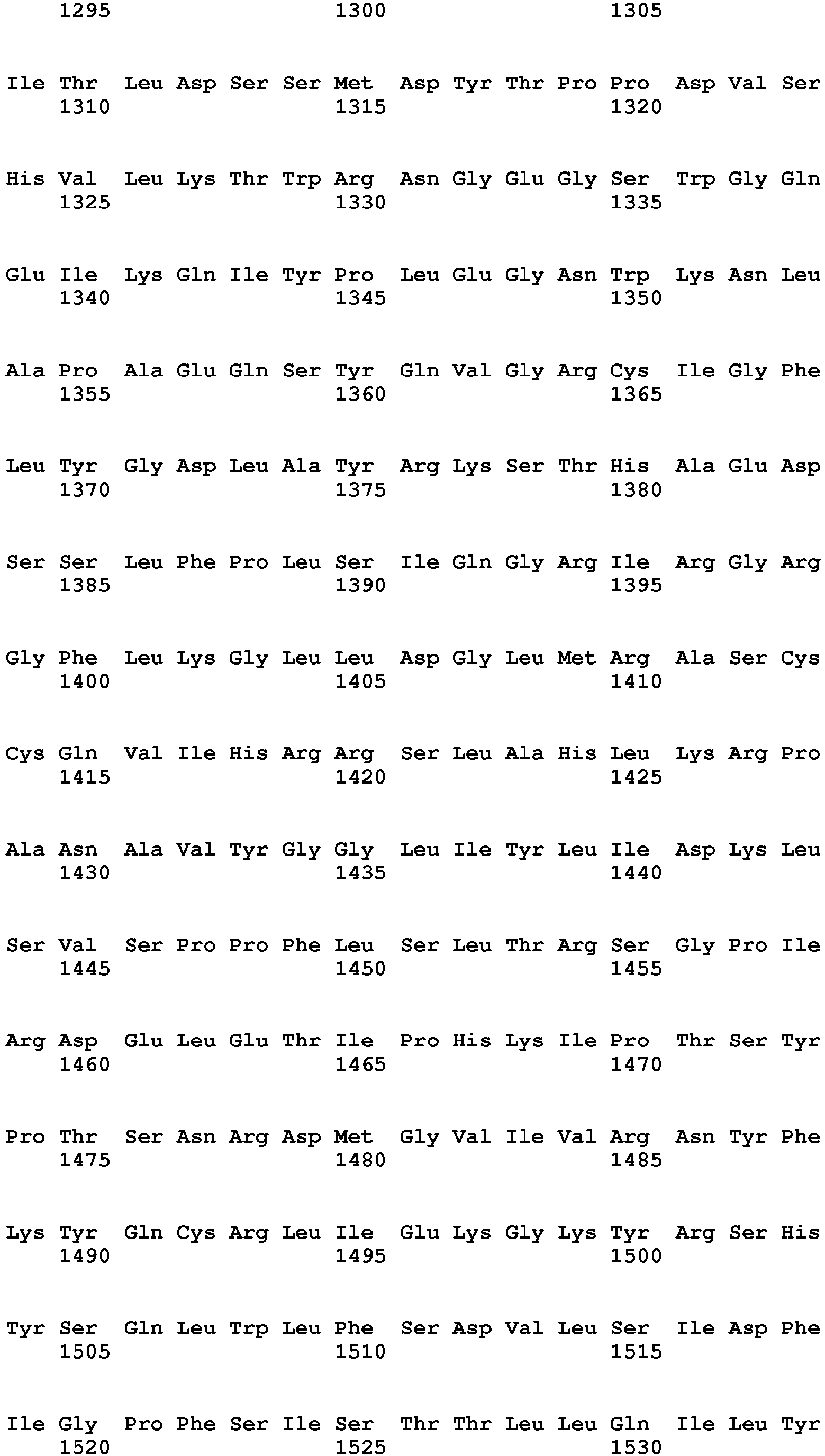


Claims (14)
- A recombinant oncolytic vesicular stomatitis virus (VSV),
wherein the glycoprotein (G protein) of VSV is deleted, and which comprises
a modified fusion protein (F protein) of Newcastle disease virus (NDV); and the hemagglutinin neuraminidase (HN) protein of NDV, wherein the modified
fusion protein (F protein) of NDV is the F3aa-modified F protein,
or wherein the modified fusion protein (F protein) of NDV is the F3aa-modified F protein and comprises at least one amino acid substitution in the protease cleavage site,
preferably in position L289, e.g. L289A, - The recombinant oncolytic vesicular stomatitis virus (VSV) according to claim 1, wherein the G protein of VSV is replaced by the modified fusion protein and HN protein of NDV.
- The recombinant oncolytic vesicular stomatitis virus (VSV) of claim 1 or 2, wherein the modified fusion protein (F protein) of NDV comprises or consists of the amino acid sequence of SEQ ID NO. 10 or SEQ ID NO. 12,
or an amino acid sequence having at least 60%, or preferably at least 70% or 80% or 90% or 95% sequence identity to the amino acid sequence of SEQ ID NOs. 10 or 12,
and/or wherein the modified fusion protein (F protein) of NDV is encoded by a nucleotide sequence of SEQ ID NO. 9 or SEQ ID NO. 11,
or a nucleotide sequence having at least 60%, or preferably at least 70% or 80% or 90% or 95% sequence identity to the nucleotide sequence of SEQ ID NOs. 9 or 11;
and/or wherein the HN protein of NDV comprises or consists of the amino acid sequence of SEQ ID NO. 6,
or an amino acid sequence having at least 60%, or preferably at least 70% or 80% or 90% or 95% sequence identity to the amino acid sequence of SEQ ID NO. 6,
and/or wherein the HN protein of NDV is encoded by a nucleotide sequence of SEQ ID NO. 5 or a nucleotide sequence having at least 60%, or preferably at least 70% or 80% or 90% or 95% sequence identity to the nucleotide sequence of SEQ ID NO. 5. - A nucleic acid encoding for a recombinant oncolytic vesicular stomatitis virus (VSV) of any one of claims 1 to 3.
- A vector comprising a nucleic acid of claim 4,
optionally further comprising- reporter gene(s),
such as HSV1-sr39TK, the sodium iodide symporter (NIS), somatostatin receptor 2 (SSTR2), luciferase (Firefly or Renilla), green fluorescence protein (GFP), lacZ, tyrosinase,- gene(s) to be delivered to target cell(s) or tissue,
such as gene(s) to be delivered to tumor cell(s) or tumor(s),
e.g.immune stimulating genes, such as IFN-α, IFN-β, or granulocyte macrophage colony-stimulating factor (GM-CSF);immune checkpoint inhibitory antibodies, such as PD-1, PD1-L, CTLA-4, LAG-3, or B7-H3; and/ortumor associated antigens (TAA) for vaccination (specific for the tumor being targeted);- or combinations thereof. - The nucleic acid of claim 4 or the vector of claim 5, comprising or consisting of the nucleotide sequence of SEQ ID NO. 13,
or a nucleotide sequence having at least 60%, or preferably at least 70% or 80% or 90% or 95% sequence identity to the nucleotide sequence of SEQ ID NO. 13,
and/or comprising or consisting of the nucleotide sequence coding for an amino acid sequence with SEQ ID NOs. 6, 12, 14 to 17,
or a nucleotide sequence having at least 60%, or preferably at least 70% or 80% or 90% or 95% sequence identity to the nucleotide sequence coding for an amino acid sequence with SEQ ID NOs. 6, 12, 14 to 17. - A pharmaceutical composition, comprising(i) the recombinant oncolytic vesicular stomatitis virus (VSV) of any one of claims 1 to 3 or the nucleic acid or the vector of any one of claims 4 to 6; and(ii) optionally, pharmaceutically acceptable carrier(s) and/or excipient(s).
- The pharmaceutical composition of claim 7, comprising further drug(s),
such aschemotherapeutic agent(s),radiotherapeutic agent(s),tumor vaccine(s),immune checkpoint inhibitor(s),cell carrier system(s),small molecule inhibitor(s),embolization agent(s),shielding polymer(s). - The pharmaceutical composition of claim 7 or 8, formulated for systemic delivery, tumor injection, intravenous administration, intra-arterial administration,
and/or for intradermal, subcutaneous, intramuscular, intravenous, intraosseous, intraperitoneal, intrathecal, epidural, intracardiac, intraarticular, intracavernous, intracerebral, intracerebroventricular and intravitreal injection(s). - Use of the recombinant oncolytic vesicular stomatitis virus (VSV) of any one of claims 1 to 3 or the nucleic acid or the vector of any one of claims 4 to 6 or the pharmaceutical composition of any one of claims 7 to 9, as gene delivery tool, (noninvasive) imaging of virus biodistribution, and/or for tumor detection.
- The recombinant oncolytic vesicular stomatitis virus (VSV) of any one of claims 1 to 3 or the nucleic acid or the vector of any one of claims 4 to 6 or the pharmaceutical composition of any one of claims 7 to 9 for use in medicine.
- The recombinant oncolytic vesicular stomatitis virus (VSV) of any one of claims 1 to 3 or the nucleic acid or the vector of any one of claims 4 to 6 or the pharmaceutical composition of any one of claims 7 to 9 for use in the diagnosis, prevention and/or treatment of cancer.
- The recombinant oncolytic vesicular stomatitis virus (VSV), the nucleic acid, the vector or the pharmaceutical composition for use according to claim 12, in oncolytic therapy.
- The recombinant oncolytic vesicular stomatitis virus (VSV), the nucleic acid, the vector or the pharmaceutical composition for use according to claim 12, in combination with other therapies, such ascell carrier systems,e.g. T cells, dendritic cells, NK cells, mesenchymal stem cells, immunotherapies,e.g. tumor vaccines or immune checkpoint inhibitors,and/orstandard tumor therapies,and/or wherein administration is systemic, intravenous, intra-arterial, via injection into tumor, and/or via intradermal, subcutaneous, intramuscular, intravenous, intraosseous, intraperitoneal, intrathecal, epidural, intracardiac, intraarticular, intracavernous, intracerebral, intracerebroventricular and intravitreal injection(s).
e.g. radiofrequency ablation, chemotherapy, embolization, small molecule inhibitors,
Priority Applications (3)
| Application Number | Priority Date | Filing Date | Title |
|---|---|---|---|
| SI201730786T SI3458594T1 (en) | 2016-05-19 | 2017-05-18 | Vsv/ndv hybrid viruses for oncolytic therapy of cancer |
| PL17726873T PL3458594T3 (en) | 2016-05-19 | 2017-05-18 | Vsv/ndv hybrid viruses for oncolytic therapy of cancer |
| HRP20210867TT HRP20210867T1 (en) | 2016-05-19 | 2017-05-18 | Vsv/ndv hybrid viruses for oncolytic therapy of cancer |
Applications Claiming Priority (2)
| Application Number | Priority Date | Filing Date | Title |
|---|---|---|---|
| EP16170445.7A EP3246410A1 (en) | 2016-05-19 | 2016-05-19 | Vsv/ndv hybrid viruses for oncolytic therapy of cancer |
| PCT/EP2017/062007 WO2017198779A1 (en) | 2016-05-19 | 2017-05-18 | Vsv/ndv hybrid viruses for oncolytic therapy of cancer |
Publications (2)
| Publication Number | Publication Date |
|---|---|
| EP3458594A1 EP3458594A1 (en) | 2019-03-27 |
| EP3458594B1 true EP3458594B1 (en) | 2021-03-03 |
Family
ID=56072237
Family Applications (2)
| Application Number | Title | Priority Date | Filing Date |
|---|---|---|---|
| EP16170445.7A Withdrawn EP3246410A1 (en) | 2016-05-19 | 2016-05-19 | Vsv/ndv hybrid viruses for oncolytic therapy of cancer |
| EP17726873.7A Active EP3458594B1 (en) | 2016-05-19 | 2017-05-18 | Vsv/ndv hybrid viruses for oncolytic therapy of cancer |
Family Applications Before (1)
| Application Number | Title | Priority Date | Filing Date |
|---|---|---|---|
| EP16170445.7A Withdrawn EP3246410A1 (en) | 2016-05-19 | 2016-05-19 | Vsv/ndv hybrid viruses for oncolytic therapy of cancer |
Country Status (15)
| Country | Link |
|---|---|
| US (3) | US10906942B2 (en) |
| EP (2) | EP3246410A1 (en) |
| JP (1) | JP6996756B2 (en) |
| CN (1) | CN109312366B (en) |
| CA (1) | CA3019621A1 (en) |
| CY (1) | CY1124275T1 (en) |
| DK (1) | DK3458594T3 (en) |
| ES (1) | ES2865420T3 (en) |
| HR (1) | HRP20210867T1 (en) |
| HU (1) | HUE054799T2 (en) |
| LT (1) | LT3458594T (en) |
| PL (1) | PL3458594T3 (en) |
| PT (1) | PT3458594T (en) |
| SI (1) | SI3458594T1 (en) |
| WO (1) | WO2017198779A1 (en) |
Cited By (1)
| Publication number | Priority date | Publication date | Assignee | Title |
|---|---|---|---|---|
| US12600988B2 (en) | 2020-06-16 | 2026-04-14 | Fantasia Biopharma (Zhejiang) Co. Ltd | Coronavirus pseudovirus packaging system, packaging method therefor, and application of coronavirus pseudovirus in evaluating disinfection efficacy |
Families Citing this family (17)
| Publication number | Priority date | Publication date | Assignee | Title |
|---|---|---|---|---|
| WO2019032628A1 (en) | 2017-08-07 | 2019-02-14 | The Regents Of The University Of California | Platform for generating safe cell therapeutics |
| TW202600150A (en) | 2019-01-25 | 2026-01-01 | 德商百靈佳殷格翰國際股份有限公司 | Recombinant rhabdovirus encoding for ccl21 |
| JP2022537268A (en) * | 2019-06-21 | 2022-08-25 | ベーリンガー インゲルハイム インターナショナル ゲゼルシャフト ミット ベシュレンクテル ハフツング | A novel mechanism that regulates RNA virus replication and gene expression |
| US20240226208A9 (en) * | 2020-04-15 | 2024-07-11 | Humane Genomics Inc. | Artificial oncolytic viruses and related methods |
| CN116322728A (en) * | 2020-08-14 | 2023-06-23 | 上海行深生物科技有限公司 | Vesicular stomatitis virus and its therapeutic use |
| EP3991741A1 (en) * | 2020-11-02 | 2022-05-04 | Klinikum rechts der Isar der Technischen Universität München | An immune checkpoint-modulating vsv-ndv hybrid virus for oncolytic virus immonotherapy of cancer |
| CN115989321B (en) * | 2021-08-17 | 2026-03-24 | 上海行深生物科技有限公司 | Viral preparations, solutions for preparing viral preparations, and their uses |
| WO2023051607A1 (en) * | 2021-09-29 | 2023-04-06 | 上海行深生物科技有限公司 | Virus culture method |
| CN115725658B (en) * | 2021-11-12 | 2025-03-04 | 中日友好医院(中日友好临床医学研究所) | A novel CRISPR RNA delivery system based on vesicular stomatitis virus and its application |
| CN119709649A (en) * | 2022-01-26 | 2025-03-28 | 上海荣瑞医药科技有限公司 | Oncolytic virus and uses thereof |
| CN117065052A (en) * | 2022-05-16 | 2023-11-17 | 上海行深生物科技有限公司 | Methods of delivering self-replicating RNA molecules |
| CN117402836A (en) * | 2022-07-14 | 2024-01-16 | 上海荣瑞医药科技有限公司 | Recombinant oncolytic viruses and their applications |
| CN115806944B (en) * | 2022-09-15 | 2025-07-25 | 武汉大学 | Recombinant oncolytic virus rVSVM51RApplication of S in hepatitis B liver cancer |
| CN115725657B (en) * | 2022-09-16 | 2024-06-04 | 中国科学院广州生物医药与健康研究院 | Segmented vesicular stomatitis virus vector and preparation method and application thereof |
| WO2024161017A1 (en) | 2023-02-02 | 2024-08-08 | Hennrich Alexandru Adrian | Avian-specific viral vaccine vectors |
| CN118440903A (en) * | 2024-05-10 | 2024-08-06 | 中国农业科学院上海兽医研究所(中国动物卫生与流行病学中心上海分中心) | A cell transformation method based on chNectin4 gene and its application |
| CN120966775B (en) * | 2025-10-21 | 2026-02-03 | 浙江迪福润丝生物科技股份有限公司 | Neurotoxic VSV vector recombinant oncolytic virus carrying Marburg virus defective G protein |
Family Cites Families (4)
| Publication number | Priority date | Publication date | Assignee | Title |
|---|---|---|---|---|
| US7951384B2 (en) * | 2005-08-05 | 2011-05-31 | University Of Massachusetts | Virus-like particles as vaccines for paramyxovirus |
| DE102008050860A1 (en) * | 2008-10-08 | 2010-04-15 | Dorothee Von Laer | LCMV-GP-VSV pseudotype vectors and tumor infiltrating virus producer cells for the therapy of tumors |
| JP2012521786A (en) * | 2009-03-30 | 2012-09-20 | モウント シナイ スクール オフ メディシネ | Influenza virus vaccine and use thereof |
| KR102310692B1 (en) | 2013-09-03 | 2021-10-12 | 메디뮨 리미티드 | Compositions featuring an attenuated newcastle disease virus and methods of use for treating neoplasia |
-
2016
- 2016-05-19 EP EP16170445.7A patent/EP3246410A1/en not_active Withdrawn
-
2017
- 2017-05-18 LT LTEP17726873.7T patent/LT3458594T/en unknown
- 2017-05-18 US US16/097,748 patent/US10906942B2/en active Active
- 2017-05-18 EP EP17726873.7A patent/EP3458594B1/en active Active
- 2017-05-18 DK DK17726873.7T patent/DK3458594T3/en active
- 2017-05-18 JP JP2018560054A patent/JP6996756B2/en active Active
- 2017-05-18 SI SI201730786T patent/SI3458594T1/en unknown
- 2017-05-18 PT PT177268737T patent/PT3458594T/en unknown
- 2017-05-18 CA CA3019621A patent/CA3019621A1/en active Pending
- 2017-05-18 HU HUE17726873A patent/HUE054799T2/en unknown
- 2017-05-18 WO PCT/EP2017/062007 patent/WO2017198779A1/en not_active Ceased
- 2017-05-18 PL PL17726873T patent/PL3458594T3/en unknown
- 2017-05-18 ES ES17726873T patent/ES2865420T3/en active Active
- 2017-05-18 CN CN201780030753.9A patent/CN109312366B/en active Active
- 2017-05-18 HR HRP20210867TT patent/HRP20210867T1/en unknown
-
2021
- 2021-01-31 US US17/163,468 patent/US20210221851A1/en not_active Abandoned
- 2021-06-01 CY CY20211100480T patent/CY1124275T1/en unknown
-
2024
- 2024-10-29 US US18/930,073 patent/US20250051397A1/en active Pending
Non-Patent Citations (1)
| Title |
|---|
| None * |
Cited By (1)
| Publication number | Priority date | Publication date | Assignee | Title |
|---|---|---|---|---|
| US12600988B2 (en) | 2020-06-16 | 2026-04-14 | Fantasia Biopharma (Zhejiang) Co. Ltd | Coronavirus pseudovirus packaging system, packaging method therefor, and application of coronavirus pseudovirus in evaluating disinfection efficacy |
Also Published As
| Publication number | Publication date |
|---|---|
| CN109312366A (en) | 2019-02-05 |
| PL3458594T3 (en) | 2021-09-20 |
| PT3458594T (en) | 2021-06-03 |
| SI3458594T1 (en) | 2021-08-31 |
| US20190153039A1 (en) | 2019-05-23 |
| US10906942B2 (en) | 2021-02-02 |
| CY1124275T1 (en) | 2022-07-22 |
| EP3458594A1 (en) | 2019-03-27 |
| EP3246410A1 (en) | 2017-11-22 |
| ES2865420T3 (en) | 2021-10-15 |
| HRP20210867T1 (en) | 2021-07-23 |
| CN109312366B (en) | 2024-10-22 |
| CA3019621A1 (en) | 2017-11-23 |
| WO2017198779A1 (en) | 2017-11-23 |
| JP2019516374A (en) | 2019-06-20 |
| US20210221851A1 (en) | 2021-07-22 |
| JP6996756B2 (en) | 2022-02-04 |
| US20250051397A1 (en) | 2025-02-13 |
| HUE054799T2 (en) | 2021-10-28 |
| LT3458594T (en) | 2021-06-25 |
| DK3458594T3 (en) | 2021-05-31 |
Similar Documents
| Publication | Publication Date | Title |
|---|---|---|
| US20250051397A1 (en) | Vsv/ndv hybrid viruses for oncolytic therapy of cancer | |
| Abdullahi et al. | A novel chimeric oncolytic virus vector for improved safety and efficacy as a platform for the treatment of hepatocellular carcinoma | |
| Altomonte et al. | Engineered newcastle disease virus as an improved oncolytic agent against hepatocellular carcinoma | |
| TWI653334B (en) | Composition characterized by attenuated Xincheng chicken plague virus and method for treating tumor formation | |
| US8216819B2 (en) | Generation of oncolytic adenoviruses and uses thereof | |
| CA2567094C (en) | Chimeric adenoviruses for use in cancer treatment | |
| JP2020528890A (en) | Virus to treat tumors | |
| EP3305904B1 (en) | Poxvirus-derived promoter, and vector comprising same | |
| WO2018168586A1 (en) | Borna viral vector and utilization thereof | |
| US12351812B2 (en) | Recombinant oncolytic virus | |
| Iida et al. | Concept and technology underlying Sendai virus (SeV) vector development | |
| WO2021197506A1 (en) | Recombinant newcastle disease virus and preparation method, recombinant plasmid, and use therefor | |
| Alizadeh et al. | Generation of recombinant measles virus containing the wild-type P gene to improve its oncolytic efficiency | |
| EP3997106B1 (en) | Oncolytic non-human adenoviruses and uses thereof | |
| CN113348244A (en) | VSV chimeric vectors | |
| TWI819203B (en) | Modified adenovirus and pharmaceutical containing them | |
| WO2025072889A1 (en) | Helper-free rescue system for negative-strand rna viruses | |
| Wong | Improving adenovirus efficacy with p14 fusion associated small transmembrane protein expression for cancer treatment | |
| Abbas | UNDERSTANDING THE RELATIONSHIP BETWEEN ONCOLYTIC AD5 DELETED E1b55KDA LYTIC INFECTION AND P53 IN MAMMALIAN CELLS | |
| Kueberuwa | Development of sindbis virus as an oncolytic agent | |
| Savale | Virotherapy: A new Approach for Cancer Treatment Overview | |
| HK1242182B (en) | Stable liquid vaccinia virus formulations | |
| HK1242182A1 (en) | Stable liquid vaccinia virus formulations |
Legal Events
| Date | Code | Title | Description |
|---|---|---|---|
| STAA | Information on the status of an ep patent application or granted ep patent |
Free format text: STATUS: UNKNOWN |
|
| STAA | Information on the status of an ep patent application or granted ep patent |
Free format text: STATUS: THE INTERNATIONAL PUBLICATION HAS BEEN MADE |
|
| PUAI | Public reference made under article 153(3) epc to a published international application that has entered the european phase |
Free format text: ORIGINAL CODE: 0009012 |
|
| STAA | Information on the status of an ep patent application or granted ep patent |
Free format text: STATUS: REQUEST FOR EXAMINATION WAS MADE |
|
| 17P | Request for examination filed |
Effective date: 20181025 |
|
| AK | Designated contracting states |
Kind code of ref document: A1 Designated state(s): AL AT BE BG CH CY CZ DE DK EE ES FI FR GB GR HR HU IE IS IT LI LT LU LV MC MK MT NL NO PL PT RO RS SE SI SK SM TR |
|
| AX | Request for extension of the european patent |
Extension state: BA ME |
|
| DAV | Request for validation of the european patent (deleted) | ||
| DAX | Request for extension of the european patent (deleted) | ||
| STAA | Information on the status of an ep patent application or granted ep patent |
Free format text: STATUS: EXAMINATION IS IN PROGRESS |
|
| 17Q | First examination report despatched |
Effective date: 20200117 |
|
| GRAP | Despatch of communication of intention to grant a patent |
Free format text: ORIGINAL CODE: EPIDOSNIGR1 |
|
| STAA | Information on the status of an ep patent application or granted ep patent |
Free format text: STATUS: GRANT OF PATENT IS INTENDED |
|
| INTG | Intention to grant announced |
Effective date: 20200924 |
|
| GRAS | Grant fee paid |
Free format text: ORIGINAL CODE: EPIDOSNIGR3 |
|
| GRAA | (expected) grant |
Free format text: ORIGINAL CODE: 0009210 |
|
| STAA | Information on the status of an ep patent application or granted ep patent |
Free format text: STATUS: THE PATENT HAS BEEN GRANTED |
|
| AK | Designated contracting states |
Kind code of ref document: B1 Designated state(s): AL AT BE BG CH CY CZ DE DK EE ES FI FR GB GR HR HU IE IS IT LI LT LU LV MC MK MT NL NO PL PT RO RS SE SI SK SM TR |
|
| REG | Reference to a national code |
Ref country code: GB Ref legal event code: FG4D |
|
| REG | Reference to a national code |
Ref country code: AT Ref legal event code: REF Ref document number: 1367242 Country of ref document: AT Kind code of ref document: T Effective date: 20210315 Ref country code: CH Ref legal event code: EP |
|
| REG | Reference to a national code |
Ref country code: DE Ref legal event code: R096 Ref document number: 602017033797 Country of ref document: DE |
|
| REG | Reference to a national code |
Ref country code: IE Ref legal event code: FG4D |
|
| REG | Reference to a national code |
Ref country code: NL Ref legal event code: FP |
|
| REG | Reference to a national code |
Ref country code: FI Ref legal event code: FGE |
|
| REG | Reference to a national code |
Ref country code: DK Ref legal event code: T3 Effective date: 20210527 |
|
| REG | Reference to a national code |
Ref country code: HR Ref legal event code: TUEP Ref document number: P20210867T Country of ref document: HR |
|
| REG | Reference to a national code |
Ref country code: RO Ref legal event code: EPE |
|
| REG | Reference to a national code |
Ref country code: PT Ref legal event code: SC4A Ref document number: 3458594 Country of ref document: PT Date of ref document: 20210603 Kind code of ref document: T Free format text: AVAILABILITY OF NATIONAL TRANSLATION Effective date: 20210531 |
|
| REG | Reference to a national code |
Ref country code: SE Ref legal event code: TRGR |
|
| REG | Reference to a national code |
Ref country code: HR Ref legal event code: ODRP Ref document number: P20210867T Country of ref document: HR Payment date: 20210621 Year of fee payment: 5 |
|
| REG | Reference to a national code |
Ref country code: EE Ref legal event code: FG4A Ref document number: E020885 Country of ref document: EE Effective date: 20210531 |
|
| REG | Reference to a national code |
Ref country code: HR Ref legal event code: T1PR Ref document number: P20210867 Country of ref document: HR Ref country code: GR Ref legal event code: EP Ref document number: 20210401416 Country of ref document: GR Effective date: 20210709 |
|
| REG | Reference to a national code |
Ref country code: SK Ref legal event code: T3 Ref document number: E 37397 Country of ref document: SK |
|
| REG | Reference to a national code |
Ref country code: NO Ref legal event code: T2 Effective date: 20210303 |
|
| PG25 | Lapsed in a contracting state [announced via postgrant information from national office to epo] |
Ref country code: RS Free format text: LAPSE BECAUSE OF FAILURE TO SUBMIT A TRANSLATION OF THE DESCRIPTION OR TO PAY THE FEE WITHIN THE PRESCRIBED TIME-LIMIT Effective date: 20210303 |
|
| REG | Reference to a national code |
Ref country code: ES Ref legal event code: FG2A Ref document number: 2865420 Country of ref document: ES Kind code of ref document: T3 Effective date: 20211015 |
|
| REG | Reference to a national code |
Ref country code: HU Ref legal event code: AG4A Ref document number: E054799 Country of ref document: HU |
|
| PG25 | Lapsed in a contracting state [announced via postgrant information from national office to epo] |
Ref country code: SM Free format text: LAPSE BECAUSE OF FAILURE TO SUBMIT A TRANSLATION OF THE DESCRIPTION OR TO PAY THE FEE WITHIN THE PRESCRIBED TIME-LIMIT Effective date: 20210303 |
|
| REG | Reference to a national code |
Ref country code: DE Ref legal event code: R097 Ref document number: 602017033797 Country of ref document: DE |
|
| PLBE | No opposition filed within time limit |
Free format text: ORIGINAL CODE: 0009261 |
|
| STAA | Information on the status of an ep patent application or granted ep patent |
Free format text: STATUS: NO OPPOSITION FILED WITHIN TIME LIMIT |
|
| PG25 | Lapsed in a contracting state [announced via postgrant information from national office to epo] |
Ref country code: AL Free format text: LAPSE BECAUSE OF FAILURE TO SUBMIT A TRANSLATION OF THE DESCRIPTION OR TO PAY THE FEE WITHIN THE PRESCRIBED TIME-LIMIT Effective date: 20210303 Ref country code: MC Free format text: LAPSE BECAUSE OF FAILURE TO SUBMIT A TRANSLATION OF THE DESCRIPTION OR TO PAY THE FEE WITHIN THE PRESCRIBED TIME-LIMIT Effective date: 20210303 |
|
| 26N | No opposition filed |
Effective date: 20211206 |
|
| REG | Reference to a national code |
Ref country code: AT Ref legal event code: UEP Ref document number: 1367242 Country of ref document: AT Kind code of ref document: T Effective date: 20210303 |
|
| REG | Reference to a national code |
Ref country code: HR Ref legal event code: ODRP Ref document number: P20210867 Country of ref document: HR Payment date: 20220517 Year of fee payment: 6 |
|
| REG | Reference to a national code |
Ref country code: HR Ref legal event code: ODRP Ref document number: P20210867 Country of ref document: HR Payment date: 20230508 Year of fee payment: 7 |
|
| P01 | Opt-out of the competence of the unified patent court (upc) registered |
Effective date: 20230515 |
|
| PGFP | Annual fee paid to national office [announced via postgrant information from national office to epo] |
Ref country code: LU Payment date: 20230512 Year of fee payment: 7 |
|
| PGFP | Annual fee paid to national office [announced via postgrant information from national office to epo] |
Ref country code: RO Payment date: 20230427 Year of fee payment: 7 Ref country code: PT Payment date: 20230518 Year of fee payment: 7 Ref country code: NO Payment date: 20230510 Year of fee payment: 7 Ref country code: LT Payment date: 20230509 Year of fee payment: 7 Ref country code: EE Payment date: 20230404 Year of fee payment: 7 Ref country code: CZ Payment date: 20230428 Year of fee payment: 7 Ref country code: CY Payment date: 20230412 Year of fee payment: 7 Ref country code: BG Payment date: 20230420 Year of fee payment: 7 |
|
| PGFP | Annual fee paid to national office [announced via postgrant information from national office to epo] |
Ref country code: SK Payment date: 20230412 Year of fee payment: 7 Ref country code: SI Payment date: 20230413 Year of fee payment: 7 Ref country code: PL Payment date: 20230420 Year of fee payment: 7 Ref country code: LV Payment date: 20230404 Year of fee payment: 7 Ref country code: IS Payment date: 20230412 Year of fee payment: 7 Ref country code: HU Payment date: 20230419 Year of fee payment: 7 Ref country code: HR Payment date: 20230508 Year of fee payment: 7 Ref country code: GR Payment date: 20230419 Year of fee payment: 7 Ref country code: FI Payment date: 20230513 Year of fee payment: 7 |
|
| PGFP | Annual fee paid to national office [announced via postgrant information from national office to epo] |
Ref country code: MT Payment date: 20230517 Year of fee payment: 7 |
|
| PG25 | Lapsed in a contracting state [announced via postgrant information from national office to epo] |
Ref country code: MK Free format text: LAPSE BECAUSE OF FAILURE TO SUBMIT A TRANSLATION OF THE DESCRIPTION OR TO PAY THE FEE WITHIN THE PRESCRIBED TIME-LIMIT Effective date: 20210303 |
|
| PG25 | Lapsed in a contracting state [announced via postgrant information from national office to epo] |
Ref country code: TR Free format text: LAPSE BECAUSE OF FAILURE TO SUBMIT A TRANSLATION OF THE DESCRIPTION OR TO PAY THE FEE WITHIN THE PRESCRIBED TIME-LIMIT Effective date: 20210303 |
|
| REG | Reference to a national code |
Ref country code: HR Ref legal event code: PBON Ref document number: P20210867 Country of ref document: HR Effective date: 20240518 |
|
| REG | Reference to a national code |
Ref country code: LT Ref legal event code: MM4D Effective date: 20240518 |
|
| PG25 | Lapsed in a contracting state [announced via postgrant information from national office to epo] |
Ref country code: PT Free format text: LAPSE BECAUSE OF NON-PAYMENT OF DUE FEES Effective date: 20241118 |
|
| REG | Reference to a national code |
Ref country code: EE Ref legal event code: MM4A Ref document number: E020885 Country of ref document: EE Effective date: 20240531 |
|
| PG25 | Lapsed in a contracting state [announced via postgrant information from national office to epo] |
Ref country code: PT Free format text: LAPSE BECAUSE OF NON-PAYMENT OF DUE FEES Effective date: 20241118 |
|
| PG25 | Lapsed in a contracting state [announced via postgrant information from national office to epo] |
Ref country code: LT Free format text: LAPSE BECAUSE OF NON-PAYMENT OF DUE FEES Effective date: 20240518 |
|
| PG25 | Lapsed in a contracting state [announced via postgrant information from national office to epo] |
Ref country code: NO Free format text: LAPSE BECAUSE OF NON-PAYMENT OF DUE FEES Effective date: 20240531 |
|
| PG25 | Lapsed in a contracting state [announced via postgrant information from national office to epo] |
Ref country code: GR Free format text: LAPSE BECAUSE OF NON-PAYMENT OF DUE FEES Effective date: 20241204 Ref country code: LU Free format text: LAPSE BECAUSE OF NON-PAYMENT OF DUE FEES Effective date: 20240518 Ref country code: FI Free format text: LAPSE BECAUSE OF NON-PAYMENT OF DUE FEES Effective date: 20240518 |
|
| PG25 | Lapsed in a contracting state [announced via postgrant information from national office to epo] |
Ref country code: BG Free format text: LAPSE BECAUSE OF NON-PAYMENT OF DUE FEES Effective date: 20240518 |
|
| PG25 | Lapsed in a contracting state [announced via postgrant information from national office to epo] |
Ref country code: LV Free format text: LAPSE BECAUSE OF NON-PAYMENT OF DUE FEES Effective date: 20240518 Ref country code: EE Free format text: LAPSE BECAUSE OF NON-PAYMENT OF DUE FEES Effective date: 20240531 |
|
| PG25 | Lapsed in a contracting state [announced via postgrant information from national office to epo] |
Ref country code: HR Free format text: LAPSE BECAUSE OF NON-PAYMENT OF DUE FEES Effective date: 20240518 Ref country code: CZ Free format text: LAPSE BECAUSE OF NON-PAYMENT OF DUE FEES Effective date: 20240518 |
|
| PG25 | Lapsed in a contracting state [announced via postgrant information from national office to epo] |
Ref country code: RO Free format text: LAPSE BECAUSE OF NON-PAYMENT OF DUE FEES Effective date: 20240518 |
|
| PG25 | Lapsed in a contracting state [announced via postgrant information from national office to epo] |
Ref country code: CY Free format text: LAPSE BECAUSE OF NON-PAYMENT OF DUE FEES Effective date: 20240518 |
|
| PG25 | Lapsed in a contracting state [announced via postgrant information from national office to epo] |
Ref country code: RO Free format text: LAPSE BECAUSE OF NON-PAYMENT OF DUE FEES Effective date: 20240518 Ref country code: NO Free format text: LAPSE BECAUSE OF NON-PAYMENT OF DUE FEES Effective date: 20240531 Ref country code: LV Free format text: LAPSE BECAUSE OF NON-PAYMENT OF DUE FEES Effective date: 20240518 Ref country code: LU Free format text: LAPSE BECAUSE OF NON-PAYMENT OF DUE FEES Effective date: 20240518 Ref country code: LT Free format text: LAPSE BECAUSE OF NON-PAYMENT OF DUE FEES Effective date: 20240518 Ref country code: HR Free format text: LAPSE BECAUSE OF NON-PAYMENT OF DUE FEES Effective date: 20240518 Ref country code: GR Free format text: LAPSE BECAUSE OF NON-PAYMENT OF DUE FEES Effective date: 20241204 Ref country code: FI Free format text: LAPSE BECAUSE OF NON-PAYMENT OF DUE FEES Effective date: 20240518 Ref country code: EE Free format text: LAPSE BECAUSE OF NON-PAYMENT OF DUE FEES Effective date: 20240531 Ref country code: CZ Free format text: LAPSE BECAUSE OF NON-PAYMENT OF DUE FEES Effective date: 20240518 Ref country code: CY Free format text: LAPSE BECAUSE OF NON-PAYMENT OF DUE FEES Effective date: 20240518 Ref country code: BG Free format text: LAPSE BECAUSE OF NON-PAYMENT OF DUE FEES Effective date: 20240518 |
|
| PG25 | Lapsed in a contracting state [announced via postgrant information from national office to epo] |
Ref country code: HU Free format text: LAPSE BECAUSE OF NON-PAYMENT OF DUE FEES Effective date: 20240519 |
|
| PGFP | Annual fee paid to national office [announced via postgrant information from national office to epo] |
Ref country code: SE Payment date: 20250228 Year of fee payment: 9 |
|
| PGFP | Annual fee paid to national office [announced via postgrant information from national office to epo] |
Ref country code: NL Payment date: 20250409 Year of fee payment: 9 |
|
| REG | Reference to a national code |
Ref country code: SK Ref legal event code: MM4A Ref document number: E 37397 Country of ref document: SK Effective date: 20240518 |
|
| PGFP | Annual fee paid to national office [announced via postgrant information from national office to epo] |
Ref country code: DE Payment date: 20250402 Year of fee payment: 9 |
|
| PGFP | Annual fee paid to national office [announced via postgrant information from national office to epo] |
Ref country code: GB Payment date: 20250401 Year of fee payment: 9 Ref country code: ES Payment date: 20250605 Year of fee payment: 9 Ref country code: DK Payment date: 20250516 Year of fee payment: 9 |
|
| PGFP | Annual fee paid to national office [announced via postgrant information from national office to epo] |
Ref country code: BE Payment date: 20250526 Year of fee payment: 9 Ref country code: IT Payment date: 20250422 Year of fee payment: 9 |
|
| PGFP | Annual fee paid to national office [announced via postgrant information from national office to epo] |
Ref country code: FR Payment date: 20250401 Year of fee payment: 9 |
|
| PGFP | Annual fee paid to national office [announced via postgrant information from national office to epo] |
Ref country code: CH Payment date: 20250601 Year of fee payment: 9 |
|
| PGFP | Annual fee paid to national office [announced via postgrant information from national office to epo] |
Ref country code: AT Payment date: 20250425 Year of fee payment: 9 |
|
| PG25 | Lapsed in a contracting state [announced via postgrant information from national office to epo] |
Ref country code: SK Free format text: LAPSE BECAUSE OF NON-PAYMENT OF DUE FEES Effective date: 20240518 |
|
| PGFP | Annual fee paid to national office [announced via postgrant information from national office to epo] |
Ref country code: IE Payment date: 20250520 Year of fee payment: 9 |
|
| PG25 | Lapsed in a contracting state [announced via postgrant information from national office to epo] |
Ref country code: PL Free format text: LAPSE BECAUSE OF FAILURE TO SUBMIT A TRANSLATION OF THE DESCRIPTION OR TO PAY THE FEE WITHIN THE PRESCRIBED TIME-LIMIT Effective date: 20240518 |
|
| REG | Reference to a national code |
Ref country code: SI Ref legal event code: KO00 Effective date: 20240519 |
|
| PG25 | Lapsed in a contracting state [announced via postgrant information from national office to epo] |
Ref country code: PL Free format text: LAPSE BECAUSE OF NON-PAYMENT OF DUE FEES Effective date: 20240518 |
|
| REG | Reference to a national code |
Ref country code: BE Ref legal event code: HC Free format text: DETAILS ASSIGNMENT: CHANGE OF OWNER(S), CHANGE OF OWNER(S) NAME Effective date: 20241128 Ref country code: BE Ref legal event code: HC Owner name: KLINIKUM DER TECHNISCHEN UNIVERSITAET MUENCHEN (TUM KLINIKUM); DE Free format text: DETAILS ASSIGNMENT: CHANGE OF OWNER(S), CHANGE OF OWNER(S) NAME; FORMER OWNER NAME: KLINIKUM RECHTS DER ISAR DER TECHNISCHEN UNIVERSITAET MUENCHEN Effective date: 20250813 Ref country code: BE Ref legal event code: PD Free format text: DETAILS ASSIGNMENT: CHANGE OF OWNER(S), ASSIGNMENT Effective date: 20241128 Ref country code: BE Ref legal event code: PD Owner name: FUSIX BIOTECH GMBH; DE Free format text: DETAILS ASSIGNMENT: CHANGE OF OWNER(S), ASSIGNMENT; FORMER OWNER NAME: KLINIKUM DER TECHNISCHEN UNIVERSITAET MUENCHEN (TUM KLINIKUM) Effective date: 20250813 |
|
| REG | Reference to a national code |
Ref country code: CH Ref legal event code: R18 Free format text: ST27 STATUS EVENT CODE: U-0-0-R10-R18 (AS PROVIDED BY THE NATIONAL OFFICE) Effective date: 20251126 |
|
| REG | Reference to a national code |
Ref country code: NL Ref legal event code: HC Owner name: KLINIKUM DER TECHNISCHEN UNIVERSITAET MUENCHEN (TUM KLINIKUM); DE Free format text: DETAILS ASSIGNMENT: CHANGE OF OWNER(S), CHANGE OF OWNER(S) NAME; FORMER OWNER NAME: KLINIKUM RECHTS DER ISAR DER TECHNISCHEN UNIVERSITAET MUENCHEN Effective date: 20260202 |
|
| REG | Reference to a national code |
Ref country code: DE Ref legal event code: R081 Ref document number: 602017033797 Country of ref document: DE Owner name: KLINIKUM DER TECHNISCHEN UNIVERSITAET MUENCHEN, DE Free format text: FORMER OWNER: KLINIKUM RECHTS DER ISAR DER TECHNISCHEN UNIVERSITAET MUENCHEN, 81675 MUENCHEN, DE |