EP3448040A1 - Live broadcast rapid-startup method and system - Google Patents
Live broadcast rapid-startup method and system Download PDFInfo
- Publication number
- EP3448040A1 EP3448040A1 EP17849862.2A EP17849862A EP3448040A1 EP 3448040 A1 EP3448040 A1 EP 3448040A1 EP 17849862 A EP17849862 A EP 17849862A EP 3448040 A1 EP3448040 A1 EP 3448040A1
- Authority
- EP
- European Patent Office
- Prior art keywords
- file
- slice
- sequence number
- key frame
- initial
- Prior art date
- Legal status (The legal status is an assumption and is not a legal conclusion. Google has not performed a legal analysis and makes no representation as to the accuracy of the status listed.)
- Ceased
Links
Images

Classifications
-
- H—ELECTRICITY
- H04—ELECTRIC COMMUNICATION TECHNIQUE
- H04N—PICTORIAL COMMUNICATION, e.g. TELEVISION
- H04N21/00—Selective content distribution, e.g. interactive television or video on demand [VOD]
- H04N21/80—Generation or processing of content or additional data by content creator independently of the distribution process; Content per se
- H04N21/83—Generation or processing of protective or descriptive data associated with content; Content structuring
- H04N21/845—Structuring of content, e.g. decomposing content into time segments
- H04N21/8455—Structuring of content, e.g. decomposing content into time segments involving pointers to the content, e.g. pointers to the I-frames of the video stream
-
- H—ELECTRICITY
- H04—ELECTRIC COMMUNICATION TECHNIQUE
- H04N—PICTORIAL COMMUNICATION, e.g. TELEVISION
- H04N21/00—Selective content distribution, e.g. interactive television or video on demand [VOD]
- H04N21/40—Client devices specifically adapted for the reception of or interaction with content, e.g. set-top-box [STB]; Operations thereof
- H04N21/43—Processing of content or additional data, e.g. demultiplexing additional data from a digital video stream; Elementary client operations, e.g. monitoring of home network or synchronising decoder's clock; Client middleware
- H04N21/44—Processing of video elementary streams, e.g. splicing a video clip retrieved from local storage with an incoming video stream or rendering scenes according to encoded video stream scene graphs
- H04N21/4402—Processing of video elementary streams, e.g. splicing a video clip retrieved from local storage with an incoming video stream or rendering scenes according to encoded video stream scene graphs involving reformatting operations of video signals for household redistribution, storage or real-time display
-
- H—ELECTRICITY
- H04—ELECTRIC COMMUNICATION TECHNIQUE
- H04N—PICTORIAL COMMUNICATION, e.g. TELEVISION
- H04N21/00—Selective content distribution, e.g. interactive television or video on demand [VOD]
- H04N21/20—Servers specifically adapted for the distribution of content, e.g. VOD servers; Operations thereof
- H04N21/21—Server components or server architectures
- H04N21/218—Source of audio or video content, e.g. local disk arrays
- H04N21/2187—Live feed
-
- H—ELECTRICITY
- H04—ELECTRIC COMMUNICATION TECHNIQUE
- H04N—PICTORIAL COMMUNICATION, e.g. TELEVISION
- H04N21/00—Selective content distribution, e.g. interactive television or video on demand [VOD]
- H04N21/20—Servers specifically adapted for the distribution of content, e.g. VOD servers; Operations thereof
- H04N21/23—Processing of content or additional data; Elementary server operations; Server middleware
- H04N21/239—Interfacing the upstream path of the transmission network, e.g. prioritizing client content requests
- H04N21/2393—Interfacing the upstream path of the transmission network, e.g. prioritizing client content requests involving handling client requests
-
- H—ELECTRICITY
- H04—ELECTRIC COMMUNICATION TECHNIQUE
- H04N—PICTORIAL COMMUNICATION, e.g. TELEVISION
- H04N21/00—Selective content distribution, e.g. interactive television or video on demand [VOD]
- H04N21/40—Client devices specifically adapted for the reception of or interaction with content, e.g. set-top-box [STB]; Operations thereof
- H04N21/41—Structure of client; Structure of client peripherals
- H04N21/414—Specialised client platforms, e.g. receiver in car or embedded in a mobile appliance
- H04N21/4147—PVR [Personal Video Recorder]
-
- H—ELECTRICITY
- H04—ELECTRIC COMMUNICATION TECHNIQUE
- H04N—PICTORIAL COMMUNICATION, e.g. TELEVISION
- H04N21/00—Selective content distribution, e.g. interactive television or video on demand [VOD]
- H04N21/40—Client devices specifically adapted for the reception of or interaction with content, e.g. set-top-box [STB]; Operations thereof
- H04N21/41—Structure of client; Structure of client peripherals
- H04N21/422—Input-only peripherals, i.e. input devices connected to specially adapted client devices, e.g. global positioning system [GPS]
- H04N21/42204—User interfaces specially adapted for controlling a client device through a remote control device; Remote control devices therefor
-
- H—ELECTRICITY
- H04—ELECTRIC COMMUNICATION TECHNIQUE
- H04N—PICTORIAL COMMUNICATION, e.g. TELEVISION
- H04N21/00—Selective content distribution, e.g. interactive television or video on demand [VOD]
- H04N21/40—Client devices specifically adapted for the reception of or interaction with content, e.g. set-top-box [STB]; Operations thereof
- H04N21/43—Processing of content or additional data, e.g. demultiplexing additional data from a digital video stream; Elementary client operations, e.g. monitoring of home network or synchronising decoder's clock; Client middleware
- H04N21/4302—Content synchronisation processes, e.g. decoder synchronisation
- H04N21/4305—Synchronising client clock from received content stream, e.g. locking decoder clock with encoder clock, extraction of the PCR packets
-
- H—ELECTRICITY
- H04—ELECTRIC COMMUNICATION TECHNIQUE
- H04N—PICTORIAL COMMUNICATION, e.g. TELEVISION
- H04N21/00—Selective content distribution, e.g. interactive television or video on demand [VOD]
- H04N21/40—Client devices specifically adapted for the reception of or interaction with content, e.g. set-top-box [STB]; Operations thereof
- H04N21/43—Processing of content or additional data, e.g. demultiplexing additional data from a digital video stream; Elementary client operations, e.g. monitoring of home network or synchronising decoder's clock; Client middleware
- H04N21/433—Content storage operation, e.g. storage operation in response to a pause request, caching operations
- H04N21/4334—Recording operations
-
- H—ELECTRICITY
- H04—ELECTRIC COMMUNICATION TECHNIQUE
- H04N—PICTORIAL COMMUNICATION, e.g. TELEVISION
- H04N21/00—Selective content distribution, e.g. interactive television or video on demand [VOD]
- H04N21/40—Client devices specifically adapted for the reception of or interaction with content, e.g. set-top-box [STB]; Operations thereof
- H04N21/43—Processing of content or additional data, e.g. demultiplexing additional data from a digital video stream; Elementary client operations, e.g. monitoring of home network or synchronising decoder's clock; Client middleware
- H04N21/434—Disassembling of a multiplex stream, e.g. demultiplexing audio and video streams, extraction of additional data from a video stream; Remultiplexing of multiplex streams; Extraction or processing of SI; Disassembling of packetised elementary stream
- H04N21/4344—Remultiplexing of multiplex streams, e.g. by modifying time stamps or remapping the packet identifiers
-
- H—ELECTRICITY
- H04—ELECTRIC COMMUNICATION TECHNIQUE
- H04N—PICTORIAL COMMUNICATION, e.g. TELEVISION
- H04N21/00—Selective content distribution, e.g. interactive television or video on demand [VOD]
- H04N21/40—Client devices specifically adapted for the reception of or interaction with content, e.g. set-top-box [STB]; Operations thereof
- H04N21/47—End-user applications
- H04N21/482—End-user interface for programme selection
-
- H—ELECTRICITY
- H04—ELECTRIC COMMUNICATION TECHNIQUE
- H04N—PICTORIAL COMMUNICATION, e.g. TELEVISION
- H04N21/00—Selective content distribution, e.g. interactive television or video on demand [VOD]
- H04N21/80—Generation or processing of content or additional data by content creator independently of the distribution process; Content per se
- H04N21/83—Generation or processing of protective or descriptive data associated with content; Content structuring
- H04N21/845—Structuring of content, e.g. decomposing content into time segments
- H04N21/8456—Structuring of content, e.g. decomposing content into time segments by decomposing the content in the time domain, e.g. in time segments
-
- H—ELECTRICITY
- H04—ELECTRIC COMMUNICATION TECHNIQUE
- H04N—PICTORIAL COMMUNICATION, e.g. TELEVISION
- H04N21/00—Selective content distribution, e.g. interactive television or video on demand [VOD]
- H04N21/80—Generation or processing of content or additional data by content creator independently of the distribution process; Content per se
- H04N21/85—Assembly of content; Generation of multimedia applications
- H04N21/854—Content authoring
- H04N21/8547—Content authoring involving timestamps for synchronizing content
-
- H—ELECTRICITY
- H04—ELECTRIC COMMUNICATION TECHNIQUE
- H04N—PICTORIAL COMMUNICATION, e.g. TELEVISION
- H04N21/00—Selective content distribution, e.g. interactive television or video on demand [VOD]
- H04N21/40—Client devices specifically adapted for the reception of or interaction with content, e.g. set-top-box [STB]; Operations thereof
- H04N21/43—Processing of content or additional data, e.g. demultiplexing additional data from a digital video stream; Elementary client operations, e.g. monitoring of home network or synchronising decoder's clock; Client middleware
- H04N21/44—Processing of video elementary streams, e.g. splicing a video clip retrieved from local storage with an incoming video stream or rendering scenes according to encoded video stream scene graphs
- H04N21/4402—Processing of video elementary streams, e.g. splicing a video clip retrieved from local storage with an incoming video stream or rendering scenes according to encoded video stream scene graphs involving reformatting operations of video signals for household redistribution, storage or real-time display
- H04N21/440281—Processing of video elementary streams, e.g. splicing a video clip retrieved from local storage with an incoming video stream or rendering scenes according to encoded video stream scene graphs involving reformatting operations of video signals for household redistribution, storage or real-time display by altering the temporal resolution, e.g. by frame skipping
Definitions
- the present disclosure generally relates to the streaming media technology and, more particularly, relates to a live streaming quick start method and system.
- the speed for displaying the first image on the screen may directly affect user experience.
- on-demand streaming as an example, on-demand streaming user always cuts in from 0 second.
- the first audio-video frame at 0 second must be a key frame.
- the speed for displaying the first image on the screen may often be treated as real-time display.
- a live media file may often be a streaming media file.
- a live streaming user may access the streaming media file at any random time.
- a first audio-video frame when the user cuts in may be an intra-coding frame (I-frame) also known as key frame, an inter-frame prediction coding frame (P-frame), or a bidirectional prediction coding frame (B-frame).
- I-frame intra-coding frame
- P-frame inter-frame prediction coding frame
- B-frame bidirectional prediction coding frame
- the present disclosure provides a live streaming quick start method and a live streaming quick start system.
- the technical solutions include the followings.
- One aspect of the present disclosure provides a live streaming quick start method, comprising:
- transmitting, by the server, a start-streaming response file and the initial slice file sequence number to the player client includes:
- resetting, by the player client, the timestamps for the start-streaming response file includes:
- resetting, by the player client, the timestamps for the start-streaming response file includes:
- recording, by the server, key frame information in the audio-video stream includes: based on the audio-video stream slice files and the corresponding sequence numbers, generating, by the server, a numbered list of key frame slice files.
- the slicing is physical slicing, and slicing, by the server, an audio-video stream into slices, and assigning a sequence number to each generated slice file according to timestamps of the audio-video stream further includes:
- resetting, by the player client, the timestamps for the start-streaming response file further includes:
- the slicing is logical slicing, and slicing by the server, an audio-video stream into slices, and assigning a sequence number to each generated slice file according to timestamps of the audio-video stream, further includes:
- resetting, by the player client, the timestamps for the start-streaming response file further includes:
- the live streaming request sent by the player client includes a delay parameter
- Another aspect of the present disclosure provides a live streaming quick start system, comprising:
- the transmitting module is further configured to:
- the timestamp resetting module is further configured to:
- the timestamp resetting module is further configured to:
- the slicing module is further configured to generate a list of key frame slice file sequence numbers based on the audio-video stream slice files and the corresponding sequence numbers.
- the slicing module is further configured to:
- the player client further includes a request module configured to continue to request for the slice files succeeding the start-streaming response file from the server in the ascending order of the physical slice sequence numbers.
- the slicing module is further configured to:
- the transmitting module is further configured to continue to automatically transmit the logic slices succeeding the start-streaming response file in the ascending order of the slice sequence numbers.
- the live streaming request sent by the player client includes a delay parameter; and the transmitting module is further configured to calculate an initial slice file sequence number based on the delay parameter in the live streaming request and the latest slice sequence number of the audio-video stream.
- the timestamps of the start-streaming response file may be reset according to the sequence number of the key frame closest to the initial slice file.
- the key frame closest to the initial slice and the initial slice file may be combined to achieve the quick start effect.
- the timestamps for all the audio-video frames between the key frame and the initial slice file may be reset to the initial timestamp, and may be rapidly skipped.
- the effect of not affecting the live streaming delay may be achieved.
- the present disclosure provides a live streaming quick start method.
- the method may include the following steps.
- Step S101 slicing, by the server, an audio-video stream into slice files, and assigning a sequence number to each generated slice file according to timestamps in the audio-video stream.
- the server may be a server that provides a live streaming service, or an intermediate server such as a node server in a content delivery network (CDN).
- the player client may be a player having live streaming function, such as Youku video player, Tencent video player, and other local players, or a webpage player.
- the audio-video stream may be the audio-video data that are transmitted from live stage to the server through network transmission.
- the server may physically slice the audio-video stream or may logically slice the audio-video stream.
- the server may slice the audio-video stream according to a preset time interval and generate slice files accordingly.
- the preset time interval may be configured according to actual requirement.
- the preset time interval may be 1 second or 2 seconds.
- the server may slice the audio-video stream according to the 1 second time interval, and may generate a plurality of slice files having a 1 -second length in time.
- the server may assign a natural number as the sequence number to each slice file according to timestamps.
- assigning sequence numbers to the slice files may be intended to distinguish the order of the slice files, and may sequentially process the slice files in an ascending order. Because each slice file may include a large amount of audio-video frames, each audio-video frame may include a timestamp. In a single slice file, the audio-video frames may be arranged according to the order of the timestamps. Thus, based on the timestamp of the first audio-video frame in each slice file, the server may determine the sequential order of the each slice file and assign sequence numbers based on the sequential order. The sequence numbers may be natural numbers assigned based on the timestamps.
- the slice file that has the smallest timestamp may be assigned with the sequence number 1
- the slice file that has the second smallest timestamp may be assigned with the sequence number 2
- the slice file that has a larger timestamp may be assigned with a larger sequence number.
- the starting sequence number may also be a different natural number, e.g., 5.
- sequence number formats may also be used to assign sequence numbers.
- an alphanumerical format A1, A2, A3... A1 may correspond to the slice file having the smallest timestamp
- A2 may correspond to the slice file having the second smallest timestamp
- subsequent sequence numbers may correspond to the slice files having the ascending timestamps.
- sequence number format may be used to assign sequence numbers to the slice files.
- the server may insert a header byte containing a slice sequence number into the audio-video stream file according to a preset time interval.
- the slice sequence numbers may be natural numbers assigned according to the timestamps.
- natural numbers may be assigned as sequence numbers to the slice files in the ascending order of timestamps, and the sequence numbers may be inserted to the header byte in the slice files.
- Step S 102 recording, by the server, key frame information in the audio-video stream.
- the server may generate a sequence number list for the slice files that contain a key frame based on the audio-video stream slice files and the corresponding sequence numbers.
- the server may record the sequence numbers for the slice files that contain a key frame, and may generate the sequence number list for the slice files that contain a key frame according to a certain rule, e.g., in the ascending order of the sequence numbers.
- the sequence number list may be the data used later to determine the slice files that contain a key frame.
- Step S103 determining, by the server, an initial slice file sequence number in response to a live streaming request sent by the player client.
- the live streaming request transmitted by the player client may include a delay parameter. Based on the delay parameter in the live streaming request and the sequence number of the latest slice of the audio-video stream, the server may calculate the initial slice file sequence number.
- the initial slice file may be the slice file corresponding to the timestamp when the player client starts live streaming.
- the latest slice may be the latest slice file generated by the server and having a largest timestamp.
- the delay parameter may be a delay configured for the player client for the live streaming. For example, the delay parameter may be 3 seconds.
- the player client may play from the timestamp that includes 3-second delay from the latest audio-video stream.
- the server may transmit the audio-video stream to the player client from the position that is 3 seconds prior to the latest audio-video stream timestamp. Any prior audio-video stream data may not be transmitted to the client.
- the server may calculate and obtain that the delay parameter is equal to 5 time intervals.
- the initial slice file sequence number may be 5 sequence numbers prior to the latest slice sequence number, that is, the initial slice file sequence number may be 15.
- Step S104 based on the initial slice file sequence number and the recorded audio-video stream key frame information, transmitting, by the server, a start-streaming response file and the initial slice file sequence number to the player client.
- the step S104 may include three sub-steps S1041-S1043.
- Step S1041 determining, by the server, a key frame slice file that has a sequence number closest to the initial slice file sequence number, where the key frame slice file is a slice file that contains a key frame and has a sequence number smaller than or equal to the sequence number of the initial slice file, and at the same time, the difference between the sequence number of the key frame slice file and the sequence number of the initial slice file is the minimum.
- the initial slice file may not contain a key frame.
- the player client may not be able to play the initial slice file, and the black screen may appear until a key frame slice file is received.
- the server may need to determine the key frame slice file that has a sequence number closest to the sequence number of the initial slice file, and may transmit the audio-video stream to the player client starting from the key frame slice file sequence number.
- the server may only search for a key frame slice file from the slice files preceding the sequence number of the initial slice file.
- the key frame slice file In order to avoid increasing the live streaming delay, the key frame slice file must be closest to the sequence number of the initial slice file, thus, ensuring that the number of audio-video frames between the key frame and the initial slice file are kept to the minimum.
- the sequence number of the key frame slice file may be smaller than or equal to the sequence number of the initial slice file.
- the difference between the sequence number of the key frame slice file and the sequence number of the initial slice file may be kept to the minimum.
- the server may calculate the sequence number difference to obtain the sequence number of the key frame slice file.
- Step S1042 when the sequence number of the key frame slice file is smaller than the sequence number of the initial slice file, transmitting the start-streaming response file and the initial slice file sequence number by the server to the player client, where the start-streaming response file includes the key frame slice file, intermediate slice files having the sequence numbers between the sequence number of the key frame slice and the sequence number of the initial slice file, and the initial slice file.
- the server may transmit the key frame slice file and the subsequent slice files to the player client.
- the start-streaming response file may include the key frame slice file, the intermediate slice file having the sequence number between the sequence number of the key frame slice and the sequence number of the initial slice file, and the initial slice file.
- Step S 1043 when the sequence number of the key frame slice file is equal to the sequence number of the initial slice file, transmitting the start-streaming response file and the initial slice file sequence number by the server to the player client, where the start-streaming response file includes the initial slice file, and the initial slice file is the key frame slice file.
- the initial slice file may be a key frame slice file.
- the server may transmit the initial slice file and the subsequent slice files to the player client.
- Step S105 resetting, by the player client, timestamps for the start-streaming response file based on a key frame closest to the initial slice file, and decoding and playing the start-streaming response file with the timestamps reset.
- this step may have two scenarios.
- resetting the timestamp for the start-streaming response file at the player client may include the following steps.
- the player client may discard the audio-video frames preceding the key frame in the key frame slice file, and may reset the timestamp of the key frame and the audio-video frames succeeding the key frame in the key frame slice file to the initial timestamp. Specifically, because the audio-video frames preceding the key frame are useless to the live streaming, the audio-video frames preceding the key frame may be discarded. At the same time, because the player client may start the live streaming once the key frame is obtained, the audio-video frames succeeding the key frame may be useless too. Resetting the timestamp of the useless audio-video frames to the initial timestamp may allow rapid skipping of the useless audio-video frames, and the player client may rapidly play the first image frame on the display screen.
- the player client may reset the timestamps for the audio-video frames in the intermediate slice file. Specifically, the player client may start live streaming from the position of the initial slice. Thus, the intermediate slice file may be useless, and may be rapidly skipped similarly by resetting the timestamp to the initial timestamp.
- the timestamp of the first frame of the initial slice file may be set as the reference value.
- the player client may reset the timestamp for each frame in the initial slice file and subsequent slice files to an adjusted timestamp.
- the adjusted timestamp may be the original timestamp of the corresponding audio-video frame minus the reference value and plus the initial timestamp.
- the player client may perform the live streaming based on the key frame and the initial slice file.
- the timestamps of the initial slice file may be reset. That is, the original timestamp for each audio-video frame in the initial slice file minus the original timestamp of the first frame in the initial slice file and plus the initial timestamp may be the reset timestamp for each frame in the initial slice file.
- the initial timestamp may be 00:00:10.
- the original timestamp for the first frame in the initial slice file may be 10: 05:50.
- the original timestamp for the 50 th frame in the initial slice file may be 10:05:52.
- the adjusted timestamp for the 50 th frame may be 10:05:52 minus 10:05:50 and plus 00:00:10, that is, 00:00:12.
- resetting the timestamp for the start-streaming response file at the player client may include the following steps.
- the player client may discard the audio-video frames preceding the key frame in the key frame slice file, and may reset the timestamp of the key frame to the initial timestamp.
- the original timestamp of the key frame may be set as the reference value.
- the player client may reset the timestamp for each frame succeeding the key frame to an adjusted timestamp.
- the adjusted timestamp may be the original timestamp of the corresponding audio-video frame minus the reference value and plus the initial timestamp.
- the player client may similarly discard the audio-video frames preceding the key frame in the initial slice file, and may reset the timestamp of the key frame and all audio-video frames succeeding the key frame.
- the server may reset the timestamps of the start-streaming response file and the succeeding slice files.
- the timestamp resetting may be divided into the two scenarios where the sequence number of the key frame slice file is smaller than or equal to the sequence number of the initial slice file, and the resetting content may be similar to the resetting content at the player client.
- the server may transmit the start-streaming response file and the succeeding slice files that have been reset to the player client.
- the player client may play the received files according to normal live streaming operation.
- the player client may request the slice files succeeding the start-streaming response file from the server according to the ascending order of the physical slice sequence numbers.
- the server may continue to automatically transmit the logical slices succeeding the start-streaming response file in the ascending order.
- the slice files succeeding the start-streaming response file may need the similar resetting of the timestamps to the adjusted timestamps.
- the player client may decode and play the slice files according to the ascending order of the sequence numbers.
- the embodiment of the present disclosure provides a live streaming quick start system for executing the live streaming quick start method provided by Embodiment 1.
- the system may include a server and a player client.
- the server may include a slicing module and a transmitting module.
- the player client may include a timestamp resetting module and a decoding and playing module.
- the slicing module may be used to slice the audio-video stream, and may assign sequence numbers to the generated slice files according to the timestamps in the audio-video stream. Further, the slicing module may be used to record the key frame information of the audio-video stream, and may determine the sequence number of the initial slice file according to the live streaming request sent by the player client.
- the transmitting module may be used to transmit the start-streaming response file and the sequence number of the initial slice file to the player client according to the sequence number of the initial slice and the recorded key frame information of the audio-video stream.
- the timestamp resetting module may be used to reset the timestamps of the start-streaming response file based on the key frame closest to the initial slice file sequence number.
- the decoding and playing module may be used to decode and play the start-streaming response file that has the timestamps reset.
- the transmitting module may be used to perform the followings.
- the transmitting module may determine a key frame slice file that has a sequence number closest to the initial slice file sequence number.
- the key frame slice file may be a slice file that contains a key frame and has a sequence number smaller than or equal to the sequence number of the initial slice file.
- the difference between the sequence number of the key frame slice file and the sequence number of the initial slice file may be the minimum.
- the transmitting module may transmit the start-streaming response file and the initial slice file sequence number to the player client, where the start-streaming response file includes the key frame slice file, an intermediate slice file having the sequence number between the sequence number of the key frame slice and the sequence number of the initial slice file, and the initial slice file.
- the transmitting module may transmit the start-streaming response file and the initial slice file sequence number to the player client, where the start-streaming response file includes the initial slice file, and the initial slice file is the key frame slice file.
- the timestamp resetting module may perform the followings.
- the timestamp resetting module may discard the audio-video frames preceding the key frame in the key frame slice file, and may reset the timestamp of the key frame and the audio-video frames succeeding the key frame to the initial timestamp.
- the timestamp resetting module may reset the timestamp for the audio-video frames in the intermediate slice file to the initial timestamp.
- the original timestamp of the first frame of the initial slice file may be set as the reference value.
- the timestamp resetting module may reset the timestamp for each frame in the initial slice file and subsequent slice files to an adjusted timestamp.
- the adjusted timestamp may be the original timestamp of the corresponding audio-video frame minus the reference value and plus the initial timestamp.
- the timestamp resetting module may perform the followings.
- the timestamp resetting module may discard the audio-video frames preceding the key frame in the key frame slice file, and may reset the timestamp of the key frame to the initial timestamp.
- the original timestamp of the first frame of the initial slice file may be set as the reference value.
- the timestamp resetting module may reset the timestamp for each frame succeeding the key frame to an adjusted timestamp.
- the adjusted timestamp may be the original timestamp of the corresponding audio-video frame minus the reference value and plus the initial timestamp.
- the slicing module may be used to generate a key frame slice file sequence number list according to the slice files of the audio-video stream and the corresponding sequence numbers.
- the slicing module may perform the followings.
- the slicing module may slice the audio-video stream into slices according to a preset time interval and generate slice files accordingly.
- the slicing module may assign natural numbers as the sequence numbers of the generated slice files according to the timestamps.
- the player client may also include a request module, configured to continue to request the slice files succeeding the start-streaming response file from the server in the ascending order of the sequence numbers of the physical slices.
- the slicing module may perform the followings.
- the slicing module may insert a header byte containing a slice sequence number into the audio-video stream file according to a preset time interval.
- the slice sequence numbers may be natural numbers assigned according to the timestamps.
- the transmitting module may also be used to continue to automatically transmit the logical slices succeeding the start-streaming response file in the ascending order.
- the live streaming request sent by the player client may include a delay parameter.
- the transmitting module may also be used to calculate a sequence number for the initial slice file according to the delay parameter in the live streaming request and the sequence number of the latest slice of the audio-video stream.
- the timestamps of the start-streaming response file may be reset according to the sequence number of the key frame closest to the initial slice file.
- the key frame closest to the initial slice and the initial slice file may be combined to achieve the quick start effect.
- the timestamps for all the audio-video frames between the key frame and the initial slice file may be reset to the initial timestamp, and may be rapidly skipped.
- the effect of not affecting the live streaming delay may be achieved.
- the system embodiments described above are merely for illustrative purpose.
- the units described as separated parts may or may not be physically detached.
- the parts displayed as units may or may not be physical units, i.e., may be located at one place, or distributed at a plurality of network units. Based on the actual needs, a part or all of the modules may be selected to achieve the objective of the embodiments. Those ordinarily skilled in the art may understand and implement the disclosed embodiments without contributing creative labor.
- the embodiments may be implemented by means of software in conjunction with an essential common hardware platform, or may be simply implemented by hardware. Based on such understanding, the essential part of the aforementioned technical solutions or the part that contribute to the prior art may be embodied in the form of software products.
- the software products may be stored in computer readable storage media, such as ROM/RAM, magnetic disk, and optical disk, etc., and may include a plurality of instructions to enable a computer device (may be a personal computer, a server, or a network device) having one or more processors to execute the methods described in various embodiments or parts of the embodiments.
Landscapes
- Engineering & Computer Science (AREA)
- Multimedia (AREA)
- Signal Processing (AREA)
- Computer Security & Cryptography (AREA)
- Databases & Information Systems (AREA)
- Human Computer Interaction (AREA)
- Two-Way Televisions, Distribution Of Moving Picture Or The Like (AREA)
- Information Transfer Between Computers (AREA)
- Television Signal Processing For Recording (AREA)
Abstract
Description
- The present disclosure generally relates to the streaming media technology and, more particularly, relates to a live streaming quick start method and system.
- In live streaming, the speed for displaying the first image on the screen may directly affect user experience. Taking on-demand streaming as an example, on-demand streaming user always cuts in from 0 second. In any on-demand streaming media file, the first audio-video frame at 0 second must be a key frame. Thus, for on-demand services, regardless of network transmission and decoding factors, the speed for displaying the first image on the screen may often be treated as real-time display.
- However, for live streaming, a live media file may often be a streaming media file. A live streaming user may access the streaming media file at any random time. Thus, a first audio-video frame when the user cuts in may be an intra-coding frame (I-frame) also known as key frame, an inter-frame prediction coding frame (P-frame), or a bidirectional prediction coding frame (B-frame). When a player starts to play, the player needs a key frame to play properly. Thus, the following problems may exist.
- 1) When the player starts to play, very likely a dark screen is displayed. Moreover, when group of pictures (GOP) for the live streaming media file is large, the gap between the first audio-video frame that the player receives and the next key frame is relatively long, and hence the user may have to wait for a long time to be able to see the first image.
- 2) When the server transmits data starting from the last key frame, extra delay to the live streaming may be introduced. Thus, user experience may be degraded.
- To solve issues in the existing technology, the present disclosure provides a live streaming quick start method and a live streaming quick start system. The technical solutions include the followings.
- One aspect of the present disclosure provides a live streaming quick start method, comprising:
- slicing, by a server, an audio-video stream into slice files, and assigning a sequence number to each generated slice file according to timestamps of the audio-video stream;
- recording, by the server, key frame information of the audio-video stream;
- determining, by the server, an initial slice file sequence number in response to a live streaming request sent by a player client;
- based on the initial slice file sequence number and the recorded audio-video stream key frame information, transmitting, by the server, a start-streaming response file and the initial slice file sequence number to the player client; and
- resetting, by the player client, timestamps for the start-streaming response file based on a key frame closest to the initial slice file, and decoding and playing the start-streaming response file with the timestamps reset.
- Further, based on the initial slice file sequence number and the recorded audio-video stream key frame information, transmitting, by the server, a start-streaming response file and the initial slice file sequence number to the player client includes:
- determining, by the server, a key frame slice file that has a sequence number closest to the initial slice file sequence number, where the key frame slice file is a slice file that contains a key frame and has a sequence number smaller than or equal to the initial slice file sequence number, and at the same time, the difference between the sequence number of the key frame slice file and the initial slice file sequence number is the minimum;
- when the sequence number of the key frame slice file is smaller than the sequence number of the initial slice file, transmitting the start-streaming response file and the initial slice file sequence number by the server to the player client, where the start-streaming response file includes the key frame slice file, intermediate slice files having the sequence numbers between the sequence number of the key frame slice and the sequence number of the initial slice file, and the initial slice file; and
- when the sequence number of the key frame slice file is equal to the sequence number of the initial slice file, transmitting the start-streaming response file and the initial slice file sequence number by the server to the player client, where the start-streaming response file includes the initial slice file, and the initial slice file is the key frame slice file.
- Further, when the sequence number of the key frame slice file is smaller than the sequence number of the initial slice file, resetting, by the player client, the timestamps for the start-streaming response file includes:
- discarding, by the player client, the audio-video frames preceding the key frame in the key frame slice file, and resetting the timestamps of the key frame and the audio-video frames succeeding the key frame in the key frame slice file to an initial timestamp;
- resetting, by the player client, the timestamps for the audio-video frames in the intermediate slice files to the initial timestamp; and
- assuming the original timestamp for the first frame in the initial slice file is a reference value, resetting, by the player client, the timestamp for every frame in the initial slice file and the succeeding slice file to an adjusted timestamp, where the adjusted timestamp is the original timestamp for the corresponding audio-video frame minus the reference value and plus the initial timestamp.
- Further, when the sequence number of the key frame slice file is equal to the sequence number of the initial slice file, resetting, by the player client, the timestamps for the start-streaming response file includes:
- discarding, by the player client, the audio-video frames preceding the key frame in the key frame slice file, and resetting the timestamp for the key frame to an initial timestamp; and
- assuming the original timestamp for the key frame is a reference value, resetting, by the player client, the timestamp for every audio-video frame succeeding the key frame to an adjusted timestamp, where the adjusted timestamp is the original timestamp for the corresponding audio-video frame minus the reference value and plus the initial timestamp.
- Further, recording, by the server, key frame information in the audio-video stream includes:
based on the audio-video stream slice files and the corresponding sequence numbers, generating, by the server, a numbered list of key frame slice files. - Further, the slicing is physical slicing, and slicing, by the server, an audio-video stream into slices, and assigning a sequence number to each generated slice file according to timestamps of the audio-video stream further includes:
- slicing, by the server, the audio-video stream according to a preset time interval to generate slice files; and
- assigning, by the server, natural numbers as the sequence numbers of the generated slice files according to the timestamps.
- Further, resetting, by the player client, the timestamps for the start-streaming response file further includes:
- after receiving, by the player client, the start-streaming response file and resetting the timestamps,
- continuing to request for the slice files succeeding the start-streaming response file from the server in the ascending order of the physical slice sequence numbers, resetting the timestamps, and decoding for playing.
- Further, the slicing is logical slicing, and slicing by the server, an audio-video stream into slices, and assigning a sequence number to each generated slice file according to timestamps of the audio-video stream, further includes:
- inserting, by the server, a header byte including a slice sequence number in the audio-video stream file according to a preset time interval; and
- assigning, by the server, natural numbers as the sequence numbers of the generated slice files according to the timestamps.
- Further, resetting, by the player client, the timestamps for the start-streaming response file further includes:
- after receiving, by the player client, the start-streaming response file and resetting the timestamps,
- continuing, by the server, to automatically transmit logic slices succeeding the start-streaming response file in the ascending order of the slice file sequence numbers; and
- resetting, by the player client, the timestamps, and decoding for playing.
- Further, the live streaming request sent by the player client includes a delay parameter; and
- determining, by the server, an initial slice file sequence number in response to the live streaming request sent by the player client further includes:
- calculating, by the server, an initial slice file sequence number based on the delay parameter in the live streaming request and the latest slice sequence number of the audio-video stream.
- Another aspect of the present disclosure provides a live streaming quick start system, comprising:
- a server including a slicing module and a transmitting module; and
- a player client including a timestamp resetting module and a decoding and playing module, wherein:
- the slicing module is configured to slice an audio-video stream into slice files, assign a sequence number to each generated slice file according to timestamps of the audio-video stream, record key frame information of the audio-video stream, determine an initial slice file sequence number in response to a live streaming request sent by the player client;
- the transmitting module is configured to transmit a start-streaming response file and the initial slice file sequence number to the player client based on the initial slice file sequence number and the recorded audio-video stream key frame information;
- the timestamp resetting module is configured to reset timestamps for the start-streaming response file based on a key frame closest to the initial slice file; and
- the decoding and playing module is configured to decode and play the start-streaming response file having the timestamps reset.
- Further, the transmitting module is further configured to:
- determine a key frame slice file that has a sequence number closest to the initial slice file sequence number, wherein the key frame slice file is a slice file that contains a key frame and has a sequence number smaller than or equal to the sequence number of the initial slice file, and at the same time, the difference between the sequence number of the key frame slice file and the sequence number of the initial slice file is the minimum;
- when the sequence number of the key frame slice file is smaller than the sequence number of the initial slice file, transmit the start-streaming response file and the initial slice file sequence number to the player client, wherein the start-streaming response file includes the key frame slice file, intermediate slice files having the sequence numbers between the sequence number of the key frame slice and the sequence number of the initial slice file, and the initial slice file; and
- when the sequence number of the key frame slice file is equal to the sequence number of the initial slice file, transmit the start-streaming response file and the initial slice file sequence number to the player client, wherein the start-streaming response file includes the initial slice file, and the initial slice file is the key frame slice file.
- Further, when the sequence number of the key frame slice file is smaller than the sequence number of the initial slice file, the timestamp resetting module is further configured to:
- discard the audio-video frames preceding the key frame in the key frame slice file, and reset the timestamps of the audio-video frames of the key frame and the succeeding key frame in the key frame slice file to an initial timestamp;
- reset the timestamps for the audio-video frames in the intermediate slice files to the initial timestamp; and
- assuming the original timestamp for the first frame in the initial slice file is a reference value, reset the timestamp for every frame in the initial slice file and the succeeding slice file to an adjusted timestamp, wherein the adjusted timestamp is the original timestamp for the corresponding audio-video frame minus the reference value and plus the initial timestamp.
- Further, when the sequence number of the key frame slice file is equal to the sequence number of the initial slice file, the timestamp resetting module is further configured to:
- discard the audio-video frames preceding the key frame in the key frame slice file, and reset the timestamp for the key frame to an initial timestamp; and
- assuming the original timestamp for the first frame in the initial slice file is a reference value, reset the timestamp for every audio-video frame succeeding the key frame to an adjusted timestamp, wherein the adjusted timestamp is the original timestamp for the corresponding audio-video frame minus the reference value and plus the initial timestamp.
- Further, the slicing module is further configured to generate a list of key frame slice file sequence numbers based on the audio-video stream slice files and the corresponding sequence numbers.
- Further, when the slices are physically sliced, the slicing module is further configured to:
- slice the audio-video stream according to a preset time interval and generate slice files accordingly; and
- assign natural numbers as the sequence numbers of the generated slice files according to the timestamps.
- Further, the player client further includes a request module configured to continue to request for the slice files succeeding the start-streaming response file from the server in the ascending order of the physical slice sequence numbers.
- Further, when the slices are logically sliced, the slicing module is further configured to:
- insert a header byte including a slice sequence number in the audio-video stream file according to a preset time interval; and
- assign natural numbers as the sequence numbers of the generated slice files according to the timestamps.
- Further, the transmitting module is further configured to continue to automatically transmit the logic slices succeeding the start-streaming response file in the ascending order of the slice sequence numbers.
- Further, the live streaming request sent by the player client includes a delay parameter; and
the transmitting module is further configured to calculate an initial slice file sequence number based on the delay parameter in the live streaming request and the latest slice sequence number of the audio-video stream. - The technical solution provided by the embodiments of the present disclosure brings the following beneficial effect.
- The timestamps of the start-streaming response file may be reset according to the sequence number of the key frame closest to the initial slice file. The key frame closest to the initial slice and the initial slice file may be combined to achieve the quick start effect. At the same time, the timestamps for all the audio-video frames between the key frame and the initial slice file may be reset to the initial timestamp, and may be rapidly skipped. Thus, the effect of not affecting the live streaming delay may be achieved.
- To more clearly illustrate the technical solution in the present disclosure, the accompanying drawings used in the description of the disclosed embodiments are briefly described hereinafter. Obviously, the drawings described below are merely some embodiments of the present disclosure. Other drawings may be derived from such drawings by a person with ordinary skill in the art without creative efforts.
-
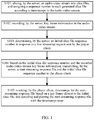
FIG. 1 illustrates a flow chart of an exemplary live streaming quick start method according to Embodiment 1 of the present disclosure; -
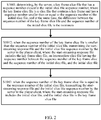
FIG. 2 illustrates a flow chart of exemplary detailed sub-steps for the step S104 according to Embodiment 1 of the present disclosure; -
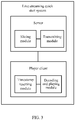
FIG. 3 illustrates a schematic diagram of an exemplary live streaming quick start system according to Embodiment 2 of the present disclosure; and -
FIG. 4 illustrates a schematic diagram of another exemplary live streaming quick start system according to Embodiment 2 of the present disclosure. - The objectives, features, and advantages of the present disclosure will become clearer from the following description of the embodiments of the present disclosure when taken in conjunction with the accompanying drawings.
- The present disclosure provides a live streaming quick start method. Referring to
FIG. 1 , the method may include the following steps. - Step S101: slicing, by the server, an audio-video stream into slice files, and assigning a sequence number to each generated slice file according to timestamps in the audio-video stream.
- Specifically, the server may be a server that provides a live streaming service, or an intermediate server such as a node server in a content delivery network (CDN). The player client may be a player having live streaming function, such as Youku video player, Tencent video player, and other local players, or a webpage player. The audio-video stream may be the audio-video data that are transmitted from live stage to the server through network transmission.
- In the embodiment, the server may physically slice the audio-video stream or may logically slice the audio-video stream.
- In the embodiment, when the slices are sliced physically, the server may slice the audio-video stream according to a preset time interval and generate slice files accordingly.
- Specifically, the preset time interval may be configured according to actual requirement. For example, the preset time interval may be 1 second or 2 seconds. When the preset time interval is 1 second, the server may slice the audio-video stream according to the 1 second time interval, and may generate a plurality of slice files having a 1 -second length in time.
- The server may assign a natural number as the sequence number to each slice file according to timestamps.
- Specifically, assigning sequence numbers to the slice files may be intended to distinguish the order of the slice files, and may sequentially process the slice files in an ascending order. Because each slice file may include a large amount of audio-video frames, each audio-video frame may include a timestamp. In a single slice file, the audio-video frames may be arranged according to the order of the timestamps. Thus, based on the timestamp of the first audio-video frame in each slice file, the server may determine the sequential order of the each slice file and assign sequence numbers based on the sequential order. The sequence numbers may be natural numbers assigned based on the timestamps. For example, the slice file that has the smallest timestamp may be assigned with the sequence number 1, the slice file that has the second smallest timestamp may be assigned with the sequence number 2, and the slice file that has a larger timestamp may be assigned with a larger sequence number. The starting sequence number may also be a different natural number, e.g., 5.
- It should be noted that other methods may also be used to assign sequence numbers. For example, an alphanumerical format A1, A2, A3... A1 may correspond to the slice file having the smallest timestamp, A2 may correspond to the slice file having the second smallest timestamp, and subsequent sequence numbers may correspond to the slice files having the ascending timestamps. In other words, as long as a sequence number format contains a sequential order, the sequence number format may be used to assign sequence numbers to the slice files.
- In the embodiment, when the slices are sliced logically, the server may insert a header byte containing a slice sequence number into the audio-video stream file according to a preset time interval. The slice sequence numbers may be natural numbers assigned according to the timestamps.
- Specifically, similar to the physical slicing method, in the logical slicing method, natural numbers may be assigned as sequence numbers to the slice files in the ascending order of timestamps, and the sequence numbers may be inserted to the header byte in the slice files.
- Step S 102: recording, by the server, key frame information in the audio-video stream.
- In the embodiment, the server may generate a sequence number list for the slice files that contain a key frame based on the audio-video stream slice files and the corresponding sequence numbers.
- Specifically, the server may record the sequence numbers for the slice files that contain a key frame, and may generate the sequence number list for the slice files that contain a key frame according to a certain rule, e.g., in the ascending order of the sequence numbers. The sequence number list may be the data used later to determine the slice files that contain a key frame.
- Step S103: determining, by the server, an initial slice file sequence number in response to a live streaming request sent by the player client.
- In the embodiment, the live streaming request transmitted by the player client may include a delay parameter. Based on the delay parameter in the live streaming request and the sequence number of the latest slice of the audio-video stream, the server may calculate the initial slice file sequence number.
- Specifically, the initial slice file may be the slice file corresponding to the timestamp when the player client starts live streaming. The latest slice may be the latest slice file generated by the server and having a largest timestamp. The delay parameter may be a delay configured for the player client for the live streaming. For example, the delay parameter may be 3 seconds. The player client may play from the timestamp that includes 3-second delay from the latest audio-video stream. In other words, the server may transmit the audio-video stream to the player client from the position that is 3 seconds prior to the latest audio-video stream timestamp. Any prior audio-video stream data may not be transmitted to the client.
- For example, when the slice time interval is set to 1 second, the delay parameter is set to 5 seconds, and the latest slice sequence number is 20, the server may calculate and obtain that the delay parameter is equal to 5 time intervals. The initial slice file sequence number may be 5 sequence numbers prior to the latest slice sequence number, that is, the initial slice file sequence number may be 15.
- Step S104: based on the initial slice file sequence number and the recorded audio-video stream key frame information, transmitting, by the server, a start-streaming response file and the initial slice file sequence number to the player client.
- Referring to
Fig. 2 , in the embodiment, the step S104 may include three sub-steps S1041-S1043. - Step S1041: determining, by the server, a key frame slice file that has a sequence number closest to the initial slice file sequence number, where the key frame slice file is a slice file that contains a key frame and has a sequence number smaller than or equal to the sequence number of the initial slice file, and at the same time, the difference between the sequence number of the key frame slice file and the sequence number of the initial slice file is the minimum.
- Specifically, the initial slice file may not contain a key frame. When the initial slice file does not contain a key frame, the player client may not be able to play the initial slice file, and the black screen may appear until a key frame slice file is received. Thus, the server may need to determine the key frame slice file that has a sequence number closest to the sequence number of the initial slice file, and may transmit the audio-video stream to the player client starting from the key frame slice file sequence number.
- Because the sequence number are natural numbers in the ascending order, and the initial slice file sequence number has been determined, the server may only search for a key frame slice file from the slice files preceding the sequence number of the initial slice file. In order to avoid increasing the live streaming delay, the key frame slice file must be closest to the sequence number of the initial slice file, thus, ensuring that the number of audio-video frames between the key frame and the initial slice file are kept to the minimum. In other words, the sequence number of the key frame slice file may be smaller than or equal to the sequence number of the initial slice file. At the same time, the difference between the sequence number of the key frame slice file and the sequence number of the initial slice file may be kept to the minimum. Through the key frame information which includes the sequence number of the key frame slice file, the server may calculate the sequence number difference to obtain the sequence number of the key frame slice file.
- Step S1042: when the sequence number of the key frame slice file is smaller than the sequence number of the initial slice file, transmitting the start-streaming response file and the initial slice file sequence number by the server to the player client, where the start-streaming response file includes the key frame slice file, intermediate slice files having the sequence numbers between the sequence number of the key frame slice and the sequence number of the initial slice file, and the initial slice file.
- Specifically, when the initial slice file does not contain a key frame, the server may transmit the key frame slice file and the subsequent slice files to the player client. At this point, the start-streaming response file may include the key frame slice file, the intermediate slice file having the sequence number between the sequence number of the key frame slice and the sequence number of the initial slice file, and the initial slice file.
- Step S 1043: when the sequence number of the key frame slice file is equal to the sequence number of the initial slice file, transmitting the start-streaming response file and the initial slice file sequence number by the server to the player client, where the start-streaming response file includes the initial slice file, and the initial slice file is the key frame slice file.
- Specifically, in terms of the initial slice file containing a key frame, in this case, the initial slice file may be a key frame slice file. The server may transmit the initial slice file and the subsequent slice files to the player client.
- Step S105: resetting, by the player client, timestamps for the start-streaming response file based on a key frame closest to the initial slice file, and decoding and playing the start-streaming response file with the timestamps reset.
- In the embodiment, this step may have two scenarios.
- In the scenario where the sequence number of the key frame slice file is smaller than the sequence number of the initial slice file, resetting the timestamp for the start-streaming response file at the player client may include the following steps.
- The player client may discard the audio-video frames preceding the key frame in the key frame slice file, and may reset the timestamp of the key frame and the audio-video frames succeeding the key frame in the key frame slice file to the initial timestamp. Specifically, because the audio-video frames preceding the key frame are useless to the live streaming, the audio-video frames preceding the key frame may be discarded. At the same time, because the player client may start the live streaming once the key frame is obtained, the audio-video frames succeeding the key frame may be useless too. Resetting the timestamp of the useless audio-video frames to the initial timestamp may allow rapid skipping of the useless audio-video frames, and the player client may rapidly play the first image frame on the display screen.
- The player client may reset the timestamps for the audio-video frames in the intermediate slice file. Specifically, the player client may start live streaming from the position of the initial slice. Thus, the intermediate slice file may be useless, and may be rapidly skipped similarly by resetting the timestamp to the initial timestamp.
- The timestamp of the first frame of the initial slice file may be set as the reference value. The player client may reset the timestamp for each frame in the initial slice file and subsequent slice files to an adjusted timestamp. The adjusted timestamp may be the original timestamp of the corresponding audio-video frame minus the reference value and plus the initial timestamp. Specifically, the player client may perform the live streaming based on the key frame and the initial slice file. To ensure the normal operation of the live streaming, the timestamps of the initial slice file may be reset. That is, the original timestamp for each audio-video frame in the initial slice file minus the original timestamp of the first frame in the initial slice file and plus the initial timestamp may be the reset timestamp for each frame in the initial slice file. For example, the initial timestamp may be 00:00:10. The original timestamp for the first frame in the initial slice file may be 10: 05:50. The original timestamp for the 50th frame in the initial slice file may be 10:05:52. Then, the adjusted timestamp for the 50th frame may be 10:05:52 minus 10:05:50 and plus 00:00:10, that is, 00:00:12.
- For the case where the sequence number of the key frame slice file is equal to the sequence number of the initial slice file, resetting the timestamp for the start-streaming response file at the player client may include the following steps.
- The player client may discard the audio-video frames preceding the key frame in the key frame slice file, and may reset the timestamp of the key frame to the initial timestamp.
- The original timestamp of the key frame may be set as the reference value. The player client may reset the timestamp for each frame succeeding the key frame to an adjusted timestamp. The adjusted timestamp may be the original timestamp of the corresponding audio-video frame minus the reference value and plus the initial timestamp.
- Specifically, when the sequence number of the key frame slice file is equal to the sequence number of the initial slice file, the player client may similarly discard the audio-video frames preceding the key frame in the initial slice file, and may reset the timestamp of the key frame and all audio-video frames succeeding the key frame.
- It should be noted that the server may reset the timestamps of the start-streaming response file and the succeeding slice files. Similarly, the timestamp resetting may be divided into the two scenarios where the sequence number of the key frame slice file is smaller than or equal to the sequence number of the initial slice file, and the resetting content may be similar to the resetting content at the player client. After the timestamp resetting is completed at the server, the server may transmit the start-streaming response file and the succeeding slice files that have been reset to the player client. The player client may play the received files according to normal live streaming operation.
- In the embodiment, when a physical slicing method is used, the player client may request the slice files succeeding the start-streaming response file from the server according to the ascending order of the physical slice sequence numbers.
- In the embodiment, when a logical slicing method is used, the server may continue to automatically transmit the logical slices succeeding the start-streaming response file in the ascending order.
- Specifically, the slice files succeeding the start-streaming response file may need the similar resetting of the timestamps to the adjusted timestamps. After the timestamp resetting is completed, the player client may decode and play the slice files according to the ascending order of the sequence numbers.
- Referring to
FIG. 3 , the embodiment of the present disclosure provides a live streaming quick start system for executing the live streaming quick start method provided by Embodiment 1. The system may include a server and a player client. The server may include a slicing module and a transmitting module. The player client may include a timestamp resetting module and a decoding and playing module. - The slicing module may be used to slice the audio-video stream, and may assign sequence numbers to the generated slice files according to the timestamps in the audio-video stream. Further, the slicing module may be used to record the key frame information of the audio-video stream, and may determine the sequence number of the initial slice file according to the live streaming request sent by the player client.
- The transmitting module may be used to transmit the start-streaming response file and the sequence number of the initial slice file to the player client according to the sequence number of the initial slice and the recorded key frame information of the audio-video stream.
- The timestamp resetting module may be used to reset the timestamps of the start-streaming response file based on the key frame closest to the initial slice file sequence number.
- The decoding and playing module may be used to decode and play the start-streaming response file that has the timestamps reset.
- In the embodiment, the transmitting module may be used to perform the followings.
- The transmitting module may determine a key frame slice file that has a sequence number closest to the initial slice file sequence number. The key frame slice file may be a slice file that contains a key frame and has a sequence number smaller than or equal to the sequence number of the initial slice file. At the same time, the difference between the sequence number of the key frame slice file and the sequence number of the initial slice file may be the minimum.
- When the sequence number of the key frame slice file is smaller than the sequence number of the initial slice file, the transmitting module may transmit the start-streaming response file and the initial slice file sequence number to the player client, where the start-streaming response file includes the key frame slice file, an intermediate slice file having the sequence number between the sequence number of the key frame slice and the sequence number of the initial slice file, and the initial slice file.
- When the sequence number of the key frame slice file is equal to the sequence number of the initial slice file, the transmitting module may transmit the start-streaming response file and the initial slice file sequence number to the player client, where the start-streaming response file includes the initial slice file, and the initial slice file is the key frame slice file.
- In the embodiment, when the sequence number of the key frame slice file is smaller than the sequence number of the initial slice file, the timestamp resetting module may perform the followings.
- The timestamp resetting module may discard the audio-video frames preceding the key frame in the key frame slice file, and may reset the timestamp of the key frame and the audio-video frames succeeding the key frame to the initial timestamp.
- The timestamp resetting module may reset the timestamp for the audio-video frames in the intermediate slice file to the initial timestamp.
- The original timestamp of the first frame of the initial slice file may be set as the reference value. The timestamp resetting module may reset the timestamp for each frame in the initial slice file and subsequent slice files to an adjusted timestamp. The adjusted timestamp may be the original timestamp of the corresponding audio-video frame minus the reference value and plus the initial timestamp.
- In the embodiment, when the sequence number of the key frame slice file is equal to the sequence number of the initial slice file, the timestamp resetting module may perform the followings.
- The timestamp resetting module may discard the audio-video frames preceding the key frame in the key frame slice file, and may reset the timestamp of the key frame to the initial timestamp.
- The original timestamp of the first frame of the initial slice file may be set as the reference value. The timestamp resetting module may reset the timestamp for each frame succeeding the key frame to an adjusted timestamp. The adjusted timestamp may be the original timestamp of the corresponding audio-video frame minus the reference value and plus the initial timestamp.
- In the embodiment, the slicing module may be used to generate a key frame slice file sequence number list according to the slice files of the audio-video stream and the corresponding sequence numbers.
- In the embodiment, when the slices are physically sliced, the slicing module may perform the followings.
- The slicing module may slice the audio-video stream into slices according to a preset time interval and generate slice files accordingly.
- The slicing module may assign natural numbers as the sequence numbers of the generated slice files according to the timestamps.
- Referring to
FIG. 4 , in the embodiment, the player client may also include a request module, configured to continue to request the slice files succeeding the start-streaming response file from the server in the ascending order of the sequence numbers of the physical slices. - In the embodiment, when the slices are logically sliced, the slicing module may perform the followings.
- The slicing module may insert a header byte containing a slice sequence number into the audio-video stream file according to a preset time interval. The slice sequence numbers may be natural numbers assigned according to the timestamps.
- In the embodiment, the transmitting module may also be used to continue to automatically transmit the logical slices succeeding the start-streaming response file in the ascending order.
- In the embodiment, the live streaming request sent by the player client may include a delay parameter.
- The transmitting module may also be used to calculate a sequence number for the initial slice file according to the delay parameter in the live streaming request and the sequence number of the latest slice of the audio-video stream.
- In the embodiment, the timestamps of the start-streaming response file may be reset according to the sequence number of the key frame closest to the initial slice file. The key frame closest to the initial slice and the initial slice file may be combined to achieve the quick start effect. At the same time, the timestamps for all the audio-video frames between the key frame and the initial slice file may be reset to the initial timestamp, and may be rapidly skipped. Thus, the effect of not affecting the live streaming delay may be achieved.
- The sequence of the embodiments of the present disclosure are intended to be descriptive, and do not represent any preference.
- The system embodiments described above are merely for illustrative purpose. The units described as separated parts may or may not be physically detached. The parts displayed as units may or may not be physical units, i.e., may be located at one place, or distributed at a plurality of network units. Based on the actual needs, a part or all of the modules may be selected to achieve the objective of the embodiments. Those ordinarily skilled in the art may understand and implement the disclosed embodiments without contributing creative labor.
- Through the descriptions of various aforementioned embodiments, those skilled in the art may clearly understand that the embodiments may be implemented by means of software in conjunction with an essential common hardware platform, or may be simply implemented by hardware. Based on such understanding, the essential part of the aforementioned technical solutions or the part that contribute to the prior art may be embodied in the form of software products. The software products may be stored in computer readable storage media, such as ROM/RAM, magnetic disk, and optical disk, etc., and may include a plurality of instructions to enable a computer device (may be a personal computer, a server, or a network device) having one or more processors to execute the methods described in various embodiments or parts of the embodiments.
- The foregoing are merely certain preferred embodiments of the present disclosure, and are not intended to limit the present disclosure. Without departing from the spirit and principles of the present disclosure, any modifications, equivalent substitutions, and improvements, etc. shall fall within the scope of the present disclosure.
Claims (20)
- A live streaming quick start method, comprising:slicing, by a server, an audio-video stream into slice files, and assigning a sequence number to each generated slice file according to timestamps of the audio-video stream;recording, by the server, key frame information of the audio-video stream;determining, by the server, an initial slice file sequence number in response to a live streaming request sent by a player client;based on the initial slice file sequence number and the recorded audio-video stream key frame information, transmitting, by the server, a start-streaming response file and the initial slice file sequence number to the player client; andresetting, by the player client, timestamps for the start-streaming response file based on a key frame closest to the initial slice file, and decoding and playing the start-streaming response file with the timestamps reset.
- The live streaming quick start method according to claim 1, wherein based on the initial slice file sequence number and the recorded audio-video stream key frame information, transmitting, by the server, a start-streaming response file and the initial slice file sequence number to the player client includes:determining, by the server, a key frame slice file that has a sequence number closest to the initial slice file sequence number, wherein the key frame slice file is a slice file that contains a key frame and has a sequence number smaller than or equal to the initial slice file sequence number, and at the same time, the difference between the sequence number of the key frame slice file and the initial slice file sequence number is the minimum;when the sequence number of the key frame slice file is smaller than the sequence number of the initial slice file, transmitting the start-streaming response file and the initial slice file sequence number by the server to the player client, wherein the start-streaming response file includes the key frame slice file, intermediate slice files having the sequence numbers between the sequence number of the key frame slice and the sequence number of the initial slice file, and the initial slice file; andwhen the sequence number of the key frame slice file is equal to the sequence number of the initial slice file, transmitting the start-streaming response file and the initial slice file sequence number by the server to the player client, wherein the start-streaming response file includes the initial slice file, and the initial slice file is the key frame slice file.
- The live streaming quick start method according to claim 2, wherein when the sequence number of the key frame slice file is smaller than the sequence number of the initial slice file, resetting, by the player client, the timestamps for the start-streaming response file includes:discarding, by the player client, the audio-video frames preceding the key frame in the key frame slice file, and resetting the timestamps of the key frame and the audio-video frames succeeding the key frame in the key frame slice file to an initial timestamp;resetting, by the player client, the timestamps for the audio-video frames in the intermediate slice files to the initial timestamp; andassuming the original timestamp for the first frame in the initial slice file is a reference value, resetting, by the player client, the timestamp for every frame in the initial slice file and the succeeding slice file to an adjusted timestamp, wherein the adjusted timestamp is the original timestamp for the corresponding audio-video frame minus the reference value and plus the initial timestamp.
- The live streaming quick start method according to claim 2, wherein when the sequence number of the key frame slice file is equal to the sequence number of the initial slice file, resetting, by the player client, the timestamps for the start-streaming response file includes:discarding, by the player client, the audio-video frames preceding the key frame in the key frame slice file, and resetting the timestamp for the key frame to an initial timestamp; andassuming the original timestamp for the key frame is a reference value, resetting, by the player client, the timestamp for every audio-video frame succeeding the key frame to an adjusted timestamp, wherein the adjusted timestamp is the original timestamp for the corresponding audio-video frame minus the reference value and plus the initial timestamp.
- The live streaming quick start method according to claim 1, wherein recording, by the server, key frame information in the audio-video stream includes:based on the audio-video stream slice files and the corresponding sequence numbers, generating, by the server, a numbered list of key frame slice files.
- The live streaming quick start method according to claim 4, wherein the slicing is physical slicing, and slicing, by the server, an audio-video stream into slices, and assigning a sequence number to each generated slice file according to timestamps of the audio-video stream further includes:slicing, by the server, the audio-video stream according to a preset time interval to generate slice files; andassigning, by the server, natural numbers as the sequence numbers of the generated slice files according to the timestamps.
- The live streaming quick start method according to claim 6, wherein resetting, by the player client, the timestamps for the start-streaming response file further includes:after receiving, by the player client, the start-streaming response file and resetting the timestamps,continuing to request for the slice files succeeding the start-streaming response file from the server in the ascending order of the physical slice sequence numbers, resetting the timestamps, and decoding for playing.
- The live streaming quick start method according to claim 4, wherein the slicing is logical slicing, and slicing, by the server, an audio-video stream into slices, and assigning a sequence number to each generated slice file according to timestamps of the audio-video stream, further includes:inserting, by the server, a header byte including a slice sequence number in the audio-video stream file according to a preset time interval; andassigning, by the server, natural numbers as the sequence numbers of the generated slice files according to the timestamps.
- The live streaming quick start method according to claim 8, wherein resetting, by the player client, the timestamps for the start-streaming response file further includes:after receiving, by the player client, the start-streaming response file and resetting the timestamps,continuing, by the server, to automatically transmit logic slices succeeding the start-streaming response file in the ascending order of the slice file sequence numbers; andresetting, by the player client, the timestamps, and decoding for playing.
- The live streaming quick start method according to claim 1, wherein:the live streaming request sent by the player client includes a delay parameter; anddetermining, by the server, an initial slice file sequence number in response to the live streaming request sent by the player client further includes:calculating, by the server, an initial slice file sequence number based on the delay parameter in the live streaming request and the latest slice sequence number of the audio-video stream.
- A live streaming quick start system, comprising:a server including a slicing module and a transmitting module; anda player client including a timestamp resetting module and a decoding and playing module, wherein:the slicing module is configured to slice an audio-video stream into slice files, assign a sequence number to each generated slice file according to timestamps of the audio-video stream, record key frame information of the audio-video stream, determine an initial slice file sequence number in response to a live streaming request sent by the player client;the transmitting module is configured to transmit a start-streaming response file and the initial slice file sequence number to the player client based on the initial slice file sequence number and the recorded audio-video stream key frame information;the timestamp resetting module is configured to reset timestamps for the start-streaming response file based on a key frame closest to the initial slice file; andthe decoding and playing module is configured to decode and play the start-streaming response file having the timestamps reset.
- The live streaming quick start system according to claim 11, wherein the transmitting module is further configured to:determine a key frame slice file that has a sequence number closest to the initial slice file sequence number, wherein the key frame slice file is a slice file that contains a key frame and has a sequence number smaller than or equal to the sequence number of the initial slice file, and at the same time, the difference between the sequence number of the key frame slice file and the sequence number of the initial slice file is the minimum;when the sequence number of the key frame slice file is smaller than the sequence number of the initial slice file, transmit the start-streaming response file and the initial slice file sequence number to the player client, wherein the start-streaming response file includes the key frame slice file, intermediate slice files having the sequence numbers between the sequence number of the key frame slice and the sequence number of the initial slice file, and the initial slice file; andwhen the sequence number of the key frame slice file is equal to the sequence number of the initial slice file, transmit the start-streaming response file and the initial slice file sequence number to the player client, wherein the start-streaming response file includes the initial slice file, and the initial slice file is the key frame slice file.
- The live streaming quick start system according to claim 12, wherein when the sequence number of the key frame slice file is smaller than the sequence number of the initial slice file, the timestamp resetting module is further configured to:discard the audio-video frames preceding the key frame in the key frame slice file, and reset the timestamps of the key frame and the audio-video frames succeeding the key frame in the key frame slice file to an initial timestamp;reset the timestamps for the audio-video frames in the intermediate slice files to the initial timestamp; andassuming the original timestamp for the first frame in the initial slice file is a reference value, reset the timestamp for every frame in the initial slice file and the succeeding slice file to an adjusted timestamp, wherein the adjusted timestamp is the original timestamp for the corresponding audio-video frame minus the reference value and plus the initial timestamp.
- The live streaming quick start system according to claim 12, wherein when the sequence number of the key frame slice file is equal to the sequence number of the initial slice file, the timestamp resetting module is further configured to:discard the audio-video frames preceding the key frame in the key frame slice file, and reset the timestamp for the key frame to an initial timestamp; andassuming the original timestamp for the first frame in the initial slice file is a reference value, reset the timestamp for every audio-video frame succeeding the key frame to an adjusted timestamp, wherein the adjusted timestamp is the original timestamp for the corresponding audio-video frame minus the reference value and plus the initial timestamp.
- The live streaming quick start system according to claim 11, wherein:the slicing module is further configured to generate a list of key frame slice file sequence numbers based on the audio-video stream slice files and the corresponding sequence numbers.
- The live streaming quick start system according to claim 11, wherein when the slices are physically sliced, the slicing module is further configured to:slice the audio-video stream according to a preset time interval and generate slice files accordingly; andassign natural numbers as the sequence numbers of the generated slice files according to the timestamps.
- The live streaming quick start system according to claim 16, wherein the player client further includes a request module configured to continue to request for the slice files succeeding the start-streaming response file from the server in the ascending order of the physical slice sequence numbers.
- The live streaming quick start system according to claim 11, wherein when the slices are logically sliced, the slicing module is further configured to:insert a header byte including a slice sequence number in the audio-video stream file according to a preset time interval; andassign natural numbers as the sequence numbers of the generated slice files according to the timestamps.
- The live streaming quick start system according to claim 18, wherein the transmitting module is further configured to continue to automatically transmit the logic slices succeeding the start-streaming response file in the ascending order of the slice sequence numbers.
- The live streaming quick start system according to claim 11, wherein:the live streaming request sent by the player client includes a delay parameter; andthe transmitting module is further configured to calculate an initial slice file sequence number based on the delay parameter in the live streaming request and the latest slice sequence number of the audio-video stream.
Applications Claiming Priority (2)
| Application Number | Priority Date | Filing Date | Title |
|---|---|---|---|
| CN201710464840.7A CN107147919B (en) | 2017-06-19 | 2017-06-19 | Method and system for quick start of live broadcast |
| PCT/CN2017/092824 WO2018232799A1 (en) | 2017-06-19 | 2017-07-13 | Live broadcast rapid-startup method and system |
Publications (2)
| Publication Number | Publication Date |
|---|---|
| EP3448040A1 true EP3448040A1 (en) | 2019-02-27 |
| EP3448040A4 EP3448040A4 (en) | 2019-06-19 |
Family
ID=59781741
Family Applications (1)
| Application Number | Title | Priority Date | Filing Date |
|---|---|---|---|
| EP17849862.2A Ceased EP3448040A4 (en) | 2017-06-19 | 2017-07-13 | METHOD AND SYSTEM FOR QUICK START OF LIVE BROADCAST |
Country Status (4)
| Country | Link |
|---|---|
| US (1) | US10638192B2 (en) |
| EP (1) | EP3448040A4 (en) |
| CN (1) | CN107147919B (en) |
| WO (1) | WO2018232799A1 (en) |
Cited By (1)
| Publication number | Priority date | Publication date | Assignee | Title |
|---|---|---|---|---|
| EP3852376A4 (en) * | 2018-09-18 | 2021-12-22 | Wangsu Science & Technology Co., Ltd. | LIVE BROADCASTING VIDEO TIME STAMP ADJUSTMENT METHOD AND DEVICE |
Families Citing this family (26)
| Publication number | Priority date | Publication date | Assignee | Title |
|---|---|---|---|---|
| CN109756749A (en) * | 2017-11-07 | 2019-05-14 | 阿里巴巴集团控股有限公司 | Video data handling procedure, device, server and storage medium |
| CN108259987A (en) * | 2017-12-19 | 2018-07-06 | 湖北鸿云科技股份有限公司 | Mobile terminal low delay DST PLAYER and playback method |
| CN110113621B (en) * | 2018-02-01 | 2023-03-03 | 腾讯科技(深圳)有限公司 | Media information playing method and device, storage medium and electronic device |
| CN108540819B (en) * | 2018-04-12 | 2020-04-03 | 腾讯科技(深圳)有限公司 | Live data processing method, device, computer equipment and storage medium |
| CN108260024B (en) * | 2018-04-12 | 2020-06-12 | 腾讯科技(深圳)有限公司 | Live data processing method, device, computer equipment and storage medium |
| CN110392269B (en) * | 2018-04-17 | 2021-11-30 | 腾讯科技(深圳)有限公司 | Media data processing method and device and media data playing method and device |
| CN110392071B (en) * | 2018-04-18 | 2021-06-22 | 网宿科技股份有限公司 | Uploading and downloading method of streaming media resources, distribution system and streaming media server |
| CN109151492B (en) * | 2018-09-29 | 2021-02-02 | 网宿科技股份有限公司 | A kind of quick start method and device of live video |
| CN109218745B (en) * | 2018-10-31 | 2021-07-23 | 网宿科技股份有限公司 | A live broadcast method, server, client and readable storage medium |
| US11437072B2 (en) * | 2019-02-07 | 2022-09-06 | Moxtra, Inc. | Recording presentations using layered keyframes |
| CN111726641A (en) * | 2019-03-18 | 2020-09-29 | 北京奇虎科技有限公司 | Playback processing method, device and server of live video |
| CN111835697B (en) * | 2019-04-23 | 2021-10-01 | 华为技术有限公司 | A kind of media stream sending method, apparatus, equipment and system |
| CN111294666B (en) * | 2019-07-04 | 2022-07-01 | 杭州萤石软件有限公司 | Video frame transmission method and method, device and system for determining video frame transmission delay |
| CN111031385B (en) * | 2019-12-20 | 2022-03-08 | 北京爱奇艺科技有限公司 | Video playing method and device |
| CN113141522B (en) * | 2020-01-17 | 2022-09-20 | 北京达佳互联信息技术有限公司 | Resource transmission method, device, computer equipment and storage medium |
| CN111405380B (en) * | 2020-04-14 | 2022-08-05 | 聚好看科技股份有限公司 | Method and device for playing streaming media data |
| CN111918092B (en) * | 2020-08-12 | 2022-07-01 | 广州繁星互娱信息科技有限公司 | Video stream processing method, device, server and storage medium |
| CN112866763B (en) * | 2020-12-28 | 2023-05-26 | 网宿科技股份有限公司 | Sequence number generation method, server and storage medium of HLS multi-code rate stream slice |
| CN113259694A (en) * | 2021-04-22 | 2021-08-13 | 北京金山云网络技术有限公司 | Data slicing method and device and electronic equipment |
| CN113382278B (en) * | 2021-06-11 | 2022-09-09 | 天翼云科技有限公司 | Video pushing method and device, electronic equipment and readable storage medium |
| CN113596568B (en) * | 2021-07-01 | 2023-10-17 | 广州虎牙科技有限公司 | Video playing method and device, intelligent terminal and computer readable storage medium |
| CN114630157B (en) * | 2022-03-21 | 2024-08-23 | 北京字节跳动网络技术有限公司 | Live broadcast start-up method, equipment and program product |
| CN115604508A (en) * | 2022-08-30 | 2023-01-13 | 武汉斗鱼鱼乐网络科技有限公司(Cn) | Method for reducing live broadcast delay and related equipment |
| CN115550746B (en) * | 2022-10-11 | 2024-09-10 | 杭州视洞科技有限公司 | HLS low-delay method based on network camera |
| CN116156225A (en) * | 2023-01-18 | 2023-05-23 | 北京微吼时代科技有限公司 | Live broadcast fault recovery method and device and electronic equipment |
| CN116582725B (en) * | 2023-04-27 | 2025-08-29 | 福建新大陆通信科技股份有限公司 | A real-time multimedia streaming transmission method |
Family Cites Families (48)
| Publication number | Priority date | Publication date | Assignee | Title |
|---|---|---|---|---|
| US7194548B1 (en) * | 1999-03-30 | 2007-03-20 | Matsushita Electric Industrial Co., Ltd. | Data transmission apparatus, receiving apparatus, and sending apparatus |
| US7065779B1 (en) * | 1999-10-13 | 2006-06-20 | Cisco Technology, Inc. | Technique for synchronizing multiple access controllers at the head end of an access network |
| US6658199B1 (en) * | 1999-12-16 | 2003-12-02 | Sharp Laboratories Of America, Inc. | Method for temporally smooth, minimal memory MPEG-2 trick play transport stream construction |
| SE517245C2 (en) * | 2000-09-14 | 2002-05-14 | Ericsson Telefon Ab L M | Synchronization of audio and video signals |
| US20070053428A1 (en) * | 2001-03-30 | 2007-03-08 | Vixs Systems, Inc. | Managed degradation of a video stream |
| DE10163152A1 (en) * | 2001-12-20 | 2003-07-03 | Thomson Brandt Gmbh | MPEG video recording medium and playback device |
| US20030206596A1 (en) * | 2002-05-03 | 2003-11-06 | David Carver | Multimedia content assembly |
| US7418190B2 (en) * | 2002-08-22 | 2008-08-26 | Microsoft Corporation | Accelerated access to frames from a compressed digital video stream without keyframes |
| US7706415B2 (en) * | 2004-07-29 | 2010-04-27 | Microsoft Corporation | Packet multiplexing multi-channel audio |
| US7664109B2 (en) * | 2004-09-03 | 2010-02-16 | Microsoft Corporation | System and method for distributed streaming of scalable media |
| US9197857B2 (en) * | 2004-09-24 | 2015-11-24 | Cisco Technology, Inc. | IP-based stream splicing with content-specific splice points |
| JP2006099671A (en) * | 2004-09-30 | 2006-04-13 | Toshiba Corp | Video metadata search table |
| EP1675399A3 (en) * | 2004-12-23 | 2009-04-29 | Bitband Technologies Ltd. | Fast channel switching for digital TV |
| JP5031230B2 (en) * | 2005-11-28 | 2012-09-19 | キヤノン株式会社 | Data transmission apparatus and method |
| TW200735665A (en) * | 2006-03-03 | 2007-09-16 | Hon Hai Prec Ind Co Ltd | System and method for processing streaming data |
| RU2008135839A (en) * | 2006-03-14 | 2010-03-10 | Нек Корпорейшн (Jp) | BUFFER CONTROL METHOD, RELAY TRANSMISSION DEVICE AND COMMUNICATION SYSTEM |
| TW200835303A (en) * | 2006-09-07 | 2008-08-16 | Avocent Huntsville Corp | Point-to-multipoint high definition multimedia transmitter and receiver |
| CN101193273B (en) | 2006-11-20 | 2010-07-14 | 中兴通讯股份有限公司 | A method for storing and playing real-time multimedia image information |
| CN101227590B (en) * | 2007-01-19 | 2013-03-06 | 北京风行在线技术有限公司 | P2P protocol-based media file order program control method and apparatus |
| CN101257624B (en) * | 2007-02-27 | 2011-08-24 | 华为技术有限公司 | Decoder and method for realizing random access |
| US8935420B2 (en) * | 2007-03-09 | 2015-01-13 | Nokia Corporation | Method and apparatus for synchronizing notification messages |
| US8379677B2 (en) * | 2007-04-30 | 2013-02-19 | Vixs Systems, Inc. | System for combining a plurality of video streams and method for use therewith |
| EP2046044B1 (en) * | 2007-10-01 | 2017-01-18 | Cabot Communications Ltd | A method and apparatus for streaming digital media content and a communication system |
| US8365214B2 (en) * | 2007-11-15 | 2013-01-29 | At&T Intellectual Property I, Lp | Systems and method for determining visual media information |
| JP4438878B2 (en) * | 2008-03-17 | 2010-03-24 | ソニー株式会社 | Receiver, clock synchronization method, and computer program |
| US9955122B2 (en) * | 2008-04-11 | 2018-04-24 | Mobitv, Inc. | Dynamic advertisement stream replacement |
| US8559438B2 (en) * | 2008-04-11 | 2013-10-15 | Mobitv, Inc. | Modification of live streams |
| US8156089B2 (en) * | 2008-12-31 | 2012-04-10 | Apple, Inc. | Real-time or near real-time streaming with compressed playlists |
| US20100169303A1 (en) * | 2008-12-31 | 2010-07-01 | David Biderman | Playlists for real-time or near real-time streaming |
| US8743906B2 (en) * | 2009-01-23 | 2014-06-03 | Akamai Technologies, Inc. | Scalable seamless digital video stream splicing |
| US9948708B2 (en) * | 2009-06-01 | 2018-04-17 | Google Llc | Data retrieval based on bandwidth cost and delay |
| US8885729B2 (en) * | 2010-12-13 | 2014-11-11 | Microsoft Corporation | Low-latency video decoding |
| US8532171B1 (en) * | 2010-12-23 | 2013-09-10 | Juniper Networks, Inc. | Multiple stream adaptive bit rate system |
| TWI519147B (en) * | 2011-12-28 | 2016-01-21 | 財團法人工業技術研究院 | System and method for providing and transmitting condensed streaming content |
| TWI447718B (en) * | 2012-09-03 | 2014-08-01 | Mstar Semiconductor Inc | Method and apparatus for generating thumbnails |
| US9161090B2 (en) * | 2012-12-27 | 2015-10-13 | EchoStar Technologies, L.L.C. | Fast channel change from electronic programming guide |
| WO2014168833A1 (en) * | 2013-04-08 | 2014-10-16 | Shafron Thomas | Camera assembly, system, and method for intelligent video capture and streaming |
| US9436692B1 (en) * | 2013-06-25 | 2016-09-06 | Emc Corporation | Large scale video analytics architecture |
| WO2015118164A1 (en) * | 2014-02-10 | 2015-08-13 | Dolby International Ab | Embedding encoded audio into transport stream for perfect splicing |
| US9774650B2 (en) * | 2014-09-23 | 2017-09-26 | Cisco Technology, Inc. | Frame priority system |
| CN104683884B (en) * | 2015-02-09 | 2018-08-07 | 网宿科技股份有限公司 | A kind of stream media live broadcasting method and system |
| US20170155697A1 (en) * | 2015-12-01 | 2017-06-01 | Le Holdings (Beijing) Co., Ltd. | Method and device for processing streaming media |
| CN105979404A (en) * | 2015-12-01 | 2016-09-28 | 乐视致新电子科技(天津)有限公司 | Streaming media processing method and device |
| CN105721952A (en) * | 2016-01-27 | 2016-06-29 | 观止云(北京)信息技术有限公司 | Live streaming network transmission method and system for equal-length slices |
| US10530825B2 (en) * | 2016-06-01 | 2020-01-07 | Amazon Technologies, Inc. | Catching up to the live playhead in live streaming |
| WO2017214510A1 (en) * | 2016-06-10 | 2017-12-14 | Affirmed Networks, Inc. | Transcoding using time stamps |
| CN106454389B (en) * | 2016-10-10 | 2019-05-03 | 广州酷狗计算机科技有限公司 | A kind of playback method and device of live video |
| CN106791994B (en) * | 2016-12-30 | 2020-11-24 | 北京奇艺世纪科技有限公司 | A kind of low-latency fast broadcasting method and device |
-
2017
- 2017-06-19 CN CN201710464840.7A patent/CN107147919B/en not_active Expired - Fee Related
- 2017-07-13 US US15/741,936 patent/US10638192B2/en not_active Expired - Fee Related
- 2017-07-13 WO PCT/CN2017/092824 patent/WO2018232799A1/en not_active Ceased
- 2017-07-13 EP EP17849862.2A patent/EP3448040A4/en not_active Ceased
Cited By (1)
| Publication number | Priority date | Publication date | Assignee | Title |
|---|---|---|---|---|
| EP3852376A4 (en) * | 2018-09-18 | 2021-12-22 | Wangsu Science & Technology Co., Ltd. | LIVE BROADCASTING VIDEO TIME STAMP ADJUSTMENT METHOD AND DEVICE |
Also Published As
| Publication number | Publication date |
|---|---|
| EP3448040A4 (en) | 2019-06-19 |
| CN107147919B (en) | 2020-11-27 |
| US20180376195A1 (en) | 2018-12-27 |
| WO2018232799A1 (en) | 2018-12-27 |
| US10638192B2 (en) | 2020-04-28 |
| CN107147919A (en) | 2017-09-08 |
Similar Documents
| Publication | Publication Date | Title |
|---|---|---|
| US10638192B2 (en) | Live streaming quick start method and system | |
| CN107277558B (en) | Player client, system and method for realizing synchronization of live video | |
| CN107426629B (en) | A kind of streaming media file processing method and live broadcast system | |
| CN107690073B (en) | Video live broadcast method and video live broadcast server | |
| CN106470352B (en) | Live channel playing method, device and system | |
| CN115119009B (en) | Video alignment method, video encoding device and storage medium | |
| CN105721811A (en) | Live video recording method and system | |
| US20250056085A1 (en) | Intelligent display of content based on event monitoring | |
| CN111031385B (en) | Video playing method and device | |
| EP3479581B1 (en) | Methods and nodes for synchronized streaming of a first and a second data stream | |
| CN109714622B (en) | Video data processing method and device and electronic equipment | |
| CN110139128B (en) | Information processing method, interceptor, electronic equipment and storage medium | |
| CN103747285A (en) | Program playing method, server side and client | |
| CN115134622B (en) | Video data alignment method, device, equipment and storage medium | |
| CN106713941A (en) | Audio and video live broadcast implementation method and server | |
| US20230090777A1 (en) | Intelligent display of content based on event monitoring | |
| CN113242437A (en) | RTSP (real time streaming protocol) video plug-in-free playing method, system, device and storage medium | |
| CN113727199A (en) | HLS slice rapid playing starting method | |
| CN105916011A (en) | Video real-time playing method and device | |
| WO2016090916A1 (en) | Code stream transmission method and device | |
| US12513371B2 (en) | Playback of media content during dual mode trick play operations | |
| CN112272306A (en) | Multi-channel real-time interactive video fusion transmission method | |
| CN117041630A (en) | Real-time audio and video transmission system, method and device and storage medium | |
| CN104683882B (en) | A kind of generation of Streaming Media speed file and player method, device | |
| CN110798713B (en) | Time-shifted television on-demand method, terminal, server and system |
Legal Events
| Date | Code | Title | Description |
|---|---|---|---|
| STAA | Information on the status of an ep patent application or granted ep patent |
Free format text: STATUS: UNKNOWN |
|
| STAA | Information on the status of an ep patent application or granted ep patent |
Free format text: STATUS: THE INTERNATIONAL PUBLICATION HAS BEEN MADE |
|
| PUAI | Public reference made under article 153(3) epc to a published international application that has entered the european phase |
Free format text: ORIGINAL CODE: 0009012 |
|
| STAA | Information on the status of an ep patent application or granted ep patent |
Free format text: STATUS: REQUEST FOR EXAMINATION WAS MADE |
|
| 17P | Request for examination filed |
Effective date: 20180322 |
|
| AK | Designated contracting states |
Kind code of ref document: A1 Designated state(s): AL AT BE BG CH CY CZ DE DK EE ES FI FR GB GR HR HU IE IS IT LI LT LU LV MC MK MT NL NO PL PT RO RS SE SI SK SM TR |
|
| AX | Request for extension of the european patent |
Extension state: BA ME |
|
| A4 | Supplementary search report drawn up and despatched |
Effective date: 20190517 |
|
| RIC1 | Information provided on ipc code assigned before grant |
Ipc: H04N 21/845 20110101ALI20190513BHEP Ipc: H04N 21/434 20110101ALI20190513BHEP Ipc: H04N 21/2187 20110101AFI20190513BHEP |
|
| STAA | Information on the status of an ep patent application or granted ep patent |
Free format text: STATUS: EXAMINATION IS IN PROGRESS |
|
| 17Q | First examination report despatched |
Effective date: 20200110 |
|
| DAV | Request for validation of the european patent (deleted) | ||
| DAX | Request for extension of the european patent (deleted) | ||
| REG | Reference to a national code |
Ref country code: DE Ref legal event code: R003 |
|
| STAA | Information on the status of an ep patent application or granted ep patent |
Free format text: STATUS: THE APPLICATION HAS BEEN REFUSED |
|
| 18R | Application refused |
Effective date: 20201109 |