EP3445384B1 - Composition for treating diastolic dysfunction - Google Patents
Composition for treating diastolic dysfunction Download PDFInfo
- Publication number
- EP3445384B1 EP3445384B1 EP17727399.2A EP17727399A EP3445384B1 EP 3445384 B1 EP3445384 B1 EP 3445384B1 EP 17727399 A EP17727399 A EP 17727399A EP 3445384 B1 EP3445384 B1 EP 3445384B1
- Authority
- EP
- European Patent Office
- Prior art keywords
- cardiomyocytes
- protein
- crystallin
- alpha
- diastolic
- Prior art date
- Legal status (The legal status is an assumption and is not a legal conclusion. Google has not performed a legal analysis and makes no representation as to the accuracy of the status listed.)
- Active
Links
Images


Classifications
-
- A—HUMAN NECESSITIES
- A61—MEDICAL OR VETERINARY SCIENCE; HYGIENE
- A61K—PREPARATIONS FOR MEDICAL, DENTAL OR TOILETRY PURPOSES
- A61K38/00—Medicinal preparations containing peptides
- A61K38/16—Peptides having more than 20 amino acids; Gastrins; Somatostatins; Melanotropins; Derivatives thereof
- A61K38/17—Peptides having more than 20 amino acids; Gastrins; Somatostatins; Melanotropins; Derivatives thereof from animals; from humans
- A61K38/1703—Peptides having more than 20 amino acids; Gastrins; Somatostatins; Melanotropins; Derivatives thereof from animals; from humans from vertebrates
- A61K38/1709—Peptides having more than 20 amino acids; Gastrins; Somatostatins; Melanotropins; Derivatives thereof from animals; from humans from vertebrates from mammals
- A61K38/1761—Apoptosis related proteins, e.g. Apoptotic protease-activating factor-1 (APAF-1), Bax, Bax-inhibitory protein(s)(BI; bax-I), Myeloid cell leukemia associated protein (MCL-1), Inhibitor of apoptosis [IAP] or Bcl-2
-
- A—HUMAN NECESSITIES
- A61—MEDICAL OR VETERINARY SCIENCE; HYGIENE
- A61K—PREPARATIONS FOR MEDICAL, DENTAL OR TOILETRY PURPOSES
- A61K31/00—Medicinal preparations containing organic active ingredients
- A61K31/12—Ketones
- A61K31/121—Ketones acyclic
-
- A—HUMAN NECESSITIES
- A61—MEDICAL OR VETERINARY SCIENCE; HYGIENE
- A61K—PREPARATIONS FOR MEDICAL, DENTAL OR TOILETRY PURPOSES
- A61K38/00—Medicinal preparations containing peptides
- A61K38/16—Peptides having more than 20 amino acids; Gastrins; Somatostatins; Melanotropins; Derivatives thereof
- A61K38/17—Peptides having more than 20 amino acids; Gastrins; Somatostatins; Melanotropins; Derivatives thereof from animals; from humans
-
- A—HUMAN NECESSITIES
- A61—MEDICAL OR VETERINARY SCIENCE; HYGIENE
- A61P—SPECIFIC THERAPEUTIC ACTIVITY OF CHEMICAL COMPOUNDS OR MEDICINAL PREPARATIONS
- A61P43/00—Drugs for specific purposes, not provided for in groups A61P1/00-A61P41/00
-
- A—HUMAN NECESSITIES
- A61—MEDICAL OR VETERINARY SCIENCE; HYGIENE
- A61P—SPECIFIC THERAPEUTIC ACTIVITY OF CHEMICAL COMPOUNDS OR MEDICINAL PREPARATIONS
- A61P9/00—Drugs for disorders of the cardiovascular system
-
- A—HUMAN NECESSITIES
- A61—MEDICAL OR VETERINARY SCIENCE; HYGIENE
- A61P—SPECIFIC THERAPEUTIC ACTIVITY OF CHEMICAL COMPOUNDS OR MEDICINAL PREPARATIONS
- A61P9/00—Drugs for disorders of the cardiovascular system
- A61P9/04—Inotropic agents, i.e. stimulants of cardiac contraction; Drugs for heart failure
-
- A—HUMAN NECESSITIES
- A61—MEDICAL OR VETERINARY SCIENCE; HYGIENE
- A61P—SPECIFIC THERAPEUTIC ACTIVITY OF CHEMICAL COMPOUNDS OR MEDICINAL PREPARATIONS
- A61P9/00—Drugs for disorders of the cardiovascular system
- A61P9/10—Drugs for disorders of the cardiovascular system for treating ischaemic or atherosclerotic diseases, e.g. antianginal drugs, coronary vasodilators, drugs for myocardial infarction, retinopathy, cerebrovascula insufficiency, renal arteriosclerosis
Definitions
- the present invention in general relates to the field of medicine and particularly to medicaments and therapies for the treatment of diastolic heart failure (DHF) and diastolic dysfunction in a subject. More particularly the present invention relates to the use of a protein encoded by a crystalline alpha B ( CRYAB ) gene in cardiomyocytes of the subject for treating diastolic dysfunction.
- DHF diastolic heart failure
- CRYAB crystalline alpha B
- Diastolic dysfunction and diastolic heart failure refers to the decline in performance of at least the left ventricle of the heart during diastole.
- Diastole is the cardiac cycle phase during which the heart is relaxing and filling with incoming blood that is being returned from the body.
- Diastolic dysfunction is considered a condition in which abnormalities in mechanical function of the heart, particularly in the functioning of the ventricles of the heart, are present during diastole. Abnormalities in diastolic function can occur in the presence or absence of a clinical syndrome of heart failure.
- Diastolic dysfunction appears when the left ventricle isn't filling properly during diastole because the ventricular wall can't relax or because the wall is too thick or rigid. Accordingly any condition or process that leads to stiffening of the left ventricular wall can lead to diastolic dysfunction.
- Cardiomyocytes or cardiac muscle cells are the muscle cells that make up the cardiac muscle or heart.
- Each cardiomyocyte cell contains myofibrils arranged in sarcomeres, the fundamental contractile units of muscle cells.
- Sarcomeres are mainly composed of the protein myosin, which forms a thick filament, and the protein actin, which forms a thin filament, which long, fibrous filaments can slide past each in order to allow the cardiac muscle to contract or relax.
- the giant cytoskeletal protein titin is an important protein in sarcomeres, which functions as a molecular spring which is responsible for the passive elasticity of the muscle. Titin binds to the thick filament (myosin) system, and provides binding sites for numerous proteins. Stiffening of the cardiomyocytes causing diastolic dysfunction is mainly due to altered elastic properties of titin in these cells.
- a subject may be determined to have diastolic heart failure if he has signs and symptoms of heart failure, a normal left ventricular ejection fraction and evidence of diastolic left ventricular dysfunction. Whether a subject suffers from diastolic dysfunction can for instance be determined by a Doppler echocardiographic examination of the subject.
- DHF is a clinical syndrome characterized by an abnormal diastolic function (diastolic dysfunction) combined with symptoms and signs of heart failure and a preserved ejection fraction (EF).
- diastolic dysfunction diastolic dysfunction
- EF preserved ejection fraction
- HEPF preserved ejection fraction
- contractile performance of the heart is relatively preserved but diastolic left ventricular (LV) function is greatly impaired with slow LV relaxation and high diastolic LV stiffness. No single therapy was so far able to improve diastolic LV dysfunction.
- diastolic LV dysfunction being the main cardiac disturbance in DHF and no single therapy has so far been shown to alter outcome or symptoms in large randomized trials targeting DHF.
- diastolic LV dysfunction being the main cardiac disturbance in DHF and no single therapy has so far been shown to alter outcome or symptoms in large randomized trials targeting DHF.
- a consensus statement on the diagnosis of heart failure with normal left ventricle ejection fraction is provided in Paulus et al (2007). European Heart Journal; Vol 28; pp 2539-2550 .
- the present invention thus aims among others to provide compositions which are useful for treating diastolic dysfunction and/or diastolic heart failure in a subject, and in particular for use in treatment of diastolic dysfunction in a subject caused by stiffening of the cardiomyocytes in the heart of the subject.
- the invention is set out in the appended set of claims.
- the invention provides compositions for use in treatment of diastolic dysfunction and DHF as defined in the claims.
- the invention provides compositions for use in treating diastolic dysfunction and DHF caused by stiffening of cardiomyocytes in the heart of the subject.
- the invention provides compositions for use in treatment of a subject with a failing heart demonstrating diastolic dysfunction.
- the compositions for use according to the invention are particularly capable of reducing or removing increased stiffness of cardiomyocytes in the heart of the subject.
- the invention provides compositions for use in treatment of diastolic dysfunction and DHF which compositions are capable of restoring the elastic properties of titin in cardiomyocytes of the subject.
- compositions according to the invention may thus be used to treat subjects which have been determined to comprise stiffened cardiomyocytes, and/or have been shown to demonstrate diastolic dysfunction and/or have been diagnosed to suffer from DHF.
- subjects that have an amount of stiffened cardiomyocytes in the heart exceeding that of a generally healthy heart, i.e. a heart with a normal diastolic function may be treated with the compositions for use according to the invention. Therefore, apart from subjects with DHF, subjects with other conditions such as aortic stenosis and/or dilated cardiomyopathy may also be treated with the compositions for use according to the invention.
- Alpha-crystallin B chain also referred to as ⁇ -B crystallin or crystallin alpha B, which is encoded by the CRYAB gene in humans, is part of the small heat shock protein family and functions as a molecular chaperone that primarily binds misfolded proteins to prevent protein aggregation, as well as inhibit apoptosis and contribute to intracellular architecture.
- External Ids are HGNC: 2389; Entrez Gene: 1410; Ensembl: ENSG00000109846; OMIM: 123590 and UniProtKB: P02511. Post-translational modifications decrease the ability of alpha-crystallin B chain to chaperone.
- the invention provides a composition for use in treatment of diastolic dysfunction and DHF, which composition comprises a therapeutically effective amount of a substance that increases an activity and/or expression of alpha-crystallin B chain protein in cardiomyocytes of a subject.
- the substance increases an alpha-crystallin B chain protein level in cardiomyocytes of the subject.
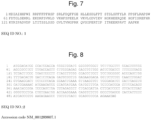
- the substance may comprise a therapeutically effective amount of a polypeptide having an amino acid sequence of SEQ ID NO: 1 ( figure 7 ) or an amino acid sequence that has an amino acid sequence identity of at least 80%, preferably at least 90%, more preferably at least 95%, most preferably 100% with the alpha-crystallin B chain protein of SEQ ID NO: 1.
- the polypeptide reduces a stiffness of cardiomyocytes in a heart of a subject. More preferably the polypeptide restores the elastic properties of titin in cardiomyocytes of a subject with diastolic dysfunction.
- the substance provides for enhanced expression of the CRYAB gene or the substance provides a nucleic acid segment encoding a polypeptide that has an amino acid sequence identity of at least 80%, preferably at least 90%, more preferably at least 95%, most preferably 100% with the alpha-crystallin B chain protein of SEQ ID NO:1, and particularly having at most a two amino acids difference with the sequence of SEQ ID NO:1.
- the enhanced expression of the CRYAB gene or the nucleic acid supplements the naturally occurring expression of alpha-crystallin B chain, thereby increasing a total amount or level of the alpha-crystallin B chain protein or functionally equivalent polypeptide in the cell.
- the enhanced expression may comprise an ectopic expression of the CRYAB gene.
- Ectopic expression is referred to herein as the expression of a coding sequence in an abnormal place in an organism or from an abnormal chromosomal position in the cell, and/or a sequence coding for a heterologous protein that is not normally expressed in the cell.
- Ectopic expression is typically achieved by artificially introducing a nucleic acid that codes for the respective expressed nucleic acid in the cell.
- Ectopic expression of a nucleic acid can be done by introducing a transgene with a (modified) promoter into the target cell (transient or stable transfection).
- the substance in the composition for use according to the invention increases an alpha-crystallin B chain protein level by enhancing expression of the CRYAB gene in cardiomyocytes of the subject.
- the substance can for instance comprise a small molecule or small RNA that is capable of increasing CRYAB gene expression in cells of the subject, such as for instance by activating a transcription factor.
- the substance may alternatively or in addition to such a small molecule or small RNA also comprise one or more other gene regulation peptides that promote gene transcription, such as for example a coactivator, chromatin remodeler, histone acetylase, kinase, and methylase.
- GGA Geranyl-geranyl acetone
- GGA is manufactured by Eisai Co., Ltd. under the product name "Selbex”.
- GGA has the generic name of teprenone, and is widely used as a drug to treat stomach ulcers and stomach inflammation.
- GGA may be acquired as a reagent or industrial raw material. It can be synthesized using well-known methods of synthesis.
- the chemical name of GGA is 6, 10, 14, 18-tetramethyl-5, 9, 13, 17-nonadecatetraen-2-one.
- GGA, or a derivative thereof, particularly the derivative NYK9354 is capable of inducing expression of CRYAB in cardiomyocytes.
- Administration of an effective amount of GGA or a derivative thereof such as NYK9354 results in higher expression levels of alpha B-crystallin protein in cardiomycocytes. Suitable derivatives and the synthesis thereof are described in US patent 4,169,157 .
- GGA is a registered drug and as such used in clinical trial and a clinical setting.
- the total amount of GGA administered over a fourteen-hour period can be, for example, 10-1,000 mg, e.g., 50-500 mg, e.g., 100-300 mg, as determined to be appropriate by those of skill in this art.
- the amount of GGA administered can vary, depending on the body weight of the patient and/or the tolerance of the patient.
- the invention also includes the use of GGA in the preparation of medicaments for preventing and treating the diseases and conditions described herein.
- GGA can be given to individuals at a dose of between 1 mg - 1 gram per day.
- the drug is preferably administered 3 times a day.
- Suitable dosage form comprise between 0,33 mg - 1 gram GGA.
- the dosage form preferably comprises 1-300 mg GGA, preferably 3-100 mg, more preferably 20-80 mg GGA.
- Clinical trials with GGA are described among others in Hongo et al (2012) J. of Gastroenterology and hepatology; Volume 27; Pages 62-68 ; at clinicaltrials.gov in a study entitled “Efficacy and Safety of Teprenone in Patients With Acute Gastritis, Acute Gastric Lesion of Chronic Gastritis With Acute Exacerbation or Gastric Ulcer”; and a study entitled “The purpose of this study is to evaluate the efficacy of teprenone on chronic non-atrophic erosive gastritis and its therapeutic mechanism".
- the dosage form is typically an oral dosage form.
- the enhanced expression of the CRYAB gene in cardiomyocytes of a subject with diastolic dysfunction reduces an existing cardiomyocytes stiffness and therefore is a suitable therapeutic method for treating diastolic dysfunction and the symptoms affiliated therewith in diastolic heart failure.
- the substance in the composition for use comprises GGA or a derivative thereof, particularly NYK9354.
- composition for use according to the invention in an alternative embodiment comprises a substance which increases the alpha-crystallin B chain protein activity, for instance a substance that affects a post-translational modification of alpha-crystallin B chain protein in cardiomyocytes of the subject.
- composition for use according to the invention comprises a substance that mediates a post-translational modification of alpha-crystallin B chain protein to increase the ability of alpha-crystallin B chain to chaperone.
- composition for use in treating diastolic dysfunction in a subject comprises one or more of the foregoing substances which increase a level of alpha B-crystallin protein in muscle cells, particularly in cardiomyocytes.
- compositions comprising both an amount of a polypeptide that has an amino acid sequence identity of at least 80%, preferably at least 90%, more preferably at least 95%, most preferably 100% with the alpha B-crystallin protein, as well as an effective amount of GGA to induce expression of the CRYAB gene in cardiomyocytes of the subject to further increase an expression level of alpha-crystallin B chain protein in the cardiomyocytes may be used in treating diastolic dysfunction in a subject. Any other suitable combination of two or more of the substances mentioned herein may be taken to prepare the composition for use according to the present invention.
- alpha-crystallin B chain protein comprises the amino acid sequence of SEQ ID NO: 1, or an amino acid sequence having an amino acid sequence identity of at least 80%, preferably at least 90%, more preferably at least 95%, most preferably 100% with the amino acid sequence of SEQ ID NO: 1.
- the protein has at most a two amino acids difference with the amino acid sequence of SEQ ID NO:1.
- Alpha B chain crystalline protein is a protein of SEQ ID NO: 1 or an orthologue thereof of another species, preferably another mammal alpha B chain crystalline protein which is also an amino acid sequence capable of reducing diastolic stiffness in cardiomyocyte cells of a subject that has a heart demonstrating diastolic dysfunction.
- the protein affects a stiffness of cardiomyocytes of a subject with diastolic dysfunction.
- the protein preferably affects the elastic properties of titin in cardiomyocytes of the subject.
- a CRYAB gene reference is made to a nucleic acid that encodes a protein as defined in this paragraph.
- nucleic acid shall mean any nucleic acid molecule, including, without limitation, DNA, RNA and hybrids thereof.
- the nucleic acid bases that form nucleic acid molecules can be the bases A, C, G, T and U, as well as derivatives thereof.
- the CRYAB gene comprises the coding region present in the sequence of SEQ ID NO: 2 ( figure 8 ).
- the reference may be to the gene as present on the chromosome of a human cell, i.e. including the promoter and transcription signals present thereon and including the introns.
- the reference also includes a cDNA of CRYAB. It typically refers to the coding region of CRYAB with or without one or more (artificial) introns, such as is typically used in nucleic acid molecules designed for directing heterologous expression of CRYAB.
- the level of an alpha B chain crystalline protein is increased in a cell when the amount of alpha B chain crystalline protein in the cell is increased by at least 10%, preferably at least 20%, more preferably at least 30, 40, 50% or more when compared to the amount of alpha B chain crystalline protein in the cell prior to said increase.
- the activity of alpha B chain crystalline protein is increased in a cell when the activity of alpha B chain crystalline protein is increased by at least 10%, preferably at least 20%, more preferably at least 30, 40, 50% or more when compared to the activity of alpha B chain crystalline protein in the cell prior to said increase.
- Alpha B chain crystalline protein activity in a cell can be increased with or without a concomitant increase in the level of alpha B chain crystalline protein.
- a preferred but not limiting way of increasing the activity of alpha B chain crystalline protein in a cell is by administration of an effective amount of a substance that increases expression of a heat shock protein in the cell, such as geranylgeranylacetone (GGA) or NYK9354.
- GGA geranylgeranylacetone
- NYK9354 geranylgeranylacetone
- the CRYAB gene or the nucleic acid segment can be encoded by an expression cassette which is provided to said cell.
- the expression cassette encodes an RNA transcript in which the coding region for the alpha-crystallin B chain protein is contained.
- the expression cassette in addition to the sequence of interest, i.e. the CRYAB gene or the nucleic acid segment, contains additional sequences, for instance a suitable promoter and a transcription termination sequence, for controlled and/or proper expression of the sequence of interest. It is within the skill of the artisan to design suitable expression cassettes and transcripts.
- the expression cassette used is preferably a vector, preferably an expression vector.
- a vector typically comprises a DNA molecule used as a vehicle to artificially carry foreign genetic material into another cell, where it can be replicated and/or expressed.
- a vector containing foreign DNA is termed recombinant DNA.
- Some types of vectors are plasmids, viral vectors, cosmids, and artificial chromosomes.
- the substance comprises a vector which is suitable for transfecting or transducing cardiomyocytes of the subject and which vector carries at least one copy of a nucleic acid encoding CRYAB.
- the nucleic acid is a nucleic acid comprising the coding region of SEQ ID NO:2 or the nucleic acid segment.
- the number of copies of the gene or nucleic acid segments used may be adapted to an envisaged amount of alpha-crystallin B chain protein or functionally equivalent polypeptide to be expressed in the cells of the subject.
- the expression vector is preferably suitable as a gene delivery vehicle to be introduced into the cell.
- the CRYAB gene or the nucleic acid segment is encoded by a viral or virus-based gene delivery vehicle.
- a preferred embodiment of the delivery vehicle is a viral vector such as an adenoviral vector and more preferably an adeno-associated virus vector.
- the substance in the composition according to the invention comprises an adeno-associated virus vector or a lentivirus vector, more particularly a lentivirus vector carrying the CRYAB gene.
- the invention thus also provides such expression vectors and delivery vehicles carrying the CRYAB gene or a nucleic acid segment encoding a polypeptide that has an amino acid sequence identity of at least 80%, preferably at least 90%, more preferably at least 95%, most preferably 100% with the alpha-crystallin B chain protein.
- An expression cassette, vector or gene delivery vehicle such as a viral vector typically comprises all of the sequences that are required in cis to allow efficient transcription and translation of the coding region.
- Polypeptides or polynucleotides can serve as the active ingredient in pharmaceutical compositions formulated for the treatment of the disorders as described above, i.e. diastolic dysfunction and/or diastolic heart failure.
- the active ingredient is present in a therapeutically effective amount, i.e., an amount sufficient when administered to substantially modulate the effect of the targeted protein or polypeptide to treat a disease or medical condition mediated thereby.
- terapéuticaally effective amount refers to the quantity of the alpha B chain crystalline protein or nucleic acid according to the invention necessary to reduce or diminish an increased stiffening of cardiomyocytes. Amounts effective to achieve this goal will, of course, depend on the type and severity of the disease and the general condition, particularly the weight, of the patient.
- compositions can also include various other agents to enhance delivery and efficacy, e.g. to enhance delivery and stability of the active ingredients.
- compositions can also include, depending on the formulation desired, pharmaceutically-acceptable, non-toxic carriers or diluents, which are defined as vehicles commonly used to formulate pharmaceutical compositions for animal or human administration.
- pharmaceutically acceptable carrier refers to a carrier for administration of the active substance.
- the pharmaceutically acceptable carrier can comprise any substance or vehicle suitable for delivering the substance to a therapeutic target, such as muscle cells, in particularly heart muscle cells, more particularly cardiomyocytes of the subject.
- the term refers to any pharmaceutical carrier that may be administered without undue toxicity.
- Suitable carriers may be one or more optional stabilizers, diluents, or excipients.
- the diluent is particularly selected so as not to affect the biological activity of the combination.
- examples of such diluents are distilled water, buffered water, physiological saline, PBS, Ringer's solution, and dextrose solution.
- the pharmaceutical composition or formulation can include other carriers, adjuvants, or non-toxic, nontherapeutic, non-immunogenic stabilizers, excipients and the like.
- the compositions can also include additional substances to approximate physiological conditions, such as pH adjusting and buffering agents, toxicity adjusting agents, wetting agents and detergents.
- the composition can also include any of a variety of stabilizing agents, such as an antioxidant.
- the polypeptide can be complexed with various well-known compounds that enhance the in vivo stability of the polypeptide, or otherwise enhance its pharmacological properties (e.g., increase the half-life of the polypeptide, reduce its toxicity, enhance solubility or uptake).
- modifications or complexing agents include sulfate, gluconate, citrate and phosphate.
- the polypeptides of a composition can also be complexed with molecules that enhance their in vivo attributes. Such molecules include, for example, carbohydrates, polyamines, amino acids, other peptides, ions, and lipids.
- the pharmaceutical compositions can be administered for prophylactic and/or therapeutic treatments, particularly therapeutic treatments.
- Toxicity and therapeutic efficacy of the active ingredient can be determined according to standard pharmaceutical procedures in cell cultures and/or experimental animals, including, for example, determining the LD50 (the dose lethal to 50% of the population) and the ED50 (the dose therapeutically effective in 50% of the population).
- the dose ratio between toxic and therapeutic effects is the therapeutic index and it can be expressed as the ratio LD50/ED50.
- Compounds that exhibit large therapeutic indices are preferred.
- the data obtained from cell culture and/or animal studies can be used in formulating a range of dosages for human subjects or patients.
- the dosage of the active ingredient typically lies within a range of circulating concentrations that include the ED50 with little or no toxicity.
- the dosage can vary within this range depending upon the dosage form employed and the route of administration utilized.
- compositions described herein can be administered in a variety of different ways. Examples include administering a composition containing a pharmaceutically acceptable carrier via oral, intranasal, rectal, topical, intraperitoneal, intravenous, intramuscular, subcutaneous, subdermal, transdermal, intrathecal, or intracranial method.
- the active ingredient can be administered in solid dosage forms, such as capsules, tablets, and powders, or in liquid dosage forms, such as elixirs, syrups, and suspensions.
- the active component(s) can be encapsulated in gelatin capsules together with inactive ingredients and powdered carriers, such as glucose, lactose, sucrose, mannitol, starch, cellulose or cellulose derivatives, magnesium stearate, stearic acid, sodium saccharin, talcum, magnesium carbonate.
- inactive ingredients and powdered carriers such as glucose, lactose, sucrose, mannitol, starch, cellulose or cellulose derivatives, magnesium stearate, stearic acid, sodium saccharin, talcum, magnesium carbonate.
- inactive ingredients and powdered carriers such as glucose, lactose, sucrose, mannitol, starch, cellulose or cellulose derivatives, magnesium stearate, stearic acid, sodium saccharin, talcum, magnesium carbon
- Both tablets and capsules can be manufactured as sustained release products to provide for continuous release of medication over a period of time, e.g. over several hours.
- Compressed tablets can be sugar coated or film coated to mask any unpleasant taste and protect the tablet from the atmosphere, or enteric-coated for selective disintegration in the gastrointestinal tract.
- Liquid dosage forms for oral administration can contain coloring and flavoring to increase patient acceptance.
- the active ingredient can be made into aerosol formulations (i.e., they can be "nebulized") to be administered via inhalation.
- Aerosol formulations can be placed into pressurized acceptable propellants, such as dichlorodifluoromethane, propane and nitrogen.
- Formulations suitable for parenteral administration include aqueous and non-aqueous, isotonic sterile injection solutions, which can contain antioxidants, buffers, and solutes that render the formulation isotonic with the blood of the intended recipient, and aqueous and non-aqueous sterile suspensions that can include suspending agents, solubilizers, thickening agents, stabilizers, and preservatives.
- compositions intended for in vivo use are preferably sterile. To the extent that a given compound must be synthesized prior to use, the resulting product is preferably substantially free of any potentially toxic agents, such as any endotoxins, which may be present during the synthesis or purification process.
- compositions for parental administration are also preferably sterile, substantially isotonic and made under GMP conditions.
- the alpha-crystallin B chain compositions may be administered in a single dose, or in multiple doses, usually multiple doses over a period of time, e.g. daily, every-other day, weekly, semiweekly, monthly etc. for a period of time sufficient to reduce severity of the disorder or disease, which may comprise 1, 2, 3, 4, 6, 10, or more doses.
- Determining a therapeutically effective amount of an agent that provides alpha-crystallin B chain activity can be done based on animal data using routine computational methods.
- the therapeutically effective amount contains between about 0.1 mg and about 1g of nucleic acid or protein, as applicable.
- the effective amount contains between about 1 mg and about 100 mg of nucleic acid or protein, as applicable.
- the effective amount contains between about 10 mg and about 50 mg of the nucleic acid or protein, as applicable.
- the effective dose will depend at least in part on the route of administration.
- the agents may be administered orally, in an aerosol spray, or by injection.
- the dose may be from about 0.1 pg/kg patient weight; about 1 pg/kg; about 10 ⁇ g/kg; to about 100 ⁇ g/kg.
- the alpha-crystallin B chain compositions are administered in a pharmaceutically acceptable excipient.
- pharmaceutically acceptable refers to an excipient acceptable for use in the pharmaceutical and veterinary arts, which is not toxic or otherwise inacceptable.
- concentration of alpha-crystallin B chain compositions of the invention in the pharmaceutical formulations can vary widely, i.e. from less than about 0.1 %, usually at or at least about 2% to as much as 20% to 50% or more by weight, and will be selected primarily by fluid volumes, viscosities, etc., in accordance with the particular mode of administration selected.
- Treating, treatment, or therapy of a disease or disorder shall mean slowing, stopping or reversing the disease's progression by administration of an alpha-crystallin B chain composition.
- treating a disease means reversing the disease's progression, ideally to the point of eliminating the disease itself.
- Preventing, prophylaxis or prevention of a disease or disorder as used in the context of this invention refers to the administration of an alpha-crystallin B chain composition to prevent the occurrence or onset of a disease or disorder or some or all of the symptoms of a disease or disorder or to lessen the likelihood of the onset of a disease or disorder.
- DCM diac cardiomyopathy
- a portion of the myocardium, the left ventricle of the subject is dilated and left and/or right ventricular systolic pump function of the heart is impaired, leading to progressive cardiac enlargement and hypertrophy.
- DCM may be diagnosed in a subject when a generalized enlargement of the heart is seen upon normal chest X-ray and echocardiogram.
- the electrocardiogram often shows sinus tachycardia or atrial fibrillation, ventricular arrhythmias, left atrial enlargement, and sometimes intraventricular conduction defects and low voltage.
- Cardiac magnetic resonance imaging may also provide helpful diagnostic information in patients with dilated cardiomyopathy.
- aortic stenosis or "AS” as used herein shall mean the condition in a subject in which the exit of the left ventricle or aortic valve of the heart narrows such that problems, e.g. heart failure, occur.
- Aortic stenosis may be diagnosed by routine examination of the heart and confirmed by echocardiography. In particular, there may be a slow and/or sustained upstroke of the arterial pulse, and the pulse may be of low volume.
- subject or "patient” as used herein shall mean any animal, such as a non-human primate, mouse, rat, guinea pig or rabbit, and particularly a human.
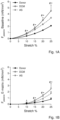
- FIG. 1 F passive in myocardial strips. At baseline, F passive was significantly higher in dilated cardiomyopathy (DCM) strips and aortic stenosis (AS) strips compared to donor (A). After extracting thick and thin filaments, the remaining F passive can be attributed to the E-matrix and this was higher in DCM and AS than in donor (B). * P ⁇ 0.05 DCM vs Donor; # P ⁇ 0.05 AS vs Donor.
- DCM dilated cardiomyopathy
- AS aortic stenosis
- FIG. 2 F passive caused by the E-matrix. AS strips had significantly higher E-matrix based F passive than donor in stretches exceeding 15% from slack length (A). At all stages of muscle strain, F passive caused by the E-matrix was higher in DCM strips than in donor (B). # P ⁇ 0.05 AS vs Donor; * P ⁇ 0.05 DCM vs Donor.
- FIG. 3 F passive caused by titin.
- titin-based F passive was higher than in donor strips at 10-20% stretches, but not at the highest stretches (A).
- F passive caused by titin was higher in DCM strips than in donor (B).
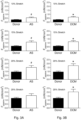
- Figure 4 F passive in single myocytes.
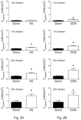
- FIG. 5 Effects of Acidosis and Prestretch on F passive in single AS myocytes. Incubating single AS cardiomyocytes in pH 6.6 did not change F passive (A).
- FIG. 6 Effects of a-B crystallin at Baseline and after Acidosis and Prestretch on F passive in single AS cardiomyocytes. Incubation with ⁇ -B crystallin decreased F passive significantly (A). In single AS cardiomyocytes that underwent prestretch alone (B) or a prestretch in combination with pH 6.6 (C), ⁇ -B crystallin decreased F passive significantly as well. * P ⁇ 0.05 vs AS Baseline.
- Figure 7 The amino acid sequence (SEQ ID NO.:1) corresponding to a full length human alpha-crystallin B chain protein (CRYAB), natural variants of this protein exist.
- Figure 8 The nucleic acid sequence (SEQ ID NO.:2) corresponding to a full length CRYAB cDNA of a human CRYAB.
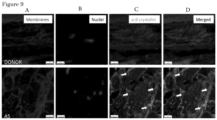
- FIG. 9 Confocal laser microscopy for ⁇ -B crystallin in donor and aortic stenosis (AS). Confocal laser microscopic images were obtained from left ventricular (LV) myocardium of donor and AS patients with immunohistochemical visualization of cell membranes (A), nuclei (B), and ⁇ -B crystallin (C). In myocardium of AS patients, intensity of ⁇ -B crystallin expression (C) was higher than in donor with visualization in the merged images (D) of subsarcolemmal aggresomes especially in the vicinity of capillaries (white arrows). The latter suggests insufficient covering by ⁇ -B crystalline of sarcomeric proteins like titin in AS.
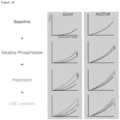
- Figure 10 Diagram showing respective responses of donor and aortic stenosis (AS)/dilated cardiomyopathy (DCM) cardiomyocytes to administration of alkaline phosphatase, prestretch, and ⁇ -B crystallin.
- AS donor and aortic stenosis
- DCM diilated cardiomyopathy
- each muscle strip was transferred from relaxing to maximally activating solution (pCa4.5), at which isometric force developed. After stabilization for 5 minutes in relaxing solution, strips were stretched to 10, 15, 20 and 25% relative to slack length and F passive was measured at each stage of muscle strain. Subsequently, thick and thin filaments were extracted by immersing the preparation in relaxing solution containing 0.6 mol/L KCl (45 minutes at 20°C) followed by relaxing solution containing 1.0 mol/L KI (45 minutes at 20°C) 1-3 . After the extraction procedure, the muscle bundles were stretched again and the F passive remaining after KCl/KI treatment was ascribed to the extracellular matrix (E-matrix). At each stage of muscle strain, F passive following extraction was subtracted from baseline value to yield F passive attributable to cardiomyocyte-stiffness, or titin.
- E-matrix extracellular matrix
- F passive related to titin cannot be explained by isoform shifts because both DCM and AS express more of the compliant N2BA titin isoform.
- F passive related to titin we subjected isolated cardiomyocytes to treatment with AP to discern the contribution of phosphorylation and to conditions prevailing in failing myocardium such as high stretch and hypoperfusion-related acidosis.
- Cardiomyocytes were isolated from donor, AS, and DCM hearts. Briefly, samples were defrozen in relaxing solution (in mmol/L: free Mg, 1; KCl, 100; EGTA, 2; Mg-ATP, 4; imidazole, 10; pH 7.0), mechanically disrupted and incubated for 5 min in relaxing solution supplemented with 0.5% Triton X-100. The cell suspension was washed 5 times in relaxing solution. Single cardiomyocytes were selected under an inverted microscope and attached with silicone adhesive between a force transducer and a piezoelectric motor.
- relaxing solution in mmol/L: free Mg, 1; KCl, 100; EGTA, 2; Mg-ATP, 4; imidazole, 10; pH 7.0
- Cardiomyocyte F passive was measured in relaxing buffer at room temperature within a sarcomere length (SL) range between 1.8 and 2.4 ⁇ m. Force values were normalized to cardiomyocyte cross-sectional area calculated from the diameter of the cells, assuming a cylindrical shape. As a test of cell viability, each cardiomyocyte was also transferred from relaxing to maximally activating solution (pCa4.5), at which isometric force developed. Once a steady state force was reached, the cell was shortened within 1 ms to 80% of its original length to determine baseline force. Only cells developing active forces >20 kN/m 2 were included in the analysis.
- SL sarcomere length
- cardiomyocytes were incubated in relaxing solution supplemented with alkaline phosphatases (AP) (2000 U/mL; New England Biolabs), 6 mmol/L dithiothreitol (MP Biochemicals) for 40min at 20°C and F passive was measured again at SL 1.8-2.4 ⁇ m.
- AP alkaline phosphatases
- MP Biochemicals dithiothreitol
- cardiomyocytes were stretched to ⁇ 2.6 ⁇ m SL, incubated in relaxing buffer with pH 6.6, and held in the stretched state for 15 min (prestretch).
- cardiomyocytes were returned to slack length and stabilized for 5 minutes before recording the F passive with an identical stretch protocol from SL 1.8-2.4 ⁇ m in the low pH buffer.
- the pH 6.6 buffer was supplemented with recombinant human ⁇ -B crystallin at 0.1 mg/ml and F passive was measured in the presence of ⁇ -B crystallin again at SL 1.8-2.4 ⁇ m.
- single AS cardiomyocytes underwent either incubation at pH 6.6 alone or a prestretch in relaxing buffer with pH 6.6 to ⁇ 2.6 ⁇ m SL, followed by the same stretch protocol from SL 1.8-2.4 ⁇ m.
- F passive was measured in single AS cardiomyocytes from SL 1.8-2.4 ⁇ m before and after incubation with ⁇ -B crystallin, before and after incubation with ⁇ -B crystallin and a prestretch to ⁇ 2.6 ⁇ m SL, and before and after incubation with ⁇ -B crystallin, a prestretch to ⁇ 2.6 ⁇ m SL and incubation at pH 6.6.
- Frozen human heart tissue was sectioned to a thickness of 5 ⁇ m using a cryostat (Leica). The sections were fixed with 3% paraformaldehyde, permeabilized with 0.05% Tween 20 and immunostained using goat anti- ⁇ -B crystallin (Santa Cruz) diluted 1 in 100 in PBS+1% BSA (immunohistochemical grade; Vector Laboratories). Antigoat conjugated to Alexa 555 (Thermofisher) was used to visualize ⁇ -B crystallin. Membranes were stained using WGA conjugated with Alexa 647 (Thermofisher) diluted 1 in 100 in PBS.
- Nuclei were visualized using Picogreen reagent (Thermofisher) diluted 1 in 10 000 in PBS. Confocal scanning laser microscopy was performed on a Leica TCS SP8 STED 3X (Leica Microsystems). Picogreen, Alexa 555, and Alexa 647 were irradiated with a pulsed white light laser at 502, 553, and 631 nm, respectively. A 63 ⁇ oil objective with NA 1.4 Numerical Aperture was used to image the sample. Detection of the fluorescent signal was performed with gated Hybrid Detectors. Finally, the images were deconvolved using Huygens Professional (Scientific Volume Imaging).
- High diastolic stiffness of failing human cardiomyocytes was a significant contributor to overall stiffness of LV myocardial strips of AS and DCM patients ⁇ 20% stretch in AS and ⁇ 25% stretch in DCM.
- Use of dissected myocardial strips precluded visualization of sarcomeres, and strip lengthening was, therefore, expressed as percentage of stretch with respect to slack length, that is, the minimal length at which Fpassive started to develop ( Figure 1 ).
- the contribution of cardiomyocyte stiffness to overall stiffness no longer differed between donor and AS cardiomyocytes but continued to differ between donor and DCM cardiomyocytes ( Figure 3 ).
- Altered cardiomyocyte stiffness can result from isoform shifts of the giant cytoskeletal protein titin, from post-translational modifications of titin such as phosphorylation, formation of disulfide bonds, carbonylation, and s-glutathionylation, or from stretch-induced titin modification. Because of higher expression of the compliant N2BA isoform in AS and DCM, titin isoform shifts do not contribute to the observed rise of cardiomyocyte stiffness observed in AS and DCM cardiomyocytes in the present invention.
- cardiomyocytes were subjected to a prestretch protocol, which consisted of a 15-minute stretch period at 2.6 ⁇ m followed by a 5-minute stabilization period at slack length.
- This prestretch protocol was executed in pH 6.6 in donor, AS, and DCM cardiomyocytes.
- exposure to prestretch caused an upward shift of the diastolic Fpassive-SL relations in AS and DCM cardiomyocytes and a further upward shift of the diastolic Fpassive-SL relation in donor cardiomyocytes ( Figure 4 ).
- ⁇ -B crystallin protects cardiomyocytes against stretch-induced damage in acidic pH ( Figure 4 ).
- the present invention also administered ⁇ -B crystallin to AS and DCM cardiomyocytes.
- ⁇ -B crystallin In contrast to donor cardiomyocytes, ⁇ -B crystallin not only corrected the combined effects of prestretch and acidic pH but also reversed the baseline upward displacement of the diastolic Fpassive-SL relation ( Figure 10 ).
- This finding was consistent with baseline involvement of previous stretch-induced titin damage in AS and DCM cardiomyocytes and was confirmed in a separate series of experiments, in which ⁇ -B crystallin shifted the diastolic Fpassive-SL relation downward without any previous or concomitant intervention ( Figure 6 ).
- the magnitude of the downward displacement of the diastolic Fpassive-SL relation was similar in the absence ( Figure 6A ) or presence of foregoing interventions ( Figure 6B and 6C ).
- the present invention observed upregulation and subsarcolemmal localization of a-B crystallin in AS and DCM cardiomyocytes. Because of the close vicinity of capillaries (white arrows in Figure 7 ), the localization of ⁇ -B crystallin in subsarcolemmal aggresomes was consistent with signals from the microvascular endothelium being involved in their formation. The subsarcolemmal localization also suggested that endogenous ⁇ -B crystallin was diverted from the sarcomeres and therefore failed to exert its protective action on titin distensibility, which was, however, restored after administration of exogenous ⁇ -B crystallin.
- High cardiomyocyte stiffness significantly contributed to overall myocardial stiffness in AS and DCM. High cardiomyocyte stiffness resulted from titin phosphorylation failing to improve cardiomyocyte stiffness and from previous stretch induced aggregation of titin, both of which were corrected by administration of ⁇ -B crystallin. Diastolic LV dysfunction in heart failure could, therefore, benefit from treatment with ⁇ -B crystallin.
Landscapes
- Health & Medical Sciences (AREA)
- Life Sciences & Earth Sciences (AREA)
- Pharmacology & Pharmacy (AREA)
- Veterinary Medicine (AREA)
- Public Health (AREA)
- Chemical & Material Sciences (AREA)
- General Health & Medical Sciences (AREA)
- Animal Behavior & Ethology (AREA)
- Medicinal Chemistry (AREA)
- Engineering & Computer Science (AREA)
- Bioinformatics & Cheminformatics (AREA)
- Epidemiology (AREA)
- Proteomics, Peptides & Aminoacids (AREA)
- Zoology (AREA)
- Immunology (AREA)
- Gastroenterology & Hepatology (AREA)
- Cardiology (AREA)
- General Chemical & Material Sciences (AREA)
- Organic Chemistry (AREA)
- Nuclear Medicine, Radiotherapy & Molecular Imaging (AREA)
- Chemical Kinetics & Catalysis (AREA)
- Heart & Thoracic Surgery (AREA)
- Hematology (AREA)
- Molecular Biology (AREA)
- Oncology (AREA)
- Marine Sciences & Fisheries (AREA)
- Vascular Medicine (AREA)
- Urology & Nephrology (AREA)
- Hospice & Palliative Care (AREA)
- Medicines That Contain Protein Lipid Enzymes And Other Medicines (AREA)
- Pharmaceuticals Containing Other Organic And Inorganic Compounds (AREA)
- Acyclic And Carbocyclic Compounds In Medicinal Compositions (AREA)
- Peptides Or Proteins (AREA)
Description
- The present invention in general relates to the field of medicine and particularly to medicaments and therapies for the treatment of diastolic heart failure (DHF) and diastolic dysfunction in a subject. More particularly the present invention relates to the use of a protein encoded by a crystalline alpha B (CRYAB) gene in cardiomyocytes of the subject for treating diastolic dysfunction.
- Diastolic dysfunction and diastolic heart failure (DHF) refers to the decline in performance of at least the left ventricle of the heart during diastole. Diastole is the cardiac cycle phase during which the heart is relaxing and filling with incoming blood that is being returned from the body. Diastolic dysfunction is considered a condition in which abnormalities in mechanical function of the heart, particularly in the functioning of the ventricles of the heart, are present during diastole. Abnormalities in diastolic function can occur in the presence or absence of a clinical syndrome of heart failure. Diastolic dysfunction appears when the left ventricle isn't filling properly during diastole because the ventricular wall can't relax or because the wall is too thick or rigid. Accordingly any condition or process that leads to stiffening of the left ventricular wall can lead to diastolic dysfunction.
- In failing hearts diastolic dysfunction is mainly caused by stiff cardiomyocytes and interstitial collagen deposition. Cardiomyocytes or cardiac muscle cells (also known as myocardiocytes or cardiac myocytes) are the muscle cells that make up the cardiac muscle or heart. Each cardiomyocyte cell contains myofibrils arranged in sarcomeres, the fundamental contractile units of muscle cells. Sarcomeres are mainly composed of the protein myosin, which forms a thick filament, and the protein actin, which forms a thin filament, which long, fibrous filaments can slide past each in order to allow the cardiac muscle to contract or relax. In addition to myosin and actin the giant cytoskeletal protein titin is an important protein in sarcomeres, which functions as a molecular spring which is responsible for the passive elasticity of the muscle. Titin binds to the thick filament (myosin) system, and provides binding sites for numerous proteins. Stiffening of the cardiomyocytes causing diastolic dysfunction is mainly due to altered elastic properties of titin in these cells. A subject may be determined to have diastolic heart failure if he has signs and symptoms of heart failure, a normal left ventricular ejection fraction and evidence of diastolic left ventricular dysfunction. Whether a subject suffers from diastolic dysfunction can for instance be determined by a Doppler echocardiographic examination of the subject.
- DHF is a clinical syndrome characterized by an abnormal diastolic function (diastolic dysfunction) combined with symptoms and signs of heart failure and a preserved ejection fraction (EF). At present there is no adequate therapy for DHF, or heart failure with preserved ejection fraction (HFPEF). In these forms of heart failure contractile performance of the heart is relatively preserved but diastolic left ventricular (LV) function is greatly impaired with slow LV relaxation and high diastolic LV stiffness. No single therapy was so far able to improve diastolic LV dysfunction. The benefits of a therapy that specifically targets diastolic dysfunction and diastolic heart failure are apparent in view of diastolic LV dysfunction being the main cardiac disturbance in DHF and no single therapy has so far been shown to alter outcome or symptoms in large randomized trials targeting DHF. Currently more than 50% of heart failure patients suffer from DHF and its prevalence relative to systolic heart failure continues to rise at a rate of 1% per year. A consensus statement on the diagnosis of heart failure with normal left ventricle ejection fraction is provided in Paulus et al (2007). European Heart Journal; Vol 28; pp 2539-2550.
- Accordingly, the present invention thus aims among others to provide compositions which are useful for treating diastolic dysfunction and/or diastolic heart failure in a subject, and in particular for use in treatment of diastolic dysfunction in a subject caused by stiffening of the cardiomyocytes in the heart of the subject.
- The invention is set out in the appended set of claims. The invention provides compositions for use in treatment of diastolic dysfunction and DHF as defined in the claims. In particular the invention provides compositions for use in treating diastolic dysfunction and DHF caused by stiffening of cardiomyocytes in the heart of the subject. More particularly the invention provides compositions for use in treatment of a subject with a failing heart demonstrating diastolic dysfunction. The compositions for use according to the invention are particularly capable of reducing or removing increased stiffness of cardiomyocytes in the heart of the subject. More particularly the invention provides compositions for use in treatment of diastolic dysfunction and DHF which compositions are capable of restoring the elastic properties of titin in cardiomyocytes of the subject. The compositions according to the invention may thus be used to treat subjects which have been determined to comprise stiffened cardiomyocytes, and/or have been shown to demonstrate diastolic dysfunction and/or have been diagnosed to suffer from DHF. In particular subjects that have an amount of stiffened cardiomyocytes in the heart exceeding that of a generally healthy heart, i.e. a heart with a normal diastolic function, may be treated with the compositions for use according to the invention. Therefore, apart from subjects with DHF, subjects with other conditions such as aortic stenosis and/or dilated cardiomyopathy may also be treated with the compositions for use according to the invention.
- Alpha-crystallin B chain, also referred to as α-B crystallin or crystallin alpha B, which is encoded by the CRYAB gene in humans, is part of the small heat shock protein family and functions as a molecular chaperone that primarily binds misfolded proteins to prevent protein aggregation, as well as inhibit apoptosis and contribute to intracellular architecture. External Ids are HGNC: 2389; Entrez Gene: 1410; Ensembl: ENSG00000109846; OMIM: 123590 and UniProtKB: P02511. Post-translational modifications decrease the ability of alpha-crystallin B chain to chaperone. Defects in CRYAB and alpha-crystallin B chain protein have been associated with cancer and neurodegenerative diseases such as Alzheimer's disease and Parkinson's disease. In the present invention it was found that expression of alpha-crystallin B chain protein in cardiomyocytes of a subject affects the stiffness of the cardiomyocytes. Particularly it was found that an expression of alpha-crystallin B chain protein in cardiomyocytes of a subject with diastolic dysfunction affects an existing increase in stiffness of the cardiomyocytes. More particularly an increase in activity or expression of alpha-crystallin B chain protein in cardiomyocytes of a subject with diastolic dysfunction reduces an existing increase in stiffness of the cardiomyocytes and treats diastolic dysfunction and DHF. The invention provides a composition for use in treatment of diastolic dysfunction and DHF, which composition comprises a therapeutically effective amount of a substance that increases an activity and/or expression of alpha-crystallin B chain protein in cardiomyocytes of a subject.
- In a particular embodiment of the composition for use according to the invention, the substance increases an alpha-crystallin B chain protein level in cardiomyocytes of the subject. In one embodiment the substance may comprise a therapeutically effective amount of a polypeptide having an amino acid sequence of SEQ ID NO: 1 (
figure 7 ) or an amino acid sequence that has an amino acid sequence identity of at least 80%, preferably at least 90%, more preferably at least 95%, most preferably 100% with the alpha-crystallin B chain protein of SEQ ID NO: 1. Preferably the polypeptide reduces a stiffness of cardiomyocytes in a heart of a subject. More preferably the polypeptide restores the elastic properties of titin in cardiomyocytes of a subject with diastolic dysfunction. - In an alternative embodiment of the composition for use according to the invention the substance provides for enhanced expression of the CRYAB gene or the substance provides a nucleic acid segment encoding a polypeptide that has an amino acid sequence identity of at least 80%, preferably at least 90%, more preferably at least 95%, most preferably 100% with the alpha-crystallin B chain protein of SEQ ID NO:1, and particularly having at most a two amino acids difference with the sequence of SEQ ID NO:1. The enhanced expression of the CRYAB gene or the nucleic acid supplements the naturally occurring expression of alpha-crystallin B chain, thereby increasing a total amount or level of the alpha-crystallin B chain protein or functionally equivalent polypeptide in the cell. The enhanced expression may comprise an ectopic expression of the CRYAB gene. Ectopic expression is referred to herein as the expression of a coding sequence in an abnormal place in an organism or from an abnormal chromosomal position in the cell, and/or a sequence coding for a heterologous protein that is not normally expressed in the cell. Ectopic expression is typically achieved by artificially introducing a nucleic acid that codes for the respective expressed nucleic acid in the cell. Ectopic expression of a nucleic acid can be done by introducing a transgene with a (modified) promoter into the target cell (transient or stable transfection).
- In a particular embodiment the substance in the composition for use according to the invention increases an alpha-crystallin B chain protein level by enhancing expression of the CRYAB gene in cardiomyocytes of the subject. The substance can for instance comprise a small molecule or small RNA that is capable of increasing CRYAB gene expression in cells of the subject, such as for instance by activating a transcription factor. The substance may alternatively or in addition to such a small molecule or small RNA also comprise one or more other gene regulation peptides that promote gene transcription, such as for example a coactivator, chromatin remodeler, histone acetylase, kinase, and methylase. Geranyl-geranyl acetone (hereinafter referred to as GGA) has been reported to induce expression of heat shock proteins. GGA is manufactured by Eisai Co., Ltd. under the product name "Selbex". GGA has the generic name of teprenone, and is widely used as a drug to treat stomach ulcers and stomach inflammation. GGA may be acquired as a reagent or industrial raw material. It can be synthesized using well-known methods of synthesis. The chemical name of GGA is 6, 10, 14, 18-tetramethyl-5, 9, 13, 17-nonadecatetraen-2-one. GGA, or a derivative thereof, particularly the derivative NYK9354, is capable of inducing expression of CRYAB in cardiomyocytes. Administration of an effective amount of GGA or a derivative thereof such as NYK9354 results in higher expression levels of alpha B-crystallin protein in cardiomycocytes. Suitable derivatives and the synthesis thereof are described in
US patent 4,169,157 . - GGA is a registered drug and as such used in clinical trial and a clinical setting. The total amount of GGA administered over a fourteen-hour period can be, for example, 10-1,000 mg, e.g., 50-500 mg, e.g., 100-300 mg, as determined to be appropriate by those of skill in this art. The amount of GGA administered can vary, depending on the body weight of the patient and/or the tolerance of the patient. The invention also includes the use of GGA in the preparation of medicaments for preventing and treating the diseases and conditions described herein. In the context of the present invention GGA can be given to individuals at a dose of between 1 mg - 1 gram per day. The drug is preferably administered 3 times a day. Suitable dosage form comprise between 0,33 mg - 1 gram GGA. The dosage form preferably comprises 1-300 mg GGA, preferably 3-100 mg, more preferably 20-80 mg GGA. Clinical trials with GGA are described among others in Hongo et al (2012) J. of Gastroenterology and hepatology; Volume 27; Pages 62-68; at clinicaltrials.gov in a study entitled "Efficacy and Safety of Teprenone in Patients With Acute Gastritis, Acute Gastric Lesion of Chronic Gastritis With Acute Exacerbation or Gastric Ulcer"; and a study entitled "The purpose of this study is to evaluate the efficacy of teprenone on chronic non-atrophic erosive gastritis and its therapeutic mechanism". The dosage form is typically an oral dosage form.
- The enhanced expression of the CRYAB gene in cardiomyocytes of a subject with diastolic dysfunction reduces an existing cardiomyocytes stiffness and therefore is a suitable therapeutic method for treating diastolic dysfunction and the symptoms affiliated therewith in diastolic heart failure. In a particular embodiment according to the present invention the substance in the composition for use comprises GGA or a derivative thereof, particularly NYK9354.
- The composition for use according to the invention in an alternative embodiment comprises a substance which increases the alpha-crystallin B chain protein activity, for instance a substance that affects a post-translational modification of alpha-crystallin B chain protein in cardiomyocytes of the subject. In a preferred embodiment hereof the composition for use according to the invention comprises a substance that mediates a post-translational modification of alpha-crystallin B chain protein to increase the ability of alpha-crystallin B chain to chaperone.
- Although one of the substances described in the foregoing may be used in a composition for use according to the invention for treating diastolic dysfunction and DHF, it is also envisaged that any combination of two or more of such substances are used in the composition for use according to the invention. Accordingly in an embodiment the composition for use in treating diastolic dysfunction in a subject, comprises one or more of the foregoing substances which increase a level of alpha B-crystallin protein in muscle cells, particularly in cardiomyocytes. For instance a composition comprising both an amount of a polypeptide that has an amino acid sequence identity of at least 80%, preferably at least 90%, more preferably at least 95%, most preferably 100% with the alpha B-crystallin protein, as well as an effective amount of GGA to induce expression of the CRYAB gene in cardiomyocytes of the subject to further increase an expression level of alpha-crystallin B chain protein in the cardiomyocytes may be used in treating diastolic dysfunction in a subject. Any other suitable combination of two or more of the substances mentioned herein may be taken to prepare the composition for use according to the present invention.
- Unless otherwise defined, all technical and scientific terms used herein have the same meaning as commonly understood by one of ordinary skill in the art to which this invention belongs. Methods and materials are described herein for use in the present invention. However other suitable methods and materials known in the art can also be used. The materials, methods, and examples are illustrative only and not intended to be limiting, unless so indicated. The following definitions are used unless otherwise described.
- Where herein mention is made of a alpha-crystallin B chain protein it is preferred that the protein comprises the amino acid sequence of SEQ ID NO: 1, or an amino acid sequence having an amino acid sequence identity of at least 80%, preferably at least 90%, more preferably at least 95%, most preferably 100% with the amino acid sequence of SEQ ID NO: 1. In a preferred embodiment the protein has at most a two amino acids difference with the amino acid sequence of SEQ ID NO:1. Alpha B chain crystalline protein is a protein of SEQ ID NO: 1 or an orthologue thereof of another species, preferably another mammal alpha B chain crystalline protein which is also an amino acid sequence capable of reducing diastolic stiffness in cardiomyocyte cells of a subject that has a heart demonstrating diastolic dysfunction. It is preferred that the protein affects a stiffness of cardiomyocytes of a subject with diastolic dysfunction. The protein preferably affects the elastic properties of titin in cardiomyocytes of the subject. Where herein mention is made to a CRYAB gene, reference is made to a nucleic acid that encodes a protein as defined in this paragraph. As used herein the term "nucleic acid" shall mean any nucleic acid molecule, including, without limitation, DNA, RNA and hybrids thereof. The nucleic acid bases that form nucleic acid molecules can be the bases A, C, G, T and U, as well as derivatives thereof.
- In a preferred embodiment the CRYAB gene comprises the coding region present in the sequence of SEQ ID NO: 2 (
figure 8 ). The reference may be to the gene as present on the chromosome of a human cell, i.e. including the promoter and transcription signals present thereon and including the introns. The reference also includes a cDNA of CRYAB. It typically refers to the coding region of CRYAB with or without one or more (artificial) introns, such as is typically used in nucleic acid molecules designed for directing heterologous expression of CRYAB. - The level of an alpha B chain crystalline protein is increased in a cell when the amount of alpha B chain crystalline protein in the cell is increased by at least 10%, preferably at least 20%, more preferably at least 30, 40, 50% or more when compared to the amount of alpha B chain crystalline protein in the cell prior to said increase. The activity of alpha B chain crystalline protein is increased in a cell when the activity of alpha B chain crystalline protein is increased by at least 10%, preferably at least 20%, more preferably at least 30, 40, 50% or more when compared to the activity of alpha B chain crystalline protein in the cell prior to said increase. Alpha B chain crystalline protein activity in a cell can be increased with or without a concomitant increase in the level of alpha B chain crystalline protein. A preferred but not limiting way of increasing the activity of alpha B chain crystalline protein in a cell is by administration of an effective amount of a substance that increases expression of a heat shock protein in the cell, such as geranylgeranylacetone (GGA) or NYK9354.
- The CRYAB gene or the nucleic acid segment can be encoded by an expression cassette which is provided to said cell. Preferably the expression cassette encodes an RNA transcript in which the coding region for the alpha-crystallin B chain protein is contained. Particularly the expression cassette in addition to the sequence of interest, i.e. the CRYAB gene or the nucleic acid segment, contains additional sequences, for instance a suitable promoter and a transcription termination sequence, for controlled and/or proper expression of the sequence of interest. It is within the skill of the artisan to design suitable expression cassettes and transcripts.
- The expression cassette used is preferably a vector, preferably an expression vector. A vector typically comprises a DNA molecule used as a vehicle to artificially carry foreign genetic material into another cell, where it can be replicated and/or expressed. A vector containing foreign DNA is termed recombinant DNA. Some types of vectors are plasmids, viral vectors, cosmids, and artificial chromosomes. In a particular embodiment according to the present invention the substance comprises a vector which is suitable for transfecting or transducing cardiomyocytes of the subject and which vector carries at least one copy of a nucleic acid encoding CRYAB. In a preferred embodiment the nucleic acid is a nucleic acid comprising the coding region of SEQ ID NO:2 or the nucleic acid segment. The number of copies of the gene or nucleic acid segments used may be adapted to an envisaged amount of alpha-crystallin B chain protein or functionally equivalent polypeptide to be expressed in the cells of the subject.
- The expression vector is preferably suitable as a gene delivery vehicle to be introduced into the cell. Typically, the CRYAB gene or the nucleic acid segment is encoded by a viral or virus-based gene delivery vehicle. A preferred embodiment of the delivery vehicle is a viral vector such as an adenoviral vector and more preferably an adeno-associated virus vector. In a particular preferred embodiment the substance in the composition according to the invention comprises an adeno-associated virus vector or a lentivirus vector, more particularly a lentivirus vector carrying the CRYAB gene. The invention thus also provides such expression vectors and delivery vehicles carrying the CRYAB gene or a nucleic acid segment encoding a polypeptide that has an amino acid sequence identity of at least 80%, preferably at least 90%, more preferably at least 95%, most preferably 100% with the alpha-crystallin B chain protein.
- An expression cassette, vector or gene delivery vehicle such as a viral vector typically comprises all of the sequences that are required in cis to allow efficient transcription and translation of the coding region.
- Polypeptides or polynucleotides can serve as the active ingredient in pharmaceutical compositions formulated for the treatment of the disorders as described above, i.e. diastolic dysfunction and/or diastolic heart failure. The active ingredient is present in a therapeutically effective amount, i.e., an amount sufficient when administered to substantially modulate the effect of the targeted protein or polypeptide to treat a disease or medical condition mediated thereby.
- The term "therapeutically effective amount" as used herein refers to the quantity of the alpha B chain crystalline protein or nucleic acid according to the invention necessary to reduce or diminish an increased stiffening of cardiomyocytes. Amounts effective to achieve this goal will, of course, depend on the type and severity of the disease and the general condition, particularly the weight, of the patient.
- The compositions can also include various other agents to enhance delivery and efficacy, e.g. to enhance delivery and stability of the active ingredients.
- Thus, for example, the compositions can also include, depending on the formulation desired, pharmaceutically-acceptable, non-toxic carriers or diluents, which are defined as vehicles commonly used to formulate pharmaceutical compositions for animal or human administration. The term "pharmaceutically acceptable carrier" as used herein refers to a carrier for administration of the active substance. The pharmaceutically acceptable carrier can comprise any substance or vehicle suitable for delivering the substance to a therapeutic target, such as muscle cells, in particularly heart muscle cells, more particularly cardiomyocytes of the subject. The term refers to any pharmaceutical carrier that may be administered without undue toxicity. Suitable carriers may be one or more optional stabilizers, diluents, or excipients.
- The diluent is particularly selected so as not to affect the biological activity of the combination. Examples of such diluents are distilled water, buffered water, physiological saline, PBS, Ringer's solution, and dextrose solution. In addition, the pharmaceutical composition or formulation can include other carriers, adjuvants, or non-toxic, nontherapeutic, non-immunogenic stabilizers, excipients and the like. The compositions can also include additional substances to approximate physiological conditions, such as pH adjusting and buffering agents, toxicity adjusting agents, wetting agents and detergents. The composition can also include any of a variety of stabilizing agents, such as an antioxidant.
- When the pharmaceutical composition includes a polypeptide as the active ingredient, the polypeptide can be complexed with various well-known compounds that enhance the in vivo stability of the polypeptide, or otherwise enhance its pharmacological properties (e.g., increase the half-life of the polypeptide, reduce its toxicity, enhance solubility or uptake). Examples of such modifications or complexing agents include sulfate, gluconate, citrate and phosphate. The polypeptides of a composition can also be complexed with molecules that enhance their in vivo attributes. Such molecules include, for example, carbohydrates, polyamines, amino acids, other peptides, ions, and lipids.
- The pharmaceutical compositions can be administered for prophylactic and/or therapeutic treatments, particularly therapeutic treatments. Toxicity and therapeutic efficacy of the active ingredient can be determined according to standard pharmaceutical procedures in cell cultures and/or experimental animals, including, for example, determining the LD50 (the dose lethal to 50% of the population) and the ED50 (the dose therapeutically effective in 50% of the population). The dose ratio between toxic and therapeutic effects is the therapeutic index and it can be expressed as the ratio LD50/ED50. Compounds that exhibit large therapeutic indices are preferred.
- The data obtained from cell culture and/or animal studies can be used in formulating a range of dosages for human subjects or patients. The dosage of the active ingredient typically lies within a range of circulating concentrations that include the ED50 with little or no toxicity. The dosage can vary within this range depending upon the dosage form employed and the route of administration utilized.
- The pharmaceutical compositions described herein can be administered in a variety of different ways. Examples include administering a composition containing a pharmaceutically acceptable carrier via oral, intranasal, rectal, topical, intraperitoneal, intravenous, intramuscular, subcutaneous, subdermal, transdermal, intrathecal, or intracranial method.
- For oral administration, the active ingredient can be administered in solid dosage forms, such as capsules, tablets, and powders, or in liquid dosage forms, such as elixirs, syrups, and suspensions. The active component(s) can be encapsulated in gelatin capsules together with inactive ingredients and powdered carriers, such as glucose, lactose, sucrose, mannitol, starch, cellulose or cellulose derivatives, magnesium stearate, stearic acid, sodium saccharin, talcum, magnesium carbonate. For a desired color, taste, stability, buffering capacity, dispersion or other known desirable features additional inactive ingredients may be added. Similar diluents can be used to make compressed tablets. Both tablets and capsules can be manufactured as sustained release products to provide for continuous release of medication over a period of time, e.g. over several hours. Compressed tablets can be sugar coated or film coated to mask any unpleasant taste and protect the tablet from the atmosphere, or enteric-coated for selective disintegration in the gastrointestinal tract. Liquid dosage forms for oral administration can contain coloring and flavoring to increase patient acceptance.
- The active ingredient, alone or in combination with other suitable components, can be made into aerosol formulations (i.e., they can be "nebulized") to be administered via inhalation. Aerosol formulations can be placed into pressurized acceptable propellants, such as dichlorodifluoromethane, propane and nitrogen.
- Formulations suitable for parenteral administration, such as, for example, by intravenous, intramuscular, intradermal, intraperitoneal, and subcutaneous routes, include aqueous and non-aqueous, isotonic sterile injection solutions, which can contain antioxidants, buffers, and solutes that render the formulation isotonic with the blood of the intended recipient, and aqueous and non-aqueous sterile suspensions that can include suspending agents, solubilizers, thickening agents, stabilizers, and preservatives.
- The components used to formulate the pharmaceutical compositions are preferably of high purity and are substantially free of potentially harmful contaminants (e.g., at least National Food (NF) grade, generally at least analytical grade, and more typically at least pharmaceutical grade). Moreover, compositions intended for in vivo use are preferably sterile. To the extent that a given compound must be synthesized prior to use, the resulting product is preferably substantially free of any potentially toxic agents, such as any endotoxins, which may be present during the synthesis or purification process. Compositions for parental administration are also preferably sterile, substantially isotonic and made under GMP conditions.
- The alpha-crystallin B chain compositions may be administered in a single dose, or in multiple doses, usually multiple doses over a period of time, e.g. daily, every-other day, weekly, semiweekly, monthly etc. for a period of time sufficient to reduce severity of the disorder or disease, which may comprise 1, 2, 3, 4, 6, 10, or more doses.
- Determining a therapeutically effective amount of an agent that provides alpha-crystallin B chain activity can be done based on animal data using routine computational methods. In one embodiment the therapeutically effective amount contains between about 0.1 mg and about 1g of nucleic acid or protein, as applicable. In another embodiment, the effective amount contains between about 1 mg and about 100 mg of nucleic acid or protein, as applicable. In a further embodiment, the effective amount contains between about 10 mg and about 50 mg of the nucleic acid or protein, as applicable. The effective dose will depend at least in part on the route of administration. The agents may be administered orally, in an aerosol spray, or by injection. The dose may be from about 0.1 pg/kg patient weight; about 1 pg/kg; about 10 µg/kg; to about 100 µg/kg.
- The alpha-crystallin B chain compositions are administered in a pharmaceutically acceptable excipient. The term "pharmaceutically acceptable" refers to an excipient acceptable for use in the pharmaceutical and veterinary arts, which is not toxic or otherwise inacceptable. The concentration of alpha-crystallin B chain compositions of the invention in the pharmaceutical formulations can vary widely, i.e. from less than about 0.1 %, usually at or at least about 2% to as much as 20% to 50% or more by weight, and will be selected primarily by fluid volumes, viscosities, etc., in accordance with the particular mode of administration selected.
- Treating, treatment, or therapy of a disease or disorder shall mean slowing, stopping or reversing the disease's progression by administration of an alpha-crystallin B chain composition. In the preferred embodiment treating a disease means reversing the disease's progression, ideally to the point of eliminating the disease itself. Preventing, prophylaxis or prevention of a disease or disorder as used in the context of this invention refers to the administration of an alpha-crystallin B chain composition to prevent the occurrence or onset of a disease or disorder or some or all of the symptoms of a disease or disorder or to lessen the likelihood of the onset of a disease or disorder.
- The term "dilated cardiomyopathy" or "DCM" as used herein shall mean the condition in a subject in which a portion of the myocardium, the left ventricle of the subject is dilated and left and/or right ventricular systolic pump function of the heart is impaired, leading to progressive cardiac enlargement and hypertrophy. DCM may be diagnosed in a subject when a generalized enlargement of the heart is seen upon normal chest X-ray and echocardiogram. The electrocardiogram often shows sinus tachycardia or atrial fibrillation, ventricular arrhythmias, left atrial enlargement, and sometimes intraventricular conduction defects and low voltage. Cardiac magnetic resonance imaging (cardiac MRI) may also provide helpful diagnostic information in patients with dilated cardiomyopathy.
- The term "aortic stenosis" or "AS" as used herein shall mean the condition in a subject in which the exit of the left ventricle or aortic valve of the heart narrows such that problems, e.g. heart failure, occur. Aortic stenosis may be diagnosed by routine examination of the heart and confirmed by echocardiography. In particular, there may be a slow and/or sustained upstroke of the arterial pulse, and the pulse may be of low volume.
- The term "subject" or "patient" as used herein shall mean any animal, such as a non-human primate, mouse, rat, guinea pig or rabbit, and particularly a human.
- The invention will now be illustrated by means of the following figures and examples, which are provided by way of illustration and not of limitation. The drawings are not in any way meant to reflect a limitation of the scope of the invention, unless this is clearly and explicitly indicated.
-
Figure 1 : Fpassive in myocardial strips. At baseline, Fpassive was significantly higher in dilated cardiomyopathy (DCM) strips and aortic stenosis (AS) strips compared to donor (A). After extracting thick and thin filaments, the remaining Fpassive can be attributed to the E-matrix and this was higher in DCM and AS than in donor (B). * P<0.05 DCM vs Donor; # P<0.05 AS vs Donor. -
Figure 2 : Fpassive caused by the E-matrix. AS strips had significantly higher E-matrix based Fpassive than donor in stretches exceeding 15% from slack length (A). At all stages of muscle strain, Fpassive caused by the E-matrix was higher in DCM strips than in donor (B). # P<0.05 AS vs Donor; * P<0.05 DCM vs Donor. -
Figure 3 : Fpassive caused by titin. In AS strips, titin-based Fpassive was higher than in donor strips at 10-20% stretches, but not at the highest stretches (A). At all stages of muscle strain, Fpassive caused by titin was higher in DCM strips than in donor (B). # P<0.05 AS vs Donor;* P<0.05 DCM vs Donor. -
Figure 4 : Fpassive in single myocytes. - A: In donor cardiomyocytes, Fpassive significantly increased after administration of alkaline phosphatase and increased further after performing a prestretch in an acidic environment. After in vitro administration of α-B crystallin, Fpassive normalized again to baseline.
- B: In AS cardiomyocytes, no significant change in Fpassive was observed after incubation with alkaline phosphatases (AP). After the prestretch in pH 6.6, Fpassive increased significantly compared to baseline, but in vitro treatment with α-B crystallin dropped Fpassive to a level significantly lower than baseline.
- C: In DCM cardiomyocytes, incubation with AP had no effect on Fpassive, but performing a prestretch in an acidic environment did increase passive stiffness significantly. After in vitro treatment with α-B crystallin, Fpassive dropped to a level significantly below baseline. * P<0.05 AP vs Baseline; # P<0.05 pH 6.6 + Prestretch vs AP; ‡ P<0.05 α-B crystallin vs pH 6.6 + Prestretch; § P<0.05 α-B crystallin vs Baseline.
-
Figure 5 : Effects of Acidosis and Prestretch on Fpassive in single AS myocytes. Incubating single AS cardiomyocytes in pH 6.6 did not change Fpassive (A). - Performing a prestretch to ~2.6µm SL increased Fpassive, but only significantly during higher stretches (B). * P<0.05 vs AS Baseline.
-
Figure 6 : Effects of a-B crystallin at Baseline and after Acidosis and Prestretch on Fpassive in single AS cardiomyocytes. Incubation with α-B crystallin decreased Fpassive significantly (A). In single AS cardiomyocytes that underwent prestretch alone (B) or a prestretch in combination with pH 6.6 (C), α-B crystallin decreased Fpassive significantly as well. * P<0.05 vs AS Baseline. -
Figure 7 : The amino acid sequence (SEQ ID NO.:1) corresponding to a full length human alpha-crystallin B chain protein (CRYAB), natural variants of this protein exist. -
Figure 8 : The nucleic acid sequence (SEQ ID NO.:2) corresponding to a full length CRYAB cDNA of a human CRYAB. -
Figure 9 : Confocal laser microscopy for α-B crystallin in donor and aortic stenosis (AS). Confocal laser microscopic images were obtained from left ventricular (LV) myocardium of donor and AS patients with immunohistochemical visualization of cell membranes (A), nuclei (B), and α-B crystallin (C). In myocardium of AS patients, intensity of α-B crystallin expression (C) was higher than in donor with visualization in the merged images (D) of subsarcolemmal aggresomes especially in the vicinity of capillaries (white arrows). The latter suggests insufficient covering by α-B crystalline of sarcomeric proteins like titin in AS. -
Figure 10 : Diagram showing respective responses of donor and aortic stenosis (AS)/dilated cardiomyopathy (DCM) cardiomyocytes to administration of alkaline phosphatase, prestretch, and α-B crystallin. - Aortic stenosis (AS) patients (N=7) had symptomatic, severe AS without concomitant coronary artery disease. Biopsy specimens from this group were procured from endomyocardial tissue resected from the septum (Morrow procedure) during aortic valve replacement. Dilated cardiomyopathy (DCM) specimens were procured from LV biopsies (N=3) or from explanted hearts from end-stage heart failure patients (N=3). DCM patients had no significant coronary stenosis and their biopsies showed no inflammation or infiltration. Control samples were obtained from explanted donor hearts (N=8).
- Small muscle strips (150-450pm in diameter and 800-1900pm in length) were dissected from biopsy specimens (n=24 for AS; n=16 for DCM; n=20 for Donor). After incubation for 1 hour in relaxing solution supplemented with 0.2 % TritonX-100 to remove all membrane structures, strips were attached between a force transducer and length motor in a relaxing solution (in mmol/L: free Mg, 1; KCl, 100; EGTA, 2; Mg-ATP, 4; imidazole, 10; pH 7.0). Strips were gently stretched till slack length, i.e. the minimal length at which passive tension (Fpassive) is being build up. As a test of cell viability, each muscle strip was transferred from relaxing to maximally activating solution (pCa4.5), at which isometric force developed. After stabilization for 5 minutes in relaxing solution, strips were stretched to 10, 15, 20 and 25% relative to slack length and Fpassive was measured at each stage of muscle strain. Subsequently, thick and thin filaments were extracted by immersing the preparation in relaxing solution containing 0.6 mol/L KCl (45 minutes at 20°C) followed by relaxing solution containing 1.0 mol/L KI (45 minutes at 20°C)1-3. After the extraction procedure, the muscle bundles were stretched again and the Fpassive remaining after KCl/KI treatment was ascribed to the extracellular matrix (E-matrix). At each stage of muscle strain, Fpassive following extraction was subtracted from baseline value to yield Fpassive attributable to cardiomyocyte-stiffness, or titin.
- Initial stretches with intact muscle strips, in which both cardiomyocytes and E-matrix contribute to Fpassive, showed that DCM and AS strips developed higher forces during all stretches compared to donors (
Figure 1A ). The extraction protocol decreased Fpassive in all groups (Figure 1B ). - At all stages of muscle strain, Fpassive caused by the E-matrix was higher in DCM strips than in donors (
Figure 2B ). AS strips had significantly higher E-matrix based Fpassive than donor in stretches exceeding 15% from slack length (Figure 2A ). - Fpassive related to cardiomyocyte stiffness, which is attributable to titin, was higher over the whole range of stretches in DCM and the range of stretches from 10-20% in AS (
Figure 3 ). - The difference in Fpassive related to titin cannot be explained by isoform shifts because both DCM and AS express more of the compliant N2BA titin isoform. To further analyze the difference in Fpassive related to titin, we subjected isolated cardiomyocytes to treatment with AP to discern the contribution of phosphorylation and to conditions prevailing in failing myocardium such as high stretch and hypoperfusion-related acidosis.
- Force measurements were performed on single demembranated cardiomyocytes (n ranged from 9 to 15 for each group and experimental protocol) as described previously4,5. Cardiomyocytes were isolated from donor, AS, and DCM hearts. Briefly, samples were defrozen in relaxing solution (in mmol/L: free Mg, 1; KCl, 100; EGTA, 2; Mg-ATP, 4; imidazole, 10; pH 7.0), mechanically disrupted and incubated for 5 min in relaxing solution supplemented with 0.5% Triton X-100. The cell suspension was washed 5 times in relaxing solution. Single cardiomyocytes were selected under an inverted microscope and attached with silicone adhesive between a force transducer and a piezoelectric motor. Cardiomyocyte Fpassive was measured in relaxing buffer at room temperature within a sarcomere length (SL) range between 1.8 and 2.4µm. Force values were normalized to cardiomyocyte cross-sectional area calculated from the diameter of the cells, assuming a cylindrical shape. As a test of cell viability, each cardiomyocyte was also transferred from relaxing to maximally activating solution (pCa4.5), at which isometric force developed. Once a steady state force was reached, the cell was shortened within 1 ms to 80% of its original length to determine baseline force. Only cells developing active forces >20 kN/m2 were included in the analysis. Thereafter, cardiomyocytes were incubated in relaxing solution supplemented with alkaline phosphatases (AP) (2000 U/mL; New England Biolabs), 6 mmol/L dithiothreitol (MP Biochemicals) for 40min at 20°C and Fpassive was measured again at SL 1.8-2.4µm. Subsequently, cardiomyocytes were stretched to ~2.6µm SL, incubated in relaxing buffer with pH 6.6, and held in the stretched state for 15 min (prestretch). Thereafter, cardiomyocytes were returned to slack length and stabilized for 5 minutes before recording the Fpassive with an identical stretch protocol from SL 1.8-2.4µm in the low pH buffer. Finally, the pH 6.6 buffer was supplemented with recombinant human α-B crystallin at 0.1 mg/ml and Fpassive was measured in the presence of α-B crystallin again at SL 1.8-2.4µm.
- In a second set of experiments, single AS cardiomyocytes underwent either incubation at pH 6.6 alone or a prestretch in relaxing buffer with pH 6.6 to ~2.6µm SL, followed by the same stretch protocol from SL 1.8-2.4µm.
- Finally, in a third set of experiments, Fpassive was measured in single AS cardiomyocytes from SL 1.8-2.4µm before and after incubation with α-B crystallin, before and after incubation with α-B crystallin and a prestretch to ~2.6µm SL, and before and after incubation with α-B crystallin, a prestretch to ~2.6µm SL and incubation at pH 6.6.
- In donor cardiomyocytes (
Figure 4A ), the Fpassive-SL curve shifted upward after administration of alkaline phosphatase (AP), which dephosphorylates titin. In contrast, the Fpassive-SL curve failed to shift in AS and DCM cardiomyocytes (Figures 4B-C ), consistent with preexisting hypophosphorylation of titin. The Fpassive-SL curve of donor cardiomyocytes after AP was still lower than the Fpassive-SL curve after AP in AS and DCM cardiomyocytes. This suggests mechanisms other than hypophosphorylation to contribute to the high diastolic stiffness observed in AS and DCM cardiomyocytes. The additional effects of prestretch and acidic pH were therefore investigated. The Fpassive-SL curve shifted further upward in donor cardiomyocytes after performing a prestretch and imposing an acidic pH. After administration of α-B crystallin, the curve returned to an intermediate position between baseline and AP. - In AS cardiomyocytes (
Figure 4B ), no significant change in the Fpassive-SL curve was observed after incubation with AP, consistent with a pre-existing hypophosphorylation of titin. After the prestretch and pH 6.6, the Fpassive-SL curve shifted upward compared to baseline. After treatment with α-B crystallin, the Fpassive-SL curve dropped to a position that was significantly lower than baseline and comparable to the baseline position of donor cardiomyocytes. This finding implies presence at baseline of prestretch- and pH-induced changes in AS myocardium, which could be corrected by administration of α-B crystallin. - The same series of experiments in single DCM cardiomyocytes show similar findings (
Figure 4C ) as in AS cardiomyocytes: incubation with AP had no effect on the Fpassive-SL curve, but performing a prestretch in an acidic environment shifted the curve significantly upward. After in vitro treatment with α-B crystallin, the Fpassive-SL curve fell to a position that was significantly below baseline and comparable to the baseline position of donor cardiomyocytes. This again implies presence at baseline of prestretch- and pH-induced changes in DCM cardiomyocytes, which could be corrected by administration of α-B crystallin. - The relative importance of prestretch and pH 6.6 were analyzed in single AS cardiomyocytes. In the absence of prior administration of AP, lowering the pH to 6.6 had no effect on Fpassive (
Figure 5A ), but a prestretch to ~2.6µm SL significantly shifted the Fpassive-SL curve upward (Figure 5B ). - Incubation with α-B crystallin shifted the Fpassive-SL curve significantly downward compared to baseline (
Figure 6A ). Prestretch or prestretch in combination with pH 6.6 yielded a similar result (Figures 6B-C ). These findings suggest that prestretch-induced changes significantly contributed to the high stiffness of AS cardiomyocytes, both at baseline and after prestretch. The finding that high stiffness in the cardiomyocytes is reversed by addition of α-B crystallin suggests there is an insufficient availability of α-B crystalline in AS cardiomyocytes to neutralize stretch-induced effects on titin distensibility both at baseline and following prestretch. These results show that increasing the availability of alpha-crystallin B chain protein in cardiomyocytes that demonstrate a pre-existing stiffness is a means for lowering the stiffness of the cardiomyocytes, thereby forming a suitable treatment method for diastolic heart failure. - Immunofluorescence Staining and Confocal Scanning Laser Microscopy.
- Frozen human heart tissue was sectioned to a thickness of 5 µm using a cryostat (Leica). The sections were fixed with 3% paraformaldehyde, permeabilized with 0.05
% Tween 20 and immunostained using goat anti-α-B crystallin (Santa Cruz) diluted 1 in 100 in PBS+1% BSA (immunohistochemical grade; Vector Laboratories). Antigoat conjugated to Alexa 555 (Thermofisher) was used to visualize α-B crystallin. Membranes were stained using WGA conjugated with Alexa 647 (Thermofisher) diluted 1 in 100 in PBS. Nuclei were visualized using Picogreen reagent (Thermofisher) diluted 1 in 10 000 in PBS. Confocal scanning laser microscopy was performed on a Leica TCS SP8 STED 3X (Leica Microsystems). Picogreen, Alexa 555, and Alexa 647 were irradiated with a pulsed white light laser at 502, 553, and 631 nm, respectively. A 63× oil objective with NA 1.4 Numerical Aperture was used to image the sample. Detection of the fluorescent signal was performed with gated Hybrid Detectors. Finally, the images were deconvolved using Huygens Professional (Scientific Volume Imaging). - Confocal laser microscopical images were obtained from LV myocardium of donor and AS patients with immunohistochemical visualization of cell membranes, nuclei, and α-B crystallin (
Figure 9 ). In myocardium of AS patients, intensity of α-B crystallin expression was higher than in donor with appearance of α-B crystallin-containing aggresomes18 (Figure 9 ), which were especially prominent in the subsarcolemma close to the capillaries (white arrows inFigure 9 ). The latter suggests signals originating from the microvascular endothelium to be involved in the subsarcolemmal mobilization of α-B crystallin in failing cardiomyocytes. - Differences between groups were analyzed with an unpaired, two-tailed Student t test. Differences within groups were measured by repeated measures analysis of variance. All analyses were performed using Prism software (GraphPad Software Inc, version 6.0).
- We investigated high diastolic stiffness of failing human myocardial strips and cardiomyocytes and observed the following: (1) high diastolic stiffness of cardiomyocytes significantly contributes to the overall stiffness of LV myocardial strips of AS and DCM patients; (2) dephosphorylation with AP shifts the diastolic Fpassive-SL relation upward in donor but not in AS or DCM cardiomyocytes; (3) after dephosphorylation, exposure to prestretch causes an upward shift of the diastolic Fpassive-SL relations in AS and DCM cardiomyocytes and a further upward shift of the diastolic Fpassive-SL relation in donor cardiomyocytes; (4) subsequent administration of α-B crystallin shifts the diastolic Fpassive-SL relations downward in donor, AS, and DCM cardiomyocytes to a position that coincides with the baseline diastolic Fpassive-SL relation of donor cardiomyocytes and falls below the baseline diastolic Fpassive-SL relation in AS and DCM cardiomyocytes . This finding is consistent with α-B crystallin, providing protection against stretch-induced damage to titin in failing AS and DCM cardiomyocytes.
- High diastolic stiffness of failing human cardiomyocytes was a significant contributor to overall stiffness of LV myocardial strips of AS and DCM patients ≤20% stretch in AS and ≤25% stretch in DCM. Use of dissected myocardial strips precluded visualization of sarcomeres, and strip lengthening was, therefore, expressed as percentage of stretch with respect to slack length, that is, the minimal length at which Fpassive started to develop (
Figure 1 ). At 25% stretch, the contribution of cardiomyocyte stiffness to overall stiffness no longer differed between donor and AS cardiomyocytes but continued to differ between donor and DCM cardiomyocytes (Figure 3 ). This could relate to less constraint by the extracellular matrix in DCM despite raised collagen volume fraction in both AS and DCM. The latter could be consistent with different distribution and homeostasis of myocardial fibrosis in AS and DCM: in DCM, there is focal replacement fibrosis, whereas in AS, there is diffuse reactive fibrosis and, as reflected by plasma biomarker elevations, fibrinolytic mechanisms are present in DCM in contrast to mainly profibrotic mechanisms in AS. These findings illustrate the importance of concentric versus eccentric remodeling for the constraint imposed by the extracellular matrix on the cardiomyocytes. - Cardiomyocyte Stiffness and Titin Dephosphorylation.
- Altered cardiomyocyte stiffness can result from isoform shifts of the giant cytoskeletal protein titin, from post-translational modifications of titin such as phosphorylation, formation of disulfide bonds, carbonylation, and s-glutathionylation, or from stretch-induced titin modification. Because of higher expression of the compliant N2BA isoform in AS and DCM, titin isoform shifts do not contribute to the observed rise of cardiomyocyte stiffness observed in AS and DCM cardiomyocytes in the present invention. Because of altered activity in failing myocardium of different kinases such as protein kinase A, protein kinase C, protein kinase G, calcium/calmodulin-dependent kinase II, and extracellular signal regulated kinase, altered phosphorylation of titin by these kinases was suspected to be involved in the raised stiffness of failing human cardiomyocytes. The present invention observed treatment with AP to raise diastolic stiffness in donor cardiomyocytes but not in AS and DCM cardiomyocytes (
Figure 10 ). This implies a pre-existing imbalance of titin phosphorylation in AS and DCM cardiomyocytes with either reduced phosphorylation of sites that increase titin elasticity or increased phosphorylation of sites that decrease titin elasticity. - Post-translational modifications of titin other than phosphorylation have recently been implicated in altered cardiomyocyte stiffness. These mechanisms include among others modification of the titin molecule induced by excessive physical stretch. A previous study indeed showed stretch induced mechanical unfolding of immunoglobulin domains of titin to expose cryptic cysteines to S-glutathionylation, which interfered with the ability of titin to refold and left titin in a more extensible state. In acidic pH, the reverse was observed, namely, a prestretch-induced reduction of titin extensibility (7). This is especially relevant to failing myocardium, which is exposed to both high filling pressures and jeopardized coronary perfusion. The present study, therefore, imposed prestretch and acidic pH on failing human cardiomyocytes.
- In the present study, cardiomyocytes were subjected to a prestretch protocol, which consisted of a 15-minute stretch period at 2.6 µm followed by a 5-minute stabilization period at slack length. This prestretch protocol was executed in pH 6.6 in donor, AS, and DCM cardiomyocytes. After dephosphorylation with AP, exposure to prestretch caused an upward shift of the diastolic Fpassive-SL relations in AS and DCM cardiomyocytes and a further upward shift of the diastolic Fpassive-SL relation in donor cardiomyocytes (
Figure 4 ). The identical position of all diastolic Fpassive-SL relations after prestretch argues in favor of previous stretch-induced damage being involved in the baseline elevation of diastolic stiffness of AS and DCM cardiomyocytes. The prestretch-induced upward shift of the diastolic Fpassive-SL relations in AS and DCM cardiomyocytes was indeed smaller than the prestretch induced upward shift of the diastolic Fpassive-SL relation in donor cardiomyocytes (Figure 10 ). This yielded an identical position of all diastolic Fpassive-SL relations because in AS and DCM cardiomyocytes, a smaller shift was superimposed on baseline stretch-induced damage, whereas in donor cardiomyocytes, prestretch elicited a larger shift because of absent baseline stretch-induced damage. - With being bound by theory it is believed that the origin of the baseline stretch-induced damage in AS and DCM cardiomyocytes relates to external stretch on cardiomyocytes or to internal stretch within cardiomyocytes. The former relates to elevated LV filling pressures at rest or during exercise. The latter is consistent with either a modified Z-disc structure or with the previously observed widening of the Z-disc. Z-disc widening results from reduced elasticity of cytoskeletal proteins, which from both sides pull at and open up adjacent Z lines. In AS and DCM cardiomyocytes, internal stretch and stretch induced damage could have resulted from the aforementioned imbalance of titin phosphorylation.
- In contrast to a previous study, separate imposition of pH 6.6 failed to induce an upward shift of the diastolic Fpassive-SL relation (
Figure 5A ). The upward shift of the diastolic Fpassive-SL relation after combined administration of prestretch and acidic pH, therefore, seemed to be solely related to preceding sarcomere stretch. Furthermore, omission of previous treatment with AP also did not influence the combined effect of prestretch and acidic pH (Figure 5B ). - α-B crystallin protects cardiomyocytes against stretch-induced damage in acidic pH (
Figure 4 ). The present invention also administered α-B crystallin to AS and DCM cardiomyocytes. In contrast to donor cardiomyocytes, α-B crystallin not only corrected the combined effects of prestretch and acidic pH but also reversed the baseline upward displacement of the diastolic Fpassive-SL relation (Figure 10 ). This finding was consistent with baseline involvement of previous stretch-induced titin damage in AS and DCM cardiomyocytes and was confirmed in a separate series of experiments, in which α-B crystallin shifted the diastolic Fpassive-SL relation downward without any previous or concomitant intervention (Figure 6 ). In these experiments, the magnitude of the downward displacement of the diastolic Fpassive-SL relation was similar in the absence (Figure 6A ) or presence of foregoing interventions (Figure 6B and6C ). - In AS and DCM cardiomyocytes, α-B crystallin lowered diastolic stiffness well below baseline values as previously reported after administration of protein kinase A or protein kinase G PKA or PKG. This supports overlapping effects of titin phosphorylation and stretch-induced titin aggregation possibly because of preexisting stretch-induced titin aggregation obstructing phosphorylation at sites that specifically increase titin elasticity. This finding has important therapeutic implications as it implies limited efficacy of drugs that increase PKA or PKG activity for treatment of diastolic LV dysfunction related to high cardiomyocyte stiffness and could relate to the failure of dobutamine to improve diastolic LV dysfunction and of
phosphodiesterase 5 inhibitors to improve exercise tolerance or hemodynamics in HFPEF. - The present invention observed upregulation and subsarcolemmal localization of a-B crystallin in AS and DCM cardiomyocytes. Because of the close vicinity of capillaries (white arrows in
Figure 7 ), the localization of α-B crystallin in subsarcolemmal aggresomes was consistent with signals from the microvascular endothelium being involved in their formation. The subsarcolemmal localization also suggested that endogenous α-B crystallin was diverted from the sarcomeres and therefore failed to exert its protective action on titin distensibility, which was, however, restored after administration of exogenous α-B crystallin. The latter finding supports future therapeutic efforts to raise concentration of α-B crystallin in failing myocardium through direct administration of α-B crystallin, through administration of α-B crystallin analogues or through administration of heat shock protein-inducing drugs such as geranylgeranylacetone or NYK9354. - High cardiomyocyte stiffness significantly contributed to overall myocardial stiffness in AS and DCM. High cardiomyocyte stiffness resulted from titin phosphorylation failing to improve cardiomyocyte stiffness and from previous stretch induced aggregation of titin, both of which were corrected by administration of α-B crystallin. Diastolic LV dysfunction in heart failure could, therefore, benefit from treatment with α-B crystallin.
-
- 1. Granzier HL, Irving TC. Passive tension in cardiac muscle: contribution of collagen, titin, microtubules, and intermediate filaments. Biophys J. 1995;68(March):1027-1044. doi:10.1016/S0006-3495(95)80278-X.
- 2. Hamdani N, Franssen C, Loureno A, et al. Myocardial titin hypophosphorylation importantly contributes to heart failure with preserved ejection fraction in a rat metabolic risk model. Circ Heart Fail. 2013;6(6):1239-49. doi:10.1161/CIRCHEARTFAILURE. 113.000539.

- 3. Zile MR, Baicu CF, Ikonomidis J, et al. Myocardial Stiffness in Patients with Heart Failure and a Preserved Ejection Fraction: Contributions of Collagen and Titin.; 2015. doi:10.1161/CIRCULATIONAHA.114.013215.
- 4. Borbély A, van der Velden J, Papp Z, et al. Cardiomyocyte stiffness in diastolic heart failure. Circulation. 2005;111(6):774-81. doi:10.1161/01.CIR.0000155257.33485.6D.
- 5. Van Heerebeek L, Borbély A, Niessen HWM, et al. Myocardial structure and function differ in systolic and diastolic heart failure. Circulation. 2006;113(16):1966-73. doi:10.1161/CIRCULATIONAHA.105.587519.
- 6. Borbély A, Falcao-Pires I, van Heerebeek L, et al. Hypophosphorylation of the Stiff N2B titin isoform raises cardiomyocyte resting tension in failing human myocardium. Circ Res. 2009;104(6):780-6. doi:10.1161/CIRCRESAHA.108.193326.
- 7. Kötter S, Unger A, Hamdani N, et al. Human myocytes are protected from titin aggregation-induced stiffening by small heat shock proteins. J Cell Biol. 2014;204(2):187-202. doi:10.1083/jcb.201306077.
Claims (5)
- A composition for use in treatment of diastolic dysfunction in a subject, wherein the composition comprises a therapeutically effective amount of a substance which increases the level and/or activity of a crystalline protein in cardiomyocytes of the subject, wherein the subject to be treated has: diastolic heart failure; heart failure with preserved ejection fraction; aortic stenosis; and/or dilated cardiomyopathy and wherein the substance is geranylgeranylacetone (GGA) or NYK9354 or an alpha B chain crystalline protein of SEQ ID: 1, or a protein that has an amino acid sequence identity of at least 80%, preferably at least 90%, more preferably at least 95%, most preferably 98% or 99% with the alpha B chain crystalline protein, which protein is capable of reducing a diastolic stiffness of cardiomyocytes of the subject.
- Composition for use according to claim 1, wherein the crystalline protein that is increased in level and/or activity by the substance is a protein encoded by the crystalline alpha B (CRYAB) gene.
- Composition for use according to any one of the foregoing claims, wherein the substance increases the level of alpha B chain crystalline protein in cardiomyocytes of the subject.
- Composition for use according to claim 3, wherein the substance induces expression of the CRYAB gene in the cardiomyocytes of the subject.
- Composition for use according to claim 1 or claim 2, wherein the substance mediates a post-translational modification of alpha B chain crystalline, preferably by phosphorylation of the alpha B chain crystalline protein.
Applications Claiming Priority (2)
| Application Number | Priority Date | Filing Date | Title |
|---|---|---|---|
| EP16166468 | 2016-04-21 | ||
| PCT/NL2017/050254 WO2017183978A1 (en) | 2016-04-21 | 2017-04-21 | Means and methods for treating diastolic dysfunction in a subject |
Publications (3)
| Publication Number | Publication Date |
|---|---|
| EP3445384A1 EP3445384A1 (en) | 2019-02-27 |
| EP3445384B1 true EP3445384B1 (en) | 2023-07-12 |
| EP3445384C0 EP3445384C0 (en) | 2023-07-12 |
Family
ID=55808431
Family Applications (1)
| Application Number | Title | Priority Date | Filing Date |
|---|---|---|---|
| EP17727399.2A Active EP3445384B1 (en) | 2016-04-21 | 2017-04-21 | Composition for treating diastolic dysfunction |
Country Status (5)
| Country | Link |
|---|---|
| US (1) | US11504415B2 (en) |
| EP (1) | EP3445384B1 (en) |
| JP (2) | JP7486285B2 (en) |
| CA (1) | CA3060388A1 (en) |
| WO (1) | WO2017183978A1 (en) |
Families Citing this family (1)
| Publication number | Priority date | Publication date | Assignee | Title |
|---|---|---|---|---|
| WO2017183978A1 (en) | 2016-04-21 | 2017-10-26 | Stichting Vumc | Means and methods for treating diastolic dysfunction in a subject |
Family Cites Families (4)
| Publication number | Priority date | Publication date | Assignee | Title |
|---|---|---|---|---|
| JPS53145922A (en) | 1977-05-26 | 1978-12-19 | Eisai Co Ltd | Remedy for peptic ulcer containing prenyl ketone compound |
| US6846845B2 (en) * | 2002-01-09 | 2005-01-25 | Naohiko Takahashi | Heat shock protein inducer |
| WO2008013985A2 (en) * | 2006-07-27 | 2008-01-31 | University Of Florida | Use of heat shock activators for tissue regeneration |
| WO2017183978A1 (en) | 2016-04-21 | 2017-10-26 | Stichting Vumc | Means and methods for treating diastolic dysfunction in a subject |
-
2017
- 2017-04-21 WO PCT/NL2017/050254 patent/WO2017183978A1/en not_active Ceased
- 2017-04-21 JP JP2018555195A patent/JP7486285B2/en active Active
- 2017-04-21 US US16/095,273 patent/US11504415B2/en active Active
- 2017-04-21 CA CA3060388A patent/CA3060388A1/en active Pending
- 2017-04-21 EP EP17727399.2A patent/EP3445384B1/en active Active
-
2024
- 2024-01-04 JP JP2024000183A patent/JP2024041839A/en active Pending
Also Published As
| Publication number | Publication date |
|---|---|
| JP2019515912A (en) | 2019-06-13 |
| US11504415B2 (en) | 2022-11-22 |
| US20190160147A1 (en) | 2019-05-30 |
| EP3445384C0 (en) | 2023-07-12 |
| WO2017183978A1 (en) | 2017-10-26 |
| JP2024041839A (en) | 2024-03-27 |
| JP7486285B2 (en) | 2024-05-17 |
| EP3445384A1 (en) | 2019-02-27 |
| CA3060388A1 (en) | 2017-10-26 |
Similar Documents
| Publication | Publication Date | Title |
|---|---|---|
| RU2671495C2 (en) | New methods | |
| Lim et al. | Development of metabolic and contractile alterations in development of cancer cachexia in female tumor-bearing mice | |
| Zhang et al. | Metformin attenuates early brain injury after subarachnoid hemorrhage in rats via AMPK-dependent mitophagy | |
| Wu et al. | Recombinant adiponectin peptide promotes neuronal survival after intracerebral haemorrhage by suppressing mitochondrial and ATF4‐CHOP apoptosis pathways in diabetic mice via Smad3 signalling inhibition | |
| Wu et al. | IcarisideII improves left ventricular remodeling in spontaneously hypertensive rats by inhibiting the ASK1-JNK/p38 signaling pathway | |
| Li et al. | Ischemia preconditioning alleviates ischemia/reperfusion injury-induced coronary no-reflow and contraction of microvascular pericytes in rats | |
| Kelm et al. | Thrombospondin‐1 mediates Drp‐1 signaling following ischemia reperfusion in the aging heart | |
| Shi et al. | Effects of trimetazidine on mitochondrial respiratory function, biosynthesis, and fission/fusion in rats with acute myocardial ischemia | |
| Lu et al. | Erythropoietin attenuates cardiac dysfunction in rats by inhibiting endoplasmic reticulum stress-induced diabetic cardiomyopathy | |
| Shi et al. | The histone deacetylase inhibitor SAHA exerts a protective effect against myocardial ischemia/reperfusion injury by inhibiting sodium-calcium exchanger | |
| CN116036069A (en) | Method for treating cardiovascular disease | |
| Ren et al. | Salidroside treatment decreases the susceptibility of atrial fibrillation in diabetic mice by reducing mTOR-STAT3-MCP-1 signaling and atrial inflammation | |
| Zhou et al. | PRG4 mitigates hemorrhagic shock-induced cardiac injury by inhibiting mitochondrial dysregulation, oxidative stress and NLRP3-mediated pyroptosis | |
| WO2014025127A1 (en) | Composition containing c-peptide for preventing or treating disorders caused by diabetic vascular leakage | |
| Lu et al. | PEDF and 34‐mer peptide inhibit cardiac microvascular endothelial cell ferroptosis via Nrf2/HO‐1 signalling in myocardial ischemia‐reperfusion injury | |
| JP2024041839A (en) | Means and methods for treating diastolic dysfunction in a subject | |
| Guan et al. | Naringin attenuates myocardial ischemia-reperfusion injury by promoting mitochondrial translocation of NDUFS1 and suppressing cardiac microvascular endothelial cell ferroptosis | |
| Li et al. | Stellate ganglion block reverses PHSML-induced vascular hyporeactivity through inhibiting autophagy-mediated phenotypic transformation of VSMCs | |
| CN119367339A (en) | Application of traditional Chinese medicine monomer hypericin in the preparation of drugs for improving mitochondrial energy metabolism disorders and controlling oxidative stress to prevent and treat ischemic heart disease | |
| Hou et al. | Positive regulation of endothelial Tom70 by metformin as a new mechanism against cardiac microvascular injury in diabetes | |
| Li et al. | Cardiac injury induced by obstructive jaundice: a comprehensive review | |
| JP2023549131A (en) | Peptide inhibitors of human mitochondrial fission protein 1 and how to use them | |
| JP2017514896A (en) | Use of peptides to treat angiogenesis-related diseases | |
| Zeng et al. | The Protective Effect of Icariin on Isoproterenol-Induced LV Remodeling in Mice | |
| US20120172306A1 (en) | Use of HASF as a Protective Agent Against Ischemic Tissue Damage |
Legal Events
| Date | Code | Title | Description |
|---|---|---|---|
| STAA | Information on the status of an ep patent application or granted ep patent |
Free format text: STATUS: UNKNOWN |
|
| STAA | Information on the status of an ep patent application or granted ep patent |
Free format text: STATUS: THE INTERNATIONAL PUBLICATION HAS BEEN MADE |
|
| PUAI | Public reference made under article 153(3) epc to a published international application that has entered the european phase |
Free format text: ORIGINAL CODE: 0009012 |
|
| STAA | Information on the status of an ep patent application or granted ep patent |
Free format text: STATUS: REQUEST FOR EXAMINATION WAS MADE |
|
| 17P | Request for examination filed |
Effective date: 20181121 |
|
| AK | Designated contracting states |
Kind code of ref document: A1 Designated state(s): AL AT BE BG CH CY CZ DE DK EE ES FI FR GB GR HR HU IE IS IT LI LT LU LV MC MK MT NL NO PL PT RO RS SE SI SK SM TR |
|
| AX | Request for extension of the european patent |
Extension state: BA ME |
|
| DAV | Request for validation of the european patent (deleted) | ||
| DAX | Request for extension of the european patent (deleted) | ||
| STAA | Information on the status of an ep patent application or granted ep patent |
Free format text: STATUS: EXAMINATION IS IN PROGRESS |
|
| 17Q | First examination report despatched |
Effective date: 20200414 |
|
| RIC1 | Information provided on ipc code assigned before grant |
Ipc: A61P 43/00 20060101ALI20220429BHEP Ipc: A61P 9/10 20060101ALI20220429BHEP Ipc: A61P 9/04 20060101ALI20220429BHEP Ipc: A61P 9/00 20060101ALI20220429BHEP Ipc: A61K 31/121 20060101ALI20220429BHEP Ipc: A61K 38/17 20060101AFI20220429BHEP |
|
| GRAP | Despatch of communication of intention to grant a patent |
Free format text: ORIGINAL CODE: EPIDOSNIGR1 |
|
| STAA | Information on the status of an ep patent application or granted ep patent |
Free format text: STATUS: GRANT OF PATENT IS INTENDED |
|
| INTG | Intention to grant announced |
Effective date: 20220726 |
|
| GRAJ | Information related to disapproval of communication of intention to grant by the applicant or resumption of examination proceedings by the epo deleted |
Free format text: ORIGINAL CODE: EPIDOSDIGR1 |
|
| STAA | Information on the status of an ep patent application or granted ep patent |
Free format text: STATUS: EXAMINATION IS IN PROGRESS |
|
| INTC | Intention to grant announced (deleted) | ||
| GRAP | Despatch of communication of intention to grant a patent |
Free format text: ORIGINAL CODE: EPIDOSNIGR1 |
|
| STAA | Information on the status of an ep patent application or granted ep patent |
Free format text: STATUS: GRANT OF PATENT IS INTENDED |
|
| INTG | Intention to grant announced |
Effective date: 20230202 |
|
| GRAS | Grant fee paid |
Free format text: ORIGINAL CODE: EPIDOSNIGR3 |
|
| GRAA | (expected) grant |
Free format text: ORIGINAL CODE: 0009210 |
|
| STAA | Information on the status of an ep patent application or granted ep patent |
Free format text: STATUS: THE PATENT HAS BEEN GRANTED |
|
| AK | Designated contracting states |
Kind code of ref document: B1 Designated state(s): AL AT BE BG CH CY CZ DE DK EE ES FI FR GB GR HR HU IE IS IT LI LT LU LV MC MK MT NL NO PL PT RO RS SE SI SK SM TR |
|
| REG | Reference to a national code |
Ref country code: CH Ref legal event code: EP |
|
| REG | Reference to a national code |
Ref country code: IE Ref legal event code: FG4D |
|
| REG | Reference to a national code |
Ref country code: DE Ref legal event code: R096 Ref document number: 602017071179 Country of ref document: DE |
|
| U01 | Request for unitary effect filed |
Effective date: 20230810 |
|
| U07 | Unitary effect registered |
Designated state(s): AT BE BG DE DK EE FI FR IT LT LU LV MT NL PT SE SI Effective date: 20230817 |
|
| REG | Reference to a national code |
Ref country code: LT Ref legal event code: MG9D |
|
| PG25 | Lapsed in a contracting state [announced via postgrant information from national office to epo] |
Ref country code: GR Free format text: LAPSE BECAUSE OF FAILURE TO SUBMIT A TRANSLATION OF THE DESCRIPTION OR TO PAY THE FEE WITHIN THE PRESCRIBED TIME-LIMIT Effective date: 20231013 |
|
| PG25 | Lapsed in a contracting state [announced via postgrant information from national office to epo] |
Ref country code: ES Free format text: LAPSE BECAUSE OF FAILURE TO SUBMIT A TRANSLATION OF THE DESCRIPTION OR TO PAY THE FEE WITHIN THE PRESCRIBED TIME-LIMIT Effective date: 20230712 |
|
| PG25 | Lapsed in a contracting state [announced via postgrant information from national office to epo] |
Ref country code: IS Free format text: LAPSE BECAUSE OF FAILURE TO SUBMIT A TRANSLATION OF THE DESCRIPTION OR TO PAY THE FEE WITHIN THE PRESCRIBED TIME-LIMIT Effective date: 20231112 |
|
| PG25 | Lapsed in a contracting state [announced via postgrant information from national office to epo] |
Ref country code: RS Free format text: LAPSE BECAUSE OF FAILURE TO SUBMIT A TRANSLATION OF THE DESCRIPTION OR TO PAY THE FEE WITHIN THE PRESCRIBED TIME-LIMIT Effective date: 20230712 Ref country code: NO Free format text: LAPSE BECAUSE OF FAILURE TO SUBMIT A TRANSLATION OF THE DESCRIPTION OR TO PAY THE FEE WITHIN THE PRESCRIBED TIME-LIMIT Effective date: 20231012 Ref country code: IS Free format text: LAPSE BECAUSE OF FAILURE TO SUBMIT A TRANSLATION OF THE DESCRIPTION OR TO PAY THE FEE WITHIN THE PRESCRIBED TIME-LIMIT Effective date: 20231112 Ref country code: HR Free format text: LAPSE BECAUSE OF FAILURE TO SUBMIT A TRANSLATION OF THE DESCRIPTION OR TO PAY THE FEE WITHIN THE PRESCRIBED TIME-LIMIT Effective date: 20230712 Ref country code: GR Free format text: LAPSE BECAUSE OF FAILURE TO SUBMIT A TRANSLATION OF THE DESCRIPTION OR TO PAY THE FEE WITHIN THE PRESCRIBED TIME-LIMIT Effective date: 20231013 Ref country code: ES Free format text: LAPSE BECAUSE OF FAILURE TO SUBMIT A TRANSLATION OF THE DESCRIPTION OR TO PAY THE FEE WITHIN THE PRESCRIBED TIME-LIMIT Effective date: 20230712 |
|
| PG25 | Lapsed in a contracting state [announced via postgrant information from national office to epo] |
Ref country code: PL Free format text: LAPSE BECAUSE OF FAILURE TO SUBMIT A TRANSLATION OF THE DESCRIPTION OR TO PAY THE FEE WITHIN THE PRESCRIBED TIME-LIMIT Effective date: 20230712 |
|
| RAP4 | Party data changed (patent owner data changed or rights of a patent transferred) |
Owner name: STICHTING AMSTERDAM UMC |
|
| U1H | Name or address of the proprietor changed after the registration of the unitary effect |
Owner name: STICHTING AMSTERDAM UMC; NL |
|
| U20 | Renewal fee for the european patent with unitary effect paid |
Year of fee payment: 8 Effective date: 20240220 |
|
| REG | Reference to a national code |
Ref country code: DE Ref legal event code: R097 Ref document number: 602017071179 Country of ref document: DE |
|
| PG25 | Lapsed in a contracting state [announced via postgrant information from national office to epo] |
Ref country code: SM Free format text: LAPSE BECAUSE OF FAILURE TO SUBMIT A TRANSLATION OF THE DESCRIPTION OR TO PAY THE FEE WITHIN THE PRESCRIBED TIME-LIMIT Effective date: 20230712 Ref country code: RO Free format text: LAPSE BECAUSE OF FAILURE TO SUBMIT A TRANSLATION OF THE DESCRIPTION OR TO PAY THE FEE WITHIN THE PRESCRIBED TIME-LIMIT Effective date: 20230712 Ref country code: CZ Free format text: LAPSE BECAUSE OF FAILURE TO SUBMIT A TRANSLATION OF THE DESCRIPTION OR TO PAY THE FEE WITHIN THE PRESCRIBED TIME-LIMIT Effective date: 20230712 Ref country code: SK Free format text: LAPSE BECAUSE OF FAILURE TO SUBMIT A TRANSLATION OF THE DESCRIPTION OR TO PAY THE FEE WITHIN THE PRESCRIBED TIME-LIMIT Effective date: 20230712 |
|
| PLBE | No opposition filed within time limit |
Free format text: ORIGINAL CODE: 0009261 |
|
| STAA | Information on the status of an ep patent application or granted ep patent |
Free format text: STATUS: NO OPPOSITION FILED WITHIN TIME LIMIT |
|
| 26N | No opposition filed |
Effective date: 20240415 |
|
| PG25 | Lapsed in a contracting state [announced via postgrant information from national office to epo] |
Ref country code: MC Free format text: LAPSE BECAUSE OF FAILURE TO SUBMIT A TRANSLATION OF THE DESCRIPTION OR TO PAY THE FEE WITHIN THE PRESCRIBED TIME-LIMIT Effective date: 20230712 |
|
| PG25 | Lapsed in a contracting state [announced via postgrant information from national office to epo] |
Ref country code: MC Free format text: LAPSE BECAUSE OF FAILURE TO SUBMIT A TRANSLATION OF THE DESCRIPTION OR TO PAY THE FEE WITHIN THE PRESCRIBED TIME-LIMIT Effective date: 20230712 |
|
| REG | Reference to a national code |
Ref country code: CH Ref legal event code: PL |
|
| GBPC | Gb: european patent ceased through non-payment of renewal fee |
Effective date: 20240421 |
|
| PG25 | Lapsed in a contracting state [announced via postgrant information from national office to epo] |
Ref country code: GB Free format text: LAPSE BECAUSE OF NON-PAYMENT OF DUE FEES Effective date: 20240421 |
|
| PG25 | Lapsed in a contracting state [announced via postgrant information from national office to epo] |
Ref country code: GB Free format text: LAPSE BECAUSE OF NON-PAYMENT OF DUE FEES Effective date: 20240421 Ref country code: CH Free format text: LAPSE BECAUSE OF NON-PAYMENT OF DUE FEES Effective date: 20240430 |
|
| PG25 | Lapsed in a contracting state [announced via postgrant information from national office to epo] |
Ref country code: IE Free format text: LAPSE BECAUSE OF NON-PAYMENT OF DUE FEES Effective date: 20240421 |
|
| U20 | Renewal fee for the european patent with unitary effect paid |
Year of fee payment: 9 Effective date: 20250401 |
|
| PG25 | Lapsed in a contracting state [announced via postgrant information from national office to epo] |
Ref country code: CY Free format text: LAPSE BECAUSE OF FAILURE TO SUBMIT A TRANSLATION OF THE DESCRIPTION OR TO PAY THE FEE WITHIN THE PRESCRIBED TIME-LIMIT; INVALID AB INITIO Effective date: 20170421 |
|
| PG25 | Lapsed in a contracting state [announced via postgrant information from national office to epo] |
Ref country code: HU Free format text: LAPSE BECAUSE OF FAILURE TO SUBMIT A TRANSLATION OF THE DESCRIPTION OR TO PAY THE FEE WITHIN THE PRESCRIBED TIME-LIMIT; INVALID AB INITIO Effective date: 20170421 |