EP3443975A1 - Pharmaceutical composition for preventing or treating hearing loss comprising oat extract as an active ingredient - Google Patents
Pharmaceutical composition for preventing or treating hearing loss comprising oat extract as an active ingredient Download PDFInfo
- Publication number
- EP3443975A1 EP3443975A1 EP16894694.5A EP16894694A EP3443975A1 EP 3443975 A1 EP3443975 A1 EP 3443975A1 EP 16894694 A EP16894694 A EP 16894694A EP 3443975 A1 EP3443975 A1 EP 3443975A1
- Authority
- EP
- European Patent Office
- Prior art keywords
- avenanthramide
- hearing loss
- pharmaceutical composition
- ototoxic
- active ingredient
- Prior art date
- Legal status (The legal status is an assumption and is not a legal conclusion. Google has not performed a legal analysis and makes no representation as to the accuracy of the status listed.)
- Granted
Links
Images




Classifications
-
- A—HUMAN NECESSITIES
- A61—MEDICAL OR VETERINARY SCIENCE; HYGIENE
- A61K—PREPARATIONS FOR MEDICAL, DENTAL OR TOILETRY PURPOSES
- A61K36/00—Medicinal preparations of undetermined constitution containing material from algae, lichens, fungi or plants, or derivatives thereof, e.g. traditional herbal medicines
- A61K36/18—Magnoliophyta (angiosperms)
- A61K36/88—Liliopsida (monocotyledons)
- A61K36/899—Poaceae or Gramineae (Grass family), e.g. bamboo, corn or sugar cane
-
- A—HUMAN NECESSITIES
- A61—MEDICAL OR VETERINARY SCIENCE; HYGIENE
- A61K—PREPARATIONS FOR MEDICAL, DENTAL OR TOILETRY PURPOSES
- A61K31/00—Medicinal preparations containing organic active ingredients
- A61K31/16—Amides, e.g. hydroxamic acids
- A61K31/165—Amides, e.g. hydroxamic acids having aromatic rings, e.g. colchicine, atenolol, progabide
- A61K31/167—Amides, e.g. hydroxamic acids having aromatic rings, e.g. colchicine, atenolol, progabide having the nitrogen of a carboxamide group directly attached to the aromatic ring, e.g. lidocaine, paracetamol
-
- A—HUMAN NECESSITIES
- A61—MEDICAL OR VETERINARY SCIENCE; HYGIENE
- A61K—PREPARATIONS FOR MEDICAL, DENTAL OR TOILETRY PURPOSES
- A61K31/00—Medicinal preparations containing organic active ingredients
- A61K31/185—Acids; Anhydrides, halides or salts thereof, e.g. sulfur acids, imidic, hydrazonic or hydroximic acids
- A61K31/19—Carboxylic acids, e.g. valproic acid
- A61K31/195—Carboxylic acids, e.g. valproic acid having an amino group
- A61K31/196—Carboxylic acids, e.g. valproic acid having an amino group the amino group being directly attached to a ring, e.g. anthranilic acid, mefenamic acid, diclofenac, chlorambucil
-
- A—HUMAN NECESSITIES
- A61—MEDICAL OR VETERINARY SCIENCE; HYGIENE
- A61K—PREPARATIONS FOR MEDICAL, DENTAL OR TOILETRY PURPOSES
- A61K45/00—Medicinal preparations containing active ingredients not provided for in groups A61K31/00 - A61K41/00
- A61K45/06—Mixtures of active ingredients without chemical characterisation, e.g. antiphlogistics and cardiaca
-
- A—HUMAN NECESSITIES
- A61—MEDICAL OR VETERINARY SCIENCE; HYGIENE
- A61K—PREPARATIONS FOR MEDICAL, DENTAL OR TOILETRY PURPOSES
- A61K9/00—Medicinal preparations characterised by special physical form
- A61K9/0002—Galenical forms characterised by the drug release technique; Application systems commanded by energy
- A61K9/0007—Effervescent
-
- A—HUMAN NECESSITIES
- A61—MEDICAL OR VETERINARY SCIENCE; HYGIENE
- A61K—PREPARATIONS FOR MEDICAL, DENTAL OR TOILETRY PURPOSES
- A61K9/00—Medicinal preparations characterised by special physical form
- A61K9/20—Pills, tablets, discs, rods
-
- A—HUMAN NECESSITIES
- A61—MEDICAL OR VETERINARY SCIENCE; HYGIENE
- A61K—PREPARATIONS FOR MEDICAL, DENTAL OR TOILETRY PURPOSES
- A61K9/00—Medicinal preparations characterised by special physical form
- A61K9/48—Preparations in capsules, e.g. of gelatin, of chocolate
-
- A—HUMAN NECESSITIES
- A61—MEDICAL OR VETERINARY SCIENCE; HYGIENE
- A61P—SPECIFIC THERAPEUTIC ACTIVITY OF CHEMICAL COMPOUNDS OR MEDICINAL PREPARATIONS
- A61P27/00—Drugs for disorders of the senses
- A61P27/16—Otologicals
-
- A—HUMAN NECESSITIES
- A61—MEDICAL OR VETERINARY SCIENCE; HYGIENE
- A61K—PREPARATIONS FOR MEDICAL, DENTAL OR TOILETRY PURPOSES
- A61K2300/00—Mixtures or combinations of active ingredients, wherein at least one active ingredient is fully defined in groups A61K31/00 - A61K41/00
Definitions
- the present invention relates to a pharmaceutical composition for preventing or treating hearing loss comprising an oat extract as an active ingredient, and more specifically, to a pharmaceutical composition for preventing or treating hearing loss comprising, as an active ingredient, an oat extract, for example, avenanthramide or a derivative thereof.
- Hearing loss refers to a condition in which hearing is abnormal by various causes and the hearing is deteriorated or lost.
- the ear consists of the outer ear (from the auricle to the eardrum), the middle ear (from the eardrum to the entrance of the cochlea), and the inner ear (inside the cochlea), and if a problem occurs at any place thereof, the hearing loss is caused.
- the hearing loss is classified into hearing loss (conductive hearing loss) due to disorders of the outer ear and the middle ear and hearing loss (sensorineural hearing loss) due to disorders of the inner ear and the auditory nerves.
- the hearing loss due to disorders of the outer ear and the middle ear is restored if the disorders are treated, but the hearing loss due to disorders of the inner ear and the auditory nerves is not restored in many cases even if the disorders are treated to cause great inconvenience to the patients.
- the hearing loss due to disorders of the inner ear and the auditory nerves may be classified into senile hearing loss, childhood hearing loss, Meniere's disease, sudden hearing loss, noise-induced hearing loss, ototoxic hearing loss, and the like, and among them, the noise-induced hearing loss and the ototoxic hearing loss due to noise and drugs are most common.
- the noise-induced hearing loss (acoustic trauma) is very similar to the ototoxic hearing loss in the form of hearing loss or wow lesion.
- the noise-induced hearing loss is caused by receiving oxidative stress in the auditory cells when the ear is exposed to strong noise to generate reactive oxygen species (ROS) and inducing apoptosis by the generated ROS. Since the extent of cell damage after exposure to strong noise is dependent on the antioxidant status of the cells, the degree of damage may be reduced by increasing and maintaining the antioxidant status. However, so far, no drugs for preventing or treating the noise-induced hearing loss have been developed.
- ROS reactive oxygen species
- the ototoxic hearing loss is a side effect caused by using ototoxic drugs, and it is known that aminoglycoside antibiotics and some anticancer drugs cause the ototoxicity.
- the aminoglycoside antibiotics include streptomycin, kanamycin, gentamicin, neomycin, amikacin, tobramycin, netilmicin, dibekacin, sisomycin, livodomycin, and the like.
- the aminoglycoside antibiotics are mainly used for gram-negative bacterial infections, tuberculosis, deep-seated infections, and the like which do not properly react with general antibiotics.
- the aminoglycoside antibiotics exhibit ototoxic side effects during long-term administration or during short-term administration in some cases.
- the aminoglycoside antibiotics inhibit synthesis of proteins by binding to bacteria 30s ribosomal subunits to have antibacterial activity, and when the aminoglycoside antibiotics are continuously exposed to cochlear cells, apoptosis of outer hair cells and sensory hair cells of the corti organ occurs. It is known that the apoptosis is caused by the ROS in which a Ca++ complex is formed with the aminoglycoside antibiotics.
- materials capable of effectively inhibiting generation of the ROS may become candidate materials exhibiting an effect of preventing or treating ototoxicity.
- the present inventors made an effort to develop a pharmaceutical composition for preventing or treating hearing loss using natural substances and verified that an oat extract can effectively act in a gentamicin ototoxicity model, and as a result, completed the present invention.
- the term "oat” used in the present specification is a plant which has been estimated to have spread from the eastern to the central Europe with barley around 5000 BC and used in Europe for 800 years or more for nutritional and medical purposes.
- the oat is a biennial edible crop as a monocotyledonous plant of Graminease and referred to as avena sativa L and includes about 70 species, but among them, only a few of species are cultured and mostly, a wild oat (Avena sativa L.) has been cultured.
- the oat has a height of about 90 cm, the leaf has a length of 15 to 30 cm, the width is 6 to 12 mm and flat, the sheath leaf is long, and the ligule is short and finely split.
- glume does not have a ridge, has many veins and spreads on both sides.
- the arista is wrapped inside and outside, hairy, and has a groove on one side.
- Fruits are made from oatmeal and eaten and are used as alcohol, raw materials of cookies and feedstuffs for livestock. It is known that an ingredient of the oat includes ⁇ -carotene, ⁇ -glucan, vitamin C, niacin, riboflavin, thiamine, retinol, dietary fiber, avenanthramide, and the like, and among them, the avenanthramide inhibits reactive oxygen species as an antioxidant.
- the avenanthramide may be classified into avenanthramide-A, avenanthramide-B, avenanthramide-C, avenanthramide-O, or avenanthramide-P.
- the present invention provides a pharmaceutical composition for preventing or treating hearing loss comprising an oat extract as an active ingredient.
- the oat extract may be avenanthramide or a derivative thereof.
- the avenanthramide may include, for example, avenanthramide-A, avenanthramide-B, avenanthramide-C, avenanthramide-O, or avenanthramide-P.
- the oat extract may include 0.5 ⁇ M or more.
- the hearing loss includes hearing loss due to noise (“noise-induced hearing loss”) or hearing loss due to administration of ototoxic drugs ("ototoxic hearing loss”).
- the ototoxic drug may include aminoglycoside antibiotics and anticancer agents, and preferably, the ototoxic drug may be at least one selected from a group consisting of streptomycin, kanamycin, gentamicin, neomycin, amikacin, tobramycin, netilmicin, dibekacin, sisomycin, livodomycin, cisplatin and carboplatin.
- the embodiment of the present invention discloses an effect of the pharmaceutical composition of the present invention on ototoxic hearing loss caused by gentamicin which is a representative toxic drug.
- gentamicin which is a representative toxic drug.
- ROS reactive oxygen species
- the pharmaceutical composition of the present invention will have the same effect on ototoxic hearing loss due to ototoxic drugs other than gentamicin.
- the noise-induced hearing loss has the same mechanism as that of the ototoxic hearing loss
- the pharmaceutical composition of the present invention will have the same effect on the noise-induced hearing loss.
- the pharmaceutical composition may be formulated as a pharmaceutical agent suitable for transintestine administration, that is, oral administration.
- the agent may be a form of tablets, foams, granules, or capsules.
- the pharmaceutical agent may be a single-administration formulation, and in this case, each administration formulation contains a predetermined amount of oat extract, for example, avenanthramide, and in addition, the pharmaceutical agent may be formulated by selecting and mixing suitable diluents, carriers, or other excipients according to a general pharmaceutical method.
- the tablets may contain general granulating agents, diluents, binders, disintegrants, lubricants, stabilizers, colorants, shading agents, sweeteners and seasoning agents in addition to active fillers.
- other formulation techniques may be used, such as preparing tablets separated from the layer when stability is poor due to drug-drug interactions.
- the pharmaceutical composition may reduce generation of ROS by 20% or more.
- the present invention provides an antibiotic composition with improved ototoxic hearing loss, comprising avenanthramide or a derivative thereof and an aminoglucoside antibiotic as an active ingredient.
- the present invention provides an anticancer composition with improved ototoxic hearing loss, comprising avenanthramide or a derivative thereof and an aminoglucoside antibiotic as an active ingredient.
- avenanthramide as an oat extract has an effect on hair cells of the cochlea, spinal ganglion cells, and angiocytes, and an effect of inhibiting occurrence of hearing loss and can be usefully used for preventing or treating hearing loss.
- the oat extract according to the present invention is a natural product and has stability without cytotoxicity
- the composition of the present invention containing the oat extract as an active ingredient has a safety advantage for long-term use without side effects on the human body.
- one element when it is said that one element is 'connected' or 'coupled' with the other element, it may mean that the one element may be directly connected or coupled with the other element and a third element may be 'connected' or 'coupled' between the two elements.
- a specific element when it is said that a specific element is 'included', it may mean that elements other than the specific element are not excluded and that additional elements may be included in the embodiments of the present invention or the scope of the technical spirit of the present invention.
- first and the second may be used to describe various elements, but the elements are not restricted by the terms. The terms are used to only distinguish one element from the other element.
- a first element may be named a second element without departing from the scope of the present invention.
- a second element may be named a first element.
- the present invention provides a pharmaceutical composition for preventing or treating hearing loss comprising an oat extract as an active ingredient.
- the oat extract is avenanthramide or a derivative thereof.
- the avenanthramide may include, for example, avenanthramide-A, avenanthramide-B, avenanthramide-C, avenanthramide-O, or avenanthramide-P.
- the oat extract may include 0.5 ⁇ M or more.
- the hearing loss includes hearing loss due to noise ("noise-induced hearing loss”) or hearing loss due to administration of ototoxic drugs (“ototoxic hearing loss”).
- the present invention provides an antibiotic composition with improved ototoxic hearing loss, comprising avenanthramide or a derivative thereof and an aminoglucoside antibiotic as an active ingredient.
- the present invention provides an anticancer composition with improved ototoxic hearing loss, comprising avenanthramide or a derivative thereof and an ototoxic antibiotic as an active ingredient.
- a DCF-DA assay was performed.
- a generation source of the active oxygen species used gentamicin as an aminoglucoside antibiotic which has been known to cause side effects that cause the loss of hair cells by forming ROS exceeding antioxidant defense capacity of inner ear cells.
- a HEI-OC1 cell line (House Ear Institute) which was known for an experiment of the inner ear cell included a 10% fetal bovine serum and 25 U/mL interferon-gamma, but had no antibiotic and was cultured in a Dulbecco's Modified Eagle medium (DMEM) containing glucose at a high concentration (25 mM). In this experiment, the HEI-OC1 cells were always cultured and differentiated under a non-permissive condition of 37°C and 5% CO 2 and the experiment was performed with active metabolism.
- DMEM Dulbecco's Modified Eagle medium
- the generation of ROS was observed.
- the cells were seeded at 4 ⁇ 10 5 cells/well in a 6-well plate, treated with 0 ⁇ M, 0.5 ⁇ M, and 1 ⁇ M of avenanthramide-C, respectively, and cultured for 24 hrs under the condition of 37°C and 5% CO 2 , and then mixed and treated with 0 ⁇ M, 2 ⁇ M, 3 ⁇ M and 4 ⁇ M of gentamicin, respectively, as shown in Table 1, and cultured for 24 hrs under the condition of 37°C and 5% CO 2 .
- DCF-DA 6-carboxy-2',7'-dichlorodihydrofluorescein diacetate
- the cells were seeded at 4 ⁇ 10 5 cells/well in a 6-well plate, treated with 0 ⁇ M and 0.5 ⁇ M of avenanthramide-C, respectively, and cultured for 24 hrs under the condition of 37°C and 5% CO 2 , and then mixed and treated with 0 ⁇ M and 3 ⁇ M of gentamicin, respectively, as shown in Table 3, and cultured for 3, 12, and 24 hrs under the condition of 37°C and 5% CO 2 , respectively.
- the DCF-DA test was performed and the results were illustrated in Table 3 and FIG. 3 below.
- the cells were seeded at 4 ⁇ 10 5 cells/well in a 6-well plate, treated with 0 ⁇ M to 6.0 ⁇ M of avenanthramide-C, respectively, and cultured for 24 hrs under the condition of 37°C and 5% CO 2 , and then mixed and treated with 0 ⁇ M or 4 ⁇ M of gentamicin as shown in Table 4, and cultured for 24 hrs under the condition of 37°C and 5% CO 2 . After the culture, like Example 1-1, the DCF-DA test was performed and the results were illustrated in Table 4 and FIG. 4 below.
- ⁇ -glucan was treated with an amount of 0.1 ⁇ g/ml to 2 ⁇ g/ml and after 24 hours of gentamicin treatment, the DCF-DA test according to the content of ⁇ -glucan was performed. The result was illustrated in FIG. 6 .
- a method of measuring the auditory brainstem response is a method of evaluating a response to a sound by measuring electric energy when a sound stimulus is transmitted as an electrical signal in the auditory nerve.
- ABR auditory brainstem response
- the response reflects all states of the outer ear, the middle ear, and the cochlea and reflects the actual sound energy to which the sound energy reaches the brain.
- the hearing threshold refers to a minimum sensory point of sound that is barely audible, and in a normal mouse, the response is observed even on the small sound having the average of 20 to 30 dB.
- mice to which avenanthramide was administered and untreated control mice were divided into four groups of eight mice, respectively, and evaluated.
- the noise was exposed with a pure tone of 90 dB of 8 KHz for 6 hours and 10 ⁇ g/kg of avenanthramide was intraperitoneally administered to mice before 6 hours and 24 hours of exposure to noise.
- the stimulus sound was evaluated by lowering the sound gradually from 90 dB by 5 dB with a click sound of a broadband stimulus sound, and the smallest sound of the response was set as the threshold.
- the hearing threshold was measured with a stimulus sound of 4 kHz, 8 kHz, 16 kHz, 24 kHz, and 32 kHz tone burst (TB), and in order to verify a hearing preservation effect of avenanthramide, the experiment for measuring the hearing threshold was performed in the same manner as above. The result was illustrated in FIG. 7 .
- the noise was exposed with a pure tone of 90 dB 8 KHz for 6 hours and 10 ⁇ g/kg of avenanthramide was intraperitoneally administered to mice before 6 hours and 24 hours of exposure to noise. Then, the ABR test was performed after two weeks of noise induction in the same manner as Experimental Example 1-1 and the result was illustrated in FIG. 8 .
- the noise was exposed with a pure tone of 95 dB 8 KHz for 6 hours and 10 ⁇ g/kg of avenanthramide was intraperitoneally administered to mice before 6 hours and 24 hours of exposure to noise. Then, the ABR test was performed after two weeks of noise induction in the same manner as Experimental Example 1-1 and the result was illustrated in FIG. 9 .
- the treatment with avenanthramide had a lower threshold of 40 dB or more than that of exposure to noise without avenanthramide treatment.
- the treatment with avenanthramide showed almost the same threshold value as the control, and thus, it means that no hearing damage was observed ( FIG. 9A ).
- the effect of preserving the hearing threshold was high in a group administered with avenanthramide, and as a result, it was verified that avenanthramide was effective in preventing noise-induced hearing loss (see FIG. 9B ).
Landscapes
- Health & Medical Sciences (AREA)
- Life Sciences & Earth Sciences (AREA)
- Chemical & Material Sciences (AREA)
- Medicinal Chemistry (AREA)
- Pharmacology & Pharmacy (AREA)
- Animal Behavior & Ethology (AREA)
- General Health & Medical Sciences (AREA)
- Public Health (AREA)
- Veterinary Medicine (AREA)
- Epidemiology (AREA)
- Natural Medicines & Medicinal Plants (AREA)
- Engineering & Computer Science (AREA)
- Alternative & Traditional Medicine (AREA)
- Biotechnology (AREA)
- Botany (AREA)
- Medical Informatics (AREA)
- Microbiology (AREA)
- Mycology (AREA)
- Bioinformatics & Cheminformatics (AREA)
- Chemical Kinetics & Catalysis (AREA)
- General Chemical & Material Sciences (AREA)
- Nuclear Medicine, Radiotherapy & Molecular Imaging (AREA)
- Organic Chemistry (AREA)
- Pain & Pain Management (AREA)
- Pharmaceuticals Containing Other Organic And Inorganic Compounds (AREA)
Abstract
Description
- The present invention relates to a pharmaceutical composition for preventing or treating hearing loss comprising an oat extract as an active ingredient, and more specifically, to a pharmaceutical composition for preventing or treating hearing loss comprising, as an active ingredient, an oat extract, for example, avenanthramide or a derivative thereof.
- Hearing loss refers to a condition in which hearing is abnormal by various causes and the hearing is deteriorated or lost. The ear consists of the outer ear (from the auricle to the eardrum), the middle ear (from the eardrum to the entrance of the cochlea), and the inner ear (inside the cochlea), and if a problem occurs at any place thereof, the hearing loss is caused. The hearing loss is classified into hearing loss (conductive hearing loss) due to disorders of the outer ear and the middle ear and hearing loss (sensorineural hearing loss) due to disorders of the inner ear and the auditory nerves. The hearing loss due to disorders of the outer ear and the middle ear is restored if the disorders are treated, but the hearing loss due to disorders of the inner ear and the auditory nerves is not restored in many cases even if the disorders are treated to cause great inconvenience to the patients.
- The hearing loss due to disorders of the inner ear and the auditory nerves may be classified into senile hearing loss, childhood hearing loss, Meniere's disease, sudden hearing loss, noise-induced hearing loss, ototoxic hearing loss, and the like, and among them, the noise-induced hearing loss and the ototoxic hearing loss due to noise and drugs are most common.
- The noise-induced hearing loss (acoustic trauma) is very similar to the ototoxic hearing loss in the form of hearing loss or wow lesion. The noise-induced hearing loss is caused by receiving oxidative stress in the auditory cells when the ear is exposed to strong noise to generate reactive oxygen species (ROS) and inducing apoptosis by the generated ROS. Since the extent of cell damage after exposure to strong noise is dependent on the antioxidant status of the cells, the degree of damage may be reduced by increasing and maintaining the antioxidant status. However, so far, no drugs for preventing or treating the noise-induced hearing loss have been developed.
- The ototoxic hearing loss is a side effect caused by using ototoxic drugs, and it is known that aminoglycoside antibiotics and some anticancer drugs cause the ototoxicity. The aminoglycoside antibiotics include streptomycin, kanamycin, gentamicin, neomycin, amikacin, tobramycin, netilmicin, dibekacin, sisomycin, livodomycin, and the like. The aminoglycoside antibiotics are mainly used for gram-negative bacterial infections, tuberculosis, deep-seated infections, and the like which do not properly react with general antibiotics. The aminoglycoside antibiotics exhibit ototoxic side effects during long-term administration or during short-term administration in some cases. The aminoglycoside antibiotics inhibit synthesis of proteins by binding to bacteria 30s ribosomal subunits to have antibacterial activity, and when the aminoglycoside antibiotics are continuously exposed to cochlear cells, apoptosis of outer hair cells and sensory hair cells of the corti organ occurs. It is known that the apoptosis is caused by the ROS in which a Ca++ complex is formed with the aminoglycoside antibiotics.
- As described above, it is considered that the noise-induced hearing loss and the ototoxic hearing loss are caused by generating the ROS due to the noise and ototoxic drugs to cause the apoptosis. Accordingly, materials capable of effectively inhibiting generation of the ROS may become candidate materials exhibiting an effect of preventing or treating ototoxicity.
- Therefore, the present inventors made an effort to develop a pharmaceutical composition for preventing or treating hearing loss using natural substances and verified that an oat extract can effectively act in a gentamicin ototoxicity model, and as a result, completed the present invention.
- The term "oat" used in the present specification is a plant which has been estimated to have spread from the eastern to the central Europe with barley around 5000 BC and used in Europe for 800 years or more for nutritional and medical purposes. The oat is a biennial edible crop as a monocotyledonous plant of Graminease and referred to as avena sativa L and includes about 70 species, but among them, only a few of species are cultured and mostly, a wild oat (Avena sativa L.) has been cultured. The oat has a height of about 90 cm, the leaf has a length of 15 to 30 cm, the width is 6 to 12 mm and flat, the sheath leaf is long, and the ligule is short and finely split. Flowers bloom from May to June and are panicles, and the branches turn and split again. The glume does not have a ridge, has many veins and spreads on both sides. The arista is wrapped inside and outside, hairy, and has a groove on one side. Fruits are made from oatmeal and eaten and are used as alcohol, raw materials of cookies and feedstuffs for livestock. It is known that an ingredient of the oat includes β-carotene, β-glucan, vitamin C, niacin, riboflavin, thiamine, retinol, dietary fiber, avenanthramide, and the like, and among them, the avenanthramide inhibits reactive oxygen species as an antioxidant. The avenanthramide may be classified into avenanthramide-A, avenanthramide-B, avenanthramide-C, avenanthramide-O, or avenanthramide-P.
- In accordance with an embodiment of the present invention, the present invention provides a pharmaceutical composition for preventing or treating hearing loss comprising an oat extract as an active ingredient.
- The oat extract may be avenanthramide or a derivative thereof. The avenanthramide may include, for example, avenanthramide-A, avenanthramide-B, avenanthramide-C, avenanthramide-O, or avenanthramide-P.
- In the pharmaceutical composition for preventing or treating hearing loss according to the present invention, the oat extract may include 0.5 µM or more.
- In the pharmaceutical composition for preventing or treating hearing loss according to the present invention, the hearing loss includes hearing loss due to noise ("noise-induced hearing loss") or hearing loss due to administration of ototoxic drugs ("ototoxic hearing loss"). For example, the ototoxic drug may include aminoglycoside antibiotics and anticancer agents, and preferably, the ototoxic drug may be at least one selected from a group consisting of streptomycin, kanamycin, gentamicin, neomycin, amikacin, tobramycin, netilmicin, dibekacin, sisomycin, livodomycin, cisplatin and carboplatin.
- The embodiment of the present invention discloses an effect of the pharmaceutical composition of the present invention on ototoxic hearing loss caused by gentamicin which is a representative toxic drug. However, since the above-mentioned drugs induce apoptosis by a similar mechanism to gentamicin, that is, by generating reactive oxygen species (ROS) toxic hearing loss to cause ototoxic hearing loss, those skilled in the art will appreciate that the pharmaceutical composition of the present invention will have the same effect on ototoxic hearing loss due to ototoxic drugs other than gentamicin. In addition, since the noise-induced hearing loss has the same mechanism as that of the ototoxic hearing loss, those skilled in the art will appreciate that the pharmaceutical composition of the present invention will have the same effect on the noise-induced hearing loss.
- In the pharmaceutical composition for preventing or treating hearing loss according to the present invention, the pharmaceutical composition may be formulated as a pharmaceutical agent suitable for transintestine administration, that is, oral administration. The agent may be a form of tablets, foams, granules, or capsules. The pharmaceutical agent may be a single-administration formulation, and in this case, each administration formulation contains a predetermined amount of oat extract, for example, avenanthramide, and in addition, the pharmaceutical agent may be formulated by selecting and mixing suitable diluents, carriers, or other excipients according to a general pharmaceutical method. For example, the tablets may contain general granulating agents, diluents, binders, disintegrants, lubricants, stabilizers, colorants, shading agents, sweeteners and seasoning agents in addition to active fillers. In addition, other formulation techniques may be used, such as preparing tablets separated from the layer when stability is poor due to drug-drug interactions. In the pharmaceutical composition for preventing or treating hearing loss according to the present invention, the pharmaceutical composition may reduce generation of ROS by 20% or more.
- In accordance with another embodiment of the present invention, the present invention provides an antibiotic composition with improved ototoxic hearing loss, comprising avenanthramide or a derivative thereof and an aminoglucoside antibiotic as an active ingredient.
- In accordance with yet another embodiment of the present invention, the present invention provides an anticancer composition with improved ototoxic hearing loss, comprising avenanthramide or a derivative thereof and an aminoglucoside antibiotic as an active ingredient.
- According to the present invention, avenanthramide as an oat extract has an effect on hair cells of the cochlea, spinal ganglion cells, and angiocytes, and an effect of inhibiting occurrence of hearing loss and can be usefully used for preventing or treating hearing loss. In particular, since the oat extract according to the present invention is a natural product and has stability without cytotoxicity, the composition of the present invention containing the oat extract as an active ingredient has a safety advantage for long-term use without side effects on the human body.
-
-
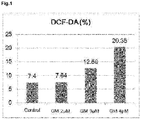
FIG. 1 illustrates an increase rate of DCF fluorescent intensity in hearing loss model cells due to gentamicin and avenanthramide according to Examples 1 and 2; -
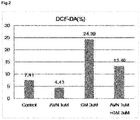
FIG. 2 illustrates a ROS generation rate in hearing loss model cells due to gentamicin and avenanthramide according to Examples 1 and 2; -
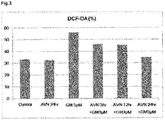
FIG. 3 illustrates an increase rate of DCF fluorescent intensity in hearing loss model cells according to an avenanthramide-C treatment time according to Examples 1 to 3; -
FIG. 4 illustrates an increase rate of DCF fluorescent intensity in hearing loss model cells according to an avenanthramide-C treatment amount according to Examples 1 to 4; -
FIG. 5 illustrates an increase rate of DCF fluorescent intensity in hearing loss model cells according to an ascorbic acid treatment amount according to Comparative Example 1; -
FIG. 6 illustrates an increase rate of DCF fluorescent intensity in hearing loss model cells according to a β-glucan treatment amount according to Comparative Example 1; -
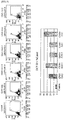
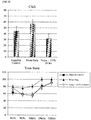
FIG. 7 illustrates an experimental result of measuring a hearing threshold in a hearing loss mouse model depending on treatment of avenanthramide according to Experimental Example 1; -
FIG. 8 illustrates an experimental result of measuring a hearing threshold in a hearing loss mouse model depending on treatment of avenanthramide according to Experimental Example 1; and -
FIG. 9 illustrates an experimental result of measuring a hearing threshold in a hearing loss mouse model depending on treatment of avenanthramide according to Experimental Example 1. - Hereinafter, embodiments of the present invention are described in detail with reference to the accompanying drawings. In describing the embodiments of the present invention, a detailed description of related known elements or functions will be omitted if it is deemed to make the gist of the present invention unnecessarily vague.
- In this specification, when it is said that one element is 'connected' or 'coupled' with the other element, it may mean that the one element may be directly connected or coupled with the other element and a third element may be 'connected' or 'coupled' between the two elements. Furthermore, in this specification, when it is said that a specific element is 'included', it may mean that elements other than the specific element are not excluded and that additional elements may be included in the embodiments of the present invention or the scope of the technical spirit of the present invention.
- Terms, such as the first and the second, may be used to describe various elements, but the elements are not restricted by the terms. The terms are used to only distinguish one element from the other element. For example, a first element may be named a second element without departing from the scope of the present invention. Likewise, a second element may be named a first element.
- The present invention provides a pharmaceutical composition for preventing or treating hearing loss comprising an oat extract as an active ingredient.
- The oat extract is avenanthramide or a derivative thereof. The avenanthramide may include, for example, avenanthramide-A, avenanthramide-B, avenanthramide-C, avenanthramide-O, or avenanthramide-P.
- In the pharmaceutical composition for preventing or treating hearing loss according to the present invention, the oat extract may include 0.5 µM or more.
- In the pharmaceutical composition for preventing or treating hearing loss according to the present invention, the hearing loss includes hearing loss due to noise ("noise-induced hearing loss") or hearing loss due to administration of ototoxic drugs ("ototoxic hearing loss").
- The present invention provides an antibiotic composition with improved ototoxic hearing loss, comprising avenanthramide or a derivative thereof and an aminoglucoside antibiotic as an active ingredient.
- The present invention provides an anticancer composition with improved ototoxic hearing loss, comprising avenanthramide or a derivative thereof and an ototoxic antibiotic as an active ingredient.
- Hereinafter, the present invention will be described in detail by the following Examples. However, the following Examples just exemplify the present invention, and the contents of the present invention are not limited to the following Examples.
- In order to determine an effect of an oat extract according to the present invention on hearing loss caused by active oxygen species, a DCF-DA assay was performed. A generation source of the active oxygen species used gentamicin as an aminoglucoside antibiotic which has been known to cause side effects that cause the loss of hair cells by forming ROS exceeding antioxidant defense capacity of inner ear cells. A HEI-OC1 cell line (House Ear Institute) which was known for an experiment of the inner ear cell included a 10% fetal bovine serum and 25 U/mL interferon-gamma, but had no antibiotic and was cultured in a Dulbecco's Modified Eagle medium (DMEM) containing glucose at a high concentration (25 mM). In this experiment, the HEI-OC1 cells were always cultured and differentiated under a non-permissive condition of 37°C and 5% CO2 and the experiment was performed with active metabolism.
- In order to verify whether the hearing loss model cells were influenced by treatment of gentamicin and avenanthramide, the generation of ROS was observed. The cells were seeded at 4×10⁵ cells/well in a 6-well plate, treated with 0 µM, 0.5 µM, and 1 µM of avenanthramide-C, respectively, and cultured for 24 hrs under the condition of 37°C and 5% CO2, and then mixed and treated with 0 µM, 2 µM, 3 µM and 4 µM of gentamicin, respectively, as shown in Table 1, and cultured for 24 hrs under the condition of 37°C and 5% CO2. In the treated experiment model, in order to observe the generation of the ROS, a 6-carboxy-2',7'-dichlorodihydrofluorescein diacetate (DCF-DA) test which was a testing method commonly used in the art was applied. As described above, after treatment with avenanthramide and gentamicin and culture, the medium was removed, and 10 µM 6-carboxy-2',7'-dichlorodihydrofluorescein diacetate (DCF-DA, Sigma) was added and cultured for 30 minutes. After the cells were washed with a PBS buffer two times, the cells were isolated from the culture dish with 0.05% Trypsin/EDTA. Thereafter, the cells passed through a 40 µm filter paper to be homogenized, and then subjected to fluorescence analysis using a flow cytometery (FACSCalibur ™, BD bioscience) (excitation: 488 nm; output: 519 nm). The increase rate of the DCF fluorescence intensity was measured, and the results were illustrated in Table 1 and
FIG 1 .[Table 1] Negative Control 0 % Gentamicin: 0 µM 7.4 % Gentamicin: 2 µM 7.64 % Gentamicin: 3 µM 12.59 % Gentamicin: 4 µM 20.35 % - As illustrated in Table 1, it was confirmed that as the treatment amount of gentamicin was increased, the generation amount of the ROS was increased to effectively cause the toxicity in the HEI-OC1 cell line (see
FIG. 1 ). When the gentamicin of 10 µM or more was treated, the cells were almost died and a concentration of 10 µM or less was used for the experiment. In addition, when avenanthramide was pretreated for 24 hours under the same conditions, it was shown that the amount of ROS generated by gentamicin decreased. Thus, it was confirmed that avenanthramide was used for the treatment and prevention of hearing loss caused by the ROS may be used effectively (see Table 2 andFIG. 2 ).[Table 2]Control AVN 1 µM GM 3 µM AVN 1 µM+ GM 3 µM7.41 4.43 24.39 13.46 - The cells were seeded at 4×10⁵ cells/well in a 6-well plate, treated with 0 µM and 0.5 µM of avenanthramide-C, respectively, and cultured for 24 hrs under the condition of 37°C and 5% CO2, and then mixed and treated with 0 µM and 3 µM of gentamicin, respectively, as shown in Table 3, and cultured for 3, 12, and 24 hrs under the condition of 37°C and 5% CO2, respectively. After the culture, like Examples 1 and 2, the DCF-DA test was performed and the results were illustrated in Table 3 and
FIG. 3 below.[Table 3] Control GM 3 µm AVN only AVN 3hr + GM 3 µmAVN 12hr + GM 3 µmAVN 24hr + GM 3 µm33.27 56.06 32.27 45.85 45.12 34.89 - As seen from Table 3, it was verified that as the avenanthramide treatment time increased, the ROS generated by gentamicin decreased, and particularly, as the treatment time of avenanthramide was 24 hours or more, an effect of suppressing hearing loss caused by the ROS was exhibited up to the same level as a control (see
FIG. 3 ). The treatment of avenanthramide for 24 hours or more had no particular benefit in reducing the ROS generated by gentamicin. - The cells were seeded at 4×10⁵ cells/well in a 6-well plate, treated with 0 µM to 6.0 µM of avenanthramide-C, respectively, and cultured for 24 hrs under the condition of 37°C and 5% CO2, and then mixed and treated with 0 µM or 4 µM of gentamicin as shown in Table 4, and cultured for 24 hrs under the condition of 37°C and 5% CO2. After the culture, like Example 1-1, the DCF-DA test was performed and the results were illustrated in Table 4 and
FIG. 4 below.[Table 4] Control 3.42 GM 4 µM only11.51 GM 4 µM + AVN 0.1 µM7.62 GM 4 µM + AVN 0.2 µM5.4 GM 4 µM + AVN 0.4 µM5.43 GM 4 µM + AVN 0.6 µM5.36 GM 4 µM + AVN 0.8 µM1.31 GM 4 µM + AVN 1.0 µM1.62 GM 4 µM + AVN 1.5 µM2.06 GM 4 µM + AVN 2.0 µM1.26 GM 4 µM + AVN 4.0 µM1.1 GM 4 µM + AVN 6.0 µM0.81 - As seen from Table 4, it was verified that when the amount of avenanthramide was 0.1 µM, the avenanthramide did not affect the damage by gentamicin, but when the amount of avenanthramide was 0.2 µM, the amount of ROS was decreased by 50% or more as compared to the case where avenanthramide was not supplied in the occurrence of the hearing loss caused by the ROS (see
FIG. 4 ). - Before 24 hours for administering gentamicin (4 µM) in a HEI-OC1 cell line using the same method as the Example, ascorbic acid was treated with an amount of 0.1 µg/ml to 2 µg/ml and after 24 hours of gentamicin treatment, the DCF-DA test according to the content of ascorbic acid was performed. The result was illustrated in
FIG.5 . - As seen from
FIG. 5 , it was not verified that when the ascorbic acid was administered, particular protection of hearing loss was shown as compared to the case where only the gentamicin was administered. - Before 24 hours for administering gentamicin (4 µM) in a HEI-OC1 cell line using the same method as the Example, β-glucan was treated with an amount of 0.1 µg/ml to 2 µg/ml and after 24 hours of gentamicin treatment, the DCF-DA test according to the content of β-glucan was performed. The result was illustrated in
FIG. 6 . - As seen from
FIG. 6 , it was not verified that when the β-glucan was administered, particular protection of hearing loss was shown as compared to the case where only the gentamicin was administered. - In order to verify a hearing preservation effect of avenanthramide before exposure to noise, an experiment for measuring a hearing threshold was performed using an auditory brainstem response. A method of measuring the auditory brainstem response (ABR) is a method of evaluating a response to a sound by measuring electric energy when a sound stimulus is transmitted as an electrical signal in the auditory nerve. When the sound reaches the auditory nerve through the outer ear, the middle ear, and the cochlea, the response reflects all states of the outer ear, the middle ear, and the cochlea and reflects the actual sound energy to which the sound energy reaches the brain. The hearing threshold refers to a minimum sensory point of sound that is barely audible, and in a normal mouse, the response is observed even on the small sound having the average of 20 to 30 dB.
- Mice to which avenanthramide was administered and untreated control mice were divided into four groups of eight mice, respectively, and evaluated. The noise was exposed with a pure tone of 90 dB of 8 KHz for 6 hours and 10 µg/kg of avenanthramide was intraperitoneally administered to mice before 6 hours and 24 hours of exposure to noise. During the auditory brainstem response test, the stimulus sound was evaluated by lowering the sound gradually from 90 dB by 5 dB with a click sound of a broadband stimulus sound, and the smallest sound of the response was set as the threshold. In addition, the hearing threshold was measured with a stimulus sound of 4 kHz, 8 kHz, 16 kHz, 24 kHz, and 32 kHz tone burst (TB), and in order to verify a hearing preservation effect of avenanthramide, the experiment for measuring the hearing threshold was performed in the same manner as above. The result was illustrated in
FIG. 7 . - As seen from
FIG. 7 , it was verified that the treatment with avenanthramide had a lower threshold than that of exposure to noise without avenanthramide treatment. In particular, treatment with avenanthramide before 24 hours of exposure to noise had a similar threshold to a control, and it means no hearing damage (seeFIG. 7A ). In addition, as a result of measuring the hearing threshold at 4 kHz, 8 kHz, and 16 kHz TB stimuli sound, the effect of preserving the hearing threshold was high in a group administered with avenanthramide, and as a result, it was verified that avenanthramide was effective in preventing noise-induced hearing loss (seeFIG. 7B ). - The noise was exposed with a pure tone of 90
dB 8 KHz for 6 hours and 10 µg/kg of avenanthramide was intraperitoneally administered to mice before 6 hours and 24 hours of exposure to noise. Then, the ABR test was performed after two weeks of noise induction in the same manner as Experimental Example 1-1 and the result was illustrated inFIG. 8 . - As seen from
FIG. 8 , it was verified that the treatment with avenanthramide had a lower threshold of 20 dB or more than that of exposure to noise without avenanthramide treatment (seeFIG. 8A ). In addition, as a result of measuring the hearing threshold at 4 kHz, 8 kHz, and 16 kHz TB stimuli sound, like the test result when using the click stimulus sound, the effect of preserving the hearing threshold was high in a group administered with avenanthramide, and as a result, it was verified that avenanthramide was effective in preventing noise-induced hearing loss (seeFIG. 8B ). - The noise was exposed with a pure tone of 95
dB 8 KHz for 6 hours and 10 µg/kg of avenanthramide was intraperitoneally administered to mice before 6 hours and 24 hours of exposure to noise. Then, the ABR test was performed after two weeks of noise induction in the same manner as Experimental Example 1-1 and the result was illustrated inFIG. 9 . - As seen from
FIG. 9 , it was verified that the treatment with avenanthramide had a lower threshold of 40 dB or more than that of exposure to noise without avenanthramide treatment. On the other hand, the treatment with avenanthramide showed almost the same threshold value as the control, and thus, it means that no hearing damage was observed (FIG. 9A ). In addition, as a result of measuring the hearing threshold at 4 kHz, 8 kHz, and 16 kHz TB stimuli sound, like the test result when using the click stimulus sound, the effect of preserving the hearing threshold was high in a group administered with avenanthramide, and as a result, it was verified that avenanthramide was effective in preventing noise-induced hearing loss (seeFIG. 9B ). - Until now, the present invention has been described with reference to the embodiments. It is understood to those skilled in the art that the present invention may be implemented as a modified form without departing from an essential characteristic of the present invention. Therefore, the disclosed embodiments should be considered from not a limitative viewpoint but an explanatory viewpoint. The scope of the present invention is described in not the above description but the appended claims, and it should be interpreted that all differences within the scope equivalent thereto are included in the present invention.
Claims (10)
- A pharmaceutical composition for preventing or treating hearing loss, comprising an oat extract as an active ingredient.
- The pharmaceutical composition of claim 1, wherein the oat extract is avenanthramide or a derivative thereof.
- The pharmaceutical composition of claim 2, wherein the avenanthramide includes avenanthramide-A, avenanthramide-B, avenanthramide-C, avenanthramide-O, or avenanthramide-P.
- The pharmaceutical composition of claim 3, wherein the content of the avenanthramide-C is 0.5 µM or more.
- The pharmaceutical composition of claim 1, wherein the hearing loss includes hearing loss due to noise or hearing loss due to administration of ototoxic drugs.
- The pharmaceutical composition of claim 5, wherein the ototoxic drug is at least one selected from a group consisting of streptomycin, kanamycin, gentamicin, neomycin, amikacin, tobramycin, netilmicin, dibekacin, sisomycin, livodomycin, cisplatin and carboplatin.
- The pharmaceutical composition of claim 1, wherein the pharmaceutical composition reduces generation of ROS by 20% or more.
- The pharmaceutical composition of claim 1, wherein the pharmaceutical composition is formulated by tablets, foams, granules, or capsules.
- An antibiotic composition with improved ototoxic hearing loss, comprising avenanthramide or a derivative thereof and an aminoglucoside antibiotic as an active ingredient.
- An anticancer composition with improved ototoxic hearing loss, comprising avenanthramide or a derivative thereof and an ototoxic antibiotic as an active ingredient.
Applications Claiming Priority (3)
| Application Number | Priority Date | Filing Date | Title |
|---|---|---|---|
| KR20160031516 | 2016-03-16 | ||
| KR1020160121291A KR101785455B1 (en) | 2016-03-16 | 2016-09-22 | A pharmaceutical composition including oat extract as an active ingredient for preventing or treating hearing loss |
| PCT/KR2016/014294 WO2017159964A1 (en) | 2016-03-16 | 2016-12-07 | Pharmaceutical composition for preventing or treating hearing loss comprising oat extract as an active ingredient |
Publications (3)
| Publication Number | Publication Date |
|---|---|
| EP3443975A1 true EP3443975A1 (en) | 2019-02-20 |
| EP3443975A4 EP3443975A4 (en) | 2019-11-27 |
| EP3443975B1 EP3443975B1 (en) | 2023-05-10 |
Family
ID=60037006
Family Applications (1)
| Application Number | Title | Priority Date | Filing Date |
|---|---|---|---|
| EP16894694.5A Active EP3443975B1 (en) | 2016-03-16 | 2016-12-07 | Pharmaceutical composition for preventing or treating hearing loss comprising avenanthramide as an active ingredient |
Country Status (3)
| Country | Link |
|---|---|
| US (1) | US11033598B2 (en) |
| EP (1) | EP3443975B1 (en) |
| KR (1) | KR101785455B1 (en) |
Families Citing this family (3)
| Publication number | Priority date | Publication date | Assignee | Title |
|---|---|---|---|---|
| KR102131044B1 (en) * | 2018-05-31 | 2020-07-08 | 경희대학교 산학협력단 | Composition for preventing or treating hearing loss |
| WO2023017809A1 (en) | 2021-08-12 | 2023-02-16 | 石原産業株式会社 | Method for preventing deformation of plastic pesticide container |
| KR102915762B1 (en) * | 2023-01-17 | 2026-01-21 | 고려대학교 산학협력단 | Pharmaceutical composition for preventing or treating hearing loss comprising malic acid |
Family Cites Families (8)
| Publication number | Priority date | Publication date | Assignee | Title |
|---|---|---|---|---|
| US6648649B2 (en) * | 1999-08-23 | 2003-11-18 | Agewell, P.C. | Method and apparatus for analysis |
| US20060100274A1 (en) * | 2004-11-05 | 2006-05-11 | Trustees Of Tufts College | Therapeutic avenanthramide compounds |
| WO2009111543A2 (en) * | 2008-03-05 | 2009-09-11 | Edison Pharmaceuticals, Inc. | Treatment of hearing and balance impairments with redox-active therapeutics |
| BRPI0910850B1 (en) * | 2008-04-21 | 2022-06-14 | Otonomy, Inc. | INTRATYMPANIC COMPOSITION INCLUDING BRAIN-DERIVED NEUROTROPHIC GROWTH FACTOR (BDNF) FOR THE TREATMENT OR PREVENTION OF HEARING LOSS |
| MX2010012228A (en) * | 2008-05-10 | 2010-12-07 | Bayer Schering Pharma Ag | Sgc stimulators, sgc activators and combinations thereof for the treatment of hearing impairment. |
| US8758836B2 (en) | 2011-09-09 | 2014-06-24 | Nina S. YOSHPE | Method and formulation for treating dry ear inflammation with cortisone |
| KR101476349B1 (en) | 2012-03-30 | 2014-12-24 | 에스케이케미칼주식회사 | Pharmaceutical composition for preventing or treating hearing loss comprising cilostazol and ginkgo biloba extract as active ingredients |
| EP3295939B1 (en) * | 2015-01-19 | 2022-09-21 | Keio University | Therapeutic agent for treating sensorineural hearing loss |
-
2016
- 2016-09-22 KR KR1020160121291A patent/KR101785455B1/en active Active
- 2016-12-07 EP EP16894694.5A patent/EP3443975B1/en active Active
-
2018
- 2018-09-17 US US16/133,033 patent/US11033598B2/en active Active
Also Published As
| Publication number | Publication date |
|---|---|
| KR20170107876A (en) | 2017-09-26 |
| EP3443975A4 (en) | 2019-11-27 |
| US20190076499A1 (en) | 2019-03-14 |
| KR101785455B1 (en) | 2017-11-20 |
| EP3443975B1 (en) | 2023-05-10 |
| US11033598B2 (en) | 2021-06-15 |
Similar Documents
| Publication | Publication Date | Title |
|---|---|---|
| Ye et al. | Restoring autophagic flux attenuates cochlear spiral ganglion neuron degeneration by promoting TFEB nuclear translocation via inhibiting MTOR | |
| EP1228769A1 (en) | Symbiotic regenerative composition | |
| US11033598B2 (en) | Pharmaceutical composition for preventing or treating hearing loss comprising oat extract as an active ingredient | |
| De Luca et al. | The anti-caries activity and toxicity of an experimental propolis-containing varnish | |
| Uzun et al. | The effect of garlic derivatives (S-allylmercaptocysteine, diallyl disulfide, and S-allylcysteine) on gentamicin induced ototoxicity: An experimental study | |
| CN101293034B (en) | A kind of pharmaceutical composition for treating otitis media and preparation method thereof | |
| WO2017159964A1 (en) | Pharmaceutical composition for preventing or treating hearing loss comprising oat extract as an active ingredient | |
| Vecchiarelli et al. | Macrophage activation by N-acetyl-cysteine in COPD patients | |
| Zhu et al. | Evaluation of sustained-release steroid hydrogels in a guinea pig model for noise-induced hearing loss | |
| CN104244950B (en) | Containing Cilostazol and ginkgo biloba p.e as the dysacousis prevention of active ingredient or medicine for treatment compositions | |
| US12611437B2 (en) | Composition for preventing or treating tinnitus comprising Vitis viniferaleaf extract as active ingredient | |
| US12011431B2 (en) | Pharmaceutical composition for preventing or treating sensorineural hearing loss, containing forskolin and retinoic acid as active ingredients | |
| Topcuoglu et al. | Antibacterial effect of kenger gum on mutans streptococci and its cytotoxic effect on the 3T3 fibroblast cell line | |
| Zhou et al. | A Randomized Controlled Trial Evaluating the Impact of Dietary Supplementation with Polyphenols on Disease Severity and Quality of Life in Adults with Moderate to Severe Atopic Dermatitis in Beijing, China | |
| WO1998041204A1 (en) | Ascorbic acid as an adjuvant in the treatment of malignant tumors using chemo- and radiotherapy | |
| De la Fuente et al. | Improvement of leucocyte functions in mature and old mice after 15 and 30 weeks of diet supplementation with polyphenol-rich biscuits | |
| KR102206882B1 (en) | Composition for preventing or treating hearing loss comprising extract of leaves or stem of sweet potato | |
| OCTIARA et al. | Effectiveness of Batak leeks extract against S. mutans and E. faecalis as antibacterial and antibiofilm agent | |
| KR102674363B1 (en) | Oral disease patch containing β-(1,6)-branched-(1,3)-glucan produced by the fungus Schizophyllum comune | |
| TWI858583B (en) | Use of a composition for manufacture of a medicament for preventing or treating hearing loss | |
| KR20170021156A (en) | A composition for treatment and prevention of acne | |
| Tatar et al. | Anti-inflammatory and anti-oxidative effects of alpha-lipoic acid in experimentally induced acute otitis media | |
| KR101787247B1 (en) | A antibacterial composition comprising chitosan and caffeic acid | |
| Djerman et al. | Antibacterial effect of Moringa oleifera extract, chitosan, and calcium hydroxide against Porphyromonas gingivalis: A preliminary in vitro study | |
| US20090197956A1 (en) | Treatment of acute otitis media with xylitol and n-acetylcysteine |
Legal Events
| Date | Code | Title | Description |
|---|---|---|---|
| STAA | Information on the status of an ep patent application or granted ep patent |
Free format text: STATUS: THE INTERNATIONAL PUBLICATION HAS BEEN MADE |
|
| PUAI | Public reference made under article 153(3) epc to a published international application that has entered the european phase |
Free format text: ORIGINAL CODE: 0009012 |
|
| STAA | Information on the status of an ep patent application or granted ep patent |
Free format text: STATUS: REQUEST FOR EXAMINATION WAS MADE |
|
| 17P | Request for examination filed |
Effective date: 20181011 |
|
| AK | Designated contracting states |
Kind code of ref document: A1 Designated state(s): AL AT BE BG CH CY CZ DE DK EE ES FI FR GB GR HR HU IE IS IT LI LT LU LV MC MK MT NL NO PL PT RO RS SE SI SK SM TR |
|
| AX | Request for extension of the european patent |
Extension state: BA ME |
|
| RIN1 | Information on inventor provided before grant (corrected) |
Inventor name: CHO, HYONG HO Inventor name: LEE, SUNG SU Inventor name: LEE, YU YOUNG Inventor name: KIM, HYUNG SEOK |
|
| DAV | Request for validation of the european patent (deleted) | ||
| DAX | Request for extension of the european patent (deleted) | ||
| A4 | Supplementary search report drawn up and despatched |
Effective date: 20191030 |
|
| RIC1 | Information provided on ipc code assigned before grant |
Ipc: A61P 27/16 20060101ALI20191024BHEP Ipc: A61K 45/06 20060101ALI20191024BHEP Ipc: A61K 31/196 20060101ALI20191024BHEP Ipc: A61K 36/899 20060101AFI20191024BHEP Ipc: A61K 9/20 20060101ALI20191024BHEP Ipc: A61K 9/48 20060101ALI20191024BHEP Ipc: A61K 9/46 20060101ALI20191024BHEP |
|
| STAA | Information on the status of an ep patent application or granted ep patent |
Free format text: STATUS: EXAMINATION IS IN PROGRESS |
|
| 17Q | First examination report despatched |
Effective date: 20210329 |
|
| GRAP | Despatch of communication of intention to grant a patent |
Free format text: ORIGINAL CODE: EPIDOSNIGR1 |
|
| STAA | Information on the status of an ep patent application or granted ep patent |
Free format text: STATUS: GRANT OF PATENT IS INTENDED |
|
| INTG | Intention to grant announced |
Effective date: 20230206 |
|
| GRAS | Grant fee paid |
Free format text: ORIGINAL CODE: EPIDOSNIGR3 |
|
| GRAA | (expected) grant |
Free format text: ORIGINAL CODE: 0009210 |
|
| STAA | Information on the status of an ep patent application or granted ep patent |
Free format text: STATUS: THE PATENT HAS BEEN GRANTED |
|
| AK | Designated contracting states |
Kind code of ref document: B1 Designated state(s): AL AT BE BG CH CY CZ DE DK EE ES FI FR GB GR HR HU IE IS IT LI LT LU LV MC MK MT NL NO PL PT RO RS SE SI SK SM TR |
|
| REG | Reference to a national code |
Ref country code: GB Ref legal event code: FG4D |
|
| REG | Reference to a national code |
Ref country code: AT Ref legal event code: REF Ref document number: 1566059 Country of ref document: AT Kind code of ref document: T Effective date: 20230515 Ref country code: CH Ref legal event code: EP |
|
| REG | Reference to a national code |
Ref country code: DE Ref legal event code: R096 Ref document number: 602016079431 Country of ref document: DE |
|
| REG | Reference to a national code |
Ref country code: IE Ref legal event code: FG4D |
|
| REG | Reference to a national code |
Ref country code: LT Ref legal event code: MG9D |
|
| REG | Reference to a national code |
Ref country code: NL Ref legal event code: MP Effective date: 20230510 |
|
| REG | Reference to a national code |
Ref country code: AT Ref legal event code: MK05 Ref document number: 1566059 Country of ref document: AT Kind code of ref document: T Effective date: 20230510 |
|
| PG25 | Lapsed in a contracting state [announced via postgrant information from national office to epo] |
Ref country code: SE Free format text: LAPSE BECAUSE OF FAILURE TO SUBMIT A TRANSLATION OF THE DESCRIPTION OR TO PAY THE FEE WITHIN THE PRESCRIBED TIME-LIMIT Effective date: 20230510 Ref country code: PT Free format text: LAPSE BECAUSE OF FAILURE TO SUBMIT A TRANSLATION OF THE DESCRIPTION OR TO PAY THE FEE WITHIN THE PRESCRIBED TIME-LIMIT Effective date: 20230911 Ref country code: NO Free format text: LAPSE BECAUSE OF FAILURE TO SUBMIT A TRANSLATION OF THE DESCRIPTION OR TO PAY THE FEE WITHIN THE PRESCRIBED TIME-LIMIT Effective date: 20230810 Ref country code: NL Free format text: LAPSE BECAUSE OF FAILURE TO SUBMIT A TRANSLATION OF THE DESCRIPTION OR TO PAY THE FEE WITHIN THE PRESCRIBED TIME-LIMIT Effective date: 20230510 Ref country code: ES Free format text: LAPSE BECAUSE OF FAILURE TO SUBMIT A TRANSLATION OF THE DESCRIPTION OR TO PAY THE FEE WITHIN THE PRESCRIBED TIME-LIMIT Effective date: 20230510 Ref country code: AT Free format text: LAPSE BECAUSE OF FAILURE TO SUBMIT A TRANSLATION OF THE DESCRIPTION OR TO PAY THE FEE WITHIN THE PRESCRIBED TIME-LIMIT Effective date: 20230510 |
|
| PG25 | Lapsed in a contracting state [announced via postgrant information from national office to epo] |
Ref country code: RS Free format text: LAPSE BECAUSE OF FAILURE TO SUBMIT A TRANSLATION OF THE DESCRIPTION OR TO PAY THE FEE WITHIN THE PRESCRIBED TIME-LIMIT Effective date: 20230510 Ref country code: PL Free format text: LAPSE BECAUSE OF FAILURE TO SUBMIT A TRANSLATION OF THE DESCRIPTION OR TO PAY THE FEE WITHIN THE PRESCRIBED TIME-LIMIT Effective date: 20230510 Ref country code: LV Free format text: LAPSE BECAUSE OF FAILURE TO SUBMIT A TRANSLATION OF THE DESCRIPTION OR TO PAY THE FEE WITHIN THE PRESCRIBED TIME-LIMIT Effective date: 20230510 Ref country code: LT Free format text: LAPSE BECAUSE OF FAILURE TO SUBMIT A TRANSLATION OF THE DESCRIPTION OR TO PAY THE FEE WITHIN THE PRESCRIBED TIME-LIMIT Effective date: 20230510 Ref country code: IS Free format text: LAPSE BECAUSE OF FAILURE TO SUBMIT A TRANSLATION OF THE DESCRIPTION OR TO PAY THE FEE WITHIN THE PRESCRIBED TIME-LIMIT Effective date: 20230910 Ref country code: HR Free format text: LAPSE BECAUSE OF FAILURE TO SUBMIT A TRANSLATION OF THE DESCRIPTION OR TO PAY THE FEE WITHIN THE PRESCRIBED TIME-LIMIT Effective date: 20230510 Ref country code: GR Free format text: LAPSE BECAUSE OF FAILURE TO SUBMIT A TRANSLATION OF THE DESCRIPTION OR TO PAY THE FEE WITHIN THE PRESCRIBED TIME-LIMIT Effective date: 20230811 |
|
| PG25 | Lapsed in a contracting state [announced via postgrant information from national office to epo] |
Ref country code: FI Free format text: LAPSE BECAUSE OF FAILURE TO SUBMIT A TRANSLATION OF THE DESCRIPTION OR TO PAY THE FEE WITHIN THE PRESCRIBED TIME-LIMIT Effective date: 20230510 |
|
| PG25 | Lapsed in a contracting state [announced via postgrant information from national office to epo] |
Ref country code: SK Free format text: LAPSE BECAUSE OF FAILURE TO SUBMIT A TRANSLATION OF THE DESCRIPTION OR TO PAY THE FEE WITHIN THE PRESCRIBED TIME-LIMIT Effective date: 20230510 |
|
| PG25 | Lapsed in a contracting state [announced via postgrant information from national office to epo] |
Ref country code: SM Free format text: LAPSE BECAUSE OF FAILURE TO SUBMIT A TRANSLATION OF THE DESCRIPTION OR TO PAY THE FEE WITHIN THE PRESCRIBED TIME-LIMIT Effective date: 20230510 Ref country code: SK Free format text: LAPSE BECAUSE OF FAILURE TO SUBMIT A TRANSLATION OF THE DESCRIPTION OR TO PAY THE FEE WITHIN THE PRESCRIBED TIME-LIMIT Effective date: 20230510 Ref country code: RO Free format text: LAPSE BECAUSE OF FAILURE TO SUBMIT A TRANSLATION OF THE DESCRIPTION OR TO PAY THE FEE WITHIN THE PRESCRIBED TIME-LIMIT Effective date: 20230510 Ref country code: EE Free format text: LAPSE BECAUSE OF FAILURE TO SUBMIT A TRANSLATION OF THE DESCRIPTION OR TO PAY THE FEE WITHIN THE PRESCRIBED TIME-LIMIT Effective date: 20230510 Ref country code: DK Free format text: LAPSE BECAUSE OF FAILURE TO SUBMIT A TRANSLATION OF THE DESCRIPTION OR TO PAY THE FEE WITHIN THE PRESCRIBED TIME-LIMIT Effective date: 20230510 Ref country code: CZ Free format text: LAPSE BECAUSE OF FAILURE TO SUBMIT A TRANSLATION OF THE DESCRIPTION OR TO PAY THE FEE WITHIN THE PRESCRIBED TIME-LIMIT Effective date: 20230510 |
|
| REG | Reference to a national code |
Ref country code: DE Ref legal event code: R097 Ref document number: 602016079431 Country of ref document: DE |
|
| PLBE | No opposition filed within time limit |
Free format text: ORIGINAL CODE: 0009261 |
|
| STAA | Information on the status of an ep patent application or granted ep patent |
Free format text: STATUS: NO OPPOSITION FILED WITHIN TIME LIMIT |
|
| 26N | No opposition filed |
Effective date: 20240213 |
|
| PG25 | Lapsed in a contracting state [announced via postgrant information from national office to epo] |
Ref country code: SI Free format text: LAPSE BECAUSE OF FAILURE TO SUBMIT A TRANSLATION OF THE DESCRIPTION OR TO PAY THE FEE WITHIN THE PRESCRIBED TIME-LIMIT Effective date: 20230510 |
|
| PG25 | Lapsed in a contracting state [announced via postgrant information from national office to epo] |
Ref country code: SI Free format text: LAPSE BECAUSE OF FAILURE TO SUBMIT A TRANSLATION OF THE DESCRIPTION OR TO PAY THE FEE WITHIN THE PRESCRIBED TIME-LIMIT Effective date: 20230510 Ref country code: IT Free format text: LAPSE BECAUSE OF FAILURE TO SUBMIT A TRANSLATION OF THE DESCRIPTION OR TO PAY THE FEE WITHIN THE PRESCRIBED TIME-LIMIT Effective date: 20230510 |
|
| REG | Reference to a national code |
Ref country code: CH Ref legal event code: PL |
|
| PG25 | Lapsed in a contracting state [announced via postgrant information from national office to epo] |
Ref country code: LU Free format text: LAPSE BECAUSE OF NON-PAYMENT OF DUE FEES Effective date: 20231207 |
|
| PG25 | Lapsed in a contracting state [announced via postgrant information from national office to epo] |
Ref country code: MC Free format text: LAPSE BECAUSE OF FAILURE TO SUBMIT A TRANSLATION OF THE DESCRIPTION OR TO PAY THE FEE WITHIN THE PRESCRIBED TIME-LIMIT Effective date: 20230510 |
|
| REG | Reference to a national code |
Ref country code: BE Ref legal event code: MM Effective date: 20231231 |
|
| PG25 | Lapsed in a contracting state [announced via postgrant information from national office to epo] |
Ref country code: MC Free format text: LAPSE BECAUSE OF FAILURE TO SUBMIT A TRANSLATION OF THE DESCRIPTION OR TO PAY THE FEE WITHIN THE PRESCRIBED TIME-LIMIT Effective date: 20230510 Ref country code: LU Free format text: LAPSE BECAUSE OF NON-PAYMENT OF DUE FEES Effective date: 20231207 |
|
| REG | Reference to a national code |
Ref country code: IE Ref legal event code: MM4A |
|
| PG25 | Lapsed in a contracting state [announced via postgrant information from national office to epo] |
Ref country code: IE Free format text: LAPSE BECAUSE OF NON-PAYMENT OF DUE FEES Effective date: 20231207 |
|
| PG25 | Lapsed in a contracting state [announced via postgrant information from national office to epo] |
Ref country code: BE Free format text: LAPSE BECAUSE OF NON-PAYMENT OF DUE FEES Effective date: 20231231 |
|
| PG25 | Lapsed in a contracting state [announced via postgrant information from national office to epo] |
Ref country code: CH Free format text: LAPSE BECAUSE OF NON-PAYMENT OF DUE FEES Effective date: 20231231 |
|
| PG25 | Lapsed in a contracting state [announced via postgrant information from national office to epo] |
Ref country code: IE Free format text: LAPSE BECAUSE OF NON-PAYMENT OF DUE FEES Effective date: 20231207 Ref country code: CH Free format text: LAPSE BECAUSE OF NON-PAYMENT OF DUE FEES Effective date: 20231231 Ref country code: BE Free format text: LAPSE BECAUSE OF NON-PAYMENT OF DUE FEES Effective date: 20231231 |
|
| PG25 | Lapsed in a contracting state [announced via postgrant information from national office to epo] |
Ref country code: BG Free format text: LAPSE BECAUSE OF FAILURE TO SUBMIT A TRANSLATION OF THE DESCRIPTION OR TO PAY THE FEE WITHIN THE PRESCRIBED TIME-LIMIT Effective date: 20230510 |
|
| PG25 | Lapsed in a contracting state [announced via postgrant information from national office to epo] |
Ref country code: BG Free format text: LAPSE BECAUSE OF FAILURE TO SUBMIT A TRANSLATION OF THE DESCRIPTION OR TO PAY THE FEE WITHIN THE PRESCRIBED TIME-LIMIT Effective date: 20230510 |
|
| PG25 | Lapsed in a contracting state [announced via postgrant information from national office to epo] |
Ref country code: CY Free format text: LAPSE BECAUSE OF FAILURE TO SUBMIT A TRANSLATION OF THE DESCRIPTION OR TO PAY THE FEE WITHIN THE PRESCRIBED TIME-LIMIT; INVALID AB INITIO Effective date: 20161207 |
|
| PG25 | Lapsed in a contracting state [announced via postgrant information from national office to epo] |
Ref country code: HU Free format text: LAPSE BECAUSE OF FAILURE TO SUBMIT A TRANSLATION OF THE DESCRIPTION OR TO PAY THE FEE WITHIN THE PRESCRIBED TIME-LIMIT; INVALID AB INITIO Effective date: 20161207 |
|
| PG25 | Lapsed in a contracting state [announced via postgrant information from national office to epo] |
Ref country code: TR Free format text: LAPSE BECAUSE OF FAILURE TO SUBMIT A TRANSLATION OF THE DESCRIPTION OR TO PAY THE FEE WITHIN THE PRESCRIBED TIME-LIMIT Effective date: 20230510 |
|
| PGFP | Annual fee paid to national office [announced via postgrant information from national office to epo] |
Ref country code: FR Payment date: 20251230 Year of fee payment: 10 |
|
| PGFP | Annual fee paid to national office [announced via postgrant information from national office to epo] |
Ref country code: GB Payment date: 20260122 Year of fee payment: 10 |
|
| PGFP | Annual fee paid to national office [announced via postgrant information from national office to epo] |
Ref country code: DE Payment date: 20251230 Year of fee payment: 10 |