EP3441498A1 - Method for restoring at least one portion of a body of a valuable historic vehicule - Google Patents
Method for restoring at least one portion of a body of a valuable historic vehicule Download PDFInfo
- Publication number
- EP3441498A1 EP3441498A1 EP18187948.7A EP18187948A EP3441498A1 EP 3441498 A1 EP3441498 A1 EP 3441498A1 EP 18187948 A EP18187948 A EP 18187948A EP 3441498 A1 EP3441498 A1 EP 3441498A1
- Authority
- EP
- European Patent Office
- Prior art keywords
- deposition
- body portion
- metal
- metal layer
- previous
- Prior art date
- Legal status (The legal status is an assumption and is not a legal conclusion. Google has not performed a legal analysis and makes no representation as to the accuracy of the status listed.)
- Granted
Links
Images
Classifications
-
- B—PERFORMING OPERATIONS; TRANSPORTING
- B60—VEHICLES IN GENERAL
- B60S—SERVICING, CLEANING, REPAIRING, SUPPORTING, LIFTING, OR MANOEUVRING OF VEHICLES, NOT OTHERWISE PROVIDED FOR
- B60S5/00—Servicing, maintaining, repairing, or refitting of vehicles
-
- B—PERFORMING OPERATIONS; TRANSPORTING
- B23—MACHINE TOOLS; METAL-WORKING NOT OTHERWISE PROVIDED FOR
- B23K—SOLDERING OR UNSOLDERING; WELDING; CLADDING OR PLATING BY SOLDERING OR WELDING; CUTTING BY APPLYING HEAT LOCALLY, e.g. FLAME CUTTING; WORKING BY LASER BEAM
- B23K9/00—Arc welding or cutting
- B23K9/0026—Arc welding or cutting specially adapted for particular articles or work
- B23K9/0043—Locally welding a thin plate to a thick piece
-
- B—PERFORMING OPERATIONS; TRANSPORTING
- B23—MACHINE TOOLS; METAL-WORKING NOT OTHERWISE PROVIDED FOR
- B23P—METAL-WORKING NOT OTHERWISE PROVIDED FOR; COMBINED OPERATIONS; UNIVERSAL MACHINE TOOLS
- B23P6/00—Restoring or reconditioning objects
-
- C—CHEMISTRY; METALLURGY
- C23—COATING METALLIC MATERIAL; COATING MATERIAL WITH METALLIC MATERIAL; CHEMICAL SURFACE TREATMENT; DIFFUSION TREATMENT OF METALLIC MATERIAL; COATING BY VACUUM EVAPORATION, BY SPUTTERING, BY ION IMPLANTATION OR BY CHEMICAL VAPOUR DEPOSITION, IN GENERAL; INHIBITING CORROSION OF METALLIC MATERIAL OR INCRUSTATION IN GENERAL
- C23C—COATING METALLIC MATERIAL; COATING MATERIAL WITH METALLIC MATERIAL; SURFACE TREATMENT OF METALLIC MATERIAL BY DIFFUSION INTO THE SURFACE, BY CHEMICAL CONVERSION OR SUBSTITUTION; COATING BY VACUUM EVAPORATION, BY SPUTTERING, BY ION IMPLANTATION OR BY CHEMICAL VAPOUR DEPOSITION, IN GENERAL
- C23C4/00—Coating by spraying the coating material in the molten state, e.g. by flame, plasma or electric discharge
- C23C4/02—Pretreatment of the material to be coated, e.g. for coating on selected surface areas
-
- C—CHEMISTRY; METALLURGY
- C23—COATING METALLIC MATERIAL; COATING MATERIAL WITH METALLIC MATERIAL; CHEMICAL SURFACE TREATMENT; DIFFUSION TREATMENT OF METALLIC MATERIAL; COATING BY VACUUM EVAPORATION, BY SPUTTERING, BY ION IMPLANTATION OR BY CHEMICAL VAPOUR DEPOSITION, IN GENERAL; INHIBITING CORROSION OF METALLIC MATERIAL OR INCRUSTATION IN GENERAL
- C23C—COATING METALLIC MATERIAL; COATING MATERIAL WITH METALLIC MATERIAL; SURFACE TREATMENT OF METALLIC MATERIAL BY DIFFUSION INTO THE SURFACE, BY CHEMICAL CONVERSION OR SUBSTITUTION; COATING BY VACUUM EVAPORATION, BY SPUTTERING, BY ION IMPLANTATION OR BY CHEMICAL VAPOUR DEPOSITION, IN GENERAL
- C23C4/00—Coating by spraying the coating material in the molten state, e.g. by flame, plasma or electric discharge
- C23C4/04—Coating by spraying the coating material in the molten state, e.g. by flame, plasma or electric discharge characterised by the coating material
- C23C4/06—Metallic material
-
- C—CHEMISTRY; METALLURGY
- C23—COATING METALLIC MATERIAL; COATING MATERIAL WITH METALLIC MATERIAL; CHEMICAL SURFACE TREATMENT; DIFFUSION TREATMENT OF METALLIC MATERIAL; COATING BY VACUUM EVAPORATION, BY SPUTTERING, BY ION IMPLANTATION OR BY CHEMICAL VAPOUR DEPOSITION, IN GENERAL; INHIBITING CORROSION OF METALLIC MATERIAL OR INCRUSTATION IN GENERAL
- C23C—COATING METALLIC MATERIAL; COATING MATERIAL WITH METALLIC MATERIAL; SURFACE TREATMENT OF METALLIC MATERIAL BY DIFFUSION INTO THE SURFACE, BY CHEMICAL CONVERSION OR SUBSTITUTION; COATING BY VACUUM EVAPORATION, BY SPUTTERING, BY ION IMPLANTATION OR BY CHEMICAL VAPOUR DEPOSITION, IN GENERAL
- C23C4/00—Coating by spraying the coating material in the molten state, e.g. by flame, plasma or electric discharge
- C23C4/04—Coating by spraying the coating material in the molten state, e.g. by flame, plasma or electric discharge characterised by the coating material
- C23C4/06—Metallic material
- C23C4/08—Metallic material containing only metal elements
-
- C—CHEMISTRY; METALLURGY
- C23—COATING METALLIC MATERIAL; COATING MATERIAL WITH METALLIC MATERIAL; CHEMICAL SURFACE TREATMENT; DIFFUSION TREATMENT OF METALLIC MATERIAL; COATING BY VACUUM EVAPORATION, BY SPUTTERING, BY ION IMPLANTATION OR BY CHEMICAL VAPOUR DEPOSITION, IN GENERAL; INHIBITING CORROSION OF METALLIC MATERIAL OR INCRUSTATION IN GENERAL
- C23C—COATING METALLIC MATERIAL; COATING MATERIAL WITH METALLIC MATERIAL; SURFACE TREATMENT OF METALLIC MATERIAL BY DIFFUSION INTO THE SURFACE, BY CHEMICAL CONVERSION OR SUBSTITUTION; COATING BY VACUUM EVAPORATION, BY SPUTTERING, BY ION IMPLANTATION OR BY CHEMICAL VAPOUR DEPOSITION, IN GENERAL
- C23C4/00—Coating by spraying the coating material in the molten state, e.g. by flame, plasma or electric discharge
- C23C4/12—Coating by spraying the coating material in the molten state, e.g. by flame, plasma or electric discharge characterised by the method of spraying
- C23C4/129—Flame spraying
-
- C—CHEMISTRY; METALLURGY
- C23—COATING METALLIC MATERIAL; COATING MATERIAL WITH METALLIC MATERIAL; CHEMICAL SURFACE TREATMENT; DIFFUSION TREATMENT OF METALLIC MATERIAL; COATING BY VACUUM EVAPORATION, BY SPUTTERING, BY ION IMPLANTATION OR BY CHEMICAL VAPOUR DEPOSITION, IN GENERAL; INHIBITING CORROSION OF METALLIC MATERIAL OR INCRUSTATION IN GENERAL
- C23C—COATING METALLIC MATERIAL; COATING MATERIAL WITH METALLIC MATERIAL; SURFACE TREATMENT OF METALLIC MATERIAL BY DIFFUSION INTO THE SURFACE, BY CHEMICAL CONVERSION OR SUBSTITUTION; COATING BY VACUUM EVAPORATION, BY SPUTTERING, BY ION IMPLANTATION OR BY CHEMICAL VAPOUR DEPOSITION, IN GENERAL
- C23C4/00—Coating by spraying the coating material in the molten state, e.g. by flame, plasma or electric discharge
- C23C4/18—After-treatment
-
- B—PERFORMING OPERATIONS; TRANSPORTING
- B23—MACHINE TOOLS; METAL-WORKING NOT OTHERWISE PROVIDED FOR
- B23P—METAL-WORKING NOT OTHERWISE PROVIDED FOR; COMBINED OPERATIONS; UNIVERSAL MACHINE TOOLS
- B23P2700/00—Indexing scheme relating to the articles being treated, e.g. manufactured, repaired, assembled, connected or other operations covered in the subgroups
- B23P2700/50—Other automobile vehicle parts, i.e. manufactured in assembly lines
Definitions
- the present invention relates to the field of restoration of valuable historic vehicles.
- the value of a vehicle is closely connected with the degree of authenticity of the vehicle.
- This degree of authenticity refers not only to ornaments and details, but also to the metal sheets that define the vehicle body.
- Valuable vehicles have often been produced in limited numbers. Even more often, the metal sheets have been made by hand and anyway original spare parts are not available. The metal sheets, in particular those forming fenders and bumpers, are the most subject to wear, since they are exposed both to crashes and to moisture.
- any reshaping operation of the dents can cause cracks in the metal sheets and therefore a marked deterioration of the situation.
- oxidation often causes a through corrosion, especially where the metal sheets have been processed more to adhere to predetermined forms, or as a result of the paint loss, which has allowed an easier aggression by external agents.
- the metal sheets are often made of aluminium and related alloys, and more rarely of steel.
- the known technique to smooth out the dents and to close small openings or cracks provides the use of an iron putty, namely a two-component epoxy putty.
- the known technique in order to restore larger openings or entire portions of worn metal sheet, provides the welding of new portions.
- the object of the present invention is to overcome the aforesaid drawbacks and to indicate a method for restoring at least one portion of a body of a valuable historical vehicle, namely a vehicle of relevance from the collecting point of view.
- the basic idea of the present invention is to treat the body by depositing metal particles, thus increasing their thickness.
- the original thickness is restored.
- the metal particles are deposited by a so-called thermal-spray technique. It consists in heating a target element by means of a flame for tearing off its surface particles. Then, a carrier means projects the particles on the support on which they must be deposited, in particular a portion of a body of a historical vehicle.
- the flame is preferably oxyacetylene and the carrier medium is preferably compressed air.
- the process is also called “cold”, because the particles of deposited material are attached to the support, namely to the portion of the body to be treated, due to the violent impact.
- This process can also be called “dry”, because no glue is used to attach the particles to the support.
- the surface particles of the target reach a plastic condition due to the flame. Therefore, thanks on the one hand to the thrust received by the flame and on the other hand to the contribution of the carrier medium, the particles detach from the target and are hurled against the support where they remain embedded, thus creating the aforementioned metallic coating.
- the outflow velocity of combustible gases is preferably subsonic.
- the target has the form of a wire and therefore the technique is called thermal-spray/wire-spray, since the target element is a wire having a section 1/8 or 3/16 inches based on the width of the sheet metal surface to be treated.
- the surface to be treated must be homogeneous, any cracks must have already been repaired, and any paint must have been removed beforehand.
- any possible paint residues are preferably removed by corundum blasting and advantageously, at the end of the operation, the surface to be treated is rough and ready for the metal deposition process.
- the corundum blasting procedure has the purpose of making rough the surface to be treated.
- the stripping procedure must be preferably carried out by means of solvents, since a complete paint stripping of the surface to be treated by corundum blasting would result in an excessive thinning of the metal sheet to be treated. Therefore, the stripping procedure and the corundum blasting procedure must not be confused.
- metal sheet In the present description, the terms "metal sheet”, “body portion”, “body”, “bodywork” are used interchangeably.
- the deposited material is aluminium, thus also preserving the original consistency of the metal sheet. If, on the other hand, the sheet is made of steel, a steel of the AISI 316 or 420 type can be used as a support.
- a preliminary deposition of a thin nickel-aluminium alloy, which acts as an anchoring agent, is carried out prior to the deposition of the metal layer corresponding to the material of the metal sheet.
- the present deposition technique can advantageously be carried out on undamaged body portions, albeit thinner, and on body portions to be reshaped.
- any operation performed after the deposition turns out to be operationally simpler, since the treated metal sheet is more robust and simpler to handle.
- the deposition must be carried out after the electro-welding to ensure an optimal grip of the filler material on the original metal sheet.
- the deposition must be checked beforehand by estimating the time for adding the material on a given surface based on
- the body of a vehicle or a portion thereof can be scanned by means of a 3D acquisition system and the deposition procedure can be guided by an automatic system for moving the deposition device, thus obtaining a perfectly even metal deposition.
- second component does not imply the presence of a “first” component.
- At least one portion of the metal sheet of a vehicle body is first stripped off, optionally repaired, then treated with corundum blasting and deposition by means of the so-called thermal-spray technique.
- the body or a body portion Before or after the metal deposition, the body or a body portion can be subjected to processing, such as reshaping, to restore its original shape.
- At least one first metal deposition performed with the aforementioned thermal-spray technique is carried out in two steps:
- the first step involves depositing a layer whose thickness is less than one tenth of a millimetre, preferably 5 hundredths of a millimetre, which acts as an anchoring agent for the subsequent deposition of homologous material.
- the thickness of the homologous material layer may be in the order of tenths of a millimetre up to more than one millimetre.
- the homologous material is preferably aluminium, whereas when the metal sheet is originally made of steel, the homologous material is preferably steel, for example, AISI 316 or 420.
- the deposition by means of the thermal-spray technique is advantageous because of the high roughness of the processed surface.
- the primer is normally an anchoring agent that is useful to isolate the sheet metal and to close any porosity in the metal sheet as well as to support further layers of material, such as for example the paint.
- One of the most common primers is epoxy, which allows an easy sanding to obtain a desired degree of surface finish.
- the target element from which the material subjected to the deposition is released, preferably has the shape of a wire, which progresses as it is consumed. Its section is preferably of the order of 1/8 - 3/16 inches and is selected based on the width of the surface to be coated.
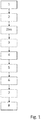
- Figure 1 shows a flowchart of a preferred example of implementation of the present method.
- the blocks represented in broken lines are optional and may be present based on the circumstances.
- the operator can deposit metal particles during the reshaping i.e. reforming operation of a portion of the bodywork, so that the deposited layer is not subjected to excessive mechanical stresses.
Landscapes
- Chemical & Material Sciences (AREA)
- Engineering & Computer Science (AREA)
- Mechanical Engineering (AREA)
- Plasma & Fusion (AREA)
- Physics & Mathematics (AREA)
- Chemical Kinetics & Catalysis (AREA)
- Materials Engineering (AREA)
- Metallurgy (AREA)
- Organic Chemistry (AREA)
- Coating By Spraying Or Casting (AREA)
- Vehicle Cleaning, Maintenance, Repair, Refitting, And Outriggers (AREA)
- Other Surface Treatments For Metallic Materials (AREA)
- Arc Welding In General (AREA)
Abstract
Description
- This application claims priority from Italian Patent Application No.
102017000092891 filed on August 10, 2017 - The present invention relates to the field of restoration of valuable historic vehicles.
- The restoration of valuable vehicles is very complex.
- The value of a vehicle is closely connected with the degree of authenticity of the vehicle. This degree of authenticity refers not only to ornaments and details, but also to the metal sheets that define the vehicle body.
- Valuable vehicles have often been produced in limited numbers. Even more often, the metal sheets have been made by hand and anyway original spare parts are not available. The metal sheets, in particular those forming fenders and bumpers, are the most subject to wear, since they are exposed both to crashes and to moisture.
- After 50 and more years, the original thickness of about 8 tenths of a millimetre is reduced, at best, to 4 tenths of a millimetre.
- Therefore, under these conditions, any reshaping operation of the dents can cause cracks in the metal sheets and therefore a marked deterioration of the situation. Moreover, oxidation often causes a through corrosion, especially where the metal sheets have been processed more to adhere to predetermined forms, or as a result of the paint loss, which has allowed an easier aggression by external agents.
- The metal sheets are often made of aluminium and related alloys, and more rarely of steel.
- The known technique to smooth out the dents and to close small openings or cracks provides the use of an iron putty, namely a two-component epoxy putty.
- It has a good adhesion but, in the case of large thicknesses, tends to detach from the metal sheet because of the vibrations to which the body of a vehicle is generally subjected.
- The known technique, in order to restore larger openings or entire portions of worn metal sheet, provides the welding of new portions.
- Occasionally, moreover, it is necessary to cut off portions of metal sheet that are still sound, but too thin to withstand a reshaping or a sanding.
- These operations are often risky, since the filler material is often harder than the original metal sheet and, therefore, clumsy operations can cause cracks in the original sheet or an excessive thinning of the same.
- The larger the area of intervention, the higher the loss of value of the vehicle, because its degree of originality is lower.
- The aforementioned problems are worsened by the fact that technicians who often try their hand at restoring valuable vehicles do not know how to deal with the generalized thinning of the thickness of the metal sheets, which entails the aforesaid executive difficulties, having as only available means for restoring such sheets the usual ones, used by generic coach repairs.
- The object of the present invention is to overcome the aforesaid drawbacks and to indicate a method for restoring at least one portion of a body of a valuable historical vehicle, namely a vehicle of relevance from the collecting point of view.
- The basic idea of the present invention is to treat the body by depositing metal particles, thus increasing their thickness. Preferably, the original thickness is restored. The metal particles are deposited by a so-called thermal-spray technique. It consists in heating a target element by means of a flame for tearing off its surface particles. Then, a carrier means projects the particles on the support on which they must be deposited, in particular a portion of a body of a historical vehicle.
- The flame is preferably oxyacetylene and the carrier medium is preferably compressed air.
- The process is also called "cold", because the particles of deposited material are attached to the support, namely to the portion of the body to be treated, due to the violent impact. This process can also be called "dry", because no glue is used to attach the particles to the support.
- The surface particles of the target reach a plastic condition due to the flame. Therefore, thanks on the one hand to the thrust received by the flame and on the other hand to the contribution of the carrier medium, the particles detach from the target and are hurled against the support where they remain embedded, thus creating the aforementioned metallic coating.
- The outflow velocity of combustible gases is preferably subsonic. Moreover, the target has the form of a wire and therefore the technique is called thermal-spray/wire-spray, since the target element is a wire having a
section 1/8 or 3/16 inches based on the width of the sheet metal surface to be treated. - The surface to be treated must be homogeneous, any cracks must have already been repaired, and any paint must have been removed beforehand.
- Any possible paint residues are preferably removed by corundum blasting and advantageously, at the end of the operation, the surface to be treated is rough and ready for the metal deposition process.
- The corundum blasting procedure has the purpose of making rough the surface to be treated. The stripping procedure must be preferably carried out by means of solvents, since a complete paint stripping of the surface to be treated by corundum blasting would result in an excessive thinning of the metal sheet to be treated. Therefore, the stripping procedure and the corundum blasting procedure must not be confused.
- In the present description, the terms "metal sheet", "body portion", "body", "bodywork" are used interchangeably.
- If the metal sheet is made of aluminium, the deposited material is aluminium, thus also preserving the original consistency of the metal sheet. If, on the other hand, the sheet is made of steel, a steel of the AISI 316 or 420 type can be used as a support.
- Preferably, a preliminary deposition of a thin nickel-aluminium alloy, which acts as an anchoring agent, is carried out prior to the deposition of the metal layer corresponding to the material of the metal sheet.
- The present deposition technique can advantageously be carried out on undamaged body portions, albeit thinner, and on body portions to be reshaped.
- Advantageously, any operation performed after the deposition turns out to be operationally simpler, since the treated metal sheet is more robust and simpler to handle. When an edge of an original sheet must be welded, e.g. to put a patch on a through opening, the deposition must be carried out after the electro-welding to ensure an optimal grip of the filler material on the original metal sheet.
- The deposition must be checked beforehand by estimating the time for adding the material on a given surface based on
- the extension of the body portion to be coated,
- the thickness of the coating to be deposited, and
- the section of the wire that defines the target element releasing the particles to be deposited on the body portion.
- Alternatively, the body of a vehicle or a portion thereof can be scanned by means of a 3D acquisition system and the deposition procedure can be guided by an automatic system for moving the deposition device, thus obtaining a perfectly even metal deposition.
- It is the object of the present invention a method for restoring at least one portion of a body of a valuable historic vehicle.
- The claims describe preferred variants of the invention, forming an integral part of the present description.
- Further objects and advantages of the present invention will become clear from the following detailed description of an embodiment thereof (and its variants) and the annexed drawings, given purely as an illustrative and non-limiting example, in which:
-
Figure 1 shows a preferred flowchart of the method object of the present invention. - The same reference numbers and letters in the figures identify the same elements or components.
- In the context of the present description, the term "second" component does not imply the presence of a "first" component. These terms are in fact used only for clarity's sake and are not to be meant in a restrictive way.
- According to the present invention, at least one portion of the metal sheet of a vehicle body is first stripped off, optionally repaired, then treated with corundum blasting and deposition by means of the so-called thermal-spray technique.
- From the sequence of the procedures, it is clear that the corundum blasting is a different and further procedure with respect to the stripping procedure.
-
- Before or after the metal deposition, the body or a body portion can be subjected to processing, such as reshaping, to restore its original shape.
- Any electro-welding operation must be carried out on the original metal sheet before the metal deposition.
- At least one first metal deposition performed with the aforementioned thermal-spray technique is carried out in two steps:
- a first step, in which an aluminium and nickel alloy is deposited, preferably in proportions of 20% and 80%, respectively;
- a second step, in which it is deposited a material similar to the one defining the metal sheet of the body portion subjected to restoration, hereinafter referred to as "homologous".
- The first step involves depositing a layer whose thickness is less than one tenth of a millimetre, preferably 5 hundredths of a millimetre, which acts as an anchoring agent for the subsequent deposition of homologous material. The thickness of the homologous material layer may be in the order of tenths of a millimetre up to more than one millimetre.
- Therefore, if the metal sheet is originally made of aluminium and its alloys, the homologous material is preferably aluminium, whereas when the metal sheet is originally made of steel, the homologous material is preferably steel, for example, AISI 316 or 420.
- The deposition by means of the thermal-spray technique is advantageous because of the high roughness of the processed surface.
- This porosity allows an optimal application of the so-called primer, which is generally used for painting body parts.
- The primer is normally an anchoring agent that is useful to isolate the sheet metal and to close any porosity in the metal sheet as well as to support further layers of material, such as for example the paint.
- One of the most common primers is epoxy, which allows an easy sanding to obtain a desired degree of surface finish.
- The target element, from which the material subjected to the deposition is released, preferably has the shape of a wire, which progresses as it is consumed. Its section is preferably of the order of 1/8 - 3/16 inches and is selected based on the width of the surface to be coated.
Figure 1 shows a flowchart of a preferred example of implementation of the present method. - The blocks represented in broken lines are optional and may be present based on the circumstances.
- Step 1: stripping a portion of metal sheet;
- Step 2 (optional): cutting off portions of metal sheet, which are unsuitable to be electro-welded;
- Step 2bis (optional): electro-welding a patch on the backside of the visible surface of the body portion and reshaping said portion of metal sheet;
- Step 3 (optional): corundum blasting said portion of metal sheet;
- Step 4: metal deposition by using the thermal-spray technique;
- Step 5 (optional): reshaping and sanding said portion of metal sheet;
- Step 6: applying a primer;
- Step 7 (optional): sanding said portion of metal sheet by means of an abrasive cloth;
- Step 8: painting said portion of metal sheet.
- Further depositions of metallic material can be made according to the circumstances during the processing steps necessary for the complete restoration of at least one portion of the bodywork.
- For example, the operator can deposit metal particles during the reshaping i.e. reforming operation of a portion of the bodywork, so that the deposited layer is not subjected to excessive mechanical stresses.
- After the first deposition of metal particles, it is not necessary to carry out the aforementioned two-step deposition with the deposition of the aforementioned aluminium-nickel alloy.
- Modifications to the described non-limiting example are possible without departing from the scope of the present invention, including all equivalent embodiments for a person skilled in the art.
- From the above description, the person skilled in the art is able to manufacture the object of the invention without introducing further constructive details. The elements and features illustrated in the various preferred embodiments, including the drawings, may be combined without however departing from the scope of protection of the present application. What has been described in the state of the art only provides a better understanding of the invention and does not represent a declaration of existence of what has been described. Moreover, if not specifically excluded in the detailed description, what has been described in the state of the art is to be considered as an integral part of the detailed description.
Claims (10)
- A method for restoring at least one portion of a body of a valuable historic vehicle comprising the following successive steps:- (step 1) stripping said body portion;- (step 4) depositing a metal layer by hurling metal particles against said body portion so that they remain embedded therein.
- The method according to claim 1, further comprising the following successive steps:- (step 6) applying an epoxy primer on said body portion, and successively- (step 8) painting said body portion.
- The method according to claim 1 or 2, further comprising a step (step 3), prior to said deposition of a metal layer (step 4), consisting of a corundum blasting operation on said body portion, so as to make it sufficiently rough and prepared for the subsequent deposition.
- The method according to any one of the previous claims, further comprising a step (step 2bis), prior to said deposition of a metal layer (step 4), consisting of the electro-welding of a patch and of the reshaping of said metal sheet.
- The method according to any one of the previous claims, wherein said deposition of a metal layer (step 4) is achieved through- an oxyacetylene flame in subsonic regime that impacts a target material having a wire form so as to bring the surface particles of said wire into a plastic state,- a compressed air jet that hurls said particles onto said body portion.
- The method according to any one of the previous claims, wherein said deposition step is achieved in at least two steps, namely:- a first step, wherein an aluminium and nickel alloy is deposited, preferably in respective proportions of 20% and 80%;- a second step, wherein it is deposited a material similar to the one defining the metal sheet of the body portion subjected to the restoration.
- The method according to claim 6, wherein said first step provides a metal layer less than a tenth of a millimetre, preferably 0.05 millimetres, that acts as an anchoring agent for the subsequent deposition of an homologous material.
- The method according to claim 6 or 7, wherein said second step can be repeated or divided during the present restoration method.
- The method according to any one of the previous claims, wherein when an electro-welding is provided, (step 2bis), said deposition (step 4) is carried out after said electro-welding.
- The method according to any one of the claims from 5 to 9, wherein said wire has a section ranging between 1/8 and 3/16 inches.
Applications Claiming Priority (1)
| Application Number | Priority Date | Filing Date | Title |
|---|---|---|---|
| IT102017000092891A IT201700092891A1 (en) | 2017-08-10 | 2017-08-10 | RESTORATION METHOD OF AT LEAST A PORTION OF A BODY OF A HISTORIC PREGIOUS VEHICLE |
Publications (2)
| Publication Number | Publication Date |
|---|---|
| EP3441498A1 true EP3441498A1 (en) | 2019-02-13 |
| EP3441498B1 EP3441498B1 (en) | 2025-06-25 |
Family
ID=61006014
Family Applications (1)
| Application Number | Title | Priority Date | Filing Date |
|---|---|---|---|
| EP18187948.7A Active EP3441498B1 (en) | 2017-08-10 | 2018-08-08 | Method for restoring at least one portion of a body of a valuable historic vehicle |
Country Status (3)
| Country | Link |
|---|---|
| US (1) | US10759395B2 (en) |
| EP (1) | EP3441498B1 (en) |
| IT (1) | IT201700092891A1 (en) |
Citations (2)
| Publication number | Priority date | Publication date | Assignee | Title |
|---|---|---|---|---|
| EP2654966A1 (en) | 2010-12-22 | 2013-10-30 | Flame-Spray Industries, Inc. | Improved thermal spray method and apparatus using plasma transferred wire arc |
| EP3105363A1 (en) | 2014-02-12 | 2016-12-21 | Flame-Spray Industries, Inc. | Plasma-kinetic spray apparatus&method |
Family Cites Families (9)
| Publication number | Priority date | Publication date | Assignee | Title |
|---|---|---|---|---|
| US5023987A (en) * | 1989-08-28 | 1991-06-18 | The Boeing Company | Strato streak flush patch |
| US20030088980A1 (en) * | 1993-11-01 | 2003-05-15 | Arnold James E. | Method for correcting defects in a workpiece |
| US6322730B1 (en) * | 2000-03-20 | 2001-11-27 | William R. Wachtler | Method of repairing damaged metal surfaces |
| US20030049485A1 (en) * | 2001-09-06 | 2003-03-13 | Brupbacher John M. | Corrosion control coatings |
| US7676897B2 (en) * | 2005-03-17 | 2010-03-16 | Keate Robert A | Process of refurbishing brake components |
| US7858897B2 (en) * | 2006-10-27 | 2010-12-28 | United Technologies Corporation | Insert weld repair |
| DE102008019933A1 (en) * | 2008-04-21 | 2009-10-22 | Ford Global Technologies, LLC, Dearborn | Apparatus and method for preparing a metal surface for applying a thermally sprayed layer |
| US9393647B2 (en) * | 2011-03-24 | 2016-07-19 | Morris Gagnon | Method and apparatus for vehicle repair and painting |
| US20130216722A1 (en) * | 2012-02-22 | 2013-08-22 | c/o Chevron Corporation | Coating Compositions, Applications Thereof, and Methods of Forming |
-
2017
- 2017-08-10 IT IT102017000092891A patent/IT201700092891A1/en unknown
-
2018
- 2018-08-08 EP EP18187948.7A patent/EP3441498B1/en active Active
- 2018-08-08 US US16/057,914 patent/US10759395B2/en active Active
Patent Citations (2)
| Publication number | Priority date | Publication date | Assignee | Title |
|---|---|---|---|---|
| EP2654966A1 (en) | 2010-12-22 | 2013-10-30 | Flame-Spray Industries, Inc. | Improved thermal spray method and apparatus using plasma transferred wire arc |
| EP3105363A1 (en) | 2014-02-12 | 2016-12-21 | Flame-Spray Industries, Inc. | Plasma-kinetic spray apparatus&method |
Non-Patent Citations (2)
| Title |
|---|
| ACCUWRIGHT INDUCTRIES INC.: "Automotive Coating Services", 16 October 2016 (2016-10-16), XP002781080, Retrieved from the Internet <URL:http://www.accuwright.com/automotive.php> [retrieved on 20180516] * |
| BOC: "LINSPRAY High performance coating techniques 3 Thermal Spraying Contents", 31 December 2010 (2010-12-31), XP055475078, Retrieved from the Internet <URL:https://www.boconline.co.uk/internet.lg.lg.gbr/en/images/linspray-High-performance-coating-techniques410_39435.pdf?v=5.0> [retrieved on 20180515] * |
Also Published As
| Publication number | Publication date |
|---|---|
| US10759395B2 (en) | 2020-09-01 |
| US20190047524A1 (en) | 2019-02-14 |
| IT201700092891A1 (en) | 2019-02-10 |
| EP3441498B1 (en) | 2025-06-25 |
Similar Documents
| Publication | Publication Date | Title |
|---|---|---|
| EP3245007B1 (en) | Cold spray method to repair or in certain cases strengthen metals | |
| EP1505168B1 (en) | Turbine element repair | |
| US8539659B2 (en) | Method of repairing an article | |
| EP2204473A2 (en) | Hard anodize of cold spray aluminum layer | |
| EP1354977B1 (en) | Method for repairing turbine engine components | |
| US9440305B2 (en) | Method of resistance spot welding aluminum alloy workpieces | |
| US20090314758A1 (en) | Methods of Treating Metal Articles and Articles Made Therefrom | |
| CN101113508A (en) | Method for metal parts surface defects restoring and antiseptic treatment | |
| JP6371168B2 (en) | Modification process and article | |
| EP2050926A2 (en) | Method for restoring airfoil contour on integrally bladed rotors | |
| EP2732077B1 (en) | Methods for repairing steel components | |
| EP3441498B1 (en) | Method for restoring at least one portion of a body of a valuable historic vehicle | |
| EP3349974B1 (en) | Method of repairing a composite material | |
| US20040018299A1 (en) | Method of forming a diffusion coating on the surface of a workpiece | |
| US8211506B2 (en) | Coating methods and apparatus using pre-formed ceramic mask | |
| US20150111058A1 (en) | Method of coating a composite material and a coated edge of a composite structure | |
| US6660102B2 (en) | Method of decoating a turbine blade | |
| US20070281088A1 (en) | Low plasticity burnishing of coated titanium parts | |
| KR20150112374A (en) | Method of restore the corrosion of vehicle appearance | |
| US11566524B2 (en) | Method and device for repairing a damaged blade tip of a turbine blade which is armor-plated and provided with a blade coating | |
| JP2019188671A (en) | Lining material peeling method | |
| EP4653664A1 (en) | Cost-effective solid-state deposition of functionally graded titanium hollow fan blade sheath for improved galvanic corrosion resistance | |
| JPH06122018A (en) | Manufacture of aluminum plated welded steel tube | |
| JP2009183961A (en) | Casting pre-spraying method | |
| CN120502475A (en) | New shipbuilding full-ship coating construction program |
Legal Events
| Date | Code | Title | Description |
|---|---|---|---|
| PUAI | Public reference made under article 153(3) epc to a published international application that has entered the european phase |
Free format text: ORIGINAL CODE: 0009012 |
|
| STAA | Information on the status of an ep patent application or granted ep patent |
Free format text: STATUS: THE APPLICATION HAS BEEN PUBLISHED |
|
| AK | Designated contracting states |
Kind code of ref document: A1 Designated state(s): AL AT BE BG CH CY CZ DE DK EE ES FI FR GB GR HR HU IE IS IT LI LT LU LV MC MK MT NL NO PL PT RO RS SE SI SK SM TR |
|
| AX | Request for extension of the european patent |
Extension state: BA ME |
|
| STAA | Information on the status of an ep patent application or granted ep patent |
Free format text: STATUS: REQUEST FOR EXAMINATION WAS MADE |
|
| 17P | Request for examination filed |
Effective date: 20190812 |
|
| STAA | Information on the status of an ep patent application or granted ep patent |
Free format text: STATUS: EXAMINATION IS IN PROGRESS |
|
| 17Q | First examination report despatched |
Effective date: 20210916 |
|
| P01 | Opt-out of the competence of the unified patent court (upc) registered |
Effective date: 20230525 |
|
| GRAP | Despatch of communication of intention to grant a patent |
Free format text: ORIGINAL CODE: EPIDOSNIGR1 |
|
| STAA | Information on the status of an ep patent application or granted ep patent |
Free format text: STATUS: GRANT OF PATENT IS INTENDED |
|
| INTG | Intention to grant announced |
Effective date: 20250123 |
|
| RIN1 | Information on inventor provided before grant (corrected) |
Inventor name: BARP, LUIGINO |
|
| GRAS | Grant fee paid |
Free format text: ORIGINAL CODE: EPIDOSNIGR3 |
|
| GRAA | (expected) grant |
Free format text: ORIGINAL CODE: 0009210 |
|
| STAA | Information on the status of an ep patent application or granted ep patent |
Free format text: STATUS: THE PATENT HAS BEEN GRANTED |
|
| AK | Designated contracting states |
Kind code of ref document: B1 Designated state(s): AL AT BE BG CH CY CZ DE DK EE ES FI FR GB GR HR HU IE IS IT LI LT LU LV MC MK MT NL NO PL PT RO RS SE SI SK SM TR |
|
| REG | Reference to a national code |
Ref country code: GB Ref legal event code: FG4D |
|
| REG | Reference to a national code |
Ref country code: CH Ref legal event code: EP |
|
| REG | Reference to a national code |
Ref country code: DE Ref legal event code: R096 Ref document number: 602018082853 Country of ref document: DE |
|
| REG | Reference to a national code |
Ref country code: CH Ref legal event code: EP |
|
| REG | Reference to a national code |
Ref country code: IE Ref legal event code: FG4D |
|
| PG25 | Lapsed in a contracting state [announced via postgrant information from national office to epo] |
Ref country code: FI Free format text: LAPSE BECAUSE OF FAILURE TO SUBMIT A TRANSLATION OF THE DESCRIPTION OR TO PAY THE FEE WITHIN THE PRESCRIBED TIME-LIMIT Effective date: 20250625 |
|
| PGFP | Annual fee paid to national office [announced via postgrant information from national office to epo] |
Ref country code: DE Payment date: 20250827 Year of fee payment: 8 |
|
| REG | Reference to a national code |
Ref country code: LT Ref legal event code: MG9D |
|
| PG25 | Lapsed in a contracting state [announced via postgrant information from national office to epo] |
Ref country code: GR Free format text: LAPSE BECAUSE OF FAILURE TO SUBMIT A TRANSLATION OF THE DESCRIPTION OR TO PAY THE FEE WITHIN THE PRESCRIBED TIME-LIMIT Effective date: 20250926 Ref country code: NO Free format text: LAPSE BECAUSE OF FAILURE TO SUBMIT A TRANSLATION OF THE DESCRIPTION OR TO PAY THE FEE WITHIN THE PRESCRIBED TIME-LIMIT Effective date: 20250925 |
|
| PG25 | Lapsed in a contracting state [announced via postgrant information from national office to epo] |
Ref country code: BG Free format text: LAPSE BECAUSE OF FAILURE TO SUBMIT A TRANSLATION OF THE DESCRIPTION OR TO PAY THE FEE WITHIN THE PRESCRIBED TIME-LIMIT Effective date: 20250625 |
|
| PGFP | Annual fee paid to national office [announced via postgrant information from national office to epo] |
Ref country code: GB Payment date: 20250826 Year of fee payment: 8 |
|
| PG25 | Lapsed in a contracting state [announced via postgrant information from national office to epo] |
Ref country code: HR Free format text: LAPSE BECAUSE OF FAILURE TO SUBMIT A TRANSLATION OF THE DESCRIPTION OR TO PAY THE FEE WITHIN THE PRESCRIBED TIME-LIMIT Effective date: 20250625 |
|
| PGFP | Annual fee paid to national office [announced via postgrant information from national office to epo] |
Ref country code: FR Payment date: 20250825 Year of fee payment: 8 |
|
| PG25 | Lapsed in a contracting state [announced via postgrant information from national office to epo] |
Ref country code: RS Free format text: LAPSE BECAUSE OF FAILURE TO SUBMIT A TRANSLATION OF THE DESCRIPTION OR TO PAY THE FEE WITHIN THE PRESCRIBED TIME-LIMIT Effective date: 20250925 |
|
| PG25 | Lapsed in a contracting state [announced via postgrant information from national office to epo] |
Ref country code: LV Free format text: LAPSE BECAUSE OF FAILURE TO SUBMIT A TRANSLATION OF THE DESCRIPTION OR TO PAY THE FEE WITHIN THE PRESCRIBED TIME-LIMIT Effective date: 20250625 |
|
| REG | Reference to a national code |
Ref country code: NL Ref legal event code: MP Effective date: 20250625 |
|
| PG25 | Lapsed in a contracting state [announced via postgrant information from national office to epo] |
Ref country code: NL Free format text: LAPSE BECAUSE OF FAILURE TO SUBMIT A TRANSLATION OF THE DESCRIPTION OR TO PAY THE FEE WITHIN THE PRESCRIBED TIME-LIMIT Effective date: 20250625 |
|
| PG25 | Lapsed in a contracting state [announced via postgrant information from national office to epo] |
Ref country code: PT Free format text: LAPSE BECAUSE OF FAILURE TO SUBMIT A TRANSLATION OF THE DESCRIPTION OR TO PAY THE FEE WITHIN THE PRESCRIBED TIME-LIMIT Effective date: 20251027 |
|
| REG | Reference to a national code |
Ref country code: AT Ref legal event code: MK05 Ref document number: 1806501 Country of ref document: AT Kind code of ref document: T Effective date: 20250625 |
|
| PG25 | Lapsed in a contracting state [announced via postgrant information from national office to epo] |
Ref country code: IS Free format text: LAPSE BECAUSE OF FAILURE TO SUBMIT A TRANSLATION OF THE DESCRIPTION OR TO PAY THE FEE WITHIN THE PRESCRIBED TIME-LIMIT Effective date: 20251025 |
|
| PG25 | Lapsed in a contracting state [announced via postgrant information from national office to epo] |
Ref country code: AT Free format text: LAPSE BECAUSE OF FAILURE TO SUBMIT A TRANSLATION OF THE DESCRIPTION OR TO PAY THE FEE WITHIN THE PRESCRIBED TIME-LIMIT Effective date: 20250625 Ref country code: SM Free format text: LAPSE BECAUSE OF FAILURE TO SUBMIT A TRANSLATION OF THE DESCRIPTION OR TO PAY THE FEE WITHIN THE PRESCRIBED TIME-LIMIT Effective date: 20250625 |
|
| PG25 | Lapsed in a contracting state [announced via postgrant information from national office to epo] |
Ref country code: CZ Free format text: LAPSE BECAUSE OF FAILURE TO SUBMIT A TRANSLATION OF THE DESCRIPTION OR TO PAY THE FEE WITHIN THE PRESCRIBED TIME-LIMIT Effective date: 20250625 |
|
| PG25 | Lapsed in a contracting state [announced via postgrant information from national office to epo] |
Ref country code: PL Free format text: LAPSE BECAUSE OF FAILURE TO SUBMIT A TRANSLATION OF THE DESCRIPTION OR TO PAY THE FEE WITHIN THE PRESCRIBED TIME-LIMIT Effective date: 20250625 |
|
| PG25 | Lapsed in a contracting state [announced via postgrant information from national office to epo] |
Ref country code: EE Free format text: LAPSE BECAUSE OF FAILURE TO SUBMIT A TRANSLATION OF THE DESCRIPTION OR TO PAY THE FEE WITHIN THE PRESCRIBED TIME-LIMIT Effective date: 20250625 |
|
| PG25 | Lapsed in a contracting state [announced via postgrant information from national office to epo] |
Ref country code: SK Free format text: LAPSE BECAUSE OF FAILURE TO SUBMIT A TRANSLATION OF THE DESCRIPTION OR TO PAY THE FEE WITHIN THE PRESCRIBED TIME-LIMIT Effective date: 20250625 |
|
| PG25 | Lapsed in a contracting state [announced via postgrant information from national office to epo] |
Ref country code: ES Free format text: LAPSE BECAUSE OF FAILURE TO SUBMIT A TRANSLATION OF THE DESCRIPTION OR TO PAY THE FEE WITHIN THE PRESCRIBED TIME-LIMIT Effective date: 20250625 |
|
| PG25 | Lapsed in a contracting state [announced via postgrant information from national office to epo] |
Ref country code: RO Free format text: LAPSE BECAUSE OF FAILURE TO SUBMIT A TRANSLATION OF THE DESCRIPTION OR TO PAY THE FEE WITHIN THE PRESCRIBED TIME-LIMIT Effective date: 20250625 |
|
| REG | Reference to a national code |
Ref country code: CH Ref legal event code: H13 Free format text: ST27 STATUS EVENT CODE: U-0-0-H10-H13 (AS PROVIDED BY THE NATIONAL OFFICE) Effective date: 20260324 |
|
| PG25 | Lapsed in a contracting state [announced via postgrant information from national office to epo] |
Ref country code: MC Free format text: LAPSE BECAUSE OF FAILURE TO SUBMIT A TRANSLATION OF THE DESCRIPTION OR TO PAY THE FEE WITHIN THE PRESCRIBED TIME-LIMIT Effective date: 20250625 |
|
| PG25 | Lapsed in a contracting state [announced via postgrant information from national office to epo] |
Ref country code: DK Free format text: LAPSE BECAUSE OF FAILURE TO SUBMIT A TRANSLATION OF THE DESCRIPTION OR TO PAY THE FEE WITHIN THE PRESCRIBED TIME-LIMIT Effective date: 20250625 |
|
| PG25 | Lapsed in a contracting state [announced via postgrant information from national office to epo] |
Ref country code: LU Free format text: LAPSE BECAUSE OF NON-PAYMENT OF DUE FEES Effective date: 20250808 |
|
| PG25 | Lapsed in a contracting state [announced via postgrant information from national office to epo] |
Ref country code: CH Free format text: LAPSE BECAUSE OF NON-PAYMENT OF DUE FEES Effective date: 20250831 |
|
| PLBE | No opposition filed within time limit |
Free format text: ORIGINAL CODE: 0009261 |
|
| STAA | Information on the status of an ep patent application or granted ep patent |
Free format text: STATUS: NO OPPOSITION FILED WITHIN TIME LIMIT |