EP3432615A1 - Message anti-forgery implementation method and device - Google Patents
Message anti-forgery implementation method and device Download PDFInfo
- Publication number
- EP3432615A1 EP3432615A1 EP17765703.8A EP17765703A EP3432615A1 EP 3432615 A1 EP3432615 A1 EP 3432615A1 EP 17765703 A EP17765703 A EP 17765703A EP 3432615 A1 EP3432615 A1 EP 3432615A1
- Authority
- EP
- European Patent Office
- Prior art keywords
- message
- verified
- delivery
- verification
- content
- Prior art date
- Legal status (The legal status is an assumption and is not a legal conclusion. Google has not performed a legal analysis and makes no representation as to the accuracy of the status listed.)
- Granted
Links
Images


Classifications
-
- G—PHYSICS
- G06—COMPUTING OR CALCULATING; COUNTING
- G06F—ELECTRIC DIGITAL DATA PROCESSING
- G06F21/00—Security arrangements for protecting computers, components thereof, programs or data against unauthorised activity
- G06F21/60—Protecting data
- G06F21/602—Providing cryptographic facilities or services
-
- H—ELECTRICITY
- H04—ELECTRIC COMMUNICATION TECHNIQUE
- H04L—TRANSMISSION OF DIGITAL INFORMATION, e.g. TELEGRAPHIC COMMUNICATION
- H04L51/00—User-to-user messaging in packet-switching networks, transmitted according to store-and-forward or real-time protocols, e.g. e-mail
- H04L51/21—Monitoring or handling of messages
- H04L51/212—Monitoring or handling of messages using filtering or selective blocking
-
- H—ELECTRICITY
- H04—ELECTRIC COMMUNICATION TECHNIQUE
- H04L—TRANSMISSION OF DIGITAL INFORMATION, e.g. TELEGRAPHIC COMMUNICATION
- H04L51/00—User-to-user messaging in packet-switching networks, transmitted according to store-and-forward or real-time protocols, e.g. e-mail
- H04L51/21—Monitoring or handling of messages
- H04L51/23—Reliability checks, e.g. acknowledgments or fault reporting
-
- H—ELECTRICITY
- H04—ELECTRIC COMMUNICATION TECHNIQUE
- H04L—TRANSMISSION OF DIGITAL INFORMATION, e.g. TELEGRAPHIC COMMUNICATION
- H04L63/00—Network architectures or network communication protocols for network security
- H04L63/12—Applying verification of the received information
- H04L63/123—Applying verification of the received information received data contents, e.g. message integrity
-
- G—PHYSICS
- G06—COMPUTING OR CALCULATING; COUNTING
- G06F—ELECTRIC DIGITAL DATA PROCESSING
- G06F21/00—Security arrangements for protecting computers, components thereof, programs or data against unauthorised activity
- G06F21/60—Protecting data
- G06F21/64—Protecting data integrity, e.g. using checksums, certificates or signatures
- G06F21/645—Protecting data integrity, e.g. using checksums, certificates or signatures using a third party
-
- H—ELECTRICITY
- H04—ELECTRIC COMMUNICATION TECHNIQUE
- H04L—TRANSMISSION OF DIGITAL INFORMATION, e.g. TELEGRAPHIC COMMUNICATION
- H04L51/00—User-to-user messaging in packet-switching networks, transmitted according to store-and-forward or real-time protocols, e.g. e-mail
- H04L51/42—Mailbox-related aspects, e.g. synchronisation of mailboxes
-
- H—ELECTRICITY
- H04—ELECTRIC COMMUNICATION TECHNIQUE
- H04L—TRANSMISSION OF DIGITAL INFORMATION, e.g. TELEGRAPHIC COMMUNICATION
- H04L63/00—Network architectures or network communication protocols for network security
- H04L63/12—Applying verification of the received information
- H04L63/126—Applying verification of the received information the source of the received data
-
- H—ELECTRICITY
- H04—ELECTRIC COMMUNICATION TECHNIQUE
- H04L—TRANSMISSION OF DIGITAL INFORMATION, e.g. TELEGRAPHIC COMMUNICATION
- H04L63/00—Network architectures or network communication protocols for network security
- H04L63/14—Network architectures or network communication protocols for network security for detecting or protecting against malicious traffic
- H04L63/1441—Countermeasures against malicious traffic
- H04L63/1483—Countermeasures against malicious traffic service impersonation, e.g. phishing, pharming or web spoofing
-
- H—ELECTRICITY
- H04—ELECTRIC COMMUNICATION TECHNIQUE
- H04L—TRANSMISSION OF DIGITAL INFORMATION, e.g. TELEGRAPHIC COMMUNICATION
- H04L9/00—Cryptographic mechanisms or cryptographic arrangements for secret or secure communications; Network security protocols
- H04L9/32—Cryptographic mechanisms or cryptographic arrangements for secret or secure communications; Network security protocols including means for verifying the identity or authority of a user of the system or for message authentication, e.g. authorization, entity authentication, data integrity or data verification, non-repudiation, key authentication or verification of credentials
- H04L9/3226—Cryptographic mechanisms or cryptographic arrangements for secret or secure communications; Network security protocols including means for verifying the identity or authority of a user of the system or for message authentication, e.g. authorization, entity authentication, data integrity or data verification, non-repudiation, key authentication or verification of credentials using a predetermined code, e.g. password, passphrase or PIN
-
- H—ELECTRICITY
- H04—ELECTRIC COMMUNICATION TECHNIQUE
- H04L—TRANSMISSION OF DIGITAL INFORMATION, e.g. TELEGRAPHIC COMMUNICATION
- H04L9/00—Cryptographic mechanisms or cryptographic arrangements for secret or secure communications; Network security protocols
- H04L9/32—Cryptographic mechanisms or cryptographic arrangements for secret or secure communications; Network security protocols including means for verifying the identity or authority of a user of the system or for message authentication, e.g. authorization, entity authentication, data integrity or data verification, non-repudiation, key authentication or verification of credentials
- H04L9/3236—Cryptographic mechanisms or cryptographic arrangements for secret or secure communications; Network security protocols including means for verifying the identity or authority of a user of the system or for message authentication, e.g. authorization, entity authentication, data integrity or data verification, non-repudiation, key authentication or verification of credentials using cryptographic hash functions
-
- H—ELECTRICITY
- H04—ELECTRIC COMMUNICATION TECHNIQUE
- H04W—WIRELESS COMMUNICATION NETWORKS
- H04W4/00—Services specially adapted for wireless communication networks; Facilities therefor
- H04W4/12—Messaging; Mailboxes; Announcements
- H04W4/14—Short messaging services, e.g. short message services [SMS] or unstructured supplementary service data [USSD]
Definitions
- the present application relates to the field of network communications technologies, and in particular, to a message anti-forgery implementation method and device.
- One method commonly used by a malicious user is sending fraud text messages to users by simulating special service phone numbers of legal subjects, such as a financial institution, a shopping platform, or a mobile carrier; or by using similar phone numbers easily confused with the special service phone numbers; or registering a relatively official name with an instant messaging system to send fraud messages to users; or sending fraud e-mails to users by pretending to be official e-mail addresses.
- the malicious users defraud the users of their accounts and passwords and ask the users for remittance and etc., by using these fake messages.
- users can determine whether the messages are true by identifying a message sender or by checking whether a link address in message content is correct.
- the probability of being cheated can be reduced when the users correctly remember a link address of a legal website and a phone number or name used by the legal subject to send messages. Consequently, the users' burden increases.
- the users are often unable to identify authenticity of the message, and losses can be easily taken by the users.
- the present application provides a message anti-forgery implementation method, applied to a verification server.
- the verification server can obtain a delivery message record, the delivery message record includes receiver user identifiers and feature information of some delivery messages, and the method includes the following: receiving a message verification request uploaded by a terminal device, where the message verification request includes a receiver user identifier and verification information of a message to be verified; and returning a "verification succeeds" response to the terminal device, when the delivery message record has a delivery message that has the same receiver user identifier as the message to be verified and whose feature information matches the verification information of the message to be verified.
- a message anti-forgery implementation method provided in the present application is applied to a message server, including: generating a delivery message, and sending the delivery message based on a receiver user identifier; and writing the receiver user identifier and feature information of the delivery message into a delivery message record, so that a verification server matches the receiver user identifier and the feature information of the delivery message with a receiver user identifier and verification information of a message to be verified, to determine whether the message to be verified is verified.
- a message anti-forgery implementation method provided in the present application is applied to a terminal device, including: uploading a message verification request to a verification server based on a user operation, where the message verification request includes a receiver user identifier and verification information of a message to be verified, so that the verification server matches the receiver user identifier and the verification information of the message to be verified with a receiver user identifier and feature information of a delivery message in a delivery message record, to determine whether the message to be verified is verified; and receiving a message verification response that includes a verification result and is returned by the verification server, and displaying the verification result to a user.
- the present application further provides a message anti-forgery implementation device, applied to a verification server, where the verification server can obtain a delivery message record, the delivery message record includes receiver user identifiers and feature information of some delivery messages, and the device includes a verification request receiving unit, configured to receive a message verification request uploaded by a terminal device, where the message verification request includes a receiver user identifier and verification information of a message to be verified; and a verification request matching unit, configured to return a "verification succeeds" response to the terminal device, when the delivery message record has a delivery message that has the same receiver user identifier as the message to be verified and whose feature information matches the verification information of the message to be verified.
- the verification server can obtain a delivery message record
- the delivery message record includes receiver user identifiers and feature information of some delivery messages
- the device includes a verification request receiving unit, configured to receive a message verification request uploaded by a terminal device, where the message verification request includes a receiver user identifier and verification information of a message to be verified; and
- a message anti-forgery implementation device provided in the present application is applied to a message server, including: a delivery message generation unit, configured to generate a delivery message, and send the delivery message based on a receiver user identifier; and a feature information recording unit, configured to write the receiver user identifier and feature information of the delivery message into a delivery message record, so that a verification server matches the receiver user identifier and the feature information of the delivery message with a receiver user identifier and verification information of a message to be verified, to determine whether the message to be verified is verified.
- a delivery message generation unit configured to generate a delivery message, and send the delivery message based on a receiver user identifier
- a feature information recording unit configured to write the receiver user identifier and feature information of the delivery message into a delivery message record, so that a verification server matches the receiver user identifier and the feature information of the delivery message with a receiver user identifier and verification information of a message to be verified, to determine whether the message to be verified is verified.
- a message anti-forgery implementation device provided in the present application is applied to a terminal device, including: a verification request uploading unit, configured to upload a message verification request to a verification server based on a user operation, where the message verification request includes a receiver user identifier and verification information of a message to be verified, so that the verification server matches the receiver user identifier and the verification information of the message to be verified with a receiver user identifier and feature information of a delivery message in a delivery message record, to determine whether the message to be verified is verified; and a verification response receiving unit, configured to receive a message verification response that includes a verification result and is returned by the verification server, and display the verification result to a user.
- a verification request uploading unit configured to upload a message verification request to a verification server based on a user operation, where the message verification request includes a receiver user identifier and verification information of a message to be verified, so that the verification server matches the receiver user identifier and the verification information of the message to be verified with a receiver user
- the message server that sends the message to the user records the receiver user identifier and the feature information of the delivery message.
- the verification server checks whether there is a delivery message that matches the message to be verified, to determine whether the message to be verified is verified.
- the implementations of the present application provide the user with a mechanism for verifying the authenticity of the received message. As such, a fake message sent by a subject pretending to be real can be identified, and the network security of the user can be improved.
- the implementations of the present application provide a message anti-forgery implementation method.
- the user can send a message verification request that includes related information of a message to be verified to a verification server.
- Related information of a delivery message sent to a user is recorded on a network side.
- the verification server verifies the user's message to be verified based on the recorded related information of the delivery message to determine whether the message to be verified is true, so that the user can use the verification server to identify a fake message without relying on experience.
- the user's burden can be reduced while better security is provided for the user. As such, the problem in the existing technology can be resolved.
- a network environment that an implementation of the present application is applied to is shown in FIG. 1 .
- a message server is responsible for sending a message to a user.
- a verification server is responsible for responding to a request of a terminal device for verifying a message to be verified. After a first terminal device of the user receives the message to be verified, the user can use a second terminal device to initiate a request for verifying the message to be verified to the verification server.
- the message server and the verification server can be the same server, and the first terminal device and the second terminal device can be the same terminal device.
- the message server, the verification server, the first terminal device, or the second terminal device can access each other by using a network.
- the first terminal device or the second terminal device can be a device such as a mobile phone, a tablet computer, a personal computer (PC), or a notebook computer.
- the message server or the verification server can be a physical or logical server, or can be two or more physical or logical servers that have different responsibilities and cooperate with each other to implement various functions of the message server or the verification server in the implementation of the present application.
- the type of the first terminal device, the second terminal device, the message server, or the verification server, and a type, a protocol and such of a communications network among the first terminal device, the second terminal device, the message server, and the verification server are not limited in the implementation of the present application.
- FIG. 2 a procedure for applying a message anti-forgery implementation method to a verification server is shown in FIG. 2
- a procedure for applying a message anti-forgery implementation method to a message server is shown in FIG. 3
- a procedure for applying a message anti-forgery implementation method to a terminal device is shown in FIG. 4 .
- Step 310 A message server generates a delivery message, and sends the generated delivery message based on a receiver user identifier.
- the message in the implementation of the present application can be any form of information that can be sent by the message server to a terminal device, for example, a short message, an e-mail, an instant message, and a message sent to a client application installed on the terminal device.
- the message server can generate a message in the previous form or another form based on the existing technology. Details are omitted here for simplicity.
- the receiver user identifier of the delivery message can be a mobile device identifier of a user (such as a mobile phone number or a mobile subscriber international identifier), an e-mail address, a user name in an instant messaging system, a login account of the user in an application system, etc.
- the message server can generate an anti-forgery code for each delivery message based on an algorithm.
- a combination of the anti-forgery code and the receiver user identifier uniquely corresponds to one delivery message.
- the message server encapsulates the anti-forgery code in the corresponding delivery message and sends the delivery message.
- the algorithm for generating the anti-forgery code can be implemented with reference to various methods for generating duplicate-free random codes in the existing technology. Details are omitted here for simplicity.
- Step 320 The message server writes the receiver user identifier and feature information of the delivery message into a delivery message record, so that a verification server matches the receiver user identifier and the feature information of the delivery message with a receiver user identifier and verification information of a message to be verified, to determine whether the message to be verified is verified.
- the message server After sending the delivery message, the message server writes the receiver user identifier of the delivery message and the feature information of the delivery message into the delivery message record.
- the message server can store the delivery message record locally, can store the delivery message record in any storage location that can be accessed by the message server and the verification server in a network, or can send the delivery message record and an update to the delivery message record to the verification server and the verification server stores the delivery message record and the update to the delivery message record.
- any information related to the message received by the user terminal device and mapping information generated based on the information by using an algorithm can be used as the feature information of the delivery message.
- a sending time for the delivery message, message content, a hash value of the sending time, and a hash value of the message content can be used as the feature information of the delivery message.
- the additional information used for message verification can be used as the feature information of the delivery message, for example, an anti-forgery code generated for each delivery message.
- composition of the feature information of the delivery message can be determined based on factors such as actual needs of the scenarios and a form of the delivery message. Implementations are not limited in the present application.
- a content feature value generated based on the message content of the delivery message by using a predetermined algorithm can be used as all or a part of the feature information.
- the content feature value is usually calculated on the message server.
- the message server can input the message content and the receiver user identifier of the delivery message into a predetermined digest algorithm, calculate a content digest, and use the content digest as the content feature value of the delivery message.
- Step 410 A terminal device uploads a message verification request to the verification server based on a user operation.
- the message verification request includes a receiver user identifier and verification information of a message to be verified, so that the verification server matches the receiver user identifier and the verification information of the message to be verified with the receiver user identifier and the feature information of the delivery message in the delivery message record, to determine whether the message to be verified is verified.
- Step 210 The verification server receives the message verification request uploaded by the terminal device, where the message verification request includes a receiver user identifier and verification information of a message to be verified.
- the terminal device After receiving a message, if the user doubts the authenticity of the message, the user can use the received message as a message to be verified, and instruct, by using a predetermined operation, the terminal device to initiate a message verification request to the verification server.
- the terminal device extracts the verification information of the message to be verified from related information of the message to be verified, encapsulates the user identifier and the verification information used for receiving the message to be verified in the message verification request, and sends the message verification request to the verification server.
- related information of the message to be verified that is used as the verification information is usually determined by using a method for determining the feature information of the delivery message.
- the user can initiate a request to the verification server on the terminal device that receives the message to be verified, or can initiate a request on another terminal device of the same type as or a different type from the terminal device that receives the message to be verified.
- the terminal device that initiates the request needs to obtain the receiver user identifier and/or the verification information of the message to be verified under the intervention of the user.
- the receiver user identifier and/or the verification information of the message to be verified can be manually obtained by the user based on hardware and software types of the two terminal devices, a form of the message to be verified, etc., or can be obtained by the user with reference to the existing technology. Details are omitted here for simplicity.
- Step 220 The verification server returns a "verification succeeds" response to the terminal device, when the delivery message record has a delivery message that has the same receiver user identifier as the message to be verified and whose feature information matches the verification information of the message to be verified.
- Step 420 The terminal device receives a message verification response that includes a verification result and is returned by the verification server, and displays the verification result to a user.
- the verification server obtains the delivery message record by using a method that corresponds to a method used by the message server to process the delivery message record, or matches the message to be verified with a record entry (that is, each delivery message) in the delivery message record.
- the verification server can request the delivery message record from the message server, or can read the delivery message record maintained by the message server from a predetermined storage location in the network.
- the message server can send the delivery message record and the update to the delivery message record to the verification server, and the verification server can read the delivery message record stored on the verification server.
- the verification server After receiving the message verification request submitted by the terminal device, the verification server extracts the receiver user identifier and the verification information of the message to be verified from the message verification request, searches the delivery message record for a delivery message that has the same receiver user identifier, and matches feature information of the identified delivery message with the verification information of the message to be verified. If there is a delivery message that can match the message to be verified, the message to be verified is sent by the message server and the message to be verified is verified. The verification server uses "verification succeeds" as the verification result and returns the message verification response to the terminal device.
- the verification server uses "verification fails" as the verification result and returns the message verification response to the terminal device.
- the terminal device After receiving the message verification response that includes the verification result and is returned by the verification server, the terminal device displays the result of "verification succeeds” or “verification fails” to the user.
- the degree of matching processing and message verification performed by the verification server varies when content included in the feature information of the delivery message is different from content included in the corresponding verification information of the message to be verified.
- the following describes several possible methods for selecting the feature information and the verification information and corresponding matching processing processes by using examples.
- the message content of the delivery message can be used as the feature information, and correspondingly, the message content of the message to be verified is used as the verification information.
- the verification server compares the message content of the message to be verified with message content of a delivery message that has the same receiver user identifier.
- the message to be verified is verified if content of a delivery message is consistent with the content of the message to be verified.
- authenticity of the message can be verified very accurately, but the delivery message record that needs to be stored is often very large. As such, high storage pressure is caused to a server and the speed of querying and matching records is affected.
- the message server can compress the message content of the delivery message into a content feature value (such as a hash value or a content digest) of the delivery message by using a predetermined algorithm, and use the content feature value as the feature information.
- the terminal device can generate a content feature value of the message to be verified based on the message content of the message to be verified by using the same predetermined algorithm, use the content feature value as the verification information, and uploads the verification information to the verification server.
- the terminal device can use the message content of the message to be verified as the verification information and upload the verification information.
- the verification server generates a content feature value of the message to be verified based on the message content of the message to be verified by using the same predetermined algorithm, and compares the content feature value with a content feature value of a delivery message that has the same receiver user identifier. Verification succeeds if a content feature value of a delivery message is the same as the content feature value of the message to be verified.
- the second method has slightly low verification accuracy, but can greatly reduce a data volume in the delivery message record and improve the response speed of the verification server.
- an anti-forgery code generated by the message server can be used as the feature information of the delivery message.
- the message server generates an anti-forgery code for each delivery message, and sends the anti-forgery code and the message content to the user, as parts of a complete message body.
- a combination of the anti-forgery code and the receiver user identifier is in a one-to-one mapping relationship with the delivery message.
- the terminal device uses an anti-forgery code of the message to be verified as the verification information and uploads the verification information to the verification server.
- the verification server compares the anti-forgery code of the message to be verified with an anti-forgery code of a delivery message that has the same receiver user identifier.
- Verification succeeds if an anti-forgery code of a delivery message is the same as the anti-forgery code of the message to be verified.
- This method can verify whether the message server sends a message that includes the anti-forgery code to the user, but cannot determine that message content is correct. If the message sent by the message server is intercepted by a malicious user, the message content is modified but the anti-forgery code is not modified, and then the modified message is sent to the user. As such, a message verification result is incorrect.
- the content feature value in the second method and the anti-forgery code in the third method can be together used as the feature information of the delivery message.
- the terminal device uses the content feature value or the message content (which is used by the verification server to generate the content feature value of the message to be verified) of the message to be verified and the anti-forgery code included in the message to be verified as the verification information and uploads the verification information to the verification server.
- the verification server compares the anti-forgery code and the content feature value of the message to be verified with an anti-forgery code and a content feature value of a delivery message that has the same receiver user identifier.
- Verification succeeds if both an anti-forgery code and a content feature value of a delivery message are the same as the anti-forgery code and the content feature value of the message to be verified.
- a data volume in the delivery message record can be reduced, the response speed of the verification server can be improved, and the verification accuracy can be improved.
- the verification information is usually included in a complete message body of the message to be verified. Therefore, to reduce processing performed by the user or the terminal device on the message to be verified, the terminal device can encapsulate the complete message body of the message to be verified in the message verification request.
- the verification server After receiving the message verification request, the verification server extracts the complete message body of the message to be verified from the message verification request, and parses the complete message body to obtain the verification information of the message to be verified.
- the verification server can disassemble the complete message body of the message to be verified into parts based on a format of the delivery message, to obtain verification information used as a part. For example, the user receives, on a mobile phone, a billing message sent by a third-party payment platform.
- a complete message body is "The bill of your account 000****0000 in September is 100 Yuan, and will be automatically repaid on October 10, or you can go to m.zhifu.com/J/thaUu to repay it immediately.
- Anti-forgery code qaz. [a third-party platform name]".
- the verification server can parse the complete message body to obtain message content ("A bill of your account 000****0000 in September is 100 Yuan, and will be automatically repaid on October 10, or you can go to m.zhifu.com/J/thaUu to repay it immediately"), the anti-forgery code ("qaz”), and a sender signature ("the third-party platform name").
- message content A bill of your account 000****0000 in September is 100 Yuan, and will be automatically repaid on October 10, or you can go to m.zhifu.com/J/thaUu to repay it immediately
- qaz the anti-forgery code
- sender signature the third-party platform name
- the message server and the verification server can be the same server.
- the verification server can verify delivery messages from one or more message servers.
- the message servers can send messages to the user by using the same channel or different channels.
- a server that sends a message can verify the message sent by the server or a message sent by illegally using an identity of the server.
- the verification server can verify messages sent by some message servers on a channel or messages sent by illegally using the message servers.
- the verification server can verify messages sent by a plurality of message servers on a plurality of channels or messages sent by illegally using the message servers.
- a channel used by a message server corresponds to a combination of message forms in an application system. For example, a short message from a third-party payment platform corresponds to a channel, an instant message from the third-party payment platform corresponds to another channel, and a client application (App) push message from the third-party payment platform corresponds to a third channel.
- App client application
- Receiver user identifiers of different channels in a plurality of channels may be the same when the verification server provides a message verification service for a plurality of message servers on the channels.
- the message server can also write a delivering channel for the delivery message into the delivery message record.
- the terminal device obtains a receiving channel (which can be entered by the user, or can be obtained through automatic identification by using a process of receiving the message to be verified) for the message to be verified, encapsulates the receiving channel in the message verification request, and sends the message verification request to the verification server.
- the verification server compares the verification information of the message to be verified with feature information of a delivery message that has the same receiver user identifier and whose the delivering channel and the receiving channel are the same. Verification succeeds if a delivery message matches the message to be verified.
- various messages sent by the message server to the user do not include an address link or another access method of the verification server to prevent a malicious user from setting a fake verification server to verify a message sent by the malicious user by illegally using a legal subject.
- a verification server accessing method can be provided for the user on an official website or an official micro blog, or can be provided for the user by using another publicity method.
- the message server records the receiver user identifier and the feature information of the delivery message.
- the user can send the message verification request that includes the receiver user identifier and the verification information of the message to be verified to the verification server, and the verification server determines whether the message to be verified is true based on the delivery message record.
- the technical solution of the present application provides the user with a mechanism for determining whether the received message is sent by a legal subject. As such, the user does not need to rely on subjective experience to perform determining, so that the user's burden is reduced while the user security is improved.
- a third-party payment platform sends messages to the user by using a plurality of channels.
- the channels and official service interfaces of the third-party payment platform include a special service phone number for a short message, an official e-mail address, an official account of an instant messaging system, and an official account of an office service system.
- user identifiers of the channels are respectively a user's mobile phone number, a registered e-mail address of the user on the third-party payment platform, a user name of the user in the instant messaging system, and a user name of the user in the office service system.
- the channels have their respective message servers.
- Each message server allocates a sequence number of a message to be sent on the server to the message. The sequence number is used as a message ID (identity).
- the message server inputs the message ID of the message to be sent and a current time into a predetermined hash algorithm, and uses the last four digits of an obtained hash value as an anti-forgery code of the delivery message.
- the message server searches a delivery message record table to determine whether an entry (that is, another delivery message that has been sent to the same user) that has the same receiver user identifier of the delivery message has the same anti-forgery code. If yes, a new anti-forgery code is generated until the anti-forgery code is different from the anti-forgery code of the entry that has the same receiver user identifier.
- the message server adds the anti-forgery code after message content, generates the delivery message, and sends the message based on a user identifier of the channel.
- the message server uses the message content and the receiver user identifier of the delivery message as input, generates a content digest by using a predetermined digest algorithm, and uses the content digest and the anti-forgery code as feature information of the delivery message.
- the message server adds an entry corresponding to the delivery message to the delivery message record table.
- the delivery message record table is stored in a predetermined network location.
- a structure of the delivery message record table is shown in Table 1.
- the sending time is a time when the message server sends the delivery message.
- the official service interfaces of the third-party payment platform are also used as ingresses used by the user to access the verification server.
- the user can instruct the terminal device to encapsulate a complete message body of the message to be verified, a channel for receiving the message to be verified, and a receiver user identifier in a message verification request, and send the message verification request to any one of the official service interfaces.
- the user can use the channel for receiving the message to be verified to verify the message to be verified, and can also use another channel to verify authenticity of the message.
- the verification server extracts the complete message body, the receiving channel, and the receiver user identifier of the message to be verified from the message verification request received through each official service interface.
- the verification server parses the complete message body of the message to be verified based on a format of the delivery message from the message server of the third-party platform (different delivery channels can correspond to the same or different message formats), to obtain message content and an anti-forgery code of the message to be verified.
- the verification server uses the message content and the receiver user identifier of the message to be verified as input, generates a content digest of the message to be verified by using the same predetermined digest algorithm as the predetermined digest algorithm used by the message server, and uses the content digest and the anti-forgery code as verification information of the message to be verified.
- the verification server obtains the delivery message record table stored in the predetermined network location by the message server that corresponds to the channel for receiving the message to be verified, and searches the delivery message record table to determine whether there is an entry that has the same receiver user identifier, the same anti-forgery code, and the same message digest as the message to be verified. If yes, the message to be verified is sent by the message server that corresponds to the channel for receiving the message to be verified, and verification succeeds. If no, the message to be verified fails to be verified.
- the verification server adds a verification result of the message to be verified to a message verification response, and sends the message verification response to the terminal device that initiates a request. After receiving the message verification response, the terminal device displays the verification result in the response to the user.
- an implementation of the present application further provides a message anti-forgery implementation device applied to a verification server, a message anti-forgery implementation device applied to a message server, and a message anti-forgery implementation device applied to a terminal device.
- the three devices each can be implemented by software, hardware, or a combination of hardware and software.
- Software implementation is used as an example.
- the device is formed by reading a corresponding computer program instruction to a memory by a central process unit (CPU) of the terminal device, the verification server, or the message server for running.
- CPU central process unit
- the terminal device including the message anti-forgery implementation device usually further includes other hardware such as a chip configured to receive or send a wireless signal
- the verification server or the message server including the message anti-forgery implementation device usually further includes other hardware such as a board card configured to implement a network communication function.
- FIG. 6 shows a message anti-forgery implementation device applied to a verification server, according to an implementation of the present application.
- the verification server can obtain a delivery message record.
- the delivery message record includes receiver user identifiers and feature information of some delivery messages.
- the device includes a verification request receiving unit and a verification request matching unit.
- the verification request receiving unit is configured to receive a message verification request uploaded by a terminal device.
- the message verification request includes a receiver user identifier and verification information of a message to be verified.
- the verification request matching unit is configured to return a "verification succeeds" response to the terminal device, when the delivery message record has a delivery message that has the same receiver user identifier as the message to be verified and whose feature information matches the verification information of the message to be verified.
- the feature information of the delivery message includes an anti-forgery code of the delivery message
- the verification information of the message to be verified includes an anti-forgery code included in the message to be verified, to match the anti-forgery code of the delivery message.
- the feature information of the delivery message includes a content feature value that is generated based on message content of the delivery message by using a predetermined algorithm.
- the verification information of the message to be verified includes message content of the message to be verified.
- the device further includes a to-be-verified content feature value unit, configured to generate a content feature value of the message to be verified based on the message content of the message to be verified by using the predetermined algorithm, to match the content feature value of the delivery message.
- a to-be-verified content feature value unit configured to generate a content feature value of the message to be verified based on the message content of the message to be verified by using the predetermined algorithm, to match the content feature value of the delivery message.
- the content feature value can include a content digest generated based on the message content and the receiver user identifier by using a predetermined digest algorithm.
- the message verification request includes a complete message body of the message to be verified.
- the device further includes a message body parsing unit, configured to parse the complete message body of the message to be verified, to obtain the verification information of the message to be verified.
- the user identifier includes a mobile device identifier of a user, an e-mail address, and/or a user name in an instant messaging system.
- the delivery message record further includes a delivery channel for the delivery message.
- the message verification request further includes a receiving channel for the message to be verified, to match the delivery channel for the delivery message.
- FIG. 7 shows a message anti-forgery implementation device applied to a message server, according to an implementation of the present application.
- the device includes a delivery message generation unit and a feature information recording unit.
- the delivery message generation unit is configured to generate a delivery message, and send the delivery message based on a receiver user identifier.
- the feature information recording unit is configured to write the receiver user identifier and feature information of the delivery message into a delivery message record, so that a verification server matches the receiver user identifier and the feature information of the delivery message with a receiver user identifier and verification information of a message to be verified, to determine whether the message to be verified is verified.
- the delivery message generation unit is configured to generate an anti-forgery code of the delivery message, encapsulate the anti-forgery code in the delivery message, and send the delivery message based on the receiver user identifier.
- a combination of the anti-forgery code and the receiver user identifier is in a one-to-one mapping relationship with the delivery message.
- the feature information of the delivery message includes a content feature value that is generated based on message content of the delivery message by using a predetermined algorithm.
- the device can further include a delivery content feature value unit, configured to generate a content digest based on the message content and the receiver user identifier of the delivery message by using a predetermined digest algorithm, and use the content digest as the content feature value of the delivery message.
- a delivery content feature value unit configured to generate a content digest based on the message content and the receiver user identifier of the delivery message by using a predetermined digest algorithm, and use the content digest as the content feature value of the delivery message.
- FIG. 8 shows a message anti-forgery implementation device applied to a terminal device, according to an implementation of the present application.
- the device includes a verification request uploading unit and a verification response receiving unit.
- the verification request uploading unit is configured to upload a message verification request to a verification server based on a user operation, where the message verification request includes a receiver user identifier and verification information of a message to be verified, so that the verification server matches the receiver user identifier and the verification information of the message to be verified with a receiver user identifier and feature information of a delivery message in a delivery message record, to determine whether the message to be verified is verified.
- the verification response receiving unit is configured to receive a message verification response that includes a verification result and is returned by the verification server, and display the verification result to a user.
- the verification information of the message to be verified includes an anti-forgery code included in the message to be verified.
- the verification information of the message to be verified includes message content of the message to be verified.
- the device can further include a message body encapsulation unit, configured to encapsulate a complete message body of the message to be verified in the message verification request, so that the verification server parses the complete message body to obtain the verification information of the message to be verified.
- a message body encapsulation unit configured to encapsulate a complete message body of the message to be verified in the message verification request, so that the verification server parses the complete message body to obtain the verification information of the message to be verified.
- the device further includes a receiving channel unit, configured to obtain a receiving channel for the message to be verified, and encapsulate the receiving channel in the message verification request.
- a receiving channel unit configured to obtain a receiving channel for the message to be verified, and encapsulate the receiving channel in the message verification request.
- a computing device includes one or more central processing units (CPU), an input/output interface, a network interface, and a memory.
- CPU central processing units
- input/output interface input/output interface
- network interface input/output interface
- memory a memory
- the memory can include a non-persistent memory, a random access memory (RAM), and/or a nonvolatile memory in a computer readable medium, for example, a read-only memory (ROM) or a flash memory (flash RAM).
- ROM read-only memory
- flash RAM flash memory
- the computer readable medium includes persistent, non-persistent, movable, and unmovable media that can implement information storage by using any method or technology.
- Information can be a computer readable instruction, a data structure, a program module, or other data.
- An example of a computer storage medium includes but is not limited to a phase change memory (PRAM), a static random access memory (SRAM), a dynamic random access memory (DRAM), a random access memory (RAM) of another type, a read-only memory (ROM), an electrically erasable programmable read-only memory (EEPROM), a flash memory or another memory technology, a compact disc read-only memory (CD-ROM), a digital versatile disc (DVD) or other optical storage, a cassette magnetic tape, a tape and disk storage or another magnetic storage device, or any other non-transmission media.
- the computer storage medium can be configured to store information that can be accessed by the computing device. As described in the present specification, the computer readable medium does not include a transitory computer readable medium
- the implementations of the present application can be provided as a method, a system, or a computer program product. Therefore, the present application can use a form of hardware only implementations, software only implementations, or implementations with a combination of software and hardware. Moreover, the present application can use a form of a computer program product that is implemented on one or more computer-usable storage media (including but not limited to a magnetic disk storage, a CD-ROM, an optical memory, etc.) that include computer-usable program code.
- computer-usable storage media including but not limited to a magnetic disk storage, a CD-ROM, an optical memory, etc.
Landscapes
- Engineering & Computer Science (AREA)
- Computer Security & Cryptography (AREA)
- Computer Networks & Wireless Communication (AREA)
- Signal Processing (AREA)
- Computer Hardware Design (AREA)
- General Engineering & Computer Science (AREA)
- Theoretical Computer Science (AREA)
- Computing Systems (AREA)
- Bioethics (AREA)
- General Health & Medical Sciences (AREA)
- Software Systems (AREA)
- Physics & Mathematics (AREA)
- General Physics & Mathematics (AREA)
- Health & Medical Sciences (AREA)
- Information Transfer Between Computers (AREA)
- Data Exchanges In Wide-Area Networks (AREA)
- Telephone Function (AREA)
- Telephonic Communication Services (AREA)
- Financial Or Insurance-Related Operations Such As Payment And Settlement (AREA)
Abstract
Description
- The present application relates to the field of network communications technologies, and in particular, to a message anti-forgery implementation method and device.
- With the development of communications technologies and the popularization of intelligent terminal devices, the Internet economy is growing rapidly. Networks bring convenience and efficiency to users, but also pose a threat to security due to open propagation approaches.
- One method commonly used by a malicious user is sending fraud text messages to users by simulating special service phone numbers of legal subjects, such as a financial institution, a shopping platform, or a mobile carrier; or by using similar phone numbers easily confused with the special service phone numbers; or registering a relatively official name with an instant messaging system to send fraud messages to users; or sending fraud e-mails to users by pretending to be official e-mail addresses. The malicious users defraud the users of their accounts and passwords and ask the users for remittance and etc., by using these fake messages.
- In the existing technology, users can determine whether the messages are true by identifying a message sender or by checking whether a link address in message content is correct. The probability of being cheated can be reduced when the users correctly remember a link address of a legal website and a phone number or name used by the legal subject to send messages. Consequently, the users' burden increases. For the message sent by simulating the legal subject, the users are often unable to identify authenticity of the message, and losses can be easily taken by the users.
- The present application provides a message anti-forgery implementation method, applied to a verification server. The verification server can obtain a delivery message record, the delivery message record includes receiver user identifiers and feature information of some delivery messages, and the method includes the following: receiving a message verification request uploaded by a terminal device, where the message verification request includes a receiver user identifier and verification information of a message to be verified; and returning a "verification succeeds" response to the terminal device, when the delivery message record has a delivery message that has the same receiver user identifier as the message to be verified and whose feature information matches the verification information of the message to be verified.
- A message anti-forgery implementation method provided in the present application is applied to a message server, including: generating a delivery message, and sending the delivery message based on a receiver user identifier; and writing the receiver user identifier and feature information of the delivery message into a delivery message record, so that a verification server matches the receiver user identifier and the feature information of the delivery message with a receiver user identifier and verification information of a message to be verified, to determine whether the message to be verified is verified.
- A message anti-forgery implementation method provided in the present application is applied to a terminal device, including: uploading a message verification request to a verification server based on a user operation, where the message verification request includes a receiver user identifier and verification information of a message to be verified, so that the verification server matches the receiver user identifier and the verification information of the message to be verified with a receiver user identifier and feature information of a delivery message in a delivery message record, to determine whether the message to be verified is verified; and receiving a message verification response that includes a verification result and is returned by the verification server, and displaying the verification result to a user.
- The present application further provides a message anti-forgery implementation device, applied to a verification server, where the verification server can obtain a delivery message record, the delivery message record includes receiver user identifiers and feature information of some delivery messages, and the device includes a verification request receiving unit, configured to receive a message verification request uploaded by a terminal device, where the message verification request includes a receiver user identifier and verification information of a message to be verified; and a verification request matching unit, configured to return a "verification succeeds" response to the terminal device, when the delivery message record has a delivery message that has the same receiver user identifier as the message to be verified and whose feature information matches the verification information of the message to be verified.
- A message anti-forgery implementation device provided in the present application is applied to a message server, including: a delivery message generation unit, configured to generate a delivery message, and send the delivery message based on a receiver user identifier; and a feature information recording unit, configured to write the receiver user identifier and feature information of the delivery message into a delivery message record, so that a verification server matches the receiver user identifier and the feature information of the delivery message with a receiver user identifier and verification information of a message to be verified, to determine whether the message to be verified is verified.
- A message anti-forgery implementation device provided in the present application is applied to a terminal device, including: a verification request uploading unit, configured to upload a message verification request to a verification server based on a user operation, where the message verification request includes a receiver user identifier and verification information of a message to be verified, so that the verification server matches the receiver user identifier and the verification information of the message to be verified with a receiver user identifier and feature information of a delivery message in a delivery message record, to determine whether the message to be verified is verified; and a verification response receiving unit, configured to receive a message verification response that includes a verification result and is returned by the verification server, and display the verification result to a user.
- It can be seen from the previous technical solutions that, in the implementations of the present application, the message server that sends the message to the user records the receiver user identifier and the feature information of the delivery message. After the terminal device uploads the receiver user identifier and the feature information of the message to be verified to the verification server, the verification server checks whether there is a delivery message that matches the message to be verified, to determine whether the message to be verified is verified. The implementations of the present application provide the user with a mechanism for verifying the authenticity of the received message. As such, a fake message sent by a subject pretending to be real can be identified, and the network security of the user can be improved.
-
-
FIG. 1 is a structural diagram illustrating a network in an application scenario, according to an implementation of the present application; -
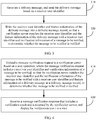
FIG. 2 is a flowchart illustrating a message anti-forgery implementation method applied to a verification server, according to an implementation of the present application; -
FIG. 3 is a flowchart illustrating a message anti-forgery implementation method applied to a message server, according to an implementation of the present application; -
FIG. 4 is a flowchart illustrating a message anti-forgery implementation method applied to a terminal device, according to an implementation of the present application; -
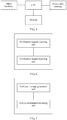
FIG. 5 is a hardware structural diagram illustrating a terminal device, a message server, or a verification server; -
FIG. 6 is a logical structural diagram illustrating a message anti-forgery implementation device applied to a verification server, according to an implementation of the present application; -
FIG. 7 is a logical structural diagram illustrating a message anti-forgery implementation device applied to a message server, according to an implementation of the present application; and -
FIG. 8 is a logical structural diagram illustrating a message anti-forgery implementation device applied to a terminal device, according to an implementation of the present application. - The implementations of the present application provide a message anti-forgery implementation method. When the user doubts the authenticity of a received message, the user can send a message verification request that includes related information of a message to be verified to a verification server. Related information of a delivery message sent to a user is recorded on a network side. The verification server verifies the user's message to be verified based on the recorded related information of the delivery message to determine whether the message to be verified is true, so that the user can use the verification server to identify a fake message without relying on experience. The user's burden can be reduced while better security is provided for the user. As such, the problem in the existing technology can be resolved.
- A network environment that an implementation of the present application is applied to is shown in
FIG. 1 . A message server is responsible for sending a message to a user. A verification server is responsible for responding to a request of a terminal device for verifying a message to be verified. After a first terminal device of the user receives the message to be verified, the user can use a second terminal device to initiate a request for verifying the message to be verified to the verification server. The message server and the verification server can be the same server, and the first terminal device and the second terminal device can be the same terminal device. - The message server, the verification server, the first terminal device, or the second terminal device can access each other by using a network. The first terminal device or the second terminal device can be a device such as a mobile phone, a tablet computer, a personal computer (PC), or a notebook computer. The message server or the verification server can be a physical or logical server, or can be two or more physical or logical servers that have different responsibilities and cooperate with each other to implement various functions of the message server or the verification server in the implementation of the present application. The type of the first terminal device, the second terminal device, the message server, or the verification server, and a type, a protocol and such of a communications network among the first terminal device, the second terminal device, the message server, and the verification server are not limited in the implementation of the present application.
- In an implementation of the present application, a procedure for applying a message anti-forgery implementation method to a verification server is shown in
FIG. 2 , a procedure for applying a message anti-forgery implementation method to a message server is shown inFIG. 3 , and a procedure for applying a message anti-forgery implementation method to a terminal device is shown inFIG. 4 . - Step 310: A message server generates a delivery message, and sends the generated delivery message based on a receiver user identifier.
- The message in the implementation of the present application can be any form of information that can be sent by the message server to a terminal device, for example, a short message, an e-mail, an instant message, and a message sent to a client application installed on the terminal device. The message server can generate a message in the previous form or another form based on the existing technology. Details are omitted here for simplicity. Correspondingly, the receiver user identifier of the delivery message can be a mobile device identifier of a user (such as a mobile phone number or a mobile subscriber international identifier), an e-mail address, a user name in an instant messaging system, a login account of the user in an application system, etc.
- During generation of the delivery message, additional information used for message verification can be generated, and the additional information can be added to a complete message body of the delivery message and sent to the user. For example, the message server can generate an anti-forgery code for each delivery message based on an algorithm. A combination of the anti-forgery code and the receiver user identifier uniquely corresponds to one delivery message. The message server encapsulates the anti-forgery code in the corresponding delivery message and sends the delivery message. The algorithm for generating the anti-forgery code can be implemented with reference to various methods for generating duplicate-free random codes in the existing technology. Details are omitted here for simplicity.
- Step 320: The message server writes the receiver user identifier and feature information of the delivery message into a delivery message record, so that a verification server matches the receiver user identifier and the feature information of the delivery message with a receiver user identifier and verification information of a message to be verified, to determine whether the message to be verified is verified.
- After sending the delivery message, the message server writes the receiver user identifier of the delivery message and the feature information of the delivery message into the delivery message record. The message server can store the delivery message record locally, can store the delivery message record in any storage location that can be accessed by the message server and the verification server in a network, or can send the delivery message record and an update to the delivery message record to the verification server and the verification server stores the delivery message record and the update to the delivery message record.
- In various types of information associated with the delivery message, any information related to the message received by the user terminal device and mapping information generated based on the information by using an algorithm can be used as the feature information of the delivery message. For example, a sending time for the delivery message, message content, a hash value of the sending time, and a hash value of the message content can be used as the feature information of the delivery message. In addition, the additional information used for message verification can be used as the feature information of the delivery message, for example, an anti-forgery code generated for each delivery message.
- In different application scenarios, composition of the feature information of the delivery message can be determined based on factors such as actual needs of the scenarios and a form of the delivery message. Implementations are not limited in the present application. In an implementation, a content feature value generated based on the message content of the delivery message by using a predetermined algorithm can be used as all or a part of the feature information. The content feature value is usually calculated on the message server. For example, the message server can input the message content and the receiver user identifier of the delivery message into a predetermined digest algorithm, calculate a content digest, and use the content digest as the content feature value of the delivery message.
- Step 410: A terminal device uploads a message verification request to the verification server based on a user operation. The message verification request includes a receiver user identifier and verification information of a message to be verified, so that the verification server matches the receiver user identifier and the verification information of the message to be verified with the receiver user identifier and the feature information of the delivery message in the delivery message record, to determine whether the message to be verified is verified.
- Step 210: The verification server receives the message verification request uploaded by the terminal device, where the message verification request includes a receiver user identifier and verification information of a message to be verified.
- After receiving a message, if the user doubts the authenticity of the message, the user can use the received message as a message to be verified, and instruct, by using a predetermined operation, the terminal device to initiate a message verification request to the verification server. The terminal device extracts the verification information of the message to be verified from related information of the message to be verified, encapsulates the user identifier and the verification information used for receiving the message to be verified in the message verification request, and sends the message verification request to the verification server.
- Because the verification information submitted by the terminal device is to be used by the verification server to match the feature information of the delivery message, related information of the message to be verified that is used as the verification information is usually determined by using a method for determining the feature information of the delivery message.
- It is worthwhile to note that in the implementation of the present application, the user can initiate a request to the verification server on the terminal device that receives the message to be verified, or can initiate a request on another terminal device of the same type as or a different type from the terminal device that receives the message to be verified. When the user initiates a request on another terminal device which is different from the terminal device that receives the message to be verified, usually, the terminal device that initiates the request needs to obtain the receiver user identifier and/or the verification information of the message to be verified under the intervention of the user. The receiver user identifier and/or the verification information of the message to be verified can be manually obtained by the user based on hardware and software types of the two terminal devices, a form of the message to be verified, etc., or can be obtained by the user with reference to the existing technology. Details are omitted here for simplicity.
- Step 220: The verification server returns a "verification succeeds" response to the terminal device, when the delivery message record has a delivery message that has the same receiver user identifier as the message to be verified and whose feature information matches the verification information of the message to be verified.
- Step 420: The terminal device receives a message verification response that includes a verification result and is returned by the verification server, and displays the verification result to a user.
- The verification server obtains the delivery message record by using a method that corresponds to a method used by the message server to process the delivery message record, or matches the message to be verified with a record entry (that is, each delivery message) in the delivery message record. For example, the verification server can request the delivery message record from the message server, or can read the delivery message record maintained by the message server from a predetermined storage location in the network. Alternatively, the message server can send the delivery message record and the update to the delivery message record to the verification server, and the verification server can read the delivery message record stored on the verification server.
- After receiving the message verification request submitted by the terminal device, the verification server extracts the receiver user identifier and the verification information of the message to be verified from the message verification request, searches the delivery message record for a delivery message that has the same receiver user identifier, and matches feature information of the identified delivery message with the verification information of the message to be verified. If there is a delivery message that can match the message to be verified, the message to be verified is sent by the message server and the message to be verified is verified. The verification server uses "verification succeeds" as the verification result and returns the message verification response to the terminal device. If there is no delivery message that has the same receiver user identifier in the delivery message record, or if there is no delivery message that matches the verification information of the message to be verified in the delivery message that has the same receiver user identifier, the message to be verified cannot be verified. The verification server uses "verification fails" as the verification result and returns the message verification response to the terminal device.
- After receiving the message verification response that includes the verification result and is returned by the verification server, the terminal device displays the result of "verification succeeds" or "verification fails" to the user.
- The degree of matching processing and message verification performed by the verification server varies when content included in the feature information of the delivery message is different from content included in the corresponding verification information of the message to be verified. The following describes several possible methods for selecting the feature information and the verification information and corresponding matching processing processes by using examples.
- In a first method, the message content of the delivery message can be used as the feature information, and correspondingly, the message content of the message to be verified is used as the verification information. The verification server compares the message content of the message to be verified with message content of a delivery message that has the same receiver user identifier. The message to be verified is verified if content of a delivery message is consistent with the content of the message to be verified. In this method, authenticity of the message can be verified very accurately, but the delivery message record that needs to be stored is often very large. As such, high storage pressure is caused to a server and the speed of querying and matching records is affected.
- In a second method, the message server can compress the message content of the delivery message into a content feature value (such as a hash value or a content digest) of the delivery message by using a predetermined algorithm, and use the content feature value as the feature information. Correspondingly, the terminal device can generate a content feature value of the message to be verified based on the message content of the message to be verified by using the same predetermined algorithm, use the content feature value as the verification information, and uploads the verification information to the verification server. Alternatively, the terminal device can use the message content of the message to be verified as the verification information and upload the verification information. The verification server generates a content feature value of the message to be verified based on the message content of the message to be verified by using the same predetermined algorithm, and compares the content feature value with a content feature value of a delivery message that has the same receiver user identifier. Verification succeeds if a content feature value of a delivery message is the same as the content feature value of the message to be verified. Compared with the first method, the second method has slightly low verification accuracy, but can greatly reduce a data volume in the delivery message record and improve the response speed of the verification server.
- In a third method, an anti-forgery code generated by the message server can be used as the feature information of the delivery message. The message server generates an anti-forgery code for each delivery message, and sends the anti-forgery code and the message content to the user, as parts of a complete message body. A combination of the anti-forgery code and the receiver user identifier is in a one-to-one mapping relationship with the delivery message. The terminal device uses an anti-forgery code of the message to be verified as the verification information and uploads the verification information to the verification server. The verification server compares the anti-forgery code of the message to be verified with an anti-forgery code of a delivery message that has the same receiver user identifier. Verification succeeds if an anti-forgery code of a delivery message is the same as the anti-forgery code of the message to be verified. This method can verify whether the message server sends a message that includes the anti-forgery code to the user, but cannot determine that message content is correct. If the message sent by the message server is intercepted by a malicious user, the message content is modified but the anti-forgery code is not modified, and then the modified message is sent to the user. As such, a message verification result is incorrect.
- In a fourth method, the content feature value in the second method and the anti-forgery code in the third method can be together used as the feature information of the delivery message. Correspondingly, the terminal device uses the content feature value or the message content (which is used by the verification server to generate the content feature value of the message to be verified) of the message to be verified and the anti-forgery code included in the message to be verified as the verification information and uploads the verification information to the verification server. The verification server compares the anti-forgery code and the content feature value of the message to be verified with an anti-forgery code and a content feature value of a delivery message that has the same receiver user identifier. Verification succeeds if both an anti-forgery code and a content feature value of a delivery message are the same as the anti-forgery code and the content feature value of the message to be verified. In this method, a data volume in the delivery message record can be reduced, the response speed of the verification server can be improved, and the verification accuracy can be improved.
- The verification information is usually included in a complete message body of the message to be verified. Therefore, to reduce processing performed by the user or the terminal device on the message to be verified, the terminal device can encapsulate the complete message body of the message to be verified in the message verification request. After receiving the message verification request, the verification server extracts the complete message body of the message to be verified from the message verification request, and parses the complete message body to obtain the verification information of the message to be verified.
- The verification server can disassemble the complete message body of the message to be verified into parts based on a format of the delivery message, to obtain verification information used as a part. For example, the user receives, on a mobile phone, a billing message sent by a third-party payment platform. A complete message body is "The bill of your account 000****0000 in September is 100 Yuan, and will be automatically repaid on October 10, or you can go to m.zhifu.com/J/thaUu to repay it immediately. Anti-forgery code: qaz. [a third-party platform name]". Based on a format used by the third-party payment platform to send the billing message, the verification server can parse the complete message body to obtain message content ("A bill of your account 000****0000 in September is 100 Yuan, and will be automatically repaid on October 10, or you can go to m.zhifu.com/J/thaUu to repay it immediately"), the anti-forgery code ("qaz"), and a sender signature ("the third-party platform name"). The message content and the anti-forgery code are used as the verification information of the message to be verified in the fourth implementation.
- In the implementation of the present application, the message server and the verification server can be the same server. Alternatively, the verification server can verify delivery messages from one or more message servers. The message servers can send messages to the user by using the same channel or different channels. In other words, a server that sends a message can verify the message sent by the server or a message sent by illegally using an identity of the server. Alternatively, the verification server can verify messages sent by some message servers on a channel or messages sent by illegally using the message servers. Alternatively, the verification server can verify messages sent by a plurality of message servers on a plurality of channels or messages sent by illegally using the message servers. A channel used by a message server corresponds to a combination of message forms in an application system. For example, a short message from a third-party payment platform corresponds to a channel, an instant message from the third-party payment platform corresponds to another channel, and a client application (App) push message from the third-party payment platform corresponds to a third channel.
- Receiver user identifiers of different channels in a plurality of channels may be the same when the verification server provides a message verification service for a plurality of message servers on the channels. To avoid confusion between messages in the delivery message record that are sent to the same user by using different channels, the message server can also write a delivering channel for the delivery message into the delivery message record. The terminal device obtains a receiving channel (which can be entered by the user, or can be obtained through automatic identification by using a process of receiving the message to be verified) for the message to be verified, encapsulates the receiving channel in the message verification request, and sends the message verification request to the verification server. The verification server compares the verification information of the message to be verified with feature information of a delivery message that has the same receiver user identifier and whose the delivering channel and the receiving channel are the same. Verification succeeds if a delivery message matches the message to be verified.
- In addition, it is worthwhile to note that, in the implementation of the present application, various messages sent by the message server to the user do not include an address link or another access method of the verification server to prevent a malicious user from setting a fake verification server to verify a message sent by the malicious user by illegally using a legal subject. A verification server accessing method can be provided for the user on an official website or an official micro blog, or can be provided for the user by using another publicity method.
- It can be seen that, in the implementation of the present application, the message server records the receiver user identifier and the feature information of the delivery message. When the user doubts the received message, the user can send the message verification request that includes the receiver user identifier and the verification information of the message to be verified to the verification server, and the verification server determines whether the message to be verified is true based on the delivery message record. The technical solution of the present application provides the user with a mechanism for determining whether the received message is sent by a legal subject. As such, the user does not need to rely on subjective experience to perform determining, so that the user's burden is reduced while the user security is improved.
- In an application example of the present application, a third-party payment platform sends messages to the user by using a plurality of channels. The channels and official service interfaces of the third-party payment platform include a special service phone number for a short message, an official e-mail address, an official account of an instant messaging system, and an official account of an office service system. Correspondingly, user identifiers of the channels are respectively a user's mobile phone number, a registered e-mail address of the user on the third-party payment platform, a user name of the user in the instant messaging system, and a user name of the user in the office service system.
- The channels have their respective message servers. Each message server allocates a sequence number of a message to be sent on the server to the message. The sequence number is used as a message ID (identity). Before sending the message to the user, the message server inputs the message ID of the message to be sent and a current time into a predetermined hash algorithm, and uses the last four digits of an obtained hash value as an anti-forgery code of the delivery message. The message server searches a delivery message record table to determine whether an entry (that is, another delivery message that has been sent to the same user) that has the same receiver user identifier of the delivery message has the same anti-forgery code. If yes, a new anti-forgery code is generated until the anti-forgery code is different from the anti-forgery code of the entry that has the same receiver user identifier.
- The message server adds the anti-forgery code after message content, generates the delivery message, and sends the message based on a user identifier of the channel. The message server uses the message content and the receiver user identifier of the delivery message as input, generates a content digest by using a predetermined digest algorithm, and uses the content digest and the anti-forgery code as feature information of the delivery message.
- The message server adds an entry corresponding to the delivery message to the delivery message record table. The delivery message record table is stored in a predetermined network location. A structure of the delivery message record table is shown in Table 1.
Table 1 Index number Receiver user identifier Anti-forgery code Content digest Sending time 1 2 - In Table 1, the sending time is a time when the message server sends the delivery message.
- The official service interfaces of the third-party payment platform are also used as ingresses used by the user to access the verification server. When receiving a message that seems to be sent by the third-party payment platform, the user can instruct the terminal device to encapsulate a complete message body of the message to be verified, a channel for receiving the message to be verified, and a receiver user identifier in a message verification request, and send the message verification request to any one of the official service interfaces. The user can use the channel for receiving the message to be verified to verify the message to be verified, and can also use another channel to verify authenticity of the message.
- The verification server extracts the complete message body, the receiving channel, and the receiver user identifier of the message to be verified from the message verification request received through each official service interface. The verification server parses the complete message body of the message to be verified based on a format of the delivery message from the message server of the third-party platform (different delivery channels can correspond to the same or different message formats), to obtain message content and an anti-forgery code of the message to be verified. The verification server uses the message content and the receiver user identifier of the message to be verified as input, generates a content digest of the message to be verified by using the same predetermined digest algorithm as the predetermined digest algorithm used by the message server, and uses the content digest and the anti-forgery code as verification information of the message to be verified.
- The verification server obtains the delivery message record table stored in the predetermined network location by the message server that corresponds to the channel for receiving the message to be verified, and searches the delivery message record table to determine whether there is an entry that has the same receiver user identifier, the same anti-forgery code, and the same message digest as the message to be verified. If yes, the message to be verified is sent by the message server that corresponds to the channel for receiving the message to be verified, and verification succeeds. If no, the message to be verified fails to be verified.
- The verification server adds a verification result of the message to be verified to a message verification response, and sends the message verification response to the terminal device that initiates a request. After receiving the message verification response, the terminal device displays the verification result in the response to the user.
- Corresponding to the previous procedure, an implementation of the present application further provides a message anti-forgery implementation device applied to a verification server, a message anti-forgery implementation device applied to a message server, and a message anti-forgery implementation device applied to a terminal device. The three devices each can be implemented by software, hardware, or a combination of hardware and software. Software implementation is used as an example. As a logical device, the device is formed by reading a corresponding computer program instruction to a memory by a central process unit (CPU) of the terminal device, the verification server, or the message server for running. In terms of hardware, in addition to the CPU, the memory, and the nonvolatile memory shown in
FIG. 5 , the terminal device including the message anti-forgery implementation device usually further includes other hardware such as a chip configured to receive or send a wireless signal, and the verification server or the message server including the message anti-forgery implementation device usually further includes other hardware such as a board card configured to implement a network communication function. -
FIG. 6 shows a message anti-forgery implementation device applied to a verification server, according to an implementation of the present application. The verification server can obtain a delivery message record. The delivery message record includes receiver user identifiers and feature information of some delivery messages. The device includes a verification request receiving unit and a verification request matching unit. The verification request receiving unit is configured to receive a message verification request uploaded by a terminal device. The message verification request includes a receiver user identifier and verification information of a message to be verified. The verification request matching unit is configured to return a "verification succeeds" response to the terminal device, when the delivery message record has a delivery message that has the same receiver user identifier as the message to be verified and whose feature information matches the verification information of the message to be verified. - Optionally, the feature information of the delivery message includes an anti-forgery code of the delivery message, and the verification information of the message to be verified includes an anti-forgery code included in the message to be verified, to match the anti-forgery code of the delivery message.
- Optionally, the feature information of the delivery message includes a content feature value that is generated based on message content of the delivery message by using a predetermined algorithm. The verification information of the message to be verified includes message content of the message to be verified.
- For example, the device further includes a to-be-verified content feature value unit, configured to generate a content feature value of the message to be verified based on the message content of the message to be verified by using the predetermined algorithm, to match the content feature value of the delivery message.
- In the previous example, the content feature value can include a content digest generated based on the message content and the receiver user identifier by using a predetermined digest algorithm.
- Optionally, the message verification request includes a complete message body of the message to be verified. The device further includes a message body parsing unit, configured to parse the complete message body of the message to be verified, to obtain the verification information of the message to be verified.
- Optionally, the user identifier includes a mobile device identifier of a user, an e-mail address, and/or a user name in an instant messaging system. The delivery message record further includes a delivery channel for the delivery message. The message verification request further includes a receiving channel for the message to be verified, to match the delivery channel for the delivery message.
-
FIG. 7 shows a message anti-forgery implementation device applied to a message server, according to an implementation of the present application. The device includes a delivery message generation unit and a feature information recording unit. The delivery message generation unit is configured to generate a delivery message, and send the delivery message based on a receiver user identifier. The feature information recording unit is configured to write the receiver user identifier and feature information of the delivery message into a delivery message record, so that a verification server matches the receiver user identifier and the feature information of the delivery message with a receiver user identifier and verification information of a message to be verified, to determine whether the message to be verified is verified. - Optionally, the delivery message generation unit is configured to generate an anti-forgery code of the delivery message, encapsulate the anti-forgery code in the delivery message, and send the delivery message based on the receiver user identifier. A combination of the anti-forgery code and the receiver user identifier is in a one-to-one mapping relationship with the delivery message.
- For example, the feature information of the delivery message includes a content feature value that is generated based on message content of the delivery message by using a predetermined algorithm.
- In the previous example, the device can further include a delivery content feature value unit, configured to generate a content digest based on the message content and the receiver user identifier of the delivery message by using a predetermined digest algorithm, and use the content digest as the content feature value of the delivery message.
-
FIG. 8 shows a message anti-forgery implementation device applied to a terminal device, according to an implementation of the present application. The device includes a verification request uploading unit and a verification response receiving unit. The verification request uploading unit is configured to upload a message verification request to a verification server based on a user operation, where the message verification request includes a receiver user identifier and verification information of a message to be verified, so that the verification server matches the receiver user identifier and the verification information of the message to be verified with a receiver user identifier and feature information of a delivery message in a delivery message record, to determine whether the message to be verified is verified. The verification response receiving unit is configured to receive a message verification response that includes a verification result and is returned by the verification server, and display the verification result to a user. - Optionally, the verification information of the message to be verified includes an anti-forgery code included in the message to be verified.
- Optionally, the verification information of the message to be verified includes message content of the message to be verified.
- Optionally, the device can further include a message body encapsulation unit, configured to encapsulate a complete message body of the message to be verified in the message verification request, so that the verification server parses the complete message body to obtain the verification information of the message to be verified.
- Optionally, the device further includes a receiving channel unit, configured to obtain a receiving channel for the message to be verified, and encapsulate the receiving channel in the message verification request.
- The previous descriptions are merely example implementations of the present application, but are not intended to limit the present application. Any modification, equivalent replacement, or improvement made without departing from the spirit and principle of the present application shall fall within the protection scope of the present application.
- In a typical configuration, a computing device includes one or more central processing units (CPU), an input/output interface, a network interface, and a memory.
- The memory can include a non-persistent memory, a random access memory (RAM), and/or a nonvolatile memory in a computer readable medium, for example, a read-only memory (ROM) or a flash memory (flash RAM). The memory is an example of the computer readable medium.
- The computer readable medium includes persistent, non-persistent, movable, and unmovable media that can implement information storage by using any method or technology. Information can be a computer readable instruction, a data structure, a program module, or other data. An example of a computer storage medium includes but is not limited to a phase change memory (PRAM), a static random access memory (SRAM), a dynamic random access memory (DRAM), a random access memory (RAM) of another type, a read-only memory (ROM), an electrically erasable programmable read-only memory (EEPROM), a flash memory or another memory technology, a compact disc read-only memory (CD-ROM), a digital versatile disc (DVD) or other optical storage, a cassette magnetic tape, a tape and disk storage or another magnetic storage device, or any other non-transmission media. The computer storage medium can be configured to store information that can be accessed by the computing device. As described in the present specification, the computer readable medium does not include a transitory computer readable medium (transitory media) such as a modulated data signal and a carrier.
- It is worthwhile to further note that in the present specification, the terms "include", "contain", or their any other variants are intended to cover a non-exclusive inclusion, so that a process, a method, an article, or a device that includes a list of elements not only includes those elements but also includes other elements which are not expressly listed, or further includes elements inherent to such process, method, article, or device. An element preceded by "includes a ..." does not, without more constraints, preclude the existence of additional identical elements in the process, method, article, or device that includes the element.
- A person skilled in the art should understand that the implementations of the present application can be provided as a method, a system, or a computer program product. Therefore, the present application can use a form of hardware only implementations, software only implementations, or implementations with a combination of software and hardware. Moreover, the present application can use a form of a computer program product that is implemented on one or more computer-usable storage media (including but not limited to a magnetic disk storage, a CD-ROM, an optical memory, etc.) that include computer-usable program code.
Claims (30)
- A message anti-forgery implementation method, applied to a verification server, wherein the verification server can obtain a delivery message record, the delivery message record comprises receiver user identifiers and feature information of some delivery messages, and the method comprises:receiving a message verification request uploaded by a terminal device, wherein the message verification request comprises a receiver user identifier and verification information of a message to be verified; andreturning a "verification succeeds" response to the terminal device, when the delivery message record has a delivery message that has the same receiver user identifier as the message to be verified and whose feature information matches the verification information of the message to be verified.
- The method according to claim 1, wherein the feature information of the delivery message comprises an anti-forgery code of the delivery message, and the verification information of the message to be verified comprises an anti-forgery code comprised in the message to be verified, to match the anti-forgery code of the delivery message.
- The method according to claim 1 or 2, wherein the feature information of the delivery message comprises a content feature value that is generated based on message content of the delivery message by using a predetermined algorithm, and the verification information of the message to be verified comprises message content of the message to be verified; and
the method further comprises: generating a content feature value of the message to be verified based on the message content of the message to be verified by using the predetermined algorithm, to match the content feature value of the delivery message. - The method according to claim 3, wherein the content feature value comprises a content digest generated based on the message content and the receiver user identifier by using a predetermined digest algorithm.
- The method according to claim 1, wherein the message verification request comprises a complete message body of the message to be verified; and
the method further comprises: parsing the complete message body of the message to be verified, to obtain the verification information of the message to be verified. - The method according to claim 1, wherein the user identifier comprises a mobile device identifier of a user, an e-mail address, and/or a user name in an instant messaging system; and
the delivery message record further comprises a delivery channel for the delivery message, and the message verification request further comprises a receiving channel for the message to be verified, to match the delivery channel for the delivery message. - A message anti-forgery implementation method, applied to a message server, comprising:generating a delivery message, and sending the delivery message based on a receiver user identifier; andwriting the receiver user identifier and feature information of the delivery message into a delivery message record, so that a verification server matches the receiver user identifier and the feature information of the delivery message with a receiver user identifier and verification information of a message to be verified, to determine whether the message to be verified is verified.
- The method according to claim 7, wherein the generating a delivery message comprises:generating an anti-forgery code of the delivery message, and encapsulating the anti-forgery code in the delivery message, wherein a combination of the anti-forgery code and the receiver user identifier is in a one-to-one mapping relationship with the delivery message; andthe feature information of the delivery message comprises the anti-forgery code of the delivery message.
- The method according to claim 7 or 8, wherein the feature information of the delivery message comprises a content feature value that is generated based on message content of the delivery message by using a predetermined algorithm.
- The method according to claim 9, wherein the method further comprises: generating a content digest based on the message content and the receiver user identifier of the delivery message by using a predetermined digest algorithm, and using the content digest as the content feature value of the delivery message.
- A message anti-forgery implementation method, applied to a terminal device, comprising:uploading a message verification request to a verification server based on a user operation, wherein the message verification request comprises a receiver user identifier and verification information of a message to be verified, so that the verification server matches the receiver user identifier and the verification information of the message to be verified with a receiver user identifier and feature information of a delivery message in a delivery message record, to determine whether the message to be verified is verified; andreceiving a message verification response that comprises a verification result and is returned by the verification server, and displaying the verification result to a user.
- The method according to claim 11, wherein the verification information of the message to be verified comprises an anti-forgery code comprised in the message to be verified.
- The method according to claim 11 or 12, wherein the verification information of the message to be verified comprises message content of the message to be verified.
- The method according to claim 11, wherein the method further comprises:encapsulating a complete message body of the message to be verified in the message verification request, so that the verification server parses the complete message body to obtain the verification information of the message to be verified.
- The method according to claim 11, wherein the method further comprises: obtaining a receiving channel for the message to be verified, and encapsulating the receiving channel in the message verification request.
- A message anti-forgery implementation device, applied to a verification server, wherein the verification server can obtain a delivery message record, the delivery message record comprises receiver user identifiers and feature information of some delivery messages, and the device comprises:a verification request receiving unit, configured to receive a message verification request uploaded by a terminal device, wherein the message verification request comprises a receiver user identifier and verification information of a message to be verified; anda verification request matching unit, configured to return a "verification succeeds" response to the terminal device, when the delivery message record has a delivery message that has the same receiver user identifier as the message to be verified and whose feature information matches the verification information of the message to be verified.
- The device according to claim 16, wherein the feature information of the delivery message comprises an anti-forgery code of the delivery message, and the verification information of the message to be verified comprises an anti-forgery code comprised in the message to be verified, to match the anti-forgery code of the delivery message.
- The device according to claim 16 or 17, wherein the feature information of the delivery message comprises a content feature value that is generated based on message content of the delivery message by using a predetermined algorithm, and the verification information of the message to be verified comprises message content of the message to be verified; and
the device further comprises: a to-be-verified content feature value unit, configured to generate a content feature value of the message to be verified based on the message content of the message to be verified by using the predetermined algorithm, to match the content feature value of the delivery message. - The device according to claim 18, wherein the content feature value comprises a content digest generated based on the message content and the receiver user identifier by using a predetermined digest algorithm.
- The device according to claim 16, wherein the message verification request comprises a complete message body of the message to be verified; and
the device further comprises: a message body parsing unit, configured to parse the complete message body of the message to be verified, to obtain the verification information of the message to be verified. - The device according to claim 16, wherein the user identifier comprises a mobile device identifier of a user, an e-mail address, and/or a user name in an instant messaging system; and
the delivery message record further comprises a delivery channel for the delivery message, and the message verification request further comprises a receiving channel for the message to be verified, to match the delivery channel for the delivery message. - A message anti-forgery implementation device, applied to a message server, comprising:a delivery message generation unit, configured to generate a delivery message, and send the delivery message based on a receiver user identifier; anda feature information recording unit, configured to write the receiver user identifier and feature information of the delivery message into a delivery message record, so that a verification server matches the receiver user identifier and the feature information of the delivery message with a receiver user identifier and verification information of a message to be verified, to determine whether the message to be verified is verified.
- The device according to claim 22, wherein the delivery message generation unit is configured to generate an anti-forgery code of the delivery message, encapsulate the anti-forgery code in the delivery message, and send the delivery message based on the receiver user identifier, wherein a combination of the anti-forgery code and the receiver user identifier is in a one-to-one mapping relationship with the delivery message; and
the feature information of the delivery message comprises the anti-forgery code of the delivery message. - The device according to claim 22 or 23, wherein the feature information of the delivery message comprises a content feature value that is generated based on message content of the delivery message by using a predetermined algorithm.
- The device according to claim 24, wherein the device further comprises: a delivery content feature value unit, configured to generate a content digest based on the message content and the receiver user identifier of the delivery message by using a predetermined digest algorithm, and use the content digest as the content feature value of the delivery message.
- A message anti-forgery implementation device, applied to a terminal device, comprising:a verification request uploading unit, configured to upload a message verification request to a verification server based on a user operation, wherein the message verification request comprises a receiver user identifier and verification information of a message to be verified, so that the verification server matches the receiver user identifier and the verification information of the message to be verified with a receiver user identifier and feature information of a delivery message in a delivery message record, to determine whether the message to be verified is verified; anda verification response receiving unit, configured to receive a message verification response that comprises a verification result and is returned by the verification server, and display the verification result to a user.
- The device according to claim 26, wherein the verification information of the message to be verified comprises an anti-forgery code comprised in the message to be verified.
- The device according to claim 26 or 27, wherein the verification information of the message to be verified comprises message content of the message to be verified.
- The device according to claim 26, wherein the device further comprises: a message body encapsulation unit, configured to encapsulate a complete message body of the message to be verified in the message verification request, so that the verification server parses the complete message body to obtain the verification information of the message to be verified.
- The device according to claim 26, wherein the device further comprises: a receiving channel unit, configured to obtain a receiving channel for the message to be verified, and encapsulate the receiving channel in the message verification request.
Applications Claiming Priority (2)
| Application Number | Priority Date | Filing Date | Title |
|---|---|---|---|
| CN201610144980.1A CN107196842B (en) | 2016-03-14 | 2016-03-14 | Method and device for realizing message anti-counterfeiting |
| PCT/CN2017/075066 WO2017157161A1 (en) | 2016-03-14 | 2017-02-27 | Message anti-forgery implementation method and device |
Publications (3)
| Publication Number | Publication Date |
|---|---|
| EP3432615A1 true EP3432615A1 (en) | 2019-01-23 |
| EP3432615A4 EP3432615A4 (en) | 2019-10-02 |
| EP3432615B1 EP3432615B1 (en) | 2021-08-25 |
Family
ID=59850532
Family Applications (1)
| Application Number | Title | Priority Date | Filing Date |
|---|---|---|---|
| EP17765703.8A Active EP3432615B1 (en) | 2016-03-14 | 2017-02-27 | Message anti-forgery implementation method and device |
Country Status (9)
| Country | Link |
|---|---|
| US (2) | US10951628B2 (en) |
| EP (1) | EP3432615B1 (en) |
| JP (1) | JP6880055B2 (en) |
| KR (1) | KR102280551B1 (en) |
| CN (1) | CN107196842B (en) |
| PH (1) | PH12018501970A1 (en) |
| SG (1) | SG11201807767UA (en) |
| TW (1) | TWI664850B (en) |
| WO (1) | WO2017157161A1 (en) |
Cited By (1)
| Publication number | Priority date | Publication date | Assignee | Title |
|---|---|---|---|---|
| CN110390589A (en) * | 2019-07-26 | 2019-10-29 | 中国工商银行股份有限公司 | Processing method, device, system, electronic equipment and the storage medium of remittance data |
Families Citing this family (11)
| Publication number | Priority date | Publication date | Assignee | Title |
|---|---|---|---|---|
| CN107196842B (en) | 2016-03-14 | 2020-07-14 | 阿里巴巴集团控股有限公司 | Method and device for realizing message anti-counterfeiting |
| CN109995745B (en) * | 2017-12-31 | 2023-02-24 | 国民技术股份有限公司 | Information matching method, terminal and computer readable storage medium |
| CN108600090A (en) * | 2018-05-02 | 2018-09-28 | 上海同砚信息科技有限公司 | Social network information delivery system |
| US11190514B2 (en) * | 2019-06-17 | 2021-11-30 | Microsoft Technology Licensing, Llc | Client-server security enhancement using information accessed from access tokens |
| CN110995413B (en) * | 2019-12-05 | 2023-03-31 | 杭州趣链科技有限公司 | Alliance chain consensus node management method for preventing pseudo node attack |
| US20230094360A1 (en) * | 2021-09-29 | 2023-03-30 | Continental Automotive Systems, Inc. | Method and electronic vehicle system for processing v2x messages |
| CN114422140B (en) * | 2021-12-27 | 2024-03-12 | 微位(深圳)网络科技有限公司 | Message time verification method, device, equipment and medium |
| CN115145969B (en) * | 2022-05-17 | 2026-01-09 | 深圳依时货拉拉科技有限公司 | SMS outreach analysis methods and apparatus, computer equipment and readable storage media |
| CN117957812A (en) * | 2022-08-30 | 2024-04-30 | 京东方科技集团股份有限公司 | Anti-counterfeiting verification method, hardware device, system, electronic device and storage medium |
| US20250168160A1 (en) * | 2023-11-16 | 2025-05-22 | Paypal, Inc. | Centralized profile for verification without compromise |
| CN118764860B (en) * | 2024-07-18 | 2025-12-12 | 中国电信股份有限公司卫星通信分公司 | Verification methods, devices and communication equipment for narrowband IoT terminals |
Family Cites Families (17)
| Publication number | Priority date | Publication date | Assignee | Title |
|---|---|---|---|---|
| US7966372B1 (en) * | 1999-07-28 | 2011-06-21 | Rpost International Limited | System and method for verifying delivery and integrity of electronic messages |
| CN1372225A (en) * | 2001-02-22 | 2002-10-02 | 梁庆生 | Anti-counterfeiting system and method based on network |
| US7197640B2 (en) * | 2001-08-10 | 2007-03-27 | Meisel William S | Use of identification codes in the handling and management of communications |
| US20050132060A1 (en) * | 2003-12-15 | 2005-06-16 | Richard Mo | Systems and methods for preventing spam and denial of service attacks in messaging, packet multimedia, and other networks |
| KR100585758B1 (en) | 2004-01-31 | 2006-06-07 | 엘지전자 주식회사 | How to display message authentication and authentication on a mobile terminal |
| US10284597B2 (en) * | 2007-05-07 | 2019-05-07 | Gary Stephen Shuster | E-mail authentication |
| US8966621B1 (en) * | 2010-12-21 | 2015-02-24 | Amazon Technologies, Inc. | Out-of-band authentication of e-mail messages |
| US20120172067A1 (en) * | 2011-01-03 | 2012-07-05 | Relay Holdings, Llc | System and method for verifying a sender of an sms text message |
| WO2013096954A1 (en) * | 2011-12-23 | 2013-06-27 | The Trustees Of Dartmouth College | Wearable computing device for secure control of physiological sensors and medical devices, with secure storage of medical records, and bioimpedance biometric |
| CN103260140B (en) | 2012-02-17 | 2018-03-16 | 中兴通讯股份有限公司 | A kind of information filtering method and system |
| US9038137B2 (en) * | 2012-06-28 | 2015-05-19 | Cellco Partnership | Subscriber authentication using a user device-generated security code |
| US9712515B2 (en) | 2012-12-21 | 2017-07-18 | Cellco Partnership | Verifying an identity of a message sender |
| KR101321721B1 (en) * | 2013-03-20 | 2013-10-28 | 주식회사 시큐브 | System and method for identifying legitimate authentication message |
| TWI496095B (en) * | 2013-09-18 | 2015-08-11 | Chia Ming Kang | Anti-counterfeit verification system |
| KR101611241B1 (en) * | 2014-08-11 | 2016-04-26 | 주식회사 케이티 | Message authentication method, system, server and computer-readable medium |
| CN105246058B (en) * | 2015-09-01 | 2019-08-06 | 中国联合网络通信集团有限公司 | Short message verification method and short message server |
| CN107196842B (en) * | 2016-03-14 | 2020-07-14 | 阿里巴巴集团控股有限公司 | Method and device for realizing message anti-counterfeiting |
-
2016
- 2016-03-14 CN CN201610144980.1A patent/CN107196842B/en active Active
-
2017
- 2017-01-18 TW TW106101728A patent/TWI664850B/en active
- 2017-02-27 WO PCT/CN2017/075066 patent/WO2017157161A1/en not_active Ceased
- 2017-02-27 SG SG11201807767UA patent/SG11201807767UA/en unknown
- 2017-02-27 EP EP17765703.8A patent/EP3432615B1/en active Active
- 2017-02-27 JP JP2018548931A patent/JP6880055B2/en active Active
- 2017-02-27 KR KR1020187029206A patent/KR102280551B1/en active Active
-
2018
- 2018-09-13 US US16/130,510 patent/US10951628B2/en active Active
- 2018-09-13 PH PH12018501970A patent/PH12018501970A1/en unknown
-
2019
- 2019-12-20 US US16/722,166 patent/US10887321B2/en active Active
Cited By (1)
| Publication number | Priority date | Publication date | Assignee | Title |
|---|---|---|---|---|
| CN110390589A (en) * | 2019-07-26 | 2019-10-29 | 中国工商银行股份有限公司 | Processing method, device, system, electronic equipment and the storage medium of remittance data |
Also Published As
| Publication number | Publication date |
|---|---|
| US20190014127A1 (en) | 2019-01-10 |
| JP6880055B2 (en) | 2021-06-02 |
| KR20180123090A (en) | 2018-11-14 |
| KR102280551B1 (en) | 2021-07-27 |
| TW201733306A (en) | 2017-09-16 |
| EP3432615B1 (en) | 2021-08-25 |
| WO2017157161A1 (en) | 2017-09-21 |
| PH12018501970A1 (en) | 2019-07-01 |
| US10887321B2 (en) | 2021-01-05 |
| EP3432615A4 (en) | 2019-10-02 |
| CN107196842A (en) | 2017-09-22 |
| US20200137074A1 (en) | 2020-04-30 |
| TWI664850B (en) | 2019-07-01 |
| CN107196842B (en) | 2020-07-14 |
| JP2019510314A (en) | 2019-04-11 |
| US10951628B2 (en) | 2021-03-16 |
| SG11201807767UA (en) | 2018-10-30 |
Similar Documents
| Publication | Publication Date | Title |
|---|---|---|
| EP3432615B1 (en) | Message anti-forgery implementation method and device | |
| EP3812993B1 (en) | Method and apparatus for constructing merkle trees, and method and apparatus for simplified payment verification | |
| US11425571B2 (en) | Device configuration method, apparatus and system | |
| CN105933266B (en) | A kind of verification method and server | |
| KR102646565B1 (en) | Processing electronic tokens | |
| CN119893507A (en) | Multi-factor authentication for providing credentials for secure messages via contactless cards | |
| CN104243157A (en) | Method and device for user identity authentication | |
| CN106507354B (en) | Method and device for preventing mobile equipment from being maliciously registered | |
| US20130046689A1 (en) | System and Method for Facilitating Transactions | |
| CN103312519B (en) | A kind of dynamic password device and method of work thereof | |
| CN111783052A (en) | A method and device for account detection | |
| CN105635087A (en) | Method and apparatus for verifying user identity through voiceprint | |
| CN106878280B (en) | User authentication method and device, and method and device for acquiring user number information | |
| CN104618322A (en) | Data processing method and device based on instant communication tool | |
| CN108900525A (en) | The processing method and device of identifying code request | |
| CN114579985A (en) | Remote card writing method, card writing terminal, server and storage medium | |
| CN106982193B (en) | A method and device for preventing batch registration | |
| KR101767122B1 (en) | Internet messaging based alert service processing apparatus and operating method thereof | |
| CN112165458B (en) | Real-name authentication method, device and terminal | |
| CN111522541B (en) | Graphical code generation method and device and computer readable storage medium | |
| CN118509218B (en) | Cross-data-center data processing method and device | |
| US12556506B2 (en) | Method, system, payment device and storage medium for blockchain mailbox registration | |
| KR102486585B1 (en) | Method for Verifying User Credentials in Network, and Service Providing Server Used Therein | |
| CN110677919B (en) | Method and equipment for sharing and determining income based on wireless access point | |
| CN119167382A (en) | Access rights verification method, device, electronic device, storage medium and product |
Legal Events
| Date | Code | Title | Description |
|---|---|---|---|
| STAA | Information on the status of an ep patent application or granted ep patent |
Free format text: STATUS: THE INTERNATIONAL PUBLICATION HAS BEEN MADE |
|
| PUAI | Public reference made under article 153(3) epc to a published international application that has entered the european phase |
Free format text: ORIGINAL CODE: 0009012 |
|
| STAA | Information on the status of an ep patent application or granted ep patent |
Free format text: STATUS: REQUEST FOR EXAMINATION WAS MADE |
|
| 17P | Request for examination filed |
Effective date: 20181010 |
|
| AK | Designated contracting states |
Kind code of ref document: A1 Designated state(s): AL AT BE BG CH CY CZ DE DK EE ES FI FR GB GR HR HU IE IS IT LI LT LU LV MC MK MT NL NO PL PT RO RS SE SI SK SM TR |
|
| AX | Request for extension of the european patent |
Extension state: BA ME |
|
| DAV | Request for validation of the european patent (deleted) | ||
| DAX | Request for extension of the european patent (deleted) | ||
| A4 | Supplementary search report drawn up and despatched |
Effective date: 20190904 |
|
| RIC1 | Information provided on ipc code assigned before grant |
Ipc: G06F 21/64 20130101ALI20190829BHEP Ipc: H04W 4/14 20090101ALN20190829BHEP Ipc: G06F 21/60 20130101ALI20190829BHEP Ipc: H04L 29/06 20060101AFI20190829BHEP |
|
| STAA | Information on the status of an ep patent application or granted ep patent |
Free format text: STATUS: EXAMINATION IS IN PROGRESS |
|
| 17Q | First examination report despatched |
Effective date: 20201023 |
|
| RAP1 | Party data changed (applicant data changed or rights of an application transferred) |
Owner name: ADVANCED NEW TECHNOLOGIES CO., LTD. |
|
| REG | Reference to a national code |
Ref country code: DE Ref legal event code: R079 Ref document number: 602017044767 Country of ref document: DE Free format text: PREVIOUS MAIN CLASS: H04W0004140000 Ipc: H04L0029060000 |
|
| GRAP | Despatch of communication of intention to grant a patent |
Free format text: ORIGINAL CODE: EPIDOSNIGR1 |
|
| STAA | Information on the status of an ep patent application or granted ep patent |
Free format text: STATUS: GRANT OF PATENT IS INTENDED |
|
| RIC1 | Information provided on ipc code assigned before grant |
Ipc: H04W 4/14 20090101ALN20210311BHEP Ipc: G06F 21/60 20130101ALI20210311BHEP Ipc: G06F 21/64 20130101ALI20210311BHEP Ipc: H04L 29/06 20060101AFI20210311BHEP |
|
| INTG | Intention to grant announced |
Effective date: 20210412 |
|
| RIC1 | Information provided on ipc code assigned before grant |
Ipc: H04W 4/14 20090101ALN20210329BHEP Ipc: G06F 21/60 20130101ALI20210329BHEP Ipc: G06F 21/64 20130101ALI20210329BHEP Ipc: H04L 29/06 20060101AFI20210329BHEP |
|
| GRAS | Grant fee paid |
Free format text: ORIGINAL CODE: EPIDOSNIGR3 |
|
| GRAA | (expected) grant |
Free format text: ORIGINAL CODE: 0009210 |
|
| STAA | Information on the status of an ep patent application or granted ep patent |
Free format text: STATUS: THE PATENT HAS BEEN GRANTED |
|
| AK | Designated contracting states |
Kind code of ref document: B1 Designated state(s): AL AT BE BG CH CY CZ DE DK EE ES FI FR GB GR HR HU IE IS IT LI LT LU LV MC MK MT NL NO PL PT RO RS SE SI SK SM TR |
|
| REG | Reference to a national code |
Ref country code: CH Ref legal event code: EP |
|
| REG | Reference to a national code |
Ref country code: DE Ref legal event code: R096 Ref document number: 602017044767 Country of ref document: DE |
|
| REG | Reference to a national code |
Ref country code: IE Ref legal event code: FG4D Ref country code: AT Ref legal event code: REF Ref document number: 1424990 Country of ref document: AT Kind code of ref document: T Effective date: 20210915 |
|
| REG | Reference to a national code |
Ref country code: DE Ref legal event code: R079 Ref document number: 602017044767 Country of ref document: DE Free format text: PREVIOUS MAIN CLASS: H04L0029060000 Ipc: H04L0065000000 |
|
| REG | Reference to a national code |
Ref country code: LT Ref legal event code: MG9D |
|
| REG | Reference to a national code |
Ref country code: NL Ref legal event code: MP Effective date: 20210825 |
|
| REG | Reference to a national code |
Ref country code: AT Ref legal event code: MK05 Ref document number: 1424990 Country of ref document: AT Kind code of ref document: T Effective date: 20210825 |
|
| PG25 | Lapsed in a contracting state [announced via postgrant information from national office to epo] |
Ref country code: HR Free format text: LAPSE BECAUSE OF FAILURE TO SUBMIT A TRANSLATION OF THE DESCRIPTION OR TO PAY THE FEE WITHIN THE PRESCRIBED TIME-LIMIT Effective date: 20210825 Ref country code: SE Free format text: LAPSE BECAUSE OF FAILURE TO SUBMIT A TRANSLATION OF THE DESCRIPTION OR TO PAY THE FEE WITHIN THE PRESCRIBED TIME-LIMIT Effective date: 20210825 Ref country code: RS Free format text: LAPSE BECAUSE OF FAILURE TO SUBMIT A TRANSLATION OF THE DESCRIPTION OR TO PAY THE FEE WITHIN THE PRESCRIBED TIME-LIMIT Effective date: 20210825 Ref country code: ES Free format text: LAPSE BECAUSE OF FAILURE TO SUBMIT A TRANSLATION OF THE DESCRIPTION OR TO PAY THE FEE WITHIN THE PRESCRIBED TIME-LIMIT Effective date: 20210825 Ref country code: FI Free format text: LAPSE BECAUSE OF FAILURE TO SUBMIT A TRANSLATION OF THE DESCRIPTION OR TO PAY THE FEE WITHIN THE PRESCRIBED TIME-LIMIT Effective date: 20210825 Ref country code: PT Free format text: LAPSE BECAUSE OF FAILURE TO SUBMIT A TRANSLATION OF THE DESCRIPTION OR TO PAY THE FEE WITHIN THE PRESCRIBED TIME-LIMIT Effective date: 20211227 Ref country code: NO Free format text: LAPSE BECAUSE OF FAILURE TO SUBMIT A TRANSLATION OF THE DESCRIPTION OR TO PAY THE FEE WITHIN THE PRESCRIBED TIME-LIMIT Effective date: 20211125 Ref country code: LT Free format text: LAPSE BECAUSE OF FAILURE TO SUBMIT A TRANSLATION OF THE DESCRIPTION OR TO PAY THE FEE WITHIN THE PRESCRIBED TIME-LIMIT Effective date: 20210825 Ref country code: BG Free format text: LAPSE BECAUSE OF FAILURE TO SUBMIT A TRANSLATION OF THE DESCRIPTION OR TO PAY THE FEE WITHIN THE PRESCRIBED TIME-LIMIT Effective date: 20211125 Ref country code: AT Free format text: LAPSE BECAUSE OF FAILURE TO SUBMIT A TRANSLATION OF THE DESCRIPTION OR TO PAY THE FEE WITHIN THE PRESCRIBED TIME-LIMIT Effective date: 20210825 |
|
| PG25 | Lapsed in a contracting state [announced via postgrant information from national office to epo] |
Ref country code: PL Free format text: LAPSE BECAUSE OF FAILURE TO SUBMIT A TRANSLATION OF THE DESCRIPTION OR TO PAY THE FEE WITHIN THE PRESCRIBED TIME-LIMIT Effective date: 20210825 Ref country code: LV Free format text: LAPSE BECAUSE OF FAILURE TO SUBMIT A TRANSLATION OF THE DESCRIPTION OR TO PAY THE FEE WITHIN THE PRESCRIBED TIME-LIMIT Effective date: 20210825 Ref country code: GR Free format text: LAPSE BECAUSE OF FAILURE TO SUBMIT A TRANSLATION OF THE DESCRIPTION OR TO PAY THE FEE WITHIN THE PRESCRIBED TIME-LIMIT Effective date: 20211126 |
|
| PG25 | Lapsed in a contracting state [announced via postgrant information from national office to epo] |
Ref country code: NL Free format text: LAPSE BECAUSE OF FAILURE TO SUBMIT A TRANSLATION OF THE DESCRIPTION OR TO PAY THE FEE WITHIN THE PRESCRIBED TIME-LIMIT Effective date: 20210825 |
|
| PG25 | Lapsed in a contracting state [announced via postgrant information from national office to epo] |
Ref country code: DK Free format text: LAPSE BECAUSE OF FAILURE TO SUBMIT A TRANSLATION OF THE DESCRIPTION OR TO PAY THE FEE WITHIN THE PRESCRIBED TIME-LIMIT Effective date: 20210825 |
|
| REG | Reference to a national code |
Ref country code: DE Ref legal event code: R097 Ref document number: 602017044767 Country of ref document: DE |
|
| PG25 | Lapsed in a contracting state [announced via postgrant information from national office to epo] |
Ref country code: SM Free format text: LAPSE BECAUSE OF FAILURE TO SUBMIT A TRANSLATION OF THE DESCRIPTION OR TO PAY THE FEE WITHIN THE PRESCRIBED TIME-LIMIT Effective date: 20210825 Ref country code: SK Free format text: LAPSE BECAUSE OF FAILURE TO SUBMIT A TRANSLATION OF THE DESCRIPTION OR TO PAY THE FEE WITHIN THE PRESCRIBED TIME-LIMIT Effective date: 20210825 Ref country code: RO Free format text: LAPSE BECAUSE OF FAILURE TO SUBMIT A TRANSLATION OF THE DESCRIPTION OR TO PAY THE FEE WITHIN THE PRESCRIBED TIME-LIMIT Effective date: 20210825 Ref country code: EE Free format text: LAPSE BECAUSE OF FAILURE TO SUBMIT A TRANSLATION OF THE DESCRIPTION OR TO PAY THE FEE WITHIN THE PRESCRIBED TIME-LIMIT Effective date: 20210825 Ref country code: CZ Free format text: LAPSE BECAUSE OF FAILURE TO SUBMIT A TRANSLATION OF THE DESCRIPTION OR TO PAY THE FEE WITHIN THE PRESCRIBED TIME-LIMIT Effective date: 20210825 Ref country code: AL Free format text: LAPSE BECAUSE OF FAILURE TO SUBMIT A TRANSLATION OF THE DESCRIPTION OR TO PAY THE FEE WITHIN THE PRESCRIBED TIME-LIMIT Effective date: 20210825 |
|
| PLBE | No opposition filed within time limit |
Free format text: ORIGINAL CODE: 0009261 |
|
| STAA | Information on the status of an ep patent application or granted ep patent |
Free format text: STATUS: NO OPPOSITION FILED WITHIN TIME LIMIT |
|
| PG25 | Lapsed in a contracting state [announced via postgrant information from national office to epo] |
Ref country code: IT Free format text: LAPSE BECAUSE OF FAILURE TO SUBMIT A TRANSLATION OF THE DESCRIPTION OR TO PAY THE FEE WITHIN THE PRESCRIBED TIME-LIMIT Effective date: 20210825 |
|
| 26N | No opposition filed |
Effective date: 20220527 |
|
| PG25 | Lapsed in a contracting state [announced via postgrant information from national office to epo] |
Ref country code: SI Free format text: LAPSE BECAUSE OF FAILURE TO SUBMIT A TRANSLATION OF THE DESCRIPTION OR TO PAY THE FEE WITHIN THE PRESCRIBED TIME-LIMIT Effective date: 20210825 |
|
| PG25 | Lapsed in a contracting state [announced via postgrant information from national office to epo] |
Ref country code: MC Free format text: LAPSE BECAUSE OF FAILURE TO SUBMIT A TRANSLATION OF THE DESCRIPTION OR TO PAY THE FEE WITHIN THE PRESCRIBED TIME-LIMIT Effective date: 20210825 |
|
| REG | Reference to a national code |
Ref country code: CH Ref legal event code: PL |
|
| REG | Reference to a national code |
Ref country code: BE Ref legal event code: MM Effective date: 20220228 |
|
| PG25 | Lapsed in a contracting state [announced via postgrant information from national office to epo] |
Ref country code: LU Free format text: LAPSE BECAUSE OF NON-PAYMENT OF DUE FEES Effective date: 20220227 |
|
| PG25 | Lapsed in a contracting state [announced via postgrant information from national office to epo] |
Ref country code: LI Free format text: LAPSE BECAUSE OF NON-PAYMENT OF DUE FEES Effective date: 20220228 Ref country code: IE Free format text: LAPSE BECAUSE OF NON-PAYMENT OF DUE FEES Effective date: 20220227 Ref country code: CH Free format text: LAPSE BECAUSE OF NON-PAYMENT OF DUE FEES Effective date: 20220228 |
|
| PG25 | Lapsed in a contracting state [announced via postgrant information from national office to epo] |
Ref country code: BE Free format text: LAPSE BECAUSE OF NON-PAYMENT OF DUE FEES Effective date: 20220228 |
|
| P01 | Opt-out of the competence of the unified patent court (upc) registered |
Effective date: 20230521 |
|
| PG25 | Lapsed in a contracting state [announced via postgrant information from national office to epo] |
Ref country code: HU Free format text: LAPSE BECAUSE OF FAILURE TO SUBMIT A TRANSLATION OF THE DESCRIPTION OR TO PAY THE FEE WITHIN THE PRESCRIBED TIME-LIMIT; INVALID AB INITIO Effective date: 20170227 |
|
| PG25 | Lapsed in a contracting state [announced via postgrant information from national office to epo] |
Ref country code: MK Free format text: LAPSE BECAUSE OF FAILURE TO SUBMIT A TRANSLATION OF THE DESCRIPTION OR TO PAY THE FEE WITHIN THE PRESCRIBED TIME-LIMIT Effective date: 20210825 Ref country code: CY Free format text: LAPSE BECAUSE OF FAILURE TO SUBMIT A TRANSLATION OF THE DESCRIPTION OR TO PAY THE FEE WITHIN THE PRESCRIBED TIME-LIMIT Effective date: 20210825 |
|
| PG25 | Lapsed in a contracting state [announced via postgrant information from national office to epo] |
Ref country code: TR Free format text: LAPSE BECAUSE OF FAILURE TO SUBMIT A TRANSLATION OF THE DESCRIPTION OR TO PAY THE FEE WITHIN THE PRESCRIBED TIME-LIMIT Effective date: 20210825 |
|
| PG25 | Lapsed in a contracting state [announced via postgrant information from national office to epo] |
Ref country code: MT Free format text: LAPSE BECAUSE OF FAILURE TO SUBMIT A TRANSLATION OF THE DESCRIPTION OR TO PAY THE FEE WITHIN THE PRESCRIBED TIME-LIMIT Effective date: 20210825 |
|
| PGFP | Annual fee paid to national office [announced via postgrant information from national office to epo] |
Ref country code: FR Payment date: 20241231 Year of fee payment: 9 |
|
| PGFP | Annual fee paid to national office [announced via postgrant information from national office to epo] |
Ref country code: DE Payment date: 20241231 Year of fee payment: 9 |
|
| PGFP | Annual fee paid to national office [announced via postgrant information from national office to epo] |
Ref country code: GB Payment date: 20250102 Year of fee payment: 9 |