EP3431452A1 - Ion exchangeable glass with deep compressive layer and high damage threshold - Google Patents
Ion exchangeable glass with deep compressive layer and high damage threshold Download PDFInfo
- Publication number
- EP3431452A1 EP3431452A1 EP18176843.3A EP18176843A EP3431452A1 EP 3431452 A1 EP3431452 A1 EP 3431452A1 EP 18176843 A EP18176843 A EP 18176843A EP 3431452 A1 EP3431452 A1 EP 3431452A1
- Authority
- EP
- European Patent Office
- Prior art keywords
- glass
- mol
- phosphate
- glasses
- ion exchange
- Prior art date
- Legal status (The legal status is an assumption and is not a legal conclusion. Google has not performed a legal analysis and makes no representation as to the accuracy of the status listed.)
- Granted
Links
Images



Classifications
-
- C—CHEMISTRY; METALLURGY
- C03—GLASS; MINERAL OR SLAG WOOL
- C03C—CHEMICAL COMPOSITION OF GLASSES, GLAZES OR VITREOUS ENAMELS; SURFACE TREATMENT OF GLASS; SURFACE TREATMENT OF FIBRES OR FILAMENTS MADE FROM GLASS, MINERALS OR SLAGS; JOINING GLASS TO GLASS OR OTHER MATERIALS
- C03C3/00—Glass compositions
- C03C3/04—Glass compositions containing silica
- C03C3/076—Glass compositions containing silica with 40% to 90% silica, by weight
- C03C3/097—Glass compositions containing silica with 40% to 90% silica, by weight containing phosphorus, niobium or tantalum
-
- C—CHEMISTRY; METALLURGY
- C03—GLASS; MINERAL OR SLAG WOOL
- C03C—CHEMICAL COMPOSITION OF GLASSES, GLAZES OR VITREOUS ENAMELS; SURFACE TREATMENT OF GLASS; SURFACE TREATMENT OF FIBRES OR FILAMENTS MADE FROM GLASS, MINERALS OR SLAGS; JOINING GLASS TO GLASS OR OTHER MATERIALS
- C03C21/00—Treatment of glass, not in the form of fibres or filaments, by diffusing ions or metals in the surface
- C03C21/001—Treatment of glass, not in the form of fibres or filaments, by diffusing ions or metals in the surface in liquid phase, e.g. molten salts, solutions
- C03C21/002—Treatment of glass, not in the form of fibres or filaments, by diffusing ions or metals in the surface in liquid phase, e.g. molten salts, solutions to perform ion-exchange between alkali ions
-
- C—CHEMISTRY; METALLURGY
- C03—GLASS; MINERAL OR SLAG WOOL
- C03C—CHEMICAL COMPOSITION OF GLASSES, GLAZES OR VITREOUS ENAMELS; SURFACE TREATMENT OF GLASS; SURFACE TREATMENT OF FIBRES OR FILAMENTS MADE FROM GLASS, MINERALS OR SLAGS; JOINING GLASS TO GLASS OR OTHER MATERIALS
- C03C3/00—Glass compositions
- C03C3/04—Glass compositions containing silica
- C03C3/062—Glass compositions containing silica with less than 40% silica by weight
-
- C—CHEMISTRY; METALLURGY
- C03—GLASS; MINERAL OR SLAG WOOL
- C03C—CHEMICAL COMPOSITION OF GLASSES, GLAZES OR VITREOUS ENAMELS; SURFACE TREATMENT OF GLASS; SURFACE TREATMENT OF FIBRES OR FILAMENTS MADE FROM GLASS, MINERALS OR SLAGS; JOINING GLASS TO GLASS OR OTHER MATERIALS
- C03C3/00—Glass compositions
- C03C3/04—Glass compositions containing silica
- C03C3/062—Glass compositions containing silica with less than 40% silica by weight
- C03C3/064—Glass compositions containing silica with less than 40% silica by weight containing boron
-
- C—CHEMISTRY; METALLURGY
- C03—GLASS; MINERAL OR SLAG WOOL
- C03C—CHEMICAL COMPOSITION OF GLASSES, GLAZES OR VITREOUS ENAMELS; SURFACE TREATMENT OF GLASS; SURFACE TREATMENT OF FIBRES OR FILAMENTS MADE FROM GLASS, MINERALS OR SLAGS; JOINING GLASS TO GLASS OR OTHER MATERIALS
- C03C3/00—Glass compositions
- C03C3/04—Glass compositions containing silica
- C03C3/076—Glass compositions containing silica with 40% to 90% silica, by weight
- C03C3/083—Glass compositions containing silica with 40% to 90% silica, by weight containing aluminium oxide or an iron compound
- C03C3/085—Glass compositions containing silica with 40% to 90% silica, by weight containing aluminium oxide or an iron compound containing an oxide of a divalent metal
-
- Y—GENERAL TAGGING OF NEW TECHNOLOGICAL DEVELOPMENTS; GENERAL TAGGING OF CROSS-SECTIONAL TECHNOLOGIES SPANNING OVER SEVERAL SECTIONS OF THE IPC; TECHNICAL SUBJECTS COVERED BY FORMER USPC CROSS-REFERENCE ART COLLECTIONS [XRACs] AND DIGESTS
- Y10—TECHNICAL SUBJECTS COVERED BY FORMER USPC
- Y10T—TECHNICAL SUBJECTS COVERED BY FORMER US CLASSIFICATION
- Y10T428/00—Stock material or miscellaneous articles
- Y10T428/26—Web or sheet containing structurally defined element or component, the element or component having a specified physical dimension
- Y10T428/263—Coating layer not in excess of 5 mils thick or equivalent
- Y10T428/264—Up to 3 mils
Definitions
- the disclosure relates to glasses that are damage resistant. More particularly, the disclosure relates to damage resistant phosphate-containing glasses. Even more particularly, the disclosure relates to damage resistant phosphate-containing glasses that are strengthened by ion exchange.
- glasses are chemically strengthened by ion exchange, which forms a compressive surface layer in the glass. This layer is resistant to the propagation of cracks due impact. Further damage resistance may be provided through the inclusion of boron as B 2 O 3 in the composition.
- Glasses comprising SiO 2 , Al 2 O 3 , and P 2 O 5 that are capable of chemical strengthening by ion exchange and having high damage resistance are provided.
- These phosphate-containing glasses have a structure in which silica (SiO 2 ) in the glass is replaced by aluminum phosphate (AlPO 4 ), which consists of tetrahedrally coordinated aluminum and phosphorus and/or replaced by boron phosphate (BPO 4 ), which consists of tetrahedrally coordinated boron and phosphorus.
- the glasses inherently have Vickers crack initiation (i.e., median and/or radial crack initiation) thresholds of at least 500 gf (gram force). When strengthened by ion exchange, the glasses have Vickers damage resistance thresholds of at least about 10 kgf (kilogram force).
- one aspect of the disclosure is to provide a glass.
- a second aspect of the disclosure is to provide a glass.
- the Vickers indenter that is used to measure crack initiation is known in the art and described, for example, in pages 130-132 of "Materials Science and Engineering (third edition)" by William D. Callister (John Wiley & Sons, New York, 1994 ), which are incorporated by reference herein.
- the Vickers indentation cracking threshold measurements described herein are performed by applying and then removing an indentation load to the glass surface at 0.2 mm/min. The indentation maximum load is held for 10 seconds.
- the indentation cracking threshold is defined at the indentation load at which greater than 50% of 10 indents exhibit any number of radial/median cracks emanating from the corners of the indent impression. The maximum load is increased until the threshold is met for a given glass composition. All indentation measurements are performed at room temperature in 50% relative humidity.
- abraded ring-on-ring failure loads obtained for glass samples was determined by first blasting the surface of the sample to be studied (typical dimensions are 50 mm x 50 mm x 0.7 mm thick) with 90 grit silicon carbide (SiC) at a pressure of 5 psi for five seconds. Samples are masked so that the abrasion is limited to a 6 mm diameter circle located at the center of the 50 mm x 50 mm faces of the sample. Abrasion of the samples was followed by ring-on-ring load-to failure-testing with a 1 inch diameter support ring and a 1 ⁇ 2 inch diameter loading ring.
- SiC silicon carbide
- the sample is placed on the support ring with the abraded side face down, so as to put the abraded region in tension during testing.
- the load is applied at a rate of 1.2 mm/min. Testing is performed at room temperature in 50% relative humidity.
- the radius of curvature on the rings is 1/16 inch.
- Glasses designed for use in applications such as in consumer electronics, automotive applications, appliances, architectural components, and other areas where high levels of damage resistance are desirable are frequently strengthened by thermal means (e.g., thermal tempering) or chemical means.
- Ion exchange is widely used to chemically strengthen glass articles for such applications.
- a glass article containing a first metal ion e.g., alkali cations in Li 2 O, Na 2 O, etc.
- the first metal ions diffuse from the glass surface into the ion exchange bath/medium while the second metal ions from the ion exchange bath/medium replace the first metal ions in the glass to a depth of layer below the surface of the glass.
- the substitution of larger ions for smaller ions in the glass creates a compressive stress at the glass surface, whereas substitution of smaller ions for larger ions in the glass typically creates a tensile stress at the surface of the glass.
- the first metal ion and second metal ion are monovalent alkali metal ions.
- other monovalent metal ions such as Ag + , Tl + , Cu + , and the like may also be used in the ion exchange process.
- strengthened glass sheet 100 has a thickness t , central portion 115, and a first surface 110 and second surface 120 that are substantially parallel to each other.
- Compressive layers 112, 122 extend from first surface 110 and second surface 120, respectively, to depths of layer d 1 , d 2 below each surface.
- Compressive layers 112, 122 are under a compressive stress, while central portion 115 is under a tensile stress, or in tension.
- the tensile stress in central portion 115 balances the compressive stresses in compressive layers 112, 122, thus maintaining equilibrium within strengthened glass sheet 100.
- a glass sheet having compressive layers 112, 122 extending from opposite surfaces 110, 120 is shown in FIG. 1
- the glass described herein can have a single surface that is strengthened by ion exchange, rather than multiple strengthened surfaces 110, 120. This can be achieved, for example, by masking one of surfaces 110, 120 during ion exchange process.
- boron is sometimes added to glasses as B 2 O 3 .
- B 2 O 3 may impede the strengthening of glasses by ion exchange.
- addition of phosphorous to the glass as P 2 O 5 improves damage resistance and does not impede ion exchange.
- the addition of phosphorous to the glass creates a structure in which silica (SiO 2 in the glass) is replaced by aluminum phosphate (AlPO 4 ), which consists of tetrahedrally coordinated aluminum and phosphorus and/or boron phosphate (BPO 4 ), which consists of tetrahedrally coordinated boron and phosphorus.
- ion exchangeable phosphate-containing glasses as well as phosphate-containing glasses that are chemically strengthened by ion exchange and having high damage resistance, are provided.
- [(P 2 O 5 (mol%) + R 2 O(mol%))/M 2 O 3 (mol%)] 1.
- the glass comprises, in some embodiments: about 40 to about 70 mol % SiO 2 ; 0 to about 28 mol% B 2 O 3 ; about 0 to about 28 mol% Al 2 O 3 ; about 1 to about 14 mol% P 2 O 5 ; and about 12 to about 16 mol% R 2 O.
- the glass comprises, in some embodiments: about 40 to about 64 mol % SiO 2 ; 0 to about 8 mol% B 2 O 3 ; about 16 to about 28 mol% Al 2 O 3 ; about 2 to about 12 mol% P 2 O 5 ; and about 12 to about 16 mol% R 2 O.
- the glass may further comprise at least one alkaline earth metal oxide such as, but not limited to, MgO or CaO.
- alkaline earth metal oxide such as, but not limited to, MgO or CaO.
- the phosphate-containing glasses described herein have a structure in which silica (SiO 2 ) in the glass is replaced by aluminum phosphate (AlPO 4 ), which consists of tetrahedrally coordinated aluminum and phosphorus.
- AlPO 4 aluminum phosphate
- Table 1 lists the equivalent concentrations of AlPO 4 units in the glass for compositions given in the table.
- aluminum will nominally be in the form of either tetrahedral aluminum.
- the phosphorus and/or alkalis charge compensate aluminum ions so that they have the equivalent of a 4+ charge.
- the phosphate-containing glasses described herein have a structure in which silica (SiO 2 ) is replaced by boron phosphate (BPO 4 ) in the glass.
- boron will nominally be in the form tetrahedral boron phosphate or tetrahedral boron oxide.
- each alkali metal ion is capable of creating one non-bridging oxygen (NBO).
- NBO non-bridging oxygen
- the unit positive charge on an alkali metal ion can be satisfied by an ionic bond to an oxygen in the silicate glass network. This is accomplished by breaking a bridge between adjacent structural units, while donating an oxygen from the R 2 O unit. NBOs reduce the connectivity of the glass network.
- Al 2 O 3 and/or B 2 O 3 are added to the glass, the alkali metal ions will charge compensate for the Al 3+ and/or B 3+ ions and allow these ions to form tetrahedral structural units. The oxygen supplied by the R 2 O units is consumed to form these tetrahedra.
- the phosphate-containing glasses described herein are inherently resistant to damage; i.e., they are damage-resistant in the absence of any thermal or chemical strengthening such as, for example, ion exchange.
- the phosphate-containing glasses described herein have Vickers indentation damage (crack initiation load) thresholds of at least about 500 gf (gram force) and, in some embodiments, at least about 1000 gf. Vickers indentation cracking thresholds measured for selected cprior to strengthening by ion exchange are listed in Table 1.
- the phosphate-containing glasses described herein have molar volumes of at least about 29 cm 3 /mol, in other embodiments, at least about 30 cm 3 /mol, and in still other embodiments at least about 32 cm 3 /mol. Molar volumes of selected glass compositions are listed in Table 1.
- the phosphate-containing glasses described herein are also ion exchangeable to a greater depth of compressive layer (depth of layer d 1 , d 2 in FIG. 1 ) below the surface of the glass than soda lime, alkali aluminosilicate, and alkali aluminoborosilicate glasses.
- the depth of the compressive layer (112,, 122 in FIG. 1 ) has been shown to be a critical factor in crack resistance of cover glasses for portable electronic devices during system level drop tests.
- the phosphate-containing glasses are ion exchangeable to a depth of layer of at least 40 ⁇ m and, in other embodiments, to a depth of layer of at least about 60 ⁇ m.
- a depth of compressive layer of 64 ⁇ m is achieved when 0.7 mm thick samples of the phosphate-containing glasses described herein are ion-exchanged in a molten KNO 3 salt bath at 410°C for 10 hours, whereas a depth of compressive layer of 56 ⁇ m is achieved when alkali aluminosilicate glass samples that do not comprise P 2 O 5 and having the same thickness undergo ion exchange under the same conditions.
- 0.7 mm thick samples of the phosphate-containing glasses described herein have a depth of compressive layer of at least about 60 ⁇ m and compressive stress of greater than about 600 MPa.
- the phosphate-containing glasses described herein when ion-exchanged for 2 hours at 410°C in a molten KNO 3 salt bath, are capable of ion exchange to a depth of layer extending to at least about 30 ⁇ m from a surface of the glass. Compressive stresses and depths of layer of phosphate-containing glasses described herein, obtained by ion exchange in a molten KNO 3 salt bath at 410°C for 2 hours, as well as Vickers indentation crack initiation loads are listed in Table 2.
- the phosphate-containing glasses described herein have an anneal point (i.e., the temperature at which the viscosity of the glass is 10 12.2 Pascal seconds (Pa ⁇ s) (10 13.2 poise (P)) of at least about 600°C, in other aspects, at least about 625°C, and in still other aspects, at least about 645°C, which is greater than those of high strength alkali aluminosilicate glasses and alkali aluminoborosilicate glasses.
- Anneal points for various compositions are listed in Table 1.
- the higher anneal point of the presently described glasses also reduces stress relaxation of the glass during ion exchange and enables ion exchange at higher temperatures.
- the higher anneal points also allows ion exchange of these glasses to be carried out at higher temperatures.
- the glasses described herein may be formed glass by down-draw methods that are known in the art, such as, for example, fusion-drawing and slot-drawing.
- the phosphate-containing glasses described herein can be formed by other methods known in the art such as, but not limited to, crucible melting, rolling, float methods, or the like.
- the higher anneal points allows ion exchange of these glasses to be carried out at higher temperatures.
- the phosphate-containing glasses described herein are down-drawable by processes known in the art, such as slot-drawing, fusion drawing, re-drawing, and the like, and has a liquidus viscosity of at least 130 kilopoise
- the phosphate-containing glasses described herein have a temperature T 35kp at which the glass has a viscosity of 35 kpoise, wherein the temperature T breakdown at which zircon breaks down to form ZrO 2 and SiO 2 is greater than T 35kp .
- FIG. 3 is a plot of compressive stress and depth of layer as functions of AlPO 4 concentration for 0.7 mm thick phosphate-containing glasses (samples 13 and 18-20 in Tables 1-3) phosphate-containing glasses described herein after ion exchange in a molten KNO 3 salt bath for 1 hour at 450°C. As seen in FIG. 3 , these glasses are capable of ion exchange under the above conditions to a depth of layer of at least 50 ⁇ m and a compressive stress of at least 800 MPa.
- FIG. 3 is a plot of compressive stress and depth of layer as functions of AlPO 4 concentration for 0.7 mm thick phosphate-containing glasses (samples 13 and 18-20 in Tables 1-3) phosphate-containing glasses described herein after ion exchange in a molten KNO 3 salt bath for 1 hour at 450°C. As seen in FIG. 3 , these glasses are capable of ion exchange under the above conditions to a depth of layer of at least 50 ⁇ m and a compressive
- the phosphate-containing glasses described herein when chemically strengthened by ion exchange, exhibit a Vickers initiation cracking threshold of at least about 10 kgf (kilogram force), in some embodiments, at least about 20 kgf, in some embodiments and, in other embodiments, at least about 30 kgf.
- Vickers initiation cracking thresholds measured for 0.7 mm thick phosphate-containing glasses (samples 13 and 18-20 in Table 1) that were ion exchanged in a molten KNO 3 salt bath at 450°C for 30 minutes are plotted as a function of AlPO 4 concentration in FIG. 5 .
- the phosphate-containing glasses described herein when chemically strengthened by ion exchange, fail at loads of greater than about 80 kgf when subjected to an abraded ring-on-ring load.
- the glasses described herein may be used in applications such has, but not limited to: touch screens; protective cover glass for electronic devices such as a hand held communication or entertainment devices, information-related terminals, touch sensor devices, or the like; windshields; appliance enclosures; or architectural elements such as windows, panels, or the like.
Landscapes
- Chemical & Material Sciences (AREA)
- Life Sciences & Earth Sciences (AREA)
- Engineering & Computer Science (AREA)
- Chemical Kinetics & Catalysis (AREA)
- General Chemical & Material Sciences (AREA)
- Geochemistry & Mineralogy (AREA)
- Materials Engineering (AREA)
- Organic Chemistry (AREA)
- Ceramic Engineering (AREA)
- Glass Compositions (AREA)
- Surface Treatment Of Glass (AREA)
Abstract
Description
- This application claims the benefit of priority under 35 U.S.C. § 119 of U.S. Provisional Application Serial No.
61/417941, filed on November 30, 2010 - The disclosure relates to glasses that are damage resistant. More particularly, the disclosure relates to damage resistant phosphate-containing glasses. Even more particularly, the disclosure relates to damage resistant phosphate-containing glasses that are strengthened by ion exchange.
- In many applications, glasses are chemically strengthened by ion exchange, which forms a compressive surface layer in the glass. This layer is resistant to the propagation of cracks due impact. Further damage resistance may be provided through the inclusion of boron as B2O3 in the composition.
- Glasses comprising SiO2, Al2O3, and P2O5 that are capable of chemical strengthening by ion exchange and having high damage resistance are provided. These phosphate-containing glasses have a structure in which silica (SiO2) in the glass is replaced by aluminum phosphate (AlPO4), which consists of tetrahedrally coordinated aluminum and phosphorus and/or replaced by boron phosphate (BPO4), which consists of tetrahedrally coordinated boron and phosphorus. The glasses inherently have Vickers crack initiation (i.e., median and/or radial crack initiation) thresholds of at least 500 gf (gram force). When strengthened by ion exchange, the glasses have Vickers damage resistance thresholds of at least about 10 kgf (kilogram force).
- Accordingly, one aspect of the disclosure is to provide a glass. The glass comprises SiO2, Al2O3, P2O5, and at least one alkali metal oxide (R2O), wherein 0.75 ≤ [(P2O5(mol%) + R2O(mol%))/ M2O3 (mol%)] ≤ 1.3, where M2O3 = Al2O3 + B2O3.
- A second aspect of the disclosure is to provide a glass. The glass comprises SiO2, Al2O3, P2O5, and at least one alkali metal oxide (R2O), wherein 0.75 ≤ [(P2O5(mol%) + R2O(mol%))/ M2O3 (mol%)] ≤ 1.3, where M2O3 = Al2O3 + B2O3, and wherein the glass, when ion exchanged, has a Vickers median/radial crack initiation threshold of at least about 10 kgf.
- These and other aspects, advantages, and salient features will become apparent from the following detailed description, the accompanying drawings, and the appended claims.
-
-
FIGURE 1 is a schematic cross-sectional view of a glass sheet strengthened by ion exchange; -
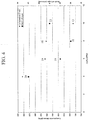
FIGURE 2 is a plot of compressive stress and depth of layer as functions of AlPO4 concentration for 0.7 mm thick phosphate-containing glass samples that were ion exchanged in a molten KNO3 salt bath at 410°C for 8 hours; -
FIGURE 3 is a plot of compressive stress and depth of layer as functions of AlPO4 concentration for 0.7 mm thick phosphate-containing glass samples that were ion exchanged in a molten KNO3 salt bath at 450°C for 1 hour; -
FIGURE 4 is a plot of compressive stress and depth of layer as functions of AlPO4 concentration for 0.7 mm thick phosphate-containing glass samples that were ion exchanged in a molten KNO3 salt bath at 450°C for 30 minutes; and -
FIGURE 5 is a plot of Vickers crack initiation threshold as a function of AlPO4 concentration for boron-free phosphate-containing glasses that were ion exchanged in a molten KNO3 salt bath at 450°C for 30 minutes. - In the following description, like reference characters designate like or corresponding parts throughout the several views shown in the figures. It is also understood that, unless otherwise specified, terms such as "top," "bottom," "outward," "inward," and the like are words of convenience and are not to be construed as limiting terms. In addition, whenever a group is described as comprising at least one of a group of elements and combinations thereof, it is understood that the group may comprise, consist essentially of, or consist of any number of those elements recited, either individually or in combination with each other. Similarly, whenever a group is described as consisting of at least one of a group of elements or combinations thereof, it is understood that the group may consist of any number of those elements recited, either individually or in combination with each other. Unless otherwise specified, a range of values, when recited, includes both the upper and lower limits of the range. As used herein, the indefinite articles "a," "an," and the corresponding definite article "the" mean "at least one" or "one or more," unless otherwise specified.
- As described herein, the Vickers indenter that is used to measure crack initiation is known in the art and described, for example, in pages 130-132 of "Materials Science and Engineering (third edition)" by William D. Callister (John Wiley & Sons, New York, 1994), which are incorporated by reference herein. Unless otherwise specified, the Vickers indentation cracking threshold measurements described herein are performed by applying and then removing an indentation load to the glass surface at 0.2 mm/min. The indentation maximum load is held for 10 seconds. The indentation cracking threshold is defined at the indentation load at which greater than 50% of 10 indents exhibit any number of radial/median cracks emanating from the corners of the indent impression. The maximum load is increased until the threshold is met for a given glass composition. All indentation measurements are performed at room temperature in 50% relative humidity.
- As described herein, abraded ring-on-ring failure loads obtained for glass samples was determined by first blasting the surface of the sample to be studied (typical dimensions are 50 mm x 50 mm x 0.7 mm thick) with 90 grit silicon carbide (SiC) at a pressure of 5 psi for five seconds. Samples are masked so that the abrasion is limited to a 6 mm diameter circle located at the center of the 50 mm x 50 mm faces of the sample. Abrasion of the samples was followed by ring-on-ring load-to failure-testing with a 1 inch diameter support ring and a ½ inch diameter loading ring. The sample is placed on the support ring with the abraded side face down, so as to put the abraded region in tension during testing. The load is applied at a rate of 1.2 mm/min. Testing is performed at room temperature in 50% relative humidity. The radius of curvature on the rings is 1/16 inch.
- Referring to the drawings in general and to
FIG. 1 in particular, it will be understood that the illustrations are for the purpose of describing particular embodiments and are not intended to limit the disclosure or appended claims thereto. The drawings are not necessarily to scale, and certain features and certain views of the drawings may be shown exaggerated in scale or in schematic in the interest of clarity and conciseness. - Glasses designed for use in applications such as in consumer electronics, automotive applications, appliances, architectural components, and other areas where high levels of damage resistance are desirable are frequently strengthened by thermal means (e.g., thermal tempering) or chemical means. Ion exchange is widely used to chemically strengthen glass articles for such applications. In this process, a glass article containing a first metal ion (e.g., alkali cations in Li2O, Na2O, etc.) is at least partially immersed in or otherwise contacted with an ion exchange bath or medium containing a second metal ion that is either larger or smaller than the first metal ion that is present in the glass. The first metal ions diffuse from the glass surface into the ion exchange bath/medium while the second metal ions from the ion exchange bath/medium replace the first metal ions in the glass to a depth of layer below the surface of the glass. The substitution of larger ions for smaller ions in the glass creates a compressive stress at the glass surface, whereas substitution of smaller ions for larger ions in the glass typically creates a tensile stress at the surface of the glass. In some embodiments, the first metal ion and second metal ion are monovalent alkali metal ions. However, other monovalent metal ions such as Ag+, Tl+, Cu+, and the like may also be used in the ion exchange process.
- A cross-sectional view of a portion (i.e., ends of the glass sheet are not shown) of a glass sheet strengthened by ion exchange is schematically shown in
FIG.1 . In the non-limiting example shown inFIG. 1 , strengthenedglass sheet 100 has a thickness t ,central portion 115, and afirst surface 110 andsecond surface 120 that are substantially parallel to each other.Compressive layers first surface 110 andsecond surface 120, respectively, to depths of layer d1, d2 below each surface.Compressive layers central portion 115 is under a tensile stress, or in tension. The tensile stress incentral portion 115 balances the compressive stresses incompressive layers glass sheet 100. Whereas a glass sheet havingcompressive layers opposite surfaces FIG. 1 , the glass described herein can have a single surface that is strengthened by ion exchange, rather than multiple strengthenedsurfaces surfaces - In order to increase damage resistance, boron is sometimes added to glasses as B2O3. However, the presence of B2O3 may impede the strengthening of glasses by ion exchange. It has been discovered that addition of phosphorous to the glass as P2O5 improves damage resistance and does not impede ion exchange. The addition of phosphorous to the glass creates a structure in which silica (SiO2 in the glass) is replaced by aluminum phosphate (AlPO4), which consists of tetrahedrally coordinated aluminum and phosphorus and/or boron phosphate (BPO4), which consists of tetrahedrally coordinated boron and phosphorus. As described herein, ion exchangeable phosphate-containing glasses, as well as phosphate-containing glasses that are chemically strengthened by ion exchange and having high damage resistance, are provided. These glasses comprise SiO2, Al2O3, P2O5, and at least one alkali metal oxide (R2O, where R is Li, Na, K, Rb, and/or Cs), wherein 0.75 ≤ [(P2O5(mol%) + R2O(mol%))/M2O3 (mol%)] ≤ 1.3, where M2O3 = Al2O3 + B2O3. In some embodiments, [(P2O5(mol%) + R2O(mol%))/M2O3 (mol%)] = 1. In some embodiments, the glass does not include B2O3 and M2O3 = Al2O3. The glass comprises, in some embodiments: about 40 to about 70 mol % SiO2; 0 to about 28 mol% B2O3; about 0 to about 28 mol% Al2O3; about 1 to about 14 mol% P2O5; and about 12 to about 16 mol% R2O. In some embodiments, the glass comprises, in some embodiments: about 40 to about 64 mol % SiO2; 0 to about 8 mol% B2O3; about 16 to about 28 mol% Al2O3; about 2 to about 12 mol% P2O5; and about 12 to about 16 mol% R2O. The glass may further comprise at least one alkaline earth metal oxide such as, but not limited to, MgO or CaO. Exemplary compositions of the glasses, expressed in mol%, are listed in Table 1. The M2O3 content (where M2O3 = Al2O3 + B2O3), combined P2O5 + R2O concentration, (P2O5 + R2O)/M2O3 ratio, and (P2O5 + R2O)/Al2O3 ratio of these compositions are also listed in Table 1.
- In one aspect, the phosphate-containing glasses described herein have a structure in which silica (SiO2) in the glass is replaced by aluminum phosphate (AlPO4), which consists of tetrahedrally coordinated aluminum and phosphorus. Table 1 lists the equivalent concentrations of AlPO4 units in the glass for compositions given in the table. In such embodiments, the glass compositions described herein follow the rule that Al2O3 = P2O5 + R2O, where Al2O3, P2O5, and R2O are compositions expressed in mol%. When such conditions exist within the glass, aluminum will nominally be in the form of either tetrahedral aluminum. The phosphorus and/or alkalis charge compensate aluminum ions so that they have the equivalent of a 4+ charge.
- In another aspect, the phosphate-containing glasses described herein have a structure in which silica (SiO2) is replaced by boron phosphate (BPO4) in the glass. In such embodiments, the glass compositions described herein follow the rule that Al2O3 = R2O and B2O3, = P2O5, where Al2O3, B2O3, P2O5, and R2O are compositions expressed in mol%. When such conditions exist within the glass, boron will nominally be in the form tetrahedral boron phosphate or tetrahedral boron oxide.
- In glasses such as those described herein, each alkali metal ion is capable of creating one non-bridging oxygen (NBO). The unit positive charge on an alkali metal ion can be satisfied by an ionic bond to an oxygen in the silicate glass network. This is accomplished by breaking a bridge between adjacent structural units, while donating an oxygen from the R2O unit. NBOs reduce the connectivity of the glass network. When Al2O3 and/or B2O3 are added to the glass, the alkali metal ions will charge compensate for the Al3+ and/or B3+ ions and allow these ions to form tetrahedral structural units. The oxygen supplied by the R2O units is consumed to form these tetrahedra. Each added aluminum or boron ion will remove one NBO from the glass network. If mol% Al2O3 + mol% B2O3 = mol% R2O, the structure should not contain any NBOs and should be fully linked. Alkalis are preferentially consumed by aluminum over boron. The remaining alkalis convert trigonal boron to tetrahedral boron until [Na2O(mol%)/B2O3(mol%)] > 0.5. Accordingly, the glasses described herein are substantially free of NBOs when the above equation is satisfied. Because AlPO4 and/or BPO4 are substituted for silica in the glass, the amount of silica in the glasses described herein is lower than in other ion exchangeable glasses.
- The phosphate-containing glasses described herein are inherently resistant to damage; i.e., they are damage-resistant in the absence of any thermal or chemical strengthening such as, for example, ion exchange. The phosphate-containing glasses described herein have Vickers indentation damage (crack initiation load) thresholds of at least about 500 gf (gram force) and, in some embodiments, at least about 1000 gf. Vickers indentation cracking thresholds measured for selected cprior to strengthening by ion exchange are listed in Table 1.
- In some embodiments, the phosphate-containing glasses described herein have molar volumes of at least about 29 cm3/mol, in other embodiments, at least about 30 cm3/mol, and in still other embodiments at least about 32 cm3/mol. Molar volumes of selected glass compositions are listed in Table 1.
- The phosphate-containing glasses described herein are also ion exchangeable to a greater depth of compressive layer (depth of layer d1, d2 in
FIG. 1 ) below the surface of the glass than soda lime, alkali aluminosilicate, and alkali aluminoborosilicate glasses. The depth of the compressive layer (112,, 122 inFIG. 1 ) has been shown to be a critical factor in crack resistance of cover glasses for portable electronic devices during system level drop tests. In some embodiments, the phosphate-containing glasses are ion exchangeable to a depth of layer of at least 40 µm and, in other embodiments, to a depth of layer of at least about 60 µm. Compressive stresses and depths of layer obtained by ion exchange in a molten KNO3 salt bath at 410°C for 8 hours of 0.7 mm thick phosphate-containing glasses (samples 3, 10-13, and 18-20 in Tables 1-3) described herein are plotted as functions of AlPO4 concentration inFIG. 2 . Each of the samples plotted inFIG. 2 contain no boron and have (P2O5 + R2O)/M2O3 and (P2O5 + R2O)/Al2O3 ratios that are equal to 1. The depth of layer of the compressive surface layer is at least 78 µm and the compressive stress is at least 692 MPa, as determined by photoelastic methods known in the art. Compressive stresses and depths of layer obtained by ion exchange in a molten KNO3 salt bath at 410°C for 8 hours of phosphate-containing glasses described herein, as well as Vickers indentation crack initiation loads and abraded ring-on-ring failure load for various P2O5 containing glasses are listed in Table 2. In one non-limiting example, a depth of compressive layer of 64 µm is achieved when 0.7 mm thick samples of the phosphate-containing glasses described herein are ion-exchanged in a molten KNO3 salt bath at 410°C for 10 hours, whereas a depth of compressive layer of 56 µm is achieved when alkali aluminosilicate glass samples that do not comprise P2O5 and having the same thickness undergo ion exchange under the same conditions. When ion exchanged in a molten KNO3 salt bath at 410°C for 8 hours, 0.7 mm thick samples of the phosphate-containing glasses described herein have a depth of compressive layer of at least about 60 µm and compressive stress of greater than about 600 MPa. In comparison, 0.7 mm thick samples of alkali aluminosilicate glasses that do not comprise P2O5 ion exchange to a compressive depth of layer of 50 µm under the same conditions. - In addition, ion exchange proceeds more quickly in the phosphate-containing glasses described herein than in those glasses where the expression 0.75 ≤ [(P2O5(mol%) + R2O(mol%))/M2O3 (mol%)] ≤ 1.3 is not satisfied. In some embodiments, the phosphate-containing glasses described herein, when ion-exchanged for 2 hours at 410°C in a molten KNO3 salt bath, are capable of ion exchange to a depth of layer extending to at least about 30 µm from a surface of the glass. Compressive stresses and depths of layer of phosphate-containing glasses described herein, obtained by ion exchange in a molten KNO3 salt bath at 410°C for 2 hours, as well as Vickers indentation crack initiation loads are listed in Table 2.


- In another aspect, the phosphate-containing glasses described herein have an anneal point (i.e., the temperature at which the viscosity of the glass is 1012.2 Pascal seconds (Pa·s) (1013.2 poise (P)) of at least about 600°C, in other aspects, at least about 625°C, and in still other aspects, at least about 645°C, which is greater than those of high strength alkali aluminosilicate glasses and alkali aluminoborosilicate glasses. Anneal points for various compositions are listed in Table 1. The higher anneal point of the presently described glasses also reduces stress relaxation of the glass during ion exchange and enables ion exchange at higher temperatures. The higher anneal points also allows ion exchange of these glasses to be carried out at higher temperatures.
- In those embodiments where the glass has a 35 kp temperature (i.e., the temperature at which the glass has a viscosity of 3.5 kPa·s (35 kilopoise (kP)) of less than 1300°C, the glasses described herein may be formed glass by down-draw methods that are known in the art, such as, for example, fusion-drawing and slot-drawing. Alternatively, the phosphate-containing glasses described herein can be formed by other methods known in the art such as, but not limited to, crucible melting, rolling, float methods, or the like. In addition to enabling glass formation by down-draw processes, the higher anneal points allows ion exchange of these glasses to be carried out at higher temperatures.
- In some embodiments, the phosphate-containing glasses described herein are down-drawable by processes known in the art, such as slot-drawing, fusion drawing, re-drawing, and the like, and has a liquidus viscosity of at least 130 kilopoise
- In some embodiments, the phosphate-containing glasses described herein have a temperature T35kp at which the glass has a viscosity of 35 kpoise, wherein the temperature Tbreakdown at which zircon breaks down to form ZrO2 and SiO2 is greater than T35kp.
-
FIG. 3 is a plot of compressive stress and depth of layer as functions of AlPO4 concentration for 0.7 mm thick phosphate-containing glasses (samples 13 and 18-20 in Tables 1-3) phosphate-containing glasses described herein after ion exchange in a molten KNO3 salt bath for 1 hour at 450°C. As seen inFIG. 3 , these glasses are capable of ion exchange under the above conditions to a depth of layer of at least 50 µm and a compressive stress of at least 800 MPa.FIG. 4 is a plot of compressive stress and depth of layer as functions of AlPO4 concentration for 0.7 mm thick phosphate-containing glasses described herein (samples 13 and 18-20 in Tables 1-3) after ion exchange in a molten KNO3 salt bath for 30 minutes at 450°C. Compressive stresses and depths of layer obtained by ion exchange in a molten KNO3 salt bath at 450°C for 30 minutes and 1 hour of the phosphate-containing glasses described herein, as well as Vickers indentation/crack initiation thresholds and abraded ring-on-ring failure loads for these ion exchange glasses, are listed in Table 3. - In one aspect, the phosphate-containing glasses described herein, when chemically strengthened by ion exchange, exhibit a Vickers initiation cracking threshold of at least about 10 kgf (kilogram force), in some embodiments, at least about 20 kgf, in some embodiments and, in other embodiments, at least about 30 kgf. Vickers initiation cracking thresholds measured for 0.7 mm thick phosphate-containing glasses (
samples 13 and 18-20 in Table 1) that were ion exchanged in a molten KNO3 salt bath at 450°C for 30 minutes are plotted as a function of AlPO4 concentration inFIG. 5 . Each of the samples for which data are plotted inFIG. 5 do not contain boron and have (P2O5 + R2O)/M2O3 and (P2O5 + R2O)/Al2O3 ratios that are equal to 1. In another aspect, the phosphate-containing glasses described herein, when chemically strengthened by ion exchange, fail at loads of greater than about 80 kgf when subjected to an abraded ring-on-ring load. - The glasses described herein may be used in applications such has, but not limited to: touch screens; protective cover glass for electronic devices such as a hand held communication or entertainment devices, information-related terminals, touch sensor devices, or the like; windshields; appliance enclosures; or architectural elements such as windows, panels, or the like.
- While typical embodiments have been set forth for the purpose of illustration, the foregoing description should not be deemed to be a limitation on the scope of the disclosure or appended claims. Accordingly, various modifications, adaptations, and alternatives may occur to one skilled in the art without departing from the spirit and scope of the present disclosure or appended claims.
The application includes the following embodiments: - [1] A glass comprising SiO2, Al2O3, P2O5, and at least one alkali metal oxide (R2O), wherein 0.75 ≤ [(P2O5(mol%) + R2O(mol%))/ M2O3 (mol%)] ≤ 1.3, where M2O3 = Al2O3 + B2O3.
- [2] The glass of [1], wherein the glass is ion exchanged, and wherein the glass has a Vickers crack initiation threshold of at least about 20 kgf.
- [3] A glass comprising SiO2, Al2O3, P2O5, and at least one alkali metal oxide (R2O), wherein 0.75 ≤ [(P2O5(mol%) + R2O(mol%))/ M2O3 (mol%)] ≤ 1.3, where M2O3 = Al2O3 + B2O3, wherein the glass, when ion exchanged, has a Vickers crack initiation threshold of at least about 10 kgf.
- [4] The glass of any one of [1]-[3], wherein the glass is ion exchanged to a depth of layer of at least about 40 µm from a surface of the glass.
- [5] The glass of [4], wherein the glass is ion exchanged to a depth of layer extending at least about 60 µm from a surface of the glass.
- [6] The glass of any one of [1]-[3], wherein the glass is ion exchanged, and wherein the glass fails at a load of greater than about 80 kgf when subjected to abraded ring-on-ring loading.
- [7] The glass of any one of [1]-[3], wherein the glass has an anneal point of at least about 600°C.
- [8] The glass of any one of [1]-[3], wherein the glass comprises: about 40 to about 70 mol %SiO2; 0 to about 28 mol% B2O3; about 0 to about 28 mol% Al2O3; about 1 to about 14 mol% P2O5; and about 12 to about 16 mol% R2O.
- [9] The glass of [8], wherein the glass comprises: about 40 to about 64 mol% SiO2; 0 to about 8 mol% B2O3; about 16 to about 28 mol% Al2O3; about 2 to about 12% P2O5; and about 12 to about 16 mol% R2O.
- [10] The glass of [8], wherein the glass further comprises at least one alkaline metal oxide.
- [11] The glass of any one of [1]-[3], wherein aluminum is present in the glass in the form of tetrahedral aluminum oxide units and phosphorus is present in the glass in the form of tetrahedral phosphorus oxide units.
- [12] The glass of [11], wherein the tetrahedral aluminum oxide and tetrahedral phosphorus oxide units replace tetrahedral silica units in the glass.
- [13] The glass of any one of [1]-[3], wherein boron is present in the glass in the form of tetrahedral boron oxide units and phosphorus is present in the form of tetrahedral phosphorus oxide units.
- [14] The glass of [13], wherein the tetrahedral boron oxide and tetrahedral phosphorus oxide units replace tetrahedral silica units in the glass.
- [15] The glass of any one of [1]-[3], wherein the glass is substantially free of non-bridging oxygen atoms.
- [16] The glass of any one of [1]-[3], wherein [(P2O5(mol%) + R2O(mol%))/ M2O3 (mol%)] = 1.
- [17] The glass of any one of [1]-[3], wherein M2O3 = Al2O3.
- [18] The glass of any one of [1]-[3], wherein the molar volume of the glass is at least about 32 cm3/mol.
- [19] The glass of any one of [1]-[3], wherein the glass has a depth of layer extending to at least about 30 µm from a surface of the glass when ion exchanged in an ion exchange bath comprising KNO3 at 410°C for 2 hours.
Claims (15)
- A glass comprising:40 to 64 mol% SiO2,16 to 28 mol% Al2O3,1 to 14 mol% P2O5,K2O, andat least one alkali metal oxide (R2O), wherein the at least one alkali metal oxide is selected from Na2O, K2O, Rb2O, Cs2O and combination thereof,wherein 0.75 ≤ [(P2O5(mol%) + R2O(mol%))/M2O3 (mol%)] ≤ 1.3, where M2O3 = Al2O3 + B2O3.
- The glass of Claim 1, wherein the glass is ion exchanged, and wherein the glass has a Vickers crack initiation threshold of at least about 10 kgf.
- The glass of Claim 1 or 2, wherein the glass is ion exchanged to a depth of layer of at least about 40 µm from a surface of the glass.
- The glass of Claim 3, wherein the glass is ion exchanged to a depth of layer extending at least about 60 µm from a surface of the glass.
- The glass of any preceding claim, wherein the glass is ion exchanged, and wherein the glass fails at a load of greater than about 80 kgf when subjected to abraded ring-on-ring loading.
- The glass of any preceding claim, wherein the glass has an anneal point of at least about 600°C.
- The glass of any preceding claim, wherein the glass comprises 12 to 16 mol% R2O.
- The glass of any preceding claim, wherein the glass comprises 2 to 12% P2O5.
- The glass of any preceding claim, wherein [(P2O5(mol%) + R2O(mol%))/ M2O3 (mol%)] = 1.
- The glass of any preceding claim, wherein M2O3 = Al2O3.
- The glass of any preceding claim, wherein the molar volume of the glass is at least about 29 cm3/mol.
- The glass of any preceding claim, wherein the glass has a depth of layer extending to at least about 30 µm from a surface of the glass when ion exchanged in an ion exchange bath comprising KNO3 at 410°C for 2 hours.
- The glass of any preceding claim, comprising about 12 to about 18 mol% R2O.
- The glass of any preceding claim, further comprising B2O3.
- An electronic device comprising a cover glass, wherein the cover glass comprises the glass of any preceding claim.
Applications Claiming Priority (3)
| Application Number | Priority Date | Filing Date | Title |
|---|---|---|---|
| US41794110P | 2010-11-30 | 2010-11-30 | |
| EP11799531.6A EP2646378B1 (en) | 2010-11-30 | 2011-11-29 | Ion exchangeable glass with deep compressive layer and high damage threshold |
| PCT/US2011/062288 WO2012074949A1 (en) | 2010-11-30 | 2011-11-29 | Ion exchangeable glass with deep compressive layer and high damage threshold |
Related Parent Applications (2)
| Application Number | Title | Priority Date | Filing Date |
|---|---|---|---|
| EP11799531.6A Division-Into EP2646378B1 (en) | 2010-11-30 | 2011-11-29 | Ion exchangeable glass with deep compressive layer and high damage threshold |
| EP11799531.6A Division EP2646378B1 (en) | 2010-11-30 | 2011-11-29 | Ion exchangeable glass with deep compressive layer and high damage threshold |
Publications (2)
| Publication Number | Publication Date |
|---|---|
| EP3431452A1 true EP3431452A1 (en) | 2019-01-23 |
| EP3431452B1 EP3431452B1 (en) | 2021-06-02 |
Family
ID=45390173
Family Applications (2)
| Application Number | Title | Priority Date | Filing Date |
|---|---|---|---|
| EP11799531.6A Not-in-force EP2646378B1 (en) | 2010-11-30 | 2011-11-29 | Ion exchangeable glass with deep compressive layer and high damage threshold |
| EP18176843.3A Active EP3431452B1 (en) | 2010-11-30 | 2011-11-29 | Ion exchangeable glass with deep compressive layer and high damage threshold |
Family Applications Before (1)
| Application Number | Title | Priority Date | Filing Date |
|---|---|---|---|
| EP11799531.6A Not-in-force EP2646378B1 (en) | 2010-11-30 | 2011-11-29 | Ion exchangeable glass with deep compressive layer and high damage threshold |
Country Status (7)
| Country | Link |
|---|---|
| US (4) | US9346703B2 (en) |
| EP (2) | EP2646378B1 (en) |
| JP (3) | JP6027015B2 (en) |
| KR (2) | KR102125987B1 (en) |
| CN (1) | CN103282318B (en) |
| TW (2) | TWI574933B (en) |
| WO (1) | WO2012074949A1 (en) |
Families Citing this family (123)
| Publication number | Priority date | Publication date | Assignee | Title |
|---|---|---|---|---|
| US9346703B2 (en) | 2010-11-30 | 2016-05-24 | Corning Incorporated | Ion exchangable glass with deep compressive layer and high damage threshold |
| JP5834793B2 (en) * | 2010-12-24 | 2015-12-24 | 旭硝子株式会社 | Method for producing chemically strengthened glass |
| US9783452B2 (en) | 2011-07-01 | 2017-10-10 | Corning Incorporated | Ion-exchanged glass of high surface compression and shallow depth of layer with high resistance to radial crack formation from vickers indentation |
| US10280112B2 (en) | 2011-08-19 | 2019-05-07 | Corning Incorporated | Ion exchanged glass with high resistance to sharp contact failure and articles made therefrom |
| WO2013063277A1 (en) | 2011-10-25 | 2013-05-02 | Corning Incorporated | Delamination resistant pharmaceutical glass containers containing active pharmaceutical ingredients |
| US9517966B2 (en) | 2011-10-25 | 2016-12-13 | Corning Incorporated | Glass compositions with improved chemical and mechanical durability |
| KR20190122267A (en) | 2011-11-16 | 2019-10-29 | 코닝 인코포레이티드 | Ion exchangeable glass with high crack initiation threshold |
| US8901544B2 (en) | 2011-12-06 | 2014-12-02 | Corning Incorporated | Organic thin film transistor with ion exchanged glass substrate |
| US9359251B2 (en) | 2012-02-29 | 2016-06-07 | Corning Incorporated | Ion exchanged glasses via non-error function compressive stress profiles |
| TWI593644B (en) | 2012-05-09 | 2017-08-01 | 康寧公司 | Method of manufacturing cover glass |
| WO2013181484A1 (en) | 2012-05-31 | 2013-12-05 | Corning Incorporated | Stiff interlayers for laminated glass structures |
| US9512029B2 (en) | 2012-05-31 | 2016-12-06 | Corning Incorporated | Cover glass article |
| JP2015523310A (en) | 2012-06-08 | 2015-08-13 | コーニング インコーポレイテッド | Tempered glass article and manufacturing method |
| EP2922795A1 (en) | 2012-11-20 | 2015-09-30 | Corning Incorporated | Method of making three dimensional glass ceramic article |
| US9145323B2 (en) | 2013-01-21 | 2015-09-29 | Corning Incorporated | Molds for shaping glass and methods for making the same |
| US9308616B2 (en) | 2013-01-21 | 2016-04-12 | Innovative Finishes LLC | Refurbished component, electronic device including the same, and method of refurbishing a component of an electronic device |
| EP2956419A2 (en) * | 2013-01-31 | 2015-12-23 | Corning Incorporated | Transition metal-containing, ion exchangeable colored glasses |
| TWI699341B (en) | 2013-01-31 | 2020-07-21 | 美商康寧公司 | Fictivated glass and method of making |
| EP2953910A1 (en) | 2013-02-11 | 2015-12-16 | Corning Incorporated | Antimicrobial glass articles and methods of making and using same |
| US9839579B2 (en) | 2013-04-24 | 2017-12-12 | Corning Incorporated | Delamination resistant pharmaceutical glass containers containing active pharmaceutical ingredients |
| US9849066B2 (en) | 2013-04-24 | 2017-12-26 | Corning Incorporated | Delamination resistant pharmaceutical glass containers containing active pharmaceutical ingredients |
| US9707154B2 (en) | 2013-04-24 | 2017-07-18 | Corning Incorporated | Delamination resistant pharmaceutical glass containers containing active pharmaceutical ingredients |
| US9603775B2 (en) | 2013-04-24 | 2017-03-28 | Corning Incorporated | Delamination resistant pharmaceutical glass containers containing active pharmaceutical ingredients |
| US9700485B2 (en) | 2013-04-24 | 2017-07-11 | Corning Incorporated | Delamination resistant pharmaceutical glass containers containing active pharmaceutical ingredients |
| US9717649B2 (en) | 2013-04-24 | 2017-08-01 | Corning Incorporated | Delamination resistant pharmaceutical glass containers containing active pharmaceutical ingredients |
| US9713572B2 (en) | 2013-04-24 | 2017-07-25 | Corning Incorporated | Delamination resistant pharmaceutical glass containers containing active pharmaceutical ingredients |
| US9707153B2 (en) | 2013-04-24 | 2017-07-18 | Corning Incorporated | Delamination resistant pharmaceutical glass containers containing active pharmaceutical ingredients |
| US9717648B2 (en) | 2013-04-24 | 2017-08-01 | Corning Incorporated | Delamination resistant pharmaceutical glass containers containing active pharmaceutical ingredients |
| US9700486B2 (en) | 2013-04-24 | 2017-07-11 | Corning Incorporated | Delamination resistant pharmaceutical glass containers containing active pharmaceutical ingredients |
| US9707155B2 (en) | 2013-04-24 | 2017-07-18 | Corning Incorporated | Delamination resistant pharmaceutical glass containers containing active pharmaceutical ingredients |
| TWI631049B (en) | 2013-05-07 | 2018-08-01 | Corning Incorporated | Method of manufacturing 3D glass cover and computer implementation method for estimating shape of 3D glass cover |
| KR20160006719A (en) | 2013-05-07 | 2016-01-19 | 코닝 인코포레이티드 | Process and Apparatus for Forming Shaped Glass Articles |
| US9527767B2 (en) | 2013-05-09 | 2016-12-27 | Corning Incorporated | Alkali-free phosphoborosilicate glass |
| US10131574B2 (en) | 2013-06-17 | 2018-11-20 | Corning Incorporated | Antimicrobial glass articles and methods of making and using same |
| US9512035B2 (en) | 2013-06-17 | 2016-12-06 | Corning Incorporated | Antimicrobial glass articles with improved strength and methods of making and using same |
| JP6597950B2 (en) * | 2013-07-24 | 2019-10-30 | 日本電気硝子株式会社 | Tempered glass and tempered glass |
| US11079309B2 (en) * | 2013-07-26 | 2021-08-03 | Corning Incorporated | Strengthened glass articles having improved survivability |
| US9573843B2 (en) | 2013-08-05 | 2017-02-21 | Corning Incorporated | Polymer edge-covered glass articles and methods for making and using same |
| WO2015023561A2 (en) | 2013-08-15 | 2015-02-19 | Corning Incorporated | Intermediate to high cte glasses and glass articles comprising the same |
| CN105764865A (en) | 2013-08-15 | 2016-07-13 | 康宁股份有限公司 | Alkali-doped and alkali-free boroaluminosilicate glasses |
| KR102290967B1 (en) * | 2013-08-27 | 2021-08-19 | 코닝 인코포레이티드 | Damage resistant glass with high coefficient of thermal expansion |
| US9815733B2 (en) | 2013-08-29 | 2017-11-14 | Corning Incorporated | Ion exchangeable glass containing boron and phosphorous |
| WO2015031590A2 (en) * | 2013-08-30 | 2015-03-05 | Corning Incorporated | Light-weight, high stiffness glass laminate structure |
| US9714188B2 (en) * | 2013-09-13 | 2017-07-25 | Corning Incorporated | Ion exchangeable glasses with high crack initiation threshold |
| US9701574B2 (en) * | 2013-10-09 | 2017-07-11 | Corning Incorporated | Crack-resistant glass-ceramic articles and methods for making the same |
| CN112919828A (en) | 2013-10-14 | 2021-06-08 | 康宁股份有限公司 | Ion exchange method and chemically strengthened glass substrate obtained by the ion exchange method |
| US10442730B2 (en) | 2013-11-25 | 2019-10-15 | Corning Incorporated | Method for achieving a stress profile in a glass |
| KR102391152B1 (en) | 2013-11-26 | 2022-04-27 | 코닝 인코포레이티드 | Fast ion exchangeable glasses with high indentation threshold |
| KR20160123368A (en) | 2014-02-13 | 2016-10-25 | 코닝 인코포레이티드 | Glass With Enhanced Strength and Antimicrobial Properties, and Method of Making Same |
| US11039620B2 (en) | 2014-02-19 | 2021-06-22 | Corning Incorporated | Antimicrobial glass compositions, glasses and polymeric articles incorporating the same |
| US9517968B2 (en) | 2014-02-24 | 2016-12-13 | Corning Incorporated | Strengthened glass with deep depth of compression |
| KR102347803B1 (en) | 2014-02-27 | 2022-01-06 | 코닝 인코포레이티드 | Ion exchangeable glass article for three-dimensional forming |
| WO2015157221A1 (en) | 2014-04-10 | 2015-10-15 | Corning Incorporated | Antimicrobial and strengthened-glass articles through pressurized ion exchange |
| WO2015164556A1 (en) | 2014-04-25 | 2015-10-29 | Corning Incorporated | Methods of making antimicrobial glass articles |
| US9840438B2 (en) | 2014-04-25 | 2017-12-12 | Corning Incorporated | Antimicrobial article with functional coating and methods for making the antimicrobial article |
| US9359243B2 (en) | 2014-05-13 | 2016-06-07 | Corning Incorporated | Transparent glass-ceramic articles, glass-ceramic precursor glasses and methods for forming the same |
| TWI697403B (en) | 2014-06-19 | 2020-07-01 | 美商康寧公司 | Glasses having non-frangible stress profiles |
| CN108046589A (en) | 2014-10-08 | 2018-05-18 | 康宁股份有限公司 | Glass and glass ceramics comprising metal oxide concentration gradient |
| US10150698B2 (en) | 2014-10-31 | 2018-12-11 | Corning Incorporated | Strengthened glass with ultra deep depth of compression |
| WO2016073539A1 (en) | 2014-11-04 | 2016-05-12 | Corning Incorporated | Deep non-frangible stress profiles and methods of making |
| US9586857B2 (en) | 2014-11-17 | 2017-03-07 | International Business Machines Corporation | Controlling fragmentation of chemically strengthened glass |
| WO2016085905A1 (en) * | 2014-11-26 | 2016-06-02 | Corning Incorporated | Strengthened glass, glass-ceramic and ceramic articles and methods of making the same through pressurized ion exchange |
| WO2016104454A1 (en) | 2014-12-25 | 2016-06-30 | 旭硝子株式会社 | Glass plate |
| US9761817B2 (en) | 2015-03-13 | 2017-09-12 | Corning Incorporated | Photo-patternable gate dielectrics for OFET |
| US9902641B2 (en) | 2015-03-20 | 2018-02-27 | Corning Incorporated | Molds for shaping glass-based materials and methods for making the same |
| KR102583884B1 (en) | 2015-04-21 | 2023-09-27 | 코닝 인코포레이티드 | Edge and corner reinforcement products and methods for manufacturing the same |
| KR102640959B1 (en) | 2015-06-26 | 2024-02-27 | 코닝 인코포레이티드 | Glass with high surface strength |
| US11104602B2 (en) | 2015-06-26 | 2021-08-31 | Corning Incorporated | Glass with high surface strength |
| US10579106B2 (en) * | 2015-07-21 | 2020-03-03 | Corning Incorporated | Glass articles exhibiting improved fracture performance |
| US11613103B2 (en) | 2015-07-21 | 2023-03-28 | Corning Incorporated | Glass articles exhibiting improved fracture performance |
| US10351459B2 (en) | 2015-08-14 | 2019-07-16 | Corning Incorporated | Molds and methods to control mold surface quality |
| CN107001112A (en) * | 2015-08-26 | 2017-08-01 | 科立视材料科技有限公司 | Chemical enhanced alkali alumina silicate glass glass composition and its manufacture method for having cripetura ion-exchange time |
| WO2017087204A1 (en) | 2015-11-18 | 2017-05-26 | Corning Incorporated | Powder, process of making the powder, and articles made therefrom |
| WO2017091482A1 (en) | 2015-11-23 | 2017-06-01 | Corning Incorporated | Removal of inorganic coatings from glass substrates |
| US10611681B2 (en) | 2015-12-08 | 2020-04-07 | Corning Incorporated | S-shaped stress profiles and methods of making |
| TWI697463B (en) | 2015-12-11 | 2020-07-01 | 美商康寧公司 | Fusion-formable glass-based articles including a metal oxide concentration gradient |
| WO2017106629A1 (en) | 2015-12-17 | 2017-06-22 | Corning Incorporated | Ion exchangeable glass with fast diffusion |
| JP7165055B2 (en) * | 2016-01-08 | 2022-11-02 | コーニング インコーポレイテッド | Chemically Strengthenable Lithium Aluminosilicate Glass with Inherent Damage Resistance |
| KR20180103972A (en) | 2016-01-13 | 2018-09-19 | 코닝 인코포레이티드 | Ultra-Thin, Non-Vulnerable Glass and Manufacturing Method Thereof |
| CN115650601B (en) | 2016-01-21 | 2024-07-12 | Agc株式会社 | Chemically strengthened glass and glass for chemical strengthening |
| CN109071302B (en) | 2016-03-09 | 2022-04-26 | 康宁股份有限公司 | Cold forming of complexly curved glass articles |
| CN111423110A (en) | 2016-04-08 | 2020-07-17 | 康宁股份有限公司 | Glass-Based Articles Containing Metal Oxide Concentration Gradients |
| KR20200091500A (en) | 2016-04-08 | 2020-07-30 | 코닝 인코포레이티드 | Glass-based articles including a stress profile comprising two regions, and methods of making |
| US11059744B2 (en) | 2016-06-14 | 2021-07-13 | Corning Incorporated | Glasses having improved drop performance |
| TWI800484B (en) | 2016-06-28 | 2023-05-01 | 美商康寧公司 | Laminating thin strengthened glass to curved molded plastic surface for decorative and display cover application |
| WO2018009504A1 (en) | 2016-07-05 | 2018-01-11 | Corning Incorporated | Cold-formed glass article and assembly process thereof |
| JP2019521947A (en) | 2016-07-28 | 2019-08-08 | コーニング インコーポレイテッド | Glass with resistance to light blackening |
| CN115403280B (en) | 2016-10-25 | 2024-03-19 | 康宁公司 | Cold formed glass laminate for display |
| KR102445875B1 (en) | 2017-01-03 | 2022-09-21 | 코닝 인코포레이티드 | Vehicle interior system having curved cover glass and display or touch panel and method of forming same |
| US11016590B2 (en) | 2017-01-03 | 2021-05-25 | Corning Incorporated | Vehicle interior systems having a curved cover glass and display or touch panel and methods for forming the same |
| US11685684B2 (en) | 2017-05-15 | 2023-06-27 | Corning Incorporated | Contoured glass articles and methods of making the same |
| CN107226614A (en) | 2017-05-16 | 2017-10-03 | 东旭科技集团有限公司 | A kind of glass composition and glass and its preparation method and application |
| CN117962601A (en) | 2017-07-18 | 2024-05-03 | 康宁公司 | Cold forming of complex curved glass products |
| WO2019031189A1 (en) * | 2017-08-08 | 2019-02-14 | 日本電気硝子株式会社 | Tempered glass plate and tempered glass ball |
| EP3681847B1 (en) | 2017-09-12 | 2025-01-29 | Corning Incorporated | Tactile elements for deadfronted glass and methods of making the same |
| TWI873668B (en) | 2017-09-13 | 2025-02-21 | 美商康寧公司 | Light guide-based deadfront for display, related methods and vehicle interior systems |
| US11065960B2 (en) | 2017-09-13 | 2021-07-20 | Corning Incorporated | Curved vehicle displays |
| TWI844520B (en) | 2017-10-10 | 2024-06-11 | 美商康寧公司 | Vehicle interior systems having a curved cover glass with improved reliability and methods for forming the same |
| NL2020896B1 (en) | 2018-05-08 | 2019-11-14 | Corning Inc | Water-containing glass-based articles with high indentation cracking threshold |
| WO2019103469A1 (en) | 2017-11-21 | 2019-05-31 | Corning Precision Materials Co., Ltd. | Aspheric mirror for head-up display system and methods for forming the same |
| KR102605341B1 (en) | 2017-11-30 | 2023-11-24 | 코닝 인코포레이티드 | Vacuum mold apparatus, system, and method for forming curved mirrors |
| CN111656254B (en) | 2017-11-30 | 2023-06-02 | 康宁公司 | Systems and methods for vacuum forming aspheric mirrors |
| WO2019169293A1 (en) | 2018-03-02 | 2019-09-06 | Corning Incorporated | Anti-reflective coatings and articles and methods of forming the same |
| US11718071B2 (en) | 2018-03-13 | 2023-08-08 | Corning Incorporated | Vehicle interior systems having a crack resistant curved cover glass and methods for forming the same |
| CN110605274B (en) | 2018-06-15 | 2022-12-27 | 康宁股份有限公司 | Glass substrate processing method |
| CN112672984B (en) | 2018-07-12 | 2023-03-10 | 康宁公司 | Configure an electroless board for color comparison |
| KR20210032976A (en) | 2018-07-16 | 2021-03-25 | 코닝 인코포레이티드 | In-vehicle system with cold-bending glass substrate and method for forming same |
| US12291483B2 (en) | 2018-08-30 | 2025-05-06 | Corning Incorporated | Soft, chemically-strengthenable glasses for laminates |
| US12037282B2 (en) | 2018-11-01 | 2024-07-16 | Corning Incorporated | Strengthened glass articles with reduced delayed breakage and methods of making the same |
| TWI891613B (en) | 2018-11-16 | 2025-08-01 | 美商康寧公司 | Glass compositions and methods for strengthening via steam treatment |
| WO2020102147A2 (en) * | 2018-11-16 | 2020-05-22 | Corning Incorporated | Laminated glass articles comprising a hydrogen-containing glass core layer and methods of forming the same |
| US12122711B2 (en) | 2019-05-16 | 2024-10-22 | Corning Incorporated | Steam strengthenable glass compositions with low phosphorous content |
| US12404204B2 (en) | 2019-05-16 | 2025-09-02 | Corning Incorporated | Glasses with modified young's modulus profile |
| WO2020231961A1 (en) | 2019-05-16 | 2020-11-19 | Corning Incorporated | Glass compositions and methods with steam treatment haze resistance |
| EP3771695A1 (en) | 2019-07-31 | 2021-02-03 | Corning Incorporated | Method and system for cold-forming glass |
| EP4010292A1 (en) * | 2019-08-05 | 2022-06-15 | Schott Ag | Sheet-like, chemically toughened, or chemically toughenable glass article, and method for producing same |
| US12466756B2 (en) | 2019-10-08 | 2025-11-11 | Corning Incorporated | Curved glass articles including a bumper piece configured to relocate bending moment from display region and method of manufacturing same |
| US11772361B2 (en) | 2020-04-02 | 2023-10-03 | Corning Incorporated | Curved glass constructions and methods for forming same |
| GB202012825D0 (en) | 2020-05-12 | 2020-09-30 | Corning Inc | Fusion formable and steam strengthenable glass compositions with platinum compatibility |
| CN112110645B (en) * | 2020-09-23 | 2022-04-15 | 成都光明光电股份有限公司 | Glass, glass product and manufacturing method thereof |
| KR20240036652A (en) * | 2021-07-29 | 2024-03-20 | 코닝 인코포레이티드 | Low-modulus ion exchangeable glass compositions |
| KR20240116915A (en) | 2021-11-30 | 2024-07-30 | 코닝 인코포레이티드 | Lithium phosphoaluminosilicate glass with fast and effective interdiffusion |
| WO2026072479A1 (en) | 2024-09-26 | 2026-04-02 | Corning Incorporated | Strengthened glass articles with deep outer compression from ion exchange on cylindrically thermally induced bending stress profile |
Citations (1)
| Publication number | Priority date | Publication date | Assignee | Title |
|---|---|---|---|---|
| US3485647A (en) * | 1964-12-18 | 1969-12-23 | Corning Glass Works | Glass article and method of production |
Family Cites Families (34)
| Publication number | Priority date | Publication date | Assignee | Title |
|---|---|---|---|---|
| US3357876A (en) | 1965-01-19 | 1967-12-12 | Pittsburgh Plate Glass Co | Method of strengthening a glass article by ion exchange |
| US3481726A (en) * | 1965-10-23 | 1969-12-02 | Owens Illinois Inc | Methods of strengthening inorganic articles by ion exchange |
| US3844754A (en) * | 1966-02-23 | 1974-10-29 | Owens Illinois Inc | Process of ion exchange of glass |
| GB1367903A (en) | 1971-07-12 | 1974-09-25 | Pilkington Brothers Ltd | Photochromic glasses |
| DE2263234C3 (en) * | 1972-12-23 | 1975-07-10 | Jenaer Glaswerk Schott & Gen., 6500 Mainz | Process for the production of high-strength glass objects which are resistant to temperature changes by surface crystallization using ion exchange within the glass |
| US4108674A (en) | 1974-02-01 | 1978-08-22 | Jenaer Glaswerk Schott & Gen. | Phototropic optical glass |
| US4055703A (en) * | 1975-08-15 | 1977-10-25 | Ppg Industries, Inc. | Ion exchange strengthened glass containing P2 O5 |
| US4092174A (en) | 1976-01-30 | 1978-05-30 | Pilkington Brothers Limited | Photochromic glasses |
| US4042405A (en) * | 1976-03-18 | 1977-08-16 | American Optical Corporation | High strength ophthalmic lens |
| DE3204625C2 (en) | 1982-02-10 | 1986-07-10 | Schott Glaswerke, 6500 Mainz | Alumosilico-phosphate spectacle lens with an Abbe number over 46, with a refractive index over 1.56 and a very low density |
| US4726981A (en) * | 1985-06-10 | 1988-02-23 | Corning Glass Works | Strengthened glass articles and method for making |
| JP3388453B2 (en) | 1994-03-25 | 2003-03-24 | Hoya株式会社 | Glass for support of X-ray mask or X-ray mask material, X-ray mask material and X-ray mask |
| GB2335423A (en) * | 1998-03-20 | 1999-09-22 | Pilkington Plc | Chemically toughenable glass |
| DE19917921C1 (en) | 1999-04-20 | 2000-06-29 | Schott Glas | High specific elasticity moduli aluminosilicate glasses or glass-ceramics, for hard disk substrates, contain boron, alkali and alkaline earth metal, magnesium, phosphorus and titanium oxides |
| JP2001026441A (en) | 1999-07-14 | 2001-01-30 | Minolta Co Ltd | Glass composition |
| HRP20070470T3 (en) | 2003-10-06 | 2007-11-30 | Saint-Gobain Isover | MINERAL WOOL COMPOSITION |
| US7727917B2 (en) * | 2003-10-24 | 2010-06-01 | Schott Ag | Lithia-alumina-silica containing glass compositions and glasses suitable for chemical tempering and articles made using the chemically tempered glass |
| KR101351366B1 (en) * | 2006-10-10 | 2014-01-14 | 니폰 덴키 가라스 가부시키가이샤 | Reinforced glass substrate |
| KR20110050522A (en) | 2008-08-21 | 2011-05-13 | 코닝 인코포레이티드 | Durable Glass Housings / Enclosures for Electronic Devices |
| US8341976B2 (en) * | 2009-02-19 | 2013-01-01 | Corning Incorporated | Method of separating strengthened glass |
| US8327666B2 (en) * | 2009-02-19 | 2012-12-11 | Corning Incorporated | Method of separating strengthened glass |
| JP4559523B2 (en) * | 2009-02-24 | 2010-10-06 | 株式会社オハラ | Glass substrate for information recording medium and manufacturing method thereof |
| US8383255B2 (en) | 2009-02-24 | 2013-02-26 | Eveready Battery Company, Inc. | Closure assembly for electrochemical cells |
| JP5601319B2 (en) | 2009-05-13 | 2014-10-08 | 旭硝子株式会社 | Cover glass for solid-state image sensor package |
| JP4815002B2 (en) | 2009-06-04 | 2011-11-16 | 株式会社オハラ | Crystallized glass substrate for information recording medium and manufacturing method thereof |
| JP5645099B2 (en) | 2009-09-09 | 2014-12-24 | 日本電気硝子株式会社 | Tempered glass |
| CN102167509A (en) | 2010-02-26 | 2011-08-31 | 肖特玻璃科技(苏州)有限公司 | Chemical toughened glass capable of carrying out subsequent cutting |
| US9540278B2 (en) * | 2010-05-27 | 2017-01-10 | Corning Incorporated | Ion exchangeable glasses |
| US8759238B2 (en) * | 2010-05-27 | 2014-06-24 | Corning Incorporated | Ion exchangeable glasses |
| US8778820B2 (en) * | 2010-05-27 | 2014-07-15 | Corning Incorporated | Glasses having low softening temperatures and high toughness |
| US20120052271A1 (en) | 2010-08-26 | 2012-03-01 | Sinue Gomez | Two-step method for strengthening glass |
| US9346703B2 (en) * | 2010-11-30 | 2016-05-24 | Corning Incorporated | Ion exchangable glass with deep compressive layer and high damage threshold |
| JP2012148909A (en) * | 2011-01-18 | 2012-08-09 | Nippon Electric Glass Co Ltd | Tempered glass and tempered glass plate |
| US20130136909A1 (en) * | 2011-11-30 | 2013-05-30 | John Christopher Mauro | Colored alkali aluminosilicate glass articles |
-
2011
- 2011-11-28 US US13/305,271 patent/US9346703B2/en active Active
- 2011-11-29 CN CN201180057659.5A patent/CN103282318B/en active Active
- 2011-11-29 TW TW105135304A patent/TWI574933B/en not_active IP Right Cessation
- 2011-11-29 JP JP2013542086A patent/JP6027015B2/en not_active Expired - Fee Related
- 2011-11-29 TW TW100143769A patent/TWI561488B/en not_active IP Right Cessation
- 2011-11-29 WO PCT/US2011/062288 patent/WO2012074949A1/en not_active Ceased
- 2011-11-29 KR KR1020197020464A patent/KR102125987B1/en not_active Expired - Fee Related
- 2011-11-29 EP EP11799531.6A patent/EP2646378B1/en not_active Not-in-force
- 2011-11-29 EP EP18176843.3A patent/EP3431452B1/en active Active
- 2011-11-29 KR KR1020137017025A patent/KR102147507B1/en active Active
-
2016
- 2016-05-11 US US15/152,020 patent/US10017412B2/en active Active
- 2016-10-13 JP JP2016201540A patent/JP6509178B2/en not_active Expired - Fee Related
-
2018
- 2018-06-11 US US16/004,963 patent/US11124443B2/en not_active Expired - Fee Related
- 2018-12-05 JP JP2018228326A patent/JP6770566B2/en active Active
-
2021
- 2021-08-25 US US17/411,464 patent/US11945748B2/en active Active
Patent Citations (1)
| Publication number | Priority date | Publication date | Assignee | Title |
|---|---|---|---|---|
| US3485647A (en) * | 1964-12-18 | 1969-12-23 | Corning Glass Works | Glass article and method of production |
Non-Patent Citations (1)
| Title |
|---|
| WILLIAM D. CALLISTER: "Materials Science and Engineering", 1994, JOHN WILEY & SONS, pages: 130 - 132 |
Also Published As
| Publication number | Publication date |
|---|---|
| KR102147507B1 (en) | 2020-08-25 |
| US9346703B2 (en) | 2016-05-24 |
| US20210380470A1 (en) | 2021-12-09 |
| JP6027015B2 (en) | 2016-11-16 |
| KR20190086593A (en) | 2019-07-22 |
| CN103282318A (en) | 2013-09-04 |
| JP6770566B2 (en) | 2020-10-14 |
| JP6509178B2 (en) | 2019-05-08 |
| JP2019034886A (en) | 2019-03-07 |
| EP2646378B1 (en) | 2018-08-15 |
| TWI574933B (en) | 2017-03-21 |
| TW201231431A (en) | 2012-08-01 |
| KR102125987B1 (en) | 2020-06-24 |
| JP2013544227A (en) | 2013-12-12 |
| US11945748B2 (en) | 2024-04-02 |
| TW201708146A (en) | 2017-03-01 |
| EP2646378A1 (en) | 2013-10-09 |
| KR20130132512A (en) | 2013-12-04 |
| US11124443B2 (en) | 2021-09-21 |
| JP2017001952A (en) | 2017-01-05 |
| EP3431452B1 (en) | 2021-06-02 |
| US20120135226A1 (en) | 2012-05-31 |
| CN103282318B (en) | 2018-01-09 |
| TWI561488B (en) | 2016-12-11 |
| US20160257603A1 (en) | 2016-09-08 |
| WO2012074949A1 (en) | 2012-06-07 |
| US20180290916A1 (en) | 2018-10-11 |
| US10017412B2 (en) | 2018-07-10 |
Similar Documents
| Publication | Publication Date | Title |
|---|---|---|
| US11945748B2 (en) | Ion exchangeable glass with deep compressive layer and high damage threshold | |
| JP7261847B2 (en) | Ion-exchangeable glass containing boron and phosphorus | |
| CN108463439B (en) | Chemically strengthenable lithium aluminosilicate glass with inherent damage resistance | |
| KR102471603B1 (en) | Method for achieving a stress profile in a glass | |
| EP3919454A1 (en) | Zircon compatible, ion exchangeable glass with high damage resistance | |
| EP3145884A1 (en) | Scratch resistant glass and method of making | |
| CN113860730A (en) | Damage-resistant glass with high coefficient of thermal expansion | |
| EP3071531A1 (en) | Scratch-resistant boroaluminosilicate glass | |
| EP3390313A1 (en) | Ion exchangeable glass with fast diffusion | |
| EP3452419A1 (en) | Glass compositions that retain high compressive stress after post-ion exchange heat treatment | |
| WO2022115370A1 (en) | Ion exchangeable glass compositions with improved toughness, surface stress and fracture resistance |
Legal Events
| Date | Code | Title | Description |
|---|---|---|---|
| PUAI | Public reference made under article 153(3) epc to a published international application that has entered the european phase |
Free format text: ORIGINAL CODE: 0009012 |
|
| STAA | Information on the status of an ep patent application or granted ep patent |
Free format text: STATUS: THE APPLICATION HAS BEEN PUBLISHED |
|
| AC | Divisional application: reference to earlier application |
Ref document number: 2646378 Country of ref document: EP Kind code of ref document: P |
|
| AK | Designated contracting states |
Kind code of ref document: A1 Designated state(s): AL AT BE BG CH CY CZ DE DK EE ES FI FR GB GR HR HU IE IS IT LI LT LU LV MC MK MT NL NO PL PT RO RS SE SI SK SM TR |
|
| STAA | Information on the status of an ep patent application or granted ep patent |
Free format text: STATUS: REQUEST FOR EXAMINATION WAS MADE |
|
| 17P | Request for examination filed |
Effective date: 20190712 |
|
| RBV | Designated contracting states (corrected) |
Designated state(s): AL AT BE BG CH CY CZ DE DK EE ES FI FR GB GR HR HU IE IS IT LI LT LU LV MC MK MT NL NO PL PT RO RS SE SI SK SM TR |
|
| STAA | Information on the status of an ep patent application or granted ep patent |
Free format text: STATUS: EXAMINATION IS IN PROGRESS |
|
| 17Q | First examination report despatched |
Effective date: 20190911 |
|
| GRAP | Despatch of communication of intention to grant a patent |
Free format text: ORIGINAL CODE: EPIDOSNIGR1 |
|
| STAA | Information on the status of an ep patent application or granted ep patent |
Free format text: STATUS: GRANT OF PATENT IS INTENDED |
|
| INTG | Intention to grant announced |
Effective date: 20201216 |
|
| GRAS | Grant fee paid |
Free format text: ORIGINAL CODE: EPIDOSNIGR3 |
|
| GRAA | (expected) grant |
Free format text: ORIGINAL CODE: 0009210 |
|
| STAA | Information on the status of an ep patent application or granted ep patent |
Free format text: STATUS: THE PATENT HAS BEEN GRANTED |
|
| REG | Reference to a national code |
Ref country code: CH Ref legal event code: EP |
|
| AC | Divisional application: reference to earlier application |
Ref document number: 2646378 Country of ref document: EP Kind code of ref document: P |
|
| AK | Designated contracting states |
Kind code of ref document: B1 Designated state(s): AL AT BE BG CH CY CZ DE DK EE ES FI FR GB GR HR HU IE IS IT LI LT LU LV MC MK MT NL NO PL PT RO RS SE SI SK SM TR |
|
| REG | Reference to a national code |
Ref country code: GB Ref legal event code: FG4D |
|
| REG | Reference to a national code |
Ref country code: AT Ref legal event code: REF Ref document number: 1398305 Country of ref document: AT Kind code of ref document: T Effective date: 20210615 |
|
| REG | Reference to a national code |
Ref country code: IE Ref legal event code: FG4D |
|
| REG | Reference to a national code |
Ref country code: DE Ref legal event code: R096 Ref document number: 602011071115 Country of ref document: DE |
|
| REG | Reference to a national code |
Ref country code: NL Ref legal event code: FP |
|
| REG | Reference to a national code |
Ref country code: LT Ref legal event code: MG9D |
|
| PG25 | Lapsed in a contracting state [announced via postgrant information from national office to epo] |
Ref country code: FI Free format text: LAPSE BECAUSE OF FAILURE TO SUBMIT A TRANSLATION OF THE DESCRIPTION OR TO PAY THE FEE WITHIN THE PRESCRIBED TIME-LIMIT Effective date: 20210602 Ref country code: HR Free format text: LAPSE BECAUSE OF FAILURE TO SUBMIT A TRANSLATION OF THE DESCRIPTION OR TO PAY THE FEE WITHIN THE PRESCRIBED TIME-LIMIT Effective date: 20210602 Ref country code: LT Free format text: LAPSE BECAUSE OF FAILURE TO SUBMIT A TRANSLATION OF THE DESCRIPTION OR TO PAY THE FEE WITHIN THE PRESCRIBED TIME-LIMIT Effective date: 20210602 Ref country code: BG Free format text: LAPSE BECAUSE OF FAILURE TO SUBMIT A TRANSLATION OF THE DESCRIPTION OR TO PAY THE FEE WITHIN THE PRESCRIBED TIME-LIMIT Effective date: 20210902 |
|
| REG | Reference to a national code |
Ref country code: AT Ref legal event code: MK05 Ref document number: 1398305 Country of ref document: AT Kind code of ref document: T Effective date: 20210602 |
|
| PG25 | Lapsed in a contracting state [announced via postgrant information from national office to epo] |
Ref country code: GR Free format text: LAPSE BECAUSE OF FAILURE TO SUBMIT A TRANSLATION OF THE DESCRIPTION OR TO PAY THE FEE WITHIN THE PRESCRIBED TIME-LIMIT Effective date: 20210903 Ref country code: LV Free format text: LAPSE BECAUSE OF FAILURE TO SUBMIT A TRANSLATION OF THE DESCRIPTION OR TO PAY THE FEE WITHIN THE PRESCRIBED TIME-LIMIT Effective date: 20210602 Ref country code: PL Free format text: LAPSE BECAUSE OF FAILURE TO SUBMIT A TRANSLATION OF THE DESCRIPTION OR TO PAY THE FEE WITHIN THE PRESCRIBED TIME-LIMIT Effective date: 20210602 Ref country code: NO Free format text: LAPSE BECAUSE OF FAILURE TO SUBMIT A TRANSLATION OF THE DESCRIPTION OR TO PAY THE FEE WITHIN THE PRESCRIBED TIME-LIMIT Effective date: 20210902 Ref country code: SE Free format text: LAPSE BECAUSE OF FAILURE TO SUBMIT A TRANSLATION OF THE DESCRIPTION OR TO PAY THE FEE WITHIN THE PRESCRIBED TIME-LIMIT Effective date: 20210602 Ref country code: RS Free format text: LAPSE BECAUSE OF FAILURE TO SUBMIT A TRANSLATION OF THE DESCRIPTION OR TO PAY THE FEE WITHIN THE PRESCRIBED TIME-LIMIT Effective date: 20210602 |
|
| PGFP | Annual fee paid to national office [announced via postgrant information from national office to epo] |
Ref country code: NL Payment date: 20211019 Year of fee payment: 11 |
|
| PG25 | Lapsed in a contracting state [announced via postgrant information from national office to epo] |
Ref country code: SK Free format text: LAPSE BECAUSE OF FAILURE TO SUBMIT A TRANSLATION OF THE DESCRIPTION OR TO PAY THE FEE WITHIN THE PRESCRIBED TIME-LIMIT Effective date: 20210602 Ref country code: SM Free format text: LAPSE BECAUSE OF FAILURE TO SUBMIT A TRANSLATION OF THE DESCRIPTION OR TO PAY THE FEE WITHIN THE PRESCRIBED TIME-LIMIT Effective date: 20210602 Ref country code: ES Free format text: LAPSE BECAUSE OF FAILURE TO SUBMIT A TRANSLATION OF THE DESCRIPTION OR TO PAY THE FEE WITHIN THE PRESCRIBED TIME-LIMIT Effective date: 20210602 Ref country code: EE Free format text: LAPSE BECAUSE OF FAILURE TO SUBMIT A TRANSLATION OF THE DESCRIPTION OR TO PAY THE FEE WITHIN THE PRESCRIBED TIME-LIMIT Effective date: 20210602 Ref country code: PT Free format text: LAPSE BECAUSE OF FAILURE TO SUBMIT A TRANSLATION OF THE DESCRIPTION OR TO PAY THE FEE WITHIN THE PRESCRIBED TIME-LIMIT Effective date: 20211004 Ref country code: RO Free format text: LAPSE BECAUSE OF FAILURE TO SUBMIT A TRANSLATION OF THE DESCRIPTION OR TO PAY THE FEE WITHIN THE PRESCRIBED TIME-LIMIT Effective date: 20210602 Ref country code: CZ Free format text: LAPSE BECAUSE OF FAILURE TO SUBMIT A TRANSLATION OF THE DESCRIPTION OR TO PAY THE FEE WITHIN THE PRESCRIBED TIME-LIMIT Effective date: 20210602 Ref country code: AT Free format text: LAPSE BECAUSE OF FAILURE TO SUBMIT A TRANSLATION OF THE DESCRIPTION OR TO PAY THE FEE WITHIN THE PRESCRIBED TIME-LIMIT Effective date: 20210602 |
|
| REG | Reference to a national code |
Ref country code: DE Ref legal event code: R097 Ref document number: 602011071115 Country of ref document: DE |
|
| PLBE | No opposition filed within time limit |
Free format text: ORIGINAL CODE: 0009261 |
|
| STAA | Information on the status of an ep patent application or granted ep patent |
Free format text: STATUS: NO OPPOSITION FILED WITHIN TIME LIMIT |
|
| PG25 | Lapsed in a contracting state [announced via postgrant information from national office to epo] |
Ref country code: DK Free format text: LAPSE BECAUSE OF FAILURE TO SUBMIT A TRANSLATION OF THE DESCRIPTION OR TO PAY THE FEE WITHIN THE PRESCRIBED TIME-LIMIT Effective date: 20210602 |
|
| 26N | No opposition filed |
Effective date: 20220303 |
|
| PG25 | Lapsed in a contracting state [announced via postgrant information from national office to epo] |
Ref country code: AL Free format text: LAPSE BECAUSE OF FAILURE TO SUBMIT A TRANSLATION OF THE DESCRIPTION OR TO PAY THE FEE WITHIN THE PRESCRIBED TIME-LIMIT Effective date: 20210602 |
|
| PG25 | Lapsed in a contracting state [announced via postgrant information from national office to epo] |
Ref country code: MC Free format text: LAPSE BECAUSE OF FAILURE TO SUBMIT A TRANSLATION OF THE DESCRIPTION OR TO PAY THE FEE WITHIN THE PRESCRIBED TIME-LIMIT Effective date: 20210602 |
|
| REG | Reference to a national code |
Ref country code: CH Ref legal event code: PL |
|
| PG25 | Lapsed in a contracting state [announced via postgrant information from national office to epo] |
Ref country code: LU Free format text: LAPSE BECAUSE OF NON-PAYMENT OF DUE FEES Effective date: 20211129 Ref country code: IT Free format text: LAPSE BECAUSE OF FAILURE TO SUBMIT A TRANSLATION OF THE DESCRIPTION OR TO PAY THE FEE WITHIN THE PRESCRIBED TIME-LIMIT Effective date: 20210602 Ref country code: BE Free format text: LAPSE BECAUSE OF NON-PAYMENT OF DUE FEES Effective date: 20211130 |
|
| REG | Reference to a national code |
Ref country code: BE Ref legal event code: MM Effective date: 20211130 |
|
| PG25 | Lapsed in a contracting state [announced via postgrant information from national office to epo] |
Ref country code: IE Free format text: LAPSE BECAUSE OF NON-PAYMENT OF DUE FEES Effective date: 20211129 |
|
| PG25 | Lapsed in a contracting state [announced via postgrant information from national office to epo] |
Ref country code: CY Free format text: LAPSE BECAUSE OF FAILURE TO SUBMIT A TRANSLATION OF THE DESCRIPTION OR TO PAY THE FEE WITHIN THE PRESCRIBED TIME-LIMIT Effective date: 20210602 |
|
| REG | Reference to a national code |
Ref country code: NL Ref legal event code: MM Effective date: 20221201 |
|
| PG25 | Lapsed in a contracting state [announced via postgrant information from national office to epo] |
Ref country code: LI Free format text: LAPSE BECAUSE OF NON-PAYMENT OF DUE FEES Effective date: 20220630 Ref country code: HU Free format text: LAPSE BECAUSE OF FAILURE TO SUBMIT A TRANSLATION OF THE DESCRIPTION OR TO PAY THE FEE WITHIN THE PRESCRIBED TIME-LIMIT; INVALID AB INITIO Effective date: 20111129 Ref country code: CH Free format text: LAPSE BECAUSE OF NON-PAYMENT OF DUE FEES Effective date: 20220630 |
|
| PG25 | Lapsed in a contracting state [announced via postgrant information from national office to epo] |
Ref country code: NL Free format text: LAPSE BECAUSE OF NON-PAYMENT OF DUE FEES Effective date: 20221201 |
|
| PG25 | Lapsed in a contracting state [announced via postgrant information from national office to epo] |
Ref country code: MK Free format text: LAPSE BECAUSE OF FAILURE TO SUBMIT A TRANSLATION OF THE DESCRIPTION OR TO PAY THE FEE WITHIN THE PRESCRIBED TIME-LIMIT Effective date: 20210602 |
|
| PG25 | Lapsed in a contracting state [announced via postgrant information from national office to epo] |
Ref country code: MT Free format text: LAPSE BECAUSE OF FAILURE TO SUBMIT A TRANSLATION OF THE DESCRIPTION OR TO PAY THE FEE WITHIN THE PRESCRIBED TIME-LIMIT Effective date: 20210602 |
|
| PGFP | Annual fee paid to national office [announced via postgrant information from national office to epo] |
Ref country code: DE Payment date: 20241010 Year of fee payment: 14 |
|
| PGFP | Annual fee paid to national office [announced via postgrant information from national office to epo] |
Ref country code: GB Payment date: 20241010 Year of fee payment: 14 |
|
| PGFP | Annual fee paid to national office [announced via postgrant information from national office to epo] |
Ref country code: FR Payment date: 20241010 Year of fee payment: 14 |
|
| PG25 | Lapsed in a contracting state [announced via postgrant information from national office to epo] |
Ref country code: TR Free format text: LAPSE BECAUSE OF FAILURE TO SUBMIT A TRANSLATION OF THE DESCRIPTION OR TO PAY THE FEE WITHIN THE PRESCRIBED TIME-LIMIT Effective date: 20210602 |