EP3426653B1 - Bicyclic compounds for diagnosis and therapy - Google Patents
Bicyclic compounds for diagnosis and therapy Download PDFInfo
- Publication number
- EP3426653B1 EP3426653B1 EP17715405.1A EP17715405A EP3426653B1 EP 3426653 B1 EP3426653 B1 EP 3426653B1 EP 17715405 A EP17715405 A EP 17715405A EP 3426653 B1 EP3426653 B1 EP 3426653B1
- Authority
- EP
- European Patent Office
- Prior art keywords
- lewy
- alpha
- compound
- limited
- synuclein aggregates
- Prior art date
- Legal status (The legal status is an assumption and is not a legal conclusion. Google has not performed a legal analysis and makes no representation as to the accuracy of the status listed.)
- Active
Links
- 0 CC*1CC*(*)CC1 Chemical compound CC*1CC*(*)CC1 0.000 description 9
- HZNOQPSYLALQBR-UHFFFAOYSA-N CC1(C)C=NNC=C1 Chemical compound CC1(C)C=NNC=C1 HZNOQPSYLALQBR-UHFFFAOYSA-N 0.000 description 3
- WDJQIGGLEWGHDH-UHFFFAOYSA-N Clc(cc1)nc2c1[s]c(Br)n2 Chemical compound Clc(cc1)nc2c1[s]c(Br)n2 WDJQIGGLEWGHDH-UHFFFAOYSA-N 0.000 description 3
- DECWVXSVVSHPPG-UHFFFAOYSA-N Clc1ccc(cc(-c2cnccc2)[s]2)c2n1 Chemical compound Clc1ccc(cc(-c2cnccc2)[s]2)c2n1 DECWVXSVVSHPPG-UHFFFAOYSA-N 0.000 description 2
- QEUTUMCJDRVORC-UHFFFAOYSA-N O=C1NCCc2c1[s]c(-c1ccc(N3CCCC3)nc1)n2 Chemical compound O=C1NCCc2c1[s]c(-c1ccc(N3CCCC3)nc1)n2 QEUTUMCJDRVORC-UHFFFAOYSA-N 0.000 description 2
- NLEPRGRRYGTNJB-UHFFFAOYSA-N C(CC1)CN1c(cc1)ncc1-c1nc(cc(-c2cnccc2)nc2)c2[s]1 Chemical compound C(CC1)CN1c(cc1)ncc1-c1nc(cc(-c2cnccc2)nc2)c2[s]1 NLEPRGRRYGTNJB-UHFFFAOYSA-N 0.000 description 1
- SYDHSDOTHUEOAP-UHFFFAOYSA-N C(CC1)CN1c(nc1)ccc1-c1nc(cc(cc2)-c3cnccc3)c2[s]1 Chemical compound C(CC1)CN1c(nc1)ccc1-c1nc(cc(cc2)-c3cnccc3)c2[s]1 SYDHSDOTHUEOAP-UHFFFAOYSA-N 0.000 description 1
- VJEUYHSDRSQZAW-UHFFFAOYSA-N CC(C)(C(C)(C)OC)OBc1cnc[n]1C Chemical compound CC(C)(C(C)(C)OC)OBc1cnc[n]1C VJEUYHSDRSQZAW-UHFFFAOYSA-N 0.000 description 1
- CFRRHIQKRUUPCF-UHFFFAOYSA-N CC(C)(C)OC(Nc(nc1)ccc1-c1ccc(cc(-c2cnccc2)[s]2)c2n1)=O Chemical compound CC(C)(C)OC(Nc(nc1)ccc1-c1ccc(cc(-c2cnccc2)[s]2)c2n1)=O CFRRHIQKRUUPCF-UHFFFAOYSA-N 0.000 description 1
- USZVCDRKIVKICD-UHFFFAOYSA-N CC(C)(C)OC(Nc1ccc(B2OC(C)(C)C(C)(C)O2)cn1)=O Chemical compound CC(C)(C)OC(Nc1ccc(B2OC(C)(C)C(C)(C)O2)cn1)=O USZVCDRKIVKICD-UHFFFAOYSA-N 0.000 description 1
- IZWXYWLTELNCHO-UHFFFAOYSA-N CC(C=C1)Nc2c1[s]c(-c1ccc(N3CCCC3)nc1F)n2 Chemical compound CC(C=C1)Nc2c1[s]c(-c1ccc(N3CCCC3)nc1F)n2 IZWXYWLTELNCHO-UHFFFAOYSA-N 0.000 description 1
- WWGNYCWKFZIQQS-UHFFFAOYSA-N CC1(C)OB(c(cc2)ccc2NC)OC1(C)C Chemical compound CC1(C)OB(c(cc2)ccc2NC)OC1(C)C WWGNYCWKFZIQQS-UHFFFAOYSA-N 0.000 description 1
- YFTAUNOLAHRUIE-UHFFFAOYSA-N CC1(C)OB(c2ccc(N)nc2)OC1(C)C Chemical compound CC1(C)OB(c2ccc(N)nc2)OC1(C)C YFTAUNOLAHRUIE-UHFFFAOYSA-N 0.000 description 1
- ODYWLZYOVWNCGN-UHFFFAOYSA-N CC1(C)OB(c2cnc[s]2)OC1(C)C Chemical compound CC1(C)OB(c2cnc[s]2)OC1(C)C ODYWLZYOVWNCGN-UHFFFAOYSA-N 0.000 description 1
- XEMDFESAXKSEGI-UHFFFAOYSA-N CC1(C)OB(c2cnccc2)OC1(C)C Chemical compound CC1(C)OB(c2cnccc2)OC1(C)C XEMDFESAXKSEGI-UHFFFAOYSA-N 0.000 description 1
- RSZQYAZPPRBBOF-UHFFFAOYSA-N CC1=CN=CSC1 Chemical compound CC1=CN=CSC1 RSZQYAZPPRBBOF-UHFFFAOYSA-N 0.000 description 1
- SJRJJKPEHAURKC-UHFFFAOYSA-N CN1CCOCC1 Chemical compound CN1CCOCC1 SJRJJKPEHAURKC-UHFFFAOYSA-N 0.000 description 1
- XTUVJUMINZSXGF-UHFFFAOYSA-N CNC1CCCCC1 Chemical compound CNC1CCCCC1 XTUVJUMINZSXGF-UHFFFAOYSA-N 0.000 description 1
- CWRNCDBZAFGWFY-UHFFFAOYSA-N CNc(nc1)ccc1-c1ccc(cc(-c(cccc2)c2O)[s]2)c2n1 Chemical compound CNc(nc1)ccc1-c1ccc(cc(-c(cccc2)c2O)[s]2)c2n1 CWRNCDBZAFGWFY-UHFFFAOYSA-N 0.000 description 1
- VKJCLGWVKQDMKZ-UHFFFAOYSA-N COc1cccc(-c([s]c2n3)cc2ccc3Cl)c1 Chemical compound COc1cccc(-c([s]c2n3)cc2ccc3Cl)c1 VKJCLGWVKQDMKZ-UHFFFAOYSA-N 0.000 description 1
- FCXMNSQATIVXSR-HNNXBMFYSA-N C[n]1ncc(-c(cc2)nc3c2[s]c(-c(cc2)cnc2N(CCC2)C[C@H]2F)n3)c1 Chemical compound C[n]1ncc(-c(cc2)nc3c2[s]c(-c(cc2)cnc2N(CCC2)C[C@H]2F)n3)c1 FCXMNSQATIVXSR-HNNXBMFYSA-N 0.000 description 1
- TTXQWADZAUHSQD-UHFFFAOYSA-N C[n]1ncc(-c(cc2)nc3c2[s]c(-c(ccc(N2CCCC2)n2)c2F)n3)c1 Chemical compound C[n]1ncc(-c(cc2)nc3c2[s]c(-c(ccc(N2CCCC2)n2)c2F)n3)c1 TTXQWADZAUHSQD-UHFFFAOYSA-N 0.000 description 1
- GZMLKFPTBZBIJU-UHFFFAOYSA-N Clc1ccc2[s]c(-c3cnccc3)cc2n1 Chemical compound Clc1ccc2[s]c(-c3cnccc3)cc2n1 GZMLKFPTBZBIJU-UHFFFAOYSA-N 0.000 description 1
- GSEWFNNHCCLEAZ-UHFFFAOYSA-N Clc1ccc2[s]c(Br)cc2n1 Chemical compound Clc1ccc2[s]c(Br)cc2n1 GSEWFNNHCCLEAZ-UHFFFAOYSA-N 0.000 description 1
- DRIVNMWPYSPJJG-UHFFFAOYSA-N Clc1cnc(cc(-c2cnccc2)[s]2)c2c1 Chemical compound Clc1cnc(cc(-c2cnccc2)[s]2)c2c1 DRIVNMWPYSPJJG-UHFFFAOYSA-N 0.000 description 1
- ZXVWVCBUASMPQD-UHFFFAOYSA-N Clc1nc([s]c(Br)c2)c2cc1 Chemical compound Clc1nc([s]c(Br)c2)c2cc1 ZXVWVCBUASMPQD-UHFFFAOYSA-N 0.000 description 1
- GVHIWNLTFWHKEI-UHFFFAOYSA-N FCCOC(CC1)CCN1c1ccc(cc(-c2cnccc2)[s]2)c2n1 Chemical compound FCCOC(CC1)CCN1c1ccc(cc(-c2cnccc2)[s]2)c2n1 GVHIWNLTFWHKEI-UHFFFAOYSA-N 0.000 description 1
- NGULKCINCAOJAD-UHFFFAOYSA-N FCCOc(cc1)ccc1Nc1ccc(cc(-c2cnccc2)[s]2)c2n1 Chemical compound FCCOc(cc1)ccc1Nc1ccc(cc(-c2cnccc2)[s]2)c2n1 NGULKCINCAOJAD-UHFFFAOYSA-N 0.000 description 1
- CDDGNGVFPQRJJM-BYPYZUCNSA-N F[C@@H]1CNCC1 Chemical compound F[C@@H]1CNCC1 CDDGNGVFPQRJJM-BYPYZUCNSA-N 0.000 description 1
- WVMOPCKOBOXODJ-OAHLLOKOSA-N F[C@H](CC1)CN1c(cc1)ncc1-c1ccc(cc(-c2c[nH]nc2)[s]2)c2n1 Chemical compound F[C@H](CC1)CN1c(cc1)ncc1-c1ccc(cc(-c2c[nH]nc2)[s]2)c2n1 WVMOPCKOBOXODJ-OAHLLOKOSA-N 0.000 description 1
- YUKQZLBLVRAJSW-RXMQYKEDSA-N F[C@H]1CNCCC1 Chemical compound F[C@H]1CNCCC1 YUKQZLBLVRAJSW-RXMQYKEDSA-N 0.000 description 1
- MKQMWYIRIFSPIN-UHFFFAOYSA-N Fc(nc1)ccc1-c1nc(ccc(Br)c2)c2[s]1 Chemical compound Fc(nc1)ccc1-c1nc(ccc(Br)c2)c2[s]1 MKQMWYIRIFSPIN-UHFFFAOYSA-N 0.000 description 1
- WUOILQMCAHRTIT-UHFFFAOYSA-N Fc(nc1)ccc1-c1nc(nc(cc2)-c3cnccc3)c2[s]1 Chemical compound Fc(nc1)ccc1-c1nc(nc(cc2)-c3cnccc3)c2[s]1 WUOILQMCAHRTIT-UHFFFAOYSA-N 0.000 description 1
- XTRJPJBOQGCXCT-UHFFFAOYSA-N Fc1cncc(-c2ccc3[s]c(-c(cc4)cnc4N4CCCC4)cc3n2)c1 Chemical compound Fc1cncc(-c2ccc3[s]c(-c(cc4)cnc4N4CCCC4)cc3n2)c1 XTRJPJBOQGCXCT-UHFFFAOYSA-N 0.000 description 1
- IXCHVNHXVABVLM-UHFFFAOYSA-N O=C(CNCC1)N1c(cc1)cc2c1nc(-c1ccc(N3CCCC3)nc1)[s]2 Chemical compound O=C(CNCC1)N1c(cc1)cc2c1nc(-c1ccc(N3CCCC3)nc1)[s]2 IXCHVNHXVABVLM-UHFFFAOYSA-N 0.000 description 1
- FVAKFBLPNICFRU-UHFFFAOYSA-N O=C(COCC1)N1c(cc1)cc2c1nc(-c(cc1)cnc1N1CCCCC1)[s]2 Chemical compound O=C(COCC1)N1c(cc1)cc2c1nc(-c(cc1)cnc1N1CCCCC1)[s]2 FVAKFBLPNICFRU-UHFFFAOYSA-N 0.000 description 1
- PFHARBDVXUPEHL-UHFFFAOYSA-N O=C(c1c(CC2)nc(-c3ccc(N4CCCC4)nc3)[s]1)N2c1cnccc1 Chemical compound O=C(c1c(CC2)nc(-c3ccc(N4CCCC4)nc3)[s]1)N2c1cnccc1 PFHARBDVXUPEHL-UHFFFAOYSA-N 0.000 description 1
- MAGNBASCGKNZRG-SNVBAGLBSA-N O=C1NCCc2c1[s]c(-c1ccc(N(CC3)C[C@@H]3F)nc1)n2 Chemical compound O=C1NCCc2c1[s]c(-c1ccc(N(CC3)C[C@@H]3F)nc1)n2 MAGNBASCGKNZRG-SNVBAGLBSA-N 0.000 description 1
- OJBYZWHAPXIJID-UHFFFAOYSA-N OB(c(cn1)ccc1F)O Chemical compound OB(c(cn1)ccc1F)O OJBYZWHAPXIJID-UHFFFAOYSA-N 0.000 description 1
- ABMYEXAYWZJVOV-UHFFFAOYSA-N OB(c1cccnc1)O Chemical compound OB(c1cccnc1)O ABMYEXAYWZJVOV-UHFFFAOYSA-N 0.000 description 1
- AWTMTXNPPAFQKL-UHFFFAOYSA-N OC(COCC1)N1c1ccc2nc(-c3c[n](CCF)nc3)[s]c2c1 Chemical compound OC(COCC1)N1c1ccc2nc(-c3c[n](CCF)nc3)[s]c2c1 AWTMTXNPPAFQKL-UHFFFAOYSA-N 0.000 description 1
Classifications
-
- A—HUMAN NECESSITIES
- A61—MEDICAL OR VETERINARY SCIENCE; HYGIENE
- A61K—PREPARATIONS FOR MEDICAL, DENTAL OR TOILETRY PURPOSES
- A61K31/00—Medicinal preparations containing organic active ingredients
- A61K31/33—Heterocyclic compounds
- A61K31/395—Heterocyclic compounds having nitrogen as a ring hetero atom, e.g. guanethidine or rifamycins
- A61K31/435—Heterocyclic compounds having nitrogen as a ring hetero atom, e.g. guanethidine or rifamycins having six-membered rings with one nitrogen as the only ring hetero atom
- A61K31/4353—Heterocyclic compounds having nitrogen as a ring hetero atom, e.g. guanethidine or rifamycins having six-membered rings with one nitrogen as the only ring hetero atom ortho- or peri-condensed with heterocyclic ring systems
- A61K31/4365—Heterocyclic compounds having nitrogen as a ring hetero atom, e.g. guanethidine or rifamycins having six-membered rings with one nitrogen as the only ring hetero atom ortho- or peri-condensed with heterocyclic ring systems the heterocyclic ring system having sulfur as a ring hetero atom, e.g. ticlopidine
-
- C—CHEMISTRY; METALLURGY
- C07—ORGANIC CHEMISTRY
- C07D—HETEROCYCLIC COMPOUNDS
- C07D495/00—Heterocyclic compounds containing in the condensed system at least one hetero ring having sulfur atoms as the only ring hetero atoms
- C07D495/02—Heterocyclic compounds containing in the condensed system at least one hetero ring having sulfur atoms as the only ring hetero atoms in which the condensed system contains two hetero rings
- C07D495/04—Ortho-condensed systems
-
- A—HUMAN NECESSITIES
- A61—MEDICAL OR VETERINARY SCIENCE; HYGIENE
- A61P—SPECIFIC THERAPEUTIC ACTIVITY OF CHEMICAL COMPOUNDS OR MEDICINAL PREPARATIONS
- A61P25/00—Drugs for disorders of the nervous system
-
- A—HUMAN NECESSITIES
- A61—MEDICAL OR VETERINARY SCIENCE; HYGIENE
- A61K—PREPARATIONS FOR MEDICAL, DENTAL OR TOILETRY PURPOSES
- A61K31/00—Medicinal preparations containing organic active ingredients
- A61K31/33—Heterocyclic compounds
- A61K31/395—Heterocyclic compounds having nitrogen as a ring hetero atom, e.g. guanethidine or rifamycins
- A61K31/435—Heterocyclic compounds having nitrogen as a ring hetero atom, e.g. guanethidine or rifamycins having six-membered rings with one nitrogen as the only ring hetero atom
- A61K31/4353—Heterocyclic compounds having nitrogen as a ring hetero atom, e.g. guanethidine or rifamycins having six-membered rings with one nitrogen as the only ring hetero atom ortho- or peri-condensed with heterocyclic ring systems
- A61K31/437—Heterocyclic compounds having nitrogen as a ring hetero atom, e.g. guanethidine or rifamycins having six-membered rings with one nitrogen as the only ring hetero atom ortho- or peri-condensed with heterocyclic ring systems the heterocyclic ring system containing a five-membered ring having nitrogen as a ring hetero atom, e.g. indolizine, beta-carboline
-
- A—HUMAN NECESSITIES
- A61—MEDICAL OR VETERINARY SCIENCE; HYGIENE
- A61K—PREPARATIONS FOR MEDICAL, DENTAL OR TOILETRY PURPOSES
- A61K31/00—Medicinal preparations containing organic active ingredients
- A61K31/33—Heterocyclic compounds
- A61K31/395—Heterocyclic compounds having nitrogen as a ring hetero atom, e.g. guanethidine or rifamycins
- A61K31/435—Heterocyclic compounds having nitrogen as a ring hetero atom, e.g. guanethidine or rifamycins having six-membered rings with one nitrogen as the only ring hetero atom
- A61K31/44—Non condensed pyridines; Hydrogenated derivatives thereof
- A61K31/4427—Non condensed pyridines; Hydrogenated derivatives thereof containing further heterocyclic ring systems
-
- A—HUMAN NECESSITIES
- A61—MEDICAL OR VETERINARY SCIENCE; HYGIENE
- A61K—PREPARATIONS FOR MEDICAL, DENTAL OR TOILETRY PURPOSES
- A61K31/00—Medicinal preparations containing organic active ingredients
- A61K31/33—Heterocyclic compounds
- A61K31/395—Heterocyclic compounds having nitrogen as a ring hetero atom, e.g. guanethidine or rifamycins
- A61K31/435—Heterocyclic compounds having nitrogen as a ring hetero atom, e.g. guanethidine or rifamycins having six-membered rings with one nitrogen as the only ring hetero atom
- A61K31/44—Non condensed pyridines; Hydrogenated derivatives thereof
- A61K31/4427—Non condensed pyridines; Hydrogenated derivatives thereof containing further heterocyclic ring systems
- A61K31/4439—Non condensed pyridines; Hydrogenated derivatives thereof containing further heterocyclic ring systems containing a five-membered ring with nitrogen as a ring hetero atom, e.g. omeprazole
-
- A—HUMAN NECESSITIES
- A61—MEDICAL OR VETERINARY SCIENCE; HYGIENE
- A61K—PREPARATIONS FOR MEDICAL, DENTAL OR TOILETRY PURPOSES
- A61K31/00—Medicinal preparations containing organic active ingredients
- A61K31/33—Heterocyclic compounds
- A61K31/395—Heterocyclic compounds having nitrogen as a ring hetero atom, e.g. guanethidine or rifamycins
- A61K31/435—Heterocyclic compounds having nitrogen as a ring hetero atom, e.g. guanethidine or rifamycins having six-membered rings with one nitrogen as the only ring hetero atom
- A61K31/44—Non condensed pyridines; Hydrogenated derivatives thereof
- A61K31/4427—Non condensed pyridines; Hydrogenated derivatives thereof containing further heterocyclic ring systems
- A61K31/444—Non condensed pyridines; Hydrogenated derivatives thereof containing further heterocyclic ring systems containing a six-membered ring with nitrogen as a ring heteroatom, e.g. amrinone
-
- A—HUMAN NECESSITIES
- A61—MEDICAL OR VETERINARY SCIENCE; HYGIENE
- A61K—PREPARATIONS FOR MEDICAL, DENTAL OR TOILETRY PURPOSES
- A61K31/00—Medicinal preparations containing organic active ingredients
- A61K31/33—Heterocyclic compounds
- A61K31/395—Heterocyclic compounds having nitrogen as a ring hetero atom, e.g. guanethidine or rifamycins
- A61K31/435—Heterocyclic compounds having nitrogen as a ring hetero atom, e.g. guanethidine or rifamycins having six-membered rings with one nitrogen as the only ring hetero atom
- A61K31/44—Non condensed pyridines; Hydrogenated derivatives thereof
- A61K31/445—Non condensed piperidines, e.g. piperocaine
- A61K31/4523—Non condensed piperidines, e.g. piperocaine containing further heterocyclic ring systems
- A61K31/4545—Non condensed piperidines, e.g. piperocaine containing further heterocyclic ring systems containing a six-membered ring with nitrogen as a ring hetero atom, e.g. pipamperone, anabasine
-
- A—HUMAN NECESSITIES
- A61—MEDICAL OR VETERINARY SCIENCE; HYGIENE
- A61K—PREPARATIONS FOR MEDICAL, DENTAL OR TOILETRY PURPOSES
- A61K31/00—Medicinal preparations containing organic active ingredients
- A61K31/33—Heterocyclic compounds
- A61K31/395—Heterocyclic compounds having nitrogen as a ring hetero atom, e.g. guanethidine or rifamycins
- A61K31/495—Heterocyclic compounds having nitrogen as a ring hetero atom, e.g. guanethidine or rifamycins having six-membered rings with two or more nitrogen atoms as the only ring heteroatoms, e.g. piperazine or tetrazines
- A61K31/496—Non-condensed piperazines containing further heterocyclic rings, e.g. rifampin, thiothixene or sparfloxacin
-
- A—HUMAN NECESSITIES
- A61—MEDICAL OR VETERINARY SCIENCE; HYGIENE
- A61K—PREPARATIONS FOR MEDICAL, DENTAL OR TOILETRY PURPOSES
- A61K31/00—Medicinal preparations containing organic active ingredients
- A61K31/33—Heterocyclic compounds
- A61K31/395—Heterocyclic compounds having nitrogen as a ring hetero atom, e.g. guanethidine or rifamycins
- A61K31/495—Heterocyclic compounds having nitrogen as a ring hetero atom, e.g. guanethidine or rifamycins having six-membered rings with two or more nitrogen atoms as the only ring heteroatoms, e.g. piperazine or tetrazines
- A61K31/505—Pyrimidines; Hydrogenated pyrimidines, e.g. trimethoprim
- A61K31/506—Pyrimidines; Hydrogenated pyrimidines, e.g. trimethoprim not condensed and containing further heterocyclic rings
-
- A—HUMAN NECESSITIES
- A61—MEDICAL OR VETERINARY SCIENCE; HYGIENE
- A61K—PREPARATIONS FOR MEDICAL, DENTAL OR TOILETRY PURPOSES
- A61K31/00—Medicinal preparations containing organic active ingredients
- A61K31/33—Heterocyclic compounds
- A61K31/395—Heterocyclic compounds having nitrogen as a ring hetero atom, e.g. guanethidine or rifamycins
- A61K31/535—Heterocyclic compounds having nitrogen as a ring hetero atom, e.g. guanethidine or rifamycins having six-membered rings with at least one nitrogen and one oxygen as the ring hetero atoms, e.g. 1,2-oxazines
- A61K31/5375—1,4-Oxazines, e.g. morpholine
- A61K31/5377—1,4-Oxazines, e.g. morpholine not condensed and containing further heterocyclic rings, e.g. timolol
-
- A—HUMAN NECESSITIES
- A61—MEDICAL OR VETERINARY SCIENCE; HYGIENE
- A61K—PREPARATIONS FOR MEDICAL, DENTAL OR TOILETRY PURPOSES
- A61K51/00—Preparations containing radioactive substances for use in therapy or testing in vivo
- A61K51/02—Preparations containing radioactive substances for use in therapy or testing in vivo characterised by the carrier, i.e. characterised by the agent or material covalently linked or complexing the radioactive nucleus
- A61K51/04—Organic compounds
- A61K51/041—Heterocyclic compounds
- A61K51/0429—Heterocyclic compounds having sulfur as a ring hetero atom
- A61K51/0431—Heterocyclic compounds having sulfur as a ring hetero atom having five-membered rings
-
- A—HUMAN NECESSITIES
- A61—MEDICAL OR VETERINARY SCIENCE; HYGIENE
- A61K—PREPARATIONS FOR MEDICAL, DENTAL OR TOILETRY PURPOSES
- A61K51/00—Preparations containing radioactive substances for use in therapy or testing in vivo
- A61K51/02—Preparations containing radioactive substances for use in therapy or testing in vivo characterised by the carrier, i.e. characterised by the agent or material covalently linked or complexing the radioactive nucleus
- A61K51/04—Organic compounds
- A61K51/041—Heterocyclic compounds
- A61K51/044—Heterocyclic compounds having nitrogen as a ring hetero atom, e.g. guanethidine, rifamycins
- A61K51/0455—Heterocyclic compounds having nitrogen as a ring hetero atom, e.g. guanethidine, rifamycins having six-membered rings with one nitrogen as the only ring hetero atom
-
- A—HUMAN NECESSITIES
- A61—MEDICAL OR VETERINARY SCIENCE; HYGIENE
- A61P—SPECIFIC THERAPEUTIC ACTIVITY OF CHEMICAL COMPOUNDS OR MEDICINAL PREPARATIONS
- A61P21/00—Drugs for disorders of the muscular or neuromuscular system
-
- A—HUMAN NECESSITIES
- A61—MEDICAL OR VETERINARY SCIENCE; HYGIENE
- A61P—SPECIFIC THERAPEUTIC ACTIVITY OF CHEMICAL COMPOUNDS OR MEDICINAL PREPARATIONS
- A61P25/00—Drugs for disorders of the nervous system
- A61P25/14—Drugs for disorders of the nervous system for treating abnormal movements, e.g. chorea, dyskinesia
- A61P25/16—Anti-Parkinson drugs
-
- A—HUMAN NECESSITIES
- A61—MEDICAL OR VETERINARY SCIENCE; HYGIENE
- A61P—SPECIFIC THERAPEUTIC ACTIVITY OF CHEMICAL COMPOUNDS OR MEDICINAL PREPARATIONS
- A61P25/00—Drugs for disorders of the nervous system
- A61P25/28—Drugs for disorders of the nervous system for treating neurodegenerative disorders of the central nervous system, e.g. nootropic agents, cognition enhancers, drugs for treating Alzheimer's disease or other forms of dementia
-
- C—CHEMISTRY; METALLURGY
- C07—ORGANIC CHEMISTRY
- C07B—GENERAL METHODS OF ORGANIC CHEMISTRY; APPARATUS THEREFOR
- C07B59/00—Introduction of isotopes of elements into organic compounds ; Labelled organic compounds per se
-
- C—CHEMISTRY; METALLURGY
- C07—ORGANIC CHEMISTRY
- C07B—GENERAL METHODS OF ORGANIC CHEMISTRY; APPARATUS THEREFOR
- C07B59/00—Introduction of isotopes of elements into organic compounds ; Labelled organic compounds per se
- C07B59/002—Heterocyclic compounds
-
- C—CHEMISTRY; METALLURGY
- C07—ORGANIC CHEMISTRY
- C07D—HETEROCYCLIC COMPOUNDS
- C07D417/00—Heterocyclic compounds containing two or more hetero rings, at least one ring having nitrogen and sulfur atoms as the only ring hetero atoms, not provided for by group C07D415/00
- C07D417/14—Heterocyclic compounds containing two or more hetero rings, at least one ring having nitrogen and sulfur atoms as the only ring hetero atoms, not provided for by group C07D415/00 containing three or more hetero rings
-
- C—CHEMISTRY; METALLURGY
- C07—ORGANIC CHEMISTRY
- C07D—HETEROCYCLIC COMPOUNDS
- C07D513/00—Heterocyclic compounds containing in the condensed system at least one hetero ring having nitrogen and sulfur atoms as the only ring hetero atoms, not provided for in groups C07D463/00, C07D477/00 or C07D499/00 - C07D507/00
- C07D513/02—Heterocyclic compounds containing in the condensed system at least one hetero ring having nitrogen and sulfur atoms as the only ring hetero atoms, not provided for in groups C07D463/00, C07D477/00 or C07D499/00 - C07D507/00 in which the condensed system contains two hetero rings
- C07D513/04—Ortho-condensed systems
-
- C—CHEMISTRY; METALLURGY
- C07—ORGANIC CHEMISTRY
- C07B—GENERAL METHODS OF ORGANIC CHEMISTRY; APPARATUS THEREFOR
- C07B2200/00—Indexing scheme relating to specific properties of organic compounds
- C07B2200/05—Isotopically modified compounds, e.g. labelled
Definitions
- the present invention relates to novel compounds that can be employed in the diagnosis, monitoring of disease progression or monitoring of drug activity, of a group of disorders and abnormalities associated with alpha-synuclein (a-synuclein, A-synuclein, aSynuclein, A-syn, ⁇ -syn, aSyn) aggregates including, but not limited to, Lewy bodies and/or Lewy neurites, such as Parkinson's disease.
- the instant compounds are particularly useful in determining a predisposition to such a disorder, monitoring residual disorder, or predicting the responsiveness of a patient who is suffering from such a disorder to the treatment with a certain medicament.
- the present compounds can also be used to treat, alleviate or prevent a disorder or abnormality associated with alpha-synuclein aggregates.
- amyloid beta amyloid beta
- Amyloid-like proteins that form mainly intracellular aggregates, include, but are not limited to tau, alpha-synuclein, and huntingtin (htt).
- Diseases involving alpha-synuclein aggregates are generally listed as synucleinopathies (or ⁇ -synucleinopathies) and this includes, but is not limited to, Parkinson's disease (PD).
- PD Parkinson's disease
- Synucleinopathies include Parkinson's disease (sporadic, familial with alpha-synuclein mutations, familial with mutations other than alpha-synuclein, pure autonomic failure and Lewy body dysphagia), dementia with Lewy bodies ("pure" Lewy body dementia), sporadic Alzheimer's disease, familial Alzheimer's disease with APP mutations, familial Alzheimer's disease with PS-1, PS-2 or other mutations, familial British dementia, Lewy body variant of Alzheimer's disease and normal aging (Down syndrome).
- Parkinson's disease sporadic, familial with alpha-synuclein mutations, familial with mutations other than alpha-synuclein, pure autonomic failure and Lewy body dysphagia
- dementia with Lewy bodies (“pure” Lewy body dementia)
- sporadic Alzheimer's disease familial Alzheimer's disease with APP mutations
- Synucleinopathies with neuronal and glial aggregates of alpha synuclein include multiple system atrophy (Shy-Drager syndrome, striatonigral degeneration and olivopontocerebellar atrophy).
- Other diseases that may have alpha-synuclein-immunoreactive lesions include traumatic brain injury, chronic traumatic encephalopathy, tauopathies (Pick's disease, frontotemporal dementia, progressive supranuclear palsy, corticobasal degeneration and Niemann-Pick type C1 disease), motor neuron disease, amyotrophic lateral sclerosis (sporadic, familial and ALS-dementia complex of Guam), neuroaxonal dystrophy, neurodegeneration with brain iron accumulation type 1 (Hallervorden-Spatz syndrome), prion diseases, ataxia telangiectatica, Meige's syndrome, subacute sclerosing panencephalitis, Gaucher disease as well as other lysosomal storage disorders (
- Alpha-synuclein is a 140 amino acid natively unfolded protein ( Iwai et al., Biochemistry 1995, 34(32), 10139-10145 ).
- the sequence of alpha-synuclein can be divided into three main domains: 1) the N-terminal region comprising of residues 1-60, which contains the 11-mer amphipatic imperfect repeat residues with highly conserved hexamer (KTKEGV).
- This region has been implicated in regulating alpha-synuclein binding to membranes and its internalization; 2) the hydrophobic Non Amyloid beta Component (NAC) domain spanning residues 61-95; which is essential for alpha-synuclein fibrillization; and 3) the C-terminal region spanning residues 96-140 which is highly acidic and proline-rich, has no distinct structural propensity.
- NAC Non Amyloid beta Component
- Alpha-synuclein has been shown to undergo several post translational modifications, including truncations, phosphorylation, ubiquitination, oxidation and/or transglutaminase covalent cross linking ( Fujiwara et al., Nat Cell Biol 2002, 4(2); 160-164 ; Hasegawa et al., J Biol Chem 2002, 277(50), 49071-49076 ; Li et al., Proc Natl Acad Sci U S A 2005, 102(6), 2162-2167 ; Oueslati et al, Prog Brain Res 2010, 183, 115-145 ; Schmid et al., J Biol Chem 2009, 284(19), 13128-13142 ). Interestingly, the majority of these modifications involve residues within the C-terminal region.
- Tyr-125 residues can be phosphorylated by two Src family protein tyrosine kinases, c-Src and Fyn ( Ellis et al., J Biol Chem 2001, 276(6), 3879-3884 ; Nakamura et al., Biochem Biophys Res Commun 2001, 280(4), 1085-1092 ).
- Alpha-synuclein can be Ser-phosphorylated by protein kinases CKI and CKII ( Okochi et al., J Biol Chem 2000, 275(1), 390-397 ).
- the residue Ser-129 is also phosphorylated by G-protein-coupled receptor protein kinases ( Pronin et al., J Biol Chem 2000, 275(34), 26515-26522 ).
- Extensive and selective phosphorylation of alpha-synuclein at Ser-129 is evident in synucleinopathy lesions, including Lewy bodies ( Fujiwara et al., Nat Cell Biol 2002, 4(2); 160-164 ).
- Alpha-synuclein and its mutated forms have a random coil conformation and do not form significant secondary structures in aqueous solution at low concentrations; however, at higher concentrations they are prone to self-aggregate, producing amyloid fibrils ( Wood et al., J Biol Chem 1999, 274(28), 19509-19512 ).
- Monomeric alpha-synuclein aggregates in vitro form stable fibrils via a metastable oligomeric (i.e., protofibril) state ( Voiles et al., Biochemistry 2002, 41(14), 4595-4602 ).
- Parkinson's disease is the most common neurodegenerative motor disorder. PD is mainly an idiopathic disease, although in at least 5% of the PD patients the pathology is linked to mutations in one or several specific genes ( Lesage et al., Hum. Mol. Genet., 2009, 18, R48-59 ). The pathogenesis of PD remains elusive, however, growing evidence suggests a role for the pathogenic folding of the alpha-synuclein protein that leads to the formation of amyloid-like fibrils.
- Alpha-synuclein is a natively unfolded presynaptic protein that can misfold and aggregate into larger oligomeric and fibrillar forms which are linked to the pathogenesis of PD.
- Recent studies have implicated small soluble oligomeric and protofibrillar forms of alpha-synuclein as the most neurotoxic species ( Lashuel et al., J. Mol.
- the diagnosis of Parkinson's disease is largely clinical and depends on the presence of a specific set of symptoms and signs (the initial core feature being bradykinesia, rigidity, rest tremor and postural instability), the absence of atypical features, a slowly progressive course, and a response to drug therapy.
- the diagnosis requires clinical skills but is open to a degree of subjectivity and error, as several other degenerative and non-degenerative diseases can mimic PD (MSA, progressive supranuclear palsy (PSP), AD, essential tremor, dystonic tremor), (Guideline No. 113: Diagnosis and pharmacological management of Parkinson's disease, January 2010. SIGN).
- the final confirmation of the diagnosis is made by post-mortem neuropathological analysis.
- CT computed tomography
- MRI magnetic resonance imaging
- Dopaminergic function in the basal ganglia can be measured with different PET and SPECT radiotracers.
- Examples are ioflupane ( 123 I) (trade name DaTSCAN) and iometopane (Dopascan) for SPECT or fluorodeoxyglucose ( 18 F) and DTBZ for PET.
- a pattern of reduced dopaminergic activity in the basal ganglia can aid in diagnosing PD ( Brooks, J. Nucl. Med., 2010, 51, 596-609 ; Redmond, Neuroscientist, 2002, 8, 457-88 ; Wood, Nat. Rev. Neurol., 2014, 10, 305 ).
- alpha-synuclein deposition in the brain would be a huge achievement for Parkinson's disease research and drug development.
- the accumulation of aggregated alpha-Synuclein in the brain is a pathological hallmark of PD and a priority target for drug development given its hypothesized contribution to neurodegeneration.
- In vivo imaging of alpha-synuclein pathology could be useful as a biomarker of the presence of the disease and disease progression and as a pharmacodynamics tool for drug development.
- the development of an alpha-Synuclein PET imaging agent is considered as very important for the diagnosis and monitoring the effects of therapeutics targeting alpha-synuclein ( Eberling, Dave and Frasier, J.
- alpha-synuclein imaging compounds should bind with high affinity and selectivity to their target.
- imaging compounds need to penetrate the blood brain barrier and pass into the relevant regions of the brain.
- cell permeability is a further requirement of imaging compounds.
- WO 2011/128455 refers to specific compounds which are suitable for treating disorders associated with amyloid proteins or amyloid-like proteins.
- US 2012/0302755 relates to certain imaging agents for detecting neurological dysfunction. Further compounds for the diagnosis of neurodegenerative disorders on the olfactory epithelium are discussed in WO 2012/037928 .
- WO 2010/063701 refers to a certain in vivo imaging agent for use in a method to determine the presence of, or susceptibility to, Parkinson's disease, wherein the in vivo imaging agent comprises an ⁇ -synuclein binder labelled with an in vivo imaging moiety, and wherein the in vivo imaging agent binds to ⁇ -synuclein with a binding affinity.
- US 2014/0142089 relates to a method for preventing or treating a degenerative brain disease, the method comprising administering to a subject in need thereof an effective amount of a pharmaceutical composition comprising a specific compound, a pharmaceutically acceptable salt, an isomer, a solvate, a hydrate, and a combination thereof.
- WO 2009/155017 describes aryl or heteroaryl substituted azabenzoxazole derivatives, which are stated to be useful as tracers in positron emission tomography (PET) imaging to study amyloid deposits in brain in vivo to allow diagnosis of Alzheimer's disease.
- PET positron emission tomography
- WO 2016/033445 refers to specific compound for imaging huntingtin protein.
- the compounds should be suitable for determining a predisposition to such a disorder, monitoring residual disorder, or predicting the responsiveness of a patient who is suffering from such a disorder to the treatment with a certain medicament.
- the compounds of formulae (I) and (II) display high binding affinity to different alpha-synuclein aggregates in human tissues. Moreover, the compounds of formulae (I) and (II) display high selectivity for aSyn over A ⁇ and tau pathological deposits enabling the differentiation of PD from other proteinopathies that share common clinical and pathological features.
- these compounds display properties such as appropriate lipophilicity and molecular weight, brain uptake and pharmacokinetics, cell permeability, solubility, and autofluorescence in order to be successful imaging probes for detection and quantification of alpha-synuclein aggregates including, but not limited to, Lewy bodies and/or Lewy neurites load in vivo, ex vivo and in vitro.
- Compounds of formulae (I) and (II) having enhanced binding properties to alpha-synuclein aggregates including, but not limited to, Lewy bodies and/or Lewy neurites are disclosed.
- the compounds may be labeled (e.g., radiolabeled), so that they may be used for ex vivo and in vivo imaging to detect alpha-synuclein aggregates including, but not limited to, Lewy bodies and/or Lewy neurites.
- Methods for the detection of alpha-synuclein aggregates including, but not limited to, Lewy bodies and/or Lewy neurites, ex vivo using a compound of formulae (I) and (II) or a pharmaceutical composition thereof are provided.
- Compounds of formulae (I) and (II) for use as diagnostic imaging agents, particularly for presymptomatic detection of Parkinson's disease and/or other ⁇ -synucleinopathies, e.g., using positron emission tomography (PET) are provided.
- the compounds would serve as a biomarker for monitoring of topographic progression of pathology, leading to improvement of clinical diagnosis and clinical study design.
- a pharmaceutical composition comprising a compound of formula (I) or (II) and a pharmaceutically acceptable carrier or excipient is also provided.
- Alkyl refers to a saturated straight or branched organic moiety consisting of carbon and hydrogen atoms.
- suitable alkyl groups have 1 to 6 carbon atoms, preferably 1 to 4 carbon atoms, and include methyl, ethyl, propyl, isopropyl, n-butyl, t-butyl and isobutyl.
- Carbocyclyl refers to a cyclic organic moiety consisting of carbon and hydrogen atoms. Examples of suitable carbocyclyl groups have 3 to 10 carbon atoms, preferably 3, 4, 5 or 6 carbon atoms. The carbocyclyl group can be unsaturated or saturated. The term “carbocyclyl” also covers an aromatic cyclic organic moiety (aryl group) consisting of carbon and hydrogen atoms. Examples of the carbocyclyl group include cyclopentyl, cyclohexyl and phenyl.
- Heterocyclyl refers to a carbocyclyl group as defined above in which at least one of the carbon atoms has been replaced by a heteroatom which is, e.g., selected from N, O or S, or heteroatom (e.g., N, O and/or S)-containing moiety.
- the heterocyclyl group can be unsaturated or saturated. It covers both heteroalkyl groups and heteroaryl groups.
- the heterocyclyl can also be annelated, connected in a bridged manner or connected in a spiro manner such as 6-membered bicyclic rings, 7-membered bicyclic rings, 8-membered bicyclic rings, 6-membered spirocyclic rings, 7-membered spirocyclic rings or 8-membered spirocyclic rings.
- Examples include azetidine, pyrrolidine, pyrrole, tetrahydrofuran, furan, thiolane, thiophene, imidazolidine, pyrazolidine, imidazole, pyrazole, oxazolidine, isoxazolidine, oxazole, isoxazole, thiazolidine, isothiazolidine, thiazole, isothiazole, dioxolane, dithiolane, triazole, furazan, oxadiazoles, thiadiazole, dithiazole, tetrazole, piperidine, oxane, thiane, pyridine, pyran, thiopyran, piperazine, diazine (including pyrazine and pyrimidine), morpholine, oxazine, thiomorpholine, thiazine, dioxane, dioxine, dithiane, dithiine, tri
- heterocyclyl groups examples include azetidine, morpholine, piperazine, pyrrolidine, tetrahydrofuran, piperidine, azaspiro[3.3]heptane, etc.
- heteroaryl groups examples include pyridine, pyrazole, etc.
- alkenyl refers to an organic moiety consisting of carbon and hydrogen atoms which includes at least one double bond.
- suitable alkenyl groups have 2 to 6 carbon atoms, preferably 2 to 4 carbon atoms, and include propenyl and butenyl.
- Alkynyl refers to an organic moiety consisting of carbon and hydrogen atoms which includes at least one triple bond.
- suitable alkynyl groups have 2 to 6 carbon atoms, preferably 2 to 4 carbon atoms, and include propinyl and butinyl.
- Aryl refers to homocyclic aromatic organic moieties containing 1 or 2 rings consisting of carbon and hydrogen atoms which preferably have 6 to 12 carbon atoms, more preferably 5 or 6 carbon atoms. Examples are, but not limited to, phenyl, biphenyl, and naphthyl.
- Heteroaryl refers to an aryl group as defined above in which at least one of the carbon atoms has been replaced by a heteroatom which is, e.g., selected from N, O or S, or heteroatom (e.g., N, O and/or S)-containing moiety.
- heteroatom e.g., selected from N, O or S
- heteroatom e.g., N, O and/or S
- Examples of possible heteroaryl groups include pyridine, etc.
- Hal or “halogen” refers to F, Cl, Br, and I. With respect to diagnostic and pharmaceutical applications, F (e.g., 19 F and 18 F) is particularly preferred.
- Carbocyclylalkyl refers to a group carbocyclyl-alkyl-.
- Heterocyclylalkyl refers to a group heterocyclyl-alkyl-.
- 5- to 8-Membered ring system containing carbon atoms and optionally one or more heteroatoms selected from O, S, or N or optionally one or more heteroatom (e.g., N, O and/or S)-containing moieties refers to ring system having 5 to 8 carbon atoms and optionally one or more heteroatoms selected from O, S, or N or optionally one or more heteroatom (e.g., N, O and/or S)-containing moieties.
- the term is also meant to include monocyclic, bicyclic, and polycyclic versions thereof. If more than one ring is present, the rings can be annelated, connected in a bridged manner or connected in a spiro manner.
- the ring(s) can be either carbocyclic or heterocyclic and can be saturated, unsaturated or aromatic.
- heterocyclic groups include, but are not restricted to, azetidine (azacyclobutane), pyrrolidine (azacyclopentane), pyrrole, imidazolidine, pyrazolidine, imidazole, pyrazole, oxazolidine, isoxazolidine, oxazole, isoxazole, thiazolidine, isothiazolidine, thiazole, isothiazole, triazole, furazan, oxadiazoles, thiadiazole, dithiazole, tetrazole, imidazoline, piperidine (azacyclohexane), pyridine, piperazine, pyrrolidine, diazine (including pyrazine and pyrimidine), morpholine, thiomorpholine, thiazine, triazine, tetrazine
- the 5- to 8-membered ring containing carbon atoms and optionally one or more heteroatoms selected from O, S, or N or optionally one or more heteroatom (e.g., N, O and/or S)-containing moieties is selected from, imidazoline, dioxolane, piperidine, piperazine, pyrrolidine, tetrahydrofuran, dioxane, phenyl, pyridine, thiazole, diazines (including pyrazine and pyrimidine), and oxadiazoles, more preferably imidazoline, dioxolane, piperidine, piperazine, pyrrolidine, phenyl and pyridine.
- the 5- to 8-membered ring containing carbon atoms and optionally one or more heteroatoms selected from O, S, or N or optionally one or more heteroatom (e.g., N, O and/or S)-containing moieties can be attached at any available position.
- the "5- to 8-membered ring system containing carbon atoms and optionally one or more heteroatoms selected from O, S, or N or optionally one or more heteroatom (e.g., N, O and/or S)-containing moieties” is a "5- to 8-membered ring containing carbon atoms and optionally one or more heteroatoms selected from O, S, or N or optionally one or more heteroatom (e.g., N, O and/or S)-containing moieties", more preferably it is a 4-, 5- or 6-membered (preferably saturated) ring containing carbon atoms and optionally one or more heteroatoms selected from O, S, or N.
- Specific examples are the 5- or 6-membered rings containing carbon atoms and optionally one or more heteroatoms selected from O, S, or N given in the above list.
- R A , R B , R D or R E can optionally be taken together and can form a 5- to 8-membered ring containing carbon atoms and optionally one or more heteroatoms selected from O, S, or N or optionally one or more heteroatom (e.g., N, O and/or S)-containing moieties.
- the 5- to 8-membered ring can be any 5- to 8-membered ring containing carbon atoms and optionally one or more heteroatoms selected from O, S, or N or optionally one or more heteroatom (e.g., N, O and/or S)-containing moieties. Examples thereof can be found in the list of examples given for the "5- to 8-membered ring system containing carbon atoms and optionally one or more heteroatoms selected from O, S, or N or optionally one or more heteroatom (e.g., N, O and/or S)-containing moieties", as well as in the lists of examples of the carbocyclyl, aryl, and heterocyclyl groups.
- the ring formed by two adjacent groups R A , R B , R D or R E , respectively, is preferably a 5- or 6-membered, saturated or unsaturated ring containing carbon atoms and optionally one or more heteroatoms selected from O, S, or N or optionally one or more heteroatom (e.g., N, O and/or S)-containing moieties.
- Specific examples of the 5- or 6-membered, saturated or unsaturated rings containing carbon atoms and optionally one or more heteroatoms selected from O, S, or N or optionally one or more heteroatom (e.g., N, O and/or S)-containing moieties are given in the above list.
- the heteroatom is preferably N and/or O.
- the ring preferably contains 0, 1, 2 or 3 heteroatom(s).
- the ring preferably contains 0 or 1 heteroatom (e.g., N, O and/or S)-containing moieties.
- Heteroatom-containing moieties are moieties which contain e.g., N, O and/or S. Examples of such moieties include -C(O)-, -C(O)O-, -C(O)N(R 50 )- and -N(R 50 )- in which R 50 is, for each occurrence, independently selected from the group consisting of H or C 1-4 alkyl, wherein C 1-4 alkyl can be optionally substituted.
- LG leaving group
- LG is any leaving group and means an atom or group of atoms that can be replaced by another atom or group of atoms. Examples are given e.g. in Synthesis (1982), p. 85-125 , table 2, Carey and Sundberg, Organische Synthese, (1995), page 279-281 , table 5.8; or Netscher, Recent Res. Dev. Org. Chem., 2003, 7, 71-83 , scheme 1, 2, 10 and 15 and others).
- the "leaving group” is selected from nitro, halogen, trimethylammonium, C 1-4 alkyl sulfonate and C 6-10 aryl sulfonate.
- Compounds described herein having one or more optically active carbons can exist as racemates and racemic mixtures, stereoisomers (including diastereomeric mixtures and individual diastereomers, enantiomeric mixtures and single enantiomers, mixtures of conformers and single conformers), tautomers, atropisomers, and rotamers. All isomeric forms are included.
- Compounds described herein containing olefinic double bonds include E and Z geometric isomers. Also included are all salt forms, polymorphs, hydrates and solvates.
- polymorphs refers to the various crystalline structures of the compounds described herein. This may include, but is not limited to, crystal morphologies (and amorphous materials) and all crystal lattice forms. Salts can be crystalline and may exist as more than one polymorph. Solvates, hydrates as well as anhydrous forms of the salt are also encompassed.
- the solvent included in the solvates is not particularly limited and can be any pharmaceutically acceptable solvent. Examples include water and C 1-4 alcohols (such as methanol or ethanol).
- “Pharmaceutically acceptable salts” are defined as derivatives of the disclosed compounds wherein the parent compound is modified by making acid or base salts thereof.
- Examples of pharmaceutically acceptable salts include, but are not limited to, mineral or organic acid salts of basic residues such as amines; alkali or organic salts of acidic residues such as carboxylic acids; and the like.
- the pharmaceutically acceptable salts include the conventional non-toxic salts or the quaternary ammonium salts of the parent compound formed, for example, from non-toxic inorganic or organic acids.
- such conventional non-toxic salts include those derived from inorganic acids such as, but not limited to, hydrochloric, hydrobromic, sulfuric, sulfamic, phosphoric, nitric and the like; and the salts prepared from organic acids such as, but not limited to, acetic, propionic, succinic, glycolic, stearic, lactic, malic, tartaric, citric, ascorbic, pamoic, maleic, hydroxymaleic, phenylacetic, glutamic, benzoic, salicylic, sulfanilic, 2-acetoxybenzoic, fumaric, toluenesulfonic, methanesulfonic, ethane disulfonic, oxalic, isethionic, and the like.
- inorganic acids such as, but not limited to, hydrochloric, hydrobromic, sulfuric, sulfamic, phosphoric, nitric and the like
- organic acids such as, but not limited to
- the pharmaceutically acceptable salts can be synthesized from the parent compound which contains a basic or acidic moiety by conventional chemical methods. Generally, such salts can be prepared by reacting the free acid or base forms of these compounds with a stoichiometric amount of the appropriate base or acid in water or in an organic solvent, or in a mixture of the two.
- Organic solvents include, but are not limited to, nonaqueous media like ethers, ethyl acetate, ethanol, isopropanol, or acetonitrile. Lists of suitable salts can be found in Remington's Pharmaceutical Sciences, 18th ed., Mack Publishing Company, Easton, PA, 1990, p. 1445 , the disclosure of which is hereby incorporated by reference.
- “Pharmaceutically acceptable” is defined as those compounds, materials, compositions, and/or dosage forms which are, within the scope of sound medical judgment, suitable for use in contact with the tissues of human beings and animals without excessive toxicity, irritation, allergic response, or other problem or complication commensurate with a reasonable benefit/risk ratio.
- the patients or subjects in the present invention are typically animals, particularly mammals, more particularly humans.
- Alpha-synuclein aggregates are multimeric beta-sheet rich assemblies of alpha-synuclein monomers that can form either soluble oligomers or soluble/insoluble protofibrils or mature fibrils which coalesce into intracellular deposits detected as a range of Lewy pathologies in Parkinson's disease and other synucleinopathies.
- Alpha-synuclein aggregates that are composing Lewy pathologies can be detected as having the following morphologies: Lewy bodies, Lewy neurites, premature Lewy bodies or pale bodies, perikaryal deposits with diffuse, granular, punctate or pleomorphic patterns.
- alpha-synuclein aggregates are the major component of intracellular fibrillary inclusions detected in oligodendrocytes (also referred to as glial cytoplasmic inclusions) and in neuronal somata, axons and nuclei (referred to as neuronal cytoplasmic inclusions) that are the histological hallmarks of multiple system atrophy.
- Alpha-synuclein aggregates in Lewy pathologies often display substantial increase in post-translational modifications such as phosphorylation, ubiquitination, nitration, and truncation.
- Lewy bodies are abnormal aggregates of protein that develop inside nerve cells in Parkinson's disease (PD), Lewy body dementia and other synucleinopathies. Lewy bodies appear as spherical masses that displace other cell components. Morphologically, Lewy bodies can be classified as being brainstem or cortical type. Classic brainstem Lewy bodies are eosinophilic cytoplasmic inclusions consisting of a dense core surrounded by a halo of 5-10-nm-wide radiating fibrils, the primary structural component of which is alpha-synuclein; cortical Lewy bodies differ by lacking a halo. The presence of Lewy bodies is a hallmark of Parkinson's disease.
- Lewy neurites are abnormal neuronal processes in diseased neurons, containing granular material, abnormal ⁇ -synuclein filaments similar to those found in Lewy bodies, dot-like, varicose structures and axonal spheroids. Like Lewy bodies, Lewy neurites are a feature of ⁇ -synucleinopathies such as dementia with Lewy bodies, Parkinson's disease, and multiple system atrophy.
- Preferred compounds are also compounds of the formula (Ib) or (Ic):
- the compounds of the formula (Id), (Ie), (If), (Ig), (Ih) or (Ii): are preferred. is selected from the group consisting of and -CN, wherein and can be attached at any available position to the moiety U.
- Examples of preferred groups include more preferably (including any of the preferred options thereof) can be optionally substituted by one or more substituents R A .
- Examples of preferred substituted groups include is selected from the group consisting of and wherein can be attached at any available position. is preferably selected from the group consisting of wherein can be attached at any available position. is more preferably selected from the group consisting of wherein can be attached at any available position.
- Examples of more preferred groups include and (including any of the preferred options thereof) can be optionally substituted by one or more substituents R B .
- At least one of Z, X, W1, W and Y is N. More preferably, V is S and at least one of Z, X, W1, W and Y is N. is preferably selected from the group consisting of More preferably, is selected from the group consisting of Even more preferably from is preferably selected from the group consisting of and
- R a is independently selected from the group consisting of hydrogen, alkyl, and haloalkyl.
- R a is preferably independently selected from the group consisting of hydrogen, and alkyl.
- R b is independently selected from the group consisting of hydrogen, alkyl, haloalkyl, and halogen.
- R b is preferably independently selected from the group consisting of hydrogen, and alkyl.
- R c is independently selected from the group consisting of hydrogen, alkyl, haloalkyl, and halogen.
- R c is preferably hydrogen.
- R d is independently selected from the group consisting of -halogen, -OH, -O-alkyl and -hydrogen.
- R e is independently selected from the group consisting of hydrogen, -(CH 2 CH 2 -O) n -R f , -(CH 2 CH 2 -O) n -(CH 2 CH 2 )-R d , alkyl, carbocyclyl and heterocyclyl, wherein alkyl, carbocyclyl and heterocyclyl can be optionally substituted.
- R e is preferably independently selected from the group consisting of hydrogen, and alkyl.
- R f is independently selected from the group consisting of hydrogen, and alkyl, wherein alkyl can be optionally substituted.
- R f is preferably independently selected from the group consisting of hydrogen, and alkyl.
- R A is selected from halogen, -O(CH 2 ) 2 F, -O(CH 2 ) 2 OH, optionally substituted morpholino, optionally substituted-pyrrolidine (such as F-pyrrolidine), and optionally substituted-piperidine (such as F-piperidine), more preferably R A is optionally substituted-pyrrolidine (such as F-pyrrolidine) or optionally substituted-piperidine (such as F-piperidine). In a preferred embodiment, R A is an optionally substituted-pyrrolidine (such as F-pyrrolidine).
- the alkyl, carbocyclyl, carbocyclylalkyl, heterocyclyl, heterocyclylalkyl, alkenyl, and alkynyl can be optionally substituted.
- Examples of possible substituents of the alkyl group include -Hal, -CN, -OH, -O-alkyl, -CF 3 , and -OCF 3 .
- Examples of possible substituents of the carbocyclyl, carbocyclylalkyl, heterocyclyl, heterocyclylalkyl, alkenyl, and alkynyl include -Hal, -CN, -OH, -O-alkyl, -CF 3 , -OCF 3 , and alkyl.
- R A can optionally be taken together and can form a 5- to 8-membered ring containing carbon atoms and optionally one or more heteroatoms selected from O, S, or N or optionally one or more heteroatom (e.g., N, O and/or S)-containing moieties and wherein the 5- to 8-membered ring may be substituted.
- the 5- to 8-membered ring include -O-CH 2 -CH 2 -O- and -O-CH 2 -O-.
- R B is preferably independently selected from the group consisting of halogen, -CN, -O-R 10 , -NR 10 R 11 , -CONR 10 R 11 , -N(R 10 )-C(O)-R 11 , -N(R 10 )-C(O)-O-R 11 , -(O-CH 2 CH 2 ) n -R d , alkyl, carbocyclyl, carbocyclylalkyl, heterocyclyl, and heterocyclylalkyl.
- R B is more preferably independently selected from the group consisting of halogen, -CN, -O-R 10 , -NR 10 R 11 , -N(R 10 )-C(O)-O-R 11 , -(O-CH 2 CH 2 ) n -R d , alkyl, and heterocyclyl.
- R B is selected from halogen, -O-R 10 , -O(CH 2 ) 2 F, -NR 10 R 11 , -N(R 10 )-C(O)-O-R 11 , optionally substituted piperidine, optionally substituted pyrrolidone, optionally substituted tetrahydropyrane, and optionally substituted azaspiro[3.3]heptane (with R 10 and R 11 being independently hydrogen or alkyl).
- R B is an optionally substituted-pyrrolidine and an optionally substituted-piperidine.
- the alkyl, carbocyclyl, carbocyclylalkyl, heterocyclyl, heterocyclylalkyl, alkenyl, and alkynyl can be optionally substituted.
- Examples of possible substituents of the alkyl group include -Hal, -CN, -OH, -O-alkyl, -CF 3 , and -OCF 3 .
- Examples of possible substituents of the carbocyclyl, carbocyclylalkyl, heterocyclyl, heterocyclylalkyl, alkenyl, and alkynyl include -Hal, -CN, -OH, -O-alkyl, -CF 3 , -OCF 3 , and alkyl.
- R B can optionally be taken together and can form a 5- to 8-membered ring containing carbon atoms and optionally one or more heteroatoms selected from O, S, or N or optionally one or more heteroatom (e.g., N, O and/or S)-containing moieties and wherein the 5- to 8-membered ring may be substituted.
- the 5- to 8-membered ring include -O-CH 2 -CH 2 -O- and -O-CH 2 -O-.
- R 10 is independently selected from the group consisting of hydrogen, alkyl, carbocyclyl, carbocyclylalkyl, heterocyclyl, and heterocyclylalkyl, wherein alkyl, carbocyclyl, carbocyclylalkyl, heterocyclyl, and heterocyclylalkyl can be optionally substituted.
- R 10 is preferably independently selected from the group consisting of hydrogen, and alkyl. Examples of the optional substituents include -OH, -O-alkyl and Hal.
- R 11 is independently selected from the group consisting of: hydrogen, alkyl, carbocyclyl, carbocyclylalkyl, heterocyclyl, and heterocyclylalkyl, wherein alkyl, carbocyclyl, carbocyclylalkyl, heterocyclyl, and heterocyclylalkyl can be optionally substituted.
- R 11 is preferably independently selected from the group consisting of hydrogen, and alkyl.
- the optional substituents include -OH, -O-alkyl and Hal.
- R 14 is independently selected from the group consisting of hydrogen, -(CH 2 CH 2 -O) n -R f , -(CH 2 CH 2 -O) n -(CH 2 CH 2 )-R d , alkyl, carbocyclyl and heterocyclyl, wherein alkyl, carbocyclyl and heterocyclyl can be optionally substituted.
- R 14 is preferably independently selected from the group consisting of hydrogen, and alkyl. Examples of the optional substituents include -OH, -O-alkyl and Hal.
- n is independently 1 to 4; preferably for each occurrence n is 1 or 2.
- n is independently 1 to 4, preferably for each occurrence, m is 2 or 3.
- Preferred compounds of formula (I) are the compounds given in the example section of the present application. Particularly preferred compounds are
- a further embodiment refers to a compound of formula (II): and all detectably labeled derivatives, stereoisomers, racemic mixtures, pharmaceutically acceptable salts, hydrates, solvates, prodrugs and polymorphs thereof.
- Another preferred embodiment of the compound of formula (II) is selected from is selected from the group consisting of hydrogen and alkyl, wherein and alkyl can be attached at any available position.
- Examples of preferred groups include and (including any of the preferred options thereof) can be optionally substituted by one or more substituents R E .
- Examples of preferred substituted groups include an optionally substituted heterocyclyl, particularly an optionally substituted-pyrrolidine.
- R a is independently selected from the group consisting of hydrogen, alkyl, and haloalkyl.
- R a is preferably independently selected from the group consisting of hydrogen, and alkyl.
- R b is independently selected from the group consisting of hydrogen, alkyl, haloalkyl, and halogen.
- R b is preferably independently selected from the group consisting of hydrogen, and alkyl.
- R c is independently selected from the group consisting of hydrogen, alkyl, haloalkyl, and halogen.
- R c is preferably hydrogen.
- R d is independently selected from the group consisting of halogen, -OH, -O-alkyl and hydrogen.
- R e is independently selected from the group consisting of hydrogen, -(CH 2 CH 2 -O) n -R f , -(CH 2 CH 2 -O) n -(CH 2 CH 2 )-R d , alkyl, carbocyclyl and heterocyclyl, wherein alkyl, carbocyclyl and heterocyclyl can be optionally substituted.
- R e is preferably independently selected from the group consisting of hydrogen, and alkyl.
- R f is independently selected from the group consisting of hydrogen, and alkyl, wherein alkyl can be optionally substituted.
- R f is preferably independently selected from the group consisting of hydrogen, and alkyl.
- R D is more preferably independently selected from the group consisting of halogen, -CN, -O-R 10 , -NR 10 R 11 , -CONR 10 R 11 , -N(R 10 )-C(O)-R 11 , -N(R 10 )-C(O)-O-R 11 , -(O-CH 2 CH 2 ) n -R d , alkyl, carbocyclyl, carbocyclylalkyl, heterocyclyl, and heterocyclylalkyl.
- R D is even more preferably independently selected from the group consisting of halogen, -CN, -O-R 10 , -NR 10 R 11 , -N(R 10 )-C(O)-O-R 11 , -(O-CH 2 CH 2 ) n -R d , alkyl, and heterocyclyl.
- R D is more preferably independently selected from the group consisting of halogen, -CN, -O-R 10 , -NR 10 R 11 , -CONR 10 R 11 , -N(R 10 )-C(O)-R 11 , -N(R 10 )-C(O)-O-R 11 , -(O-CH 2 CH 2 ) n -R d , carbocyclyl, carbocyclylalkyl, heterocyclyl, and heterocyclylalkyl.
- R D is even more preferably independently selected from the group consisting of halogen, -CN, -O-R 10 , -NR 10 R 11 , -N(R 10 )-C(O)-O-R 11 , -(O-CH 2 CH 2 ) n -R d , and heterocyclyl.
- the alkyl, carbocyclyl, carbocyclylalkyl, heterocyclyl, heterocyclylalkyl, alkenyl, and alkynyl can be optionally substituted.
- Examples of possible substituents of the alkyl group include -Hal, -CN, -OH, -O-alkyl, -CF 3 , and -OCF 3 .
- Examples of possible substituents of the carbocyclyl, carbocyclylalkyl, heterocyclyl, heterocyclylalkyl, alkenyl, and alkynyl include -Hal, -CN, -OH, -O-alkyl, -CF 3 , -OCF 3 , and alkyl.
- R D can optionally be taken together and can form a 5- to 8-membered ring containing carbon atoms and optionally one or more heteroatoms selected from O, S, or N or optionally one or more heteroatom (e.g., N, O and/or S)-containing moieties and wherein the 5- to 8-membered ring may be substituted.
- R E is preferably independently selected from the group consisting of halogen, -CN, -O-R 10 , -NR 10 R 11 , -CONR 10 R 11 , -N(R 10 )-C(O)-R 11 , -N(R 10 )-C(O)-O-R 11 , -(O-CH 2 CH 2 ) n -R d , alkyl, carbocyclyl, carbocyclylalkyl, heterocyclyl, and heterocyclylalkyl.
- R E is more preferably independently selected from the group consisting of halogen, -CN, -O-R 10 , -NR 10 R 11 , -N(R 10 )-C(O)-O-R 11 , -(O-CH 2 CH 2 ) n -R d , alkyl, and heterocyclyl. Even more preferably, R E is halogen and/or F-pyrrolidine.
- the alkyl, carbocyclyl, carbocyclylalkyl, heterocyclyl, heterocyclylalkyl, alkenyl, and alkynyl can be optionally substituted.
- Examples of possible substituents of the alkyl group include -Hal, -CN, -OH, -O-alkyl, -CF 3 , and -OCF 3 .
- Examples of possible substituents of the carbocyclyl, carbocyclylalkyl, heterocyclyl, heterocyclylalkyl, alkenyl, and alkynyl include -Hal, -CN, -OH, -O-alkyl, -CF 3 , -OCF 3 , and alkyl.
- R E can optionally be taken together and can form a 5- to 8-membered ring containing carbon atoms and optionally one or more heteroatoms selected from O, S, or N or optionally one or more heteroatom (e.g., N, O and/or S)-containing moieties and wherein the 5- to 8-membered ring may be substituted.
- R 10 is independently selected from the group consisting of: hydrogen, alkyl, carbocyclyl, carbocyclylalkyl, heterocyclyl, and heterocyclylalkyl, wherein alkyl, carbocyclyl, carbocyclylalkyl, heterocyclyl, and heterocyclylalkyl can be optionally substituted.
- R 10 is preferably independently selected from the group consisting of hydrogen, and alkyl. Examples of the optional substituents include -OH, -O-alkyl and Hal.
- R 11 is independently selected from the group consisting of: hydrogen, alkyl, carbocyclyl, carbocyclylalkyl, heterocyclyl, and heterocyclylalkyl, wherein alkyl, carbocyclyl, carbocyclylalkyl, heterocyclyl, and heterocyclylalkyl can be optionally substituted.
- R 11 is preferably independently selected from the group consisting of hydrogen, and alkyl. Examples of the optional substituents include -OH, -O-alkyl and Hal.
- R 14 is independently selected from the group consisting of hydrogen, -(CH 2 CH 2 -O) n -R f , -(CH 2 CH 2 -O) n -(CH 2 CH 2 )-R d , alkyl, carbocyclyl and heterocyclyl, wherein alkyl, carbocyclyl and heterocyclyl can be optionally substituted.
- R 14 is preferably independently selected from the group consisting of hydrogen, and alkyl. Examples of the optional substituents include -OH, -O-alkyl and Hal.
- n is independently 1 to 4; preferably for each occurrence n is 1 or 2.
- n is independently 1 to 4, preferably for each occurrence, m is 2 or 3.
- Preferred compounds of formula (II) are the compounds given in the example section of the present application. Particularly preferred compounds are
- the compounds described herein can be detectably labeled.
- the type of the label is not specifically limited and will depend on the detection method chosen.
- Examples of possible labels include isotopes such as radionuclides, positron emitters, gamma emitters, as well as fluorescent, luminescent and chromogenic labels.
- the detectably labeled compounds which include a radioisotope, a positron emitter, or a gamma emitter it is to be understood that the radioisotope, positron emitter, or gamma emitter is to be present in an amount which is not identical to the natural amount of the respective radioisotope, positron emitter, or gamma emitter.
- the employed amount should allow detection thereof by the chosen detection method.
- Suitable isotopes such as radionuclides, positron emitters and gamma emitters include 2 H, 3 H, 18 F, 123 I, 124 I, 125 I, 131 I, 11 C, 13 N, 15 O, and 77 Br, preferably 2 H, 3 H, 11C, 13 N, 15 O, and 18 F, more preferably 2 H, 3 H and 18 F, even more preferably 18 F.
- 18 F-labeled compounds are particularly suitable for imaging applications such as PET.
- the corresponding compounds which include fluorine having a natural 19 F isotope are also of particular interest as they can be used as analytical standards and references during manufacturing, quality control, release and clinical use of their 18 F-analogs.
- substitution with isotopes such as deuterium, i.e., 2 H may afford certain diagnostic and therapeutic advantages resulting from greater metabolic stability by reducing for example defluorination, increased in vivo half-life or reduced dosage requirements, while keeping or improving the original compound efficacy.
- Isotopic variations of the compounds described herein can generally be prepared by conventional procedures such as by the illustrative methods or by the preparations described in the Examples and Preparative Examples hereafter using appropriate isotopic variations of suitable reagents, commercially available or prepared by known synthetic techniques.
- Radionuclides, positron emitters and gamma emitters can be included into the compounds described herein by methods which are usual in the field of organic synthesis. Typically, they will be introduced by using a correspondingly labeled starting material when the desired compound is prepared. Illustrative methods of introducing detectable labels are described, for instance, in US 2012/0302755 .
- the position at which the detectable label is to be attached to the compounds described herein is not particularly limited.
- the radionuclides, positron emitters and gamma emitters can be attached at any position where the corresponding non-emitting atom can also be attached.
- 18 F can be attached at any position which is suitable for attaching F.
- the other radionuclides, positron emitters and gamma emitters Due to the ease of synthesis, it is preferred to attach 18 F, 123 I, 124 I, 125 I, 131 I, and 77 Br as R A , R B , R D and R E or part of R A , R B , R D and R E .
- 3 H is employed as a detectable label it is preferably attached in the form of -C( 3 H) 3 at any position at which a methyl group can be attached. Alternatively, 3 H per se can be attached at any available position. If 2 H is employed as a detectable label it is preferably attached in the form of -C( 2 H) 3 at any position at which a methyl group can be attached. Easily available positions include R e and R 14 . 11 C, 13 N, and 15 O can be incorporated into the compounds described herein at any position where C, N and O appear.
- the compounds described herein are particularly suitable for imaging of alpha-synuclein aggregates including, but not limited to, Lewy bodies and/or Lewy neurites.
- compounds described herein are particularly suitable for binding to various types of alpha-synuclein aggregates including, but not limited to, Lewy bodies and/or Lewy neurite.
- the compounds described herein are suitable for use in the diagnosis of disorders and abnormalities associated with alpha-synuclein aggregates including, but not limited to, Lewy bodies and/or Lewy neurites.
- the compounds described herein are particularly suitable for positron emission tomography imaging of alpha-synuclein aggregates including, but not limited to, Lewy bodies and/or Lewy neurites.
- Diseases involving alpha-synuclein aggregates are generally listed as synucleinopathies (or ⁇ -synucleinopathies).
- the compounds described herein are suitable for use in the diagnosis of disorders including, but not limited to, Parkinson's disease (sporadic, familial with alpha-synuclein mutations, familial with mutations other than alpha-synuclein, pure autonomic failure and Lewy body dysphagia), dementia with Lewy bodies ("pure" Lewy body dementia), sporadic Alzheimer's disease, familial Alzheimer's disease with APP mutations, familial Alzheimer's disease with PS-1, PS-2 or other mutations, familial British dementia, Lewy body variant of Alzheimer's disease and normal aging (Down syndrome).
- Parkinson's disease sporadic, familial with alpha-synuclein mutations, familial with mutations other than alpha-synuclein, pure autonomic failure and Lewy body dysphagia
- dementia with Lewy bodies (“pure” Lewy body dementia)
- sporadic Alzheimer's disease familial Alzheimer's disease with APP mutations
- Synucleinopathies with neuronal and glial aggregates of alpha synuclein include multiple system atrophy (Shy-Drager syndrome, striatonigral degeneration and olivopontocerebellar atrophy).
- Other diseases that may have alpha-synuclein-immunoreactive lesions include traumatic brain injury, chronic traumatic encephalopathy, tauopathies (Pick's disease, frontotemporal dementia, progressive supranuclear palsy, corticobasal degeneration and Niemann-Pick type C1 disease), motor neuron disease, amyotrophic lateral sclerosis (sporadic, familial and ALS-dementia complex of Guam), neuroaxonal dystrophy, neurodegeneration with brain iron accumulation type 1 (Hallervorden-Spatz syndrome), prion diseases, ataxia telangiectatica, Meige's syndrome, subacute sclerosing panencephalitis, Gaucher disease as well as other lysosomal storage disorders (
- the compounds described herein are suitable for use in the diagnosis of Parkinson's disease (PD).
- PD Parkinson's disease
- a disorder or abnormality associated with alpha-synuclein aggregates including, but not limited to, Lewy bodies and/or Lewy neurites, such as Parkinson's disease, or a predisposition therefor in a subject, the method comprising:
- the compounds described herein can be used for imaging of alpha-synuclein aggregates including, but not limited to, Lewy bodies and/or Lewy neurites in any sample (invention) or a specific body part or body area (reference) of a patient which suspected to contain an alpha-synuclein aggregates including, but not limited to, Lewy bodies and/or Lewy neurites.
- the compounds described herein are able to pass the blood-brain barrier. Consequently, they are particularly suitable for imaging of alpha-synuclein aggregates including, but not limited to, Lewy bodies and/or Lewy neurites in the brain, as well as in body fluids such as cerebrospinal fluid (CSF).
- CSF cerebrospinal fluid
- the compound described herein is preferably administered in a diagnostic composition comprising the compound described herein.
- a "diagnostic composition” is defined herein as a composition comprising one or more compounds described herein in a form suitable for administration to a patient, e.g., a mammal such as a human, and which is suitable for use in the diagnosis of the specific disorder or anormality at issue.
- a diagnostic composition further comprises a physiologically acceptable carrier, diluent, adjuvant or excipient.
- Administration is preferably carried out as defined below. More preferably by injection of the composition as an aqueous solution.
- Such a composition may optionally contain further ingredients such as buffers; pharmaceutically acceptable solubilisers (e.g., cyclodextrins or surfactants such as Pluronic, Tween or phospholipids); and pharmaceutically acceptable stabilisers or antioxidants (such as ascorbic acid, gentisic acid or para-aminobenzoic acid).
- pharmaceutically acceptable solubilisers e.g., cyclodextrins or surfactants such as Pluronic, Tween or phospholipids
- pharmaceutically acceptable stabilisers or antioxidants such as ascorbic acid, gentisic acid or para-aminobenzoic acid.
- the invention also provides a diagnostic composition which comprises a diagnostically effective amount of a compound of the present invention in admixture with a pharmaceutically acceptable carrier, diluent, adjuvant or excipient.
- compositions are well known in the pharmaceutical art, and are described, for example, in Remington's Pharmaceutical Sciences, 15th Ed., Mack Publishing Co., New Jersey (1975 ).
- the pharmaceutical excipient can be selected with regard to the intended route of administration and standard pharmaceutical practice.
- the excipient must be acceptable in the sense of being not deleterious to the recipient thereof.
- compositions may comprise, for example, carriers, vehicles, diluents, solvents such as monohydric alcohols such as ethanol, isopropanol and polyhydric alcohols such as glycols and edible oils such as soybean oil, coconut oil, olive oil, safflower oil cottonseed oil, oily esters such as ethyl oleate, isopropyl myristate, binders, adjuvants, solubilizers, thickening agents, stabilizers, disintegrants, glidants, lubricating agents, buffering agents, emulsifiers, wetting agents, suspending agents, sweetening agents, colorants, flavors, coating agents, preservatives, antioxidants, processing agents, drug delivery modifiers and enhancers such as calcium phosphate, magnesium stearate, talc, monosaccharides, disaccharides, starch, gelatin, cellulose, methylcellulose, sodium carboxymethyl cellulose,
- the routes for administration (delivery) of the compounds described herein include, but are not limited to, one or more of: oral (e. g. as a tablet, capsule, or as an ingestible solution), topical, mucosal (e. g. as a nasal spray or aerosol for inhalation), nasal, parenteral (e. g. by an injectable form), gastrointestinal, intraspinal, intraperitoneal, intramuscular, intravenous, intrauterine, intraocular, intradermal, intracranial, intratracheal, intravaginal, intracerebroventricular, intracerebral, subcutaneous, ophthalmic (including intravitreal or intracameral), transdermal, rectal, buccal, epidural and sublingual.
- oral e. g. as a tablet, capsule, or as an ingestible solution
- mucosal e. g. as a nasal spray or aerosol for inhalation
- nasal parenteral (e. g. by an injectable form)
- the compounds can be administered orally in the form of tablets, capsules, ovules, elixirs, solutions or suspensions, which may contain flavoring or coloring agents, for immediate-, delayed-, modified-, sustained-, pulsed- or controlled-release applications.
- the tablets may contain excipients such as microcrystalline cellulose, lactose, sodium citrate, calcium carbonate, dibasic calcium phosphate and glycine, disintegrants such as starch (preferably corn, potato or tapioca starch), sodium starch glycolate, croscarmellose sodium and certain complex silicates, and granulation binders such as polyvinylpyrrolidone, hydroxypropylmethylcellulose (HPMC), hydroxypropylcellulose (HPC), sucrose, gelatin and acacia. Additionally, lubricating agents such as magnesium stearate, stearic acid, glyceryl behenate and talc may be included. Solid compositions of a similar type may also be employed as fillers in gelatin capsules.
- excipients such as microcrystalline cellulose, lactose, sodium citrate, calcium carbonate, dibasic calcium phosphate and glycine
- disintegrants such as starch (preferably corn, potato or tapioca starch), sodium starch glyco
- Preferred excipients in this regard include lactose, starch, a cellulose, milk sugar or high molecular weight polyethylene glycols.
- the agent may be combined with various sweetening or flavoring agents, coloring matter or dyes, with emulsifying and/or suspending agents and with diluents such as water, ethanol, propylene glycol and glycerin, and combinations thereof.
- the compounds described herein are administered parenterally.
- parenterally examples of such administration include one or more of: intravenously, intraarterially, intraperitoneally, intrathecally, intraventricularly, intraurethrally, intrasternally, intracranially, intramuscularly or subcutaneously administering the compounds; and/or by using infusion techniques.
- the compounds are best used in the form of a sterile aqueous solution which may contain other substances, for example, enough salts or glucose to make the solution isotonic with blood.
- the aqueous solutions should be suitably buffered (preferably to a pH of from 3 to 9), if necessary.
- the preparation of suitable parenteral formulations under sterile conditions is readily accomplished by standard pharmaceutical techniques well known to those skilled in the art.
- the compounds described herein can be administered intranasally or by inhalation and are conveniently delivered in the form of a dry powder inhaler or an aerosol spray presentation from a pressurized container, pump, spray or nebulizer with the use of a suitable propellant, e. g. dichlorodifluoromethane, trichlorofluoromethane, dichlorotetrafluoroethane, a hydrofluoroalkane such as 1,1,1,2-tetrafluoroethane (HFA134AT) or 1,1,1,2,3,3,3-heptafluoropropane (HFA 227EA), carbon dioxide or other suitable gas.
- a suitable propellant e. g. dichlorodifluoromethane, trichlorofluoromethane, dichlorotetrafluoroethane, a hydrofluoroalkane such as 1,1,1,2-tetrafluoroethane (HFA134AT) or 1,1,1,2,3,
- the dosage unit may be determined by providing a valve to deliver a metered amount.
- the pressurized container, pump, spray or nebulizer may contain a solution or suspension of the active compound, e. g. using a mixture of ethanol and the propellant as the solvent, which may additionally contain a lubricant, e. g. sorbitan trioleate.
- a lubricant e. g. sorbitan trioleate.
- Capsules and cartridges (made, for example, from gelatin) for use in an inhaler or insufflator may be formulated to contain a powder mix of the compound and a suitable powder base such as lactose or starch.
- the compounds described herein can be administered in the form of a suppository or pessary, or it may be applied topically in the form of a gel, hydrogel, lotion, solution, cream, ointment or dusting powder.
- the compounds described herein may also be dermally or transdermally administered, for example, by the use of a skin patch.
- the compounds may also be administered by the pulmonary or rectal routes. They may also be administered by the ocular route.
- the compounds can be formulated as micronized suspensions in isotonic, pH was adjusted, sterile saline, or, preferably, as solutions in isotonic, pH was adjusted, sterile saline, optionally in combination with a preservative such as a benzylalkonium chloride. Alternatively, they may be formulated in an ointment such as petrolatum.
- the compounds described herein can be formulated as a suitable ointment containing the active compound suspended or dissolved in, for example, a mixture with one or more of the following: mineral oil, liquid petrolatum, white petrolatum, propylene glycol, emulsifying wax and water.
- they can be formulated as a suitable lotion or cream, suspended or dissolved in, for example, a mixture of one or more of the following: mineral oil, sorbitan monostearate, a polyethylene glycol, liquid paraffin, polysorbate 60, cetyl esters wax, cetearyl alcohol, 2-octyldodecanol, benzyl alcohol and water.
- a physician will determine the actual dosage which will be most suitable for an individual subject.
- the specific dose level and frequency of dosage for any particular individual may be varied and will depend upon a variety of factors including the activity of the specific compound employed, the metabolic stability and length of action of that compound, the age, body weight, general health, sex, diet, mode and time of administration, rate of excretion, drug combination, the severity of the particular condition, and the individual undergoing diagnosis.
- the dose could preferably lie in the range 0.001 ⁇ g/kg to 10 ⁇ g/kg, preferably 0.01 ⁇ g/kg to 1.0 ⁇ g/kg.
- the dose will depend on the route of administration. It will be appreciated that it may be necessary to make routine variations to the dosage depending on the age and weight of the patient as well as the severity of the disorder or anormality. The precise dose and route of administration will ultimately be at the discretion of the attendant physician or veterinarian.
- compositions can be produced in a manner known per se to the skilled person as described, for example, in Remington's Pharmaceutical Sciences, 15th Ed., Mack Publishing Co., New Jersey (1975 ).
- the compounds described herein are useful as an in vitro analytical reference or an in vitro screening tool. They are also useful in in vivo diagnostic methods.
- the compounds described herein can also be provided in the form of a mixture comprising a compound described herein and at least one compound selected from an imaging agent different from the compound described herein, a pharmaceutically acceptable carrier, a diluent and an excipient.
- the imaging agent different from the compound described herein is preferably present in a diagnostically effective amount. More preferably the imaging agent different from the compound described herein is an abeta or tau imaging agent.
- Diagnosis of a disorder or abnormality associated with alpha-synuclein aggregates including, but not limited to, Lewy bodies and/or Lewy neurites or of a predisposition to a disorder or abnormality associated with alpha-synuclein aggregates including, but not limited to, Lewy bodies and/or Lewy neurites in a patient may be achieved by detecting the specific binding of a compound described herein to the alpha-synuclein aggregates including, but not limited to, Lewy bodies and/or Lewy neurites in a sample or in situ, which includes:
- the compound described herein can be brought into contact with the sample (invention) or the specific body part or body area (reference) suspected to contain the alpha-synuclein aggregates including, but not limited to, Lewy bodies and/or Lewy neurites by a suitable method.
- the compound described herein and a liquid sample can be simply mixed.
- the compound described herein is typically administered to the patient by any suitable means.
- routes of administration include, but are not limited to, one or more of: oral (e. g. as a tablet, capsule, or as an ingestible solution), topical, mucosal (e. g. as a nasal spray or aerosol for inhalation), nasal, parenteral (e. g.
- an injectable form by an injectable form), gastrointestinal, intraspinal, intraperitoneal, intramuscular, intravenous, intrauterine, intraocular, intradermal, intracranial, intratracheal, intravaginal, intracerebroventricular, intracerebral, subcutaneous, ophthalmic (including intravitreal or intracameral), transdermal, rectal, buccal, epidural and sublingual.
- parenteral administration can be preferred.
- the compound After the sample (invention) or a specific body part or body area (reference) has been brought into contact with the compound described herein, the compound is allowed to bind to the alpha-synuclein aggregates including, but not limited to, Lewy bodies and/or Lewy neurites.
- the amount of time required for binding will depend on the type of test (e.g., in vitro or in vivo ) and can be determined by a person skilled in the field by routine experiments.
- the compound which has bound to the alpha-synuclein aggregates including, but not limited to, Lewy bodies and/or Lewy neurites, can be subsequently detected by any appropriate method.
- the specific method chosen will depend on the detectable label which has been chosen. Examples of possible methods include, but are not limited to, a fluorescence imaging technique or a nuclear imaging technique such as positron emission tomography (PET), single photon emission computed tomography (SPECT), magnetic resonance imaging (MRI), and contrast-enhanced magnetic resonance imaging (MRI). These have been described and enable visualization of amyloid biomarkers.
- PET positron emission tomography
- SPECT single photon emission computed tomography
- MRI magnetic resonance imaging
- MRI contrast-enhanced magnetic resonance imaging
- the fluorescence imaging technique and/or nuclear imaging technique can be employed for monitoring and/or visualizing the distribution of the detectably labeled compound within the sample (invention) or a specific body part or body area (reference).
- the presence or absence of the compound/protein aggregate complex is then optionally correlated with the presence or absence of alpha-synuclein aggregates including, but not limited to, Lewy bodies and/or Lewy neurites in the sample (invention) or specific body part or area (reference).
- the amount of the compound/protein aggregate complex can be compared to a normal control value which has been determined in a sample or a specific body part or body area of a healthy subject, wherein an increase in the amount of the compound/protein aggregate complex compared to a normal control value may indicate that the patient is suffering from or is at risk of developing a disorder or abnormality associated with alpha-synuclein aggregates including, but not limited to, Lewy bodies and/or Lewy neurites.
- a method of determining the amount of alpha-synuclein aggregates including, but not limited to, Lewy bodies and/or Lewy neurites in a tissue and/or a body fluid comprises the steps of:
- the sample can be tested for the presence of alpha-synuclein aggregates including, but not limited to, Lewy bodies and/or Lewy neurites with a compound described herein by bringing the sample into contact with a compound described herein, allowing the compound described herein to bind to the alpha-synuclein aggregates including, but not limited to, Lewy bodies and/or Lewy neurites to form a compound/protein aggregate complex and detecting the formation of the compound/protein aggregate complex as explained above.
- alpha-synuclein aggregates including, but not limited to, Lewy bodies and/or Lewy neurites with a compound described herein by bringing the sample into contact with a compound described herein, allowing the compound described herein to bind to the alpha-synuclein aggregates including, but not limited to, Lewy bodies and/or Lewy neurites to form a compound/protein aggregate complex and detecting the formation of the compound/protein aggregate complex as explained above.
- Monitoring minimal residual disorder in a patient suffering from a disorder or abnormality associated with alpha-synuclein aggregates including, but not limited to, Lewy bodies and/or Lewy neurites who has been treated with a medicament with a compound described herein may be achieved by
- the method can further comprises steps (i) to (vi) before step (a):
- the method can further comprise step (A) after step (d) or step (e):
- steps (a) to (c) and optionally steps (d) and (e) of the method of monitoring minimal residual disorder can be repeated one or more times.
- the amount of the compound/protein aggregate complex can be optionally compared at various points of time during the treatment, for instance, before and after onset of the treatment or at various points of time after the onset of the treatment.
- a change, especially a decrease, in the amount of the compound/protein aggregate complex may indicate that the residual disorder is decreasing.
- Predicting responsiveness of a patient suffering from a disorder or abnormality associated with alpha-synuclein aggregates including, but not limited to, Lewy bodies and/or Lewy neurites and being treated with a medicament can be achieved by
- the method can further comprises steps (i) to (vi) before step (a):
- the method can further comprise step (A) after step (d) or step (e):
- steps (a) to (c) and optionally steps (d) and (e) of the method of predicting responsiveness can be repeated one or more times.
- the amount of the compound/protein aggregate complex can be optionally compared at various points of time during the treatment, for instance, before and after onset of the treatment or at various points of time after the onset of the treatment.
- a change, especially a decrease, in the amount of the compound/protein aggregate complex may indicate that the patient has a high potential of being responsive to the respective treatment.
- the diagnostic composition can be used before, during and after, surgical procedures (e.g. deep brain stimulation (DBS)) and non-invasive brain stimulation (such as repetitive transcranial magnetic stimulation (rTMS)), for visualizing alpha-synuclein aggregates before, during and after such procedures.
- surgical procedures e.g. deep brain stimulation (DBS)
- non-invasive brain stimulation such as repetitive transcranial magnetic stimulation (rTMS)
- Surgical techniques including DBS, improve advanced symptoms of PD on top of the best currently used medical therapy.
- rTMS has been closely examined as a possible treatment for PD ( Ying-hui Chou et al. JAMA Neurol. 2015 April 1; 72(4): 432-440 ).
- the diagnostic composition can be used in a method of collecting data for monitoring residual disorder in a patient suffering from a disorder or abnormality associated with alpha-synuclein aggregates including, but not limited to, Lewy bodies and/or Lewy neurites who has been treated with a surgical procedure or non-invasive brain stimulation procedure, wherein the method comprises:
- a compound described herein can also be incorporated into a test kit for detecting alpha-synuclein protein aggregates including, but not limited to, Lewy bodies and/or Lewy neurites.
- the test kit typically comprises a container holding one or more compounds described herein and instructions for using the compound for the purpose of binding to an alpha-synuclein aggregates including, but not limited to, Lewy bodies and/or Lewy neurites to form a compound/protein aggregate complex and detecting the formation of the compound/protein aggregate complex such that presence or absence of the compound/protein aggregate complex correlates with the presence or absence of the alpha-synuclein aggregates including, but not limited to, Lewy bodies and/or Lewy neurites.
- test kit refers in general to any diagnostic kit known in the art. More specifically, the latter term refers to a diagnostic kit as described in Zrein et al., Clin. Diagn. Lab. Immunol., 1998, 5, 45-49 .
- the compounds can also be employed in kits for the preparation of radiopharmaceutical preparations. Due to the radioactive decay, the radiopharmaceuticals are usually prepared immediately before use.
- the kit comprises a precursor of the compound and an agent which reacts with the precursor to introduce a radioactive label to the compound.
- the precursor of the compound can, for example, be a compound having the formula (IIIa), (IIIb), (IVa) or (IVb).
- the agent can be an agent which introduces a radioactive label such as 18 F.
- the compounds according formulae (IVa) and (IVb) are according to the invention. Compounds which do not conform to the formulae (IVa) and (IVb) are not covered by the claimed invention and are solely given for reference purposes.
- the compounds described herein can be employed in treating, preventing or alleviating a disorder or abnormality associated with alpha-synuclein aggregates.
- the compounds described herein are suitable for treating, preventing or alleviating a disorder or abnormality associated with alpha-synuclein aggregates including, but not limited to, Lewy bodies and/or Lewy neurites.
- Diseases involving alpha-synuclein aggregates are generally listed as synucleinopathies (or ⁇ -synucleinopathies).
- the compounds described herein are suitable for treating, preventing or alleviating disorders including, but not limited to, Parkinson's disease (sporadic, familial with alpha-synuclein mutations, familial with mutations other than alpha-synuclein, pure autonomic failure and Lewy body dysphagia), dementia with Lewy bodies ("pure" Lewy body dementia), sporadic Alzheimer's disease, familial Alzheimer's disease with APP mutations, familial Alzheimer's disease with PS-1, PS-2 or other mutations, familial British dementia, Lewy body variant of Alzheimer's disease and normal aging (Down syndrome).
- Parkinson's disease sporadic, familial with alpha-synuclein mutations, familial with mutations other than alpha-synuclein, pure autonomic failure and Lewy body dysphagia
- dementia with Lewy bodies (“pure” Lewy body dementia)
- sporadic Alzheimer's disease familial Alzheimer's disease with APP mutations
- Synucleinopathies with neuronal and glial aggregates of alpha synuclein include multiple system atrophy (Shy-Drager syndrome, striatonigral degeneration and olivopontocerebellar atrophy).
- Other diseases that may have alpha-synuclein-immunoreactive lesions include traumatic brain injury, chronic traumatic encephalopathy, tauopathies (Pick's disease, frontotemporal dementia, progressive supranuclear palsy, corticobasal degeneration and Niemann-Pick type C1 disease), motor neuron disease, amyotrophic lateral sclerosis (sporadic, familial and ALS-dementia complex of Guam), neuroaxonal dystrophy, neurodegeneration with brain iron accumulation type 1 (Hallervorden-Spatz syndrome), prion diseases, ataxia telangiectatica, Meige's syndrome, subacute sclerosing panencephalitis, Gaucher disease as well as other lysosomal storage disorders (
- the compounds described herein are suitable for treating, preventing or alleviating Parkinson's disease (PD).
- PD Parkinson's disease
- the compound described herein is preferably administered in a pharmaceutical composition comprising the compound described herein.
- a "pharmaceutical composition” is defined herein as a composition comprising one or more compounds described herein in a form suitable for administration to a patient, e.g., a mammal such as a human, and which is suitable for treating, alleviating or preventing the specific disorder or anormality at issue.
- a pharmaceutical composition further comprises a physiologically acceptable carrier, diluent, adjuvant or excipient.
- the dose of the compound described herein will vary depending on the exact compound to be administered, the weight of the patient, and other variables as would be apparent to a physician skilled in the art.
- composition which comprises a therapeutically effective amount of a compound of formulae (I) or (II) in admixture with a pharmaceutically acceptable carrier, diluent, adjuvant or excipient.
- compositions are well known in the pharmaceutical art, and are described, for example, in Remington's Pharmaceutical Sciences, 15th Ed., Mack Publishing Co., New Jersey (1975 ).
- the pharmaceutical excipient can be selected with regard to the intended route of administration and standard pharmaceutical practice.
- the excipient must be acceptable in the sense of being not deleterious to the recipient thereof.
- compositions may comprise, for example, carriers, vehicles, diluents, solvents such as monohydric alcohols such as ethanol, isopropanol and polyhydric alcohols such as glycols and edible oils such as soybean oil, coconut oil, olive oil, safflower oil cottonseed oil, oily esters such as ethyl oleate, isopropyl myristate, binders, adjuvants, solubilizers, thickening agents, stabilizers, disintegrants, glidants, lubricating agents, buffering agents, emulsifiers, wetting agents, suspending agents, sweetening agents, colorants, flavors, coating agents, preservatives, antioxidants, processing agents, drug delivery modifiers and enhancers such as calcium phosphate, magnesium stearate, talc, monosaccharides, disaccharides, starch, gelatin, cellulose, methylcellulose, sodium carboxymethyl cellulose,
- the routes for administration (delivery) of the compounds described herein include, but are not limited to, one or more of: oral (e. g. as a tablet, capsule, or as an ingestible solution), topical, mucosal (e. g. as a nasal spray or aerosol for inhalation), nasal, parenteral (e. g. by an injectable form), gastrointestinal, intraspinal, intraperitoneal, intramuscular, intravenous, intrauterine, intraocular, intradermal, intracranial, intratracheal, intravaginal, intracerebroventricular, intracerebral, subcutaneous, ophthalmic (including intravitreal or intracameral), transdermal, rectal, buccal, epidural and sublingual.
- oral e. g. as a tablet, capsule, or as an ingestible solution
- mucosal e. g. as a nasal spray or aerosol for inhalation
- nasal parenteral (e. g. by an injectable form)
- the compounds can be administered orally in the form of tablets, capsules, ovules, elixirs, solutions or suspensions, which may contain flavoring or coloring agents, for immediate-, delayed-, modified-, sustained-, pulsed- or controlled-release applications.
- the tablets may contain excipients such as microcrystalline cellulose, lactose, sodium citrate, calcium carbonate, dibasic calcium phosphate and glycine, disintegrants such as starch (preferably corn, potato or tapioca starch), sodium starch glycolate, croscarmellose sodium and certain complex silicates, and granulation binders such as polyvinylpyrrolidone, hydroxypropylmethylcellulose (HPMC), hydroxypropylcellulose (HPC), sucrose, gelatin and acacia. Additionally, lubricating agents such as magnesium stearate, stearic acid, glyceryl behenate and talc may be included. Solid compositions of a similar type may also be employed as fillers in gelatin capsules.
- excipients such as microcrystalline cellulose, lactose, sodium citrate, calcium carbonate, dibasic calcium phosphate and glycine
- disintegrants such as starch (preferably corn, potato or tapioca starch), sodium starch glyco
- Preferred excipients in this regard include lactose, starch, a cellulose, milk sugar or high molecular weight polyethylene glycols.
- the agent may be combined with various sweetening or flavoring agents, coloring matter or dyes, with emulsifying and/or suspending agents and with diluents such as water, ethanol, propylene glycol and glycerin, and combinations thereof.
- parenteral administration examples include one or more of: intravenously, intraarterially, intraperitoneally, intrathecally, intraventricularly, intraurethrally, intrasternally, intracranially, intramuscularly or subcutaneously administering the compounds; and/or by using infusion techniques.
- parenteral administration the compounds are best used in the form of a sterile aqueous solution which may contain other substances, for example, enough salts or glucose to make the solution isotonic with blood.
- the aqueous solutions should be suitably buffered (preferably to a pH of from 3 to 9), if necessary.
- the preparation of suitable parenteral formulations under sterile conditions is readily accomplished by standard pharmaceutical techniques well known to those skilled in the art.
- the compounds described herein can be administered intranasally or by inhalation and are conveniently delivered in the form of a dry powder inhaler or an aerosol spray presentation from a pressurized container, pump, spray or nebulizer with the use of a suitable propellant, e.g. dichlorodifluoromethane, trichlorofluoromethane, dichlorotetrafluoroethane, a hydrofluoroalkane such as 1,1,1,2-tetrafluoroethane (HFA134AT) or 1,1,1,2,3,3,3-heptafluoropropane (HFA 227EA), carbon dioxide or other suitable gas.
- a suitable propellant e.g. dichlorodifluoromethane, trichlorofluoromethane, dichlorotetrafluoroethane, a hydrofluoroalkane such as 1,1,1,2-tetrafluoroethane (HFA134AT) or 1,1,1,2,3,3,3
- the dosage unit may be determined by providing a valve to deliver a metered amount.
- the pressurized container, pump, spray or nebulizer may contain a solution or suspension of the active compound, e. g. using a mixture of ethanol and the propellant as the solvent, which may additionally contain a lubricant, e. g. sorbitan trioleate.
- a lubricant e. g. sorbitan trioleate.
- Capsules and cartridges (made, for example, from gelatin) for use in an inhaler or insufflator may be formulated to contain a powder mix of the compound and a suitable powder base such as lactose or starch.
- the compounds described herein can be administered in the form of a suppository or pessary, or it may be applied topically in the form of a gel, hydrogel, lotion, solution, cream, ointment or dusting powder.
- the compounds described herein may also be dermally or transdermally administered, for example, by the use of a skin patch.
- the compounds may also be administered by the pulmonary or rectal routes. They may also be administered by the ocular route.
- the compounds can be formulated as micronized suspensions in isotonic, pH was adjusted, sterile saline, or, preferably, as solutions in isotonic, pH was adjusted, sterile saline, optionally in combination with a preservative such as a benzylalkonium chloride. Alternatively, they may be formulated in an ointment such as petrolatum.
- the compounds described herein can be formulated as a suitable ointment containing the active compound suspended or dissolved in, for example, a mixture with one or more of the following: mineral oil, liquid petrolatum, white petrolatum, propylene glycol, emulsifying wax and water.
- they can be formulated as a suitable lotion or cream, suspended or dissolved in, for example, a mixture of one or more of the following: mineral oil, sorbitan monostearate, a polyethylene glycol, liquid paraffin, polysorbate 60, cetyl esters wax, cetearyl alcohol, 2-octyldodecanol, benzyl alcohol and water.
- a physician will determine the actual dosage which will be most suitable for an individual subject.
- the specific dose level and frequency of dosage for any particular individual may be varied and will depend upon a variety of factors including the activity of the specific compound employed, the metabolic stability and length of action of that compound, the age, body weight, general health, sex, diet, mode and time of administration, rate of excretion, drug combination, the severity of the particular condition, and the individual undergoing therapy.
- a proposed dose of the compounds described herein for administration to a human is 0.1 mg to 1 g, preferably 1 mg to 500 mg of the active ingredient per unit dose.
- the unit dose may be administered, for example, 1 to 4 times per day.
- the dose will depend on the route of administration. It will be appreciated that it may be necessary to make routine variations to the dosage depending on the age and weight of the patient as well as the severity of the condition to be treated. The precise dose and route of administration will ultimately be at the discretion of the attendant physician or veterinarian.
- the compounds described herein may also be used in combination with one or more therapeutic agents.
- the dose of each compound may differ from that when the compound is used alone.
- the combinations referred to above may conveniently be presented for use in the form of a pharmaceutical formulation.
- the individual components of such combinations may be administered either sequentially or simultaneously in separate or combined pharmaceutical formulations by any convenient route.
- administration either the compound described herein or the second therapeutic agent may be administered first.
- administration is simultaneous, the combination may be administered either in the same or different pharmaceutical composition.
- the two compounds When combined in the same formulation it will be appreciated that the two compounds must be stable and compatible with each other and the other components of the formulation.
- they may be provided in any convenient formulation, conveniently in such manner as are known for such compounds in the art.
- compositions described herein can be produced in a manner known per se to the skilled person as described, for example, in Remington's Pharmaceutical Sciences, 15th Ed., Mack Publishing Co., New Jersey (1975 ).
- the compounds described herein can also be provided in the form of a mixture with at least one one compound selected from a therapeutic agent different from the compound described herein, a pharmaceutically acceptable carrier, a diluent and an excipient.
- the compound and/or the therapeutic agent different from the compound described herein are preferably present in a therapeutically effective amount.
- the nature of the therapeutic agent different from the compound described herein will depend on the intended use of the mixture.
- the therapeutic agent different from the compound described herein may exert its biological effect by the same or a similar mechanism as the compound described herein or by an unrelated mechanism of action or by a multiplicity of related and/or unrelated mechanisms of action.
- the therapeutic agent different from the compound described herein may include neutron-transmission enhancers, psychotherapeutic drugs, acetylcholineesterase inhibitors, calcium-channel blockers, biogenic amines, benzodiazepine tranquillizers, acetylcholine synthesis, storage or release enhancers, acetylcholine postsynaptic receptor agonists, monoamine oxidase-A or -B inhibitors, N-methyl-D-aspartate glutamate receptor antagonists, non-steroidal anti-inflammatory drugs, antioxidants, and serotonergic receptor antagonists.
- neutron-transmission enhancers may include neutron-transmission enhancers, psychotherapeutic drugs, acetylcholineesterase inhibitors, calcium-channel blockers, biogenic amines, benzodiazepine tranquillizers, acetylcholine synthesis, storage or release enhancers, acetylcholine postsynaptic receptor agonists, monoamine oxidase-A or -
- the therapeutic agent different from the compound described herein can be selected from the group consisting of a compound used in the treatment of amyloidosis, compounds against oxidative stress, anti-apoptotic compounds, metal chelators, inhibitors of DNA repair such as pirenzepin and metabolites, 3-amino-1-propanesulfonic acid (3APS), 1,3-propanedisulfonate (1,3PDS), ⁇ -secretase activators, ⁇ - and ⁇ -secretase inhibitors, tau proteins, neurotransmitter, ⁇ -sheet breakers, attractants for amyloid beta clearing / depleting cellular components, inhibitors of N-terminal truncated amyloid beta including pyroglutamated amyloid beta 3-42, anti-inflammatory molecules, or cholinesterase inhibitors (ChEls) such as tacrine, rivastigmine, donepezil, and/or galantamine, M1 agonists, other drugs including any amyloid or tau modifying drug and
- the mixtures may comprise niacin or memantine together with a compound described herein and, optionally, a pharmaceutically acceptable carrier and/or a diluent and/or an excipient.
- mixtures are provided that comprise as a therapeutic agent different from the compound described herein "atypical antipsychotics" such as, for example clozapine, ziprasidone, risperidone, aripiprazole or olanzapine for the treatment of positive and negative psychotic symptoms including hallucinations, delusions, thought disorders (manifested by marked incoherence, derailment, tangentiality), and playful or disorganized behavior, as well as anhedonia, flattened affect, apathy, and social withdrawal, together with a compound described herein and, optionally, a pharmaceutically acceptable carrier and/or a diluent and/or an excipient.
- atypical antipsychotics such as, for example clozapine, ziprasidone, risperidone, aripiprazole or olanzapine for the treatment of positive and negative psychotic symptoms including hallucinations, delusions, thought disorders (manifested by marked incoherence, derailment
- halogenated aminopyridines are reacted with benzoyl isothiocyanate in a solvent such as acetone to afford the desired benzoyl thiourea pyridine derivatives after purification.
- Deprotection of benzoyl groups was achieved using basic conditions.
- the thioureas were cyclized using a copper catalyst.
- An alternative route could be employed by cyclizing first the benzoyl thiourea pyridine derivatives followed by deprotection of the amide using acidic conditions.
- the amino groups were transformed into halogen using standard conditions. 5-Chlorothieno[3,2-b]pyridine was treated with a strong base in a suitable solvent followed by addition of bromine to deliver the desired building block after purification.
- the intermediate A can be further functionalized using palladium-catalyzed cross-coupling conditions such as Suzuki reaction, Buchwald-Hartwig reaction or Sonogashira reaction to afford the desired compounds after purification.
- the final compounds could be also obtained via a one pot procedure by sequential additions of boronic acids or ester.
- the intermediate A or even a final compound bearing a leaving group such as a fluorine atom could be subjected to S N Ar conditions to afford the desired final compounds after purification.
- the intermediate B was subjected either to alkylation using a base and an electrophile or copper-catalyzed cross-coupling reaction with a haloaryl to afford the desired final compounds after purification.
- Compounds having the formula (I) or (II) which are labeled by 18 F can be prepared by reacting a precursor compound, as described below, with an 18 F-fluorinating agent, so that the LG comprised in the precursor compound is replaced by 18 F.
- any suitable 18 F-fluorinating agent can be employed. Typical examples include H 18 F, alkali or alkaline earth 18 F-fluorides (e.g., K 18 F, Rb 18 F, Cs 18 F, and Na 18 F).
- the 18 F-fluorination agent can be used in combination with a chelating agent such as a cryptand (e.g.: 4,7,13,16,21,24-hexaoxa-1,10-diazabicyclo[8.8.8]-hexacosane - Kryptofix ® ) or a crown ether (e.g.: 18-crown-6).
- a cryptand e.g.: 4,7,13,16,21,24-hexaoxa-1,10-diazabicyclo[8.8.8]-hexacosane - Kryptofix ®
- a crown ether e.g.: 18-crown-6
- the 18 F-fluorinating agent can be a tetraalkylammonium salt of 18 F or a tetraalkylphosphonium salt of 18 F; e.g., tetra(C 1-6 alkyl)ammonium salt of 18 F or a tetra(C 1-6 alkyl)phosphonium salt of 18 F.
- the 18 F-fluorination agent is K 18 F, H 18 F, Cs 18 F, Na 18 F or tetrabutylammonium [ 18 F]fluoride.
- the intermediate A can be further functionalized using palladium-catalyzed cross-coupling conditions such as Suzuki reaction, Buchwald-Hartwig reaction or Sonogashira reaction to afford the desired precursor compounds containing a leaving group (LG) after purification.
- the final compounds could be also obtained via a one pot procedure by sequential additions of boronic acids or esters.
- the intermediate A or even a final compound bearing a leaving group (different from the LG group of the final precursor compounds) such as a fluorine atom could, be subjected to S N Ar conditions to afford the desired precursor compounds containing a further LG after purification.
- the derivatives containing a LG are precursor compounds to allow the introduction of the 18 F-label in the following step.
- Preferred LG for the introduction of 18 F are: C 1-4 alkyl sulfonate C 6-10 aryl sulfonate, nitro, trimethylammonium and halogens.
- a LG can be also employed a boronic ester.
- Rings B, D, and E carrying a LG can be prepared following a procedure similar to the one given for Ring A above.
- the reactions take place in the presence of a fluorinating agent and typically a solvent.
- 18 F labeled compounds can be prepared by reacting the precursor compounds containing a LG with an 18 F-fluorinating agent, so that the LG is replaced by 18 F.
- the reagents, solvents and conditions which can be used for the 18 F-fluorination are well-known to a skilled person in the field ( L. Cai, S. Lu, V. Pike, Eur. J. Org. Chem 2008, 2853-2873 ; J.
- the solvents used in the 18 F-fluorination are DMF, DMSO, acetonitrile, DMA, or mixtures thereof, preferably the solvent is acetonitrile, DMSO.
- detectably labeled compounds are intended and can be easily prepared, e.g., by using detectably labeled starting materials, such as starting materials containing C( 3 H) 3 , ( 11 C)H 3 or 18 F.
- the mother liquors were separated and the aqueous phase was washed several times with DCM/MeOH.
- the combined organics were washed with water (2 X 200 mL), brine, dried over Na 2 SO 4 , filtered and concentrated under reduced pressure.
- the solid was dissolved in DCM/MeOH and filtered through a plug of silica. The plug was then washed with 5% MeOH in DCM and the mother liquor was concentrated to dryness. The solid was triturated in hot EtOAc. After cooling, the solid was filtered and the mother liquor was concentrated under reduced pressure.
- reaction mixture was poured into 1.0 L of water and 1.0 L of aqueous saturated solution of NH 4 Cl.
- the suspension was stirred at room temperature for 1 hour.
- the solid was filtered, washed with aqueous saturated solution of NH 4 Cl (2 ⁇ 500 mL), water (2 ⁇ 500mL) and dried to give the desired product as an off white solid (28.6 g, 94%).
- the reaction mixture was degassed with a stream of argon for 10 minutes and heated at 70 °C for 2h. Then the mixture was cooled at room temperature, taken up in ethyl acetate (20 mL), washed with water (2x20 ml) and brine (10 ml), dried over Na 2 SO 4 , and concentrated under reduced pressure. The residue was purified on HP-Sil SNAP cartridges using a Biotage Isolera One purification system employing ethyl acetate/n-heptane gradient (20/80 -> 50/50) to afford the title compound (220 mg, 74%).
- the reaction mixture was degassed with a stream of argon for 10 minutes and heated at 100 °C for 4h. The mixture then was cooled to room temperature, taken up in ethyl acetate (20 mL), washed with water (2x20 ml) and brine (10 ml), dried over Na 2 SO 4 , and concentrated under reduced pressure. The residue was purified on HP-Sil SNAP cartridges using a Biotage Isolera One purification system employing ethyl acetate/n-heptane gradient (50/50 -> 90/10) to afford the title compound (42 mg, 52%).
- the reaction mixture was degassed with a stream of argon for 10 minutes and heated at 70 °C for 2 hours and cooled at room temeprature.
- [1,1'-bis(diphenylphosphino)ferrocene]-dichloropalladium(II) complex with dichloromethane (0.013 g, 0.016 mmol) and (6-fluoropyridin-3-yl)boronic acid (0.059 g, 0.41 mmol) were added, followed by additional nitrogen purges.
- the reaction mixture was heated at 100 °C for 3 to 4 hours.
- Examples 45 to 55, 89 to 93 and 111 to 122 (Examples 117 and 118 are according to the invention. Examples 45 to 55, 89 to 93, 111 to 116 and 119 to 122 are reference examples)
- the reaction mixture was heated at 100 °C in a sand bath for 4 h, cooled to room temperature and the reaction mixture was diluted with water (50mL). The aqueous phase was then extracted with dichloromethane (3 x 50 mL). The combined organics were dried over Na 2 SO 4 , filtered and concentrated under reduced pressure. The residue was purified on HP-Sil SNAP cartridges using a Biotage Isolera One purification system employing a dichloromethane/ethyl acetate gradient (90/10 -> 70/30) to afford the title compound (200 mg, 80 %).
- the reaction mixture was heated at 100 °C in a sand bath for 4 h, cooled to room temperature and the reaction mixture was diluted with water (50mL). The aqueous phase was then extracted with dichloromethane (3 x 50 mL). The combined organics were dried over Na 2 SO 4 , filtered and concentrated under reduced pressure. The residue was purified on HP-Sil SNAP cartridges using a Biotage Isolera One purification system employing a dichloromethane/ethyl acetate gradient (95/5 -> 85/25) to afford the title compound (5 mg, 15 %).
- the reaction mixture was heated at 100 °C in a sand bath for 18 h, cooled to room temperature and the solvents were removed under reduced pressure.
- the residue was purified on HP-Sil SNAP cartridges using a Biotage Isolera One purification system employing a dichloromethane/ethyl acetate gradient (98/2 -> 95/5) to afford the title compound (11 mg, 43 %).
- PBS phosphate buffered saline
- Sections were then saturated and permeabilized in blocking buffer (PBS, 10% NGS, 0.25% Triton) for 1 hour at room temperature and then incubated for 2 hours at room temperature with the primary antibodies against aSyn: aSyn-211 (SantaCruz Biotechnology sc-12767) or aSyn-pS129 (Abcam AB51253), and primary antibody against A ⁇ , 4G8, (Covance, SIG-39220). All primary antibodies diluted 1/250 in PBS, 5% NGS, 0.25% Triton.
- PBS 10% NGS, 0.25% Triton
- the sections were incubated for 30 minutes at room temperature with a secondary anti-mouse antibody labeled with AlexaFluor555 (Invitrogen A21422) or anti-rabbit antibody labeled with AlexaFluor555 (Invitrogen A21428) and further washed three times in PBS.
- a secondary anti-mouse antibody labeled with AlexaFluor555 Invitrogen A21422
- anti-rabbit antibody labeled with AlexaFluor555 Invitrogen A21428
- the sections were incubated in a solution of 0.1% Sudan Black (Sigma 199664) in 70% ethanol for 15 min at room temperature, followed by four washes with PBS and mounted under cover slips using ProLong Gold Antifade reagent (Invitrogen P36930).
- blocking buffer PBS, 10% NGS, 0.25% Triton
- the sections were incubated for 30 minutes at room temperature with a secondary anti-mouse antibody labeled with AlexaFluor555 (Invitrogen A21422) and further washed three times in PBS.
- AlexaFluor555 AlexaFluor555
- the sections were incubated in a solution of 0.1% Sudan Black (Sigma 199664) in 70% ethanol for 15 min at room temperature, followed by four washes with PBS and mounted under cover slips using ProLong Gold Antifade reagent (Invitrogen P36930).
- Approximately 300 mg of cortex from control and PD donors (purchased from Tissue Solutions Ltd., diagnosed with PD Braak stage V-VI, or healthy age-matched donors) were weighed and homogenized on ice using a glass potter in 9x volume/weight of homogenization buffer: 25 mM Tris-HCl pH 7.4, 150 mM NaCl, 1 mM EDTA, 1 mM EGTA containing phosphatase inhibitors (30 mM NaF, 0.2 mM Na 3 VO 4 , 1 nM okadaic acid, 1 mM phenylmethylsulfonyl fluoride (PMSF), 5 mM Na 4 P 2 O 7 ) and protease inhibitor cocktail (Complete TM , Roche). Samples were aliquoted and stored at -80°C.
- Backscattering interferometry (BSI) measurements were performed by Molecular Sensing GmbH (Idstein, Germany). Samples at 10mM in DMSO were diluted 1:100 in PBS and then diluted again in PBS to yield 2 ⁇ M concentration of compound in PBS with 0.02% DMSO. The refractive index of the assay buffer (PBS pH 7.4 containing 0.02% DMSO) and the compound were matched and then 2x serial dilutions of the compound were done in polypropylene dilution reservoirs. A thawed aliquot of control, AD and PD brain homogenates was diluted 1/150 in PBS, pH 7.4 and used immediately.
- Samples and brain homogenates were mixed 1:1 in 96-well PCR microplates to a final volume of 60 ⁇ L and heat sealed with foil. The assays were allowed to incubate at room temperature for 45 minutes before being run on the BSI instrument. Wells were pierced individually prior to sample injection and measurement of BSI signal (each well analyzed in triplicate).
Landscapes
- Health & Medical Sciences (AREA)
- Chemical & Material Sciences (AREA)
- Organic Chemistry (AREA)
- Life Sciences & Earth Sciences (AREA)
- General Health & Medical Sciences (AREA)
- Veterinary Medicine (AREA)
- Public Health (AREA)
- Medicinal Chemistry (AREA)
- Animal Behavior & Ethology (AREA)
- Pharmacology & Pharmacy (AREA)
- Neurology (AREA)
- Bioinformatics & Cheminformatics (AREA)
- Engineering & Computer Science (AREA)
- Neurosurgery (AREA)
- Biomedical Technology (AREA)
- Epidemiology (AREA)
- Chemical Kinetics & Catalysis (AREA)
- General Chemical & Material Sciences (AREA)
- Nuclear Medicine, Radiotherapy & Molecular Imaging (AREA)
- Proteomics, Peptides & Aminoacids (AREA)
- Physics & Mathematics (AREA)
- Optics & Photonics (AREA)
- Psychiatry (AREA)
- Psychology (AREA)
- Hospice & Palliative Care (AREA)
- Orthopedic Medicine & Surgery (AREA)
- Physical Education & Sports Medicine (AREA)
- Medicines Containing Antibodies Or Antigens For Use As Internal Diagnostic Agents (AREA)
- Investigating Or Analysing Biological Materials (AREA)
- Pharmaceuticals Containing Other Organic And Inorganic Compounds (AREA)
- Plural Heterocyclic Compounds (AREA)
- Heterocyclic Carbon Compounds Containing A Hetero Ring Having Oxygen Or Sulfur (AREA)
- Nitrogen And Oxygen Or Sulfur-Condensed Heterocyclic Ring Systems (AREA)
- Medicines That Contain Protein Lipid Enzymes And Other Medicines (AREA)
- Nuclear Medicine (AREA)
- Acyclic And Carbocyclic Compounds In Medicinal Compositions (AREA)
- Measuring Or Testing Involving Enzymes Or Micro-Organisms (AREA)
- Nitrogen Condensed Heterocyclic Rings (AREA)
Description
- The present invention relates to novel compounds that can be employed in the diagnosis, monitoring of disease progression or monitoring of drug activity, of a group of disorders and abnormalities associated with alpha-synuclein (a-synuclein, A-synuclein, aSynuclein, A-syn, α-syn, aSyn) aggregates including, but not limited to, Lewy bodies and/or Lewy neurites, such as Parkinson's disease. The instant compounds are particularly useful in determining a predisposition to such a disorder, monitoring residual disorder, or predicting the responsiveness of a patient who is suffering from such a disorder to the treatment with a certain medicament. The present compounds can also be used to treat, alleviate or prevent a disorder or abnormality associated with alpha-synuclein aggregates.
- Many diseases of aging are based on or associated with extracellular or intracellular deposits of amyloid or amyloid-like proteins that contribute to the pathogenesis as well as to the progression of the disease. The best characterized amyloid protein that forms extracellular aggregates is amyloid beta (Aβ).
- Amyloid-like proteins, that form mainly intracellular aggregates, include, but are not limited to tau, alpha-synuclein, and huntingtin (htt). Diseases involving alpha-synuclein aggregates are generally listed as synucleinopathies (or α-synucleinopathies) and this includes, but is not limited to, Parkinson's disease (PD). Synucleinopathies include Parkinson's disease (sporadic, familial with alpha-synuclein mutations, familial with mutations other than alpha-synuclein, pure autonomic failure and Lewy body dysphagia), dementia with Lewy bodies ("pure" Lewy body dementia), sporadic Alzheimer's disease, familial Alzheimer's disease with APP mutations, familial Alzheimer's disease with PS-1, PS-2 or other mutations, familial British dementia, Lewy body variant of Alzheimer's disease and normal aging (Down syndrome). Synucleinopathies with neuronal and glial aggregates of alpha synuclein include multiple system atrophy (Shy-Drager syndrome, striatonigral degeneration and olivopontocerebellar atrophy). Other diseases that may have alpha-synuclein-immunoreactive lesions include traumatic brain injury, chronic traumatic encephalopathy, tauopathies (Pick's disease, frontotemporal dementia, progressive supranuclear palsy, corticobasal degeneration and Niemann-Pick type C1 disease), motor neuron disease, amyotrophic lateral sclerosis (sporadic, familial and ALS-dementia complex of Guam), neuroaxonal dystrophy, neurodegeneration with brain iron accumulation type 1 (Hallervorden-Spatz syndrome), prion diseases, ataxia telangiectatica, Meige's syndrome, subacute sclerosing panencephalitis, Gaucher disease as well as other lysosomal storage disorders (including Kufor-Rakeb syndrome and Sanfilippo syndrome) and rapid eye movement (REM) sleep behavior disorder (Jellinger, Mov Disord 2003, 18 Suppl. 6, S2-12; Galvin et al. JAMA Neurology 2001, 58 (2), 186-190; Kovari et al., Acta Neuropathol. 2007, 114(3), 295-8; Saito et al., J Neuropathol Exp Neurol. 2004, 63(4), 323-328; McKee et al., Brain, 2013, 136(Pt 1), 43-64; Puschmann et al., Parkinsonism Relat Disord 2012, 18S1, S24-S27; Usenovic et al., J Neurosci. 2012, 32(12), 4240-4246; Winder-Rhodes et al., Mov Disord. 2012, 27(2), 312-315; Ferman et al., J Int Neuropsychol Soc. 2002, 8(7), 907-914).
- Alpha-synuclein is a 140 amino acid natively unfolded protein (Iwai et al., Biochemistry 1995, 34(32), 10139-10145). The sequence of alpha-synuclein can be divided into three main domains: 1) the N-terminal region comprising of residues 1-60, which contains the 11-mer amphipatic imperfect repeat residues with highly conserved hexamer (KTKEGV). This region has been implicated in regulating alpha-synuclein binding to membranes and its internalization; 2) the hydrophobic Non Amyloid beta Component (NAC) domain spanning residues 61-95; which is essential for alpha-synuclein fibrillization; and 3) the C-terminal region spanning residues 96-140 which is highly acidic and proline-rich, has no distinct structural propensity. Alpha-synuclein has been shown to undergo several post translational modifications, including truncations, phosphorylation, ubiquitination, oxidation and/or transglutaminase covalent cross linking (Fujiwara et al., Nat Cell Biol 2002, 4(2); 160-164; Hasegawa et al., J Biol Chem 2002, 277(50), 49071-49076; Li et al., Proc Natl Acad Sci U S A 2005, 102(6), 2162-2167; Oueslati et al, Prog Brain Res 2010, 183, 115-145; Schmid et al., J Biol Chem 2009, 284(19), 13128-13142). Interestingly, the majority of these modifications involve residues within the C-terminal region.
- Several phosphorylation sites have been detected in the carboxyl-terminal region on Tyr-125, - 133, and -136, and on Ser-129 (Negro et al., FASEB J 2002, 16(2), 210-212). Tyr-125 residues can be phosphorylated by two Src family protein tyrosine kinases, c-Src and Fyn (Ellis et al., J Biol Chem 2001, 276(6), 3879-3884; Nakamura et al., Biochem Biophys Res Commun 2001, 280(4), 1085-1092). Phosphorylation by Src family kinases does not suppress or enhance the tendency of alpha-synuclein to polymerize. Alpha-synuclein has proved to be an outstanding substrate for protein tyrosine kinase p72syk (Syk) in vitro; once it is extensively Tyr-phosphorylated by Syk or tyrosine kinases with similar specificity, it loses the ability to form oligomers, suggesting a putative anti-neurodegenerative role for these tyrosine kinases (Negro et al., FASEB J 2002, 16(2), 210-212). Alpha-synuclein can be Ser-phosphorylated by protein kinases CKI and CKII (Okochi et al., J Biol Chem 2000, 275(1), 390-397). The residue Ser-129 is also phosphorylated by G-protein-coupled receptor protein kinases (Pronin et al., J Biol Chem 2000, 275(34), 26515-26522). Extensive and selective phosphorylation of alpha-synuclein at Ser-129 is evident in synucleinopathy lesions, including Lewy bodies (Fujiwara et al., Nat Cell Biol 2002, 4(2); 160-164). Other post-translational modifications in the carboxyl-terminal, including glycosylation on Ser-129 (McLean et al., Neurosci Lett 2002, 323(3), 219-223) and nitration on Tyr-125, -133, and -136 (Takahashi et al., Brain Res 2002, 938(1-2), 73-80), may affect aggregation of alpha-synuclein. Truncation of the carboxyl-terminal region by proteolysis has been reported to play a role in alpha-synuclein fibrillogenesis in various neurodegenerative diseases (Rochet et al., Biochemistry 2000, 39(35), 10619-10626). Full-length as well as partially truncated and insoluble aggregates of alpha-synuclein have been detected in highly purified Lewy bodies (Crowther et al., FEBS Lett 1998, 436(3), 309-312).
- Abnormal protein aggregation appears to be a common feature in aging brain and in several neurodegenerative diseases, although a clear role in the disease process remains to be defined. In in vitro models, alpha-synuclein (or some of its truncated forms) readily assembles into filaments resembling those isolated from brain of patients with LB dementia and familiar PD (Crowther et al., FEBS Lett 1998, 436(3), 309-312). Alpha-synuclein and its mutated forms (A53T and A30P) have a random coil conformation and do not form significant secondary structures in aqueous solution at low concentrations; however, at higher concentrations they are prone to self-aggregate, producing amyloid fibrils (Wood et al., J Biol Chem 1999, 274(28), 19509-19512). Several differences in the aggregation behavior of the PD-linked mutants and the wild-type protein have been documented. Monomeric alpha-synuclein aggregates in vitro form stable fibrils via a metastable oligomeric (i.e., protofibril) state (Voiles et al., Biochemistry 2002, 41(14), 4595-4602).
- Parkinson's disease (PD) is the most common neurodegenerative motor disorder. PD is mainly an idiopathic disease, although in at least 5% of the PD patients the pathology is linked to mutations in one or several specific genes (Lesage et al., Hum. Mol. Genet., 2009, 18, R48-59). The pathogenesis of PD remains elusive, however, growing evidence suggests a role for the pathogenic folding of the alpha-synuclein protein that leads to the formation of amyloid-like fibrils. Indeed, the hallmarks of PD are the presence of intracellular alpha-synuclein aggregate structures called Lewy Bodies in the nigral neurons, as well as the death of dopaminergic neurons in the substantia nigra and elsewhere. Alpha-synuclein is a natively unfolded presynaptic protein that can misfold and aggregate into larger oligomeric and fibrillar forms which are linked to the pathogenesis of PD. Recent studies have implicated small soluble oligomeric and protofibrillar forms of alpha-synuclein as the most neurotoxic species (Lashuel et al., J. Mol. Biol., 2002, 322, 1089-102), however the precise role of alpha-synuclein in the neuronal cell toxicity remains to be clarified (review: Cookson, Annu. Rev. Biochem., 2005, 74, 29-52).
- The diagnosis of Parkinson's disease is largely clinical and depends on the presence of a specific set of symptoms and signs (the initial core feature being bradykinesia, rigidity, rest tremor and postural instability), the absence of atypical features, a slowly progressive course, and a response to drug therapy. The diagnosis requires clinical skills but is open to a degree of subjectivity and error, as several other degenerative and non-degenerative diseases can mimic PD (MSA, progressive supranuclear palsy (PSP), AD, essential tremor, dystonic tremor), (Guideline No. 113: Diagnosis and pharmacological management of Parkinson's disease, January 2010. SIGN). The final confirmation of the diagnosis is made by post-mortem neuropathological analysis.
- Computed tomography (CT) and conventional magnetic resonance imaging (MRI) brain scans of people with PD usually appear normal. These techniques are nevertheless useful to rule out other diseases that can be secondary causes of parkinsonism, such as basal ganglia tumors, vascular pathology and hydrocephalus. A specific technique of MRI, diffusion MRI, has been reported to be useful at discriminating between typical and atypical parkinsonism, although its exact diagnostic value is still under investigation. Dopaminergic function in the basal ganglia can be measured with different PET and SPECT radiotracers. Examples are ioflupane (123I) (trade name DaTSCAN) and iometopane (Dopascan) for SPECT or fluorodeoxyglucose (18F) and DTBZ for PET. A pattern of reduced dopaminergic activity in the basal ganglia can aid in diagnosing PD (Brooks, J. Nucl. Med., 2010, 51, 596-609; Redmond, Neuroscientist, 2002, 8, 457-88; Wood, Nat. Rev. Neurol., 2014, 10, 305).
- Strategies are being developed to apply recent advances of the cause of Parkinson disease to the development of biochemical biomarkers (Schapira Curr Opin Neurol 2013; 26(4):395-400). Such biomarkers that have been investigated in different body fluids (cerebrospinal fluid (CSF), plasma, saliva) include alpha-synuclein levels but also DJ-1, Tau and Abeta, as well as neurofilaments proteins, interleukins, osteopontin and hypocrontin (Schapira Curr Opin Neurol 2013; 26(4):395-400), but so far none of these biomarkers alone or in combination can be used as determinant diagnostic test. To our knowledge none approved alpha-synuclein agent is currently on the market or available for clinical despite a crucial needs for Parkinson's disease research and drug development (Eberling et al., J Parkinsons Dis. 2013; 3(4):565-7).
- The ability to image alpha-synuclein deposition in the brain would be a huge achievement for Parkinson's disease research and drug development. The accumulation of aggregated alpha-Synuclein in the brain is a pathological hallmark of PD and a priority target for drug development given its hypothesized contribution to neurodegeneration. In vivo imaging of alpha-synuclein pathology could be useful as a biomarker of the presence of the disease and disease progression and as a pharmacodynamics tool for drug development. The development of an alpha-Synuclein PET imaging agent is considered as very important for the diagnosis and monitoring the effects of therapeutics targeting alpha-synuclein (Eberling, Dave and Frasier, J. Parkinson's Disease, 3, 565-567 (2013)). Despite a huge effort to identify an alpha-Synuclein PET ligand, so far compounds that bind with reasonably high affinity to artificial alpha-synuclein fibrils were identified but they are not optimal for a number of reasons: low or no affinity to pathological aggregates of alpha-synuclein present in the diseased brains, low or non-selectivity for alpha-synuclein over other aggregated proteins and inappropriate physicochemical properties (Eberling et al., J Parkinsons Dis. 2013; 3(4):565-7; Neal et al., Mol Imaging Biol. 2013; 15:585-595; Bagchi et al., PLoS One 2013;8(2):e55031; Yu et al., Bioorganic and Medicinal chemistry 2012;20:4625-4634; Zhang et al., Appl Sci (Basel) 2014;4(1):66-78; Chu et al., J Med Chem, 2015, 58 (15):6002-17).
- In order to achieve high alpha-synuclein selectivity, molecular probes have been used which recognize and bind to the pathological alpha-synuclein. In order to reduce background signal interference resulting from non-specific off-target binding, and to reduce dosing requirements, alpha-synuclein imaging compounds should bind with high affinity and selectivity to their target. For imaging of alpha-synuclein aggregates associated with neurological disorders such as Parkinson's disease, imaging compounds need to penetrate the blood brain barrier and pass into the relevant regions of the brain. For targeting intracellular amyloid-like inclusions such as alpha-synuclein, cell permeability is a further requirement of imaging compounds. A further prerequisite in order to avoid unnecessary accumulation of compound which may result in increased risk of unwanted side-effects, is a fast compound wash-out from the brain (or other targeting organ).
-
WO 2011/128455 refers to specific compounds which are suitable for treating disorders associated with amyloid proteins or amyloid-like proteins.US 2012/0302755 relates to certain imaging agents for detecting neurological dysfunction. Further compounds for the diagnosis of neurodegenerative disorders on the olfactory epithelium are discussed inWO 2012/037928 . -
WO 2010/063701 refers to a certain in vivo imaging agent for use in a method to determine the presence of, or susceptibility to, Parkinson's disease, wherein the in vivo imaging agent comprises an α-synuclein binder labelled with an in vivo imaging moiety, and wherein the in vivo imaging agent binds to α-synuclein with a binding affinity. -
US 2014/0142089 relates to a method for preventing or treating a degenerative brain disease, the method comprising administering to a subject in need thereof an effective amount of a pharmaceutical composition comprising a specific compound, a pharmaceutically acceptable salt, an isomer, a solvate, a hydrate, and a combination thereof. -
WO 2009/155017 describes aryl or heteroaryl substituted azabenzoxazole derivatives, which are stated to be useful as tracers in positron emission tomography (PET) imaging to study amyloid deposits in brain in vivo to allow diagnosis of Alzheimer's disease. -
WO 2016/033445 refers to specific compound for imaging huntingtin protein. - It was an object of the present invention to provide compounds that can be employed in the diagnosis, monitoring of disease progression, monitoring of drug activity, of a disorder or abnormality associated with alpha-synuclein aggregates including, but not limited to, Lewy bodies and/or Lewy neurites, such as Parkinson's disease. In particular, the compounds should be suitable for determining a predisposition to such a disorder, monitoring residual disorder, or predicting the responsiveness of a patient who is suffering from such a disorder to the treatment with a certain medicament.
- Furthermore, there exists a need in the art for compounds which can be used as imaging agents for alpha-synuclein aggregates including, but not limited to, Lewy bodies and/or Lewy neurites. In particular, it was an object of the present invention to provide compounds that are suitable as a diagnostic composition for positron emission tomography imaging of synucleinopathies, e.g., wherein the compounds are detectably labeled with 18F. These objects can be achieved by the compounds of formulae (I) and (II) as described hereinafter.
- In another aspect, it was an object of the present invention to provide compounds that can be employed to treat, alleviate or prevent a disorder or abnormality associated with alpha-synuclein aggregates including, but not limited to, Lewy bodies and/or Lewy neurites, such as Parkinson's disease.
- The compounds of formulae (I) and (II) display high binding affinity to different alpha-synuclein aggregates in human tissues. Moreover, the compounds of formulae (I) and (II) display high selectivity for aSyn over Aβ and tau pathological deposits enabling the differentiation of PD from other proteinopathies that share common clinical and pathological features. Due to their unique design features, these compounds display properties such as appropriate lipophilicity and molecular weight, brain uptake and pharmacokinetics, cell permeability, solubility, and autofluorescence in order to be successful imaging probes for detection and quantification of alpha-synuclein aggregates including, but not limited to, Lewy bodies and/or Lewy neurites load in vivo, ex vivo and in vitro.
- Compounds of formulae (I) and (II) having enhanced binding properties to alpha-synuclein aggregates including, but not limited to, Lewy bodies and/or Lewy neurites are disclosed. The compounds may be labeled (e.g., radiolabeled), so that they may be used for ex vivo and in vivo imaging to detect alpha-synuclein aggregates including, but not limited to, Lewy bodies and/or Lewy neurites. Methods for the detection of alpha-synuclein aggregates including, but not limited to, Lewy bodies and/or Lewy neurites, ex vivo using a compound of formulae (I) and (II) or a pharmaceutical composition thereof are provided. Compounds of formulae (I) and (II) for use as diagnostic imaging agents, particularly for presymptomatic detection of Parkinson's disease and/or other α-synucleinopathies, e.g., using positron emission tomography (PET) are provided. The compounds would serve as a biomarker for monitoring of topographic progression of pathology, leading to improvement of clinical diagnosis and clinical study design. A pharmaceutical composition comprising a compound of formula (I) or (II) and a pharmaceutically acceptable carrier or excipient is also provided.
- The present invention is summarized in the appended claims. The compounds according formulae (IIa), (IVa) and (IVb) are according to the invention. Compounds which do not conform to the formulae (IIa), (IVa) and (IVb) are not covered by the claimed invention and are solely given for reference purposes.
- Within the meaning of the present application the following definitions apply:
"Alkyl" refers to a saturated straight or branched organic moiety consisting of carbon and hydrogen atoms. Examples of suitable alkyl groups have 1 to 6 carbon atoms, preferably 1 to 4 carbon atoms, and include methyl, ethyl, propyl, isopropyl, n-butyl, t-butyl and isobutyl. - "Carbocyclyl" refers to a cyclic organic moiety consisting of carbon and hydrogen atoms. Examples of suitable carbocyclyl groups have 3 to 10 carbon atoms, preferably 3, 4, 5 or 6 carbon atoms. The carbocyclyl group can be unsaturated or saturated. The term "carbocyclyl" also covers an aromatic cyclic organic moiety (aryl group) consisting of carbon and hydrogen atoms. Examples of the carbocyclyl group include cyclopentyl, cyclohexyl and phenyl.
- "Heterocyclyl" refers to a carbocyclyl group as defined above in which at least one of the carbon atoms has been replaced by a heteroatom which is, e.g., selected from N, O or S, or heteroatom (e.g., N, O and/or S)-containing moiety. The heterocyclyl group can be unsaturated or saturated. It covers both heteroalkyl groups and heteroaryl groups. The heterocyclyl can also be annelated, connected in a bridged manner or connected in a spiro manner such as 6-membered bicyclic rings, 7-membered bicyclic rings, 8-membered bicyclic rings, 6-membered spirocyclic rings, 7-membered spirocyclic rings or 8-membered spirocyclic rings. Examples include azetidine, pyrrolidine, pyrrole, tetrahydrofuran, furan, thiolane, thiophene, imidazolidine, pyrazolidine, imidazole, pyrazole, oxazolidine, isoxazolidine, oxazole, isoxazole, thiazolidine, isothiazolidine, thiazole, isothiazole, dioxolane, dithiolane, triazole, furazan, oxadiazoles, thiadiazole, dithiazole, tetrazole, piperidine, oxane, thiane, pyridine, pyran, thiopyran, piperazine, diazine (including pyrazine and pyrimidine), morpholine, oxazine, thiomorpholine, thiazine, dioxane, dioxine, dithiane, dithiine, triazine, trioxane, tetrazine, azepane, azepine, oxepane, oxepine, thiepane, thiepine, 3-azabicyclo[3.1.0]hexane, azaspiro[3.3]heptane, diazaspiro[3.3]heptane, azabicyclo[3.2.1]octane and diazabicyclo[3.2.1]octane.
- Examples of preferred heterocyclyl groups include azetidine, morpholine, piperazine, pyrrolidine, tetrahydrofuran, piperidine, azaspiro[3.3]heptane, etc. Examples of possible heteroaryl groups include pyridine, pyrazole, etc.
- "Alkenyl" refers to an organic moiety consisting of carbon and hydrogen atoms which includes at least one double bond. Examples of suitable alkenyl groups have 2 to 6 carbon atoms, preferably 2 to 4 carbon atoms, and include propenyl and butenyl.
- "Alkynyl" refers to an organic moiety consisting of carbon and hydrogen atoms which includes at least one triple bond. Examples of suitable alkynyl groups have 2 to 6 carbon atoms, preferably 2 to 4 carbon atoms, and include propinyl and butinyl.
- "Aryl" refers to homocyclic aromatic organic moieties containing 1 or 2 rings consisting of carbon and hydrogen atoms which preferably have 6 to 12 carbon atoms, more preferably 5 or 6 carbon atoms. Examples are, but not limited to, phenyl, biphenyl, and naphthyl.
- "Heteroaryl" refers to an aryl group as defined above in which at least one of the carbon atoms has been replaced by a heteroatom which is, e.g., selected from N, O or S, or heteroatom (e.g., N, O and/or S)-containing moiety. Examples of possible heteroaryl groups include pyridine, etc.
- "Hal" or "halogen" refers to F, Cl, Br, and I. With respect to diagnostic and pharmaceutical applications, F (e.g., 19F and 18F) is particularly preferred.
- "Carbocyclylalkyl" refers to a group carbocyclyl-alkyl-.
- "Heterocyclylalkyl" refers to a group heterocyclyl-alkyl-.
- "5- to 8-Membered ring system containing carbon atoms and optionally one or more heteroatoms selected from O, S, or N or optionally one or more heteroatom (e.g., N, O and/or S)-containing moieties" refers to ring system having 5 to 8 carbon atoms and optionally one or more heteroatoms selected from O, S, or N or optionally one or more heteroatom (e.g., N, O and/or S)-containing moieties. The term is also meant to include monocyclic, bicyclic, and polycyclic versions thereof. If more than one ring is present, the rings can be annelated, connected in a bridged manner or connected in a spiro manner. The ring(s) can be either carbocyclic or heterocyclic and can be saturated, unsaturated or aromatic. Examples of these heterocyclic groups include, but are not restricted to, azetidine (azacyclobutane), pyrrolidine (azacyclopentane), pyrrole, imidazolidine, pyrazolidine, imidazole, pyrazole, oxazolidine, isoxazolidine, oxazole, isoxazole, thiazolidine, isothiazolidine, thiazole, isothiazole, triazole, furazan, oxadiazoles, thiadiazole, dithiazole, tetrazole, imidazoline, piperidine (azacyclohexane), pyridine, piperazine, pyrrolidine, diazine (including pyrazine and pyrimidine), morpholine, thiomorpholine, thiazine, triazine, tetrazine, azepane, and azepine. Preferably the 5- to 8-membered ring containing carbon atoms and optionally one or more heteroatoms selected from O, S, or N or optionally one or more heteroatom (e.g., N, O and/or S)-containing moieties is selected from, imidazoline, dioxolane, piperidine, piperazine, pyrrolidine, tetrahydrofuran, dioxane, phenyl, pyridine, thiazole, diazines (including pyrazine and pyrimidine), and oxadiazoles, more preferably imidazoline, dioxolane, piperidine, piperazine, pyrrolidine, phenyl and pyridine. The 5- to 8-membered ring containing carbon atoms and optionally one or more heteroatoms selected from O, S, or N or optionally one or more heteroatom (e.g., N, O and/or S)-containing moieties can be attached at any available position. Preferably, the "5- to 8-membered ring system containing carbon atoms and optionally one or more heteroatoms selected from O, S, or N or optionally one or more heteroatom (e.g., N, O and/or S)-containing moieties" is a "5- to 8-membered ring containing carbon atoms and optionally one or more heteroatoms selected from O, S, or N or optionally one or more heteroatom (e.g., N, O and/or S)-containing moieties", more preferably it is a 4-, 5- or 6-membered (preferably saturated) ring containing carbon atoms and optionally one or more heteroatoms selected from O, S, or N. Specific examples are the 5- or 6-membered rings containing carbon atoms and optionally one or more heteroatoms selected from O, S, or N given in the above list.
- If more than one group RA, RB, RD or RE, respectively, is present and two of the groups RA, RB, RD or RE, respectively, are adjacent, they can optionally be taken together and can form a 5- to 8-membered ring containing carbon atoms and optionally one or more heteroatoms selected from O, S, or N or optionally one or more heteroatom (e.g., N, O and/or S)-containing moieties. In this embodiment, the 5- to 8-membered ring can be any 5- to 8-membered ring containing carbon atoms and optionally one or more heteroatoms selected from O, S, or N or optionally one or more heteroatom (e.g., N, O and/or S)-containing moieties. Examples thereof can be found in the list of examples given for the "5- to 8-membered ring system containing carbon atoms and optionally one or more heteroatoms selected from O, S, or N or optionally one or more heteroatom (e.g., N, O and/or S)-containing moieties", as well as in the lists of examples of the carbocyclyl, aryl, and heterocyclyl groups. The ring formed by two adjacent groups RA, RB, RD or RE, respectively, is preferably a 5- or 6-membered, saturated or unsaturated ring containing carbon atoms and optionally one or more heteroatoms selected from O, S, or N or optionally one or more heteroatom (e.g., N, O and/or S)-containing moieties. Specific examples of the 5- or 6-membered, saturated or unsaturated rings containing carbon atoms and optionally one or more heteroatoms selected from O, S, or N or optionally one or more heteroatom (e.g., N, O and/or S)-containing moieties are given in the above list. In all of these embodiments, the heteroatom is preferably N and/or O. In all of these embodiments, the ring preferably contains 0, 1, 2 or 3 heteroatom(s). In all of these embodiments, the ring preferably contains 0 or 1 heteroatom (e.g., N, O and/or S)-containing moieties.
- "Heteroatom-containing moieties" are moieties which contain e.g., N, O and/or S. Examples of such moieties include -C(O)-, -C(O)O-, -C(O)N(R50)- and -N(R50)- in which R50 is, for each occurrence, independently selected from the group consisting of H or C1-4 alkyl, wherein C1-4 alkyl can be optionally substituted.
- The term "leaving group" (LG) as employed herein is any leaving group and means an atom or group of atoms that can be replaced by another atom or group of atoms. Examples are given e.g. in Synthesis (1982), p. 85-125, table 2, Carey and Sundberg, Organische Synthese, (1995), page 279-281, table 5.8; or Netscher, Recent Res. Dev. Org. Chem., 2003, 7, 71-83, scheme 1, 2, 10 and 15 and others). (Coenen, Fluorine-18 Labeling Methods: Features and Possibilities of Basic Reactions, (2006), in: Schubiger P.A., Friebe M., Lehmann L., (eds), PET-Chemistry - The Driving Force in Molecular Imaging. Springer, Berlin Heidelberg, pp.15-50, explicitly: scheme 4 pp. 25, scheme 5 pp 28, table 4 pp 30, Figure 7 pp 33). Preferably, the "leaving group" (LG) is selected from nitro, halogen, trimethylammonium, C1-4 alkyl sulfonate and C6-10 aryl sulfonate.
- If a group is defined as being "optionally substituted" (unless defined otherwise), as chemically appropriate, it can have one or more substituents selected from -Hal, -CN, -OH, -(O-CH2CH2)n-R, -(CH2CH2-O)n-R*, -(CH2CH2-O)n-(CH2CH2)-R (with R = H or Hal and R* = H, (CH2CH2)nHal, CHal3 or CH3), -C1-6 alkyl, -C1-6 alkoxy, -SO2-alkyl, -NH2, -NH(C1-6 alkyl) or -N(C1-6 alkyl)2, preferably -Hal, -CN, -OH, -(O-CH2CH2)n-R, -(CH2CH2-O)n-R*, or -(CH2CH2-O)n-(CH2CH2)-R, more preferably -Hal or -OH. In addition, typical substituents of the aryl groups include one or more alkyl groups, e.g. 1 or 2 alkyl groups, particularly 1 or 2 methyl groups. In these definitions n is 1 to 6.
- Compounds described herein having one or more optically active carbons can exist as racemates and racemic mixtures, stereoisomers (including diastereomeric mixtures and individual diastereomers, enantiomeric mixtures and single enantiomers, mixtures of conformers and single conformers), tautomers, atropisomers, and rotamers. All isomeric forms are included. Compounds described herein containing olefinic double bonds include E and Z geometric isomers. Also included are all salt forms, polymorphs, hydrates and solvates.
- The term "polymorphs" refers to the various crystalline structures of the compounds described herein. This may include, but is not limited to, crystal morphologies (and amorphous materials) and all crystal lattice forms. Salts can be crystalline and may exist as more than one polymorph. Solvates, hydrates as well as anhydrous forms of the salt are also encompassed. The solvent included in the solvates is not particularly limited and can be any pharmaceutically acceptable solvent. Examples include water and C1-4 alcohols (such as methanol or ethanol).
- "Pharmaceutically acceptable salts" are defined as derivatives of the disclosed compounds wherein the parent compound is modified by making acid or base salts thereof. Examples of pharmaceutically acceptable salts include, but are not limited to, mineral or organic acid salts of basic residues such as amines; alkali or organic salts of acidic residues such as carboxylic acids; and the like. The pharmaceutically acceptable salts include the conventional non-toxic salts or the quaternary ammonium salts of the parent compound formed, for example, from non-toxic inorganic or organic acids. For example, such conventional non-toxic salts include those derived from inorganic acids such as, but not limited to, hydrochloric, hydrobromic, sulfuric, sulfamic, phosphoric, nitric and the like; and the salts prepared from organic acids such as, but not limited to, acetic, propionic, succinic, glycolic, stearic, lactic, malic, tartaric, citric, ascorbic, pamoic, maleic, hydroxymaleic, phenylacetic, glutamic, benzoic, salicylic, sulfanilic, 2-acetoxybenzoic, fumaric, toluenesulfonic, methanesulfonic, ethane disulfonic, oxalic, isethionic, and the like. The pharmaceutically acceptable salts can be synthesized from the parent compound which contains a basic or acidic moiety by conventional chemical methods. Generally, such salts can be prepared by reacting the free acid or base forms of these compounds with a stoichiometric amount of the appropriate base or acid in water or in an organic solvent, or in a mixture of the two. Organic solvents include, but are not limited to, nonaqueous media like ethers, ethyl acetate, ethanol, isopropanol, or acetonitrile. Lists of suitable salts can be found in Remington's Pharmaceutical Sciences, 18th ed., Mack Publishing Company, Easton, PA, 1990, p. 1445, the disclosure of which is hereby incorporated by reference.
- "Pharmaceutically acceptable" is defined as those compounds, materials, compositions, and/or dosage forms which are, within the scope of sound medical judgment, suitable for use in contact with the tissues of human beings and animals without excessive toxicity, irritation, allergic response, or other problem or complication commensurate with a reasonable benefit/risk ratio.
- The patients or subjects in the present invention are typically animals, particularly mammals, more particularly humans.
- Alpha-synuclein aggregates are multimeric beta-sheet rich assemblies of alpha-synuclein monomers that can form either soluble oligomers or soluble/insoluble protofibrils or mature fibrils which coalesce into intracellular deposits detected as a range of Lewy pathologies in Parkinson's disease and other synucleinopathies. Alpha-synuclein aggregates that are composing Lewy pathologies can be detected as having the following morphologies: Lewy bodies, Lewy neurites, premature Lewy bodies or pale bodies, perikaryal deposits with diffuse, granular, punctate or pleomorphic patterns. Moreover, alpha-synuclein aggregates are the major component of intracellular fibrillary inclusions detected in oligodendrocytes (also referred to as glial cytoplasmic inclusions) and in neuronal somata, axons and nuclei (referred to as neuronal cytoplasmic inclusions) that are the histological hallmarks of multiple system atrophy. Alpha-synuclein aggregates in Lewy pathologies often display substantial increase in post-translational modifications such as phosphorylation, ubiquitination, nitration, and truncation.
- Lewy bodies are abnormal aggregates of protein that develop inside nerve cells in Parkinson's disease (PD), Lewy body dementia and other synucleinopathies. Lewy bodies appear as spherical masses that displace other cell components. Morphologically, Lewy bodies can be classified as being brainstem or cortical type. Classic brainstem Lewy bodies are eosinophilic cytoplasmic inclusions consisting of a dense core surrounded by a halo of 5-10-nm-wide radiating fibrils, the primary structural component of which is alpha-synuclein; cortical Lewy bodies differ by lacking a halo. The presence of Lewy bodies is a hallmark of Parkinson's disease.
- Lewy neurites are abnormal neuronal processes in diseased neurons, containing granular material, abnormal α-synuclein filaments similar to those found in Lewy bodies, dot-like, varicose structures and axonal spheroids. Like Lewy bodies, Lewy neurites are a feature of α-synucleinopathies such as dementia with Lewy bodies, Parkinson's disease, and multiple system atrophy.
- The preferred definitions given in the "Definition"-section apply to all of the embodiments described below unless stated otherwise.
- The compounds will be described in the following. It is to be understood that all possible combinations of the following definitions are also envisaged. The compounds according formulae (IIa), (IVa) and (IVb) are according to the invention. Compounds which do not conform to the formulae (IIa), (IVa) and (IVb) are not covered by the claimed invention and are solely given for reference purposes.
- A compound of formula (I):
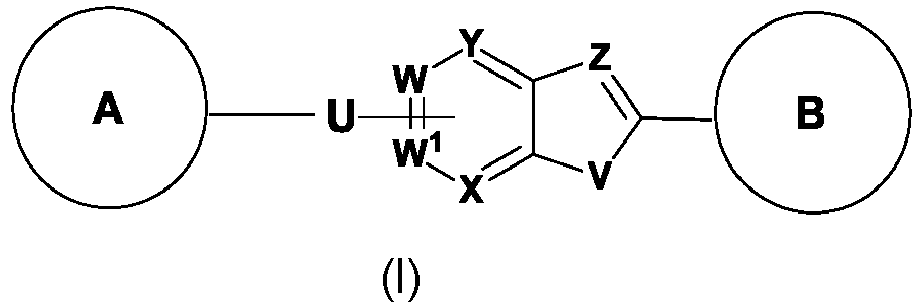
- A preferred embodiment of the compound of formula (I) is

- Preferred compounds are also compounds of the formula (Ib) or (Ic):


- In another embodiment, the compounds of the formula (Id), (Ie), (If), (Ig), (Ih) or (Ii):


- In one embodiment,

- In another embodiment



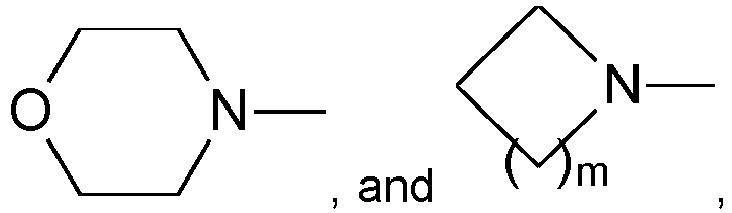


- More preferably,




- Even more preferably,


- Examples of preferred groups include


- Examples of preferred groups include


- Examples of more preferred groups include


- In one embodiment,


- V is selected from the group consisting of S, NRa and CRbRb. Preferably V is S.
- Z is selected from the group consisting of N and CRc. In one embodiment Z is N. In another embodiment, Z is CRc.
- W is selected from the group consisting of N and CRc or W is C if W is attached to U.
- W1 is selected from the group consisting of N and CRc or W1 is C if W1 is attached to U.
- X is selected from the group consisting of N and CRc or X is C if X is attached to U.
- Y is selected from the group consisting of N and CRc or Y is C if Y is attached to U.
- U is selected from the group consisting of -NRa-, -CH=CH-, -C≡C- and a bond.
- In a preferred embodiment, at least one of Z, X, W1, W and Y is N. More preferably, V is S and at least one of Z, X, W1, W and Y is N.


- In a preferred embodiment,


- In a more preferred embodiment,


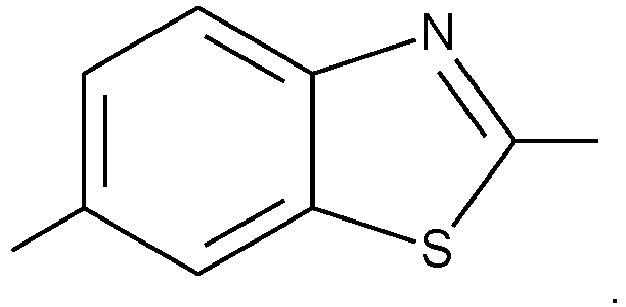
- In a more preferred embodiment,
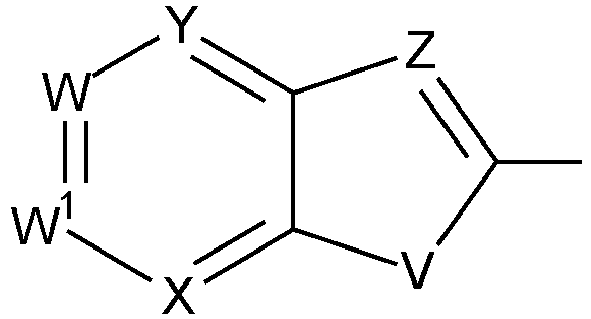


- For each occurrence, Ra is independently selected from the group consisting of hydrogen, alkyl, and haloalkyl. For each occurrence, Ra is preferably independently selected from the group consisting of hydrogen, and alkyl.
- For each occurrence, Rb is independently selected from the group consisting of hydrogen, alkyl, haloalkyl, and halogen. For each occurrence, Rb is preferably independently selected from the group consisting of hydrogen, and alkyl.
- For each occurrence, Rc is independently selected from the group consisting of hydrogen, alkyl, haloalkyl, and halogen. For each occurrence, Rc is preferably hydrogen.
- For each occurrence, Rd is independently selected from the group consisting of -halogen, -OH, -O-alkyl and -hydrogen.
- For each occurrence, Re is independently selected from the group consisting of hydrogen, -(CH2CH2-O)n-Rf, -(CH2CH2-O)n-(CH2CH2)-Rd, alkyl, carbocyclyl and heterocyclyl, wherein alkyl, carbocyclyl and heterocyclyl can be optionally substituted. For each occurrence, Re is preferably independently selected from the group consisting of hydrogen, and alkyl.
- For each occurrence, Rf is independently selected from the group consisting of hydrogen, and alkyl, wherein alkyl can be optionally substituted. For each occurrence, Rf is preferably independently selected from the group consisting of hydrogen, and alkyl.
- For each occurrence, RA is independently selected from the group consisting of halogen, -CN, -O-R10, -NR10R11, -CONR10R11, -N(R10)-C(O)-R11, -N(R10)-C(O)-O-R11, -(O-CH2CH2)n-Rd, =O, alkyl, carbocyclyl, carbocyclylalkyl, heterocyclyl, heterocyclylalkyl, alkenyl, and alkynyl. For each occurrence, RA is preferably independently selected from the group consisting of halogen, -CN, -O-R10, -NR10R11, -CONR10R11, -N(R10)-C(O)-R11, -N(R10)-C(O)-O-R11, -(O-CH2CH2)n-Rd, =O, alkyl, carbocyclyl, carbocyclylalkyl, heterocyclyl, and heterocyclylalkyl. For each occurrence, RA is more preferably independently selected from the group consisting of halogen, -CN, -O-R10, -NR10R11, -N(R10)-C(O)-O-R11, -(O-CH2CH2)n-Rd, =O, alkyl, and heterocyclyl. In a preferred embodiment, RA is selected from halogen, -O(CH2)2F, -O(CH2)2OH, optionally substituted morpholino, optionally substituted-pyrrolidine (such as F-pyrrolidine), and optionally substituted-piperidine (such as F-piperidine), more preferably RA is optionally substituted-pyrrolidine (such as F-pyrrolidine) or optionally substituted-piperidine (such as F-piperidine). In a preferred embodiment, RA is an optionally substituted-pyrrolidine (such as F-pyrrolidine).
- The alkyl, carbocyclyl, carbocyclylalkyl, heterocyclyl, heterocyclylalkyl, alkenyl, and alkynyl can be optionally substituted. Examples of possible substituents of the alkyl group include -Hal, -CN, -OH, -O-alkyl, -CF3, and -OCF3. Examples of possible substituents of the carbocyclyl, carbocyclylalkyl, heterocyclyl, heterocyclylalkyl, alkenyl, and alkynyl include -Hal, -CN, -OH, -O-alkyl, -CF3, -OCF3, and alkyl.
- If more than one group RA is present and two of the groups RA are adjacent, they can optionally be taken together and can form a 5- to 8-membered ring containing carbon atoms and optionally one or more heteroatoms selected from O, S, or N or optionally one or more heteroatom (e.g., N, O and/or S)-containing moieties and wherein the 5- to 8-membered ring may be substituted. Examples of the 5- to 8-membered ring include -O-CH2-CH2-O- and -O-CH2-O-.
- For each occurrence, RB is independently selected from the group consisting of halogen, -CN, -O-R10, -NR10R11, -CONR10R11, -N(R10)-C(O)-R11, -N(R10)-C(O)-O-R11, -(O-CH2CH2)n-Rd, =O, alkyl, carbocyclyl, carbocyclylalkyl, heterocyclyl, heterocyclylalkyl, alkenyl, and alkynyl. For each occurrence, RB is preferably independently selected from the group consisting of halogen, -CN, -O-R10, -NR10R11, -CONR10R11, -N(R10)-C(O)-R11, -N(R10)-C(O)-O-R11, -(O-CH2CH2)n-Rd, alkyl, carbocyclyl, carbocyclylalkyl, heterocyclyl, and heterocyclylalkyl. For each occurrence, RB is more preferably independently selected from the group consisting of halogen, -CN, -O-R10, -NR10R11, -N(R10)-C(O)-O-R11, -(O-CH2CH2)n-Rd, alkyl, and heterocyclyl. In a preferred embodiment, RB is selected from halogen, -O-R10, -O(CH2)2F, -NR10R11, -N(R10)-C(O)-O-R11, optionally substituted piperidine, optionally substituted pyrrolidone, optionally substituted tetrahydropyrane, and optionally substituted azaspiro[3.3]heptane (with R10 and R11 being independently hydrogen or alkyl). In a more preferred embodiment, RB is an optionally substituted-pyrrolidine and an optionally substituted-piperidine.
- The alkyl, carbocyclyl, carbocyclylalkyl, heterocyclyl, heterocyclylalkyl, alkenyl, and alkynyl can be optionally substituted. Examples of possible substituents of the alkyl group include -Hal, -CN, -OH, -O-alkyl, -CF3, and -OCF3. Examples of possible substituents of the carbocyclyl, carbocyclylalkyl, heterocyclyl, heterocyclylalkyl, alkenyl, and alkynyl include -Hal, -CN, -OH, -O-alkyl, -CF3, -OCF3, and alkyl.
- If more than one group RB is present and two of the groups RB are adjacent, they can optionally be taken together and can form a 5- to 8-membered ring containing carbon atoms and optionally one or more heteroatoms selected from O, S, or N or optionally one or more heteroatom (e.g., N, O and/or S)-containing moieties and wherein the 5- to 8-membered ring may be substituted. Examples of the 5- to 8-membered ring include -O-CH2-CH2-O- and -O-CH2-O-.
- For each occurrence, R10 is independently selected from the group consisting of hydrogen, alkyl, carbocyclyl, carbocyclylalkyl, heterocyclyl, and heterocyclylalkyl, wherein alkyl, carbocyclyl, carbocyclylalkyl, heterocyclyl, and heterocyclylalkyl can be optionally substituted. For each occurrence, R10 is preferably independently selected from the group consisting of hydrogen, and alkyl. Examples of the optional substituents include -OH, -O-alkyl and Hal.
- For each occurrence, R11 is independently selected from the group consisting of: hydrogen, alkyl, carbocyclyl, carbocyclylalkyl, heterocyclyl, and heterocyclylalkyl, wherein alkyl, carbocyclyl, carbocyclylalkyl, heterocyclyl, and heterocyclylalkyl can be optionally substituted.
- For each occurrence, R11 is preferably independently selected from the group consisting of hydrogen, and alkyl. Examples of the optional substituents include -OH, -O-alkyl and Hal.
- For each occurrence, R14 is independently selected from the group consisting of hydrogen, -(CH2CH2-O)n-Rf, -(CH2CH2-O)n-(CH2CH2)-Rd, alkyl, carbocyclyl and heterocyclyl, wherein alkyl, carbocyclyl and heterocyclyl can be optionally substituted. For each occurrence, R14 is preferably independently selected from the group consisting of hydrogen, and alkyl. Examples of the optional substituents include -OH, -O-alkyl and Hal.
- For each occurrence, n is independently 1 to 4; preferably for each occurrence n is 1 or 2.
- For each occurrence, m is independently 1 to 4, preferably for each occurrence, m is 2 or 3.
- Preferred compounds of formula (I) are the compounds given in the example section of the present application. Particularly preferred compounds are







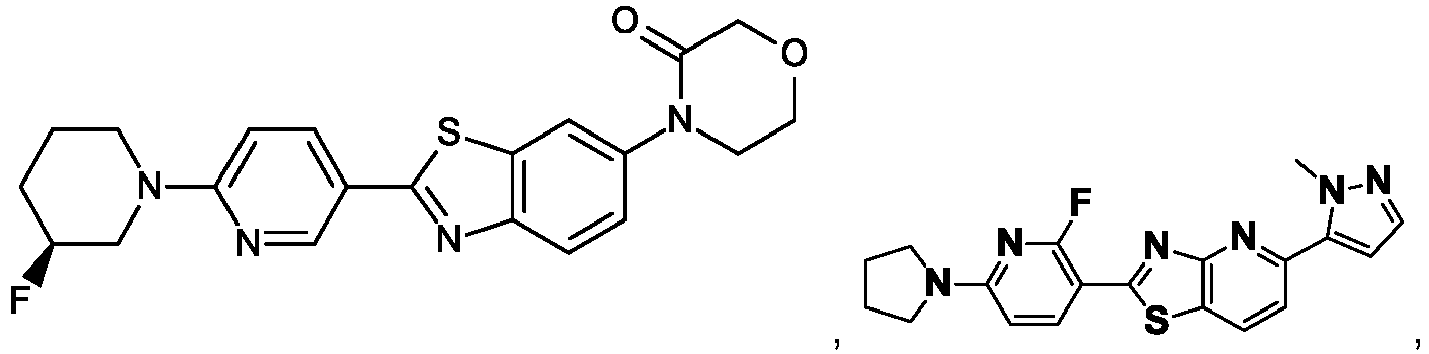


- A further embodiment refers to a compound of formula (II):

- Another preferred embodiment of the compound of formula (II) is selected from


- In one embodiment,

- In an other embodiment,


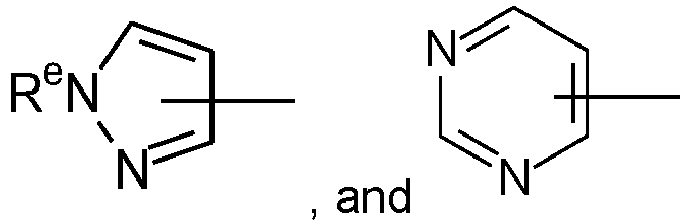
- Examples of preferred groups include


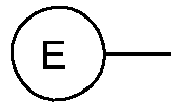
- In one embodiment,


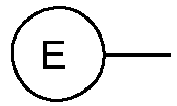
- V2 is selected from the group consisting of S, NRa and CRbRb. Preferably V2 is S.
- Z2 is selected from the group consisting of N and CRc. In one embodiment Z2 is N. In another embodiment, Z2 is CRc.
- For each occurrence, Ra is independently selected from the group consisting of hydrogen, alkyl, and haloalkyl. For each occurrence, Ra is preferably independently selected from the group consisting of hydrogen, and alkyl.
- For each occurrence, Rb is independently selected from the group consisting of hydrogen, alkyl, haloalkyl, and halogen. For each occurrence, Rb is preferably independently selected from the group consisting of hydrogen, and alkyl.
- For each occurrence, Rc is independently selected from the group consisting of hydrogen, alkyl, haloalkyl, and halogen. For each occurrence, Rc is preferably hydrogen.
- For each occurrence, Rd is independently selected from the group consisting of halogen, -OH, -O-alkyl and hydrogen.
- For each occurrence, Re is independently selected from the group consisting of hydrogen, -(CH2CH2-O)n-Rf, -(CH2CH2-O)n-(CH2CH2)-Rd, alkyl, carbocyclyl and heterocyclyl, wherein alkyl, carbocyclyl and heterocyclyl can be optionally substituted. For each occurrence, Re is preferably independently selected from the group consisting of hydrogen, and alkyl.
- For each occurrence, Rf is independently selected from the group consisting of hydrogen, and alkyl, wherein alkyl can be optionally substituted. For each occurrence, Rf is preferably independently selected from the group consisting of hydrogen, and alkyl.
- For each occurrence, RD is independently selected from the group consisting of halogen, CN, -O-R10, -NR10R11, -CONR10R11, -N(R10)-C(O)-R11, -N(R10)-C(O)-O-R11, -(O-CH2CH2)n-Rd, =O, alkyl, carbocyclyl, carbocyclylalkyl, heterocyclyl, heterocyclylalkyl, alkenyl, and alkynyl. If


- If

- The alkyl, carbocyclyl, carbocyclylalkyl, heterocyclyl, heterocyclylalkyl, alkenyl, and alkynyl can be optionally substituted. Examples of possible substituents of the alkyl group include -Hal, -CN, -OH, -O-alkyl, -CF3, and -OCF3. Examples of possible substituents of the carbocyclyl, carbocyclylalkyl, heterocyclyl, heterocyclylalkyl, alkenyl, and alkynyl include -Hal, -CN, -OH, -O-alkyl, -CF3, -OCF3, and alkyl.
- If more than one group RD is present and two of the groups RD are adjacent, they can optionally be taken together and can form a 5- to 8-membered ring containing carbon atoms and optionally one or more heteroatoms selected from O, S, or N or optionally one or more heteroatom (e.g., N, O and/or S)-containing moieties and wherein the 5- to 8-membered ring may be substituted.
- For each occurrence, RE is independently selected from the group consisting of halogen, CN, -O-R10, -NR10R11, -CONR10R11, -N(R10)-C(O)-R11, -N(R10)-C(O)-O-R11, -(O-CH2CH2)n-Rd, =O, alkyl, carbocyclyl, carbocyclylalkyl, heterocyclyl, heterocyclylalkyl, alkenyl, and alkynyl. For each occurrence, RE is preferably independently selected from the group consisting of halogen, -CN, -O-R10, -NR10R11, -CONR10R11, -N(R10)-C(O)-R11, -N(R10)-C(O)-O-R11, -(O-CH2CH2)n-Rd, alkyl, carbocyclyl, carbocyclylalkyl, heterocyclyl, and heterocyclylalkyl. For each occurrence, RE is more preferably independently selected from the group consisting of halogen, -CN, -O-R10, -NR10R11, -N(R10)-C(O)-O-R11, -(O-CH2CH2)n-Rd, alkyl, and heterocyclyl. Even more preferably, RE is halogen and/or F-pyrrolidine.
- The alkyl, carbocyclyl, carbocyclylalkyl, heterocyclyl, heterocyclylalkyl, alkenyl, and alkynyl can be optionally substituted. Examples of possible substituents of the alkyl group include -Hal, -CN, -OH, -O-alkyl, -CF3, and -OCF3. Examples of possible substituents of the carbocyclyl, carbocyclylalkyl, heterocyclyl, heterocyclylalkyl, alkenyl, and alkynyl include -Hal, -CN, -OH, -O-alkyl, -CF3, -OCF3, and alkyl.
- If more than one group RE is present and two of the groups RE are adjacent, they can optionally be taken together and can form a 5- to 8-membered ring containing carbon atoms and optionally one or more heteroatoms selected from O, S, or N or optionally one or more heteroatom (e.g., N, O and/or S)-containing moieties and wherein the 5- to 8-membered ring may be substituted.
- For each occurrence, R10 is independently selected from the group consisting of: hydrogen, alkyl, carbocyclyl, carbocyclylalkyl, heterocyclyl, and heterocyclylalkyl, wherein alkyl, carbocyclyl, carbocyclylalkyl, heterocyclyl, and heterocyclylalkyl can be optionally substituted. For each occurrence, R10 is preferably independently selected from the group consisting of hydrogen, and alkyl. Examples of the optional substituents include -OH, -O-alkyl and Hal.
- For each occurrence, R11 is independently selected from the group consisting of: hydrogen, alkyl, carbocyclyl, carbocyclylalkyl, heterocyclyl, and heterocyclylalkyl, wherein alkyl, carbocyclyl, carbocyclylalkyl, heterocyclyl, and heterocyclylalkyl can be optionally substituted. For each occurrence, R11 is preferably independently selected from the group consisting of hydrogen, and alkyl. Examples of the optional substituents include -OH, -O-alkyl and Hal.
- For each occurrence, R14 is independently selected from the group consisting of hydrogen, -(CH2CH2-O)n-Rf, -(CH2CH2-O)n-(CH2CH2)-Rd, alkyl, carbocyclyl and heterocyclyl, wherein alkyl, carbocyclyl and heterocyclyl can be optionally substituted. For each occurrence, R14 is preferably independently selected from the group consisting of hydrogen, and alkyl. Examples of the optional substituents include -OH, -O-alkyl and Hal.
- For each occurrence, n is independently 1 to 4; preferably for each occurrence n is 1 or 2.
- For each occurrence, m is independently 1 to 4, preferably for each occurrence, m is 2 or 3.
- Preferred compounds of formula (II) are the compounds given in the example section of the present application. Particularly preferred compounds are

- The compounds described herein can be detectably labeled. The type of the label is not specifically limited and will depend on the detection method chosen. Examples of possible labels include isotopes such as radionuclides, positron emitters, gamma emitters, as well as fluorescent, luminescent and chromogenic labels. With respect to the detectably labeled compounds which include a radioisotope, a positron emitter, or a gamma emitter, it is to be understood that the radioisotope, positron emitter, or gamma emitter is to be present in an amount which is not identical to the natural amount of the respective radioisotope, positron emitter, or gamma emitter. Furthermore, the employed amount should allow detection thereof by the chosen detection method.
- Examples of suitable isotopes such as radionuclides, positron emitters and gamma emitters include 2H, 3H, 18F, 123I, 124I, 125I, 131I, 11C, 13N, 15O, and 77Br, preferably 2H, 3H, 11C, 13N, 15O, and 18F, more preferably 2H, 3H and 18F, even more preferably 18F.
- 18F-labeled compounds are particularly suitable for imaging applications such as PET. The corresponding compounds which include fluorine having a natural 19F isotope are also of particular interest as they can be used as analytical standards and references during manufacturing, quality control, release and clinical use of their 18F-analogs.
- Further, substitution with isotopes such as deuterium, i.e., 2H, may afford certain diagnostic and therapeutic advantages resulting from greater metabolic stability by reducing for example defluorination, increased in vivo half-life or reduced dosage requirements, while keeping or improving the original compound efficacy.
- Isotopic variations of the compounds described herein can generally be prepared by conventional procedures such as by the illustrative methods or by the preparations described in the Examples and Preparative Examples hereafter using appropriate isotopic variations of suitable reagents, commercially available or prepared by known synthetic techniques.
- Radionuclides, positron emitters and gamma emitters can be included into the compounds described herein by methods which are usual in the field of organic synthesis. Typically, they will be introduced by using a correspondingly labeled starting material when the desired compound is prepared. Illustrative methods of introducing detectable labels are described, for instance, in
US 2012/0302755 . - The position at which the detectable label is to be attached to the compounds described herein is not particularly limited.
- The radionuclides, positron emitters and gamma emitters, for example, can be attached at any position where the corresponding non-emitting atom can also be attached. For instance, 18F can be attached at any position which is suitable for attaching F. The same applies to the other radionuclides, positron emitters and gamma emitters. Due to the ease of synthesis, it is preferred to attach 18F, 123I, 124I, 125I, 131I, and 77Br as RA, RB, RD and RE or part of RA, RB, RD and RE. If 3H is employed as a detectable label it is preferably attached in the form of -C(3H)3 at any position at which a methyl group can be attached. Alternatively, 3H per se can be attached at any available position. If 2H is employed as a detectable label it is preferably attached in the form of -C(2H)3 at any position at which a methyl group can be attached. Easily available positions include Re and R14. 11C, 13N, and 15O can be incorporated into the compounds described herein at any position where C, N and O appear.
- The compounds described herein are particularly suitable for imaging of alpha-synuclein aggregates including, but not limited to, Lewy bodies and/or Lewy neurites. With respect to alpha-synuclein protein, compounds described herein are particularly suitable for binding to various types of alpha-synuclein aggregates including, but not limited to, Lewy bodies and/or Lewy neurite.
- Due to their design and to the binding characteristics, the compounds described herein are suitable for use in the diagnosis of disorders and abnormalities associated with alpha-synuclein aggregates including, but not limited to, Lewy bodies and/or Lewy neurites. The compounds described herein are particularly suitable for positron emission tomography imaging of alpha-synuclein aggregates including, but not limited to, Lewy bodies and/or Lewy neurites. Diseases involving alpha-synuclein aggregates are generally listed as synucleinopathies (or α-synucleinopathies). The compounds described herein are suitable for use in the diagnosis of disorders including, but not limited to, Parkinson's disease (sporadic, familial with alpha-synuclein mutations, familial with mutations other than alpha-synuclein, pure autonomic failure and Lewy body dysphagia), dementia with Lewy bodies ("pure" Lewy body dementia), sporadic Alzheimer's disease, familial Alzheimer's disease with APP mutations, familial Alzheimer's disease with PS-1, PS-2 or other mutations, familial British dementia, Lewy body variant of Alzheimer's disease and normal aging (Down syndrome). Synucleinopathies with neuronal and glial aggregates of alpha synuclein include multiple system atrophy (Shy-Drager syndrome, striatonigral degeneration and olivopontocerebellar atrophy). Other diseases that may have alpha-synuclein-immunoreactive lesions include traumatic brain injury, chronic traumatic encephalopathy, tauopathies (Pick's disease, frontotemporal dementia, progressive supranuclear palsy, corticobasal degeneration and Niemann-Pick type C1 disease), motor neuron disease, amyotrophic lateral sclerosis (sporadic, familial and ALS-dementia complex of Guam), neuroaxonal dystrophy, neurodegeneration with brain iron accumulation type 1 (Hallervorden-Spatz syndrome), prion diseases, ataxia telangiectatica, Meige's syndrome, subacute sclerosing panencephalitis, Gaucher disease as well as other lysosomal storage disorders (including Kufor-Rakeb syndrome and Sanfilippo syndrome) and rapid eye movement (REM) sleep behavior disorder. (Jellinger, Mov Disord 2003, 18 Suppl. 6, S2-12; Galvin et al. JAMA Neurology 2001, 58 (2), 186-190; Kovari et al., Acta Neuropathol. 2007, 114(3), 295-8; Saito et al., J Neuropathol Exp Neurol. 2004, 63(4), 323-328; McKee et al., Brain, 2013, 136(Pt 1), 43-64; Puschmann et al., Parkinsonism Relat Disord 2012, 18S1, S24-S27; Usenovic et al., J Neurosci. 2012, 32(12), 4240-4246; Winder-Rhodes et al., Mov Disord. 2012, 27(2), 312-315; Ferman et al., J Int Neuropsychol Soc. 2002, 8(7), 907-914). Preferably, the compounds described herein are suitable for use in the diagnosis of Parkinson's disease (PD).
- In the methods of diagnosing a disorder or abnormality associated with alpha-synuclein aggregates including, but not limited to, Lewy bodies and/or Lewy neurites, such as Parkinson's disease, or a predisposition therefor in a subject, the method comprising:
- a) administering to the subject a diagnostically effective amount of a compound described herein;
- b) allowing the compound to distribute into the tissue of interest (such as brain tissue, or body fluids such as cerebrospinal fluid (CSF)); and
- c) imaging the tissue of interest, wherein an increase in binding of the compound to the tissue of interest compared to a normal control level of binding indicates that the subject is suffering from or is at risk of developing a disorder or abnormality associated with alpha-synuclein aggregates including, but not limited to, Lewy bodies and/or Lewy neurites.
- The compounds described herein can be used for imaging of alpha-synuclein aggregates including, but not limited to, Lewy bodies and/or Lewy neurites in any sample (invention) or a specific body part or body area (reference) of a patient which suspected to contain an alpha-synuclein aggregates including, but not limited to, Lewy bodies and/or Lewy neurites. The compounds described herein are able to pass the blood-brain barrier. Consequently, they are particularly suitable for imaging of alpha-synuclein aggregates including, but not limited to, Lewy bodies and/or Lewy neurites in the brain, as well as in body fluids such as cerebrospinal fluid (CSF).
- In diagnostic applications, the compound described herein is preferably administered in a diagnostic composition comprising the compound described herein. A "diagnostic composition" is defined herein as a composition comprising one or more compounds described herein in a form suitable for administration to a patient, e.g., a mammal such as a human, and which is suitable for use in the diagnosis of the specific disorder or anormality at issue. Preferably a diagnostic composition further comprises a physiologically acceptable carrier, diluent, adjuvant or excipient. Administration is preferably carried out as defined below. More preferably by injection of the composition as an aqueous solution. Such a composition may optionally contain further ingredients such as buffers; pharmaceutically acceptable solubilisers (e.g., cyclodextrins or surfactants such as Pluronic, Tween or phospholipids); and pharmaceutically acceptable stabilisers or antioxidants (such as ascorbic acid, gentisic acid or para-aminobenzoic acid). The dose of the compound described herein will vary depending on the exact compound to be administered, the weight of the patient, and other variables as would be apparent to a physician skilled in the art.
- While it is possible for the compounds described herein to be administered alone, it is preferable to formulate them into a diagnostic composition in accordance with standard pharmaceutical practice. Thus, the invention also provides a diagnostic composition which comprises a diagnostically effective amount of a compound of the present invention in admixture with a pharmaceutically acceptable carrier, diluent, adjuvant or excipient.
- Pharmaceutically acceptable excipients are well known in the pharmaceutical art, and are described, for example, in Remington's Pharmaceutical Sciences, 15th Ed., Mack Publishing Co., New Jersey (1975). The pharmaceutical excipient can be selected with regard to the intended route of administration and standard pharmaceutical practice. The excipient must be acceptable in the sense of being not deleterious to the recipient thereof.
- Pharmaceutically useful excipients that may be used in the formulation of the diagnostic composition may comprise, for example, carriers, vehicles, diluents, solvents such as monohydric alcohols such as ethanol, isopropanol and polyhydric alcohols such as glycols and edible oils such as soybean oil, coconut oil, olive oil, safflower oil cottonseed oil, oily esters such as ethyl oleate, isopropyl myristate, binders, adjuvants, solubilizers, thickening agents, stabilizers, disintegrants, glidants, lubricating agents, buffering agents, emulsifiers, wetting agents, suspending agents, sweetening agents, colorants, flavors, coating agents, preservatives, antioxidants, processing agents, drug delivery modifiers and enhancers such as calcium phosphate, magnesium stearate, talc, monosaccharides, disaccharides, starch, gelatin, cellulose, methylcellulose, sodium carboxymethyl cellulose, dextrose, hydroxypropyl-β-cyclodextrin, polyvinylpyrrolidone, low melting waxes, and ion exchange resins.
- The routes for administration (delivery) of the compounds described herein include, but are not limited to, one or more of: oral (e. g. as a tablet, capsule, or as an ingestible solution), topical, mucosal (e. g. as a nasal spray or aerosol for inhalation), nasal, parenteral (e. g. by an injectable form), gastrointestinal, intraspinal, intraperitoneal, intramuscular, intravenous, intrauterine, intraocular, intradermal, intracranial, intratracheal, intravaginal, intracerebroventricular, intracerebral, subcutaneous, ophthalmic (including intravitreal or intracameral), transdermal, rectal, buccal, epidural and sublingual.
- For example, the compounds can be administered orally in the form of tablets, capsules, ovules, elixirs, solutions or suspensions, which may contain flavoring or coloring agents, for immediate-, delayed-, modified-, sustained-, pulsed- or controlled-release applications.
- The tablets may contain excipients such as microcrystalline cellulose, lactose, sodium citrate, calcium carbonate, dibasic calcium phosphate and glycine, disintegrants such as starch (preferably corn, potato or tapioca starch), sodium starch glycolate, croscarmellose sodium and certain complex silicates, and granulation binders such as polyvinylpyrrolidone, hydroxypropylmethylcellulose (HPMC), hydroxypropylcellulose (HPC), sucrose, gelatin and acacia. Additionally, lubricating agents such as magnesium stearate, stearic acid, glyceryl behenate and talc may be included. Solid compositions of a similar type may also be employed as fillers in gelatin capsules. Preferred excipients in this regard include lactose, starch, a cellulose, milk sugar or high molecular weight polyethylene glycols. For aqueous suspensions and/or elixirs, the agent may be combined with various sweetening or flavoring agents, coloring matter or dyes, with emulsifying and/or suspending agents and with diluents such as water, ethanol, propylene glycol and glycerin, and combinations thereof.
- Preferably, in diagnostic applications, the compounds described herein are administered parenterally. If the compounds are administered parenterally, then examples of such administration include one or more of: intravenously, intraarterially, intraperitoneally, intrathecally, intraventricularly, intraurethrally, intrasternally, intracranially, intramuscularly or subcutaneously administering the compounds; and/or by using infusion techniques. For parenteral administration, the compounds are best used in the form of a sterile aqueous solution which may contain other substances, for example, enough salts or glucose to make the solution isotonic with blood. The aqueous solutions should be suitably buffered (preferably to a pH of from 3 to 9), if necessary. The preparation of suitable parenteral formulations under sterile conditions is readily accomplished by standard pharmaceutical techniques well known to those skilled in the art.
- As indicated, the compounds described herein can be administered intranasally or by inhalation and are conveniently delivered in the form of a dry powder inhaler or an aerosol spray presentation from a pressurized container, pump, spray or nebulizer with the use of a suitable propellant, e. g. dichlorodifluoromethane, trichlorofluoromethane, dichlorotetrafluoroethane, a hydrofluoroalkane such as 1,1,1,2-tetrafluoroethane (HFA134AT) or 1,1,1,2,3,3,3-heptafluoropropane (HFA 227EA), carbon dioxide or other suitable gas. In the case of a pressurized aerosol, the dosage unit may be determined by providing a valve to deliver a metered amount. The pressurized container, pump, spray or nebulizer may contain a solution or suspension of the active compound, e. g. using a mixture of ethanol and the propellant as the solvent, which may additionally contain a lubricant, e. g. sorbitan trioleate. Capsules and cartridges (made, for example, from gelatin) for use in an inhaler or insufflator may be formulated to contain a powder mix of the compound and a suitable powder base such as lactose or starch.
- Alternatively, the compounds described herein can be administered in the form of a suppository or pessary, or it may be applied topically in the form of a gel, hydrogel, lotion, solution, cream, ointment or dusting powder. The compounds described herein may also be dermally or transdermally administered, for example, by the use of a skin patch.
- They may also be administered by the pulmonary or rectal routes. They may also be administered by the ocular route. For ophthalmic use, the compounds can be formulated as micronized suspensions in isotonic, pH was adjusted, sterile saline, or, preferably, as solutions in isotonic, pH was adjusted, sterile saline, optionally in combination with a preservative such as a benzylalkonium chloride. Alternatively, they may be formulated in an ointment such as petrolatum.
- For application topically to the skin, the compounds described herein can be formulated as a suitable ointment containing the active compound suspended or dissolved in, for example, a mixture with one or more of the following: mineral oil, liquid petrolatum, white petrolatum, propylene glycol, emulsifying wax and water. Alternatively, they can be formulated as a suitable lotion or cream, suspended or dissolved in, for example, a mixture of one or more of the following: mineral oil, sorbitan monostearate, a polyethylene glycol, liquid paraffin, polysorbate 60, cetyl esters wax, cetearyl alcohol, 2-octyldodecanol, benzyl alcohol and water.
- Typically, a physician will determine the actual dosage which will be most suitable for an individual subject. The specific dose level and frequency of dosage for any particular individual may be varied and will depend upon a variety of factors including the activity of the specific compound employed, the metabolic stability and length of action of that compound, the age, body weight, general health, sex, diet, mode and time of administration, rate of excretion, drug combination, the severity of the particular condition, and the individual undergoing diagnosis.
- Generally, the dose could preferably lie in the range 0.001 µg/kg to 10 µg/kg, preferably 0.01 µg/kg to 1.0 µg/kg. The dose will depend on the route of administration. It will be appreciated that it may be necessary to make routine variations to the dosage depending on the age and weight of the patient as well as the severity of the disorder or anormality. The precise dose and route of administration will ultimately be at the discretion of the attendant physician or veterinarian.
- The diagnostic compositions can be produced in a manner known per se to the skilled person as described, for example, in Remington's Pharmaceutical Sciences, 15th Ed., Mack Publishing Co., New Jersey (1975).
- The compounds described herein are useful as an in vitro analytical reference or an in vitro screening tool. They are also useful in in vivo diagnostic methods.
- The compounds described herein can also be provided in the form of a mixture comprising a compound described herein and at least one compound selected from an imaging agent different from the compound described herein, a pharmaceutically acceptable carrier, a diluent and an excipient. The imaging agent different from the compound described herein is preferably present in a diagnostically effective amount. More preferably the imaging agent different from the compound described herein is an abeta or tau imaging agent.
- Diagnosis of a disorder or abnormality associated with alpha-synuclein aggregates including, but not limited to, Lewy bodies and/or Lewy neurites or of a predisposition to a disorder or abnormality associated with alpha-synuclein aggregates including, but not limited to, Lewy bodies and/or Lewy neurites in a patient may be achieved by detecting the specific binding of a compound described herein to the alpha-synuclein aggregates including, but not limited to, Lewy bodies and/or Lewy neurites in a sample or in situ, which includes:
- (a) bringing the sample (invention) or a specific body part or body area (reference) suspected to contain the alpha-synuclein aggregates including, but not limited to, Lewy bodies and/or Lewy neurites into contact with a compound described herein which binds the alpha-synuclein aggregates including, but not limited to, Lewy bodies and/or Lewy neurites,
- (b) allowing the compound described herein to bind to the alpha-synuclein aggregates including, but not limited to, Lewy bodies and/or Lewy neurites to form a compound/(alpha-synuclein aggregates including, but not limited to, Lewy bodies or Lewy neurites) complex (hereinafter "compound/(alpha-synuclein aggregates including, but not limited to, Lewy bodies and/or Lewy neurites) complex" will be abbreviated as "compound/protein aggregate complex"),
- (c) detecting the formation of the compound/protein aggregate complex,
- (d) optionally correlating the presence or absence of the compound/protein aggregate complex with the presence or absence of alpha-synuclein aggregates including, but not limited to, Lewy bodies and/or Lewy neurites in the sample or specific body part or area, and
- (e) optionally comparing the amount of the compound/protein aggregate complex to a normal control value, wherein an increase in the amount of the compound/protein aggregate complex compared to a normal control value may indicate that the patient is suffering from or is at risk of developing a disorder or abnormality associated with alpha-synuclein aggregates including, but not limited to, Lewy bodies and/or Lewy neurites.
- The compound described herein can be brought into contact with the sample (invention) or the specific body part or body area (reference) suspected to contain the alpha-synuclein aggregates including, but not limited to, Lewy bodies and/or Lewy neurites by a suitable method. In in vitro methods the compound described herein and a liquid sample can be simply mixed. In in vivo tests the compound described herein is typically administered to the patient by any suitable means. These routes of administration include, but are not limited to, one or more of: oral (e. g. as a tablet, capsule, or as an ingestible solution), topical, mucosal (e. g. as a nasal spray or aerosol for inhalation), nasal, parenteral (e. g. by an injectable form), gastrointestinal, intraspinal, intraperitoneal, intramuscular, intravenous, intrauterine, intraocular, intradermal, intracranial, intratracheal, intravaginal, intracerebroventricular, intracerebral, subcutaneous, ophthalmic (including intravitreal or intracameral), transdermal, rectal, buccal, epidural and sublingual. In some instances, parenteral administration can be preferred.
- After the sample (invention) or a specific body part or body area (reference) has been brought into contact with the compound described herein, the compound is allowed to bind to the alpha-synuclein aggregates including, but not limited to, Lewy bodies and/or Lewy neurites. The amount of time required for binding will depend on the type of test (e.g., in vitro or in vivo) and can be determined by a person skilled in the field by routine experiments.
- The compound which has bound to the alpha-synuclein aggregates including, but not limited to, Lewy bodies and/or Lewy neurites, can be subsequently detected by any appropriate method. The specific method chosen will depend on the detectable label which has been chosen. Examples of possible methods include, but are not limited to, a fluorescence imaging technique or a nuclear imaging technique such as positron emission tomography (PET), single photon emission computed tomography (SPECT), magnetic resonance imaging (MRI), and contrast-enhanced magnetic resonance imaging (MRI). These have been described and enable visualization of amyloid biomarkers. The fluorescence imaging technique and/or nuclear imaging technique can be employed for monitoring and/or visualizing the distribution of the detectably labeled compound within the sample (invention) or a specific body part or body area (reference).
- The presence or absence of the compound/protein aggregate complex is then optionally correlated with the presence or absence of alpha-synuclein aggregates including, but not limited to, Lewy bodies and/or Lewy neurites in the sample (invention) or specific body part or area (reference). Finally, the amount of the compound/protein aggregate complex can be compared to a normal control value which has been determined in a sample or a specific body part or body area of a healthy subject, wherein an increase in the amount of the compound/protein aggregate complex compared to a normal control value may indicate that the patient is suffering from or is at risk of developing a disorder or abnormality associated with alpha-synuclein aggregates including, but not limited to, Lewy bodies and/or Lewy neurites.
- A method of determining the amount of alpha-synuclein aggregates including, but not limited to, Lewy bodies and/or Lewy neurites in a tissue and/or a body fluid is described. This method comprises the steps of:
- (a) providing a sample representative of the tissue and/or body fluid under investigation;
- (b) testing the sample for the presence of alpha-synuclein aggregates including, but not limited to, Lewy bodies and/or Lewy neurites with a compound described herein;
- (c) determining the amount of compound bound to the alpha-synuclein aggregates including, but not limited to, Lewy bodies and/or Lewy neurites; and
- (d) calculating the amount of alpha-synuclein aggregates including, but not limited to, Lewy bodies and/or Lewy neurites in the tissue and/or body fluid.
- The sample can be tested for the presence of alpha-synuclein aggregates including, but not limited to, Lewy bodies and/or Lewy neurites with a compound described herein by bringing the sample into contact with a compound described herein, allowing the compound described herein to bind to the alpha-synuclein aggregates including, but not limited to, Lewy bodies and/or Lewy neurites to form a compound/protein aggregate complex and detecting the formation of the compound/protein aggregate complex as explained above.
- Monitoring minimal residual disorder in a patient suffering from a disorder or abnormality associated with alpha-synuclein aggregates including, but not limited to, Lewy bodies and/or Lewy neurites who has been treated with a medicament with a compound described herein may be achieved by
- (a) bringing a sample (invention) or a specific body part or body area (reference) suspected to contain an alpha-synuclein aggregates including, but not limited to, Lewy bodies and/or Lewy neurites into contact with a compound described herein;
- (b) allowing the compound to bind to the alpha-synuclein aggregates including, but not limited to, Lewy bodies and/or Lewy neurites to form a compound/protein aggregate complex;
- (c) detecting the formation of the compound/protein aggregate complex;
- (d) optionally correlating the presence or absence of the compound/protein aggregate complex with the presence or absence of alpha-synuclein aggregates including, but not limited to, Lewy bodies and/or Lewy neurites in the sample or specific body part or body area; and
- (e) optionally comparing the amount of the compound/protein aggregate complex to a normal control value, wherein an increase in the amount of the aggregate compared to a normal control value may indicate that the patient may still suffer from a minimal residual disease.
- How steps (a) to (e) can be conducted has already been explained above.
- In the method for monitoring minimal residual disorder, the method can further comprises steps (i) to (vi) before step (a):
- (i) bringing a sample (invention) or specific body part or body area (reference) suspected to contain alpha-synuclein aggregates including, but not limited to, Lewy bodies and/or Lewy neurites into contact with the compound as defined in any one of claims 1 to 8, which compound specifically binds to the alpha-synuclein aggregates including, but not limited to, Lewy bodies and/or Lewy neurites;
- (ii) allowing the compound to bind to the alpha-synuclein aggregates including, but not limited to, Lewy bodies and/or Lewy neurites to form a compound/(alpha-synuclein aggregates including, but not limited to, Lewy bodies and/or Lewy neurites) complex;
- (iii) detecting the formation of the compound/(alpha-synuclein aggregates including, but not limited to, Lewy bodies and/or Lewy neurites) complex;
- (iv) correlating the presence or absence of the compound/(alpha-synuclein aggregates including, but not limited to, Lewy bodies and/or Lewy neurites) complex with the presence or absence of alpha-synuclein aggregates including, but not limited to, Lewy bodies and/or Lewy neurites in the sample or specific body part or body area;
- (v) optionally comparing the amount of the compound/(alpha-synuclein aggregates including, but not limited to, Lewy bodies and/or Lewy neurites) complex to a normal control value; and
- (vi) treating the patient with the medicament.
- Optionally the method can further comprise step (A) after step (d) or step (e):
- (A) comparing the amount of the compound/(alpha-synuclein aggregates including, but not limited to, Lewy bodies and/or Lewy neurites) complex determined in step (iv) to the amount of the compound/(alpha-synuclein aggregates including, but not limited to, Lewy bodies and/or Lewy neurites) complex determined in step (d).
- In order to monitor minimal residual disorder over time, steps (a) to (c) and optionally steps (d) and (e) of the method of monitoring minimal residual disorder can be repeated one or more times.
- In the method for monitoring minimal residual disorder the amount of the compound/protein aggregate complex can be optionally compared at various points of time during the treatment, for instance, before and after onset of the treatment or at various points of time after the onset of the treatment. A change, especially a decrease, in the amount of the compound/protein aggregate complex may indicate that the residual disorder is decreasing.
- Predicting responsiveness of a patient suffering from a disorder or abnormality associated with alpha-synuclein aggregates including, but not limited to, Lewy bodies and/or Lewy neurites and being treated with a medicament can be achieved by
- (a) bringing a sample (invention) or a specific body part or body area (reference) suspected to contain an alpha-synuclein aggregates including, but not limited to, Lewy bodies and/or Lewy neurites into contact with a compound described herein;
- (b) allowing the compound to bind to the alpha-synuclein aggregates including, but not limited to, Lewy bodies and/or Lewy neurites to form a compound/protein aggregate complex;
- (c) detecting the formation of the compound/protein aggregate complex;
- (d) optionally correlating the presence or absence of the compound/protein aggregate complex with the presence or absence of alpha-synuclein aggregates including, but not limited to, Lewy bodies and/or Lewy neurites in the sample or specific body part or body area; and
- (e) optionally comparing the amount of the compound/protein aggregate complex to a normal control value.
- How steps (a) to (e) can be conducted has already been explained above.
- In the method for predicting the responsiveness, the method can further comprises steps (i) to (vi) before step (a):
- (i) bringing a sample (invention) or specific body part or body area (reference) suspected to contain alpha-synuclein aggregates including, but not limited to, Lewy bodies and/or Lewy neurites into contact with the compound as defined in any one of claims 1 to 8, which compound specifically binds to the alpha-synuclein aggregates including, but not limited to, Lewy bodies and/or Lewy neurites;
- (ii) allowing the compound to bind to the alpha-synuclein aggregates including, but not limited to, Lewy bodies and/or Lewy neurites to form a compound/(alpha-synuclein aggregates including, but not limited to, Lewy bodies and/or Lewy neurites) complex;
- (iii) detecting the formation of the compound/(alpha-synuclein aggregates including, but not limited to, Lewy bodies and/or Lewy neurites) complex;
- (iv) correlating the presence or absence of the compound/(alpha-synuclein aggregates including, but not limited to, Lewy bodies and/or Lewy neurites) complex with the presence or absence of alpha-synuclein aggregates including, but not limited to, Lewy bodies and/or Lewy neurites in the sample or specific body part or body area;
- (v) optionally comparing the amount of the compound/(alpha-synuclein aggregates including, but not limited to, Lewy bodies and/or Lewy neurites) complex to a normal control value; and
- (vi) treating the patient with the medicament.
- Optionally the method can further comprise step (A) after step (d) or step (e):
- (A) comparing the amount of the compound/(alpha-synuclein aggregates including, but not limited to, Lewy bodies and/or Lewy neurites) complex determined in step (iv) to the amount of the compound/(alpha-synuclein aggregates including, but not limited to, Lewy bodies and/or Lewy neurites) complex determined in step (d).
- In order to determine the responsiveness over time, steps (a) to (c) and optionally steps (d) and (e) of the method of predicting responsiveness can be repeated one or more times.
- In the method for predicting responsiveness the amount of the compound/protein aggregate complex can be optionally compared at various points of time during the treatment, for instance, before and after onset of the treatment or at various points of time after the onset of the treatment. A change, especially a decrease, in the amount of the compound/protein aggregate complex may indicate that the patient has a high potential of being responsive to the respective treatment.
- Optionally, the diagnostic composition can be used before, during and after, surgical procedures (e.g. deep brain stimulation (DBS)) and non-invasive brain stimulation (such as repetitive transcranial magnetic stimulation (rTMS)), for visualizing alpha-synuclein aggregates before, during and after such procedures. Surgical techniques, including DBS, improve advanced symptoms of PD on top of the best currently used medical therapy. During the past 2 decades, rTMS has been closely examined as a possible treatment for PD (Ying-hui Chou et al. JAMA Neurol. 2015 April 1; 72(4): 432-440).
- In a further embodiment, the diagnostic composition can be used in a method of collecting data for monitoring residual disorder in a patient suffering from a disorder or abnormality associated with alpha-synuclein aggregates including, but not limited to, Lewy bodies and/or Lewy neurites who has been treated with a surgical procedure or non-invasive brain stimulation procedure, wherein the method comprises:
- (a) bringing a sample (invention) or specific body part or body area (reference) suspected to contain alpha-synuclein aggregates including, but not limited to, Lewy bodies and/or Lewy neurites into contact with a compound described herein, which compound specifically binds to the alpha-synuclein aggregates including, but not limited to, Lewy bodies and/or Lewy neurites;
- (b) allowing the compound to bind to the alpha-synuclein aggregates including, but not limited to, Lewy bodies and/or Lewy neurites to form a compound/(alpha-synuclein aggregates including, but not limited to, Lewy bodies and/or Lewy neurites) complex;
- (c) detecting the formation of the compound/(alpha-synuclein aggregates including, but not limited to, Lewy bodies and/or Lewy neurites) complex;
- (d) optionally correlating the presence or absence of the compound/(alpha-synuclein aggregates including, but not limited to, Lewy bodies and/or Lewy neurites) complex with the presence or absence of alpha-synuclein aggregates including, but not limited to, Lewy bodies and/or Lewy neurites in the sample or specific body part or body area; and
- (e) optionally comparing the amount of the compound/(alpha-synuclein aggregates including, but not limited to, Lewy bodies and/or Lewy neurites) complex to a normal control value.
- A compound described herein can also be incorporated into a test kit for detecting alpha-synuclein protein aggregates including, but not limited to, Lewy bodies and/or Lewy neurites. The test kit typically comprises a container holding one or more compounds described herein and instructions for using the compound for the purpose of binding to an alpha-synuclein aggregates including, but not limited to, Lewy bodies and/or Lewy neurites to form a compound/protein aggregate complex and detecting the formation of the compound/protein aggregate complex such that presence or absence of the compound/protein aggregate complex correlates with the presence or absence of the alpha-synuclein aggregates including, but not limited to, Lewy bodies and/or Lewy neurites.
- The term "test kit" refers in general to any diagnostic kit known in the art. More specifically, the latter term refers to a diagnostic kit as described in Zrein et al., Clin. Diagn. Lab. Immunol., 1998, 5, 45-49.
- The compounds can also be employed in kits for the preparation of radiopharmaceutical preparations. Due to the radioactive decay, the radiopharmaceuticals are usually prepared immediately before use. The kit comprises a precursor of the compound and an agent which reacts with the precursor to introduce a radioactive label to the compound. The precursor of the compound can, for example, be a compound having the formula (IIIa), (IIIb), (IVa) or (IVb). The agent can be an agent which introduces a radioactive label such as 18F. The compounds according formulae (IVa) and (IVb) are according to the invention. Compounds which do not conform to the formulae (IVa) and (IVb) are not covered by the claimed invention and are solely given for reference purposes.
- The compounds described herein can be employed in treating, preventing or alleviating a disorder or abnormality associated with alpha-synuclein aggregates.
- Due to their design and to the binding characteristics, the compounds described herein are suitable for treating, preventing or alleviating a disorder or abnormality associated with alpha-synuclein aggregates including, but not limited to, Lewy bodies and/or Lewy neurites. Diseases involving alpha-synuclein aggregates are generally listed as synucleinopathies (or α-synucleinopathies). The compounds described herein are suitable for treating, preventing or alleviating disorders including, but not limited to, Parkinson's disease (sporadic, familial with alpha-synuclein mutations, familial with mutations other than alpha-synuclein, pure autonomic failure and Lewy body dysphagia), dementia with Lewy bodies ("pure" Lewy body dementia), sporadic Alzheimer's disease, familial Alzheimer's disease with APP mutations, familial Alzheimer's disease with PS-1, PS-2 or other mutations, familial British dementia, Lewy body variant of Alzheimer's disease and normal aging (Down syndrome). Synucleinopathies with neuronal and glial aggregates of alpha synuclein include multiple system atrophy (Shy-Drager syndrome, striatonigral degeneration and olivopontocerebellar atrophy). Other diseases that may have alpha-synuclein-immunoreactive lesions include traumatic brain injury, chronic traumatic encephalopathy, tauopathies (Pick's disease, frontotemporal dementia, progressive supranuclear palsy, corticobasal degeneration and Niemann-Pick type C1 disease), motor neuron disease, amyotrophic lateral sclerosis (sporadic, familial and ALS-dementia complex of Guam), neuroaxonal dystrophy, neurodegeneration with brain iron accumulation type 1 (Hallervorden-Spatz syndrome), prion diseases, ataxia telangiectatica, Meige's syndrome, subacute sclerosing panencephalitis, Gaucher disease as well as other lysosomal storage disorders (including Kufor-Rakeb syndrome and Sanfilippo syndrome) and rapid eye movement (REM) sleep behavior disorder. (Jellinger, Mov Disord 2003, 18 Suppl. 6, S2-12; Galvin et al. JAMA Neurology 2001, 58 (2), 186-190; Kovari et al., Acta Neuropathol. 2007, 114(3), 295-8; Saito et al., J Neuropathol Exp Neurol. 2004, 63(4), 323-328; McKee et al., Brain, 2013, 136(Pt 1), 43-64; Puschmann et al., Parkinsonism Relat Disord 2012, 18S1, S24-S27; Usenovic et al., J Neurosci. 2012, 32(12), 4240-4246; Winder-Rhodes et al., Mov Disord. 2012, 27(2), 312-315; Ferman et al., J Int Neuropsychol Soc. 2002, 8(7), 907-914). Preferably, the compounds described herein are suitable for treating, preventing or alleviating Parkinson's disease (PD).
- In pharmaceutical applications, the compound described herein is preferably administered in a pharmaceutical composition comprising the compound described herein. A "pharmaceutical composition" is defined herein as a composition comprising one or more compounds described herein in a form suitable for administration to a patient, e.g., a mammal such as a human, and which is suitable for treating, alleviating or preventing the specific disorder or anormality at issue. Preferably a pharmaceutical composition further comprises a physiologically acceptable carrier, diluent, adjuvant or excipient. The dose of the compound described herein will vary depending on the exact compound to be administered, the weight of the patient, and other variables as would be apparent to a physician skilled in the art.
- While it is possible for the compounds described herein to be administered alone, it is preferable to formulate them into a pharmaceutical composition in accordance with standard pharmaceutical practice. Thus, provided is also a pharmaceutical composition which comprises a therapeutically effective amount of a compound of formulae (I) or (II) in admixture with a pharmaceutically acceptable carrier, diluent, adjuvant or excipient.
- Pharmaceutically acceptable excipients are well known in the pharmaceutical art, and are described, for example, in Remington's Pharmaceutical Sciences, 15th Ed., Mack Publishing Co., New Jersey (1975). The pharmaceutical excipient can be selected with regard to the intended route of administration and standard pharmaceutical practice. The excipient must be acceptable in the sense of being not deleterious to the recipient thereof.
- Pharmaceutically useful excipients that may be used in the formulation of the pharmaceutical composition may comprise, for example, carriers, vehicles, diluents, solvents such as monohydric alcohols such as ethanol, isopropanol and polyhydric alcohols such as glycols and edible oils such as soybean oil, coconut oil, olive oil, safflower oil cottonseed oil, oily esters such as ethyl oleate, isopropyl myristate, binders, adjuvants, solubilizers, thickening agents, stabilizers, disintegrants, glidants, lubricating agents, buffering agents, emulsifiers, wetting agents, suspending agents, sweetening agents, colorants, flavors, coating agents, preservatives, antioxidants, processing agents, drug delivery modifiers and enhancers such as calcium phosphate, magnesium stearate, talc, monosaccharides, disaccharides, starch, gelatin, cellulose, methylcellulose, sodium carboxymethyl cellulose, dextrose, hydroxypropyl-β-cyclodextrin, polyvinylpyrrolidone, low melting waxes, and ion exchange resins.
- The routes for administration (delivery) of the compounds described herein include, but are not limited to, one or more of: oral (e. g. as a tablet, capsule, or as an ingestible solution), topical, mucosal (e. g. as a nasal spray or aerosol for inhalation), nasal, parenteral (e. g. by an injectable form), gastrointestinal, intraspinal, intraperitoneal, intramuscular, intravenous, intrauterine, intraocular, intradermal, intracranial, intratracheal, intravaginal, intracerebroventricular, intracerebral, subcutaneous, ophthalmic (including intravitreal or intracameral), transdermal, rectal, buccal, epidural and sublingual.
- For example, the compounds can be administered orally in the form of tablets, capsules, ovules, elixirs, solutions or suspensions, which may contain flavoring or coloring agents, for immediate-, delayed-, modified-, sustained-, pulsed- or controlled-release applications.
- The tablets may contain excipients such as microcrystalline cellulose, lactose, sodium citrate, calcium carbonate, dibasic calcium phosphate and glycine, disintegrants such as starch (preferably corn, potato or tapioca starch), sodium starch glycolate, croscarmellose sodium and certain complex silicates, and granulation binders such as polyvinylpyrrolidone, hydroxypropylmethylcellulose (HPMC), hydroxypropylcellulose (HPC), sucrose, gelatin and acacia. Additionally, lubricating agents such as magnesium stearate, stearic acid, glyceryl behenate and talc may be included. Solid compositions of a similar type may also be employed as fillers in gelatin capsules. Preferred excipients in this regard include lactose, starch, a cellulose, milk sugar or high molecular weight polyethylene glycols. For aqueous suspensions and/or elixirs, the agent may be combined with various sweetening or flavoring agents, coloring matter or dyes, with emulsifying and/or suspending agents and with diluents such as water, ethanol, propylene glycol and glycerin, and combinations thereof.
- If the compounds described herein are administered parenterally, then examples of such administration include one or more of: intravenously, intraarterially, intraperitoneally, intrathecally, intraventricularly, intraurethrally, intrasternally, intracranially, intramuscularly or subcutaneously administering the compounds; and/or by using infusion techniques. For parenteral administration, the compounds are best used in the form of a sterile aqueous solution which may contain other substances, for example, enough salts or glucose to make the solution isotonic with blood. The aqueous solutions should be suitably buffered (preferably to a pH of from 3 to 9), if necessary. The preparation of suitable parenteral formulations under sterile conditions is readily accomplished by standard pharmaceutical techniques well known to those skilled in the art.
- As indicated, the compounds described herein can be administered intranasally or by inhalation and are conveniently delivered in the form of a dry powder inhaler or an aerosol spray presentation from a pressurized container, pump, spray or nebulizer with the use of a suitable propellant, e.g. dichlorodifluoromethane, trichlorofluoromethane, dichlorotetrafluoroethane, a hydrofluoroalkane such as 1,1,1,2-tetrafluoroethane (HFA134AT) or 1,1,1,2,3,3,3-heptafluoropropane (HFA 227EA), carbon dioxide or other suitable gas. In the case of a pressurized aerosol, the dosage unit may be determined by providing a valve to deliver a metered amount. The pressurized container, pump, spray or nebulizer may contain a solution or suspension of the active compound, e. g. using a mixture of ethanol and the propellant as the solvent, which may additionally contain a lubricant, e. g. sorbitan trioleate. Capsules and cartridges (made, for example, from gelatin) for use in an inhaler or insufflator may be formulated to contain a powder mix of the compound and a suitable powder base such as lactose or starch.
- Alternatively, the compounds described herein can be administered in the form of a suppository or pessary, or it may be applied topically in the form of a gel, hydrogel, lotion, solution, cream, ointment or dusting powder. The compounds described herein may also be dermally or transdermally administered, for example, by the use of a skin patch.
- They may also be administered by the pulmonary or rectal routes. They may also be administered by the ocular route. For ophthalmic use, the compounds can be formulated as micronized suspensions in isotonic, pH was adjusted, sterile saline, or, preferably, as solutions in isotonic, pH was adjusted, sterile saline, optionally in combination with a preservative such as a benzylalkonium chloride. Alternatively, they may be formulated in an ointment such as petrolatum.
- For application topically to the skin, the compounds described herein can be formulated as a suitable ointment containing the active compound suspended or dissolved in, for example, a mixture with one or more of the following: mineral oil, liquid petrolatum, white petrolatum, propylene glycol, emulsifying wax and water. Alternatively, they can be formulated as a suitable lotion or cream, suspended or dissolved in, for example, a mixture of one or more of the following: mineral oil, sorbitan monostearate, a polyethylene glycol, liquid paraffin, polysorbate 60, cetyl esters wax, cetearyl alcohol, 2-octyldodecanol, benzyl alcohol and water.
- Typically, a physician will determine the actual dosage which will be most suitable for an individual subject. The specific dose level and frequency of dosage for any particular individual may be varied and will depend upon a variety of factors including the activity of the specific compound employed, the metabolic stability and length of action of that compound, the age, body weight, general health, sex, diet, mode and time of administration, rate of excretion, drug combination, the severity of the particular condition, and the individual undergoing therapy.
- A proposed dose of the compounds described herein for administration to a human (of approximately 70 kg body weight) is 0.1 mg to 1 g, preferably 1 mg to 500 mg of the active ingredient per unit dose. The unit dose may be administered, for example, 1 to 4 times per day. The dose will depend on the route of administration. It will be appreciated that it may be necessary to make routine variations to the dosage depending on the age and weight of the patient as well as the severity of the condition to be treated. The precise dose and route of administration will ultimately be at the discretion of the attendant physician or veterinarian.
- The compounds described herein may also be used in combination with one or more therapeutic agents. When a compound described herein is used in combination with a second therapeutic agent active against the same disease, the dose of each compound may differ from that when the compound is used alone.
- The combinations referred to above may conveniently be presented for use in the form of a pharmaceutical formulation. The individual components of such combinations may be administered either sequentially or simultaneously in separate or combined pharmaceutical formulations by any convenient route. When administration is sequential, either the compound described herein or the second therapeutic agent may be administered first. When administration is simultaneous, the combination may be administered either in the same or different pharmaceutical composition. When combined in the same formulation it will be appreciated that the two compounds must be stable and compatible with each other and the other components of the formulation. When formulated separately they may be provided in any convenient formulation, conveniently in such manner as are known for such compounds in the art.
- The pharmaceutical compositions described herein can be produced in a manner known per se to the skilled person as described, for example, in Remington's Pharmaceutical Sciences, 15th Ed., Mack Publishing Co., New Jersey (1975).
- The compounds described herein can also be provided in the form of a mixture with at least one one compound selected from a therapeutic agent different from the compound described herein, a pharmaceutically acceptable carrier, a diluent and an excipient. The compound and/or the therapeutic agent different from the compound described herein are preferably present in a therapeutically effective amount.
- The nature of the therapeutic agent different from the compound described herein will depend on the intended use of the mixture. The therapeutic agent different from the compound described herein may exert its biological effect by the same or a similar mechanism as the compound described herein or by an unrelated mechanism of action or by a multiplicity of related and/or unrelated mechanisms of action.
- Generally, the therapeutic agent different from the compound described herein may include neutron-transmission enhancers, psychotherapeutic drugs, acetylcholineesterase inhibitors, calcium-channel blockers, biogenic amines, benzodiazepine tranquillizers, acetylcholine synthesis, storage or release enhancers, acetylcholine postsynaptic receptor agonists, monoamine oxidase-A or -B inhibitors, N-methyl-D-aspartate glutamate receptor antagonists, non-steroidal anti-inflammatory drugs, antioxidants, and serotonergic receptor antagonists. In particular, the therapeutic agent different from the compound described herein can be selected from the group consisting of a compound used in the treatment of amyloidosis, compounds against oxidative stress, anti-apoptotic compounds, metal chelators, inhibitors of DNA repair such as pirenzepin and metabolites, 3-amino-1-propanesulfonic acid (3APS), 1,3-propanedisulfonate (1,3PDS), α-secretase activators, β- and γ-secretase inhibitors, tau proteins, neurotransmitter, β-sheet breakers, attractants for amyloid beta clearing / depleting cellular components, inhibitors of N-terminal truncated amyloid beta including pyroglutamated amyloid beta 3-42, anti-inflammatory molecules, or cholinesterase inhibitors (ChEls) such as tacrine, rivastigmine, donepezil, and/or galantamine, M1 agonists, other drugs including any amyloid or tau modifying drug and nutritive supplements, an antibody, including any functionally equivalent antibody or functional parts thereof.
- In a further embodiment, the mixtures may comprise niacin or memantine together with a compound described herein and, optionally, a pharmaceutically acceptable carrier and/or a diluent and/or an excipient.
- In still another embodiment mixtures are provided that comprise as a therapeutic agent different from the compound described herein "atypical antipsychotics" such as, for example clozapine, ziprasidone, risperidone, aripiprazole or olanzapine for the treatment of positive and negative psychotic symptoms including hallucinations, delusions, thought disorders (manifested by marked incoherence, derailment, tangentiality), and bizarre or disorganized behavior, as well as anhedonia, flattened affect, apathy, and social withdrawal, together with a compound described herein and, optionally, a pharmaceutically acceptable carrier and/or a diluent and/or an excipient.
- Preferred compounds are illustrated in the examples.
- The compounds described herein can be synthesized by one of the general methods shown in the following schemes. These methods are only given for illustrative purposes and should not to be construed as limiting.
-


- Commercially available halogenated aminopyridines are reacted with benzoyl isothiocyanate in a solvent such as acetone to afford the desired benzoyl thiourea pyridine derivatives after purification. Deprotection of benzoyl groups was achieved using basic conditions. Then, the thioureas were cyclized using a copper catalyst. An alternative route could be employed by cyclizing first the benzoyl thiourea pyridine derivatives followed by deprotection of the amide using acidic conditions. Finally, the amino groups were transformed into halogen using standard conditions.


- Tert-butyl (5-bromothiophen-3-yl)carbamate was treated under acidic conditions and the resulting product was cyclized using 2-halomalonaldehyde in a solvent to afford the desired building blocks after purification.
-

- Bicyclic building blocks (Hal, Hal' = Br, Cl) were treated with boronic acids or esters in a solvent via palladium-catalyzed cross-coupling (Suzuki reaction) conditions to afford the desired intermediate A after purification. The intermediate A can be further functionalized using palladium-catalyzed cross-coupling conditions such as Suzuki reaction, Buchwald-Hartwig reaction or Sonogashira reaction to afford the desired compounds after purification. In the case of the Suzuki reactions, the final compounds could be also obtained via a one pot procedure by sequential additions of boronic acids or ester. Finally, the intermediate A or even a final compound bearing a leaving group such as a fluorine atom could be subjected to SNAr conditions to afford the desired final compounds after purification.

- Bicyclic building blocks (Hal = Br, Cl) were treated with a boronic acid or ester in a solvent via palladium-catalyzed cross-coupling (Suzuki reaction) conditions to afford the desired intermediate B after purification. The intermediate B was subjected either to alkylation using a base and an electrophile or copper-catalyzed cross-coupling reaction with a haloaryl to afford the desired final compounds after purification.
- Compounds having the formula (I) or (II) which are labeled by 18F can be prepared by reacting a precursor compound, as described below, with an 18F-fluorinating agent, so that the LG comprised in the precursor compound is replaced by 18F.
- Any suitable 18F-fluorinating agent can be employed. Typical examples include H18F, alkali or alkaline earth 18F-fluorides (e.g., K18F, Rb18F, Cs18F, and Na18F). Optionally, the 18F-fluorination agent can be used in combination with a chelating agent such as a cryptand (e.g.: 4,7,13,16,21,24-hexaoxa-1,10-diazabicyclo[8.8.8]-hexacosane - Kryptofix®) or a crown ether (e.g.: 18-crown-6). Alternatively, the 18F-fluorinating agent can be a tetraalkylammonium salt of 18F or a tetraalkylphosphonium salt of 18F; e.g., tetra(C1-6 alkyl)ammonium salt of 18F or a tetra(C1-6 alkyl)phosphonium salt of 18F. Preferably, the 18F-fluorination agent is K18F, H18F, Cs18F, Na18F or tetrabutylammonium [18F]fluoride.
-

- Bicyclic building blocks (Hal, Hal' = Br, Cl) were treated with boronic acids or esters in a solvent via palladium-catalyzed cross-coupling conditions (Suzuki reaction) to afford the desired intermediate A after purification. The intermediate A can be further functionalized using palladium-catalyzed cross-coupling conditions such as Suzuki reaction, Buchwald-Hartwig reaction or Sonogashira reaction to afford the desired precursor compounds containing a leaving group (LG) after purification. In the case of the Suzuki reactions, the final compounds could be also obtained via a one pot procedure by sequential additions of boronic acids or esters. Finally, the intermediate A or even a final compound bearing a leaving group (different from the LG group of the final precursor compounds) such as a fluorine atom could, be subjected to SNAr conditions to afford the desired precursor compounds containing a further LG after purification. The derivatives containing a LG are precursor compounds to allow the introduction of the 18F-label in the following step. Preferred LG for the introduction of 18F are: C1-4 alkyl sulfonate C6-10 aryl sulfonate, nitro, trimethylammonium and halogens. In place of a LG can be also employed a boronic ester. Rings B, D, and E carrying a LG can be prepared following a procedure similar to the one given for Ring A above.
-


- The reactions take place in the presence of a fluorinating agent and typically a solvent.
- 18F labeled compounds can be prepared by reacting the precursor compounds containing a LG with an 18F-fluorinating agent, so that the LG is replaced by 18F. The reagents, solvents and conditions which can be used for the 18F-fluorination are well-known to a skilled person in the field (L. Cai, S. Lu, V. Pike, Eur. J. Org. Chem 2008, 2853-2873; J. Fluorine Chem., 27 (1985):177-191; Coenen, Fluorine-18 Labeling Methods: Features and Possibilities of Basic Reactions, (2006), in: Schubiger P.A., Friebe M., Lehmann L., (eds), PET-Chemistry - The Driving Force in Molecular Imaging. Springer, Berlin Heidelberg, pp.15-50). Preferably, the solvents used in the 18F-fluorination are DMF, DMSO, acetonitrile, DMA, or mixtures thereof, preferably the solvent is acetonitrile, DMSO.
- Although the reaction is shown above with respect to 18F as a radioactive label, other radioactive labels can be introduced following similar procedures.
- The invention is illustrated by the following examples which, however, should not be construed as limiting.
- All reagents and solvents were obtained from commercial sources and used without further purification. Proton (1H) spectra were recorded on a Bruker DRX-400 MHz NMR spectrometer or on a Bruker AV-400 MHz NMR spectrometer in deuterated solvents. Mass spectra (MS) were recorded on an Advion CMS mass spectrometer. Chromatography was performed using silica gel (Fluka: Silica gel 60, 0.063-0.2 mm) and suitable solvents as indicated in the specific examples. Flash purification was conducted with a Biotage Isolera One flash purification system using HP-Sil or KP-NH SNAP cartridges (Biotage) and the solvent gradient indicated in the specific examples. Thin layer chromatography (TLC) was carried out on silica gel plates with UV detection.
- Although some of the present examples do not indicate that the respective compounds were detectably labeled, it is understood that corresponding detectably labeled compounds are intended and can be easily prepared, e.g., by using detectably labeled starting materials, such as starting materials containing C(3H)3, (11C)H3 or 18F.
-

- A solution of commercially available 5-chlorothieno[3,2-b]pyridine (0.600 g, 3.537 mmol) in tetrahydrofuran (15 mL) was cooled to -78 °C. Then a 2.5 M solution of n-butyl-lithium in hexane (3.3 mL, 5.305 mmol) was added at -78 °C. The temperature was allowed to raise to -40°C and the mixture was stirred for 30 minutes. The mixture was cooled to -78 °C and bromine (0.362 mL, 7.07 mmol) was added dropwise. The mixture was stirred at -78°C for 1 hour and the reaction mixture was quenched with 50 mL of water. The aqueous mixture was extracted with ethyl acetate (3 × 50 mL), the combined organic layers were dried over Na2SO4 and concentrated. The residue was purified by chromatography on HP-Sil SNAP cartridges using a Biotage Isolera One purification system employing an ethyl acetate/n-heptane gradient (0/100 -> 10/90) to afford the title compound (0.774 g, 88 %).
- 1H-NMR (400 MHz, DMSO-d6) δ 8.52 (d, 1H), 7.80 (s, 1H), 7.50 (d, 1H). MS (ESI); m/z = 249.91 [M+H]+
-

- To a solution of tert-butyl (5-bromothiophen-3-yl)carbamate (1g, 3.59 mmol) in methanol (5 mL) was added at room temperature 4N HCI (2 mL, 65.8 mmol). After 4 hours at room temperature, the reaction mixture was concentrated under reduced pressure to dryness. Then, glacial acetic acid (10 mL) was added followed by 2-chloromalonaldehyde (0.421 g, 3.95 mmol) and the reaction mixture was refluxed for 2 hours. The reaction mixture was concentrated under reduced pressure and 1N NaOH (100 mL) was added. The aqueous phase was extracted several times with dichloromethane (DCM). The combined organics were dried over Na2SO4, filtered and dried under reduced pressure. The residue was purified on HP-Sil SNAP cartridges using a Biotage Isolera One purification system employing ethyl acetate/n-heptane eluent (10/90) to afford the title compound (320 mg, 36 %).
- 1H-NMR (400 MHz, DMSO-d6) δ 8.65 (s, 2H), 7.82 (s, 1H) MS (ESI); m/z = 249.94 [M+H]+
-

- A solution of 2-bromo-5-chloropyridin-3-amine (10 g, 48.2 mmol) and benzoyl isothiocyanate (8.87 ml, 67.5 mmol) in acetone (20 mL) was stirred at room temperature for 18 hours. The solid was filtered, washed with n-heptane and dried to give the desired product (15.9 g, 89 %).
- 1H-NMR (400 MHz, DMSO-d6) δ 12.67 (s, 1H), 12.04 (s, 1H), 8.60 - 8.49 (m, 1H), 8.45 (d, 1H), 8.01 (d, 2H), 7.69 (t, 1H), 7.56 (t, 2H) MS (ESI); m/z = NA
- A suspension of N-((2-bromo-5-chloropyridin-3-yl)carbamothioyl)benzamide (15.89 g, 42.9 mmol) in 6N NaOH (214 ml) and methanol (150 mL) was refluxed for 1 hour. Then, the reaction mixture was cooled to 0°C. After stirring at 0°C for 30 min, the solid was filtered, washed with water and dried to give the desired product (4.4 g, 55%).
- 1H-NMR (400 MHz, DMSO-d6) δ 8.24 - 7.89 (m, 3H), 7.72 (s, 1H)
- To a solution of 3M H2SO4 (20 mL) at 0°C was added 6-chlorothiazolo[5,4-b]pyridin-2-amine (200 mg, 1.077 mmol). Then, sodium nitrite (104 mg, 1.508 mmol) in water (2 mL) was added very slowly. After 1 hour at 0°C, copper(II) chloride (203 mg, 1.508 mmol) was added, followed by the addition of 2 mL of concentrated HCI. Then, the reaction mixture was allowed to warm to room temperature and stirred for 4 hours. Water was added and the aqueous phase was extracted several times with ethyl acetate. The combined organics were washed with saturated aqueous solution of NH4Cl, dried over Na2SO4, filtered and dried under reduced pressure. The aqueous phase was extracted several times with DCM. The combined organics were dried over Na2SO4, filtered and dried under reduced pressure. The residue was purified on HP-Sil SNAP cartridges using a Biotage Isolera One purification system employing methanol/dichloromethane eluent (2/98) to afford the title compound (128 mg, 58 %).
- 1H-NMR (400 MHz, DMSO-d6) δ 8.75 (d, 1H), 8.67 (d,1H)
-
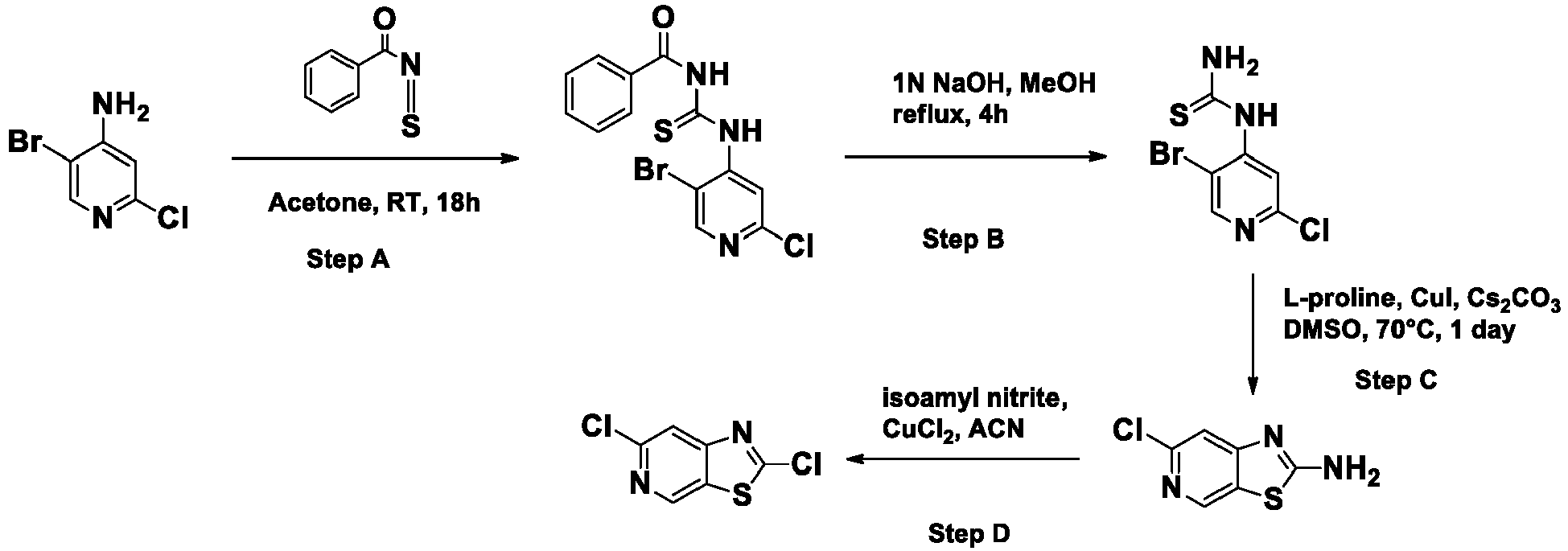
- A solution of 5-bromo-2-chloropyridin-4-amine (5 g, 24.10 mmol) and benzoyl isothiocyanate (9.51 ml, 72.3 mmol) in acetone (25 mL) was stirred at room temperature for 18 hours. The solid was concentrated to ∼10 mL, filtered, washed with n-heptane and dried to give the desired product (6 g, 68 %).
- 1H-NMR (400 MHz, DMSO-d6) δ 13.21 (s, 1H), 12.14 (s, 1H), 8.76 (s, 1H), 8.71 (s, 1H), 7.99 (d, 2H), 7.69 (t, 1H), 7.56 (t, 2H)
MS (ESI); m/z = NA - A suspension of N-((2-bromo-5-chloropyridin-3-yl)carbamothioyl)benzamide (15.89 g, 42.9 mmol) in 6N NaOH (15 mL) and methanol (50 mL) was refluxed for 4 hours. The reaction mixture was cooled to room temperature and saturated aqueous solution of NH4Cl was added until a precipitate was fomed. After 1 hour at room temperature, the solid was filtered, washed with water (2 X 30 mL), dried, washed with DCM and further dried to give the desired product (2.7g, 92 %).
- A suspension of 1-(5-bromo-2-chloropyridin-4-yl)thiourea (1.39 g, 5.21 mmol), L-proline (0.120 g, 1.043 mmol), copper(I) iodide (0.099 g, 0.521 mmol) and Cs2CO3 (3.40 g, 10.43 mmol) in DMSO (3 mL) was heated at 70°C for 1 day. The reaction mixture was poured into water (50 mL). The solid was filtered, washed with more water and dried to give the desired product (435 mg, 45 %).
- 1H-NMR (400 MHz, DMSO-d6) δ 8.56 (s, 1H), 8.32 (s, 2H), 7.31 (s, 1H).
MS (ESI); m/z = 185.98 [M+H]+ - To a suspension of 6-chlorothiazolo[5,4-c]pyridin-2-amine (500 mg, 2.69 mmol) and copper(II) chloride (471 mg, 3.50 mmol) in acetonitrile (50 mL) at 0°C was added isoamyl nitrite (0.544 ml, 4.04 mmol). Then, the reaction mixture was stirred at room temperature for 2 hours. Then, copper(II) chloride (471 mg, 3.50 mmol) and isoamyl nitrite (0.544 ml, 4.04 mmol) were added again and heated at 65°C for 18 hours. The reaction mixture was cooled to room temperature and the reaction mixture was filtered. Water (50 mL) was added and the aqueous phase was extracted several time with dichloromethane. The combined organics were dried over Na2SO4, filtered and dried under reduced pressure. The residue was purified on HP-Sil SNAP cartridges using a Biotage Isolera One purification system employing methanol/dichloromethane eluent (2/98) to afford the title compound (430 mg, 78 %).
- 1H NMR (400 MHz, DMSO-d6) δ 9.18 (s, 1H), 8.17 (s, 1H).
-

- A solution of of 6-chloro-3-iodopyridin-2-amine (13.87 g, 54.5 mmol) and benzoyl isothiocyanate (9.32 ml, 70.9 mmol) in acetone (150 mL) was stirred at room temperature for 18 hours. The solid was filtered, washed with n-heptane and dried to give the desired product (22.8 g, 91 %).
- 1H-NMR (400 MHz, DMSO-d6) δ 12.39 (s, 1H), 11.88 (s, 1H), 8.38 (d, 1H), 8.12 - 7.90 (m, 2H), 7.68 (t, 1H), 7.56 (t, 2H), 7.31 (d, 1H).
MS (ESI); m/z = 417.82 [M+H]+ - To a solution of N-((6-chloro-3-iodopyridin-2-yl)carbamothioyl)benzamide (20.76 g, 49.7 mmol) in 1,4-dioxane (250 mL) was added potassium carbonate (13.74 g, 99 mmol), L-proline (1.145 g, 9.94 mmol) and copper(I) iodide (0.947 g, 4.97 mmol). Then, the reaction mixture was stirred at 80°C for 6 hours. The reaction mixture was poured into 500 mL of water and 500 mL of aqueous saturated solution of NH4Cl. The suspension was stirred at room temperature for 1 hour. The solid was filtered, washed with aqueous saturated solution of NH4Cl (2 X 250 mL), water (3 X 250mL) and dried to give the desired product (14.8 g, 100%).
- 1H-NMR (400 MHz, DMSO-d6) δ 13.32 (s, 1H), 8.55 (d, 1H), 8.17 (d, 2H), 7.70 (t, 1H), 7.59 (t, 2H), 7.45 (d, 1H).
MS (ESI); m/z = 290.03 [M+H]+ - A suspension of N-(5-chlorothiazolo[4,5-b]pyridin-2-yl)benzamide (14.80 g, 51.1 mmol) in 70% H2SO4 (50 mL) was heated at 120°C for 4 hours. The reaction mixture was cooled to room temperature and the reaction mixture was slowly poured into 500 mL of cold water (0°C). Then, the reaction mixture was adjusted to basic pH by addition of solid NaOH. Then, the solid was filtered, washed with 1 NaOH (2 X 250 mL), aqueous saturated solution of NH4Cl (250 mL), water (2 X 250 mL) and dried to dryness. The solid was dissolved in DCM/MeOH and filtered through a plug of silica. The plug was then washed with 40% MeOH in DCM and the mother liquor was concentrated to dryness to give the desired product (6.0 g, 64%).
- 1H-NMR (400 MHz, DMSO-d6) δ 8.19 (s, 2H), 8.08 (d, 1H), 7.05 (d, 1H). MS (ESI); m/z = 186.01 [M+H]+
- To a suspension of 5-chlorothiazolo[4,5-b]pyridin-2-amine (7.90 g, 42.6 mmol) in acetonitrile (100 mL) at 0°C was added tert-butyl nitrite (8.44 ml, 63.8 mmol) over 30 min with a syringe pump. Then, copper(II) bromide (11.41 g, 51.1 mmol) was added portionwise. After 30 minutes at 0°C, the reaction mixture was allowed to warm to room temperature and stirred for 6 hours. Water and EtOAc were added and the mixture was filtered. Then, the solid was washed with DCM/MeOH. The mother liquors were separated and the aqueous phase was washed several times with DCM/MeOH. The combined organics were washed with water (2 X 200 mL), brine, dried over Na2SO4, filtered and concentrated under reduced pressure. The solid was dissolved in DCM/MeOH and filtered through a plug of silica. The plug was then washed with 5% MeOH in DCM and the mother liquor was concentrated to dryness. The solid was triturated in hot EtOAc. After cooling, the solid was filtered and the mother liquor was concentrated under reduced pressure. The residue was purified on HP-Sil SNAP cartridges using a Biotage Isolera One purification system employing methanol/dichloromethane eluent (2/98 -> 5/95) to afford the title compound (10.6 g, 70 %).
- 1H NMR (400 MHz, DMSO-d6) δ 8.76 - 8.59 (m, 1H), 7.65 (d, J = 4.7 Hz, 1H). MS (ESI); m/z = 250.86 [M+H]+
-
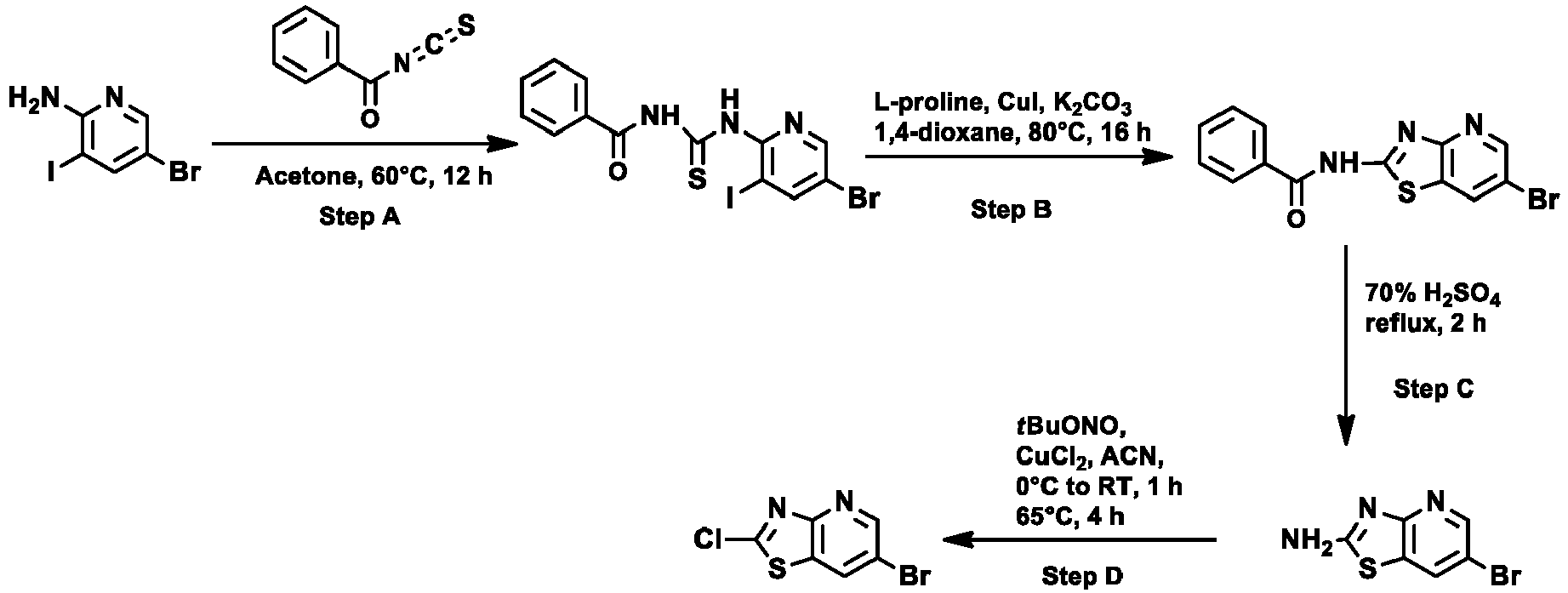
- A solution of of 5-bromo-3-iodopyridin-2-amine (30.0 g, 100.36 mmol) and benzoyl isothiocyanate (16.1 ml, 120.44 mmol, 1.2 eq) in acetone (600 mL, 20 vol) was stirred at 60°C for 12 hours, the reaction was monitored by TLC. The solvent was evaporated and the solid was filtered, washed with n-hexane (500 mL) and dried to give the desired product as an off white solid (42.0 g, 91%).
- 1H-NMR (500 MHz, CDCl3) δ 12.55 (br.s, 1H), 9.31 (br.s, 1H), 8.58 (s, 1H), 8.37 (d, 1H), 7.93 - 7.92 (m, 2H), 7.68 (t, 1H), 7.57-7.52 (m, 2H).
MS (ESI); m/z = 461.5 [M-H]+ - To a solution of N-((5-bromo-3-iodopyridin-2-yl)carbamothioyl)benzamide (42.0 g, 90.91 mmol) in 1,4-dioxane (630 mL, 15 vol) was added potassium carbonate (18.81 g, 136.36 mmol, 1.5 eq), L-proline (2.09 g, 18.18 mmol, 0.2 eq) and copper(I) iodide (3.45 g, 18.18 mmol, 0.2 eq). Then, the reaction mixture was stirred at 80°C for 16 hours, the reaction was monitored by TLC. The reaction mixture was poured into 1.0 L of water and 1.0 L of aqueous saturated solution of NH4Cl. The suspension was stirred at room temperature for 1 hour. The solid was filtered, washed with aqueous saturated solution of NH4Cl (2 × 500 mL), water (2 × 500mL) and dried to give the desired product as an off white solid (28.6 g, 94%).
- 1H-NMR (500 MHz, DMSO-d6) δ 8.76 (d, 1H), 8.63 (d, 1H), 8.16 (d, 2H), 7.68 (t,1H), 7.58 (t, 2H), 7.25 (brs, 1H).
MS (ESI); m/z = 334.51 [M]+ - A suspension of N-(6-bromothiazolo[4,5-b]pyridin-2-yl)benzamide (7.5 g, 22.45 mmol) in 70% H2SO4 (22.5 mL, 3.0 vol) was heated at 120°C for 2 hours. The reaction mixture was cooled to room temperature and the reaction mixture was slowly poured into 500 mL of cold water (0°C). Then, the reaction mixture was adjusted to basic pH by addition of solid 50% aq. NaOH. Then, the compound was extracted with EtOAc (6 × 250 mL). The combined organic layers were dried over with Na2SO4 and filtered, then the solvent was concentrated, and gave the desired product as a light yellow solid (2.75 g, 53%).
- 1H-NMR (500 MHz, DMSO-d6) δ 8.31 (d, 1H), 8.27 (br.s, 2H), 8.08 (d, 1H). MS (ESI); m/z = 230.4 [M]+
- To a suspension of 6-bromothiazolo[4,5-b]pyridin-2-amine (13.0 g, 56.52 mmol) in acetonitrile (163 mL, 12.5 vol) at 0°C was added tert-butyl nitrite (10.1 ml, 84.78 mmol, 1.5 eq) over a period of 10 min with a syringe. Then, copper(II) chloride (9.1 g, 67.82 mmol, 1.2 eq) was added portionwise. After 30 minutes at 0°C, the reaction mixture was allowed to warm to room temperature for 1 hour and heated to 65°C, then stirred for 4 hours. The progress of the reaction was monitored by TLC. After completion of the reaction, the solvent was evaporated. The reaction mixture was diluted with water (100 mL) and 5%MeOH/DCM (3 × 200 mL). The combined organics were washed with brine (100 mL), dried over Na2SO4, filtered and concentrated under reduced pressure. The residue was purified on HP-Sil SNAP cartridges using a Biotage Isolera One purification system employing methanol/dichloromethane eluent (1/99) to afford the title compound (10.6 g, 50%).
- 1H NMR (500 MHz, DMSO-d6) δ 8.90 (d, 1H), 8.81 (d, 1H). MS (ESI); m/z = 249.3 [M]+
-

- A mixture of commercially available 2-bromo-6-chlorothieno[2,3-b]pyridine (0.15 g, 0.6 mmol), 2-pyridylzinc bromide solution 0.5 M in tetrahydrofuran (1.8 ml, 0.9 mmol) was stirred at room temperature and tetrakis(triphenylphosphine)palladium(0) was added. The reaction mixture was degassed with a stream of argon for 10 minutes and stirred at room temperature overnight. Then the mixture was taken up in ethyl acetate (20 mL), washed with ammonium chloride saturated solution (2 x 20 ml), dried over Na2SO4, and concentrated under reduced pressure. The residue was purified on HP-Sil SNAP cartridges using a Biotage Isolera One purification system employing ethyl acetate/n-heptane gradient (100/0 -> 50/50) to afford the title compound (110 mg, 74%).
- 1H NMR (400 MHz, Chloroform-d) δ 8.67 (dt, 1H), 7.99 (d, 1H), 7.83 - 7.76 (m, 2H), 7.74 (s, 1H), 7.31 (d, 1H), 7.29 - 7.24 (m, 1H).
-

- A mixture of commercially available 2-bromo-6-chlorothieno[2,3-b]pyridine (0.30 g, 1.207 mmol), 3-(4,4,5,5-tetramethyl-1,3,2-dioxaborolan-2-yl)pyridine (0.295 g, 1.44 mmol), cesium carbonate (0.780 g, 2.414 mmol) and [1,1'-bis(diphenylphosphino)ferrocene]dichloropalladium(II) complex with dichloromethane (0.05 g, 0.06 mmol) were added into a dry pressure tube, followed by degassed dioxane (8 ml) and degassed water (2 ml). The reaction mixture was degassed with a stream of argon for 10 minutes and heated at 70 °C for 2h. Then the mixture was cooled at room temperature, taken up in ethyl acetate (20 mL), washed with water (2x20 ml) and brine (10 ml), dried over Na2SO4, and concentrated under reduced pressure. The residue was purified on HP-Sil SNAP cartridges using a Biotage Isolera One purification system employing ethyl acetate/n-heptane gradient (20/80 -> 50/50) to afford the title compound (220 mg, 74%).
- 1H-NMR (400 MHz, Chloroform-d) δ 8.99 (d, 1H), 8.64 (dd, 1H), 8.02 (d, 1H), 7.97 (dt, 1H), 7.53 (s, 1H), 7.41 (dd, 1H), 7.36 (d, 1H).
MS (ESI); m/z = 246.74 [M+H]+ - Following the Pd-coupling procedure as described in Preparative Example 6, using the bromo-chloro starting material and the appropriate boronic acid or ester indicated in the table below, the following compounds were prepared. The palladium source [1,1'-bis(diphenylphosphino)ferrocene]dichloropalladium(II) complex with dichloromethane can be replaced by tetrakis(triphenylphosphine)palladium(0). Cesium carbonate can be replaced by potassium carbonate.
Table 1: Bromo chloro Starting Material Boronic acid/ester Product Example 1. Yield 2. 1H-NMR 3. MH+ (ESI) 
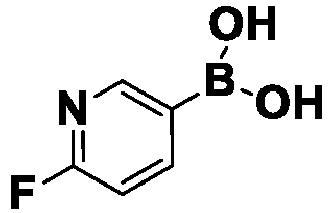

1.8% 2. 1H-NMR (400 MHz, DMSO-d 6) δ 8.72 (d, 1H), 8.43 (ddd, 1H), 8.33 (d, 1H), 8.00 (s, 1H), 7.57 (d, 1H), 7.37 (dd, 1H). 3. 264.74 


1.24 % 2. 1H-NMR (400 MHz, DMSO-d 6) δ 9.82 (s, 1H), 8.28 (d, 1H), 7.94 (s, 1H), 7.49 (d, 1H), 7.35 (dd, 1H), 7.03 (dd, 1H), 6.91 (t, 1H), 3.87 (s, 3H). 


1.37 % 2. 1H-NMR (400 MHz, DMSO-d 6) δ 8.54 (d, 1H), 8.20 (d, 1H), 7.92 (dd, 1H), 7.69 (s, 1H), 7.50 (d, 1H), 6.78 (d, 1H), 3.11 (s, 6H). 3. 290.0 


1.58 % 2. 1H-NMR (400 MHz, DMSO-d 6) δ 9.26 (s, 1H), 8.43 (dd, 2H), 8.34 - 8.12 (m, 2H), 7.63 (d, 1H). 


1.65 % 2. 1H-NMR (400 MHz, DMSO-d 6) δ 8.28 (d, 1H), 7.94 (s, 1H), 7.83 (dd, 1H), 7.51 (d, 1H), 7.48 - 7.39 (m, 1H), 7.23 (d, 1H), 7.10 (t, 1H), 3.96 (s, 3H). 3. 276.06 


1.68 % 2. 1H-NMR (400 MHz, DMSO-d 6) δ 10.60 (s, 1H), 8.28 (d, 1H), 7.96 (s, 1H), 7.74 (dd, 1H), 7.50 (d, 1H), 7.26 (ddd, 1H), 7.03 (dd, 1H), 7.00 - 6.91 (m, 1H). 3. 262.28 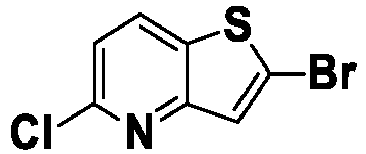


1.52 % 2. 1H-NMR (400 MHz, DMSO-d 6) δ 9.12 (d, 1H), 8.66 (dd, 1H), 8.59 (d, 1H), 8.28 (dt, 1H), 8.16 (s, 1H), 7.57 (dd, 1H), 7.50 (d, 1H). 3. 274.02 


1.56 % 2. 1H-NMR (400 MHz, DMSO-d 6) δ 8.23 (d, 1H), 7.84 - 7.69 (m, 3H), 7.51 (d, 1H), 7.11 (d, 2H), 4.83 (t, 1H), 4.77 - 4.66 (m, 1H), 4.35 (t, 1H), 4.28 (t, 1H). 3. 308.08 
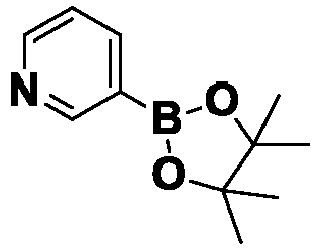

1.74 % 2. 1H-NMR (400 MHz, DMSO-d 6) δ 9.04 (d, 1H), 8.71 - 8.57 (m, 1H), 8.32 (d, 1H), 8.26 - 8.14 (m, 1H), 8.03 (s, 1H), 7.64 - 7.43 (m, 2H). 3. 247.06 


1.72 % 2. 1H-NMR (400 MHz, DMSO-d 6) δ 9.11 (d, 1H), 8.75 (d, 1H), 8.69 (d, 1H), 8.64 (d, 1H), 8.27 (d, 1H), 8.20 (s, 1H), 7.55 (dd, 1H). 3. 247.00 


1.64 % 2. 1H-NMR (400 MHz, DMSO-d 6) δ 8.76 (s, 1H), 8.35 (s, 1H), 8.16 - 8.05 (m, 1H), 7.86 (d, 1H), 7.62 (d, 1H), 6.68 - 6.52 (m, 1H), 3.48 (s, 4H), 1.97 (s, 4H). 3. 360.01 


1.47 % 2. 1H-NMR (400 MHz, DMSO-d 6) δ 8.77 (s, 1H), 8.25-7.95 (m, 3H), 7.54 (d, 1H), 6.61 (d, 1H), 3.49 (s, 4H), 1.98 (s, 4H). 3. NA 


1.45 % 2. 1H-NMR (400 MHz, DMSO-d 6) δ 8.27 (d, 1H), 7.87 (s, 1H), 7.77 (d, 2H), 7.53 (d, 1H), 7.43 (d, 2H), 3.23 (s, 3H), 1.42 (s, 9H). 3. 374.90 


1.91 % 2. 1H-NMR (400 MHz, DMSO-d 6) δ 8.80 - 8.60 (m, 1H), 7.99 (dd, 1H), 7.77 (s, 1H), 6.55 (d, 1H), 3.55 - 3.38 (m, 6H), 2.97 (t, 2H), 2.07-1.86 (m, 4H) 3. 301.27 
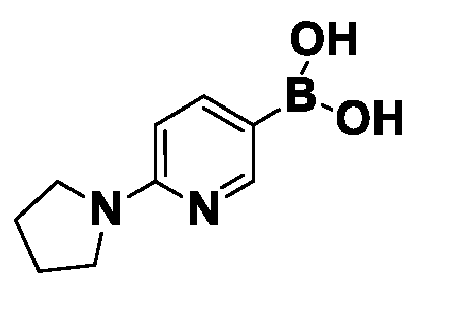

1.47 % 2. 1H-NMR (400 MHz, DMSO-d 6) δ 8.90 - 8.71 (m, 1H), 8.56 (s, 1H), 8.53-8.40 (m, 1H), 8.20-8.04 (m, 1H), 6.63 (d, 1H), 3.50 (s, 4H), 1.98 (s, 4H). 3. 316.76 


1.17 % 2. 1H-NMR (400 MHz, DMSO-d6) δ 9.10 (s, 1H), 8.86 (d, 1H), 8.15 (dd, 1H), 8.00 (s, 1H), 6.63 (d, 1H), 3.51 (s, 4H), 1.98 (s, 4H) 3. 317.22 


1.58 % 2. 1H NMR (400 MHz, DMSO-d6) δ 9.02 - 8.88 (m, 1H), 8.64 (q, 1H), 8.31 (s, 1H), 8.19 (d, 1H), 7.67 (d, 1H), 7.43 (d, 1H) 3. N/A 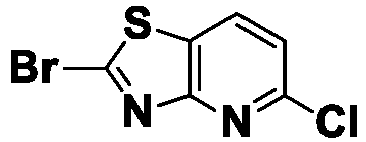


1.71 % 2. 1H NMR (400 MHz, DMSO-d6) δ 9.04 (d, 1H), 8.78 (d, 1H), 8.72 (td, 1H), 7.65 (d, 1H), 7.47 (dd, 1H) 3. N/A 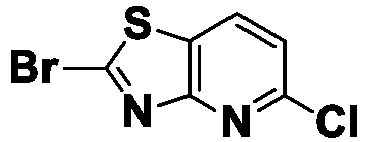


1.55 % 2. N/A 3. 334.96 


1.63 % 2. 1H NMR (400 MHz, Chloroform-d) δ 8.84 (d, 1H), 8.36 (ddd, 1H), 7.06 (dd, 1H), 4.18 (t, 2H), 3.17 (t, 2H), 1.58 (s, 9H) 3. 350.80 


1.50 % 2. 1H NMR (500 MHz, DMSO-d 6) δ 9.10 - 9.01 (m, 2H), 8.84 (d, 1H), 8.74 (td, 1H), 7.46 (dd, 1H). 3.310.1 
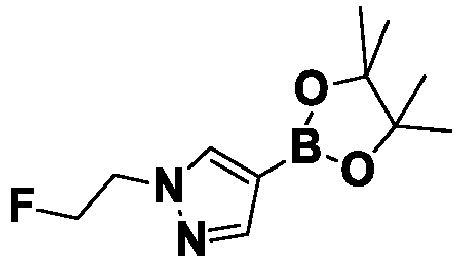

1.45 % 2. 1H NMR (400 MHz, DMSO-d6) δ 8.61 (s, 1H), 8.38 (s, 1H), 8.15 (s, 1H), 7.87 (d, 1H), 7.64 (d, 1H), 4.94 - 4.75 (m, 2H), 4.61 - 4.47 (m, 2H) 3.326.10 -

- The title compound from Preparative Example 6 above (0.05 g, 0.203 mmol), tert-butyl (5-(4,4,5,5-tetramethyl-1,3,2-dioxaborolan-2-yl)pyridin-2-yl)carbamate (0.078 g, 0.243 mmol), cesium carbonate (0.13 g, 0.406 mmol) and [1,1'-bis(diphenylphosphino)ferrocene]dichloro-palladium(II) complex with dichloromethane (0.08 g, 0.01 mmol) were added into a dry pressure tube, followed by degassed dioxane (4 ml) and degassed water (1ml). The reaction mixture was degassed with a stream of argon for 10 minutes and heated at 100 °C for 4h. The mixture then was cooled to room temperature, taken up in ethyl acetate (20 mL), washed with water (2x20 ml) and brine (10 ml), dried over Na2SO4, and concentrated under reduced pressure. The residue was purified on HP-Sil SNAP cartridges using a Biotage Isolera One purification system employing ethyl acetate/n-heptane gradient (50/50 -> 90/10) to afford the title compound (42 mg, 52%).
- 1H-NMR (400 MHz, Chloroform-d) δ 9.02 (dd, 2H), 8.63 (dd, 1H), 8.42 (dd, 1H), 8.11 (dd, 2H), 8.01 (dt, 1H), 7.78 - 7.65 (m, 2H), 7.56 (s, 1H), 7.41 (dd, 1H), 1.57 (d, 9H).
MS (ESI); m/z = 348.89 [M+H]+ - Following the Pd-coupling procedure as described in Example 1, using the chloro starting material and the appropriate boronic acid or ester indicated in the table below, the following compounds were prepared. The palladium source [1,1'-bis(diphenylphosphino)ferrocene]-dichloropalladium(II) complex with dichloromethane can be replaced by tetrakis(triphenylphosphine)palladium(0). Cesium carbonate can be replaced by potassium carbonate.
Table 2: Chloro Starting Material Boronic acid/ester Product Example 1. Yield 2. 1H-NMR 3. MH+ (ESI) 


1.12 % 2. 1H-NMR (400 MHz, DMSO-d 6) δ 10.49 (s, 1H), 8.96-8.76 (m, 1H), 8.20 (d, 2H), 8.08 - 7.80 (m, 2H), 7.71 (d, 1H), 7.24 (t, 1H), 7.18 - 6.83 (m, 3H), 6.58 (d, 1H), 2.86 (d, 3H). 3.334.14 


1.9% 2. 1H-NMR (400 MHz, Chloroform-d) δ 8.78 (d, 1H), 8.33 (dd, 1H), 8.03 (d, 1H), 7.83 (s, 1H), 7.64 (d, 1H), 7.33 - 7.25 (m, 1H), 6.98 - 6.81 (m, 2H), 6.55 (d, 1H), 3.98 (s, 3H), 3.02 (d, 3H). 3. 363.8 


1.32 % 2. 1H-NMR (400 MHz, DMSO-d6) δ 8.80 (d, 1H), 8.52 (d, 1H), 8.16 (dd, 1H), 8.10 (d, 1H), 7.91 (dd, 1H), 7.85 (d, 1H), 7.61 (s, 1H), 6.90 (d, 1H), 6.76 (d, 1H), 6.56 (d, 1H), 3.10 (s, 6H), 2.84 (d, 3H). 3. 362.46 

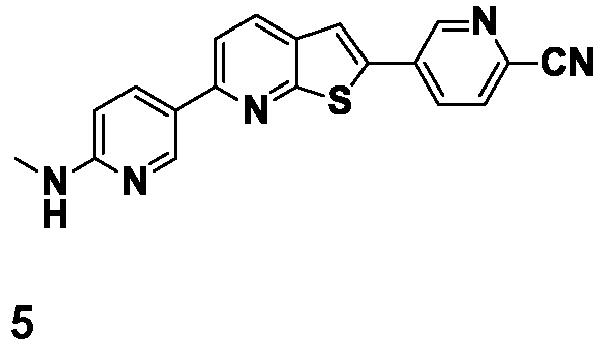
1.24 % 2. 1H-NMR (400 MHz, DMSO-d6) δ 9.23 (d, 1H), 8.85 (d, 1H), 8.41 (dd, 1H), 8.27 (d, 1H), 8.24-8.17 (m, 2H), 8.15 (d, 1H), 7.96 (d, 1H), 7.00 (d, 1H), 6.57 (d, 1H), 2.85 (d, 3H). 3. 344.45 


1.10 % 2. 1H-NMR (400 MHz, DMSO-d 6) δ 9.11 (d, 1H), 8.82 (d, 1H), 8.69 - 8.57 (m, 1H), 8.47 (d, 1H), 8.27 (dt, 1H), 8.18 (d, 1H), 7.85 (d, 1H), 7.55 (dd, 1H), 6.88 (d, 1H), 6.57 (d, 1H), 2.85 (d, 3H). 3.319.16 


1.22 % 2. 1H-NMR (400 MHz, DMSO-d 6) δ 8.84 (d, 1H), 8.20 (dd, 2H), 7.89 (d, 2H), 7.81 (dd, 1H), 7.49 - 7.35 (m, 1H), 7.23 (d, 1H), 7.11 (t, 1H), 6.92 (d, 1H), 6.58 (d, 1H), 3.98 (s, 3H), 2.87 (d, 3H). 3.348.15 


1.41 % 2. 1H.NMR (400 MHz, DMSO-d 6) δ 8.85 (d, 1H), 8.72 (d, 1H), 8.43 (td, 1H), 8.33 - 8.17 (m, 2H), 8.03 - 7.84 (m, 2H), 7.37 (dd, 1H), 6.96 (q, 1H), 6.59 (d, 1H), 2.87 (d, 3H). 3.337.1 


1.5% 2. 1H-NMR (400 MHz, DMSO-d 6) δ 8.15 (d, 1H), 8.03-7.94 (m, 2H), 7.91 - 7.81 (m, 2H), 7.44 - 7.33 (m, 3H), 7.05 - 6.95 (m, 1H), 6.71 - 6.57 (m, 2H), 6.12 (d, 1H), 3.86 (s, 3H), 2.84 - 2.67 (m, 3H). 3. 346.76 


1.30 % 2. 1H-NMR (400 MHz, DMSO-d 6) δ 8.11 (d, 3H), 7.90 (d, 1H), 7.55 (d, 2H), 7.51 (s, 1H), 7.10 (d, 2H), 6.63 (d, 2H), 6.15 (q, 1H), 4.85-4.83 (m, 1H), 4.73-4.71 (m, 1H), 4.37-4.35 (m, 1H), 4.29-4.27 (m, 1H), 2.74 (d, 3H). 3. 379.08 


1.34 % 2. 1H-NMR (400 MHz, DMSO-d 6) δ 8.10 (d, 1H), 7.95 (d, 2H), 7.82 (d, 1H), 7.73 (d, 2H), 7.67 (s, 1H), 7.10 (d, 2H), 6.64 (d, 2H), 6.09 (q, 1H), 4.89 - 4.79 (m, 1H), 4.76 - 4.68 (m, 1H), 4.40 - 4.31 (m, 1H), 4.31 - 4.22 (m, 1H), 2.75 (d, 3H). 3. 378.96 


1.22 % 2. 1H-NMR (400 MHz, DMSO-d 6) δ 9.01 (s, 1H), 8.72 (dt, 1H), 8.30 (d, 1H), 8.10 (d, 1H), 7.85-7.69 (m, 3H), 7.34 (dd, 1H), 7.12 (d, 2H), 4.84 (t, 1H), 4.72 (t, 1H), 4.36 (t, 1H), 4.29 (t, 1H). 3. 368.91 
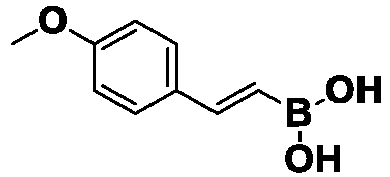

1.18 % 2. 1H-NMR (400 MHz, DMSO-d 6) δ 8.12 (d, 1H), 7.75 (d, 2H), 7.72 - 7.62 (m, 4H), 7.57 (d, 1H), 7.27 (d, 1H), 7.11 (d, 2H), 6.99 (d, 2H), 4.87 - 4.80 (m, 1H), 4.75 - 4.67 (m, 1H), 4.39 - 4.32 (m, 1H), 4.32 - 4.25 (m, 1H), 3.80 (s, 3H). 3. 406.02 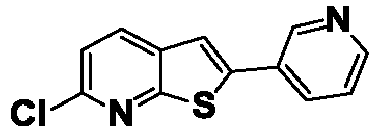


1.66 % 2. 1H-NMR (400 MHz, DMSO-d 6) δ 9.03 (s, 1H), 8.59 (d, 1H), 8.18 (d, 2H), 8.06 - 7.92 (m, 3H), 7.88 (d, 1H), 7.53 (dd, 1H), 6.65 (d, 2H), 6.15 (d, 1H), 2.75 (d, 3H). 3. 317.86 


1.67 % 2. 3.344.9 


1.78 % 2. 1H-NMR (400 MHz, DMSO-d 6) δ 9.06 (d, 1H), 8.67-8.56 (m, 1H), 8.23 (dd, 2H), 8.00 (s, 1H), 7.76 (d, 1H), 7.67 (d, 1H), 7.54 (dd, 1H), 7.47 (d, 1H), 7.38 - 7.27 (m, 3H), 6.92 (d, 1H), 3.82 (s, 3H). 3. 344.83 


1.66 % 2. 1H-NMR (400 MHz, DMSO-d 6) δ 9.05 (d, 2H), 8.74 (t, 1H), 8.63 (d, 1H), 8.39 (d, 1H), 8.23 (d, 1H), 8.15 (d, 1H), 8.05 (s, 1H), 7.64-7.49 (m, 1H), 7.36 (d, 1H). 3. 307.81 


1.54 % 2. 1H-NMR (400 MHz, DMSO-d 6) δ 9.12 (s, 1H), 8.97 (s, 1H), 8.71 (s, 1H), 8.62 (d, 1H), 8.58 (s, 1H), 8.27 (d, 1H), 8.18 (s, 1H), 7.99 (d, 1H), 7.55 (dd, 1H), 6.59 (d, 9H), 3.45 (s, 4H), 1.97 (s, 4H). 3. 359.0 


1.70 % 2. 1H-NMR (400 MHz, DMSO-d 6) δ 8.99 (d, 1H), 8.80 (d, 1H), 8.59 (dd, 1H), 8.48 (d, 1H), 8.17 (dt, 1H), 8.13 (dd, 1H), 8.04 (d, 1H), 7.85 (dd, 1H), 7.52 (dd, 1H), 6.61 (d, 1H), 3.49 (s, 4H), 1.98 (s, 4H). 3. 359.11 
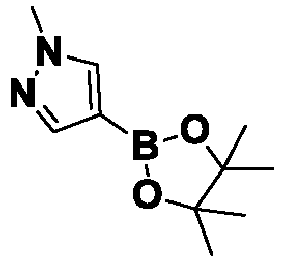

1.70 % 2. 1H-NMR (400 MHz, DMSO-d 6) δ 8.99 (d, 1H), 8.80 (d, 1H), 8.59 (dd, 1H), 8.48 (d, 1H), 8.17 (dt, 1H), 8.13 (dd, 1H), 8.04 (d, 1H), 7.85 (dd, 1H), 7.52 (dd, 1H), 6.61 (d, 1H), 3.49 (s, 4H), 1.98 (s, 4H). 3. 359.11 


1.6% 2. 1H NMR (400 MHz, Chloroform-d) δ 8.87 (d, 1H), 8.78 - 8.61 (m, 1H), 8.35 (dd, 1H), 8.04 (d, 1H), 7.86 - 7.72 (m, 3H), 7.67 (d, 1H), 7.25 (td, 1H), 6.51 (d, 1H), 3.58 (d, 4H), 2.16 - 1.99 (m, 4H). 3.359.17 

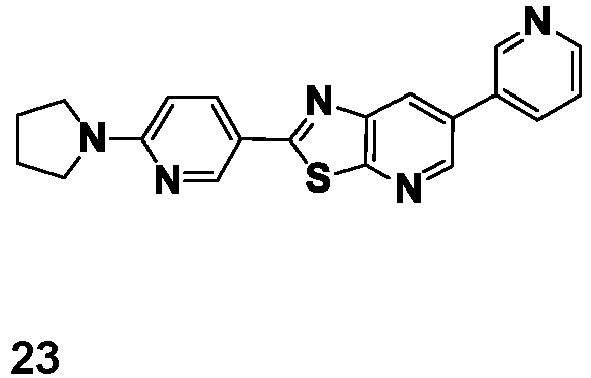
1.28 % 2. 1H-NMR (400 MHz, DMSO-d6) δ 9.11 - 9.03 (m, 1H), 8.90 (d, 1H), 8.82 (d, 1H), 8.66 (dd, 2H), 8.28 (d, 1H), 8.14 (dd, 1H), 7.56 (dd, 1H), 6.63 (d, 1H), 3.59 - 3.43 (m, 4H), 2.08 - 1.87 (m, 4H). 3.360.62 
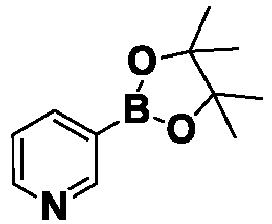

1.50 % 2. 1H-NMR (400 MHz, DMSO-d6) δ 9.39 (s, 2H), 8.98-8.84 (m, 1H), 8.70-8.50 (m, 3H), 8.28-8.11 (m, 1H), 7.54 (dd, 1H), 6.65 (d, 1H), 3.52 (s, 4H), 1.99 (s, 4H). 3. 360.41 

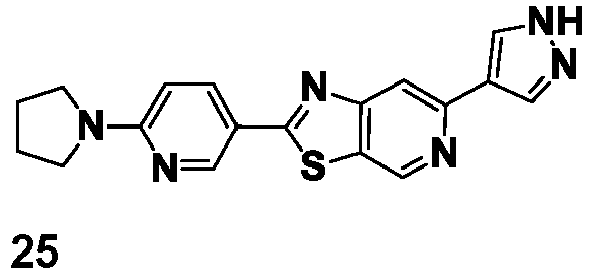
1.26 % 2. 1H NMR (400 MHz, DMSO-d6) δ 13.03 (s, 1H), 9.18 (s, 1H), 8.86 (s, 1H), 8.48 - 8.09 (m, 3H), 7.55 (s, 1H), 6.63 (d, 1H), 3.51 (s, 4H), 1.99 (s, 4H) 3. 349.02 


1.26 % 2. 1H NMR (400 MHz, DMSO-d6) δ 9.40 (s, 1H), 9.08 (d, 1H), 8.84 (d, 1H), 8.76 (td, 1H), 8.69 (d, 1H), 8.58 (d, 1H), 8.22 (d, 1H), 7.59 (dd, 1H), 7.47 (dd, 1H) 3.309.13 


1.45 % 2. 1H NMR (400 MHz, DMSO-d6) δ 13.12 (s, 1H), 8.84 (d, 1H), 8.49 (d, 1H), 8.44 (s, 1H), 8.26-8.12 (m, 2H), 7.74 (d, 1H), 7.05 (d, 1H), 4.82 (d, 1H), 4.24-4.07 (m, 1H), 4.07-3.90 (m, 1H), 3.75 (dd, 1H), 3.53 - 3.41 (m, 1H), 2.07 - 1.70 (m, 3H), 1.69 - 1.51 (m, 1H) 3. 381.04 


1.64 % 2. 1H NMR (400 MHz, DMSO-d6) δ 13.12 (s, 1H), 8.85 (d, 1H), 8.50 (d, 1H), 8.45 (s, 1H), 8.17 (dd, 2H), 7.74 (d, 1H), 7.06 (d, 1H), 4.83 (d, 1H), 4.15 (ddd, 1H), 3.99 (dt, 1H), 3.86 - 3.68 (m, 1H), 3.46 (t, 1H), 2.07 - 1.85 (m, 2H), 1.85 - 1.70 (m, 1H), 1.66 - 1.52 (m, 1H) 3. 381.03 


1.78 % 2. 1H NMR (400 MHz, DMSO-d6) δ 8.84 (d, 1H), 8.49 (d, 1H), 8.39 (s, 1H), 8.16 (dd, 1H), 8.09 (s, 1H), 7.68 (d, 1H), 7.05 (d, 1H), 4.82 (d, 1H), 4.25 - 4.07 (m, 1H), 3.98 (dd, 1H), 3.92 (s, 3H), 3.83-3.67 (m, 1H), 3.45 (t, 1H), 2.09 - 1.85 (m, 2H), 1.85 - 1.71 (m, 1H), 1.66 - 1.48 (m, 1H) 3. 395.08 


1.48 % 2. 1H NMR (400 MHz, DMSO-d6) δ 13.13 (s, 1H), 8.62 - 8.30 (m, 3H), 8.17 (s, 1H), 7.74 (d, 1H), 6.72 - 6.54 (m, 1H), 3.50 (s, 4H), 1.99 (s, 4H) 3.367.11 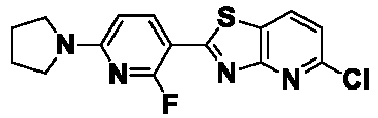


1.61 % 2. 1H NMR (400 MHz, DMSO-d6) δ 8.54 - 8.46 (m, 2H), 8.39 (s, 1H), 8.09 (s, 1H), 7.68 (d, 1H), 6.61 (dd, 1H), 3.92 (s, 3H), 3.48 (s, 4H), 1.98 (s, 4H) 3. 381.08 


1.48 % 2. 1H NMR (400 MHz, DMSO-d6) δ 9.37 (s, 1H), 8.68 (d, 2H), 8.54 (t, 2H), 8.09 (d, 1H), 7.62 - 7.50 (m, 1H), 6.71 - 6.59 (m, 1H), 3.50 (s, 4H), 1.98 (s, 4H) 3. 378.03 


1.55 % 2. 1H NMR (400 MHz, DMSO-d6) δ 8.60 - 8.44 (m, 2H), 7.86 - 7.71 (m, 2H), 7.63 (s, 1H), 6.59 (d, 1H), 4.07 (s, 3H), 3.49 (s, 4H), 1.98 (s, 4H) 3.381.15 


1.51 % 2. tautomers (∼75/25), for the major: 1H NMR (400 MHz, DMSO-d6) δ 13.11 (s, 1H), 8.59 - 8.42 (m, 2H), 8.01 (d, 1H), 7.87 (s, 1H), 6.95 (s, 1H), 6.74 - 6.50 (m, 1H), 3.48 (s, 4H), 1.98 (s, 4H)) 3. 367.05 


1.47 % 2. 1H NMR (400 MHz, DMSO-d6) δ 11.13 (s, 1H), 8.62 - 8.44 (m, 1H), 8.39 (d, 1H), 7.65 (d, 1H), 7.56 (s, 1H), 6.94 - 6.79 (m, 1H), 6.79-6.68 (m, 1H), 6.61 (dd, 1H), 3.49 (s, 4H), 1.98 (s, 4H) 3. 366.11 


1.70 % 2. 1H NMR (400 MHz, DMSO-d6) δ 8.63 (d, 1H), 8.52 (t, 1H), 7.81 (d, 1H), 7.53 (s, 1H), 6.91 (s, 1H), 6.60 (d, 1H), 4.27 (s, 3H), 3.49 (s, 4H), 1.98 (s, 4H) 3. 380.59 


1.17% 2. 1H NMR (400 MHz, Chloroform-d) δ 8.92 (d, J = 2.5 Hz, 1H), 8.89 (s, 1H), 8.49 (s, 1H), 8.35 (d, J = 8.8 Hz, 1H), 8.25 (d, J = 8.3 Hz, 1H), 7.72 (d, J = 8.3 Hz, 1H), 6.80 (d, J = 9.1 Hz, 1H), 4.80 (d, J = 47.5 Hz, 1H), 4.05 (d, J = 7.6 Hz, 1H), 3.95 - 3.80 (m, 1H), 3.62 (s, 1H), 2.02 (d, J = 16.8 Hz, 4H), 1.69 (s, 1H). 3. 398.07 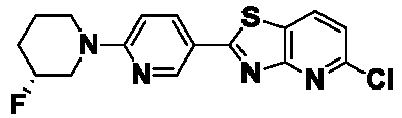


1. 9% 2. 1H NMR (400 MHz, Chloroform-d) δ 8.92 (s, 1H), 8.89 (s, 1H), 8.49 (s, 1H), 8.37 - 8.29 (m, 1H), 8.24 (d, J = 8.2 Hz, 1H), 7.71 (d, J = 8.2 Hz, 1H), 6.79 (d, J = 9.1 Hz, 1H), 4.79 (d, J = 47.4 Hz, 1H), 4.05 (dt, J = 14.4, 7.4 Hz, 1H), 3.96 - 3.80 (m, 2H), 3.62 (s, 1H), 1.64 (d, J = 36.1 Hz, 4H). 3. 397.56 


1.30% 2. 1H NMR (500 MHz, DMSO-d6) δ 9.05 (d, 1H), 9.02 (d, 1H), 8.97 (d, 1H), 8.88 (d, 1H), 8.65 (dd, 1H), 8.29 - 8.23 (m, 1H), 8.21 (dd, 1H), 7.56 (ddd, 1H), 7.07 (d, 1H), 4.98 - 4.71 (m, 1H), 4.24 - 4.09 (m, 1H), 4.09 - 3.96 (m, 1H), 3.82 - 3.69 (m, 1H), 3.50 - 3.45 (m, 1H), 2.03 - 1.84 (m, 2H), 1.84 - 1.70 (m, 1H), 1.64 - 1.51 (m, 1H) 3. 391.8 


1.30% 2. 1H NMR (500 MHz, DMSO-d6) δ 9.06 - 9.03 (m, 1H), 9.02 (d, 1H), 8.97 (d, 1H), 8.88 (d, 1H), 8.65 (dd, 1H), 8.25 (ddd, 1H), 8.21 (dd, 1H), 7.56 (ddd, 1H), 7.07 (d, 1H), 4.92 - 4.74 (m, 1H), 4.25 - 4.12 (m, 1H), 4.06 - 3.95 (m, 1H), 3.76 (dd, 1H), 3.53 - 3.44 (m, 1H), 2.02 - 1.85 (m, 2H), 1.78 (s, 1H), 1.65 - 1.54 (m, 1H) 3. 391.9 


1.26% 2. 1H NMR (400 MHz, DMSO-d6) δ 12.99 (s, 1H), 8.76 (d, 1H), 8.41 - 8.18 (m, 2H), 8.17 - 7.97 (m, 2H), 7.93 (d, 1H), 7.76 (d, 1H), 7.02 (d, 1H), 4.81 (d, 1H), 4.17-4.01 (m, 1H), 4.00 - 3.87 (m, 1H), 3.83 - 3.67 (m, 1H), 3.50 - 3.40 (m, 1H), 2.07 - 1.67 (m, 3H), 1.58 (s, 1H) 3. 380.27 


1.10% 2. 1H NMR (400 MHz, DMSO-d6) δ 13.01 (s, 1H), 8.89 - 8.71 (m, 1H), 8.42 - 8.22 (m, 2H), 8.20 - 8.08 (m, 1H), 8.04 (s, 1H), 7.94 (d, 1H), 7.77 (d, 1H), 7.04 (d, 1H), 4.83 (d, 1H), 4.19-4.03 (m, 1H), 3.95 (dd, 1H), 3.76 (dd, 1H), 3.51 - 3.43 (m, 1H), 2.08 - 1.86 (m, 2H), 1.86 - 1.70 (m, 1H), 1.68 - 1.51 (m, 1H) 3. 380.27 
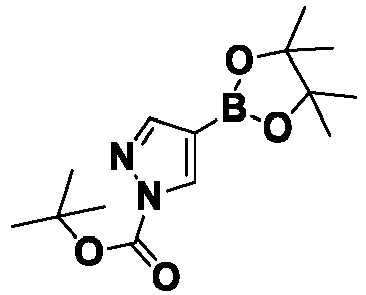

1.35% 2. 1H NMR (400 MHz, DMSO-d6) δ 12.99 (s, 1H), 8.92 - 8.66 (m, 1H), 8.29 (d, 2H), 8.11 (dd, 1H), 8.02 (s, 1H), 7.92 (d, 1H), 7.75 (d, 1H), 6.47 (d, 1H), 5.04 (dp, 1H), 4.07 (d, 4H), 2.76-2.60 (m, 2H), 2.41 (dtd, 2H) 3. 395.25 -

- A mixture of 2-bromo-6-chlorothieno[2,3-b]pyridine from Preparative Example 1 (0.08 g, 0.32 mmol) 3-(4,4,5,5-tetramethyl-1,3,2-dioxaborolan-2-yl)pyridine (72.61 mg, 0.352 mmol), cesium carbonate (0.209 g, 0.64 mmol) and [1,1'-bis(diphenylphosphino)ferrocene]dichloropalladium(II) complex with dichloromethane (0.013 g, 0.016 mmol) were added into a dry pressure tube, followed by degassed dioxane (4 mL) and degassed water (1 mL). The reaction mixture was degassed with a stream of argon for 10 minutes and heated at 70 °C for 2 hours and cooled at room temeprature. Cesium carbonate (0.209 g, 0.64 mmol), [1,1'-bis(diphenylphosphino)ferrocene]-dichloropalladium(II) complex with dichloromethane (0.013 g, 0.016 mmol) and (6-fluoropyridin-3-yl)boronic acid (0.059 g, 0.41 mmol) were added, followed by additional nitrogen purges. The reaction mixture was heated at 100 °C for 3 to 4 hours. Then the mixture was cooled at room temperature, taken up in ethyl acetate (20 mL), washed with water (2x20 mL) and brine (10 mL), dried over Na2SO4, and concentrated under reduced pressure. The residue was purified on HP-Sil SNAP cartridges using a Biotage Isolera One purification system employing ethyl acetate/n-heptane gradient (50/50 -> 90/10) to afford the title compound (0.09g, 91%).
- 1H-NMR (400 MHz, Chloroform-d) δ 9.06 (s, 1H), 8.94 - 8.84 (m, 1H), 8.67 (d, 1H), 8.57 (td, 1H), 8.28 (d, 1H), 8.06 (d, 1H), 7.90 (s, 1H), 7.71 (d, 1H), 7.45 (dd, 1H), 7.10 (dd, 1H).
MS (ESI); m/z = 308.37 [M+H]+ - Following the one-pot Suzuki coupling reaction described in Example 26, using the bromo-chloro starting material, the R1 boronic acid or ester and the R2 boronic acid or ester indicated in the table below, the following compounds were prepared. The palladium source [1,1'-bis(diphenylphosphino)ferrocene]dichloropalladium(II) complex with dichloromethane can be replaced by tetrakis(triphenylphosphine)palladium(0). Cesium carbonate can be replaced by potassium carbonate.
Table 3: Bromo chloro Boronic acid/ester R1 Boronic acid/ester R2 Product 1. Yield Starting Material Example 2. 1H-NMR 3. MH+ (ESI) 


1.20 % 2 1H-NMR (400 MHz, DMSO-d 6) δ 9.35 (d, 1H), 8.81 (d, 1H), 8.70 - 8.62 (m, 2H), 8.52 (ddd, 2H), 8.25 (s, 1H), 8.07 (d, 1H), 7.56 (dd, 1H), 7.38 (dd, 1H). 3. 308.37 


1.5% 2 1H-NMR (400 MHz, DMSO-d 6) δ 9.26 (t, 1H), 8.65 (dd, 2H), 8.55 (d, 1H), 8.41 (dt, 1H), 8.09 - 7.97 (m, 2H), 7.92 (s, 1H), 6.60 (d, 1H), 3.47 (m, 4H), 1.99 (m, 4H). 3. 377.63 


1.32 % 2. 1H-NMR (400 MHz, DMSO-d 6) δ 9.27 (s, 1H), 9.14 (s, 2H), 8.78 (d, 1H), 8.62 (d, 1H), 8.34 (d, 1H), 8.16 (s, 1H), 8.02 (d, 1H), 7.94 - 7.86 (m, 1H), 3.23 (s, 6H). 3. 334.12 


1.32 % 2. 1H-NMR (400 MHz, DMSO-d 6) δ 9.33 (s, 1H), 8.09 (d, 1H), 7.94 (d, 2H), 7.82 (d, 1H), 7.57 (s, 1H), 7.24 - 7.16 (m, 2H), 7.03 (d, 1H), 6.64 (d, 2H), 6.09 (q, 1H), 3.82 (s, 3H), 2.74 (d, 3H). 3. 362.90 


1. 18 % 2. 1H-NMR (400 MHz, DMSO-d 6) δ 8.26 (d, 1H), 8.20 (d, 1H), 8.09 (s, 1H), 7.98 (d, 2H), 7.90 (d, 1H), 7.39 (dd, 1H), 7.16 (s, 1H), 6.65 (d, 2H), 6.18 (q, 1H), 3.91 (s, 3H), 2.75 (d, 3H). 3. 347.85 


1.48 % 2. 1H-NMR (400 MHz, DMSO-d 6) δ 9.04 (s, 1H), 8.90 (s, 1H), 8.60 (d, 1H), 8.36 - 8.15 (m, 3H), 8.03 - 7.87 (m, 2H), 7.54 (dd, 1H), 6.58 (d, 1H), 3.47 (t, 4H), 2.09 - 1.88 (m, 4H). 3. 358.78 


1.47 % 2. 1H-NMR (400 MHz, DMSO-d 6) δ 9.05 (s, 1H), 8.95 (s, 1H), 8.61 (d, 1H), 8.35 (d, 1H), 8.27 (d, 1H), 8.20 (d, 1H), 8.05 - 7.94 (m, 2H), 7.61 - 7.49 (m, 1H), 6.97 (d, J = 9.8 Hz, 1H), 3.80 - 3.65 (m, 4H), 3.65 - 3.51 (m, 4H). 3. 374.82 


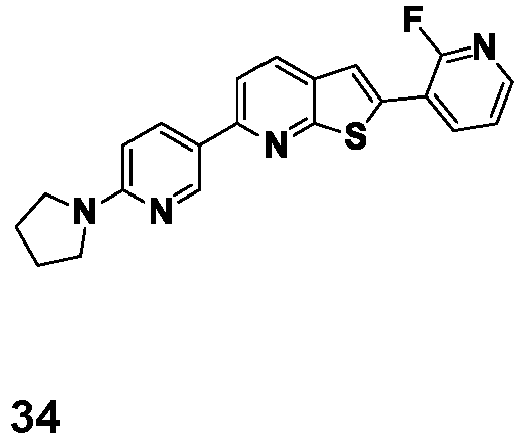
1. 21 % 2. 1H-NMR (400 MHz, DMSO-d 6) δ 8.91 (d, 1H), 8.48 - 8.38 (m, 1H), 8.34 - 8.24 (m, 3H), 7.97 (t, 2H), 7.53 (ddd, 1H), 6.57 (d, 1H), 3.47 (t, 4H), 1.97 (t, 4H). 3. 377.0 

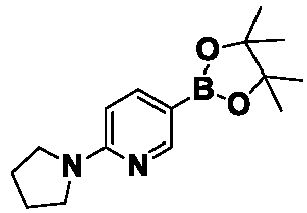

1.74 % 2. 1H-NMR (400 MHz, DMSO-d 6) δ 9.25 (s, 2H), 9.20 (s, 1H), 8.92 (s, 1H), 8.28 (t, J = 8.9 Hz, 2H), 8.08 (s, 1H), 7.97 (d, 1H), 6.57 (d, 1H), 3.57 - 3.42 (m, 4H), 2.05 - 1.89 (m, 4H). 3. 360.08 


1.44 % 2. 1H-NMR (400 MHz, DMSO-d 6) δ 8.99 (s, 1H), 8.70 (t, 1H), 8.55 (s, 1H), 8.23 (d, 1H), 8.06 (d, 1H), 7.92 (d, 1H), 7.67 (s, 1H), 7.33 (d, 1H), 6.76 (d, 1H), 3.10 (s, 6H). 3. 351.08 
1.28 % 2. 1H-NMR (400 MHz, DMSO-d 6) δ 8.88 (s, 1H), 8.53 (s, 1H), 8.26 (dd, 1H), 8.11 (d, 1H), 7.95 - 7.83 (m, 2H), 7.61 (s, 1H), 6.76 (d, 2H), 3.11 (s, 6H), 3.10 (s, 6H). 3. 376.13 


1. 13 % 2. 1H-NMR (400 MHz, DMSO-d 6) δ 9.33 (s, 1H), 8.80 (s, 1H), 8.71 - 8.61 (m, 1H), 8.50 (d, 1H), 8.38 (d, 1H), 8.16 (dd, 2H), 7.62 - 7.47 (m, 1H), 6.62 (d, 1H), 3.49 (s, 4H), 1.98 (s, 4H). 3. 360.12 


1.30 % 2. 1H-NMR (400 MHz, DMSO-d 6) δ 9.02 (d, 1H), 8.80 (d, 1H), 8.68 - 8.55 (m, 1H), 8.31 (d, 1H), 8.24 - 8.15 (m, 2H), 8.13 (dd, 1H), 7.75 (dd, 1H), 7.52 (dd, 1H), 6.61 (d, 1H), 3.58 - 3.42 (m, 4H), 2.06 - 1.91 (m, 4H). 3. 359.06 


1. 18 % 2. 1H-NMR (400 MHz, DMSO-d 6) δ 8.86 (d, 1H), 8.80 (d, 1H), 8.72 - 8.56 (m, 1H), 8.21 (d, 1H), 8.18 (s, 1H), 8.17 - 8.09 (m, 1H), 7.61 (d, 1H), 7.50 (dd, 1H), 6.62 (d, 1H), 3.50 (s, 4H), 1.98 (s, 4H). 3. 377.29 


1.77 % 2. 1H NMR (400 MHz, Chloroform-d) δ 8.62 (dt, 1H), 8.16 - 8.11 (m, 2H), 8.06 - 8.02 (m, 2H), 7.75 (s, 1H), 7.48 (d, 1H), 7.08 (ddd, 1H), 4.01 (s, 3H). 3. 310.11 

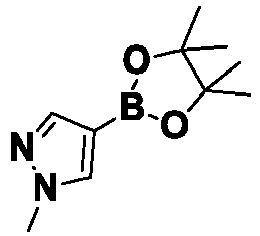

1.58 % 2. 1H NMR (400 MHz, DMSO-d 6) δ 8.51 - 8.36 (m, 1H), 8.26 (s, 1H), 8.18 (s, 1H), 8.03 (d, 1H), 7.99 (s, 1H), 7.61 (dd, 1H), 6.57 (dd, 1H), 3.89 (s, 3H), 3.47 (s, 4H), 1.97 (s, 4H). 3. 380.00 


1.50 % 2. 1H NMR (400 MHz, DMSO-d 6) δ 9.07 - 8.85 (m, 1H), 8.66 (d, 1H), 8.30 (d, 2H), 8.16 (d, 1H), 8.03 (s, 1H), 7.73 (d, 1H), 7.55 - 7.31 (m, 1H), 3.89 (s, 3H). 3. 311.05 


1.23 % 2. 1H NMR (400 MHz, DMSO-d 6) δ 12.45 (s, 1H), 8.64 - 8.43 (m, 2H), 7.43 (d, 1H), 6.60 (dd, 1H), 3.49 (s, 4H), 2.45 (s, 3H), 2.39 (s, 3H), 1.99 (s, 4H) 3. 395.20 


1.24 % 2. 1H NMR (400 MHz, DMSO-d 6) δ 9.01 (d, 1H), 8.72 (td, 1H), 8.40 (d, 1H), 8.25 (d, 1H), 8.08 (d, 1H), 7.84 (dd, 1H), 7.65 (s, 1H), 7.35 (dd, 1H), 6.58 (d, 1H), 6.47 (s, 2H). 3. 322.82 

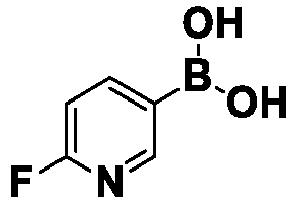

1.64 % 2. 1H NMR (400 MHz, DMSO-d 6) δ 9.00 (d, 1H), 8.72 (td, 1H), 8.24 (d, 1H), 8.08 (d, 1H), 7.68 (s, 1H), 7.57 (dd, 1H), 7.47 (dd, 1H), 7.35 (dd, 1H), 6.76 (t, 1H), 6.09 (dd, 1H), 2.80 (d, 3H). 3. 353.80 


1. 61 % 2. 1H NMR (400 MHz, Chloroform-d) δ 8.85 (dt, 1H), 8.52 (ddd, 1H), 7.99 (d, 1H), 7.93 (d, 1H), 7.87 (d, 1H), 7.66 (d, 1H), 7.21 (s, 1H), 7.03 (ddd, 1H), 5.47 - 5.35 (m, 1H), 4.18 - 4.06 (m, 1H), 3.74 (ddt, 1H), 2.22 - 1.96 (m, 3H), 1.78 - 1.57 (m, 3H). 3. 380.81 


1.5% 2. 1H NMR (400 MHz, Chloroform-d) δ 8.91 (d, 1H), 8.82 (ddd, 1H), 8.33 - 8.23 (m, 3H), 7.92 (dd, 1H), 7.37 (ddd, 1H), 6.49 (d, 1H), 3.59 (s, 4H), 2.07 (t, 4H). 3. 378.13 


1.43 % 2. 1H NMR (400 MHz, DMSO-d6) δ 9.02 (s, 1H), 8.87 (s, 1H), 8.74 (s, 1H), 8.70 - 8.60 (m, 1H), 8.18 (d, 1H), 8.05 (d, 1H), 7.42 - 7.28 (m, 1H), 6.72 - 6.60 (m, 1H), 3.51 (s, 4H), 1.99 (s, 4H). 3. 378.10 


1.39 % 2. 1H NMR (400 MHz, DMSO-d6) δ 9.26 (s, 2H), 9.21 (s, 1H), 8.38 (dd, 1H), 8.30 (d, 1H), 8.11 (s, 1H), 7.83 (d, 1H), 6.57 - 6.50 (m, 1H), 3.54 - 3.42 (m, 4H), 2.04 - 1.93 (m, 4H) 3. 378.21 -

- To a microwave tube were added the title compound from Example 26 (0.03 g, 0.0976 mmol), (R)-3-fluoropyrrolidine (0.061 g, 0.488 mmol), n-butanol (3 mL), followed by N,N'-diisopropylethylamine (0.118 mL, 0.683 mmol). The tube was sealed and heated at 200 °C for 1 hour using a Biotage Initiator microwave. The solvent was removed under reduced pressure and the residue was taken up in dichlorometane (20 mL), washed with ammonium chloride saturated solution (20 ml) and water (20 ml), dried over Na2SO4, and concentrated under reduced pressure. The residue was purified on HP-Sil SNAP cartridges using a Biotage Isolera One purification system employing a methanol/dichloromethane gradient (0/100 -> 10/90) to afford the title compound (0.013 g, 35 %).
- 1H-NMR (400 MHz, Chloroform-d) δ 9.05 (d, 1H), 8.87 (d, 1H), 8.64 (dd, 1H), 8.32 (dd, 1H), 8.17 (d, 1H), 8.03 (dt, 1H), 7.86 (s, 1H), 7.65 (d, 1H), 7.42 (dd, 1H), 6.55 (d, 1H), 5.43 (d, 1H), 3.96 (dd, 1H), 3.87 - 3.60 (m, 3H), 2.57 - 2.36 (m, 1H), 2.35 - 1.99 (m, 1H).
MS (ESI); m/z = 377.48 [M+H]+ - Following the procedure described in Example 44, except using the fluoro derivatives and amines indicated in the table below, the following compounds were prepared.
Table 4: Fluoro Derivative Amine Product Example 1. Yield 2. 1H-NMR 3. MH+ (ESI) 


1.44 % 2. 1H-NMR (400 MHz, DMSO-d6) δ 9.04 (s, 1H), 8.99 - 8.88 (m, 1H), 8.60 (d, 1H), 8.37 - 8.29 (m, 1H), 8.24 (d, 1H), 8.19 (d, 1H), 7.97 (t, 2H), 7.54 (dd, 1H), 6.65 (d, 1H), 5.48 (d, 1H), 3.90 - 3.60 (m, 3H), 3.51 (p, 1H), 2.39 - 2.09 (m, 2H). 3. 377.0 


1.57 % 2. 1H-NMR (400 MHz, DMSO-d 6) δ 9.33 (d, 1H), 8.65 (dd, 2H), 8.57 - 8.42 (m, 2H), 8.03 (dd, 1H), 7.99 - 7.90 (m, 2H), 7.55 (dd, 1H), 6.65 (d, 1H), 5.61 - 5.32 (m, 1H), 3.90 - 3.56 (m, 3H), 3.49 (td, 1H), 2.38 - 2.05 (m, 2H). 3. 377.47 


1.94 % 2. 1H-NMR (400 MHz, DMSO-d6) δ 9.04 (d, 1H), 8.83 (d, 1H), 8.60 (d, 1H), 8.26 - 8.15 (m, 3H), 7.97 (s, 1H), 7.93 (d, 1H), 7.53 (dd, 1H), 6.94 (q, 1H), 6.57 (d, 1H), 2.85 (d3H). 3. 318.79 


1.53 % 2. 1H-NMR (400 MHz, DMSO-d6) δ 9.05 (d, 1H), 8.93 (d, 1H), 8.60 (dd, 1H), 8.32 (dd, 1H), 8.26 (d, 1H), 8.23 - 8.17 (m, 1H), 7.98 (t, 2H), 7.54 (dd, 1H), 7.02 (d, 1H), 4.93 (ddt, 1H), 3.84 (dd, 2H), 3.61 (ddd, 2H), 1.95 (dddd, 2H), 1.73 (ddt, 2H). 3. 391.2 


1. 15 % 2. 1H-NMR (400 MHz, DMSO-d6) δ 8.95 - 8.88 (m, 1H), 8.55 - 8.47 (m, 1H), 8.05 (dt, 1H), 7.93 (d, 1H), 7.74 (s, 1H), 7.46 (dd, 1H), 7.01 (d, 1H), 4.57 (t, 1H), 4.16 - 3.95 (m, 2H), 3.58 (dq, 1H), 3.53 - 3.47 (m, 4H), 3.29 - 3.20 (m, 2H), 1.98 - 1.85 (m, 2H), 1.53 - 1.38 (m, 2H). 3. 356.04 
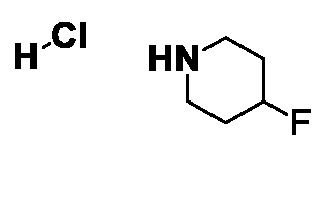

1.74 % 2. 1H-NMR (400 MHz, DMSO-d6) δ 8.95 - 8.82 (m, 1H), 8.58 - 8.48 (m, 1H), 8.33 - 8.21 (m, 1H), 8.13 (d, 1H), 7.91 (dd, 2H), 7.62 (s, 1H), 7.01 (d, 1H), 6.76 (d, 1H), 5.06 - 4.75 (m, 1H), 3.92 - 3.76 (m, 2H), 3.69 - 3.49 (m, 2H), 3.10 (s, 6H), 2.08 - 1.84 (m, 2H), 1.83 - 1.61 (m, 2H). 3. 434.12 


1.75 % 2. 1H NMR (400 MHz, Chloroform-d) δ 8.59 (dd, 1H), 8.09 - 7.94 (m, 3H), 7.78 (dd, 1H), 7.56 (d, 1H), 7.36 (d, 1H), 6.45 (dd, 1H), 5.56 - 5.31 (m, 1H), 3.98 (s, 3H), 3.95 - 3.84 (m, 1H), 3.81 - 3.56 (m, 3H), 2.50 - 2.35 (m, 1H), 2.29 - 2.00 (m, 1H). 3. 380.05 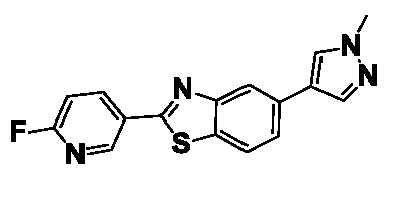


1.98 % 2. 1H NMR (400 MHz, DMSO-d6) δ 8.79 (d, 1H), 8.26 (s, 1H), 8.22 - 8.08 (m, 2H), 8.08 - 7.95 (m, 2H), 7.61 (dd, 1H), 6.67 (d, 1H), 5.62 - 5.33 (m, 1H), 3.95 - 3.59 (m, 6H), 3.52 (td, 1H), 2.38 - 2.10 (m, 2H) 3. 380.03 


1.64 % 2. 1H NMR (400 MHz, DMSO-d6) δ 8.80 (d, 1H), 8.27 (s, 1H), 8.22 - 8.11 (m, 2H), 8.10 - 7.93 (m, 2H), 7.62 (dd, 1H), 6.68 (d, 1H), 5.49 (d, 1H), 4.00 - 3.60 (m, 6H), 3.53 (td, 1H), 2.42 - 2.11 (m, 2H). 3. 380.02 


1.94 % 1H NMR (400 MHz, DMSO-d6) δ 8.79 (s, 1H), 8.37 (s, 1H), 8.15 (d, 1H), 7.89 (d, 1H), 7.63 (d, 1H), 6.67 (d, 1H), 5.48 (d, 1H), 3.95 - 3.44 (m, 4H), 2.37 - 2.10 (m, 2H) 3. N/A 


1.95 % 1H NMR (400 MHz, DMSO-d6) δ 8.80 (d, 1H), 8.38 (s, 1H), 8.15 (dd, 1H), 7.89 (d, 1H), 7.64 (d, 1H), 6.68 (d, 1H), 5.48 (d, 1H), 3.94 - 3.46 (m, 4H), 2.38 - 2.11 (m, 2H) 3. N/A 


1.78 % 1H NMR (400 MHz, DMSO-d6) δ 9.37 (s, 1H), 8.89 (s, 1H), 8.71 - 8.63 (m, 2H), 8.55 (d, 1H), 8.20 (d, 1H), 8.08 (d, 1H), 7.57 (dd, 1H), 6.66 (d, 1H), 3.52 (s, 4H), 1.99 (s, 5H) 3. 360.04 


1. 61 % 1H NMR (400 MHz, DMSO-d6) δ 9.37 (s, 1H), 8.91 (d, 1H), 8.77 - 8.63 (m, 2H), 8.55 (d, 1H), 8.24 (dd, 1H), 8.09 (d, 1H), 7.57 (dd, 1H), 6.72 (d, 1H), 5.50 (d, 1H), 3.97 - 3.62 (m, 3H), 3.55 (q, 1H), 2.40 - 2.12 (m, 2H) 3. 378.06 

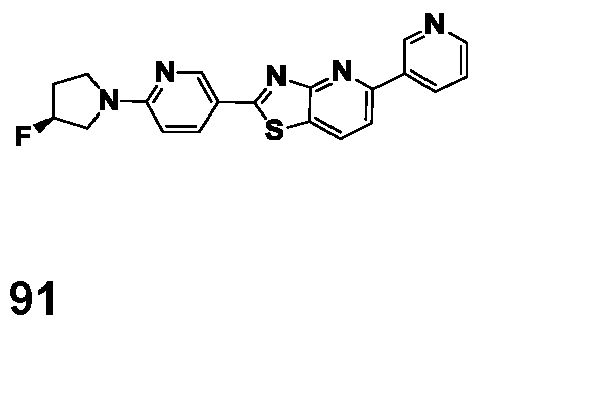
1.75 % 1H NMR (400 MHz, DMSO-d6) δ 9.37 (s, 1H), 8.91 (s, 1H), 8.68 (d, 2H), 8.55 (d, 1H), 8.24 (d, 1H), 8.09 (d, 1H), 7.57 (dd, 1H), 6.82 - 6.62 (m, 1H), 5.50 (d, 1H), 4.02 - 3.63 (m, 3H), 3.54 (q, 1H), 2.40 - 2.11 (m, 2H) 3. 378.05 

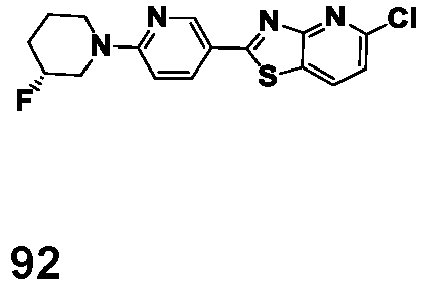
1.57 % 1H NMR (400 MHz, DMSO-d6) δ 8.86 (d, 1H), 8.63 (d, 1H), 8.17 (dd, 1H), 7.52 (d, 1H), 7.07 (d, 1H), 5.00 - 4.70 (m, 1H), 4.19 (ddd, 1H), 4.03 (dt, 1H), 3.76 (ddd, 1H), 3.51 - 3.42 (m, 1H), 2.07 - 1.87 (m, 2H), 1.87 - 1.70 (m, 1H), 1.70 - 1.50 (m, 1H) 3. 349.05 


1.66 % 1H NMR (400 MHz, DMSO-d6) δ 8.84 (d, 1H), 8.62 (d, 1H), 8.16 (dd, 1H), 7.51 (d, 1H), 7.06 (d, 1H), 4.93 - 4.71 (m, 1H), 4.17 (ddd, 1H), 4.01 (dt, 1H), 3.74 (ddd, 1H), 3.45 (t, 1H), 2.04 - 1.85 (m, 2H), 1.85 - 1.70 (m, 1H), 1.65 - 1.53 (m, 1H) 3. 349.23 
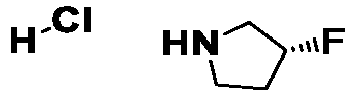

1. 2.5 % 2. 1H NMR (400 MHz, DMSO-d 6) δ 8.91 (d, 1H), 8.31 (dd, 1H), 8.11 (d, 1H), 7.90 (d, 1H), 7.61 (s, 1H), 7.54 (dd, 1H), 7.44 (dd, 1H), 6.76 (t, 1H), 6.65 (d, 1H), 6.02 (d, 1H), 5.49 (d, 1H), 3.91 - 3.59 (m, 3H), 3.56 - 3.43 (m, 1H), 2.80 (d, 3H), 2.36 - 2.25 (m, 2H). 3. 422.73 


1.38 % 2. 1H NMR (400 MHz, DMSO-d 6) δ 9.05 (dd, 1H), 8.94 (d, 1H), 8.61 (dd, 1H), 8.34 (dd, 1H), 8.26 (d, 1H), 8.21 (ddd, 1H), 8.02 - 7.96 (m, 2H), 7.55 (ddd, 1H), 6.66 (d, 1H), 5.49 (d, 1H), 3.91 - 3.57 (m, 3H), 3.51 (td, 1H), 2.37 - 2.14 (m, 2H). 3. 376.57 


1.22 % 2. 1H NMR (400 MHz, DMSO-d 6) δ 8.90 (d, 1H), 8.30 (dd, 1H), 8.10 (d, 1H), 7.89 (d, 1H), 7.60 (s, 1H), 7.53 (dd, 1H), 7.43 (dd, 1H), 6.75 (t, 1H), 6.64 (d, 1H), 6.02 (dd, 1H), 5.49 (d, 1H), 3.90 - 3.58 (m, 3H), 3.51 (td, 1H), 2.79 (d, 3H), 2.36 - 2.15 (m, 2H). 3. 422.63 


1.6% 2. 1H NMR (400 MHz, DMSO-d 6) δ 13.22 (s, 1H), 8.91 (d, 1H), 8.30 (m, 2H), 8.13 (d, 1H), 7.97 (s, 1H), 7.90 (d, 1H), 7.49 (s, 1H), 6.65 (d, 1H), 5.49 (d, 1H), 3.97 - 3.58 (m, 3H), 3.51 (td, 1H), 2.39 - 2.08 (m, 2H). 3. 365.81 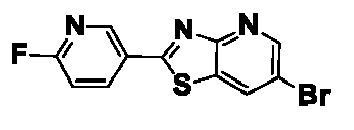


1.55 % 2. 1H NMR (500 MHz, DMSO-d6) δ 8.88 (d, 1H), 8.84 (d, 1H), 8.71 (d, 1H), 8.17 (dd, 1H), 7.05 (d, 1H), 4.90 - 4.73 (m, 1H), 4.17 (ddd, 1H), 4.05 - 3.97 (m, 1H), 3.74 (ddd, 1H), 3.49 - 3.41 (m, 1H), 2.03 - 1.84 (m, 2H), 1.83 - 1.71 (m, 1H), 1.63 - 1.52 (m, 1H) 3. 393.56 


1.53 % 2. 1H NMR (500 MHz, DMSO-d6) δ 8.88 (d, 1H), 8.84 (d, 1H), 8.71 (d, 1H), 8.17 (dd, 1H), 7.05 (d, 1H), 4.92 - 4.72 (m, 1H), 4.24 - 4.12 (m, 1H), 4.05 - 3.97 (m, 1H), 3.81 - 3.67 (m, 1H), 3.49 - 3.40 (m, 1H), 2.02 - 1.85 (m, 2H), 1.83 - 1.70 (m, 1H), 1.63 - 1.51 (m, 1H) 3. 393.63 


1.74 % 2. 1H NMR (500 MHz, DMSO-d6) δ 8.78 - 8.70 (m, 1H), 8.05 (dd, 1H), 7.80 (s, 1H), 6.63 (d, 1H), 5.55 - 5.39 (m, 1H), 3.88 - 3.60 (m, 3H), 3.53 - 3.46 (m, 3H), 2.98 (t, 2H), 2.35 - 2.06 (m, 2H). 3. 319.10 


1.79 % 2. 2. 1H NMR (500 MHz, DMSO-d6) δ 8.69 - 8.68 (m, 1H), 8.01 (dd, 1H), 7.76 (s, 1H), 6.59 (d, 1H), 5.53 - 5.31 (m, 1H), 4.03 - 3.55 (m, 3H), 3.47-3.44 (m, 3H), 2.94 (t, 2H), 2.27 - 2.13 (m, 2H) 3. 319.12 


1.80 % 2. 1H NMR (500 MHz, DMSO-d6) δ 7.31 (s, 1H), 5.59 - 5.34 (m, 1H), 3.80 - 3.55 (m, 3H), 3.55 - 3.42 (m, 1H), 3.37 (td, 2H), 2.73 (t, 2H), 2.34 - 2.16 (m, 2H) 3. 242.19 


1.57 % 2.NA 3. 392.06 

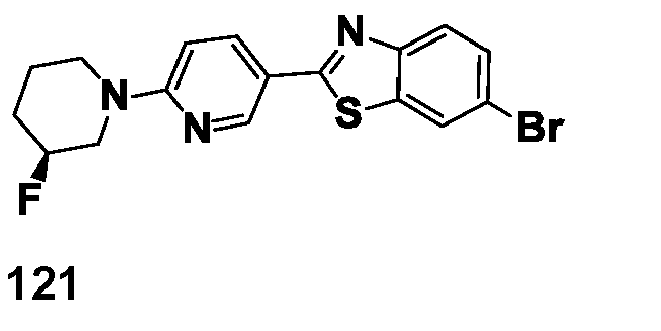
1.54 % 2. NA 3. 392.07 


1. 57% 2. 1H NMR (400 MHz, DMSO-d6) δ 8.74 (d, 1H), 8.37 (d, 1H), 8.11 (dd, 1H), 7.88 (d, 1H), 7.63 (dd, 1H), 6.47 (d, 1H), 5.04 (dp, 1H), 4.07 (d, 4H), 2.67 (tdd, 2H), 2.41 (dddd, 2H) 3. 404.7 -

- A mixture of the title compound from Example 1 (0.070 g, 0.173 mmol) in N,N'-dimethylformamide (4 mL) was cooled at 0°C and sodium hydride (0.005 g, 0.21 mmol) was added. The mixture was stirred at 0°C for 1 h and warmed up to room temperature and stirred for additional 30 min and 1-bromo-2-fluoroethane (16 µL, 0.21 mmol) was added. The reaction mixture was stirred at room temperature for 1 hour and sodium hydride (0.005 g, 0.21 mmol) and 1-bromo-2-fluoroethane (0.016 mL, 0.21 mmol) were added again. After 2 hours, water (1 mL) was added and the solvents were removed under reduced pressure.The crude product was taken up in dichloromethane (10 mL), washed with brine (10 mL) and water (10 mL), dried over Na2SO4, and concentrated under reduced pressure. The residue was purified on HP-Sil SNAP cartridges using a Biotage Isolera One purification system employing a methanol/dichloromethane gradient (0/100 -> 10/90) to afford the title compound (0.04 g, 51 %).
- 1H-NMR (400 MHz, DMSO-d 6) δ 9.14 (d, 1H), 9.06 (d, 1H), 8.62 (dd, 1H), 8.53 (dd, 1H), 8.35 (d, 1H), 8.21 (dt, 1H), 8.12 (d, 1H), 8.03 (s, 1H), 7.79 (d, 1H), 7.55 (dd, 1H), 4.64 (dt, 2H), 4.28 (dt, 2H), 1.49 (s, 9H).
MS (ESI); m/z = 395.19 [M+H-tBu], 375.18 [M+H-tBu-HF] - To the compound from Step A above (0.020 g, 0.044 mmol) was added dichloromethane (4 mL) and trifluoroacetic acid (400 µL) and the solution was stirred at room temperature for 5 h. The reaction mixture was concentrated under reduced pressure and water (10 ml) was added, followed by a 1 M aqueous sodium hydroxide solution (pH∼13). The crude product was extracted with dichloromethane (2 X 10 mL), the organic fractions were collected, dried over Na2SO4, filtered and the solvents were removed under reduced pressure. The residue was purified on HP-Sil SNAP cartridges using a Biotage Isolera One purification system employing a methanol/dichloromethane gradient (0/100 -> 20/80) to afford the title compound (0.007 g, 45 %).
- 1H-NMR (400 MHz, DMSO-d 6) δ 9.05 (d, 1H), 8.83 (d, 1H), 8.61 (dd, 1H), 8.29 - 8.15 (m, 3H), 8.04 - 7.86 (m, 2H), 7.55 (dd, 1H), 7.24 (t, 1H), 6.68 (d, 1H), 4.59 (dt, 2H), 3.67 (dq, 2H).
MS (ESI); m/z = 351.20 [M+H]+ -

- To the title compound from Example 47 (0.015 g, 0.036 mmol) in N,N'-dimethylformamide (2 mL) was added sodium hydride (0.0034 g, 0.14 mmol) and the mixture was stirred at room temperature for 1h, then 1-bromo-2-fluoroethane (0.01 mL, 0.15 mmol) was added. The reaction mixture was stirred at room temperature overnight. Water (2 mL) was added and the solvents were removed under reduced pressure.The crude product was taken up in dichlorometane (10 mL), washed with brine (10 mL) and water (10 mL), dried over Na2SO4, and concentrated under reduced pressure. The residue was purified on HP-Sil SNAP cartridges using a Biotage Isolera One purification system employing a methanol/dichloromethane gradient (0/100 -> 10/90) to afford the title compound (0.004 g, 23 %).
- 1H-NMR (400 MHz, Chloroform-d) δ 9.02 (d, 1H), 8.85 (d, 1H), 8.61 (d, 1H), 8.31 (dd, 1H), 8.06 (d, 1H), 8.01 - 7.94 (m, 1H), 7.69 (d, 1H), 7.53 (s, 1H), 7.40 (dd, 1H), 6.67 (d, 1H), 4.70 (dt, 2H), 4.01 (dt, 2H), 3.21 (s, 3H).
MS (ESI); m/z = 365.20 [M+H]+ -

- An oven dried Schlenk flask was evacuated and back filled with argon gas. The procedure was repeated 3 to 4 times and the flask was cooled to room temperature. Then XANTPHOS (16.9 mg, 0.029 mmol) and palladium(II)-acetate (2.2 mg, 9.75 µmol) were added and degassed (argon). 1,4-Dioxane (5 mL) was added by syringe and the mixture was heated at 110 °C for 2 minutes to become a clear yellow solution, indicating the formation of the Pd-catalyst. Then commercially available 2,3-dihydrobenzo[b][1,4]dioxin-6-amine (16.2 mg, 0.107 mmol), the title compound from Preparative Example 14 (30 mg, 0.097 mmol) and cesium carbonate (95 mg, 0.292 mmol) were added under an argon atmosphere. The reaction mixture was heated at 110 °C in a sand bath for 2 h, cooled to room temperature and the solvents were removed under reduced pressure. The residue was purified on HP-Sil SNAP cartridges using a Biotage Isolera One purification system employing a dichloromethane/ethyl acetate gradient (90/10) to afford the title compound as a white solid (41.2 mg, 37 %).
- 1H-NMR (400 MHz, DMSO-d6) δ 9.15 (s, 1H), 7.90 (d, 1H), 7.65 (d, 2H), 7.52 (s, 1H), 7.45 (d, 1H), 7.14 - 7.00 (m, 3H), 6.81 (d, 2H), 4.93 - 4.78 (m, 1H), 4.78 - 4.65 (m, 1H), 4.41 - 4.31 (m, 1H), 4.24 (dd, 5H)
MS (ESI); m/z = 423.11 [M+H]+ - Following the procedure described in Example 58, except using the halogen derivatives and amines/amides indicated in the table below, the following compounds were prepared.
Table 5: Halogen derivative Amine/amide Product Example 1. Yield 2. 1H-NMR 3. MH+ (ESI) 


1. 58 % 2. 1H-NMR (400 MHz, DMSO-d6) δ 9.47 (s, 1H), 8.96 (s, 1H), 8.53 (d, 1H), 8.10 (d, 1H), 8.01 (d, 1H), 7.81 (s, 1H), 7.63 - 7.41 (m, 2H), 7.35 - 7.16 (m, 2H), 6.93 (d, 1H), 6.57 (d, 1H), 4.84 (t, 1H), 4.72 (t, 1H), 4.27 (t, 1H), 4.20 (t, 1H). 3. 365.93 
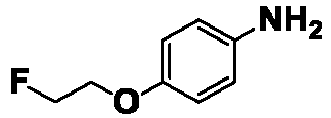

1. 59 % 2. 1H-NMR (400 MHz, DMSO-d6) δ 9.21 (s, 1H), 7.91 (d, 1H), 7.73 - 7.53 (m, 5H), 7.35 (d, 2H), 6.95 (d, 2H), 6.82 (d, 1H), 4.90 - 4.73 (m, 1H), 4.73 - 4.63 (m, 1H), 4.34 - 4.20 (m, 1H), 4.20 - 4.09 (m, 1H), 3.20 (s, 3H), 1.41 (s, 9H). 3. 494.45 


1. 55 % 2. 1H-NMR (400 MHz, DMSO-d6) δ 9.19 (s, 1H), 7.91 (d, 1H), 7.66 (d, 2H), 7.61 (s, 1H), 7.43 (d, 1H), 7.35 (d, 2H), 7.05 (dd, 1H), 6.81 (dd, 2H), 4.33 - 4.14 (m, 4H), 3.21 (s, 3H), 1.42 (s, 9H). 3. 490.42 


1. 61 % 2. 1H-NMR (400 MHz, DMSO-d6) δ 9.14 (s, 1H), 7.89 (d, 1H), 7.66 (d, 2H), 7.63 - 7.54 (m, 3H), 7.35 (d, 2H), 6.95 (d, 2H), 6.81 (d, 1H), 3.79 - 3.72 (m, 4H), 3.21 (s, 3H), 3.09 - 3.01 (m, 4H), 1.42 (s, 9H). 3. 517.56 


1. 62 % 2. 1H-NMR (400 MHz, DMSO-d6) δ 9.28 (s, 1H), 8.94 (d, 1H), 8.52 (dd, 1H), 8.08 (dt, 1H), 7.95 (d, 1H), 7.78 (s, 1H), 7.65 (d, 2H), 7.48 (dd, 1H), 6.97 (d, 2H), 6.85 (d, 1H), 4.87 - 4.75 (m, 1H), 4.73 - 4.63 (m, 1H), 4.32 - 4.22 (m, 1H), 4.22 - 4.13 (m, 1H). 3. 365.82 


1. 69 % 2. 1H-NMR (400 MHz, DMSO-d6) δ 9.25 (s, 1H), 8.94 (s, 1H), 8.52 (d, 1H), 8.08 (d, 1H), 7.94 (d, 1H), 7.78 (s, 1H), 7.57 - 7.41 (m, 2H), 7.15 - 6.99 (m, 1H), 6.82 (t, 2H), 4.37 - 4.13 (m, 4H). 3. 361.80 


1. 47 % 2. 1H-NMR (400 MHz, DMSO-d6) δ 9.21 (s, 1H), 8.94 (s, 1H), 8.56 - 8.46 (m, 1H), 8.08 (d, 1H), 7.93 (d, 1H), 7.77 (s, 1H), 7.59 (d, 2H), 7.51 - 7.43 (m, 1H), 6.95 (d, 2H), 6.83 (d, 1H), 3.75 (s, 4H), 3.05 (s, 4H). 3. 389.1 


1. 34 % 2. 1H-NMR (400 MHz, DMSO-d6) δ 9.24 (s, 1H), 8.94 (s, 1H), 8.51 (d, 1H), 8.46 (s, 1H), 8.08 (d, 1H), 7.96 (t, 2H), 7.78 (s, 1H), 7.53 - 7.42 (m, 1H), 6.89 (d, 1H), 6.82 (d, 1H), 3.72 (s, 4H), 3.37 (s, 4H). 3. 390.1 
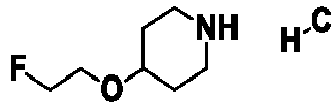

1. 21 % 2. 1H-NMR (400 MHz, DMSO-d6) δ 8.92 (d, 1H), 8.51 (dd, 1H), 8.05 (dt, 1H), 7.94 (d, 1H), 7.74 (s, 1H), 7.46 (dd, 1H), 7.01 (d, 1H), 4.63 - 4.44 (m, 2H), 4.05 (dt, 2H), 3.77 - 3.58 (m, 3H), 3.27 (ddd, 2H), 1.99 - 1.88 (m, 2H), 1.48 (dtd, 2H). 3. 358.17 


1.8% 2. 1H NMR (400 MHz, DMSO-d6) δ 8.79 (d, 1H), 8.77 (s, 1H), 8.09 (dd, 1H), 7.28 (s, 1H), 6.61 (d, J = 9.0 Hz, 1H), 4.53 (dt, 2H), 4.03 (dt, 2H), 3.79 - 3.72 (m, 1H), 3.70 - 3.65 (m, 1H), 3.60 (p, 1H), 3.50 (s, 4H), 3.18 (ddd, 2H), 2.03 - 1.87 (m, 6H), 1.48 (ddt, 2H) 3. 428.14 


1.64 % 2. 1H NMR (400 MHz, DMSO-d6) δ 8.77 (d, 1H), 8.11 (dd, 1H), 8.05 (d, 1H), 7.94 (d, 1H), 7.44 (dd, 1H), 6.61 (d, 1H), 3.73 (t, 2H), 3.57 - 3.44 (m, 4H), 3.15 (s, 2H), 2.76 (t, 2H), 2.31 (s, 3H), 2.05 - 1.93 (m, 4H). 3. 394.05 


1. 39 % 2. 1H NMR (400 MHz, DMSO-d6) δ 8.79 (d, 1H), 8.15 (dd, 1H), 8.06 (s, 1H), 7.95 (d, 1H), 7.50 - 7.39 (m, 1H), 6.67 (d, 1H), 5.48 (d, 1H), 3.92 - 3.59 (m, 5H), 3.59 - 3.44 (m, 1H), 3.14 (s, 2H), 2.75 (t, 2H), 2.30 (s, 5H). 3. 412.02 


1. 49 % 2. 1H NMR (400 MHz, DMSO-d6) δ 8.79 (d, 1H), 8.16 (dd, 1H), 8.06 (d, 1H), 7.95 (d, 1H), 7.44 (dd, 1H), 6.68 (d, 1H), 5.48 (d, 1H), 3.95 - 3.60 (m, 5H), 3.52 (td, 1H), 3.14 (s, 2H), 2.76 (t, 2H), 2.30 (s, 5H) 3. 412.03 


1. 59 % 2. 1H NMR (400 MHz, DMSO-d6) δ 8.80 (s, 1H), 8.21 - 8.07 (m, 2H), 7.97 (d, 1H), 7.51 (d, 1H), 6.74 - 6.63 (m, 1H), 5.49 (d, 1H), 4.24 (s, 2H), 4.05 - 3.97 (m, 2H), 3.92 - 3.61 (m, 5H), 3.52 (q, 1H), 2.24 (dd, 2H) 3. 399.05 


1. 54 % 2. 1H NMR (400 MHz, DMSO-d6) δ 8.80 (s, 1H), 8.24 - 8.05 (m, 2H), 7.97 (d, 1H), 7.51 (d, 1H), 6.76 - 6.59 (m, 1H), 5.49 (d, 1H), 4.24 (s, 2H), 4.07 - 3.96 (m, 2H), 3.93 - 3.60 (m, 5H), 3.53 (dd, 1H), 2.39 - 2.09 (m, 2H) 3. 399.03 


1. 20% 2. 1H NMR (500 MHz, DMSO-d6) δ 8.76 (d, 1H), 8.45 (d, 1H), 8.10 (dd, 1H), 8.05 (d, 1H), 7.03 (d, 1H), 4.90 - 4.71 (m, 1H), 4.15 - 4.07 (m, 1H), 3.99 - 3.89 (m, 1H), 3.82 - 3.68 (m, 5H), 3.48 - 3.42 (m, 1H), 3.27 - 3.23 (m, 4H), 1.91 (d, 2H), 1.84 - 1.71 (m, 1H), 1.65 - 1.51 (m, 1H) 3. 399.19 


1.44 % 2. 1H NMR (400 MHz, DMSO-d6) δ 8.76 (d, 1H), 8.10 (dd, 1H), 8.03 (d, 1H), 7.93 (d, 1H), 7.42 (dd, 1H), 6.60 (d, 1H), 3.66 (t, 2H), 3.54 - 3.44 (m, 4H), 3.42 (s, 2H), 3.04 (t, 2H), 2.80 (s, 1H), 2.05 - 1.87 (m, 4H) 3. 380.14 


1.18 % 2. 1H NMR (400 MHz, DMSO-d6) δ 8.60 (s, 1H), 8.14 (d, 1H), 7.95 (d, 1H), 7.52 (d, 1H), 4.97 - 4.73 (m, 2H), 4.54 (dt, 2H), 4.24 (s, 2H), 4.00 (d, 2H), 3.81 (d, , 2H) 3. 347.06 

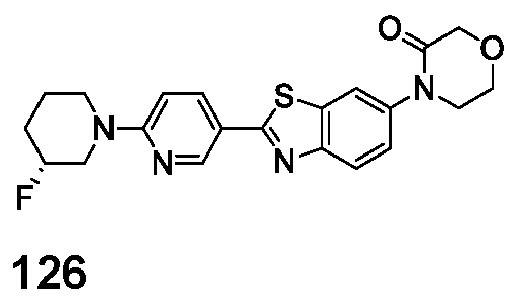
1. 52 % 2. 1H NMR (400 MHz, DMSO-d6) δ 8.77 (d, 1H), 8.21 - 8.04 (m, 2H), 7.97 (d, 1H), 7.52 (dd, 1H), 7.03 (d, 1H), 4.98 - 4.67 (m, 1H), 4.24 (s, 2H), 4.15 - 4.05 (m, 1H), 4.04 - 3.98 (m, 2H), 3.98 - 3.90 (m, 1H), 3.85 - 3.78 (m, 2H), 3.78 - 3.67 (m, 1H), 3.50 - 3.39 (m, 1H), 2.07 - 1.83 (m, 2H), 1.83 - 1.67 (m, 1H), 1.64 - 1.49 (m, 1H) 3. 413.16 
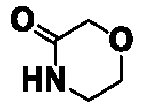

1. 35 % 2. 1H NMR (400 MHz, DMSO-d6) δ 8.79 (d, 1H), 8.14 (dt, 2H), 7.99 (dd, 1H), 7.53 (dt, 1H), 7.04 (d, 1H), 4.96 - 4.69 (m, 1H), 4.26 (s, 2H), 4.11 (td, 1H), 4.03 (t, 2H), 3.96 (dd, 1H), 3.83 (t, 2H), 3.79 - 3.69 (m, 1H), 3.47 (dd, 1H), 2.09 - 1.69 (m, 3H), 1.59 (t, 1H) 3. 413.16 -

- A solution of the title compound from Example 60 (0.037 g, 0.075 mmol) in dichloromethane (2 mL) and 1.25 N HCl (2 mL) in methanol was stirred at room temperature for 6 hours. The reaction mixture was concentrated under reduced pressure to dryness. 1N NaOH was added and the aqueous phase was extracted with dichloromethane (3 x 20 mL). The combined organics were dried over Na2SO4, filtered and concentrated under reduced pressure to afford the title compound (0.012 g, 41 %).
- 1H-NMR (400 MHz, DMSO-d6) δ 9.09 (s, 1H), 7.82 (d, 1H), 7.62 (d, 2H), 7.43 (d, 2H), 7.29 (s, 1H), 6.94 (d, 2H), 6.77 (d, 1H), 6.59 (d, 2H), 5.98 (q, 1H), 4.87 - 4.73 (m, 1H), 4.73 - 4.62 (m, 1H), 4.32 - 4.20 (m, 1H), 4.20 - 4.11 (m, 1H), 2.71 (d, 3H).
MS (ESI); m/z = 394.10 [M+H]+ - Following the procedure described in Example 74, except using the Boc-protected derivatives indicated in the table below, the following compounds were prepared.
Table 6: Boc-protected derivative Product Example 1. Yield 2. 1H-NMR 3. MH+ (ESI) 

1. 34 % 2. 1H-NMR (400 MHz, DMSO-d6) δ 9.05 (s, 1H), 7.82 (d, 1H), 7.50 - 7.37 (m, 3H), 7.29 (s, 1H), 7.03 (dd, 1H), 6.77 (dd, 2H), 6.59 (d, 2H), 6.06 - 5.89 (m, 1H), 4.22 (dd, 4H), 2.71 (d, 3H). 3. 390.08 

1. 22 % 2. 1H-NMR (400 MHz, DMSO-d6) δ 9.00 (s, 1H), 7.79 (d, 1H), 7.56 (d, 2H), 7.42 (d, 2H), 7.28 (s, 1H), 6.92 (d, 2H), 6.75 (d, 1H), 6.58 (d, 2H), 5.96 (d, 1H), 3.82 - 3.65 (m, 4H), 3.10 - 2.98 (m, 4H), 2.70 (d, 3H). 3. 417.14 -

- An oven dried Schlenk flask was evacuated and back filled with argon gas. The procedure was repeated 3 to 4 times and the flask was cooled to room temperature. Then, 1,4-dioxane (8 mL) was added by syringe and degassed (argon). The title compound from Preparative Example 6 (200 mg, 0.811 mmol), ethynyltrimethylsilane (0.458 mL, 3.240 mmol), copper(l) iodide (7.72 mg, 0.041 mmol), Pd(Ph3P)4 (94 mg, 0.081 mmol) and triethylamine (0.451 mL, 3.24 mmol) were added under an argon atmosphere. The reaction mixture was heated at 100 °C in a sand bath for 4 h, cooled to room temperature and the reaction mixture was diluted with water (50mL). The aqueous phase was then extracted with dichloromethane (3 x 50 mL). The combined organics were dried over Na2SO4, filtered and concentrated under reduced pressure. The residue was purified on HP-Sil SNAP cartridges using a Biotage Isolera One purification system employing a dichloromethane/ethyl acetate gradient (90/10 -> 70/30) to afford the title compound (200 mg, 80 %).
- 1H-NMR (400 MHz, DMSO-d6) δ 9.06 (s, 1H), 8.71 - 8.55 (m, 1H), 8.25 (d, 1H), 8.21 (d, 1H), 8.03 (s, 1H), 7.59 (d, 1H), 7.55 (dd, 1H), 0.28 (s, 9H)
MS (ESI); m/z = 308.76 [M+H]+ - An oven dried Schlenk flask was evacuated and back filled with argon gas. The procedure was repeated 3 to 4 times and the flask was cooled to room temperature. Then, methanol (10 mL) was added by syringe and degassed (argon). The title compound from Step A above (200 mg, 0.648 mmol), followed by potassium carbonate (358 mg, 2.590 mmol) were added under an argon atmosphere. The reaction mixture was stirred at room temperature for 1 hour. Then, the reaction mixture was concentrated under reduced pressure to dryness. Water (50 mL) was added and the aqueous phase was extracted with dichloromethane (3 x 50 mL). The combined organics were dried over Na2SO4, filtered and concentrated under reduced pressure to afford the title compound (153 mg, 74 %).
- 1H-NMR (400 MHz, DMSO-d6) δ 9.06 (d, 1H), 8.67 - 8.59 (m, 1H), 8.28 (d, 1H), 8.22 (dt, 1H), 8.04 (s, 1H), 7.62 (d, 1H), 7.55 (dd, 1H), 4.50 (s, 1H).
MS (ESI); m/z = 236.60 [M+H]+ - An oven dried Schlenk flask was evacuated and back filled with argon gas. The procedure was repeated 3 to 4 times and the flask was cooled to room temperature. Then, 1,4-dioxane (8 mL) was added by syringe and degassed (argon). The title compound from Step B above (20 mg, 0.085 mmol), 1-iodo-4-methoxybenzene (24 mg, 0.102 mmol), copper(l) iodide (0.8 mg, 0.004 mmol), Pd(Ph3P)4 (9.8 mg, 0.008 mmol) and triethylamine (23 µL, 0.169 mmol) were added under an argon atmosphere. The reaction mixture was heated at 100 °C in a sand bath for 4 h, cooled to room temperature and the reaction mixture was diluted with water (50mL). The aqueous phase was then extracted with dichloromethane (3 x 50 mL). The combined organics were dried over Na2SO4, filtered and concentrated under reduced pressure. The residue was purified on HP-Sil SNAP cartridges using a Biotage Isolera One purification system employing a dichloromethane/ethyl acetate gradient (95/5 -> 85/25) to afford the title compound (5 mg, 15 %).
- 1H-NMR (400 MHz, DMSO-d6) δ 8.30 - 8.20 (m, 2H), 8.07 - 8.00 (m, 1H), 7.75 - 7.56 (m, 5H), 7.52 - 7.46 (m, 1H), 7.03 (d, 2H), 3.82 (s, 3H)
MS (ESI); m/z = 342.79 [M+H]+ -

- An oven dried Schlenk flask was evacuated and back filled with argon gas. The procedure was repeated 3 to 4 times and the flask was cooled to room temperature. Then, DMF (2 mL) was added by syringe and degassed (argon). The title compound from Preparative Example 20 (15 mg, 0.050 mmol) was added under an argon atmosphere, followed by the addition of sodium hydride (1.5 mg, 0.060 mmol). The reaction mixture was stirred at room temperature for 1 hour and 1-bromo-2-fluoroethane (9.5 mg, 0.075 mmol) was added. Then, the reaction mixture was heated at 60°C for 18 hours. The crude product was allowed to cool to room temperature and EtOAC (40 mL) was added. The organic layer was washed several times with brine, dried over Na2SO4, filtered and dried under reduced pressure. The residue was purified on HP-Sil SNAP cartridges using a Biotage Isolera One purification system employing a dichloromethane/methanol gradient (98/2 -> 92/8) to afford the title compound (5 mg, 25 %).
- 1H-NMR (400 MHz, DMSO-d6) δ 8.70 (d, 1H), 8.00 (dd, 1H), 6.55 (d, 1H), 4.61 (dt, 2H), 3.83 - 3.66 (m, 4H), 3.55 - 3.40 (m, 4H), 3.06 (t, 2H), 2.07 - 1.88 (m, 4H)
MS (ESI); m/z = 347.27 [M+H]+ - Following the procedure described in Example 78, the following compound was prepared.
Table 7: Starting material Product Example 1. Yield 2. 1H-NMR 3. MH+ (ESI) 

1.35 % 2. 1H NMR (400 MHz, DMSO-d6) δ 9.18 (s, 1H), 8.85 (d, 1H), 8.42 (s, 1H), 8.21 (s, 1H), 8.18 (s, 1H), 8.14 (dd, 1H), 6.62 (d, 1H), 4.82 (dt, 2H), 4.49 (dt, 2H), 3.50 (s, 4H), 1.99 (m, 4H). 3. 395.08 

1. 18 % 2. 1H NMR (400 MHz, DMSO-d6) δ 8.77 (s, 1H), 8.11 (d, 1H), 8.06 (s, 1H), 7.93 (d, 1H), 7.44 (d, 1H), 6.61 (d, 1H), 4.78 - 4.48 (m, 2H), 3.80 - 3.67 (m, 2H), 3.59 - 3.40 (m, 4H), 3.31 (s, 2H), 2.91 (s, 2H), 2.80 (dd, 2H), 1.98 (s, 4H). 3. 426.35 -

- An oven dried Schlenk flask was evacuated and back filled with argon gas. The procedure was repeated 3 to 4 times and the flask was cooled to room temperature. Then, 1,4-dioxane (2 mL) was added by syringe and degassed (argon). The title compound from Preparative Example 20 (20 mg, 0.067 mmol), 3-iodopyridine (16.4 mg, 0.080 mmol), copper(l) iodide (1.2 mg, 0.007 mmol), (1R,2R)-N1,N2-dimethylcyclohexane-1,2-diamine (2.8 mg, 0.020 mmol) and potassium phosphate (35.3 mg, 0.166 mmol) were added under an argon atmosphere. The reaction mixture was heated at 100 °C in a sand bath for 18 h, cooled to room temperature and the solvents were removed under reduced pressure. The residue was purified on HP-Sil SNAP cartridges using a Biotage Isolera One purification system employing a dichloromethane/ethyl acetate gradient (98/2 -> 95/5) to afford the title compound (11 mg, 43 %).
- 1H-NMR (400 MHz, DMSO-d6) δ 8.75 (d, 1H), 8.65 (s, 1H), 8.44 (d, 1H), 8.12 - 7.97 (m, 1H), 7.84 (d, 1H), 7.47 (dd, 1H), 6.58 (d, 1H), 4.15 (t, 2H), 3.48 (s, 4H), 3.23 (t, 2H), 1.97 (s, 4H)
MS (ESI); m/z = 378.46 [M+H]+ - Following the procedure described in Example 80, the following compounds were prepared.
Table 8: Amide derivative Product Example 1. Yield 2. 1H-NMR 3. MH+ (ESI) 

1.48 % 2. 1H NMR (500 MHz, DMSO-d6) δ 8.81 - 8.76 (m, 1H), 8.69 - 8.62 (m, 1H), 8.50 - 8.40 (m, 1H), 8.10 (dd, 1H), 7.84 (ddd, 1H), 7.47 (dd, 1H), 6.65 (d, 1H), 5.56 - 5.40 (m, 1H), 4.15 (t, 2H), 3.99 - 3.59 (m, 3H), 3.51 (td, 1H), 3.25 (t, 2H), 2.42 - 2.10 (m, 2H) 3. 396.12 

1. 64 % 2. 1H NMR (500 MHz, DMSO-d6) δ 8.78 - 8.76 (m, 1H), 8.66 - 8.52 (m, 1H), 8.45 - 8.44 (m, 1H), 8.09 (dd, 1H), 7.84 (ddd, 1H), 7.47 (dd, 1H), 6.65 (d, 1H), 5.56 - 5.40 (m, 1H), 4.15 (t, 2H), 3.99 - 3.59 (m, 3H), 3.51 (td, 1H), 3.24 (t, 2H), 2.42 - 2.10 (m, 2H) 3. 396.10 -

- An oven dried Schlenk flask was evacuated and back filled with argon gas. The procedure was repeated 3 to 4 times and the flask was cooled to room temperature. Then, DMA (5 mL) was added by syringe and degassed (argon). The title compound from Preparative Example 25 (50 mg, 0.067 mmol), dicyanozinc (52.6 mg, 0.448 mmol), zinc (29.3 mg, 0.448 mmol) and Pd(Ph3P)4 (8.6 mg, 7.47 µmol) were added under an argon atmosphere. The reaction mixture was heated at 120 °C in a sand bath for 18 h. The crude product was allowed to cool to room temperature and dichloromethane (50 mL) was added. The organic layer was washed several times with 1N NaOH, dried over Na2SO4, filtered and dried under reduced pressure. The residue was purified on HP-Sil SNAP cartridges using a Biotage Isolera One purification system employing a dichloromethane/methanol eluent (98/2). Then, the solid was washed with DCM (20 mL) and the mother liquor was concentrated under reduced pressure to afford the title compound (6 mg, 12 %).
- 1H NMR (400 MHz, Chloroform-d) δ 8.78 - 8.56 (m, 1H), 8.31 (d, 1H), 7.61 (d, 1H), 6.40 (dd, 1H), 3.80 - 3.34 (m, 4H), 2.07 (s, 4H)
MS (ESI); m/z = 326.11 [M+H]+ -

- In a 2 mL microwave tube was added (S)-5-chloro-2-(6-(3-fluoropiperidin-1-yl)pyridin-3-yl)thiazolo[4,5-b]pyridine (26 mg, 0.075 mmol) Example 93, potassium 2-methylpropan-2-olate (16.73 mg, 0.149 mmol) and 1H-imidazole (6.09 mg, 0.089 mmol) in DMSO (1242 µl) to give a red/brown suspension, that was heated for 90 minutes at 120°C. After the reaction, 10 mL of ice water was added, then extraction with 15 mL DCM 3 times, the extract was washed with an appropriate amount of water, dried over anhydrous sodium sulfate, and concentrated in vacuo. The residue was purified via Biotage Isolera One (100:0 to 95:5 DCM/MeOH; 10g HP-Sil column) to give the desired product (22 mg, 78%).
- 1H NMR (400 MHz, DMSO-d6) δ 8.88 (d, 1H), 8.75 (d, 1H), 8.65 (s, 1H), 8.19 (dd, 1H), 8.08 (t, 1H), 7.88 (d, 1H), 7.18 (s, 1H), 7.07 (d, 1H), 4.84 (d, 1H), 4.27 - 4.10 (m, 1H), 4.02 (d, 1H), 3.75 (dd, 1H), 2.05 - 1.85 (m, 2H), 1.79 (s, 1H), 1.60 (s, 1H)
MS (ESI); m/z = 381.11 [M+H]+ - 20 µm frozen sections from amygdala were purchased from an external provider (Tissue Solutions Ltd.). Donors were diagnosed with PD, Braak stage V-VI (Braak et al., Neurobiol. Aging, 2003, 24,197-211) and thus with confirmed aSyn pathology. PD donors, Braak stage V-VI with mixed pathology, containing aSyn aggregates as well as Aβ plaques, were also used in this assay. Sections were kept at -80°C until start of the experiment.
- Brain sections were encircled with pap pen liquid blocker to reduce the volume of solution for the different incubations. Sections were fixed for 15 min at 4°C with 4% paraformaldehyde and washed three times for 5 minutes with PBS (phosphate buffered saline) at room temperature. Test compounds were incubated on the sections at 100 µM in 50% ethanol in water for 30 min at room temperature, followed by three washes of 5 minutes with PBS. Sections were then saturated and permeabilized in blocking buffer (PBS, 10% NGS, 0.25% Triton) for 1 hour at room temperature and then incubated for 2 hours at room temperature with the primary antibodies against aSyn: aSyn-211 (SantaCruz Biotechnology sc-12767) or aSyn-pS129 (Abcam AB51253), and primary antibody against Aβ, 4G8, (Covance, SIG-39220). All primary antibodies diluted 1/250 in PBS, 5% NGS, 0.25% Triton. After three washes in PBS, the sections were incubated for 30 minutes at room temperature with a secondary anti-mouse antibody labeled with AlexaFluor555 (Invitrogen A21422) or anti-rabbit antibody labeled with AlexaFluor555 (Invitrogen A21428) and further washed three times in PBS. To reduce auto-fluorescence of the tissue, the sections were incubated in a solution of 0.1% Sudan Black (Sigma 199664) in 70% ethanol for 15 min at room temperature, followed by four washes with PBS and mounted under cover slips using ProLong Gold Antifade reagent (Invitrogen P36930).
- Sections were analyzed on the Nikon Eclipse Ti microscope to detect staining and imaged using Nikon DS-Fi2 camera and NIS-Element AR4.13.1 software. Results from this assay are shown in Table 9.
- 20 µm frozen sections from amygdala were purchased from an external provider (Tissue Solutions Ltd.). Donors were diagnosed with AD, Braak stage V-VI (Braak et al., Neurobiol. Aging, 1995, 16,271-284) and thus with confirmed Aβ pathology. Sections were kept at -80°C until start of the experiment.
- Brain sections were encircled with pap pen liquid blocker to reduce the volume of solution for the different incubations. Sections were fixed for 15 min at 4°C with 4% paraformaldehyde and washed three times for 5 minutes with PBS at room temperature. Test compounds were incubated on the sections at 100 µM in 50% ethanol in water for 30 min at room temperature, followed by three washes of 5 minutes with PBS. Sections were then saturated and permeabilized in blocking buffer (PBS, 10% NGS, 0.25% Triton) for 1 hour at room temperature and then incubated for 2 hours at room temperature with the primary antibodies against Aβ, 4G8, (Covance, SIG-39220), diluted 1/250 in PBS, 5% NGS, and 0.25% Triton. After three washes in PBS, the sections were incubated for 30 minutes at room temperature with a secondary anti-mouse antibody labeled with AlexaFluor555 (Invitrogen A21422) and further washed three times in PBS. To reduce auto-fluorescence of the tissue, the sections were incubated in a solution of 0.1% Sudan Black (Sigma 199664) in 70% ethanol for 15 min at room temperature, followed by four washes with PBS and mounted under cover slips using ProLong Gold Antifade reagent (Invitrogen P36930).
- Sections were analyzed on the Nikon Eclipse Ti microscope to detect staining and imaged using Nikon DS-Fi2 camera and NIS-Element AR4.13.1 software. Results from this assay are shown in Table 9.
Table 9: Example no. Assay 1 (Fluorescence based assay) Staining of aSyn aggregates on PD sections Staining of Aβ plaques on AD sections Staining of Aβ plaques on PD sections with mixed pathology 10 + +++ n.d. 11 + ++ n.d. 12 + ++ n.d. 13 ++ +++ n.d. 59 + + n.d. 58 + ++ n.d. 14 ++ +++ n.d. 15 +++ +++ n.d. 63 ++ ++ n.d. 64 + +++ n.d. 16 ++ ++ n.d. 47 +++ +++ n.d. 77 ++ ++ n.d. 74 + +++ n.d. 75 ++ +++ n.d. 76 + +++ n.d. 29 + ++ n.d. 30 ++ ++ n.d. 31 + ++ n.d. 9 ++ ++ n.d. 56 ++ ++ n.d. 8 ++ +++ n.d. 32 +++ +++ n.d. 33 +++ + n.d. 57 ++ + n.d. 65 + +++ n.d. 66 + ++ n.d. 45 + ++ n.d. 48 ++ + n.d. 18 +++ +++ n.d. 4 +++ + n.d. 5 + + n.d. 34 ++ +++ n.d. 49 ++ ++ n.d. 3 ++ ++ n.d. 35 ++ ++ n.d. 19 +++ +++ n.d. 6 ++ ++ n.d. 2 ++ ++ n.d. 7 ++ +++ n.d. 36 +++ +++ n.d. 37 ++ + n.d. 50 ++ + n.d. 69 ++ + n.d. 38 +++ +++ n.d. 39 + + n.d. 44 + - n.d. 67 + + n.d. 46 + + n.d. 40 +++ + n.d. 78 + + n.d. 20 + - n.d. 80 +++ ++ n.d. 28 + + n.d. 23 ++ + n.d. 24 ++ + n.d. 21 ++ ++ n.d. 51 ++ + n.d. 25 ++ + n.d. 79 + + n.d. 68 + - n.d. 42 + + n.d. 52 + - n.d. 53 + + n.d. 70 + + n.d. 71 + - n.d. 72 +++ + n.d. 73 ++ + n.d. 83 +++ n.d. - 85 +++ n.d. - 88 +++ n.d. - 89 ++ n.d. - 90 ++ n.d. - 91 ++ n.d. - 84 ++ n.d. +/- 86 ++ n.d. - 87 ++ n.d. - 123 + n.d. + 101 ++ n.d. + 100 ++ n.d. ++ 130 ++ n.d. +++ 129 ++ n.d. +++ 119 + n.d. - 118 + n.d. + 112 + n.d. ++ 113 + n.d. ++ 105 +++ n.d. ++ 106 +++ n.d. +++ 111 +++ n.d. +++ 114 +++ n.d. +++ 131 ++ n.d. +++ 94 +++ n.d. - 95 ++ n.d. - 108 ++ n.d. +/- 109 ++ n.d. +/- 96 ++ n.d. +/- 97 + n.d. +/- 110 + n.d. +++ 132 ++ n.d. +/- 98 + n.d. +/- 99 ++ n.d. +/- 128 ++ n.d. ++ 125 + n.d. + 126 ++ ++ n.d. 127 ++ + n.d. 102 +++ +++ n.d. 103 +++ +++ n.d. 104 +++ ++ n.d. Table Legend: Staining intensity of alpha-synuclein aggregates and Lewy bodies (PD sections) and Aβ plaques (AD sections and PD sections with mixed pathology): - (No); +/- (very weak); +++ (strong); ++ (good); + (weak); n.d.: not determined - Approximately 300 mg of cortex from control and PD donors (purchased from Tissue Solutions Ltd., diagnosed with PD Braak stage V-VI, or healthy age-matched donors) were weighed and homogenized on ice using a glass potter in 9x volume/weight of homogenization buffer: 25 mM Tris-HCl pH 7.4, 150 mM NaCl, 1 mM EDTA, 1 mM EGTA containing phosphatase inhibitors (30 mM NaF, 0.2 mM Na3VO4, 1 nM okadaic acid, 1 mM phenylmethylsulfonyl fluoride (PMSF), 5 mM Na4P2O7) and protease inhibitor cocktail (Complete™, Roche). Samples were aliquoted and stored at -80°C.
- Backscattering interferometry (BSI) measurements were performed by Molecular Sensing GmbH (Idstein, Germany). Samples at 10mM in DMSO were diluted 1:100 in PBS and then diluted again in PBS to yield 2 µM concentration of compound in PBS with 0.02% DMSO. The refractive index of the assay buffer (PBS pH 7.4 containing 0.02% DMSO) and the compound were matched and then 2x serial dilutions of the compound were done in polypropylene dilution reservoirs. A thawed aliquot of control, AD and PD brain homogenates was diluted 1/150 in PBS, pH 7.4 and used immediately.
- Samples and brain homogenates were mixed 1:1 in 96-well PCR microplates to a final volume of 60 µL and heat sealed with foil. The assays were allowed to incubate at room temperature for 45 minutes before being run on the BSI instrument. Wells were pierced individually prior to sample injection and measurement of BSI signal (each well analyzed in triplicate).
- For each assay the reference curve (control brain homogenate) was subtracted from the assay curve point by point. The final data for the difference curve was exported to Graphpad Prism® software (GraphPad Software, La Jolla California USA, www.graphpad.com) and fit with a one-site binding equation to determine a Kd for the example compound. Samples were run to have at least two successful experiments with good reproducibility. Success was defined as having a binding signal with a R2 > 0.7. The results of this assay are shown in Table 10.
Table 10: Example no. Assay 2 (Backscattering Interferometry) Kd on PD brain homogenates (nM) 47 14.8 32 7.9 39 36 44 9 40 14 69 15 78 26 50 35 80 36 67 44 20 50
Claims (38)
- A compound of formula (IIa):
 wherein


 wherein
 wherein


 for each occurrence, Rd is independently selected from the group consisting of halogen, -OH, -O-alkyl and hydrogen;for each occurrence, Re is independently selected from the group consisting of hydrogen, -(CH2CH2-O)n-Rf, -(CH2CH2-O)n-(CH2CH2)-Rd, alkyl, carbocyclyl and heterocyclyl, wherein alkyl, carbocyclyl and heterocyclyl can be optionally substituted,for each occurrence, Rf is independently selected from the group consisting of hydrogen, and alkyl, wherein alkyl can be optionally substituted;for each occurrence, RD is independently selected from the group consisting of halogen, CN, -O-R10, -NR10R11, -CONR10R11, -N(R10)-C(O)-R11, -N(R10)-C(O)-OR11, -(O-CH2CH2)n-Rd, =O, alkyl, carbocyclyl, carbocyclylalkyl, heterocyclyl, heterocyclylalkyl, alkenyl, and alkynyl;for each occurrence, RE is independently selected from the group consisting of halogen, CN, -O-R10, -NR10R11, -CONR10R11, -N(R10)-C(O)-R11, -N(R10)-C(O)-OR11, -(O-CH2CH2)n-Rd, =O, alkyl, carbocyclyl, carbocyclylalkyl, heterocyclyl, heterocyclylalkyl, alkenyl, and alkynyl, wherein alkyl, carbocyclyl, carbocyclylalkyl, heterocyclyl, heterocyclylalkyl, alkenyl, and alkynyl can be optionally substituted, or if more than one group RE is present and two of the groups RE are adjacent, they can optionally be taken together and can form a 5- to 8-membered ring containing carbon atoms and optionally one or more heteroatoms selected from O, S, or N or optionally one or more heteroatom (e.g., N, O and/or S)-containing moieties and wherein the 5- to 8-membered ring may be substituted;for each occurrence, R10 is independently selected from the group consisting of: hydrogen, alkyl, carbocyclyl, carbocyclylalkyl, heterocyclyl, and heterocyclylalkyl, wherein alkyl, carbocyclyl, carbocyclylalkyl, heterocyclyl, and heterocyclylalkyl can be optionally substituted;for each occurrence, R11 is independently selected from the group consisting of: hydrogen, alkyl, carbocyclyl, carbocyclylalkyl, heterocyclyl, and heterocyclylalkyl, wherein alkyl, carbocyclyl, carbocyclylalkyl, heterocyclyl, and heterocyclylalkyl can be optionally substituted;for each occurrence, n is independently 1 to 4; andwherein"Alkyl" refers to a saturated straight or branched organic moiety consisting of carbon and hydrogen atoms, wherein the alkyl group has 1 to 6 carbon atoms;"Carbocyclyl" refers to an cyclic organic moiety consisting of carbon and hydrogen atoms, wherein the carbocyclyl group has 3 to 10 carbon atoms;"Heterocyclyl" refers to a carbocyclyl group as defined above in which at least one of the carbon atoms has been replaced by a heteroatom which is selected from N, O or S, or a heteroatom-containing moiety;"Alkenyl" refers to an organic moiety consisting of carbon and hydrogen atoms which includes at least one double bond, wherein the alkenyl group has 2 to 6 carbon atoms;"Alkynyl" refers to an organic moiety consisting of carbon and hydrogen atoms which includes at least one triple bond, wherein the alkynyl group has 2 to 6 carbon atoms;"Carbocyclylalkyl" refers to a group carbocyclyl-alkyl-;"Heterocyclylalkyl" refers to a group heterocyclyl-alkyl-; andIf a group is defined as being "optionally substituted", as chemically appropriate, it optionally has one or more substituents selected from -Hal, -CN, -OH, -(O-CH2CH2)n-R, -(CH2CH2-O)n-R*, -(CH2CH2-O)n-(CH2CH2)-R (with R = H or Hal and R* = H, (CH2CH2)nHal, CHal3 or CH3), -C1-6 alkyl, -C1-6 alkoxy, -SO2-alkyl, -NH2, -NH(C1-6 alkyl) or -N(C1-6 alkyl)2, with n being 1 to 6.
 - The compound according to claim 1, wherein


- The compound according to claim 1 or 2, wherein RE is independently selected from the group consisting of halogen, -CN, -O-R10, -NR10R11, -N(R10)-C(O)-O-R11, -(O-CH2CH2)n-Rd, optionally substituted alkyl, and optionally substituted heterocyclyl.
- The compound according to claim 3, wherein RE is independently selected from the group consisting of halogen and optionally substituted heterocyclyl.
- The compound according to any one of claims 1 to 4, wherein the compound is detectably labeled, preferably with 2H, 3H, 18F, 123I, 124I, 125I, 131I, 11C, 13N, 15O, and 77Br, more preferably with 18F.
- A diagnostic composition comprising a compound according to any one of claims 1 to 5 and a pharmaceutically acceptable carrier, diluent, adjuvant and/or excipient.
- The compound according to any one of claims 1 to 5 for use in diagnostics.
- The compound according to any one of claims 1 to 5 for use in the imaging of alpha-synuclein aggregates including, but not limited to, Lewy bodies and/or Lewy neurites.
- The compound for use according to claim 8, wherein the compound is for use in the positron emission tomography imaging of alpha-synuclein aggregates including, but not limited to, Lewy bodies and/or Lewy neurites.
- The compound according to any one of claims 1 to 5 for use in the diagnostics of a disorder or abnormality associated with alpha-synuclein aggregates including, but not limited to, Lewy bodies and/or Lewy neurites or a predisposition therefor.
- The compound for use according to claim 10, wherein the disorder is selected from Parkinson's disease (including sporadic, familial with alpha-synuclein mutations, familial with mutations other than alpha-synuclein, pure autonomic failure or Lewy body dysphagia), dementia with Lewy bodies (including "pure" Lewy body dementia), sporadic Alzheimer's disease, familial Alzheimer's disease with APP mutations, familial Alzheimer's disease with PS-1, PS-2 or other mutations, familial British dementia, Lewy body variant of Alzheimer's disease, normal aging (including Down syndrome), multiple system atrophy (including Shy-Drager syndrome, striatonigral degeneration or olivopontocerebellar atrophy), traumatic brain injury, chronic traumatic encephalopathy, tauopathies (including Pick's disease, frontotemporal dementia, progressive supranuclear palsy, corticobasal degeneration or Niemann-Pick type C1 disease), motor neuron disease, amyotrophic lateral sclerosis (including sporadic, familial or ALS-dementia complex of Guam), neuroaxonal dystrophy, neurodegeneration with brain iron accumulation type 1 (including Hallervorden-Spatz syndrome), prion diseases, ataxia telangiectatica, Meige's syndrome, subacute sclerosing panencephalitis, Gaucher disease, lysosomal storage disorders (including Kufor-Rakeb syndrome and Sanfilippo syndrome) and rapid eye movement (REM) sleep behavior disorder, preferably Parkinson's disease.
- A method of collecting data for the diagnosis of a disorder or abnormality associated with alpha-synuclein aggregates including, but not limited to, Lewy bodies and/or Lewy neurites in a patient comprising:(a) bringing a sample of the patient suspected to contain alpha-synuclein aggregates including, but not limited to, Lewy bodies and/or Lewy neurites into contact with a compound as defined in any one of claims 1 to 5;(b) allowing the compound to bind to the alpha-synuclein aggregates including, but not limited to, Lewy bodies and/or Lewy neurites;(c) detecting the compound bound to the alpha-synuclein aggregates including, but not limited to, Lewy bodies and/or Lewy neurites; and(d) optionally correlating the presence or absence of compound binding with the alpha-synuclein aggregates including, but not limited to, Lewy bodies and/or Lewy neurites with the presence or absence of alpha-synuclein aggregates including, but not limited to, Lewy bodies and/or Lewy neurites in the sample.
- A method of collecting data for determining a predisposition to a disorder or abnormality associated with alpha-synuclein aggregates including, but not limited to, Lewy bodies and/or Lewy neurites in a patient comprising detecting the specific binding of a compound as defined in any one of claims 1 to 5 to alpha-synuclein aggregates including, but not limited to, Lewy bodies and/or Lewy neurites in a sample of the patient which comprises the steps of:(a) bringing the sample suspected to contain the alpha-synuclein aggregates including, but not limited to, Lewy bodies and/or Lewy neurites into contact with the compound as defined in any one of claims 1 to 5, which compound specifically binds to the alpha-synuclein aggregates including, but not limited to, Lewy bodies and/or Lewy neurites;(b) allowing the compound to bind to the alpha-synuclein aggregates including, but not limited to, Lewy bodies and/or Lewy neurites to form a compound/(alpha-synuclein aggregates including, but not limited to, Lewy bodies and/or Lewy neurites) complex;(c) detecting the formation of the compound/(alpha-synuclein aggregates including, but not limited to, Lewy bodies and/or Lewy neurites) complex;(d) optionally correlating the presence or absence of the compound/(alpha-synuclein aggregates including, but not limited to, Lewy bodies and/or Lewy neurites) complex with the presence or absence of alpha-synuclein aggregates including, but not limited to, Lewy bodies and/or Lewy neurites in the sample; and(e) optionally comparing the amount of the compound/(alpha-synuclein aggregates including, but not limited to, Lewy bodies and/or Lewy neurites) complex to a normal control value.
- A method of collecting data for monitoring residual disorder in a patient suffering from a disorder or abnormality associated with alpha-synuclein aggregates including, but not limited to, Lewy bodies and/or Lewy neurites who has been treated with a medicament, wherein the method comprises:(a) bringing a sample suspected to contain alpha-synuclein aggregates including, but not limited to, Lewy bodies and/or Lewy neurites into contact with a compound as defined in any one of claims 1 to 5, which compound specifically binds to the alpha-synuclein aggregates including, but not limited to, Lewy bodies and/or Lewy neurites;(b) allowing the compound to bind to the alpha-synuclein aggregates including, but not limited to, Lewy bodies and/or Lewy neurites to form a compound/(alpha-synuclein aggregates including, but not limited to, Lewy bodies and/or Lewy neurites) complex;(c) detecting the formation of the compound/(alpha-synuclein aggregates including, but not limited to, Lewy bodies and/or Lewy neurites) complex;(d) optionally correlating the presence or absence of the compound/(alpha-synuclein aggregates including, but not limited to, Lewy bodies and/or Lewy neurites) complex with the presence or absence of alpha-synuclein aggregates including, but not limited to, Lewy bodies and/or Lewy neurites in the sample; and(e) optionally comparing the amount of the compound/(alpha-synuclein aggregates including, but not limited to, Lewy bodies and/or Lewy neurites) complex to a normal control value.
- The method according to claim 14, wherein steps (a) to (c) and optionally steps (d) and (e) are repeated one or more times.
- A method of collecting data for predicting responsiveness of a patient suffering from a disorder or abnormality associated with alpha-synuclein aggregates including, but not limited to, Lewy bodies and/or Lewy neurites and being treated with a medicament comprising:(a) bringing a sample suspected to contain alpha-synuclein aggregates including, but not limited to, Lewy bodies and/or Lewy neurites into contact with a compound as defined in any one of claims 1 to 5, which compound specifically binds to the alpha-synuclein aggregates including, but not limited to, Lewy bodies and/or Lewy neurites;(b) allowing the compound to bind to the alpha-synuclein aggregates including, but not limited to, Lewy bodies and/or Lewy neurites to form a compound/(alpha-synuclein aggregates including, but not limited to, Lewy bodies and/or Lewy neurites) complex;(c) detecting the formation of the compound/(alpha-synuclein aggregates including, but not limited to, Lewy bodies and/or Lewy neurites) complex;(d) optionally correlating the presence or absence of the compound/(alpha-synuclein aggregates including, but not limited to, Lewy bodies and/or Lewy neurites) complex with the presence or absence of alpha-synuclein aggregates including, but not limited to, Lewy bodies and/or Lewy neurites in the sample; and(e) optionally comparing the amount of the compound/(alpha-synuclein aggregates including, but not limited to, Lewy bodies and/or Lewy neurites) complex to a normal control value.
- The method according to claim 16, wherein steps (a) to (c) and optionally steps (d) and (e) are repeated one or more times.
- A method of diagnosing a disorder or abnormality associated with alpha-synuclein aggregates including, but not limited to, Lewy bodies and/or Lewy neurites in a patient comprising:(a) bringing a sample of the patient suspected to contain alpha-synuclein aggregates including, but not limited to, Lewy bodies and/or Lewy neurites into contact with a compound as defined in any one of claims 1 to 5;(b) allowing the compound to bind to the alpha-synuclein aggregates including, but not limited to, Lewy bodies and/or Lewy neurites;(c) detecting the compound bound to the alpha-synuclein aggregates including, but not limited to, Lewy bodies and/or Lewy neurites; and(d) optionally correlating the presence or absence of compound binding with the alpha-synuclein aggregates including, but not limited to, Lewy bodies and/or Lewy neurites with the presence or absence of alpha-synuclein aggregates including, but not limited to, Lewy bodies and/or Lewy neurites in the sample.
- A method of determining a predisposition to a disorder or abnormality associated with alpha-synuclein aggregates including, but not limited to, Lewy bodies and/or Lewy neurites in a patient comprising detecting the specific binding of a compound as defined in any one of claims 1 to 5 to alpha-synuclein aggregates including, but not limited to, Lewy bodies and/or Lewy neurites in a sample of the patient which comprises the steps of:(a) bringing the sample suspected to contain the alpha-synuclein aggregates including, but not limited to, Lewy bodies and/or Lewy neurites into contact with the compound as defined in any one of claims 1 to 5, which compound specifically binds to the alpha-synuclein aggregates including, but not limited to, Lewy bodies and/or Lewy neurites;(b) allowing the compound to bind to the alpha-synuclein aggregates including, but not limited to, Lewy bodies and/or Lewy neurites to form a compound/(alpha-synuclein aggregates including, but not limited to, Lewy bodies and/or Lewy neurites) complex;(c) detecting the formation of the compound/(alpha-synuclein aggregates including, but not limited to, Lewy bodies and/or Lewy neurites) complex;(d) optionally correlating the presence or absence of the compound/(alpha-synuclein aggregates including, but not limited to, Lewy bodies and/or Lewy neurites) complex with the presence or absence of alpha-synuclein aggregates including, but not limited to, Lewy bodies and/or Lewy neurites in the sample; and(e) optionally comparing the amount of the compound/(alpha-synuclein aggregates including, but not limited to, Lewy bodies and/or Lewy neurites) complex to a normal control value.
- A method of monitoring residual disorder in a patient suffering from a disorder or abnormality associated with alpha-synuclein aggregates including, but not limited to, Lewy bodies and/or Lewy neurites who has been treated with a medicament, wherein the method comprises:(a) bringing a sample suspected to contain alpha-synuclein aggregates including, but not limited to, Lewy bodies and/or Lewy neurites into contact with a compound as defined in any one of claims 1 to 5, which compound specifically binds to the alpha-synuclein aggregates including, but not limited to, Lewy bodies and/or Lewy neurites;(b) allowing the compound to bind to the alpha-synuclein aggregates including, but not limited to, Lewy bodies and/or Lewy neurites to form a compound/(alpha-synuclein aggregates including, but not limited to, Lewy bodies and/or Lewy neurites) complex;(c) detecting the formation of the compound/(alpha-synuclein aggregates including, but not limited to, Lewy bodies and/or Lewy neurites) complex;(d) optionally correlating the presence or absence of the compound/(alpha-synuclein aggregates including, but not limited to, Lewy bodies and/or Lewy neurites) complex with the presence or absence of alpha-synuclein aggregates including, but not limited to, Lewy bodies and/or Lewy neurites in the sample; and(e) optionally comparing the amount of the compound/(alpha-synuclein aggregates including, but not limited to, Lewy bodies and/or Lewy neurites) complex to a normal control value.
- The method according to claim 20, wherein steps (a) to (c) and optionally steps (d) and (e) are repeated one or more times.
- A method of predicting responsiveness of a patient suffering from a disorder or abnormality associated with alpha-synuclein aggregates including, but not limited to, Lewy bodies and/or Lewy neurites and being treated with a medicament comprising:(a) bringing a sample suspected to contain alpha-synuclein aggregates including, but not limited to, Lewy bodies and/or Lewy neurites into contact with a compound as defined in any one of claims 1 to 5, which compound specifically binds to the alpha-synuclein aggregates including, but not limited to, Lewy bodies and/or Lewy neurites;(b) allowing the compound to bind to the alpha-synuclein aggregates including, but not limited to, Lewy bodies and/or Lewy neurites to form a compound/(alpha-synuclein aggregates including, but not limited to, Lewy bodies and/or Lewy neurites) complex;(c) detecting the formation of the compound/(alpha-synuclein aggregates including, but not limited to, Lewy bodies and/or Lewy neurites) complex;(d) optionally correlating the presence or absence of the compound/(alpha-synuclein aggregates including, but not limited to, Lewy bodies and/or Lewy neurites) complex with the presence or absence of alpha-synuclein aggregates including, but not limited to, Lewy bodies and/or Lewy neurites in the sample; and(e) optionally comparing the amount of the compound/(alpha-synuclein aggregates including, but not limited to, Lewy bodies and/or Lewy neurites) complex to a normal control value.
- The method according to claim 22, wherein steps (a) to (c) and optionally steps (d) and (e) are repeated one or more times.
- The method according to any one of claims 12 to 23, wherein the disorder is selected from Parkinson's disease (including sporadic, familial with alpha-synuclein mutations, familial with mutations other than alpha-synuclein, pure autonomic failure or Lewy body dysphagia), dementia with Lewy bodies (including "pure" Lewy body dementia), sporadic Alzheimer's disease, familial Alzheimer's disease with APP mutations, familial Alzheimer's disease with PS-1, PS-2 or other mutations, familial British dementia, Lewy body variant of Alzheimer's disease, normal aging (including Down syndrome), multiple system atrophy (including Shy-Drager syndrome, striatonigral degeneration or olivopontocerebellar atrophy), traumatic brain injury, chronic traumatic encephalopathy, tauopathies (including Pick's disease, frontotemporal dementia, progressive supranuclear palsy, corticobasal degeneration or Niemann-Pick type C1 disease), motor neuron disease, amyotrophic lateral sclerosis (including sporadic, familial or ALS-dementia complex of Guam), neuroaxonal dystrophy, neurodegeneration with brain iron accumulation type 1 (including Hallervorden-Spatz syndrome), prion diseases, ataxia telangiectatica, Meige's syndrome, subacute sclerosing panencephalitis, Gaucher disease, lysosomal storage disorders (including Kufor-Rakeb syndrome and Sanfilippo syndrome) and rapid eye movement (REM) sleep behavior disorder, preferably Parkinson's disease.
- A method of determining the amount of alpha-synuclein aggregates including, but not limited to, Lewy bodies and/or Lewy neurites in a sample of a patient comprising:(a) providing the sample;(b) testing the sample for the presence of alpha-synuclein aggregates including, but not limited to, Lewy bodies and/or Lewy neurites with a compound as defined in any one of claims 1 to 5;(c) determining the amount of compound bound to the alpha-synuclein aggregates including, but not limited to, Lewy bodies and/or Lewy neurites; and(d) calculating the amount of alpha-synuclein aggregates including, but not limited to, Lewy bodies and/or Lewy neurites in the sample.
- The method according to any one of claims 12 to 25, wherein the sample is a tissue and/or a body fluid representative of the specific body part or body area under investigation.
- A mixture comprising a compound as defined in any one of claims 1 to 5 and at least one compound selected from an imaging agent different from the compound as defined in any one of claims 1 to 5, preferably an abeta or tau imaging agent, a pharmaceutically acceptable carrier, a diluent and an excipient.
- A mixture comprising a compound as defined in any one of claims 1 to 5 and at least one compound selected from a therapeutic agent different from the compound as defined in any one of claims 1 to 5, a pharmaceutically acceptable carrier, a diluent and an excipient.
- A pharmaceutical composition comprising a compound according to any one of claims 1 to 5 and a pharmaceutically acceptable carrier, diluent, adjuvant or excipient.
- The compound as defined in any one of claims 1 to 5 for use in the treatment, alleviation or prevention of a disorder or abnormality associated with alpha-synuclein aggregates, wherein the disorder is optionally selected from Parkinson's disease (including sporadic, familial with alpha-synuclein mutations, familial with mutations other than alpha-synuclein, pure autonomic failure or Lewy body dysphagia), dementia with Lewy bodies (including "pure" Lewy body dementia), sporadic Alzheimer's disease, familial Alzheimer's disease with APP mutations, familial Alzheimer's disease with PS-1, PS-2 or other mutations, familial British dementia, Lewy body variant of Alzheimer's disease, normal aging (including Down syndrome), multiple system atrophy (including Shy-Drager syndrome, striatonigral degeneration or olivopontocerebellar atrophy), traumatic brain injury, chronic traumatic encephalopathy, tauopathies (including Pick's disease, frontotemporal dementia, progressive supranuclear palsy, corticobasal degeneration or Niemann-Pick type C1 disease), motor neuron disease, amyotrophic lateral sclerosis (including sporadic, familial or ALS-dementia complex of Guam), neuroaxonal dystrophy, neurodegeneration with brain iron accumulation type 1 (including Hallervorden-Spatz syndrome), prion diseases, ataxia telangiectatica, Meige's syndrome, subacute sclerosing panencephalitis, Gaucher disease, lysosomal storage disorders (including Kufor-Rakeb syndrome and Sanfilippo syndrome) and rapid eye movement (REM) sleep behavior disorder, preferably Parkinson's disease.
- A compound of formula (IVa) or (IVb)

 V2 is S;Z2 is N;


 LG is a leaving group.
 - The compound according to claim 31, wherein LG is selected from nitro, halogen, trimethylammonium, C1-4 alkyl sulfonate or C6-10 aryl sulfonate.
- A method for preparing the compound according to claim 5, wherein the compound is labelled by 18F, comprising reacting the compound according to claim 31 with a 18F-fluorinating agent, so that LG is replaced by 18F.
- The method according to claim 33, wherein the 18F-fluorinating agent is selected from K18F, H18F, Cs18F, Na18F and tetrabutylammonium [18F]fluoride.
- Use of the compound according to any one of claims 1 to 5 as an in vitro analytical reference or an in vitro screening tool.
- A test kit for detection and/or diagnosis of a disorder or abnormality associated with alpha-synuclein aggregates, wherein the test kit comprises at least one compound as defined in any one of claims 1 to 5.
- The test kit according to claim 36 comprising a container containing at least one compound as defined in any one of claims 1 to 5 and instructions for using the at least one compound for the purpose of binding to alpha-synuclein aggregates to form a compound/protein complex and detecting the formation of the compound/protein complex such that presence or absence of the compound/protein complex correlates with the presence or absence of the alpha-synuclein aggregates.
- A kit for preparing a radiopharmaceutical preparation, wherein the kit comprises a sealed vial containing at least one compound as defined in claim 31.
Priority Applications (1)
| Application Number | Priority Date | Filing Date | Title |
|---|---|---|---|
| EP21214388.7A EP4001277A3 (en) | 2016-03-11 | 2017-03-10 | Bicyclic compounds for diagnosis and therapy |
Applications Claiming Priority (3)
| Application Number | Priority Date | Filing Date | Title |
|---|---|---|---|
| EP16159878 | 2016-03-11 | ||
| EP16199577 | 2016-11-18 | ||
| PCT/EP2017/055754 WO2017153601A1 (en) | 2016-03-11 | 2017-03-10 | Bicyclic compounds for diagnosis and therapy |
Related Child Applications (1)
| Application Number | Title | Priority Date | Filing Date |
|---|---|---|---|
| EP21214388.7A Division EP4001277A3 (en) | 2016-03-11 | 2017-03-10 | Bicyclic compounds for diagnosis and therapy |
Publications (2)
| Publication Number | Publication Date |
|---|---|
| EP3426653A1 EP3426653A1 (en) | 2019-01-16 |
| EP3426653B1 true EP3426653B1 (en) | 2021-12-15 |
Family
ID=58488956
Family Applications (2)
| Application Number | Title | Priority Date | Filing Date |
|---|---|---|---|
| EP17715405.1A Active EP3426653B1 (en) | 2016-03-11 | 2017-03-10 | Bicyclic compounds for diagnosis and therapy |
| EP21214388.7A Withdrawn EP4001277A3 (en) | 2016-03-11 | 2017-03-10 | Bicyclic compounds for diagnosis and therapy |
Family Applications After (1)
| Application Number | Title | Priority Date | Filing Date |
|---|---|---|---|
| EP21214388.7A Withdrawn EP4001277A3 (en) | 2016-03-11 | 2017-03-10 | Bicyclic compounds for diagnosis and therapy |
Country Status (14)
| Country | Link |
|---|---|
| US (3) | US20190071450A1 (en) |
| EP (2) | EP3426653B1 (en) |
| JP (4) | JP2019512491A (en) |
| KR (3) | KR20240036709A (en) |
| CN (2) | CN116199700A (en) |
| AU (1) | AU2017231781C1 (en) |
| BR (1) | BR112018068066B1 (en) |
| CA (2) | CA3015947A1 (en) |
| ES (1) | ES2905539T3 (en) |
| MX (1) | MX385400B (en) |
| NZ (1) | NZ746901A (en) |
| RU (2) | RU2766139C2 (en) |
| SG (2) | SG10202006688RA (en) |
| WO (1) | WO2017153601A1 (en) |
Families Citing this family (39)
| Publication number | Priority date | Publication date | Assignee | Title |
|---|---|---|---|---|
| EP4151627A1 (en) | 2017-06-05 | 2023-03-22 | PTC Therapeutics, Inc. | Compounds for treating huntington's disease |
| BR112020019373A2 (en) | 2018-03-27 | 2020-12-29 | Ptc Therapeutics, Inc. | COMPOUNDS FOR THE TREATMENT OF HUTINGTON'S DISEASE |
| GB201806004D0 (en) | 2018-04-11 | 2018-05-23 | Karin & Sten Mortstedt Cbd Solutions Ab | Selective ligands for TAU aggregates |
| WO2019234243A1 (en) | 2018-06-08 | 2019-12-12 | Ac Immune Sa | Novel compounds for diagnosis |
| KR20210038845A (en) | 2018-06-27 | 2021-04-08 | 피티씨 테라퓨틱스, 인크. | Heteroaryl compounds for the treatment of Huntington's disease |
| US11707452B2 (en) | 2018-08-20 | 2023-07-25 | Arvinas Operations, Inc. | Modulators of alpha-synuclein proteolysis and associated methods of use |
| ES2974634T3 (en) | 2018-12-21 | 2024-06-28 | Celgene Corp | Thienopyridine inhibitors of RIPK2 |
| CA3139821A1 (en) | 2019-05-13 | 2020-11-19 | Ptc Therapeutics, Inc. | Compounds for treating huntington's disease |
| US20210002712A1 (en) * | 2019-07-05 | 2021-01-07 | National University Corporation Chiba University | Phosphatidic acid sensor |
| WO2021030537A1 (en) | 2019-08-14 | 2021-02-18 | Incyte Corporation | Imidazolyl pyrimidinylamine compounds as cdk2 inhibitors |
| CR20220170A (en) | 2019-10-11 | 2022-10-10 | Incyte Corp | BICYCLIC AMINES AS INHIBITORS OF CDK2 |
| GB201914989D0 (en) * | 2019-10-16 | 2019-11-27 | Karin & Sten Mortstedt Cbd Solutions Ab | Selective ligands for TAU Aggregates |
| KR20220104000A (en) * | 2019-11-19 | 2022-07-25 | 모다크 게엠베하 | Novel compounds for the diagnosis, treatment and prevention of diseases associated with aggregation of alpha-synuclein |
| EP4132938A1 (en) | 2020-04-07 | 2023-02-15 | Bayer Aktiengesellschaft | Substituted thiazolopyridines, salts thereof and their use as herbicidally active substances |
| BR112022021774A2 (en) | 2020-05-07 | 2022-12-13 | Ac Immune Sa | COMPOUNDS FOR DIAGNOSIS |
| IL298941A (en) | 2020-06-11 | 2023-02-01 | Chdi Foundation Inc | Heterocyclic compounds and imaging agents for imaging huntingtin protein |
| CN115989029B (en) | 2020-08-25 | 2025-07-22 | 国立研究开发法人量子科学技术研究开发机构 | Compound, alpha synuclein aggregate binder and use thereof |
| AR123730A1 (en) * | 2020-10-15 | 2023-01-04 | Ac Immune Sa | NOVEL COMPOUNDS |
| WO2022178283A1 (en) * | 2021-02-19 | 2022-08-25 | The Regents On The University Of California | Compositions and methods for treating tauopathies |
| CN117940435A (en) * | 2021-07-16 | 2024-04-26 | Ac免疫有限公司 | Novel compounds for diagnosing TDP-43 proteinopathies |
| TW202328150A (en) | 2021-09-07 | 2023-07-16 | 德商拜耳廠股份有限公司 | Substituted thiazolopyridines, salts thereof and their use as herbicidally active substances |
| TW202328151A (en) | 2021-09-07 | 2023-07-16 | 德商拜耳廠股份有限公司 | Substituted 2,3-dihydro[1,3]thiazolo[4,5-b]pyridines, salts thereof and their use as herbicidally active substances |
| WO2023083961A1 (en) | 2021-11-10 | 2023-05-19 | Ac Immune Sa | Dihydropyrrolo[3,4-c]pyrazole derivatives and their use in diagnosis |
| KR20240116741A (en) | 2021-11-10 | 2024-07-30 | 에이씨 이뮨 에스에이 | Dihydropyrrolo[3,4C]-pyrazole derivatives and their use in diagnostics |
| EP4430046A1 (en) | 2021-11-10 | 2024-09-18 | AC Immune SA | 4h-imidazo[1,5-b]pyrazole derivatives for diagnosis |
| CN116262744A (en) * | 2021-12-13 | 2023-06-16 | 复旦大学 | Small molecule probes for imaging α-synuclein aggregates |
| JP7779744B2 (en) | 2022-01-07 | 2025-12-03 | 三菱重工マリンマシナリ株式会社 | Vibration monitoring device, turbocharger, and vibration monitoring method |
| JPWO2023163033A1 (en) * | 2022-02-24 | 2023-08-31 | ||
| JP2025532621A (en) * | 2022-09-15 | 2025-10-01 | ザ リージェンツ オブ ザ ユニバーシティ オブ カリフォルニア | Supramolecular Polymer Therapeutics and Diagnostics |
| US20260103474A1 (en) * | 2022-09-30 | 2026-04-16 | Ac Immune Sa | Novel compounds for the diagnosis of tdp-43 proteinopathies |
| JP2025540931A (en) | 2022-11-03 | 2025-12-17 | セントニックス インコーポレイテッド | Selective ligands for tau aggregates |
| CN118126009A (en) * | 2022-12-01 | 2024-06-04 | 成都纽瑞特医疗科技股份有限公司 | Coumarin derivatives, preparation methods and applications |
| EP4634190A1 (en) | 2022-12-16 | 2025-10-22 | AC Immune SA | Novel compounds for diagnosis |
| JP2026500313A (en) | 2022-12-16 | 2026-01-06 | エーシー・イミューン・エス・アー | Novel compounds for diagnostics |
| EP4713093A1 (en) | 2023-05-15 | 2026-03-25 | AC Immune SA | Novel compounds for the treatment of disease associated with alpha-synuclein aggregates |
| CN121729415A (en) | 2023-08-16 | 2026-03-24 | Ac免疫有限公司 | Diagnostic compounds that bind to α-synuclein |
| WO2025210088A1 (en) * | 2024-04-03 | 2025-10-09 | Ac Immune Sa | Thiazolo[5,4-c]pyridine-4(5h)-one derivatives for the diagnosis of tdp-43 proteinopathies |
| CN118496243A (en) * | 2024-05-10 | 2024-08-16 | 北京核素医药科技有限公司 | Imidazo thiadiazole compound, and preparation method and application thereof |
| WO2026087909A1 (en) | 2024-10-25 | 2026-04-30 | Ac Immune Sa | Compounds for use as neuroprotective agents and/or in inhibiting formation of alpha-synuclein aggregates |
Family Cites Families (42)
| Publication number | Priority date | Publication date | Assignee | Title |
|---|---|---|---|---|
| JPH05125076A (en) * | 1991-11-06 | 1993-05-21 | Canon Inc | Liquid crystal compound, liquid crystal composition containing the same, liquid crystal device having the same, display method and display device using the same |
| SK6652000A3 (en) * | 1997-11-11 | 2002-05-09 | Pfizer Prod Inc | Thienopyrimidine and thienopyridine derivatives useful as anticancer agents |
| RU2324686C2 (en) * | 2000-08-24 | 2008-05-20 | Юнивесити Оф Питсбэг | AMYLOID-BINDING THIOFLAVIN DERIVATIVES, METHOD OF in vivo DETECTION OF AMYLOID DEPOSIT AND METHOD OF DIAGNOSTICS OF ALZHEIMER'S DISEASE |
| US6700722B2 (en) * | 2001-05-25 | 2004-03-02 | Infineon Technologies Ag | High-speed zero phase restart of a multiphase clock |
| WO2003045929A1 (en) * | 2001-11-26 | 2003-06-05 | Takeda Chemical Industries, Ltd. | Bicyclic derivative, process for producing the same, and use |
| US20040214856A1 (en) * | 2003-04-23 | 2004-10-28 | Pfizer Inc | Cannabinoid receptor ligands and uses thereof |
| DK1771208T3 (en) * | 2004-07-02 | 2013-09-02 | Univ Pittsburgh | USE OF THIOFLAVIN RADIO-MARKED DERIVATIVES IN AMYLOID IMAGE FOR ASSESSMENT OF ANTI-AMYLOID THERAPIES |
| ATE446962T1 (en) * | 2004-12-17 | 2009-11-15 | Lilly Co Eli | THIAZOLOPYRIDINONE DERIVATIVES AS MCH RECEPTOR ANTAGONISTS |
| AR056200A1 (en) * | 2005-09-27 | 2007-09-26 | Wyeth Corp | TIENO [2,3-B] PIRIDIN-5-CARBONITRILS AS INHIBITORS OF PROTEIN KINASE |
| NZ570524A (en) * | 2006-03-28 | 2011-08-26 | High Point Pharmaceuticals Llc | Benzothiazoles having histamine H3 receptor activity |
| EP2023919A4 (en) * | 2006-05-08 | 2010-12-22 | Molecular Neuroimaging Llc | COMPOUNDS AND AMYLOID PROBES THEREFOR FOR THERAPEUTIC AND IMAGING USES |
| MX2008015486A (en) * | 2006-06-08 | 2009-01-12 | Lilly Co Eli | Novel mch receptor antagonists. |
| SG173409A1 (en) * | 2006-11-24 | 2011-08-29 | Ac Immune Sa | N-(methyl)-1h-pyrazol-3-amine, n-(methyl)-pyridin-2-amine and n-(methyl)-thiazol-2-amine derivatives for the treatment of diseases associated with amyloid or amyloid-like proteins, like e.g. alzheimers |
| CN101675045B (en) * | 2007-05-11 | 2012-11-28 | 弗·哈夫曼-拉罗切有限公司 | Hetarylanilines as modulators for amyloid beta |
| US8153813B2 (en) * | 2007-12-20 | 2012-04-10 | Abbott Laboratories | Benzothiazole and benzooxazole derivatives and methods of use |
| JP2011511005A (en) * | 2008-02-04 | 2011-04-07 | オーエスアイ・フアーマスーテイカルズ・インコーポレーテツド | 2-aminopyridine kinase inhibitor |
| US8932557B2 (en) | 2008-02-14 | 2015-01-13 | Eli Lilly And Company | Imaging agents for detecting neurological dysfunction |
| US20090258907A1 (en) * | 2008-04-09 | 2009-10-15 | Abbott Laboratories | Compounds useful as inhibitors of rock kinases |
| US8530483B2 (en) * | 2008-05-30 | 2013-09-10 | Merck Sharp & Dohme Corp. | Substituted azabenzoxazoles |
| WO2010011964A2 (en) * | 2008-07-24 | 2010-01-28 | Siemens Medical Solutions Usa, Inc. | Imaging agents useful for identifying ad pathology |
| WO2010021381A1 (en) * | 2008-08-22 | 2010-02-25 | 武田薬品工業株式会社 | Fused heterocyclic derivative and use thereof |
| GB0821994D0 (en) | 2008-12-02 | 2009-01-07 | Ge Healthcare Ltd | In viva imaging method |
| WO2010071819A1 (en) | 2008-12-19 | 2010-06-24 | Schering Corporation | Bicyclic heterocyclic derivatives and methods of use thereof |
| US20130137728A1 (en) * | 2010-03-24 | 2013-05-30 | MUSC Foundation for Research and Development | Compositions and Methods for the Treatment of Degenerative Diseases |
| ES2734552T3 (en) | 2010-04-16 | 2019-12-10 | Ac Immune Sa | Novel compounds for the treatment of diseases associated with amyloid or amyloid proteins |
| US20110256064A1 (en) * | 2010-04-16 | 2011-10-20 | Ac Immune, S.A. | Novel Compounds for the Treatment of Diseases Associated with Amyloid or Amyloid-like Proteins |
| GB201012889D0 (en) * | 2010-08-02 | 2010-09-15 | Univ Leuven Kath | Antiviral activity of novel bicyclic heterocycles |
| WO2012007510A1 (en) * | 2010-07-14 | 2012-01-19 | Bayer Pharma Aktiengesellschaft | Compounds for binding and imaging amyloid plaques and their use |
| DE102010045797A1 (en) | 2010-09-20 | 2012-03-22 | Klinikum Darmstadt Gmbh | Compounds for the diagnosis of neurodegenerative diseases of the olfactory epithelium |
| JP5720253B2 (en) * | 2011-01-06 | 2015-05-20 | コニカミノルタ株式会社 | ORGANIC ELECTRONIC ELECTRONIC DEVICE, DISPLAY DEVICE AND LIGHTING DEVICE HAVING THE SAME |
| US20130046093A1 (en) * | 2011-08-18 | 2013-02-21 | Korea Institute Of Science And Technology | Pharmaceutical compositions for preventing or treating degenerative brain disease and method of screening the same |
| US9464064B2 (en) * | 2011-09-07 | 2016-10-11 | University Of Kansas | HCV helicase inhibitors and methods of use thereof |
| ES2711876T3 (en) * | 2011-09-19 | 2019-05-08 | C2N Diagnostics | Methods for the diagnosis and treatment of neurological and neurodegenerative diseases, disorders and associated processes |
| US9169255B2 (en) * | 2011-10-27 | 2015-10-27 | Proteo Tech Inc. | Caffeinated compounds and compositions for treatment of amyloid diseases and synucleinopathies |
| WO2013156431A1 (en) * | 2012-04-17 | 2013-10-24 | Syngenta Participations Ag | Pesticidally active pyridyl- and pyrimidyl- substituted thiazole and thiadiazole derivatives |
| AR091225A1 (en) * | 2012-06-22 | 2015-01-21 | Du Pont | FUNGUITED HETEROCICLICAL COMPOUNDS |
| US9695178B2 (en) * | 2013-01-15 | 2017-07-04 | Suzhou Kintor Pharmaceuticals, Inc. | 6-(2-pyridyl)-7,8-dihydro-5H-pyrido[4,3-D]pyrimidine analogs as hedgehog pathway signaling inhibitors and therapeutic applications thereof |
| TWI652014B (en) * | 2013-09-13 | 2019-03-01 | 美商艾佛艾姆希公司 | Heterocyclic substituted bicycloazole insecticide |
| WO2015091584A1 (en) * | 2013-12-18 | 2015-06-25 | F. Hoffmann-La Roche Ag | Thiazolopyridine compounds, compositions and their use as tyk2 kinase inhibitors |
| HRP20211778T1 (en) | 2014-08-29 | 2022-03-18 | Chdi Foundation, Inc. | Probes for imaging huntingtin protein |
| TR201815071T4 (en) | 2014-12-02 | 2018-11-21 | Bayer Cropscience Ag | Bicyclic compounds as pesticides. |
| EP3372601B1 (en) | 2015-10-22 | 2022-09-21 | Mitsubishi Tanabe Pharma Corporation | Novel bicyclic heterocyclic compound |
-
2017
- 2017-03-10 EP EP17715405.1A patent/EP3426653B1/en active Active
- 2017-03-10 NZ NZ746901A patent/NZ746901A/en unknown
- 2017-03-10 KR KR1020247007479A patent/KR20240036709A/en not_active Ceased
- 2017-03-10 ES ES17715405T patent/ES2905539T3/en active Active
- 2017-03-10 WO PCT/EP2017/055754 patent/WO2017153601A1/en not_active Ceased
- 2017-03-10 KR KR1020187029373A patent/KR102464274B1/en active Active
- 2017-03-10 CA CA3015947A patent/CA3015947A1/en active Pending
- 2017-03-10 CN CN202310122299.7A patent/CN116199700A/en active Pending
- 2017-03-10 CN CN201780016194.6A patent/CN109071528B/en active Active
- 2017-03-10 KR KR1020227038417A patent/KR102646115B1/en active Active
- 2017-03-10 EP EP21214388.7A patent/EP4001277A3/en not_active Withdrawn
- 2017-03-10 JP JP2018548003A patent/JP2019512491A/en active Pending
- 2017-03-10 US US16/084,223 patent/US20190071450A1/en not_active Abandoned
- 2017-03-10 MX MX2018010693A patent/MX385400B/en unknown
- 2017-03-10 RU RU2018135709A patent/RU2766139C2/en active
- 2017-03-10 SG SG10202006688RA patent/SG10202006688RA/en unknown
- 2017-03-10 BR BR112018068066-4A patent/BR112018068066B1/en active IP Right Grant
- 2017-03-10 SG SG11201807778YA patent/SG11201807778YA/en unknown
- 2017-03-10 AU AU2017231781A patent/AU2017231781C1/en active Active
- 2017-03-10 CA CA3224365A patent/CA3224365A1/en active Pending
- 2017-03-10 RU RU2022101103A patent/RU2022101103A/en unknown
-
2020
- 2020-06-05 US US16/894,682 patent/US11623931B2/en active Active
-
2021
- 2021-06-07 JP JP2021095111A patent/JP7297323B2/en active Active
- 2021-08-25 JP JP2021137179A patent/JP7383304B2/en active Active
-
2023
- 2023-02-27 US US18/114,654 patent/US20240051967A1/en not_active Abandoned
- 2023-06-26 JP JP2023104451A patent/JP2023116823A/en active Pending
Non-Patent Citations (1)
| Title |
|---|
| None * |
Also Published As
Similar Documents
| Publication | Publication Date | Title |
|---|---|---|
| US11623931B2 (en) | Bicyclic compounds for diagnosis and therapy | |
| EP3802548B1 (en) | Novel compounds for diagnosis | |
| US12552800B2 (en) | Compounds for diagnosis | |
| WO2024126842A1 (en) | Novel compounds for diagnosis | |
| HK1259807B (en) | Bicyclic compounds for diagnosis and therapy | |
| HK40050781A (en) | Novel compounds for diagnosis | |
| HK40050781B (en) | Novel compounds for diagnosis | |
| EA049382B1 (en) | NEW COMPOUNDS FOR DIAGNOSTICS |
Legal Events
| Date | Code | Title | Description |
|---|---|---|---|
| STAA | Information on the status of an ep patent application or granted ep patent |
Free format text: STATUS: UNKNOWN |
|
| STAA | Information on the status of an ep patent application or granted ep patent |
Free format text: STATUS: THE INTERNATIONAL PUBLICATION HAS BEEN MADE |
|
| PUAI | Public reference made under article 153(3) epc to a published international application that has entered the european phase |
Free format text: ORIGINAL CODE: 0009012 |
|
| STAA | Information on the status of an ep patent application or granted ep patent |
Free format text: STATUS: REQUEST FOR EXAMINATION WAS MADE |
|
| 17P | Request for examination filed |
Effective date: 20181011 |
|
| AK | Designated contracting states |
Kind code of ref document: A1 Designated state(s): AL AT BE BG CH CY CZ DE DK EE ES FI FR GB GR HR HU IE IS IT LI LT LU LV MC MK MT NL NO PL PT RO RS SE SI SK SM TR |
|
| AX | Request for extension of the european patent |
Extension state: BA ME |
|
| DAV | Request for validation of the european patent (deleted) | ||
| DAX | Request for extension of the european patent (deleted) | ||
| STAA | Information on the status of an ep patent application or granted ep patent |
Free format text: STATUS: EXAMINATION IS IN PROGRESS |
|
| REG | Reference to a national code |
Ref country code: HK Ref legal event code: DE Ref document number: 1259807 Country of ref document: HK |
|
| 17Q | First examination report despatched |
Effective date: 20191118 |
|
| GRAP | Despatch of communication of intention to grant a patent |
Free format text: ORIGINAL CODE: EPIDOSNIGR1 |
|
| STAA | Information on the status of an ep patent application or granted ep patent |
Free format text: STATUS: GRANT OF PATENT IS INTENDED |
|
| INTG | Intention to grant announced |
Effective date: 20210628 |
|
| GRAS | Grant fee paid |
Free format text: ORIGINAL CODE: EPIDOSNIGR3 |
|
| GRAA | (expected) grant |
Free format text: ORIGINAL CODE: 0009210 |
|
| STAA | Information on the status of an ep patent application or granted ep patent |
Free format text: STATUS: THE PATENT HAS BEEN GRANTED |
|
| AK | Designated contracting states |
Kind code of ref document: B1 Designated state(s): AL AT BE BG CH CY CZ DE DK EE ES FI FR GB GR HR HU IE IS IT LI LT LU LV MC MK MT NL NO PL PT RO RS SE SI SK SM TR |
|
| REG | Reference to a national code |
Ref country code: GB Ref legal event code: FG4D Ref country code: CH Ref legal event code: EP |
|
| RIN1 | Information on inventor provided before grant (corrected) |
Inventor name: DARMENCY, VINCENT Inventor name: GABELLIERI, EMANUELE Inventor name: MOLETTE, JEROME |
|
| REG | Reference to a national code |
Ref country code: IE Ref legal event code: FG4D Ref country code: DE Ref legal event code: R096 Ref document number: 602017050910 Country of ref document: DE |
|
| REG | Reference to a national code |
Ref country code: AT Ref legal event code: REF Ref document number: 1455432 Country of ref document: AT Kind code of ref document: T Effective date: 20220115 |
|
| REG | Reference to a national code |
Ref country code: NL Ref legal event code: FP |
|
| REG | Reference to a national code |
Ref country code: SE Ref legal event code: TRGR |
|
| REG | Reference to a national code |
Ref country code: LT Ref legal event code: MG9D Ref country code: ES Ref legal event code: FG2A Ref document number: 2905539 Country of ref document: ES Kind code of ref document: T3 Effective date: 20220411 |
|
| PG25 | Lapsed in a contracting state [announced via postgrant information from national office to epo] |
Ref country code: RS Free format text: LAPSE BECAUSE OF FAILURE TO SUBMIT A TRANSLATION OF THE DESCRIPTION OR TO PAY THE FEE WITHIN THE PRESCRIBED TIME-LIMIT Effective date: 20211215 Ref country code: LT Free format text: LAPSE BECAUSE OF FAILURE TO SUBMIT A TRANSLATION OF THE DESCRIPTION OR TO PAY THE FEE WITHIN THE PRESCRIBED TIME-LIMIT Effective date: 20211215 Ref country code: FI Free format text: LAPSE BECAUSE OF FAILURE TO SUBMIT A TRANSLATION OF THE DESCRIPTION OR TO PAY THE FEE WITHIN THE PRESCRIBED TIME-LIMIT Effective date: 20211215 Ref country code: BG Free format text: LAPSE BECAUSE OF FAILURE TO SUBMIT A TRANSLATION OF THE DESCRIPTION OR TO PAY THE FEE WITHIN THE PRESCRIBED TIME-LIMIT Effective date: 20220315 |
|
| REG | Reference to a national code |
Ref country code: AT Ref legal event code: MK05 Ref document number: 1455432 Country of ref document: AT Kind code of ref document: T Effective date: 20211215 |
|
| PG25 | Lapsed in a contracting state [announced via postgrant information from national office to epo] |
Ref country code: NO Free format text: LAPSE BECAUSE OF FAILURE TO SUBMIT A TRANSLATION OF THE DESCRIPTION OR TO PAY THE FEE WITHIN THE PRESCRIBED TIME-LIMIT Effective date: 20220315 Ref country code: LV Free format text: LAPSE BECAUSE OF FAILURE TO SUBMIT A TRANSLATION OF THE DESCRIPTION OR TO PAY THE FEE WITHIN THE PRESCRIBED TIME-LIMIT Effective date: 20211215 Ref country code: HR Free format text: LAPSE BECAUSE OF FAILURE TO SUBMIT A TRANSLATION OF THE DESCRIPTION OR TO PAY THE FEE WITHIN THE PRESCRIBED TIME-LIMIT Effective date: 20211215 Ref country code: GR Free format text: LAPSE BECAUSE OF FAILURE TO SUBMIT A TRANSLATION OF THE DESCRIPTION OR TO PAY THE FEE WITHIN THE PRESCRIBED TIME-LIMIT Effective date: 20220316 |
|
| PG25 | Lapsed in a contracting state [announced via postgrant information from national office to epo] |
Ref country code: SM Free format text: LAPSE BECAUSE OF FAILURE TO SUBMIT A TRANSLATION OF THE DESCRIPTION OR TO PAY THE FEE WITHIN THE PRESCRIBED TIME-LIMIT Effective date: 20211215 Ref country code: SK Free format text: LAPSE BECAUSE OF FAILURE TO SUBMIT A TRANSLATION OF THE DESCRIPTION OR TO PAY THE FEE WITHIN THE PRESCRIBED TIME-LIMIT Effective date: 20211215 Ref country code: RO Free format text: LAPSE BECAUSE OF FAILURE TO SUBMIT A TRANSLATION OF THE DESCRIPTION OR TO PAY THE FEE WITHIN THE PRESCRIBED TIME-LIMIT Effective date: 20211215 Ref country code: PT Free format text: LAPSE BECAUSE OF FAILURE TO SUBMIT A TRANSLATION OF THE DESCRIPTION OR TO PAY THE FEE WITHIN THE PRESCRIBED TIME-LIMIT Effective date: 20220418 Ref country code: EE Free format text: LAPSE BECAUSE OF FAILURE TO SUBMIT A TRANSLATION OF THE DESCRIPTION OR TO PAY THE FEE WITHIN THE PRESCRIBED TIME-LIMIT Effective date: 20211215 Ref country code: CZ Free format text: LAPSE BECAUSE OF FAILURE TO SUBMIT A TRANSLATION OF THE DESCRIPTION OR TO PAY THE FEE WITHIN THE PRESCRIBED TIME-LIMIT Effective date: 20211215 |
|
| PG25 | Lapsed in a contracting state [announced via postgrant information from national office to epo] |
Ref country code: PL Free format text: LAPSE BECAUSE OF FAILURE TO SUBMIT A TRANSLATION OF THE DESCRIPTION OR TO PAY THE FEE WITHIN THE PRESCRIBED TIME-LIMIT Effective date: 20211215 Ref country code: AT Free format text: LAPSE BECAUSE OF FAILURE TO SUBMIT A TRANSLATION OF THE DESCRIPTION OR TO PAY THE FEE WITHIN THE PRESCRIBED TIME-LIMIT Effective date: 20211215 |
|
| REG | Reference to a national code |
Ref country code: DE Ref legal event code: R097 Ref document number: 602017050910 Country of ref document: DE |
|
| PG25 | Lapsed in a contracting state [announced via postgrant information from national office to epo] |
Ref country code: IS Free format text: LAPSE BECAUSE OF FAILURE TO SUBMIT A TRANSLATION OF THE DESCRIPTION OR TO PAY THE FEE WITHIN THE PRESCRIBED TIME-LIMIT Effective date: 20220415 |
|
| PLBE | No opposition filed within time limit |
Free format text: ORIGINAL CODE: 0009261 |
|
| STAA | Information on the status of an ep patent application or granted ep patent |
Free format text: STATUS: NO OPPOSITION FILED WITHIN TIME LIMIT |
|
| PG25 | Lapsed in a contracting state [announced via postgrant information from national office to epo] |
Ref country code: MC Free format text: LAPSE BECAUSE OF FAILURE TO SUBMIT A TRANSLATION OF THE DESCRIPTION OR TO PAY THE FEE WITHIN THE PRESCRIBED TIME-LIMIT Effective date: 20211215 Ref country code: DK Free format text: LAPSE BECAUSE OF FAILURE TO SUBMIT A TRANSLATION OF THE DESCRIPTION OR TO PAY THE FEE WITHIN THE PRESCRIBED TIME-LIMIT Effective date: 20211215 Ref country code: AL Free format text: LAPSE BECAUSE OF FAILURE TO SUBMIT A TRANSLATION OF THE DESCRIPTION OR TO PAY THE FEE WITHIN THE PRESCRIBED TIME-LIMIT Effective date: 20211215 |
|
| 26N | No opposition filed |
Effective date: 20220916 |
|
| PG25 | Lapsed in a contracting state [announced via postgrant information from national office to epo] |
Ref country code: SI Free format text: LAPSE BECAUSE OF FAILURE TO SUBMIT A TRANSLATION OF THE DESCRIPTION OR TO PAY THE FEE WITHIN THE PRESCRIBED TIME-LIMIT Effective date: 20211215 |
|
| REG | Reference to a national code |
Ref country code: BE Ref legal event code: MM Effective date: 20220331 |
|
| PG25 | Lapsed in a contracting state [announced via postgrant information from national office to epo] |
Ref country code: LU Free format text: LAPSE BECAUSE OF NON-PAYMENT OF DUE FEES Effective date: 20220310 Ref country code: IE Free format text: LAPSE BECAUSE OF NON-PAYMENT OF DUE FEES Effective date: 20220310 |
|
| PG25 | Lapsed in a contracting state [announced via postgrant information from national office to epo] |
Ref country code: BE Free format text: LAPSE BECAUSE OF NON-PAYMENT OF DUE FEES Effective date: 20220331 |
|
| PG25 | Lapsed in a contracting state [announced via postgrant information from national office to epo] |
Ref country code: HU Free format text: LAPSE BECAUSE OF FAILURE TO SUBMIT A TRANSLATION OF THE DESCRIPTION OR TO PAY THE FEE WITHIN THE PRESCRIBED TIME-LIMIT; INVALID AB INITIO Effective date: 20170310 |
|
| PG25 | Lapsed in a contracting state [announced via postgrant information from national office to epo] |
Ref country code: MK Free format text: LAPSE BECAUSE OF FAILURE TO SUBMIT A TRANSLATION OF THE DESCRIPTION OR TO PAY THE FEE WITHIN THE PRESCRIBED TIME-LIMIT Effective date: 20211215 Ref country code: CY Free format text: LAPSE BECAUSE OF FAILURE TO SUBMIT A TRANSLATION OF THE DESCRIPTION OR TO PAY THE FEE WITHIN THE PRESCRIBED TIME-LIMIT Effective date: 20211215 |
|
| PG25 | Lapsed in a contracting state [announced via postgrant information from national office to epo] |
Ref country code: TR Free format text: LAPSE BECAUSE OF FAILURE TO SUBMIT A TRANSLATION OF THE DESCRIPTION OR TO PAY THE FEE WITHIN THE PRESCRIBED TIME-LIMIT Effective date: 20211215 |
|
| PG25 | Lapsed in a contracting state [announced via postgrant information from national office to epo] |
Ref country code: MT Free format text: LAPSE BECAUSE OF FAILURE TO SUBMIT A TRANSLATION OF THE DESCRIPTION OR TO PAY THE FEE WITHIN THE PRESCRIBED TIME-LIMIT Effective date: 20211215 |
|
| P01 | Opt-out of the competence of the unified patent court (upc) registered |
Free format text: CASE NUMBER: UPC_APP_110552/2023 Effective date: 20230510 |
|
| REG | Reference to a national code |
Ref country code: CH Ref legal event code: U11 Free format text: ST27 STATUS EVENT CODE: U-0-0-U10-U11 (AS PROVIDED BY THE NATIONAL OFFICE) Effective date: 20260401 |
|
| PGFP | Annual fee paid to national office [announced via postgrant information from national office to epo] |
Ref country code: SE Payment date: 20260323 Year of fee payment: 10 |
|
| PGFP | Annual fee paid to national office [announced via postgrant information from national office to epo] |
Ref country code: GB Payment date: 20260311 Year of fee payment: 10 |
|
| PGFP | Annual fee paid to national office [announced via postgrant information from national office to epo] |
Ref country code: DE Payment date: 20260327 Year of fee payment: 10 |
|
| PGFP | Annual fee paid to national office [announced via postgrant information from national office to epo] |
Ref country code: IT Payment date: 20260319 Year of fee payment: 10 |
|
| PGFP | Annual fee paid to national office [announced via postgrant information from national office to epo] |
Ref country code: NL Payment date: 20260323 Year of fee payment: 10 |
|
| PGFP | Annual fee paid to national office [announced via postgrant information from national office to epo] |
Ref country code: FR Payment date: 20260323 Year of fee payment: 10 |
|
| PGFP | Annual fee paid to national office [announced via postgrant information from national office to epo] |
Ref country code: ES Payment date: 20260414 Year of fee payment: 10 |
|
| PGFP | Annual fee paid to national office [announced via postgrant information from national office to epo] |
Ref country code: CH Payment date: 20260401 Year of fee payment: 10 |