EP3426305B1 - Stabilized radiolabeled anti-cd45 immunoglobulin compositions - Google Patents
Stabilized radiolabeled anti-cd45 immunoglobulin compositions Download PDFInfo
- Publication number
- EP3426305B1 EP3426305B1 EP17763864.0A EP17763864A EP3426305B1 EP 3426305 B1 EP3426305 B1 EP 3426305B1 EP 17763864 A EP17763864 A EP 17763864A EP 3426305 B1 EP3426305 B1 EP 3426305B1
- Authority
- EP
- European Patent Office
- Prior art keywords
- antibody
- composition
- seq
- immunoglobulin
- pharmaceutical composition
- Prior art date
- Legal status (The legal status is an assumption and is not a legal conclusion. Google has not performed a legal analysis and makes no representation as to the accuracy of the status listed.)
- Active
Links
Images






Classifications
-
- A—HUMAN NECESSITIES
- A61—MEDICAL OR VETERINARY SCIENCE; HYGIENE
- A61K—PREPARATIONS FOR MEDICAL, DENTAL OR TOILETRY PURPOSES
- A61K51/00—Preparations containing radioactive substances for use in therapy or testing in vivo
- A61K51/02—Preparations containing radioactive substances for use in therapy or testing in vivo characterised by the carrier, i.e. characterised by the agent or material covalently linked or complexing the radioactive nucleus
- A61K51/04—Organic compounds
- A61K51/08—Peptides, e.g. proteins, carriers being peptides, polyamino acids, proteins
- A61K51/10—Antibodies or immunoglobulins; Fragments thereof, the carrier being an antibody, an immunoglobulin or a fragment thereof, e.g. a camelised human single domain antibody or the Fc fragment of an antibody
- A61K51/1045—Antibodies or immunoglobulins; Fragments thereof, the carrier being an antibody, an immunoglobulin or a fragment thereof, e.g. a camelised human single domain antibody or the Fc fragment of an antibody against animal or human tumor cells or tumor cell determinants
- A61K51/1069—Antibodies or immunoglobulins; Fragments thereof, the carrier being an antibody, an immunoglobulin or a fragment thereof, e.g. a camelised human single domain antibody or the Fc fragment of an antibody against animal or human tumor cells or tumor cell determinants the tumor cell being from blood cells, e.g. the cancer being a myeloma
-
- A—HUMAN NECESSITIES
- A61—MEDICAL OR VETERINARY SCIENCE; HYGIENE
- A61K—PREPARATIONS FOR MEDICAL, DENTAL OR TOILETRY PURPOSES
- A61K35/00—Medicinal preparations containing materials or reaction products thereof with undetermined constitution
- A61K35/12—Materials from mammals; Compositions comprising non-specified tissues or cells; Compositions comprising non-embryonic stem cells; Genetically modified cells
- A61K35/28—Bone marrow; Haematopoietic stem cells; Mesenchymal stem cells of any origin, e.g. adipose-derived stem cells
-
- A—HUMAN NECESSITIES
- A61—MEDICAL OR VETERINARY SCIENCE; HYGIENE
- A61K—PREPARATIONS FOR MEDICAL, DENTAL OR TOILETRY PURPOSES
- A61K39/00—Medicinal preparations containing antigens or antibodies
- A61K39/395—Antibodies; Immunoglobulins; Immune serum, e.g. antilymphocytic serum
- A61K39/39591—Stabilisation, fragmentation
-
- A—HUMAN NECESSITIES
- A61—MEDICAL OR VETERINARY SCIENCE; HYGIENE
- A61K—PREPARATIONS FOR MEDICAL, DENTAL OR TOILETRY PURPOSES
- A61K47/00—Medicinal preparations characterised by the non-active ingredients used, e.g. carriers or inert additives; Targeting or modifying agents chemically bound to the active ingredient
- A61K47/06—Organic compounds, e.g. natural or synthetic hydrocarbons, polyolefins, mineral oil, petrolatum or ozokerite
- A61K47/22—Heterocyclic compounds, e.g. ascorbic acid, tocopherol or pyrrolidones
-
- A—HUMAN NECESSITIES
- A61—MEDICAL OR VETERINARY SCIENCE; HYGIENE
- A61K—PREPARATIONS FOR MEDICAL, DENTAL OR TOILETRY PURPOSES
- A61K47/00—Medicinal preparations characterised by the non-active ingredients used, e.g. carriers or inert additives; Targeting or modifying agents chemically bound to the active ingredient
- A61K47/30—Macromolecular organic or inorganic compounds, e.g. inorganic polyphosphates
- A61K47/32—Macromolecular compounds obtained by reactions only involving carbon-to-carbon unsaturated bonds, e.g. carbomers, poly(meth)acrylates, or polyvinyl pyrrolidone
-
- A—HUMAN NECESSITIES
- A61—MEDICAL OR VETERINARY SCIENCE; HYGIENE
- A61K—PREPARATIONS FOR MEDICAL, DENTAL OR TOILETRY PURPOSES
- A61K47/00—Medicinal preparations characterised by the non-active ingredients used, e.g. carriers or inert additives; Targeting or modifying agents chemically bound to the active ingredient
- A61K47/30—Macromolecular organic or inorganic compounds, e.g. inorganic polyphosphates
- A61K47/42—Proteins; Polypeptides; Degradation products thereof; Derivatives thereof, e.g. albumin, gelatin or zein
-
- A—HUMAN NECESSITIES
- A61—MEDICAL OR VETERINARY SCIENCE; HYGIENE
- A61K—PREPARATIONS FOR MEDICAL, DENTAL OR TOILETRY PURPOSES
- A61K51/00—Preparations containing radioactive substances for use in therapy or testing in vivo
- A61K51/02—Preparations containing radioactive substances for use in therapy or testing in vivo characterised by the carrier, i.e. characterised by the agent or material covalently linked or complexing the radioactive nucleus
- A61K51/04—Organic compounds
- A61K51/08—Peptides, e.g. proteins, carriers being peptides, polyamino acids, proteins
- A61K51/10—Antibodies or immunoglobulins; Fragments thereof, the carrier being an antibody, an immunoglobulin or a fragment thereof, e.g. a camelised human single domain antibody or the Fc fragment of an antibody
- A61K51/1093—Antibodies or immunoglobulins; Fragments thereof, the carrier being an antibody, an immunoglobulin or a fragment thereof, e.g. a camelised human single domain antibody or the Fc fragment of an antibody conjugates with carriers being antibodies
- A61K51/1096—Antibodies or immunoglobulins; Fragments thereof, the carrier being an antibody, an immunoglobulin or a fragment thereof, e.g. a camelised human single domain antibody or the Fc fragment of an antibody conjugates with carriers being antibodies radioimmunotoxins, i.e. conjugates being structurally as defined in A61K51/1093, and including a radioactive nucleus for use in radiotherapeutic applications
-
- A—HUMAN NECESSITIES
- A61—MEDICAL OR VETERINARY SCIENCE; HYGIENE
- A61K—PREPARATIONS FOR MEDICAL, DENTAL OR TOILETRY PURPOSES
- A61K9/00—Medicinal preparations characterised by special physical form
- A61K9/0012—Galenical forms characterised by the site of application
- A61K9/0019—Injectable compositions; Intramuscular, intravenous, arterial, subcutaneous administration; Compositions to be administered through the skin in an invasive manner
-
- C—CHEMISTRY; METALLURGY
- C07—ORGANIC CHEMISTRY
- C07K—PEPTIDES
- C07K16/00—Immunoglobulins [IG], e.g. monoclonal or polyclonal antibodies
- C07K16/18—Immunoglobulins [IG], e.g. monoclonal or polyclonal antibodies against material from animals or humans
- C07K16/28—Immunoglobulins [IG], e.g. monoclonal or polyclonal antibodies against material from animals or humans against receptors, cell surface antigens or cell surface determinants
- C07K16/289—Immunoglobulins [IG], e.g. monoclonal or polyclonal antibodies against material from animals or humans against receptors, cell surface antigens or cell surface determinants against CD45
-
- C—CHEMISTRY; METALLURGY
- C07—ORGANIC CHEMISTRY
- C07K—PEPTIDES
- C07K16/00—Immunoglobulins [IG], e.g. monoclonal or polyclonal antibodies
- C07K16/18—Immunoglobulins [IG], e.g. monoclonal or polyclonal antibodies against material from animals or humans
- C07K16/28—Immunoglobulins [IG], e.g. monoclonal or polyclonal antibodies against material from animals or humans against receptors, cell surface antigens or cell surface determinants
- C07K16/30—Immunoglobulins [IG], e.g. monoclonal or polyclonal antibodies against material from animals or humans against receptors, cell surface antigens or cell surface determinants from tumour cells
- C07K16/3061—Blood cells
-
- A—HUMAN NECESSITIES
- A61—MEDICAL OR VETERINARY SCIENCE; HYGIENE
- A61K—PREPARATIONS FOR MEDICAL, DENTAL OR TOILETRY PURPOSES
- A61K35/00—Medicinal preparations containing materials or reaction products thereof with undetermined constitution
- A61K35/12—Materials from mammals; Compositions comprising non-specified tissues or cells; Compositions comprising non-embryonic stem cells; Genetically modified cells
- A61K2035/124—Materials from mammals; Compositions comprising non-specified tissues or cells; Compositions comprising non-embryonic stem cells; Genetically modified cells the cells being hematopoietic, bone marrow derived or blood cells
-
- A—HUMAN NECESSITIES
- A61—MEDICAL OR VETERINARY SCIENCE; HYGIENE
- A61K—PREPARATIONS FOR MEDICAL, DENTAL OR TOILETRY PURPOSES
- A61K39/00—Medicinal preparations containing antigens or antibodies
- A61K2039/505—Medicinal preparations containing antigens or antibodies comprising antibodies
-
- C—CHEMISTRY; METALLURGY
- C07—ORGANIC CHEMISTRY
- C07K—PEPTIDES
- C07K2317/00—Immunoglobulins specific features
- C07K2317/50—Immunoglobulins specific features characterized by immunoglobulin fragments
- C07K2317/51—Complete heavy chain or Fd fragment, i.e. VH + CH1
-
- C—CHEMISTRY; METALLURGY
- C07—ORGANIC CHEMISTRY
- C07K—PEPTIDES
- C07K2317/00—Immunoglobulins specific features
- C07K2317/90—Immunoglobulins specific features characterized by (pharmaco)kinetic aspects or by stability of the immunoglobulin
- C07K2317/94—Stability, e.g. half-life, pH, temperature or enzyme-resistance
Definitions
- the present invention relates to compositions of a radio-iodinated murine monoclonal antibody specific for the CD45 antigen, and more particularly, compositions comprising the radio-iodinated murine monoclonal antibody and one or more excipients that stabilize the antibody against radiolytic decomposition as defined in the appended claims.
- the CD45 antigen is a member of the protein tyrosine phosphatase (PTP) family and is a 180-240 kD trans-membrane glycoprotein. It is also known as the leukocyte common antigen (LCA), T200, or Ly-5. CD45 plays a key role in T-cell and B-cells receptor signal transduction. Different isoforms of CD45 exist due to variable splicing of its exons. These isoforms are very specific to the activation and maturation state of the cell as well as cell type. The various isoforms have the same trans-membrane and cytoplasmic segments, but different extra-cellular domains, and are differentially expressed on subpopulations of B- and T-cell lymphocytes.
- the primary ligands described for CD45 include galectin-1, CD1, CD2, CD3, CD4, TCR, CD22 and Thy-1.
- CD45R antibodies restricted to recognizing one or the other isoform
- mAbs monoclonal antibodies binding an epitope common to all the different isoforms
- the mAbs designated CD45RA recognize the product of exon-A.
- the mAbs designated CD45RB recognize the product of exon-B.
- CD45RO selectively bind to the 180 kD isoform (without any of the variable exons A, B or C) which is restricted to a subset of cortical thymocytes, activated T cells and memory cells, and is absent on B cells.
- CD45 is expressed at a density of approximately 200,000 to 300,000 sites per cell on circulating leukocytes and malignant B cells.
- One particular 13l I-labeled anti-CD45 antibody, BC8, has been explored as a candidate radio-immunotherapeutic alone and in combination with chemotherapy or total body irradiation. The use of this 131 I-anti-CD45 antibody for the treatment of subjects needing bone marrow transplant has also been explored.
- anti-CD45 antibodies are commercially available. These include human, mouse, rat, rabbit, canine antibodies and a host of related derived reagents, such as, conjugates with fluorophores, chromophores, biotin and dyes. These also include antibodies derived by the use of various epitopes, domains and regions of CD45 antigen. Several clones of the species-specific anti-CD45 antibody are also commercially available.
- a list of commercial suppliers of anti-CD45 antibodies include the following: eBioscience, Inc., San Diego, CA, USA; Novus Biologicals, LLC, Littleton, CO, USA; Bethyl Laboratories, Inc., Montgomery, TX, USA; AbD Serotec/Bio-Rad Inc., Raleigh, NC, USA; BD Biosciences, San Jose, CA, USA; AbCam Inc., Cambridge, MA, USA; Enzo Life Sciences, Inc., Farmingdale, NY, USA; R&D Systems Inc., Minneapolis, MN, USA; EXBIO Praha, A.S., Vestec, Czech Republic; Life Technologies, Grand Island, NY; and many more.
- anti-CD45 antibodies While large numbers, varieties, and clones of anti-CD45 antibodies are available, none is structurally well described. For use as a therapeutic agent, it would be advantageous to properly describe an anti-CD45 antibody in order to develop the anti-CD45 antibody into a therapeutic for the treatment of human indications of hematopoietic malignancies.
- BC8 recognizes all the human isoforms of the CD45 antigen.
- the potential applications of the BC8 antibody for clinical use, including the treatment of certain kinds of human lymphomas, are well defined in the literature of the past 20-25 years. Despite this, the structural composition and characterization of this isolated BC8 clone for use as a human therapeutic has not been adequately described.
- the BC8 antibody has been shown to bind to all the isoforms of human CD45, and thus provides an excellent target for the development of therapeutics for certain human malignancies of hematopoietic origin, including lymphomas. While radiolabelling of BC8 for targeted treatment of such malignancies has been explored, none of the prior art has been able to achieve radiolabelling efficiencies suitable for its efficient and cost effective use as a therapeutic. Furthermore, BC8 radiolabelled with 131 I has a short half-life (the half-life of 131 I is 8.02 days), and must be made and shipped to clinical sites on demand, which impedes its wider use as a therapeutic.
- Radio-iodinated antibodies can undergo auto-radiolysis, due to radiation energy decay and associated free radical mechanisms. This can dramatically reduce the antibodies' immune-reactivity, rendering them less effective and thus unsafe for therapeutic use. Moreover, free radical reactivity towards certain amino acid residues (e.g., Tyr, Trp, His, Met and Cys) in a protein can affect the solution stability of a protein-based radiopharmaceutical composition. Thus, stabilizing target-specific radiopharmaceutical compositions remains a challenge in their development.
- WO 97/28181 describes ascorbic acid-stabilized compositions of proteins and peptides labelled with transition metal- and metalloid based radiolables.
- Iodine-131 radiolabelled antibodies are, e.g., described in Matthews et al, Blood, Vol. 94, No. 4, 1999, pp. 1237-1247 .
- New compositions and methods are needed to stabilize 131 I-anti-CD45 immunoglobulins, such as BC8, thereby prolonging shelf life and improving human therapeutic potential.
- the present invention relates to a stabilized composition
- a stabilized composition comprising an isolated anti-CD45 immunoglobulin (e.g., BC8 mAb clone) in its 131 I radiolabeled form, and its therapeutic uses.
- BC8 With its ability to bind all the isoforms of the CD45 antigen, BC8 is expected to accumulate a therapeutically high radiation dose specifically and preferentially at high-density CD45 antigen-bearing cells, such as lymphoma cells.
- the present invention provides an aqueous composition
- an anti-CD45 IgG monoclonal antibody wherein the anti-CD45 IgG monoclonal antibody is labeled with 131-iodine; and stabilizers (excipients) comprising 0.5 to 5% (w/v) of ascorbic acid, 0.5% to 4.0% (w/v) PVP, and optionally 0.2% to 4.0% (w/v) human serum albumin (HSA), or water soluble salts of HSA, preferably wherein the stabilizer is added during the purification of the 131 I-labeled anti-CD45 IgG monoclonal antibody preparation.
- stabilizers comprising 0.5 to 5% (w/v) of ascorbic acid, 0.5% to 4.0% (w/v) PVP, and optionally 0.2% to 4.0% (w/v) human serum albumin (HSA), or water soluble salts of HSA, preferably wherein the stabilizer is added during the purification of the 131 I-labeled anti-CD45
- the stabilizers may be present in an aqueous formulation comprising phosphate buffered saline, 50 mM pH 7 as a physiologically acceptable carrier or diluent.
- the stabilizers may comprise ascorbic acid in a w/v concentration of 2.5% included immediately following the quenching of the radio-iodination reaction and before the purification of the radio-iodinated anti-CD45-immnuoglobulin. Additionally, 2 to 4% (w/v) HSA may also be included along with ascorbic acid at the same step.
- the purification of this mixture using a desalting column may be performed with a pre-cooled mobile phase of PBS buffer (50 mM, pH 7) which is also supplemented with the 2.5% ascorbic acid or a mixture of 2.5% ascorbic acid plus 2 to 4% HSA (all w/v) as the case may be.
- PVP preferably 2% (w/v)
- I-anti-CD45-immunoglobulin is also included in the purified 131 I-anti-CD45-immunoglobulin as yet another stabilizer (excipient) providing stability to the labeled immunoglobulin against radiolysis.
- Preferred stability-enhancing cocktails include w/v 2.5% ascorbic acid and 2% PVP; 2.5% ascorbic acid and 4% HSA; and 2.5% ascorbic acid, 4% HSA and 2% PVP (i.e., these cocktails yield immunoglobulin-containing compositions having the recited excipient concentrations).
- Preferred stability-enhancing cocktails for dosimetry dose formulation include w/v 2.5% ascorbic acid and 2% PVP; 2.5% ascorbic acid and 4% HSA; and 2.5% ascorbic acid, 4% HSA, and 2% PVP.
- the stability-indicating assays include an iTLC (instant thin layer chromatography) assay, size exclusion chromatography-HPLC (SEC- HPLC) and a cell-specific binding-based immunoreactivity measurement assay.
- compositions for use in treating a subject preferably human
- a hematologic malignancy comprising administering to the subject an effective amount of the instant pharmaceutical composition, either alone or in conjunction with another form of treatment (e.g., a bone marrow transplant).
- another form of treatment e.g., a bone marrow transplant
- the hematologic malignancy may be acute myeloid leukemia, myelodysplastic syndrome, acute lymphoblastic leukemia, Hodgkin's disease or non-Hodgkin's lymphoma.
- a method for ablating bone marrow cells in a subject preferably human
- the leukemia may be acute myeloid leukemia
- the subject may be human, relapsed or refractory, and at least 55 years old.
- administering is preferably intravenous, and may also be, for example, intramuscular and subcutaneous.
- Relating to the present invention are the sequence-related characteristics of the anti-CD45 immunoglobulin (i.e., BC8) in terms of the N-terminal sequences and the CDR sequences of its light chain and the heavy chain.
- these sequences are defined as: SEQ ID NO:11 as the N-terminal sequence, SEQ ID NO:3, SEQ ID NO:4 and SEQ ID NO:5 as, respectively, the CDR1, CDR2 and CDR3 regions.
- SEQ ID NO:12 as the N-terminal sequence, SEQ ID NO:6, SEQ ID NO:7 and SEQ ID NO:8 as, respectively, the CDR1, CDR2 and CDR3 regions.
- Embodiments disclosed herein define excipient-stabilized radio-iodinated anti-CD45 immunoglobulin compositions as defined in the appended claims that are useful as radiotherapeutic agents for the treatment of malignancies of hematopoietic origin.
- the term "therapeutic dose” refers to an amount of radiolabeled immunoglobulin sufficient to provide a desired therapeutic radiation dose to the target tissue or organ upon administration to a subject. In one embodiment of the present invention, for example, this dose ranges between 100 to 1,500 mCi of 131 I radioactivity.
- the term "dosimetry dose” refers to an amount of radiolabeled immunoglobulin sufficient to yield an in vivo biodistribution profile for various organs, and a pharmacokinetic profile, in a subject in need of therapy with the immunoglobulin, in order to help ascertain a subsequent therapeutic dose for the subject. In one embodiment of the present invention, for example, this dose ranges between five to 15 mCi of 131 I radioactivity.
- antibody and “immunoglobulin” are used interchangeably, and refer, for example, to full-length monoclonal antibodies and polyclonal antibodies. These include, for example, murine antibodies, human antibodies, humanized antibodies, chimeric antibodies, Fab fragments, F(ab') 2 fragments, antibody fragments with the desired biological activity, and epitope-binding fragments of any of the above.
- Immunoglobulin molecules can be of any type, such as IgA, IgD, IgE, IgG and IgM.
- epitope refers to the target molecule site that is capable of being recognized by, and bound by, an antibody.
- a protein epitope for example, this may refer to the amino acids (and particularly their side chains) that are bound by the antibody.
- Overlapping epitopes include at least one to five common amino acid residues.
- CDR complementarity-determining region
- a “framework region”, or "FR”, refers to amino acid sequences interposed between CDRs.
- a “constant region” refers to the portion of an antibody molecule that is consistent for a class of antibodies and is defined by the type of light and heavy chains.
- a light chain constant region can be of the kappa or lambda chain type and a heavy chain constant region can be of one of the five chain isotypes: alpha, delta, epsilon, gamma or mu.
- This constant region in general, can confer effector functions exhibited by the antibodies.
- Heavy chains of various subclasses (such as the IgG subclass of heavy chains) are mainly responsible for different effector functions.
- anti-CD45 describes an antibody comprising at least one of the heavy chain CDRs and at least one of the light chain CDRs as described in FIGS. 1, 2 , 3 and 4 .
- variable domain sequence is an amino acid sequence that affects the structure of an immunoglobulin variable domain. This includes all or a part of the amino acid sequence of a naturally occurring variable domain. For example, the sequence may include other alterations that are compatible with formation and maintenance of the protein secondary and tertiary structure.
- Fv is an antibody fragment that contains a complete antigen-recognition and binding site. This region consists of a dimer of one heavy and one light chain variable domain in tight, non-covalent or covalent association. Three CDRs of each variable domain interact to define an antigen-binding site on the surface of the VH-VL dimer. Collectively, the six CDRs confer antigen-binding specificity to the antibody.
- Immunoreactivity refers to a measure of the ability of an immunoglobulin to recognize and bind to a specific antigen.
- the immunoglobulin binds to its antigen with an affinity (K D ) of between10 -8 M and 10 -10 M.
- Purification includes, without limitation, the removal of other immunoglobulins and related proteins so that the desired immunoglobulin (or portion thereof) is at least 80% pure, at least 90% pure, at least 95% pure, at least 98% pure, or at least 99% pure.
- CD45 antigen High expression of CD45 antigen is seen on malignant cells associated with most acute lymphoid and myeloid leukemias. A density of approximately 200,000 to 300,000 sites per cell on circulating leukocytes and malignant B cells has been reported. Among normal cells, all the cells of hematopoietic origin, with the exception of mature erythrocytes and platelets, express CD45. It is not found on tissues of non-hematopoietic origin. Therefore, the leukemia-associated CD45 antigen makes it a good target for developing therapeutics, including radio-immunotherapeutics.
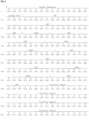
- the complete amino acid sequence of the anti-CD45 murine immunoglobulin determined by the methods described in Example 2 is shown in FIGs. 3 and 4 .
- Estimated CDR regions as determined by homology algorithms are shown in FIGs. 1 and 2 .
- the light chain of the anti-CD-immunoglobulin was found to be a kappa-type chain.
- the light chain composed of 218 amino acids contains five cysteine residues.
- the heavy chain composed of 445 amino acids contains 12 cysteine residues. Both chains fold into immunoglobulin-type domains with expected cysteine pairs well positioned to establish intra-chain disulfide bridges.
- the hinge region on the heavy chain is composed of three inter-chain disulfide bonds.
- the light chain contains 10 tyrosine residues and the heavy chain contains 15 tyrosine residues. Therefore, all together, the anti-CD45 immunoglobulin contains 50 tyrosine residues which could be targeted as radio-iodination sites.
- the anti-CD45 immunoglobulin was labeled with radioiodine using the chloramine-T method of radio-iodination as described in Example 3. It was found that an 131 I to immunoglobulin stoichiometry of 20-30 mCi/mg consistently afforded about 90% radiochemical yield following purification of the radio-iodinated reaction product. Using this stoichiometry ratio, the immunoglobulin can be labeled with high levels of radioactivity (e.g., 300-3,000 mCi, or even 300-5,000 mCi) in a single batch.
- high levels of radioactivity e.g., 300-3,000 mCi, or even 300-5,000 mCi
- radiolytic damage of 131 I-labelled antibodies has reduced or even precluded their use as therapeutic agents. It is an object of the present invention to employ one or more excipients to stabilize 131 I-labelled anti-CD45.
- Radical scavengers are employed here as stabilizers to minimize radiolysis of radiolabeled preparations.
- These scavengers and stabilizers include ascorbic acid, and polyvinylpyrrolidone (PVP).
- Ascorbic acid is included at from 0.5 to 5% (w/v), and may be added post-labeling as a radio-protectant.
- Gentisic acid may also be included at from 0.1 to 0.5% (w/v), or even higher amounts (e.g., 2 to 8%) when included as the sodium salt, and may be added post-labeling.
- HSA may be added at from 2 to 5% (w/v). Individually and in certain combinations, each excipient may slow radiolysis.
- combinations including ascorbic acid at from 0.5 to 5% (w/v), 0.5% to 4.0% (w/v) PVP and HSA at from 2 to 5% (w/v), may be advantageous for slowing radiolytic damage of the 131 I-labelled anti-CD45 of the present invention.
- PVP is a linear chain water-soluble polymer useful for protecting antibodies against auto-radiolysis. Specifically, the PVP of average molecular weight 6-8 kD and a K-17 value (a designator of its viscosity) is the most useful for these purposes. As such, PVP is included in the stabilizing formulations disclosed herein at from 0.5% to 4% PVP may help to prevent aggregation of the protein in a composition.
- PVP in combination with ascorbic acid and optionally HAS is most effective in ameliorating auto-radiolysis of radio-peptides in high radioactive fields (>Ci levels).
- An effective combination may include, for example, 0.5-5% (w/v) ascorbic acid and 0.5-4% (w/v) PVP, or 0.5-5% (w/v) ascorbic acid, 0.5-5.0% (w/v) HSA, and 0.5-4% (w/v) PVP.
- the PVP and ascorbate combination, or PVP, ascorbate and HSA combination is added immediately following the radiolabeling of the Ab.
- radio-protective agents include synthetic thioethers and chromans that provide stability through their free radical scavenging and anti-oxidative properties.
- cryopreservation has also been shown to stabilize the labeled preparation in enhancing its shelf life. This was exemplified for three 131 I-labeled-mAbs where a successful technique of cryopreservation at -70°C for several days was demonstrated to allow for their shipment and administration. The immunoreactivity of these cryoprotected antibodies was fully preserved throughout the course of this investigation (e.g. ⁇ 10 days) with minimal radiation decay, as compared to samples stored at 4°C.
- One caveat to this approach is that an antibody cannot tolerate more than one freeze-thaw cycle.
- the radiolabeling process may employ stability-enhancing excipients as early as possible in the process.
- the excipients including ascorbic acid (2.5% w/v) may be added alone or in combination with HSA (2% to 4% w/v) to the quenched radio-iodination mixture before the purification of the labeled product, as detailed in Example 3.
- Excipients may be added using pre-cooled concentrated stock solutions.
- Purification of the labeled immunoglobulin over a desalting column may also be carried out in the presence of excipients, i.a. including 2.5% ascorbic acid or the mixture of 2.5% ascorbic acid and 2 to 4% HSA (all w/v).
- excipients i.a. including 2.5% ascorbic acid or the mixture of 2.5% ascorbic acid and 2 to 4% HSA (all w/v).
- the excipients may be added in the pre-cooled elution buffer used for purification of the labeled immunoglobulin.
- the purified product is therefore collected from the desalting column mixed with these stability-enhancing excipients.
- the purification of a 1,000 mCi aliquot may be performed on a commercially available sterile Sephadex G25 desalting column (GE HiPrep 26/10 desalting column, bed volume 53 mL).
- the formulation of the product with stability-enhancing excipients is preferentially performed using ascorbic acid, PVP and HSA.
- the purified radiolabeled product according to this invention contains, i.a., ascorbic acid or a mixture of ascorbic acid and HSA.
- the purified product is formulated with PVP (for example, at 2% w/v) to help prevent the formation of aggregates (Example 5 ).
- cryopreservation approach to minimizing radiation damage to the high radioactivity labeled immunoglobulin may also be used.
- Prior cryopreservation schemes have used temperatures as low as -70°C to stabilize an 131 I-labeled antibody.
- cryopreservation at -20°C gave satisfactory results compatible with targeted stability and shelf life of four days for therapeutic dose formulations and eight days for the dosimetry dose formulations.
- the use of this cryopreservation surprisingly allowed two freeze-thaw cycles while maintaining the integrity and stability of the formulated 131 I-labeled anti-CD45 immunoglobulin of this invention.
- compositions and stabilizing excipient mixtures of the present invention have been found to provide excellent stabilization of the radiolabelled antibody, providing intact antibodies having immunoreactivity of greater than 70%, greater than 80%, and even greater than 90%.
- Example 7 Various stability-indicating tests performed (Example 7 ) with the therapeutic and dosimetry dose formulations suggest that, for example, the combination of 2.5% ascorbic acid and 2% PVP (both w/v) as excipients, along with cryopreservation at -20°C, provides good stability of four days and eight days, respectively, for the therapeutic dose and the dosimetry dose formulations. In both instances, the terminal day of storage is at ambient temperature.
- Each of the foregoing embodiments that provides excipient-stabilized radio-iodinated anti-CD45 immunoglobulin compositions may find use as a radiotherapeutic agent for treating malignancies of hematopoietic origin.
- EXAMPLE 1 Production of Anti-CD45 Immunoglobulin BC8.
- the murine anti-CD45 mAb BC8 was prepared from a hybridoma (ATCC No. HB-10507) that was initially developed by fusing mouse myeloma NS1 cells with spleen cells from a BALB/C mouse hyperimmunized with human phytohemagglutinin (PHA)-stimulated mononuclear cells.
- PHA phytohemagglutinin
- the hybridoma cell line was adapted for culture in a serum-free culture medium. Briefly, the cells in culture were slowly and gradually weaned of the serum albumin using the combo medium supplemented with glutamine, cholesterol, insulin and transferrin. The cells were then grown in up to 500L scale to a density of >1 e6 cells/mL The medium was harvested and processed for the purification of the anti-CD45 antibody using a combination of cation exchange chromatography, Protein-A chromatography, and anion exchange membrane separation. The purified antibody was concentrated by nano-filtration (30kD cutoff). The concentration of the purified product was measured at 5.2 mg/ml and was stored at 2-8°C.
- the purified antibody was characterized by SDS-PAGE, IEF and SEC-HPLC techniques. A single product peak (99.4%) was recorded with SEC-HPLC with about 0.6% aggregates. The non-reducing SDS-PAGE showed the band at 186.55 kD for the antibody. The SDS-PAGE under reduced conditions confirmed the presence of the light and the heavy chains (99.9% together).
- EXAMPLE 2 Sequencing of the Anti-CD45-Immunoglobulin BC8.
- RNA was isolated from the hybridoma cells following the technical manual of Trizol ® Reagent. The total RNA was analyzed by agarose gel electrophoresis and was reverse transcribed into cDNA using isotype-specific anti-sense primers or universal primers following the technical manual of PrimeScript TM 1st Strand cDNA Synthesis Kit. The antibody fragments of VH, VL, CH and CL were amplified and were separately cloned into a standard cloning vector using standard molecular cloning procedures. Colony PCR screening was performed to identify clones with inserts of correct sizes. More than five single colonies with inserts of correct sizes were sequenced for each antibody fragment. The complete nucleotide sequence of the light and the heavy chains are shown in FIGs. 3 and 4 .
- Protein Sequencing by LC-MS/MS The anti-CD45-immunoglobulin was sequenced using the mass spectrometry peptide mapping approach.
- the anti-CD45-immunoglobulin was de-glycosylated, reduced and digested with individual enzymes; trypsin, Lys-C and chymotrypsin.
- the peptide fragments were then analyzed by the LC-coupled mass spectrometry technique using the MS/MS fragmentation analysis approach. The complete sequences of the light and the heavy chain are shown in FIGs. 3 and 4 .
- certain isomeric amino acids of the same mass may be mistaken for one another. For example, interpretation between a Leu and Ile can be difficult.
- the nucleotide-based sequence was used to correct for such ambiguities.
- EXAMPLE 3 Radio-iodination of Anti-CD45 Immunoglobulin BC8 and its purification in the presence of ascorbic acid.
- One mg of anti-CD45 immunoglobulin was labeled with 20 to 30 mCi of 131 I-Na (30 mCi) in the presence of chloramine-T (23 micrograms) in PBS buffer (pH 7.2). The reaction was quenched with the addition of aqueous sodium thiosulfate (69 micrograms) and diluted with cold NaI (1 mg). Immediately following, a concentrated ascorbic acid solution made in 50 mM PBS (pH 7) was added to achieve 2.5% (w/v) ascorbic acid strength in the quenched reaction mixture. Labeling reactions up to 3,000 mCi per batch were successfully performed using this method.
- the labeled product was purified by gel filtration on a sterile, pre-packed commercially available Sephadex G25 column (GE HiPrep 26/10 column, bed volume 53 mL) using PBS (50 mM, pH 7) mobile phase supplemented with 2.5% (w/v) ascorbic acid to stabilize the radiolabeled product. Up to 1,000 mCi reaction volume was purified on a single column. The product was collected in the five to 35 mL elution volume from the column.
- radio-iodinated reaction batches of ⁇ 200 mCi could be purified in a similar fashion on a smaller desalting column (GE PD10 column, bed volume 8.6 mL).
- EXAMPLE 4 Radio-iodination of Anti-CD45 Immunoglobulin BC8 and its purification in the presence of ascorbic acid and HSA.
- EXAMPLE 5 Formulation of 131 I-Anti-CD45 Immunoglobulin BC8 to stabilize it against auto-radiolysis.
- Aliquots of the purified product were formulated at once for stability test studies under various storage conditions and durations.
- the storage test conditions included -20 °C, 2-8 °C, room temperature and a combination thereof.
- the duration of storage was three days to 15 days, followed by one additional terminal day at room temperature.
- the -20 °C conditions were intended to stabilize the formulated product against auto-radiolysis.
- the terminal 24 hr room temperature condition was to test for stability of the product during its administration to human subjects.
- the purified 131 I-anti-CD45-immunoglobulin product contained 2.5% (w/w) ascorbic acid (as in Example 3) and additionally 2 or 4% (w/v) HSA (as in Example 4). In either case, the product was further formulated by supplementing it with 2 or 4% (w/v) PVP. The PVP was added for its influence in preventing the formation of protein aggregates. In this invention, 125 I and 123 I are also envisioned for use in radiolabeling Anti-CD45 Immunoglobulin (e.g., BC8).
- EXAMPLE 6 Stabilized Formulations of 131 I-Anti-CD45 Immunoglobulin BC8 for Dosimetry and Therapeutic Applications.
- the purified product was formulated at once into unit doses for dosimetry and therapeutic applications.
- Appropriate aliquots (mCi) of the purified 131 I-anti-CD45 immunoglobulin were formulated into single doses, each having a 45 mL dose volume.
- the radioactivity drawn in the aliquots was calculated for the desired calibration time (CT) of three days for the therapeutic dose and seven days for the dosimetry dose.
- CT calibration time
- a single lot of purified 131 I-BC8 was used to make a combination of single unit dosimetry and therapeutic doses.
- a 6 to 12 mCi aliquot (for CT of seven days) was formulated to a 50 mL dose volume, by combining it with appropriate amounts of "cold" (i.e., unlabeled) anti-CD45 immunoglobulin (35 mg final amount of the combined labeled and unlabeled antibody fractions in 45 mL dose volume for a 70 kg subject), 2.5% (w/v) ascorbic acid and 2% (w/v) PVP.
- a 45 mL portion was filled in the dose vial.
- the remaining 5 mL was filled in a vial designated for QC tests.
- the doses can be stored at -20°C for up to seven days for use within this time period.
- a dose received at - 20°C could be allowed to stand at room temperature for one to two hours to thaw it. It may then be infused into the patient within the next 22 hours.
- the therapeutic dose formulations were made patient-specific both in terms of dose-associated radioactivity and the amount of the anti-CD45 immunoglobulin.
- the radioactivity dose amount as prescribed by the clinical investigator was formulated by matching it with the calculated amount of total anti-CD45 immunoglobulin (cold anti-CD45 immunoglobulin plus 131 I-radiolabeled anti-CD45 immunoglobulin fraction) adjusted for the weight of the patient to deliver 0.5 mg/kg BC8 antibody dose in a 45 mL dose volume.
- a therapeutic dose formulation was also adjusted to a final 2.5% (w/v) ascorbic acid and 2% (w/v) PVP. Using these parameters, a 50 mL volume of the therapeutic dose was made, of which 45 mL are transferred to a dose vial.
- the remaining 5 mL of the formulation is placed in a vial designated for QC tests.
- the formulated dose could be stored at -20 °C for up to three days for administering within this period.
- a dose received by the clinical site at -20 °C could be allowed to stand at room temperature for one to two hours to thaw it. It may then be infused into the patient within next 22 hours.
- EXAMPLE 7 Analytical methods for testing the stability of 131 I-anti-CD45-Immunoglobulin BC8.
- the radiochemical purity and immune-reactivity of the 131 I-labeled BC8 are two important measurable analytical parameters that determine its suitability for clinical use as a dosimetry agent and a therapeutic agent.
- Various analytical methods employed to establish these requirements are described herein.
- Silica-impregnated iTLC strips of dimension 10.5 x 1.0 cm were employed for this test. Each strip was marked with pencil lines at 1.5, 6.0 and 6.5 cm from one edge. The strip was spotted on the 1.5-cm line with about 25-50 ⁇ Ci of the 131 I-BC8 preparation (generally, 1-5 ⁇ L). The strip was then set in a 15-mL plastic centrifuge tube containing about 2 mL of normal saline (or PBS buffer, or sodium acetate buffer) to serve as the mobile phase. The iTLC strip was developed until the mobile saline phase had reached the top of the strip.
- normal saline or PBS buffer, or sodium acetate buffer
- the strip was taken out of the tube and cut at the 6.0- and 6.5-cm lines.
- the activities of the top, middle and bottom sections were measured in a dose calibrator.
- the radiochemical incorporation of 131 I to the immunoglobulin protein was calculated as the activity of the bottom section divided by the total activity in all three sections.
- the acceptance criterion was RCP ⁇ 90%.
- Significant ( ⁇ 5%) activity in the middle section would be indicative of streaking and require a re-test.
- Radiochemical incorporation % Bottom counts Bottom + Middle + Top count
- the HPLC-SEC assay was performed using a YMC-pack-Diol 200 column, using a 50 mM phosphate, 150 mM NaCl mobile phase at pH 7.2 and a flow rate of 0.5 mL/min.
- the column was first rinsed with 10 mM phosphate, pH 7.0 for at least 60 minutes. It was then equilibrated with the mobile phase for another 60 minutes before injection of the sample. Samples were run for 45 minutes, with blanks (water) injected between each sample to ensure there was no overlap of peaks from one sample to the next.
- a reference standard was also tested to compare the main peak elution time.
- the SEC using this column allows for the separation of the 131 I-anti CD45 immunoglobulin protein into the product (monomeric) and aggregated fractions, in addition to the free unconjugated radio-iodine and other smaller protein degradation fragments.
- the radiochemical purity of 131 I-anti-CD45 immunoglobulin using HPLC-SEC is obtained using an in-line flow gamma radioactivity detector. A typical profile is shown in FIG. 9 .
- the data for a typical run were obtained as the % radioactivity associated with the 131 I-anti CD45-immunoglobulin product (monomer), the high molecular weight species or aggregated protein, and the free- 131 I.
- this method consistently showed (a) >95% monomer peak corresponding to the desired labeled product; (b) ⁇ 5% aggregates; and (c) ⁇ 5% of low molecular-weight impurities, including the free 131 I.
- a comparison of these three critical quality attributes among various formulations and stability conditions was made to understand the effectiveness of a formulation and its stability over a period of time and temperature conditions.
- Raji, Ramos, or CytoTrol (Beckman Coulter) cells expressing cell surface CD45 antigen were used to determine specific binding of 131 I-anti-CD45-immunoglobulin to CD45 antigen-positive cells.
- the CytoTrol cells were lyophilized human lymphocytes isolated from peripheral blood that exhibit CD45 surface antigen and were preferred due to their commercial availability (Beckman Coulter) and consistency.
- EXAMPLE 8 Stability studies on a 100 mCi 131 I-anti-CD45-immunoglobulin formulated with (w/v) 2.5% ascorbic acid, 4% HSA and 2% PVP.
- the assay results shown in FIG. 5 describe a very high stability of the labeled and formulated product and resistance to degradation by two freeze/thaw cycles during the entire stability testing process.
- the aggregates (HMWS) and the Free-I (LMWS) were also well contained; ⁇ 3% and ⁇ 4.5% respectively. Considering the half-life of 131 I (8.02 days), these 7-day stability results are remarkable for the exemplary excipient-stabilized formulation.
- EXAMPLE 9 Stability testing of three therapeutic dose formulations using (w/v) 2.5% ascorbic acid and 2% PVP for over a 4-day period.
- EXAMPLE 10 Stability testing of seven dosimetry dose formulations using (w/v) 2.5% ascorbic acid and 2% PVP for up to an 8-day period.
- Example 7 Seven 11 to 18 mCi aliquots from 300 to 3,000 scale labeling runs performed according to the methods of Example 3 or Example 3 and 4 combined were formulated with 2% (w/v) PVP. Table 2 describes these individual dosimetry dose formulations and stability testing results using a protocol of 3- or 7-day storage at -20°C followed by an additional day at room temperature. The stability-indicating assays were performed according the methods of Example 7. All test results at the end of day 4 or day 8 showed >95% monomeric product fraction with a maximum of 2.8% of Free-I and 2.7% aggregates, signifying high stability of the formulated product. The immunoreactivity of >75% at the day 4 time point and >70% at day 8 time point was also well within acceptable range. FIG.
- Table 7 shows histograms of the 13.78 mCi dosimetry dose formation of this set as a representative example.
- EXAMPLE 11 Stability studies on a 150 mCi 131 I-anti-CD45-immunoglobulin formulated with (w/v) 2.5% ascorbic acid and 4% HSA as well as 2.5% ascorbic acid, 4% HSA and 2% PVP.
- each 131 I-BC8 dosimetric dose contains a volume of 45 ⁇ 1 mL with 31.5-38.5 mg of BC8, composed of 131 I-labeled BC8 and unlabeled BC8, in a solution of 50 mM sodium phosphate buffered saline (0.9%) (pH 7.0) containing 25 mg/mL ascorbic acid, and 20 mg/mL PVP.
- the dosimetric dose contains 10 (or 10-15) mCi of 131 I-BC8, and is intended for complete infusion during i.v. administration.
- each 131 I-BC8 therapeutic dose contains a volume of 45 ⁇ 1 mL with 6.66-45.0 mg of BC8, composed of 131 I-labeled BC8 and unlabeled BC8, in a solution of 50 mM sodium phosphate buffered saline (0.9%) (pH 7.0) containing 25 mg/mL ascorbic acid, and 20 mg/mL PVP.
- the therapeutic dose contains 200-1,350 mCi of 131 I-BC8, depending on patient-specific needs, and is intended for complete infusion during i.v. administration. The therapeutic dose does not exceed a ratio of 30:1 of mCi to mg of antibody.
- the therapeutic dose activity level is calculated based on gamma camera images following the dosimetric administration using Medical Internal Radiation Dose (MIRD) method and Organ Level Internal Dose Assessment (OLINDA) software to calculate absorbed dose per unit of administered activity to project levels not exceeding 24Gy of activity to any normal organ and 48Gy of activity to the bone marrow.
- MIRD Medical Internal Radiation Dose
- OLEDA Organ Level Internal Dose Assessment
- the formulations are prepared and stored in the form of batches, whereby each batch is ultimately divided into individual doses. So, for example, one batch might contain between 1-2 Ci, 1-3 Ci, 2-3 Ci, 1-4 Ci, 2-4 Ci, 1-5 Ci, 2-5 Ci, 3-5 Ci, 4-5 Ci, 1-10 Ci, 2-10 Ci, 3-10 Ci or 5-10 Ci.
- a 3 Ci batch for example, the molar ratio of 131 I to antibody is 0.28, the molar ratio of ascorbate to 131 I is 53.83, and the molar ratio of ascorbate to antibody is 415.64.
- the molar ratio of 131 I to antibody is 0.18
- the molar ratio of ascorbate to 131 I is 80.74
- the molar ratio of ascorbate to antibody is 277.09.
- the molar ratio of ascorbate to 131 I is below 60, below 55, below 50, below 45, below 40, below 35, below 30, below 25 or below 20
- the molar ratio of ascorbate to antibody is below 500, below 450, below 400, below 350, below 300, below 250 or below 200.
Landscapes
- Health & Medical Sciences (AREA)
- Life Sciences & Earth Sciences (AREA)
- Chemical & Material Sciences (AREA)
- Medicinal Chemistry (AREA)
- General Health & Medical Sciences (AREA)
- Immunology (AREA)
- Animal Behavior & Ethology (AREA)
- Epidemiology (AREA)
- Pharmacology & Pharmacy (AREA)
- Public Health (AREA)
- Veterinary Medicine (AREA)
- Proteomics, Peptides & Aminoacids (AREA)
- Cell Biology (AREA)
- Organic Chemistry (AREA)
- Hematology (AREA)
- Engineering & Computer Science (AREA)
- Biochemistry (AREA)
- Biophysics (AREA)
- Genetics & Genomics (AREA)
- Molecular Biology (AREA)
- Optics & Photonics (AREA)
- Physics & Mathematics (AREA)
- Inorganic Chemistry (AREA)
- Developmental Biology & Embryology (AREA)
- Oncology (AREA)
- Mycology (AREA)
- Microbiology (AREA)
- Bioinformatics & Cheminformatics (AREA)
- Dermatology (AREA)
- Chemical Kinetics & Catalysis (AREA)
- General Chemical & Material Sciences (AREA)
- Oil, Petroleum & Natural Gas (AREA)
- Biomedical Technology (AREA)
- Biotechnology (AREA)
- Virology (AREA)
- Zoology (AREA)
- Medicines Containing Antibodies Or Antigens For Use As Internal Diagnostic Agents (AREA)
- Peptides Or Proteins (AREA)
Description
- This application claims priority of
U.S. Provisional Application No. 62/304,537, filed March 7, 2016 - This application contains a Sequence Listing in computer readable form, which is herein incorporated by reference.
- The present invention relates to compositions of a radio-iodinated murine monoclonal antibody specific for the CD45 antigen, and more particularly, compositions comprising the radio-iodinated murine monoclonal antibody and one or more excipients that stabilize the antibody against radiolytic decomposition as defined in the appended claims.
- The CD45 antigen is a member of the protein tyrosine phosphatase (PTP) family and is a 180-240 kD trans-membrane glycoprotein. It is also known as the leukocyte common antigen (LCA), T200, or Ly-5. CD45 plays a key role in T-cell and B-cells receptor signal transduction. Different isoforms of CD45 exist due to variable splicing of its exons. These isoforms are very specific to the activation and maturation state of the cell as well as cell type. The various isoforms have the same trans-membrane and cytoplasmic segments, but different extra-cellular domains, and are differentially expressed on subpopulations of B- and T-cell lymphocytes. The primary ligands described for CD45 include galectin-1, CD1, CD2, CD3, CD4, TCR, CD22 and Thy-1.
- Depending on which of the alternatively spliced exons (A, B or C) is recognized, antibodies restricted to recognizing one or the other isoform have been identified (termed CD45R). In addition, monoclonal antibodies (mAbs) binding an epitope common to all the different isoforms have also been identified. The mAbs designated CD45RA recognize the product of exon-A. The mAbs designated CD45RB recognize the product of exon-B. A third type of mAbs termed CD45RO (as exemplified by UCHL1) selectively bind to the 180 kD isoform (without any of the variable exons A, B or C) which is restricted to a subset of cortical thymocytes, activated T cells and memory cells, and is absent on B cells.
- In general, all cells of hematopoietic origin, with the exception of mature erythrocytes and platelets, express CD45. High expression of CD45 is seen with most acute lymphoid and myeloid leukemias. Since CD45 is not found on tissues of non-hematopoietic origin, its specific expression in leukemia has made it a good target for developing therapeutics, including radio-immunotherapeutics. For example, CD45 is expressed at a density of approximately 200,000 to 300,000 sites per cell on circulating leukocytes and malignant B cells. One particular 13lI-labeled anti-CD45 antibody, BC8, has been explored as a candidate radio-immunotherapeutic alone and in combination with chemotherapy or total body irradiation. The use of this 131I-anti-CD45 antibody for the treatment of subjects needing bone marrow transplant has also been explored.
- A number of anti-CD45 antibodies are commercially available. These include human, mouse, rat, rabbit, canine antibodies and a host of related derived reagents, such as, conjugates with fluorophores, chromophores, biotin and dyes. These also include antibodies derived by the use of various epitopes, domains and regions of CD45 antigen. Several clones of the species-specific anti-CD45 antibody are also commercially available. A list of commercial suppliers of anti-CD45 antibodies include the following: eBioscience, Inc., San Diego, CA, USA; Novus Biologicals, LLC, Littleton, CO, USA; Bethyl Laboratories, Inc., Montgomery, TX, USA; AbD Serotec/Bio-Rad Inc., Raleigh, NC, USA; BD Biosciences, San Jose, CA, USA; AbCam Inc., Cambridge, MA, USA; Enzo Life Sciences, Inc., Farmingdale, NY, USA; R&D Systems Inc., Minneapolis, MN, USA; EXBIO Praha, A.S., Vestec, Czech Republic; Life Technologies, Grand Island, NY; and many more. A comprehensive list of suppliers can be accessed at the following website:
http://www.biocompare.com/pfu/110447/soids/3537/Antibodies/CD45?vmpi_6408=1. - A search at this site for "CD45 antibody" performed on Sept 25, 2014 came up with a total of 3,646 products that are available from 59 suppliers. It is evident that a number of anti-CD45 antibodies and related reagents are available with their own specific product characteristics such as species specificity and antigen heterogeneity, such as epitope or domain specificity.
- While large numbers, varieties, and clones of anti-CD45 antibodies are available, none is structurally well described. For use as a therapeutic agent, it would be advantageous to properly describe an anti-CD45 antibody in order to develop the anti-CD45 antibody into a therapeutic for the treatment of human indications of hematopoietic malignancies.
- Among several clones of the anti-CD45 murine antibody, BC8 recognizes all the human isoforms of the CD45 antigen. The potential applications of the BC8 antibody for clinical use, including the treatment of certain kinds of human lymphomas, are well defined in the literature of the past 20-25 years. Despite this, the structural composition and characterization of this isolated BC8 clone for use as a human therapeutic has not been adequately described.
- Only a partial amino acid sequence from a BC8 clone has been described as being used in making a single chain construct with streptavidin. In this construct, certain regions corresponding to the putative variable regions of the light chain (LC) and heavy chain (HC) were fused together with the streptavidin sequence. Therefore, some 110-120 amino acid stretches related to the LC and HC of BC8 were used in this particular context which were indirectly identified by the methods of reverse transcription-PCR (RT-PCR).
- As such, the complete structural composition of the BC8 mAb has not been described and characterized.
- As indicated above, the BC8 antibody has been shown to bind to all the isoforms of human CD45, and thus provides an excellent target for the development of therapeutics for certain human malignancies of hematopoietic origin, including lymphomas. While radiolabelling of BC8 for targeted treatment of such malignancies has been explored, none of the prior art has been able to achieve radiolabelling efficiencies suitable for its efficient and cost effective use as a therapeutic. Furthermore, BC8 radiolabelled with 131I has a short half-life (the half-life of 131I is 8.02 days), and must be made and shipped to clinical sites on demand, which impedes its wider use as a therapeutic.
- Radio-iodinated antibodies can undergo auto-radiolysis, due to radiation energy decay and associated free radical mechanisms. This can dramatically reduce the antibodies' immune-reactivity, rendering them less effective and thus unsafe for therapeutic use. Moreover, free radical reactivity towards certain amino acid residues (e.g., Tyr, Trp, His, Met and Cys) in a protein can affect the solution stability of a protein-based radiopharmaceutical composition. Thus, stabilizing target-specific radiopharmaceutical compositions remains a challenge in their development.
-
WO 97/28181 - Iodine-131 radiolabelled antibodies are, e.g., described in Matthews et al, Blood, Vol. 94, No. 4, 1999, pp. 1237-1247.
- New compositions and methods are needed to stabilize 131I-anti-CD45 immunoglobulins, such as BC8, thereby prolonging shelf life and improving human therapeutic potential.
- The present invention relates to a stabilized composition comprising an isolated anti-CD45 immunoglobulin (e.g., BC8 mAb clone) in its 131I radiolabeled form, and its therapeutic uses. With its ability to bind all the isoforms of the CD45 antigen, BC8 is expected to accumulate a therapeutically high radiation dose specifically and preferentially at high-density CD45 antigen-bearing cells, such as lymphoma cells.
- Methods of radiolabeling the anti-CD45 antibody in a high radioactivity batch, such as up to 3,000 mCi, or even 5,000 mCi, as well as therapeutic and dosimetry dose formulations comprising the radio-iodinated antibody that are stabilized against radiolysis of the antibody are also described herein.
- The present invention provides an aqueous composition comprising: an anti-CD45 IgG monoclonal antibody, wherein the anti-CD45 IgG monoclonal antibody is labeled with 131-iodine; and stabilizers (excipients) comprising 0.5 to 5% (w/v) of ascorbic acid, 0.5% to 4.0% (w/v) PVP, and optionally 0.2% to 4.0% (w/v) human serum albumin (HSA), or water soluble salts of HSA, preferably wherein the stabilizer is added during the purification of the 131I-labeled anti-CD45 IgG monoclonal antibody preparation.
- Further, the present invention specifically provides stabilized radio-iodinated anti-CD45 immunoglobulin compositions specific for targeting the CD45 antigen, comprising: 0.5-5% ascorbic acid; 0.5-4% polyvinylpyrrolidone (PVP); and 0.1-2 mg/mL radio-iodinated anti-CD45 antibody (e.g., BC8) in 50 mM PBS buffer,
pH 7; wherein the heavy chain variable domain comprises an N-terminal sequence of SEQ ID NO:12 in combination with at least one complementarity determining region (CDR) selected from SEQ ID NO:6, SEQ ID NO:7, and SEQ ID NO:8; and the light chain variable domain comprises an N-terminal sequence of SEQ ID NO:11 in combination with at least one CDR selected from SEQ ID NO:3, SEQ ID NO:4, and SEQ ID NO:5. - According to certain aspects of the present invention, the stabilizers may be present in an aqueous formulation comprising phosphate buffered saline, 50
mM pH 7 as a physiologically acceptable carrier or diluent. - The stabilizers may comprise ascorbic acid in a w/v concentration of 2.5% included immediately following the quenching of the radio-iodination reaction and before the purification of the radio-iodinated anti-CD45-immnuoglobulin. Additionally, 2 to 4% (w/v) HSA may also be included along with ascorbic acid at the same step. The purification of this mixture using a desalting column may be performed with a pre-cooled mobile phase of PBS buffer (50 mM, pH 7) which is also supplemented with the 2.5% ascorbic acid or a mixture of 2.5% ascorbic acid plus 2 to 4% HSA (all w/v) as the case may be.
- Furthermore, PVP (preferably 2% (w/v)) is also included in the purified 131I-anti-CD45-immunoglobulin as yet another stabilizer (excipient) providing stability to the labeled immunoglobulin against radiolysis.
- It is also an objective of the present invention to provide, via a cocktail of excipients (stabilizers), stability of at least four days (i.e., the first three days at -20 °C and an additional day at room temperature) to a therapeutic dose formulation. Preferred stability-enhancing cocktails include w/v 2.5% ascorbic acid and 2% PVP; 2.5% ascorbic acid and 4% HSA; and 2.5% ascorbic acid, 4% HSA and 2% PVP (i.e., these cocktails yield immunoglobulin-containing compositions having the recited excipient concentrations).
- It is yet another objective of the present invention to provide, via a cocktail of excipients, stability of at least seven days (i.e., the first six days at -20 °C and an additional day at room temperature) to a dosimetry dose formulation. Preferred stability-enhancing cocktails for dosimetry dose formulation include w/v 2.5% ascorbic acid and 2% PVP; 2.5% ascorbic acid and 4% HSA; and 2.5% ascorbic acid, 4% HSA, and 2% PVP. The stability-indicating assays include an iTLC (instant thin layer chromatography) assay, size exclusion chromatography-HPLC (SEC- HPLC) and a cell-specific binding-based immunoreactivity measurement assay.
- It is yet a further objective of the present invention to provide pharmaceutical compositions for use in treating a subject (preferably human) afflicted with a hematologic malignancy, comprising administering to the subject an effective amount of the instant pharmaceutical composition, either alone or in conjunction with another form of treatment (e.g., a bone marrow transplant).
- The hematologic malignancy may be acute myeloid leukemia, myelodysplastic syndrome, acute lymphoblastic leukemia, Hodgkin's disease or non-Hodgkin's lymphoma. Also envisioned is the use in a method for ablating bone marrow cells in a subject (preferably human) afflicted with leukemia prior to the subject's receiving a bone marrow transplant, comprising administering to the subject a therapeutically effective amount of the instant pharmaceutical composition. According to certain aspects of the present invention, the leukemia may be acute myeloid leukemia, and the subject may be human, relapsed or refractory, and at least 55 years old.
- Still further envisioned is a use in a method for performing dosimetry on a subject (preferably human) afflicted with a hematologic malignancy comprising administering to the subject a dosimetrically effective amount of the instant pharmaceutical composition. In this invention, administering is preferably intravenous, and may also be, for example, intramuscular and subcutaneous.
- Relating to the present invention are the sequence-related characteristics of the anti-CD45 immunoglobulin (i.e., BC8) in terms of the N-terminal sequences and the CDR sequences of its light chain and the heavy chain. For the light chain, these sequences are defined as: SEQ ID NO:11 as the N-terminal sequence, SEQ ID NO:3, SEQ ID NO:4 and SEQ ID NO:5 as, respectively, the CDR1, CDR2 and CDR3 regions. For the heavy chain, these sequences are defined as: SEQ ID NO:12 as the N-terminal sequence, SEQ ID NO:6, SEQ ID NO:7 and SEQ ID NO:8 as, respectively, the CDR1, CDR2 and CDR3 regions. The entire sequence of the light and the heavy chains of the anti-CD45 immunoglobulin, as elucidated by the related RT-PCR-derived cDNA construct and LC-MS/MS peptide mapping approaches, is also provided. It is possible that certain isomeric amino acid replacements with exact mass, such as Leu for Ile or vice versa, could be allowed in these sequences.
- Embodiments disclosed herein define excipient-stabilized radio-iodinated anti-CD45 immunoglobulin compositions as defined in the appended claims that are useful as radiotherapeutic agents for the treatment of malignancies of hematopoietic origin.
- The objects of the present invention will be realized and attained by means of the combinations specifically outlined in the appended claims. The foregoing general description and the following detailed description and examples of this invention are provided to illustrate various aspects of the present invention.
-
-
FIG. 1 provides the sequence of the complementarity determining regions (CDRs), framework regions and variable domain sequences of the light chain (VL) and the heavy chain (VH) of the anti-CD45 mAb. The CDRs are in bold and underlined. -
FIG. 2 provides the CDRs and the N-terminal sequence of the light chain and the heavy chain of anti-CD45 mAb. -
FIG. 3 provides the entire nucleotide (SEQ ID NO:9) and amino acid (SEQ ID NO:13) sequence of the light chain of an anti-CD45-immunoglobulin. -
FIG. 4 provides the entire nucleotide (SEQ ID NO:10) and amino acid (SEQ ID NO:14) sequence of the heavy chain of anti-CD45-immunoglobulin. -
FIG. 5 provides bar graphs of stability test data for a 100 mCi dose of 131I-anti-CD45 immunoglobulin over a total period of seven days which included two freeze thaw cycles. Size exclusion-High performance liquid chromatography (SEC-HPLC) results showing percent product, percent free-131I and percent fraction of aggregates, and immunoreactivity results are shown for various time points. The time points of this stability study and the formulation excipient composition were as follows: The radiolabeled anti-CD45 antibody initially formulated during the purification process contained 2.5% ascorbic acid and 4% HSA (both w/v) and was tested onday 0, and following its storage for 0-3 days at -20°C. On day-3 after thawing, it was further formulated with 2% (w/v) PVP and once again stored at -20°C for three additional days. Both stability tests were performed on day-6 followed by storing the formulated product at room temperature for an additional 24 hours after which the stability tests were repeated. -
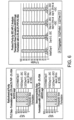
FIG. 6 provides bar graphs of stability test data of a 1,100 mCi therapeutic dose formulation of 131I-anti-CD45 immunoglobulin over a total period of four days which included a freeze thaw cycle. SEC-HPLC results showing % product, % free-131I and % fraction of aggregates, and immunoreactivity results are shown for various time points. The time points of this stability study and the formulation excipient composition were as follows. The radiolabeled anti-CD45 antibody initially formulated during the purification process contained 2.5% (w/v) ascorbic acid, and was formulated with 2% (w/v) PVP and tested on day-0, and following its storage for 0-3 days at -20°C. On day-3, after thawing, the radiolabeled anti-CD45 antibody was stored at room temperature, during which stability was tested at 8 and 24 hours (storage time at room temperature). -
FIG. 7 provides bar graphs of the stability test data of a 13 mCi dosimetry dose formulation of 131I-anti-CD45 immunoglobulin over a total period of seven days which included a freeze thaw cycle. SEC-HPLC results showing % product, % free-131I and % fraction of aggregates, and immunoreactivity results are shown for various time points. The time points of this stability study and the formulation excipient composition were as follows. The radiolabeled anti-CD45 antibody initially formulated during the purification process contained 2.5% (w/v) ascorbic acid and was further formulated with 2% (w/v) PVP and tested on day-0, and following its storage for 0-6 days at -20°C. On day-6 the formulated product was thawed and stored at room temperature for an additional 24 hours after which the stability tests were repeated. -
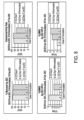
FIG. 8 provides bar graphs of the stability test data of a 150 mCi dose of 131I-anti-CD45 immunoglobulin over a total period of 17 days which included two freeze thaw cycles. SEC-HPLC results showing % product, % free-131I and % fraction of aggregates, and immunoreactivity results are shown for various time points. The time points of this stability study and the formulation excipient composition were as follows. The radiolabeled anti-CD45 antibody initially formulated during the purification process contained 2.5% ascorbic acid and 4% HSA (both w/v) was tested onday 0, and following its storage for 0-14 days at -20°C. On day-14 after thawing, it was then further formulated with 2% (w/v) PVP, tested and once again stored at -20°C for three additional days. Both the stability tests were performed on day-17 after thawing. It is noteworthy that the 17-day period is almost close to two half-lives of the 131I isotope (half-life 8.02 days). -
FIG. 9 shows a typical radio-elution SEC-HPLC profile of a purified 131I-anti-CD45-immunoglobulin. - The following definitions and abbreviations have been used in describing this invention:
- iTLC - instant thin layer chromatograph
- IEF - isoelectric focusing
- SDS-PAGE - sodium dodecyl sulfate - polyacrylamide gel electrophoresis
- LC-MS/MS - liquid chromatography - tandem mass spectrometry
- HSA - human serum albumin
- PVP - polyvinylpyrrolidone (Povidone)
- SEC-HPLC - size exclusion chromatography - High performance liquid chromatography
- LMWS - low molecular weight species (Free-131I)
- HMWS - high molecular weight species (aggregates of antibody protein)
- As used herein, the term "therapeutic dose" refers to an amount of radiolabeled immunoglobulin sufficient to provide a desired therapeutic radiation dose to the target tissue or organ upon administration to a subject. In one embodiment of the present invention, for example, this dose ranges between 100 to 1,500 mCi of 131I radioactivity.
- As used herein, the term "dosimetry dose" refers to an amount of radiolabeled immunoglobulin sufficient to yield an in vivo biodistribution profile for various organs, and a pharmacokinetic profile, in a subject in need of therapy with the immunoglobulin, in order to help ascertain a subsequent therapeutic dose for the subject. In one embodiment of the present invention, for example, this dose ranges between five to 15 mCi of 131I radioactivity.
- As used herein, the terms "antibody" and "immunoglobulin" are used interchangeably, and refer, for example, to full-length monoclonal antibodies and polyclonal antibodies. These include, for example, murine antibodies, human antibodies, humanized antibodies, chimeric antibodies, Fab fragments, F(ab')2 fragments, antibody fragments with the desired biological activity, and epitope-binding fragments of any of the above. Immunoglobulin molecules can be of any type, such as IgA, IgD, IgE, IgG and IgM.
- An "epitope" refers to the target molecule site that is capable of being recognized by, and bound by, an antibody. For a protein epitope, for example, this may refer to the amino acids (and particularly their side chains) that are bound by the antibody. Overlapping epitopes include at least one to five common amino acid residues. Methods of identifying epitopes of antibodies are known to those skilled in the art and include, for example, those described in Antibodies, A Laboratory Manual, Cold Spring Harbor Laboratory, Ed Harlow and David Lane (1988).
- A "complementarity-determining region", or "CDR", refers to amino acid sequences that, together, define the binding affinity and specificity of the Fv region of a native immunoglobulin binding site. There are three CDRs in each of the light and heavy chains of an antibody.
- A "framework region", or "FR", refers to amino acid sequences interposed between CDRs.
- A "constant region" refers to the portion of an antibody molecule that is consistent for a class of antibodies and is defined by the type of light and heavy chains. For example, a light chain constant region can be of the kappa or lambda chain type and a heavy chain constant region can be of one of the five chain isotypes: alpha, delta, epsilon, gamma or mu. This constant region, in general, can confer effector functions exhibited by the antibodies. Heavy chains of various subclasses (such as the IgG subclass of heavy chains) are mainly responsible for different effector functions.
- As used herein, the term "anti-CD45" describes an antibody comprising at least one of the heavy chain CDRs and at least one of the light chain CDRs as described in
FIGS. 1, 2 , 3 and4 . - A "variable domain sequence" is an amino acid sequence that affects the structure of an immunoglobulin variable domain. This includes all or a part of the amino acid sequence of a naturally occurring variable domain. For example, the sequence may include other alterations that are compatible with formation and maintenance of the protein secondary and tertiary structure.
- "Fv" is an antibody fragment that contains a complete antigen-recognition and binding site. This region consists of a dimer of one heavy and one light chain variable domain in tight, non-covalent or covalent association. Three CDRs of each variable domain interact to define an antigen-binding site on the surface of the VH-VL dimer. Collectively, the six CDRs confer antigen-binding specificity to the antibody.
- "Immunoreactivity" refers to a measure of the ability of an immunoglobulin to recognize and bind to a specific antigen. In one embodiment, the immunoglobulin binds to its antigen with an affinity (KD) of between10-8 M and 10-10 M.
- "Purification", as used herein with respect to an immunoglobulin (or portion thereof), includes, without limitation, the removal of other immunoglobulins and related proteins so that the desired immunoglobulin (or portion thereof) is at least 80% pure, at least 90% pure, at least 95% pure, at least 98% pure, or at least 99% pure.
- Unless otherwise defined, all technical and scientific terms used herein have the same meaning as commonly understood by one of ordinary skill in the art to which the present invention belongs. Although methods and materials similar or equivalent to those described herein can be used in the practice or testing described herein, suitable methods and materials are described below. In addition, embodiments of the present invention described with respect to Chothia CDRs may also be implemented using Kabat CDRs.
- High expression of CD45 antigen is seen on malignant cells associated with most acute lymphoid and myeloid leukemias. A density of approximately 200,000 to 300,000 sites per cell on circulating leukocytes and malignant B cells has been reported. Among normal cells, all the cells of hematopoietic origin, with the exception of mature erythrocytes and platelets, express CD45. It is not found on tissues of non-hematopoietic origin. Therefore, the leukemia-associated CD45 antigen makes it a good target for developing therapeutics, including radio-immunotherapeutics.
- The complete amino acid sequence of the anti-CD45 murine immunoglobulin determined by the methods described in Example 2 is shown in
FIGs. 3 and4 . Estimated CDR regions as determined by homology algorithms are shown inFIGs. 1 and 2 . The light chain of the anti-CD-immunoglobulin was found to be a kappa-type chain. - The light chain composed of 218 amino acids contains five cysteine residues. The heavy chain composed of 445 amino acids contains 12 cysteine residues. Both chains fold into immunoglobulin-type domains with expected cysteine pairs well positioned to establish intra-chain disulfide bridges. The hinge region on the heavy chain is composed of three inter-chain disulfide bonds.
- The light chain contains 10 tyrosine residues and the heavy chain contains 15 tyrosine residues. Therefore, all together, the anti-CD45 immunoglobulin contains 50 tyrosine residues which could be targeted as radio-iodination sites.
- As such, the anti-CD45 immunoglobulin was labeled with radioiodine using the chloramine-T method of radio-iodination as described in Example 3. It was found that an 131I to immunoglobulin stoichiometry of 20-30 mCi/mg consistently afforded about 90% radiochemical yield following purification of the radio-iodinated reaction product. Using this stoichiometry ratio, the immunoglobulin can be labeled with high levels of radioactivity (e.g., 300-3,000 mCi, or even 300-5,000 mCi) in a single batch. As detailed in Examples 3, 10 and 11, this radio-iodination process utilizing a 30 mCi/mg murine anti-CD45 immunoglobulin ratio during radio-labeling resulted in product with >90% radiochemical purity, a radiochemical yield of >90%, and >70% immunoreactivity.
- As indicated above, radiolytic damage of 131I-labelled antibodies has reduced or even precluded their use as therapeutic agents. It is an object of the present invention to employ one or more excipients to stabilize 131I-labelled anti-CD45.
- Radical scavengers are employed here as stabilizers to minimize radiolysis of radiolabeled preparations. These scavengers and stabilizers include ascorbic acid, and polyvinylpyrrolidone (PVP). Ascorbic acid is included at from 0.5 to 5% (w/v), and may be added post-labeling as a radio-protectant. Gentisic acid may also be included at from 0.1 to 0.5% (w/v), or even higher amounts (e.g., 2 to 8%) when included as the sodium salt, and may be added post-labeling. HSA may be added at from 2 to 5% (w/v). Individually and in certain combinations, each excipient may slow radiolysis. In particular, combinations including ascorbic acid at from 0.5 to 5% (w/v), 0.5% to 4.0% (w/v) PVP and HSA at from 2 to 5% (w/v), may be advantageous for slowing radiolytic damage of the 131I-labelled anti-CD45 of the present invention.
- PVP is a linear chain water-soluble polymer useful for protecting antibodies against auto-radiolysis. Specifically, the PVP of average molecular weight 6-8 kD and a K-17 value (a designator of its viscosity) is the most useful for these purposes. As such, PVP is included in the stabilizing formulations disclosed herein at from 0.5% to 4% PVP may help to prevent aggregation of the protein in a composition.
- PVP in combination with ascorbic acid and optionally HAS, is most effective in ameliorating auto-radiolysis of radio-peptides in high radioactive fields (>Ci levels). An effective combination may include, for example, 0.5-5% (w/v) ascorbic acid and 0.5-4% (w/v) PVP, or 0.5-5% (w/v) ascorbic acid, 0.5-5.0% (w/v) HSA, and 0.5-4% (w/v) PVP. Ideally, the PVP and ascorbate combination, or PVP, ascorbate and HSA combination, is added immediately following the radiolabeling of the Ab.
- In addition to these agents, a variety of other radio-protective agents can be used, including synthetic thioethers and chromans that provide stability through their free radical scavenging and anti-oxidative properties.
- In additional to chemical means of stabilizing a radiolabeled protein, cryopreservation has also been shown to stabilize the labeled preparation in enhancing its shelf life. This was exemplified for three 131I-labeled-mAbs where a successful technique of cryopreservation at -70°C for several days was demonstrated to allow for their shipment and administration. The immunoreactivity of these cryoprotected antibodies was fully preserved throughout the course of this investigation (e.g. ~10 days) with minimal radiation decay, as compared to samples stored at 4°C. One caveat to this approach, however, is that an antibody cannot tolerate more than one freeze-thaw cycle.
- Thus, the radiolabeling process may employ stability-enhancing excipients as early as possible in the process. For example, the excipients including ascorbic acid (2.5% w/v) may be added alone or in combination with HSA (2% to 4% w/v) to the quenched radio-iodination mixture before the purification of the labeled product, as detailed in Example 3. Excipients may be added using pre-cooled concentrated stock solutions.
- Purification of the labeled immunoglobulin over a desalting column may also be carried out in the presence of excipients, i.a. including 2.5% ascorbic acid or the mixture of 2.5% ascorbic acid and 2 to 4% HSA (all w/v). For example, the excipients may be added in the pre-cooled elution buffer used for purification of the labeled immunoglobulin. The purified product is therefore collected from the desalting column mixed with these stability-enhancing excipients. The purification of a 1,000 mCi aliquot may be performed on a commercially available sterile Sephadex G25 desalting column (GE HiPrep 26/10 desalting column, bed volume 53 mL). Similarly, smaller batches such as <200 mCi labeling can be purified on a commercially available PD10 desalting column (GE PD10 column, bed volume 8.6 mL). The use of pre-sterilized columns provides a convenient method to prepare radiolabeled product doses for human administration. While specific column sizes and matrices have been discussed, columns of other sizes and bed volumes using similar or equivalent matrices may also be used.
- The formulation of the product with stability-enhancing excipients is preferentially performed using ascorbic acid, PVP and HSA. As such, the purified radiolabeled product according to this invention contains, i.a., ascorbic acid or a mixture of ascorbic acid and HSA. Further, the purified product is formulated with PVP (for example, at 2% w/v) to help prevent the formation of aggregates (Example 5).
- In addition, a cryopreservation approach to minimizing radiation damage to the high radioactivity labeled immunoglobulin may also be used. Prior cryopreservation schemes have used temperatures as low as -70°C to stabilize an 131I-labeled antibody. However, surprisingly, it was found that for the radiolabeled immunoglobulin of this invention, cryopreservation at -20°C gave satisfactory results compatible with targeted stability and shelf life of four days for therapeutic dose formulations and eight days for the dosimetry dose formulations. Furthermore, as described in Examples 8-10, the use of this cryopreservation surprisingly allowed two freeze-thaw cycles while maintaining the integrity and stability of the formulated 131I-labeled anti-CD45 immunoglobulin of this invention.
- Thus, the compositions and stabilizing excipient mixtures of the present invention have been found to provide excellent stabilization of the radiolabelled antibody, providing intact antibodies having immunoreactivity of greater than 70%, greater than 80%, and even greater than 90%.
- Various stability-indicating tests performed (Example 7) with the therapeutic and dosimetry dose formulations suggest that, for example, the combination of 2.5% ascorbic acid and 2% PVP (both w/v) as excipients, along with cryopreservation at -20°C, provides good stability of four days and eight days, respectively, for the therapeutic dose and the dosimetry dose formulations. In both instances, the terminal day of storage is at ambient temperature.
- Each of the foregoing embodiments that provides excipient-stabilized radio-iodinated anti-CD45 immunoglobulin compositions may find use as a radiotherapeutic agent for treating malignancies of hematopoietic origin.
- The following examples of this invention are provided to illustrate its various aspects and by no means are to be viewed as limiting any of the described embodiments. A different combination of these embodiments may be used to achieve similar characteristics of the formulated radio-iodinated immunoglobulins of this invention. For example, the amounts of the excipients used may be varied and the temperature of storage may be changed to 2-8°C or even room temperature. This may be adaptable to formulations intended for immediate use or use within a short period of 1-2 days.
-
- SEQ ID NO:1 shows the amino acid sequence of the variable domain of the light chain of anti-CD45 murine immunoglobulin BC8.
- SEQ ID NO:2 shows the amino acid sequence of the variable domain of the heavy chain of anti-CD45 murine immunoglobulin BC8.
- SEQ ID NO:3 shows the amino acid sequence of CDR1 of the light chain of anti-CD45 murine immunoglobulin BC8.
- SEQ ID NO:4 shows the amino acid sequence of CDR2 of the light chain of anti-CD45 murine immunoglobulin BC8.
- SEQ ID NO:5 shows the amino acid sequence of CDR3 of the light chain of anti-CD45 murine immunoglobulin BC8.
- SEQ ID NO:6 shows the amino acid sequence of CDR1 of the heavy chain of anti-CD45 murine immunoglobulin BC8.
- SEQ ID NO:7 shows the amino acid sequence of CDR2 of the heavy chain of anti-CD45 murine immunoglobulin BC8.
- SEQ ID NO:8 shows the amino acid sequence of CDR3 of the heavy chain of anti-CD45 murine immunoglobulin BC8.
- SEQ ID NO:9 shows the nucleotide sequence of the light chain of anti-CD45 murine immunoglobulin BC8.
- SEQ ID NO:10 shows the nucleotide sequence of the heavy chain of anti-CD45 murine immunoglobulin BC8.
- SEQ ID NO:11 shows the amino acid sequence of N-terminus of the light chain of anti-CD45 murine immunoglobulin BC8.
- SEQ ID NO:12 shows the amino acid sequence of N-terminus of the heavy chain of anti-CD45 murine immunoglobulin BC8.
- SEQ ID NO:13 shows the amino acid sequence of the light chain of anti-CD45 murine immunoglobulin BC8.
- SEQ ID NO:14 shows the amino acid sequence of the heavy chain of anti-CD45 murine immunoglobulin BC8.
- The murine anti-CD45 mAb BC8 was prepared from a hybridoma (ATCC No. HB-10507) that was initially developed by fusing mouse myeloma NS1 cells with spleen cells from a BALB/C mouse hyperimmunized with human phytohemagglutinin (PHA)-stimulated mononuclear cells. The original fused cells, after screening for microbial contaminations, were cultured using the JRH-Biosciences EXCell 300 medium supplemented with 1-2% Fetal Bovine Serum (FBS).
- The hybridoma cell line was adapted for culture in a serum-free culture medium. Briefly, the cells in culture were slowly and gradually weaned of the serum albumin using the combo medium supplemented with glutamine, cholesterol, insulin and transferrin. The cells were then grown in up to 500L scale to a density of >1 e6 cells/mL The medium was harvested and processed for the purification of the anti-CD45 antibody using a combination of cation exchange chromatography, Protein-A chromatography, and anion exchange membrane separation. The purified antibody was concentrated by nano-filtration (30kD cutoff). The concentration of the purified product was measured at 5.2 mg/ml and was stored at 2-8°C.
- The purified antibody was characterized by SDS-PAGE, IEF and SEC-HPLC techniques. A single product peak (99.4%) was recorded with SEC-HPLC with about 0.6% aggregates. The non-reducing SDS-PAGE showed the band at 186.55 kD for the antibody. The SDS-PAGE under reduced conditions confirmed the presence of the light and the heavy chains (99.9% together).
- DNA Sequence: Total RNA was isolated from the hybridoma cells following the technical manual of Trizol® Reagent. The total RNA was analyzed by agarose gel electrophoresis and was reverse transcribed into cDNA using isotype-specific anti-sense primers or universal primers following the technical manual of PrimeScript™ 1st Strand cDNA Synthesis Kit. The antibody fragments of VH, VL, CH and CL were amplified and were separately cloned into a standard cloning vector using standard molecular cloning procedures. Colony PCR screening was performed to identify clones with inserts of correct sizes. More than five single colonies with inserts of correct sizes were sequenced for each antibody fragment. The complete nucleotide sequence of the light and the heavy chains are shown in
FIGs. 3 and4 . - Protein Sequencing by LC-MS/MS: The anti-CD45-immunoglobulin was sequenced using the mass spectrometry peptide mapping approach. The anti-CD45-immunoglobulin was de-glycosylated, reduced and digested with individual enzymes; trypsin, Lys-C and chymotrypsin. The peptide fragments were then analyzed by the LC-coupled mass spectrometry technique using the MS/MS fragmentation analysis approach. The complete sequences of the light and the heavy chain are shown in
FIGs. 3 and4 . In the LC-MS/MS peptide mapping-based sequence, certain isomeric amino acids of the same mass may be mistaken for one another. For example, interpretation between a Leu and Ile can be difficult. The nucleotide-based sequence was used to correct for such ambiguities. - One mg of anti-CD45 immunoglobulin was labeled with 20 to 30 mCi of 131I-Na (30 mCi) in the presence of chloramine-T (23 micrograms) in PBS buffer (pH 7.2). The reaction was quenched with the addition of aqueous sodium thiosulfate (69 micrograms) and diluted with cold NaI (1 mg). Immediately following, a concentrated ascorbic acid solution made in 50 mM PBS (pH 7) was added to achieve 2.5% (w/v) ascorbic acid strength in the quenched reaction mixture. Labeling reactions up to 3,000 mCi per batch were successfully performed using this method.
- The labeled product was purified by gel filtration on a sterile, pre-packed commercially available Sephadex G25 column (GE HiPrep 26/10 column, bed volume 53 mL) using PBS (50 mM, pH 7) mobile phase supplemented with 2.5% (w/v) ascorbic acid to stabilize the radiolabeled product. Up to 1,000 mCi reaction volume was purified on a single column. The product was collected in the five to 35 mL elution volume from the column.
- The radio-iodinated reaction batches of <200 mCi could be purified in a similar fashion on a smaller desalting column (GE PD10 column, bed volume 8.6 mL).
- The labeling and purification were performed essentially as described in Example 3, except that 2% or 4% (w/v) HSA was also added along with 2.5% (w/v) ascorbic acid to the quenched reaction as well as in the elution buffer during the purification process.
- Aliquots of the purified product were formulated at once for stability test studies under various storage conditions and durations. The storage test conditions included -20 °C, 2-8 °C, room temperature and a combination thereof. The duration of storage was three days to 15 days, followed by one additional terminal day at room temperature. The -20 °C conditions were intended to stabilize the formulated product against auto-radiolysis. The terminal 24 hr room temperature condition was to test for stability of the product during its administration to human subjects.
- The purified 131I-anti-CD45-immunoglobulin product contained 2.5% (w/w) ascorbic acid (as in Example 3) and additionally 2 or 4% (w/v) HSA (as in Example 4). In either case, the product was further formulated by supplementing it with 2 or 4% (w/v) PVP. The PVP was added for its influence in preventing the formation of protein aggregates. In this invention, 125I and 123I are also envisioned for use in radiolabeling Anti-CD45 Immunoglobulin (e.g., BC8).
- All of the formulated products were assayed for stability and immunoreactivity following the above mentioned stability test paradigms.
- The purified product was formulated at once into unit doses for dosimetry and therapeutic applications. Appropriate aliquots (mCi) of the purified 131I-anti-CD45 immunoglobulin were formulated into single doses, each having a 45 mL dose volume. The radioactivity drawn in the aliquots was calculated for the desired calibration time (CT) of three days for the therapeutic dose and seven days for the dosimetry dose. A single lot of purified 131I-BC8 was used to make a combination of single unit dosimetry and therapeutic doses.
- To make a dosimetry dose formulation, a 6 to 12 mCi aliquot (for CT of seven days) was formulated to a 50 mL dose volume, by combining it with appropriate amounts of "cold" (i.e., unlabeled) anti-CD45 immunoglobulin (35 mg final amount of the combined labeled and unlabeled antibody fractions in 45 mL dose volume for a 70 kg subject), 2.5% (w/v) ascorbic acid and 2% (w/v) PVP. A 45 mL portion was filled in the dose vial. The remaining 5 mL was filled in a vial designated for QC tests. After formulation, the doses can be stored at -20°C for up to seven days for use within this time period. For human administration, a dose received at - 20°C could be allowed to stand at room temperature for one to two hours to thaw it. It may then be infused into the patient within the next 22 hours.
- The therapeutic dose formulations were made patient-specific both in terms of dose-associated radioactivity and the amount of the anti-CD45 immunoglobulin. The radioactivity dose amount as prescribed by the clinical investigator was formulated by matching it with the calculated amount of total anti-CD45 immunoglobulin (cold anti-CD45 immunoglobulin plus 131I-radiolabeled anti-CD45 immunoglobulin fraction) adjusted for the weight of the patient to deliver 0.5 mg/kg BC8 antibody dose in a 45 mL dose volume. A therapeutic dose formulation was also adjusted to a final 2.5% (w/v) ascorbic acid and 2% (w/v) PVP. Using these parameters, a 50 mL volume of the therapeutic dose was made, of which 45 mL are transferred to a dose vial. The remaining 5 mL of the formulation is placed in a vial designated for QC tests. The formulated dose could be stored at -20 °C for up to three days for administering within this period. A dose received by the clinical site at -20 °C could be allowed to stand at room temperature for one to two hours to thaw it. It may then be infused into the patient within next 22 hours.
- The radiochemical purity and immune-reactivity of the 131I-labeled BC8 are two important measurable analytical parameters that determine its suitability for clinical use as a dosimetry agent and a therapeutic agent. Various analytical methods employed to establish these requirements are described herein.
- Silica-impregnated iTLC strips of dimension 10.5 x 1.0 cm (Gelman Sciences Inc., Ann Arbor, MI; or Varian ITLC-SG; SG10001) were employed for this test. Each strip was marked with pencil lines at 1.5, 6.0 and 6.5 cm from one edge. The strip was spotted on the 1.5-cm line with about 25-50 µCi of the 131I-BC8 preparation (generally, 1-5 µL). The strip was then set in a 15-mL plastic centrifuge tube containing about 2 mL of normal saline (or PBS buffer, or sodium acetate buffer) to serve as the mobile phase. The iTLC strip was developed until the mobile saline phase had reached the top of the strip. The strip was taken out of the tube and cut at the 6.0- and 6.5-cm lines. The activities of the top, middle and bottom sections were measured in a dose calibrator. The radiochemical incorporation of 131I to the immunoglobulin protein was calculated as the activity of the bottom section divided by the total activity in all three sections. The acceptance criterion was RCP ≥ 90%. Significant (≥ 5%) activity in the middle section would be indicative of streaking and require a re-test.

- For the purified 131I-anti-CD45-immunoglobulin preparations, this method showed 98-100% of the radioiodine in the immunoglobulin with an almost immeasurable amount of radioactivity in the top half of the iTLC strip. The free 131I, if present, is carried to the top of the strip by the mobile phase. This test, therefore, routinely established that during the purification of the 131I-anti-CD45 immunoglobulin by desalting chromatography immediately following the radio-iodination reaction, the free iodine was effectively removed from the labeled product.
- The HPLC-SEC assay was performed using a YMC-pack-Diol 200 column, using a 50 mM phosphate, 150 mM NaCl mobile phase at pH 7.2 and a flow rate of 0.5 mL/min. The column was first rinsed with 10 mM phosphate, pH 7.0 for at least 60 minutes. It was then equilibrated with the mobile phase for another 60 minutes before injection of the sample. Samples were run for 45 minutes, with blanks (water) injected between each sample to ensure there was no overlap of peaks from one sample to the next. A reference standard was also tested to compare the main peak elution time.
- The SEC using this column allows for the separation of the 131I-anti CD45 immunoglobulin protein into the product (monomeric) and aggregated fractions, in addition to the free unconjugated radio-iodine and other smaller protein degradation fragments. The radiochemical purity of 131I-anti-CD45 immunoglobulin using HPLC-SEC is obtained using an in-line flow gamma radioactivity detector. A typical profile is shown in
FIG. 9 . - The data for a typical run were obtained as the % radioactivity associated with the 131I-anti CD45-immunoglobulin product (monomer), the high molecular weight species or aggregated protein, and the free-131I. For the purified 131I-anti CD45-immunoglobulin preparations, this method consistently showed (a) >95% monomer peak corresponding to the desired labeled product; (b) <5% aggregates; and (c) <5% of low molecular-weight impurities, including the free 131I. A comparison of these three critical quality attributes among various formulations and stability conditions was made to understand the effectiveness of a formulation and its stability over a period of time and temperature conditions.
- In these assays, Raji, Ramos, or CytoTrol (Beckman Coulter) cells expressing cell surface CD45 antigen were used to determine specific binding of 131I-anti-CD45-immunoglobulin to CD45 antigen-positive cells. The CytoTrol cells were lyophilized human lymphocytes isolated from peripheral blood that exhibit CD45 surface antigen and were preferred due to their commercial availability (Beckman Coulter) and consistency.
- (i) Direct binding assay: An aliquot of the 131I-anti-CD45 immunoglobulin was diluted to 30 ng/mL. A 2-mL micro-centrifuge vial was charged with 100 µL of cells (2.5 x 10⁷ CytoTrol cells) and 150 µL of the diluted 131I-anti-CD45 immunoglobulin (4.5 ng protein). For the measurement of total activity termed "Applied Total", another vial was charged with only the 131I-BC8 solution (150 µL). The assay was performed in triplicate. The cell-protein mixtures were incubated on a rocker at 37°C for one hour, and then centrifuged at 2,000 rpm for two minutes. A specific volume of the supernatant from each vial (188 µL) was transferred by pipette to empty micro-centrifuge vials. The activity in each vial of supernatant (as well as in the "Applied Total" vials) was measured with a NaI well counter (Capintec), counting each vial for one minute. The % binding of 131I-BC8 to CytoTrol cells was then calculated as:

- (ii) ELISA competition assay: A cell basis ELISA competition assay was also used to measure 131I-anti-CD45-immunoglobulin BC8 binding affinity to CytoTrol cells. In this assay, various concentrations of 131I-anti-CD45-immunoglobulin were made to compete with the binding of a fixed concentration of CD45-FITC antibody to the CytoTrol cells. The CD45-FITC antibody is a fluorescein isothiocyanate (FITC)-labeled monoclonal antibody that reacts with all isoforms of human CD45. The increasing concentrations of 131I-anti-CD45-immunoglobulin displaced the CD45-FITC bound to CytoTrol cells. The binding activity was then measured in terms of fluorescence of CD45-FITC bound on CytoTrol cells. The immunoreactivity of 131I-anti-CD45-immunoglobulin was defined as the concentration of 131I-anti-CD45-immunoglobulin at which ≥80% cell binding of CD45-FITC antibody to CytoTrol cells was displaced.
- (iii) Flow Cytometry Assay: A Flow Cytometry assay can also be used to evaluate the immunoreactivity of the 131I-anti-CD45-immunoglobulin formulations. The specific binding to the CD45 cell surface antigen (on CytoTrol or Raji Cells) was measured in terms of an arithmetic mean, geometric mean, or median fluorescence intensity (MFI). The MFI should demonstrate radiolabeled anti-CD45-immunoglobulin binding: ≥50% of the positive control antibody with known binding ability. The positive control antibody in this assay could be the native (unlabeled) anti CD45-immunoglobulin.
- A 100 mCi aliquot of the initial labeled product containing 2.5% ascorbic acid and 4% HSA (prepared by the methods of Examples 4 and 5) was stored frozen at -20°C for three days, thawed and assayed according to methods of Example 7. It was then formulated to include 2% PVP and stored at -20°C for three days, then thawed, assayed and left at ambient temperature for one day.
Day 7 assays were also performed for comparisons. - The assay results shown in
FIG. 5 describe a very high stability of the labeled and formulated product and resistance to degradation by two freeze/thaw cycles during the entire stability testing process. The monomeric protein bound activity at all the test points over the entire seven-day period, which include theterminal day 7 at room temperature, were well over 90% with acceptable immunoreactivity of >80%. The aggregates (HMWS) and the Free-I (LMWS) were also well contained; <3% and <4.5% respectively. Considering the half-life of 131I (8.02 days), these 7-day stability results are remarkable for the exemplary excipient-stabilized formulation. - Aliquots (895, 1,133 and 1,182 mCi) from 1,000 to 3,000 scale labeling runs performed according to the methods of Example 3, or Examples 3 and 4 combined, were formulated with 2% (w/v) PVP. Table 1 details these individual therapeutic dose formulations and stability testing results using a protocol of 3-day storage at -20°C followed by an additional day at room temperature. The stability-indicating assays were performed according the methods of Example 7. All the test results at the end of
day 4 showed >90% monomeric product fraction with a maximum of 6.21% of Free-I and 3.3% aggregates, signifying high stability of the product. The immunoreactivity of >75% at theday 4 time point was also excellent.FIG. 6 shows histograms of the 1,133 mCi therapeutic formation of this set.Table-1: Summary of key stability parameters of therapeutic dose formulations studied Formulation excipient iTLC IR (% Cell Binding) SEC-HPLC Labeling Batch Therapeutic Formulation AA % PVP % HSA % T=0 T=0-3 day at -20C T=da y 4 at RT T=0 T=0-3 day at -20C T= day 4 at RTT=0-3 day at -20C T= day 4 at RT1,000 mCi Run-3 895 mCi formulation 2.5 2 - 99.64 98.93 97.99 83.3 79.1 78.8 Prod. 96.47 94.27 92.83 Free 1.25 3.38 5.05 Aggr. 2.28 2.35 2.13 3,000 mCi Run-4 1,182 mCi - Th-A formulation 2.5 2 - 99.60 98.90 98.80 80.9 80.8 75.9 Prod. 96.69 92.83 92.47 Free 1.14 3.89 5.59 Aggr. 2.18 3.28 1.94 3,000 mCi Run-4 1,133 mCi Th-B: formulation 2.5 2 2% 99.59 98.30 98.30 83.2 79.9 76.2 Prod. 96.86 93.94 91.21 Free 1.07 3.72 6.21 Aggr. 2.06 2.34 2.57 AA - acetic acid; PVP - polyvinylpyrrolidone; HSA - human serum albumin - Seven 11 to 18 mCi aliquots from 300 to 3,000 scale labeling runs performed according to the methods of Example 3 or Example 3 and 4 combined were formulated with 2% (w/v) PVP. Table 2 describes these individual dosimetry dose formulations and stability testing results using a protocol of 3- or 7-day storage at -20°C followed by an additional day at room temperature. The stability-indicating assays were performed according the methods of Example 7. All test results at the end of
day 4 orday 8 showed >95% monomeric product fraction with a maximum of 2.8% of Free-I and 2.7% aggregates, signifying high stability of the formulated product. The immunoreactivity of >75% at theday 4 time point and >70% atday 8 time point was also well within acceptable range.FIG. 7 shows histograms of the 13.78 mCi dosimetry dose formation of this set as a representative example.Table-2: Summary of key stability parameters of dosimetry dose formulations studied Formulation excipient iTLC IR (% Cell Binding) SEC-HPLC Scale of Label ing batch Dosimetry Formulation AA % PVP % HSA % T=0 T=0-7 day at -20C T= day 8 at RTT=0 T= 0-7 day at -20C T= day 8 at RTT=0 T= 0-7 day at -20C T= day 8 at RT300 mCi A - 12 mCi formulation 2.5 2 4 99.60 99.98 98.39 85.3 80.1 77.9 Prod. 95.50 95.99 96.2 Free 2.70 1.85 2.11 Aggr. 2.70 2.16 1.69 300 mCi B - 18 mCi formulation 2.5 2 4 99.60 99.78 98.53 85.3 80.4 77.2 Prod. 97.50 95.65 95.61 Free 1.06 2.07 2.28 Aggr. 1.44 2.28 2.11 300 mCi 12 mCi formulation 2.5 2 4 96.85 97.26 96.47 77.9 79.9 76.1 Prod. 96.85 97.26 96.47 Free 1.32 1.29 1.99 Aggr. 1.82 1.45 1.54 1,000 mCi A - 11.56 mCi formulation 2.5 2 - 99.75 98.91 (d=3, -20C) 98.83 (d=4 RT) 83.8 80.9 (d3) 77.3 (d4) Prod. 96.88 96.39 (d3) 96.54 (d4) Free 0.92 1.25 (d3) 1.81 (d4) Aggr. 2.20 2.36 (d3) 1.65 (d4) 1,000 mCi B - 11.25 mCi formulation 2.5 2 - 99.75 96.08 na 83.8 78.7 na Prod. 96.88 96.11 Na Free 0.92 1.43 Na Aggr. 2.20 2.47 Na 3,000 mCi Ds-A - 15.03 mCi formulation 2.5 2 - 98.97 98.80 (d3) 98.3 (d4) 80.4 81.2 (d3) 80.7 (d4) Prod. 96.68 95.38 (d3) 96.6 (d4) Free 1.25 1.58 (d3) 1.33 (d4) Aggr. 2.08 2.41 (d3) 2.07 (d4) 3,000 mCi Ds-B - 13.78 mCi formulation 2.5 2 - 98.97 97.72 97.12 80.4 78.4 (d6) 71.5 (d7) Prod. 96.68 96.88 (d6) 96.76 (d7) Free 1.25 1.85 (d6) 1.41 (d7) Aggr. 2.08 1.26 (d6) 1.82 (d7) RT is room temperature. The d3, d4, d6 and d7 stands for day 3 today 7 - A 150 mCi aliquot of the initial labeled product containing 2.5% ascorbic acid and 4% HSA (prepared using the methods of Examples 3 and 4) was stored frozen at -20°C for 14 days. It was thawed, assayed using methods of Example 7, and further formulated with the inclusion of 2% PVP. This fully formulated product was assayed and again deposited at -20°C for three additional days. It was finally thawed on
day 17 and assayed. This entire stability study included two freeze-thaw cycles, and the combined 17-day stability period is more than two half lives of the 131I isotope. - The results shown in
FIG. 8 underscore the stability of the fully formulated sample for over 17 days (more than double the ~eight-day half-life of 131I). The monomeric protein-bound activity at all the test points over the entire 17-day period was >90%, with an immunoreactivity of >70%. The aggregate fraction (HMWS) and the Free-I (LMWS) were also well contained at <1% and <6%, respectively. The immunoreactivity of the sample frozen for 14 days was recorded to be >85%. These assay results for long-term storage of the labeled product (total 17 days) indicate good overall stability of the labeled product and its resilience to prolonged freezing for two weeks followed by two thawing cycles - In one embodiment, each 131I-BC8 dosimetric dose contains a volume of 45±1 mL with 31.5-38.5 mg of BC8, composed of 131I-labeled BC8 and unlabeled BC8, in a solution of 50 mM sodium phosphate buffered saline (0.9%) (pH 7.0) containing 25 mg/mL ascorbic acid, and 20 mg/mL PVP. The dosimetric dose contains 10 (or 10-15) mCi of 131I-BC8, and is intended for complete infusion during i.v. administration.
- In another embodiment, each 131I-BC8 therapeutic dose contains a volume of 45±1 mL with 6.66-45.0 mg of BC8, composed of 131I-labeled BC8 and unlabeled BC8, in a solution of 50 mM sodium phosphate buffered saline (0.9%) (pH 7.0) containing 25 mg/mL ascorbic acid, and 20 mg/mL PVP. The therapeutic dose contains 200-1,350 mCi of 131I-BC8, depending on patient-specific needs, and is intended for complete infusion during i.v. administration. The therapeutic dose does not exceed a ratio of 30:1 of mCi to mg of antibody.
- The therapeutic dose activity level is calculated based on gamma camera images following the dosimetric administration using Medical Internal Radiation Dose (MIRD) method and Organ Level Internal Dose Assessment (OLINDA) software to calculate absorbed dose per unit of administered activity to project levels not exceeding 24Gy of activity to any normal organ and 48Gy of activity to the bone marrow.
- In one embodiment of these 131I-BC8 formulations (i.e., doses), the formulations are prepared and stored in the form of batches, whereby each batch is ultimately divided into individual doses. So, for example, one batch might contain between 1-2 Ci, 1-3 Ci, 2-3 Ci, 1-4 Ci, 2-4 Ci, 1-5 Ci, 2-5 Ci, 3-5 Ci, 4-5 Ci, 1-10 Ci, 2-10 Ci, 3-10 Ci or 5-10 Ci. In a 3 Ci batch, for example, the molar ratio of 131I to antibody is 0.28, the molar ratio of ascorbate to 131I is 53.83, and the molar ratio of ascorbate to antibody is 415.64. In a 2 Ci batch, for example, the molar ratio of 131I to antibody is 0.18, the molar ratio of ascorbate to 131I is 80.74, and the molar ratio of ascorbate to antibody is 277.09. By way of further example, in a 3 Ci batch, the molar ratio of ascorbate to 131I is below 60, below 55, below 50, below 45, below 40, below 35, below 30, below 25 or below 20; and/or the molar ratio of ascorbate to antibody is below 500, below 450, below 400, below 350, below 300, below 250 or below 200.
-
-
U.S. Patents No. 5,093,105 ;5,306,482 ;5,384,113 ;5,393,512 ;5,961,955 ;6,066,309 ;6,315,979 ;6,338,835 ; and7,825,222 . -
U.S. Patent Application Publication No. 2009/0005595 . - Bartolini, P., De Assiss, L.M., Fonseca, M.L.C.Q. (1981) Radioiodination of human growth hormone with characterization and minimization of the commonly defined "damage products", Clin. Chim. Acta, 110:177-185.
- Beverley, P.C., et al. (1988) Phenotypic diversity of the CD45 antigen and its relationship to function, Immunol. Suppl. 1:3-5.
- Garrison, W.M. (1987) Chem. Rev. 87(2):381-398.
- Gopal, A.K., et al. (2009) 13lI-anti-CD45 radioimmundtherapy effectively targets and treats T-cell non-Hodgkin lymphoma, Blood 113(23): 5905-5910.
- Kishore, R., et al. (1986) Autoradiolysis of iodinated monoclonal antibody preparations. Int. J. of Radial. Appl. Instrum. Part B, Nucl. Med. and Biot. 4:457-459.
- Lin, Y., et. al. (2006) A genetically engineered anti-CD45 single-chain antibody-streptavidin fusion protein for pretargeted radioimmunotherapy of hematologic malignancies, Cancer Res. 66:3884-3892.
- Matthews, D.C., et al. (1991) Radiolabeled anti-CD45 monoclonal antibodies target lymphohematopoietic tissue in the macaque, Blood 78(7):1864-1874.
- Matthews, D.C., et al. (1995) Development of a marrow transplant regimen for acute leukemia using targeted hematopoietic irradiation delivered by 131I-labeled anti-CD45 antibody, combined with cyclophosphamide and total body irradiation, Blood 85(4);1122-1131.
- Matthews, D.C., et al. (1999) Phase I study of (131) I-anti~CD45 antibody plus cyclophosphamide and total body irradiation for advanced acute leukemia and myelodysplastic syndrome, Blood 94(4): 1237-1247.
- Streuli, M.F., et al. (1987) Differential usage of three exons generates at least five different mRNAs encoding human leukocyte common antigens, J. Exp. Med. 166(5):1548-1566.
- Terry, L.A., et al. (1988) The monoclonal antibody, UCHL1, recognizes a 180,000 MW component of the human leucocyte-common antigen, CD45, Immunol. 64(2):331-336.
- Thomas, M.L., Lefrancois, L. (1988) Differential expression of the leucocyte-common antigen family, Immunol. Today 9:320-326.
- Wahl, R.L., Wissing, J., del Rosario, R., and Zasadny, R.K., (1990) Inhibition of autoradiolysis of radiolabeled monoclonal antibodies by cryopreservation, J. Nucl. Med. 31:84-89.
Claims (15)
- An aqueous composition comprising (i) an 131I-labeled anti-CD45 IgG monoclonal antibody, and (ii) excipients comprising 0.5% to 5.0% (w/v) of ascorbic acid and 0.5% to 4.0% (w/v) of polyvinylpyrrolidone (PVP), and optionally 0.5% to 5.0% (w/v) of human serum albumin (HSA) or a water-soluble salt of HSA.
- The composition of claim 1, wherein the antibody is BC8 antibody having a heavy chain variable domain comprising an N-terminal sequence as set forth in SEQ ID NO: 12 in combination with at least one complementarity determining region with the amino acid sequence as set forth in SEQ ID NO: 6, SEQ ID NO: 7, or SEQ ID NO: 8.
- The composition of claims 1 or 2, wherein the antibody is BC8 antibody having a light chain variable domain comprising an N-terminal sequence as set forth in SEQ ID NO: 11 in combination with at least one complementarity determining region with the amino acid sequence as set forth in SEQ ID NO: 3, SEQ ID NO: 4, or SEQ ID NO: 5.
- The composition of any of claims 1-3, wherein the composition comprises 2.5% (w/v) of ascorbic acid, or wherein the composition comprises 2.0% (w/v) PVP.
- The composition of any of claims 1-4, wherein the composition has a pH of 7 and comprises 50 mM sodium phosphate buffered saline.
- The composition of any of claims 1-5, wherein the composition is formed immediately after the 131I-labeled antibody is produced via radio-iodination.
- The composition of any of claims 1-6, further comprising non-radiolabeled anti-CD45 IgG monoclonal antibody, which is optionally a non-radiolabeled BC8 antibody.
- An aqueous pharmaceutical composition comprising the composition of any of claims 1-7, and a pharmaceutically acceptable carrier.
- An aqueous pharmaceutical composition comprising (i) 131I-labeled BC8 antibody, (ii) non-radiolabeled BC8 antibody, (iii) 25 mg/mL ascorbic acid, (iv) 20 mg/mL PVP, and (v) 50 mM 0.9% sodium phosphate buffered saline (pH 7.0).
- The pharmaceutical composition of claim 8 or 9 for use in a method for treating a subject afflicted with a hematologic malignancy, comprising administering to the subject an effective amount of said pharmaceutical composition, either alone or in conjunction with another form of treatment, wherein the other form of treatment optionally comprises a bone marrow transplant.
- The pharmaceutical composition for the use of claim 10, wherein the hematologic malignancy is selected from the group consisting of acute myeloid leukemia, myelodysplastic syndrome, acute lymphoblastic leukemia, Hodgkin's disease and non-Hodgkin's lymphoma.
- The pharmaceutical composition of claim 8 or 9 for use in a method of ablating bone marrow cells in a subject afflicted with leukemia prior to the subject's receiving a bone marrow transplant, comprising administering to the subject a therapeutically effective amount of said pharmaceutical composition.
- The pharmaceutical composition for the use of claim 12, wherein the leukemia is acute myeloid leukemia, and the subject is relapsed or refractory, and at least 55 years old.
- The pharmaceutical composition of claim 8 or 9 for use in a method for performing dosimetry on a subject afflicted with a hematologic malignancy comprising administering to the subject a dosimetrically effective amount of said pharmaceutical composition.
- The pharmaceutical composition for the use of any one of claims 10-14, wherein the subject is human.
Priority Applications (1)
| Application Number | Priority Date | Filing Date | Title |
|---|---|---|---|
| EP25174474.4A EP4588492A3 (en) | 2016-03-07 | 2017-03-07 | Stabilized radiolabeled anti-cd45 immunoglobulin compositions |
Applications Claiming Priority (2)
| Application Number | Priority Date | Filing Date | Title |
|---|---|---|---|
| US201662304537P | 2016-03-07 | 2016-03-07 | |
| PCT/US2017/021076 WO2017155937A1 (en) | 2016-03-07 | 2017-03-07 | Stabilized radiolabeled anti-cd45 immunoglobulin compositions |
Related Child Applications (1)
| Application Number | Title | Priority Date | Filing Date |
|---|---|---|---|
| EP25174474.4A Division EP4588492A3 (en) | 2016-03-07 | 2017-03-07 | Stabilized radiolabeled anti-cd45 immunoglobulin compositions |
Publications (4)
| Publication Number | Publication Date |
|---|---|
| EP3426305A1 EP3426305A1 (en) | 2019-01-16 |
| EP3426305A4 EP3426305A4 (en) | 2020-01-08 |
| EP3426305B1 true EP3426305B1 (en) | 2025-05-07 |
| EP3426305C0 EP3426305C0 (en) | 2025-05-07 |
Family
ID=59790759
Family Applications (2)
| Application Number | Title | Priority Date | Filing Date |
|---|---|---|---|
| EP25174474.4A Pending EP4588492A3 (en) | 2016-03-07 | 2017-03-07 | Stabilized radiolabeled anti-cd45 immunoglobulin compositions |
| EP17763864.0A Active EP3426305B1 (en) | 2016-03-07 | 2017-03-07 | Stabilized radiolabeled anti-cd45 immunoglobulin compositions |
Family Applications Before (1)
| Application Number | Title | Priority Date | Filing Date |
|---|---|---|---|
| EP25174474.4A Pending EP4588492A3 (en) | 2016-03-07 | 2017-03-07 | Stabilized radiolabeled anti-cd45 immunoglobulin compositions |
Country Status (7)
| Country | Link |
|---|---|
| US (4) | US10420851B2 (en) |
| EP (2) | EP4588492A3 (en) |
| CA (1) | CA3016901C (en) |
| ES (1) | ES3026361T3 (en) |
| HU (1) | HUE071169T2 (en) |
| PL (1) | PL3426305T3 (en) |
| WO (1) | WO2017155937A1 (en) |
Families Citing this family (26)
| Publication number | Priority date | Publication date | Assignee | Title |
|---|---|---|---|---|
| WO2016187514A1 (en) * | 2015-05-21 | 2016-11-24 | Actinium Pharmaceueuticals, Inc. | Infusion administration of conjugated monoclonal antibodies |
| HUE071169T2 (en) * | 2016-03-07 | 2025-08-28 | Actinium Pharmaceuticals Inc | Stabilized, radiolabeled anti-CD45 immunoglobulin preparations |
| KR20230082055A (en) | 2016-06-17 | 2023-06-08 | 마젠타 테라퓨틱스 인코포레이티드 | Compositions and methods for the depletion of cells |
| WO2019084240A1 (en) | 2017-10-25 | 2019-05-02 | Actinium Pharmaceuticals, Inc. | Methods for cancer treatment using a radiolabeled anti-cd45 immunoglobulin and adoptive cell therapies |
| WO2019113031A1 (en) | 2017-12-04 | 2019-06-13 | Actinium Pharmaceuticals Inc. | Methods for treatment of patients with myelodyplastic syndromes |
| JP7669269B2 (en) | 2018-10-30 | 2025-04-28 | ブイオーアール バイオファーマ インコーポレーテッド | Anti-CD45 antibodies and conjugates thereof |
| CN113195006A (en) | 2018-12-21 | 2021-07-30 | 锕医药有限责任公司 | Combination therapy of radioimmunotherapy and immunodetection point therapy for the treatment of cancer |
| MX2021012961A (en) | 2019-04-24 | 2021-11-25 | Heidelberg Pharma Res Gmbh | Amatoxin antibody-drug conjugates and uses thereof. |
| WO2020219959A1 (en) * | 2019-04-24 | 2020-10-29 | Magenta Therapeutics, Inc. | Anti-cd45 antibody drug conjugates and uses thereof |
| US20220211885A1 (en) * | 2019-04-25 | 2022-07-07 | Actinium Pharmaceuticals, Inc. | Compositions and methods of immunodepletion for the treatment of malignant and non-malignant hematological diseases |
| EP3958905A4 (en) * | 2019-04-25 | 2023-05-10 | Actinium Pharmaceuticals, Inc. | Compositions and methods of immunodepletion for the treatment of malignant and non-malignant hematological diseases |
| US12605472B2 (en) | 2019-09-17 | 2026-04-21 | Actinium Pharmaceuticals, Inc. | Radiolabeling of anti-CD45 immunoglobulin and methods of use thereof |
| JP7716399B2 (en) * | 2019-11-01 | 2025-07-31 | ブイオーアール バイオファーマ インコーポレーテッド | Anti-CD45 antibodies and conjugates thereof |
| GB202015235D0 (en) * | 2020-09-25 | 2020-11-11 | Ucl Business Plc | Anti-CD45 antibodies and related therapeutics |
| US12551584B1 (en) | 2020-12-07 | 2026-02-17 | Actinium Pharmaceuticals, Inc. | Lewis Y radioimmunotherapy for the treatment of cancer |
| WO2022165260A1 (en) | 2021-01-29 | 2022-08-04 | Iovance Biotherapeutics, Inc. | Methods of making modified tumor infiltrating lymphocytes and their use in adoptive cell therapy |
| CA3240875A1 (en) | 2021-12-23 | 2023-06-29 | Stefanie Urlinger | Discernible cell surface protein variants of cd45 for use in cell therapy |
| WO2023147488A1 (en) | 2022-01-28 | 2023-08-03 | Iovance Biotherapeutics, Inc. | Cytokine associated tumor infiltrating lymphocytes compositions and methods |
| JP2025510189A (en) * | 2022-03-24 | 2025-04-14 | アクティニウム ファーマシューティカルズ インコーポレイテッド | Humanized anti-CD45 antibodies |
| WO2023235772A2 (en) * | 2022-05-31 | 2023-12-07 | Fred Hutchinson Cancer Center | Humanized anti-cd45 antibodies and uses thereof |
| WO2023240135A2 (en) | 2022-06-07 | 2023-12-14 | Actinium Pharmaceuticals, Inc. | Bifunctional chelators and conjugates |
| CN121293357A (en) | 2022-08-22 | 2026-01-09 | 雅博得乐医疗公司 | DLL3-binding molecules and their applications |
| WO2024055040A2 (en) * | 2022-09-09 | 2024-03-14 | Actinium Pharmaceuticals, Inc. | Humanized anti-cd45 antibodies |
| EP4637928A1 (en) | 2022-12-23 | 2025-10-29 | Cimeio Therapeutics AG | Antibodies targeting cd45 |
| EP4713005A2 (en) * | 2023-05-15 | 2026-03-25 | Beam Therapeutics Inc. | Methods and compositions for anti-cd45 based non-genotoxic conditioning |
| US20250388688A1 (en) | 2024-04-04 | 2025-12-25 | Ethyreal Bio, Inc. | Anti-tshr antibodies and uses thereof |
Family Cites Families (18)
| Publication number | Priority date | Publication date | Assignee | Title |
|---|---|---|---|---|
| US5393512A (en) | 1985-01-14 | 1995-02-28 | Vanderheyden; Jean-Luc | Stable therapeutic radionuclide compositions and methods for preparation thereof |
| JP3070763B2 (en) | 1989-08-09 | 2000-07-31 | ロメッド インコーポレイティド | Direct radiolabeling of antibodies or other proteins with technetium or rhenium |
| US5093105A (en) | 1991-04-09 | 1992-03-03 | Merck Frosst Canada, Inc. | Radiopharmaceutical bacteriostats |
| US5306482A (en) | 1991-04-09 | 1994-04-26 | Merck Frosst Canada, Inc. | Radiopharmaceutical bacteriostats |
| ES2150916T3 (en) | 1991-08-29 | 2000-12-16 | Mallinckrodt Medical Inc | USE OF GENISTIC ACID OR GENTISILIC ALCOHOL TO STABILIZE RADIO-MARKED PEPTIDES AND PROTEINS. |
| US20010055563A1 (en) * | 1999-09-09 | 2001-12-27 | Rhomed Incorporated | Post-labeling stabilization of radiolabeled proteins and peptides |
| WO1997028181A2 (en) | 1996-02-02 | 1997-08-07 | Rhomed Incorporated | Post-labeling stabilization of radiolabeled proteins and peptides |
| US6066309A (en) | 1996-02-02 | 2000-05-23 | Rhomed Incorporated | Post-labeling stabilization of radiolabeled proteins and peptides |
| US5961955A (en) | 1997-06-03 | 1999-10-05 | Coulter Pharmaceutical, Inc. | Radioprotectant for peptides labeled with radioisotope |
| WO1999062564A1 (en) | 1998-06-02 | 1999-12-09 | The Dow Chemical Company | Radioiodinated phenols for brachytherapy |
| AU2001229439A1 (en) * | 2000-01-13 | 2001-07-24 | Fred Hutchinson Cancer Research Center | Bioconjugates and uses thereof |
| US20050069538A1 (en) | 2003-09-18 | 2005-03-31 | Gregorio Aversa | Therapeutic binding molecules |
| GB0514087D0 (en) | 2005-07-11 | 2005-08-17 | Ge Healthcare Ltd | Stabilised radiopharmaceutical compositions |
| WO2009037190A2 (en) * | 2007-09-21 | 2009-03-26 | F. Hoffmann-La Roche Ag | Pharmaceutical formulation for il-ir antibody |
| CN101831434B (en) * | 2009-07-27 | 2012-05-09 | 浙江大学 | Anti-human CD45RA rat immune globulin variable region gene and application |
| US20150216977A1 (en) * | 2012-09-18 | 2015-08-06 | Adocia | Stable pharmaceutical composition, comprising an aqueous solution of an antibody-derived therapeutically active protein |
| WO2016187514A1 (en) * | 2015-05-21 | 2016-11-24 | Actinium Pharmaceueuticals, Inc. | Infusion administration of conjugated monoclonal antibodies |
| HUE071169T2 (en) * | 2016-03-07 | 2025-08-28 | Actinium Pharmaceuticals Inc | Stabilized, radiolabeled anti-CD45 immunoglobulin preparations |
-
2017
- 2017-03-07 HU HUE17763864A patent/HUE071169T2/en unknown
- 2017-03-07 ES ES17763864T patent/ES3026361T3/en active Active
- 2017-03-07 CA CA3016901A patent/CA3016901C/en active Active
- 2017-03-07 EP EP25174474.4A patent/EP4588492A3/en active Pending
- 2017-03-07 PL PL17763864.0T patent/PL3426305T3/en unknown
- 2017-03-07 EP EP17763864.0A patent/EP3426305B1/en active Active
- 2017-03-07 WO PCT/US2017/021076 patent/WO2017155937A1/en not_active Ceased
- 2017-05-24 US US15/603,817 patent/US10420851B2/en active Active
-
2019
- 2019-03-11 US US16/298,202 patent/US11406724B2/en active Active
- 2019-06-28 US US16/456,614 patent/US11241512B2/en active Active
-
2021
- 2021-12-28 US US17/563,429 patent/US20220118122A1/en active Pending
Also Published As
| Publication number | Publication date |
|---|---|
| HUE071169T2 (en) | 2025-08-28 |
| US20170326259A1 (en) | 2017-11-16 |
| US20190321498A1 (en) | 2019-10-24 |
| US10420851B2 (en) | 2019-09-24 |
| PL3426305T3 (en) | 2025-06-09 |
| WO2017155937A1 (en) | 2017-09-14 |
| US20190192702A1 (en) | 2019-06-27 |
| EP3426305A1 (en) | 2019-01-16 |
| ES3026361T3 (en) | 2025-06-11 |
| CA3016901A1 (en) | 2017-09-14 |
| US11241512B2 (en) | 2022-02-08 |
| EP3426305C0 (en) | 2025-05-07 |
| CA3016901C (en) | 2023-06-13 |
| EP4588492A2 (en) | 2025-07-23 |
| US11406724B2 (en) | 2022-08-09 |
| EP4588492A3 (en) | 2026-04-15 |
| EP3426305A4 (en) | 2020-01-08 |
| US20220118122A1 (en) | 2022-04-21 |
Similar Documents
| Publication | Publication Date | Title |
|---|---|---|
| US11241512B2 (en) | Stabilized radio-labeled anti-CD45 immunoglobulin compositions | |
| Caron et al. | A phase 1B trial of humanized monoclonal antibody M195 (anti-CD33) in myeloid leukemia: specific targeting without immunogenicity | |
| US7183384B2 (en) | Monoclonal antibody 7H11 reactive with human cancer | |
| US20050186202A1 (en) | Variants of humanized anti-carcinoma monoclonal antibody CC49 | |
| EP0504327B1 (en) | Therapeutic uses of the hypervariable region of monoclonal antibody m195 and constructs thereof | |
| HK1004325B (en) | Stabilised antibodies | |
| RS53346B (en) | Radioimmunoconjugates and their use | |
| EP2352523A1 (en) | Improved anti-cd19 antibodies | |
| US6007814A (en) | Therapeutic uses of the hypervariable region of monoclonal antibody M195 and constructs thereof | |
| WO2023034566A1 (en) | Anti-dll3 antibodies and uses thereof | |
| ES2825625T3 (en) | Specific anti-CD38 antibodies to treat human cancers | |
| US20220088232A1 (en) | Anti-pd-l1 diabodies and the use thereof | |
| JP2005504517A (en) | CD44v6 specific antibody | |
| CA3074715A1 (en) | Melanin antibodies and uses thereof | |
| EP1127148B1 (en) | Variants of humanized anti-carcinoma monoclonal antibody cc49 | |
| US7560095B2 (en) | Cancer specific monoclonal antibodies | |
| AU2019370291B2 (en) | Methods of treatment using anti-CD123 immunoconjugates | |
| HK40002997A (en) | Stabilized radiolabeled anti-cd45 immunoglobulin compositions | |
| HK40002997B (en) | Stabilized radiolabeled anti-cd45 immunoglobulin compositions | |
| WO2024226646A2 (en) | Dlk1 -targeting antibodies and uses thereof | |
| WO2025230920A2 (en) | Radioimmunotherapy for treatment of acute myeloid leukemia | |
| WO2004020574A2 (en) | Scfv fragment to human cathepsin l and methods of use |
Legal Events
| Date | Code | Title | Description |
|---|---|---|---|
| STAA | Information on the status of an ep patent application or granted ep patent |
Free format text: STATUS: THE INTERNATIONAL PUBLICATION HAS BEEN MADE |
|
| PUAI | Public reference made under article 153(3) epc to a published international application that has entered the european phase |
Free format text: ORIGINAL CODE: 0009012 |
|
| STAA | Information on the status of an ep patent application or granted ep patent |
Free format text: STATUS: REQUEST FOR EXAMINATION WAS MADE |
|
| 17P | Request for examination filed |
Effective date: 20180921 |
|
| AK | Designated contracting states |
Kind code of ref document: A1 Designated state(s): AL AT BE BG CH CY CZ DE DK EE ES FI FR GB GR HR HU IE IS IT LI LT LU LV MC MK MT NL NO PL PT RO RS SE SI SK SM TR |
|
| AX | Request for extension of the european patent |
Extension state: BA ME |
|
| DAV | Request for validation of the european patent (deleted) | ||
| DAX | Request for extension of the european patent (deleted) | ||
| RIC1 | Information provided on ipc code assigned before grant |
Ipc: A61K 47/68 20170101AFI20191125BHEP Ipc: A61K 39/395 20060101ALI20191125BHEP Ipc: A61K 51/10 20060101ALI20191125BHEP Ipc: A61K 101/02 20060101ALI20191125BHEP Ipc: C07K 16/28 20060101ALI20191125BHEP |
|
| A4 | Supplementary search report drawn up and despatched |
Effective date: 20191206 |
|
| REG | Reference to a national code |
Ref country code: HK Ref legal event code: DE Ref document number: 40002997 Country of ref document: HK |
|
| REG | Reference to a national code |
Ref country code: DE Free format text: PREVIOUS MAIN CLASS: A61K0047680000 Ipc: A61K0009000000 Ref legal event code: R079 Ref document number: 602017089340 Country of ref document: DE |
|
| GRAP | Despatch of communication of intention to grant a patent |
Free format text: ORIGINAL CODE: EPIDOSNIGR1 |
|
| STAA | Information on the status of an ep patent application or granted ep patent |
Free format text: STATUS: GRANT OF PATENT IS INTENDED |
|
| RIC1 | Information provided on ipc code assigned before grant |
Ipc: A61K 51/10 20060101ALI20241111BHEP Ipc: A61K 39/395 20060101ALI20241111BHEP Ipc: A61K 31/10 20060101ALI20241111BHEP Ipc: A61K 31/28 20060101ALI20241111BHEP Ipc: C07K 16/30 20060101ALI20241111BHEP Ipc: C07K 16/28 20060101ALI20241111BHEP Ipc: A61K 47/22 20060101ALI20241111BHEP Ipc: A61K 47/42 20170101ALI20241111BHEP Ipc: A61K 47/32 20060101ALI20241111BHEP Ipc: A61K 9/00 20060101AFI20241111BHEP |
|
| INTG | Intention to grant announced |
Effective date: 20241128 |
|
| GRAS | Grant fee paid |
Free format text: ORIGINAL CODE: EPIDOSNIGR3 |
|
| GRAA | (expected) grant |
Free format text: ORIGINAL CODE: 0009210 |
|
| STAA | Information on the status of an ep patent application or granted ep patent |
Free format text: STATUS: THE PATENT HAS BEEN GRANTED |
|
| AK | Designated contracting states |
Kind code of ref document: B1 Designated state(s): AL AT BE BG CH CY CZ DE DK EE ES FI FR GB GR HR HU IE IS IT LI LT LU LV MC MK MT NL NO PL PT RO RS SE SI SK SM TR |
|
| REG | Reference to a national code |
Ref country code: GB Ref legal event code: FG4D |
|
| REG | Reference to a national code |
Ref country code: CH Ref legal event code: EP |
|
| REG | Reference to a national code |
Ref country code: IE Ref legal event code: FG4D |
|
| REG | Reference to a national code |
Ref country code: ES Ref legal event code: FG2A Ref document number: 3026361 Country of ref document: ES Kind code of ref document: T3 Effective date: 20250611 |
|
| U01 | Request for unitary effect filed |
Effective date: 20250507 |
|
| U07 | Unitary effect registered |
Designated state(s): AT BE BG DE DK EE FI FR IT LT LU LV MT NL PT RO SE SI Effective date: 20250513 |
|
| REG | Reference to a national code |
Ref country code: SK Ref legal event code: T3 Ref document number: E 46376 Country of ref document: SK |
|
| REG | Reference to a national code |
Ref country code: GR Ref legal event code: EP Ref document number: 20250401054 Country of ref document: GR Effective date: 20250613 |
|
| REG | Reference to a national code |
Ref country code: HU Ref legal event code: AG4A Ref document number: E071169 Country of ref document: HU |
|
| PG25 | Lapsed in a contracting state [announced via postgrant information from national office to epo] |
Ref country code: HR Free format text: LAPSE BECAUSE OF FAILURE TO SUBMIT A TRANSLATION OF THE DESCRIPTION OR TO PAY THE FEE WITHIN THE PRESCRIBED TIME-LIMIT Effective date: 20250507 |
|
| PG25 | Lapsed in a contracting state [announced via postgrant information from national office to epo] |
Ref country code: RS Free format text: LAPSE BECAUSE OF FAILURE TO SUBMIT A TRANSLATION OF THE DESCRIPTION OR TO PAY THE FEE WITHIN THE PRESCRIBED TIME-LIMIT Effective date: 20250807 |
|
| PG25 | Lapsed in a contracting state [announced via postgrant information from national office to epo] |
Ref country code: IS Free format text: LAPSE BECAUSE OF FAILURE TO SUBMIT A TRANSLATION OF THE DESCRIPTION OR TO PAY THE FEE WITHIN THE PRESCRIBED TIME-LIMIT Effective date: 20250907 |
|
| PG25 | Lapsed in a contracting state [announced via postgrant information from national office to epo] |
Ref country code: SM Free format text: LAPSE BECAUSE OF FAILURE TO SUBMIT A TRANSLATION OF THE DESCRIPTION OR TO PAY THE FEE WITHIN THE PRESCRIBED TIME-LIMIT Effective date: 20250507 |
|
| PLBE | No opposition filed within time limit |
Free format text: ORIGINAL CODE: 0009261 |
|
| STAA | Information on the status of an ep patent application or granted ep patent |
Free format text: STATUS: NO OPPOSITION FILED WITHIN TIME LIMIT |
|
| REG | Reference to a national code |
Ref country code: CH Ref legal event code: L10 Free format text: ST27 STATUS EVENT CODE: U-0-0-L10-L00 (AS PROVIDED BY THE NATIONAL OFFICE) Effective date: 20260318 |
|
| REG | Reference to a national code |
Ref country code: CH Ref legal event code: U11 Free format text: ST27 STATUS EVENT CODE: U-0-0-U10-U11 (AS PROVIDED BY THE NATIONAL OFFICE) Effective date: 20260401 |
|
| PGFP | Annual fee paid to national office [announced via postgrant information from national office to epo] |
Ref country code: GB Payment date: 20260327 Year of fee payment: 10 |
|
| PGFP | Annual fee paid to national office [announced via postgrant information from national office to epo] |
Ref country code: NO Payment date: 20260327 Year of fee payment: 10 Ref country code: IE Payment date: 20260327 Year of fee payment: 10 |
|
| 26N | No opposition filed |
Effective date: 20260210 |
|
| PGFP | Annual fee paid to national office [announced via postgrant information from national office to epo] |
Ref country code: HU Payment date: 20260225 Year of fee payment: 10 |
|
| PGFP | Annual fee paid to national office [announced via postgrant information from national office to epo] |
Ref country code: TR Payment date: 20260220 Year of fee payment: 10 |
|
| PGFP | Annual fee paid to national office [announced via postgrant information from national office to epo] |
Ref country code: CZ Payment date: 20260224 Year of fee payment: 10 |
|
| PGFP | Annual fee paid to national office [announced via postgrant information from national office to epo] |
Ref country code: GR Payment date: 20260326 Year of fee payment: 10 Ref country code: PL Payment date: 20260218 Year of fee payment: 10 |
|
| PGFP | Annual fee paid to national office [announced via postgrant information from national office to epo] |
Ref country code: SK Payment date: 20260218 Year of fee payment: 10 |
|
| U20 | Renewal fee for the european patent with unitary effect paid |
Year of fee payment: 10 Effective date: 20260327 |