EP3425576A1 - Service processing method and device - Google Patents
Service processing method and device Download PDFInfo
- Publication number
- EP3425576A1 EP3425576A1 EP17781797.0A EP17781797A EP3425576A1 EP 3425576 A1 EP3425576 A1 EP 3425576A1 EP 17781797 A EP17781797 A EP 17781797A EP 3425576 A1 EP3425576 A1 EP 3425576A1
- Authority
- EP
- European Patent Office
- Prior art keywords
- service
- server
- client
- result
- request
- Prior art date
- Legal status (The legal status is an assumption and is not a legal conclusion. Google has not performed a legal analysis and makes no representation as to the accuracy of the status listed.)
- Withdrawn
Links
Images


Classifications
-
- H—ELECTRICITY
- H04—ELECTRIC COMMUNICATION TECHNIQUE
- H04L—TRANSMISSION OF DIGITAL INFORMATION, e.g. TELEGRAPHIC COMMUNICATION
- H04L67/00—Network arrangements or protocols for supporting network services or applications
- H04L67/50—Network services
- H04L67/60—Scheduling or organising the servicing of application requests, e.g. requests for application data transmissions using the analysis and optimisation of the required network resources
-
- G—PHYSICS
- G06—COMPUTING OR CALCULATING; COUNTING
- G06Q—INFORMATION AND COMMUNICATION TECHNOLOGY [ICT] SPECIALLY ADAPTED FOR ADMINISTRATIVE, COMMERCIAL, FINANCIAL, MANAGERIAL OR SUPERVISORY PURPOSES; SYSTEMS OR METHODS SPECIALLY ADAPTED FOR ADMINISTRATIVE, COMMERCIAL, FINANCIAL, MANAGERIAL OR SUPERVISORY PURPOSES, NOT OTHERWISE PROVIDED FOR
- G06Q20/00—Payment architectures, schemes or protocols
- G06Q20/08—Payment architectures
- G06Q20/085—Payment architectures involving remote charge determination or related payment systems
-
- G—PHYSICS
- G06—COMPUTING OR CALCULATING; COUNTING
- G06Q—INFORMATION AND COMMUNICATION TECHNOLOGY [ICT] SPECIALLY ADAPTED FOR ADMINISTRATIVE, COMMERCIAL, FINANCIAL, MANAGERIAL OR SUPERVISORY PURPOSES; SYSTEMS OR METHODS SPECIALLY ADAPTED FOR ADMINISTRATIVE, COMMERCIAL, FINANCIAL, MANAGERIAL OR SUPERVISORY PURPOSES, NOT OTHERWISE PROVIDED FOR
- G06Q20/00—Payment architectures, schemes or protocols
- G06Q20/08—Payment architectures
- G06Q20/12—Payment architectures specially adapted for electronic shopping systems
-
- G—PHYSICS
- G06—COMPUTING OR CALCULATING; COUNTING
- G06Q—INFORMATION AND COMMUNICATION TECHNOLOGY [ICT] SPECIALLY ADAPTED FOR ADMINISTRATIVE, COMMERCIAL, FINANCIAL, MANAGERIAL OR SUPERVISORY PURPOSES; SYSTEMS OR METHODS SPECIALLY ADAPTED FOR ADMINISTRATIVE, COMMERCIAL, FINANCIAL, MANAGERIAL OR SUPERVISORY PURPOSES, NOT OTHERWISE PROVIDED FOR
- G06Q30/00—Commerce
- G06Q30/06—Buying, selling or leasing transactions
- G06Q30/0601—Electronic shopping [e-shopping]
- G06Q30/0633—Managing shopping lists, e.g. compiling or processing purchase lists
-
- H—ELECTRICITY
- H04—ELECTRIC COMMUNICATION TECHNIQUE
- H04L—TRANSMISSION OF DIGITAL INFORMATION, e.g. TELEGRAPHIC COMMUNICATION
- H04L67/00—Network arrangements or protocols for supporting network services or applications
- H04L67/01—Protocols
-
- H—ELECTRICITY
- H04—ELECTRIC COMMUNICATION TECHNIQUE
- H04L—TRANSMISSION OF DIGITAL INFORMATION, e.g. TELEGRAPHIC COMMUNICATION
- H04L67/00—Network arrangements or protocols for supporting network services or applications
- H04L67/01—Protocols
- H04L67/10—Protocols in which an application is distributed across nodes in the network
- H04L67/1001—Protocols in which an application is distributed across nodes in the network for accessing one among a plurality of replicated servers
-
- H—ELECTRICITY
- H04—ELECTRIC COMMUNICATION TECHNIQUE
- H04L—TRANSMISSION OF DIGITAL INFORMATION, e.g. TELEGRAPHIC COMMUNICATION
- H04L67/00—Network arrangements or protocols for supporting network services or applications
- H04L67/50—Network services
- H04L67/56—Provisioning of proxy services
- H04L67/566—Grouping or aggregating service requests, e.g. for unified processing
-
- G—PHYSICS
- G06—COMPUTING OR CALCULATING; COUNTING
- G06F—ELECTRIC DIGITAL DATA PROCESSING
- G06F9/00—Arrangements for program control, e.g. control units
- G06F9/06—Arrangements for program control, e.g. control units using stored programs, i.e. using an internal store of processing equipment to receive or retain programs
- G06F9/44—Arrangements for executing specific programs
- G06F9/451—Execution arrangements for user interfaces
Definitions
- This application relates to the field of computer technology, and in particular, to a service processing method and device.
- the backend of online systems usually includes a variety of service systems, and the different service systems have different service functions.
- online systems can provide users with a variety of services.
- the service requests initiated by users through clients such as browsers or applications (APP) may require multiple service systems working in synergy to complete.
- the processing of such service requests is as follows: according to the service flow sequence, first, the service system processing this service request will generate a corresponding processing result (also called an intermediate result) and return it to the client; based on the intermediate result, the client redirects to the next service system in the service flow and initiates a request (also called an intermediate request), for the next service system to perform follow-up processing, which continues until the entire service flow has been completed.
- a processing result also called an intermediate result
- the client redirects to the next service system in the service flow and initiates a request (also called an intermediate request), for the next service system to perform follow-up processing, which continues until the entire service flow has been completed.
- a service request issued by a client requires service systems A and B for completion.
- this service request is first processed by service system A, and intermediate result a is generated.
- service system A will return intermediate result a to the client.
- This client redirects to service system B based on intermediate result a and further issues a request to service system B.
- Service system B will process this request, generate service result b, and return it to the client.
- the service systems within an online system use the Internet to interact with clients, and the Internet's network environment has poor stability. Because of network delays affected by the network environment, it may take a long time for the client to send an intermediate request to the next service system based on the intermediate service result.
- a service system can only conduct corresponding processing after receiving the client's request, and online systems are usually accessed by a large number of users, creating heavy workloads for each service system, and leading to wait times for requests in service system processing queues.
- there could be delays in the request transmission stage and processing stage which inevitably create long wait times for the client, resulting in poor time-effectiveness for the service processing process.
- the embodiments of this application provide a service processing method and device, for solving the existing problem of poor time-effectiveness for the service processing process.
- the embodiments of this application provide a service processing method and device.
- the first server receives the first service request issued by the client
- the first service request is processed and a corresponding first service result is generated.
- the first server may send this first service result to a second server in accordance with the service flow.
- the second server can promptly process the first service result and go on to generate a second service result.
- the second server can generate a second service result prior to receiving a second service request from the client. After the second server receives a second request sent by the client, it can directly return the already generated second service result to the client.
- the second server can generate a second service result in advance based on the first service result and before receiving the client's second service request, thus effectively reducing the client's wait time and boosting the time-effectiveness of service request processing.
- the client when a user uses a client to obtain a service from an online system requiring multiple service systems for completion, the client generally needs to receive intermediate service results returned by different service systems. After redirection based on the intermediate service result, a request is issued to the next service system, until the entire service flow has been completed.
- the client when the client sends a request to a service system, the effects of the network environment are likely to come into play, producing transmission delays, and the service system can only conduct processing after receiving the service request issued by the client. Under heavy service system workloads, a processing delay may be generated when the service system is processing this service request. In this way, the client is subject to the dual influence of transmission delays and processing delays, resulting in long client wait times. Clearly, this will have a serious influence on the time-effectiveness of service requests.
- a service processing mode that can reduce client wait times is needed, i.e., the embodiments of this application provide a service processing method, as shown in FIG. 1 .
- the client may initiate different service requests targeting different service systems, in accordance with the service flow.
- the different service requests initiated by the client can be deemed as to complete the same service.
- the first server and second server mentioned in the following of this application can be servers of two adjacent services in the service flow.
- the first server can be service server A
- the second server can be service server B
- the first server can be service server B
- the second server can be service server C.
- the first server and second server in this application are not limited to scenarios with two servers.
- Step S101 receiving, by a first server possessing a first service function, a first service request sent by a client.
- a service request when a user uses a client to obtain a service, usually a service request must be issued to the corresponding service server within the online system. For example, a user uses a client to perform an order placement operation for a given product. At this time, the client may send an order placement request to an order placement server.
- the order placement server is the first server, and the order placement request is the first service request.
- the first server can be any backend service server of the online system.
- the first service request can be the service request received by the first server.
- This first service request can be a service request issued by the client based on the user's operation instructions, or a service request issued after the client receives an intermediate service result fed back by the previous service server in the service flow.
- this does not constitute a limitation of this application.
- the client can be a browser or application running in a terminal, etc. It shall not be specifically defined here.
- Step S102 generating a first service result based on the first service request.
- the first server may perform processing for this first service request, thereby generating a corresponding service result, i.e., a first service result.
- the first service result is usually an intermediate service result.
- the first service request will often carry the client's identifying information, so the first service result generated by the first server may also include the client's identifying information.
- Step S103 sending the first service result to the client and a second server possessing a second service function, for the second server to directly generate a second service result based on the first service result, and after the second server receives a second service request generated by the client based on the first service result, to send the generated second service result to the client.
- the second server can be a service server after the first server in the processing sequence of the service flow. Therefore, after the first server sends the first service result to the client, the client may redirect to the second server based on this first service result, in order to issue an intermediate service request (i.e., a second service request) to the second server.
- an intermediate service request i.e., a second service request
- the process of the client sending a second service request to the second server may encounter delays due to the influence of the network environment.
- the second server receives the second service request and conducts processing, there may also be processing delays.
- these two types of situations may create long wait times for the client. Therefore, to reduce the client's wait time, in the embodiments of this application, in addition to sending the first service result to the client, the first server directly sends this first service result to the second server, enabling the second server to generate a second service result based on the first service result.
- a corresponding request can be generated, and the first service result can be carried within this request, using a "simulated" client to cause the second server to generate a corresponding second service result based on the first service result carried within the request.
- a "simulated" client to cause the second server to generate a corresponding second service result based on the first service result carried within the request.
- first server and second server are both backend service servers of the online system. During transmission, they use the online system's internal network, which ensures that transmission between the first server and second server will not be affected by the network environment, and no network delay will be resulted in. In other words, after the first server sends a first service result to the second server, the second server may immediately receive this first service result, so it can process the first service result. Even when the second service server's processing load is heavy, by employing this approach, it is possible to save the time spent when the client sends a second request to the second server.
- the preceding content of the embodiments of this application is not limited to application in scenarios with two servers. In actual applications, multiple service servers working together to complete a given service may follow this approach.
- the intermediate service result is sent to the next service system, in accordance with the processing sequence of the service flow, causing the next service system to process the intermediate service result in advance and generate a subsequent intermediate service result, continuing in this way until the entire service flow has been completed.
- the first server may send this first service result to a second server in accordance with the service flow.
- the second server can promptly process the first service result and go on to generate a second service result.
- the second server can generate a second service result prior to receiving a second service request from the client.
- the second server can directly return the already generated second service result to the client.
- the second server can generate a second service result in advance based on the first service result and before receiving the client's second service request, thus effectively reducing the client's wait time and boosting the time-effectiveness of service request processing.
- the first service request is an order placement request
- the first server comprises an order placement server
- the first service result comprises order information
- the second server comprises a payment server.
- Step S101 the receiving by the first server a first service request sent by a client comprises: receiving, by the order placement server, the order placement request sent by the client.
- the generating a first service result based on the first service request comprises: generating the order information based on the order placement.
- the order information can comprise: account information, product information, amount information, etc. This does not constitute a limitation of this application.
- Step S103 the sending the first service result to the client and a second server associated with the service request comprises: sending the order placement information to the client and the payment server associated with the order placement request.
- the payment server associated with the order placement request can be ascertained based on a pre-defined service flow. This does not constitute a limitation of this application.
- the order information may be immediately sent to the payment server for processing to generate a corresponding payment page. Therefore, after the client issues a payment page request to the payment server, the payment server can immediately return a generated payment page to the client.
- this mode may effectively reduce the client's wait time for payment page generation; furthermore, it enables the user to more rapidly navigate to the payment page, and to carry out the payment service in the payment page.
- the preceding content is a service processing process based on the first server side.
- This application also provides a service processing method for a second server, as shown in FIG. 3a .
- the service processing method shown in FIG. 3a comprises the following steps: Step S301: receiving, by a second server possessing a second service function, a first service result sent by a first server possessing a first service function.
- the first service result is generated after the first server processes the first service request sent by the client.
- the first server and second server are service servers with different service functions in the backend of the online system.
- Step S302 generating a second service result based on the first service result.
- the first service result is an intermediate service result, separately sent by the first server to the client and second server, then the second server processes this first service result and the second server's processing result (i.e., the second service result) is generated.
- the detailed process is as previously described; further details will not be given here.
- the second server in the embodiments of this application does not need to wait for a service request sent by the client (i.e., the previously described second service request). Rather, the second server receives a first service result sent by the first server and generates a second service result based on the first service result (e.g., in the previously described example, the payment server generates a payment interface including order information based on the order information). Thus, it is possible to directly feed a generated second service result back to the client immediately upon receiving a second service request sent by the client, reducing client wait times.
- the method shown in FIG. 3a can also comprise: receiving, by the second server, a second service request sent by the client, and after receiving the second service request, feeding the generated second service result back to the client.
- the second service request typically includes the client's identifying information. Therefore, based on the identifying information, the second server can ascertain the second service result matching this second service request.
- the second server can be a payment server
- the first server can be an order placement server
- the first service result can be order information
- the second service result can be a payment page including order information
- the second service request can be a payment request.
- the receiving, by a second server, a first service result sent by a first server comprises: receiving, by a payment server, the order information sent by an order placement server.
- the generating a second service result based on the first service result comprises: generating the payment page including the order information based on the order information.
- the feeding the generated second service result back to the client after receiving the second service request comprises: feeding a generated payment page back to the client after receiving the payment request.
- the second service result generated by the second server based on the first service result usually appears as a service interface.
- this service interface will be displayed in the client, so the user can use this service interface to perform operations related to service confirmation.
- the payment server i.e., second server
- order information i.e., the first service result
- the order placement server i.e., first server
- corresponding payment information i.e., a second service result
- the payment server can send this payment page to the client, enabling the user to directly find out information such as the purchased product, the required amount, and the like through this payment page, and perform payment confirmation operations.
- Step S311 receiving, by a second server possessing a second service function, a first service result sent by a first server possessing a first service function.
- the first service result is generated after processing by the first server targeting the first service request sent by the client.
- Step S312 Generating a second service result based on the first service result.
- Step S313 Rendering and building a service interface based on the second service result.
- the second server can perform rendering of the second service result based on a pre-defined interface template, thereby building a service interface. This does not constitute a limitation of this application, so details will not be given.
- Step S314 After the second server receives a second service request sent by the client, sending the rendered and built service interface to the client for display.
- this application also provides an embodiment of a service processing device, as shown in FIG. 4 .
- the device can be set up in the first server. This device comprises:
- the first server can be an order placement server
- the first service request can comprise an order placement request
- the first service result can comprise order information
- the second server can comprise a payment server
- the receiving module 401 is configured to receive an order placement request sent by the client; the processing module 402 is configured to generate order information based on the order placement; and the sending module 403 is configured to send the order placement information to the client and the payment server associated with the order placement request.
- this application also provides a service processing device as shown in FIG. 5 .
- This device can be set up in the second server, and it comprises:
- the receiving module 501 is also configured to receive a second service request sent by the client. Based on this, this device may also comprise: a feedback module 503 configured to feed a generated second service result back to the client after the receiving module receives the second service request.
- the first server may comprise an order placement server
- the second server can comprise a payment server
- the first service result may comprise order information
- the second service result may comprise a payment page including order information
- the second service request may comprise a payment request.
- the receiving module 501 is configured to receive order information send by the order placement server.
- the processing module 502 is configured to generate the payment page including the order information based on the order information.
- the feedback module 503 is configured to feed a generated payment page back to the client after the receiving module receives the payment request.
- This application also provides a service processing device as shown in FIG. 6 .
- This device can be set up in the second server, comprising:
- this invention can be provided as methods, systems, or computer program products. Therefore, this invention may employ a purely hardware embodiment form, purely software embodiment form, or an embodiment form that combines software and hardware. Also, this invention may employ the form of computer program products achieved through one or more computer storage media (including but not limited to magnetic disc memory, CD-ROM, and optical memory) comprising computer-executable program code.
- computer storage media including but not limited to magnetic disc memory, CD-ROM, and optical memory
- These computer program instructions can also be stored in computer-readable memory that can cause a computer or other programmable data processing device to operate in a given mode, causing the instructions stored in this computer-readable memory to generate a product comprising an instruction apparatus.
- This instruction apparatus achieves the functions specified in one or more flows of a flow chart and/or one ore more blocks of a block diagram.
- These computer program instructions can also be loaded onto a computer or other programmable data processing device, enabling the execution of a series of operation steps on the computer or other programmable device to produce computer processing.
- the instructions executed on the computer or other programmable device provide steps for achieving the specified functions of one or more flows in a flow chart and/or one or more blocks in a block diagram.
- the computation equipment comprises one or more processors (CPUs), input/output interfaces, network interfaces, and internal memory.
- processors CPUs
- input/output interfaces network interfaces
- internal memory volatile and non-volatile memory
- the internal memory may comprise the forms of volatile memory on computer-readable media, random access memory (RAM), and/or non-volatile RAM, such as read-only memory (ROM) or flash RAM.
- RAM random access memory
- ROM read-only memory
- flash RAM flash random access memory
- Computer-readable media include permanent, nonpermanent, mobile, and immobile media, which can achieve information storage through any method or technology.
- the information may be computer-readable instructions, data structures, program modules, or other data.
- Examples of computer storage media include, but are not limited to, Phase-change RAM (PRAM), Static RAM (SRAM), Dynamic RAM (DRAM), other types of Random Access Memory (RAM), Read-Only Memory (ROM), Electrically Erasable Programmable Read-Only Memory (EEPROM), flash memory or other internal memory technologies, Compact Disk Read-Only Memory (CD-ROM), Digital Versatile Discs (DVD) or other optical memories, cassettes, magnetic tape and disk memories or other magnetic memory devices, or any other non-transmission media, which can be used for storing information that can be accessed by a computation device.
- computer-readable media exclude transitory computer-readable media (transitory media), such as modulated data signals and carriers.
- this invention may employ a purely hardware embodiment form, purely software embodiment form, or an embodiment form that combines software and hardware. Also, this invention may employ the form of computer program products achieved through one or more computer storage media (including but not limited to magnetic disc memory, CD-ROM, and optical memory) comprising computer-executable program code.
- computer storage media including but not limited to magnetic disc memory, CD-ROM, and optical memory
Landscapes
- Business, Economics & Management (AREA)
- Accounting & Taxation (AREA)
- Engineering & Computer Science (AREA)
- Finance (AREA)
- Theoretical Computer Science (AREA)
- General Business, Economics & Management (AREA)
- General Physics & Mathematics (AREA)
- Physics & Mathematics (AREA)
- Strategic Management (AREA)
- Signal Processing (AREA)
- Computer Networks & Wireless Communication (AREA)
- Marketing (AREA)
- Economics (AREA)
- Development Economics (AREA)
- Information Transfer Between Computers (AREA)
- Computer And Data Communications (AREA)
- Management, Administration, Business Operations System, And Electronic Commerce (AREA)
- Financial Or Insurance-Related Operations Such As Payment And Settlement (AREA)
- Telephonic Communication Services (AREA)
Abstract
Description
- This application claims priority to the Chinese Patent Application No.
201610219408.7 filed on April 11, 2016 - This application relates to the field of computer technology, and in particular, to a service processing method and device.
- The backend of online systems (e.g., websites) usually includes a variety of service systems, and the different service systems have different service functions. Thus, supported by these service systems, online systems can provide users with a variety of services.
- Currently, in an application scenario, the service requests initiated by users through clients such as browsers or applications (APP) may require multiple service systems working in synergy to complete.
- In current technologies, the processing of such service requests is as follows: according to the service flow sequence, first, the service system processing this service request will generate a corresponding processing result (also called an intermediate result) and return it to the client; based on the intermediate result, the client redirects to the next service system in the service flow and initiates a request (also called an intermediate request), for the next service system to perform follow-up processing, which continues until the entire service flow has been completed.
- For example, it is assumed that a service request issued by a client requires service systems A and B for completion. According to the service flow, this service request is first processed by service system A, and intermediate result a is generated. At this time, service system A will return intermediate result a to the client. This client redirects to service system B based on intermediate result a and further issues a request to service system B. Service system B will process this request, generate service result b, and return it to the client.
- However, in the current technological approach, the service systems within an online system use the Internet to interact with clients, and the Internet's network environment has poor stability. Because of network delays affected by the network environment, it may take a long time for the client to send an intermediate request to the next service system based on the intermediate service result. In addition, in this approach, a service system can only conduct corresponding processing after receiving the client's request, and online systems are usually accessed by a large number of users, creating heavy workloads for each service system, and leading to wait times for requests in service system processing queues. Clearly, there could be delays in the request transmission stage and processing stage, which inevitably create long wait times for the client, resulting in poor time-effectiveness for the service processing process.
- The embodiments of this application provide a service processing method and device, for solving the existing problem of poor time-effectiveness for the service processing process.
- A service processing method provided by the embodiments of this application comprises:
- receiving, by a first server possessing a first service function, a first service request sent by a client;
- generating a first service result based on the first service request; and
- sending the first service result to the client and a second server possessing a second service function, for the second server to directly generate a second service result based on the first service result, and after the second server receives a second service request generated by the client based on the first service result, to send the generated second service result to the client.
- A service processing method also provided by the embodiments of this application comprises:
- receiving, by a second server possessing a second service function, a first service result sent by a first server possessing a first service function, wherein the first service result is generated after processing by the first server a first service request sent by a client; and
- generating a second service result based on the first service result.
- Another service processing method provided by the embodiments of this application comprises:
- receiving, by a second server possessing a second service function, a first service result sent by a first server possessing a first service function, wherein the first service result is generated after processing by the first server a first service request sent by a client;
- generating a second service result based on the first service result;
- rendering and building a service interface based on the second service result; and
- after the second server receives the second service request sent by the client, sending the rendered and built service interface to the client for display.
- A service processing device provided by the embodiments of this application comprises:
- a receiving module, configured to receive a first service request sent by a client;
- a processing module, configured to generate a first service result based on the first service request; and
- a sending module, configured to send the first service result to the client and a second server possessing a second service function, for the second server to directly generate a second service result based on the first service result, and after the second server receives a second service request generated by the client based on the first service result, to send the generated second service result to the client.
- Another service processing device provided by the embodiments of this application comprises:
- a receiving module, configured to receive a first service result sent by a first server possessing a first service function, wherein the first service result is generated after processing by the first server a first service request sent by a client; and
- a processing module, configured to generate a second service result based on the first service result.
- Another service processing device provided by the embodiments of this application comprises:
- a receiving module, configured to receive a first service result sent by a first server possessing a first service function, wherein the first service result is generated after processing by the first server a first service request sent by the client;
- a generation module, configured to generate a second service result based on the first service result;
- a rendering module, configured to render and build a service interface based on the second service result; and
- a feedback module, configured to send the rendered and built service interface to the client for display after the receiving module receives a second service request sent by the client.
- The embodiments of this application provide a service processing method and device. Through this method, after the first server receives the first service request issued by the client, the first service request is processed and a corresponding first service result is generated. At this time, in addition to returning the first service result to the client, the first server may send this first service result to a second server in accordance with the service flow. In this way, the second server can promptly process the first service result and go on to generate a second service result. Employing this approach, the second server can generate a second service result prior to receiving a second service request from the client. After the second server receives a second request sent by the client, it can directly return the already generated second service result to the client. Clearly, compared to the approach of current technologies, the second server can generate a second service result in advance based on the first service result and before receiving the client's second service request, thus effectively reducing the client's wait time and boosting the time-effectiveness of service request processing.
- The drawings described herein are for further understanding this application, and are a part of this application. The exemplary embodiments of this application and the descriptions thereof are for explaining this application, and they do not constitute an improper limitation of this application. In the drawings:
-
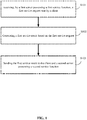
FIG. 1 is a service processing process based on a first server side provided by the embodiments of this application; -
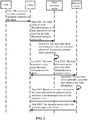
FIG. 2 is a schematic diagram of a service processing process of an application provided by the embodiments of this application; -
FIG. 3a is a service processing process based on a second server side provided by the embodiments of this application; -
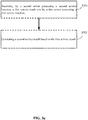
FIG. 3b is another service processing process based on a second server side provided by the embodiments of this application; -
FIG. 4 is a structural schematic diagram of a service processing device based on a first server side provided by the embodiments of this application; -
FIG. 5 is a structural schematic diagram of a service processing device based on a second server side provided by the embodiments of this application -
FIG. 6 is a structural schematic diagram of another service processing device based on a second server side provided by the embodiments of this application. - In order to clarify the objectives, technical schemes, and advantages of this application, in conjunction with the detailed embodiments and corresponding drawings of this application, a clear, comprehensive description of the technical schemes of this application is given below. Clearly, the described embodiments are merely a portion of the embodiments of this application and are not the full complement of embodiments. Based on the embodiments of this application, and making no expenditure of creative labor, all other embodiments obtained by a person having ordinary skill in the art shall fall within the scope of protection of this application.
- As stated previously, when a user uses a client to obtain a service from an online system requiring multiple service systems for completion, the client generally needs to receive intermediate service results returned by different service systems. After redirection based on the intermediate service result, a request is issued to the next service system, until the entire service flow has been completed. However, in this process, when the client sends a request to a service system, the effects of the network environment are likely to come into play, producing transmission delays, and the service system can only conduct processing after receiving the service request issued by the client. Under heavy service system workloads, a processing delay may be generated when the service system is processing this service request. In this way, the client is subject to the dual influence of transmission delays and processing delays, resulting in long client wait times. Clearly, this will have a serious influence on the time-effectiveness of service requests.
- As such, a service processing mode that can reduce client wait times is needed, i.e., the embodiments of this application provide a service processing method, as shown in
FIG. 1 . - It should be noted that in the embodiments of this application, because the services available to a user through a client from within an online system often require multiple service systems for completion, the client may initiate different service requests targeting different service systems, in accordance with the service flow. However, the different service requests initiated by the client can be deemed as to complete the same service.
- In addition, the first server and second server mentioned in the following of this application can be servers of two adjacent services in the service flow. For example, it is assumed there are three service servers -- A, B, and C -- and completing a service requires an order of service server A to service server B to service server C. For service servers A and B, the first server can be service server A, and the second server can be service server B. For service servers B and C, the first server can be service server B, and the second server can be service server C. In other words, the first server and second server in this application are not limited to scenarios with two servers.
- A description of the service processing method of this application is given below. For example, the service processing process shown in
FIG. 1 comprises the following steps:
Step S101, receiving, by a first server possessing a first service function, a first service request sent by a client. - In application scenarios, when a user uses a client to obtain a service, usually a service request must be issued to the corresponding service server within the online system. For example, a user uses a client to perform an order placement operation for a given product. At this time, the client may send an order placement request to an order placement server. In this example, the order placement server is the first server, and the order placement request is the first service request.
- Here, the first server can be any backend service server of the online system. The first service request can be the service request received by the first server. This first service request can be a service request issued by the client based on the user's operation instructions, or a service request issued after the client receives an intermediate service result fed back by the previous service server in the service flow. Of course, this does not constitute a limitation of this application.
- The client can be a browser or application running in a terminal, etc. It shall not be specifically defined here.
- Step S102, generating a first service result based on the first service request.
- After the first server receives the first service request, the first server may perform processing for this first service request, thereby generating a corresponding service result, i.e., a first service result. Here, the first service result is usually an intermediate service result.
- Of course, in one mode of the embodiments of this application, the first service request will often carry the client's identifying information, so the first service result generated by the first server may also include the client's identifying information.
- Step S103, sending the first service result to the client and a second server possessing a second service function, for the second server to directly generate a second service result based on the first service result, and after the second server receives a second service request generated by the client based on the first service result, to send the generated second service result to the client.
- The second server can be a service server after the first server in the processing sequence of the service flow. Therefore, after the first server sends the first service result to the client, the client may redirect to the second server based on this first service result, in order to issue an intermediate service request (i.e., a second service request) to the second server.
- Considering actual applications, the process of the client sending a second service request to the second server may encounter delays due to the influence of the network environment. When the second server receives the second service request and conducts processing, there may also be processing delays. Clearly, these two types of situations may create long wait times for the client. Therefore, to reduce the client's wait time, in the embodiments of this application, in addition to sending the first service result to the client, the first server directly sends this first service result to the second server, enabling the second server to generate a second service result based on the first service result.
- As one mode of the embodiments of this application, when the first server sends the first service result to the second server, a corresponding request can be generated, and the first service result can be carried within this request, using a "simulated" client to cause the second server to generate a corresponding second service result based on the first service result carried within the request. Of course, this does not constitute a limitation of this application.
- It should be noted that the first server and second server are both backend service servers of the online system. During transmission, they use the online system's internal network, which ensures that transmission between the first server and second server will not be affected by the network environment, and no network delay will be resulted in. In other words, after the first server sends a first service result to the second server, the second server may immediately receive this first service result, so it can process the first service result. Even when the second service server's processing load is heavy, by employing this approach, it is possible to save the time spent when the client sends a second request to the second server.
- Of course, the preceding content of the embodiments of this application is not limited to application in scenarios with two servers. In actual applications, multiple service servers working together to complete a given service may follow this approach. After generating a corresponding intermediate service result, in addition to sending this intermediate service result to the client, the intermediate service result is sent to the next service system, in accordance with the processing sequence of the service flow, causing the next service system to process the intermediate service result in advance and generate a subsequent intermediate service result, continuing in this way until the entire service flow has been completed.
- Through these steps, after the first server receives the first service request issued by the client, this first service request is processed and a corresponding first service result is generated. At this time, in addition to returning the first service result to the client, the first server may send this first service result to a second server in accordance with the service flow. In this way, the second server can promptly process the first service result and go on to generate a second service result. Employing this approach, the second server can generate a second service result prior to receiving a second service request from the client. After the second server receives a second request sent by the client, the second server can directly return the already generated second service result to the client. Compared to the approach of current technologies, the second server can generate a second service result in advance based on the first service result and before receiving the client's second service request, thus effectively reducing the client's wait time and boosting the time-effectiveness of service request processing.
- In order to clearly set forth the abovementioned service processing method of this application, an actual payment service scenario is used to give a detailed description:
It is assumed that a given user employs the client of a given product website and purchases a product on this product website. The operation of the user purchasing the product through the client can be viewed as involving two services: order placement and payment (i.e., which need this website's backend order placement server and payment server to jointly complete). Therefore, in this scenario, the first service request is an order placement request, the first server comprises an order placement server, the first service result comprises order information, and the second server comprises a payment server. - In this scenario, in Step S101, the receiving by the first server a first service request sent by a client comprises: receiving, by the order placement server, the order placement request sent by the client.
- In Step S102, the generating a first service result based on the first service request comprises: generating the order information based on the order placement. In one mode of the embodiments of this application, the order information can comprise: account information, product information, amount information, etc. This does not constitute a limitation of this application.
- In Step S103, the sending the first service result to the client and a second server associated with the service request comprises:
sending the order placement information to the client and the payment server associated with the order placement request. Here, the payment server associated with the order placement request can be ascertained based on a pre-defined service flow. This does not constitute a limitation of this application. - In the application shown in
FIG. 2 , the service flow for this scenario is illustrated: - Step S201: The user issues an order placement operation instruction to the client.
- Step S202: The client sends an order placement request to an order placement service based on the order placement operation instruction.
- Step S203: The order placement server processes the received order placement request and generates order information.
- Step S204: The order placement server sends the order information to a payment server, causing the payment server to execute Step S206.
- Step S205: The order placement server sends the order information to the client, causing the client to execute Step S207.
- Step S206: The payment server generates a payment page based on the order information.
- Step S207: Based on the order information, the client redirects to the payment server and issues a payment page request to the payment server.
- Step S208: The payment server returns the payment page to the client.
- As shown by preceding contents and examples, in an actual payment scenario, after an order server generates order information, the order information may be immediately sent to the payment server for processing to generate a corresponding payment page. Therefore, after the client issues a payment page request to the payment server, the payment server can immediately return a generated payment page to the client. Clearly, this mode may effectively reduce the client's wait time for payment page generation; furthermore, it enables the user to more rapidly navigate to the payment page, and to carry out the payment service in the payment page.
- The preceding content is a service processing process based on the first server side. This application also provides a service processing method for a second server, as shown in
FIG. 3a . - The service processing method shown in
FIG. 3a comprises the following steps:
Step S301: receiving, by a second server possessing a second service function, a first service result sent by a first server possessing a first service function. - Here, the first service result is generated after the first server processes the first service request sent by the client.
- Like the previous method, the first server and second server are service servers with different service functions in the backend of the online system.
- Step S302: generating a second service result based on the first service result.
- The first service result is an intermediate service result, separately sent by the first server to the client and second server, then the second server processes this first service result and the second server's processing result (i.e., the second service result) is generated. The detailed process is as previously described; further details will not be given here.
- Unlike the current technologies, the second server in the embodiments of this application does not need to wait for a service request sent by the client (i.e., the previously described second service request). Rather, the second server receives a first service result sent by the first server and generates a second service result based on the first service result (e.g., in the previously described example, the payment server generates a payment interface including order information based on the order information). Thus, it is possible to directly feed a generated second service result back to the client immediately upon receiving a second service request sent by the client, reducing client wait times.
- On this basis, the method shown in
FIG. 3a can also comprise: receiving, by the second server, a second service request sent by the client, and after receiving the second service request, feeding the generated second service result back to the client. - In one mode of the embodiments of this application, the second service request typically includes the client's identifying information. Therefore, based on the identifying information, the second server can ascertain the second service result matching this second service request.
- Similarly, in an actual payment scenario, the second server can be a payment server, the first server can be an order placement server, the first service result can be order information, the second service result can be a payment page including order information, and the second service request can be a payment request.
- Therefore, in the previously described steps, the receiving, by a second server, a first service result sent by a first server comprises: receiving, by a payment server, the order information sent by an order placement server.
- The generating a second service result based on the first service result comprises: generating the payment page including the order information based on the order information.
- The feeding the generated second service result back to the client after receiving the second service request comprises: feeding a generated payment page back to the client after receiving the payment request.
- The detailed application scenario is as shown in
FIG. 2 ; further details will not be given here. - On the basis of the previously described service processing method shown in
FIG. 3a , the second service result generated by the second server based on the first service result usually appears as a service interface. After the client issues a subsequent service request to the second server, this service interface will be displayed in the client, so the user can use this service interface to perform operations related to service confirmation. Like the previously described example, after the payment server (i.e., second server) receives order information (i.e., the first service result) sent by the order placement server (i.e., first server), corresponding payment information (i.e., a second service result) is generated based on this order information, and a corresponding payment page is rendered and built based on the payment information. If the client issues a payment request to this payment server, the payment server can send this payment page to the client, enabling the user to directly find out information such as the purchased product, the required amount, and the like through this payment page, and perform payment confirmation operations. - Based on this, the embodiments of this application also provide a service processing method as shown in
FIG. 3b . This method comprises the following steps:
Step S311: receiving, by a second server possessing a second service function, a first service result sent by a first server possessing a first service function. - Here, the first service result is generated after processing by the first server targeting the first service request sent by the client.
- Step S312: Generating a second service result based on the first service result.
- Step S313: Rendering and building a service interface based on the second service result.
- In the embodiments of this application, the second server can perform rendering of the second service result based on a pre-defined interface template, thereby building a service interface. This does not constitute a limitation of this application, so details will not be given.
- Step S314: After the second server receives a second service request sent by the client, sending the rendered and built service interface to the client for display.
- The detailed execution process and application scenario of the method shown in
FIG. 3b is the same as previously described, so further details will not be given here. - The preceding provides several embodiments of the service processing method of this application. Following the same thinking, this application also provides an embodiment of a service processing device, as shown in
FIG. 4 . For the service processing device inFIG. 4 , the device can be set up in the first server. This device comprises: - a
receiving module 401, configured to receive a first service request sent by a client; - a
processing module 402, configured to generate a first service result based on the first service request; and - a sending
module 403, configured to send the first service result to the client and a second server possessing a second service function, for the second server to directly generate a second service result based on the first service result, and after the second server receives a second service request generated by the client based on the first service result, to send the generated second service result to the client. - In one scenario in the embodiments of this application, the first server can be an order placement server, the first service request can comprise an order placement request, the first service result can comprise order information, and the second server can comprise a payment server.
- Based on this, the receiving
module 401 is configured to receive an order placement request sent by the client;
theprocessing module 402 is configured to generate order information based on the order placement; and
the sendingmodule 403 is configured to send the order placement information to the client and the payment server associated with the order placement request. - On the second server side, this application also provides a service processing device as shown in
FIG. 5 . This device can be set up in the second server, and it comprises: - a
receiving module 501 configured to receive a first service result sent by a first server possessing a first service function, wherein the first service result is generated after processing by the first server the first service request sent by the client; and - a
processing module 502 configured to generate a second service result based on the first service result. - In one mode of the embodiments of this application, the receiving
module 501 is also configured to receive a second service request sent by the client. Based on this, this device may also comprise: afeedback module 503 configured to feed a generated second service result back to the client after the receiving module receives the second service request. - In one scenario in the embodiments of this application, the first server may comprise an order placement server, the second server can comprise a payment server, the first service result may comprise order information, the second service result may comprise a payment page including order information, and the second service request may comprise a payment request.
- Based on this, the receiving
module 501 is configured to receive order information send by the order placement server. - The
processing module 502 is configured to generate the payment page including the order information based on the order information. - The
feedback module 503 is configured to feed a generated payment page back to the client after the receiving module receives the payment request. - This application also provides a service processing device as shown in
FIG. 6 . This device can be set up in the second server, comprising: - a
receiving module 601 configured to receive a first service result send by a first server possessing a first service function, wherein the first service result is generated after processing by the first server a first service request sent by a client; - a
generation module 602 configured to generate a second service result based on the first service result; - a
rendering module 603 configured to render and build a service interface based on the second service result; and - a
feedback module 604 configured to send the rendered and built service interface to the client for display after the receiving module receives a second service request sent by the client. - A person skilled in the art should understand that the embodiments of this invention can be provided as methods, systems, or computer program products. Therefore, this invention may employ a purely hardware embodiment form, purely software embodiment form, or an embodiment form that combines software and hardware. Also, this invention may employ the form of computer program products achieved through one or more computer storage media (including but not limited to magnetic disc memory, CD-ROM, and optical memory) comprising computer-executable program code.
- This invention is described by referencing flow diagrams and/or block diagrams based on the methods, equipment (systems), and computer program products of the embodiments of this invention. It should be understood that computer program instructions can be used to achieve every flow and/or block in the flow diagrams and/or block diagrams, as well as combinations of flows and/or blocks in the flow diagrams and/or block diagrams. These computer program instructions can be provided to the processor of a general-purpose computer, special-purpose computer, embedded processing machine, or other programmable data processing device to generate a machine, causing the instructions executed by the processor of a computer or other programmable data processing device to generated a device to achieve the specified functions of one or more flows in a flow diagram and/or one or more blocks in a block diagram.
- These computer program instructions can also be stored in computer-readable memory that can cause a computer or other programmable data processing device to operate in a given mode, causing the instructions stored in this computer-readable memory to generate a product comprising an instruction apparatus. This instruction apparatus achieves the functions specified in one or more flows of a flow chart and/or one ore more blocks of a block diagram.
- These computer program instructions can also be loaded onto a computer or other programmable data processing device, enabling the execution of a series of operation steps on the computer or other programmable device to produce computer processing. Thus, the instructions executed on the computer or other programmable device provide steps for achieving the specified functions of one or more flows in a flow chart and/or one or more blocks in a block diagram.
- In one typical configuration, the computation equipment comprises one or more processors (CPUs), input/output interfaces, network interfaces, and internal memory.
- The internal memory may comprise the forms of volatile memory on computer-readable media, random access memory (RAM), and/or non-volatile RAM, such as read-only memory (ROM) or flash RAM. Internal memory is an example of computer-readable media.
- Computer-readable media include permanent, nonpermanent, mobile, and immobile media, which can achieve information storage through any method or technology. The information may be computer-readable instructions, data structures, program modules, or other data. Examples of computer storage media include, but are not limited to, Phase-change RAM (PRAM), Static RAM (SRAM), Dynamic RAM (DRAM), other types of Random Access Memory (RAM), Read-Only Memory (ROM), Electrically Erasable Programmable Read-Only Memory (EEPROM), flash memory or other internal memory technologies, Compact Disk Read-Only Memory (CD-ROM), Digital Versatile Discs (DVD) or other optical memories, cassettes, magnetic tape and disk memories or other magnetic memory devices, or any other non-transmission media, which can be used for storing information that can be accessed by a computation device. According to the definitions herein, computer-readable media exclude transitory computer-readable media (transitory media), such as modulated data signals and carriers.
- It should also be noted that the terms "comprise" and "include" or any variations thereof are intended as non-exclusive inclusion. Thus, a process, method, product, or device comprising a series of elements does not comprise these elements only. It also comprises other elements not explicitly listed, or it also comprises elements inherent to that process, method, product, or device. When there are no other limitations, an element defined by the phrasing "comprising one..." does not exclude the presence of other, similar elements in the process, method, product, or device comprising the element.
- A person skilled in the art should understand that the embodiments of this application can be provided as methods, systems, or computer program products. Therefore, this invention may employ a purely hardware embodiment form, purely software embodiment form, or an embodiment form that combines software and hardware. Also, this invention may employ the form of computer program products achieved through one or more computer storage media (including but not limited to magnetic disc memory, CD-ROM, and optical memory) comprising computer-executable program code.
- Described above are merely embodiments of this application. They are not used to limit this application. For persons skilled in the art, this application may be modified or changed. All revisions, equivalent substitutions, and improvements made within the spirit and principles of this application shall fall within the scope of the claims of this application.
Claims (12)
- A service processing method, comprising:receiving, by a first server possessing a first service function, a first service request sent by a client;generating a first service result based on the first service request; andsending the first service result to the client and a second server possessing a second service function, for the second server to directly generate a second service result based on the first service result, and after the second server receives a second service request generated by the client based on the first service result, to send the generated second service result to the client.
- The method according to Claim 1, wherein: the first service request is an order placement request; the first server comprises an order placement server; the first service result comprises order information; the second server comprises a payment server;
the receiving, by a first server, a first service request sent by a client comprises: receiving, by the order placement server, the order placement request sent by the client;
the generating a first service result based on the first service request comprises: generating the order information based on the order placement request; and
the sending the first service result to the client and a second server associated with the service request comprises: sending the order placement information to the client and the payment server associated with the order placement request. - A service processing method, comprising:receiving, by a second server possessing a second service function, a first service result sent by a first server possessing a first service function, wherein the first service result is generated after processing by the first server a first service request sent by a client; andgenerating a second service result based on the first service result.
- The method according to Claim 3, further comprising:receiving, by the second server, a second service request sent by the client; andafter receiving the second service request, feeding the generated second service result back to the client.
- The method according to Claim 4, wherein the second server comprises a payment server; the first server comprises an order placement server; the first service result comprises order information; the second service result comprises a payment page including order information; the second service request comprises a payment request;
the receiving, by a second server, a first service result sent by a first server comprises: receiving, by the payment server, the order information sent by the order placement server;
the generating a second service result based on the first service result comprises: generating the payment page including the order information based on the order information; and
the after receiving the second service request, feeding the generated second service result back to the client comprises: after receiving the payment request, feeding the generated payment page including order information back to the client. - A service processing method, comprising:receiving, by a second server possessing a second service function, a first service result sent by a first server possessing a first service function, wherein the first service result is generated after processing by the first server a first service request sent by a client;generating a second service result based on the first service result;rendering and building a service interface based on the second service result; andafter the second server receives the second service request sent by the client, sending the rendered and built service interface to the client for display.
- A service processing device, comprising:a receiving module, configured to receive a first service request sent by a client;a processing module, configured to generate a first service result based on the first service request; anda sending module, configured to send the first service result to the client and a second server possessing a second service function, for the second server to directly generate a second service result based on the first service result, and after the second server receives a second service request generated by the client based on the first service result, to send the generated second service result to the client.
- The device according to Claim 7, wherein the first service request comprises an order placement request; the first service result comprises order information; the second server comprises a payment server;
the receiving module is configured to receive the order placement request sent by the client;
the processing module is configured to generate the order information based on the order placement request; and
the sending module is configured to send the order placement information to the client and a payment server associated with the order placement request. - A service processing device, comprising:a receiving module, configured to receive a first service result sent by a first server possessing a first service function, wherein the first service result is generated after processing by the first server a first service request sent by a client;a processing module, configured to generate a second service result based on the first service result.
- The device according to Claim 9, wherein: the receiving module is also configured to receive a second service request sent by the client; and
the device further comprises: a feedback module configured to feed a generated second service result back to the client after the receiving module receives the second service request. - The device according to Claim 10, wherein the first server comprises an order placement server; the first service result comprises order information; the second service result comprises a payment page including order information; the second service request comprises a payment request;
the receiving module is configured to receive the order information sent by the order placement server;
the processing module is configured to generate the payment page including the order information based on the order information; and
the feedback module is configured to feed the generated payment page back to the client after the receiving module receives the payment request. - A service processing device, comprising:a receiving module, configured to receive a first service result sent by a first server possessing a first service function, wherein the first service result is generated after processing by the first server a first service request sent by the client;a generation module, configured to generate a second service result based on the first service result;a rendering module, configured to render and build a service interface based on the second service result; anda feedback module, configured to send the rendered and built service interface to the client for display after the receiving module receives a second service request sent by the client.
Applications Claiming Priority (2)
| Application Number | Priority Date | Filing Date | Title |
|---|---|---|---|
| CN201610219408.7A CN107295052B (en) | 2016-04-11 | 2016-04-11 | A business processing method and device |
| PCT/CN2017/078502 WO2017177821A1 (en) | 2016-04-11 | 2017-03-29 | Service processing method and device |
Publications (2)
| Publication Number | Publication Date |
|---|---|
| EP3425576A1 true EP3425576A1 (en) | 2019-01-09 |
| EP3425576A4 EP3425576A4 (en) | 2019-09-11 |
Family
ID=60042320
Family Applications (1)
| Application Number | Title | Priority Date | Filing Date |
|---|---|---|---|
| EP17781797.0A Withdrawn EP3425576A4 (en) | 2016-04-11 | 2017-03-29 | METHOD AND DEVICE FOR PROCESSING SERVICES |
Country Status (10)
| Country | Link |
|---|---|
| US (1) | US11438401B2 (en) |
| EP (1) | EP3425576A4 (en) |
| JP (1) | JP6687802B2 (en) |
| KR (2) | KR102278028B1 (en) |
| CN (1) | CN107295052B (en) |
| MY (1) | MY196530A (en) |
| PH (1) | PH12018502185A1 (en) |
| SG (1) | SG11201808887VA (en) |
| TW (1) | TWI659312B (en) |
| WO (1) | WO2017177821A1 (en) |
Families Citing this family (5)
| Publication number | Priority date | Publication date | Assignee | Title |
|---|---|---|---|---|
| CN107070858B (en) * | 2016-12-21 | 2021-09-21 | 创新先进技术有限公司 | Service processing method and device |
| CN108390924A (en) * | 2018-02-07 | 2018-08-10 | 善林(上海)金融信息服务有限公司 | Order fulfillment method and device |
| CN110413421B (en) * | 2019-06-28 | 2024-01-30 | 创新先进技术有限公司 | Service data processing method and device, and transaction data processing method and device |
| CN113704295A (en) * | 2020-05-22 | 2021-11-26 | 腾讯科技(深圳)有限公司 | Service request processing method and system and electronic equipment |
| CN112561650B (en) * | 2020-12-17 | 2024-02-02 | 深圳希施玛数据科技有限公司 | Order service request processing system |
Family Cites Families (25)
| Publication number | Priority date | Publication date | Assignee | Title |
|---|---|---|---|---|
| ATE285651T1 (en) | 1999-09-21 | 2005-01-15 | Ericsson Telefon Ab L M | CALLING A USER PROGRAM THROUGH AN EMBEDDED INDICATOR IN AN SMS MESSAGE |
| JP2002351714A (en) * | 2001-05-28 | 2002-12-06 | Sumisho Computer Systems Corp | Apparatus and method for generating web page having multi-dimensional table, web page generation program, recording medium |
| US20060271497A1 (en) * | 2005-05-24 | 2006-11-30 | Cullen Andrew J | Payment authorisation process |
| US8032587B2 (en) | 2007-08-28 | 2011-10-04 | International Business Machines Corporation | Method and apparatus for client-side aggregation of asynchronous fragmented requests |
| US8219687B2 (en) | 2008-01-04 | 2012-07-10 | International Business Machines Corporation | Implementing browser based hypertext transfer protocol session storage |
| US8347208B2 (en) | 2009-03-04 | 2013-01-01 | Microsoft Corporation | Content rendering on a computer |
| US8380845B2 (en) | 2010-10-08 | 2013-02-19 | Microsoft Corporation | Providing a monitoring service in a cloud-based computing environment |
| US8843632B2 (en) | 2010-10-11 | 2014-09-23 | Microsoft Corporation | Allocation of resources between web services in a composite service |
| US8346672B1 (en) | 2012-04-10 | 2013-01-01 | Accells Technologies (2009), Ltd. | System and method for secure transaction process via mobile device |
| US20120331125A1 (en) | 2011-06-22 | 2012-12-27 | International Business Machines Corporation | Resource Use Management System |
| US9251327B2 (en) | 2011-09-01 | 2016-02-02 | Verizon Patent And Licensing Inc. | Method and system for providing behavioral bi-directional authentication |
| US8930457B2 (en) | 2012-06-19 | 2015-01-06 | International Business Machines Corporation | Proximity initiated co-browsing sessions |
| US9391998B2 (en) | 2012-11-21 | 2016-07-12 | Verizon Patent And Licensing Inc. | Extended OAuth architecture supporting multiple types of consent based on multiple scopes and contextual information |
| CN103020815A (en) * | 2012-12-10 | 2013-04-03 | 北京掌上汇通科技发展有限公司 | Method, device and system for processing payment transaction |
| CN103971228B (en) | 2013-01-31 | 2017-08-01 | 深圳市腾讯计算机系统有限公司 | The payment request processing method of network opening platform virtual goodses, device and system |
| US20140344808A1 (en) | 2013-05-20 | 2014-11-20 | International Business Machines Corporation | Dynamically modifying workload patterns in a cloud |
| CN103327021B (en) | 2013-06-24 | 2015-04-01 | 腾讯科技(深圳)有限公司 | Method, devices and system of multi-device interaction |
| CN104636924B (en) | 2013-11-15 | 2023-04-25 | 腾讯科技(深圳)有限公司 | Secure payment method, server and system |
| CN104657852B (en) * | 2013-11-22 | 2019-01-22 | 宏达国际电子股份有限公司 | Electronic device and authorization method thereof |
| CN104601327B (en) * | 2013-12-30 | 2019-01-29 | 腾讯科技(深圳)有限公司 | A kind of safe verification method, relevant device and system |
| CN105024980B (en) * | 2014-04-29 | 2019-02-15 | 孙银海 | A kind of online near-field payment system and method based on phone number |
| JP2016173645A (en) * | 2015-03-16 | 2016-09-29 | 株式会社リコー | Electronic book sales system and program |
| US10460227B2 (en) | 2015-05-15 | 2019-10-29 | Apple Inc. | Virtual assistant in a communication session |
| TWM518370U (en) * | 2015-09-09 | 2016-03-01 | Heran Co Ltd | Interactive mobile device shopping guidance system |
| US10346900B1 (en) * | 2016-03-24 | 2019-07-09 | Amazon Technologies, Inc. | System for determining content for advance rendering |
-
2016
- 2016-04-11 CN CN201610219408.7A patent/CN107295052B/en active Active
-
2017
- 2017-03-09 TW TW106107801A patent/TWI659312B/en not_active IP Right Cessation
- 2017-03-29 JP JP2019503611A patent/JP6687802B2/en active Active
- 2017-03-29 MY MYPI2018703642A patent/MY196530A/en unknown
- 2017-03-29 KR KR1020207022228A patent/KR102278028B1/en active Active
- 2017-03-29 SG SG11201808887VA patent/SG11201808887VA/en unknown
- 2017-03-29 WO PCT/CN2017/078502 patent/WO2017177821A1/en not_active Ceased
- 2017-03-29 KR KR1020187032520A patent/KR20180127505A/en not_active Ceased
- 2017-03-29 EP EP17781797.0A patent/EP3425576A4/en not_active Withdrawn
-
2018
- 2018-10-10 US US16/156,239 patent/US11438401B2/en active Active
- 2018-10-11 PH PH12018502185A patent/PH12018502185A1/en unknown
Also Published As
| Publication number | Publication date |
|---|---|
| JP6687802B2 (en) | 2020-04-28 |
| KR102278028B1 (en) | 2021-07-16 |
| MY196530A (en) | 2023-04-18 |
| TW201738769A (en) | 2017-11-01 |
| SG11201808887VA (en) | 2018-11-29 |
| WO2017177821A1 (en) | 2017-10-19 |
| JP2019519052A (en) | 2019-07-04 |
| US11438401B2 (en) | 2022-09-06 |
| KR20180127505A (en) | 2018-11-28 |
| US20190045029A1 (en) | 2019-02-07 |
| TWI659312B (en) | 2019-05-11 |
| CN107295052B (en) | 2020-06-09 |
| PH12018502185A1 (en) | 2019-09-23 |
| EP3425576A4 (en) | 2019-09-11 |
| KR20200096669A (en) | 2020-08-12 |
| CN107295052A (en) | 2017-10-24 |
Similar Documents
| Publication | Publication Date | Title |
|---|---|---|
| US11438401B2 (en) | Service processing method and device | |
| JP7036826B2 (en) | Service processing method and equipment | |
| JP6686165B2 (en) | Service execution method and device | |
| KR20180051556A (en) | Method and device for implementing service functions | |
| TWI678115B (en) | Method and device for resource transmission | |
| AU2020204472A1 (en) | Resource processing method and device | |
| US11201867B1 (en) | Binding server accounts | |
| CN111666518A (en) | DOI display method and device | |
| JP6758298B2 (en) | Request transmission method and its device | |
| CN107179940A (en) | A kind of method and device of tasks carrying | |
| JP2018500670A (en) | Handling unstructured messages | |
| CN113469795A (en) | Order payment substitute method and device | |
| CN108089927B (en) | Method and device for realizing message communication based on Web Worker | |
| US10275224B1 (en) | Just in time generation system | |
| HK1234921A (en) | Inforamtion transmission method and device based on redirection | |
| HK1234921A1 (en) | Inforamtion transmission method and device based on redirection | |
| HK1241600A1 (en) | Service processing method and device | |
| HK1241600A (en) | Service processing method and device | |
| HK1241600B (en) | Service processing method and device | |
| HK1256077A1 (en) | Method and device for realizing message communication based on web worker | |
| HK1256077B (en) | Method and device for realizing message communication based on web worker | |
| HK1235168A (en) | Business function realizing method and device | |
| HK1235171A (en) | Information processing method based on groups and device | |
| HK1235171A1 (en) | Information processing method based on groups and device | |
| HK1197476A (en) | Method and system for processing transaction |
Legal Events
| Date | Code | Title | Description |
|---|---|---|---|
| STAA | Information on the status of an ep patent application or granted ep patent |
Free format text: STATUS: THE INTERNATIONAL PUBLICATION HAS BEEN MADE |
|
| PUAI | Public reference made under article 153(3) epc to a published international application that has entered the european phase |
Free format text: ORIGINAL CODE: 0009012 |
|
| STAA | Information on the status of an ep patent application or granted ep patent |
Free format text: STATUS: REQUEST FOR EXAMINATION WAS MADE |
|
| 17P | Request for examination filed |
Effective date: 20181004 |
|
| AK | Designated contracting states |
Kind code of ref document: A1 Designated state(s): AL AT BE BG CH CY CZ DE DK EE ES FI FR GB GR HR HU IE IS IT LI LT LU LV MC MK MT NL NO PL PT RO RS SE SI SK SM TR |
|
| AX | Request for extension of the european patent |
Extension state: BA ME |
|
| DAV | Request for validation of the european patent (deleted) | ||
| DAX | Request for extension of the european patent (deleted) | ||
| A4 | Supplementary search report drawn up and despatched |
Effective date: 20190808 |
|
| RIC1 | Information provided on ipc code assigned before grant |
Ipc: G06Q 20/12 20120101ALI20190802BHEP Ipc: G06Q 30/06 20120101AFI20190802BHEP |
|
| STAA | Information on the status of an ep patent application or granted ep patent |
Free format text: STATUS: EXAMINATION IS IN PROGRESS |
|
| 17Q | First examination report despatched |
Effective date: 20200831 |
|
| RAP1 | Party data changed (applicant data changed or rights of an application transferred) |
Owner name: ADVANCED NEW TECHNOLOGIES CO., LTD. |
|
| STAA | Information on the status of an ep patent application or granted ep patent |
Free format text: STATUS: THE APPLICATION HAS BEEN WITHDRAWN |
|
| 18W | Application withdrawn |
Effective date: 20220225 |