EP3425057A1 - Method for determining nucleic acid sequence of target gene - Google Patents
Method for determining nucleic acid sequence of target gene Download PDFInfo
- Publication number
- EP3425057A1 EP3425057A1 EP17760140.8A EP17760140A EP3425057A1 EP 3425057 A1 EP3425057 A1 EP 3425057A1 EP 17760140 A EP17760140 A EP 17760140A EP 3425057 A1 EP3425057 A1 EP 3425057A1
- Authority
- EP
- European Patent Office
- Prior art keywords
- nucleic acid
- acid sequence
- target gene
- acid sequences
- gene
- Prior art date
- Legal status (The legal status is an assumption and is not a legal conclusion. Google has not performed a legal analysis and makes no representation as to the accuracy of the status listed.)
- Withdrawn
Links
Images


Classifications
-
- C—CHEMISTRY; METALLURGY
- C12—BIOCHEMISTRY; BEER; SPIRITS; WINE; VINEGAR; MICROBIOLOGY; ENZYMOLOGY; MUTATION OR GENETIC ENGINEERING
- C12Q—MEASURING OR TESTING PROCESSES INVOLVING ENZYMES, NUCLEIC ACIDS OR MICROORGANISMS; COMPOSITIONS OR TEST PAPERS THEREFOR; PROCESSES OF PREPARING SUCH COMPOSITIONS; CONDITION-RESPONSIVE CONTROL IN MICROBIOLOGICAL OR ENZYMOLOGICAL PROCESSES
- C12Q1/00—Measuring or testing processes involving enzymes, nucleic acids or microorganisms; Compositions therefor; Processes of preparing such compositions
- C12Q1/68—Measuring or testing processes involving enzymes, nucleic acids or microorganisms; Compositions therefor; Processes of preparing such compositions involving nucleic acids
- C12Q1/6869—Methods for sequencing
-
- C—CHEMISTRY; METALLURGY
- C07—ORGANIC CHEMISTRY
- C07K—PEPTIDES
- C07K16/00—Immunoglobulins [IG], e.g. monoclonal or polyclonal antibodies
-
- C—CHEMISTRY; METALLURGY
- C12—BIOCHEMISTRY; BEER; SPIRITS; WINE; VINEGAR; MICROBIOLOGY; ENZYMOLOGY; MUTATION OR GENETIC ENGINEERING
- C12N—MICROORGANISMS OR ENZYMES; COMPOSITIONS THEREOF; PROPAGATING, PRESERVING, OR MAINTAINING MICROORGANISMS; MUTATION OR GENETIC ENGINEERING; CULTURE MEDIA
- C12N15/00—Mutation or genetic engineering; DNA or RNA concerning genetic engineering, vectors, e.g. plasmids, or their isolation, preparation or purification; Use of hosts therefor
- C12N15/09—Recombinant DNA-technology
-
- C—CHEMISTRY; METALLURGY
- C12—BIOCHEMISTRY; BEER; SPIRITS; WINE; VINEGAR; MICROBIOLOGY; ENZYMOLOGY; MUTATION OR GENETIC ENGINEERING
- C12Q—MEASURING OR TESTING PROCESSES INVOLVING ENZYMES, NUCLEIC ACIDS OR MICROORGANISMS; COMPOSITIONS OR TEST PAPERS THEREFOR; PROCESSES OF PREPARING SUCH COMPOSITIONS; CONDITION-RESPONSIVE CONTROL IN MICROBIOLOGICAL OR ENZYMOLOGICAL PROCESSES
- C12Q2600/00—Oligonucleotides characterized by their use
- C12Q2600/158—Expression markers
Definitions
- the present invention relates to a method for determining a nucleic acid sequence of a target gene.
- hybridoma production technology is widely accepted as a means for preparing large amounts of monoclonal antibodies and for research and clinical applications.
- culturing of hybridoma is continued, there is a concern that reactivity of a produced antibody is changed due to somatic mutations.
- it is required to determine a nucleic acid sequence of a gene of the antibody produced by hybridoma.
- the 5' RACE method requires a large amount of total RNA and is difficult to carry out in some cases.
- the degenerative PCR method there are cases where loss of the original nucleic acid sequence is caused due to mis-hybridization of degenerative primers.
- An object of the present invention is to provide a method for conveniently and accurately determining a nucleic acid sequence of a target gene expressed in a subject cell.
- the present invention includes the following aspects.
- the present invention provides a method for determining a nucleic acid sequence of a target gene expressed in a subject cell, including a step of comprehensively determining mRNA nucleic acid sequences in the subject cell and a step of identifying a nucleic acid sequence having a nucleic acid sequence of a portion of the target gene, from among the determined mRNA nucleic acid sequences, in which the identified nucleic acid sequence is a nucleic acid sequence of a target gene.
- the method of the present embodiment it is possible to conveniently and accurately determine a nucleic acid sequence of a target gene.
- the method of the present embodiment can be carried out using only approximately 0.1 ⁇ g of total RNA. For this reason, with one subject cell as a sample, for example, a nucleic acid sequence of a target gene at one cell level can be determined.
- the step of comprehensively determining mRNA nucleic acid sequences is preferably performed by next generation sequencing. More specifically, the method of the present embodiment can be carried out by mRNA-seq that comprehensively determines mRNA nucleic acid sequences by the next generation sequencing.
- next generation sequencing is a term that is used in comparison with a first generation sequencer represented by a fluorescent capillary sequencer using sequencing method by the Sanger method.
- the next generation sequencing substantially includes various machines or technologies, and it is assumed that various forms of the next generation sequencers will be designed from now on.
- the number of specimens that can be processed at a time is limited to a maximum of approximately 96.
- a DNA molecule used as a sample for performing sequence determination was required to be prepared by being separately cloned in advance and amplified by the PCR method, and enormous efforts were required at that stage.
- DNA fragments including various sequences are arranged in parallel and analyzed by applying amplification technologies such as emulsion PCR and bridge PCR or high-sensitivity detection technology such as one molecule observation. For this reason, larger-scale nucleic acid sequences can be conveniently determined.
- next generation sequencer examples include MiSeq, HiSeq, NovaSeq (Illumina); Genetic Analyzer V2.0, Ion Proton (Thermo Fisher Scientific); MinION, PromethION (Nanopore), and the like.
- library preparation is performed depending on the type of the next generation sequencer that is used. For example, sequencing may be performed at an average read length of 50 to 100 bp and a number of reads of 30,000 to 50,000. That is, the number of reads of nucleic acid sequences by the next generation sequencing may be 50,000 reads or less. As will be described later in the examples, according to the method of the present embodiment, even if the number of reads is small to that extent, a nucleic acid sequence of a target gene can be determined.
- Nucleic acid sequence data obtained by sequencing obtains contigs by assembling (attaching) due to an optional technique.
- "contigs” refers to longer nucleic acid sequences obtained by assembling short reads.
- contigs are the assembled full-length mRNA nucleic acid sequences.
- the mRNA nucleic acid sequence in the subject cell is determined.
- assembling can be performed by a technique such as de novo assembly which does not require a reference sequence.
- nucleic acid sequence having a nucleic acid sequence of a portion of a target gene is identified from among the determined mRNA nucleic acid sequences (contigs).
- the nucleic acid sequence identified in this way is the nucleic acid sequence of the target gene.
- nucleic acid sequence of a constant region of an antibody heavy chain (Igh) and a nucleic acid sequence of a constant region of an antibody ⁇ light chain (Igl) or an antibody ⁇ light chain (Igk) can be used as nucleic acid sequences of a portion of the target gene. More specifically, for example, nucleic acid sequences described in Sequence Numbers 11 to 14 can be used as nucleic acid sequences of a portion of a constant region of rat Igh. In addition, for example, nucleic acid sequences described in Sequence Numbers 15 and 16 can be used as nucleic acid sequences of a portion of the constant region of rat Igl.
- nucleic acid sequence described in Sequence Number 17 can be used as a nucleic acid sequence of a portion of a constant region of rat Igk.
- nucleic acid sequences described in Sequence Numbers 18 to 22 can be used as nucleic acid sequences of a portion of a constant region of mouse Igh.
- nucleic acid sequences described in Sequence Numbers 23 to 26 can be used as nucleic acid sequences of a portion of a constant region of mouse Igl.
- a nucleic acid sequence described in Sequence Number 27 can be used as a nucleic acid sequence of a portion of a constant region of mouse Igk.
- an Igh amino acid sequence includes 400 or more amino acid residues.
- the target gene that determines a nucleic acid sequence is preferably a gene of which a rank is first to tenth in a case where the ranks of all genes expressed in the subject cell are determined in order from the largest number of mRNA molecules. It is possible to easily determine a nucleic acid sequence of the target gene having a large number of mRNA molecules and within the above range.
- the expression amount of the target gene is preferably 5,000 fragments per kilobase of exon per million mapped fragments (FPKM) or greater. It is possible to easily determine the nucleic acid sequence of the target gene of which an expression amount is at that degree.
- the upper limit of the expression amount of the target gene is not particularly limited, but in general, 30,000 FPKM or so is the upper limit in many cases.
- target gene examples include an antibody gene, a T-cell receptor gene, a B-cell receptor gene, and the like, but the target gene is not limited thereto.
- the subject cell may be an antibody-producing cell
- the target gene may be an antibody heavy chain gene
- a nucleic acid sequence of a portion of the target gene may be a nucleic acid sequence of a portion of a constant region of the antibody heavy chain gene.
- the subject cell may be an antibody-producing cell
- the target gene may be an antibody light chain gene
- a nucleic acid sequence of a portion of the target gene may be a nucleic acid sequence of a portion of a constant region of the antibody light chain gene.
- the subject cell may be a T cell
- the target gene may be a T-cell receptor gene
- a nucleic acid sequence of a portion of the target gene may be a nucleic acid sequence of a portion of a constant region of a T-cell receptor gene.
- the subject cell may be an immature B cell
- the target gene may be a B-cell receptor heavy chain gene
- a nucleic acid sequence of a portion of the target gene may be a nucleic acid sequence of a portion of a constant region of a B-cell receptor heavy chain gene.
- the subject cell may be an immature B cell
- the target gene may be a B-cell receptor light chain gene
- a nucleic acid sequence of a portion of the target gene may be a nucleic acid sequence of a portion of a constant region of a B-cell receptor light chain gene.
- the target gene is not limited to the above genes, and may be an optional gene. According to the method of the present embodiment, for example, regarding the optional target gene, single nucleotide variants (SNVs), single nucleotide polymorphysms (SNPs), insertion/deletion (Indel), splicing variants, and the like can be easily analyzed.
- SNVs single nucleotide variants
- SNPs single nucleotide polymorphysms
- Indel insertion/deletion
- splicing variants and the like can be easily analyzed.
- Hybridoma cell lines (clones HD1, HD2, HD3, and HD4) established by the inventors were used in experiments. Each hybridoma was cultured by using a hybridoma serum-free culture medium (Gibco) to which 10% fetal bovine serum (FBS) was added, 1.2% penicillin-streptomycin-glutamine (Gibco), 1 ng/mL interleukin (IL)-6 or a GIT culture medium (Waco Pure Chemical Industries) to which 1 ng/mL IL-6 was added.
- Gibco hybridoma serum-free culture medium
- FBS fetal bovine serum
- IL interleukin
- GIT culture medium Wico Pure Chemical Industries
- RNA was prepared by using a commercially available kit (form "AllPrep DNA/RNA Mini Kit", QIAGEN).
- a library was prepared by using 1 ⁇ g of total RNA and a commercially available kit (form "NEBNext Ultra Directional RNA Library Prep Kit", New England Biolabs). With the kit, it is possible to produce a library by decreasing the used total RNA to approximately 0.1 ⁇ g.
- mRNA-seq was performed by paired-end sequencing at an average read length of 50 bp using a next generation sequencer (form "HiSeq 1500", Illumina). For each hybridoma cell line, nucleic acid sequence data having the number of reads of 40 ⁇ 10 6 reads or more was obtained.
- the obtained reads were mapped against the inventors' custom transcriptome reference sequence.
- the custom transcriptome reference sequence included mouse transcripts, rat transcripts, rat immunoglobulin heavy chain (Igh) constant region, immunoglobulin ⁇ light chain (Igl) constant region, and immunoglobulin ⁇ light chain (Igk) constant region nucleic acid sequences.
- the reads were mapped with the parameter of -t8-P-L 10000 by using BWA-MEM which is a mapping program.
- the program TIGAR2 was used with default settings.
- the expression level of each gene was quantified as fragments per kilobase of exon per million mapped fragments (FPKM).
- the Igh and Igl/Igk coding nucleic acid sequences were extracted by filtering treatment in a case where the contigs (assembled nucleic acid sequences) contained 20-to-30-bp unique nucleic acid sequences of the Igh and Igl/Igk constant region and had proper length (in the case of Igh, more than 1200 bp, and in the case of Igl/Igk, more than 600 bp).
- RNA was purified by phenol/chloroform extraction. Reverse transcription reaction was performed by using a commercially available kit (form "PrimeScript (trademark) II 1st strand cDNA Synthesis Kit", TAKARA BIO INC.). PCR was performed using an enzyme (form "KOD Plus", TOYOBO) and a thermal cycler. PCR products were purified by gel extraction to remove non-specific products. After that, nucleic acid sequences were determined by the Sanger method. Sequence numbers of nucleic acid sequences of primers using PCR are shown in Table 1.
- Sense primer (Sequence Number)
- Antisense primer (Sequence number)
- HD1-Igh 1 5 HD2-Igh 2 5 HD3-Igh 3 5 HD4-Igh 4 5 HD1-Igk 6 10 HD2-Igk 7 10 HD3-Igk 8 10 HD4-Igk 9 10
- Clones HD1, HD2, HD3, and HD4 which are hybridoma cell lines established as fusion cells of rat B lymphocytes and mouse myeloma cell line SP2 were subjected to mRNA-seq. Paired-end sequencing was performed at an average read length of 50 bp.
- FIG. 1 is a graph in which transcriptomes are ordered in order from the highest expression level.
- the Igh and Igl/Igk coding nucleic acid sequences had an expression amount of more than 10,000 FPKM, and were ranked as the transcript having the highest expression level.
- the Igh coding nucleic acid sequence was extracted by filtering.
- the filtering contigs having 20-to-30-bp unique nucleic acid sequences of the Igh constant region were extracted.
- Sequence Numbers of the nucleic acid sequences used in the filtering are shown in the following Table 2. [Table 2] Sequence Number rat-Ighg1 11 rat-Ighg2a 12 rat-Ighg2b 13 rat-Ighg2c 14
- the full-length IgH contains 400 or more residues of amino acids.
- a 1395-bp nucleic acid sequence was identified as the Igh nucleic acid sequence having a length of 1,200 bp or more and containing the unique 24-bp nucleic acid sequence of Ighg2b.
- the identified Igh nucleic acid sequence was identical to the Igh nucleic acid sequence of clone HD1 of which the nucleic acid sequence was determined by the Sanger method.
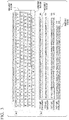
- FIG. 2(a) is a figure showing the Igh nucleic acid sequence (Sequence Number 28) and an estimated amino acid sequence (Sequence Number 29) of clone HD1 of which the nucleic acid sequence was determined by de novo transcriptome assembly.
- FIG. 2(b) is a figure in which an amino acid sequence of IgH protein of clone HD1 of which a nucleic acid sequence was determined by de novo transcriptome assembly, and an amino acid sequence (accession number: AAA6078, Sequence Number 30) of the constant region of the known rat IgH (IgG2b) are aligned.
- NOS. 133 to 464 from among amino acid sequences of IgH produced by clone HD1 are matched with the amino acid sequences of the constant region of the known rat IgH.
- the Igl/Igk coding nucleic acid sequences were extracted by filtering.
- the contigs having 20-to-30-bp unique nucleic acid sequences of the Igl/Igk constant region were extracted.
- Sequence Numbers of the nucleic acid sequences used in the filtering are shown in the following Table 3. [Table 3] Sequence Number rat-Igl1 15 rat-Igl2 16 rat-Igk 17
- the full-length IgK had 200 or more residues of amino acids.
- a 705-bp nucleic acid sequence was identified as an Igk nucleic acid sequence having a length of 600 bp or more and containing a unique Igk nucleic acid sequence.
- the identified Igk nucleic acid sequence was identical to the Igk nucleic acid sequence of clone HD1 of which the nucleic acid sequence was determined by the Sanger method.
- FIG. 3(a) is a figure showing an Igk nucleic acid sequence (Sequence Number 31) of clone HD1 of which a nucleic acid sequence was determined by de novo transcriptome assembly and an estimated amino acid sequence (Sequence Number 32).
- FIG. 3(b) is a figure in which an amino acid sequence of IgK protein of clone HD1 of which a nucleic acid sequence is determined by de novo transcriptome assembly and an amino acid sequence (accession number: CAA24558, Sequence Number 33) of a constant region of the known rat IgK are aligned.
- NOS. 129 to 234 from among amino acid sequences of IgK produced by clone HD1 are matched with the amino acid sequences of the constant region of the known rat IgK.
- the inventors also identified nucleic acid sequences of antibody genes produced by clone HD2 (Ighg2a/Igk), clone HD3 (Ighg2a/Igk), and clone HD4 (Ighg2a/Igk).
- Igh and Igk nucleic acid sequences of clone 8A2 and 13C7 which are mouse hybridomas were determined. Sequence numbers of the nucleic acid sequence used in filtering of mouse Igh and Igl/Igk are shown in the following Table 4. [Table 4] Sequence Number mouse-Ighg1 18 mouse- Ighg2a 19 mouse- Ighg2b 20 mouse-Ighg2c 21 mouse-Ighg3 22 mouse-Igl1 23 mouse-Igl2 24 mouse-Igl3 25 mouse-Igl4 26 mouse-Igk 27
- nucleic acid sequences are matched with nucleic acid sequences of these monoclonal antibodies determined by the Sanger method, except for a region coded by degenerative primers.
- nucleic acid sequences of the Igh genes and the Igl/Igk genes can be conveniently and accurately determined by de novo assembly of mRNA-seq data.
- degenerative primers there are cases where loss of the original nucleic acid sequence occurs due to mis-hybridization of degenerative primers.
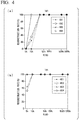
- FIG. 4(a) is a graph showing a result obtained by calculating the reconstruction rate of Igh in a case of performing de novo assembly from reads of each read number. As a result, it was clarified that in all four clones, the Igh nucleic acid sequence can be completely identified with more than 30 ⁇ 10 3 reads.
- FIG. 4(b) is a graph showing a result obtained by calculating a reconstruction rate of Igk in a case of performing de novo assembly from reads of each read number. As a result, it was clarified that in all four clones, the Igk nucleic acid sequence can be completely identified with more than 10 ⁇ 10 3 reads.
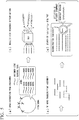
- FIG. 5 is a figure putting together a method for determining a nucleic acid sequence according to this method.
- mRNA is extracted from cells and nucleic acid sequences are determined by next generation sequencing (NGS).
- NGS next generation sequencing
- FIG. 5(c) data obtained by mRNA-seq is de novo assembled to prepare contigs.
- FIG. 5(d) a contig having a specific nucleic acid sequence is identified by filtering to obtain a nucleic acid sequence of a target gene.
- This method for determining a nucleic acid sequence was applied to a greater numbers of hybridomas to determine nucleic acid sequences of antibody genes. As a result, in 96 or more kinds of hybridomas, it was possible to perform mRNA-seq with 200 ⁇ 10 3 reads per sample to accurately determine nucleic acid sequences of antibody genes.
Landscapes
- Life Sciences & Earth Sciences (AREA)
- Chemical & Material Sciences (AREA)
- Proteomics, Peptides & Aminoacids (AREA)
- Organic Chemistry (AREA)
- Zoology (AREA)
- Wood Science & Technology (AREA)
- Health & Medical Sciences (AREA)
- Engineering & Computer Science (AREA)
- Microbiology (AREA)
- Biochemistry (AREA)
- Biotechnology (AREA)
- Molecular Biology (AREA)
- Biophysics (AREA)
- Analytical Chemistry (AREA)
- Physics & Mathematics (AREA)
- Immunology (AREA)
- Bioinformatics & Cheminformatics (AREA)
- General Engineering & Computer Science (AREA)
- General Health & Medical Sciences (AREA)
- Genetics & Genomics (AREA)
- Measuring Or Testing Involving Enzymes Or Micro-Organisms (AREA)
- Peptides Or Proteins (AREA)
Abstract
Description
- The present invention relates to a method for determining a nucleic acid sequence of a target gene. Priority is claimed on Provisional Application No.
62/302,196 - For example, hybridoma production technology is widely accepted as a means for preparing large amounts of monoclonal antibodies and for research and clinical applications. However, if culturing of hybridoma is continued, there is a concern that reactivity of a produced antibody is changed due to somatic mutations. For this reason, in a case of preserving a useful antibody and preparing a modified antibody, it is required to determine a nucleic acid sequence of a gene of the antibody produced by hybridoma.
- In the related art, in determining a nucleic acid sequence of an antibody gene, the method of 5' Rapid Amplification of cDNA Ends (5' RACE), the degenerative PCR method, and the like can be used (for example, refer to NPL 1)
- [NPL 1] Zhou, H., et al., Optimization of primer sequences for mouse scFv repertoire display library construction., Nucleic Acids Research, 22 (5), 888-889, 1994.
- However, the 5' RACE method requires a large amount of total RNA and is difficult to carry out in some cases. In addition, in the degenerative PCR method, there are cases where loss of the original nucleic acid sequence is caused due to mis-hybridization of degenerative primers.
- An object of the present invention is to provide a method for conveniently and accurately determining a nucleic acid sequence of a target gene expressed in a subject cell. Solution to Problem
- The present invention includes the following aspects.
- [1] A method for determining a nucleic acid sequence of a target gene expressed in a subject cell, including comprehensively determining mRNA nucleic acid sequences in the subject cell, and identifying a nucleic acid sequence having a nucleic acid sequence of a portion of the target gene, from among the determined mRNA nucleic acid sequences, in which the identified nucleic acid sequence is a nucleic acid sequence of the target gene.
- [2] The method according to [1], in which a rank of the target gene is first to tenth in a case where the ranks of all genes expressed in the subject cell are determined in order from the largest number of mRNA molecules.
- [3] The method according to [1] or [2], in which the subject cell is an antibody-producing cell, and in which the target gene is an antibody heavy chain gene and a nucleic acid sequence of a portion of the target gene is a nucleic acid sequence of a portion of a constant region of the antibody heavy chain gene, or the target gene is an antibody light chain gene and a nucleic acid sequence of a portion of the target gene is a nucleic acid sequence of a portion of a constant region of the antibody light chain gene.
- [4] The method according to any one of [1] to [3], in which comprehensively determining mRNA nucleic acid sequences is performed by next generation sequencing.
- [5] The method according to [4], in which the number of reads of the nucleic acid sequence in the next generation sequencing is 50,000 reads or less.
- According to the present invention, it is possible to provide a new technology capable of conveniently and accurately determining a nucleic acid sequence of a target gene expressed in a subject cell.
-
-
FIG. 1 is a graph in which transcriptomes are ordered in order from the highest expression level in Experimental Example 1. -
FIG. 2(a) is a figure showing a nucleic acid sequence (Sequence Number 28) of Igh of hybridoma clone HD1 and an estimated amino acid sequence (Sequence Number 29) in Experimental Example 2.FIG. 2(b) is a figure in which an amino acid sequence of IgH protein of clone HD1 of which a nucleic acid sequence is determined in Experimental Example 2, and an amino acid sequence (accession number: AAA6078, Sequence Number 30) of a constant region of the known rat IgH (IgG2b) are aligned. -
FIG. 3(a) is a figure showing a nucleic acid sequence (Sequence Number 31) of Igk of hybridoma clone HD1 and an estimated amino acid sequence (Sequence Number 32) in Experimental Example 2.FIG. 3(b) is a figure in which an amino acid sequence of IgK protein of clone HD1 of which a nucleic acid sequence is determined in Experimental Example 2 and an amino acid sequence (accession number: CAA24558, Sequence Number 33) of a constant region of the known rat IgK in Experimental Example 2 are aligned. -
FIG. 4(a) is a graph showing a result obtained by calculating a reconstruction rate of Igh in a case of performing de novo assembly from reads of each read number in Experimental Example 4.FIG. 4(b) is a graph showing a result obtained by calculating a reconstruction rate of Igk in a case of performing de novo assembly from reads of each read number in Experimental Example 4. -
FIG. 5(a) to 5(d) are figures showing a method for determining a nucleic acid sequence according to an embodiment. - In
Embodiment 1, the present invention provides a method for determining a nucleic acid sequence of a target gene expressed in a subject cell, including a step of comprehensively determining mRNA nucleic acid sequences in the subject cell and a step of identifying a nucleic acid sequence having a nucleic acid sequence of a portion of the target gene, from among the determined mRNA nucleic acid sequences, in which the identified nucleic acid sequence is a nucleic acid sequence of a target gene. - According to the method of the present embodiment, it is possible to conveniently and accurately determine a nucleic acid sequence of a target gene. In addition, the method of the present embodiment can be carried out using only approximately 0.1 µg of total RNA. For this reason, with one subject cell as a sample, for example, a nucleic acid sequence of a target gene at one cell level can be determined.
- In the method of the present embodiment, the step of comprehensively determining mRNA nucleic acid sequences is preferably performed by next generation sequencing. More specifically, the method of the present embodiment can be carried out by mRNA-seq that comprehensively determines mRNA nucleic acid sequences by the next generation sequencing.
- "Next generation sequencing (NGS)" is a term that is used in comparison with a first generation sequencer represented by a fluorescent capillary sequencer using sequencing method by the Sanger method. The next generation sequencing substantially includes various machines or technologies, and it is assumed that various forms of the next generation sequencers will be designed from now on.
- In the first generation sequencer, the number of specimens that can be processed at a time is limited to a maximum of approximately 96. In addition, a DNA molecule used as a sample for performing sequence determination was required to be prepared by being separately cloned in advance and amplified by the PCR method, and enormous efforts were required at that stage.
- In contrast, in the next generation sequencing using the next generation sequencer, DNA fragments including various sequences are arranged in parallel and analyzed by applying amplification technologies such as emulsion PCR and bridge PCR or high-sensitivity detection technology such as one molecule observation. For this reason, larger-scale nucleic acid sequences can be conveniently determined.
- Specific examples of the next generation sequencer include MiSeq, HiSeq, NovaSeq (Illumina); Genetic Analyzer V2.0, Ion Proton (Thermo Fisher Scientific); MinION, PromethION (Nanopore), and the like.
- In the step of comprehensively determining mRNA nucleic acid sequences in a subject cell, library preparation is performed depending on the type of the next generation sequencer that is used. For example, sequencing may be performed at an average read length of 50 to 100 bp and a number of reads of 30,000 to 50,000. That is, the number of reads of nucleic acid sequences by the next generation sequencing may be 50,000 reads or less. As will be described later in the examples, according to the method of the present embodiment, even if the number of reads is small to that extent, a nucleic acid sequence of a target gene can be determined.
- Nucleic acid sequence data obtained by sequencing obtains contigs by assembling (attaching) due to an optional technique. In the specification of the present application, "contigs" refers to longer nucleic acid sequences obtained by assembling short reads. For example, contigs are the assembled full-length mRNA nucleic acid sequences. As a result, the mRNA nucleic acid sequence in the subject cell is determined. For example, assembling can be performed by a technique such as de novo assembly which does not require a reference sequence.
- Subsequently, a nucleic acid sequence having a nucleic acid sequence of a portion of a target gene is identified from among the determined mRNA nucleic acid sequences (contigs). The nucleic acid sequence identified in this way is the nucleic acid sequence of the target gene.
- For example, in a case where the target gene is an antibody gene, a nucleic acid sequence of a constant region of an antibody heavy chain (Igh) and a nucleic acid sequence of a constant region of an antibody λ light chain (Igl) or an antibody κ light chain (Igk) can be used as nucleic acid sequences of a portion of the target gene. More specifically, for example, nucleic acid sequences described in Sequence Numbers 11 to 14 can be used as nucleic acid sequences of a portion of a constant region of rat Igh. In addition, for example, nucleic acid sequences described in
Sequence Numbers 15 and 16 can be used as nucleic acid sequences of a portion of the constant region of rat Igl. In addition, for example, a nucleic acid sequence described in Sequence Number 17 can be used as a nucleic acid sequence of a portion of a constant region of rat Igk. In addition, for example, nucleic acid sequences described inSequence Numbers 18 to 22 can be used as nucleic acid sequences of a portion of a constant region of mouse Igh. In addition, for example, nucleic acid sequences described in Sequence Numbers 23 to 26 can be used as nucleic acid sequences of a portion of a constant region of mouse Igl. In addition, for example, a nucleic acid sequence described in Sequence Number 27 can be used as a nucleic acid sequence of a portion of a constant region of mouse Igk. - In addition, it is possible to extract a nucleic acid sequence of the target gene more efficiently by identifying a contig having a nucleic acid sequence of a portion of the target gene and having a total length equal to or greater than the total length of the target gene.
- For example, in a case where the target gene is Igh, an Igh amino acid sequence includes 400 or more amino acid residues. Here, it may be possible to identify a contig having a nucleic acid sequence having a length of 1200 bp or greater required for coding the amino acid sequence. In this way, it is possible to efficiently extract the contig of a full-length target gene.
- In the method of the present embodiment, the target gene that determines a nucleic acid sequence is preferably a gene of which a rank is first to tenth in a case where the ranks of all genes expressed in the subject cell are determined in order from the largest number of mRNA molecules. It is possible to easily determine a nucleic acid sequence of the target gene having a large number of mRNA molecules and within the above range.
- Or, the expression amount of the target gene is preferably 5,000 fragments per kilobase of exon per million mapped fragments (FPKM) or greater. It is possible to easily determine the nucleic acid sequence of the target gene of which an expression amount is at that degree. The upper limit of the expression amount of the target gene is not particularly limited, but in general, 30,000 FPKM or so is the upper limit in many cases.
- Examples of the target gene include an antibody gene, a T-cell receptor gene, a B-cell receptor gene, and the like, but the target gene is not limited thereto.
- For example, the subject cell may be an antibody-producing cell, the target gene may be an antibody heavy chain gene, and a nucleic acid sequence of a portion of the target gene may be a nucleic acid sequence of a portion of a constant region of the antibody heavy chain gene. Or, the subject cell may be an antibody-producing cell, the target gene may be an antibody light chain gene, and a nucleic acid sequence of a portion of the target gene may be a nucleic acid sequence of a portion of a constant region of the antibody light chain gene.
- In recent years, for example, there have been cases where an antibody was produced by using an animal of which a genome nucleic acid sequence was not clear, such as skunk. In such a case, there are cases where a genome nucleic acid sequence cannot be used in a reference sequence of determination of a nucleic acid sequence. According to the method of the present embodiment, since it is possible to determine a nucleic acid sequence even in a case where a reference sequence is not present, it is possible to determine a nucleic acid sequence of an antibody gene even in such a case.
- In addition, in the conventional method for determining a nucleic acid sequence of an antibody gene, it was not possible to identify only a nucleic acid sequence of a variable region. In contrast, according to the method of the present embodiment, it is possible to determine a total length of a nucleic acid sequence of the target gene also including a constant region. For this reason, as will be described later in the examples, in a case where the target gene is an antibody gene, it is possible to identify even isotypes or subclasses of an antibody. In addition, for example, it is also possible to detect a small number of mutants due to somatic mutation of an antibody gene.
- For example, in adoptive immunotherapy for cancer and the like, there is a demand for determining a nucleic acid sequence of a T-cell receptor. Here, for example, the subject cell may be a T cell, the target gene may be a T-cell receptor gene, and a nucleic acid sequence of a portion of the target gene may be a nucleic acid sequence of a portion of a constant region of a T-cell receptor gene.
- For example, the subject cell may be an immature B cell, the target gene may be a B-cell receptor heavy chain gene, and a nucleic acid sequence of a portion of the target gene may be a nucleic acid sequence of a portion of a constant region of a B-cell receptor heavy chain gene. Or, the subject cell may be an immature B cell, the target gene may be a B-cell receptor light chain gene, and a nucleic acid sequence of a portion of the target gene may be a nucleic acid sequence of a portion of a constant region of a B-cell receptor light chain gene.
- The target gene is not limited to the above genes, and may be an optional gene. According to the method of the present embodiment, for example, regarding the optional target gene, single nucleotide variants (SNVs), single nucleotide polymorphysms (SNPs), insertion/deletion (Indel), splicing variants, and the like can be easily analyzed.
- Next, the present invention will be described in detail by showing examples, but the present invention is not limited to the following examples.
- Hybridoma cell lines (clones HD1, HD2, HD3, and HD4) established by the inventors were used in experiments. Each hybridoma was cultured by using a hybridoma serum-free culture medium (Gibco) to which 10% fetal bovine serum (FBS) was added, 1.2% penicillin-streptomycin-glutamine (Gibco), 1 ng/mL interleukin (IL)-6 or a GIT culture medium (Waco Pure Chemical Industries) to which 1 ng/mL IL-6 was added.
- From each hybridoma cell line, total RNA was prepared by using a commercially available kit (form "AllPrep DNA/RNA Mini Kit", QIAGEN). A library was prepared by using 1 µg of total RNA and a commercially available kit (form "NEBNext Ultra Directional RNA Library Prep Kit", New England Biolabs). With the kit, it is possible to produce a library by decreasing the used total RNA to approximately 0.1 µg.
- Subsequently, mRNA-seq was performed by paired-end sequencing at an average read length of 50 bp using a next generation sequencer (form "HiSeq 1500", Illumina). For each hybridoma cell line, nucleic acid sequence data having the number of reads of 40 × 106 reads or more was obtained.
- The obtained reads were mapped against the inventors' custom transcriptome reference sequence. The custom transcriptome reference sequence included mouse transcripts, rat transcripts, rat immunoglobulin heavy chain (Igh) constant region, immunoglobulin λ light chain (Igl) constant region, and immunoglobulin κ light chain (Igk) constant region nucleic acid sequences.
- The reads were mapped with the parameter of -t8-
P-L 10000 by using BWA-MEM which is a mapping program. The program TIGAR2 was used with default settings. The expression level of each gene was quantified as fragments per kilobase of exon per million mapped fragments (FPKM). - Total reads or subsampled reads by the program "fastq-sample" (http://homes.cs.washington.edu/∼dcjones/fastq-tools) were de novo assembled using the program "Trinity". CPU and max-memory parameters were changed according to read numbers. For example, in a case where the number of the reads was 40 × 106 reads, the CPU parameter was set to 8, and the max-memory parameter was set to 52G. In addition, for example, in a case where the number of the reads was 1 × 10⁶ reads, the CPU parameter was set to 2, and the max-memory parameter was set to 12G.
- The Igh and Igl/Igk coding nucleic acid sequences (CDS) were extracted by filtering treatment in a case where the contigs (assembled nucleic acid sequences) contained 20-to-30-bp unique nucleic acid sequences of the Igh and Igl/Igk constant region and had proper length (in the case of Igh, more than 1200 bp, and in the case of Igl/Igk, more than 600 bp).
- Each hybridoma RNA was purified by phenol/chloroform extraction. Reverse transcription reaction was performed by using a commercially available kit (form "PrimeScript (trademark) II 1st strand cDNA Synthesis Kit", TAKARA BIO INC.). PCR was performed using an enzyme (form "KOD Plus", TOYOBO) and a thermal cycler. PCR products were purified by gel extraction to remove non-specific products. After that, nucleic acid sequences were determined by the Sanger method. Sequence numbers of nucleic acid sequences of primers using PCR are shown in Table 1.
[Table 1] Sense primer (Sequence Number) Antisense primer (Sequence number) HD1- Igh 1 5 HD2- Igh 2 5 HD3- Igh 3 5 HD4- Igh 4 5 HD1- Igk 6 10 HD2- Igk 7 10 HD3- Igk 8 10 HD4- Igk 9 10 - Clones HD1, HD2, HD3, and HD4 which are hybridoma cell lines established as fusion cells of rat B lymphocytes and mouse myeloma cell line SP2 were subjected to mRNA-seq. Paired-end sequencing was performed at an average read length of 50 bp.
- Subsequently, each transcriptome expression level was quantified by the program BWA-TIGAR2 and ordered according to expression levels.
FIG. 1 is a graph in which transcriptomes are ordered in order from the highest expression level. - As a result, it was clarified that in all the hybridoma clones, the Igh and Igl/Igk coding nucleic acid sequences had an expression amount of more than 10,000 FPKM, and were ranked as the transcript having the highest expression level.
- The result shows that the mRNA-seq data of hybridomas contains a sufficient number of reads to reconstruct the Igh and Igl/Igk coding nucleic acid sequences.
- Reconstruction of the Igh and Igl/Igk nucleic acid sequences was attempted by de novo transcriptome assembly of the mRNA-seq data obtained in Experimental Example 1.
- First, reconstruction of a full-length transcriptome was performed from the mRNA-seq data of clone HD1 using the program Trinity. Here, filtering of the reads was not performed. The number of reads was 45,406,048 reads, and the number of obtained contigs was 58,822 contigs.
- Subsequently, the Igh coding nucleic acid sequence was extracted by filtering. In the filtering, contigs having 20-to-30-bp unique nucleic acid sequences of the Igh constant region were extracted. Sequence Numbers of the nucleic acid sequences used in the filtering are shown in the following Table 2.
[Table 2] Sequence Number rat-Ighg1 11 rat- Ighg2a 12 rat-Ighg2b 13 rat- Ighg2c 14 - The full-length IgH contains 400 or more residues of amino acids. Here, a 1395-bp nucleic acid sequence was identified as the Igh nucleic acid sequence having a length of 1,200 bp or more and containing the unique 24-bp nucleic acid sequence of Ighg2b. The identified Igh nucleic acid sequence was identical to the Igh nucleic acid sequence of clone HD1 of which the nucleic acid sequence was determined by the Sanger method.
-
FIG. 2(a) is a figure showing the Igh nucleic acid sequence (Sequence Number 28) and an estimated amino acid sequence (Sequence Number 29) of clone HD1 of which the nucleic acid sequence was determined by de novo transcriptome assembly.FIG. 2(b) is a figure in which an amino acid sequence of IgH protein of clone HD1 of which a nucleic acid sequence was determined by de novo transcriptome assembly, and an amino acid sequence (accession number: AAA6078, Sequence Number 30) of the constant region of the known rat IgH (IgG2b) are aligned. As a result, it was clarified that NOS. 133 to 464 from among amino acid sequences of IgH produced by clone HD1 are matched with the amino acid sequences of the constant region of the known rat IgH. - Subsequently, the Igl/Igk coding nucleic acid sequences were extracted by filtering. In the filtering, the contigs having 20-to-30-bp unique nucleic acid sequences of the Igl/Igk constant region were extracted. Sequence Numbers of the nucleic acid sequences used in the filtering are shown in the following Table 3.
[Table 3] Sequence Number rat-Igl1 15 rat- Igl2 16 rat-Igk 17 - The full-length IgK had 200 or more residues of amino acids. Here, a 705-bp nucleic acid sequence was identified as an Igk nucleic acid sequence having a length of 600 bp or more and containing a unique Igk nucleic acid sequence. The identified Igk nucleic acid sequence was identical to the Igk nucleic acid sequence of clone HD1 of which the nucleic acid sequence was determined by the Sanger method.
-
FIG. 3(a) is a figure showing an Igk nucleic acid sequence (Sequence Number 31) of clone HD1 of which a nucleic acid sequence was determined by de novo transcriptome assembly and an estimated amino acid sequence (Sequence Number 32).FIG. 3(b) is a figure in which an amino acid sequence of IgK protein of clone HD1 of which a nucleic acid sequence is determined by de novo transcriptome assembly and an amino acid sequence (accession number: CAA24558, Sequence Number 33) of a constant region of the known rat IgK are aligned. As a result, it was clarified that NOS. 129 to 234 from among amino acid sequences of IgK produced by clone HD1 are matched with the amino acid sequences of the constant region of the known rat IgK. - At the same time, the inventors also identified nucleic acid sequences of antibody genes produced by clone HD2 (Ighg2a/Igk), clone HD3 (Ighg2a/Igk), and clone HD4 (Ighg2a/Igk).
- In addition, it was confirmed that the antibody isotypes produced by clones HD1 to HD4 are matched with the results of isotyping assay by ELISA. The above result shows that nucleic acid sequences of the Igh genes and Igl/Igk genes can be conveniently and accurately determined by de novo assembly of mRNA-seq data.
- Similar to Experimental Example 2, Igh and Igk nucleic acid sequences of clone 8A2 and 13C7 which are mouse hybridomas were determined. Sequence numbers of the nucleic acid sequence used in filtering of mouse Igh and Igl/Igk are shown in the following Table 4.
[Table 4] Sequence Number mouse- Ighg1 18 mouse- Ighg2a 19 mouse- Ighg2b 20 mouse-Ighg2c 21 mouse-Ighg3 22 mouse-Igl1 23 mouse-Igl2 24 mouse-Igl3 25 mouse-Igl4 26 mouse-Igk 27 - As a result, it was confirmed that the nucleic acid sequences are matched with nucleic acid sequences of these monoclonal antibodies determined by the Sanger method, except for a region coded by degenerative primers. The result is further evidence that nucleic acid sequences of the Igh genes and the Igl/Igk genes can be conveniently and accurately determined by de novo assembly of mRNA-seq data. In addition, it was confirmed that in the method using degenerative primers, there are cases where loss of the original nucleic acid sequence occurs due to mis-hybridization of degenerative primers.
- Optimization of conditions for determining nucleic acid sequences of the Igh and Igl/Igk genes was attempted using hybridoma mRNA-seq data. First, the required number of reads for determining nucleic acid sequences of antibody genes was examined.
- More specifically, among total reads of mRNA-seq of each of clones HD1 to HD4, 5 × 10³ reads, 10 × 103 reads, 30 × 103 reads, 50 × 103 reads, 100 × 103 reads, 500 × 103 reads, and 1000 × 103 reads were randomly subsampled.
- Subsequently, de novo assembly was repeatedly carried out 25 times using the reads. Subsequently, the Igh and the Igl/Igk nucleic acid sequences identified using total reads were defined as correct nucleic acid sequences, and the success rate (reconstruction rate) of obtaining complete nucleic acid sequences was calculated.
-
FIG. 4(a) is a graph showing a result obtained by calculating the reconstruction rate of Igh in a case of performing de novo assembly from reads of each read number. As a result, it was clarified that in all four clones, the Igh nucleic acid sequence can be completely identified with more than 30 × 103 reads.FIG. 4(b) is a graph showing a result obtained by calculating a reconstruction rate of Igk in a case of performing de novo assembly from reads of each read number. As a result, it was clarified that in all four clones, the Igk nucleic acid sequence can be completely identified with more than 10 × 103 reads. - The result shows that this method can accurately identify nucleic acid sequences of antibody genes from mRNA-seq data of a limited number of reads.
FIG. 5 is a figure putting together a method for determining a nucleic acid sequence according to this method. First, as shown inFIGS. 5(a) and 5(b) , mRNA is extracted from cells and nucleic acid sequences are determined by next generation sequencing (NGS). Subsequently, as shown inFIG. 5(c) , data obtained by mRNA-seq is de novo assembled to prepare contigs. Subsequently, as shown inFIG. 5(d) , a contig having a specific nucleic acid sequence is identified by filtering to obtain a nucleic acid sequence of a target gene. - This method for determining a nucleic acid sequence was applied to a greater numbers of hybridomas to determine nucleic acid sequences of antibody genes. As a result, in 96 or more kinds of hybridomas, it was possible to perform mRNA-seq with 200 × 103 reads per sample to accurately determine nucleic acid sequences of antibody genes.
- According to the present invention, it is possible to provide a new technology capable of conveniently and accurately determining a nucleic acid sequence of a target gene expressed in a subject cell.


Claims (5)
- A method for determining a nucleic acid sequence of a target gene expressed in a subject cell, the method comprising:comprehensively determining mRNA nucleic acid sequences in the subject cell, andidentifying a nucleic acid sequence having a nucleic acid sequence of a portion of the target gene, from among the determined mRNA nucleic acid sequences,wherein the identified nucleic acid sequence is a nucleic acid sequence of the target gene.
- The method according to Claim 1,
wherein a rank of the target gene is first to tenth in a case where the ranks of all genes expressed in the subject cell are determined in order from the largest number of mRNA molecules. - The method according to Claim 1 or 2,
wherein the subject cell is an antibody-producing cell, and
wherein the target gene is an antibody heavy chain gene and a nucleic acid sequence of a portion of the target gene is a nucleic acid sequence of a portion of a constant region of the antibody heavy chain gene, or the target gene is an antibody light chain gene and a nucleic acid sequence of a portion of the target gene is a nucleic acid sequence of a portion of a constant region of the antibody light chain gene. - The method according to any one of Claims 1 to 3,
wherein comprehensively determining mRNA nucleic acid sequences is performed by next generation sequencing. - The method according to Claim 4,
wherein the number of reads of the nucleic acid sequence in the next generation sequencing is 50,000 reads or less.
Applications Claiming Priority (2)
| Application Number | Priority Date | Filing Date | Title |
|---|---|---|---|
| US201662302196P | 2016-03-02 | 2016-03-02 | |
| PCT/JP2017/008320 WO2017150677A1 (en) | 2016-03-02 | 2017-03-02 | Method for determining nucleic acid sequence of target gene |
Publications (2)
| Publication Number | Publication Date |
|---|---|
| EP3425057A1 true EP3425057A1 (en) | 2019-01-09 |
| EP3425057A4 EP3425057A4 (en) | 2019-07-24 |
Family
ID=59743069
Family Applications (1)
| Application Number | Title | Priority Date | Filing Date |
|---|---|---|---|
| EP17760140.8A Withdrawn EP3425057A4 (en) | 2016-03-02 | 2017-03-02 | METHOD FOR DETERMINING A NUCLEIC ACID SEQUENCE OF A TARGET GENE |
Country Status (4)
| Country | Link |
|---|---|
| US (1) | US20190048414A1 (en) |
| EP (1) | EP3425057A4 (en) |
| JP (1) | JP6869550B2 (en) |
| WO (1) | WO2017150677A1 (en) |
Family Cites Families (4)
| Publication number | Priority date | Publication date | Assignee | Title |
|---|---|---|---|---|
| US20130195843A1 (en) * | 2010-06-23 | 2013-08-01 | British Columbia Cancer Agency Branch | Biomarkers for Non-Hodgkin Lymphomas and Uses Thereof |
| CA2888514A1 (en) * | 2012-10-19 | 2014-04-24 | Sequenta, Inc. | Monitoring clonotypes of plasma cell proliferative disorders in peripheral blood |
| BR112015032700B1 (en) * | 2013-06-29 | 2022-12-20 | Firmenich Sa | IDENTIFICATION METHODS, ISOLATION AND USE OF AROMA AND ODORANT RECEPTORS |
| WO2015131169A2 (en) * | 2014-02-28 | 2015-09-03 | H. Lee Moffitt Cancer Center And Research Institute, Inc. | Personalized myeloma detection |
-
2017
- 2017-03-02 EP EP17760140.8A patent/EP3425057A4/en not_active Withdrawn
- 2017-03-02 JP JP2018503404A patent/JP6869550B2/en active Active
- 2017-03-02 US US16/079,745 patent/US20190048414A1/en not_active Abandoned
- 2017-03-02 WO PCT/JP2017/008320 patent/WO2017150677A1/en not_active Ceased
Also Published As
| Publication number | Publication date |
|---|---|
| EP3425057A4 (en) | 2019-07-24 |
| JP6869550B2 (en) | 2021-05-12 |
| US20190048414A1 (en) | 2019-02-14 |
| JPWO2017150677A1 (en) | 2018-12-27 |
| WO2017150677A1 (en) | 2017-09-08 |
Similar Documents
| Publication | Publication Date | Title |
|---|---|---|
| EP4158054B1 (en) | Spatial transcriptomics for antigen-receptors | |
| Hennig et al. | Large-scale low-cost NGS library preparation using a robust Tn5 purification and tagmentation protocol | |
| AU2020213348B2 (en) | Uniquely tagged rearranged adaptive immune receptor genes in a complex gene set | |
| Ji et al. | Isolation and analyses of genes preferentially expressed during early cotton fiber development by subtractive PCR and cDNA array | |
| Kubo et al. | Single-cell transcriptome analysis of Physcomitrella leaf cells during reprogramming using microcapillary manipulation | |
| TW201321518A (en) | Method of micro-scale nucleic acid library construction and application thereof | |
| US11319576B2 (en) | Methods of producing nucleic acid libraries and compositions and kits for practicing same | |
| Chen et al. | Barcoded sequencing workflow for high throughput digitization of hybridoma antibody variable domain sequences | |
| Ritter et al. | Deletion of a telomeric region on chromosome 8 correlates with higher productivity and stability of CHO cell lines | |
| EP3998338A1 (en) | Method for amplifying nucleic acid using solid-phase carrier | |
| US20220348999A1 (en) | Normalization of Nucleic Acid Samples and Compositions for Use in the Same | |
| Bauer et al. | An arrayed CRISPR screen reveals Myc depletion to increase productivity of difficult-to-express complex antibodies in CHO cells | |
| US20240302377A1 (en) | Methods of identifying novel proteins and antigens in cancer cells | |
| CN107038349B (en) | Method and apparatus for determining pre-rearrangement V/J gene sequence | |
| EP3425057A1 (en) | Method for determining nucleic acid sequence of target gene | |
| US20230220466A1 (en) | Immune cell sequencing methods | |
| Liu et al. | circFL-seq, a full-length circRNA sequencing method | |
| CN117568402A (en) | A glutamine synthetase-deficient CHO cell line and its preparation method and application | |
| Singh et al. | Identification of novel miRNA targets in CHO cell lines and characterization of their impact on protein N-glycosylation | |
| US11312991B2 (en) | Method for decoding base sequence of nucleic acid corresponding to end region of RNA and method for analyzing DNA element | |
| CN119824000B (en) | NtMIXTA-like gene, coded protein thereof, biological material and application thereof in plant glandular hair growth regulation | |
| JP2005535311A (en) | Methods for using the 5 'end of mRNA for cloning and analysis | |
| WO2026055339A1 (en) | Methods for identifying cognate immunoglobulin pairs from individual b cells | |
| WO2024200858A2 (en) | Cho cells with optimized ecm profile | |
| EP4688815A1 (en) | Cho cells with optimized host cell protein profile |
Legal Events
| Date | Code | Title | Description |
|---|---|---|---|
| STAA | Information on the status of an ep patent application or granted ep patent |
Free format text: STATUS: THE INTERNATIONAL PUBLICATION HAS BEEN MADE |
|
| PUAI | Public reference made under article 153(3) epc to a published international application that has entered the european phase |
Free format text: ORIGINAL CODE: 0009012 |
|
| STAA | Information on the status of an ep patent application or granted ep patent |
Free format text: STATUS: REQUEST FOR EXAMINATION WAS MADE |
|
| 17P | Request for examination filed |
Effective date: 20180928 |
|
| AK | Designated contracting states |
Kind code of ref document: A1 Designated state(s): AL AT BE BG CH CY CZ DE DK EE ES FI FR GB GR HR HU IE IS IT LI LT LU LV MC MK MT NL NO PL PT RO RS SE SI SK SM TR |
|
| AX | Request for extension of the european patent |
Extension state: BA ME |
|
| DAV | Request for validation of the european patent (deleted) | ||
| DAX | Request for extension of the european patent (deleted) | ||
| A4 | Supplementary search report drawn up and despatched |
Effective date: 20190625 |
|
| RIC1 | Information provided on ipc code assigned before grant |
Ipc: C12N 5/20 20060101ALI20190618BHEP Ipc: C12Q 1/6869 20180101AFI20190618BHEP Ipc: C07K 16/00 20060101ALI20190618BHEP Ipc: C12N 15/09 20060101ALI20190618BHEP |
|
| STAA | Information on the status of an ep patent application or granted ep patent |
Free format text: STATUS: EXAMINATION IS IN PROGRESS |
|
| 17Q | First examination report despatched |
Effective date: 20200430 |
|
| GRAP | Despatch of communication of intention to grant a patent |
Free format text: ORIGINAL CODE: EPIDOSNIGR1 |
|
| STAA | Information on the status of an ep patent application or granted ep patent |
Free format text: STATUS: GRANT OF PATENT IS INTENDED |
|
| RIC1 | Information provided on ipc code assigned before grant |
Ipc: C12Q 1/6869 20180101AFI20220314BHEP |
|
| INTG | Intention to grant announced |
Effective date: 20220330 |
|
| STAA | Information on the status of an ep patent application or granted ep patent |
Free format text: STATUS: THE APPLICATION IS DEEMED TO BE WITHDRAWN |
|
| 18D | Application deemed to be withdrawn |
Effective date: 20220810 |