EP3418257A1 - Modified calcium aluminate compound and production method therefor - Google Patents
Modified calcium aluminate compound and production method therefor Download PDFInfo
- Publication number
- EP3418257A1 EP3418257A1 EP17753099.5A EP17753099A EP3418257A1 EP 3418257 A1 EP3418257 A1 EP 3418257A1 EP 17753099 A EP17753099 A EP 17753099A EP 3418257 A1 EP3418257 A1 EP 3418257A1
- Authority
- EP
- European Patent Office
- Prior art keywords
- calcium aluminate
- aluminate compound
- compound
- producing
- modified calcium
- Prior art date
- Legal status (The legal status is an assumption and is not a legal conclusion. Google has not performed a legal analysis and makes no representation as to the accuracy of the status listed.)
- Withdrawn
Links
Images



Classifications
-
- C—CHEMISTRY; METALLURGY
- C01—INORGANIC CHEMISTRY
- C01F—COMPOUNDS OF THE METALS BERYLLIUM, MAGNESIUM, ALUMINIUM, CALCIUM, STRONTIUM, BARIUM, RADIUM, THORIUM, OR OF THE RARE-EARTH METALS
- C01F7/00—Compounds of aluminium
- C01F7/02—Aluminium oxide; Aluminium hydroxide; Aluminates
- C01F7/16—Preparation of alkaline-earth metal aluminates or magnesium aluminates; Aluminium oxide or hydroxide therefrom
- C01F7/164—Calcium aluminates
-
- C—CHEMISTRY; METALLURGY
- C01—INORGANIC CHEMISTRY
- C01B—NON-METALLIC ELEMENTS; COMPOUNDS THEREOF; METALLOIDS OR COMPOUNDS THEREOF NOT COVERED BY SUBCLASS C01C
- C01B3/00—Hydrogen; Gaseous mixtures containing hydrogen; Separation of hydrogen from mixtures containing it; Purification of hydrogen; Reversible storage of hydrogen
-
- C—CHEMISTRY; METALLURGY
- C01—INORGANIC CHEMISTRY
- C01F—COMPOUNDS OF THE METALS BERYLLIUM, MAGNESIUM, ALUMINIUM, CALCIUM, STRONTIUM, BARIUM, RADIUM, THORIUM, OR OF THE RARE-EARTH METALS
- C01F1/00—Methods of preparing compounds of the metals beryllium, magnesium, aluminium, calcium, strontium, barium, radium, thorium, or the rare earths, in general
-
- C—CHEMISTRY; METALLURGY
- C01—INORGANIC CHEMISTRY
- C01P—INDEXING SCHEME RELATING TO STRUCTURAL AND PHYSICAL ASPECTS OF SOLID INORGANIC COMPOUNDS
- C01P2002/00—Crystal-structural characteristics
- C01P2002/30—Three-dimensional structures
-
- C—CHEMISTRY; METALLURGY
- C01—INORGANIC CHEMISTRY
- C01P—INDEXING SCHEME RELATING TO STRUCTURAL AND PHYSICAL ASPECTS OF SOLID INORGANIC COMPOUNDS
- C01P2004/00—Particle morphology
- C01P2004/60—Particles characterised by their size
- C01P2004/61—Micrometer sized, i.e. from 1-100 micrometer
-
- Y—GENERAL TAGGING OF NEW TECHNOLOGICAL DEVELOPMENTS; GENERAL TAGGING OF CROSS-SECTIONAL TECHNOLOGIES SPANNING OVER SEVERAL SECTIONS OF THE IPC; TECHNICAL SUBJECTS COVERED BY FORMER USPC CROSS-REFERENCE ART COLLECTIONS [XRACs] AND DIGESTS
- Y02—TECHNOLOGIES OR APPLICATIONS FOR MITIGATION OR ADAPTATION AGAINST CLIMATE CHANGE
- Y02E—REDUCTION OF GREENHOUSE GAS [GHG] EMISSIONS, RELATED TO ENERGY GENERATION, TRANSMISSION OR DISTRIBUTION
- Y02E60/00—Enabling technologies; Technologies with a potential or indirect contribution to GHG emissions mitigation
- Y02E60/30—Hydrogen technology
- Y02E60/32—Hydrogen storage
Definitions
- the present invention relates to a method for producing a modified calcium aluminate compound, in which the surface of a calcium aluminate compound is modified using a femtosecond laser.
- a modified calcium aluminate compound in which the surface of a calcium aluminate compound is modified using a femtosecond laser.
- mayenite (one form of the calcium aluminate compound) having a modified surface is favorably used as a ceramic having a large specific surface area in the technical fields of fuel cell materials, hydrogen storage container materials, sensors, electronic devices, ion emitters, hydrogen occlusion materials, catalysts, etc.
- a calcium aluminate compound includes compounds constituted by CaO and Al 2 O 3 such as 12CaO ⁇ 7Al 2 O 3 , CaO ⁇ Al 2 O 3 , 3CaO ⁇ Al 2 O 3 , and CaO ⁇ 2Al 2 O 3 , and in addition thereto, compounds obtained by substituting some Ca atoms and/or Al atoms of a crystal skeleton with Si, Na, Sr, Fe, or the like are also treated as calcium aluminate compounds in a broad sense.
- mayenite which is one form of the calcium aluminate compound is a compound derived from a cement mineral produced in the Mayen district in Germany and is an oxide ion clathrate aluminosilicate having a representative crystal skeleton of 12CaO ⁇ 7Al 2 O 3 (hereinafter sometimes denoted as "C12A7").
- PTL 1 describes that hydrogen-substituted mayenite (Ca 24 Al 28 O 64 4+ ⁇ 4H - ) obtained by substituting free oxygen of mayenite (Ca 24 Al 28 O 64 4+ ⁇ 2O 2- ) with hydrogen is used for producing hydrogen, and also describes that conductive mayenite (Ca 24 Al 28 O 64 4+ ⁇ 4e - ) is produced by irradiating the hydrogen-substituted mayenite (Ca 24 Al 28 O 64 4+ ⁇ 4H - ) with ultraviolet light.
- PTL 2 discloses a method for producing hydrogen occlusion mayenite (Ca 24 Al 28 O 66 ) by contacting hydrogen gas with mayenite (Ca 24 Al 28 O 66 ) at normal pressure and high temperature, for example, 1300°C, followed by natural cooling to normal temperature.
- the present invention has been completed as a result of intensive studies for solving the above problem, and includes the following aspects (1) to (9).
- the method for producing a modified calcium aluminate compound according to the invention is a method for producing a surface-modified calcium aluminate compound by irradiating a calcium aluminate compound dispersed in an organic dispersion medium with a femtosecond laser, and provides a novel method for producing a modified calcium aluminate compound which is conventionally not known at all.
- the calcium aluminate compound in a particulate form is atomized to increase the specific surface area, so that the hydrogen occlusion amount can be increased.
- the particle diameter of the calcium aluminate compound in a particulate form can be controlled.
- the present invention provides a method for producing a calcium aluminate compound, characterized by irradiating a calcium aluminate compound dispersed in a dispersion medium with a femtosecond laser, thereby modifying the surface of the calcium aluminate compound.
- a calcium aluminate compound to be used as a raw material may be a compound obtained by substituting some Ca atoms and/or Al atoms of a crystal skeleton with Si, F, Na, Sr, Fe, or the like, other than a compound composed of CaO and Al 2 O 3 as chemical components.
- the compound is a mayenite type compound which is one form of the calcium aluminate compound or katoite [Ca 3 Al 2 (OH) 12 ].
- the mayenite type compound may be an oxide ion clathrate aluminosilicate, and is preferably a compound in which the molar ratio of calcium to aluminum is within a range of 13:12 to 11:16.
- the mayenite type compound (C12A7) may be a compound obtained by substituting some Ca atoms and/or Al atoms of a crystal skeleton with another atom within a range where a cage structure formed by a crystal lattice skeleton is maintained or may be an isomorphic compound obtained by substituting some or all free oxygen ions in the cage structure with another anion.
- the mayenite type compound (C12A7) is sometimes denoted as Ca 12 Al 14 O 33 or Ca 24 Al 28 O 66 .
- the mayenite type compound (C12A7) is preferably a compound having a representative composition composed of (Ca 12 Al 14 O 33 ) and having a crystalline structure constituted by three-dimensionally connected voids (cages).
- the dispersion medium to be used in the method for producing a modified calcium aluminate compound according to the present invention is not particularly limited as long as it does not destroy the structure of the calcium aluminate compound.
- an alcohol having an OH group, an ether, a saccharide, a hydrocarbon having a CH group (C-H bond), a nitrogen-containing organic compound having a CN group, a halogen-containing organic compound, a boron-containing organic compound, or a sulfur-containing organic compound is used.
- dispersion medium examples include 1-butanol, 2-propanol, ethanol, ethylene glycol, hexane, N-methylformamide, C 2 HF 3 O 2 , trifluoroethanol (CF 3 CH 2 OH), hydrofluoroethers (HFE), tetrahydrofuran (THF), and dimethyl sulfoxide (DMSO).
- dispersion media alcohols and ethers, particularly alcohols are preferred.
- the concentration of the mayenite type compound (C12A7) in the dispersion medium is preferably from 0.05 ⁇ 10 -4 g/L to 20x10-5 g/L, more preferably from 0.08 ⁇ 10 -4 g/L to 15 ⁇ 10 -5 g/L.
- the femtosecond laser to be used in the method for producing a modified calcium aluminate compound according to the present invention is an ultrashort pulse laser beam such that a pulse laser beam has a pulse width of 1 femtosecond (fs) or more and less than 1 picosecond (ps) .
- the pulse width of the pulse laser beam can be controlled within a range of 1 femtosecond (fs) or more and less than 1 picosecond (ps).
- the pulse width is preferably 10 -15 s or more and 10 -12 s or less, more preferably 185 fs or more and 210 fs or less.
- the wavelength of the pulse laser beam is a wavelength including ultraviolet light, visible light, and near infrared light, and is set, for example, within a range of 1400 nm to 200 nm, and is set preferably within a range of 1000 to 250 nm, most preferably 900 to 450 nm.
- the repetition frequency is adjusted to preferably 10 to 500 kHz
- the average output power of the laser is adjusted to preferably 5 to 0.1 W, more preferably 2 to 0.2 W.
- the numerical aperture (NA) of an objective lens is preferably from 0.1 to 2, more preferably from 0.3 to 1.
- a method for the femtosecond laser irradiation for example, as shown in FIG. 1 , a method in which an airtight container (1) housing a dispersion liquid of a calcium aluminate compound dispersed in an organic dispersion medium is disposed on a magnetic stirrer (2), and the dispersion liquid in the airtight container (1) is irradiated with a femtosecond laser through an objective lens (4) from a laser transmitter (3) under stirring may be adopted.
- the airtight container (1) is preferably a container which transmits a laser, for example, a quartz cell.
- the irradiation conditions of a femtosecond laser may be as follows: time: about 10 min to 20 min, temperature: normal temperature, pressure: normal pressure, and atmosphere in container: air, however, these may be changed as appropriate.
- a calcium aluminate compound in a particulate form dispersed in an alcohol is irradiated with a femtosecond laser, whereby the calcium aluminate compound in a particulate form is atomized.
- a femtosecond laser By decreasing the particle diameter through the femtosecond laser irradiation so as to increase the specific surface area in this manner, the obtained modified calcium aluminate compound, for example, modified mayenite can be used as a hydrogen occlusion material, and the hydrogen occlusion amount can be improved as compared with conventional mayenite.
- a calcium aluminate compound in a particulate form is irradiated with a femtosecond laser in each of dispersion media in which the polarity of an alcohol is changed, whereby the particle diameter of the calcium aluminate compound in a particulate form is controlled.
- the particle diameter of the modified calcium aluminate compound to be obtained can be controlled using each of a plurality of alcohols having different polarities as the dispersion medium.
- One index of the polarity is a relative permittivity (the ratio ( ⁇ / ⁇ 0 ) of the permittivity of the medium ( ⁇ ) to the permittivity of vacuum ( ⁇ 0 )).
- the modification mechanism of the surface of the calcium aluminate compound by femtosecond laser irradiation is considered as follows.
- a functional group of the dispersion medium is cleaved and imparted to the surface of the calcium aluminate compound, whereby the surface is modified.
- a method for producing a mayenite type compound (C12A7) which is one form of the calcium aluminate compound is not particularly limited.
- a mayenite type compound was produced by adding aluminum oxide to calcium oxide as described below.
- the compound can also be produced by a production step including a step of producing katoite using an aluminum powder and calcium hydroxide as raw materials and a step of converting the katoite into a mayenite type compound.
- a mayenite type compound used in Examples and Comparative Examples was prepared by the following method.
- a powder of CaCO 3 (Kishida Chemical Co., Ltd., ⁇ 99.5%) (4.00 g) and a powder of ⁇ -Al 2 O 3 (Alfa Aesar, ⁇ 99.9%) (2.38 g) were weighed separately by an electronic balance and mixed well using a mortar.
- the mixed powder was transferred to an alumina crucible, and melted at 1300°C for 12 hours in an air atmosphere using an electric furnace (Koyo Thermo Systems Co., Ltd., KBF314N), followed by natural cooling, whereby a mayenite type compound (C12A7) was produced (hereinafter, the mayenite type compound is referred to as "mayenite").
- the mayenite (0.10 g) was weighed by an electronic balance and transferred to a beaker.
- As the dispersion medium 1-butanol (purity: ⁇ 99.9, Wako Pure Chemical Industries, Ltd.) (1 mL) was added thereto, and thereafter, the entire mixture was stirred for 3 minutes using an ultrasonic stirrer ("W-113", manufactured by Hyundai Electronics Co., Ltd.).
- the obtained dispersion liquid was transferred to a quartz cell with a screw cap for spectroscopy, and the dispersion medium was added to the cell so that the total amount was 1.5 mL.
- a rotator of a magnetic stirrer was placed, and while stirring the dispersion liquid by the stirrer, a femtosecond laser transmitter ("Ti: Sapphire laser Mira” manufactured by Coherent Inc., repetition frequency: 250 kHz, pulse width: 185 to 210 fs, wavelength: 800 nm) was used, the average output power of the laser was adjusted to 0.4 W, and the dispersion liquid in the quartz cell was irradiated with a femtosecond laser for 10 minutes through the objective lens (manufactured by Nikon Corporation, magnification: 50 times) with a numerical aperture (NA) of 0.6.
- NA numerical aperture
- the dispersion liquid was subjected to suction filtration (quantitative filter paper: ASONE, 393), and the residual solid was washed with ethanol. Subsequently, this was completely dried at 60°C using a dryer ("DKN402", manufactured by Yamato Scientific Co., Ltd.), and the powder was collected.
- Example 2 The same procedure as in Example 1 was performed except that the same amount of ethanol (purity: ⁇ 99.5%, Kishida Chemical Co., Ltd.) was used as the dispersion medium, and a powder product was collected.
- the obtained atomized mayenite had an average particle diameter of 2.34 ⁇ m and a median diameter (D50) of 28.8 ⁇ m.
- Example 2 The same procedure as in Example 1 was performed except that the same amount of ethylene glycol (purity: ⁇ 99.5%, Wako Pure Chemical Industries, Ltd.) was used as the dispersion medium, and a powder product was collected.
- the obtained atomized mayenite had an average particle diameter of 1.2 ⁇ m and a median diameter (D50) of 1.45 ⁇ m.
- Example 2 The same procedure as in Example 1 was performed except that the same amount of hexane (purity: ⁇ 97.0%, Nacalai Tesque, Inc.) was used as the dispersion medium, and a powder product was collected.
- hexane purity: ⁇ 97.0%, Nacalai Tesque, Inc.
- Example 2 The same procedure as in Example 1 was performed except that the same amount of 2-propanol (purity: ⁇ 99.5%, Nacalai Tesque, Inc.) was used as the dispersion medium, and a powder product was collected.
- the obtained atomized mayenite had an average particle diameter of 2.40 ⁇ m and a median diameter (D50) of 29.0 ⁇ m.
- Example 2 The same procedure as in Example 1 was performed except that the same amount of acetone (purity: ⁇ 99.0%, Kishida Chemical Co., Ltd.) was used as the dispersion medium, and a powder product was collected.
- acetone purity: ⁇ 99.0%, Kishida Chemical Co., Ltd.
- Example 2 The same procedure as in Example 1 was performed except that the same amount of N-methylformamide (purity: ⁇ 99%, Nacalai Tesque, Inc.) was used as the dispersion medium, and a powder product was collected.
- N-methylformamide purity: ⁇ 99%, Nacalai Tesque, Inc.
- Example 2 The same procedure as in Example 1 was performed except that 0.10 g of mayenite used in Example 1 was changed to 0.10 g of katoite, and the same amount of ethylene glycol (purity: ⁇ 99.5%, Wako Pure Chemical Industries, Ltd.) was used as the dispersion medium, and a powder product was collected.
- the obtained atomized katoite had an average particle diameter of 7.1 ⁇ m and a median diameter (D50) of 6.6 ⁇ m.
- the femtosecond laser-unirradiated mayenite type compound in the step of Example 1 was prepared.
- the mayenite had an average particle diameter of 7.24 ⁇ m and a median diameter (D50) of 61.5 ⁇ m.
- the femtosecond laser-unirradiated katoite in the step of Example 8 was prepared.
- the katoite had an average particle diameter of 23.3 ⁇ m and a median diameter (D50) of 5.9 ⁇ m.
- FIG. 2 The diffuse reflection IR spectrum with respect to each dispersion medium is shown in FIG. 2 (irradiated mayenite products and unirradiated mayenite product), FIG. 2-2 (irradiated mayenite product and irradiated katoite product), and FIG. 3 (irradiated mayenite product).
- the average particle diameter becomes smaller. This is considered to be because by using an alcohol-based dispersion medium having a higher relative permittivity, more OH groups are attached to the surface of the calcium aluminate compound, and repulsion between pulverized particles becomes larger, and the particle diameter can be kept small. Therefore, the modified calcium aluminate compound having an OH group has an average particle diameter of 7 ⁇ m or less.
- the relative permittivity of the dispersion medium N-methylformamide used in Example 7 is 182, and in the product obtained in the Example, an OH group is not present on the surface of the mayenite, and therefore, after atomization, the particle diameter could not be maintained and particles considered to be reaggregated were confirmed.
- this hydrogen occlusion material (0.045 g) and water (1 mL) were placed in a reactor (5) having a volume of 5 mL and equipped with a heater, and the hydrogen occlusion material was heated to 60°C by the heater, and the generated gas was passed through a dehumidifier (6) filled with silica gel as a dehumidifying material and sent to a gas chromatograph (7), and thereby the hydrogen generation amount was measured. Peaks detected by the gas chromatograph are shown in FIG. 7 .
- the hydrogen generation amount was 6.5 mL/g. Further, in the case of using 5% hydrogen (95% argon) in the above experiment, the hydrogen generation amount was 0.03 mL/g.
- the hydrogen generation amount was equal to or less than the detection limit of the gas chromatograph.
Landscapes
- Chemical & Material Sciences (AREA)
- Organic Chemistry (AREA)
- Inorganic Chemistry (AREA)
- Life Sciences & Earth Sciences (AREA)
- Geology (AREA)
- Engineering & Computer Science (AREA)
- Combustion & Propulsion (AREA)
- Compounds Of Alkaline-Earth Elements, Aluminum Or Rare-Earth Metals (AREA)
- Hydrogen, Water And Hydrids (AREA)
Abstract
Description
- The present invention relates to a method for producing a modified calcium aluminate compound, in which the surface of a calcium aluminate compound is modified using a femtosecond laser. In particular, mayenite (one form of the calcium aluminate compound) having a modified surface is favorably used as a ceramic having a large specific surface area in the technical fields of fuel cell materials, hydrogen storage container materials, sensors, electronic devices, ion emitters, hydrogen occlusion materials, catalysts, etc.
- A calcium aluminate compound includes compounds constituted by CaO and Al2O3 such as 12CaO·7Al2O3, CaO·Al2O3, 3CaO·Al2O3, and CaO·2Al2O3, and in addition thereto, compounds obtained by substituting some Ca atoms and/or Al atoms of a crystal skeleton with Si, Na, Sr, Fe, or the like are also treated as calcium aluminate compounds in a broad sense.
- For example, mayenite which is one form of the calcium aluminate compound is a compound derived from a cement mineral produced in the Mayen district in Germany and is an oxide ion clathrate aluminosilicate having a representative crystal skeleton of 12CaO·7Al2O3 (hereinafter sometimes denoted as "C12A7").
- With respect to mayenite,
PTL 1 describes that hydrogen-substituted mayenite (Ca24Al28O64 4+·4H-) obtained by substituting free oxygen of mayenite (Ca24Al28O64 4+·2O2-) with hydrogen is used for producing hydrogen, and also describes that conductive mayenite (Ca24Al28O64 4+·4e-) is produced by irradiating the hydrogen-substituted mayenite (Ca24Al28O64 4+·4H-) with ultraviolet light. - Further,
PTL 2 discloses a method for producing hydrogen occlusion mayenite (Ca24Al28O66) by contacting hydrogen gas with mayenite (Ca24Al28O66) at normal pressure and high temperature, for example, 1300°C, followed by natural cooling to normal temperature. -
- PTL 1:
JP-A-2014-136661 - PTL 2:
JP-A-2016-204232 - However, these patent documents do not describe a method for modifying the surface of mayenite, much less describe a method for controlling the particle diameter of mayenite.
- The present invention has been completed as a result of intensive studies for solving the above problem, and includes the following aspects (1) to (9).
- (1) A modified calcium aluminate compound, characterized by having at least one of an OH group, a CO group, a CH group, and an NH group.
- (2) The modified calcium aluminate compound according to the above (2), characterized by having an average particle diameter of 7 µm or less.
- (3) The modified calcium aluminate compound according to the above (1) or (2), characterized by having a median diameter (D50) of 60 µm or less.
- (4) A method for producing a modified calcium aluminate compound, which is a method for producing the modified calcium aluminate compound according to any one of the above (1) to (3), characterized by irradiating a calcium aluminate compound dispersed in a dispersion medium with a femtosecond laser, thereby modifying the surface of the calcium aluminate compound.
- (5) The method for producing a modified calcium aluminate compound according to the above (4), characterized in that the dispersion medium is an alcohol, an ether, a saccharide, a hydrocarbon, a nitrogen-containing organic compound, a halogen-containing organic compound, a boron-containing organic compound, or a sulfur-containing organic compound.
- (6) A method for producing a modified calcium aluminate compound, which is a method for producing the modified calcium aluminate compound according to any one of the above (1) to (3), characterized by irradiating a calcium aluminate compound in a particulate form dispersed in an alcohol with a femtosecond laser, thereby atomizing the calcium aluminate compound in a particulate form.
- (7) A method for producing a modified calcium aluminate compound, which is a method for producing the modified calcium aluminate compound according to any one of the above (1) to (3), characterized by dispersing a calcium aluminate compound in a particulate form in each of alcohols having different polarities and irradiating the compound with a femtosecond laser, thereby controlling the particle diameter of the calcium aluminate compound in a particulate form.
- (8) The method for producing a modified calcium aluminate compound according to any one of the above (4) to (7), characterized in that the pulse width of the femtosecond laser is 10-15 s or more and 10-12 s or less.
- (9) The method for producing a modified calcium aluminate compound according to any one of the above (4) to (8), characterized in that the calcium aluminate compound is a compound having a representative composition composed of (Ca12Al14O33) and having a crystalline structure constituted by three-dimensionally connected voids (cages) or katoite [Ca3Al2(OH)12].
- The method for producing a modified calcium aluminate compound according to the invention is a method for producing a surface-modified calcium aluminate compound by irradiating a calcium aluminate compound dispersed in an organic dispersion medium with a femtosecond laser, and provides a novel method for producing a modified calcium aluminate compound which is conventionally not known at all.
- In addition, by using an alcohol as the dispersion medium, and irradiating a calcium aluminate compound in a particulate form dispersed therein with a femtosecond laser, the calcium aluminate compound in a particulate form is atomized to increase the specific surface area, so that the hydrogen occlusion amount can be increased.
- Further, in the method in which an alcohol is used as the dispersion medium, and a calcium aluminate compound in a particulate form dispersed therein is irradiated with a femtosecond laser, by using alcohols having different polarities, the particle diameter of the calcium aluminate compound in a particulate form can be controlled.
-
- [
FIG. 1] FIG. 1 is a vertical cross-sectional view schematically showing a state of femtosecond laser irradiation. - [
FIG. 2] FIG. 2 is a spectrum showing the results of a spectral analysis by diffuse reflection IR spectroscopy (DRIFT method). - [
FIG. 2-2] FIG. 2-2 is a spectrum showing the results of a spectral analysis by diffuse reflection IR spectroscopy (DRIFT method). - [
FIG. 3] FIG. 3 is a spectrum showing the results of a spectral analysis by diffuse reflection IR spectroscopy (DRIFT method). - [
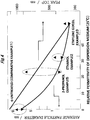
FIG. 4] FIG. 4 is a graph showing a relationship between the relative permittivity of a dispersion medium and the average particle diameter. - [
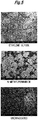
FIG. 5] FIG. 5 shows SEM images of the surfaces of the respective products of Example 3, Example 6, and Comparative Example 1. - [
FIG. 6] FIG. 6 is a vertical cross-sectional view schematically showing a hydrogen occlusion testing device. - [
FIG. 7] FIG. 7 is a graph showing a relationship between time and the total hydrogen amount. - The present invention provides a method for producing a calcium aluminate compound, characterized by irradiating a calcium aluminate compound dispersed in a dispersion medium with a femtosecond laser, thereby modifying the surface of the calcium aluminate compound.
- In the method for producing a modified calcium aluminate compound according to the present invention, a calcium aluminate compound to be used as a raw material may be a compound obtained by substituting some Ca atoms and/or Al atoms of a crystal skeleton with Si, F, Na, Sr, Fe, or the like, other than a compound composed of CaO and Al2O3 as chemical components. Preferably, the compound is a mayenite type compound which is one form of the calcium aluminate compound or katoite [Ca3Al2(OH)12]. The mayenite type compound may be an oxide ion clathrate aluminosilicate, and is preferably a compound in which the molar ratio of calcium to aluminum is within a range of 13:12 to 11:16.
- The mayenite type compound (C12A7) may be a compound obtained by substituting some Ca atoms and/or Al atoms of a crystal skeleton with another atom within a range where a cage structure formed by a crystal lattice skeleton is maintained or may be an isomorphic compound obtained by substituting some or all free oxygen ions in the cage structure with another anion. The mayenite type compound (C12A7) is sometimes denoted as Ca12Al14O33 or Ca24Al28O66.
- The mayenite type compound (C12A7) is preferably a compound having a representative composition composed of (Ca12Al14O33) and having a crystalline structure constituted by three-dimensionally connected voids (cages).
- The dispersion medium to be used in the method for producing a modified calcium aluminate compound according to the present invention is not particularly limited as long as it does not destroy the structure of the calcium aluminate compound. For example, an alcohol having an OH group, an ether, a saccharide, a hydrocarbon having a CH group (C-H bond), a nitrogen-containing organic compound having a CN group, a halogen-containing organic compound, a boron-containing organic compound, or a sulfur-containing organic compound is used. Specific examples of the dispersion medium include 1-butanol, 2-propanol, ethanol, ethylene glycol, hexane, N-methylformamide, C2HF3O2, trifluoroethanol (CF3CH2OH), hydrofluoroethers (HFE), tetrahydrofuran (THF), and dimethyl sulfoxide (DMSO). Among these dispersion media, alcohols and ethers, particularly alcohols are preferred.
- The concentration of the mayenite type compound (C12A7) in the dispersion medium is preferably from 0.05×10⁻⁴ g/L to 20x10-5 g/L, more preferably from 0.08×10⁻⁴ g/L to 15×10-5 g/L.
- The femtosecond laser to be used in the method for producing a modified calcium aluminate compound according to the present invention is an ultrashort pulse laser beam such that a pulse laser beam has a pulse width of 1 femtosecond (fs) or more and less than 1 picosecond (ps) . By adjusting the duty (%) with respect to one pulse time, the pulse width of the pulse laser beam can be controlled within a range of 1 femtosecond (fs) or more and less than 1 picosecond (ps). The pulse width is preferably 10-15 s or more and 10-12 s or less, more preferably 185 fs or more and 210 fs or less. The wavelength of the pulse laser beam is a wavelength including ultraviolet light, visible light, and near infrared light, and is set, for example, within a range of 1400 nm to 200 nm, and is set preferably within a range of 1000 to 250 nm, most preferably 900 to 450 nm. The repetition frequency is adjusted to preferably 10 to 500 kHz, the average output power of the laser is adjusted to preferably 5 to 0.1 W, more preferably 2 to 0.2 W. The numerical aperture (NA) of an objective lens is preferably from 0.1 to 2, more preferably from 0.3 to 1.
- In the method for producing a modified calcium aluminate compound according to the present invention, for the femtosecond laser irradiation, for example, as shown in
FIG. 1 , a method in which an airtight container (1) housing a dispersion liquid of a calcium aluminate compound dispersed in an organic dispersion medium is disposed on a magnetic stirrer (2), and the dispersion liquid in the airtight container (1) is irradiated with a femtosecond laser through an objective lens (4) from a laser transmitter (3) under stirring may be adopted. The airtight container (1) is preferably a container which transmits a laser, for example, a quartz cell. - The irradiation conditions of a femtosecond laser may be as follows: time: about 10 min to 20 min, temperature: normal temperature, pressure: normal pressure, and atmosphere in container: air, however, these may be changed as appropriate.
- In a preferred embodiment of the present invention, a calcium aluminate compound in a particulate form dispersed in an alcohol is irradiated with a femtosecond laser, whereby the calcium aluminate compound in a particulate form is atomized. By decreasing the particle diameter through the femtosecond laser irradiation so as to increase the specific surface area in this manner, the obtained modified calcium aluminate compound, for example, modified mayenite can be used as a hydrogen occlusion material, and the hydrogen occlusion amount can be improved as compared with conventional mayenite.
- In another preferred embodiment of the present invention, a calcium aluminate compound in a particulate form is irradiated with a femtosecond laser in each of dispersion media in which the polarity of an alcohol is changed, whereby the particle diameter of the calcium aluminate compound in a particulate form is controlled.
- That is, in the method in which an alcohol is used as the dispersion medium and a calcium aluminate compound in a particulate form dispersed therein is irradiated with a femtosecond laser, whereby the calcium aluminate compound in a particulate form is atomized, the particle diameter of the modified calcium aluminate compound to be obtained can be controlled using each of a plurality of alcohols having different polarities as the dispersion medium. One index of the polarity is a relative permittivity (the ratio (ε/ε0) of the permittivity of the medium (ε) to the permittivity of vacuum (ε0)).
- The modification mechanism of the surface of the calcium aluminate compound by femtosecond laser irradiation is considered as follows.
- By irradiating the calcium aluminate compound dispersed in the dispersion medium with a femtosecond laser, a functional group of the dispersion medium is cleaved and imparted to the surface of the calcium aluminate compound, whereby the surface is modified.
- Further, in the method in which an alcohol is used as the dispersion medium, and the calcium aluminate compound in a particulate form dispersed therein is irradiated with a femtosecond laser, by using an alcohol having a higher relative permittivity (that is, having a higher polarity), more OH groups are attached to the calcium aluminate compound, and repulsion between pulverized particles becomes larger, and the particle diameter is kept small. Due to this phenomenon, by using alcohols having different polarities, the particle diameter of the calcium aluminate compound in a particulate form can be controlled.
- Next, Examples of the present invention will be described along with Comparative Examples, however, the present invention is not limited to these Examples.
- In this Example, a method for producing a mayenite type compound (C12A7) which is one form of the calcium aluminate compound is not particularly limited. For example, in this Example, a mayenite type compound was produced by adding aluminum oxide to calcium oxide as described below.
- In addition thereto, the compound can also be produced by a production step including a step of producing katoite using an aluminum powder and calcium hydroxide as raw materials and a step of converting the katoite into a mayenite type compound.
- A mayenite type compound used in Examples and Comparative Examples was prepared by the following method.
- A powder of CaCO3 (Kishida Chemical Co., Ltd., ≥99.5%) (4.00 g) and a powder of γ-Al2O3 (Alfa Aesar, ≥99.9%) (2.38 g) were weighed separately by an electronic balance and mixed well using a mortar. The mixed powder was transferred to an alumina crucible, and melted at 1300°C for 12 hours in an air atmosphere using an electric furnace (Koyo Thermo Systems Co., Ltd., KBF314N), followed by natural cooling, whereby a mayenite type compound (C12A7) was produced (hereinafter, the mayenite type compound is referred to as "mayenite").
- The mayenite (0.10 g) was weighed by an electronic balance and transferred to a beaker. As the dispersion medium, 1-butanol (purity: ≥ 99.9, Wako Pure Chemical Industries, Ltd.) (1 mL) was added thereto, and thereafter, the entire mixture was stirred for 3 minutes using an ultrasonic stirrer ("W-113", manufactured by Honda Electronics Co., Ltd.). The obtained dispersion liquid was transferred to a quartz cell with a screw cap for spectroscopy, and the dispersion medium was added to the cell so that the total amount was 1.5 mL. In the quartz cell, a rotator of a magnetic stirrer was placed, and while stirring the dispersion liquid by the stirrer, a femtosecond laser transmitter ("Ti: Sapphire laser Mira" manufactured by Coherent Inc., repetition frequency: 250 kHz, pulse width: 185 to 210 fs, wavelength: 800 nm) was used, the average output power of the laser was adjusted to 0.4 W, and the dispersion liquid in the quartz cell was irradiated with a femtosecond laser for 10 minutes through the objective lens (manufactured by Nikon Corporation, magnification: 50 times) with a numerical aperture (NA) of 0.6.
- After completion of femtosecond laser irradiation, the dispersion liquid was subjected to suction filtration (quantitative filter paper: ASONE, 393), and the residual solid was washed with ethanol. Subsequently, this was completely dried at 60°C using a dryer ("DKN402", manufactured by Yamato Scientific Co., Ltd.), and the powder was collected.
- The same procedure as in Example 1 was performed except that the same amount of ethanol (purity: ≥99.5%, Kishida Chemical Co., Ltd.) was used as the dispersion medium, and a powder product was collected. The obtained atomized mayenite had an average particle diameter of 2.34 µm and a median diameter (D50) of 28.8 µm.
- The same procedure as in Example 1 was performed except that the same amount of ethylene glycol (purity: ≥99.5%, Wako Pure Chemical Industries, Ltd.) was used as the dispersion medium, and a powder product was collected. The obtained atomized mayenite had an average particle diameter of 1.2 µm and a median diameter (D50) of 1.45 µm.
- The same procedure as in Example 1 was performed except that the same amount of hexane (purity: ≥97.0%, Nacalai Tesque, Inc.) was used as the dispersion medium, and a powder product was collected.
- The same procedure as in Example 1 was performed except that the same amount of 2-propanol (purity: ≥99.5%, Nacalai Tesque, Inc.) was used as the dispersion medium, and a powder product was collected. The obtained atomized mayenite had an average particle diameter of 2.40 µm and a median diameter (D50) of 29.0 µm.
- The same procedure as in Example 1 was performed except that the same amount of acetone (purity: ≥99.0%, Kishida Chemical Co., Ltd.) was used as the dispersion medium, and a powder product was collected.
- The same procedure as in Example 1 was performed except that the same amount of N-methylformamide (purity: ≥99%, Nacalai Tesque, Inc.) was used as the dispersion medium, and a powder product was collected.
- The same procedure as in Example 1 was performed except that 0.10 g of mayenite used in Example 1 was changed to 0.10 g of katoite, and the same amount of ethylene glycol (purity: ≥99.5%, Wako Pure Chemical Industries, Ltd.) was used as the dispersion medium, and a powder product was collected. The obtained atomized katoite had an average particle diameter of 7.1 µm and a median diameter (D50) of 6.6 µm.
- The femtosecond laser-unirradiated mayenite type compound in the step of Example 1 was prepared. The mayenite had an average particle diameter of 7.24 µm and a median diameter (D50) of 61.5 µm.
- The femtosecond laser-unirradiated katoite in the step of Example 8 was prepared. The katoite had an average particle diameter of 23.3 µm and a median diameter (D50) of 5.9 µm.
- With respect to the samples of the products of the above-mentioned Examples 1 to 8 and Comparative Example 1, the functional groups on the surfaces of the samples before and after laser irradiation were evaluated by diffuse reflection IR spectroscopy (DRIFT method) using an FT-IR spectrometer ("Nicolet IS5", manufactured by Thermo Fisher Scientific, Inc.) and a DTGS KBR detector (resolution: 4 cm-1, scan number: 256).
- The diffuse reflection IR spectrum with respect to each dispersion medium is shown in
FIG. 2 (irradiated mayenite products and unirradiated mayenite product),FIG. 2-2 (irradiated mayenite product and irradiated katoite product), andFIG. 3 (irradiated mayenite product). - From the diffuse reflection IR spectra, it is found that by irradiating the calcium aluminate compound dispersed in the dispersion medium with a femtosecond laser, the functional group of the dispersion medium is cleaved and imparted to the surface of the calcium aluminate compound.
- With respect to the samples of the products of Examples 2, 3, 5, and 8 and Comparative Examples 1 and 2, by using a zeta potential and particle size measurement system high-sensitive system (ELSZ-2Plus, manufactured by Otsuka Electronics Co., Ltd.), the particle size distribution was measured within the nanometric range from the dynamic light scattering method on Brownian motion. Each sample was dispersed in ethanol at about 1%. A relationship between the average particle diameters obtained from the samples of the products of Examples 2, 3, and 5, and Comparative Example 1 and the relative permittivity of the dispersion media is shown in the graph of
FIG. 4 . In the drawing, as the average particle diameter, the median diameter (D50) is shown, and as the peak top, the mode diameter is shown. - From
FIG. 4 , it is found that by using an alcohol-based dispersion medium having a higher relative permittivity (that is, having a higher polarity) among the alcohol-based dispersion media, the average particle diameter becomes smaller. This is considered to be because by using an alcohol-based dispersion medium having a higher relative permittivity, more OH groups are attached to the surface of the calcium aluminate compound, and repulsion between pulverized particles becomes larger, and the particle diameter can be kept small. Therefore, the modified calcium aluminate compound having an OH group has an average particle diameter of 7 µm or less. - The relative permittivity of the dispersion medium N-methylformamide used in Example 7 is 182, and in the product obtained in the Example, an OH group is not present on the surface of the mayenite, and therefore, after atomization, the particle diameter could not be maintained and particles considered to be reaggregated were confirmed.
- With respect to the samples of the products of Examples 3 and 7 and Comparative Example 1, by using a field emission-type scanning electron microscope ("JSM-6705F", manufactured by JEOL Ltd.), a secondary electron image was observed at an acceleration voltage of 5 kV. The obtained SEM images are shown in
FIG. 5 . - From these images, it is found that by the femtosecond laser irradiation, the particle diameter is decreased, and the specific surface area is increased.
- 100% Hydrogen was contacted with the femtosecond laser-irradiated mayenite type compound (specific surface area: 8.14 m2/g) obtained in Example 3 under the conditions of normal pressure and 1250°C over 2 hours, and thereafter, the compound was left to cool to room temperature, whereby a hydrogen occlusion material composed of the laser-irradiated mayenite type compound was obtained. Subsequently, as shown in
FIG. 6 , this hydrogen occlusion material (0.045 g) and water (1 mL) were placed in a reactor (5) having a volume of 5 mL and equipped with a heater, and the hydrogen occlusion material was heated to 60°C by the heater, and the generated gas was passed through a dehumidifier (6) filled with silica gel as a dehumidifying material and sent to a gas chromatograph (7), and thereby the hydrogen generation amount was measured. Peaks detected by the gas chromatograph are shown inFIG. 7 . The hydrogen generation amount was 6.5 mL/g. Further, in the case of using 5% hydrogen (95% argon) in the above experiment, the hydrogen generation amount was 0.03 mL/g. - In comparison, the same procedure as above was performed except that the same amount of the femtosecond laser-unirradiated mayenite type compound (specific surface area: 1.35 m2/g) of Comparative Example 1 was used in place of the laser-irradiated mayenite type compound of Example 3, and the hydrogen generation amount was measured. The hydrogen generation amount was 2.3 mL/g.
- Further, in the case of using 5% hydrogen (95% argon) in the above experiment, the hydrogen generation amount was equal to or less than the detection limit of the gas chromatograph.
Claims (9)
- A modified calcium aluminate compound, characterized by having at least one of an OH group, a CO group, a CH group, and an NH group.
- The modified calcium aluminate compound according to claim 1, characterized by having an average particle diameter of 7 µm or less.
- The modified calcium aluminate compound according to claim 1 or 2, characterized by having a median diameter (D50) of 60 µm or less.
- A method for producing a modified calcium aluminate compound, which is a method for producing the modified calcium aluminate compound according to any one of claims 1 to 3, characterized by irradiating a calcium aluminate compound dispersed in a dispersion medium with a femtosecond laser, thereby modifying the surface of the calcium aluminate compound.
- The method for producing a modified calcium aluminate compound according to claim 4, characterized in that the dispersion medium is an alcohol, an ether, a saccharide, a hydrocarbon, a nitrogen-containing organic compound, a halogen-containing organic compound, a boron-containing organic compound, or a sulfur-containing organic compound.
- A method for producing a modified calcium aluminate compound, which is a method for producing the modified calcium aluminate compound according to any one of claims 1 to 3, characterized by irradiating a calcium aluminate compound in a particulate form dispersed in an alcohol with a femtosecond laser, thereby atomizing the calcium aluminate compound in a particulate form.
- A method for producing a modified calcium aluminate compound, which is a method for producing the modified calcium aluminate compound according to any one of claims 1 to 3, characterized by dispersing a calcium aluminate compound in a particulate form in each of alcohols having different polarities and irradiating the compound with a femtosecond laser, thereby controlling the particle diameter of the calcium aluminate compound in a particulate form.
- The method for producing a modified calcium aluminate compound according to any one of claims 4 to 7, characterized in that the pulse width of the femtosecond laser is 10-15 s or more and 10-12 s or less.
- The method for producing a modified calcium aluminate compound according to any one of claims 4 to 8, characterized in that the calcium aluminate compound is a compound having a representative composition composed of mayenite (Ca12Al14O33) and having a crystalline structure constituted by three-dimensionally connected voids (cages) or katoite [Ca3Al2(OH)12].
Applications Claiming Priority (2)
| Application Number | Priority Date | Filing Date | Title |
|---|---|---|---|
| JP2016025794A JP6675680B2 (en) | 2016-02-15 | 2016-02-15 | Modified calcium aluminate compound and method for producing the same |
| PCT/JP2017/005033 WO2017141842A1 (en) | 2016-02-15 | 2017-02-13 | Modified calcium aluminate compound and production method therefor |
Publications (2)
| Publication Number | Publication Date |
|---|---|
| EP3418257A1 true EP3418257A1 (en) | 2018-12-26 |
| EP3418257A4 EP3418257A4 (en) | 2019-10-02 |
Family
ID=59625898
Family Applications (1)
| Application Number | Title | Priority Date | Filing Date |
|---|---|---|---|
| EP17753099.5A Withdrawn EP3418257A4 (en) | 2016-02-15 | 2017-02-13 | MODIFIED CALCIUM ALUMINATE COMPOUND AND PROCESS FOR PRODUCING THE SAME |
Country Status (5)
| Country | Link |
|---|---|
| US (1) | US11299398B2 (en) |
| EP (1) | EP3418257A4 (en) |
| JP (1) | JP6675680B2 (en) |
| CN (1) | CN108698847B (en) |
| WO (1) | WO2017141842A1 (en) |
Families Citing this family (2)
| Publication number | Priority date | Publication date | Assignee | Title |
|---|---|---|---|---|
| CN119897110B (en) * | 2023-10-27 | 2025-11-18 | 中国石油化工股份有限公司 | Preparation method and application of hydrogen production catalyst |
| CN120054495B (en) * | 2025-02-24 | 2025-09-16 | 四川精事达科技有限公司 | Bimetallic catalyst, preparation method thereof and application thereof in alcohol amine alkylation reaction |
Family Cites Families (8)
| Publication number | Priority date | Publication date | Assignee | Title |
|---|---|---|---|---|
| JP4166641B2 (en) | 2003-08-27 | 2008-10-15 | 独立行政法人科学技術振興機構 | Proton / electron mixed conductor and its production method and application |
| US20070287773A1 (en) * | 2006-06-13 | 2007-12-13 | Ramdatt Philbert E | Surface-modified non-halogenated mineral fillers |
| JP4885002B2 (en) * | 2007-02-14 | 2012-02-29 | 独立行政法人科学技術振興機構 | Superconducting compound thin film and method for producing the same |
| JP5896224B2 (en) * | 2012-03-28 | 2016-03-30 | 日立造船株式会社 | Method for producing mayenite |
| JP6048933B2 (en) | 2013-01-17 | 2016-12-21 | 日立造船株式会社 | Hydrogen production method |
| WO2015133240A1 (en) * | 2014-03-07 | 2015-09-11 | 国立研究開発法人科学技術振興機構 | Mayenite-type compound containing imide anion, and method for producing same |
| JP6523769B2 (en) | 2015-04-28 | 2019-06-05 | 日立造船株式会社 | Hydrogen molecule storage material and hydrogen generation method thereof |
| JP6713129B2 (en) * | 2015-06-25 | 2020-06-24 | 国立大学法人京都大学 | Method for producing conductive mayenite type compound |
-
2016
- 2016-02-15 JP JP2016025794A patent/JP6675680B2/en not_active Expired - Fee Related
-
2017
- 2017-02-13 WO PCT/JP2017/005033 patent/WO2017141842A1/en not_active Ceased
- 2017-02-13 CN CN201780009178.4A patent/CN108698847B/en not_active Expired - Fee Related
- 2017-02-13 US US16/076,125 patent/US11299398B2/en not_active Expired - Fee Related
- 2017-02-13 EP EP17753099.5A patent/EP3418257A4/en not_active Withdrawn
Also Published As
| Publication number | Publication date |
|---|---|
| US11299398B2 (en) | 2022-04-12 |
| CN108698847A (en) | 2018-10-23 |
| EP3418257A4 (en) | 2019-10-02 |
| WO2017141842A1 (en) | 2017-08-24 |
| JP6675680B2 (en) | 2020-04-01 |
| CN108698847B (en) | 2020-12-11 |
| JP2017145148A (en) | 2017-08-24 |
| US20210188653A1 (en) | 2021-06-24 |
Similar Documents
| Publication | Publication Date | Title |
|---|---|---|
| Van der Merwe et al. | Surface and bulk characterization of an ultrafine South African coal fly ash with reference to polymer applications | |
| Foletto et al. | Application of Zn2SnO4 photocatalyst prepared by microwave-assisted hydrothermal route in the degradation of organic pollutant under sunlight | |
| Wang et al. | Thermal decomposition behavior and kinetics of nanocomposites at low-modified ZnO content | |
| Cannas et al. | XRD, TEM and 29Si MAS NMR study of sol-gel ZnO-SiO2 nanocomposites | |
| Yoon et al. | Fabrication of a silica/titania hollow nanorod and its electroresponsive activity | |
| Taglieri et al. | Mg (OH) 2 nanoparticles produced at room temperature by an innovative, facile, and scalable synthesis route | |
| Khan et al. | Structural characterization, electrical and photocatalytic properties of α− and γ-Fe2O3 nanoparticles dispersed in iron aluminosilicate glass | |
| US11299398B2 (en) | Modified calcium aluminate compound and production method therefor | |
| Đukić et al. | Influence of ageing of milled clay and its composite with TiO2 on the heavy metal adsorption characteristics | |
| EP3341338A1 (en) | Silica molded bodies having low thermal conductivity | |
| Buyondo et al. | Characterization and treatment effects on Mutaka kaolin for additive in coatings: Mineral composition, thermal and structural modifications | |
| Ali et al. | Structural and optical properties of heat treated Zn2SiO4 composite prepared by impregnation of ZnO on SiO2 amorphous nanoparticles | |
| Eliyan et al. | Utilization of zirconia nanoparticles for improving the electrical and physical characteristics of HV porcelain insulating material | |
| Gangwar et al. | Microstructure, phase formations and optical bands in nanostructured alumina | |
| Ungureanu et al. | Synthesis and characterization of hydroxyapatite nanopowders by chemical precipitation | |
| Yusoff et al. | Comparison of sol gel and dehydration magnesium oxide (MgO) as a catalyst in Michael addition reaction | |
| RU2746985C1 (en) | Method for immobilizing strontium radionuclides in ceramics | |
| Bouvy et al. | Photoluminescent properties of polyoxyethylene alkyl ether-type neutral surfactant templated mesoporous materials CMI-1: The absence of the 1.9 eV PL band | |
| Kristianto et al. | Preparation and catalytic performance of ZrO2-nanographene platelets composites | |
| Akhter et al. | Preparation and characterization of polyaniline-silica composite material | |
| Contescu | Selection and characterization of carbon black and surfactants for development of small scale uranium oxicarbide kernels | |
| Katyayan et al. | Structural investigation of RE doped CZO perovskites | |
| CN109761267A (en) | A kind of ZnSn of excellent in optical properties (OH)6The preparation method of micro- cube | |
| BR102021025381A2 (en) | PROCESS FOR OBTAINING CALCIUM NIOBATE FROM LIME MUD WASTE FROM THE PULP INDUSTRY | |
| WO2012113670A1 (en) | Process for producing sio2 mouldings |
Legal Events
| Date | Code | Title | Description |
|---|---|---|---|
| STAA | Information on the status of an ep patent application or granted ep patent |
Free format text: STATUS: THE INTERNATIONAL PUBLICATION HAS BEEN MADE |
|
| PUAI | Public reference made under article 153(3) epc to a published international application that has entered the european phase |
Free format text: ORIGINAL CODE: 0009012 |
|
| STAA | Information on the status of an ep patent application or granted ep patent |
Free format text: STATUS: REQUEST FOR EXAMINATION WAS MADE |
|
| 17P | Request for examination filed |
Effective date: 20180824 |
|
| AK | Designated contracting states |
Kind code of ref document: A1 Designated state(s): AL AT BE BG CH CY CZ DE DK EE ES FI FR GB GR HR HU IE IS IT LI LT LU LV MC MK MT NL NO PL PT RO RS SE SI SK SM TR |
|
| AX | Request for extension of the european patent |
Extension state: BA ME |
|
| DAV | Request for validation of the european patent (deleted) | ||
| DAX | Request for extension of the european patent (deleted) | ||
| A4 | Supplementary search report drawn up and despatched |
Effective date: 20190829 |
|
| RIC1 | Information provided on ipc code assigned before grant |
Ipc: C01F 7/16 20060101AFI20190823BHEP |
|
| RAP1 | Party data changed (applicant data changed or rights of an application transferred) |
Owner name: KYOTO UNIVERSITY |
|
| RAP1 | Party data changed (applicant data changed or rights of an application transferred) |
Owner name: NEW-TECH INC. |
|
| STAA | Information on the status of an ep patent application or granted ep patent |
Free format text: STATUS: THE APPLICATION IS DEEMED TO BE WITHDRAWN |
|
| 18D | Application deemed to be withdrawn |
Effective date: 20230901 |