EP3416052A1 - Method and device for wirelessly updating software for vehicle - Google Patents
Method and device for wirelessly updating software for vehicle Download PDFInfo
- Publication number
- EP3416052A1 EP3416052A1 EP17750479.2A EP17750479A EP3416052A1 EP 3416052 A1 EP3416052 A1 EP 3416052A1 EP 17750479 A EP17750479 A EP 17750479A EP 3416052 A1 EP3416052 A1 EP 3416052A1
- Authority
- EP
- European Patent Office
- Prior art keywords
- message
- vehicle
- update
- information
- module
- Prior art date
- Legal status (The legal status is an assumption and is not a legal conclusion. Google has not performed a legal analysis and makes no representation as to the accuracy of the status listed.)
- Granted
Links
Images








Classifications
-
- G—PHYSICS
- G06—COMPUTING OR CALCULATING; COUNTING
- G06F—ELECTRIC DIGITAL DATA PROCESSING
- G06F8/00—Arrangements for software engineering
- G06F8/60—Software deployment
- G06F8/65—Updates
-
- G—PHYSICS
- G06—COMPUTING OR CALCULATING; COUNTING
- G06F—ELECTRIC DIGITAL DATA PROCESSING
- G06F16/00—Information retrieval; Database structures therefor; File system structures therefor
- G06F16/90—Details of database functions independent of the retrieved data types
- G06F16/95—Retrieval from the web
- G06F16/955—Retrieval from the web using information identifiers, e.g. uniform resource locators [URL]
- G06F16/9566—URL specific, e.g. using aliases, detecting broken or misspelled links
-
- H—ELECTRICITY
- H04—ELECTRIC COMMUNICATION TECHNIQUE
- H04L—TRANSMISSION OF DIGITAL INFORMATION, e.g. TELEGRAPHIC COMMUNICATION
- H04L67/00—Network arrangements or protocols for supporting network services or applications
- H04L67/34—Network arrangements or protocols for supporting network services or applications involving the movement of software or configuration parameters
-
- H—ELECTRICITY
- H04—ELECTRIC COMMUNICATION TECHNIQUE
- H04W—WIRELESS COMMUNICATION NETWORKS
- H04W4/00—Services specially adapted for wireless communication networks; Facilities therefor
- H04W4/30—Services specially adapted for particular environments, situations or purposes
- H04W4/40—Services specially adapted for particular environments, situations or purposes for vehicles, e.g. vehicle-to-pedestrians [V2P]
- H04W4/44—Services specially adapted for particular environments, situations or purposes for vehicles, e.g. vehicle-to-pedestrians [V2P] for communication between vehicles and infrastructures, e.g. vehicle-to-cloud [V2C] or vehicle-to-home [V2H]
-
- H—ELECTRICITY
- H04—ELECTRIC COMMUNICATION TECHNIQUE
- H04L—TRANSMISSION OF DIGITAL INFORMATION, e.g. TELEGRAPHIC COMMUNICATION
- H04L67/00—Network arrangements or protocols for supporting network services or applications
- H04L67/01—Protocols
- H04L67/02—Protocols based on web technology, e.g. hypertext transfer protocol [HTTP]
Definitions
- the present invention relates to a method and apparatus for updating software in a vehicle and, more particularly, to a method and apparatus for efficiently updating software of an electronic device in a vehicle in a wireless manner.
- ITS intelligent transportation system
- a percentage of vehicles capable of performing wireless communication e.g., Wi-Fi, 3G, and LTE
- communication between a vehicle and external entities such as vehicle-to-vehicle communication or vehicle-to-infrastructure communication, has become common.
- ECUs electronice control units
- the software modules inside the ECUs are updated using diagnostic communication via wired connection between a vehicle and a diagnostic device.
- the speed of diagnostic communication is slow and users are inconvenienced in that they should visit a place such as a service center where the diagnostic device is installed when update is needed.
- the present invention is to provide a method and apparatus for efficiently updating software of an ECU in a vehicle in a wireless manner.
- the present invention provides a procedure for wirelessly updating software and a message format capable of being used in the procedure.
- a method of wirelessly updating software in an in-vehicle gateway including receiving a first message including a software module list from at least one controller; and transmitting, to an update server, a second message including a software module list for each of the at least one controller, wherein the first message includes hardware version information, and the second message includes locale information of the vehicle.
- an in-vehicle gateway for wirelessly updating software
- the in-vehicle gateway including a wired communication module configured to communicate with at least one controller; a wireless communication module configured to communicate with an update server; and a processor configured to perform control for receiving a first message including a software module list from at least one controller and transmit, to an update server, a second message including a software module list for each of the at least one controller, wherein the first message includes hardware version information, and the second message includes locale information of the vehicle.
- a vehicle for wirelessly updating software including at least one controller; and a gateway configured to receive a first message including a software module list from the at least one controller and transmit, to an update server, a second message including a software module list for each of the at least one controller, wherein the first message includes hardware version information, and the second message includes locale information of the vehicle.
- a procedure for wirelessly updating software and a message format used in each step of the procedure may be defined. Particularly, since hardware version information of a software module and locale information of a vehicle are included in a related message, more accurate update can be performed.
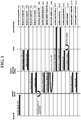
- FIG. 1 is a flowchart illustrating an exemplary procedure for wirelessly updating software according to an embodiment of the present invention.
- a software supplier may provide update software (update module) to an update server (S1).
- an operation entity of the software supplier and the update server may be a manufacturer of a vehicle or may be a manufacturer of devices mounted in the vehicle or a manufacturer of components included in the devices mounted in the vehicle.
- the present invention is not limited to such an operation entity of the supplier or the server.
- this step may be asynchronously performed with subsequent steps described below.
- a vehicle mobile gateway may transmit a diagnose request (diagnose (request)) message to each ECU connected thereto to request the ECU to submit a software list (S2).
- diagnosis request
- S2 software list
- each ECU may diagnose a software status, generate a list of software modules, and report the list to the VMG through a diagnose report (diagnose (report)) message (S3).
- the VMG may submit the list acquired from each ECU through a diagnose submit (diagnose (submit)) message to a corresponding vehicle to check whether a software update is available for the vehicle (S4).
- the update server may transmit a diagnose receipt (diagnose (receipt)) message to the VMG in confirmation of a receipt of the list submitted by the VMG (S5).
- diagnose diagnosis (receipt)
- the update server may inspect the status of software installed in the vehicle and determine necessary updates for ECUs (S6).
- the VMG may transmit an update check request (update_check (request)) message to the update server to periodically check necessity of updates for the vehicle (S7).
- update_check request
- the update server may transmit an update check response (update_check (response)) message that includes download location information of the update module to the VMG (S8).
- update check response update_check (response)
- the VMG may download the update module by accessing the download location information (S9).
- the VMG may notify a driver of the vehicle of confirmation of application of the updates through a user interface (S10).
- an update notification (update (notification)) message may be used.
- an update confirmation (update (confirmation)) message may be transmitted to the VMG (S11).
- the VMG may transmit an update module file to a corresponding ECU and request that the ECU apply the updates (S12).
- an update application update (application)
- an update application update (application) message may be used.
- the ECU may apply the updates and transmit a result of application of the updates to the VMG (S13). To this end, an update result (update (result)) message may be used.
- the VMG may submit the result of application of the updates to the update server through an update report submit (update_report (submit)) message (S14).
- the update server may transmit an update report receipt (update report (receipt)) message to the VMG (S15). If application of the updates fails or remaining updates are found, the update server may repeat steps S6 to S14 until application of the updates is successful.
- update report receipt update report (receipt)
- steps S2 to S5, S7 and S8, and S10 to S15 may be performed through exchange of messages of specific formats and may be divided into a total of four sessions. This is summarized in a table of FIG. 2 .
- FIG. 2 is a table illustrating exemplary sessions and exemplary messages based on the sessions according to an embodiment of the present invention.
- messages used in an update process may be categorized into a type corresponding to a session and a subtype. More specifically, a session according to this exemplary embodiment may be divided into diagnose, update_check, update, and update report. One session may be formed through exchange of two or more messages having different subtypes. Messages corresponding to one session may use an identical value in session ID (sessionid) fields which will be described later.
- session ID sessionid
- Usvr and U/I denoted as transmission and reception entities of messages represent an update server and a user interface, respectively.
- a transmitting end/receiving end and purpose of each message have been described earlier and a repeated part will be omitted for clarity of the specification.
- messages exchanged between entities in each step may be protected through a digital signature or message authentication code (MAC) method.
- MAC message authentication code
- ID/password authentication biometric authentication (signature dynamics, iris scan, fingerprint recognition, voice recognition, face recognition, etc.), and out-of-band verification methods may be applied.
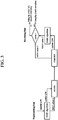
- FIG. 3 illustrates an exemplary transmission process of update software according to an embodiment of the present invention.
- the process illustrated in FIG. 3 may prevent software file corruption caused by accidental or intentional attack in a process of transmitting update software and may use an integrity checking method such as md5.
- an integrity checking method such as md5.
- the transmitting end is a supplier
- the receiving end may be a server and, if the transmitting end is an update server, then the receiving end may be a VMG.
- the transmitting end may generate a first hash value by applying a predetermined hash algorithm operation to update software, multiplex the first hash value with the update software, and transmit the multiplexed result to the receiving end.
- the receiving end may demultiplex a file transmitted by the transmitting end to restore the first hash value and the update software.
- the transmitting end may generate a second hash value by applying a predetermined hash algorithm to the update software restored by the receiving end and compares the second hash value with the first hash value.
- the receiving end may determine that a corresponding update software file satisfies integrity check and, if not, the receiving end may determine that the corresponding update software file fails to satisfy integrity check and may request that the transmitting end retransmit the file.
- Messages described below may include a plurality of elements, for example, a vehicle element and a module element.
- the vehicle element may include a plurality of fields (or attributes) for defining information about a vehicle.
- the module element may include a plurality of fields for defining information about each of software modules included in one or more devices of the vehicle.
- the module element may include at least one of a module ID (moduleid) field, a version field, or a next version (nextversion) field.
- the moduleid field may indicate a unique ID of a module provided by a vehicle manufacturer or a module supplier.
- the version field may indicate version information of a corresponding software module.
- the nextversion field may indicate version information of a module in which update is performed and may be mainly used to transmit a response message while the update is performed.
- the present exemplary embodiment may include a hardware version (hwversion) field indicating the version information of hardware in the module element.
- Module - Container of module information which contains a Hash element.
- moduleid Module id is a unique id provided by a car manufacture / a supplier. version Version of this software module.
- hwversion Version of H/W including this software module nextversion The version of the module update in progress, which is mainly used for sending response message during an update.
- the hwversion field may be included in a device element which will be described later.
- this field may correspond to a version of this hardware module.
- the vehicle element may include at least one of a name field, a model field, a model ID (modelid) field, or a vehicle ID (vehicleid) field.
- the name field, the model field, the modelid field, and the vehicleid field may indicate the name of a vehicle, a type name of the vehicle which is provided by a vehicle manufacturer, a model name of the vehicle, and an ID of the vehicle which is defined by the vehicle manufacturer, respectively.
- the present exemplary embodiment may include, in the vehicle element, a locale field indicating region information of the vehicle.
- Vehicle - Container of vehicle information It contains multiple Module elements.
- a VMG may request that ECUs submit software lists of the ECUs.
- the diagnose (request) message may be used.
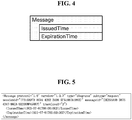
- FIG. 4 illustrates an exemplary structure of the diagnose (request) message according to an embodiment of the present invention.
- the diagnose (request) message may include a Message element, an issued time (IssuedTime) element, and an expiration time (ExpirationTime) element.
- the Message element may include at least one of a protocol field, a version field, a type field, a subtype field, a session ID (sessionid) field, a trust level (trustlevel) field, or a message ID (messageid) field.
- the protocol field may be set to a fixed value (e.g., 1.0).
- the version field may indicate version information of a message sender.
- the type field may always be set to "diagnose”.
- the subtype field may always be set to "request”.
- the sessionid field may be set to a random globally unique ID (GUID) associated with a diagnose session. An identical value may be applied to a set of diagnose request, report, and submit messages, corresponding to one diagnose session.
- the trustlevel field may be determined based on security capability and safety requirements of a device that generates this message.
- the messageid field may be set to a random GUID associated with an individual message.
- the Issuedtime element may indicate a time of generation of this message.
- the ExpirationTime element may indicate an expiration time of this message.
- FIG. 5 illustrates exemplary coding of the diagnose (request) message according to an embodiment of the present invention.
- each ECU may check a software status thereof, generate a list of software modules, and report the software module list to the VMG.
- the diagnose (report) message may be used.
- FIG. 6 illustrates an exemplary structure of the diagnose (report) message.
- the diagnose (report) message may include at least one Device element in addition to the above-described Message element, IssuedTime element, and the ExpirationTime element.
- the Device element may include one or more Module elements each including a Hash element.
- Hash - Hash is a container of a hash value and information of its hash algorithm.
- algorithm Algorithm of the hash function (e.g., SHA-3, SHA-256, etc.) IssuedTime - Time of generation of this message. ExpirationTime - Expiration time of this message.
- the type field of the Message element may always be set to "diagnose” and the subtype field may always be set to "report”.
- the Message element may further include an owner ID (ownerid) field indicating an owner ID provided by a vehicle manufacturer or supplier.
- the Device element may include at least one of a name field, a type field, a model field, and a device ID (deviceid) field.
- the Device element may further include a hardware version field instead of the Module element.
- the name field may indicate the name of a device.
- the type field may indicate a type name of the device, such as "Power management ECU” or "Seat belt control ECU”.
- the model field may indicate a model name of the device.
- the deviceid field may indicate ID information of the device defined by the vehicle manufacturer/supplier.
- the Hash element may represent information about a hash value of each module and a Hash algorithm used for each module.
- FIG. 7 illustrates exemplary coding of the diagnose (report) message according to an embodiment of the present invention.
- the VMG may submit a list of software modules acquired from each ECU to the update server to check whether a software update is available for the vehicle. To this end, the diagnose (submit) message may be used.
- FIG. 8 illustrates an exemplary structure of the diagnose (submit) message according to an embodiment of the present invention.
- the structure of the diagnose (submit) message may be similar to the diagnose (report) message illustrated in FIG. 6 .
- the diagnose (submit) message may further include a Vehicle element.
- deviceid Device id defined by a car manufacture / supplier.
- moduleid Module id is a unique id provided by a car manufacture / a supplier. version Version of this software module.
- Hash - Hash is a container of a hash value and information of its hash algorithm.
- algorithm Algorithm of the hash function (e.g., SHA-3, SHA-256, etc.) IssuedTime - Time of generation of this message. ExpirationTime - Expiration time of this message.
- the type field of the Message element may always be set to "diagnose” and the subtype field may always be set to "submit”.
- the Vehicle element may include the locale field and may optionally further include a model year (modelyear) field that indicates the year of the vehicle manufactured.
- FIG. 9 illustrates exemplary coding of the diagnose (submit) message according to an embodiment of the present invention.
- the update server may transmit, to the VMG, a diagnose (receipt) message in confirmation of a receipt of the list submitted by the VMG.
- the VMG may recognize that submission of the list is successfully performed.
- the update server may transmit this message to the VMG without checking an available update of each software module. Accordingly, this message may not include information as to whether an update of each software module is performed and, therefore, may not require the Vehicle, Device, and Module elements. For this reason, this message may have the format as illustrated in FIG. 4 . Instead, this message may include, in the Message element, a status field indicating whether the diagnose submit message is successfully received.
- a status field indicating whether the diagnose submit message is successfully received.
- the type field of the message element may always be set to "diagnose” and the subtype field may always be set to "receipt”.
- the status field may be set to "yes" when the diagnose (submit) message is successfully received.
- FIG. 10 illustrates exemplary coding of the diagnose receipt message according to an embodiment of the present invention.
- the update server may inspect the status of software installed in the vehicle and determine necessary updates for ECUs.
- step S6 Since the inspection of step S6 may prolong, the VMG may periodically check necessity of an update for the vehicle with respect to the update server. To this end, the update_check (request) message may be used.
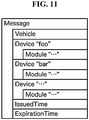
- FIG. 11 illustrates an exemplary structure of the update_check (request) message according to an embodiment of the present invention.
- the structure of the update_check (request) message may be similar to the structure of the diagnose (submit) message illustrated in FIG. 8 .
- the Hash element of each module is omitted in FIG. 11 .
- the type field of the Message element may always be set to "update_check” and the subtype field may always be set to "request”.
- the sessionid field of the Message element may be set to a random GUID associated with an update check session. An identical value may be applied to a set of the update_check (request) and update_check (response) messages, which correspond to one update check session.
- the hwversion field of the Module element may be included in the Device element instead of the Module element.
- FIG. 12 illustrates exemplary coding of the update_check (request) message according to an embodiment of the present invention.
- the update server may transmit download location information (e.g., uniform resource locator (URL)) of an update module to the VMG.
- download location information e.g., uniform resource locator (URL)
- URL uniform resource locator
- the update_check (response) message may be used.
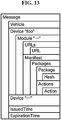
- FIG. 13 illustrates an exemplary structure of the update_check (response) message according to an embodiment of the present invention.
- update_check response message
- a URLs element and a Manifest element may be included as lower elements of the Module element.
- hwversion Version of H/W including this software module nextversion The version of the module update in progress, which is mainly used for sending response message during an update.
- status Status of the inspection of update "noupdate” is set if there are no updates, while "ok” is set if there are any update for this module.
- Manifest - Describes the module needed to be installed, and the actions needed to be taken with those files. version Specific newer version number of this software module.
- Package - A single file to be installed for the module. name Describes the filename of the update module. size Contains the size in bytes of the update module. Hash - Container of a hash value and information of its hash algorithm. algorithm Algorithm of the hash function (e.g., SHA-3, SHA-256, etc.) Actions - Actions to be performed to install the module once all required files in the packages element have been successfully downloaded. Action - A single action to perform as part of the install process event A fixed string denoting when this action should be run. One of "preinstall”, “install”, “postinstall” and "update”. arguments Arguments to be passed to the installation process. IssuedTime - Time of generation of this message. ExpirationTime - Expiration time of this message.
- the type field of the Message element may always be set to "update_check” and the subtype field may always be set to "response”.
- the module element may include a status field.
- the status field may be set to "noupdate” when no updates are available as a result of update inspection and may be set to "ok” when any updates are available for a corresponding module.
- the URLs element may indicate an address of an update file as a lower element of the Module element when any update is available.
- An actual address may be included in a codebase field of the URL element which is a lower element of the URLs element. If two addresses of an update file for a corresponding module are prepared, one URL element may include two codebase fields, or one codebase field and one codebase2 field may be used. This will be described later in more detail.
- the Manifest element may describe a module to be installed and actions needed to be taken with respect to files and include a version field indicating a specific newer version number of a corresponding software module.
- the Manifest element may include, as a lower element, a Packages element that indicates information about a set of files to be installed.
- the Packages element may include, as a lower element, a Package element and an Actions element.
- the Package element may indicate information about a signal file to be installed for the module.
- the Package element may include a name field that indicates a filename and a size field that indicates the size of a file in bytes.
- the Package element may include a Hash element as a lower element.
- the Actions element may indicate information about actions to be performed to install the module once all required files in the Packages element have been successfully downloaded and may include an Action element as a lower element.
- the Action element may indicate information about an individual action to be performed as part of an installation process.
- the Action element may include an event field that indicates one of 4 preset actions and an arguments field that indicates arguments to be passed to the install process.
- FIG. 14 illustrates exemplary coding of the update_check (response) message according to an embodiment of the present invention.
- update_check (request) and update_check (response) messages may be exchanged several times while update inspection of the update server is performed.
- a file may be exposed to playback attacks. Accordingly, it may be desirable to guarantee an exact match between the update_check (request) message and the update_check (response) message.
- a Nonce element may be applied to this message.
- the update_check (response) message may include the Nonce element that indicates a randomly generated code for a nonce scheme.
- the update_check (response) message may include URL link information that the VMG can download an update software module.
- the VMG may not be able to access the update server or the address.
- the inaccessible situation may be generated 1) when the update server is temporarily or permanently down for reasons such as denial-of-service (DoS) attack or a hardware problem (e.g., network interface card (NIC) or disk failure), 2) a validation problem of the update software module occurs due to file corruption such as virus infection, or 3) the update server is subjected to excessive traffic due to simultaneous connection of multiple users.
- DoS denial-of-service
- NIC network interface card
- NIC network interface card
- the update server is subjected to excessive traffic due to simultaneous connection of multiple users.
- a backup URL link address may be provided through the update_check (response) message.
- update_check response to the update_check
- a method of providing backup URL information using one of the two codebase fields and a method of providing the backup URL information using the codebase2 field may be considered, as described above. The respective methods are illustrated in FIG. 15 and FIG. 16 .
- FIG. 15 illustrates exemplary coding of the update_check (response) message that provides a backup address through the codebase field according to an embodiment of the present invention.
- FIG. 16 illustrates exemplary coding of the update_check (response) message that provides the backup address through the codebase2 field according to an embodiment of the present invention.
- Each URL element may include one codebase field.
- the codebase field of the first URL element may include default URL address information and the codebase field of the second URL element may include backup URL address information.
- the URLs element may include one URL element which includes the codebase field and the codebase2 field.
- the codebase field may include the default URL address information and the codebase2 field may include the backup URL address information.
- the backup URL information may be an address of another folder of the same server or an address of another server.
- the VMG may cope with file corruption or disk failure.
- the VMG may cope with traffic jam or connection failure of an original server.
- the VMG may access download location (URL/backup URL) information to download an update module.
- download location URL/backup URL
- the VMG Before applying an update to each ECU, the VMG may notify a driver through a user interface to confirm application of the update (S10).
- the update (notification) message may be used.
- the element structure of the update_check (request) message may be similar to the structure of the update_check (response) message illustrated in FIG. 13 .
- information about the update software may be included in this message so that a description of the update software may be output through the user interface.
- moduleid Device id defined by a car manufacture / supplier.
- Module - Container of module information which contains a Hash element.
- moduleid Module id is a unique id provided by a car manufacture / a supplier. version Version of this software module.
- hwversion Version of H/W including this software module nextversion The version of the module update in progress, which is mainly used for sending response message during an update. status Status of the inspection of update. Always "ok" is set.
- URLs - Container of URL elements if there are any updates. This element is contained in a Module element where its status is ok.
- URL URL of update file.
- Manifest - Describes the module needed to be installed, and the actions needed to be taken with those files. version Specific newer version number of this software module.
- Packages - A set of files needed to be installed. Contains no attribution. Contains one or more Package child elements.
- Package - A single file to be installed for the module. name Describes the filename of the update module. description Description of update module size Contains the size in bytes of the update module.
- the type field of the Message element may always be set to "update” and the subtype field may always be set to "notification”.
- a session ID field may be set to a random GUID associated with an update session.
- An identical value may be applied to a set of an update notification, update confirmation, update application, and update result messages that correspond to one update session.
- a Package element may include a description field that indicate a description of an update module.
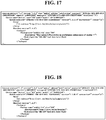
- FIG. 17 illustrates exemplary coding of the update (notification) message according to an embodiment of the present invention.
- the description field may include text information for describing the software module.
- the description field may include a URL that includes corresponding information instead of the text information.
- the Package element may include a description URL (descriptionurl) field, instead of the description field, as shown below in Table 11.
- Table 11 Packages - A set of files needed to be installed. Contains no attribution. Contains one or more Package child elements.
- Package - A single file to be installed for the module. name Describes the filename of the update module. size Contains the size in bytes of the update module. descriptionurl Location of update description (text or html file)
- FIG. 18 illustrates another exemplary coding of the update (notification) message according to an embodiment of the present invention.
- the update (confirmation) may be transmitted to the VMG.
- the structure of the update (confirmation) message may be similar to the structure of the diagnose (request) message illustrated in FIG. 4 .
- An example of the format of the update (confirmation) message is shown below in Table 12.
- Table 12 Element Attribute Description Message - Container of the message protocol Always "1.0" version The version number of the message sender type Message type (always “update”) subtype Message subtype (always "confirmation") sessionid Session ID is a random GUID associated with the update session. An identical session ID is applied to a set of update notification, confirmation, application and result messages. trustlevel Trustlevel is determined based on security capability and safety requirement of device that generated this message. ownerid Owner ID provided by a car manufacture / supplier.
- Message ID is a random GUID associated with individual message. status A driver's preference of application of the updates, "ok” or “no” is set. IssuedTime - Time of generation of this message. ExpirationTi me - Expiration time of this message.
- the type field of the Message element may always be set to "update” and the subtype field may always be set to "confirmation”.
- the Message element may include a status field that indicates whether application of updates is accepted.
- the status field may be set to "yes” or “ok” if the driver accepts application of the updates and may be set to "no” if not.
- FIG. 19 illustrates exemplary coding of an update (confirmation) message according to an embodiment of the present invention.
- the VMG may transmit an update module file to the ECU and request that the ECU apply updates.
- the update (application) message may be used.
- FIG. 20 illustrates an exemplary structure of the update (application) message according to an embodiment of the present invention.
- the update (application) message may include no Vehicle element and may include a Device element that corresponds to the ECU.
- the update (application) message may include a Module element as a lower element.
- the Module element may include a Manifest element which includes a Packages element.
- Type Type name of the device such as "Power management ECU", "Seat belt control ECU”, etc. model Model name of the device.
- deviceid Device id defined by a car manufacture / supplier.
- Module - Container of module information which contains a Hash element.
- moduleid Module id is a unique id provided by a car manufacture / a supplier.
- version Version of this software module hwversion Version of H/W including this software module nextversion
- the version of the module update in progress which is mainly used for sending response message during an update.
- Manifest - Describes the module needed to be installed, and the actions needed to be taken with those files. version Specific newer version number of this software module.
- Packages - A set of files needed to be installed. Contains no attribution.
- Package - A single file to be installed for the module. name Describes the filename of the update module. size Contains the size in bytes of the update module. Target - Encoded binary data as an update module. encode Specification of encodings ("base64Binary” or "hexBinary") Hash - Container of a hash value and information of its hash algorithm. algorithm Algorithm of the hash function (e.g., SHA-3, SHA-256, etc.) Actions - Actions to be performed to install the module once all required files in the packages element have been successfully downloaded. Action - A single action to perform as part of the install process event A fixed string denoting when this action should be run. One of "preinstall”, “install”, “postinstall” and "update” arguments Arguments to be passed to the installation process. IssuedTime - Time of generation of this message. ExpirationTi me - Expiration time of this message.
- the type field of the Message element may always be set to "update” and the subtype field may always be set to "application”.
- the Package element may include a Target element that indicates an update module as encoded binary data.
- An encoding scheme may be indicated through an encode field.
- FIG. 21 illustrates exemplary coding of the update (application) message according to an embodiment of the present invention.
- each ECU may apply updates and report the application result to the VMG.
- the update (result) message may be used.
- FIG. 22 illustrates an exemplary structure of the update (result) message according to an embodiment of the present invention.
- the update (result) message since the update (result) message is transmitted from the ECU to the VMG, the update (result) message may include no Vehicle element and may indicate a Device element that corresponds to the ECU.
- the update (result) message may include a Module element as a lower element.
- moduleid Device id defined by a car manufacture / supplier.
- Module - Container of module information which contains a Hash element.
- moduleid Module id is a unique id provided by a car manufacture / a supplier.
- version Version of this software module hwversion Version of H/W including this software module nextversion The version of the module update in progress, which is mainly used for sending response message during an update. status Result of update process in the ECU. IssuedTime - Time of generation of this message. ExpirationTime - Expiration time of this message.
- the type field of the Message element may always be set to "update” and the subtype field may always be set to "result”.
- a Package element may include a Target element that indicates an update module as encoded binary data.
- An encoding scheme may be indicated through an encode field.
- FIG. 23 illustrates exemplary coding of the update (result) message according to an embodiment of the present invention.
- the VMG may submit a report of an update application result to the update server through the update_report (submit) message.
- the structure of the update report (submit) message may be similar to the structure of the diagnose (submit) message illustrated in FIG. 8 .
- An example of the format of the update report (submit) message is shown below in Table 15. [Table 15] Element Attribute in Element Description Message - Container of the message protocol Always "1.0" version The version number of the message sender type Message type (always “update report”) subtype Message subtype (always "submit”) sessionid Session ID is a random GUID associated with the update report session. An identical session ID is applied to a set of update report submit and receipt messages. trustlevel Trustlevel is determined based on security capability and safety requirement of device that generated this message. ownerid Owner ID provided by a car manufacture / supplier.
- Vehicle - Container of vehicle information contains multiple Module elements. name Name of the vehicle, if any. model Type name of the Vehicle provided by the car manufacture. modelid Model name of the vehicle locale Locale information of the vehicle modelyear Year of the vehicle manufactured vehicleid Vehicle id defined by a car manufacture / supplier.
- Device - Container of device information It contains multiple Module elements. name Name of the device, if any. type Type name of the device, such as "Power management ECU", "Seat belt control ECU”, etc. model Model name of the device. deviceid Device id defined by a car manufacture / supplier.
- Module - Container of module information which contains a Hash element.
- moduleid Module id is a unique id provided by a car manufacture / a supplier. version Version of this software module. hwversion Version of H/W including this software module nextversion The version of the module update in progress, which is mainly used for sending response message during an update. status Result of application of this module.
- Hash - Hash is a container of a hash value and information of its hash algorithm.
- algorithm Algorithm of the hash function (e.g., SHA-3, SHA-256, etc.) IssuedTime - Time of generation of this message. ExpirationTi me - Expiration time of this message.
- the type field of the Message element may always be set to "update_report” and the subtype field may always be set to "submit”.
- a Module element of the update report (submit) message may include a status field and the result of application of updates of a corresponding module may be indicated through this status field.
- FIG. 24 illustrates exemplary coding of an update report submit message according to an embodiment of the present invention.
- the update server may transmit the update report (receipt) message to the VMG in response to the update report (submit) message.
- the structure of the update report (receipt) message may be similar to the structure of the update_check (request) message illustrated in FIG. 11 .
- An example of the format of the update_report (receipt) message is shown below in Table 16.
- Table 16 Element Attribute Description Message - Container of the message protocol Always "1.0" version The version number of the message sender type Message type (always “update report”) subtype Message subtype (always "receipt”) sessionid Session ID is a random GUID associated with the update report session. An identical session ID is applied to a set of update report submit and receipt messages. trustlevel Trustlevel is determined based on security capability and safety requirement of device that generated this message.
- Vehicle - Container of vehicle information. It contains multiple Module elements. name Name of the vehicle, if any. model Type name of the vehicle provided by the car manufacture. modelid Model name of the vehicle locale Locale information of the vehicle modelyear Year of the vehicle manufactured vehicleid Vehicle id defined by a car manufacture / supplier.
- Device - Container of device information It contains multiple Module elements. name Name of the device, if any. type Type name of the device, such as "Power management ECU", "Seat belt control ECU", etc. model Model name of the device. deviceid Device id defined by a car manufacture / supplier.
- Module - Container of module information which contains a Hash element.
- moduleid Module id is a unique id provided by a car manufacture / a supplier. version Version of this software module.
- hwversion Version of H/W including this software module nextversion The version of the module update in progress, which is mainly used for sending response message during an update. status Acknowledgement of report for this module. IssuedTime - Time of generation of this message. ExpirationTime - Expiration time of this message.
- the type field of the Message element may always be set to "update_report” and the subtype field may always be set to "receipt”.
- a Module element of the update report (receipt) message may include a status field which may indicate whether report acknowledgement (ACK) of a corresponding module is made.
- FIG. 25 illustrates exemplary coding of an update report (receipt) message according to an embodiment of the present invention.
- the VMG may include at least a wired communication module, a wireless communication module, a memory, and a processor (not illustrated).
- the wired communication module may be connected to the VMG and provide a communication function with ECUs for performing a diagnose session and an update session.
- Wired communication may conform to at least one scheme of a controller area network (CAN), Ethernet, or a local interconnect network (LIN) protocol but embodiments are not limited thereto.
- CAN controller area network
- Ethernet Ethernet
- LIN local interconnect network
- the wireless communication module may provide a wireless communication function with the update server and may be connected to the update server via a wireless base station or a telematics center.
- the memory may store program instructions for processing and controlling the processor and serve to temporarily store input/output data.
- the processor may control an overall operation of elements of the VMG.
- the processor may perform control, message generation, message interpretation, authentication, and encryption functions, for performing the above-described exemplary embodiments of the present invention, for example, steps S2 to S14.
- the vehicle according to the embodiments may include the above-described VMG and at least one ECU connected to the VMG.
- the present invention may be implemented as computer-readable code that may be written on a computer-readable medium in which a program is recorded.
- the computer-readable medium may be any type of recording device in which data that can be read by a computer system is stored. Examples of the computer-readable medium include a hard disk drive (HDD), a solid state drive (SSD), a silicon disk drive (SDD), a ROM, a RAM, a CD-ROM, a magnetic tape, a floppy disk, and an optical data storage.
- a procedure of wirelessly updating software of an ECU in a vehicle may be defined.
- the defined procedure may be applied to an in-vehicle VMG, various ECUs connected to the VMG, and an update software server.
- the procedure of wirelessly updating software and formats of messages that are used in each step in the procedure may be defined. Since hardware version information of a software module and locale information of the vehicle are included in a related message, more accurate update may be performed.
- the present invention relates to a method and a device for wirelessly updating software for a vehicle and, more specifically, to a method and a device for wirelessly updating software of an electronic device for a vehicle.
- a method for wirelessly updating software of a gateway for a vehicle comprises the steps of: receiving a first message including a software module list from at least one controller; and transmitting, to an update server, a second message including a software module list with respect to each of the at least one controller, wherein the first message comprises hardware version information, and the second message comprises region information of the vehicle.
Landscapes
- Engineering & Computer Science (AREA)
- Theoretical Computer Science (AREA)
- General Engineering & Computer Science (AREA)
- Software Systems (AREA)
- Computer Networks & Wireless Communication (AREA)
- Signal Processing (AREA)
- Physics & Mathematics (AREA)
- General Physics & Mathematics (AREA)
- Computer Security & Cryptography (AREA)
- Databases & Information Systems (AREA)
- Data Mining & Analysis (AREA)
- Information Transfer Between Computers (AREA)
- Stored Programmes (AREA)
Abstract
Description
- The present invention relates to a method and apparatus for updating software in a vehicle and, more particularly, to a method and apparatus for efficiently updating software of an electronic device in a vehicle in a wireless manner.
- As an intelligent transportation system (ITS) has been developed and a percentage of vehicles capable of performing wireless communication (e.g., Wi-Fi, 3G, and LTE) has increased, communication between a vehicle and external entities, such as vehicle-to-vehicle communication or vehicle-to-infrastructure communication, has become common.
- Moreover, the number of electronic control units (ECUs) mounted in a vehicle has increased. Since the structures and functions of such ECUs are becoming more sophisticated, software modules inside these ECUs need to be updated for the purpose of bug fixing, performance enhancement, and security improvement.
- Generally, the software modules inside the ECUs are updated using diagnostic communication via wired connection between a vehicle and a diagnostic device. However, the speed of diagnostic communication is slow and users are inconvenienced in that they should visit a place such as a service center where the diagnostic device is installed when update is needed.
- The present invention is to provide a method and apparatus for efficiently updating software of an ECU in a vehicle in a wireless manner.
- Particularly, the present invention provides a procedure for wirelessly updating software and a message format capable of being used in the procedure.
- The technical objects that can be achieved through the present invention are not limited to what has been particularly described hereinabove and other technical objects not described herein will be more clearly understood by persons skilled in the art from the following detailed description.
- According to an aspect of the present invention, provided herein is a method of wirelessly updating software in an in-vehicle gateway, the method including receiving a first message including a software module list from at least one controller; and transmitting, to an update server, a second message including a software module list for each of the at least one controller, wherein the first message includes hardware version information, and the second message includes locale information of the vehicle.
- In another aspect of the present invention, provided herein is an in-vehicle gateway for wirelessly updating software, the in-vehicle gateway including a wired communication module configured to communicate with at least one controller; a wireless communication module configured to communicate with an update server; and a processor configured to perform control for receiving a first message including a software module list from at least one controller and transmit, to an update server, a second message including a software module list for each of the at least one controller, wherein the first message includes hardware version information, and the second message includes locale information of the vehicle.
- In another aspect of the present invention, provided herein is a vehicle for wirelessly updating software, the vehicle including at least one controller; and a gateway configured to receive a first message including a software module list from the at least one controller and transmit, to an update server, a second message including a software module list for each of the at least one controller, wherein the first message includes hardware version information, and the second message includes locale information of the vehicle.
- According to at least one embodiment of the present invention constructed as described above, software update of an ECU in a vehicle can be efficiently performed in a wireless manner.
- In addition, a procedure for wirelessly updating software and a message format used in each step of the procedure may be defined. Particularly, since hardware version information of a software module and locale information of a vehicle are included in a related message, more accurate update can be performed.
- Effects according to the present invention are not limited to what has been particularly described hereinabove and other advantages not described herein will be more clearly understood by persons skilled in the art from the following detailed description of the present invention.
-
-
FIG. 1 is a flowchart illustrating an exemplary procedure for wirelessly updating software according to an embodiment of the present invention. -
FIG. 2 is a table illustrating exemplary sessions and exemplary messages based on the sessions according to an embodiment of the present invention. -
FIG. 3 illustrates an exemplary transmission process of update software according to an embodiment of the present invention. -
FIG. 4 illustrates an exemplary structure of a diagnose request message according to an embodiment of the present invention. -
FIG. 5 illustrates exemplary coding of the diagnose request message according to an embodiment of the present invention. -
FIG. 6 illustrates an exemplary structure of a diagnose report message. -
FIG. 7 illustrates exemplary coding of the diagnose report message according to an embodiment of the present invention. -
FIG. 8 illustrates an exemplary structure of a diagnose submit message according to an embodiment of the present invention. -
FIG. 9 illustrates exemplary coding of the diagnose submit message according to an embodiment of the present invention. -
FIG. 10 illustrates exemplary coding of a diagnose receipt message according to an embodiment of the present invention. -
FIG. 11 illustrates an exemplary structure of an update check request message according to an embodiment of the present invention. -
FIG. 12 illustrates exemplary coding of the update check request message according to an embodiment of the present invention. -
FIG. 13 illustrates an exemplary structure of an update check response message according to an embodiment of the present invention. -
FIG. 14 illustrates exemplary coding of the update check response message according to an embodiment of the present invention. -
FIG. 15 illustrates exemplary coding of the update check response message that provides a backup address through a codebase field according to an embodiment of the present invention. -
FIG. 16 illustrates exemplary coding of the update check response message that provides a backup address through a codebase2 field according to an embodiment of the present invention. -
FIG. 17 illustrates exemplary coding of an update notification message according to an embodiment of the present invention. -
FIG. 18 illustrates another exemplary coding of the update notification message according to an embodiment of the present invention. -
FIG. 19 illustrates exemplary coding of an update confirmation message according to an embodiment of the present invention. -
FIG. 20 illustrates an exemplary structure of an update application message according to an embodiment of the present invention. -
FIG. 21 illustrates exemplary coding of the update application message according to an embodiment of the present invention. -
FIG. 22 illustrates an exemplary structure of an update result message according to an embodiment of the present invention. -
FIG. 23 illustrates exemplary coding of the update result message according to an embodiment of the present invention. -
FIG. 24 illustrates exemplary coding of an update report submit message according to an embodiment of the present invention. -
FIG. 25 illustrates exemplary coding of an update report receipt message according to an embodiment of the present invention. - Reference will now be made in detail to the exemplary embodiments of the present invention, examples of which are illustrated in the accompanying drawings. The present invention may, however, be embodied in many different forms and should not be construed as limited to the embodiments set forth herein. In order to clearly illustrate the present invention in the drawings, parts not related to the description are omitted, and like parts are denoted by same reference numerals throughout the specification.
- Throughout the specification, when a part is referred to as "comprising/including" an element, it means that the part may include other elements as well, unless specifically stated otherwise. In addition, parts denoted by the same reference numerals throughout the specification denote the same components.
-
FIG. 1 is a flowchart illustrating an exemplary procedure for wirelessly updating software according to an embodiment of the present invention. - Referring to
FIG. 1 , a software supplier may provide update software (update module) to an update server (S1). Herein, an operation entity of the software supplier and the update server may be a manufacturer of a vehicle or may be a manufacturer of devices mounted in the vehicle or a manufacturer of components included in the devices mounted in the vehicle. However, the present invention is not limited to such an operation entity of the supplier or the server. Moreover, this step may be asynchronously performed with subsequent steps described below. - A vehicle mobile gateway (VMG) may transmit a diagnose request (diagnose (request)) message to each ECU connected thereto to request the ECU to submit a software list (S2).
- In response to the diagnosis (request) message, each ECU may diagnose a software status, generate a list of software modules, and report the list to the VMG through a diagnose report (diagnose (report)) message (S3).
- Then, the VMG may submit the list acquired from each ECU through a diagnose submit (diagnose (submit)) message to a corresponding vehicle to check whether a software update is available for the vehicle (S4).
- The update server may transmit a diagnose receipt (diagnose (receipt)) message to the VMG in confirmation of a receipt of the list submitted by the VMG (S5).
- According to the list, the update server may inspect the status of software installed in the vehicle and determine necessary updates for ECUs (S6).
- Since it may take a long time to inspect the status of software, the VMG may transmit an update check request (update_check (request)) message to the update server to periodically check necessity of updates for the vehicle (S7).
- If any update is available, the update server may transmit an update check response (update_check (response)) message that includes download location information of the update module to the VMG (S8).
- If any update is available, the VMG may download the update module by accessing the download location information (S9).
- Prior to applying updates to each ECU, the VMG may notify a driver of the vehicle of confirmation of application of the updates through a user interface (S10). To this end, an update notification (update (notification)) message may be used.
- If the driver confirms and accepts application of the updates, an update confirmation (update (confirmation)) message may be transmitted to the VMG (S11).
- According to acceptance of application of the updates by the driver, the VMG may transmit an update module file to a corresponding ECU and request that the ECU apply the updates (S12). To this end, an update application (update (application)) message may be used.
- Upon receiving the update module file, the ECU may apply the updates and transmit a result of application of the updates to the VMG (S13). To this end, an update result (update (result)) message may be used.
- The VMG may submit the result of application of the updates to the update server through an update report submit (update_report (submit)) message (S14).
- In response to the update report submit message, the update server may transmit an update report receipt (update report (receipt)) message to the VMG (S15). If application of the updates fails or remaining updates are found, the update server may repeat steps S6 to S14 until application of the updates is successful.
- Among the above-described steps, steps S2 to S5, S7 and S8, and S10 to S15 may be performed through exchange of messages of specific formats and may be divided into a total of four sessions. This is summarized in a table of
FIG. 2 . -
FIG. 2 is a table illustrating exemplary sessions and exemplary messages based on the sessions according to an embodiment of the present invention. - Referring to
FIG. 2 , messages used in an update process according to this exemplary embodiment may be categorized into a type corresponding to a session and a subtype. More specifically, a session according to this exemplary embodiment may be divided into diagnose, update_check, update, and update report. One session may be formed through exchange of two or more messages having different subtypes. Messages corresponding to one session may use an identical value in session ID (sessionid) fields which will be described later. - In
FIG. 2 , Usvr and U/I denoted as transmission and reception entities of messages represent an update server and a user interface, respectively. A transmitting end/receiving end and purpose of each message have been described earlier and a repeated part will be omitted for clarity of the specification. - Meanwhile, messages exchanged between entities in each step may be protected through a digital signature or message authentication code (MAC) method. In addition to such a method, ID/password authentication, biometric authentication (signature dynamics, iris scan, fingerprint recognition, voice recognition, face recognition, etc.), and out-of-band verification methods may be applied.
- Prior to a detailed description of each step, an integrity checking procedure when file transmission of each entity is performed will be described with reference to
FIG. 3 . -
FIG. 3 illustrates an exemplary transmission process of update software according to an embodiment of the present invention. - The process illustrated in
FIG. 3 may prevent software file corruption caused by accidental or intentional attack in a process of transmitting update software and may use an integrity checking method such as md5. In terms of a transmitting end and a receiving end in the process of transmitting update software, if the transmitting end is a supplier, then the receiving end may be a server and, if the transmitting end is an update server, then the receiving end may be a VMG. - Specifically, the transmitting end may generate a first hash value by applying a predetermined hash algorithm operation to update software, multiplex the first hash value with the update software, and transmit the multiplexed result to the receiving end. The receiving end may demultiplex a file transmitted by the transmitting end to restore the first hash value and the update software. Next, the transmitting end may generate a second hash value by applying a predetermined hash algorithm to the update software restored by the receiving end and compares the second hash value with the first hash value. As a result of comparison, if the two values are equal, the receiving end may determine that a corresponding update software file satisfies integrity check and, if not, the receiving end may determine that the corresponding update software file fails to satisfy integrity check and may request that the transmitting end retransmit the file.
- Messages described below may include a plurality of elements, for example, a vehicle element and a module element. The vehicle element may include a plurality of fields (or attributes) for defining information about a vehicle. The module element may include a plurality of fields for defining information about each of software modules included in one or more devices of the vehicle.
- First, a configuration of the module element will now be described. The module element may include at least one of a module ID (moduleid) field, a version field, or a next version (nextversion) field.
- The moduleid field may indicate a unique ID of a module provided by a vehicle manufacturer or a module supplier. The version field may indicate version information of a corresponding software module. The nextversion field may indicate version information of a module in which update is performed and may be mainly used to transmit a response message while the update is performed.
- However, to accurately determine whether a specific module is updated, version information of hardware including the software module as well as the version information of the software module may be required. Accordingly, the present exemplary embodiment may include a hardware version (hwversion) field indicating the version information of hardware in the module element.
- An example of the configuration of the module element is shown below in Table 1.
[Table 1] Module - Container of module information, which contains a Hash element. moduleid Module id is a unique id provided by a car manufacture / a supplier. version Version of this software module. hwversion Version of H/W including this software module nextversion The version of the module update in progress, which is mainly used for sending response message during an update. - According to an exemplary embodiment, the hwversion field may be included in a device element which will be described later. In this case, this field may correspond to a version of this hardware module.
- Next, the vehicle element may include at least one of a name field, a model field, a model ID (modelid) field, or a vehicle ID (vehicleid) field. The name field, the model field, the modelid field, and the vehicleid field may indicate the name of a vehicle, a type name of the vehicle which is provided by a vehicle manufacturer, a model name of the vehicle, and an ID of the vehicle which is defined by the vehicle manufacturer, respectively.
- However, vehicles of the same type may have different configurations in hardware or software modules based on a region (especially, manufactured region). Accordingly, to accurately specify whether an update is performed, the present exemplary embodiment may include, in the vehicle element, a locale field indicating region information of the vehicle.
- An example of the configuration of the vehicle element is shown below in Table 2.
[Table 2] Vehicle - Container of vehicle information. It contains multiple Module elements. name Name of the vehicle, if any. model Type name of the vehicle provided by the car manufacture. modelid Model name of the vehicle vehicleid Vehicle id defined by a car manufacture. locale Locale information of the vehicle - Hereinafter, each of the above-described steps, and the structure, contents, and coding format of a message used in each step will be described in more detail.
- As the first step of the update procedure, a VMG may request that ECUs submit software lists of the ECUs. To this end, the diagnose (request) message may be used.
- The structure of the diagnose (request) message is illustrated in
FIG. 4. FIG. 4 illustrates an exemplary structure of the diagnose (request) message according to an embodiment of the present invention. - Referring to
FIG. 4 , the diagnose (request) message may include a Message element, an issued time (IssuedTime) element, and an expiration time (ExpirationTime) element. - An example of the format of the diagnose (request) message is shown below in Table 3.
[Table 3] Element Attribute in Element Description Message - Container of the message protocol Always "1.0" version The version number of the message sender type Message type (always "diagnose") subtype Message subtype (always "request") sessionid Session ID is a random GUID associated with the diagnose session. An identical session ID is applied to a set of diagnose request, report and submit messages. trustlevel Trustlevel is determined based on security capability and safety requirement of device that generated this message. messageid Message ID is a random GUID associated with individual message. IssuedTime - Time of generation of this message. ExpirationTime - Expiration time of this message. - Referring to Table 3, the Message element may include at least one of a protocol field, a version field, a type field, a subtype field, a session ID (sessionid) field, a trust level (trustlevel) field, or a message ID (messageid) field.
- The protocol field may be set to a fixed value (e.g., 1.0). The version field may indicate version information of a message sender. In the diagnose (request) message, the type field may always be set to "diagnose". The subtype field may always be set to "request". The sessionid field may be set to a random globally unique ID (GUID) associated with a diagnose session. An identical value may be applied to a set of diagnose request, report, and submit messages, corresponding to one diagnose session. The trustlevel field may be determined based on security capability and safety requirements of a device that generates this message. The messageid field may be set to a random GUID associated with an individual message.
- The Issuedtime element may indicate a time of generation of this message. The ExpirationTime element may indicate an expiration time of this message.
- An example of XML coding of this message is illustrated in
FIG. 5. FIG. 5 illustrates exemplary coding of the diagnose (request) message according to an embodiment of the present invention. - In response to the diagnose (request) message, each ECU may check a software status thereof, generate a list of software modules, and report the software module list to the VMG. For this purpose, the diagnose (report) message may be used.
- The structure of the diagnose (report) message is illustrated in
FIG. 6. FIG. 6 illustrates an exemplary structure of the diagnose (report) message. - Referring to
FIG. 6 , the diagnose (report) message may include at least one Device element in addition to the above-described Message element, IssuedTime element, and the ExpirationTime element. The Device element may include one or more Module elements each including a Hash element. - An example of the format of the diagnose (report) message is shown below in Table 4.
[Table 4] Element Attribute in Element Description Message - Container of the message protocol Always "1.0" version The version number of the message sender type Message type (always "diagnose") subtype Message subtype (always "report") sessionid Session ID is a random GUID associated with the diagnose session. An identical session ID is applied to a set of diagnose request, report and submit messages. trustlevel Trustlevel is determined based on security capability and safety requirement of device that generated this message. ownerid Owner ID provided by a car manufacture / supplier. messageid Message ID is a random GUID associated with individual message. Device - Container of device information. It contains multiple Module elements. name Name of the device, if any. type Type name of the device, such as "Power management ECU", "Seat belt control ECU", etc. model Model name of the device. deviceid Device id defined by a car manufacture / supplier. Module - Container of module information, which contains a Hash element. moduleid Module id is a unique id provided by a car manufacture / a supplier. version Version of this software module. hwversion Version of H/W including this software module nextversion The version of the module update in progress, which is mainly used for sending response message during an update. Hash - Hash is a container of a hash value and information of its hash algorithm. algorithm Algorithm of the hash function (e.g., SHA-3, SHA-256, etc.) IssuedTime - Time of generation of this message. ExpirationTime - Expiration time of this message. - In the following description including description of Table 4, description of the aforementioned elements and fields will be omitted and it is apparent to those skilled in the art that the omitted description can be supplemented with reference to related tables and drawings.
- Referring to Table 4, in the diagnose (report) message, the type field of the Message element may always be set to "diagnose" and the subtype field may always be set to "report". The Message element may further include an owner ID (ownerid) field indicating an owner ID provided by a vehicle manufacturer or supplier.
- The Device element may include at least one of a name field, a type field, a model field, and a device ID (deviceid) field. According to an exemplary embodiment, unlike Table 4, the Device element may further include a hardware version field instead of the Module element. The name field may indicate the name of a device. The type field may indicate a type name of the device, such as "Power management ECU" or "Seat belt control ECU". The model field may indicate a model name of the device. The deviceid field may indicate ID information of the device defined by the vehicle manufacturer/supplier.
- The Hash element may represent information about a hash value of each module and a Hash algorithm used for each module.
- An example of XML coding of the diagnose (report) message is illustrated in
FIG. 7. FIG. 7 illustrates exemplary coding of the diagnose (report) message according to an embodiment of the present invention. - The VMG may submit a list of software modules acquired from each ECU to the update server to check whether a software update is available for the vehicle. To this end, the diagnose (submit) message may be used.
- The structure of the diagnose (submit) message is illustrated in
FIG. 8. FIG. 8 illustrates an exemplary structure of the diagnose (submit) message according to an embodiment of the present invention. - Referring to
FIG. 8 , the structure of the diagnose (submit) message may be similar to the diagnose (report) message illustrated inFIG. 6 . The diagnose (submit) message may further include a Vehicle element. - An example of the format of the diagnose submit message is shown below in Table 5.
[Table 5] Element Attribute Description Message - Container of the message protocol Always "1.0" version The version number of the message sender type Message type (always "diagnose") subtype Message subtype (always "submit") sessionid Session ID is a random GUID associated with the diagnose session. An identical session ID is applied to a set of diagnose request, report and submit messages. trustlevel Trustlevel is determined based on security capability and safety requirement of device that generated this message. ownerid Owner ID provided by a car manufacture / supplier. messageid Message ID is a random GUID associated with individual message. Vehicle - Container of vehicle information. It contains multiple Module elements. name Name of the vehicle, if any. model Type name of the vehicle provided by the car manufacture. modelid Model name of the vehicle locale Locale information of the vehicle modelyear Year of the vehicle manufactured vehicleid Vehicle id defined by a car manufacture / supplier. Device - Container of device information. It contains multiple Module elements. name Name of the device, if any. type Type name of the device, such as "Power management ECU", "Seat belt control ECU", etc. model Model name of the device. deviceid Device id defined by a car manufacture / supplier. Module - Container of module information, which contains a Hash element. moduleid Module id is a unique id provided by a car manufacture / a supplier. version Version of this software module. hwversion Version of H/W including this software module nextversion The version of the module update in progress, which is mainly used for sending response message during an update. Hash - Hash is a container of a hash value and information of its hash algorithm. algorithm Algorithm of the hash function (e.g., SHA-3, SHA-256, etc.) IssuedTime - Time of generation of this message. ExpirationTime - Expiration time of this message. - Referring to Table 5, in the diagnose (submit) message, the type field of the Message element may always be set to "diagnose" and the subtype field may always be set to "submit". As described above, the Vehicle element may include the locale field and may optionally further include a model year (modelyear) field that indicates the year of the vehicle manufactured.
- Exemplary XML coding of this message is illustrated in
FIG. 9. FIG. 9 illustrates exemplary coding of the diagnose (submit) message according to an embodiment of the present invention. - The update server may transmit, to the VMG, a diagnose (receipt) message in confirmation of a receipt of the list submitted by the VMG. Thus, the VMG may recognize that submission of the list is successfully performed.
- In this case, the update server may transmit this message to the VMG without checking an available update of each software module. Accordingly, this message may not include information as to whether an update of each software module is performed and, therefore, may not require the Vehicle, Device, and Module elements. For this reason, this message may have the format as illustrated in
FIG. 4 . Instead, this message may include, in the Message element, a status field indicating whether the diagnose submit message is successfully received. An example of the configuration of the Message element including the status field is shown below in Table 6.[Table 6] Element Attribute Description Message - Container of the message protocol Always "1.0" version The version number of the message sender type Message type (always "diagnose") subtype Message subtype (always "receipt") sessionid Session ID is a random GUID associated with the diagnose session. An identical session ID is applied to a set of diagnose request, report and submit messages. trustlevel Trustlevel is determined based on security capability and safety requirement of device that generated this message. ownerid Owner ID provided by a car manufacture / supplier. messageid Message ID is a random GUID associated with individual message. status Acknowledgement of report for diagnose (submit) - Referring to Table 6, in the diagnose (receipt) message, the type field of the message element may always be set to "diagnose" and the subtype field may always be set to "receipt". In addition, the status field may be set to "yes" when the diagnose (submit) message is successfully received.
- Exemplary XML coding of this message is illustrated in
FIG. 10. FIG. 10 illustrates exemplary coding of the diagnose receipt message according to an embodiment of the present invention. - Based on hardware and software information list included in the diagnose (submit) message, the update server may inspect the status of software installed in the vehicle and determine necessary updates for ECUs.
- Since the inspection of step S6 may prolong, the VMG may periodically check necessity of an update for the vehicle with respect to the update server. To this end, the update_check (request) message may be used.
- The structure of the update_check (request) message is illustrated in
FIG. 11. FIG. 11 illustrates an exemplary structure of the update_check (request) message according to an embodiment of the present invention. - Referring to
FIG. 11 , the structure of the update_check (request) message may be similar to the structure of the diagnose (submit) message illustrated inFIG. 8 . The Hash element of each module is omitted inFIG. 11 . - An example of the format of the update_check (request) message is shown below in Table 7.
[Table 7] Element Attribute Description Message - Container of the message protocol Always "1.0" version The version number of the message sender type Message type (always "update check") subtype Message subtype (always "request") sessionid Session ID is a random GUID associated with the update_check session. An identical session ID is applied to a set of update check, request and report messages. trustlevel Trustlevel is determined based on security capability and safety requirement of device that generated this message. ownerid Owner ID provided by a car manufacture / supplier. messageid Message ID is a random GUID associated with individual message. Vehicle - Container of vehicle information. It contains multiple Module elements. name Name of the vehicle, if any. model Type name of the vehicle provided by the car manufacture. modelid Model name of the vehicle locale Locale information of the vehicle modelyear Year of the vehicle manufactured vehicleid Vehicle id defined by a car manufacture / supplier. Device - Container of device information. It contains multiple Module elements. name Name of the device, if any. type Type name of the device, such as "Power management ECU", "Seat belt control ECU", etc. model Model name of the device. deviceid Device id defined by a car manufacture / supplier. Module - Container of module information, which contains a Hash element. moduleid Module id is a unique id provided by a car manufacture / a supplier. version Version of this software module. hwversion Version of H/W including this software module nextversion The version of the module update in progress, which is mainly used for sending response message during an update. IssuedTime - Time of generation of this message. ExpirationTime - Expiration time of this message. - Referring to Table 7, in the update_check (request) message, the type field of the Message element may always be set to "update_check" and the subtype field may always be set to "request". The sessionid field of the Message element may be set to a random GUID associated with an update check session. An identical value may be applied to a set of the update_check (request) and update_check (response) messages, which correspond to one update check session.
- As described above, the hwversion field of the Module element may be included in the Device element instead of the Module element.
- An example of XML coding of this message is illustrated in
FIG. 12. FIG. 12 illustrates exemplary coding of the update_check (request) message according to an embodiment of the present invention. - If any update is available, the update server may transmit download location information (e.g., uniform resource locator (URL)) of an update module to the VMG. To this end, the update_check (response) message may be used.
- The structure of the update_check (response) message is illustrated in
FIG. 13. FIG. 13 illustrates an exemplary structure of the update_check (response) message according to an embodiment of the present invention. - Referring to
FIG. 13 , a basic structure of the update_check (response) message may be similar to the above-described update_check (request) message illustrated inFIG. 11 and a URLs element and a Manifest element may be included as lower elements of the Module element. - An example of the format of the update_check (response) is shown below in Table 8.
[Table 8] Element Attribute Description Message - Container of the message protocol Always "1.0" version The version number of the message sender type Message type (always "update check") subtype Message subtype (always "response") sessionid Session ID is a random GUID associated with the update check session. An identical session ID is applied to a set of update_check request, report and submit messages. trustlevel Trustlevel is determined based on security capability and safety requirement of device that generated this message. ownerid Owner ID provided by a car manufacture / supplier. messageid Message ID is a random GUID associated with individual message. Vehicle - Container of vehicle information. It contains multiple Module elements. name Name of the vehicle, if any. model Type name of the vehicle provided by the car manufacture. modelid Model name of the vehicle locale Locale information of the vehicle modelyear Year of the vehicle manufactured vehicleid Vehicle id defined by a car manufacture / supplier. Device - Container of device information. It contains multiple Module elements. name Name of the device, if any. type Type name of the device, such as "Power management ECU", "Seat belt control ECU", etc. model Model name of the device. deviceid Device id defined by a car manufacture / supplier. Module - Container of module information, which contains a Hash element. moduleid Module id is a unique id provided by a car manufacture / a supplier. version Version of this software module. hwversion Version of H/W including this software module nextversion The version of the module update in progress, which is mainly used for sending response message during an update. status Status of the inspection of update, "noupdate" is set if there are no updates, while "ok" is set if there are any update for this module. URLs - Container of URL elements if there are any updates. This element is contained in a Module element where its status is ok. URL - URL of update file. codebase Location of the update file. codebase2 Backup location of the update file. Manifest - Describes the module needed to be installed, and the actions needed to be taken with those files. version Specific newer version number of this software module. Packages - A set of files needed to be installed. Contains no attribution. Contains one or more Package child elements. Package - A single file to be installed for the module. name Describes the filename of the update module. size Contains the size in bytes of the update module. Hash - Container of a hash value and information of its hash algorithm. algorithm Algorithm of the hash function (e.g., SHA-3, SHA-256, etc.) Actions - Actions to be performed to install the module once all required files in the packages element have been successfully downloaded. Action - A single action to perform as part of the install process event A fixed string denoting when this action should be run. One of "preinstall", "install", "postinstall" and "update". arguments Arguments to be passed to the installation process. IssuedTime - Time of generation of this message. ExpirationTime - Expiration time of this message. - Referring to Table 8, in the update check request message, the type field of the Message element may always be set to "update_check" and the subtype field may always be set to "response".
- The module element may include a status field. The status field may be set to "noupdate" when no updates are available as a result of update inspection and may be set to "ok" when any updates are available for a corresponding module.
- Meanwhile, the URLs element may indicate an address of an update file as a lower element of the Module element when any update is available. An actual address may be included in a codebase field of the URL element which is a lower element of the URLs element. If two addresses of an update file for a corresponding module are prepared, one URL element may include two codebase fields, or one codebase field and one codebase2 field may be used. This will be described later in more detail.
- The Manifest element may describe a module to be installed and actions needed to be taken with respect to files and include a version field indicating a specific newer version number of a corresponding software module. The Manifest element may include, as a lower element, a Packages element that indicates information about a set of files to be installed. The Packages element may include, as a lower element, a Package element and an Actions element.
- The Package element may indicate information about a signal file to be installed for the module. The Package element may include a name field that indicates a filename and a size field that indicates the size of a file in bytes. The Package element may include a Hash element as a lower element.
- The Actions element may indicate information about actions to be performed to install the module once all required files in the Packages element have been successfully downloaded and may include an Action element as a lower element. The Action element may indicate information about an individual action to be performed as part of an installation process. The Action element may include an event field that indicates one of 4 preset actions and an arguments field that indicates arguments to be passed to the install process.
- An example of XML coding of this message is illustrated in
FIG. 14. FIG. 14 illustrates exemplary coding of the update_check (response) message according to an embodiment of the present invention. - Meanwhile, the update_check (request) and update_check (response) messages may be exchanged several times while update inspection of the update server is performed. In this process, a file may be exposed to playback attacks. Accordingly, it may be desirable to guarantee an exact match between the update_check (request) message and the update_check (response) message. To this end, according to an exemplary embodiment, a Nonce element may be applied to this message.
- An example of the format of the update_check (response) message to which the Nonce element is applied is shown below in Table 9.
[Table 9] Element Attribute in Element Description Message - Container of the message protocol Always "1.0" version The version number of the message sender type Message type (always "update check") subtype Message subtype (always "request") sessionid Session ID is a random GUID associated with the update check session. An identical session ID is applied to a set of update check, request and report messages. trustlevel Trustlevel is determined based on security capability and safety requirement of device that generated this message. ownerid Owner ID provided by a car manufacture / supplier. messageid Message ID is a random GUID associated with individual message. ... ... ... IssuedTime - Time of generation of this message. ExpirationTi me - Expiration time of this message. Nonce Random generated code for nonce method - Referring to Table 9, the update_check (response) message may include the Nonce element that indicates a randomly generated code for a nonce scheme.
- As described above, the update_check (response) message may include URL link information that the VMG can download an update software module. However, the VMG may not be able to access the update server or the address. For example, the inaccessible situation may be generated 1) when the update server is temporarily or permanently down for reasons such as denial-of-service (DoS) attack or a hardware problem (e.g., network interface card (NIC) or disk failure), 2) a validation problem of the update software module occurs due to file corruption such as virus infection, or 3) the update server is subjected to excessive traffic due to simultaneous connection of multiple users.
- Accordingly, to provide a robust software download environment, a backup URL link address may be provided through the update_check (response) message. To this end, a method of providing backup URL information using one of the two codebase fields and a method of providing the backup URL information using the codebase2 field may be considered, as described above. The respective methods are illustrated in
FIG. 15 and FIG. 16 . -
FIG. 15 illustrates exemplary coding of the update_check (response) message that provides a backup address through the codebase field according to an embodiment of the present invention.FIG. 16 illustrates exemplary coding of the update_check (response) message that provides the backup address through the codebase2 field according to an embodiment of the present invention. - Referring to
FIG. 15 , two URL elements may be present as a lower element of the URLs element. Each URL element may include one codebase field. The codebase field of the first URL element may include default URL address information and the codebase field of the second URL element may include backup URL address information. - Next, referring to
FIG. 16 , the URLs element may include one URL element which includes the codebase field and the codebase2 field. The codebase field may include the default URL address information and the codebase2 field may include the backup URL address information. - The backup URL information may be an address of another folder of the same server or an address of another server. When the backup URL information is the address of another folder of the same server, the VMG may cope with file corruption or disk failure. When the backup URL information is the address of another server, the VMG may cope with traffic jam or connection failure of an original server.
- If any update is available, the VMG may access download location (URL/backup URL) information to download an update module.
- Before applying an update to each ECU, the VMG may notify a driver through a user interface to confirm application of the update (S10). For this purpose, the update (notification) message may be used.
- The element structure of the update_check (request) message may be similar to the structure of the update_check (response) message illustrated in
FIG. 13 . However, since a normal driver may desire a brief description of update software, information about the update software may be included in this message so that a description of the update software may be output through the user interface. - An example of the format of the update (notification) message is shown below in Table 10.
[Table 10] Element Attribute Description Message - Container of the message protocol Always "1.0" version The version number of the message sender type Message type (always "update") subtype Message subtype (always "notification") sessionid Session ID is a random GUID associated with the update session. An identical session ID is applied to a set of update notification, confirmation, application and result messages. trustlevel Trustlevel is determined based on security capability and safety requirement of device that generated this message. ownerid Owner ID provided by a car manufacture / supplier. messageid Message ID is a random GUID associated with individual message. Device - Container of device information. It contains multiple Module elements. name Name of the device, if any. type Type name of the device, such as "Power management ECU", "Seat belt control ECU", etc. model Model name of the device. deviceid Device id defined by a car manufacture / supplier. Module - Container of module information, which contains a Hash element. moduleid Module id is a unique id provided by a car manufacture / a supplier. version Version of this software module. hwversion Version of H/W including this software module nextversion The version of the module update in progress, which is mainly used for sending response message during an update. status Status of the inspection of update. Always "ok" is set. URLs - Container of URL elements if there are any updates. This element is contained in a Module element where its status is ok. URL - URL of update file. codebase Location of the update file. codebase2 Backup location of the update file. Manifest - Describes the module needed to be installed, and the actions needed to be taken with those files. version Specific newer version number of this software module. Packages - A set of files needed to be installed. Contains no attribution. Contains one or more Package child elements. Package - A single file to be installed for the module. name Describes the filename of the update module. description Description of update module size Contains the size in bytes of the update module. Hash - Container of a hash value and information of its hash algorithm. algorithm Algorithm of the hash function (e.g., SHA-3, SHA-256, etc.) Actions - Actions to be performed to install the module once all required files in the packages element have been successfully downloaded. Action - A single action to perform as part of the install process event A fixed string denoting when this action should be run. One of "preinstall", "install", "postinstall" and "update". arguments Arguments to be passed to the installation process. IssuedTime - Time of generation of this message. ExpirationTime - Expiration time of this message. - Referring to Table 10, in the update (notification) message, the type field of the Message element may always be set to "update" and the subtype field may always be set to "notification".
- A session ID field may be set to a random GUID associated with an update session. An identical value may be applied to a set of an update notification, update confirmation, update application, and update result messages that correspond to one update session.
- Meanwhile a Package element may include a description field that indicate a description of an update module.
- An example of XML coding of this message is illustrated in
FIG. 17. FIG. 17 illustrates exemplary coding of the update (notification) message according to an embodiment of the present invention. Referring toFIG. 17 , the description field may include text information for describing the software module. - According to another exemplary embodiment, the description field may include a URL that includes corresponding information instead of the text information. In this case, the Package element may include a description URL (descriptionurl) field, instead of the description field, as shown below in Table 11.
[Table 11] Packages - A set of files needed to be installed. Contains no attribution. Contains one or more Package child elements. Package - A single file to be installed for the module. name Describes the filename of the update module. size Contains the size in bytes of the update module. descriptionurl Location of update description (text or html file) - An example of XML coding of the message shown in Table 11 is illustrated in
FIG. 18. FIG. 18 illustrates another exemplary coding of the update (notification) message according to an embodiment of the present invention. - If the driver confirms and accepts application of an update, the update (confirmation) may be transmitted to the VMG.
- The structure of the update (confirmation) message may be similar to the structure of the diagnose (request) message illustrated in
FIG. 4 . An example of the format of the update (confirmation) message is shown below in Table 12.[Table 12] Element Attribute Description Message - Container of the message protocol Always "1.0" version The version number of the message sender type Message type (always "update") subtype Message subtype (always "confirmation") sessionid Session ID is a random GUID associated with the update session. An identical session ID is applied to a set of update notification, confirmation, application and result messages. trustlevel Trustlevel is determined based on security capability and safety requirement of device that generated this message. ownerid Owner ID provided by a car manufacture / supplier. messageid Message ID is a random GUID associated with individual message. status A driver's preference of application of the updates, "ok" or "no" is set. IssuedTime - Time of generation of this message. ExpirationTi me - Expiration time of this message. - Referring to Table 12, in the update (confirmation) message, the type field of the Message element may always be set to "update" and the subtype field may always be set to "confirmation".
- The Message element may include a status field that indicates whether application of updates is accepted. The status field may be set to "yes" or "ok" if the driver accepts application of the updates and may be set to "no" if not.
- An example of XML coding of this message is illustrated in
FIG. 19. FIG. 19 illustrates exemplary coding of an update (confirmation) message according to an embodiment of the present invention. - According to acceptance of the driver, the VMG may transmit an update module file to the ECU and request that the ECU apply updates. For this purpose, the update (application) message may be used.
- The structure of the update application (message) is illustrated in
FIG. 20. FIG. 20 illustrates an exemplary structure of the update (application) message according to an embodiment of the present invention. - Referring to
FIG. 20 , since the update application message is transmitted from the VMG to an individual ECU, the update (application) message may include no Vehicle element and may include a Device element that corresponds to the ECU. The update (application) message may include a Module element as a lower element. The Module element may include a Manifest element which includes a Packages element. - An example of the format of the update (application) message is shown below in Table 13.
[Table 13] Element Attribute Description Message - Container of the message protocol Always "1.0" version The version number of the message sender type Message type (always "update") subtype Message subtype (always "application") sessionid Session ID is a random GUID associated with the update session. An identical session ID is applied to a set of update notification, confirmation, application and result messages. trustlevel Trustlevel is determined based on security capability and safety requirement of device that generated this message. ownerid Owner ID provided by a car manufacture / supplier. messageid Message ID is a random GUID associated with individual message. Device - Container of device information. It contains multiple Module elements. name Name of the device, if any. type Type name of the device, such as "Power management ECU", "Seat belt control ECU", etc. model Model name of the device. deviceid Device id defined by a car manufacture / supplier. Module - Container of module information, which contains a Hash element. moduleid Module id is a unique id provided by a car manufacture / a supplier. version Version of this software module. hwversion Version of H/W including this software module nextversion The version of the module update in progress, which is mainly used for sending response message during an update. Manifest - Describes the module needed to be installed, and the actions needed to be taken with those files. version Specific newer version number of this software module. Packages - A set of files needed to be installed. Contains no attribution. Contains one or more Package child elements. Package - A single file to be installed for the module. name Describes the filename of the update module. size Contains the size in bytes of the update module. Target - Encoded binary data as an update module. encode Specification of encodings ("base64Binary" or "hexBinary") Hash - Container of a hash value and information of its hash algorithm. algorithm Algorithm of the hash function (e.g., SHA-3, SHA-256, etc.) Actions - Actions to be performed to install the module once all required files in the packages element have been successfully downloaded. Action - A single action to perform as part of the install process event A fixed string denoting when this action should be run. One of "preinstall", "install", "postinstall" and "update" arguments Arguments to be passed to the installation process. IssuedTime - Time of generation of this message. ExpirationTi me - Expiration time of this message. - Referring to Table 13, in the update (application) message, the type field of the Message element may always be set to "update" and the subtype field may always be set to "application".
- Meanwhile, the Package element may include a Target element that indicates an update module as encoded binary data. An encoding scheme may be indicated through an encode field.
- An example of XML coding of this message is illustrated in
FIG. 21. FIG. 21 illustrates exemplary coding of the update (application) message according to an embodiment of the present invention. - Upon receiving an update module file, each ECU may apply updates and report the application result to the VMG. For this purpose, the update (result) message may be used.
- The structure of the update (result) message is illustrated in
FIG. 22. FIG. 22 illustrates an exemplary structure of the update (result) message according to an embodiment of the present invention. - Referring to
FIG. 22 , since the update (result) message is transmitted from the ECU to the VMG, the update (result) message may include no Vehicle element and may indicate a Device element that corresponds to the ECU. The update (result) message may include a Module element as a lower element. - An example of the format of the update (result) message is shown below in Table 14.
[Table 14] Element Attribute in Element Description Message - Container of the message protocol Always "1.0" version The version number of the message sender type Message type (always "update") subtype Message subtype (always "result") sessionid Session ID is a random GUID associated with the update session. An identical session ID is applied to a set of diagnose request, report and submit messages. trustlevel Trustlevel is determined based on security capability and safety requirement of device that generated this message. ownerid Owner ID provided by a car manufacture / supplier. messageid Message ID is a random GUID associated with individual message. Device - Container of device information. It contains multiple Module elements. name Name of the device, if any. type Type name of the device, such as "Power management ECU", "Seat belt control ECU", etc. model Model name of the device. deviceid Device id defined by a car manufacture / supplier. Module - Container of module information, which contains a Hash element. moduleid Module id is a unique id provided by a car manufacture / a supplier. version Version of this software module. hwversion Version of H/W including this software module nextversion The version of the module update in progress, which is mainly used for sending response message during an update. status Result of update process in the ECU. IssuedTime - Time of generation of this message. ExpirationTime - Expiration time of this message. - Referring to Table 14, in the update (result) message, the type field of the Message element may always be set to "update" and the subtype field may always be set to "result".
- Meanwhile, a Package element may include a Target element that indicates an update module as encoded binary data. An encoding scheme may be indicated through an encode field.
- An example of XML coding of this message is illustrated in
FIG. 23. FIG. 23 illustrates exemplary coding of the update (result) message according to an embodiment of the present invention. - The VMG may submit a report of an update application result to the update server through the update_report (submit) message.
- The structure of the update report (submit) message may be similar to the structure of the diagnose (submit) message illustrated in
FIG. 8 . An example of the format of the update report (submit) message is shown below in Table 15.[Table 15] Element Attribute in Element Description Message - Container of the message protocol Always "1.0" version The version number of the message sender type Message type (always "update report") subtype Message subtype (always "submit") sessionid Session ID is a random GUID associated with the update report session. An identical session ID is applied to a set of update report submit and receipt messages. trustlevel Trustlevel is determined based on security capability and safety requirement of device that generated this message. ownerid Owner ID provided by a car manufacture / supplier. messageid Message ID is a random GUID associated with individual message. Vehicle - Container of vehicle information. It contains multiple Module elements. name Name of the vehicle, if any. model Type name of the Vehicle provided by the car manufacture. modelid Model name of the vehicle locale Locale information of the vehicle modelyear Year of the vehicle manufactured vehicleid Vehicle id defined by a car manufacture / supplier. Device - Container of device information. It contains multiple Module elements. name Name of the device, if any. type Type name of the device, such as "Power management ECU", "Seat belt control ECU", etc. model Model name of the device. deviceid Device id defined by a car manufacture / supplier. Module - Container of module information, which contains a Hash element. moduleid Module id is a unique id provided by a car manufacture / a supplier. version Version of this software module. hwversion Version of H/W including this software module nextversion The version of the module update in progress, which is mainly used for sending response message during an update. status Result of application of this module. Hash - Hash is a container of a hash value and information of its hash algorithm. algorithm Algorithm of the hash function (e.g., SHA-3, SHA-256, etc.) IssuedTime - Time of generation of this message. ExpirationTi me - Expiration time of this message. - Referring to Table 15, in the update_report (submit) message, the type field of the Message element may always be set to "update_report" and the subtype field may always be set to "submit".
- A Module element of the update report (submit) message may include a status field and the result of application of updates of a corresponding module may be indicated through this status field.
- An example of XML coding of this message is illustrated in
FIG. 24. FIG. 24 illustrates exemplary coding of an update report submit message according to an embodiment of the present invention. - The update server may transmit the update report (receipt) message to the VMG in response to the update report (submit) message.
- The structure of the update report (receipt) message may be similar to the structure of the update_check (request) message illustrated in
FIG. 11 . An example of the format of the update_report (receipt) message is shown below in Table 16.[Table 16] Element Attribute Description Message - Container of the message protocol Always "1.0" version The version number of the message sender type Message type (always "update report") subtype Message subtype (always "receipt") sessionid Session ID is a random GUID associated with the update report session. An identical session ID is applied to a set of update report submit and receipt messages. trustlevel Trustlevel is determined based on security capability and safety requirement of device that generated this message. ownerid Owner ID provided by a car manufacture / supplier. messageid Message ID is a random GUID associated with individual message. Vehicle - Container of vehicle information. It contains multiple Module elements. name Name of the vehicle, if any. model Type name of the vehicle provided by the car manufacture. modelid Model name of the vehicle locale Locale information of the vehicle modelyear Year of the vehicle manufactured vehicleid Vehicle id defined by a car manufacture / supplier. Device - Container of device information. It contains multiple Module elements. name Name of the device, if any. type Type name of the device, such as "Power management ECU", "Seat belt control ECU", etc. model Model name of the device. deviceid Device id defined by a car manufacture / supplier. Module - Container of module information, which contains a Hash element. moduleid Module id is a unique id provided by a car manufacture / a supplier. version Version of this software module. hwversion Version of H/W including this software module nextversion The version of the module update in progress, which is mainly used for sending response message during an update. status Acknowledgement of report for this module. IssuedTime - Time of generation of this message. ExpirationTime - Expiration time of this message. - Referring to Table 16, in the update_report (receipt) message, the type field of the Message element may always be set to "update_report" and the subtype field may always be set to "receipt".
- A Module element of the update report (receipt) message may include a status field which may indicate whether report acknowledgement (ACK) of a corresponding module is made.
- An example of XML coding of this message is illustrated in
FIG. 25. FIG. 25 illustrates exemplary coding of an update report (receipt) message according to an embodiment of the present invention. - Meanwhile, the VMG according to this exemplary embodiment may include at least a wired communication module, a wireless communication module, a memory, and a processor (not illustrated).
- The wired communication module may be connected to the VMG and provide a communication function with ECUs for performing a diagnose session and an update session. Wired communication may conform to at least one scheme of a controller area network (CAN), Ethernet, or a local interconnect network (LIN) protocol but embodiments are not limited thereto.
- The wireless communication module may provide a wireless communication function with the update server and may be connected to the update server via a wireless base station or a telematics center.
- The memory may store program instructions for processing and controlling the processor and serve to temporarily store input/output data.
- The processor may control an overall operation of elements of the VMG. For example, the processor may perform control, message generation, message interpretation, authentication, and encryption functions, for performing the above-described exemplary embodiments of the present invention, for example, steps S2 to S14.
- The vehicle according to the embodiments may include the above-described VMG and at least one ECU connected to the VMG.
- The present invention may be implemented as computer-readable code that may be written on a computer-readable medium in which a program is recorded. The computer-readable medium may be any type of recording device in which data that can be read by a computer system is stored. Examples of the computer-readable medium include a hard disk drive (HDD), a solid state drive (SSD), a silicon disk drive (SDD), a ROM, a RAM, a CD-ROM, a magnetic tape, a floppy disk, and an optical data storage.
- It will be apparent to those skilled in the art that various modifications and variations may be made in the present invention without departing from the spirit or scope of the invention. Thus, the present invention is intended to cover the modifications and variations of this invention within the scope of the appended claims and their equivalents.
- According to at least one exemplary embodiment of the present invention, a procedure of wirelessly updating software of an ECU in a vehicle may be defined. The defined procedure may be applied to an in-vehicle VMG, various ECUs connected to the VMG, and an update software server. Particularly, the procedure of wirelessly updating software and formats of messages that are used in each step in the procedure may be defined. Since hardware version information of a software module and locale information of the vehicle are included in a related message, more accurate update may be performed.
- The present invention relates to a method and a device for wirelessly updating software for a vehicle and, more specifically, to a method and a device for wirelessly updating software of an electronic device for a vehicle. A method for wirelessly updating software of a gateway for a vehicle, according to one exemplary embodiment of the present invention, comprises the steps of: receiving a first message including a software module list from at least one controller; and transmitting, to an update server, a second message including a software module list with respect to each of the at least one controller, wherein the first message comprises hardware version information, and the second message comprises region information of the vehicle.
Claims (28)
- A method of wirelessly updating software at an in-vehicle gateway, the method comprising:receiving a first message including a software module list from at least one controller; andtransmitting, to an update server, a second message including a software module list for each of the at least one controller,wherein the first message includes hardware version information, andwherein the second message includes locale information of the vehicle.
- The method of claim 1, wherein the hardware version information is included in a Device element of the first message.
- The method of claim 1, wherein the locale information of the vehicle is included in a Vehicle element of the second message.
- The method of claim 1, further comprising receiving a third message indicating whether the second message is successfully received from the update server.
- The method of claim 4, wherein the third message includes, in a Message element, a field indicating whether the second message is successfully received.
- The method of claim 4, wherein each of the first message, the second message, and the third message includes session identifier (sessionid) information and has an identical value as the session identifier information.
- The method of claim 4, further comprising receiving a fourth message including locale information of at least one update module from the update server.
- The method of claim 7, wherein the locale information includes two or more uniform resource location (URL) addresses.
- The method of claim 8, wherein at least one of the two or more URL addresses is a backup URL address.
- A computer-readable recording medium in which a program for executing the method of wirelessly updating software according to any one of claims 1 to 9 is recorded.
- An in-vehicle gateway for wirelessly updating software, the in-vehicle gateway comprising:a wired communication module configured to communicate with at least one controller;a wireless communication module configured to communicate with an update server; anda processor configured to perform control toreceive receiving a first message including a software module list from at least one controller andtransmit, to an update server, a second message including a software module list for each of the at least one controller,wherein the first message includes hardware version information, andwherein the second message includes locale information of the vehicle.
- The in-vehicle gateway of claim 11, wherein the hardware version information is included in a Device element of the first message.
- The in-vehicle gateway of claim 11, wherein the locale information of the vehicle is included in a Vehicle element of the second message.
- The in-vehicle gateway of claim 11, wherein the processor performs control to receive a third message indicating whether the second message is successfully received from the update server through the wireless communication module.
- The in-vehicle gateway of claim 14, wherein the third message includes, in a Message element, a field indicating whether the second message is successfully received.
- The in-vehicle gateway of claim 14, wherein each of the first message, the second message, and the third message includes session identifier (sessionid) information and has an identical value as the session identifier information.
- The in-vehicle gateway of claim 14, wherein the processor performs control to receive a fourth message including locale information of at least one update module from the update server through the wireless communication module.
- The in-vehicle gateway of claim 17, wherein the locale information includes two or more uniform resource location (URL) addresses.
- The in-vehicle gateway of claim 18, wherein at least one of the two or more URL addresses is a backup URL address.
- A vehicle for wirelessly updating software, the vehicle comprising:at least one controller; anda gateway configured toreceive a first message including a software module list from the at least one controller andtransmit, to an update server, a second message including a software module list for each of the at least one controller,wherein the first message includes hardware version information, andwherein the second message includes locale information of the vehicle.
- The vehicle of claim 20, wherein the hardware version information is included in a Device element of the first message.
- The vehicle of claim 20, wherein the locale information of the vehicle is included in a Vehicle element of the second message.
- The vehicle of claim 20, wherein the gateway receives a third message indicating whether the second message is successfully received from the update server through the wireless communication module.
- The vehicle of claim 23, wherein the third message includes, in a Message element, a field indicating whether the second message is successfully received.
- The vehicle of claim 23, wherein each of the first message, the second message, and the third message includes session identifier (sessionid) information and has an identical value as the session identifier information.
- The vehicle of claim 23, wherein the gateway receives a fourth message including locale information of at least one update module from the update server through the wireless communication module.
- The vehicle gateway of claim 26, wherein the locale information includes two or more uniform resource location (URL) addresses.
- The vehicle of claim 27, wherein at least one of the two or more URL addresses is a backup URL address.
Applications Claiming Priority (3)
| Application Number | Priority Date | Filing Date | Title |
|---|---|---|---|
| US201662293842P | 2016-02-11 | 2016-02-11 | |
| US201662297422P | 2016-02-19 | 2016-02-19 | |
| PCT/KR2017/001509 WO2017138787A1 (en) | 2016-02-11 | 2017-02-10 | Method and device for wirelessly updating software for vehicle |
Publications (3)
| Publication Number | Publication Date |
|---|---|
| EP3416052A1 true EP3416052A1 (en) | 2018-12-19 |
| EP3416052A4 EP3416052A4 (en) | 2019-09-25 |
| EP3416052B1 EP3416052B1 (en) | 2020-11-25 |
Family
ID=59757484
Family Applications (1)
| Application Number | Title | Priority Date | Filing Date |
|---|---|---|---|
| EP17750479.2A Active EP3416052B1 (en) | 2016-02-11 | 2017-02-10 | Method and device for wirelessly updating software for vehicle |
Country Status (4)
| Country | Link |
|---|---|
| US (2) | US10768922B2 (en) |
| EP (1) | EP3416052B1 (en) |
| KR (1) | KR101966626B1 (en) |
| CN (1) | CN108701039B (en) |
Families Citing this family (21)
| Publication number | Priority date | Publication date | Assignee | Title |
|---|---|---|---|---|
| KR101966626B1 (en) | 2016-02-11 | 2019-04-09 | 현대자동차주식회사 | Method and apparatus for updating software of electronic devices in a vehicle |
| US10360017B1 (en) * | 2018-01-02 | 2019-07-23 | Microsoft Technology Licensing, Llc | Updating program packages at distribution endpoint |
| US10744937B2 (en) * | 2018-01-15 | 2020-08-18 | Ford Global Technologies, Llc | Automated vehicle software update feedback system |
| JP7059985B2 (en) * | 2018-08-10 | 2022-04-26 | 株式会社デンソー | Electronic control system for vehicles, master device for vehicles, transmission control method for data storage surface information, transmission control program for data storage surface information, master device side program for vehicles, center device, update data selection method and center device side program |
| US11449327B2 (en) | 2018-11-30 | 2022-09-20 | Paccar Inc | Error-resilient over-the-air software updates for vehicles |
| US11356425B2 (en) | 2018-11-30 | 2022-06-07 | Paccar Inc | Techniques for improving security of encrypted vehicle software updates |
| KR102837538B1 (en) * | 2019-02-15 | 2025-07-22 | 현대자동차주식회사 | Method And Apparatus for Vehicle data collection |
| CN110138840B (en) * | 2019-04-22 | 2022-04-19 | 浙江合众新能源汽车有限公司 | Parallel refreshing method based on vehicle-mounted Ethernet |
| KR102391007B1 (en) * | 2019-07-15 | 2022-04-27 | 현대자동차주식회사 | System and method for providing service of chancing vehicle parts |
| CN110618826A (en) * | 2019-08-16 | 2019-12-27 | 深圳市元征科技股份有限公司 | Method and device for updating application program and terminal equipment |
| WO2021134612A1 (en) * | 2019-12-31 | 2021-07-08 | Huawei Technologies Co., Ltd. | Method for managing software versions of electronic device (s) in a vehicle and related device |
| CN111679846B (en) * | 2020-05-20 | 2024-05-28 | 北京海博思创科技股份有限公司 | Application updating method and device |
| CN112035145B (en) * | 2020-09-08 | 2023-05-26 | Oppo广东移动通信有限公司 | Equipment upgrading method and related device |
| WO2022114291A1 (en) * | 2020-11-27 | 2022-06-02 | 주식회사 드림에이스 | Method and apparatus for controlling virtualized vehicle structure-based system |
| CN113238790B (en) * | 2021-05-28 | 2023-08-29 | 成都新易盛通信技术股份有限公司 | Method and system for updating firmware program based on SD card and EEPROM |
| JP7540401B2 (en) * | 2021-06-22 | 2024-08-27 | トヨタ自動車株式会社 | Center, OTA master, method, program, and vehicle |
| US12399697B2 (en) * | 2022-04-27 | 2025-08-26 | Dell Products L.P. | Secure smart network interface controller firmware update |
| EP4528481A4 (en) * | 2022-06-30 | 2025-08-13 | Shenzhen Yinwang Intelligent Technology Co Ltd | METHOD AND APPARATUS FOR UPGRADING A NODE |
| CN115080299B (en) * | 2022-07-20 | 2022-11-25 | 深圳市星卡软件技术开发有限公司 | Software fault feedback processing method, device, medium and equipment |
| KR102585388B1 (en) * | 2022-11-30 | 2023-10-23 | 펜타시큐리티 주식회사 | Method for extending message nodes of oma-dm protocol for improving efficiency of vehicle ota update and apparatus using the same |
| US12436756B2 (en) * | 2023-05-31 | 2025-10-07 | Red Hat, Inc. | Intra-vehicle over-the-air updates |
Family Cites Families (46)
| Publication number | Priority date | Publication date | Assignee | Title |
|---|---|---|---|---|
| US6161071A (en) * | 1999-03-12 | 2000-12-12 | Navigation Technologies Corporation | Method and system for an in-vehicle computing architecture |
| JP2003131885A (en) * | 2001-10-24 | 2003-05-09 | Denso Corp | Program writing system for in-vehicle electronic control unit |
| JP2003308211A (en) * | 2002-04-15 | 2003-10-31 | Mitsubishi Electric Corp | Mobile terminal, service distribution server and service distribution system |
| WO2006100616A2 (en) * | 2005-03-24 | 2006-09-28 | Nokia Corporation | Notification of a receiving device about a forthcoming transmission session |
| US7818403B2 (en) * | 2007-09-17 | 2010-10-19 | Gm Global Technology Operations, Inc. | System for using non-standard transfer protocol from software received at client device for exchanging data with in-vehicle communications gateway |
| US7849224B2 (en) * | 2007-09-17 | 2010-12-07 | Gm Global Technology Operations, Inc. | Method and apparatus for implementing a mobile server |
| CN101651669A (en) * | 2008-08-15 | 2010-02-17 | 国际商业机器公司 | Service box integration server and service box integration method |
| WO2011055447A1 (en) | 2009-11-06 | 2011-05-12 | トヨタ自動車株式会社 | Vehicle gateway device |
| KR20110071788A (en) * | 2009-12-21 | 2011-06-29 | 한국전자통신연구원 | How to send vehicle information |
| KR20110092007A (en) * | 2010-02-08 | 2011-08-17 | 주식회사 만도 | Vehicle software download system and method |
| JP5527270B2 (en) * | 2011-04-12 | 2014-06-18 | 株式会社デンソー | In-vehicle electronic control unit |
| CN102736925A (en) * | 2011-04-14 | 2012-10-17 | 比亚迪股份有限公司 | Vehicle software updating method and system |
| US9288270B1 (en) * | 2011-04-22 | 2016-03-15 | Angel A. Penilla | Systems for learning user preferences and generating recommendations to make settings at connected vehicles and interfacing with cloud systems |
| JP5829839B2 (en) * | 2011-06-16 | 2015-12-09 | 富士通テン株式会社 | Server apparatus, program providing system, program providing method, and program |
| US8949823B2 (en) * | 2011-11-16 | 2015-02-03 | Flextronics Ap, Llc | On board vehicle installation supervisor |
| JP5337861B2 (en) * | 2011-12-01 | 2013-11-06 | 日立オートモティブシステムズ株式会社 | In-vehicle gateway device |
| US9430279B2 (en) * | 2012-05-22 | 2016-08-30 | Avaya Inc. | System and method for dynamic influencing of sequence vector by sequenced applications |
| GB2508235A (en) * | 2012-11-27 | 2014-05-28 | Ibm | Software asset management using browser plug-in |
| US20140245278A1 (en) * | 2013-02-22 | 2014-08-28 | Panasonic Automotive Systems Company Of America, Division Of Panasonic Corpor | Automotive component self update via software version control |
| KR20150043732A (en) | 2013-10-15 | 2015-04-23 | 현대자동차주식회사 | System and method for software update of vehicle controller |
| KR101548953B1 (en) * | 2013-12-24 | 2015-09-01 | 현대자동차주식회사 | Method and apparatus for updating information for vehicle |
| KR20150076846A (en) * | 2013-12-27 | 2015-07-07 | 기아자동차주식회사 | System and method for acquiring data of electronic control unit |
| US9524156B2 (en) * | 2014-01-09 | 2016-12-20 | Ford Global Technologies, Llc | Flexible feature deployment strategy |
| US9398397B2 (en) * | 2014-01-09 | 2016-07-19 | Ford Global Technologies, Llc | Secure manipulation of embedded modem connection settings through short messaging service communication |
| US10140109B2 (en) * | 2014-02-25 | 2018-11-27 | Ford Global Technologies, Llc | Silent in-vehicle software updates |
| EP2924964B1 (en) * | 2014-03-26 | 2019-03-06 | Alcatel Lucent | Safe handling of text messages |
| US9229704B2 (en) * | 2014-04-01 | 2016-01-05 | Ford Global Technologies, Llc | Smart vehicle reflash with battery state of charge (SOC) estimator |
| US20150331686A1 (en) * | 2014-05-15 | 2015-11-19 | Ford Global Technologies, Llc | Over-the-air vehicle issue resolution |
| CN106458112B (en) * | 2014-11-12 | 2019-08-13 | 松下电器(美国)知识产权公司 | Update management method, update management system, and computer-readable recording medium |
| US9639344B2 (en) * | 2014-12-11 | 2017-05-02 | Ford Global Technologies, Llc | Telematics update software compatibility |
| US9648023B2 (en) * | 2015-01-05 | 2017-05-09 | Movimento Group | Vehicle module update, protection and diagnostics |
| US20160197897A1 (en) * | 2015-01-07 | 2016-07-07 | Cyph, Inc. | Cross-client communication method |
| JP6659220B2 (en) * | 2015-01-27 | 2020-03-04 | ルネサスエレクトロニクス株式会社 | Communication device, semiconductor device, program and communication system |
| US9762454B2 (en) * | 2015-05-08 | 2017-09-12 | Rockwell Automation Technologies, Inc. | System and method to capture and document cross-product compatibility status information for industrial devices |
| DE102015209116A1 (en) * | 2015-05-19 | 2016-11-24 | Robert Bosch Gmbh | Method and update gateway for updating an embedded controller |
| US20160360557A1 (en) * | 2015-06-08 | 2016-12-08 | GM Global Technology Operations LLC | Collaborative mptcp |
| EP3318448B1 (en) * | 2015-06-30 | 2023-12-06 | Hitachi Astemo, Ltd. | Vehicle data rewrite control device and vehicle data rewrite authentication system |
| US10142204B2 (en) * | 2015-07-27 | 2018-11-27 | Datagrid Systems, Inc. | Techniques for evaluating server system reliability, vulnerability and component compatibility using crowdsourced server and vulnerability data |
| US10229137B2 (en) * | 2015-08-12 | 2019-03-12 | Blackberry Limited | Management of upgradeable endpoints |
| US9916151B2 (en) * | 2015-08-25 | 2018-03-13 | Ford Global Technologies, Llc | Multiple-stage secure vehicle software updating |
| KR20170025085A (en) * | 2015-08-27 | 2017-03-08 | 삼성전자주식회사 | Mobile Device for Communication with External Device and Server and Method for Updating Software thereof |
| KR101966626B1 (en) | 2016-02-11 | 2019-04-09 | 현대자동차주식회사 | Method and apparatus for updating software of electronic devices in a vehicle |
| US20170308365A1 (en) * | 2016-04-26 | 2017-10-26 | General Motors Llc | Facilitating mobile device application installation using a vehicle |
| US20170315797A1 (en) * | 2016-05-02 | 2017-11-02 | Ford Global Technologies, Llc | Vehicle connection location regional software delivery |
| US20180107473A1 (en) * | 2016-10-13 | 2018-04-19 | GM Global Technology Operations LLC | Determining whether to install a vehicle system update in a vehicle |
| WO2018079004A1 (en) * | 2016-10-27 | 2018-05-03 | 住友電気工業株式会社 | Control device, program update method, computer program |
-
2017
- 2017-02-10 KR KR1020170018667A patent/KR101966626B1/en active Active
- 2017-02-10 EP EP17750479.2A patent/EP3416052B1/en active Active
- 2017-02-10 CN CN201780011103.XA patent/CN108701039B/en active Active
-
2018
- 2018-07-30 US US16/048,692 patent/US10768922B2/en active Active
-
2020
- 2020-07-30 US US16/943,061 patent/US11422787B2/en active Active
Also Published As
| Publication number | Publication date |
|---|---|
| US20200356356A1 (en) | 2020-11-12 |
| CN108701039B (en) | 2021-12-07 |
| EP3416052B1 (en) | 2020-11-25 |
| EP3416052A4 (en) | 2019-09-25 |
| US11422787B2 (en) | 2022-08-23 |
| US10768922B2 (en) | 2020-09-08 |
| US20180336026A1 (en) | 2018-11-22 |
| CN108701039A (en) | 2018-10-23 |
| KR20170094765A (en) | 2017-08-21 |
| KR101966626B1 (en) | 2019-04-09 |
Similar Documents
| Publication | Publication Date | Title |
|---|---|---|
| US11422787B2 (en) | Method and device for wirelessly updating software for vehicle | |
| US11283601B2 (en) | Update management method, update management system, and non-transitory recording medium | |
| EP3623939A1 (en) | Method and apparatus for wirelessly updating software for vehicle | |
| US20190057214A1 (en) | Update control device, terminal, and method of controlling | |
| US11321074B2 (en) | Vehicle-mounted device upgrade method and related apparatus | |
| JP6585019B2 (en) | Network monitoring device, network system and program | |
| CN115486107B (en) | Methods and systems for establishing trust in the cybersecurity posture of V2X entities. | |
| CN110610092B (en) | In-vehicle network system, gateway device, and abnormality detection method | |
| CN110546921B (en) | Fraud detection method, fraud detection apparatus, and program | |
| US9648023B2 (en) | Vehicle module update, protection and diagnostics | |
| EP2550768B1 (en) | System and method for remote maintenance of client systems in an electronic network using software testing by a virtual machine | |
| CN111066001B (en) | Log output method, log output device and storage medium | |
| CN107992321A (en) | ECU software update method, device, vehicle-mounted T-BOX and vehicle | |
| CN106105105A (en) | Network communication system, abnormal detection electronic control unit and abnormal response method | |
| US10440099B2 (en) | Accessing services provided by computing devices in a network | |
| CN112153646A (en) | Authentication method, equipment and system | |
| CN106506499A (en) | A method and system for safety verification when refreshing an ECU | |
| KR20200019565A (en) | Method and device for wirelessly updating software for vehicle | |
| CN118316922A (en) | Over-the-air method, apparatus, electronic device and storage medium | |
| KR20240010291A (en) | Method for verifying certificate using crl | |
| CN121312105A (en) | Methods for secure access to vehicle terminal nodes and enhancing vehicle functionality | |
| CN118316686A (en) | Method, device, cloud and terminal equipment for creating data channel of Internet of Vehicles | |
| CN115333937A (en) | Data downloading method and device and electronic equipment | |
| CN122027211A (en) | Vehicle controller authentication method and device and electronic equipment |
Legal Events
| Date | Code | Title | Description |
|---|---|---|---|
| STAA | Information on the status of an ep patent application or granted ep patent |
Free format text: STATUS: THE INTERNATIONAL PUBLICATION HAS BEEN MADE |
|
| PUAI | Public reference made under article 153(3) epc to a published international application that has entered the european phase |
Free format text: ORIGINAL CODE: 0009012 |
|
| STAA | Information on the status of an ep patent application or granted ep patent |
Free format text: STATUS: REQUEST FOR EXAMINATION WAS MADE |
|
| 17P | Request for examination filed |
Effective date: 20180907 |
|
| AK | Designated contracting states |
Kind code of ref document: A1 Designated state(s): AL AT BE BG CH CY CZ DE DK EE ES FI FR GB GR HR HU IE IS IT LI LT LU LV MC MK MT NL NO PL PT RO RS SE SI SK SM TR |
|
| AX | Request for extension of the european patent |
Extension state: BA ME |
|
| DAV | Request for validation of the european patent (deleted) | ||
| DAX | Request for extension of the european patent (deleted) | ||
| RAP1 | Party data changed (applicant data changed or rights of an application transferred) |
Owner name: KIA MOTORS CORPORATION |
|
| RAP1 | Party data changed (applicant data changed or rights of an application transferred) |
Owner name: HYUNDAI MOTOR COMPANY Owner name: KIA MOTORS CORPORATION |
|
| A4 | Supplementary search report drawn up and despatched |
Effective date: 20190828 |
|
| RIC1 | Information provided on ipc code assigned before grant |
Ipc: H04W 4/44 20180101ALI20190822BHEP Ipc: G06F 9/445 20180101AFI20190822BHEP Ipc: H04L 29/08 20060101ALI20190822BHEP |
|
| GRAP | Despatch of communication of intention to grant a patent |
Free format text: ORIGINAL CODE: EPIDOSNIGR1 |
|
| STAA | Information on the status of an ep patent application or granted ep patent |
Free format text: STATUS: GRANT OF PATENT IS INTENDED |
|
| INTG | Intention to grant announced |
Effective date: 20200720 |
|
| GRAS | Grant fee paid |
Free format text: ORIGINAL CODE: EPIDOSNIGR3 |
|
| GRAA | (expected) grant |
Free format text: ORIGINAL CODE: 0009210 |
|
| STAA | Information on the status of an ep patent application or granted ep patent |
Free format text: STATUS: THE PATENT HAS BEEN GRANTED |
|
| AK | Designated contracting states |
Kind code of ref document: B1 Designated state(s): AL AT BE BG CH CY CZ DE DK EE ES FI FR GB GR HR HU IE IS IT LI LT LU LV MC MK MT NL NO PL PT RO RS SE SI SK SM TR |
|
| REG | Reference to a national code |
Ref country code: GB Ref legal event code: FG4D |
|
| REG | Reference to a national code |
Ref country code: CH Ref legal event code: EP |
|
| REG | Reference to a national code |
Ref country code: AT Ref legal event code: REF Ref document number: 1339074 Country of ref document: AT Kind code of ref document: T Effective date: 20201215 |
|
| REG | Reference to a national code |
Ref country code: DE Ref legal event code: R096 Ref document number: 602017028316 Country of ref document: DE |
|
| REG | Reference to a national code |
Ref country code: IE Ref legal event code: FG4D |
|
| REG | Reference to a national code |
Ref country code: AT Ref legal event code: MK05 Ref document number: 1339074 Country of ref document: AT Kind code of ref document: T Effective date: 20201125 |
|
| REG | Reference to a national code |
Ref country code: NL Ref legal event code: MP Effective date: 20201125 |
|
| PG25 | Lapsed in a contracting state [announced via postgrant information from national office to epo] |
Ref country code: NO Free format text: LAPSE BECAUSE OF FAILURE TO SUBMIT A TRANSLATION OF THE DESCRIPTION OR TO PAY THE FEE WITHIN THE PRESCRIBED TIME-LIMIT Effective date: 20210225 Ref country code: RS Free format text: LAPSE BECAUSE OF FAILURE TO SUBMIT A TRANSLATION OF THE DESCRIPTION OR TO PAY THE FEE WITHIN THE PRESCRIBED TIME-LIMIT Effective date: 20201125 Ref country code: PT Free format text: LAPSE BECAUSE OF FAILURE TO SUBMIT A TRANSLATION OF THE DESCRIPTION OR TO PAY THE FEE WITHIN THE PRESCRIBED TIME-LIMIT Effective date: 20210325 Ref country code: FI Free format text: LAPSE BECAUSE OF FAILURE TO SUBMIT A TRANSLATION OF THE DESCRIPTION OR TO PAY THE FEE WITHIN THE PRESCRIBED TIME-LIMIT Effective date: 20201125 Ref country code: GR Free format text: LAPSE BECAUSE OF FAILURE TO SUBMIT A TRANSLATION OF THE DESCRIPTION OR TO PAY THE FEE WITHIN THE PRESCRIBED TIME-LIMIT Effective date: 20210226 |
|
| PG25 | Lapsed in a contracting state [announced via postgrant information from national office to epo] |
Ref country code: AT Free format text: LAPSE BECAUSE OF FAILURE TO SUBMIT A TRANSLATION OF THE DESCRIPTION OR TO PAY THE FEE WITHIN THE PRESCRIBED TIME-LIMIT Effective date: 20201125 Ref country code: BG Free format text: LAPSE BECAUSE OF FAILURE TO SUBMIT A TRANSLATION OF THE DESCRIPTION OR TO PAY THE FEE WITHIN THE PRESCRIBED TIME-LIMIT Effective date: 20210225 Ref country code: LV Free format text: LAPSE BECAUSE OF FAILURE TO SUBMIT A TRANSLATION OF THE DESCRIPTION OR TO PAY THE FEE WITHIN THE PRESCRIBED TIME-LIMIT Effective date: 20201125 Ref country code: PL Free format text: LAPSE BECAUSE OF FAILURE TO SUBMIT A TRANSLATION OF THE DESCRIPTION OR TO PAY THE FEE WITHIN THE PRESCRIBED TIME-LIMIT Effective date: 20201125 Ref country code: IS Free format text: LAPSE BECAUSE OF FAILURE TO SUBMIT A TRANSLATION OF THE DESCRIPTION OR TO PAY THE FEE WITHIN THE PRESCRIBED TIME-LIMIT Effective date: 20210325 Ref country code: SE Free format text: LAPSE BECAUSE OF FAILURE TO SUBMIT A TRANSLATION OF THE DESCRIPTION OR TO PAY THE FEE WITHIN THE PRESCRIBED TIME-LIMIT Effective date: 20201125 |
|
| REG | Reference to a national code |
Ref country code: LT Ref legal event code: MG9D |
|
| PG25 | Lapsed in a contracting state [announced via postgrant information from national office to epo] |
Ref country code: HR Free format text: LAPSE BECAUSE OF FAILURE TO SUBMIT A TRANSLATION OF THE DESCRIPTION OR TO PAY THE FEE WITHIN THE PRESCRIBED TIME-LIMIT Effective date: 20201125 |
|
| PG25 | Lapsed in a contracting state [announced via postgrant information from national office to epo] |
Ref country code: SK Free format text: LAPSE BECAUSE OF FAILURE TO SUBMIT A TRANSLATION OF THE DESCRIPTION OR TO PAY THE FEE WITHIN THE PRESCRIBED TIME-LIMIT Effective date: 20201125 Ref country code: RO Free format text: LAPSE BECAUSE OF FAILURE TO SUBMIT A TRANSLATION OF THE DESCRIPTION OR TO PAY THE FEE WITHIN THE PRESCRIBED TIME-LIMIT Effective date: 20201125 Ref country code: SM Free format text: LAPSE BECAUSE OF FAILURE TO SUBMIT A TRANSLATION OF THE DESCRIPTION OR TO PAY THE FEE WITHIN THE PRESCRIBED TIME-LIMIT Effective date: 20201125 Ref country code: CZ Free format text: LAPSE BECAUSE OF FAILURE TO SUBMIT A TRANSLATION OF THE DESCRIPTION OR TO PAY THE FEE WITHIN THE PRESCRIBED TIME-LIMIT Effective date: 20201125 Ref country code: EE Free format text: LAPSE BECAUSE OF FAILURE TO SUBMIT A TRANSLATION OF THE DESCRIPTION OR TO PAY THE FEE WITHIN THE PRESCRIBED TIME-LIMIT Effective date: 20201125 Ref country code: LT Free format text: LAPSE BECAUSE OF FAILURE TO SUBMIT A TRANSLATION OF THE DESCRIPTION OR TO PAY THE FEE WITHIN THE PRESCRIBED TIME-LIMIT Effective date: 20201125 |
|
| REG | Reference to a national code |
Ref country code: DE Ref legal event code: R097 Ref document number: 602017028316 Country of ref document: DE |
|
| PG25 | Lapsed in a contracting state [announced via postgrant information from national office to epo] |
Ref country code: DK Free format text: LAPSE BECAUSE OF FAILURE TO SUBMIT A TRANSLATION OF THE DESCRIPTION OR TO PAY THE FEE WITHIN THE PRESCRIBED TIME-LIMIT Effective date: 20201125 |
|
| PG25 | Lapsed in a contracting state [announced via postgrant information from national office to epo] |
Ref country code: MC Free format text: LAPSE BECAUSE OF FAILURE TO SUBMIT A TRANSLATION OF THE DESCRIPTION OR TO PAY THE FEE WITHIN THE PRESCRIBED TIME-LIMIT Effective date: 20201125 |
|
| PLBE | No opposition filed within time limit |
Free format text: ORIGINAL CODE: 0009261 |
|
| STAA | Information on the status of an ep patent application or granted ep patent |
Free format text: STATUS: NO OPPOSITION FILED WITHIN TIME LIMIT |
|
| REG | Reference to a national code |
Ref country code: BE Ref legal event code: MM Effective date: 20210228 |
|
| PG25 | Lapsed in a contracting state [announced via postgrant information from national office to epo] |
Ref country code: IT Free format text: LAPSE BECAUSE OF FAILURE TO SUBMIT A TRANSLATION OF THE DESCRIPTION OR TO PAY THE FEE WITHIN THE PRESCRIBED TIME-LIMIT Effective date: 20201125 Ref country code: LI Free format text: LAPSE BECAUSE OF NON-PAYMENT OF DUE FEES Effective date: 20210228 Ref country code: LU Free format text: LAPSE BECAUSE OF NON-PAYMENT OF DUE FEES Effective date: 20210210 Ref country code: NL Free format text: LAPSE BECAUSE OF FAILURE TO SUBMIT A TRANSLATION OF THE DESCRIPTION OR TO PAY THE FEE WITHIN THE PRESCRIBED TIME-LIMIT Effective date: 20201125 Ref country code: AL Free format text: LAPSE BECAUSE OF FAILURE TO SUBMIT A TRANSLATION OF THE DESCRIPTION OR TO PAY THE FEE WITHIN THE PRESCRIBED TIME-LIMIT Effective date: 20201125 Ref country code: CH Free format text: LAPSE BECAUSE OF NON-PAYMENT OF DUE FEES Effective date: 20210228 |
|
| 26N | No opposition filed |
Effective date: 20210826 |
|
| PG25 | Lapsed in a contracting state [announced via postgrant information from national office to epo] |
Ref country code: SI Free format text: LAPSE BECAUSE OF FAILURE TO SUBMIT A TRANSLATION OF THE DESCRIPTION OR TO PAY THE FEE WITHIN THE PRESCRIBED TIME-LIMIT Effective date: 20201125 |
|
| PG25 | Lapsed in a contracting state [announced via postgrant information from national office to epo] |
Ref country code: ES Free format text: LAPSE BECAUSE OF FAILURE TO SUBMIT A TRANSLATION OF THE DESCRIPTION OR TO PAY THE FEE WITHIN THE PRESCRIBED TIME-LIMIT Effective date: 20201125 Ref country code: IE Free format text: LAPSE BECAUSE OF NON-PAYMENT OF DUE FEES Effective date: 20210210 |
|
| PG25 | Lapsed in a contracting state [announced via postgrant information from national office to epo] |
Ref country code: IS Free format text: LAPSE BECAUSE OF FAILURE TO SUBMIT A TRANSLATION OF THE DESCRIPTION OR TO PAY THE FEE WITHIN THE PRESCRIBED TIME-LIMIT Effective date: 20210325 |
|
| PG25 | Lapsed in a contracting state [announced via postgrant information from national office to epo] |
Ref country code: BE Free format text: LAPSE BECAUSE OF NON-PAYMENT OF DUE FEES Effective date: 20210228 |
|
| PG25 | Lapsed in a contracting state [announced via postgrant information from national office to epo] |
Ref country code: CY Free format text: LAPSE BECAUSE OF FAILURE TO SUBMIT A TRANSLATION OF THE DESCRIPTION OR TO PAY THE FEE WITHIN THE PRESCRIBED TIME-LIMIT Effective date: 20201125 |
|
| PG25 | Lapsed in a contracting state [announced via postgrant information from national office to epo] |
Ref country code: HU Free format text: LAPSE BECAUSE OF FAILURE TO SUBMIT A TRANSLATION OF THE DESCRIPTION OR TO PAY THE FEE WITHIN THE PRESCRIBED TIME-LIMIT; INVALID AB INITIO Effective date: 20170210 |
|
| PG25 | Lapsed in a contracting state [announced via postgrant information from national office to epo] |
Ref country code: MK Free format text: LAPSE BECAUSE OF FAILURE TO SUBMIT A TRANSLATION OF THE DESCRIPTION OR TO PAY THE FEE WITHIN THE PRESCRIBED TIME-LIMIT Effective date: 20201125 |
|
| PG25 | Lapsed in a contracting state [announced via postgrant information from national office to epo] |
Ref country code: MT Free format text: LAPSE BECAUSE OF FAILURE TO SUBMIT A TRANSLATION OF THE DESCRIPTION OR TO PAY THE FEE WITHIN THE PRESCRIBED TIME-LIMIT Effective date: 20201125 |
|
| P01 | Opt-out of the competence of the unified patent court (upc) registered |
Free format text: CASE NUMBER: UPC_APP_106799/2023 Effective date: 20230510 |
|
| PG25 | Lapsed in a contracting state [announced via postgrant information from national office to epo] |
Ref country code: TR Free format text: LAPSE BECAUSE OF FAILURE TO SUBMIT A TRANSLATION OF THE DESCRIPTION OR TO PAY THE FEE WITHIN THE PRESCRIBED TIME-LIMIT Effective date: 20201125 |
|
| PGFP | Annual fee paid to national office [announced via postgrant information from national office to epo] |
Ref country code: GB Payment date: 20260122 Year of fee payment: 10 |
|
| PGFP | Annual fee paid to national office [announced via postgrant information from national office to epo] |
Ref country code: DE Payment date: 20260120 Year of fee payment: 10 |
|
| PGFP | Annual fee paid to national office [announced via postgrant information from national office to epo] |
Ref country code: FR Payment date: 20260121 Year of fee payment: 10 |