EP3415165A1 - Non-covalently assembled biomatrix layer - Google Patents
Non-covalently assembled biomatrix layer Download PDFInfo
- Publication number
- EP3415165A1 EP3415165A1 EP17176355.0A EP17176355A EP3415165A1 EP 3415165 A1 EP3415165 A1 EP 3415165A1 EP 17176355 A EP17176355 A EP 17176355A EP 3415165 A1 EP3415165 A1 EP 3415165A1
- Authority
- EP
- European Patent Office
- Prior art keywords
- peptide
- conjugate
- polyethylene glycol
- formula
- peg
- Prior art date
- Legal status (The legal status is an assumption and is not a legal conclusion. Google has not performed a legal analysis and makes no representation as to the accuracy of the status listed.)
- Withdrawn
Links
- 108090000765 processed proteins & peptides Proteins 0.000 claims abstract description 164
- 239000004698 Polyethylene Substances 0.000 claims abstract description 69
- 229920000573 polyethylene Polymers 0.000 claims abstract description 69
- 238000000034 method Methods 0.000 claims abstract description 35
- 230000008569 process Effects 0.000 claims abstract description 25
- 235000001014 amino acid Nutrition 0.000 claims abstract description 18
- 150000001413 amino acids Chemical class 0.000 claims abstract description 17
- DHMQDGOQFOQNFH-UHFFFAOYSA-N Glycine Chemical group NCC(O)=O DHMQDGOQFOQNFH-UHFFFAOYSA-N 0.000 claims abstract description 11
- KDXKERNSBIXSRK-UHFFFAOYSA-N Lysine Natural products NCCCCC(N)C(O)=O KDXKERNSBIXSRK-UHFFFAOYSA-N 0.000 claims abstract description 11
- MTCFGRXMJLQNBG-REOHCLBHSA-N (2S)-2-Amino-3-hydroxypropansäure Chemical group OC[C@H](N)C(O)=O MTCFGRXMJLQNBG-REOHCLBHSA-N 0.000 claims abstract description 9
- 239000004475 Arginine Chemical group 0.000 claims abstract description 9
- 239000004472 Lysine Substances 0.000 claims abstract description 9
- MTCFGRXMJLQNBG-UHFFFAOYSA-N Serine Chemical group OCC(N)C(O)=O MTCFGRXMJLQNBG-UHFFFAOYSA-N 0.000 claims abstract description 9
- 235000004279 alanine Nutrition 0.000 claims abstract description 9
- 125000003295 alanine group Chemical group N[C@@H](C)C(=O)* 0.000 claims abstract description 9
- ODKSFYDXXFIFQN-UHFFFAOYSA-N arginine Chemical group OC(=O)C(N)CCCNC(N)=N ODKSFYDXXFIFQN-UHFFFAOYSA-N 0.000 claims abstract description 9
- 235000004400 serine Nutrition 0.000 claims abstract description 9
- ODKSFYDXXFIFQN-BYPYZUCNSA-P L-argininium(2+) Chemical group NC(=[NH2+])NCCC[C@H]([NH3+])C(O)=O ODKSFYDXXFIFQN-BYPYZUCNSA-P 0.000 claims abstract description 8
- 125000003588 lysine group Chemical group [H]N([H])C([H])([H])C([H])([H])C([H])([H])C([H])([H])C([H])(N([H])[H])C(*)=O 0.000 claims abstract description 8
- AYFVYJQAPQTCCC-GBXIJSLDSA-N L-threonine Chemical group C[C@@H](O)[C@H](N)C(O)=O AYFVYJQAPQTCCC-GBXIJSLDSA-N 0.000 claims abstract description 7
- OUYCCCASQSFEME-QMMMGPOBSA-N L-tyrosine Chemical group OC(=O)[C@@H](N)CC1=CC=C(O)C=C1 OUYCCCASQSFEME-QMMMGPOBSA-N 0.000 claims abstract description 7
- WHUUTDBJXJRKMK-UHFFFAOYSA-N Glutamic acid Chemical group OC(=O)C(N)CCC(O)=O WHUUTDBJXJRKMK-UHFFFAOYSA-N 0.000 claims abstract description 6
- CKLJMWTZIZZHCS-REOHCLBHSA-N L-aspartic acid Chemical group OC(=O)[C@@H](N)CC(O)=O CKLJMWTZIZZHCS-REOHCLBHSA-N 0.000 claims abstract description 6
- WHUUTDBJXJRKMK-VKHMYHEASA-N L-glutamic acid Chemical group OC(=O)[C@@H](N)CCC(O)=O WHUUTDBJXJRKMK-VKHMYHEASA-N 0.000 claims abstract description 6
- AYFVYJQAPQTCCC-UHFFFAOYSA-N Threonine Chemical group CC(O)C(N)C(O)=O AYFVYJQAPQTCCC-UHFFFAOYSA-N 0.000 claims abstract description 6
- 239000004473 Threonine Chemical group 0.000 claims abstract description 6
- 235000003704 aspartic acid Nutrition 0.000 claims abstract description 6
- OQFSQFPPLPISGP-UHFFFAOYSA-N beta-carboxyaspartic acid Chemical group OC(=O)C(N)C(C(O)=O)C(O)=O OQFSQFPPLPISGP-UHFFFAOYSA-N 0.000 claims abstract description 6
- 235000008521 threonine Nutrition 0.000 claims abstract description 6
- OUYCCCASQSFEME-UHFFFAOYSA-N tyrosine Chemical group OC(=O)C(N)CC1=CC=C(O)C=C1 OUYCCCASQSFEME-UHFFFAOYSA-N 0.000 claims abstract description 6
- 235000002374 tyrosine Nutrition 0.000 claims abstract description 6
- 239000004471 Glycine Chemical group 0.000 claims abstract description 5
- 235000013922 glutamic acid Nutrition 0.000 claims abstract description 5
- 239000004220 glutamic acid Chemical group 0.000 claims abstract description 5
- 229920001223 polyethylene glycol Polymers 0.000 claims description 100
- 239000002202 Polyethylene glycol Substances 0.000 claims description 81
- 239000000203 mixture Substances 0.000 claims description 66
- HTTJABKRGRZYRN-UHFFFAOYSA-N Heparin Chemical compound OC1C(NC(=O)C)C(O)OC(COS(O)(=O)=O)C1OC1C(OS(O)(=O)=O)C(O)C(OC2C(C(OS(O)(=O)=O)C(OC3C(C(O)C(O)C(O3)C(O)=O)OS(O)(=O)=O)C(CO)O2)NS(O)(=O)=O)C(C(O)=O)O1 HTTJABKRGRZYRN-UHFFFAOYSA-N 0.000 claims description 48
- 229960002897 heparin Drugs 0.000 claims description 46
- 229920000669 heparin Polymers 0.000 claims description 45
- 239000000017 hydrogel Substances 0.000 claims description 42
- 102000004196 processed proteins & peptides Human genes 0.000 claims description 38
- 238000001879 gelation Methods 0.000 claims description 25
- 238000002156 mixing Methods 0.000 claims description 25
- 229960000633 dextran sulfate Drugs 0.000 claims description 21
- 210000002220 organoid Anatomy 0.000 claims description 21
- 229920000642 polymer Polymers 0.000 claims description 21
- SQDAZGGFXASXDW-UHFFFAOYSA-N 5-bromo-2-(trifluoromethoxy)pyridine Chemical compound FC(F)(F)OC1=CC=C(Br)C=N1 SQDAZGGFXASXDW-UHFFFAOYSA-N 0.000 claims description 20
- 229920001287 Chondroitin sulfate Polymers 0.000 claims description 20
- 229940059329 chondroitin sulfate Drugs 0.000 claims description 20
- KIUKXJAPPMFGSW-DNGZLQJQSA-N (2S,3S,4S,5R,6R)-6-[(2S,3R,4R,5S,6R)-3-Acetamido-2-[(2S,3S,4R,5R,6R)-6-[(2R,3R,4R,5S,6R)-3-acetamido-2,5-dihydroxy-6-(hydroxymethyl)oxan-4-yl]oxy-2-carboxy-4,5-dihydroxyoxan-3-yl]oxy-5-hydroxy-6-(hydroxymethyl)oxan-4-yl]oxy-3,4,5-trihydroxyoxane-2-carboxylic acid Chemical compound CC(=O)N[C@H]1[C@H](O)O[C@H](CO)[C@@H](O)[C@@H]1O[C@H]1[C@H](O)[C@@H](O)[C@H](O[C@H]2[C@@H]([C@@H](O[C@H]3[C@@H]([C@@H](O)[C@H](O)[C@H](O3)C(O)=O)O)[C@H](O)[C@@H](CO)O2)NC(C)=O)[C@@H](C(O)=O)O1 KIUKXJAPPMFGSW-DNGZLQJQSA-N 0.000 claims description 19
- 229920000045 Dermatan sulfate Polymers 0.000 claims description 18
- 229920002971 Heparan sulfate Polymers 0.000 claims description 18
- 229940051593 dermatan sulfate Drugs 0.000 claims description 18
- KXCLCNHUUKTANI-RBIYJLQWSA-N keratan Chemical compound CC(=O)N[C@@H]1[C@@H](O)C[C@@H](COS(O)(=O)=O)O[C@H]1O[C@@H]1[C@@H](O)[C@H](O[C@@H]2[C@H](O[C@@H](O[C@H]3[C@H]([C@@H](COS(O)(=O)=O)O[C@@H](O)[C@@H]3O)O)[C@H](NC(C)=O)[C@H]2O)COS(O)(=O)=O)O[C@H](COS(O)(=O)=O)[C@@H]1O KXCLCNHUUKTANI-RBIYJLQWSA-N 0.000 claims description 15
- 229920000288 Keratan sulfate Polymers 0.000 claims description 14
- -1 dextran sulfate Chemical compound 0.000 claims description 14
- 239000007853 buffer solution Substances 0.000 claims description 13
- 229920002674 hyaluronan Polymers 0.000 claims description 13
- 229960003160 hyaluronic acid Drugs 0.000 claims description 13
- 238000004519 manufacturing process Methods 0.000 claims description 13
- 230000021164 cell adhesion Effects 0.000 claims description 12
- 125000004122 cyclic group Chemical group 0.000 claims description 12
- 229910019142 PO4 Inorganic materials 0.000 claims description 9
- 239000010452 phosphate Substances 0.000 claims description 9
- 239000008186 active pharmaceutical agent Substances 0.000 claims description 8
- 238000010899 nucleation Methods 0.000 claims description 8
- 239000000243 solution Substances 0.000 claims description 8
- FHVDTGUDJYJELY-UHFFFAOYSA-N 6-{[2-carboxy-4,5-dihydroxy-6-(phosphanyloxy)oxan-3-yl]oxy}-4,5-dihydroxy-3-phosphanyloxane-2-carboxylic acid Chemical class O1C(C(O)=O)C(P)C(O)C(O)C1OC1C(C(O)=O)OC(OP)C(O)C1O FHVDTGUDJYJELY-UHFFFAOYSA-N 0.000 claims description 6
- 229920002307 Dextran Polymers 0.000 claims description 6
- IMQLKJBTEOYOSI-GPIVLXJGSA-N Inositol-hexakisphosphate Chemical compound OP(O)(=O)O[C@H]1[C@H](OP(O)(O)=O)[C@@H](OP(O)(O)=O)[C@H](OP(O)(O)=O)[C@H](OP(O)(O)=O)[C@@H]1OP(O)(O)=O IMQLKJBTEOYOSI-GPIVLXJGSA-N 0.000 claims description 6
- IMQLKJBTEOYOSI-UHFFFAOYSA-N Phytic acid Natural products OP(O)(=O)OC1C(OP(O)(O)=O)C(OP(O)(O)=O)C(OP(O)(O)=O)C(OP(O)(O)=O)C1OP(O)(O)=O IMQLKJBTEOYOSI-UHFFFAOYSA-N 0.000 claims description 6
- 239000000872 buffer Substances 0.000 claims description 6
- 229960002086 dextran Drugs 0.000 claims description 6
- NBIIXXVUZAFLBC-UHFFFAOYSA-K phosphate Chemical compound [O-]P([O-])([O-])=O NBIIXXVUZAFLBC-UHFFFAOYSA-K 0.000 claims description 6
- 235000002949 phytic acid Nutrition 0.000 claims description 6
- 229940068041 phytic acid Drugs 0.000 claims description 6
- 239000000467 phytic acid Substances 0.000 claims description 6
- 239000004793 Polystyrene Substances 0.000 claims description 5
- QAOWNCQODCNURD-UHFFFAOYSA-L Sulfate Chemical compound [O-]S([O-])(=O)=O QAOWNCQODCNURD-UHFFFAOYSA-L 0.000 claims description 5
- 229920002223 polystyrene Polymers 0.000 claims description 5
- 238000012986 modification Methods 0.000 claims description 3
- 238000007865 diluting Methods 0.000 claims description 2
- AVJBPWGFOQAPRH-FWMKGIEWSA-L dermatan sulfate Chemical compound CC(=O)N[C@H]1[C@H](O)O[C@H](CO)[C@H](OS([O-])(=O)=O)[C@@H]1O[C@H]1[C@H](O)[C@@H](O)[C@H](O)[C@H](C([O-])=O)O1 AVJBPWGFOQAPRH-FWMKGIEWSA-L 0.000 claims 2
- 229920001542 oligosaccharide Polymers 0.000 abstract description 15
- 238000004113 cell culture Methods 0.000 abstract description 14
- 150000002482 oligosaccharides Chemical class 0.000 abstract description 14
- 238000012377 drug delivery Methods 0.000 abstract description 2
- 238000005538 encapsulation Methods 0.000 abstract description 2
- 210000005036 nerve Anatomy 0.000 abstract description 2
- 244000005700 microbiome Species 0.000 abstract 1
- 239000010410 layer Substances 0.000 description 247
- 239000000562 conjugate Substances 0.000 description 142
- 210000004027 cell Anatomy 0.000 description 130
- 229920002683 Glycosaminoglycan Polymers 0.000 description 27
- 150000001875 compounds Chemical class 0.000 description 21
- 230000015572 biosynthetic process Effects 0.000 description 19
- 239000010408 film Substances 0.000 description 17
- 108090000623 proteins and genes Proteins 0.000 description 17
- 210000001519 tissue Anatomy 0.000 description 17
- AVJBPWGFOQAPRH-FWMKGIEWSA-N alpha-L-IdopA-(1->3)-beta-D-GalpNAc4S Chemical compound CC(=O)N[C@H]1[C@H](O)O[C@H](CO)[C@H](OS(O)(=O)=O)[C@@H]1O[C@H]1[C@H](O)[C@@H](O)[C@H](O)[C@H](C(O)=O)O1 AVJBPWGFOQAPRH-FWMKGIEWSA-N 0.000 description 16
- 210000002744 extracellular matrix Anatomy 0.000 description 16
- 102000010834 Extracellular Matrix Proteins Human genes 0.000 description 15
- 108010037362 Extracellular Matrix Proteins Proteins 0.000 description 15
- 229940024606 amino acid Drugs 0.000 description 15
- 102000004169 proteins and genes Human genes 0.000 description 15
- 230000004069 differentiation Effects 0.000 description 14
- 235000018102 proteins Nutrition 0.000 description 14
- 238000004458 analytical method Methods 0.000 description 13
- 239000006143 cell culture medium Substances 0.000 description 13
- 239000000499 gel Substances 0.000 description 13
- 239000012620 biological material Substances 0.000 description 12
- 238000000576 coating method Methods 0.000 description 11
- LOKCTEFSRHRXRJ-UHFFFAOYSA-I dipotassium trisodium dihydrogen phosphate hydrogen phosphate dichloride Chemical compound P(=O)(O)(O)[O-].[K+].P(=O)(O)([O-])[O-].[Na+].[Na+].[Cl-].[K+].[Cl-].[Na+] LOKCTEFSRHRXRJ-UHFFFAOYSA-I 0.000 description 11
- 239000002953 phosphate buffered saline Substances 0.000 description 11
- 210000000130 stem cell Anatomy 0.000 description 11
- 108010067306 Fibronectins Proteins 0.000 description 10
- 102000016359 Fibronectins Human genes 0.000 description 10
- XLYOFNOQVPJJNP-UHFFFAOYSA-N water Substances O XLYOFNOQVPJJNP-UHFFFAOYSA-N 0.000 description 10
- 108010038807 Oligopeptides Proteins 0.000 description 9
- 102000015636 Oligopeptides Human genes 0.000 description 9
- 230000008901 benefit Effects 0.000 description 9
- 108010085895 Laminin Proteins 0.000 description 8
- 238000011161 development Methods 0.000 description 8
- 230000018109 developmental process Effects 0.000 description 8
- 239000003102 growth factor Substances 0.000 description 8
- 239000002609 medium Substances 0.000 description 8
- 230000001537 neural effect Effects 0.000 description 8
- 230000027455 binding Effects 0.000 description 7
- 238000012258 culturing Methods 0.000 description 7
- 230000003247 decreasing effect Effects 0.000 description 7
- 239000003814 drug Substances 0.000 description 7
- 238000002474 experimental method Methods 0.000 description 7
- 238000011534 incubation Methods 0.000 description 7
- 230000003993 interaction Effects 0.000 description 7
- 239000011159 matrix material Substances 0.000 description 7
- 238000012216 screening Methods 0.000 description 7
- 238000009987 spinning Methods 0.000 description 7
- LFQSCWFLJHTTHZ-UHFFFAOYSA-N Ethanol Chemical compound CCO LFQSCWFLJHTTHZ-UHFFFAOYSA-N 0.000 description 6
- 241000699666 Mus <mouse, genus> Species 0.000 description 6
- 239000011248 coating agent Substances 0.000 description 6
- 238000005191 phase separation Methods 0.000 description 6
- 239000000758 substrate Substances 0.000 description 6
- NNRFRJQMBSBXGO-CIUDSAMLSA-N (3s)-3-[[2-[[(2s)-2-amino-5-(diaminomethylideneamino)pentanoyl]amino]acetyl]amino]-4-[[(1s)-1-carboxy-2-hydroxyethyl]amino]-4-oxobutanoic acid Chemical compound NC(N)=NCCC[C@H](N)C(=O)NCC(=O)N[C@@H](CC(O)=O)C(=O)N[C@@H](CO)C(O)=O NNRFRJQMBSBXGO-CIUDSAMLSA-N 0.000 description 5
- PRDFBSVERLRRMY-UHFFFAOYSA-N 2'-(4-ethoxyphenyl)-5-(4-methylpiperazin-1-yl)-2,5'-bibenzimidazole Chemical compound C1=CC(OCC)=CC=C1C1=NC2=CC=C(C=3NC4=CC(=CC=C4N=3)N3CCN(C)CC3)C=C2N1 PRDFBSVERLRRMY-UHFFFAOYSA-N 0.000 description 5
- 239000003795 chemical substances by application Substances 0.000 description 5
- 238000003501 co-culture Methods 0.000 description 5
- 239000007791 liquid phase Substances 0.000 description 5
- 239000000126 substance Substances 0.000 description 5
- WEVYAHXRMPXWCK-UHFFFAOYSA-N Acetonitrile Chemical compound CC#N WEVYAHXRMPXWCK-UHFFFAOYSA-N 0.000 description 4
- 102000007469 Actins Human genes 0.000 description 4
- 108010085238 Actins Proteins 0.000 description 4
- 239000006144 Dulbecco’s modified Eagle's medium Substances 0.000 description 4
- 102000004887 Transforming Growth Factor beta Human genes 0.000 description 4
- 108090001012 Transforming Growth Factor beta Proteins 0.000 description 4
- 238000004630 atomic force microscopy Methods 0.000 description 4
- 230000015556 catabolic process Effects 0.000 description 4
- 239000003153 chemical reaction reagent Substances 0.000 description 4
- 238000006731 degradation reaction Methods 0.000 description 4
- 238000009826 distribution Methods 0.000 description 4
- 230000009977 dual effect Effects 0.000 description 4
- 230000000694 effects Effects 0.000 description 4
- 210000002889 endothelial cell Anatomy 0.000 description 4
- 210000002950 fibroblast Anatomy 0.000 description 4
- 230000012010 growth Effects 0.000 description 4
- 239000001963 growth medium Substances 0.000 description 4
- 210000005260 human cell Anatomy 0.000 description 4
- 238000001727 in vivo Methods 0.000 description 4
- 239000003112 inhibitor Substances 0.000 description 4
- 210000002901 mesenchymal stem cell Anatomy 0.000 description 4
- 230000003278 mimic effect Effects 0.000 description 4
- 239000012071 phase Substances 0.000 description 4
- 230000035755 proliferation Effects 0.000 description 4
- 239000002994 raw material Substances 0.000 description 4
- 238000010186 staining Methods 0.000 description 4
- 210000002536 stromal cell Anatomy 0.000 description 4
- ZRKFYGHZFMAOKI-QMGMOQQFSA-N tgfbeta Chemical compound C([C@H](NC(=O)[C@H](C(C)C)NC(=O)CNC(=O)[C@H](CCC(O)=O)NC(=O)[C@H](CCCNC(N)=N)NC(=O)[C@H](CC(N)=O)NC(=O)[C@H](CC(C)C)NC(=O)[C@H]([C@@H](C)O)NC(=O)[C@H](CCC(O)=O)NC(=O)[C@H]([C@@H](C)O)NC(=O)[C@H](CC(C)C)NC(=O)CNC(=O)[C@H](C)NC(=O)[C@H](CO)NC(=O)[C@H](CCC(N)=O)NC(=O)[C@@H](NC(=O)[C@H](C)NC(=O)[C@H](C)NC(=O)[C@@H](NC(=O)[C@H](CC(C)C)NC(=O)[C@@H](N)CCSC)C(C)C)[C@@H](C)CC)C(=O)N[C@@H]([C@@H](C)O)C(=O)N[C@@H](C(C)C)C(=O)N[C@@H](CC=1C=CC=CC=1)C(=O)N[C@@H](C)C(=O)N1[C@@H](CCC1)C(=O)N[C@@H]([C@@H](C)O)C(=O)N[C@@H](CC(N)=O)C(=O)N[C@@H](CCC(O)=O)C(=O)N[C@@H](C)C(=O)N[C@@H](CC=1C=CC=CC=1)C(=O)N[C@@H](CCCNC(N)=N)C(=O)N[C@@H](C)C(=O)N[C@@H](CC(C)C)C(=O)N1[C@@H](CCC1)C(=O)N1[C@@H](CCC1)C(=O)N[C@@H](CCCNC(N)=N)C(=O)N[C@@H](CCC(O)=O)C(=O)N[C@@H](CCCNC(N)=N)C(=O)N[C@@H](CO)C(=O)N[C@@H](CCCNC(N)=N)C(=O)N[C@@H](CC(C)C)C(=O)N[C@@H](CC(C)C)C(O)=O)C1=CC=C(O)C=C1 ZRKFYGHZFMAOKI-QMGMOQQFSA-N 0.000 description 4
- 230000001225 therapeutic effect Effects 0.000 description 4
- 238000004704 ultra performance liquid chromatography Methods 0.000 description 4
- 239000003643 water by type Substances 0.000 description 4
- FWBHETKCLVMNFS-UHFFFAOYSA-N 4',6-Diamino-2-phenylindol Chemical compound C1=CC(C(=N)N)=CC=C1C1=CC2=CC=C(C(N)=N)C=C2N1 FWBHETKCLVMNFS-UHFFFAOYSA-N 0.000 description 3
- UHOVQNZJYSORNB-UHFFFAOYSA-N Benzene Chemical compound C1=CC=CC=C1 UHOVQNZJYSORNB-UHFFFAOYSA-N 0.000 description 3
- 241000283690 Bos taurus Species 0.000 description 3
- 102000029816 Collagenase Human genes 0.000 description 3
- 108060005980 Collagenase Proteins 0.000 description 3
- 229920000858 Cyclodextrin Polymers 0.000 description 3
- 102000004127 Cytokines Human genes 0.000 description 3
- 108090000695 Cytokines Proteins 0.000 description 3
- YMWUJEATGCHHMB-UHFFFAOYSA-N Dichloromethane Chemical compound ClCCl YMWUJEATGCHHMB-UHFFFAOYSA-N 0.000 description 3
- RTZKZFJDLAIYFH-UHFFFAOYSA-N Diethyl ether Chemical compound CCOCC RTZKZFJDLAIYFH-UHFFFAOYSA-N 0.000 description 3
- IAZDPXIOMUYVGZ-UHFFFAOYSA-N Dimethylsulphoxide Chemical compound CS(C)=O IAZDPXIOMUYVGZ-UHFFFAOYSA-N 0.000 description 3
- 102000009024 Epidermal Growth Factor Human genes 0.000 description 3
- IAYPIBMASNFSPL-UHFFFAOYSA-N Ethylene oxide Chemical compound C1CO1 IAYPIBMASNFSPL-UHFFFAOYSA-N 0.000 description 3
- 108010088842 Fibrinolysin Proteins 0.000 description 3
- 102000003974 Fibroblast growth factor 2 Human genes 0.000 description 3
- 108090000379 Fibroblast growth factor 2 Proteins 0.000 description 3
- 102000003693 Hedgehog Proteins Human genes 0.000 description 3
- 108090000031 Hedgehog Proteins Proteins 0.000 description 3
- OKKJLVBELUTLKV-UHFFFAOYSA-N Methanol Chemical compound OC OKKJLVBELUTLKV-UHFFFAOYSA-N 0.000 description 3
- HEMHJVSKTPXQMS-UHFFFAOYSA-M Sodium hydroxide Chemical compound [OH-].[Na+] HEMHJVSKTPXQMS-UHFFFAOYSA-M 0.000 description 3
- 229920004890 Triton X-100 Polymers 0.000 description 3
- 239000013504 Triton X-100 Substances 0.000 description 3
- SHGAZHPCJJPHSC-YCNIQYBTSA-N all-trans-retinoic acid Chemical compound OC(=O)\C=C(/C)\C=C\C=C(/C)\C=C\C1=C(C)CCCC1(C)C SHGAZHPCJJPHSC-YCNIQYBTSA-N 0.000 description 3
- 238000003556 assay Methods 0.000 description 3
- 230000000975 bioactive effect Effects 0.000 description 3
- 230000003592 biomimetic effect Effects 0.000 description 3
- 229920001222 biopolymer Polymers 0.000 description 3
- 230000000903 blocking effect Effects 0.000 description 3
- 210000004271 bone marrow stromal cell Anatomy 0.000 description 3
- 230000004663 cell proliferation Effects 0.000 description 3
- 238000005354 coacervation Methods 0.000 description 3
- 230000001427 coherent effect Effects 0.000 description 3
- 229960002424 collagenase Drugs 0.000 description 3
- 238000004624 confocal microscopy Methods 0.000 description 3
- 238000010276 construction Methods 0.000 description 3
- 229920001577 copolymer Polymers 0.000 description 3
- 230000001419 dependent effect Effects 0.000 description 3
- 150000002016 disaccharides Chemical group 0.000 description 3
- 238000005516 engineering process Methods 0.000 description 3
- 229940117927 ethylene oxide Drugs 0.000 description 3
- 239000012091 fetal bovine serum Substances 0.000 description 3
- 150000004676 glycans Chemical class 0.000 description 3
- 238000000338 in vitro Methods 0.000 description 3
- 210000004263 induced pluripotent stem cell Anatomy 0.000 description 3
- 239000004615 ingredient Substances 0.000 description 3
- 229920001427 mPEG Polymers 0.000 description 3
- 239000000463 material Substances 0.000 description 3
- 108010082117 matrigel Proteins 0.000 description 3
- 238000005259 measurement Methods 0.000 description 3
- VLKZOEOYAKHREP-UHFFFAOYSA-N n-Hexane Chemical compound CCCCCC VLKZOEOYAKHREP-UHFFFAOYSA-N 0.000 description 3
- 210000001178 neural stem cell Anatomy 0.000 description 3
- 210000000056 organ Anatomy 0.000 description 3
- 229940012957 plasmin Drugs 0.000 description 3
- 210000001778 pluripotent stem cell Anatomy 0.000 description 3
- 229920001282 polysaccharide Polymers 0.000 description 3
- 239000005017 polysaccharide Substances 0.000 description 3
- 239000002243 precursor Substances 0.000 description 3
- 238000002360 preparation method Methods 0.000 description 3
- 102000005962 receptors Human genes 0.000 description 3
- 108020003175 receptors Proteins 0.000 description 3
- 229930002330 retinoic acid Natural products 0.000 description 3
- 210000002966 serum Anatomy 0.000 description 3
- 239000002904 solvent Substances 0.000 description 3
- 238000003786 synthesis reaction Methods 0.000 description 3
- 229940124597 therapeutic agent Drugs 0.000 description 3
- 229960001727 tretinoin Drugs 0.000 description 3
- AZQWKYJCGOJGHM-UHFFFAOYSA-N 1,4-benzoquinone Chemical compound O=C1C=CC(=O)C=C1 AZQWKYJCGOJGHM-UHFFFAOYSA-N 0.000 description 2
- WFDIJRYMOXRFFG-UHFFFAOYSA-N Acetic anhydride Chemical compound CC(=O)OC(C)=O WFDIJRYMOXRFFG-UHFFFAOYSA-N 0.000 description 2
- HJCMDXDYPOUFDY-WHFBIAKZSA-N Ala-Gln Chemical compound C[C@H](N)C(=O)N[C@H](C(O)=O)CCC(N)=O HJCMDXDYPOUFDY-WHFBIAKZSA-N 0.000 description 2
- 239000012103 Alexa Fluor 488 Substances 0.000 description 2
- IYMAXBFPHPZYIK-BQBZGAKWSA-N Arg-Gly-Asp Chemical compound NC(N)=NCCC[C@H](N)C(=O)NCC(=O)N[C@@H](CC(O)=O)C(O)=O IYMAXBFPHPZYIK-BQBZGAKWSA-N 0.000 description 2
- 108091003079 Bovine Serum Albumin Proteins 0.000 description 2
- AOJJSUZBOXZQNB-TZSSRYMLSA-N Doxorubicin Chemical compound O([C@H]1C[C@@](O)(CC=2C(O)=C3C(=O)C=4C=CC=C(C=4C(=O)C3=C(O)C=21)OC)C(=O)CO)[C@H]1C[C@H](N)[C@H](O)[C@H](C)O1 AOJJSUZBOXZQNB-TZSSRYMLSA-N 0.000 description 2
- 102000004190 Enzymes Human genes 0.000 description 2
- 108090000790 Enzymes Proteins 0.000 description 2
- 241000283074 Equus asinus Species 0.000 description 2
- 239000001116 FEMA 4028 Substances 0.000 description 2
- 102000008946 Fibrinogen Human genes 0.000 description 2
- 108010049003 Fibrinogen Proteins 0.000 description 2
- IAJILQKETJEXLJ-UHFFFAOYSA-N Galacturonsaeure Natural products O=CC(O)C(O)C(O)C(O)C(O)=O IAJILQKETJEXLJ-UHFFFAOYSA-N 0.000 description 2
- 102100039289 Glial fibrillary acidic protein Human genes 0.000 description 2
- 101710193519 Glial fibrillary acidic protein Proteins 0.000 description 2
- 101000829980 Homo sapiens Ral guanine nucleotide dissociation stimulator Proteins 0.000 description 2
- DCXYFEDJOCDNAF-REOHCLBHSA-N L-asparagine Chemical compound OC(=O)[C@@H](N)CC(N)=O DCXYFEDJOCDNAF-REOHCLBHSA-N 0.000 description 2
- PEEHTFAAVSWFBL-UHFFFAOYSA-N Maleimide Chemical compound O=C1NC(=O)C=C1 PEEHTFAAVSWFBL-UHFFFAOYSA-N 0.000 description 2
- 102000002274 Matrix Metalloproteinases Human genes 0.000 description 2
- 108010000684 Matrix Metalloproteinases Proteins 0.000 description 2
- ZMXDDKWLCZADIW-UHFFFAOYSA-N N,N-Dimethylformamide Chemical compound CN(C)C=O ZMXDDKWLCZADIW-UHFFFAOYSA-N 0.000 description 2
- 241000283973 Oryctolagus cuniculus Species 0.000 description 2
- KPKZJLCSROULON-QKGLWVMZSA-N Phalloidin Chemical compound N1C(=O)[C@@H]([C@@H](O)C)NC(=O)[C@H](C)NC(=O)[C@H](C[C@@](C)(O)CO)NC(=O)[C@H](C2)NC(=O)[C@H](C)NC(=O)[C@@H]3C[C@H](O)CN3C(=O)[C@@H]1CSC1=C2C2=CC=CC=C2N1 KPKZJLCSROULON-QKGLWVMZSA-N 0.000 description 2
- 239000004372 Polyvinyl alcohol Substances 0.000 description 2
- 108010076504 Protein Sorting Signals Proteins 0.000 description 2
- 102100023320 Ral guanine nucleotide dissociation stimulator Human genes 0.000 description 2
- PZBFGYYEXUXCOF-UHFFFAOYSA-N TCEP Chemical compound OC(=O)CCP(CCC(O)=O)CCC(O)=O PZBFGYYEXUXCOF-UHFFFAOYSA-N 0.000 description 2
- 238000003917 TEM image Methods 0.000 description 2
- 108091023040 Transcription factor Proteins 0.000 description 2
- 102000040945 Transcription factor Human genes 0.000 description 2
- DTQVDTLACAAQTR-UHFFFAOYSA-N Trifluoroacetic acid Chemical compound OC(=O)C(F)(F)F DTQVDTLACAAQTR-UHFFFAOYSA-N 0.000 description 2
- 238000007259 addition reaction Methods 0.000 description 2
- 230000001464 adherent effect Effects 0.000 description 2
- 150000001345 alkine derivatives Chemical class 0.000 description 2
- 125000003275 alpha amino acid group Chemical group 0.000 description 2
- 230000004075 alteration Effects 0.000 description 2
- 125000003277 amino group Chemical group 0.000 description 2
- 230000019552 anatomical structure morphogenesis Effects 0.000 description 2
- 238000013459 approach Methods 0.000 description 2
- 150000001540 azides Chemical class 0.000 description 2
- WHGYBXFWUBPSRW-FOUAGVGXSA-N beta-cyclodextrin Chemical compound OC[C@H]([C@H]([C@@H]([C@H]1O)O)O[C@H]2O[C@@H]([C@@H](O[C@H]3O[C@H](CO)[C@H]([C@@H]([C@H]3O)O)O[C@H]3O[C@H](CO)[C@H]([C@@H]([C@H]3O)O)O[C@H]3O[C@H](CO)[C@H]([C@@H]([C@H]3O)O)O[C@H]3O[C@H](CO)[C@H]([C@@H]([C@H]3O)O)O3)[C@H](O)[C@H]2O)CO)O[C@@H]1O[C@H]1[C@H](O)[C@@H](O)[C@@H]3O[C@@H]1CO WHGYBXFWUBPSRW-FOUAGVGXSA-N 0.000 description 2
- 235000011175 beta-cyclodextrine Nutrition 0.000 description 2
- 229960004853 betadex Drugs 0.000 description 2
- 230000010261 cell growth Effects 0.000 description 2
- 230000036755 cellular response Effects 0.000 description 2
- 238000006243 chemical reaction Methods 0.000 description 2
- 230000021615 conjugation Effects 0.000 description 2
- 239000000470 constituent Substances 0.000 description 2
- 230000007423 decrease Effects 0.000 description 2
- 238000013461 design Methods 0.000 description 2
- VHJLVAABSRFDPM-QWWZWVQMSA-N dithiothreitol Chemical compound SC[C@@H](O)[C@H](O)CS VHJLVAABSRFDPM-QWWZWVQMSA-N 0.000 description 2
- 229940079593 drug Drugs 0.000 description 2
- 238000002330 electrospray ionisation mass spectrometry Methods 0.000 description 2
- 230000009881 electrostatic interaction Effects 0.000 description 2
- 230000002255 enzymatic effect Effects 0.000 description 2
- 229940088598 enzyme Drugs 0.000 description 2
- 229940012952 fibrinogen Drugs 0.000 description 2
- 230000006870 function Effects 0.000 description 2
- 210000005046 glial fibrillary acidic protein Anatomy 0.000 description 2
- 238000013537 high throughput screening Methods 0.000 description 2
- 230000000971 hippocampal effect Effects 0.000 description 2
- 238000010191 image analysis Methods 0.000 description 2
- 238000003384 imaging method Methods 0.000 description 2
- 239000003999 initiator Substances 0.000 description 2
- 102000006495 integrins Human genes 0.000 description 2
- 108010044426 integrins Proteins 0.000 description 2
- 210000004347 intestinal mucosa Anatomy 0.000 description 2
- 210000003734 kidney Anatomy 0.000 description 2
- 210000005228 liver tissue Anatomy 0.000 description 2
- 239000003055 low molecular weight heparin Substances 0.000 description 2
- 229940127215 low-molecular weight heparin Drugs 0.000 description 2
- 210000004962 mammalian cell Anatomy 0.000 description 2
- 210000001161 mammalian embryo Anatomy 0.000 description 2
- 239000000178 monomer Substances 0.000 description 2
- 238000000059 patterning Methods 0.000 description 2
- 238000006116 polymerization reaction Methods 0.000 description 2
- 229920002451 polyvinyl alcohol Polymers 0.000 description 2
- 239000000047 product Substances 0.000 description 2
- 230000008439 repair process Effects 0.000 description 2
- 239000011347 resin Substances 0.000 description 2
- 229920005989 resin Polymers 0.000 description 2
- 230000004044 response Effects 0.000 description 2
- 230000002441 reversible effect Effects 0.000 description 2
- PYWVYCXTNDRMGF-UHFFFAOYSA-N rhodamine B Chemical compound [Cl-].C=12C=CC(=[N+](CC)CC)C=C2OC2=CC(N(CC)CC)=CC=C2C=1C1=CC=CC=C1C(O)=O PYWVYCXTNDRMGF-UHFFFAOYSA-N 0.000 description 2
- 238000001338 self-assembly Methods 0.000 description 2
- 150000003384 small molecules Chemical class 0.000 description 2
- 239000007790 solid phase Substances 0.000 description 2
- 230000007480 spreading Effects 0.000 description 2
- 238000003892 spreading Methods 0.000 description 2
- 239000006228 supernatant Substances 0.000 description 2
- 239000013589 supplement Substances 0.000 description 2
- WROMPOXWARCANT-UHFFFAOYSA-N tfa trifluoroacetic acid Chemical compound OC(=O)C(F)(F)F.OC(=O)C(F)(F)F WROMPOXWARCANT-UHFFFAOYSA-N 0.000 description 2
- 210000003606 umbilical vein Anatomy 0.000 description 2
- 230000035899 viability Effects 0.000 description 2
- MZOFCQQQCNRIBI-VMXHOPILSA-N (3s)-4-[[(2s)-1-[[(2s)-1-[[(1s)-1-carboxy-2-hydroxyethyl]amino]-4-methyl-1-oxopentan-2-yl]amino]-5-(diaminomethylideneamino)-1-oxopentan-2-yl]amino]-3-[[2-[[(2s)-2,6-diaminohexanoyl]amino]acetyl]amino]-4-oxobutanoic acid Chemical compound OC[C@@H](C(O)=O)NC(=O)[C@H](CC(C)C)NC(=O)[C@H](CCCN=C(N)N)NC(=O)[C@H](CC(O)=O)NC(=O)CNC(=O)[C@@H](N)CCCCN MZOFCQQQCNRIBI-VMXHOPILSA-N 0.000 description 1
- 229920002818 (Hydroxyethyl)methacrylate Polymers 0.000 description 1
- 125000003088 (fluoren-9-ylmethoxy)carbonyl group Chemical group 0.000 description 1
- OVXIMRGEBNSORH-UHFFFAOYSA-N 2-[[2-[2-[[2-[[1-[1-[5-amino-2-[[2-amino-3-(1h-indol-3-yl)propanoyl]amino]-5-oxopentanoyl]pyrrolidine-2-carbonyl]pyrrolidine-2-carbonyl]amino]-5-(diaminomethylideneamino)pentanoyl]amino]propanoylamino]-5-(diaminomethylideneamino)pentanoyl]amino]-3-methylp Chemical compound CCC(C)C(C(O)=O)NC(=O)C(CCCN=C(N)N)NC(=O)C(C)NC(=O)C(CCCN=C(N)N)NC(=O)C1CCCN1C(=O)C1N(C(=O)C(CCC(N)=O)NC(=O)C(N)CC=2C3=CC=CC=C3NC=2)CCC1 OVXIMRGEBNSORH-UHFFFAOYSA-N 0.000 description 1
- 238000012604 3D cell culture Methods 0.000 description 1
- NIXOWILDQLNWCW-UHFFFAOYSA-M Acrylate Chemical compound [O-]C(=O)C=C NIXOWILDQLNWCW-UHFFFAOYSA-M 0.000 description 1
- 229920001450 Alpha-Cyclodextrin Polymers 0.000 description 1
- DCXYFEDJOCDNAF-UHFFFAOYSA-N Asparagine Natural products OC(=O)C(N)CC(N)=O DCXYFEDJOCDNAF-UHFFFAOYSA-N 0.000 description 1
- 239000012583 B-27 Supplement Substances 0.000 description 1
- 241000894006 Bacteria Species 0.000 description 1
- 108060000903 Beta-catenin Proteins 0.000 description 1
- 102000015735 Beta-catenin Human genes 0.000 description 1
- 208000032170 Congenital Abnormalities Diseases 0.000 description 1
- 206010010356 Congenital anomaly Diseases 0.000 description 1
- 229930105110 Cyclosporin A Natural products 0.000 description 1
- PMATZTZNYRCHOR-CGLBZJNRSA-N Cyclosporin A Chemical compound CC[C@@H]1NC(=O)[C@H]([C@H](O)[C@H](C)C\C=C\C)N(C)C(=O)[C@H](C(C)C)N(C)C(=O)[C@H](CC(C)C)N(C)C(=O)[C@H](CC(C)C)N(C)C(=O)[C@@H](C)NC(=O)[C@H](C)NC(=O)[C@H](CC(C)C)N(C)C(=O)[C@H](C(C)C)NC(=O)[C@H](CC(C)C)N(C)C(=O)CN(C)C1=O PMATZTZNYRCHOR-CGLBZJNRSA-N 0.000 description 1
- 108010036949 Cyclosporine Proteins 0.000 description 1
- KDXKERNSBIXSRK-RXMQYKEDSA-N D-lysine Chemical compound NCCCC[C@@H](N)C(O)=O KDXKERNSBIXSRK-RXMQYKEDSA-N 0.000 description 1
- 108010016626 Dipeptides Proteins 0.000 description 1
- 101800003838 Epidermal growth factor Proteins 0.000 description 1
- 102400001368 Epidermal growth factor Human genes 0.000 description 1
- 101150021185 FGF gene Proteins 0.000 description 1
- 102000018233 Fibroblast Growth Factor Human genes 0.000 description 1
- 108050007372 Fibroblast Growth Factor Proteins 0.000 description 1
- WQZGKKKJIJFFOK-GASJEMHNSA-N Glucose Natural products OC[C@H]1OC(O)[C@H](O)[C@@H](O)[C@@H]1O WQZGKKKJIJFFOK-GASJEMHNSA-N 0.000 description 1
- OHJKXVLJWUPWQG-PNRHKHKDSA-N Heparinsodiumsalt Chemical compound O[C@@H]1[C@@H](NS(O)(=O)=O)[C@@H](O)O[C@H](COS(O)(=O)=O)[C@H]1O[C@H]1[C@H](OS(O)(=O)=O)[C@@H](O)[C@H](O)[C@H](C(O)=O)O1 OHJKXVLJWUPWQG-PNRHKHKDSA-N 0.000 description 1
- 241000238631 Hexapoda Species 0.000 description 1
- 108700005087 Homeobox Genes Proteins 0.000 description 1
- 102100037850 Interferon gamma Human genes 0.000 description 1
- 108010074328 Interferon-gamma Proteins 0.000 description 1
- ONIBWKKTOPOVIA-BYPYZUCNSA-N L-Proline Chemical compound OC(=O)[C@@H]1CCCN1 ONIBWKKTOPOVIA-BYPYZUCNSA-N 0.000 description 1
- QNAYBMKLOCPYGJ-REOHCLBHSA-N L-alanine Chemical compound C[C@H](N)C(O)=O QNAYBMKLOCPYGJ-REOHCLBHSA-N 0.000 description 1
- 125000002059 L-arginyl group Chemical group O=C([*])[C@](N([H])[H])([H])C([H])([H])C([H])([H])C([H])([H])N([H])C(=N[H])N([H])[H] 0.000 description 1
- AGPKZVBTJJNPAG-WHFBIAKZSA-N L-isoleucine Chemical compound CC[C@H](C)[C@H](N)C(O)=O AGPKZVBTJJNPAG-WHFBIAKZSA-N 0.000 description 1
- ROHFNLRQFUQHCH-YFKPBYRVSA-N L-leucine Chemical compound CC(C)C[C@H](N)C(O)=O ROHFNLRQFUQHCH-YFKPBYRVSA-N 0.000 description 1
- FFEARJCKVFRZRR-BYPYZUCNSA-N L-methionine Chemical compound CSCC[C@H](N)C(O)=O FFEARJCKVFRZRR-BYPYZUCNSA-N 0.000 description 1
- LRQKBLKVPFOOQJ-YFKPBYRVSA-N L-norleucine Chemical compound CCCC[C@H]([NH3+])C([O-])=O LRQKBLKVPFOOQJ-YFKPBYRVSA-N 0.000 description 1
- COLNVLDHVKWLRT-QMMMGPOBSA-N L-phenylalanine Chemical compound OC(=O)[C@@H](N)CC1=CC=CC=C1 COLNVLDHVKWLRT-QMMMGPOBSA-N 0.000 description 1
- QIVBCDIJIAJPQS-VIFPVBQESA-N L-tryptophane Chemical compound C1=CC=C2C(C[C@H](N)C(O)=O)=CNC2=C1 QIVBCDIJIAJPQS-VIFPVBQESA-N 0.000 description 1
- KZSNJWFQEVHDMF-BYPYZUCNSA-N L-valine Chemical compound CC(C)[C@H](N)C(O)=O KZSNJWFQEVHDMF-BYPYZUCNSA-N 0.000 description 1
- ROHFNLRQFUQHCH-UHFFFAOYSA-N Leucine Natural products CC(C)CC(N)C(O)=O ROHFNLRQFUQHCH-UHFFFAOYSA-N 0.000 description 1
- 241000192132 Leuconostoc Species 0.000 description 1
- 241001465754 Metazoa Species 0.000 description 1
- 241000699660 Mus musculus Species 0.000 description 1
- 241000699670 Mus sp. Species 0.000 description 1
- 241000186359 Mycobacterium Species 0.000 description 1
- OVRNDRQMDRJTHS-CBQIKETKSA-N N-Acetyl-D-Galactosamine Chemical compound CC(=O)N[C@H]1[C@@H](O)O[C@H](CO)[C@H](O)[C@@H]1O OVRNDRQMDRJTHS-CBQIKETKSA-N 0.000 description 1
- OVRNDRQMDRJTHS-UHFFFAOYSA-N N-acelyl-D-glucosamine Natural products CC(=O)NC1C(O)OC(CO)C(O)C1O OVRNDRQMDRJTHS-UHFFFAOYSA-N 0.000 description 1
- MBLBDJOUHNCFQT-UHFFFAOYSA-N N-acetyl-D-galactosamine Natural products CC(=O)NC(C=O)C(O)C(O)C(O)CO MBLBDJOUHNCFQT-UHFFFAOYSA-N 0.000 description 1
- OVRNDRQMDRJTHS-FMDGEEDCSA-N N-acetyl-beta-D-glucosamine Chemical compound CC(=O)N[C@H]1[C@H](O)O[C@H](CO)[C@@H](O)[C@@H]1O OVRNDRQMDRJTHS-FMDGEEDCSA-N 0.000 description 1
- MBLBDJOUHNCFQT-LXGUWJNJSA-N N-acetylglucosamine Natural products CC(=O)N[C@@H](C=O)[C@@H](O)[C@H](O)[C@H](O)CO MBLBDJOUHNCFQT-LXGUWJNJSA-N 0.000 description 1
- 229930012538 Paclitaxel Natural products 0.000 description 1
- 102000016387 Pancreatic elastase Human genes 0.000 description 1
- 108010067372 Pancreatic elastase Proteins 0.000 description 1
- 102000000017 Patched Receptors Human genes 0.000 description 1
- 108010069873 Patched Receptors Proteins 0.000 description 1
- 102000012850 Patched-1 Receptor Human genes 0.000 description 1
- 108010065129 Patched-1 Receptor Proteins 0.000 description 1
- 108091005804 Peptidases Proteins 0.000 description 1
- 102000035195 Peptidases Human genes 0.000 description 1
- 108010067902 Peptide Library Proteins 0.000 description 1
- 108010009711 Phalloidine Proteins 0.000 description 1
- 229920003171 Poly (ethylene oxide) Polymers 0.000 description 1
- 229920002565 Polyethylene Glycol 400 Polymers 0.000 description 1
- 241000288906 Primates Species 0.000 description 1
- 101710098940 Pro-epidermal growth factor Proteins 0.000 description 1
- ONIBWKKTOPOVIA-UHFFFAOYSA-N Proline Natural products OC(=O)C1CCCN1 ONIBWKKTOPOVIA-UHFFFAOYSA-N 0.000 description 1
- 239000004365 Protease Substances 0.000 description 1
- VYPSYNLAJGMNEJ-UHFFFAOYSA-N Silicium dioxide Chemical compound O=[Si]=O VYPSYNLAJGMNEJ-UHFFFAOYSA-N 0.000 description 1
- 108010007945 Smad Proteins Proteins 0.000 description 1
- 102000007374 Smad Proteins Human genes 0.000 description 1
- 102000013380 Smoothened Receptor Human genes 0.000 description 1
- 108010090739 Smoothened Receptor Proteins 0.000 description 1
- PMZURENOXWZQFD-UHFFFAOYSA-L Sodium Sulfate Chemical compound [Na+].[Na+].[O-]S([O-])(=O)=O PMZURENOXWZQFD-UHFFFAOYSA-L 0.000 description 1
- 229920002125 Sokalan® Polymers 0.000 description 1
- 108091085018 TGF-beta family Proteins 0.000 description 1
- 102000043168 TGF-beta family Human genes 0.000 description 1
- QJJXYPPXXYFBGM-LFZNUXCKSA-N Tacrolimus Chemical compound C1C[C@@H](O)[C@H](OC)C[C@@H]1\C=C(/C)[C@@H]1[C@H](C)[C@@H](O)CC(=O)[C@H](CC=C)/C=C(C)/C[C@H](C)C[C@H](OC)[C@H]([C@H](C[C@H]2C)OC)O[C@@]2(O)C(=O)C(=O)N2CCCC[C@H]2C(=O)O1 QJJXYPPXXYFBGM-LFZNUXCKSA-N 0.000 description 1
- 102000004060 Transforming Growth Factor-beta Type II Receptor Human genes 0.000 description 1
- 108010082684 Transforming Growth Factor-beta Type II Receptor Proteins 0.000 description 1
- 241000589886 Treponema Species 0.000 description 1
- QIVBCDIJIAJPQS-UHFFFAOYSA-N Tryptophan Natural products C1=CC=C2C(CC(N)C(O)=O)=CNC2=C1 QIVBCDIJIAJPQS-UHFFFAOYSA-N 0.000 description 1
- 108060008682 Tumor Necrosis Factor Proteins 0.000 description 1
- 102000000852 Tumor Necrosis Factor-alpha Human genes 0.000 description 1
- KZSNJWFQEVHDMF-UHFFFAOYSA-N Valine Natural products CC(C)C(N)C(O)=O KZSNJWFQEVHDMF-UHFFFAOYSA-N 0.000 description 1
- 108010019530 Vascular Endothelial Growth Factors Proteins 0.000 description 1
- 102000005789 Vascular Endothelial Growth Factors Human genes 0.000 description 1
- 108010016200 Zinc Finger Protein GLI1 Proteins 0.000 description 1
- 108010088665 Zinc Finger Protein Gli2 Proteins 0.000 description 1
- 230000002293 adipogenic effect Effects 0.000 description 1
- 230000002411 adverse Effects 0.000 description 1
- 239000011543 agarose gel Substances 0.000 description 1
- 230000002776 aggregation Effects 0.000 description 1
- 238000004220 aggregation Methods 0.000 description 1
- IAJILQKETJEXLJ-QTBDOELSSA-N aldehydo-D-glucuronic acid Chemical compound O=C[C@H](O)[C@@H](O)[C@H](O)[C@H](O)C(O)=O IAJILQKETJEXLJ-QTBDOELSSA-N 0.000 description 1
- HFHDHCJBZVLPGP-RWMJIURBSA-N alpha-cyclodextrin Chemical compound OC[C@H]([C@H]([C@@H]([C@H]1O)O)O[C@H]2O[C@@H]([C@@H](O[C@H]3O[C@H](CO)[C@H]([C@@H]([C@H]3O)O)O[C@H]3O[C@H](CO)[C@H]([C@@H]([C@H]3O)O)O[C@H]3O[C@H](CO)[C@H]([C@@H]([C@H]3O)O)O3)[C@H](O)[C@H]2O)CO)O[C@@H]1O[C@H]1[C@H](O)[C@@H](O)[C@@H]3O[C@@H]1CO HFHDHCJBZVLPGP-RWMJIURBSA-N 0.000 description 1
- 229940043377 alpha-cyclodextrin Drugs 0.000 description 1
- 150000001412 amines Chemical class 0.000 description 1
- 125000000539 amino acid group Chemical group 0.000 description 1
- 230000001093 anti-cancer Effects 0.000 description 1
- 230000003110 anti-inflammatory effect Effects 0.000 description 1
- 230000010100 anticoagulation Effects 0.000 description 1
- 239000012062 aqueous buffer Substances 0.000 description 1
- 239000007864 aqueous solution Substances 0.000 description 1
- 125000000637 arginyl group Chemical group N[C@@H](CCCNC(N)=N)C(=O)* 0.000 description 1
- 108010072041 arginyl-glycyl-aspartic acid Proteins 0.000 description 1
- 108010089975 arginyl-glycyl-aspartyl-serine Proteins 0.000 description 1
- 238000003491 array Methods 0.000 description 1
- 235000009582 asparagine Nutrition 0.000 description 1
- 229960001230 asparagine Drugs 0.000 description 1
- 230000003140 astrocytic effect Effects 0.000 description 1
- 238000000418 atomic force spectrum Methods 0.000 description 1
- 239000011324 bead Substances 0.000 description 1
- BLFLLBZGZJTVJG-UHFFFAOYSA-N benzocaine Chemical compound CCOC(=O)C1=CC=C(N)C=C1 BLFLLBZGZJTVJG-UHFFFAOYSA-N 0.000 description 1
- 230000001588 bifunctional effect Effects 0.000 description 1
- 230000008827 biological function Effects 0.000 description 1
- 230000033558 biomineral tissue development Effects 0.000 description 1
- 230000007698 birth defect Effects 0.000 description 1
- 210000000988 bone and bone Anatomy 0.000 description 1
- 229940098773 bovine serum albumin Drugs 0.000 description 1
- 150000001732 carboxylic acid derivatives Chemical class 0.000 description 1
- 230000024245 cell differentiation Effects 0.000 description 1
- 230000003915 cell function Effects 0.000 description 1
- 230000008619 cell matrix interaction Effects 0.000 description 1
- 230000008859 change Effects 0.000 description 1
- 238000012512 characterization method Methods 0.000 description 1
- 229940004830 chondroitin sulfate a sodium Drugs 0.000 description 1
- 229960001265 ciclosporin Drugs 0.000 description 1
- 230000009668 clonal growth Effects 0.000 description 1
- 230000000295 complement effect Effects 0.000 description 1
- 238000011109 contamination Methods 0.000 description 1
- 230000008878 coupling Effects 0.000 description 1
- 238000010168 coupling process Methods 0.000 description 1
- 238000005859 coupling reaction Methods 0.000 description 1
- 239000012043 crude product Substances 0.000 description 1
- 238000012136 culture method Methods 0.000 description 1
- 229920005565 cyclic polymer Polymers 0.000 description 1
- SPIUHJINJWTDQE-UHFFFAOYSA-N cyclohexaamylose polysulfate Chemical compound O1C(C(C2OS(O)(=O)=O)OS(O)(=O)=O)C(COS(O)(=O)=O)OC2OC(C(C2OS(O)(=O)=O)OS(O)(=O)=O)C(COS(O)(=O)=O)OC2OC(C(C2OS(O)(=O)=O)OS(O)(=O)=O)C(COS(O)(=O)=O)OC2OC(C(OS(O)(=O)=O)C2OS(O)(=O)=O)C(COS(=O)(=O)O)OC2OC(C(C2OS(O)(=O)=O)OS(O)(=O)=O)C(COS(O)(=O)=O)OC2OC2C(OS(O)(=O)=O)C(OS(O)(=O)=O)C1OC2COS(O)(=O)=O SPIUHJINJWTDQE-UHFFFAOYSA-N 0.000 description 1
- VHPVZEYUFNJLJZ-UHFFFAOYSA-N cyclooctaamylose polysulfate Chemical compound O1C(C(C2OS(O)(=O)=O)OS(O)(=O)=O)C(COS(O)(=O)=O)OC2OC(C(C2OS(O)(=O)=O)OS(O)(=O)=O)C(COS(O)(=O)=O)OC2OC(C(C2OS(O)(=O)=O)OS(O)(=O)=O)C(COS(O)(=O)=O)OC2OC(C(C2OS(O)(=O)=O)OS(O)(=O)=O)C(COS(O)(=O)=O)OC2OC(C(C2OS(O)(=O)=O)OS(O)(=O)=O)C(COS(O)(=O)=O)OC2OC(C(OS(O)(=O)=O)C2OS(O)(=O)=O)C(COS(=O)(=O)O)OC2OC(C(C2OS(O)(=O)=O)OS(O)(=O)=O)C(COS(O)(=O)=O)OC2OC2C(OS(O)(=O)=O)C(OS(O)(=O)=O)C1OC2COS(O)(=O)=O VHPVZEYUFNJLJZ-UHFFFAOYSA-N 0.000 description 1
- 235000018417 cysteine Nutrition 0.000 description 1
- XUJNEKJLAYXESH-UHFFFAOYSA-N cysteine Natural products SCC(N)C(O)=O XUJNEKJLAYXESH-UHFFFAOYSA-N 0.000 description 1
- 125000000151 cysteine group Chemical group N[C@@H](CS)C(=O)* 0.000 description 1
- 239000008367 deionised water Substances 0.000 description 1
- 229910021641 deionized water Inorganic materials 0.000 description 1
- 238000004925 denaturation Methods 0.000 description 1
- 230000036425 denaturation Effects 0.000 description 1
- 229920003045 dextran sodium sulfate Polymers 0.000 description 1
- 238000000502 dialysis Methods 0.000 description 1
- 229960004679 doxorubicin Drugs 0.000 description 1
- 230000002500 effect on skin Effects 0.000 description 1
- 210000001671 embryonic stem cell Anatomy 0.000 description 1
- 210000002257 embryonic structure Anatomy 0.000 description 1
- 238000006911 enzymatic reaction Methods 0.000 description 1
- 229940116977 epidermal growth factor Drugs 0.000 description 1
- 210000003743 erythrocyte Anatomy 0.000 description 1
- 210000003617 erythrocyte membrane Anatomy 0.000 description 1
- 230000005284 excitation Effects 0.000 description 1
- 238000000605 extraction Methods 0.000 description 1
- 229940126864 fibroblast growth factor Drugs 0.000 description 1
- 238000007667 floating Methods 0.000 description 1
- 125000000524 functional group Chemical group 0.000 description 1
- 238000007306 functionalization reaction Methods 0.000 description 1
- 229930182830 galactose Natural products 0.000 description 1
- GDSRMADSINPKSL-HSEONFRVSA-N gamma-cyclodextrin Chemical compound OC[C@H]([C@H]([C@@H]([C@H]1O)O)O[C@H]2O[C@@H]([C@@H](O[C@H]3O[C@H](CO)[C@H]([C@@H]([C@H]3O)O)O[C@H]3O[C@H](CO)[C@H]([C@@H]([C@H]3O)O)O[C@H]3O[C@H](CO)[C@H]([C@@H]([C@H]3O)O)O[C@H]3O[C@H](CO)[C@H]([C@@H]([C@H]3O)O)O[C@H]3O[C@H](CO)[C@H]([C@@H]([C@H]3O)O)O3)[C@H](O)[C@H]2O)CO)O[C@@H]1O[C@H]1[C@H](O)[C@@H](O)[C@@H]3O[C@@H]1CO GDSRMADSINPKSL-HSEONFRVSA-N 0.000 description 1
- 229940080345 gamma-cyclodextrin Drugs 0.000 description 1
- 208000005017 glioblastoma Diseases 0.000 description 1
- 239000008103 glucose Substances 0.000 description 1
- 229940097043 glucuronic acid Drugs 0.000 description 1
- ZDXPYRJPNDTMRX-UHFFFAOYSA-N glutamine Natural products OC(=O)C(N)CCC(N)=O ZDXPYRJPNDTMRX-UHFFFAOYSA-N 0.000 description 1
- 150000002337 glycosamines Chemical class 0.000 description 1
- 230000005484 gravity Effects 0.000 description 1
- 238000004128 high performance liquid chromatography Methods 0.000 description 1
- 210000001320 hippocampus Anatomy 0.000 description 1
- HNDVDQJCIGZPNO-UHFFFAOYSA-N histidine Natural products OC(=O)C(N)CC1=CN=CN1 HNDVDQJCIGZPNO-UHFFFAOYSA-N 0.000 description 1
- 239000005556 hormone Substances 0.000 description 1
- 229940088597 hormone Drugs 0.000 description 1
- 230000007062 hydrolysis Effects 0.000 description 1
- 238000006460 hydrolysis reaction Methods 0.000 description 1
- IAJILQKETJEXLJ-LECHCGJUSA-N iduronic acid Chemical compound O=C[C@@H](O)[C@H](O)[C@@H](O)[C@H](O)C(O)=O IAJILQKETJEXLJ-LECHCGJUSA-N 0.000 description 1
- 230000006028 immune-suppresssive effect Effects 0.000 description 1
- 238000003365 immunocytochemistry Methods 0.000 description 1
- 230000005847 immunogenicity Effects 0.000 description 1
- 238000012744 immunostaining Methods 0.000 description 1
- 238000010874 in vitro model Methods 0.000 description 1
- 238000011065 in-situ storage Methods 0.000 description 1
- 238000010348 incorporation Methods 0.000 description 1
- 238000007373 indentation Methods 0.000 description 1
- 239000012678 infectious agent Substances 0.000 description 1
- 230000028709 inflammatory response Effects 0.000 description 1
- 230000008611 intercellular interaction Effects 0.000 description 1
- 210000000936 intestine Anatomy 0.000 description 1
- AGPKZVBTJJNPAG-UHFFFAOYSA-N isoleucine Natural products CCC(C)C(N)C(O)=O AGPKZVBTJJNPAG-UHFFFAOYSA-N 0.000 description 1
- 229960000310 isoleucine Drugs 0.000 description 1
- 238000002372 labelling Methods 0.000 description 1
- 238000000707 layer-by-layer assembly Methods 0.000 description 1
- 150000002632 lipids Chemical class 0.000 description 1
- 239000007788 liquid Substances 0.000 description 1
- 238000004811 liquid chromatography Methods 0.000 description 1
- 238000009630 liquid culture Methods 0.000 description 1
- 230000007774 longterm Effects 0.000 description 1
- 210000004072 lung Anatomy 0.000 description 1
- 229920002521 macromolecule Polymers 0.000 description 1
- 238000012423 maintenance Methods 0.000 description 1
- 238000004949 mass spectrometry Methods 0.000 description 1
- 230000007246 mechanism Effects 0.000 description 1
- 230000001404 mediated effect Effects 0.000 description 1
- MYWUZJCMWCOHBA-VIFPVBQESA-N methamphetamine Chemical compound CN[C@@H](C)CC1=CC=CC=C1 MYWUZJCMWCOHBA-VIFPVBQESA-N 0.000 description 1
- 229930182817 methionine Natural products 0.000 description 1
- 238000002493 microarray Methods 0.000 description 1
- 238000000386 microscopy Methods 0.000 description 1
- 230000005012 migration Effects 0.000 description 1
- 238000013508 migration Methods 0.000 description 1
- 230000004048 modification Effects 0.000 description 1
- 238000004264 monolayer culture Methods 0.000 description 1
- 230000000921 morphogenic effect Effects 0.000 description 1
- 210000004877 mucosa Anatomy 0.000 description 1
- 210000002894 multi-fate stem cell Anatomy 0.000 description 1
- 229950006780 n-acetylglucosamine Drugs 0.000 description 1
- 230000017074 necrotic cell death Effects 0.000 description 1
- 230000004770 neurodegeneration Effects 0.000 description 1
- 208000015122 neurodegenerative disease Diseases 0.000 description 1
- 238000009828 non-uniform distribution Methods 0.000 description 1
- 239000012038 nucleophile Substances 0.000 description 1
- 238000011580 nude mouse model Methods 0.000 description 1
- 230000003287 optical effect Effects 0.000 description 1
- 230000009818 osteogenic differentiation Effects 0.000 description 1
- 230000002188 osteogenic effect Effects 0.000 description 1
- 229960001592 paclitaxel Drugs 0.000 description 1
- 239000000863 peptide conjugate Substances 0.000 description 1
- 238000010647 peptide synthesis reaction Methods 0.000 description 1
- 230000008823 permeabilization Effects 0.000 description 1
- COLNVLDHVKWLRT-UHFFFAOYSA-N phenylalanine Natural products OC(=O)C(N)CC1=CC=CC=C1 COLNVLDHVKWLRT-UHFFFAOYSA-N 0.000 description 1
- 230000000704 physical effect Effects 0.000 description 1
- 230000010399 physical interaction Effects 0.000 description 1
- 229920003023 plastic Polymers 0.000 description 1
- 239000004033 plastic Substances 0.000 description 1
- 229920002627 poly(phosphazenes) Polymers 0.000 description 1
- 229920002401 polyacrylamide Polymers 0.000 description 1
- 229920001296 polysiloxane Polymers 0.000 description 1
- 229920002635 polyurethane Polymers 0.000 description 1
- 239000004814 polyurethane Substances 0.000 description 1
- 229920000036 polyvinylpyrrolidone Polymers 0.000 description 1
- 235000013855 polyvinylpyrrolidone Nutrition 0.000 description 1
- 239000000843 powder Substances 0.000 description 1
- 230000017854 proteolysis Effects 0.000 description 1
- 230000002797 proteolythic effect Effects 0.000 description 1
- 238000000746 purification Methods 0.000 description 1
- 238000011002 quantification Methods 0.000 description 1
- ZAHRKKWIAAJSAO-UHFFFAOYSA-N rapamycin Natural products COCC(O)C(=C/C(C)C(=O)CC(OC(=O)C1CCCCN1C(=O)C(=O)C2(O)OC(CC(OC)C(=CC=CC=CC(C)CC(C)C(=O)C)C)CCC2C)C(C)CC3CCC(O)C(C3)OC)C ZAHRKKWIAAJSAO-UHFFFAOYSA-N 0.000 description 1
- 239000011541 reaction mixture Substances 0.000 description 1
- 230000009467 reduction Effects 0.000 description 1
- 230000001172 regenerating effect Effects 0.000 description 1
- 230000007261 regionalization Effects 0.000 description 1
- 238000007634 remodeling Methods 0.000 description 1
- 238000009256 replacement therapy Methods 0.000 description 1
- 230000000717 retained effect Effects 0.000 description 1
- 108090000064 retinoic acid receptors Proteins 0.000 description 1
- 102000003702 retinoic acid receptors Human genes 0.000 description 1
- 150000003839 salts Chemical class 0.000 description 1
- 238000005204 segregation Methods 0.000 description 1
- 230000035945 sensitivity Effects 0.000 description 1
- 238000000926 separation method Methods 0.000 description 1
- 125000003607 serino group Chemical group [H]N([H])[C@]([H])(C(=O)[*])C(O[H])([H])[H] 0.000 description 1
- 102000034285 signal transducing proteins Human genes 0.000 description 1
- 108091006024 signal transducing proteins Proteins 0.000 description 1
- 230000011664 signaling Effects 0.000 description 1
- 230000009131 signaling function Effects 0.000 description 1
- 229960002930 sirolimus Drugs 0.000 description 1
- QFJCIRLUMZQUOT-HPLJOQBZSA-N sirolimus Chemical compound C1C[C@@H](O)[C@H](OC)C[C@@H]1C[C@@H](C)[C@H]1OC(=O)[C@@H]2CCCCN2C(=O)C(=O)[C@](O)(O2)[C@H](C)CC[C@H]2C[C@H](OC)/C(C)=C/C=C/C=C/[C@@H](C)C[C@@H](C)C(=O)[C@H](OC)[C@H](O)/C(C)=C/[C@@H](C)C(=O)C1 QFJCIRLUMZQUOT-HPLJOQBZSA-N 0.000 description 1
- 159000000000 sodium salts Chemical class 0.000 description 1
- 230000009870 specific binding Effects 0.000 description 1
- 238000001228 spectrum Methods 0.000 description 1
- 238000003756 stirring Methods 0.000 description 1
- 238000003860 storage Methods 0.000 description 1
- 230000019635 sulfation Effects 0.000 description 1
- 238000005670 sulfation reaction Methods 0.000 description 1
- 230000004083 survival effect Effects 0.000 description 1
- 239000000725 suspension Substances 0.000 description 1
- 208000006379 syphilis Diseases 0.000 description 1
- QJJXYPPXXYFBGM-SHYZHZOCSA-N tacrolimus Natural products CO[C@H]1C[C@H](CC[C@@H]1O)C=C(C)[C@H]2OC(=O)[C@H]3CCCCN3C(=O)C(=O)[C@@]4(O)O[C@@H]([C@H](C[C@H]4C)OC)[C@@H](C[C@H](C)CC(=C[C@@H](CC=C)C(=O)C[C@H](O)[C@H]2C)C)OC QJJXYPPXXYFBGM-SHYZHZOCSA-N 0.000 description 1
- 229960001967 tacrolimus Drugs 0.000 description 1
- RCINICONZNJXQF-MZXODVADSA-N taxol Chemical compound O([C@@H]1[C@@]2(C[C@@H](C(C)=C(C2(C)C)[C@H](C([C@]2(C)[C@@H](O)C[C@H]3OC[C@]3([C@H]21)OC(C)=O)=O)OC(=O)C)OC(=O)[C@H](O)[C@@H](NC(=O)C=1C=CC=CC=1)C=1C=CC=CC=1)O)C(=O)C1=CC=CC=C1 RCINICONZNJXQF-MZXODVADSA-N 0.000 description 1
- 239000010409 thin film Substances 0.000 description 1
- 125000003396 thiol group Chemical group [H]S* 0.000 description 1
- 150000003573 thiols Chemical class 0.000 description 1
- 230000025366 tissue development Effects 0.000 description 1
- 210000003437 trachea Anatomy 0.000 description 1
- 238000013518 transcription Methods 0.000 description 1
- 230000035897 transcription Effects 0.000 description 1
- 230000009466 transformation Effects 0.000 description 1
- ZGYICYBLPGRURT-UHFFFAOYSA-N tri(propan-2-yl)silicon Chemical compound CC(C)[Si](C(C)C)C(C)C ZGYICYBLPGRURT-UHFFFAOYSA-N 0.000 description 1
- 201000008827 tuberculosis Diseases 0.000 description 1
- VBEQCZHXXJYVRD-GACYYNSASA-N uroanthelone Chemical compound C([C@@H](C(=O)N[C@H](C(=O)N[C@@H](CS)C(=O)N[C@@H](CC(N)=O)C(=O)N[C@@H](CS)C(=O)N[C@H](C(=O)N[C@@H]([C@@H](C)CC)C(=O)NCC(=O)N[C@@H](CC=1C=CC(O)=CC=1)C(=O)N[C@@H](CO)C(=O)NCC(=O)N[C@@H](CC(O)=O)C(=O)N[C@@H](CCCNC(N)=N)C(=O)N[C@@H](CS)C(=O)N[C@@H](CCC(N)=O)C(=O)N[C@@H]([C@@H](C)O)C(=O)N[C@@H](CCCNC(N)=N)C(=O)N[C@@H](CC(O)=O)C(=O)N[C@@H](CC(C)C)C(=O)N[C@@H](CCCNC(N)=N)C(=O)N[C@@H](CC=1C2=CC=CC=C2NC=1)C(=O)N[C@@H](CC=1C2=CC=CC=C2NC=1)C(=O)N[C@@H](CCC(O)=O)C(=O)N[C@@H](CC(C)C)C(=O)N[C@@H](CCCNC(N)=N)C(O)=O)C(C)C)[C@@H](C)O)NC(=O)[C@H](CO)NC(=O)[C@H](CC(O)=O)NC(=O)[C@H](CC(C)C)NC(=O)[C@H](CO)NC(=O)[C@H](CCC(O)=O)NC(=O)[C@@H](NC(=O)[C@H](CC=1NC=NC=1)NC(=O)[C@H](CCSC)NC(=O)[C@H](CS)NC(=O)[C@@H](NC(=O)CNC(=O)CNC(=O)[C@H](CC(N)=O)NC(=O)[C@H](CC(C)C)NC(=O)[C@H](CS)NC(=O)[C@H](CC=1C=CC(O)=CC=1)NC(=O)CNC(=O)[C@H](CC(O)=O)NC(=O)[C@H](CC=1C=CC(O)=CC=1)NC(=O)[C@H](CO)NC(=O)[C@H](CO)NC(=O)[C@H]1N(CCC1)C(=O)[C@H](CS)NC(=O)CNC(=O)[C@H]1N(CCC1)C(=O)[C@H](CC=1C=CC(O)=CC=1)NC(=O)[C@H](CO)NC(=O)[C@@H](N)CC(N)=O)C(C)C)[C@@H](C)CC)C1=CC=C(O)C=C1 VBEQCZHXXJYVRD-GACYYNSASA-N 0.000 description 1
- 210000003934 vacuole Anatomy 0.000 description 1
- 239000004474 valine Substances 0.000 description 1
- 150000002266 vitamin A derivatives Chemical class 0.000 description 1
- 238000003260 vortexing Methods 0.000 description 1
- 238000005406 washing Methods 0.000 description 1
- 210000005253 yeast cell Anatomy 0.000 description 1
Images



Classifications
-
- A—HUMAN NECESSITIES
- A61—MEDICAL OR VETERINARY SCIENCE; HYGIENE
- A61K—PREPARATIONS FOR MEDICAL, DENTAL OR TOILETRY PURPOSES
- A61K47/00—Medicinal preparations characterised by the non-active ingredients used, e.g. carriers or inert additives; Targeting or modifying agents chemically bound to the active ingredient
- A61K47/50—Medicinal preparations characterised by the non-active ingredients used, e.g. carriers or inert additives; Targeting or modifying agents chemically bound to the active ingredient the non-active ingredient being chemically bound to the active ingredient, e.g. polymer-drug conjugates
- A61K47/69—Medicinal preparations characterised by the non-active ingredients used, e.g. carriers or inert additives; Targeting or modifying agents chemically bound to the active ingredient the non-active ingredient being chemically bound to the active ingredient, e.g. polymer-drug conjugates the conjugate being characterised by physical or galenical forms, e.g. emulsion, particle, inclusion complex, stent or kit
- A61K47/6903—Medicinal preparations characterised by the non-active ingredients used, e.g. carriers or inert additives; Targeting or modifying agents chemically bound to the active ingredient the non-active ingredient being chemically bound to the active ingredient, e.g. polymer-drug conjugates the conjugate being characterised by physical or galenical forms, e.g. emulsion, particle, inclusion complex, stent or kit the form being semi-solid, e.g. an ointment, a gel, a hydrogel or a solidifying gel
-
- A—HUMAN NECESSITIES
- A61—MEDICAL OR VETERINARY SCIENCE; HYGIENE
- A61K—PREPARATIONS FOR MEDICAL, DENTAL OR TOILETRY PURPOSES
- A61K47/00—Medicinal preparations characterised by the non-active ingredients used, e.g. carriers or inert additives; Targeting or modifying agents chemically bound to the active ingredient
- A61K47/50—Medicinal preparations characterised by the non-active ingredients used, e.g. carriers or inert additives; Targeting or modifying agents chemically bound to the active ingredient the non-active ingredient being chemically bound to the active ingredient, e.g. polymer-drug conjugates
- A61K47/51—Medicinal preparations characterised by the non-active ingredients used, e.g. carriers or inert additives; Targeting or modifying agents chemically bound to the active ingredient the non-active ingredient being chemically bound to the active ingredient, e.g. polymer-drug conjugates the non-active ingredient being a modifying agent
- A61K47/56—Medicinal preparations characterised by the non-active ingredients used, e.g. carriers or inert additives; Targeting or modifying agents chemically bound to the active ingredient the non-active ingredient being chemically bound to the active ingredient, e.g. polymer-drug conjugates the non-active ingredient being a modifying agent the modifying agent being an organic macromolecular compound, e.g. an oligomeric, polymeric or dendrimeric molecule
- A61K47/59—Medicinal preparations characterised by the non-active ingredients used, e.g. carriers or inert additives; Targeting or modifying agents chemically bound to the active ingredient the non-active ingredient being chemically bound to the active ingredient, e.g. polymer-drug conjugates the non-active ingredient being a modifying agent the modifying agent being an organic macromolecular compound, e.g. an oligomeric, polymeric or dendrimeric molecule obtained otherwise than by reactions only involving carbon-to-carbon unsaturated bonds, e.g. polyureas or polyurethanes
- A61K47/60—Medicinal preparations characterised by the non-active ingredients used, e.g. carriers or inert additives; Targeting or modifying agents chemically bound to the active ingredient the non-active ingredient being chemically bound to the active ingredient, e.g. polymer-drug conjugates the non-active ingredient being a modifying agent the modifying agent being an organic macromolecular compound, e.g. an oligomeric, polymeric or dendrimeric molecule obtained otherwise than by reactions only involving carbon-to-carbon unsaturated bonds, e.g. polyureas or polyurethanes the organic macromolecular compound being a polyoxyalkylene oligomer, polymer or dendrimer, e.g. PEG, PPG, PEO or polyglycerol
-
- A—HUMAN NECESSITIES
- A61—MEDICAL OR VETERINARY SCIENCE; HYGIENE
- A61K—PREPARATIONS FOR MEDICAL, DENTAL OR TOILETRY PURPOSES
- A61K47/00—Medicinal preparations characterised by the non-active ingredients used, e.g. carriers or inert additives; Targeting or modifying agents chemically bound to the active ingredient
- A61K47/50—Medicinal preparations characterised by the non-active ingredients used, e.g. carriers or inert additives; Targeting or modifying agents chemically bound to the active ingredient the non-active ingredient being chemically bound to the active ingredient, e.g. polymer-drug conjugates
- A61K47/51—Medicinal preparations characterised by the non-active ingredients used, e.g. carriers or inert additives; Targeting or modifying agents chemically bound to the active ingredient the non-active ingredient being chemically bound to the active ingredient, e.g. polymer-drug conjugates the non-active ingredient being a modifying agent
- A61K47/56—Medicinal preparations characterised by the non-active ingredients used, e.g. carriers or inert additives; Targeting or modifying agents chemically bound to the active ingredient the non-active ingredient being chemically bound to the active ingredient, e.g. polymer-drug conjugates the non-active ingredient being a modifying agent the modifying agent being an organic macromolecular compound, e.g. an oligomeric, polymeric or dendrimeric molecule
- A61K47/61—Medicinal preparations characterised by the non-active ingredients used, e.g. carriers or inert additives; Targeting or modifying agents chemically bound to the active ingredient the non-active ingredient being chemically bound to the active ingredient, e.g. polymer-drug conjugates the non-active ingredient being a modifying agent the modifying agent being an organic macromolecular compound, e.g. an oligomeric, polymeric or dendrimeric molecule the organic macromolecular compound being a polysaccharide or a derivative thereof
-
- A—HUMAN NECESSITIES
- A61—MEDICAL OR VETERINARY SCIENCE; HYGIENE
- A61K—PREPARATIONS FOR MEDICAL, DENTAL OR TOILETRY PURPOSES
- A61K47/00—Medicinal preparations characterised by the non-active ingredients used, e.g. carriers or inert additives; Targeting or modifying agents chemically bound to the active ingredient
- A61K47/50—Medicinal preparations characterised by the non-active ingredients used, e.g. carriers or inert additives; Targeting or modifying agents chemically bound to the active ingredient the non-active ingredient being chemically bound to the active ingredient, e.g. polymer-drug conjugates
- A61K47/51—Medicinal preparations characterised by the non-active ingredients used, e.g. carriers or inert additives; Targeting or modifying agents chemically bound to the active ingredient the non-active ingredient being chemically bound to the active ingredient, e.g. polymer-drug conjugates the non-active ingredient being a modifying agent
- A61K47/62—Medicinal preparations characterised by the non-active ingredients used, e.g. carriers or inert additives; Targeting or modifying agents chemically bound to the active ingredient the non-active ingredient being chemically bound to the active ingredient, e.g. polymer-drug conjugates the non-active ingredient being a modifying agent the modifying agent being a protein, peptide or polyamino acid
- A61K47/64—Drug-peptide, drug-protein or drug-polyamino acid conjugates, i.e. the modifying agent being a peptide, protein or polyamino acid which is covalently bonded or complexed to a therapeutically active agent
-
- A—HUMAN NECESSITIES
- A61—MEDICAL OR VETERINARY SCIENCE; HYGIENE
- A61K—PREPARATIONS FOR MEDICAL, DENTAL OR TOILETRY PURPOSES
- A61K47/00—Medicinal preparations characterised by the non-active ingredients used, e.g. carriers or inert additives; Targeting or modifying agents chemically bound to the active ingredient
- A61K47/50—Medicinal preparations characterised by the non-active ingredients used, e.g. carriers or inert additives; Targeting or modifying agents chemically bound to the active ingredient the non-active ingredient being chemically bound to the active ingredient, e.g. polymer-drug conjugates
- A61K47/51—Medicinal preparations characterised by the non-active ingredients used, e.g. carriers or inert additives; Targeting or modifying agents chemically bound to the active ingredient the non-active ingredient being chemically bound to the active ingredient, e.g. polymer-drug conjugates the non-active ingredient being a modifying agent
- A61K47/62—Medicinal preparations characterised by the non-active ingredients used, e.g. carriers or inert additives; Targeting or modifying agents chemically bound to the active ingredient the non-active ingredient being chemically bound to the active ingredient, e.g. polymer-drug conjugates the non-active ingredient being a modifying agent the modifying agent being a protein, peptide or polyamino acid
- A61K47/64—Drug-peptide, drug-protein or drug-polyamino acid conjugates, i.e. the modifying agent being a peptide, protein or polyamino acid which is covalently bonded or complexed to a therapeutically active agent
- A61K47/6435—Drug-peptide, drug-protein or drug-polyamino acid conjugates, i.e. the modifying agent being a peptide, protein or polyamino acid which is covalently bonded or complexed to a therapeutically active agent the peptide or protein in the drug conjugate being a connective tissue peptide, e.g. collagen, fibronectin or gelatin
-
- C—CHEMISTRY; METALLURGY
- C12—BIOCHEMISTRY; BEER; SPIRITS; WINE; VINEGAR; MICROBIOLOGY; ENZYMOLOGY; MUTATION OR GENETIC ENGINEERING
- C12N—MICROORGANISMS OR ENZYMES; COMPOSITIONS THEREOF; PROPAGATING, PRESERVING, OR MAINTAINING MICROORGANISMS; MUTATION OR GENETIC ENGINEERING; CULTURE MEDIA
- C12N5/00—Undifferentiated human, animal or plant cells, e.g. cell lines; Tissues; Cultivation or maintenance thereof; Culture media therefor
- C12N5/0068—General culture methods using substrates
-
- C—CHEMISTRY; METALLURGY
- C12—BIOCHEMISTRY; BEER; SPIRITS; WINE; VINEGAR; MICROBIOLOGY; ENZYMOLOGY; MUTATION OR GENETIC ENGINEERING
- C12N—MICROORGANISMS OR ENZYMES; COMPOSITIONS THEREOF; PROPAGATING, PRESERVING, OR MAINTAINING MICROORGANISMS; MUTATION OR GENETIC ENGINEERING; CULTURE MEDIA
- C12N2500/00—Specific components of cell culture medium
- C12N2500/30—Organic components
- C12N2500/32—Amino acids
-
- C—CHEMISTRY; METALLURGY
- C12—BIOCHEMISTRY; BEER; SPIRITS; WINE; VINEGAR; MICROBIOLOGY; ENZYMOLOGY; MUTATION OR GENETIC ENGINEERING
- C12N—MICROORGANISMS OR ENZYMES; COMPOSITIONS THEREOF; PROPAGATING, PRESERVING, OR MAINTAINING MICROORGANISMS; MUTATION OR GENETIC ENGINEERING; CULTURE MEDIA
- C12N2533/00—Supports or coatings for cell culture, characterised by material
- C12N2533/30—Synthetic polymers
-
- C—CHEMISTRY; METALLURGY
- C12—BIOCHEMISTRY; BEER; SPIRITS; WINE; VINEGAR; MICROBIOLOGY; ENZYMOLOGY; MUTATION OR GENETIC ENGINEERING
- C12N—MICROORGANISMS OR ENZYMES; COMPOSITIONS THEREOF; PROPAGATING, PRESERVING, OR MAINTAINING MICROORGANISMS; MUTATION OR GENETIC ENGINEERING; CULTURE MEDIA
- C12N2533/00—Supports or coatings for cell culture, characterised by material
- C12N2533/30—Synthetic polymers
- C12N2533/40—Polyhydroxyacids, e.g. polymers of glycolic or lactic acid (PGA, PLA, PLGA); Bioresorbable polymers
Definitions
- the present invention provides a biomatrix layer with a thickness in the range from 3 nm to 40 ⁇ m, comprising, consisting essentially of or consisting of a negatively charged polymer (NCP) at a concentration in the range of 0.1 ⁇ M to 250 ⁇ M and a peptide-polyethylene glycol-conjugate at a concentration in the range of 0.1 ⁇ M to 250 ⁇ M.
- NCP negatively charged polymer
- the invention further relates to processes for assembling the biomatrix layer.
- the biomatrix layer can be loaded with cells and organoids.
- the invention provides a combinatorial library of negatively charged polymer (NCP) and peptide-polyethylene glycol-conjugates, which may further contain bio-functional peptides, wherein said library enables the adjustment of the surface of the biomatrix layer for selective culture of specific cell types, coating of biomedical devices and the like.
- the invention provides a kit comprising the ingredients of the combinatorial library.
- the biomatrix layer mimics the extracellular matrix and can be used in various biomedical applications.
- Standard cell culture in plastic flasks does not have the capability to mimic the complexity of the natural extracellular matrix (ECM).
- ECM extracellular matrix
- Various chemically coated surfaces have been developed to meet the needs of specific cell types ( Mei Y, Saha K, Bogatyrev SR, Yang J, Hook AL, Kalcioglu ZI, et al. Combinatorial development of biomaterials for clonal growth of human pluripotent stem cells. Nat Mater 2010, 9(9): 768-778 ; Celiz AD, Smith JGW, Patel AK, Hook AL, Rajamohan D, George VT, et al. Discovery of a Novel Polymer for Human Pluripotent Stem Cell Expansion and Multilineage Differentiation. Advanced Materials 2015, 27(27): 4006-4012 ).
- the peptides possess a simple (BA) n motif (where B is a basic residue Arg/Lys, and A is Ala), while increasing the repeat number n leads to stiffer hydrogels.
- BA simple n motif
- heparin in bulk hydrogel formation is associated with a random-coil to ⁇ -helix transformation, while the gelation time (instant to hours) is dependent on the choice of peptides and sulfated oligosaccharides ( Wieduwild R, Krishnan S, Chwalek K, Boden A, Nowak M, Drechsel D, et al.
- WO 2008/124165 A2 discloses non-covalent, self-organizing hydrogels, which are produced by coupling a dipeptide motif to a polymer chain.
- heparin low-molecular-weight heparin and a peptide bound to starPEG.
- a hydrogel is formed by the non-covalent bond between the peptide and heparin.
- the peptide derived from HIP, contains the sequence (KA)4 ( Nori Yamaguchi et al: "Rheological Characterization of Polysaccharide-Poly(ethylene glycol) Star Copolymer Hydrogels", BIOMACROMOLECULES, Vol. 6, No. 4, 28 May 2005 (2005-05-28), pages 1931-1940 ; Nori Yamaguchi et al: "Polysaccharide poly(ethylene glycol) star copolymer as a scaffold for the production of bioactive hydrogels", BIOMACROMOLECULES, Vol. 6, No. 4, July 2005 (2005-07), pages 1921-1930 .
- hydrogels which consist of a conjugate of starPEG with a heparin binding peptide and heparin or low-molecular-weight heparin is already known from US 6 958 212 B1 ; Kyung Jae Jeong et al: “Interplay between Covalent and Physical Interactions within Environment Sensitive Hydrogels", BIOMACROMOLECULES, Vol. 10, No. 5, 23 March 2009 (2009-03-23), pages 1090-1099 ; Mikhail V. Tet al: “Enzymatically degradable heparin-polyethylene glycol gels with controlled mechanical properties", CHEMICAL COMMUNICATIONS, Vol. 46, No.
- Pratt et al "Synthetic extracellular matrices for in situ tissue engineering", BIOTECHNOLOGY AND BIOENGINEERING, Vol. 86, No. 1, 12 February 2004 (2004-02-12), pages 27-36 ; Brandon I. Seal et al: “Physical Polymer Matrices Based on Affinity Interactions between Peptides and Polysaccharides", BIOMACROMOLECULES, Vol. 4, No. 6, 1 November 2003 (2003-11-01), pages 1572-1582 ; Freudenberg U. et al: "A star-PEG-heparin hydrogel platform to aid cell replacement therapies for neurodegenerative diseases", BIOMATERIALS, Vol. 30, No. 28, October 2009 (2009-10), pages 5049-5060 ; Nie T.
- the conventional heparin-containing hydrogels discussed above are bulky, require high and thus expensive amounts of raw materials for their preparation and are difficult to include bio-functional peptides, which allow the development of biomaterials for tailored cell culture applications. Therefore, the conventional bulky hydrogels discussed above do not always mimic the extracellular matrix properly and have therefore drawbacks regarding their use in biomedical applications.
- biomatrix layer with adjustable 3D structure and morphology and with an adjustable surface for selective culture of specific cells types, coating of biomedical devices etc.
- the biomatrix layer shall be stable, easy and cheap to produce and the ingredients of the biomatrix layer shall enable combinatorial screening to develop biomaterials for tailored cell culture applications.
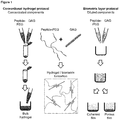
- the biomatrix layer of the invention represents a non-covalent system based on liquid-liquid phase separation (coacervation) and glycosaminoglycan-peptide interaction and is capable to generate libraries of biomatrix films.
- Glycosaminoglycans in particular sulfated glycosaminoglycans, are combined with bio-functional peptides, which are represented by R 1 in formula (I).
- the building blocks are combinatorically assembled and affect the biochemical composition, mechanical properties and morphology of the resulting 3D biomatrices.
- Biomatrix layer of the invention Attachment of specific cell lines and/or cell types dependents on the type of the NCP, in particular of the GAG, and the concentration of the bio-functional peptide, with the cells retaining their potential for proliferation and differentiation.
- the invention thus provides a biomatrix layer, which mimics the extracellular matrix properly und is thus advantageous in regard to its use in biomedical applications.
- the invention provides a kit comprising the building blocks of the combinatorial library, wherein said kit enables the screening for tailored biomaterials.
- a process for preparing the biomatrix layer of the invention is provided.
- the invention provides methods for adjusting the 3D-structure and morphology, in particular the thickness, stiffness and porosity of the biomatrix layer.
- the invention provides a biomatrix layer comprising, consisting essentially of or consisting of
- liquid-liquid phase separation (coacervation) was observed when pipetting the still fluidic peptide - polyethylene glycol - conjugate and NCP building blocks into buffer or cell culture media.
- concentration in stem solutions of NCP and peptide - polyethylene glycol - conjugate before mixing much lower than those used to form a conventional bulky hydrogel, the liquid-liquid phase separation led to the formation of coacervate droplets.
- the droplets underwent non-covalent gelation and formed a thin film on the bottom of the well plate.
- biomatrix layer a polymeric network is required which forms the structural backbone of the biomatrix layer.
- the polymeric network may be any polymeric network.
- the polymeric network is capable of self-assembly.
- a polymeric network that is capable of self-assembly is easy to produce, guarantees the homogeneous distribution of the biomatrix building blocks and does not require additional steps for forming the thin layer polymer.
- the polymeric network is a biomatrix.
- the biomatrix may comprise two or more polymer constituents in order to take advantage of the properties that each of the polymer constituents impart to the resultant biomatrix.
- Non-limiting examples of polymers suitable for forming a biomatrix to provide the polymeric network include polyvinyl alcohol (PVA), polyethylene glycol, poly(acrylic acid) and its derivatives; poly(ethyleneoxide) and its copolymers, polyphosphazene, silicones, polyacrylamides, polyvinylpyrrolidones, poly-hydroxyethylmethacrylate, polyurethanes and its derivatives; or combinations thereof.
- PVA polyvinyl alcohol
- polyethylene glycol poly(acrylic acid) and its derivatives
- poly(ethyleneoxide) and its copolymers polyphosphazene
- silicones polyacrylamides
- polyvinylpyrrolidones poly-hydroxyethylmethacrylate
- polyurethanes and its derivatives or combinations thereof.
- the polymer suitable for forming the biomatrix layer of the invention is polyethylene glycol (PEG).
- PEG is an oligomer or polymer composed of ethylene oxide monomers. Because different applications require different polymer chain lengths, PEGs are prepared by polymerization of ethylene oxide and are commercially available over a wide range of molecular weights from 300 g/mol to 10,000,000 g/mol. While PEGs with different molecular weights find use in different applications, and have different physical properties (e.g. viscosity) due to chain length effects, their chemical properties are nearly identical. Different forms of PEG are also available, depending on the initiator used for the polymerization process - the most common initiator is a monofunctional methyl ether PEG, or methoxypoly(ethylene glycol), abbreviated mPEG. Lower-molecular-weight PEGs are also available as purer oligomers, referred to as monodisperse, uniform, or discrete.
- PEGs are also available with different geometries:
- Most PEGs include molecules with a distribution of molecular weights (i.e. they are polydisperse).
- the size distribution can be characterized statistically by its weight average molecular weight (Mw) and its number average molecular weight (Mn), the ratio of which is called the polydispersity index (Mw/Mn). MW and Mn can be measured by mass spectrometry.
- PEG is soluble in water, methanol, ethanol, acetonitrile, benzene, and dichloromethane, and is insoluble in diethyl ether and hexane.
- the biomatrix layer of the invention comprises a linear PEG.
- linear PEGs have the advantage that linear PEGs are cheap and possess a narrower molecular weight distribution. Moreover, it may be easier to separate a linear PEG chain with two peptides bound to it from that with only one peptide, as compared to purify the 4-arm starPEG comprising 4 peptides from a mixture of star PEGs of lower degree of modification.
- starPEG has a molecular weight in the range of 4 kD to 40 kD, preferably in the range of 4 kD to 30 kD, more preferably in the range of 4 kD to 20 kD, most preferably in the range of 5 kD to 15 kD.
- said starPEG is a 4-arm starPEG, which has most suitably a molecular weight of 10kD.
- the PEG comprised in biomatrix layer of the invention may be a mixture of a starPEG and a liner PEG.
- linear PEG When linear PEG is comprised in the biomatrix layer of to the invention, it has suitably a molecular weight in the range of 1 kD to 100 kD, preferably in the range 2 kD to 80 kD, 3 kD to 60 kD, 4 kD to 40 kD, most preferably in the range of 5 kD to 20 kD. Even most preferably, the linear PEG comprised in the biomatrix layer according to the invention has a molecular weight selected from 5 kD, 10 kD, 15 kD and 20 kD.
- the ratio of starPEG : liner PEG in said mixture may for example be 1:1, but can be adjusted to any ratio in accordance with the desired characteristics of the biomatrix layer to be produced.
- the PEG which is used to prepare the biomatrix layer of the invention, is functionalized.
- “functionalize” is meant to modify a molecule in a manner that results in the attachment of a functional group or moiety.
- a molecule may be functionalized by the introduction of a molecule, which makes the molecule a strong nucleophile or a conjugated unsaturation.
- a molecule, for example PEG is functionalized to become a thiol, amine, acrylate, azide, alkyne, or quinone.
- the PEG is maleimide-functionalized, carboxylic acid-functionalized, amino-functionalized, azide-functionalized, or alkyne-functionalized.
- This type of functionalization is required to conjugate PEG to the oligopeptide of formula (I).
- the starPEG, in particular the 4-arm PEG, and/or the linear PEG is functionalized with a maleimide, carboxylic acid or amino group.
- the biomatrix layer of the invention comprises a conjugate of oligopeptides and polyethylene glycol (PEG), e.g. conjugates of 4-arm starPEG and oligopeptides or linear PEG and oligopeptides.
- PEG polyethylene glycol
- the biomatrix layer of the invention comprises a conjugate of peptide-polyethylene glycol-conjugate of formula (I) as described above.
- the PEG-oligopeptide conjugate suitably comprises one, two or more of the oligopeptides which are coupled to a linear or 4-arm starPEG.
- n is preferably an integer selected from 5, 6, 7, 8, 9, 10 and 11. More preferably, n is an integer selected from 5, 6, 7, 8 and 9. Most preferably, n is 5 and 7.
- B is lysine. In a further preferred embodiment, B is arginine.
- X is alanine or serine. In a most preferred embodiment, X is alanine. In a further most preferred embodiment, X is serine.
- each amino acid residue is represented by a one-letter or a three-letter designation, corresponding to the trivial name of the amino acid, in accordance with the following conventional list:
- Amino Acid One-Letter Symbol Three-Letter Symbol Alanine A Ala Arginine R Arg Asparagine N Asn Aspartic acid D Asp Cysteine C Cys Glutamine Q Gln Glutamic acid E Glu Glycine G Gly Histidine H His Isoleucine I Ile Leucine L Leu Lysine K Lys Methionine M Met Phenylalanine F Phe Proline P Pro Serine S Ser Threonine T Thr Tryptophan W Trp Tyrosine Y Tyr Valine V Val Norleucine L* Nor
- (BX)n is preferably selected from KA11, KA9, KA7, KA6, KA5, KS7, KS6, KS5, RA7, RA6, RA5, RS7, RS6, and RS5. Most preferably, (BX)n is selected from: KA7, KA6, KA5, KS7, KS6 and KS5.
- Table 1 Preferred peptide sequences of the (BX)n (BX)n Peptide Sequence SEQ ID NO.
- the peptide-polyethylene glycol-conjugate of the invention comprises in a further embodiment of the invention a bio-functional peptide R 1 .
- the bio-functional peptide has various functions:
- the bio-functional peptide is used to improve the adhesion of cells to the biomatrix layer of the invention resulting in the provision of a biopolymer.
- the bio-functional peptide can be used to facilitate the proteolysis of such a biopolymer by cells or proteases in vivo. It further recapitulats signaling function of soluble signaling proteins e.g. growth factors, etc.
- R 1 contains 5 to 30 amino acids. In a more preferred embodiment of the invention, R 1 contains 5 to 15 amino acids.
- biomatrix layer of the invention is that a variety of bioactive peptides can be incorporated into the resulting biomaterial structure.
- the bio-functional peptide can be designed to be a substrate for an enzyme used by cells migration through tissues and remodel tissues (e.g., as a substrate for plasmin, elastase or matrix metalloproteinases (MMPs), such as collagenase).
- MMPs matrix metalloproteinases
- the degradation characteristics of the biomatrix layer can be manipulated by changing the sequence of the bio-functional peptide.
- One may make a biomatrix layer gel that is degradable by collagenase, but not plasmin, or by plasmin, but not collagenase.
- biomatrix layer gel degrade faster or slower in response to such an enzyme, simply by changing the amino acid sequence so as to alter the Km or kcat, or both, of the enzymatic reaction.
- bio-functional peptides for cell adhesion, namely peptides that bind to adhesion-promoting receptors on the surfaces of cells into or onto the biomatrix layer of the present invention.
- R 1 bio-functional peptides
- peptides that bind to adhesion-promoting receptors on the surfaces of cells into or onto the biomatrix layer of the present invention.
- adhesion-promoting peptides such as the RGD (SEQ ID NO: 15) sequence from fibronectin or the RGDS (SEQ ID NO: 16) sequence.
- the RGD peptide (SEQ ID NO: 15) is the binding motif of fibronectin to cell surface receptor integrin.
- the RGDS sequence (SEQ ID NO: 16) was found initially to promote the attachment of rat kidney fibroblasts to fibronectin.
- Free RGDS peptide inhibits attachment of cells to fibronectin-coated substrates.
- the RGDS sequence (SEQ ID NO: 16) is also a target for infectious agents (Treponema's syphilis, Mycobacterium's tuberculosis).
- RGDS (SEQ ID NO: 16) can also block fibrinogen-induced aggregation of intact erythrocytes and specific binding of fibrinogen to erythrocyte membranes.
- sequence of the bio-functional peptide R 1 is selected from the group consisting of the sequences of SEQ ID NOs: 15 to 353 as disclosed in the sequence listing attached hereto. These sequences comprise oligopeptide sequences which mimic the ECM and signal peptides.
- the sequence of the bio-functional peptide R 1 is selected from the group consisting of the sequences of SEQ ID NOs: 15, 16, 17, 22, 26, 27, 30, 31, 32, 41, 43, 44, 45, 46, 49, 51, 54, 57, 64, 66, 67, 68, 78, 80, 84, 85, 90, 93, 99, 108, 120, 124, 131, 144, 145, 154, 156, 160, 171, 172, 175, 177, 180, 183, 185, 187, 188, 189, 190, 192, 200, 201, 211, 219, 222, 224, 230, 233, 236, 237, 238, 239, 241, 243, 246, 257, 259, 260, 262, 263, 264, 265, 277, 278, 279, 283, 299, 302, 315, 320, 321, 323, 333, 342, 345 and 348 as disclosed in the sequence listing attached hereto.
- the sequence of the bio-functional peptide R 1 is selected from the group consisting of the sequences of SEQ ID NOs: 17, 30, 32, 46, 49, 57, 63, 67, 77, 93, 130, 145, 155, 159, 187, 218, 233, 237, 240, 242, 245, 259, 264, 276, 282, 319, 320, 341, 345 and 347 as disclosed in the sequence listing attached hereto.
- These sequences comprise core sequences of adhesion peptides and sequences of signal peptides that are of special interest for use in the biomatrix layer of the invention.
- R 1 is RGDSP (SEQ ID NO: 17).
- the bio-functional peptide R 1 may also be absent, leading to peptide-polyethylene glycol-conjugate of formula (Ia): PEG- (BX)n (Ia) wherein B, X and n are as defined for formula (I).
- the invention provides a biomatrix layer comprising a mixture of a peptide-polyethylene glycol-conjugate of formula (I) and a peptide-polyethylene glycol-conjugate of formula (Ia).
- a biomatrix layer comprising a mixture of a peptide-polyethylene glycol-conjugate of formula (I) and a peptide-polyethylene glycol-conjugate of formula (Ia).
- up to three different conjugates according to formula (I), which contain different bio-functional peptides at position R 1 can be contained.
- the proportion of said peptide-polyethylene glycol-conjugate of formula (I) in said mixture is tunable and tuning of the proportion of said peptide-polyethylene glycol-conjugate of formula (I) in said mixture can be used to control the cell load, i.e. surface coverage of the biomatrix layer with cells.
- the proportion of the peptide-polyethylene glycol-conjugate of formula (I) in said mixture is in the range from 0 to 100 mol% .
- the proportion of the peptide-polyethylene glycol-conjugate of formula (I) in said mixture is in the range from 10 to 90 mol%, 20 to 70 mol% or 25 to 55 mol%.
- the proportion of the peptide-polyethylene glycol-conjugate of formula (I) in said mixture is 25 mol% .
- 25 mol% of a peptide-polyethylene glycol-conjugate of formula (I) led to a remarkable increase in cell number on the biomatrix film. Best adhesion and spreading to heparin hydrogels was achieved with 100 mol% starPEG-RGDSP. The surface coverage increased gradually with increasing proportion of the peptide-polyethylene glycol-conjugate of formula (I).
- the proportion of the peptide-polyethylene glycol-conjugate of formula (I) in the mixture with a peptide-polyethylene glycol-conjugate of formula (Ia) is 50 mol%.
- the bio-functional peptide R 1 is linked to the PEG and (BX)n building blocks by short peptide sequences.
- the peptide-polyethylene glycol-conjugate of formula (I) is preferably a peptide-polyethylene glycol-conjugate of formula formula (II): PEG-CWGG-R 1 -GG-(BX)n (II) wherein B, X, n and R 1 are as defined for formula (I).
- the peptide-polyethylene glycol-conjugate of formula (II) is preferably a peptide-polyethylene glycol-conjugate of formula formula (IIa): PEG-CWGG-(BX)n (IIa) wherein B, X, n and R 1 are as defined for formula (I).
- the invention provides a biomatrix layer comprising a mixture of a peptide-polyethylene glycol-conjugate of formula (II) and a peptide-polyethylene glycol-conjugate of formula (IIa).
- a biomatrix layer comprising a mixture of a peptide-polyethylene glycol-conjugate of formula (II) and a peptide-polyethylene glycol-conjugate of formula (IIa).
- this mixture up to three different conjugates according to formula (II), which contain different bio-functional peptides at position R 1 , can be contained.
- the proportion of the peptide-polyethylene glycol-conjugate of formula (II) in said mixture is in the range from 0 to 100 mol%.
- the proportion of the peptide-polyethylene glycol-conjugate of formula (II) in said mixture is in the range from 10 to 90 mol%, 20 to 70 mol% or 25 to 55 mol%.
- the proportion of the peptide-polyethylene glycol-conjugate of formula (II) in said mixture is 25 mol%.
- the proportion of the peptide-polyethylene glycol-conjugate of formula (II) in the mixture with a peptide-polyethylene glycol-conjugate of formula (Ia) is 50 mol%.
- the production of the peptide-polyethylene glycol-conjugates of formulae (I), (Ia), (II) and (IIa) can be done, for example, simply by mixing the respective peptide with the maleimide-functionalized, carboxylic acid-functionalized, or amino-functionalized PEG under conditions which permit the conjugate formation.
- the thiol group of a cysteine residue of the linker peptide can be used to link the peptides to maleimide-functionalized PEG by Michael-type addition reaction.
- the resulting polymer will allow the conjugation of alkyne-containing peptide through click chemistry.
- the biomatrix layer comprises a peptide-polyethylene glycol-conjugate selected from starPEG-RGDSP-KA7 and 10 kD starPEG-KA7 or a mixture thereof as defined above, wherein the starPEG is a 4-arm starPEG with a molecular weight of 10 kD; or a peptide-polyethylene glycol-conjugate selected from starPEG-CWGG-RGDSP-GG-KA7 and 10 kD starPEG-CWGG-KA7 or a mixture thereof as defined above, wherein the starPEG is a 4-arm starPEG with a molecular weight of 10 kD
- the biomatrix layer comprises in addition a negatively charged polymer (NCP), which can be naturally occurring NCP or a synthetic NCP.
- NCP negatively charged polymer
- an oligosaccharide/oligopeptide/PEG-system exists where the oligopeptide (which is represented by R 1 -(BX)n, such as CWGG-R1-GG-(BX)n and CWGG-(BX)n) is chemically conjugated to the PEG and the gel formation is carried out through mixing the oligopeptide-PEG-conjugate and the NCP.
- the non-covalent macromolecular self-organization is also induced by the interaction of the oligopeptide-PEG-conjugate and the NCP.
- the choice of the PEG and the NCP can lead to various gel properties including the flow behavior, the gelling condition, the gelling speed, the thickness, the stiffness, the porosity as well as adjustable affinity of peptides interacting with bioactive proteins, for example, cells and growth factors and the like.
- variability in gel properties is also realized through changes of a the peptide sequence motif R 1 -(BX)n, wherein according to the concept of the present invention the corresponding biomatrix layer is principally also possible without R 1 .
- the flexible design of the oligopeptide sequence can lead to a broad variety of gel properties, that not only lead to the above-stated rheological properties, the gelling condition, the gelling speed, the thickness, the stiffness, the porosity and protein binding properties, but also leads to properties such as for example, the biological degradation due to proteolytic hydrolysis or other enzymatic activity or non-enzymatic activity, such as light impact sensitivity.
- the NCP comprised in the biomatrix layer of the invention is typically selected from the group consisting of glycosaminoglycans (GAGs), sulphated or phosphated linear polymers, and sulphated or phosphated cyclic polymers. Preferred are negatively charged oligosaccharides.
- said negatively charged oligosaccharide is a sulfated or phosphorylated oligosaccharide, preferably selected from a group of oligosaccharides which comprises heparin, dextran sulfate, ⁇ -cyclodextrin sulfate, ⁇ -cyclodextrin sulfate, ⁇ -cyclodextrin sulfate, ⁇ -cyclodextrin phosphate, ⁇ -cyclodextrin phosphate, ⁇ -cyclodextrin phosphate, heparan sulfate, chondroitin sulfate, dermatan sulfate and keratan sulfate.
- said NCP is selected from polystyrene sulfate (PSS), sulfated alginate, sulfated hyaluronic acid, cyclic dextran sulfate, cyclic dextran phosphate and phytic acid.
- PSS polystyrene sulfate
- alginate sulfated alginate
- sulfated hyaluronic acid sulfated alginate
- cyclic dextran sulfate cyclic dextran phosphate
- phytic acid phytic acid
- the NCP is selected from the group consisting of polystyrene sulfate (PSS), sulfated alginate, sulfated hyaluronic acid, cyclic dextran sulfate, cyclic dextran phosphate and phytic acid.
- PSS polystyrene sulfate
- sulfated alginate sulfated hyaluronic acid
- cyclic dextran sulfate cyclic dextran phosphate
- phytic acid phytic acid
- the biomatrix layer of the invention further comprises a NCP, which is a sulfated glycosaminoglycan (GAG).
- NCP which is a sulfated glycosaminoglycan
- GAGs are long unbranched polysaccharides consisting of a repeating disaccharide unit. The repeating unit (except for keratan) consists of an amino sugar (N-acetylglucosamine or N-acetylgalactosamine) along with a uronic sugar (glucuronic acid or iduronic acid) or galactose.
- GAGs are highly polar and attract water.
- GAGs have high degrees of heterogeneity with regards to molecular mass, disaccharide construction, and sulfation. Based on core disaccharide structures, GAGs are classified into four groups: heparin/heparan sulfate and chondroitin sulfate/dermatan sulfate, keratan sulfate and hyaluronic acid.
- the biomatrix layer of the invention comprises a NCP selected from the group comprising, consisting essentially or consisting of heparin, heparan sulfate, chondroitin sulfate, dermatan sulfate, keratan sulfate, dextran sulfate and hyaluronic acid.
- the biomatrix layer of the invention comprises a NCP selected from the group comprising, consisting essentially or consisting of heparin, heparan sulfate, chondroitin sulfate, dermatan sulfate, keratan sulfate, dextran sulfate and hyaluronic acid.
- the NCP is heparin.
- Heparin originates from the mucosa of pig intestine or bovine lung tissue. Heparin is preferably of pharmaceutical quality.
- the NCP is heparan sulfate. In a further preferred embodiment, the NCP is chondroitin sulfate. In a further preferred embodiment, the NCP is dermatan sulfate. In a further preferred embodiment, the NCP is keratan sulfate. In a further preferred embodiment, the NCP is dextran sulfate. In further preferred embodiment, the NCP is hyaluronic acid or sulfated hyaluronic acid. In further preferred embodiment, the NCP is sulfated alginate. In further preferred embodiment, the NCP is cyclic dextran sulfate. In further preferred embodiment, the NCP is cyclic dextran phosphate. In further preferred embodiment, the NCP is phytic acid.
- the heparin, heparan sulfate, chondroitin sulfate, dermatan sulfate, keratan sulfate, dextran sulfate, polystyrene sulfate (PSS), sulfated alginate, sulfated hyaluronic acid, cyclic dextran sulfate, cyclic dextran phosphate or phytic acid has suitably a molecular weight in the range of 4 kD to 600 kD.
- Preferred is the use of heparin, heparan sulfate, chondroitin sulfate, dermatan sulfate, keratan sulfate, dextran sulfate or hyaluronic acid in pharmaceutical quality.
- the biomatrix layer of the invention differs from conventional hydrogels structurally and is formed by using low concentrations of the building blocks in the range from 0.1 ⁇ M to 1000 ⁇ M.
- PEG is comprised at a concentration in the range from 0.1 ⁇ M to 250 ⁇ M, preferably in the range from 0.1 ⁇ M to 125 ⁇ M or 0.1 ⁇ M to 75 ⁇ M, more preferably 0.1 ⁇ M to 75 ⁇ M or 0.1 ⁇ M to 50 ⁇ M. Most preferably PEG is comprised at a concentration of 2.5 ⁇ M or at a concentration of 25 ⁇ M, or even most preferably in the range of 1 ⁇ M to 10 ⁇ M.
- R 1 if present, is comprised at a concentration in the range from 0.1 ⁇ M to 1000 ⁇ M, preferably in the range from 0.1 ⁇ M to 500 ⁇ M or 0.1 ⁇ M to 300 ⁇ M, more preferably 0.1 ⁇ M to 300 ⁇ M or 0.1 ⁇ M to 200 ⁇ M. Most preferably R 1 is comprised at a concentration of 10 ⁇ M or at a concentration of 100 ⁇ M.
- (BX)n is comprised at a concentration in the range from 0.4 ⁇ M to 1000 ⁇ M, preferably in the range from 0.4 ⁇ M to 750 ⁇ M or 0.4 ⁇ M to 500 ⁇ M, more preferably 0.4 ⁇ M to 250 ⁇ M or 0.4 ⁇ M to 100 ⁇ M. Most preferably, (BX)n is comprised at a concentration of 10 ⁇ M or 100 ⁇ M.
- the NCP is comprised at a concentration in the range from 0.1 ⁇ M to 250 ⁇ M, preferably in the range from 0.1 ⁇ M to 125 ⁇ M or 0.1 ⁇ M to 75 ⁇ M, more preferably 0.1 ⁇ M to 75 ⁇ M or 0.1 ⁇ M to 50 ⁇ M. Most preferably, the NCP is comprised at a concentration in the range from 0.1 ⁇ M to 25 ⁇ M.
- Peptide-polyethylene glycol-conjugate and NCP are present in the biomatrix layer of the invention in a predefined ratio peptide-polyethylene glycol-conjugate : NCP in the range between 1:100 and 100:1, preferably between 1:90 and 90:1, 1:80 and 80:1, 1:70 and 70:1 or 1:60 and 60:1, more preferably 1:50 and 50:1, 1:40 and 40:1, 1:30 and 30:1, 1:20 and 20:1 or 1:10 and 10:1, most preferably in the range between 1:9 and 9:1, 1:8 and 8:1, 1:7 and 7:1, 1:6 and 6:1, 1:5 and 5:1, 1:4 and 4:1, 1:3 and 3:1, 1:2 and 2:1, especially preferred 1: 1 or between 1:2 and 2:1.
- the ratio peptide-polyethylene glycol-conjugate : NCP has been found to influence the porosity of the biomatrix layer.
- the ratio of peptide - polyethylene glycol (PEG) -conjugate : NCP is typically varied in the aforementioned ranges, wherein the lower the proportion of NCP is, the higher is the porosity of the biomatrix layer. Highly porous thin layer films could be generated by lowering the proportion of NCP in the biomatrix layer.
- NCP ratio can also change the gelation speed. Increased gelation speed leads to increased porosity of the biomatrix layer.
- the gelation speed is also influenced by the inclusion of the bio-functional peptide motifs at position R 1 . Inclusion/presence of R 1 , such as the integrin-binding motif RGDSP (SEQ ID NO: 16) in the peptide-polyethylene glycol-conjugate decreases the gelation rate and thus leads to less porous biomatrix layers.
- R 1 such as the integrin-binding motif RGDSP (SEQ ID NO: 16) in the peptide-polyethylene glycol-conjugate decreases the gelation rate and thus leads to less porous biomatrix layers.
- the formation of a porous structure can further be affected by selecting the type of NCP.
- the gelation rate can for example be increased by using a mixture of a peptide - polyethylene glycol (PEG) - conjugate of formula (I) with a peptide - polyethylene glycol (PEG) - conjugate of formula (Ia), wherein the proportion of the compound of formula (I), in which R 1 is present, is at least 10 %; and/or by using a mixture of a peptide - polyethylene glycol (PEG) -conjugate of formula (II), with a peptide - polyethylene glycol (PEG) - conjugate of formula (IIa), wherein the proportion of the compound of formula (II) is at least 10 %.
- the type of the peptide - polyethylene glycol (PEG) - conjugate it is also possible to adjust the biomatrix layer to a specific application or use. If it is desired to produce a biomatrix layer, which is inert to cell adhesion, then only peptide - polyethylene glycol (PEG) - conjugate of formula (Ia) or formula (IIa), where R 1 is not present, is used in the hydrogel. If adhesion should be provided to cells, at least 10% of a peptide - polyethylene glycol (PEG) - conjugate of formula (I) or formula (II), where R 1 is present, should be mixed in.
- peptide - polyethylene glycol (PEG) - conjugate consists to 100 % of a peptide - polyethylene glycol (PEG) - conjugate formula (I) or formula (II), where R 1 is present.
- the stiffness of the biomatrix layer film can be tuned by multiple parameters, e.g. NCP type, peptide-polyethylene glycol-conjugate : NCP ratio, and extension of the peptide sequences at position R 1 and/or (BX)n.
- NCP concentration showed strong effects on the stiffness of hydrogel films when a peptide-polyethylene glycol-conjugate was used, in which R 1 was present.
- increasing the heparin concentration resulted in stiffer hydrogels. This effect was not observed, when a peptide-polyethylene glycol-conjugate was used, in which R 1 was absent.
- R 1 which is defined to be a peptide consisting of 5 to 30 amino acids, is influencing the stiffness.
- the stiffness of the biomatrix layer is the higher, the lower the number of amino acids contained in R 1 is.
- Varying the ratio of peptide - polyethylene glycol (PEG) - conjugate : NCP in the range between 100 : 1 and 1 : 100 also leads to an adjustment of the stiffness; wherein the higher the proportion of sulfated oligosaccharide is the higher is the stiffness of the biomatrix layer.
- the stiffness can also be adjusted by increasing or decreasing the gelation rate, wherein decreasing the gelation rate results in a stronger stiffness of the biomatrix layers.
- the stiffness of the biomatrix layer may be further adjusted by selecting the amino acid X in the (BX)n peptide of the peptide - polyethylene glycol - conjugate especially in regard to the negative charge of the amino acid in this position; wherein the higher the negative charge of the selected amino acid for X is the stronger is the stiffness of the biomatrix layer.
- the stiffness of the biomatrix layer may be further adjusted by selecting the number of replicates n of the motif (BX)n within the peptide - polyethylene glycol - conjugate; wherein the larger n is the stronger is the stiffness of the biomatrix layer.
- the stiffness of the thin layer matrix may be further adjusted by selecting the amino acid B in the (BX)n peptide. Using arginine in the position of B leads to stiffer biomatrix layers. If softer biomatrix layers are desired, then B is preferably lysine.
- peptide - polyethylene glycol (PEG) - conjugate By selecting the type of the peptide - polyethylene glycol (PEG) - conjugate, it is also possible to adjust the stiffness of the biomatrix layer.
- the following types of peptide - polyethylene glycol (PEG) - conjugates can be used/incorporated in the hydrogel to adjust the stiffness of the biomatrix layer:
- biomatrix layers are preferred, which comprise the peptide-polyethylene glycol-conjugate at a concentration in the range from 0.1 ⁇ M to 250 ⁇ M, preferably in the range from 0.1 ⁇ M to 125 ⁇ M or 0.1 ⁇ M to 75 ⁇ M, more preferably 0.1 ⁇ M to 75 ⁇ M or 0.1 ⁇ M to 50 ⁇ M.
- PEG is comprised at a concentration of 2.5 ⁇ M or at a concentration of 25 ⁇ M, or even most preferably in the range of 1 ⁇ M to 10 ⁇ M.
- biomatrix layer of the invention It is a great advantage of the biomatrix layer of the invention that its porosity and stiffness can be adapted to its desired function, i.e. for mimicking both the protein and NCP parts of ECM and providing an ECM for adhesion and growing/differentiating cells.
- the biomatrix layer according to the invention differs from conventional hydrogels in particular in its thickness.
- the thickness of the biomatrix layer is typically in the range from 3 nm to 40 ⁇ m, preferably 3 nm to 1 ⁇ m or 3 nm to 500 nm, more preferably 3 nm to 100 nm, most preferably 3 nm to 50 nm or 3nm to 10 nm; and can be adjusted by selecting the type of NCP, selecting the concentration of the peptide - polyethylene glycol (PEG) - conjugate and NCP and by varying the ratio of peptide - polyethylene glycol (PEG) - conjugate : NCP.
- the thickness of the biomatrix layer can further be adjusted by controlling the volume of raw material, which is applied to area to be coated, for example the volume of raw materials applied to a well of a 96-well plate.
- thin hydrogels in the range from 3 nm to 40 ⁇ m can be obtained by using heparan sulfate, chondroitin sulfate, dermatan sulfate, keratan sulfate, dextran sulfate or hyaluronic acid instead of heparin.
- the concentration of the peptide - polyethylene glycol (PEG) - conjugate and NCP is typically selected from the range between 0.1 and 250 ⁇ M, most preferably in the range from 1 to 10 ⁇ M for PEG and 0.1 to 25 ⁇ M for NCP.
- concentration of the peptide - polyethylene glycol (PEG) - conjugate and NCP is, the higher is the thickness of the resulting biomatrix layer.
- the ratio of peptide - polyethylene glycol (PEG) - conjugate : NCP in the buffer solution of step iii) is typically varied in the range between 1 : 100 and 100 : 1, preferably in the range from 1: 6 and 6:1, most preferably in the range from 1: 2 and 2:1, wherein the lower the proportion of NCP is, the thinner is the resulting biomatrix layer.
- biomatrix layer according to invention with the composition as described herein has several advantageous characteristics.
- the biomatrix layer is highly resistant against deionized water, DMF, DMSO, ethanol, 1 M HCl and 1 M NaOH.
- the biomatrix layer of the invention shows a very good biocompatibility and has the advantage of a defined chemical composition.
- the biomatrix layer of the invention is thus broadly applicable in biomedicine.
- biomatrix layer of the invention that the cell load/surface coverage of the biomatrix layer can be adjusted, in particular increased by
- Heparin, heparin sulfate, chondroitin sulfate, dermatan sulfate, keratan sulfate as well as hyaluronic acid contribute to an increased cell load and surface coverage of the biomatrix layer by cells.
- the cells are typically mammalian cells, insect cells, bacteria or yeast cells, preferably mammalian cells, most preferably human cells or human cell lines.
- the cells are human stem cells, more preferably human primary stem cells, or most preferably iPS derived stem cells of human origin.
- Example for cells, which may be comprised in or onto the biomatrix layer are human fibroblast cells, mesenchymal stromal cells (MSC), neuronal progenitor cells (NPC) or human umbilical vein endothelial cells (HUVEC).
- a further great advantage of the present invention is that all building blocks of the biomatrix layer of the invention are variable and thus form the basis of library for purpose-specific creation of biomatrix layers. For example, by selecting the building blocks from said library, it is possible to create a biomatrix layer, which is capable of binding a specific cell type or cell line by adhesion on the surface of the biomatrix layer.
- the biomatrix layer of the invention is further suitable to promote cell survival, to control cell proliferation, to preserve stemness and to guide cell differentiation into specific cell lineages.
- the invention provides a combinatorial library of building blocks of the biomatrix layer, which comprises, essentially consists of or consists of
- the invention provides a kit for producing a purpose-specific biomatrix layer of the invention, comprising
- the NCP is preferably selected from heparin, heparan sulfate, chondroitin sulfate, dermatan sulfate, keratan sulfate, dextran sulfate, hyaluronic acid, polystyrene sulfate (PSS), sulfated alginate, sulfated hyaluronic acid, cyclic dextran sulfate, cyclic dextran phosphate and phytic acid, most preferably selected from heparin, heparan sulfate, chondroitin sulfate, dermatan sulfate, keratan sulfate, dextran sulfate, hyaluronic acid,
- the PEG is a linear PEG or starPEG as defined herein, preferably a 4-arm starPEG with a molecular weight between 4kD and 40 kD, most preferably 10kD.
- the library of (BX)n peptides consists preferably of the peptides according SEQ ID Nos.: 1 to 13.
- the library of R 1 peptides consists preferably of the peptides according SEQ ID Nos.: 14 to 352.
- the library and kit can also be used to screen for an ideal composition of the biomatrix layer of the invention, specifically adapted to a desired purpose or use of the biomatrix layer.
- a desired purpose or use is for example adapting or preparing a biomatrix layer, which is specifically suitable for adhesion of specific cells or cell lines, for example human cells or human cell lines, a particular human stem cells, preferably human primary stem cells, or most preferably iPS derived stem cells of human origin.
- the ideal composition of a biomatrix layer for adhesion of human fibroblast cells, mesenchymal stromal cells (MSC), neuronal progenitor cells (NPC) or human umbilical vein endothelial cells (HUVEC) can be screened using the library or kit of the invention.
- Another desired purpose or use is adapting or preparing a biomatrix layer, which is specifically suitable for coating biomedical devices to improve biocompatibility of the biomedical devices.
- Such screening can for example be performed in HTS format as a high throughput screen.
- the formation of the biomatrix layer may be carried in a well plate, such as a 96- or 384-well plate, wherein each well will be loaded with a different mixture of building blocks selected from the library of the invention.
- the biomatrix layer is capable of forming a 3D biomatrix layer, which is especially suitable for providing a biomatrix layer for the targeted release of therapeutic reagents, wherein via a corresponding method therapeutic reagents may be entrapped or encapsulated within the above-described biomatrix layer.
- the group of each of the utilized therapeutic reagents comprises preferably cells, cell spheres (e.g. mesensphere, neurosphere) or organoids or a morphogen or an active pharmaceutical ingredient.
- the biomatrix layer according to the invention comprises cells as the therapeutic agent
- the cells are as defined above.
- Organoids are derived from one or a few cells from a tissue, embryonic stem cells or induced pluripotent stem cells, which can self-organize in three-dimensional culture owing to their self-renewal and differentiation capacities.
- the 3D biomatrix layer of the present invention can provide a convenient in vitro model for the study of complex cell-cell and cell-matrix interactions in the absence of exogenous substrates and may benefit the development of regenerative medicine strategies, which is not possible with traditional cell culture methods, which rely on growing cells as monolayers.
- Mesenchymal stem cell (MSC) spheroids, or "mesenspheres" of different sizes can be formed and maintained in the 3D biomatrix layer of the present invention. 3D culturing of mesenspheres have been shown to exhibit no evidence of cell necrosis or differentiation, while mesenspheres in differentiation media exhibited differentiation similar to conventional 2D culture methods based on histological markers of osteogenic and adipogenic commitment.
- a 3D culture system for mesenchymal stem cells may circumvent limitations associated with conventional monolayer cultures and enhance the differentiation potential of multipotent cells ( Baraniak P.R., McDevitt T.C., Scaffold-free culture of mesenchymal stem cell spheroids in suspension preserves multilineage potential. Cell Tissue Res. 2012 Mar; 347(3):701-11 ).
- the 3D biomatrix layer of the present invention can further provide a convenient environment to produce neurospheres.
- a neurosphere is a culture system composed of free-floating clusters of neural stem cells. Neurospheres provide a method to investigate neural precursor cells in vitro. Putative neural stem cells are suspended in a medium lacking adherent substrates but containing necessary growth factors, such as epidermal growth factor and fibroblast growth factor. This allows the neural stem cells to form into the characteristic 3-D clusters. A typical use of the neurosphere is in neurosphere assays.
- a morphogen is a substance whose non-uniform distribution governs the pattern of tissue development in the process of morphogenesis or pattern formation, one of the core processes of developmental biology, establishing positions of the various specialized cell types within a tissue. More specifically, a morphogen is a signaling molecule that acts directly on cells to produce specific cellular responses depending on its local concentration.
- morphogens are produced by source cells and diffuse through surrounding tissues in an embryo during early development, such that concentration gradients are set up. These gradients drive the process of differentiation of unspecialized stem cells into different cell types, ultimately forming all the tissues and organs of the body.
- concentration gradients drive the process of differentiation of unspecialized stem cells into different cell types, ultimately forming all the tissues and organs of the body.
- the control of morphogenesis is a central element in evolutionary developmental biology.
- Mammalian morphogens suitable for use in the biomatrix layer of the invention include retinoic acid, sonic hedgehog (SHH), transforming growth factor beta (TGF- ⁇ )/bone morphogenic protein (BMP), and Wnt/beta-catenin.
- SHH sonic hedgehog
- TGF- ⁇ transforming growth factor beta
- BMP bone morphogenic protein
- Wnt/beta-catenin Wnt/beta-catenin.
- retinoic acid a metabolite of vitamin A
- Retinoic acid binds to retinoic acid receptors that acts as transcription factors to regulate the expression of Hox genes. Exposure of embryos to exogenous retinoids especially in the first trimester results in birth defects.
- TGF- ⁇ family members are involved in dorsoventral patterning and the formation of some organs.
- TGF- ⁇ to type II TGF beta receptors recruits type I receptors causing the latter to be transphosphorylated.
- the type I receptors activate Smad proteins that in turn act as transcription factors that regulate gene transcription.
- Sonic hedgehog (Shh) are morphogens that are essential to early patterning in the developing embryo.
- Shh binds to the Patched receptor which in the absence of Shh inhibits the Smoothened receptor.
- Activated smoothened in turn causes Gli1, Gli2, and Gli3 to be translocated into the nucleus where they activate target genes such at PTCH1 and Engrailed.
- the active pharmaceutical ingredient is typically selected from anti-cancer compounds, anti-coagulation compounds, anti-inflammatory compounds, immune-suppressive compounds, therapeutic antibodies, diagnostic reagents, hormones, growth factors, cytokines, small molecules as inhibitors for growth factors, small molecules as inhibitors for cytokines, aptamer-inhibitors for growth factors and aptamer-inhibitors for cytokines.
- the active pharmaceutical ingredient is selected from doxorubicin, paclitaxel, cyclosporin A, tacrolimus, rapamycin, anti-VEGF antibody, and anti-TNF- ⁇ antibody.
- the biomatrix layer according to the invention comprises a morphogen as the therapeutic agent
- the morphogen is typically selected from TNF- ⁇ , TGF- ⁇ , IFN- ⁇ , FGF, VEGF, and EGF.
- Hydrogels are particularly useful for the delivery of drugs, in particular protein therapeutics.
- Hydrogels are biocompatible, and provide a gentle environment for proteins to minimize denaturation of the proteins.
- the proteins are physically entrapped within the gels or bound to the gel by electrostatic interactions between the natural protein and the NCP or between covalently coupled protein - (BX)n peptide and NCP. Proteins are released by degradation of the biomatrix or release kinetic given by the electrostatic interaction.
- Degradable R1 can be incorporated within the PEG polymers that form the hydrogel, and via degradation of segments within the gel, the proteins will be released as the gel degrades.
- the invention further relates to processes for preparing a biomatrix layer according to the invention.
- said process for preparing a biomatrix layer according to the invention comprises the steps of
- said peptide - polyethylene glycol (PEG) - conjugate is a conjugate of formula (Ia): PEG- (BX)n (Ia) wherein B, X and n are as defined herein.
- said PEG-CWGG-(BX)n (IIa) - conjugate is a conjugate of formula (IIa): PEG-CWGG-(BX)n (IIa) wherein B, X and n are as defined herein.
- said peptide-polyethylene glycol-conjugate can also be a mixture of a peptide-polyethylene glycol-conjugate of formula (I) and a peptide-polyethylene glycol-conjugate of formula (Ia) or a peptide-polyethylene glycol-conjugate of formula (II) and a peptide-polyethylene glycol-conjugate of formula (IIa) with suitable proportions as described herein.
- up to three different conjugates according to formula (I) or (II), which contain different bio-functional peptides at position R 1 can be contained, respectively.
- Steps ii) of mixing said polyethylene glycol (PEG) - conjugate of with a NCP and iii) of adding the mixture of step iii) in a suitable buffer solution or medium are very simple processes and are preferably performed in aqueous solution, buffer or cell culture medium.
- a suitable buffer is for example PBS (phosphate buffered saline).
- the invention provides a process for preparing a biomatrix layer comprising the steps of
- the process can be altered such that in first step, a matrix without the bio-functional peptide R 1 is prepared and that in a second step, a post-modification is performed by adding a peptide comprising the bio-functional peptide, wherein said added peptide is selected from R 1 -(BX)n, CW-R 1 -GG-(BX)n and CWGG-R 1 -GG-(BX)n.
- the resulting biomatrix layer is comparable to the biomatrix layer obtained with the original process of the invention.
- the formation of the biomatrix layer i.e. the gelation can be performed at a temperature in the range of 0°C to 50°C.
- the gelation is performed at a temperature in the range of 10 °C to 45 °C, 20 °C to 40 °C or 30 °C to 35 °C.
- the gelation is performed at a temperature in the range from room temperature to 37°C.
- the invention does also provide processes for adjusting the thickness, porosity, stiffness and cell load of the biomatrix layer of the invention.
- the invention provides a process for adjusting the thickness of the biomatrix layer, preferably in the range of 3 nm to 40 ⁇ m comprising
- the thickness of the biomatrix layer can be decreased by using heparin sulfate, chondroitin sulfate, heparin sulfate, dermatan sulfate or hyaluronic acid for preparing the biomatrix layer.
- the invention provides a process for adjusting the porosity of the biomatrix layer by
- the gelation rate can, e.g., be increased by
- the invention provides a process for adjusting the stiffness of the biomatrix layer comprising
- the invention provides a process for adjusting the stiffness of the biomatrix layer comprising
- the invention provides a process for adjusting the cell load/surface coverage of the biomatrix layer, comprising
- the cell load/surface coverage of the biomatrix layer can be increased by using heparin, heparin sulfate, chondroitin sulfate, dermatan sulfate, keratan sulfate or hyaluronic acid to produce the biomatrix layer.
- the invention provides a process for preparing a biomatrix layer, which comprises cells or organoids.
- the process further comprises the additional steps of:
- the cells or organoids are not added to the already formed biomatrix layer, but are already added during the process of preparing the biomatrix layer according to the invention.
- the cells are then already contained in the medium, such as a cell culture medium of step iii).
- the invention provides a process for preparing a biomatrix layer comprising cells or organoids, wherein said process optionally comprises the further step of:
- the culturing of said cell- or organoid-containing biomatrix layer is typically performed in liquid culture in a culture medium, which supports the growth and development or which maintains the viability of the adhered or encapsulated cells or organoids.
- Culturing is typically performed at a temperature in the range of in the range of 0°C to 50°C, preferably in the range of 10°C to 45 °C, 20 °C to 40 °C or 30 °C to 35 °C. Most preferably, culturing is performed at a temperature in the range from room temperature to 37°C, which is best for maintaining the viability and /or for growth and further development of the adhered or encapsulated cells.
- 1-10 6 cells/cm 2 preferably 10 to 10 6 cells/ cm 2 , more preferably 10 2 to 10 5 cells/ cm 2 , most preferably 10 3 to 10 5 cells/ cm 2 are seeded onto the biomatrix layer of the invention.
- cells When cells are encapsulated into the biomatrix, 1-10 10 cells/mL, preferably 10 to 10 9 cells/mL, more preferably 10 2 to 10 8 cells/mL, most preferably 10 3 to 10 7 cells/mL are used for cell encapsulation.
- a typical culture medium, in which the cells are grown and provided for seeding onto or into the biomatrix layer of the invention is DMEM (Dulbecco's Modified Eagle Medium, Gibco), preferably DMEM containing 10% FBS Fetal Bovine Serum).
- DMEM Dulbecco's Modified Eagle Medium, Gibco
- FBS Fetal Bovine Serum FBS Fetal Bovine Serum
- the invention provides a process for producing a multilayer biomatrix containing cells, in which cells of different types are physically segregated through step-wise pipetting using self-assembling approach. Said method comprises the steps of
- the liquid-liquid phase separation mechanism allowed the simple pipetting of the building blocks of the first and second biomatrix layer films directly into cell culture media. Sandwich formation does not involve chemical reaction and causes minimal physical stress to the cells. As shown in the working examples herein, each cell type expanded while remaining their characteristic phenotype. Therewith a successful application of the biomatrix layer for sandwich cell culture assays could be demonstrated. Segregation of different cells in distinct layers is very important for orchestrating their biological functions in vivo.
- the layer-by-layer method using an easy pipetting procedure permits the construction of various models, not only in more native-like co-culture environment but also compatible for microscopy imaging.
- a process for preparing a biomatrix layer wherein said biomatrix layer comprises a morphogen or an active pharmaceutical ingredient.
- the addition of the morphogen or active pharmaceutical ingredient may be done in step ii) or iii) of the above described method.
- Said active pharmaceutical ingredient is typically contained in the mixture of step iii) in a final concentration of 0.01 ⁇ g/l to 2.0 g/l; preferably in the range of 0.1 ⁇ g/l to 1,5 g/l, 1.0 ⁇ g/l to 1.0 g/l or 10 ⁇ g/l to 0.5 g/l, more preferably in the range of 0.1 mg/l to 0.1 mg/l, most preferably in the range of 1.0 mg/l to 0.01 g/l.
- the invention further provides a biomatrix layer, which is obtainable by a process according to the invention. It should be recognized that the advantages and advantageous embodiments described above for the biomatrix layer and the processes according to the invention equally apply to the biomatrix layer, which is obtainable a process of the invention, such that it shall be referred to the above.
- the invention provides the use of a biomatrix layer according to the invention in biomedical applications, such as neuroprostheses, biosensors, nerve grafts, cell culture, tissue or cell storage, drug delivery and coating of biomedical devices.
- a biomatrix layer according to the invention is for example an ideal tool for screening tissue specific extracellular matrix mimics for single and multiple layered cell culture models.
- All peptides mentioned herein are produced by utilizing a standardized-fluorenylmethoxycarbonyl chemistry (FMOC chemistry) on a solid phase with 2-(1 H-benzotriazol-1-yl)-1,1,3,3 tetramethyluronoiumhexafluorophosphate-activation (HBTU-activation) in an automatic solid phase peptide synthesizer (ResPep SL, Intavis, Cologne, Germany). To obtain good peptide quality, each amino acid was coupled two times with the fivefold excess, wherein all non-reacting amino groups were protected with acetic acid anhydride.
- FMOC chemistry 2-(1 H-benzotriazol-1-yl)-1,1,3,3 tetramethyluronoiumhexafluorophosphate-activation
- ResPep SL automatic solid phase peptide synthesizer
- the resin was treated for one and one half hour with a mixture of trifluoroacetic acid (TFA) triisopropylsilane(TIS)/water/dithiothreitol (DTT), wherein these components are present in a ratio of 90 (v/v):2.5 (v/v):2.5 (v/v):2.5 (m/v).
- TFA trifluoroacetic acid
- TMS triisopropylsilane
- DTT water/dithiothreitol
- the peptides were dissolved in water, which contained 2 mg/ml tris(2-carboxyethyl)phosphine (TCEP).
- TCEP tris(2-carboxyethyl)phosphine
- the peptide purification was carried out by means of reverse-phase high pressure liquid chromatography (UPLC) on a preparative HPLC-device (ProstarTM, Agilent Technologies, Santa Clara, USA) which was provided with a preparative C18-column (AXIATM 1001 A grain size 10 ⁇ m, 250x30 mM, Phenomenex Torrance USA).
- the peptide was eluted from the column by utilizing a gradient of 5% to 100% solvent B at 20 ml/min, wherein solvent A is 0.1% trifluoroacetic acid (TFA) in water and solvent B is 0.1% TFA and 5% water in acetonitril.
- solvent A is 0.1% trifluoroacetic acid (TFA) in water
- solvent B is 0.1% TFA and 5% water in acetonitril.
- the purity was confirmed through analytical reverse-phase ultrahigh pressure liquid chromatography (UPLC AquityTM with UV detector, Waters, Milford Mass., USA) provided with an analytical C18-column (AQUITYTM UPLC BEH C18, grain size 1.7 ⁇ m, 50x2.1 mM, Waters, Milford, Mass., USA) by utilizing an isocratic gradient and an electrospray-ionisation-mass-spectrometry (ESI-MS) (AQUITYTM TQ detector, Waters, Milford, Mass., USA).
- ESI-MS electrospray-ionisation-mass-spectrometry
- the peptide was dry frozen into a white powder (CHRIST ALPHATTM 2-4LD plus+ vacuubrand RZ6) and at 4° C. under dry conditions stored for not more than one week prior to further treatment.
- the synthesis of the peptide-starPEG conjugates utilized in biomatrix assembly was conducted via Michael-type addition reactions between 10 kDa maleimide functionalized four-arm polyethylene glycol (starPEG, JenKem Technology, Beijing, China) and cysteine-terminated peptides. Both components were dissolved in PBS (pH 7.4) and mixed in a molar ratio of 1:5 (starPEG:peptide) with a total concentration of 80 mg/ml. The reaction mixture was quickly sealed and stirred on a stirring plate at 750 rpm at room temperature (24 °C) for 2 hours.
- the crude product was dialyzed to remove uncoupled peptides and salt in a dialysis tube with an 8 kDa cutoff (Spectrum Laboratories, Inc., Collinso Dominguez, CA, USA) against 10 I water under constant water exchange for 2 days. Afterwards the product was analyzed by reverse phase UPLC (ACQUITY system, Waters, Milford MA, USA) using an analytical reverse phase C18 column column for protein separation (Phenomenex, Torrance, CA, USA) and an isocratic gradient. The dialyzed product in water was lyophilized.
- Heparin sodium salt from porcine intestinal mucosa was bought from Millipore (MERCK KGaA (Darmstadt, Germany). Chondroitin sulfate A sodium salt from bovine trachea, dextran sulfate sodium salt (5 kDa) from Leuconostoc spp., heparan sulfate sodium salt from bovine kidney and dermatan sulfate from porcine intestinal mucosa were bought from Sigma-Aldrich Co. LLC. (St. Louis, MO, USA). Peptide-starPEG conjugates and NCP were dissolved in PBS (pH 7.4) or cell culture medium and filtered (0.22 ⁇ M).
- Biomatrix layers were prepared in ⁇ -angiogenesis slides. Directly after mixing the components the slides were put into a chamber with 37 °C mounted on the microscope (Axio Observer Z1, Zeiss, Oberkochen, Germany). Bright field pictures of the forming biomatrix layer were taken after at different time points.
- Biomatrix layers were washed with PBS or full cell culture medium three times and the structure of the thin layer was analyzed in by using fluorescence spinning disc confocal microscopy (Axio Observer Z1 (Zeiss, Oberkochen, Germany) with spinning disk unit CSU-X1 M 5000 dual cam (Yokagawa, Tokyo, Japan)). Image analysis was performed by using ImageJ 1.48v 23 . The thickness was then determined by calculating the FWHM (full-width-at-half-maximum) for the intensity profiles and measuring the distance of these FWHM between the left and the right shoulder of the plot 24 .
- Example 6 Stiffness analysis using atomic force microscopy (AFM)
- the biomatrix layers were prepared in 24 well plates in a volume of 1.2 ml. Once the gels were formed the supernatant was exchanged before the experiment. Spherical silica particles with diameters of 10 ⁇ m and 20 ⁇ m were glued onto the tip less triangular pyrex-nitride cantilevers, PNP-TR-TL of length 200 ⁇ m and force constant of about 0,08 N/m (NanoWorld AG, Neuc35l, Switzerland). All force measurements were performed in PBS (pH 7.4) using a Nanowizard II (JPK Instruments AG, Berlin, Germany) mounted on an optical microscope (AxioObserver Z1).
- MSC Primary human mesenchymal stromal cells
- HUVEC and HeLa cells and glioblastoma U-251 MG cells were used.
- Each cell type was grown in appropriate media: HDFn: medium 106 with 2% low serum growth supplements; MSC: DMEM GlutaMax low glucose (1 g/l) with 10% FBS, NPC: Neurobasal medium with 2% B27 supplement, 1% GlutaMax and 1% Pen/Strep - for expansion with 10 ng/ml EGF and FGF2 (Peprotech, Rocky Hill, NJ, USA) (media until here all Thermo Fisher Scientific), HUVEC: Endothelial cell growth medium and 2% supplement mix (PromoCell GmbH, Heidelberg, Germany).
- HDFn medium 106 with 2% low serum growth supplements
- MSC DMEM GlutaMax low glucose (1 g/l) with 10% FBS
- NPC Neurobasal medium with 2% B27 supplement, 1% GlutaMax and 1% Pen/Strep - for expansion
- NPC Newcastle disease virus
- the first layer of the biomatrix was prepared by mixing 5 ⁇ M KA7-RGDSP-starPEG and 0.7 mg/ml chondroitin sulfate A (same weight per volume as 50 ⁇ M 14 kDa heparin). After seeding of HDFn and overnight incubation, the second thin layer was formed. 14 kDa heparin and KA7-RGDSP-starPEG conjugate were dissolved in full HDFn cell culture medium and filtered through a 0.22 ⁇ m centrifuge tube filter. These solutions were mixed (by vortexing) to reach a final concentration of 3.5 mM 14 kDa heparin and 2.5 mM KA7-RGDSP-starPEG conjugate. To form the second layer 5 ⁇ l of the mixture were injected into the cell culture medium on the HDFn layer. After another overnight incubation step MSC were added and cultured further in full MSC cell culture medium.
- Example 10 Staining hippocampal neural precursor cells for stemness markers
- Differentiation was introduced by withdrawal of EGF and step-wise reduction of FGF2.
- cells were cultured with complete media and 5 ng/ml FGF2 for 2 days. Then cells were cultured 4 more days without growth factors before being fixed with 4% PFA for 10 minutes. Cells were the permeabilised with 0.1% Triton X-100 for 10 minutes, followed by blocking with 10% donkey serum for 1 hour. Subsequently, cells were incubated with mouse anti-Map2ab (Sigma-Aldrich Co. LLC.) and rabbit anti-GFAP (Agilent Technologies, Santa Clara, USA) diluted 1:500 for 2 hours.
- mouse anti-Map2ab Sigma-Aldrich Co. LLC.
- rabbit anti-GFAP Agilent Technologies, Santa Clara, USA
- samples Prior to immunostaining, samples were fixed with 4% PFA for 15 minutes at room temperature (24 °C) and blocked in 0.25% bovine serum albumin, 1% Tergitol solution and 0.1% heparin in PBS (pH 7.4) for 1 hour. Next, phalloidin was applied in blocking buffer for 1 hour. Afterwards 0.1 ⁇ g/ml DAPI in PBS was applied for 5 minutes followed by three times 5 minutes washing with the buffer. Samples were imaged with inverted confocal microscope Axio Observer Z1 (Plan-Apochromat 10x/0.45 M27) (Zeiss) equipped with a spinning disc unit CSU-X1 M 5000 dual cam (Yokagawa). For image analysis ImageJ 1.48v was used.
- Example 13 Staining for cell proliferation
- Cell proliferation was evaluated using Click-iT® EdU Imaging Kit (555 nm excitation) according to manufacturer's instructions (Thermo Fisher Scientific). Briefly, cells were incubated with 10 ⁇ M EdU for 2 hours at 37 °C followed by fixation with 4% PFA and permeabilization with 0.5% Triton X-100 in PBS (pH 7.4). Finally, the EdU was detected with Click-iT® reaction cocktail and counterstained with Hoechst 33342. The staining was visualized with inverted confocal microscope Axio Observer Z1 (Plan-Apochromat 10x/0.45 M27) (Zeiss) equipped with a spinning disc unit CSU-X1 M 5000 dual cam (Yokagawa).
- Tissue engineers require a versatile platform to experiment with various compositions to mimic different biological environments. In practice, a promising approach often involves simple design and a feasible method. Moreover, the potential biomedical applications also demand for the use of safe building blocks.
- the presented versatile physical biomatrix layer system is mediated by the unspecific electrostatically driven liquid-liquid phase separation (coacervation) followed by the gelation through specific peptide/NCP interaction.
- the self-assembling system allows creating a 3D matrix by just one pipetting step. Furthermore, more complex structures such as multiple cell layers can easily build up.
- NCP neuropeptide-like protein
- Different NCP can be incorporated into the biomatrix layers, allowing the use of all NCP from ECM in their native forms. Varying concentrations of peptide and NCP influences the chemical composition, mechanical property and morphology. Thus, by using different building blocks of NCP and peptide-starPEG conjugates, the biomatrix can be tailored to fit the requirements of different cell types. Optimal compositions of defined 3D matrix films for culturing primary cells such as MSC and NPC were identified, providing the environment for their adhesion, proliferation and differentiation.
Landscapes
- Health & Medical Sciences (AREA)
- Life Sciences & Earth Sciences (AREA)
- Engineering & Computer Science (AREA)
- Bioinformatics & Cheminformatics (AREA)
- Chemical & Material Sciences (AREA)
- General Health & Medical Sciences (AREA)
- Epidemiology (AREA)
- Pharmacology & Pharmacy (AREA)
- Animal Behavior & Ethology (AREA)
- Public Health (AREA)
- Veterinary Medicine (AREA)
- Medicinal Chemistry (AREA)
- Proteomics, Peptides & Aminoacids (AREA)
- Biomedical Technology (AREA)
- Zoology (AREA)
- Genetics & Genomics (AREA)
- Wood Science & Technology (AREA)
- Biotechnology (AREA)
- Organic Chemistry (AREA)
- Molecular Biology (AREA)
- Cell Biology (AREA)
- Microbiology (AREA)
- General Engineering & Computer Science (AREA)
- Biochemistry (AREA)
- Peptides Or Proteins (AREA)
- Medicinal Preparation (AREA)
- Micro-Organisms Or Cultivation Processes Thereof (AREA)
- Medicines That Contain Protein Lipid Enzymes And Other Medicines (AREA)
Abstract
The present invention provides a biomatrix layer comprising, consisting essentially of or consisting of a sulfated oligosaccharide at a concentration in the range of 0.1 µM to 250 µM and a peptide-polyethylene glycol-conjugate according to formula (I):
PEG-R1-(BX)n(I)
wherein B is lysine or arginine, X is selected from alanine, glycine, serine, threonine, tyrosine, glutamic acid or aspartic acid and n is an integer selected from 3, 4, 5, 6, 7, 8, 9, 10, 11, 12, 13, 14, 15, 16, 17, 18, 19 and 20; R 1 may be absent or is a peptide comprising 5 to 30 amino acids; PEG is comprised at a concentration in the range of 0.1 µM to 250 µM ; R1, if present, is comprised at a concentration in the range of 0.1 µM to 1000 µM; (BX)n is comprised at a concentration in the range of 0.25 µM to 250 µM. The invention further relates to processes for assembling the biomatrix layer. The biomatrix layer can be used in various biomedical applications, such as neuroprostheses, biosensors, nerve grafts, cell culture and encapsulation of cells and microorganisms as well as for drug delivery.
Description
- The present invention provides a biomatrix layer with a thickness in the range from 3 nm to 40 µm, comprising, consisting essentially of or consisting of a negatively charged polymer (NCP) at a concentration in the range of 0.1 µM to 250 µM and a peptide-polyethylene glycol-conjugate at a concentration in the range of 0.1 µM to 250 µM. The invention further relates to processes for assembling the biomatrix layer. The biomatrix layer can be loaded with cells and organoids. Several characteristics of the biomatrix layer, such as thickness, stiffness and porosity are adjustable by selecting the type of the NCP and the peptide-polyethylene glycol-conjugate and adjusting the concentrations thereof during preparation of the biomatrix layer. The invention provides a combinatorial library of negatively charged polymer (NCP) and peptide-polyethylene glycol-conjugates, which may further contain bio-functional peptides, wherein said library enables the adjustment of the surface of the biomatrix layer for selective culture of specific cell types, coating of biomedical devices and the like. Moreover, the invention provides a kit comprising the ingredients of the combinatorial library. The biomatrix layer mimics the extracellular matrix and can be used in various biomedical applications.
- Standard cell culture in plastic flasks does not have the capability to mimic the complexity of the natural extracellular matrix (ECM). Various chemically coated surfaces have been developed to meet the needs of specific cell types (Mei Y, Saha K, Bogatyrev SR, Yang J, Hook AL, Kalcioglu ZI, et al. Combinatorial development of biomaterials for clonal growth of human pluripotent stem cells. Nat Mater 2010, 9(9): 768-778; Celiz AD, Smith JGW, Patel AK, Hook AL, Rajamohan D, George VT, et al. Discovery of a Novel Polymer for Human Pluripotent Stem Cell Expansion and Multilineage Differentiation. Advanced Materials 2015, 27(27): 4006-4012). There are additional requirements for the development and engineering of biomaterials, e.g.to recapitulate the cell type-specific 3D environment and mechanical properties of natural ECM. Among the widely-used hydrogels, for example, Matrigel has been used as ECM-mimicking biomatrix, though it cannot be easily adjusted to the needs of specific cell types and tissues. The alterations in ECM composition have been shown to affect the repair of damaged liver tissue (Klaas M, Kangur T, Viil J, Mäemets-Allas K, Minajeva A, Vadi K, et al. The alterations in the extracellular matrix composition guide the repair of damaged liver tissue. Scientific reports 2016, 6: 27398) and the expansion of induced pluripotent stem cells (Adnan N, Mie M, Haque A, Hossain S, Mashimo Y, Akaike T, et al. Construction of a defined biomimetic matrix for long-term culture and maintenance of mouse induced pluripotent stem cells. Bioconjugate Chemistry 2016). To develop biomatrices tailored for particular applications, combinatorial libraries have been generated either through chemical syntheses (Ranga A, Gobaa S, Okawa Y, Mosiewicz K, Negro A, Lutolf MP. 3D niche microarrays for systems-level analyses of cell fate. Nature Communications 2014, 5: 4324; Klim JR, Li L, Wrighton PJ, Piekarczyk MS, Kiessling LL. A defined glycosaminoglycan-binding substratum for human pluripotent stem cells. Nat Methods 2010, 7(12): 989-994; Vegas AJ, Veiseh O, Doloff JC, Ma M, Tam HH, Bratlie K, et al. Combinatorial hydrogel library enables identification of materials that mitigate the foreign body response in primates. Nat Biotech 2016, 34(3): 345-352) or using ECMs from various porcine tissues (Beachley VZ, Wolf MT, Sadtler K, Manda SS, Jacobs H, Blatchley MR, et al. Tissue matrix arrays for high-throughput screening and systems analysis of cell function. Nat Meth 2015, 12(12): 1197-1204) for cell culture applications in vitro and for biocompatibility analyses in vivo.
A non-covalent hydrogel system formed by mixing heparin with 4-arm polyethylene glycol (starPEG) conjugated to heparin binding peptides has already been developed (Wieduwild R, Tsurkan MV, Chwalek K, Murawala P, Nowak M, Freudenberg U, et al. Minimal Peptide Motif for Non-Covalent Peptide-Heparin Hydrogels. J Am Chem Soc 2013, 135(8): 2919-2922). The peptides possess a simple (BA)n motif (where B is a basic residue Arg/Lys, and A is Ala), while increasing the repeat number n leads to stiffer hydrogels. The interaction between (BA)n and heparin in bulk hydrogel formation is associated with a random-coil to α-helix transformation, while the gelation time (instant to hours) is dependent on the choice of peptides and sulfated oligosaccharides (Wieduwild R, Krishnan S, Chwalek K, Boden A, Nowak M, Drechsel D, et al. Noncovalent Hydrogel Beads as Microcarriers for Cell Culture. Angew Chem Int Ed 2015, 56(13): 1521-3773). Through varying the peptide and sulfated oligosaccharide (e.g. dextran sulfate, heparin) components, the biomaterials could be tailored for applications such as 3D cell culture and drug release (WO2014040591 A2 ). This dynamic network showed shear-thinning and self-healing properties, which are essential for injectability. Injected hydrogels in mice have shown high biocompatibility and did not cause adverse inflammatory response (Tondera, C. et al. (2017) In Vivo Examination of an Injectable Hydrogel System Crosslinked by Peptide-Oligosaccharide Interaction in Immunocompetent Nude Mice. Adv. Funct. Mater. 27, 27, 1605189). -
WO 2008/124165 A2 discloses non-covalent, self-organizing hydrogels, which are produced by coupling a dipeptide motif to a polymer chain. - Further known are low-molecular-weight heparin and a peptide bound to starPEG. A hydrogel is formed by the non-covalent bond between the peptide and heparin. The peptide, derived from HIP, contains the sequence (KA)4 (Nori Yamaguchi et al: "Rheological Characterization of Polysaccharide-Poly(ethylene glycol) Star Copolymer Hydrogels", BIOMACROMOLECULES, Vol. 6, No. 4, 28 May 2005 (2005-05-28), pages 1931-1940; Nori Yamaguchi et al: "Polysaccharide poly(ethylene glycol) star copolymer as a scaffold for the production of bioactive hydrogels", BIOMACROMOLECULES, Vol. 6, No. 4, July 2005 (2005-07), pages 1921-1930.
- Generally, the formation of hydrogels which consist of a conjugate of starPEG with a heparin binding peptide and heparin or low-molecular-weight heparin is already known from
US 6 958 212 B1 ; Kyung Jae Jeong et al: "Interplay between Covalent and Physical Interactions within Environment Sensitive Hydrogels", BIOMACROMOLECULES, Vol. 10, No. 5, 23 March 2009 (2009-03-23), pages 1090-1099; Mikhail V. Tet al: "Enzymatically degradable heparin-polyethylene glycol gels with controlled mechanical properties", CHEMICAL COMMUNICATIONS, Vol. 46, No. 7, 16 December 2009 (2009-12-16), pages 1141-1143; Mikhail V. Tsurkan et al: "Modular StarPEG-Heparin-Gels with Bifunctional Peptide Linkers", MACROMOLECULAR RAPID COMMUNICATIONS, Vol. 31, No. 17, 16 August 2010 (2010-08-16), pages 1529-1533; Seal B. L. et al: "Physical matrices stabilized by enzymatically sensitive covalent crosslinks", ACTA BIOMATERIALIA, Vol. 2, No. 3, 1 May 2006 (2006-05-01), pages 241-251; Alison B. Pratt et al: "Synthetic extracellular matrices for in situ tissue engineering", BIOTECHNOLOGY AND BIOENGINEERING, Vol. 86, No. 1, 12 February 2004 (2004-02-12), pages 27-36; Brandon I. Seal et al: "Physical Polymer Matrices Based on Affinity Interactions between Peptides and Polysaccharides", BIOMACROMOLECULES, Vol. 4, No. 6, 1 November 2003 (2003-11-01), pages 1572-1582; Freudenberg U. et al: "A star-PEG-heparin hydrogel platform to aid cell replacement therapies for neurodegenerative diseases", BIOMATERIALS, Vol. 30, No. 28, October 2009 (2009-10), pages 5049-5060; Nie T. et al: "Production of heparin containing hydrogels for modulating cell responses", ACTA BIOMATERIALIA, Vol. 5, No. 3, March 2009 (2009-03), pages 865-875; Benoit et al: "The effect of heparin-functionalized PEG hydrogels on three-dimensional human mesenchymal stem cell osteogenic differentiation", BIOMATERIALS, Vol. 28, No. 1, 1 January 2007 (2007-01-01), pages 66-77; Brandon L. Seal et al: "Viscoelastic Behavior of Environmentally Sensitive Biomimetic Polymer Matrices", MACROMOLECULES, Vol. 39, No. 6, 23 February 2006 (2006-02-23), pages 2268-2274.) - However, the conventional heparin-containing hydrogels discussed above are bulky, require high and thus expensive amounts of raw materials for their preparation and are difficult to include bio-functional peptides, which allow the development of biomaterials for tailored cell culture applications. Therefore, the conventional bulky hydrogels discussed above do not always mimic the extracellular matrix properly and have therefore drawbacks regarding their use in biomedical applications.
- In contrast, combinatorial screening based on biomatrix layer represents a promising strategy to develop biomaterials for tailored cell culture applications. Libraries incorporating different biochemical cues have been investigated but few can simultaneously recapitulate relevant biochemical, physical and structural features of the extracellular matrix.
- To overcome the obstacles and disadvantages of conventional hydrogels, it is the object of the present invention to provide a biomatrix layer with adjustable 3D structure and morphology and with an adjustable surface for selective culture of specific cells types, coating of biomedical devices etc. The biomatrix layer shall be stable, easy and cheap to produce and the ingredients of the biomatrix layer shall enable combinatorial screening to develop biomaterials for tailored cell culture applications.
- This object is solved by providing a biomatrix layer according to
claim 1. - The biomatrix layer of the invention represents a non-covalent system based on liquid-liquid phase separation (coacervation) and glycosaminoglycan-peptide interaction and is capable to generate libraries of biomatrix films. Glycosaminoglycans, in particular sulfated glycosaminoglycans, are combined with bio-functional peptides, which are represented by R1 in formula (I). The building blocks are combinatorically assembled and affect the biochemical composition, mechanical properties and morphology of the resulting 3D biomatrices.
- Screening for tailored biomaterials can be performed using the biomatrix layer of the invention. Attachment of specific cell lines and/or cell types dependents on the type of the NCP, in particular of the GAG, and the concentration of the bio-functional peptide, with the cells retaining their potential for proliferation and differentiation. The invention thus provides a biomatrix layer, which mimics the extracellular matrix properly und is thus advantageous in regard to its use in biomedical applications.
- Moreover, the invention provides a kit comprising the building blocks of the combinatorial library, wherein said kit enables the screening for tailored biomaterials.
- Simple stepwise pipetting allowed the creation of sandwich structures for segregated co-culture of different cells. The non-covalent system is therefore an ideal tool for screening tissue specific extracellular matrix mimics for single and multiple layered cell culture models.
- In one embodiment, a process for preparing the biomatrix layer of the invention is provided.
- In a further embodiment, the invention provides methods for adjusting the 3D-structure and morphology, in particular the thickness, stiffness and porosity of the biomatrix layer.
- Specific embodiments of the present invention are described in the working examples with reference to the accompanying drawings.
-
Figure 1 shows a scheme for different thin layer formation methods. Conventional hydrogel protocol: Components in high concentrations (mM) are mixed and the resulting mixture are pipetted in cell culture media or buffer solution to form a coherent hydrogel film. Biomatrix layer protocol: Components in low concentrations (µM) are mixed, resulting in liquid droplets in solution, which then sink to the bottom by gravity and form porous or coherent hydrogel film, dependent on the composition. Abbreviations used: PEG: Poly-(ethylenglycol), GAG: glycosaminoglycan. -
Figure 2 shows biomatrix layer formation. A) Scheme of biomatrix composition. B) Conventional hydrogel protocol: phase separation occurs by pipetting a fresh mixture of 2.5 mM rhodamine labelled KA7-starPEG and 2.5 mM 14 kDa solution into PBS. C-D) Biomatrix layers protocol: thin layers were formed by mixing equal ratios of 50 µM rhodamine labelled KA7-starPEG solution and 50 µM (C) or 10 µM (D) of 14 kDa heparin. E) Time course of hydrogel thin layer formation by mixing equal ratios of 50 µM KA7-RGDSP-starPEG with 50 µM 14 kDa heparin (25 µM final concentration each) and incubated at 37°C. F) Transmission electron microscopy (TEM) image of a biomatrix layer prepared by mixing equal ratios of 50 µM KA7-RGD-starPEG with 50 µM 14 kDa heparin (25 µM final concentration each). G) TEM image of a biomatrix layer prepared by mixing equal ratios of 5 µM KA7-RGD-starPEG and 5 µM 14 kDa heparin (2.5 µM final concentration each). -
Figure 3 shows analyses of biomatrix layer morphology and mechanical properties. A) Thickness of biomatrix layers depends on the composition. Layers were formed by mixing 50 µM KA7-starPEG or KA7-RGDSP-starPEG with 50 µM of different GAG in different molar ratios. For labelling 10% KA7-Rho-starPEG was used. For other GAGs the same weight per volume as 14 kDa heparin was used. B) Measurement of Young's modulus of biomatrix layers using AFM. Layers were formed with 1:1 ratio of peptide-starPEG-conjugate to GAG. Matrigel was used as control and reference. Experiments were performed on two different days in triplicates each. Error bars show standard deviation (n=6). -
Figure 4 shows results of the analysis of primary human mesenchymal stromal cells (MSC) attachment on biomatrix layers. Layers were by mixing equal ratio of 50 µM KA7-starPEG (with different percentages of KA7-RGDSP-starPEG (RGDSP)) with 50 µM 14 kDa heparin or same weight per volume for other GAGs. The control surface was coated with fibronectin. After overnight incubation cells were stained with phalloidin-CF633 (actin) and DAPI (nucleus) and fluorescent images acquired and quantified. A) Images of MSC cultured on different biomatrix layers and on fibronectin coatings (nuclei in white, actin in grey). B) Cell counts and C) cell area are analyzed for MSC cultured on different biomatrix layers compared to fibronectin coating. 1,250 MSC were seeded per well. The experiment was performed on two different days in triplicates each. Scale bar is 100 µm. Error bars show standard deviation (n=6). -
Figure 5 shows results of the analysis of A-B) primary human umbilical veil endothelial cells (HUVEC) and C-D) neonatal human dermal fibroblasts (HDFn) attachment on biomatrix layers. Cell counts and covered area quantification on different biomatrix layer compositions compared to fibronectin coating are depicted. Layers were formed by mixing equal ratio of 50 µM KA7-starPEG (with different percentages of KA7-RGDSP-starPEG (RGDSP)) with 50 µM 14 kDa heparin or same weight per volume for other GAGs. The control surface was coated with 50 µg/ml fibronectin. After overnight incubation cells were stained with phalloidin-CF633 (actin) and DAPI (nucleus) and imaged using fluorescence spinning disc confocal microscopy and quantified. 2,500 HDFn or HUVEC were seeded per well. The experiment was performed on two different days in triplicates each. Scale bar is 100 µm. Error bars show standard deviation (n=6). -
Figure 6 shows results of the analysis of primary mouse neuronal progenitor cells (NPC) attachment and proliferation on biomatrix layers in comparison to laminin coatings. A) Layers were formed by mixing equal ratios of 50 µM KA7-RGDSP-starPEG (RGDSP) with 50 µM of different GAG. 14 kDa heparin was used and equal weight for the other GAG. B) Layers were formed by mixing 5 µM KA7-RGDSP-starPEG (RGDSP) with 5 µM of different GAG. 14 kDa heparin was used and equal weight for the other GAG. A and B) 2,500 cells were seeded on films and incubated for 2 days before staining with EdU for proliferation and Hoechst 33342 for cell number. All experiments were performed on two different days in triplicates each. Error bars show standard deviation (n=6). -
Figure 7 shows results of the analysis of primary mouse neuronal progenitor cells (NPC) differentiation on biomatrix layers in comparison to laminin coatings. Layers were formed by mixing equal ratios of 5 µM KA7-RGDSP-starPEG (RGDSP) with 5 µM of different GAG. 14 kDa heparin was used and equal weight for the other GAG. A) Fluorescent images of neuronal (Map2ab) and astrocytic (GFAP) differentiated cells after 6 days of culture on biomatrix layers with different GAG and laminin. Nuclei were stained with Hoechst 33342 blue. B) Analysis of rate of MAP2ab positive cells normalized to laminin. C) Analysis of the density of GFAP positive cells normalized to laminin. All experiments were performed on two different days in triplicates each. Error bars show standard deviation (n=6). Scale bars are 50 µm. Asterisks indicate statistical significance, ***: P ≤ 0.01. -
Figure 8 shows results of the layer-by-layer co-culture of different cell types. Bottom layer was formed in PBS (pH 7.4) by mixing 5 µM KA7-RGDSP-starPEG with 0.7 mg/ml chondroitin sulfate A. After overnight incubation 5,000 HDFn were seeded and incubated overnight. As second biomatrix layer freshly mixed 2.5 mM KA7-RGDSP-starPEG and 3.5 mM 14 kDa heparin (5 µl overall) in HDFn cell culture medium were pipetted on top. 2,500 MSC were then seeded as top layer. Cells were stained with phalloidin-CF633 (actin) and imaged using fluorescence spinning disc confocal microscopy. A) Scheme of layer-by-layer co-culture formation. B) Z-stack and side views of the layer-by-layer assembly. C) Maximum projections of the MSC on the top layer. D) Maximum projection of the HDFn on the bottom layer. Scale bar is 1 mm. -
Figure 9 shows an example of the assembly of the biomatrix kit by combining 6 different GAG with ingredients of the combinatorial peptide library. The kit can be used to screen for an ideal composition of the biomatrix layer of the invention. - The invention provides a biomatrix layer comprising, consisting essentially of or consisting of
- a a negatively charged polymer (NCP) at a concentration in the range of 0.1 µM to 250 µM; and
- a peptide-polyethylene glycol-conjugate according to formula (I):
PEG-R1-(BX)n (I)
wherein- B is lysine or arginine, X is selected from alanine, serine, threonine, tyrosine, or aspartic acid and n is an integer selected from 5, 6, 7, 8, 9, 10, 11, 12, 13, 14, 15, 16, 17, 18, 19 and 20;
- R1 represents a bio-functional peptide and may be absent or is a peptide comprising 5 to 30 amino acids;
- PEG is comprised at a concentration in the range of 0.1 µM to 250 µM;
- R1, if present, is comprised at a concentration in the range of 0.1 µM to 1000 µM; and
- (BX)n is comprised at a concentration in the range of 0.4 µM to 1000 µM.
- The inventors have surprisingly found that liquid-liquid phase separation (coacervation) was observed when pipetting the still fluidic peptide - polyethylene glycol - conjugate and NCP building blocks into buffer or cell culture media. Moreover, by mixing the two biomatrix components at 50 µM or lower concentrations (concentration in stem solutions of NCP and peptide - polyethylene glycol - conjugate before mixing), much lower than those used to form a conventional bulky hydrogel, the liquid-liquid phase separation led to the formation of coacervate droplets. The droplets underwent non-covalent gelation and formed a thin film on the bottom of the well plate.
- To form the biomatrix layer according to the invention, a polymeric network is required which forms the structural backbone of the biomatrix layer.
- Generally, the polymeric network may be any polymeric network. Preferably the polymeric network is capable of self-assembly. A polymeric network that is capable of self-assembly is easy to produce, guarantees the homogeneous distribution of the biomatrix building blocks and does not require additional steps for forming the thin layer polymer.
- In a preferred embodiment, the polymeric network is a biomatrix. In some embodiments, the biomatrix may comprise two or more polymer constituents in order to take advantage of the properties that each of the polymer constituents impart to the resultant biomatrix.
- Non-limiting examples of polymers suitable for forming a biomatrix to provide the polymeric network include polyvinyl alcohol (PVA), polyethylene glycol, poly(acrylic acid) and its derivatives; poly(ethyleneoxide) and its copolymers, polyphosphazene, silicones, polyacrylamides, polyvinylpyrrolidones, poly-hydroxyethylmethacrylate, polyurethanes and its derivatives; or combinations thereof.
- In a more preferred embodiment, the polymer suitable for forming the biomatrix layer of the invention is polyethylene glycol (PEG).
- PEG is an oligomer or polymer composed of ethylene oxide monomers. Because different applications require different polymer chain lengths, PEGs are prepared by polymerization of ethylene oxide and are commercially available over a wide range of molecular weights from 300 g/mol to 10,000,000 g/mol. While PEGs with different molecular weights find use in different applications, and have different physical properties (e.g. viscosity) due to chain length effects, their chemical properties are nearly identical. Different forms of PEG are also available, depending on the initiator used for the polymerization process - the most common initiator is a monofunctional methyl ether PEG, or methoxypoly(ethylene glycol), abbreviated mPEG. Lower-molecular-weight PEGs are also available as purer oligomers, referred to as monodisperse, uniform, or discrete.
- PEGs are also available with different geometries:
- Linear PEGs, where the ethylene oxide monomers are bound to each other in an unbranched polymer chain;
- Branched PEGs, which have three to ten PEG chains emanating from a central core group;
- Star PEGs, which have 10 to 100 PEG chains emanating from a central core group; and
- Comb PEGs, which have multiple PEG chains normally grafted onto a polymer backbone.
- The numbers that are often included in the names of PEGs indicate their average molecular weights (e.g. a PEG with n = 9 would have an average molecular weight of approximately 400 daltons, and would be labeled PEG 400). Most PEGs include molecules with a distribution of molecular weights (i.e. they are polydisperse). The size distribution can be characterized statistically by its weight average molecular weight (Mw) and its number average molecular weight (Mn), the ratio of which is called the polydispersity index (Mw/Mn). MW and Mn can be measured by mass spectrometry.
- PEG is soluble in water, methanol, ethanol, acetonitrile, benzene, and dichloromethane, and is insoluble in diethyl ether and hexane.
- In another embodiment, the biomatrix layer of the invention comprises a linear PEG. Using linear PEGs has the advantage that linear PEGs are cheap and possess a narrower molecular weight distribution. Moreover, it may be easier to separate a linear PEG chain with two peptides bound to it from that with only one peptide, as compared to purify the 4-arm starPEG comprising 4 peptides from a mixture of star PEGs of lower degree of modification.
- However, more suitable for preparing the biomatrix layer of the invention is using a starPEG. Suitably, said starPEG has a molecular weight in the range of 4 kD to 40 kD, preferably in the range of 4 kD to 30 kD, more preferably in the range of 4 kD to 20 kD, most preferably in the range of 5 kD to 15 kD. Further most preferably, said starPEG is a 4-arm starPEG, which has most suitably a molecular weight of 10kD.
- In a further embodiment of the invention, the PEG comprised in biomatrix layer of the invention may be a mixture of a starPEG and a liner PEG.
- When linear PEG is comprised in the biomatrix layer of to the invention, it has suitably a molecular weight in the range of 1 kD to 100 kD, preferably in the
range 2 kD to 80 kD, 3 kD to 60 kD, 4 kD to 40 kD, most preferably in the range of 5 kD to 20 kD. Even most preferably, the linear PEG comprised in the biomatrix layer according to the invention has a molecular weight selected from 5 kD, 10 kD, 15 kD and 20 kD. - The ratio of starPEG : liner PEG in said mixture may for example be 1:1, but can be adjusted to any ratio in accordance with the desired characteristics of the biomatrix layer to be produced.
- In a further preferred embodiment, the PEG, which is used to prepare the biomatrix layer of the invention, is functionalized. By "functionalize" is meant to modify a molecule in a manner that results in the attachment of a functional group or moiety. For example, a molecule may be functionalized by the introduction of a molecule, which makes the molecule a strong nucleophile or a conjugated unsaturation. Preferably a molecule, for example PEG, is functionalized to become a thiol, amine, acrylate, azide, alkyne, or quinone. More preferably, for use in the preparation of the biomatrix layer of the invention, the PEG is maleimide-functionalized, carboxylic acid-functionalized, amino-functionalized, azide-functionalized, or alkyne-functionalized. This type of functionalization is required to conjugate PEG to the oligopeptide of formula (I). Thus, in a most preferred embodiment, the starPEG, in particular the 4-arm PEG, and/or the linear PEG is functionalized with a maleimide, carboxylic acid or amino group.
- It has been shown that the use of polymer-peptide-conjugates leads to the formation of hydrogels that exhibit self-organizing properties (
WO 2014040591 A2 ). Accordingly, in a preferred embodiment, the biomatrix layer of the invention comprises a conjugate of oligopeptides and polyethylene glycol (PEG), e.g. conjugates of 4-arm starPEG and oligopeptides or linear PEG and oligopeptides. - In a preferred embodiment, the biomatrix layer of the invention comprises a conjugate of peptide-polyethylene glycol-conjugate of formula (I) as described above.
- The PEG-oligopeptide conjugate suitably comprises one, two or more of the oligopeptides which are coupled to a linear or 4-arm starPEG.
- n is preferably an integer selected from 5, 6, 7, 8, 9, 10 and 11.
More preferably, n is an integer selected from 5, 6, 7, 8 and 9.
Most preferably, n is 5 and 7. - In a preferred embodiment, B is lysine.
In a further preferred embodiment, B is arginine. - In a preferred embodiment, X is alanine or serine.
In a most preferred embodiment, X is alanine.
In a further most preferred embodiment, X is serine. - In the peptides of the present invention, each amino acid residue is represented by a one-letter or a three-letter designation, corresponding to the trivial name of the amino acid, in accordance with the following conventional list:
Amino Acid One-Letter Symbol Three-Letter Symbol Alanine A Ala Arginine R Arg Asparagine N Asn Aspartic acid D Asp Cysteine C Cys Glutamine Q Gln Glutamic acid E Glu Glycine G Gly Histidine H His Isoleucine I Ile Leucine L Leu Lysine K Lys Methionine M Met Phenylalanine F Phe Proline P Pro Serine S Ser Threonine T Thr Tryptophan W Trp Tyrosine Y Tyr Valine V Val Norleucine L* Nor - (BX)n is preferably selected from KA11, KA9, KA7, KA6, KA5, KS7, KS6, KS5, RA7, RA6, RA5, RS7, RS6, and RS5. Most preferably, (BX)n is selected from: KA7, KA6, KA5, KS7, KS6 and KS5. The respective peptide sequences are shown in table 1 below:
Table 1: Preferred peptide sequences of the (BX)n (BX)n Peptide Sequence SEQ ID NO. KA5 KAKAKAKAKA 1 KA6 KAKAKAKAKAKA 2 KA7 KAKAKAKAKAKAKA 3 KA9 KAKAKAKAKAKAKAKAKA 4 KA11 KAKAKAKAKAKAKAKAKAKAKA 5 KS5 KSKSKSKSKS 6 KS6 KSKSKSKSKSKS 7 KS7 KSKSKSKSKSKSKS 8 RA5 RARARARARA 9 RA6 RARARARARARA 10 RA7 RARARARARARARA 11 RS5 RSRSRSRSRS 12 RS6 RSRSRSRSRSRS 13 RS7 RSRSRSRSRSRSRS 14 - The peptide-polyethylene glycol-conjugate of the invention comprises in a further embodiment of the invention a bio-functional peptide R1. The bio-functional peptide has various functions: In a preferred aspect, the bio-functional peptide is used to improve the adhesion of cells to the biomatrix layer of the invention resulting in the provision of a biopolymer. In still a further aspect of the invention, the bio-functional peptide can be used to facilitate the proteolysis of such a biopolymer by cells or proteases in vivo. It further recapitulats signaling function of soluble signaling proteins e.g. growth factors, etc.
- In a preferred embodiment of the invention, R1 contains 5 to 30 amino acids.
In a more preferred embodiment of the invention, R1 contains 5 to 15 amino acids. - One special feature of the biomatrix layer of the invention is that a variety of bioactive peptides can be incorporated into the resulting biomaterial structure. For example, the bio-functional peptide can be designed to be a substrate for an enzyme used by cells migration through tissues and remodel tissues (e.g., as a substrate for plasmin, elastase or matrix metalloproteinases (MMPs), such as collagenase). The degradation characteristics of the biomatrix layer can be manipulated by changing the sequence of the bio-functional peptide. One may make a biomatrix layer gel that is degradable by collagenase, but not plasmin, or by plasmin, but not collagenase. Furthermore, it is possible to make the biomatrix layer gel degrade faster or slower in response to such an enzyme, simply by changing the amino acid sequence so as to alter the Km or kcat, or both, of the enzymatic reaction. One can thus make a biomaterial that is biomimetic, in that it is capable of being remodeled by the normal remodeling characteristics of cells.
- However, most preferred according to the invention is the incorporation of bio-functional peptides, represented by R1, for cell adhesion, namely peptides that bind to adhesion-promoting receptors on the surfaces of cells into or onto the biomatrix layer of the present invention. It is straightforward to incorporate a variety of such adhesion-promoting peptides, such as the RGD (SEQ ID NO: 15) sequence from fibronectin or the RGDS (SEQ ID NO: 16) sequence. The RGD peptide (SEQ ID NO: 15) is the binding motif of fibronectin to cell surface receptor integrin. The RGDS sequence (SEQ ID NO: 16) was found initially to promote the attachment of rat kidney fibroblasts to fibronectin. Free RGDS peptide (SEQ ID NO: 16) inhibits attachment of cells to fibronectin-coated substrates. The RGDS sequence (SEQ ID NO: 16) is also a target for infectious agents (Treponema's syphilis, Mycobacterium's tuberculosis). RGDS (SEQ ID NO: 16) can also block fibrinogen-induced aggregation of intact erythrocytes and specific binding of fibrinogen to erythrocyte membranes.
- In a further preferred embodiment, the sequence of the bio-functional peptide R1 is selected from the group consisting of the sequences of SEQ ID NOs: 15 to 353 as disclosed in the sequence listing attached hereto. These sequences comprise oligopeptide sequences which mimic the ECM and signal peptides.
- More preferably, the sequence of the bio-functional peptide R1 is selected from the group consisting of the sequences of SEQ ID NOs: 15, 16, 17, 22, 26, 27, 30, 31, 32, 41, 43, 44, 45, 46, 49, 51, 54, 57, 64, 66, 67, 68, 78, 80, 84, 85, 90, 93, 99, 108, 120, 124, 131, 144, 145, 154, 156, 160, 171, 172, 175, 177, 180, 183, 185, 187, 188, 189, 190, 192, 200, 201, 211, 219, 222, 224, 230, 233, 236, 237, 238, 239, 241, 243, 246, 257, 259, 260, 262, 263, 264, 265, 277, 278, 279, 283, 299, 302, 315, 320, 321, 323, 333, 342, 345 and 348 as disclosed in the sequence listing attached hereto. These sequences comprise adhesion and growth factor mimetics.
- Most preferably, the sequence of the bio-functional peptide R1 is selected from the group consisting of the sequences of SEQ ID NOs: 17, 30, 32, 46, 49, 57, 63, 67, 77, 93, 130, 145, 155, 159, 187, 218, 233, 237, 240, 242, 245, 259, 264, 276, 282, 319, 320, 341, 345 and 347 as disclosed in the sequence listing attached hereto. These sequences comprise core sequences of adhesion peptides and sequences of signal peptides that are of special interest for use in the biomatrix layer of the invention.
- In a particularly preferred embodiment of the invention, R1 is RGDSP (SEQ ID NO: 17).
- In one embodiment of the of the invention, the bio-functional peptide R1 may also be absent, leading to peptide-polyethylene glycol-conjugate of formula (Ia):
PEG- (BX)n (Ia)
wherein B, X and n are as defined for formula (I). - Very good results in regard to the production of the biomatrix layer of the invention were achieved, when the peptide-polyethylene glycol-conjugate was a mixture of a peptide-polyethylene glycol-conjugate of formula (I) and a peptide-polyethylene glycol-conjugate of formula (Ia). Thus, in a most preferred embodiment, the invention provides a biomatrix layer comprising a mixture of a peptide-polyethylene glycol-conjugate of formula (I) and a peptide-polyethylene glycol-conjugate of formula (Ia). In this mixture, up to three different conjugates according to formula (I), which contain different bio-functional peptides at position R1, can be contained.
- The proportion of said peptide-polyethylene glycol-conjugate of formula (I) in said mixture is tunable and tuning of the proportion of said peptide-polyethylene glycol-conjugate of formula (I) in said mixture can be used to control the cell load, i.e. surface coverage of the biomatrix layer with cells. Suitably the proportion of the peptide-polyethylene glycol-conjugate of formula (I) in said mixture is in the range from 0 to 100 mol% . In a preferred embodiment, the proportion of the peptide-polyethylene glycol-conjugate of formula (I) in said mixture is in the range from 10 to 90 mol%, 20 to 70 mol% or 25 to 55 mol%.
- In a more preferred embodiment, the proportion of the peptide-polyethylene glycol-conjugate of formula (I) in said mixture is 25 mol% . For example, for MSCs, when heparin was used as NCP, 25 mol% of a peptide-polyethylene glycol-conjugate of formula (I) led to a remarkable increase in cell number on the biomatrix film. Best adhesion and spreading to heparin hydrogels was achieved with 100 mol% starPEG-RGDSP. The surface coverage increased gradually with increasing proportion of the peptide-polyethylene glycol-conjugate of formula (I). Surprisingly, one of the highest surface coverage with MSCs was achieved on a biomatrix layer comprising a chondroitin sulfate as NCP and a proportion of 50 mol% of a the peptide-polyethylene glycol-conjugate of formula (I) was used (see working examples). Accordingly, in further a most preferred embodiment, the proportion of the peptide-polyethylene glycol-conjugate of formula (I) in the mixture with a peptide-polyethylene glycol-conjugate of formula (Ia) is 50 mol%.
- Suitably, the bio-functional peptide R1 is linked to the PEG and (BX)n building blocks by short peptide sequences. Accordingly, the peptide-polyethylene glycol-conjugate of formula (I) is preferably a peptide-polyethylene glycol-conjugate of formula formula (II):
PEG-CWGG-R1-GG-(BX)n (II)
wherein B, X, n and R1 are as defined for formula (I). - Also in the peptide-polyethylene glycol-conjugate of formula (II), R1 can be absent. Accordingly, the peptide-polyethylene glycol-conjugate of formula (I) is preferably a peptide-polyethylene glycol-conjugate of formula formula (IIa):
PEG-CWGG-(BX)n (IIa)
wherein B, X, n and R1 are as defined for formula (I). - As described for the peptide-polyethylene glycol-conjugates of formulae (I) and (Ia), in a most preferred embodiment, the invention provides a biomatrix layer comprising a mixture of a peptide-polyethylene glycol-conjugate of formula (II) and a peptide-polyethylene glycol-conjugate of formula (IIa). In this mixture, up to three different conjugates according to formula (II), which contain different bio-functional peptides at position R1, can be contained.
- Suitably the proportion of the peptide-polyethylene glycol-conjugate of formula (II) in said mixture is in the range from 0 to 100 mol%. In a preferred embodiment, the proportion of the peptide-polyethylene glycol-conjugate of formula (II) in said mixture is in the range from 10 to 90 mol%, 20 to 70 mol% or 25 to 55 mol%. Most preferably, the proportion of the peptide-polyethylene glycol-conjugate of formula (II) in said mixture is 25 mol%. Even most preferably, the proportion of the peptide-polyethylene glycol-conjugate of formula (II) in the mixture with a peptide-polyethylene glycol-conjugate of formula (Ia) is 50 mol%.
- The production of the peptide-polyethylene glycol-conjugates of formulae (I), (Ia), (II) and (IIa) can be done, for example, simply by mixing the respective peptide with the maleimide-functionalized, carboxylic acid-functionalized, or amino-functionalized PEG under conditions which permit the conjugate formation. For example, the thiol group of a cysteine residue of the linker peptide can be used to link the peptides to maleimide-functionalized PEG by Michael-type addition reaction. Alternatively, to modify the amino-functionalized PEG with azide, the resulting polymer will allow the conjugation of alkyne-containing peptide through click chemistry.
- In a particularly preferred embodiment of the invention, the biomatrix layer comprises a peptide-polyethylene glycol-conjugate selected from starPEG-RGDSP-KA7 and 10 kD starPEG-KA7 or a mixture thereof as defined above, wherein the starPEG is a 4-arm starPEG with a molecular weight of 10 kD; or a peptide-polyethylene glycol-conjugate selected from starPEG-CWGG-RGDSP-GG-KA7 and 10 kD starPEG-CWGG-KA7 or a mixture thereof as defined above, wherein the starPEG is a 4-arm starPEG with a molecular weight of 10 kD
- Corresponding to a specifically preferred embodiment of the present invention, the biomatrix layer comprises in addition a negatively charged polymer (NCP), which can be naturally occurring NCP or a synthetic NCP. According to this embodiment, an oligosaccharide/oligopeptide/PEG-system exists where the oligopeptide (which is represented by R1-(BX)n, such as CWGG-R1-GG-(BX)n and CWGG-(BX)n) is chemically conjugated to the PEG and the gel formation is carried out through mixing the oligopeptide-PEG-conjugate and the NCP. The non-covalent macromolecular self-organization is also induced by the interaction of the oligopeptide-PEG-conjugate and the NCP. The choice of the PEG and the NCP can lead to various gel properties including the flow behavior, the gelling condition, the gelling speed, the thickness, the stiffness, the porosity as well as adjustable affinity of peptides interacting with bioactive proteins, for example, cells and growth factors and the like. However, variability in gel properties is also realized through changes of a the peptide sequence motif R1-(BX)n, wherein according to the concept of the present invention the corresponding biomatrix layer is principally also possible without R1. In this manner, the flexible design of the oligopeptide sequence can lead to a broad variety of gel properties, that not only lead to the above-stated rheological properties, the gelling condition, the gelling speed, the thickness, the stiffness, the porosity and protein binding properties, but also leads to properties such as for example, the biological degradation due to proteolytic hydrolysis or other enzymatic activity or non-enzymatic activity, such as light impact sensitivity.
- The NCP comprised in the biomatrix layer of the invention is typically selected from the group consisting of glycosaminoglycans (GAGs), sulphated or phosphated linear polymers, and sulphated or phosphated cyclic polymers. Preferred are negatively charged oligosaccharides.
- According to an advantageous embodiment, said negatively charged oligosaccharide is a sulfated or phosphorylated oligosaccharide, preferably selected from a group of oligosaccharides which comprises heparin, dextran sulfate, α-cyclodextrin sulfate, β-cyclodextrin sulfate, γ-cyclodextrin sulfate, α-cyclodextrin phosphate, β-cyclodextrin phosphate, γ-cyclodextrin phosphate, heparan sulfate, chondroitin sulfate, dermatan sulfate and keratan sulfate. According to another advantageous embodiment, said NCP is selected from polystyrene sulfate (PSS), sulfated alginate, sulfated hyaluronic acid, cyclic dextran sulfate, cyclic dextran phosphate and phytic acid.
- In a preferred embodiment, the NCP is selected from the group consisting of polystyrene sulfate (PSS), sulfated alginate, sulfated hyaluronic acid, cyclic dextran sulfate, cyclic dextran phosphate and phytic acid.
- More preferably, the biomatrix layer of the invention further comprises a NCP, which is a sulfated glycosaminoglycan (GAG). GAGs are long unbranched polysaccharides consisting of a repeating disaccharide unit. The repeating unit (except for keratan) consists of an amino sugar (N-acetylglucosamine or N-acetylgalactosamine) along with a uronic sugar (glucuronic acid or iduronic acid) or galactose. GAGs are highly polar and attract water.
- GAGs have high degrees of heterogeneity with regards to molecular mass, disaccharide construction, and sulfation. Based on core disaccharide structures, GAGs are classified into four groups: heparin/heparan sulfate and chondroitin sulfate/dermatan sulfate, keratan sulfate and hyaluronic acid.
- In a preferred embodiment, the biomatrix layer of the invention comprises a NCP selected from the group comprising, consisting essentially or consisting of heparin, heparan sulfate, chondroitin sulfate, dermatan sulfate, keratan sulfate, dextran sulfate and hyaluronic acid.
- In an especially preferred embodiment, the biomatrix layer of the invention comprises a NCP selected from the group comprising, consisting essentially or consisting of heparin, heparan sulfate, chondroitin sulfate, dermatan sulfate, keratan sulfate, dextran sulfate and hyaluronic acid.
- In a preferred embodiment of the invention, the NCP is heparin. Heparin originates from the mucosa of pig intestine or bovine lung tissue. Heparin is preferably of pharmaceutical quality.
- In a further preferred embodiment, the NCP is heparan sulfate.
In a further preferred embodiment, the NCP is chondroitin sulfate.
In a further preferred embodiment, the NCP is dermatan sulfate.
In a further preferred embodiment, the NCP is keratan sulfate.
In a further preferred embodiment, the NCP is dextran sulfate.
In further preferred embodiment, the NCP is hyaluronic acid or sulfated hyaluronic acid.
In further preferred embodiment, the NCP is sulfated alginate.
In further preferred embodiment, the NCP is cyclic dextran sulfate.
In further preferred embodiment, the NCP is cyclic dextran phosphate.
In further preferred embodiment, the NCP is phytic acid. - The heparin, heparan sulfate, chondroitin sulfate, dermatan sulfate, keratan sulfate, dextran sulfate, polystyrene sulfate (PSS), sulfated alginate, sulfated hyaluronic acid, cyclic dextran sulfate, cyclic dextran phosphate or phytic acid has suitably a molecular weight in the range of 4 kD to 600 kD. Preferred is the use of heparin, heparan sulfate, chondroitin sulfate, dermatan sulfate, keratan sulfate, dextran sulfate or hyaluronic acid in pharmaceutical quality.
- The biomatrix layer of the invention differs from conventional hydrogels structurally and is formed by using low concentrations of the building blocks in the range from 0.1 µM to 1000 µM.
- Accordingly, PEG is comprised at a concentration in the range from 0.1 µM to 250 µM, preferably in the range from 0.1 µM to 125 µM or 0.1 µM to 75 µM, more preferably 0.1 µM to 75 µM or 0.1 µM to 50 µM. Most preferably PEG is comprised at a concentration of 2.5 µM or at a concentration of 25 µM, or even most preferably in the range of 1 µM to 10 µM.
- R1, if present, is comprised at a concentration in the range from 0.1 µM to 1000 µM, preferably in the range from 0.1 µM to 500 µM or 0.1 µM to 300 µM, more preferably 0.1 µM to 300 µM or 0.1 µM to 200 µM. Most preferably R1 is comprised at a concentration of 10 µM or at a concentration of 100 µM.
- (BX)n is comprised at a concentration in the range from 0.4 µM to 1000 µM, preferably in the range from 0.4 µM to 750 µM or 0.4 µM to 500 µM, more preferably 0.4 µM to 250 µM or 0.4 µM to 100 µM. Most preferably, (BX)n is comprised at a concentration of 10 µM or 100 µM.
- The NCP is comprised at a concentration in the range from 0.1 µM to 250 µM, preferably in the range from 0.1 µM to 125 µM or 0.1 µM to 75 µM, more preferably 0.1 µM to 75 µM or 0.1 µM to 50 µM. Most preferably, the NCP is comprised at a concentration in the range from 0.1 µM to 25 µM.
- Peptide-polyethylene glycol-conjugate and NCP are present in the biomatrix layer of the invention in a predefined ratio peptide-polyethylene glycol-conjugate : NCP in the range between 1:100 and 100:1, preferably between 1:90 and 90:1, 1:80 and 80:1, 1:70 and 70:1 or 1:60 and 60:1, more preferably 1:50 and 50:1, 1:40 and 40:1, 1:30 and 30:1, 1:20 and 20:1 or 1:10 and 10:1, most preferably in the range between 1:9 and 9:1, 1:8 and 8:1, 1:7 and 7:1, 1:6 and 6:1, 1:5 and 5:1, 1:4 and 4:1, 1:3 and 3:1, 1:2 and 2:1, especially preferred 1: 1 or between 1:2 and 2:1.
- The ratio peptide-polyethylene glycol-conjugate : NCP has been found to influence the porosity of the biomatrix layer. To adjust the porosity of the biomatrix layer, the ratio of peptide - polyethylene glycol (PEG) -conjugate : NCP is typically varied in the aforementioned ranges, wherein the lower the proportion of NCP is, the higher is the porosity of the biomatrix layer. Highly porous thin layer films could be generated by lowering the proportion of NCP in the biomatrix layer. For example, by mixing of 50 µM NCP and 50 µM peptide-polyethylene glycol-conjugate (resulting in 25 µM NCP and 25 µM peptide-polyethylene glycol-conjugate in the mixture) led to a coherent film, lowering the NCP concentration to 10 µM resulted in a highly porous structure.
- Altering the peptide-polyethylene glycol-conjugate : NCP ratio can also change the gelation speed. Increased gelation speed leads to increased porosity of the biomatrix layer. The gelation speed is also influenced by the inclusion of the bio-functional peptide motifs at position R1. Inclusion/presence of R1, such as the integrin-binding motif RGDSP (SEQ ID NO: 16) in the peptide-polyethylene glycol-conjugate decreases the gelation rate and thus leads to less porous biomatrix layers. The formation of a porous structure can further be affected by selecting the type of NCP. When, for example, heparin was replaced by dextran sulfate, which accelerates the gelation, a highly porous structure of the biomatrix layer was achieved. E.g., Mixing 50 µM dextran sulfate and 50 µM star-PEG-KA7 led to highly porous biomatrix layer films.
- The gelation rate can for example be increased by using a mixture of a peptide - polyethylene glycol (PEG) - conjugate of formula (I) with a peptide - polyethylene glycol (PEG) - conjugate of formula (Ia), wherein the proportion of the compound of formula (I), in which R1 is present, is at least 10 %; and/or by using a mixture of a peptide - polyethylene glycol (PEG) -conjugate of formula (II), with a peptide - polyethylene glycol (PEG) - conjugate of formula (IIa), wherein the proportion of the compound of formula (II) is at least 10 %.
- By selecting the type of the peptide - polyethylene glycol (PEG) - conjugate, it is also possible to adjust the biomatrix layer to a specific application or use. If it is desired to produce a biomatrix layer, which is inert to cell adhesion, then only peptide - polyethylene glycol (PEG) - conjugate of formula (Ia) or formula (IIa), where R1 is not present, is used in the hydrogel. If adhesion should be provided to cells, at least 10% of a peptide - polyethylene glycol (PEG) - conjugate of formula (I) or formula (II), where R1 is present, should be mixed in. For certain biomedical applications, it is also possible to produce a biomatrix layer, wherein the peptide - polyethylene glycol (PEG) - conjugate consists to 100 % of a peptide - polyethylene glycol (PEG) - conjugate formula (I) or formula (II), where R1 is present.
- The stiffness of the biomatrix layer film can be tuned by multiple parameters, e.g. NCP type, peptide-polyethylene glycol-conjugate : NCP ratio, and extension of the peptide sequences at position R1 and/or (BX)n.
- Interestingly, NCP concentration showed strong effects on the stiffness of hydrogel films when a peptide-polyethylene glycol-conjugate was used, in which R1 was present. For example, increasing the heparin concentration resulted in stiffer hydrogels. This effect was not observed, when a peptide-polyethylene glycol-conjugate was used, in which R1 was absent.
- Also the extension of R1, which is defined to be a peptide consisting of 5 to 30 amino acids, is influencing the stiffness. The stiffness of the biomatrix layer is the higher, the lower the number of amino acids contained in R1 is.
- Varying the ratio of peptide - polyethylene glycol (PEG) - conjugate : NCP in the range between 100 : 1 and 1 : 100 also leads to an adjustment of the stiffness; wherein the higher the proportion of sulfated oligosaccharide is the higher is the stiffness of the biomatrix layer. The stiffness can also be adjusted by increasing or decreasing the gelation rate, wherein decreasing the gelation rate results in a stronger stiffness of the biomatrix layers.
- As already mentioned before, slower gelation leads to more compact film formation, as described above, thus resulting in stiffer biomatrix layers. The replacement of heparin with another NCP, e.g. chondroitin sulfate A and dermatan sulfate decreased the gelation rate and thereby increased the stiffness of the biomatrix layer.
- The stiffness of the biomatrix layer may be further adjusted by selecting the amino acid X in the (BX)n peptide of the peptide - polyethylene glycol - conjugate especially in regard to the negative charge of the amino acid in this position; wherein the higher the negative charge of the selected amino acid for X is the stronger is the stiffness of the biomatrix layer. The stiffness of the biomatrix layer may be further adjusted by selecting the number of replicates n of the motif (BX)n within the peptide - polyethylene glycol - conjugate; wherein the larger n is the stronger is the stiffness of the biomatrix layer.
- The stiffness of the thin layer matrix may be further adjusted by selecting the amino acid B in the (BX)n peptide. Using arginine in the position of B leads to stiffer biomatrix layers. If softer biomatrix layers are desired, then B is preferably lysine.
- By selecting the type of the peptide - polyethylene glycol (PEG) - conjugate, it is also possible to adjust the stiffness of the biomatrix layer. The following types of peptide - polyethylene glycol (PEG) - conjugates can be used/incorporated in the hydrogel to adjust the stiffness of the biomatrix layer:
- a peptide - polyethylene glycol (PEG) - conjugate of formula (I) or formula (II), where R1 is present,
- a mixture of a peptide - polyethylene glycol (PEG) - conjugate of formula (I) with a peptide - polyethylene glycol (PEG) -conjugate of formula (Ia), wherein the proportion of the conjugate of formula (I), in which R1 is present, is at least 10%,
- a mixture of a peptide - polyethylene glycol (PEG) - conjugate of formula (II) with a peptide - polyethylene glycol (PEG) -conjugate of formula (IIa), wherein the proportion of the conjugate of formula (II) in said mixture is at least 10%;
- a peptide - polyethylene glycol (PEG) -conjugate of formula (Ia) or formula (IIa), where R1 is not present,
- In a further embodiment of the invention, biomatrix layers are preferred, which comprise the peptide-polyethylene glycol-conjugate at a concentration in the range from 0.1 µM to 250 µM, preferably in the range from 0.1 µM to 125 µM or 0.1 µM to 75 µM, more preferably 0.1 µM to 75 µM or 0.1 µM to 50 µM. Most preferably PEG is comprised at a concentration of 2.5 µM or at a concentration of 25 µM, or even most preferably in the range of 1 µM to 10 µM.
- It is a great advantage of the biomatrix layer of the invention that its porosity and stiffness can be adapted to its desired function, i.e. for mimicking both the protein and NCP parts of ECM and providing an ECM for adhesion and growing/differentiating cells.
- The biomatrix layer according to the invention differs from conventional hydrogels in particular in its thickness. The thickness of the biomatrix layer is typically in the range from 3 nm to 40 µm, preferably 3 nm to 1 µm or 3 nm to 500 nm, more preferably 3 nm to 100 nm, most preferably 3 nm to 50 nm or 3nm to 10 nm; and can be adjusted by selecting the type of NCP, selecting the concentration of the peptide - polyethylene glycol (PEG) - conjugate and NCP and by varying the ratio of peptide - polyethylene glycol (PEG) - conjugate : NCP. The thickness of the biomatrix layer can further be adjusted by controlling the volume of raw material, which is applied to area to be coated, for example the volume of raw materials applied to a well of a 96-well plate.
- With regard to the type of NCP, thin hydrogels in the range from 3 nm to 40 µm can be obtained by using heparan sulfate, chondroitin sulfate, dermatan sulfate, keratan sulfate, dextran sulfate or hyaluronic acid instead of heparin.
- The concentration of the peptide - polyethylene glycol (PEG) - conjugate and NCP is typically selected from the range between 0.1 and 250 µM, most preferably in the range from 1 to 10 µM for PEG and 0.1 to 25 µM for NCP. The higher the concentration of the peptide - polyethylene glycol (PEG) - conjugate and NCP is, the higher is the thickness of the resulting biomatrix layer.
- The ratio of peptide - polyethylene glycol (PEG) - conjugate : NCP in the buffer solution of step iii) is typically varied in the range between 1 : 100 and 100 : 1, preferably in the range from 1: 6 and 6:1, most preferably in the range from 1: 2 and 2:1, wherein the lower the proportion of NCP is, the thinner is the resulting biomatrix layer.
- The biomatrix layer according to invention, with the composition as described herein has several advantageous characteristics. In one aspect, the biomatrix layer is highly resistant against deionized water, DMF, DMSO, ethanol, 1 M HCl and 1 M NaOH.
- The biomatrix layer of the invention shows a very good biocompatibility and has the advantage of a defined chemical composition. The biomatrix layer of the invention is thus broadly applicable in biomedicine.
- It is a further advantage of the biomatrix layer of the invention, that the cell load/surface coverage of the biomatrix layer can be adjusted, in particular increased by
- selecting the type of NCP used to produce the biomatrix layer; and/or
- using a peptide - polyethylene glycol (PEG) - conjugate of formula (I) or of formula (II); or
- using a mixture of a peptide - polyethylene glycol (PEG) - conjugate of formula (I), with peptide - polyethylene glycol (PEG) - conjugate of formula (Ia), wherein the proportion of the compound of formula (I), in which R1 is present, is at least 10 %, and/or
- using a mixture of a peptide - polyethylene glycol (PEG) - conjugate of formula (II), with peptide - polyethylene glycol (PEG) - conjugate of formula (IIa), wherein the proportion of the compound of formula (II), in which R1 is present, is at least 10 %;
- Heparin, heparin sulfate, chondroitin sulfate, dermatan sulfate, keratan sulfate as well as hyaluronic acid contribute to an increased cell load and surface coverage of the biomatrix layer by cells.
- When the biomatrix layer according to the invention comprises cells, the cells are typically mammalian cells, insect cells, bacteria or yeast cells, preferably mammalian cells, most preferably human cells or human cell lines. In a particularly preferred embodiment, the cells are human stem cells, more preferably human primary stem cells, or most preferably iPS derived stem cells of human origin. Example for cells, which may be comprised in or onto the biomatrix layer, are human fibroblast cells, mesenchymal stromal cells (MSC), neuronal progenitor cells (NPC) or human umbilical vein endothelial cells (HUVEC).
- A further great advantage of the present invention is that all building blocks of the biomatrix layer of the invention are variable and thus form the basis of library for purpose-specific creation of biomatrix layers. For example, by selecting the building blocks from said library, it is possible to create a biomatrix layer, which is capable of binding a specific cell type or cell line by adhesion on the surface of the biomatrix layer. The biomatrix layer of the invention is further suitable to promote cell survival, to control cell proliferation, to preserve stemness and to guide cell differentiation into specific cell lineages.
- Thus, in a further, most preferred embodiment, the invention provides a combinatorial library of building blocks of the biomatrix layer, which comprises, essentially consists of or consists of
- NCPs,
- PEGs,
- (BX)n peptides, wherein B, X and n are as defined herein, and
- R1 peptides, wherein R1 is as defined herein.
- In a further preferred embodiment, the invention provides a kit for producing a purpose-specific biomatrix layer of the invention, comprising
- a NCP,
- a PEG,
- a library of (BX)n peptides, wherein B, X and n are as defined herein,
- a library of R1 peptides, wherein R1 is as defined herein, and
- instructions for use the afore mentioned agents to produce a purpose-specific biomatrix layer of the invention.
- As regards the library and kit above, the NCP is preferably selected from heparin, heparan sulfate, chondroitin sulfate, dermatan sulfate, keratan sulfate, dextran sulfate, hyaluronic acid, polystyrene sulfate (PSS), sulfated alginate, sulfated hyaluronic acid, cyclic dextran sulfate, cyclic dextran phosphate and phytic acid, most preferably selected from heparin, heparan sulfate, chondroitin sulfate, dermatan sulfate, keratan sulfate, dextran sulfate, hyaluronic acid,
- The PEG is a linear PEG or starPEG as defined herein, preferably a 4-arm starPEG with a molecular weight between 4kD and 40 kD, most preferably 10kD.
- The library of (BX)n peptides consists preferably of the peptides according SEQ ID Nos.: 1 to 13.
- The library of R1 peptides consists preferably of the peptides according SEQ ID Nos.: 14 to 352.
- The library and kit can also be used to screen for an ideal composition of the biomatrix layer of the invention, specifically adapted to a desired purpose or use of the biomatrix layer. A desired purpose or use is for example adapting or preparing a biomatrix layer, which is specifically suitable for adhesion of specific cells or cell lines, for example human cells or human cell lines, a particular human stem cells, preferably human primary stem cells, or most preferably iPS derived stem cells of human origin. For example, the ideal composition of a biomatrix layer for adhesion of human fibroblast cells, mesenchymal stromal cells (MSC), neuronal progenitor cells (NPC) or human umbilical vein endothelial cells (HUVEC) can be screened using the library or kit of the invention. Another desired purpose or use is adapting or preparing a biomatrix layer, which is specifically suitable for coating biomedical devices to improve biocompatibility of the biomedical devices.
- Such screening can for example be performed in HTS format as a high throughput screen. For example, the formation of the biomatrix layer may be carried in a well plate, such as a 96- or 384-well plate, wherein each well will be loaded with a different mixture of building blocks selected from the library of the invention.
- In a further embodiment of the invention, the biomatrix layer is capable of forming a 3D biomatrix layer, which is especially suitable for providing a biomatrix layer for the targeted release of therapeutic reagents, wherein via a corresponding method therapeutic reagents may be entrapped or encapsulated within the above-described biomatrix layer. The group of each of the utilized therapeutic reagents comprises preferably cells, cell spheres (e.g. mesensphere, neurosphere) or organoids or a morphogen or an active pharmaceutical ingredient.
- When the biomatrix layer according to the invention comprises cells as the therapeutic agent, the cells are as defined above.
- An organoid is a miniaturized and simplified version of an organ produced in vitro in three dimensions that shows realistic micro-anatomy. Organoids are derived from one or a few cells from a tissue, embryonic stem cells or induced pluripotent stem cells, which can self-organize in three-dimensional culture owing to their self-renewal and differentiation capacities.
- The 3D biomatrix layer of the present invention can provide a convenient in vitro model for the study of complex cell-cell and cell-matrix interactions in the absence of exogenous substrates and may benefit the development of regenerative medicine strategies, which is not possible with traditional cell culture methods, which rely on growing cells as monolayers. Mesenchymal stem cell (MSC) spheroids, or "mesenspheres" of different sizes can be formed and maintained in the 3D biomatrix layer of the present invention. 3D culturing of mesenspheres have been shown to exhibit no evidence of cell necrosis or differentiation, while mesenspheres in differentiation media exhibited differentiation similar to conventional 2D culture methods based on histological markers of osteogenic and adipogenic commitment. Furthermore, when plated onto tissue culture plates, cells that had been cultured within mesenspheres in growth medium recovered morphology typical of cells cultured continuously in adherent monolayers and retained their capacity for multi-lineage differentiation potential. In fact, more robust matrix mineralization and lipid vacuole content were evident in recovered MSCs when compared to monolayers, suggesting enhanced differentiation by cells cultured as 3D spheroids. Thus, a 3D culture system for mesenchymal stem cells may circumvent limitations associated with conventional monolayer cultures and enhance the differentiation potential of multipotent cells (Baraniak P.R., McDevitt T.C., Scaffold-free culture of mesenchymal stem cell spheroids in suspension preserves multilineage potential. Cell Tissue Res. 2012 Mar; 347(3):701-11).
- The 3D biomatrix layer of the present invention can further provide a convenient environment to produce neurospheres. A neurosphere is a culture system composed of free-floating clusters of neural stem cells. Neurospheres provide a method to investigate neural precursor cells in vitro. Putative neural stem cells are suspended in a medium lacking adherent substrates but containing necessary growth factors, such as epidermal growth factor and fibroblast growth factor. This allows the neural stem cells to form into the characteristic 3-D clusters. A typical use of the neurosphere is in neurosphere assays.
- A morphogen is a substance whose non-uniform distribution governs the pattern of tissue development in the process of morphogenesis or pattern formation, one of the core processes of developmental biology, establishing positions of the various specialized cell types within a tissue. More specifically, a morphogen is a signaling molecule that acts directly on cells to produce specific cellular responses depending on its local concentration.
- Typically, morphogens are produced by source cells and diffuse through surrounding tissues in an embryo during early development, such that concentration gradients are set up. These gradients drive the process of differentiation of unspecialized stem cells into different cell types, ultimately forming all the tissues and organs of the body. The control of morphogenesis is a central element in evolutionary developmental biology.
- Mammalian morphogens suitable for use in the biomatrix layer of the invention include retinoic acid, sonic hedgehog (SHH), transforming growth factor beta (TGF-β)/bone morphogenic protein (BMP), and Wnt/beta-catenin. During development, retinoic acid, a metabolite of vitamin A, is used to stimulate the growth of the posterior end of the organism. Retinoic acid binds to retinoic acid receptors that acts as transcription factors to regulate the expression of Hox genes. Exposure of embryos to exogenous retinoids especially in the first trimester results in birth defects. TGF-β family members are involved in dorsoventral patterning and the formation of some organs. Binding to TGF-β to type II TGF beta receptors recruits type I receptors causing the latter to be transphosphorylated. The type I receptors activate Smad proteins that in turn act as transcription factors that regulate gene transcription. Sonic hedgehog (Shh) are morphogens that are essential to early patterning in the developing embryo. Shh binds to the Patched receptor which in the absence of Shh inhibits the Smoothened receptor. Activated smoothened in turn causes Gli1, Gli2, and Gli3 to be translocated into the nucleus where they activate target genes such at PTCH1 and Engrailed.
- When the biomatrix layer according to the invention comprises an active pharmaceutical ingredient as the therapeutic agent, the active pharmaceutical ingredient is typically selected from anti-cancer compounds, anti-coagulation compounds, anti-inflammatory compounds, immune-suppressive compounds, therapeutic antibodies, diagnostic reagents, hormones, growth factors, cytokines, small molecules as inhibitors for growth factors, small molecules as inhibitors for cytokines, aptamer-inhibitors for growth factors and aptamer-inhibitors for cytokines. In a particularly preferred embodiment, the active pharmaceutical ingredient is selected from doxorubicin, paclitaxel, cyclosporin A, tacrolimus, rapamycin, anti-VEGF antibody, and anti-TNF-α antibody.
- When the biomatrix layer according to the invention comprises a morphogen as the therapeutic agent, the morphogen is typically selected from TNF-α, TGF-β, IFN-γ, FGF, VEGF, and EGF.
- Hydrogels are particularly useful for the delivery of drugs, in particular protein therapeutics. Hydrogels are biocompatible, and provide a gentle environment for proteins to minimize denaturation of the proteins. The proteins are physically entrapped within the gels or bound to the gel by electrostatic interactions between the natural protein and the NCP or between covalently coupled protein - (BX)n peptide and NCP.
Proteins are released by degradation of the biomatrix or release kinetic given by the electrostatic interaction. Degradable R1 can be incorporated within the PEG polymers that form the hydrogel, and via degradation of segments within the gel, the proteins will be released as the gel degrades. - The invention further relates to processes for preparing a biomatrix layer according to the invention.
- In a first aspect, said process for preparing a biomatrix layer according to the invention comprises the steps of
- i) preparing a peptide - polyethylene glycol (PEG) - conjugate of formula (I):
PEG-R1-(BX)n (I),
and optionally of formula (II)
PEG-CWGG-R1-GG-(BX)n (II)
wherein- B is lysine or arginine, X is selected from alanine, glycine, serine, threonine, tyrosine, glutamic acid or aspartic acid and n is an integer selected from 5, 6, 7, 8, 9, 10, 11, 12, 13, 14, 15, 16, 17, 18, 19 and 20; and
- R1 may be absent or is a peptide comprising 5 to 30 amino acids;
- ii) mixing said polyethylene glycol (PEG) - conjugate of with a NCP;
- iii) adding the mixture of step ii) in a suitable buffer solution or medium, wherein said polyethylene glycol (PEG) - conjugate of formula (I) or of formula (II) is contained in said buffer solution at a concentration in the range of 0.1 µM to 250 µM and said NCP is contained in said buffer solution at a concentration in the range of 0.1 µM to 250 µM; and
- iv) forming the biomatrix layer by gelation,
and optional, when said hydrogel comprises cells or organoids, the additional steps of: - v) seeding said cells or organoids onto the biomatrix layer obtained by step iv) as described above; and
- vi) incubating said biomatrix layer and said seeded cells or organoids to facilitate cell adhesion to the biomatrix layer.
- It should be recognized that the advantages and advantageous embodiments described above for the biomatrix layer according to the invention equally apply to the processes for preparing said biomatrix layer such that it shall be referred to the above.
- In a further embodiment, said peptide - polyethylene glycol (PEG) - conjugate is a conjugate of formula (Ia):
PEG- (BX)n (Ia)
wherein B, X and n are as defined herein. - In a further embodiment, said PEG-CWGG-(BX)n (IIa) - conjugate is a conjugate of formula (IIa):
PEG-CWGG-(BX)n (IIa)
wherein B, X and n are as defined herein. - As described above for the biomatrix layer of the invention, said peptide-polyethylene glycol-conjugate can also be a mixture of a peptide-polyethylene glycol-conjugate of formula (I) and a peptide-polyethylene glycol-conjugate of formula (Ia) or a peptide-polyethylene glycol-conjugate of formula (II) and a peptide-polyethylene glycol-conjugate of formula (IIa) with suitable proportions as described herein. In these mixtures, up to three different conjugates according to formula (I) or (II), which contain different bio-functional peptides at position R1, can be contained, respectively.
- Steps ii) of mixing said polyethylene glycol (PEG) - conjugate of with a NCP and iii) of adding the mixture of step iii) in a suitable buffer solution or medium are very simple processes and are preferably performed in aqueous solution, buffer or cell culture medium. A suitable buffer is for example PBS (phosphate buffered saline).
- In a most preferred embodiment, the invention provides a process for preparing a biomatrix layer comprising the steps of
- i) preparing a peptide - polyethylene glycol (PEG) - conjugate of formula (I):
PEG-R1-(BX)n (I),
and optionally of formula (II)
PEG-CWGG-R1-GG-(BX)n (II)
wherein- PEG is a 10 kD 4-arm star-PEG;
- (BX)n is a peptide selected from SEQ ID NOs: 1 to 13, and
- R1 may is absent or is a bio-functional peptide selected from SEQ ID NOs: 14 to 352;
- ii) dissolving said peptide - polyethylene glycol (PEG) - conjugate and NCP in said buffer at 100x of the final concentration;
- iii) diluting and mixing solutions of step ii) in a suitable buffer solution, wherein polyethylene glycol (PEG) - conjugate of formula (I) or of formula (II) and said NCP are each contained in said buffer solution at a concentration in the range of 0.1 µM to 250 µM; and
- iv) forming the biomatrix layer by gelation,
- v) seeding said cells or organoids onto the biomatrix layer obtained by step iv) as described above; and
- vi) incubating said biomatrix layer and said seeded cells or organoids to facilitate cell adhesion to the biomatrix layer.
- In an alternative embodiment, the process can be altered such that in first step, a matrix without the bio-functional peptide R1 is prepared and that in a second step, a post-modification is performed by adding a peptide comprising the bio-functional peptide, wherein said added peptide is selected from R1-(BX)n, CW-R1-GG-(BX)n and CWGG-R1-GG-(BX)n. The resulting biomatrix layer is comparable to the biomatrix layer obtained with the original process of the invention.
- The formation of the biomatrix layer, i.e. the gelation can be performed at a temperature in the range of 0°C to 50°C. Preferably, the gelation is performed at a temperature in the range of 10 °C to 45 °C, 20 °C to 40 °C or 30 °C to 35 °C. Most preferably, the gelation is performed at a temperature in the range from room temperature to 37°C.
- As described above several characteristics of the biomatrix layer of the invention, such as thickness, porosity, stiffness and cell load can be tuned by selecting different building blocks to create the biomatrix layer. Accordingly, the invention does also provide processes for adjusting the thickness, porosity, stiffness and cell load of the biomatrix layer of the invention.
- In one embodiment, the invention provides a process for adjusting the thickness of the biomatrix layer, preferably in the range of 3 nm to 40 µm comprising
- selecting the type of NCP used to produce the biomatrix layer; and/or
- selecting the concentration of peptide - polyethylene glycol (PEG) - conjugate : NCP; and/or
- varying the ratio of peptide - polyethylene glycol (PEG) - conjugate : NCP in the buffer solution of step iii) in the range between 1 : 1 and 1 : 25; wherein the lower the proportion of NCP is the thinner is the resulting biomatrix layer; and/or
- controlling the volume of raw material, which is applied to area to be coated, wherein the rawer material is applied to a specific area, the greater is the thickness or the biomatrix layer.
- For example, the thickness of the biomatrix layer can be decreased by using heparin sulfate, chondroitin sulfate, heparin sulfate, dermatan sulfate or hyaluronic acid for preparing the biomatrix layer.
- In a further embodiment, the invention provides a process for adjusting the porosity of the biomatrix layer by
- varying the ratio of peptide - polyethylene glycol (PEG) - conjugate : NCP or in the buffer solution or medium of step iii) in the range between 1 : 100 and 100 : 1; wherein the lower the proportion of sulfated oligosaccharide is, the higher is the porosity of the biomatrix layer; and/or
- increasing or decreasing the gelation rate, wherein increasing the gelation rate results in an increased porosity of the biomatrix layers.
- The gelation rate can, e.g., be increased by
- selecting the type of sulfated oligosaccharide, e.g. dextran sulfate; and/or
- using a peptide - polyethylene glycol (PEG) -conjugate of formula (I) or of formula (II); or
- using a mixture of a peptide - polyethylene glycol (PEG) -conjugate of formula (I), with peptide - polyethylene glycol (PEG) - conjugate of formula (Ia), wherein the proportion of the compound of formula (I), in which R1 is present, is varied between 0 and 100%, wherein for cell adhesion purposes the proportion of the compound of formula (I) in the mixture is at least 10 % and/or
- using a mixture of a peptide - polyethylene glycol (PEG) - conjugate of formula (II), with peptide - polyethylene glycol (PEG) - conjugate of formula (IIa), wherein the proportion of the compound of formula (IIa) is varied between 0 and 100%, wherein for cell adhesion purposes the proportion of the compound of formula (II) in the mixture is at least 10 %.
- In a further embodiment, the invention provides a process for adjusting the stiffness of the biomatrix layer comprising
- selecting the type of sulfated oligosaccharide used to produce the biomatrix layer; and/or
- selecting the amino acid at position X within the (BX)n peptide - polyethylene glycol - conjugate in particular in regard to its negative charge; wherein the higher the negative charge of the selected amino acid for X is, the stronger is the stiffness of the biomatrix layer; and/or
- selecting the number of replicates n of the motif (BX)n within the peptide - polyethylene glycol - conjugate; wherein the larger n is, the stronger is the stiffness of the biomatrix layer; and/or
- varying the ratio of peptide - polyethylene glycol (PEG) - conjugate : NCP in the buffer solution or medium of step iii) in the range between 100 : 1 and 1 : 100; wherein the higher the proportion of NCP is, the higher is the porosity of the biomatrix layer; and/or
- increasing or decreasing the gelation rate, wherein decreasing the gelation rate results in a stronger stiffness of the biomatrix layers.
- In a further embodiment, the invention provides a process for adjusting the stiffness of the biomatrix layer comprising
- using chondroitin sulfate or dermatan sulfate to produce the biomatrix layer; and/or
- using a peptide - polyethylene glycol (PEG) - conjugate of formula (I) or of formula (II); or
- using a mixture of a peptide - polyethylene glycol (PEG) - conjugate of formula (I), with peptide - polyethylene glycol (PEG) - conjugate of formula (Ia), wherein the proportion of the compound of formula (I), in which R1 is present, is varied between 0 and 100%, wherein for cell adhesion purposes the proportion of the compound of formula (I) is at least 10 % and/or
- using a mixture of a peptide - polyethylene glycol (PEG) - conjugate of formula (II), with peptide - polyethylene glycol (PEG) - conjugate of formula (IIa), wherein the proportion of the compound of formula (II), in which R1 is present, is varied between 0 and 100%, wherein for cell adhesion purposes the proportion of the compound of formula (II) is at least 10 %.
- In a further embodiment, the invention provides a process for adjusting the cell load/surface coverage of the biomatrix layer, comprising
- selecting the type of sulfated oligosaccharide used to produce the biomatrix layer; and/or
- using a peptide - polyethylene glycol (PEG) - conjugate of formula (I) or of formula (II); or
- using a mixture of a peptide - polyethylene glycol (PEG) - conjugate of formula (I), with peptide - polyethylene glycol (PEG) - conjugate of formula (Ia), wherein the proportion of the compound of formula (I), in which R1 is present, is varied between 0 and 100%, wherein for cell adhesion purposes the proportion of the compound of formula (I) is at least 10 %; and/or
- using a mixture of a peptide - polyethylene glycol (PEG) - conjugate of formula (II), with peptide - polyethylene glycol (PEG) - conjugate of formula (IIa), wherein the proportion of the compound of formula (II), in which R1 is present, is varied between 0 and 100%, wherein for cell adhesion purposes the proportion of the compound of formula (II) is at least 10 %,
- The cell load/surface coverage of the biomatrix layer can be increased by using heparin, heparin sulfate, chondroitin sulfate, dermatan sulfate, keratan sulfate or hyaluronic acid to produce the biomatrix layer.
- In a further aspect, the invention provides a process for preparing a biomatrix layer, which comprises cells or organoids. In this case, the process further comprises the additional steps of:
- v) seeding said cells or organoids on the biomatrix layer obtained by step iv) as described above; and
- vi) incubating said biomatrix layer and said seeded cells or organoids to facilitate cell adhesion to the biomatrix layer.
- Alternatively, the cells or organoids are not added to the already formed biomatrix layer, but are already added during the process of preparing the biomatrix layer according to the invention. Suitably, the cells are then already contained in the medium, such as a cell culture medium of step iii).
- In a further aspect, the invention provides a process for preparing a biomatrix layer comprising cells or organoids, wherein said process optionally comprises the further step of:
- vii) culturing said cell- or organoid-containing biomatrix layer.
- The culturing of said cell- or organoid-containing biomatrix layer is typically performed in liquid culture in a culture medium, which supports the growth and development or which maintains the viability of the adhered or encapsulated cells or organoids. Culturing is typically performed at a temperature in the range of in the range of 0°C to 50°C, preferably in the range of 10°C to 45 °C, 20 °C to 40 °C or 30 °C to 35 °C. Most preferably, culturing is performed at a temperature in the range from room temperature to 37°C, which is best for maintaining the viability and /or for growth and further development of the adhered or encapsulated cells.
- When cells are provided onto the biomatrix, 1-106 cells/cm2, preferably 10 to 106 cells/ cm2, more preferably 102 to 105 cells/ cm2, most preferably 103 to 105 cells/ cm2 are seeded onto the biomatrix layer of the invention.
- When cells are encapsulated into the biomatrix, 1-1010 cells/mL, preferably 10 to 109 cells/mL, more preferably 102 to 108 cells/mL, most preferably 103 to 107 cells/mL are used for cell encapsulation.
- A typical culture medium, in which the cells are grown and provided for seeding onto or into the biomatrix layer of the invention is DMEM (Dulbecco's Modified Eagle Medium, Gibco), preferably DMEM containing 10% FBS Fetal Bovine Serum).
- In a further embodiment, the invention provides a process for producing a multilayer biomatrix containing cells, in which cells of different types are physically segregated through step-wise pipetting using self-assembling approach. Said method comprises the steps of
- i) forming a first biomatrix layer film;
- ii) seeding a first type of cells onto the first biomatrix layer film,
- iii) incubation of the seeded cells to form a first cell layer,
- iv) forming a second biomatrix layer film on top of the first cell layer,
- v) incubation, e.g. overnight,
- vi) seeding a second type of cells onto second biomatrix layer film to form a sandwich structure,
- vii) culturing the sandwich structure, e.g. for one day.
- The liquid-liquid phase separation mechanism allowed the simple pipetting of the building blocks of the first and second biomatrix layer films directly into cell culture media. Sandwich formation does not involve chemical reaction and causes minimal physical stress to the cells. As shown in the working examples herein, each cell type expanded while remaining their characteristic phenotype. Therewith a successful application of the biomatrix layer for sandwich cell culture assays could be demonstrated. Segregation of different cells in distinct layers is very important for orchestrating their biological functions in vivo. The layer-by-layer method using an easy pipetting procedure permits the construction of various models, not only in more native-like co-culture environment but also compatible for microscopy imaging.
- In a further aspect of the invention, a process for preparing a biomatrix layer is provided, wherein said biomatrix layer comprises a morphogen or an active pharmaceutical ingredient. The addition of the morphogen or active pharmaceutical ingredient may be done in step ii) or iii) of the above described method.
- Said active pharmaceutical ingredient is typically contained in the mixture of step iii) in a final concentration of 0.01 µg/l to 2.0 g/l; preferably in the range of 0.1 µg/l to 1,5 g/l, 1.0 µg/l to 1.0 g/l or 10 µg/l to 0.5 g/l, more preferably in the range of 0.1 mg/l to 0.1 mg/l, most preferably in the range of 1.0 mg/l to 0.01 g/l.
- The invention further provides a biomatrix layer, which is obtainable by a process according to the invention. It should be recognized that the advantages and advantageous embodiments described above for the biomatrix layer and the processes according to the invention equally apply to the biomatrix layer, which is obtainable a process of the invention, such that it shall be referred to the above.
- In yet a further aspect, the invention provides the use of a biomatrix layer according to the invention in biomedical applications, such as neuroprostheses, biosensors, nerve grafts, cell culture, tissue or cell storage, drug delivery and coating of biomedical devices. The non-covalent biomatrix layer of the invention is for example an ideal tool for screening tissue specific extracellular matrix mimics for single and multiple layered cell culture models.
- The invention is described in more detail by 5 figures and 13 working examples.
- All peptides mentioned herein are produced by utilizing a standardized-fluorenylmethoxycarbonyl chemistry (FMOC chemistry) on a solid phase with 2-(1 H-benzotriazol-1-yl)-1,1,3,3 tetramethyluronoiumhexafluorophosphate-activation (HBTU-activation) in an automatic solid phase peptide synthesizer (ResPep SL, Intavis, Cologne, Germany). To obtain good peptide quality, each amino acid was coupled two times with the fivefold excess, wherein all non-reacting amino groups were protected with acetic acid anhydride. For cleaving the peptide from the resin, the resin was treated for one and one half hour with a mixture of trifluoroacetic acid (TFA) triisopropylsilane(TIS)/water/dithiothreitol (DTT), wherein these components are present in a ratio of 90 (v/v):2.5 (v/v):2.5 (v/v):2.5 (m/v).
- The peptides were dissolved in water, which contained 2 mg/ml tris(2-carboxyethyl)phosphine (TCEP). The peptide purification was carried out by means of reverse-phase high pressure liquid chromatography (UPLC) on a preparative HPLC-device (Prostar™, Agilent Technologies, Santa Clara, USA) which was provided with a preparative C18-column (AXIA™ 1001
A grain size 10 µm, 250x30 mM, Phenomenex Torrance USA). The peptide was eluted from the column by utilizing a gradient of 5% to 100% solvent B at 20 ml/min, wherein solvent A is 0.1% trifluoroacetic acid (TFA) in water and solvent B is 0.1% TFA and 5% water in acetonitril. - The purity was confirmed through analytical reverse-phase ultrahigh pressure liquid chromatography (UPLC Aquity™ with UV detector, Waters, Milford Mass., USA) provided with an analytical C18-column (AQUITY™ UPLC BEH C18, grain size 1.7µm, 50x2.1 mM, Waters, Milford, Mass., USA) by utilizing an isocratic gradient and an electrospray-ionisation-mass-spectrometry (ESI-MS) (AQUITY™ TQ detector, Waters, Milford, Mass., USA). The peptide was dry frozen into a white powder (CHRIST ALPHAT™ 2-4LD plus+ vacuubrand RZ6) and at 4° C. under dry conditions stored for not more than one week prior to further treatment.
- The synthesis of the peptide-starPEG conjugates utilized in biomatrix assembly was conducted via Michael-type addition reactions between 10 kDa maleimide functionalized four-arm polyethylene glycol (starPEG, JenKem Technology, Beijing, China) and cysteine-terminated peptides. Both components were dissolved in PBS (pH 7.4) and mixed in a molar ratio of 1:5 (starPEG:peptide) with a total concentration of 80 mg/ml. The reaction mixture was quickly sealed and stirred on a stirring plate at 750 rpm at room temperature (24 °C) for 2 hours. The crude product was dialyzed to remove uncoupled peptides and salt in a dialysis tube with an 8 kDa cutoff (Spectrum Laboratories, Inc., Rancho Dominguez, CA, USA) against 10 I water under constant water exchange for 2 days. Afterwards the product was analyzed by reverse phase UPLC (ACQUITY system, Waters, Milford MA, USA) using an analytical reverse phase C18 column column for protein separation (Phenomenex, Torrance, CA, USA) and an isocratic gradient. The dialyzed product in water was lyophilized.
- Heparin sodium salt from porcine intestinal mucosa was bought from Millipore (MERCK KGaA (Darmstadt, Germany). Chondroitin sulfate A sodium salt from bovine trachea, dextran sulfate sodium salt (5 kDa) from Leuconostoc spp., heparan sulfate sodium salt from bovine kidney and dermatan sulfate from porcine intestinal mucosa were bought from Sigma-Aldrich Co. LLC. (St. Louis, MO, USA). Peptide-starPEG conjugates and NCP were dissolved in PBS (pH 7.4) or cell culture medium and filtered (0.22 µM). Both components were then mixed in equal volume to finally 200 µl using 96 well plates and 60 µl using µ-angiogenesis slides (ibidi GmbH, Martinsried, Germany)). Thin layers were formed at 24 °C or at 37 °C, 95% humidity and 5% CO2.
- Biomatrix layers were prepared in µ-angiogenesis slides. Directly after mixing the components the slides were put into a chamber with 37 °C mounted on the microscope (Axio Observer Z1, Zeiss, Oberkochen, Germany). Bright field pictures of the forming biomatrix layer were taken after at different time points.
- Biomatrix layers were washed with PBS or full cell culture medium three times and the structure of the thin layer was analyzed in by using fluorescence spinning disc confocal microscopy (Axio Observer Z1 (Zeiss, Oberkochen, Germany) with spinning disk unit CSU-X1 M 5000 dual cam (Yokagawa, Tokyo, Japan)). Image analysis was performed by using ImageJ 1.48v23. The thickness was then determined by calculating the FWHM (full-width-at-half-maximum) for the intensity profiles and measuring the distance of these FWHM between the left and the right shoulder of the plot24.
- For these AFM studies, the biomatrix layers were prepared in 24 well plates in a volume of 1.2 ml. Once the gels were formed the supernatant was exchanged before the experiment. Spherical silica particles with diameters of 10 µm and 20 µm were glued onto the tip less triangular pyrex-nitride cantilevers, PNP-TR-TL of
length 200 µm and force constant of about 0,08 N/m (NanoWorld AG, Neuchâtel, Switzerland). All force measurements were performed in PBS (pH 7.4) using a Nanowizard II (JPK Instruments AG, Berlin, Germany) mounted on an optical microscope (AxioObserver Z1). Force curves were mapped in 8x8 grid over the sample surface area of 10x10 µm. The depth of indentation made was optimized to 400 - 500 nm where the young's moduli tends towards a constant value and the substrate below does not influence the calculations. The values were averaged from biomatrix layers independently prepared and measured at two different days with three grids measured per sample. The JPKSPM data processing software (JPK Instruments AG) was used to fit the obtained force to the Hertz model to calculate the Young's moduli considering a spherical indenter. Controls for the measurements were made by probing 0.2 % Agarose gels and Matrigel25. - Primary human mesenchymal stromal cells (MSC), HUVEC and HeLa cells and glioblastoma U-251 MG cells were used. Each cell type was grown in appropriate media: HDFn: medium 106 with 2% low serum growth supplements; MSC: DMEM GlutaMax low glucose (1 g/l) with 10% FBS, NPC: Neurobasal medium with 2% B27 supplement, 1% GlutaMax and 1% Pen/Strep - for expansion with 10 ng/ml EGF and FGF2 (Peprotech, Rocky Hill, NJ, USA) (media until here all Thermo Fisher Scientific), HUVEC: Endothelial cell growth medium and 2% supplement mix (PromoCell GmbH, Heidelberg, Germany). Except NPC all cell types were grown in uncoated T-25 flasks from Greiner Bio-One International AG (Kremsmünster, Austria). NPC were expanded by growing on poly-D-lysine/laminin (PDL: Sigma-Aldrich Co. LLC.; laminin: Roche Diagnostics, Rotkreuz, Switzerland) coated culture flasks. NPC originate from adult mouse gentate gyrus within hippocampus.
- Different RGDSP concentrations were achieved by mixing KA7-starPEG with KA7-RGDSP-starPEG in the according molar ratios. The formation of the biomatrix layers was allowed overnight while stored at room temperature. Protein coatings made with 60 µl in µ-angiogenesis slides of 50 mg/ml fibronectin or 5 µg/ml of laminin were used as controls. The supernatant of the formed biomatrix was removed and cells were added in full cell culture medium to the biomatrix layers and control surfaces. Full cell culture medium was changed after first day of culture and then every second day.
- The first layer of the biomatrix was prepared by mixing 5 µM KA7-RGDSP-starPEG and 0.7 mg/ml chondroitin sulfate A (same weight per volume as 50 µM 14 kDa heparin). After seeding of HDFn and overnight incubation, the second thin layer was formed. 14 kDa heparin and KA7-RGDSP-starPEG conjugate were dissolved in full HDFn cell culture medium and filtered through a 0.22 µm centrifuge tube filter. These solutions were mixed (by vortexing) to reach a final concentration of 3.5 mM 14 kDa heparin and 2.5 mM KA7-RGDSP-starPEG conjugate. To form the
second layer 5 µl of the mixture were injected into the cell culture medium on the HDFn layer. After another overnight incubation step MSC were added and cultured further in full MSC cell culture medium. - Cells were fixed with 4% PFA for 10 minutes and then permeabilised with 0.1% Triton X-100 for 10 minutes, followed by blocking with 10% donkey serum for 1 hour. Subsequently, cells were incubated with rabbit anti-Sox2 (MERCK KGaA, Darmstadt, Germany) and mouse anti-Nestin antibodies (Becton, Dickinson and Company (BD), Franklin Lakes, NJ, USA) diluted 1:500 for 2 hours. Secondary antibodies, anti-mouse Alexa Fluor 488 and anti-rabbit DyLight 549 (Dianova GmbH, Hamburg, Germany) were applied at 1:500 for 1 hour. Finally, nuclei were stained with Hoechst33342 (1:4000). Samples were imaged with inverted confocal microscope Axio Observer Z1 (Plan-Apochromat 10x/0.45 M27) (Zeiss) equipped with a spinning disk unit CSU-X1M 5000 dual cam (Yokagawa). To measure cell size and number ImageJ 1.48v was used.
- Differentiation was introduced by withdrawal of EGF and step-wise reduction of FGF2. First, cells were cultured with complete media and 5 ng/ml FGF2 for 2 days. Then cells were cultured 4 more days without growth factors before being fixed with 4% PFA for 10 minutes. Cells were the permeabilised with 0.1% Triton X-100 for 10 minutes, followed by blocking with 10% donkey serum for 1 hour. Subsequently, cells were incubated with mouse anti-Map2ab (Sigma-Aldrich Co. LLC.) and rabbit anti-GFAP (Agilent Technologies, Santa Clara, USA) diluted 1:500 for 2 hours. Secondary antibodies, anti-mouse Alexa Fluor 488 and anti-rabbit DyLight 549 were applied at 1:500 for 1 hour (Dianova GmbH). Finally, nuclei were stained with Hoechst33342 (1:4000). Cells were imaged with an inverted confocal microscope Axio Observer Z1 (Plan-Apochromat 20x/0.8) (Zeiss) and analyzed manually with the ImageJ cell counter plugin.
- Prior to immunostaining, samples were fixed with 4% PFA for 15 minutes at room temperature (24 °C) and blocked in 0.25% bovine serum albumin, 1% Tergitol solution and 0.1% heparin in PBS (pH 7.4) for 1 hour. Next, phalloidin was applied in blocking buffer for 1 hour. Afterwards 0.1 µg/ml DAPI in PBS was applied for 5 minutes followed by three
times 5 minutes washing with the buffer. Samples were imaged with inverted confocal microscope Axio Observer Z1 (Plan-Apochromat 10x/0.45 M27) (Zeiss) equipped with a spinning disc unit CSU-X1 M 5000 dual cam (Yokagawa). For image analysis ImageJ 1.48v was used. - Cell proliferation was evaluated using Click-iT® EdU Imaging Kit (555 nm excitation) according to manufacturer's instructions (Thermo Fisher Scientific). Briefly, cells were incubated with 10 µM EdU for 2 hours at 37 °C followed by fixation with 4% PFA and permeabilization with 0.5% Triton X-100 in PBS (pH 7.4). Finally, the EdU was detected with Click-iT® reaction cocktail and counterstained with Hoechst 33342. The staining was visualized with inverted confocal microscope Axio Observer Z1 (Plan-Apochromat 10x/0.45 M27) (Zeiss) equipped with a spinning disc unit CSU-X1 M 5000 dual cam (Yokagawa).
- Tissue engineers require a versatile platform to experiment with various compositions to mimic different biological environments. In practice, a promising approach often involves simple design and a feasible method. Moreover, the potential biomedical applications also demand for the use of safe building blocks. The presented versatile physical biomatrix layer system is mediated by the unspecific electrostatically driven liquid-liquid phase separation (coacervation) followed by the gelation through specific peptide/NCP interaction. The self-assembling system allows creating a 3D matrix by just one pipetting step. Furthermore, more complex structures such as multiple cell layers can easily build up. It also uses the safe building blocks: while many sulfated oligosaccharides are FDA approved compounds, the conjugation of synthetic peptides with the most widely used biopolymer PEG also minimizes the potential risk of both biological contamination and immunogenicity. Therewith, an easy-to-use 3D biomatrix system to tailor defined biomatrix compositions and to complement conventional 2D surface-coatings of large proteins from animal extraction is provided.
- Different NCP can be incorporated into the biomatrix layers, allowing the use of all NCP from ECM in their native forms. Varying concentrations of peptide and NCP influences the chemical composition, mechanical property and morphology. Thus, by using different building blocks of NCP and peptide-starPEG conjugates, the biomatrix can be tailored to fit the requirements of different cell types. Optimal compositions of defined 3D matrix films for culturing primary cells such as MSC and NPC were identified, providing the environment for their adhesion, proliferation and differentiation.


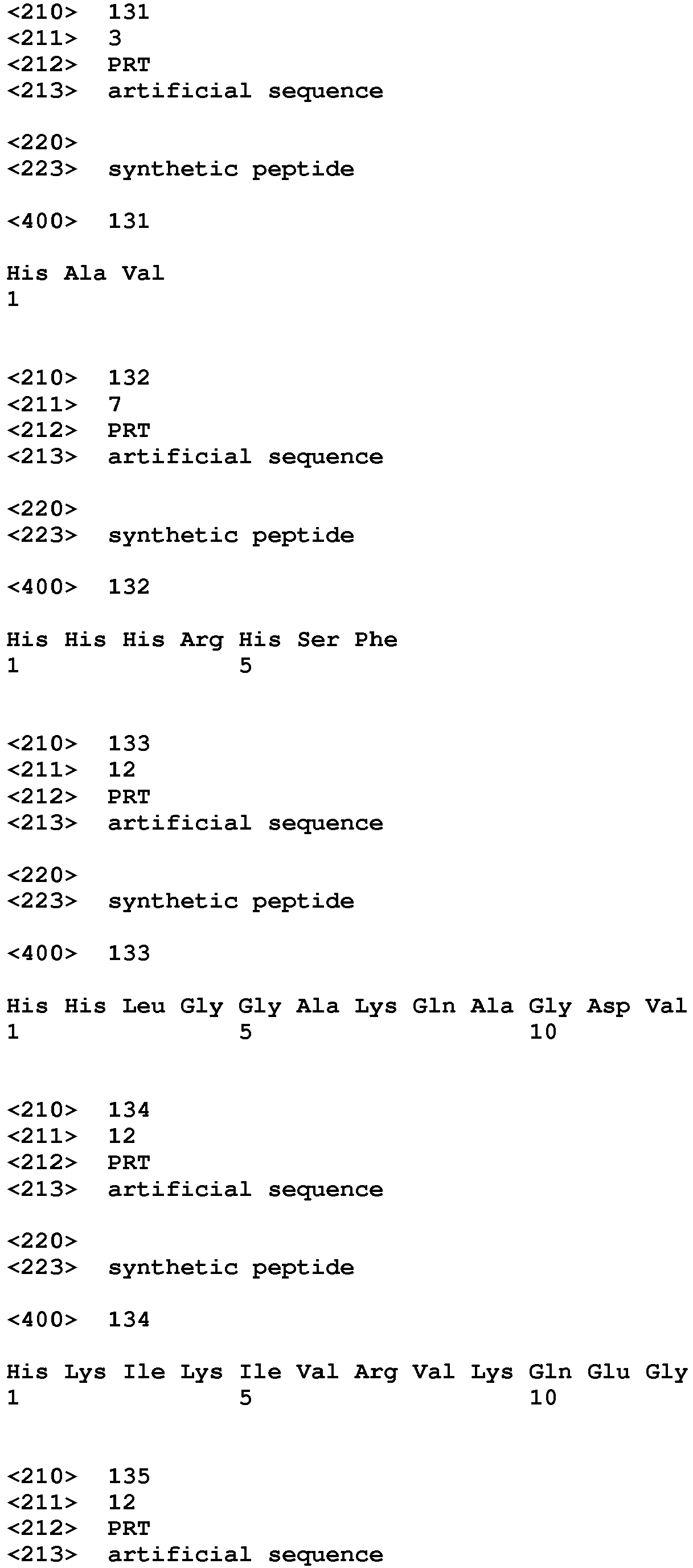


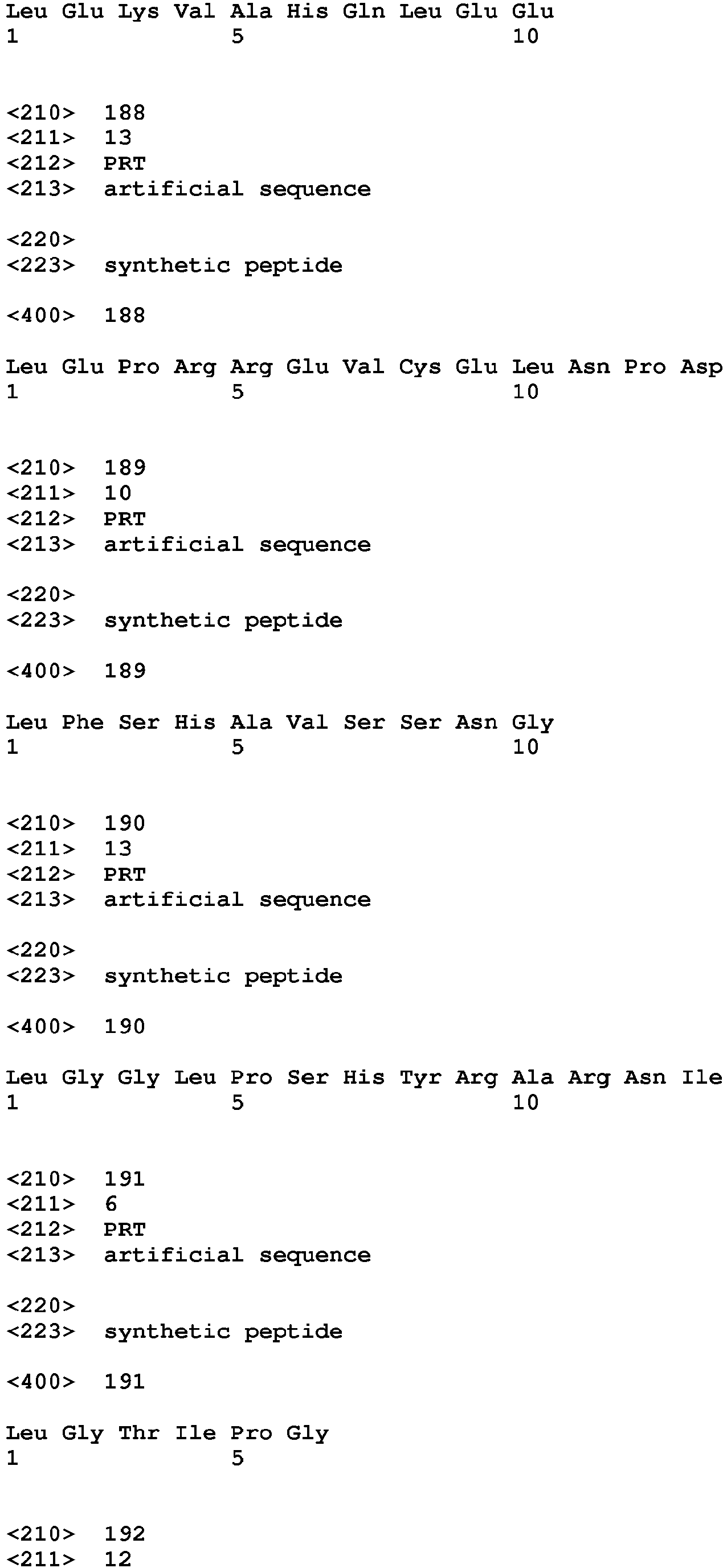
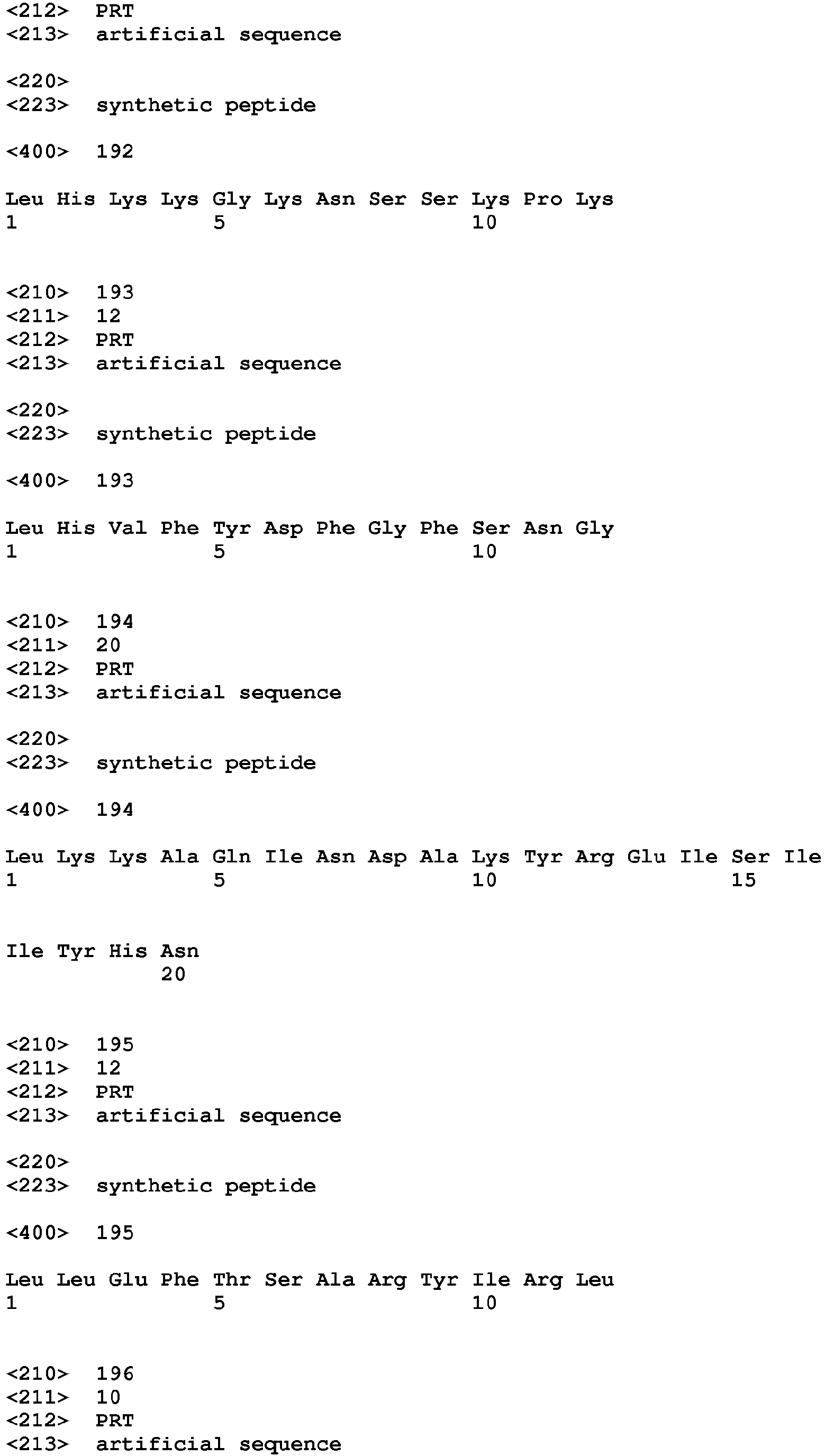


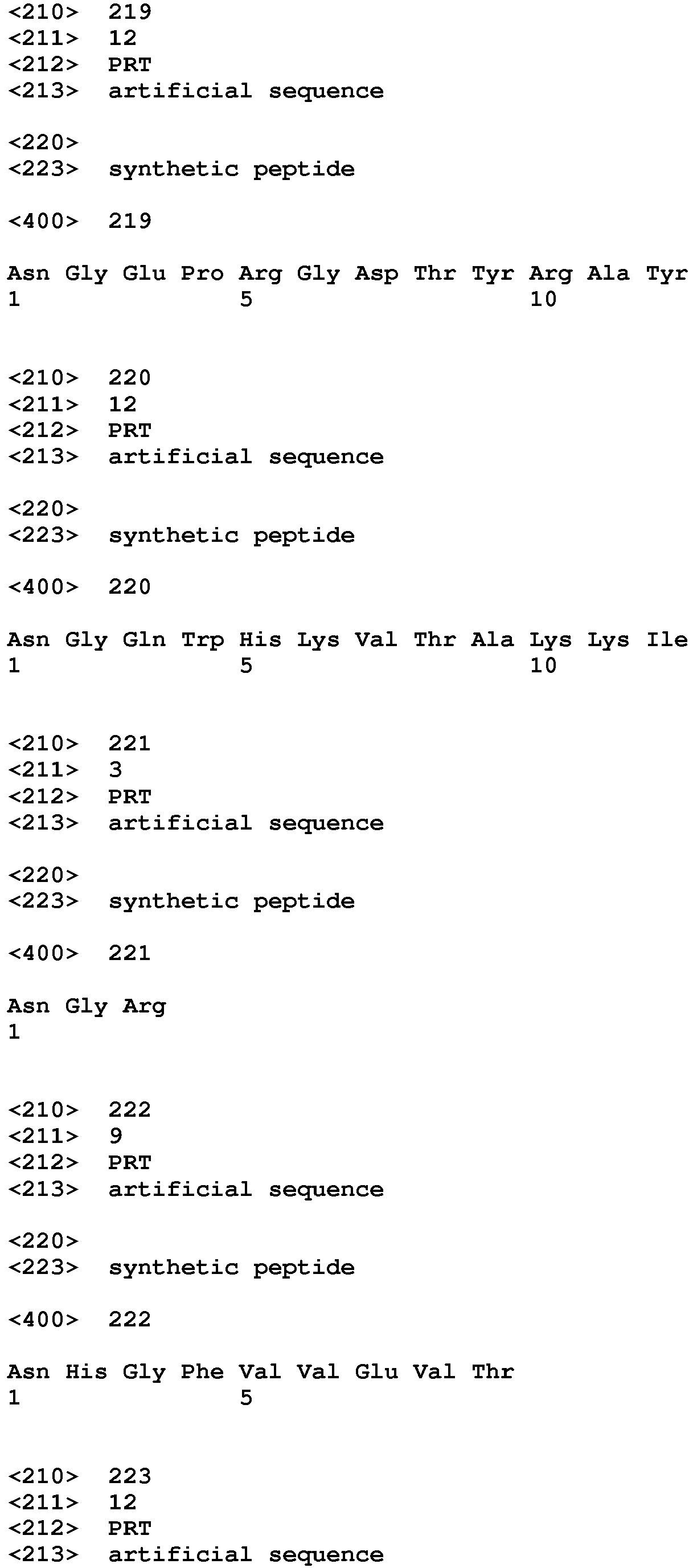


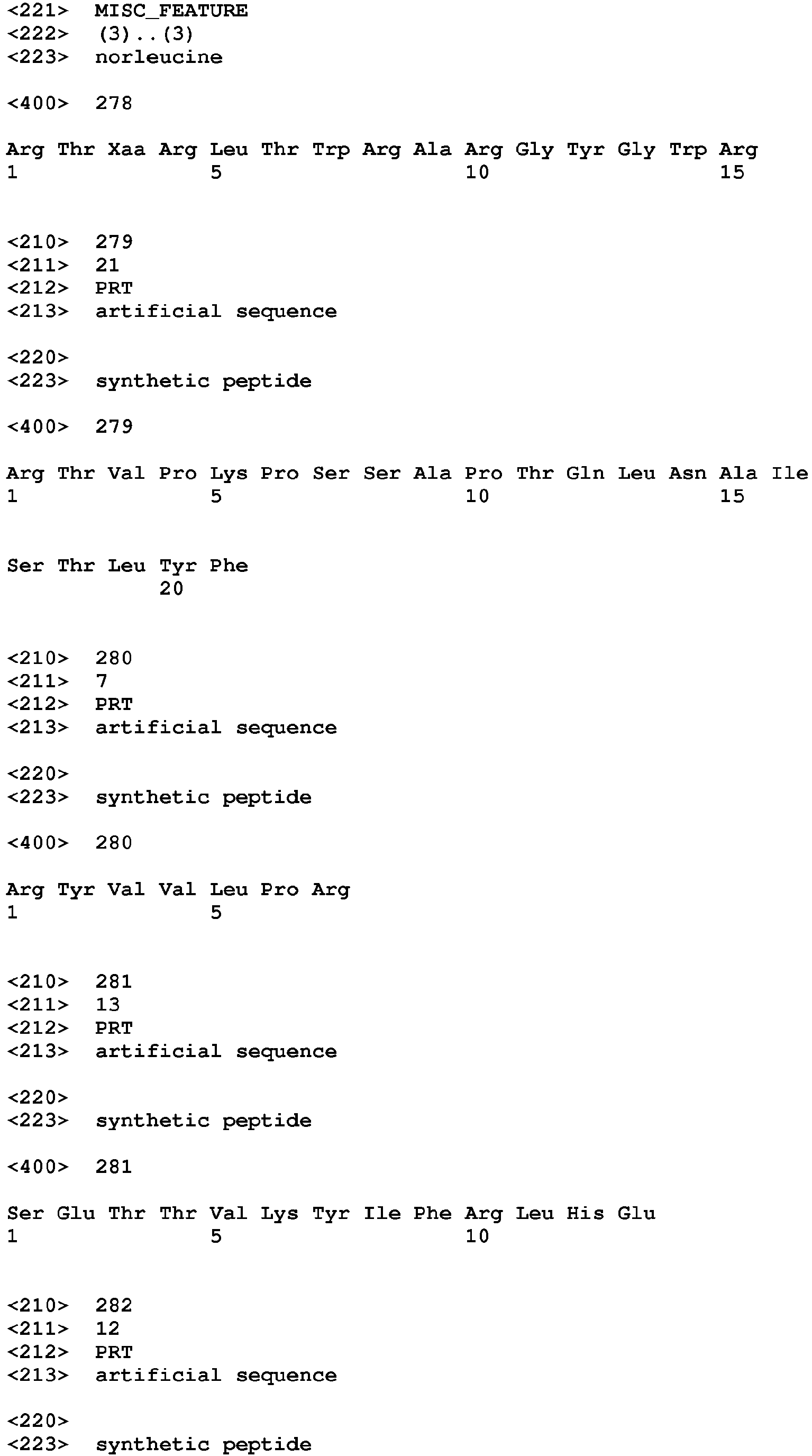


Claims (15)
- A biomatrix layer comprising, consisting essentially of or consisting of• a negatively charged polymer (NCP) at a concentration in the range of 0.1 µM to 250 µM; and• a peptide-polyethylene glycol-conjugate according to formula (I):
PEG-R1-(BX)n (I)
wherein- B is lysine or arginine, X is selected from alanine, glycine, serine, threonine, tyrosine, glutamic acid or aspartic acid and n is an integer selected from 5, 6, 7, 8, 9, 10, 11, 12, 13, 14, 15, 16, 17, 18, 19 and 20;- R1 represents a bio-functional peptide, which may be absent or is a peptide comprising 5 to 30 amino acids;- PEG is comprised at a concentration in the range of 0.1 µM to 250 µM;- R1, if present, is comprised at a concentration in the range of 0.1 µM to 1000 µM;- (BX)n is comprised at a concentration in the range of 0.4 µM to 1000 µM. - The biomatrix layer according to claim 1, wherein said peptide-polyethylene glycol-conjugate is one of formula (Ia):
PEG- (BX)n (Ia)
wherein B, X and n are as defined in claim 1. - The biomatrix layer according to claim 1, wherein said peptide-polyethylene glycol-conjugate of formula (I) comprises further linker sequences between PEG and R1 and R1 and (BX)n and is a peptide-polyethylene glycol-conjugate according to formula (II):
PEG-CWGG-R1-GG-(BX)n (II)
wherein B, X, n and R1 are as defined in claim 1. - The biomatrix layer according to claim 2, wherein said peptide-polyethylene glycol-conjugate of formula (II) comprises a further linker sequence between PEG and (BX)n and is a peptide-polyethylene glycol-conjugate according to formula (IIa):
PEG-CWGG-(BX)n (IIa)
wherein B, X, n and R1 are as defined in claim 1. - The biomatrix layer according to any one of claims 1 to 4, wherein said peptide-polyethylene glycol-conjugate is a mixture of a peptide-polyethylene glycol-conjugate of formula (I) and a peptide-polyethylene glycol-conjugate of formula (Ia) or a mixture of a peptide-polyethylene glycol-conjugate of formula (II) and a peptide-polyethylene glycol-conjugate of formula (IIa) and/or wherein in said mixture, the proportion of said peptide-polyethylene glycol-conjugate of formula (I) or of formula (II) is in the range of 0 to 100 mol%.
- The biomatrix layer according to any one of the preceding claims, wherein said NCP is selected from the group consisting of heparin, heparan sulfate, chondroitin sulfate, dermatan sulfate, keratan sulfate, dextran sulfate, hyaluronic acid, polystyrene sulfate (PSS), sulfated alginate, sulfated hyaluronic acid, cyclic dextran sulfate, cyclic dextran phosphate and phytic acid.
- The biomatrix layer according to any one of the preceding claims, wherein• B is lysine or arginine; and/or• X is alanine or serine; and/or• (BX)n is a peptide selected from the group consisting of the peptides with SEQ ID NOs of table 1: 1 to 13; and/or• R1 is a peptide selected from the group consisting of the peptides with SEQ ID NOs of table 2: 14 to 352.
- The biomatrix layer according to any one of the preceding claims, wherein said PEG is a starPEG, preferably a 4-arm star PEG, more preferably with a molecular weight in the range of 4 kD to 40 kD, which is optionally maleimide-functionalized, carboxylic acid-functionalized, amino-functionalized, azide-functionalized, or alkyne-functionalized.
- The biomatrix layer according to any one of the preceding claims, wherein the ratio of the peptide-polyethylene glycol-conjugate of formula (I) : NCP or the peptide-polyethylene glycol-conjugate of formula (II) : NCP is in the range between 1 : 100 and 100 : 1.
- The biomatrix layer according to any one of the preceding claims, further comprising cells, organiods (e.g. mesensphere, neurosphere), a morphogen or at least one active pharmaceutical ingredient.
- A combinatorial library of building blocks of the biomatrix layer according to any one of the preceding claims, comprising, essentially consisting of or consisting of• NCPs selected from the group consisting of heparin, heparan sulfate, chondroitin sulfate, dermatan sulfate, keratan sulfate, dextran sulfate and hyaluronic acid,• PEGs, preferably 4-arm star-PEGs in the range of 4kD to 40 kD;• (BX)n peptides selected from the group consisting of the peptides with SEQ ID NOs: 1 to 13, and• R1 peptides peptide selected from the group consisting of the peptides with SEQ ID NOs: 13 to 352.
- A kit for producing a purpose-specific biomatrix layer according to any one of claims 1 to 10, comprising the building blocks of the biomatrix layer according to claim 11, and instructions for use these building blocks to produce a purpose-specific biomatrix layer of the invention.
- A process for preparing a biomatrix layer with a thickness in the range from 3 nm to 40 µM according to any one of claims 1 to 10, said process comprising the steps ofi) preparing a peptide - polyethylene glycol (PEG) - conjugate of formula (I):
PEG-R1-(BX)n (I),
and optionally of formula (Ia)
PEG-CWGG-R1-GG-(BX)n (Ia)
wherein- B is lysine or arginine, X is selected from alanine, glycine, serine, threonine, tyrosine, glutamic acid or aspartic acid and n is an integer selected from 5, 6, 7, 8, 9, 10, 11, 12, 13, 14, 15, 16, 17, 18, 19 and 20; and- R1 represents a bio-functional peptide and may be absent or is a peptide comprising 5 to 30 amino acids;ii) dissolving said peptide - polyethylene glycol (PEG) - conjugate and NCP in said buffer at 100x of the final concentration;iii) diluting and mixing solutions of step ii) in a suitable buffer solution, wherein polyethylene glycol (PEG) - conjugate of formula (I) or of formula (II) and said NCP are each contained in said buffer solution at a concentration in the range of 0.1 µM to 250 µM; andiv) forming the biomatrix layer by gelation,and optional, when said hydrogel comprises cells or organoids, the additional steps of:v) seeding said cells or organoids onto the biomatrix layer obtained by step iv) as described above; andvi) incubating said biomatrix layer and said seeded cells or organoids to facilitate cell adhesion to the biomatrix layer. - A process for preparing a biomatrix layer with a thickness in the range from 3 nm to 40 µM according to any one of claims 1 to 10, wherein in a first step, a biomatrix layer without the bio-functional peptide R1 is prepared and in a second step, a post-modification is performed by adding a peptide comprising the bio-functional peptide, wherein said added peptide is selected from R1-(BX)n, CW-R1-GG-(BX)n and CWGG-R1GG-(BX)n and wherein B, X, n and R1 are as defined in claim 1.
- The biomatrix layer according to any one of claims 1 to 10 or the process according to claim 13, wherein the thickness, stiffness, porosity and surface coverage by cells of the biomatrix layer is adjustable.
Priority Applications (8)
| Application Number | Priority Date | Filing Date | Title |
|---|---|---|---|
| EP17176355.0A EP3415165A1 (en) | 2017-06-16 | 2017-06-16 | Non-covalently assembled biomatrix layer |
| PCT/EP2018/066145 WO2018229304A1 (en) | 2017-06-16 | 2018-06-18 | Non-covalently assembled biomatrix layer |
| EP18730376.3A EP3638313B1 (en) | 2017-06-16 | 2018-06-18 | Non-covalently assembled biomatrix layer |
| US16/622,960 US11648320B2 (en) | 2017-06-16 | 2018-06-18 | Non-covalently assembled biomatrix layer |
| JP2020519180A JP2020524004A (en) | 2017-06-16 | 2018-06-18 | Non-covalently assembled biomatrix layer |
| DK18730376.3T DK3638313T5 (en) | 2017-06-16 | 2018-06-18 | NON-COVALENTLY ASSEMBLED BIOMATRIX LAYER |
| CN201880051786.6A CN111050804B (en) | 2017-06-16 | 2018-06-18 | Non-covalently assembled biomatrix layers |
| KR1020197038434A KR20200018500A (en) | 2017-06-16 | 2018-06-18 | Non-Covalently Assembled Biomatrices Layers |
Applications Claiming Priority (1)
| Application Number | Priority Date | Filing Date | Title |
|---|---|---|---|
| EP17176355.0A EP3415165A1 (en) | 2017-06-16 | 2017-06-16 | Non-covalently assembled biomatrix layer |
Publications (1)
| Publication Number | Publication Date |
|---|---|
| EP3415165A1 true EP3415165A1 (en) | 2018-12-19 |
Family
ID=59296666
Family Applications (2)
| Application Number | Title | Priority Date | Filing Date |
|---|---|---|---|
| EP17176355.0A Withdrawn EP3415165A1 (en) | 2017-06-16 | 2017-06-16 | Non-covalently assembled biomatrix layer |
| EP18730376.3A Active EP3638313B1 (en) | 2017-06-16 | 2018-06-18 | Non-covalently assembled biomatrix layer |
Family Applications After (1)
| Application Number | Title | Priority Date | Filing Date |
|---|---|---|---|
| EP18730376.3A Active EP3638313B1 (en) | 2017-06-16 | 2018-06-18 | Non-covalently assembled biomatrix layer |
Country Status (7)
| Country | Link |
|---|---|
| US (1) | US11648320B2 (en) |
| EP (2) | EP3415165A1 (en) |
| JP (1) | JP2020524004A (en) |
| KR (1) | KR20200018500A (en) |
| CN (1) | CN111050804B (en) |
| DK (1) | DK3638313T5 (en) |
| WO (1) | WO2018229304A1 (en) |
Cited By (1)
| Publication number | Priority date | Publication date | Assignee | Title |
|---|---|---|---|---|
| EP4253527A1 (en) * | 2022-03-30 | 2023-10-04 | Denovomatrix GmbH | Coated article for culturing primary cells and stem cells and method for preparing the same |
Citations (3)
| Publication number | Priority date | Publication date | Assignee | Title |
|---|---|---|---|---|
| US6958212B1 (en) | 1999-02-01 | 2005-10-25 | Eidgenossische Technische Hochschule Zurich | Conjugate addition reactions for the controlled delivery of pharmaceutically active compounds |
| WO2008124165A2 (en) | 2007-04-09 | 2008-10-16 | Chimeros, Inc. | Self-assembling nanoparticle drug delivery system |
| WO2014040591A2 (en) | 2012-09-13 | 2014-03-20 | Technische Universität Dresden | Non-covalent, self-organising hydrogel matrix for biotechnological applications |
Family Cites Families (1)
| Publication number | Priority date | Publication date | Assignee | Title |
|---|---|---|---|---|
| US20120052579A1 (en) * | 2010-08-27 | 2012-03-01 | Simon Kelly Shannon | Peptide-modified microcarriers for cell culture |
-
2017
- 2017-06-16 EP EP17176355.0A patent/EP3415165A1/en not_active Withdrawn
-
2018
- 2018-06-18 EP EP18730376.3A patent/EP3638313B1/en active Active
- 2018-06-18 KR KR1020197038434A patent/KR20200018500A/en not_active Abandoned
- 2018-06-18 JP JP2020519180A patent/JP2020524004A/en not_active Withdrawn
- 2018-06-18 US US16/622,960 patent/US11648320B2/en active Active
- 2018-06-18 DK DK18730376.3T patent/DK3638313T5/en active
- 2018-06-18 CN CN201880051786.6A patent/CN111050804B/en active Active
- 2018-06-18 WO PCT/EP2018/066145 patent/WO2018229304A1/en not_active Ceased
Patent Citations (3)
| Publication number | Priority date | Publication date | Assignee | Title |
|---|---|---|---|---|
| US6958212B1 (en) | 1999-02-01 | 2005-10-25 | Eidgenossische Technische Hochschule Zurich | Conjugate addition reactions for the controlled delivery of pharmaceutically active compounds |
| WO2008124165A2 (en) | 2007-04-09 | 2008-10-16 | Chimeros, Inc. | Self-assembling nanoparticle drug delivery system |
| WO2014040591A2 (en) | 2012-09-13 | 2014-03-20 | Technische Universität Dresden | Non-covalent, self-organising hydrogel matrix for biotechnological applications |
Non-Patent Citations (27)
| Title |
|---|
| ADNAN N; MIE M; HAQUE A; HOSSAIN S; MASHIMO Y; AKAIKE T ET AL.: "Construction of a defined biomimetic matrix for long-term culture and maintenance of mouse induced pluripotent stem cells", BIOCONJUGATE CHEMISTRY, 2016 |
| ALISON B. PRATT ET AL.: "Synthetic extracellular matrices for in situ tissue engineering", BIOTECHNOLOGY AND BIOENGINEERING, vol. 86, no. 1, 12 February 2004 (2004-02-12), pages 27 - 36 |
| BARANIAK P.R.; MCDEVITT T.C.: "Scaffold-free culture of mesenchymal stem cell spheroids in suspension preserves multilineage potential", CELL TISSUE RES., vol. 347, no. 3, March 2012 (2012-03-01), pages 701 - 11 |
| BEACHLEY VZ; WOLF MT; SADTLER K; MANDA SS; JACOBS H; BLATCHLEY MR ET AL.: "Tissue matrix arrays for high-throughput screening and systems analysis of cell function", NAT METH, vol. 12, no. 12, 2015, pages 1197 - 1204 |
| BENOIT ET AL.: "The effect of heparin-functionalized PEG hydrogels on three-dimensional human mesenchymal stem cell osteogenic differentiation", BIOMATERIALS, vol. 28, no. 1, 1 January 2007 (2007-01-01), pages 66 - 77 |
| BRANDON I. SEAL ET AL.: "Physical Polymer Matrices Based on Affinity Interactions between Peptides and Polysaccharides", BIOMACROMOLECULES, vol. 4, no. 6, 1 November 2003 (2003-11-01), pages 1572 - 1582 |
| BRANDON L. SEAL ET AL.: "Viscoelastic Behavior of Environmentally Sensitive Biomimetic Polymer Matrices", MACROMOLECULES, vol. 39, no. 6, 23 February 2006 (2006-02-23), pages 2268 - 2274 |
| CELIZ AD; SMITH JGW; PATEL AK; HOOK AL; RAJAMOHAN D; GEORGE VT ET AL.: "Discovery of a Novel Polymer for Human Pluripotent Stem Cell Expansion and Multilineage Differentiation", ADVANCED MATERIALS, vol. 27, no. 27, 2015, pages 4006 - 4012 |
| CHRISTOPH TONDERA ET AL: "In Vivo Examination of an Injectable Hydrogel System Crosslinked by Peptide-Oligosaccharide Interaction in Immunocompetent Nude Mice", ADVANCED FUNCTIONAL MATERIALS, vol. 27, no. 15, 1 April 2017 (2017-04-01), DE, pages 1605189, XP055428378, ISSN: 1616-301X, DOI: 10.1002/adfm.201605189 * |
| FREUDENBERG U. ET AL.: "A star-PEG-heparin hydrogel platform to aid cell replacement therapies for neurodegenerative diseases", BIOMATERIALS, vol. 30, no. 28, October 2009 (2009-10-01), pages 5049 - 5060 |
| KLAAS M; KANGUR T; VIIL J; MAEMETS-ALLAS K; MINAJEVA A; VADI K ET AL.: "The alterations in the extracellular matrix composition guide the repair of damaged liver tissue", SCIENTIFIC REPORTS, vol. 6, 2016, pages 27398 |
| KLIM JR; LI L; WRIGHTON PJ; PIEKARCZYK MS; KIESSLING LL: "A defined glycosaminoglycan-binding substratum for human pluripotent stem cells", NAT METHODS, vol. 7, no. 12, 2010, pages 989 - 994 |
| KYUNG JAE JEONG ET AL.: "Interplay between Covalent and Physical Interactions within Environment Sensitive Hydrogels", BIOMACROMOLECULES, vol. 10, no. 5, 23 March 2009 (2009-03-23), pages 1090 - 1099 |
| MEI Y; SAHA K; BOGATYREV SR; YANG J; HOOK AL; KALCIOGLU ZI ET AL.: "Combinatorial development of biomaterials for clonal growth of human pluripotent stem cells", NAT MATER, vol. 9, no. 9, 2010, pages 768 - 778 |
| MIKHAIL V. T ET AL.: "Enzymatically degradable heparin-polyethylene glycol gels with controlled mechanical properties", CHEMICAL COMMUNICATIONS, vol. 46, no. 7, 16 December 2009 (2009-12-16), pages 1141 - 1143 |
| MIKHAIL V. TSURKAN ET AL.: "Modular StarPEG-Heparin-Gels with Bifunctional Peptide Linkers", MACROMOLECULAR RAPID COMMUNICATIONS, vol. 31, no. 17, 16 August 2010 (2010-08-16), pages 1529 - 1533 |
| NIE T. ET AL.: "Production of heparin containing hydrogels for modulating cell responses", ACTA BIOMATERIALIA, vol. 5, no. 3, March 2009 (2009-03-01), pages 865 - 875 |
| NORI YAMAGUCHI ET AL.: "Polysaccharide poly(ethylene glycol) star copolymer as a scaffold for the production of bioactive hydrogels", BIOMACROMOLECULES, vol. 6, no. 4, July 2005 (2005-07-01), pages 1921 - 1930 |
| NORI YAMAGUCHI ET AL.: "Rheological Characterization of Polysaccharide-Poly(ethylene glycol) Star Copolymer Hydrogels", BIOMACROMOLECULES, vol. 6, no. 4, 28 May 2005 (2005-05-28), pages 1931 - 1940 |
| RANGA A; GOBAA S; OKAWA Y; MOSIEWICZ K; NEGRO A; LUTOLF MP: "3D niche microarrays for systems-level analyses of cell fate", NATURE COMMUNICATIONS, vol. 5, 2014, pages 4324 |
| ROBERT WIEDUWILD ET AL: "Minimal Peptide Motif for Non-covalent Peptide-Heparin Hydrogels", JOURNAL OF THE AMERICAN CHEMICAL SOCIETY, vol. 135, no. 8, 6 February 2013 (2013-02-06), pages 2919 - 2922, XP055102301, ISSN: 0002-7863, DOI: 10.1021/ja312022u * |
| ROBERT WIEDUWILD ET AL: "Noncovalent Hydrogel Beads as Microcarriers for Cell Culture", ANGEWANDTE CHEMIE INTERNATIONAL EDITION, vol. 54, no. 13, 4 February 2015 (2015-02-04), pages 3962 - 3966, XP055428360, ISSN: 1433-7851, DOI: 10.1002/anie.201411400 * |
| SEAL B. L. ET AL.: "Physical matrices stabilized by enzymatically sensitive covalent crosslinks", ACTA BIOMATERIALIA, vol. 2, no. 3, 1 May 2006 (2006-05-01), pages 241 - 251 |
| TONDERA, C. ET AL.: "In Vivo Examination of an Injectable Hydrogel System Crosslinked by Peptide-Oligosaccharide Interaction in Immunocompetent Nude Mice", ADV. FUNCT. MATER., vol. 27, no. 27, 2017, pages 1605189 |
| VEGAS AJ; VEISEH O; DOLOFF JC; MA M; TAM HH; BRATLIE K ET AL.: "Combinatorial hydrogel library enables identification of materials that mitigate the foreign body response in primates", NAT BIOTECH, vol. 34, no. 3, 2016, pages 345 - 352 |
| WIEDUWILD R; KRISHNAN S; CHWALEK K; BODEN A; NOWAK M; DRECHSEL D ET AL.: "Noncovalent Hydrogel Beads as Microcarriers for Cell Culture", ANGEW CHEM INT ED, vol. 56, no. 13, 2015, pages 1521 - 3773 |
| WIEDUWILD R; TSURKAN MV; CHWALEK K; MURAWALA P; NOWAK M; FREUDENBERG U ET AL.: "Minimal Peptide Motif for Non-Covalent Peptide-Heparin Hydrogels", J AM CHEM SOC, vol. 135, no. 8, 2013, pages 2919 - 2922 |
Cited By (2)
| Publication number | Priority date | Publication date | Assignee | Title |
|---|---|---|---|---|
| EP4253527A1 (en) * | 2022-03-30 | 2023-10-04 | Denovomatrix GmbH | Coated article for culturing primary cells and stem cells and method for preparing the same |
| WO2023187065A1 (en) * | 2022-03-30 | 2023-10-05 | Denovomatrix Gmbh | Coated article for culturing primary cells and stem cells and method for preparing the same |
Also Published As
| Publication number | Publication date |
|---|---|
| DK3638313T3 (en) | 2023-02-13 |
| US11648320B2 (en) | 2023-05-16 |
| US20210145980A1 (en) | 2021-05-20 |
| WO2018229304A1 (en) | 2018-12-20 |
| JP2020524004A (en) | 2020-08-13 |
| CN111050804B (en) | 2024-10-01 |
| DK3638313T5 (en) | 2024-08-26 |
| EP3638313A1 (en) | 2020-04-22 |
| EP3638313B1 (en) | 2022-11-23 |
| KR20200018500A (en) | 2020-02-19 |
| CN111050804A (en) | 2020-04-21 |
Similar Documents
| Publication | Publication Date | Title |
|---|---|---|
| KR102842973B1 (en) | Bioink for 3D printing | |
| Christoffersson et al. | Fabrication of modular hyaluronan-PEG hydrogels to support 3D cultures of hepatocytes in a perfused liver-on-a-chip device | |
| EP3395327B1 (en) | Non-covalently assembled conductive hydrogel | |
| Sk et al. | Synthesis and characterization of site selective photo-crosslinkable glycidyl methacrylate functionalized gelatin-based 3D hydrogel scaffold for liver tissue engineering | |
| Yang et al. | Galactosylated alginate as a scaffold for hepatocytes entrapment | |
| US11998658B2 (en) | Injectable porous hydrogels | |
| Yi et al. | Tissue-specific extracellular matrix promotes myogenic differentiation of human muscle progenitor cells on gelatin and heparin conjugated alginate hydrogels | |
| US8852614B2 (en) | Hydrogels with network defects enhanced by nanoparticle incorporation | |
| EP3074416A1 (en) | Self-assembling peptides, peptidomimetics and peptidic conjugates as building blocks for biofabrication and printing | |
| KR102446764B1 (en) | Spheroids Containing Biologically-Related Materials and Related Methods | |
| Jiang et al. | Dissolvable microgel-templated macroporous hydrogels for controlled cell assembly | |
| Calabrese et al. | Silk ionomers for encapsulation and differentiation of human MSCs | |
| Tsai et al. | RGD-conjugated crosslinked chitosan scaffolds for culture and osteogenic differentiation of mesenchymal stem cells | |
| EP3017301B1 (en) | Microtissues | |
| Rana et al. | Cell-laden alginate/polyacrylamide beads as carriers for stem cell delivery: preparation and characterization | |
| CN116075326A (en) | Multi-layer cell capsule and its application | |
| Saleh et al. | Immobilized laminin-derived peptide can enhance expression of stemness markers in mesenchymal stem cells | |
| US11648320B2 (en) | Non-covalently assembled biomatrix layer | |
| EP4253527A1 (en) | Coated article for culturing primary cells and stem cells and method for preparing the same | |
| EP4640694A1 (en) | Self-assembling peptide | |
| KR102051525B1 (en) | Preparation of highly viable and functional spheroid of endocrine cells | |
| Wang et al. | Modification of Polycaprolactone Microspheres-Aggregated Scaffolds with Galactosylated Chitosan for Modulating the Differentiation of Bone Mesenchymal Stem Cells | |
| Bygd et al. | polymers MDPI | |
| CAMANA et al. | Synthesis and characterisation of Pluronic hydrogels for biomedical applications | |
| Zhang et al. | Application of Sodium Alginate Hydrogel |
Legal Events
| Date | Code | Title | Description |
|---|---|---|---|
| PUAI | Public reference made under article 153(3) epc to a published international application that has entered the european phase |
Free format text: ORIGINAL CODE: 0009012 |
|
| AK | Designated contracting states |
Kind code of ref document: A1 Designated state(s): AL AT BE BG CH CY CZ DE DK EE ES FI FR GB GR HR HU IE IS IT LI LT LU LV MC MK MT NL NO PL PT RO RS SE SI SK SM TR |
|
| AX | Request for extension of the european patent |
Extension state: BA ME |
|
| RAP1 | Party data changed (applicant data changed or rights of an application transferred) |
Owner name: DENOVOMATRIX GMBH |
|
| STAA | Information on the status of an ep patent application or granted ep patent |
Free format text: STATUS: THE APPLICATION IS DEEMED TO BE WITHDRAWN |
|
| 18D | Application deemed to be withdrawn |
Effective date: 20190620 |