EP3410791A1 - Synchronization method and device - Google Patents
Synchronization method and device Download PDFInfo
- Publication number
- EP3410791A1 EP3410791A1 EP17743571.6A EP17743571A EP3410791A1 EP 3410791 A1 EP3410791 A1 EP 3410791A1 EP 17743571 A EP17743571 A EP 17743571A EP 3410791 A1 EP3410791 A1 EP 3410791A1
- Authority
- EP
- European Patent Office
- Prior art keywords
- node
- synchronization
- priority
- synchronization sequence
- sequence
- Prior art date
- Legal status (The legal status is an assumption and is not a legal conclusion. Google has not performed a legal analysis and makes no representation as to the accuracy of the status listed.)
- Pending
Links
Images


Classifications
-
- H—ELECTRICITY
- H04—ELECTRIC COMMUNICATION TECHNIQUE
- H04W—WIRELESS COMMUNICATION NETWORKS
- H04W56/00—Synchronisation arrangements
-
- H—ELECTRICITY
- H04—ELECTRIC COMMUNICATION TECHNIQUE
- H04W—WIRELESS COMMUNICATION NETWORKS
- H04W56/00—Synchronisation arrangements
- H04W56/001—Synchronization between nodes
-
- H—ELECTRICITY
- H04—ELECTRIC COMMUNICATION TECHNIQUE
- H04W—WIRELESS COMMUNICATION NETWORKS
- H04W56/00—Synchronisation arrangements
- H04W56/001—Synchronization between nodes
- H04W56/0015—Synchronization between nodes one node acting as a reference for the others
Definitions
- the present disclosure relates to the field of communications, and particularly to a synchronization method and device.
- the Global Navigation Satellite System (GNSS) introduced into Vehicle-to-Vehicle (V2V) communication systems has led to more levels of synchronization precision in the V2V communication systems than in the Device to Device (D2D) systems.
- the timing can be referred from the base station to form a synchronization scheme, or the timing can be referred directly from the GNSS to form the synchronization scheme.
- GNSS Global Navigation Satellite System
- D2D Device to Device
- V2X Vehicle-to-everything
- a terminal in the coverage of a base station is at a level 1
- a terminal partially in the coverage of the base station is at a level 2
- a terminal out of the coverage of the base station is at a level 3.
- the three levels are distinguished by Side Link Synchronization Signal (SLSS) sequences and values of an in-coverage flag, just as follows.
- SLSS Side Link Synchronization Signal
- the terminal in the coverage of the base station transmits a synchronization sequence in an id_net set, and the value of the in-coverage flag is True.
- a synchronization sequence transmitted by the terminal partially in the coverage of the base station is the same as a sequence transmitted by synchronization reference User Equipment (UE) selected by the terminal, but the value of the in-coverage flag is False.
- UE User Equipment
- synchronization reference UE selected by the terminal out of the coverage of the base station is a terminal partially in the coverage of the base station, then a value of a synchronization sequence transmitted by the terminal out of the coverage of the base station equals to a value of a synchronization sequence transmitted by the reference UE plus 168, and a value of the in-coverage flag is False; if the synchronization reference UE selected by the terminal out of the coverage of the base station is a terminal out of the coverage of the base station, then the synchronization sequence transmitted by the terminal out of the coverage of the base station is the same as the sequence transmitted by the selected reference UE, and the value of the in-coverage flag is False; and if the terminal out of the coverage of the base station does not select any synchronization reference UE, then it selects any one sequence in an id oon set as its own synchronization sequence, and transmits the selected synchronization sequence, where the value of the in-cover
- Communication over an internet of vehicles might have two synchronization schemes, i.e., a synchronization scheme whose timing refers from the GNSS, and a synchronization scheme whose timing refers from the base station.
- a synchronization scheme whose timing refers from the GNSS
- a synchronization scheme whose timing refers from the base station.
- the D2D communication whose timing refers from the base station, fails to take into account a UE synchronized with a GNSS but only transmits the timing of the base station to the terminals, thus unable to synchronize the V2X system.
- Embodiments of the disclosure provide a synchronization method and device so as to distinguish between synchronization schemes and synchronization levels of nodes in a V2V communication system to enable rapid synchronization in the V2V communication system.
- An embodiment of the disclosure provides a synchronization method.
- the method includes: determining a synchronization priority of a node; and determining a synchronization sequence of the node and a value of a distinguishing flag of the node according to the synchronization priority of the node.
- the distinguishing flag indicates that the node belongs to a GNSS synchronization scheme or an evolved Node B (eNB) synchronization scheme.
- eNB evolved Node B
- the synchronization priority of the node is determined, and the synchronization sequence of the node and the value of the distinguishing flag of the node are determined according to the synchronization priority of the node.
- the distinguishing flag indicates that the node belongs to the GNSS synchronization scheme or the eNB synchronization scheme.
- determining the synchronization priority of the node includes: determining that the synchronization priority of the node is a preset first priority, a preset second priority, a preset third priority, or a preset fourth priority.
- determining the synchronization sequence of the node and the value of the distinguishing flag of the node according to the synchronization priority of the node includes: when the synchronization priority of the node is the first priority, determining that the synchronization sequence of the node is a synchronization sequence in an id_net set excluding (X1-168) and (X2-168), and determining that the value of the distinguishing flag of the node is True; when the synchronization priority of the node is the second priority, determining that the synchronization sequence of the node is a synchronization sequence X1 in an id_oon set, and determining that the value of the distinguishing flag of the node is False; when the synchronization priority of the node is the third priority, determining that the synchronization sequence of the node is a synchronization sequence X2 in the id oon set, and determining that the value of the distinguishing flag of the node is False; and when the synchronization priority of
- determining the synchronization sequence of the node and the value of the distinguishing flag of the node according to the synchronization priority of the node includes: when the synchronization priority of the node is the first priority, determining that the synchronization sequence of the node is a synchronization sequence in an id_net set excluding X1 and X2, and determining that the value of the distinguishing flag of the node is False; when the synchronization priority of the node is the second priority, determining that the synchronization sequence of the node is the synchronization sequence X1 in the id_net set, and determining that the value of the distinguishing flag of the node is True; when the synchronization priority of the node is the third priority, determining that the synchronization sequence of the node is the synchronization sequence X2 in the id_net, and determining that the value of the distinguishing flag of the node is True; and when the synchronization priority of the node is the fourth priority, determining that
- the synchronization sequence of the node is configured by the eNB via system information.
- An embodiment of the disclosure provides a synchronization device.
- the device includes: a first unit configured to determine a synchronization priority of a node; and a second unit configured to determine a synchronization sequence of the node and a value of a distinguishing flag of the node according to the synchronization priority of the node.
- the distinguishing flag indicates that the node belongs to a GNSS synchronization scheme or an eNB synchronization scheme.
- the first unit is configured to determine that the synchronization priority of the node is a preset first priority, a preset second priority, a preset third priority, or a preset fourth priority.
- the second unit is configured to:when the synchronization priority of the node is the first priority, determine that the synchronization sequence of the node is a synchronization sequence in an id_net set excluding (XI-168) and (X2-168), and determine that the value of the distinguishing flag of the node is True; when the synchronization priority of the node is the second priority, determine that the synchronization sequence of the node is a synchronization sequence X1 in an id_oon set, and determine that the value of the distinguishing flag of the node is False;when the synchronization priority of the node is the third priority, determine that the synchronization sequence of the node is a synchronization sequence X2 in the id_oon set, and determine that the value of the distinguishing flag of the node is False; and when the synchronization priority of the node is the fourth priority, determine that the value of the distinguishing flag of the node is False, and determine the synchronization sequence of the
- the second unit is configured to: when the synchronization priority of the node is the first priority, determine that the synchronization sequence of the node is a synchronization sequence in an id_net set excluding X1 and X2, and determine that the value of the distinguishing flag of the node is False; when the synchronization priority of the node is the second priority, determine that the synchronization sequence of the node is the synchronization sequence X1 in the id_net set, and determine that the value of the distinguishing flag of the node is True; when the synchronization priority of the node is the third priority, determine that the synchronization sequence of the node is the synchronization sequence X2 in the id_net, and determine that the value of the distinguishing flag of the node is True; and when the synchronization priority of the node is the fourth priority, determine that the value of the distinguishing flag of the node is True, and determine the synchronization sequence of the node according to one of following schemes: in a first priority, determine
- the synchronization sequence of the node, determined by the second unit is configured by the eNB via system information.
- An embodiment of the disclosure provides another synchronization device.
- the device includes a processor configured to read a program in a memory to perform: determining a synchronization priority of a node; and determining a synchronization sequence of the node and a value of a distinguishing flag of the node according to the synchronization priority of the node.
- the distinguishing flag indicates that the node belongs to a GNSS synchronization scheme or an eNB synchronization scheme.
- the processor is further configured to perform: determining that the synchronization priority of the node is a preset first priority, a preset second priority, a preset third priority, or a preset fourth priority.
- the processor is further configured to perform: when the synchronization priority of the node is the first priority, determining that the synchronization sequence of the node is a synchronization sequence in an id_net set excluding (XI-168) and (X2-168), and determining that the value of the distinguishing flag of the node is True; when the synchronization priority of the node is the second priority, determining that the synchronization sequence of the node is a synchronization sequence X1 in an id_oon set, and determining that the value of the distinguishing flag of the node is False; when the synchronization priority of the node is the third priority, determining that the synchronization sequence of the node is a synchronization sequence X2 in the id_oon set, and determining that the value of the distinguishing flag of the node is False; and when the synchronization priority of the node is the fourth priority, determining that the value of the distinguishing flag of the node is False, and
- the processor is further configured to perform: when the synchronization priority of the node is the first priority, determining that the synchronization sequence of the node is a synchronization sequence in an id_net set excluding X1 and X2, and determining that the value of the distinguishing flag of the node is False; when the synchronization priority of the node is the second priority, determining that the synchronization sequence of the node is the synchronization sequence X1 in the id_net set, and determining that the value of the distinguishing flag of the node is True; when the synchronization priority of the node is the third priority, determining that the synchronization sequence of the node is the synchronization sequence X2 in the id_net, and determining that the value of the distinguishing flag of the node is True; and when the synchronization priority of the node is the fourth priority, determining that the value of the distinguishing flag of the node is True, and determining the synchronization sequence of the node according to
- the synchronization sequence of the node is configured by the eNB via system information.
- Embodiments of the disclosure provide a synchronization method and device so as to distinguish between synchronization schemes and synchronization levels of nodes in V2V communication.
- the technical solutions according to the embodiments of the disclosure are generally intended to distinguish between synchronization schemes and synchronization levels of nodes in V2V communication.
- Possible synchronization levels in a V2V synchronization scheme include Priority 1a, Priority 1, Priority 2, and Priority 3.
- a distinguishing flag is introduced herein to indicate whether a system's timing refers from timing of a base station or from a GNSS.
- the in-coverage flag is used as the distinguishing flag, so values of the in-coverage flag according to the embodiments of the disclosure indicate something different from what values of the in-coverage flag in the D2D system indicate.
- methods for distinguishing between the synchronization schemes and synchronization levels of nodes in V2V communication include the following two approaches.
- the synchronization reference UE of the node at Priority 3 is a node at Priority 1a, then, a synchronization sequence of the node at Priority 3 is the same as a synchronization sequence of the node at Priority 1a; or, a value of the synchronization sequence of the node at Priority 3 equals to an SLSS ID of the node at Priority 1a plus 168.
- the synchronization reference UE of the node at Priority 3 is a node at Priority 2, then the synchronization sequence of the node at Priority 3 is set to be a fixed value X3.
- the synchronization reference UE of the node at Priority 3 is a node at Priority 3, then: if the SLSS ID of the synchronization reference UE of the node at Priority 3 belongs to the id_net set, then the value of the synchronization sequence of the node at Priority 3 equals to the ID of the synchronization sequence of the synchronization reference UE, plus 168plus 168; or, if the SLSS of the synchronization reference UE of the node at Priority 3 belongs to the id oon set, then the value of the synchronization sequence of the node at Priority 3 is the same as the SLSS ID of the synchronization reference UE.
- the node at Priority 3 operates as an independent synchronization source and selects in a uniform distribution a value randomly in the range [168, 335] excluding X1 and X2 as the value of the synchronization sequence of the node at Priority 3.
- the synchronization reference UE of the node at Priority 3 is a node at Priority 1a
- the synchronization sequence of the node at Priority 3 is selected from the id_net set
- the synchronization sequence of the node at Priority 3 is the same sequence as a synchronization sequence of the node at Priority 1a
- the synchronization sequence of the node at Priority 3 is selected from the id_oon set
- the value of the synchronization sequence of the node at Priority 3 equals to the ID of the synchronization sequence of the node at Priority 1a plus 168.
- the synchronization reference UE of the node at Priority 3 is a node at Priority 2
- the synchronization sequence of the node at Priority 3 is selected from the id_oon sequence, and is particularly selected as a synchronization sequence having the value of X2+168.
- the synchronization reference UE of the node at Priority 3 is a node at Priority 3, then: if an SLSS of the synchronization reference UE at Priority 3, received by the node at Priority 3, belongs to the id_net set, the synchronization sequence of the node at Priority 3 is selected from the id oon set, and the value of the synchronization sequence of the node at Priority 3 equals to the ID of the synchronization sequence of the synchronization reference UE at Priority 3 plus 168; or, if the SLSS of the synchronization reference UE of the node at Priority 3 belongs to the id_oon set, the synchronization sequence of the node at Priority 3 is the same as the received SLSS ID of the synchronization reference UE at Priority 3.
- the node at Priority 3 operates as an independent synchronization source and selects in a uniform distribution a value randomly in the range [168, 335] of the id_oon set as the synchronization sequence of the independent synchronization source.
- a synchronization method includes the following operations.
- determining the synchronization priority of the node includes: determining that the synchronization priority of the node is a preset first priority, a preset second priority, a preset third priority, or a preset fourth priority.
- determining the synchronization sequence of the node and the value of the distinguishing flag of the node according to the synchronization priority of the node includes: when the synchronization priority of the node is the first priority, determining that the synchronization sequence of the node is a synchronization sequence in an id_net set excluding (X1-168) and (X2-168), and determining that the value of the distinguishing flag of the node is True; when the synchronization priority of the node is the second priority, determining that the synchronization sequence of the node is a synchronization sequence X1 in an id_oon set, and determining that the value of the distinguishing flag of the node is False; when the synchronization priority of the node is the third priority, determining that the synchronization sequence of the node is a synchronization sequence X2 in the id oon set, and determining that the value of the distinguishing flag of the node is False; and when the synchronization priority of
- determining the synchronization sequence of the node and the value of the distinguishing flag of the node according to the synchronization priority of the node includes: when the synchronization priority of the node is the first priority, determining that the synchronization sequence of the node is a synchronization sequence in an id_net set excluding X1 and X2, and determining that the value of the distinguishing flag of the node is False; when the synchronization priority of the node is the second priority, determining that the synchronization sequence of the node is the synchronization sequence X1 in the id_net set, and determining that the value of the distinguishing flag of the node is True; when the synchronization priority of the node is the third priority, determining that the synchronization sequence of the node is the synchronization sequence X2 in the id_net, and determining that the value of the distinguishing flag of the node is True; and when the synchronization priority of the node is the fourth priority, determining that
- the synchronization sequence of the node is configured by the eNB via system information.
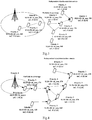
- Fig. 3 illustrates a particular implementation of the first embodiment. Since the synchronization priorities of GNSS or GNSS-equivalent based synchronization are independent of network coverage conditions, the in-coverage flag does not need to indicate "in coverage”, “ partially in coverage”, or "out of coverage”, and the value of the in-coverage flag is set to False to indicate GNSS or GNSS-equivalent based synchronization.
- the SLSS can be set as follows: for a node at Priority 1, an SLSS ID is selected from the id_oon sequence and is set to be the fixed value X1, and the value of the in-coverage flag is set to False.
- the SLSS ID is selected from the id_oon sequence and is set to be the fixed value X2, and the value of the in-coverage flag is set to False.
- the value of the in-coverage flag is set to False, and the SLSS ID is selected from the id oon sequence.
- the SISS ID is set according to the synchronization reference UE as follows: when the synchronization reference UE is a node at Priority 2, the SLSS ID is selected from the id_oon sequence, and is set to be the fixed value X3; or, when the synchronization reference UE is a node at Priority 3, the SLSS ID is the same as the ID of a received SLSS of the synchronization reference UE at Priority 3; or, when the node at Priority 3 operates as an independent synchronization source, a uniformly distributed value in the range of id_oon is selected randomly in the range [168, 335] as a synchronization sequence of the independent synchronization source.
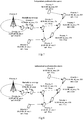
- Fig. 4 illustrates an implementation of the second embodiment.
- Nodes in an eNB based synchronization scheme have four priorities, where the value of the in-coverage flag of a node at Priority 1, 2, or 3 is set in the same way as the value of the in-coverage flag of a node at Priority 1, 2, or 3 in GNSS or GNSS-equivalent synchronization is set according to the first embodiment.
- An SLSS ID of a node at Priority 1a is selected from the id_net set excluding (XI-168) and (X2-168), and is configured by an eNB via system information, and the value of the in-coverage flag is set to True.
- An SLSS ID of a node at Priority 1 or at Priority 2 is set in the same way as an SLSS ID in GNSS or GNSS-equivalent synchronization according to the first embodiment.
- the SLSS ID of the node at Priority 3 equals to the ID of a synchronization sequence of the synchronization reference node at Priority 1a plus 168; or, when the synchronization reference UE is a node at Priority 2, the SLSS ID of the node at Priority 3 is selected from the id_oon sequence and is set to be the fixed value X3, and the value of the in-coverage flag is set to False; or, when the synchronization reference UE is a node at Priority 3, and an SLSS thereof belongs to the id_oon set, an SLSS ID of the node at Priority 3 equals to the received SLSS ID of the synchronization reference UE at Priority 3; or, when the node operates as an independent synchronization source, a uniformly distributed value in the range of id_oon is selected randomly in the range [168, 335
- Fig. 5 illustrates an implementation of the third embodiment.
- Nodes in eNB based synchronization have four priorities, where the value of the in-coverage flag of a node at Priority 1, 2, or 3 is set in the same way as the value of the in-coverage flag of a node at Priority 1, 2, or 3 in GNSS or GNSS-equivalent synchronization is set according to the first embodiment.
- An SLSS ID of a node at Priority 1a is selected from the id_net set excluding (XI-168) and (X2-168) and is configured by an eNB via system information, and the value of the in-coverage flag is set to True.
- An SLSS ID of a node at Priority 1 or Priority 2 is set in the same way as an SLSS ID in GNSS or GNSS-equivalent synchronization according to the first embodiment.
- the node at Priority 3 selects its synchronization sequence from the id_net set, where the synchronization sequence of the node at Priority 3 is the same as a synchronization sequence of the node at Priority 1a; or, when the synchronization reference UE of the node at Priority 3 is a node at Priority 2, the node at Priority 3 selects the synchronization sequence from the id_oon sequence, where the synchronization sequence of the node at Priority 3 is set to be the fixed value X3, and the value of the in-coverage flag is set to False; or, when the synchronization reference UE of the node at Priority 3 is a node at Priority 3, and an SLSS thereof belongs to the id_net set, the value of the synchronization sequence selected by the node at Priority 3 equals to the ID of a
- Fig. 6 illustrates an implementation of the fourth embodiment.
- the three synchronization priorities need to be distinguished from each other using an SLSS, and in order to reuse the SLSS design of D2D in the R12 as much as possible, the SLSS can be set as follows.
- the synchronization sequence is selected from the id_net sequence and is set to be the fixed value X1, and the value of the in-coverage flag is set to True.
- the synchronization sequence is selected from the id_net sequence and is set to be the fixed value X2, and the value of the in-coverage flag is set to True.
- the synchronization sequence is selected from the id_oon sequence, and is set as follows according to the synchronization reference UE: when the synchronization reference UE is a node at Priority 2, the synchronization sequence having the value of X2+168 is selected as the synchronization sequence of the node at Priority 3; or, when the synchronization reference UE is a node at Priority 3, the synchronization sequence selected as the synchronization sequence of the node at Priority 3 is the same as a received SLSS ID of the synchronization reference UE at Priority 3; or, when the node operates as an independent synchronization source, a uniformly distributed value in the range of id_oon is selected randomly in the range [168, 335] as a synchronization sequence of the independent synchronization source.
- Fig. 7 illustrates an implementation of the fifth embodiment.
- Nodes in eNB based synchronization have four priorities, where the value of the in-coverage flag of a node at Priority 1, 2, or 3 is set in the same way as the value of the in-coverage flag of a node at Priority 1, 2, or 3 in GNSS or GNSS-equivalent synchronization is set according to the fourth embodiment.
- An SLSS ID of a node at Priority 1a is selected from id_net excluding X1 and X2 and is configured by an eNB via system information, and the value of the in-coverage flag is set to False.
- An SLSS ID of a node at Priority 1 or Priority 2 is set in the same way as an SLSS ID in GNSS or GNSS-equivalent synchronization according to the fourth embodiment, and the value of the in-coverage flag is set to True.
- the value of the in-coverage flag is set to True, and the synchronization sequence of the node at Priority 3 is determined as follows: when the synchronization reference UE is a node at Priority 1a, the SLSS ID of the node at Priority 3 equals to the ID of a synchronization sequence of the synchronization reference node at Priority 1a plus 168; or, when the synchronization reference UE is a node at Priority 2, the synchronization sequence having the value of X2+168 is selected as the synchronization sequence of the node at Priority 3; or, when the synchronization reference UE is a node at Priority 3, and an SLSS thereof belongs to the id_oon set, the synchronization sequence of the node at Priority 3 is the same as the received SLSS ID of the UE at Priority 3; or, when the node operates as an independent synchronization source, a uniformly distributed value in the range of id_oon is selected randomly
- Fig. 8 illustrates an implementation of the sixth embodiment.
- Nodes in eNB based synchronization has four priorities, where the value of the in-coverage flag of a node at Priority 1, 2, or 3 is set in the same way as the value of the in-coverage flag of a node at Priority 1, 2, or 3 in GNSS or GNSS-equivalent synchronization is set according to the fourth embodiment.
- An SLSS ID of a node at Priority 1a is selected from id_net excluding X1 and X2 and is configured by an eNB via system information, and the value of the in-coverage flag is set to False.
- An SLSS ID of a node at Priority 1 or Priority 2 is set in the same way as an SLSS ID in GNSS or GNSS-equivalent synchronization according to the fourth embodiment, and the value of the in-coverage flag is set to True.
- the value of the in-coverage flag is set to True, and the synchronization sequence of the node at Priority 3 is determined as follows: when the synchronization reference UE is a node at Priority 1a, the synchronization sequence of the node at Priority 3 is selected from id_net, and the synchronization sequence of the node at Priority 3 is the same sequence as the synchronization sequence of the synchronization reference node at Priority 1a; or, when the synchronization reference UE is a node at Priority 2, the synchronization sequence having the value of X2+168 is selected as the synchronization sequence of the node at Priority 3; or, when the synchronization reference UE is a node at Priority 3, and an SLSS of the synchronization reference UE belongs to the id_net set, the synchronization sequence of the node at Priority 3 is selected from the id_oon set, and the value of the synchronization sequence of the node at Priority 3
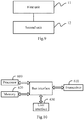
- Fig. 9 illustrates a synchronization device according to an embodiment of the disclosure.
- the synchronization device includes: a first unit 11 configured to determine a synchronization priority of the node; and a second unit 12 configured to determine a synchronization sequence of the node and a value of a distinguishing flag of the node according to the synchronization priority of the node.
- the distinguishing flag indicates that the node belongs to a GNSS synchronization scheme or an eNB synchronization scheme.
- the first unit is configured to determine that the synchronization priority of the node is a preset first priority, a preset second priority, a preset third priority, or a preset fourth priority.
- the second unit is configured to: when the synchronization priority of the node is the first priority, determine that the synchronization sequence of the node is a synchronization sequence in an id_net set excluding (XI-168) and (X2-168), and determine that the value of the distinguishing flag of the node is True; when the synchronization priority of the node is the second priority, determine that the synchronization sequence of the node is a synchronization sequence X1 in an id_oon set, and determine that the value of the distinguishing flag of the node is False;when the synchronization priority of the node is the third priority, determine that the synchronization sequence of the node is a synchronization sequence X2 in the id_oon set, and determine that the value of the distinguishing flag of
- the second unit is configured to: when the synchronization priority of the node is the first priority, determine that the synchronization sequence of the node is a synchronization sequence in an id_net set excluding X1 and X2, and determine that the value of the distinguishing flag of the node is False; when the synchronization priority of the node is the second priority, determine that the synchronization sequence of the node is the synchronization sequence X1 in the id_net set, and determine that the value of the distinguishing flag of the node is True; when the synchronization priority of the node is the third priority, determine that the synchronization sequence of the node is the synchronization sequence X2 in the id_net, and determine that the value of the distinguishing flag of the node is True; and when the synchronization priority of the node is the fourth priority, determine that the value of the distinguishing flag of the node is True, and determine the synchronization sequence of the node according to one of following schemes: in a first priority, determine
- another synchronization device includes: a processor 600 configured to read and execute program in a memory 620 to perform: determining a synchronization priority of a node; and determining a synchronization sequence of the node and a value of a distinguishing flag of the node according to the synchronization priority of the node.
- the distinguishing flag indicates that the node belongs to a GNSS synchronization scheme or an eNB synchronization scheme.
- the processor 600 is configured to determine the synchronization priority of the node includes: determining that the synchronization priority of the node is a preset first priority, a preset second priority, a preset third priority, or a preset fourth priority.
- the processor 600 is configured to determine the synchronization sequence of the node and the value of the distinguishing flag of the node according to the synchronization priority of the node includes: when the synchronization priority of the node is the first priority, determining that the synchronization sequence of the node is a synchronization sequence in an id_net set excluding (XI-168) and (X2-168), and determining that the value of the distinguishing flag of the node is True; when the synchronization priority of the node is the second priority, determining that the synchronization sequence of the node is a synchronization sequence X1 in an id_oon set, and determining that the value of the distinguishing flag of the node is False; when the synchronization priority of the node is the third priority, determining that the synchronization sequence of the node is a synchronization sequence X2 in the id_oon set, and determining that the value of the distinguishing flag of the node is False; and when the synchronization
- the processor 600 configured to determine the synchronization sequence of the node and the value of the distinguishing flag of the node according to the synchronization priority of the node includes: when the synchronization priority of the node is the first priority, determining that the synchronization sequence of the node is a synchronization sequence in an id_net set excluding X1 and X2, and determining that the value of the distinguishing flag of the node is False; when the synchronization priority of the node is the second priority, determining that the synchronization sequence of the node is the synchronization sequence X1 in the id_net set, and determining that the value of the distinguishing flag of the node is True; when the synchronization priority of the node is the third priority, determining that the synchronization sequence of the node is the synchronization sequence X2 in the id_net, and determining that the value of the distinguishing flag of the node is True; and when the synchronization priority of the node is the fourth priority
- the processor 600 when the synchronization priority of the node is the first priority, the processor 600 is configured to determine that the synchronization sequence of the node is configured by an eNB via system information.
- the synchronization device also includes a transceiver 60 configured to receive and transmit data under the control of the processor 600.
- the bus architecture can include any number of interconnecting buses and bridges to particularly link together various circuits including one or more processors represented by the processor 600, and one or more memories represented by the memory 620.
- the bus architecture can further link together various other circuits, e.g., a peripheral device, a manostat, a power management circuit, etc., all of which are well known in the art, so a further description thereof will be omitted in this context.
- the bus interface serves as an interface.
- the transceiver 610 can be a number of elements, e.g., a transmitter and a receiver, which are units for communication with various other devices over a transmission medium.
- the user interface 630 can also be an interface via which device(s) is connected externally and/or internally" where the connected device(s) includes but is not be limited to a keypad, a display, a loudspeaker, a microphone, a joystick, etc.
- the processor 600 is responsible for managing the bus architecture and performing normal processes, and the memory 620 can store data for use by the processor 600 in performing operations.
- the processor 600 can be a Central Processing Unit (CPU), an Application Specific Integrated Circuit (ASIC), a Field-Programmable Gate Array (FPGA), or a Complex Programmable Logic Device (CPLD).
- CPU Central Processing Unit
- ASIC Application Specific Integrated Circuit
- FPGA Field-Programmable Gate Array
- CPLD Complex Programmable Logic Device
- the embodiments of the disclosure provide a synchronization method and device so as to distinguish between synchronization schemes and synchronization levels of nodes in a V2V system, where this method is compatible with both a synchronization scheme whose timing refers from a GNSS or a synchronization scheme whose timing refers from an eNB, and brings minor modification to the existing standards, so that a terminal can distinguish between the different synchronization levels to enable rapid synchronization in the V2V communication system.
- the embodiments of the disclosure can be embodied as a method, a system or a computer program product. Therefore the disclosure can be embodied in the form of an all-hardware embodiment, an all-software embodiment or an embodiment of software and hardware in combination. Furthermore the disclosure can be embodied in the form of a computer program product embodied in one or more computer useable storage mediums (including but not limited to a disk memory, an optical memory, etc.) in which computer useable program codes are contained.
- the disclosure has been described in a flow chart and/or a block diagram of the method, the device (system) and the computer program product according to the embodiments of the disclosure.
- respective flows and/or blocks in the flow chart and/or the block diagram and combinations of the flows and/or the blocks in the flow chart and/or the block diagram can be embodied in computer program instructions.
- These computer program instructions can be loaded onto a general-purpose computer, a specific-purpose computer, an embedded processor or a processor of another programmable data processing device to produce a machine so that the instructions executed on the computer or the processor of the other programmable data processing device create means for performing the functions specified in the flow(s) of the flow chart and/or the block(s) of the block diagram.
- These computer program instructions can also be stored into a computer readable memory capable of directing the computer or the other programmable data processing device to operate in a specific manner so that the instructions stored in the computer readable memory create an article of manufacture including instruction means which perform the functions specified in the flow(s) of the flow chart and/or the block(s) of the block diagram.
- These computer program instructions can also be loaded onto the computer or the other programmable data processing device so that a series of operational steps are performed on the computer or the other programmable data processing device to create a computer implemented process so that the instructions executed on the computer or the other programmable device provide steps for performing the functions specified in the flow(s) of the flow chart and/or the block(s) of the block diagram.
Landscapes
- Engineering & Computer Science (AREA)
- Computer Networks & Wireless Communication (AREA)
- Signal Processing (AREA)
- Mobile Radio Communication Systems (AREA)
- Synchronisation In Digital Transmission Systems (AREA)
Abstract
Description
- This application claims the benefit and priority of Chinese Patent Application No.
201610067213.5 - The present disclosure relates to the field of communications, and particularly to a synchronization method and device.
- The Global Navigation Satellite System (GNSS) introduced into Vehicle-to-Vehicle (V2V) communication systems has led to more levels of synchronization precision in the V2V communication systems than in the Device to Device (D2D) systems. The timing can be referred from the base station to form a synchronization scheme, or the timing can be referred directly from the GNSS to form the synchronization scheme. However, currently there is neither a reasonable mechanism to assist a terminal in determining a scheme the terminal is in, nor a reasonable approach to assist the terminal in determining its own synchronization level and performing subsequent timing adjustment operations. In a vehicle and road coordination system, information about vehicles and roads is obtained using technologies such as radio communication, and the information about vehicles and roads is exchanged and shared between vehicles, and between a vehicle and a road side device, so that the vehicles are coordinated intelligently and the vehicles cooperate with the infrastructure intelligently to optimize utilization of system resources, improve safety of traffic on the roads, and alleviate traffic jams. Such a system is a Vehicle-to-everything (V2X) system, in the broadest sense of the word, and is also an inevitable trend of future development of intelligent transportation.
- Standards of D2D communication established in researches on the 3rd Generation Partnership Project (3GPP) standards involve three synchronization levels in total. As illustrated in
Fig. 1 , a terminal in the coverage of a base station is at alevel 1, a terminal partially in the coverage of the base station is at alevel 2, and a terminal out of the coverage of the base station is at alevel 3. The three levels are distinguished by Side Link Synchronization Signal (SLSS) sequences and values of an in-coverage flag, just as follows. - The terminal in the coverage of the base station transmits a synchronization sequence in an id_net set, and the value of the in-coverage flag is True. A synchronization sequence transmitted by the terminal partially in the coverage of the base station is the same as a sequence transmitted by synchronization reference User Equipment (UE) selected by the terminal, but the value of the in-coverage flag is False. Regarding the terminal out of the coverage of the base station, if synchronization reference UE selected by the terminal out of the coverage of the base station is a terminal partially in the coverage of the base station, then a value of a synchronization sequence transmitted by the terminal out of the coverage of the base station equals to a value of a synchronization sequence transmitted by the reference UE plus 168, and a value of the in-coverage flag is False; if the synchronization reference UE selected by the terminal out of the coverage of the base station is a terminal out of the coverage of the base station, then the synchronization sequence transmitted by the terminal out of the coverage of the base station is the same as the sequence transmitted by the selected reference UE, and the value of the in-coverage flag is False; and if the terminal out of the coverage of the base station does not select any synchronization reference UE, then it selects any one sequence in an id oon set as its own synchronization sequence, and transmits the selected synchronization sequence, where the value of the in-coverage flag is False.
- Communication over an internet of vehicles might have two synchronization schemes, i.e., a synchronization scheme whose timing refers from the GNSS, and a synchronization scheme whose timing refers from the base station. Apparently the D2D communication, whose timing refers from the base station, fails to take into account a UE synchronized with a GNSS but only transmits the timing of the base station to the terminals, thus unable to synchronize the V2X system.
- Embodiments of the disclosure provide a synchronization method and device so as to distinguish between synchronization schemes and synchronization levels of nodes in a V2V communication system to enable rapid synchronization in the V2V communication system.
- An embodiment of the disclosure provides a synchronization method. The method includes: determining a synchronization priority of a node; and determining a synchronization sequence of the node and a value of a distinguishing flag of the node according to the synchronization priority of the node. The distinguishing flag indicates that the node belongs to a GNSS synchronization scheme or an evolved Node B (eNB) synchronization scheme.
- With this method, the synchronization priority of the node is determined, and the synchronization sequence of the node and the value of the distinguishing flag of the node are determined according to the synchronization priority of the node. The distinguishing flag indicates that the node belongs to the GNSS synchronization scheme or the eNB synchronization scheme. As such, synchronization schemes and synchronization levels of nodes in V2V communication are distinguished and rapid synchronization in the V2V communication system is enabled.
- In an embodiment, determining the synchronization priority of the node includes: determining that the synchronization priority of the node is a preset first priority, a preset second priority, a preset third priority, or a preset fourth priority.
- In an embodiment, determining the synchronization sequence of the node and the value of the distinguishing flag of the node according to the synchronization priority of the node includes: when the synchronization priority of the node is the first priority, determining that the synchronization sequence of the node is a synchronization sequence in an id_net set excluding (X1-168) and (X2-168), and determining that the value of the distinguishing flag of the node is True; when the synchronization priority of the node is the second priority, determining that the synchronization sequence of the node is a synchronization sequence X1 in an id_oon set, and determining that the value of the distinguishing flag of the node is False; when the synchronization priority of the node is the third priority, determining that the synchronization sequence of the node is a synchronization sequence X2 in the id oon set, and determining that the value of the distinguishing flag of the node is False; and when the synchronization priority of the node is the fourth priority, determining that the value of the distinguishing flag of the node is False, and determining the synchronization sequence of the node according to one of following schemes: in a first scheme, if a synchronization reference node of the node has the first priority, then the synchronization sequence of the node is the same sequence as a synchronization sequence of the synchronization reference node, or the synchronization sequence of the node equals to the synchronization sequence of the synchronization reference node plus 168; in a second scheme, if the synchronization reference node of the node has the third priority, then the synchronization sequence of the node is set to be a fixed value X3; in a third scheme, if the synchronization reference node of the node has the fourth priority, then, if the synchronization sequence of the synchronization reference node belongs to the id_net set, then the synchronization sequence of the node equals to the synchronization sequence of the synchronization reference node plus 168; or if the synchronization sequence of the synchronization reference node belongs to the id oon set, then the synchronization sequence of the node is the same as the synchronization sequence of the synchronization reference node; and in a fourth scheme, if the node operates as an independent synchronization source, then a value not smaller than 168 and not greater than 335 is randomly selected as the synchronization sequence of the node, where the value is not equal to X1 or X2.
- In an embodiment, determining the synchronization sequence of the node and the value of the distinguishing flag of the node according to the synchronization priority of the node includes: when the synchronization priority of the node is the first priority, determining that the synchronization sequence of the node is a synchronization sequence in an id_net set excluding X1 and X2, and determining that the value of the distinguishing flag of the node is False; when the synchronization priority of the node is the second priority, determining that the synchronization sequence of the node is the synchronization sequence X1 in the id_net set, and determining that the value of the distinguishing flag of the node is True; when the synchronization priority of the node is the third priority, determining that the synchronization sequence of the node is the synchronization sequence X2 in the id_net, and determining that the value of the distinguishing flag of the node is True; and when the synchronization priority of the node is the fourth priority, determining that the value of the distinguishing flag of the node is True, and determining the synchronization sequence of the node according to one of following schemes: in a first scheme, if a synchronization reference node of the node has the first priority, then the synchronization sequence of the node is a synchronization sequence in the id_net set, and the synchronization sequence of the node is the same as a synchronization sequence of the synchronization reference node, or the synchronization sequence of the node is a synchronization sequence in an id_oon set, and the synchronization sequence of the node equals to the synchronization sequence of the synchronization reference node plus 168; in a second scheme, if the synchronization reference node of the node has the third priority, then the synchronization sequence of the node is a synchronization sequence in the id oon set, and the synchronization sequence of the node equals to a fixed value of (X2+168); in a third scheme, if the synchronization reference node of the node has the fourth priority, then, if the synchronization sequence of the synchronization reference node belongs to the id_net set, then the synchronization sequence of the node is a synchronization sequence in the id oon set, and the synchronization sequence of the node equals to the synchronization sequence of the synchronization reference node plus 168; or if the synchronization sequence of the synchronization reference node belongs to the id_oon set, then the synchronization sequence of the node is the same as the synchronization sequence of the synchronization reference node; and in a fourth scheme, if the node operates as an independent synchronization source, then a value not smaller than 168 and not greater than 335 is randomly selected as the synchronization sequence of the node.
- In an embodiment, when the synchronization priority of the node is the first priority, the synchronization sequence of the node is configured by the eNB via system information.
- An embodiment of the disclosure provides a synchronization device. The device includes: a first unit configured to determine a synchronization priority of a node; and a second unit configured to determine a synchronization sequence of the node and a value of a distinguishing flag of the node according to the synchronization priority of the node. The distinguishing flag indicates that the node belongs to a GNSS synchronization scheme or an eNB synchronization scheme.
- In an embodiment, the first unit is configured to determine that the synchronization priority of the node is a preset first priority, a preset second priority, a preset third priority, or a preset fourth priority.
- In an embodiment, the second unit is configured to:when the synchronization priority of the node is the first priority, determine that the synchronization sequence of the node is a synchronization sequence in an id_net set excluding (XI-168) and (X2-168), and determine that the value of the distinguishing flag of the node is True; when the synchronization priority of the node is the second priority, determine that the synchronization sequence of the node is a synchronization sequence X1 in an id_oon set, and determine that the value of the distinguishing flag of the node is False;when the synchronization priority of the node is the third priority, determine that the synchronization sequence of the node is a synchronization sequence X2 in the id_oon set, and determine that the value of the distinguishing flag of the node is False; and when the synchronization priority of the node is the fourth priority, determine that the value of the distinguishing flag of the node is False, and determine the synchronization sequence of the node according to one of following schemes: in a first scheme, if a synchronization reference node of the node has the first priority, then the synchronization sequence of the node is the same sequence as a synchronization sequence of the synchronization reference node, or the synchronization sequence of the node equals to the synchronization sequence of the synchronization reference node plus 168; in a second scheme, if the synchronization reference node of the node has the third priority, then the synchronization sequence of the node is set to be a fixed value X3; in a third scheme, if the synchronization reference node of the node has the fourth priority, then, if the synchronization sequence of the synchronization reference node belongs to the id_net set, then the synchronization sequence of the node equals to the synchronization sequence of the synchronization reference node plus 168; or if the synchronization sequence of the synchronization reference node belongs to the id oon set, then the synchronization sequence of the node is the same as the synchronization sequence of the synchronization reference node; and in a fourth scheme, if the node operates as an independent synchronization source, then a value not smaller than 168 and not greater than 335 is randomly selected as the synchronization sequence of the node, where the value is not equal to X1 or X2.
- In an embodiment, the second unit is configured to: when the synchronization priority of the node is the first priority, determine that the synchronization sequence of the node is a synchronization sequence in an id_net set excluding X1 and X2, and determine that the value of the distinguishing flag of the node is False; when the synchronization priority of the node is the second priority, determine that the synchronization sequence of the node is the synchronization sequence X1 in the id_net set, and determine that the value of the distinguishing flag of the node is True; when the synchronization priority of the node is the third priority, determine that the synchronization sequence of the node is the synchronization sequence X2 in the id_net, and determine that the value of the distinguishing flag of the node is True; and when the synchronization priority of the node is the fourth priority, determine that the value of the distinguishing flag of the node is True, and determine the synchronization sequence of the node according to one of following schemes: in a first scheme, if a synchronization reference node of the node has the first priority, then the synchronization sequence of the node is a synchronization sequence in the id_net set, and the synchronization sequence of the node is the same as a synchronization sequence of the synchronization reference node, or the synchronization sequence of the node is a synchronization sequence in an id_oon set, and the synchronization sequence of the node equals to the synchronization sequence of the synchronization reference node plus 168; in a second scheme, if the synchronization reference node of the node has the third priority, then the synchronization sequence of the node is a synchronization sequence in the id_oon set, and the synchronization sequence of the node equals to a fixed value of (X2+168); in a third scheme, if the synchronization reference node of the node has the fourth priority, then, if the synchronization sequence of the synchronization reference node belongs to the id_net set, then the synchronization sequence of the node is a synchronization sequence in the id_oon set, and the synchronization sequence of the node equals to the synchronization sequence of the synchronization reference node plus 168; or if the synchronization sequence of the synchronization reference node belongs to the id oon set, then the synchronization sequence of the node is the same as the synchronization sequence of the synchronization reference node; and in a fourth scheme, if the node operates as an independent synchronization source, then a value not smaller than 168 and not greater than 335 is randomly selected as the synchronization sequence of the node.
- In an embodiment, when the synchronization priority of the node is the first priority, the synchronization sequence of the node, determined by the second unit, is configured by the eNB via system information.
- An embodiment of the disclosure provides another synchronization device. The device includes a processor configured to read a program in a memory to perform: determining a synchronization priority of a node; and determining a synchronization sequence of the node and a value of a distinguishing flag of the node according to the synchronization priority of the node. The distinguishing flag indicates that the node belongs to a GNSS synchronization scheme or an eNB synchronization scheme.
- In an embodiment, the processor is further configured to perform: determining that the synchronization priority of the node is a preset first priority, a preset second priority, a preset third priority, or a preset fourth priority.
- In an embodiment, the processor is further configured to perform: when the synchronization priority of the node is the first priority, determining that the synchronization sequence of the node is a synchronization sequence in an id_net set excluding (XI-168) and (X2-168), and determining that the value of the distinguishing flag of the node is True; when the synchronization priority of the node is the second priority, determining that the synchronization sequence of the node is a synchronization sequence X1 in an id_oon set, and determining that the value of the distinguishing flag of the node is False; when the synchronization priority of the node is the third priority, determining that the synchronization sequence of the node is a synchronization sequence X2 in the id_oon set, and determining that the value of the distinguishing flag of the node is False; and when the synchronization priority of the node is the fourth priority, determining that the value of the distinguishing flag of the node is False, and determining the synchronization sequence of the node according to one of following schemes: in a first scheme, if a synchronization reference node of the node has the first priority, then the synchronization sequence of the node is the same sequence as a synchronization sequence of the synchronization reference node, or the synchronization sequence of the node equals to the synchronization sequence of the synchronization reference node plus 168; in a second scheme, if the synchronization reference node of the node has the third priority, then the synchronization sequence of the node is set to be a fixed value X3; in a third scheme, if the synchronization reference node of the node has the fourth priority, then, if the synchronization sequence of the synchronization reference node belongs to the id_net set, then the synchronization sequence of the node equals to the synchronization sequence of the synchronization reference node plus 168; or if the synchronization sequence of the synchronization reference node belongs to the id oon set, then the synchronization sequence of the node is the same as the synchronization sequence of the synchronization reference node; and in a fourth scheme, if the node operates as an independent synchronization source, then a value not smaller than 168 and not greater than 335 is randomly selected as the synchronization sequence of the node, where the value is not equal to X1 or X2.
- In an embodiment, the processor is further configured to perform: when the synchronization priority of the node is the first priority, determining that the synchronization sequence of the node is a synchronization sequence in an id_net set excluding X1 and X2, and determining that the value of the distinguishing flag of the node is False; when the synchronization priority of the node is the second priority, determining that the synchronization sequence of the node is the synchronization sequence X1 in the id_net set, and determining that the value of the distinguishing flag of the node is True; when the synchronization priority of the node is the third priority, determining that the synchronization sequence of the node is the synchronization sequence X2 in the id_net, and determining that the value of the distinguishing flag of the node is True; and when the synchronization priority of the node is the fourth priority, determining that the value of the distinguishing flag of the node is True, and determining the synchronization sequence of the node according to one of following schemes: in a first scheme, if a synchronization reference node of the node has the first priority, then the synchronization sequence of the node is a synchronization sequence in the id_net set, and the synchronization sequence of the node is the same as a synchronization sequence of the synchronization reference node, or the synchronization sequence of the node is a synchronization sequence in an id_oon set, and the synchronization sequence of the node equals to the synchronization sequence of the synchronization reference node plus 168; in a second scheme, if the synchronization reference node of the node has the third priority, then the synchronization sequence of the node is a synchronization sequence in the id_oon set, and the synchronization sequence of the node equals to a fixed value of (X2+168); in a third scheme, if the synchronization reference node of the node has the fourth priority, then, if the synchronization sequence of the synchronization reference node belongs to the id_net set, then the synchronization sequence of the node is a synchronization sequence in the id_oon set, and the synchronization sequence of the node equals to the synchronization sequence of the synchronization reference node plus 168; or if the synchronization sequence of the synchronization reference node belongs to the id oon set, then the synchronization sequence of the node is the same as the synchronization sequence of the synchronization reference node; and in a fourth scheme, if the node operates as an independent synchronization source, then a value not smaller than 168 and not greater than 335 is randomly selected as the synchronization sequence of the node.
- In an embodiment, when the synchronization priority of the node is the first priority, the synchronization sequence of the node, determined by the processor, is configured by the eNB via system information.
-
-
Fig. 1 is a schematic diagram of synchronization priorities and synchronization sequences in a Release 12 (R12) of an existing technology. -
Fig. 2 is a schematic flow chart of a synchronization method according to an embodiment of the disclosure. -
Fig. 3 is a schematic diagram of an example of setting a synchronization sequence and an in-coverage flag in GNSS or GNSS-equivalent based synchronization according to an embodiment of the disclosure. -
Fig. 4 is a schematic diagram of an example of setting a synchronization sequence and the value of an in-coverage flag in eNB based synchronization according to an embodiment of the disclosure. -
Fig. 5 is a schematic diagram of an example of setting a synchronization sequence and the value of an in-coverage flag in eNB based synchronization according to an embodiment of the disclosure. -
Fig. 6 is a schematic diagram of an example of setting a synchronization sequence and the value of an in-coverage flag in GNSS or GNSS-equivalent based synchronization according to an embodiment of the disclosure. -
Fig. 7 is a schematic diagram of an example of setting a synchronization sequence and the value of an in-coverage flag in eNB based synchronization according to an embodiment of the disclosure. -
Fig. 8 is a schematic diagram of an example of setting a synchronization sequence and the value of an in-coverage flag in eNB based synchronization according to an embodiment of the disclosure. -
Fig. 9 is a schematic structural diagram of a synchronization device according to an embodiment of the disclosure. -
Fig. 10 is a schematic structural diagram of another synchronization device according to an embodiment of the disclosure. - Embodiments of the disclosure provide a synchronization method and device so as to distinguish between synchronization schemes and synchronization levels of nodes in V2V communication. The technical solutions according to the embodiments of the disclosure are generally intended to distinguish between synchronization schemes and synchronization levels of nodes in V2V communication. Possible synchronization levels in a V2V synchronization scheme include Priority 1a,
Priority 1,Priority 2, andPriority 3. A distinguishing flag is introduced herein to indicate whether a system's timing refers from timing of a base station or from a GNSS. In order to be consistent with the D2D standards, the in-coverage flag is used as the distinguishing flag, so values of the in-coverage flag according to the embodiments of the disclosure indicate something different from what values of the in-coverage flag in the D2D system indicate. According to the embodiments of the disclosure, methods for distinguishing between the synchronization schemes and synchronization levels of nodes in V2V communication include the following two approaches. -
- Priority 1a: an SLSS identifier (ID) of a node at Priority 1a is selected from the id_net set excluding (XI-168) and (X2-168) and is configured by an eNB via system information. The value of the in-coverage flag is True.
- Priority 1: an SLSS ID of a node at
Priority 1 is selected from the id_oon set and is set to be the fixed value X1. The value of the in-coverage flag is set to False. - Priority 2: an SLSS ID of a node at
Priority 2 is selected from the id_oon set and is set to the fixed value X2. The value of the in-coverage flag is set to False. - Priority 3: the value of the in-coverage flag of a node at
Priority 3 is set to False, and an SLSS ID of the node atPriority 3 depends on the synchronization reference UE according to one of the following schemes. - In a first scheme, the synchronization reference UE of the node at
Priority 3 is a node at Priority 1a, then, a synchronization sequence of the node atPriority 3 is the same as a synchronization sequence of the node at Priority 1a; or, a value of the synchronization sequence of the node atPriority 3 equals to an SLSS ID of the node at Priority 1a plus 168. In a second scheme, the synchronization reference UE of the node atPriority 3 is a node atPriority 2, then the synchronization sequence of the node atPriority 3 is set to be a fixed value X3. In a third scheme, the synchronization reference UE of the node atPriority 3 is a node atPriority 3, then: if the SLSS ID of the synchronization reference UE of the node atPriority 3 belongs to the id_net set, then the value of the synchronization sequence of the node atPriority 3 equals to the ID of the synchronization sequence of the synchronization reference UE, plus168plus 168; or, if the SLSS of the synchronization reference UE of the node atPriority 3 belongs to the id oon set, then the value of the synchronization sequence of the node atPriority 3 is the same as the SLSS ID of the synchronization reference UE. In a fourth scheme, the node atPriority 3 operates as an independent synchronization source and selects in a uniform distribution a value randomly in the range [168, 335] excluding X1 and X2 as the value of the synchronization sequence of the node atPriority 3. -
- Priority 1a: an SLSS ID of a node at Priority 1a is selected from the id_net set excluding X1 and X2 and is configured by an eNB via system information. The value of the in-coverage flag is False.
- Priority 1: a synchronization sequence of a node at
Priority 1 is selected from the id net sequence, and is set to be the fixed value X1, and the value of the in-coverage flag is set to True. - Priority 2: a synchronization sequence of a node at
Priority 2 is selected from the id net sequence, and is set to be the fixed value X2, and the value of the in-coverage flag is set to True. - Priority 3: the in-coverage flag of a node at
Priority 3 is set to True, and a synchronization sequence of the node atPriority 3 depends on the synchronization reference UE of the node atPriority 3 according to one of the following schemes. - In a first scheme, the synchronization reference UE of the node at
Priority 3 is a node at Priority 1a, then: the synchronization sequence of the node atPriority 3 is selected from the id_net set, and the synchronization sequence of the node atPriority 3 is the same sequence as a synchronization sequence of the node at Priority 1a; or, the synchronization sequence of the node atPriority 3 is selected from the id_oon set, and the value of the synchronization sequence of the node atPriority 3 equals to the ID of the synchronization sequence of the node at Priority 1a plus 168. In a second scheme, the synchronization reference UE of the node atPriority 3 is a node atPriority 2, and the synchronization sequence of the node atPriority 3 is selected from the id_oon sequence, and is particularly selected as a synchronization sequence having the value of X2+168. In a third scheme, the synchronization reference UE of the node atPriority 3 is a node atPriority 3, then: if an SLSS of the synchronization reference UE atPriority 3, received by the node atPriority 3, belongs to the id_net set, the synchronization sequence of the node atPriority 3 is selected from the id oon set, and the value of the synchronization sequence of the node atPriority 3 equals to the ID of the synchronization sequence of the synchronization reference UE atPriority 3 plus 168; or, if the SLSS of the synchronization reference UE of the node atPriority 3 belongs to the id_oon set, the synchronization sequence of the node atPriority 3 is the same as the received SLSS ID of the synchronization reference UE atPriority 3. In a fourth scheme, the node atPriority 3 operates as an independent synchronization source and selects in a uniform distribution a value randomly in the range [168, 335] of the id_oon set as the synchronization sequence of the independent synchronization source. - In summary, referring to
Fig. 2 , a synchronization method according to an embodiment of the disclosure includes the following operations. - S101: determining a synchronization priority of a node.
- S102: determining a synchronization sequence of the node and a value of a distinguishing flag of the node according to the synchronization priority of the node. The distinguishing flag indicates that the node belongs to a GNSS synchronization scheme or an eNB synchronization scheme.
- In an embodiment, determining the synchronization priority of the node includes: determining that the synchronization priority of the node is a preset first priority, a preset second priority, a preset third priority, or a preset fourth priority.
- In an embodiment, determining the synchronization sequence of the node and the value of the distinguishing flag of the node according to the synchronization priority of the node includes: when the synchronization priority of the node is the first priority, determining that the synchronization sequence of the node is a synchronization sequence in an id_net set excluding (X1-168) and (X2-168), and determining that the value of the distinguishing flag of the node is True; when the synchronization priority of the node is the second priority, determining that the synchronization sequence of the node is a synchronization sequence X1 in an id_oon set, and determining that the value of the distinguishing flag of the node is False; when the synchronization priority of the node is the third priority, determining that the synchronization sequence of the node is a synchronization sequence X2 in the id oon set, and determining that the value of the distinguishing flag of the node is False; and when the synchronization priority of the node is the fourth priority, determining that the value of the distinguishing flag of the node is False, and determining the synchronization sequence of the node according to one of following schemes: in a first scheme, if a synchronization reference node of the node has the first priority, then the synchronization sequence of the node is the same sequence as a synchronization sequence of the synchronization reference node, or the synchronization sequence of the node equals to the synchronization sequence of the synchronization reference node plus 168; in a second scheme, if the synchronization reference node of the node has the third priority, then the synchronization sequence of the node is set to be a fixed value X3; in a third scheme, if the synchronization reference node of the node has the fourth priority, then, if the synchronization sequence of the synchronization reference node belongs to the id_net set, then the synchronization sequence of the node equals to the synchronization sequence of the synchronization reference node plus 168; or if the synchronization sequence of the synchronization reference node belongs to the id oon set, then the synchronization sequence of the node is the same as the synchronization sequence of the synchronization reference node; and in a fourth scheme, if the node operates as an independent synchronization source, then a value not smaller than 168 and not greater than 335 is randomly selected as the synchronization sequence of the node, where the value is not equal to X1 or X2.
- In an embodiment, determining the synchronization sequence of the node and the value of the distinguishing flag of the node according to the synchronization priority of the node includes: when the synchronization priority of the node is the first priority, determining that the synchronization sequence of the node is a synchronization sequence in an id_net set excluding X1 and X2, and determining that the value of the distinguishing flag of the node is False; when the synchronization priority of the node is the second priority, determining that the synchronization sequence of the node is the synchronization sequence X1 in the id_net set, and determining that the value of the distinguishing flag of the node is True; when the synchronization priority of the node is the third priority, determining that the synchronization sequence of the node is the synchronization sequence X2 in the id_net, and determining that the value of the distinguishing flag of the node is True; and when the synchronization priority of the node is the fourth priority, determining that the value of the distinguishing flag of the node is True, and determining the synchronization sequence of the node according to one of following schemes: in a first scheme, if a synchronization reference node of the node has the first priority, then the synchronization sequence of the node is a synchronization sequence in the id_net set, and the synchronization sequence of the node is the same as a synchronization sequence of the synchronization reference node, or the synchronization sequence of the node is a synchronization sequence in an id_oon set, and the synchronization sequence of the node equals to the synchronization sequence of the synchronization reference node plus 168; in a second scheme, if the synchronization reference node of the node has the third priority, then the synchronization sequence of the node is a synchronization sequence in the id oon set, and the synchronization sequence of the node equals to a fixed value of (X2+168); in a third scheme, if the synchronization reference node of the node has the fourth priority, then, if the synchronization sequence of the synchronization reference node belongs to the id_net set, then the synchronization sequence of the node is a synchronization sequence in the id oon set, and the synchronization sequence of the node equals to the synchronization sequence of the synchronization reference node plus 168; or if the synchronization sequence of the synchronization reference node belongs to the id oon set, then the synchronization sequence of the node is the same as the synchronization sequence of the synchronization reference node; and in a fourth scheme, if the node operates as an independent synchronization source, then a value not smaller than 168 and not greater than 335 is randomly selected as the synchronization sequence of the node.
- In an embodiment, when the synchronization priority of the node is the first priority, the synchronization sequence of the node is configured by the eNB via system information.
- Several embodiments are described below as examples.
-
Fig. 3 illustrates a particular implementation of the first embodiment. Since the synchronization priorities of GNSS or GNSS-equivalent based synchronization are independent of network coverage conditions, the in-coverage flag does not need to indicate "in coverage", " partially in coverage", or "out of coverage", and the value of the in-coverage flag is set to False to indicate GNSS or GNSS-equivalent based synchronization. - The three synchronization priorities need to be distinguished from each other by using an SLSS, and in order to reuse the SLSS design of D2D in the R12 as much as possible, the SLSS can be set as follows: for a node at
Priority 1, an SLSS ID is selected from the id_oon sequence and is set to be the fixed value X1, and the value of the in-coverage flag is set to False. - For a node at
Priority 2, the SLSS ID is selected from the id_oon sequence and is set to be the fixed value X2, and the value of the in-coverage flag is set to False. - For a node at
Priority 3, the value of the in-coverage flag is set to False, and the SLSS ID is selected from the id oon sequence. The SISS ID is set according to the synchronization reference UE as follows: when the synchronization reference UE is a node atPriority 2, the SLSS ID is selected from the id_oon sequence, and is set to be the fixed value X3; or, when the synchronization reference UE is a node atPriority 3, the SLSS ID is the same as the ID of a received SLSS of the synchronization reference UE atPriority 3; or, when the node atPriority 3 operates as an independent synchronization source, a uniformly distributed value in the range of id_oon is selected randomly in the range [168, 335] as a synchronization sequence of the independent synchronization source. -
Fig. 4 illustrates an implementation of the second embodiment. Nodes in an eNB based synchronization scheme have four priorities, where the value of the in-coverage flag of a node atPriority Priority - An SLSS ID of a node at Priority 1a is selected from the id_net set excluding (XI-168) and (X2-168), and is configured by an eNB via system information, and the value of the in-coverage flag is set to True.
- An SLSS ID of a node at
Priority 1 or atPriority 2 is set in the same way as an SLSS ID in GNSS or GNSS-equivalent synchronization according to the first embodiment. - For a node at
Priority 3, when a synchronization reference UE is a node at Priority 1a, the SLSS ID of the node atPriority 3 equals to the ID of a synchronization sequence of the synchronization reference node at Priority 1a plus 168; or, when the synchronization reference UE is a node atPriority 2, the SLSS ID of the node atPriority 3 is selected from the id_oon sequence and is set to be the fixed value X3, and the value of the in-coverage flag is set to False; or, when the synchronization reference UE is a node atPriority 3, and an SLSS thereof belongs to the id_oon set, an SLSS ID of the node atPriority 3 equals to the received SLSS ID of the synchronization reference UE atPriority 3; or, when the node operates as an independent synchronization source, a uniformly distributed value in the range of id_oon is selected randomly in the range [168, 335] as a synchronization sequence of the independent synchronization source. -
Fig. 5 illustrates an implementation of the third embodiment. Nodes in eNB based synchronization have four priorities, where the value of the in-coverage flag of a node atPriority Priority - An SLSS ID of a node at Priority 1a is selected from the id_net set excluding (XI-168) and (X2-168) and is configured by an eNB via system information, and the value of the in-coverage flag is set to True.
- An SLSS ID of a node at
Priority 1 orPriority 2 is set in the same way as an SLSS ID in GNSS or GNSS-equivalent synchronization according to the first embodiment. - For a node at
Priority 3, when a synchronization reference UE of the node atPriority 3 is a node at Priority 1a, the node atPriority 3 selects its synchronization sequence from the id_net set, where the synchronization sequence of the node atPriority 3 is the same as a synchronization sequence of the node at Priority 1a; or, when the synchronization reference UE of the node atPriority 3 is a node atPriority 2, the node atPriority 3 selects the synchronization sequence from the id_oon sequence, where the synchronization sequence of the node atPriority 3 is set to be the fixed value X3, and the value of the in-coverage flag is set to False; or, when the synchronization reference UE of the node atPriority 3 is a node atPriority 3, and an SLSS thereof belongs to the id_net set, the value of the synchronization sequence selected by the node atPriority 3 equals to the ID of a synchronization sequence of the synchronization reference UE plus 168; or, when the node operates as an independent synchronization source, a uniformly distributed value in the range of id_oon is selected randomly in the range [168, 335] as a synchronization sequence of the independent synchronization source. -
Fig. 6 illustrates an implementation of the fourth embodiment. The three synchronization priorities need to be distinguished from each other using an SLSS, and in order to reuse the SLSS design of D2D in the R12 as much as possible, the SLSS can be set as follows. - For a node at
Priority 1, the synchronization sequence is selected from the id_net sequence and is set to be the fixed value X1, and the value of the in-coverage flag is set to True. - For a node at
Priority 2, the synchronization sequence is selected from the id_net sequence and is set to be the fixed value X2, and the value of the in-coverage flag is set to True. - For a node at
Priority 3, the value of the in-coverage flag is set to True. The synchronization sequence is selected from the id_oon sequence, and is set as follows according to the synchronization reference UE: when the synchronization reference UE is a node atPriority 2, the synchronization sequence having the value of X2+168 is selected as the synchronization sequence of the node atPriority 3; or, when the synchronization reference UE is a node atPriority 3, the synchronization sequence selected as the synchronization sequence of the node atPriority 3 is the same as a received SLSS ID of the synchronization reference UE atPriority 3; or, when the node operates as an independent synchronization source, a uniformly distributed value in the range of id_oon is selected randomly in the range [168, 335] as a synchronization sequence of the independent synchronization source. -
Fig. 7 illustrates an implementation of the fifth embodiment. Nodes in eNB based synchronization have four priorities, where the value of the in-coverage flag of a node atPriority Priority - An SLSS ID of a node at Priority 1a is selected from id_net excluding X1 and X2 and is configured by an eNB via system information, and the value of the in-coverage flag is set to False.
- An SLSS ID of a node at
Priority 1 orPriority 2 is set in the same way as an SLSS ID in GNSS or GNSS-equivalent synchronization according to the fourth embodiment, and the value of the in-coverage flag is set to True. - For a node at
Priority 3, the value of the in-coverage flag is set to True, and the synchronization sequence of the node atPriority 3 is determined as follows: when the synchronization reference UE is a node at Priority 1a, the SLSS ID of the node atPriority 3 equals to the ID of a synchronization sequence of the synchronization reference node at Priority 1a plus 168; or, when the synchronization reference UE is a node atPriority 2, the synchronization sequence having the value of X2+168 is selected as the synchronization sequence of the node atPriority 3; or, when the synchronization reference UE is a node atPriority 3, and an SLSS thereof belongs to the id_oon set, the synchronization sequence of the node atPriority 3 is the same as the received SLSS ID of the UE atPriority 3; or, when the node operates as an independent synchronization source, a uniformly distributed value in the range of id_oon is selected randomly in the range [168, 335] as the synchronization sequence of the independent synchronization source. -
Fig. 8 illustrates an implementation of the sixth embodiment. Nodes in eNB based synchronization has four priorities, where the value of the in-coverage flag of a node atPriority Priority - An SLSS ID of a node at Priority 1a is selected from id_net excluding X1 and X2 and is configured by an eNB via system information, and the value of the in-coverage flag is set to False.
- An SLSS ID of a node at
Priority 1 orPriority 2 is set in the same way as an SLSS ID in GNSS or GNSS-equivalent synchronization according to the fourth embodiment, and the value of the in-coverage flag is set to True. - For a node at
Priority 3, the value of the in-coverage flag is set to True, and the synchronization sequence of the node atPriority 3 is determined as follows: when the synchronization reference UE is a node at Priority 1a, the synchronization sequence of the node atPriority 3 is selected from id_net, and the synchronization sequence of the node atPriority 3 is the same sequence as the synchronization sequence of the synchronization reference node at Priority 1a; or, when the synchronization reference UE is a node atPriority 2, the synchronization sequence having the value of X2+168 is selected as the synchronization sequence of the node atPriority 3; or, when the synchronization reference UE is a node atPriority 3, and an SLSS of the synchronization reference UE belongs to the id_net set, the synchronization sequence of the node atPriority 3 is selected from the id_oon set, and the value of the synchronization sequence of the node atPriority 3 equals to the ID of the synchronization sequence of the synchronization reference UE atPriority 3 plus 168; or, when the node operates as an independent synchronization source, a uniformly distributed value in the range of id_oon is selected randomly in the range [168, 335] as the synchronization sequence of the independent synchronization source. - In correspondence to the method above,
Fig. 9 illustrates a synchronization device according to an embodiment of the disclosure. The synchronization device includes: afirst unit 11 configured to determine a synchronization priority of the node; and asecond unit 12 configured to determine a synchronization sequence of the node and a value of a distinguishing flag of the node according to the synchronization priority of the node. The distinguishing flag indicates that the node belongs to a GNSS synchronization scheme or an eNB synchronization scheme. - In an embodiment, the first unit is configured to determine that the synchronization priority of the node is a preset first priority, a preset second priority, a preset third priority, or a preset fourth priority. In an embodiment, the second unit is configured to: when the synchronization priority of the node is the first priority, determine that the synchronization sequence of the node is a synchronization sequence in an id_net set excluding (XI-168) and (X2-168), and determine that the value of the distinguishing flag of the node is True; when the synchronization priority of the node is the second priority, determine that the synchronization sequence of the node is a synchronization sequence X1 in an id_oon set, and determine that the value of the distinguishing flag of the node is False;when the synchronization priority of the node is the third priority, determine that the synchronization sequence of the node is a synchronization sequence X2 in the id_oon set, and determine that the value of the distinguishing flag of the node is False; and when the synchronization priority of the node is the fourth priority, determine that the value of the distinguishing flag of the node is False, and determine the synchronization sequence of the node according to one of following schemes: in a first scheme, if a synchronization reference node of the node has the first priority, then the synchronization sequence of the node is the same sequence as a synchronization sequence of the synchronization reference node, or the synchronization sequence of the node equals to the synchronization sequence of the synchronization reference node plus 168; in a second scheme, if the synchronization reference node of the node has the third priority, then the synchronization sequence of the node is set to be a fixed value X3; in a third scheme, if the synchronization reference node of the node has the fourth priority, then, if the synchronization sequence of the synchronization reference node belongs to the id_net set, then the synchronization sequence of the node equals to the synchronization sequence of the synchronization reference node plus 168; or if the synchronization sequence of the synchronization reference node belongs to the id_oon set, then the synchronization sequence of the node is the same as the synchronization sequence of the synchronization reference node; and in a fourth scheme, if the node operates as an independent synchronization source, then a value not smaller than 168 and not greater than 335 is randomly selected as the synchronization sequence of the node, where the value is not equal to X1 or X2.
- In an embodiment, the second unit is configured to: when the synchronization priority of the node is the first priority, determine that the synchronization sequence of the node is a synchronization sequence in an id_net set excluding X1 and X2, and determine that the value of the distinguishing flag of the node is False; when the synchronization priority of the node is the second priority, determine that the synchronization sequence of the node is the synchronization sequence X1 in the id_net set, and determine that the value of the distinguishing flag of the node is True; when the synchronization priority of the node is the third priority, determine that the synchronization sequence of the node is the synchronization sequence X2 in the id_net, and determine that the value of the distinguishing flag of the node is True; and when the synchronization priority of the node is the fourth priority, determine that the value of the distinguishing flag of the node is True, and determine the synchronization sequence of the node according to one of following schemes: in a first scheme, if a synchronization reference node of the node has the first priority, then the synchronization sequence of the node is a synchronization sequence in the id_net set, and the synchronization sequence of the node is the same as a synchronization sequence of the synchronization reference node, or the synchronization sequence of the node is a synchronization sequence in an id_oon set, and the synchronization sequence of the node equals to the synchronization sequence of the synchronization reference node plus 168; in a second scheme, if the synchronization reference node of the node has the third priority, then the synchronization sequence of the node is a synchronization sequence in the id_oon set, and the synchronization sequence of the node equals to a fixed value of (X2+168); in a third scheme, if the synchronization reference node of the node has the fourth priority, then, if the synchronization sequence of the synchronization reference node belongs to the id_net set, then the synchronization sequence of the node is a synchronization sequence in the id_oon set, and the synchronization sequence of the node equals to the synchronization sequence of the synchronization reference node plus 168; or if the synchronization sequence of the synchronization reference node belongs to the id_oon set, then the synchronization sequence of the node is the same as the synchronization sequence of the synchronization reference node; and in a fourth scheme, if the node operates as an independent synchronization source, then a value not smaller than 168 and not greater than 335 is randomly selected as the synchronization sequence of the node. In an embodiment, when the synchronization priority of the node is the first priority, the synchronization sequence of the node, determined by the second unit, is configured by the eNB via system information.
- Referring to
Fig. 10 , another synchronization device according to an embodiment of the disclosure includes: aprocessor 600 configured to read and execute program in amemory 620 to perform: determining a synchronization priority of a node; and determining a synchronization sequence of the node and a value of a distinguishing flag of the node according to the synchronization priority of the node. The distinguishing flag indicates that the node belongs to a GNSS synchronization scheme or an eNB synchronization scheme. - In an embodiment, the
processor 600 is configured to determine the synchronization priority of the node includes: determining that the synchronization priority of the node is a preset first priority, a preset second priority, a preset third priority, or a preset fourth priority. In an embodiment, the processor 600 is configured to determine the synchronization sequence of the node and the value of the distinguishing flag of the node according to the synchronization priority of the node includes: when the synchronization priority of the node is the first priority, determining that the synchronization sequence of the node is a synchronization sequence in an id_net set excluding (XI-168) and (X2-168), and determining that the value of the distinguishing flag of the node is True; when the synchronization priority of the node is the second priority, determining that the synchronization sequence of the node is a synchronization sequence X1 in an id_oon set, and determining that the value of the distinguishing flag of the node is False; when the synchronization priority of the node is the third priority, determining that the synchronization sequence of the node is a synchronization sequence X2 in the id_oon set, and determining that the value of the distinguishing flag of the node is False; and when the synchronization priority of the node is the fourth priority, determining that the value of the distinguishing flag of the node is False, and determining the synchronization sequence of the node according to one of following schemes: in a first scheme, if a synchronization reference node of the node has the first priority, then the synchronization sequence of the node is the same sequence as a synchronization sequence of the synchronization reference node, or the synchronization sequence of the node equals to the synchronization sequence of the synchronization reference node plus 168; in a second scheme, if the synchronization reference node of the node has the third priority, then the synchronization sequence of the node is set to be a fixed value X3; in a third scheme, if the synchronization reference node of the node has the fourth priority, then, if the synchronization sequence of the synchronization reference node belongs to the id_net set, then the synchronization sequence of the node equals to the synchronization sequence of the synchronization reference node plus 168; or if the synchronization sequence of the synchronization reference node belongs to the id_oon set, then the synchronization sequence of the node is the same as the synchronization sequence of the synchronization reference node; and in a fourth scheme, if the node operates as an independent synchronization source, then a value not smaller than 168 and not greater than 335 is randomly selected as the synchronization sequence of the node, where the value is not equal to X1 or X2. - In an embodiment, the processor 600 configured to determine the synchronization sequence of the node and the value of the distinguishing flag of the node according to the synchronization priority of the node includes: when the synchronization priority of the node is the first priority, determining that the synchronization sequence of the node is a synchronization sequence in an id_net set excluding X1 and X2, and determining that the value of the distinguishing flag of the node is False; when the synchronization priority of the node is the second priority, determining that the synchronization sequence of the node is the synchronization sequence X1 in the id_net set, and determining that the value of the distinguishing flag of the node is True; when the synchronization priority of the node is the third priority, determining that the synchronization sequence of the node is the synchronization sequence X2 in the id_net, and determining that the value of the distinguishing flag of the node is True; and when the synchronization priority of the node is the fourth priority, determining that the value of the distinguishing flag of the node is True, and determining the synchronization sequence of the node according to one of following schemes: in a first scheme, if a synchronization reference node of the node has the first priority, then the synchronization sequence of the node is a synchronization sequence in the id_net set, and the synchronization sequence of the node is the same as a synchronization sequence of the synchronization reference node, or the synchronization sequence of the node is a synchronization sequence in an id_oon set, and the synchronization sequence of the node equals to the synchronization sequence of the synchronization reference node plus 168; in a second scheme, if the synchronization reference node of the node has the third priority, then the synchronization sequence of the node is a synchronization sequence in the id_oon set, and the synchronization sequence of the node equals to a fixed value of (X2+168); in a third scheme, if the synchronization reference node of the node has the fourth priority, then, if the synchronization sequence of the synchronization reference node belongs to the id_net set, then the synchronization sequence of the node is a synchronization sequence in the id_oon set, and the synchronization sequence of the node equals to the synchronization sequence of the synchronization reference node plus 168; or if the synchronization sequence of the synchronization reference node belongs to the id_oon set, then the synchronization sequence of the node is the same as the synchronization sequence of the synchronization reference node; and in a fourth scheme, if the node operates as an independent synchronization source, then a value not smaller than 168 and not greater than 335 is randomly selected as the synchronization sequence of the node. In an embodiment, when the synchronization priority of the node is the first priority, the
processor 600 is configured to determine that the synchronization sequence of the node is configured by an eNB via system information. The synchronization device also includes a transceiver 60 configured to receive and transmit data under the control of theprocessor 600. - Here in
Fig. 10 , the bus architecture can include any number of interconnecting buses and bridges to particularly link together various circuits including one or more processors represented by theprocessor 600, and one or more memories represented by thememory 620. The bus architecture can further link together various other circuits, e.g., a peripheral device, a manostat, a power management circuit, etc., all of which are well known in the art, so a further description thereof will be omitted in this context. The bus interface serves as an interface. Thetransceiver 610 can be a number of elements, e.g., a transmitter and a receiver, which are units for communication with various other devices over a transmission medium. For different user equipments, theuser interface 630 can also be an interface via which device(s) is connected externally and/or internally" where the connected device(s) includes but is not be limited to a keypad, a display, a loudspeaker, a microphone, a joystick, etc. Theprocessor 600 is responsible for managing the bus architecture and performing normal processes, and thememory 620 can store data for use by theprocessor 600 in performing operations. Theprocessor 600 can be a Central Processing Unit (CPU), an Application Specific Integrated Circuit (ASIC), a Field-Programmable Gate Array (FPGA), or a Complex Programmable Logic Device (CPLD). - In summary, the embodiments of the disclosure provide a synchronization method and device so as to distinguish between synchronization schemes and synchronization levels of nodes in a V2V system, where this method is compatible with both a synchronization scheme whose timing refers from a GNSS or a synchronization scheme whose timing refers from an eNB, and brings minor modification to the existing standards, so that a terminal can distinguish between the different synchronization levels to enable rapid synchronization in the V2V communication system.
- Those skilled in the art shall appreciate that the embodiments of the disclosure can be embodied as a method, a system or a computer program product. Therefore the disclosure can be embodied in the form of an all-hardware embodiment, an all-software embodiment or an embodiment of software and hardware in combination. Furthermore the disclosure can be embodied in the form of a computer program product embodied in one or more computer useable storage mediums (including but not limited to a disk memory, an optical memory, etc.) in which computer useable program codes are contained. The disclosure has been described in a flow chart and/or a block diagram of the method, the device (system) and the computer program product according to the embodiments of the disclosure. It shall be appreciated that respective flows and/or blocks in the flow chart and/or the block diagram and combinations of the flows and/or the blocks in the flow chart and/or the block diagram can be embodied in computer program instructions. These computer program instructions can be loaded onto a general-purpose computer, a specific-purpose computer, an embedded processor or a processor of another programmable data processing device to produce a machine so that the instructions executed on the computer or the processor of the other programmable data processing device create means for performing the functions specified in the flow(s) of the flow chart and/or the block(s) of the block diagram. These computer program instructions can also be stored into a computer readable memory capable of directing the computer or the other programmable data processing device to operate in a specific manner so that the instructions stored in the computer readable memory create an article of manufacture including instruction means which perform the functions specified in the flow(s) of the flow chart and/or the block(s) of the block diagram. These computer program instructions can also be loaded onto the computer or the other programmable data processing device so that a series of operational steps are performed on the computer or the other programmable data processing device to create a computer implemented process so that the instructions executed on the computer or the other programmable device provide steps for performing the functions specified in the flow(s) of the flow chart and/or the block(s) of the block diagram. Evidently those skilled in the art can make various modifications and variations to the disclosure without departing from the spirit and scope of the disclosure. Thus the disclosure is also intended to encompass these modifications and variations thereto so long as the modifications and variations come into the scope of the claims appended to the disclosure and their equivalents.
Claims (15)
- A synchronization method, comprising:determining a synchronization priority of a node; anddetermining a synchronization sequence of the node and a value of a distinguishing flag of the node according to the synchronization priority of the node, wherein the distinguishing flag indicates that the node belongs to a Global Navigation Satellite System, GNSS, synchronization scheme or an evolved Node B, eNB, synchronization scheme.
- The method according to claim 1, wherein determining the synchronization priority of the node comprises:
determining that the synchronization priority of the node is a preset first priority, a preset second priority, a preset third priority, or a preset fourth priority. - The method according to claim 2, wherein determining the synchronization sequence of the node and the value of the distinguishing flag of the node according to the synchronization priority of the node comprises:when the synchronization priority of the node is the first priority, determining that the synchronization sequence of the node is a synchronization sequence in an id_net set excluding, X1-168, and, X2-168, and determining that the value of the distinguishing flag of the node is True;when the synchronization priority of the node is the second priority, determining that the synchronization sequence of the node is a synchronization sequence X1 in an id_oon set, and determining that the value of the distinguishing flag of the node is False;when the synchronization priority of the node is the third priority, determining that the synchronization sequence of the node is a synchronization sequence X2 in the id_oon set, and determining that the value of the distinguishing flag of the node is False; andwhen the synchronization priority of the node is the fourth priority, determining that the value of the distinguishing flag of the node is False, and determining the synchronization sequence of the node according to one of following schemes:in a first scheme, if a synchronization reference node of the node has the first priority, then the synchronization sequence of the node is the same sequence as a synchronization sequence of the synchronization reference node, or the synchronization sequence of the node equals to the synchronization sequence of the synchronization reference node plus 168;in a second scheme, if the synchronization reference node of the node has the third priority, then the synchronization sequence of the node is set to be a fixed value X3;in a third scheme, if the synchronization reference node of the node has the fourth priority, then:
if the synchronization sequence of the synchronization reference node belongs to the id_net set, then the synchronization sequence of the node equals to the synchronization sequence of the synchronization reference node plus 168; or if the synchronization sequence of the synchronization reference node belongs to the id_oon set, then the synchronization sequence of the node is the same as the synchronization sequence of the synchronization reference node; andin a fourth scheme, if the node operates as an independent synchronization source, then a value not smaller than 168 and not greater than 335 is randomly selected as the synchronization sequence of the node, wherein the value is not equal to X1 or X2. - The method according to claim 2, wherein determining the synchronization sequence of the node and the value of the distinguishing flag of the node according to the synchronization priority of the node comprises:when the synchronization priority of the node is the first priority, determining that the synchronization sequence of the node is a synchronization sequence in an id_net set excluding X1 and X2, and determining that the value of the distinguishing flag of the node is False;when the synchronization priority of the node is the second priority, determining that the synchronization sequence of the node is the synchronization sequence X1 in the id_net set, and determining that the value of the distinguishing flag of the node is True;when the synchronization priority of the node is the third priority, determining that the synchronization sequence of the node is the synchronization sequence X2 in the id_net, and determining that the value of the distinguishing flag of the node is True; andwhen the synchronization priority of the node is the fourth priority, determining that the value of the distinguishing flag of the node is True, and determining the synchronization sequence of the node according to one of following schemes:in a first scheme, if a synchronization reference node of the node has the first priority, then the synchronization sequence of the node is a synchronization sequence in the id_net set, and the synchronization sequence of the node is the same as a synchronization sequence of the synchronization reference node, or the synchronization sequence of the node is a synchronization sequence in an id_oon set, and the synchronization sequence of the node equals to the synchronization sequence of the synchronization reference node plus 168;in a second scheme, if the synchronization reference node of the node has the third priority, then the synchronization sequence of the node is a synchronization sequence in the id_oon set, and the synchronization sequence of the node equals to a fixed value of, X2+168;in a third scheme, if the synchronization reference node of the node has the fourth priority, then:
if the synchronization sequence of the synchronization reference node belongs to the id_net set, then the synchronization sequence of the node is a synchronization sequence in the id_oon set, and the synchronization sequence of the node equals to the synchronization sequence of the synchronization reference node plus 168; or if the synchronization sequence of the synchronization reference node belongs to the id_oon set, then the synchronization sequence of the node is the same as the synchronization sequence of the synchronization reference node; andin a fourth scheme, if the node operates as an independent synchronization source, then a value not smaller than 168 and not greater than 335 is randomly selected as the synchronization sequence of the node. - The method according to claim 3 or 4, wherein when the synchronization priority of the node is the first priority, the synchronization sequence of the node is configured by the eNB via system information.
- A synchronization device, comprising:a first unit configured to determine a synchronization priority of a node; anda second unit configured to determine a synchronization sequence of the node and a value of a distinguishing flag of the node according to the synchronization priority of the node, wherein the distinguishing flag indicates that the node belongs to a Global Navigation Satellite System, GNSS, synchronization scheme or an evolved Node B, eNB, synchronization scheme.
- The device according to claim 6, wherein the first unit is configured to:
determine that the synchronization priority of the node is a preset first priority, a preset second priority, a preset third priority, or a preset fourth priority. - The device according to claim 7, wherein the second unit is configured to:when the synchronization priority of the node is the first priority, determine that the synchronization sequence of the node is a synchronization sequence in an id_net set excluding, X1-168, and, X2-168, and determine that the value of the distinguishing flag of the node is True;when the synchronization priority of the node is the second priority, determine that the synchronization sequence of the node is a synchronization sequence X1 in an id_oon set, and determine that the value of the distinguishing flag of the node is False;when the synchronization priority of the node is the third priority, determine that the synchronization sequence of the node is a synchronization sequence X2 in the id_oon set, and determine that the value of the distinguishing flag of the node is False; andwhen the synchronization priority of the node is the fourth priority, determine that the value of the distinguishing flag of the node is False, and determine the synchronization sequence of the node according to one of following schemes:in a first scheme, if a synchronization reference node of the node has the first priority, then the synchronization sequence of the node is the same sequence as a synchronization sequence of the synchronization reference node, or the synchronization sequence of the node equals to the synchronization sequence of the synchronization reference node plus 168;in a second scheme, if the synchronization reference node of the node has the third priority, then the synchronization sequence of the node is set to be a fixed value X3;in a third scheme, if the synchronization reference node of the node has the fourth priority, then:
if the synchronization sequence of the synchronization reference node belongs to the id_net set, then the synchronization sequence of the node equals to the synchronization sequence of the synchronization reference node plus 168; or if the synchronization sequence of the synchronization reference node belongs to the id_oon set, then the synchronization sequence of the node is the same as the synchronization sequence of the synchronization reference node; andin a fourth scheme, if the node operates as an independent synchronization source, then a value not smaller than 168 and not greater than 335 is randomly selected as the synchronization sequence of the node, wherein the value is not equal to X1 or X2. - The device according to claim 7, wherein the second unit is configured to:when the synchronization priority of the node is the first priority, determine that the synchronization sequence of the node is a synchronization sequence in an id_net set excluding X1 and X2, and determine that the value of the distinguishing flag of the node is False;when the synchronization priority of the node is the second priority, determine that the synchronization sequence of the node is the synchronization sequence X1 in the id_net set, and determine that the value of the distinguishing flag of the node is True;when the synchronization priority of the node is the third priority, determine that the synchronization sequence of the node is the synchronization sequence X2 in the id_net, and determine that the value of the distinguishing flag of the node is True; andwhen the synchronization priority of the node is the fourth priority, determine that the value of the distinguishing flag of the node is True, and determine the synchronization sequence of the node according to one of following schemes:in a first scheme, if a synchronization reference node of the node has the first priority, then the synchronization sequence of the node is a synchronization sequence in the id_net set, and the synchronization sequence of the node is the same as a synchronization sequence of the synchronization reference node, or the synchronization sequence of the node is a synchronization sequence in an id_oon set, and the synchronization sequence of the node equals to the synchronization sequence of the synchronization reference node plus 168;in a second scheme, if the synchronization reference node of the node has the third priority, then the synchronization sequence of the node is a synchronization sequence in the id_oon set, and the synchronization sequence of the node equals to a fixed value of, X2+168;in a third scheme, if the synchronization reference node of the node has the fourth priority, then:
if the synchronization sequence of the synchronization reference node belongs to the id_net set, then the synchronization sequence of the node is a synchronization sequence in the id_oon set, and the synchronization sequence of the node equals to the synchronization sequence of the synchronization reference node plus 168; or if the synchronization sequence of the synchronization reference node belongs to the id_oon set, then the synchronization sequence of the node is the same as the synchronization sequence of the synchronization reference node; andin a fourth scheme, if the node operates as an independent synchronization source, then a value not smaller than 168 and not greater than 335 is randomly selected as the synchronization sequence of the node. - The device according to claim 8 or 9, wherein when the synchronization priority of the node is the first priority, the synchronization sequence of the node, determined by the second unit, is configured by the eNB via system information.
- A synchronization device, comprising:
a processor configured to read a program in a memory to perform:determining a synchronization priority of a node; anddetermining a synchronization sequence of the node and a value of a distinguishing flag of the node according to the synchronization priority of the node, wherein the distinguishing flag indicates that the node belongs to a Global Navigation Satellite System, GNSS, synchronization scheme or an evolved Node B, eNB, synchronization scheme. - The device according to claim 11, wherein the processor is further configured to perform:
determining that the synchronization priority of the node is a preset first priority, a preset second priority, a preset third priority, or a preset fourth priority. - The device according to claim 12, wherein the processor is further configured to perform:when the synchronization priority of the node is the first priority, determining that the synchronization sequence of the node is a synchronization sequence in an id_net set excluding, X1-168, and, X2-168, and determining that the value of the distinguishing flag of the node is True;when the synchronization priority of the node is the second priority, determining that the synchronization sequence of the node is a synchronization sequence X1 in an id_oon set, and determining that the value of the distinguishing flag of the node is False;when the synchronization priority of the node is the third priority, determining that the synchronization sequence of the node is a synchronization sequence X2 in the id_oon set, and determining that the value of the distinguishing flag of the node is False; andwhen the synchronization priority of the node is the fourth priority, determining that the value of the distinguishing flag of the node is False, and determining the synchronization sequence of the node according to one of following schemes:in a first scheme, if a synchronization reference node of the node has the first priority, then the synchronization sequence of the node is the same sequence as a synchronization sequence of the synchronization reference node, or the synchronization sequence of the node equals to the synchronization sequence of the synchronization reference node plus 168;in a second scheme, if the synchronization reference node of the node has the third priority, then the synchronization sequence of the node is set to be a fixed value X3;in a third scheme, if the synchronization reference node of the node has the fourth priority, then:
if the synchronization sequence of the synchronization reference node belongs to the id_net set, then the synchronization sequence of the node equals to the synchronization sequence of the synchronization reference node plus 168; or if the synchronization sequence of the synchronization reference node belongs to the id_oon set, then the synchronization sequence of the node is the same as the synchronization sequence of the synchronization reference node; andin a fourth scheme, if the node operates as an independent synchronization source, then a value not smaller than 168 and not greater than 335 is randomly selected as the synchronization sequence of the node, wherein the value is not equal to X1 or X2. - The device according to claim 12, wherein the processor is further configured to perform:when the synchronization priority of the node is the first priority, determining that the synchronization sequence of the node is a synchronization sequence in an id_net set excluding X1 and X2, and determining that the value of the distinguishing flag of the node is False;when the synchronization priority of the node is the second priority, determining that the synchronization sequence of the node is the synchronization sequence X1 in the id_net set, and determining that the value of the distinguishing flag of the node is True;when the synchronization priority of the node is the third priority, determining that the synchronization sequence of the node is the synchronization sequence X2 in the id_net, and determining that the value of the distinguishing flag of the node is True; andwhen the synchronization priority of the node is the fourth priority, determining that the value of the distinguishing flag of the node is True, and determining the synchronization sequence of the node according to one of following schemes:in a first scheme, if a synchronization reference node of the node has the first priority, then the synchronization sequence of the node is a synchronization sequence in the id_net set, and the synchronization sequence of the node is the same as a synchronization sequence of the synchronization reference node, or the synchronization sequence of the node is a synchronization sequence in an id_oon set, and the synchronization sequence of the node equals to the synchronization sequence of the synchronization reference node plus 168;in a second scheme, if the synchronization reference node of the node has the third priority, then the synchronization sequence of the node is a synchronization sequence in the id_oon set, and the synchronization sequence of the node equals to a fixed value of, X2+168;in a third scheme, if the synchronization reference node of the node has the fourth priority, then:
if the synchronization sequence of the synchronization reference node belongs to the id_net set, then the synchronization sequence of the node is a synchronization sequence in the id_oon set, and the synchronization sequence of the node equals to the synchronization sequence of the synchronization reference node plus 168; or if the synchronization sequence of the synchronization reference node belongs to the id_oon set, then the synchronization sequence of the node is the same as the synchronization sequence of the synchronization reference node; andin a fourth scheme, if the node operates as an independent synchronization source, then a value not smaller than 168 and not greater than 335 is randomly selected as the synchronization sequence of the node. - The device according to claim 13 or 14, wherein when the synchronization priority of the node is the first priority, the synchronization sequence of the node, determined by the processor, is configured by the eNB via system information.
Applications Claiming Priority (2)
| Application Number | Priority Date | Filing Date | Title |
|---|---|---|---|
| CN201610067213.5A CN107027165B (en) | 2016-01-29 | 2016-01-29 | A kind of synchronous method and device |
| PCT/CN2017/070899 WO2017128956A1 (en) | 2016-01-29 | 2017-01-11 | Synchronization method and device |
Publications (2)
| Publication Number | Publication Date |
|---|---|
| EP3410791A1 true EP3410791A1 (en) | 2018-12-05 |
| EP3410791A4 EP3410791A4 (en) | 2019-01-16 |
Family
ID=59397328
Family Applications (1)
| Application Number | Title | Priority Date | Filing Date |
|---|---|---|---|
| EP17743571.6A Pending EP3410791A4 (en) | 2016-01-29 | 2017-01-11 | METHOD AND DEVICE FOR SYNCHRONIZATION |
Country Status (6)
| Country | Link |
|---|---|
| US (1) | US10904846B2 (en) |
| EP (1) | EP3410791A4 (en) |
| JP (1) | JP6686152B2 (en) |
| KR (1) | KR102139561B1 (en) |
| CN (1) | CN107027165B (en) |
| WO (1) | WO2017128956A1 (en) |
Families Citing this family (4)
| Publication number | Priority date | Publication date | Assignee | Title |
|---|---|---|---|---|
| US10405161B2 (en) | 2017-11-29 | 2019-09-03 | Ford Global Technologies, Llc | V2X cellular communication synchronization and initiation independent of a cellular base station |
| CN112615704B (en) | 2018-08-10 | 2022-03-08 | 华为技术有限公司 | Method and device for transmitting synchronization signal |
| EP3957013B1 (en) | 2019-05-03 | 2026-01-28 | Huawei Technologies Co., Ltd. | Devices and methods for indicating a second-link retransmission over a first link |
| WO2021066374A1 (en) * | 2019-10-02 | 2021-04-08 | 엘지전자 주식회사 | Method and apparatus for transmitting s-ssb in nr v2x |
Family Cites Families (17)
| Publication number | Priority date | Publication date | Assignee | Title |
|---|---|---|---|---|
| AU2003904083A0 (en) * | 2003-08-05 | 2003-08-21 | Locata Corporation | A method & device for providing assistance data within a chronologically synchronized location network |
| CN102271391B (en) * | 2010-06-03 | 2016-02-24 | 中兴通讯股份有限公司 | Synchronous method and system are realized between femto cell |
| CN102056285A (en) | 2011-01-18 | 2011-05-11 | 大唐移动通信设备有限公司 | Clock synchronization method, system and equipment |
| KR102049046B1 (en) * | 2011-09-14 | 2019-11-26 | 한국전자통신연구원 | Method and terminal for direct communication between terminals |
| ES2693463T3 (en) * | 2013-05-06 | 2018-12-11 | Intel IP Corporation | Discovery and selection of access network |
| US10021536B2 (en) * | 2013-09-27 | 2018-07-10 | Kyocera Corporation | Communication control method and user terminal for selecting a D2D synchronization reference |
| US20170006563A1 (en) * | 2014-01-31 | 2017-01-05 | Telefonaktiebolaget Lm Ericsson (Publ) | Monitoring Synchronization Signals in Device-to-Device Communication |
| US20150264588A1 (en) * | 2014-03-14 | 2015-09-17 | Samsung Electronics Co., Ltd. | Methods and apparatus for synchronization in device-to-device communication networks |
| US9596668B2 (en) * | 2014-04-14 | 2017-03-14 | Innovative Technology Lab Co., Ltd. | Method and apparatus for transmitting synchronization signal for device to device communication in wireless communication system |
| EP2950460A3 (en) * | 2014-05-08 | 2016-02-17 | Acer Incorporated | A method of forming n-hop synchronous network for d2d communication and devices using the same |
| WO2015194859A1 (en) * | 2014-06-17 | 2015-12-23 | 엘지전자 주식회사 | Method for receiving synchronizing signals for direct communication between terminals in wireless communication system, and device for same |
| CN104735774B (en) | 2015-03-23 | 2018-05-01 | 京信通信系统(中国)有限公司 | A kind of air interface synchronization method and device based on networking |
| US11153837B2 (en) * | 2015-07-02 | 2021-10-19 | Qualcomm Incorporated | Synchronization for wireless communication systems |
| JP6450012B2 (en) * | 2015-08-13 | 2019-01-09 | 株式会社Nttドコモ | User device and signal synchronization method |
| WO2017029036A1 (en) * | 2015-08-19 | 2017-02-23 | Sony Corporation | Mobile communications devices and methods |
| WO2017052687A1 (en) * | 2015-09-24 | 2017-03-30 | Intel Corporation | Systems, methods and devices for cellular synchronization references |
| US20190037513A1 (en) * | 2016-01-15 | 2019-01-31 | Lg Electronics Inc. | Time synchronization method for v2v terminal |
-
2016
- 2016-01-29 CN CN201610067213.5A patent/CN107027165B/en active Active
-
2017
- 2017-01-11 US US16/073,284 patent/US10904846B2/en active Active
- 2017-01-11 WO PCT/CN2017/070899 patent/WO2017128956A1/en not_active Ceased
- 2017-01-11 EP EP17743571.6A patent/EP3410791A4/en active Pending
- 2017-01-11 KR KR1020187024964A patent/KR102139561B1/en active Active
- 2017-01-11 JP JP2018539438A patent/JP6686152B2/en active Active
Also Published As
| Publication number | Publication date |
|---|---|
| US10904846B2 (en) | 2021-01-26 |
| JP2019505128A (en) | 2019-02-21 |
| WO2017128956A1 (en) | 2017-08-03 |
| CN107027165A (en) | 2017-08-08 |
| US20190037510A1 (en) | 2019-01-31 |
| KR102139561B1 (en) | 2020-07-30 |
| EP3410791A4 (en) | 2019-01-16 |
| JP6686152B2 (en) | 2020-04-22 |
| KR20180108752A (en) | 2018-10-04 |
| CN107027165B (en) | 2019-09-17 |
Similar Documents
| Publication | Publication Date | Title |
|---|---|---|
| EP3432662A1 (en) | Method and device for configuring and determining semi-persistent scheduling | |
| CN111246483A (en) | Resource selection method and device for auxiliary link communication | |
| JP6886511B2 (en) | Data transmission method and equipment | |
| WO2017049521A1 (en) | Synchronization method, user equipment, and base station | |
| CN110291822B (en) | Synchronization signal selection | |
| US11601788B2 (en) | Device-to-device D2D service transmission method, apparatus, and device | |
| CN110831213B (en) | Resource scheduling method, terminal and network equipment | |
| US10750463B2 (en) | Method and device for identifying synchronization priority | |
| EP3410792A1 (en) | Synchronization method and apparatus | |
| US10904846B2 (en) | Synchronization method and device | |
| CN105208635B (en) | A kind of read method of system information, dispatching method and device | |
| EP4340509A1 (en) | Transmission resource selection method and apparatus, device, and storage medium | |
| EP3829201B1 (en) | Method, device, and system for transmitting system information between internet-of-vehicles devices | |
| WO2016112527A1 (en) | Ability information reporting method, apparatus and device | |
| US11477744B2 (en) | Method and device for transmitting synchronization signals, and computer storage medium | |
| KR20230006514A (en) | Communication methods, devices, and systems | |
| CN108024337B (en) | A kind of instruction of subframe determines method and device | |
| EP3270636B1 (en) | Method and device for indicating physical cell identifier | |
| EP3979677A1 (en) | Communication method, apparatus and device, and computer-readable storage medium | |
| WO2017036322A1 (en) | Method and device for enabling transmission function | |
| CN108632980B (en) | Synchronization method and terminal | |
| CN111836372A (en) | A communication method and device | |
| WO2020192392A1 (en) | Configuration information sending or receiving method, terminal device, network device, and system | |
| US11184919B2 (en) | Communication device and methods for synchronizing communication channels and using the device | |
| WO2018201839A1 (en) | Transmission method and apparatus for physical broadcast channel |
Legal Events
| Date | Code | Title | Description |
|---|---|---|---|
| STAA | Information on the status of an ep patent application or granted ep patent |
Free format text: STATUS: THE INTERNATIONAL PUBLICATION HAS BEEN MADE |
|
| PUAI | Public reference made under article 153(3) epc to a published international application that has entered the european phase |
Free format text: ORIGINAL CODE: 0009012 |
|
| STAA | Information on the status of an ep patent application or granted ep patent |
Free format text: STATUS: REQUEST FOR EXAMINATION WAS MADE |
|
| 17P | Request for examination filed |
Effective date: 20180814 |
|
| AK | Designated contracting states |
Kind code of ref document: A1 Designated state(s): AL AT BE BG CH CY CZ DE DK EE ES FI FR GB GR HR HU IE IS IT LI LT LU LV MC MK MT NL NO PL PT RO RS SE SI SK SM TR |
|
| AX | Request for extension of the european patent |
Extension state: BA ME |
|
| A4 | Supplementary search report drawn up and despatched |
Effective date: 20181219 |
|
| RIC1 | Information provided on ipc code assigned before grant |
Ipc: H04W 56/00 20090101AFI20181213BHEP |
|
| DAV | Request for validation of the european patent (deleted) | ||
| DAX | Request for extension of the european patent (deleted) | ||
| STAA | Information on the status of an ep patent application or granted ep patent |
Free format text: STATUS: EXAMINATION IS IN PROGRESS |
|
| 17Q | First examination report despatched |
Effective date: 20201222 |
|
| RAP1 | Party data changed (applicant data changed or rights of an application transferred) |
Owner name: DATANG MOBILE COMMUNICATIONS EQUIPMENT CO., LTD. |