EP3410242A1 - Process control for production of liquid food - Google Patents
Process control for production of liquid food Download PDFInfo
- Publication number
- EP3410242A1 EP3410242A1 EP18174076.2A EP18174076A EP3410242A1 EP 3410242 A1 EP3410242 A1 EP 3410242A1 EP 18174076 A EP18174076 A EP 18174076A EP 3410242 A1 EP3410242 A1 EP 3410242A1
- Authority
- EP
- European Patent Office
- Prior art keywords
- food processing
- instructions
- instruction
- processing step
- list
- Prior art date
- Legal status (The legal status is an assumption and is not a legal conclusion. Google has not performed a legal analysis and makes no representation as to the accuracy of the status listed.)
- Granted
Links
Images

Classifications
-
- G—PHYSICS
- G05—CONTROLLING; REGULATING
- G05B—CONTROL OR REGULATING SYSTEMS IN GENERAL; FUNCTIONAL ELEMENTS OF SUCH SYSTEMS; MONITORING OR TESTING ARRANGEMENTS FOR SUCH SYSTEMS OR ELEMENTS
- G05B19/00—Program-control systems
- G05B19/02—Program-control systems electric
- G05B19/04—Program control other than numerical control, i.e. in sequence controllers or logic controllers
- G05B19/05—Programmable logic controllers, e.g. simulating logic interconnections of signals according to ladder diagrams or function charts
- G05B19/056—Programming the PLC
-
- A—HUMAN NECESSITIES
- A23—FOODS OR FOODSTUFFS; TREATMENT THEREOF, NOT COVERED BY OTHER CLASSES
- A23L—FOODS, FOODSTUFFS OR NON-ALCOHOLIC BEVERAGES, NOT OTHERWISE PROVIDED FOR; PREPARATION OR TREATMENT THEREOF
- A23L5/00—Preparation or treatment of foods or foodstuffs, in general; Food or foodstuffs obtained thereby; Materials therefor
-
- G—PHYSICS
- G05—CONTROLLING; REGULATING
- G05B—CONTROL OR REGULATING SYSTEMS IN GENERAL; FUNCTIONAL ELEMENTS OF SUCH SYSTEMS; MONITORING OR TESTING ARRANGEMENTS FOR SUCH SYSTEMS OR ELEMENTS
- G05B19/00—Program-control systems
- G05B19/02—Program-control systems electric
- G05B19/418—Total factory control, i.e. centrally controlling a plurality of machines, e.g. direct or distributed numerical control [DNC], flexible manufacturing systems [FMS], integrated manufacturing systems [IMS] or computer integrated manufacturing [CIM]
- G05B19/41865—Total factory control, i.e. centrally controlling a plurality of machines, e.g. direct or distributed numerical control [DNC], flexible manufacturing systems [FMS], integrated manufacturing systems [IMS] or computer integrated manufacturing [CIM] characterised by job scheduling, process planning, material flow
-
- A—HUMAN NECESSITIES
- A23—FOODS OR FOODSTUFFS; TREATMENT THEREOF, NOT COVERED BY OTHER CLASSES
- A23V—INDEXING SCHEME RELATING TO FOODS, FOODSTUFFS OR NON-ALCOHOLIC BEVERAGES AND LACTIC OR PROPIONIC ACID BACTERIA USED IN FOODSTUFFS OR FOOD PREPARATION
- A23V2002/00—Food compositions, function of food ingredients or processes for food or foodstuffs
-
- G—PHYSICS
- G05—CONTROLLING; REGULATING
- G05B—CONTROL OR REGULATING SYSTEMS IN GENERAL; FUNCTIONAL ELEMENTS OF SUCH SYSTEMS; MONITORING OR TESTING ARRANGEMENTS FOR SUCH SYSTEMS OR ELEMENTS
- G05B2219/00—Program-control systems
- G05B2219/10—Plc systems
- G05B2219/13—Plc programming
- G05B2219/13108—Flow diagram, sequential function chart with transitions and states SFC Grafcet
-
- G—PHYSICS
- G05—CONTROLLING; REGULATING
- G05B—CONTROL OR REGULATING SYSTEMS IN GENERAL; FUNCTIONAL ELEMENTS OF SUCH SYSTEMS; MONITORING OR TESTING ARRANGEMENTS FOR SUCH SYSTEMS OR ELEMENTS
- G05B2219/00—Program-control systems
- G05B2219/30—Nc systems
- G05B2219/32—Operator till task planning
- G05B2219/32077—Batch control system
-
- Y—GENERAL TAGGING OF NEW TECHNOLOGICAL DEVELOPMENTS; GENERAL TAGGING OF CROSS-SECTIONAL TECHNOLOGIES SPANNING OVER SEVERAL SECTIONS OF THE IPC; TECHNICAL SUBJECTS COVERED BY FORMER USPC CROSS-REFERENCE ART COLLECTIONS [XRACs] AND DIGESTS
- Y02—TECHNOLOGIES OR APPLICATIONS FOR MITIGATION OR ADAPTATION AGAINST CLIMATE CHANGE
- Y02P—CLIMATE CHANGE MITIGATION TECHNOLOGIES IN THE PRODUCTION OR PROCESSING OF GOODS
- Y02P90/00—Enabling technologies with a potential contribution to greenhouse gas [GHG] emissions mitigation
- Y02P90/02—Total factory control, e.g. smart factories, flexible manufacturing systems [FMS] or integrated manufacturing systems [IMS]
Definitions
- the invention generally relates to process control for production of liquid food, and in particular to a technique of controlling a food processing arrangement by a computer device to perform a number of food processing steps to produce the liquid food from one or more ingredients.
- Liquid food is any food product that is non-solid at room temperature, including beverages, such as fruit juices, wines, beers, sodas, as well as dairy products, sauces, oils, creams, custards, soups, etc.
- Liquid food is produced in accordance with a predefined recipe, which defines the ingredients to be used, their relative quantities, and a number of food processing steps that shall be performed on the ingredients in order to turn them into the liquid food.
- the recipe may also define a duration of one or more of the processing steps, and as well as a required ordering of one or more of the food processing steps.
- the food processing steps that involve one or more of adding ingredients, mincing, slicing, grinding, mixing, blending, heating, cooling, steaming, centrifuging, carbonating, as well as performing maceration, liquefaction, emulsification, etc.
- Industrial production of liquid food is automated and involves advanced process control of a food processing arrangement to perform the food processing steps in accordance with the recipe.
- the aim of the process control is generally to produce the liquid food at high throughput and consistent quality with minimum use of resources.
- the process control is carried out by a control device that operates the food processing arrangement in accordance with a predefined control program that implements the recipe.
- the control device is a so-called PLC, Programmable Logic Controller, which is an industrial digital computer which has been ruggedised and adapted for the control of processes that require high reliability control and ease of programming and process fault diagnosis.
- PLC Programmable Logic Controller
- One limitation of a PLC is that it is only capable of single-threaded processing. This means that the PLC is a sequentially operating computer device that is only capable of processing one instruction at a time of the control program.
- a PLC is only capable of executing the food processing steps in sequential manner. This may cause the execution of a recipe to take an undesirably long time, and may even preclude the use of a PLC for production of liquid food when the recipe mandates certain food processing steps to be executed in parallel.
- control device is a computer device with an operating system that supports multithreading, e.g. a PC (Personal Computer).
- PC Personal Computer
- a PC is capable of executing food processing steps in parallel, it is less suited for high-reliability and robust control in an industrial environment.
- Yet another object is to provide a technique that enables a single-threaded computer device to control a food processing arrangement to perform food processing steps in parallel for production of liquid food.
- a first aspect of the invention is a system for production of liquid food.
- the system comprises: a food processing arrangement operable to perform a number of food processing steps for one or more ingredients to be processed into the liquid food; and a computer device which is connected to the food processing arrangement and configured to control the food processing arrangement to perform the food processing steps.
- the computer device comprises: a memory unit for storing a control program that comprises a list of instructions for causing the food processing arrangement to perform the food processing steps, wherein the list comprises command instructions that each allocates a respective food processing step to a predefined control command among a set of predefined control commands; and a processor unit configured to sequentially execute the instructions in the list of instructions.
- the set of predefined control commands comprises a first start command which is associated, by the processor unit, with an action of: starting the food processing step that is allocated to the first start command and proceeding, without waiting for the food processing step to be completed, to a subsequent instruction in the list of instructions.
- the set of predefined control commands further comprises at least one stop command which is associated, by the processor unit, with an action of: ensuring a termination of the food processing step that is allocated to the at least one stop command.
- the at least one stop command comprises a first stop command which is associated, by the processor unit, with an action of: commanding the food processing step that is allocated to the first stop command to terminate, waiting for the food processing step to terminate, and proceeding, when the food processing step has terminated, to the subsequent instruction in the list of instructions.
- the at least one stop command comprises a second stop command which is associated, by the processor unit, with an action of: waiting for the food processing step that is allocated to the second stop command to be completed, and proceeding, when the food processing step is completed, to the subsequent instruction in the list of instructions.
- the set of predefined control commands further comprises a second start command which is associated, by the processor unit, with an action of: starting the food processing step that is allocated to the second start command, waiting for the food processing step to be completed, and proceeding, when the food processing step is completed, to the subsequent instruction in the list of instructions.
- the food processing arrangement comprises a set of processing devices, the computer device comprising a signal interface for communication with the set of processing devices, and the processor unit being configured to, for at least a subset of the command instructions, communicate with one or more processing devices in the set of processing devices.
- the set of processing devices comprises one or more of a valve, a mixing device, a heating device, a cooling device, a temperature sensor, a fluid flow sensor, and a pressure sensor.
- the processor unit is configured for single-threaded processing of the list of instructions.
- the computer device is a Programmable Logic Controller, PLC.
- a second aspect of the invention is a method of producing liquid food according to a predefined recipe which defines food processing steps of a food processing arrangement for producing the liquid food from one or more ingredients.
- the method is performed by a computer device that executes a control program and controls the food processing apparatus in accordance with the predefined recipe.
- the method comprises, repeatedly: reading a current instruction from a list of instructions in the control program, and executing the current instruction before proceeding to execute a subsequent instruction in the list of instructions, wherein a start instruction in the list of instructions comprises a predefined control command that causes the computer device to control the food processing arrangement to start a first food processing step and to proceed, without waiting for the first food processing step to be completed, to execute the instruction that comes after the start instruction in the list of instructions.
- a stop instruction in the list of instructions comprises a predefined control command that causes the computer device to ensure that the food processing arrangement completes the first food processing step.
- a stop instruction in the list of instructions comprises a predefined control command that causes the computer device to command the first food processing step to terminate, wait for the first food processing step to terminate, and proceed, when the first food processing step is terminated, to the instruction that comes after the stop instruction in the list of instructions.
- a stop instruction in the list of instructions comprises a predefined control command that causes the computer device to wait for the first food processing step to be completed, and proceed, when the first food processing step is completed, to the instruction that comes after the stop instruction in the list of instructions.
- a further starting instruction in the list of instructions comprises a predefined control command that causes the computer device to start a second food processing step, wait for the second food processing step to be completed, and proceed, when the second food processing step is completed, to the instruction that comes after the further starting instruction in the list of instructions.
- the computing device executes single-threaded processing of the list of instructions.
- Fig. 1 illustrates a system 1 for production of liquid food.
- liquid food includes any edible substance that is non-solid at room temperature.
- the system 1 comprises a food processing arrangement 2 which is configured to receive and process a number of ingredients, here two ingredients 11, 12, into the liquid food P.
- the food processing arrangement 2 is operable to perform a number of food processing steps on the ingredients I1, I2 to produce the liquid food P.
- Non-limiting examples of such food processing steps are given in the Background section.
- the arrangement 2 may be configured to produce the liquid food P in batches (“batch production") or continuously (“line production”), or a combination thereof.
- the arrangement 2 may include a single apparatus, as in Fig. 1 , or a combination of apparatuses.
- the arrangement 2 includes actuators A1, A2 and sensors S1, S2 that are operable to perform one or more of the food processing steps during production of the liquid food P.
- the actuators A1, A2 and sensors S1, S2 are collectively denoted “processing devices" herein.
- processing devices may, e.g., comprise one or more of a pump, a valve, a mixing device, a heating device, a cooling device, a temperature sensor, a flow sensor and a pressure sensor.
- a computer device 3 is connected, by wire or wirelessly, to the food processing arrangement 2.
- the computer device 3 generates control signals C1, C2 to operate the actuators A1, A2, individually or jointly, to perform the food processing steps in accordance with a predefined recipe.
- the computer device 3 may also, during one or more of the food processing steps, receive input signals C3, C4 that are representative of one or more process parameters measured by the sensors S1, S2 and control the food processing arrangement 2 in response to the process parameter(s).
- the computer device 3 is configured for single-threaded processing.
- single-threaded processing is given its conventional meaning and refers to a computer-implemented process that executes a list of tasks in sequential order, one task after the other.
- the computer device 3 is presumed to be a PLC, which is inherently configured for single-threaded processing.
- the computer device 3 may instead be a single- or multi-core computer that is capable of multi-thread processing but is specifically operated for single-threaded processing.
- the PLC 3 comprises a processor 4 ("processor unit"), a digital storage memory 5 ("memory unit”), and a signal interface 6 for input and output (I/O) of the signals C1-C4.
- the processor 4 is configured to execute a control program 5A which is stored in memory 5.
- the control program 5A thereby causes the processor 4 to generate the control signals C1, C2 and acquire the input signals C3, C4 via the signal interface 6.
- the PLC further comprises a driver 7 for an MMI 8 (Man Machine Interface).
- the MMI 8 may be operated by the processor 6, via the driver 7, to present information or instructions for an operator in relation to the food processing arrangement 2, and to accept input data, control instructions and confirmations from the operator.
- the MMI 8 may, e.g., comprise one or more of a display, a touch screen, a speaker, a microphone, a mouse, a keyboard, a track pad, buttons, sliders, switches and knobs.
- Embodiments of the inventions relate to a clever way of circumventing limitations imposed by the inherently sequential nature of the PLC 7 and thereby enable the PLC 7 to control the food processing arrangement 2 to perform one or more food processing steps in parallel.
- Fig. 2A shows an example of a list 20 of instructions included in a control program 5A for the PLC 3 in Fig. 1 .
- the instruction list 20 is designed to operate the food processing arrangement 2 to perform five food processing steps A-E to produce the liquid food P.
- the instructions are numbered consecutively as 21-29.
- Each instruction 21-29 is associated with a respective task.
- the processor 4 will execute the instructions 21-29 in the list 20 sequentially, such that processor 4 will not proceed from a current instruction to the subsequent instruction in the list 20 until the task associated with the current instruction is completed.
- the processing of the instruction list 20 by the PLC 3 is further illustrated in Fig. 2B .
- the processing starts by the processor 4 reading and executing instruction 21, which causes the processor 4 to perform a task of initiation 200.
- the initiation task 200 may involve one or more of configuring the PLC 3 for controlling the food processing arrangement 2, powering and configuring the actuators A1, A2 and/or sensors S1, S2, informing other systems that the PLC 3 assumes control of the food processing arrangement 2, etc.
- the processor 4 then proceeds to repeatedly read 201 a current instruction from the list 20 and then execute 202 the current instruction until its associated task is completed.
- the processor 4 will control the food processing arrangement 2 to perform and complete the task associated with instruction 22, before proceeding to control the food processing arrangement 2 to perform and complete the task associated with instruction 23, and so on.
- the processor 4 reads and executes instruction 29, which causes the processor 4 to perform a task of conclusion 203, which may involve one or more of informing other systems that the PLC 3 releases its control of the food processing arrangement 2, deactivating the actuators A1, A2 and/or sensors S1, S2, etc.
- instructions 22-28 in Fig. 2A are denoted "command instructions”, in that they comprise a predefined control command for the processor 4.
- a command instruction a food processing step is allocated to the control command, as indicated by the notation "control command : food processing step” in the drawings.
- the processor 4 associates the command with a predefined action to be performed with respect to the allocated food processing step. Thereby, the combination of the control command and the allocated food processing step defines a task to be performed.
- At least four different control commands are predefined for the processor 4, namely "RUN”, “START”, “CHECK” and "END".
- the association between control commands and actions may be defined to the processor 4 by a separate data structure stored in memory 5, or may be included in the control program 5A.
- a command instruction 210 that allocates a food processing step to the command RUN, causes the processor to start 211 the allocated food processing step, e.g. by transmitting one or more control signals C1, C2 to the food processing arrangement 2 or by presenting a command for the operator on the MMI 8 to take specific action. Then, the processor waits 212 until the allocated food processing step is completed. In all embodiments presented herein, the processor may determine that the allocated food processing step is completed based on any suitable completion criterion, e.g.
- RUN is a start command that results in the task of starting the allocated food processing step and performing the allocated food processing step until completion.
- a command instruction 220 that allocates a food processing step to the command START, causes the processor to start 221 the allocated food processing step, by transmitting one or more control signals C1, C2 to the food processing arrangement 2. Then, the processor proceeds 222 to the next instruction in the instruction list 20, i.e. without waiting for the allocated food processing step to be completed.
- START is a start command that results in the task of starting the allocated food processing step in an open-ended fashion, i.e. without consideration of its further course.
- a command instruction 230 that allocates a food processing step to the command CHECK, causes the processor to check 231 if the allocated food processing step is completed, e.g. based on any of the above-mentioned completion criteria. If not completed, the processor is caused to wait for completion. After determining that the food processing step is completed, the processor proceeds 232 to the next instruction in the instruction list 20.
- CHECK is a stop command that results in the task of waiting for completion of the allocated food processing step.
- a command instruction 240 that allocates a food processing step to the command END, causes the processor to terminate 241 the food processing step, e.g. by transmitting one or more control signals C1, C2 to the food processing arrangement 2 or by presenting an instruction on the MMI 8 for the operator to take specific action. Then, the processor waits 242 for confirmation that the food processing step has been terminated, e.g. based on any of the above-mentioned completion criteria. After determining that the food processing step has been terminated, the processor proceeds 243 to the next instruction in the instruction list 20.
- END is a stop command that results in the task of forcing the allocated food processing step to be terminated without consideration of its current status.
- command instructions that allocate a food processing step to the respective control command RUN, START, CHECK and END are denoted RUN instruction, START instruction, CHECK instruction and END instruction, respectively.
- Fig. 2C indicates the relative timing of the tasks that correspond to the instructions 20-29 in the instruction list 20 of Fig. 2A , given the definitions in Figs 2D-2F .
- Fig. 2C is a graphical representation of the control process that is executed by the processor 4 based on the control program 5A. Stated otherwise, Fig. 2C graphically represents the recipe for producing the liquid product P as implemented by the PLC 3 when executing the control program 5A. It may be noted that Fig. 2C uses different graphical elements to represent the RUN instructions, the START instructions and the CHECK instructions, and that these graphical elements match the graphical elements in Figs 2D-2F .
- the control process performs an initiation task (cf. 200 in Fig. 2B ) based on instruction 21. Then, food processing step A is started and performed until completion, by RUN instruction 22. Thereafter, the control process starts food processing step B, by START instruction 23, and food processing step C, by START instruction 24.
- the provision of the START command makes it possible for the processor 4 to control the food processing arrangement 2 to perform the food processing steps B, C in parallel, despite the sequential execution of the instruction list 20 by the processor 4.
- food processing step D is started and performed until completion, by RUN instruction 25, whereupon food processing step E is started and performed until completion, by RUN instruction 26.
- the control process checks if food processing step B, which was started by START instruction 23, has been completed and, if necessary waits until food processing step B is completed. Thereafter, the control process similarly checks, by CHECK instruction 28, if food processing step C, which was started by START instruction 24, has been completed and, if necessary waits until food processing step C is completed. Finally, the control process performs a conclusion task (cf. 203 in Fig. 2B ) based on instruction 29.
- a food processing step that is started in an open-ended fashion by a START instruction may alternatively be terminated by an END command, which provides the programmer of the PLC 3 with a more direct way of terminating the food processing step, by forcing its termination.
- control program 5A may include the RUN instruction 210, the START instruction 220, the CHECK instruction 230 and the END instruction 240, as defined in Figs 2D-2G , to bring the PLC 3 in Fig. 1 to implement a control process for production of cocoa milk.
- Fig. 3 is a side view of a food processing arrangement 2 which is operable for batch production of cocoa milk P (also known as "drinking chocolate") based on the ingredients milk 11, cocoa powder 12 and powdered sugar 13.
- the food processing arrangement 2 comprises a tank 30, which is connected in fluid communication with intake lines (conduits) 31, 32, 33 for the respective ingredient 11, 12, 13 and an outlet line (conduit) 34 for the liquid cocoa milk P.
- Each line 31, 32, 33, 34 has an on/off valve 31 A, 32A, 33A, 34A for controlling the flow through the respective conduit 31, 32, 33, 34.
- the PLC 3 ( Fig.
- a mixing device (mixer) 35 is arranged to extend into the tank 30 and is operable to stir the contents within the tank 30.
- the tank 30 is provided with a heating device (heater) 36 which is operable to heat the contents of the tank 30.
- a temperature sensor 37 is mounted in the tank 30 to measure the temperature of the contents in the tank 30.
- the PLC 3 ( Fig. 1 ) is connected to provide a respective control signal C5, C6 to the mixing device 35 and the heating device 36, and to acquire an input signal C7 indicative of temperature from the sensor 37.
- Fig. 4A shows an instruction list 20 which is part of the control program 5A that is executed by the PLC 3 to operate the food processing arrangement 2 in Fig. 3 to produce the cocoa milk P by admitting milk 11 into the tank 30, heating and stirring the milk 11 in the tank 30, adding cocoa powder 12 and powdered sugar 13 to the heated milk, and cooling the resulting mixture.
- the instruction list 20 comprises instructions 401-417 which, when executed by the processor 4, cause the processor 4 to perform a control process that implements a recipe for producing the cocoa milk P from the ingredients 11, 12, 13.
- Fig. 4B corresponds to Fig. 2C and graphically represents the control process that results from the instruction list 20 in Fig. 4A .
- the control process involves a number of food processing steps that are performed in parallel, which is achieved by the use of START instructions. It may also be noted that a symbol x is inserted into Fig. 4B to indicate a time of completion of the respective food processing step in Fig. 4B .
- the control process starts by the PLC 3 performing, based on instructions 401-403, initiation tasks for the tank 30 (also including heater 35, temperature sensor 36 and outlet valve 34A), the intake line 31 (including valve 31A) and the mixer 36 (also including valves 32A, 33A).
- START instruction 404 then brings the PLC 3 to start a processing step of admitting a predefined quantity of milk 11 into the tank 30, by providing signal C1 to open valve 31A.
- START instruction 405 brings the PLC 3 to a start a processing step of heating the contents of the tank 30 to a target temperature, by providing signal C6 to activate heater 36.
- START instruction 406 then brings the PLC 3 to start a processing step of mixing the contents in the tank 30, by providing signal C5 to activate mixer 35.
- RUN instruction 407 brings the PLC 3 to open valve 32A, by signal C2, to admit cocoa powder 12 into the tank 30.
- the PLC 3 proceeds to RUN instruction 408, which brings the PLC 3 to open valve 33A, by signal C3, to admit sugar 13 into the tank 30.
- the PLC 3 proceeds to CHECK instruction 409, which brings the PLC 3 to check if the predefined quantity of milk 11 has been admitted into the tank 30.
- this processing step has been completed, at the time point indicated by x below box 404, and the PLC 3 therefore proceeds to CHECK instruction 410, which brings the PLC 3 to check if the tank 30 has been heated to the target temperature, as given by signal C7.
- the tank has not yet reached the target temperate, and the PLC 3 therefore waits until signal C7 indicates the target temperature, which occurs at the time point indicated by x below box 410.
- the PLC 3 proceeds to RUN instruction 411, which brings the PLC 3 to control the heater 30, by signal C6 and based on signal C7, to maintain the target temperature for 30 minutes.
- the PLC 3 proceeds to RUN instruction 412, which brings the PLC 3 to disable the heater 35, by control signal C6, and let the tank 30 and its content cool to a predefined temperature, as given by signal C7. This may include activating a cooling arrangement (not shown) that is arranged to cool the tank and its content to the predefined temperature.
- RUN instruction 412 brings the PLC 3 to disable the heater 35, by control signal C6, and let the tank 30 and its content cool to a predefined temperature, as given by signal C7. This may include activating a cooling arrangement (not shown) that is arranged to cool the tank and its content to the predefined temperature.
- RUN instruction 414 brings the PLC 3 to perform a processing step of verifying the quality of the resulting mixture in the tank 30.
- the PLC 3 may command the operator, via the MMI 8, to manually take a sample of the mixture in the tank 30 and confirm, via the MMI 8, that the quality is adequate.
- the PLC 3 receives the confirmation from the operator, at the time point indicated by x below box 414, the PLC 3 proceeds to performs conclusion tasks based on instructions 415-417.
- RUN instruction 414 may be followed by a RUN instruction that brings the PLC 3 to open valve 34A, by signal C4, to provide the cocoa milk P to a downstream process.
- the above described food processing arrangement 2 is only one example of an arrangement for production of liquid food.
- the arrangement may include any number of processing equipment, arranged in series and/or in parallel, as required for producing the liquid food in question.
Landscapes
- Engineering & Computer Science (AREA)
- Physics & Mathematics (AREA)
- General Physics & Mathematics (AREA)
- Automation & Control Theory (AREA)
- Quality & Reliability (AREA)
- Manufacturing & Machinery (AREA)
- General Engineering & Computer Science (AREA)
- Health & Medical Sciences (AREA)
- Nutrition Science (AREA)
- Life Sciences & Earth Sciences (AREA)
- Chemical & Material Sciences (AREA)
- Food Science & Technology (AREA)
- Polymers & Plastics (AREA)
- General Preparation And Processing Of Foods (AREA)
Abstract
Description
- The invention generally relates to process control for production of liquid food, and in particular to a technique of controlling a food processing arrangement by a computer device to perform a number of food processing steps to produce the liquid food from one or more ingredients.
- Liquid food is any food product that is non-solid at room temperature, including beverages, such as fruit juices, wines, beers, sodas, as well as dairy products, sauces, oils, creams, custards, soups, etc.
- Liquid food is produced in accordance with a predefined recipe, which defines the ingredients to be used, their relative quantities, and a number of food processing steps that shall be performed on the ingredients in order to turn them into the liquid food. The recipe may also define a duration of one or more of the processing steps, and as well as a required ordering of one or more of the food processing steps. Depending on food product, the food processing steps that involve one or more of adding ingredients, mincing, slicing, grinding, mixing, blending, heating, cooling, steaming, centrifuging, carbonating, as well as performing maceration, liquefaction, emulsification, etc.
- Industrial production of liquid food is automated and involves advanced process control of a food processing arrangement to perform the food processing steps in accordance with the recipe. The aim of the process control is generally to produce the liquid food at high throughput and consistent quality with minimum use of resources. The process control is carried out by a control device that operates the food processing arrangement in accordance with a predefined control program that implements the recipe.
- In process control in general, it is common that the control device is a so-called PLC, Programmable Logic Controller, which is an industrial digital computer which has been ruggedised and adapted for the control of processes that require high reliability control and ease of programming and process fault diagnosis. One limitation of a PLC is that it is only capable of single-threaded processing. This means that the PLC is a sequentially operating computer device that is only capable of processing one instruction at a time of the control program. Thus, in production of liquid food, a PLC is only capable of executing the food processing steps in sequential manner. This may cause the execution of a recipe to take an undesirably long time, and may even preclude the use of a PLC for production of liquid food when the recipe mandates certain food processing steps to be executed in parallel. It is therefore common in production of liquid food that the control device is a computer device with an operating system that supports multithreading, e.g. a PC (Personal Computer). However, while a PC is capable of executing food processing steps in parallel, it is less suited for high-reliability and robust control in an industrial environment.
- It is an object of the invention to at least partly overcome one or more limitations of the prior art. In particular, it is an object to provide a technique that enables high-reliability control of a production process for liquid food in which food processing steps are executed in parallel.
- Yet another object is to provide a technique that enables a single-threaded computer device to control a food processing arrangement to perform food processing steps in parallel for production of liquid food.
- One or more of these objects, as well as further objects that may appear from the description below, are at least partly achieved by a system for production of liquid food and a method of producing liquid food according to the independent claims, embodiments thereof being defined by the dependent claims.
- A first aspect of the invention is a system for production of liquid food. The system comprises: a food processing arrangement operable to perform a number of food processing steps for one or more ingredients to be processed into the liquid food; and a computer device which is connected to the food processing arrangement and configured to control the food processing arrangement to perform the food processing steps. The computer device comprises: a memory unit for storing a control program that comprises a list of instructions for causing the food processing arrangement to perform the food processing steps, wherein the list comprises command instructions that each allocates a respective food processing step to a predefined control command among a set of predefined control commands; and a processor unit configured to sequentially execute the instructions in the list of instructions. The set of predefined control commands comprises a first start command which is associated, by the processor unit, with an action of: starting the food processing step that is allocated to the first start command and proceeding, without waiting for the food processing step to be completed, to a subsequent instruction in the list of instructions.
- In some embodiments, the set of predefined control commands further comprises at least one stop command which is associated, by the processor unit, with an action of: ensuring a termination of the food processing step that is allocated to the at least one stop command.
- In some embodiments, the at least one stop command comprises a first stop command which is associated, by the processor unit, with an action of: commanding the food processing step that is allocated to the first stop command to terminate, waiting for the food processing step to terminate, and proceeding, when the food processing step has terminated, to the subsequent instruction in the list of instructions.
- In some embodiments, the at least one stop command comprises a second stop command which is associated, by the processor unit, with an action of: waiting for the food processing step that is allocated to the second stop command to be completed, and proceeding, when the food processing step is completed, to the subsequent instruction in the list of instructions.
- In some embodiments, the set of predefined control commands further comprises a second start command which is associated, by the processor unit, with an action of: starting the food processing step that is allocated to the second start command, waiting for the food processing step to be completed, and proceeding, when the food processing step is completed, to the subsequent instruction in the list of instructions.
- In some embodiments, the food processing arrangement comprises a set of processing devices, the computer device comprising a signal interface for communication with the set of processing devices, and the processor unit being configured to, for at least a subset of the command instructions, communicate with one or more processing devices in the set of processing devices.
- In some embodiments, the set of processing devices comprises one or more of a valve, a mixing device, a heating device, a cooling device, a temperature sensor, a fluid flow sensor, and a pressure sensor.
- In some embodiments, the processor unit is configured for single-threaded processing of the list of instructions.
- In some embodiments, the computer device is a Programmable Logic Controller, PLC.
- A second aspect of the invention is a method of producing liquid food according to a predefined recipe which defines food processing steps of a food processing arrangement for producing the liquid food from one or more ingredients. The method is performed by a computer device that executes a control program and controls the food processing apparatus in accordance with the predefined recipe. The method comprises, repeatedly: reading a current instruction from a list of instructions in the control program, and executing the current instruction before proceeding to execute a subsequent instruction in the list of instructions, wherein a start instruction in the list of instructions comprises a predefined control command that causes the computer device to control the food processing arrangement to start a first food processing step and to proceed, without waiting for the first food processing step to be completed, to execute the instruction that comes after the start instruction in the list of instructions.
- In some embodiments, a stop instruction in the list of instructions comprises a predefined control command that causes the computer device to ensure that the food processing arrangement completes the first food processing step.
- In some embodiments, a stop instruction in the list of instructions comprises a predefined control command that causes the computer device to command the first food processing step to terminate, wait for the first food processing step to terminate, and proceed, when the first food processing step is terminated, to the instruction that comes after the stop instruction in the list of instructions.
- In some embodiments, a stop instruction in the list of instructions comprises a predefined control command that causes the computer device to wait for the first food processing step to be completed, and proceed, when the first food processing step is completed, to the instruction that comes after the stop instruction in the list of instructions.
- In some embodiments, a further starting instruction in the list of instructions comprises a predefined control command that causes the computer device to start a second food processing step, wait for the second food processing step to be completed, and proceed, when the second food processing step is completed, to the instruction that comes after the further starting instruction in the list of instructions.
- In some embodiments, the computing device executes single-threaded processing of the list of instructions.
- Still other objectives, features, aspects and advantages of the invention will appear from the following detailed description as well as from the drawings.
- Embodiments of the invention will now be described, by way of example, with reference to the accompanying schematic drawings.
-
Fig. 1 is a block view of a system for production of liquid food. -
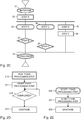
Fig. 2A shows an instruction list comprising predefined control commands for a computer device in the system ofFig. 1 . -
Fig. 2B is a flow chart for the sequential execution of the instruction list inFig. 2A by the computer device. -
Fig. 2C is a graphical representation of a recipe implemented by the instruction list inFig. 2A . -
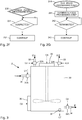
Figs 2D-2G illustrate different predefined control commands and the actions associated therewith. -
Fig. 3 is side view of an example of a food processing arrangement in the system ofFig. 1 . -
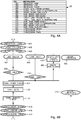
Fig. 4A shows an instruction list corresponding to a recipe for production of cocoa milk in the food processing arrangement ofFig. 3 . -
Fig. 4B is a graphical representation of the recipe implemented by the instruction list inFig. 4A . - Embodiments of the present invention will now be described more fully hereinafter with reference to the accompanying drawings, in which some, but not all, embodiments of the invention are shown. Indeed, the invention may be embodied in many different forms and should not be construed as limited to the embodiments set forth herein; rather, these embodiments are provided so that this disclosure may satisfy applicable legal requirements. Like numbers refer to like elements throughout.
-
Fig. 1 illustrates asystem 1 for production of liquid food. As used herein, "liquid food" includes any edible substance that is non-solid at room temperature. Non-limiting examples of liquid food was given in the Background section. Thesystem 1 comprises afood processing arrangement 2 which is configured to receive and process a number of ingredients, here twoingredients food processing arrangement 2 is operable to perform a number of food processing steps on the ingredients I1, I2 to produce the liquid food P. Non-limiting examples of such food processing steps are given in the Background section. Thearrangement 2 may be configured to produce the liquid food P in batches ("batch production") or continuously ("line production"), or a combination thereof. Thearrangement 2 may include a single apparatus, as inFig. 1 , or a combination of apparatuses. In the illustrated example, thearrangement 2 includes actuators A1, A2 and sensors S1, S2 that are operable to perform one or more of the food processing steps during production of the liquid food P. The actuators A1, A2 and sensors S1, S2 are collectively denoted "processing devices" herein. Such processing devices may, e.g., comprise one or more of a pump, a valve, a mixing device, a heating device, a cooling device, a temperature sensor, a flow sensor and a pressure sensor. - A
computer device 3 is connected, by wire or wirelessly, to thefood processing arrangement 2. Thecomputer device 3 generates control signals C1, C2 to operate the actuators A1, A2, individually or jointly, to perform the food processing steps in accordance with a predefined recipe. As indicated inFig. 1 , thecomputer device 3 may also, during one or more of the food processing steps, receive input signals C3, C4 that are representative of one or more process parameters measured by the sensors S1, S2 and control thefood processing arrangement 2 in response to the process parameter(s). - The
computer device 3 is configured for single-threaded processing. As used herein, "single-threaded processing" is given its conventional meaning and refers to a computer-implemented process that executes a list of tasks in sequential order, one task after the other. In the following examples, thecomputer device 3 is presumed to be a PLC, which is inherently configured for single-threaded processing. In an alternative, thecomputer device 3 may instead be a single- or multi-core computer that is capable of multi-thread processing but is specifically operated for single-threaded processing. - In the example of
Fig. 1 , thePLC 3 comprises a processor 4 ("processor unit"), a digital storage memory 5 ("memory unit"), and asignal interface 6 for input and output (I/O) of the signals C1-C4. Theprocessor 4 is configured to execute acontrol program 5A which is stored inmemory 5. Thecontrol program 5A thereby causes theprocessor 4 to generate the control signals C1, C2 and acquire the input signals C3, C4 via thesignal interface 6. The PLC further comprises adriver 7 for an MMI 8 (Man Machine Interface). TheMMI 8 may be operated by theprocessor 6, via thedriver 7, to present information or instructions for an operator in relation to thefood processing arrangement 2, and to accept input data, control instructions and confirmations from the operator. TheMMI 8 may, e.g., comprise one or more of a display, a touch screen, a speaker, a microphone, a mouse, a keyboard, a track pad, buttons, sliders, switches and knobs. - Embodiments of the inventions relate to a clever way of circumventing limitations imposed by the inherently sequential nature of the
PLC 7 and thereby enable thePLC 7 to control thefood processing arrangement 2 to perform one or more food processing steps in parallel. -
Fig. 2A shows an example of alist 20 of instructions included in acontrol program 5A for thePLC 3 inFig. 1 . Theinstruction list 20 is designed to operate thefood processing arrangement 2 to perform five food processing steps A-E to produce the liquid food P. To facilitate the following discussion, the instructions are numbered consecutively as 21-29. Each instruction 21-29 is associated with a respective task. As explained above, theprocessor 4 will execute the instructions 21-29 in thelist 20 sequentially, such thatprocessor 4 will not proceed from a current instruction to the subsequent instruction in thelist 20 until the task associated with the current instruction is completed. - It should be emphasized that all instruction lists presented herein are highly schematic and are merely intended to illustrate principles of operation at a level of detail sufficient for a person skilled in the art of programming to implement these principles into computer code for execution by a suitable computer device.
- The processing of the
instruction list 20 by thePLC 3 is further illustrated inFig. 2B . The processing starts by theprocessor 4 reading and executinginstruction 21, which causes theprocessor 4 to perform a task ofinitiation 200. Theinitiation task 200 may involve one or more of configuring thePLC 3 for controlling thefood processing arrangement 2, powering and configuring the actuators A1, A2 and/or sensors S1, S2, informing other systems that thePLC 3 assumes control of thefood processing arrangement 2, etc. Theprocessor 4 then proceeds to repeatedly read 201 a current instruction from thelist 20 and then execute 202 the current instruction until its associated task is completed. Thus, in the example ofFig. 2A , theprocessor 4 will control thefood processing arrangement 2 to perform and complete the task associated withinstruction 22, before proceeding to control thefood processing arrangement 2 to perform and complete the task associated withinstruction 23, and so on. After completing the task associated withinstruction 28, theprocessor 4 reads and executesinstruction 29, which causes theprocessor 4 to perform a task ofconclusion 203, which may involve one or more of informing other systems that thePLC 3 releases its control of thefood processing arrangement 2, deactivating the actuators A1, A2 and/or sensors S1, S2, etc. - As used herein, instructions 22-28 in
Fig. 2A are denoted "command instructions", in that they comprise a predefined control command for theprocessor 4. In a command instruction, a food processing step is allocated to the control command, as indicated by the notation "control command : food processing step" in the drawings. Theprocessor 4 associates the command with a predefined action to be performed with respect to the allocated food processing step. Thereby, the combination of the control command and the allocated food processing step defines a task to be performed. - In embodiments of the invention, at least four different control commands are predefined for the
processor 4, namely "RUN", "START", "CHECK" and "END". The association between control commands and actions may be defined to theprocessor 4 by a separate data structure stored inmemory 5, or may be included in thecontrol program 5A. - The actions associated with these control commands by the
processor 4 are illustrated in the flow charts inFigs 2D-2G . - The processor action for control command RUN is illustrated in
Fig. 2D . As indicated, acommand instruction 210 that allocates a food processing step to the command RUN, causes the processor to start 211 the allocated food processing step, e.g. by transmitting one or more control signals C1, C2 to thefood processing arrangement 2 or by presenting a command for the operator on theMMI 8 to take specific action. Then, the processor waits 212 until the allocated food processing step is completed. In all embodiments presented herein, the processor may determine that the allocated food processing step is completed based on any suitable completion criterion, e.g. based on a value of one or more process parameters as indicated by signals C3, C4 from the sensors S1, S2 in thefood processing arrangement 2, or based on a confirmation of completion entered by an operator via theMMI 8, or when a predefined time period has elapsed after thestart 211 of the allocated food processing step. After determining that the food processing step is completed, the processor proceeds 213 to the subsequent (next) instruction in theinstruction list 20. Thus, RUN is a start command that results in the task of starting the allocated food processing step and performing the allocated food processing step until completion. - The processor action for control command START is illustrated in
Fig. 2E . As indicated, acommand instruction 220 that allocates a food processing step to the command START, causes the processor to start 221 the allocated food processing step, by transmitting one or more control signals C1, C2 to thefood processing arrangement 2. Then, the processor proceeds 222 to the next instruction in theinstruction list 20, i.e. without waiting for the allocated food processing step to be completed. Thus, START is a start command that results in the task of starting the allocated food processing step in an open-ended fashion, i.e. without consideration of its further course. - The processor action for control command CHECK is illustrated in
Fig. 2F . As indicated, acommand instruction 230 that allocates a food processing step to the command CHECK, causes the processor to check 231 if the allocated food processing step is completed, e.g. based on any of the above-mentioned completion criteria. If not completed, the processor is caused to wait for completion. After determining that the food processing step is completed, the processor proceeds 232 to the next instruction in theinstruction list 20. Thus, CHECK is a stop command that results in the task of waiting for completion of the allocated food processing step. - The processor action for control command END is illustrated in
Fig. 2G . As indicated, acommand instruction 240 that allocates a food processing step to the command END, causes the processor to terminate 241 the food processing step, e.g. by transmitting one or more control signals C1, C2 to thefood processing arrangement 2 or by presenting an instruction on theMMI 8 for the operator to take specific action. Then, the processor waits 242 for confirmation that the food processing step has been terminated, e.g. based on any of the above-mentioned completion criteria. After determining that the food processing step has been terminated, the processor proceeds 243 to the next instruction in theinstruction list 20. Thus, END is a stop command that results in the task of forcing the allocated food processing step to be terminated without consideration of its current status. - In the following, the command instructions that allocate a food processing step to the respective control command RUN, START, CHECK and END are denoted RUN instruction, START instruction, CHECK instruction and END instruction, respectively.
- Reverting to the
instruction list 20 inFig. 2A , it is seen that its command instructions 22-28 include the commands RUN (instructions instructions 23, 24) and CHECK (instructions 27, 28).Fig. 2C indicates the relative timing of the tasks that correspond to the instructions 20-29 in theinstruction list 20 ofFig. 2A , given the definitions inFigs 2D-2F . Thereby,Fig. 2C is a graphical representation of the control process that is executed by theprocessor 4 based on thecontrol program 5A. Stated otherwise,Fig. 2C graphically represents the recipe for producing the liquid product P as implemented by thePLC 3 when executing thecontrol program 5A. It may be noted thatFig. 2C uses different graphical elements to represent the RUN instructions, the START instructions and the CHECK instructions, and that these graphical elements match the graphical elements inFigs 2D-2F . - Initially, as indicated in
Fig. 2C , the control process performs an initiation task (cf. 200 inFig. 2B ) based oninstruction 21. Then, food processing step A is started and performed until completion, byRUN instruction 22. Thereafter, the control process starts food processing step B, bySTART instruction 23, and food processing step C, bySTART instruction 24. Thus, as seen inFig. 2C , the provision of the START command makes it possible for theprocessor 4 to control thefood processing arrangement 2 to perform the food processing steps B, C in parallel, despite the sequential execution of theinstruction list 20 by theprocessor 4. AfterSTART instruction 24, food processing step D is started and performed until completion, byRUN instruction 25, whereupon food processing step E is started and performed until completion, byRUN instruction 26. Then, byCHECK instruction 27, the control process checks if food processing step B, which was started bySTART instruction 23, has been completed and, if necessary waits until food processing step B is completed. Thereafter, the control process similarly checks, byCHECK instruction 28, if food processing step C, which was started bySTART instruction 24, has been completed and, if necessary waits until food processing step C is completed. Finally, the control process performs a conclusion task (cf. 203 inFig. 2B ) based oninstruction 29. - As understood from
Fig. 2C , the provision of the CHECK command enables a programmer of thePLC 3 to ensure that a food processing step, which is started in open-ended fashion by a START instruction, is terminated in a controlled manner. Although not shown inFigs 2A and2C , a food processing step that is started in an open-ended fashion by a START instruction may alternatively be terminated by an END command, which provides the programmer of thePLC 3 with a more direct way of terminating the food processing step, by forcing its termination. - Below follows an example of how the
control program 5A may include theRUN instruction 210, theSTART instruction 220, theCHECK instruction 230 and theEND instruction 240, as defined inFigs 2D-2G , to bring thePLC 3 inFig. 1 to implement a control process for production of cocoa milk. -
Fig. 3 is a side view of afood processing arrangement 2 which is operable for batch production of cocoa milk P (also known as "drinking chocolate") based on theingredients milk 11,cocoa powder 12 andpowdered sugar 13. Thefood processing arrangement 2 comprises atank 30, which is connected in fluid communication with intake lines (conduits) 31, 32, 33 for therespective ingredient line valve respective conduit Fig. 1 ) is connected to provide a control signal C1, C2, C3, C4 for selectively opening and closing therespective valve tank 30 and is operable to stir the contents within thetank 30. Thetank 30 is provided with a heating device (heater) 36 which is operable to heat the contents of thetank 30. Atemperature sensor 37 is mounted in thetank 30 to measure the temperature of the contents in thetank 30. The PLC 3 (Fig. 1 ) is connected to provide a respective control signal C5, C6 to themixing device 35 and theheating device 36, and to acquire an input signal C7 indicative of temperature from thesensor 37. -
Fig. 4A shows aninstruction list 20 which is part of thecontrol program 5A that is executed by thePLC 3 to operate thefood processing arrangement 2 inFig. 3 to produce the cocoa milk P by admittingmilk 11 into thetank 30, heating and stirring themilk 11 in thetank 30, addingcocoa powder 12 andpowdered sugar 13 to the heated milk, and cooling the resulting mixture. Theinstruction list 20 comprises instructions 401-417 which, when executed by theprocessor 4, cause theprocessor 4 to perform a control process that implements a recipe for producing the cocoa milk P from theingredients -
Fig. 4B corresponds toFig. 2C and graphically represents the control process that results from theinstruction list 20 inFig. 4A . As seen, the control process involves a number of food processing steps that are performed in parallel, which is achieved by the use of START instructions. It may also be noted that a symbol x is inserted intoFig. 4B to indicate a time of completion of the respective food processing step inFig. 4B . - The control process starts by the
PLC 3 performing, based on instructions 401-403, initiation tasks for the tank 30 (also includingheater 35,temperature sensor 36 andoutlet valve 34A), the intake line 31 (includingvalve 31A) and the mixer 36 (also includingvalves START instruction 404 then brings thePLC 3 to start a processing step of admitting a predefined quantity ofmilk 11 into thetank 30, by providing signal C1 to openvalve 31A. Thereafter,START instruction 405 brings thePLC 3 to a start a processing step of heating the contents of thetank 30 to a target temperature, by providing signal C6 to activateheater 36.START instruction 406 then brings thePLC 3 to start a processing step of mixing the contents in thetank 30, by providing signal C5 to activatemixer 35. Next,RUN instruction 407 brings thePLC 3 to openvalve 32A, by signal C2, to admitcocoa powder 12 into thetank 30. At a time point (indicated by x below box 407) when a predefined amount of cocoa powder has been admitted into thetank 30, thePLC 3 proceeds to RUNinstruction 408, which brings thePLC 3 to openvalve 33A, by signal C3, to admitsugar 13 into thetank 30. At a time point (indicated by x below box 408) when a predefined amount of sugar has been admitted into thetank 30, thePLC 3 proceeds to CHECKinstruction 409, which brings thePLC 3 to check if the predefined quantity ofmilk 11 has been admitted into thetank 30. In this example, this processing step has been completed, at the time point indicated by x belowbox 404, and thePLC 3 therefore proceeds to CHECKinstruction 410, which brings thePLC 3 to check if thetank 30 has been heated to the target temperature, as given by signal C7. In this example, the tank has not yet reached the target temperate, and thePLC 3 therefore waits until signal C7 indicates the target temperature, which occurs at the time point indicated by x belowbox 410. Then, thePLC 3 proceeds to RUNinstruction 411, which brings thePLC 3 to control theheater 30, by signal C6 and based on signal C7, to maintain the target temperature for 30 minutes. When this processing step is completed, at the time point indicated by x belowbox 411, thePLC 3 proceeds to RUNinstruction 412, which brings thePLC 3 to disable theheater 35, by control signal C6, and let thetank 30 and its content cool to a predefined temperature, as given by signal C7. This may include activating a cooling arrangement (not shown) that is arranged to cool the tank and its content to the predefined temperature. When this processing step is completed, at the time point indicated by x belowbox 412, the PLC proceeds to ENDinstruction 413, which brings thePLC 3 to disable themixer 35, by control signal C5, and thereby terminate the processing step that was started bySTART instruction 406. When themixer 35 is disabled, at the time point indicated by x belowbox 413, thePLC 3 proceeds to RUNinstruction 414, which brings thePLC 3 to perform a processing step of verifying the quality of the resulting mixture in thetank 30. In such a processing step, thePLC 3 may command the operator, via theMMI 8, to manually take a sample of the mixture in thetank 30 and confirm, via theMMI 8, that the quality is adequate. When thePLC 3 receives the confirmation from the operator, at the time point indicated by x belowbox 414, thePLC 3 proceeds to performs conclusion tasks based on instructions 415-417. Although not shown inFigs 4A-4B , it is understood thatRUN instruction 414 may be followed by a RUN instruction that brings thePLC 3 to openvalve 34A, by signal C4, to provide the cocoa milk P to a downstream process. - The above described
food processing arrangement 2 is only one example of an arrangement for production of liquid food. The arrangement may include any number of processing equipment, arranged in series and/or in parallel, as required for producing the liquid food in question. - From the description above follows that, although various embodiments of the invention have been described and shown, the invention is not restricted thereto, but may also be embodied in other ways within the scope of the subject-matter defined in the following claims.
Claims (15)
- A system for production of liquid food (P), comprising:a food processing arrangement (2) operable to perform a number of food processing steps for one or more ingredients (11, 12; 11, 12, 13) to be processed into the liquid food (P), anda computer device (3) which is connected to the food processing arrangement (2) and configured to control the food processing arrangement (2) to perform the food processing steps,the computer device (3) comprising:a memory unit (5) for storing a control program (5A) that comprises a list (20) of instructions for causing the food processing arrangement (2) to perform the food processing steps, wherein the list (20) of instructions comprises command instructions that each allocates a respective food processing step to a predefined control command among a set of predefined control commands, anda processor unit (4) configured to sequentially execute the instructions in the list (20) of instructions,wherein the set of predefined control commands comprises a first start command (START) which is associated, by the processor unit (4), with an action of: starting the food processing step that is allocated to the first start command (START) and proceeding, without waiting for the food processing step to be completed, to a subsequent instruction in the list (20) of instructions.
- The system of claim 1, wherein the set of predefined control commands further comprises at least one stop command (CHECK, END) which is associated, by the processor unit (4), with an action of: ensuring a termination of the food processing step that is allocated to the at least one stop command (CHECK, END).
- The system of claim 2, wherein the at least one stop command comprises a first stop command (END) which is associated, by the processor unit (4), with an action of: commanding the food processing step that is allocated to the first stop command (END) to terminate, waiting for the food processing step to terminate, and proceeding, when the food processing step has terminated, to the subsequent instruction in the list (20) of instructions.
- The system of claim 2 or 3, wherein the at least one stop command comprises a second stop command (CHECK) which is associated, by the processor unit (4), with an action of: waiting for the food processing step that is allocated to the second stop command (CHECK) to be completed, and proceeding, when the food processing step is completed, to the subsequent instruction in the list (20) of instructions.
- The system of any preceding claim, wherein the set of predefined control commands further comprises a second start command (RUN) which is associated, by the processor unit (4), with an action of: starting the food processing step that is allocated to the second start command (RUN), waiting for the food processing step to be completed, and proceeding, when the food processing step is completed, to the subsequent instruction in the list (20) of instructions.
- The system of any preceding claim, wherein the food processing arrangement (2) comprises a set of processing devices (A1, A2, S1, S2), the computer device (3) comprising a signal interface (6) for communication with the set of processing devices (A1, A2, S1, S2), and the processor unit (4) being configured to, for at least a subset of the command instructions, communicate with one or more processing devices in the set of processing devices (A1, A2, S1, S2).
- The system of claim 6, wherein the set of processing devices (A1, A2, S1, S2) comprises one or more of a valve, a mixing device, a heating device, a cooling device, a temperature sensor, a fluid flow sensor, and a pressure sensor.
- The system of any preceding claim, wherein the processor unit (4) is configured for single-threaded processing of the list (20) of instructions.
- The system of any preceding claim, wherein the computer device (3) is a Programmable Logic Controller, PLC.
- A method of producing liquid food (P) according to a predefined recipe which defines food processing steps of a food processing arrangement (2) for producing the liquid food (P) from one or more ingredients (11, 12; 11, 12, 13), the method being performed by a computer device (3) that executes a control program (5A) and controls the food processing apparatus (2) in accordance with the predefined recipe, said method comprising, repeatedly:reading (201) a current instruction from a list (20) of instructions in the control program (5A), andexecuting (202) the current instruction before proceeding to execute a subsequent instruction in the list (20) of instructions,wherein a start instruction in the list (20) of instructions comprises a predefined control command (START) that causes the computer device (3) to control the food processing arrangement (2) to start a first food processing step and to proceed, without waiting for the first food processing step to be completed, to execute the instruction that comes after the start instruction in the list (20) of instructions.
- The method of claim 10, wherein a stop instruction in the list (20) of instructions comprises a predefined control command (END, CHECK) that causes the computer device (3) to ensure that the food processing arrangement (2) completes the first food processing step.
- The method of claim 10, wherein a stop instruction in the list (20) of instructions comprises a predefined control command (END) that causes the computer device (3) to command the first food processing step to terminate, wait for the first food processing step to terminate, and proceed, when the first food processing step has terminated, to the instruction that comes after the stop instruction in the list (20) of instructions.
- The method of claim 10, wherein a stop instruction in the list (20) of instructions comprises a predefined control command (CHECK) that causes the computer device (3) to wait for the first food processing step to be completed, and proceed, when the first food processing step is completed, to the instruction that comes after the stop instruction in the list (20) of instructions.
- The method of any one of claims 10-13, wherein a further starting instruction in the list (20) of instructions comprises a predefined control command (RUN) that causes the computer device (3) to start a second food processing step, wait for the second food processing step to be completed, and proceed, when the second food processing step is completed, to the instruction that comes after the further starting instruction in the list (20) of instructions.
- The method of any one of claims 10-14, wherein the computing device (3) executes single-threaded processing of the list (20) of instructions.
Applications Claiming Priority (1)
| Application Number | Priority Date | Filing Date | Title |
|---|---|---|---|
| EP17173178 | 2017-05-29 |
Publications (2)
| Publication Number | Publication Date |
|---|---|
| EP3410242A1 true EP3410242A1 (en) | 2018-12-05 |
| EP3410242B1 EP3410242B1 (en) | 2024-08-14 |
Family
ID=59014460
Family Applications (1)
| Application Number | Title | Priority Date | Filing Date |
|---|---|---|---|
| EP18174076.2A Active EP3410242B1 (en) | 2017-05-29 | 2018-05-24 | Process control for production of liquid food |
Country Status (4)
| Country | Link |
|---|---|
| US (1) | US11513491B2 (en) |
| EP (1) | EP3410242B1 (en) |
| AU (1) | AU2018276253B2 (en) |
| WO (1) | WO2018219782A1 (en) |
Families Citing this family (1)
| Publication number | Priority date | Publication date | Assignee | Title |
|---|---|---|---|---|
| CN111610761A (en) * | 2020-05-09 | 2020-09-01 | 石家庄君乐宝乳业有限公司 | Error-proofing system and error-proofing method for dairy process recipes |
Citations (3)
| Publication number | Priority date | Publication date | Assignee | Title |
|---|---|---|---|---|
| EP2169493A1 (en) * | 2008-09-29 | 2010-03-31 | Fisher-Rosemount Systems, Inc. | Recipe command steps and recipe inputs from external logic |
| EP2395406A2 (en) * | 2010-06-08 | 2011-12-14 | Rockwell Automation Technologies, Inc. | Synchronization of execution of sequential function charts using transition groups |
| WO2013092414A1 (en) * | 2011-12-22 | 2013-06-27 | Tetra Laval Holdings & Finance S.A. | A method for monitoring the operation of a liquid food processing system |
Family Cites Families (12)
| Publication number | Priority date | Publication date | Assignee | Title |
|---|---|---|---|---|
| DE69303298T2 (en) * | 1992-02-04 | 1997-01-23 | Philips Electronics Nv | Food processor with automatic shutdown when whipping whipped cream |
| US6009454A (en) | 1994-09-30 | 1999-12-28 | Allen-Bradley Company, Llc | Multi-tasking operation system for industrial controller |
| JPH09135774A (en) * | 1995-11-14 | 1997-05-27 | Fuji Electric Co Ltd | Automatic cooker controller |
| EP1854386B1 (en) | 2006-05-12 | 2009-07-08 | Jura Elektroapparate Ag | Beverage preparing machine and method for using a beverage preparing machine |
| US8150541B2 (en) * | 2007-11-13 | 2012-04-03 | Fisher-Rosemount Systems, Inc. | Methods and apparatus to modify a recipe process flow associated with a process control system during recipe execution |
| RU2492788C2 (en) | 2008-09-02 | 2013-09-20 | Нестек С.А. | Controllable device for preparation of beverages using centrifugal forces |
| DE102009005399B4 (en) | 2009-01-19 | 2024-02-08 | Phoenix Contact Gmbh & Co. Kg | Method and communication system for configuring a communication module containing a logic module |
| DE102009055752A1 (en) | 2009-11-25 | 2011-05-26 | Robert Bosch Gmbh | A method of enabling sequential non-blocking processing of instructions in concurrent tasks in a controller |
| DE102010060650A1 (en) | 2009-11-25 | 2011-05-26 | Vorwerk & Co. Interholding Gmbh | food processor |
| US8788067B2 (en) * | 2010-06-08 | 2014-07-22 | Rockwell Automation Technologies, Inc. | Systems and methods for modeling interdependencies in batch processes |
| PL2989940T3 (en) | 2014-09-01 | 2017-09-29 | Vorwerk Co Interholding | Multi-function cooking apparatus with recipe control |
| EP3389955A2 (en) * | 2015-12-16 | 2018-10-24 | MBL Limited | Robotic kitchen including a robot, a storage arrangement and containers therefor |
-
2018
- 2018-05-24 US US16/617,470 patent/US11513491B2/en active Active
- 2018-05-24 EP EP18174076.2A patent/EP3410242B1/en active Active
- 2018-05-24 WO PCT/EP2018/063677 patent/WO2018219782A1/en not_active Ceased
- 2018-05-24 AU AU2018276253A patent/AU2018276253B2/en active Active
Patent Citations (3)
| Publication number | Priority date | Publication date | Assignee | Title |
|---|---|---|---|---|
| EP2169493A1 (en) * | 2008-09-29 | 2010-03-31 | Fisher-Rosemount Systems, Inc. | Recipe command steps and recipe inputs from external logic |
| EP2395406A2 (en) * | 2010-06-08 | 2011-12-14 | Rockwell Automation Technologies, Inc. | Synchronization of execution of sequential function charts using transition groups |
| WO2013092414A1 (en) * | 2011-12-22 | 2013-06-27 | Tetra Laval Holdings & Finance S.A. | A method for monitoring the operation of a liquid food processing system |
Also Published As
| Publication number | Publication date |
|---|---|
| WO2018219782A1 (en) | 2018-12-06 |
| AU2018276253A1 (en) | 2020-01-02 |
| US20200183351A1 (en) | 2020-06-11 |
| EP3410242B1 (en) | 2024-08-14 |
| US11513491B2 (en) | 2022-11-29 |
| AU2018276253B2 (en) | 2022-09-29 |
| NZ758450A (en) | 2025-10-31 |
Similar Documents
| Publication | Publication Date | Title |
|---|---|---|
| US6647315B1 (en) | Use of remote soft phases in a process control system | |
| JP6445245B2 (en) | Method and apparatus for producing and supplying fluid or semi-fluid processed food | |
| EP3069643B1 (en) | Method for operating an electric motorised kitchen appliance | |
| CN104635524B (en) | Appliances including computer systems and kitchen appliances | |
| US20090110788A1 (en) | Utilizing motor current variations to control mixer operation | |
| EP3515266B1 (en) | Recipe-based cooking aid | |
| EP3410242B1 (en) | Process control for production of liquid food | |
| CN103135455A (en) | Systems and methods for process control including process-initiated workflow | |
| CN102665496A (en) | Kitchen appliance | |
| WO2019115101A1 (en) | System and method for filling a container with a fluid and/or operating a mixing system | |
| CN117652902A (en) | A food mixer mixing and mixing control method and its control device | |
| JP2016091565A (en) | Module for process technology facility and method for controlling process technology facility | |
| EP1920657A1 (en) | Electronic manager for bread dough mixers and operating method | |
| US20200120965A1 (en) | Processing seeds into a paste-like food product | |
| EP2990730A1 (en) | Method for carrying out a cooking process | |
| US20240272599A1 (en) | A method for transforming production flow data to human machine interface data, and a system | |
| EP4699502A2 (en) | System with food processor and method | |
| CN105749845A (en) | Practical substance reaction equipment | |
| JP3811239B2 (en) | Fluid automatic charging apparatus and fluid automatic charging method | |
| EP3058426B1 (en) | A method for designing a processing plant | |
| WO2021018585A1 (en) | Use of a kitchen appliance | |
| GB2629590A (en) | System for producing personal care information | |
| CN107568748B (en) | A kind of processing system of coconut milk beverage and using method thereof | |
| EP3696623B1 (en) | Control device and method for operating a domestic appliance for preparing a food product | |
| EP1635120A3 (en) | Methods for processing food products |
Legal Events
| Date | Code | Title | Description |
|---|---|---|---|
| PUAI | Public reference made under article 153(3) epc to a published international application that has entered the european phase |
Free format text: ORIGINAL CODE: 0009012 |
|
| STAA | Information on the status of an ep patent application or granted ep patent |
Free format text: STATUS: THE APPLICATION HAS BEEN PUBLISHED |
|
| AK | Designated contracting states |
Kind code of ref document: A1 Designated state(s): AL AT BE BG CH CY CZ DE DK EE ES FI FR GB GR HR HU IE IS IT LI LT LU LV MC MK MT NL NO PL PT RO RS SE SI SK SM TR |
|
| AX | Request for extension of the european patent |
Extension state: BA ME |
|
| STAA | Information on the status of an ep patent application or granted ep patent |
Free format text: STATUS: REQUEST FOR EXAMINATION WAS MADE |
|
| 17P | Request for examination filed |
Effective date: 20190605 |
|
| RBV | Designated contracting states (corrected) |
Designated state(s): AL AT BE BG CH CY CZ DE DK EE ES FI FR GB GR HR HU IE IS IT LI LT LU LV MC MK MT NL NO PL PT RO RS SE SI SK SM TR |
|
| STAA | Information on the status of an ep patent application or granted ep patent |
Free format text: STATUS: EXAMINATION IS IN PROGRESS |
|
| 17Q | First examination report despatched |
Effective date: 20210112 |
|
| GRAP | Despatch of communication of intention to grant a patent |
Free format text: ORIGINAL CODE: EPIDOSNIGR1 |
|
| STAA | Information on the status of an ep patent application or granted ep patent |
Free format text: STATUS: GRANT OF PATENT IS INTENDED |
|
| INTG | Intention to grant announced |
Effective date: 20240430 |
|
| GRAS | Grant fee paid |
Free format text: ORIGINAL CODE: EPIDOSNIGR3 |
|
| GRAA | (expected) grant |
Free format text: ORIGINAL CODE: 0009210 |
|
| STAA | Information on the status of an ep patent application or granted ep patent |
Free format text: STATUS: THE PATENT HAS BEEN GRANTED |
|
| AK | Designated contracting states |
Kind code of ref document: B1 Designated state(s): AL AT BE BG CH CY CZ DE DK EE ES FI FR GB GR HR HU IE IS IT LI LT LU LV MC MK MT NL NO PL PT RO RS SE SI SK SM TR |
|
| REG | Reference to a national code |
Ref country code: GB Ref legal event code: FG4D |
|
| REG | Reference to a national code |
Ref country code: CH Ref legal event code: EP |
|
| REG | Reference to a national code |
Ref country code: DE Ref legal event code: R096 Ref document number: 602018073013 Country of ref document: DE |
|
| REG | Reference to a national code |
Ref country code: IE Ref legal event code: FG4D |
|
| REG | Reference to a national code |
Ref country code: NL Ref legal event code: FP |
|
| REG | Reference to a national code |
Ref country code: LT Ref legal event code: MG9D |
|
| PG25 | Lapsed in a contracting state [announced via postgrant information from national office to epo] |
Ref country code: NO Free format text: LAPSE BECAUSE OF FAILURE TO SUBMIT A TRANSLATION OF THE DESCRIPTION OR TO PAY THE FEE WITHIN THE PRESCRIBED TIME-LIMIT Effective date: 20241114 |
|
| REG | Reference to a national code |
Ref country code: AT Ref legal event code: MK05 Ref document number: 1713879 Country of ref document: AT Kind code of ref document: T Effective date: 20240814 |
|
| PG25 | Lapsed in a contracting state [announced via postgrant information from national office to epo] |
Ref country code: PL Free format text: LAPSE BECAUSE OF FAILURE TO SUBMIT A TRANSLATION OF THE DESCRIPTION OR TO PAY THE FEE WITHIN THE PRESCRIBED TIME-LIMIT Effective date: 20240814 Ref country code: PT Free format text: LAPSE BECAUSE OF FAILURE TO SUBMIT A TRANSLATION OF THE DESCRIPTION OR TO PAY THE FEE WITHIN THE PRESCRIBED TIME-LIMIT Effective date: 20241216 Ref country code: GR Free format text: LAPSE BECAUSE OF FAILURE TO SUBMIT A TRANSLATION OF THE DESCRIPTION OR TO PAY THE FEE WITHIN THE PRESCRIBED TIME-LIMIT Effective date: 20241115 Ref country code: FI Free format text: LAPSE BECAUSE OF FAILURE TO SUBMIT A TRANSLATION OF THE DESCRIPTION OR TO PAY THE FEE WITHIN THE PRESCRIBED TIME-LIMIT Effective date: 20240814 |
|
| PG25 | Lapsed in a contracting state [announced via postgrant information from national office to epo] |
Ref country code: BG Free format text: LAPSE BECAUSE OF FAILURE TO SUBMIT A TRANSLATION OF THE DESCRIPTION OR TO PAY THE FEE WITHIN THE PRESCRIBED TIME-LIMIT Effective date: 20240814 |
|
| PG25 | Lapsed in a contracting state [announced via postgrant information from national office to epo] |
Ref country code: LV Free format text: LAPSE BECAUSE OF FAILURE TO SUBMIT A TRANSLATION OF THE DESCRIPTION OR TO PAY THE FEE WITHIN THE PRESCRIBED TIME-LIMIT Effective date: 20240814 |
|
| PG25 | Lapsed in a contracting state [announced via postgrant information from national office to epo] |
Ref country code: AT Free format text: LAPSE BECAUSE OF FAILURE TO SUBMIT A TRANSLATION OF THE DESCRIPTION OR TO PAY THE FEE WITHIN THE PRESCRIBED TIME-LIMIT Effective date: 20240814 Ref country code: IS Free format text: LAPSE BECAUSE OF FAILURE TO SUBMIT A TRANSLATION OF THE DESCRIPTION OR TO PAY THE FEE WITHIN THE PRESCRIBED TIME-LIMIT Effective date: 20241214 |
|
| PG25 | Lapsed in a contracting state [announced via postgrant information from national office to epo] |
Ref country code: HR Free format text: LAPSE BECAUSE OF FAILURE TO SUBMIT A TRANSLATION OF THE DESCRIPTION OR TO PAY THE FEE WITHIN THE PRESCRIBED TIME-LIMIT Effective date: 20240814 |
|
| PG25 | Lapsed in a contracting state [announced via postgrant information from national office to epo] |
Ref country code: ES Free format text: LAPSE BECAUSE OF FAILURE TO SUBMIT A TRANSLATION OF THE DESCRIPTION OR TO PAY THE FEE WITHIN THE PRESCRIBED TIME-LIMIT Effective date: 20240814 Ref country code: RS Free format text: LAPSE BECAUSE OF FAILURE TO SUBMIT A TRANSLATION OF THE DESCRIPTION OR TO PAY THE FEE WITHIN THE PRESCRIBED TIME-LIMIT Effective date: 20241114 |
|
| PG25 | Lapsed in a contracting state [announced via postgrant information from national office to epo] |
Ref country code: RS Free format text: LAPSE BECAUSE OF FAILURE TO SUBMIT A TRANSLATION OF THE DESCRIPTION OR TO PAY THE FEE WITHIN THE PRESCRIBED TIME-LIMIT Effective date: 20241114 Ref country code: PT Free format text: LAPSE BECAUSE OF FAILURE TO SUBMIT A TRANSLATION OF THE DESCRIPTION OR TO PAY THE FEE WITHIN THE PRESCRIBED TIME-LIMIT Effective date: 20241216 Ref country code: PL Free format text: LAPSE BECAUSE OF FAILURE TO SUBMIT A TRANSLATION OF THE DESCRIPTION OR TO PAY THE FEE WITHIN THE PRESCRIBED TIME-LIMIT Effective date: 20240814 Ref country code: NO Free format text: LAPSE BECAUSE OF FAILURE TO SUBMIT A TRANSLATION OF THE DESCRIPTION OR TO PAY THE FEE WITHIN THE PRESCRIBED TIME-LIMIT Effective date: 20241114 Ref country code: LV Free format text: LAPSE BECAUSE OF FAILURE TO SUBMIT A TRANSLATION OF THE DESCRIPTION OR TO PAY THE FEE WITHIN THE PRESCRIBED TIME-LIMIT Effective date: 20240814 Ref country code: IS Free format text: LAPSE BECAUSE OF FAILURE TO SUBMIT A TRANSLATION OF THE DESCRIPTION OR TO PAY THE FEE WITHIN THE PRESCRIBED TIME-LIMIT Effective date: 20241214 Ref country code: HR Free format text: LAPSE BECAUSE OF FAILURE TO SUBMIT A TRANSLATION OF THE DESCRIPTION OR TO PAY THE FEE WITHIN THE PRESCRIBED TIME-LIMIT Effective date: 20240814 Ref country code: GR Free format text: LAPSE BECAUSE OF FAILURE TO SUBMIT A TRANSLATION OF THE DESCRIPTION OR TO PAY THE FEE WITHIN THE PRESCRIBED TIME-LIMIT Effective date: 20241115 Ref country code: FI Free format text: LAPSE BECAUSE OF FAILURE TO SUBMIT A TRANSLATION OF THE DESCRIPTION OR TO PAY THE FEE WITHIN THE PRESCRIBED TIME-LIMIT Effective date: 20240814 Ref country code: ES Free format text: LAPSE BECAUSE OF FAILURE TO SUBMIT A TRANSLATION OF THE DESCRIPTION OR TO PAY THE FEE WITHIN THE PRESCRIBED TIME-LIMIT Effective date: 20240814 Ref country code: BG Free format text: LAPSE BECAUSE OF FAILURE TO SUBMIT A TRANSLATION OF THE DESCRIPTION OR TO PAY THE FEE WITHIN THE PRESCRIBED TIME-LIMIT Effective date: 20240814 Ref country code: AT Free format text: LAPSE BECAUSE OF FAILURE TO SUBMIT A TRANSLATION OF THE DESCRIPTION OR TO PAY THE FEE WITHIN THE PRESCRIBED TIME-LIMIT Effective date: 20240814 |
|
| PG25 | Lapsed in a contracting state [announced via postgrant information from national office to epo] |
Ref country code: SM Free format text: LAPSE BECAUSE OF FAILURE TO SUBMIT A TRANSLATION OF THE DESCRIPTION OR TO PAY THE FEE WITHIN THE PRESCRIBED TIME-LIMIT Effective date: 20240814 Ref country code: DK Free format text: LAPSE BECAUSE OF FAILURE TO SUBMIT A TRANSLATION OF THE DESCRIPTION OR TO PAY THE FEE WITHIN THE PRESCRIBED TIME-LIMIT Effective date: 20240814 Ref country code: RO Free format text: LAPSE BECAUSE OF FAILURE TO SUBMIT A TRANSLATION OF THE DESCRIPTION OR TO PAY THE FEE WITHIN THE PRESCRIBED TIME-LIMIT Effective date: 20240814 |
|
| PG25 | Lapsed in a contracting state [announced via postgrant information from national office to epo] |
Ref country code: EE Free format text: LAPSE BECAUSE OF FAILURE TO SUBMIT A TRANSLATION OF THE DESCRIPTION OR TO PAY THE FEE WITHIN THE PRESCRIBED TIME-LIMIT Effective date: 20240814 |
|
| PG25 | Lapsed in a contracting state [announced via postgrant information from national office to epo] |
Ref country code: CZ Free format text: LAPSE BECAUSE OF FAILURE TO SUBMIT A TRANSLATION OF THE DESCRIPTION OR TO PAY THE FEE WITHIN THE PRESCRIBED TIME-LIMIT Effective date: 20240814 |
|
| PG25 | Lapsed in a contracting state [announced via postgrant information from national office to epo] |
Ref country code: SK Free format text: LAPSE BECAUSE OF FAILURE TO SUBMIT A TRANSLATION OF THE DESCRIPTION OR TO PAY THE FEE WITHIN THE PRESCRIBED TIME-LIMIT Effective date: 20240814 Ref country code: IT Free format text: LAPSE BECAUSE OF FAILURE TO SUBMIT A TRANSLATION OF THE DESCRIPTION OR TO PAY THE FEE WITHIN THE PRESCRIBED TIME-LIMIT Effective date: 20240814 |
|
| REG | Reference to a national code |
Ref country code: DE Ref legal event code: R026 Ref document number: 602018073013 Country of ref document: DE |
|
| PLBI | Opposition filed |
Free format text: ORIGINAL CODE: 0009260 |
|
| PLAX | Notice of opposition and request to file observation + time limit sent |
Free format text: ORIGINAL CODE: EPIDOSNOBS2 |
|
| PGFP | Annual fee paid to national office [announced via postgrant information from national office to epo] |
Ref country code: NL Payment date: 20250526 Year of fee payment: 8 |
|
| 26 | Opposition filed |
Opponent name: KRONES AG Effective date: 20250514 |
|
| PGFP | Annual fee paid to national office [announced via postgrant information from national office to epo] |
Ref country code: DE Payment date: 20250528 Year of fee payment: 8 |
|
| PGFP | Annual fee paid to national office [announced via postgrant information from national office to epo] |
Ref country code: FR Payment date: 20250526 Year of fee payment: 8 |
|
| PG25 | Lapsed in a contracting state [announced via postgrant information from national office to epo] |
Ref country code: SE Free format text: LAPSE BECAUSE OF FAILURE TO SUBMIT A TRANSLATION OF THE DESCRIPTION OR TO PAY THE FEE WITHIN THE PRESCRIBED TIME-LIMIT Effective date: 20240814 |
|
| PLBB | Reply of patent proprietor to notice(s) of opposition received |
Free format text: ORIGINAL CODE: EPIDOSNOBS3 |
|
| REG | Reference to a national code |
Ref country code: CH Ref legal event code: H13 Free format text: ST27 STATUS EVENT CODE: U-0-0-H10-H13 (AS PROVIDED BY THE NATIONAL OFFICE) Effective date: 20251223 |
|
| PG25 | Lapsed in a contracting state [announced via postgrant information from national office to epo] |
Ref country code: LU Free format text: LAPSE BECAUSE OF NON-PAYMENT OF DUE FEES Effective date: 20250524 |
|
| PG25 | Lapsed in a contracting state [announced via postgrant information from national office to epo] |
Ref country code: CH Free format text: LAPSE BECAUSE OF NON-PAYMENT OF DUE FEES Effective date: 20250531 |
|
| GBPC | Gb: european patent ceased through non-payment of renewal fee |
Effective date: 20250524 |
|
| REG | Reference to a national code |
Ref country code: BE Ref legal event code: MM Effective date: 20250531 |
|
| PG25 | Lapsed in a contracting state [announced via postgrant information from national office to epo] |
Ref country code: MC Free format text: LAPSE BECAUSE OF FAILURE TO SUBMIT A TRANSLATION OF THE DESCRIPTION OR TO PAY THE FEE WITHIN THE PRESCRIBED TIME-LIMIT Effective date: 20240814 |
|
| PG25 | Lapsed in a contracting state [announced via postgrant information from national office to epo] |
Ref country code: GB Free format text: LAPSE BECAUSE OF NON-PAYMENT OF DUE FEES Effective date: 20250524 |
|
| PG25 | Lapsed in a contracting state [announced via postgrant information from national office to epo] |
Ref country code: IE Free format text: LAPSE BECAUSE OF NON-PAYMENT OF DUE FEES Effective date: 20250524 |
|
| PG25 | Lapsed in a contracting state [announced via postgrant information from national office to epo] |
Ref country code: BE Free format text: LAPSE BECAUSE OF NON-PAYMENT OF DUE FEES Effective date: 20250531 |