EP3407903B1 - Method to reduce microbial bloom in poultry hatchery - Google Patents
Method to reduce microbial bloom in poultry hatchery Download PDFInfo
- Publication number
- EP3407903B1 EP3407903B1 EP17704363.5A EP17704363A EP3407903B1 EP 3407903 B1 EP3407903 B1 EP 3407903B1 EP 17704363 A EP17704363 A EP 17704363A EP 3407903 B1 EP3407903 B1 EP 3407903B1
- Authority
- EP
- European Patent Office
- Prior art keywords
- deposited
- deposit number
- nrrl deposit
- hatch
- bacillus
- Prior art date
- Legal status (The legal status is an assumption and is not a legal conclusion. Google has not performed a legal analysis and makes no representation as to the accuracy of the status listed.)
- Active
Links
Images




Classifications
-
- A—HUMAN NECESSITIES
- A61—MEDICAL OR VETERINARY SCIENCE; HYGIENE
- A61K—PREPARATIONS FOR MEDICAL, DENTAL OR TOILETRY PURPOSES
- A61K35/00—Medicinal preparations containing materials or reaction products thereof with undetermined constitution
- A61K35/66—Microorganisms or materials therefrom
- A61K35/74—Bacteria
- A61K35/741—Probiotics
- A61K35/742—Spore-forming bacteria, e.g. Bacillus coagulans, Bacillus subtilis, clostridium or Lactobacillus sporogenes
-
- A—HUMAN NECESSITIES
- A01—AGRICULTURE; FORESTRY; ANIMAL HUSBANDRY; HUNTING; TRAPPING; FISHING
- A01K—ANIMAL HUSBANDRY; AVICULTURE; APICULTURE; PISCICULTURE; FISHING; REARING OR BREEDING ANIMALS, NOT OTHERWISE PROVIDED FOR; NEW BREEDS OF ANIMALS
- A01K45/00—Other aviculture appliances, e.g. devices for determining whether a bird is about to lay
- A01K45/007—Injecting or otherwise treating hatching eggs
-
- A—HUMAN NECESSITIES
- A01—AGRICULTURE; FORESTRY; ANIMAL HUSBANDRY; HUNTING; TRAPPING; FISHING
- A01K—ANIMAL HUSBANDRY; AVICULTURE; APICULTURE; PISCICULTURE; FISHING; REARING OR BREEDING ANIMALS, NOT OTHERWISE PROVIDED FOR; NEW BREEDS OF ANIMALS
- A01K41/00—Incubators for poultry
-
- A—HUMAN NECESSITIES
- A61—MEDICAL OR VETERINARY SCIENCE; HYGIENE
- A61K—PREPARATIONS FOR MEDICAL, DENTAL OR TOILETRY PURPOSES
- A61K35/00—Medicinal preparations containing materials or reaction products thereof with undetermined constitution
- A61K35/66—Microorganisms or materials therefrom
- A61K35/74—Bacteria
- A61K35/741—Probiotics
-
- A—HUMAN NECESSITIES
- A61—MEDICAL OR VETERINARY SCIENCE; HYGIENE
- A61K—PREPARATIONS FOR MEDICAL, DENTAL OR TOILETRY PURPOSES
- A61K35/00—Medicinal preparations containing materials or reaction products thereof with undetermined constitution
- A61K35/66—Microorganisms or materials therefrom
- A61K35/74—Bacteria
- A61K35/741—Probiotics
- A61K35/744—Lactic acid bacteria, e.g. enterococci, pediococci, lactococci, streptococci or leuconostocs
-
- A—HUMAN NECESSITIES
- A61—MEDICAL OR VETERINARY SCIENCE; HYGIENE
- A61K—PREPARATIONS FOR MEDICAL, DENTAL OR TOILETRY PURPOSES
- A61K35/00—Medicinal preparations containing materials or reaction products thereof with undetermined constitution
- A61K35/66—Microorganisms or materials therefrom
- A61K35/74—Bacteria
- A61K35/741—Probiotics
- A61K35/744—Lactic acid bacteria, e.g. enterococci, pediococci, lactococci, streptococci or leuconostocs
- A61K35/745—Bifidobacteria
-
- A—HUMAN NECESSITIES
- A61—MEDICAL OR VETERINARY SCIENCE; HYGIENE
- A61P—SPECIFIC THERAPEUTIC ACTIVITY OF CHEMICAL COMPOUNDS OR MEDICINAL PREPARATIONS
- A61P31/00—Antiinfectives, i.e. antibiotics, antiseptics, chemotherapeutics
- A61P31/04—Antibacterial agents
-
- C—CHEMISTRY; METALLURGY
- C12—BIOCHEMISTRY; BEER; SPIRITS; WINE; VINEGAR; MICROBIOLOGY; ENZYMOLOGY; MUTATION OR GENETIC ENGINEERING
- C12N—MICROORGANISMS OR ENZYMES; COMPOSITIONS THEREOF; PROPAGATING, PRESERVING, OR MAINTAINING MICROORGANISMS; MUTATION OR GENETIC ENGINEERING; CULTURE MEDIA
- C12N1/00—Microorganisms; Compositions thereof; Processes of propagating, maintaining or preserving microorganisms or compositions thereof; Processes of preparing or isolating a composition containing a microorganism; Culture media therefor
- C12N1/20—Bacteria; Culture media therefor
-
- A—HUMAN NECESSITIES
- A61—MEDICAL OR VETERINARY SCIENCE; HYGIENE
- A61K—PREPARATIONS FOR MEDICAL, DENTAL OR TOILETRY PURPOSES
- A61K35/00—Medicinal preparations containing materials or reaction products thereof with undetermined constitution
- A61K2035/11—Medicinal preparations comprising living procariotic cells
- A61K2035/115—Probiotics
Definitions
- the invention relates to spore forming bacteria and Lactic Acid Bacteria for application in poultry hatcher cabinets to alter the microbial bloom towards a more beneficial microbiota, positively affecting performance parameters such as mortality, body weight gain and/or Feed Conversion Ratio throughout poultry production.
- the bacteria present in a hatching cabinet may not be beneficial to the newborn chicks and may even be harmful, such as Salmonella, E. coli, Pseudomonas, Streptococcus, Staphylococcus, Enterococcus, among others.
- the warm, humid climate of the hatching cabinets is conducive to the growth of these organisms so reducing contamination and preventing "microbial blooms" is of the utmost importance.
- the Gastro-Intestinal Tract (GIT) of poultry is dependent on healthy gut bacteria to stimulate intestinal and immune development. The sooner the neonatal poultry are exposed to these "good" bacteria, the less likely they are to be colonized by pathogenic bacteria and the sooner their GIT will begin to develop.
- probiotic bacterial formulations have been applied post hatch. These have generally been applied either at the hatchery during processing of the chicks or soon after placement at the poultry farm.
- a feed additive composition which comprises a direct fed microbial in combination with a protease and a phytase for improving feed conversion ratio (FCR), growth rate and beneficial bacteria in the gastrointestinal tract of a subject.
- the Korean patent application KR20150117184 discloses feed additive compositions comprising a LactoBacillus plantarum strain, a Saccharomyces cerevisiae strain and a Bacillus amyloliquefaciens strain for preventing harmful bacteria when fed to livestock.
- the time from hatch to first exposure to these probiotic bacteria can range up to 48 hours post hatch depending on actual hatch time of a given chick and when the probiotic is applied post hatch. Since broiler chickens only live an average of 42 days, 48 hours is a significant period of time before they are provided with beneficial microorganisms. Additionally, as pathogenic bacteria are relatively more common in the hatcher and hatchery environment, chicks are more likely to get exposure to pathogens before commensals.
- the invention relates to a method for improving one or more performance parameter(s) of poultry comprising the step of administering one or more probiotic(s) comprising one or more Bacillus strains and one or more lactic acid bacteria strains in the poultry hatcher cabinet, wherein the one or more lactic acid bacteria is selected from the group consisting of
- an element means one element or more than one element.
- the term "about” means a quantity, level, value, number, frequency, percentage, dimension, size, amount, weight or length that varies by as much as 30, 25, 20, 15, 10, 9, 8, 7, 6, 5, 4, 3, 2 or 1% to a reference quantity, level, value, number, frequency, percentage, dimension, size, amount, weight or length.
- the term “consisting of” means including, and limited to, whatever follows the phrase “consisting of.” Thus, the phrase “consisting of” indicates that the listed elements are required or mandatory, and that no other elements may be present.
- the term “consisting essentially of” means including any elements listed after the phrase, and limited to other elements that do not interfere with or contribute to the activity or action specified in the disclosure for the listed elements. Thus, the phrase “consisting essentially of” indicates that the listed elements are required or mandatory, but that other elements are optional and may or may not be present depending upon whether or not they materially affect the activity or action of the listed elements.
- administering include providing a probiotic formulation of the disclosure to an animal preferably by oral administration.
- a “decreased” or “reduced” amount is typically a "statistically significant” amount, and may include a decrease that is 1, 2, 3, 4, 5, 6, 7, 8, 9, 10, 15, 20, 30, 40, 50, 100, 200, 250, 500, 1000 or more times less, including all integers and decimal points in between and above 1 ( e.g., 1.1, 1.2, 1.3, 1.4, 1.5, 1.6, 1.7, 1.8, 1.9), than the amount produced by an animal in the absence of a probiotic formulation.
- a decrease may include a decrease that is at least one log (Log 10 ) or more less than the amount produced by an animal in the absence of a probiotic formulation.
- a decreased or reduced amount may include a decrease that is at least about 5 fold, 10 fold, 15 fold, 20 fold, 25 fold or 30 fold less than the amount produced by an animal in the absence of a probiotic formulation.
- a “decrease” in a response may be "statistically significant” as compared to the response produced by an animal in the absence of a probiotic formulation, and may include a 1%, 2%, 3%, 4%, 5%, 6%, 7%, 8%, 9%, 10%, 11%, 12%, 13%, 14%, 15%, 16%, 17%, 18%, 19%, 20%, 25%, 30%, 35%, 40%, 45%, 50%, 55%, 60%, 65%, 70%, 75%, 80%, 85%, 90%, 95%, or 100% decrease, including all integers in between.
- An “increased” amount is typically a "statistically significant” amount, and may include an increase that is 1, 2, 3, 4, 5, 6, 7, 8, 9, 10, 15, 20, 30, 40, 50, 100, 200, 250, 500, 1000 or more times more, including all integers and decimal points in between and above 1 ( e.g., 1.1, 1.2, 1.3, 1.4, 1.5, 1.6, 1.7, 1.8, 1.9), than the amount produced by an animal in the absence of a probiotic formulation.
- An increase may include an increase that is at least one log (Log 10 ) or more less than the amount produced by an animal in the absence of a probiotic formulation.
- An increased amount may include an increase that is at least about 5 fold, 10 fold, 15 fold, 20 fold, 25 fold or 30 fold more than the amount produced by an animal in the absence of a probiotic formulation.
- An “increase” in a response may be "statistically significant” as compared to the response produced by an animal in the absence of a probiotic formulation, and may include a 1%, 2%, 3%, 4%, 5%, 6%, 7%, 8%, 9%, 10%, 11%, 12%, 13%, 14%, 15%, 16%, 17%, 18%, 19%, 20%, 25%, 30%, 35%, 40%, 45%, 50%, 55%, 60%, 65%, 70%, 75%, 80%, 85%, 90%, 95%, or 100% increase, including all integers in between.
- isolated refers to a material that is substantially or essentially free from components that normally accompany it in its native state.
- an isolated bacterial isolate may refer to a bacterial isolate that has been purified or removed from naturally or non-naturally occurring components that are present in its naturally occurring environment.
- modify includes to "decrease” one or more quantifiable parameters or indications, optionally by a defined and/or statistically significant amount.
- decrease or “decreasing,” “reduce” or “reducing,” refers generally to the ability of a probiotic formulation to produce a lesser physiological response in an animal relative to the response caused by a control formulation. Relevant physical responses will be apparent to persons skilled in the art.
- a “decreased” or “reduced” amount is typically a "statistically significant” amount, and may include a decrease that is 1, 2, 3, 4, 5, 6, 7, 8, 9, 10, 15, 20, 30, 40, 50 or more times less ( e.g ., 100, 500, 1000 times), including all integers and decimal points in between and above 1 ( e.g., 1.1, 1.2, 1.3, 1.4, 1.5, 1.6, 1.7, 1.8, 1.9), the amount produced by an animal in the absence of a probiotic formulation.
- a decrease may include a decrease that is at least one log (Log 10 ) or more less than the amount produced by an animal in the absence of a probiotic formulation.
- a decreased or reduced amount may include a decrease that is at least about 5 fold, 10 fold, 15 fold, 20 fold, 25 fold or 30 fold less than the amount produced by an animal in the absence of a probiotic formulation.
- quantifying refers to determining the quantity, mass, or concentration in a unit volume, of a parameter or indication.
- poultry refers to domesticated birds. Poultry includes wildfowl, waterfowl, and game birds. Examples of poultry include, but are not limited to, chicken, broilers, layers, bantams, turkey, duck, geese, guinea fowl, peafowl, quail, dove, pigeon (squab), and pheasant, preferably chickens, broilers, layers and turkeys.
- Mortality is defined as the percentage of birds which die or are culled before harvesting. Decreased mortality is a sign of good flock health and low incidence of disease.
- Body weight/body weight gain means that the growth rate is increased when the overall health of the animal is improved (less resources spent on stress or disease), the GIT is working more optimally, more nutrients are made available to the animal, and/or feed intake increases.
- Feed conversion ratio is the metric for conversion of feed to body weight (Feed intake/body weight). Improvements in feed conversion are attributed to improved absorption of nutrients by the animal. This can mean that the animal is better able to absorb nutrients because of 1) a change in absorptive capacity by the animal 2) more available nutrients in the GIT of the animal. With this metric, a lower number/ration is better than a higher number.
- “Hatch” means the breaking of the egg shell whereby a chick comes out of the egg. 10% hatch thus means that 10% of the eggs have broken shells whereby chicken have emerged, 20% hatch means 20% of the eggs have broken shells whereby chicken have emerged, etc.
- Pip means an egg in which the chick has broken the shell in an attempt to hatch. Sometimes chicks die shortly after piping the shell. 10% pip thus means that 10% of the eggs have broken shells from chicks' piping, 20% pip means 20% of the eggs have broken shells from chicks' piping, etc.
- Hatcher cabinet is a machine used to maintain proper conditions for setting avian eggs.
- probiotic is herein used for live microorganisms for administration to humans or animals for obtaining associated benefits for humans and animals.
- bacterial bloom and “microbial bloom” are used interchangeably herein and are understood as an increase in the level of pathogenic bacteria such as a rapid increase in the level of pathogenic bacteria, e.g., due to a warm, humid environment.
- Coliform bacteria are known to the person skilled in the art and are rod-shaped Gram-negative non-spore forming and motile or non-motile bacteria which can ferment lactose with the production of acid and gas when incubated at 35-37°C. Their presence is used to indicate that other pathogenic organisms of fecal origin may be present.
- coliform bacteria include but are not limited to bacteria of the genera: Citrobacter, Enterobacter, Hafnia, Klebsiella, Salmonella, and Escherichia.
- the invention relates to a method for improving one or more performance parameter(s) of poultry comprising the step of administering one or more probiotic(s) comprising one or more Bacillus strains and one or more lactic acid bacteria strains in the poultry hatcher cabinet, wherein the one or more lactic acid bacteria is selected from the group consisting of
- the administering is in a preferred embodiment performed by spraying the one or more probiotic(s) into the poultry hatcher cabinet.
- the ventilation system will preferably ensure a good distribution in the poultry hatcher cabinet.
- the one or more probiotic(s) is a powder formulation such as a dry powder formulation.
- the dry powder formulation will ensure a good distribution in the poultry hatcher cabinet.
- Application of the one or more probiotic(s) is preferably accomplished by a dry spray directly into the hatcher cabinet and circulation of the probiotic(s) by the ventilation system in the cabinet.
- One embodiment relates to dry spray delivering, e.g ., by a pneumatic system.
- the probiotic(s) are preferably on spore form.
- the one or more probiotic(s) comprises one or more Bacillus strains, e.g., in spore form.
- the one or more probiotic(s) comprises one or more lactic acid bacteria strains, e.g ., in spore form.
- the one or more probiotic(s) comprises one or more Bacillus strains ( e.g., in spore form) and one or more lactic acid bacteria strains ( e.g., in spore form).
- the inventor has thus found that one or more Bacillus strains and/or one or more lactic acid bacteria strains when provided as a probiotic has a positive effect on the bacterial bloom towards a more beneficial microbiota and/or performance parameters of the poultry.
- the inventor further surprisingly found that the one or more Bacillus strains may be combined with the one or more lactic acid bacteria strains in one probiotic having a positive effect on the bacterial bloom towards a more beneficial microbiota and/or performance parameters of the poultry.
- the method also relates to an embodiment wherein the one or more probiotic(s) comprises one or more Bacillus selected from the group consisting of
- Another embodiment of the method relates to one or more probiotic(s) comprising one or more lactic acid bacteria selected from the group consisting of
- the method according to the present invention also relates to an embodiment wherein the one or more probiotic(s) comprises one or more Bacillus selected from the group consisting of
- the method relates to one or more probiotic(s) comprising one or more lactic acid bacteria selected from the group consisting of
- the method relates to one or more probiotic(s) comprising one or more lactic acid bacteria selected from the group consisting of
- the one or more probiotic(s) comprises a 16S rDNA sequence selected from the group consisting of:
- the method described above results in improvement of one or more performance parameter(s) selected from the group consisting of body weight gain, growth rate, feed conversion rate and overall health or any combination thereof.
- the method can further result in an increase in healthy gut bacteria that stimulate intestinal and/or immune development in the poultry.
- the method results in an increase in the level of lactic acid bacteria and/or Bacillus.
- the method results in an increase in the level of lactic acid bacteria and/or Bacillus the hatcher.
- the method results in an increase in the level of lactic acid bacteria and/or Bacillus in the GIT of the chick.
- the method results in an increase in the level of lactic acid bacteria and/or Bacillus in the hatcher and in the GIT of the chick.
- the administration results in that the bacterial bloom in the poultry hatcher cabinet is modified or controlled. This can mean that the level of pathogenic bacteria is decreased.
- Pathogenic bacteria in this connection can in one embodiment be selected from the group consisting of coliform bacteria, Salmonella, E. coli, Pseudomonas, Streptococcus, Staphylococcus, and Enterococcus.
- the method results in a shift of the environmental microbiota of the poultry to one of more beneficial probiotic bacteria.
- the administration results in a decrease in pathogenic bacteria which are selected from the group consisting of coliform bacteria, Salmonella, E.
- the administration results in a decrease in pathogenic bacteria which are selected from the group consisting of coliform bacteria, Salmonella and E . coli.
- the administration results in that the level of coliform bacteria in the hatchery is lowered. In a further embodiment of the method the administration results in that the level of coliform bacteria in the hatcher cabinet is lowered. In a yet further embodiment of the method the administration results in that the level of coliform bacteria in the hatchery is lowered at least 25%, such as at least 30% or at least 40%. In a yet further embodiment of the method the administration results in that the level of coliform bacteria in the hatcher cabinet is lowered at least 25% such as at least 30% or at least 40%. In a yet further embodiment of the method the administration results in that the level of coliform bacteria in the hatchery is lowered at least 50%.
- the administration results in that the level of coliform bacteria in the hatcher cabinet is lowered at least 50%. In a further embodiment of the method the administration results in that the level of coliform bacteria in the hatchery is lowered at least 1 log. In a further embodiment of the method the administration results in that the level of coliform bacteria in the hatcher cabinet is lowered at least 1 log. In a further embodiment of the method the administration results in that the level of coliform bacteria in the hatchery is lowered at least 2 logs. In a further embodiment of the method the administration results in that the level of coliform bacteria in the hatcher cabinet is lowered at least 2 logs.
- the method relates to treatment of chickens and/or turkeys. In one embodiment the method relates to treatment of broilers and/or layers.
- the method relates to administering one or more probiotic(s) in the poultry hatcher cabinet before hatching.
- the method relates to administering one or more probiotic(s) in the poultry hatcher cabinet after hatching such as within 24 hours after hatching such as within 20, 18, 16, 14, 12, 10, 8, 6, 4, 2, 1 hours after hatching.
- some eggs are hatched and some are not hatched.
- Preferably less than 90% are hatched such as less than 80%, 70%, 60%, 50%, 40%, 30%, 20%, 10%, 5% or less than 1% are hatched when the one or more probiotic(s) are administered in the poultry hatcher cabinet.
- the administration can be repeated one or more times, e.g., before and/or after the hatching such as 2, 3, 4, 5, 6, 7, 8, 9, or 10 repeats.
- the administration can be continuously through the time in the hatcher cabinet.
- the one or more probiotic(s) have one or more properties selected from the group consisting of
- the one or more probiotic(s) are able to reduce the incidence of Gram negative bacteria in the hatcher cabinet environment and/or decrease end-of-life mortality, and/or improve feed conversion, and/or increase body weight gain in poultry.
- probiotic bacteria in the hatcher cabinets preferably provides pioneer colonizers to the gut before the chick can be exposed to non-beneficial or pathogenic bacteria, which may have lifelong deleterious effects.
- the application method preferably provides uniform treatment to all chicks in the hatcher cabinet, likely improving flock uniformity.
- the invention relates to a composition
- a composition comprising one or more Bacillus strains and one or more lactic acid bacteria strains, wherein the one or more lactic acid bacteria is selected from the group consisting of
- the one or more Bacillus strains and one or more lactic acid bacteria strains comprises a 16S rDNA sequence selected from the group consisting of:
- Bacillus strains and/or the lactic acid bacteria strains according to the invention or the composition according to the invention has one or more properties selected from the group consisting of
- Bacillus strains and/or the lactic acid bacteria strains according to the invention or the composition according to the invention is able to reduce the incidence of Gram negative bacteria in the hatcher cabinet environment and/or decrease end-of-life mortality, and/or improve feed conversion, and/or increase body weight gain in poultry.
- the composition comprises a carrier such as a carrier comprising or consisting of: a) wheat bran flakes and/or b) calcium carbonate and/or c) an anti-caking/flow agent.
- a carrier such as a carrier comprising or consisting of: a) wheat bran flakes and/or b) calcium carbonate and/or c) an anti-caking/flow agent.
- Bacillus isolates (B2, NP122, AM0904) were isolated from poultry and environmental samples and evaluated for their ability to grow and sporulate robustly in a solid-state fermentation system. They were also evaluated for their ability to germinate within the chicken gastrointestinal tract, form biofilms, and inhibit common poultry and food-related pathogens by both in vitro and in vivo experimentation.
- Pedicoccus isolates (PVG-18, TY036) were isolated from poultry samples and evaluated for their ability to grow in a submerged fermentation system and maintain stability after lyophilization. They were also evaluated for their ability to inhibit common poultry pathogens by both in vitro and in vivo experimentation. These were selected for suppression of pathogens in neonatal poultry and for early stimulation of the GIT respectively.
- the probiotic is isolated.
- the strains have been deposited under conditions that assure that access to the culture will be available during the pendency of this patent application to one determined by foreign patent laws to be entitled thereto.
- the deposits represent a substantially pure culture of the deposited strain.
- the deposits are available as required by foreign patent laws in countries wherein counterparts of the subject application or its progeny are filed. However, it should be understood that the availability of a deposit does not constitute a license to practice the subject invention in derogation of patent rights granted by governmental action.
- Pediococcus acidilactici TY036 was isolated from poultry in the US by Pacific Vet Group USA Inc. in 2013.
- Pediococcus acidilactici FM18 was isolated from poultry in the US by the University of Arkansas in 2003.
- Enterococcus faecium MFF109 was isolated from poultry in the US by Pacific Vet Group USA Inc.in 2013.
- Bacillus amyloliquefaciens AM0904 was isolated from poultry in the US by the University of Arkansas in 2009.
- Bacillus amyloliquefaciens NP122 was isolated from poultry in the US by the University of Arkansas in 2008.
- Bacillus amyloliquefaciens B2 was isolated from poultry in the US by the University of Arkansas in 2009.
- Candidate bacterial isolates were previously screened for probiotic potential. The Bacillus had previously been shown to be able to grow rabidly and robustly on minimal media. These strains have also shown the ability to inhibit pathogens both in vitro and in vivo.
- the lactic acid bacterial isolate FM18 has previously been shown to inhibit Salmonella and Clostridium perfringens both in vitro and in vivo. Lactic acid bacteria strains TY036 and MFF109 had previously been shown to stimulate early gut development in neonatal poultry.
- Bacillus isolates (AM0904, NP122, and B2) were incubated on agar plates with Salmonella enteritidis, Salmonella typhimurium, Salmonella heidelberg, Salmonella kentucky, Clostridium perfringens and Escherichia coli and the zone of inhibition was determined.
- Lactic acid bacteria isolates (FM18 and TY036) were incubated on agar plates with Salmonella Enteritidis, Salmonella Typhimurium, Salmonella Heidelberg, Salmonella Kentucky, Clostridium perfringens and Escherichia coli and the zone of inhibition was determined Table 1. Table 1. In vitro Overlay Test Against Common Pathogens Salmonella Enteriditis Salmonella Typhimurium Salmonella Heidelberg Salmonella Kentucky E.
- the LAB isolates were grown in de Man, Rogosa and Sharpe (MRS) broth overnight while being incubated at 37°C.
- the Bacillus were grown in tryptic soy broth overnight while being incubated at 37°C.
- a sterile loop was used to transfer the LAB onto an MRS plate or the Bacillus onto a tryptic soy agar plate so that a single dense colony will grow on the center of a plate or bi-plate. This plate was incubated for 48 hours at 37°C for the LAB or 24 hours for the Bacillus. During incubation an overnight culture of the pathogen of interest was incubated in appropriate media at 37°C.
- tryptic soy soft agar 100 microliters of the pathogen culture was added to 10ml of tryptic soy soft agar held at 45°C.
- the tryptic soy soft agar was poured over the MRS/tryptic soy agar plate containing the LAB/ Bacillus isolate and incubated overnight at 37°C.
- Example 2 Testing of bacterial formulation in the hatcher for environmental control of pathogenic bacteria
- test formulations were evaluated for effect within commercial hatchers and measured against a control hatcher.
- Commercial breeder flocks were stratified so that incoming bacterial load was a controlled factor. All hatchers were in a common hatcher hall. Control hatcher was not treated with probiotic or chemicals.
- the treatment groups were as follows: 1) negative control 2) single dose of dry bacillus spores (DBS) plus aqueous lactic acid bacteria solution (LAB) 3) single application of aqueous bacillus spores (WBS) plus LAB 4) 3 applications of WBS and LAB. All applications were performed using a hand held pneumatic sprayer. The single treatments were given at transfer. The three application groups were treated at transfer, 20% hatch, and 50% hatch.
- Each dose of DBS was approximately 3x10 8 spores per bird per application.
- Each dose of WBS was approximately 3x10 8 spores per bird per application.
- Each dose of LAB was approximately 3x10 6 cfu per bird per application.
- the dry Bacillus spores were produced separately in a solid state media, dried, ground, then enumerated.
- the wet Bacillus spores were grown separately in a broth fermentation, centrifuged, lyophilized, ground, and then enumerated. The spores were given in a 5:5:1 ratio of NP122:B2:AM0904 respectively.
- the lactic acid bacteria (TY036, MFF109, and FM18) were grown separately in a broth fermentation, centrifuged, lyophilized, ground, and then enumerated. Each strain was included in equal amounts.
- 6 plates of tryptic soy agar were placed into the hatchers for a period of 5 minutes at each of the following points: transfer, 50% pip, 20% hatch, 50% hatch, and 75% hatch.
- 6 plates of MacConkey agar were placed into the hatchers for a period of 5 minutes at each of the following points: transfer, 50% pip, 20% hatch, 50% hatch, and 75% hatch.
- a test formulation was evaluated for effect within hatchers and measured against control hatchers. Breeder flocks were stratified so that incoming bacterial load was a controlled factor. All hatchers were in a common hatcher hall and were of the same type. Control hatcher was not treated with probiotic but was treated with formaldehyde. The treatment group was three applications of dry bacillus spores (DBS) plus three doses of aqueous lactic acid bacteria solution and was compared to control (formaldehyde treated) hatchers. The Bacillus spores were produced separately in a solid state media, dried, ground, then enumerated. The spores were given in a 5:5:1 ratio of NP122:B2:AM0904 respectively.
- the lactic acid bacteria (TY036, MFF109, and FM18) were grown separately in a broth fermentation, centrifuged, lyophilized, ground, and then enumerated. Each strain was included in equal amounts. The three doses supplied 1x10 9 spores per bird and 1x10 7 cfu of lactic acid bacteria per bird over the treatment period. To measure non-selective recovery, 6 plates of tryptic soy agar were placed into the hatchers for a period of 5 minutes at each of the following points: transfer, 50% pip, 20% hatch, 50% hatch, and 75% hatch.
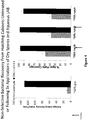
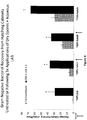
- Gram negative bacteria were also higher at all time points in the treated hatchers Fig 6 . These results indicate that the beneficial bacteria supplied by the formulation were present and in higher amounts in the treated as compared to the control groups. While the amount of gram negative bacteria was also higher in the treatment groups, the increase was less than 0.5 log10 cfu. This was compared to a harsh chemical, formaldehyde. This indicates that this formulation may be an effective alternative to formaldehyde at reducing the bacterial bloom within the hatcher cabinet.
- Example 3 Testing of bacterial formulation for performance improvements in broiler chickens.
- the bacterial formulation comprised of three Bacillius isolates (AM0904,NP122), in a dry powder formulation were combined with three strains of lactic acid bacteria (FM18, TY036, and MFF109) also in a dry powder form.
- the formulation was administered at transfer, 20% hatch, and 50% hatch, and 75% hatch via a mechanical pneumatic dispenser.
- the four doses supplied 1x10 9 spores per bird and 1x10 7 cfu of lactic acid bacteria per bird over the treatment period.
- the Bacillus spores were produced separately in a solid state media, dried, ground, then enumerated. The spores were given in a 5:5:1 ratio of NP122:B2:AM0904 respectively.
- the lactic acid bacteria (TY036, MFF109, and FM18) were grown separately in a broth fermentation, centrifuged, lyophilized, ground, and them enumerated. Each strain was included in equal amounts.
- the powder was applied into the ventilation system of the hatcher and the stir fans were used to distribute the beneficial bacteria from the formulation around the hatcher cabinet. Breeder flocks were randomized between the treated and control groups to control for incoming bacterial load and egg size.
- a single hatcher hallway was divided between control and treated groups to control for hatcher environment.
- Further contract commercial farms were divided between control and treated groups to control for growout house(barn) environment and management.
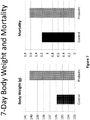
- a total 16 houses (400,000 broilers) were evaluated (8 treated and 8 control houses). Seven day body weights and mortality were measured.
- Example 4 Testing of bacterial formulation treated chicks for thermotolerant spores, presumptive Lactic Acid Bacteria (LAB) and Gram-negative bacteria
- Guts from chicks treated with either the bacterial formulation of example 3 or formaldehyde were tested for thermotolerant spores, presumptive Lactic Acid Bacteria (LAB) and Gram-negative bacteria.
- the dilutions (N to 10 -7 ) were plated by 10 ⁇ l drop onto both MRS agar and MacConkey's agar.
- TSA Trypticase soy agar
- the gut samples were Pasteurized at 80°C for 10 min before transferring 200 ⁇ l into a 96 well plate.
- the rest of the dilutions and plating methods were the same as the MRS and MacConkey's agar.
- Agar plates were counted after 24 h of incubation at 37°C.
- thermotolerant spores A marked increase in thermotolerant spores was found in the GIT of chicks treated with the bacterial formulation as shown in table 2.
- the abnormally high counts in Exp 1 were due to the samples not being pasteurized prior to dilution and plating. Subsequent experiments included a pasteurization step.
- Table 2. Average enumeration (Log 10 CFU/g) of thermotolerant spore counts in day of hatch (DOH) commercial broiler chicks. Averages are based on n 12 and shown with ⁇ Std Err.
- the number of Gram-negative bacteria, which are considered to be either pathogenic or non-beneficial to the host, were isolated is shown in Table 4.
- the number of Gram-negative bacteria was shown to be lower in the bacterial formulation-treated birds than the formaldehyde treated chicks. All of the probiotic isolates in the bacterial formulation have been shown to have an inhibitory effect against common Gram-negative isolates.
- the Gram-negative bacteria counts were the same between the formaldehyde and the bacterial formulation groups, though the overall numbers for both groups were very low.
Landscapes
- Life Sciences & Earth Sciences (AREA)
- Health & Medical Sciences (AREA)
- Microbiology (AREA)
- Chemical & Material Sciences (AREA)
- Mycology (AREA)
- General Health & Medical Sciences (AREA)
- Medicinal Chemistry (AREA)
- Animal Behavior & Ethology (AREA)
- Public Health (AREA)
- Veterinary Medicine (AREA)
- Pharmacology & Pharmacy (AREA)
- Epidemiology (AREA)
- Molecular Biology (AREA)
- Organic Chemistry (AREA)
- Engineering & Computer Science (AREA)
- Zoology (AREA)
- Environmental Sciences (AREA)
- Genetics & Genomics (AREA)
- Bioinformatics & Cheminformatics (AREA)
- Biotechnology (AREA)
- Wood Science & Technology (AREA)
- Animal Husbandry (AREA)
- Biodiversity & Conservation Biology (AREA)
- Nuclear Medicine, Radiotherapy & Molecular Imaging (AREA)
- Chemical Kinetics & Catalysis (AREA)
- General Chemical & Material Sciences (AREA)
- Communicable Diseases (AREA)
- Oncology (AREA)
- Virology (AREA)
- Biomedical Technology (AREA)
- Tropical Medicine & Parasitology (AREA)
- Biochemistry (AREA)
- General Engineering & Computer Science (AREA)
- Birds (AREA)
- Medicines Containing Material From Animals Or Micro-Organisms (AREA)
- Fodder In General (AREA)
- Micro-Organisms Or Cultivation Processes Thereof (AREA)
- Feed For Specific Animals (AREA)
Description
- This application contains a reference to a deposit of biological material. For complete information see Example 1.
- This application contains a Sequence Listing in computer readable form.
Index to sequence listing: - SEQ ID NO: 1 is 16S rDNA of Pediococcus acidilactici FM18 deposited as NRRL B-50964.
- SEQ ID NO: 2 is 16S rDNA of Pediococcus acidilactici TY036 deposited as NRRL B-50959.
- SEQ ID NO: 3 is 16S rDNA of Enterococcus faecium MFF109 deposited as NRRL B-50960.
- SEQ ID NO: 4 is 16S rDNA of Bacillus amyloliquefaciens AM0904 deposited as NRRL B-50914.
- SEQ ID NO: 5 is 16S rDNA of Bacillus amyloliquefaciens NP122 deposited as NRRL B-50910.
- SEQ ID NO: 6 is 16S rDNA of Bacillus amyloliquefaciens B2 deposited as NRRL B-50908.
- The invention relates to spore forming bacteria and Lactic Acid Bacteria for application in poultry hatcher cabinets to alter the microbial bloom towards a more beneficial microbiota, positively affecting performance parameters such as mortality, body weight gain and/or Feed Conversion Ratio throughout poultry production.
- Modern poultry hatcheries have expanded in size and scale due to increased consumer demand. An increase in hatchery output necessitates an increase in related operations, such as movement of personnel and vehicles and near-continuous use of hatchery facilities. To ensure the production of healthy disease-free chicks, maximum sanitary standards must be observed, especially with respect to eggs and any equipment that will come into contact with eggs. One area of the hatchery that requires special care is the hatching cabinets, where the chicks will hatch and be exposed to the first bacteria that colonize the naive gut.
- Often the bacteria present in a hatching cabinet may not be beneficial to the newborn chicks and may even be harmful, such as Salmonella, E. coli, Pseudomonas, Streptococcus, Staphylococcus, Enterococcus, among others. The warm, humid climate of the hatching cabinets is conducive to the growth of these organisms so reducing contamination and preventing "microbial blooms" is of the utmost importance. Additionally, the Gastro-Intestinal Tract (GIT) of poultry is dependent on healthy gut bacteria to stimulate intestinal and immune development. The sooner the neonatal poultry are exposed to these "good" bacteria, the less likely they are to be colonized by pathogenic bacteria and the sooner their GIT will begin to develop.
- Traditionally hatchery sanitation has been accomplished by the use of antimicrobial chemicals, primarily fumigated formaldehyde to reduce the pathogens from the hatcher. Upon arrival at the hatchery, eggs are sometimes sanitized to remove microbes transferred from the hen and fecal material. This does not remove all bacteria, which will continue to grow in the warm, humid environment of the setters and may bloom after transfer into the hatching cabinets. This can also reduce hatchability of the eggs. It is common to fumigate the hatching cabinets with formaldehyde to prevent this bloom, though the formaldehyde may cause some ill effects to the chicks itself, as it is a known irritant, and is a safety hazard to hatchery personnel. High concentrations of formaldehyde can cause irritation of the mucous membranes in both birds and humans and trigger asthma-like symptoms and is carcinogenic in humans. Numerous countries have moved to ban or drastically lower the short-term-exposure-limit for formaldehyde, so various alternatives have been tested over the past several years. Additionally handling of formaldehyde requires extensive safety training and specialized equipment to safely apply.
- Several chemical alternatives to formaldehyde have been proposed, such as quaternary ammonium and glutaraldehyde. Though safer and non-carcinogenic, glutaraldehyde is still considered an irritant and is toxic and therefore the maximum exposure limit is set at 0.05 ppm. While safer, these chemical alternatives have not been as effective at controlling the bacterial "bloom" within the hatchers.
- With growing thought for employee safety and consumer push for removing chemicals from the food chain, there has been growing research into biological solutions for sanitation and microbial control in the agricultural industry. Formaldehyde and other chemical disinfectants also do not address the need for exposure to helpful, commensal bacteria.
- To accomplish this, probiotic bacterial formulations have been applied post hatch. These have generally been applied either at the hatchery during processing of the chicks or soon after placement at the poultry farm.
- Promsopone et al. (J. Food Protection 61(2): 176-180 (1998)) describe the use of Lactobacillus acidophilus, Streptococcus faecium, and S. typhimurium-specific antibodies for reducing S. typhimurium in broiler chicks. In PCT application
WO 2012/110777 KR20150117184 - However, the time from hatch to first exposure to these probiotic bacteria can range up to 48 hours post hatch depending on actual hatch time of a given chick and when the probiotic is applied post hatch. Since broiler chickens only live an average of 42 days, 48 hours is a significant period of time before they are provided with beneficial microorganisms. Additionally, as pathogenic bacteria are relatively more common in the hatcher and hatchery environment, chicks are more likely to get exposure to pathogens before commensals.
- There is thus a need for a formulation such as, e.g., a probiotic formulation, which controls the bacterial bloom in the hatchery without having the drawbacks of formaldehyde and other chemical disinfectants.
- The invention relates to a method for improving one or more performance parameter(s) of poultry comprising the step of administering one or more probiotic(s) comprising one or more Bacillus strains and one or more lactic acid bacteria strains in the poultry hatcher cabinet, wherein the one or more lactic acid bacteria is selected from the group consisting of
- i) Pediococcus acidilactici FM18 deposited as NRRL Deposit Number B-50964, a strain having all of the identifying characteristics of Pediococcus acidilactici FM18 deposited as NRRL Deposit Number B-50964 or a mutant thereof,
- ii) Pediococcus acidilactici TY036 deposited as NRRL Deposit Number B-50959, a strain having all of the identifying characteristics of Pediococcus acidilactici TY036 deposited as NRRL Deposit Number B-50959 or a mutant thereof, and
- iii) Enterococcus faecium MFF109 deposited as NRRL Deposit Number B-50960, a strain having all of the identifying characteristics of Enterococcus faecium MFF109 deposited as NRRL Deposit Number B-50960 or a mutant thereof,
- i) Pediococcus acidilactici FM18 deposited as NRRL Deposit Number B-50964, a strain having all of the identifying characteristics of Pediococcus acidilactici FM18 deposited as NRRL Deposit Number B-50964 or a mutant thereof,
- ii) Pediococcus acidilactici TY036 deposited as NRRL Deposit Number B-50959, a strain having all of the identifying characteristics of Pediococcus acidilactici TY036 deposited as NRRL Deposit Number B-50959 or a mutant thereof, and
- iii) Enterococcus faecium MFF109 deposited as NRRL Deposit Number B-50960, a strain having all of the identifying characteristics of Enterococcus faecium MFF109 deposited as NRRL Deposit Number B-50960 or a mutant thereof, and wherein the one or more Bacillus is selected from the group consisting of
- i) Bacillus amyloliquefaciens AM0904 deposited as NRRL Deposit Number B-50914, a strain having all of the identifying characteristics of Bacillus amyloliquefaciens AM0904 deposited as NRRL Deposit Number B-50914 or a mutant thereof,
- ii) Bacillus amyloliquefaciens NP122 deposited as NRRL Deposit Number B-50910, a strain having all of the identifying characteristics of Bacillus amyloliquefaciens NP122 deposited as NRRL Deposit Number B-50910 or a mutant thereof, and
- ii) Bacillus amyloliquefaciens B2 deposited as NRRL Deposit Number B-50908, a strain having all of the identifying characteristics of Bacillus amyloliquefaciens B2 deposited as NRRL Deposit Number B-50908 or a mutant thereof.
-
-
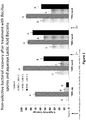
FIG. 1 illustrates amount of general bacteria present in hatcher post administration of bacterial formulation inexperiment 1. -
FIG. 2 illustrates amount of lactic acid bacteria present in hatcher post administration of bacterial formulation inexperiment 1. -
FIG. 3 illustrates amount of gram negative/coliform bacteria present in hatcher post administration of bacterial formulation inexperiment 1. -
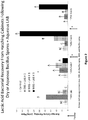
FIG. 4 illustrates evaluation of general bacteria and combinations of lactic acid bacteria isolates on poultry pathogen reduction in an in vitro overlay assay. -
FIG. 5 illustrates amount of lactic acid bacteria present in hatcher post administration of bacterial formulation inexperiment 2. -
FIG. 6 illustrates amount of gram negative/coliform bacteria present in hatcher post administration of bacterial formulation inexperiment 2. -
FIG. 7 illustrates impact of the bacterial formulation on 7 day body weight and mortality onbroiler chicks experiment 3. -
FIG. 8 illustrates impact of the bacterial formulation on body weight and livability of broiler chickens at sale in acommercial environment experiment 3. -
FIG. 9 illustrates impact of the bacterial formulation on feed conversion of broiler chickens at sale in acommercial environment experiment 3. - Unless defined otherwise, all technical and scientific terms used herein have the same meaning as commonly understood by those of ordinary skill in the art to which the disclosure belongs. Although any methods and materials similar or equivalent to those described herein can be used in the practice or testing of the subject matter of the present disclosure, preferred methods and materials are described. For the purposes of the present disclosure, the following terms are defined below.
- The articles "a" and "an" are used herein to refer to one or to more than one (i.e., to at least one) of the grammatical object of the article. By way of example, "an element" means one element or more than one element.
- The term "about" means a quantity, level, value, number, frequency, percentage, dimension, size, amount, weight or length that varies by as much as 30, 25, 20, 15, 10, 9, 8, 7, 6, 5, 4, 3, 2 or 1% to a reference quantity, level, value, number, frequency, percentage, dimension, size, amount, weight or length.
- Throughout this disclosure, unless the context requires otherwise, the words "comprise," "comprises," and "comprising" will be understood to imply the inclusion of a stated step or element or group of steps or elements but not the exclusion of any other step or element or group of steps or elements.
- The term "consisting of" means including, and limited to, whatever follows the phrase "consisting of." Thus, the phrase "consisting of" indicates that the listed elements are required or mandatory, and that no other elements may be present. The term "consisting essentially of" means including any elements listed after the phrase, and limited to other elements that do not interfere with or contribute to the activity or action specified in the disclosure for the listed elements. Thus, the phrase "consisting essentially of" indicates that the listed elements are required or mandatory, but that other elements are optional and may or may not be present depending upon whether or not they materially affect the activity or action of the listed elements.
- The terms "administering," or "administer" include providing a probiotic formulation of the disclosure to an animal preferably by oral administration.
- A "decreased" or "reduced" amount is typically a "statistically significant" amount, and may include a decrease that is 1, 2, 3, 4, 5, 6, 7, 8, 9, 10, 15, 20, 30, 40, 50, 100, 200, 250, 500, 1000 or more times less, including all integers and decimal points in between and above 1 (e.g., 1.1, 1.2, 1.3, 1.4, 1.5, 1.6, 1.7, 1.8, 1.9), than the amount produced by an animal in the absence of a probiotic formulation. A decrease may include a decrease that is at least one log (Log10) or more less than the amount produced by an animal in the absence of a probiotic formulation. A decreased or reduced amount may include a decrease that is at least about 5 fold, 10 fold, 15 fold, 20 fold, 25 fold or 30 fold less than the amount produced by an animal in the absence of a probiotic formulation.
- A "decrease" in a response may be "statistically significant" as compared to the response produced by an animal in the absence of a probiotic formulation, and may include a 1%, 2%, 3%, 4%, 5%, 6%, 7%, 8%, 9%, 10%, 11%, 12%, 13%, 14%, 15%, 16%, 17%, 18%, 19%, 20%, 25%, 30%, 35%, 40%, 45%, 50%, 55%, 60%, 65%, 70%, 75%, 80%, 85%, 90%, 95%, or 100% decrease, including all integers in between.
- An "increased" amount is typically a "statistically significant" amount, and may include an increase that is 1, 2, 3, 4, 5, 6, 7, 8, 9, 10, 15, 20, 30, 40, 50, 100, 200, 250, 500, 1000 or more times more, including all integers and decimal points in between and above 1 (e.g., 1.1, 1.2, 1.3, 1.4, 1.5, 1.6, 1.7, 1.8, 1.9), than the amount produced by an animal in the absence of a probiotic formulation. An increase may include an increase that is at least one log (Log10) or more less than the amount produced by an animal in the absence of a probiotic formulation. An increased amount may include an increase that is at least about 5 fold, 10 fold, 15 fold, 20 fold, 25 fold or 30 fold more than the amount produced by an animal in the absence of a probiotic formulation.
- An "increase" in a response may be "statistically significant" as compared to the response produced by an animal in the absence of a probiotic formulation, and may include a 1%, 2%, 3%, 4%, 5%, 6%, 7%, 8%, 9%, 10%, 11%, 12%, 13%, 14%, 15%, 16%, 17%, 18%, 19%, 20%, 25%, 30%, 35%, 40%, 45%, 50%, 55%, 60%, 65%, 70%, 75%, 80%, 85%, 90%, 95%, or 100% increase, including all integers in between.
- The term "isolated" refers to a material that is substantially or essentially free from components that normally accompany it in its native state. For example, an isolated bacterial isolate may refer to a bacterial isolate that has been purified or removed from naturally or non-naturally occurring components that are present in its naturally occurring environment.
- The term "modify" includes to "decrease" one or more quantifiable parameters or indications, optionally by a defined and/or statistically significant amount. By "decrease" or "decreasing," "reduce" or "reducing," refers generally to the ability of a probiotic formulation to produce a lesser physiological response in an animal relative to the response caused by a control formulation. Relevant physical responses will be apparent to persons skilled in the art. A "decreased" or "reduced" amount is typically a "statistically significant" amount, and may include a decrease that is 1, 2, 3, 4, 5, 6, 7, 8, 9, 10, 15, 20, 30, 40, 50 or more times less (e.g., 100, 500, 1000 times), including all integers and decimal points in between and above 1 (e.g., 1.1, 1.2, 1.3, 1.4, 1.5, 1.6, 1.7, 1.8, 1.9), the amount produced by an animal in the absence of a probiotic formulation. A decrease may include a decrease that is at least one log (Log10) or more less than the amount produced by an animal in the absence of a probiotic formulation. A decreased or reduced amount may include a decrease that is at least about 5 fold, 10 fold, 15 fold, 20 fold, 25 fold or 30 fold less than the amount produced by an animal in the absence of a probiotic formulation.
- As used herein, the terms "quantifying," "quantification" or other related words refer to determining the quantity, mass, or concentration in a unit volume, of a parameter or indication.
- As used herein, the term "poultry" refers to domesticated birds. Poultry includes wildfowl, waterfowl, and game birds. Examples of poultry include, but are not limited to, chicken, broilers, layers, bantams, turkey, duck, geese, guinea fowl, peafowl, quail, dove, pigeon (squab), and pheasant, preferably chickens, broilers, layers and turkeys.
- Mortality is defined as the percentage of birds which die or are culled before harvesting. Decreased mortality is a sign of good flock health and low incidence of disease.
- Body weight/body weight gain means that the growth rate is increased when the overall health of the animal is improved (less resources spent on stress or disease), the GIT is working more optimally, more nutrients are made available to the animal, and/or feed intake increases.
- Feed conversion ratio is the metric for conversion of feed to body weight (Feed intake/body weight). Improvements in feed conversion are attributed to improved absorption of nutrients by the animal. This can mean that the animal is better able to absorb nutrients because of 1) a change in absorptive capacity by the animal 2) more available nutrients in the GIT of the animal. With this metric, a lower number/ration is better than a higher number.
- "Hatch" means the breaking of the egg shell whereby a chick comes out of the egg. 10% hatch thus means that 10% of the eggs have broken shells whereby chicken have emerged, 20% hatch means 20% of the eggs have broken shells whereby chicken have emerged, etc.
- "Pip" means an egg in which the chick has broken the shell in an attempt to hatch. Sometimes chicks die shortly after piping the shell. 10% pip thus means that 10% of the eggs have broken shells from chicks' piping, 20% pip means 20% of the eggs have broken shells from chicks' piping, etc. Hatcher cabinet is a machine used to maintain proper conditions for setting avian eggs.
- The term "probiotic" is herein used for live microorganisms for administration to humans or animals for obtaining associated benefits for humans and animals.
- The terms "bacterial bloom" and "microbial bloom" are used interchangeably herein and are understood as an increase in the level of pathogenic bacteria such as a rapid increase in the level of pathogenic bacteria, e.g., due to a warm, humid environment.
- Coliform bacteria are known to the person skilled in the art and are rod-shaped Gram-negative non-spore forming and motile or non-motile bacteria which can ferment lactose with the production of acid and gas when incubated at 35-37°C. Their presence is used to indicate that other pathogenic organisms of fecal origin may be present. Examples of coliform bacteria include but are not limited to bacteria of the genera: Citrobacter, Enterobacter, Hafnia, Klebsiella, Salmonella, and Escherichia.
- In one aspect the invention relates to a method for improving one or more performance parameter(s) of poultry comprising the step of administering one or more probiotic(s) comprising one or more Bacillus strains and one or more lactic acid bacteria strains in the poultry hatcher cabinet, wherein the one or more lactic acid bacteria is selected from the group consisting of
- iii) Pediococcus acidilactici FM18 deposited as NRRL Deposit Number B-50964, a strain having all of the identifying characteristics of Pediococcus acidilactici FM18 deposited as NRRL Deposit Number B-50964 or a mutant thereof,
- ii) Pediococcus acidilactici TY036 deposited as NRRL Deposit Number B-50959, a strain having all of the identifying characteristics of Pediococcus acidilactici TY036 deposited as NRRL Deposit Number B-50959 or a mutant thereof, and
- iii) Enterococcus faecium MFF109 deposited as NRRL Deposit Number B-50960, a strain having all of the identifying characteristics of Enterococcus faecium MFF109 deposited as NRRL Deposit Number B-50960 or a mutant thereof,
- The administering is in a preferred embodiment performed by spraying the one or more probiotic(s) into the poultry hatcher cabinet. The ventilation system will preferably ensure a good distribution in the poultry hatcher cabinet. In an even more preferred embodiment the one or more probiotic(s) is a powder formulation such as a dry powder formulation. The dry powder formulation will ensure a good distribution in the poultry hatcher cabinet. Application of the one or more probiotic(s) is preferably accomplished by a dry spray directly into the hatcher cabinet and circulation of the probiotic(s) by the ventilation system in the cabinet. One embodiment relates to dry spray delivering, e.g., by a pneumatic system. The probiotic(s) are preferably on spore form.
- In a preferred embodiment of the method the one or more probiotic(s) comprises one or more Bacillus strains, e.g., in spore form. In another preferred embodiment the one or more probiotic(s) comprises one or more lactic acid bacteria strains, e.g., in spore form. In a specific embodiment the one or more probiotic(s) comprises one or more Bacillus strains (e.g., in spore form) and one or more lactic acid bacteria strains (e.g., in spore form).
- The inventor has thus found that one or more Bacillus strains and/or one or more lactic acid bacteria strains when provided as a probiotic has a positive effect on the bacterial bloom towards a more beneficial microbiota and/or performance parameters of the poultry. The inventor further surprisingly found that the one or more Bacillus strains may be combined with the one or more lactic acid bacteria strains in one probiotic having a positive effect on the bacterial bloom towards a more beneficial microbiota and/or performance parameters of the poultry.
- The method also relates to an embodiment wherein the one or more probiotic(s) comprises one or more Bacillus selected from the group consisting of
- i) Bacillus amyloliquefaciens AM0904 deposited as NRRL Deposit Number B-50914, a strain having all of the identifying characteristics of Bacillus amyloliquefaciens AM0904 deposited as NRRL Deposit Number B-50914 or a mutant thereof,
- ii) Bacillus amyloliquefaciens NP122 deposited as NRRL Deposit Number B-50910, a strain having all of the identifying characteristics of Bacillus amyloliquefaciens NP122 deposited as NRRL Deposit Number B-50910 or a mutant thereof, and
- iii) Bacillus amyloliquefaciens B2 deposited as NRRL Deposit Number B-50908, a strain having all of the identifying characteristics of Bacillus amyloliquefaciens B2 deposited as NRRL Deposit Number B-50908 or a mutant thereof.
- Another embodiment of the method relates to one or more probiotic(s) comprising one or more lactic acid bacteria selected from the group consisting of
- i) Pediococcus acidilactici FM18 deposited as NRRL Deposit Number B-50964,
- ii) Pediococcus acidilactici TY036 deposited as NRRL Deposit Number B-50959, and
- iii) Enterococcus faecium MFF109 deposited as NRRL Deposit Number B-50960.
- The method according to the present invention also relates to an embodiment wherein the one or more probiotic(s) comprises one or more Bacillus selected from the group consisting of
- i) Bacillus amyloliquefaciens AM0904 deposited as NRRL Deposit Number B-50914,
- ii) Bacillus amyloliquefaciens NP122 deposited as NRRL Deposit Number B-50910, and
- iii) Bacillus amyloliquefaciens B2 deposited as NRRL Deposit Number B-50908.
- In a specific embodiment the method relates to one or more probiotic(s) comprising one or more lactic acid bacteria selected from the group consisting of
- i) Pediococcus acidilactici FM18 deposited as NRRL Deposit Number B-50964,
- ii) Pediococcus acidilactici TY036 deposited as NRRL Deposit Number B-50959, and
- iii) Enterococcus faecium MFF109 deposited as NRRL Deposit Number B-50960; and
- i) Bacillus amyloliquefaciens AM0904 deposited as NRRL Deposit Number B-50914,
- ii) Bacillus amyloliquefaciens NP122 deposited as NRRL Deposit Number B-50910, and
- iii) Bacillus amyloliquefaciens B2 deposited as NRRL Deposit Number B-50908.
- In another specific embodiment the method relates to one or more probiotic(s) comprising one or more lactic acid bacteria selected from the group consisting of
- i) Pediococcus acidilactici FM18 deposited as NRRL Deposit Number B-50964, and
- ii) Pediococcus acidilactici TY036 deposited as NRRL Deposit Number B-50959;
- i) Bacillus amyloliquefaciens AM0904 deposited as NRRL Deposit Number B-50914,
- ii) Bacillus amyloliquefaciens NP122 deposited as NRRL Deposit Number B-50910, and
- iii) Bacillus amyloliquefaciens B2 deposited as NRRL Deposit Number B-50908.
- In another embodiment of the method the one or more probiotic(s) comprises a 16S rDNA sequence selected from the group consisting of:
- (a) 16s rDNA having at least 98%, e.g., at least 98.2%, at least 98.4%, at least 98.6%, at least 98.8%, at least 99.0%, at least 99.2%, at least 99.4%, at least 99.5%, at least 99.6%, at least 99.7%, at least 99.8%, at least 99.9% or 100% sequence identity to SEQ ID NO: 1;
- (b) 16s rDNA having at least 98%, e.g., at least 98.2%, at least 98.4%, at least 98.6%, at least 98.8%, at least 99.0%, at least 99.2%, at least 99.4%, at least 99.5%, at least 99.6%, at least 99.7%, at least 99.8%, at least 99.9% or 100% sequence identity to SEQ ID NO: 2;
- (c) 16s rDNA having at least 98%, e.g., at least 98.2%, at least 98.4%, at least 98.6%, at least 98.8%, at least 99.0%, at least 99.2%, at least 99.4%, at least 99.5%, at least 99.6%, at least 99.7%, at least 99.8%, at least 99.9% or 100% sequence identity to SEQ ID NO: 3;
- (d) 16s rDNA having at least 98%, e.g., at least 98.2%, at least 98.4%, at least 98.6%, at least 98.8%, at least 99.0%, at least 99.2%, at least 99.4%, at least 99.5%, at least 99.6%, at least 99.7%, at least 99.8%, at least 99.9% or 100% sequence identity to SEQ ID NO: 4;
- (e) 16s rDNA having at least 98%, e.g., at least 98.2%, at least 98.4%, at least 98.6%, at least 98.8%, at least 99.0%, at least 99.2%, at least 99.4%, at least 99.5%, at least 99.6%, at least 99.7%, at least 99.8%, at least 99.9% or 100% sequence identity to SEQ ID NO: 5; and
- (f) 16s rDNA having at least 98%, e.g., at least 98.2%, at least 98.4%, at least 98.6%, at least 98.8%, at least 99.0%, at least 99.2%, at least 99.4%, at least 99.5%, at least 99.6%, at least 99.7%, at least 99.8%, at least 99.9% or 100% sequence identity to SEQ ID NO: 6.
- In one embodiment the method described above results in improvement of one or more performance parameter(s) selected from the group consisting of body weight gain, growth rate, feed conversion rate and overall health or any combination thereof. The method can further result in an increase in healthy gut bacteria that stimulate intestinal and/or immune development in the poultry. In one embodiment the method results in an increase in the level of lactic acid bacteria and/or Bacillus. In one embodiment the method results in an increase in the level of lactic acid bacteria and/or Bacillus the hatcher. In one embodiment the method results in an increase in the level of lactic acid bacteria and/or Bacillus in the GIT of the chick. In one embodiment the method results in an increase in the level of lactic acid bacteria and/or Bacillus in the hatcher and in the GIT of the chick.
- In another embodiment of the method the administration results in that the bacterial bloom in the poultry hatcher cabinet is modified or controlled. This can mean that the level of pathogenic bacteria is decreased. Pathogenic bacteria in this connection can in one embodiment be selected from the group consisting of coliform bacteria, Salmonella, E. coli, Pseudomonas, Streptococcus, Staphylococcus, and Enterococcus. Preferably the method results in a shift of the environmental microbiota of the poultry to one of more beneficial probiotic bacteria. In one embodiment of the method the administration results in a decrease in pathogenic bacteria which are selected from the group consisting of coliform bacteria, Salmonella, E. coli, Pseudomonas, Streptococcus, Staphylococcus, and Enterococcus. In one embodiment of the method the administration results in a decrease in pathogenic bacteria which are selected from the group consisting of coliform bacteria, Salmonella and E. coli.
- In a further embodiment of the method the administration results in that the level of coliform bacteria in the hatchery is lowered. In a further embodiment of the method the administration results in that the level of coliform bacteria in the hatcher cabinet is lowered. In a yet further embodiment of the method the administration results in that the level of coliform bacteria in the hatchery is lowered at least 25%, such as at least 30% or at least 40%. In a yet further embodiment of the method the administration results in that the level of coliform bacteria in the hatcher cabinet is lowered at least 25% such as at least 30% or at least 40%. In a yet further embodiment of the method the administration results in that the level of coliform bacteria in the hatchery is lowered at least 50%. In a yet further embodiment of the method the administration results in that the level of coliform bacteria in the hatcher cabinet is lowered at least 50%. In a further embodiment of the method the administration results in that the level of coliform bacteria in the hatchery is lowered at least 1 log. In a further embodiment of the method the administration results in that the level of coliform bacteria in the hatcher cabinet is lowered at least 1 log. In a further embodiment of the method the administration results in that the level of coliform bacteria in the hatchery is lowered at least 2 logs. In a further embodiment of the method the administration results in that the level of coliform bacteria in the hatcher cabinet is lowered at least 2 logs.
- In a preferred embodiment the method relates to treatment of chickens and/or turkeys. In one embodiment the method relates to treatment of broilers and/or layers.
- In a preferred embodiment the method relates to administering one or more probiotic(s) in the poultry hatcher cabinet before hatching. Alternatively, the method relates to administering one or more probiotic(s) in the poultry hatcher cabinet after hatching such as within 24 hours after hatching such as within 20, 18, 16, 14, 12, 10, 8, 6, 4, 2, 1 hours after hatching. In one embodiment some eggs are hatched and some are not hatched. Preferably less than 90% are hatched such as less than 80%, 70%, 60%, 50%, 40%, 30%, 20%, 10%, 5% or less than 1% are hatched when the one or more probiotic(s) are administered in the poultry hatcher cabinet.
- The administration can be repeated one or more times, e.g., before and/or after the hatching such as 2, 3, 4, 5, 6, 7, 8, 9, or 10 repeats. Alternatively, the administration can be continuously through the time in the hatcher cabinet.
- In a preferred embodiment of the method the one or more probiotic(s) have one or more properties selected from the group consisting of
- i) robustly form spores of high quality in commercial scale solid-state fermentation,
- ii) robustly grow in submerged fermentation and maintain stability after lyophilization,
- iii) successfully germinate in and colonize the poultry gastrointestinal tract,
- iv) improve poultry performance parameters (such as mortality, Body Weight Gain (BWG) and/or Feed Conversion Ratio (FCR))
- v) improve poultry performance parameters of the young chicks (such as, e.g., improvement of body weight and/or uniformity of the chicks as measured at
days 7 to 10), - vi) inhibit common poultry pathogens both in vitro and in vivo studies and
- vii) maintain viability in the hatcher cabinet environment.
- In another preferred embodiment of the method the one or more probiotic(s) are able to reduce the incidence of Gram negative bacteria in the hatcher cabinet environment and/or decrease end-of-life mortality, and/or improve feed conversion, and/or increase body weight gain in poultry.
- The application of probiotic bacteria in the hatcher cabinets preferably provides pioneer colonizers to the gut before the chick can be exposed to non-beneficial or pathogenic bacteria, which may have lifelong deleterious effects.
- The application method preferably provides uniform treatment to all chicks in the hatcher cabinet, likely improving flock uniformity.
- Application by dry spray eliminates storage (shelf life) and application concerns which may accompany a wet spray application. The isolates and preparation used have been shown to be stable in the hatcher cabinet environment for the time period needed.
- In a preferred aspect the invention relates to a composition comprising one or more Bacillus strains and one or more lactic acid bacteria strains, wherein the one or more lactic acid bacteria is selected from the group consisting of
- i) Pediococcus acidilactici FM18 deposited as NRRL Deposit Number B-50964, a strain having all of the identifying characteristics of Pediococcus acidilactici FM18 deposited as NRRL Deposit Number B-50964 or a mutant thereof,
- ii) Pediococcus acidilactici TY036 deposited as NRRL Deposit Number B-50959, a strain having all of the identifying characteristics of Pediococcus acidilactici TY036 deposited as NRRL Deposit Number B-50959 or a mutant thereof, and
- iii) Enterococcus faecium MFF109 deposited as NRRL Deposit Number B-50960, a strain having all of the identifying characteristics of Enterococcus faecium MFF109 deposited as NRRL Deposit Number B-50960 or a mutant thereof.
- In a preferred embodiment with respect to the composition the one or more Bacillus is selected from the group consisting of
- i) Bacillus amyloliquefaciens AM0904 deposited as NRRL Deposit Number B-50914, a strain having all of the identifying characteristics of Bacillus amyloliquefaciens AM0904 deposited as NRRL Deposit Number B-50914 or a mutant thereof,
- ii) Bacillus amyloliquefaciens NP122 deposited as NRRL Deposit Number B-50910, a strain having all of the identifying characteristics of Bacillus amyloliquefaciens NP122 deposited as NRRL Deposit Number B-50910 or a mutant thereof, and
- iii) Bacillus amyloliquefaciens B2 deposited as NRRL Deposit Number B-50908, a strain having all of the identifying characteristics of Bacillus amyloliquefaciens B2 deposited as NRRL Deposit Number B-50908 or a mutant thereof.
- In a specific embodiment with respect to the composition the one or more lactic acid bacteria is selected from the group consisting of
- i) Pediococcus acidilactici FM18 deposited as NRRL Deposit Number B-50964,
- ii) Pediococcus acidilactici TY036 deposited as NRRL Deposit Number B-50959, and
- iii) Enterococcus faecium MFF109 deposited as NRRL Deposit Number B-50960.
- In another specific embodiment with respect to the composition the one or more Bacillus is selected from the group consisting of
- i) Bacillus amyloliquefaciens AM0904 deposited as NRRL Deposit Number B-50914,
- ii) Bacillus amyloliquefaciens NP122 deposited as NRRL Deposit Number B-50910, and
- iii) Bacillus amyloliquefaciens B2 deposited as NRRL Deposit Number B-50908.
- In a specific embodiment with respect to the composition comprises one or more lactic acid bacteria selected from the group consisting of
- i) Pediococcus acidilactici FM18 deposited as NRRL Deposit Number B-50964,
- ii) Pediococcus acidilactici TY036 deposited as NRRL Deposit Number B-50959, and
- iii) Enterococcus faecium MFF109 deposited as NRRL Deposit Number B-50960; and one or more Bacillus selected from the group consisting of
- i) Bacillus amyloliquefaciens AM0904 deposited as NRRL Deposit Number B-50914,
- ii) Bacillus amyloliquefaciens NP122 deposited as NRRL Deposit Number B-50910, and
- iii) Bacillus amyloliquefaciens B2 deposited as NRRL Deposit Number B-50908.
- In a preferred embodiment with respect to the composition the one or more Bacillus strains and one or more lactic acid bacteria strains comprises a 16S rDNA sequence selected from the group consisting of:
- (a) 16s rDNA having at least 98%, e.g., at least 98.2%, at least 98.4%, at least 98.6%, at least 98.8%, at least 99.0%, at least 99.2%, at least 99.4%, at least 99.5%, at least 99.6%, at least 99.7%, at least 99.8%, at least 99.9% or 100% sequence identity to SEQ ID NO: 1;
- (b) 16s rDNA having at least 98%, e.g., at least 98.2%, at least 98.4%, at least 98.6%, at least 98.8%, at least 99.0%, at least 99.2%, at least 99.4%, at least 99.5%, at least 99.6%, at least 99.7%, at least 99.8%, at least 99.9% or 100% sequence identity to SEQ ID NO: 2;
- (c) 16s rDNA having at least 98%, e.g., at least 98.2%, at least 98.4%, at least 98.6%, at least 98.8%, at least 99.0%, at least 99.2%, at least 99.4%, at least 99.5%, at least 99.6%, at least 99.7%, at least 99.8%, at least 99.9% or 100% sequence identity to SEQ ID NO: 3;
- (d) 16s rDNA having at least 98%, e.g., at least 98.2%, at least 98.4%, at least 98.6%, at least 98.8%, at least 99.0%, at least 99.2%, at least 99.4%, at least 99.5%, at least 99.6%, at least 99.7%, at least 99.8%, at least 99.9% or 100% sequence identity to SEQ ID NO: 4;
- (e) 16s rDNA having at least 98%, e.g., at least 98.2%, at least 98.4%, at least 98.6%, at least 98.8%, at least 99.0%, at least 99.2%, at least 99.4%, at least 99.5%, at least 99.6%, at least 99.7%, at least 99.8%, at least 99.9% or 100% sequence identity to SEQ ID NO: 5; and
- (f) 16s rDNA having at least 98%, e.g., at least 98.2%, at least 98.4%, at least 98.6%, at least 98.8%, at least 99.0%, at least 99.2%, at least 99.4%, at least 99.5%, at least 99.6%, at least 99.7%, at least 99.8%, at least 99.9% or 100% sequence identity to SEQ ID NO: 6.
- In a preferred embodiment the Bacillus strains and/or the lactic acid bacteria strains according to the invention or the composition according to the invention has one or more properties selected from the group consisting of
- i) robustly form spores of high quality in commercial scale solid-state fermentation,
- ii) robustly grow in submerged fermentation and maintain stability after lyophilization,
- iii) successfully germinate in and colonize the poultry gastrointestinal tract,
- iv) improve poultry performance parameters (such as mortality, BWG, FCR)
- v) inhibit common poultry pathogens both in vitro and in vivo studies and
- vi) maintain viability in the hatcher cabinet environment.
- In another preferred embodiment the Bacillus strains and/or the lactic acid bacteria strains according to the invention or the composition according to the invention is able to reduce the incidence of Gram negative bacteria in the hatcher cabinet environment and/or decrease end-of-life mortality, and/or improve feed conversion, and/or increase body weight gain in poultry.
- In a specific embodiment the composition comprises a carrier such as a carrier comprising or consisting of: a) wheat bran flakes and/or b) calcium carbonate and/or c) an anti-caking/flow agent.
- The Bacillus isolates (B2, NP122, AM0904) were isolated from poultry and environmental samples and evaluated for their ability to grow and sporulate robustly in a solid-state fermentation system. They were also evaluated for their ability to germinate within the chicken gastrointestinal tract, form biofilms, and inhibit common poultry and food-related pathogens by both in vitro and in vivo experimentation.
- The Pedicoccus isolates (PVG-18, TY036) were isolated from poultry samples and evaluated for their ability to grow in a submerged fermentation system and maintain stability after lyophilization. They were also evaluated for their ability to inhibit common poultry pathogens by both in vitro and in vivo experimentation. These were selected for suppression of pathogens in neonatal poultry and for early stimulation of the GIT respectively.
- Preferably the probiotic is isolated.
- The following biological materials were deposited under the terms of the Budapest Treaty at Agricultural Research Service Culture Collection (NRRL), 1815 North University Street, Peoria, IL 61604, U.S.A., and given the following accession numbers:
Identification Accession Number Date of Deposit Pediococcus acidilactici TY036 NRRL B-50959 April 1, 2014 Pediococcus acidilactici FM18 NRRL B-50964 April 1, 2014 Enterococcus faecium MFF109 NRRL B-50960 April 1, 2014 Bacillus amyloliquefaciens AM 0904 NRRL B-50914 March 7, 2014 Bacillus amyloliquefaciens NP122 NRRL B-50910 March 7, 2014 Bacillus amyloliquefaciens B2 NRRL B-50908 March 7, 2014 - The strains have been deposited under conditions that assure that access to the culture will be available during the pendency of this patent application to one determined by foreign patent laws to be entitled thereto. The deposits represent a substantially pure culture of the deposited strain. The deposits are available as required by foreign patent laws in countries wherein counterparts of the subject application or its progeny are filed. However, it should be understood that the availability of a deposit does not constitute a license to practice the subject invention in derogation of patent rights granted by governmental action.
- Pediococcus acidilactici TY036 was isolated from poultry in the US by Pacific Vet Group USA Inc. in 2013. Pediococcus acidilactici FM18 was isolated from poultry in the US by the University of Arkansas in 2003. Enterococcus faecium MFF109 was isolated from poultry in the US by Pacific Vet Group USA Inc.in 2013. Bacillus amyloliquefaciens AM0904 was isolated from poultry in the US by the University of Arkansas in 2009. Bacillus amyloliquefaciens NP122 was isolated from poultry in the US by the University of Arkansas in 2008. Bacillus amyloliquefaciens B2 was isolated from poultry in the US by the University of Arkansas in 2009.
- Candidate bacterial isolates were previously screened for probiotic potential. The Bacillus had previously been shown to be able to grow rabidly and robustly on minimal media. These strains have also shown the ability to inhibit pathogens both in vitro and in vivo. The lactic acid bacterial isolate FM18 has previously been shown to inhibit Salmonella and Clostridium perfringens both in vitro and in vivo. Lactic acid bacteria strains TY036 and MFF109 had previously been shown to stimulate early gut development in neonatal poultry.
- Bacillus isolates (AM0904, NP122, and B2) were incubated on agar plates with Salmonella enteritidis, Salmonella typhimurium, Salmonella heidelberg, Salmonella kentucky, Clostridium perfringens and Escherichia coli and the zone of inhibition was determined.
- Lactic acid bacteria isolates (FM18 and TY036) were incubated on agar plates with Salmonella Enteritidis, Salmonella Typhimurium, Salmonella Heidelberg, Salmonella Kentucky, Clostridium perfringens and Escherichia coli and the zone of inhibition was determined Table 1.
Table 1. In vitro Overlay Test Against Common Pathogens Salmonella Enteriditis Salmonella Typhimurium Salmonella Heidelberg Salmonella Kentucky E. coli F18 Closridium perfringens AM0904 +++ ++ +++ +++ ++ ++ B2 ++ ++ +++ +++ + ++ NP122 + + - + ++ ++ FM18 ++++ ++++ +++ ++++ ++++ ++++ TY036 ++++ +++ +++ ++++ +++ +++ MFF109 ++++ +++ +++ ++++ +++ +++ - Briefly, the LAB isolates were grown in de Man, Rogosa and Sharpe (MRS) broth overnight while being incubated at 37°C. The Bacillus were grown in tryptic soy broth overnight while being incubated at 37°C. A sterile loop was used to transfer the LAB onto an MRS plate or the Bacillus onto a tryptic soy agar plate so that a single dense colony will grow on the center of a plate or bi-plate. This plate was incubated for 48 hours at 37°C for the LAB or 24 hours for the Bacillus. During incubation an overnight culture of the pathogen of interest was incubated in appropriate media at 37°C. 100 microliters of the pathogen culture was added to 10ml of tryptic soy soft agar held at 45°C. The tryptic soy soft agar was poured over the MRS/tryptic soy agar plate containing the LAB/Bacillus isolate and incubated overnight at 37°C.
- Several test formulations were evaluated for effect within commercial hatchers and measured against a control hatcher. Commercial breeder flocks were stratified so that incoming bacterial load was a controlled factor. All hatchers were in a common hatcher hall. Control hatcher was not treated with probiotic or chemicals. The treatment groups were as follows: 1) negative control 2) single dose of dry bacillus spores (DBS) plus aqueous lactic acid bacteria solution (LAB) 3) single application of aqueous bacillus spores (WBS) plus LAB 4) 3 applications of WBS and LAB. All applications were performed using a hand held pneumatic sprayer. The single treatments were given at transfer. The three application groups were treated at transfer, 20% hatch, and 50% hatch. Each dose of DBS was approximately 3x10⁸ spores per bird per application. Each dose of WBS was approximately 3x10⁸ spores per bird per application. Each dose of LAB was approximately 3x10⁶ cfu per bird per application. The dry Bacillus spores were produced separately in a solid state media, dried, ground, then enumerated. The wet Bacillus spores were grown separately in a broth fermentation, centrifuged, lyophilized, ground, and then enumerated. The spores were given in a 5:5:1 ratio of NP122:B2:AM0904 respectively. The lactic acid bacteria (TY036, MFF109, and FM18) were grown separately in a broth fermentation, centrifuged, lyophilized, ground, and then enumerated. Each strain was included in equal amounts. To measure non-selective recovery, 6 plates of tryptic soy agar were placed into the hatchers for a period of 5 minutes at each of the following points: transfer, 50% pip, 20% hatch, 50% hatch, and 75% hatch. To measure gram negative bacteria, 6 plates of MacConkey agar were placed into the hatchers for a period of 5 minutes at each of the following points: transfer, 50% pip, 20% hatch, 50% hatch, and 75% hatch. To measure lactic acid bacteria, 6 plates of Regosa agar were placed into the hatchers for a period of 5 minutes at each of the following points: transfer, 50% pip, 20% hatch, 50% hatch, and 75% hatch. For all plate types, the plates were incubated for 24 hours at 37°C. The single dose of dry bacillus proved to give a higher aerobic bacteria count at all time points
Fig 1 . Visually, the predominant colony morphology on these plates were Bacillus. Lactic acid bacteria counts were low at all time points for control and single dose. LAB groups at all time pointsFig. 2 . LAB was increased at the 50% hatch and 75% hatch time points. Gram negative recovery was lower in the treatment groups at three of the four time points measuredFig 3 . These results indicate that dry Bacillus spores persist longer than aqueous Bacillus in the hatcher. These results also indicate that LAB do not persist in the hatcher for a long period of time. Because of this multiple doses of LAB are needed. All treatments significantly reduced gram negatives. This indicates that these formulations are potential candidates to reduce the pathogenic bloom of bacteria (i.e. bacterial bloom) within the hatcher cabinet. - A test formulation was evaluated for effect within hatchers and measured against control hatchers. Breeder flocks were stratified so that incoming bacterial load was a controlled factor. All hatchers were in a common hatcher hall and were of the same type. Control hatcher was not treated with probiotic but was treated with formaldehyde. The treatment group was three applications of dry bacillus spores (DBS) plus three doses of aqueous lactic acid bacteria solution and was compared to control (formaldehyde treated) hatchers. The Bacillus spores were produced separately in a solid state media, dried, ground, then enumerated. The spores were given in a 5:5:1 ratio of NP122:B2:AM0904 respectively. The lactic acid bacteria (TY036, MFF109, and FM18) were grown separately in a broth fermentation, centrifuged, lyophilized, ground, and then enumerated. Each strain was included in equal amounts. The three doses supplied 1x10⁹ spores per bird and 1x10⁷ cfu of lactic acid bacteria per bird over the treatment period. To measure non-selective recovery, 6 plates of tryptic soy agar were placed into the hatchers for a period of 5 minutes at each of the following points: transfer, 50% pip, 20% hatch, 50% hatch, and 75% hatch. To measure gram negative bacteria, 6 plates of MacConkey agar were placed into the hatchers for a period of 5 minutes at each of the following points: transfer, 50% pip, 20% hatch, 50% hatch, and 75% hatch. To measure lactic acid bacteria, 6 plates of MRS agar were placed into the hatchers for a period of 5 minutes at each of the following points: transfer, 50% pip, 20% hatch, 50% hatch, and 75% hatch. For all plate types, the plates were incubated for 24 hours at 37°C.The treatments were given at transfer, 20% hatch, and 50% hatch. Total aerobic plate counts were higher at all time points
Fig 4 . The predominant colony morphology of the treated group was Bacillus. Lactic acid bacteria counts were also higher at all time pointsFig 5 . Gram negative bacteria were also higher at all time points in the treated hatchersFig 6 . These results indicate that the beneficial bacteria supplied by the formulation were present and in higher amounts in the treated as compared to the control groups. While the amount of gram negative bacteria was also higher in the treatment groups, the increase was less than 0.5 log10 cfu. This was compared to a harsh chemical, formaldehyde. This indicates that this formulation may be an effective alternative to formaldehyde at reducing the bacterial bloom within the hatcher cabinet. - The bacterial formulation, comprised of three Bacillius isolates (AM0904,NP122), in a dry powder formulation were combined with three strains of lactic acid bacteria (FM18, TY036, and MFF109) also in a dry powder form. The formulation was administered at transfer, 20% hatch, and 50% hatch, and 75% hatch via a mechanical pneumatic dispenser. The four doses supplied 1x10⁹ spores per bird and 1x10⁷ cfu of lactic acid bacteria per bird over the treatment period. The Bacillus spores were produced separately in a solid state media, dried, ground, then enumerated. The spores were given in a 5:5:1 ratio of NP122:B2:AM0904 respectively. The lactic acid bacteria (TY036, MFF109, and FM18) were grown separately in a broth fermentation, centrifuged, lyophilized, ground, and them enumerated. Each strain was included in equal amounts. The powder was applied into the ventilation system of the hatcher and the stir fans were used to distribute the beneficial bacteria from the formulation around the hatcher cabinet. Breeder flocks were randomized between the treated and control groups to control for incoming bacterial load and egg size. A single hatcher hallway was divided between control and treated groups to control for hatcher environment. Further contract commercial farms were divided between control and treated groups to control for growout house(barn) environment and management. A total 16 houses (400,000 broilers) were evaluated (8 treated and 8 control houses). Seven day body weights and mortality were measured. In each house, treated or control, at least 400 chicks were weighed in 10 bird lots. Chicks were taken from different points within the house to reduce sampling error. Seven day mortality was taken from records maintained for wach barn by the flock manager. Treated groups had improved 7 day body weight and improved 7 day mortality
Fig 7 . Body weight and livability at sale of the flocks were also improved in the treatment groupsFig 8 . Feed conversion of the treated flocks was 7 points higherFig 9 . End of flocks data was reported by the broiler integrator using their methods of data collection. These results indicate that the bacterial formulation improved performance at both 7 days at the end of the flock. Body weight and livability showed continued divergence from 7 days to the end of the flock. The 7 points of feed conversion improvement showed a 3.5% improvement utilization of feed, the major cost of growing broilers and an indicator of flock health and performance. - Guts from chicks treated with either the bacterial formulation of example 3 or formaldehyde were tested for thermotolerant spores, presumptive Lactic Acid Bacteria (LAB) and Gram-negative bacteria.
- Directly prior to chick removal from the hatchers twelve birds per treatment group were removed from the hatcher. Birds were transported (∼1h) to an appropriate research facility and humanely euthanized by CO2 asphyxiation. Gut packs containing duodenum, ileum, and ceca were aseptically removed and separately homogenized. Gut samples were diluted in sterile saline at a 1:4 wt/vol rate. Ten-fold dilutions were made by placing 200 µl of the sample (N) into the first row of a sterile 96-well plate and sequentially diluting by transferring 20 µl to 180 µl sterile saline to the 10-7 dilution. The dilutions (N to 10-7) were plated by 10 µl drop onto both MRS agar and MacConkey's agar. For Trypticase soy agar (TSA) plating, the gut samples were Pasteurized at 80°C for 10 min before transferring 200 µl into a 96 well plate. The rest of the dilutions and plating methods were the same as the MRS and MacConkey's agar. Agar plates were counted after 24 h of incubation at 37°C.
- A marked increase in thermotolerant spores was found in the GIT of chicks treated with the bacterial formulation as shown in table 2. The abnormally high counts in
Exp 1 were due to the samples not being pasteurized prior to dilution and plating. Subsequent experiments included a pasteurization step.Table 2. Average enumeration (Log10 CFU/g) of thermotolerant spore counts in day of hatch (DOH) commercial broiler chicks. Averages are based on n=12 and shown with ± Std Err. * denotes significant difference (p<0.05) between formaldehyde and bacterial formulation groups Tryptic Soy Agar (TSA) (Pasteurized; Spore count) Treatment Group Exp 1 Exp 2Exp 3Exp 4 Exp 5 Formaldehyde 8.95±0.2 1.34±0.48 0.69±0.36 0.44±0.3 0±0 Bacterial formulation 8.22±0.4 5.3±0.15* 5.83±0.18* 5.01±0.17* 5.37±0.17* - The number of presumptive Lactic Acid Bacteria (LAB) isolated from the GIT of chicks treated with either formaldehyde or the bacterial formulation were counted and are shown in table 3. With the exception of Exp 5, all experiments showed a decrease in the number of LABs recovered from the chick GIT compared to formaldehyde treated chicks. One hypothesis for this observation is that the two Pedicoccus acidilactici strains in the bacterial formulation product were selected to outcompete other LAB isolates and may be inhibiting the growth and colonization of other wild-type LABs, reducing the overall number of LABs present. This trend was not seen in Exp 5, though the unusually low number of LABs seen in the formaldehyde group likely contributed to this result.
Table 3. Average enumeration (Log10 CFU/g) of presumptive Lactic Acid bacteria counts in DOH commercial broiler chicks. Averages are based on n=12 and shown with ± Std Err. * denotes significant difference (p<0.05) between formaldehyde and bacterial formulation groups Mann-Rogosa-Sharp (MRS) Agar (Presumptive LAB count) Treatment Group Exp 1 Exp 2Exp 3Exp 4 Exp 5 Formaldehyde 7.79±0.17 7.26±0.34 6.26±0.83 5.1±0.99 2.85±0.96 Bacterial formulation 6.77±0.56 2.88±0.79* 4.64±0.78 3.86±0.93 4.82±0.77 - The number of Gram-negative bacteria, which are considered to be either pathogenic or non-beneficial to the host, were isolated is shown in Table 4. In all but Exp 5, the number of Gram-negative bacteria was shown to be lower in the bacterial formulation-treated birds than the formaldehyde treated chicks. All of the probiotic isolates in the bacterial formulation have been shown to have an inhibitory effect against common Gram-negative isolates. In Exp 5 the Gram-negative bacteria counts were the same between the formaldehyde and the bacterial formulation groups, though the overall numbers for both groups were very low. It is likely that the bacterial formulation is only capable of reducing Gram-negative bacteria numbers down to a certain level, as very low levels result in low bacterial densities in the gut, making it less likely that the bacterial formulation isolates and Gram-negative bacteria will be in direct competition.
Table 4. Average enumeration (Log10 CFU/g) of presumptive Gram-negative bacteria counts in DOH commercial broiler chicks. Averages are based on n=12 and shown with ± Std Err. * denotes significant difference (p<0.05) between formaldehyde and bacterial formulation groups MacConkey's agar (Gram-negative count) Treatment Group Exp 1 Exp 2Exp 3Exp 4 Exp 5 Formaldehyde 8.39±0.19 6.56±0.83 3.9±0.93 4.95±0.99 2.84±0.92 Bacterial formulation 5.79±0.91* 2.6±0.83* 1.32±0.7* 3.14±1.02 2.95±1.1 -
- <110> Novozymes A/S
- <120> METHOD TO REDUCE MICROBIAL BLOOM IN POULTRY HATCHERY
- <130> 14132-WO-PCT
- <150>
US 62/286,759
<151> 2016-01-25 - <160> 6
- <170> PatentIn version 3.5
- <210> 1
<211> 1447
<212> DNA
<213> Pediococcus acidilactici - <400> 1


- <210> 2
<211> 1437
<212> DNA
<213> Pediococcus acidilactici - <220>
<221> misc_feature
<222> (18)..(18)
<223> n is a, c, g, or t - <220>
<221> misc_feature
<222> (1433)..(1433)
<223> n is a, c, g, or t - <400> 2

- <210> 3
<211> 708
<212> DNA
<213> Enterococcus faecium - <400> 3

- <210> 4
<211> 1422
<212> DNA
<213> Bacillus amyloliquefaciens - <220>
<221> misc_feature
<222> (17)..(17)
<223> n is a, c, g, or t - <400> 4


- <210> 5
<211> 1421
<212> DNA
<213> Bacillus amyloliquefaciens - <220>
<221> misc_feature
<222> (1405)..(1405)
<223> n is a, c, g, or t - <400> 5


- <210> 6
<211> 1421
<212> DNA
<213> Bacillus amyloliquefaciens - <220>
<221> misc_feature
<222> (16)..(16)
<223> n is a, c, g, or t - <220>
<221> misc_feature
<222> (1417)..(1417)
<223> n is a, c, g, or t - <400> 6


Claims (13)
- A method for improving one or more performance parameter(s) of poultry comprising the step of administering one or more probiotic(s) comprising one or more Bacillus strains and one or more lactic acid bacteria strains in the poultry hatcher cabinet,
wherein the one or more lactic acid bacteria is selected from the group consisting ofi) Pediococcus acidilactici FM18 deposited as NRRL Deposit Number B-50964, a strain having all of the identifying characteristics of Pediococcus acidilactici FM18 deposited as NRRL Deposit Number B-50964 or a mutant thereof,ii) Pediococcus acidilacticiTY036 deposited as NRRL Deposit Number B-50959, a strain having all of the identifying characteristics of Pediococcus acidilactici TY036 deposited as NRRL Deposit Number B-50959 or a mutant thereof, andiii) Enterococcus faecium MFF109 deposited as NRRL Deposit Number B-50960, a strain having all of the identifying characteristics of Enterococcus faecium MFF109 deposited as NRRL Deposit Number B-50960 or a mutant thereof,wherein the level of pathogenic bacteria is decreased, and
wherein less than 90% eggs are hatched when the one or more probiotic(s) are administered in the poultry hatcher cabinet. - The method of claim 1, wherein less than 80% eggs are hatched such as less than 70%, 60%, 50%, 40%, 30%, 20%, 10%, 5% or less than 1% are hatched when the one or more probiotic(s) are administered in the poultry hatcher cabinet.
- The method of claim 1, wherein the one or more Bacillus strains and the one or more lactic acid bacteria strains is administered at a time selected from the group consisting of from 10% hatch to 20% hatch, from 20% hatch to 30% hatch, from 30% hatch to 40% hatch, from 40% hatch to 50% hatch, from 50% hatch to 60% hatch, from 60% hatch to 70% hatch, from 70% hatch to 80% hatch, from 80% hatch to 90% hatch, from 90% hatch to 100% hatch, or any combination thereof.
- The method of claim 3, wherein the one or more Bacillus strains and the one or more lactic acid bacteria strains is administered at a time from 10% hatch to 90% hatch.
- The method of any of claims 1-4, wherein the administering is performed by spraying the one or more probiotic(s) into the poultry hatcher cabinet.
- The method of any of claims 1-5, wherein the one or more probiotic(s) is a powder formulation such as a dry powder formulation.
- The method of any of claims 1-6, wherein the one or more probiotic(s) comprises one or more Bacillus selected from the group consisting ofi) Bacillus amyloliquefaciens AM0904 deposited as NRRL Deposit Number B-50914, a strain having all of the identifying characteristics of Bacillus amyloliquefaciens AM0904 deposited as NRRL Deposit Number B-50914 or a mutant thereof,ii) Bacillus amyloliquefaciens NP122 deposited as NRRL Deposit Number B-50910, a strain having all of the identifying characteristics of Bacillus amyloliquefaciens NP122 deposited as NRRL Deposit Number B-50910 or a mutant thereof, andiii) Bacillus amyloliquefaciens B2 deposited as NRRL Deposit Number B-50908, a strain having all of the identifying characteristics of Bacillus amyloliquefaciens B2 deposited as NRRL Deposit Number B-50908 or a mutant thereof.
- The method of any of claims 1-7, wherein the one or more probiotic(s) comprisesa) one or more lactic acid bacteria selected from the group consisting ofi) Pediococcus acidilactici FM18 deposited as NRRL Deposit Number B-50964,ii) Pediococcus acidilactici TY036 deposited as NRRL Deposit Number B-50959, andiii) Enterococcus faecium MFF109 deposited as NRRL Deposit Number B-50960, andb) one or more Bacillus selected from the group consisting ofiv) Bacillus amyloliquefaciens AM0904 deposited as NRRL Deposit Number B-50914,v) Bacillus amyloliquefaciens NP122 deposited as NRRL Deposit Number B-50910, andvi) Bacillus amyloliquefaciens B2 deposited as NRRL Deposit Number B-50908.
- The method of any of claims 1-8, wherein the one or more probiotic(s) comprises a 16S rDNA sequence selected from the group consisting of:(a) 16s rDNA having at least 98%, e.g., at least 98.2%, at least 98.4%, at least 98.6%, at least 98.8%, at least 99.0%, at least 99.2%, at least 99.4%, at least 99.5%, at least 99.6%, at least 99.7%, at least 99.8%, at least 99.9% or 100% sequence identity to SEQ ID NO: 1;(b) 16s rDNA having at least 98%, e.g., at least 98.2%, at least 98.4%, at least 98.6%, at least 98.8%, at least 99.0%, at least 99.2%, at least 99.4%, at least 99.5%, at least 99.6%, at least 99.7%, at least 99.8%, at least 99.9% or 100% sequence identity to SEQ ID NO: 2;(c) 16s rDNA having at least 98%, e.g., at least 98.2%, at least 98.4%, at least 98.6%, at least 98.8%, at least 99.0%, at least 99.2%, at least 99.4%, at least 99.5%, at least 99.6%, at least 99.7%, at least 99.8%, at least 99.9% or 100% sequence identity to SEQ ID NO: 3;(d) 16s rDNA having at least 98%, e.g., at least 98.2%, at least 98.4%, at least 98.6%, at least 98.8%, at least 99.0%, at least 99.2%, at least 99.4%, at least 99.5%, at least 99.6%, at least 99.7%, at least 99.8%, at least 99.9% or 100% sequence identity to SEQ ID NO: 4;(e) 16s rDNA having at least 98%, e.g., at least 98.2%, at least 98.4%, at least 98.6%, at least 98.8%, at least 99.0%, at least 99.2%, at least 99.4%, at least 99.5%, at least 99.6%, at least 99.7%, at least 99.8%, at least 99.9% or 100% sequence identity to SEQ ID NO: 5; and(f) 16s rDNA having at least 98%, e.g., at least 98.2%, at least 98.4%, at least 98.6%, at least 98.8%, at least 99.0%, at least 99.2%, at least 99.4%, at least 99.5%, at least 99.6%, at least 99.7%, at least 99.8%, at least 99.9% or 100% sequence identity to SEQ ID NO: 6.
- The method of any of claims 1-9, wherein the one or more performance parameter(s) is selected from the group consisting of body weight gain, growth rate, feed conversion rate and overall health.
- A composition comprising one or more Bacillus strains and one or more lactic acid bacteria strains which further comprises a silicate flow aid,
wherein the one or more lactic acid bacteria is selected from the group consisting ofi) Pediococcus acidilactici FM18 deposited as NRRL Deposit Number B-50964, a strain having all of the identifying characteristics of Pediococcus acidilactici FM18 deposited as NRRL Deposit Number B-50964 or a mutant thereof,ii) Pediococcus acidilactici TY036 deposited as NRRL Deposit Number B-50959, a strain having all of the identifying characteristics of Pediococcus acidilactici TY036 deposited as NRRL Deposit Number B-50959 or a mutant thereof, andiii) Enterococcus faecium MFF109 deposited as NRRL Deposit Number B-50960, a strain having all of the identifying characteristics of Enterococcus faecium MFF109 deposited as NRRL Deposit Number B-50960 or a mutant thereof, andwherein the one or more Bacillus is selected from the group consisting ofi) Bacillus amyloliquefaciens AM0904 deposited as NRRL Deposit Number B-50914, a strain having all of the identifying characteristics of Bacillus amyloliquefaciens AM0904 deposited as NRRL Deposit Number B-50914 or a mutant thereof,ii) Bacillus amyloliquefaciens NP122 deposited as NRRL Deposit Number B-50910, a strain having all of the identifying characteristics of Bacillus amyloliquefaciens NP122 deposited as NRRL Deposit Number B-50910 or a mutant thereof, andiii) Bacillus amyloliquefaciens B2 deposited as NRRL Deposit Number B-50908, a strain having all of the identifying characteristics of Bacillus amyloliquefaciens B2 deposited as NRRL Deposit Number B-50908 or a mutant thereof. - The composition of claim 11, wherein:(a) the one or more lactic acid bacteria is selected from the group consisting ofi) Pediococcus acidilactici FM18 deposited as NRRL Deposit Number B-50964,ii) Pediococcus acidilactici TY036 deposited as NRRL Deposit Number B-50959, andiii) Enterococcus faecium MFF109 deposited as NRRL Deposit Number B-50960, and(b) the one or more Bacillus is selected from the group consisting ofi) Bacillus amyloliquefaciens AM0904 deposited as NRRL Deposit Number B-50914,ii) Bacillus amyloliquefaciens NP122 deposited as NRRL Deposit Number B-50910, andiii) Bacillus amyloliquefaciens B2 deposited as NRRL Deposit Number B-50908.
- The composition of claim 11 or 12, wherein the one or more Bacillus strains and one or more lactic acid bacteria strains comprise a 16S rDNA sequence selected from the group consisting of:(a) 16s rDNA having at least 98%, e.g., at least 98.2%, at least 98.4%, at least 98.6%, at least 98.8%, at least 99.0%, at least 99.2%, at least 99.4%, at least 99.5%, at least 99.6%, at least 99.7%, at least 99.8%, at least 99.9% or 100% sequence identity to SEQ ID NO: 1;(b) 16s rDNA having at least 98%, e.g., at least 98.2%, at least 98.4%, at least 98.6%, at least 98.8%, at least 99.0%, at least 99.2%, at least 99.4%, at least 99.5%, at least 99.6%, at least 99.7%, at least 99.8%, at least 99.9% or 100% sequence identity to SEQ ID NO: 2;(c) 16s rDNA having at least 98%, e.g., at least 98.2%, at least 98.4%, at least 98.6%, at least 98.8%, at least 99.0%, at least 99.2%, at least 99.4%, at least 99.5%, at least 99.6%, at least 99.7%, at least 99.8%, at least 99.9% or 100% sequence identity to SEQ ID NO: 3;(d) 16s rDNA having at least 98%, e.g., at least 98.2%, at least 98.4%, at least 98.6%, at least 98.8%, at least 99.0%, at least 99.2%, at least 99.4%, at least 99.5%, at least 99.6%, at least 99.7%, at least 99.8%, at least 99.9% or 100% sequence identity to SEQ ID NO: 4;(e) 16s rDNA having at least 98%, e.g., at least 98.2%, at least 98.4%, at least 98.6%, at least 98.8%, at least 99.0%, at least 99.2%, at least 99.4%, at least 99.5%, at least 99.6%, at least 99.7%, at least 99.8%, at least 99.9% or 100% sequence identity to SEQ ID NO: 5; and(f) 16s rDNA having at least 98%, e.g., at least 98.2%, at least 98.4%, at least 98.6%, at least 98.8%, at least 99.0%, at least 99.2%, at least 99.4%, at least 99.5%, at least 99.6%, at least 99.7%, at least 99.8%, at least 99.9% or 100% sequence identity to SEQ ID NO: 6.
Priority Applications (1)
| Application Number | Priority Date | Filing Date | Title |
|---|---|---|---|
| PL17704363T PL3407903T3 (en) | 2016-01-25 | 2017-01-25 | Method to reduce microbial bloom in poultry hatchery |
Applications Claiming Priority (2)
| Application Number | Priority Date | Filing Date | Title |
|---|---|---|---|
| US201662286759P | 2016-01-25 | 2016-01-25 | |
| PCT/US2017/014888 WO2017132230A1 (en) | 2016-01-25 | 2017-01-25 | Method to reduce microbial bloom in poultry hatchery |
Publications (2)
| Publication Number | Publication Date |
|---|---|
| EP3407903A1 EP3407903A1 (en) | 2018-12-05 |
| EP3407903B1 true EP3407903B1 (en) | 2021-05-19 |
Family
ID=58010395
Family Applications (1)
| Application Number | Title | Priority Date | Filing Date |
|---|---|---|---|
| EP17704363.5A Active EP3407903B1 (en) | 2016-01-25 | 2017-01-25 | Method to reduce microbial bloom in poultry hatchery |
Country Status (10)
| Country | Link |
|---|---|
| US (1) | US11395479B2 (en) |
| EP (1) | EP3407903B1 (en) |
| CN (1) | CN109069550B (en) |
| DK (1) | DK3407903T3 (en) |
| ES (1) | ES2883164T3 (en) |
| HU (1) | HUE055819T2 (en) |
| PL (1) | PL3407903T3 (en) |
| RU (1) | RU2018130698A (en) |
| WO (1) | WO2017132230A1 (en) |
| ZA (1) | ZA201805599B (en) |
Families Citing this family (7)
| Publication number | Priority date | Publication date | Assignee | Title |
|---|---|---|---|---|
| FR3062213B1 (en) * | 2017-01-20 | 2021-02-26 | Endodiag | USE OF THE CD71 RECEIVER IN THE DETECTION AND TREATMENT OF ENDOMETRIOSIS |
| DE202017100989U1 (en) | 2017-02-22 | 2017-04-21 | Fibro Gmbh | Wedge drive with optimized guidance |
| FR3075599A1 (en) | 2017-12-22 | 2019-06-28 | Nolivade | COMPOSITION FOR IMPROVING THE HEALTH OF YOUNG OVIPARES |
| CN110079485B (en) * | 2019-05-31 | 2020-09-25 | 江南大学 | Pediococcus acidilactici CCFM6432 for relieving depression, fermented food thereof and application thereof |
| WO2025111577A1 (en) * | 2023-11-22 | 2025-05-30 | The Board Of Trustees Of The University Of Arkansas | Bacillus amyloliquefaciens applied during the hatching phase to control relevant opportunistic pathogens |
| CZ2024141A3 (en) * | 2024-04-16 | 2025-12-03 | Výzkumný ústav veterinárního lékařství, v. v. i. | A bacterial preparation for the treatment of the environment of hatcheries and its use |
| WO2025218841A1 (en) * | 2024-04-16 | 2025-10-23 | Vyzkumny Ustav Veterinarniho Lekarstvi, V. V. I. | Bacterial preparation for treating the hatchery environment and use thereof |
Family Cites Families (16)
| Publication number | Priority date | Publication date | Assignee | Title |
|---|---|---|---|---|
| US5868998A (en) | 1991-06-26 | 1999-02-09 | Arbor Acres Farm, Inc. | Method for the microaerosol fumigation of newly hatched poultry |
| JP3028214B2 (en) | 1997-06-03 | 2000-04-04 | カルピス株式会社 | How to administer live birds |
| WO1999028441A1 (en) * | 1997-12-01 | 1999-06-10 | Eisai Co., Ltd. | Novel bacillus subtilis with antibacterial effects |
| JP3776919B2 (en) | 2004-02-27 | 2006-05-24 | 株式会社 イツキ | Plant disease control method and control agent using Bacillus bacteria |
| AT501919B1 (en) * | 2005-06-14 | 2008-09-15 | Erber Ag | PROBIOTIC, HEALTH OR BZW. PERFORMANCE-ADDING FEED AND / OR DRINKING WATER SUPPLEMENT FOR ANIMALS AND ITS USE |
| US8017364B2 (en) * | 2006-12-12 | 2011-09-13 | Butamax(Tm) Advanced Biofuels Llc | Solvent tolerant microorganisms |
| PL2348880T3 (en) | 2008-09-17 | 2015-04-30 | Bayer Cropscience Lp | Method for using a bacillus subtilis strain to enhance animal health |
| US20100143316A1 (en) * | 2008-12-05 | 2010-06-10 | Taiwan Agricultural Chemicals And Toxic Substances Research Institute, | Novel strain of bacillus amyloliquefaciens and its use |
| BR112013001107B1 (en) | 2010-07-16 | 2022-01-25 | The Board Of Trustees Of The University Of Arkansas | Methods and compositions including spore-forming bacteria for enhancing animal health |
| GB201102865D0 (en) | 2011-02-18 | 2011-04-06 | Danisco | Feed additive composition |
| US20150037307A1 (en) | 2012-01-27 | 2015-02-05 | Gfs Corporation Aus Pty Ltd. | Poultry farm practices |
| NZ709392A (en) * | 2012-11-23 | 2016-10-28 | Seres Therapeutics Inc | Synergistic bacterial compositions and methods of production and use thereof |
| US8906668B2 (en) * | 2012-11-23 | 2014-12-09 | Seres Health, Inc. | Synergistic bacterial compositions and methods of production and use thereof |
| JP5988455B2 (en) * | 2013-01-11 | 2016-09-07 | 株式会社タカギ | New lactic acid bacteria |
| KR101702499B1 (en) * | 2014-04-09 | 2017-02-03 | 한국생명공학연구원 | Composition of formulated diets comprising novel lactic acid bacteria, fungus and bacterium |
| WO2016011511A1 (en) * | 2014-07-25 | 2016-01-28 | The University Of Queensland | Bacillus amyloliquefaciens probiotic compositions, methods of production, and methods of use |
-
2017
- 2017-01-25 WO PCT/US2017/014888 patent/WO2017132230A1/en not_active Ceased
- 2017-01-25 PL PL17704363T patent/PL3407903T3/en unknown
- 2017-01-25 US US16/069,446 patent/US11395479B2/en active Active
- 2017-01-25 HU HUE17704363A patent/HUE055819T2/en unknown
- 2017-01-25 RU RU2018130698A patent/RU2018130698A/en unknown
- 2017-01-25 CN CN201780008275.1A patent/CN109069550B/en active Active
- 2017-01-25 DK DK17704363.5T patent/DK3407903T3/en active
- 2017-01-25 ES ES17704363T patent/ES2883164T3/en active Active
- 2017-01-25 EP EP17704363.5A patent/EP3407903B1/en active Active
-
2018
- 2018-08-22 ZA ZA2018/05599A patent/ZA201805599B/en unknown
Non-Patent Citations (1)
| Title |
|---|
| None * |
Also Published As
| Publication number | Publication date |
|---|---|
| ES2883164T3 (en) | 2021-12-07 |
| PL3407903T3 (en) | 2021-12-20 |
| HUE055819T2 (en) | 2022-01-28 |
| DK3407903T3 (en) | 2021-08-23 |
| CN109069550A (en) | 2018-12-21 |
| US11395479B2 (en) | 2022-07-26 |
| CA3011721A1 (en) | 2017-08-03 |
| ZA201805599B (en) | 2022-07-27 |
| CN109069550B (en) | 2022-10-04 |
| WO2017132230A1 (en) | 2017-08-03 |
| RU2018130698A3 (en) | 2020-06-03 |
| BR112018015148A2 (en) | 2018-12-18 |
| US20190029230A1 (en) | 2019-01-31 |
| RU2018130698A (en) | 2020-02-27 |
| EP3407903A1 (en) | 2018-12-05 |
Similar Documents
| Publication | Publication Date | Title |
|---|---|---|
| US11395479B2 (en) | Method to reduce microbial bloom in poultry hatchery | |
| Gast et al. | Salmonella in eggs and egg-laying chickens: pathways to effective control | |
| Bailey et al. | Serotype tracking of Salmonella through integrated broiler chicken operations | |
| US5451400A (en) | Nucosal competitive exclusion flora | |
| Baylan et al. | The effects of using garlic extract for quail hatching egg disinfection on hatching results and performance | |
| Chinivasagam et al. | On-farm Campylobacter and Escherichia coli in commercial broiler chickens: Re-used bedding does not influence Campylobacter emergence and levels across sequential farming cycles | |
| EP3160224B1 (en) | In ovo delivery of probiotic cultures | |
| US20200345794A1 (en) | Composition for improving the well-being of animals | |
| US20230372406A1 (en) | Immunity generation | |
| US11497777B2 (en) | Composition comprising a mixture of bacillus subtilis and lactic acid bacterium intended for improving the health of young oviparous animals | |
| Graham et al. | Value and limitations of formaldehyde for hatch cabinet applications: The search for alternatives | |
| Nuengjamnong et al. | Effects of effective microorganisms on growth performances, ammonia reduction, hematological changes and shedding of Salmonella enterica and Campylobacter spp. in broilers | |
| Spalević et al. | A retrospective study on the isolated strains of Salmonella in poultry | |
| Johnson | Evaluation of the effects of formaldehyde on growth parameters of broiler chicks | |
| US7744868B2 (en) | Composition and method for inhibiting Salmonella and Campylobacter colonization in poultry | |
| CA3011721C (en) | Method to reduce microbial bloom in poultry hatchery | |
| Graham et al. | Development of a wild-type Escherichia coli environmental bloom model to evaluate alternatives to formaldehyde fumigation in broiler chicken hatch cabinets | |
| KR20150024116A (en) | Probiotics composition for livestock farming containing a mixture of bacillus sp., lactobacillus sp., Yeast sp. and phage | |
| Pasquali et al. | Campylobacter control strategies in European poultry production | |
| Mousa-Balabel et al. | Coliform bacteria and hatching egg disinfectants | |
| Graham | Development and Evaluation of Models for Hatchery-Mediated Infection of Neonatal Broiler Chicks | |
| BR112018015148B1 (en) | NON-THERAPEUTIC METHOD FOR IMPROVING ONE OR MORE POULTRY PERFORMANCE PARAMETERS, AND COMPOSITION | |
| US20190075821A1 (en) | Composition, Probiotic Formulation and Method to Reduce Bacterial Infection in Poultry | |
| Owen | Using a direct-fed microbial in broiler breeders to reduce broiler progeny lameness | |
| NAIN | EFFECTS OF BACTERIOPHAGE SUPPLEMENTED DIET ON INTESTINAL BENEFICIARY MICROFLORA AND PRODUCTIVE PERFORMANCE OF BROILER |
Legal Events
| Date | Code | Title | Description |
|---|---|---|---|
| STAA | Information on the status of an ep patent application or granted ep patent |
Free format text: STATUS: UNKNOWN |
|
| STAA | Information on the status of an ep patent application or granted ep patent |
Free format text: STATUS: THE INTERNATIONAL PUBLICATION HAS BEEN MADE |
|
| PUAI | Public reference made under article 153(3) epc to a published international application that has entered the european phase |
Free format text: ORIGINAL CODE: 0009012 |
|
| STAA | Information on the status of an ep patent application or granted ep patent |
Free format text: STATUS: REQUEST FOR EXAMINATION WAS MADE |
|
| 17P | Request for examination filed |
Effective date: 20180827 |
|
| AK | Designated contracting states |
Kind code of ref document: A1 Designated state(s): AL AT BE BG CH CY CZ DE DK EE ES FI FR GB GR HR HU IE IS IT LI LT LU LV MC MK MT NL NO PL PT RO RS SE SI SK SM TR |
|
| AX | Request for extension of the european patent |
Extension state: BA ME |
|
| DAV | Request for validation of the european patent (deleted) | ||
| DAX | Request for extension of the european patent (deleted) | ||
| STAA | Information on the status of an ep patent application or granted ep patent |
Free format text: STATUS: EXAMINATION IS IN PROGRESS |
|
| 17Q | First examination report despatched |
Effective date: 20190814 |
|
| RIC1 | Information provided on ipc code assigned before grant |
Ipc: A61K 9/14 20060101ALI20201203BHEP Ipc: C12N 1/20 20060101ALI20201203BHEP Ipc: C12R 1/225 20060101ALI20201203BHEP Ipc: A61K 35/744 20150101ALI20201203BHEP Ipc: A61P 31/04 20060101ALI20201203BHEP Ipc: A61K 35/742 20150101AFI20201203BHEP Ipc: C12R 1/125 20060101ALI20201203BHEP Ipc: A01K 45/00 20060101ALI20201203BHEP |
|
| GRAP | Despatch of communication of intention to grant a patent |
Free format text: ORIGINAL CODE: EPIDOSNIGR1 |
|
| STAA | Information on the status of an ep patent application or granted ep patent |
Free format text: STATUS: GRANT OF PATENT IS INTENDED |
|
| INTG | Intention to grant announced |
Effective date: 20210112 |
|
| GRAS | Grant fee paid |
Free format text: ORIGINAL CODE: EPIDOSNIGR3 |
|
| GRAA | (expected) grant |
Free format text: ORIGINAL CODE: 0009210 |
|
| STAA | Information on the status of an ep patent application or granted ep patent |
Free format text: STATUS: THE PATENT HAS BEEN GRANTED |
|
| AK | Designated contracting states |
Kind code of ref document: B1 Designated state(s): AL AT BE BG CH CY CZ DE DK EE ES FI FR GB GR HR HU IE IS IT LI LT LU LV MC MK MT NL NO PL PT RO RS SE SI SK SM TR |
|
| REG | Reference to a national code |
Ref country code: GB Ref legal event code: FG4D |
|
| REG | Reference to a national code |
Ref country code: CH Ref legal event code: EP |
|
| REG | Reference to a national code |
Ref country code: DE Ref legal event code: R096 Ref document number: 602017038782 Country of ref document: DE |
|
| REG | Reference to a national code |
Ref country code: AT Ref legal event code: REF Ref document number: 1393344 Country of ref document: AT Kind code of ref document: T Effective date: 20210615 |
|
| REG | Reference to a national code |
Ref country code: IE Ref legal event code: FG4D |
|
| REG | Reference to a national code |
Ref country code: DK Ref legal event code: T3 Effective date: 20210818 |
|
| REG | Reference to a national code |
Ref country code: LT Ref legal event code: MG9D |
|
| REG | Reference to a national code |
Ref country code: AT Ref legal event code: MK05 Ref document number: 1393344 Country of ref document: AT Kind code of ref document: T Effective date: 20210519 |
|
| REG | Reference to a national code |
Ref country code: NL Ref legal event code: MP Effective date: 20210519 |
|
| PG25 | Lapsed in a contracting state [announced via postgrant information from national office to epo] |
Ref country code: AT Free format text: LAPSE BECAUSE OF FAILURE TO SUBMIT A TRANSLATION OF THE DESCRIPTION OR TO PAY THE FEE WITHIN THE PRESCRIBED TIME-LIMIT Effective date: 20210519 Ref country code: BG Free format text: LAPSE BECAUSE OF FAILURE TO SUBMIT A TRANSLATION OF THE DESCRIPTION OR TO PAY THE FEE WITHIN THE PRESCRIBED TIME-LIMIT Effective date: 20210819 Ref country code: HR Free format text: LAPSE BECAUSE OF FAILURE TO SUBMIT A TRANSLATION OF THE DESCRIPTION OR TO PAY THE FEE WITHIN THE PRESCRIBED TIME-LIMIT Effective date: 20210519 Ref country code: LT Free format text: LAPSE BECAUSE OF FAILURE TO SUBMIT A TRANSLATION OF THE DESCRIPTION OR TO PAY THE FEE WITHIN THE PRESCRIBED TIME-LIMIT Effective date: 20210519 Ref country code: FI Free format text: LAPSE BECAUSE OF FAILURE TO SUBMIT A TRANSLATION OF THE DESCRIPTION OR TO PAY THE FEE WITHIN THE PRESCRIBED TIME-LIMIT Effective date: 20210519 |
|
| PG25 | Lapsed in a contracting state [announced via postgrant information from national office to epo] |
Ref country code: IS Free format text: LAPSE BECAUSE OF FAILURE TO SUBMIT A TRANSLATION OF THE DESCRIPTION OR TO PAY THE FEE WITHIN THE PRESCRIBED TIME-LIMIT Effective date: 20210919 Ref country code: GR Free format text: LAPSE BECAUSE OF FAILURE TO SUBMIT A TRANSLATION OF THE DESCRIPTION OR TO PAY THE FEE WITHIN THE PRESCRIBED TIME-LIMIT Effective date: 20210820 Ref country code: LV Free format text: LAPSE BECAUSE OF FAILURE TO SUBMIT A TRANSLATION OF THE DESCRIPTION OR TO PAY THE FEE WITHIN THE PRESCRIBED TIME-LIMIT Effective date: 20210519 Ref country code: RS Free format text: LAPSE BECAUSE OF FAILURE TO SUBMIT A TRANSLATION OF THE DESCRIPTION OR TO PAY THE FEE WITHIN THE PRESCRIBED TIME-LIMIT Effective date: 20210519 Ref country code: SE Free format text: LAPSE BECAUSE OF FAILURE TO SUBMIT A TRANSLATION OF THE DESCRIPTION OR TO PAY THE FEE WITHIN THE PRESCRIBED TIME-LIMIT Effective date: 20210519 Ref country code: PT Free format text: LAPSE BECAUSE OF FAILURE TO SUBMIT A TRANSLATION OF THE DESCRIPTION OR TO PAY THE FEE WITHIN THE PRESCRIBED TIME-LIMIT Effective date: 20210920 Ref country code: NO Free format text: LAPSE BECAUSE OF FAILURE TO SUBMIT A TRANSLATION OF THE DESCRIPTION OR TO PAY THE FEE WITHIN THE PRESCRIBED TIME-LIMIT Effective date: 20210819 |
|
| REG | Reference to a national code |
Ref country code: ES Ref legal event code: FG2A Ref document number: 2883164 Country of ref document: ES Kind code of ref document: T3 Effective date: 20211207 |
|
| PG25 | Lapsed in a contracting state [announced via postgrant information from national office to epo] |
Ref country code: NL Free format text: LAPSE BECAUSE OF FAILURE TO SUBMIT A TRANSLATION OF THE DESCRIPTION OR TO PAY THE FEE WITHIN THE PRESCRIBED TIME-LIMIT Effective date: 20210519 |
|
| REG | Reference to a national code |
Ref country code: HU Ref legal event code: AG4A Ref document number: E055819 Country of ref document: HU |
|
| PG25 | Lapsed in a contracting state [announced via postgrant information from national office to epo] |
Ref country code: SK Free format text: LAPSE BECAUSE OF FAILURE TO SUBMIT A TRANSLATION OF THE DESCRIPTION OR TO PAY THE FEE WITHIN THE PRESCRIBED TIME-LIMIT Effective date: 20210519 Ref country code: SM Free format text: LAPSE BECAUSE OF FAILURE TO SUBMIT A TRANSLATION OF THE DESCRIPTION OR TO PAY THE FEE WITHIN THE PRESCRIBED TIME-LIMIT Effective date: 20210519 Ref country code: RO Free format text: LAPSE BECAUSE OF FAILURE TO SUBMIT A TRANSLATION OF THE DESCRIPTION OR TO PAY THE FEE WITHIN THE PRESCRIBED TIME-LIMIT Effective date: 20210519 Ref country code: CZ Free format text: LAPSE BECAUSE OF FAILURE TO SUBMIT A TRANSLATION OF THE DESCRIPTION OR TO PAY THE FEE WITHIN THE PRESCRIBED TIME-LIMIT Effective date: 20210519 Ref country code: EE Free format text: LAPSE BECAUSE OF FAILURE TO SUBMIT A TRANSLATION OF THE DESCRIPTION OR TO PAY THE FEE WITHIN THE PRESCRIBED TIME-LIMIT Effective date: 20210519 |
|
| REG | Reference to a national code |
Ref country code: DE Ref legal event code: R097 Ref document number: 602017038782 Country of ref document: DE |
|
| PLBE | No opposition filed within time limit |
Free format text: ORIGINAL CODE: 0009261 |
|
| STAA | Information on the status of an ep patent application or granted ep patent |
Free format text: STATUS: NO OPPOSITION FILED WITHIN TIME LIMIT |
|
| 26N | No opposition filed |
Effective date: 20220222 |
|
| PG25 | Lapsed in a contracting state [announced via postgrant information from national office to epo] |
Ref country code: IS Free format text: LAPSE BECAUSE OF FAILURE TO SUBMIT A TRANSLATION OF THE DESCRIPTION OR TO PAY THE FEE WITHIN THE PRESCRIBED TIME-LIMIT Effective date: 20210919 Ref country code: AL Free format text: LAPSE BECAUSE OF FAILURE TO SUBMIT A TRANSLATION OF THE DESCRIPTION OR TO PAY THE FEE WITHIN THE PRESCRIBED TIME-LIMIT Effective date: 20210519 |
|
| PG25 | Lapsed in a contracting state [announced via postgrant information from national office to epo] |
Ref country code: MC Free format text: LAPSE BECAUSE OF FAILURE TO SUBMIT A TRANSLATION OF THE DESCRIPTION OR TO PAY THE FEE WITHIN THE PRESCRIBED TIME-LIMIT Effective date: 20210519 |
|
| REG | Reference to a national code |
Ref country code: CH Ref legal event code: PL |
|
| REG | Reference to a national code |
Ref country code: BE Ref legal event code: MM Effective date: 20220131 |
|
| PG25 | Lapsed in a contracting state [announced via postgrant information from national office to epo] |
Ref country code: LU Free format text: LAPSE BECAUSE OF NON-PAYMENT OF DUE FEES Effective date: 20220125 |
|
| PG25 | Lapsed in a contracting state [announced via postgrant information from national office to epo] |
Ref country code: BE Free format text: LAPSE BECAUSE OF NON-PAYMENT OF DUE FEES Effective date: 20220131 |
|
| PG25 | Lapsed in a contracting state [announced via postgrant information from national office to epo] |
Ref country code: LI Free format text: LAPSE BECAUSE OF NON-PAYMENT OF DUE FEES Effective date: 20220131 Ref country code: CH Free format text: LAPSE BECAUSE OF NON-PAYMENT OF DUE FEES Effective date: 20220131 |
|
| PG25 | Lapsed in a contracting state [announced via postgrant information from national office to epo] |
Ref country code: IE Free format text: LAPSE BECAUSE OF NON-PAYMENT OF DUE FEES Effective date: 20220125 |
|
| P01 | Opt-out of the competence of the unified patent court (upc) registered |
Effective date: 20230517 |
|
| PG25 | Lapsed in a contracting state [announced via postgrant information from national office to epo] |
Ref country code: MK Free format text: LAPSE BECAUSE OF FAILURE TO SUBMIT A TRANSLATION OF THE DESCRIPTION OR TO PAY THE FEE WITHIN THE PRESCRIBED TIME-LIMIT Effective date: 20210519 Ref country code: CY Free format text: LAPSE BECAUSE OF FAILURE TO SUBMIT A TRANSLATION OF THE DESCRIPTION OR TO PAY THE FEE WITHIN THE PRESCRIBED TIME-LIMIT Effective date: 20210519 |
|
| PG25 | Lapsed in a contracting state [announced via postgrant information from national office to epo] |
Ref country code: MT Free format text: LAPSE BECAUSE OF FAILURE TO SUBMIT A TRANSLATION OF THE DESCRIPTION OR TO PAY THE FEE WITHIN THE PRESCRIBED TIME-LIMIT Effective date: 20210519 |
|
| PG25 | Lapsed in a contracting state [announced via postgrant information from national office to epo] |
Ref country code: TR Free format text: LAPSE BECAUSE OF FAILURE TO SUBMIT A TRANSLATION OF THE DESCRIPTION OR TO PAY THE FEE WITHIN THE PRESCRIBED TIME-LIMIT Effective date: 20210519 |
|
| PGFP | Annual fee paid to national office [announced via postgrant information from national office to epo] |
Ref country code: GB Payment date: 20251218 Year of fee payment: 10 |
|
| PGFP | Annual fee paid to national office [announced via postgrant information from national office to epo] |
Ref country code: FR Payment date: 20251222 Year of fee payment: 10 |
|
| PGFP | Annual fee paid to national office [announced via postgrant information from national office to epo] |
Ref country code: PL Payment date: 20251230 Year of fee payment: 10 |
|
| PGFP | Annual fee paid to national office [announced via postgrant information from national office to epo] |
Ref country code: HU Payment date: 20260122 Year of fee payment: 10 |
|
| PGFP | Annual fee paid to national office [announced via postgrant information from national office to epo] |
Ref country code: ES Payment date: 20260212 Year of fee payment: 10 |
|
| PGFP | Annual fee paid to national office [announced via postgrant information from national office to epo] |
Ref country code: DE Payment date: 20251216 Year of fee payment: 10 Ref country code: DK Payment date: 20260113 Year of fee payment: 10 |
|
| PGFP | Annual fee paid to national office [announced via postgrant information from national office to epo] |
Ref country code: IT Payment date: 20251230 Year of fee payment: 10 |