EP3407066A1 - Biomarkers for the prediction of responsiveness to an anti-tumour necrosis factor alpha (tnf) treatment - Google Patents
Biomarkers for the prediction of responsiveness to an anti-tumour necrosis factor alpha (tnf) treatment Download PDFInfo
- Publication number
- EP3407066A1 EP3407066A1 EP18161263.1A EP18161263A EP3407066A1 EP 3407066 A1 EP3407066 A1 EP 3407066A1 EP 18161263 A EP18161263 A EP 18161263A EP 3407066 A1 EP3407066 A1 EP 3407066A1
- Authority
- EP
- European Patent Office
- Prior art keywords
- subjected
- gene
- individual
- treatment
- protein
- Prior art date
- Legal status (The legal status is an assumption and is not a legal conclusion. Google has not performed a legal analysis and makes no representation as to the accuracy of the status listed.)
- Withdrawn
Links
Images
























































Classifications
-
- G—PHYSICS
- G01—MEASURING; TESTING
- G01N—INVESTIGATING OR ANALYSING MATERIALS BY DETERMINING THEIR CHEMICAL OR PHYSICAL PROPERTIES
- G01N33/00—Investigating or analysing materials by specific methods not covered by groups G01N1/00 - G01N31/00
- G01N33/48—Biological material, e.g. blood, urine; Haemocytometers
- G01N33/50—Chemical analysis of biological material, e.g. blood, urine; Testing involving biospecific ligand binding methods; Immunological testing
- G01N33/53—Immunoassay; Biospecific binding assay; Materials therefor
- G01N33/573—Immunoassay; Biospecific binding assay; Materials therefor for enzymes or isoenzymes
-
- G—PHYSICS
- G01—MEASURING; TESTING
- G01N—INVESTIGATING OR ANALYSING MATERIALS BY DETERMINING THEIR CHEMICAL OR PHYSICAL PROPERTIES
- G01N33/00—Investigating or analysing materials by specific methods not covered by groups G01N1/00 - G01N31/00
- G01N33/48—Biological material, e.g. blood, urine; Haemocytometers
- G01N33/50—Chemical analysis of biological material, e.g. blood, urine; Testing involving biospecific ligand binding methods; Immunological testing
- G01N33/53—Immunoassay; Biospecific binding assay; Materials therefor
- G01N33/564—Immunoassay; Biospecific binding assay; Materials therefor for pre-existing immune complex or autoimmune disease, i.e. systemic lupus erythematosus, rheumatoid arthritis, multiple sclerosis, rheumatoid factors or complement components C1-C9
-
- G—PHYSICS
- G01—MEASURING; TESTING
- G01N—INVESTIGATING OR ANALYSING MATERIALS BY DETERMINING THEIR CHEMICAL OR PHYSICAL PROPERTIES
- G01N33/00—Investigating or analysing materials by specific methods not covered by groups G01N1/00 - G01N31/00
- G01N33/48—Biological material, e.g. blood, urine; Haemocytometers
- G01N33/50—Chemical analysis of biological material, e.g. blood, urine; Testing involving biospecific ligand binding methods; Immunological testing
- G01N33/68—Chemical analysis of biological material, e.g. blood, urine; Testing involving biospecific ligand binding methods; Immunological testing involving proteins, peptides or amino acids
-
- G—PHYSICS
- G01—MEASURING; TESTING
- G01N—INVESTIGATING OR ANALYSING MATERIALS BY DETERMINING THEIR CHEMICAL OR PHYSICAL PROPERTIES
- G01N33/00—Investigating or analysing materials by specific methods not covered by groups G01N1/00 - G01N31/00
- G01N33/48—Biological material, e.g. blood, urine; Haemocytometers
- G01N33/50—Chemical analysis of biological material, e.g. blood, urine; Testing involving biospecific ligand binding methods; Immunological testing
- G01N33/68—Chemical analysis of biological material, e.g. blood, urine; Testing involving biospecific ligand binding methods; Immunological testing involving proteins, peptides or amino acids
- G01N33/6854—Immunoglobulins
-
- G—PHYSICS
- G01—MEASURING; TESTING
- G01N—INVESTIGATING OR ANALYSING MATERIALS BY DETERMINING THEIR CHEMICAL OR PHYSICAL PROPERTIES
- G01N33/00—Investigating or analysing materials by specific methods not covered by groups G01N1/00 - G01N31/00
- G01N33/48—Biological material, e.g. blood, urine; Haemocytometers
- G01N33/50—Chemical analysis of biological material, e.g. blood, urine; Testing involving biospecific ligand binding methods; Immunological testing
- G01N33/68—Chemical analysis of biological material, e.g. blood, urine; Testing involving biospecific ligand binding methods; Immunological testing involving proteins, peptides or amino acids
- G01N33/6863—Cytokines, i.e. immune system proteins modifying a biological response such as cell growth proliferation or differentiation, e.g. TNF, CNF, GM-CSF, lymphotoxin, MIF or their receptors
-
- G—PHYSICS
- G01—MEASURING; TESTING
- G01N—INVESTIGATING OR ANALYSING MATERIALS BY DETERMINING THEIR CHEMICAL OR PHYSICAL PROPERTIES
- G01N2333/00—Assays involving biological materials from specific organisms or of a specific nature
- G01N2333/435—Assays involving biological materials from specific organisms or of a specific nature from animals; from humans
- G01N2333/46—Assays involving biological materials from specific organisms or of a specific nature from animals; from humans from vertebrates
- G01N2333/47—Assays involving proteins of known structure or function as defined in the subgroups
-
- G—PHYSICS
- G01—MEASURING; TESTING
- G01N—INVESTIGATING OR ANALYSING MATERIALS BY DETERMINING THEIR CHEMICAL OR PHYSICAL PROPERTIES
- G01N2333/00—Assays involving biological materials from specific organisms or of a specific nature
- G01N2333/435—Assays involving biological materials from specific organisms or of a specific nature from animals; from humans
- G01N2333/46—Assays involving biological materials from specific organisms or of a specific nature from animals; from humans from vertebrates
- G01N2333/47—Assays involving proteins of known structure or function as defined in the subgroups
- G01N2333/4701—Details
- G01N2333/4703—Regulators; Modulating activity
-
- G—PHYSICS
- G01—MEASURING; TESTING
- G01N—INVESTIGATING OR ANALYSING MATERIALS BY DETERMINING THEIR CHEMICAL OR PHYSICAL PROPERTIES
- G01N2333/00—Assays involving biological materials from specific organisms or of a specific nature
- G01N2333/435—Assays involving biological materials from specific organisms or of a specific nature from animals; from humans
- G01N2333/705—Assays involving receptors, cell surface antigens or cell surface determinants
-
- G—PHYSICS
- G01—MEASURING; TESTING
- G01N—INVESTIGATING OR ANALYSING MATERIALS BY DETERMINING THEIR CHEMICAL OR PHYSICAL PROPERTIES
- G01N2333/00—Assays involving biological materials from specific organisms or of a specific nature
- G01N2333/82—Translation products from oncogenes
-
- G—PHYSICS
- G01—MEASURING; TESTING
- G01N—INVESTIGATING OR ANALYSING MATERIALS BY DETERMINING THEIR CHEMICAL OR PHYSICAL PROPERTIES
- G01N2333/00—Assays involving biological materials from specific organisms or of a specific nature
- G01N2333/90—Enzymes; Proenzymes
- G01N2333/91—Transferases (2.)
- G01N2333/9116—Transferases (2.) transferring alkyl or aryl groups other than methyl groups (2.5)
- G01N2333/91165—Transferases (2.) transferring alkyl or aryl groups other than methyl groups (2.5) general (2.5.1)
- G01N2333/91171—Transferases (2.) transferring alkyl or aryl groups other than methyl groups (2.5) general (2.5.1) with definite EC number (2.5.1.-)
-
- G—PHYSICS
- G01—MEASURING; TESTING
- G01N—INVESTIGATING OR ANALYSING MATERIALS BY DETERMINING THEIR CHEMICAL OR PHYSICAL PROPERTIES
- G01N2333/00—Assays involving biological materials from specific organisms or of a specific nature
- G01N2333/90—Enzymes; Proenzymes
- G01N2333/91—Transferases (2.)
- G01N2333/912—Transferases (2.) transferring phosphorus containing groups, e.g. kinases (2.7)
- G01N2333/91205—Phosphotransferases in general
-
- G—PHYSICS
- G01—MEASURING; TESTING
- G01N—INVESTIGATING OR ANALYSING MATERIALS BY DETERMINING THEIR CHEMICAL OR PHYSICAL PROPERTIES
- G01N2333/00—Assays involving biological materials from specific organisms or of a specific nature
- G01N2333/90—Enzymes; Proenzymes
- G01N2333/91—Transferases (2.)
- G01N2333/912—Transferases (2.) transferring phosphorus containing groups, e.g. kinases (2.7)
- G01N2333/91205—Phosphotransferases in general
- G01N2333/9121—Phosphotransferases in general with an alcohol group as acceptor (2.7.1), e.g. general tyrosine, serine or threonine kinases
-
- G—PHYSICS
- G01—MEASURING; TESTING
- G01N—INVESTIGATING OR ANALYSING MATERIALS BY DETERMINING THEIR CHEMICAL OR PHYSICAL PROPERTIES
- G01N2333/00—Assays involving biological materials from specific organisms or of a specific nature
- G01N2333/90—Enzymes; Proenzymes
- G01N2333/914—Hydrolases (3)
- G01N2333/916—Hydrolases (3) acting on ester bonds (3.1), e.g. phosphatases (3.1.3), phospholipases C or phospholipases D (3.1.4)
-
- G—PHYSICS
- G01—MEASURING; TESTING
- G01N—INVESTIGATING OR ANALYSING MATERIALS BY DETERMINING THEIR CHEMICAL OR PHYSICAL PROPERTIES
- G01N2333/00—Assays involving biological materials from specific organisms or of a specific nature
- G01N2333/90—Enzymes; Proenzymes
- G01N2333/99—Isomerases (5.)
-
- G—PHYSICS
- G01—MEASURING; TESTING
- G01N—INVESTIGATING OR ANALYSING MATERIALS BY DETERMINING THEIR CHEMICAL OR PHYSICAL PROPERTIES
- G01N2800/00—Detection or diagnosis of diseases
- G01N2800/10—Musculoskeletal or connective tissue disorders
-
- G—PHYSICS
- G01—MEASURING; TESTING
- G01N—INVESTIGATING OR ANALYSING MATERIALS BY DETERMINING THEIR CHEMICAL OR PHYSICAL PROPERTIES
- G01N2800/00—Detection or diagnosis of diseases
- G01N2800/10—Musculoskeletal or connective tissue disorders
- G01N2800/101—Diffuse connective tissue disease, e.g. Sjögren, Wegener's granulomatosis
- G01N2800/102—Arthritis; Rheumatoid arthritis, i.e. inflammation of peripheral joints
-
- G—PHYSICS
- G01—MEASURING; TESTING
- G01N—INVESTIGATING OR ANALYSING MATERIALS BY DETERMINING THEIR CHEMICAL OR PHYSICAL PROPERTIES
- G01N2800/00—Detection or diagnosis of diseases
- G01N2800/52—Predicting or monitoring the response to treatment, e.g. for selection of therapy based on assay results in personalised medicine; Prognosis
Definitions
- the invention refers to a method for diagnosing an individual who is to be subjected to or is being subjected to an anti-tumour necrosis factor alpha (TNF ⁇ or TNF) treatment to asses the responsiveness to an anti-TNF treatment which comprises the detection of immunoglobulin(s) against one or more biomarker proteins in a bodily fluid or an excrement of said patient, and sorting the individual into one of two categories based on detection of said immunoglobulin(s), wherein individuals are classified as NON-responder or responder.
- the invention refers to diagnostic kits comprising said one or more biomarker proteins and the use of these kits for assessing the responsiveness to an anti-TNF treatment of an individual who is to be subjected to or is being subjected to an anti-TNF ⁇ treatment.
- Rheumatic diseases are the most common chronic inflammatory disorders. In Germany alone, one million patients suffer from immunologically mediated rheumatic diseases including rheumatoid arthritis (RA), spondyloarthropathies (SpA) and systemic autoimmune diseases like systemic lupus erythematosus (SLE), while additional five million individuals have osteoarthritis (OA), a primarily degenerative joint disease, which, however, in its active phases is also dominated by inflammatory processes. Rheumatoid arthritis leads to severe pain, loss of function and serious impairment of the quality of life. Besides these deleterious consequences for the individual patient, there is a striking socio-economic impact leading to direct and indirect costs of about 20 billion Euros in Germany per year.
- TNF inhibitors are biologicals which bind to soluble and cell membrane-associated form of TNF ⁇ and neutralise the proinflammatory effect of TNF ⁇ by preventing the binding of TNF ⁇ to the TNF-RI/II cell-surface receptors.
- TNFa-inhibiting biological agents comprise e.g.
- Anti-TNF- ⁇ antibodies account for 90 % of all biologicals in current use of rheumatoid arthritis therapy.
- TNF chronically elevated levels of TNF have been implicated as a pathogenic component in a number of other disease states - primarily autoimmune conditions - such as psoriasis, psoriatic arthritis, ankylosing spondylitis, Crohn's disease, ulcerative colitis, etc.
- markers which can predict the outcome of an anti-TNF ⁇ therapy prior to and during treatment.
- Subject of the present invention is a method for diagnosing an individual who is to be subjected to or is being subjected to an anti-TNF ⁇ treatment to asses the responsiveness to an anti-TNF treatment prior, during and/or after anti-TNF ⁇ treatment which comprises:
- the invention provides for the first time marker which can predict the outcome of an anti-TNF ⁇ treatment prior to treatment in addition to during and/or after treatment.
- Anti-TNFalpha treatment may be conducted by administration of TNF inhibitors, e.g. TNF antagonists.
- TNF inhibitors e.g. TNF antagonists.
- These markers are not related to IgA rheumatoid factor.
- the marker according to the present invention can either be indicative of responder or of NON-responder as will be outlined below in detail. It is preferred that the responsiveness is assessed prior to treatment.
- Subject of the present invention is a method for diagnosing an individual who is to be subjected to or is being subjected to an anti-TNF ⁇ treatment to asses the responsiveness to an anti-TNF treatment which comprises: Detection of immunoglobulin(s) against one or more biomarker proteins in a bodily fluid or an excrement of said patient, wherein a biomarker protein is an expression product encoded by a gene selected from the group comprising RAB11B, PPP2R1A, KPNB1, COG4 and FDFT1, wherein an individual positive for at least one of said immunoglobulin(s) is classified as NON-responder.
- the individual is sorted into one of two categories based on detection of said immunoglobulin(s), wherein an individual positive for at least one of said immunoglobulin(s) is classified as NON-responder and, wherein an individual negative for any of said detected immunoglobulin(s) is classified as responder.
- at least expression products encoded by genes RAB11B, PPP2R1A, KPNB1, COG4 and FDFT1 are detected.
- only expression products encoded by genes RAB11B, PPP2R1A, KPNB1, COG4 and FDFT1 are detected.
- the biomarker protein group additionally comprises at least one other expression product encoded by a gene selected from the group comprising PECI, CTNND2, NSMCE1, KTELC1, HS6ST1, ARMC6, TH1L, PSMEI, GPC1, EDC4 (Protein Set 2) and at least one of the proteins of the entire group 1 and 2 (Protein Set 1 and 2) is detected.
- at least one protein from Protein Set 1 is detected and additionally at least one of Protein Set 2 is detected.
- at least two of the proteins of Protein Set 1 and additionally at least one of Protein Set 2 are detected.
- Protein Set 1 and Protein Set 2 are detected.
- the Protein Set 3 comprises the expression products encoded by genes PRC1, NAT6, EEF1AL3, NP_612480.1, PLXNA2, ELMO2 and NDUFS2.
- At least two marker proteins are selected from the group comprising the marker from protein sets 1, 2 and 3 for the method for diagnosing an individual who is to be subjected to or is being subjected to an anti-TNF ⁇ treatment to asses the responsiveness to an anti-TNF treatment prior, during and/or after anti-TNF ⁇ treatment.
- At least two marker are selected from the group comprising RAB11B, PPP2R1A, KPNB1, COG4, FDFT1, PECI, CTNND2, NSMCE1, KTELC1, HS6ST1, ARMC6, TH1L, PSME1, GPC1, EDC4, PRC1, NAT6, EEF1AL3, NP_612480.1, PLXNA2, ELMO2 and NDUFS2.
- at least three marker proteins are selected, more preferably four or five protein marker.
- biomarker proteins of the present invention may be peptides, protein fragments, full length or splice variants or synthetically modified derivatives or post-translationally modified versions of the proteins encoded by aforementioned genes.
- said protein fragments have a length of more than nine amino acids, more preferably at least twelve or more than twelve amino acids.
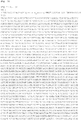
- Modification of proteins may be but are not limited to deimination, deamidation and/or transglutamination. Additionally, they can be artificial polypeptides being expression products derived from incorrect reading frames within the gene. An examples for such an expression product derived from incorrect reading frames within the gene is shown in Figure 122 which is a protein sequence derived from an incorrect reading frame of the gene HS6SP1.
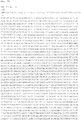
- Figure 121 is a protein sequence derived from an incorrect reading frame of the gene C20orfl149.
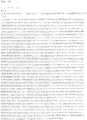
- Figure 120 is a protein sequence derived from an incorrect reading frame of the gene IRAK1.
- IRAK1 is mentioned in the context of the present application it may concern the peptides, protein fragments, full length or splice variants or synthetically modified derivatives and/or post-translationally modified versions of IRAK1 and/or a protein sequence derived from an incorrect reading frame of the gene IRAK1.
- a biomarker protein encompasses also variants thereof, such as peptides, protein fragments, artificial polypeptides, full length or splice variants, synthetically modified derivatives or post-translationally modified versions of the proteins encoded by aforementioned genes which are characterized in that these variants exhibit essentially the same ability to be recognized by the respective immunoglobulin as the biomarker proteins that are subject of the invention.
- biomarker proteins are encompassed wherein the sequences involved in binding to the respective immunoglobulin exhibit at least 80 %, preferred at least 90 %, more preferred at least 95 % degree of sequence identity on the amino acid level to the sequences involved in binding of the biomarker proteins defined in SEQ ID No.s 59-122 as well as peptides, protein fragments, full length or splice variants, synthetically modified derivatives or post-translationally modified versions thereof exhibiting the same ability.
- a DNA sequence of a gene is defined by comprising all exons of a gene necessary to represent the protein coding sequence (CDS) or all splice variants thereof, as well as the exons representing the 5' untranslated region (UTR) and the 3' UTR. According to the present invention all DNA sequences are encompassed which encode the before-mentioned biomarker proteins.
- DNA sequences are encompassed which exhibit referred to the sequence encoding a stretch which is involved in the binding region at least 80 %, preferred at least 90 %, more preferred at least 95 % degree of sequence identity on the nucleic acid level to the DNA sequences encoding a stretch which is involved in the binding region defined in SEQ ID No.s 1-58 as well as fragments thereof encoding the biomarkers according to the present invention.
- the before mentioned definitions for biomarker proteins and for genes encoding said biomarker proteins apply to every single embodiment of this inventions, any specific method, kit etc.
- Gapped BLAST is utilized as described in Altschul et al. (1997) Nucleic Acids Res. 25: 3389-3402 .
- the default parameters of the respective programs are used.
- the immunoglobulin(s) to be detected may be selected from IgA, IgD, IgG and IgM. In a preferred embodiment the immunoglobulin(s) to be detected is IgA or IgG. In the most preferred embodiment the immunoglobulin is IgA.
- the inununoglobulin(s) to be detected is not related to IgA rheumatoid factor.
- subsets of biomarker proteins may be used to asses the responsiveness to an anti-TNF treatment prior, during and/or after anti-TNF ⁇ treatment.
- the respective set of proteins can not only predict responsiveness before, but also during treatment.
- a diagnostic assay based on one or more protein of the set will help the clinician in treatment decisions and the identification of anti-TNF therapy responders and non- responders a priory.
- the bodily fluid and/or excrement from the individual to be assessed may be selected from a group comprising: blood, saliva, tears, synovial and spinal fluid, plasma, urine and stool.
- An individual who is to be subjected to or is being subjected to an anti-TNF ⁇ treatment may suffer autoimmune conditions such as Crohn's disease, ulcerative colitis, psoriasis, psoriatic arthritis, ankylosing spondylitis, spondyloarthropathies, rheumatoid arthritis etc.
- the method of the invention is especially suited for individuals suffering from rheumatoid arthritis.
- Subject of the present invention is furthermore a kit for diagnosing an individual who is to be subjected to or is being subjected to an anti-TNF ⁇ treatment to asses the responsiveness to an anti-TNF treatment which comprises one or more biomarker proteins, wherein a biomarker protein is an expression product encoded by a gene selected from the group comprising RAB11B, PPP2R1A, KPNB1, COG4 and FDFT1.
- a biomarker protein is an expression product encoded by a gene selected from the group comprising RAB11B, PPP2R1A, KPNB1, COG4 and FDFT1.
- at least one expression product encoded by genes RAB11B, PPP2R1A, KPNB1, COG4 and FDFT1 are detected.
- only expression products encoded by genes RAB11B, PPP2R1A, KPNB1, COG4 and FDFT1 are detected.
- the biomarker protein group additionally comprises at least one other expression product encoded by a gene selected from the group comprising PECI, CTNND2, NSMCE1, KTELC1, HS6ST1, ARMC6, TH1L, PSME1, GPC1, EDC4 (Protein Set 2) and at least one of the proteins of the entire group 1 and 2 (Protein Set 1 and 2) is detected.
- at least one protein from Protein Set 1 is detected and additionally at least one of Protein Set 2 is detected.
- at least two of the proteins of Protein Set 1 and additionally at least one of Protein Set 2 are detected.
- Protein Set 1 and Protein Set 2 are detected.
- the Protein Set 3 comprises the expression products encoded by genes PRC1, NAT6, EEF1AL3, NP_612480.1, PLXNA2, ELMO2 and NDUFS2.
- the biomarker protein group additionally comprises at least one expression product encoded by genes PECI, CTNND2, NSMCE1, KTELC1, HS6ST1, ARMC6, TH1L, PSME1, GPC1, EDC4, PRC1, NAT6, EEF1AL3, NP_612480.1, PLXNA2, ELMO2 and NDUFS2.
- kits for diagnosing an individual who is to be subjected to or is being subjected to an anti-TNF ⁇ treatment to asses the responsiveness to an anti-TNF treatment which comprises at least two biomarker proteins, wherein a biomarker protein is an expression product encoded by a gene selected from the group comprising RAB11B, PPP2R1A, KPNB1, COG4, FDFT1, PECI, CTNND2, NSMCE1, KTELC1, HS6ST1, ARMC6, TH1L, PSME1, GPC1, EDC4, PRC1, NAT6, EEF1AL3, NP_612480.1, PLXNA2, ELMO2 and NDUFS2.
- a biomarker protein is an expression product encoded by a gene selected from the group comprising RAB11B, PPP2R1A, KPNB1, COG4, FDFT1, PECI, CTNND2, NSMCE1, KTELC1, HS6ST1, ARMC6, TH1L, PSME1, GPC1, EDC4, PRC
- subject of the present invention is a method, wherein markers are detected and used to identify non-responder.
- a further embodiment of the present invention is the provision of marker(s), wherein the detection of those marker(s) is indicative for responder.
- subject of the present invention is further a method for diagnosing an individual who is to be subjected to or is being subjected to an anti-TNF ⁇ treatment to asses the responsiveness to an anti-TNF treatment which comprises: Detection of immunoglobulin(s) against one or more biomarker proteins in a bodily fluid or excrement of said patient, wherein a biomarker protein is an artificial peptides deduced from an expression product in an incorrect reading frame of a gene selected from the group comprising IRAK1 and C20orf149, wherein an individual positive for at least one of said immunoglobulin(s) is classified as responder.
- the individual is sorted into one of two categories based on detection of said immunoglobulin(s), wherein an individual positive for at least one of said immunoglobulin(s) is classified as responder and, wherein an individual negative for any of said detected immunoglobulin(s) is classified as NON-responder.
- the biomarker protein group additionally comprises at least one other expression product encoded by a gene selected from a group comprising PSCD2L and PPIA.
- all members of the biomarker group are detected, the group comprising either artificial peptides deduced from an expression product in an incorrect reading frame of a gene or the expression products encoded by the following genes IRAK1 and C20orf149 as well as PSCD2L and PPIA.
- the immunoglobulin(s) to be detected may be selected from IgA, IgD, IgG and IgM. In a preferred embodiment the immunoglobulin(s) to be detected is IgA or IgG. In the most preferred embodiment the immunoglobulin is IgG. The immunoglobulin(s) to be detected is not related to IgA rheumatoid factor.
- Subject of the method of the present invention is a method for diagnosing an individual who is to be subjected to or is being subjected to an anti-TNF ⁇ treatment, wherein the immunoglobulin(s) is IgA and/or IgG.
- IgG is especially preferred in the context of a method for diagnosing an individual who is to be subjected to or is being subjected to an anti-TNF ⁇ treatment to asses the responsiveness to an anti-TNF treatment, wherein an individual positive for at least one of before said immunoglobulin(s) is classified as responder.
- the respective set of proteins can not only predict responsiveness before, but also during treatment.
- a diagnostic assay based on one or more protein of the set will help the clinician in treatment decisions and the identification of anti-TNF therapy responders and non- responders a priory.
- the bodily fluid and/or excrement from the individual to be assessed may be selected from a group comprising: blood, saliva, tears, synovial and spinal fluid, plasma, urine and stool.
- An individual who is to be subjected to or is being subjected to an anti-TNFa treatment may suffer autoimmune conditions such as Crohn's disease, ulcerative colitis, psoriasis, psoriatic arthritis, ankylosing spondylitis, spondyloarthropathies, rheumatoid arthritis etc.
- the method of the invention is especially suited for individuals suffering from rheumatoid arthritis.
- Subject of the present invention is also a kit for diagnosing an individual who is to be subjected to or is being subjected to an anti-TNF ⁇ treatment to asses the responsiveness to an anti-TNF treatment which comprises one or more biomarker proteins, wherein a biomarker protein is an artificial peptides deduced from an expression product in an incorrect reading frame of a gene selected from the group comprising IRAK1 and C20orf149.
- the kit for diagnosing an individual who is to be subjected to or is being subjected to an anti-TNF ⁇ treatment additionally comprises at least one other expression product encoded by a gene selected from a group comprising PSCD2L and PPIA.
- all members of the biomarker group are detected, the group comprising either artificial peptides deduced from an expression product in an incorrect reading frame of a gene or the expression products encoded by the following genes IRAK1 and C20orf149 as well as PSCD2L and PPIA.
- the kit and the method according to the present invention may additionally comprise one or more known diagnostic markers e.g. for autoimmune disorders.
- the kit may also comprise other known diagnostic markers for rheumatoid arthritis.
- the proteins, protein sets / kits may be conducted in different assay types known to a person skilled in the art.
- the immunoglobulins to be detected are in or isolated from body fluids and excrements, such as blood, saliva, tears, synovial and spinal fluid, plasma, urine and stool, etc.
- the diagnostic assay can be of any type applied in the field of diagnostics, including but not restricted to assays methods based on
- the assays can be homogenous or heterogeneous assays, sandwich assays, competitive and non-competive assays ( The Immunoassay Handbook, Ed. David Wild, Elsevier LTD, Oxford; 3rd ed. (May 2005), ISBN-13: 978-0080445267 ; Hultschig C et al., Curr Opin Chem Biol. 2006 Feb;10(1):4-10. PMID: 16376134 ).
- TNF ⁇ treatment is conducted by administration of a TNF inhibitor to an individual in need thereof.
- TNF inhibitors are biologicals which bind to soluble and cell membrane-associated form of TNF ⁇ and neutralise the proinflammatory effect of TNF by preventing the binding of TNF ⁇ to the TNF-RI/II cell-surface receptors.
- the TNF inhibitors can be anti-TNF ⁇ antibodies or receptor molecules but also of other types.
- the essential of a TNF inhibitor according to the present invention is the ability to capture TNF before it binds to the TNF receptor on the cells.
- subject to the present invention is also the use of the biomarker proteins and/or protein sets and the kits comprising these biomarker proteins and/or protein sets according to the present invention for assessing the responsiveness to an anti-TNF ⁇ treatment of an individual who is to be subjected to or is being subjected to an anti-TNF ⁇ treatment.
- the set of proteins which are subject of the present invention have been found by conducting serum screening experiments on protein macroarrays.
- the protein macroarrays consist of >38.000 individual E. coli clones expressing human gene fragments cloned from a foetal brain cDNA library. These fragments can be full length proteins and fragments thereof, as well as artificial peptides resulting from translation products in the incorrect reading frame.
- the technology for screening was developed at the MPI for Molecular Genetics and constitutes prior art; Büssow K, et al. Nucleic Acids Res. 1998 Nov 1; 26(21):5007-8. PMID: 9776767 ; Büssow K, et al. Genomics 2000 Apr 1; 65(1):1-8.
- the protein macroarrays were screened with pools of anti-TNF ⁇ treatment (Adalimumab®; Humira) responder and non-responder patient sera before and after therapy.
- Responder and non-responder patients were categorised according to the clinical response evaluated after 1 year (or at drop-out) in accordance with the European League against Rheumatism criteria using the modified disease activity score that includes 28 joints (DAS 28).
- DAS28 score and the European League against Rheumatism (EULAR) response criteria are widely used to record disease activity and therapeutic response in patients with RA ( Van Gestel AM et al. Arthritis Rheum 1996; 39:34-40.
- the DAS28 was developed and validated for patients with RA, and in addition to disease activity it also reflects the patient's satisfaction with reasonable accuracy.
- This composite index comprises 4 items, namely, swollen joint count (SJC), tender joint count (TJC), a visual analog scale (VAS) of the patient's assessment of general health (GH), and erythrocyte sedimentation rate (ESR; first hour), which are also part of the American College of Rheumatology (ACR) response criteria.
- DAS28 values from 2 RA patient cohorts comprising 3 patients each were compared and sera of these patients before and after therapy were used for screening the protein macroarrays.
- RA cohort 1 (RA1) consisted of therapy responder patients and the RA cohort 2 (RA2) consisted of of age- and sex-matched patients seen during the same period who were therapy non-responders. Item weighting, factor loading, and internal consistency were assessed by factor analysis, principal component analysis, and calculation of Cronbach's alpha.
- the range of DAS 28 scores in the responder group initially before treatment was from 4.4 - 6 with a mean value of 4,83 and in the non responder group 4,1 - 8,6 with a mean value 6,2.
- Responder had a mean change of 2,36 during therapy while there was no mean change in the DAS28 in the non responder group.
- Table 1 (consisting of Table 1 A and Table 1 B) shows a summary list of genes of which the expression products represent biomarker proteins and artificial peptides resulting from translation products in the incorrect reading frame found to be predictive for responsiveness to anti-TNF ⁇ antibody treatment (Adalimumab; Humira) of the patient groups described above having been subjected to an anti-TNF ⁇ treatment.
Landscapes
- Health & Medical Sciences (AREA)
- Life Sciences & Earth Sciences (AREA)
- Immunology (AREA)
- Engineering & Computer Science (AREA)
- Hematology (AREA)
- Molecular Biology (AREA)
- Chemical & Material Sciences (AREA)
- Urology & Nephrology (AREA)
- Biomedical Technology (AREA)
- Cell Biology (AREA)
- Physics & Mathematics (AREA)
- Biochemistry (AREA)
- Pathology (AREA)
- Food Science & Technology (AREA)
- Medicinal Chemistry (AREA)
- Biotechnology (AREA)
- Analytical Chemistry (AREA)
- Microbiology (AREA)
- General Health & Medical Sciences (AREA)
- General Physics & Mathematics (AREA)
- Proteomics, Peptides & Aminoacids (AREA)
- Rehabilitation Therapy (AREA)
- Rheumatology (AREA)
- Measuring Or Testing Involving Enzymes Or Micro-Organisms (AREA)
- Peptides Or Proteins (AREA)
- Investigating Or Analysing Biological Materials (AREA)
Abstract
Description
- The invention refers to a method for diagnosing an individual who is to be subjected to or is being subjected to an anti-tumour necrosis factor alpha (TNFα or TNF) treatment to asses the responsiveness to an anti-TNF treatment which comprises the detection of immunoglobulin(s) against one or more biomarker proteins in a bodily fluid or an excrement of said patient, and sorting the individual into one of two categories based on detection of said immunoglobulin(s), wherein individuals are classified as NON-responder or responder. The invention refers to diagnostic kits comprising said one or more biomarker proteins and the use of these kits for assessing the responsiveness to an anti-TNF treatment of an individual who is to be subjected to or is being subjected to an anti-TNFα treatment.
- Rheumatic diseases are the most common chronic inflammatory disorders. In Germany alone, one million patients suffer from immunologically mediated rheumatic diseases including rheumatoid arthritis (RA), spondyloarthropathies (SpA) and systemic autoimmune diseases like systemic lupus erythematosus (SLE), while additional five million individuals have osteoarthritis (OA), a primarily degenerative joint disease, which, however, in its active phases is also dominated by inflammatory processes. Rheumatoid arthritis leads to severe pain, loss of function and serious impairment of the quality of life. Besides these deleterious consequences for the individual patient, there is a striking socio-economic impact leading to direct and indirect costs of about 20 billion Euros in Germany per year. The demographic development clearly indicates that rheumatic diseases will dramatically increase over the next decades and will be equal in importance to cardiovascular diseases and cancer. Already now, rheumatic disorders dominate the number of patient visits in the General Practitioner's office and are the leading cause of absence from work and premature invalidity. In recognition of the tremendous impact of arthritic and bone diseases, the World Health Organization has announced the current decade as the "Decade of Bone and Joint Diseases".
- A range of therapies for rheumatoid arthritis is available based on standard disease-modifying antirheumatic drugs (DMARDs), such as Methotrexate (MTX) and on biologicals, such as TNF inhibitors/antagonists. Chronically elevated levels of TNF have been implicated as a pathogenic component in rheumatoid arthritis, TNF inhibitors are biologicals which bind to soluble and cell membrane-associated form of TNFα and neutralise the proinflammatory effect of TNFα by preventing the binding of TNFα to the TNF-RI/II cell-surface receptors. TNFa-inhibiting biological agents comprise e.g. therapeutic antibodies (Adalimumab® & Infliximab®) and soluble receptor constructs (Etanercept®). These biologicals are currently used to treat active rheumatoid arthritis, all of which effectively reduce the signs and symptoms of the disease and inhibit radiographic joint damage progression. Currently ∼10 % of patients in Germany, but up to 30% in Scandinavian countries are treated with TNF-α inhibitors and the numbers are continuously growing. Anti-TNF-α antibodies (Adalimumab®; Humira) account for 90 % of all biologicals in current use of rheumatoid arthritis therapy.
- However, only 70 % of rheumatoid arthritis patients benefit from a treatment with anti-TNFα, while 30% (∼ 10.000 patients in Germany in 2006) remain non-responders. An anti-TNFα therapy costs currently ∼20.000 € in Germany and hence, the costs of unsuccessful therapies account for 200 Mio €/ year in Germany alone.
- Next to rheumatoid arthritis, chronically elevated levels of TNF have been implicated as a pathogenic component in a number of other disease states - primarily autoimmune conditions - such as psoriasis, psoriatic arthritis, ankylosing spondylitis, Crohn's disease, ulcerative colitis, etc.
- Currently, there are no biomarkers available, which can predict the outcome of a treatment with anti-TNF agents (e.g. TNF antagonists/inhibitors) prior treatment. Only reduction of all isotype levels of rheumatoid factors during and after treatment is associated with a positive response and outcome of the treatment (van Laar JM. Nat Clin Pract Rheumatol. 2007 Oct; 3(10):544-5. PMID: 17726429). However, high level of IgA rheumatoid factor in sera of patients with rheumatoid arthritis has been suggested to identify a subgroup of patients at risk of a poor clinical response to treatment with anti-TNFa antibodies (Bobbio-Pallavicini F. et al. Ann Rheum Dis. 2007 Mar; 66(3):302-7. PMID: 17079248; Bobbio-Pallavicini F. et al. Ann N Y Acad Sci. 2007 Aug; 1109:287-95. PMID: 17785317; van Laar JM. Nat Clin Pract Rheumatol. 2007 Oct;3(10):544-5. PMID: 17726429). The nature of anti-CCP antibodies suggested as a predictor for therapy efficacy is controversial (Braun-Moscovici Y et al. J Rheumatol. 2006 Mar;33(3):497-500. PMID: 16511906; Bobbio-Pallavicini F et al. Ann N Y Acad Sci. 2007 Aug;1109:287-95. PMID: 17785317; van Laar JM. Nat Clin Pract Rheumatol. 2007 Oct; 3(10):544-5. PMID: 17726429).
- Thus, there is a need in the art for markers, which can predict the outcome of an anti-TNFα therapy prior to and during treatment. There is a need for stratification of patients who are to be subjected to or are being subjected to an anti-TNFα treatment and distinguishing between anti-TNFα treatment responder and Non-responder patients.
- Subject of the present invention is a method for diagnosing an individual who is to be subjected to or is being subjected to an anti-TNFα treatment to asses the responsiveness to an anti-TNF treatment prior, during and/or after anti-TNFα treatment which comprises:
- a. Detection of immunoglobulin(s) against one or more biomarker proteins in a bodily fluid or excrement of said patient, wherein the one or more biomarker is indicative for the responsiveness to an anti-TNF treatment prior, during and after anti-TNFa treatment.
- b. Sorting the individual into responder or NON-responder based on detection of said immurtoglobulin(s).
- Thus, the invention provides for the first time marker which can predict the outcome of an anti-TNFα treatment prior to treatment in addition to during and/or after treatment. Anti-TNFalpha treatment may be conducted by administration of TNF inhibitors, e.g. TNF antagonists. These markers are not related to IgA rheumatoid factor. The marker according to the present invention can either be indicative of responder or of NON-responder as will be outlined below in detail. It is preferred that the responsiveness is assessed prior to treatment.
- Subject of the present invention is a method for diagnosing an individual who is to be subjected to or is being subjected to an anti-TNFα treatment to asses the responsiveness to an anti-TNF treatment which comprises:
Detection of immunoglobulin(s) against one or more biomarker proteins in a bodily fluid or an excrement of said patient, wherein a biomarker protein is an expression product encoded by a gene selected from the group comprising RAB11B, PPP2R1A, KPNB1, COG4 and FDFT1, wherein an individual positive for at least one of said immunoglobulin(s) is classified as NON-responder. - In a preferred embodiment of the above-identified method the individual is sorted into one of two categories based on detection of said immunoglobulin(s), wherein an individual positive for at least one of said immunoglobulin(s) is classified as NON-responder and, wherein an individual negative for any of said detected immunoglobulin(s) is classified as responder.
- In a preferred embodiment of the inventive method at least two of the biomarker proteins of the protein marker group are detected wherein a biomarker protein is an expression product encoded by a gene selected from the group comprising RAB11B, PPP2R1A, KPNB1, COG4 and FDFT1 (
Protein Set 1 = RAB11B, PPP2R1A, KPNB1, COG4 and FDFT1), In another preferred embodiment of the inventive method at least expression products encoded by genes RAB11B, PPP2R1A, KPNB1, COG4 and FDFT1 are detected. In another preferred embodiment only expression products encoded by genes RAB11B, PPP2R1A, KPNB1, COG4 and FDFT1 are detected. In another preferred embodiment each and only the expression products encoded by genes RAB11B, PPP2R1A, KPNB1, COG4 and FDFT1 are detected. - In another preferred embodiment of the method for diagnosing an individual who is to be subjected to or is being subjected to an anti-TNFα treatment according to the invention the biomarker protein group additionally comprises at least one other expression product encoded by a gene selected from the group comprising PECI, CTNND2, NSMCE1, KTELC1, HS6ST1, ARMC6, TH1L, PSMEI, GPC1, EDC4 (Protein Set 2) and at least one of the proteins of the
entire group 1 and 2 (Protein Set 1 and 2) is detected. In a preferred embodiment of the invention at least one protein fromProtein Set 1 is detected and additionally at least one ofProtein Set 2 is detected. In another preferred embodiment at least two of the proteins ofProtein Set 1 and additionally at least one ofProtein Set 2 are detected. In another preferredembodiment Protein Set 1 andProtein Set 2 are detected. - In another preferred embodiment additionally to the above cited combinations of marker proteins a protein of
Protein Set 3 is detected: theProtein Set 3 comprises the expression products encoded by genes PRC1, NAT6, EEF1AL3, NP_612480.1, PLXNA2, ELMO2 and NDUFS2. - In another preferred embodiment of the invention at least two marker proteins are selected from the group comprising the marker from
protein sets
In another preferred embodiment at least three marker proteins are selected, more preferably four or five protein marker. - According to the present invention biomarker proteins of the present invention may be peptides, protein fragments, full length or splice variants or synthetically modified derivatives or post-translationally modified versions of the proteins encoded by aforementioned genes. Preferably, said protein fragments have a length of more than nine amino acids, more preferably at least twelve or more than twelve amino acids. Modification of proteins may be but are not limited to deimination, deamidation and/or transglutamination. Additionally, they can be artificial polypeptides being expression products derived from incorrect reading frames within the gene. An examples for such an expression product derived from incorrect reading frames within the gene is shown in
Figure 122 which is a protein sequence derived from an incorrect reading frame of the gene HS6SP1. Another example is shown inFigure 121 which is a protein sequence derived from an incorrect reading frame of the gene C20orfl149. Yet another example is shown inFigure 120 which is a protein sequence derived from an incorrect reading frame of the gene IRAK1.
This means when for example IRAK1 is mentioned in the context of the present application it may concern the peptides, protein fragments, full length or splice variants or synthetically modified derivatives and/or post-translationally modified versions of IRAK1 and/or a protein sequence derived from an incorrect reading frame of the gene IRAK1. - A biomarker protein encompasses also variants thereof, such as peptides, protein fragments, artificial polypeptides, full length or splice variants, synthetically modified derivatives or post-translationally modified versions of the proteins encoded by aforementioned genes which are characterized in that these variants exhibit essentially the same ability to be recognized by the respective immunoglobulin as the biomarker proteins that are subject of the invention.
- In particular, according to the present inventions biomarker proteins are encompassed wherein the sequences involved in binding to the respective immunoglobulin exhibit at least 80 %, preferred at least 90 %, more preferred at least 95 % degree of sequence identity on the amino acid level to the sequences involved in binding of the biomarker proteins defined in SEQ ID No.s 59-122 as well as peptides, protein fragments, full length or splice variants, synthetically modified derivatives or post-translationally modified versions thereof exhibiting the same ability.
- In context of the present invention a DNA sequence of a gene is defined by comprising all exons of a gene necessary to represent the protein coding sequence (CDS) or all splice variants thereof, as well as the exons representing the 5' untranslated region (UTR) and the 3' UTR.
According to the present invention all DNA sequences are encompassed which encode the before-mentioned biomarker proteins.
In particular, according to the present inventions furthermore DNA sequences are encompassed which exhibit referred to the sequence encoding a stretch which is involved in the binding region at least 80 %, preferred at least 90 %, more preferred at least 95 % degree of sequence identity on the nucleic acid level to the DNA sequences encoding a stretch which is involved in the binding region defined in SEQ ID No.s 1-58 as well as fragments thereof encoding the biomarkers according to the present invention.
The before mentioned definitions for biomarker proteins and for genes encoding said biomarker proteins apply to every single embodiment of this inventions, any specific method, kit etc. - The determination of percent identity between two sequences is accomplished using the mathematical algorithm of Karlin and Altschul (1993) Proc. Natl. Acad. Sci. USA 90: 5873-5877. Such an algorithm is incorporated into the BLASTN and BLASTP programs of Altschul et al. (1990) J. Mol. Biol. 215: 403-410. BLAST nucleotide searches may be performed with the BLASTN program, score = 100, word length = 12, to obtain nucleotide sequences homologous to variant polypeptide encoding nucleic acids. BLAST protein searches are performed with the BLASTP program, score = 50, wordlength = 3, to obtain amino acid sequences homologous to the variant polypeptide, respectively. To obtain gapped alignments for comparative purposes, Gapped BLAST is utilized as described in Altschul et al. (1997) Nucleic Acids Res. 25: 3389-3402. When utilizing BLAST and Gapped BLAST programs, the default parameters of the respective programs are used.
- The immunoglobulin(s) to be detected may be selected from IgA, IgD, IgG and IgM. In a preferred embodiment the immunoglobulin(s) to be detected is IgA or IgG. In the most preferred embodiment the immunoglobulin is IgA. The inununoglobulin(s) to be detected is not related to IgA rheumatoid factor.
- In another preferred embodiment subsets of biomarker proteins may be used to asses the responsiveness to an anti-TNF treatment prior, during and/or after anti-TNFα treatment.
- The respective set of proteins can not only predict responsiveness before, but also during treatment. Thus, a diagnostic assay based on one or more protein of the set will help the clinician in treatment decisions and the identification of anti-TNF therapy responders and non- responders a priory.
- The bodily fluid and/or excrement from the individual to be assessed may be selected from a group comprising: blood, saliva, tears, synovial and spinal fluid, plasma, urine and stool.
- An individual who is to be subjected to or is being subjected to an anti-TNFα treatment may suffer autoimmune conditions such as Crohn's disease, ulcerative colitis, psoriasis, psoriatic arthritis, ankylosing spondylitis, spondyloarthropathies, rheumatoid arthritis etc.
The method of the invention is especially suited for individuals suffering from rheumatoid arthritis. - Subject of the present invention is furthermore a kit for diagnosing an individual who is to be subjected to or is being subjected to an anti-TNFα treatment to asses the responsiveness to an anti-TNF treatment which comprises one or more biomarker proteins, wherein a biomarker protein is an expression product encoded by a gene selected from the group comprising RAB11B, PPP2R1A, KPNB1, COG4 and FDFT1. In a preferred embodiment the kit comprises at least those proteins encoded by a gene selected from the group comprising RAB11B, PPP2R1A, KPNB1, COG4 and FDFT1.
- In a preferred embodiment of the inventive kit at least two of the biomarker proteins of the protein marker group are detected wherein a biomarker protein is an expression product encoded by a gene selected from the group comprising RAB11B, PPP2R1A, KPNB1, COG4 and FDFT1 (
Protein Set 1 = RAB11B, PPP2R1A, KPNB1, COG4 and FDFT1). In another preferred embodiment of the inventive kit at least one expression product encoded by genes RAB11B, PPP2R1A, KPNB1, COG4 and FDFT1 are detected. In another preferred embodiment only expression products encoded by genes RAB11B, PPP2R1A, KPNB1, COG4 and FDFT1 are detected. In another preferred embodiment each and only the expression products encoded by genes RAB11B, PPP2R1A, KPNB1, COG4 and FDFT1 are detected. - In another preferred embodiment of the kit for diagnosing an individual who is to be subjected to or is being subjected to an anti-TNFα treatment according to the invention the biomarker protein group additionally comprises at least one other expression product encoded by a gene selected from the group comprising PECI, CTNND2, NSMCE1, KTELC1, HS6ST1, ARMC6, TH1L, PSME1, GPC1, EDC4 (Protein Set 2) and at least one of the proteins of the
entire group 1 and 2 (Protein Set 1 and 2) is detected. In a preferred embodiment of the invention at least one protein fromProtein Set 1 is detected and additionally at least one ofProtein Set 2 is detected. In another preferred embodiment at least two of the proteins ofProtein Set 1 and additionally at least one ofProtein Set 2 are detected. In another preferredembodiment Protein Set 1 andProtein Set 2 are detected. - In another preferred embodiment additionally to the above cited combinations of marker proteins a protein of
Protein Set 3 is detected: theProtein Set 3 comprises the expression products encoded by genes PRC1, NAT6, EEF1AL3, NP_612480.1, PLXNA2, ELMO2 and NDUFS2. - In another preferred embodiment of the kit the biomarker protein group additionally comprises at least one expression product encoded by genes PECI, CTNND2, NSMCE1, KTELC1, HS6ST1, ARMC6, TH1L, PSME1, GPC1, EDC4, PRC1, NAT6, EEF1AL3, NP_612480.1, PLXNA2, ELMO2 and NDUFS2.
- Another preferred embodiment of the invention is a kit for diagnosing an individual who is to be subjected to or is being subjected to an anti-TNFα treatment to asses the responsiveness to an anti-TNF treatment which comprises at least two biomarker proteins, wherein a biomarker protein is an expression product encoded by a gene selected from the group comprising RAB11B, PPP2R1A, KPNB1, COG4, FDFT1, PECI, CTNND2, NSMCE1, KTELC1, HS6ST1, ARMC6, TH1L, PSME1, GPC1, EDC4, PRC1, NAT6, EEF1AL3, NP_612480.1, PLXNA2, ELMO2 and NDUFS2.
- As outlined above subject of the present invention is a method, wherein markers are detected and used to identify non-responder. A further embodiment of the present invention is the provision of marker(s), wherein the detection of those marker(s) is indicative for responder.
- Thus, subject of the present invention is further a method for diagnosing an individual who is to be subjected to or is being subjected to an anti-TNFα treatment to asses the responsiveness to an anti-TNF treatment which comprises:
Detection of immunoglobulin(s) against one or more biomarker proteins in a bodily fluid or excrement of said patient, wherein a biomarker protein is an artificial peptides deduced from an expression product in an incorrect reading frame of a gene selected from the group comprising IRAK1 and C20orf149, wherein an individual positive for at least one of said immunoglobulin(s) is classified as responder. - In a preferred embodiment of the above-identified method the individual is sorted into one of two categories based on detection of said immunoglobulin(s), wherein an individual positive for at least one of said immunoglobulin(s) is classified as responder and, wherein an individual negative for any of said detected immunoglobulin(s) is classified as NON-responder.
- In a preferred embodiment of the present invention the method for diagnosing an individual who is to be subjected to or is being subjected to an anti-TNFα treatment the biomarker protein group additionally comprises at least one other expression product encoded by a gene selected from a group comprising PSCD2L and PPIA.
- In another preferred embodiment all members of the biomarker group are detected, the group comprising either artificial peptides deduced from an expression product in an incorrect reading frame of a gene or the expression products encoded by the following genes IRAK1 and C20orf149 as well as PSCD2L and PPIA.
- The immunoglobulin(s) to be detected may be selected from IgA, IgD, IgG and IgM. In a preferred embodiment the immunoglobulin(s) to be detected is IgA or IgG. In the most preferred embodiment the immunoglobulin is IgG. The immunoglobulin(s) to be detected is not related to IgA rheumatoid factor.
- Subject of the method of the present invention is a method for diagnosing an individual who is to be subjected to or is being subjected to an anti-TNFα treatment, wherein the immunoglobulin(s) is IgA and/or IgG. IgG is especially preferred in the context of a method for diagnosing an individual who is to be subjected to or is being subjected to an anti-TNFα treatment to asses the responsiveness to an anti-TNF treatment, wherein an individual positive for at least one of before said immunoglobulin(s) is classified as responder.
- The respective set of proteins can not only predict responsiveness before, but also during treatment. Thus, a diagnostic assay based on one or more protein of the set will help the clinician in treatment decisions and the identification of anti-TNF therapy responders and non- responders a priory.
- The bodily fluid and/or excrement from the individual to be assessed may be selected from a group comprising: blood, saliva, tears, synovial and spinal fluid, plasma, urine and stool.
- An individual who is to be subjected to or is being subjected to an anti-TNFa treatment may suffer autoimmune conditions such as Crohn's disease, ulcerative colitis, psoriasis, psoriatic arthritis, ankylosing spondylitis, spondyloarthropathies, rheumatoid arthritis etc.
The method of the invention is especially suited for individuals suffering from rheumatoid arthritis. - Subject of the present invention is also a kit for diagnosing an individual who is to be subjected to or is being subjected to an anti-TNFα treatment to asses the responsiveness to an anti-TNF treatment which comprises one or more biomarker proteins, wherein a biomarker protein is an artificial peptides deduced from an expression product in an incorrect reading frame of a gene selected from the group comprising IRAK1 and C20orf149.
- In a preferred embodiment of the present invention the kit for diagnosing an individual who is to be subjected to or is being subjected to an anti-TNFα treatment the biomarker protein group additionally comprises at least one other expression product encoded by a gene selected from a group comprising PSCD2L and PPIA.
- In another preferred embodiment all members of the biomarker group are detected, the group comprising either artificial peptides deduced from an expression product in an incorrect reading frame of a gene or the expression products encoded by the following genes IRAK1 and C20orf149 as well as PSCD2L and PPIA.
- In another embodiment of the invention the kit and the method according to the present invention may additionally comprise one or more known diagnostic markers e.g. for autoimmune disorders. In a preferred embodiment the kit may also comprise other known diagnostic markers for rheumatoid arthritis.
- The proteins, protein sets / kits may be conducted in different assay types known to a person skilled in the art.
The immunoglobulins to be detected are in or isolated from body fluids and excrements, such as blood, saliva, tears, synovial and spinal fluid, plasma, urine and stool, etc.
The diagnostic assay can be of any type applied in the field of diagnostics, including but not restricted to assays methods based on - enzymatic reactions
- luminescence
- fluorescence
- radiochemicals
- The assays can be homogenous or heterogeneous assays, sandwich assays, competitive and non-competive assays (The Immunoassay Handbook, Ed. David Wild, Elsevier LTD, Oxford; 3rd ed. (May 2005), ISBN-13: 978-0080445267; Hultschig C et al., Curr Opin Chem Biol. 2006 Feb;10(1):4-10. PMID: 16376134).
- TNFα treatment is conducted by administration of a TNF inhibitor to an individual in need thereof. TNF inhibitors are biologicals which bind to soluble and cell membrane-associated form of TNFα and neutralise the proinflammatory effect of TNF by preventing the binding of TNFα to the TNF-RI/II cell-surface receptors. The TNF inhibitors can be anti-TNFα antibodies or receptor molecules but also of other types. The essential of a TNF inhibitor according to the present invention is the ability to capture TNF before it binds to the TNF receptor on the cells.
- Subject to the present invention is also the use of the biomarker proteins and/or protein sets and the kits comprising these biomarker proteins and/or protein sets according to the present invention for assessing the responsiveness to an anti-TNFα treatment of an individual who is to be subjected to or is being subjected to an anti-TNFα treatment.
-
-
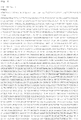
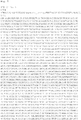
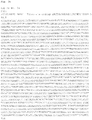
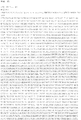
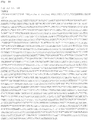
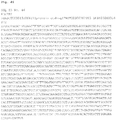
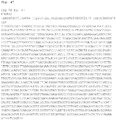
Figure 1 shows SEQ ID No.1 which is a DNA sequence of the gene RAB11B (Table 1, No.1) -
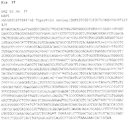
Figure 2 shows SEQ ID No. 2 which is a DNA sequence of the gene PPP2R1A (Table 1, No. 2) -
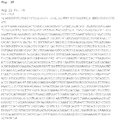
Figure 3 shows SEQ ID No. 3 which is a DNA sequence of the gene PPP2R1A (Table 1, No. 2) -
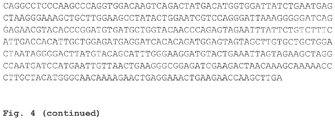
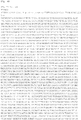
Figure 4 shows SEQ ID No. 4 which is a DNA sequence of the gene KPNB1 (Table 1, No. 3) -
Figure 5 shows SEQ ID No. 5 which is a DNA sequence of the gene COG4 (Table 1, No. 4) -
Figure 6 shows SEQ ID No. 6 which is a DNA sequence of the gene COG4 (Table 1, No. 4) -
Figure 7 shows SEQ ID No. 7 which is a DNA sequence of the gene COG4 (Table 1, No. 4) -
Figure 8 shows SEQ ID No. 8 which is a DNA sequence of the gene COG4 (Table 1, No. 4) -
Figure 9 shows SEQ ID No. 9 which is a DNA sequence of the gene FDFT1 (Table 1, No. 5) -
Figure 10 shows SEQ ID No. 10 which is a DNA sequence of the gene PECI (Table 1, No. 6) -
Figure 11 shows SEQ ID No. 11 which is a DNA sequence of the gene PECI (Table 1, No. 6) -
Figure 12 shows SEQ ID No. 12 which is a DNA sequence of the gene PECI (Table 1, No. 6) -
Figure 13 shows SEQ ID No. 13 which is a DNA sequence of the gene PECI (Table 1, No. 6) -
Figure 14 shows SEQ ID No. 14 which is a DNA sequence of the gene PECI (Table 1, No. 6) -
Figure 15 shows SEQ ID No. 15 which is a DNA sequence of the gene CTNND2 (Table1, No. 7) -
Figure 16 shows SEQ ID No. 16 which is a DNA sequence of the gene CTNND2 (Table1, No. 7) -
Figure 17 shows SEQ ID No. 17 which is a DNA sequence of the gene NSMCE1 (Table 1, No. 8) -
Figure 18 shows SEQ ID No. 18 which is a DNA sequence of the gene NSMCE1 (Table 1, No. 8) -
Figure 19 shows SEQ ID No. 19 which is a DNA sequence of the gene NSMCE1 (Table 1, No. 8) -
Figure 20 shows SEQ ID No. 20 which is a DNA sequence of the gene KTELC1 (Table 1, No. 9) -
Figure 21 shows SEQ ID No. 21 which is a DNA sequence of the gene HS6ST1 (Table 1, No. 10) -
Figure 22 shows SEQ ID No. 22 which is a DNA sequence of the gene ARMC6 (Tablel, No. 11) -
Figure 23 shows SEQ ID No. 23 which is a DNA sequence of the gene ARMC6 (Table1, No. 11) -
Figure 24 shows SEQ ID No. 24 which is a DNA sequence of the gene ARMC6 (Table1, No. 11) -
Figure 25 shows SEQ ID No. 25 which is a DNA sequence of the gene ARMC6 (Table1, No. 11) -
Figure 26 shows SEQ ID No. 26 which is a DNA sequence of the gene TH1L (Tablet, No. 12) -
Figure 27 shows SEQ ID No. 27 which is a DNA sequence of the gene PSME1 (Table1, No. 13) -
Figure 28 shows SEQ ID No. 28 which is a DNA sequence of the gene PSME1 (Table1, No. 13) -
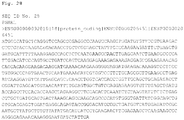
Figure 29 shows SEQ ID No. 29 which is a DNA sequence of the gene GPC1 (Table1, No. 14) -
Figure 30 shows SEQ ID No. 30 which is a DNA sequence of the gene EDC4 (Table1, No. 15) -
Figure 31 shows SEQ ID No. 31 which is a DNA sequence of the gene EDC4 (Table1, No. 15) -
Figure 32 shows SEQ ID No. 32 which is a DNA sequence of the gene PRC1 (Table1, No. 16) -
Figure 33 shows SEQ ID No. 33 which is a DNA sequence of the gene PRC1 (Table1, No. 16) -
Figure 34 shows SEQ ID No. 34 which is a DNA sequence of the gene PRC1 (Table1, No. 16) -
Figure 35 shows SEQ ID No. 35 which is a DNA sequence of the gene NAT6 (Table1, No. 17) -
Figure 36 shows SEQ ID No. 36 which is a DNA sequence of the gene NAT6 (Table1, No. 17) -
Figure 37 shows SEQ ID No. 37 which is a DNA sequence of the gene NAT6 (Table1, No. 17) -
Figure 38 shows SEQ ID No. 38 which is a DNA sequence of the gene EEF1AL3 (Table 1, No. 18) -
Figure 39 shows SEQ ID No. 39 which is a DNA sequence of the gene NP_612480.1 (Table 1, No. 19) -
Figure 40 shows SEQ ID No. 40 which is a DNA sequence of the gene PLXNA2 (Table 1, No. 20) -
Figure 41 shows SEQ ID No. 41 which is a DNA sequence of the gene PLXNA2 (Table 1, No. 20) -
Figure 42 shows SEQ ID No. 42 which is a DNA sequence of the gene ELMO2 (Table 1, No. 21) -
Figure 43 shows SEQ ID No. 43 which is a DNA sequence of the gene ELMO2 (Table 1, No. 21) -
Figure 44 shows SEQ ID No. 44 which is a DNA sequence of the gene ELMO2 (Table 1, No. 21) -
Figure 45 shows SEQ ID No. 45 which is a DNA sequence of the gene ELMO2 (Table 1, No. 21) -
Figure 46 shows SEQ ID No. 46 which is a DNA sequence of the gene NDUFS2 (Table 1, No. 22) -
Figure 47 shows SEQ ID No. 47 which is a DNA sequence of the gene NDUFS2 (Table 1, No. 22) -
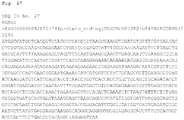
Figure 48 shows SEQ ID No. 48 which is a DNA sequence of the gene IRAK1 (Table 1, No. 23) -
Figure 49 shows SEQ ID No. 49 which is a DNA sequence of the gene IRAK1 (Table 1, No. 23) -
Figure 50 shows SEQ ID No. 50 which is a DNA sequence of the gene IRAK1 (Table 1, No. 23) -
Figure 51 shows SEQ ID No. 51 which is a DNA sequence of the gene IRAK1 (Table 1, No. 23) -
Figure 52 shows SEQ ID No. 52 which is a DNA sequence of the gene IRAK1 (Table 1, No. 23) -
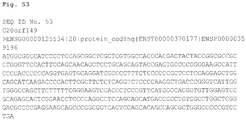
Figure 53 shows SEQ ID No. 53 which is a DNA sequence of the gene C20orf149 (Table 1, No. 24) -
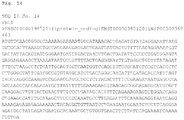
Figure 54 shows SEQ ID No. 54 which is a DNA sequence of the gene C20orf149 (Table 1, No. 24) -
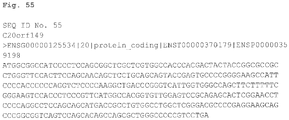
Figure 55 shows SEQ ID No. 55 which is a DNA sequence of the gene C20orf149 (Table 1, No. 24) -
Figure 56 shows SEQ ID No. 56 which is a DNA sequence of the gene PCSD2L (Table 1, No. 25) -
Figure 57 shows SEQ ID No. 57 which is a DNA sequence of the gene PCSD2L (Table 1, No. 25) -
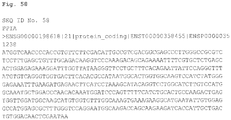
Figure 58 shows SEQ ID No. 58 which is a DNA sequence of the gene PPIA (Table 1, No. 26) -
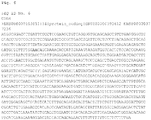
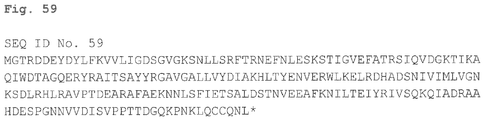
Figure 59 shows SEQ ID No. 59 which is a Protein sequence of the gene RAB 11B (Table 1, No.1) -
Figure 60 shows SEQ ID No. 60 which is a Protein sequence of the gene PPP2R1A (Table 1, No. 2) -
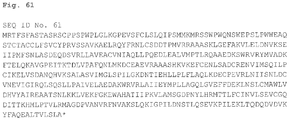
Figure 61 shows SEQ ID No. 61 which is a Protein sequence of the gene PPP2R1A (Table 1, No. 2) -
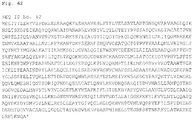
Figure 62 shows SEQ ID No. 62 which is a Protein sequence of the gene KPNB1 (Table 1, No. 3) -
Figure 64 shows SEQ ID No. 64 which is a Protein sequence of the gene COG4 (Table 1, No. 4) -
Figure 65 shows SEQ ID No. 65 which is a Protein sequence of the gene COG4 (Table 1, No. 4) -
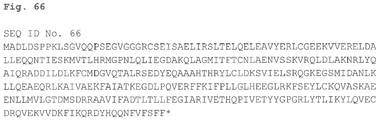
Figure 66 shows SEQ ID No. 66 which is a Protein sequence of the gene COG4 (Table 1, No. 4) -
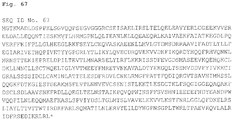
Figure 67 shows SEQ ID No. 67 which is a Protein sequence of the gene COG4 (Table 1, No, 4) -
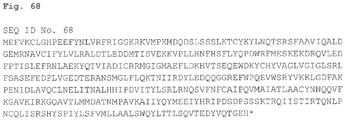
Figure 68 shows SEQ ID No. 68 which is a Protein sequence of the gene FDFT1 (Table 1, No. 5) -
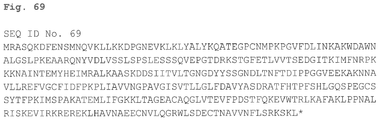
Figure 69 shows SEQ ID No. 69 which is a Protein sequence of the gene PECI (Table 1, No. 6) -
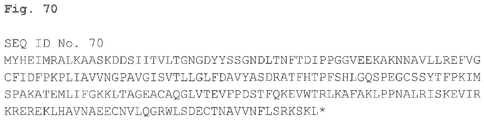
Figure 70 shows SEQ ID No. 70 which is a Protein sequence of the gene PECI (Table 1, No. 6) -
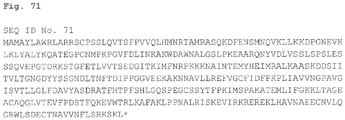
Figure 71 shows SEQ ID No. 71 which is a Protein sequence of the gene PECI (Table 1, No. 6) -
Figure 72 shows SEQ ID No. 72 which is a Protein sequence of the gene PECI (Table 1, No. 6) -
Figure 73 shows SEQ ID No. 73 which is a Protein sequence of the gene PECI (Table 1, No. 6) -
Figure 74 shows SEQ ID No. 74 which is a Protein sequence of the gene CTNND2 (Table1, No. 7) -
Figure 75 shows SEQ ID No. 75 which is a Protein sequence of the gene CTNND2 (Table1, No. 7) -
Figure 76 shows SEQ ID No. 76 which is a Protein sequence of the gene NSMCE1 (Table 1, No. 8) -
Figure 77 shows SEQ ID No. 77 which is a Protein sequence of the gene NSMCE1 (Table 1, No. 8) -
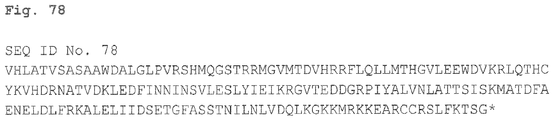
Figure 78 shows SEQ ID No. 78 which is a Protein sequence of the gene NSMCE1 (Table 1, No. 8) -
Figure 79 shows SEQ ID No. 79 which is a Protein sequence of the gene KTELC1 (Table 1, No. 9) -
Figure 80 shows SEQ ID No. 80 which is a Protein sequence of the gene HS6ST1 (Table 1, No. 10) -
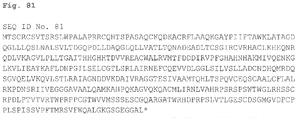
Figure 81 shows SEQ ID No. 81 which is a Protein sequence of the gene ARMC6 (Table1, No. 11) -
Figure 82 shows SEQ ID No. 82 which is a Protein sequence of the gene ARMC6 (Table1, No. 11) -
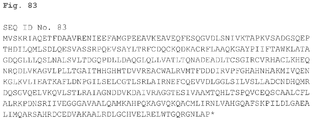
Figure 83 shows SEQ ID No. 83 which is a Protein sequence of the gene ARMC6 (Table1, No. 11) -
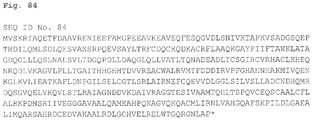
Figure 84 shows SEQ ID No. 84 which is a Protein sequence of the gene ARMC6 (Table1, No. 11) -
Figure 85 shows SEQ ID No. 85 which is a Protein sequence of the gene TH1L (Table1, No. 12) -
Figure 86 shows SEQ ID No. 86 which is a Protein sequence of the gene PSME1 (Table1, No. 13) -
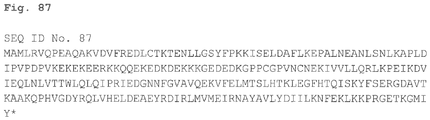
Figure 87 shows SEQ ID No. 87 which is a Protein sequence of the gene PSME1 (Table1, No. 13) -
Figure 88 shows SEQ ID No. 88 which is a Protein sequence of the gene GPC1 (Table1, No. 14) -
Figure 89 shows SEQ ID No. 89 which is a Protein sequence of the gene EDC4 (Table1, No. 15) -
Figure 90 shows SEQ ID No. 90 which is a Protein sequence of the gene EDC4 (Table1, No. 15) -
Figure 91 shows SEQ ID No. 91 which is a Protein sequence of the gene PRC1 (Table1, No. 16) -
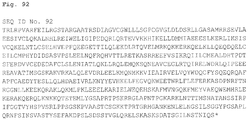
Figure 92 shows SEQ ID No. 92 which is a Protein sequence of the gene PRC1 (Table1, No. 16) -
Figure 93 shows SEQ ID No. 93 which is a Protein sequence of the gene PRC1 (Table1, No. 16) -
Figure 94 shows SEQ ID No. 94 which is a Protein sequence of the gene NAT6. (Table1, No. 17) -
Figure 95 shows SEQ ID No. 95 which is a Protein sequence of the gene NAT6 (Table1, No. 17) -
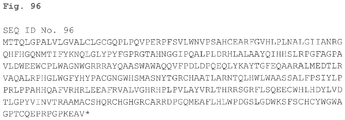
Figure 96 shows SEQ ID No. 96 which is a Protein sequence of the gene NAT6 (Table1, No. 17) -
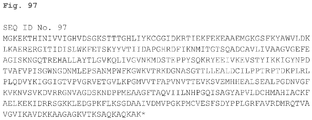
Figure 97 shows SEQ ID No. 97 which is a Protein sequence of the gene EEF1AL3 (Table 1, No. 18) -
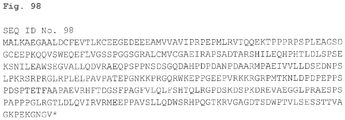
Figure 98 shows SEQ ID No. 98 which is a Protein sequence of the gene NP_612480.1 (Table 1, No. 19) -
Figure 99 shows SEQ ID No. 99 which is a Protein sequence of the gene PLXNA2 (Table 1, No. 20) -
Figure 100 shows SEQ ID No. 100 which is a Protein sequence of the gene PLXNA2 (Table 1, No. 20) -
Figure 101 shows SEQ ID No. 101 which is a Protein sequence of the gene ELMO2 (Table 1, No. 21) -
Figure 102 shows SEQ ID No. 102 which is a Protein sequence of the gene ELM02 (Table 1, No. 21) -
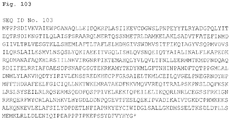
Figure 103 shows SEQ ID No. 103 which is a Protein sequence of the gene ELMO2 (Table 1, No. 21) -
Figure 104 shows SEQ ID No. 104 which is a Protein sequence of the gene ELMO2 (Table 1, No. 21) -
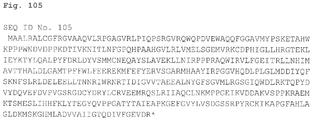
Figure 105 shows SEQ ID No. 105 which is a Protein sequence of the gene NDUFS2 (Table 1, No. 22) -
Figure 106 shows SEQ ID No. 106 which is a Protein sequence of the gene NDUFS2 (Table 1, No. 22) -
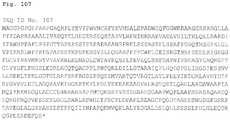
Figure 107 shows SEQ ID No. 107 which is a Protein sequence of the gene IRAK1 (Table 1, No. 23) -
Figure 108 shows SEQ ID No. 108 which is a Protein sequence of the gene IRAK1 (Table 1, No. 23) -
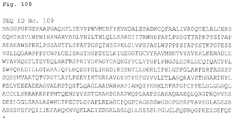
Figure 109 shows SEQ ID No. 109 which is a Protein sequence of the gene IRAK1 (Table 1, No. 23) -
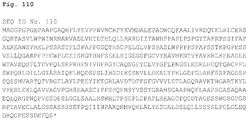
Figure 110 shows SEQ ID No. 110 which is a Protein sequence of the gene IRAK1 (Table 1, No. 23) -
Figure 111 shows SEQ ID No. 111 which is a Protein sequence of the gene IRAK1 (Table 1, No. 23) -
Figure 112 shows SEQ ID No. 112 which is a Protein sequence of the gene C20orf149 (Table 1, No. 24) -
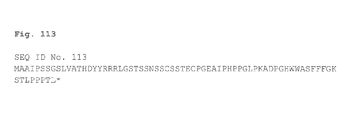
Figure 113 shows SEQ ID No. 113 which is a Protein sequence of the gene C20orf149 (Table 1, No. 24) -
Figure 114 shows SEQ ID No. 114 which is a Protein sequence of the gene C20orf149 (Table 1, No. 24) -
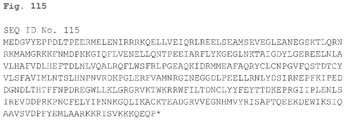
Figure 115 shows SEQ ID No. 115 which is a Protein sequence of the gene PCSD2L (Table 1, No. 25) -
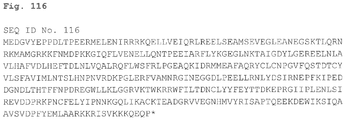
Figure 116 shows SEQ ID No. 116 which is a Protein sequence of the gene PCSD2L (Table 1, No. 25) -
Figure 117 shows SEQ ID No. 117 which is a Protein sequence of the gene PPIA (Table 1, No. 26) -
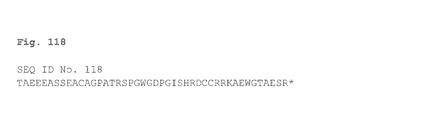
Figure 118 shows SEQ ID No. 118 which is a Protein sequence derived from an incorrect reading frame of the gene HS6ST1 (Table 1, No. 10) -
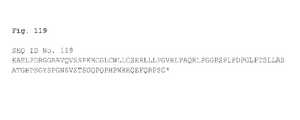
Figure 119 shows SEQ ID No. 119 which is a Protein sequence derived from an incorrect reading frame of the gene IRAK1 (Table 1, No. 23) -
Figure 120 shows SEQ ID No. 120 which is a Protein sequence derived from an incorrect reading frame of the gene C20orf149 (Table 1, No. 24) -
Figure 121 shows SEQ ID No. 121 which is a Protein sequence derived from an incorrect reading frame of the gene C20of149 (Table 1, No. 24) -
Figure 122 shows SEQ ID No. 122 which is a Protein sequence derived from an incorrect reading frame of the gene HS6SP1 (Table 1, No. 10) - The set of proteins which are subject of the present invention have been found by conducting serum screening experiments on protein macroarrays. The protein macroarrays consist of >38.000 individual E. coli clones expressing human gene fragments cloned from a foetal brain cDNA library. These fragments can be full length proteins and fragments thereof, as well as artificial peptides resulting from translation products in the incorrect reading frame. The technology for screening was developed at the MPI for Molecular Genetics and constitutes prior art; Büssow K, et al. Nucleic Acids Res. 1998 ; Büssow K, et al. Genomics 2000 ) and has been applied since then in multiple scientific publications (e.g. Horn S, et al, Proteomics. 2006 Jan; 6(2):605-13. PMID: 16419013; Lueking A, et al. Mol Cell Proteomics. 2005 Sep; 4(9):1382-90. PMID: 15939964).
- The only amendment to the method described in the original paper is the incubation with patient serum and the use of specific secondary antibodies directed against different immunoglobulin isotypes such as IgG, IgA, IgM and IgD as described beneath:
Patient serum was diluted 1:40 in blocking buffer (3 % Milk powder / TBST) and incubated overnight at room temperature, kept in slow motion on an orbital shaker. After incubation filters are washed 3x 20 min. in TBST, followed by a second incubation for 1h at room temperature with anti human IgG or anti human IgA secondary antibody (mouse) conjugated with alkaline phosphatase, 1:1000 in blocking buffer. Positive signals on the macroarray (PVDF filter) were recorded as described and correlated to the original E. coli clones stored in 384-well microtitre plates. E. coli clones corresponding with the signals on the macroarray were sequenced to obtain information of the insert, and hence the gene fragment of which the translation product is recognised by the patient sera. These fragments can be full length proteins and fragments thereof, as well as artificial peptides resulting from out-of frame-translation products. - The protein macroarrays were screened with pools of anti-TNFα treatment (Adalimumab®; Humira) responder and non-responder patient sera before and after therapy. Responder and non-responder patients were categorised according to the clinical response evaluated after 1 year (or at drop-out) in accordance with the European League Against Rheumatism criteria using the modified disease activity score that includes 28 joints (DAS 28). The DAS28 score and the European League Against Rheumatism (EULAR) response criteria are widely used to record disease activity and therapeutic response in patients with RA (Van Gestel AM et al. Arthritis Rheum 1996; 39:34-40. PMID:
The DAS28 was developed and validated for patients with RA, and in addition to disease activity it also reflects the patient's satisfaction with reasonable accuracy. This composite index comprises 4 items, namely, swollen joint count (SJC), tender joint count (TJC), a visual analog scale (VAS) of the patient's assessment of general health (GH), and erythrocyte sedimentation rate (ESR; first hour), which are also part of the American College of Rheumatology (ACR) response criteria. - DAS28 values from 2 RA patient cohorts comprising 3 patients each were compared and sera of these patients before and after therapy were used for screening the protein macroarrays. RA cohort 1 (RA1) consisted of therapy responder patients and the RA cohort 2 (RA2) consisted of of age- and sex-matched patients seen during the same period who were therapy non-responders. Item weighting, factor loading, and internal consistency were assessed by factor analysis, principal component analysis, and calculation of Cronbach's alpha. The range of
DAS 28 scores in the responder group initially before treatment was from 4.4 - 6 with a mean value of 4,83 and in thenon responder group 4,1 - 8,6 with amean value - Table 1 (consisting of Table 1 A and Table 1 B) shows a summary list of genes of which the expression products represent biomarker proteins and artificial peptides resulting from translation products in the incorrect reading frame found to be predictive for responsiveness to anti-TNFα antibody treatment (Adalimumab; Humira) of the patient groups described above having been subjected to an anti-TNFα treatment.


-
- 1. A method for diagnosing an individual who is to be subjected to or is being subjected to an anti-TNFα treatment to asses the responsiveness to an anti-TNF treatment prior to anti-TNFα treatment which comprises:
- (a) Detection of immunoglobulin(s) against one or more biomarker proteins in a bodily fluid or an excrement of said patient, wherein the one or more biomarker is indicative for the responsiveness to an anti-TNF treatment prior to anti-TNFα treatment,
- (b) Sorting the individual into responder or NON-responder based on detection of said immunoglobulin(s).
- 2. A method for diagnosing an individual who is to be subjected to or is being subjected to an anti-TNFα treatment to asses the responsiveness to an anti-TNF treatment prior, during and/or after anti-TNFα treatment which comprises:
- (c) Detection of immunoglobulin(s) against at least two biomarker proteins in a bodily fluid or an excrement of said patient, wherein the at least two biomarker are indicative for the responsiveness to an anti-TNF treatment prior to anti-TNFα treatment,
- (d) Sorting the individual into responder or NON-responder based on detection of said immunoglobulin(s).
- 3. A method for diagnosing an individual who is to be subjected to or is being subjected to an anti-TNFa treatment to asses the responsiveness to an anti-TNF treatment which comprises:
Detection of immunoglobulin(s) against one or more biomarker proteins in a bodily fluid or an excrement of said patient, wherein a biomarker protein is an expression product encoded by a gene selected from the group comprising RAB11B, PPP2R1A, KPNB1, COG4 and FDFT1, wherein an individual positive for at least one of said immunoglobulin(s) is classified as NON-Responder. - 4. A method for diagnosing an individual who is to be subjected to or is being subjected to an anti-TNFα treatment according to
item 1 to 3, wherein the biomarker protein group additionally comprises at least one other expression product encoded by a gene selected from the group comprising PECI, CTNND2, NSMCB1, KTBLC1, HS6ST1, ARMC6, TH1L, PSME1, GPC1, EDC4, PRC1, NAT6, EEF1AL3, NP_612480,1, PLXNA2, ELMO2 and NDUFS2. - 5. A method for diagnosing an individual who is to be subjected to or is being subjected to an anti-TNFα treatment according to any of
items 1 to 4, wherein the immunoglobulin(s) is IgA and/or IgG. - 6. A method for diagnosing an individual who is to be subjected to or is being subjected to an anti-TNFα treatment according any of
items 1 to 5, wherein the bodily fluid and/or excrement may be selected from a group comprising: blood, saliva, tears, synovial and spinal fluid, plasma, urine and stool. - 7. A method for diagnosing an individual who is to be subjected to or is being subjected to an anti-TNFα treatment according any of
items 1 to 6, wherein the individual suffers from rheumatoid arthritis. - 8. A kit for diagnosing an individual who is to be subjected to or is being subjected to an anti-TNFα treatment to asses the responsiveness to an anti-TNF treatment which comprises one or more biomarker proteins, wherein a biomarker protein is an expression product encoded by a gene selected from the group comprising RAB11B, PPP2R1A, KPNB1, COG4 and FDFT1.
- 9. A kit according to
item 7 wherein the biomarker protein group additionally comprises at least one other expression product encoded by a gene selected from the group comprising PECI, CTNND2, NSMCB1, KTELC1, HS6ST1, ARMC6, TH1L, PSME1, GPC1, EDC4, PRC1, NAT6, EEF1AL3, NP_612480.1, PLXNA2, ELMO2 and NDUFS2. - 10. A kit for diagnosing an individual who is to be subjected to or is being subjected to an anti-TNFα treatment to asses the responsiveness to an anti-TNF treatment which comprises at least two biomarker proteins, wherein a biomarker protein is an expression product encoded by a gene selected from the group comprising RAB11B, PPP2R1A, KPNB1, COG4, FDFT1, PECI, CTNND2, NSMCE1, KTELC1, HS6ST1, ARMC6, TH1L, PSME1, GPC1, EDC4, PRC1, NAT6, EEF1AL3, NP_612480.1, PLXNA2, ELMO2 and NDUFS2.
- 11. A method for diagnosing an individual who is to be subjected to or is being subjected to an anti-TNFα treatment to asses the responsiveness to an anti-TNF treatment which comprises:
Detection of immunoglobulin(s) against one or more biomarker proteins in a bodily fluid or an excrement of said patient wherein a biomarker protein is an artificial peptide deduced from an expression product in an incorrect reading frame of a gene selected from the group comprising IRAK1 and C20orf149, wherein an individual positive for at least one of said immunoglobulin(s) is classified as responder. - 12. A method for diagnosing an individual who is to be subjected to or is being subjected to an anti-TNFα treatment according to
item 11, wherein the biomarker protein group additionally comprises at least one other expression product encoded by a gene selected from, the group comprising PSCD2L and PPIA. - 13. A method for diagnosing an individual who is to be subjected to or is being subjected to an anti-TNFα treatment according to any of
items 11 to 12, wherein the immunoglobulin(s) is IgA and/or IgG. - 14. A method for diagnosing an individual who is to be subjected to or is being subjected to an anti-TNFα treatment according any of
items 11 to 13, wherein the bodily fluid and/or excrement may be selected from a group comprising: blood, saliva, tears, synovial and spinal fluid, plasma, urine and stool. - 15. A method for diagnosing an individual who is to be subjected to or is being subjected to an anti-TNFα treatment according any of
items 11 to 14, wherein the individual suffers from rheumatoid arthritis. - 16. A kit for diagnosing an individual who is to be subjected to or is being subjected to an anti-TNFα treatment to asses the responsiveness to an anti-TNF treatment which comprises one or more biomarker proteins, wherein a biomarker protein is an artificial peptide deduced from an expression product in an incorrect reading frame of a gene selected from the group comprising IRAK1 and C20orf149.
- 17. A kit according to
items 8 to 10, wherein the biomarker protein group additionally comprises at least one other expression product encoded by a gene selected from the group comprising PSCD2L and PPIA. - 18. The use of a kit according to any of
items 8 to 10, 16 and 17 for assessing the responsiveness to an anti-TNFα treatment of an individual who is to be subjected to or is being subjected to an anti-TNFα treatment.
The assay types can further be microtitre plate-based, chip-based, bead-based, wherein the biomarker proteins can be attached to the surface or in solution.


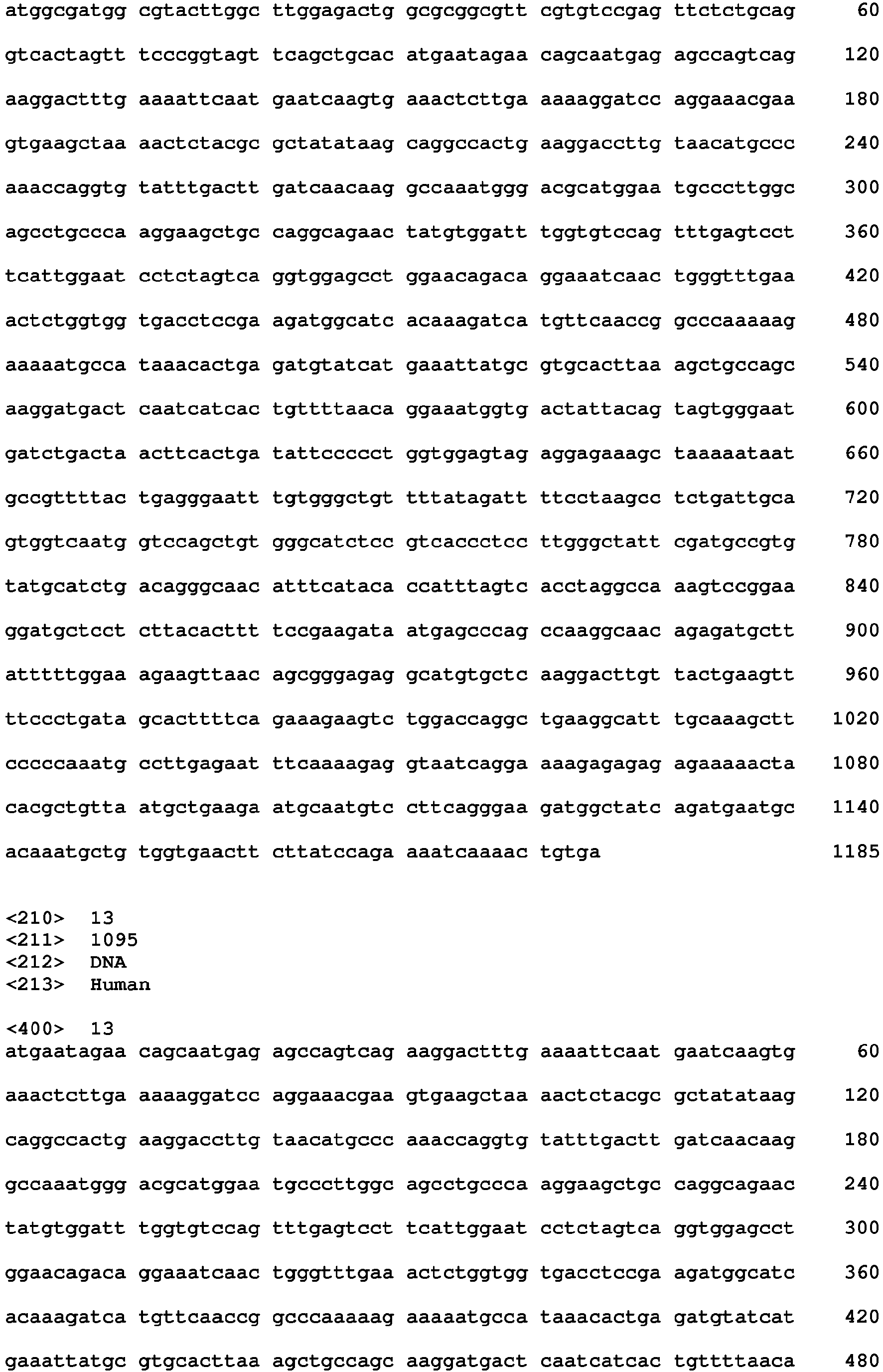


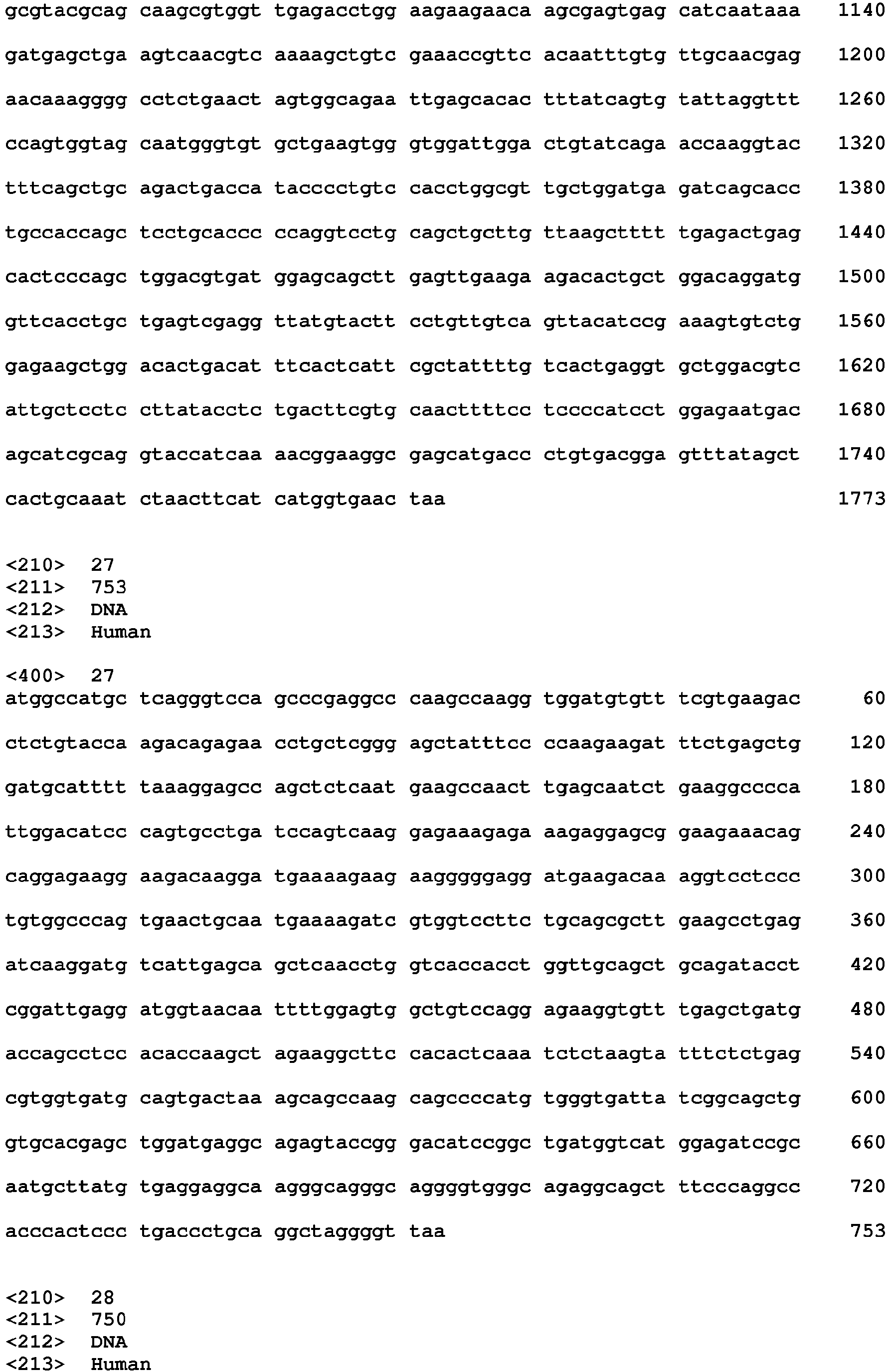


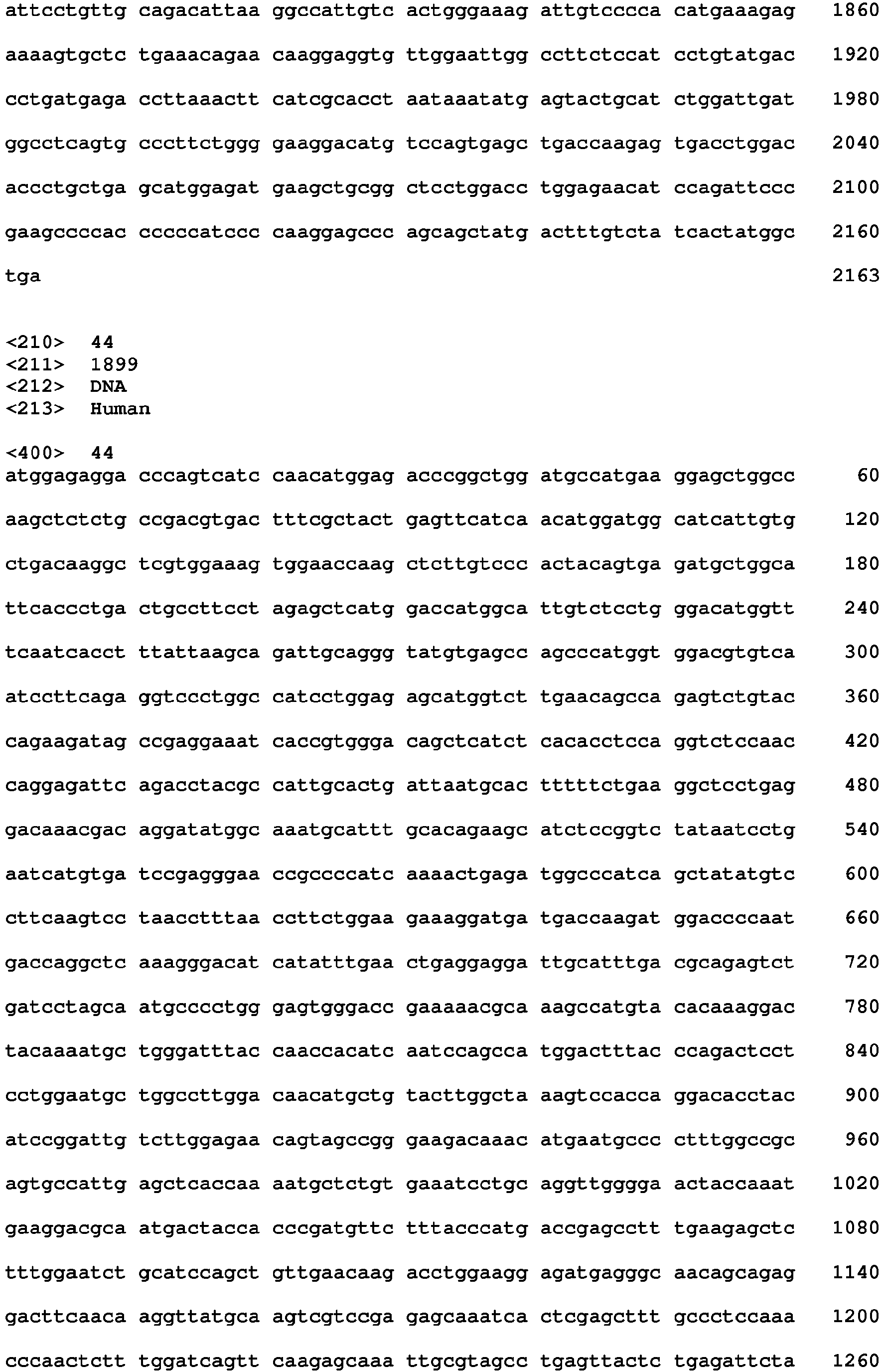


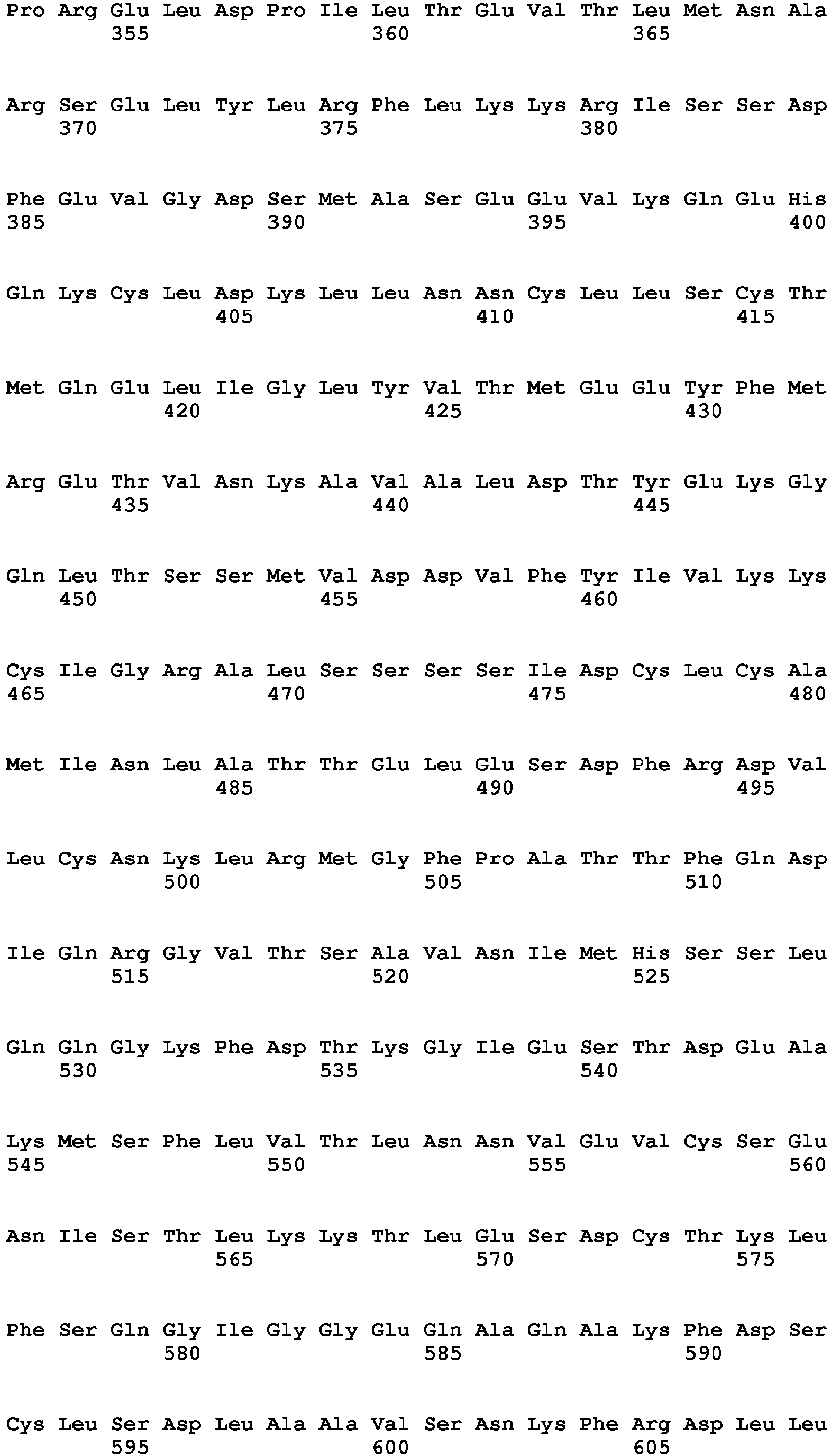


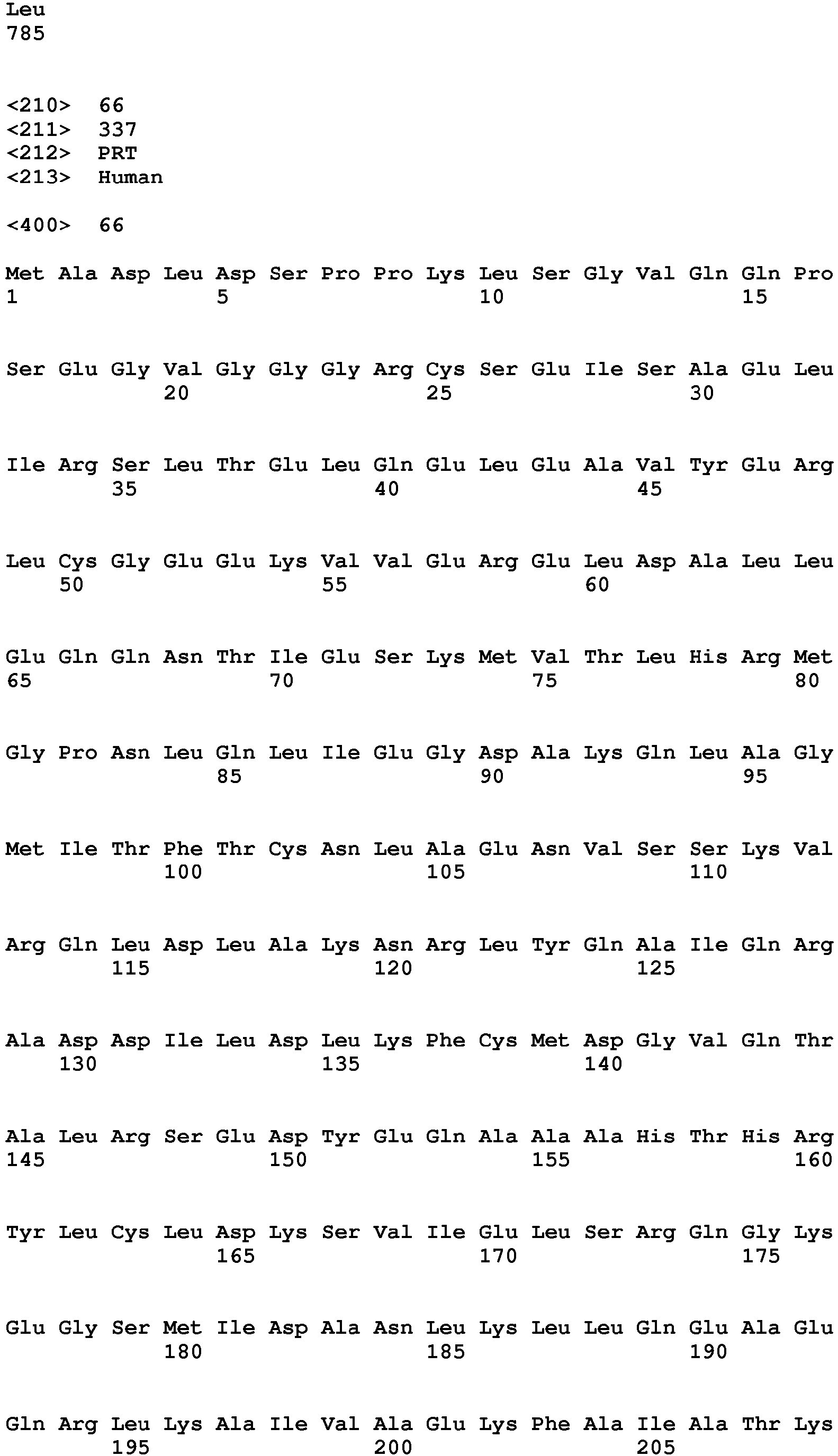


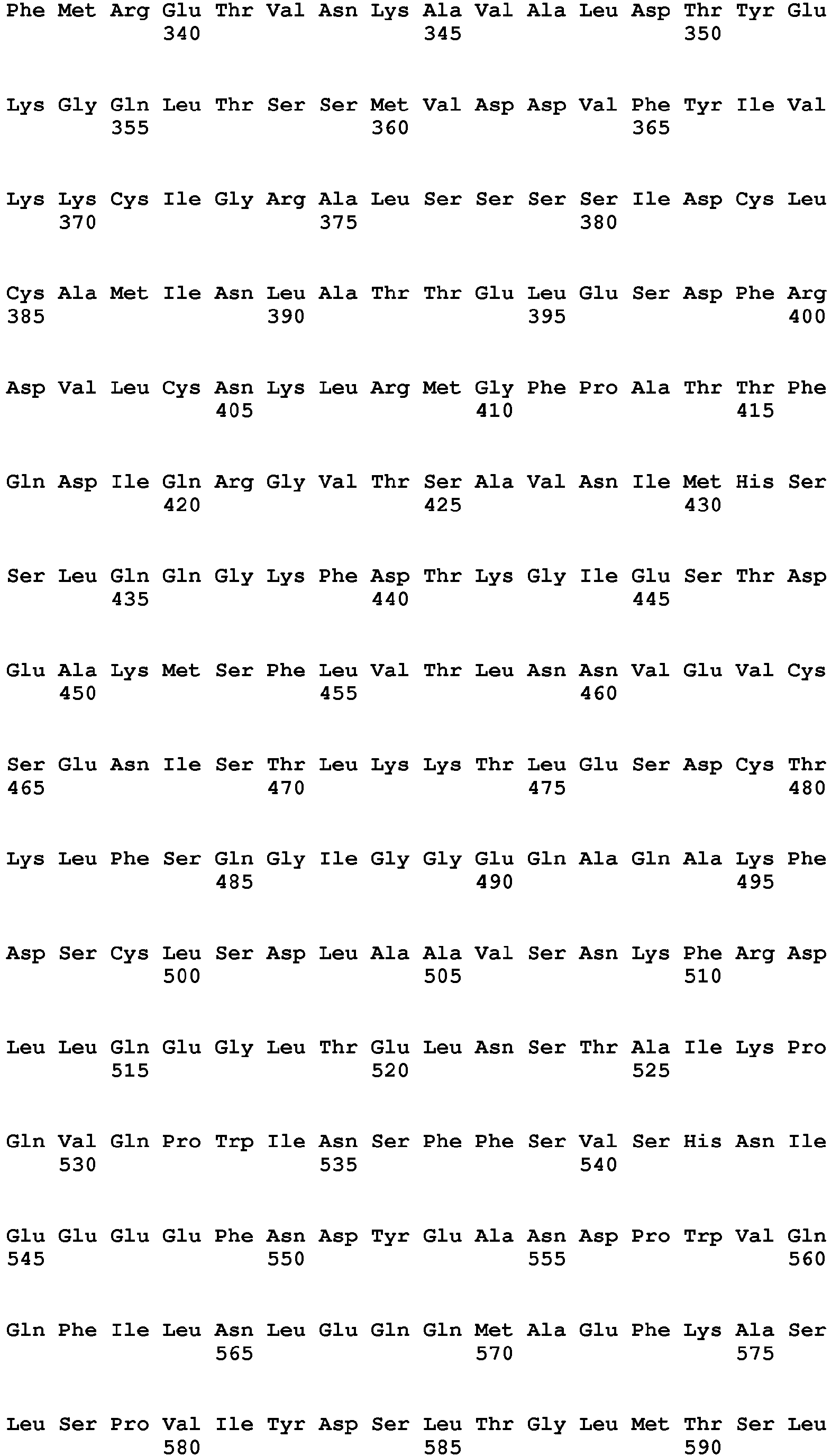


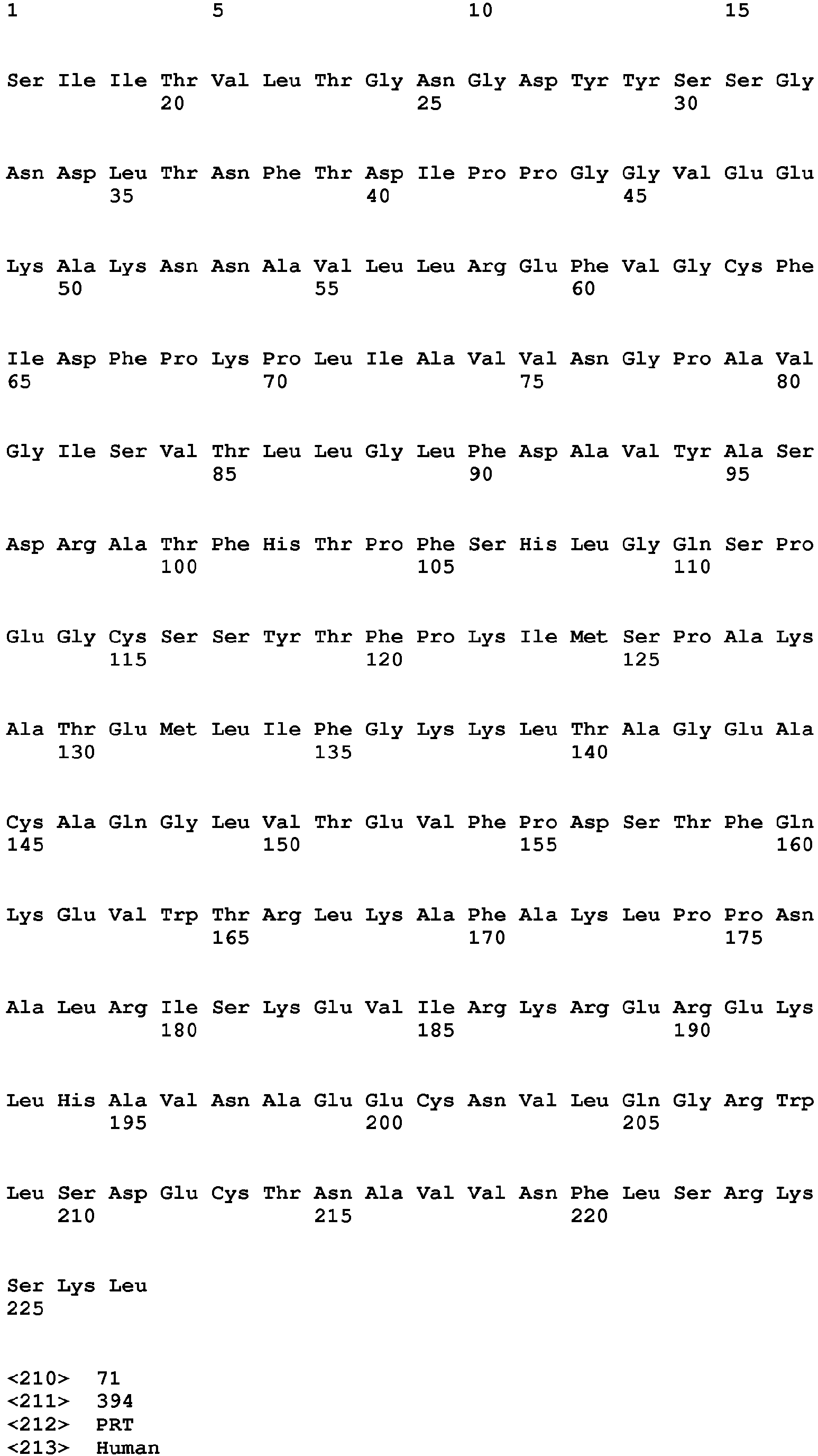


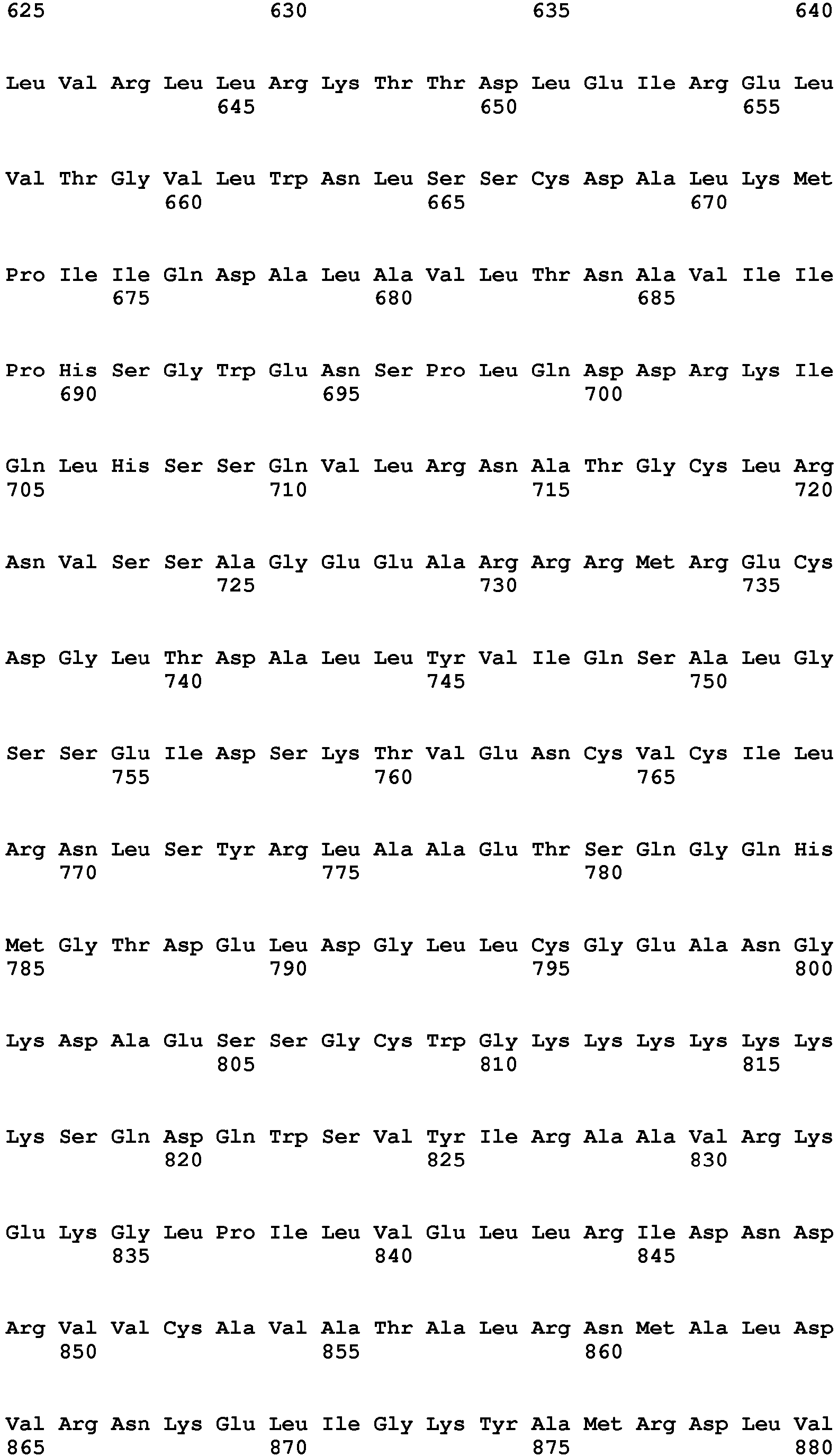


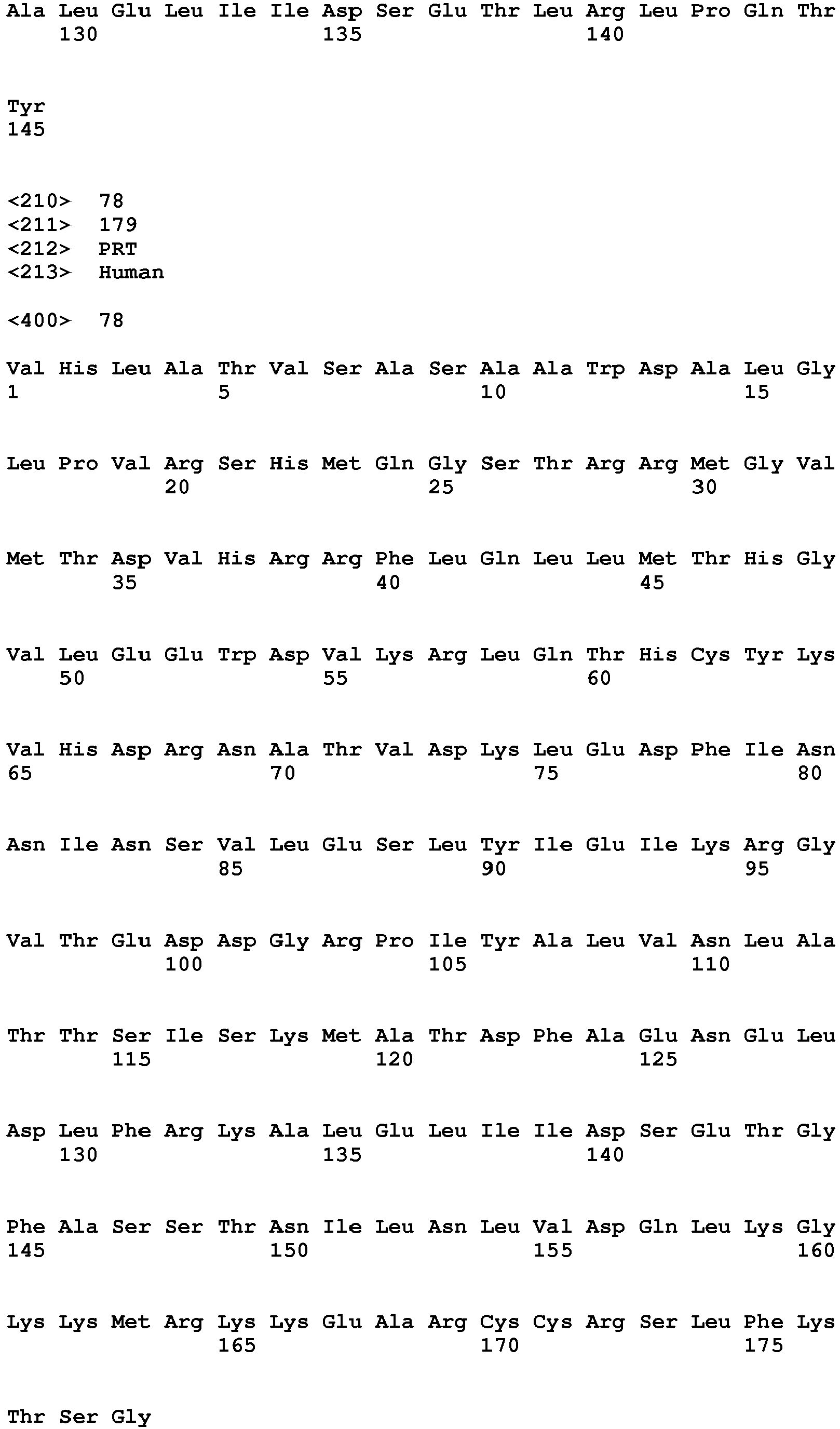


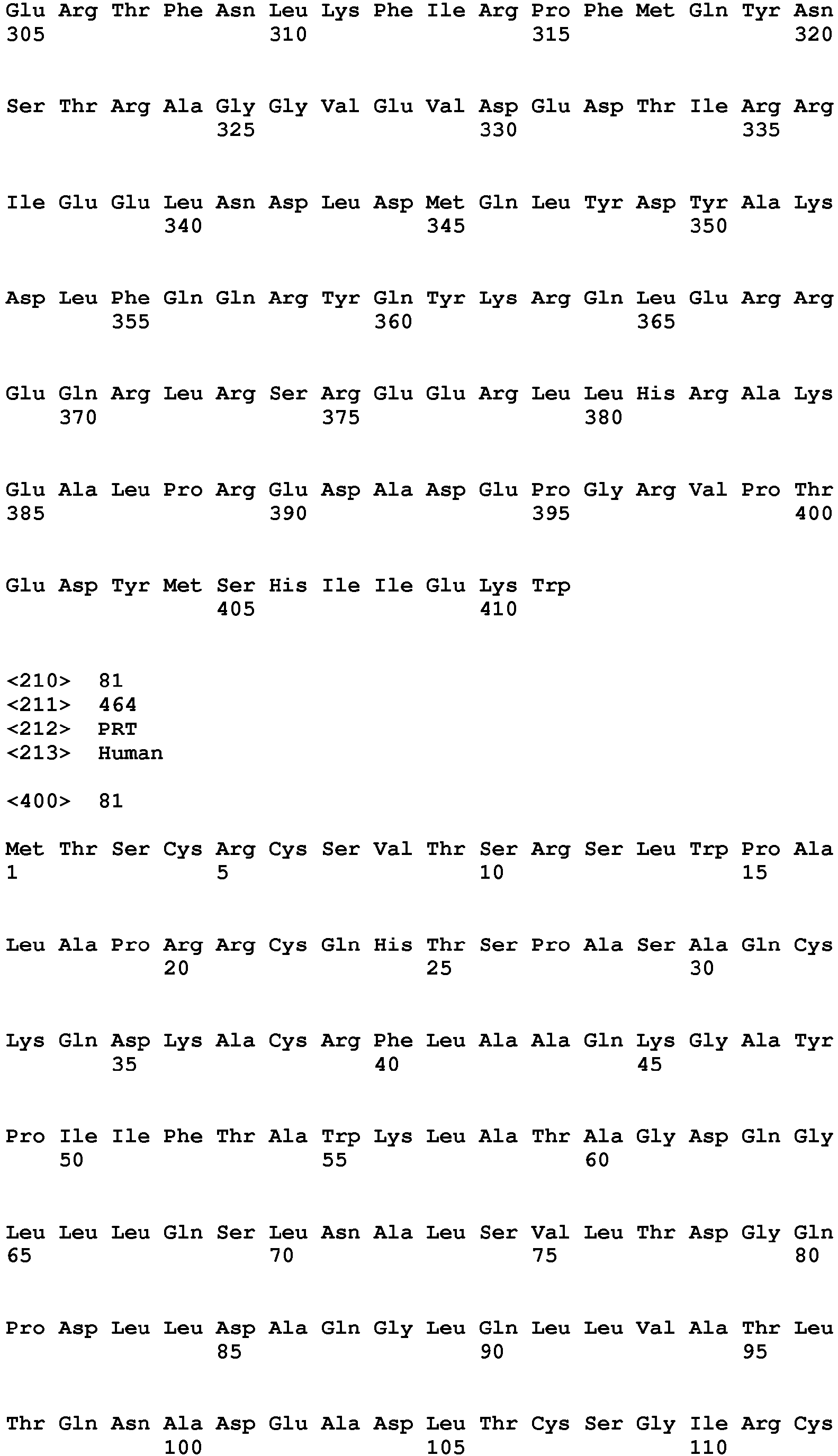


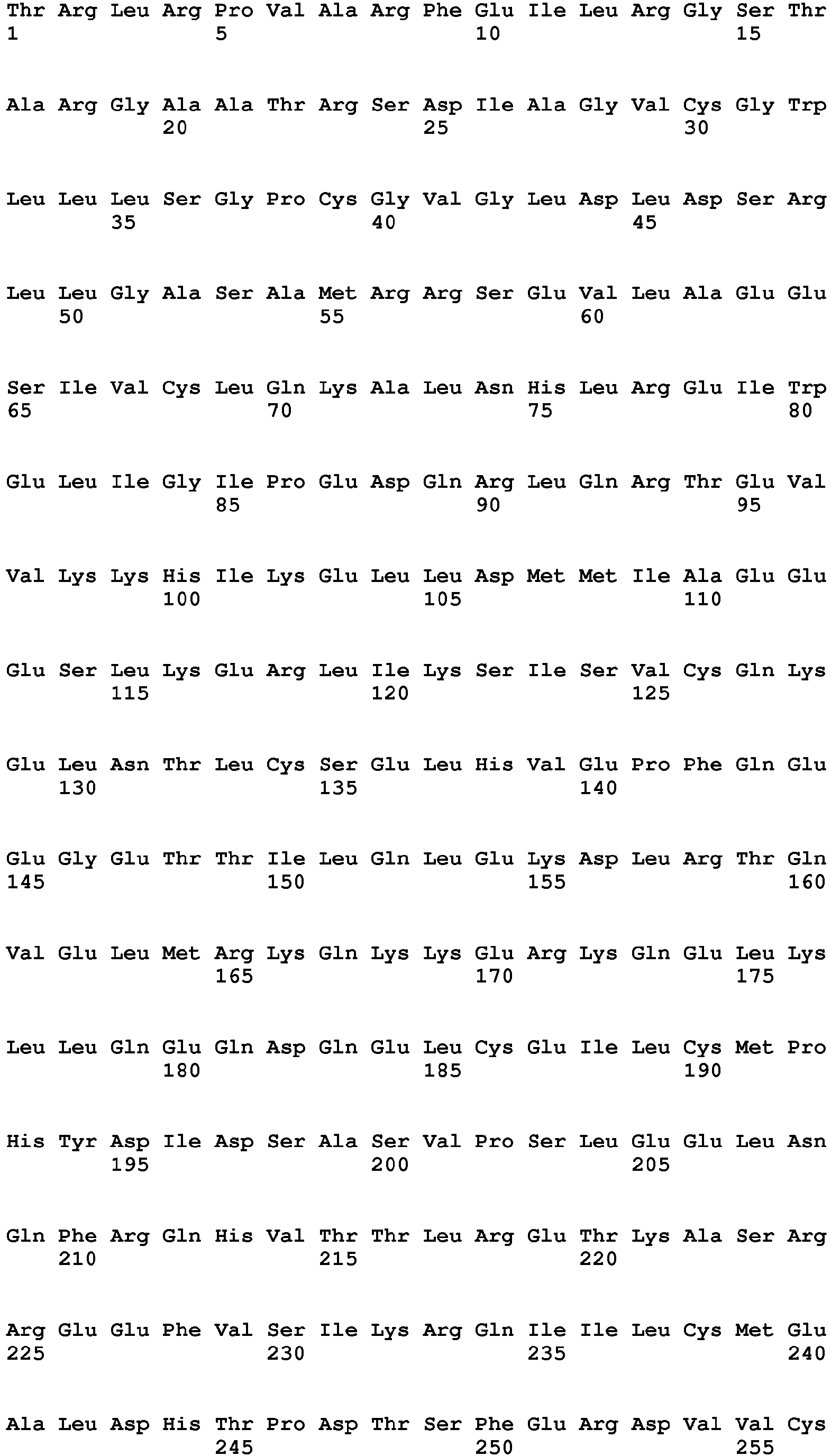


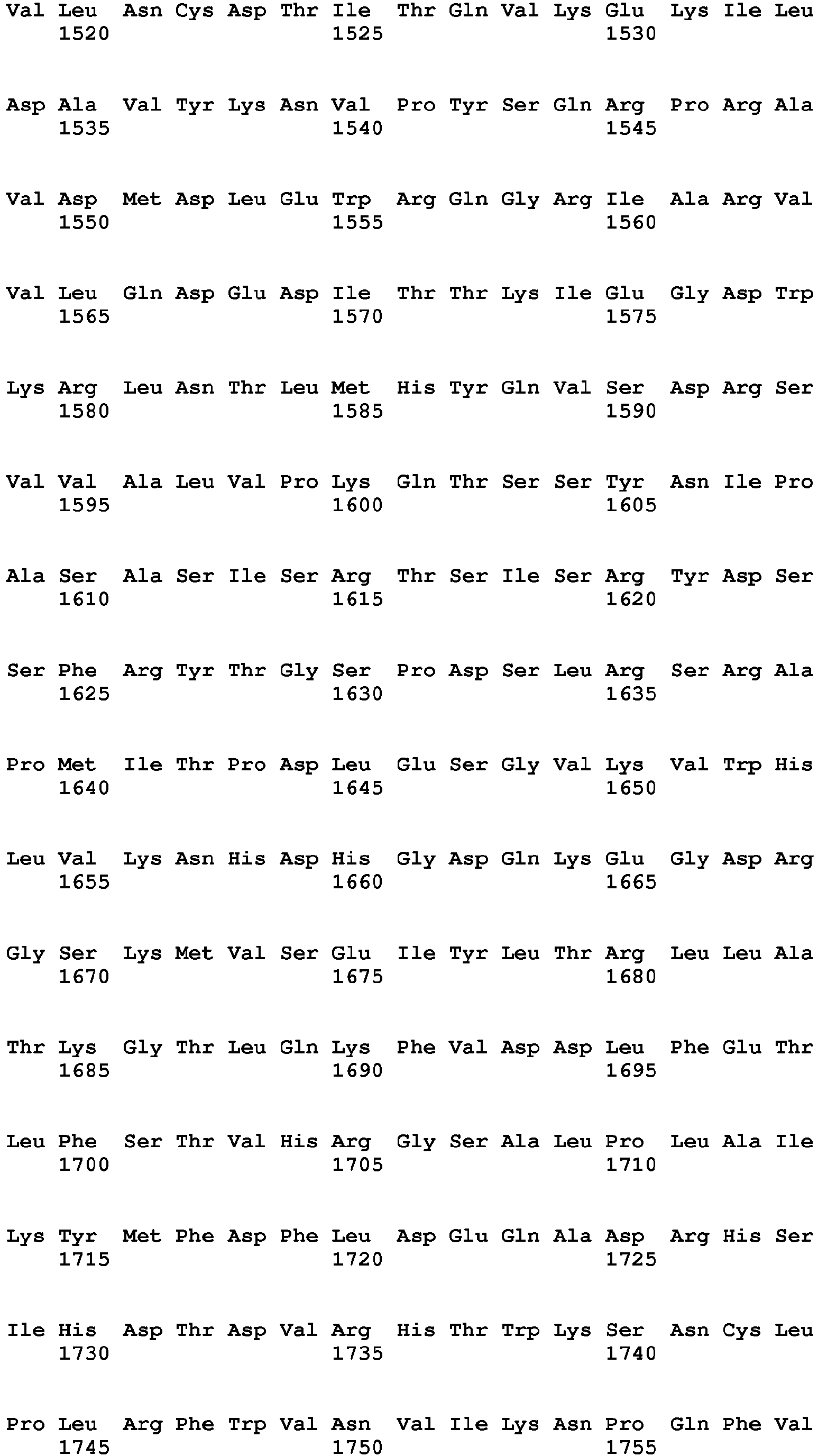
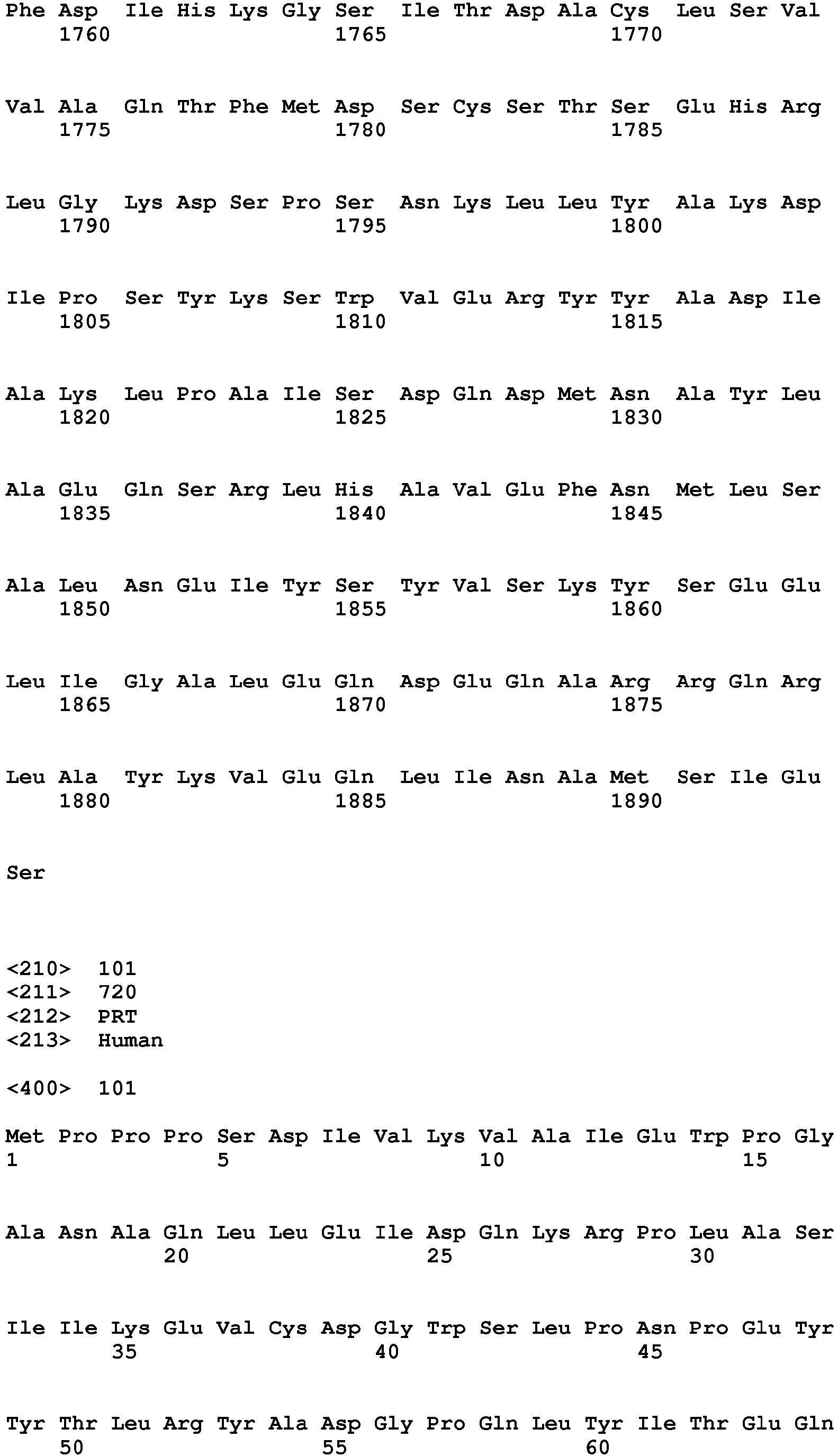


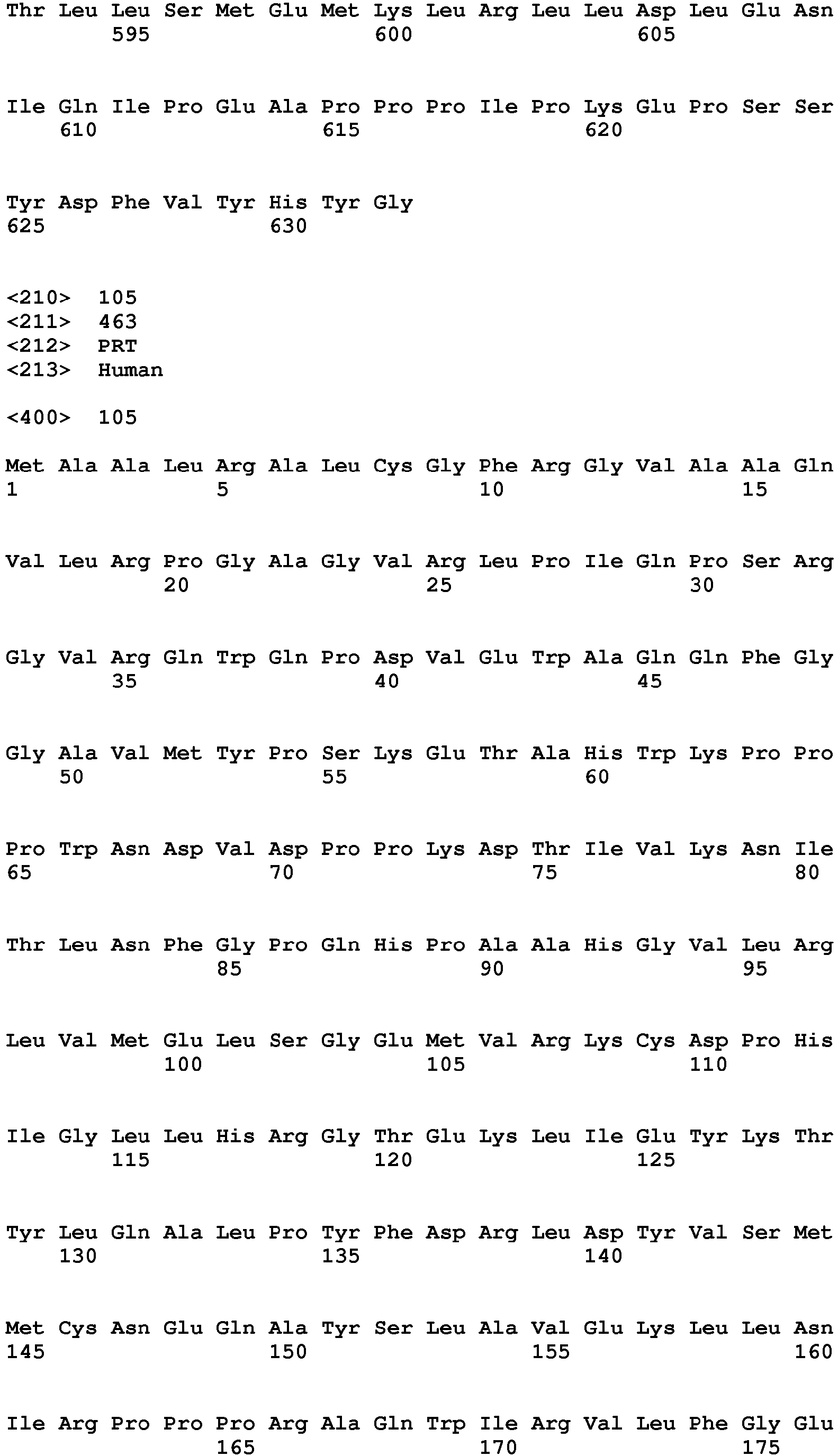


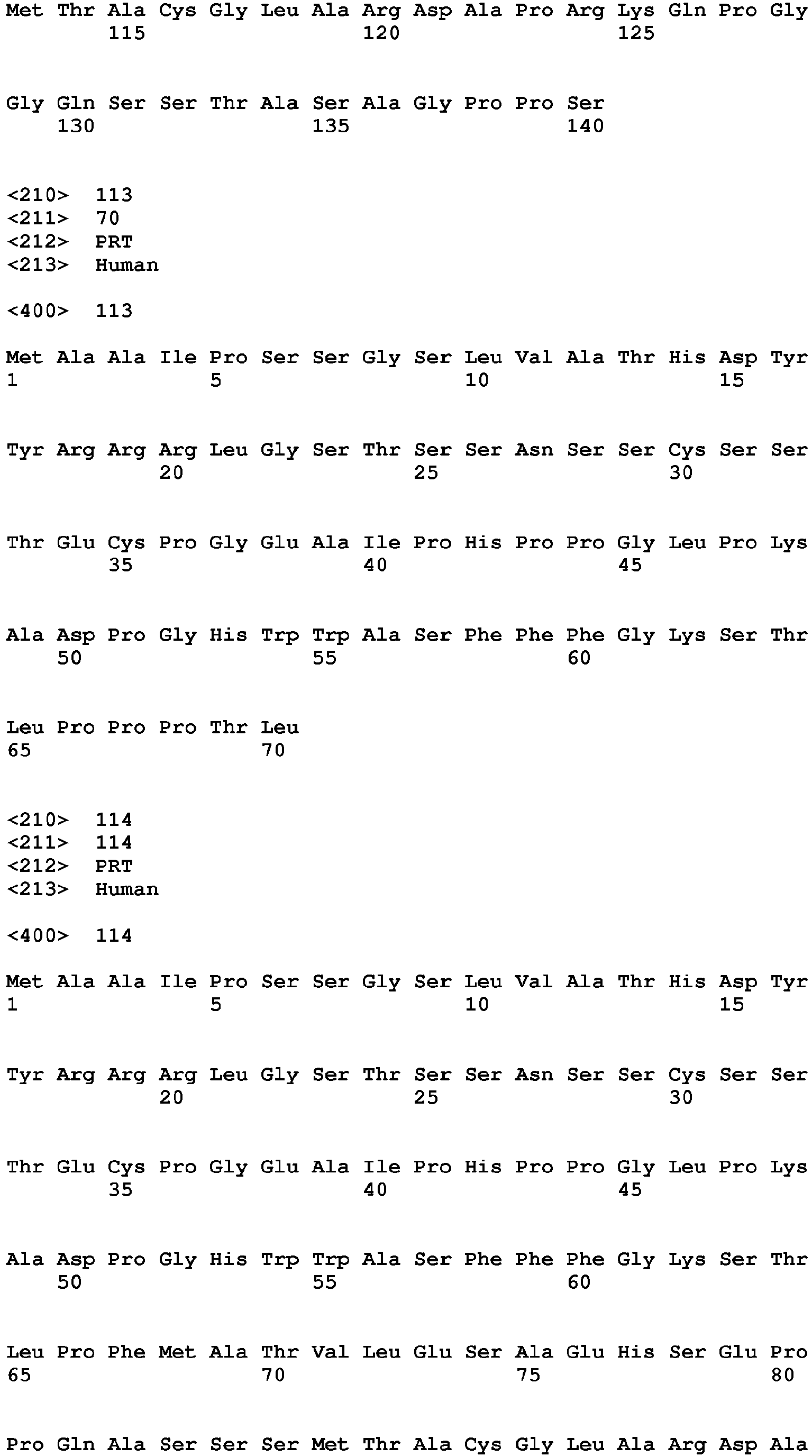
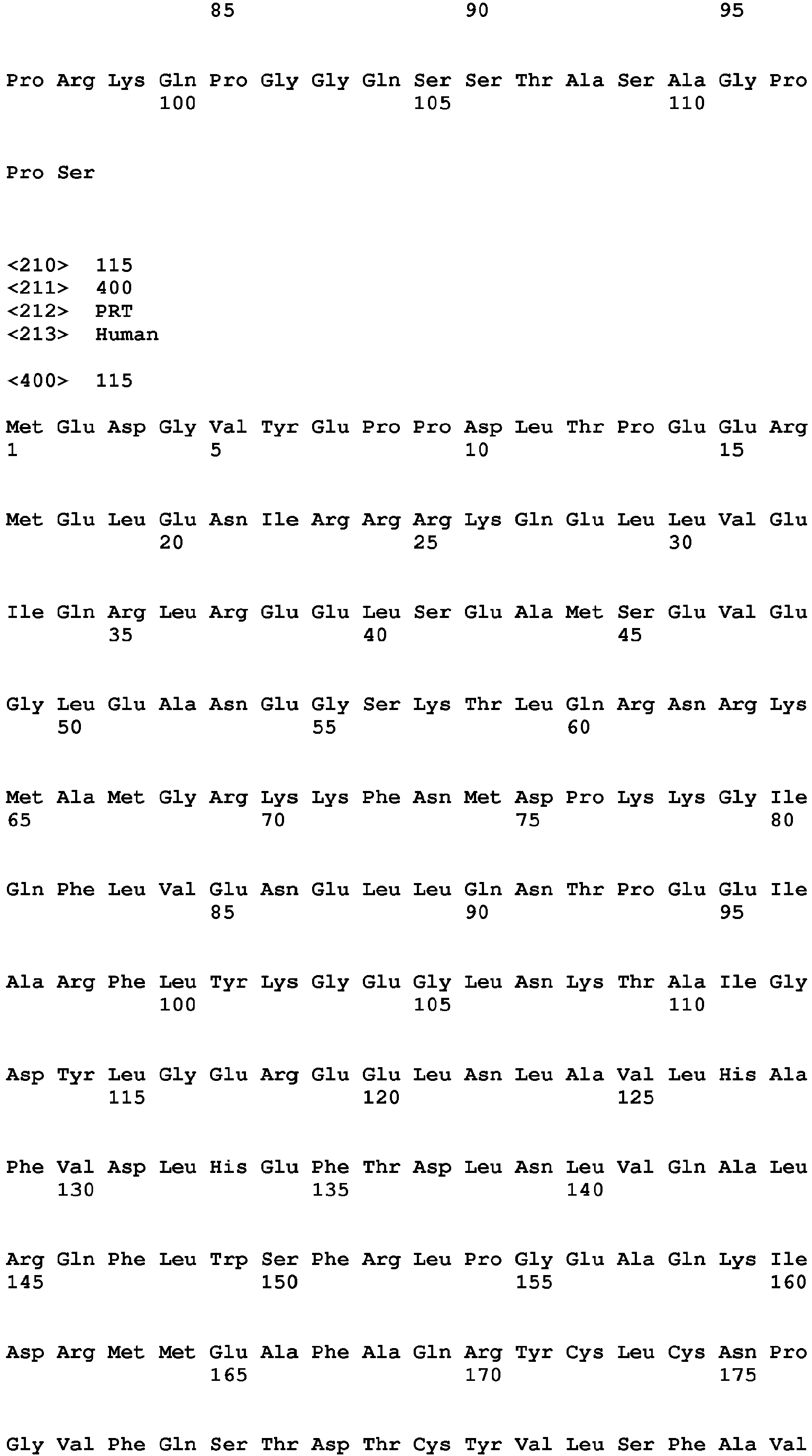
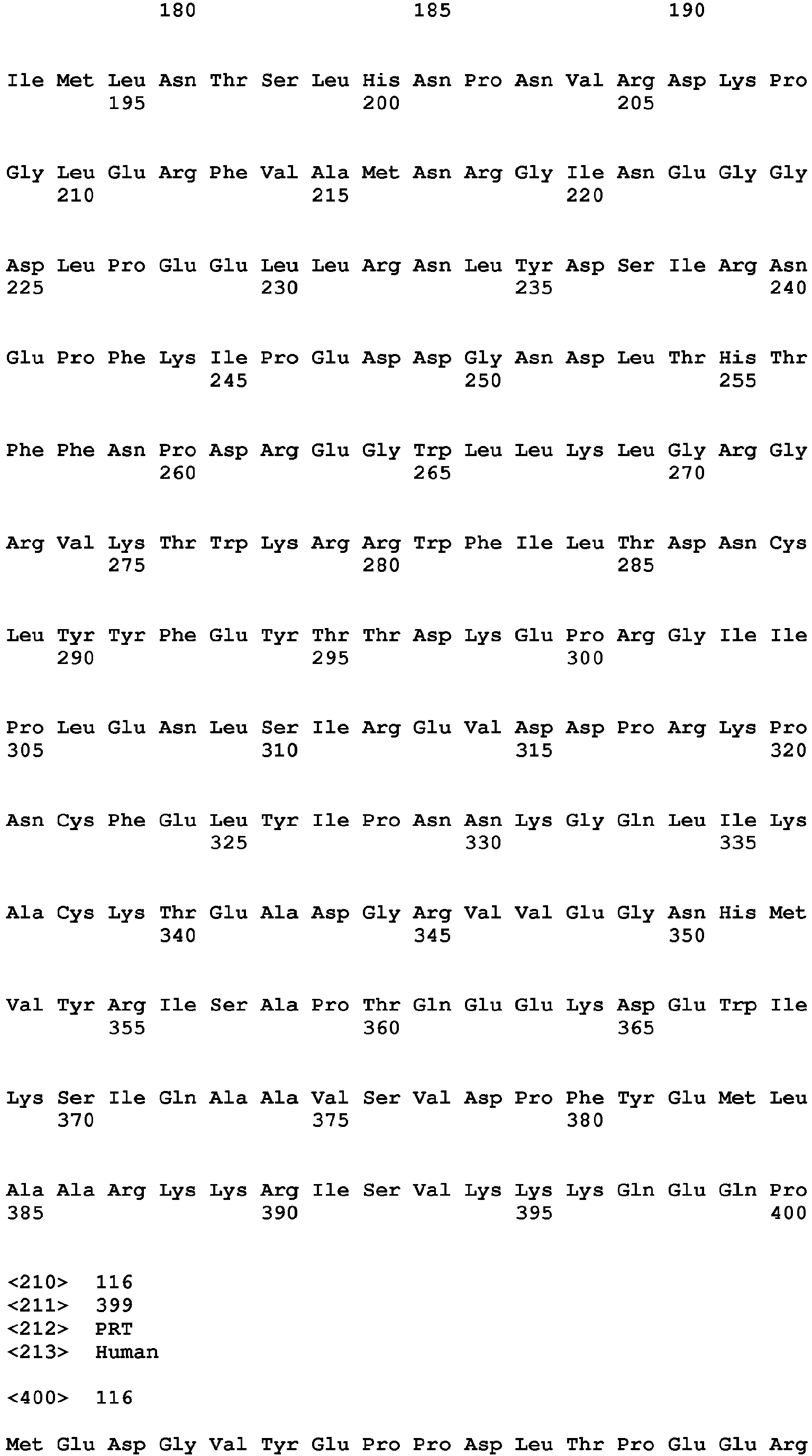


Claims (10)
- A method for diagnosing an individual who is to be subjected to or is being subjected to an anti-TNFa treatment to assess the responsiveness to an anti-TNF treatment which comprises:
Detection of immunoglobulin(s) against one or more biomarker proteins in a bodily fluid or an excrement of said patient, wherein a biomarker protein is an artificial peptide deduced from an expression product in an incorrect reading frame of a gene selected from the group comprising IRAKI and C20orf149,
wherein an individual positive for at least one of said immunoglobulin(s) is classified as responder. - A method for diagnosing an individual who is to be subjected to or is being subjected to an anti-TNFa treatment according to claim 1, wherein the biomarker protein group additionally comprises at least one other expression product encoded by a gene selected from the group comprising PSCD2L and PPIA.
- A method for diagnosing an individual who is to be subjected to or is being subjected to an anti-TNFa treatment according to claim 1 or 2, wherein the artificial peptide is selected from the group comprising SEQ ID NOs: 119, 120 and 121.
- A method for diagnosing an individual who is to be subjected to or is being subjected to an anti-TNFa treatment according to any one of claims 1 to 3, wherein the immunoglobulin(s) is IgA and/or IgG.
- A method for diagnosing an individual who is to be subjected to or is being subjected to an anti-TNFa treatment according to any one of claims 1 to 4, wherein the bodily fluid and/or excrement may be selected from a group comprising: blood, saliva, tears, synovial and spinal fluid, plasma, urine and stool.
- A method for diagnosing an individual who is to be subjected to or is being subjected to an anti-TNFα treatment according any of claims 1 to 5, wherein the individual suffers from rheumatoid arthritis.
- A kit for diagnosing an individual who is to be subjected to or is being subjected to an anti-TNFα treatment to assess the responsiveness to an anti-TNF treatment which comprises one or more biomarker proteins, wherein a biomarker protein is an artificial peptide deduced from an expression product in an incorrect reading frame of a gene selected from the group comprising IRAK1 and C20orf149.
- A kit according to claim 7, wherein the biomarker protein group additionally comprises at least one other expression product encoded by a gene selected from the group comprising PSCD2L and PPIA.
- A kit according to claim 7 or 8, wherein the artificial peptide is selected from the group comprising SEQ ID NOs: 119, 120 and 121.
- The use of a kit according to any one of claims 7 to 9 for assessing the responsiveness to an anti-TNFa treatment of an individual who is to be subjected to or is being subjected to an anti-TNFa treatment.
Applications Claiming Priority (3)
| Application Number | Priority Date | Filing Date | Title |
|---|---|---|---|
| EP07119810A EP2056110A1 (en) | 2007-10-31 | 2007-10-31 | Biomarker for the prediction of responsiveness to an anti-tumour necrosis factor alpha (TNF) treatment |
| EP08843343.8A EP2205975B1 (en) | 2007-10-31 | 2008-10-31 | Biomarker for the prediction of responsiveness to an anti-tumour necrosis factor alpha (tnf) treatment |
| PCT/EP2008/064820 WO2009056633A2 (en) | 2007-10-31 | 2008-10-31 | Biomarker for the prediction of responsiveness to an anti-tumour necrosis factor alpha (tnf) treatment |
Related Parent Applications (1)
| Application Number | Title | Priority Date | Filing Date |
|---|---|---|---|
| EP08843343.8A Division EP2205975B1 (en) | 2007-10-31 | 2008-10-31 | Biomarker for the prediction of responsiveness to an anti-tumour necrosis factor alpha (tnf) treatment |
Publications (1)
| Publication Number | Publication Date |
|---|---|
| EP3407066A1 true EP3407066A1 (en) | 2018-11-28 |
Family
ID=39473293
Family Applications (3)
| Application Number | Title | Priority Date | Filing Date |
|---|---|---|---|
| EP07119810A Withdrawn EP2056110A1 (en) | 2007-10-31 | 2007-10-31 | Biomarker for the prediction of responsiveness to an anti-tumour necrosis factor alpha (TNF) treatment |
| EP18161263.1A Withdrawn EP3407066A1 (en) | 2007-10-31 | 2008-10-31 | Biomarkers for the prediction of responsiveness to an anti-tumour necrosis factor alpha (tnf) treatment |
| EP08843343.8A Active EP2205975B1 (en) | 2007-10-31 | 2008-10-31 | Biomarker for the prediction of responsiveness to an anti-tumour necrosis factor alpha (tnf) treatment |
Family Applications Before (1)
| Application Number | Title | Priority Date | Filing Date |
|---|---|---|---|
| EP07119810A Withdrawn EP2056110A1 (en) | 2007-10-31 | 2007-10-31 | Biomarker for the prediction of responsiveness to an anti-tumour necrosis factor alpha (TNF) treatment |
Family Applications After (1)
| Application Number | Title | Priority Date | Filing Date |
|---|---|---|---|
| EP08843343.8A Active EP2205975B1 (en) | 2007-10-31 | 2008-10-31 | Biomarker for the prediction of responsiveness to an anti-tumour necrosis factor alpha (tnf) treatment |
Country Status (9)
| Country | Link |
|---|---|
| US (3) | US9052312B2 (en) |
| EP (3) | EP2056110A1 (en) |
| JP (3) | JP5740155B2 (en) |
| AU (1) | AU2008320822B2 (en) |
| CA (1) | CA2703837C (en) |
| DK (1) | DK2205975T3 (en) |
| ES (1) | ES2671895T3 (en) |
| NO (1) | NO2205975T3 (en) |
| WO (1) | WO2009056633A2 (en) |
Families Citing this family (6)
| Publication number | Priority date | Publication date | Assignee | Title |
|---|---|---|---|---|
| EP2056110A1 (en) | 2007-10-31 | 2009-05-06 | Max-Planck-Gesellschaft zur Förderung der Wissenschaften e.V. | Biomarker for the prediction of responsiveness to an anti-tumour necrosis factor alpha (TNF) treatment |
| EP2439534A1 (en) | 2010-10-08 | 2012-04-11 | TXCell | Method for assessing the efficacy of a TR1 cell therapy in asubject |
| GB201302036D0 (en) * | 2013-02-05 | 2013-03-20 | Queen Mary & Westfield College | Diagnosis |
| US11262358B2 (en) | 2016-04-06 | 2022-03-01 | Technion Research & Development Foundation Limited | Infiltrating immune cell proportions predict anti-TNF response in colon biopsies |
| CN109718378B (en) * | 2017-10-31 | 2021-08-10 | 中国科学院脑科学与智能技术卓越创新中心 | Application of KPNB1 inhibitor and protein degradation pathway inhibitor in preparation of antitumor drugs |
| AU2019271132B2 (en) * | 2018-05-15 | 2026-02-05 | Translate Bio, Inc. | Subcutaneous delivery of messenger RNA |
Citations (5)
| Publication number | Priority date | Publication date | Assignee | Title |
|---|---|---|---|---|
| WO2001070804A1 (en) * | 2000-03-17 | 2001-09-27 | Human Genome Sciences, Inc. | 7 human ovarian and ovarian cancer associated proteins |
| US20030228690A1 (en) * | 2002-06-10 | 2003-12-11 | Isis Pharmaceuticals Inc. | Antisense modulation of IL-1 receptor-associated kinase-1 expression |
| WO2005019258A2 (en) * | 2003-08-11 | 2005-03-03 | Genentech, Inc. | Compositions and methods for the treatment of immune related diseases |
| US20060121511A1 (en) * | 2004-11-30 | 2006-06-08 | Hyerim Lee | Biomarkers and methods for determining sensitivity to microtubule-stabilizing agents |
| WO2007085240A1 (en) * | 2006-01-25 | 2007-08-02 | Protagen Aktiengesellschaft | Method for immunoadsorption by means of autoantigens |
Family Cites Families (17)
| Publication number | Priority date | Publication date | Assignee | Title |
|---|---|---|---|---|
| US4281061A (en) * | 1979-07-27 | 1981-07-28 | Syva Company | Double antibody for enhanced sensitivity in immunoassay |
| DE69638269D1 (en) * | 1995-06-14 | 2010-11-18 | Univ California | HIGH-AFFINE HUMAN ANTIBODY AGAINST TUMORANTIGENE |
| AU3395900A (en) | 1999-03-12 | 2000-10-04 | Human Genome Sciences, Inc. | Human lung cancer associated gene sequences and polypeptides |
| AU2002242175A1 (en) * | 2001-02-16 | 2002-09-04 | Brigham And Women's Hospital | Methods for modulating an immune response by modulating the interaction between ctla4 and pp2a |
| WO2002086076A2 (en) * | 2001-04-19 | 2002-10-31 | Bristol-Myers Squibb Company | Polynucleotides and polypeptides associated with the nf-kb pathway |
| AU2003223683A1 (en) * | 2002-04-22 | 2003-11-03 | Georgetown University | Peripheral-type benzodiazepine receptor expression level as an index of organ damage and regeneration |
| DE10234524A1 (en) | 2002-07-24 | 2004-02-12 | Oligene Gmbh | Array of probes derived from monocyte-macrophage genes, useful e.g. for diagnosis, prognosis and therapeutic monitoring of rheumatoid arthritis and other inflammatory diseases |
| AU2004263303A1 (en) * | 2003-08-07 | 2005-02-17 | F. Hoffmann-La Roche Ag | RA antigenic peptides |
| GB0406415D0 (en) * | 2004-03-22 | 2004-04-21 | Inst Of Cancer Res The | Materials and methods for treatment of cancer |
| JP4411416B2 (en) * | 2004-11-09 | 2010-02-10 | 独立行政法人理化学研究所 | Use of anti-citrullinated collagen and type I collagen in the diagnosis of rheumatoid arthritis |
| WO2006066240A2 (en) * | 2004-12-17 | 2006-06-22 | Veridex Llc | Methods for assessing patients with acute myeloid leukemia |
| FR2882763B1 (en) * | 2005-03-01 | 2007-05-18 | Biomerieux Sa | METHOD FOR THE PROGNOSIS OF A RESPONSE TO A TREATMENT |
| US20070148704A1 (en) * | 2005-10-06 | 2007-06-28 | Ursula Klause | Anti-CCPand antinuclear antibodies in diagnosis of rheumatoid arthritis |
| US7838239B2 (en) * | 2006-04-07 | 2010-11-23 | Hitachi Chemical Co., Ltd. | Methods regarding enhanced T-cell receptor-mediated tumor necrosis factor superfamily mRNA expression in peripheral blood leukocytes in patients with crohn's disease |
| WO2007117141A1 (en) * | 2006-04-07 | 2007-10-18 | Academisch Ziekenhuis H.O.D.N. Lumc | Systems and methods for predicting an individual's risk of developing rheumatoid arthritus |
| WO2007123976A2 (en) * | 2006-04-18 | 2007-11-01 | The Board Of Trustees Of The Leland Stanford Junior University | Antibody profiling for determination of patient responsiveness |
| EP2056110A1 (en) * | 2007-10-31 | 2009-05-06 | Max-Planck-Gesellschaft zur Förderung der Wissenschaften e.V. | Biomarker for the prediction of responsiveness to an anti-tumour necrosis factor alpha (TNF) treatment |
-
2007
- 2007-10-31 EP EP07119810A patent/EP2056110A1/en not_active Withdrawn
-
2008
- 2008-10-31 AU AU2008320822A patent/AU2008320822B2/en not_active Ceased
- 2008-10-31 EP EP18161263.1A patent/EP3407066A1/en not_active Withdrawn
- 2008-10-31 JP JP2010531537A patent/JP5740155B2/en not_active Expired - Fee Related
- 2008-10-31 ES ES08843343.8T patent/ES2671895T3/en active Active
- 2008-10-31 NO NO08843343A patent/NO2205975T3/no unknown
- 2008-10-31 EP EP08843343.8A patent/EP2205975B1/en active Active
- 2008-10-31 US US12/740,166 patent/US9052312B2/en active Active
- 2008-10-31 CA CA2703837A patent/CA2703837C/en active Active
- 2008-10-31 DK DK08843343.8T patent/DK2205975T3/en active
- 2008-10-31 WO PCT/EP2008/064820 patent/WO2009056633A2/en not_active Ceased
-
2014
- 2014-01-14 JP JP2014004083A patent/JP5914536B2/en not_active Expired - Fee Related
- 2014-06-27 US US14/318,366 patent/US9880168B2/en not_active Expired - Fee Related
- 2014-07-16 JP JP2014145938A patent/JP5914587B2/en not_active Expired - Fee Related
-
2015
- 2015-06-04 US US14/730,497 patent/US10041947B2/en active Active
Patent Citations (5)
| Publication number | Priority date | Publication date | Assignee | Title |
|---|---|---|---|---|
| WO2001070804A1 (en) * | 2000-03-17 | 2001-09-27 | Human Genome Sciences, Inc. | 7 human ovarian and ovarian cancer associated proteins |
| US20030228690A1 (en) * | 2002-06-10 | 2003-12-11 | Isis Pharmaceuticals Inc. | Antisense modulation of IL-1 receptor-associated kinase-1 expression |
| WO2005019258A2 (en) * | 2003-08-11 | 2005-03-03 | Genentech, Inc. | Compositions and methods for the treatment of immune related diseases |
| US20060121511A1 (en) * | 2004-11-30 | 2006-06-08 | Hyerim Lee | Biomarkers and methods for determining sensitivity to microtubule-stabilizing agents |
| WO2007085240A1 (en) * | 2006-01-25 | 2007-08-02 | Protagen Aktiengesellschaft | Method for immunoadsorption by means of autoantigens |
Non-Patent Citations (26)
| Title |
|---|
| "The Immunoassay Handbook", May 2005, ELSEVIER LTD |
| ALTSCHUL ET AL., J. MOL. BIOL., vol. 215, 1990, pages 403 - 410 |
| ALTSCHUL ET AL., NUCLEIC ACIDS RES., vol. 25, 1997, pages 3389 - 3402 |
| BOBBIO-PALLAVICINI F ET AL., ANN N Y ACAD SCI., vol. 1, no. 109, August 2007 (2007-08-01), pages 287 - 95 |
| BOBBIO-PALLAVICINI F. ET AL., ANN N Y ACAD SCI., vol. 1109, August 2007 (2007-08-01), pages 287 - 95 |
| BOBBIO-PALLAVICINI F. ET AL., ANN RHEUM DIS., vol. 66, no. 3, March 2007 (2007-03-01), pages 302 - 7 |
| BRAUN-MOSCOVICI Y ET AL., J RHEUMATOL, vol. 33, no. 3, March 2006 (2006-03-01), pages 497 - 500 |
| BRAUN-MOSCOVICI Y. ET AL.: "Anti-cyclic citrullinated protein antibodies as a predictor of response to anti-tumor necrosis factor-alpha therapy in patients with rheumatoid arthritis", J. RHEUMATOL., vol. 33, no. 3, March 2006 (2006-03-01), pages 497 - 500, XP009101907 * |
| BUSSOW K ET AL., GENOMICS, vol. 65, no. 1, 1 April 2000 (2000-04-01), pages 1 - 8 |
| BUSSOW K ET AL., NUCLEIC ACIDS RES., vol. 26, no. 21, 1 November 1998 (1998-11-01), pages 5007 - 8 |
| BÜSSOW K. ET AL.: "A method for global protein expression and antibody screening on high- density filters of an arrayed cDNA library", NUCL. ACIDS RES., vol. 26, no. 21, November 1998 (1998-11-01), pages 5007 - 5008, XP055059694 * |
| HO P.P. ET AL.: "Tolerizing DNA vaccines for autoimmune arthritis", AUTOIMMUNITY, vol. 39, no. 8, December 2006 (2006-12-01), pages 675 - 682, XP009101894 * |
| HORN S ET AL., PROTEOMICS, vol. 6, no. 2, January 2006 (2006-01-01), pages 605 - 13 |
| HORN S. ET AL.: "Profiling humoral autoimmune repertoire of dilated cardiomyopathy (DCM) patients and development of a disease-associated protein chip", PROTEOMICS, vol. 6, no. 2, January 2006 (2006-01-01), pages 605 - 613, XP055261152 * |
| HUEBER W. ET AL.: "Antigen microarray profiling of autoantibodies in rheumatoid arthritis", ARTHRITIS & RHEUMATISM, vol. 52, no. 9, September 2005 (2005-09-01), pages 2645 - 2655, XP009101906 * |
| HULTSCHIG C ET AL., CURR OPIN CHEM BIOL., vol. 10, no. 1, February 2006 (2006-02-01), pages 4 - 10 |
| KARLIN; ALTSCHUL, PROC. NATL. ACAD. SCI. USA, vol. 90, 1993, pages 5873 - 5877 |
| KRENN V. ET AL.: "Array technology and proteomics in autoimmune diseases", PATHOL. RES. PRACTICE, vol. 200, no. 2, 30 April 2004 (2004-04-30), pages 95 - 103, XP004959028 * |
| LEQUERRÉ T. ET AL.: "Gene profiling in white blood cells predicts infliximab responsiveness in rheumatoid arthritis", ARTHRITIS RESEARCH AND THERAPY, vol. 8, no. 4, 3 July 2006 (2006-07-03), pages R105, XP021020585 * |
| LUEKING A ET AL., MOL CELL PROTEOMICS, vol. 4, no. 9, September 2005 (2005-09-01), pages 1382 - 90 |
| LUEKING A. ET AL.: "Profiling of alopecia areata autoantigens based on protein microarray technology", MOL. CELL. PROTEOM., vol. 4, no. 9, September 2005 (2005-09-01), pages 1382 - 1390, XP009084409 * |
| SKRINER K. ET AL.: "Immunomics in inflammatory rheumatic diseases", ANNALS OF THE RHEUMATIC DISEASES, vol. 65, no. suppl. 1, 1 April 2006 (2006-04-01), pages A5, XP009101887 * |
| VAN GESTEL AM ET AL., ARTHRITIS RHEUM, vol. 39, 1996, pages 34 - 40 |
| VAN LAAR JM, NAT CLIN PRACT RHEUMATOL, vol. 3, no. 10, October 2007 (2007-10-01), pages 544 - 5 |
| VAN LAAR JM., NAT CLIN PRACT RHEUMATOL, vol. 3, no. 10, October 2007 (2007-10-01), pages 544 - 5 |
| VAN LAAR JM., NAT CLIN PRACT RHEUMATOL., vol. 3, no. 10, October 2007 (2007-10-01), pages 544 - 5 |
Also Published As
| Publication number | Publication date |
|---|---|
| AU2008320822B2 (en) | 2014-09-18 |
| US10041947B2 (en) | 2018-08-07 |
| US9052312B2 (en) | 2015-06-09 |
| AU2008320822A1 (en) | 2009-05-07 |
| US20110045490A1 (en) | 2011-02-24 |
| US9880168B2 (en) | 2018-01-30 |
| CA2703837A1 (en) | 2009-05-07 |
| NO2205975T3 (en) | 2018-08-11 |
| JP2011501203A (en) | 2011-01-06 |
| JP5914587B2 (en) | 2016-05-11 |
| DK2205975T3 (en) | 2018-06-06 |
| US20150338411A1 (en) | 2015-11-26 |
| EP2205975A2 (en) | 2010-07-14 |
| EP2056110A1 (en) | 2009-05-06 |
| ES2671895T3 (en) | 2018-06-11 |
| WO2009056633A2 (en) | 2009-05-07 |
| JP2015001534A (en) | 2015-01-05 |
| JP2014074723A (en) | 2014-04-24 |
| JP5740155B2 (en) | 2015-06-24 |
| JP5914536B2 (en) | 2016-05-11 |
| WO2009056633A3 (en) | 2009-12-17 |
| CA2703837C (en) | 2018-07-31 |
| EP2205975B1 (en) | 2018-03-14 |
| US20150024973A1 (en) | 2015-01-22 |
Similar Documents
| Publication | Publication Date | Title |
|---|---|---|
| US10041947B2 (en) | Biomarker for the prediction of responsiveness to an anti-tumour necrosis factor alpha (TNF) treatment | |
| CA2546312C (en) | Method of assessing rheumatoid arthritis by measuring anti-ccp and interleukin 6 | |
| JP2010507809A (en) | Biomarkers for cancer susceptibility and their uses | |
| WO2007128132A1 (en) | Dissolved protein arthritis markers | |
| JP5792637B2 (en) | Compositions and methods for characterizing arthritic conditions | |
| Hauser et al. | The role of autoantibodies in bone metabolism and bone loss | |
| JP2013174442A (en) | Trigger assay for identifying rheumatic disorder and nonrheumatic disorder | |
| WO2021087116A1 (en) | Biomarkers of early osteoarthritis | |
| Ha et al. | Circulating semaphorin 4D as a marker for predicting radiographic progression in patients with rheumatoid arthritis | |
| JP6687391B2 (en) | Method of measuring sample for determining the presence of rheumatoid arthritis (RA) | |
| AU2014277709B2 (en) | Biomarker for the prediction of responsiveness to an anti-tumour necrosis factor alpha (TNF) treatment | |
| JP7016165B2 (en) | Apoptosis-promoting antibodies and their use | |
| US20140322211A1 (en) | Tenascin-c and use thereof in rheumatoid arthritis | |
| US11079391B2 (en) | Biological marker for evaluating the IL-17 pro-inflammatory functional contribution dependent level in an individual | |
| Garg et al. | Endothelial progenitor cells as cardiovascular surrogate markers in seropositive rheumatoid arthritis | |
| RU2815973C2 (en) | Type i interferon mediated disorders | |
| Westerlind et al. | AB0054 IS TEA CONSUMPTION ASSOCIATED WITH RISK OF RHEUMATOID ARTHRITIS? | |
| WO2023275235A1 (en) | Method and means for diagnosis of spondyloarthritis | |
| HK1155516A (en) | Trigger assay for differentiating between rheumatic and non-rheumatic disorders |
Legal Events
| Date | Code | Title | Description |
|---|---|---|---|
| PUAI | Public reference made under article 153(3) epc to a published international application that has entered the european phase |
Free format text: ORIGINAL CODE: 0009012 |
|
| STAA | Information on the status of an ep patent application or granted ep patent |
Free format text: STATUS: THE APPLICATION HAS BEEN PUBLISHED |
|
| AC | Divisional application: reference to earlier application |
Ref document number: 2205975 Country of ref document: EP Kind code of ref document: P |
|
| AK | Designated contracting states |
Kind code of ref document: A1 Designated state(s): AT BE BG CH CY CZ DE DK EE ES FI FR GB GR HR HU IE IS IT LI LT LU LV MC MT NL NO PL PT RO SE SI SK TR |
|
| STAA | Information on the status of an ep patent application or granted ep patent |
Free format text: STATUS: REQUEST FOR EXAMINATION WAS MADE |
|
| 17P | Request for examination filed |
Effective date: 20190528 |
|
| RBV | Designated contracting states (corrected) |
Designated state(s): AT BE BG CH CY CZ DE DK EE ES FI FR GB GR HR HU IE IS IT LI LT LU LV MC MT NL NO PL PT RO SE SI SK TR |
|
| STAA | Information on the status of an ep patent application or granted ep patent |
Free format text: STATUS: EXAMINATION IS IN PROGRESS |
|
| 17Q | First examination report despatched |
Effective date: 20200316 |
|
| STAA | Information on the status of an ep patent application or granted ep patent |
Free format text: STATUS: THE APPLICATION IS DEEMED TO BE WITHDRAWN |
|
| 18D | Application deemed to be withdrawn |
Effective date: 20220503 |