EP3401259A1 - User management of door and elevator access control - Google Patents
User management of door and elevator access control Download PDFInfo
- Publication number
- EP3401259A1 EP3401259A1 EP18165011.0A EP18165011A EP3401259A1 EP 3401259 A1 EP3401259 A1 EP 3401259A1 EP 18165011 A EP18165011 A EP 18165011A EP 3401259 A1 EP3401259 A1 EP 3401259A1
- Authority
- EP
- European Patent Office
- Prior art keywords
- visitor
- access
- resident
- door
- elevator car
- Prior art date
- Legal status (The legal status is an assumption and is not a legal conclusion. Google has not performed a legal analysis and makes no representation as to the accuracy of the status listed.)
- Granted
Links
Images

Classifications
-
- B—PERFORMING OPERATIONS; TRANSPORTING
- B66—HOISTING; LIFTING; HAULING
- B66B—ELEVATORS; ESCALATORS OR MOVING WALKWAYS
- B66B1/00—Control systems of elevators in general
- B66B1/34—Details, e.g. call counting devices, data transmission from car to control system, devices giving information to the control system
- B66B1/3415—Control system configuration and the data transmission or communication within the control system
- B66B1/3446—Data transmission or communication within the control system
- B66B1/3461—Data transmission or communication within the control system between the elevator control system and remote or mobile stations
-
- G—PHYSICS
- G07—CHECKING-DEVICES
- G07C—TIME OR ATTENDANCE REGISTERS; REGISTERING OR INDICATING THE WORKING OF MACHINES; GENERATING RANDOM NUMBERS; VOTING OR LOTTERY APPARATUS; ARRANGEMENTS, SYSTEMS OR APPARATUS FOR CHECKING NOT PROVIDED FOR ELSEWHERE
- G07C9/00—Individual registration on entry or exit
- G07C9/00174—Electronically operated locks; Circuits therefor; Nonmechanical keys therefor, e.g. passive or active electrical keys or other data carriers without mechanical keys
- G07C9/00309—Electronically operated locks; Circuits therefor; Nonmechanical keys therefor, e.g. passive or active electrical keys or other data carriers without mechanical keys operated with bidirectional data transmission between data carrier and locks
-
- B—PERFORMING OPERATIONS; TRANSPORTING
- B66—HOISTING; LIFTING; HAULING
- B66B—ELEVATORS; ESCALATORS OR MOVING WALKWAYS
- B66B1/00—Control systems of elevators in general
- B66B1/34—Details, e.g. call counting devices, data transmission from car to control system, devices giving information to the control system
- B66B1/46—Adaptations of switches or switchgear
- B66B1/468—Call registering systems
-
- B—PERFORMING OPERATIONS; TRANSPORTING
- B66—HOISTING; LIFTING; HAULING
- B66B—ELEVATORS; ESCALATORS OR MOVING WALKWAYS
- B66B1/00—Control systems of elevators in general
- B66B1/24—Control systems with regulation, i.e. with retroactive action, for influencing travelling speed, acceleration, or deceleration
- B66B1/28—Control systems with regulation, i.e. with retroactive action, for influencing travelling speed, acceleration, or deceleration electrical
-
- B—PERFORMING OPERATIONS; TRANSPORTING
- B66—HOISTING; LIFTING; HAULING
- B66B—ELEVATORS; ESCALATORS OR MOVING WALKWAYS
- B66B1/00—Control systems of elevators in general
- B66B1/24—Control systems with regulation, i.e. with retroactive action, for influencing travelling speed, acceleration, or deceleration
- B66B1/2408—Control systems with regulation, i.e. with retroactive action, for influencing travelling speed, acceleration, or deceleration where the allocation of a call to an elevator car is of importance, i.e. by means of a supervisory or group controller
-
- B—PERFORMING OPERATIONS; TRANSPORTING
- B66—HOISTING; LIFTING; HAULING
- B66B—ELEVATORS; ESCALATORS OR MOVING WALKWAYS
- B66B1/00—Control systems of elevators in general
- B66B1/34—Details, e.g. call counting devices, data transmission from car to control system, devices giving information to the control system
- B66B1/3415—Control system configuration and the data transmission or communication within the control system
-
- B—PERFORMING OPERATIONS; TRANSPORTING
- B66—HOISTING; LIFTING; HAULING
- B66B—ELEVATORS; ESCALATORS OR MOVING WALKWAYS
- B66B13/00—Doors, gates, or other apparatus controlling access to, or exit from, cages or lift well landings
- B66B13/02—Door or gate operation
- B66B13/14—Control systems or devices
- B66B13/16—Door or gate locking devices controlled or primarily controlled by condition of cage, e.g. movement or position
- B66B13/165—Door or gate locking devices controlled or primarily controlled by condition of cage, e.g. movement or position electrical
-
- B—PERFORMING OPERATIONS; TRANSPORTING
- B66—HOISTING; LIFTING; HAULING
- B66B—ELEVATORS; ESCALATORS OR MOVING WALKWAYS
- B66B3/00—Applications of devices for indicating or signalling operating conditions of elevators
- B66B3/002—Indicators
-
- G—PHYSICS
- G06—COMPUTING OR CALCULATING; COUNTING
- G06Q—INFORMATION AND COMMUNICATION TECHNOLOGY [ICT] SPECIALLY ADAPTED FOR ADMINISTRATIVE, COMMERCIAL, FINANCIAL, MANAGERIAL OR SUPERVISORY PURPOSES; SYSTEMS OR METHODS SPECIALLY ADAPTED FOR ADMINISTRATIVE, COMMERCIAL, FINANCIAL, MANAGERIAL OR SUPERVISORY PURPOSES, NOT OTHERWISE PROVIDED FOR
- G06Q10/00—Administration; Management
- G06Q10/06—Resources, workflows, human or project management; Enterprise or organisation planning; Enterprise or organisation modelling
-
- G—PHYSICS
- G07—CHECKING-DEVICES
- G07C—TIME OR ATTENDANCE REGISTERS; REGISTERING OR INDICATING THE WORKING OF MACHINES; GENERATING RANDOM NUMBERS; VOTING OR LOTTERY APPARATUS; ARRANGEMENTS, SYSTEMS OR APPARATUS FOR CHECKING NOT PROVIDED FOR ELSEWHERE
- G07C9/00—Individual registration on entry or exit
- G07C9/00174—Electronically operated locks; Circuits therefor; Nonmechanical keys therefor, e.g. passive or active electrical keys or other data carriers without mechanical keys
- G07C9/00817—Electronically operated locks; Circuits therefor; Nonmechanical keys therefor, e.g. passive or active electrical keys or other data carriers without mechanical keys where the code of the lock can be programmed
-
- G—PHYSICS
- G07—CHECKING-DEVICES
- G07C—TIME OR ATTENDANCE REGISTERS; REGISTERING OR INDICATING THE WORKING OF MACHINES; GENERATING RANDOM NUMBERS; VOTING OR LOTTERY APPARATUS; ARRANGEMENTS, SYSTEMS OR APPARATUS FOR CHECKING NOT PROVIDED FOR ELSEWHERE
- G07C9/00—Individual registration on entry or exit
- G07C9/00174—Electronically operated locks; Circuits therefor; Nonmechanical keys therefor, e.g. passive or active electrical keys or other data carriers without mechanical keys
- G07C9/00896—Electronically operated locks; Circuits therefor; Nonmechanical keys therefor, e.g. passive or active electrical keys or other data carriers without mechanical keys specially adapted for particular uses
- G07C9/00904—Electronically operated locks; Circuits therefor; Nonmechanical keys therefor, e.g. passive or active electrical keys or other data carriers without mechanical keys specially adapted for particular uses for hotels, motels, office buildings or the like
-
- B—PERFORMING OPERATIONS; TRANSPORTING
- B66—HOISTING; LIFTING; HAULING
- B66B—ELEVATORS; ESCALATORS OR MOVING WALKWAYS
- B66B2201/00—Aspects of control systems of elevators
- B66B2201/20—Details of the evaluation method for the allocation of a call to an elevator car
- B66B2201/23—Other aspects of the evaluation method
-
- B—PERFORMING OPERATIONS; TRANSPORTING
- B66—HOISTING; LIFTING; HAULING
- B66B—ELEVATORS; ESCALATORS OR MOVING WALKWAYS
- B66B2201/00—Aspects of control systems of elevators
- B66B2201/40—Details of the change of control mode
- B66B2201/401—Details of the change of control mode by time of the day
-
- B—PERFORMING OPERATIONS; TRANSPORTING
- B66—HOISTING; LIFTING; HAULING
- B66B—ELEVATORS; ESCALATORS OR MOVING WALKWAYS
- B66B2201/00—Aspects of control systems of elevators
- B66B2201/40—Details of the change of control mode
- B66B2201/402—Details of the change of control mode by historical, statistical or predicted traffic data, e.g. by learning
-
- B—PERFORMING OPERATIONS; TRANSPORTING
- B66—HOISTING; LIFTING; HAULING
- B66B—ELEVATORS; ESCALATORS OR MOVING WALKWAYS
- B66B2201/00—Aspects of control systems of elevators
- B66B2201/40—Details of the change of control mode
- B66B2201/405—Details of the change of control mode by input of special passenger or passenger group
-
- B—PERFORMING OPERATIONS; TRANSPORTING
- B66—HOISTING; LIFTING; HAULING
- B66B—ELEVATORS; ESCALATORS OR MOVING WALKWAYS
- B66B2201/00—Aspects of control systems of elevators
- B66B2201/40—Details of the change of control mode
- B66B2201/46—Switches or switchgear
- B66B2201/4607—Call registering systems
- B66B2201/4638—Wherein the call is registered without making physical contact with the elevator system
-
- B—PERFORMING OPERATIONS; TRANSPORTING
- B66—HOISTING; LIFTING; HAULING
- B66B—ELEVATORS; ESCALATORS OR MOVING WALKWAYS
- B66B2201/00—Aspects of control systems of elevators
- B66B2201/40—Details of the change of control mode
- B66B2201/46—Switches or switchgear
- B66B2201/4607—Call registering systems
- B66B2201/4653—Call registering systems wherein the call is registered using portable devices
-
- B—PERFORMING OPERATIONS; TRANSPORTING
- B66—HOISTING; LIFTING; HAULING
- B66B—ELEVATORS; ESCALATORS OR MOVING WALKWAYS
- B66B2201/00—Aspects of control systems of elevators
- B66B2201/40—Details of the change of control mode
- B66B2201/46—Switches or switchgear
- B66B2201/4607—Call registering systems
- B66B2201/4676—Call registering systems for checking authorization of the passengers
-
- G—PHYSICS
- G07—CHECKING-DEVICES
- G07C—TIME OR ATTENDANCE REGISTERS; REGISTERING OR INDICATING THE WORKING OF MACHINES; GENERATING RANDOM NUMBERS; VOTING OR LOTTERY APPARATUS; ARRANGEMENTS, SYSTEMS OR APPARATUS FOR CHECKING NOT PROVIDED FOR ELSEWHERE
- G07C9/00—Individual registration on entry or exit
- G07C9/00174—Electronically operated locks; Circuits therefor; Nonmechanical keys therefor, e.g. passive or active electrical keys or other data carriers without mechanical keys
- G07C2009/00753—Electronically operated locks; Circuits therefor; Nonmechanical keys therefor, e.g. passive or active electrical keys or other data carriers without mechanical keys operated by active electrical keys
-
- H—ELECTRICITY
- H04—ELECTRIC COMMUNICATION TECHNIQUE
- H04W—WIRELESS COMMUNICATION NETWORKS
- H04W88/00—Devices specially adapted for wireless communication networks, e.g. terminals, base stations or access point devices
- H04W88/02—Terminal devices
Definitions
- the subject matter disclosed herein generally relates to the field of building access controls, and more particularly to an apparatus and method for controlling access to elevators, floors, and/or doors within a building.
- a method of controlling access to a building comprising: receiving visitor contact information for a visitor from a resident device, the visitor contact information identifies a visitor device of the visitor; receiving visitor access permissions for the visitor from the resident device, the visitor access permissions include at least one of a selected elevator car, a selected door, and a selected floor; and granting the visitor device access to at least one of the selected elevator car, the selected door, and the selected floor.
- further embodiments of the method may include where at least one of the resident device and the visitor device is a mobile device.
- further embodiments of the method may include transmitting a notification to the visitor device when access is granted.
- further embodiments of the method may include where the visitor device is granted access for at least one of a selected period of time, a selected date, and a reoccurring schedule.
- further embodiments of the method may include generating access permissions for the visitor in response to existing access permissions in a user access database.
- further embodiments of the method may include generating on a user interface an invite guest screen on the resident device, the invite guest screen being configured to allow entry of visitor contact information.
- further embodiments of the method may include generating on a user interface a visitor access screen on the resident device, the visitor access screen configured to display access permissions.
- further embodiments of the method may include where the granting further comprises: unlocking the selected door when the visitor device is presented to the selected door.
- further embodiments of the method may include where the granting further comprises: opening the selected elevator car when the visitor device is presented to the selected elevator car.
- further embodiments of the method may include where the granting further comprises: moving the selected elevator car to the selected floor when the visitor device is presented to the selected elevator car.
- further embodiments of the method may include where the visitor device is granted access for at least one of a selected period of time, a selected date, and a reoccurring schedule.
- further embodiments of the method may include generating access permissions for the visitor in response to existing access permissions in a user access database.
- further embodiments of the method may include: generating on a user interface an invite guest screen on the resident device, the invite guest screen being configured to allow entry of visitor contact information.
- further embodiments of the method may include generating on a user interface a visitor access screen on the resident device, the visitor access screen configured to display access permissions.
- further embodiments of the method may include where the granting further comprises: unlocking the selected door when the visitor device is presented to the selected door.
- further embodiments of the method may include where the granting further comprises: opening the selected elevator car when the visitor device is presented to the selected elevator car.
- further embodiments of the method may include where the granting further comprises: moving the selected elevator car to the selected floor when the visitor device is presented to the selected elevator car.
- a building access system comprising: a processor; a memory comprising computer-executable instructions that, when executed by the processor, cause the processor to perform operations.
- the operations comprising: receiving visitor contact information for a visitor from a resident device, the visitor contact information identifies a visitor device of the visitor; receiving visitor access permissions for the visitor from the resident device, the visitor access permissions include at least one of a selected elevator car, a selected door, and a selected floor; and granting the visitor device access to at least one of the selected elevator car, the selected door, and the selected floor.
- further embodiments of the building access system may include where at least one of the resident device and the visitor device is a mobile device.
- a computer program product tangibly embodied on a computer readable medium including instructions that, when executed by a processor, cause the processor to perform operations comprising: receiving visitor contact information for a visitor from a resident device, the visitor contact information identifies a visitor device of the visitor; receiving visitor access permissions for the visitor from the resident device, the visitor access permissions include at least one of a selected elevator car, a selected door, and a selected floor; and granting the visitor device access to at least one of the selected elevator car, the selected door, and the selected floor.
- inventions of the present disclosure include the ability for a user to grant a visitor access to a building door, floors, and/or an elevator through a user interface.
- FIG. 1 depicts a building access system 200 in an example embodiment.
- the building access system 200 includes a door system 205 and an elevator system 204 installed at a building 202.
- the building 202 may be a building or a collection of buildings that may or may not be physically located near each other.
- the building 202 may include any number of floors. Persons entering the building 202 may enter at a lobby floor, or any other floor, and may go to a destination floor via one or more conveyance devices, such as the elevator system 204. Persons entering the building 202 may be required to enter a door (e.g., doors 205-1, 205-2... 205-n) of the door system 205.
- a door e.g., doors 205-1, 205-2... 205-n
- the door may include but is not limited to a door in a wall of the building, a door on the outside of the building, a garage door, a parking lot access gate, a turnstile or similar access restriction device known to one of skill in the art.
- the elevator system 204 may be operably connected to one or more computing devices, such as a controller 206.
- the controller 206 may be configured to control dispatching operations for one or more elevator cars (e.g., elevator cars 204-1, 204-2..204-n) associated with the elevator system 204.
- the controller 206 may also be configured to control access to the one or more elevator cars (e.g., elevator cars 204-1, 204-2..204-n) associated with the elevator system 204.
- the elevator system 204 may utilize more than one controller 206, and that each controller may control a group of elevators cars 204-1 and 204-2. Although two elevator cars 204-1 and 204-2 are shown in FIG.
- elevators cars 204-n may be used in the elevator system 204.
- the elevator cars 204-1 and 204-2 may be located in the same hoistway or in different hoistways so as to allow coordination amongst elevator cars 204-1 and 204-2 in different elevator banks serving different floors. It is understood that other components of the elevator system 204 (e.g., drive, counterweight, safeties, etc.) are not depicted for ease of illustration.
- the controller 206 may also be configured to control access to one or more doors (e.g., doors 205-1, 205-2...205-n). It is understood that the door system 205 may utilize more than one controller 206, and that each controller may control a group of doors 205-1 and 205-2. Although two doors 205-1 and 205-2 are shown in FIG. 1 , it is understood that any number of elevators cars 205-n may be used in the door system 205. It is understood that other components of the door system 205 (e.g., locks.) are not depicted for ease of illustration. Additionally, the controller 206 may be configured to control access to one or more floors through the elevator system 204 and/or door system 205.
- doors e.g., doors 205-1, 205-2...205-n
- the door system 205 may utilize more than one controller 206, and that each controller may control a group of doors 205-1 and 205-2. Although two doors 205-1 and 205-2 are shown in FIG. 1 , it is understood that any number of elevators cars
- the controller 206 may include a processor 260, memory 262 and communication module 264 as shown in FIG. 1 .
- the processor 260 can be any type or combination of computer processors, such as a microprocessor, microcontroller, digital signal processor, application specific integrated circuit, programmable logic device, and/or field programmable gate array.
- the memory 262 is an example of a non-transitory computer readable storage medium tangibly embodied in the controller 206 including executable instructions stored therein, for instance, as firmware.
- the communication module 264 may implement one or more communication protocols as described in further detail herein.
- the resident device 208a may be a computing device such as a desktop computer.
- the resident device 208a may also be a mobile computing device that is typically carried by a person, such as, for example a phone, PDA, smart watch, tablet, laptop, etc.
- the resident device 208a may include a processor 250a, memory 252a and communication module 254a as shown in FIG. 1 .
- the processor 250a can be any type or combination of computer processors, such as a microprocessor, microcontroller, digital signal processor, application specific integrated circuit, programmable logic device, and/or field programmable gate array.
- the memory 252a is an example of a non-transitory computer readable storage medium tangibly embodied in the resident device 208a including executable instructions stored therein, for instance, as firmware.
- the communication module 254a may implement one or more communication protocols as described in further detail herein.
- the resident device 208a belongs to a resident of the building 202 who currently has access to the elevator system 204 and door system 205. Each resident of the building 202 may have specific access permissions 325 granting each resident access to selected elevators cars, selected floors of the building and/or selected doors.
- the access permissions 325 may be stored in a user access database 263 operatively connected to the controller 206 or stored within the controller 206. In one embodiment, the user access database 263 may be stored offsite, remotely, or in the cloud.
- the visitor device 208b may be a computing device such as a desktop computer.
- the visitor device 208b may also be a mobile computing device that is typically carried by a person, such as, for example a phone, PDA, smart watch, tablet, laptop, etc.
- the visitor device 208b may include a processor 250b, memory 252b and communication module 254b as shown in FIG. 1 .
- the processor 250b can be any type or combination of computer processors, such as a microprocessor, microcontroller, digital signal processor, application specific integrated circuit, programmable logic device, and/or field programmable gate array.
- the memory 252b is an example of a non-transitory computer readable storage medium tangibly embodied in the visitor device 208b including executable instructions stored therein, for instance, as firmware.
- the communication module 254b may implement one or more communication protocols as described in further detail herein.
- the visitor device 208b may belong to a visitor of the building 202, such as, for example, food delivery person, parcel delivery person, serve/maintenance person, baby sitter, long-term visitor, short term visitor, and reoccurring visitor.
- the resident device 208a and visitor device 208b may both be referred to as a device 208 for ease of explanation.
- the device 208 and the controller 206 communicate with one another.
- the device 208 and the controller 206 may communicate with one another when proximate to one another (e.g., within a threshold distance).
- the device 208 and the controller 206 may communicate over a wireless network, such as 802.11x (WiFi), short-range radio (Bluetooth), cellular, satellite, etc.
- WiFi 802.11x
- Bluetooth short-range radio
- the controller 206 may include, or be associated with (e.g., communicatively coupled to) a networked element, such as kiosk, beacon, hall call fixture, lantern, bridge, router, network node, door lock, elevator control panel, building intercom system, etc.
- the networked element may communicate with the device 208 using one or more communication protocols or standards.
- the networked element may communicate with the device 208 using near field communications (NFC).
- NFC near field communications
- the controller 206 may establish communication with a device 208 that is outside of the building 202. This connection may be established with various technologies including GPS, triangulation, or signal strength detection, by way of non-limiting example.
- the device 208 communicates with the controller 206 over multiple independent wired and/or wireless networks. Embodiments are intended to cover a wide variety of types of communication between the device 208 and controller 206, and embodiments are not limited to the examples provided in this disclosure. Communication between the device 208 and the controller 206 will allow the controller 206 to determine the location of the device 208 in relation to the elevator system 204 and/or the door system 205. Knowing the relative location of the device 208 will allow the controller 206 to determine when the device 208 is being presented at an elevator system 204 and/or a door system 205 to request access.
- Embodiments generate a user interface on the device 208 through a visitor access application 255a, 255b.
- the visitor access application 255a may be used for residents to grant access to visitors to selected elevators cars, selected floors of the building 202, and/or selected doors of the building 202.
- a resident using the visitor access application 255a on the resident device 208a may grant access to visitor and the visitor device 208b will be used as identification to open the selected elevators cars, selected floors of the building 202 and/or selected doors of the building 202.
- a resident may grant access to a babysit-ter to open the front door of the building 202, take the first elevator car up to the fifth floor and then open the door of the resident.
- An identification credential on the visitor device 208b will identify the visitor through communication with the controller 206 at each selected elevators car, selected floor, and selected door.
- FIGs. 2-3 depict an example user interface 300 on resident device 208a.
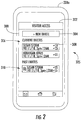
- a visitor access screen 302 may be presented as shown in FIG. 2 .
- the visitor access screen 302 includes a new invite button 304, where new visitors may be added.
- the current invites 306. may be identified and organized by name.
- the access permissions 325 of the current invites 306 may also be listed. For instance, a current invite 306 may have access for a selected date and/or a selected time period. The access permissions 325 expire after the selected date and/or a selected time period.
- the access may be granted at a recurring day and time or group of recurring dates and times, e.g., every Tuesday from 2-4 PM, or every Monday-Friday 9AM-5PM.
- the visitor access screen 302 may include display icons 308 illustrating what the current invite 306 has access to, including but not limited to elevator, door, and floor icons.
- the visitor access screen 302 may also display past invites 310 and the access permissions 325 that each past invite had been granted.
- the resident may grant access to a new visitor through the new invite button 304.
- the resident device 208 launches an invite guest screen 320 in the visitor access application 255a.
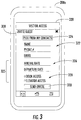
- the invite guest screen 320 may be presented as shown in FIG. 3 .
- the resident may manually enter in contact information 322 of the visitor or import the contact information of the visitor from the resident's contact list on the resident device 208a by selecting the pick from my contacts button 324.
- the contact information 322 may include identification factors of the visitor including but not limited to name, phone number, and email.
- the resident may also enter access permissions 325 associated with each visitor.
- the access permissions 325 may include a selected time period 326 for access, including but not limited to a selected access date, selected access time, and a selected reoccurring schedule.
- the resident may also designate access permissions 325 including but not limited to selected elevators cars, selected floors of the building, and/or selected doors of the building.
- access permissions 325 including but not limited to selected elevators cars, selected floors of the building, and/or selected doors of the building.
- the elevator will take the visitor to the selected floor only, which prevent the visitor from accessing any other floor of the building.
- stairwell doors may further restrict a visitor's access to different floors.
- the resident may also duplicate their own access permissions 325 or previously granted access permissions 325 to another visitor stored within the user access database 263 (see FIG. 1 ) and apply these access permissions 325 to a visitor.
- the resident may transmit the access to the visitor by selecting the "send invite" button 330.
- the transmission may show up as an alert on the visitor device 208b (see FIG. 1 ).
- the alert may be audible and/or visual.
- the alert may prompt the visitor to download the visitor access application 255b on the visitor device and/or may simply inform the visitor of the access permissions 325 granted.
- the access permission 325 are also sent to the controller and stored in the user access database 263.
- each device may have an identification credential and knowing the relative location of the device 208 will allow the controller 206 to determine when the device 208 is being presented at an elevator system 204 and/or a door system 205 to request access.
- access may be logically driven by an app which uses resources local to the visitor's smartphone (e.g. GPS location, biometric validation of user, etc.) and an encrypted key which is sent to the building system by a range of means (e.g. NFC, BT, wifi, cell network, display of linear or 2D bar code, audio tones) or combinations thereof.
- access may also be logically driven by the building system without requiring download of an app on the visitor's device.
- Such means may include detecting and validating known visitor device parameters, e.g. MAC address, or credentials specially created for this transaction, e.g. 2D bar code sent via email, MMS, or other means.
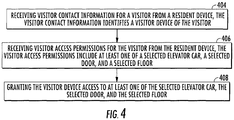
- FIG. 4 shows a flow chart of method 400 of granting access to a building 202, in accordance with an embodiment of the disclosure.
- the controller 206 receives visitor contact information 322 for a visitor from a resident device 208a.
- the visitor contact information 322 identifies a visitor device 208b of the visitor.
- the visitor contact information 322 may be entered into the visitor access application 255a manually by a resident of the building.
- the visitor access application 255a generates through a user interface 300 an invite guest screen 320 on the resident device 208a.
- the invite guest screen 320 is configured to allow entry of visitor contact information 322.
- the visitor contact information 322 may be generated in response to existing access permissions 325 stored in a user access database 263 operably connected to the controller 206.
- the controller 206 receives visitor access permissions 325 for the visitor from the resident device 208a.
- the visitor access permissions 325 include at least one of a selected elevator car, a selected door, and a selected floor.
- the visitor access permissions 325 may also include a time limitation on the access permissions 325 including at least one of a selected period of time, a selected date, and a reoccurring schedule.
- the controller 206 grants the visitor device 208b access to at least one of the selected elevator car, the selected door, and the selected floor. Access may be granted for a specific time including at least one of a selected period of time, a selected date, and a reoccurring schedule. Once access is granted, a notification may be sent to the visitor device 208b. The notification may indicate that access has been granted to the visitor to at least one of a selected door, a selected elevator car, and a selected floor.
- a visitor access screen 302 may also be generated on the resident device 208a. The visitor access screen 302 is configured to display access permissions 325 of current invitees 306.
- a selected door will unlock when the visitor device 208b is presented to the selected door once access has been granted.
- a selected elevator car will open when the visitor device 208b is presented to the selected elevator car once access has been granted.
- the selected elevator car will move to the selected floor when the visitor device 208b is presented to the selected elevator car once access has been granted.
- embodiments can be in the form of processor-implemented processes and devices for practicing those processes, such as a processor.
- Embodiments can also be in the form of computer program code containing instructions embodied in tangible media, such as network cloud storage, SD cards, flash drives, floppy diskettes, CD ROMs, hard drives, or any other computer-readable storage medium, wherein, when the computer program code is loaded into and executed by a computer, the computer becomes a device for practicing the embodiments.
- Embodiments can also be in the form of computer program code, for example, whether stored in a storage medium, loaded into and/or executed by a computer, or transmitted over some transmission medium, loaded into and/or executed by a computer, or transmitted over some transmission medium, such as over electrical wiring or cabling, through fiber optics, or via electromagnetic radiation, wherein, when the computer program code is loaded into an executed by a computer, the computer becomes an device for practicing the embodiments.
- the computer program code segments configure the microprocessor to create specific logic circuits.
Landscapes
- Engineering & Computer Science (AREA)
- Automation & Control Theory (AREA)
- Computer Networks & Wireless Communication (AREA)
- Physics & Mathematics (AREA)
- General Physics & Mathematics (AREA)
- Business, Economics & Management (AREA)
- Strategic Management (AREA)
- Economics (AREA)
- Human Resources & Organizations (AREA)
- Entrepreneurship & Innovation (AREA)
- Game Theory and Decision Science (AREA)
- Educational Administration (AREA)
- Development Economics (AREA)
- Marketing (AREA)
- Operations Research (AREA)
- Quality & Reliability (AREA)
- Tourism & Hospitality (AREA)
- General Business, Economics & Management (AREA)
- Theoretical Computer Science (AREA)
- Elevator Control (AREA)
Abstract
Description
- The subject matter disclosed herein generally relates to the field of building access controls, and more particularly to an apparatus and method for controlling access to elevators, floors, and/or doors within a building.
- Existing building access controls require a building supervisor to control user access to building doors, floors, and/or elevators.
- According to one embodiment, a method of controlling access to a building is provided. The method comprising: receiving visitor contact information for a visitor from a resident device, the visitor contact information identifies a visitor device of the visitor; receiving visitor access permissions for the visitor from the resident device, the visitor access permissions include at least one of a selected elevator car, a selected door, and a selected floor; and granting the visitor device access to at least one of the selected elevator car, the selected door, and the selected floor.
- In addition to one or more of the features described above, or as an alternative, further embodiments of the method may include where at least one of the resident device and the visitor device is a mobile device.
- In addition to one or more of the features described above, or as an alternative, further embodiments of the method may include transmitting a notification to the visitor device when access is granted.
- In addition to one or more of the features described above, or as an alternative, further embodiments of the method may include where the visitor device is granted access for at least one of a selected period of time, a selected date, and a reoccurring schedule.
- In addition to one or more of the features described above, or as an alternative, further embodiments of the method may include generating access permissions for the visitor in response to existing access permissions in a user access database.
- In addition to one or more of the features described above, or as an alternative, further embodiments of the method may include generating on a user interface an invite guest screen on the resident device, the invite guest screen being configured to allow entry of visitor contact information.
- In addition to one or more of the features described above, or as an alternative, further embodiments of the method may include generating on a user interface a visitor access screen on the resident device, the visitor access screen configured to display access permissions.
- In addition to one or more of the features described above, or as an alternative, further embodiments of the method may include where the granting further comprises: unlocking the selected door when the visitor device is presented to the selected door.
- In addition to one or more of the features described above, or as an alternative, further embodiments of the method may include where the granting further comprises: opening the selected elevator car when the visitor device is presented to the selected elevator car.
- In addition to one or more of the features described above, or as an alternative, further embodiments of the method may include where the granting further comprises: moving the selected elevator car to the selected floor when the visitor device is presented to the selected elevator car.
- In addition to one or more of the features described above, or as an alternative, further embodiments of the method may include where the visitor device is granted access for at least one of a selected period of time, a selected date, and a reoccurring schedule.
- In addition to one or more of the features described above, or as an alternative, further embodiments of the method may include generating access permissions for the visitor in response to existing access permissions in a user access database.
- In addition to one or more of the features described above, or as an alternative, further embodiments of the method may include: generating on a user interface an invite guest screen on the resident device, the invite guest screen being configured to allow entry of visitor contact information.
- In addition to one or more of the features described above, or as an alternative, further embodiments of the method may include generating on a user interface a visitor access screen on the resident device, the visitor access screen configured to display access permissions.
- In addition to one or more of the features described above, or as an alternative, further embodiments of the method may include where the granting further comprises: unlocking the selected door when the visitor device is presented to the selected door.
- In addition to one or more of the features described above, or as an alternative, further embodiments of the method may include where the granting further comprises: opening the selected elevator car when the visitor device is presented to the selected elevator car.
- In addition to one or more of the features described above, or as an alternative, further embodiments of the method may include where the granting further comprises: moving the selected elevator car to the selected floor when the visitor device is presented to the selected elevator car.
- According to another embodiment, a building access system is provided. The building access system comprising: a processor; a memory comprising computer-executable instructions that, when executed by the processor, cause the processor to perform operations. The operations comprising: receiving visitor contact information for a visitor from a resident device, the visitor contact information identifies a visitor device of the visitor; receiving visitor access permissions for the visitor from the resident device, the visitor access permissions include at least one of a selected elevator car, a selected door, and a selected floor; and granting the visitor device access to at least one of the selected elevator car, the selected door, and the selected floor.
- In addition to one or more of the features described above, or as an alternative, further embodiments of the building access system may include where at least one of the resident device and the visitor device is a mobile device.
- According to another embodiment, a computer program product tangibly embodied on a computer readable medium is provided. The computer program product including instructions that, when executed by a processor, cause the processor to perform operations comprising: receiving visitor contact information for a visitor from a resident device, the visitor contact information identifies a visitor device of the visitor; receiving visitor access permissions for the visitor from the resident device, the visitor access permissions include at least one of a selected elevator car, a selected door, and a selected floor; and granting the visitor device access to at least one of the selected elevator car, the selected door, and the selected floor.
- Technical effects of embodiments of the present disclosure include the ability for a user to grant a visitor access to a building door, floors, and/or an elevator through a user interface.
- The foregoing features and elements may be combined in various combinations without exclusivity, unless expressly indicated otherwise. These features and elements as well as the operation thereof will become more apparent in light of the following description and the accompanying drawings. It should be understood, however, that the following description and drawings are intended to be illustrative and explanatory in nature and non-limiting.
- The following descriptions should not be considered limiting in any way. With reference to the accompanying drawings, like elements are numbered alike:
-
FIG. 1 illustrates a schematic view of a building access system, in accordance with an embodiment of the disclosure; -
FIG. 2 depicts a user interface on a device, in accordance with an embodiment of the disclosure; -
FIG. 3 depicts a user interface on a device, in accordance with an embodiment of the disclosure; and -
FIG. 4 is a flow diagram illustrating a method of controlling access to a building, according to an embodiment of the present disclosure. - A detailed description of one or more embodiments of the disclosed apparatus and method are presented herein by way of exemplification and not limitation with reference to the Figures.
-
FIG. 1 depicts abuilding access system 200 in an example embodiment. Thebuilding access system 200 includes adoor system 205 and anelevator system 204 installed at abuilding 202. In some embodiments, thebuilding 202 may be a building or a collection of buildings that may or may not be physically located near each other. Thebuilding 202 may include any number of floors. Persons entering thebuilding 202 may enter at a lobby floor, or any other floor, and may go to a destination floor via one or more conveyance devices, such as theelevator system 204. Persons entering thebuilding 202 may be required to enter a door (e.g., doors 205-1, 205-2... 205-n) of thedoor system 205. The door (e.g., doors 205-1, 205-2...205-n) may include but is not limited to a door in a wall of the building, a door on the outside of the building, a garage door, a parking lot access gate, a turnstile or similar access restriction device known to one of skill in the art. - The
elevator system 204 may be operably connected to one or more computing devices, such as acontroller 206. Thecontroller 206 may be configured to control dispatching operations for one or more elevator cars (e.g., elevator cars 204-1, 204-2..204-n) associated with theelevator system 204. Thecontroller 206 may also be configured to control access to the one or more elevator cars (e.g., elevator cars 204-1, 204-2..204-n) associated with theelevator system 204. It is understood that theelevator system 204 may utilize more than onecontroller 206, and that each controller may control a group of elevators cars 204-1 and 204-2. Although two elevator cars 204-1 and 204-2 are shown inFIG. 1 , it is understood that any number of elevators cars 204-n may be used in theelevator system 204. The elevator cars 204-1 and 204-2 may be located in the same hoistway or in different hoistways so as to allow coordination amongst elevator cars 204-1 and 204-2 in different elevator banks serving different floors. It is understood that other components of the elevator system 204 (e.g., drive, counterweight, safeties, etc.) are not depicted for ease of illustration. - Further, the
controller 206 may also be configured to control access to one or more doors (e.g., doors 205-1, 205-2...205-n). It is understood that thedoor system 205 may utilize more than onecontroller 206, and that each controller may control a group of doors 205-1 and 205-2. Although two doors 205-1 and 205-2 are shown inFIG. 1 , it is understood that any number of elevators cars 205-n may be used in thedoor system 205. It is understood that other components of the door system 205 (e.g., locks.) are not depicted for ease of illustration. Additionally, thecontroller 206 may be configured to control access to one or more floors through theelevator system 204 and/ordoor system 205. - The
controller 206 may include aprocessor 260,memory 262 andcommunication module 264 as shown inFIG. 1 . Theprocessor 260 can be any type or combination of computer processors, such as a microprocessor, microcontroller, digital signal processor, application specific integrated circuit, programmable logic device, and/or field programmable gate array. Thememory 262 is an example of a non-transitory computer readable storage medium tangibly embodied in thecontroller 206 including executable instructions stored therein, for instance, as firmware. Thecommunication module 264 may implement one or more communication protocols as described in further detail herein. - Also shown in
FIG. 1 is aresident device 208a. Theresident device 208a may be a computing device such as a desktop computer. Theresident device 208a may also be a mobile computing device that is typically carried by a person, such as, for example a phone, PDA, smart watch, tablet, laptop, etc. Theresident device 208a may include aprocessor 250a,memory 252a andcommunication module 254a as shown inFIG. 1 . Theprocessor 250a can be any type or combination of computer processors, such as a microprocessor, microcontroller, digital signal processor, application specific integrated circuit, programmable logic device, and/or field programmable gate array. Thememory 252a is an example of a non-transitory computer readable storage medium tangibly embodied in theresident device 208a including executable instructions stored therein, for instance, as firmware. Thecommunication module 254a may implement one or more communication protocols as described in further detail herein. Theresident device 208a belongs to a resident of thebuilding 202 who currently has access to theelevator system 204 anddoor system 205. Each resident of thebuilding 202 may havespecific access permissions 325 granting each resident access to selected elevators cars, selected floors of the building and/or selected doors. Theaccess permissions 325 may be stored in auser access database 263 operatively connected to thecontroller 206 or stored within thecontroller 206. In one embodiment, theuser access database 263 may be stored offsite, remotely, or in the cloud. - Also shown in
FIG. 1 is avisitor device 208b. Thevisitor device 208b may be a computing device such as a desktop computer. Thevisitor device 208b may also be a mobile computing device that is typically carried by a person, such as, for example a phone, PDA, smart watch, tablet, laptop, etc. Thevisitor device 208b may include aprocessor 250b,memory 252b andcommunication module 254b as shown inFIG. 1 . Theprocessor 250b can be any type or combination of computer processors, such as a microprocessor, microcontroller, digital signal processor, application specific integrated circuit, programmable logic device, and/or field programmable gate array. Thememory 252b is an example of a non-transitory computer readable storage medium tangibly embodied in thevisitor device 208b including executable instructions stored therein, for instance, as firmware. Thecommunication module 254b may implement one or more communication protocols as described in further detail herein. Thevisitor device 208b may belong to a visitor of thebuilding 202, such as, for example, food delivery person, parcel delivery person, serve/maintenance person, baby sitter, long-term visitor, short term visitor, and reoccurring visitor. - The
resident device 208a andvisitor device 208b may both be referred to as a device 208 for ease of explanation. The device 208 and thecontroller 206 communicate with one another. For example, the device 208 and thecontroller 206 may communicate with one another when proximate to one another (e.g., within a threshold distance). The device 208 and thecontroller 206 may communicate over a wireless network, such as 802.11x (WiFi), short-range radio (Bluetooth), cellular, satellite, etc. In some embodiments, thecontroller 206 may include, or be associated with (e.g., communicatively coupled to) a networked element, such as kiosk, beacon, hall call fixture, lantern, bridge, router, network node, door lock, elevator control panel, building intercom system, etc. The networked element may communicate with the device 208 using one or more communication protocols or standards. For example, the networked element may communicate with the device 208 using near field communications (NFC). In other embodiments, thecontroller 206 may establish communication with a device 208 that is outside of thebuilding 202. This connection may be established with various technologies including GPS, triangulation, or signal strength detection, by way of non-limiting example. In example embodiments, the device 208 communicates with thecontroller 206 over multiple independent wired and/or wireless networks. Embodiments are intended to cover a wide variety of types of communication between the device 208 andcontroller 206, and embodiments are not limited to the examples provided in this disclosure. Communication between the device 208 and thecontroller 206 will allow thecontroller 206 to determine the location of the device 208 in relation to theelevator system 204 and/or thedoor system 205. Knowing the relative location of the device 208 will allow thecontroller 206 to determine when the device 208 is being presented at anelevator system 204 and/or adoor system 205 to request access. - Embodiments generate a user interface on the device 208 through a
visitor access application visitor access application 255a may be used for residents to grant access to visitors to selected elevators cars, selected floors of thebuilding 202, and/or selected doors of thebuilding 202. For example, a resident using thevisitor access application 255a on theresident device 208a may grant access to visitor and thevisitor device 208b will be used as identification to open the selected elevators cars, selected floors of thebuilding 202 and/or selected doors of thebuilding 202. For example, a resident may grant access to a babysit-ter to open the front door of thebuilding 202, take the first elevator car up to the fifth floor and then open the door of the resident. While in the building the babysit-ter may not have access to any other doors, elevators, or floors other than what was granted by the resident. An identification credential on thevisitor device 208b will identify the visitor through communication with thecontroller 206 at each selected elevators car, selected floor, and selected door. -
FIGs. 2-3 depict anexample user interface 300 onresident device 208a. Referring toFIG. 2 , when theresident device 208a launches thevisitor access application 255a, avisitor access screen 302 may be presented as shown inFIG. 2 . Thevisitor access screen 302 includes anew invite button 304, where new visitors may be added. Also, included on thevisitor access screen 302 are the current invites 306. As shown, thecurrent invites 306 may be identified and organized by name. Theaccess permissions 325 of thecurrent invites 306 may also be listed. For instance, acurrent invite 306 may have access for a selected date and/or a selected time period. Theaccess permissions 325 expire after the selected date and/or a selected time period. In one embodiment, the access may be granted at a recurring day and time or group of recurring dates and times, e.g., every Tuesday from 2-4 PM, or every Monday-Friday 9AM-5PM. Further, thevisitor access screen 302 may includedisplay icons 308 illustrating what thecurrent invite 306 has access to, including but not limited to elevator, door, and floor icons. Thevisitor access screen 302 may also displaypast invites 310 and theaccess permissions 325 that each past invite had been granted. - As mentioned above, the resident may grant access to a new visitor through the
new invite button 304. Once thenew invite button 304 is selected, the resident device 208 launches aninvite guest screen 320 in thevisitor access application 255a. Theinvite guest screen 320 may be presented as shown inFIG. 3 . On theinvite guest screen 320, the resident may manually enter incontact information 322 of the visitor or import the contact information of the visitor from the resident's contact list on theresident device 208a by selecting the pick from mycontacts button 324. Thecontact information 322 may include identification factors of the visitor including but not limited to name, phone number, and email. The resident may also enteraccess permissions 325 associated with each visitor. Theaccess permissions 325 may include a selectedtime period 326 for access, including but not limited to a selected access date, selected access time, and a selected reoccurring schedule. The resident may also designateaccess permissions 325 including but not limited to selected elevators cars, selected floors of the building, and/or selected doors of the building. Advantageously, by granting access to only selected floors of the building, the elevator will take the visitor to the selected floor only, which prevent the visitor from accessing any other floor of the building. Further, stairwell doors may further restrict a visitor's access to different floors. The resident may also duplicate theirown access permissions 325 or previously grantedaccess permissions 325 to another visitor stored within the user access database 263 (seeFIG. 1 ) and apply theseaccess permissions 325 to a visitor. Once theinvite guest screen 320 is completed, the resident may transmit the access to the visitor by selecting the "send invite"button 330. The transmission may show up as an alert on thevisitor device 208b (seeFIG. 1 ). The alert may be audible and/or visual. The alert may prompt the visitor to download thevisitor access application 255b on the visitor device and/or may simply inform the visitor of theaccess permissions 325 granted. When the resident selects the "send invite"button 330, theaccess permission 325 are also sent to the controller and stored in theuser access database 263. As mentioned above, each device may have an identification credential and knowing the relative location of the device 208 will allow thecontroller 206 to determine when the device 208 is being presented at anelevator system 204 and/or adoor system 205 to request access. In a non-limiting exemplary embodiment, access may be logically driven by an app which uses resources local to the visitor's smartphone (e.g. GPS location, biometric validation of user, etc.) and an encrypted key which is sent to the building system by a range of means (e.g. NFC, BT, wifi, cell network, display of linear or 2D bar code, audio tones) or combinations thereof. Further, in a non-limiting exemplary embodiment, access may also be logically driven by the building system without requiring download of an app on the visitor's device. Such means may include detecting and validating known visitor device parameters, e.g. MAC address, or credentials specially created for this transaction, e.g. 2D bar code sent via email, MMS, or other means. - Referring now to
FIG. 4 , while referencing components ofFIGs. 1-3 .FIG. 4 shows a flow chart of method 400 of granting access to abuilding 202, in accordance with an embodiment of the disclosure. Atblock 404, thecontroller 206 receivesvisitor contact information 322 for a visitor from aresident device 208a. As mentioned above, thevisitor contact information 322 identifies avisitor device 208b of the visitor. Thevisitor contact information 322 may be entered into thevisitor access application 255a manually by a resident of the building. In order to allow entry of thevisitor contact information 322, thevisitor access application 255a generates through auser interface 300 aninvite guest screen 320 on theresident device 208a. Theinvite guest screen 320 is configured to allow entry ofvisitor contact information 322. Alternatively, thevisitor contact information 322 may be generated in response to existingaccess permissions 325 stored in auser access database 263 operably connected to thecontroller 206. - At
block 406, thecontroller 206 receivesvisitor access permissions 325 for the visitor from theresident device 208a. Thevisitor access permissions 325 include at least one of a selected elevator car, a selected door, and a selected floor. Thevisitor access permissions 325 may also include a time limitation on theaccess permissions 325 including at least one of a selected period of time, a selected date, and a reoccurring schedule. - At
block 408, thecontroller 206 grants thevisitor device 208b access to at least one of the selected elevator car, the selected door, and the selected floor. Access may be granted for a specific time including at least one of a selected period of time, a selected date, and a reoccurring schedule. Once access is granted, a notification may be sent to thevisitor device 208b. The notification may indicate that access has been granted to the visitor to at least one of a selected door, a selected elevator car, and a selected floor. Avisitor access screen 302 may also be generated on theresident device 208a. Thevisitor access screen 302 is configured to displayaccess permissions 325 ofcurrent invitees 306. Once access is granted, the visitor will now be able to use thevisitor device 208b to access at least one of the selected elevator car, the selected door, and the selected floor. In one example, a selected door will unlock when thevisitor device 208b is presented to the selected door once access has been granted. In a second example, a selected elevator car will open when thevisitor device 208b is presented to the selected elevator car once access has been granted. In a third example, the selected elevator car will move to the selected floor when thevisitor device 208b is presented to the selected elevator car once access has been granted. - While the above description has described the flow process of
FIG. 4 in a particular order, it should be appreciated that unless otherwise specifically required in the attached claims that the ordering of the steps may be varied. - As described above, embodiments can be in the form of processor-implemented processes and devices for practicing those processes, such as a processor. Embodiments can also be in the form of computer program code containing instructions embodied in tangible media, such as network cloud storage, SD cards, flash drives, floppy diskettes, CD ROMs, hard drives, or any other computer-readable storage medium, wherein, when the computer program code is loaded into and executed by a computer, the computer becomes a device for practicing the embodiments. Embodiments can also be in the form of computer program code, for example, whether stored in a storage medium, loaded into and/or executed by a computer, or transmitted over some transmission medium, loaded into and/or executed by a computer, or transmitted over some transmission medium, such as over electrical wiring or cabling, through fiber optics, or via electromagnetic radiation, wherein, when the computer program code is loaded into an executed by a computer, the computer becomes an device for practicing the embodiments. When implemented on a general-purpose microprocessor, the computer program code segments configure the microprocessor to create specific logic circuits.
- The term "about" is intended to include the degree of error associated with measurement of the particular quantity based upon the equipment available at the time of filing the application. For example, "about" can include a range of ± 8% or 5%, or 2% of a given value.
- The terminology used herein is for the purpose of describing particular embodiments only and is not intended to be limiting of the present disclosure. As used herein, the singular forms "a", "an" and "the" are intended to include the plural forms as well, unless the context clearly indicates otherwise. It will be further understood that the terms "comprises" and/or "comprising," when used in this specification, specify the presence of stated features, integers, steps, operations, elements, and/or components, but do not preclude the presence or addition of one or more other features, integers, steps, operations, element components, and/or groups thereof.
- While the present disclosure has been described with reference to an exemplary embodiment or embodiments, it will be understood by those skilled in the art that various changes may be made and equivalents may be substituted for elements thereof without departing from the scope of the present disclosure. In addition, many modifications may be made to adapt a particular situation or material to the teachings of the present disclosure without departing from the essential scope thereof. Therefore, it is intended that the present disclosure not be limited to the particular embodiment disclosed as the best mode contemplated for carrying out this present disclosure, but that the present disclosure will include all embodiments falling within the scope of the claims.
Claims (13)
- A method of controlling access to a building, the method comprising:receiving visitor contact information for a visitor from a resident device, the visitor contact information identifies a visitor device of the visitor;receiving visitor access permissions for the visitor from the resident device, the visitor access permissions include at least one of a selected elevator car, a selected door, and a selected floor; andgranting the visitor device access to at least one of the selected elevator car, the selected door, and the selected floor.
- The method of claim 1, wherein:
at least one of the resident device and the visitor device is a mobile device. - The method of claim 2, further comprising:
transmitting a notification to the visitor device when access is granted. - The method of claim 2 or 3, wherein:
the visitor device is granted access for at least one of a selected period of time, a selected date, and a reoccurring schedule. - The method of any of claims 2 to 4, further comprising:
generating access permissions for the visitor in response to existing access permissions in a user access database. - The method of any of claims 2 to 5, further comprising:
generating on a user interface an invite guest screen on the resident device, the invite guest screen being configured to allow entry of visitor contact information. - The method of any of claims 2 to 6, further comprising:
generating on a user interface a visitor access screen on the resident device, the visitor access screen configured to display access permissions. - The method of any of claims 2 to 7, wherein the granting further comprises:
unlocking the selected door when the visitor device is presented to the selected door. - The method of any of claims 2 to 8, wherein the granting further comprises:
opening the selected elevator car when the visitor device is presented to the selected elevator car. - The method of any of claims 2 to 9, wherein the granting further comprises:
moving the selected elevator car to the selected floor when the visitor device is presented to the selected elevator car. - A building access system comprising:a processor;a memory comprising computer-executable instructions that, when executed by the processor, cause the processor to perform operations according to the method of any of the previous claims.
- The building access system of claim 11, wherein:
at least one of the resident device and the visitor device is a mobile device. - A computer program product tangibly embodied on a computer readable medium, the computer program product including instructions that, when executed by a processor, cause the processor to perform operations according to the method of any of claims 1 to 10.
Applications Claiming Priority (1)
| Application Number | Priority Date | Filing Date | Title |
|---|---|---|---|
| US15/476,536 US10486937B2 (en) | 2017-03-31 | 2017-03-31 | User management of door and elevator access control |
Publications (2)
| Publication Number | Publication Date |
|---|---|
| EP3401259A1 true EP3401259A1 (en) | 2018-11-14 |
| EP3401259B1 EP3401259B1 (en) | 2025-12-31 |
Family
ID=61868235
Family Applications (1)
| Application Number | Title | Priority Date | Filing Date |
|---|---|---|---|
| EP18165011.0A Active EP3401259B1 (en) | 2017-03-31 | 2018-03-29 | USER MANAGEMENT OF A DOOR AND ELEVATOR ACCESS CONTROL |
Country Status (6)
| Country | Link |
|---|---|
| US (1) | US10486937B2 (en) |
| EP (1) | EP3401259B1 (en) |
| KR (1) | KR102596263B1 (en) |
| CN (1) | CN108689261B (en) |
| AU (1) | AU2018202265B2 (en) |
| ES (1) | ES3062833T3 (en) |
Cited By (1)
| Publication number | Priority date | Publication date | Assignee | Title |
|---|---|---|---|---|
| EP3722238A1 (en) * | 2019-04-11 | 2020-10-14 | Otis Elevator Company | Management of elevator service |
Families Citing this family (16)
| Publication number | Priority date | Publication date | Assignee | Title |
|---|---|---|---|---|
| CN107000969A (en) * | 2014-12-02 | 2017-08-01 | 因温特奥股份公司 | Access Control System Providing Feedback to Portable Electronic Devices |
| US10486937B2 (en) * | 2017-03-31 | 2019-11-26 | Otis Elevator Company | User management of door and elevator access control |
| CN110719883B (en) * | 2017-06-07 | 2021-07-02 | 因温特奥股份公司 | Elevator system with visitor working mode |
| US10875742B2 (en) * | 2017-11-09 | 2020-12-29 | Otis Elevator Company | Elevator service request using user device with filtered destination floor selection |
| CN110228735B (en) * | 2018-03-06 | 2022-08-02 | 奥的斯电梯公司 | Elevator service request and offline authentication of elevator service request |
| CN109544758B (en) * | 2018-11-29 | 2021-12-21 | 日立楼宇技术(广州)有限公司 | Visitor management method, device, equipment and storage medium |
| CN109727349A (en) * | 2018-12-11 | 2019-05-07 | 深圳中正信息科技有限公司 | Visitor sends terraced method, apparatus, computer equipment and storage medium |
| US11592794B2 (en) * | 2019-06-18 | 2023-02-28 | Carrier Corporation | Mobile application for smart systems interaction |
| CN110386516A (en) * | 2019-07-01 | 2019-10-29 | 创新奇智(重庆)科技有限公司 | A kind of inter-linked controlling method, system and the electronic equipment of gate inhibition and elevator |
| US11631291B2 (en) | 2019-11-08 | 2023-04-18 | Latch Systems, Inc. | Smart building integration and device hub |
| SE2050963A1 (en) * | 2020-08-19 | 2022-02-20 | Amido Ab Publ | Control system and method for operating such a control system |
| US20220254212A1 (en) * | 2021-02-09 | 2022-08-11 | Latch, Inc. | Systems and techniques to provide smart access capabilities in a smart system environment |
| KR102518623B1 (en) * | 2021-02-19 | 2023-04-05 | 숭실대학교산학협력단 | System and method for controlling to restricted areas |
| CN114014114A (en) * | 2021-11-01 | 2022-02-08 | 日立楼宇技术(广州)有限公司 | Elevator authorization method and device, computer equipment and storage medium |
| CN118215634A (en) * | 2021-11-10 | 2024-06-18 | 因温特奥股份公司 | Device for detecting faults in an elevator system, method for detecting faults in an elevator system, and use of the device |
| CN117819325A (en) * | 2023-12-13 | 2024-04-05 | 深圳市可为信息技术有限公司 | Elevator control method, device and computer readable storage medium |
Citations (7)
| Publication number | Priority date | Publication date | Assignee | Title |
|---|---|---|---|---|
| JP2008225851A (en) * | 2007-03-13 | 2008-09-25 | Toshiba Elevator Co Ltd | Portal site system |
| US20130031611A1 (en) * | 2011-07-13 | 2013-01-31 | Hernando Barreto | Cloud-enabled web-entry system for visitor access control |
| EP2691331A1 (en) * | 2011-03-29 | 2014-02-05 | Inventio AG | User guidance with mobile electronic devices |
| WO2014116182A1 (en) * | 2013-01-25 | 2014-07-31 | Hitachi Elevator Asia Pte Ltd | System, device and method for controlling lift access and computer-readable medium storing computer-readable program for lift access |
| WO2016087478A1 (en) * | 2014-12-02 | 2016-06-09 | Inventio Ag | Method for providing a visitor controlled access into a building |
| WO2017025106A1 (en) * | 2015-08-13 | 2017-02-16 | Indoor.Ninja Oü | Method and system for mobile visitor identification and selectively allowing automated elevator usage to the destinations selected by the tenant. |
| ES2605574A2 (en) * | 2013-10-30 | 2017-03-15 | Tomas GUINART CAMPS | Method and control system for access and use of community elevators (Machine-translation by Google Translate, not legally binding) |
Family Cites Families (40)
| Publication number | Priority date | Publication date | Assignee | Title |
|---|---|---|---|---|
| US5749443A (en) * | 1995-05-12 | 1998-05-12 | Otis Elevator Company | Elevator based security system |
| JP2005298125A (en) * | 2004-04-09 | 2005-10-27 | Toshiba Elevator Co Ltd | Operation control device of elevator |
| US7706778B2 (en) | 2005-04-05 | 2010-04-27 | Assa Abloy Ab | System and method for remotely assigning and revoking access credentials using a near field communication equipped mobile phone |
| MY144794A (en) * | 2005-07-28 | 2011-11-15 | Inventio Ag | Data exchange method |
| JP2007031153A (en) * | 2005-07-28 | 2007-02-08 | Inventio Ag | Method for transporting user by transport means, particularly, elevator |
| TR201900727T4 (en) * | 2005-09-30 | 2019-02-21 | Inventio Ag | Elevator system for transferring passengers and / or cargo from a building area. |
| EP2368229B1 (en) * | 2008-12-18 | 2019-09-11 | Otis Elevator Company | Access control system and access control method for a people conveyor control system |
| FI122063B (en) * | 2010-01-07 | 2011-08-15 | Kone Corp | Procedure and system for sending the service request to a transport system |
| EP2660786B2 (en) | 2010-09-23 | 2019-10-23 | BlackBerry Limited | Communications system providing personnel access based upon near-field communication and related method |
| US20120305340A1 (en) * | 2011-05-31 | 2012-12-06 | Ming-Yuan Wu | Elevator, floor, and door access control system and method |
| US20130212661A1 (en) | 2012-02-13 | 2013-08-15 | XceedlD Corporation | Credential management system |
| CN104321266B (en) * | 2012-06-22 | 2017-05-03 | 奥的斯电梯公司 | System and method for controlling elevator system access |
| WO2013191703A1 (en) * | 2012-06-22 | 2013-12-27 | Otis Elevator Company | Elevator security system |
| EP2704105A1 (en) * | 2012-08-31 | 2014-03-05 | Inventio AG | Guiding users in an area |
| KR20140097908A (en) * | 2013-01-30 | 2014-08-07 | 전자부품연구원 | Apparatus and Method for Visitor Management |
| ES2672518T3 (en) * | 2013-02-05 | 2018-06-14 | Otis Elevator Company | Peripheral equipment near-field communication (NFC) card reader |
| US9463954B2 (en) * | 2013-04-10 | 2016-10-11 | Sensormatic Electronics, LLC | Access control system for override elevator control and method therefor |
| EP2999653A4 (en) * | 2013-05-21 | 2017-03-29 | Otis Elevator Company | Device triggered elevator car call |
| US10202256B2 (en) * | 2013-07-22 | 2019-02-12 | Otis Elevator Company | Interfacing destination entry system with building security using switches |
| CN103508274B (en) * | 2013-09-23 | 2015-09-23 | 广州日滨科技发展有限公司 | Visitor's certification elevator doorway control system |
| WO2015099990A1 (en) | 2013-12-24 | 2015-07-02 | Hoeffner Daren | Method and system of controlling access to access points |
| US9524594B2 (en) | 2014-01-10 | 2016-12-20 | Honeywell International Inc. | Mobile access control system and method |
| US9710987B2 (en) | 2014-01-15 | 2017-07-18 | HLT Domestic IP, LLC | Systems and methods for use in acquiring credentials from a portable user device in unlocking door lock systems |
| US9424699B2 (en) | 2014-08-15 | 2016-08-23 | Collateral Opportunities, Llc | Electronic access control and location tracking system |
| US9554277B2 (en) | 2014-08-18 | 2017-01-24 | Honeywell International Inc. | Managing access rights using a passive tag |
| US9614844B2 (en) | 2014-10-10 | 2017-04-04 | Homeaway, Inc. | Systems and methods to authenticate identity for selective access to information relating to property |
| KR20160046671A (en) * | 2014-10-21 | 2016-04-29 | 한국미쓰비시엘리베이터 주식회사 | Registed service system by NFC in elevator and the method thereof |
| ES2923690T3 (en) | 2014-12-02 | 2022-09-29 | Carrier Corp | Access control system with transfer of automatic mobile accreditation service |
| US10540835B2 (en) | 2014-12-02 | 2020-01-21 | Carrier Corporation | Access control system with virtual card data |
| US10163288B2 (en) | 2014-12-02 | 2018-12-25 | Inventio Ag | Access control using portable electronic devices |
| CN107000969A (en) * | 2014-12-02 | 2017-08-01 | 因温特奥股份公司 | Access Control System Providing Feedback to Portable Electronic Devices |
| CA2968550A1 (en) | 2014-12-02 | 2016-06-09 | Carrier Corporation | Remote programming for access control system with virtual card data |
| WO2016137547A1 (en) * | 2015-02-25 | 2016-09-01 | StoryCloud, Inc. | Method and apparatus for network controlled ticket access |
| US9972144B2 (en) | 2015-03-24 | 2018-05-15 | At&T Intellectual Property I, L.P. | Automatic physical access |
| US11456876B2 (en) | 2015-03-26 | 2022-09-27 | Assa Abloy Ab | Virtual credentials and licenses |
| EP3284030A1 (en) | 2015-04-16 | 2018-02-21 | Assa Abloy AB | Determining whether a user with a credential should be granted access to a physical space |
| US10273117B2 (en) * | 2015-09-30 | 2019-04-30 | Mastercard International Incorporated | Controlling an elevator car to take a user to a destination floor based on calendar information from a mobile device |
| CN106006241A (en) * | 2016-07-05 | 2016-10-12 | 深圳市西克智能技术有限公司 | Method and system of granting privilege to elevator pass |
| US10096190B2 (en) * | 2016-12-27 | 2018-10-09 | Badawi Yamine | System and method for priority actuation |
| US10486937B2 (en) * | 2017-03-31 | 2019-11-26 | Otis Elevator Company | User management of door and elevator access control |
-
2017
- 2017-03-31 US US15/476,536 patent/US10486937B2/en active Active
-
2018
- 2018-03-29 ES ES18165011T patent/ES3062833T3/en active Active
- 2018-03-29 AU AU2018202265A patent/AU2018202265B2/en active Active
- 2018-03-29 EP EP18165011.0A patent/EP3401259B1/en active Active
- 2018-03-29 CN CN201810275121.5A patent/CN108689261B/en active Active
- 2018-03-29 KR KR1020180036654A patent/KR102596263B1/en active Active
Patent Citations (7)
| Publication number | Priority date | Publication date | Assignee | Title |
|---|---|---|---|---|
| JP2008225851A (en) * | 2007-03-13 | 2008-09-25 | Toshiba Elevator Co Ltd | Portal site system |
| EP2691331A1 (en) * | 2011-03-29 | 2014-02-05 | Inventio AG | User guidance with mobile electronic devices |
| US20130031611A1 (en) * | 2011-07-13 | 2013-01-31 | Hernando Barreto | Cloud-enabled web-entry system for visitor access control |
| WO2014116182A1 (en) * | 2013-01-25 | 2014-07-31 | Hitachi Elevator Asia Pte Ltd | System, device and method for controlling lift access and computer-readable medium storing computer-readable program for lift access |
| ES2605574A2 (en) * | 2013-10-30 | 2017-03-15 | Tomas GUINART CAMPS | Method and control system for access and use of community elevators (Machine-translation by Google Translate, not legally binding) |
| WO2016087478A1 (en) * | 2014-12-02 | 2016-06-09 | Inventio Ag | Method for providing a visitor controlled access into a building |
| WO2017025106A1 (en) * | 2015-08-13 | 2017-02-16 | Indoor.Ninja Oü | Method and system for mobile visitor identification and selectively allowing automated elevator usage to the destinations selected by the tenant. |
Cited By (3)
| Publication number | Priority date | Publication date | Assignee | Title |
|---|---|---|---|---|
| EP3722238A1 (en) * | 2019-04-11 | 2020-10-14 | Otis Elevator Company | Management of elevator service |
| EP4209442A1 (en) * | 2019-04-11 | 2023-07-12 | Otis Elevator Company | Management of elevator service |
| US12049382B2 (en) | 2019-04-11 | 2024-07-30 | Otis Elevator Company | Management of elevator service |
Also Published As
| Publication number | Publication date |
|---|---|
| AU2018202265A1 (en) | 2018-10-18 |
| US10486937B2 (en) | 2019-11-26 |
| KR102596263B1 (en) | 2023-11-01 |
| AU2018202265B2 (en) | 2024-02-22 |
| CN108689261B (en) | 2021-12-21 |
| ES3062833T3 (en) | 2026-04-14 |
| KR20180111653A (en) | 2018-10-11 |
| CN108689261A (en) | 2018-10-23 |
| US20180282114A1 (en) | 2018-10-04 |
| EP3401259B1 (en) | 2025-12-31 |
Similar Documents
| Publication | Publication Date | Title |
|---|---|---|
| EP3401259B1 (en) | USER MANAGEMENT OF A DOOR AND ELEVATOR ACCESS CONTROL | |
| US10157512B2 (en) | Group access management for visitor control | |
| US10294071B2 (en) | Elevator activity level management of mobile device access | |
| US11617053B2 (en) | Mobile visitor management | |
| US11535490B2 (en) | System and method for calling elevator | |
| EP3381854B1 (en) | Visual status indicator for door and lock state | |
| EP3569544A2 (en) | Seamless elevator call from mobile device application | |
| US11501588B2 (en) | On demand access control authorization using mobile devices | |
| CN110719883A (en) | Elevator system with visitor mode of operation | |
| US10832508B2 (en) | Intent driven building occupant path and system interaction optimization | |
| US11348424B2 (en) | Method to notify a host the current position of a visitor | |
| HK1262499A1 (en) | User management of door and elevator access control | |
| HK1262499B (en) | User management of door and elevator access control | |
| EP3669528B1 (en) | Configuration of user positioning information sharing | |
| CN111213096A (en) | Method for reminding a first user to complete a task based on a location relative to a second user |
Legal Events
| Date | Code | Title | Description |
|---|---|---|---|
| PUAI | Public reference made under article 153(3) epc to a published international application that has entered the european phase |
Free format text: ORIGINAL CODE: 0009012 |
|
| STAA | Information on the status of an ep patent application or granted ep patent |
Free format text: STATUS: THE APPLICATION HAS BEEN PUBLISHED |
|
| AK | Designated contracting states |
Kind code of ref document: A1 Designated state(s): AL AT BE BG CH CY CZ DE DK EE ES FI FR GB GR HR HU IE IS IT LI LT LU LV MC MK MT NL NO PL PT RO RS SE SI SK SM TR |
|
| AX | Request for extension of the european patent |
Extension state: BA ME |
|
| STAA | Information on the status of an ep patent application or granted ep patent |
Free format text: STATUS: REQUEST FOR EXAMINATION WAS MADE |
|
| 17P | Request for examination filed |
Effective date: 20190417 |
|
| RBV | Designated contracting states (corrected) |
Designated state(s): AL AT BE BG CH CY CZ DE DK EE ES FI FR GB GR HR HU IE IS IT LI LT LU LV MC MK MT NL NO PL PT RO RS SE SI SK SM TR |
|
| STAA | Information on the status of an ep patent application or granted ep patent |
Free format text: STATUS: EXAMINATION IS IN PROGRESS |
|
| 17Q | First examination report despatched |
Effective date: 20201120 |
|
| GRAP | Despatch of communication of intention to grant a patent |
Free format text: ORIGINAL CODE: EPIDOSNIGR1 |
|
| STAA | Information on the status of an ep patent application or granted ep patent |
Free format text: STATUS: GRANT OF PATENT IS INTENDED |
|
| RIC1 | Information provided on ipc code assigned before grant |
Ipc: B66B 3/00 20060101AFI20250724BHEP Ipc: B66B 1/46 20060101ALI20250724BHEP Ipc: B66B 1/24 20060101ALN20250724BHEP |
|
| INTG | Intention to grant announced |
Effective date: 20250820 |
|
| GRAS | Grant fee paid |
Free format text: ORIGINAL CODE: EPIDOSNIGR3 |
|
| GRAA | (expected) grant |
Free format text: ORIGINAL CODE: 0009210 |
|
| STAA | Information on the status of an ep patent application or granted ep patent |
Free format text: STATUS: THE PATENT HAS BEEN GRANTED |
|
| AK | Designated contracting states |
Kind code of ref document: B1 Designated state(s): AL AT BE BG CH CY CZ DE DK EE ES FI FR GB GR HR HU IE IS IT LI LT LU LV MC MK MT NL NO PL PT RO RS SE SI SK SM TR |
|
| REG | Reference to a national code |
Ref country code: CH Ref legal event code: F10 Free format text: ST27 STATUS EVENT CODE: U-0-0-F10-F00 (AS PROVIDED BY THE NATIONAL OFFICE) Effective date: 20251231 Ref country code: GB Ref legal event code: FG4D |
|
| REG | Reference to a national code |
Ref country code: DE Ref legal event code: R096 Ref document number: 602018088229 Country of ref document: DE |
|
| REG | Reference to a national code |
Ref country code: IE Ref legal event code: FG4D |
|
| PGFP | Annual fee paid to national office [announced via postgrant information from national office to epo] |
Ref country code: GB Payment date: 20260219 Year of fee payment: 9 |
|
| REG | Reference to a national code |
Ref country code: LT Ref legal event code: MG9D |
|
| PG25 | Lapsed in a contracting state [announced via postgrant information from national office to epo] |
Ref country code: NO Free format text: LAPSE BECAUSE OF FAILURE TO SUBMIT A TRANSLATION OF THE DESCRIPTION OR TO PAY THE FEE WITHIN THE PRESCRIBED TIME-LIMIT Effective date: 20260331 |
|
| PGFP | Annual fee paid to national office [announced via postgrant information from national office to epo] |
Ref country code: DE Payment date: 20260219 Year of fee payment: 9 |
|
| PG25 | Lapsed in a contracting state [announced via postgrant information from national office to epo] |
Ref country code: FI Free format text: LAPSE BECAUSE OF FAILURE TO SUBMIT A TRANSLATION OF THE DESCRIPTION OR TO PAY THE FEE WITHIN THE PRESCRIBED TIME-LIMIT Effective date: 20251231 Ref country code: HR Free format text: LAPSE BECAUSE OF FAILURE TO SUBMIT A TRANSLATION OF THE DESCRIPTION OR TO PAY THE FEE WITHIN THE PRESCRIBED TIME-LIMIT Effective date: 20251231 |
|
| REG | Reference to a national code |
Ref country code: ES Ref legal event code: FG2A Ref document number: 3062833 Country of ref document: ES Kind code of ref document: T3 Effective date: 20260414 |
|
| PG25 | Lapsed in a contracting state [announced via postgrant information from national office to epo] |
Ref country code: RS Free format text: LAPSE BECAUSE OF FAILURE TO SUBMIT A TRANSLATION OF THE DESCRIPTION OR TO PAY THE FEE WITHIN THE PRESCRIBED TIME-LIMIT Effective date: 20260331 |
|
| PGFP | Annual fee paid to national office [announced via postgrant information from national office to epo] |
Ref country code: FR Payment date: 20260220 Year of fee payment: 9 |
|
| PG25 | Lapsed in a contracting state [announced via postgrant information from national office to epo] |
Ref country code: LV Free format text: LAPSE BECAUSE OF FAILURE TO SUBMIT A TRANSLATION OF THE DESCRIPTION OR TO PAY THE FEE WITHIN THE PRESCRIBED TIME-LIMIT Effective date: 20251231 |
|
| PG25 | Lapsed in a contracting state [announced via postgrant information from national office to epo] |
Ref country code: BG Free format text: LAPSE BECAUSE OF FAILURE TO SUBMIT A TRANSLATION OF THE DESCRIPTION OR TO PAY THE FEE WITHIN THE PRESCRIBED TIME-LIMIT Effective date: 20251231 |
|
| REG | Reference to a national code |
Ref country code: NL Ref legal event code: MP Effective date: 20251231 |