EP3398593A1 - Iodinated contrast medium for use as a medicament for thyroid radioprotection - Google Patents
Iodinated contrast medium for use as a medicament for thyroid radioprotection Download PDFInfo
- Publication number
- EP3398593A1 EP3398593A1 EP17305520.3A EP17305520A EP3398593A1 EP 3398593 A1 EP3398593 A1 EP 3398593A1 EP 17305520 A EP17305520 A EP 17305520A EP 3398593 A1 EP3398593 A1 EP 3398593A1
- Authority
- EP
- European Patent Office
- Prior art keywords
- icm
- thyroid
- uptake
- iodide
- medicament
- Prior art date
- Legal status (The legal status is an assumption and is not a legal conclusion. Google has not performed a legal analysis and makes no representation as to the accuracy of the status listed.)
- Withdrawn
Links
- 239000000193 iodinated contrast media Substances 0.000 title claims abstract description 109
- 210000001685 thyroid gland Anatomy 0.000 title claims abstract description 80
- 239000003814 drug Substances 0.000 title claims abstract description 14
- 230000001950 radioprotection Effects 0.000 title description 4
- ZCYVEMRRCGMTRW-UHFFFAOYSA-N 7553-56-2 Chemical compound [I] ZCYVEMRRCGMTRW-UHFFFAOYSA-N 0.000 claims abstract description 19
- 229910052740 iodine Inorganic materials 0.000 claims abstract description 18
- 239000011630 iodine Substances 0.000 claims abstract description 18
- 230000002285 radioactive effect Effects 0.000 claims abstract description 15
- NLKNQRATVPKPDG-UHFFFAOYSA-M potassium iodide Chemical compound [K+].[I-] NLKNQRATVPKPDG-UHFFFAOYSA-M 0.000 claims description 60
- XMBWDFGMSWQBCA-UHFFFAOYSA-N hydrogen iodide Chemical compound I XMBWDFGMSWQBCA-UHFFFAOYSA-N 0.000 claims description 42
- 230000014509 gene expression Effects 0.000 claims description 19
- 239000000203 mixture Substances 0.000 claims description 17
- NJKDOADNQSYQEV-UHFFFAOYSA-N iomeprol Chemical compound OCC(=O)N(C)C1=C(I)C(C(=O)NCC(O)CO)=C(I)C(C(=O)NCC(O)CO)=C1I NJKDOADNQSYQEV-UHFFFAOYSA-N 0.000 claims description 14
- 229960000780 iomeprol Drugs 0.000 claims description 14
- NBQNWMBBSKPBAY-UHFFFAOYSA-N iodixanol Chemical compound IC=1C(C(=O)NCC(O)CO)=C(I)C(C(=O)NCC(O)CO)=C(I)C=1N(C(=O)C)CC(O)CN(C(C)=O)C1=C(I)C(C(=O)NCC(O)CO)=C(I)C(C(=O)NCC(O)CO)=C1I NBQNWMBBSKPBAY-UHFFFAOYSA-N 0.000 claims description 12
- 229960004359 iodixanol Drugs 0.000 claims description 11
- 238000009472 formulation Methods 0.000 claims description 9
- 230000001225 therapeutic effect Effects 0.000 claims description 9
- 150000001875 compounds Chemical class 0.000 claims description 8
- 230000005855 radiation Effects 0.000 claims description 6
- 108090000088 Symporters Proteins 0.000 claims description 5
- 239000011734 sodium Substances 0.000 claims description 5
- 102000003673 Symporters Human genes 0.000 claims description 4
- 125000000524 functional group Chemical group 0.000 claims description 4
- CBOIHMRHGLHBPB-UHFFFAOYSA-N hydroxymethyl Chemical compound O[CH2] CBOIHMRHGLHBPB-UHFFFAOYSA-N 0.000 claims description 4
- DGAQECJNVWCQMB-PUAWFVPOSA-M Ilexoside XXIX Chemical compound C[C@@H]1CC[C@@]2(CC[C@@]3(C(=CC[C@H]4[C@]3(CC[C@@H]5[C@@]4(CC[C@@H](C5(C)C)OS(=O)(=O)[O-])C)C)[C@@H]2[C@]1(C)O)C)C(=O)O[C@H]6[C@@H]([C@H]([C@@H]([C@H](O6)CO)O)O)O.[Na+] DGAQECJNVWCQMB-PUAWFVPOSA-M 0.000 claims description 3
- 239000002246 antineoplastic agent Substances 0.000 claims description 3
- 229910052708 sodium Inorganic materials 0.000 claims description 3
- UXIGWFXRQKWHHA-UHFFFAOYSA-N Iotalamic acid Chemical compound CNC(=O)C1=C(I)C(NC(C)=O)=C(I)C(C(O)=O)=C1I UXIGWFXRQKWHHA-UHFFFAOYSA-N 0.000 claims description 2
- XUHXFSYUBXNTHU-UHFFFAOYSA-N Iotrolan Chemical compound IC=1C(C(=O)NC(CO)C(O)CO)=C(I)C(C(=O)NC(CO)C(O)CO)=C(I)C=1N(C)C(=O)CC(=O)N(C)C1=C(I)C(C(=O)NC(CO)C(O)CO)=C(I)C(C(=O)NC(CO)C(O)CO)=C1I XUHXFSYUBXNTHU-UHFFFAOYSA-N 0.000 claims description 2
- AMDBBAQNWSUWGN-UHFFFAOYSA-N Ioversol Chemical compound OCCN(C(=O)CO)C1=C(I)C(C(=O)NCC(O)CO)=C(I)C(C(=O)NCC(O)CO)=C1I AMDBBAQNWSUWGN-UHFFFAOYSA-N 0.000 claims description 2
- BAQCROVBDNBEEB-UBYUBLNFSA-N Metrizamide Chemical compound CC(=O)N(C)C1=C(I)C(NC(C)=O)=C(I)C(C(=O)N[C@@H]2[C@H]([C@H](O)[C@@H](CO)OC2O)O)=C1I BAQCROVBDNBEEB-UBYUBLNFSA-N 0.000 claims description 2
- FFINMCNLQNTKLU-UHFFFAOYSA-N adipiodone Chemical compound OC(=O)C1=C(I)C=C(I)C(NC(=O)CCCCC(=O)NC=2C(=C(C(O)=O)C(I)=CC=2I)I)=C1I FFINMCNLQNTKLU-UHFFFAOYSA-N 0.000 claims description 2
- YVPYQUNUQOZFHG-UHFFFAOYSA-N amidotrizoic acid Chemical compound CC(=O)NC1=C(I)C(NC(C)=O)=C(I)C(C(O)=O)=C1I YVPYQUNUQOZFHG-UHFFFAOYSA-N 0.000 claims description 2
- 229940034982 antineoplastic agent Drugs 0.000 claims description 2
- 229960005423 diatrizoate Drugs 0.000 claims description 2
- 239000003937 drug carrier Substances 0.000 claims description 2
- YLPBXIKWXNRACS-UHFFFAOYSA-N iobitridol Chemical compound OCC(O)CN(C)C(=O)C1=C(I)C(NC(=O)C(CO)CO)=C(I)C(C(=O)N(C)CC(O)CO)=C1I YLPBXIKWXNRACS-UHFFFAOYSA-N 0.000 claims description 2
- 229960004108 iobitridol Drugs 0.000 claims description 2
- 229940029355 iodipamide Drugs 0.000 claims description 2
- NTHXOOBQLCIOLC-UHFFFAOYSA-N iohexol Chemical compound OCC(O)CN(C(=O)C)C1=C(I)C(C(=O)NCC(O)CO)=C(I)C(C(=O)NCC(O)CO)=C1I NTHXOOBQLCIOLC-UHFFFAOYSA-N 0.000 claims description 2
- 229960001025 iohexol Drugs 0.000 claims description 2
- OLAOYPRJVHUHCF-UHFFFAOYSA-N iooxitalamic acid Chemical compound CC(=O)NC1=C(I)C(C(O)=O)=C(I)C(C(=O)NCCO)=C1I OLAOYPRJVHUHCF-UHFFFAOYSA-N 0.000 claims description 2
- XQZXYNRDCRIARQ-LURJTMIESA-N iopamidol Chemical compound C[C@H](O)C(=O)NC1=C(I)C(C(=O)NC(CO)CO)=C(I)C(C(=O)NC(CO)CO)=C1I XQZXYNRDCRIARQ-LURJTMIESA-N 0.000 claims description 2
- 229960004647 iopamidol Drugs 0.000 claims description 2
- IUNJANQVIJDFTQ-UHFFFAOYSA-N iopentol Chemical compound COCC(O)CN(C(C)=O)C1=C(I)C(C(=O)NCC(O)CO)=C(I)C(C(=O)NCC(O)CO)=C1I IUNJANQVIJDFTQ-UHFFFAOYSA-N 0.000 claims description 2
- 229960000824 iopentol Drugs 0.000 claims description 2
- DGAIEPBNLOQYER-UHFFFAOYSA-N iopromide Chemical compound COCC(=O)NC1=C(I)C(C(=O)NCC(O)CO)=C(I)C(C(=O)N(C)CC(O)CO)=C1I DGAIEPBNLOQYER-UHFFFAOYSA-N 0.000 claims description 2
- 229960002603 iopromide Drugs 0.000 claims description 2
- 229940029378 iothalamate Drugs 0.000 claims description 2
- 229960003182 iotrolan Drugs 0.000 claims description 2
- 229960004537 ioversol Drugs 0.000 claims description 2
- 229940029407 ioxaglate Drugs 0.000 claims description 2
- TYYBFXNZMFNZJT-UHFFFAOYSA-N ioxaglic acid Chemical compound CNC(=O)C1=C(I)C(N(C)C(C)=O)=C(I)C(C(=O)NCC(=O)NC=2C(=C(C(=O)NCCO)C(I)=C(C(O)=O)C=2I)I)=C1I TYYBFXNZMFNZJT-UHFFFAOYSA-N 0.000 claims description 2
- 229960003781 ioxitalamic acid Drugs 0.000 claims description 2
- 229960000554 metrizamide Drugs 0.000 claims description 2
- 210000003079 salivary gland Anatomy 0.000 description 33
- 230000000694 effects Effects 0.000 description 27
- 210000004027 cell Anatomy 0.000 description 24
- XMBWDFGMSWQBCA-RNFDNDRNSA-M iodine-131(1-) Chemical compound [131I-] XMBWDFGMSWQBCA-RNFDNDRNSA-M 0.000 description 18
- 241000699670 Mus sp. Species 0.000 description 14
- 206010028980 Neoplasm Diseases 0.000 description 13
- 125000001997 phenyl group Chemical group [H]C1=C([H])C([H])=C(*)C([H])=C1[H] 0.000 description 12
- 239000000700 radioactive tracer Substances 0.000 description 11
- 210000001519 tissue Anatomy 0.000 description 11
- 241001465754 Metazoa Species 0.000 description 10
- 238000002347 injection Methods 0.000 description 8
- 239000007924 injection Substances 0.000 description 8
- 239000000243 solution Substances 0.000 description 8
- WEVYAHXRMPXWCK-UHFFFAOYSA-N Acetonitrile Chemical compound CC#N WEVYAHXRMPXWCK-UHFFFAOYSA-N 0.000 description 6
- 241000282412 Homo Species 0.000 description 6
- 238000002474 experimental method Methods 0.000 description 6
- 238000001990 intravenous administration Methods 0.000 description 6
- 230000002829 reductive effect Effects 0.000 description 6
- 108010013351 sodium-iodide symporter Proteins 0.000 description 6
- 241000699666 Mus <mouse, genus> Species 0.000 description 5
- 201000011510 cancer Diseases 0.000 description 5
- 150000007942 carboxylates Chemical class 0.000 description 5
- 238000001727 in vivo Methods 0.000 description 5
- 239000008188 pellet Substances 0.000 description 5
- 230000002035 prolonged effect Effects 0.000 description 5
- 230000004224 protection Effects 0.000 description 5
- 108090000623 proteins and genes Proteins 0.000 description 5
- 238000002603 single-photon emission computed tomography Methods 0.000 description 5
- 230000008685 targeting Effects 0.000 description 5
- 238000002560 therapeutic procedure Methods 0.000 description 5
- 238000001262 western blot Methods 0.000 description 5
- FAPWRFPIFSIZLT-UHFFFAOYSA-M Sodium chloride Chemical compound [Na+].[Cl-] FAPWRFPIFSIZLT-UHFFFAOYSA-M 0.000 description 4
- 239000000539 dimer Substances 0.000 description 4
- 230000000905 extrathyroidal effect Effects 0.000 description 4
- 230000003325 follicular Effects 0.000 description 4
- 238000001802 infusion Methods 0.000 description 4
- 238000004949 mass spectrometry Methods 0.000 description 4
- 238000000034 method Methods 0.000 description 4
- 239000000178 monomer Substances 0.000 description 4
- 239000006187 pill Substances 0.000 description 4
- 230000001681 protective effect Effects 0.000 description 4
- 230000009467 reduction Effects 0.000 description 4
- 239000011780 sodium chloride Substances 0.000 description 4
- PNDPGZBMCMUPRI-HVTJNCQCSA-N 10043-66-0 Chemical compound [131I][131I] PNDPGZBMCMUPRI-HVTJNCQCSA-N 0.000 description 3
- 206010009944 Colon cancer Diseases 0.000 description 3
- 241000283973 Oryctolagus cuniculus Species 0.000 description 3
- 238000004458 analytical method Methods 0.000 description 3
- 239000000872 buffer Substances 0.000 description 3
- 238000013170 computed tomography imaging Methods 0.000 description 3
- 239000002872 contrast media Substances 0.000 description 3
- BRZYSWJRSDMWLG-CAXSIQPQSA-N geneticin Chemical compound O1C[C@@](O)(C)[C@H](NC)[C@@H](O)[C@H]1O[C@@H]1[C@@H](O)[C@H](O[C@@H]2[C@@H]([C@@H](O)[C@H](O)[C@@H](C(C)O)O2)N)[C@@H](N)C[C@H]1N BRZYSWJRSDMWLG-CAXSIQPQSA-N 0.000 description 3
- 238000003384 imaging method Methods 0.000 description 3
- 238000003364 immunohistochemistry Methods 0.000 description 3
- 238000007912 intraperitoneal administration Methods 0.000 description 3
- 150000004694 iodide salts Chemical class 0.000 description 3
- PNDPGZBMCMUPRI-UHFFFAOYSA-N iodine Chemical compound II PNDPGZBMCMUPRI-UHFFFAOYSA-N 0.000 description 3
- 230000005923 long-lasting effect Effects 0.000 description 3
- 238000005259 measurement Methods 0.000 description 3
- 210000004379 membrane Anatomy 0.000 description 3
- 239000012528 membrane Substances 0.000 description 3
- VLTRZXGMWDSKGL-UHFFFAOYSA-M perchlorate Inorganic materials [O-]Cl(=O)(=O)=O VLTRZXGMWDSKGL-UHFFFAOYSA-M 0.000 description 3
- VLTRZXGMWDSKGL-UHFFFAOYSA-N perchloric acid Chemical compound OCl(=O)(=O)=O VLTRZXGMWDSKGL-UHFFFAOYSA-N 0.000 description 3
- 239000005495 thyroid hormone Substances 0.000 description 3
- 229940036555 thyroid hormone Drugs 0.000 description 3
- 230000001971 thyroidal effect Effects 0.000 description 3
- 238000012546 transfer Methods 0.000 description 3
- HSTOKWSFWGCZMH-UHFFFAOYSA-N 3,3'-diaminobenzidine Chemical compound C1=C(N)C(N)=CC=C1C1=CC=C(N)C(N)=C1 HSTOKWSFWGCZMH-UHFFFAOYSA-N 0.000 description 2
- 108010022366 Carcinoembryonic Antigen Proteins 0.000 description 2
- 102100025475 Carcinoembryonic antigen-related cell adhesion molecule 5 Human genes 0.000 description 2
- 208000001333 Colorectal Neoplasms Diseases 0.000 description 2
- WZUVPPKBWHMQCE-UHFFFAOYSA-N Haematoxylin Chemical compound C12=CC(O)=C(O)C=C2CC2(O)C1C1=CC=C(O)C(O)=C1OC2 WZUVPPKBWHMQCE-UHFFFAOYSA-N 0.000 description 2
- 208000024799 Thyroid disease Diseases 0.000 description 2
- 239000003153 chemical reaction reagent Substances 0.000 description 2
- 238000012937 correction Methods 0.000 description 2
- 230000009699 differential effect Effects 0.000 description 2
- LOKCTEFSRHRXRJ-UHFFFAOYSA-I dipotassium trisodium dihydrogen phosphate hydrogen phosphate dichloride Chemical compound P(=O)(O)(O)[O-].[K+].P(=O)(O)([O-])[O-].[Na+].[Na+].[Cl-].[K+].[Cl-].[Na+] LOKCTEFSRHRXRJ-UHFFFAOYSA-I 0.000 description 2
- 230000037406 food intake Effects 0.000 description 2
- 238000004896 high resolution mass spectrometry Methods 0.000 description 2
- 238000012744 immunostaining Methods 0.000 description 2
- 238000000338 in vitro Methods 0.000 description 2
- 238000010253 intravenous injection Methods 0.000 description 2
- 210000005075 mammary gland Anatomy 0.000 description 2
- 230000001404 mediated effect Effects 0.000 description 2
- -1 methylglucamine cations Chemical class 0.000 description 2
- 210000000056 organ Anatomy 0.000 description 2
- 239000012188 paraffin wax Substances 0.000 description 2
- 239000002953 phosphate buffered saline Substances 0.000 description 2
- 108090000765 processed proteins & peptides Proteins 0.000 description 2
- 102000004196 processed proteins & peptides Human genes 0.000 description 2
- 102000004169 proteins and genes Human genes 0.000 description 2
- 230000004044 response Effects 0.000 description 2
- 238000002415 sodium dodecyl sulfate polyacrylamide gel electrophoresis Methods 0.000 description 2
- 238000007619 statistical method Methods 0.000 description 2
- 239000000126 substance Substances 0.000 description 2
- 210000004881 tumor cell Anatomy 0.000 description 2
- 230000002485 urinary effect Effects 0.000 description 2
- PDWUPXJEEYOOTR-UHFFFAOYSA-N 2-[(3-iodophenyl)methyl]guanidine Chemical compound NC(=N)NCC1=CC=CC(I)=C1 PDWUPXJEEYOOTR-UHFFFAOYSA-N 0.000 description 1
- 102000007469 Actins Human genes 0.000 description 1
- 108010085238 Actins Proteins 0.000 description 1
- 206010002091 Anaesthesia Diseases 0.000 description 1
- OYPRJOBELJOOCE-UHFFFAOYSA-N Calcium Chemical class [Ca] OYPRJOBELJOOCE-UHFFFAOYSA-N 0.000 description 1
- 108060003951 Immunoglobulin Proteins 0.000 description 1
- PIWKPBJCKXDKJR-UHFFFAOYSA-N Isoflurane Chemical compound FC(F)OC(Cl)C(F)(F)F PIWKPBJCKXDKJR-UHFFFAOYSA-N 0.000 description 1
- 108010052285 Membrane Proteins Proteins 0.000 description 1
- 241001529936 Murinae Species 0.000 description 1
- 206010029260 Neuroblastoma Diseases 0.000 description 1
- 206010060862 Prostate cancer Diseases 0.000 description 1
- 208000000236 Prostatic Neoplasms Diseases 0.000 description 1
- 238000000692 Student's t-test Methods 0.000 description 1
- 102000009843 Thyroglobulin Human genes 0.000 description 1
- 108010034949 Thyroglobulin Proteins 0.000 description 1
- 208000024770 Thyroid neoplasm Diseases 0.000 description 1
- 241000251539 Vertebrata <Metazoa> Species 0.000 description 1
- 238000009825 accumulation Methods 0.000 description 1
- 230000002411 adverse Effects 0.000 description 1
- 230000004075 alteration Effects 0.000 description 1
- 230000037005 anaesthesia Effects 0.000 description 1
- 238000000540 analysis of variance Methods 0.000 description 1
- 125000000129 anionic group Chemical group 0.000 description 1
- 230000000118 anti-neoplastic effect Effects 0.000 description 1
- 239000000427 antigen Substances 0.000 description 1
- 108091007433 antigens Proteins 0.000 description 1
- 102000036639 antigens Human genes 0.000 description 1
- 238000013459 approach Methods 0.000 description 1
- 239000012298 atmosphere Substances 0.000 description 1
- 230000004888 barrier function Effects 0.000 description 1
- 230000008901 benefit Effects 0.000 description 1
- 150000001555 benzenes Chemical group 0.000 description 1
- 238000004166 bioassay Methods 0.000 description 1
- 230000015572 biosynthetic process Effects 0.000 description 1
- 210000004369 blood Anatomy 0.000 description 1
- 239000008280 blood Substances 0.000 description 1
- 230000036760 body temperature Effects 0.000 description 1
- 239000011575 calcium Chemical class 0.000 description 1
- 229910052791 calcium Inorganic materials 0.000 description 1
- 150000001720 carbohydrates Chemical class 0.000 description 1
- 235000014633 carbohydrates Nutrition 0.000 description 1
- 230000001413 cellular effect Effects 0.000 description 1
- 239000003795 chemical substances by application Substances 0.000 description 1
- 239000007979 citrate buffer Substances 0.000 description 1
- 208000029742 colonic neoplasm Diseases 0.000 description 1
- 201000010989 colorectal carcinoma Diseases 0.000 description 1
- 230000002860 competitive effect Effects 0.000 description 1
- 238000011109 contamination Methods 0.000 description 1
- 230000003247 decreasing effect Effects 0.000 description 1
- 238000005831 deiodination reaction Methods 0.000 description 1
- 238000000151 deposition Methods 0.000 description 1
- 230000008021 deposition Effects 0.000 description 1
- 238000011161 development Methods 0.000 description 1
- 208000015799 differentiated thyroid carcinoma Diseases 0.000 description 1
- 230000004069 differentiation Effects 0.000 description 1
- 239000012895 dilution Substances 0.000 description 1
- 238000010790 dilution Methods 0.000 description 1
- 229940079593 drug Drugs 0.000 description 1
- 230000009977 dual effect Effects 0.000 description 1
- 238000001962 electrophoresis Methods 0.000 description 1
- 210000003372 endocrine gland Anatomy 0.000 description 1
- 210000000981 epithelium Anatomy 0.000 description 1
- 238000011156 evaluation Methods 0.000 description 1
- 239000000796 flavoring agent Substances 0.000 description 1
- 235000019634 flavors Nutrition 0.000 description 1
- 235000013305 food Nutrition 0.000 description 1
- 210000001156 gastric mucosa Anatomy 0.000 description 1
- 210000001035 gastrointestinal tract Anatomy 0.000 description 1
- 238000003304 gavage Methods 0.000 description 1
- 230000036541 health Effects 0.000 description 1
- 229940088597 hormone Drugs 0.000 description 1
- 239000005556 hormone Substances 0.000 description 1
- 102000018358 immunoglobulin Human genes 0.000 description 1
- 229940072221 immunoglobulins Drugs 0.000 description 1
- 230000003834 intracellular effect Effects 0.000 description 1
- 239000007928 intraperitoneal injection Substances 0.000 description 1
- 150000002500 ions Chemical class 0.000 description 1
- 229960002725 isoflurane Drugs 0.000 description 1
- 210000005128 keratinized epithelium Anatomy 0.000 description 1
- 210000004561 lacrimal apparatus Anatomy 0.000 description 1
- 239000003446 ligand Substances 0.000 description 1
- 230000000670 limiting effect Effects 0.000 description 1
- 150000002632 lipids Chemical class 0.000 description 1
- 239000006166 lysate Substances 0.000 description 1
- 230000036210 malignancy Effects 0.000 description 1
- 239000000463 material Substances 0.000 description 1
- 230000007246 mechanism Effects 0.000 description 1
- 230000004060 metabolic process Effects 0.000 description 1
- 230000009456 molecular mechanism Effects 0.000 description 1
- 210000002850 nasal mucosa Anatomy 0.000 description 1
- 150000002978 peroxides Chemical class 0.000 description 1
- 230000006461 physiological response Effects 0.000 description 1
- 210000002826 placenta Anatomy 0.000 description 1
- 210000002381 plasma Anatomy 0.000 description 1
- 238000002360 preparation method Methods 0.000 description 1
- 230000003449 preventive effect Effects 0.000 description 1
- 210000002307 prostate Anatomy 0.000 description 1
- 239000012857 radioactive material Substances 0.000 description 1
- 238000011084 recovery Methods 0.000 description 1
- 238000005316 response function Methods 0.000 description 1
- 150000003839 salts Chemical class 0.000 description 1
- 238000012764 semi-quantitative analysis Methods 0.000 description 1
- 210000002966 serum Anatomy 0.000 description 1
- 239000007921 spray Substances 0.000 description 1
- 238000003786 synthesis reaction Methods 0.000 description 1
- 239000006188 syrup Substances 0.000 description 1
- 235000020357 syrup Nutrition 0.000 description 1
- 201000002510 thyroid cancer Diseases 0.000 description 1
- 230000006016 thyroid dysfunction Effects 0.000 description 1
- 238000001890 transfection Methods 0.000 description 1
- 230000001052 transient effect Effects 0.000 description 1
- 230000005909 tumor killing Effects 0.000 description 1
- 125000001493 tyrosinyl group Chemical group [H]OC1=C([H])C([H])=C(C([H])=C1[H])C([H])([H])C([H])(N([H])[H])C(*)=O 0.000 description 1
- 210000002700 urine Anatomy 0.000 description 1
- 239000013598 vector Substances 0.000 description 1
Images





Classifications
-
- A—HUMAN NECESSITIES
- A61—MEDICAL OR VETERINARY SCIENCE; HYGIENE
- A61K—PREPARATIONS FOR MEDICAL, DENTAL OR TOILETRY PURPOSES
- A61K31/00—Medicinal preparations containing organic active ingredients
- A61K31/16—Amides, e.g. hydroxamic acids
- A61K31/165—Amides, e.g. hydroxamic acids having aromatic rings, e.g. colchicine, atenolol, progabide
- A61K31/167—Amides, e.g. hydroxamic acids having aromatic rings, e.g. colchicine, atenolol, progabide having the nitrogen of a carboxamide group directly attached to the aromatic ring, e.g. lidocaine, paracetamol
-
- A—HUMAN NECESSITIES
- A61—MEDICAL OR VETERINARY SCIENCE; HYGIENE
- A61K—PREPARATIONS FOR MEDICAL, DENTAL OR TOILETRY PURPOSES
- A61K31/00—Medicinal preparations containing organic active ingredients
- A61K31/185—Acids; Anhydrides, halides or salts thereof, e.g. sulfur acids, imidic, hydrazonic or hydroximic acids
- A61K31/19—Carboxylic acids, e.g. valproic acid
- A61K31/195—Carboxylic acids, e.g. valproic acid having an amino group
- A61K31/196—Carboxylic acids, e.g. valproic acid having an amino group the amino group being directly attached to a ring, e.g. anthranilic acid, mefenamic acid, diclofenac, chlorambucil
-
- A—HUMAN NECESSITIES
- A61—MEDICAL OR VETERINARY SCIENCE; HYGIENE
- A61K—PREPARATIONS FOR MEDICAL, DENTAL OR TOILETRY PURPOSES
- A61K31/00—Medicinal preparations containing organic active ingredients
- A61K31/70—Carbohydrates; Sugars; Derivatives thereof
- A61K31/7008—Compounds having an amino group directly attached to a carbon atom of the saccharide radical, e.g. D-galactosamine, ranimustine
-
- A—HUMAN NECESSITIES
- A61—MEDICAL OR VETERINARY SCIENCE; HYGIENE
- A61K—PREPARATIONS FOR MEDICAL, DENTAL OR TOILETRY PURPOSES
- A61K33/00—Medicinal preparations containing inorganic active ingredients
- A61K33/18—Iodine; Compounds thereof
-
- A—HUMAN NECESSITIES
- A61—MEDICAL OR VETERINARY SCIENCE; HYGIENE
- A61K—PREPARATIONS FOR MEDICAL, DENTAL OR TOILETRY PURPOSES
- A61K45/00—Medicinal preparations containing active ingredients not provided for in groups A61K31/00 - A61K41/00
- A61K45/06—Mixtures of active ingredients without chemical characterisation, e.g. antiphlogistics and cardiaca
-
- A—HUMAN NECESSITIES
- A61—MEDICAL OR VETERINARY SCIENCE; HYGIENE
- A61P—SPECIFIC THERAPEUTIC ACTIVITY OF CHEMICAL COMPOUNDS OR MEDICINAL PREPARATIONS
- A61P39/00—General protective or antinoxious agents
Definitions
- the present invention pertains to the field of radioprotection. More specifically, the invention pertains to a new use of iodinated compounds, for protecting the thyroid gland and its surrounding tissues from radioactive isotopes of iodine (I-131) released during a nuclear accident or administered to a human patient as part of a treatment targeting extra-thyroidal tissues.
- I-131 radioactive isotopes of iodine
- the thyroid is an endocrine gland that synthesizes the iodine-containing thyroid hormones in vertebrates. Thyroid hormones are essential for the proper growth, multiplication and differentiation of all cells in the body, and to varying degrees, regulate the basal metabolism of proteins, lipids and carbohydrates. Iodine is an essential component in the synthesis of thyroid hormones. In the thyroid, iodide is taken up from the blood plasma by follicular cells. This uptake is mediated by the Na/I symporter (NIS) protein present at the basolateral membrane of these cells.
- NIS Na/I symporter
- iodide Once inside the cells, free iodide is oxidized at the apical membrane, where it is covalently bound to tyrosine residues of the thyroglobulin protein.
- iodide uptake activity is observed in extra-thyroidal tissues such as salivary glands, gastric mucosa, lactating mammary gland, nasal mucosa, placenta and lacrimal glands. In these extra-thyroidal tissues, iodide is not organified.
- 131-I may be incorporated into the human body through inhalation or ingestion of contaminated food. About 10-30% of the inhaled radioactive iodine primarily accumulates in the thyroid gland, while the remaining amount is discharged from the body with the urine. Beta-radiation emitted upon decay of 131-I affects the thyroid and its surrounding tissues and leads to adverse health outcomes such as thyroid dysfunctions and thyroid cancer.
- the well-established preventive countermeasure to protect populations in the event of an accidental release of radioactive iodine is ingestion of potassium iodide (KI) tablets.
- KI potassium iodide
- the administration of KI tablets prevents entry of 131-I into the thyroid. Mechanistically, this effect is the result of two phenomena. First, the high input of "cold" iodide dilutes 131-I, resulting in a competitive effect that reduces the uptake of 131-I. Second, this high iodide concentration triggers a physiological response, referred to as the Wolff-Chaikoff effect, in which the expression of the NIS protein is reduced. Nevertheless, the effect of KI tablets is transient and the protective effect only lasts for 24 hours. As a result, the United States Food and Drug Administration recommends KI tablets to be ingested on a daily basis in cases of prolonged 131-I exposure.
- Iodine 131 therapy consists in the administration of iodine 131 to patients in order to eradicate differentiated thyroid carcinoma.
- One strategy is based on the ability of thyroid follicular cells to uptake and accumulate iodine (via the NIS symporter) to synthetize hormones.
- iodine 131 therapies have been identified as a novel promising therapeutic strategy for the treatment of non-thyroidal tumors.
- Such a therapy comprises NIS gene transfer into the cancer cells, followed by therapeutic administration of radioiodine.
- the capacity of the NIS gene to induce radioiodine accumulation in non-thyroidal tumors has been investigated in a variety of tumor models such as prostate (Barton KN. et al ., 2008) colorectal (Peerlinck I. et al., 2009) and mammary gland cancer (Boland A. et al ., 2000). Clinical studies in prostate cancer have shown the feasibility of this approach (Barton KN. et al ., 2011). In this context, because of the endogenous NIS expression, radioiodine uptake by the thyroid gland was observed.
- Radioiodine conjugated to immunoglobulins or peptides can target tumor cells and locally deliver tumor-killing radiation.
- MIBG I-Metaiodobenzylguanidine
- Thyroid gland uptake of radioiodine was blocked by oral administration of KI solution given before and after (131) I-MIBG infusion. Despite the protection with KI during exposure to (131) I-MIBG in childhood, radioiodine uptake in the thyroid gland was observed.
- ICM Iodinated contrast media
- ICA iodinated contrast agents
- ICM Two major chemical variations result in 4 classes of ICM.
- Compounds comprise either a unique tri-iodinated benzene ring ( i.e. , monomers) or 2 tri-iodinated benzene rings linked by an organic functional group ( i.e. , dimers).
- ionic tendency is governed by the presence ( i.e., ionic) or absence ( i.e. , nonionic) of a carboxylate (-COO - ) functional group contained on an organic side chain.
- Anionic ICM are usually available as salts of sodium, calcium, or methylglucamine cations. Hence, ICM can be classified in 4 classes:
- ICM intravenous iodide
- guidelines recommend delaying radioactive iodide treatment in patients who have been exposed to ICM.
- this reduced iodide uptake by thyroid tissues in response to ICM is thought to be the result of injection of high amounts of free iodide contaminating the ICM formulation (Laurie et al ., 1992).
- urinary iodide concentration remains high for days and even weeks after ICM administration (Padovani et al., 2012; Lee et al ., 2015).
- This high urinary iodide concentration may reflect a high blood iodide content that could be consistent with the long-lasting effect of ICM on thyroid iodide uptake.
- the source of this free iodide may be free iodide associated with ICM (Laurie et al ., 1992) and/or released from ICM upon injection (van der Molen, 2004; Talner et al. , 1973).
- ICM are predominantly administered by intravascular administration, although enteric administration and direct injection (e.g. in a cystography or in a sonography) can also be performed. ICM are administered in clinical locations only, and only for radiology purposes.
- the inventors have investigated the reasons of the reduced iodide uptake by the thyroid tissues following ICM administration. Unexpectedly, they demonstrated that this effect of ICM is not mediated by free iodide associated with and/or released from ICM, but that ICM induce thyroid stunning independently of free iodide, by triggering a specific and dramatic decrease in NIS expression in thyrocytes. Furthermore, they showed that this effect was also observed when ICM was administered via a sublingual route, which would be compatible with a wide administration to populations exposed to a radionuclear accident.
- the present invention thus pertains to the use of a iodinated contrast medium (ICM) as a medicament for protecting the thyroid gland from radiation.
- ICM iodinated contrast medium
- this medicament can advantageously be administered through the sublingual or perlingual routes.
- the invention also pertains to a therapeutic composition
- a therapeutic composition comprising an ICM and potassium iodide.
- the invention also pertains to a kit of parts comprising, in separate formulations, potassium iodide and an ICM.
- the invention also provides a therapeutic composition comprising a iodinated contrast medium and formulated for sublingual or perlingual administration.
- the present invention pertains to the use of iodinated contrast medium (ICM), as a medicament for protecting the thyroid gland from radiation.
- ICM iodinated contrast medium
- This protection is achieved by preventing thyroid uptake of radioiodine.
- a treatment for preventing thyroid disorders caused by radioiodine, comprising administering an ICM to a subject exposed to radioactive iodine, is also part of the invention.
- a "iodinated contrast medium” designates any compound comprising a tri-iodinated benzene ring and that can be used as a contrast agent in radiology.
- the ICM comprises a triiodophenyl derivative and several hydrophilic groups.
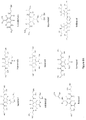
- ICM that can be used in the frame of the present invention are iodixanol, iomeprol, iohexol, iopamidol, ioversol, iobitridol, iopromide, iopentol, ioxitalamate, iodipamide, metrizamide, iotrolan, iothalamate, diatrizoate and ioxaglate ( Fig. 8 ).
- ICMs can be classified in 4 different categories, depending on the number of tri-iodinated benzene ring(s) they comprise (one or two) and depending on their ionic or non-ionic nature.
- the experimental results described below have been obtained with iomeprol (non-ionic monomer) and similar results have been obtained by the inventors with iodixanol (non-ionic dimer - data not shown).
- the ICM is a non-ionic organoiodine compound such as, for example, iomeprol or iodixanol.
- the ICM has the formula I: wherein:
- mice Fig. 7
- mice have a keratinized mucosae on the inferior surface of the tongue, which may result in a physicochemical barrier against sub-lingually administered substances (Thirion-Delalande et al. , 2015).
- Sulingual delivery of ICM in humans should thus prove at least as efficient as that observed in mice, which opens the way to an easy administration to populations exposed to radioactive iodine, for example in the event of a nuclear accident.
- the present invention thus pertains to the use of an ICM, as a medicament for protecting the thyroid gland from radiation, wherein said medicament is administered through the sublingual or perlingual route.
- a treatment for preventing thyroid disorders caused by radioiodine comprising administering an ICM, through the sublingual or perlingual route, to a subject exposed to radioactive iodine, is also part of the invention.
- the ICM selectively inhibits iodine uptake by the thyroid gland.
- iodine uptake by the salivary glands is not affected by the ICM.
- the ICM selectively inhibits sodium/iodide symporter (NIS) expression in the thyroid gland.
- NIS sodium/iodide symporter
- the use of an ICM as a medicament for preventing radioactive iodine uptake by the thyroid gland after a nuclear accident is hence a particular embodiment of the present invention.
- radioiodine can be administered as an anticancer agent against extra-thyroidal tumors, either coupled to a targeting molecule such as an antibody or a ligand for a specific cell receptor expressed by tumor cells, or as free radioiodine in a radioiodine therapy following sodium iodide symporter gene transfer in cancer cells.
- a targeting molecule such as an antibody or a ligand for a specific cell receptor expressed by tumor cells
- the specificity can be achieved by the use of a gene transfer vector specifically targeting the tumor and/or by the use of a tissue-specific promoter for the expression of the Na/I symporter gene (for example, the carcinoembryonic antigen (CEA) promoter to target a colon cancer).
- CEA carcinoembryonic antigen
- the present invention hence pertains to the use of an ICM as a medicament for protecting the thyroid gland from radiation in a cancer patient in need thereof, for example after administration of radioactive iodine as an antineoplastic agent.
- the ICM can be administered once every 4 to 10 days, for example every 4, 5, 6, 7, 8, 9 or 10 days. Such a repeated administration is also part of the present invention.
- the ICM is administered in combination with potassium iodide (KI).
- KI potassium iodide
- the present invention also pertains to a therapeutic composition
- a therapeutic composition comprising a iodinated contrast medium as described above and potassium iodide.
- a composition according to the invention can be formulated in any convenient form, such as a solution, a pill, a tablet, pellets or globules etc.
- Preferred formulations are those which are compatible with sublingual or perlingual administration.
- kits of parts comprising, in separate formulations, potassium iodide and a iodinated contrast medium as described above, is also part of the present invention.
- KI can be formulated in the form of tablets and the ICM can be formulated in any convenient form, such as a solution, a pill, a tablet, pellets or globules etc.
- Preferred formulations are those which are compatible with sublingual or perlingual administration.
- a kit of parts according to the invention can also comprise a first tablet or pill or vial with pellets or globules or a solution comprising both KI and an ICM, and at least another tablet / pill / vial with pellets or globules or solution comprising only the ICM.
- the present invention relates to a therapeutic composition
- a therapeutic composition comprising a iodinated contrast medium as described above and a pharmaceutical vehicle appropriate and/or optimized for sublingual or perlingual administration.
- the therapeutic composition formulated for sublingual or perlingual administration can be in the form of a tablet, a syrup, a solution, pellets or globules. It can also comprise, in addition to the ICM, a flavor agent in order to render the uptake for pleasant.
- the human colorectal cancer cell line HT-29 (HTB-38, ATCC) was transfected with pcDNA3.1-mNIS (murine NIS) (Perron et al. , 2001) using the FuGENE 6 reagent (Roche) according to the manufacturer's instructions. Stable clones were selected by addition of 1 mg/mL geneticin (G418) to the medium 3 days after transfection. One clone with high functional expression of NIS was selected (Richard-Fiardo et al., 2012).
- the rat follicular thyroid cell line PCCL3 was obtained from Dr. A. De La Vieja (Madrid, Spain) and cultured as previously described (Leoni et al ., 2011). Measurement of in vitro iodide uptake was performed as previously described (Groot-Wassink et al. , 2002).
- lomeron and Visipaque were diluted to 1/10,000 in 50/50 (vol/vol) acetonitrile/H 2 O and characterized by high resolution mass spectroscopy in negative mode electrospray.
- a flow of 5 ⁇ L/min was provided by a syringe pump (11 Plus, Harvard Apparatus, Holliston, MA, USA) using a 500 ⁇ L/min syringe (Hamilton, Reno, NV, USA).
- the mass spectrometer Q Exactive Plus, Thermo Fisher Scientific, Bremen, Germany
- the direct-infusion Orbitrap measurements were carried out using the Ion Max source from Thermo Fisher Scientific and applying the following parameters: sheath gas flow, 15 arbitrary units; auxiliary gas flow, 5 arbitrary units; capillary temperature, 275°C.
- the automatic gain control target was set to 10 6 and the maximum injection time was 50 ms.
- the spray voltage in negative mode was selected at -2.5 kV.
- Intravenous and intraperitoneal administration was performed by injecting 100 ⁇ L lomeron diluted 50/50 (vol/vol) with phosphate-buffered saline (corresponding to 18 mg iomeprol).
- Enteral administration was performed by gavage of 100 ⁇ L lomeron diluted 50/50 (vol/vol) with phosphate-buffered saline (corresponding to 18 mg iomeprol).
- Sublingual administration was performed on anesthetized mice by five sublingual depositions of 5 ⁇ L lomeron, with a delay of 10 minutes between two administrations. This procedure led to the administration of 9 mg iomeprol.
- 99m Tc pertechnetate ( 99m TcO 4 - ) was obtained from a freshly eluted 99 Mo/ 99m Tc generator. Animals were administered intraperitoneally with activities of 20 MBq 99m TcO 4 - . Thyroid and salivary gland tracer uptake was measured at different times using a dedicated microSPECT/CT scanner (eXplore speCZT CT120, GE) under gas anesthesia (air and 1-2% isoflurane) in an air-warmed imaging chamber (Minerve, Esternay, France) to maintain body temperature at 37°C.
- the SPECT scanner uses a stationary full ring of CZT detectors and a rotating 7-pinhole (1 mm opening) collimator.
- Thyroid membrane proteins were subjected to SDS-PAGE electrophoresis as previously described (Cambien et al ., 2014). Western blotting was performed with antibody 25 anti-mouse NIS, an affinity-purified rabbit immunoreactive serum fraction, or with an anti- ⁇ -actin antibody (Sigma).
- NIS immunostaining was performed with a secondary anti-mouse antibody and rabbit/HRP (Dako, DM822) using a 3,3' -diaminobenzidine (DAB) cosubstrate (Dayem et al ., 2008).
- DAB-stained sections were counterstained with Harris hematoxylin (Sigma, Saint Quentin Fallavier, France). Image acquisition was performed using a Nikon 80i microscope equipped with a DS-5M-L1 digital camera.
- HT29-NIS human colorectal carcinoma cell line expressing NIS
- PCCL3 a rat follicular thyroid cell line
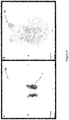
- FIG. 4A shows the scintigraphy of a na ⁇ ve patient in which both the thyroid and salivary glands are taking up pertechnetate.
- the scintigraphy of a patient treated with lomeron shows radiotracer uptake in the salivary glands and a lack of fixation in the thyroid region ( Fig. 4B ).
- FIG. 7A shows that neither enteral nor intraperitoneal administration affected radiotracer uptake by the thyroid.
- intravenous and sublingual administration of the ICM resulted in a marked reduction in radiotracer uptake ( Fig. 7A ).
- Uptake to the salivary glands was not affected in any condition ( Fig. 7B ).
Landscapes
- Health & Medical Sciences (AREA)
- Life Sciences & Earth Sciences (AREA)
- Animal Behavior & Ethology (AREA)
- Chemical & Material Sciences (AREA)
- Veterinary Medicine (AREA)
- Medicinal Chemistry (AREA)
- Public Health (AREA)
- General Health & Medical Sciences (AREA)
- Pharmacology & Pharmacy (AREA)
- Epidemiology (AREA)
- Molecular Biology (AREA)
- Pain & Pain Management (AREA)
- Inorganic Chemistry (AREA)
- Toxicology (AREA)
- Organic Chemistry (AREA)
- Nuclear Medicine, Radiotherapy & Molecular Imaging (AREA)
- General Chemical & Material Sciences (AREA)
- Chemical Kinetics & Catalysis (AREA)
- Medicines Containing Antibodies Or Antigens For Use As Internal Diagnostic Agents (AREA)
- Acyclic And Carbocyclic Compounds In Medicinal Compositions (AREA)
Abstract
The present invention relates to a iodinated contrast medium (ICM), for use as a medicament for preventing radioactive iodine uptake by the thyroid gland after a nuclear accident. The ICM can advantageously be administered via the sublingual route.
Description
- The present invention pertains to the field of radioprotection. More specifically, the invention pertains to a new use of iodinated compounds, for protecting the thyroid gland and its surrounding tissues from radioactive isotopes of iodine (I-131) released during a nuclear accident or administered to a human patient as part of a treatment targeting extra-thyroidal tissues.
- The thyroid is an endocrine gland that synthesizes the iodine-containing thyroid hormones in vertebrates. Thyroid hormones are essential for the proper growth, multiplication and differentiation of all cells in the body, and to varying degrees, regulate the basal metabolism of proteins, lipids and carbohydrates. Iodine is an essential component in the synthesis of thyroid hormones. In the thyroid, iodide is taken up from the blood plasma by follicular cells. This uptake is mediated by the Na/I symporter (NIS) protein present at the basolateral membrane of these cells. Once inside the cells, free iodide is oxidized at the apical membrane, where it is covalently bound to tyrosine residues of the thyroglobulin protein. In addition to thyroid tissues, iodide uptake activity is observed in extra-thyroidal tissues such as salivary glands, gastric mucosa, lactating mammary gland, nasal mucosa, placenta and lacrimal glands. In these extra-thyroidal tissues, iodide is not organified.
- In the event of a nuclear reactor accident and when radioactive material is released to the atmosphere, 131-I may be incorporated into the human body through inhalation or ingestion of contaminated food. About 10-30% of the inhaled radioactive iodine primarily accumulates in the thyroid gland, while the remaining amount is discharged from the body with the urine. Beta-radiation emitted upon decay of 131-I affects the thyroid and its surrounding tissues and leads to adverse health outcomes such as thyroid dysfunctions and thyroid cancer.
- The well-established preventive countermeasure to protect populations in the event of an accidental release of radioactive iodine is ingestion of potassium iodide (KI) tablets. The administration of KI tablets prevents entry of 131-I into the thyroid. Mechanistically, this effect is the result of two phenomena. First, the high input of "cold" iodide dilutes 131-I, resulting in a competitive effect that reduces the uptake of 131-I. Second, this high iodide concentration triggers a physiological response, referred to as the Wolff-Chaikoff effect, in which the expression of the NIS protein is reduced. Nevertheless, the effect of KI tablets is transient and the protective effect only lasts for 24 hours. As a result, the United States Food and Drug Administration recommends KI tablets to be ingested on a daily basis in cases of prolonged 131-I exposure.
- In cases of prolonged 131-I exposure of a large population, potential logistic and compliance problems may arise. In this context, "one shot" measures that could replace KI tablets or reduce the requirement for a stringent compliance to the daily intake of KI tablets would be welcome.
- Another situation in which the radioprotection of the thyroid gland is necessary is that of administration of radioactive iodine in the frame of a treatment, for example an antineoplastic treatment targeting a tissue different from the thyroid gland. Iodine 131 therapy consists in the administration of iodine 131 to patients in order to eradicate differentiated thyroid carcinoma. One strategy is based on the ability of thyroid follicular cells to uptake and accumulate iodine (via the NIS symporter) to synthetize hormones. In the last fifteen years, iodine 131 therapies have been identified as a novel promising therapeutic strategy for the treatment of non-thyroidal tumors. Such a therapy comprises NIS gene transfer into the cancer cells, followed by therapeutic administration of radioiodine. The capacity of the NIS gene to induce radioiodine accumulation in non-thyroidal tumors has been investigated in a variety of tumor models such as prostate (Barton KN. et al., 2008) colorectal (Peerlinck I. et al., 2009) and mammary gland cancer (Boland A. et al., 2000). Clinical studies in prostate cancer have shown the feasibility of this approach (Barton KN. et al., 2011). In this context, because of the endogenous NIS expression, radioiodine uptake by the thyroid gland was observed.
- Another strategy for using radioiodine for targeting cancer cells is the use of radionuclides conjugated to tumor-directed monoclonal antibodies or peptides. Radioiodine conjugated to immunoglobulins or peptides can target tumor cells and locally deliver tumor-killing radiation. A recent study reports the use of radio-labeled (131) I-Metaiodobenzylguanidine (MIBG) to treat children with neuroblastoma (Clement S.C. et al., 2013). Thyroid gland uptake of radioiodine was blocked by oral administration of KI solution given before and after (131) I-MIBG infusion. Despite the protection with KI during exposure to (131) I-MIBG in childhood, radioiodine uptake in the thyroid gland was observed.
- In this context, ensuring tumor specificity of radiation exposure is key, and a compound able to provide an efficient protection of the thyroid gland to radioiodine, with a longer protective window than KI, would be very useful.
- Iodinated contrast media (ICM), also called iodinated contrast agents (ICA), are routinely administered to patients. ICM have been in use since the 1950s to facilitate radiographic imaging modalities (Jeffrey et al., 2012). All ICM share a similar function group - a tri-iodinated benzene ring. Iodine plays a key role in the attenuation of x-rays.
- Two major chemical variations result in 4 classes of ICM. Compounds comprise either a unique tri-iodinated benzene ring (i.e., monomers) or 2 tri-iodinated benzene rings linked by an organic functional group (i.e., dimers). In addition, ionic tendency is governed by the presence (i.e., ionic) or absence (i.e., nonionic) of a carboxylate (-COO-) functional group contained on an organic side chain. Anionic ICM are usually available as salts of sodium, calcium, or methylglucamine cations. Hence, ICM can be classified in 4 classes:
- 1- Ionic monomer: single tri-iodinated benzene ring with a carboxylate-containing benzene substituent.
- 2- Ionic dimer: 2 linked tri-iodinated benzene rings in which at least 1 carboxylate-containing group is substituted on at least 1 benzene ring.
- 3- Nonionic monomer: single tri-iodinated benzene ring without a carboxylate-containing benzene substituent.
- 4- Nonionic dimer: 2 linked tri-iodinated benzene rings that do not contain a carboxylate functional group within any benzene substituent.
- Considering their widespread utilization, ICM can be considered as safe. However, a well-documented side effect of intravenous ICM administration observed in most patients is compromise of diagnostic thyroid scintigraphy and radioiodine treatment of thyroid malignancies. For the latter, guidelines recommend delaying radioactive iodide treatment in patients who have been exposed to ICM. Mechanistically, this reduced iodide uptake by thyroid tissues in response to ICM is thought to be the result of injection of high amounts of free iodide contaminating the ICM formulation (Laurie et al., 1992). Many studies have reported that urinary iodide concentration remains high for days and even weeks after ICM administration (Padovani et al., 2012; Lee et al., 2015). This high urinary iodide concentration may reflect a high blood iodide content that could be consistent with the long-lasting effect of ICM on thyroid iodide uptake. The source of this free iodide may be free iodide associated with ICM (Laurie et al., 1992) and/or released from ICM upon injection (van der Molen, 2004; Talner et al., 1973).
- ICM are predominantly administered by intravascular administration, although enteric administration and direct injection (e.g. in a cystography or in a sonography) can also be performed. ICM are administered in clinical locations only, and only for radiology purposes.
- The inventors have investigated the reasons of the reduced iodide uptake by the thyroid tissues following ICM administration. Unexpectedly, they demonstrated that this effect of ICM is not mediated by free iodide associated with and/or released from ICM, but that ICM induce thyroid stunning independently of free iodide, by triggering a specific and dramatic decrease in NIS expression in thyrocytes. Furthermore, they showed that this effect was also observed when ICM was administered via a sublingual route, which would be compatible with a wide administration to populations exposed to a radionuclear accident.
- The present invention thus pertains to the use of a iodinated contrast medium (ICM) as a medicament for protecting the thyroid gland from radiation. According to the invention, this medicament can advantageously be administered through the sublingual or perlingual routes.
- The invention also pertains to a therapeutic composition comprising an ICM and potassium iodide.
- The invention also pertains to a kit of parts comprising, in separate formulations, potassium iodide and an ICM.
- The invention also provides a therapeutic composition comprising a iodinated contrast medium and formulated for sublingual or perlingual administration.
-
-
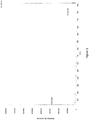
Figure 1 : Mass spectrometry analysis of lomeron. lomeron was diluted in 50/50 acetonitrile/H2O to 1/10,000 (vol/vol) and characterized by high-resolution mass spectroscopy in negative mode electrospray. A major M-H+ peak at 775.84760 (experimental mass: 775.84573) corresponding to the formula C17H21O8N3I3 was observed. -
Figure 2 : Effect of lomeron on iodide uptake of established cell lines expressing NIS. HT29-NIS (A) or PCCL3 (B) cells were incubated for one hour with 125I in the presence of an equal volume of either saline, lomeron (100 µL corresponding to 70 mg of iomeprol), Nal or perchlorate. Cells were then rapidly washed with saline buffer and lysed. Aliquots of lysates were counted in a y counter. The results are expressed as percentage of uptake in the control condition. The data presented are the mean ± SEM of triplicates and are representative of three independent experiments. n.s: non statistically significant. -
Figure 3 : Effect of lomeron on the uptake of 99m-perctechnetate by the mouse thyroid and salivary glands. SPECT/CT imaging of mice administered 20 MBq 99m-pertechnetate was performed (day 0). At the end of the scan, lomeron was administered intravenously. One, four, eight, twelve and eighteen days later, animals were injected with 20 MBq 99m-pertechnetate and new scans were performed. The data presented represent the percentage of radiotracer injected taken up by the thyroid (A) and salivary glands (B). (n = 3 per condition). *** p < 0.001; n.s: non statistically significant. -
Figure 4 : Effect of lomeron on the uptake of 99m-perctechnetate by the human thyroid and salivary glands. Scintigraphies of a naïve patient (A) or a patient who has been administered with lomeron two weeks before the scintigraphy. SG: salivary glands; T: thyroid; R: right; L: left. -
Figure 5 : Effect of KI on the uptake of 99m-perctechnetate by the mouse thyroid and salivary glands. SPECT/CT imaging of mice administered 20 MBq 99m-pertechnetate was performed (day 0). Animals were injected intraperitoneally with KI (9 mg in 180 µL) and scanned 30 minutes later. Twenty-four hours later, animals were injected with 20 MBq 99m-pertechnetate and new scans were performed. The data presented represent the percentage of radiotracer injected taken up by the thyroid (A) and salivary glands (B). (n = 3 per condition). * p < 0.05; *** p < 0.001. -
Figure 6 : Analysis of NIS expression in the thyroid and salivary glands in response to lomeron. Saline buffer (A, C) or lomeron (B, D) were administered intravenously. Four days later, animals were culled and NIS expression in the thyroid glands (A, B) and salivary glands (C, D) were analyzed by immunohistochemistry (n = 3 per group). Thyroids and salivary glands were also processed for Western blot analysis of NIS and β-actin expression (n = 2 per group). -
Figure 7 : Evaluation of the effect of different modes of administration of lomeron on the uptake of 99m-perctechnetate by the thyroid. SPECT/CT imaging of mice administered 20 MBq 99m-pertechnetate was performed (day 0). At the end of the scan, intravenous, sublingual, enteral, and intraperitoneal administrations of lomeron were performed. Four days later, animals were injected with 20 MBq 99m-pertechnetate and new scans were performed. The data presented represent the percentage of radiotracer injected taken up by the thyroid (A) and salivary glands (B). (n = 2 per condition). *** p < 0.001. -
Figure 8 : Formulas of ICMs that can be used for performing the present invention. - According to a first embodiment, the present invention pertains to the use of iodinated contrast medium (ICM), as a medicament for protecting the thyroid gland from radiation. This protection is achieved by preventing thyroid uptake of radioiodine. A treatment for preventing thyroid disorders caused by radioiodine, comprising administering an ICM to a subject exposed to radioactive iodine, is also part of the invention.
- In the present text, a "iodinated contrast medium" designates any compound comprising a tri-iodinated benzene ring and that can be used as a contrast agent in radiology.
- According to a preferred embodiment of the invention, the ICM comprises a triiodophenyl derivative and several hydrophilic groups. Non-limitative examples of ICM that can be used in the frame of the present invention are iodixanol, iomeprol, iohexol, iopamidol, ioversol, iobitridol, iopromide, iopentol, ioxitalamate, iodipamide, metrizamide, iotrolan, iothalamate, diatrizoate and ioxaglate (
Fig. 8 ). - As mentioned above, ICMs can be classified in 4 different categories, depending on the number of tri-iodinated benzene ring(s) they comprise (one or two) and depending on their ionic or non-ionic nature. The experimental results described below have been obtained with iomeprol (non-ionic monomer) and similar results have been obtained by the inventors with iodixanol (non-ionic dimer - data not shown).
- According to a particular embodiment of the invention, the ICM is a non-ionic organoiodine compound such as, for example, iomeprol or iodixanol.
- According to yet another embodiment of the invention, the ICM has the formula I:

- X1 is selected from the group consisting of H, CH3, CH2OH, CH2-CH2OH, CH2-CH(OH)-CH2OH and CH2-CH(OH)-CH2-O-CH3 or X1 is an organic functional group linking two molecules of Formula I, such as, for example, a linker of formula -CH2-CH(OH)-CH2-;
- X2 is selected from the group consisting of CH3, CH2OH, CH2-O-CH3, CH2(OH)-CH3 and

- X2 is selected from the group consisting of CH2-CH(OH)-CH2OH and

X4 is H or CH3. - The inventors demonstrated that sublingual delivery of ICM is efficient in mice (
Fig. 7 ). Contrary to humans who have a non-keratinized epithelium on the inferior surface of the tongue, mice have a keratinized mucosae on the inferior surface of the tongue, which may result in a physicochemical barrier against sub-lingually administered substances (Thirion-Delalande et al., 2015). Sulingual delivery of ICM in humans should thus prove at least as efficient as that observed in mice, which opens the way to an easy administration to populations exposed to radioactive iodine, for example in the event of a nuclear accident. - According to another embodiment, the present invention thus pertains to the use of an ICM, as a medicament for protecting the thyroid gland from radiation, wherein said medicament is administered through the sublingual or perlingual route. A treatment for preventing thyroid disorders caused by radioiodine, comprising administering an ICM, through the sublingual or perlingual route, to a subject exposed to radioactive iodine, is also part of the invention.
- According to a particular embodiment of the above-described invention, the ICM selectively inhibits iodine uptake by the thyroid gland. In particular, iodine uptake by the salivary glands is not affected by the ICM.
- According to another particular embodiment of the above-described invention, the ICM selectively inhibits sodium/iodide symporter (NIS) expression in the thyroid gland.
- The inventors observed that the effects of ICM on iodine uptake last far longer than those of KI. Indeed, as described in the experimental part below, the uptake of the iodide analog pertechnetate was dramatically reduced after ICM uptake, both in mice and in humans.
Fig. 3A shows that this reduction was observed 24 hours after ICM administration and that uptake capacity remained low for at least eight days. This property is particularly interesting for obtaining a stable and long protective effect in situations where a radioiodine pollution lasts several days such as in the context of long-lasting nuclear accidents. The use of an ICM as a medicament for preventing radioactive iodine uptake by the thyroid gland after a nuclear accident is hence a particular embodiment of the present invention. - As mentioned above, radioiodine can be administered as an anticancer agent against extra-thyroidal tumors, either coupled to a targeting molecule such as an antibody or a ligand for a specific cell receptor expressed by tumor cells, or as free radioiodine in a radioiodine therapy following sodium iodide symporter gene transfer in cancer cells. In the latter case, the specificity can be achieved by the use of a gene transfer vector specifically targeting the tumor and/or by the use of a tissue-specific promoter for the expression of the Na/I symporter gene (for example, the carcinoembryonic antigen (CEA) promoter to target a colon cancer). In both cases however, uptake of radioactive iodide by the thyroid is to be avoided. According to yet another aspect, the present invention hence pertains to the use of an ICM as a medicament for protecting the thyroid gland from radiation in a cancer patient in need thereof, for example after administration of radioactive iodine as an antineoplastic agent.
- When a prolonged protection is needed (more than 4 to 10 days - for example in the event of a nuclear event with prolonged radioiodine pollution or in the case of a long-lasting radioiodine therapy), the ICM can be administered once every 4 to 10 days, for example every 4, 5, 6, 7, 8, 9 or 10 days. Such a repeated administration is also part of the present invention.
- According to another embodiment of the invention, the ICM is administered in combination with potassium iodide (KI). Combined administration of ICM and KI indeed enables both a rapid protective effect, due to KI, and a longer and stable protection due to the ICM. In the present text, "in combination" means that a subject receives both KI and an ICM, either simultaneously or sequentially. When the two compounds are administered separately, KI is preferably administered first.
- The present invention also pertains to a therapeutic composition comprising a iodinated contrast medium as described above and potassium iodide. Such a composition according to the invention can be formulated in any convenient form, such as a solution, a pill, a tablet, pellets or globules etc. Preferred formulations are those which are compatible with sublingual or perlingual administration.
- A kit of parts comprising, in separate formulations, potassium iodide and a iodinated contrast medium as described above, is also part of the present invention. In such a kit, KI can be formulated in the form of tablets and the ICM can be formulated in any convenient form, such as a solution, a pill, a tablet, pellets or globules etc. Preferred formulations are those which are compatible with sublingual or perlingual administration. A kit of parts according to the invention can also comprise a first tablet or pill or vial with pellets or globules or a solution comprising both KI and an ICM, and at least another tablet / pill / vial with pellets or globules or solution comprising only the ICM.
- According to another aspect, the present invention relates to a therapeutic composition comprising a iodinated contrast medium as described above and a pharmaceutical vehicle appropriate and/or optimized for sublingual or perlingual administration. In particular, the therapeutic composition formulated for sublingual or perlingual administration can be in the form of a tablet, a syrup, a solution, pellets or globules. It can also comprise, in addition to the ICM, a flavor agent in order to render the uptake for pleasant.
- Other characteristics of the invention will also become apparent in the course of the description which follows of the biological assays which have been performed in the framework of the invention and which provide it with the required experimental support, without limiting its scope.
- Eight-week-old female C57B/6J mice were obtained from Janvier (Le Genest Saint Isle, France). Animal housing and procedures were conducted according to French Agriculture Ministry guidelines and were approved by the local ethics committee (Ciepal NCE/2014-211).
- Experiments were performed using iomeprol (
lomeron 350; lot LP4557) and iodixanol (Visipaque 320; lot 125 78 776). - The human colorectal cancer cell line HT-29 (HTB-38, ATCC) was transfected with pcDNA3.1-mNIS (murine NIS) (Perron et al., 2001) using the
FuGENE 6 reagent (Roche) according to the manufacturer's instructions. Stable clones were selected by addition of 1 mg/mL geneticin (G418) to the medium 3 days after transfection. One clone with high functional expression of NIS was selected (Richard-Fiardo et al., 2012). The rat follicular thyroid cell line PCCL3 was obtained from Dr. A. De La Vieja (Madrid, Spain) and cultured as previously described (Leoni et al., 2011). Measurement of in vitro iodide uptake was performed as previously described (Groot-Wassink et al., 2002). - lomeron and Visipaque were diluted to 1/10,000 in 50/50 (vol/vol) acetonitrile/H2O and characterized by high resolution mass spectroscopy in negative mode electrospray. For the direct-infusion experiments, a flow of 5 µL/min was provided by a syringe pump (11 Plus, Harvard Apparatus, Holliston, MA, USA) using a 500 µL/min syringe (Hamilton, Reno, NV, USA). The mass spectrometer (Q Exactive Plus, Thermo Fisher Scientific, Bremen, Germany) was operated with an electrospray source for the direct-infusion method development. The direct-infusion Orbitrap measurements were carried out using the Ion Max source from Thermo Fisher Scientific and applying the following parameters: sheath gas flow, 15 arbitrary units; auxiliary gas flow, 5 arbitrary units; capillary temperature, 275°C. The automatic gain control target was set to 106 and the maximum injection time was 50 ms. In the high-resolution measurements with setting of 140 000 at m/
z 200 one microscan was recorded. The spray voltage in negative mode was selected at -2.5 kV. - Intravenous and intraperitoneal administration was performed by injecting 100 µL lomeron diluted 50/50 (vol/vol) with phosphate-buffered saline (corresponding to 18 mg iomeprol). Enteral administration was performed by gavage of 100 µL lomeron diluted 50/50 (vol/vol) with phosphate-buffered saline (corresponding to 18 mg iomeprol). Sublingual administration was performed on anesthetized mice by five sublingual depositions of 5 µL lomeron, with a delay of 10 minutes between two administrations. This procedure led to the administration of 9 mg iomeprol.
- 99mTc pertechnetate (99mTcO4 -) was obtained from a freshly eluted 99Mo/99mTc generator. Animals were administered intraperitoneally with activities of 20 MBq 99mTcO4 -. Thyroid and salivary gland tracer uptake was measured at different times using a dedicated microSPECT/CT scanner (eXplore speCZT CT120, GE) under gas anesthesia (air and 1-2% isoflurane) in an air-warmed imaging chamber (Minerve, Esternay, France) to maintain body temperature at 37°C. The SPECT scanner uses a stationary full ring of CZT detectors and a rotating 7-pinhole (1 mm opening) collimator. A total of 350 projections were acquired over 360° in 8 minutes. Images were reconstructed using the manufacturer's 3D-OSEM algorithm (5 subsets and 11 iterations), which incorporates the system's collimator-detector response function and scatter correction. Reconstructed images were analyzed and quantified using AMIDE software (Loening and Gambhir, 2003). Tracer activities in the various relevant organs were calculated. 3D regions of interest (ROIs) were drawn manually around the thyroid and salivary glands, as previously detailed (Richard-Fiardo et al., 2015; Zwarthoed et al., 2016). Uptakes were expressed as percentages of the injected dose (%ID) after decay correction (Cambien et al., 2014).
- A "naïve" patient and a patient who had received an intravenous injection of
lomeron 350 two weeks before scintigraphy were involved. On the day of the scintigraphy, patients were injected intravenously with an activity of 1 MBq/kg and 600 s scans was performed 15 min later. - Thyroid membrane proteins were subjected to SDS-PAGE electrophoresis as previously described (Cambien et al., 2014). Western blotting was performed with
antibody 25 anti-mouse NIS, an affinity-purified rabbit immunoreactive serum fraction, or with an anti-β-actin antibody (Sigma). - After culling the animals, thyroids and salivary glands were dissected, paraffin embedded, and cut into 4-µm-thick sections. The paraffin was then removed and the sections were rehydrated and subjected to an antigen retrieval treatment with a solution of citrate buffer,
pH 6, using an automate (PT Link, Dako). Immunostaining was performed following a standard protocol (Dako EnVisionTM FLEX using an automated immunostainer, Autostainer, Dako). Endogenous peroxide was blocked using the EnVisionTM FLEX Peroxidase-Blocking Reagent. After pretreatment, slides were incubated for 20 minutes at room temperature with a rabbit polyclonal antibody against NIS (antibody 25, see Dayem et al., 2008) at a 1:200 dilution. NIS immunostaining was performed with a secondary anti-mouse antibody and rabbit/HRP (Dako, DM822) using a 3,3' -diaminobenzidine (DAB) cosubstrate (Dayem et al., 2008). The DAB-stained sections were counterstained with Harris hematoxylin (Sigma, Saint Quentin Fallavier, France). Image acquisition was performed using a Nikon 80i microscope equipped with a DS-5M-L1 digital camera. - Statistical analysis was performed using Prism (GraphPad software). Dual comparisons were made using a Student's t-test and comparisons between multiple conditions were analyzed using ANOVA. Statistical significance was set at P < 0.05.
- We first evaluated whether free iodide was present in commercially available ICM. Mass spectrometry analysis of a commercially-available solution of lomeron (
Fig. 1 ) revealed the presence of a peak at M-H- at 126.90369 corresponding to free iodide in addition to a peak at 775.84573 corresponding to iomeprol. These data demonstrate the presence of free iodide in the lomeron formulation. Spectrometric analysis of Visipaque (not shown) led to a similar conclusion. - We next examined whether iomeprol and its contaminating free iodide could affect iodide uptake in NIS-expressing cell lines. HT29-NIS (a human colorectal carcinoma cell line expressing NIS) (
Fig. 2A ) or PCCL3 (a rat follicular thyroid cell line) (Fig. 2B ) cells were incubated with 125I in the presence of either saline buffer, lomeron, Nal, or perchlorate (NaClO4). After one hour, cells were washed and cellular 125I content was determined. As expected, both Nal and perchlorate inhibited iodide uptake in both cell lines. By contrast, lomeron failed to affect this uptake significantly. - We evaluated whether lomeron could affect the uptake of the iodide analog, pertechnetate, by the mouse thyroid and the salivary glands. Basal activities were measured before (TO) and after intravenous administration of lomeron.
Figure 3A shows that a dramatic reduction in radiotracer uptake by the thyroid was observed 24 hours after lomeron administration. This uptake capacity remained low for eight days and a recovery was observed fromday 12. By contrast, in the same animals, lomeron administration failed to affect iodide uptake by another NIS-expressing tissue, the salivary glands (Fig. 3B ). Similar data were obtained using Visipaque (not shown). This observation suggests that ICM affect the mouse thyroid and the salivary glands differently. To evaluate whether this differential action is observed in humans, we compared pertechnetate uptake in the thyroid and salivary glands of a naïve patient (Fig. 4A ) or a patient who had received an intravenous injection of lomeron two weeks before (Fig. 4B). Figure 4A shows the scintigraphy of a naïve patient in which both the thyroid and salivary glands are taking up pertechnetate. By contrast, the scintigraphy of a patient treated with lomeron shows radiotracer uptake in the salivary glands and a lack of fixation in the thyroid region (Fig. 4B ). - A similar experiment was carried out to evaluate the effect of KI on radiotracer uptake by the thyroid and salivary glands.
Figure 5A shows that the ability of the thyroid to take up pertechnetate was reduced 30 minutes after intraperitoneal injection of KI. This capacity was recovered 24 hours after injection. A similar pattern was observed when pertechnetate uptake to the salivary glands was measured (Fig. 5B ). This dataset demonstrates that potassium iodide affects thyroidal and salivary gland pertechnetate uptake equally. - We next evaluated the effect of lomeron on NIS expression in the thyroid and salivary glands. Immunohistological analysis revealed that NIS expression was hardly detectable in thyroids four days after lomeron injection (
Fig 6B ), as compared with control mice (Fig. 6A ). By contrast, NIS expression was detectable in the ductal cells of the salivary glands of both control and lomeron-treated mice (Fig. 6C and D ). Semi-quantitative analysis by western blot confirmed a dramatic decrease in NIS expression in the thyroid glands of lomeron-treated mice compared with controls (Fig.6E ). By contrast, no significant difference between NIS expression was detected in the salivary glands in both groups. - We next compared the efficacy of different modes of administration of lomeron on pertechnetate uptake by the thyroid and the salivary glands.
Figure 7A shows that neither enteral nor intraperitoneal administration affected radiotracer uptake by the thyroid. By contrast, intravenous and sublingual administration of the ICM resulted in a marked reduction in radiotracer uptake (Fig. 7A ). Uptake to the salivary glands was not affected in any condition (Fig. 7B ). - One side effect of the utilization of ICM is alteration of iodide uptake by the thyroid. This perturbation has been attributed to the free iodide associated with and/or released from ICM on administration. We first determined whether free iodide contamination associated with the ICM could mediate this effect. Mass spectrometric analysis demonstrated the presence of significant amounts of free iodide in the lomeron (iomeprol) (
Fig. 1 ) and Visipaque (iodixanol) (not shown) formulations. However, competition experiments using NIS-expressing cells demonstrated that lomeron did not affect iodide uptake (Fig. 2 ). Overall, these in vitro results suggest that if free iodide is involved in the perturbation of iodide uptake by the thyroid, it must be released in the body from the deiodination of ICM. - Free iodide perturbed uptake of the iodide analog, 99m-pertechnetate, by the mouse thyroid and salivary glands to an equivalent extent (
Fig. 5 ). Kinetically, for both organs, uptake decreased rapidly (30 minutes after KI injection in our experiment), and the capacity of the thyroid to take up the radiotracer was restored within 24 hours. By contrast, iomeprol affected uptake of 99m-pertechnetate to the thyroid selectively (Fig. 3 ). This differential effect of the ICM on the thyroid and salivary glands was also observed in patients (Fig.4 ). Overall, this dataset rules out a direct intervention of free iodide in the perturbation of uptake to the thyroid and suggests a direct and selective effect of iomeprol on the thyroid. Considering that similar data were obtained with iodixanol (not shown), ICM, in general, may act directly and selectively on the thyroid. - The mechanism by which ICM reduces iodide uptake by the thyroid involves a dramatic reduction in the expression of the NIS protein. Four days after ICM injection, the NIS protein was hardly detectable using immunohistochemistry. Western blot analysis confirmed this observation. As expected from the functional imaging data, NIS protein expression was unaffected in the salivary glands. To exert this effect, it is likely that ICM trigger an intracellular molecular mechanism that results in reduced NIS protein expression.
- Although effective and safe overall, the utilization of KI tablets to protect populations in the event of a nuclear incident is associated with some problematic issues, as KI tablets need to be ingested on a daily basis. In cases of prolonged 131-I exposure of a large population, potential logistic and compliance problems may arise. In this context, "one shot" measures that could replace KI tablets or reduce the requirement for a stringent compliance to the daily intake of KI tablets would be welcome. Formulations based on ICM could provide this benefit. Given that the intravenous mode of administration is hardly relevant for an application in radioprotection, the sublingual delivery of ICM is efficient in mice and should also be efficient in humans. In addition, ICM could be chemically modified to be absorbed by the gut epithelium, leading the way to a compound administered orally.
-
- Barton KN, Stricker H, Brown SL, Elshaikh M, Aref I, Lu M, et al. Phase I study of noninvasive imaging of adenovirus-mediated gene expression in the human prostate. Mol Ther. 2008;16(10):1761 9.
- Barton KN, Stricker H, Elshaikh MA, Pegg J, Cheng J, Zhang Y, et al. Feasibility of adenovirus-mediated hNIS gene transfer and 1311 radioiodine therapy as a definitive treatment for localized prostate cancer. Mol Ther. 2011;19(7):1353 9.
- Boland A., Rchard M., Opolon P., Bidart J.-M., Yeh P., Filetti S., Schlumberger M. and Michel Perricaudet. Adenovirus-mediated Transfert of the Thyroid Sodium/Iodide Symporter Gene into Tumors for a Targeted Radiotherapy. Cancer Res. July 2000; 60, 3484-3492.
- Cambien B, Franken PR, Lamit A, et al. (9)(9)mTcO(4)--, auger-mediated thyroid stunning: dosimetric requirements and associated molecular events. PLoS One. 2014;9(3):e92729.
- Clement S.C., B.L.F. van Eck-Smit, A.S.P. van Trotsenburg, L.C.M. Kremer, G.A.M. Tytgat, and H.M. van Santen, Long-Term Follow-Up of the Thyroid Gland After Treatment With 131I-Metaiodobenzylguanidine in Children With Neuroblastoma: Importance of Continuous Surveillance. Pediatr Blood Cancer 2013;60:1833-1838.
- Dayem M, Basquin C, Navarro V, et al. Comparison of expressed human and mouse sodium/iodide symporters reveals differences in transport properties and subcellular localization. J Endocrinol. Apr 2008;197(1):95-109.
- Groot-Wassink T, Aboagye EO, Glaser M, Lemoine NR, Vassaux G. Adenovirus biodistribution and noninvasive imaging of gene expression in vivo by positron emission tomography using human sodium/iodide symporter as reporter gene. Hum Gene Ther. Sep 20 2002;13(14):1723-1735.
- Hingorani M, Spitzweg C, Vassaux G, et al. The biology of the sodium iodide symporter and its potential for targeted gene delivery. Curr Cancer Drug Targets. Mar 2010;10(2):242-267.
- Jeffrey J. Pasternaka and Eric E. Williamson. Clinical Pharmacology, Uses, and Adverse Reactions of lodinated Contrast Agents: A Primer for the Non-radiologist. Mayo Clin Proc. 2012 Apr; 87(4): 390-402.
- Laurie AJ, Lyon SG, Lasser EC. Contrast material iodides: potential effects on radioactive iodine thyroid uptake. J Nucl Med. Feb 1992;33(2):237-238.
- Lee SY, Chang DL, He X, Pearce EN, Braverman LE, Leung AM. Urinary iodine excretion and serum thyroid function in adults after iodinated contrast administration. Thyroid. May 2015;25(5):471-477.
- Leoni SG, Kimura ET, Santisteban P, De la Vieja A. Regulation of thyroid oxidative state by thioredoxin reductase has a crucial role in thyroid responses to iodide excess. Mol Endocrinol. Nov 2011;25(11):1924-1935.
- Loening AM, Gambhir SS. AMIDE: a free software tool for multimodality medical image analysis. Mol Imaging. Jul 2003;2(3):131-137.
- Padovani RP, Kasamatsu TS, Nakabashi CC, et al. One month is sufficient for urinary iodine to return to its baseline value after the use of water-soluble iodinated contrast agents in post-thyroidectomy patients requiring radioiodine therapy. Thyroid. Sep 2012;22(9):926-930.
- Peerlinck I, Merron A, Baril P, Conchon S, Martin-Duque P, Hindorf C, et al. Targeted radionuclide therapy using a Wnt-targeted replicating adenovirus encoding the Na/I symporter. Clin Cancer Res. 2009;15(21):6595 601.
- Perron B, Rodriguez AM, Leblanc G, Pourcher T. Cloning of the mouse sodium iodide symporter and its expression in the mammary gland and other tissues. J Endocrinol. Jul 2001;170(1):185-196.
- Richard-Fiardo P, Franken PR, Lamit A, et al. Normalisation to blood activity is required for the accurate quantification of Na/I symporter ectopic expression by SPECT/CT in individual subjects. PLoS One. 2012;7(3):e34086.
- Richard-Fiardo P, Hervouet C, Marsault R, et al. Evaluation of tetrafunctional block copolymers as synthetic vectors for lung gene transfer. Biomaterials. Mar 2015;45:10-17.
- Talner LB, Coel MN, Lang JH. Salivary secretion of iodine after urography. Further evidence for in vivo deiodination and salivary secretion of contrast media. Radiology. Feb 1973;106(2):263-268.
- Thirion-Delalande Catherine, Fish C., Forster R., Palate, B. Comparative histology of mouth mucosae (sublingual region). Toxicology Letters. October 2015; 238(2):S271-S272.
- Van der Molen AJ, Thomsen HS, Morcos SK. Effect of iodinated contrast media on thyroid function in adults. Eur Radiol. May 2004;14(5):902-907.
- Zwarthoed C, Chatti K, Guglielmi J, et al. Single-Photon Emission Computed Tomography for Preclinical Assessment of Thyroid Radioiodide Uptake Following Various Combinations of Preparative Measures. Thyroid. Nov 2016;26(11):1614-1622.
Claims (15)
- A iodinated contrast medium (ICM), for use as a medicament for protecting the thyroid gland from radiation.
- The ICM of claim 1, for the use of claim 1, wherein said medicament is administered through the sublingual or perlingual route.
- The ICM of claim 1 or claim 2, for the use of claim 1 or claim 2, wherein said ICM comprises a triiodophenyl derivative and several hydrophilic groups.
- The ICM of any of claims 1 to 3, for the use of claim 1 or claim 2, wherein said ICM is selected from the group consisting of iodixanol, iomeprol, iohexol, iopamidol, ioversol, iobitridol, iopromide, iopentol, ioxitalamate, iodipamide, metrizamide, iotrolan, iothalamate, diatrizoate and ioxaglate.
- The ICM of any of claims 1 to 4, for the use of claim 1 or claim 2, wherein said ICM is a non-ionic organoiodine compound.
- The ICM of any of claims 1 to 5, for the use of claim 1 or claim 2, wherein said ICM has the formula I:
 - X1 is selected from the group consisting of H, CH3, CH2OH, CH2-CH2OH, CH2-CH(OH)-CH2OH and CH2-CH(OH)-CH2-O-CH3 or X1 is an organic functional group linking two molecules of Formula I;- X2 is selected from the group consisting of CH3, CH2OH, CH2-O-CH3, CH2(OH)-CH3 and
 - X2 is selected from the group consisting of CH2-CH(OH)-CH2OH and
 - X4 is H or CH3.
 - The ICM of any of claims 1 to 6, for the use of claim 1 or claim 2, wherein said ICM selectively inhibits iodine uptake by the thyroid gland.
- The ICM of any of claims 1 to 6, for the use of any of claims 1, 2 and 7, wherein said ICM selectively inhibits sodium/iodide symporter (NIS) expression in the thyroid gland.
- The ICM of any of claims 1 to 6, for the use of any of claims 1, 2, 7 and 8, wherein said ICM is administered in combination with potassium iodide (KI).
- The ICM of any of claims 1 to 6, for the use of any of claims 1, 2 and 7 to 9, for use as a medicament for preventing radioactive iodine uptake by the thyroid gland after a nuclear accident.
- The ICM of any of claims 1 to 6, for the use of any of claims 1, 2 and 7 to 9, for use as a medicament for preventing radioactive iodine uptake by the thyroid gland after administration of radioactive iodine as an antineoplastic agent.
- The ICM of any of claims 1 to 6, for the use of any of claims 1, 2 and 7 to 11, wherein said ICM is administered once every 4 to 10 days.
- A therapeutic composition comprising a iodinated contrast medium as recited in any of claims 1 to 6 and potassium iodide.
- A kit of parts comprising, in separate formulations, potassium iodide and a iodinated contrast medium as recited in any of claims 1 to 6.
- A therapeutic composition comprising a iodinated contrast medium as recited in any of claims 1 to 6 and a pharmaceutical vehicle for sublingual or perlingual administration.
Priority Applications (4)
| Application Number | Priority Date | Filing Date | Title |
|---|---|---|---|
| EP17305520.3A EP3398593A1 (en) | 2017-05-05 | 2017-05-05 | Iodinated contrast medium for use as a medicament for thyroid radioprotection |
| US16/610,431 US20200261497A1 (en) | 2017-05-05 | 2018-05-04 | Iodinated Contract Medium for Use as a Medicament for Thyroid Radioprotection |
| EP18721050.5A EP3618822A1 (en) | 2017-05-05 | 2018-05-04 | Iodinated contrast medium for use as a medicament for thyroid radioprotection |
| PCT/EP2018/061576 WO2018202882A1 (en) | 2017-05-05 | 2018-05-04 | Iodinated contrast medium for use as a medicament for thyroid radioprotection |
Applications Claiming Priority (1)
| Application Number | Priority Date | Filing Date | Title |
|---|---|---|---|
| EP17305520.3A EP3398593A1 (en) | 2017-05-05 | 2017-05-05 | Iodinated contrast medium for use as a medicament for thyroid radioprotection |
Publications (1)
| Publication Number | Publication Date |
|---|---|
| EP3398593A1 true EP3398593A1 (en) | 2018-11-07 |
Family
ID=59506212
Family Applications (2)
| Application Number | Title | Priority Date | Filing Date |
|---|---|---|---|
| EP17305520.3A Withdrawn EP3398593A1 (en) | 2017-05-05 | 2017-05-05 | Iodinated contrast medium for use as a medicament for thyroid radioprotection |
| EP18721050.5A Withdrawn EP3618822A1 (en) | 2017-05-05 | 2018-05-04 | Iodinated contrast medium for use as a medicament for thyroid radioprotection |
Family Applications After (1)
| Application Number | Title | Priority Date | Filing Date |
|---|---|---|---|
| EP18721050.5A Withdrawn EP3618822A1 (en) | 2017-05-05 | 2018-05-04 | Iodinated contrast medium for use as a medicament for thyroid radioprotection |
Country Status (3)
| Country | Link |
|---|---|
| US (1) | US20200261497A1 (en) |
| EP (2) | EP3398593A1 (en) |
| WO (1) | WO2018202882A1 (en) |
Families Citing this family (1)
| Publication number | Priority date | Publication date | Assignee | Title |
|---|---|---|---|---|
| CN116924929A (en) * | 2022-07-08 | 2023-10-24 | 重庆圣华曦药业股份有限公司 | Synthesis method of iobixin isomer |
-
2017
- 2017-05-05 EP EP17305520.3A patent/EP3398593A1/en not_active Withdrawn
-
2018
- 2018-05-04 EP EP18721050.5A patent/EP3618822A1/en not_active Withdrawn
- 2018-05-04 US US16/610,431 patent/US20200261497A1/en not_active Abandoned
- 2018-05-04 WO PCT/EP2018/061576 patent/WO2018202882A1/en not_active Ceased
Non-Patent Citations (30)
| Title |
|---|
| AART J VAN DER ET AL: "Effect of Iodinated Contrast Media on Thyroid Function 11 Effect of Iodinated Contrast Media on Thyroid Function", 1 January 2006 (2006-01-01), XP055417594, Retrieved from the Internet <URL:http://eknygos.lsmuni.lt/springer/100/75-82.pdf> [retrieved on 20171020] * |
| ANDREW J LAURIE ET AL: "Contrast Material Iodides: Potential Effects on Radioactive Iodine Thyroid Uptake", THE JOURNAL OF NUCLEAR MEDICINE, 1 February 1992 (1992-02-01), UNITED STATES, pages 237, XP055417584, Retrieved from the Internet <URL:http://jnm.snmjournals.org/content/33/2/237.full.pdf> [retrieved on 20171017] * |
| BARTON KN; STRICKER H; BROWN SL; ELSHAIKH M; AREF I; LU M ET AL.: "Phase I study of noninvasive imaging of adenovirus-mediated gene expression in the human prostate", MOL THER., vol. 16, no. 10, 2008, pages 1761 9 |
| BARTON KN; STRICKER H; ELSHAIKH MA; PEGG J; CHENG J; ZHANG Y ET AL.: "Feasibility of adenovirus-mediated hNIS gene transfer and 1311 radioiodine therapy as a definitive treatment for localized prostate cancer", MOL THER., vol. 19, no. 7, 2011, pages 1353 9 |
| BOLAND A.; RCHARD M.; OPOLON P.; BIDART J.-M.; YEH P.; FILETTI S.; SCHLUMBERGER M.; MICHEL PERRICAUDET: "Adenovirus-mediated Transfert of the Thyroid Sodium/Iodide Symporter Gene into Tumors for a Targeted Radiotherapy", CANCER RES., vol. 60, July 2000 (2000-07-01), pages 3484 - 3492, XP001022867 |
| C. A. HARRIS ET AL: "Evaluation of Potassium Iodide (KI) and Ammonium Perchlorate (NH 4 ClO 4 ) to Ameliorate 131 I - Exposure in the Rat", JOURNAL OF TOXICOLOGY AND ENVIRONMENTAL HEALTH. PART A, vol. 72, no. 14, 30 June 2009 (2009-06-30), US, pages 897 - 902, XP055416628, ISSN: 1528-7394, DOI: 10.1080/15287390902959672 * |
| CAMBIEN B; FRANKEN PR; LAMIT A ET AL.: "9)(9)mTcO(4)--, auger-mediated thyroid stunning: dosimetric requirements and associated molecular events", PLOS ONE, vol. 9, no. 3, 2014, pages e92729 |
| CLEMENT S.C.; B.L.F. VAN ECK-SMIT; A.S.P. VAN TROTSENBURG; L.C.M. KREMER; G.A.M. TYTGAT; H.M. VAN SANTEN: "Long-Term Follow-Up of the Thyroid Gland After Treatment With 1311-Metaiodobenzylguanidine in Children With Neuroblastoma: Importance of Continuous Surveillance", PEDIATR BLOOD CANCER, vol. 60, 2013, pages 1833 - 1838 |
| DAYEM M; BASQUIN C; NAVARRO V ET AL.: "Comparison of expressed human and mouse sodium/iodide symporters reveals differences in transport properties and subcellular localization", J ENDOCRINOL, vol. 197, no. 1, April 2008 (2008-04-01), pages 95 - 109 |
| GROOT-WASSINK T; ABOAGYE EO; GLASER M; LEMOINE NR; VASSAUX G: "Adenovirus biodistribution and noninvasive imaging of gene expression in vivo by positron emission tomography using human sodium/iodide symporter as reporter gene", HUM GENE THER., vol. 13, no. 14, 20 September 2002 (2002-09-20), pages 1723 - 1735 |
| HINGORANI M; SPITZWEG C; VASSAUX G ET AL.: "The biology of the sodium iodide symporter and its potential for targeted gene delivery", CURR CANCER DRUG TARGETS, vol. 10, no. 2, March 2010 (2010-03-01), pages 242 - 267 |
| JEFFREY J. PASTERNAKA; ERIC E. WILLIAMSON: "Clinical Pharmacology, Uses, and Adverse Reactions of lodinated Contrast Agents: A Primer for the Non-radiologist", MAYO CLIN PROC., vol. 87, no. 4, April 2012 (2012-04-01), pages 390 - 402 |
| LAURIE AJ; LYON SG; LASSER EC: "Contrast material iodides: potential effects on radioactive iodine thyroid uptake", J NUCL MED., vol. 33, no. 2, February 1992 (1992-02-01), pages 237 - 238 |
| LEE SY; CHANG DL; HE X; PEARCE EN; BRAVERMAN LE; LEUNG AM: "Urinary iodine excretion and serum thyroid function in adults after iodinated contrast administration", THYROID, vol. 25, no. 5, May 2015 (2015-05-01), pages 471 - 477 |
| LEONI SG; KIMURA ET; SANTISTEBAN P; DE LA VIEJA A: "Regulation of thyroid oxidative state by thioredoxin reductase has a crucial role in thyroid responses to iodide excess", MOL ENDOCRINOL, vol. 25, no. 11, November 2011 (2011-11-01), pages 1924 - 1935 |
| LOENING AM; GAMBHIR SS: "AMIDE: a free software tool for multimodality medical image analysis", MOL IMAGING, vol. 2, no. 3, July 2003 (2003-07-01), pages 131 - 137 |
| NYGAARD ET AL: "Iohexol: Effects on uptake of radioactive iodine in the thyroid and on thyroid function", ACADEMIC RADIO, ELSEVIER, AMSTERDAM, NL, vol. 5, no. 6, 1 June 1998 (1998-06-01), pages 409 - 414, XP005322059, ISSN: 1076-6332, DOI: 10.1016/S1076-6332(98)80026-3 * |
| PADOVANI RP; KASAMATSU TS; NAKABASHI CC ET AL.: "One month is sufficient for urinary iodine to return to its baseline value after the use of water-soluble iodinated contrast agents in post-thyroidectomy patients requiring radioiodine therapy", THYROID, vol. 22, no. 9, September 2012 (2012-09-01), pages 926 - 930 |
| PEERLINCK I; MERRON A; BARIL P; CONCHON S; MARTIN-DUQUE P; HINDORF C ET AL.: "Targeted radionuclide therapy using a Wnt-targeted replicating adenovirus encoding the Na/I symporter", CLIN CANCER RES., vol. 15, no. 21, 2009, pages 6595 - 601 |
| PENEV B ET AL: "Neurography using the intramuscular injection of ionic iodine contrast media", NEURORADIOLOGY, SPRINGER, DE, vol. 32, no. 4, 1 January 1990 (1990-01-01), pages 316 - 318, XP009500837, ISSN: 0028-3940, Retrieved from the Internet <URL:http://epo.summon.serialssolutions.com/2.0.0/link/0/eLvHCXMwtZ1JS8QwFMeDCspcxBXHBQJ6k0InSbejDs6IKA46HjwNTZNAh9mYxc_vy9LtIOjBSylpKSW_8PLP4y0I3VAGGlSJzIuIInBAkdyLFadeFGQZBfmdxlznO3922bAfvfV1t4aipV819q-kYQxY68zZP9AuPwoDcA_M4QrU4for7qbahi1DfbtZFclQufbhTjdF1OlsLLNCKuamB04-F1pvmsj1dLW2GSV15Wq-u0xF3vDDD8BU> DOI: 10.1007/BF00593052 * |
| PERRON B; RODRIGUEZ AM; LEBLANC G; POURCHER T: "Cloning of the mouse sodium iodide symporter and its expression in the mammary gland and other tissues", J ENDOCRINOL, vol. 170, no. 1, July 2001 (2001-07-01), pages 185 - 196 |
| RICHARD-FIARDO P; FRANKEN PR; LAMIT A ET AL.: "Normalisation to blood activity is required for the accurate quantification of Na/I symporter ectopic expression by SPECT/CT in individual subjects", PLOS ONE, vol. 7, no. 3, 2012, pages e34086 |
| RICHARD-FIARDO P; HERVOUET C; MARSAULT R ET AL.: "Evaluation of tetrafunctional block copolymers as synthetic vectors for lung gene transfer", BIOMATERIALS, vol. 45, March 2015 (2015-03-01), pages 10 - 17, XP029136688, DOI: doi:10.1016/j.biomaterials.2014.12.051 |
| ROGERS WAYNE R ET AL: "Iodipamide (Cholografin) Administration", NEW ENGLAND JOURNAL OF MEDICINE, THE - NEJM -, MASSACHUSETTS MEDICAL SOCIETY, US, vol. 253, no. 10, 8 September 1955 (1955-09-08), pages 424 - 425, XP009500826, ISSN: 0028-4793, Retrieved from the Internet <URL:http://www.nejm.org/doi/abs/10.1056/NEJM195509082531007> DOI: 10.1056/NEJM195509082531007 * |
| SERIFE MEHLIKA KUSKONMAZ ET AL: "Effect of iodinated contrast media on thyroid: a brief review", JOURNAL OF HEALTH SCIENCES, vol. 6, no. 1, 5 April 2016 (2016-04-05), pages 12, XP055416622, ISSN: 2232-7576, DOI: 10.17532/jhsci.2016.278 * |
| TALNER LB; COEL MN; LANG JH: "Salivary secretion of iodine after urography. Further evidence for in vivo deiodination and salivary secretion of contrast media", RADIOLOGY, vol. 106, no. 2, February 1973 (1973-02-01), pages 263 - 268 |
| THIRION-DELALANDE CATHERINE; FISH C.; FORSTER R.; PALATE, B.: "Comparative histology of mouth mucosae (sublingual region", TOXICOLOGY LETTERS, vol. 238, no. 2, October 2015 (2015-10-01), pages S271 - S272 |
| VAN DER MOLEN AJ; THOMSEN HS; MORCOS SK: "Effect of iodinated contrast media on thyroid function in adults", EUR RADIOL, vol. 14, no. 5, May 2004 (2004-05-01), pages 902 - 907 |
| WATERS W ET AL: "Temporary suppression of radioiodide organification after treatment of normal mice with organic iodine compounds", SERONO SYMPOSIA PUBLICATION FROM RAVEN PRESS, XX, XX, vol. 22, 1 January 1985 (1985-01-01), pages 351 - 7, XP009500850, ISSN: 0733-897X * |
| ZWARTHOED C; CHATTI K; GUGLIELMI J ET AL.: "Single-Photon Emission Computed Tomography for Preclinical Assessment of Thyroid Radioiodide Uptake Following Various Combinations of Preparative Measures", THYROID, vol. 26, no. 11, November 2016 (2016-11-01), pages 1614 - 1622 |
Also Published As
| Publication number | Publication date |
|---|---|
| WO2018202882A1 (en) | 2018-11-08 |
| EP3618822A1 (en) | 2020-03-11 |
| US20200261497A1 (en) | 2020-08-20 |
Similar Documents
| Publication | Publication Date | Title |
|---|---|---|
| Zechmann et al. | Radiation dosimetry and first therapy results with a 124I/131I-labeled small molecule (MIP-1095) targeting PSMA for prostate cancer therapy | |
| Abou et al. | In vivo biodistribution and accumulation of 89Zr in mice | |
| Engudar et al. | Remote loading of liposomes with a 124I-radioiodinated compound and their in vivo evaluation by PET/CT in a murine tumor model | |
| Severin et al. | The impact of weakly bound 89Zr on preclinical studies: non-specific accumulation in solid tumors and aspergillus infection | |
| Zacchetti et al. | 177Lu-labeled MOv18 as compared to 131I-or 90Y-labeled MOv18 has the better therapeutic effect in eradication of alpha folate receptor-expressing tumor xenografts | |
| Stein et al. | Carcinoembryonic antigen as a target for radioimmunotherapy of human medullary thyroid carcinoma: antibody processing, targeting, and experimental therapy with 131I and 90Y labeled MAbs | |
| Forrer et al. | From outside to inside? Dose-dependent renal tubular damage after high-dose peptide receptor radionuclide therapy in rats measured with in vivo 99mTc-DMSA-SPECT and molecular imaging | |
| Komal et al. | Localization mechanisms of radiopharmaceuticals | |
| Silvola et al. | Uptake of 68gallium in atherosclerotic plaques in LDLR-/-ApoB100/100 mice | |
| Dunson et al. | 99mTc minicolloid for radionuclide lymphography | |
| JP2023062146A (en) | Astatine solution and its manufacturing method | |
| EP3618822A1 (en) | Iodinated contrast medium for use as a medicament for thyroid radioprotection | |
| Cona et al. | Biodistribution and radiation dosimetry of radioiodinated hypericin as a cancer therapeutic | |
| Paudyal et al. | Dual functional molecular imaging probe targeting CD20 with PET and optical imaging | |
| JP7802851B2 (en) | Pharmaceutical compositions comprising a radiolabeled GPRP antagonist and a surfactant | |
| Zou et al. | 124I-HuCC49deltaCH2 for TAG-72 antigen-directed positron emission tomography (PET) imaging of LS174T colon adenocarcinoma tumor implants in xenograft mice: preliminary results | |
| KR20260049617A (en) | Method for detecting prostate cancer in human subjects using CU-64 PSMA I&T injection | |
| EP1254229B1 (en) | Vector constructs for gene-therapy mediated radionuclide therapy of undifferentiated and medullary thyroid carcinomas and non-thyroidal tumours and the metastases thereof | |
| Vangestel et al. | In vitro and in vivo evaluation of [99mTc]-labeled tricarbonyl His-annexin A5 as an imaging agent for the detection of phosphatidylserine-expressing cells | |
| Snook et al. | Preparation and in vivo study of 124I-labelled monoclonal antibody H17E2 in a human tumour xenograft model. A prelude to positron emission tomography (PET) | |
| JP2025523821A (en) | Radiopharmaceutical compositions of copper for targeted molecular imaging | |
| Henze et al. | Pretreatment evaluation of carcinomas of the hypopharynx and larynx with 18F-fluorodeoxyglucose, 123I-α-methyl-L-tyrosine and 99mTc-hexakis-2-methoxyisobutylisonitrile | |
| Stahl et al. | [123I] Mtr-TOCA, a radioiodinated and carbohydrated analogue of octreotide: scintigraphic comparison with [111In] octreotide | |
| RU2839888C1 (en) | Radiolabelled grpr antagonist for use as therapeutic and diagnostic agent | |
| Sarwer et al. | Localization Mechanisms of |
Legal Events
| Date | Code | Title | Description |
|---|---|---|---|
| PUAI | Public reference made under article 153(3) epc to a published international application that has entered the european phase |
Free format text: ORIGINAL CODE: 0009012 |
|
| STAA | Information on the status of an ep patent application or granted ep patent |
Free format text: STATUS: THE APPLICATION HAS BEEN PUBLISHED |
|
| AK | Designated contracting states |
Kind code of ref document: A1 Designated state(s): AL AT BE BG CH CY CZ DE DK EE ES FI FR GB GR HR HU IE IS IT LI LT LU LV MC MK MT NL NO PL PT RO RS SE SI SK SM TR |
|
| AX | Request for extension of the european patent |
Extension state: BA ME |
|
| STAA | Information on the status of an ep patent application or granted ep patent |
Free format text: STATUS: THE APPLICATION IS DEEMED TO BE WITHDRAWN |
|
| 18D | Application deemed to be withdrawn |
Effective date: 20190508 |