EP3396596A1 - Heat ranking of media objects - Google Patents
Heat ranking of media objects Download PDFInfo
- Publication number
- EP3396596A1 EP3396596A1 EP17176137.2A EP17176137A EP3396596A1 EP 3396596 A1 EP3396596 A1 EP 3396596A1 EP 17176137 A EP17176137 A EP 17176137A EP 3396596 A1 EP3396596 A1 EP 3396596A1
- Authority
- EP
- European Patent Office
- Prior art keywords
- media
- image frames
- heat
- media objects
- features
- Prior art date
- Legal status (The legal status is an assumption and is not a legal conclusion. Google has not performed a legal analysis and makes no representation as to the accuracy of the status listed.)
- Granted
Links
Images


Classifications
-
- H—ELECTRICITY
- H04—ELECTRIC COMMUNICATION TECHNIQUE
- H04N—PICTORIAL COMMUNICATION, e.g. TELEVISION
- H04N21/00—Selective content distribution, e.g. interactive television or video on demand [VOD]
- H04N21/20—Servers specifically adapted for the distribution of content, e.g. VOD servers; Operations thereof
- H04N21/23—Processing of content or additional data; Elementary server operations; Server middleware
- H04N21/234—Processing of video elementary streams, e.g. splicing of video streams or manipulating encoded video stream scene graphs
- H04N21/23418—Processing of video elementary streams, e.g. splicing of video streams or manipulating encoded video stream scene graphs involving operations for analysing video streams, e.g. detecting features or characteristics
-
- G—PHYSICS
- G06—COMPUTING OR CALCULATING; COUNTING
- G06F—ELECTRIC DIGITAL DATA PROCESSING
- G06F18/00—Pattern recognition
- G06F18/20—Analysing
- G06F18/24—Classification techniques
- G06F18/241—Classification techniques relating to the classification model, e.g. parametric or non-parametric approaches
- G06F18/2413—Classification techniques relating to the classification model, e.g. parametric or non-parametric approaches based on distances to training or reference patterns
-
- G—PHYSICS
- G06—COMPUTING OR CALCULATING; COUNTING
- G06V—IMAGE OR VIDEO RECOGNITION OR UNDERSTANDING
- G06V10/00—Arrangements for image or video recognition or understanding
- G06V10/40—Extraction of image or video features
- G06V10/44—Local feature extraction by analysis of parts of the pattern, e.g. by detecting edges, contours, loops, corners, strokes or intersections; Connectivity analysis, e.g. of connected components
- G06V10/443—Local feature extraction by analysis of parts of the pattern, e.g. by detecting edges, contours, loops, corners, strokes or intersections; Connectivity analysis, e.g. of connected components by matching or filtering
- G06V10/449—Biologically inspired filters, e.g. difference of Gaussians [DoG] or Gabor filters
- G06V10/451—Biologically inspired filters, e.g. difference of Gaussians [DoG] or Gabor filters with interaction between the filter responses, e.g. cortical complex cells
- G06V10/454—Integrating the filters into a hierarchical structure, e.g. convolutional neural networks [CNN]
-
- G—PHYSICS
- G06—COMPUTING OR CALCULATING; COUNTING
- G06V—IMAGE OR VIDEO RECOGNITION OR UNDERSTANDING
- G06V10/00—Arrangements for image or video recognition or understanding
- G06V10/70—Arrangements for image or video recognition or understanding using pattern recognition or machine learning
- G06V10/764—Arrangements for image or video recognition or understanding using pattern recognition or machine learning using classification, e.g. of video objects
-
- G—PHYSICS
- G06—COMPUTING OR CALCULATING; COUNTING
- G06V—IMAGE OR VIDEO RECOGNITION OR UNDERSTANDING
- G06V10/00—Arrangements for image or video recognition or understanding
- G06V10/70—Arrangements for image or video recognition or understanding using pattern recognition or machine learning
- G06V10/82—Arrangements for image or video recognition or understanding using pattern recognition or machine learning using neural networks
-
- G—PHYSICS
- G06—COMPUTING OR CALCULATING; COUNTING
- G06V—IMAGE OR VIDEO RECOGNITION OR UNDERSTANDING
- G06V20/00—Scenes; Scene-specific elements
- G06V20/40—Scenes; Scene-specific elements in video content
- G06V20/46—Extracting features or characteristics from the video content, e.g. video fingerprints, representative shots or key frames
-
- H—ELECTRICITY
- H04—ELECTRIC COMMUNICATION TECHNIQUE
- H04N—PICTORIAL COMMUNICATION, e.g. TELEVISION
- H04N21/00—Selective content distribution, e.g. interactive television or video on demand [VOD]
- H04N21/40—Client devices specifically adapted for the reception of or interaction with content, e.g. set-top-box [STB]; Operations thereof
- H04N21/43—Processing of content or additional data, e.g. demultiplexing additional data from a digital video stream; Elementary client operations, e.g. monitoring of home network or synchronising decoder's clock; Client middleware
- H04N21/44—Processing of video elementary streams, e.g. splicing a video clip retrieved from local storage with an incoming video stream or rendering scenes according to encoded video stream scene graphs
- H04N21/44008—Processing of video elementary streams, e.g. splicing a video clip retrieved from local storage with an incoming video stream or rendering scenes according to encoded video stream scene graphs involving operations for analysing video streams, e.g. detecting features or characteristics in the video stream
-
- H—ELECTRICITY
- H04—ELECTRIC COMMUNICATION TECHNIQUE
- H04N—PICTORIAL COMMUNICATION, e.g. TELEVISION
- H04N21/00—Selective content distribution, e.g. interactive television or video on demand [VOD]
- H04N21/40—Client devices specifically adapted for the reception of or interaction with content, e.g. set-top-box [STB]; Operations thereof
- H04N21/47—End-user applications
- H04N21/472—End-user interface for requesting content, additional data or services; End-user interface for interacting with content, e.g. for content reservation or setting reminders, for requesting event notification, for manipulating displayed content
- H04N21/4728—End-user interface for requesting content, additional data or services; End-user interface for interacting with content, e.g. for content reservation or setting reminders, for requesting event notification, for manipulating displayed content for selecting a Region Of Interest [ROI], e.g. for requesting a higher resolution version of a selected region
-
- H—ELECTRICITY
- H04—ELECTRIC COMMUNICATION TECHNIQUE
- H04N—PICTORIAL COMMUNICATION, e.g. TELEVISION
- H04N21/00—Selective content distribution, e.g. interactive television or video on demand [VOD]
- H04N21/80—Generation or processing of content or additional data by content creator independently of the distribution process; Content per se
- H04N21/81—Monomedia components thereof
- H04N21/812—Monomedia components thereof involving advertisement data
-
- H—ELECTRICITY
- H04—ELECTRIC COMMUNICATION TECHNIQUE
- H04N—PICTORIAL COMMUNICATION, e.g. TELEVISION
- H04N21/00—Selective content distribution, e.g. interactive television or video on demand [VOD]
- H04N21/80—Generation or processing of content or additional data by content creator independently of the distribution process; Content per se
- H04N21/83—Generation or processing of protective or descriptive data associated with content; Content structuring
- H04N21/84—Generation or processing of descriptive data, e.g. content descriptors
Definitions
- Another technique is an algorithmic-based heatmap technique that involves prediction of eye positions of the viewers when watching a media, based on artificial intelligence.
- the technique further involves creation of a visual heat map based on the eye positions of the viewers.
- a marketer may then manually examine the heat map for making interpretations.
- Such a technique captures only static features when dealing with videos, there is limited accuracy of data that is reflected by the heat map.
- the currently available techniques of digital media advertising may be time-intensive, cost-intensive, unreliable, and inaccurate.
- the system may include a heat map creation engine, a semantic segmentation engine, and a heat ranking engine.
- the heat map creation engine, the semantic segmentation engine, and the heat ranking engine may be in communication with each other to perform the functionalities of the system.
- the system may be communicatively coupled to a client device through one or more communication links, such that a user of the client device can access the system.
- the user may be an administrator of the client device.
- the user may be a person who is well versed in the art of media editing or marketing or graphic designing, such as a marketer.
- the heat ranking engine of the system may include a detection unit to receive the heat map created for the target frame.
- the detection unit may further detect image frames comprising the selected one or more media objects.
- the image frames comprising the selected one or more media objects may be detected based on camera angle changes.
- the heat map creation engine may create heat maps for all the image frames in the media in a similar manner as described above. Additionally, the ranking unit may rank the selected one or more media objects in the media based on all the heat maps created for the media.
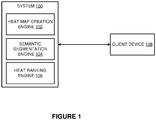
- Figure 1 illustrates a schematic view of a system 100 for creation of heat maps for a media and heat ranking of media objects in the media based on the heat maps.
- Media objects with higher visual interest may be automatically identified based on the ranking of the media objects.
- the description hereinafter is explained with reference to placement of content in a media based on heat rankings of the media objects only for the purpose of explanation and should not be construed as a limitation.
- performance of content in the media during and after the production process may also be evaluated based on the rankings of the media objects.
- the content may be indicative of one or more of a text, an image, and multimedia content.
- the system 100 may include the heat map creation engine 102, the semantic segmentation engine 104, and the heat ranking engine 106.
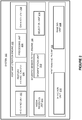
- the heat map creation engine 102 may include a receiving unit 202, a feature extraction unit 204, a processing unit, 206, and a creation unit 208.
- the semantic segmentation engine 104 may include a media receiving unit 210, a segmentation unit 212, and a selection unit 214.
- the heat ranking engine 106 may include a detection unit 216 and a ranking unit 218.
- the feature extraction unit 204 may be in communication with the receiving unit 202.
- the processing unit 206 may be in communication with the feature extraction unit 204.
- the creation unit 208 may be in communication with the processing unit 206.
- the media receiving unit 210 may be in communication with the receiving unit 202, the feature extraction unit 204, and the processing unit 206.
- the segmentation unit 212 may be in communication with the media receiving unit 210 and the selection unit 214 may be in communication with the segmentation unit 212.
- the detection unit 216 may be in communication with the receiving unit 202, the feature extraction unit 204, the processing unit 206, the media receiving unit 210, and the segmentation unit 212, and the selection unit 214.
- the ranking unit 218 may be in communication with the detection unit 216.
- the receiving unit 202 of the heat map creation engine 102 may receive a series of image frames from amongst a plurality of image frames of a media.
- the media may be a video for which potential objects are to be detected for placing advertisement content.
- the content is indicative one or more of a text, an image, and multimedia content.
- the content may be a logo of an advertiser.
- the series of image frames may include a target frame and at least one neighboring frame.
- the series of the image frames may include ten image frames, such that the series of image frames includes one target frame and nine neighboring frames.
- the target frame may be understood as an image frame for which a heat map is to be created.
- the heat map creation engine 102 may be a Spatio-Temporal Convolution Neural Network (CNN) model.
- the heat map creation engine 102 may be pre-trained based on a training dataset.
- the training dataset may include, but is not limited to, training image frames and spatial-temporal features of the training image frames.
- the segmentation unit 212 of the semantic segmentation engine 104 may segment the image frames into multiple media objects based on pre-defined classes.
- the media objects may be understood as semantically meaningful parts of the media that could integrate with content to be placed in the media.
- the pre-defined classes may be defined based on content that is to be placed in the media or content whose performance is to be evaluated. Further, in an example embodiment, the pre-defined classes may include classes with high visual interest to viewers and classes with low visual interest to the viewers.
- a media may include objects such as, for example, a wall, a building, a house, a window, a door, a painting, a bulletin board, a poster, a TV, a screen, a table, a bus, a car, an airplane, sky, a tree, grass, flowers, rocks, sand, mountains, hill, and a river. Then the wall, the building, the house, the window, the door, the painting, the bulletin board, the poster, the TV, the screen, the table, the bus, the car, and the airplane may be considered as classes with high visual interest.
- the segmentation unit 212 may recognize each media object in each image frame of the media.
- the selection unit 214 of the semantic segmentation engine 104 may select one or more media objects from amongst the media objects based on pre-defined conditions.
- the pre-defined conditions may be defined based on content that is to be placed in the media.
- An example of pre-defined conditions includes conditions related to object size and object shape. For example, if a media object is of a bigger size in comparison to another media object, then the selection unit 214 may select the bigger media object becauseit may be easier to insert content at or around the objects that are large enough for the content.
- the selection unit 214 may select the media object having the rectangular shape and discard the media object having triangular shape because content could easily integrate into the rectangular shaped media object in comparison to the triangular shaped media object.
- HS i ⁇ FR i ⁇ PI i PI_FR ⁇ TFR
- HS i a heat score of i th object
- FR i image frames comprising the i th object
- PI_FR represents a total number of pixels per image frame comprising the i th object
- PI i heat data of the i th object at pixel level
- TFR represents total image frames in the media.
- the selection of equation to determine the heat scores is based on the content that is to be placed in the media. Specifically, when the heat score of the media object is determined based on equation (1), then completeness of a highly visible object is attained. Further, when the heat score of the media object is determined based on equation (2), visibility of the media object is reflected in overall image frames. Accordingly, the heat scores of the media object not only reflect visual attention at frame level, but also take attention duration and surface area into account.
- the heat ranking engine 106 because media objects with higher visual interest are automatically identified by the heat ranking engine 106 based on the heat rankings, there is no need for a user to manually identify the media objects with higher visual interest. This is because the user would already know where to place the content in the media. Thus, automatic identification of the media objects with higher visual interest may reduce time and effort required by the user. Additionally, because the heat map is created based on spatial features (local information) from the target frame and global information (temporal features) from multiple neighboring frames, a highly accurate heat map may be created. Thus, the process of creation of heat maps for a media and heat ranking of media objects in the media based on created heat maps may be performed by the system in a reliable, accurate, and robust manner.
- a series of image frames is provided to heat map creation engine 102.
- a series of ten image frames is provided to heat map creation engine 102. Therefore, to create a heat map for a single image a frame, a series of multiple frames is used.
- the series of image frames includes one target frame (represented by dark gray block) and nine neighboring frames (represented by light gray color blocks). Four neighboring frames are placed ahead of the target frames and five neighboring frames are placed below the target frames.
- each of the ten image frames are then fed into multiple blocks of convolutional, normalization and pooling layers for extraction of spatial features of each image frame.
- the spatial features such as a color features and texture features may be extracted for each frame.
- temporal features of the image frames are extracted.
- the result that is achieved from step 304 is used at step 306.
- the final layer could extract temporal features of all the ten image frames.
- temporal features of the image frames may include motion features, trajectory features, flicker features, and the like.
Landscapes
- Engineering & Computer Science (AREA)
- Multimedia (AREA)
- Theoretical Computer Science (AREA)
- Physics & Mathematics (AREA)
- General Physics & Mathematics (AREA)
- Evolutionary Computation (AREA)
- Artificial Intelligence (AREA)
- Computer Vision & Pattern Recognition (AREA)
- General Health & Medical Sciences (AREA)
- Signal Processing (AREA)
- Health & Medical Sciences (AREA)
- Databases & Information Systems (AREA)
- Software Systems (AREA)
- Medical Informatics (AREA)
- Computing Systems (AREA)
- Life Sciences & Earth Sciences (AREA)
- Data Mining & Analysis (AREA)
- Biomedical Technology (AREA)
- Molecular Biology (AREA)
- Biodiversity & Conservation Biology (AREA)
- Human Computer Interaction (AREA)
- Business, Economics & Management (AREA)
- Marketing (AREA)
- Bioinformatics & Cheminformatics (AREA)
- Bioinformatics & Computational Biology (AREA)
- Evolutionary Biology (AREA)
- General Engineering & Computer Science (AREA)
- Image Analysis (AREA)
Abstract
Description
- This application claims priority to European Patent application number
17168069.7 17168066.3 - The widespread use of the Internet by people for business and personal purposes has turned out to be an opportunity for marketers to promote their brands, products, and services over this medium. The marketers use various marketing strategies to reach out to people. One such marketing strategy is digital media advertising. Digital media advertising involves advertisement of products and services while streaming media to viewers. A media may be, but is not limited to, a video or a still image. In an example, for advertising products, corresponding content such as brand logos may be placed in the media and then the media is rendered to the viewers. The marketers use digital media advertising to attract, engage, and convert viewers into customers. However, grabbing the attention of the viewers and getting them interested in advertisements remains a challenge for marketers.
- Various techniques have been developed to help marketers gain insights about viewers' attention to a media, i.e., what viewers are looking at in the media or what draws their attention and for how long. In an example, based on the insights, a marketer can identify effective positions in the media for placement of content or the marketer is able to evaluate the performance of the previously inserted content to determine whether the content is able to grab the attention of the viewers after the media comprising the content is rendered to the viewers.
- One such technique is an eye tracking-based heat map technique that involves a wearable eye-tracking device for tracking viewers' eye positions and movements when watching a media. Subsequently, a visual heat map is created based on the tracked eye positions and movements. The heat map highlights an area or regions in the media that grabbed maximum viewer attention. A marketer may manually examine the heat map to make interpretations. In an example, the marketer may manually identify hotspots, i.e., areas of maximum interest to the viewers for effective placement of content in the media. Such a technique however, suffers from numerous drawbacks. For example, the collection of viewers' eye positions and movements is a time-consuming process, thereby leading to a slow response time. Further, the technique is cost intensive as it involves a specialist device, i.e., the wearable eye tracking device. Also, since the heat map is manually examined by the marketer to identify the hotspots, the whole process is time intensive and error prone.
- Another technique is an algorithmic-based heatmap technique that involves prediction of eye positions of the viewers when watching a media, based on artificial intelligence. The technique further involves creation of a visual heat map based on the eye positions of the viewers. A marketer may then manually examine the heat map for making interpretations. However, because such a technique captures only static features when dealing with videos, there is limited accuracy of data that is reflected by the heat map. Thus, the currently available techniques of digital media advertising may be time-intensive, cost-intensive, unreliable, and inaccurate.
- Features of the present disclosure are illustrated by way of examples shown in the following figures. In the following figures, like numerals indicate like elements, in which:
-
Figure 1 illustrates a block diagram of a system, according to an example embodiment of the present disclosure; -
Figure 2 illustrates another block diagram of the system, according to an example embodiment of the present disclosure; -
Figure 3 illustrates a heat map creation engine for creation of a heat map for an image frame, according to an example embodiment of the present disclosure; -
Figure 4 illustrates a process for ranking of media objects in a media based on the heat map, according to an example embodiment of the present disclosure; -
Figure 5 illustrates a hardware platform for implementation of the system, according to an example of the present disclosure; -
Figure 6 illustrates a computer-implemented method depicting functionality of the system, according to an example embodiment of the present disclosure; - For simplicity and illustrative purposes, the present disclosure is described by referring mainly to examples thereof. The examples of the present disclosure described herein may be used together in different combinations. In the following description, details are set forth in order to provide an understanding of the present disclosure. It will be readily apparent however, that the present disclosure may be practiced without limitation to all these details. Also, throughout the present disclosure, the terms "a" and "an" are intended to denote at least one of a particular element. As used herein, the term "includes" means includes but not limited to, the term "including" means including but not limited to. The term "based on" means based at least in part on.
- The present subject matter describes systems and methods for creation of heat maps for a media and heat ranking of media objects in the media based on the heat maps created for the media. In an example, the media may be a video. Further, in an example, based on the heat ranking of the media objects, content, such as an advertisement may be placed in the media and the media may then be rendered to viewers. In another example, based on the heat ranking of the media objects, performance of the content may be evaluated to determine whether the content is able to grab attention of the viewers after the media comprising the content is rendered to the viewers. In an example, the content may be indicative of one or more of a text, an image, and multimedia content.
- In an example embodiment of the present disclosure, the system may include a heat map creation engine, a semantic segmentation engine, and a heat ranking engine. In an example embodiment, the heat map creation engine, the semantic segmentation engine, and the heat ranking engine may be in communication with each other to perform the functionalities of the system.
- Further, in an example embodiment, the system may be communicatively coupled to a client device through one or more communication links, such that a user of the client device can access the system. In an example, the user may be an administrator of the client device. In another example, the user may be a person who is well versed in the art of media editing or marketing or graphic designing, such as a marketer.
- For the purpose of creation of heat maps for a media and heat ranking of media objects in the media based on created heat maps, the heat map creation engine of the system of the present subject matter may receive a series of image frames from amongst a plurality of image frames of the media. In an example, the series of image frames may include a target frame and at least one neighboring frame. The target frame may be understood as an image frame for which a heat map is to be created.
- Upon receiving the series of image frames, the heat map creation engine may extract spatial-temporal features of the image frames. In an example, the spatial-temporal features of the image frames include one or more spatial features and one or more temporal features of the image frames. In said example, the spatial features of the image frames may include one or more of color features, texture features, shape features, and size features, and the temporal features of the image frames may include one or more of motion features, trajectory features, and flicker features.
- Subsequently, the heat map creation engine may rescale the spatial-temporal features to obtain a heat distribution over the target frame. Based on the heat distribution over the target frame, the heat map creation engine may create a heat map for the target frame. The heat map may highlights areas of maximum interest to viewers in the target frame.
- In an example embodiment of the present disclosure, the semantic segmentation engine may receive the media comprising the plurality of image frames. The semantic segmentation engine may then segment the image frames into multiple media objects based on pre-defined classes. Subsequently, the semantic segmentation engine may select one or more media objects from amongst the media objects based on pre-defined conditions. In an example, the pre-defined conditions may include conditions that are related to an area and a shape of the media objects.
- Further, according to an example embodiment, the heat ranking engine of the system may include a detection unit to receive the heat map created for the target frame. The detection unit may further detect image frames comprising the selected one or more media objects. According to an example embodiment, the image frames comprising the selected one or more media objects may be detected based on camera angle changes.
- The heat ranking engine may further include a ranking unit to determine heat scores for the selected one or more media objects. In one example, a heat score for a media object may be determined based on a number of image frames comprising the selected one or more media objects, a total number of image frames in the media, heat data of the media object at pixel level, and a total number of pixels in the media object. In another example, the heat score for the media object may be determined based on a number of image frames comprising the selected one or more media objects, a total number of image frames in the media, heat data of the media object at pixel level, and a total number of pixels in the image frames comprising the selected one or more media objects.
- Thereafter, the ranking unit may rank the selected one or more media objects in the media based on the heat scores and the created heat map. In an example, a media object with a highest rank is an object of maximum visual interest to a viewer and a media object with a lowest rank is an object with minimum visual interest to the viewer. A rank given to a media object may also be referred to as heat rank as the rank is given based on the heat map.
- Further, although the discussion above pertains to a heat map creation engine creating a heat map for one target frame, i.e. image frame, in an implementation, the heat map creation engine may create heat maps for all the image frames in the media in a similar manner as described above. Additionally, the ranking unit may rank the selected one or more media objects in the media based on all the heat maps created for the media.
- The ranking unit may then provide information indicative of the heat ranks of the media objects to a client device for placement of content in the media. The content may be indicative of one or more of a text, an image, and multimedia content.
- The system of the present disclosure may offer time-effective and accurate creation of heat maps as the heat maps are created based on both spatial and temporal features of the media. Furthermore, media objects with higher visual interest are automatically identified based on the heat rankings, thereby alleviating the need for manual intervention by a user. Therefore, the present subject matter may provide economic, accurate, reliable, and time-effective positioning of content in a media.
-
Figure 1 illustrates a schematic view of asystem 100 for creation of heat maps for a media and heat ranking of media objects in the media based on the heat maps. Media objects with higher visual interest may be automatically identified based on the ranking of the media objects. The description hereinafter is explained with reference to placement of content in a media based on heat rankings of the media objects only for the purpose of explanation and should not be construed as a limitation. One of ordinary skill in the artwill appreciate that performance of content in the media during and after the production process may also be evaluated based on the rankings of the media objects. In an example embodiment, the content may be indicative of one or more of a text, an image, and multimedia content. - The
system 100 may include a heatmap creation engine 102, asemantic segmentation engine 104, and aheat ranking engine 106. In an example embodiment, the heatmap creation engine 102, thesemantic segmentation engine 104, and theheat ranking engine 106 may be in communication with each other to perform the functionalities of thesystem 100. Furthermore, in an example embodiment, thesystem 100 may be communicatively coupled to aclient devicee 108 through one or more communication links, such that a user of theclient device 108 can access thesystem 100. In one example, the user may be an administrator of theclient device 108. In another example, the user may be a person who is well versed in the art of media editing or marketing or graphic designing such as, for example, a marketer. - In an example embodiment, the heat
map creation engine 102 of thesystem 100 may receive a series of image frames from amongst a plurality of image frames of a media. In an example, the series of image frames includes a target frame and at least one neighboring frame. A target frame may be understood as an image frame for which a heat map is to be created. Upon receiving the series of image frames, the heatmap creation engine 102 may extract spatial-temporal features of the image frames. Furthermore, based on the spatial-temporal features of the image frames, the heatmap creation engine 102 may create a heat map for the target frame. - In addition, the
semantic segmentation engine 104 of thesystem 100 may segment the plurality of image frames of the media into multiple media objects based on pre-defined classes. Subsequently, thesemantic segmentation engine 104 may select one or more media objects from amongst the media objects based on pre-defined conditions. Thereafter, theheat ranking engine 106 of thesystem 100 may detect image frames comprising the selected one or more media objects. In an example, theheat ranking engine 106 may detect the image frames comprising the selected one or more media objects based on camera angle changes. - Further, the
heat ranking engine 106 may determine heat scores for the selected one or more media objects. In one example, theheat ranking engine 106 may determine a heat score for a media object based on a number of image frames comprising the selected one or more media objects, a total number of image frames in the media, heat data of the media object at pixel level, and one of a total number of pixels in the media object and a total number of pixels in the image frames comprising the selected one or more media objects. Thereafter, theheat ranking engine 106 may rank the selected one or more media objects in the media based on the heat scores and the created heat map. In an embodiment, theheat ranking engine 106 may provide information indicative of the ranks of the media objects to theclient device 108 for placement of content in the media. - The manner in which
system 100 creates heat maps for the media and ranks media objects in the media based on the heat maps is further described in detail in conjunction withFigure 2 . -
Figure 2 illustrates another block diagram of thesystem 100, according to an example embodiment of the present disclosure. - As described above, the
system 100 may include the heatmap creation engine 102, thesemantic segmentation engine 104, and theheat ranking engine 106. Further, in an example embodiment, the heatmap creation engine 102 may include a receivingunit 202, afeature extraction unit 204, a processing unit, 206, and acreation unit 208. Thesemantic segmentation engine 104 may include amedia receiving unit 210, asegmentation unit 212, and aselection unit 214. Also, theheat ranking engine 106 may include a detection unit 216 and aranking unit 218. - In an example embodiment, the
feature extraction unit 204 may be in communication with the receivingunit 202. Theprocessing unit 206 may be in communication with thefeature extraction unit 204. Thecreation unit 208 may be in communication with theprocessing unit 206. Further, themedia receiving unit 210 may be in communication with the receivingunit 202, thefeature extraction unit 204, and theprocessing unit 206. Thesegmentation unit 212 may be in communication with themedia receiving unit 210 and theselection unit 214 may be in communication with thesegmentation unit 212. In an example embodiment, the detection unit 216 may be in communication with the receivingunit 202, thefeature extraction unit 204, theprocessing unit 206, themedia receiving unit 210, and thesegmentation unit 212, and theselection unit 214. Further, theranking unit 218 may be in communication with the detection unit 216. - In an example embodiment, the receiving
unit 202 of the heatmap creation engine 102 may receive a series of image frames from amongst a plurality of image frames of a media. In an example, the media may be a video for which potential objects are to be detected for placing advertisement content. As described earlier, the content is indicative one or more of a text, an image, and multimedia content. For example, the content may be a logo of an advertiser. The series of image frames may include a target frame and at least one neighboring frame. In an example, the series of the image frames may include ten image frames, such that the series of image frames includes one target frame and nine neighboring frames. The target frame may be understood as an image frame for which a heat map is to be created. In an example embodiment, the receivingunit 202 may receive the series of image frames from a user of theclient device 108. In an alternative example embodiment, the receivingunit 202 may receive the series of the image frames from a data repository (not shown), which may be an internal data repository or an external data repository. - Once the series of the image frames is received by the receiving
unit 202, thefeature extraction unit 204 of the heatmap creation engine 102 may extract spatial-temporal features of the image frames. The spatial-temporal features of the image frames may include one or more spatial features of the each image frame and one or more temporal features of the image frames. In an example, the one or more spatial features of each image frame may include one or more of color features, texture features, shape features, and size features. Furthermore, the one or more temporal features of the image frames include one or more of motion features, trajectory features, and flicker features. - In addition, the
processing unit 206 of the heatmap creation engine 102 may remove normalization from the spatial-temporal features of the image frames to obtain the spatial-temporal features at a pixel level and rescale the spatial-temporal features to obtain a heat distribution over the target frame. Thereafter, thecreation unit 208 of the heatmap creation engine 102 may create a heat map for the target frame based on the heat distribution over the target frame. The heat map may highlight areas or regions in the media that may be of higher interest to viewers. - Accordingly, the heat
map creation engine 102 extracts both spatial and temporal features of the image frames at the same and thus the heat map of the target frame could be created based on local information from the target frame and global information from multiple neighboring frames. - In an example embodiment, the heat
map creation engine 102 may be a Spatio-Temporal Convolution Neural Network (CNN) model. The heatmap creation engine 102 may be pre-trained based on a training dataset. The training dataset may include, but is not limited to, training image frames and spatial-temporal features of the training image frames. - Although it has been described that the the
creation unit 208 creates a heat map for one target frame, i.e. an image frame, in alternative embodiments thecreation unit 208 may create heat maps for all the image frames in the media in a similar manner as described above. The manner in which the heatmap creation engine 102 creates a heat map for a media is further described in detail in conjunction withFigure 3 . - Once the heat map is created, the
media receiving unit 210 of thesemantic segmentation engine 104 may receive the media comprising the plurality of image frames. In an example, themedia receiving unit 210 may receive the media from the heatmap creation engine 102. In another example, themedia receiving unit 210 may receive the media from the user of theclient device 108. - Furthermore, the
segmentation unit 212 of thesemantic segmentation engine 104 may segment the image frames into multiple media objects based on pre-defined classes. In an example, the media objects may be understood as semantically meaningful parts of the media that could integrate with content to be placed in the media. In an example, the pre-defined classes may be defined based on content that is to be placed in the media or content whose performance is to be evaluated. Further, in an example embodiment, the pre-defined classes may include classes with high visual interest to viewers and classes with low visual interest to the viewers. According to an example, a media may include objects such as, for example, a wall, a building, a house, a window, a door, a painting, a bulletin board, a poster, a TV, a screen, a table, a bus, a car, an airplane, sky, a tree, grass, flowers, rocks, sand, mountains, hill, and a river. Then the wall, the building, the house, the window, the door, the painting, the bulletin board, the poster, the TV, the screen, the table, the bus, the car, and the airplane may be considered as classes with high visual interest. On the other hand, the sky, the tree, the grass, the flowers, the rocks, the sand, the mountains, the hill, and the river may be considered as classes with low visual interest. In this manner, thesegmentation unit 212 may recognize each media object in each image frame of the media. - The
selection unit 214 of thesemantic segmentation engine 104 may select one or more media objects from amongst the media objects based on pre-defined conditions. In an example, the pre-defined conditions may be defined based on content that is to be placed in the media. An example of pre-defined conditions includes conditions related to object size and object shape. For example, if a media object is of a bigger size in comparison to another media object, then theselection unit 214 may select the bigger media object becauseit may be easier to insert content at or around the objects that are large enough for the content. In another example, if a media object is of triangular shape and another media object is of rectangular shape, then theselection unit 214 may select the media object having the rectangular shape and discard the media object having triangular shape because content could easily integrate into the rectangular shaped media object in comparison to the triangular shaped media object. - Once the one or more media objects have been selected from amongst the media objects, the detection unit 216 of the
heat ranking engine 106 may detect image frames comprising the selected one or more media objects. This is because the selected one or more media objects might be in different image frames. In an example, the detection unit 216 may detect the image frames comprising the selected one or more media objects based on camera angle changes in the media. In an example, the image frames comprising the selected one or more media objects are identified as shots, such that a media object in one shot could be recognised based on visual interest to be the same media object in another shot, thus allowing content insertion in the media in a manner that would appear seamless to the viewer. - Thereafter, the
ranking unit 218 of theheat ranking engine 106 may determine heat scores for the selected one or more media objects. In an example embodiment, theranking unit 218 may determine a heat score for a media object based on a number of image frames comprising the selected one or more media objects, a total number of image frames in the media, heat data of the media object at pixel level, and a total number of pixels in the media object. In an example, a heat score of a media object is determined based on equation (1) provided below.
- In another example embodiment, the
ranking unit 218 may determine a heat score for a media object based on a number of image frames comprising the selected one or more media objects, a total number of image frames in the media, heat data of the media object at pixel level, and a total number of pixels in the image frames comprising the selected one or more media objects. In another example embodiment, a heat score of a media object is determined based on equation (2) provided below.
- In an example, the selection of equation to determine the heat scores is based on the content that is to be placed in the media. Specifically, when the heat score of the media object is determined based on equation (1), then completeness of a highly visible object is attained. Further, when the heat score of the media object is determined based on equation (2), visibility of the media object is reflected in overall image frames. Accordingly, the heat scores of the media object not only reflect visual attention at frame level, but also take attention duration and surface area into account.
- Upon determination of the heat scores for the media objects, the
ranking unit 218 may rank the selected one or more media objects in the media based on the heat scores and the created heat map. In an example embodiment, theranking unit 218 may rank each selected media object based on the heat score of the media object and heat maps created for the image frames in the video. In an example, a media object with a highest rank is an object of maximum visual interest to a viewer and a media object with a lowest rank is an object with minimum visual interest to the viewer. - According to an example implementation, the
ranking unit 218 of theheat ranking engine 106 may provide information indicative of the ranks (also referred to as heat ranks) of the media objects to the user of theclient device 108 for placement of content in the media. The content may be indicative of one or more of a text, an image, and multimedia content. - In the present disclosure, because media objects with higher visual interest are automatically identified by the
heat ranking engine 106 based on the heat rankings, there is no need for a user to manually identify the media objects with higher visual interest. This is because the user would already know where to place the content in the media. Thus, automatic identification of the media objects with higher visual interest may reduce time and effort required by the user. Additionally, because the heat map is created based on spatial features (local information) from the target frame and global information (temporal features) from multiple neighboring frames, a highly accurate heat map may be created. Thus, the process of creation of heat maps for a media and heat ranking of media objects in the media based on created heat maps may be performed by the system in a reliable, accurate, and robust manner. -
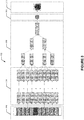
Figure 3 illustrates a heat map creation engine process 102for creation of a heat map for an image frame, according to an example embodiment of the present disclosure. In an example embodiment, the heatmap creation engine 102 may be a Spatio-Temporal Convolution Neural Network (CNN) model. The heatmap creation engine 102 may include multiple blocks of layers. In an example, the layers may include convolutional, normalization, and pooling layers. - At
step 302, a series of image frames is provided to heatmap creation engine 102. As shown infigure 3 , a series of ten image frames is provided to heatmap creation engine 102. Therefore, to create a heat map for a single image a frame, a series of multiple frames is used. The series of image frames includes one target frame (represented by dark gray block) and nine neighboring frames (represented by light gray color blocks). Four neighboring frames are placed ahead of the target frames and five neighboring frames are placed below the target frames. - At
step 304, each of the ten image frames are then fed into multiple blocks of convolutional, normalization and pooling layers for extraction of spatial features of each image frame. In an example, the spatial features, such as a color features and texture features may be extracted for each frame. - At
step 306, temporal features of the image frames are extracted. The result that is achieved fromstep 304 is used atstep 306. In an example, the first convolutional layer is applied with filters of temporal extent T=4 and stride S=2. As shown infigure 3 , four responses in time are thus produced. Further, the second and third layers perform the similar process with filters of temporal extent T=2 and stride S=2. In this way, the final layer could extract temporal features of all the ten image frames. In an example, temporal features of the image frames may include motion features, trajectory features, flicker features, and the like. - At
step 308, the spatial and temporal features of the image frames are rescaled to obtain a heat distribution over the target frame. In an example, the spatial and temporal features of the image frames are rescaled using a softmax function. - At
step 310, a heat map is created for the target frame based on the heat distribution over the target frame. Thus the heatmap creation engine 102 extracts both spatial and temporal features of the image frames at the same time, and creates the heat map of the target frame based on local information from the target frame and global information from multiple neighboring frames. -
Figure 4 illustrates aprocess 400 for ranking of media objects in a media based on the heat map, according to an example embodiment of the present disclosure. - As shown in
figure 4 , a spatio-temporal model 402 is initially trained over atraining data 404. Thetraining data 404 may include spatial-temporal features 406 of training image frames. Thereafter, media 408 comprisingmulti-frames 410 may be fed into the spatio-temporal model 402. The multi-frames 410 may include a target frame and multiple neighboring frames. Subsequently, the spatio-temporal model 402 extracts spatial-temporal features of the multi-frames 410 and creates aheat map 412 for the target frame based on the spatial-temporal features. Furthermore,semantic segmentation 414 is performed on the media 408 to segment the media 408 into multiple media objects. In an example embodiment, thesemantic segmentation 414 may be performed on the media 408 based on pre-defined classes. In particular,semantic segmentation 414 may be performed to select one or more media objects from amongst the media objects based on pre-defined conditions. Thereafter,scene recognition 416 is performed to detect image frames comprising the selected one or more media objects based on camera angle changes. Thescene recognition 416 may further be performed to determine heat scores for the selected one or more media objects. Finally, heat ranking 418 is performed to rank the selected one or more media objects in the media 408 based on the heat scores and the createdheat map 412. In an example embodiment, creation of theheat map 412 and heat ranking 418 of the media objects based on theheat map 412 is performed in real-time; however, the training of the spatio-temporal model 402 may or may not be performed in real-time. -
Figure 5 illustrates ahardware platform 500 for implementation of thesystem 100, according to an example of the present disclosure. In an example embodiment, thehardware platform 500 may be acomputer system 500 that may be used with the examples described herein. Thecomputer system 500 may represent a computational platform that includes components that may be in a server or another computer system. Thecomputer system 500 may execute, by a processor (e.g., a single or multiple processors) or other hardware processing circuit, the methods, functions and other processes described herein. These methods, functions and other processes may be embodied as machine readable instructions stored on a computer readable medium, which may be non-transitory, such as hardware storage devices (e.g., RAM (random access memory), ROM (read only memory), EPROM (erasable, programmable ROM), EEPROM (electrically erasable, programmable ROM), hard drives, and flash memory). - The
computer system 500 may include aprocessor 502 that may implement or execute machine readable instructions performing some or all of the methods, functions, techniques and/or other processes described herein. Commands and data from theprocessor 502 may be communicated over acommunication bus 504. Thecomputer system 500 may also include amain memory 506, such as a random access memory (RAM), where the machine readable instructions and data for theprocessor 502 may reside during runtime, and a secondary data storage 508, which may be non-volatile and stores machine readable instructions and data. Thememory 506 and data storage 508 are examples of non-transitory computer readable mediums. Thememory 506 and/or the secondary data storage may store data used by thesystem 100, such as an object repository including web objects, configuration data, test data, etc. - The
computer system 500 may include an Input/Output (I/O)device 510, such as a keyboard, a mouse, a display, etc. A user interface (UI) 512 can be a communication device that provides textual and graphical user interfaces to a user of thesystem 100. TheUI 512 may operate with I/O device 510 to accept from and provide data to a user. Thecomputer system 500 may include anetwork interface 514 for connecting to a network. Other known electronic components may be added or substituted in the computer system. Theprocessor 502 may be designated as a hardware processor. Theprocessor 502 may execute various components of thesystem 100 described above and perform the methods described below. -
Figure 6 illustrates a computer-implementedmethod 600 depicting functionality of thesystem 100, according to an example of the present disclosure. For the sake of brevity, construction and operational features of thesystem 100 which are explained in detail in the description ofFigure 1 ,Figure 2 ,Figure 3 ,Figure 4 , andFigure 5 are not explained in detail in the description ofFigure 6 . - At
method block 602, themethod 600 commences with receiving a series of image frames from amongst a plurality of image frames of a media. The series of image frames includes a target frame and at least one neighboring frame. - At
method block 604, spatial-temporal features of the image frames are extracted. The spatial-temporal features of the image frames may include one or more spatial features and one or more temporal features of the image frames. In an example, the one or more spatial features of the image frames may include one or more of color features, texture features, shape features, and size features, and the one or more temporal features of the image frames may include one or more of motion features, trajectory features, and flicker features. - At
method block 606,the spatial-temporal features of the image frames are rescaled to obtain a heat distribution over the target frame. - At
method block 608, a heat map is created for the target frame based on the heat distribution over the target frame. - At
method block 610, the image frames of the media comprising the plurality of image frames are segmented into multiple media objects based on pre-defined classes. - At
method block 612, one or more media objects are selected from amongst the media objects based on pre-defined conditions. - At
method block 614, image frames comprising the selected one or more media objects are detected. In an example, the image frames comprising the selected one or more media objects may be detected based on camera angle changes. In an example, the image frames comprising the selected one or more media objects are identified as shots, such that a media object in one shot could be recognised based on visual interest to be the same media object in another shot, thus allowing content insertion in the media in a manner that would appear seamless to the viewer. Specifically, a media object may be semantically described as a bus and classified as an object of high visual interest. Once tagged in such a manner, the present disclosure will recognize the same object, i.e., the bus, across multiple image frames as the camera angle changes. The content that was placed on the bus in one frame will also be placed on the bus in subsequent frames even though the position of the bus has changed and the camera angle has changed. This will allow for continuous viewing of the same media content on the same object across multiple image frames. - At
method block 616, heat scores for the selected one or more media objects are determined. In an example embodiment, a heat score for a media object may be determined based on a number of image frames comprising the selected one or more media objects, a total number of image frames in the media, heat data of the media object at pixel level, and a total number of pixels in the media object. - In another example embodiment, the heat score for the media object may be determined based on a number of image frames comprising the selected one or more media objects, a total number of image frames in the media, heat data of the media object at pixel level, and a total number of pixels in the image frames comprising the selected one or more media objects.
- At
method block 618, the selected one or more media objects in the media are ranked based on the heat scores and the created heat map. Furthermore, information indicative of the ranks of the media objects may be provided to a client device for placement of content in the media. The content may be indicative of one or more of a text, an image, and multimedia content. - What has been described and illustrated herein are examples of the present disclosure. The terms, descriptions and figures used herein are set forth by way of illustration only and are not meant as limitations. Many variations are possible within the spirit and scope of the subject matter, which is intended to be defined by the following claims and their equivalents in which all terms are meant in their broadest reasonable sense unless otherwise indicated.
Claims (15)
- A system (100) comprising:a heat map creation engine (102) comprising:a receiving unit (202) to receive a series of image frames from amongst a plurality of image frames of a media, wherein the series of image frames includes a target frame and at least one neighboring frame;a feature extraction unit (204), in communication with the receiving unit (202), to extract spatial-temporal features of the image frames;a processing unit (206), in communication with the feature extraction unit (204), to rescale the spatial-temporal features to obtain a heat distribution over the target frame; anda creation unit (208), in communication with the processing unit (206), to create a heat map for the target frame based on the heat distribution over the target frame;a semantic segmentation engine (104), in communication with the heat map creation engine (102), the semantic segmentation engine (104) comprising:a media receiving unit (210) to receive the media comprising the plurality of image frames;a segmentation unit (212), in communication with the media receiving unit, to segment the image frames into multiple media objects based on pre-defined classes;a selection unit (214), in communication with the segmentation unit (212), to select one or more media objects from amongst the media objects based on pre-defined conditions; anda heat ranking engine (106), in communication with the semantic segmentation engine (104), the heat ranking engine comprising:a detection unit (216) to detect image frames comprising the selected one or more media objects based on camera angle changes; anda ranking unit (218), in communication with the detection unit (216), the ranking unit to:determine heat scores for the selected one or more media objects, wherein a heat score for a media object is determined based on a number of image frames comprising the selected one or more media objects, a total number of image frames in the media, heat data of the media object at pixel level, and one of a total number of pixels in the media object and a total number of pixels in the image frames comprising the selected one or more media objects; andrank the selected one or more media objects in the media based on the heat scores and the created heat map.
- The system of claim 1, wherein the system is further connected to a client device to provide information indicative of the ranks of the media objects for placement of content in the media, wherein the content is indicative of one or more of a text, an image, and multimedia content.
- The system of claim 1, wherein the spatial-temporal features of the image frames include one or more spatial features of the image frames and one or more temporal features of the image frames.
- The system of claim 3, wherein the one or more spatial features of the image frames include one or more of color features, texture features, shape features, and size features.
- The system of claim 3, wherein the one or more temporal features of the image frames include one or more of motion features, trajectory features, and flicker features.
- The system of claim 1, wherein the heat map creation engine is a Spatio-Temporal Convolution Neural Network (CNN) model.
- The system of claim 6, wherein the heat map creation engine is pre-trained based on a training dataset.
- A system comprising:a heat map creation engine (102) comprising:a receiving unit (202) to receive a series of image frames from amongst a plurality of image frames of a media, wherein the series of image frames includes a target frame and at least one neighboring frame;a feature extraction unit (204), in communication with the receiving unit (202), to extract spatial-temporal features of the image frames; anda creation unit (206), in communication with the processing unit, to create a heat map for the target frame based on the spatial-temporal features of the image frames;a semantic segmentation engine (104), in communication with the heat map creation engine (102), the semantic segmentation engine (104) comprising:a media receiving unit (210) to receive the media comprising the plurality of image frames;a segmentation unit (212), in communication with the media receiving unit (210), to segment the image frames into multiple media objects based on pre-defined classes;a selection unit (214), in communication with the segmentation unit (212), to select one or more media objects from amongst the media objects based on pre-defined conditions; anda heat ranking engine (106), in communication with the semantic segmentation (104) engine, the heat ranking engine comprising:a ranking unit (218) to:determine heat scores for the selected one or more media objects, wherein a heat score for a media object is determined based on one of a total number of pixels in the media object and a total number of pixels in the image frames comprising the selected one or more media objects; andrank the selected one or more media objects in the media based on the heat scores and the created heat map.
- The system of claim 8, wherein the heat map creation engine further comprising a processing unit, in communication with the feature extraction unit, to:remove normalization from the spatial-temporal features to obtain the spatial-temporal features at a pixel level; andrescale the spatial-temporal features to obtain a heat distribution over the target frame for creation of the heat map for the target frame based on the heat distribution over the target frame.
- The system of claim 8, wherein the heat ranking engine further comprising a detection unit to detect image frames comprising the selected one or more media objects based on camera angle changes.
- The system of claim 8, wherein the ranking unit determines the heat score for the media object based on a number of image frames comprising the selected one or more media objects, heat data of the media object at pixel level, a total number of image frames in the media, and the total number of pixels in the media object
- The system of claim 8, wherein the ranking unit determines the heat score for the media object based on a number of image frames comprising the selected one or more media objects, a total number of image frames in the media, heat data of the media object at pixel level, and a total number of pixels in the image frames comprising the selected one or more media objects.
- A computer-implemented method, executed by at least one processor, the method comprising:receiving a series of image frames from amongst a plurality of image frames of a media, wherein the series of image frames includes a target frame and at least one neighboring frame;extracting spatial-temporal features of the image frames;rescaling the spatial-temporal features to obtain a heat distribution over the target frame;creating a heat map for the target frame based on the heat distribution over the target frame;segmenting the image frames of the media comprising the plurality of image frames into multiple media objects based on pre-defined classes;selecting one or more media objects from amongst the media objects based on pre-defined conditions;detecting image frames comprising the selected one or more media objects based on camera angle changes;determining heat scores for the selected one or more media objects, wherein a heat score for a media object is determined based on a number of image frames comprising the selected one or more media objects, a total number of image frames in the media, heat data of the media object at pixel level, and one of a total number of pixels in the media object and a total number of pixels in the image frames comprising the selected one or more media objects; andranking the selected one or more media objects in the media based on the heat scores and the created heat map.
- The computer-implemented method of claim 13, wherein the spatial-temporal features of the image frames include one or more spatial features of the image frames and one or more temporal features of the image frames.
- The computer-implemented method of claim 13, wherein the method further comprising providing information indicative of the ranks of the media objects to a client device for placement of content in the media, wherein the content is indicative of one or more of a text, an image, and multimedia content.
Priority Applications (1)
| Application Number | Priority Date | Filing Date | Title |
|---|---|---|---|
| US15/962,646 US10785509B2 (en) | 2017-04-25 | 2018-04-25 | Heat ranking of media objects |
Applications Claiming Priority (2)
| Application Number | Priority Date | Filing Date | Title |
|---|---|---|---|
| EP17168069.7A EP3396964B1 (en) | 2017-04-25 | 2017-04-25 | Dynamic content placement in a still image or a video |
| EP17168066.3A EP3396963B1 (en) | 2017-04-25 | 2017-04-25 | Dynamic media content rendering |
Publications (2)
| Publication Number | Publication Date |
|---|---|
| EP3396596A1 true EP3396596A1 (en) | 2018-10-31 |
| EP3396596B1 EP3396596B1 (en) | 2020-08-19 |
Family
ID=59077870
Family Applications (1)
| Application Number | Title | Priority Date | Filing Date |
|---|---|---|---|
| EP17176137.2A Active EP3396596B1 (en) | 2017-04-25 | 2017-06-14 | Heat ranking of media objects |
Country Status (1)
| Country | Link |
|---|---|
| EP (1) | EP3396596B1 (en) |
Cited By (4)
| Publication number | Priority date | Publication date | Assignee | Title |
|---|---|---|---|---|
| CN112004117A (en) * | 2020-09-02 | 2020-11-27 | 维沃移动通信有限公司 | Video playback method and device |
| CN112528196A (en) * | 2020-11-20 | 2021-03-19 | 四川新网银行股份有限公司 | Internet public opinion popularity index real-time generation automatic monitoring system and method |
| CN112906594A (en) * | 2021-03-03 | 2021-06-04 | 杭州海康威视数字技术股份有限公司 | A method, device, equipment and storage medium for generating an armed area |
| CN116958863A (en) * | 2023-06-21 | 2023-10-27 | 浙江华创视讯科技有限公司 | Feature extraction methods, equipment and storage media based on thermal imaging videos |
Citations (4)
| Publication number | Priority date | Publication date | Assignee | Title |
|---|---|---|---|---|
| US20150363635A1 (en) * | 2014-06-12 | 2015-12-17 | Microsoft Corporation | Rule-Based Video Importance Analysis |
| US20160034786A1 (en) * | 2014-07-29 | 2016-02-04 | Microsoft Corporation | Computerized machine learning of interesting video sections |
| US20160212455A1 (en) * | 2013-09-25 | 2016-07-21 | Intel Corporation | Dynamic product placement in media content |
| US9424494B1 (en) * | 2016-01-28 | 2016-08-23 | International Business Machines Corporation | Pure convolutional neural network localization |
-
2017
- 2017-06-14 EP EP17176137.2A patent/EP3396596B1/en active Active
Patent Citations (4)
| Publication number | Priority date | Publication date | Assignee | Title |
|---|---|---|---|---|
| US20160212455A1 (en) * | 2013-09-25 | 2016-07-21 | Intel Corporation | Dynamic product placement in media content |
| US20150363635A1 (en) * | 2014-06-12 | 2015-12-17 | Microsoft Corporation | Rule-Based Video Importance Analysis |
| US20160034786A1 (en) * | 2014-07-29 | 2016-02-04 | Microsoft Corporation | Computerized machine learning of interesting video sections |
| US9424494B1 (en) * | 2016-01-28 | 2016-08-23 | International Business Machines Corporation | Pure convolutional neural network localization |
Non-Patent Citations (3)
| Title |
|---|
| KANG KAI ET AL: "Object Detection from Video Tubelets with Convolutional Neural Networks", 2016 IEEE CONFERENCE ON COMPUTER VISION AND PATTERN RECOGNITION (CVPR), IEEE, 27 June 2016 (2016-06-27), pages 817 - 825, XP033021259, DOI: 10.1109/CVPR.2016.95 * |
| KRUTHIVENTI SRINIVAS S S ET AL: "Saliency Unified: A Deep Architecture for simultaneous Eye Fixation Prediction and Salient Object Segmentation", 2016 IEEE CONFERENCE ON COMPUTER VISION AND PATTERN RECOGNITION (CVPR), IEEE, 27 June 2016 (2016-06-27), pages 5781 - 5790, XP033021776, DOI: 10.1109/CVPR.2016.623 * |
| WENGUAN WANG ET AL: "A Unified Spatiotemporal Prior based on Geodesic Distance for Video Object Segmentation", IEEE TRANSACTIONS ON PATTERN ANALYSIS AND MACHINE INTELLIGENCE, 31 January 2017 (2017-01-31), USA, pages 1 - 1, XP055410013, ISSN: 0162-8828, DOI: 10.1109/TPAMI.2017.2662005 * |
Cited By (7)
| Publication number | Priority date | Publication date | Assignee | Title |
|---|---|---|---|---|
| CN112004117A (en) * | 2020-09-02 | 2020-11-27 | 维沃移动通信有限公司 | Video playback method and device |
| CN112004117B (en) * | 2020-09-02 | 2023-03-24 | 维沃移动通信有限公司 | Video playing method and device |
| CN112528196A (en) * | 2020-11-20 | 2021-03-19 | 四川新网银行股份有限公司 | Internet public opinion popularity index real-time generation automatic monitoring system and method |
| CN112528196B (en) * | 2020-11-20 | 2023-06-23 | 四川新网银行股份有限公司 | An automatic monitoring system and method for real-time generation of Internet public opinion heat index |
| CN112906594A (en) * | 2021-03-03 | 2021-06-04 | 杭州海康威视数字技术股份有限公司 | A method, device, equipment and storage medium for generating an armed area |
| CN112906594B (en) * | 2021-03-03 | 2022-06-03 | 杭州海康威视数字技术股份有限公司 | Defense deployment area generation method, device, equipment and storage medium |
| CN116958863A (en) * | 2023-06-21 | 2023-10-27 | 浙江华创视讯科技有限公司 | Feature extraction methods, equipment and storage media based on thermal imaging videos |
Also Published As
| Publication number | Publication date |
|---|---|
| EP3396596B1 (en) | 2020-08-19 |
Similar Documents
| Publication | Publication Date | Title |
|---|---|---|
| US8433136B2 (en) | Tagging video using character recognition and propagation | |
| CN112153483B (en) | Information implantation area detection method and device and electronic equipment | |
| US9323785B2 (en) | Method and system for mobile visual search using metadata and segmentation | |
| Ju et al. | Depth-aware salient object detection using anisotropic center-surround difference | |
| US9514536B2 (en) | Intelligent video thumbnail selection and generation | |
| US9020244B2 (en) | Ranking and selecting representative video images | |
| US11978216B2 (en) | Patch-based image matting using deep learning | |
| US10785509B2 (en) | Heat ranking of media objects | |
| Bergamasco et al. | A dual-branch deep learning architecture for multisensor and multitemporal remote sensing semantic segmentation | |
| EP3396596B1 (en) | Heat ranking of media objects | |
| US20190114780A1 (en) | Systems and methods for detection of significant and attractive components in digital images | |
| US11790950B2 (en) | Film-making using style transfer | |
| CN108229289B (en) | Target retrieval method and device and electronic equipment | |
| JP6787831B2 (en) | Target detection device, detection model generation device, program and method that can be learned by search results | |
| KR101189609B1 (en) | System and method for providing video related service based on image | |
| Ip et al. | Saliency-assisted navigation of very large landscape images | |
| US10674184B2 (en) | Dynamic content rendering in media | |
| US8611695B1 (en) | Large scale patch search | |
| Jia et al. | Bi-Connect Net for salient object detection | |
| US20150181288A1 (en) | Video sales and marketing system | |
| CN118982795A (en) | Vehicle detection statistics method and system | |
| CN116012404B (en) | Video image segmentation method and its device, equipment, and medium | |
| Zhu et al. | Detecting text in natural scene images with conditional clustering and convolution neural network | |
| EP3207495B1 (en) | Method and system for comparing video shots | |
| Mahey et al. | Object Detection with Computer Vision |
Legal Events
| Date | Code | Title | Description |
|---|---|---|---|
| PUAI | Public reference made under article 153(3) epc to a published international application that has entered the european phase |
Free format text: ORIGINAL CODE: 0009012 |
|
| STAA | Information on the status of an ep patent application or granted ep patent |
Free format text: STATUS: THE APPLICATION HAS BEEN PUBLISHED |
|
| AK | Designated contracting states |
Kind code of ref document: A1 Designated state(s): AL AT BE BG CH CY CZ DE DK EE ES FI FR GB GR HR HU IE IS IT LI LT LU LV MC MK MT NL NO PL PT RO RS SE SI SK SM TR |
|
| AX | Request for extension of the european patent |
Extension state: BA ME |
|
| STAA | Information on the status of an ep patent application or granted ep patent |
Free format text: STATUS: REQUEST FOR EXAMINATION WAS MADE |
|
| 17P | Request for examination filed |
Effective date: 20190430 |
|
| RBV | Designated contracting states (corrected) |
Designated state(s): AL AT BE BG CH CY CZ DE DK EE ES FI FR GB GR HR HU IE IS IT LI LT LU LV MC MK MT NL NO PL PT RO RS SE SI SK SM TR |
|
| STAA | Information on the status of an ep patent application or granted ep patent |
Free format text: STATUS: EXAMINATION IS IN PROGRESS |
|
| 17Q | First examination report despatched |
Effective date: 20190628 |
|
| GRAP | Despatch of communication of intention to grant a patent |
Free format text: ORIGINAL CODE: EPIDOSNIGR1 |
|
| STAA | Information on the status of an ep patent application or granted ep patent |
Free format text: STATUS: GRANT OF PATENT IS INTENDED |
|
| INTG | Intention to grant announced |
Effective date: 20200312 |
|
| RAP1 | Party data changed (applicant data changed or rights of an application transferred) |
Owner name: ACCENTURE GLOBAL SERVICES LIMITED |
|
| RIN1 | Information on inventor provided before grant (corrected) |
Inventor name: SOUCHE, CHRISTIAN Inventor name: LIU, CHONGMO Inventor name: MATHON, EDOUARD |
|
| RAP1 | Party data changed (applicant data changed or rights of an application transferred) |
Owner name: ACCENTURE GLOBAL SOLUTIONS LIMITED |
|
| GRAS | Grant fee paid |
Free format text: ORIGINAL CODE: EPIDOSNIGR3 |
|
| GRAA | (expected) grant |
Free format text: ORIGINAL CODE: 0009210 |
|
| STAA | Information on the status of an ep patent application or granted ep patent |
Free format text: STATUS: THE PATENT HAS BEEN GRANTED |
|
| AK | Designated contracting states |
Kind code of ref document: B1 Designated state(s): AL AT BE BG CH CY CZ DE DK EE ES FI FR GB GR HR HU IE IS IT LI LT LU LV MC MK MT NL NO PL PT RO RS SE SI SK SM TR |
|
| REG | Reference to a national code |
Ref country code: CH Ref legal event code: EP |
|
| REG | Reference to a national code |
Ref country code: DE Ref legal event code: R096 Ref document number: 602017021794 Country of ref document: DE |
|
| REG | Reference to a national code |
Ref country code: AT Ref legal event code: REF Ref document number: 1304782 Country of ref document: AT Kind code of ref document: T Effective date: 20200915 |
|
| REG | Reference to a national code |
Ref country code: IE Ref legal event code: FG4D |
|
| REG | Reference to a national code |
Ref country code: LT Ref legal event code: MG4D |
|
| REG | Reference to a national code |
Ref country code: NL Ref legal event code: MP Effective date: 20200819 |
|
| PG25 | Lapsed in a contracting state [announced via postgrant information from national office to epo] |
Ref country code: PT Free format text: LAPSE BECAUSE OF FAILURE TO SUBMIT A TRANSLATION OF THE DESCRIPTION OR TO PAY THE FEE WITHIN THE PRESCRIBED TIME-LIMIT Effective date: 20201221 Ref country code: LT Free format text: LAPSE BECAUSE OF FAILURE TO SUBMIT A TRANSLATION OF THE DESCRIPTION OR TO PAY THE FEE WITHIN THE PRESCRIBED TIME-LIMIT Effective date: 20200819 Ref country code: HR Free format text: LAPSE BECAUSE OF FAILURE TO SUBMIT A TRANSLATION OF THE DESCRIPTION OR TO PAY THE FEE WITHIN THE PRESCRIBED TIME-LIMIT Effective date: 20200819 Ref country code: BG Free format text: LAPSE BECAUSE OF FAILURE TO SUBMIT A TRANSLATION OF THE DESCRIPTION OR TO PAY THE FEE WITHIN THE PRESCRIBED TIME-LIMIT Effective date: 20201119 Ref country code: GR Free format text: LAPSE BECAUSE OF FAILURE TO SUBMIT A TRANSLATION OF THE DESCRIPTION OR TO PAY THE FEE WITHIN THE PRESCRIBED TIME-LIMIT Effective date: 20201120 Ref country code: NO Free format text: LAPSE BECAUSE OF FAILURE TO SUBMIT A TRANSLATION OF THE DESCRIPTION OR TO PAY THE FEE WITHIN THE PRESCRIBED TIME-LIMIT Effective date: 20201119 Ref country code: SE Free format text: LAPSE BECAUSE OF FAILURE TO SUBMIT A TRANSLATION OF THE DESCRIPTION OR TO PAY THE FEE WITHIN THE PRESCRIBED TIME-LIMIT Effective date: 20200819 Ref country code: FI Free format text: LAPSE BECAUSE OF FAILURE TO SUBMIT A TRANSLATION OF THE DESCRIPTION OR TO PAY THE FEE WITHIN THE PRESCRIBED TIME-LIMIT Effective date: 20200819 |
|
| REG | Reference to a national code |
Ref country code: AT Ref legal event code: MK05 Ref document number: 1304782 Country of ref document: AT Kind code of ref document: T Effective date: 20200819 |
|
| PG25 | Lapsed in a contracting state [announced via postgrant information from national office to epo] |
Ref country code: RS Free format text: LAPSE BECAUSE OF FAILURE TO SUBMIT A TRANSLATION OF THE DESCRIPTION OR TO PAY THE FEE WITHIN THE PRESCRIBED TIME-LIMIT Effective date: 20200819 Ref country code: PL Free format text: LAPSE BECAUSE OF FAILURE TO SUBMIT A TRANSLATION OF THE DESCRIPTION OR TO PAY THE FEE WITHIN THE PRESCRIBED TIME-LIMIT Effective date: 20200819 Ref country code: NL Free format text: LAPSE BECAUSE OF FAILURE TO SUBMIT A TRANSLATION OF THE DESCRIPTION OR TO PAY THE FEE WITHIN THE PRESCRIBED TIME-LIMIT Effective date: 20200819 Ref country code: LV Free format text: LAPSE BECAUSE OF FAILURE TO SUBMIT A TRANSLATION OF THE DESCRIPTION OR TO PAY THE FEE WITHIN THE PRESCRIBED TIME-LIMIT Effective date: 20200819 Ref country code: IS Free format text: LAPSE BECAUSE OF FAILURE TO SUBMIT A TRANSLATION OF THE DESCRIPTION OR TO PAY THE FEE WITHIN THE PRESCRIBED TIME-LIMIT Effective date: 20201219 |
|
| PG25 | Lapsed in a contracting state [announced via postgrant information from national office to epo] |
Ref country code: CZ Free format text: LAPSE BECAUSE OF FAILURE TO SUBMIT A TRANSLATION OF THE DESCRIPTION OR TO PAY THE FEE WITHIN THE PRESCRIBED TIME-LIMIT Effective date: 20200819 Ref country code: DK Free format text: LAPSE BECAUSE OF FAILURE TO SUBMIT A TRANSLATION OF THE DESCRIPTION OR TO PAY THE FEE WITHIN THE PRESCRIBED TIME-LIMIT Effective date: 20200819 Ref country code: RO Free format text: LAPSE BECAUSE OF FAILURE TO SUBMIT A TRANSLATION OF THE DESCRIPTION OR TO PAY THE FEE WITHIN THE PRESCRIBED TIME-LIMIT Effective date: 20200819 Ref country code: EE Free format text: LAPSE BECAUSE OF FAILURE TO SUBMIT A TRANSLATION OF THE DESCRIPTION OR TO PAY THE FEE WITHIN THE PRESCRIBED TIME-LIMIT Effective date: 20200819 Ref country code: SM Free format text: LAPSE BECAUSE OF FAILURE TO SUBMIT A TRANSLATION OF THE DESCRIPTION OR TO PAY THE FEE WITHIN THE PRESCRIBED TIME-LIMIT Effective date: 20200819 |
|
| REG | Reference to a national code |
Ref country code: DE Ref legal event code: R097 Ref document number: 602017021794 Country of ref document: DE |
|
| PG25 | Lapsed in a contracting state [announced via postgrant information from national office to epo] |
Ref country code: ES Free format text: LAPSE BECAUSE OF FAILURE TO SUBMIT A TRANSLATION OF THE DESCRIPTION OR TO PAY THE FEE WITHIN THE PRESCRIBED TIME-LIMIT Effective date: 20200819 Ref country code: AL Free format text: LAPSE BECAUSE OF FAILURE TO SUBMIT A TRANSLATION OF THE DESCRIPTION OR TO PAY THE FEE WITHIN THE PRESCRIBED TIME-LIMIT Effective date: 20200819 Ref country code: AT Free format text: LAPSE BECAUSE OF FAILURE TO SUBMIT A TRANSLATION OF THE DESCRIPTION OR TO PAY THE FEE WITHIN THE PRESCRIBED TIME-LIMIT Effective date: 20200819 |
|
| PLBE | No opposition filed within time limit |
Free format text: ORIGINAL CODE: 0009261 |
|
| STAA | Information on the status of an ep patent application or granted ep patent |
Free format text: STATUS: NO OPPOSITION FILED WITHIN TIME LIMIT |
|
| PG25 | Lapsed in a contracting state [announced via postgrant information from national office to epo] |
Ref country code: SK Free format text: LAPSE BECAUSE OF FAILURE TO SUBMIT A TRANSLATION OF THE DESCRIPTION OR TO PAY THE FEE WITHIN THE PRESCRIBED TIME-LIMIT Effective date: 20200819 |
|
| 26N | No opposition filed |
Effective date: 20210520 |
|
| PG25 | Lapsed in a contracting state [announced via postgrant information from national office to epo] |
Ref country code: IT Free format text: LAPSE BECAUSE OF FAILURE TO SUBMIT A TRANSLATION OF THE DESCRIPTION OR TO PAY THE FEE WITHIN THE PRESCRIBED TIME-LIMIT Effective date: 20200819 |
|
| PG25 | Lapsed in a contracting state [announced via postgrant information from national office to epo] |
Ref country code: SI Free format text: LAPSE BECAUSE OF FAILURE TO SUBMIT A TRANSLATION OF THE DESCRIPTION OR TO PAY THE FEE WITHIN THE PRESCRIBED TIME-LIMIT Effective date: 20200819 |
|
| REG | Reference to a national code |
Ref country code: DE Ref legal event code: R079 Ref document number: 602017021794 Country of ref document: DE Free format text: PREVIOUS MAIN CLASS: G06K0009620000 Ipc: G06V0030190000 |
|
| PG25 | Lapsed in a contracting state [announced via postgrant information from national office to epo] |
Ref country code: MC Free format text: LAPSE BECAUSE OF FAILURE TO SUBMIT A TRANSLATION OF THE DESCRIPTION OR TO PAY THE FEE WITHIN THE PRESCRIBED TIME-LIMIT Effective date: 20200819 |
|
| REG | Reference to a national code |
Ref country code: CH Ref legal event code: PL |
|
| REG | Reference to a national code |
Ref country code: BE Ref legal event code: MM Effective date: 20210630 |
|
| PG25 | Lapsed in a contracting state [announced via postgrant information from national office to epo] |
Ref country code: LU Free format text: LAPSE BECAUSE OF NON-PAYMENT OF DUE FEES Effective date: 20210614 |
|
| PG25 | Lapsed in a contracting state [announced via postgrant information from national office to epo] |
Ref country code: LI Free format text: LAPSE BECAUSE OF NON-PAYMENT OF DUE FEES Effective date: 20210630 Ref country code: CH Free format text: LAPSE BECAUSE OF NON-PAYMENT OF DUE FEES Effective date: 20210630 |
|
| PG25 | Lapsed in a contracting state [announced via postgrant information from national office to epo] |
Ref country code: BE Free format text: LAPSE BECAUSE OF NON-PAYMENT OF DUE FEES Effective date: 20210630 |
|
| P01 | Opt-out of the competence of the unified patent court (upc) registered |
Effective date: 20230523 |
|
| PG25 | Lapsed in a contracting state [announced via postgrant information from national office to epo] |
Ref country code: CY Free format text: LAPSE BECAUSE OF FAILURE TO SUBMIT A TRANSLATION OF THE DESCRIPTION OR TO PAY THE FEE WITHIN THE PRESCRIBED TIME-LIMIT Effective date: 20200819 |
|
| PG25 | Lapsed in a contracting state [announced via postgrant information from national office to epo] |
Ref country code: HU Free format text: LAPSE BECAUSE OF FAILURE TO SUBMIT A TRANSLATION OF THE DESCRIPTION OR TO PAY THE FEE WITHIN THE PRESCRIBED TIME-LIMIT; INVALID AB INITIO Effective date: 20170614 |
|
| PG25 | Lapsed in a contracting state [announced via postgrant information from national office to epo] |
Ref country code: MK Free format text: LAPSE BECAUSE OF FAILURE TO SUBMIT A TRANSLATION OF THE DESCRIPTION OR TO PAY THE FEE WITHIN THE PRESCRIBED TIME-LIMIT Effective date: 20200819 |
|
| PG25 | Lapsed in a contracting state [announced via postgrant information from national office to epo] |
Ref country code: MT Free format text: LAPSE BECAUSE OF FAILURE TO SUBMIT A TRANSLATION OF THE DESCRIPTION OR TO PAY THE FEE WITHIN THE PRESCRIBED TIME-LIMIT Effective date: 20200819 |
|
| PGFP | Annual fee paid to national office [announced via postgrant information from national office to epo] |
Ref country code: DE Payment date: 20250402 Year of fee payment: 9 |
|
| PGFP | Annual fee paid to national office [announced via postgrant information from national office to epo] |
Ref country code: GB Payment date: 20250401 Year of fee payment: 9 |
|
| PGFP | Annual fee paid to national office [announced via postgrant information from national office to epo] |
Ref country code: FR Payment date: 20250401 Year of fee payment: 9 |
|
| PGFP | Annual fee paid to national office [announced via postgrant information from national office to epo] |
Ref country code: IE Payment date: 20250402 Year of fee payment: 9 |
|
| PG25 | Lapsed in a contracting state [announced via postgrant information from national office to epo] |
Ref country code: TR Free format text: LAPSE BECAUSE OF FAILURE TO SUBMIT A TRANSLATION OF THE DESCRIPTION OR TO PAY THE FEE WITHIN THE PRESCRIBED TIME-LIMIT Effective date: 20200819 |