EP3395350A1 - Medical drug for treating cerebral infarction - Google Patents
Medical drug for treating cerebral infarction Download PDFInfo
- Publication number
- EP3395350A1 EP3395350A1 EP16879037.6A EP16879037A EP3395350A1 EP 3395350 A1 EP3395350 A1 EP 3395350A1 EP 16879037 A EP16879037 A EP 16879037A EP 3395350 A1 EP3395350 A1 EP 3395350A1
- Authority
- EP
- European Patent Office
- Prior art keywords
- medicament
- medicament according
- therapy
- ischemic
- vessel occlusion
- Prior art date
- Legal status (The legal status is an assumption and is not a legal conclusion. Google has not performed a legal analysis and makes no representation as to the accuracy of the status listed.)
- Granted
Links
Images

Classifications
-
- C—CHEMISTRY; METALLURGY
- C12—BIOCHEMISTRY; BEER; SPIRITS; WINE; VINEGAR; MICROBIOLOGY; ENZYMOLOGY; MUTATION OR GENETIC ENGINEERING
- C12Y—ENZYMES
- C12Y304/00—Hydrolases acting on peptide bonds, i.e. peptidases (3.4)
- C12Y304/21—Serine endopeptidases (3.4.21)
- C12Y304/21068—Tissue plasminogen activator (3.4.21.68), i.e. tPA
-
- C—CHEMISTRY; METALLURGY
- C12—BIOCHEMISTRY; BEER; SPIRITS; WINE; VINEGAR; MICROBIOLOGY; ENZYMOLOGY; MUTATION OR GENETIC ENGINEERING
- C12N—MICROORGANISMS OR ENZYMES; COMPOSITIONS THEREOF; PROPAGATING, PRESERVING, OR MAINTAINING MICROORGANISMS; MUTATION OR GENETIC ENGINEERING; CULTURE MEDIA
- C12N5/00—Undifferentiated human, animal or plant cells, e.g. cell lines; Tissues; Cultivation or maintenance thereof; Culture media therefor
- C12N5/06—Animal cells or tissues; Human cells or tissues
- C12N5/0602—Vertebrate cells
- C12N5/0652—Cells of skeletal and connective tissues; Mesenchyme
- C12N5/0662—Stem cells
- C12N5/0663—Bone marrow mesenchymal stem cells (BM-MSC)
-
- A—HUMAN NECESSITIES
- A61—MEDICAL OR VETERINARY SCIENCE; HYGIENE
- A61K—PREPARATIONS FOR MEDICAL, DENTAL OR TOILETRY PURPOSES
- A61K35/00—Medicinal preparations containing materials or reaction products thereof with undetermined constitution
- A61K35/12—Materials from mammals; Compositions comprising non-specified tissues or cells; Compositions comprising non-embryonic stem cells; Genetically modified cells
- A61K35/28—Bone marrow; Haematopoietic stem cells; Mesenchymal stem cells of any origin, e.g. adipose-derived stem cells
-
- A—HUMAN NECESSITIES
- A61—MEDICAL OR VETERINARY SCIENCE; HYGIENE
- A61K—PREPARATIONS FOR MEDICAL, DENTAL OR TOILETRY PURPOSES
- A61K38/00—Medicinal preparations containing peptides
- A61K38/16—Peptides having more than 20 amino acids; Gastrins; Somatostatins; Melanotropins; Derivatives thereof
- A61K38/43—Enzymes; Proenzymes; Derivatives thereof
- A61K38/46—Hydrolases (3)
- A61K38/48—Hydrolases (3) acting on peptide bonds (3.4)
- A61K38/482—Serine endopeptidases (3.4.21)
-
- A—HUMAN NECESSITIES
- A61—MEDICAL OR VETERINARY SCIENCE; HYGIENE
- A61K—PREPARATIONS FOR MEDICAL, DENTAL OR TOILETRY PURPOSES
- A61K45/00—Medicinal preparations containing active ingredients not provided for in groups A61K31/00 - A61K41/00
- A61K45/06—Mixtures of active ingredients without chemical characterisation, e.g. antiphlogistics and cardiaca
-
- A—HUMAN NECESSITIES
- A61—MEDICAL OR VETERINARY SCIENCE; HYGIENE
- A61P—SPECIFIC THERAPEUTIC ACTIVITY OF CHEMICAL COMPOUNDS OR MEDICINAL PREPARATIONS
- A61P7/00—Drugs for disorders of the blood or the extracellular fluid
- A61P7/02—Antithrombotic agents; Anticoagulants; Platelet aggregation inhibitors
-
- A—HUMAN NECESSITIES
- A61—MEDICAL OR VETERINARY SCIENCE; HYGIENE
- A61P—SPECIFIC THERAPEUTIC ACTIVITY OF CHEMICAL COMPOUNDS OR MEDICINAL PREPARATIONS
- A61P7/00—Drugs for disorders of the blood or the extracellular fluid
- A61P7/04—Antihaemorrhagics; Procoagulants; Haemostatic agents; Antifibrinolytic agents
-
- A—HUMAN NECESSITIES
- A61—MEDICAL OR VETERINARY SCIENCE; HYGIENE
- A61P—SPECIFIC THERAPEUTIC ACTIVITY OF CHEMICAL COMPOUNDS OR MEDICINAL PREPARATIONS
- A61P9/00—Drugs for disorders of the cardiovascular system
- A61P9/08—Vasodilators for multiple indications
-
- A—HUMAN NECESSITIES
- A61—MEDICAL OR VETERINARY SCIENCE; HYGIENE
- A61P—SPECIFIC THERAPEUTIC ACTIVITY OF CHEMICAL COMPOUNDS OR MEDICINAL PREPARATIONS
- A61P9/00—Drugs for disorders of the cardiovascular system
- A61P9/10—Drugs for disorders of the cardiovascular system for treating ischaemic or atherosclerotic diseases, e.g. antianginal drugs, coronary vasodilators, drugs for myocardial infarction, retinopathy, cerebrovascula insufficiency, renal arteriosclerosis
-
- C—CHEMISTRY; METALLURGY
- C12—BIOCHEMISTRY; BEER; SPIRITS; WINE; VINEGAR; MICROBIOLOGY; ENZYMOLOGY; MUTATION OR GENETIC ENGINEERING
- C12N—MICROORGANISMS OR ENZYMES; COMPOSITIONS THEREOF; PROPAGATING, PRESERVING, OR MAINTAINING MICROORGANISMS; MUTATION OR GENETIC ENGINEERING; CULTURE MEDIA
- C12N5/00—Undifferentiated human, animal or plant cells, e.g. cell lines; Tissues; Cultivation or maintenance thereof; Culture media therefor
- C12N5/06—Animal cells or tissues; Human cells or tissues
- C12N5/0602—Vertebrate cells
- C12N5/069—Vascular Endothelial cells
- C12N5/0692—Stem cells; Progenitor cells; Precursor cells
-
- A—HUMAN NECESSITIES
- A61—MEDICAL OR VETERINARY SCIENCE; HYGIENE
- A61K—PREPARATIONS FOR MEDICAL, DENTAL OR TOILETRY PURPOSES
- A61K2300/00—Mixtures or combinations of active ingredients, wherein at least one active ingredient is fully defined in groups A61K31/00 - A61K41/00
Definitions
- the present invention relates to a medicament for treating an ischemic vascular disorder, comprising mesenchymal stem cells. More specifically, the present invention relates to a medicament for treating an ischemic vascular disorder that reduces risk of cerebral hemorrhage associated with a reperfusion therapy for vessel occlusion such as thrombolytic therapy and can extend the therapeutic time window.
- Cerebral infarction refers to a pathological condition in which cerebral ischemia occurs due to cerebral artery occlusion or stenosis and brain tissue undergoes necrosis or a similar state.
- cerebral infarction in particular an acute phase or super acute phase of cerebral infarction
- myocardial infarction thrombolysis or physical removal of a blood clot is the first-line choice for the treatment to prevent necrosis due to ischemia.
- the reperfusion for vessel occlusion has a problem that it is often associated with a risk of cerebral hemorrhage.
- the t-PA IV therapy has higher thrombolysis activity and lower risk of hemorrhage than other thrombolytic agents such as urokinase and is therefore the standard of care in a reperfusion therapy of a super acute phase or acute phase of cerebral infarction.
- thrombolytic agents such as urokinase
- the therapy must usually start within 4.5 hours from the onset. Therefore, a new therapy that suppresses endothelial dysfunction is demanded in order to reduce the risk of hemorrhage and to extend the therapeutic time window for t-PA.
- MSCs mesenchymal stem cells
- An object of the present invention is to provide a new method for treating cerebral hemorrhage associated with a reperfusion therapy for vessel occlusion and, in particular, to provide means for reducing risk of cerebral hemorrhage associated with thrombolytic therapy and treating motor dysfunction and higher brain dysfunction associated with an ischemic vascular disorder.
- the inventors have found that by intravenously administering MSCs, in combination with thrombolytic therapy with rt-PA, to a transient middle cerebral artery occlusion model that has been induced by inserting an intraluminal suture into the artery, hemorrhagic infarction is suppressed markedly and significant improvement of motor function over time is exhibited.
- the present invention relates to the following (1) to (18).
- a synergistic effect of reducing risk of cerebral hemorrhage associated with a reperfusion therapy for vessel occlusion such as t-PA therapy and improving a therapeutic effect (improvement of motor function, decrease in infarction lesion) of MSCs is accomplished.
- the time window in which a thrombolytic therapy such as t-PA therapy can be applied which is usually considered to be 4.5 hours after the onset, can be extended.
- the present invention relates to a medicament for treating an ischemic vascular disorder, comprising mesenchymal stem cells, wherein the medicament is used in combination with a reperfusion therapy for vessel occlusion (for example, administration of a medicament including a thrombolytic agent, a platelet aggregation inhibitor, and an anticoagulant agent, or physical removal of a blood clot).
- a reperfusion therapy for vessel occlusion for example, administration of a medicament including a thrombolytic agent, a platelet aggregation inhibitor, and an anticoagulant agent, or physical removal of a blood clot.
- Mesenchymal stem cells used in the present invention are stem cells having multipotency and self-renewal present in a very small amount in stroma cells of mesenchymal tissue and known to not only differentiate into connective tissue cells such as osteocytes, chondrocytes, and adipocytes, but also have differentiation potency into neural cells and cardiomyocytes.
- Sources of the mesenchymal stem cells include bone marrow, peripheral blood, umbilical cord blood, fetal embryos, and brain, but are preferably mesenchymal stem cells derived from bone marrow (bone marrow mesenchymal stem cells), in particular, human bone marrow mesenchymal stem cells.
- bone marrow mesenchymal stem cells derived from bone marrow (bone marrow mesenchymal stem cells), in particular, human bone marrow mesenchymal stem cells.
- the mesenchymal stem cells derived from bone marrow have advantages in that 1) a marked effect can be expected, 2) risk of side effects is low, 3) sufficient supply of donor cells can be expected, and 4) therapies with them are noninvasive and they can be autografted and therefore 5) risk of infection is low, 6) immunorejection does not need to be concerned about, 7) they have no ethical problems, 8) they are easy to be accepted socially, and 9) they are easy to become a therapy widely used as a general medical care.
- the bone marrow transplantation therapy is a therapy already used on the clinical site and its safety is confirmed.
- stem cells derived from bone marrow are highly migratory and not only by the transplant to the local site but also by intravenous administration, they can be delivered to lesional tissue and a therapeutic effect can be expected there.
- the cells may be cells obtained by inducing differentiation of ES cells or induced pluripotent stem cells (iPS cells or the like), an established cell line, or cells isolated from the living body and proliferated.
- the cells may be derived from allogeneic cells or autologous cells, but they are preferably mesenchymal stem cells derived from autologous cells (derived from patient's own cells).
- the mesenchymal stem cells used in the present invention are preferably in an undifferentiated state. This is because cells in an undifferentiated state have a high reproductive rate and a high survival rate after the introduction into the living body.
- the inventors have developed a method for obtaining such cells, details of which are described in WO2009/002503 .
- cells separated from a bone marrow aspirate under conditions in which the cells do not come in substantial contact with an anticoagulant are proliferated in a medium containing human serum (preferably autologous serum) and containing no anticoagulant (heparin) or an anticoagulant at a very low concentration.
- the density of the cells in the medium has an effect on properties and the direction of differentiation of the cells.
- cell densities in a medium higher than 8,500 cells/cm 2 change the properties of the cells and therefore it is preferred to passage the cells at a cell density lower than or at most equal to 8500/cm 2 and it is more preferable to passage the cells at a time point when the cell density become equal to or higher than 5500/cm 2 .
- a human serum-containing medium is used and therefore, in consideration of the burden on the serum donor, it is desirable that the number of the medium change is as little as possible and, for example, the medium change is conducted at least once a week and more preferably 1 to 2 times a week.
- the cells are repeatedly passaged until the total number of the cells reaches 10 8 or more.
- the number of required cells may vary depending on the purpose of use, but for example, the number of mesenchymal stem cells required for the transplant for treating an ischemic brain disease such as cerebral infarction is considered to be equal to or higher than 10 7 . According to the method that inventors developed, 10 7 mesenchymal stem cells can be obtained in about 12 days.
- the proliferated MSCs may be stored by techniques such as the cryopreservation (for example, in a deep freezer at -152 degrees Celsius) until use as needed.
- a medium a medium for mammalian cells such as RPMI
- serum preferably human serum, more preferably autologous serum
- DMSO dextran
- cells can be suspended in a cryopreservation medium containing 20.5 mL of RPMI sterilized by usual filtration, 20.5 mL of self-serum collected from a patient, 5 mL of dextran, and 5mL of DMSO and cryopreserved at -150 degrees Celsius.
- DMSO and dextran include, but are not limited to, Cryoserv made by Nipro Corporation and Low Molecular Dextran L Injection made by Otsuka Pharmaceutical Co., Ltd., respectively.
- the higher number of the MSCs contained in the medicament according to the present invention is, the more preferable it is. However, it is practical to be the minimum number at which the MSCs are effective in consideration of the timing at which they are administered to a subject and the time required for the culture. Accordingly, in a preferred aspect of the medicament according to the present invention, the number of mesenchymal stem cells is 10 7 or more, preferably 5 ⁇ 10 7 or more, more preferably 10 8 or more, further preferably 5 ⁇ 10 8 or more.
- the medicament according to the present invention is preferably a formulation for parenteral administration, more preferably a formulation for parenteral systemic administration, and particularly a formulation for intravenous administration.
- the dosage form suitable for the parenteral administration include injections such as solution-type injections, suspension-type injections, emulsion-type injections, and injections prepared at time of use and grafts.
- the formulation for parenteral administration is in the form of an aqueous or nonaqueous isotonic aseptic solution or suspension, is formulated into an appropriate unit dosage form in combination with, for example, a pharmacologically acceptable carrier or vehicle, such as, specifically, sterile water or physiological saline, a medium (medium particularly used in the culture of mammalian cells, such as RPMI), a physiological buffer solution such as PBS, a vegetable oil, an emulsifier, a suspension, a surfactant, a stabilizer, an excipient, a vehicle, a preservative, a binder, or the like, as appropriate.
- a pharmacologically acceptable carrier or vehicle such as, specifically, sterile water or physiological saline, a medium (medium particularly used in the culture of mammalian cells, such as RPMI), a physiological buffer solution such as PBS, a vegetable oil, an emulsifier, a suspension, a surfactant, a stabilizer,
- an aqueous solution for injection examples include physiological buffer solutions such as physiological saline, a medium, and PBS, isotonic solutions containing glucose or another pharmaceutic aid, for example, D-sorbitol, D-mannose, D-mannitol, sodium chloride, or the like, which may be used in combination with a suitable solubilizing agent, for example, alcohol, more specifically; ethanol, polyalcohol, propylene glycol, polyethyleneglycol, and non-ionic surfactants, for example, polysorbate 80, HCO-50, or the like.
- physiological buffer solutions such as physiological saline, a medium, and PBS
- isotonic solutions containing glucose or another pharmaceutic aid for example, D-sorbitol, D-mannose, D-mannitol, sodium chloride, or the like
- a suitable solubilizing agent for example, alcohol, more specifically; ethanol, polyalcohol, propylene glycol, polyethyleneglycol, and non-ionic sur
- the medicament according to the present invention is used to treat an ischemic vascular disorder.
- the ischemic vascular disorder refers to a condition that presents a local vascular disorder (for example, degeneration or occlusion) due to a decrease in artery bloodstream and examples thereof include ischemic cerebrovascular disorders and ischemic heart diseases.
- the medicament according to the present invention is used to treat an ischemic cerebrovascular disorder.
- the MSCs are known to provide the protection of the brain (the parenchyma and the blood vessel) and have been already used in therapies for an ischemic cerebrovascular disorder such as cerebral infarction by intravenous administration.
- ischemic cerebrovascular disorder examples include cerebral infarction (for example, atherothrombotic brain infarction, cerebral thrombosis, cerebral embolism, lacunar infarction, branch atheromatous disease (BAD), Trousseau's syndrome, blood coagulation disorder, artery dissection, venous infarction, vasculitis, antiphospholipid antibody syndrome), transient ischemic attack (TIA), and the like.
- cerebral infarction for example, atherothrombotic brain infarction, cerebral thrombosis, cerebral embolism, lacunar infarction, branch atheromatous disease (BAD), Trousseau's syndrome, blood coagulation disorder, artery dissection, venous infarction, vasculitis, antiphospholipid antibody syndrome), transient ischemic attack (TIA), and the like.
- the medicament according to the present invention is also used to treat ischemic heart disease such as myocardial infarction.
- the myocardial infarction refers to a condition in which occlusion or stenosis develops in the coronary blood vessel that supplies oxygen and nutrition to the heart, reducing the blood flow, to make the heart muscle in an ischemic state and necrotized.
- the medicament according to the present invention is suitable for the reperfusion therapy for vessel occlusion, particularly a super acute phase (within 8 hours) or acute phase (8 hours to 24 hours) of an ischemic cerebrovascular disorder or acute myocardial infarction (within 3 days from the onset), to which the thrombolytic therapy is applied, but the timing of application is determined as appropriate according to the symptom of the patient.
- an ischemic vascular disorder particularly an acute phase or super acute phase of an ischemic cerebrovascular disorder or myocardial infarction
- reperfusion of the occluded blood vessel by thrombolysis, physical removal of the blood clot, or the like is the first-line choice for the treatment to prevent necrosis due to ischemia.
- thrombolytic agent examples include urokinase, pro-urokinase, tissue plasminogen activator (t-PA), nasaruplase, streptokinase, and the like.
- t-PA recombinant t-PA
- rt-PA recombinant t-PA
- examples of the rt-PA include alteplase and tisokinase, which have an amino acid sequence same as a native t-PA and also pamiteplase, in which an amino acid modification has been made to extend the half-life, and the like.
- Medicaments containing t-PA currently in the market in Japan include ACTIVACIN (R) injection, GRTPA (R) injection, and Cleactor (R) injection, among which the first two are approved for application to an ischemic cerebrovascular disorder and acute myocardial infarction. Moreover, the last one is approved for application to acute myocardial infarction and acute pulmonary embolism.
- thrombolytic agents can improve ischemia by dissolving clots and prevent necrosis of the brain tissue, they are associated with a risk of hemorrhage.
- the timing of administration is limited, for example, to a time window within 6 hours from the onset for urokinase and a time window within 4.5 hours from the onset for t-PA.
- t-PA activates plasmin, which dissolves fibrin, a main component of blood clots, and thereby has a higher ability to lyse the blood clot by than other thrombolytic agents, it has become the first choice of thrombolytic therapy at present.
- t-PA has both the effects as a platelet aggregation inhibitor and an anticoagulant agent.
- its application is limited by the risk of cerebral hemorrhage and the short time window of 4.5 hours for administration.
- the medicament according to the present invention can reduce the risk of cerebral hemorrhage and extend the time window for the administration the therapeutic time window thereof by being used in combination with a medicament containing a thrombolytic agent, particularly a medicament containing t-PA.
- the platelet aggregation inhibitor can prevent the clot formation by inhibiting the aggregation of platelets.
- the platelet aggregation inhibitor include, but are not limited to, aspirin, clopidogrel, cilostazol, ticlopidine, and the like.
- the anticoagulant agent can prevent the clot formation by inhibiting the function of the coagulation factors.
- the anticoagulant agent include, but are not limited to, heparin, low molecular weight heparin, argatroban, danaparoid sodium, dalteparin, nadroparin, bemiparin, fondaparinux, antithrombin agents such asargatroban, and the like.
- the medicament according to the present invention may be applied before, after, or at the same time as the reperfusion therapy for vessel occlusion.
- the medicament according to the present invention (MSCs) can easily be delivered to the affected portion by intravenous administration, a simple and easy way.
- the method for physical removal of a blood clot include, but are not limited to, mechanical clot retrieval therapy by an intravascular operation or the like, carotid endarterectomy, and the like. Moreover, the method may also be reperfusion by a bypass surgery, stent treatment, ballooning, therapeutic aspiration, disruption by supersonic wave, or the like.
- the medicament according to the present invention can reduce risk of cerebral hemorrhage associated with the reperfusion therapy for vessel occlusion.
- a reperfusion therapy for vessel occlusion for example, administration of a medicament including a thrombolytic agent, a platelet aggregation inhibitor, and an anticoagulant agent, or physical removal of a blood clot
- the medicament according to the present invention can reduce risk of cerebral hemorrhage associated with the reperfusion therapy for vessel occlusion.
- the medicament according to the present invention can extend the time window in which thrombolytic agents can be administered.
- the time window for administration of t-PA can be expected to be extended at least 4.5 hours, 6 hours, 8 hours, 12 hours, 24 hours or more.
- the thrombolytic agent improves the therapeutic effect of MSCs by improving microcirculation and markedly increases the effect of improving the motor function and the tissue repair effect by MSCs in comparison with that when administered singly.
- the combinatory use of a medicament containing a thrombolytic agent and the medicament according to the present invention produces a synergistic effect that cannot be predicted from the single administration.
- the present invention also provides a medicament for preventing cerebral hemorrhage associated with the reperfusion therapy (for example, administration of a medicament including a thrombolytic agent, a platelet aggregation inhibitor, and an anticoagulant agent, or physical removal of a blood clot) for vessel occlusion, comprising mesenchymal stem cells.
- a medicament for preventing cerebral hemorrhage associated with the reperfusion therapy for example, administration of a medicament including a thrombolytic agent, a platelet aggregation inhibitor, and an anticoagulant agent, or physical removal of a blood clot
- the reperfusion therapy for vessel occlusion in ischemic vascular disorder is associated with risk of cerebral hemorrhage
- the medicament according to the present invention can suppress matrix metalloproteinase (MMP)-9 activation and thereby suppress the endothelial dysfunction associated therewith and reduce the risk of cerebral hemorrhage.
- MMP matrix metalloproteinase
- the invention provides a method for treating an ischemic vascular disorder, comprising using a reperfusion therapy (administration of a medicament including a thrombolytic agent, a platelet aggregation inhibitor, and an anticoagulant agent, physical removal of a blood clot, or the like) for vessel occlusion and a medicament containing MSCs in combination.
- a reperfusion therapy administration of a medicament including a thrombolytic agent, a platelet aggregation inhibitor, and an anticoagulant agent, physical removal of a blood clot, or the like
- the reperfusion therapy for vessel occlusion includes the administration of a thrombolytic agent such as t-PA and physical removal of a blood clot.
- the disease to be treated is preferably an ischemic cerebrovascular disorder such as cerebral infarction or an ischemic heart disease such as myocardial infarction and more preferably a super acute phase or acute phase of an ischemic cerebrovascular disorder (cerebral infarction) and acute myocardial infarction.
- an ischemic cerebrovascular disorder such as cerebral infarction or an ischemic heart disease such as myocardial infarction and more preferably a super acute phase or acute phase of an ischemic cerebrovascular disorder (cerebral infarction) and acute myocardial infarction.
- the present invention provides a method for reducing or preventing cerebral hemorrhage associated with thrombolytic therapy (in particular for an ischemic cerebrovascular disorder or ischemic heart disease), comprising using a reperfusion therapy (administration of a medicament including a thrombolytic agent, a platelet aggregation inhibitor, and an anticoagulant agent, physical removal of a blood clot, or the like) for vessel occlusion and a medicament containing MSCs in combination.
- the reperfusion therapy for vessel occlusion includes the administration of a thrombolytic agent such as t-PA and physical removal of a blood clot.
- the disease to be treated is preferably an ischemic cerebrovascular disorder such as cerebral infarction or an ischemic heart disease such as myocardial infarction and more preferably a super acute phase or acute phase of an ischemic cerebrovascular disorder (cerebral infarction) and acute myocardial infarction.
- an ischemic cerebrovascular disorder such as cerebral infarction or an ischemic heart disease such as myocardial infarction and more preferably a super acute phase or acute phase of an ischemic cerebrovascular disorder (cerebral infarction) and acute myocardial infarction.
- the present invention also provides a method of treatment that extends a time window for administering thrombolytic therapy (in particular for an ischemic cerebrovascular disorder), comprising using a reperfusion therapy (administration of a medicament including a thrombolytic agent, a platelet aggregation inhibitor, and an anticoagulant agent, physical removal of a blood clot, or the like) for vessel occlusion and a medicament containing MSCs in combination.
- thrombolytic therapy in particular for an ischemic cerebrovascular disorder
- a reperfusion therapy administration of a medicament including a thrombolytic agent, a platelet aggregation inhibitor, and an anticoagulant agent, physical removal of a blood clot, or the like
- the medicament according to the present invention makes it possible to apply thrombolytic therapy to patients whom no thrombolytic therapy has conventionally been able to apply to by preventing cerebral hemorrhage associated with administration of thrombolytic agent (for example, t-PA) and extending the time window for the administration thereof.
- thrombolytic agent for example, t-PA
- the medicament according to the present invention can ameliorate motor dysfunction associated with an ischemic cerebrovascular disorder by tissue regeneration and restoration effects that MSCs have and promote healing of infarction lesion and the thrombolytic agent further improves this effect of MSCs themselves by improving microcirculation.
- the medicament according to the present invention protects the vascular endothelium and suppresses endothelial dysfunction and thereby reduces risk of cerebral hemorrhage and enables a safe reperfusion therapy (for example, thrombolytic therapy or physical removal of a blood clot) for vessel occlusion as well as has tissue repairing at infarction site, which is an original function of MSCs, and the effect that improves the motor function and ameliorates higher brain dysfunction, enabling whole new therapy for an ischemic vascular disorder.
- a safe reperfusion therapy for example, thrombolytic therapy or physical removal of a blood clot
- the experiment was conducted according to the Regulations for Animal Experiments at Sapporo Medical University. According to previous reports, the bone marrow obtained from thighbone of adult SD rats was diluted to 25 ml with Dulbecco's modified Eagle medium (DMEM), heat-inactivated 10% FBS, 2 mM l-glutamine, 100 U/ml penicillin, and 0.1 mg/ml streptomycin were added, and the bone marrow was incubated for 3 days at 37 degrees Celsius in 5% CO 2 atmosphere ( Kim S. et al., Brain Res. 2006, 1123:27-33 . Ukai R. et al.,J. Neurotrauma. 2007, 24:508-520 .). The bone marrow was cultured until confluent and adherent cells were detached with trypsin-EDTA and passaged at a density of 1 ⁇ 10 4 cells/ml three times to obtain mesenchymal stem cells (MSCs).
- DMEM Dulbecco's modified
- tMCAO rat transient middle cerebral artery occlusion
- DWI-MRIs Sixty minutes after establishing transient middle cerebral artery occlusion, DWI-MRIs were obtained to evaluate the initial stroke volume. Animals with an initial stroke volume less than a standard (220 to 370 mm 3 ) were excluded from the experiment. Thirty minutes after performing DWI-MRIs, the inserted intraluminal sutures were removed and the rats were randomized into four experimental groups as follows.
- Rats were injected intravenously with normal saline (saline; 1ml) immediately after reperfusion, then injected fresh medium (DMEM: 1ml) after thirty minutes.
- saline normal saline
- DMEM fresh medium
- Rats were injected intravenously with rt-PA (10mg/kg; 1ml) immediately after reperfusion, then injected fresh medium (DMEM; 1 ml) after thirty minutes.
- Rats were injected intravenously with normal physiological saline (saline; 1ml) immediately after reperfusion, then injected MSCs (1.0 ⁇ 10 6 cells each) in 1 ml fresh medium (DMEM) after thirty minutes.
- saline normal physiological saline
- DMEM fresh medium
- Rats were injected intravenously with rt-PA (10mg/kg; 1ml) immediately after reperfusion, then injected MSCs (1.0 ⁇ 10 6 cells each) in 1 ml fresh medium (DMEM) after thirty minutes.
- Rats were anesthetized with ketamine (75 mg/kg) and xylazine (10 mg/kg) and MRI measurements were performed.
- the MRI measurements were performed using a 7-Teslar, 18-cm-bore superconducting magnet (Oxford Magnet Technologies) interfaced to a UNITYINOVA console (Oxford Instruments) as described previously ( Honma T. et al., Exp. Neurol. 2006, 199:56-66 ., Komatsu K. et al., Brain Res. 2010, 1334:84-92 .).
- DWI were obtained sixty minutes after transient middle cerebral artery occlusion and 1, 4, 7, 14, 21 and 28 days after occlusion.
- the ischemia lesion area was calculated from the MRI image using Scion Image, Version Beta 4.0.2 (Scion Corporation).
- Lesion volume (mm 3 ) was determined by analysis of high intensity areas on serial images collected through the cerebrum. For each slice, the higher intensity lesions in DWI and T2WI, where the signal intensity was 1.25 times higher than the counterpart in the contralateral brain lesion, were marked as the ischemic lesion area, and infarct volume was calculated taking slice thickness (1 mm) into account. The presence of intracerebral hemorrhage was counted when there is a low intensity area in the T2WI section. We used criteria for standardizing the initial stroke volume and excluded deviated animals before MSC or medium infusion.
- CBF cerebral blood flow
- regions of interests ROI; 60 x 60 pixels
- the coordinate relative to bregma for the center of ROI was on the DWI: 0.3 mm caudal. 1.25mm lateral. 0.1 mm depth.
- rCBF regional cerebral blood flow
- Gelatin zymography was performed using brain tissue removed from rats at day1 after transient middle cerebral artery occlusion. Brain samples were homogenized immediately after perfusion in 10 times volume lysis buffer (150 mM NaCl, 1% sodium dodecyl sulfate [SDS], 0.1% deoxycholic acid, and 50 mM Tris-HCl, pH 7.5) containing protease inhibitors on ice and centrifuged for 15 minutes with centrifugal force: 9000 g, at four degrees Celsius, and then the supernatants were collected and stored at -80 degrees Celsius until use. Total protein concentration of each supernatant was determined by Thermo BCA protein assay (Pierce) and the activity of Matrix metalloproteinase (MMP)-9 was measured using a gelatin zymography kit (Primary Cell).
- lysis buffer 150 mM NaCl, 1% sodium dodecyl sulfate [SDS], 0.1% deoxycholic acid, and 50
- Rats were trained 20 min/day for two days a week to run on a motor-driven treadmill (Muromachi Inc.) at a speed of 20 m/min with a slope of 20 before transient middle cerebral artery occlusion.
- the maximum speed at which the rats could run on a motor-driven treadmill was recorded at day 1, 4, 7, 14, 21 and 28 after transient middle cerebral artery occlusion.
- Ischemic lesion volume was evaluated in four test groups by using DWI-MRI.
- T2WI-MRIs were obtained from the four groups at day 1 (Column 2), day 4 (Column 3), day 14 (Column 4), day 28 (Column 5) after transient middle cerebral artery occlusion ( Figure 4A ).
- the PWI-derived CBF maps allowed further quantitative analysis for the hemodynamic changes of the defined lesion in the ischemic brain.
- the rCBF ratios are similar between the rt-PA therapy groups (Groups 2 and 4) and between the non-rt-PA therapy groups (Groups 1 and 3), but the rCBF ratios of the rt-PA therapy groups are approximately 23% higher than those of the non-rt-PA therapy groups ( Figure 4C ).
- MSCs protect the brain. Furthermore, the intravenous administration of MSCs might protect the disruption of vasculature by non-degradation of basal lamina and/or extracellular matrix with the reduced expression of MMP-9. Infused MSCs inhibits the endothelial dysfunction to decrease the incidence rate of both intracerebral hemorrhage and hemorrhagic volume even though rt-PA was infused in the acute phase of cerebral ischemia. Although therapeutic efficacy of MSCs are consistent with previous studies, the synergistic effects of rt-PA therapy and administration of MSCs in ischemic infarction, that is, the prominent improvement of function and decrease in ischemic lesion volume are remarkable results.
- the rt-PA infused groups (Groups 2 and 4) showed increased rCBF in the lesion 2 hours after reperfusion.
- Group 2 exhibited rCBF increase, but no therapeutic effect by rt-PA administration. Therefore, even if the brain blood flow is improved, improved merely, there is no therapeutic effect.
- synergistic effects in therapeutic effect were found when it was combined with MSCs (Group 4). This therapeutic effect was higher in comparison with the single administration of MSCs (Group 3). Accordingly, the rt-PA therapy is considered to synergistically improve the therapeutic effect of MSCs by improving microcirculation and contribute to the improvement of the motor function and the amelioration of stroke lesion by MSCs.
- rt-PA cerebral infarction
- MSCs cerebral hemorrhage
- the transient cerebral ischemia model used in this Example is a model in which cerebral infarction is induced by inserting an intraluminal suture into a brain blood vessel and, after hemostasis for a certain time or longer, the blood flow was physically recanalized by removing the thread (physical removal).
- the cerebral hemorrhage suppressive effect of the administration of MSCs has been found, which indicates that MSCs have the cerebral hemorrhage suppressive effect also in a reperfusion therapy for vessel occlusion by physical removal of a blood clot.
- the method according to the present invention is also applicable to other methods of the physical removal including, for example, clot removal by intravascular therapy, mechanical clot removal therapy, carotid endarterectomy, and bypass surgery.
- t-PA (including rt-PA) has both effects as a platelet aggregation inhibitor and an anticoagulant agent
- this Example suggests that MSCs have the cerebral hemorrhage suppressive effect even in reperfusion of occluded blood vessels by platelet aggregation inhibitors and anticoagulant agents.
- ischemic vascular disorders can be reduced and therapeutic effect on ischemic vascular disorders can be improved.
- the present invention is useful in therapy for ischemic vascular disorders including cerebral infarction and myocardial infarction.
Landscapes
- Health & Medical Sciences (AREA)
- Life Sciences & Earth Sciences (AREA)
- Engineering & Computer Science (AREA)
- Chemical & Material Sciences (AREA)
- Bioinformatics & Cheminformatics (AREA)
- General Health & Medical Sciences (AREA)
- Organic Chemistry (AREA)
- Veterinary Medicine (AREA)
- Public Health (AREA)
- Animal Behavior & Ethology (AREA)
- Pharmacology & Pharmacy (AREA)
- Medicinal Chemistry (AREA)
- Biomedical Technology (AREA)
- Developmental Biology & Embryology (AREA)
- Zoology (AREA)
- Nuclear Medicine, Radiotherapy & Molecular Imaging (AREA)
- General Chemical & Material Sciences (AREA)
- Chemical Kinetics & Catalysis (AREA)
- Biotechnology (AREA)
- Cell Biology (AREA)
- Immunology (AREA)
- Hematology (AREA)
- Wood Science & Technology (AREA)
- Genetics & Genomics (AREA)
- Epidemiology (AREA)
- Heart & Thoracic Surgery (AREA)
- Cardiology (AREA)
- Vascular Medicine (AREA)
- General Engineering & Computer Science (AREA)
- Biochemistry (AREA)
- Diabetes (AREA)
- Urology & Nephrology (AREA)
- Virology (AREA)
- Microbiology (AREA)
- Rheumatology (AREA)
- Gastroenterology & Hepatology (AREA)
- Proteomics, Peptides & Aminoacids (AREA)
- Medicines Containing Material From Animals Or Micro-Organisms (AREA)
- Medicines That Contain Protein Lipid Enzymes And Other Medicines (AREA)
- Saccharide Compounds (AREA)
Abstract
Description
- The Description of the present application encompasses the contents described in the Description of Japanese Patent Application No.
2015-254410 (filed on December 25, 2015 - The present invention relates to a medicament for treating an ischemic vascular disorder, comprising mesenchymal stem cells. More specifically, the present invention relates to a medicament for treating an ischemic vascular disorder that reduces risk of cerebral hemorrhage associated with a reperfusion therapy for vessel occlusion such as thrombolytic therapy and can extend the therapeutic time window.
- Cerebral infarction refers to a pathological condition in which cerebral ischemia occurs due to cerebral artery occlusion or stenosis and brain tissue undergoes necrosis or a similar state. For cerebral infarction (in particular an acute phase or super acute phase of cerebral infarction) or myocardial infarction, thrombolysis or physical removal of a blood clot is the first-line choice for the treatment to prevent necrosis due to ischemia. However, the reperfusion for vessel occlusion has a problem that it is often associated with a risk of cerebral hemorrhage.
- The t-PA IV therapy has higher thrombolysis activity and lower risk of hemorrhage than other thrombolytic agents such as urokinase and is therefore the standard of care in a reperfusion therapy of a super acute phase or acute phase of cerebral infarction. However, since the therapeutic effect of t-PA decreases and the risk of hemorrhage increases over time, the therapy must usually start within 4.5 hours from the onset. Therefore, a new therapy that suppresses endothelial dysfunction is demanded in order to reduce the risk of hemorrhage and to extend the therapeutic time window for t-PA.
- Meanwhile, mesenchymal stem cells (MSCs) are known to provide the protection of brain (parenchyma and blood vessel). It is confirmed using an experimental infarction model that the MSC administration after cerebral infarction improves the behavioral function and reduces the ischemic lesion volume (
Non Patent Literature 1 to 3, Patent Literature 1). Moreover, the treatment of cerebral infarction patients by intravenous administration of MSCs have been conducted many times and the improvement of motor function and lesion has been reported (Non Patent Literature 4, Patent Literature 2). -
- Patent Literature 1:
WO2002/000849 - Patent Literature 2:
WO2009/002503 -
- Non Patent Literature 1: Iihoshi S. et al., Brain Res. 2004, 1007: 1-9.
- Non Patent Literature 2: Nomura T. et al., Neuroscience. 2005, 136: 161-169.
- Non Patent Literature 3: Honma T. et al., Exp. Neurol. 2006, 199: 56-66.
- Non Patent Literature 4: Honmou O. et al., Brain. 2011, 134: 1790-1807.
- An object of the present invention is to provide a new method for treating cerebral hemorrhage associated with a reperfusion therapy for vessel occlusion and, in particular, to provide means for reducing risk of cerebral hemorrhage associated with thrombolytic therapy and treating motor dysfunction and higher brain dysfunction associated with an ischemic vascular disorder.
- The inventors have found that by intravenously administering MSCs, in combination with thrombolytic therapy with rt-PA, to a transient middle cerebral artery occlusion model that has been induced by inserting an intraluminal suture into the artery, hemorrhagic infarction is suppressed markedly and significant improvement of motor function over time is exhibited.
- Accordingly, the present invention relates to the following (1) to (18).
- (1) A medicament for treating an ischemic vascular disorder, comprising mesenchymal stem cells, wherein the medicament is used in combination with a reperfusion therapy for vessel occlusion;
- (2) the medicament according to (1) above, wherein the medicament reduces risk of cerebral hemorrhage associated with the reperfusion therapy for vessel occlusion;
- (3) the medicament according to (1) or (2) above, wherein the reperfusion therapy for vessel occlusion comprises any one or more selected from administration of a thrombolytic agent, a platelet aggregation inhibitor, and an anticoagulant agent, and physical removal of a blood clot;
- (4) the medicament according to any one of (1) to (3) above, wherein the reperfusion therapy for vessel occlusion comprises administration of the thrombolytic agent;
- (5) the medicament according to (4) above, wherein the thrombolytic agent is plasminogen activator;
- (6) the medicament according to any one of (3) to (5) above, wherein the medicament extends a time window in which the thrombolytic agent can be administered;
- (7) the medicament according to any one of (1) to (6) above, wherein the ischemic vascular disorder is an ischemic cerebrovascular disorder or myocardial infarction;
- (8) the medicament according to any one of (1) to (6) above, wherein the ischemic vascular disorder is a super acute phase or acute phase of an ischemic cerebrovascular disorder or acute myocardial infarction;
- (9) the medicament according to any one of (1) to (8) above, wherein the mesenchymal stem cells are mesenchymal stem cells derived from bone marrow;
- (10) a medicament for preventing cerebral hemorrhage associated with a reperfusion therapy for vessel occlusion, comprising mesenchymal stem cells.
- (11) the medicament according to (10) above, wherein the reperfusion therapy for vessel occlusion comprises any one or more selected from administration of a thrombolytic agent, a platelet aggregation inhibitor, and an anticoagulant agent, and physical removal of a blood clot;
- (12) the medicament according to (10) or (11) above, wherein the reperfusion therapy for vessel occlusion comprises administration of the thrombolytic agent;
- (13) the medicament according to (12) above, wherein the thrombolytic agent is plasminogen activator;
- (14) the medicament according to any one of (11) to (13) above, wherein the medicament extends a time window in which the thrombolytic agent can be administered;
- (15) the medicament according to any one of (10) to (14) above, wherein the medicament is used for a patient with an ischemic vascular disorder;
- (16) the medicament according to (15) above, wherein the ischemic vascular disorder is an ischemic cerebrovascular disorder or myocardial infarction;
- (17) the medicament according to (15) or (16) above, wherein the ischemic vascular disorder is a super acute phase or acute phase of an ischemic cerebrovascular disorder or myocardial infarction;
- (18) the medicament according to any one of (10) to (17) above, wherein the mesenchymal stem cells are mesenchymal stem cells derived from bone marrow.
- According to the present invention, a synergistic effect of reducing risk of cerebral hemorrhage associated with a reperfusion therapy for vessel occlusion such as t-PA therapy and improving a therapeutic effect (improvement of motor function, decrease in infarction lesion) of MSCs is accomplished. Moreover, by the reduction of risk of cerebral hemorrhage, the time window in which a thrombolytic therapy such as t-PA therapy can be applied, which is usually considered to be 4.5 hours after the onset, can be extended.
-
- [
Figure 1] Figure 1 illustrates the outline of the experimental protocol. DWI is acquired 60 minutes after middle cerebral artery occlusion (MCAO); after grouping into 4 groups at random, occlusion is recanalized and rt-PA or physiological saline is administered (90 minutes after occlusion); and a medium or MSC is administered further after 30 minutes. - [
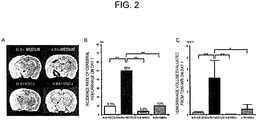
Figure 2] Figure 2 illustrates the onset of acute hemorrhage after the combination of rt-PA therapy and MSC administration. A: Images of respective groups (physiological saline + medium, rt-PA + medium, physiological saline + MSC, rt-PA + MSC), B: Incidence rate of cerebral hemorrhage onDay 1, C: Hemorrhage volume evaluated from T2WI-MRI on Day 1 (** P < 0.01, * P < 0.05, Tukey's post-hoc test). - [
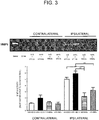
Figure 3] Figure 3 illustrates a result of gelatin zymography. A: Expression level of MMP-9 (from the left, Marker, Sham, Contralateral: physiological saline + medium, rt-PA + medium, physiological saline + MSC, rt-PA + MSC, Ipsilateral: physiological saline + medium, rt-PA + medium, physiological saline + MSC, rt-PA + MSC). B: MMP-9 activity by densitometry measurement (** P < 0.01, Tukey's post-hoc test). - [
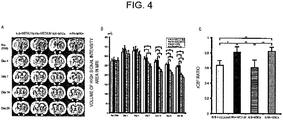
Figure 4] Figure 4 illustrates characteristics of ischemia lesion by MRI analysis. A: DWI before occlusion (Column 1), T2WI on Day 4 (Column 2), Day 7 (Column 3), Day 14 (Column 4), Day 28 (Column 5) after reperfusion in respective groups. B: Lesion volumes of respective groups evaluated from DWI (before occlusion) and T2WI ofDay - [
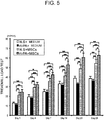
Figure 5] Figure 5 illustrates a result of treadmill load test. Maximum speeds at which rats were able to run over a treadmill onDay 1,Day 4,Day 7,Day 14,Day 21,Day 28 after reperfusion in respective groups (** P < 0.01, * P < 0.05, Tukey's post-hoc test). - The present invention relates to a medicament for treating an ischemic vascular disorder, comprising mesenchymal stem cells, wherein the medicament is used in combination with a reperfusion therapy for vessel occlusion (for example, administration of a medicament including a thrombolytic agent, a platelet aggregation inhibitor, and an anticoagulant agent, or physical removal of a blood clot).
- Mesenchymal stem cells used in the present invention are stem cells having multipotency and self-renewal present in a very small amount in stroma cells of mesenchymal tissue and known to not only differentiate into connective tissue cells such as osteocytes, chondrocytes, and adipocytes, but also have differentiation potency into neural cells and cardiomyocytes.
- Sources of the mesenchymal stem cells include bone marrow, peripheral blood, umbilical cord blood, fetal embryos, and brain, but are preferably mesenchymal stem cells derived from bone marrow (bone marrow mesenchymal stem cells), in particular, human bone marrow mesenchymal stem cells. The mesenchymal stem cells derived from bone marrow have advantages in that 1) a marked effect can be expected, 2) risk of side effects is low, 3) sufficient supply of donor cells can be expected, and 4) therapies with them are noninvasive and they can be autografted and therefore 5) risk of infection is low, 6) immunorejection does not need to be worried about, 7) they have no ethical problems, 8) they are easy to be accepted socially, and 9) they are easy to become a therapy widely used as a general medical care. Furthermore, the bone marrow transplantation therapy is a therapy already used on the clinical site and its safety is confirmed. Moreover, stem cells derived from bone marrow are highly migratory and not only by the transplant to the local site but also by intravenous administration, they can be delivered to lesional tissue and a therapeutic effect can be expected there.
- The cells may be cells obtained by inducing differentiation of ES cells or induced pluripotent stem cells (iPS cells or the like), an established cell line, or cells isolated from the living body and proliferated. The cells may be derived from allogeneic cells or autologous cells, but they are preferably mesenchymal stem cells derived from autologous cells (derived from patient's own cells).
- The mesenchymal stem cells used in the present invention are preferably in an undifferentiated state. This is because cells in an undifferentiated state have a high reproductive rate and a high survival rate after the introduction into the living body. The inventors have developed a method for obtaining such cells, details of which are described in
WO2009/002503 . - In the aforementioned method developed by the inventors, cells separated from a bone marrow aspirate under conditions in which the cells do not come in substantial contact with an anticoagulant (heparin) are proliferated in a medium containing human serum (preferably autologous serum) and containing no anticoagulant (heparin) or an anticoagulant at a very low concentration.
- The density of the cells in the medium has an effect on properties and the direction of differentiation of the cells. In the case of mesenchymal stem cells, cell densities in a medium higher than 8,500 cells/cm2 change the properties of the cells and therefore it is preferred to passage the cells at a cell density lower than or at most equal to 8500/cm2 and it is more preferable to passage the cells at a time point when the cell density become equal to or higher than 5500/cm2.
- In the aforementioned method that the inventors developed, a human serum-containing medium is used and therefore, in consideration of the burden on the serum donor, it is desirable that the number of the medium change is as little as possible and, for example, the medium change is conducted at least once a week and more preferably 1 to 2 times a week.
- In the culture, the cells are repeatedly passaged until the total number of the cells reaches 108 or more. The number of required cells may vary depending on the purpose of use, but for example, the number of mesenchymal stem cells required for the transplant for treating an ischemic brain disease such as cerebral infarction is considered to be equal to or higher than 107. According to the method that inventors developed, 107 mesenchymal stem cells can be obtained in about 12 days.
- The proliferated MSCs may be stored by techniques such as the cryopreservation (for example, in a deep freezer at -152 degrees Celsius) until use as needed. In cryopreservation, a medium (a medium for mammalian cells such as RPMI) is used as a cryopreservation medium containing serum (preferably human serum, more preferably autologous serum), dextran, DMSO. For example, cells can be suspended in a cryopreservation medium containing 20.5 mL of RPMI sterilized by usual filtration, 20.5 mL of self-serum collected from a patient, 5 mL of dextran, and 5mL of DMSO and cryopreserved at -150 degrees Celsius. Examples of DMSO and dextran include, but are not limited to, Cryoserv made by Nipro Corporation and Low Molecular Dextran L Injection made by Otsuka Pharmaceutical Co., Ltd., respectively.
- The higher number of the MSCs contained in the medicament according to the present invention is, the more preferable it is. However, it is practical to be the minimum number at which the MSCs are effective in consideration of the timing at which they are administered to a subject and the time required for the culture. Accordingly, in a preferred aspect of the medicament according to the present invention, the number of mesenchymal stem cells is 107 or more, preferably 5 × 10⁷ or more, more preferably 108 or more, further preferably 5 × 10⁸ or more.
- The medicament according to the present invention is preferably a formulation for parenteral administration, more preferably a formulation for parenteral systemic administration, and particularly a formulation for intravenous administration. Examples of the dosage form suitable for the parenteral administration include injections such as solution-type injections, suspension-type injections, emulsion-type injections, and injections prepared at time of use and grafts. The formulation for parenteral administration is in the form of an aqueous or nonaqueous isotonic aseptic solution or suspension, is formulated into an appropriate unit dosage form in combination with, for example, a pharmacologically acceptable carrier or vehicle, such as, specifically, sterile water or physiological saline, a medium (medium particularly used in the culture of mammalian cells, such as RPMI), a physiological buffer solution such as PBS, a vegetable oil, an emulsifier, a suspension, a surfactant, a stabilizer, an excipient, a vehicle, a preservative, a binder, or the like, as appropriate.
- Examples of an aqueous solution for injection include physiological buffer solutions such as physiological saline, a medium, and PBS, isotonic solutions containing glucose or another pharmaceutic aid, for example, D-sorbitol, D-mannose, D-mannitol, sodium chloride, or the like, which may be used in combination with a suitable solubilizing agent, for example, alcohol, more specifically; ethanol, polyalcohol, propylene glycol, polyethyleneglycol, and non-ionic surfactants, for example,
polysorbate 80, HCO-50, or the like. - The medicament according to the present invention is used to treat an ischemic vascular disorder. The ischemic vascular disorder refers to a condition that presents a local vascular disorder (for example, degeneration or occlusion) due to a decrease in artery bloodstream and examples thereof include ischemic cerebrovascular disorders and ischemic heart diseases.
- The medicament according to the present invention is used to treat an ischemic cerebrovascular disorder. As described above, the MSCs are known to provide the protection of the brain (the parenchyma and the blood vessel) and have been already used in therapies for an ischemic cerebrovascular disorder such as cerebral infarction by intravenous administration.
- Examples of the ischemic cerebrovascular disorder include cerebral infarction (for example, atherothrombotic brain infarction, cerebral thrombosis, cerebral embolism, lacunar infarction, branch atheromatous disease (BAD), Trousseau's syndrome, blood coagulation disorder, artery dissection, venous infarction, vasculitis, antiphospholipid antibody syndrome), transient ischemic attack (TIA), and the like.
- The medicament according to the present invention is also used to treat ischemic heart disease such as myocardial infarction. The myocardial infarction refers to a condition in which occlusion or stenosis develops in the coronary blood vessel that supplies oxygen and nutrition to the heart, reducing the blood flow, to make the heart muscle in an ischemic state and necrotized.
- The medicament according to the present invention is suitable for the reperfusion therapy for vessel occlusion, particularly a super acute phase (within 8 hours) or acute phase (8 hours to 24 hours) of an ischemic cerebrovascular disorder or acute myocardial infarction (within 3 days from the onset), to which the thrombolytic therapy is applied, but the timing of application is determined as appropriate according to the symptom of the patient.
- For an ischemic vascular disorder (particularly an acute phase or super acute phase of an ischemic cerebrovascular disorder or myocardial infarction), reperfusion of the occluded blood vessel by thrombolysis, physical removal of the blood clot, or the like is the first-line choice for the treatment to prevent necrosis due to ischemia.
- Examples of the thrombolytic agent include urokinase, pro-urokinase, tissue plasminogen activator (t-PA), nasaruplase, streptokinase, and the like.
- Any t-PA that is used at present is recombinant t-PA (rt-PA). Examples of the rt-PA include alteplase and tisokinase, which have an amino acid sequence same as a native t-PA and also pamiteplase, in which an amino acid modification has been made to extend the half-life, and the like. Medicaments containing t-PA currently in the market in Japan include ACTIVACIN (R) injection, GRTPA (R) injection, and Cleactor (R) injection, among which the first two are approved for application to an ischemic cerebrovascular disorder and acute myocardial infarction. Moreover, the last one is approved for application to acute myocardial infarction and acute pulmonary embolism.
- While thrombolytic agents can improve ischemia by dissolving clots and prevent necrosis of the brain tissue, they are associated with a risk of hemorrhage. Moreover, the timing of administration is limited, for example, to a time window within 6 hours from the onset for urokinase and a time window within 4.5 hours from the onset for t-PA.
- Since t-PA activates plasmin, which dissolves fibrin, a main component of blood clots, and thereby has a higher ability to lyse the blood clot by than other thrombolytic agents, it has become the first choice of thrombolytic therapy at present. Moreover, t-PA has both the effects as a platelet aggregation inhibitor and an anticoagulant agent. However, as described above, its application is limited by the risk of cerebral hemorrhage and the short time window of 4.5 hours for administration.
- The medicament according to the present invention can reduce the risk of cerebral hemorrhage and extend the time window for the administration the therapeutic time window thereof by being used in combination with a medicament containing a thrombolytic agent, particularly a medicament containing t-PA.
- The platelet aggregation inhibitor (antiplatelet agent) can prevent the clot formation by inhibiting the aggregation of platelets. Examples of the platelet aggregation inhibitor include, but are not limited to, aspirin, clopidogrel, cilostazol, ticlopidine, and the like.
- The anticoagulant agent (anticoagulant) can prevent the clot formation by inhibiting the function of the coagulation factors. Examples of the anticoagulant agent include, but are not limited to, heparin, low molecular weight heparin, argatroban, danaparoid sodium, dalteparin, nadroparin, bemiparin, fondaparinux, antithrombin agents such asargatroban, and the like.
- The medicament according to the present invention may be applied before, after, or at the same time as the reperfusion therapy for vessel occlusion. The medicament according to the present invention (MSCs) can easily be delivered to the affected portion by intravenous administration, a simple and easy way.
- The method for physical removal of a blood clot include, but are not limited to, mechanical clot retrieval therapy by an intravascular operation or the like, carotid endarterectomy, and the like. Moreover, the method may also be reperfusion by a bypass surgery, stent treatment, ballooning, therapeutic aspiration, disruption by supersonic wave, or the like.
- When used in combination with a reperfusion therapy for vessel occlusion (for example, administration of a medicament including a thrombolytic agent, a platelet aggregation inhibitor, and an anticoagulant agent, or physical removal of a blood clot), the medicament according to the present invention can reduce risk of cerebral hemorrhage associated with the reperfusion therapy for vessel occlusion. In particular, while the application of thrombolytic agents is limited because of its short time window for administration, the medicament according to the present invention can extend the time window in which thrombolytic agents can be administered. For example, by using t-PA in combination with the medicament according to the present invention, the time window for administration of t-PA can be expected to be extended at least 4.5 hours, 6 hours, 8 hours, 12 hours, 24 hours or more.
- Furthermore, the thrombolytic agent improves the therapeutic effect of MSCs by improving microcirculation and markedly increases the effect of improving the motor function and the tissue repair effect by MSCs in comparison with that when administered singly. In this way, the combinatory use of a medicament containing a thrombolytic agent and the medicament according to the present invention produces a synergistic effect that cannot be predicted from the single administration.
- The present invention also provides a medicament for preventing cerebral hemorrhage associated with the reperfusion therapy (for example, administration of a medicament including a thrombolytic agent, a platelet aggregation inhibitor, and an anticoagulant agent, or physical removal of a blood clot) for vessel occlusion, comprising mesenchymal stem cells. As described above, the reperfusion therapy for vessel occlusion in ischemic vascular disorder is associated with risk of cerebral hemorrhage, but the medicament according to the present invention can suppress matrix metalloproteinase (MMP)-9 activation and thereby suppress the endothelial dysfunction associated therewith and reduce the risk of cerebral hemorrhage.
- The invention provides a method for treating an ischemic vascular disorder, comprising using a reperfusion therapy (administration of a medicament including a thrombolytic agent, a platelet aggregation inhibitor, and an anticoagulant agent, physical removal of a blood clot, or the like) for vessel occlusion and a medicament containing MSCs in combination. In one embodiment, the reperfusion therapy for vessel occlusion includes the administration of a thrombolytic agent such as t-PA and physical removal of a blood clot. Moreover, the disease to be treated is preferably an ischemic cerebrovascular disorder such as cerebral infarction or an ischemic heart disease such as myocardial infarction and more preferably a super acute phase or acute phase of an ischemic cerebrovascular disorder (cerebral infarction) and acute myocardial infarction.
- Moreover, the present invention provides a method for reducing or preventing cerebral hemorrhage associated with thrombolytic therapy (in particular for an ischemic cerebrovascular disorder or ischemic heart disease), comprising using a reperfusion therapy (administration of a medicament including a thrombolytic agent, a platelet aggregation inhibitor, and an anticoagulant agent, physical removal of a blood clot, or the like) for vessel occlusion and a medicament containing MSCs in combination. In one embodiment, the reperfusion therapy for vessel occlusion includes the administration of a thrombolytic agent such as t-PA and physical removal of a blood clot. Moreover, the disease to be treated is preferably an ischemic cerebrovascular disorder such as cerebral infarction or an ischemic heart disease such as myocardial infarction and more preferably a super acute phase or acute phase of an ischemic cerebrovascular disorder (cerebral infarction) and acute myocardial infarction.
- Furthermore, the present invention also provides a method of treatment that extends a time window for administering thrombolytic therapy (in particular for an ischemic cerebrovascular disorder), comprising using a reperfusion therapy (administration of a medicament including a thrombolytic agent, a platelet aggregation inhibitor, and an anticoagulant agent, physical removal of a blood clot, or the like) for vessel occlusion and a medicament containing MSCs in combination.
- In particular, the medicament according to the present invention makes it possible to apply thrombolytic therapy to patients whom no thrombolytic therapy has conventionally been able to apply to by preventing cerebral hemorrhage associated with administration of thrombolytic agent (for example, t-PA) and extending the time window for the administration thereof. The medicament according to the present invention can ameliorate motor dysfunction associated with an ischemic cerebrovascular disorder by tissue regeneration and restoration effects that MSCs have and promote healing of infarction lesion and the thrombolytic agent further improves this effect of MSCs themselves by improving microcirculation.
- As described above, the medicament according to the present invention protects the vascular endothelium and suppresses endothelial dysfunction and thereby reduces risk of cerebral hemorrhage and enables a safe reperfusion therapy (for example, thrombolytic therapy or physical removal of a blood clot) for vessel occlusion as well as has tissue repairing at infarction site, which is an original function of MSCs, and the effect that improves the motor function and ameliorates higher brain dysfunction, enabling whole new therapy for an ischemic vascular disorder.
- The present invention will be specifically described by the Examples below, but the present invention is not limited by these Examples.
- The experiment was conducted according to the Regulations for Animal Experiments at Sapporo Medical University. According to previous reports, the bone marrow obtained from thighbone of adult SD rats was diluted to 25 ml with Dulbecco's modified Eagle medium (DMEM), heat-inactivated 10% FBS, 2 mM l-glutamine, 100 U/ml penicillin, and 0.1 mg/ml streptomycin were added, and the bone marrow was incubated for 3 days at 37 degrees Celsius in 5% CO2 atmosphere (Kim S. et al., Brain Res. 2006, 1123:27-33. Ukai R. et al.,J. Neurotrauma. 2007, 24:508-520.). The bone marrow was cultured until confluent and adherent cells were detached with trypsin-EDTA and passaged at a density of 1 × 10⁴ cells/ml three times to obtain mesenchymal stem cells (MSCs).
- As a cerebral infarction model, the rat transient middle cerebral artery occlusion (tMCAO) model was used. According to previous reports, adult male SD rats (280 to 330 g: n = 171) were anesthetized with ketamine (75 mg/kg) and xylazine (10 mg/kg) and a 20.0 to 22.0 mm of intraluminal suture (MONOSOF) was inserted from an external carotid artery to induce transient middle cerebral artery occlusion (Honma T. et al., Exp. Neurol. 2006; 199: 56-66. Sasaki M. et al., Methods Mol. Biol. 2009; 549: 187-195.).
- Sixty minutes after establishing transient middle cerebral artery occlusion, DWI-MRIs were obtained to evaluate the initial stroke volume. Animals with an initial stroke volume less than a standard (220 to 370 mm3) were excluded from the experiment. Thirty minutes after performing DWI-MRIs, the inserted intraluminal sutures were removed and the rats were randomized into four experimental groups as follows.
- Rats were injected intravenously with normal saline (saline; 1ml) immediately after reperfusion, then injected fresh medium (DMEM: 1ml) after thirty minutes.
- Rats were injected intravenously with rt-PA (10mg/kg; 1ml) immediately after reperfusion, then injected fresh medium (DMEM; 1 ml) after thirty minutes.
- Rats were injected intravenously with normal physiological saline (saline; 1ml) immediately after reperfusion, then injected MSCs (1.0 × 10⁶ cells each) in 1 ml fresh medium (DMEM) after thirty minutes.
- Rats were injected intravenously with rt-PA (10mg/kg; 1ml) immediately after reperfusion, then injected MSCs (1.0 × 10⁶ cells each) in 1 ml fresh medium (DMEM) after thirty minutes.
- All rats were injected daily with cyclosporine A (10 mg/kg) intraperitoneally. All intravenous infusion was used through the left femoral vein.
- Rats were anesthetized with ketamine (75 mg/kg) and xylazine (10 mg/kg) and MRI measurements were performed. The MRI measurements were performed using a 7-Teslar, 18-cm-bore superconducting magnet (Oxford Magnet Technologies) interfaced to a UNITYINOVA console (Oxford Instruments) as described previously (Honma T. et al., Exp. Neurol. 2006, 199:56-66., Komatsu K. et al., Brain Res. 2010, 1334:84-92.).
- DWI were obtained sixty minutes after transient middle cerebral artery occlusion and 1, 4, 7, 14, 21 and 28 days after occlusion. The ischemia lesion area was calculated from the MRI image using Scion Image, Version Beta 4.0.2 (Scion Corporation). Lesion volume (mm3) was determined by analysis of high intensity areas on serial images collected through the cerebrum. For each slice, the higher intensity lesions in DWI and T2WI, where the signal intensity was 1.25 times higher than the counterpart in the contralateral brain lesion, were marked as the ischemic lesion area, and infarct volume was calculated taking slice thickness (1 mm) into account. The presence of intracerebral hemorrhage was counted when there is a low intensity area in the T2WI section. We used criteria for standardizing the initial stroke volume and excluded deviated animals before MSC or medium infusion.
- Perfusion-weighted imaging (PWI) was acquired using T2-weighted (TR=13□ms, TE=6.0□ms) gradient echo sequence. PWI measurements were obtained two hours after reperfusion of the middle cerebral artery occlusion. For cerebral blood flow (CBF) mapping by PWI, one coronal slice at Bregma -0.4mm was chosen for cerebral blood flow quantification. The regions of interests (ROI; 60 x 60 pixels) were placed in peri-infarcted lesion in the ischemic hemisphere. The coordinate relative to bregma for the center of ROI was on the DWI: 0.3 mm caudal. 1.25mm lateral. 0.1 mm depth. A regional cerebral blood flow (rCBF) in each ROI was quantified using a Perfusion Solver software. An rCBF ratio was calculated with the rCBF in the infarcted hemisphere divided by that of the non-infarcted hemisphere.
- Gelatin zymography was performed using brain tissue removed from rats at day1 after transient middle cerebral artery occlusion. Brain samples were homogenized immediately after perfusion in 10 times volume lysis buffer (150 mM NaCl, 1% sodium dodecyl sulfate [SDS], 0.1% deoxycholic acid, and 50 mM Tris-HCl, pH 7.5) containing protease inhibitors on ice and centrifuged for 15 minutes with centrifugal force: 9000 g, at four degrees Celsius, and then the supernatants were collected and stored at -80 degrees Celsius until use. Total protein concentration of each supernatant was determined by Thermo BCA protein assay (Pierce) and the activity of Matrix metalloproteinase (MMP)-9 was measured using a gelatin zymography kit (Primary Cell).
- Rats were trained 20 min/day for two days a week to run on a motor-driven treadmill (Muromachi Inc.) at a speed of 20 m/min with a slope of 20 before transient middle cerebral artery occlusion. The maximum speed at which the rats could run on a motor-driven treadmill was recorded at
day - All data presented is the average ± SEM, unless otherwise specified and statistical analysis was performed using JMP statistical discovery software (JMP10, SAS Institute Inc). Differences among groups were assessed by ANOVA with Tukey's post hoc test.
- Acute hemorrhagic events in Group 2 (rt-PA + medium) is higher than other three experimental groups in terms of incidence rate (
Group 1 = 9.5%,Group 2 = 50%, Group 3 = 3.6%,Group 4 = 10%, p < 0.01, ANOVA:Figure 2B ) and hemorrhagic volume (Group 1 = 0.14 +/- 0.01 mm3;Group 2 = 3.20 +/- 1.54 mm3; Group 3 = 0.01 +/- 0.01 mm3;Group 4 = 0.48 +/- 0.39 mm3, p < 0.01, ANOVA:Figure 2C ). It should be noted that hemorrhagic events after rt-PA therapy in thegroup 2 were reduced by MSC infusion in the group 4 (incidence rate 40% decrease, p < 0.01, Tukey's post-hoc: 2.72 mm3 decrease in volume, p < 0.05, Tukey's post-hoc). This suggests that intravenous infusion MSCs has potential to reduce the incidence and volume of intracerebral hemorrhage. - Gelatin zymography indicated the ipsilateral brain showed an MMP-9 activity in Group 4 (rt-PA + MSC) is lower than that of Group 2 (rt-PA + medium) (p < 0.01, Tukey's post-hoc) and an activation of MMP-9 in Group 3 (physiological saline + MSC) is lower than that of Group 1 (physiological saline + medium) (p < 0.01, Tukey's post-hoc:
Figure 3 ). Although upregulation of MMP-9 contributes to hemorrhagic transformation after reperfusion, these results suggest MSC infusion might decease the activity of MMP-9 and suppress hemorrhagic events. - Ischemic lesion volume was evaluated in four test groups by using DWI-MRI. DWI-MRIs were obtained at sixty minutes (Column 1) and confirmed no difference of the initial stroke volume among the groups (
Group 1 = 274 +/-33 mm3; n = 9,Group 2 = 279 +/- 27 mm3; n = 12, Group 3 = 267 +/- 38 mm3; n = 11,Group 4 = 276 +/- 38 mm3; n = 9, ANOVA, p = 0.75). T2WI-MRIs were obtained from the four groups at day 1 (Column 2), day 4 (Column 3), day 14 (Column 4), day 28 (Column 5) after transient middle cerebral artery occlusion (Figure 4A ). - In all groups, estimated lesion volume gradually decreased over time between transient middle cerebral artery occlusion and day 28 (
Figure 4B ). The MSC treated groups displayed greater volume reduction as compared with medium infused groups atday day day 21 and 25% atday 28 smaller than the rt-PA-Medium group (Group 2), respectively. - Although there was no statistical significance, there were trends that the reduction in lesion volume was greatest for the rt-PA+MSC group (Group 4) at
day Fig. 4B ). These results indicate that the intravenous infusion of MSCs enhances reduction of ischemic lesion volume even if the rt-PA therapy is performed. - To assess rCBF, the PWI-derived CBF maps allowed further quantitative analysis for the hemodynamic changes of the defined lesion in the ischemic brain. At 1 hour after reperfusion of transient middle cerebral artery occlusion, the rCBF ratios are similar between the rt-PA therapy groups (
Groups 2 and 4) and between the non-rt-PA therapy groups (Groups 1 and 3), but the rCBF ratios of the rt-PA therapy groups are approximately 23% higher than those of the non-rt-PA therapy groups (Figure 4C ). These results suggest that rCBF ratio could be increased 23% by the rt-PA therapy with and without receiving intravenous infusion of MSCs following rt-PA therapy (p<0.01, ANOVA). - The maximum speed at which the rats could run on a motor-driven treadmill was recorded. Before the transient middle cerebral artery occlusion, all rats reached at 70 m/min, but twenty-four hours after the transient middle cerebral artery occlusion, maximum velocity on the treadmill test was at its maximum deficit. Both the MSC infused groups (Group 3: n = 11, Group 4: n = 9) had greater maximum velocity from 4 to 28 days than non-MSC treated control (Group 1: n = 9, Group 2: n = 12), moreover, the
Group 4 attained a higher velocity than the Group3 fromday 7 today 28. These results indicate that combination of intravenous administration of MSCs with rt-PA therapy promotes the postinfarction recovery in comparison with that with single administration of MSCs (Figure 5 ). - Evaluation of cerebral hemorrhage incidence rate and hemorrhage volume after rt-PA therapy used in combination with intravenous administration of MSCs in an acute phase of transient middle cerebral artery occlusion indicated that the administration of MSCs can suppress vascular endothelial dysfunction. Although the rt-PA therapy group without MSCs showed higher incidence rate of intracerebral hemorrhage and larger stroke volume, intravenous infusion of MSCs with rt-PA therapy after transient middle cerebral artery occlusion results greater reduction in both the incidence rate and the ischemic lesion volume of cerebral hemorrhage.
- The molecular mechanisms that underlie hemorrhagic events after rt-PA therapy remain unclear, however, previous studies suggested that MMP-9 is involved in disruption of vasculature in reperfusion after acute stroke.
- MSCs protect the brain. Furthermore, the intravenous administration of MSCs might protect the disruption of vasculature by non-degradation of basal lamina and/or extracellular matrix with the reduced expression of MMP-9. Infused MSCs inhibits the endothelial dysfunction to decrease the incidence rate of both intracerebral hemorrhage and hemorrhagic volume even though rt-PA was infused in the acute phase of cerebral ischemia. Although therapeutic efficacy of MSCs are consistent with previous studies, the synergistic effects of rt-PA therapy and administration of MSCs in ischemic infarction, that is, the prominent improvement of function and decrease in ischemic lesion volume are remarkable results.
- The rt-PA infused groups (
Groups 2 and 4) showed increased rCBF in thelesion 2 hours after reperfusion.Group 2 exhibited rCBF increase, but no therapeutic effect by rt-PA administration. Therefore, even if the brain blood flow is improved, improved merely, there is no therapeutic effect. However, synergistic effects in therapeutic effect were found when it was combined with MSCs (Group 4). This therapeutic effect was higher in comparison with the single administration of MSCs (Group 3). Accordingly, the rt-PA therapy is considered to synergistically improve the therapeutic effect of MSCs by improving microcirculation and contribute to the improvement of the motor function and the amelioration of stroke lesion by MSCs. - The application of cell therapy is considered to many neurological diseases including cerebral infarction. The use of rt-PA is a currently established therapy within several hours after ischemic infarction. In the future, patients given rt-PA therapy in an acute phase will be clinically given MSCs. These research findings will support this protocol. Accordingly, the administration of MSCs reduces risk of cerebral hemorrhage by rt-PA. Furthermore, rt-PA therapy improves therapeutic effect of MSCs.
- The transient cerebral ischemia model used in this Example is a model in which cerebral infarction is induced by inserting an intraluminal suture into a brain blood vessel and, after hemostasis for a certain time or longer, the blood flow was physically recanalized by removing the thread (physical removal). In Group 3 (physiological saline + MSC, n = 42) among the 4 groups, the cerebral hemorrhage suppressive effect of the administration of MSCs has been found, which indicates that MSCs have the cerebral hemorrhage suppressive effect also in a reperfusion therapy for vessel occlusion by physical removal of a blood clot. The method according to the present invention is also applicable to other methods of the physical removal including, for example, clot removal by intravascular therapy, mechanical clot removal therapy, carotid endarterectomy, and bypass surgery.
- Furthermore, since t-PA (including rt-PA) has both effects as a platelet aggregation inhibitor and an anticoagulant agent, this Example suggests that MSCs have the cerebral hemorrhage suppressive effect even in reperfusion of occluded blood vessels by platelet aggregation inhibitors and anticoagulant agents.
- According to the present invention, risk of cerebral hemorrhage associated with a reperfusion therapy for vessel occlusion (for example, administration of a medicament including a thrombolytic agent, a platelet aggregation inhibitor, and an anticoagulant agent, or physical removal of a blood clot) can be reduced and therapeutic effect on ischemic vascular disorders can be improved. The present invention is useful in therapy for ischemic vascular disorders including cerebral infarction and myocardial infarction.
- All publications, patents, and patent applications cited herein are incorporated herein by reference as they are.
Claims (18)
- A medicament for treating an ischemic vascular disorder, comprising mesenchymal stem cells, wherein the medicament is used in combination with a reperfusion therapy for vessel occlusion.
- The medicament according to claim 1, wherein the medicament reduces risk of cerebral hemorrhage associated with the reperfusion therapy for vessel occlusion.
- The medicament according to claim 1 or 2, wherein the reperfusion therapy for vessel occlusion comprises any one or more selected from administration of a thrombolytic agent, a platelet aggregation inhibitor, and an anticoagulant agent, and physical removal of a blood clot.
- The medicament according to any one of claims 1 to 3, wherein the reperfusion therapy for vessel occlusion comprises administration of the thrombolytic agent.
- The medicament according to claim 4, wherein the thrombolytic agent is plasminogen activator.
- The medicament according to any one of claims 3 to 5, wherein the medicament extends a time window in which the thrombolytic agent can be administered.
- The medicament according to any one of claims 1 to 6, wherein the ischemic vascular disorder is an ischemic cerebrovascular disorder or myocardial infarction.
- The medicament according to any one of claims 1 to 6, wherein the ischemic vascular disorder is a super acute phase or acute phase of an ischemic cerebrovascular disorder or acute myocardial infarction.
- The medicament according to any one of claims 1 to 8, wherein the mesenchymal stem cells are mesenchymal stem cells derived from bone marrow.
- A medicament for preventing cerebral hemorrhage associated with a reperfusion therapy for vessel occlusion, comprising mesenchymal stem cells.
- The medicament according to claim 10, wherein the reperfusion therapy for vessel occlusion comprises any one or more selected from administration of a thrombolytic agent, a platelet aggregation inhibitor, and an anticoagulant agent, and physical removal of a blood clot.
- The medicament according to claim 10 or 11, wherein the reperfusion therapy for vessel occlusion comprises administration of the thrombolytic agent.
- The medicament according to claim 12, wherein the thrombolytic agent is plasminogen activator.
- The medicament according to any one of claims 11 to 13, wherein the medicament extends a time window in which the thrombolytic agent can be administered.
- The medicament according to any one of claims 10 to 14, wherein the medicament is used for a patient with an ischemic vascular disorder.
- The medicament according to claim 15, wherein the ischemic vascular disorder is an ischemic cerebrovascular disorder or myocardial infarction.
- The medicament according to claim 15 or 16, wherein the ischemic vascular disorder is a super acute phase or acute phase of an ischemic cerebrovascular disorder or acute myocardial infarction.
- The medicament according to any one of claims 10 to 17, wherein the mesenchymal stem cells are mesenchymal stem cells derived from bone marrow.
Applications Claiming Priority (2)
| Application Number | Priority Date | Filing Date | Title |
|---|---|---|---|
| JP2015254410A JP6777840B2 (en) | 2015-12-25 | 2015-12-25 | Drugs for the treatment of cerebral infarction |
| PCT/JP2016/088646 WO2017111153A1 (en) | 2015-12-25 | 2016-12-26 | Medical drug for treating cerebral infarction |
Publications (3)
| Publication Number | Publication Date |
|---|---|
| EP3395350A1 true EP3395350A1 (en) | 2018-10-31 |
| EP3395350A4 EP3395350A4 (en) | 2019-09-18 |
| EP3395350B1 EP3395350B1 (en) | 2022-06-15 |
Family
ID=59090568
Family Applications (1)
| Application Number | Title | Priority Date | Filing Date |
|---|---|---|---|
| EP16879037.6A Active EP3395350B1 (en) | 2015-12-25 | 2016-12-26 | Medical drug for treating cerebral infarction |
Country Status (14)
| Country | Link |
|---|---|
| US (1) | US20190002833A1 (en) |
| EP (1) | EP3395350B1 (en) |
| JP (1) | JP6777840B2 (en) |
| KR (1) | KR102859691B1 (en) |
| CN (1) | CN108367027B (en) |
| AU (1) | AU2016375880C1 (en) |
| CA (1) | CA3009313A1 (en) |
| DK (1) | DK3395350T3 (en) |
| ES (1) | ES2922247T3 (en) |
| IL (1) | IL260246B2 (en) |
| PL (1) | PL3395350T3 (en) |
| PT (1) | PT3395350T (en) |
| SG (1) | SG11201805358TA (en) |
| WO (1) | WO2017111153A1 (en) |
Cited By (1)
| Publication number | Priority date | Publication date | Assignee | Title |
|---|---|---|---|---|
| WO2020234450A1 (en) * | 2019-05-23 | 2020-11-26 | Mesoblast International Sarl | Functional recovery from cerebral infarction |
Families Citing this family (2)
| Publication number | Priority date | Publication date | Assignee | Title |
|---|---|---|---|---|
| CA3129372A1 (en) * | 2019-02-07 | 2020-08-13 | Sapporo Medical University | Pharmaceutical composition for preventing in-stent restenosis |
| WO2022114242A1 (en) * | 2020-11-26 | 2022-06-02 | 北海道公立大学法人 札幌医科大学 | Medicine for treatment of ischemic angiopathy |
Family Cites Families (9)
| Publication number | Priority date | Publication date | Assignee | Title |
|---|---|---|---|---|
| CN1449439A (en) | 2000-06-26 | 2003-10-15 | 株式会社雷诺再生医学研究所 | Cell fraction containing cells capable of differentiating into nervous system cells |
| US9682319B2 (en) | 2002-07-31 | 2017-06-20 | Sony Interactive Entertainment Inc. | Combiner method for altering game gearing |
| WO2004044142A2 (en) * | 2002-11-05 | 2004-05-27 | The Brigham And Women's Hospital, Inc. | Mesenchymal stem cells and methods of use thereof |
| US20060210544A1 (en) * | 2003-06-27 | 2006-09-21 | Renomedix Institute, Inc. | Internally administered therapeutic agents for cranial nerve diseases comprising mesenchymal cells as an active ingredient |
| KR101130220B1 (en) * | 2003-06-27 | 2012-04-13 | 엔씨 메디컬 리서치 가부시키가이샤 | Internally administered therapeutic agents for diseases in central and peripheral nervous system comprising mesenchymal cells as an active ingredient |
| KR101920891B1 (en) * | 2010-08-27 | 2018-11-21 | 조슈아 엠 헤어 | Bone marrow derived cd271 precursor cells for cardiac repair |
| JP5598864B2 (en) * | 2011-12-05 | 2014-10-01 | 北海道公立大学法人 札幌医科大学 | Cell proliferation method and medicament for tissue repair and regeneration |
| JPWO2015046574A1 (en) * | 2013-09-30 | 2017-03-09 | 国立大学法人 新潟大学 | Drugs to prevent bleeding caused by reperfusion after ischemia |
| JPWO2015174087A1 (en) * | 2014-05-16 | 2017-04-20 | 公益財団法人先端医療振興財団 | Pharmaceuticals for the prevention and / or treatment of cerebral infarction |
-
2015
- 2015-12-25 JP JP2015254410A patent/JP6777840B2/en active Active
-
2016
- 2016-12-26 ES ES16879037T patent/ES2922247T3/en active Active
- 2016-12-26 WO PCT/JP2016/088646 patent/WO2017111153A1/en not_active Ceased
- 2016-12-26 AU AU2016375880A patent/AU2016375880C1/en active Active
- 2016-12-26 PL PL16879037.6T patent/PL3395350T3/en unknown
- 2016-12-26 SG SG11201805358TA patent/SG11201805358TA/en unknown
- 2016-12-26 EP EP16879037.6A patent/EP3395350B1/en active Active
- 2016-12-26 US US16/065,201 patent/US20190002833A1/en not_active Abandoned
- 2016-12-26 DK DK16879037.6T patent/DK3395350T3/en active
- 2016-12-26 CN CN201680074617.5A patent/CN108367027B/en active Active
- 2016-12-26 KR KR1020187015970A patent/KR102859691B1/en active Active
- 2016-12-26 PT PT168790376T patent/PT3395350T/en unknown
- 2016-12-26 CA CA3009313A patent/CA3009313A1/en active Pending
-
2018
- 2018-06-24 IL IL260246A patent/IL260246B2/en unknown
Cited By (1)
| Publication number | Priority date | Publication date | Assignee | Title |
|---|---|---|---|---|
| WO2020234450A1 (en) * | 2019-05-23 | 2020-11-26 | Mesoblast International Sarl | Functional recovery from cerebral infarction |
Also Published As
| Publication number | Publication date |
|---|---|
| IL260246A (en) | 2018-07-31 |
| PT3395350T (en) | 2022-07-18 |
| JP6777840B2 (en) | 2020-10-28 |
| AU2016375880C1 (en) | 2024-01-04 |
| AU2016375880A1 (en) | 2018-07-19 |
| AU2016375880B2 (en) | 2023-09-14 |
| WO2017111153A1 (en) | 2017-06-29 |
| EP3395350A4 (en) | 2019-09-18 |
| KR102859691B1 (en) | 2025-09-15 |
| ES2922247T3 (en) | 2022-09-12 |
| EP3395350B1 (en) | 2022-06-15 |
| DK3395350T3 (en) | 2022-07-11 |
| KR20180096607A (en) | 2018-08-29 |
| US20190002833A1 (en) | 2019-01-03 |
| CA3009313A1 (en) | 2017-06-29 |
| PL3395350T3 (en) | 2022-08-16 |
| IL260246B2 (en) | 2023-06-01 |
| CN108367027A (en) | 2018-08-03 |
| SG11201805358TA (en) | 2018-07-30 |
| JP2017114827A (en) | 2017-06-29 |
| CN108367027B (en) | 2023-12-12 |
Similar Documents
| Publication | Publication Date | Title |
|---|---|---|
| Gao et al. | A critical challenge: dosage-related efficacy and acute complication intracoronary injection of autologous bone marrow mesenchymal stem cells in acute myocardial infarction | |
| US10869886B2 (en) | Cell suspension for use in the treatment of lower extremity peripheral artery disease | |
| Dorado et al. | Reperfusion therapies for acute ischemic stroke: an update | |
| US20220000932A1 (en) | Use of extracellular vesicles in combination with tissue plasminogen activator and/or thrombectomy to treat stroke | |
| EP3395350B1 (en) | Medical drug for treating cerebral infarction | |
| Phillips et al. | The safety and angiographic efficacy of tissue plasminogen activator in a cerebral embolization model | |
| JP2025116006A (en) | Functional recovery from cerebral infarction | |
| JP7849696B2 (en) | A drug for the treatment of ischemic vascular disease | |
| Colliander et al. | Stem cell implants: emerging innovation for stroke recovery | |
| Caplan | New therapies for stroke | |
| Al Fauzi et al. | Clinical outcomes of repeated intraventricular transplantation of autologous bone marrow mesenchymal stem cells in chronic haemorrhagic stroke. A one-year follow up | |
| US20210379245A1 (en) | Soluble Extracellular Matrix Composition and Method for Intravascular Delivery | |
| JP6156889B2 (en) | Methods for preparing heterogeneous bone marrow cell subpopulations for the treatment of neurodegeneration | |
| Suzuki et al. | Efficiency of the penumbra 5MAX ACE reperfusion catheter in acute ischemic stroke patients | |
| US10765706B2 (en) | Method of stem cell delivery into the brain during chronic disease using blood brain barrier permeabilizers | |
| Wagner | White matter injury after experimental intracerebral hemorrhage | |
| JP6438527B2 (en) | Cell therapy for the treatment of neurodegeneration | |
| Strupp et al. | Cerebral venous and sinus thrombosis | |
| CN121987622A (en) | Cerebral apoplexy treatment time window extender, application thereof and cerebral apoplexy thrombolysis kit | |
| Nedeltchev et al. | Acute phase therapy in ischaemic stroke | |
| Tesi | Minor Fibrinolytics and Thrombolytics in Clinic | |
| Gleeson | Mesenchymal stem cell therapy for the treatment of myocardial | |
| NL8702234A (en) | IMPROVEMENTS IN OR WITH REGARD TO ORGANIC COMPOUNDS. | |
| Riva et al. | Efficacy and safety of dabigatran etexilate: a narrative review |
Legal Events
| Date | Code | Title | Description |
|---|---|---|---|
| STAA | Information on the status of an ep patent application or granted ep patent |
Free format text: STATUS: THE INTERNATIONAL PUBLICATION HAS BEEN MADE |
|
| PUAI | Public reference made under article 153(3) epc to a published international application that has entered the european phase |
Free format text: ORIGINAL CODE: 0009012 |
|
| STAA | Information on the status of an ep patent application or granted ep patent |
Free format text: STATUS: REQUEST FOR EXAMINATION WAS MADE |
|
| 17P | Request for examination filed |
Effective date: 20180723 |
|
| AK | Designated contracting states |
Kind code of ref document: A1 Designated state(s): AL AT BE BG CH CY CZ DE DK EE ES FI FR GB GR HR HU IE IS IT LI LT LU LV MC MK MT NL NO PL PT RO RS SE SI SK SM TR |
|
| AX | Request for extension of the european patent |
Extension state: BA ME |
|
| DAV | Request for validation of the european patent (deleted) | ||
| DAX | Request for extension of the european patent (deleted) | ||
| A4 | Supplementary search report drawn up and despatched |
Effective date: 20190820 |
|
| RIC1 | Information provided on ipc code assigned before grant |
Ipc: A61P 7/02 20060101ALI20190813BHEP Ipc: A61P 9/10 20060101ALI20190813BHEP Ipc: A61K 35/28 20150101AFI20190813BHEP Ipc: A61P 9/08 20060101ALI20190813BHEP |
|
| RIC1 | Information provided on ipc code assigned before grant |
Ipc: A61P 9/10 20060101ALI20191125BHEP Ipc: A61P 9/08 20060101ALI20191125BHEP Ipc: A61P 7/02 20060101ALI20191125BHEP Ipc: A61K 35/28 20150101AFI20191125BHEP |
|
| STAA | Information on the status of an ep patent application or granted ep patent |
Free format text: STATUS: EXAMINATION IS IN PROGRESS |
|
| 17Q | First examination report despatched |
Effective date: 20210218 |
|
| GRAP | Despatch of communication of intention to grant a patent |
Free format text: ORIGINAL CODE: EPIDOSNIGR1 |
|
| STAA | Information on the status of an ep patent application or granted ep patent |
Free format text: STATUS: GRANT OF PATENT IS INTENDED |
|
| RIC1 | Information provided on ipc code assigned before grant |
Ipc: A61P 9/10 20060101ALI20220113BHEP Ipc: A61P 7/02 20060101ALI20220113BHEP Ipc: A61P 9/08 20060101ALI20220113BHEP Ipc: A61K 38/49 20060101ALI20220113BHEP Ipc: A61K 35/28 20150101AFI20220113BHEP |
|
| INTG | Intention to grant announced |
Effective date: 20220203 |
|
| GRAS | Grant fee paid |
Free format text: ORIGINAL CODE: EPIDOSNIGR3 |
|
| GRAA | (expected) grant |
Free format text: ORIGINAL CODE: 0009210 |
|
| STAA | Information on the status of an ep patent application or granted ep patent |
Free format text: STATUS: THE PATENT HAS BEEN GRANTED |
|
| AK | Designated contracting states |
Kind code of ref document: B1 Designated state(s): AL AT BE BG CH CY CZ DE DK EE ES FI FR GB GR HR HU IE IS IT LI LT LU LV MC MK MT NL NO PL PT RO RS SE SI SK SM TR |
|
| REG | Reference to a national code |
Ref country code: CH Ref legal event code: EP Ref country code: GB Ref legal event code: FG4D |
|
| REG | Reference to a national code |
Ref country code: IE Ref legal event code: FG4D |
|
| REG | Reference to a national code |
Ref country code: DE Ref legal event code: R096 Ref document number: 602016072917 Country of ref document: DE |
|
| REG | Reference to a national code |
Ref country code: DK Ref legal event code: T3 Effective date: 20220704 |
|
| REG | Reference to a national code |
Ref country code: FI Ref legal event code: FGE |
|
| REG | Reference to a national code |
Ref country code: AT Ref legal event code: REF Ref document number: 1497967 Country of ref document: AT Kind code of ref document: T Effective date: 20220715 |
|
| REG | Reference to a national code |
Ref country code: PT Ref legal event code: SC4A Ref document number: 3395350 Country of ref document: PT Date of ref document: 20220718 Kind code of ref document: T Free format text: AVAILABILITY OF NATIONAL TRANSLATION Effective date: 20220712 |
|
| REG | Reference to a national code |
Ref country code: NL Ref legal event code: FP |
|
| REG | Reference to a national code |
Ref country code: SE Ref legal event code: TRGR |
|
| REG | Reference to a national code |
Ref country code: GR Ref legal event code: EP Ref document number: 20220401404 Country of ref document: GR Effective date: 20220808 |
|
| REG | Reference to a national code |
Ref country code: NO Ref legal event code: T2 Effective date: 20220615 |
|
| REG | Reference to a national code |
Ref country code: ES Ref legal event code: FG2A Ref document number: 2922247 Country of ref document: ES Kind code of ref document: T3 Effective date: 20220912 |
|
| REG | Reference to a national code |
Ref country code: LT Ref legal event code: MG9D |
|
| PG25 | Lapsed in a contracting state [announced via postgrant information from national office to epo] |
Ref country code: LT Free format text: LAPSE BECAUSE OF FAILURE TO SUBMIT A TRANSLATION OF THE DESCRIPTION OR TO PAY THE FEE WITHIN THE PRESCRIBED TIME-LIMIT Effective date: 20220615 Ref country code: HR Free format text: LAPSE BECAUSE OF FAILURE TO SUBMIT A TRANSLATION OF THE DESCRIPTION OR TO PAY THE FEE WITHIN THE PRESCRIBED TIME-LIMIT Effective date: 20220615 Ref country code: BG Free format text: LAPSE BECAUSE OF FAILURE TO SUBMIT A TRANSLATION OF THE DESCRIPTION OR TO PAY THE FEE WITHIN THE PRESCRIBED TIME-LIMIT Effective date: 20220915 |
|
| PG25 | Lapsed in a contracting state [announced via postgrant information from national office to epo] |
Ref country code: RS Free format text: LAPSE BECAUSE OF FAILURE TO SUBMIT A TRANSLATION OF THE DESCRIPTION OR TO PAY THE FEE WITHIN THE PRESCRIBED TIME-LIMIT Effective date: 20220615 Ref country code: LV Free format text: LAPSE BECAUSE OF FAILURE TO SUBMIT A TRANSLATION OF THE DESCRIPTION OR TO PAY THE FEE WITHIN THE PRESCRIBED TIME-LIMIT Effective date: 20220615 |
|
| PG25 | Lapsed in a contracting state [announced via postgrant information from national office to epo] |
Ref country code: SM Free format text: LAPSE BECAUSE OF FAILURE TO SUBMIT A TRANSLATION OF THE DESCRIPTION OR TO PAY THE FEE WITHIN THE PRESCRIBED TIME-LIMIT Effective date: 20220615 Ref country code: SK Free format text: LAPSE BECAUSE OF FAILURE TO SUBMIT A TRANSLATION OF THE DESCRIPTION OR TO PAY THE FEE WITHIN THE PRESCRIBED TIME-LIMIT Effective date: 20220615 Ref country code: RO Free format text: LAPSE BECAUSE OF FAILURE TO SUBMIT A TRANSLATION OF THE DESCRIPTION OR TO PAY THE FEE WITHIN THE PRESCRIBED TIME-LIMIT Effective date: 20220615 Ref country code: EE Free format text: LAPSE BECAUSE OF FAILURE TO SUBMIT A TRANSLATION OF THE DESCRIPTION OR TO PAY THE FEE WITHIN THE PRESCRIBED TIME-LIMIT Effective date: 20220615 Ref country code: CZ Free format text: LAPSE BECAUSE OF FAILURE TO SUBMIT A TRANSLATION OF THE DESCRIPTION OR TO PAY THE FEE WITHIN THE PRESCRIBED TIME-LIMIT Effective date: 20220615 |
|
| PG25 | Lapsed in a contracting state [announced via postgrant information from national office to epo] |
Ref country code: IS Free format text: LAPSE BECAUSE OF FAILURE TO SUBMIT A TRANSLATION OF THE DESCRIPTION OR TO PAY THE FEE WITHIN THE PRESCRIBED TIME-LIMIT Effective date: 20221015 |
|
| REG | Reference to a national code |
Ref country code: DE Ref legal event code: R097 Ref document number: 602016072917 Country of ref document: DE |
|
| PG25 | Lapsed in a contracting state [announced via postgrant information from national office to epo] |
Ref country code: AL Free format text: LAPSE BECAUSE OF FAILURE TO SUBMIT A TRANSLATION OF THE DESCRIPTION OR TO PAY THE FEE WITHIN THE PRESCRIBED TIME-LIMIT Effective date: 20220615 |
|
| PLBE | No opposition filed within time limit |
Free format text: ORIGINAL CODE: 0009261 |
|
| STAA | Information on the status of an ep patent application or granted ep patent |
Free format text: STATUS: NO OPPOSITION FILED WITHIN TIME LIMIT |
|
| 26N | No opposition filed |
Effective date: 20230316 |
|
| PG25 | Lapsed in a contracting state [announced via postgrant information from national office to epo] |
Ref country code: SI Free format text: LAPSE BECAUSE OF FAILURE TO SUBMIT A TRANSLATION OF THE DESCRIPTION OR TO PAY THE FEE WITHIN THE PRESCRIBED TIME-LIMIT Effective date: 20220615 |
|
| P01 | Opt-out of the competence of the unified patent court (upc) registered |
Effective date: 20230425 |
|
| PG25 | Lapsed in a contracting state [announced via postgrant information from national office to epo] |
Ref country code: LU Free format text: LAPSE BECAUSE OF NON-PAYMENT OF DUE FEES Effective date: 20221226 |
|
| REG | Reference to a national code |
Ref country code: AT Ref legal event code: UEP Ref document number: 1497967 Country of ref document: AT Kind code of ref document: T Effective date: 20220615 |
|
| PG25 | Lapsed in a contracting state [announced via postgrant information from national office to epo] |
Ref country code: IE Free format text: LAPSE BECAUSE OF NON-PAYMENT OF DUE FEES Effective date: 20221226 |
|
| PG25 | Lapsed in a contracting state [announced via postgrant information from national office to epo] |
Ref country code: HU Free format text: LAPSE BECAUSE OF FAILURE TO SUBMIT A TRANSLATION OF THE DESCRIPTION OR TO PAY THE FEE WITHIN THE PRESCRIBED TIME-LIMIT; INVALID AB INITIO Effective date: 20161226 |
|
| PG25 | Lapsed in a contracting state [announced via postgrant information from national office to epo] |
Ref country code: CY Free format text: LAPSE BECAUSE OF FAILURE TO SUBMIT A TRANSLATION OF THE DESCRIPTION OR TO PAY THE FEE WITHIN THE PRESCRIBED TIME-LIMIT Effective date: 20220615 |
|
| PG25 | Lapsed in a contracting state [announced via postgrant information from national office to epo] |
Ref country code: MK Free format text: LAPSE BECAUSE OF FAILURE TO SUBMIT A TRANSLATION OF THE DESCRIPTION OR TO PAY THE FEE WITHIN THE PRESCRIBED TIME-LIMIT Effective date: 20220615 |
|
| PG25 | Lapsed in a contracting state [announced via postgrant information from national office to epo] |
Ref country code: MC Free format text: LAPSE BECAUSE OF FAILURE TO SUBMIT A TRANSLATION OF THE DESCRIPTION OR TO PAY THE FEE WITHIN THE PRESCRIBED TIME-LIMIT Effective date: 20220615 |
|
| PG25 | Lapsed in a contracting state [announced via postgrant information from national office to epo] |
Ref country code: MC Free format text: LAPSE BECAUSE OF FAILURE TO SUBMIT A TRANSLATION OF THE DESCRIPTION OR TO PAY THE FEE WITHIN THE PRESCRIBED TIME-LIMIT Effective date: 20220615 |
|
| PG25 | Lapsed in a contracting state [announced via postgrant information from national office to epo] |
Ref country code: MT Free format text: LAPSE BECAUSE OF FAILURE TO SUBMIT A TRANSLATION OF THE DESCRIPTION OR TO PAY THE FEE WITHIN THE PRESCRIBED TIME-LIMIT Effective date: 20220615 |
|
| PG25 | Lapsed in a contracting state [announced via postgrant information from national office to epo] |
Ref country code: BG Free format text: LAPSE BECAUSE OF FAILURE TO SUBMIT A TRANSLATION OF THE DESCRIPTION OR TO PAY THE FEE WITHIN THE PRESCRIBED TIME-LIMIT Effective date: 20220615 |
|
| PG25 | Lapsed in a contracting state [announced via postgrant information from national office to epo] |
Ref country code: BG Free format text: LAPSE BECAUSE OF FAILURE TO SUBMIT A TRANSLATION OF THE DESCRIPTION OR TO PAY THE FEE WITHIN THE PRESCRIBED TIME-LIMIT Effective date: 20220615 |
|
| PGFP | Annual fee paid to national office [announced via postgrant information from national office to epo] |
Ref country code: PT Payment date: 20251118 Year of fee payment: 10 |
|
| REG | Reference to a national code |
Ref country code: CH Ref legal event code: U11 Free format text: ST27 STATUS EVENT CODE: U-0-0-U10-U11 (AS PROVIDED BY THE NATIONAL OFFICE) Effective date: 20260101 |
|
| PGFP | Annual fee paid to national office [announced via postgrant information from national office to epo] |
Ref country code: GB Payment date: 20251222 Year of fee payment: 10 |
|
| PGFP | Annual fee paid to national office [announced via postgrant information from national office to epo] |
Ref country code: AT Payment date: 20251230 Year of fee payment: 10 |
|
| PGFP | Annual fee paid to national office [announced via postgrant information from national office to epo] |
Ref country code: IT Payment date: 20251223 Year of fee payment: 10 Ref country code: FI Payment date: 20251114 Year of fee payment: 10 Ref country code: DK Payment date: 20251229 Year of fee payment: 10 |
|
| PGFP | Annual fee paid to national office [announced via postgrant information from national office to epo] |
Ref country code: NL Payment date: 20251229 Year of fee payment: 10 Ref country code: FR Payment date: 20251223 Year of fee payment: 10 |
|
| PGFP | Annual fee paid to national office [announced via postgrant information from national office to epo] |
Ref country code: BE Payment date: 20251229 Year of fee payment: 10 Ref country code: GR Payment date: 20251118 Year of fee payment: 10 Ref country code: TR Payment date: 20251113 Year of fee payment: 10 |
|
| PGFP | Annual fee paid to national office [announced via postgrant information from national office to epo] |
Ref country code: SE Payment date: 20251117 Year of fee payment: 10 |
|
| PGFP | Annual fee paid to national office [announced via postgrant information from national office to epo] |
Ref country code: PL Payment date: 20251118 Year of fee payment: 10 |
|
| PGFP | Annual fee paid to national office [announced via postgrant information from national office to epo] |
Ref country code: ES Payment date: 20260102 Year of fee payment: 10 |
|
| PGFP | Annual fee paid to national office [announced via postgrant information from national office to epo] |
Ref country code: DE Payment date: 20251223 Year of fee payment: 10 Ref country code: NO Payment date: 20251231 Year of fee payment: 10 |
|
| PGFP | Annual fee paid to national office [announced via postgrant information from national office to epo] |
Ref country code: CH Payment date: 20260101 Year of fee payment: 10 |