EP3393510B1 - Zika virus vaccine - Google Patents
Zika virus vaccine Download PDFInfo
- Publication number
- EP3393510B1 EP3393510B1 EP16828746.4A EP16828746A EP3393510B1 EP 3393510 B1 EP3393510 B1 EP 3393510B1 EP 16828746 A EP16828746 A EP 16828746A EP 3393510 B1 EP3393510 B1 EP 3393510B1
- Authority
- EP
- European Patent Office
- Prior art keywords
- zika virus
- virus
- zika
- seq
- inactivated
- Prior art date
- Legal status (The legal status is an assumption and is not a legal conclusion. Google has not performed a legal analysis and makes no representation as to the accuracy of the status listed.)
- Active
Links
Images










Classifications
-
- A—HUMAN NECESSITIES
- A61—MEDICAL OR VETERINARY SCIENCE; HYGIENE
- A61K—PREPARATIONS FOR MEDICAL, DENTAL OR TOILETRY PURPOSES
- A61K39/00—Medicinal preparations containing antigens or antibodies
- A61K39/12—Viral antigens
-
- A—HUMAN NECESSITIES
- A61—MEDICAL OR VETERINARY SCIENCE; HYGIENE
- A61K—PREPARATIONS FOR MEDICAL, DENTAL OR TOILETRY PURPOSES
- A61K39/00—Medicinal preparations containing antigens or antibodies
- A61K39/39—Medicinal preparations containing antigens or antibodies characterised by the immunostimulating additives, e.g. chemical adjuvants
-
- A—HUMAN NECESSITIES
- A61—MEDICAL OR VETERINARY SCIENCE; HYGIENE
- A61P—SPECIFIC THERAPEUTIC ACTIVITY OF CHEMICAL COMPOUNDS OR MEDICINAL PREPARATIONS
- A61P31/00—Antiinfectives, i.e. antibiotics, antiseptics, chemotherapeutics
- A61P31/12—Antivirals
- A61P31/14—Antivirals for RNA viruses
-
- C—CHEMISTRY; METALLURGY
- C07—ORGANIC CHEMISTRY
- C07K—PEPTIDES
- C07K14/00—Peptides having more than 20 amino acids; Gastrins; Somatostatins; Melanotropins; Derivatives thereof
- C07K14/005—Peptides having more than 20 amino acids; Gastrins; Somatostatins; Melanotropins; Derivatives thereof from viruses
- C07K14/08—RNA viruses
- C07K14/18—Togaviridae; Flaviviridae
-
- C—CHEMISTRY; METALLURGY
- C07—ORGANIC CHEMISTRY
- C07K—PEPTIDES
- C07K14/00—Peptides having more than 20 amino acids; Gastrins; Somatostatins; Melanotropins; Derivatives thereof
- C07K14/005—Peptides having more than 20 amino acids; Gastrins; Somatostatins; Melanotropins; Derivatives thereof from viruses
- C07K14/08—RNA viruses
- C07K14/18—Togaviridae; Flaviviridae
- C07K14/1816—Flaviviridae, e.g. pestivirus, mucosal disease virus, bovine viral diarrhoea virus, classical swine fever virus (hog cholera virus), border disease virus
- C07K14/1825—Flaviviruses or Group B arboviruses, e.g. yellow fever virus, japanese encephalitis, tick-borne encephalitis, dengue
-
- C—CHEMISTRY; METALLURGY
- C12—BIOCHEMISTRY; BEER; SPIRITS; WINE; VINEGAR; MICROBIOLOGY; ENZYMOLOGY; MUTATION OR GENETIC ENGINEERING
- C12N—MICROORGANISMS OR ENZYMES; COMPOSITIONS THEREOF; PROPAGATING, PRESERVING, OR MAINTAINING MICROORGANISMS; MUTATION OR GENETIC ENGINEERING; CULTURE MEDIA
- C12N7/00—Viruses; Bacteriophages; Compositions thereof; Preparation or purification thereof
-
- C—CHEMISTRY; METALLURGY
- C12—BIOCHEMISTRY; BEER; SPIRITS; WINE; VINEGAR; MICROBIOLOGY; ENZYMOLOGY; MUTATION OR GENETIC ENGINEERING
- C12N—MICROORGANISMS OR ENZYMES; COMPOSITIONS THEREOF; PROPAGATING, PRESERVING, OR MAINTAINING MICROORGANISMS; MUTATION OR GENETIC ENGINEERING; CULTURE MEDIA
- C12N7/00—Viruses; Bacteriophages; Compositions thereof; Preparation or purification thereof
- C12N7/02—Recovery or purification
-
- C—CHEMISTRY; METALLURGY
- C12—BIOCHEMISTRY; BEER; SPIRITS; WINE; VINEGAR; MICROBIOLOGY; ENZYMOLOGY; MUTATION OR GENETIC ENGINEERING
- C12N—MICROORGANISMS OR ENZYMES; COMPOSITIONS THEREOF; PROPAGATING, PRESERVING, OR MAINTAINING MICROORGANISMS; MUTATION OR GENETIC ENGINEERING; CULTURE MEDIA
- C12N7/00—Viruses; Bacteriophages; Compositions thereof; Preparation or purification thereof
- C12N7/04—Inactivation or attenuation; Producing viral sub-units
- C12N7/06—Inactivation or attenuation by chemical treatment
-
- A—HUMAN NECESSITIES
- A61—MEDICAL OR VETERINARY SCIENCE; HYGIENE
- A61K—PREPARATIONS FOR MEDICAL, DENTAL OR TOILETRY PURPOSES
- A61K39/00—Medicinal preparations containing antigens or antibodies
- A61K2039/51—Medicinal preparations containing antigens or antibodies comprising whole cells, viruses or DNA/RNA
- A61K2039/525—Virus
- A61K2039/5252—Virus inactivated (killed)
-
- A—HUMAN NECESSITIES
- A61—MEDICAL OR VETERINARY SCIENCE; HYGIENE
- A61K—PREPARATIONS FOR MEDICAL, DENTAL OR TOILETRY PURPOSES
- A61K39/00—Medicinal preparations containing antigens or antibodies
- A61K2039/51—Medicinal preparations containing antigens or antibodies comprising whole cells, viruses or DNA/RNA
- A61K2039/525—Virus
- A61K2039/5254—Virus avirulent or attenuated
-
- A—HUMAN NECESSITIES
- A61—MEDICAL OR VETERINARY SCIENCE; HYGIENE
- A61K—PREPARATIONS FOR MEDICAL, DENTAL OR TOILETRY PURPOSES
- A61K39/00—Medicinal preparations containing antigens or antibodies
- A61K2039/51—Medicinal preparations containing antigens or antibodies comprising whole cells, viruses or DNA/RNA
- A61K2039/525—Virus
- A61K2039/5258—Virus-like particles
-
- A—HUMAN NECESSITIES
- A61—MEDICAL OR VETERINARY SCIENCE; HYGIENE
- A61K—PREPARATIONS FOR MEDICAL, DENTAL OR TOILETRY PURPOSES
- A61K39/00—Medicinal preparations containing antigens or antibodies
- A61K2039/555—Medicinal preparations containing antigens or antibodies characterised by a specific combination antigen/adjuvant
- A61K2039/55505—Inorganic adjuvants
-
- A—HUMAN NECESSITIES
- A61—MEDICAL OR VETERINARY SCIENCE; HYGIENE
- A61K—PREPARATIONS FOR MEDICAL, DENTAL OR TOILETRY PURPOSES
- A61K39/00—Medicinal preparations containing antigens or antibodies
- A61K2039/555—Medicinal preparations containing antigens or antibodies characterised by a specific combination antigen/adjuvant
- A61K2039/55511—Organic adjuvants
- A61K2039/55516—Proteins; Peptides
-
- A—HUMAN NECESSITIES
- A61—MEDICAL OR VETERINARY SCIENCE; HYGIENE
- A61K—PREPARATIONS FOR MEDICAL, DENTAL OR TOILETRY PURPOSES
- A61K39/00—Medicinal preparations containing antigens or antibodies
- A61K2039/555—Medicinal preparations containing antigens or antibodies characterised by a specific combination antigen/adjuvant
- A61K2039/55511—Organic adjuvants
- A61K2039/55561—CpG containing adjuvants; Oligonucleotide containing adjuvants
-
- C—CHEMISTRY; METALLURGY
- C12—BIOCHEMISTRY; BEER; SPIRITS; WINE; VINEGAR; MICROBIOLOGY; ENZYMOLOGY; MUTATION OR GENETIC ENGINEERING
- C12N—MICROORGANISMS OR ENZYMES; COMPOSITIONS THEREOF; PROPAGATING, PRESERVING, OR MAINTAINING MICROORGANISMS; MUTATION OR GENETIC ENGINEERING; CULTURE MEDIA
- C12N2770/00—MICROORGANISMS OR ENZYMES; COMPOSITIONS THEREOF; PROPAGATING, PRESERVING, OR MAINTAINING MICROORGANISMS; MUTATION OR GENETIC ENGINEERING; CULTURE MEDIA ssRNA viruses positive-sense
- C12N2770/00011—Details
- C12N2770/24011—Flaviviridae
- C12N2770/24111—Flavivirus, e.g. yellow fever virus, dengue, JEV
- C12N2770/24134—Use of virus or viral component as vaccine, e.g. live-attenuated or inactivated virus, VLP, viral protein
-
- C—CHEMISTRY; METALLURGY
- C12—BIOCHEMISTRY; BEER; SPIRITS; WINE; VINEGAR; MICROBIOLOGY; ENZYMOLOGY; MUTATION OR GENETIC ENGINEERING
- C12N—MICROORGANISMS OR ENZYMES; COMPOSITIONS THEREOF; PROPAGATING, PRESERVING, OR MAINTAINING MICROORGANISMS; MUTATION OR GENETIC ENGINEERING; CULTURE MEDIA
- C12N2770/00—MICROORGANISMS OR ENZYMES; COMPOSITIONS THEREOF; PROPAGATING, PRESERVING, OR MAINTAINING MICROORGANISMS; MUTATION OR GENETIC ENGINEERING; CULTURE MEDIA ssRNA viruses positive-sense
- C12N2770/00011—Details
- C12N2770/24011—Flaviviridae
- C12N2770/24111—Flavivirus, e.g. yellow fever virus, dengue, JEV
- C12N2770/24151—Methods of production or purification of viral material
-
- C—CHEMISTRY; METALLURGY
- C12—BIOCHEMISTRY; BEER; SPIRITS; WINE; VINEGAR; MICROBIOLOGY; ENZYMOLOGY; MUTATION OR GENETIC ENGINEERING
- C12N—MICROORGANISMS OR ENZYMES; COMPOSITIONS THEREOF; PROPAGATING, PRESERVING, OR MAINTAINING MICROORGANISMS; MUTATION OR GENETIC ENGINEERING; CULTURE MEDIA
- C12N2770/00—MICROORGANISMS OR ENZYMES; COMPOSITIONS THEREOF; PROPAGATING, PRESERVING, OR MAINTAINING MICROORGANISMS; MUTATION OR GENETIC ENGINEERING; CULTURE MEDIA ssRNA viruses positive-sense
- C12N2770/00011—Details
- C12N2770/24011—Flaviviridae
- C12N2770/24111—Flavivirus, e.g. yellow fever virus, dengue, JEV
- C12N2770/24161—Methods of inactivation or attenuation
- C12N2770/24163—Methods of inactivation or attenuation by chemical treatment
-
- Y—GENERAL TAGGING OF NEW TECHNOLOGICAL DEVELOPMENTS; GENERAL TAGGING OF CROSS-SECTIONAL TECHNOLOGIES SPANNING OVER SEVERAL SECTIONS OF THE IPC; TECHNICAL SUBJECTS COVERED BY FORMER USPC CROSS-REFERENCE ART COLLECTIONS [XRACs] AND DIGESTS
- Y02—TECHNOLOGIES OR APPLICATIONS FOR MITIGATION OR ADAPTATION AGAINST CLIMATE CHANGE
- Y02A—TECHNOLOGIES FOR ADAPTATION TO CLIMATE CHANGE
- Y02A50/00—TECHNOLOGIES FOR ADAPTATION TO CLIMATE CHANGE in human health protection, e.g. against extreme weather
- Y02A50/30—Against vector-borne diseases, e.g. mosquito-borne, fly-borne, tick-borne or waterborne diseases whose impact is exacerbated by climate change
Definitions
- the disclosure relates to methods for the purification of Zika viruses for use in vaccines and in particular relates to an improved sucrose gradient process step allowing the separation of impurities such as protamine sulphate.
- the disclosure also relates to Zika virus vaccines and compositions and methods for producing said vaccines and administering the vaccines to subjects for the generation of an anti-Zika virus immune response.
- protamine sulfate Adverse responses to protamine sulfate have been known for many years. Previous exposure to protamine can induce a humoral immune response and predispose susceptible individuals to the development of untoward reactions from the subsequent use of this drug. Patients exposed to protamine through the use of protamine-containing insulin or during heparin neutralization may experience life-threatening reactions and fatal anaphylaxis upon receiving large doses of protamine intravenously. Severe reactions to intravenous protamine can occur in the absence of local or systemic allergic reactions to subcutaneous injection of protamine-containing insulin.
- Zika virus infection includes mild fever, rash, and conjunctivitis
- Zika virus presents a substantial public health threat due to the wide circulation of the Aedes mosquito, multiple routes of transmission, and potentially severe neurological effects of infection.
- virus vaccines and compositions comprising an inactivated Zika virus, and related methods of producing said vaccines and compositions.
- methods of administering said Zika virus vaccines for the prevention of Zika virus infection and/or for the production of an anti-virus immune response in subjects, for example subjects at risk of being exposed to Zika virus.
- the invention is directed to a virus vaccine comprising an optimally inactivated Zika virus particle, wherein the Zika virus particle in an appropriate dose is able to seroconvert a subject that is administered the virus vaccine with at least a 70% probability, preferably an 80% probability.
- Another advantage of the invention is that related methods of producing said vaccines and compositions are very efficient and provide pure compositions largely devoid of impurities, in particular protamine sulphate, allowing for high volume production of vaccines. Detail experimental examples to the above are provided for Zika virus.
- the herein disclosed in vivo data regarding immunogenicity of the inactivated Zika virus vaccine of the current invention indicates that the virus is surprisingly potently immunogenic and also highly cross-protective (very similar immunogenicity in African and Asian strains). Data indicate that immunogenicity was unexpectedly higher than the recently reported inactivated Zika virus vaccine candidate ( Larocca, et. al, 2016, Nature doi:10.1038/nature18952 .). Inactivated viruses are among the safest vaccines and especially preferred for delivery to populations where safety is especially concerning, such as pregnant women, children and immunocompromised individuals, which makes the herein disclosed inactivated Zika virus particularly suitable. Obtaining a high titer of inactivated virus is a challenge in the field. The herein disclosed process for purifying inactivated Zika virus results in not only a high yield, but also a very pure drug substance.
- Zika virus vaccines and compositions comprising an inactivated Zika virus, and related methods of producing said vaccines and compositions. Also provided are methods of administering said virus vaccines for the prevention of virus infection and/or for the production of an anti-virus immune response in subjects, for example subjects at risk of being exposed to virus.
- the invention is directed to a virus vaccine comprising an optimally inactivated virus particle, wherein the virus particle in an appropriate dose is able to seroconvert a subject that is administered the virus vaccine with at least a 70% probability, preferably an 80% probability.
- downstream processes for purifying Zika virus particles from a crude preparation can be applied to either a virus which has not adapted for propagation on a particular cell substrate or for a partially / fully cell substrate adapted Zika virus particle.
- the concentration of protamine sulphate in step (b) is about 1 to 10 mg/ml, more preferably about 1 to 5 mg/ml, more preferably about 1 to 2 mg/ml. In one embodiment, the concentration of protamine sulphate in step (b) is about 2 mg/mL. In one embodiment, the concentration of protamine sulphate is 1.2 to 1.8 mg/ml, more preferably 1.4 to 1.6 mg/ml. In a preferred embodiment, the concentration of protamine sulphate in step (b) is about 2 mg/ml.
- the residual host cell DNA of the virus preparation (c) is less than 1 ⁇ g/mL, especially less than 900, 800, 700, 600, 500, 400, 300 or 200 ng/mL, preferably less than 100 ng/mL. In a preferred embodiment, the residual host cell DNA of the virus preparation (c) is less than 10 ng/mL. In some embodiments, the residual host cell protein of the final virus preparation (c) is less than 10 ⁇ g/mL, especially less than 9, 8, 7, 6, 5, 4, 3 or 2 ⁇ g/mL, preferably less than 1 ⁇ g/mL. In a preferred embodiment, the residual host cell protein of the virus preparation (c) is less than 100 ng/mL.
- the residual non-infectious virus particles of the final virus preparation (c) is less than 10 ⁇ g/mL, especially less than 9, 8, 7, 6, 5, 4, 3 or 2 ⁇ g/mL, preferably less than 1 ⁇ g/mL. In a preferred embodiment, the content of residual non-infectious virus particles of the virus preparation (c) is less than 100 ng/mL.
- the residual protamine is less than 1 ⁇ g/mL, especially less than 900, 800, 700, 600, 500, 400, 300 or 200 ng/mL, preferably less than 100 ng/mL, more preferably is below the detection limit of HPLC, in particular below the detection limit in the final drug substance.
- the PS content is tested by HPLC or size exclusion chromatography (SEC).
- HPLC is validated for PS determination in JEV sucrose gradient pool samples as a routine release assay and is very sensitive (i.e., LOQ 3 ⁇ g/mL; LOD 1 ⁇ g/mL).
- PS content in in Zika virus DS samples was ⁇ LOD.
- residual PS as well as fragments and/or break-down products of PS, can be detected at trace amounts, such as levels as low as, for example, 10 6 , 10 7 or 10 8 molecules per typical sample load.
- the PS levels are tested in the sucrose gradient pool.
- the PS levels are tested in the drug product.
- the PS levels are tested in the drug substance.
- the crude harvest (a) comprising the virus particles and impurities is subjected to one or more pre-purification step(s) prior to step (b).
- the one or more pre-purification step(s) comprises digesting host cell genomic DNA in the crude harvest (a) comprising the virus particles and impurities by enzymatic treatment.
- the one or more pre-purification step(s) comprises filtration, ultrafiltration, concentration, buffer exchange and/or diafiltration.
- the one or more pre-purification steps is filtration using a filter having a pore size equal to or less than 1 ⁇ m. In some embodiments, the filter has a pore size equal to or less than 0.2 ⁇ m.
- the filter has a pore size of 0.2 ⁇ m.
- the concentration and/or ultra/diafiltration and/or buffer exchange is performed by tangential flow filtration (TFF).
- ultra/diafiltration of the crude harvest (a) comprising the virus particles and impurities is performed using a hollow fiber membrane having a cut-off of equal to or less than 300 kDa. In a preferred embodiment, the hollow fiber membrane has a cut-off of about 100 kDa.
- the process according to the current invention comprises the use of an optimized sucrose gradient.
- the sucrose gradient is preferably optimized for the removal of protamine sulfate, also for the removal of immature viral particles or other viral particles which are non-infectious or host cell proteins or nucleic acids (DNA, RNA, mRNA, etc) or other host cell debris.
- the optimized sucrose gradient comprises at least two, at least three, at least four layers of sucrose solutions with different densities.
- the virus preparation to be purified may be provided in a sucrose solution which has a density of about 8%, about 9%, about 10%, about 11%, about 12% sucrose (w/w), preferably about 10%.
- one sucrose solution in the gradient has a density of about 45%, about 46%, about 47%, about 48%, about 49%, about 50%, about 51%, about 52%, about 53%, about 54%, about 55% sucrose (w/w), preferably about 50%.
- one sucrose solution in the gradient has a density of about 30%, about 31%, about 32%, about 33%, about 34%, about 35%, about 36%, about 37%, about 38%, about 39%, about 40% sucrose (w/w), preferably about 35%.
- one sucrose solution in the gradient has a density of about 10%, about 11%, about 12%, about 13%, about 14%, about 15%, about 16%, about 17%, about 18%, about 19%, about 20% sucrose (w/w), preferably about 15% sucrose.
- the sucrose gradient comprises three layers of sucrose solutions of about 50%, about 35% and about 15% (w/w) sucrose and the virus composition to be purified is contained in about 10% (w/w) sucrose. Because the invention provided for means to not only test for host cell DNA but also immature viral particles, the skilled person in the art is able to more precisely optimize the sucrose gradient for most efficient purification and include additional tools such as PRNT assay to monitor purification success.
- the relative reduction of impurity of the final virus preparation relative to the liquid medium (a) comprising the virus particles and impurities is in a range from 60 to 95%. In some embodiments, the residual impurity of the final virus preparation is less than 1%.
- compositions for immunization against a viral infection are directed against Zika virus such as e.g. a Zika virus of the Asian lineage.
- compositions comprising the Zika virus particles obtainable by any of the processes described herein for treating and/or preventing (i.e. protecting from) a viral infection.
- the viral infection is caused by Zika virus such as e.g. a Zika virus of the Asian lineage.
- Zika virus vaccines and compositions comprising an inactivated Zika virus, and related methods of producing said vaccines and compositions. Also provided are methods of administering the Zika virus vaccines for the prevention of Zika virus infection and/or for the production of an anti-Zika virus immune response in subjects, for example subjects at risk of being exposed to Zika virus.
- Zika virus is a flavivirus closely related to Dengue virus and is similarly transmitted by the Aedes species mosquito, although other arthropod vectors for Zika virus are possible. Since it was first isolated from a Rhesus monkey in the Zika forest of Kenya in 1947, there were very few reported incidents of human infection, especially outside of the endemic regions of Africa and Asia until a large outbreak in French Polynesia in 2007 ( Haddow et al. PLoS Neglected Tropical Diseases (2012) 6(2 ), Malone et al. PLoS Neglected Tropical Diseases (2016) 10(3 ),). The virus has since spread through islands of the Pacific, including Oceania, and into South and Central America (WHO "Zika Situation Report" February 5, 2016).
- Zika virus vaccines and compositions comprising inactivated Zika virus that provide a safe method for generating an immune response to Zika virus, including virus-neutralizing antibodies, that may help prevent against Zika virus infection.
- the Zika virus is an isolate from an infected subject during a Zika virus outbreak.
- the Zika virus is a strain isolated from Africa or from the African virus lineage.
- the Zika virus is a strain isolated from Asia or from the Asian lineage (includes also strains from French Polynesia).
- the Zika virus is a strain isolated from the Americas (South America, Central America, or North America), such as a Suriname Zika virus strain.
- the Zika virus has an RNA genome corresponding (but not limited) to the DNA sequence provided by GenBank Accession No.
- the process of the invention results in an enrichment of infectious Zika virus particles from the crude harvest comprising infectious Zika virus particles and non-infectious virus particles and other virus products such that the enrichment of the infectious virus particles is at least 50%, at least 60%, at least 70%, at least 80%, at least 90%, at least 95%, preferably at least 80%, especially at least 85% relative to the total virus particle content of the crude harvest (a) comprising the virus particles and impurities.
- a unique aspect of the current invention is the realization that know-how related to the vaccine design and purification approach used for the Japanese Encephalitis Vaccine (JEV) IXIARO ® (see Srivastava A.K. et al., 2001, Vaccine 19, 4557-4565 , WO99/11762 ) may be employed and improved upon in order to expedite the development of a Zika virus vaccine and provide it to the subjects in need as soon as possible.
- JEV Japanese Encephalitis Vaccine
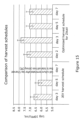
- sucrose gradient not only allowed the separation of protamine sulphate but also allowed for a very effective inactivation by formaldehyde and resulted in the case of Zika with over 90% yield with the improved process disclosed herein vs about 35% yield with the published JEV process, see experimental part for comparison).
- the methods provided herein involve passaging the virus in Vero cells.
- the terms "passage” or “passaging” refer to infecting a population of Vero cells with virus and subsequently inoculating a second population of Vero cells with virus produced by infection of the first Vero cell population.
- a portion of the culture medium from the infected Vero cells (containing virus that was released from the infected cells) is used to inoculate a second population of Vero cells. This is referred to as one passage or one round of passaging.
- the passaging may be performed serially, for example, a portion of the culture medium from the infected second population of Vero cells is used to inoculate a third population of Vero cells, and so on.
- virus obtained from a single plaque is used to inoculate another population of cells.
- the virus is passaged in Vero cells several times, such as at least 4, 5, 6, 7, 8, 9, 10, 11, 12, 13, 14, 15, 16, 17, 18, 19, 20, 21, 22, 23, 24, 25, 26, 27, 28, 29, 30, 31, 32, 33, 34, 35, 36, 37, 38, 39, or 40 times.
- the virus is passaged in Vero cells at least 4 times or 5 times.
- the virus is passaged in Vero cells at least 30 times. It is important that the virus population, i.e. the virus sequences, stays as much as possible constant over said passaging. If adaption of the virus occurs (i.e. appearance of mutated viruses in the original virus population), it is preferred that said passages are not used in the context of manufacturing of said virus, e.g. for Zika it was found that up to passage 3 and culturing to day 7 can be used without major shifts in virus population, i.e. introduction of virus population with mutations. However this observation needs to be done for each virus strain and may be different.
- the Vero cells are incubated for at least 2 days after inoculation with the virus at e.g. a typical 0.01 MOI (multiplicity of infection) to allow for viral production prior to passaging. In some embodiments, the Vero cells are incubated for at least 3, 4, 5, 6, 7, 8, 9, 10 or more than 10 days e.g. at least 7 days after inoculation with the virus prior to passaging. The number of days the Vero cells are incubated after viral inoculation may depend on factors such as the multiplicity of infection used to inoculate the cells and the viral titer desired in the culture medium. Serial passaging of the virus in Vero cells may result in generation of a Vero cell adapted virus strain.
- the culture medium from the infected Vero cells may be harvested (collected) to obtain the virus.
- the culture medium is harvested from infected Vero cells and is replaced with fresh culture medium, which is then harvested after another period of time.
- the culture medium harvested from infected Vero cells is pooled from independent Vero cell cultures and/or from independent days. Harvesting can be repeated up to 4 times by 7 or 9 days post infection, for example, and result in a high yield of virus per unit cell culture.
- Vero cells could be incubated for at least 7 days, more preferably 5 days, prior to passaging and subsequently supernatants could be harvested at days 2, 3, 5 and 7 or 2, 3, and 5 (see also experimental part).
- the harvested culture medium can be stored at +4°C prior to purification of the virus from the culture medium up to 2 weeks.
- debris from infected and lysed Vero cells may be removed from the harvested culture medium, referred to as a "clarification" of the culture medium.
- the harvested culture medium may be clarified by common methods known in the art, such as low-speed centrifugation, for example, at 1500 g for 10 min, and/or by filtration through a filter of pore size of 0.45 ⁇ m.
- the harvested culture medium can be stored at +4°C prior to concentration.
- the harvested culture medium may be concentrated by methods including, without limitation, ultrafiltration, ultracentrifugation, centrifugal concentrator, vacuum centrifugation, and lyophilization.
- the harvested culture medium is concentrated by ultrafiltration and the retentate containing the Zika virus is collected.
- the harvested culture medium is concentrated by precipitation in which polyethylene glycol (PEG) 8000 is dissolved in the culture medium (up to 10%) and the precipitate is dissolved in a buffer, for example phosphate-buffered saline (PBS, pH 7.0).
- PEG polyethylene glycol
- PBS phosphate-buffered saline
- the virus supernatant may be further purified after precipitation, for example density gradient ultracentrifugation.
- the virus supernatant is further purified by sucrose gradient. Fractions may be collected from the sucrose gradients and assayed for presence of the virus. Methods for assaying for virus positive fractions include plaque assay, hemagglutination assay, polyacrylamide gel electrophoresis, and antigen assays such as Western blotting and ELISA.
- the fractions containing virus may be pooled based on titer of the virus and level of other impurities.
- the level or amount of impurities present in the virus supernatant can be estimated by testing for Vero cell DNA, virus aggregates and/or Vero cell protein (see experimental part).
- the improved sucrose gradient allows for an efficient protamine separation as shown in the experimental part. It was surprisingly found that the addition of a virus-containing fraction with 10% (w/w) sucrose to a simple three layer sucrose density gradient (e.g. a gradient comprising a 15% (w/w) sucrose solution, a 35% (w/w) sucrose solution, and a 50% (w/w) sucrose solution) resulted in efficient separation of protamine sulphate without much loss of virus.
- a sucrose density gradient that is able to efficiently separate protamine sulphate, wherein said sucrose density gradient is used in the purification of virus such as the viruses described herein, i.e. a Zika virus.
- the virus supernatant may be inactivated (see experimental part for Zika virus).
- the terms “inactivated” and “optimally inactivated” may be used interchangeably and refer to a process (or its result) by which the virus is rendered unable to infect a host cell (non-infectious), but that does not affect or substantially affect the antigenicity of the virus, for example, the immunogenic antigens exposed on the surface of the virus are able to stimulate an immune response in a subject (e.g., antigen-specific antibodies).
- inactivated virus retains at least 50%, at least 55%, at least 60%, at least 65%, at least 70%, at least 75%, at least 80%, at least 85%, at least 90%, at least 95%, at least 96%, at least 97%, at least 98%, at least 99%, or even essentially 100% of the antigenicity of a virus that is not subjected to inactivation.
- the virus is inactivated by chemical inactivation, thermal inactivation, pH inactivation, or UV inactivation.
- the inactivating is by chemical inactivation and involves contacting the virus with one or more chemical inactivation agents for a period of time under conditions such that the virus is inactivated but the antigenic epitopes are substantially intact.
- the virus is inactivated for a period of time that is longer than is required to completely inactivate the virus.
- the virus supernatant is inactivated for the number of days required to inactivate the virus plus at least one additional day. Samples of the virus supernatant may be taken at one or more times throughout the inactivation process and assessed for viral viability (infectivity) by any method known in the art, such as by infecting a monolayer of host cells (i.e., plaque assay). Using such a procedure, the period of time that is required to completely inactivate the virus can be determined, and a longer period of time is selected to ensure complete inactivation.
- the virus is contacted with one or more chemical inactivation agents for at least 1 day, 2 days, 3 days, 4 days, 5 days, 6 days, 7 days, 8 days, 9 days, 10 days, 11 days, 12 days, 13 days, 14 days, 15 days, 16 days, 17 days, 18 days, 19 days, 20 days, 21 days, 22 days, 23 days, 24 days, 25 days, 26 days, 27 days, 28 days, 29 days, 30 days, 31 days, 32 days, 33 days, 34 days, 35 days, 36 days, 37 days, 38 days, 39 days, 40 days, 41 days, 42 days, 43 days, 44 days, 45 days, 46 days, 47 days, 48 days, 49 days, or at least 50 days.
- the chemical inactivation is performed at about +5°C, +10°C, +15°C, +20°C, +25°C, +30°C, +35°C, +40°C, or about +45°C. In some embodiments, the chemical inactivation is performed at about +4°C. In some embodiments, the chemical inactivation is performed at about +22°C.
- any chemical inactivation agent known in the art may be suitable for inactivating the virus in the methods described herein. It will be appreciated by one of skill in the art that factors such as the chemical inactivation agent and the temperature at which inactivation is performed may affect the length of time (number of days) required to completely inactivate the virus.
- chemical inactivation agents include, without limitation, formaldehyde, enzymes, ⁇ -propiolactone, ethanol, trifluroacetic acid, acetonitrile, bleach, urea, guanidine hydrochloride, tri-n-butyl phosphate, ethylene-imine or a derivatives thereof, and organic solvents such as Tween, Triton, sodium deoxycholate, and sulphobetaine.
- a preferred inactivation is inactivation with formaldehyde at 22°C +/-2°C for about 10 days.
- the virus is inactivated by thermal inactivation.
- the thermal inactivation involves exposing the virus to heat, such as dry heat or vapor heat, for a period of time.
- the thermal inactivation involves exposing the virus to temperatures of about +40°C, +45°C, +50°C, +55°C, +60°C, +65°C, +70°C, +75°C, +80°C, +85°C, +90°C,+ 95°C, or about +100°C.
- the virus is exposed to heat for at least 5 hours, 6 hours, 7 hours, 8 hours, 9 hours, 10 hours, 11 hours, 12 hours, 13 hours, 14 hours, 15 hours, 16 hours, 17 hours, 18 hours, 19 hours, 20 hours, 21 hours, 22 hours, 23 hours, 24 hours, 36 hours, 48 hours, 60 hours, 72 hours, 84 hours, about 96 hours, or longer.
- a preferred thermal inactivation involves exposing the virus to temperatures of about +56°C for 60 minutes.
- the virus is inactivated by exposing the virus to acidic or alkaline conditions for a period of time such that the virus is completely inactivated.
- the pH of a virus preparation may be adjusted to a desired pH, for example by the addition of an acid, a base, or a buffer with a particular pH to the virus preparation.
- the virus is inactivated at an acidic pH of about 2, 2.5, 3, 3.5, 4, 4.5, 5 or about 5.5.
- the virus is inactivated at an alkaline pH of about 8, 8.5, 9, 9.5, 10, or about 10.5.
- the virus is inactivated using UV inactivation.
- UV inactivation involves exposing the virus to energy-rich radiation, such as UV-A, UV-B, or UV-C light for a period of time. It will be appreciated that any two or more methods of inactivation may be combined and performed concurrently or serially.
- the inactivated virus may be subsequently dialyzed to remove any undesired material, including the inactivating agent and any neutralizing agent, and/or to replace the buffer with a buffer that is pharmaceutically acceptable for administration to subjects.
- the inactivated virus is dialyzed with PBS.
- the inactivated virus may be filtered, such as sterile filtered, through a 0.22 ⁇ m filter.
- Zika virus may cause any of a variety of symptoms upon infection of a subject, and is generally characterized by mild fever; rash (exanthema) on face, neck, trunk, upper arms; headache; sensitivity to light; non-inflammatory joint pain; conjunctivitis; lack of appetite; diarrhea; abdominal pain; and/or dizziness.
- Zika virus infection during pregnancy is associated with microcephaly in the fetus/neonate. There is also a probable association between the onset of Guillain-Barré syndrome or symptoms thereof.
- Diagnosis of Zika virus infection in subjects exposed to Zika virus or suspected of being exposed to Zika virus involves detecting the presence of virus-specific antibodies and/or molecular testing, such as PCR or real-time PCR detection of Zika virus.
- the subject is a mammalian subject, such as a human, non-human primate, rodent, rabbit, sheep, dog, cat, horse, or cow.
- the subject is a mouse.
- the subject is a human subject, such as a child, an adult, or an elderly adult.
- the subject is a female subject.
- the subject is pregnant or planning on becoming pregnant.
- the subject is at risk of being exposed to Zika virus.
- the subject is living in or traveling to an area where Zika virus is present or is thought to be present.
- the subject has been previously infected with or vaccinated against Dengue virus; i.e., at risk for antibody-dependent enhancement of disease.
- the subject is living in or traveling to an area that is experiencing a Zika virus infection outbreak.
- the subject is living in or traveling to an area where an arthropod vector capable of transmitting the Zika virus vector is present or is thought to be present.
- the therapeutically effective amount of a Zika virus vaccine or composition described herein is an amount sufficient to generate antigen-specific antibodies (e.g., anti-Zika virus antibodies). In some embodiments, the therapeutically effective amount is sufficient to provide seroprotection in a subject; i.e., to generate sufficient antigen-specific antibodies to prevent/protect from infection. In some embodiments, seroprotection is conferred on at least 75%, 80%, 90%, 95%, 96%, 97%, 98%, or at least 99% of vaccinated subjects.
- seroprotection is defined by a reduction in the number of Zika virus plaques by 50% or more in a plaque reduction neutralization test (PRNT) by a 1:10 or higher dilution of sera from a vaccinated subject.
- an effective amount of the Zika vaccine is sufficient to seroconvert a subject with at least 70% probability.
- the therapeutically effective amount is sufficient to seroconvert a subject with at least 75%, 80%, 85% 90%, 95%, 96%, 97%, 98%, or at least 99% probability.
- Whether a subject has been seroconverted can be assessed by any method known in the art, such as obtaining a serum sample from the subject and performing an assay to detect anti-Zika virus antibodies.
- a subject is seroconverted if a serum sample from the subject contains an amount of anti-Zika virus antibodies that surpasses a threshold or predetermined baseline.
- a subject is generally considered seroconverted if there is at least a 4-fold increase in anti-Zika virus antibodies (i.e., anti-Zika E protein IgG antibodies) in a serum sample from the subject as compared to a serum sample previously taken from the same subject.
- PRNT plaque reduction neutralization test
- the PRNT50 may be carried out using monolayers of Vero cells or any other cell type/line that can be infected with Zika virus.
- Sera from subjects are diluted and incubated with live, non-inactivated Zika virus.
- the serum/virus mixture may be applied to the Vero cells and incubated for a period of time.
- Plaques formed on the Vero cell monolayers are counted and compared to the number of plaques formed by the Zika virus in the absence of serum or a control antibody.
- a threshold of neutralizing antibodies of 1:10 dilution of serum in a PRNT50 is generally accepted as evidence of protection ( Hombach et. al. Vaccine (2005) 23:5205-5211 ).
- the Zika virus may be formulated for administration in a composition, such as a pharmaceutical composition.
- a composition such as a pharmaceutical composition.
- pharmaceutical composition means a product that results from the mixing or combining of at least one active ingredient, such as an inactivated Zika virus, and one or more inactive ingredients, which may include one or more pharmaceutically acceptable excipient.
- any of the Zika virus vaccines or compositions described herein may be administered to a subject with, prior to, or after administration of one or more adjuvants.
- An adjuvant is a molecule that enhances a response in a subject, such as an immune response, to an antigen or other molecule.
- an adjuvant may stabilize an antigen or other molecule. Determining whether a Zika virus vaccine or compositions thereof are administered with an adjuvant depends on various factors (e.g., type and extent of response desired) and will be evident to one of skill in the art.
- the Zika virus vaccines or compositions described herein may be administered to a subject concomitantly with one or more vaccines to another infectious agent, such as another infectious agent is that present or thought to be present in the same geographic area as Zika virus.
- another infectious agent is one that the subject is also at risk of being in contact with.
- the other infectious agent is transmitted by the same arthropod vector as Zika virus.
- the other infectious agent is Japanese Encephalitis virus, Yellow Fever virus, Dengue virus and/or Chikungunya virus.
- the kit can comprise instructions for use in accordance with any of the methods described herein.
- the included instructions can comprise a description of administration of the composition containing inactivated Zika virus to prevent, delay the onset, or reduce the severity of Zika virus infection.
- the kit may further comprise a description of selecting a subject suitable for administration based on identifying whether that subject is at risk for exposure to Zika virus or contracting a Zika virus infection.
- the instructions comprise a description of administering a composition containing inactivated Zika virus to a subject at risk of exposure to Zika virus or contracting Zika virus infection.
- kits of the present disclosure are in suitable packaging.
- suitable packaging includes, but is not limited to, vials, bottles, jars, flexible packaging, and the like. Also contemplated are packages for use in combination with a specific device, such as a syringe or an infusion device.
- the container may have a sterile access port, for example the container may be a vial having a stopper pierceable by a hypodermic injection needle.
- At least one active agent in the composition is an inactivated Zika virus, as described herein.
- One degree Brix is 1 gram of sucrose in 100 grams of solution and represents the strength of the solution as percentage by mass. °Bx corresponds to the sucrose content in percent (w/w), e.g., 45 °Bx equals 45 % (w/w) sucrose. Table A . Primers for Zika virus sequencing: lower case letters indicate bases not included in ZIKA but containing restriction sites for later cloning when needed (therefore, two Tms provided).
- SEQ ID NO: 1 A typical form of protamine PRRRRSSSRP VRRRRRPRVS RRRRRRGGRR RR
- the Zika virus has a RNA genome corresponding to the DNA sequence provided by the nucleic acid sequence of any one of SEQ ID NOs: 2-13 or 72. In some embodiments, the Zika virus has a variant genome that is at least 80%, 81%, 82%, 83%, 84%, 85%, 86%, 87%, 88%, 89%, 90%, 91%, 92%. 93%, 94%, 95%, 96%, 97%, 98%, 99%, 99.5%, 99.6%, 99.7%, 99.8% or 99.9% identical to any one of SEQ ID NOs: 2-13 or 72.
- amino acid sequences of the E-proteins of Zika strains that may be used in the methods, compositions, and/or vaccines described herein.
- the Zika virus has polyprotein, including an envelope (E) protein, with an amino acid sequence provided by any one of SEQ ID NOs: 14-69 or 72.
- the polyprotein or E protein sequence is at least 80%, 81%, 82%, 83%, 84%, 85%, 86%, 87%, 88%, 89%, 90%, 91%, 92%. 93%, 94%, 95%, 96%, 97%, 98%, 99%, 99.5%, 99.6%, 99.7%, 99.8% or 99.9% identical to any one of SEQ ID NOs: 2-69 or 72.
- nucleic acids or amino acid sequences refer to two or more sequences or subsequences that are the same.
- Two sequences are “substantially identical” if two sequences have a specified percentage of amino acid residues or nucleotides that are the same (e.g., at least 80%, 85%, 90%, 95%, 96%, 97%, 98%, or 99% identity) over a specified region or over the entire sequence, when compared and aligned for maximum correspondence over a comparison window, or designated region as measured using one of the following sequence comparison algorithms or by manual alignment and visual inspection.
- Example 1 Production of a Zika drug substance suitable for application as a vaccine in humans and animals
- Zika Virus Strain H/PF/2013 was originally isolated from a 51-year-old woman (accession number KJ776791.1, also SEQ ID NO: 13 herein) from French Polynesia. A sample was obtained from the European Virus Archive (EVAg; Ref-SKU: 001v-EVA1545). Based on this material, a research master seed bank (rMSB) was prepared on Vero cells as the cell substrate and the genomic sequence was checked by sequencing.
- EVAg European Virus Archive
- rMSB research master seed bank
- the Zika virus of the invention contains the sequence of SEQ ID NO: 72 and optionally further comprises extensions at the 5' and/or 3' ends of at least 10, at least 20, at least 30, at least 40, at least 50, at least 60, at least 70, at least 80, at least 90, at least 100, at least 110, at least 120 or at least 130 nucleotides.
- the Zika virus comprises at least the coding sequence for the entire polyprotein of Zika Virus Strain H/PF/2013 of the invention i.e.
- the Zika virus comprises at least the coding sequence for the E-protein of Zika Virus Strain H/PF/2013 of the invention SEQ ID NO: 47 or an E-protein thereof with at least 95%, 96%, 97%, 98%, or at least 99% sequence identity to the sequence provided by SEQ ID NO: 47.
- Vero cells were grown in Eagle's minimal essential medium (EMEM) containing 10% fetal bovine serum (FBS). Roller bottle cultures of Vero cell monolayers were infected with Zika Virus Strain H/PF/2013 at a multiplicity of infection (moi) of 0.01 plaque forming units (pfu) per cell. After 2 hours of virus adsorption, the cultures were washed 3 times with PBS and fed with EMEM without FBS and incubated at +35°C with 5% CO 2 . Infected Vero cell cultures were incubated until the virus titer reaches a desired level.
- EMEM Eagle's minimal essential medium
- FBS fetal bovine serum
- the culture medium was harvested at days 2, 3, 5 and 7 and were pooled from those harvest days and then centrifuged in a standard centrifuge. The supernatants were then filtered. Virus culture supernatants were concentrated by TFF ultrafiltration to remove cell culture media components and to reduce batch volume.
- the current JEV harvest process has scheduled harvests on days 3, 5, 7 and 9 post infection.
- roller bottles were infected with ZIKV bank P4-FBS at an MOI of 0.01 in infection medium (MEM with 2% FBS + 2mM L-glutamine) for 2 hours. After removing the inoculum the cells were washed twice with PBS and 200 mL production medium (MEM+ 2mM L-glutamine) was added.
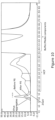
- Virus purification started with concentration of filtered combined harvest using 100 kDa cut-off TFF ultrafiltration modules to remove cell culture media components and reduce batch volume. After concentration, the pooled filtered harvest material was adjusted to a final concentration of 25 mM Tris pH 7.5 and 10% sucrose (w/w) using stock solution of both components (see Figure 11 for SEC-HPLC of different harvests prior to PS treatment). This allowed for freezing the concentrated harvest at ⁇ -65°C if required.
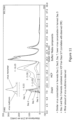
- Samples of individual 30x concentrated harvests days 2, 3, 5 and 7 were analysed before ( Figure 11 ) and after PS ( Figure 12 ) treatment by SEC-HPLC and plaque assay.
- SEC-HPLC was used for determination of relative total ZikaV content (active + inactive) expressed as peak area, whereas the rel. ZikaV peak purity is given as relative content of virus monomer population to total virus peak.
- Plaque assay states the content of total active virus particles in each sample. Experimental results are summarized in Table 4.
- the virus peak recovery by SEC-HPLC was only between 12 to 36% with peak purity after PS treatment in the range of >90% (no virus aggregates detected).
- the purified viral solution was inactivated by incubation with 0.02% formaldehyde over a period of ten days in a 22°C controlled-temperature incubator.
- the formaldehyde is neutralized by addition of sodium metabisulphite on the tenth day.
- Critical parameters for this step are final formalin concentration, temperature, mixing and transfer into a new container.
- a preliminary acceptance criterion for maximum pfu/mL (determined by plaque assay) has been set on the diluted pool pre formaldehyde treatment.
- Table 7 Active ZikaV plus were quantified by plaque assay throughout the process.
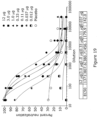
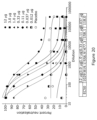
- the target viruses H/PF/2013 (SEQ ID NO: 13) or MR766 (SEQ ID NO: 11) were diluted to 100 pfu/165 ⁇ L. Equal volumes of target virus and serum dilution were incubated at 35°C with 5% CO 2 for 1 hour.
- the cell culture medium was aspirated from the Vero cells and 330 ⁇ L of the mixture target virus/serum dilution were added to each well and the plates were rocked back and forth 5 times before incubating for 2 hours at 35°C with 5% CO 2 .
- To each well 1 mL of a 2% methylcellulose solution containing EMEM and nutrients was added, the plates were then incubated for 5 days at 35°C with 5% CO 2 before staining the cells for 1 hour with crystal violet/5% formaldehyde and subsequently washed 3 times with deionized water. The plates were air dried and the numbers of plaques in each well were manually counted.
- the immunogenicity of inactivated Zika virus preparations is assessed using a mouse model of Zika infection.
- Groups of adult mice are immunized subcutaneously (s.c.) with 500, 50, or 5 ng of inactivated Zika virus with adjuvant (e.g. aluminium hydroxide with or without IC31 ® ), or without adjuvant.
- An additional group of mice receive PBS as a negative control.
- serum samples are obtained from each of the mice at regular intervals. The serum samples are tested for the presence of neutralizing antibodies using PRNT.
- the Zika virus produced by the process of the invention will provide very similar functional read-outs in in vitro, in vivo and finally human trials as the currently licensed JEV vaccine in the EU and US and elsewhere, IXIARO ® .
- the dosage may alter but due to the very similar impurity profile and almost identical manufacture, a very similar efficacy and safety result will be expected as was determined for the currently licensed JEV vaccine (licensed in the EU and US and elsewhere).
- the in vivo data regarding immunogenicity of the inactivated Zika virus vaccine of the current invention indicates that the virus is surprisingly potently immunogenic and also highly cross-protective (very similar immunogenicity in African and Asian strains). Data indicate that immunogenicity was higher than the recently reported inactivated Zika virus vaccine candidate (Larocca, et. al, 2016, supra.). Inactivated viruses are among the safest vaccines and especially preferred for deliver to populations where safety is especially concerning, such as pregnant women, children and immunocompromised individuals, which makes the herein disclosed inactivated Zika virus particularly suitable. Obtaining a high titer of inactivated virus is a challenge in the field. The herein disclosed process for purifying inactivated Zika virus results in not only a high yield, but also a very pure drug substance.
Landscapes
- Health & Medical Sciences (AREA)
- Life Sciences & Earth Sciences (AREA)
- Chemical & Material Sciences (AREA)
- Virology (AREA)
- Medicinal Chemistry (AREA)
- General Health & Medical Sciences (AREA)
- Organic Chemistry (AREA)
- Immunology (AREA)
- Microbiology (AREA)
- Pharmacology & Pharmacy (AREA)
- Animal Behavior & Ethology (AREA)
- Public Health (AREA)
- Veterinary Medicine (AREA)
- Genetics & Genomics (AREA)
- Zoology (AREA)
- General Chemical & Material Sciences (AREA)
- Bioinformatics & Cheminformatics (AREA)
- Wood Science & Technology (AREA)
- Engineering & Computer Science (AREA)
- Epidemiology (AREA)
- Mycology (AREA)
- Chemical Kinetics & Catalysis (AREA)
- Biochemistry (AREA)
- Molecular Biology (AREA)
- Communicable Diseases (AREA)
- General Engineering & Computer Science (AREA)
- Biomedical Technology (AREA)
- Biotechnology (AREA)
- Nuclear Medicine, Radiotherapy & Molecular Imaging (AREA)
- Oncology (AREA)
- Biophysics (AREA)
- Gastroenterology & Hepatology (AREA)
- Proteomics, Peptides & Aminoacids (AREA)
- Tropical Medicine & Parasitology (AREA)
- Micro-Organisms Or Cultivation Processes Thereof (AREA)
- Medicines Containing Antibodies Or Antigens For Use As Internal Diagnostic Agents (AREA)
- Peptides Or Proteins (AREA)
- Medicines That Contain Protein Lipid Enzymes And Other Medicines (AREA)
- Medicines Containing Material From Animals Or Micro-Organisms (AREA)
Description
- The disclosure relates to methods for the purification of Zika viruses for use in vaccines and in particular relates to an improved sucrose gradient process step allowing the separation of impurities such as protamine sulphate. The disclosure also relates to Zika virus vaccines and compositions and methods for producing said vaccines and administering the vaccines to subjects for the generation of an anti-Zika virus immune response.
- Adverse responses to protamine sulfate have been known for many years. Previous exposure to protamine can induce a humoral immune response and predispose susceptible individuals to the development of untoward reactions from the subsequent use of this drug. Patients exposed to protamine through the use of protamine-containing insulin or during heparin neutralization may experience life-threatening reactions and fatal anaphylaxis upon receiving large doses of protamine intravenously. Severe reactions to intravenous protamine can occur in the absence of local or systemic allergic reactions to subcutaneous injection of protamine-containing insulin. Although there is no clear evidence for hypersensitivity reactions of protamine sulphate linked to vaccination, vaccines containing protamine impurities have a precaution and contraindication warning in their labels stating that a serious allergic reaction after a previous dose of such a protamine containing vaccine (e.g. IXIARO®, see CDC site http://www.cdc.gov/japaneseencephalitis/vaccine/) is a contraindication to further doses. Thus elimination of said impurity is a medical request for an improved safety profile. On the other hand protamine sulphate is an excellent tool (and often better than other tools such as benzonase) to purify crude harvests of viruses grown on cell substrates.
- In 2007, Zika virus was detected for the first time outside of the endemic regions of Asia and Africa since its discovery in a Rhesus monkey in Uganda in 1947. Since then, the virus has caused a large epidemic in French Polynesia, spreading through islands in the Pacific and into South and Central America by 2015 (WHO "Zika Situation Report" February 5, 2016). Evidence suggests that in addition to being transmitted by Aedes species mosquitos, other vectors may exist, and the virus may be transmitted by blood transfusion, transplacentally, and through sexual transmission (WHO Zika Virus Fact Sheet, Feb. 2016). Though the symptoms of Zika virus infection include mild fever, rash, and conjunctivitis, there is a likely correlation between infection and neurological disorders, including Guillain-Barré syndrome and microcephaly in fetuses/neonates subsequent to infection during pregnancy. There is currently no specific treatment or vaccine for Zika virus and the only preventative measures involve control of the mosquito vector. Zika virus presents a substantial public health threat due to the wide circulation of the Aedes mosquito, multiple routes of transmission, and potentially severe neurological effects of infection.
- A preventative vaccine against Zika virus is a pressing medical need in endemic areas and in geographical areas where the vector is spreading. Furthermore, as Zika infection has dire consequences on embryonic and fetal development, a safe and effective vaccine for women of child-bearing potential or pregnant women is needed. Vaccines administered during pregnancy must be very safe for both the mother and the developing fetus. While live attenuated viral vaccines are highly effective, they are often not considered safe enough for administration to pregnant women. In this regard, inactivated viral vaccines, which lack the ability to propagate in the vaccinated subject, are considered much safer. Development of an inactivated Zika virus vaccine for administration to at-risk patients would fill this need.
- Cox et al. (2015, Antiviral Chemistry & Chemotherapy, 24(3-4): 118-126) disclose predicting Zika virus structural biology. Srivastava et al. (2001. Vaccine, 19(31): 4557-4565) disclose a purified inactivated Japanese encephalitis virus vaccine made in vero cells and
US8765148 discloses nanoparticles. - Aspects and embodiments of the invention are set forth in the claims. During the course of virus purification, it was observed that addition of protamine sulfate to a virus harvest produced on a cell substrate removed not only contaminating DNA derived from host cells, as expected, but surprisingly also virtually eliminated immature and otherwise non-infectious virus particles from the preparation. This finding provided a streamlined, gentle, reproducible and broadly-applicable process for obtaining highly-purified infectious virus particles for applications such as vaccine preparation. In addition, it was surprisingly found that said protamine sulfate can be very efficiently separated from the virus fraction allowing for a safer vaccine produced at high yields.
- Disclosed herein are virus vaccines and compositions comprising an inactivated Zika virus, and related methods of producing said vaccines and compositions. Also provided are methods of administering said Zika virus vaccines for the prevention of Zika virus infection and/or for the production of an anti-virus immune response in subjects, for example subjects at risk of being exposed to Zika virus. In particular, the invention is directed to a virus vaccine comprising an optimally inactivated Zika virus particle, wherein the Zika virus particle in an appropriate dose is able to seroconvert a subject that is administered the virus vaccine with at least a 70% probability, preferably an 80% probability. Another advantage of the invention is that related methods of producing said vaccines and compositions are very efficient and provide pure compositions largely devoid of impurities, in particular protamine sulphate, allowing for high volume production of vaccines. Detail experimental examples to the above are provided for Zika virus.
- The herein disclosed in vivo data regarding immunogenicity of the inactivated Zika virus vaccine of the current invention indicates that the virus is surprisingly potently immunogenic and also highly cross-protective (very similar immunogenicity in African and Asian strains). Data indicate that immunogenicity was unexpectedly higher than the recently reported inactivated Zika virus vaccine candidate (Larocca, et. al, 2016, Nature doi:10.1038/nature18952.). Inactivated viruses are among the safest vaccines and especially preferred for delivery to populations where safety is especially concerning, such as pregnant women, children and immunocompromised individuals, which makes the herein disclosed inactivated Zika virus particularly suitable. Obtaining a high titer of inactivated virus is a challenge in the field. The herein disclosed process for purifying inactivated Zika virus results in not only a high yield, but also a very pure drug substance.
- The accompanying drawings are not intended to be drawn to scale. The figures are illustrative only and are not required for enablement of the disclosure. For purposes of clarity, not every component may be labeled in every drawing, alignments were performed with the multi alignment package Jalview (Waterhouse et al., 2009, Bioinformatics 25 (9) 1189-1191). In the drawings:
-
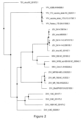
Figure 1 : Average distance tree (by % identity, nt), complete genomes. -
Figure 2 : Neighbor joining tree (by % identity, nt), complete genomes. -
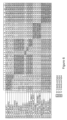
Figure 3 : Pairwise alignment-Jalview (% identity, nt), complete genomes. -
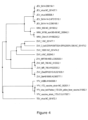
Figure 4 : Average distance tree (by % identity, aa), E-protein. -
Figure 5 : Neighbor joining tree (by % identity, aa), E-protein. -
Figure 6 : Pairwise alignment-Jalview (% identity, aa), E-protein. -
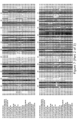
Figure 7 : Alignment (shading: % identity, aa), E-protein. -
Figure 8 : An example of virus particle maturation in the host cell. As observed in flaviviruses, full maturation of the particles requires proteolytic cleavage of the precursor membrane glycoprotein (prM) by the host protease furin. Not all prM molecules are cleaved, resulting in the release of mature, mosaic or immature-like conformations from the cells. Mosaic and immature forms are generally not infectious-only mature virions are infective and have hemagglutinin (HA) / TCID50 activity. (Figure adapted from Plevka, et al., Maturation of flaviviruses starts from one or more icosahedrally independent nucleation centres, EMBO reports (2011) 12, 602-606). -
Figure 9 : An exemplary downstream virus purification process from the crude harvest to formulation of the drug substance (vaccine) (A). A flow-chart of an exemplary virus inactivation process is shown in (B). -
Figure 10 : PS treatment results in selective removal of Zika virus aggregates and Vero HCP and LMW impurities (SEC-HPLC of 30x concentrated Zika Virus harvest day 5). -
Figure 11 : SEC-HPLC of individual 30x concentrated Zika harvest prior to PS treatment at different time points. -
Figure 12 : SEC-HPLC of individual 30x concentrated Zika harvest post PS treatment at different time points. The smaller graph indicates the observed cytopathic effect (CPE) over time. -
Figure 13 : Preparation of the sucrose gradient. -
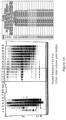
Figure 14 : Representative SDS-PAGE from the sucrose gradient harvest of a Zika purification is shown. -
Figure 15 : Comparison of JEV and ZikaV harvest schedules/yields. -
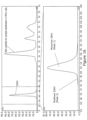
Figure 16 : SEC-HPLC elution profile of ZikaV NIV. Data were processed on Dionex Ultimate 3000 /Superose 6 Increase column. Both panels are from the same chromatogram. The upper graph is the complete elution profile; the lower graph is an enlargement of the ZIKAV elution peak. -
Figure 17 : SEC-MALLS analysis of inactivated ZikaV. -
Figure 18 : Cumulative particle size distribution of Zika NIV. -
Figure 19 : Graphical representation of the neutralization of the Zika virus H/PF/2013 with pooled mouse sera. The number of plaques without serum was set to 100%. The EC50 was calculated using the 3-parameter method. -
Figure 20 : Graphical representation of the neutralization of the Zika virus MR766 with pooled mouse sera. The number of plaques without serum was set to 100%. The EC50 was calculated using the 3-parameter method. -
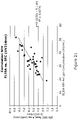
Figure 21 : Correlation between JEV antigen content in neutralized inactivated virus (NIV) analysed by ELISA and SEC-HPLC (Dionex Ultimate 3000,Superose 6 column). - Disclosed herein are Zika virus vaccines and compositions comprising an inactivated Zika virus, and related methods of producing said vaccines and compositions. Also provided are methods of administering said virus vaccines for the prevention of virus infection and/or for the production of an anti-virus immune response in subjects, for example subjects at risk of being exposed to virus. In particular, the invention is directed to a virus vaccine comprising an optimally inactivated virus particle, wherein the virus particle in an appropriate dose is able to seroconvert a subject that is administered the virus vaccine with at least a 70% probability, preferably an 80% probability. Another advantage of the invention is that related methods of producing said vaccines and compositions are very efficient and provide pure compositions largely devoid of impurities, in particular protamine sulphate, allowing for high volume production of vaccines. Examples to the above are provided for Zika virus.
- Disclosed herein are downstream processes for purifying Zika virus particles from a crude preparation. The downstream process can be applied to either a virus which has not adapted for propagation on a particular cell substrate or for a partially / fully cell substrate adapted Zika virus particle.
- Aspects of the invention provide processes for the purification of infectious Zika virus particles comprising the steps of (a) providing a crude harvest (a) comprising Zika virus particles and impurities, wherein the impurities are generated from growing said Zika virus particles on a cell substrate; (b) reducing impurities from the crude harvest (a) by precipitation with protamine sulphate, to obtain a Zika virus preparation (b); and further purifying the virus preparation (b) by an optimized sucrose density gradient centrifugation to obtain a purified Zika virus preparation (c) comprising layering said Zika virus preparation (b), provided in a 10% (w/w) sucrose solution, onto three further layers of sucrose solutions with different densities, i.e., a first sucrose solution with 15% (w/w) sucrose, a second sucrose solution with 35% (w/w) sucrose, and a third sucrose solution with 50% (w/w) sucrose, and wherein the optimized sucrose gradient separates the protamine sulphate from the infectious Zika virus fraction to the extent that the protamine sulphate concentration in Zika virus preparation (c) is less than 1 µg/mL, preferably less than 900, 800, 700, 600, 500, 400, 300, or 200 ng/mL, preferably less than 100 ng/mL.
- In some embodiments, the concentration of protamine sulphate in step (b) is about 1 to 10 mg/ml, more preferably about 1 to 5 mg/ml, more preferably about 1 to 2 mg/ml. In one embodiment, the concentration of protamine sulphate in step (b) is about 2 mg/mL. In one embodiment, the concentration of protamine sulphate is 1.2 to 1.8 mg/ml, more preferably 1.4 to 1.6 mg/ml. In a preferred embodiment, the concentration of protamine sulphate in step (b) is about 2 mg/ml.
- In some embodiments, the residual host cell DNA of the virus preparation (c) is less than 1 µg/mL, especially less than 900, 800, 700, 600, 500, 400, 300 or 200 ng/mL, preferably less than 100 ng/mL. In a preferred embodiment, the residual host cell DNA of the virus preparation (c) is less than 10 ng/mL. In some embodiments, the residual host cell protein of the final virus preparation (c) is less than 10 µg/mL, especially less than 9, 8, 7, 6, 5, 4, 3 or 2 µg/mL, preferably less than 1 µg/mL. In a preferred embodiment, the residual host cell protein of the virus preparation (c) is less than 100 ng/mL. In some embodiments, the residual non-infectious virus particles of the final virus preparation (c) is less than 10 µg/mL, especially less than 9, 8, 7, 6, 5, 4, 3 or 2 µg/mL, preferably less than 1 µg/mL. In a preferred embodiment, the content of residual non-infectious virus particles of the virus preparation (c) is less than 100 ng/mL.
- The residual protamine is less than 1 µg/mL, especially less than 900, 800, 700, 600, 500, 400, 300 or 200 ng/mL, preferably less than 100 ng/mL, more preferably is below the detection limit of HPLC, in particular below the detection limit in the final drug substance. In some embodiments, the PS content is tested by HPLC or size exclusion chromatography (SEC). For example, HPLC is validated for PS determination in JEV sucrose gradient pool samples as a routine release assay and is very sensitive (i.e.,
LOQ 3 µg/mL;LOD 1 µg/mL). In the current disclosure, PS content in in Zika virus DS samples was <LOD. In one embodiment, the HPLC assessment of PS content can be performed on aSuperdex Peptide 10/300GL column (GE: 17-5176-01) using 30% Acetonitrile, 0,1% Trifluoroacetic acid as solvent with a flow rate of 0,6 ml/min at 25°C and detection at 214 nm. A more sensitive method of measurement for residual protamine in a purified virus preparation is mass spectrometry (MS). In some embodiments, the residual PS levels in a Zika virus preparation are tested by MS or other such highly sensitive method, e.g. nuclear magnetic resonance (NMR). With this method, residual PS, as well as fragments and/or break-down products of PS, can be detected at trace amounts, such as levels as low as, for example, 106, 107 or 108 molecules per typical sample load. In some embodiments, the PS levels are tested in the sucrose gradient pool. In some embodiments, the PS levels are tested in the drug product. In some embodiments, the PS levels are tested in the drug substance. - In some embodiments, the crude harvest (a) comprising the virus particles and impurities is subjected to one or more pre-purification step(s) prior to step (b). In some embodiments, the one or more pre-purification step(s) comprises digesting host cell genomic DNA in the crude harvest (a) comprising the virus particles and impurities by enzymatic treatment. In some embodiments, the one or more pre-purification step(s) comprises filtration, ultrafiltration, concentration, buffer exchange and/or diafiltration. In some embodiments, the one or more pre-purification steps is filtration using a filter having a pore size equal to or less than 1 µm. In some embodiments, the filter has a pore size equal to or less than 0.2 µm. In a preferred embodiment, the filter has a pore size of 0.2 µm. In some embodiments, the concentration and/or ultra/diafiltration and/or buffer exchange is performed by tangential flow filtration (TFF). In some embodiments, ultra/diafiltration of the crude harvest (a) comprising the virus particles and impurities is performed using a hollow fiber membrane having a cut-off of equal to or less than 300 kDa. In a preferred embodiment, the hollow fiber membrane has a cut-off of about 100 kDa.
- The process according to the current invention comprises the use of an optimized sucrose gradient. The sucrose gradient is preferably optimized for the removal of protamine sulfate, also for the removal of immature viral particles or other viral particles which are non-infectious or host cell proteins or nucleic acids (DNA, RNA, mRNA, etc) or other host cell debris. In the current disclosure the optimized sucrose gradient comprises at least two, at least three, at least four layers of sucrose solutions with different densities. The virus preparation to be purified may be provided in a sucrose solution which has a density of about 8%, about 9%, about 10%, about 11%, about 12% sucrose (w/w), preferably about 10%. In one embodiment, one sucrose solution in the gradient has a density of about 45%, about 46%, about 47%, about 48%, about 49%, about 50%, about 51%, about 52%, about 53%, about 54%, about 55% sucrose (w/w), preferably about 50%. In one embodiment, one sucrose solution in the gradient has a density of about 30%, about 31%, about 32%, about 33%, about 34%, about 35%, about 36%, about 37%, about 38%, about 39%, about 40% sucrose (w/w), preferably about 35%. In one embodiment, one sucrose solution in the gradient has a density of about 10%, about 11%, about 12%, about 13%, about 14%, about 15%, about 16%, about 17%, about 18%, about 19%, about 20% sucrose (w/w), preferably about 15% sucrose. In a preferred embodiment, the sucrose gradient comprises three layers of sucrose solutions of about 50%, about 35% and about 15% (w/w) sucrose and the virus composition to be purified is contained in about 10% (w/w) sucrose. Because the invention provided for means to not only test for host cell DNA but also immature viral particles, the skilled person in the art is able to more precisely optimize the sucrose gradient for most efficient purification and include additional tools such as PRNT assay to monitor purification success.
- In some embodiments, the virus particle is a live virus, a chimeric virus, an attenuated live virus, a modified live virus, or a recombinant live virus. In a further step, the virus particles of the invention may be optionally inactivated. In some embodiments, the virus particle is an attenuated form of the virus particle. For example, the virus may have reduced infectivity, virulence, and/or replication in a host, as compared to a wild-type virus. In some embodiments, the virus is a mutated or modified virus, for example the nucleic acid of the virus may contain at least one mutation relative to the wild-type virus. In some embodiments, the virus is a recombinant live virus, meaning a virus that is generated recombinantly and may contain nucleic acid from different sources.
- In some embodiments, the Zika virus particle is a live virus, an attenuated live virus, a modified live virus, or a recombinant live virus. In preferred embodiments, the Zika virus is a Zika virus from the Asian lineage.
- In some embodiments, the relative reduction of impurity of the final virus preparation relative to the liquid medium (a) comprising the virus particles and impurities is in a range from 60 to 95%. In some embodiments, the residual impurity of the final virus preparation is less than 1%.
- In some embodiments, the Zika virus is propagated in a cell line selected from the group consisting of an EB66 cell line, a Vero cell line, a Vero-αHis cell line, a HeLa cell line, a HeLa-S3 cell line, a 293 cell line, a PC12 cell line, a CHO cell line, a 3T3 cell line, a PerC6 cell line, a MDSK cell line, a chicken embryonic fibroblast cell line, a duck cell line, and a diploid avian cell line. In some embodiments, said cell line is a duck cell line. In some embodiments, said cell line is a diploid avian cell line. In some embodiments, said cell line is an EB66 cell line. In a preferred embodiment, said cell line is a Vero cell line.
- Aspects of the invention provide a use of any of the processes described herein for manufacturing a composition for immunization against a viral infection. In a preferred embodiment, the composition or vaccine is directed against Zika virus such as e.g. a Zika virus of the Asian lineage.
- Other aspects provide compositions comprising the Zika virus particles obtainable by any of the processes described herein for treating and/or preventing (i.e. protecting from) a viral infection. In a preferred embodiment, the viral infection is caused by Zika virus such as e.g. a Zika virus of the Asian lineage.
- Furthermore, disclosed herein are Zika virus vaccines and compositions comprising an inactivated Zika virus, and related methods of producing said vaccines and compositions. Also provided are methods of administering the Zika virus vaccines for the prevention of Zika virus infection and/or for the production of an anti-Zika virus immune response in subjects, for example subjects at risk of being exposed to Zika virus.
- Zika virus is a flavivirus closely related to Dengue virus and is similarly transmitted by the Aedes species mosquito, although other arthropod vectors for Zika virus are possible. Since it was first isolated from a Rhesus monkey in the Zika forest of Uganda in 1947, there were very few reported incidents of human infection, especially outside of the endemic regions of Africa and Asia until a large outbreak in French Polynesia in 2007 (Haddow et al. PLoS Neglected Tropical Diseases (2012) 6(2), Malone et al. PLoS Neglected Tropical Diseases (2016) 10(3),). The virus has since spread through islands of the Pacific, including Oceania, and into South and Central America (WHO "Zika Situation Report" February 5, 2016).
- In addition to being spread by the bite of an infected mosquito, evidence also suggests transmission may occur between individuals, such as from the blood of an infected individual, in utero/transplacental transmission from an infected mother to the fetus, sexual transmission between sexual partners, and possibly by other local transmission routes. There is a possible association between Zika virus infection during pregnancy and microcephaly in the fetus/neonate. Microcephaly is a rare condition in which a baby's head circumference is significantly less than expected based on the average for their age, sex, and ethnicity. This is a result of the brain failing to undergo proper embryonic development, and in 90% of cases is associated with mental retardation (Rocha et al. (2016) Bull ).
- There is a probable association between individuals having had a prior Zika virus infection and the incidence of Guillain-Barré syndrome, a neurological disorder in which the individual's immune system destroys the myelin sheath surrounding axons of the peripheral nervous system (WHO "Zika Situation Report" February 5, 2016).
- No specific treatments or vaccines for Zika virus currently exist, and the only measures at this time to prevent infection are through vector control and avoiding travel to regions experiencing outbreaks.
- Described herein are Zika virus vaccines and compositions comprising inactivated Zika virus that provide a safe method for generating an immune response to Zika virus, including virus-neutralizing antibodies, that may help prevent against Zika virus infection.
- Any strain of Zika virus may be used in the methods and compositions described herein. In some embodiments, the Zika virus is an isolate from an infected subject during a Zika virus outbreak. In some embodiments, the Zika virus is a strain isolated from Africa or from the African virus lineage. In some embodiments, the Zika virus is a strain isolated from Asia or from the Asian lineage (includes also strains from French Polynesia). In some embodiments, the Zika virus is a strain isolated from the Americas (South America, Central America, or North America), such as a Suriname Zika virus strain. In some embodiments, the Zika virus has an RNA genome corresponding (but not limited) to the DNA sequence provided by GenBank Accession No. AY632535.2, KU321639.1, KU497555.1, KU501215.1, KU509998.1, KU527068.1, KU681081.3, KU681082.3, KU707826.1, KU744693.1, or LC002520.1 or RNA genome disclosed partially or fully herein (SEQ ID NO: 2 to 69).
- In some embodiments, the process of the invention results in an enrichment of infectious Zika virus particles from the crude harvest comprising infectious Zika virus particles and non-infectious virus particles and other virus products such that the enrichment of the infectious virus particles is at least 50%, at least 60%, at least 70%, at least 80%, at least 90%, at least 95%, preferably at least 80%, especially at least 85% relative to the total virus particle content of the crude harvest (a) comprising the virus particles and impurities.
- In some embodiments, the residual impurity of the final virus preparation with respect to all impurities in the crude harvest is less than 10%, 9%, 8%, 7%, 6%, 5%, 4%, 3%, 2%, 1%, preferably less than 5% as determined by SEC-HPLC (Size Exclusion Chromatography - HPLC).
- A unique aspect of the current invention is the realization that know-how related to the vaccine design and purification approach used for the Japanese Encephalitis Vaccine (JEV) IXIARO® (see Srivastava A.K. et al., 2001, ,
WO99/11762 - Aspects of the disclosure relate to methods of producing a virus in Vero tissue culture cells. Vero cells are a commonly used tissue culture cell line derived from the kidney of an African green monkey. The Vero cells used in the methods described herein are the Vero (WHO) cell line, obtained from the Health Protection Agency general cell collection under catalogue number 88020401.
- Vero cells can be grown to confluent monolayers, for example in tissue culture flasks; in suspension (on microcarriers), for example in roller bottles; or in any other cell culture system for viral production. In some embodiments, the Vero cells are grown in a bioreactor for viral production. For plaque assays or the plaque reduction neutralization test (PRNT), Vero cells are grown in monolayers in tissue culture flasks, dishes, or wells of a plate. To infect the Vero cells with the virus, the culture medium is inoculated with virus and the cells are incubated with the virus for a period of time. The cells may be washed after inoculation to remove any virus that did not adsorb to the cells in a given amount of time.
- The methods provided herein involve passaging the virus in Vero cells. As used herein, the terms "passage" or "passaging" refer to infecting a population of Vero cells with virus and subsequently inoculating a second population of Vero cells with virus produced by infection of the first Vero cell population. In some embodiments, a portion of the culture medium from the infected Vero cells (containing virus that was released from the infected cells) is used to inoculate a second population of Vero cells. This is referred to as one passage or one round of passaging. The passaging may be performed serially, for example, a portion of the culture medium from the infected second population of Vero cells is used to inoculate a third population of Vero cells, and so on. In some embodiments, virus obtained from a single plaque is used to inoculate another population of cells.
- In some embodiments, the virus is passaged in Vero cells several times, such as at least 4, 5, 6, 7, 8, 9, 10, 11, 12, 13, 14, 15, 16, 17, 18, 19, 20, 21, 22, 23, 24, 25, 26, 27, 28, 29, 30, 31, 32, 33, 34, 35, 36, 37, 38, 39, or 40 times. In some embodiments, the virus is passaged in Vero cells at least 4 times or 5 times. In some embodiments, the virus is passaged in Vero cells at least 30 times. It is important that the virus population, i.e. the virus sequences, stays as much as possible constant over said passaging. If adaption of the virus occurs (i.e. appearance of mutated viruses in the original virus population), it is preferred that said passages are not used in the context of manufacturing of said virus, e.g. for Zika it was found that up to
passage 3 and culturing today 7 can be used without major shifts in virus population, i.e. introduction of virus population with mutations. However this observation needs to be done for each virus strain and may be different. - In some embodiments, the Vero cells are incubated for at least 2 days after inoculation with the virus at e.g. a typical 0.01 MOI (multiplicity of infection) to allow for viral production prior to passaging. In some embodiments, the Vero cells are incubated for at least 3, 4, 5, 6, 7, 8, 9, 10 or more than 10 days e.g. at least 7 days after inoculation with the virus prior to passaging. The number of days the Vero cells are incubated after viral inoculation may depend on factors such as the multiplicity of infection used to inoculate the cells and the viral titer desired in the culture medium. Serial passaging of the virus in Vero cells may result in generation of a Vero cell adapted virus strain.
- The culture medium from the infected Vero cells may be harvested (collected) to obtain the virus. In some embodiments, the culture medium is harvested from infected Vero cells and is replaced with fresh culture medium, which is then harvested after another period of time. In some embodiments, the culture medium harvested from infected Vero cells is pooled from independent Vero cell cultures and/or from independent days. Harvesting can be repeated up to 4 times by 7 or 9 days post infection, for example, and result in a high yield of virus per unit cell culture. In order to minimize the adaption of Zika virus strain to Vero cells, it was found that Vero cells could be incubated for at least 7 days, more preferably 5 days, prior to passaging and subsequently supernatants could be harvested at
days - In some embodiments, debris from infected and lysed Vero cells may be removed from the harvested culture medium, referred to as a "clarification" of the culture medium. The harvested culture medium may be clarified by common methods known in the art, such as low-speed centrifugation, for example, at 1500 g for 10 min, and/or by filtration through a filter of pore size of 0.45 µm. The harvested culture medium can be stored at +4°C prior to concentration.
- To concentrate the titer of the Zika virus in the harvested culture medium, it may be subjected to concentration by any method known in the art. For example, the harvested culture medium may be concentrated by methods including, without limitation, ultrafiltration, ultracentrifugation, centrifugal concentrator, vacuum centrifugation, and lyophilization. In some embodiments, the harvested culture medium is concentrated by ultrafiltration and the retentate containing the Zika virus is collected. In some embodiments, the harvested culture medium is concentrated by precipitation in which polyethylene glycol (PEG) 8000 is dissolved in the culture medium (up to 10%) and the precipitate is dissolved in a buffer, for example phosphate-buffered saline (PBS, pH 7.0).
- The harvested culture medium may be precipitated to produce a virus supernatant. In some embodiments, the harvested culture medium is precipitated to remove Vero cell DNA and other undesired material, such as Vero cell debris, from the harvested culture medium. In some embodiments, the harvested culture medium is concentrated prior to precipitation. In some embodiments, the harvested culture medium is precipitated by adding protamine sulfate (e.g. SEQ ID NO: 1) to the harvested culture medium and incubating the mixture, for example at +4°C or on ice. In some embodiments, the harvested culture medium is treated with benzonase to remove Vero cell DNA and other undesired material, such as Vero cell debris, from the harvested culture medium. However, it was found that the treatment with protamine sulfate is preferred (see experimental part). In some embodiments, the precipitated culture medium is centrifuged to collect precipitated material and the supernatant containing the virus, referred to as a "virus supernatant", is collected.
- The virus supernatant may be further purified after precipitation, for example density gradient ultracentrifugation. In some embodiments, the virus supernatant is further purified by sucrose gradient. Fractions may be collected from the sucrose gradients and assayed for presence of the virus. Methods for assaying for virus positive fractions include plaque assay, hemagglutination assay, polyacrylamide gel electrophoresis, and antigen assays such as Western blotting and ELISA. The fractions containing virus may be pooled based on titer of the virus and level of other impurities. The level or amount of impurities present in the virus supernatant can be estimated by testing for Vero cell DNA, virus aggregates and/or Vero cell protein (see experimental part). The improved sucrose gradient allows for an efficient protamine separation as shown in the experimental part. It was surprisingly found that the addition of a virus-containing fraction with 10% (w/w) sucrose to a simple three layer sucrose density gradient (e.g. a gradient comprising a 15% (w/w) sucrose solution, a 35% (w/w) sucrose solution, and a 50% (w/w) sucrose solution) resulted in efficient separation of protamine sulphate without much loss of virus. Thus the invention provides the use of a sucrose density gradient that is able to efficiently separate protamine sulphate, wherein said sucrose density gradient is used in the purification of virus such as the viruses described herein, i.e. a Zika virus.
- To achieve a safe vaccine or composition for the administration to subjects, the virus supernatant may be inactivated (see experimental part for Zika virus). As used herein, the terms "inactivated" and "optimally inactivated" may be used interchangeably and refer to a process (or its result) by which the virus is rendered unable to infect a host cell (non-infectious), but that does not affect or substantially affect the antigenicity of the virus, for example, the immunogenic antigens exposed on the surface of the virus are able to stimulate an immune response in a subject (e.g., antigen-specific antibodies). By "does not affect or substantially affect the antigenicity of the virus" is meant that the inactivated virus retains at least 50%, at least 55%, at least 60%, at least 65%, at least 70%, at least 75%, at least 80%, at least 85%, at least 90%, at least 95%, at least 96%, at least 97%, at least 98%, at least 99%, or even essentially 100% of the antigenicity of a virus that is not subjected to inactivation.
- A variety of methods are known in the art for inactivating viruses. In some embodiments, the virus is inactivated by chemical inactivation, thermal inactivation, pH inactivation, or UV inactivation.
- In some embodiments, the inactivating is by chemical inactivation and involves contacting the virus with one or more chemical inactivation agents for a period of time under conditions such that the virus is inactivated but the antigenic epitopes are substantially intact. In some embodiments, the virus is inactivated for a period of time that is longer than is required to completely inactivate the virus. In some embodiments, the virus supernatant is inactivated for the number of days required to inactivate the virus plus at least one additional day. Samples of the virus supernatant may be taken at one or more times throughout the inactivation process and assessed for viral viability (infectivity) by any method known in the art, such as by infecting a monolayer of host cells (i.e., plaque assay). Using such a procedure, the period of time that is required to completely inactivate the virus can be determined, and a longer period of time is selected to ensure complete inactivation.
- In some embodiments, the virus is contacted with a chemical inactivation agent for between 1 day and 50 days, between 2 days and 40 days, between 2 days and 30 days, between 2 days and 20 days, between 2 days and 10 days, between 3 days and 9 days, between 4 days and 8 days, between 5 days and 7 days, between 2 days and 5 days, or between 5 and 10 days. In some embodiments, the virus is contacted with one or more chemical inactivation agents for at least 1 day, 2 days, 3 days, 4 days, 5 days, 6 days, 7 days, 8 days, 9 days, 10 days, 11 days, 12 days, 13 days, 14 days, 15 days, 16 days, 17 days, 18 days, 19 days, 20 days, 21 days, 22 days, 23 days, 24 days, 25 days, 26 days, 27 days, 28 days, 29 days, 30 days, 31 days, 32 days, 33 days, 34 days, 35 days, 36 days, 37 days, 38 days, 39 days, 40 days, 41 days, 42 days, 43 days, 44 days, 45 days, 46 days, 47 days, 48 days, 49 days, or at least 50 days.
- In some embodiments, the chemical inactivation is performed at about +5°C, +10°C, +15°C, +20°C, +25°C, +30°C, +35°C, +40°C, or about +45°C. In some embodiments, the chemical inactivation is performed at about +4°C. In some embodiments, the chemical inactivation is performed at about +22°C.
- Any chemical inactivation agent known in the art may be suitable for inactivating the virus in the methods described herein. It will be appreciated by one of skill in the art that factors such as the chemical inactivation agent and the temperature at which inactivation is performed may affect the length of time (number of days) required to completely inactivate the virus. Examples of chemical inactivation agents include, without limitation, formaldehyde, enzymes, β-propiolactone, ethanol, trifluroacetic acid, acetonitrile, bleach, urea, guanidine hydrochloride, tri-n-butyl phosphate, ethylene-imine or a derivatives thereof, and organic solvents such as Tween, Triton, sodium deoxycholate, and sulphobetaine. A preferred inactivation is inactivation with formaldehyde at 22°C +/-2°C for about 10 days.
- In some embodiments, the inactivating agent is neutralized after chemical inactivation of the virus. In some embodiments, the inactivating agent is formaldehyde and is neutralized after chemical inactivation using sodium thiosulphate or sodium metabisulfite.
- In some embodiments, the virus is inactivated by thermal inactivation. In some embodiments, the thermal inactivation involves exposing the virus to heat, such as dry heat or vapor heat, for a period of time. In some embodiments, the thermal inactivation involves exposing the virus to temperatures of about +40°C, +45°C, +50°C, +55°C, +60°C, +65°C, +70°C, +75°C, +80°C, +85°C, +90°C,+ 95°C, or about +100°C. In some embodiments, the virus is exposed to heat for at least 5 hours, 6 hours, 7 hours, 8 hours, 9 hours, 10 hours, 11 hours, 12 hours, 13 hours, 14 hours, 15 hours, 16 hours, 17 hours, 18 hours, 19 hours, 20 hours, 21 hours, 22 hours, 23 hours, 24 hours, 36 hours, 48 hours, 60 hours, 72 hours, 84 hours, about 96 hours, or longer. A preferred thermal inactivation involves exposing the virus to temperatures of about +56°C for 60 minutes.
- In some embodiments, the virus is inactivated by exposing the virus to acidic or alkaline conditions for a period of time such that the virus is completely inactivated. The pH of a virus preparation may be adjusted to a desired pH, for example by the addition of an acid, a base, or a buffer with a particular pH to the virus preparation. In some embodiments, the virus is inactivated at an acidic pH of about 2, 2.5, 3, 3.5, 4, 4.5, 5 or about 5.5. In other embodiments, the virus is inactivated at an alkaline pH of about 8, 8.5, 9, 9.5, 10, or about 10.5.
- In some embodiments, the virus is inactivated using UV inactivation. UV inactivation involves exposing the virus to energy-rich radiation, such as UV-A, UV-B, or UV-C light for a period of time. It will be appreciated that any two or more methods of inactivation may be combined and performed concurrently or serially.
- The inactivated virus may be subsequently dialyzed to remove any undesired material, including the inactivating agent and any neutralizing agent, and/or to replace the buffer with a buffer that is pharmaceutically acceptable for administration to subjects. In some embodiments, the inactivated virus is dialyzed with PBS. In addition or alternatively, the inactivated virus may be filtered, such as sterile filtered, through a 0.22 µm filter.
- Any of the methods or uses described herein may be for the prevention of a Zika virus infection in a subject. As used herein, the terms "prevent," "preventing" and "protection from" include the administration of a virus vaccine or composition to a subject to reduce, or delay the onset of the manifestation of clinical or subclinical symptoms, complications, pathologies or biochemical indicia of a disease or infection, or to reduce or inhibit the spread/transmission of the Zika virus. As used herein, antigen(s), such as an inactivated Zika virus, that is administered to a subject prophylactically (e.g., prior to infection) may be referred to as a vaccine.
- As described herein Zika virus may cause any of a variety of symptoms upon infection of a subject, and is generally characterized by mild fever; rash (exanthema) on face, neck, trunk, upper arms; headache; sensitivity to light; non-inflammatory joint pain; conjunctivitis; lack of appetite; diarrhea; abdominal pain; and/or dizziness. Zika virus infection during pregnancy is associated with microcephaly in the fetus/neonate. There is also a probable association between the onset of Guillain-Barré syndrome or symptoms thereof. Diagnosis of Zika virus infection in subjects exposed to Zika virus or suspected of being exposed to Zika virus involves detecting the presence of virus-specific antibodies and/or molecular testing, such as PCR or real-time PCR detection of Zika virus.
- Provided herein are methods for administering a dose of a therapeutically effective amount of a Zika virus vaccine to a subject in need thereof. In some embodiments, the subject is a mammalian subject, such as a human, non-human primate, rodent, rabbit, sheep, dog, cat, horse, or cow. In some embodiments, the subject is a mouse. In some embodiments, the subject is a human subject, such as a child, an adult, or an elderly adult. In some embodiments, the subject is a female subject. In some embodiments, the subject is pregnant or planning on becoming pregnant. In some embodiments, the subject is at risk of being exposed to Zika virus. In some embodiments, the subject is living in or traveling to an area where Zika virus is present or is thought to be present. In some embodiments, the subject has been previously infected with or vaccinated against Dengue virus; i.e., at risk for antibody-dependent enhancement of disease. In some embodiments, the subject is living in or traveling to an area that is experiencing a Zika virus infection outbreak. In some embodiments, the subject is living in or traveling to an area where an arthropod vector capable of transmitting the Zika virus vector is present or is thought to be present.
- Any of the Zika virus vaccines or compositions described herein may be administered to a subject in a therapeutically effective amount or a dose of a therapeutically effective amount. As used herein, a "therapeutically effective amount" of vaccine is any amount that results in a desired response or outcome in a subject, such as those described herein, including but not limited to prevention of infection, an immune response or an enhanced immune response to Zika virus, or prevention or reduction of symptoms associated with Zika disease.
- In some embodiments, the therapeutically effective amount of a Zika virus vaccine or composition described herein is an amount sufficient to generate antigen-specific antibodies (e.g., anti-Zika virus antibodies). In some embodiments, the therapeutically effective amount is sufficient to provide seroprotection in a subject; i.e., to generate sufficient antigen-specific antibodies to prevent/protect from infection. In some embodiments, seroprotection is conferred on at least 75%, 80%, 90%, 95%, 96%, 97%, 98%, or at least 99% of vaccinated subjects. In some embodiments, seroprotection is defined by a reduction in the number of Zika virus plaques by 50% or more in a plaque reduction neutralization test (PRNT) by a 1:10 or higher dilution of sera from a vaccinated subject. In some embodiments, an effective amount of the Zika vaccine is sufficient to seroconvert a subject with at least 70% probability. In some embodiments, the therapeutically effective amount is sufficient to seroconvert a subject with at least 75%, 80%, 85% 90%, 95%, 96%, 97%, 98%, or at least 99% probability. Whether a subject has been seroconverted can be assessed by any method known in the art, such as obtaining a serum sample from the subject and performing an assay to detect anti-Zika virus antibodies. In some embodiments, a subject is seroconverted if a serum sample from the subject contains an amount of anti-Zika virus antibodies that surpasses a threshold or predetermined baseline. A subject is generally considered seroconverted if there is at least a 4-fold increase in anti-Zika virus antibodies (i.e., anti-Zika E protein IgG antibodies) in a serum sample from the subject as compared to a serum sample previously taken from the same subject.
- In some embodiments, seroconversion of a subject is assessed by performing a plaque reduction neutralization test (PRNT). Briefly, PRNT is used to determine the serum titer required to reduce the number of Zika virus plaques by 50% (PRNT50) as compared to a control serum/antibody. The PRNT50 may be carried out using monolayers of Vero cells or any other cell type/line that can be infected with Zika virus. Sera from subjects are diluted and incubated with live, non-inactivated Zika virus. The serum/virus mixture may be applied to the Vero cells and incubated for a period of time. Plaques formed on the Vero cell monolayers are counted and compared to the number of plaques formed by the Zika virus in the absence of serum or a control antibody. A threshold of neutralizing antibodies of 1:10 dilution of serum in a PRNT50 is generally accepted as evidence of protection (Hombach et. al. Vaccine (2005) 23:5205-5211).
- In some embodiments, the Zika virus may be formulated for administration in a composition, such as a pharmaceutical composition. The term "pharmaceutical composition" as used herein means a product that results from the mixing or combining of at least one active ingredient, such as an inactivated Zika virus, and one or more inactive ingredients, which may include one or more pharmaceutically acceptable excipient.
- Pharmaceutical compositions of the invention, including vaccines, can be prepared in accordance with methods well known and routinely practiced in the art (see e.g., Remington: The Science and Practice of Pharmacy, Mack Publishing Co. 20th ed. 2000; and Ingredients of Vaccines - Fact Sheet from the Centers for Disease Control and Prevention, e.g., adjuvants and enhancers such as alum to help the vaccine improve its work, preservatives and stabilizers to help the vaccine remain unchanged (e.g., albumin, phenols, glycine)). Pharmaceutical compositions are preferably manufactured under GMP conditions. Typically a therapeutically effective dose of the inactivated Zika virus preparation is employed in the pharmaceutical composition of the invention. The inactivated Zika virus is formulated into pharmaceutically acceptable dosage forms by conventional methods known to those of skill in the art. Dosage regimens are adjusted to provide the optimum desired response (e.g., the prophylactic response).
- Dosages of the active ingredients in the pharmaceutical compositions of the present invention can be varied so as to obtain an amount of the active ingredient which is effective to achieve the desired pharmaceutical response for a particular subject, composition, and mode of administration, without being toxic to the subject. The selected dosage level depends upon a variety of pharmacokinetic factors including the activity of the particular compositions of the present invention employed, the route of administration, the time of administration, the rate of excretion of the particular compound being employed, the duration of the treatment, other drugs, compounds and/or materials used in combination with the particular compositions employed, the age, sex, weight, condition, general health and prior medical history of the subject being treated, and like factors.
- A physician, veterinarian or other trained practitioner, can start doses of the inactivated Zika virus vaccine employed in the pharmaceutical composition at levels lower than that required to achieve the desired therapeutic effect and gradually increase the dosage until the desired effect (e.g., production of anti-Zika virus antibodies) is achieved. In general, effective doses of the compositions of the present invention, for the prophylactic treatment of groups of people as described herein vary depending upon many different factors, including means of administration, target site, physiological state of the patient, whether the patient is human or an animal, other medications administered, and the titer of anti-Zika virus antibodies desired. Dosages need to be titrated to optimize safety and efficacy. In some embodiments, the dosing regimen entails subcutaneous or intramuscular administration of a dose of inactivated Zika virus twice, once at
day 0 and once at aboutday 7. In some embodiments, the dosing regimen entails subcutaneous administration of a dose of inactivated Zika virus twice, once atday 0 and once at aboutday 14. In some embodiments, the dosing regimen entails subcutaneous administration of a dose of inactivated Zika virus twice, once atday 0 and once at about day 28. In some embodiments, the inactivated Zika virus is administered to the subject once. - Any of the Zika virus vaccines or compositions described herein may be administered to a subject with, prior to, or after administration of one or more adjuvants. An adjuvant is a molecule that enhances a response in a subject, such as an immune response, to an antigen or other molecule. In some embodiments, an adjuvant may stabilize an antigen or other molecule. Determining whether a Zika virus vaccine or compositions thereof are administered with an adjuvant depends on various factors (e.g., type and extent of response desired) and will be evident to one of skill in the art. In some embodiments, administering any of the Zika virus vaccines or compositions described herein with, prior to, or after administration of an adjuvant may enhance the production of virus neutralizing (anti-Zika virus) antibodies. In some embodiments, a subject that is administered any of the Zika virus vaccines or compositions described herein with, prior to, or after administration of an adjuvant may only require a single administration of the Zika virus vaccine or composition to be seroconverted (produce a level of anti-Zika virus antibodies). Examples of adjuvants may include, without limitation, aluminium salt (aluminium hydroxide or aluminium phosphate), calcium phosphate hydroxide, paraffin oil, killed bacteria, bacterial toxins, toxoids, subunits of bacteria, squalene, thimerosal, detergents, IL-1, IL-2, IL-12, 2-component adjuvants, such as 2-component adjuvants containing an antibacterial peptide and a TLR9 agonist (e.g., IC31®), and combinations such as Freund's complete adjuvant and Freund's incomplete adjuvant. In some embodiments, the Zika virus vaccines or compositions is administered with aluminium hydroxide. In some embodiments, the inactivated Zika virus vaccine or composition is administered with aluminium phosphate salt. A preferred aluminium salt is the aluminium hydroxide with reduced Cu content, e.g. lower than 1,25ppb based on the weight of the Zika composition, an adjuvant described in detail in
WO 2013/083726 or Schlegl et al., Vaccine 33 (2015) 5989-5996. - In some embodiments, the adjuvant is comprised of two components. In some embodiments, the 2-component adjuvant comprises an antibacterial peptide and a TLR9 agonist. In some embodiments, the antibacterial peptide is provided by the amino acid sequence KLKL5KLK (SEQ ID NO: 71). In some embodiments, the TLR9 agonist is a deoxyinosine-containing immunostimulatory oligodeoxynucleic acid molecule (I-ODN). In some embodiments, the I-ODN comprises the nucleic acid sequence (dIdC)13 (SEQ ID NO: 70). In some embodiments, the adjuvant is IC31®. In some embodiments, the adjuvant is in nanoparticle form (See, e.g.,
US Patent No. 8,765,148 B2 , incorporated by reference in its entirety). In some embodiments, the adjuvant is IC31®, i.e. KLKL5KLK (SEQ ID NO: 71) and the nucleic acid sequence (dldC)13 (SEQ ID NO: 70), in combination with an aluminium salt such as aluminium hydroxide. - The Zika virus vaccines or compositions described herein may be administered to a subject concomitantly with one or more vaccines to another infectious agent, such as another infectious agent is that present or thought to be present in the same geographic area as Zika virus. In some embodiments, the other infectious agent is one that the subject is also at risk of being in contact with. In some embodiments, the other infectious agent is transmitted by the same arthropod vector as Zika virus. In some embodiments, the other infectious agent is Japanese Encephalitis virus, Yellow Fever virus, Dengue virus and/or Chikungunya virus.
- Also within the scope of the present disclosure are kits for use in prophylactically administering to a subject, for example to prevent or reduce the severity of Zika virus infection. Such kits can include one or more containers comprising a composition containing inactivated Zika virus, such as an inactivated Zika virus vaccine. In some embodiments, the kit may further include one or more additional containing comprising a second composition, such as a second vaccine. In some embodiments, the second vaccine is a vaccine for another arbovirus. In some embodiments, the second vaccine is a Dengue virus vaccine and/or a Chikungunya virus vaccine.
- In some embodiments, the kit can comprise instructions for use in accordance with any of the methods described herein. The included instructions can comprise a description of administration of the composition containing inactivated Zika virus to prevent, delay the onset, or reduce the severity of Zika virus infection. The kit may further comprise a description of selecting a subject suitable for administration based on identifying whether that subject is at risk for exposure to Zika virus or contracting a Zika virus infection. In still other embodiments, the instructions comprise a description of administering a composition containing inactivated Zika virus to a subject at risk of exposure to Zika virus or contracting Zika virus infection.
- The instructions relating to the use of the composition containing inactivated Zika virus generally include information as to the dosage, dosing schedule, and route of administration for the intended treatment. The containers may be unit doses, bulk packages (e.g., multi-dose packages) or sub-unit doses. Instructions supplied in the kits are typically written instructions on a label or package insert (e.g., a paper sheet included in the kit), but machine readable instructions are also acceptable.
- The kits of the present disclosure are in suitable packaging. Suitable packaging includes, but is not limited to, vials, bottles, jars, flexible packaging, and the like. Also contemplated are packages for use in combination with a specific device, such as a syringe or an infusion device. The container may have a sterile access port, for example the container may be a vial having a stopper pierceable by a hypodermic injection needle. At least one active agent in the composition is an inactivated Zika virus, as described herein.
- The invention is limited by the claims. The phraseology and terminology used herein is for the purpose of description and should not be regarded as limiting.
- Unless otherwise defined herein, scientific and technical terms used in connection with the present disclosure shall have the meanings that are commonly understood by those of ordinary skill in the art. Further, unless otherwise required by context, singular terms shall include pluralities and plural terms shall include the singular. The methods and techniques of the present disclosure are generally performed according to conventional methods well-known in the art. Generally, nomenclatures used in connection with, and techniques of biochemistry, enzymology, molecular and cellular biology, microbiology, virology, cell or tissue culture, genetics and protein and nucleic chemistry described herein are those well-known and commonly used in the art. The methods and techniques of the present disclosure are generally performed according to conventional methods well known in the art and as described in various general and more specific references that are cited and discussed throughout the present specification unless otherwise indicated.
- The present invention is further illustrated by the following examples, which in no way should be construed as further limiting.
Table 1. Overview of process buffers and stock solutions. Buffer Composition Final pH Final conductivity [mS/cm] A 0.5 M NaOH n.a. B 0.1 MNaOH n.a. C 25 mM Tris, 150 mM NaCl 7.4±0.2 16.5 D 1 M Tris 7.4±0.2 n.a. E 4.5 M NaCl n.a. n.a. F 1 M NaCl n.a. n.a. G 1 % SDS n.a. n.a. H 50 % (w/w) Sucrose in 25 mM Tris, 150 mM NaCl 7.4±0.2 n.a. I 35 % (w/w) Sucrose in 25 mM Tris, 150 mM NaCl 7.4±0.2 n.a. J 15 % (w/w) Sucrose in 25 mM Tris, 150 mM NaCl 7.4±0.2 n.a. K 10 x PBS 7.4±0.2 n.a. L 50 mg/mL Protamine sulphate 7.4±0.2 n.a. M Drug substance formulation buffer (10mM Tris(hydroxymethyl)-aminomethan, 5 % Sucrose, 1% (10 mg/mL) rHSA) 7.4±0.2 1.3 Table 2. Abbreviations. °Bx Degrees Brix = sugar content (w/w) of an aqueous solution* BSA Bovine serum albumin CC700 Capto™ Core 700 CPE Cytopathic effect EtOH Ethanol EU Endotoxin units DS Drug Substance DP Drug Product DSP Downstream Process HCP Host cell protein hcDNA Host cell DNA hpi Hours post infection HPLC High Performance Liquid Chromatography ID Inner diameter JEV Japanese Encephalitis virus LAL Limulus amebocvte lysate LDS buffer Lithium dodecyl sulfate sample loading buffer LOD Limit of detection LOQ Limit of quantitation MALLS Multiangle light scattering mAU Milli absorbance units MS Mass spectroscopy NIV Neutralized inactivated virus PBS Phosphate buffered saline PD Process development PFU Plaque forming units p.i. Post-infection PS Protamine sulphate or protamine sulfate ref Relative centrifugal force rHSA Recombinant human serum albumin Rms radius Root mean square radius rMSB Research master seed bank RSD Relative standard deviation SEC Size exclusion chromatography SGC Sucrose gradient centrifugation SGP Sucrose gradient purified SDS Sodium dodecyl sulphate TBS Tris buffered saline TFF Tangential flow filtration TCID50 Tissue culture infectious dose 50%UF/DF Ultrafiltration/diafiltration WFI Water for injection ZikaV Zika virus *Degrees Brix (°Bx) is the sugar content of an aqueous solution. One degree Brix is 1 gram of sucrose in 100 grams of solution and represents the strength of the solution as percentage by mass. °Bx corresponds to the sucrose content in percent (w/w), e.g., 45 °Bx equals 45 % (w/w) sucrose. Table A. Primers for Zika virus sequencing: lower case letters indicate bases not included in ZIKA but containing restriction sites for later cloning when needed (therefore, two Tms provided). Primer Pair Oligo name Primer sequence (5'-3') restriction sites (lower case) Tm (gene-specific) Tm (entire primer) Amplicon size [bp] 1 9320_Zika_PF_1F SEQ ID NO: 74 ttagatccGTTGTTGATCTGTGTGAAT 69.9 74.6 707 9321_Zika_PF_1R SEQ ID NO: 75 taactcgagCGTACACAACCCAAGTT 69.3 75.6 2 9322_Zika_PF_2F SEQ ID NO: 76 ttaggatccTCACTAGACGTGGGAGTG 70 73.9 704 9323_Zika_PF_2R SEQ ID NO: 77 taactcgagAAGCCATGTCYGATATTGAT 69.8 73.7 3 9324_Zika_PF_3F SEQ ID NO: 78 ttaggatccGCATACAGCATCAGGTG 72.3 74.5 712 9325_Zika_PF_3R SEQ ID NO: 79 taactcgagTGTGGAGTTCCGGTGTCT 72 76.4 4 9326_Zika_PF_4F SEQ ID NO: 80 ttaggatccGAATAGAGCGAARGTTGAGATA 70.9 74 712 9327_Zika_PF_4R SEQ ID NO: 81 taactcgAGTGGTGGGTGATCTTCTTCT 70.5 73.7 5 9328_Zika_PF_5F SEQ ID NO: 82 ttaggatcCAGTCACAGTGGAGGTACAGTAC 70.3 75 704 9329_Zika_PF_5R SEQ ID NO: 83 taactcgagCRCAGATACCATCTTCCC 71.5 77.3 6 9330_Zika_PF_6F SEQ ID NO: 84 ttaggatCCCTTATGTGCTTGGCCTTAG 70.7 72.7 698 9331_Zika_PF_6R SEQ ID NO: 85 taactcgagTCTTCAGCCTCCATGTG 70.4 76.9 7 9332_Zika_PF_7F SEQ ID NO: 86 ttaggatccAATGCCCACTCAAACATAGA 71.9 75 716 9333_Zika_PF_7R SEQ ID NO: 87 taactcgagTCATTCTCTTCTTCAGCCCTT 71 74 8 9334_Zika_PF_8F SEQ ID NO: 88 ttaggatccAAGGGTGATCGAGGAAT 70.9 75.2 703 9335_Zika_PF_8R SEQ ID NO: 89 taactcgagTTCCCTTCAGAGAGAGGAGC 71.9 73.4 9 9336_Zika_PF_9F SEQ ID NO: 90 ttaggatccTCTTTTGCAAACTGCGATC 71.9 75 699 9337_Zika_PF_9R SEQ ID NO: 91 taactcgagTCCAGCTGCAAAGGGTAT 71 74.9 10 9338_Zika_PF_10F SEQ ID NO: 92 ttaggatccGTGTGGACATGTACATTGA 71.4 75.8 706 9339_Zika_PF_10R SEQ ID NO: 93 taactcgagCCCATTGCCATAAAGTC 70.4 75.8 11 9340_Zika_PF_11F SEQ ID NO: 94 ttaggatccTCATACTGTGGTCCATGGA 71.6 78.1 692 9341_Zika_PF_11R SEQ ID NO: 95 taactcgagGCCCATCTCAACCCTTG 74 78 12 9342_Zika_PF_12F SEQ ID NO: 96 ttaggatccTAGAGGGCTTCCAGTGC 70.9 74 707 9343_Zika_PF_12R SEQ ID NO: 97 taactcgAGATACTCATCTCCAGGTTTGTTG 70.2 72.2 13 9344_Zika_PF_13F SEQ ID NO: 98 ttaggatccGAAAACAAAACATCAAGAGTG 70.6 75.4 726 9345_Zika_PF_13R SEQ ID NO: 99 taactcgagGAATCTCTCTGTCATGTGTCCT 71.9 75.6 14 9346 Zika PF 14F SEQ ID NO: 100 ttaggatccTTGATGGCACGACCAAC 73.1 75.6 715 9347_Zika_PF_14R SEQ ID NO: 101 ttaggatccGTTGTTGATCTGTGTGAAT 70.8 77.9 15 9348_Zika_PF_15F SEQ ID NO: 102 taactcgagCAGGTCAATGTCCATTG 71.9 75.4 719 9349_Zika_PF_15R SEQ ID NO: 103 ttaggatccTGTTGTGTTCCTATTGCTGGT 73.9 77.2 16 9350_Zika_PF_16F SEQ ID NO: 104 taactcgaGTGATCAGRGCCCCAGC 72.3 75.4 703 9351_Zika_PF_16R SEQ ID NO: 105 ttaggatccTGCTGCCCAGAAGAGAA 72 76.3 17 9352_Zika_PF_17F SEQ ID NO: 106 taactcgaGCACCAACAYGGGTTCTT 73.6 76 705 9353_Zika_PF_17R SEQ ID NO: 107 ttaggatcCTCAAGGACGGTGTGGC 72 75.5 18 9354 Zika PF 18F SEQ ID NO: 108 taactcgagCAATGATCTTCATGTTGGG 71.7 75.8 699 9355_Zika_PF_18R SEQ ID NO: 109 ttaggatccTATGGGGGAGGACTGGT 71 74.1 19 9356_Zika_PF_19F SEQ ID NO: 110 taactcGAGCCCAGAACCTTGGATC 73.3 75.5 711 9357_Zika_PF_19R SEQ ID NO: 111 ttaggatcCAGACCCCCAAGAAGGC 71.3 76.9 20 9358_Zika_PF_20F SEQ ID NO: 112 taactcgagCCCCTTTGGTCTTGTCT 71.7 75 706 9359_Zika_PF_20R SEQ ID NO: 113 ttaggatccAGGAAGGATGTATGCAGATG 71.9 73.9 21 9360_Zika_PF_21F SEQ ID NO: 114 taactcgagACATTTGCGCATATGATTTTG 70.4 75.7 709 9361_Zika_PF_21R SEQ ID NO: 115 ttaggatccAGGAAGGACACACAAGAGT 71.8 75 22 9362 Zika PF 22F SEQ ID NO: 116 taactcgagACAGGCTGCACAGCTTT 70 79.1 581 9363_Zika_PF_22R SEQ ID NO: 117 ttaggatccTCTCTCATAGGGCACAGAC 74.8 81.1 - SEQ ID NO: 1
A typical form of protamine
PRRRRSSSRP VRRRRRPRVS RRRRRRGGRR RR - Provided below are examples of nucleic acid sequences of the genomes of Zika viruses that may be used in the methods, compositions, and/or vaccines described herein.
- SEQ ID NO: 2
KU321639.1 Zika virus strain ZikaSPH2015, Brazil, complete genome


- SEQ ID NO: 3
KU497555.1 Zika virus isolate Brazil-ZKV2015, Brazil, complete genome


- SEQ ID NO: 4
KU501215.1 Zika virus strain PRVABC59, Puerto Rico, complete genome


- SEQ ID NO: 5
KU509998.1 Zika virus strain Haiti/1225/2014, Haiti, complete genome


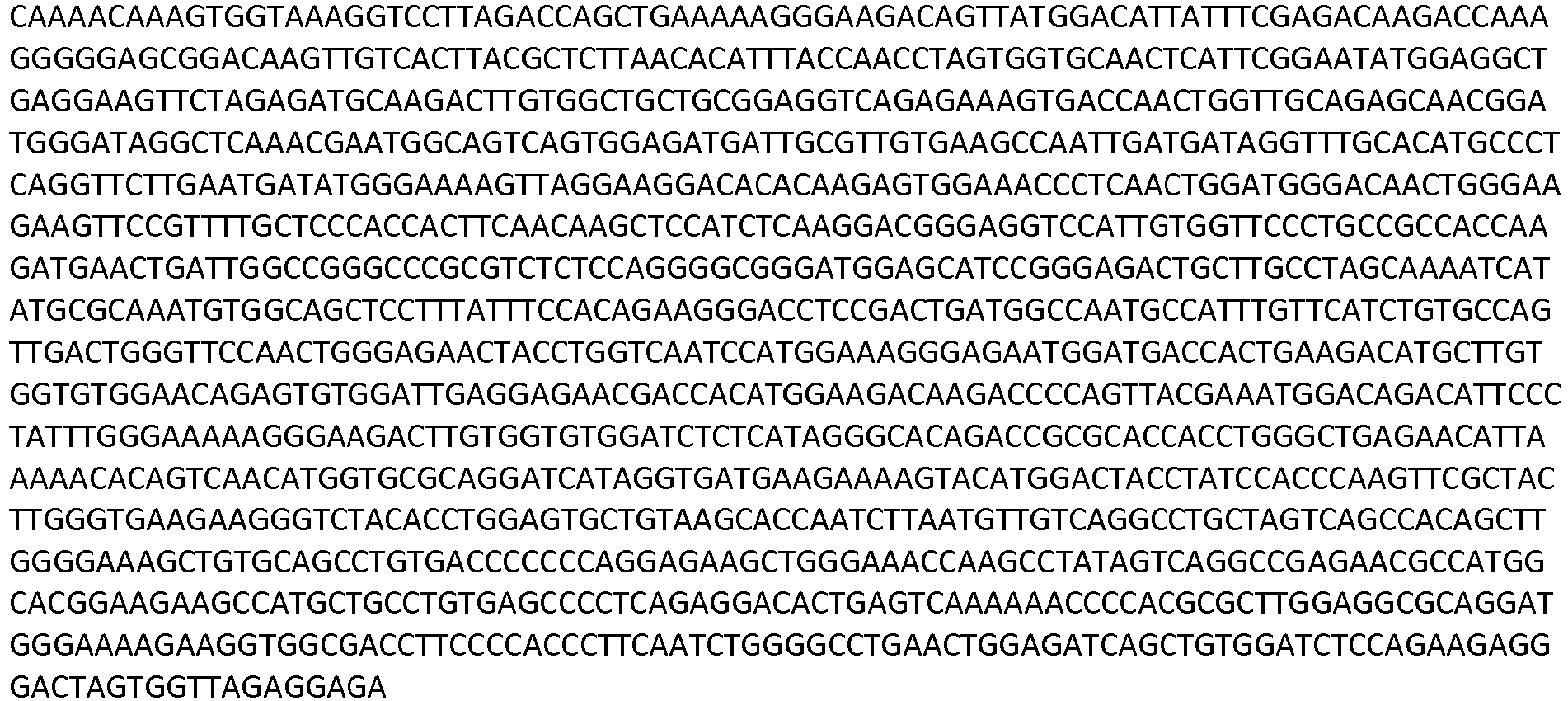
- SEQ ID NO: 6
KU527068.1 Zika virus strain Natal RGN, Brazil: Rio Grande do Norte, Natal, complete genome


- SEQ ID NO: 7
KU681081.3 Zika virus isolate Zika virus/H.sapiens-tc/THA/2014/SV0127- 14, Thailand, complete genome


- SEQ ID NO: 8
KU681082.3 Zika virus isolate Zika virus/H.sapiens-tc/PHL/2012/CPC-0740, Philippines, complete genome


- SEQ ID NO: 9
KU707826.1 Zika virus isolate SSABR1, Brazil, complete genome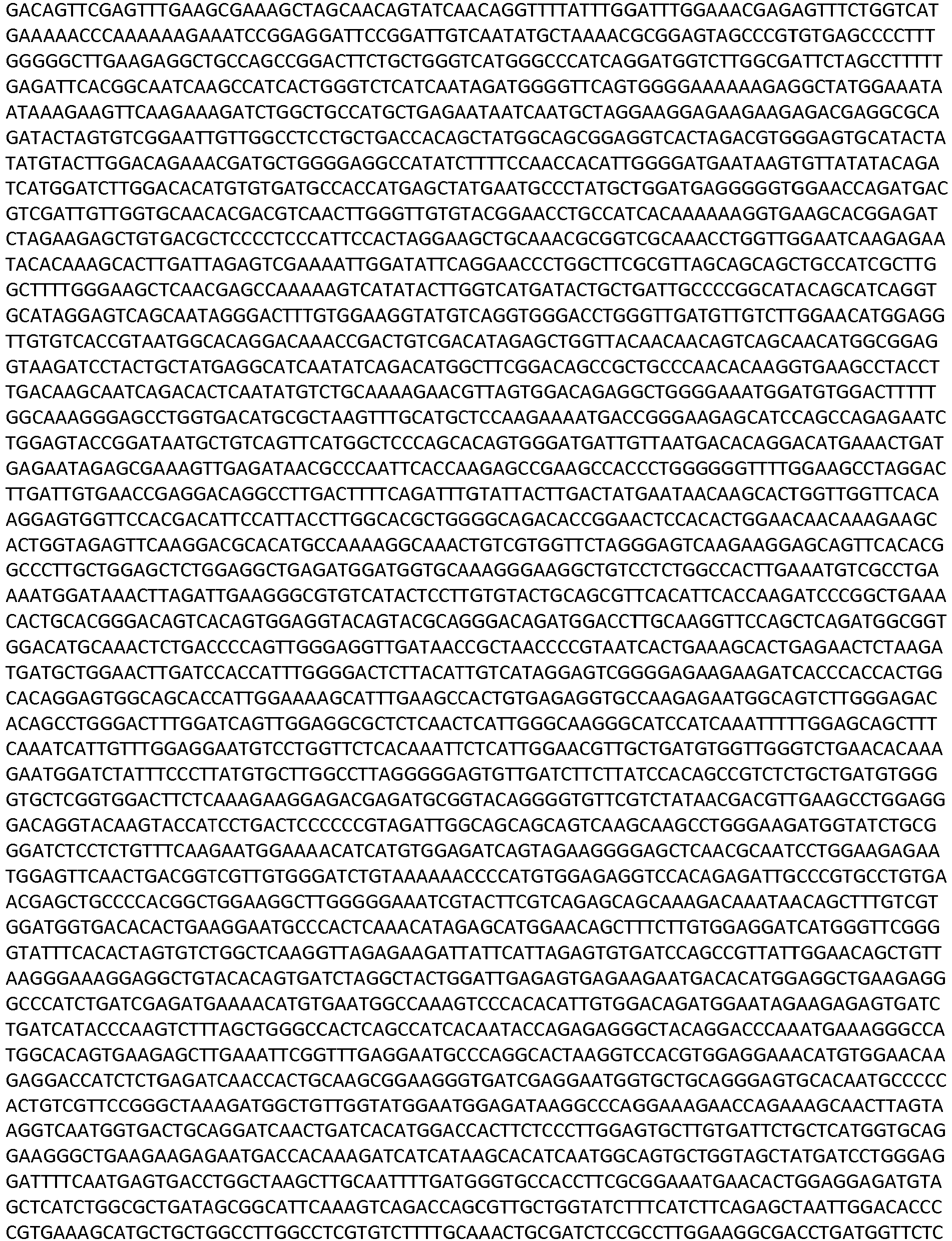


- SEQ ID NO: 10
KU744693.1 Zika virus isolate VE_Ganxian, China, complete genome



- SEQ ID NO: 11
LC002520.1 Zika virus genomic RNA, strain: MR766-NIID, Uganda, complete genome


- SEQ ID NO: 12
AY632535.2 NC_012532.1 Zika virus strain MR 766. Uganda, complete genome


- SEQ ID NO: 13
KJ776791.1, Zika virus strain H/PF/2013 polyprotein gene, complete cds


- In some embodiments, the Zika virus has a RNA genome corresponding to the DNA sequence provided by the nucleic acid sequence of any one of SEQ ID NOs: 2-13 or 72. In some embodiments, the Zika virus has a variant genome that is at least 80%, 81%, 82%, 83%, 84%, 85%, 86%, 87%, 88%, 89%, 90%, 91%, 92%. 93%, 94%, 95%, 96%, 97%, 98%, 99%, 99.5%, 99.6%, 99.7%, 99.8% or 99.9% identical to any one of SEQ ID NOs: 2-13 or 72.
- Provided below are amino acid sequences of the E-proteins of Zika strains that may be used in the methods, compositions, and/or vaccines described herein.
- SEQ ID NO: 14
isol-ARB15076.AHF49784.1.Central African Republic/291-788 Flavivirus envelope glycoprotein E.
- SEQ ID NO: 15
isol-lbH_30656.AEN75265.1.Nigeria/291-788 Flavivirus envelope glycoprotein E.
- SEQ ID NO: 16
ArB1362.AHL43500.1.-/291-794 Flavivirus envelope glycoprotein E.
- SEQ ID NO: 17
ArD128000.AHL43502.1.-/291-794 Flavivirus envelope glycoprotein E.
- SEQ ID NO: 18
ArD158095.AHL43505.1.-/291-794 Flavivirus envelope glycoprotein E.

- SEQ ID NO: 19
ArD158084.AHL43504.1.-/291-794 Flavivirus envelope glycoprotein E.
- SEQ ID NO: 20
isol-ARB13565.AHF49783.1.Central_African_Republic/291-794 Flavivirus envelope glycoprotein E.
- SEQ ID NO: 21
isol-ARB7701.AHF49785.1.Central_African_Republic/291-794 Flavivirus envelope glycoprotein E.
- SEQ ID NO: 22
isol-ArD_41519.AEN75266.1.Senegal/291-794 Flavivirus envelope glycoprotein E.
- SEQ ID NO: 23
MR766-NIID.BAP47441.1.Uganda/291-794 Flavivirus envelope glycoprotein E.
- SEQ ID NO: 24
LC002520.1/326-829 Zika virus genomic RNA, strain: MR766-NIID, Uganda, Flavivirus envelope glycoprotein E.
- SEQ ID NO: 25
isol-MR_766.AEN75263.1.Uganda/291-794 Flavivirus envelope glycoprotein E.
- SEQ ID NO: 26
ArD7117.AHL43501.1./-291-794 Flavivirus envelope glycoprotein E.
- SEQ ID NO: 27
AY632535.2/326-825 NC 012532.1 Zika virus strain MR 766, Uganda, Flavivirus envelope glycoprotein E.
- SEQ ID NO: 28
MR_766.AAV34151.1.Uganda/291-790 Flavivirus envelope glycoprotein E. |Q32ZE1| Q32ZE1_9FL
- SEQ ID NO: 29
MR_766.YP_009227198.1.Uganda/1-500 envelope protein E [Zika virus]

- SEQ ID NO: 30
KU681081.3/308-811 Zika virus isolate Zika virus/H.sapiens-tc/THA/2014/SV0127- 14, Thailand, Flavivirus envelope glycoprotein E.
- SEQ ID NO: 31
isol-Zika- virus%H .sapiens-tc%THA%2014%SV0127- _14.AM D61710.1.Thailand/291-794 Flavivirus envelope glycoprotein E.
- SEQ ID NO: 32
CK-ISL_2014.AIC06934.1.Cook_Islands/1-504 Flavivirus envelope glycoprotein E. (Fragment) OS=Zika virus GN=E PE=4 SV=1
- SEQ ID NO: 33
Natal_RGN.AMB18850.1.Brazil:_Rio_Grande_do_Norte,_Natal/291-794 Flavivirus envelope glycoprotein E.]
- SEQ ID NO: 34
isol-Si323.AMC37200.1.Colombia/1-504 Flavivirus envelope glycoprotein E.

- SEQ ID NO: 35
KU707826.1/317-820 Zika virus isolate SSABR1, Brazil, Flavivirus envelope glycoprotein E.
- SEQ ID NO: 36
KU509998.1/326-829 Zika virus strain Haiti/1225/2014, Haiti, Flavivirus envelope glycoprotein E.
- SEQ ID NO: 37
isol-GDZ16001.AML82110.1.China/291-794 Flavivirus envelope glycoprotein E.
- SEQ ID NO: 38
BeH819015.AMA12085.1.Brazil/291-794 Flavivirus envelope glycoprotein E.]
- SEQ ID NO: 39
MRS_OPV _Martinique_PaRi_2015.AMC33116.1.Martinique/291-794 Flavivirus envelope glycoprotein E.
- SEQ ID NO: 40
KU501215.1/308-811 Zika virus strain PRVABC59, Puerto Rico, Flavivirus envelope glycoprotein E.
- SEQ ID NO: 41
Haiti%1225%2014.AMB37295.1.Haiti/291-794 Flavivirus envelope glycoprotein E.
- SEQ ID NO: 42
KU527068.1/308-811 Zika virus strain Natal RGN, Brazil: Rio Grande do Norte, Natal, Flavivirus envelope glycoprotein E.
- SEQ ID NO: 43
isol-Z1106027.ALX35662.1.Suriname/5-508 Flavivirus envelope glycoprotein E.
- SEQ ID NO: 44
isol-FLR.AMM39804.1.Colombia:_Barranquilla/291-794 Flavivirus envelope glycoprotein E.
- SEQ ID NO: 45
PLCal_ZV_isol-From_Vero_E6_cells.AHL37808.1.Canada/254-757 Flavivirus envelope glycoprotein E.
- SEQ ID NO: 46
BeH818995.AMA12084.1.Brazil/291-794 Flavivirus envelope glycoprotein E. [Zika virus].
- SEQ ID NO: 47
H/PF/2013.AHZ13508.1.French_Polynesia/291-794 Flavivirus envelope glycoprotein E.
- SEQ ID NO: 48
PRVABC59.AMC13911.1.Puerto_Rico/291-794 Flavivirus envelope glycoprotein E.
- SEQ ID NO: 49
KU321639.1/326-829 Zika virus strain ZikaSPH2015, Brazil, Flavivirus envelope glycoprotein E.
- SEQ ID NO: 50
ZikaSPH2015.ALU33341.1.Brazil/291-794 Flavivirus envelope glycoprotein E.

- SEQ ID NO: 51 103344.AMC13912.1.Guatemala/291-794 polyprotein [Zika virus]. 103344.AMC13912.1.Guatemala Flavivirus envelope glycoprotein E.

- SEQ ID NO: 52
isol-Brazil-ZKV2015.AMD16557.1.Brazil/291-794 Flavivirus envelope glycoprotein E.
- SEQ ID NO: 53
KU497555.1/308-811 Zika virus isolate Brazil-ZKV2015, Flavivirus envelope glycoprotein E.
- SEQ ID NO: 54
isol-ZJ03.AMM39806.1.China/291-794 Flavivirus envelope glycoprotein E.
- SEQ ID NO: 55
isol-FSS13025.AFD30972.1.Cambodia/291-794 Flavivirus envelope glycoprotein E.
- SEQ ID NO: 56
isol-Z1106032.ALX35660.1.Suriname/291-794 Flavivirus envelope glycoprotein E. [Zika virus]
- SEQ ID NO: 57
isol-Z1106033.ALX35659.1.Suriname/291-794 Flavivirus envelope glycoprotein E. [Zika virus]
- SEQ ID NO: 58
isol-BeH828305.AMK49165.1.Brazil/291-794 Flavivirus envelope glycoprotein E.
- SEQ ID NO: 59
isol-GD01.AMK79468.1.China/291-794 Flavivirus envelope glycoprotein E.
- SEQ ID NO: 60
isol-Z1106031.ALX35661.1.Suriname/291-794 Flavivirus envelope glycoprotein E.
- SEQ ID NO: 61
ACD75819.1.Micronesia/291-794 Flavivirus envelope glycoprotein E.
- SEQ ID NO: 62
KU681082.3/308-811 Zika virus isolate Zika virus/H.sapiens-tc/PHL/2012/CPC-0740, Philippines, Flavivirus envelope glycoprotein E.
- SEQ ID NO: 63
isol-Zika_virus%H.sapiens-tc%PHL%2012%CPC-0740.AMD61711.1.Philippines/291-794 Flavivirus envelope glycoprotein E.
- SEQ ID NO: 64
isol-BeH823339.AMK49164.2.Brazil/291-794 Flavivirus envelope glycoprotein E.
- SEQ ID NO: 65
isol-P6-740.AEN75264.1.Malaysia/291-794 Flavivirus envelope glycoprotein E.
- SEQ ID NO: 66
KU744693.1/326-829 Zika virus isolate VE_Ganxian, China, Flavivirus envelope glycoprotein E.

- SEQ ID NO: 67
isol-VE_Ganxian.AMK79469.1.China/291-794 Flavivirus envelope glycoprotein E.
- SEQ ID NO: 68
ArD157995.AHL43503.1.-/291-794 Flavivirus envelope glycoprotein E.
- SEQ ID NO: 69
MR_766.ABI54475.1.Uganda/291-788 Flavivirus envelope glycoprotein E.
- SEQ ID NO: 70 5'-(dIdC)13-3'
dldC dldC dldC dldC dldC dldC dldC dldC dldC dldC dldC dldC dldC - SEQ ID NO: 71
KLK peptide
KLKLLLLLKLK - SEQ ID NO: 72
Z!KV Sequence H/PF/2013 as sequenced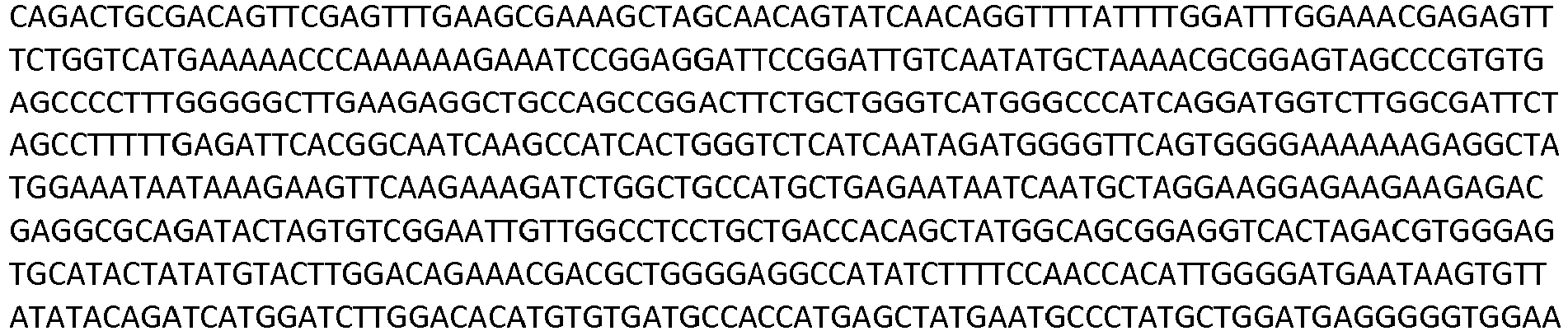


- SEQ ID NO: 73
AHZ13508.1, Zika virus polyprotein from Polynesian outbreak (H/PF/2013)

- SEQ ID NO: 74 9320_Zika_PF_lF
ttaggatccGTTGTTGATCTGTGTGAAT - SEQ ID NO: 75 9321_Zika_PF_lR
taactcgagCGTACACAACCCAAGTT - SEQ ID NO: 76 9322_Zika_PF_2F
ttaggatccTCACTAGACGTGGGAGTG - SEQ ID NO: 77 9323_Zika_PF_2R
taactcgagAAGCCATGTCYGATATTGAT - SEQ ID NO: 78 9324_Zika_PF_3F
ttaggatccGCATACAGCATCAGGTG - SEQ ID NO: 79 9325_Zika_PF_3R
taactcgagTGTGGAGTTCCGGTGTCT - SEQ ID NO: 80 9326_Zika_PF_4F
ttaggatccGAATAGAGCGAARGTTGAGATA - SEQ ID NO: 81 9327_Zika_PF_4R
taactcgAGTGGTGGGTGATCTTCTTCT - SEQ ID NO: 82 9328_Zika_PF_5F
ttaggatcCAGTCACAGTGGAGGTACAGTAC - SEQ ID NO: 83 9329_Zika_PF_5R
taactcgagCRCAGATACCATCTTCCC - SEQ ID NO: 84 9330_Zika_PF_6F
ttaggatCCCTTATGTGCTTGGCCTTAG - SEQ ID NO: 85 9331_Zika_PF_6R
taactcgagTCTTCAGCCTCCATGTG - SEQ ID NO: 86 9332_Zika_PF_7F
ttaggatccAATGCCCACTCAAACATAGA - SEQ ID NO: 87 9333_Zika_PF_7R
taactcgagTCATTCTCTTCTTCAGCCCTT - SEQ ID NO: 88 9334_Zika_PF_8F
ttaggatccAAGGGTGATCGAGGAAT - SEQ ID NO: 89 9335_Zika_PF_8R
taactcgagTTCCCTTCAGAGAGAGGAGC - SEQ ID NO: 90 9336_Zika_PF_9F
ttaggatccTCTTTTGCAAACTGCGATC - SEQ ID NO: 91 9337_Zika_PF_9R
taactcgagTCCAGCTGCAAAGGGTAT - SEQ ID NO: 92 9338_Zika_PF_10F
ttaggatccGTGTGGACATGTACATTGA - SEQ ID NO: 93 9339_Zika_PF_10R
taactcgagCCCATTGCCATAAAGTC - SEQ ID NO: 94 9340_Zika_PF_11F
ttaggatccTCATACTGTGGTCCATGGA - SEQ ID NO: 95 9341_Zika_PF_11R
taactcgagGCCCATCTCAACCCTTG - SEQ ID NO: 96 9342_Zika_PF_12F
ttaggatccTAGAGGGCTTCCAGTGC - SEQ ID NO: 97 9343_Zika_PF_12R
taactcgAGATACTCATCTCCAGGTTTGTTG - SEQ ID NO: 98 9344_Zika_PF_13F
ttaggatccGAAAACAAAACATCAAGAGTG - SEQ ID NO: 99 9345_Zika_PF_13R
taactcgagGAATCTCTCTGTCATGTGTCCT - SEQ ID NO: 100 9346_Zika_PF_14F
ttaggatccTTGATGGCACGACCAAC - SEQ ID NO: 101 9347_Zika_PF_14R
ttaggatccGTTGTTGATCTGTGTGAAT - SEQ ID NO: 102 9348_Zika_PF_15F
taactcgagCAGGTCAATGTCCATTG - SEQ ID NO: 103 9349_Zika_PF_15R
ttaggatccTGTTGTGTTCCTATTGCTGGT - SEQ ID NO: 104 9350_Zika_PF_16F
taactcgaGTGATCAGRGCCCCAGC - SEQ ID NO: 105 9351_Zika_PF_16R
ttaggatccTGCTGCCCAGAAGAGAA - SEQ ID NO: 106 9352_Zika_PF_17F
taactcgaGCACCAACAYGGGTTCTT - SEQ ID NO: 107 9353_Zika_PF_17R
ttaggatcCTCAAGGACGGTGTGGC - SEQ ID NO: 108 9354_Zika_PF_18F
taactcgagCAATGATCTTCATGTTGGG - SEQ ID NO: 109 9355_Zika_PF_18R
ttaggatccTATGGGGGAGGACTGGT - SEQ ID NO: 110 9356_Zika_PF_19F
taactcGAGCCCAGAACCTTGGATC - SEQ ID NO: 111 9357_Zika_PF_19R
ttaggatcCAGACCCCCAAGAAGGC - SEQ ID NO: 112 9358_Zika_PF_20F
taactcgagCCCCTTTGGTCTTGTCT - SEQ ID NO: 113 9359_Zika_PF_20R
ttaggatccAGGAAGGATGTATGCAGATG - SEQ ID NO: 114 9360_Zika_PF_21F
taactcgagACATTTGCGCATATGATTTTG - SEQ ID NO: 115 9361_Zika_PF_21R
ttaggatccAGGAAGGACACACAAGAGT - SEQ ID NO: 116 9362_Zika_PF_22F
taactcgagACAGGCTGCACAGCTTT - SEQ ID NO: 117 9363_Zika_PF_22R
ttaggatccTCTCTCATAGGGCACAGAC - In some embodiments, the Zika virus has polyprotein, including an envelope (E) protein, with an amino acid sequence provided by any one of SEQ ID NOs: 14-69 or 72. In some embodiments, the polyprotein or E protein sequence is at least 80%, 81%, 82%, 83%, 84%, 85%, 86%, 87%, 88%, 89%, 90%, 91%, 92%. 93%, 94%, 95%, 96%, 97%, 98%, 99%, 99.5%, 99.6%, 99.7%, 99.8% or 99.9% identical to any one of SEQ ID NOs: 2-69 or 72.
- The terms "identical" or percent "identity" in the context of two or more nucleic acids or amino acid sequences refer to two or more sequences or subsequences that are the same. Two sequences are "substantially identical" if two sequences have a specified percentage of amino acid residues or nucleotides that are the same (e.g., at least 80%, 85%, 90%, 95%, 96%, 97%, 98%, or 99% identity) over a specified region or over the entire sequence, when compared and aligned for maximum correspondence over a comparison window, or designated region as measured using one of the following sequence comparison algorithms or by manual alignment and visual inspection. Optionally, the identity exists over a region that is at least about 50 nucleotides (or 10 amino acids) in length, or more preferably over a region that is 100 to 500 or 1000 or more nucleotides (or 20, 50, 200 or more amino acids) in length. In some embodiments, the identity exists over the length of a protein, such as the E protein.
- For sequence comparison, typically one sequence acts as a reference sequence, to which test sequences are compared. Methods of alignment of sequences for comparison are well known in the art. See, e.g., by the local homology algorithm of Smith and Waterman (1970) Adv. Appl. Math. 2:482c, by the homology alignment algorithm of Needleman and Wunsch, J. Mol. Biol. 48:443, 1970, by the search for similarity method of Pearson and Lipman. Proc. Natl. Acad. Sci. USA 85:2444, 1988, by computerized implementations of these algorithms (GAP, BESTFIT, FASTA, Jalview and TFASTA in the Wisconsin Genetics Software Package, Genetics Computer Group. 575 Science Dr., Madison. WI), by multi sequence alignment implementation using e.g. CLUSTALW (Larkin et al., (2007). Bioinformatics, 23, 2947-2948.) or MAFFT (Katoh & Toh 2008 Briefings in Bioinformatics 9:286-298 ), or by manual alignment and visual inspection (see. e.g., Brent et al., Current Protocols in Molecular Biology, John Wiley & Sons, Inc. (Ringbou ed., 2003)). Two examples of algorithms that are suitable for determining percent sequence identity and sequence similarity are the BLAST and BLAST 2.0 algorithms, which are described in Altschul et al., Nuc. Acids Res. 25:3389-3402, 1977 and Altschul et al., J. Mol. Biol. 215:403-410, 1990, respectively.
- For the production of ZikaV the JEV process platform (Srivastava et al., Vaccine 19 (2001) 4557-4565;
US 6,309,650B1 ) was used as a basis. Small changes of certain process steps were adapted to ZikaV properties and to improve purity. A short summary of the process steps is outlined below (see alsoFigure 9A and B ). Briefly, the unexpected and novel purification properties of protamine sulphate (PS) were evaluated in purification processes for Zika Virus. As shown inFigure 10 , non-infectious virus particle aggregates, HCP and other LMW impurities were removed by PS precipitation as shown by removal of aggregate shoulder in SEC-HPLC and no loss of infectious virus titer by PS treatment. Further optimization of the Zika purification protocol is provided below. -
- Roller Bottle based Vero cell expansion (25x850cm2 CellBind):
- 5% CO2, 35°C, MEM+2mM L-Glutamine + 10% FBS
- Infection with ZikaV research Master Seed Bank (rMSB) at MOI 0.01
- Virus Production without serum
- 5% CO2, 35°C, MEM+2mM L-Glutamine
- Multiple harvests (
days - Sterile filtration of harvests and storage at 2-8°C until further processing
-
- Pooling of harvests and concentration by ultrafiltration (100kDa)
- Stabilization of concentrated harvest (Tris/10% sucrose) for storage if required (-80°C)
- Removal of hcDNA by Protamine Sulphate (2 mg/mL)
- Sucrose Gradient Purification (optimized three layered gradient)
- Formaldehyde Inactivation (0.02%, 22°C, 10 days), neutralization with Na-metabisulfite
- Dilution to DS antigen target content and formulation with Aluminium hydroxide (0.5mg Al/mL)
- Zika Virus Strain H/PF/2013 was originally isolated from a 51-year-old woman (accession number KJ776791.1, also SEQ ID NO: 13 herein) from French Polynesia. A sample was obtained from the European Virus Archive (EVAg; Ref-SKU: 001v-EVA1545). Based on this material, a research master seed bank (rMSB) was prepared on Vero cells as the cell substrate and the genomic sequence was checked by sequencing. Because the genomic sequence at the 5'and 3'flanking sequences of Zika virus strain H/PF/2013 was unknown, primers for sequencing were designed in those regions based on other Zika virus strains whereas the internal primers were designed from the published sequence (SEQ ID NOs: 74 to 117, see also Table A). The sequence obtained from the rMSB by use of these primers is provided by SEQ ID NO: 72. There was 100% overlap of the sequence with the published sequence of Zika Virus Strain H/PF/2013 (SEQ ID NO: 13). However, we sequenced additional regions 5' (an additional 40 bp) and 3' (an additional 160 bp) represented in SEQ ID NO: 72. In a preferred embodiment, the Zika virus of the invention comprises SEQ ID NO: 72. The genomic RNA is somewhat longer than the sequence according to SEQ ID NO: 72 (perhaps an additional 200 bp). Additionally, a Zika virus adapted to a host cell such as e.g. Vero cells may be expected to contain one or more mutations. For these reasons, the Zika virus of the current invention comprises the sequence of SEQ ID NO: 72 or, preferably, a sequence with at least 95%, 96%, 97%, 98%, or at least 99% sequence identity to the sequence provided by SEQ ID NO: 72. Furthermore, because the viral genome is likely to contain even further flanking regions to SEQ ID NO: 72; in one embodiment, the Zika virus of the invention contains the sequence of SEQ ID NO: 72 and optionally further comprises extensions at the 5' and/or 3' ends of at least 10, at least 20, at least 30, at least 40, at least 50, at least 60, at least 70, at least 80, at least 90, at least 100, at least 110, at least 120 or at least 130 nucleotides. In a preferred embodiment, the Zika virus comprises at least the coding sequence for the entire polyprotein of Zika Virus Strain H/PF/2013 of the invention i.e. the amino acid sequence of SEQ ID NO: 73 or a polyprotein with at least 95%, 96%, 97%, 98%, or at least 99% sequence identity to the sequence provided by SEQ ID NO: 73. Furthermore, the Zika virus comprises at least the coding sequence for the E-protein of Zika Virus Strain H/PF/2013 of the invention SEQ ID NO: 47 or an E-protein thereof with at least 95%, 96%, 97%, 98%, or at least 99% sequence identity to the sequence provided by SEQ ID NO: 47.
- Vero cells were grown in Eagle's minimal essential medium (EMEM) containing 10% fetal bovine serum (FBS). Roller bottle cultures of Vero cell monolayers were infected with Zika Virus Strain H/PF/2013 at a multiplicity of infection (moi) of 0.01 plaque forming units (pfu) per cell. After 2 hours of virus adsorption, the cultures were washed 3 times with PBS and fed with EMEM without FBS and incubated at +35°C with 5% CO2. Infected Vero cell cultures were incubated until the virus titer reaches a desired level.
- The culture medium was harvested at
days - The current JEV harvest process has scheduled harvests on
days - After taking a sample on
day 2 the first virus harvest was conducted onday 3 after infection. At this point significantly higher CPE could be observed compared to cells where virus was removed onday 2. Plaque assay analysis showed that the viral titers onday 2 were in the same range as for the standard harvesting schedule. However, starting with theday 3 harvest, the observed titers were significantly lower correlating with the increased CPE observed compared to the standard harvest schedule. Onday 5 post infection no more living cells could be observed at all and the experiment was terminated with afinal day 5 harvest.Table 3: The calculated titers per plaque assay are summarized in the list below. Log 10 PFU/mLsample day2 7.02 harvest day 36.66 harvest day 56.26 - This finding led to an optimized harvest schedule to better control of CPE and allow
additional harvest day Figure 15 . For both harvest days the optimized ZikaV protocol yield significant higher virus titers compared to the modified protocol showing that the time of the first harvest is crucial for production yields. Additionally first harvesting atday 3 results inmaximum 2 harvest points whereas first harvesting atday 2 allows for 4 harvest points further increasing the yield gain. - The purification process was carried out at room temperature (18-22°C) unless stated otherwise. Virus purification started with concentration of filtered combined harvest using 100 kDa cut-off TFF ultrafiltration modules to remove cell culture media components and reduce batch volume. After concentration, the pooled filtered harvest material was adjusted to a final concentration of 25 mM Tris pH 7.5 and 10% sucrose (w/w) using stock solution of both components (see
Figure 11 for SEC-HPLC of different harvests prior to PS treatment). This allowed for freezing the concentrated harvest at <-65°C if required. - Host cell DNA and protein reduction as well reduction of non-infectious virus aggregates in the concentrated material was achieved by precipitation with protamine sulphate (2 mg/mL) followed by sucrose density centrifugation (2-8°C) as final polishing step (see
Figure 20 for SEC-HPLC of different harvests post PS treatment). The purification process was designed to be completed within 2 working days with SGC starting on end ofday 1 followed by fractionation and SDS-PAGE analysis onday 2. The sucrose gradient fractions were stored at 2-8 °C during the SDS-PAGE analysis (Silver staining) to identify the pure fractions containing ZikaV (seeFigure 21 ). After pooling the relevant fractions, the pool was diluted and inactivated by Formalin. After pooling the relevant fractions of sucrose gradient centrifugation, the pool was diluted 1:3 in PBS and inactivated by Formalin (0.02% v/v, 200ppm). Fractions were subjected to analysis by SDS-PAGE. - Samples of individual 30x concentrated
harvests days Figure 11 ) and after PS (Figure 12 ) treatment by SEC-HPLC and plaque assay. SEC-HPLC was used for determination of relative total ZikaV content (active + inactive) expressed as peak area, whereas the rel. ZikaV peak purity is given as relative content of virus monomer population to total virus peak. Plaque assay states the content of total active virus particles in each sample. Experimental results are summarized in Table 4. The virus peak recovery by SEC-HPLC was only between 12 to 36% with peak purity after PS treatment in the range of >90% (no virus aggregates detected). The recovery of active virus particles by plaque assay was all > 100% (130-700%, range within the variability of the assay) showing that no active virus particles were lost during PS treatment. These results show that during PS treatment only non-infective (immature and/or aggregated virus) particles were removed.
- The PS treated harvest was split in two parts and loaded on two centrifuge bottles. Sucrose density gradient centrifugation (SGC) was used for final concentration and polishing of the ZikaV material. The ZikaV PS treated concentrated harvest was loaded on top of a solution consisting of three layers of sucrose with different densities. The three sucrose layers were selected based on a preliminary study which showed the formation of a linear sucrose gradient and complete separation of the virus particles from residual contaminants as demonstrated for ChikV (Fig. 15D). The optimal volumes of the sucrose solutions were determined empirically. The volumes of individual layers for a centrifugation in 100 mL bottle scale are shown in Table 5.
Table 5: Individual layers/volumes for a centrifugation in bottle. Solution Volume (mL) PS treated harvest in 10% sucrose (L) 40 15% sucrose (J) 15 35% sucrose (I) 15 50% sucrose (H) 20 Total volume 90 - The sucrose gradient bottles were prepared by stratifying the individual sucrose layers. A plastic tube was attached to peristaltic pump tubing. The plastic tube was mounted on a laboratory stand using a clamp and placed into the centrifuge bottle. The nozzle of the plastic tube was touching the bottom of the bottle. Using a peristaltic pump the ZikaV material and the sucrose solutions were pumped into the cylinder. A measuring cylinder was used as feed vessel. The first solution pumped was the ZikaV material as it represented the solution of lowest density (10 % sucrose (w/w)). After the ZikaV material the sucrose solutions were pumped in ascending order starting with the 15 % (w/w) solution J, followed by 35 % sucrose solution I and finishing with the highest density sucrose solution H (50 % (w/w)). The described setup is shown in
Figure 14 . After all sucrose solutions were transferred the plastic tubing was carefully removed in order not to disturb the layers. - Prior to centrifugation the centrifuge was pre-cooled to 4°C. The prepared SG bottles were carefully transferred into the pre-cooled rotor. (Note: Sudden movement of the bottles during transfer to the rotor must be avoided in order not to disturb the sucrose layers.) The bottles were centrifuged at ~11.000 RCF max at 4 °C for at least 20 hours, no brake/deceleration activated. In case a different centrifuge system with a different rotor is used the necessary speed and centrifugation times need to be calculated based on the k-factor in order to achieve comparable centrifugation efficiency.
- Harvesting of the sucrose gradient was done manually using a peristaltic pump. A plastic tube attached to peristaltic pump tubing was used for harvesting the sucrose gradient. The bottle containing the gradient was mounted onto a laboratory stand in a tilted position (~12°) using a clamp. The plastic tubing was then placed into the bottle touching the bottom edge of the bottle and was fastened in position using a clamp. This resulted in a small gap of 1-2 mm between the tubing inlet and the bottom of the bottle (see
Figure 14 ). - Using a peristaltic pump set to a flow rate of 30 mL per minute the gradient was harvested and manually split into 2 mL fractions. A total number of 32 fractions per bottle were harvested (~ 64 mL) and the remaining volume was discarded. The fractions were immediately tested by SDS-PAGE / silver stain to identify the virus containing fractions with sufficient high purity. Representative SDS-PAGE is shown in
Figure 14 . Fraction 10-14 were pooled and further processed. - The purified viral solution was inactivated by incubation with 0.02% formaldehyde over a period of ten days in a 22°C controlled-temperature incubator. The formaldehyde is neutralized by addition of sodium metabisulphite on the tenth day.
- The sucrose gradient pool (~17mL after sampling) was further diluted 3-fold with PBS to a final volume of 51 mL in a PETG container. A volume of 1% formaldehyde (10,000 ppm) solution equivalent to 1/50 of the final volume of the pre-formaldehyde pool was added to this pool resulting in an effective concentration of 200 ppm. The formaldehyde-treated solution was mixed on a magnetic stirrer for 10 minutes. After sampling, the formaldehyde-treated viral solution was placed within a cooled incubator at 22°C ± 2°C. On
Day 5 post addition of formaldehyde, the formaldehyde-treated viral solution was filtered through a 0.2 µm filter and then placed in the incubator at 22°C ± 2°C again. OnDay 10, after removing the 10-Day inactivation final sample, a volume of 1 % (of the weight of the final formaldehyde-treated viral solution) of 200 mM-sodium metabisulphite solution (2mM final concentration) was aseptically transferred into the PETG container containing the formaldehyde-treated viral solution. After mixing for 5 minutes on a magnetic stirrer, the neutralized inactivated viral solution is held at room temperature (20 to 25°C) for a minimum of 30 minutes. After sampling, the neutralized inactivated viral solution is stored at 5°C ± 3°C until further processing. - Critical parameters for this step are final formalin concentration, temperature, mixing and transfer into a new container. A preliminary acceptance criterion for maximum pfu/mL (determined by plaque assay) has been set on the diluted pool pre formaldehyde treatment.
- The quality of the neutralized inactivated viral solution was monitored by the following parameters: Plaque assay on
Day 10, SEC-HPLC, SDS-PAGE/Western Blot. - Interestingly, SEC-HPLC analysis of samples taken during the inactivation period followed by neutralization with bisulfite showed more or less constant peak area throughout the inactivation period. This is in contrast to JEV where losses of viral particles up to 60% are observed using the process disclosed by Srivastava et al. Vaccine 19 (2001) 4557-4565. In a scale-down model the viral losses were even much higher due to surface/area ratio at smaller scale and high losses due to unspecific adsorption. Differences of the ZikaV inactivation experiment and JEV inactivation were noticed as follows:
- A) Much higher purity of ZikaV SGP pool with regard to residual PS (<2µg/mL) compared to JEV. The 3-fold ZikaV inactivated sample contained therefore <<1µg/mL of residual PS. Commercial JEV SGP pool contains on average ~120µg/mL (up to 152 µg/mL possible). The average dilution to inactivation solution of ~14-fold results in a residual PS content up to ~11 µg/mL. It may be that higher amount of residual PS could cause virus precipitation due to cross-linking / reaction with formalin.
- B) ZikaV inactivation sample contained ~10% sucrose (3-fold dilution of SGP pool containing -30-35% sucrose). Sucrose might have stabilizing effect of viral ZikaV particles during treatment with formalin.
- For preparation of ZikaV drug substance used in mouse potency assay an antigen content (expressed as total viral particles or SEC peak area) of 5 times higher compared to Ixiaro was targeted. The basis for determination of antigen content was SEC-HPLC. Briefly, a
Superose 6 10/300 Increase column (GE Healthcare) equilibrated with PBS + 250 mM NaCl, pH 7.4 at 1 ml/min and 25°C, was used to detect ZikaV at 214 nm detection wavelength in harvest samples and throughout the downstream process. In the current JEV process the antigen content in NIV is determined by a specific ELISA. A good correlation was observed between antigen content determined by ELISA and SEC-HPLC. On average, the antigen content in commercial NIV samples is in the range of 33 AU/mL corresponding to ~5.2mAU JEV peak area, seeFigure 21 . - ZikaV NIV day10 (Zika peak ~36 mAU, analysed on Waters HPLC/Superose6 Increase column) was diluted with PBS to a target of 6.3 (~5.7x dilution). Aluminium hydroxide was added to a final concentration of 0.5 mg/mL Aluminium (1/20 v/
v Alum 2% stock solution added) to prepare ZikaV Drug Product (DP). The DP was gently mixed for 5 min. An aliquot of the DP was removed, Alum sedimented by centrifugation and the clear supernatant analysed by SEC-HPLC. No ZikaV peak was detected in the supernatant indicating complete adsorption (estimated as >95%) of viral particles on the mineral adjuvant. Formulated ZikaV DP was stored at 2-8°C. - The impurity profile of the inactivated Zika virus DS is comparable to the profile of JEV DS with the exception of a lower PS content (Table 6).
Table 6: Determination of impurity profile in Zika and JEV DS samples: Specification (JEV DS) JEV Zika HCP (ng/mL) <100 <LOQ < LOQ LOQ 12 ng/mL DNA (pg/mL) <200 <40 <40 LOQ 40 pg/mL Aggregates by SEC-MALLS (%) Not specified, part of characterization <LOQ < LOQ LOQ 5% PS (µg/mL) Specification only at SGP pool to demonstrate consistent process performance (19-152µg/mL), *PS content in DS calculated based on PS content in SGP pool (~100 µg/mL) and average dilution factor (~28x) to DS; LOQ 2 µg/mL∼4* <<LOQ *Typical PS impurity in a JEV sample produced in accordance with protocol disclosed in Srivastava et al. Vaccine 19 (2001) 4557-4565. - A representative SEC-HPLC elution profile of ZikaV NIV at 214 nm detection wave length is shown in
Figure 16 . Note that BSA (50µg/mL) was added to the sample to minimize losses in HPLC glass vial due to unspecific surface adsorption. ZikaV monomer content was estimated as ~98% with a multimer content of ~2%. - SEC-MALLS analysis (
Figure 17 ) of the sample confirmed the radius Rz of the monomerZikaV population peak 1 as 21.6 nm and -49 nm for themultimer peak 2. Cumulative particle size distribution showed that 89% of all viral particles are within a radius range between 18 to 25nm (Figure 18 ). - Results confirm purity and homogeneity of ZikaV NIV.
-
Table 7: Active ZikaV plus were quantified by plaque assay throughout the process. Sample Pfu/mL Harvest day 2 (filtered) 6.4x10⁷ Harvest day 3 (filtered) 1.0x10⁸ Harvest day 5 (filtered) 1.5x10⁸ Harvest day 7 (filtered) 1.1x10⁸ PS treated harvest 300x concentrate (=SGP load) 9.0x10⁸ SGP pool 8.9x10⁸ Inactivation start (SGP pool 1:3 diluted) 3.4x10⁸ Inactivation day 5 < LOD Inactivation day 10 <LOD - A direct comparison of DNA removal method of concentrated ZikaV harvest pool was done. One aliquot was treated with PS (2 mg/mL, 15min at room temperature), the other aliquot was treated with Benzonase (50 U/mL, 2 mM MgCl2, 4h RT, 48h 2-8°C). Both samples were further purified by sucrose gradient as described in this report. Interestingly, the Benzonase treated samples did not yield any pure fractions after sucrose gradient centrifugation of the treated ZikaV harvest. In those fractions where the specific virus bands were detected, a high amount of host cell protein was detected throughout the collected fractions. The PS treated material resulted in pure ZikaV containing fractions as expected. This finding may suggest that PS is not only effective for DNA removal by precipitation; in addition it improves the recovery of virus particles in the gradient by disrupting interaction of DNA (fragments) and virus particles. Benzonase treatment does not remove DNA, it only results in its fragmentation. Residual DNA fragments might still interact with virus particles and residual HCPs resulting in cross-contamination and co-purification in the sucrose gradient. Pooled SGP fractions were also analysed by SEC-HPLC. Although a large peak was detected, SDS-PAGE confirmed that this sample was highly contaminated with HCPs. A large peak might be detected at UV214 and 280nm after SEC-HPLC analysis due to possible interaction of HCPs with large virus particles, changing the UV absorbance.
- Prior to immunization, groups of ten 6-week-old female CD1 mice were bled via vena facialis and pre-immune sera were prepared. One intraperitoneal immunizations of 200 µL were administered. A dose titration (12 µg, 3 µg, 1 µg, 0.33 µg, 0.11 µg, 0.037 µg and 0.012 µg, equivalent to the protein amount in IXIARO) of inactivated Zika virus formulated with aluminium hydroxide (Al(OH)3) at a final concentration of 0.7%. Three weeks after immunization, blood was collected and immune sera were prepared. All animal experiments were conducted in accordance with Austrian law (BGB1 Nr. 501/1989) and approved by "Magistratsabteilung 58".
- Twelve well plates were used for PRNT. Each well was seeded with 1 mL medium containing 4×10⁵ Vero cells and incubated 35°C with 5% CO2 overnight. Pools of heat inactivated sera from each dose group were tested in triplicate. The target viruses (H/PF/2013 (SEQ ID NO: 13) or MR766 (SEQ ID NO: 11)) were diluted to 100 pfu/165 µL. Equal volumes of target virus and serum dilution were incubated at 35°C with 5% CO2 for 1 hour. The cell culture medium was aspirated from the Vero cells and 330 µL of the mixture target virus/serum dilution were added to each well and the plates were rocked back and forth 5 times before incubating for 2 hours at 35°C with 5% CO2. To each well 1 mL of a 2% methylcellulose solution containing EMEM and nutrients was added, the plates were then incubated for 5 days at 35°C with 5% CO2 before staining the cells for 1 hour with crystal violet/5% formaldehyde and subsequently washed 3 times with deionized water. The plates were air dried and the numbers of plaques in each well were manually counted.
- Neutralization was observed with serum pools from mice immunized with inactivated Zika virus vaccine (H/PF/2013) down to 37 ng (dosing equivalent to the amount protein in IXIARO®) against Zika viruses of both the Asian (H/PF/2013) and African (MR766) lineages (
Figures 19 and20 , respectively). Complete inhibition was seen at the 1:20 serum dilution with an immunization dose down to 110 ng (dosing equivalent to the amount protein in IXIARO®). The neutralization of both the Asian (H/PF/2013) and African (MR766) lineages of the Zika virus was equivalent, which indicates high cross-neutralization between different Zika virus strains of the inactivated Zika virus vaccine (H/PF/2013). - Another neutralization assay was performed using the microneutralization assay as described by Larocca, et al. (2016, Nature doi:10.1038/nature18952). It was found that the inactivated Zika virus of the current invention had an MN50 (microneutralization) titer of 90 at 1 µg of inactivated purified virus.
- Further methods: The immunogenicity of inactivated Zika virus preparations is assessed using a mouse model of Zika infection. Groups of adult mice are immunized subcutaneously (s.c.) with 500, 50, or 5 ng of inactivated Zika virus with adjuvant (e.g. aluminium hydroxide with or without IC31®), or without adjuvant. An additional group of mice receive PBS as a negative control. Each group is administered the indicated inoculum at t=0 and in some cases also at three to four weeks later (t=3/4). Beginning approximately three weeks after administration of the last immunization, serum samples are obtained from each of the mice at regular intervals. The serum samples are tested for the presence of neutralizing antibodies using PRNT.
- The in vivo protective efficacy of the inactivated Zika virus preparations is also assessed using a mouse model of Zika infection, i.e. IFN-alpha/beta receptor knock-out mice (A129) (see e.g. Dowall et al., 4. March 2016, http://dx.doi.org/10.1101/042358) or blocking of the IFN-alpha/beta receptor by administration of anti-IFN-alpha/beta receptor monoclonal antibodies to C57BL/6 or BALB/c mice (see e.g. Pinto et al., 7. December 2011, DOI: 10.1371/joumal.ppat. 1002407). For protection assays, groups of 10 three- to eight-weeks-old A129, C57BL/6 of BALB/c mice are inoculated subcutaneously in the hindquarters with inactivated Zika virus with adjuvant (aluminium hydroxide) or without adjuvant at t=0. Age-matched controls are inoculated with PBS or non-specific antigens in alum. Mice are optionally boosted with a second administration of the indicated inoculation three to four weeks later. The mice are then challenged subcutaneously at three to eight weeks post immunization by inoculation with a deadly dose of live Zika virus. One day prior to challenge of C57BL/6 and BALB/c mice, they are passively administered (intraperitoneally) anti-IFN-alpha/beta receptor monoclonal antibodies. Challenged mice are monitored daily for morbidity and mortality for up to twenty-one days. Another alternative is to challenge intracranially adult vaccinated/non-vaccinated adult mice and observe protection.
- It is expected that the Zika virus produced by the process of the invention will provide very similar functional read-outs in in vitro, in vivo and finally human trials as the currently licensed JEV vaccine in the EU and US and elsewhere, IXIARO®. The dosage may alter but due to the very similar impurity profile and almost identical manufacture, a very similar efficacy and safety result will be expected as was determined for the currently licensed JEV vaccine (licensed in the EU and US and elsewhere).
- The existing manufacturing platform for production of inactivated JEV vaccine IXIARO® was used as a basis for a manufacturing feasibility study of inactivated ZikaV vaccine candidate (Asian strain H/PF/2013). The virus was produced on Vero cells cultivated in roller bottles. The virus was purified by PS treatment followed by an optimized sucrose gradient. Inactivation was done by formalin treat (0.02 %, 10 days at 22 °C). For exploratory immunization studies in mice, a DP formulated with Alum was prepared with an estimated 5-fold higher virus particle content compared to IXIARO®, the commercial JEV Vaccine. The impurity profile of the DS met all criteria as defined in the specification for IXIARO®, the commercial JEV vaccine. The neutralization of both the Asian (H/PF/2013) and African (MR766) lineages of the Zika virus was equivalent, which indicates high cross-neutralization between different Zika virus strains of the inactivated Zika virus vaccine (H/PF/2013).
- The in vivo data regarding immunogenicity of the inactivated Zika virus vaccine of the current invention indicates that the virus is surprisingly potently immunogenic and also highly cross-protective (very similar immunogenicity in African and Asian strains). Data indicate that immunogenicity was higher than the recently reported inactivated Zika virus vaccine candidate (Larocca, et. al, 2016, supra.). Inactivated viruses are among the safest vaccines and especially preferred for deliver to populations where safety is especially concerning, such as pregnant women, children and immunocompromised individuals, which makes the herein disclosed inactivated Zika virus particularly suitable. Obtaining a high titer of inactivated virus is a challenge in the field. The herein disclosed process for purifying inactivated Zika virus results in not only a high yield, but also a very pure drug substance.
Claims (13)
- A Zika virus vaccine comprising an inactivated Zika virus, wherein said Zika virus vaccine contains protamine sulphate (PS) at amounts below 1 µg/mL.
- The Zika virus vaccine of claim 1, wherein said Zika virus comprises an RNA genome corresponding to the DNA sequence provided by any one of the nucleic acid sequences of SEQ ID NOs: 2-13 or 72, or a variant nucleic acid sequence that is at least 88% identical to any one of SEQ ID NOs: 2-13 or 72 and able to pack a virulent Zika virus.
- The Zika virus vaccine of claim 1 or 2, wherein said Zika virus particle comprises an E protein selected from the amino acid sequences provided by any one of SEQ ID NOs: 14-69, or a variant amino acid sequence that is at least 95% identical to any one of SEQ ID NOs: 14-69 and able to pack a virulent Zika virus.
- The Zika virus vaccine of any one of claims 1 to 3, wherein the Zika virus is chemically inactivated, thermally inactivated, pH inactivated, or UV inactivated.
- The Zika virus vaccine of claim 4, wherein the inactivated Zika virus is a formaldehyde-inactivated virus.
- The Zika virus vaccine of claim 5, wherein the formaldehyde-inactivated Zika virus is obtained by contact with formaldehyde for between 2-10 days.
- The Zika virus vaccine of any one of claims 4 to 6, wherein the chemically inactivated Zika virus is obtained at about +4°C or about +22°C.
- The Zika virus vaccine of any one of claims 1 to 7, further comprising an adjuvant and/or a pharmaceutically acceptable excipient.
- The Zika virus vaccine of claim 8, wherein said adjuvant is an aluminum salt adjuvant.
- The Zika virus vaccine of claim 9, wherein said aluminum salt adjuvant is aluminium hydroxide containing less than 1.25 ppb Cu based on the final composition comprising the Zika virus.
- The Zika virus vaccine of any one of claims 8 to 10, wherein said Zika virus vaccine comprises or further comprises an adjuvant comprising a peptide and a deoxyinosine-containing immunostimulatory oligodeoxynucleic acid molecule (I-ODN).
- The Zika virus vaccine of any one of claims 1 to 11, wherein said Zika virus vaccine contains protamine sulphate at amounts below 100 ng/mL.
- A process for purification of infectious Zika virus particles, comprising the steps of:a) providing a crude harvest (a) comprising Zika virus particles and impurities, wherein said impurities are generated from growing said Zika virus particles on a cell substrate;b) reducing impurities from the crude harvest (a) by precipitation with protamine sulphate, to obtain a Zika virus preparation (b); andc) further purifying the Zika virus preparation (b) by an optimized sucrose density gradient centrifugation to obtain a purified infectious Zika virus preparation (c), wherein said optimized sucrose density gradient centrifugation comprises layering said Zika virus preparation (b), provided in a 10% (w/w) sucrose solution, onto three further layers of sucrose solutions with different densities, i.e. a first sucrose solution with 15% (w/w) sucrose, a second sucrose solution with 35% (w/w) sucrose, and a third sucrose solution with 50% (w/w) sucrose, and wherein the optimized sucrose gradient separates the protamine sulphate from the infectious Zika virus fraction to the extent that the protamine sulphate concentration in Zika virus preparation (c) is less than 1 µg/ml, preferably less than 900, 800, 700, 600, 500, 400, 300 or 200 ng/mL, preferably less than 100 ng/mL.
Priority Applications (3)
| Application Number | Priority Date | Filing Date | Title |
|---|---|---|---|
| SI201631676T SI3393510T1 (en) | 2015-12-23 | 2016-12-23 | ZIKA vaccine |
| EP23152481.0A EP4218807A3 (en) | 2015-12-23 | 2016-12-23 | Zika virus vaccine |
| HRP20230273TT HRP20230273T1 (en) | 2015-12-23 | 2016-12-23 | Zika virus vaccine |
Applications Claiming Priority (6)
| Application Number | Priority Date | Filing Date | Title |
|---|---|---|---|
| EP15202585 | 2015-12-23 | ||
| EP16161068 | 2016-03-18 | ||
| EP16176025 | 2016-06-23 | ||
| EP16176049 | 2016-06-23 | ||
| EP16182845 | 2016-08-04 | ||
| PCT/EP2016/082664 WO2017109225A1 (en) | 2015-12-23 | 2016-12-23 | Zika virus vaccine |
Related Child Applications (2)
| Application Number | Title | Priority Date | Filing Date |
|---|---|---|---|
| EP23152481.0A Division EP4218807A3 (en) | 2015-12-23 | 2016-12-23 | Zika virus vaccine |
| EP23152481.0A Division-Into EP4218807A3 (en) | 2015-12-23 | 2016-12-23 | Zika virus vaccine |
Publications (2)
| Publication Number | Publication Date |
|---|---|
| EP3393510A1 EP3393510A1 (en) | 2018-10-31 |
| EP3393510B1 true EP3393510B1 (en) | 2023-02-22 |
Family
ID=57821924
Family Applications (9)
| Application Number | Title | Priority Date | Filing Date |
|---|---|---|---|
| EP16828745.6A Active EP3393509B1 (en) | 2015-12-23 | 2016-12-23 | Virus purification |
| EP23175136.3A Pending EP4253403A3 (en) | 2015-12-23 | 2016-12-23 | Zika virus purification |
| EP16828746.4A Active EP3393510B1 (en) | 2015-12-23 | 2016-12-23 | Zika virus vaccine |
| EP23152481.0A Pending EP4218807A3 (en) | 2015-12-23 | 2016-12-23 | Zika virus vaccine |
| EP16826740.9A Active EP3393507B1 (en) | 2015-12-23 | 2016-12-23 | Zika virus purification |
| EP23219512.3A Pending EP4357355A3 (en) | 2015-12-23 | 2016-12-23 | Virus purification |
| EP24159155.1A Pending EP4393938A3 (en) | 2015-12-23 | 2016-12-23 | Virus purification |
| EP16826741.7A Active EP3393508B9 (en) | 2015-12-23 | 2016-12-23 | Zika virus purification |
| EP16826739.1A Active EP3393506B1 (en) | 2015-12-23 | 2016-12-23 | Virus purification |
Family Applications Before (2)
| Application Number | Title | Priority Date | Filing Date |
|---|---|---|---|
| EP16828745.6A Active EP3393509B1 (en) | 2015-12-23 | 2016-12-23 | Virus purification |
| EP23175136.3A Pending EP4253403A3 (en) | 2015-12-23 | 2016-12-23 | Zika virus purification |
Family Applications After (6)
| Application Number | Title | Priority Date | Filing Date |
|---|---|---|---|
| EP23152481.0A Pending EP4218807A3 (en) | 2015-12-23 | 2016-12-23 | Zika virus vaccine |
| EP16826740.9A Active EP3393507B1 (en) | 2015-12-23 | 2016-12-23 | Zika virus purification |
| EP23219512.3A Pending EP4357355A3 (en) | 2015-12-23 | 2016-12-23 | Virus purification |
| EP24159155.1A Pending EP4393938A3 (en) | 2015-12-23 | 2016-12-23 | Virus purification |
| EP16826741.7A Active EP3393508B9 (en) | 2015-12-23 | 2016-12-23 | Zika virus purification |
| EP16826739.1A Active EP3393506B1 (en) | 2015-12-23 | 2016-12-23 | Virus purification |
Country Status (19)
| Country | Link |
|---|---|
| US (14) | US11331382B2 (en) |
| EP (9) | EP3393509B1 (en) |
| JP (1) | JP6949027B2 (en) |
| KR (1) | KR102950500B1 (en) |
| CN (2) | CN115381934A (en) |
| AU (1) | AU2016375338B2 (en) |
| BR (1) | BR112018012873A2 (en) |
| CA (1) | CA3009278A1 (en) |
| DK (1) | DK3393510T5 (en) |
| ES (4) | ES2950887T3 (en) |
| FI (1) | FI3393510T3 (en) |
| HR (1) | HRP20230273T1 (en) |
| HU (1) | HUE061679T2 (en) |
| LT (1) | LT3393510T (en) |
| MX (1) | MX2018007627A (en) |
| PL (1) | PL3393510T3 (en) |
| SG (1) | SG11201805120YA (en) |
| SI (1) | SI3393510T1 (en) |
| WO (6) | WO2017109227A1 (en) |
Families Citing this family (38)
| Publication number | Priority date | Publication date | Assignee | Title |
|---|---|---|---|---|
| US9895437B2 (en) | 2012-04-18 | 2018-02-20 | Valneva Austria Gmbh | Aluminum compounds for use in therapeutics and vaccines |
| UA126548C2 (en) * | 2015-07-16 | 2022-11-02 | Бхарат Біотек Інтернешнл Лімітед | VACCINE COMPOSITION FOR THE PREVENTION OF ABROVIRUS INFECTIONS |
| EP3393509B1 (en) | 2015-12-23 | 2024-02-28 | Valneva SE | Virus purification |
| CA3030154A1 (en) * | 2016-07-08 | 2018-01-11 | The United States Of America, As Represented By The Secretary, Department Of Health And Human Services | Chimeric dengue/zika viruses live-attenuated zika virus vaccines |
| EP3684404A1 (en) | 2017-09-21 | 2020-07-29 | Valneva SE | Method of producing pharmaceutical compositions comprising immunogenic chikungunya virus chikv-delta5nsp3 |
| MX2020004543A (en) * | 2017-11-03 | 2020-09-18 | Takeda Vaccines Inc | VACCINES AGAINST ZIKA, IMMUNOGENIC COMPOSITIONS AND METHODS USING THEM. |
| CN107988239B (en) * | 2017-11-29 | 2021-03-19 | 南方医科大学 | A kind of recombinant gene of Zika virus and its preparation method and application |
| CN116983398A (en) * | 2017-11-30 | 2023-11-03 | 武田疫苗股份有限公司 | Zika vaccines and immunogenic compositions and methods of use |
| CN107904215B (en) * | 2017-12-27 | 2021-07-27 | 华农(肇庆)生物产业技术研究院有限公司 | Full suspension culture method of avian influenza virus |
| CN110156880B (en) * | 2018-02-13 | 2022-12-16 | 吴夙钦 | Zika virus vaccine composition and application thereof |
| TWI658848B (en) * | 2018-02-13 | 2019-05-11 | National Tsing Hua University | Zika virus vaccine composition and application thereof |
| MX420109B (en) | 2018-03-26 | 2025-02-10 | Boehringer Ingelheim Animal Health Usa Inc | Method of producing an immunogenic composition |
| CN108676780B (en) * | 2018-07-24 | 2021-08-10 | 华中农业大学 | Method for efficiently separating porcine enterocoronavirus |
| CN109337876A (en) * | 2018-10-15 | 2019-02-15 | 北京世纪元亨动物防疫技术有限公司 | A kind of purification process of Porcine epidemic diarrhea virus |
| WO2020106358A1 (en) | 2018-11-20 | 2020-05-28 | Takeda Vaccines, Inc. | Novel anti-zika virus antibodies and uses thereof |
| CN109627297B (en) * | 2018-12-29 | 2022-06-14 | 复旦大学 | Neutralizing epitope from Zika virus E protein and application thereof |
| AU2020211990A1 (en) * | 2019-01-22 | 2021-08-12 | 2Seventy Bio, Inc. | Methods and systems for manufacturing viral vectors |
| EP3965811A1 (en) * | 2019-05-08 | 2022-03-16 | Takeda Vaccines, Inc. | Inactivated virus compositions and zika vaccine formulations |
| WO2021028407A1 (en) | 2019-08-09 | 2021-02-18 | Valneva Se | Single shot chikungunya virus vaccine |
| IL290458B2 (en) | 2019-08-09 | 2025-06-01 | Valneva Se | Chikungunya vaccine formulations |
| WO2021048221A1 (en) * | 2019-09-09 | 2021-03-18 | Valneva Austria Gmbh | Inactivation process for viruses |
| KR102243295B1 (en) * | 2019-11-15 | 2021-04-23 | 강원대학교산학협력단 | Recombinant vaccine composition comprising envelope protein of Zika virus |
| KR102365464B1 (en) * | 2019-12-24 | 2022-02-22 | 강원대학교산학협력단 | Development of recombinant subunit Zika virus vaccine and preparing method thereof |
| WO2021158815A1 (en) * | 2020-02-05 | 2021-08-12 | New York Blood Center, Inc. | Zika virus immunogenic compositions |
| EP3895729A1 (en) | 2020-03-01 | 2021-10-20 | Valneva Austria GmbH | Cpg-adjuvanted sars-cov-2 virus vaccine |
| WO2021178306A1 (en) | 2020-03-01 | 2021-09-10 | Dynavax Technologies Corporation | Coronavirus vaccines comprising a tlr9 agonist |
| AU2021229710A1 (en) | 2020-03-01 | 2022-10-06 | Dynavax Technologies Corporation | CPG-adjuvanted SARS-CoV-2 virus vaccine |
| JP7759333B2 (en) * | 2020-03-03 | 2025-10-23 | マヨ ファウンデーション フォー メディカル エデュケーション アンド リサーチ | Zika virus polypeptide |
| EP4114456A1 (en) | 2020-03-06 | 2023-01-11 | The Colorado State University Research Foundation | Production of vaccines comprising inactivated sars-cov-2 viral particles |
| TW202203967A (en) | 2020-04-06 | 2022-02-01 | 奧地利商瓦爾尼瓦奧地利有限責任公司 | Inactivated sars-cov-2 virus vaccine |
| JP2023526493A (en) | 2020-05-20 | 2023-06-21 | タケダ ワクチン,インコーポレイテッド | Method for detecting Zika virus-specific antibody |
| WO2021236225A1 (en) | 2020-05-20 | 2021-11-25 | Takeda Vaccines, Inc. | Method for detection of zika virus specific antibodies |
| JP2023527169A (en) | 2020-05-20 | 2023-06-27 | タケダ ワクチン,インコーポレイテッド | Methods for Determining Antigen Potency |
| WO2023148256A1 (en) | 2022-02-02 | 2023-08-10 | Valneva Austria Gmbh | Inactivated sars-cov-2 virus vaccine |
| US20250381261A1 (en) * | 2022-02-09 | 2025-12-18 | Takeda Vaccines, Inc. | Zika vaccines and immunogenic compositions, and methods of using the same |
| WO2025099278A2 (en) * | 2023-11-08 | 2025-05-15 | Valneva Austria Gmbh | Immunogenic zika virus compositions and uses thereof |
| WO2026052881A1 (en) | 2024-09-09 | 2026-03-12 | Valneva Austria Gmbh | Chikungunya virus vaccine multidose formulation and use thereof in outbreaks |
| WO2026052882A1 (en) | 2024-09-09 | 2026-03-12 | Valneva Austria Gmbh | Yellow fever virus (yfv) compositions and production thereof |
Citations (7)
| Publication number | Priority date | Publication date | Assignee | Title |
|---|---|---|---|---|
| WO2004084938A1 (en) | 2003-03-24 | 2004-10-07 | Intercell Ag | Improved vaccines |
| WO2013083726A1 (en) | 2011-12-06 | 2013-06-13 | Intercell Ag | Aluminium compounds for use in therapeutics and vaccines |
| US8765148B2 (en) | 2010-02-19 | 2014-07-01 | Valneva Austria Gmbh | 1C31 nanoparticles |
| CN105749268A (en) | 2016-04-11 | 2016-07-13 | 北京科兴中维生物技术有限公司 | Inactivated Zika virus vaccine |
| WO2016145149A1 (en) | 2015-03-11 | 2016-09-15 | The United States Of America, As Represented By The Secretary Of The Army, On Behalf Of The Walter Reed Army Institute Of Research | Combination purified inactivated vaccine for flaviviruses |
| WO2017009873A1 (en) | 2015-07-16 | 2017-01-19 | Bharat Biotech International Limited | Vaccine compositions |
| US11219681B2 (en) | 2015-12-23 | 2022-01-11 | Valneva Austria Gmbh | Zika virus vaccine |
Family Cites Families (13)
| Publication number | Priority date | Publication date | Assignee | Title |
|---|---|---|---|---|
| US86061A (en) * | 1869-01-19 | Improved horse-power | ||
| EP1025209B1 (en) * | 1997-08-28 | 2007-02-28 | Cheil Jedang Corporation | An attenuated japanese encephalitis virus adapted to vero cell and a japanese encephalitis vaccine |
| DE69942525D1 (en) * | 1998-09-02 | 2010-08-05 | Us Government | DENGUE VIRUSES NOT REPLICATED IN MOSQUITOS FOR USE AS A VACCINE |
| DK1285080T3 (en) | 2000-05-31 | 2008-12-01 | Novartis Vaccines & Diagnostic | Process for Purification of Alphavirus Replicon Particles |
| WO2002074963A1 (en) * | 2001-03-16 | 2002-09-26 | The Government Of The United States Of America, As Represented By The Secretary, Department Of Healt | Dengue viruses that are replication defective in mosquitos for use as vaccines |
| WO2002089840A1 (en) * | 2001-05-10 | 2002-11-14 | The Regents Of The University Of California | Recombinant bicistronic flaviviruses and methods of use thereof |
| EP2073839B1 (en) * | 2006-09-01 | 2016-10-19 | Bharat Biotech International Limited | A vaccine for chikungunya virus infection |
| WO2009048633A2 (en) | 2007-10-11 | 2009-04-16 | The Board Of Regents Of The University Of Texas System | Chimeric chikungunya virus and uses thereof |
| CA2721870C (en) * | 2008-04-21 | 2020-12-22 | Tissue Regeneration Therapeutics, Inc. | Genetically modified human umbilical cord perivascular cells for prophylaxis against or treatment of biological or chemical agents |
| WO2010062396A2 (en) * | 2008-11-26 | 2010-06-03 | Government Of The United States Of America , As Represented By The Secretary, Department Of Health And Human Services | Virus like particle compositions and methods of use |
| WO2010085358A2 (en) * | 2009-01-23 | 2010-07-29 | The Board Of Regents Of The University Of Texas System | Flaviviruses expressing the prm, e, and ns1 proteins of other flaviviruses and uses thereof |
| US9895437B2 (en) * | 2012-04-18 | 2018-02-20 | Valneva Austria Gmbh | Aluminum compounds for use in therapeutics and vaccines |
| EP3684404A1 (en) | 2017-09-21 | 2020-07-29 | Valneva SE | Method of producing pharmaceutical compositions comprising immunogenic chikungunya virus chikv-delta5nsp3 |
-
2016
- 2016-12-23 EP EP16828745.6A patent/EP3393509B1/en active Active
- 2016-12-23 FI FIEP16828746.4T patent/FI3393510T3/en active
- 2016-12-23 US US16/060,054 patent/US11331382B2/en active Active
- 2016-12-23 HR HRP20230273TT patent/HRP20230273T1/en unknown
- 2016-12-23 EP EP23175136.3A patent/EP4253403A3/en active Pending
- 2016-12-23 ES ES16826741T patent/ES2950887T3/en active Active
- 2016-12-23 CN CN202210678575.3A patent/CN115381934A/en active Pending
- 2016-12-23 EP EP16828746.4A patent/EP3393510B1/en active Active
- 2016-12-23 AU AU2016375338A patent/AU2016375338B2/en active Active
- 2016-12-23 ES ES16828745T patent/ES2973267T3/en active Active
- 2016-12-23 WO PCT/EP2016/082666 patent/WO2017109227A1/en not_active Ceased
- 2016-12-23 EP EP23152481.0A patent/EP4218807A3/en active Pending
- 2016-12-23 CA CA3009278A patent/CA3009278A1/en active Pending
- 2016-12-23 HU HUE16828746A patent/HUE061679T2/en unknown
- 2016-12-23 ES ES16828746T patent/ES2941967T3/en active Active
- 2016-12-23 WO PCT/EP2016/082668 patent/WO2017109229A1/en not_active Ceased
- 2016-12-23 DK DK16828746.4T patent/DK3393510T5/en active
- 2016-12-23 EP EP16826740.9A patent/EP3393507B1/en active Active
- 2016-12-23 US US16/062,245 patent/US10537630B2/en active Active
- 2016-12-23 WO PCT/EP2016/082664 patent/WO2017109225A1/en not_active Ceased
- 2016-12-23 ES ES16826739T patent/ES2976311T3/en active Active
- 2016-12-23 US US15/781,959 patent/US10660950B2/en active Active
- 2016-12-23 US US15/781,825 patent/US10744194B2/en active Active
- 2016-12-23 SI SI201631676T patent/SI3393510T1/en unknown
- 2016-12-23 EP EP23219512.3A patent/EP4357355A3/en active Pending
- 2016-12-23 WO PCT/EP2016/082662 patent/WO2017109223A1/en not_active Ceased
- 2016-12-23 EP EP24159155.1A patent/EP4393938A3/en active Pending
- 2016-12-23 EP EP16826741.7A patent/EP3393508B9/en active Active
- 2016-12-23 BR BR112018012873-2A patent/BR112018012873A2/en active Search and Examination
- 2016-12-23 LT LTEPPCT/EP2016/082664T patent/LT3393510T/en unknown
- 2016-12-23 US US16/063,007 patent/US10639365B2/en active Active
- 2016-12-23 WO PCT/EP2016/082663 patent/WO2017109224A1/en not_active Ceased
- 2016-12-23 JP JP2018532747A patent/JP6949027B2/en active Active
- 2016-12-23 KR KR1020187017319A patent/KR102950500B1/en active Active
- 2016-12-23 PL PL16828746.4T patent/PL3393510T3/en unknown
- 2016-12-23 WO PCT/EP2016/082667 patent/WO2017109228A1/en not_active Ceased
- 2016-12-23 EP EP16826739.1A patent/EP3393506B1/en active Active
- 2016-12-23 SG SG11201805120YA patent/SG11201805120YA/en unknown
- 2016-12-23 CN CN201680074939.XA patent/CN108697785B/en active Active
- 2016-12-23 MX MX2018007627A patent/MX2018007627A/en unknown
-
2019
- 2019-12-04 US US16/702,764 patent/US11207397B2/en active Active
-
2020
- 2020-03-10 US US16/813,862 patent/US11219681B2/en active Active
- 2020-04-06 US US16/840,760 patent/US11406700B2/en active Active
- 2020-07-13 US US16/927,086 patent/US11524064B2/en active Active
-
2021
- 2021-12-13 US US17/548,721 patent/US12005111B2/en active Active
-
2022
- 2022-07-06 US US17/811,059 patent/US12214033B2/en active Active
-
2023
- 2023-03-06 US US18/178,638 patent/US11951163B2/en active Active
- 2023-06-14 US US18/334,497 patent/US12102673B2/en active Active
-
2024
- 2024-08-09 US US18/799,291 patent/US20250018023A1/en active Pending
Patent Citations (7)
| Publication number | Priority date | Publication date | Assignee | Title |
|---|---|---|---|---|
| WO2004084938A1 (en) | 2003-03-24 | 2004-10-07 | Intercell Ag | Improved vaccines |
| US8765148B2 (en) | 2010-02-19 | 2014-07-01 | Valneva Austria Gmbh | 1C31 nanoparticles |
| WO2013083726A1 (en) | 2011-12-06 | 2013-06-13 | Intercell Ag | Aluminium compounds for use in therapeutics and vaccines |
| WO2016145149A1 (en) | 2015-03-11 | 2016-09-15 | The United States Of America, As Represented By The Secretary Of The Army, On Behalf Of The Walter Reed Army Institute Of Research | Combination purified inactivated vaccine for flaviviruses |
| WO2017009873A1 (en) | 2015-07-16 | 2017-01-19 | Bharat Biotech International Limited | Vaccine compositions |
| US11219681B2 (en) | 2015-12-23 | 2022-01-11 | Valneva Austria Gmbh | Zika virus vaccine |
| CN105749268A (en) | 2016-04-11 | 2016-07-13 | 北京科兴中维生物技术有限公司 | Inactivated Zika virus vaccine |
Non-Patent Citations (22)
| Title |
|---|
| "Manual of Aquatic Viral Ecology", 1 January 2010, AMERICAN SOCIETY OF LIMNOLOGY AND OCEANOGRAPHY , ISBN: 978-0-9845591-0-7, article LAWRENCE JANICE E., STEWARD GRIEG F.: "Purification of viruses by centrifugation", pages: 166 - 181, XP093145249, DOI: 10.4319/mave.2010.978-0-9845591-0-7.166 |
| "Vaccine Analysis: Strategies, Principles, and Control", 1 January 2015, SPRINGER BERLIN HEIDELBERG, Berlin, Heidelberg, ISBN: 978-3-662-45024-6, article SANDERS BARBARA, KOLDIJK MARTIN, SCHUITEMAKER HANNEKE: "2.1 Introduction to Vaccines Based on Inactivated Viruses", pages: 45 - 49, XP093145240, DOI: 10.1007/978-3-662-45024-6_2 |
| ABBINK PETER, LAROCCA RAFAEL A., DE LA BARRERA RAFAEL A., BRICAULT CHRISTINE A., MOSELEY EDWARD T., BOYD MICHAEL, KIRILOVA MARINEL: "Supplementary Materials for Protective efficacy of multiple vaccine platforms against Zika virus challenge in rhesus monkeys", SCIENCE, AMERICAN ASSOCIATION FOR THE ADVANCEMENT OF SCIENCE, US, vol. 353, no. 6304, 9 September 2016 (2016-09-09), US , pages 1 - 20, XP093145214, ISSN: 0036-8075, DOI: 10.1126/science.aah6157 |
| ANONYMOUS: "Current Zika Product Pipeline", WORLD HEALTH ORGANIZATION, XP055276663, Retrieved from the Internet <URL:http://www.who.int/csr/research-and-development/zika-rd-pipeline.pdf> [retrieved on 20160531] |
| ANONYMOUS: "Zika Virus, Microcephaly and Guillain-Barré Syndrome Situation Report", WHO SITUATION REPORT, WHO, 17 March 2016 (2016-03-17), pages 1 - 13, XP093145300, Retrieved from the Internet <URL:https://reliefweb.int/report/world/who-zika-virus-microcephaly-and-guillain-barr-syndrome-situation-report-17-march-2016> [retrieved on 20240325] |
| B. D. COX, R. A. STANTON, R. F. SCHINAZI: "Predicting Zika virus structural biology: Challenges and opportunities for intervention", ANTIVIRAL CHEMISTRY & CHEMOTHERAPY., INTERNATIONAL MEDICAL PRESS, GB, vol. 24, no. 3-4, 1 August 2015 (2015-08-01), GB , pages 118 - 126, XP055328128, ISSN: 0956-3202, DOI: 10.1177/2040206616653873 |
| C. BARONTI, G. PIORKOWSKI, R. N. CHARREL, L. BOUBIS, I. LEPARC-GOFFART, X. DE LAMBALLERIE: "Complete Coding Sequence of Zika Virus from a French Polynesia Outbreak in 2013", GENOME ANNOUNCEMENTS, vol. 2, no. 3, 5 June 2014 (2014-06-05), pages e00500 - e00500-14, XP055313805, DOI: 10.1128/genomeA.00500-14 |
| DATABASE Nucleotide NCBI; ANONYMOUS : "Zika virus strain H/PF/2013 polyprotein gene, complete cds", XP093145292 |
| ENFISSI ANTOINE; CODRINGTON JOHN; ROOSBLAD JIMMY; KAZANJI MIRDAD; ROUSSET DOMINIQUE: "Zika virus genome from the Americas", THE LANCET, ELSEVIER, AMSTERDAM, NL, vol. 387, no. 10015, 8 January 2016 (2016-01-08), AMSTERDAM, NL , pages 227 - 228, XP029389195, ISSN: 0140-6736, DOI: 10.1016/S0140-6736(16)00003-9 |
| HOMBACH, J. ; SOLOMON, T. ; KURANE, I. ; JACOBSON, J. ; WOOD, D.: "Report on a WHO consultation on immunological endpoints for evaluation of new Japanese encephalitis vaccines, WHO, Geneva, 2-3 September, 2004", VACCINE, ELSEVIER, AMSTERDAM, NL, vol. 23, no. 45, 1 November 2005 (2005-11-01), AMSTERDAM, NL , pages 5205 - 5211, XP027651994, ISSN: 0264-410X |
| J. COHEN: "The race for a Zika vaccine is on", SCIENCE, AMERICAN ASSOCIATION FOR THE ADVANCEMENT OF SCIENCE, US, vol. 351, no. 6273, 5 February 2016 (2016-02-05), US , pages 543 - 544, XP055360676, ISSN: 0036-8075, DOI: 10.1126/science.351.6273.543 |
| MUSSO DIDIER: "Zika Virus Transmission from French Polynesia to Brazil", EMERGING INFECTIOUS DISEASES, EID, ATLANTA, GA, US, vol. 21, no. 10, 1 October 2015 (2015-10-01), US , pages 1887 - 1887, XP093145227, ISSN: 1080-6040, DOI: 10.3201/eid2110.151125 |
| N. N.: "VALNEVA AUSTRIA GMBH IXIARO HIGHLIGHTS OF PRESCRIBING INFORMATION", 1 September 2018 (2018-09-01), XP055767985, [retrieved on 20210122] |
| P. ABBINK, R. A. LAROCCA, R. A. DE LA BARRERA, C. A. BRICAULT, E. T. MOSELEY, M. BOYD, M. KIRILOVA, Z. LI, D. NGANGA, O. NANAYAKKA: "Protective efficacy of multiple vaccine platforms against Zika virus challenge in rhesus monkeys", SCIENCE, AMERICAN ASSOCIATION FOR THE ADVANCEMENT OF SCIENCE, US, vol. 353, no. 6304, 9 September 2016 (2016-09-09), US , pages 1129 - 1132, XP055314484, ISSN: 0036-8075, DOI: 10.1126/science.aah6157 |
| PELLERIN CHERYL : "Walter Reed Scientists Test Zika Vaccine Candidate", DOD NEWS, 9 June 2016 (2016-06-09), pages 1 - 6, XP093195461, Retrieved from the Internet <URL:https://www.defense.gov/News/News-Stories/Article/Article/795226/walter-reed-scientists-test-zika-vaccine-candidate/> [retrieved on 20240815] |
| PETERSEN LYLE R., JAMIESON DENISE J., POWERS ANN M., HONEIN MARGARET A.: "Zika Virus", THE NEW ENGLAND JOURNAL OF MEDICINE, MASSACHUSETTS MEDICAL SOCIETY, US, vol. 374, no. 16, 21 April 2016 (2016-04-21), US , pages 1552 - 1563, XP093145258, ISSN: 0028-4793, DOI: 10.1056/NEJMra1602113 |
| RAFAEL A. LAROCCA, PETER ABBINK, JEAN PIERRE S. PERON, PAOLO M. DE A. ZANOTTO, M. JUSTIN IAMPIETRO, ALEXANDER BADAMCHI-ZADEH, MICH: "Vaccine protection against Zika virus from Brazil", NATURE, vol. 536, no. 7617, 1 August 2016 (2016-08-01), pages 474 - 478, XP055550329, DOI: 10.1038/nature18952 |
| ROBERT PUTNAK, DAVID A. BARVIR, JEANNE M. BURROUS, DORIA R. DUBOIS, VALERIE M. D'ANDREA, CHARLES H. HOKE, JERALD C. SADOFF, KENNET: "Development of a Purified, Inactivated, Dengue-2 Virus Vaccine Prototype in Vero Cells: Immunogenicity and Protection in Mice and Rhesus Monkeys ", JOURNAL OF INFECTIOUS DISEASES, UNIVERSITY OF CHICAGO PRESS, US, vol. 174., no. 06., 1 December 1996 (1996-12-01), US , pages 1176 - 1184, XP000952637, ISSN: 0022-1899, DOI: 10.1093/infdis/174.6.1176 |
| ROBERT S. LANCIOTTI, AMY J. LAMBERT, MARK HOLODNIY, SONIA SAAVEDRA, LETICIA DEL CARMEN CASTILLO SIGNOR: "Phylogeny of Zika Virus in Western Hemisphere, 2015", EMERGING INFECTIOUS DISEASES, vol. 22, no. 5, 1 May 2016 (2016-05-01), pages 933 - 935, XP055684161, DOI: 10.3201/eid2205.160065 |
| ROBERT SCHLEGL, MICHAEL WEBER, JÜRGEN WRUSS, DONALD LOW, KIRSTEN QUEEN, SHAUN STILWELL, ERIK B. LINDBLAD, MICHAEL MÖHLEN: "Influence of elemental impurities in aluminum hydroxide adjuvant on the stability of inactivated Japanese Encephalitis vaccine, IXIARO®", VACCINE, ELSEVIER, AMSTERDAM, NL, vol. 33, no. 44, 1 November 2015 (2015-11-01), AMSTERDAM, NL , pages 5989 - 5996, XP055315021, ISSN: 0264-410X, DOI: 10.1016/j.vaccine.2015.05.103 |
| SRIVASTAVA, A.K. PUTNAK, J.R. LEE, S.H. HONG, S.P. MOON, S.B. BARVIR, D.A. ZHAO, B. OLSON, R.A. KIM, S.-O. YOO, : "A purified inactivated Japanese encephalitis virus vaccine made in vero cells", VACCINE, ELSEVIER, AMSTERDAM, NL, vol. 19, no. 31, 14 August 2001 (2001-08-14), AMSTERDAM, NL , pages 4557 - 4565, XP004296120, ISSN: 0264-410X, DOI: 10.1016/S0264-410X(01)00208-0 |
| ZHANG XIANWEN, XIE XUPING, ZOU JING, XIA HONGJIE, SHAN CHAO, CHEN XINWEN, SHI PEI-YONG: "Genetic and biochemical characterizations of Zika virus NS2A protein", EMERGING MICROBES & INFECTIONS, NPG, vol. 8, no. 1, 1 January 2019 (2019-01-01), pages 585 - 602, XP093145254, ISSN: 2222-1751, DOI: 10.1080/22221751.2019.1598291 |
Also Published As
Similar Documents
| Publication | Publication Date | Title |
|---|---|---|
| US12102673B2 (en) | Zika virus vaccine | |
| HK40098392A (en) | Zika virus vaccine | |
| HK1261388A1 (en) | Zika virus vaccine | |
| HK1261388B (en) | Zika virus vaccine | |
| HK40103263A (en) | Virus purification | |
| HK1261325B (en) | Zika virus purification | |
| HK1261325A1 (en) | Zika virus purification | |
| HK1261326B (en) | Virus purification | |
| HK1261326A1 (en) | Virus purification | |
| HK1261327A1 (en) | Zika virus purification |
Legal Events
| Date | Code | Title | Description |
|---|---|---|---|
| REG | Reference to a national code |
Ref country code: HR Ref legal event code: TUEP Ref document number: P20230273T Country of ref document: HR |
|
| STAA | Information on the status of an ep patent application or granted ep patent |
Free format text: STATUS: UNKNOWN |
|
| STAA | Information on the status of an ep patent application or granted ep patent |
Free format text: STATUS: THE INTERNATIONAL PUBLICATION HAS BEEN MADE |
|
| PUAI | Public reference made under article 153(3) epc to a published international application that has entered the european phase |
Free format text: ORIGINAL CODE: 0009012 |
|
| STAA | Information on the status of an ep patent application or granted ep patent |
Free format text: STATUS: REQUEST FOR EXAMINATION WAS MADE |
|
| 17P | Request for examination filed |
Effective date: 20180720 |
|
| AK | Designated contracting states |
Kind code of ref document: A1 Designated state(s): AL AT BE BG CH CY CZ DE DK EE ES FI FR GB GR HR HU IE IS IT LI LT LU LV MC MK MT NL NO PL PT RO RS SE SI SK SM TR |
|
| AX | Request for extension of the european patent |
Extension state: BA ME |
|
| DAV | Request for validation of the european patent (deleted) | ||
| DAX | Request for extension of the european patent (deleted) | ||
| REG | Reference to a national code |
Ref country code: HK Ref legal event code: DE Ref document number: 1261388 Country of ref document: HK |
|
| STAA | Information on the status of an ep patent application or granted ep patent |
Free format text: STATUS: EXAMINATION IS IN PROGRESS |
|
| 17Q | First examination report despatched |
Effective date: 20200217 |
|
| 111Z | Information provided on other rights and legal means of execution |
Free format text: AL AT BE BG CH CY CZ DE DK EE ES FI FR GB GR HR HU IE IS IT LT LU LV MC MK MT NL NO PL PT RO RS SE SI SK SM TR Effective date: 20200316 |
|
| TPAC | Observations filed by third parties |
Free format text: ORIGINAL CODE: EPIDOSNTIPA |
|
| GRAP | Despatch of communication of intention to grant a patent |
Free format text: ORIGINAL CODE: EPIDOSNIGR1 |
|
| STAA | Information on the status of an ep patent application or granted ep patent |
Free format text: STATUS: GRANT OF PATENT IS INTENDED |
|
| INTG | Intention to grant announced |
Effective date: 20220830 |
|
| GRAS | Grant fee paid |
Free format text: ORIGINAL CODE: EPIDOSNIGR3 |
|
| GRAA | (expected) grant |
Free format text: ORIGINAL CODE: 0009210 |
|
| STAA | Information on the status of an ep patent application or granted ep patent |
Free format text: STATUS: THE PATENT HAS BEEN GRANTED |
|
| AK | Designated contracting states |
Kind code of ref document: B1 Designated state(s): AL AT BE BG CH CY CZ DE DK EE ES FI FR GB GR HR HU IE IS IT LI LT LU LV MC MK MT NL NO PL PT RO RS SE SI SK SM TR |
|
| REG | Reference to a national code |
Ref country code: GB Ref legal event code: FG4D |
|
| REG | Reference to a national code |
Ref country code: CH Ref legal event code: EP |
|
| REG | Reference to a national code |
Ref country code: DE Ref legal event code: R096 Ref document number: 602016077976 Country of ref document: DE |
|
| REG | Reference to a national code |
Ref country code: DK Ref legal event code: T3 Effective date: 20230308 Ref country code: NO Ref legal event code: T2 Effective date: 20230222 |
|
| REG | Reference to a national code |
Ref country code: NL Ref legal event code: FP Ref country code: AT Ref legal event code: REF Ref document number: 1549085 Country of ref document: AT Kind code of ref document: T Effective date: 20230315 Ref country code: IE Ref legal event code: FG4D |
|
| REG | Reference to a national code |
Ref country code: SE Ref legal event code: TRGR |
|
| REG | Reference to a national code |
Ref country code: RO Ref legal event code: EPE |
|
| REG | Reference to a national code |
Ref country code: PT Ref legal event code: SC4A Ref document number: 3393510 Country of ref document: PT Date of ref document: 20230421 Kind code of ref document: T Free format text: AVAILABILITY OF NATIONAL TRANSLATION Effective date: 20230414 |
|
| REG | Reference to a national code |
Ref country code: HR Ref legal event code: T1PR Ref document number: P20230273 Country of ref document: HR |
|
| REG | Reference to a national code |
Ref country code: EE Ref legal event code: FG4A Ref document number: E023160 Country of ref document: EE Effective date: 20230405 |
|
| REG | Reference to a national code |
Ref country code: ES Ref legal event code: FG2A Ref document number: 2941967 Country of ref document: ES Kind code of ref document: T3 Effective date: 20230529 |
|
| REG | Reference to a national code |
Ref country code: GR Ref legal event code: EP Ref document number: 20230400576 Country of ref document: GR Effective date: 20230510 |
|
| P01 | Opt-out of the competence of the unified patent court (upc) registered |
Effective date: 20230506 |
|
| REG | Reference to a national code |
Ref country code: SK Ref legal event code: T3 Ref document number: E 41486 Country of ref document: SK |
|
| PG25 | Lapsed in a contracting state [announced via postgrant information from national office to epo] |
Ref country code: RS Free format text: LAPSE BECAUSE OF FAILURE TO SUBMIT A TRANSLATION OF THE DESCRIPTION OR TO PAY THE FEE WITHIN THE PRESCRIBED TIME-LIMIT Effective date: 20230222 |
|
| REG | Reference to a national code |
Ref country code: HU Ref legal event code: AG4A Ref document number: E061679 Country of ref document: HU |
|
| PG25 | Lapsed in a contracting state [announced via postgrant information from national office to epo] |
Ref country code: IS Free format text: LAPSE BECAUSE OF FAILURE TO SUBMIT A TRANSLATION OF THE DESCRIPTION OR TO PAY THE FEE WITHIN THE PRESCRIBED TIME-LIMIT Effective date: 20230622 |
|
| PG25 | Lapsed in a contracting state [announced via postgrant information from national office to epo] |
Ref country code: SM Free format text: LAPSE BECAUSE OF FAILURE TO SUBMIT A TRANSLATION OF THE DESCRIPTION OR TO PAY THE FEE WITHIN THE PRESCRIBED TIME-LIMIT Effective date: 20230222 |
|
| REG | Reference to a national code |
Ref country code: DE Ref legal event code: R026 Ref document number: 602016077976 Country of ref document: DE |
|
| PLBI | Opposition filed |
Free format text: ORIGINAL CODE: 0009260 |
|
| PLAX | Notice of opposition and request to file observation + time limit sent |
Free format text: ORIGINAL CODE: EPIDOSNOBS2 |
|
| 26 | Opposition filed |
Opponent name: MAIWALD GMBH Effective date: 20231121 |
|
| REG | Reference to a national code |
Ref country code: HR Ref legal event code: ODRP Ref document number: P20230273 Country of ref document: HR Payment date: 20231214 Year of fee payment: 8 |
|
| PLBB | Reply of patent proprietor to notice(s) of opposition received |
Free format text: ORIGINAL CODE: EPIDOSNOBS3 |
|
| PG25 | Lapsed in a contracting state [announced via postgrant information from national office to epo] |
Ref country code: MC Free format text: LAPSE BECAUSE OF FAILURE TO SUBMIT A TRANSLATION OF THE DESCRIPTION OR TO PAY THE FEE WITHIN THE PRESCRIBED TIME-LIMIT Effective date: 20230222 |
|
| PG25 | Lapsed in a contracting state [announced via postgrant information from national office to epo] |
Ref country code: MC Free format text: LAPSE BECAUSE OF FAILURE TO SUBMIT A TRANSLATION OF THE DESCRIPTION OR TO PAY THE FEE WITHIN THE PRESCRIBED TIME-LIMIT Effective date: 20230222 |
|
| REG | Reference to a national code |
Ref country code: DK Ref legal event code: T5 Effective date: 20240926 |
|
| REG | Reference to a national code |
Ref country code: HR Ref legal event code: ODRP Ref document number: P20230273 Country of ref document: HR Payment date: 20241212 Year of fee payment: 9 |
|
| PGFP | Annual fee paid to national office [announced via postgrant information from national office to epo] |
Ref country code: CH Payment date: 20250101 Year of fee payment: 9 |
|
| REG | Reference to a national code |
Ref country code: CH Ref legal event code: U11 Free format text: ST27 STATUS EVENT CODE: U-0-0-U10-U11 (AS PROVIDED BY THE NATIONAL OFFICE) Effective date: 20260101 |
|
| PGFP | Annual fee paid to national office [announced via postgrant information from national office to epo] |
Ref country code: DE Payment date: 20251211 Year of fee payment: 10 |
|
| PGFP | Annual fee paid to national office [announced via postgrant information from national office to epo] |
Ref country code: LT Payment date: 20251124 Year of fee payment: 10 Ref country code: GB Payment date: 20251219 Year of fee payment: 10 |
|
| PGFP | Annual fee paid to national office [announced via postgrant information from national office to epo] |
Ref country code: AT Payment date: 20251222 Year of fee payment: 10 Ref country code: PT Payment date: 20251211 Year of fee payment: 10 |
|
| PGFP | Annual fee paid to national office [announced via postgrant information from national office to epo] |
Ref country code: IT Payment date: 20251223 Year of fee payment: 10 Ref country code: FI Payment date: 20251223 Year of fee payment: 10 Ref country code: DK Payment date: 20251224 Year of fee payment: 10 |
|
| PGFP | Annual fee paid to national office [announced via postgrant information from national office to epo] |
Ref country code: LU Payment date: 20251219 Year of fee payment: 10 Ref country code: HR Payment date: 20251212 Year of fee payment: 10 Ref country code: HU Payment date: 20251223 Year of fee payment: 10 Ref country code: NL Payment date: 20251219 Year of fee payment: 10 Ref country code: FR Payment date: 20251229 Year of fee payment: 10 |
|
| PGFP | Annual fee paid to national office [announced via postgrant information from national office to epo] |
Ref country code: TR Payment date: 20251217 Year of fee payment: 10 Ref country code: GR Payment date: 20251222 Year of fee payment: 10 Ref country code: BE Payment date: 20251219 Year of fee payment: 10 |
|
| REG | Reference to a national code |
Ref country code: HR Ref legal event code: ODRP Ref document number: P20230273 Country of ref document: HR Payment date: 20251212 Year of fee payment: 10 |
|
| PGFP | Annual fee paid to national office [announced via postgrant information from national office to epo] |
Ref country code: SE Payment date: 20251219 Year of fee payment: 10 |
|
| PGFP | Annual fee paid to national office [announced via postgrant information from national office to epo] |
Ref country code: IE Payment date: 20251219 Year of fee payment: 10 Ref country code: CZ Payment date: 20251218 Year of fee payment: 10 Ref country code: CY Payment date: 20251120 Year of fee payment: 10 |
|
| PGFP | Annual fee paid to national office [announced via postgrant information from national office to epo] |
Ref country code: LV Payment date: 20251218 Year of fee payment: 10 |
|
| PGFP | Annual fee paid to national office [announced via postgrant information from national office to epo] |
Ref country code: PL Payment date: 20251124 Year of fee payment: 10 Ref country code: BG Payment date: 20251219 Year of fee payment: 10 |
|
| PGFP | Annual fee paid to national office [announced via postgrant information from national office to epo] |
Ref country code: EE Payment date: 20251229 Year of fee payment: 10 |
|
| PGFP | Annual fee paid to national office [announced via postgrant information from national office to epo] |
Ref country code: SK Payment date: 20251218 Year of fee payment: 10 Ref country code: RO Payment date: 20251216 Year of fee payment: 10 |
|
| PGFP | Annual fee paid to national office [announced via postgrant information from national office to epo] |
Ref country code: SI Payment date: 20251212 Year of fee payment: 10 |
|
| REG | Reference to a national code |
Ref country code: AT Ref legal event code: UEP Ref document number: 1549085 Country of ref document: AT Kind code of ref document: T Effective date: 20230222 |
|
| PGFP | Annual fee paid to national office [announced via postgrant information from national office to epo] |
Ref country code: ES Payment date: 20260130 Year of fee payment: 10 |
|
| PGFP | Annual fee paid to national office [announced via postgrant information from national office to epo] |
Ref country code: NO Payment date: 20251230 Year of fee payment: 10 |