EP3392763A1 - Migrating virtual machines - Google Patents
Migrating virtual machines Download PDFInfo
- Publication number
- EP3392763A1 EP3392763A1 EP18151585.9A EP18151585A EP3392763A1 EP 3392763 A1 EP3392763 A1 EP 3392763A1 EP 18151585 A EP18151585 A EP 18151585A EP 3392763 A1 EP3392763 A1 EP 3392763A1
- Authority
- EP
- European Patent Office
- Prior art keywords
- target
- host bus
- bandwidth
- source
- total amount
- Prior art date
- Legal status (The legal status is an assumption and is not a legal conclusion. Google has not performed a legal analysis and makes no representation as to the accuracy of the status listed.)
- Granted
Links
Images


Classifications
-
- G—PHYSICS
- G06—COMPUTING OR CALCULATING; COUNTING
- G06F—ELECTRIC DIGITAL DATA PROCESSING
- G06F9/00—Arrangements for program control, e.g. control units
- G06F9/06—Arrangements for program control, e.g. control units using stored programs, i.e. using an internal store of processing equipment to receive or retain programs
- G06F9/44—Arrangements for executing specific programs
- G06F9/455—Emulation; Interpretation; Software simulation, e.g. virtualisation or emulation of application or operating system execution engines
- G06F9/45533—Hypervisors; Virtual machine monitors
- G06F9/45558—Hypervisor-specific management and integration aspects
-
- G—PHYSICS
- G06—COMPUTING OR CALCULATING; COUNTING
- G06F—ELECTRIC DIGITAL DATA PROCESSING
- G06F9/00—Arrangements for program control, e.g. control units
- G06F9/06—Arrangements for program control, e.g. control units using stored programs, i.e. using an internal store of processing equipment to receive or retain programs
- G06F9/46—Multiprogramming arrangements
- G06F9/48—Program initiating; Program switching, e.g. by interrupt
- G06F9/4806—Task transfer initiation or dispatching
- G06F9/4843—Task transfer initiation or dispatching by program, e.g. task dispatcher, supervisor, operating system
- G06F9/485—Task life-cycle, e.g. stopping, restarting, resuming execution
- G06F9/4856—Task life-cycle, e.g. stopping, restarting, resuming execution resumption being on a different machine, e.g. task migration, virtual machine migration
-
- G—PHYSICS
- G06—COMPUTING OR CALCULATING; COUNTING
- G06F—ELECTRIC DIGITAL DATA PROCESSING
- G06F9/00—Arrangements for program control, e.g. control units
- G06F9/06—Arrangements for program control, e.g. control units using stored programs, i.e. using an internal store of processing equipment to receive or retain programs
- G06F9/46—Multiprogramming arrangements
- G06F9/50—Allocation of resources, e.g. of the central processing unit [CPU]
- G06F9/5005—Allocation of resources, e.g. of the central processing unit [CPU] to service a request
- G06F9/5027—Allocation of resources, e.g. of the central processing unit [CPU] to service a request the resource being a machine, e.g. CPUs, Servers, Terminals
-
- G—PHYSICS
- G06—COMPUTING OR CALCULATING; COUNTING
- G06F—ELECTRIC DIGITAL DATA PROCESSING
- G06F9/00—Arrangements for program control, e.g. control units
- G06F9/06—Arrangements for program control, e.g. control units using stored programs, i.e. using an internal store of processing equipment to receive or retain programs
- G06F9/46—Multiprogramming arrangements
- G06F9/50—Allocation of resources, e.g. of the central processing unit [CPU]
- G06F9/5061—Partitioning or combining of resources
- G06F9/5077—Logical partitioning of resources; Management or configuration of virtualized resources
-
- G—PHYSICS
- G06—COMPUTING OR CALCULATING; COUNTING
- G06F—ELECTRIC DIGITAL DATA PROCESSING
- G06F9/00—Arrangements for program control, e.g. control units
- G06F9/06—Arrangements for program control, e.g. control units using stored programs, i.e. using an internal store of processing equipment to receive or retain programs
- G06F9/44—Arrangements for executing specific programs
- G06F9/455—Emulation; Interpretation; Software simulation, e.g. virtualisation or emulation of application or operating system execution engines
- G06F9/45533—Hypervisors; Virtual machine monitors
- G06F9/45558—Hypervisor-specific management and integration aspects
- G06F2009/4557—Distribution of virtual machine instances; Migration and load balancing
-
- H—ELECTRICITY
- H04—ELECTRIC COMMUNICATION TECHNIQUE
- H04L—TRANSMISSION OF DIGITAL INFORMATION, e.g. TELEGRAPHIC COMMUNICATION
- H04L67/00—Network arrangements or protocols for supporting network services or applications
- H04L67/01—Protocols
- H04L67/10—Protocols in which an application is distributed across nodes in the network
- H04L67/1097—Protocols in which an application is distributed across nodes in the network for distributed storage of data in networks, e.g. transport arrangements for network file system [NFS], storage area networks [SAN] or network attached storage [NAS]
Definitions
- a server or other physical device may support a plurality of virtual machines.
- the virtual machines of the server may need to be migrated to new server or physical device, due to hardware failure of the initial server, enrollment of new services being provided, a change or new allotment of resources, and/or other reasons.
- the migration of the plurality of virtual machines may fail due to a lack of bandwidth for the virtual machines at the new server or physical device.
- the foregoing disclosure describes a number of example implementations for migrating virtual machines.
- the disclosed examples may include systems, devices, computer-readable storage media, and methods for migrating virtual machines.
- certain examples are described with reference to the components illustrated in FIGS. 1-5 .
- the functionality of the illustrated components may overlap, however, and may be present in a fewer or greater number of elements and components.
- a server or other physical device may support a plurality of virtual machines.
- the virtual machines of the server may need to be migrated to new server or physical device, due to hardware failure of the initial server, enrollment of new services being provided, a change or new allotment of resources, and/or other reasons.
- the migration of the plurality of virtual machines may fail due to a lack of bandwidth for the virtual machines at the new server or physical device.
- a target hypervisor of the target device may determine whether enough bandwidth is available on target system host bus adaptors of the target device for a one-to-one migration of the set of virtual machines.
- the target hypervisor may determine whether the bandwidth available on the target system host bust adaptors could facilitate migration of the set of virtual machines such that each virtual machine being migrated used the same bandwidth on the target device as on the source device.
- Migration of the set of virtual machines may fail even if the total bandwidth available across host bus adaptors on target is equal to or greater than bandwidth required by the set of virtual machines of the source device, because there is not available bandwidth in the exact 1:1 proportion used by the source set of virtual machines on the source device.
- a target hypervisor of a target device may determine whether bandwidth exists on the target device to migrate a source set of virtual machines from a source device.
- the target hypervisor may determine whether bandwidth exists by: determining whether a source total amount of bandwidth is less than an available target total amount of bandwidth on the target set of host bus adaptors; and, responsive to determining that the source total amount of bandwidth is less than the available target total amount of bandwidth, moving a first target virtual host bus adaptor of the target set of virtual machines across the target set of host bus adaptors to make available the source total amount of bandwidth to migrate the source set of virtual machines. Responsive to determining that the source total amount of bandwidth exists in the target device, the source set of virtual machines may be migrated to the target device.
- FIG. 1 is an example environment in which various examples may be implemented as a system that migrates virtual machines.
- a system that migrates virtual machines may include various components such as a source computing device and a target computing device.
- Each computing device (e.g., computing device 100 or computing device 150) may communicate to and/or receive data from the other computing device, and/or other components in a network.
- a computing device may comprise a server, a laptop computing device, a desktop computing device, an all-in-one computing device, a web server, a cloud server, a mainframe, a storage card, and/or other hardware device that comprises a physical processor that implements machine readable instructions to perform functionality.
- the computing device may host a virtual machine from which data is backed up or to which data is recovered.
- each computing device 100, 150 may comprise a hypervisor (e.g., hypervisor 110, 160, respectively) that facilitates the creation and use of a set of virtual machines (e.g., virtual machines 130, 180) that are associated with a set of virtual host bus adaptors and hosted by a set of physical host bus adaptors (e.g., host bus adaptors 120, 170).
- a hypervisor may comprise hardware or firmware that facilitates the creation and management of virtual machines on a computing device.
- a physical host bus adaptor may comprise hardware (e.g., a circuit board, integrated circuit adaptor, and/or other hardware) that provides I/O processing and connectivity between two computing devices.
- a physical host bus adaptor may provide I/O processing and connectivity between a host computing device and a destination storage device or destination network device.
- a physical host bus adaptor may comprise multiple virtual host bus adaptors that perform the same functionality as the physical host bus adaptor.
- the physical host bus adaptor may manage a separate logical port associated with each virtual host bus adaptor.
- a virtual machine managed by the hypervisor may use resources of one or multiple of the physical host bus adaptors and their corresponding virtual host bus adaptors.
- the hypervisor may manage the associations between a physical host bus adaptor (e.g., host bus adaptor 120, 170) and a set of virtual host bus adaptors (e.g., virtual host bus adaptors 130, 180) associated with the host bus adaptor.
- the hypervisor e.g., hypervisor 110, 160, respectively
- NPIV comprises a Fiber Channel standard that allows multiple virtual host bus adaptors to be created and used on a single host bus adaptors. Each virtual host bus adaptor may be associated with the single physical host bus adaptor by a unique port and unique node world wide name.
- Each virtual host bus adaptor may also be allocated a respective amount of bandwidth at the single physical host bus adaptor with which it is associated. For example, the amount of bandwidth may comprise Further, each virtual host bus adaptor may be assigned to a unique virtual machine.
- the host bus adaptors e.g., host bus adaptors 120, 170
- the host bus adaptors e.g., host bus adaptors 120, 170
- migrating a source set of virtual machines from a source device 100 to a target device 150 may comprise transferring the set of virtual host bus adaptors 130 from the set of physical host bus adaptors 120 of the source device 100 to a set of physical host bus adaptors 160 of the target device 150.
- the source device 100 may send a request to the target device 150 to request migration of the source set of virtual machines 140
- the source device 100 and target device 150 may receive a command from another device (e.., a cloud server and/or other device) to migrate the source set of virtual machines 140 to the target device 150, and/or the initiation of the migration may be prompted in another manner.
- another device e.., a cloud server and/or other device
- a target hypervisor 160 of the target device may determine whether a target total amount of bandwidth available at the target set of host bus adaptors 170 is greater than a source total amount of bandwidth required by the virtual host bus adaptors 120 associated with the source set of virtual machines 140.
- the target hypervisor 110 may obtain the source total amount of bandwidth required from a request from the source device 100 to migrate, from another device in the network comprising the source device 100 and the target device 150, by pinging the source device 100, and/or in another manner.
- the target hypervisor 150 may determine the target total amount of bandwidth from information stored in a data storage communicably coupled to the target device 100 and which holds information about the associations between virtual host bus adaptors 170 and the physical host bus adaptors 160 of the target device 100. In some examples, the target hypervisor 150 may also determine an allocation of bandwidth needed by each virtual host bus adaptor 130 at a source set of host bus adaptors 120.
- the target hypervisor 160 may determine that the migration may fail. As such, the target hypervisor 160 may provide information regarding the failure of the migration.
- the target device 150 may proceed with the migration of the source set of virtual machines 140.
- the target hypervisor 160 may determine whether a one-to-one migration of the source set of virtual machines 140 is possible. For example, the target hypervisor 160 may determine whether the allocation needed for each virtual host bus adaptor 130 is available from a corresponding target set of host bus adaptors 160. Responsive to the allocation being available, the target hypervisor 160 may determine that the one-to-one migration is possible and may cause the one-to-one migration of the source set of virtual machines 130 to the target device 150.
- the target hypervisor 160 may determine an allocation of the target set of virtual host bus adaptors 180 across the target set of host bus adaptors 170 that makes available a respective amount of bandwidth on the target set of host bus adaptors 170 for each of the source host bus adaptors 130 and their associated virtual machines 140. In some examples, the target hypervisor 160 may determine the allocation by re-arranging the associations of virtual host bus adaptors 180 with physical host bus adaptors 170.
- the target hypervisor 160 may transfer a virtual host bus adaptor 180 from a first physical host bus adaptor 170 to a second physical host bus adaptor 170, may create a new virtual host bus adaptors 180 at a first physical host bus adaptor, and/or may otherwise determine a new association of virtual host bus adaptors 180 to physical host bus adaptors 170 to facilitate an allocation of bandwidth needed for the source set of virtual host bus adaptors 130.
- the target hypervisor 160 may cause the migration of the source set of virtual machines 140.
- the target hypervisor 160 may cause the migration by issuing an input/output control to I/O drivers that claim the host bus adaptors 170 and/or virtual host bus adaptors 180.
- Table 1 shows a set of associations between an example source device 100 that may comprise two source virtual host bus adaptors 130 and two physical host bus adaptors 120 on a source device 100 that wants to migrate its source set of virtual machines 140 to the target device 150.
- the table includes information about an amount of bandwidth of the virtual host bus adaptors that a virtual machine uses to function.
- the amount of bandwidth represents a capacity amount of processing power of the virtual host bus adaptor, a network bandwidth available to the virtual host bus adaptor, and/or other metric associated with performance of the virtual host bus adaptor.
- the bandwidth may be allocated during creation of virtual host bus adaptors on a physical host bus adaptors that supports bandwidth allocation for virtual host bus adaptors.
- the target hypervisor 160 may comprise a set of user supplied spare WWNs which may be used for creating new virtual host bus adaptors that function along with the existing virtual host bus adaptors.
- Table 1 Source Device Host Bus Adaptor 1 Host Bus Adaptor 2 VM1 75% (VHBA1) VM2 50% (VHBA1)
- Table 2 shows a set of existing associations between an example target device 150 that may comprise two target virtual host bus adaptors 180 and four physical host bus adaptors 170 on a target device 150 to migrate the source set of virtual machines 140.
- Table 2 Target Device HBA 1 HBA 2 HBA 3 HBA 4 (VM1) 25% (VHBA1) 12% (VHBA2) 37%(VHBA3) 25%(VHBA4) VM2 50%(VHBA1) 50% (VHBA2) 25% (VHBA3)
- Table 3 shows a set of new associations between an example target device 150 that may comprise two target virtual host bus adaptors 180 and the source set of virtual host bus adaptors 130 and four physical host bus adaptors 170 on a target device 150 to migrate the source set of virtual machines 140.
- the target hypervisor 160 may have moved the 25% of bandwidth allocated to the first virtual host bus adaptor from the first physical host bus adaptor to the third host bus adaptor in order to make available bandwidth allocation for the source set of virtual host bus adaptors 130.
- the new allocations of the virtual host bus adaptors 180 to the physical host bus adaptors 170 may be stored and virtual machines may be migrated from the source device 100 to the target device 150.
- the target hypervisor 160 may comprise a set of user supplied spare WWNs which may be used for creating new virtual host bus adaptors during the process of migrating the source set of virtual host bus adaptors 130.
- the migration of the source set of virtual machines 140 may comprise associating the source set of virtual machines with their corresponding virtual host bus adaptors 180 and storing those associations in the target device 150.
- the hypervisor (e.g., hypervisor 110, 160) may comprise a physical processor that implements machine readable instructions that perform the functionality described herein.
- a system that migrates virtual machines and the various components described herein may be implemented in hardware and/or a combination of hardware and programming that configures hardware.
- FIG. 1 and other Figures described herein different numbers of components or entities than depicted may be used.
- FIG. 2 is a block diagram depicting an example computing device for migrating virtual machines.
- the example computing device 200 may comprise the computing device 150 of FIG. 1 .
- Computing device 200 may comprise a physical processor 210, a data storage 220, a bandwidth determination engine 230, a virtual machine migration engine 240, and/or other engines.
- bandwidth determination engine 230 may comprise bandwidth comparison engine 231, virtual host bus adaptor engine 232, and/or other engines.
- engine refers to a combination of hardware and programming that performs a designated function. As is illustrated with respect to FIG. 3 , the hardware of each engine, for example, may include one or both of a physical processor and a machine-readable storage medium, while the programming is instructions or code stored on the machine-readable storage medium and executable by the processor to perform the designated function.
- Bandwidth determination engine 230 may determine whether bandwidth exists on the target device to migrate a source set of virtual machines from a source device. For example, the target device 150 may determine whether bandwidth exists. The target device 150 may determine whether bandwidth exists in a manner similar or the same as that described above in relation to the functionality described above in relation to the target device 150.
- bandwidth determination engine 230 may comprise bandwidth comparison engine 231, virtual host bus adaptor 232, and/or other engines.
- Bandwidth comparison engine 231 may determine whether a source total amount of bandwidth related to the source set of virtual machines is less than an available target total amount of free bandwidth on a target set of host bus adaptors. For example, the target device 150 may compare the source total amount of bandwidth and the target total amount of bandwidth. The target device 150 may compare the source total amount of bandwidth and the target total amount of bandwidth in a manner similar or the same as that described above in relation to the functionality described above in relation to the target device 150.
- Virtual host bus adaptor 232 may move, responsive to determining that the source total amount of bandwidth is less than the available target total amount of bandwidth, a first target virtual host bus adaptor of the target set of virtual host bus adaptors across the target set of host bus adaptors to make available the source total amount of bandwidth to migrate the source set of virtual machines.
- the target device 150 may move the first target virtual host bus adaptor in a manner similar or the same as that described above in relation to the functionality described above in relation to the target device 150.
- Virtual machine migration engine 240 may migrate the source set of virtual machines to the target device responsive to determining that the target total amount of bandwidth exists.
- the target device 150 may migrate the source set of virtual machines in a manner similar or the same as that described above in relation to the functionality described above in relation to the target device 150.
- Data storage 220 may include a database to organize and store data.
- the database may reside in a single or multiple physical device(s) and in a single or multiple physical location(s).
- the data storage 220 may store information about physical host bus adaptors, virtual host bus adaptors, virtual machines, associations therebetween, and/or any other data.
- FIG. 3 is a block diagram depicting an example machine-readable storage medium 310 comprising instructions executable by a processor for migrating virtual machines.
- engines 230-240 were described as combinations of hardware and programming. Engines 230-240 may be implemented in a number of fashions.
- the programming may be processor executable instructions 330-340 stored on a machine-readable storage medium 320 and the hardware may include a processor 320 for executing those instructions.
- machine-readable storage medium 320 can be said to store program instructions or code that when executed by processor 310 implements a computing device that migrates virtual machines of FIG. 1 .
- the executable program instructions in machine-readable storage medium 310 are depicted as bandwidth determination instructions 330, migration instructions 340, and/or other instructions.
- Bandwidth determination instructions may comprise bandwidth comparison instructions 331, virtual host bus adaptor instructions 332, and/or other instructions.
- Instructions 330-340 represent program instructions that, when executed, cause processor 310 to implement engines 230-240, respectively.
- Machine-readable storage medium 320 may be any electronic, magnetic, optical, or other physical storage device that contains or stores executable instructions.
- machine-readable storage medium 320 may be a non-transitory storage medium, where the term "non-transitory" does not encompass transitory propagating signals.
- Machine-readable storage medium 320 may be implemented in a single device or distributed across devices.
- processor 310 may represent any number of physical processors capable of executing instructions stored by machine-readable storage medium 320.
- Processor 310 may be integrated in a single device or distributed across devices.
- machine-readable storage medium 320 may be fully or partially integrated in the same device as processor 310, or it may be separate but accessible to that device and processor 310.
- the machine-readable storage medium 320 comprises instructions to create a new virtual host bus adaptor on a first target host bus adaptor and instructions to migrate the first source virtual machine to the new virtual host bus adaptor.
- the machine-readable storage medium 320 stores instructions to determine whether a corresponding amount of bandwidth exists on each of a corresponding target set of host bus adaptors for a one-to-one migration of the source set of virtual machines to the corresponding target set of host bus adaptors. It further stores instructions to perform the one-to-one migration responsive to determining that the bandwidth exists for the one-to-one migration and instructions to determine that the source total amount of bandwidth is less than the available target total amount of bandwidth responsive to determining that the corresponding amount of bandwidth does not exist for the one-to-one migration.
- the instructions to determine whether the source total amount of bandwidth is less than the available target total amount of bandwidth further comprise instructions to access information about stored associations between the target set of virtual host bus adaptors and the target set of host bus adaptors and instructions to determine, based on the accessed information, the available target total amount of bandwidth on the target set of host bus adaptors
- the machine-readable storage medium 320 stores instructions to, responsive to determining that the source total amount of bandwidth is not less than the available target total amount of bandwidth, provide information indicating that the migration will fail.
- the program instructions may be part of an installation package that when installed can be executed by processor 310 to implement a computing device that migrates virtual machines.
- machine-readable storage medium 320 may be a portable medium such as a floppy disk, CD, DVD, or flash drive or a memory maintained by a server from which the installation package can be downloaded and installed.
- the program instructions may be part of an application or applications already installed.
- machine-readable storage medium 320 may include a hard disk, optical disk, tapes, solid state drives, RAM, ROM, EEPROM, or the like.
- Processor 310 may be at least one central processing unit (CPU), microprocessor, and/or other hardware device suitable for retrieval and execution of instructions stored in machine-readable storage medium 320.
- Processor 310 may fetch, decode, and execute program instructions 330-340, and/or other instructions.
- processor 310 may include at least one electronic circuit comprising a number of electronic components for performing the functionality of at least one of instructions 330-340, and/or other instructions.
- FIG. 4 is a flow diagram depicting an example method 400 for migrating virtual machines.
- the various processing blocks and/or data flows depicted in FIG. 4 (and in the other drawing figures such as FIGS. 5 and 6) are described in greater detail herein.
- the described processing blocks may be accomplished using some or all of the system components described in detail above and, in some implementations, various processing blocks may be performed in different sequences and various processing blocks may be omitted. Additional processing blocks may be performed along with some or all of the processing blocks shown in the depicted flow diagrams. Some processing blocks may be performed simultaneously. Accordingly, the method of FIG. 4 as illustrated (and described in greater detail below) is meant be an example and, as such, should not be viewed as limiting.
- the method of FIG. 4 may be implemented in the form of executable instructions stored on a machine-readable storage medium, such as storage medium 320, and/or in the form of electronic circuitry.
- a target hypervisor of a target device may determine whether bandwidth exists on the target device to migrate a source set of virtual machines from a source device.
- the target device 150 (and/or the bandwidth determination engine 230, the bandwidth determination instructions 330, or other resource of the target device 150) may determine whether bandwidth exists.
- the target device 150 may determine whether bandwidth exists in a manner similar or the same as that described above in relation to the execution of the bandwidth determination engine 230, the bandwidth determination instructions 330, and/or other resource of the target device 150.
- operation 400 may comprise operations 410 and 420
- the target hypervisor may determine whether a source total amount of bandwidth related to the source set of virtual machines is less than an available target total amount of free bandwidth on a target set of host bus adaptors.
- the target device 150 (and/or the bandwidth comparison engine 231, the bandwidth comparison instructions 331, or other resource of the target device 150) may determine whether the source total amount of bandwidth is less than the target total amount of bandwidth.
- the target device 150 may determine whether the source total amount of bandwidth is less than the target total amount of bandwidth in a manner similar or the same as that described above in relation to the execution of the bandwidth comparison engine 231, the bandwidth comparison instructions 331, and/or other resource of the target device 150.
- the target hypervisor may, responsive to determining that the source total amount of bandwidth is less than the available target total amount of bandwidth, move a first target virtual host bus adaptor of the target set of virtual host bus adaptors across the target set of host bus adaptors to make available the source total amount of bandwidth to migrate the source set of virtual machines.
- the target device 150 and/or the virtual host bus adaptors engine 232, the virtual host bus adaptors instructions 332, or other resource of the target device 150 may move the first target virtual host bus adaptor.
- the target device 150 may move the first target virtual host bus adaptor in a manner similar or the same as that described above in relation to the execution of the virtual host bus adaptors engine 232, the virtual host bus adaptors instructions 332, and/or other resource of the target device 150.
- the target hypervisor may migrate the source set of virtual machines to the target device responsive to determining that the target total amount of bandwidth exists.
- the target device 150 (and/or the migration engine 140, the migration instructions 340, or other resource of the target device 150) may migrate the source set of virtual machines to the target device.
- the target device 150 may migrate the source set of virtual machines to the target device in a manner similar or the same as that described above in relation to the execution of the migration engine 140, the migration instructions 340, and/or other resource of the target device 150.
- FIG. 5 is a flow diagram depicting an example method for migrating virtual machines.
- the method of FIG. 5 as illustrated (and described in greater detail below) is meant to be an example and, as such, should not be viewed as limiting.
- the method of FIG. 5 may be implemented in the form of executable instructions stored on a machine-readable storage medium, such as storage medium 320, and/or in the form of electronic circuitry.
- a determination may be made as to whether a corresponding amount of bandwidth exists on each of a corresponding target set of host bus adaptors for a one-to-one migration of the source set of virtual machines to the corresponding target set of host bus adaptors.
- the target device 150 (and/or the bandwidth comparison engine 231, the bandwidth comparison instructions 331, or other resource of the target device 150) may determine whether bandwidth for a one-to-one migration exists.
- the target device 150 may determine whether bandwidth for a one-to-one migration exists in a manner similar or the same as that described above in relation to the execution of the bandwidth comparison engine 231, the bandwidth comparison instructions 331, and/or other resource of the target device 150.
- the one-to-one migration may be performed responsive to determining that the bandwidth exists for the one-to-one migration.
- the target device 150 (and/or the bandwidth comparison engine 231, the bandwidth comparison instructions 331, or other resource of the target device 150) may perform the one-to-one migration.
- the target device 150 may perform the one-to-one migration in a manner similar or the same as that described above in relation to the execution of the bandwidth comparison engine 231, the bandwidth comparison instructions 331, and/or other resource of the target device 150.
- a determination may be made as to whether the source total amount of bandwidth is less than the available target total amount of bandwidth responsive to determining that the corresponding amount of bandwidth does not exist for the one-to-one migration.
- the target device 150 (and/or the bandwidth comparison engine 231, the bandwidth comparison instructions 331, or other resource of the target device 150) may determine that the source total amount of bandwidth is less than the available target total amount of bandwidth.
- the target device 150 may determine that the source total amount of bandwidth is less than the available target total amount of bandwidth in a manner similar or the same as that described above in relation to the execution of the bandwidth comparison engine 231, the bandwidth comparison instructions 331, and/or other resource of the target device 150.
- the foregoing disclosure describes a number of example implementations for migrating virtual machines.
- the disclosed examples may include systems, devices, computer-readable storage media, and methods for migrating virtual machines.
- certain examples are described with reference to the components illustrated in FIGS. 1-5 .
- the functionality of the illustrated components may overlap, however, and may be present in a fewer or greater number of elements and components.
Landscapes
- Engineering & Computer Science (AREA)
- Software Systems (AREA)
- Theoretical Computer Science (AREA)
- Physics & Mathematics (AREA)
- General Engineering & Computer Science (AREA)
- General Physics & Mathematics (AREA)
- Debugging And Monitoring (AREA)
- Data Exchanges In Wide-Area Networks (AREA)
- Stored Programmes (AREA)
Abstract
Description
- A server or other physical device may support a plurality of virtual machines. The virtual machines of the server may need to be migrated to new server or physical device, due to hardware failure of the initial server, enrollment of new services being provided, a change or new allotment of resources, and/or other reasons. The migration of the plurality of virtual machines may fail due to a lack of bandwidth for the virtual machines at the new server or physical device.
- The following detailed description references the drawings, wherein:
-
FIG. 1 is a block diagram depicting an example environment in which various examples may be implemented as a system that migrates virtual machines. -
FIG. 2 is a block diagram depicting an example device for migrating virtual machines. -
FIG. 3 is a block diagram depicting an example machine-readable storage medium comprising instructions executable by a processor for migrating virtual machines. -
FIG. 4 is a block diagram depicting an example machine-readable storage medium comprising instructions executable by a processor for migrating virtual machines. -
FIG. 5 is a flow diagram depicting an example method for migrating virtual machines. - The following detailed description refers to the accompanying drawings. Wherever possible, the same reference numbers are used in the drawings and the following description to refer to the same or similar parts. It is to be expressly understood, however, that the drawings are for the purpose of illustration and description only. While several examples are described in this document, modifications, adaptations, and other implementations are possible. Accordingly, the following detailed description does not limit the disclosed examples. Instead, the proper scope of the disclosed examples may be defined by the appended claims.
- The terminology used herein is for the purpose of describing particular embodiments only and is not intended to be limiting. As used herein, the singular forms "a," "an," and "the" are intended to include the plural forms as well, unless the context clearly indicates otherwise. The term "plurality," as used herein, is defined as two, or more than two. The term "another," as used herein, is defined as at least a second or more. The term "coupled," as used herein, is defined as connected, whether directly without any intervening elements or indirectly with at least one intervening elements, unless otherwise indicated. Two elements can be coupled mechanically, electrically, or communicatively linked through a communication channel, pathway, network, or system. The term "and/or" as used herein refers to and encompasses any and all possible combinations of one or more of the associated listed items. It will also be understood that, although the terms first, second, third, etc. may be used herein to describe various elements, these elements should not be limited by these terms, as these terms are only used to distinguish one element from another unless stated otherwise or the context indicates otherwise. As used herein, the term "includes" means includes but not limited to, the term "including" means including but not limited to. The term "based on" means based at least in part on.
- The foregoing disclosure describes a number of example implementations for migrating virtual machines. The disclosed examples may include systems, devices, computer-readable storage media, and methods for migrating virtual machines. For purposes of explanation, certain examples are described with reference to the components illustrated in
FIGS. 1-5 . The functionality of the illustrated components may overlap, however, and may be present in a fewer or greater number of elements and components. - Further, all or part of the functionality of illustrated elements may co-exist or be distributed among several geographically dispersed locations. Moreover, the disclosed examples may be implemented in various environments and are not limited to the illustrated examples. Further, the sequence of operations described in connection with
FIGS. 4-5 are examples and are not intended to be limiting. Additional or fewer operations or combinations of operations may be used or may vary without departing from the scope of the disclosed examples. Furthermore, implementations consistent with the disclosed examples need not perform the sequence of operations in any particular order. Thus, the present disclosure merely sets forth possible examples of implementations, and many variations and modifications may be made to the described examples. All such modifications and variations are intended to be included within the scope of this disclosure and protected by the following claims. - A server or other physical device may support a plurality of virtual machines. The virtual machines of the server may need to be migrated to new server or physical device, due to hardware failure of the initial server, enrollment of new services being provided, a change or new allotment of resources, and/or other reasons. The migration of the plurality of virtual machines may fail due to a lack of bandwidth for the virtual machines at the new server or physical device.
- For example, to migrate a set of virtual machines from a source device to a target device, a target hypervisor of the target device may determine whether enough bandwidth is available on target system host bus adaptors of the target device for a one-to-one migration of the set of virtual machines. In particular, the target hypervisor may determine whether the bandwidth available on the target system host bust adaptors could facilitate migration of the set of virtual machines such that each virtual machine being migrated used the same bandwidth on the target device as on the source device. Migration of the set of virtual machines may fail even if the total bandwidth available across host bus adaptors on target is equal to or greater than bandwidth required by the set of virtual machines of the source device, because there is not available bandwidth in the exact 1:1 proportion used by the source set of virtual machines on the source device.
- These limitations of requiring a one-to-one migration of virtual machines to virtual host bus adaptors from a source device to a target device negatively affects the ability to migrate virtual machines. In some examples, failure recovery, allocation of services via cloud providers, and other functionalities that require the migration of virtual machines may be affected as well.
- Examples discussed herein address these technological issues by providing a system and method for migrating virtual machines. For example, a target hypervisor of a target device may determine whether bandwidth exists on the target device to migrate a source set of virtual machines from a source device. The target hypervisor may determine whether bandwidth exists by: determining whether a source total amount of bandwidth is less than an available target total amount of bandwidth on the target set of host bus adaptors; and, responsive to determining that the source total amount of bandwidth is less than the available target total amount of bandwidth, moving a first target virtual host bus adaptor of the target set of virtual machines across the target set of host bus adaptors to make available the source total amount of bandwidth to migrate the source set of virtual machines. Responsive to determining that the source total amount of bandwidth exists in the target device, the source set of virtual machines may be migrated to the target device.
-
FIG. 1 is an example environment in which various examples may be implemented as a system that migrates virtual machines. In some examples, a system that migrates virtual machines may include various components such as a source computing device and a target computing device. Each computing device (e.g.,computing device 100 or computing device 150) may communicate to and/or receive data from the other computing device, and/or other components in a network. A computing device may comprise a server, a laptop computing device, a desktop computing device, an all-in-one computing device, a web server, a cloud server, a mainframe, a storage card, and/or other hardware device that comprises a physical processor that implements machine readable instructions to perform functionality. - In some examples, the computing device may host a virtual machine from which data is backed up or to which data is recovered. For example, each
computing device hypervisor virtual machines 130, 180) that are associated with a set of virtual host bus adaptors and hosted by a set of physical host bus adaptors (e.g., host bus adaptors 120, 170). A hypervisor may comprise hardware or firmware that facilitates the creation and management of virtual machines on a computing device. A physical host bus adaptor may comprise hardware (e.g., a circuit board, integrated circuit adaptor, and/or other hardware) that provides I/O processing and connectivity between two computing devices. For example, a physical host bus adaptor may provide I/O processing and connectivity between a host computing device and a destination storage device or destination network device. In some examples, a physical host bus adaptor may comprise multiple virtual host bus adaptors that perform the same functionality as the physical host bus adaptor. The physical host bus adaptor may manage a separate logical port associated with each virtual host bus adaptor. A virtual machine managed by the hypervisor may use resources of one or multiple of the physical host bus adaptors and their corresponding virtual host bus adaptors. - The hypervisor (e.g.,
hypervisor host bus adaptors 130, 180) associated with the host bus adaptor. The hypervisor (e.g.,hypervisor - As such, migrating a source set of virtual machines from a
source device 100 to atarget device 150 may comprise transferring the set of virtualhost bus adaptors 130 from the set of physical host bus adaptors 120 of thesource device 100 to a set of physicalhost bus adaptors 160 of thetarget device 150. To facilitate migration, thesource device 100 may send a request to thetarget device 150 to request migration of the source set ofvirtual machines 140, thesource device 100 andtarget device 150 may receive a command from another device (e.., a cloud server and/or other device) to migrate the source set ofvirtual machines 140 to thetarget device 150, and/or the initiation of the migration may be prompted in another manner. - Responsive to the
target device 150 determining that a migration of the source set ofvirtual machines 140 is to occur, atarget hypervisor 160 of the target device may determine whether a target total amount of bandwidth available at the target set ofhost bus adaptors 170 is greater than a source total amount of bandwidth required by the virtual host bus adaptors 120 associated with the source set ofvirtual machines 140. Thetarget hypervisor 110 may obtain the source total amount of bandwidth required from a request from thesource device 100 to migrate, from another device in the network comprising thesource device 100 and thetarget device 150, by pinging thesource device 100, and/or in another manner. Thetarget hypervisor 150 may determine the target total amount of bandwidth from information stored in a data storage communicably coupled to thetarget device 100 and which holds information about the associations between virtualhost bus adaptors 170 and the physicalhost bus adaptors 160 of thetarget device 100. In some examples, thetarget hypervisor 150 may also determine an allocation of bandwidth needed by each virtualhost bus adaptor 130 at a source set of host bus adaptors 120. - Responsive to determining that the source total amount of bandwidth is greater than the target total amount of bandwidth, the
target hypervisor 160 may determine that the migration may fail. As such, thetarget hypervisor 160 may provide information regarding the failure of the migration. - Responsive to determining that the source total amount of bandwidth is equal to or less than the target amount of bandwidth available at the target device, the
target device 150 may proceed with the migration of the source set ofvirtual machines 140. Thetarget hypervisor 160 may determine whether a one-to-one migration of the source set ofvirtual machines 140 is possible. For example, thetarget hypervisor 160 may determine whether the allocation needed for each virtualhost bus adaptor 130 is available from a corresponding target set ofhost bus adaptors 160. Responsive to the allocation being available, thetarget hypervisor 160 may determine that the one-to-one migration is possible and may cause the one-to-one migration of the source set ofvirtual machines 130 to thetarget device 150. - Responsive to determining that the allocation is not available, the
target hypervisor 160 may determine an allocation of the target set of virtual host bus adaptors 180 across the target set ofhost bus adaptors 170 that makes available a respective amount of bandwidth on the target set ofhost bus adaptors 170 for each of the sourcehost bus adaptors 130 and their associatedvirtual machines 140. In some examples, thetarget hypervisor 160 may determine the allocation by re-arranging the associations of virtual host bus adaptors 180 with physicalhost bus adaptors 170. In some examples, thetarget hypervisor 160 may transfer a virtual host bus adaptor 180 from a first physicalhost bus adaptor 170 to a second physicalhost bus adaptor 170, may create a new virtual host bus adaptors 180 at a first physical host bus adaptor, and/or may otherwise determine a new association of virtual host bus adaptors 180 to physicalhost bus adaptors 170 to facilitate an allocation of bandwidth needed for the source set of virtualhost bus adaptors 130. Responsive to determining an allocation of the target set of virtual host bus adaptors 180 across the target set ofhost bus adaptors 170 that makes available the respective amount of bandwidth needed on the target set ofhost bus adaptors 170 for each of the sourcehost bus adaptors 130, thetarget hypervisor 160 may cause the migration of the source set ofvirtual machines 140. - In some examples, the
target hypervisor 160 may cause the migration by issuing an input/output control to I/O drivers that claim thehost bus adaptors 170 and/or virtual host bus adaptors 180. - An example of how the
target hypervisor 160 may determine the allocation of associations between the virtual host bus adaptors 180 and thehost bus adaptors 170 to facilitate bandwidth for the migration of the source set ofvirtual machines 140 is shown through example Tables 1-3. Table 1 shows a set of associations between anexample source device 100 that may comprise two source virtualhost bus adaptors 130 and two physical host bus adaptors 120 on asource device 100 that wants to migrate its source set ofvirtual machines 140 to thetarget device 150. For each host bus adaptor, the table includes information about an amount of bandwidth of the virtual host bus adaptors that a virtual machine uses to function. In some examples, the amount of bandwidth represents a capacity amount of processing power of the virtual host bus adaptor, a network bandwidth available to the virtual host bus adaptor, and/or other metric associated with performance of the virtual host bus adaptor. In some examples, the bandwidth may be allocated during creation of virtual host bus adaptors on a physical host bus adaptors that supports bandwidth allocation for virtual host bus adaptors. As mentioned above, thetarget hypervisor 160 may comprise a set of user supplied spare WWNs which may be used for creating new virtual host bus adaptors that function along with the existing virtual host bus adaptors. - While the table indicates percentage bandwidth used, other metrics (e.g., amount of bandwidth left, ratio, etc.) could also be used in determining how to allocate virtual host bus adaptors during migration.
Table 1: Source Device Host Bus Adaptor 1 Host Bus Adaptor 2 VM1 75% (VHBA1) VM2 50% (VHBA1) - Table 2 shows a set of existing associations between an
example target device 150 that may comprise two target virtual host bus adaptors 180 and four physicalhost bus adaptors 170 on atarget device 150 to migrate the source set ofvirtual machines 140.Table 2: Target Device HBA 1 HBA 2 HBA 3 HBA 4 (VM1) 25% (VHBA1) 12% (VHBA2) 37%(VHBA3) 25%(VHBA4) VM2 50%(VHBA1) 50% (VHBA2) 25% (VHBA3) - Table 3 shows a set of new associations between an
example target device 150 that may comprise two target virtual host bus adaptors 180 and the source set of virtualhost bus adaptors 130 and four physicalhost bus adaptors 170 on atarget device 150 to migrate the source set ofvirtual machines 140. As shown in Table 3, thetarget hypervisor 160 may have moved the 25% of bandwidth allocated to the first virtual host bus adaptor from the first physical host bus adaptor to the third host bus adaptor in order to make available bandwidth allocation for the source set of virtualhost bus adaptors 130. The new allocations of the virtual host bus adaptors 180 to the physicalhost bus adaptors 170 may be stored and virtual machines may be migrated from thesource device 100 to thetarget device 150. In some examples, thetarget hypervisor 160 may comprise a set of user supplied spare WWNs which may be used for creating new virtual host bus adaptors during the process of migrating the source set of virtualhost bus adaptors 130. The migration of the source set ofvirtual machines 140 may comprise associating the source set of virtual machines with their corresponding virtual host bus adaptors 180 and storing those associations in thetarget device 150.Table 3: Target Device HBA 1 HBA 2 HBA 3 HBA 4 VM1 (target VM1) 12% (VHBA2) 25%(VHBA1) 37%(VHBA3) 25%(VHBA3) VM2 (target VM2) 50% (VHBA1) 50% (VHBA2) 25% (VHBA3) Source VM1 (Target VM3) 50% (VHBA1) 25% Source VM2 (Target VM4) 50%(VHBA1) - In some examples, the hypervisor (e.g.,
hypervisor 110, 160) may comprise a physical processor that implements machine readable instructions that perform the functionality described herein. - According to various implementations, a system that migrates virtual machines and the various components described herein may be implemented in hardware and/or a combination of hardware and programming that configures hardware. Furthermore, in
FIG. 1 and other Figures described herein, different numbers of components or entities than depicted may be used. -
FIG. 2 is a block diagram depicting an example computing device for migrating virtual machines. In some examples, theexample computing device 200 may comprise thecomputing device 150 ofFIG. 1 .Computing device 200 may comprise aphysical processor 210, adata storage 220, abandwidth determination engine 230, a virtualmachine migration engine 240, and/or other engines. In some examples,bandwidth determination engine 230 may comprisebandwidth comparison engine 231, virtual host bus adaptor engine 232, and/or other engines. The term "engine", as used herein, refers to a combination of hardware and programming that performs a designated function. As is illustrated with respect toFIG. 3 , the hardware of each engine, for example, may include one or both of a physical processor and a machine-readable storage medium, while the programming is instructions or code stored on the machine-readable storage medium and executable by the processor to perform the designated function. -
Bandwidth determination engine 230 may determine whether bandwidth exists on the target device to migrate a source set of virtual machines from a source device. For example, thetarget device 150 may determine whether bandwidth exists. Thetarget device 150 may determine whether bandwidth exists in a manner similar or the same as that described above in relation to the functionality described above in relation to thetarget device 150. - In some examples,
bandwidth determination engine 230 may comprisebandwidth comparison engine 231, virtual host bus adaptor 232, and/or other engines. -
Bandwidth comparison engine 231 may determine whether a source total amount of bandwidth related to the source set of virtual machines is less than an available target total amount of free bandwidth on a target set of host bus adaptors. For example, thetarget device 150 may compare the source total amount of bandwidth and the target total amount of bandwidth. Thetarget device 150 may compare the source total amount of bandwidth and the target total amount of bandwidth in a manner similar or the same as that described above in relation to the functionality described above in relation to thetarget device 150. - Virtual host bus adaptor 232 may move, responsive to determining that the source total amount of bandwidth is less than the available target total amount of bandwidth, a first target virtual host bus adaptor of the target set of virtual host bus adaptors across the target set of host bus adaptors to make available the source total amount of bandwidth to migrate the source set of virtual machines. The
target device 150 may move the first target virtual host bus adaptor in a manner similar or the same as that described above in relation to the functionality described above in relation to thetarget device 150. - Virtual
machine migration engine 240 may migrate the source set of virtual machines to the target device responsive to determining that the target total amount of bandwidth exists. Thetarget device 150 may migrate the source set of virtual machines in a manner similar or the same as that described above in relation to the functionality described above in relation to thetarget device 150. -
Data storage 220 may include a database to organize and store data. The database may reside in a single or multiple physical device(s) and in a single or multiple physical location(s). Thedata storage 220 may store information about physical host bus adaptors, virtual host bus adaptors, virtual machines, associations therebetween, and/or any other data. -
FIG. 3 is a block diagram depicting an example machine-readable storage medium 310 comprising instructions executable by a processor for migrating virtual machines. - In the foregoing discussion, engines 230-240 were described as combinations of hardware and programming. Engines 230-240 may be implemented in a number of fashions. Referring to
FIG. 3 , the programming may be processor executable instructions 330-340 stored on a machine-readable storage medium 320 and the hardware may include aprocessor 320 for executing those instructions. Thus, machine-readable storage medium 320 can be said to store program instructions or code that when executed byprocessor 310 implements a computing device that migrates virtual machines ofFIG. 1 . - In
FIG. 3 , the executable program instructions in machine-readable storage medium 310 are depicted asbandwidth determination instructions 330,migration instructions 340, and/or other instructions. Bandwidth determination instructions may comprisebandwidth comparison instructions 331, virtual host bus adaptor instructions 332, and/or other instructions. Instructions 330-340 represent program instructions that, when executed,cause processor 310 to implement engines 230-240, respectively. - Machine-readable storage medium 320 (or machine-readable storage medium 420) may be any electronic, magnetic, optical, or other physical storage device that contains or stores executable instructions. In some implementations, machine-readable storage medium 320may be a non-transitory storage medium, where the term "non-transitory" does not encompass transitory propagating signals. Machine-
readable storage medium 320 may be implemented in a single device or distributed across devices. Likewise,processor 310 may represent any number of physical processors capable of executing instructions stored by machine-readable storage medium 320.Processor 310 may be integrated in a single device or distributed across devices. Further, machine-readable storage medium 320 may be fully or partially integrated in the same device asprocessor 310, or it may be separate but accessible to that device andprocessor 310. - In one example, the machine-
readable storage medium 320 comprises instructions to create a new virtual host bus adaptor on a first target host bus adaptor and instructions to migrate the first source virtual machine to the new virtual host bus adaptor. - In one example, the machine-
readable storage medium 320 stores instructions to determine whether a corresponding amount of bandwidth exists on each of a corresponding target set of host bus adaptors for a one-to-one migration of the source set of virtual machines to the corresponding target set of host bus adaptors. It further stores instructions to perform the one-to-one migration responsive to determining that the bandwidth exists for the one-to-one migration and instructions to determine that the source total amount of bandwidth is less than the available target total amount of bandwidth responsive to determining that the corresponding amount of bandwidth does not exist for the one-to-one migration. - In other example, the instructions to determine whether the source total amount of bandwidth is less than the available target total amount of bandwidth further comprise instructions to access information about stored associations between the target set of virtual host bus adaptors and the target set of host bus adaptors and instructions to determine, based on the accessed information, the available target total amount of bandwidth on the target set of host bus adaptors
- In one example, the machine-
readable storage medium 320 stores instructions to, responsive to determining that the source total amount of bandwidth is not less than the available target total amount of bandwidth, provide information indicating that the migration will fail. - In one example, the program instructions may be part of an installation package that when installed can be executed by
processor 310 to implement a computing device that migrates virtual machines. In this case, machine-readable storage medium 320 may be a portable medium such as a floppy disk, CD, DVD, or flash drive or a memory maintained by a server from which the installation package can be downloaded and installed. In another example, the program instructions may be part of an application or applications already installed. Here, machine-readable storage medium 320 may include a hard disk, optical disk, tapes, solid state drives, RAM, ROM, EEPROM, or the like. -
Processor 310 may be at least one central processing unit (CPU), microprocessor, and/or other hardware device suitable for retrieval and execution of instructions stored in machine-readable storage medium 320.Processor 310 may fetch, decode, and execute program instructions 330-340, and/or other instructions. As an alternative or in addition to retrieving and executing instructions,processor 310 may include at least one electronic circuit comprising a number of electronic components for performing the functionality of at least one of instructions 330-340, and/or other instructions. -
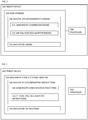
FIG. 4 is a flow diagram depicting anexample method 400 for migrating virtual machines. The various processing blocks and/or data flows depicted inFIG. 4 (and in the other drawing figures such asFIGS. 5 and 6) are described in greater detail herein. The described processing blocks may be accomplished using some or all of the system components described in detail above and, in some implementations, various processing blocks may be performed in different sequences and various processing blocks may be omitted. Additional processing blocks may be performed along with some or all of the processing blocks shown in the depicted flow diagrams. Some processing blocks may be performed simultaneously. Accordingly, the method ofFIG. 4 as illustrated (and described in greater detail below) is meant be an example and, as such, should not be viewed as limiting. The method ofFIG. 4 may be implemented in the form of executable instructions stored on a machine-readable storage medium, such asstorage medium 320, and/or in the form of electronic circuitry. - In an
operation 400, a target hypervisor of a target device may determine whether bandwidth exists on the target device to migrate a source set of virtual machines from a source device. For example, the target device 150 (and/or thebandwidth determination engine 230, thebandwidth determination instructions 330, or other resource of the target device 150) may determine whether bandwidth exists. Thetarget device 150 may determine whether bandwidth exists in a manner similar or the same as that described above in relation to the execution of thebandwidth determination engine 230, thebandwidth determination instructions 330, and/or other resource of thetarget device 150. - In some examples,
operation 400 may comprise operations 410 and 420 - In an operation 410, the target hypervisor may determine whether a source total amount of bandwidth related to the source set of virtual machines is less than an available target total amount of free bandwidth on a target set of host bus adaptors. For example, the target device 150 (and/or the
bandwidth comparison engine 231, thebandwidth comparison instructions 331, or other resource of the target device 150) may determine whether the source total amount of bandwidth is less than the target total amount of bandwidth. Thetarget device 150 may determine whether the source total amount of bandwidth is less than the target total amount of bandwidth in a manner similar or the same as that described above in relation to the execution of thebandwidth comparison engine 231, thebandwidth comparison instructions 331, and/or other resource of thetarget device 150. - In an operation 420, the target hypervisor may, responsive to determining that the source total amount of bandwidth is less than the available target total amount of bandwidth, move a first target virtual host bus adaptor of the target set of virtual host bus adaptors across the target set of host bus adaptors to make available the source total amount of bandwidth to migrate the source set of virtual machines. For example, the target device 150 (and/or the virtual host bus adaptors engine 232, the virtual host bus adaptors instructions 332, or other resource of the target device 150) may move the first target virtual host bus adaptor. The
target device 150 may move the first target virtual host bus adaptor in a manner similar or the same as that described above in relation to the execution of the virtual host bus adaptors engine 232, the virtual host bus adaptors instructions 332, and/or other resource of thetarget device 150. - In an
operation 430, the target hypervisor may migrate the source set of virtual machines to the target device responsive to determining that the target total amount of bandwidth exists. For example, the target device 150 (and/or themigration engine 140, themigration instructions 340, or other resource of the target device 150) may migrate the source set of virtual machines to the target device. Thetarget device 150 may migrate the source set of virtual machines to the target device in a manner similar or the same as that described above in relation to the execution of themigration engine 140, themigration instructions 340, and/or other resource of thetarget device 150. -
FIG. 5 is a flow diagram depicting an example method for migrating virtual machines. The method ofFIG. 5 as illustrated (and described in greater detail below) is meant to be an example and, as such, should not be viewed as limiting. The method ofFIG. 5 may be implemented in the form of executable instructions stored on a machine-readable storage medium, such asstorage medium 320, and/or in the form of electronic circuitry. - In an operation 500, a determination may be made as to whether a corresponding amount of bandwidth exists on each of a corresponding target set of host bus adaptors for a one-to-one migration of the source set of virtual machines to the corresponding target set of host bus adaptors. For example, the target device 150 (and/or the
bandwidth comparison engine 231, thebandwidth comparison instructions 331, or other resource of the target device 150) may determine whether bandwidth for a one-to-one migration exists. Thetarget device 150 may determine whether bandwidth for a one-to-one migration exists in a manner similar or the same as that described above in relation to the execution of thebandwidth comparison engine 231, thebandwidth comparison instructions 331, and/or other resource of thetarget device 150. - In an
operation 510, the one-to-one migration may be performed responsive to determining that the bandwidth exists for the one-to-one migration. For example, the target device 150 (and/or thebandwidth comparison engine 231, thebandwidth comparison instructions 331, or other resource of the target device 150) may perform the one-to-one migration. Thetarget device 150 may perform the one-to-one migration in a manner similar or the same as that described above in relation to the execution of thebandwidth comparison engine 231, thebandwidth comparison instructions 331, and/or other resource of thetarget device 150. - In an
operation 520, a determination may be made as to whether the source total amount of bandwidth is less than the available target total amount of bandwidth responsive to determining that the corresponding amount of bandwidth does not exist for the one-to-one migration. For example, the target device 150 (and/or thebandwidth comparison engine 231, thebandwidth comparison instructions 331, or other resource of the target device 150) may determine that the source total amount of bandwidth is less than the available target total amount of bandwidth. Thetarget device 150 may determine that the source total amount of bandwidth is less than the available target total amount of bandwidth in a manner similar or the same as that described above in relation to the execution of thebandwidth comparison engine 231, thebandwidth comparison instructions 331, and/or other resource of thetarget device 150. - The foregoing disclosure describes a number of example implementations for migrating virtual machines. The disclosed examples may include systems, devices, computer-readable storage media, and methods for migrating virtual machines. For purposes of explanation, certain examples are described with reference to the components illustrated in
FIGS. 1-5 . The functionality of the illustrated components may overlap, however, and may be present in a fewer or greater number of elements and components. - Further, all or part of the functionality of illustrated elements may co-exist or be distributed among several geographically dispersed locations. Moreover, the disclosed examples may be implemented in various environments and are not limited to the illustrated examples. Further, the sequence of operations described in connection with
FIGS. 4-5 are examples and are not intended to be limiting. Additional or fewer operations or combinations of operations may be used or may vary without departing from the scope of the disclosed examples. Furthermore, implementations consistent with the disclosed examples need not perform the sequence of operations in any particular order. - Thus, the present disclosure merely sets forth possible examples of implementations, and many variations and modifications may be made to the described examples. All such modifications and variations are intended to be included within the scope of this disclosure and protected by the following claims.
Claims (15)
- A method for migrating virtual machines, the method comprising:determining, by a target hypervisor of a target device, whether bandwidth exists on the target device to migrate a source set of virtual machines from a source device by:determining whether a source total amount of bandwidth related to the source set of virtual machines is less than an available target total amount of free bandwidth on a target set of host bus adaptors; andresponsive to determining that the source total amount of bandwidth is less than the available target total amount of bandwidth, moving a first target virtual host bus adaptor of the target set of virtual host bus adaptors across the target set of host bus adaptors to make available the source total amount of bandwidth to migrate the source set of virtual machines; andresponsive to determining that the target total amount of bandwidth exists, migrating the source set of virtual machines to the target device.
- The method of claim 1, wherein moving the first target host bus adaptor comprises:determining an allocation of the target set of virtual host bus adaptors across the target set of host bus adaptors that makes available a respective amount of bandwidth on the target set of host bus adaptors for each of the source virtual machines; andmoving a subset of the target set of virtual host bus adaptors across the target set of host bus adaptors in accordance with the determined allocation.
- The method of claim 2, further comprising:creating a new virtual host bus adaptor on a first target host bus adaptor of the target set of host bus adaptors to make available a first amount of bandwidth for a first source virtual machine of the source set of virtual machines; andassociating the first source virtual machine to the new virtual host bus adaptor.
- The method of claim 3, further comprising:migrating a second source virtual host bus adaptor to the first target host bus adaptor and to a second target host bus adaptor of the set of target host bus adaptors.
- The method of claim 1, further comprising:determining whether a corresponding amount of bandwidth exists on each of a corresponding target set of host bus adaptors for a one-to-one migration of the source set of virtual host bus adaptors to the corresponding target set of host bus adaptors; anddetermining that the source total amount of bandwidth is less than the available target total amount of bandwidth responsive to determining that the corresponding amount of bandwidth does not exist for the one-to-one migration.
- The method of claim 5, further comprising:performing the one-to-one migration of the source set of virtual machines responsive to determining that the bandwidth exists for the one-to-one migration.
- The method of claim 1, wherein determining whether the source total amount of bandwidth is less than the available target total amount of bandwidth on the target set of host bus adaptors comprises:accessing, from the target hypervisor of the target device, information about stored associations between the target set of virtual host bus adaptors and the target set of host bus adaptors;determining, based on the accessed information, the available target total amount of bandwidth on the target set of host bus adaptors.
- The method of claim 1, further comprising:responsive to determining that the source total amount of bandwidth is not less than the available target total amount of bandwidth, providing information indicating that the migration will fail.
- A non-transitory machine-readable storage medium comprising instructions executable by a physical processor of a computing device for migrating virtual machines, the machine-readable storage medium comprising:instructions to determine whether bandwidth exists on a target device to migrate a source set of virtual machines from a source device, the instructions comprising:instructions to determine whether a source total amount of bandwidth is less than an available target total amount of bandwidth on a target set of host bus adaptors of the target device; andinstructions to, responsive to determining that the source total amount of bandwidth is less than the available target total amount of bandwidth, determine an allocation of a target set of virtual host bus adaptors across the target set of host bus adaptors that makes available a respective amount of bandwidth for each of the source virtual machines; andinstructions to migrate the source set of virtual machines to the target device based on the determined allocation responsive to determining that the source total amount of bandwidth exists on the target device.
- The non-transitory machine-readable storage medium of claim 9, further comprising:instructions to move a subset of the target set of virtual host bus adaptors across the target set of host bus adaptors in accordance with the determined allocation.
- A system for migrating virtual machines, the system comprising:a physical processor that implements machine readable instructions that cause the system to:determine whether bandwidth exists on a target device to migrate a source set of virtual machines from a source device by:determining whether a source total amount of bandwidth associated with the source set of virtual machines is less than an available target total amount of bandwidth on a target set of host bus adaptors of the target device;determining an allocation of a target set of virtual host bus adaptors across the target set of host bus adaptors that makes available a respective amount of bandwidth for each of the source virtual host bus adaptors responsive to determining that the source total amount of bandwidth is less than the available target total amount of bandwidth; andmoving a subset of the target set of virtual host bus adaptors across the target set of host bus adaptors in accordance with the determined allocation; andresponsive to the source total amount of bandwidth existing on the target device, migrate the source set of virtual machines to the target device based on the determined allocation.
- The system of claim 11, wherein the physical processor implements machine readable instructions that cause the system to:create a new virtual host bus adaptor on the first target host bus adaptor; andassociate the first source virtual machine to the new virtual host bus adaptor.
- The system of claim 12, wherein the physical processor implements machine readable instructions that cause the system to:migrate a second source virtual host bus adaptor to the first target host bus adaptor and to a second target host bus adaptor of the set of target host bus adaptors.
- The system of claim 11, wherein the physical processor implements machine readable instructions that cause the system to:determine that the source total amount of bandwidth is less than the available target total amount of bandwidth responsive to determining that the corresponding amount of bandwidth does not exist for the one-to-one migration.
- The system of claim 11, wherein the physical processor implements machine readable instructions that cause the system to determine whether the source total amount of bandwidth is less than the available target total amount of bandwidth on the target set of host bus adaptors by:accessing information about stored associations between the target set of virtual host bus adaptors and the target set of host bus adaptors; anddetermining, based on the accessed information, the available target total amount of bandwidth on the target set of host bus adaptors.
Applications Claiming Priority (1)
| Application Number | Priority Date | Filing Date | Title |
|---|---|---|---|
| US15/489,718 US10942758B2 (en) | 2017-04-17 | 2017-04-17 | Migrating virtual host bus adaptors between sets of host bus adaptors of a target device in order to reallocate bandwidth to enable virtual machine migration |
Publications (2)
| Publication Number | Publication Date |
|---|---|
| EP3392763A1 true EP3392763A1 (en) | 2018-10-24 |
| EP3392763B1 EP3392763B1 (en) | 2023-03-15 |
Family
ID=60990689
Family Applications (1)
| Application Number | Title | Priority Date | Filing Date |
|---|---|---|---|
| EP18151585.9A Active EP3392763B1 (en) | 2017-04-17 | 2018-01-15 | Migrating virtual machines |
Country Status (3)
| Country | Link |
|---|---|
| US (1) | US10942758B2 (en) |
| EP (1) | EP3392763B1 (en) |
| CN (1) | CN108733451A (en) |
Families Citing this family (2)
| Publication number | Priority date | Publication date | Assignee | Title |
|---|---|---|---|---|
| CN112748853B (en) * | 2019-10-30 | 2024-04-16 | 伊姆西Ip控股有限责任公司 | Method, apparatus and computer readable medium for managing disk |
| CN116225616A (en) * | 2023-02-16 | 2023-06-06 | 济南浪潮数据技术有限公司 | A virtual machine control method, device, and medium |
Citations (2)
| Publication number | Priority date | Publication date | Assignee | Title |
|---|---|---|---|---|
| US20110154318A1 (en) * | 2009-12-17 | 2011-06-23 | Microsoft Corporation | Virtual storage target offload techniques |
| US20170039079A1 (en) * | 2015-08-03 | 2017-02-09 | Hewlett-Packard Development Company, L.P. | Virtual machine migration |
Family Cites Families (17)
| Publication number | Priority date | Publication date | Assignee | Title |
|---|---|---|---|---|
| US20040122938A1 (en) * | 2002-12-19 | 2004-06-24 | Messick Randall E. | Method and apparatus for dynamically allocating storage array bandwidth |
| US7990994B1 (en) * | 2004-02-13 | 2011-08-02 | Habanero Holdings, Inc. | Storage gateway provisioning and configuring |
| US9264384B1 (en) | 2004-07-22 | 2016-02-16 | Oracle International Corporation | Resource virtualization mechanism including virtual host bus adapters |
| US7484029B2 (en) * | 2006-02-09 | 2009-01-27 | International Business Machines Corporation | Method, apparatus, and computer usable program code for migrating virtual adapters from source physical adapters to destination physical adapters |
| US8949392B2 (en) | 2007-11-07 | 2015-02-03 | Brocade Communications Systems, Inc. | Workload management with network dynamics |
| US8099615B2 (en) * | 2008-06-30 | 2012-01-17 | Oracle America, Inc. | Method and system for power management in a virtual machine environment without disrupting network connectivity |
| US8885657B2 (en) * | 2009-11-06 | 2014-11-11 | Brocade Communications Systems, Inc. | Automatic switch port selection |
| JP5585140B2 (en) * | 2010-03-18 | 2014-09-10 | 富士通株式会社 | Virtual computer system management program, management apparatus, and management method |
| EP2725488A1 (en) * | 2011-06-21 | 2014-04-30 | Fujitsu Limited | Information processing device, virtual machine management method and virtual machine management program |
| US10013281B2 (en) | 2011-06-29 | 2018-07-03 | Microsoft Technology Licensing, Llc | Controlling network utilization |
| US20130086298A1 (en) * | 2011-10-04 | 2013-04-04 | International Business Machines Corporation | Live Logical Partition Migration with Stateful Offload Connections Using Context Extraction and Insertion |
| US9619258B2 (en) | 2013-01-21 | 2017-04-11 | International Business Machines Corporation | Live virtual machine migration quality of service |
| US9317340B2 (en) * | 2013-12-16 | 2016-04-19 | International Business Machines Corporation | Intelligent virtual machine (VM) re-location |
| US20150205542A1 (en) * | 2014-01-22 | 2015-07-23 | Vmware, Inc. | Virtual machine migration in shared storage environment |
| US9569242B2 (en) * | 2014-07-16 | 2017-02-14 | International Business Machines Corporation | Implementing dynamic adjustment of I/O bandwidth for virtual machines using a single root I/O virtualization (SRIOV) adapter |
| US9672054B1 (en) * | 2014-12-05 | 2017-06-06 | Amazon Technologies, Inc. | Managing virtual machine migration |
| US9594592B2 (en) * | 2015-01-12 | 2017-03-14 | International Business Machines Corporation | Dynamic sharing of unused bandwidth capacity of virtualized input/output adapters |
-
2017
- 2017-04-17 US US15/489,718 patent/US10942758B2/en active Active
-
2018
- 2018-01-15 EP EP18151585.9A patent/EP3392763B1/en active Active
- 2018-01-22 CN CN201810058969.2A patent/CN108733451A/en active Pending
Patent Citations (2)
| Publication number | Priority date | Publication date | Assignee | Title |
|---|---|---|---|---|
| US20110154318A1 (en) * | 2009-12-17 | 2011-06-23 | Microsoft Corporation | Virtual storage target offload techniques |
| US20170039079A1 (en) * | 2015-08-03 | 2017-02-09 | Hewlett-Packard Development Company, L.P. | Virtual machine migration |
Non-Patent Citations (1)
| Title |
|---|
| SINGH A ET AL: "Server-storage virtualization: Integration and load balancing in data centers", HIGH PERFORMANCE COMPUTING, NETWORKING, STORAGE AND ANALYSIS, 2008. SC 2008. INTERNATIONAL CONFERENCE FOR, IEEE, PISCATAWAY, NJ, USA, 15 November 2008 (2008-11-15), pages 1 - 12, XP031519206, ISBN: 978-1-4244-2834-2 * |
Also Published As
| Publication number | Publication date |
|---|---|
| CN108733451A (en) | 2018-11-02 |
| US20180300164A1 (en) | 2018-10-18 |
| US10942758B2 (en) | 2021-03-09 |
| EP3392763B1 (en) | 2023-03-15 |
Similar Documents
| Publication | Publication Date | Title |
|---|---|---|
| CN112673341B (en) | NVMe direct virtualization with configurable storage | |
| US9274708B2 (en) | Thick and thin data volume management | |
| US10025503B2 (en) | Autonomous dynamic optimization of platform resources | |
| US9886299B2 (en) | System and method for dynamically allocating resources of virtual machines based on service-level agreements (SLA) and privilege levels of users | |
| US20170031699A1 (en) | Multiprocessing Within a Storage Array System Executing Controller Firmware Designed for a Uniprocessor Environment | |
| US20130290541A1 (en) | Resource management system and resource managing method | |
| US10248460B2 (en) | Storage management computer | |
| US9460009B1 (en) | Logical unit creation in data storage system | |
| US20150234671A1 (en) | Management system and management program | |
| CN108139937B (en) | Multi-root I/O virtualization system | |
| US9787761B2 (en) | Allocating physical nodes for processes in an execution plan | |
| US10333800B2 (en) | Allocating physical nodes for processes in an execution plan | |
| US20160337445A1 (en) | Method and apparatus to deploy applications in cloud environments | |
| US20200379646A1 (en) | System and method for on-demand recovery points | |
| US11467779B2 (en) | Dynamic storage provisioning for nested clusters | |
| WO2015058724A1 (en) | Cloud system data management method | |
| US10482049B2 (en) | Configuring NVMe devices for redundancy and scaling | |
| EP3392763B1 (en) | Migrating virtual machines | |
| JP2015532734A (en) | Management system for managing physical storage system, method for determining resource migration destination of physical storage system, and storage medium | |
| US9317306B2 (en) | Computer device and memory management method thereof | |
| US10140022B2 (en) | Method and apparatus of subsidiary volume management | |
| US10417029B2 (en) | Virtual machine migration | |
| EP4278263B1 (en) | Persistence logging over nvm express for storage devices application | |
| US20160202920A1 (en) | System and Method for Providing Consistent Metadata for RAID Solutions | |
| WO2017039625A1 (en) | Storage area network management |
Legal Events
| Date | Code | Title | Description |
|---|---|---|---|
| PUAI | Public reference made under article 153(3) epc to a published international application that has entered the european phase |
Free format text: ORIGINAL CODE: 0009012 |
|
| STAA | Information on the status of an ep patent application or granted ep patent |
Free format text: STATUS: THE APPLICATION HAS BEEN PUBLISHED |
|
| AK | Designated contracting states |
Kind code of ref document: A1 Designated state(s): AL AT BE BG CH CY CZ DE DK EE ES FI FR GB GR HR HU IE IS IT LI LT LU LV MC MK MT NL NO PL PT RO RS SE SI SK SM TR |
|
| AX | Request for extension of the european patent |
Extension state: BA ME |
|
| STAA | Information on the status of an ep patent application or granted ep patent |
Free format text: STATUS: REQUEST FOR EXAMINATION WAS MADE |
|
| 17P | Request for examination filed |
Effective date: 20190423 |
|
| RBV | Designated contracting states (corrected) |
Designated state(s): AL AT BE BG CH CY CZ DE DK EE ES FI FR GB GR HR HU IE IS IT LI LT LU LV MC MK MT NL NO PL PT RO RS SE SI SK SM TR |
|
| STAA | Information on the status of an ep patent application or granted ep patent |
Free format text: STATUS: EXAMINATION IS IN PROGRESS |
|
| 17Q | First examination report despatched |
Effective date: 20200330 |
|
| RAP3 | Party data changed (applicant data changed or rights of an application transferred) |
Owner name: HEWLETT PACKARD ENTERPRISE DEVELOPMENT LP |
|
| GRAP | Despatch of communication of intention to grant a patent |
Free format text: ORIGINAL CODE: EPIDOSNIGR1 |
|
| STAA | Information on the status of an ep patent application or granted ep patent |
Free format text: STATUS: GRANT OF PATENT IS INTENDED |
|
| RIC1 | Information provided on ipc code assigned before grant |
Ipc: G06F 3/06 20060101ALN20221102BHEP Ipc: G06F 9/48 20060101ALN20221102BHEP Ipc: G06F 9/50 20060101ALI20221102BHEP Ipc: G06F 9/455 20180101AFI20221102BHEP |
|
| RIC1 | Information provided on ipc code assigned before grant |
Ipc: G06F 3/06 20060101ALN20221108BHEP Ipc: G06F 9/48 20060101ALN20221108BHEP Ipc: G06F 9/50 20060101ALI20221108BHEP Ipc: G06F 9/455 20180101AFI20221108BHEP |
|
| INTG | Intention to grant announced |
Effective date: 20221123 |
|
| GRAS | Grant fee paid |
Free format text: ORIGINAL CODE: EPIDOSNIGR3 |
|
| GRAA | (expected) grant |
Free format text: ORIGINAL CODE: 0009210 |
|
| STAA | Information on the status of an ep patent application or granted ep patent |
Free format text: STATUS: THE PATENT HAS BEEN GRANTED |
|
| AK | Designated contracting states |
Kind code of ref document: B1 Designated state(s): AL AT BE BG CH CY CZ DE DK EE ES FI FR GB GR HR HU IE IS IT LI LT LU LV MC MK MT NL NO PL PT RO RS SE SI SK SM TR |
|
| REG | Reference to a national code |
Ref country code: CH Ref legal event code: EP Ref country code: GB Ref legal event code: FG4D |
|
| REG | Reference to a national code |
Ref country code: DE Ref legal event code: R096 Ref document number: 602018047164 Country of ref document: DE |
|
| REG | Reference to a national code |
Ref country code: IE Ref legal event code: FG4D |
|
| REG | Reference to a national code |
Ref country code: AT Ref legal event code: REF Ref document number: 1554398 Country of ref document: AT Kind code of ref document: T Effective date: 20230415 |
|
| REG | Reference to a national code |
Ref country code: LT Ref legal event code: MG9D |
|
| REG | Reference to a national code |
Ref country code: NL Ref legal event code: MP Effective date: 20230315 |
|
| PG25 | Lapsed in a contracting state [announced via postgrant information from national office to epo] |
Ref country code: RS Free format text: LAPSE BECAUSE OF FAILURE TO SUBMIT A TRANSLATION OF THE DESCRIPTION OR TO PAY THE FEE WITHIN THE PRESCRIBED TIME-LIMIT Effective date: 20230315 Ref country code: NO Free format text: LAPSE BECAUSE OF FAILURE TO SUBMIT A TRANSLATION OF THE DESCRIPTION OR TO PAY THE FEE WITHIN THE PRESCRIBED TIME-LIMIT Effective date: 20230615 Ref country code: LV Free format text: LAPSE BECAUSE OF FAILURE TO SUBMIT A TRANSLATION OF THE DESCRIPTION OR TO PAY THE FEE WITHIN THE PRESCRIBED TIME-LIMIT Effective date: 20230315 Ref country code: LT Free format text: LAPSE BECAUSE OF FAILURE TO SUBMIT A TRANSLATION OF THE DESCRIPTION OR TO PAY THE FEE WITHIN THE PRESCRIBED TIME-LIMIT Effective date: 20230315 Ref country code: HR Free format text: LAPSE BECAUSE OF FAILURE TO SUBMIT A TRANSLATION OF THE DESCRIPTION OR TO PAY THE FEE WITHIN THE PRESCRIBED TIME-LIMIT Effective date: 20230315 |
|
| REG | Reference to a national code |
Ref country code: AT Ref legal event code: MK05 Ref document number: 1554398 Country of ref document: AT Kind code of ref document: T Effective date: 20230315 |
|
| PG25 | Lapsed in a contracting state [announced via postgrant information from national office to epo] |
Ref country code: SE Free format text: LAPSE BECAUSE OF FAILURE TO SUBMIT A TRANSLATION OF THE DESCRIPTION OR TO PAY THE FEE WITHIN THE PRESCRIBED TIME-LIMIT Effective date: 20230315 Ref country code: NL Free format text: LAPSE BECAUSE OF FAILURE TO SUBMIT A TRANSLATION OF THE DESCRIPTION OR TO PAY THE FEE WITHIN THE PRESCRIBED TIME-LIMIT Effective date: 20230315 Ref country code: GR Free format text: LAPSE BECAUSE OF FAILURE TO SUBMIT A TRANSLATION OF THE DESCRIPTION OR TO PAY THE FEE WITHIN THE PRESCRIBED TIME-LIMIT Effective date: 20230616 Ref country code: FI Free format text: LAPSE BECAUSE OF FAILURE TO SUBMIT A TRANSLATION OF THE DESCRIPTION OR TO PAY THE FEE WITHIN THE PRESCRIBED TIME-LIMIT Effective date: 20230315 |
|
| PG25 | Lapsed in a contracting state [announced via postgrant information from national office to epo] |
Ref country code: SM Free format text: LAPSE BECAUSE OF FAILURE TO SUBMIT A TRANSLATION OF THE DESCRIPTION OR TO PAY THE FEE WITHIN THE PRESCRIBED TIME-LIMIT Effective date: 20230315 Ref country code: RO Free format text: LAPSE BECAUSE OF FAILURE TO SUBMIT A TRANSLATION OF THE DESCRIPTION OR TO PAY THE FEE WITHIN THE PRESCRIBED TIME-LIMIT Effective date: 20230315 Ref country code: PT Free format text: LAPSE BECAUSE OF FAILURE TO SUBMIT A TRANSLATION OF THE DESCRIPTION OR TO PAY THE FEE WITHIN THE PRESCRIBED TIME-LIMIT Effective date: 20230717 Ref country code: ES Free format text: LAPSE BECAUSE OF FAILURE TO SUBMIT A TRANSLATION OF THE DESCRIPTION OR TO PAY THE FEE WITHIN THE PRESCRIBED TIME-LIMIT Effective date: 20230315 Ref country code: EE Free format text: LAPSE BECAUSE OF FAILURE TO SUBMIT A TRANSLATION OF THE DESCRIPTION OR TO PAY THE FEE WITHIN THE PRESCRIBED TIME-LIMIT Effective date: 20230315 Ref country code: CZ Free format text: LAPSE BECAUSE OF FAILURE TO SUBMIT A TRANSLATION OF THE DESCRIPTION OR TO PAY THE FEE WITHIN THE PRESCRIBED TIME-LIMIT Effective date: 20230315 Ref country code: AT Free format text: LAPSE BECAUSE OF FAILURE TO SUBMIT A TRANSLATION OF THE DESCRIPTION OR TO PAY THE FEE WITHIN THE PRESCRIBED TIME-LIMIT Effective date: 20230315 |
|
| PG25 | Lapsed in a contracting state [announced via postgrant information from national office to epo] |
Ref country code: SK Free format text: LAPSE BECAUSE OF FAILURE TO SUBMIT A TRANSLATION OF THE DESCRIPTION OR TO PAY THE FEE WITHIN THE PRESCRIBED TIME-LIMIT Effective date: 20230315 Ref country code: PL Free format text: LAPSE BECAUSE OF FAILURE TO SUBMIT A TRANSLATION OF THE DESCRIPTION OR TO PAY THE FEE WITHIN THE PRESCRIBED TIME-LIMIT Effective date: 20230315 Ref country code: IS Free format text: LAPSE BECAUSE OF FAILURE TO SUBMIT A TRANSLATION OF THE DESCRIPTION OR TO PAY THE FEE WITHIN THE PRESCRIBED TIME-LIMIT Effective date: 20230715 |
|
| REG | Reference to a national code |
Ref country code: DE Ref legal event code: R097 Ref document number: 602018047164 Country of ref document: DE |
|
| PLBE | No opposition filed within time limit |
Free format text: ORIGINAL CODE: 0009261 |
|
| STAA | Information on the status of an ep patent application or granted ep patent |
Free format text: STATUS: NO OPPOSITION FILED WITHIN TIME LIMIT |
|
| PG25 | Lapsed in a contracting state [announced via postgrant information from national office to epo] |
Ref country code: SI Free format text: LAPSE BECAUSE OF FAILURE TO SUBMIT A TRANSLATION OF THE DESCRIPTION OR TO PAY THE FEE WITHIN THE PRESCRIBED TIME-LIMIT Effective date: 20230315 Ref country code: DK Free format text: LAPSE BECAUSE OF FAILURE TO SUBMIT A TRANSLATION OF THE DESCRIPTION OR TO PAY THE FEE WITHIN THE PRESCRIBED TIME-LIMIT Effective date: 20230315 |
|
| 26N | No opposition filed |
Effective date: 20231218 |
|
| PG25 | Lapsed in a contracting state [announced via postgrant information from national office to epo] |
Ref country code: IT Free format text: LAPSE BECAUSE OF FAILURE TO SUBMIT A TRANSLATION OF THE DESCRIPTION OR TO PAY THE FEE WITHIN THE PRESCRIBED TIME-LIMIT Effective date: 20230315 |
|
| PG25 | Lapsed in a contracting state [announced via postgrant information from national office to epo] |
Ref country code: MC Free format text: LAPSE BECAUSE OF FAILURE TO SUBMIT A TRANSLATION OF THE DESCRIPTION OR TO PAY THE FEE WITHIN THE PRESCRIBED TIME-LIMIT Effective date: 20230315 |
|
| PG25 | Lapsed in a contracting state [announced via postgrant information from national office to epo] |
Ref country code: MC Free format text: LAPSE BECAUSE OF FAILURE TO SUBMIT A TRANSLATION OF THE DESCRIPTION OR TO PAY THE FEE WITHIN THE PRESCRIBED TIME-LIMIT Effective date: 20230315 |
|
| REG | Reference to a national code |
Ref country code: CH Ref legal event code: PL |
|
| PG25 | Lapsed in a contracting state [announced via postgrant information from national office to epo] |
Ref country code: LU Free format text: LAPSE BECAUSE OF NON-PAYMENT OF DUE FEES Effective date: 20240115 |
|
| PG25 | Lapsed in a contracting state [announced via postgrant information from national office to epo] |
Ref country code: LU Free format text: LAPSE BECAUSE OF NON-PAYMENT OF DUE FEES Effective date: 20240115 |
|
| PG25 | Lapsed in a contracting state [announced via postgrant information from national office to epo] |
Ref country code: BE Free format text: LAPSE BECAUSE OF NON-PAYMENT OF DUE FEES Effective date: 20240131 |
|
| PG25 | Lapsed in a contracting state [announced via postgrant information from national office to epo] |
Ref country code: FR Free format text: LAPSE BECAUSE OF NON-PAYMENT OF DUE FEES Effective date: 20240131 |
|
| PG25 | Lapsed in a contracting state [announced via postgrant information from national office to epo] |
Ref country code: CH Free format text: LAPSE BECAUSE OF NON-PAYMENT OF DUE FEES Effective date: 20240131 |
|
| PG25 | Lapsed in a contracting state [announced via postgrant information from national office to epo] |
Ref country code: FR Free format text: LAPSE BECAUSE OF NON-PAYMENT OF DUE FEES Effective date: 20240131 Ref country code: CH Free format text: LAPSE BECAUSE OF NON-PAYMENT OF DUE FEES Effective date: 20240131 Ref country code: BE Free format text: LAPSE BECAUSE OF NON-PAYMENT OF DUE FEES Effective date: 20240131 |
|
| REG | Reference to a national code |
Ref country code: BE Ref legal event code: MM Effective date: 20240131 |
|
| PG25 | Lapsed in a contracting state [announced via postgrant information from national office to epo] |
Ref country code: BG Free format text: LAPSE BECAUSE OF FAILURE TO SUBMIT A TRANSLATION OF THE DESCRIPTION OR TO PAY THE FEE WITHIN THE PRESCRIBED TIME-LIMIT Effective date: 20230315 |
|
| PG25 | Lapsed in a contracting state [announced via postgrant information from national office to epo] |
Ref country code: BG Free format text: LAPSE BECAUSE OF FAILURE TO SUBMIT A TRANSLATION OF THE DESCRIPTION OR TO PAY THE FEE WITHIN THE PRESCRIBED TIME-LIMIT Effective date: 20230315 |
|
| PG25 | Lapsed in a contracting state [announced via postgrant information from national office to epo] |
Ref country code: IE Free format text: LAPSE BECAUSE OF NON-PAYMENT OF DUE FEES Effective date: 20240115 |
|
| PG25 | Lapsed in a contracting state [announced via postgrant information from national office to epo] |
Ref country code: IE Free format text: LAPSE BECAUSE OF NON-PAYMENT OF DUE FEES Effective date: 20240115 |
|
| PG25 | Lapsed in a contracting state [announced via postgrant information from national office to epo] |
Ref country code: CY Free format text: LAPSE BECAUSE OF FAILURE TO SUBMIT A TRANSLATION OF THE DESCRIPTION OR TO PAY THE FEE WITHIN THE PRESCRIBED TIME-LIMIT; INVALID AB INITIO Effective date: 20180115 |
|
| PG25 | Lapsed in a contracting state [announced via postgrant information from national office to epo] |
Ref country code: HU Free format text: LAPSE BECAUSE OF FAILURE TO SUBMIT A TRANSLATION OF THE DESCRIPTION OR TO PAY THE FEE WITHIN THE PRESCRIBED TIME-LIMIT; INVALID AB INITIO Effective date: 20180115 |
|
| PG25 | Lapsed in a contracting state [announced via postgrant information from national office to epo] |
Ref country code: TR Free format text: LAPSE BECAUSE OF FAILURE TO SUBMIT A TRANSLATION OF THE DESCRIPTION OR TO PAY THE FEE WITHIN THE PRESCRIBED TIME-LIMIT Effective date: 20230315 |
|
| PGFP | Annual fee paid to national office [announced via postgrant information from national office to epo] |
Ref country code: GB Payment date: 20260126 Year of fee payment: 9 |
|
| PGFP | Annual fee paid to national office [announced via postgrant information from national office to epo] |
Ref country code: DE Payment date: 20260127 Year of fee payment: 9 |