EP3391913A1 - A bone regeneration agent comprising gelatin - Google Patents
A bone regeneration agent comprising gelatin Download PDFInfo
- Publication number
- EP3391913A1 EP3391913A1 EP18162307.5A EP18162307A EP3391913A1 EP 3391913 A1 EP3391913 A1 EP 3391913A1 EP 18162307 A EP18162307 A EP 18162307A EP 3391913 A1 EP3391913 A1 EP 3391913A1
- Authority
- EP
- European Patent Office
- Prior art keywords
- gelatin
- amino acid
- acid sequence
- gingiva
- gly
- Prior art date
- Legal status (The legal status is an assumption and is not a legal conclusion. Google has not performed a legal analysis and makes no representation as to the accuracy of the status listed.)
- Granted
Links
Images


Classifications
-
- A—HUMAN NECESSITIES
- A61—MEDICAL OR VETERINARY SCIENCE; HYGIENE
- A61K—PREPARATIONS FOR MEDICAL, DENTAL OR TOILETRY PURPOSES
- A61K38/00—Medicinal preparations containing peptides
- A61K38/16—Peptides having more than 20 amino acids; Gastrins; Somatostatins; Melanotropins; Derivatives thereof
- A61K38/17—Peptides having more than 20 amino acids; Gastrins; Somatostatins; Melanotropins; Derivatives thereof from animals; from humans
- A61K38/39—Connective tissue peptides, e.g. collagen, elastin, laminin, fibronectin, vitronectin, cold insoluble globulin [CIG]
-
- C—CHEMISTRY; METALLURGY
- C07—ORGANIC CHEMISTRY
- C07K—PEPTIDES
- C07K14/00—Peptides having more than 20 amino acids; Gastrins; Somatostatins; Melanotropins; Derivatives thereof
- C07K14/435—Peptides having more than 20 amino acids; Gastrins; Somatostatins; Melanotropins; Derivatives thereof from animals; from humans
- C07K14/78—Connective tissue peptides, e.g. collagen, elastin, laminin, fibronectin, vitronectin or cold insoluble globulin [CIG]
-
- A—HUMAN NECESSITIES
- A61—MEDICAL OR VETERINARY SCIENCE; HYGIENE
- A61P—SPECIFIC THERAPEUTIC ACTIVITY OF CHEMICAL COMPOUNDS OR MEDICINAL PREPARATIONS
- A61P19/00—Drugs for skeletal disorders
-
- A—HUMAN NECESSITIES
- A61—MEDICAL OR VETERINARY SCIENCE; HYGIENE
- A61P—SPECIFIC THERAPEUTIC ACTIVITY OF CHEMICAL COMPOUNDS OR MEDICINAL PREPARATIONS
- A61P19/00—Drugs for skeletal disorders
- A61P19/02—Drugs for skeletal disorders for joint disorders, e.g. arthritis, arthrosis
-
- A—HUMAN NECESSITIES
- A61—MEDICAL OR VETERINARY SCIENCE; HYGIENE
- A61P—SPECIFIC THERAPEUTIC ACTIVITY OF CHEMICAL COMPOUNDS OR MEDICINAL PREPARATIONS
- A61P19/00—Drugs for skeletal disorders
- A61P19/08—Drugs for skeletal disorders for bone diseases, e.g. rachitism, Paget's disease
-
- A—HUMAN NECESSITIES
- A61—MEDICAL OR VETERINARY SCIENCE; HYGIENE
- A61P—SPECIFIC THERAPEUTIC ACTIVITY OF CHEMICAL COMPOUNDS OR MEDICINAL PREPARATIONS
- A61P19/00—Drugs for skeletal disorders
- A61P19/08—Drugs for skeletal disorders for bone diseases, e.g. rachitism, Paget's disease
- A61P19/10—Drugs for skeletal disorders for bone diseases, e.g. rachitism, Paget's disease for osteoporosis
-
- A—HUMAN NECESSITIES
- A61—MEDICAL OR VETERINARY SCIENCE; HYGIENE
- A61P—SPECIFIC THERAPEUTIC ACTIVITY OF CHEMICAL COMPOUNDS OR MEDICINAL PREPARATIONS
- A61P43/00—Drugs for specific purposes, not provided for in groups A61P1/00-A61P41/00
-
- C—CHEMISTRY; METALLURGY
- C07—ORGANIC CHEMISTRY
- C07K—PEPTIDES
- C07K14/00—Peptides having more than 20 amino acids; Gastrins; Somatostatins; Melanotropins; Derivatives thereof
- C07K14/435—Peptides having more than 20 amino acids; Gastrins; Somatostatins; Melanotropins; Derivatives thereof from animals; from humans
- C07K14/475—Growth factors; Growth regulators
- C07K14/51—Bone morphogenetic factor; Osteogenins; Osteogenic factor; Bone-inducing factor
-
- A—HUMAN NECESSITIES
- A61—MEDICAL OR VETERINARY SCIENCE; HYGIENE
- A61K—PREPARATIONS FOR MEDICAL, DENTAL OR TOILETRY PURPOSES
- A61K38/00—Medicinal preparations containing peptides
Definitions
- the present invention relates to a bone regeneration agent and a bone supplementation formulation, both of which comprise gelatin.
- Body tissues are mainly composed of cells and extracellular matrixes (polymer structures). Extracellular matrixes which are secreted from cells provide hydrated spaces in which cells act or cell scaffoldings. In addition, extracellular matrixes function as storage houses for various growth factors secreted from cells, and have a profound influence on expression of cell functions or cell differentiation. Complicated interaction between extracellular matrixes and cells in a living body has an influence on various vital activities.
- Bone regeneration in the field of orthopedics or dentistry has attracted a great attention as an example of application of regenerative medicine. That is to say, when bone disease is developed in legs or lumbar parts, it causes abasia. When such bone disease is developed in tooth sections, it makes dietary intake difficult Thus, bone disease is considered to cause a significant decrease in QOL.
- a known bone regeneration therapeutic formulation include: Infuse (a combination of BMP-2 with a collagen sponge) for treating spinal injuries; and BioOss (deproteinized, crushed cow bones), Puros (crushed human bone products), Gem21 (PDGF and ⁇ TCP), Osferion ( ⁇ TCP) and Teruplug (Name used in the U.S.A.: FOUNDATION; a collagen sponge) used as bone supplementation agents for regenerating alveolar bones.
- Properties known to be necessary for bone regeneration therapeutic formulations include: 1. strength for maintaining structures; 2. the securement of spaces for bone regeneration; 3. cell scaffoldings for bone regeneration; 4. differentiation and growth of cells necessary for bone regeneration; and 5. degradability attended with bone regeneration.
- a collagen or a gelatin which is a denatured product of the collagen has been widely used as a scaffolding material (organic material) in regenerative medicine in many cases. It has been known that a highly oriented collagen plays an important role as a bone regeneration material in calcification (Non Patent Document 1). Thus, a sponge made of collagen has been placed on the market as a bone regeneration material (Teruplug (FOUDATION; Olympus Terumo Biomaterials Corp.)). However, a bone supplementation material using a collagen sponge provides only a scaffolding for tissue formation, and a single use of such a collagen sponge is not able to form a bone (Non Patent Document 2).
- a method for impregnating the supplementation material with a platelet-derived growth factor (PDGF) or a bone morphogenetic protein (BMP) which is a physiologically active substance has been studied (Patent Document 1).
- PDGF platelet-derived growth factor
- BMP bone morphogenetic protein
- a gelatin having an amino acid sequence derived from a partial amino acid sequence of collagen, and more preferably a recombinant gelatin has an action to regenerate bone, thereby completing the present invention.
- the present invention provides a bone regeneration agent which comprises a gelatin having an amino acid sequence derived from a partial amino acid sequence of collagen.
- the gelatin having an amino acid sequence derived from a partial amino acid sequence of collagen is a recombinant gelatin.
- the gelatin comprises repeats of a sequence represented by Gly-X-Y characteristic to collagen and has a molecular weight of 2 KDa to 100 KDa.
- X and Y each independently represent an amino acid and a plurality of Gly-X-Y sequences may be the same or different.
- the gelatin comprises repeats of a sequence represented by Gly-X-Y characteristic to collagen and has a molecular weight of 10 KDa to 90 KDa.
- X and Y each independently represent an amino acid and a plurality of Gly-X-Y sequences may be the same or different.
- the gelatin comprises repeats of a sequence represented by Gly-X-Y characteristic to collagen and has two or more sequences of cell adhesion signals in a single molecule wherein X and Y each independently represent an amino acid and a plurality of Gly-X-Y sequences may be the same or different.
- the cell adhesion signal sequence is an amino acid sequence represented by Arg-Gly-Asp.
- the amino acid sequence of the gelatin does not comprise any of serine and threonine.
- the amino acid sequence of the gelatin does not comprise any of serine, threonine, asparagine, tyrosine, and cysteine.
- the amino acid sequence of the gelatin does not comprise an amino acid sequence represented by Asp-Arg-Gly-Asp.
- the gelatin is represented by the following formula: A-[(Gly-X-Y) n ] m -B wherein A represents any amino acid or amino acid sequence, B represents any amino acid or amino acid sequence, there exist n amino acids each independently represented by X, there exist n amino acids each independently represented by Y, n represents an integer from 3 to 100, m represents an integer of 2 to 10, and n Gly-X-Y sequences may be the same or different.
- the gelatin is represented by the following formula: Gly-Ala-Pro-[(Gly-X-Y) 63 ] 3 -Gly wherein there exist 63 amino acids each independently represented by X, there exist 63 amino acids each independently represented by Y, and 63 Gly-X-Y sequences may be the same or different
- the gelatin has the following (1) or (2):
- the gelatin is crosslinked.
- the crosslinking is carried out using an aldehyde, condensing agent or enzyme.
- the present invention further provides a bone supplementation formulation which comprises the aforementioned bone regeneration agent of the present invention.
- the present invention further provides a method for inducing bone regeneration which comprises administering a gelatin having an amino acid sequence derived from a partial amino acid sequence of collagen to a subject in need of bone regeneration,
- the present invention further provides a use of a gelatin having an amino acid sequence derived from a partial amino acid sequence of collagen, for the production of a bone regeneration agent or a bone supplementation formulation.
- the bone regeneration agent of the present invention is capable of exhibiting an excellent bone regeneration effect by a supplementation material itself, without using a physiologically active substance such as a platelet-derived growth factor or a bone morphogenetic protein.
- a gelatin having an amino acid sequence derived from a partial amino acid sequence of collagen is used as a bone regeneration agent.
- the bone regeneration agent of the present invention is characterized in that a gelatin having an amino acid sequence derived from a partial amino acid sequence of collagen exhibits bone regeneration action by itself. Accordingly, it is not necessary for the bone regeneration agent of the present invention to comprise other substances having bone regeneration action, other than the gelatin having an amino acid sequence derived from a partial amino acid sequence of collagen.
- the bone regeneration agent of the present invention preferably does not comprise other substances having bone regeneration action, other than the above-described gelatin.
- the bone regeneration agent of the present invention preferably consists of the gelatin having an amino acid sequence derived from a partial amino acid sequence of collagen.
- the type of the collagen is not particularly limited, as long as it is present in the nature.
- Preferred examples of the collagen include collagen types I, II, III, IV and V. More preferred examples of the collagen include collagen types I, II and III .
- preferred origins of the collagen are preferably a human, a bovine, a pig, a mouse and a rat. It is more preferably a human.
- the gelatin used herein is not particularly limited, so long as the gelatin has an amino acid sequence derived from a partial amino acid sequence of collagen.
- the gelatin contains Gly-X-Y characteristic to collagen.
- the GXY sequence is characteristic to collagen and forms a highly specific partial structure.
- Glycine accounts for approximately one-third of the partial structure as a whole.
- Glycine is repeatedly found in the amino acid sequence at a rate of 1 out of every 3 amino acids.
- Glycine is the simplest amino acid. There are few restrictions to arrangement of the molecular chain of glycine and thus glycine highly contributes to regeneration of the helix structure upon gelatinization.
- An amino acid represented by X or Y is rich in imino acid (proline or oxyproline) and the imino acid accounts for 10% to 45% of the amino acid sequence as a whole.
- the gelatin used in the present invention may be a gelatin which is derived from natural animal or may be a recombinant gelatin.
- the origin of the gelatin is not particularly limited. The origin may be any animal such as fish, bovine, pig or goat.
- the gelatin having an amino acid sequence derived from a partial amino acid sequence of collagen is a recombinant gelatin. Since the recombinant gelatin is not derived from an animal but is an artificial gelatin, it is highly biocompatible supplementation material where exogenous infection is avoided.
- a recombinant gelatin having an amino acid sequence derived from a partial amino acid sequence of collagen can be used as a recombinant gelatin that can be used in the present invention.
- a recombinant gelatin having an amino acid sequence derived from a partial amino acid sequence of collagen
- examples of a recombinant gelatin that can be used include, but are not limited to, recombinant gelatins described in EP1014176A2 , US6992172 , WO2004-85473 , and WO2008/103041 .
- a recombinant gelatin preferably used as the recombinant gelatin of the present invention is described below.
- the recombinant gelatin used in the present invention has original properties of naturally occurring gelatin and thus it is highly biocompatible.
- the recombinant gelatin is not directly obtained from natural sources and thus has no risk of causing BSE or the like. In this regard, it has an excellent property of being non-infectious.
- the recombinant gelatin used in the present invention is more homogenous than naturally occurring gelatin.
- the recombinant gelatin has a predetermined sequence. Thus, it is possible to precisely design the recombinant gelatin in terms of strength and degradability with few errors by crosslinking or the like described below.
- the molecular weight of the recombinant gelatin used in the present invention is preferably 2 KDa to 100 KDa, more preferably 2.5 KDa to 95 KDa, further preferably 5 KDa to 90 KDa, and most preferably 10 KDa to 90 KDa.
- the recombinant gelatin used in the present invention contains repeats of a sequence represented by Gly-X-Y characteristic to collagen.
- a plurality of sequences each represented by Gly-X-Y may be the same or different.
- Gly in Gly-X-Y represents glycine.
- X and Y in Gly-X-Y represent any amino acids (and preferably any amino acids other than glycine).
- the GXY sequence is characteristic to collagen and forms a highly specific partial structure.
- Glycine accounts for approximately one-third of the partial structure as a whole. Glycine is repeatedly found in the amino acid sequence at a rate of 1 out of every 3 amino acids.
- Glycine is the simplest amino acid. There are few restrictions to arrangement of the molecular chain of glycine and thus glycine highly contributes to regeneration of the helix structure upon gelatinization.
- an amino acid represented by X or Y is rich in imino acid (proline or oxyproline) and the imino acid accounts for 10% to 45% of the amino acid sequence as a whole.
- Amino acids forming the GXY repeat structure account for preferably 80% or more, more preferably 95% or more, and most preferably 99% or more of the amino acid sequence as a whole.
- a generally available gelatin contains charged polar amino acids and uncharged polar amino acids at a ratio of 1:1.
- polar amino acid specifically refers to cysteine, aspartic acid, glutamic acid, histidine, lysine, asparagine, glutamine, serine, threonine, tyrosine, or arginine.
- uncharged polar amino acid refers to cysteine, asparagine, glutamine, serine, threonine, or tyrosine.
- the percentage of polar amino acids relative to all amino acids constituting the recombinant gelatin used in the present invention is 10% to 40% and preferably 20% to 30%.
- the percentage of uncharged polar amino acids relative to the polar amino acids is preferably 5% to less than 20% and more preferably less than 10%.
- the amino acid sequence does not contain one amino acid and preferably two amino acids or more selected from among serine, threonine, asparagine, tyrosine, and cysteine.
- a polypeptide contains a minimal amino acid sequence that functions as a cell adhesion signal sequence (e.g., "Pathophysiology" (Byotai Seiri) Vol. 9, No. 7 (1990), p. 527, Nagai Shoten Co., Ltd. ). It is preferable for a single molecule of the recombinant gelatin used in the present invention to have at least two cell adhesion signal sequences. Specifically, amino acids are shown by one-letter notation in a cell adhesion signal sequence.
- examples of such sequence are: preferably an RGD sequence, an LDV sequence, an REDV sequence, a YIGSR sequence, a PDSGR sequence, an RYVVLPR sequence, an LGTIPG sequence, an RNIAEIIKDI sequence, an IKVAV sequence, an LRE sequence, a DGEA sequence, and an HAV sequence, more preferably an RGD sequence, a YIGSR sequence, a PDSGR sequence, an LGTIPG sequence, an IKVAV sequence, and an HAV sequence; and particularly preferably an RGD sequence.
- an ERGD sequence is preferred.
- the number of amino acids present between two RGD sequences is preferably 0 to 100 and more preferably 25 to 60.
- the number of amino acids is not uniformly determined.
- the number of such minimal amino acid sequences in a single protein molecule is preferably 3 to 50, more preferably 4 to 30, particularly preferably 5 to 20, and most preferably 12.
- the percentage of RGD motifs in the recombinant gelatin used in the present invention related to the total number of amino acids is preferably at least 0.4%. If the recombinant gelatin comprises 350 amino acids or more, each stretch of 350 amino acids contains preferably at least one RGD motif.
- the percentage of RGD motifs related to the total number of amino acids is more preferably at least 0.6%, further preferably at least 0.8%, still further preferably at least 1.0%, even further preferably at least 1.2%, and most preferably at least 1.5%.
- the number of RGD motifs in the recombinant gelatin is preferably at least 4, more preferably 6, further preferably 8, and even further preferably 12 to 16 per 250 amino acids.
- a percentage of RGD motifs of 0.4% corresponds to at least one RGD sequence per 250 amino acids.
- the number of RGD motifs is represented by an integer. Therefore, in order to achieve a percentage of RGD motifs of 0.4%, it is necessary for a gelatin comprising 251 amino acids to contain at least two RGD sequences.
- the recombinant gelatin of the present invention contains at least 2 RGD sequences per 250 amino acids, more preferably at least 3 RGD sequences per 250 amino acids, and further preferably at least 4 RGD sequences per 250 amino acids.
- the recombinant gelatin of the present invention comprises at least 4, preferably 6, more preferably 8, and further preferably 12 to 16 RGD motifs.
- the recombinant gelatin may be partially hydrolyzed.
- the recombinant gelatin used in the present invention has a structure comprising repeats of A-[(Gly-X-Y)n]m-B.
- m is an integer of preferably 2 to 10 and more preferably 3 to 5.
- n is an integer of preferably 3 to 100, more preferably 15 to 70, and most preferably 50 to 65.
- naturally occurring collagen used herein may refer to any naturally occurring collagen.
- preferable examples thereof include type-I, type-II, type-III, type-IV, and type-V collagens. More preferably, type-I, type-II, and type-III collagens are used.
- the origin of such collagen is preferably a human, bovine, pig, mouse, or rat and it is more preferably a human.
- the isoelectric point of the recombinant gelatin used in the present invention is preferably 5 to 10, more preferably 6 to 10, and further preferably 7 to 9.5.
- the recombinant gelatin is not deaminated.
- the recombinant gelatin is not procollagen or does not comprise procollagen.
- the recombinant gelatin does not comprise telopeptide.
- the recombinant gelatin is a substantially pure collagen material prepared from a nucleic acid encoding a naturally occurring collagen.
- the recombinant gelatin used in the present invention is a recombinant gelatin having the following (1) or (2):
- the recombinant gelatin used in the present invention can be produced by a gene recombination technique known to persons skilled in the art. For instance, it can be produced according to the method described in EP1014176A2 , US6992172 , WO2004/85473 , or WO2008/103041 .
- a transformant is produced by obtaining a gene encoding the amino acid sequence of a predetermined recombinant gelatin, incorporating the gene into an expression vector to prepare a recombinant expression vector, and introducing the vector into an appropriate host.
- the obtained transformant is cultured in an appropriate medium to produce a recombinant gelatin. Therefore, the recombinant gelatin used in the present invention can be prepared by collecting the produced recombinant gelatin from the culture product.
- the recombinant gelatin used in the present invention can be chemically modified depending on the application thereof. Chemical modification may be performed via introduction of a low molecular compound or a different polymer (e.g., a biopolymer (sugar or protein), a synthetic polymer, or polyamide) into a carboxyl group or an amino group of a side chain of the recombinant gelatin or crosslinking between recombinant gelatin chains.
- a carbodiimide-based condensing agent is used for introduction of a low molecular compound into the gelatin.
- the crosslinking agent used in the present invention is not particularly limited, as long as the present invention can be carried out. It may be a chemical crosslinking agent or an enzyme. Examples of a chemical crosslinking agent include formaldehyde, glutaraldehyde, carbodiimide, and cyanamide. Preferably, formaldehyde or glutaraldehyde is used. Further, crosslinking of a gelatin can be conducted by light irradiation to a gelatin into which a photoreactive group has been introduced, light irradiation under the presence of a photosensitizer, or the like.
- Examples of a photoreactive group include a cinnamyl group, a coumarin group, a dithiocarbamyl group, xanthene dye, and camphorquinone.
- glutaraldehyde is most preferred.
- an enzyme used is not particularly limited, as long as it has an action of causing crosslinking between gelatin chains.
- crosslinking can be carried out using preferably transglutaminase or laccase and most preferably transglutaminase.
- proteins that are enzymatically crosslinked by transglutaminase include, but are not particularly limited to, proteins having lysine residues and glutamine residues.
- a mammalian-derived or microorganism-derived transglutaminase may be used.
- Activa series produced by Ajinomoto Co., Inc.
- commercially available mammalian-derived transglutaminases serving as reagents such as guinea pig liver-derived transglutaminase, goat-derived transglutaminase, and rabbit-derived transglutaminase (produced by Oriental Yeast Co., Ltd., Upstate USA Inc., Biodesign International, etc.); and a human-derived blood coagulation factor (Factor XIIIa, Haematologic Technologies, Inc.).
- Crosslinking of the gelatin comprises the following two steps: a step of mixing a gelatin solution and a crosslinking agent; and a step of causing a reaction in the obtained homogenous solution.
- the mixing temperature for treating the gelatin with a crosslinking agent is not particularly limited, as long as the solution can be homogenously agitated. However, it is preferably 0°C to 40°C, more preferably 0°C to 30°C, further preferably 3°C to 25°C, still further preferably 3°C to 15°C, even further preferably 3°C to 10°C, and particularly preferably 3°C to 7°C.
- the reaction temperature is not particularly limited, as long as crosslinking can proceed. However, in view of denaturation or degradation of the gelatin, it is substantially 0°C to 60°C, preferably 0°C to 40°C, more preferably 3°C to 25°C, further preferably 3°C to 15°C, still further preferably 3°C to 10°C, and particularly preferably 3°C to 7°C.
- the above-described gelatin having an amino acid sequence derived from a partial amino acid sequence of collagen is administered to a subject in need of bone regeneration (for example, a mammal such as a human), so that bone regeneration can be induced.
- a subject in need of bone regeneration for example, a mammal such as a human
- the bone regeneration agent of the present invention can be used as a bone supplementation formulation.
- the dose, usage and dosage form of the bone regeneration agent and the bone supplementation formulation of the present invention can be determined, as appropriate, depending on the intended use thereof.
- the bone regeneration agent of the present invention may be directly administered to a target site in a living body.
- the bone regeneration agentof the present invention may be suspended in a liquid excipient including an aqueous solvent such as a distilled water for injection, a normal saline for injection, or a buffer with pH 5 to 8 (a phosphate buffer, a citrate buffer, etc.), and it may be then administered by injection, coating, etc.
- the bone regeneration agent of the present invention may be mixed with a suitable excipient so as to prepare an ointment, a gel, a cream, etc., and it may be then applied.
- the administration form of the bone regeneration agent of the present invention may be either oral administration or parenteral administration (for example, intravenous administration, intramuscular administration, subcutaneous administration, intracutaneous administration, etc.).
- Examples of the dosage form of the bone regeneration agent of the present invention include: oral administration agents such as a tablet, a powdery agent, a capsule, a granular agent, an extract or a syrup; and parenteral administration agents such as an injection (for example, intravenous injection, intramuscular injection, subcutaneous injection, intracutaneous injection, etc.).
- oral administration agents such as a tablet, a powdery agent, a capsule, a granular agent, an extract or a syrup
- parenteral administration agents such as an injection (for example, intravenous injection, intramuscular injection, subcutaneous injection, intracutaneous injection, etc.).
- the bone regeneration agent and the bone supplementation formulation of the present invention can be directly administered to a bone defect site in a living body.
- its form is not particularly specified. Examples of the form include a sponge, a film, a non-woven fabric, a fiber (tube), a particle, and a mesh.
- the bone regeneration agent and the bone supplementation formulation of the present invention can be prepared according to a method known to a person skilled in the art.
- the pharmaceutical carrier is a liquid
- the bone regeneration agent and the bone supplementation formulation of the present invention can be dissolved or dispersed in the liquid.
- the pharmaceutical carrier is a powder
- the bone regeneration agent and the bone supplementation formulation of the present invention can be mixed with or adsorbed on the powders.
- the bone regeneration agent and the bone supplementation formulation of the present invention may also comprise pharmaceutically acceptable additives (for example, a preservative, a stabilizer, an antioxidant, an excipient, a binder, a disintegrator, a wetting agent, a lubricant, a coloring agent, an aromatic agent, a corrigent, a coating, a suspending agent, an emulsifier, a solubilizer, a buffer, an isotonizing agent, a plasticizer, a surfactant, a soothing agent, etc.), as necessary.
- pharmaceutically acceptable additives for example, a preservative, a stabilizer, an antioxidant, an excipient, a binder, a disintegrator, a wetting agent, a lubricant, a coloring agent, an aromatic agent, a corrigent, a coating, a suspending agent, an emulsifier, a solubilizer, a buffer, an isotonizing agent, a plasticizer, a sur
- the dosage of the gelatin is not particularly limited. For example, it is 1 to 100 mg, and preferably 1 to 50 mg per cm 2 of surface area of a living body, to which the gelatin is administered.
- Examples of a target disease, to which the bone regeneration agent and the bone supplementation formulation of the present invention is administered, include bone defect caused by external injury, oral surgery disease, osteoporosis, and arthropathy.
- CBE3 ( WO2008-103041 ) described below was prepared.
- the amino acid sequence of CBE3 does not contain any of serine, threonine, asparagine, tyrosine, and cysteine.
- CBE3 has the ERGD sequence. Isoelectric point: 9.34
- Amino acid sequence (SEQ ID NO: 1 in the Sequence Listing) (This amino acid sequence corresponds to the amino acid sequence shown in SEQ ID NO: 3 in WO2008/103041 . Note that “X” at the end was modified to "P.”)
- the resultant was washed with distilled water twice and was then freeze-dried, so as to obtain a cross-linked recombinant gelatin geL
- the freeze-dried recombinant gelatin gel was subjected to a crusher, New Power Mill (Osaka Chemical Co., LTD.), so as to obtain powders.
- the obtained powders were sterilized with ethylene oxide gas before being used for samples in animal experiments.
- Ten SD rats male, 10- to 12-week-old, 0.3 to 0.5 kg were used as experimental animals.
- pentobarbital Nembutal (registered trademark), Dainippon Sumitomo Pharma Co., Ltd.
- pentobarbital Naembutal (registered trademark), Dainippon Sumitomo Pharma Co., Ltd.
- the parietal bone of each rat was exposed, and a circular bone defect portion having a diameter of 5 mm was created.
- the thus created bone defect portion was filled with approximately 10 mg of the sterilized, recombinant gelatin gel, and the skin was then sutured.
- the rats were sacrificed by exsanguination under anesthesia with pentobarbital, and the heads thereof were extirpated.
- the parietal bone including the embedded portions was subjected to histological observation with HE staining.
- aqueous solution pH 6 containing R-Gel or an animal gelatin (APAT, manufactured by Nippi Inc., concentration: 7.5%) and glutaraldehyde (GA, 0.3%) was intensively stirred, and the solution was stirred for 3 minutes while forming air bubbles.
- the obtained solution containing an infinite number of air bubbles was left at rest at 4°C overnight, so as to obtain a gelatinous solid containing a large number of air bubbles.
- the obtained gel was washed with a 0.1 M glycine aqueous solution twice, unreacted glycine was inactivated, and the resultant was then washed with water four times.
- rat cranial bone-deficient models used as a bone regeneration ability evaluation system were used ( Tissue Eng (2007) 13(3): 501-12 ).
- the cranial bone follows the same bone formation process (intramembranous ossification) as that of the alveolar bone.
- the cranial bone is generally used in evaluation of dental bone supplementation agents.
- a drill Osada Success 40, Osada Electric Co., Ltd.
- the defect portion of each rat was observed by the naked eye, and the head portion was fixed with formalin and decalcified. Thereafter, a section obtained by slicing a block embedded in paraffin was stained with hematoxylin and eosin (H & E), so as to prepare a specimen. The pathological specimen was observed under an optical microscope, and the ratio of a new bone to the defect portion was defined as a bone regeneration percentage ( Figure 8 ). Herein, the bone regeneration ability of the formulation was evaluated using such a bone regeneration percentage.
- Example 4 Evaluation of bone regeneration percentage in rat cranial bone defect portion
- a R-Gel formulation, an animal gelatin formulation, Teruplug (Olympus Terumo Biomaterials Corp.) and Bio-Oss Cancellous (0.25 to 1 mm, Osteohealth) were each transplanted into the rat cranial bone defect portion created in Example 3.
- a collagen membrane (BioGide, Osteohealth) was placed on each of the R-Gel, animal gelatin and Bio-Oss Cancellous each having a dosage form that was a granular agent, so as to prevent the release of granules from the affected area.
- the Teruplug that was a collagen sponge a bone was regenerated over time, and approximately 60% of the affected area was repaired with the regenerate bone three months after performing the surgery ( Figure 9 ).
- the R-Gel and the animal gelatin bone regeneration progressed at the same level as that of the Teruplug until one month after the transplantation, but thereafter, their bone regeneration levels became higher than that of the Teruplug, and approximately 90% of the affected area was repaired with the regenerate bone three months after the transplantation (wherein the bone regeneration percentage was 1.5 times higher than that in the case of the Teruplug). Accordingly, it can be said that the R-Gel and the animal gelatin spongy granules have bone regeneration ability that is higher than that of the Teruplug.
- a model was prepared according to the previous report ( Araujo M et al. Int. J. Periodontics Restorative Dent. 28, 123-135, 2008 .). Under anesthesia, the oral cavity of a beagle dog was disinfected with an Isodine solution, and the center between the second premolar (P2) and the third premolar (P3) in both mandibles was excised with a fissure bur. A periodontal ligament around teeth in the distal position was excised with a knife, and the teeth in the distal position were extracted using dental forceps and an elevator.
- the tooth extraction portion (wound socket after tooth extraction) was filled with a tampon that had been immersed in a 10-fold diluted solution of an adrenaline injection solution (Bosmin injection 1 mg/mL, Daiichi Sankyo Co., Ltd.) for hemostasis.
- the dental pulp of the remaining teeth in the proximal position was removed using a reamer, the pulp cavity was then filled with Gutta-percha, and it was then sealed with a pulp canal sealer.
- the tooth extraction portion created in Example 6 was filled with BioOss Cancellous (0.25 to 1 mm, Osteohealth), Teruplug (Olympus Terumo Biomaterials Corp.), R-Gel, or an animal gelatin, up to the crest of the alveolar bone.
- a collagen membrane Biogide, Osteohealth was placed between the infills other than the Teruplug and the gingiva. In the case of a control, such an infill and a membrane were not placed.
- the thickness of the gingiva in the tooth extraction portion was examined two months after the filling of the tooth extraction portion ( Figure 11 ). As a result, the thickness of the gingiva was decreased in the case of an untreated control. The thickness of the gingiva was maintained in the portion into which the BioOss Cancellous had been transplanted. The thickness of the gingiva was slightly decreased in the portion into which the Teruplug had been transplanted. In contrast, in the portion into which the R-Gel had been transplanted, the thickness of the gingiva was maintained at the same level as that of the BioOss. That is to say, R-Gel exhibited effectiveness higher than that of Teruplug.
Landscapes
- Health & Medical Sciences (AREA)
- Chemical & Material Sciences (AREA)
- Life Sciences & Earth Sciences (AREA)
- Organic Chemistry (AREA)
- General Health & Medical Sciences (AREA)
- Medicinal Chemistry (AREA)
- Engineering & Computer Science (AREA)
- Proteomics, Peptides & Aminoacids (AREA)
- Gastroenterology & Hepatology (AREA)
- Zoology (AREA)
- Pharmacology & Pharmacy (AREA)
- Bioinformatics & Cheminformatics (AREA)
- Animal Behavior & Ethology (AREA)
- Public Health (AREA)
- Veterinary Medicine (AREA)
- Orthopedic Medicine & Surgery (AREA)
- Physical Education & Sports Medicine (AREA)
- Toxicology (AREA)
- Biochemistry (AREA)
- Biophysics (AREA)
- Genetics & Genomics (AREA)
- Molecular Biology (AREA)
- Chemical Kinetics & Catalysis (AREA)
- General Chemical & Material Sciences (AREA)
- Nuclear Medicine, Radiotherapy & Molecular Imaging (AREA)
- Rheumatology (AREA)
- Immunology (AREA)
- Biomedical Technology (AREA)
- Epidemiology (AREA)
- Medicines That Contain Protein Lipid Enzymes And Other Medicines (AREA)
- Materials For Medical Uses (AREA)
- Medicinal Preparation (AREA)
- Peptides Or Proteins (AREA)
Abstract
Description
- The present invention relates to a bone regeneration agent and a bone supplementation formulation, both of which comprise gelatin.
- Body tissues are mainly composed of cells and extracellular matrixes (polymer structures). Extracellular matrixes which are secreted from cells provide hydrated spaces in which cells act or cell scaffoldings. In addition, extracellular matrixes function as storage houses for various growth factors secreted from cells, and have a profound influence on expression of cell functions or cell differentiation. Complicated interaction between extracellular matrixes and cells in a living body has an influence on various vital activities.
- In recent years, highly advanced medical technology, whereby severe diseases are treated using artificial organs, gene therapy and regenerative medicine, has achieved remarkable success at clinical sites, and it has attracted global attention. Among others, regenerative medicine, whereby damaged tissues or organs are regenerated using three main elements, namely, cells, growth factors and extracellular matrixes that play main roles in tissue regeneration, has drawn attention as a treatment method for future generation. As a matter of fact, such regenerative medicine has already been realized for cultured skins or corneas.
- Bone regeneration in the field of orthopedics or dentistry has attracted a great attention as an example of application of regenerative medicine. That is to say, when bone disease is developed in legs or lumbar parts, it causes abasia. When such bone disease is developed in tooth sections, it makes dietary intake difficult Thus, bone disease is considered to cause a significant decrease in QOL. At present, representative examples of a known bone regeneration therapeutic formulation include: Infuse (a combination of BMP-2 with a collagen sponge) for treating spinal injuries; and BioOss (deproteinized, crushed cow bones), Puros (crushed human bone products), Gem21 (PDGF and βTCP), Osferion (βTCP) and Teruplug (Name used in the U.S.A.: FOUNDATION; a collagen sponge) used as bone supplementation agents for regenerating alveolar bones. Properties known to be necessary for bone regeneration therapeutic formulations include: 1. strength for maintaining structures; 2. the securement of spaces for bone regeneration; 3. cell scaffoldings for bone regeneration; 4. differentiation and growth of cells necessary for bone regeneration; and 5. degradability attended with bone regeneration.
- In the dental field, representative diseases, for which the above-mentioned bone regeneration therapeutic formulations are known to be used, include: 1. ridge augmentation; 2. socket preservation; 3. periodontal bone defect regeneration; 4. implantable bone regeneration; and 5. sinus lift. The importance of scaffolding materials for promoting bone regeneration in the aforementioned diseases has been recognized. However, under the current circumstances, the aforementioned formulations rely on the bone regeneration ability of an agent (BMP or RDGF) contained therein. Such scaffolding materials have been believed to function as products for ensuring a space (strength) in an affected area. In many cases, inorganic materials have been widely used as such scaffolding materials.
- In general, a collagen or a gelatin which is a denatured product of the collagen has been widely used as a scaffolding material (organic material) in regenerative medicine in many cases. It has been known that a highly oriented collagen plays an important role as a bone regeneration material in calcification (Non Patent Document 1). Thus, a sponge made of collagen has been placed on the market as a bone regeneration material (Teruplug (FOUDATION; Olympus Terumo Biomaterials Corp.)). However, a bone supplementation material using a collagen sponge provides only a scaffolding for tissue formation, and a single use of such a collagen sponge is not able to form a bone (Non Patent Document 2). Moreover, according to previous findings, a gelatin which is a denatured product of collagen has never been known to have a bone regeneration effect Regarding gelatin, it is described that 1. a single use of a gelatin sponge inhibits bone regeneration (Non Patent Document 3), and that 2. a gelatin has bone regeneration ability that is lower than that of a collagen (Non Patent Document 4). Furthermore, it has been reported that no bones are formed in β-TCP that is an artificial bone ingredient, as with a gelatin sponge prepared by performing a heat treatment on a collagen (
Non Patent Documents 2 and 5). As described above, it has been recognized that a gelatin that has been widely used as a base material in regenerative medicine is not suitable as a scaffolding material for bone regeneration therapeutic agents. With regard to a supplementation material that cannot form a bone by itself, a method for impregnating the supplementation material with a platelet-derived growth factor (PDGF) or a bone morphogenetic protein (BMP) which is a physiologically active substance has been studied (Patent Document 1). However, since a purified protein of such physiologically active substance is expensive, it has not yet been widely used. - On the other hand, biological polymers such as a gelatin have been broadly used as medical materials. As a result of the advancement of genetic engineering technology in recent years, a protein has been synthesized by introducing a gene into Escherichia coli or yeast. By this method, various types of recombinant collagen-like proteins have been synthesized (for example,
Patent Documents 2 and 3). Such recombinant collagen-like proteins are more advantageous than natural gelatins in that they are excellent in terms of non-infectivity and uniformity, and in that since their sequences have been determined, the strength and degradability thereof can be precisely designed. However, the intended use of the recombinant gelatin, which has been proposed so far, is only the use as an alternative material of a natural gelatin. Naturally, the intended use of the recombinant gelatin as a bone regeneration agent has not been known. -
- [Patent Document 1] JP Patent Publication (Kokai) No.
2004-203829 - [Patent Document 2]
U.S. Patent No. 6,992,172 - [Patent Document 3]
WO 2008/103041 -
- [Non Patent Document 1] Tabata et al., Biomaterials 19, 807-815, 1998.
- [Non Patent Document 2] Biomaterials 26: 2501-2507, 2005
- [Non Patent Document 3] Tabata et al., Journal of Neurosurgery 91, 851-856, 1999
- [Non Patent Document 4] Ishii et al., Shika-i Tenbou (Prospects for Dentists), 97(3), 665-677, 2001
- [Non Patent Document 5] J Neurosurg 91: 851-856, 1999
- It is an object to be solved by the present invention to provide a bone regeneration agent and a bone supplementation formulation, in which a supplementation material itself is capable of promoting bone regeneration.
- As a result of intensive studies directed towards achieving the aforementioned object, the present inventors have found that a gelatin having an amino acid sequence derived from a partial amino acid sequence of collagen, and more preferably a recombinant gelatin has an action to regenerate bone, thereby completing the present invention.
- Thus, the present invention provides a bone regeneration agent which comprises a gelatin having an amino acid sequence derived from a partial amino acid sequence of collagen.
- Preferably, the gelatin having an amino acid sequence derived from a partial amino acid sequence of collagen is a recombinant gelatin.
- Preferably, the gelatin comprises repeats of a sequence represented by Gly-X-Y characteristic to collagen and has a molecular weight of 2 KDa to 100 KDa. wherein X and Y each independently represent an amino acid and a plurality of Gly-X-Y sequences may be the same or different.
- Preferably, the gelatin comprises repeats of a sequence represented by Gly-X-Y characteristic to collagen and has a molecular weight of 10 KDa to 90 KDa. wherein X and Y each independently represent an amino acid and a plurality of Gly-X-Y sequences may be the same or different.
- Preferably, the gelatin comprises repeats of a sequence represented by Gly-X-Y characteristic to collagen and has two or more sequences of cell adhesion signals in a single molecule wherein X and Y each independently represent an amino acid and a plurality of Gly-X-Y sequences may be the same or different.
- Preferably, the cell adhesion signal sequence is an amino acid sequence represented by Arg-Gly-Asp.
- Preferably, the amino acid sequence of the gelatin does not comprise any of serine and threonine.
- Preferably, the amino acid sequence of the gelatin does not comprise any of serine, threonine, asparagine, tyrosine, and cysteine.
- Preferably, the amino acid sequence of the gelatin does not comprise an amino acid sequence represented by Asp-Arg-Gly-Asp.
- Preferably, the gelatin is represented by the following formula:
A-[(Gly-X-Y)n]m-B
wherein A represents any amino acid or amino acid sequence, B represents any amino acid or amino acid sequence, there exist n amino acids each independently represented by X, there exist n amino acids each independently represented by Y, n represents an integer from 3 to 100, m represents an integer of 2 to 10, and n Gly-X-Y sequences may be the same or different. - Preferably, the gelatin is represented by the following formula:
Gly-Ala-Pro-[(Gly-X-Y)63]3-Gly
wherein there exist 63 amino acids each independently represented by X, there exist 63 amino acids each independently represented by Y, and 63 Gly-X-Y sequences may be the same or different - Preferably, the gelatin has the following (1) or (2):
- (1) the amino acid sequence shown in SEQ ID NO: 1; or
- (2) an amino acid sequence having 80% or more homology to the amino acid sequence shown in SEQ ID NO: 1 and having an action to regenerate bone.
- Preferably, the gelatin is crosslinked.
- Preferably, the crosslinking is carried out using an aldehyde, condensing agent or enzyme.
- The present invention further provides a bone supplementation formulation which comprises the aforementioned bone regeneration agent of the present invention.
- The present invention further provides a method for inducing bone regeneration which comprises administering a gelatin having an amino acid sequence derived from a partial amino acid sequence of collagen to a subject in need of bone regeneration,
- The present invention further provides a use of a gelatin having an amino acid sequence derived from a partial amino acid sequence of collagen, for the production of a bone regeneration agent or a bone supplementation formulation.
- The bone regeneration agent of the present invention is capable of exhibiting an excellent bone regeneration effect by a supplementation material itself, without using a physiologically active substance such as a platelet-derived growth factor or a bone morphogenetic protein.
-
- [
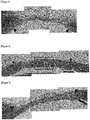
Figure 1] Figure 1 is a HE stained image of an untreated rat calvarial bone-deficient model. - [
Figure 2] Figure 2 is a HE stained image showing that recombinant gelatin powders were embedded in a defect portion and a bone was then formed in the affected area. - [
Figure 3] Figure 3 is a HE stained image showing that pig-derived gelatin powders were embedded in a defect portion. - [
Figure 4] Figure 4 is a HE stained image showing that collagen powders were embedded in a defect portion. - [
Figure 5] Figure 5 is a HE stained image showing that a bovine cancellous bone Bio-Oss (trade name), Osteohealth) which is an insoluble substrate was embedded in a defect portion. - [
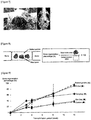
Figure 6] Figure 6 shows electron micrographs of the insides of an R-Gel formulation and Teruplug. - [
Figure 7] Figure 7 shows rat cranial bone-deficient models. Left: a macroscopic photograph. Right: a µCT photograph (Micro-CT image: Tissue Eng (2007) 13(3): 501-12). - [
Figure 8] Figure 8 shows a method for calculating a bone regeneration percentage (analyzed from pathological specimens). - [
Figure 9] Figure 9 shows a change over time in the bone regeneration percentage in a rat cranial bone-deficient portion. R-Gel and an animal gelatin exhibited bone regeneration percentages higher than those of Bio-Oss Cancellous and Teruplug. - [
Figure 10] Figure 10 shows pathological specimen photographs (H & E stained) taken one month and two months after transplantation of R-Gel and an animal gelatin into rat cranial bones. R-Gel (upper photographs) and the animal gelatin (lower photographs). One month after the transplantation, bones were regenerated on the surfaces of the R-Gel and the animal gelatin. Two months after the transplantation, bones were regenerated at sites around the R-Gel, in which the R-Gel had been decomposed by cells, and bones with a few voids were regenerated. On the other hand, around the animal gelatin, soft fibrous tissues were observed at sites in which the animal gelatin had been decomposed by cells, and a large number of cicatricial fibrous tissues were contained in the regenerated bones. - [
Figure 11] Figure 11 shows macroscopic photographs of tooth extraction sites of dog mandibular premolar extraction models, which were taken immediately after and two months after transplantation of infills. - Hereinafter the embodiments of the present invention will be described in detail.
- In the present invention, a gelatin having an amino acid sequence derived from a partial amino acid sequence of collagen is used as a bone regeneration agent. The bone regeneration agent of the present invention is characterized in that a gelatin having an amino acid sequence derived from a partial amino acid sequence of collagen exhibits bone regeneration action by itself. Accordingly, it is not necessary for the bone regeneration agent of the present invention to comprise other substances having bone regeneration action, other than the gelatin having an amino acid sequence derived from a partial amino acid sequence of collagen. Thus, the bone regeneration agent of the present invention preferably does not comprise other substances having bone regeneration action, other than the above-described gelatin. Specifically, the bone regeneration agent of the present invention preferably consists of the gelatin having an amino acid sequence derived from a partial amino acid sequence of collagen. The type of the collagen is not particularly limited, as long as it is present in the nature. Preferred examples of the collagen include collagen types I, II, III, IV and V. More preferred examples of the collagen include collagen types I, II and III. In another embodiment, preferred origins of the collagen are preferably a human, a bovine, a pig, a mouse and a rat. It is more preferably a human.
- The gelatin used herein is not particularly limited, so long as the gelatin has an amino acid sequence derived from a partial amino acid sequence of collagen. Preferably, the gelatin contains Gly-X-Y characteristic to collagen. When gelatin/collagen is compared with other proteins in terms of the amino acid composition or sequence, the GXY sequence is characteristic to collagen and forms a highly specific partial structure. Glycine accounts for approximately one-third of the partial structure as a whole. Glycine is repeatedly found in the amino acid sequence at a rate of 1 out of every 3 amino acids. Glycine is the simplest amino acid. There are few restrictions to arrangement of the molecular chain of glycine and thus glycine highly contributes to regeneration of the helix structure upon gelatinization. An amino acid represented by X or Y is rich in imino acid (proline or oxyproline) and the imino acid accounts for 10% to 45% of the amino acid sequence as a whole.
- The gelatin used in the present invention may be a gelatin which is derived from natural animal or may be a recombinant gelatin. When a gelatin which is derived from natural animal is used, the origin of the gelatin is not particularly limited. The origin may be any animal such as fish, bovine, pig or goat.
- Among the above, it is preferred that the gelatin having an amino acid sequence derived from a partial amino acid sequence of collagen is a recombinant gelatin. Since the recombinant gelatin is not derived from an animal but is an artificial gelatin, it is highly biocompatible supplementation material where exogenous infection is avoided.
- As a recombinant gelatin that can be used in the present invention, a recombinant gelatin having an amino acid sequence derived from a partial amino acid sequence of collagen can be used. Examples of a recombinant gelatin that can be used include, but are not limited to, recombinant gelatins described in
EP1014176A2 ,US6992172 ,WO2004-85473 WO2008/103041 . A recombinant gelatin preferably used as the recombinant gelatin of the present invention is described below. - The recombinant gelatin used in the present invention has original properties of naturally occurring gelatin and thus it is highly biocompatible. In addition, the recombinant gelatin is not directly obtained from natural sources and thus has no risk of causing BSE or the like. In this regard, it has an excellent property of being non-infectious. In addition, the recombinant gelatin used in the present invention is more homogenous than naturally occurring gelatin. Further, the recombinant gelatin has a predetermined sequence. Thus, it is possible to precisely design the recombinant gelatin in terms of strength and degradability with few errors by crosslinking or the like described below.
- The molecular weight of the recombinant gelatin used in the present invention is preferably 2 KDa to 100 KDa, more preferably 2.5 KDa to 95 KDa, further preferably 5 KDa to 90 KDa, and most preferably 10 KDa to 90 KDa.
- Preferably, the recombinant gelatin used in the present invention contains repeats of a sequence represented by Gly-X-Y characteristic to collagen. Here, a plurality of sequences each represented by Gly-X-Y may be the same or different. Gly in Gly-X-Y represents glycine. X and Y in Gly-X-Y represent any amino acids (and preferably any amino acids other than glycine). When gelatin/collagen is compared with other proteins in terms of the amino acid composition or sequence, the GXY sequence is characteristic to collagen and forms a highly specific partial structure. Glycine accounts for approximately one-third of the partial structure as a whole. Glycine is repeatedly found in the amino acid sequence at a rate of 1 out of every 3 amino acids. Glycine is the simplest amino acid. There are few restrictions to arrangement of the molecular chain of glycine and thus glycine highly contributes to regeneration of the helix structure upon gelatinization. Preferably, an amino acid represented by X or Y is rich in imino acid (proline or oxyproline) and the imino acid accounts for 10% to 45% of the amino acid sequence as a whole. Amino acids forming the GXY repeat structure account for preferably 80% or more, more preferably 95% or more, and most preferably 99% or more of the amino acid sequence as a whole.
- A generally available gelatin contains charged polar amino acids and uncharged polar amino acids at a ratio of 1:1. Here, the term "polar amino acid" specifically refers to cysteine, aspartic acid, glutamic acid, histidine, lysine, asparagine, glutamine, serine, threonine, tyrosine, or arginine. In particular, the term "uncharged polar amino acid" refers to cysteine, asparagine, glutamine, serine, threonine, or tyrosine. The percentage of polar amino acids relative to all amino acids constituting the recombinant gelatin used in the present invention is 10% to 40% and preferably 20% to 30%. In addition, the percentage of uncharged polar amino acids relative to the polar amino acids is preferably 5% to less than 20% and more preferably less than 10%. Further, the amino acid sequence does not contain one amino acid and preferably two amino acids or more selected from among serine, threonine, asparagine, tyrosine, and cysteine.
- In general, it is known that a polypeptide contains a minimal amino acid sequence that functions as a cell adhesion signal sequence (e.g., "Pathophysiology" (Byotai Seiri) Vol. 9, No. 7 (1990), p. 527, Nagai Shoten Co., Ltd.). It is preferable for a single molecule of the recombinant gelatin used in the present invention to have at least two cell adhesion signal sequences. Specifically, amino acids are shown by one-letter notation in a cell adhesion signal sequence. In view of an increase in types of adhering cells, examples of such sequence are: preferably an RGD sequence, an LDV sequence, an REDV sequence, a YIGSR sequence, a PDSGR sequence, an RYVVLPR sequence, an LGTIPG sequence, an RNIAEIIKDI sequence, an IKVAV sequence, an LRE sequence, a DGEA sequence, and an HAV sequence, more preferably an RGD sequence, a YIGSR sequence, a PDSGR sequence, an LGTIPG sequence, an IKVAV sequence, and an HAV sequence; and particularly preferably an RGD sequence. Among the RGD sequence, an ERGD sequence is preferred.
- In terms of arrangement of RGD sequences in the recombinant gelatin used in the present invention, the number of amino acids present between two RGD sequences is preferably 0 to 100 and more preferably 25 to 60. Preferably, the number of amino acids is not uniformly determined.
- In view of cell adhesion/growth, the number of such minimal amino acid sequences in a single protein molecule is preferably 3 to 50, more preferably 4 to 30, particularly preferably 5 to 20, and most preferably 12.
- The percentage of RGD motifs in the recombinant gelatin used in the present invention related to the total number of amino acids is preferably at least 0.4%. If the recombinant gelatin comprises 350 amino acids or more, each stretch of 350 amino acids contains preferably at least one RGD motif. The percentage of RGD motifs related to the total number of amino acids is more preferably at least 0.6%, further preferably at least 0.8%, still further preferably at least 1.0%, even further preferably at least 1.2%, and most preferably at least 1.5%. The number of RGD motifs in the recombinant gelatin is preferably at least 4, more preferably 6, further preferably 8, and even further preferably 12 to 16 per 250 amino acids. A percentage of RGD motifs of 0.4% corresponds to at least one RGD sequence per 250 amino acids. The number of RGD motifs is represented by an integer. Therefore, in order to achieve a percentage of RGD motifs of 0.4%, it is necessary for a gelatin comprising 251 amino acids to contain at least two RGD sequences. Preferably, the recombinant gelatin of the present invention contains at least 2 RGD sequences per 250 amino acids, more preferably at least 3 RGD sequences per 250 amino acids, and further preferably at least 4 RGD sequences per 250 amino acids. In another embodiment, the recombinant gelatin of the present invention comprises at least 4, preferably 6, more preferably 8, and further preferably 12 to 16 RGD motifs.
- In addition, the recombinant gelatin may be partially hydrolyzed.
- Preferably, the recombinant gelatin used in the present invention has a structure comprising repeats of A-[(Gly-X-Y)n]m-B. Here, "m" is an integer of preferably 2 to 10 and more preferably 3 to 5. In addition, "n" is an integer of preferably 3 to 100, more preferably 15 to 70, and most preferably 50 to 65.
- Preferably, a plurality of naturally occurring collagen sequence units are bound to form a repeat unit. The term "naturally occurring collagen" used herein may refer to any naturally occurring collagen. However, preferable examples thereof include type-I, type-II, type-III, type-IV, and type-V collagens. More preferably, type-I, type-II, and type-III collagens are used. In another embodiment, the origin of such collagen is preferably a human, bovine, pig, mouse, or rat and it is more preferably a human.
- The isoelectric point of the recombinant gelatin used in the present invention is preferably 5 to 10, more preferably 6 to 10, and further preferably 7 to 9.5.
- Preferably, the recombinant gelatin is not deaminated.
- Preferably, the recombinant gelatin is not procollagen or does not comprise procollagen.
- Preferably, the recombinant gelatin does not comprise telopeptide.
- Preferably, the recombinant gelatin is a substantially pure collagen material prepared from a nucleic acid encoding a naturally occurring collagen.
- Particularly preferably, the recombinant gelatin used in the present invention is a recombinant gelatin having the following (1) or (2):
- (1) the amino acid sequence shown in SEQ ID NO: 1; or
- (2) an amino acid sequence having 80% or more, more preferably 90% or more, and most preferably 95% or more homology to the amino acid sequence shown in SEQ ID NO: 1, and having an action to regenerate bone.
- The recombinant gelatin used in the present invention can be produced by a gene recombination technique known to persons skilled in the art. For instance, it can be produced according to the method described in
EP1014176A2 ,US6992172 ,WO2004/85473 WO2008/103041 . Specifically, a transformant is produced by obtaining a gene encoding the amino acid sequence of a predetermined recombinant gelatin, incorporating the gene into an expression vector to prepare a recombinant expression vector, and introducing the vector into an appropriate host. The obtained transformant is cultured in an appropriate medium to produce a recombinant gelatin. Therefore, the recombinant gelatin used in the present invention can be prepared by collecting the produced recombinant gelatin from the culture product. - The recombinant gelatin used in the present invention can be chemically modified depending on the application thereof. Chemical modification may be performed via introduction of a low molecular compound or a different polymer (e.g., a biopolymer (sugar or protein), a synthetic polymer, or polyamide) into a carboxyl group or an amino group of a side chain of the recombinant gelatin or crosslinking between recombinant gelatin chains. For example, a carbodiimide-based condensing agent is used for introduction of a low molecular compound into the gelatin.
- The crosslinking agent used in the present invention is not particularly limited, as long as the present invention can be carried out. It may be a chemical crosslinking agent or an enzyme. Examples of a chemical crosslinking agent include formaldehyde, glutaraldehyde, carbodiimide, and cyanamide. Preferably, formaldehyde or glutaraldehyde is used. Further, crosslinking of a gelatin can be conducted by light irradiation to a gelatin into which a photoreactive group has been introduced, light irradiation under the presence of a photosensitizer, or the like. Examples of a photoreactive group include a cinnamyl group, a coumarin group, a dithiocarbamyl group, xanthene dye, and camphorquinone. Among the aforementioned crosslinking agent, glutaraldehyde is most preferred.
- In a case in which enzymatic crosslinking is carried out, an enzyme used is not particularly limited, as long as it has an action of causing crosslinking between gelatin chains. However, crosslinking can be carried out using preferably transglutaminase or laccase and most preferably transglutaminase. Examples of proteins that are enzymatically crosslinked by transglutaminase include, but are not particularly limited to, proteins having lysine residues and glutamine residues. A mammalian-derived or microorganism-derived transglutaminase may be used. Specific examples thereof include: the Activa series (produced by Ajinomoto Co., Inc.); commercially available mammalian-derived transglutaminases serving as reagents such as guinea pig liver-derived transglutaminase, goat-derived transglutaminase, and rabbit-derived transglutaminase (produced by Oriental Yeast Co., Ltd., Upstate USA Inc., Biodesign International, etc.); and a human-derived blood coagulation factor (Factor XIIIa, Haematologic Technologies, Inc.).
- Crosslinking of the gelatin comprises the following two steps: a step of mixing a gelatin solution and a crosslinking agent; and a step of causing a reaction in the obtained homogenous solution.
- According to the present invention, the mixing temperature for treating the gelatin with a crosslinking agent is not particularly limited, as long as the solution can be homogenously agitated. However, it is preferably 0°C to 40°C, more preferably 0°C to 30°C, further preferably 3°C to 25°C, still further preferably 3°C to 15°C, even further preferably 3°C to 10°C, and particularly preferably 3°C to 7°C.
- After agitation of the gelatin and the crosslinking agent, the temperature can be increased. The reaction temperature is not particularly limited, as long as crosslinking can proceed. However, in view of denaturation or degradation of the gelatin, it is substantially 0°C to 60°C, preferably 0°C to 40°C, more preferably 3°C to 25°C, further preferably 3°C to 15°C, still further preferably 3°C to 10°C, and particularly preferably 3°C to 7°C.
- In the present invention, the above-described gelatin having an amino acid sequence derived from a partial amino acid sequence of collagen is administered to a subject in need of bone regeneration (for example, a mammal such as a human), so that bone regeneration can be induced.
- The bone regeneration agent of the present invention can be used as a bone supplementation formulation.
- The dose, usage and dosage form of the bone regeneration agent and the bone supplementation formulation of the present invention can be determined, as appropriate, depending on the intended use thereof. For example, the bone regeneration agent of the present invention may be directly administered to a target site in a living body. Otherwise, the bone regeneration agentof the present invention may be suspended in a liquid excipient including an aqueous solvent such as a distilled water for injection, a normal saline for injection, or a buffer with pH 5 to 8 (a phosphate buffer, a citrate buffer, etc.), and it may be then administered by injection, coating, etc. Moreover, the bone regeneration agent of the present invention may be mixed with a suitable excipient so as to prepare an ointment, a gel, a cream, etc., and it may be then applied. That it to say, the administration form of the bone regeneration agent of the present invention may be either oral administration or parenteral administration (for example, intravenous administration, intramuscular administration, subcutaneous administration, intracutaneous administration, etc.).
- Examples of the dosage form of the bone regeneration agent of the present invention include: oral administration agents such as a tablet, a powdery agent, a capsule, a granular agent, an extract or a syrup; and parenteral administration agents such as an injection (for example, intravenous injection, intramuscular injection, subcutaneous injection, intracutaneous injection, etc.).
- Preferably, the bone regeneration agent and the bone supplementation formulation of the present invention can be directly administered to a bone defect site in a living body. Thus, when the bone regeneration agent of the present invention is locally administered, its form is not particularly specified. Examples of the form include a sponge, a film, a non-woven fabric, a fiber (tube), a particle, and a mesh.
- The bone regeneration agent and the bone supplementation formulation of the present invention can be prepared according to a method known to a person skilled in the art. For example, when the pharmaceutical carrier is a liquid, the bone regeneration agent and the bone supplementation formulation of the present invention can be dissolved or dispersed in the liquid. On the other hand, when the pharmaceutical carrier is a powder, the bone regeneration agent and the bone supplementation formulation of the present invention can be mixed with or adsorbed on the powders. Furthermore, the bone regeneration agent and the bone supplementation formulation of the present invention may also comprise pharmaceutically acceptable additives (for example, a preservative, a stabilizer, an antioxidant, an excipient, a binder, a disintegrator, a wetting agent, a lubricant, a coloring agent, an aromatic agent, a corrigent, a coating, a suspending agent, an emulsifier, a solubilizer, a buffer, an isotonizing agent, a plasticizer, a surfactant, a soothing agent, etc.), as necessary.
- The dosage of the gelatin is not particularly limited. For example, it is 1 to 100 mg, and preferably 1 to 50 mg per cm2 of surface area of a living body, to which the gelatin is administered.
- Examples of a target disease, to which the bone regeneration agent and the bone supplementation formulation of the present invention is administered, include bone defect caused by external injury, oral surgery disease, osteoporosis, and arthropathy.
- The present invention will be more specifically described in the following examples. However, these examples are not intended to limit the scope of the present invention.
- As a recombinant gelatin, CBE3 (
WO2008-103041 ) described below was prepared. -
- Molecular weight: 51.6 kD
- Structure: Gly-Ala-Pro[(Gly-X-Y)63]3Gly
- Number of amino acids: 571
- Number of RGD sequences: 12
- Imino acid content: 33%
- Substantially 100% of amino acids form the Gly-X-Y repeat structure.
- The amino acid sequence of CBE3 does not contain any of serine, threonine, asparagine, tyrosine, and cysteine.
- CBE3 has the ERGD sequence.
Isoelectric point: 9.34 - Amino acid sequence (SEQ ID NO: 1 in the Sequence Listing) (This amino acid sequence corresponds to the amino acid sequence shown in SEQ ID NO: 3 in
WO2008/103041 . Note that "X" at the end was modified to "P.")

- In the Examples described below, the above CBE3 was used as the recombinant gelatin (which is referred to as R-Gel), unless otherwise specified.
- 3% glutaraldehyde was added to a 10% recombinant gelatin aqueous solution to an amount of 1/10 of the total amount The final concentration of glutaraldehyde was 0.3%. A mixed solution obtained by stirring the thus prepared solution was poured into a silicon frame (30 mm long × 30 mm wide × 2 mm high), and it was then left at rest at room temperature for 2 hours. Subsequently, the resultant was left at rest at 4°C for 12 hours, so as to obtain a chemically cross-linked gelatin sheet. This gelatin sheet was immersed in an excessive amount of glycine aqueous solution for 1 hour, and unreacted glutaraldehyde or aldehyde groups were inactivated. Subsequently, the resultant was washed with distilled water twice and was then freeze-dried, so as to obtain a cross-linked recombinant gelatin geL The freeze-dried recombinant gelatin gel was subjected to a crusher, New Power Mill (Osaka Chemical Co., LTD.), so as to obtain powders. The obtained powders were sterilized with ethylene oxide gas before being used for samples in animal experiments.
- Ten SD rats (male, 10- to 12-week-old, 0.3 to 0.5 kg) were used as experimental animals. 0.8 ml/kg pentobarbital (Nembutal (registered trademark), Dainippon Sumitomo Pharma Co., Ltd.) was administered into the abdominal cavity of each rat to anesthetize them. The parietal bone of each rat was exposed, and a circular bone defect portion having a diameter of 5 mm was created. The thus created bone defect portion was filled with approximately 10 mg of the sterilized, recombinant gelatin gel, and the skin was then sutured.
-
- Group 1: Only defect
- Group 2: Recombinant gelatin gel (approximately 10 mg)
- Group 3: Pig-derived gelatin (high grade gelatin, TYPE: APAT, Nippi Inc.) (approximately 10 mg)
- Group 4: Collagen (Teruplug (trade name) crushed product, Olympus Terumo Biomaterials Corp.) (approximately 10 mg)
- Group 5: Bovine cancellous bone (Bio-Oss (trade name), Osteohealth) (approximately 20 mg)
- On the 4th week after performing the surgery, the rats were sacrificed by exsanguination under anesthesia with pentobarbital, and the heads thereof were extirpated. The parietal bone including the embedded portions was subjected to histological observation with HE staining.
- The observation results of Groups 1 to 5 are shown in
Figures 1 to 5 . In the case of using the pig-derived gelatin and the recombinant gelatin, significant induction of bone formation was observed (Figure 2 and Figure 3 ). Bone formation was not promoted by the collagen or a single use of the insoluble substrate (Figure 4 and Figure 5 ). However, using the recombinant gelatin of the present invention containing a large amount of RGD motif, bone formation was observed in a rat parietal bone defect portion by a single use of a bone supplementation material, which could not have formed bones so far (Figure 2 ). This result demonstrated that effective bone formation can be carried out without using a physiologically active substance such as BMP that may cause side effects. - An aqueous solution (pH 6) containing R-Gel or an animal gelatin (APAT, manufactured by Nippi Inc., concentration: 7.5%) and glutaraldehyde (GA, 0.3%) was intensively stirred, and the solution was stirred for 3 minutes while forming air bubbles. The obtained solution containing an infinite number of air bubbles was left at rest at 4°C overnight, so as to obtain a gelatinous solid containing a large number of air bubbles. The obtained gel was washed with a 0.1 M glycine aqueous solution twice, unreacted glycine was inactivated, and the resultant was then washed with water four times. The gel that had been washed with water was freeze-dried to obtain a spongy R-Gel and gelatin gel. This sponge was crushed with a mill, so as to obtain spongy granules having a granular size of approximately several hundreds of µm. The internal structures of the granules and Teruplug were observed under a scanning electron microscope. As a result, it was found that they had the same porous structure (
Figure 6 ). - An ethylene oxide-sterilized product of the spongy granules was used in the following effectiveness evaluation. The R-Gel and animal gelatin that had been cross-linked by the GA were each transplanted into rats or dogs, and the effectiveness thereof was then evaluated.
- In order to evaluate the bone regeneration ability of R-Gel, rat cranial bone-deficient models used as a bone regeneration ability evaluation system were used (Tissue Eng (2007) 13(3): 501-12). The cranial bone follows the same bone formation process (intramembranous ossification) as that of the alveolar bone. Thus, the cranial bone is generally used in evaluation of dental bone supplementation agents.
- Sprague-Dawley rats (SD rats, male, 10- to 12-week-old) were anesthetized, and a circular defect portion (diameter = 5 mm) was created in the right-sided parietal bone using a drill (
Osada Success 40, Osada Electric Co., Ltd.) (Figure 7 ). Bone fragments and blood existing in the defect portion, which affected bone regeneration, were removed by washing them with a normal saline, and the skin of the affected area was then sutured. After a predetermined period of time (3 weeks, 1, 2 and 3 months) had passed, the rats were sacrificed by laparotomy and exsanguination. The defect portion of each rat was observed by the naked eye, and the head portion was fixed with formalin and decalcified. Thereafter, a section obtained by slicing a block embedded in paraffin was stained with hematoxylin and eosin (H & E), so as to prepare a specimen. The pathological specimen was observed under an optical microscope, and the ratio of a new bone to the defect portion was defined as a bone regeneration percentage (Figure 8 ). Herein, the bone regeneration ability of the formulation was evaluated using such a bone regeneration percentage. - When the defect portion was observed, the defect portion of each rat was slightly dished, and almost the entire defect portion was covered with soft tissues. A small amount of white solid portion that seemed to be a new bone (regenerate bone) was observed around the cut section. When this specimen was observed under an optical microscope one month after performing the surgery, approximately 30% of the defect portion was covered with thin granulation tissues, and bone regeneration from existing bones was observed in approximately 10% of the defect portion. The bone regeneration percentage increased as the time passed. However, the percentage of the regenerate bone was approximately 30% even three months after performing the surgery. The amount of the bone regenerated was matched with the data of the publication (bone regeneration percentage for 3 months: approximately 30%) (Tissue Eng (2007) 13(3): 501-12), and thus, it was considered that a model system could be constructed.
- A R-Gel formulation, an animal gelatin formulation, Teruplug (Olympus Terumo Biomaterials Corp.) and Bio-Oss Cancellous (0.25 to 1 mm, Osteohealth) were each transplanted into the rat cranial bone defect portion created in Example 3. A collagen membrane (BioGide, Osteohealth) was placed on each of the R-Gel, animal gelatin and Bio-Oss Cancellous each having a dosage form that was a granular agent, so as to prevent the release of granules from the affected area. A group, to the affected area of which nothing had been applied, was defined as a control.
- The bone regeneration percentage of an affected area, to which the Bio-Oss Cancellous had been applied, was the same level as that of the control, and it remained about 30% three months after performing the surgery. In the case of the Teruplug that was a collagen sponge, a bone was regenerated over time, and approximately 60% of the affected area was repaired with the regenerate bone three months after performing the surgery (
Figure 9 ). On the other hand, in the case of the R-Gel and the animal gelatin, bone regeneration progressed at the same level as that of the Teruplug until one month after the transplantation, but thereafter, their bone regeneration levels became higher than that of the Teruplug, and approximately 90% of the affected area was repaired with the regenerate bone three months after the transplantation (wherein the bone regeneration percentage was 1.5 times higher than that in the case of the Teruplug). Accordingly, it can be said that the R-Gel and the animal gelatin spongy granules have bone regeneration ability that is higher than that of the Teruplug. - In order to analyze bone regeneration using an animal gelatin (gelatin) and a recombinant gelatin (R-Gel) more in detail, the forms of tissues around each base material and the tissues of a regenerate bone were analyzed (
Figure 10 ). One month after the transplantation, a large number of osteoblasts were found on the surfaces of both the R-Gel and gelatin base materials, and new bones were found. Thus, no significant difference was found between the tissue images of the two base materials. - Two months after the transplantation, the presence of a large number of osteoblasts, decomposition of the R-Gel by these cells, and formation of a new bone with a few defects were observed in voids formed between the R-Gel and the new bone. On the other hand, at the interface between animal gelatin and a new bone, a large number of fibroblasts, formation of fibrous soft tissues and a new bone containing a large number of cicatricial fibrous tissues were observed. That is, the R-Gel regenerated a bone that was more dense than that regenerated by the animal gelatin.
- A model was prepared according to the previous report (Araujo M et al. Int. J. Periodontics Restorative Dent. 28, 123-135, 2008.). Under anesthesia, the oral cavity of a beagle dog was disinfected with an Isodine solution, and the center between the second premolar (P2) and the third premolar (P3) in both mandibles was excised with a fissure bur. A periodontal ligament around teeth in the distal position was excised with a knife, and the teeth in the distal position were extracted using dental forceps and an elevator. The tooth extraction portion (wound socket after tooth extraction) was filled with a tampon that had been immersed in a 10-fold diluted solution of an adrenaline injection solution (Bosmin injection 1 mg/mL, Daiichi Sankyo Co., Ltd.) for hemostasis. The dental pulp of the remaining teeth in the proximal position was removed using a reamer, the pulp cavity was then filled with Gutta-percha, and it was then sealed with a pulp canal sealer.
- The tooth extraction portion created in Example 6 was filled with BioOss Cancellous (0.25 to 1 mm, Osteohealth), Teruplug (Olympus Terumo Biomaterials Corp.), R-Gel, or an animal gelatin, up to the crest of the alveolar bone. A collagen membrane (Biogide, Osteohealth) was placed between the infills other than the Teruplug and the gingiva. In the case of a control, such an infill and a membrane were not placed.
- The thickness of the gingiva in the tooth extraction portion was examined two months after the filling of the tooth extraction portion (
Figure 11 ). As a result, the thickness of the gingiva was decreased in the case of an untreated control. The thickness of the gingiva was maintained in the portion into which the BioOss Cancellous had been transplanted. The thickness of the gingiva was slightly decreased in the portion into which the Teruplug had been transplanted. In contrast, in the portion into which the R-Gel had been transplanted, the thickness of the gingiva was maintained at the same level as that of the BioOss. That is to say, R-Gel exhibited effectiveness higher than that of Teruplug. -
- [Item 1] A bone regeneration agent which comprises a gelatin having an amino acid sequence derived from a partial amino acid sequence of collagen.
- [Item 2] The bone regeneration agent of item 1, wherein the gelatin having an amino acid sequence derived from a partial amino acid sequence of collagen is a recombinant gelatin.
- [Item 3] The bone regeneration agent of
item 1 or 2, wherein the gelatin comprises repeats of a sequence represented by Gly-X-Y characteristic to collagen and has a molecular weight of 2 KDa to 100 KDa wherein X and Y each independently represent an amino acid and a plurality of Gly-X-Y sequences may be the same or different. - [Item 4] The bone regeneration agent of any of items 1 to 3, wherein the gelatin comprises repeats of a sequence represented by Gly-X-Y characteristic to collagen and has a molecular weight of 10 KDa to 90 KDa. wherein X and Y each independently represent an amino acid and a plurality of Gly-X-Y sequences may be the same or different.
- [Item 5] The bone regeneration agent of any of items 1 to 4, wherein the gelatin comprises repeats of a sequence represented by Gly-X-Y characteristic to collagen and has two or more sequences of cell adhesion signals in a single molecule wherein X and Y each independently represent an amino acid and a plurality of Gly-X-Y sequences may be the same or different.
- [Item 6] The bone regeneration agent of item 5, wherein the cell adhesion signal sequence is an amino acid sequence represented by Arg-Gly-Asp.
- [Item 7] The bone regeneration agent of any of items 1 to 6, wherein the amino acid sequence of the gelatin does not comprise any of serine and threonine.
- [Item 8] The bone regeneration agent of any of items 1 to 7, wherein the amino acid sequence of the gelatin does not comprise any of serine, threonine, asparagine, tyrosine, and cysteine.
- [Item 9] The bone regeneration agent of any of items 1 to 8, wherein the amino acid sequence of the gelatin does not comprise an amino acid sequence represented by Asp-Arg-Gly-Asp.
- [Item 10] The bone regeneration agent of any of items 1 to 9, wherein the gelatin is represented by the following formula:
A-[(Gly-X-Y)n]m -B
wherein A represents any amino acid or amino acid sequence, B represents any amino acid or amino acid sequence, there exist n amino acids each independently represented by X, there exist n amino acids each independently represented by Y, n represents an integer from 3 to 100, m represents an integer of 2 to 10, and n Gly-X-Y sequences may be the same or different. - [Item 11] The bone regeneration agent of any of items 1 to 10, wherein the gelatin is represented by the following formula:
Gly-Ala-Pro-[(Gly-X-Y)63]3-Gly
wherein there exist 63 amino acids each independently represented by X, there exist 63 amino acids each independently represented by Y, and 63 Gly-X-Y sequences may be the same or different. - [Item 12] The bone regeneration agent of any of items 1 to 11, wherein the gelatin has the following (1) or (2):
- (1) the amino acid sequence shown in SEQ ID NO: 1; or
- (2) an amino acid sequence having 80% or more homology to the amino acid sequence shown in SEQ ID NO: 1 and having an action to regenerate bone.
- [Item 13] The bone regeneration agent of any of items 1 to 12, wherein the gelatin is crosslinked.
- [Item 14] The bone regeneration agent of item 13, wherein the crosslinking is carried out using an aldehyde, condensing agent or enzyme.
- [Item 15] A bone supplementation formulation which comprises the bone regeneration agent of any of items 1 to 14.


Claims (16)
- A gingiva maintaining or protecting agent which comprises a gelatin having an amino acid sequence derived from a partial amino acid sequence of collagen for use in a method to maintain or protect gingiva.
- The gingiva maintaining or protecting agent of claim 1 for the use of claim 1, wherein the gelatin having an amino acid sequence derived from a partial amino acid sequence of collagen is a recombinant gelatin.
- The gingiva maintaining or protecting agent of claim 1 or 2 for the use of claim 1 or 2, wherein the gelatin comprises repeats of a sequence represented by Gly-X-Y characteristic to collagen and has a molecular weight of 2 KDa to 100 KDa, wherein X and Y each independently represent an amino acid and a plurality of Gly-X-Y sequences may be the same or different.
- The gingiva maintaining or protecting agent of any of claims 1 to 3 for the use of any of claims 1 to 3, wherein the gelatin comprises repeats of a sequence represented by Gly-X-Y characteristic to collagen and has a molecular weight of 10 KDa to 90 KDa, wherein X and Y each independently represent an amino acid and a plurality of Gly-X-Y sequences may be the same or different.
- The gingiva maintaining or protecting agent of any of claims 1 to 4 for the use of any of claims 1 to 4, wherein the gelatin comprises repeats of a sequence represented by Gly-X-Y characteristic to collagen and has two or more sequences of cell adhesion signals in a single molecule wherein X and Y each independently represent an amino acid and a plurality of Gly-X-Y sequences may be the same or different.
- The gingiva maintaining or protecting agent of claim 5 for the use of claim 5, wherein the cell adhesion signal sequence is an amino acid sequence represented by Arg-Gly-Asp.
- The gingiva maintaining or protecting agent of any of claims 1 to 6 for the use of any of claims 1 to 6, wherein the amino acid sequence of the gelatin does not comprise any of serine and threonine.
- The gingiva maintaining or protecting agent of any of claims 1 to 7 for the use of any of claims 1 to 7, wherein the amino acid sequence of the gelatin does not comprise any of serine, threonine, asparagine, tyrosine, and cysteine.
- The gingiva maintaining or protecting agent of any of claims 1 to 8 for the use of any of claims 1 to 8, wherein the amino acid sequence of the gelatin does not comprise an amino acid sequence represented by Asp-Arg-Gly-Asp.
- The gingiva maintaining or protecting agent of any of claims 1 to 9 for the use of any of claims 1 to 9, wherein the gelatin is represented by the following formula:
A-[(Gly-X-Y)n]m-B
wherein A represents any amino acid or amino acid sequence, B represents any amino acid or amino acid sequence, there exist n amino acids each independently represented by X, there exist n amino acids each independently represented by Y, n represents an integer from 3 to 100, m represents an integer of 2 to 10, and n Gly-X-Y sequences may be the same or different. - The gingiva maintaining or protecting agent of any of claims 1 to 10 for the use of any of claims 1 to 10, wherein the gelatin is represented by the following formula:
Gly-Ala-Pro-[(Gly-X-Y)63]3-Gly
wherein there exist 63 amino acids each independently represented by X, there exist 63 amino acids each independently represented by Y, and n Gly-X-Y sequences may be the same or different. - The gingiva maintaining or protecting agent of any of claims 1 to 11 for the use of any of claims 1 to 11, wherein the gelatin has the following (1) or (2):(1) the amino acid sequence shown in SEQ ID NO: 1; or(2) an amino acid sequence having 80% or more homology to the amino acid sequence shown in SEQ ID NO: 1 and having an action to regenerate bone.
- The gingiva maintaining or protecting agent of any of claims 1 to 12 for the use of any of claims 1 to 12, wherein the gelatin is crosslinked.
- The gingiva maintaining or protecting agent of any of claims 1 to 13 for the use of any of claims 1 to 13, wherein a target disease is oral surgery disease.
- The gingiva maintaining or protecting agent of any of claims 1 to 14 for the use of any of claims 1 to 14, wherein the agent substantially consists of said gelatin.
- A gingiva supplementation formulation which comprises the gingiva maintaining or protecting agent of any of claims 1 to 15, for use in a method to maintain or protect gingiva.
Applications Claiming Priority (5)
| Application Number | Priority Date | Filing Date | Title |
|---|---|---|---|
| JP2009204218 | 2009-09-04 | ||
| JP2010196678 | 2010-09-02 | ||
| EP15202378.4A EP3028723A1 (en) | 2009-09-04 | 2010-09-03 | A bone regeneration agent comprising gelatin |
| PCT/JP2010/065108 WO2011027850A1 (en) | 2009-09-04 | 2010-09-03 | Bone regeneration agent including gelatin |
| EP10813797.7A EP2478923B1 (en) | 2009-09-04 | 2010-09-03 | A bone regeneration agent comprising gelatin |
Related Parent Applications (2)
| Application Number | Title | Priority Date | Filing Date |
|---|---|---|---|
| EP15202378.4A Division EP3028723A1 (en) | 2009-09-04 | 2010-09-03 | A bone regeneration agent comprising gelatin |
| EP10813797.7A Division EP2478923B1 (en) | 2009-09-04 | 2010-09-03 | A bone regeneration agent comprising gelatin |
Publications (2)
| Publication Number | Publication Date |
|---|---|
| EP3391913A1 true EP3391913A1 (en) | 2018-10-24 |
| EP3391913B1 EP3391913B1 (en) | 2021-04-21 |
Family
ID=43649385
Family Applications (3)
| Application Number | Title | Priority Date | Filing Date |
|---|---|---|---|
| EP10813797.7A Active EP2478923B1 (en) | 2009-09-04 | 2010-09-03 | A bone regeneration agent comprising gelatin |
| EP15202378.4A Ceased EP3028723A1 (en) | 2009-09-04 | 2010-09-03 | A bone regeneration agent comprising gelatin |
| EP18162307.5A Active EP3391913B1 (en) | 2009-09-04 | 2010-09-03 | A bone regeneration agent comprising gelatin |
Family Applications Before (2)
| Application Number | Title | Priority Date | Filing Date |
|---|---|---|---|
| EP10813797.7A Active EP2478923B1 (en) | 2009-09-04 | 2010-09-03 | A bone regeneration agent comprising gelatin |
| EP15202378.4A Ceased EP3028723A1 (en) | 2009-09-04 | 2010-09-03 | A bone regeneration agent comprising gelatin |
Country Status (6)
| Country | Link |
|---|---|
| US (2) | US8987204B2 (en) |
| EP (3) | EP2478923B1 (en) |
| JP (2) | JP5642685B2 (en) |
| CN (2) | CN105753970B (en) |
| CA (1) | CA2773062C (en) |
| WO (1) | WO2011027850A1 (en) |
Families Citing this family (20)
| Publication number | Priority date | Publication date | Assignee | Title |
|---|---|---|---|---|
| US9404932B2 (en) * | 2007-11-05 | 2016-08-02 | Nordic Bioscience A/S | Pathology biomarker assay |
| EP2478923B1 (en) * | 2009-09-04 | 2016-05-04 | FUJIFILM Corporation | A bone regeneration agent comprising gelatin |
| KR101744040B1 (en) * | 2010-03-01 | 2017-06-07 | 후지필름 가부시키가이샤 | Cell structure comprising cells and macromolecular blocks having biocompatibility |
| JP5889780B2 (en) * | 2010-03-02 | 2016-03-22 | 富士フイルム株式会社 | Cell support and bone regeneration material |
| JP5847418B2 (en) * | 2011-03-30 | 2016-01-20 | 富士フイルム株式会社 | Cell adhesion protein |
| US20120263681A1 (en) * | 2011-04-12 | 2012-10-18 | Fujifilm Corporation | Composition comprising cell and biocompatible polymer |
| EP2826494B1 (en) * | 2012-03-12 | 2021-01-06 | Fujifilm Corporation | Method for producing tissue repair material |
| JP2013202213A (en) * | 2012-03-28 | 2013-10-07 | Fujifilm Corp | Hard tissue regeneration material |
| WO2014141877A1 (en) | 2013-03-12 | 2014-09-18 | 富士フイルム株式会社 | Tissue repair material |
| US8962044B2 (en) | 2013-07-03 | 2015-02-24 | Vivex Biomedical, Inc. | Radiopaque bone repair mixture and method of use |
| US8784908B1 (en) | 2013-07-03 | 2014-07-22 | Vivex Biomedical, Inc. | Composition of a bone repair mixture |
| JP6586160B2 (en) | 2015-03-18 | 2019-10-02 | 富士フイルム株式会社 | Cartilage regeneration material |
| EP3260142B1 (en) | 2015-03-18 | 2023-04-26 | FUJIFILM Corporation | Cartilage regeneration material and method for producing same |
| EP3974403A1 (en) | 2016-05-30 | 2022-03-30 | FUJIFILM Corporation | Method for producing calcium phosphate molded article, calcium phosphate molded article, and material for transplantation |
| JP6637598B2 (en) | 2016-06-08 | 2020-01-29 | 富士フイルム株式会社 | Method for producing gelatin molded article and gelatin molded article |
| GB201620204D0 (en) * | 2016-11-29 | 2017-01-11 | Fujifilm Mfg Europe Bv | Hydrogels |
| JP6865265B2 (en) * | 2017-03-02 | 2021-04-28 | 富士フイルム株式会社 | Embedding agent for cell mass or cell structure, cell mass or cell structure-containing composition and kit |
| EP3848063A4 (en) * | 2018-09-03 | 2021-10-27 | FUJIFILM Corporation | GEL, GEL FORMATION KIT AND GEL PRODUCTION PROCESS |
| JP7385664B2 (en) | 2019-07-26 | 2023-11-22 | 富士フイルム株式会社 | living body transplant material |
| JPWO2024038721A1 (en) * | 2022-08-19 | 2024-02-22 |
Citations (7)
| Publication number | Priority date | Publication date | Assignee | Title |
|---|---|---|---|---|
| DE2756256A1 (en) * | 1977-12-16 | 1979-06-21 | Scheicher Hans | Compsn. for treating bone defects - comprises gellable soln. of polysaccharide and/or gelatin |
| EP1014176A2 (en) | 1998-12-23 | 2000-06-28 | Fuji Photo Film B.V. | Silver halide emulsions containing recombinant gelatin-like proteins |
| JP2004203829A (en) | 2002-12-26 | 2004-07-22 | Medgel Corp | Sustained release pharmaceutical preparation having bmp |
| EP1464345A2 (en) * | 2003-04-03 | 2004-10-06 | Dennis W. Szymaitis | Bone growth and adjacent tissue regeneration composition |
| WO2004085473A2 (en) | 2003-03-28 | 2004-10-07 | Fuji Photo Film B.V. | Rgd-enriched gelatine-like proteins with enhanced cell binding |
| US6992172B1 (en) | 1999-11-12 | 2006-01-31 | Fibrogen, Inc. | Recombinant gelatins |
| WO2008103041A1 (en) | 2007-02-21 | 2008-08-28 | Fujifilm Manufacturing Europe B.V. | Recombinant gelatins |
Family Cites Families (8)
| Publication number | Priority date | Publication date | Assignee | Title |
|---|---|---|---|---|
| WO1999060951A1 (en) * | 1998-05-22 | 1999-12-02 | Isolagen Technologies, Inc. | Compositions for regenerating tissue that has degenerated, and methods for using such compositions |
| JP3324075B2 (en) * | 1999-01-20 | 2002-09-17 | 瑞安大薬廠股▲ふん▼有限公司 | Bone filler material and manufacturing method thereof |
| RU2002112751A (en) * | 1999-11-12 | 2004-02-27 | Файброджен, Инк. (Us) | Recombinant Gelatins |
| JP2003199816A (en) * | 2002-01-10 | 2003-07-15 | Takehisa Matsuda | Auxiliary material for regenerating cartilaginous tissue, kit for regenerating cartilaginous tissue and method for regenerating cartilaginous tissue |
| WO2007040574A2 (en) | 2004-12-16 | 2007-04-12 | Regents Of The University Of Minnesota | Biomimetic nanocomposite |
| JP2006289062A (en) * | 2005-03-18 | 2006-10-26 | Pentax Corp | Bone prosthetic material using chondrocytes capable of hypertrophy and scaffold |
| WO2008133196A1 (en) * | 2007-04-19 | 2008-11-06 | Fujifilm Corporation | Material for regenerative medicine |
| EP2478923B1 (en) * | 2009-09-04 | 2016-05-04 | FUJIFILM Corporation | A bone regeneration agent comprising gelatin |
-
2010
- 2010-09-03 EP EP10813797.7A patent/EP2478923B1/en active Active
- 2010-09-03 CN CN201610111486.5A patent/CN105753970B/en active Active
- 2010-09-03 WO PCT/JP2010/065108 patent/WO2011027850A1/en not_active Ceased
- 2010-09-03 EP EP15202378.4A patent/EP3028723A1/en not_active Ceased
- 2010-09-03 US US13/394,263 patent/US8987204B2/en active Active
- 2010-09-03 EP EP18162307.5A patent/EP3391913B1/en active Active
- 2010-09-03 CA CA2773062A patent/CA2773062C/en active Active
- 2010-09-03 JP JP2011529950A patent/JP5642685B2/en active Active
- 2010-09-03 CN CN201080039114.7A patent/CN102625717B/en active Active
-
2014
- 2014-10-29 JP JP2014219987A patent/JP5970046B2/en active Active
-
2015
- 2015-02-23 US US14/629,135 patent/US9968661B2/en active Active
Patent Citations (7)
| Publication number | Priority date | Publication date | Assignee | Title |
|---|---|---|---|---|
| DE2756256A1 (en) * | 1977-12-16 | 1979-06-21 | Scheicher Hans | Compsn. for treating bone defects - comprises gellable soln. of polysaccharide and/or gelatin |
| EP1014176A2 (en) | 1998-12-23 | 2000-06-28 | Fuji Photo Film B.V. | Silver halide emulsions containing recombinant gelatin-like proteins |
| US6992172B1 (en) | 1999-11-12 | 2006-01-31 | Fibrogen, Inc. | Recombinant gelatins |
| JP2004203829A (en) | 2002-12-26 | 2004-07-22 | Medgel Corp | Sustained release pharmaceutical preparation having bmp |
| WO2004085473A2 (en) | 2003-03-28 | 2004-10-07 | Fuji Photo Film B.V. | Rgd-enriched gelatine-like proteins with enhanced cell binding |
| EP1464345A2 (en) * | 2003-04-03 | 2004-10-06 | Dennis W. Szymaitis | Bone growth and adjacent tissue regeneration composition |
| WO2008103041A1 (en) | 2007-02-21 | 2008-08-28 | Fujifilm Manufacturing Europe B.V. | Recombinant gelatins |
Non-Patent Citations (11)
| Title |
|---|
| "Byotai Sein", vol. 9, 1990, NAGAI SHOTEN CO., LTD, article "Pathophysiology", pages: 527 |
| ARAUJO M ET AL., HIT J. PERIODONTICS RESTORATIVE DENT, vol. 28, 2008, pages 123 - 135 |
| BIOMATERIALS, vol. 26, 2005, pages 2501 - 2507 |
| ISHII ET AL., SHIKA-I TENBOU (PROSPECTS FOR DENTISTS, vol. 97, no. 3, 2001, pages 665 - 677 |
| J NEUROSURG, vol. 91, 1999, pages 851 - 856 |
| K P REDDY ET AL: "A clinical evaluation of anorganic bovine bone graft plus 10% collagen with or without a barrier in the treatment of class II furcation defects.", J CONTEMP DENT PRACT, vol. 7, no. 1, 15 February 2006 (2006-02-15), pages 60 - 70, XP055491458 * |
| M. MINABE ET AL: "Different Cross-Linked Types of Collagen Implanted in Rat Palatal Gingiva", JOURNAL OF PERIODONTOLOGY., vol. 60, no. 1, 1 January 1989 (1989-01-01), US, pages 35 - 43, XP055491357, ISSN: 0022-3492, DOI: 10.1902/jop.1989.60.1.35 * |
| MICRO-CT IMAGE: TISSUE ENG, vol. 13, no. 3, 2007, pages 501 - 12 |
| TABATA ET AL., BIOMATERIALS, vol. 19, 1998, pages 807 - 815 |
| TABATA ET AL., JOURNAL OF NEUROSURGERY, vol. 91, 1999, pages 851 - 856 |
| TISSUE ENG, vol. 13, no. 3, 2007, pages 501 - 12 |
Also Published As
| Publication number | Publication date |
|---|---|
| EP3028723A1 (en) | 2016-06-08 |
| EP3391913B1 (en) | 2021-04-21 |
| CN102625717A (en) | 2012-08-01 |
| US20150165001A1 (en) | 2015-06-18 |
| JP2015033635A (en) | 2015-02-19 |
| CN105753970A (en) | 2016-07-13 |
| CA2773062C (en) | 2017-04-18 |
| WO2011027850A1 (en) | 2011-03-10 |
| US20120165263A1 (en) | 2012-06-28 |
| EP2478923A4 (en) | 2013-04-03 |
| JPWO2011027850A1 (en) | 2013-02-04 |
| CA2773062A1 (en) | 2011-03-10 |
| CN102625717B (en) | 2016-03-16 |
| JP5970046B2 (en) | 2016-08-17 |
| CN105753970B (en) | 2023-06-23 |
| EP2478923A1 (en) | 2012-07-25 |
| US9968661B2 (en) | 2018-05-15 |
| JP5642685B2 (en) | 2014-12-17 |
| US8987204B2 (en) | 2015-03-24 |
| EP2478923B1 (en) | 2016-05-04 |
Similar Documents
| Publication | Publication Date | Title |
|---|---|---|
| EP3391913B1 (en) | A bone regeneration agent comprising gelatin | |
| Takahashi et al. | Skull bone regeneration in nonhuman primates by controlled release of bone morphogenetic protein-2 from a biodegradable hydrogel | |
| Martínez‐Sanz et al. | Minimally invasive mandibular bone augmentation using injectable hydrogels | |
| Abedi et al. | Collagen-based medical devices for regenerative medicine and tissue engineering | |
| Tiwari et al. | An updated review on recent developments and applications of fish collagen | |
| US20120253470A1 (en) | Compositions for bone tissue repair and uses thereof | |
| JPH07500038A (en) | Formulation of blood clot-polymer matrices for delivery of osteogenic proteins | |
| JP2021184903A (en) | Material and method for filling bone void | |
| Lestari et al. | Advancements and applications of gelatin-based scaffolds in dental engineering: A narrative review | |
| US20150037432A1 (en) | Self-assembly of collagen fibers from dermis, fascia and tendon for tissue augmentation and coverage of wounds and burns | |
| WO2017101027A1 (en) | Modified biomedical material product | |
| JP2025513507A (en) | Tissue-conductive scaffolding materials | |
| KR101252978B1 (en) | New protein formulation | |
| US20040002444A1 (en) | Polyphosphate-water soluble collagen complexes and process for preparation thereof | |
| KR101206345B1 (en) | New protein formulation | |
| JP2004000543A (en) | Complex material between polyphosphoric acid and water-soluble collagen and production method therefor | |
| Sharma et al. | The use of keratin as potential biomaterial for bio-dental applications | |
| JP7385664B2 (en) | living body transplant material | |
| JPWO2005079728A1 (en) | Dentin regeneration method | |
| Hideo et al. | Recombinant collagen polypeptide as a versatile bone graft biomaterial | |
| JP2025506188A (en) | Bioabsorbable photocurable composition, bioabsorbable tissue regeneration inducer containing same, and transplantation method using same |
Legal Events
| Date | Code | Title | Description |
|---|---|---|---|
| PUAI | Public reference made under article 153(3) epc to a published international application that has entered the european phase |
Free format text: ORIGINAL CODE: 0009012 |
|
| STAA | Information on the status of an ep patent application or granted ep patent |
Free format text: STATUS: THE APPLICATION HAS BEEN PUBLISHED |
|
| AC | Divisional application: reference to earlier application |
Ref document number: 3028723 Country of ref document: EP Kind code of ref document: P Ref document number: 2478923 Country of ref document: EP Kind code of ref document: P |
|
| AK | Designated contracting states |
Kind code of ref document: A1 Designated state(s): AL AT BE BG CH CY CZ DE DK EE ES FI FR GB GR HR HU IE IS IT LI LT LU LV MC MK MT NL NO PL PT RO SE SI SK SM TR |
|
| STAA | Information on the status of an ep patent application or granted ep patent |
Free format text: STATUS: REQUEST FOR EXAMINATION WAS MADE |
|
| 17P | Request for examination filed |
Effective date: 20190411 |
|
| RBV | Designated contracting states (corrected) |
Designated state(s): AL AT BE BG CH CY CZ DE DK EE ES FI FR GB GR HR HU IE IS IT LI LT LU LV MC MK MT NL NO PL PT RO SE SI SK SM TR |
|
| STAA | Information on the status of an ep patent application or granted ep patent |
Free format text: STATUS: EXAMINATION IS IN PROGRESS |
|
| 17Q | First examination report despatched |
Effective date: 20190822 |
|
| GRAP | Despatch of communication of intention to grant a patent |
Free format text: ORIGINAL CODE: EPIDOSNIGR1 |
|
| STAA | Information on the status of an ep patent application or granted ep patent |
Free format text: STATUS: GRANT OF PATENT IS INTENDED |
|
| INTG | Intention to grant announced |
Effective date: 20201216 |
|
| GRAS | Grant fee paid |
Free format text: ORIGINAL CODE: EPIDOSNIGR3 |
|
| GRAA | (expected) grant |
Free format text: ORIGINAL CODE: 0009210 |
|
| STAA | Information on the status of an ep patent application or granted ep patent |
Free format text: STATUS: THE PATENT HAS BEEN GRANTED |
|
| RAP3 | Party data changed (applicant data changed or rights of an application transferred) |
Owner name: FUJIFILM CORPORATION |
|
| AC | Divisional application: reference to earlier application |
Ref document number: 2478923 Country of ref document: EP Kind code of ref document: P Ref document number: 3028723 Country of ref document: EP Kind code of ref document: P |
|
| AK | Designated contracting states |
Kind code of ref document: B1 Designated state(s): AL AT BE BG CH CY CZ DE DK EE ES FI FR GB GR HR HU IE IS IT LI LT LU LV MC MK MT NL NO PL PT RO SE SI SK SM TR |
|
| REG | Reference to a national code |
Ref country code: GB Ref legal event code: FG4D |
|
| REG | Reference to a national code |
Ref country code: CH Ref legal event code: EP |
|
| REG | Reference to a national code |
Ref country code: DE Ref legal event code: R096 Ref document number: 602010066864 Country of ref document: DE Ref country code: IE Ref legal event code: FG4D |
|
| REG | Reference to a national code |
Ref country code: CH Ref legal event code: NV Representative=s name: SERVOPATENT GMBH, CH |
|
| REG | Reference to a national code |
Ref country code: AT Ref legal event code: REF Ref document number: 1383951 Country of ref document: AT Kind code of ref document: T Effective date: 20210515 |
|
| REG | Reference to a national code |
Ref country code: NL Ref legal event code: FP |
|
| REG | Reference to a national code |
Ref country code: LT Ref legal event code: MG9D |
|
| REG | Reference to a national code |
Ref country code: AT Ref legal event code: MK05 Ref document number: 1383951 Country of ref document: AT Kind code of ref document: T Effective date: 20210421 |
|
| PG25 | Lapsed in a contracting state [announced via postgrant information from national office to epo] |
Ref country code: HR Free format text: LAPSE BECAUSE OF FAILURE TO SUBMIT A TRANSLATION OF THE DESCRIPTION OR TO PAY THE FEE WITHIN THE PRESCRIBED TIME-LIMIT Effective date: 20210421 Ref country code: AT Free format text: LAPSE BECAUSE OF FAILURE TO SUBMIT A TRANSLATION OF THE DESCRIPTION OR TO PAY THE FEE WITHIN THE PRESCRIBED TIME-LIMIT Effective date: 20210421 Ref country code: BG Free format text: LAPSE BECAUSE OF FAILURE TO SUBMIT A TRANSLATION OF THE DESCRIPTION OR TO PAY THE FEE WITHIN THE PRESCRIBED TIME-LIMIT Effective date: 20210721 Ref country code: FI Free format text: LAPSE BECAUSE OF FAILURE TO SUBMIT A TRANSLATION OF THE DESCRIPTION OR TO PAY THE FEE WITHIN THE PRESCRIBED TIME-LIMIT Effective date: 20210421 Ref country code: LT Free format text: LAPSE BECAUSE OF FAILURE TO SUBMIT A TRANSLATION OF THE DESCRIPTION OR TO PAY THE FEE WITHIN THE PRESCRIBED TIME-LIMIT Effective date: 20210421 |
|
| PG25 | Lapsed in a contracting state [announced via postgrant information from national office to epo] |
Ref country code: SE Free format text: LAPSE BECAUSE OF FAILURE TO SUBMIT A TRANSLATION OF THE DESCRIPTION OR TO PAY THE FEE WITHIN THE PRESCRIBED TIME-LIMIT Effective date: 20210421 Ref country code: PT Free format text: LAPSE BECAUSE OF FAILURE TO SUBMIT A TRANSLATION OF THE DESCRIPTION OR TO PAY THE FEE WITHIN THE PRESCRIBED TIME-LIMIT Effective date: 20210823 Ref country code: LV Free format text: LAPSE BECAUSE OF FAILURE TO SUBMIT A TRANSLATION OF THE DESCRIPTION OR TO PAY THE FEE WITHIN THE PRESCRIBED TIME-LIMIT Effective date: 20210421 Ref country code: NO Free format text: LAPSE BECAUSE OF FAILURE TO SUBMIT A TRANSLATION OF THE DESCRIPTION OR TO PAY THE FEE WITHIN THE PRESCRIBED TIME-LIMIT Effective date: 20210721 Ref country code: PL Free format text: LAPSE BECAUSE OF FAILURE TO SUBMIT A TRANSLATION OF THE DESCRIPTION OR TO PAY THE FEE WITHIN THE PRESCRIBED TIME-LIMIT Effective date: 20210421 Ref country code: IS Free format text: LAPSE BECAUSE OF FAILURE TO SUBMIT A TRANSLATION OF THE DESCRIPTION OR TO PAY THE FEE WITHIN THE PRESCRIBED TIME-LIMIT Effective date: 20210821 Ref country code: GR Free format text: LAPSE BECAUSE OF FAILURE TO SUBMIT A TRANSLATION OF THE DESCRIPTION OR TO PAY THE FEE WITHIN THE PRESCRIBED TIME-LIMIT Effective date: 20210722 |
|
| REG | Reference to a national code |
Ref country code: DE Ref legal event code: R097 Ref document number: 602010066864 Country of ref document: DE |
|
| PG25 | Lapsed in a contracting state [announced via postgrant information from national office to epo] |
Ref country code: SM Free format text: LAPSE BECAUSE OF FAILURE TO SUBMIT A TRANSLATION OF THE DESCRIPTION OR TO PAY THE FEE WITHIN THE PRESCRIBED TIME-LIMIT Effective date: 20210421 Ref country code: SK Free format text: LAPSE BECAUSE OF FAILURE TO SUBMIT A TRANSLATION OF THE DESCRIPTION OR TO PAY THE FEE WITHIN THE PRESCRIBED TIME-LIMIT Effective date: 20210421 Ref country code: EE Free format text: LAPSE BECAUSE OF FAILURE TO SUBMIT A TRANSLATION OF THE DESCRIPTION OR TO PAY THE FEE WITHIN THE PRESCRIBED TIME-LIMIT Effective date: 20210421 Ref country code: ES Free format text: LAPSE BECAUSE OF FAILURE TO SUBMIT A TRANSLATION OF THE DESCRIPTION OR TO PAY THE FEE WITHIN THE PRESCRIBED TIME-LIMIT Effective date: 20210421 Ref country code: RO Free format text: LAPSE BECAUSE OF FAILURE TO SUBMIT A TRANSLATION OF THE DESCRIPTION OR TO PAY THE FEE WITHIN THE PRESCRIBED TIME-LIMIT Effective date: 20210421 Ref country code: CZ Free format text: LAPSE BECAUSE OF FAILURE TO SUBMIT A TRANSLATION OF THE DESCRIPTION OR TO PAY THE FEE WITHIN THE PRESCRIBED TIME-LIMIT Effective date: 20210421 Ref country code: DK Free format text: LAPSE BECAUSE OF FAILURE TO SUBMIT A TRANSLATION OF THE DESCRIPTION OR TO PAY THE FEE WITHIN THE PRESCRIBED TIME-LIMIT Effective date: 20210421 |
|
| PLBE | No opposition filed within time limit |
Free format text: ORIGINAL CODE: 0009261 |
|
| STAA | Information on the status of an ep patent application or granted ep patent |
Free format text: STATUS: NO OPPOSITION FILED WITHIN TIME LIMIT |
|
| 26N | No opposition filed |
Effective date: 20220124 |
|
| REG | Reference to a national code |
Ref country code: BE Ref legal event code: MM Effective date: 20210930 |
|
| PG25 | Lapsed in a contracting state [announced via postgrant information from national office to epo] |
Ref country code: IS Free format text: LAPSE BECAUSE OF FAILURE TO SUBMIT A TRANSLATION OF THE DESCRIPTION OR TO PAY THE FEE WITHIN THE PRESCRIBED TIME-LIMIT Effective date: 20210821 Ref country code: MC Free format text: LAPSE BECAUSE OF FAILURE TO SUBMIT A TRANSLATION OF THE DESCRIPTION OR TO PAY THE FEE WITHIN THE PRESCRIBED TIME-LIMIT Effective date: 20210421 Ref country code: AL Free format text: LAPSE BECAUSE OF FAILURE TO SUBMIT A TRANSLATION OF THE DESCRIPTION OR TO PAY THE FEE WITHIN THE PRESCRIBED TIME-LIMIT Effective date: 20210421 |
|
| PG25 | Lapsed in a contracting state [announced via postgrant information from national office to epo] |
Ref country code: LU Free format text: LAPSE BECAUSE OF NON-PAYMENT OF DUE FEES Effective date: 20210903 Ref country code: IT Free format text: LAPSE BECAUSE OF FAILURE TO SUBMIT A TRANSLATION OF THE DESCRIPTION OR TO PAY THE FEE WITHIN THE PRESCRIBED TIME-LIMIT Effective date: 20210421 Ref country code: IE Free format text: LAPSE BECAUSE OF NON-PAYMENT OF DUE FEES Effective date: 20210903 Ref country code: BE Free format text: LAPSE BECAUSE OF NON-PAYMENT OF DUE FEES Effective date: 20210930 |
|
| PG25 | Lapsed in a contracting state [announced via postgrant information from national office to epo] |
Ref country code: CY Free format text: LAPSE BECAUSE OF FAILURE TO SUBMIT A TRANSLATION OF THE DESCRIPTION OR TO PAY THE FEE WITHIN THE PRESCRIBED TIME-LIMIT Effective date: 20210421 |
|
| P01 | Opt-out of the competence of the unified patent court (upc) registered |
Effective date: 20230515 |
|
| PG25 | Lapsed in a contracting state [announced via postgrant information from national office to epo] |
Ref country code: HU Free format text: LAPSE BECAUSE OF FAILURE TO SUBMIT A TRANSLATION OF THE DESCRIPTION OR TO PAY THE FEE WITHIN THE PRESCRIBED TIME-LIMIT; INVALID AB INITIO Effective date: 20100903 |
|
| PG25 | Lapsed in a contracting state [announced via postgrant information from national office to epo] |
Ref country code: MK Free format text: LAPSE BECAUSE OF FAILURE TO SUBMIT A TRANSLATION OF THE DESCRIPTION OR TO PAY THE FEE WITHIN THE PRESCRIBED TIME-LIMIT Effective date: 20210421 |
|
| PG25 | Lapsed in a contracting state [announced via postgrant information from national office to epo] |
Ref country code: TR Free format text: LAPSE BECAUSE OF FAILURE TO SUBMIT A TRANSLATION OF THE DESCRIPTION OR TO PAY THE FEE WITHIN THE PRESCRIBED TIME-LIMIT Effective date: 20210421 |
|
| PG25 | Lapsed in a contracting state [announced via postgrant information from national office to epo] |
Ref country code: MT Free format text: LAPSE BECAUSE OF FAILURE TO SUBMIT A TRANSLATION OF THE DESCRIPTION OR TO PAY THE FEE WITHIN THE PRESCRIBED TIME-LIMIT Effective date: 20210421 |
|
| PGFP | Annual fee paid to national office [announced via postgrant information from national office to epo] |
Ref country code: NL Payment date: 20250814 Year of fee payment: 16 |
|
| PGFP | Annual fee paid to national office [announced via postgrant information from national office to epo] |
Ref country code: DE Payment date: 20250730 Year of fee payment: 16 |
|
| PGFP | Annual fee paid to national office [announced via postgrant information from national office to epo] |
Ref country code: GB Payment date: 20250731 Year of fee payment: 16 |
|
| PGFP | Annual fee paid to national office [announced via postgrant information from national office to epo] |
Ref country code: FR Payment date: 20250808 Year of fee payment: 16 |
|
| REG | Reference to a national code |
Ref country code: CH Ref legal event code: U11 Free format text: ST27 STATUS EVENT CODE: U-0-0-U10-U11 (AS PROVIDED BY THE NATIONAL OFFICE) Effective date: 20251205 |
|
| PGFP | Annual fee paid to national office [announced via postgrant information from national office to epo] |
Ref country code: CH Payment date: 20251205 Year of fee payment: 16 |